1. Tropical Oasis Revival
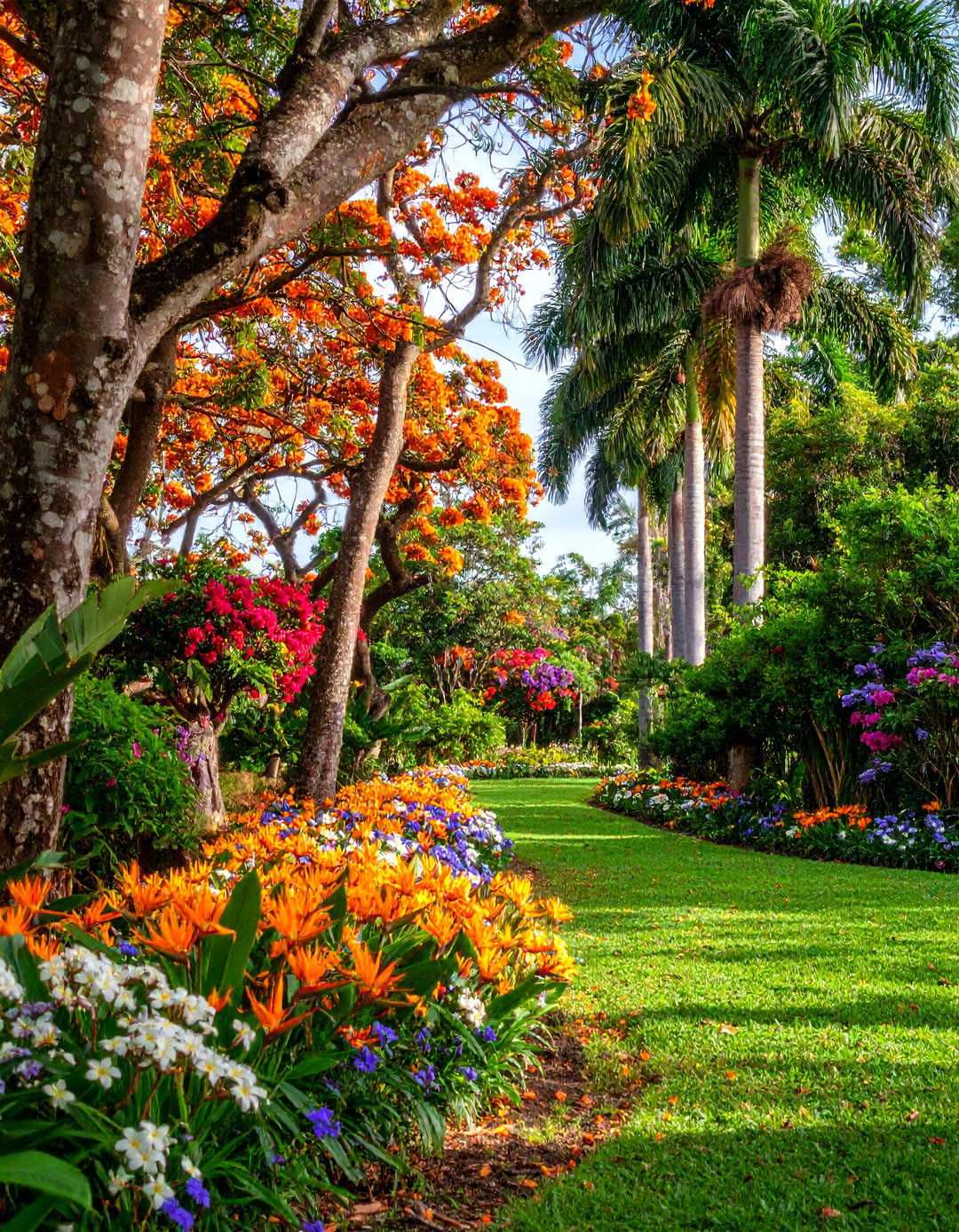
Imagine turning your outdoor space into a serene escape reminiscent of idyllic island getaways. Whether your property spans acres or boasts a small balcony, tropical garden design brings forth an enchanting tapestry of colors, textures, and scents that transport you to a tranquil paradise. This thoughtfully curated collection of 24 tropical garden ideas presents diverse themes and approaches that thrive in various climates and spaces. From sprawling palm groves to intimate container gardens, each concept emphasizes the importance of striking foliage, warm color palettes, soothing water features, and layered planting schemes. The adaptability of tropical gardening lies in its ability to blend authentic tropical plants with cold-hardy alternatives that replicate the lush essence of warmer climates. Prepare to unlock the secrets of creating a personal sanctuary.

As an Amazon Associate I earn from qualifying purchases.
2. Verdant Palm Forest
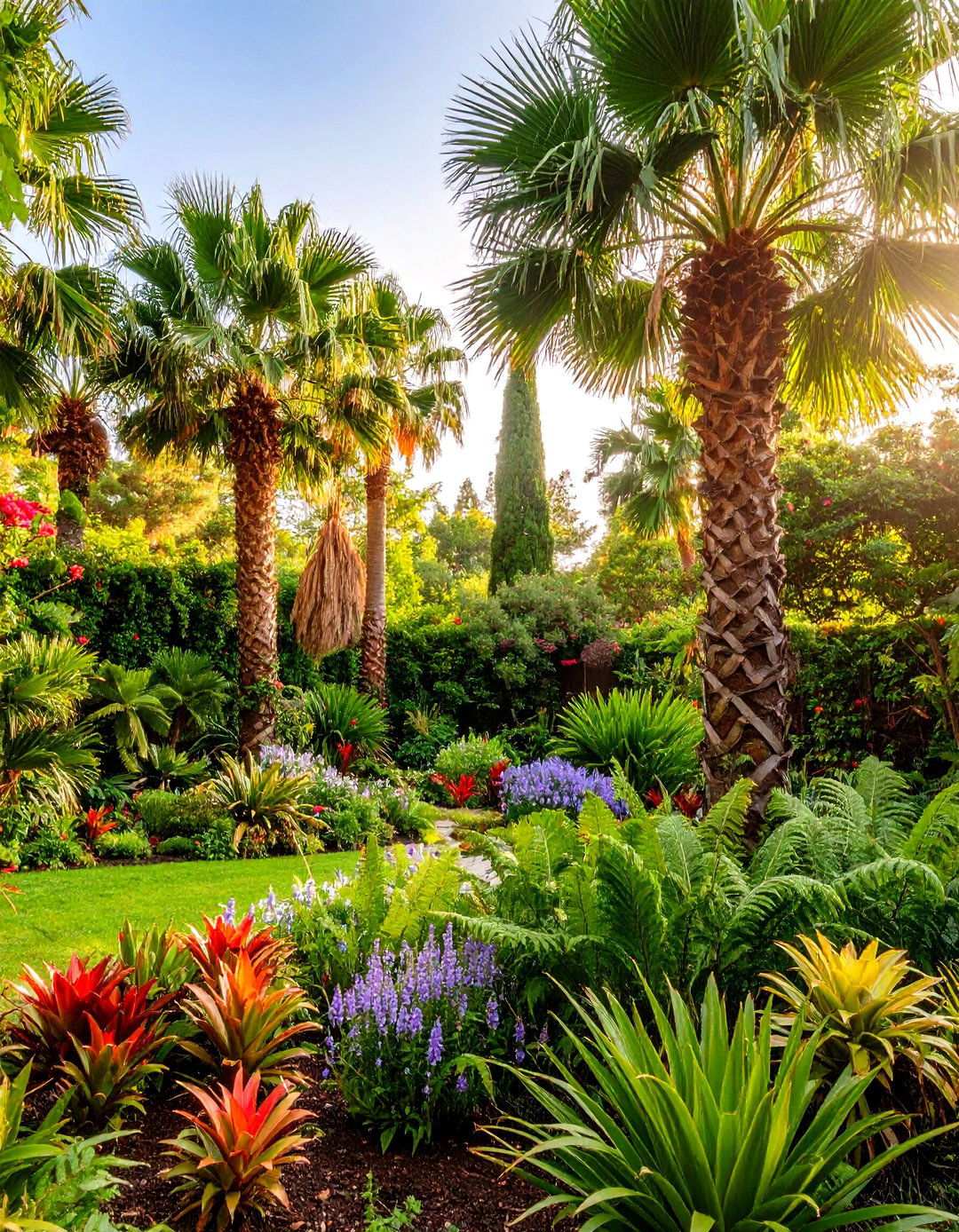
Creating a tropical ambiance has never been simpler than with a majestic palm forest. This stunning ensemble of diverse palm species in varying heights and textures generates visual interest and natural depth. For colder climates, consider slow-growing windmill palms, while warmer zones can accommodate towering royal palms. Arrange palms in odd numbers for a more natural appearance, situating taller varieties toward the rear and shorter, bushier palms towards the front. The key to success lies in selecting palms with contrasting foliage – pair feathery fronds with fan-shaped leaves to maximize impact. Supplement this lush backdrop with understory plantings of vibrant bromeliads and ferns to complete the tropical haven.
3. Tropical Oasis Revival
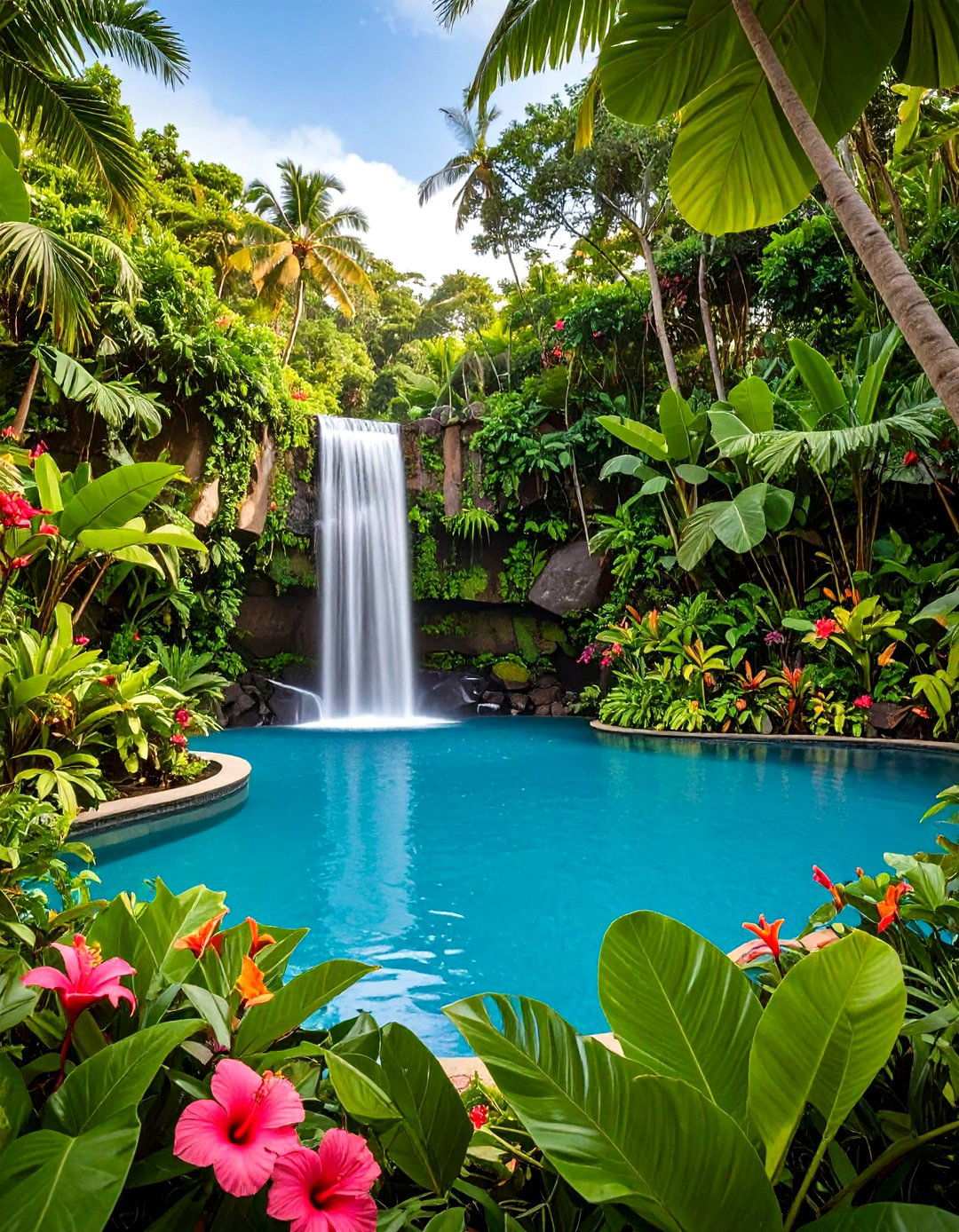
Imagine yourself enveloped in a serene tropical retreat, where lush vegetation and soothing water features blend in perfect harmony. A poolside tropical paradise is the epitome of luxury, combining lush plantings with captivating water features to recreate the essence of a high-end resort. To create an instant impact, surround your pool with dense layers of tropical vegetation, incorporating striking plants like elephant ears, crotons, and hibiscus. Integrate landscape pockets directly into the pool perimeter, filling them with vibrant bromeliads and ornamental grasses that add a pop of color. A natural stone waterfall feature, complete with integrated lighting, adds an enchanting ambiance in the evenings. Incorporating thatch-covered structures like palapas or gazebos provides a sense of authentic tropical shelter. As the soothing sound of cascading water combines with the gentle sway of palm fronds, you’ll be transported to a five-star tropical oasis.
4. Portable Tropical Getaway
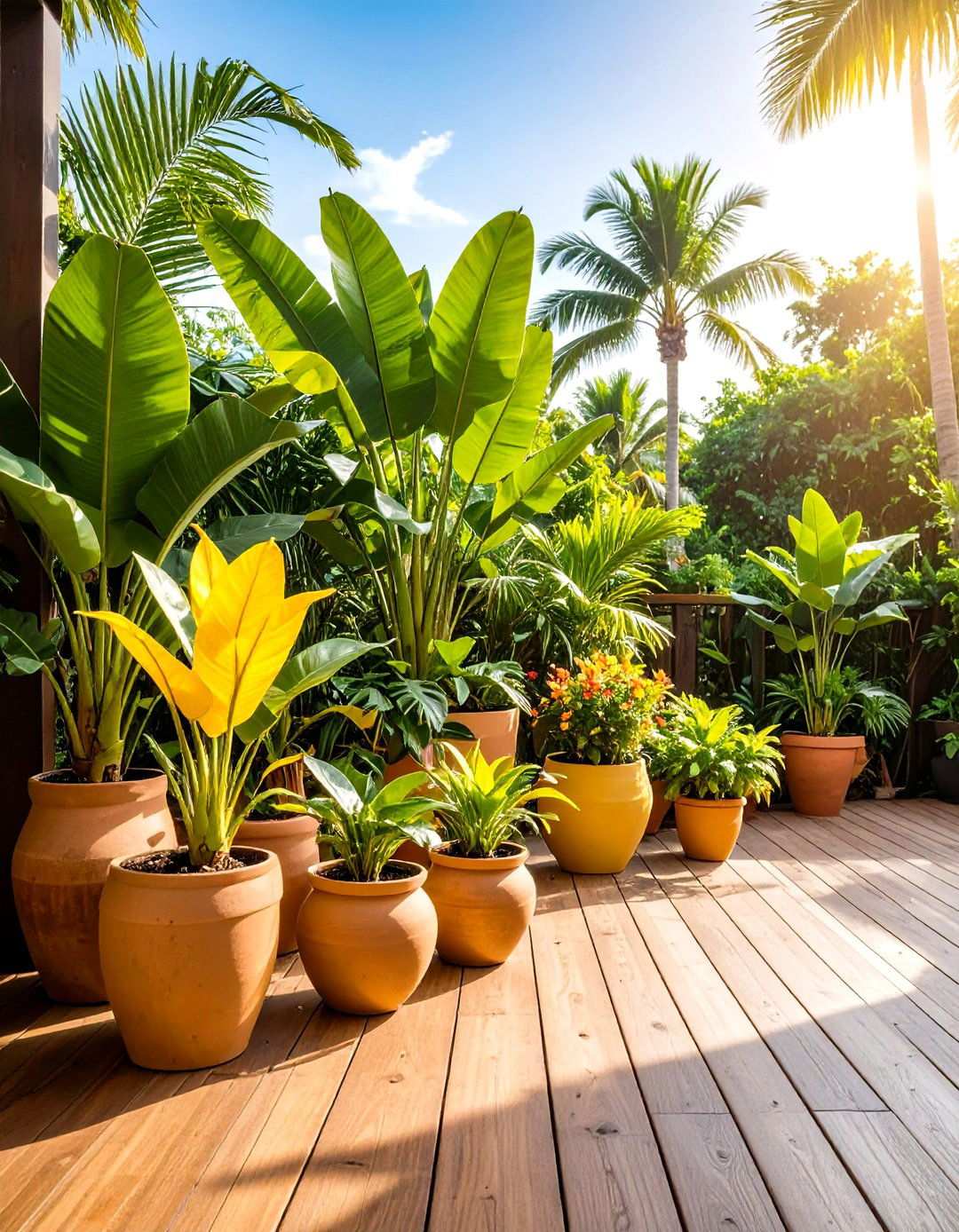
Space constraints shouldn’t limit your ability to experience the allure of the tropics. A container tropical garden brings the vibrant beauty of the tropics to any outdoor space, patio, deck, or balcony, through strategic pot arrangements. To create a dramatic display, choose oversized containers with a minimum diameter of 18 inches to accommodate statement plants like bananas, cannas, and large palms. Group containers of varying heights to create a natural layered effect, placing tall palms in the background and cascading plants like sweet potato vine spilling over the edges. Utilize self-watering containers to maintain consistent moisture, which tropical plants crave. Select pots in warm terracotta tones or bold colors that complement your plant palette, allowing you to overwinter tender plants indoors while maintaining tropical beauty during the growing seasons.
5. Serene Bamboo Sanctuary
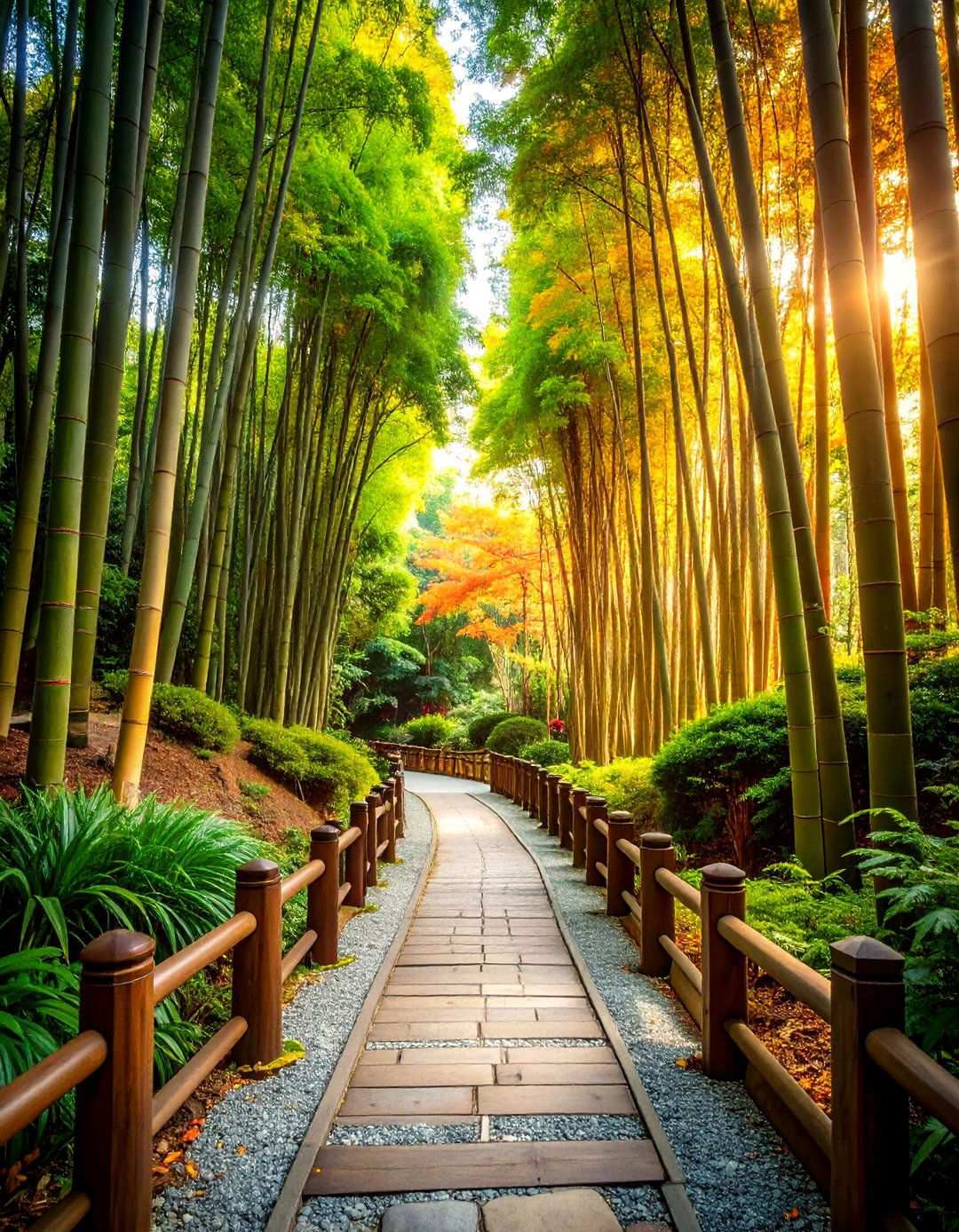
Imagine strolling through a peaceful bamboo grove, surrounded by the gentle rustling of leaves and the soft filtering of dappled light. A bamboo grove sanctuary creates natural privacy screening while adding distinctive tropical texture to your landscape. To create a visually striking effect, choose clumping bamboo varieties like golden bamboo or black bamboo that won’t spread aggressively. Plant bamboo in clusters to create intimate pathways and secluded seating areas within your garden. The gentle rustling of bamboo leaves in the breeze provides a soothing white noise that masks urban sounds. Underplant with shade-loving tropicals like hostas, ferns, and caladiums that thrive in the dappled light, adding an extra layer of visual interest. Adding stepping stone paths through the grove creates a meditative walking experience reminiscent of Asian tropical gardens, allowing you to escape into a serene and tranquil world.
6. Vibrant Bromeliad Displays
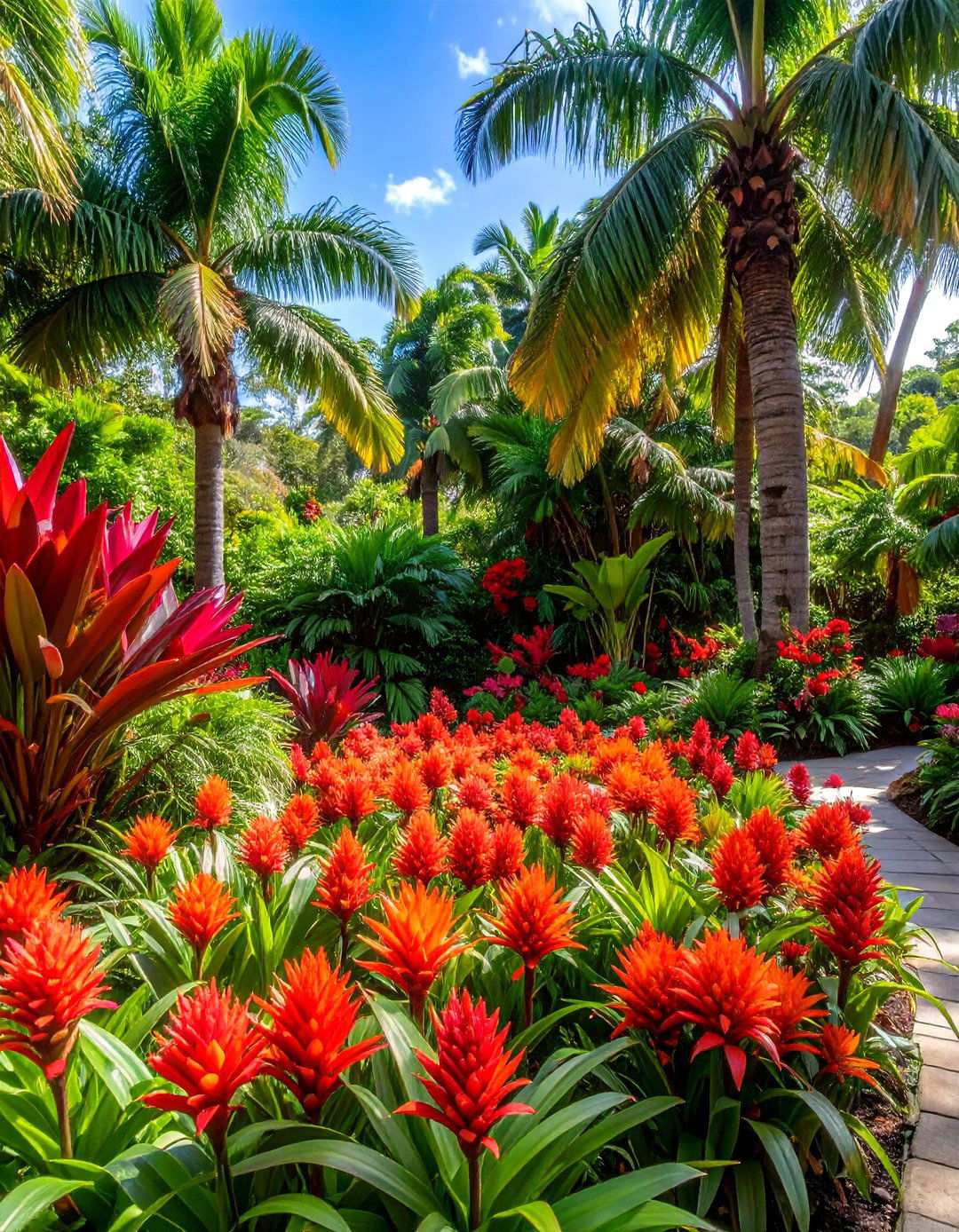
Transform your garden into a kaleidoscope of colors with the striking beauty of bromeliads. These exotic plants boast an array of vibrant hues, including fiery reds, soft pinks, and deep purples, which provide year-round visual interest. To showcase their foliage to its fullest potential, group bromeliads beneath the filtered light of palm trees or other tropical specimens. The unique rosette growth habit of these plants creates natural water-holding centers that attract a variety of birds and add dynamic movement to the garden. With their low-maintenance requirements and ability to thrive in neglect, bromeliads are perfect for busy gardeners seeking a tropical impact. By combining different species with varying heights and colors, you can create a breathtaking living tapestry that captivates the senses.
7. Edible Tropical Landscapes
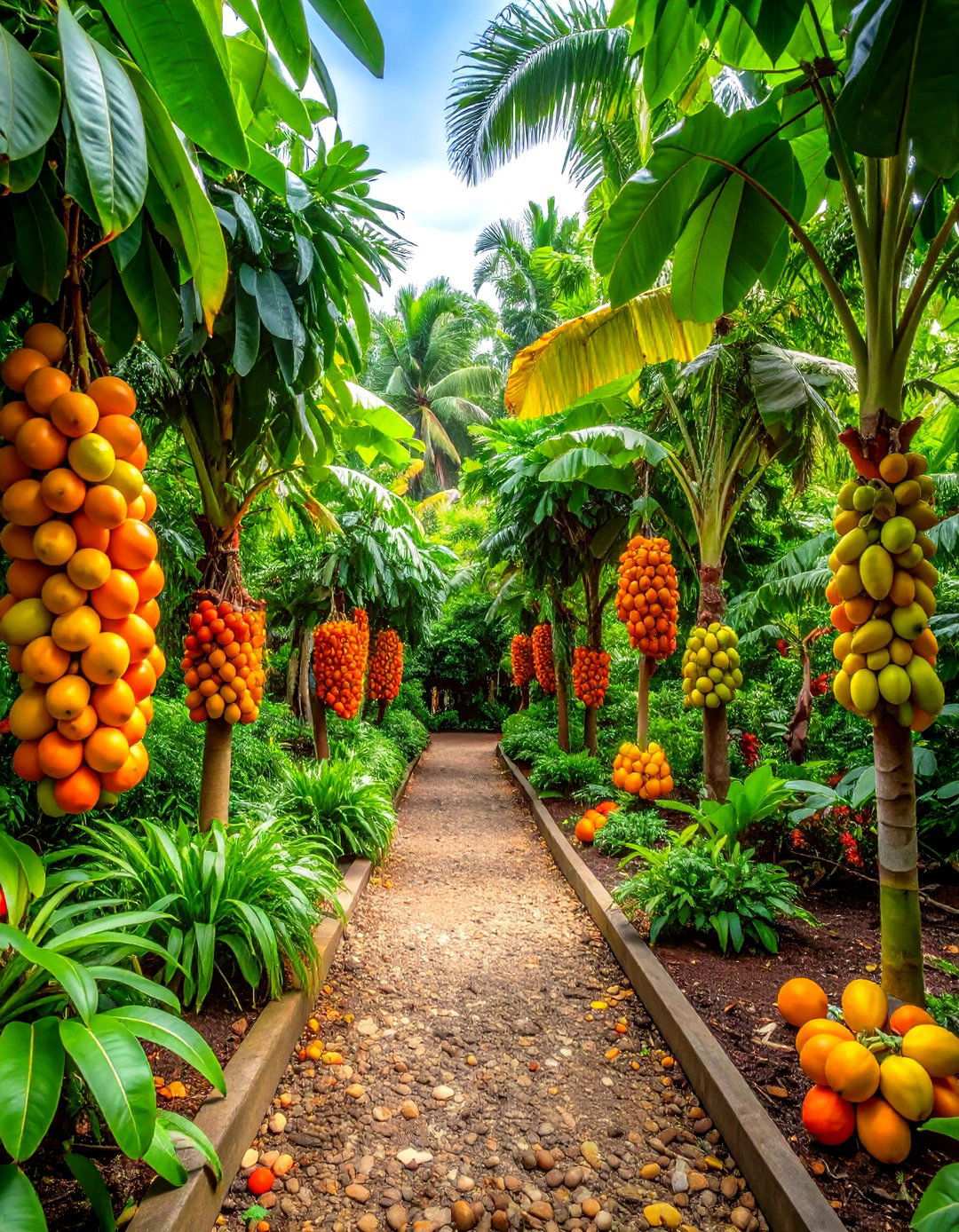
Experience the perfect blend of beauty and bounty in a tropical fruit tree orchard. This innovative edible landscape concept brings together a diverse array of fruit trees, including mangoes, avocados, papayas, citrus varieties, and banana plants. Not only do these trees provide a delicious harvest, but their large leaves and interesting growth habits also create an immersive tropical ambiance. To ensure the optimal growth of your orchard, design it with wider spacing to accommodate mature tree sizes and make room for understory plantings. For smaller spaces, incorporate passion fruit vines on trellises and dwarf fruit varieties in containers. By adding fragrant flowering varieties like guava and loquat, you’ll create a sensory experience that lets you savor the fruits of your labor.
8. Tropical Water Features
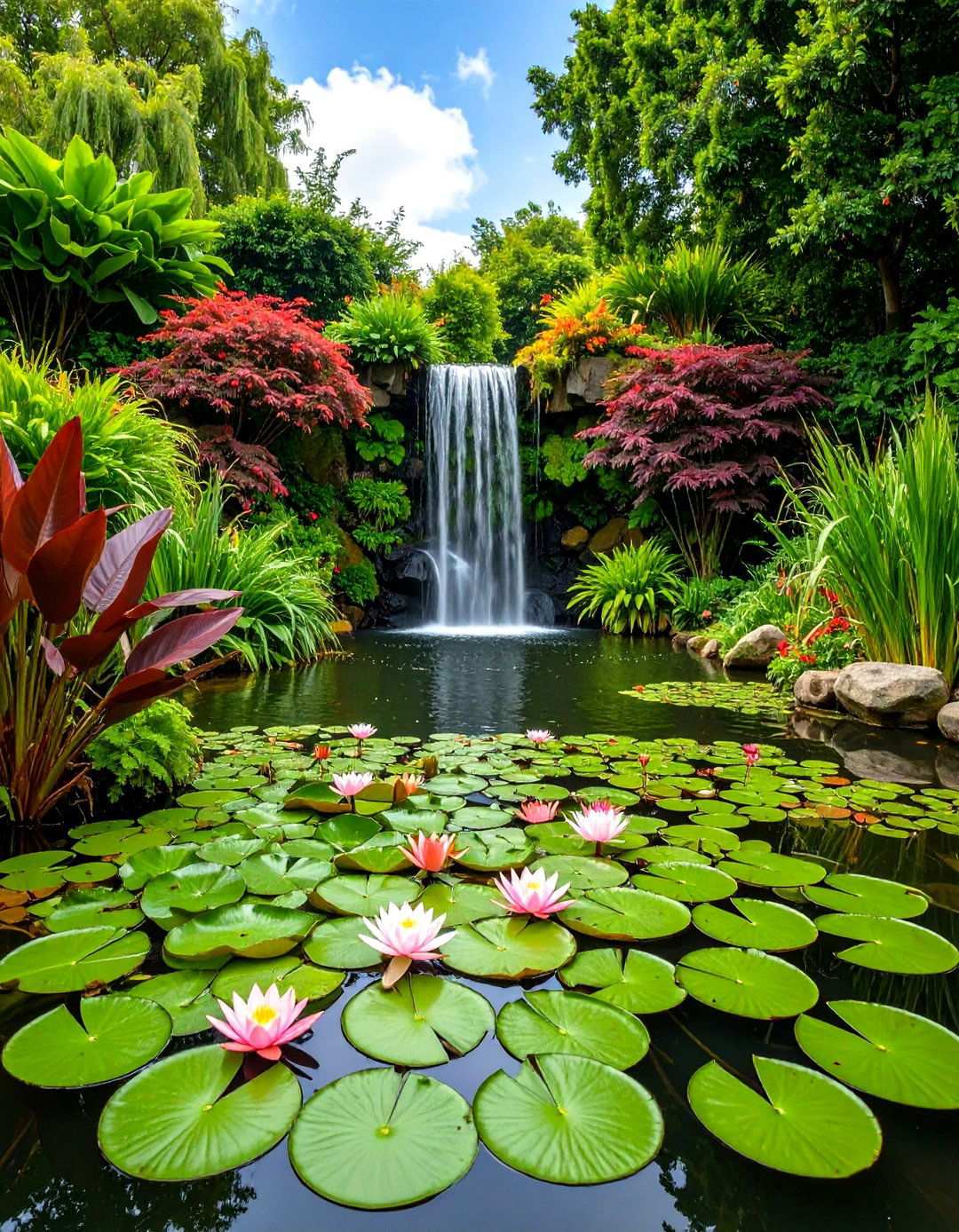
Water is the lifeblood of tropical environments, and incorporating it into your garden design can create a truly immersive experience. A water garden oasis brings together ponds, fountains, and aquatic plants to create a sense of tranquility and tropical ambiance. Start by installing a large pond with a naturalistic shape, surrounded by tropical marginal plants like papyrus, water lilies, and lotus. Add a cascading waterfall feature using natural stone to create soothing sounds and visual movement. To add life and interest to your pond, stock it with colorful koi fish. Then, surround the water’s edge with moisture-loving tropicals like elephant ears, gingers, and aroids that thrive in humid conditions. The combination of flowing water, lush plantings, and wildlife creates an authentic tropical ecosystem in your backyard that’s sure to captivate and inspire.
9. Tropical Shade Sanctuary
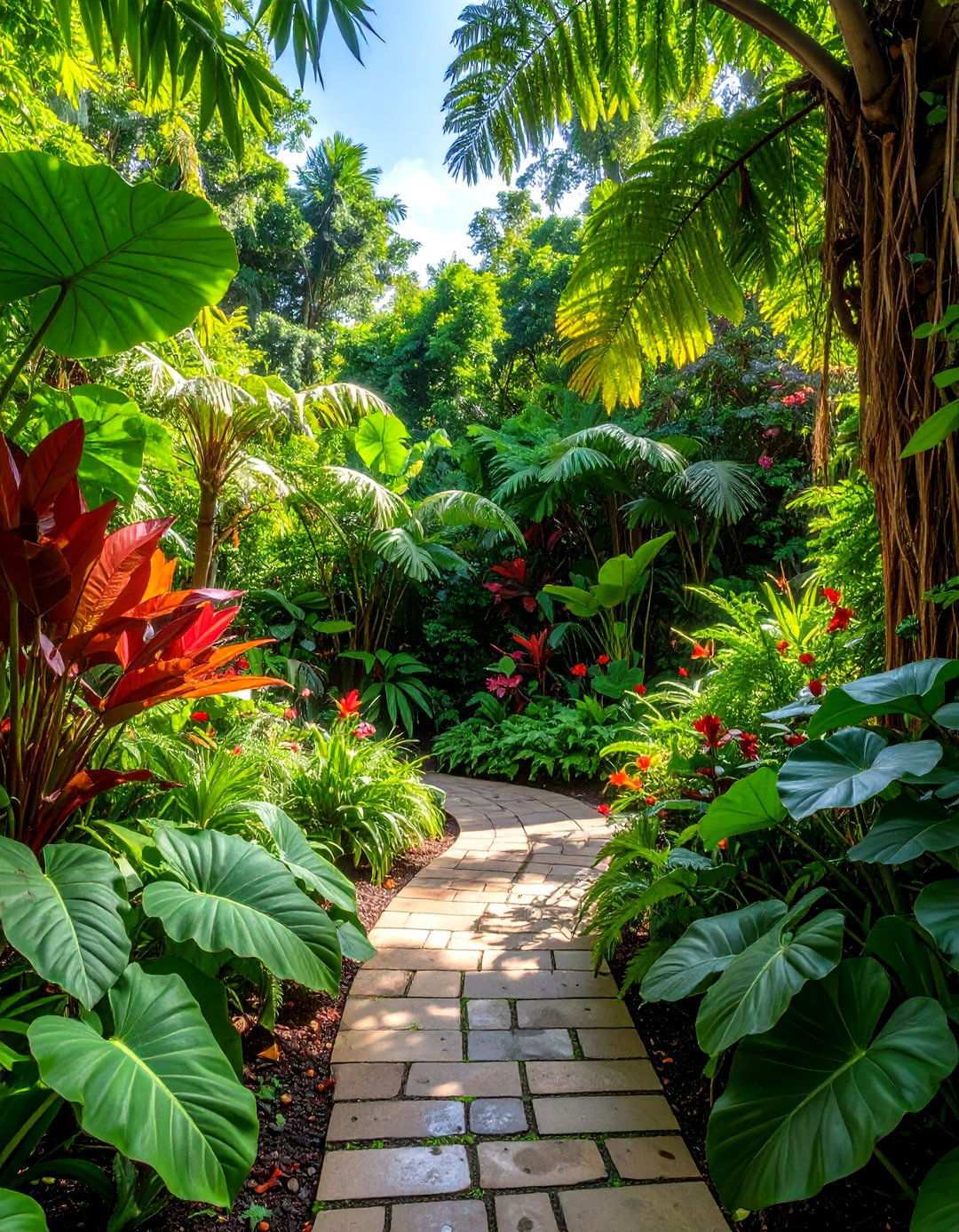
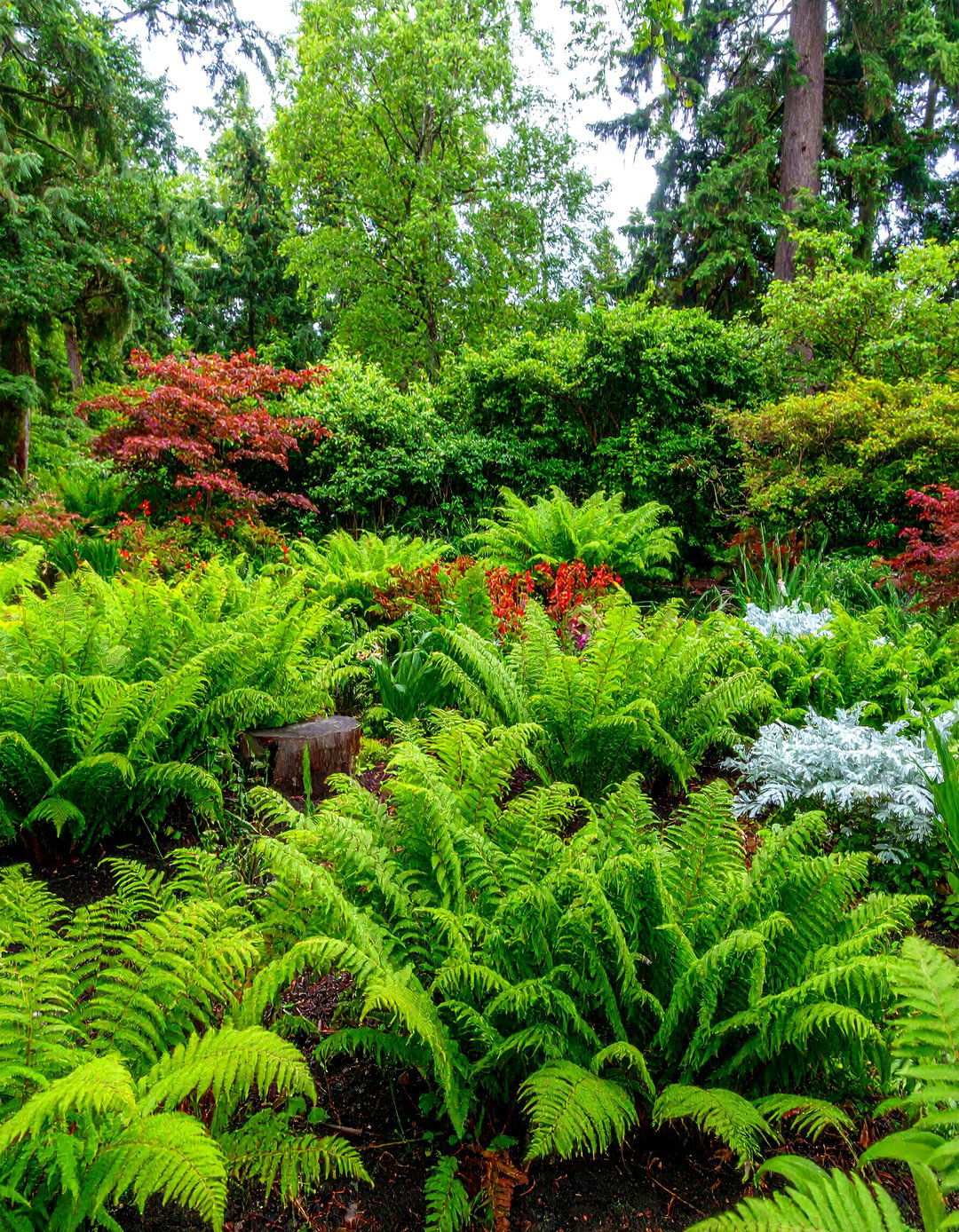
Bring the lush beauty of the tropics into a shaded area, where the dramatic foliage of exotic plants takes center stage. Focus on a diverse array of shade-loving specimens, such as elephant ears, caladiums, and bird’s nest ferns, which showcase their stunning leaves in a variety of colors and textures. Supplement these with flowering varieties like begonias, impatiens, and torenia, which bloom vibrantly in filtered light. By incorporating a range of leaf textures and colors, you can create visual interest without relying on flowers. When designing your tropical shade garden, consider layering your plants, with taller specimens like tree ferns providing a canopy, medium plants like heliconias in the middle, and ground covers like creeping jenny below. This approach thrives in areas under existing trees or on the north side of buildings, where the cooler conditions allow tropical drama to flourish.
10. Desert Tropical Harmony
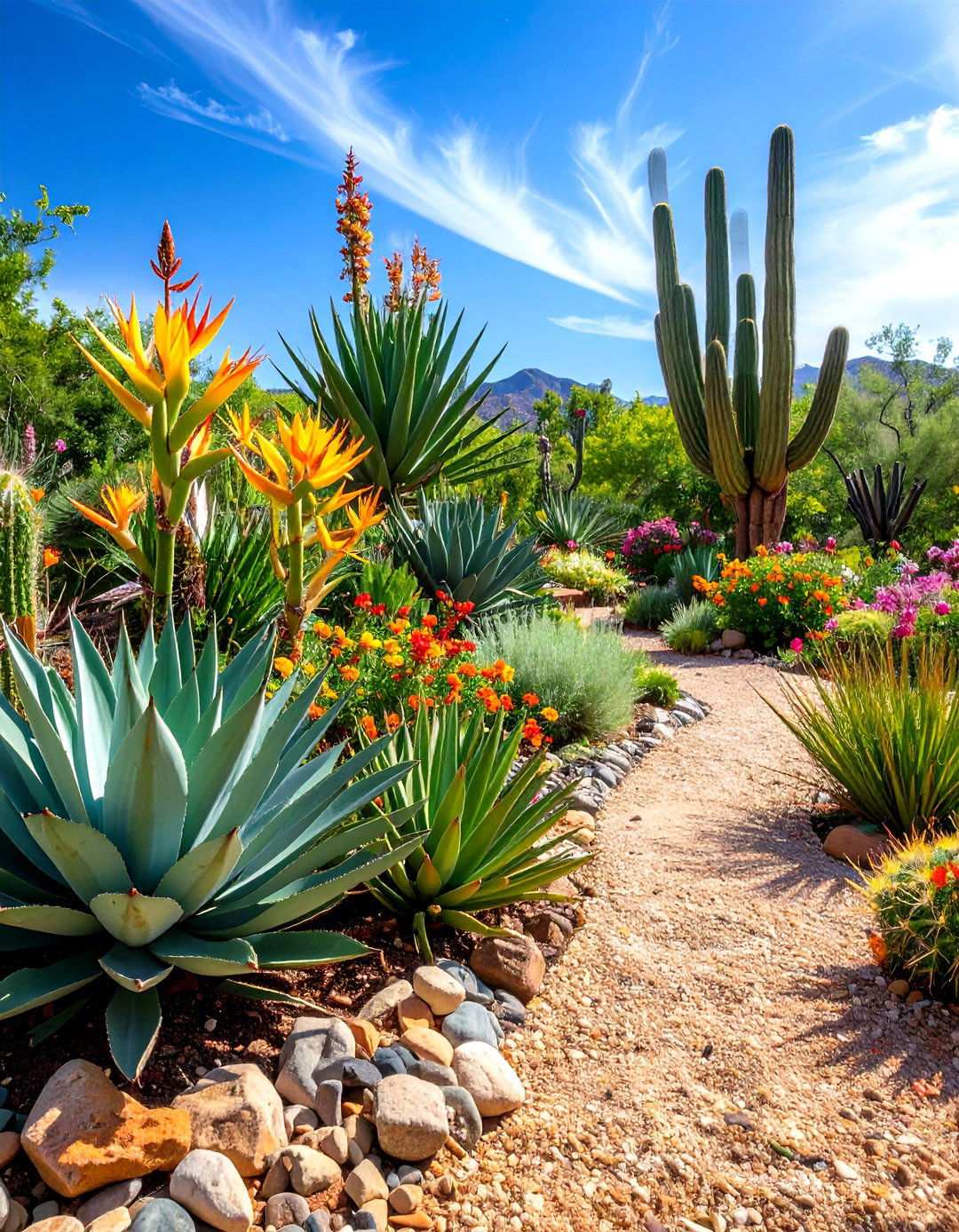
Can you successfully blend the arid beauty of the desert with the lush charm of the tropics? A desert tropical fusion garden combines drought-tolerant plants with tropical specimens, creating a unique and water-wise approach. Use agaves, yuccas, and ornamental grasses as the backbone of your garden, then add tropical accents like bird of paradise and hibiscus, which can tolerate drier conditions. This style works particularly well in Mediterranean and southwestern climates, where water conservation is crucial. To complement your plant combinations, include decorative rocks, gravel mulch, and contemporary hardscaping elements that blend seamlessly with both plant styles. The striking contrast between spiky desert plants and broad tropical leaves creates visual tension, while reducing maintenance requirements compared to traditional water-hungry tropical gardens.
11. Tropical Cottage Oasis
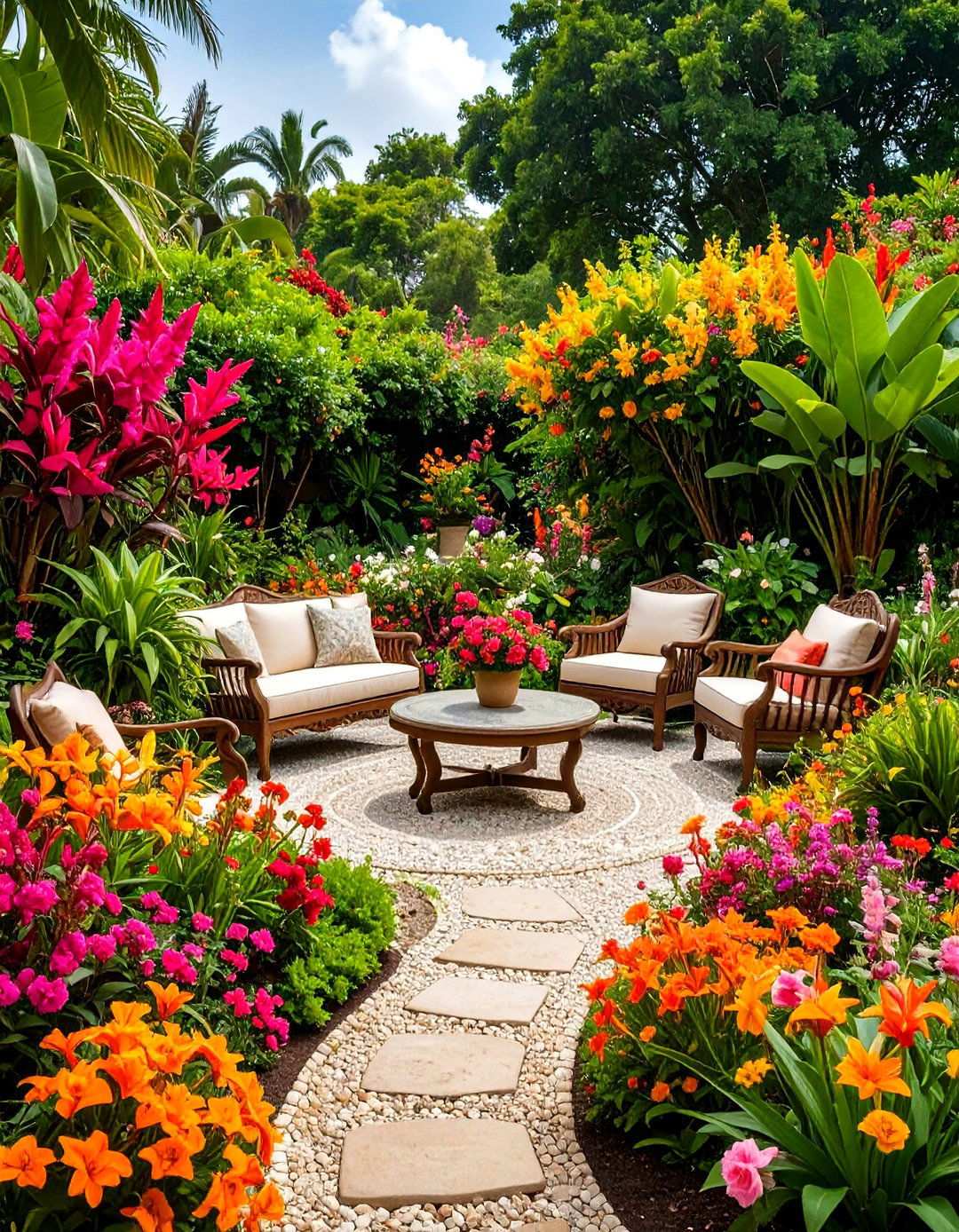
A tropical cottage garden blends the charm of a rustic cottage with the exotic allure of tropical plants, creating a relaxed and welcoming atmosphere. Combine traditional cottage plants like roses and lavender with tropical specimens such as cannas, gingers, and colorful crotons. Allow your plants to self-seed and overflow their boundaries for a naturalistic appeal. To enhance the casual atmosphere, include winding gravel paths, vintage garden furniture, and weathered containers. Plant densely in curved borders, with taller plants toward the back and shorter specimens spilling onto pathways. Add climbing vines like mandevilla and passion flower to cover arbors and trellises. This style celebrates the abundance and informality that makes tropical gardens feel personal and inviting, rather than overly manicured.
12. Vertical Tropical Oasis
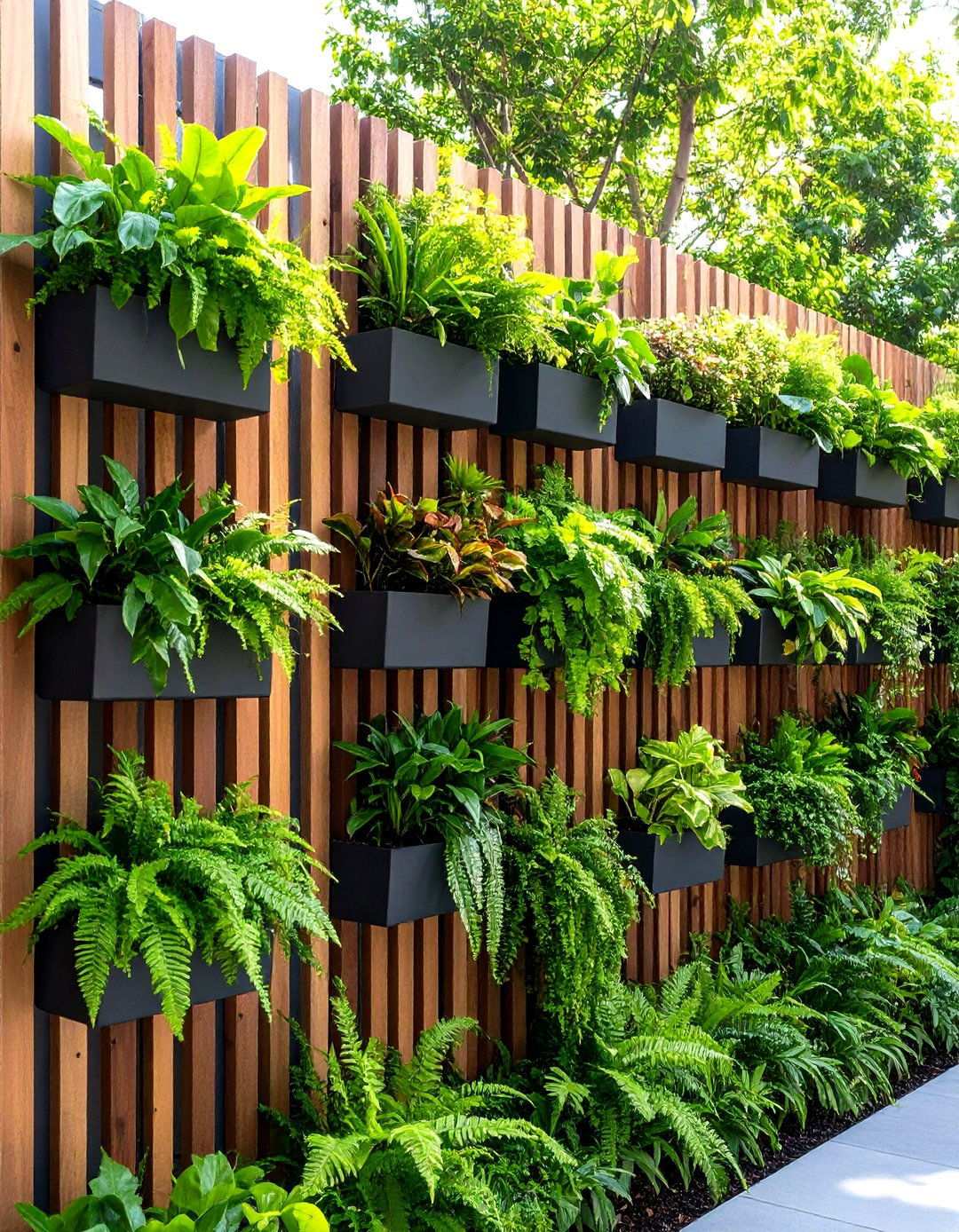
To pack a tropical punch in a small footprint, vertical elements come to the rescue. A living wall installation on a fence, blank wall, or balcony railing can create a stunning focal point with lush coverage. By combining trailing plants like pothos and philodendrons with upright specimens like small palms and bromeliads, you can achieve a dramatic vertical effect. For added visual interest, incorporate flowering vines such as bougainvillea and jasmine that bring color and fragrance to the space. This approach is especially effective in urban environments where floor space is limited but wall space is plentiful.
13. Lunar Tropical Sanctuary
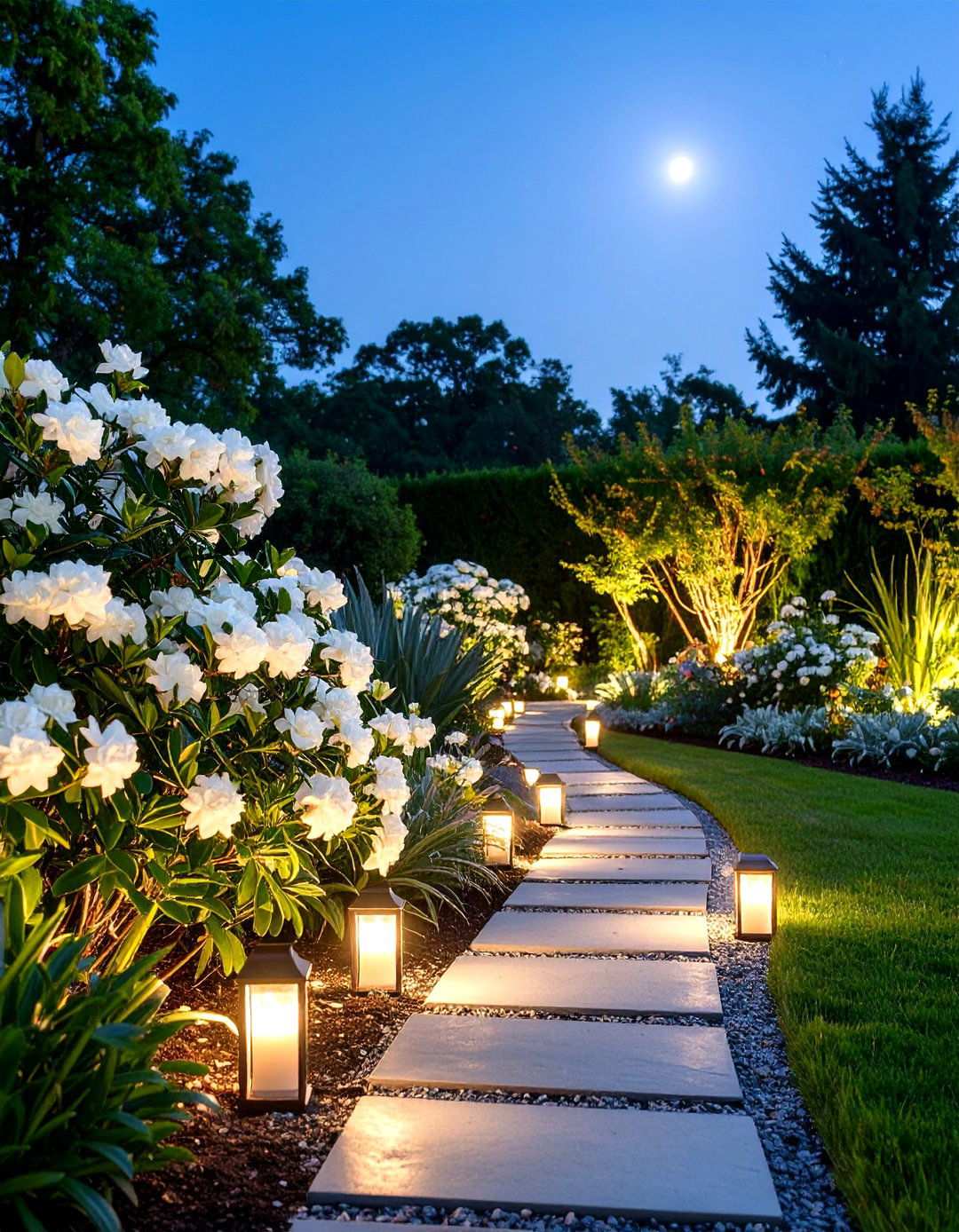
Imagine a tropical garden that comes alive under the soft glow of moonlight. A moonlight tropical garden is all about showcasing white and silver foliage plants that reflect light beautifully at dusk. Choose plants with pale flowers like white gingers and gardenias that release their fragrance after dark, creating an enchanting atmosphere. Don’t forget to include silver-leafed specimens like dusty miller and silver sage that shimmer in low light. To enhance the ethereal effect, hide warm white LED lights among the plants. And for a truly magical experience, plant night-blooming varieties like four o’clocks and evening primrose that unfurl their flowers as darkness falls.
14. Tropical Boulderscape
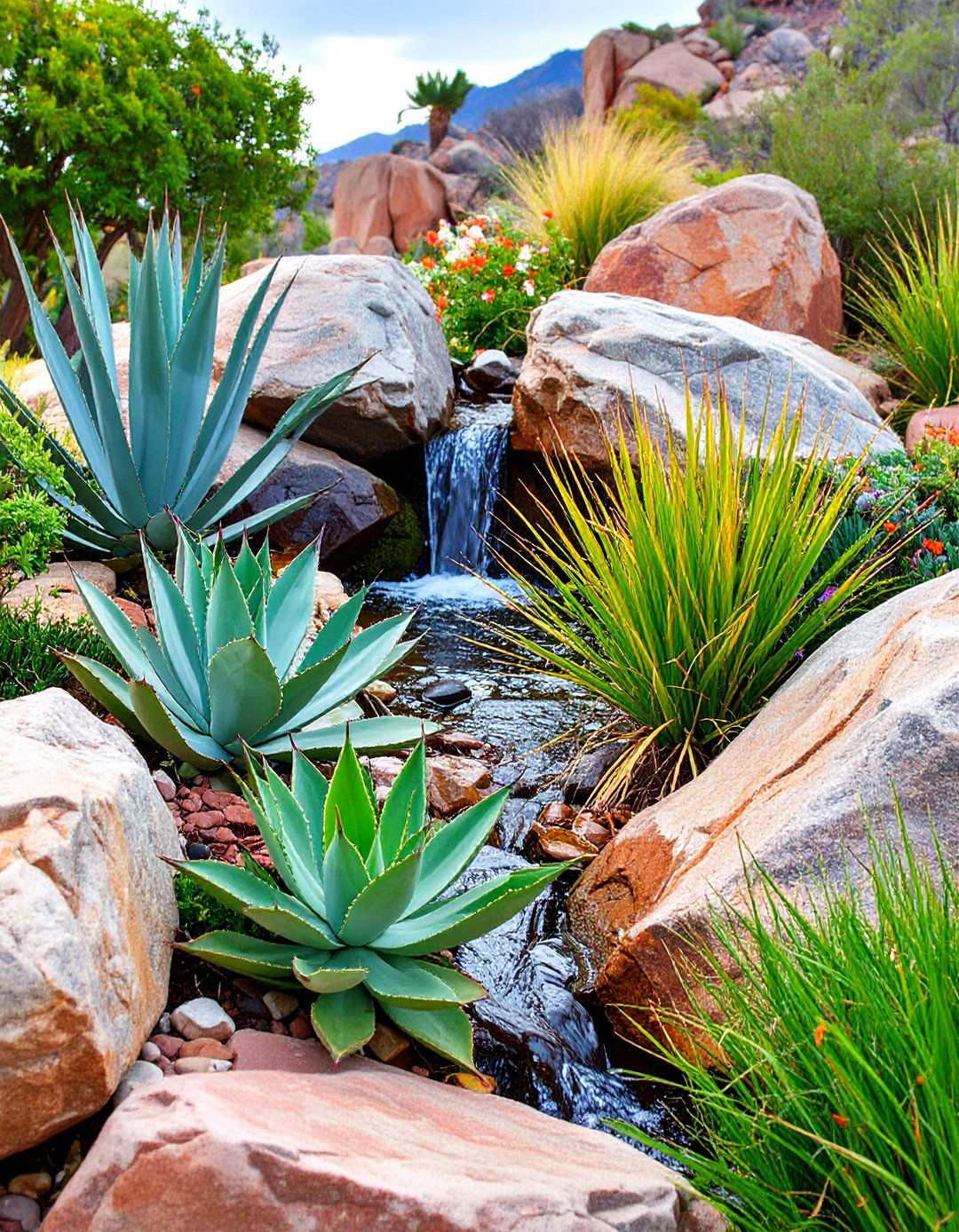
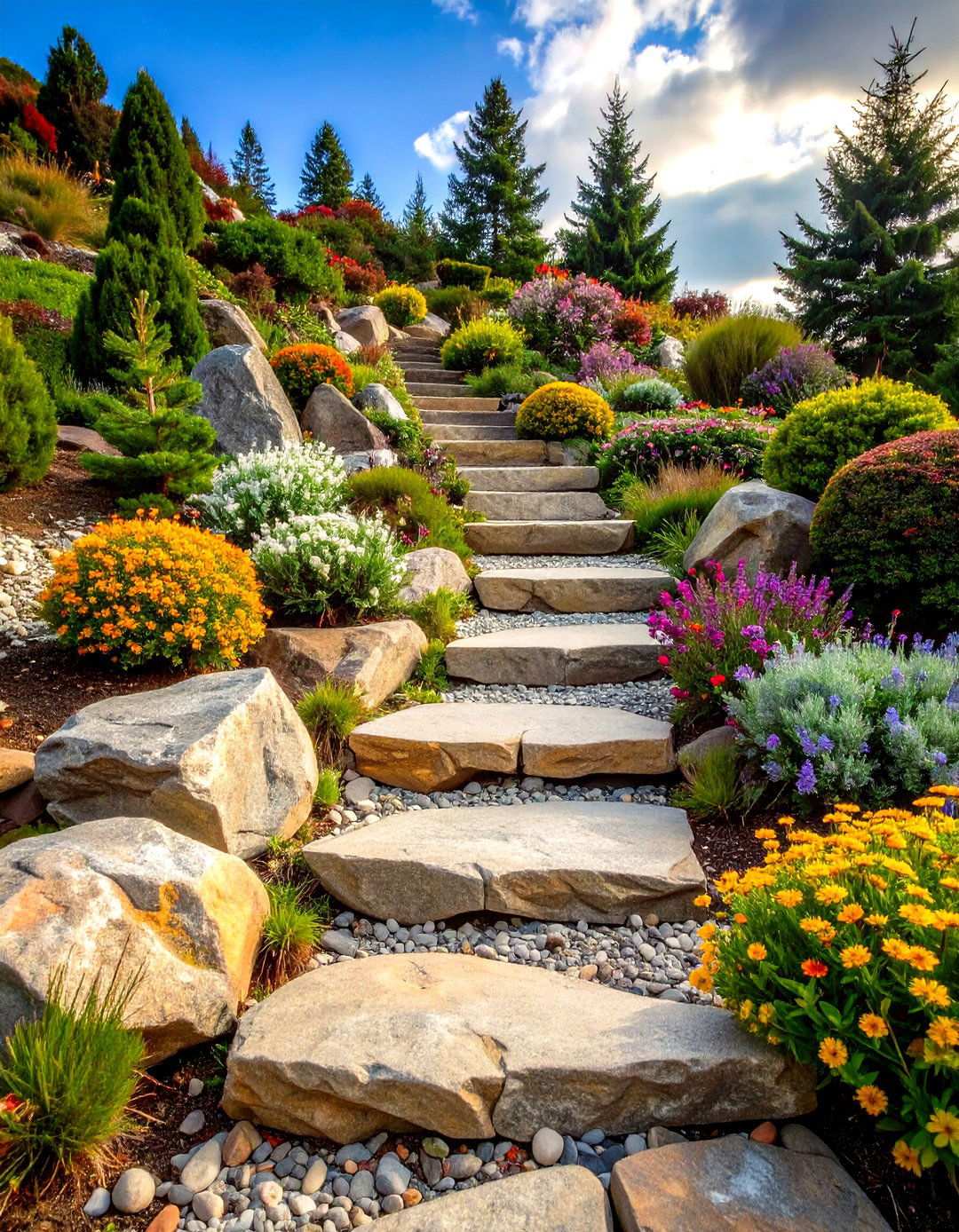
Why not challenge conventional garden design and create a tropical oasis amidst rocks and boulders? A tropical rock garden combines natural stone elements with heat-loving plants that appreciate excellent drainage and thermal mass. Use large boulders as anchor points surrounded by tropicals like agaves and aloes that thrive in warm conditions. Fill crevices between rocks with smaller specimens like air plants and sedums that require minimal soil. The thermal mass of rocks helps regulate temperature swings while providing textural contrast to soft plant foliage. Complete the look with a small water feature that trickles over rocks, adding humidity and soothing sound to the space. This style excels on slopes or in areas with challenging drainage where traditional tropical gardens might struggle to thrive.
15. Immersive Tropical Oasis

Transform your outdoor space into a sensory haven by cultivating a tropical herb and spice garden. This type of garden not only supplies aromatic ingredients for the kitchen but also fosters an alluring ambiance that immerses the senses. Incorporate fragrant plants such as lemongrass, galangal, Thai basil, and curry plants, whose distinctive scents are released when gently touched. Add edible flowers like nasturtiums and pineapple sage, which infuse color into both the garden and the culinary experience. Many tropical herbs boast striking foliage that rivals ornamental plants – consider the vibrant purple stems of Thai basil or the architectural form of lemongrass. Strategically place these plants near outdoor dining areas to fully appreciate their aromas during meals. By integrating this functional tropical garden, you directly connect with the flavors and fragrances that define tropical cuisine, creating a truly immersive experience.
16. Vibrant Tropical Ecosystem
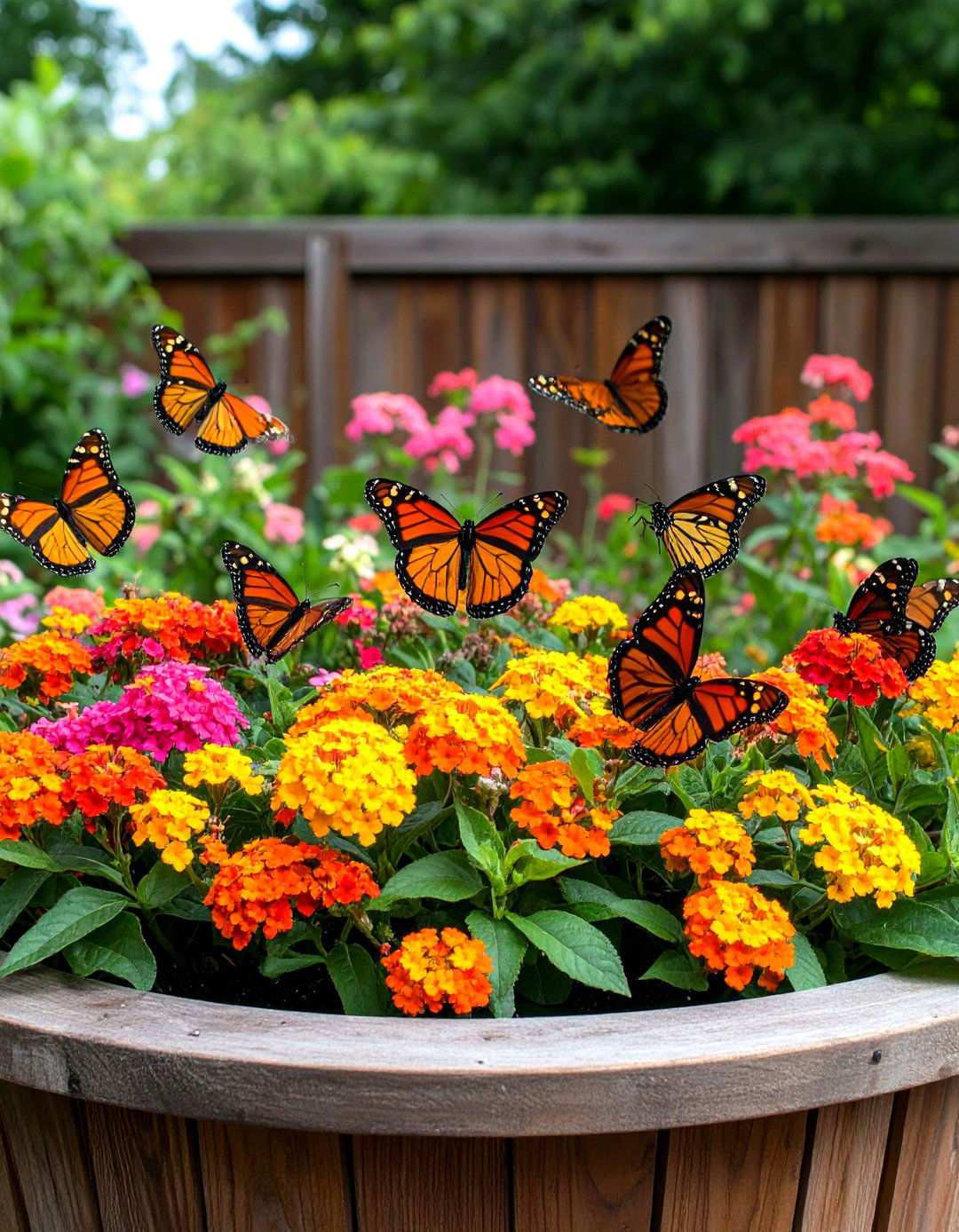
Attracting a kaleidoscope of colorful butterflies is an effective way to bring tropical gardens to life. A butterfly tropical garden showcases nectar-rich plants that not only provide visual appeal but also serve as essential resources for these delicate creatures. Incorporate native milkweeds, pentas, lantana, and porter weed, which act as both food sources and larval host plants for various butterfly species. Include flowering trees like bottlebrush and flame tree, which provide nectar for larger butterfly species. Create functional butterfly puddling stations using shallow dishes filled with sand and water, where these magnificent creatures can drink and gather essential minerals. To safeguard the well-being of these visitors, completely avoid pesticides in your gardening practices. The dynamic movement of butterflies among tropical blooms creates a living, breathing garden that constantly changes throughout the day as different species visit and interact with your exotic flowers.
17. Tranquil Tropical Retreat
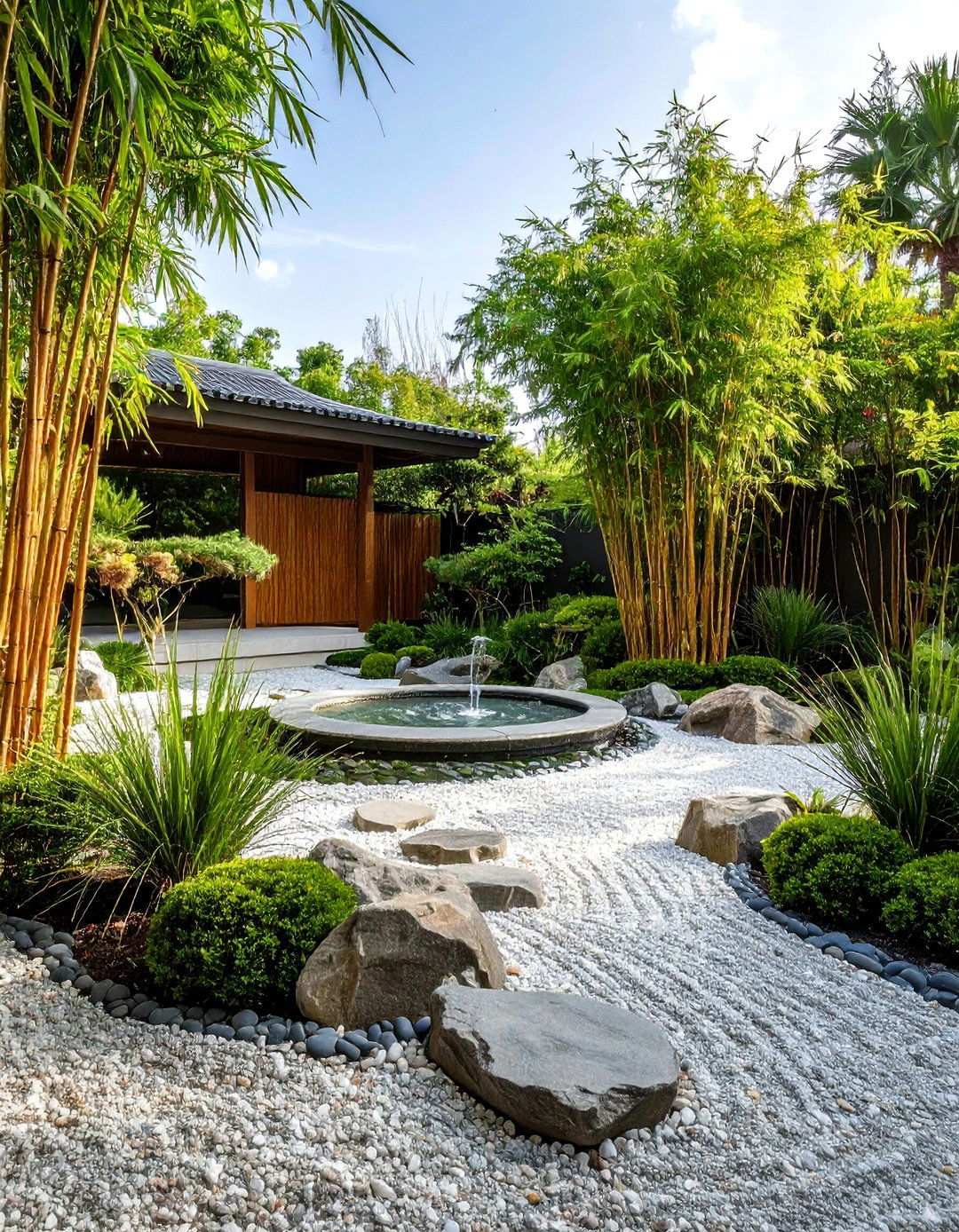
Achieving a harmonious balance between tropical lushness and peaceful simplicity is key to creating a serene outdoor space. A tropical zen meditation garden emphasizes clean lines, the judicious selection of plants with striking architectural forms, and contemplative areas for relaxation and rejuvenation. Select a limited palette of plants featuring strong, architectural forms such as bamboo, ornamental grasses, and simple palm varieties. Design gravel or stone pathways that encourage slow, mindful pacing through the space, inviting a sense of calm. Incorporate a central water feature with still or gently moving water that reflects the sky and surrounding plants. Position simple wooden benches in areas where pleasant views and cooling breezes can be fully appreciated. By carefully crafting this tropical environment, you can create a peaceful retreat from daily stress that calms rather than overwhelms the senses.
18. Transforming Intimate Spaces into Tropical Paradises
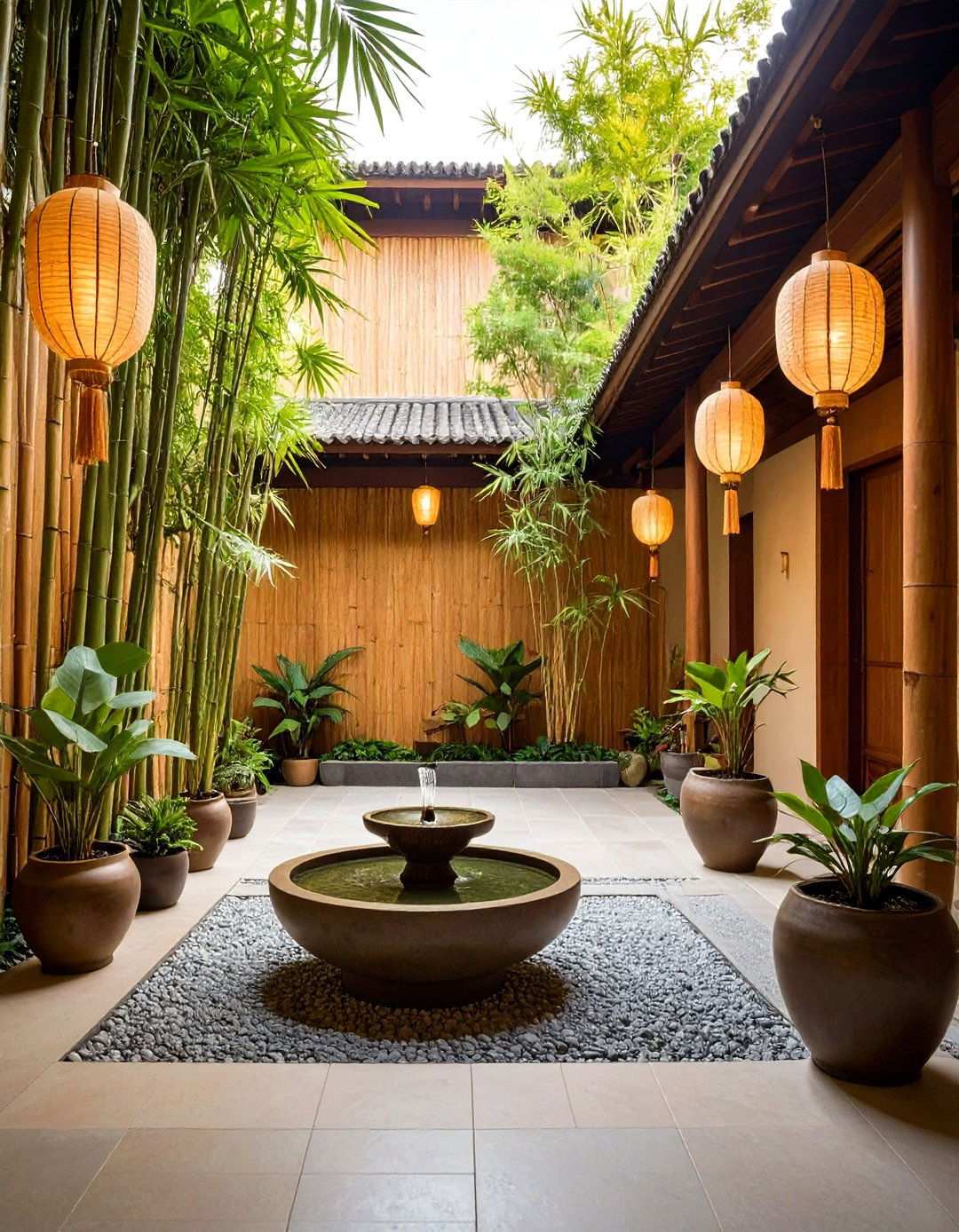
Can you turn a small enclosed area into a tranquil oasis? Tropical courtyard hideaways can be achieved by utilizing vertical planting, water features, and selecting plants carefully. By planting tall specimens such as bamboo or palms along walls, you can create a sense of seclusion and height. Incorporate large containers filled with vibrant plants like elephant ears and bird of paradise to serve as unique living sculptures. Installing a wall-mounted fountain or small pond can add soothing water sounds and visual interest. Make sure to include cozy seating surrounded by fragrant plants like gardenias and jasmine. The microclimate created by enclosed spaces often allows more delicate plants to thrive in cooler areas while providing complete seclusion for relaxation and social gatherings.
19. Combining Tropical Flair with Low-Maintenance Succulents
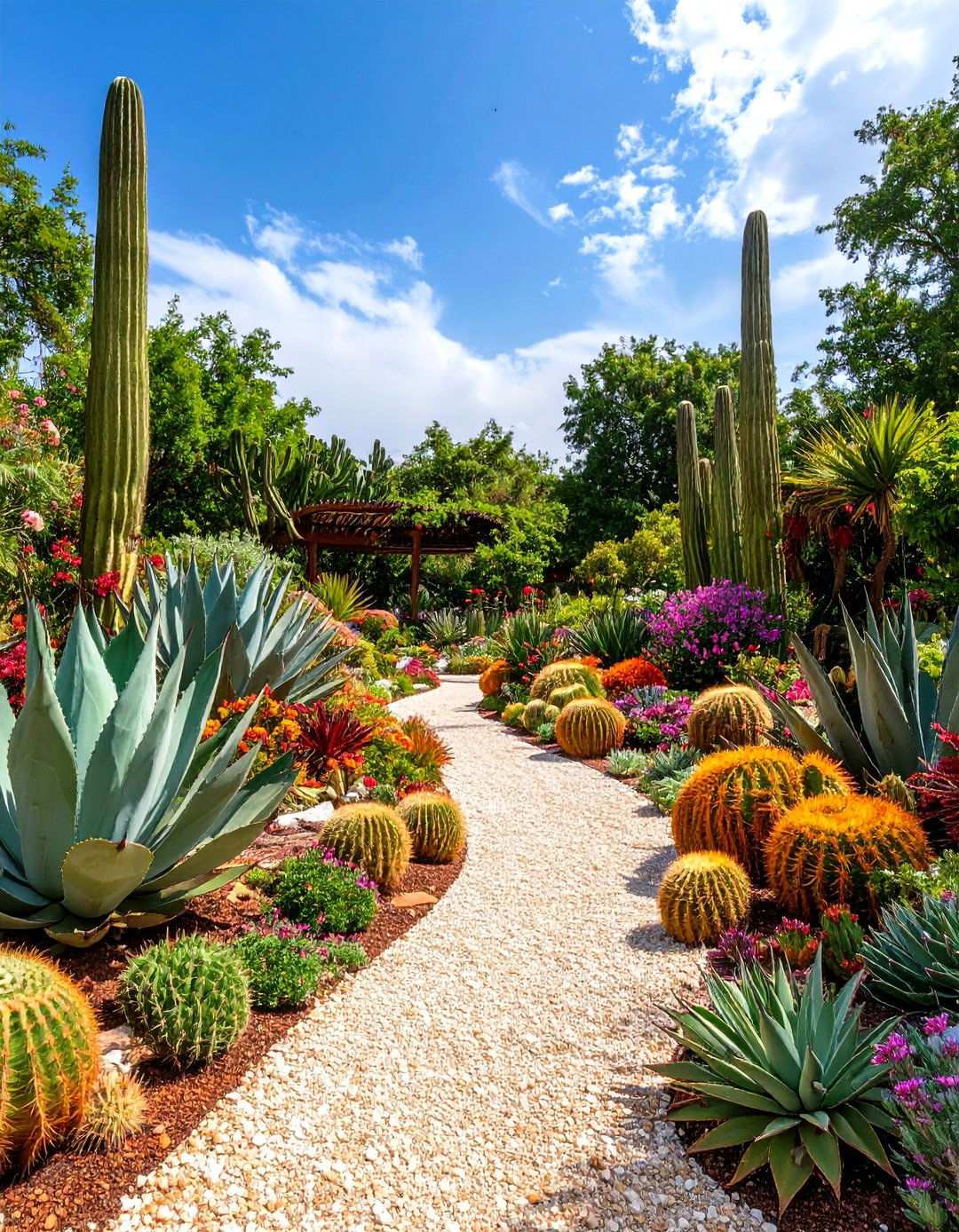
What happens when you merge the drama of tropical plants with the ease of succulents? A tropical succulent garden showcases large agaves, striking aloes, and colorful aeoniums that provide exotic forms without the need for constant watering. Incorporate desert-adapted tropical plants like prickly pear cactus and desert spoon that bridge the gap between styles. Use decorative gravel, colored sand, and interesting rocks to create artistic patterns around plant groupings. This style is particularly well-suited for areas with water restrictions or for gardeners who enjoy traveling. The bold forms and unexpected textures of large succulents can instantly create a tropical atmosphere while requiring minimal care once established.
20. Integrating Beauty and Functionality in Tropical Edible Landscapes
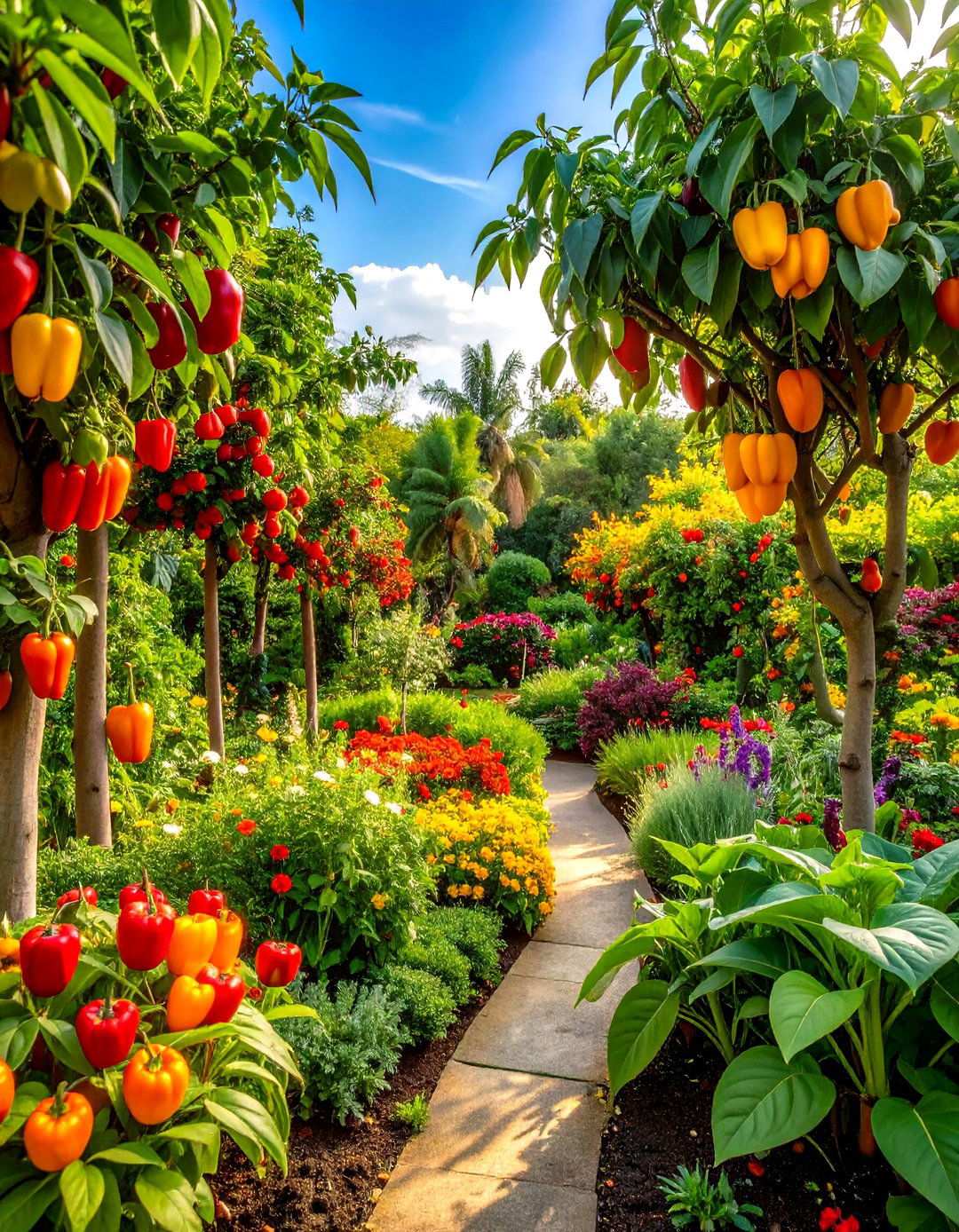
Why settle for choosing between beautiful and productive when you can have both? A tropical edible landscape seamlessly integrates food plants with ornamental specimens to maximize beauty and functionality. Plant ornamental peppers with vibrant fruits, edible hibiscus with showy flowers, and sweet potato vines with attractive trailing foliage. Incorporate fruit trees as focal points and herb borders that provide cooking ingredients. Many edible tropical plants offer stunning foliage – consider purple-stemmed amaranth or colorful Swiss chard varieties. Design walking paths through the edible areas and include harvesting baskets as garden accessories. This approach creates a sustainable tropical paradise where every plant serves multiple purposes while maintaining breathtaking visual appeal.
21. Tropical Indoor-Outdoor Gardens: Bringing Exotic Flair to Every Season
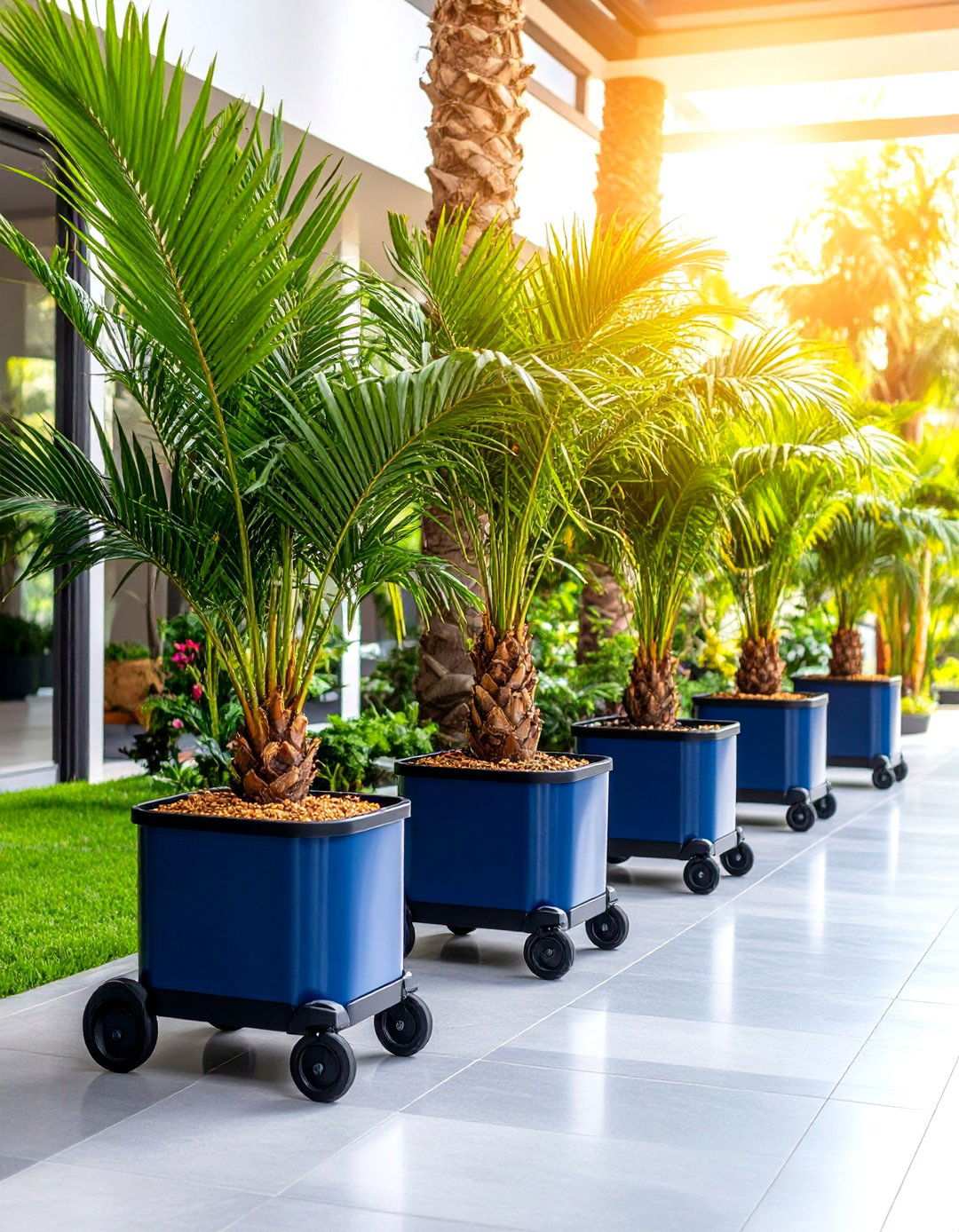
For gardeners living in areas with harsh winters, it’s a challenge to enjoy tropical plants year-round. One solution is to create a tropical indoor-outdoor garden, which seamlessly transitions between indoor and outdoor spaces. By selecting plants that thrive in both environments, you can extend the growing season and bring a touch of the tropics to your home. Consider using versatile plants like palms, ficus, and dracaena that adapt easily to changing conditions. To make the most of your space, utilize wheeled plant caddies to move heavy containers with ease. Designate transition areas, such as covered porches or conservatories, where plants can gradually adjust to the changing climate. Supplement natural light with grow lights during the winter months, allowing you to enjoy the beauty of tropical plants throughout the year.
22. Tropical Night Gardens: A Symphony of Senses
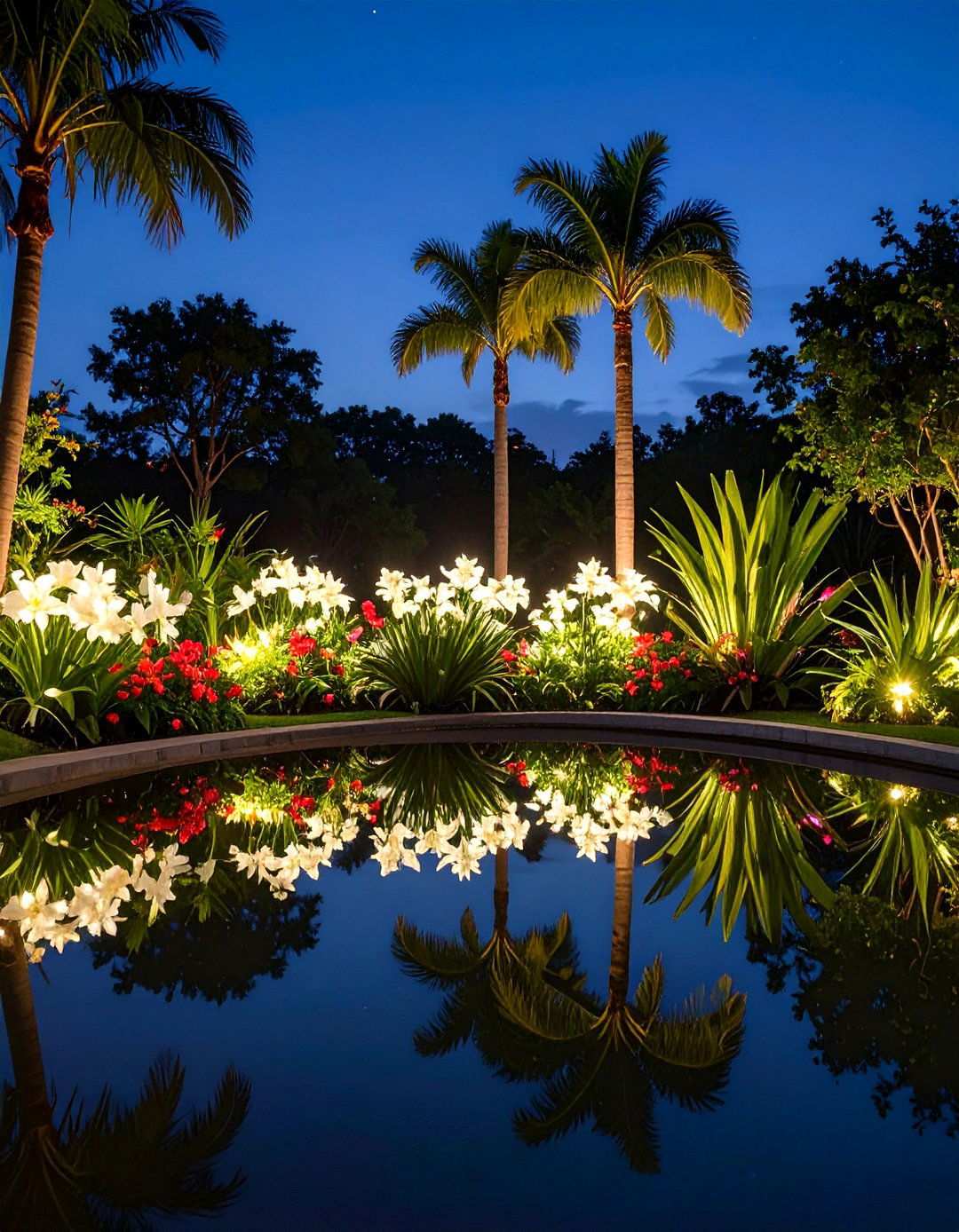
As day gives way to night, tropical gardens come alive with a unique charm. A tropical night garden is all about creating an enchanting atmosphere that delights the senses. Focus on plants that release fragrances, bloom at night, or provide striking silhouettes in the evening hours. Plant night-blooming species like cereus, evening primrose, and four o’clocks, which unfurl their flowers as temperatures cool. To add an extra layer of allure, incorporate fragrant varieties like jasmine and gardenia that perfume the evening air. Highlight interesting plant forms with uplighting and create dramatic shadows. Don’t forget to include reflective surfaces like water features or metallic containers that capture and amplify available light. As the sun sets, the combination of cooling temperatures, gentle breezes, and intoxicating fragrances transforms your tropical garden into a magical realm.
23. Tropical Children's Discovery Gardens: Nurturing Curiosity and Wonder
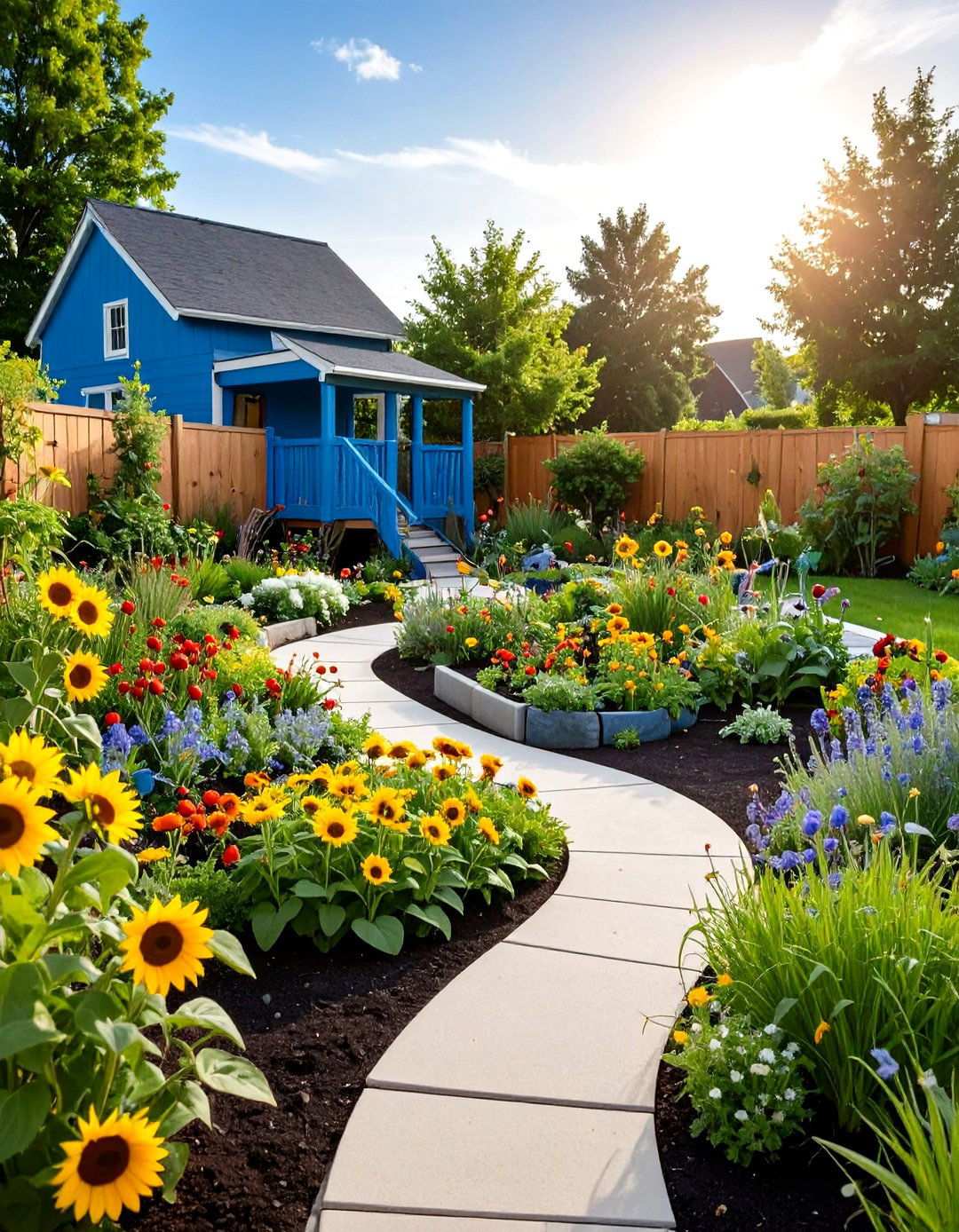
Tropical gardens can be a powerful tool for sparking imagination and learning in young minds. A tropical children’s discovery garden combines safe, interactive elements with an array of fascinating plants that encourage exploration and education. Select child-friendly specimens like sensitive plants that fold when touched, lamb’s ear with soft fuzzy leaves, and towering sunflowers that provide a sense of awe. Incorporate edible plants like cherry tomatoes and herbs that children can taste and harvest. Design winding paths at child height, incorporating interesting textures underfoot like smooth river rocks or soft moss. Add garden art, wind chimes, and small water features that provide sensory stimulation. By creating an engaging and educational tropical paradise, you’ll inspire the next generation of gardeners and provide a safe outdoor space for exploration and learning.
24. Mastering the Tropical Micro-Climate Garden
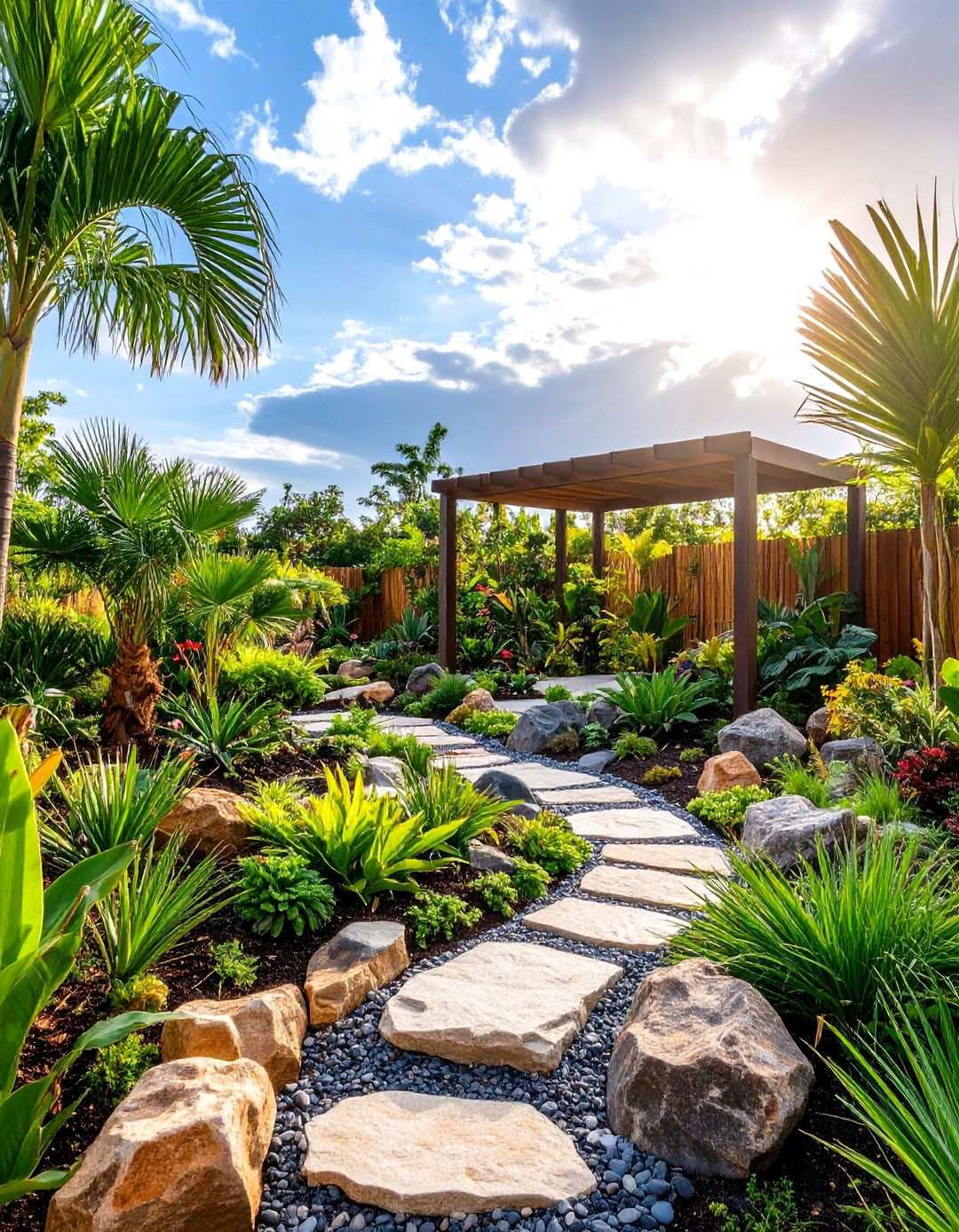
When gardeners intentionally craft optimal growing conditions for exotic flora, something remarkable occurs. By thoughtfully incorporating design elements that adjust local conditions, a tropical micro-climate garden emerges, allowing even the most difficult tropical specimens to thrive. One effective way to achieve this is by harnessing the power of windbreaks, utilizing bamboo or tall grasses to impede the circulation of cold air. Strategically placed thermal mass elements, such as large rocks or water features, help regulate temperature fluctuations. Furthermore, grouping plants closely together and incorporating water features that release moisture into the surrounding air can create a humid micro-environment. By carefully selecting the warmest, most sheltered areas of your property for sensitive plants, you can create a haven for tender species. Incorporating cold protection strategies, like frost cloth or temporary greenhouses, can safeguard borderline hardy specimens. This meticulously planned approach empowers gardeners to push the boundaries of what tropical plants can endure in their local climate.