1. Crafting Woodland Oases
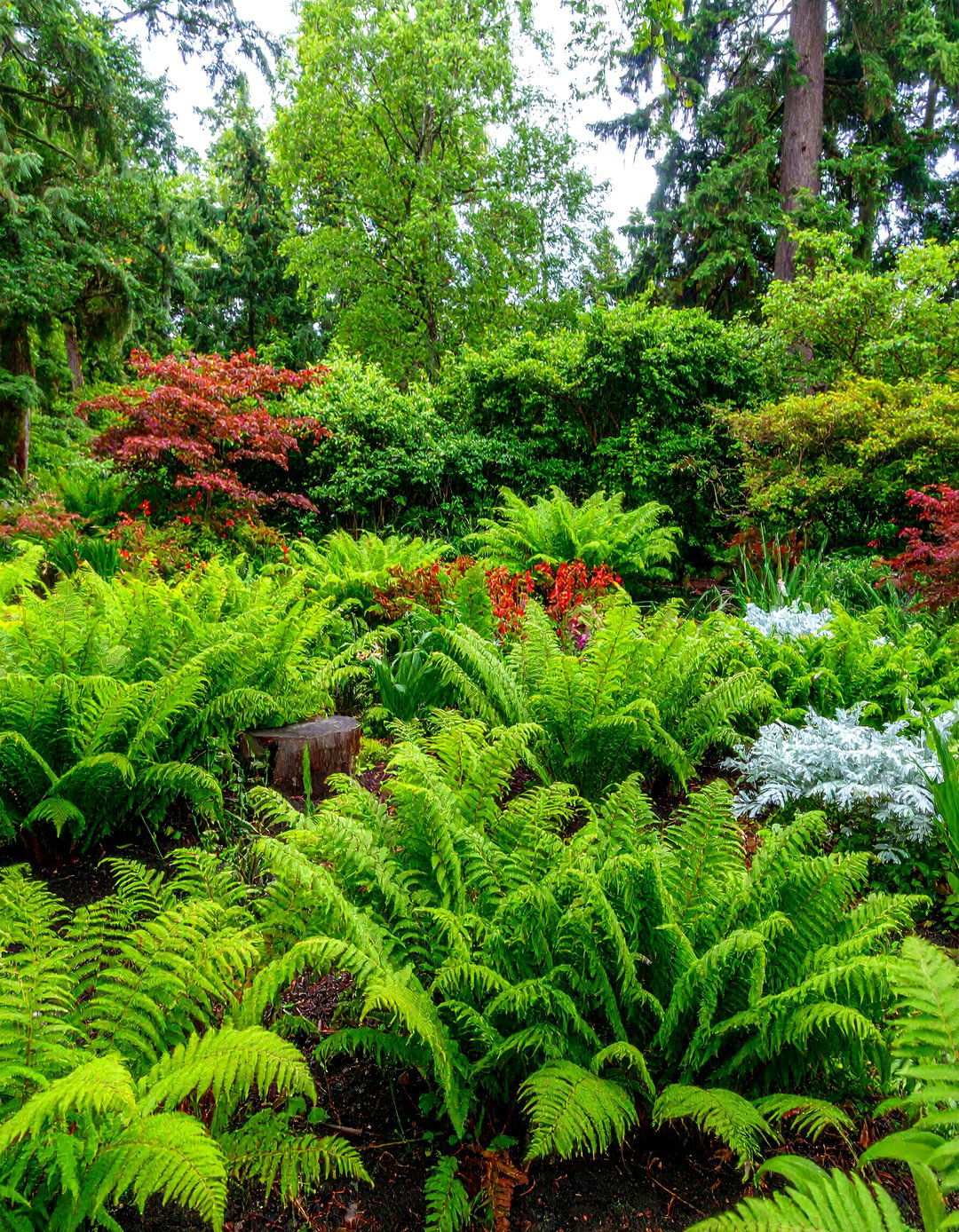
Reimagining the essence of a forest within your garden can be a captivating endeavor. To transport yourself to a serene woodland retreat, consider cultivating a woodland fern collection garden. By carefully selecting a diverse array of native and exotic fern varieties, you can recreate the enchanting experience of strolling through a forest glade. These lush, textured displays thrive in deep shade, where the delicate fronds of various fern species dance in harmony. Key to their success lies in understanding the unique moisture requirements of each fern and cultivating rich, well-draining soil enhanced with organic matter to foster optimal growth.

As an Amazon Associate I earn from qualifying purchases.
2. The Regal Allure of Hostas in Shade Gardens
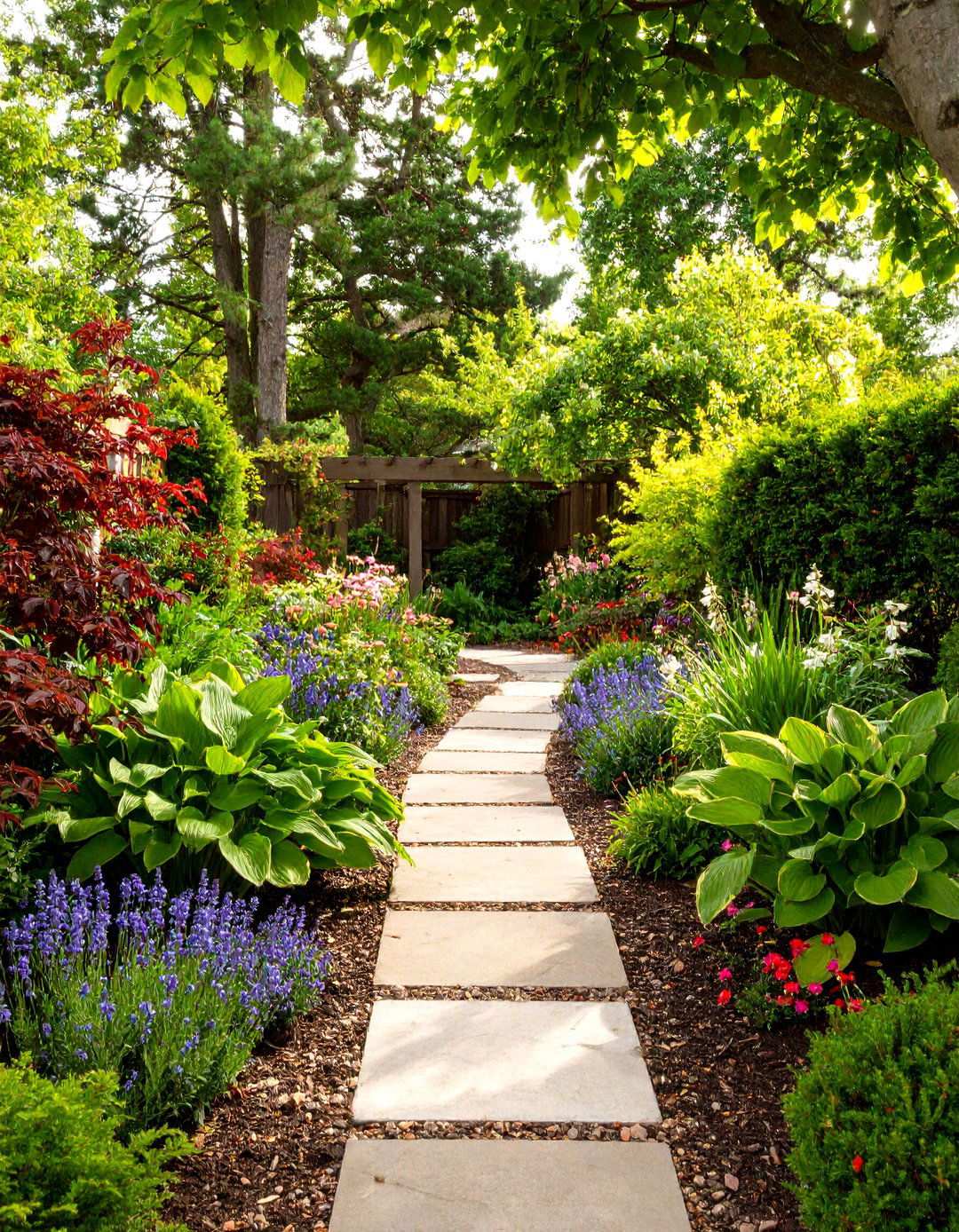
Hostas undeniably reign supreme as the preferred choice for shade gardening due to their incredible versatility and visual allure. These adaptable plants offer a vast array of design possibilities, from petite ‘Mouse Ears’ varieties to majestic ‘Sum and Substance’ specimens that stretch up to five feet in diameter. The diversity of hosta leaf sizes, colors, and textures presents a treasure trove of creative options for gardeners to explore. Variegated varieties like ‘Patriot’ inject a splash of elegance with their cream-edged leaves, while blue-leaved cultivars such as ‘Halcyon’ exude a sense of refined sophistication. To create a captivating display, consider arranging different hosta varieties in sweeping drifts, taking into account their mature sizes and bloom times, and complementing them with contrasting companions like astilbe or coral bells to add visual interest.
3. Embracing the Serenity of Shade in Japanese Zen Gardens
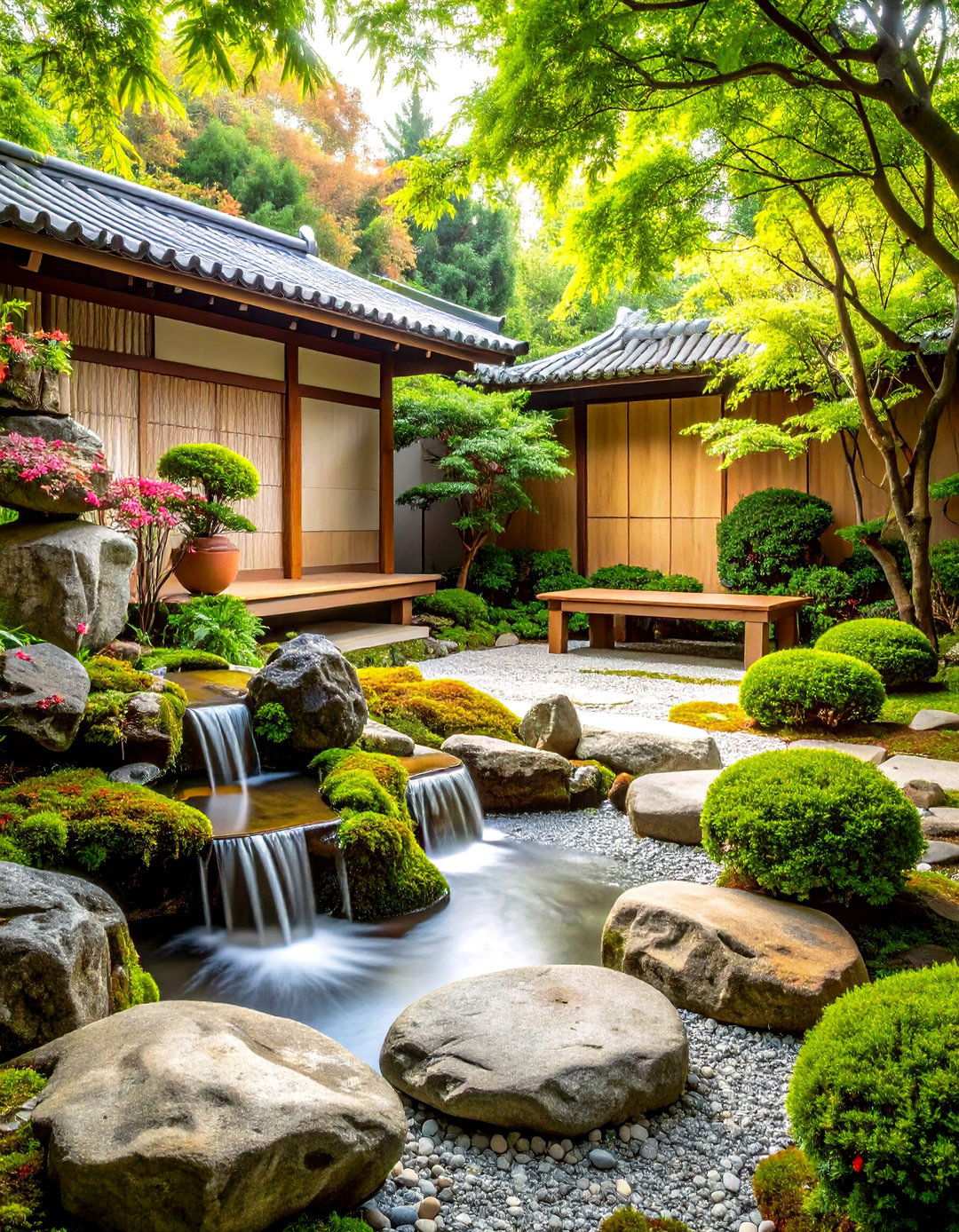
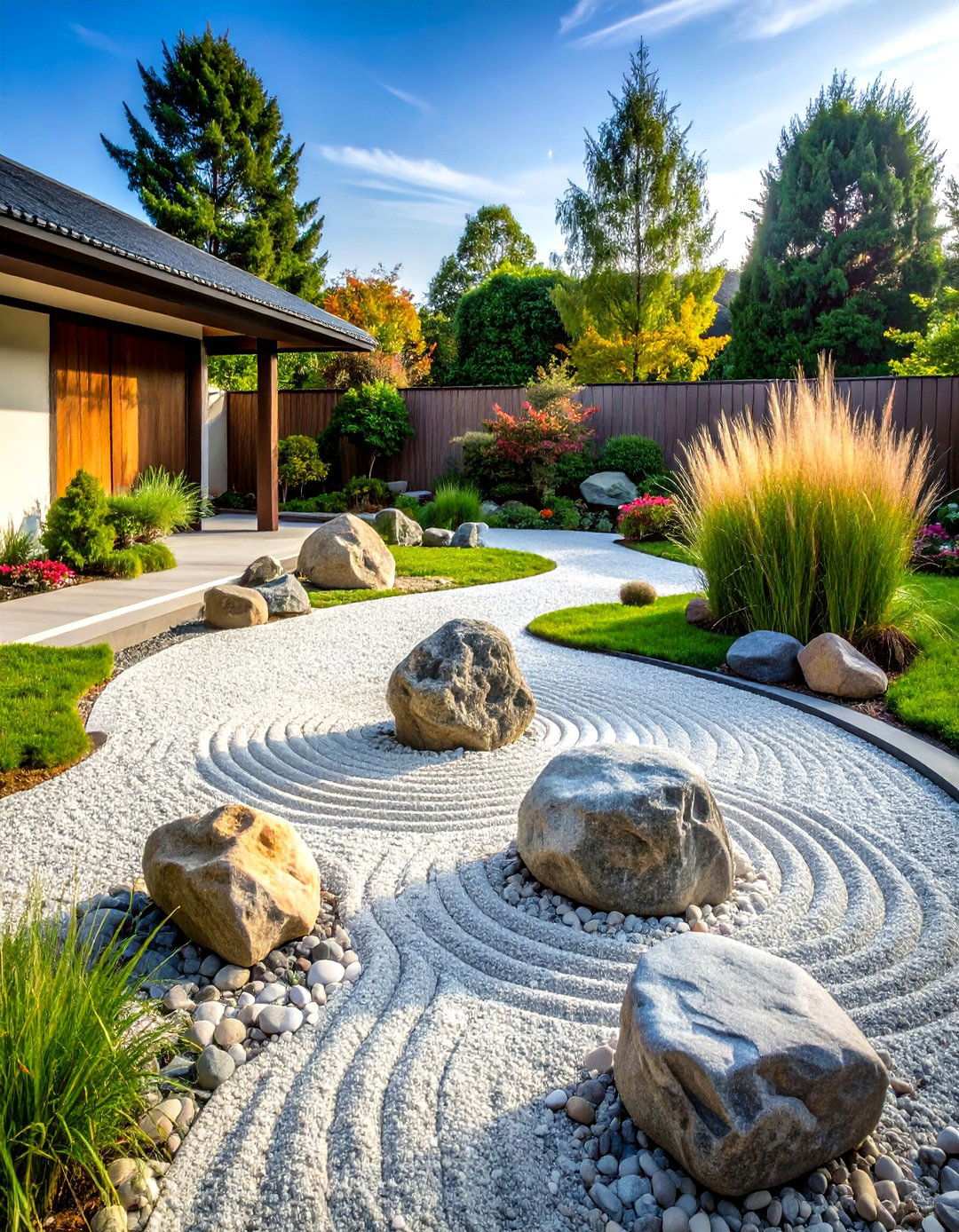
Japanese-inspired designs have long harnessed the power of shadowy areas to create tranquil retreats for contemplation. By embracing the elegance of simplicity, these spaces cultivate a sense of peacefulness that’s hard to find in today’s fast-paced world. The key to achieving this serene atmosphere lies in thoughtfully incorporating natural elements, such as smooth river stones, bamboo water features, and strategically placed boulders that draw the eye and encourage quiet reflection. For added depth and visual interest, consider incorporating shade-loving plants like moss, small hostas, and dwarf conifers that bring a touch of subtle greenery to the space without overwhelming the senses. Completing the look is a simple wooden bench or stone seating area, perfect for meditation, where the gentle sound of trickling water from bamboo fountains can mask urban noise and transport you to a world of tranquility.
4. Unlocking the Potential of Container Shade Gardens
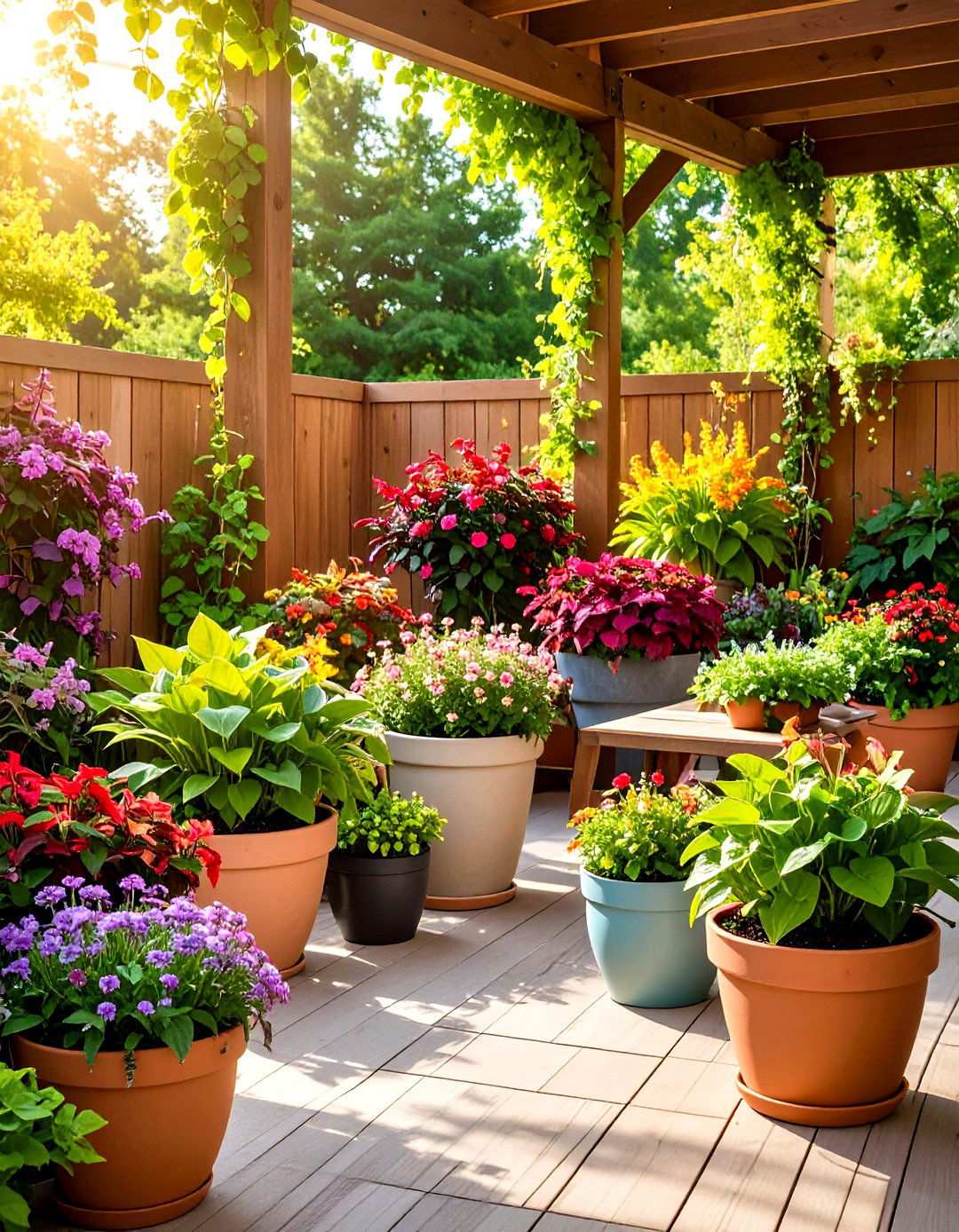
For those with limited space, container gardens offer a world of creative possibilities for bringing stunning displays to even the smallest of shaded areas, from balconies to expansive patios. By grouping containers of varying heights and sizes, you can create a visually appealing arrangement that draws the eye and adds depth to your outdoor space. Lightweight materials like fiberglass or resin make it easy to reposition containers as needed, while shade-loving combinations such as coleus, caladiums, and trailing vines provide a kaleidoscope of colors that will keep your display fresh all season long. Evergreen containers filled with small shrubs, ferns, and ivy offer year-round structure and a sense of continuity, making it easy to refresh plantings and create new combinations throughout the growing season.
5. Harnessing the Beauty of Native Woodland Ground Cover Gardens
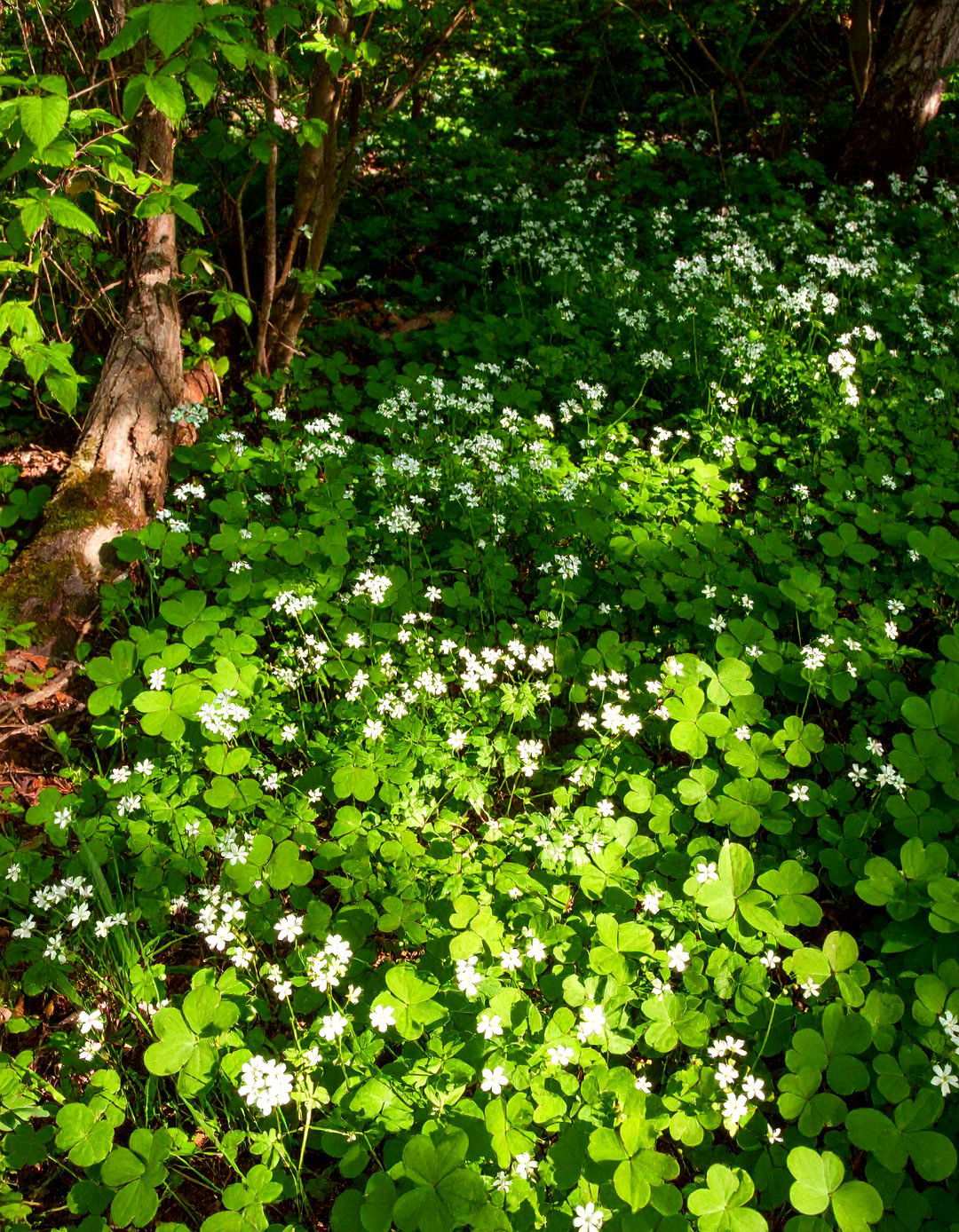
Why struggle with high-maintenance grass in deep shade when native ground covers can provide a stunning living carpet that thrives in even the most challenging conditions? By embracing the beauty of these low-maintenance alternatives, you’re not only creating a beautiful outdoor space but also supporting local ecosystems and providing habitat for beneficial insects and small wildlife. Wild ginger, with its heart-shaped leaves and hidden flowers, is a great choice for spreading slowly and naturally, while sweet woodruff forms dense mats with tiny white blooms and vanilla-scented foliage that’s sure to delight. Pachysandra and vinca provide evergreen coverage, though they do require careful consideration in regions where they may become invasive. Native alternatives like wild strawberry, wintergreen, and partridgeberry offer added seasonal interest with berries and color changes, making them an excellent choice for those looking to create a self-sustaining community that requires minimal maintenance.
6. Elevating Space with Vertical Living Walls
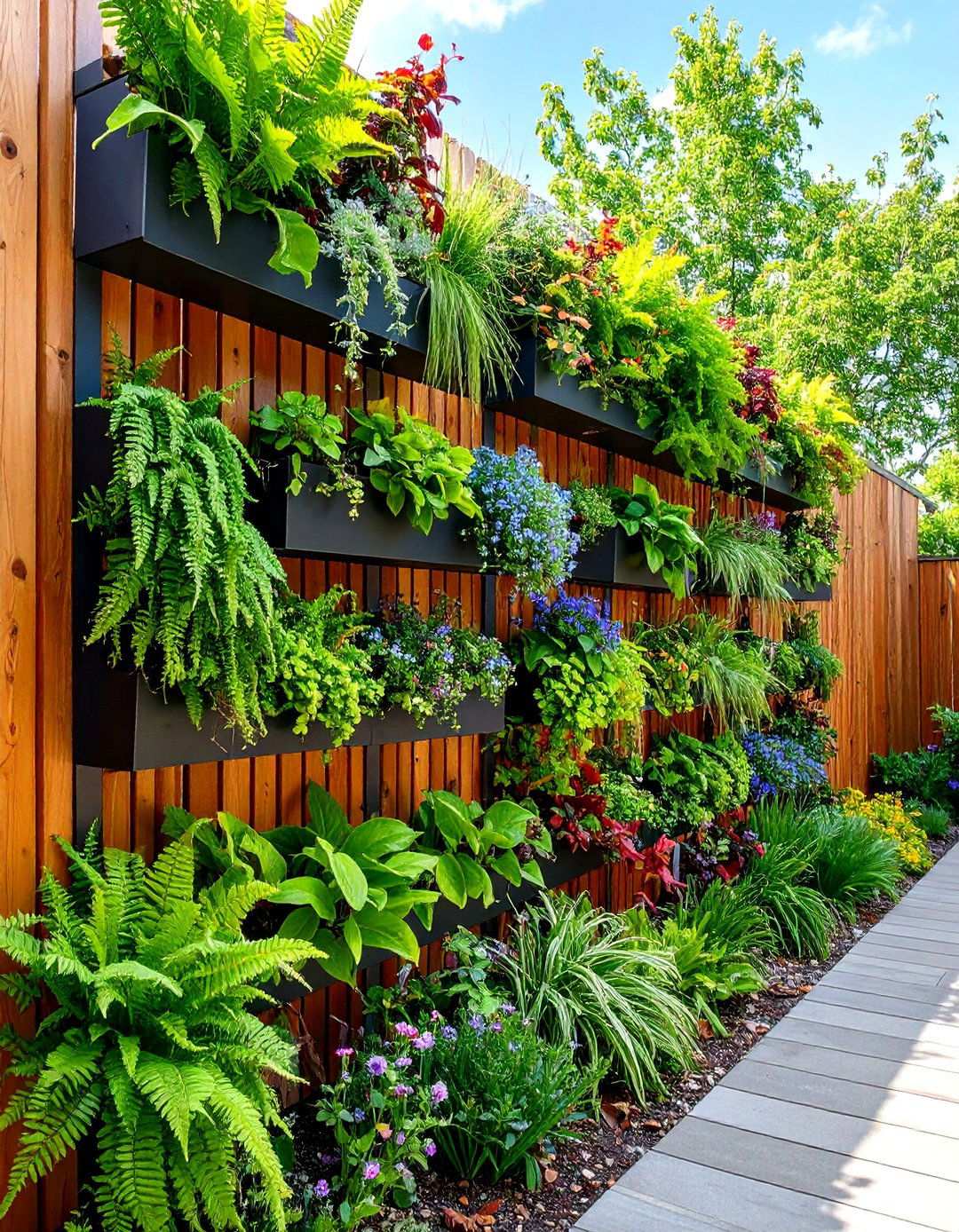
Maximizing planting space in narrow, shaded areas requires a creative approach. Transforming walls, fences, and structures into living masterpieces is a great way to create a visual feast of cascading foliage and flowers. To achieve this, consider installing modular planting systems or repurposing pallets, pocket planters, or tiered containers as DIY alternatives. For a harmonious display, pair plants with similar light and water requirements, such as ferns, small hostas, begonias, and trailing varieties. Implementing drip irrigation systems ensures consistent moisture, which is crucial for vertical plantings that tend to dry out faster than traditional gardens. Additionally, consider seasonal rotations to swap out summer annuals for winter-hardy perennials. This space-saving solution is particularly effective in urban environments where ground space is limited, creating striking focal points that draw the eye upward while mitigating the harshness of architectural lines.
7. Showstopping Astilbe Feather Displays
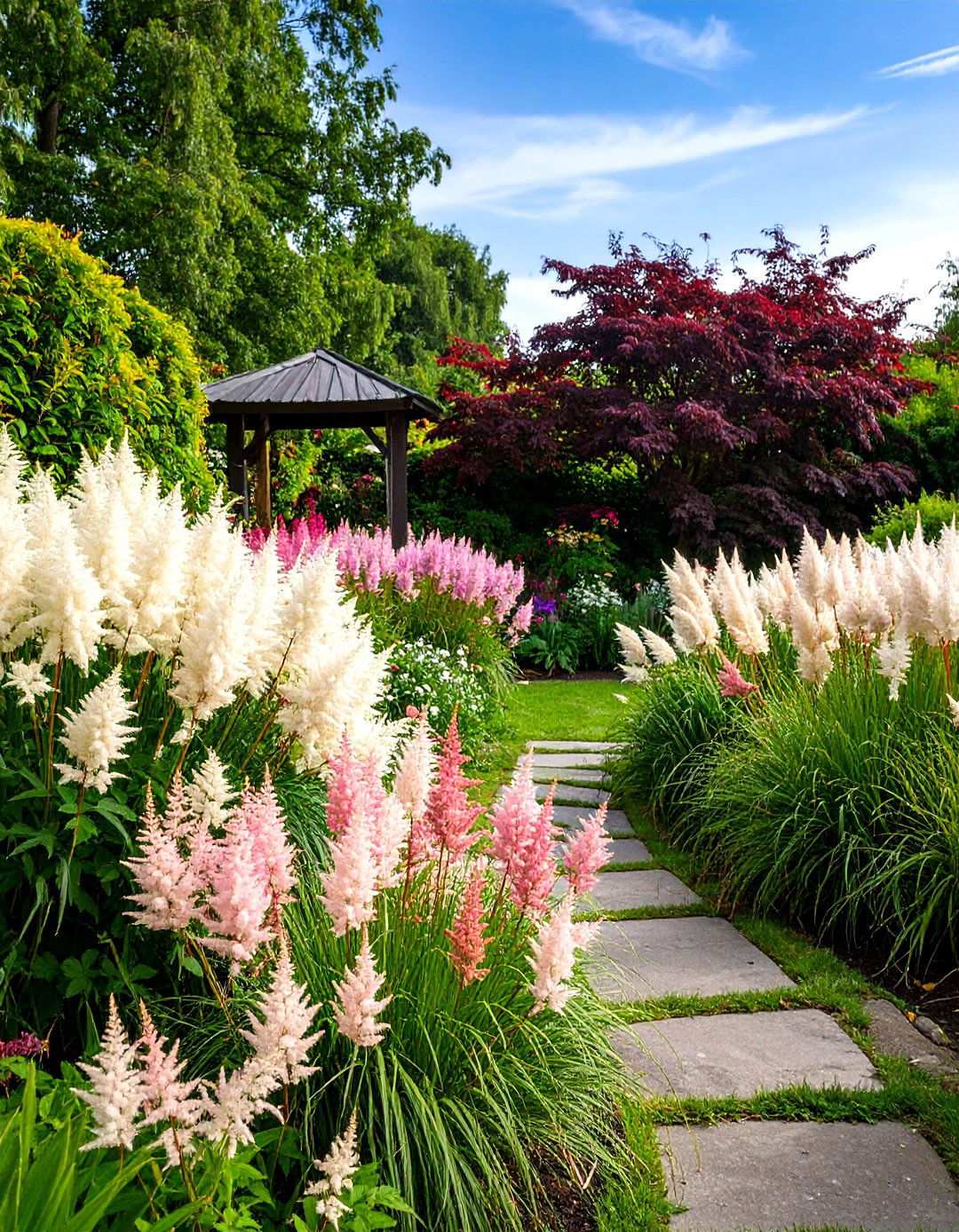
What makes astilbe gardens the stars of early summer shows in shaded areas? The breathtaking displays created by these perennials, featuring their feathery plumes rising above delicate foliage in a kaleidoscope of colors, are undeniable. Astilbe thrives in consistently moist soil and partial to full shade. To create a stunning rainbow effect, plant varieties with staggered bloom times and contrasting colors. ‘Bridal Veil’ offers a timeless elegance with its classic white plumes, while ‘Fanal’ provides a dramatic pop of color with intense red blooms and bronze foliage. For the most dramatic impact, mass plantings are a great option, especially when viewed from a distance. The seed heads that follow blooming provide continued interest and can be left standing for winter structure, adding to the garden’s visual appeal. Pairing astilbe with hostas and ferns creates a classic shade garden combination that delivers months of beauty.
8. Bringing Vibrant Tropical Flair to Shaded Spaces
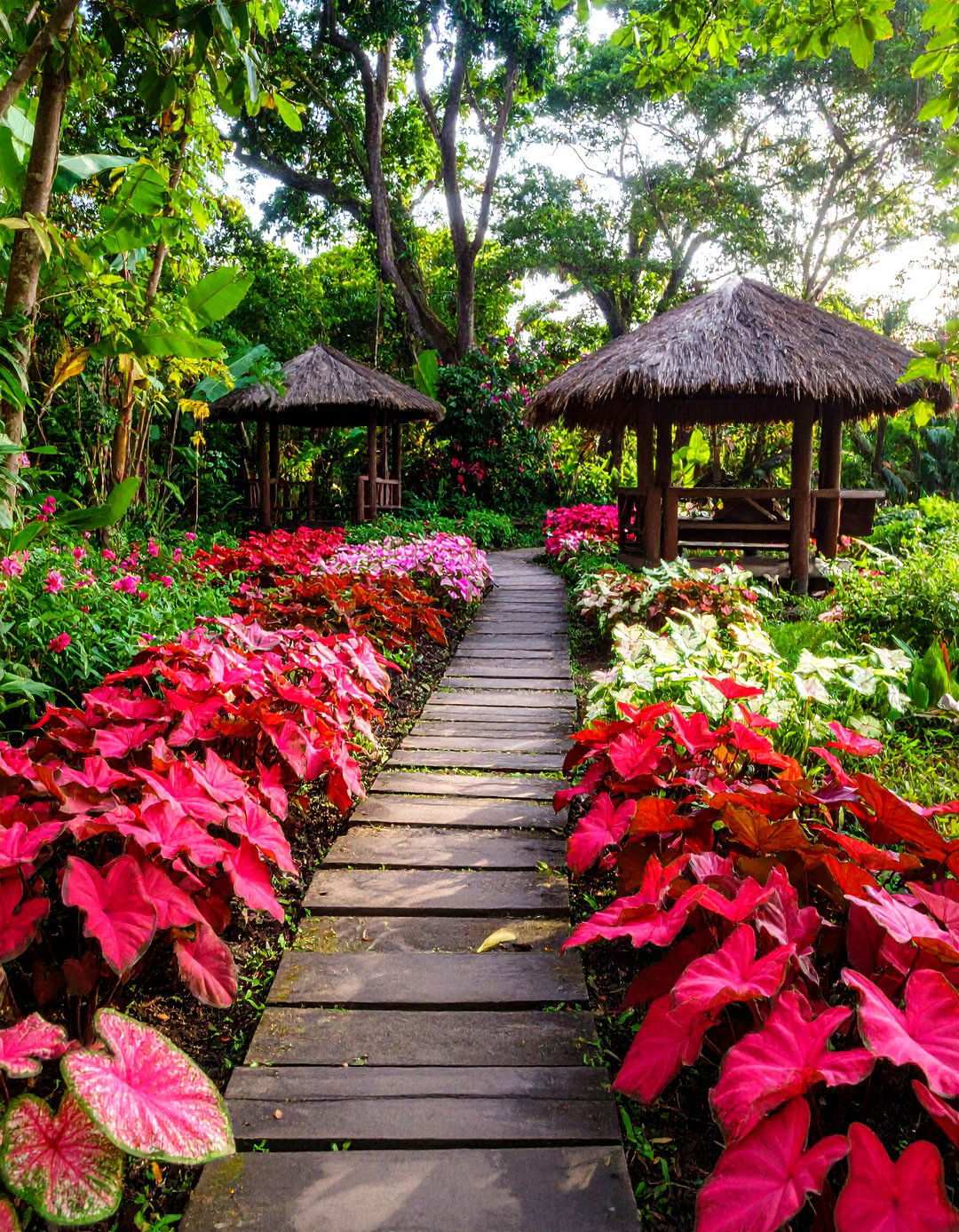
Can you achieve the same level of vibrancy and exotic appeal in shaded areas as you would in sun-kissed gardens? Caladium gardens prove that shade doesn’t have to mean sacrificing bold colors and tropical allure. These heat-loving plants produce stunning heart-shaped leaves in a variety of pink, white, green, and red hues that brighten even the darkest of corners. ‘Candidum’ offers a timeless classic with its white leaves featuring green veining, while ‘Red Flash’ provides a dramatic pop of color with its red centers and green edges. Plant tubers after the soil warms in late spring, choosing varieties that suit your specific light conditions. Some cultivars can tolerate more sun, while others prefer deep shade. To create a lush jungle effect, combine caladium with other tropical foliage plants like elephant ears and coleus. These tender perennials can be lifted and stored indoors during winter in cooler climates.
9. Hydrangea Shrub Border Gardens
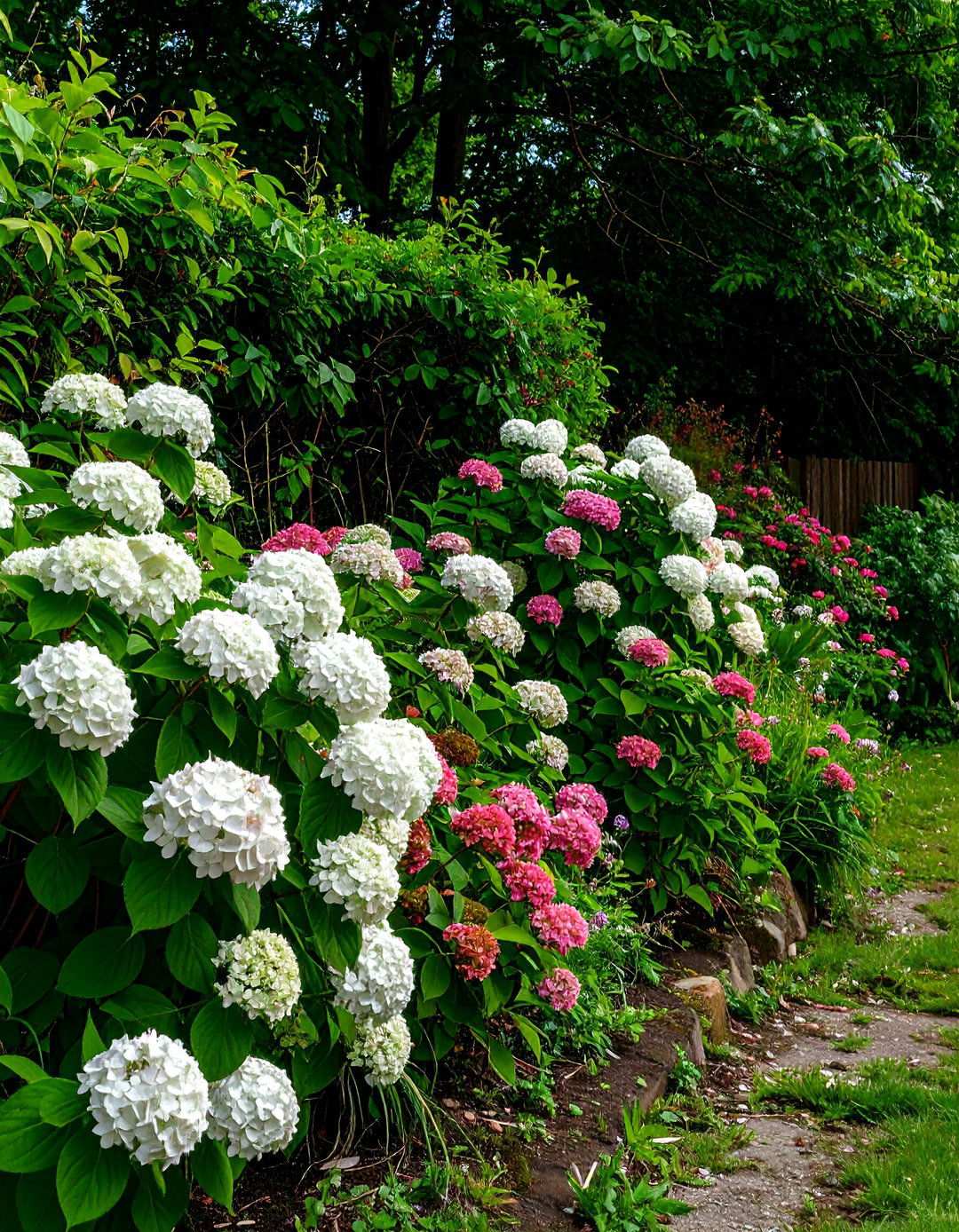
Crafting dramatic shade garden structures with shrubs is a compelling endeavor. Hydrangea borders come alive with their majestic flower clusters and substantial foliage, painting a picture that changes with the seasons. These adaptable shrubs thrive in various shade conditions, but the perfect balance often lies in the morning sun with afternoon shade, resulting in the most breathtaking blooms. Oakleaf hydrangeas stand out with their year-round appeal, offering a cascade of spring flowers, resplendent fall color, and attractive exfoliating bark. Meanwhile, Smooth hydrangeas like ‘Annabelle’ flaunt enormous white flower heads, while lacecap varieties display delicate, open blooms that attract pollinators in droves. Planting in groups of three or five maximizes visual impact, so ensure proper spacing for mature growth. Consistent moisture and rich, well-draining soil provide the ideal environment for these shrubs to flourish, serving as a solid foundation for smaller perennial and annual displays.
10. Coral Bells Foliage Gardens
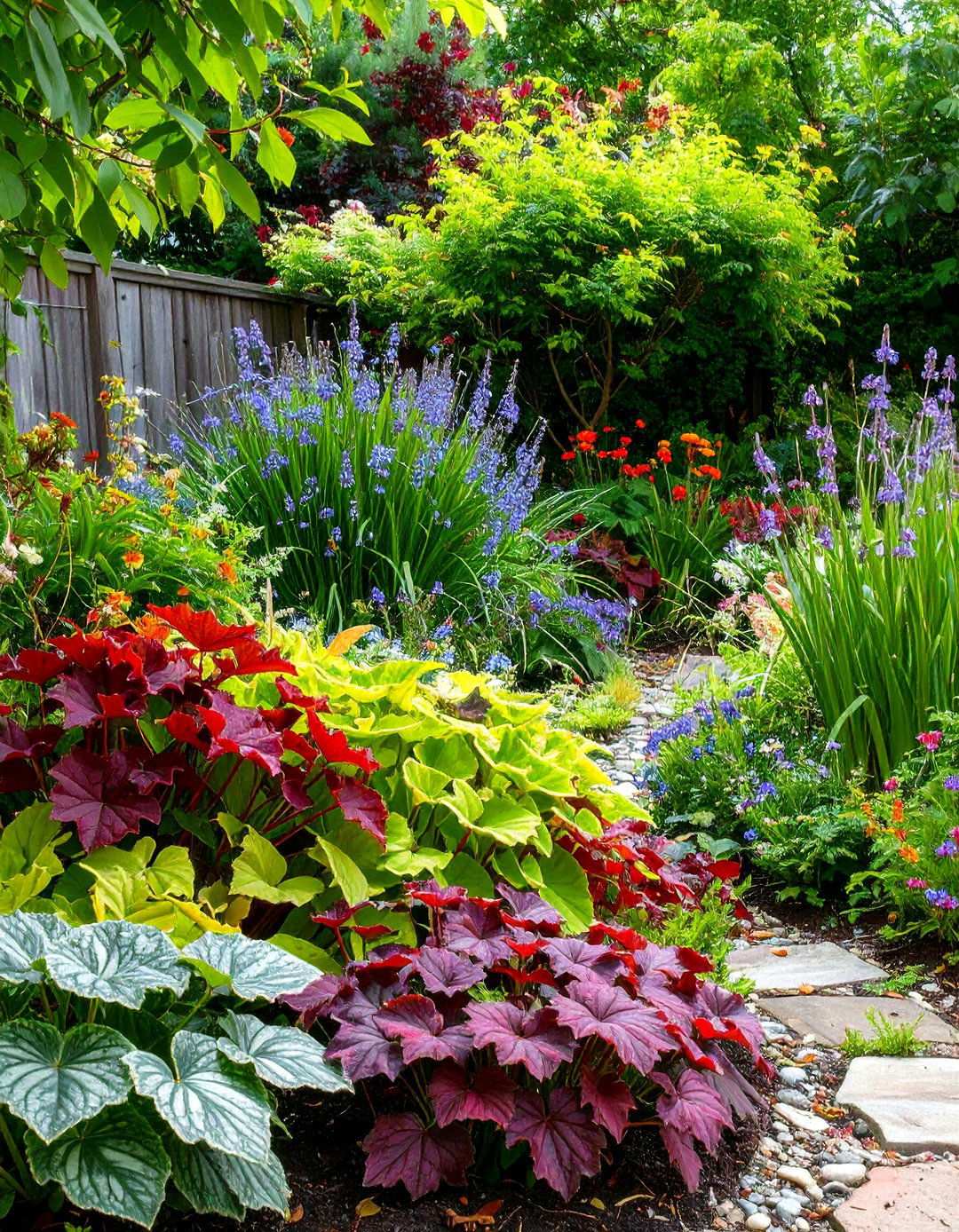
Foliage-centric gardens offer a captivating showcase of color and texture, revealing the incredible diversity hidden within the world of leaves. Coral bells (Heuchera) gardens exemplify this, featuring an array of colors ranging from vibrant chartreuse to deep burgundy, with patterns that include solid hues, silver overlays, and striking veining. ‘Palace Purple’ boasts deep wine-colored leaves that add an air of sophistication, while ‘Lime Rickey’ boasts bright chartreuse foliage that radiates an otherworldly glow in shaded areas. Combine different varieties to create intricate tapestries with complementary or contrasting colors, taking advantage of their compact growth to work well as edging plants or massed in larger drifts. Though the delicate flower spires provide a bonus burst of spring color, the foliage remains the true star of the show. To ensure optimal health, it’s essential to provide excellent drainage to prevent crown rot, the primary cultural requirement for these perennials.
11. Moss Garden Sanctuary Spaces
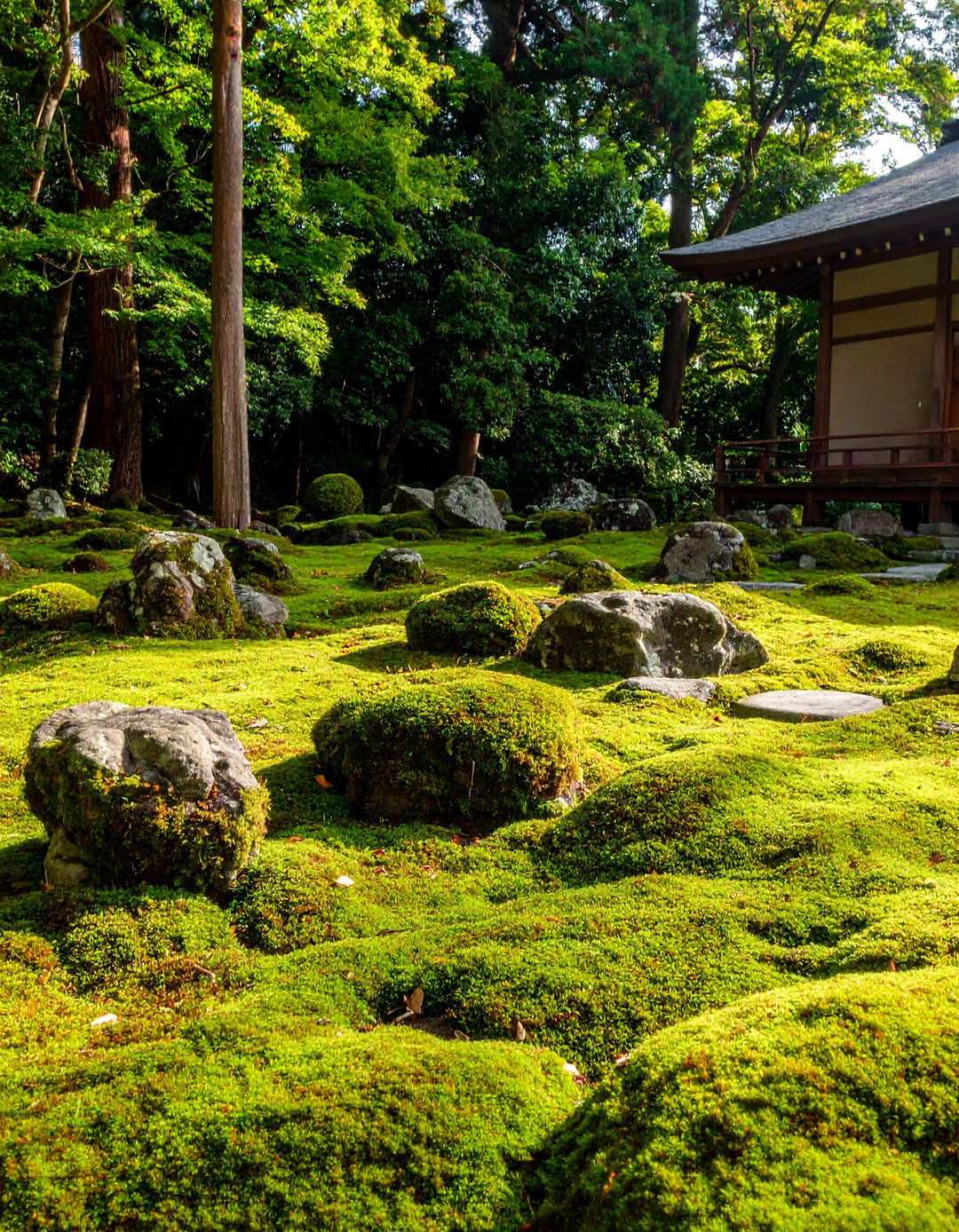
Shade gardens can become even more enchanting with the addition of moss, transporting visitors to a world of serene wonder. By leveraging consistent moisture and acidic soil, moss gardens thrive in areas that would otherwise be neglected. To encourage natural growth, carefully remove competing vegetation and maintain the ideal pH levels. Different moss species create varying textures: cushion moss forms tight, rounded mounds, while sheet moss creates smooth, velvety carpets. When combined with rock gardens, moss achieves a dramatic effect that’s nothing short of breathtaking. To avoid damaging the delicate moss, it’s crucial to use stepping stones when creating paths through these gardens. As with any endeavor, patience is essential when cultivating moss gardens, as they take time to establish. However, once mature, they require minimal care, making them the perfect setting for meditation spaces and peaceful retreats.
12. Vibrant Shade Gardens with Begonias
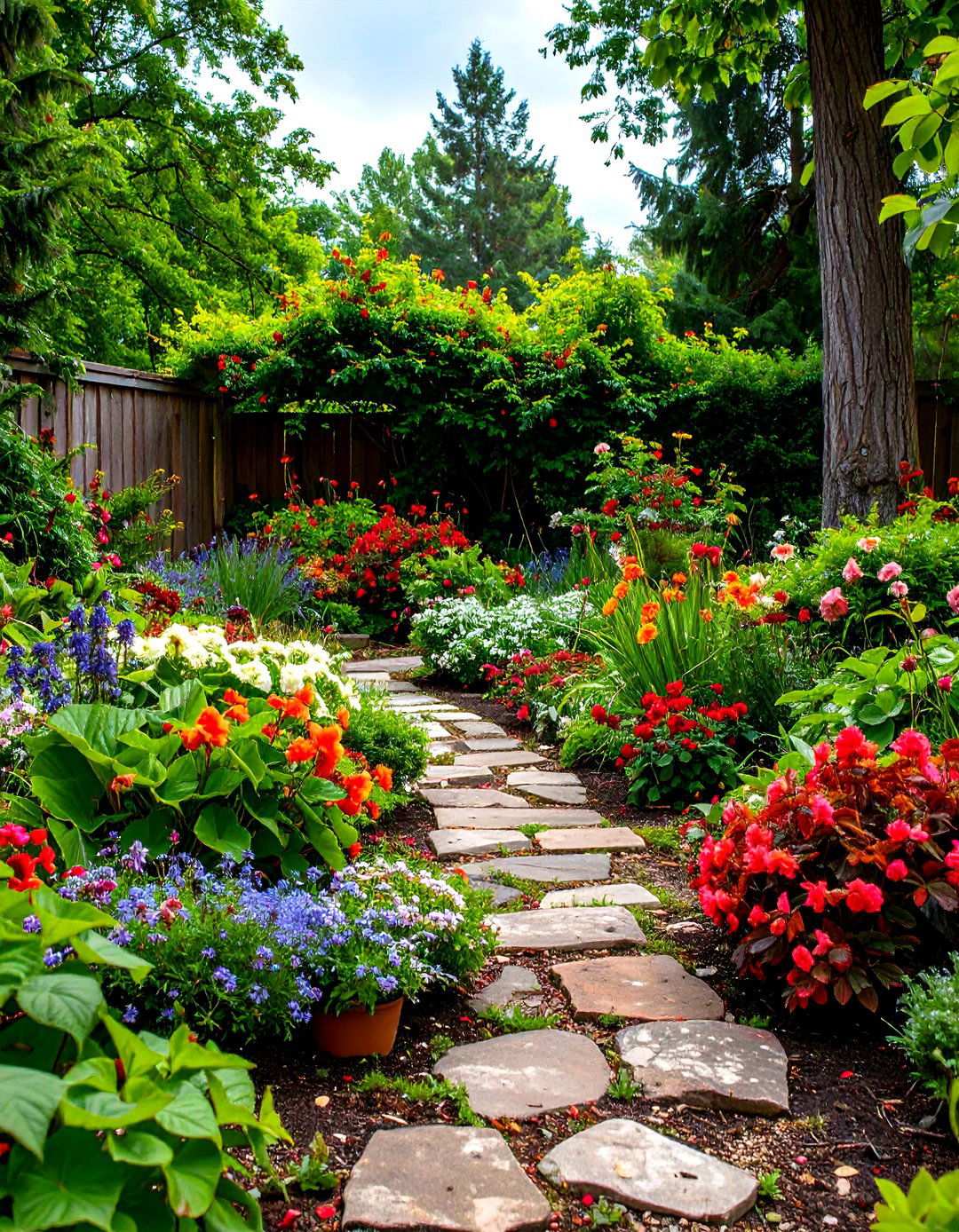
Begonias have revolutionized the world of shade gardens by showcasing an array of bright, cheerful colors that can be enjoyed throughout the growing season. With their continuous blooms and attractive foliage, these plants have become a staple in many gardeners’ collections. Wax begonias, in particular, offer reliable performance as bedding plants, while rex begonias boast stunning metallic and jewel-toned foliage that adds a touch of elegance to any garden. For a more dramatic display, tuberous begonias produce large, rose-like flowers that add a romantic touch to hanging baskets and containers. Dragon wing begonias, on the other hand, offer a unique combination of attractive foliage and pendulous flower clusters, making them perfect for mixed plantings. To create a thriving environment for these heat-loving plants, ensure they receive morning sun with afternoon shade and maintain consistent moisture levels with good drainage. By combining different varieties, you can create either formal patterns with solid colors or informal drifts with mixed hues. Regular deadheading will encourage continued blooming, while regular fertilization will promote vigorous growth throughout the summer months.
13. Winter Bloom Delights with Hellebores
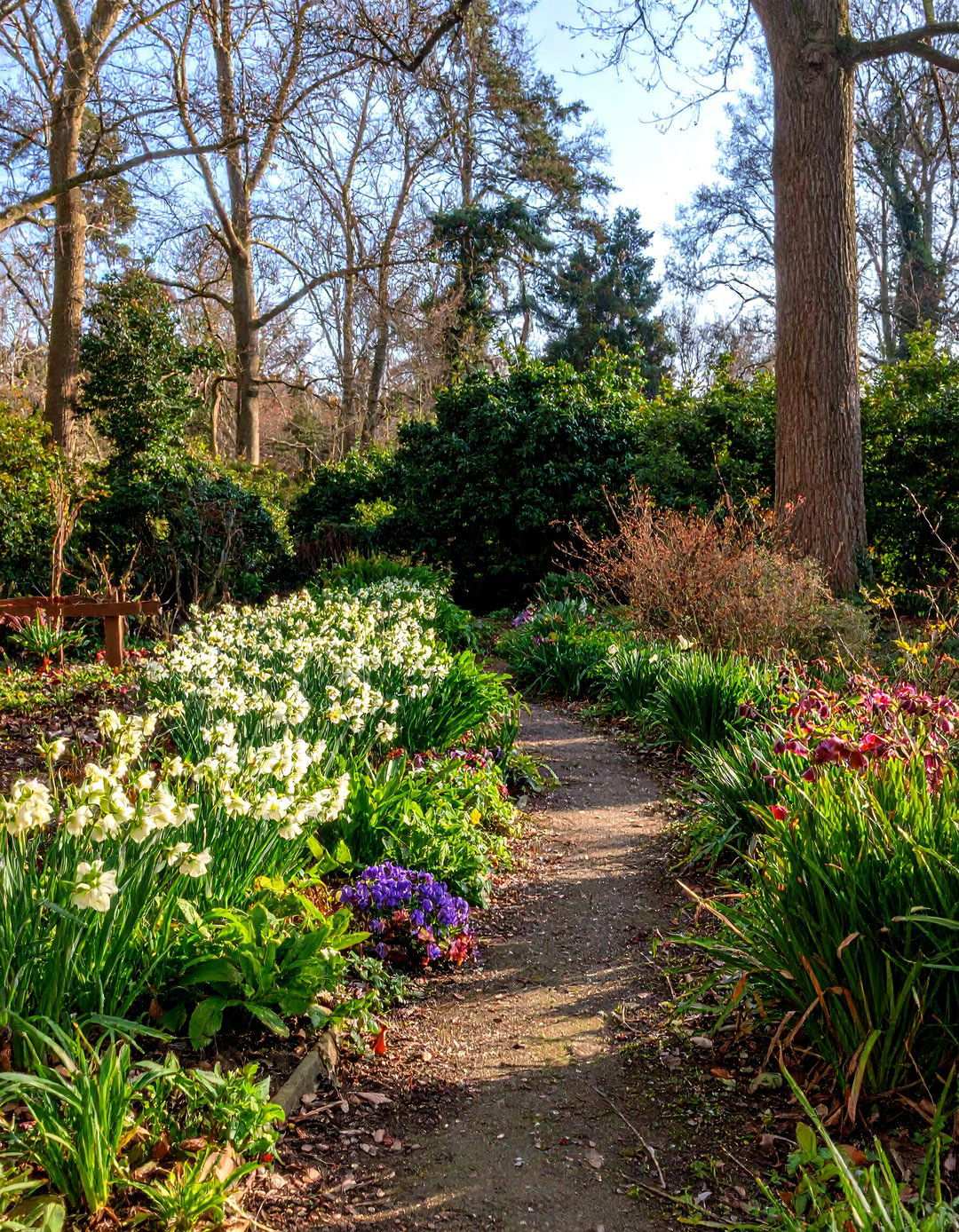
Hellebores have become a go-to choice for gardeners looking to add a splash of color to their shade gardens during the darkest months. These evergreen perennials, commonly known as Lenten roses, produce exquisite cup-shaped flowers in a range of colors, from pure white to deep purple, often featuring intricate spotting or picotee edges. ‘Ivory Prince’ boasts pristine white blooms, while ‘Red Lady’ offers deep burgundy flowers that add a touch of sophistication to any garden. To ensure these long-lived perennials thrive, plant them in rich, well-draining soil with protection from drying winds. As they form substantial clumps over time, they make excellent investment plants for permanent landscape features. Their attractive foliage provides year-round structure, while their unusual bloom time makes them a precious addition to shade gardens. Consider pairing them with early bulbs for extended seasonal interest and a dynamic display of color.
14. Elegant Movement with Japanese Forest Grass
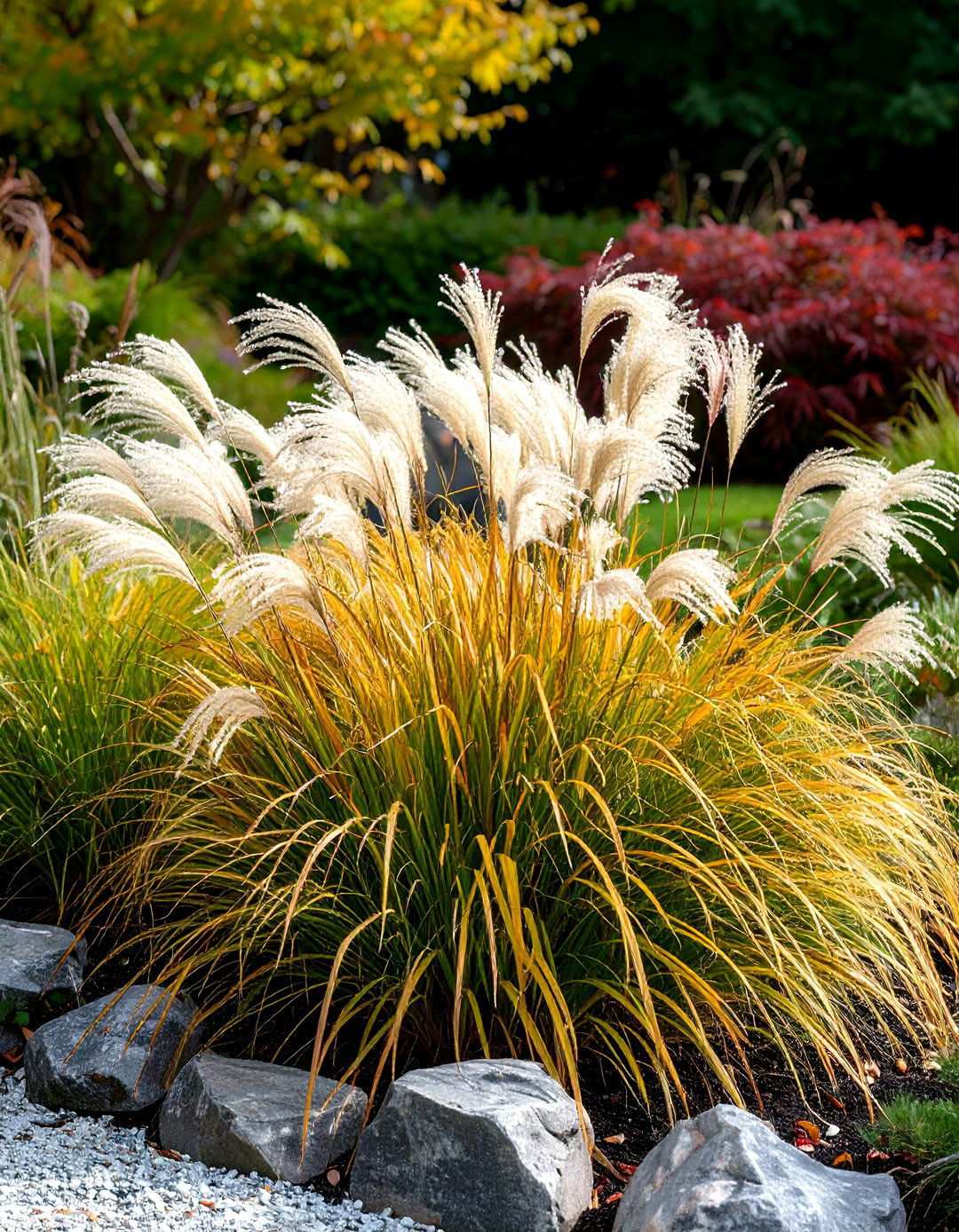
Japanese forest grass (Hakonechloa) has long been prized for its elegant movement in shade gardens, thanks to its cascading golden foliage that brings light and motion to shadowy spaces. This slow-growing grass forms arching mounds that complement bold-leafed companions like hostas perfectly, creating a harmonious and visually appealing display. The variety ‘Aureola’ features bright yellow leaves with thin green stripes, while ‘All Gold’ provides solid chartreuse color that adds a pop of vibrancy to any garden. To maximize their impact, plant them in groups, allowing space for their graceful spreading habit. These grasses prefer rich, moist soil and protection from strong winds that can damage their delicate foliage. As the seasons change, Japanese forest grasses bring a range of colors to the garden, from bronze and orange tones in the fall to a beautiful dormancy in the winter. For those looking to add a touch of elegance to their container gardens, consider growing Japanese forest grass, allowing you to place them strategically for optimal visual effect.
15. Crafting Timeless Shade Garden Edges with Impatiens
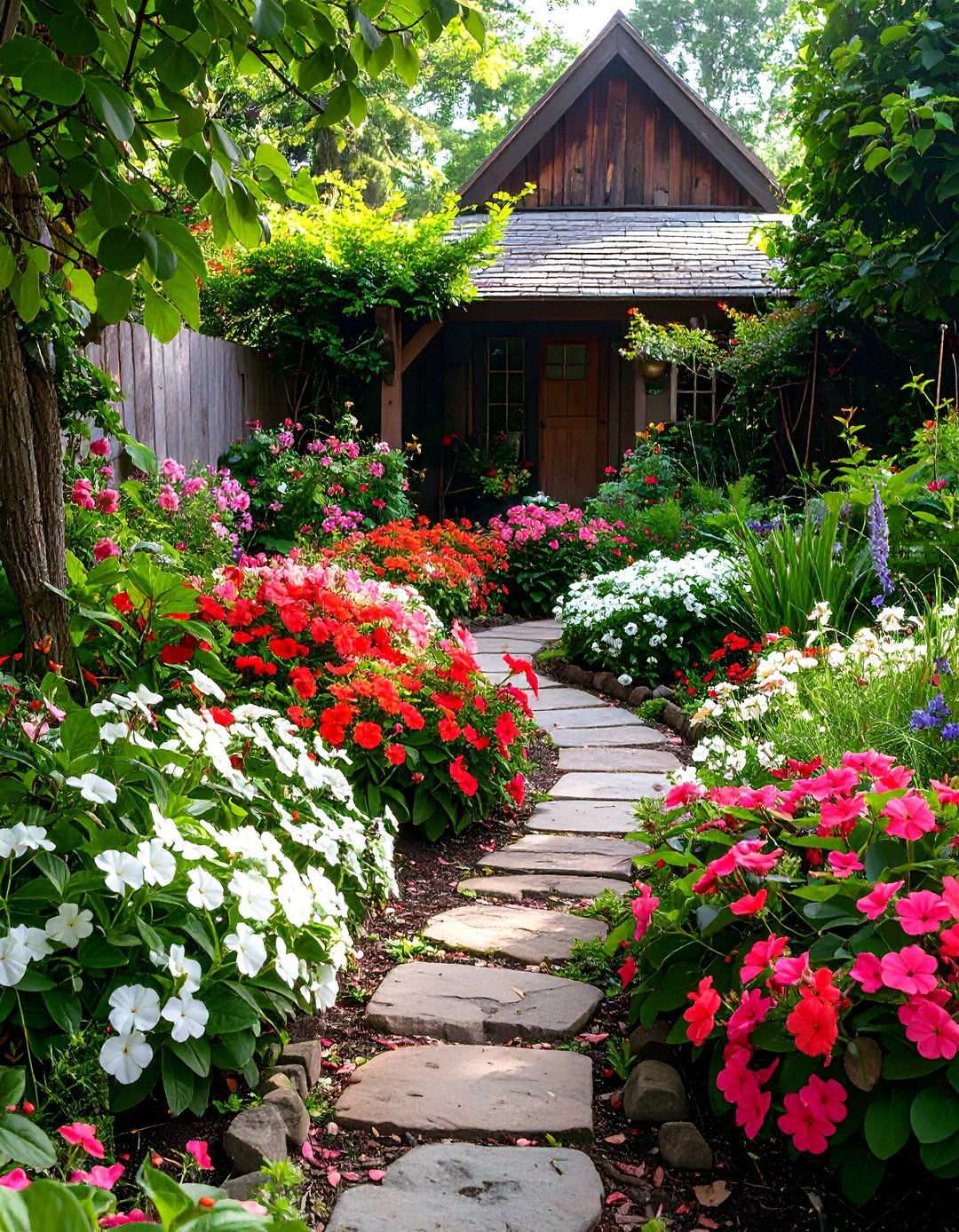
Impatiens cottage borders evoke a sense of nostalgia with their lush blooms and mounded growth habits, ideal for creating charming, informal shade garden edges. For a more resilient and heat-tolerant option, new Guinea impatiens offer larger flowers, while traditional bedding types excel in cooler, shadier locations. Double-flowered varieties like the ‘Fiesta’ series add a touch of romance with their delicate, rose-like appearance, making them perfect for informal plantings. To create a flowing border, experiment with varying plant heights and allow natural curves to take center stage, rather than adhering to rigid straight lines. Pair these tender annuals with sweet alyssum, lobelia, and other cottage garden favorites for an authentic period charm. To ensure optimal growth and blooming, protect them from intense afternoon sun and maintain consistent moisture levels. Pinching growing tips early in the season encourages bushier growth and more abundant flowering throughout the summer and fall months.
16. Unlocking the Drama of Shade Gardens with Coleus
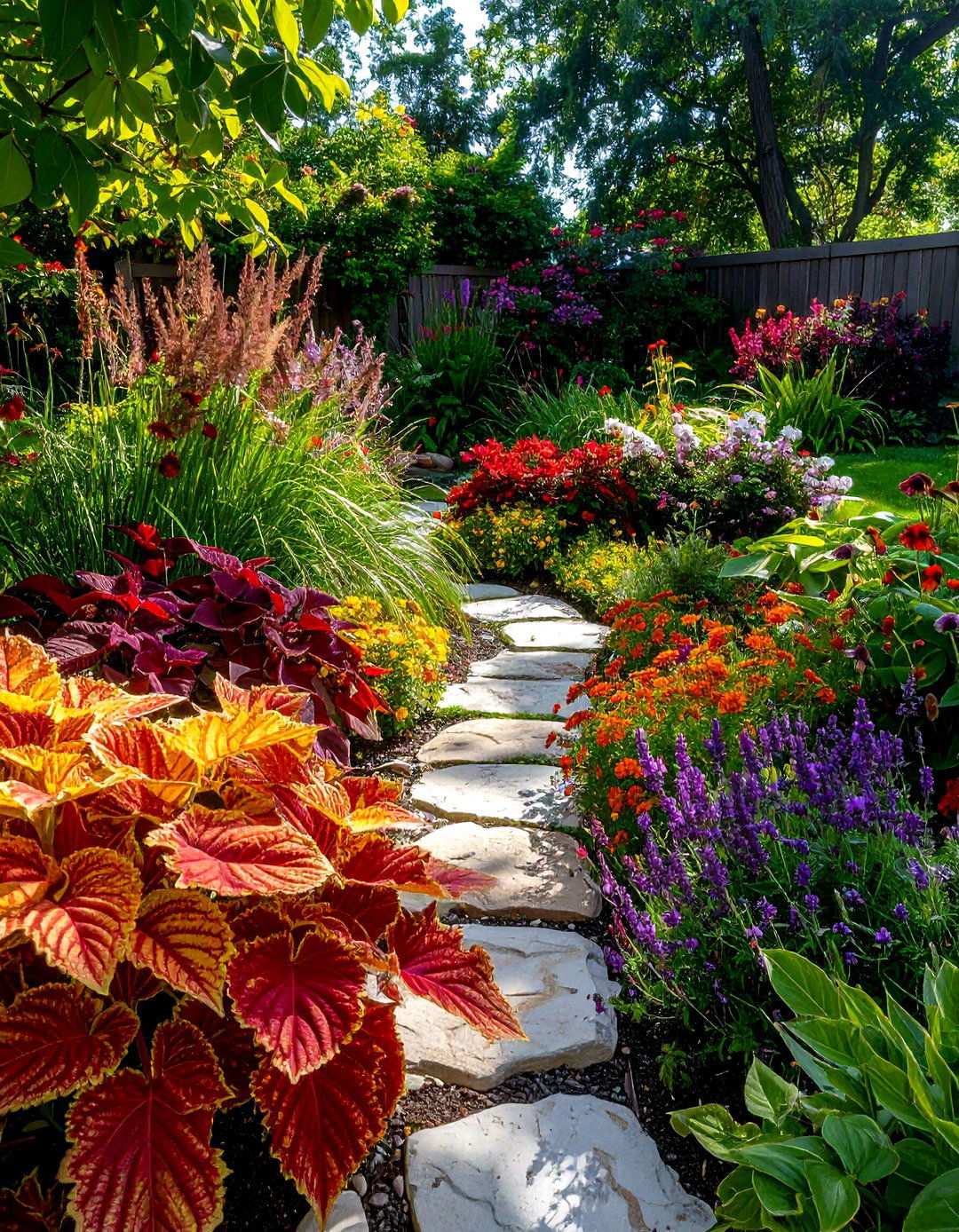
Coleus gardens are a celebration of the incredible diversity of patterns, colors, and textures found in these heat-loving annuals. Modern breeding has given rise to varieties with leaves that range from tiny to enormous, in a kaleidoscope of colors spanning from chartreuse to deep burgundy. The ‘Wizard’ series offers compact plants that are perfect for edging, while the ‘Kong’ varieties provide massive leaves for making bold statements. By combining different patterns, you can create living tapestries that showcase the unique characteristics of each variety. Some Coleus feature solid colors, while others boast intricate veining, ruffled edges, or contrasting centers. These versatile plants can thrive in a range of light conditions, from full shade to morning sun. To maintain their foliage quality, simply pinch flower spikes and provide consistent moisture levels throughout the growing season for optimal performance.
17. Bringing Spring's Vibrant Beauty to Shade Gardens with Primrose
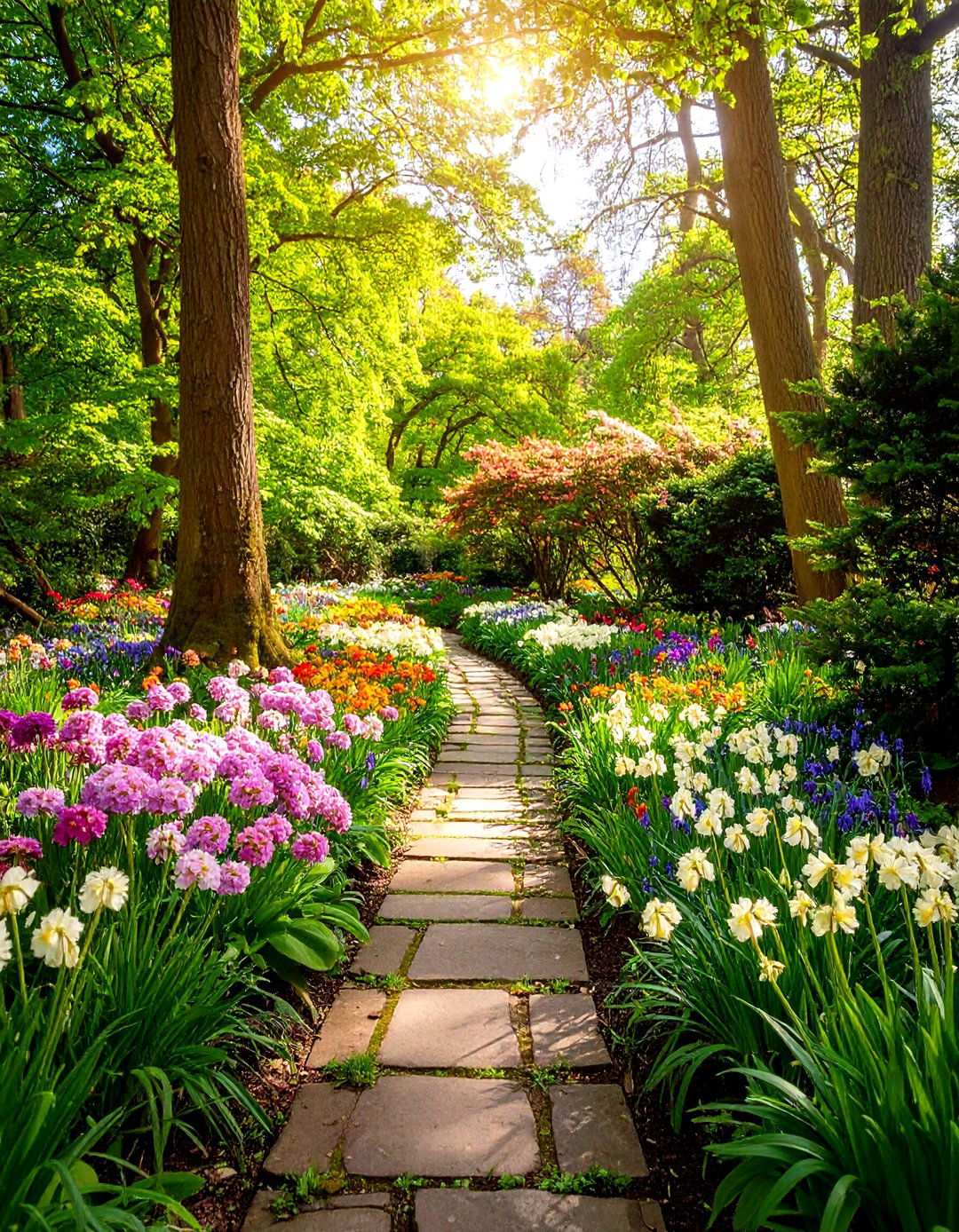
Primrose gardens are a harbinger of spring’s arrival, with their jewel-toned flowers nestled among fresh green foliage. These cool-season perennials reach their peak beauty in early spring, making it the perfect time to plant them. English primroses offer classic pastel colors, while drumstick primulas provide unique globe-shaped flower heads on tall stems. Candelabra primroses create tiered displays that are perfect for moist areas near water features. To ensure these charming plants thrive, plant them in rich, organic soil that retains moisture but drains well during dormant periods. Many varieties naturalize readily, creating expanding colonies that provide increasingly impressive displays over time. To extend the seasonal color, pair them with early bulbs like snowdrops and crocuses. These delightful plants epitomize cottage garden appeal and bring nostalgic beauty to modern shade gardens.
18. Unveiling Bamboo Screening Oasis
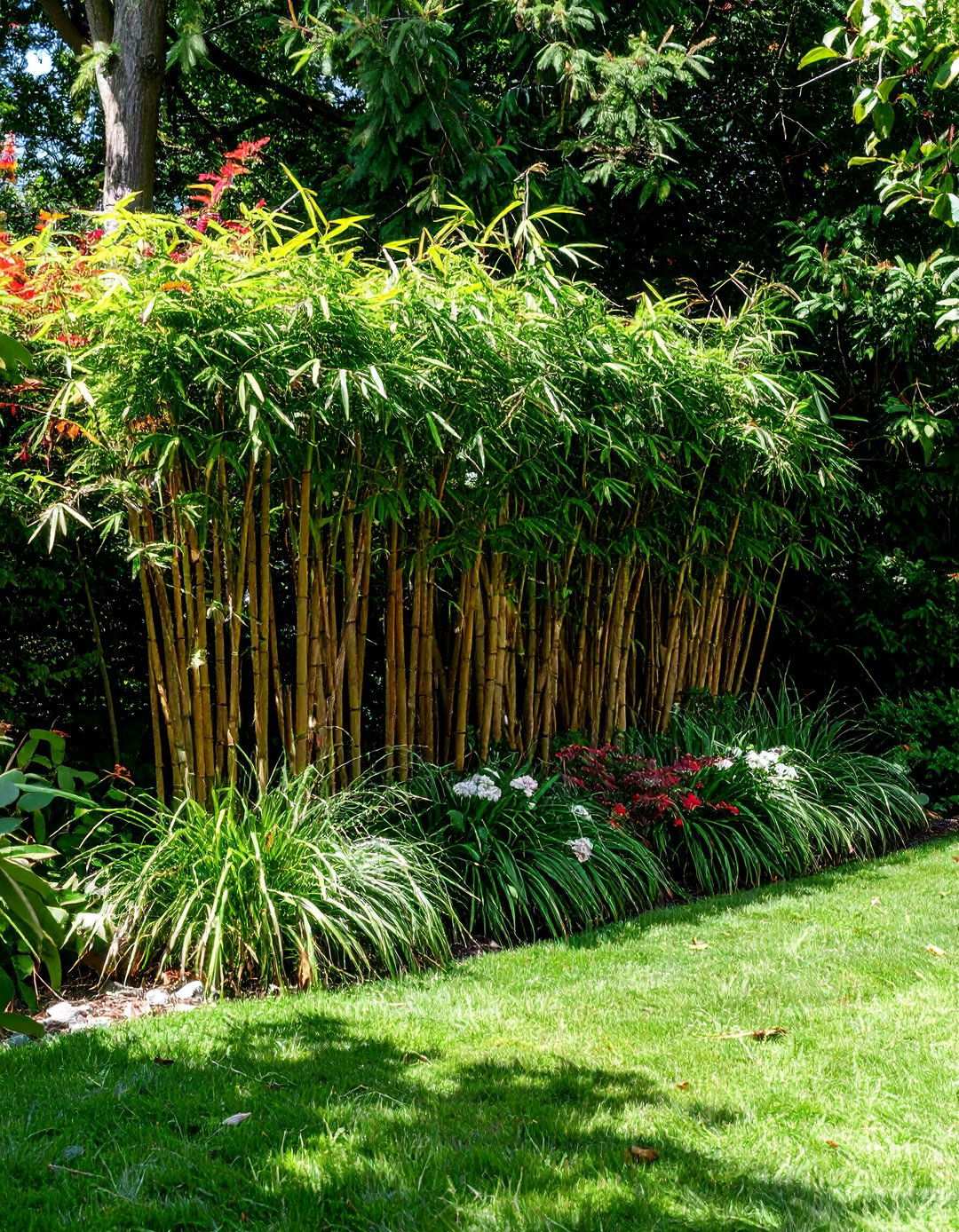
Transform shaded areas into secluded retreats with the captivating allure of bamboo screening gardens. As an instant solution for privacy, these natural barriers bring a touch of exotic charm to shaded landscapes. By selecting clumping varieties like ‘Alphonse Karr’ bamboo, you can enjoy beautiful striped canes without the need for invasive management. In contrast, running types can be skillfully contained with root barriers, allowing for versatility in garden design. With their ability to thrive in various light conditions, bamboo plants provide an adaptable solution for shaded areas. Some varieties, however, prefer partial shade. To maximize their impact, plant in rows to create a living wall or use individual specimens as striking architectural elements. The soothing sound of rustling bamboo leaves in the breeze adds a sensory dimension to garden spaces. For complete control over spreading, especially in smaller gardens, consider container growing. Bamboo offers a year-round visual treat with evergreen foliage, attractive canes, and elegant growth habits that beautifully complement both Asian-inspired and contemporary garden designs.
19. The Magic of Water Feature Shade Gardens
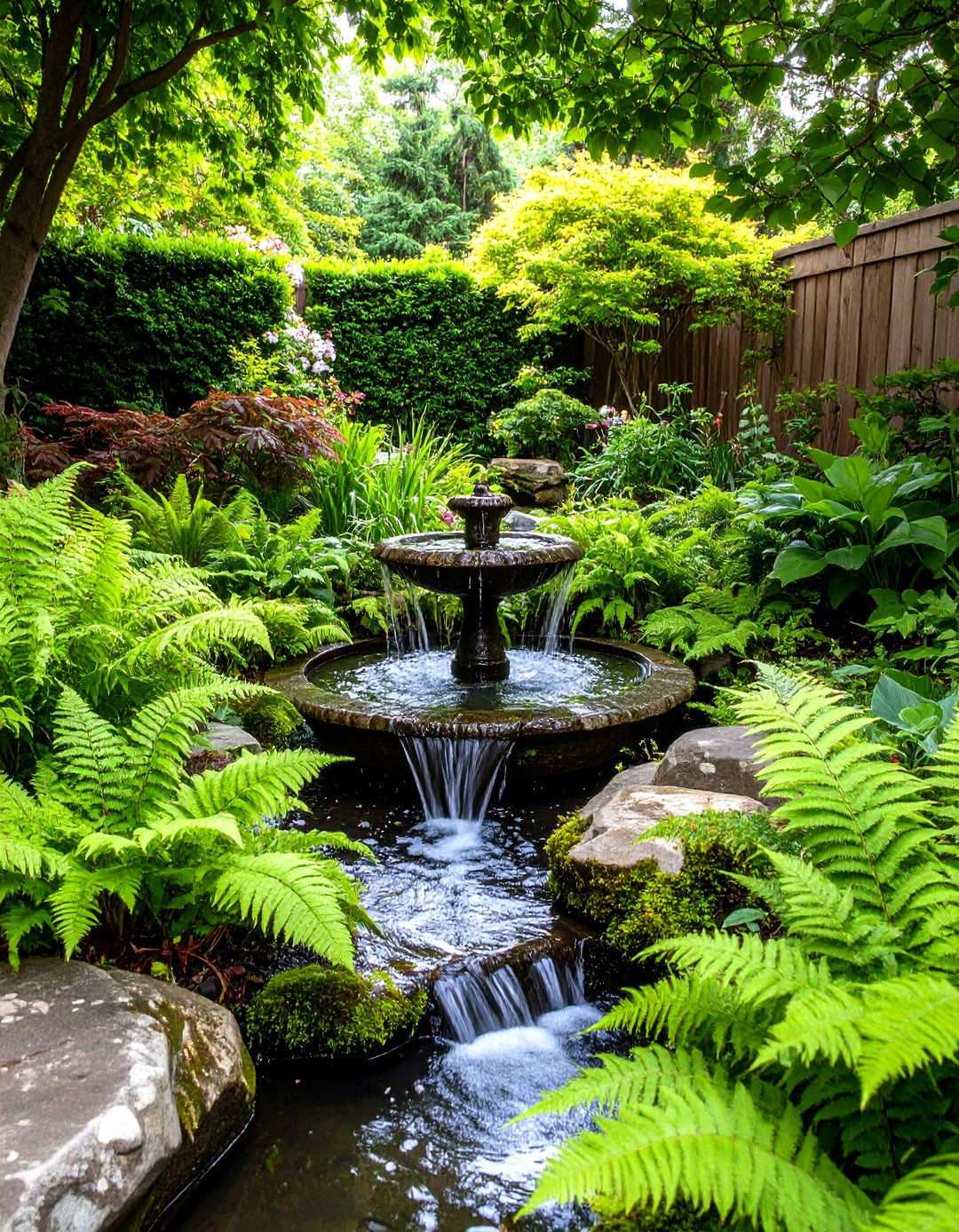
What transforms ordinary shade gardens into enchanting spaces? The presence of water features creates a captivating focal point that engages multiple senses while fostering a diverse array of plant communities. Small recirculating fountains are perfect for container gardens, while larger ponds support aquatic plants and wildlife. Shaded water gardens create a natural barrier against rapid algae growth, while also establishing a cool microclimate for moisture-loving plants. For added visual appeal, position ferns, astilbe, and cardinal flower around water edges. Rain gardens not only capture runoff but also showcase plants that thrive in both drought and flooding conditions. Solar pumps eliminate the need for electrical connections in remote locations, making them an ideal choice. The soothing sound of moving water effectively masks urban noise while attracting birds and beneficial insects. For colder climates, consider seasonal water features that can be easily drained and stored during the winter months, or invest in permanent installations with proper winterization systems.
20. Pulmonaria's Silver Leaf Masterpiece
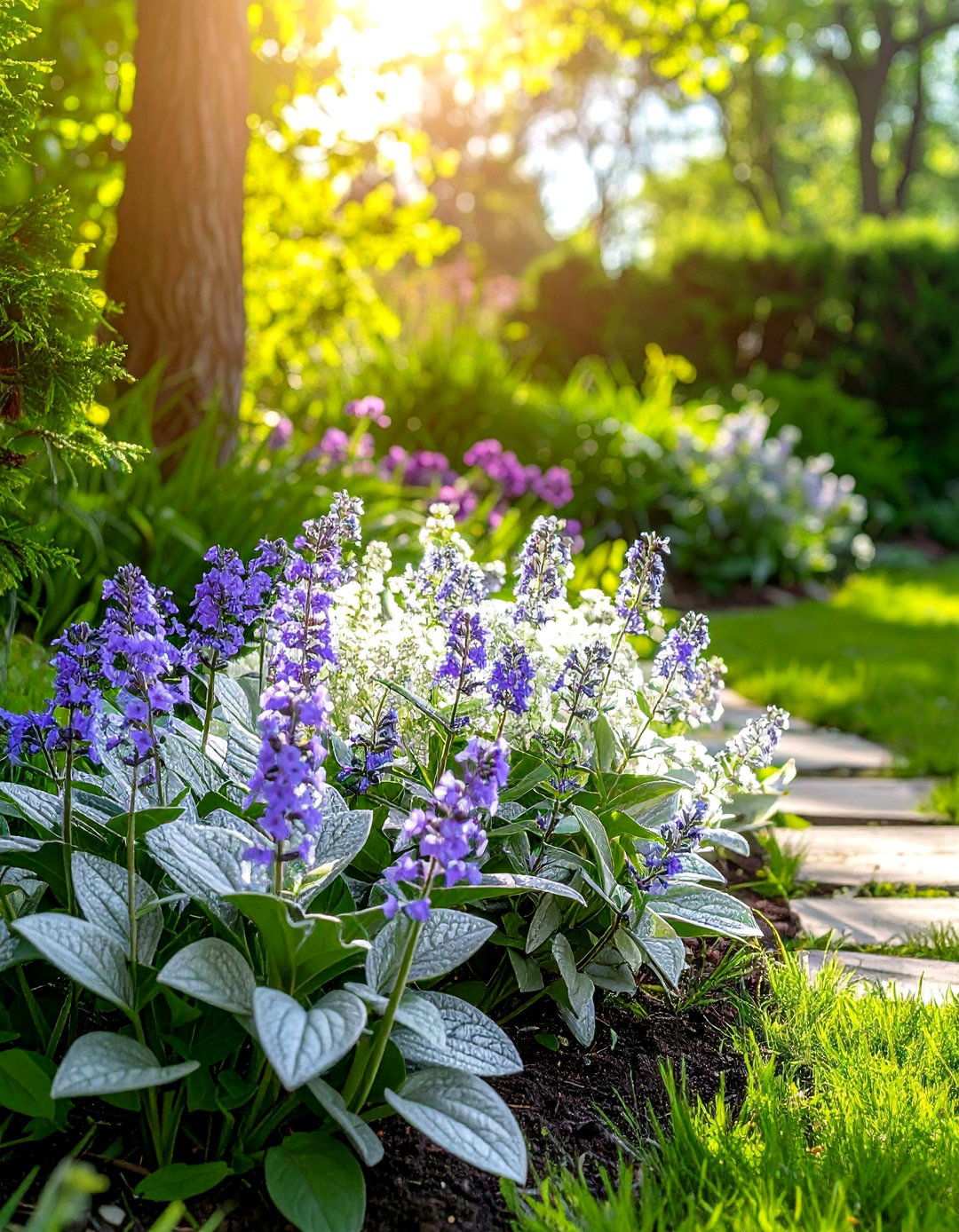
What combines to create the most striking foliage combinations in early shade gardens? The underused perennials in Pulmonaria gardens truly shine with their spotted silver leaves and vibrant spring flower clusters. Commonly known as lungwort, these hardy plants offer a long-lasting visual treat with attractive foliage that emerges after early flowers have faded. ‘Silver Bouquet’ showcases heavily silvered leaves, while ‘Raspberry Splash’ combines silver spotting with a beautiful display of pink flowers. These plants prefer well-draining, rich soil and consistent shade, making them perfect companions for hostas and ferns. The natural silver markings in Pulmonaria brighten dark areas, creating the effect of dappled sunlight even in deep shade. To maintain their vigor and create new plantings, divide clumps every few years. These reliable perennials beautifully combine with other early bloomers like hellebores and spring bulbs for extended seasonal displays.
21. Elevating Vertical Spaces in Shaded Gardens
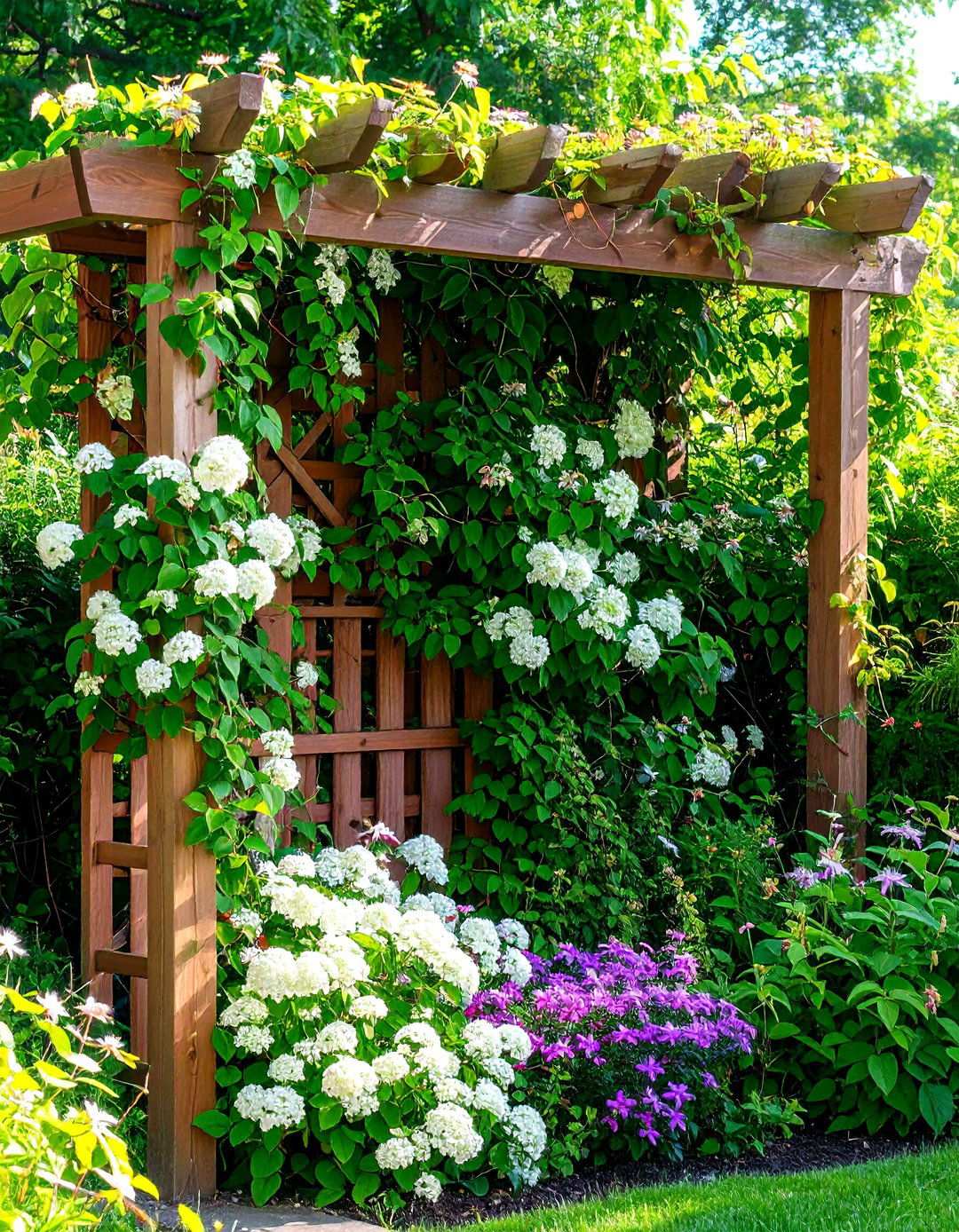
To maximize shaded garden areas, one can utilize vertical space to create vibrant, living walls teeming with flowers and foliage. Climbing vine gardens transform fences, arbors, and structures into breathtaking displays that captivate the senses. Shade-tolerant vines like climbing hydrangea produce show-stopping white flower clusters and eye-catching exfoliating bark for year-round allure. Sweet autumn clematis offers a fragrant finale with late-season white blooms, while hardy kiwi provides not only edible fruit but also attractive foliage. Ensure sturdy support structures are in place before planting, taking into account mature vine weight and growth habits. Some vines require annual pruning, while others demand minimal maintenance once established. By incorporating these vertical elements, gardeners can achieve both seclusion and a haven for birds and beneficial insects. Choosing flowering times judiciously will guarantee a succession of seasonal interest from spring through fall.
22. Captivating Woodland Ground Covers
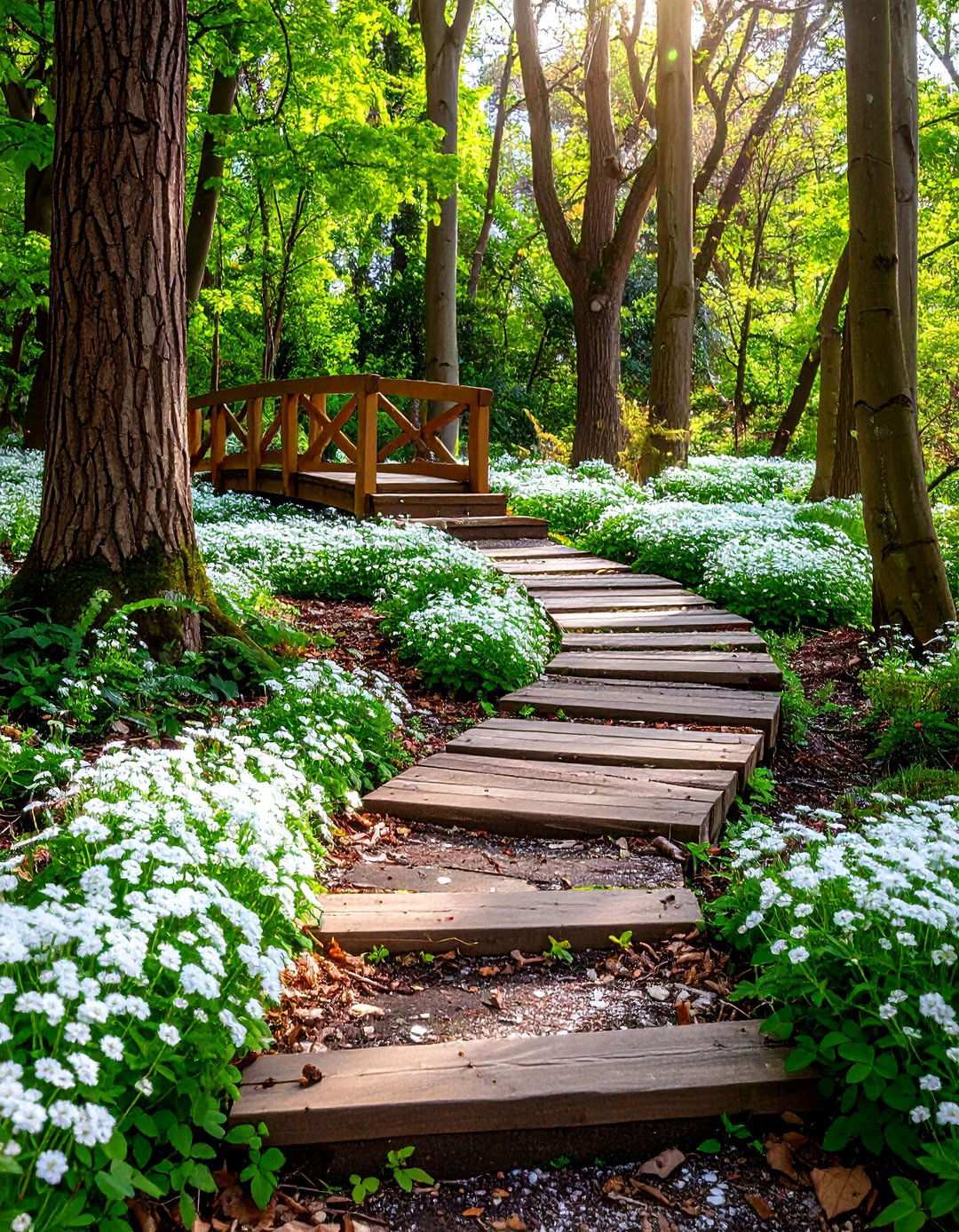
What creates the most enchanting woodland ground covers? Tiarella gardens, which feature foam flower, boast delicate spring blooms above attractive heart-shaped foliage that often develops resplendent fall colors. These native woodland plants spread gradually to form expansive carpets perfect for naturalizing under trees and shrubs. ‘Cutting Edge’ offers intricately cut leaves with prominent veining, while ‘Spring Symphony’ provides exceptional flower displays. These perennials thrive in rich, moist soil with excellent drainage, outshining many other perennials in challenging conditions. The spikes of tiny white or pink flowers that appear in late spring attract early pollinators, while evergreen foliage in milder climates provides year-round coverage. These low-maintenance perennials work harmoniously in combination with other woodland natives like wild ginger and coral bells to create authentic forest garden effects.
23. Timeless Vertical Elements in Shade Gardens
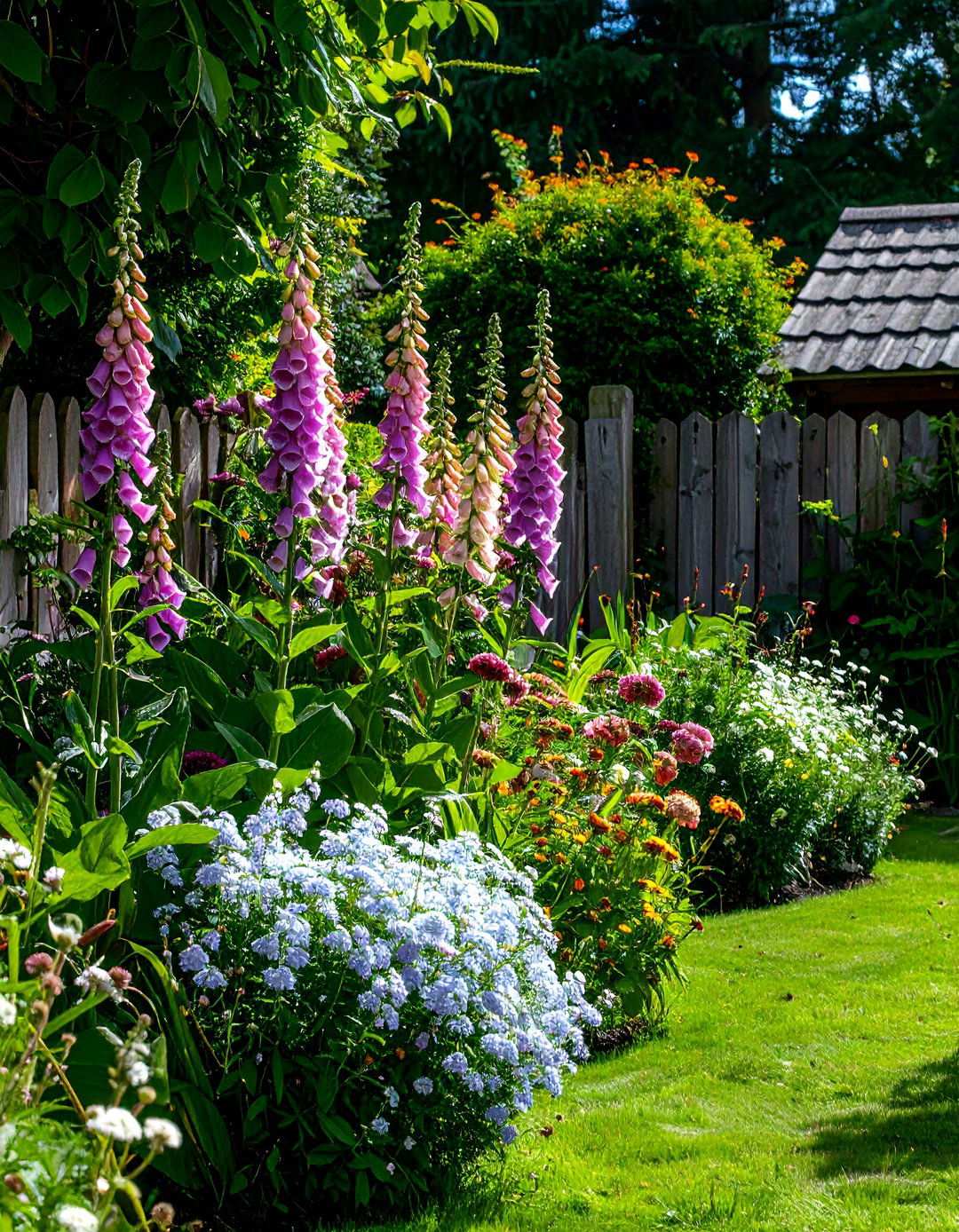
What creates the most romantic vertical elements in shade gardens? Foxglove gardens provide classic cottage garden appeal with their striking tall spires of tubular flowers that entice hummingbirds and create dramatic backdrop plantings. These biennial or short-lived perennials prefer partial shade and rich, moist soil. Common foxglove offers traditional purple, pink, and white flowers, while newer varieties include vibrant apricot and yellow tones. The ‘Camelot’ series provides compact plants perfect for smaller spaces, while ‘Digitalis Purpurea’ creates towering displays reaching six feet tall. To encourage continued displays, allow some plants to self-seed, and remove spent flower spikes before seeds form if naturalization isn’t desired. These classic plants combine beautifully with roses, delphiniums, and other cottage garden favorites, making them an excellent choice for adding height variation to perennial borders.
24. Seasonal Bulb Succession Gardens
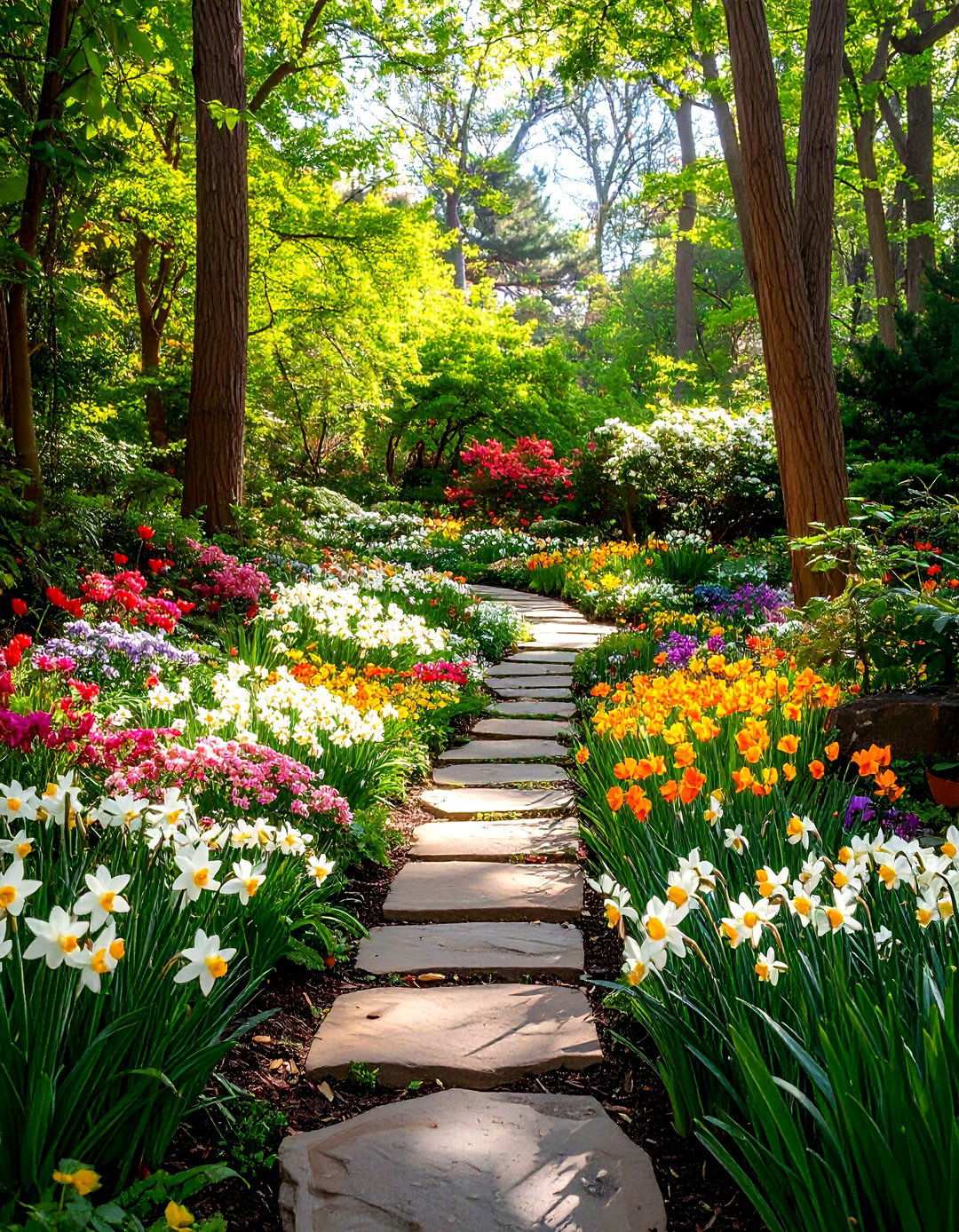
Shade garden enthusiasts can enjoy a kaleidoscope of colors by implementing succession bulb plantings, which create a seamless transition between seasons. This approach involves selecting a diverse range of bulb varieties that bloom at different times, thereby creating a rolling wave of color that can be sustained from late winter through fall. By starting with early-blooming bulbs like snowdrops and winter aconite, which thrive in the winter months when trees are bare, gardeners can set the stage for a vibrant display of color as spring progresses. As the seasons shift, crocuses and daffodils take center stage, followed by summer-flowering bulbs like caladiums and begonias, which provide a splash of color during the hot summer months. To extend the color display into autumn, fall crocuses and cyclamen can be incorporated into the design. By layering bulbs at varying depths, gardeners can maximize their impact in even the most limited of spaces. It’s essential to choose bulb varieties that are specifically suited to the shade conditions present in the garden, as some bulbs require more sunlight than others to perform reliably. Ultimately, the arrangement of bulbs can either create a naturalized, woodland-like ambiance or a more structured and formal design, depending on the gardener’s preference.