1. T-Post String Trellis System
When it comes to supporting heavy tomato plants, a well-crafted trellis system can make all the difference. The T-post string trellis stands out as an effective solution due to its unique blend of durability and flexibility. To create this system, start by driving sturdy metal T-posts into the ground at regular intervals along your tomato row. Next, attach horizontal rebar or wire between posts at the top, forming a framework for vertical strings. From there, tie twine from the top wire down to the base of each plant, allowing the tomatoes to spiral around the string as they grow. This setup is particularly well-suited for indeterminate varieties that can reach impressive heights of eight feet tall. What’s more, the system can handle heavy fruit loads without bending or breaking, making it an ideal choice for large-scale tomato production. The best part? Installation requires minimal tools, and the materials can last for many growing seasons with proper care.

As an Amazon Associate I earn from qualifying purchases.
2. Bamboo Tower Construction
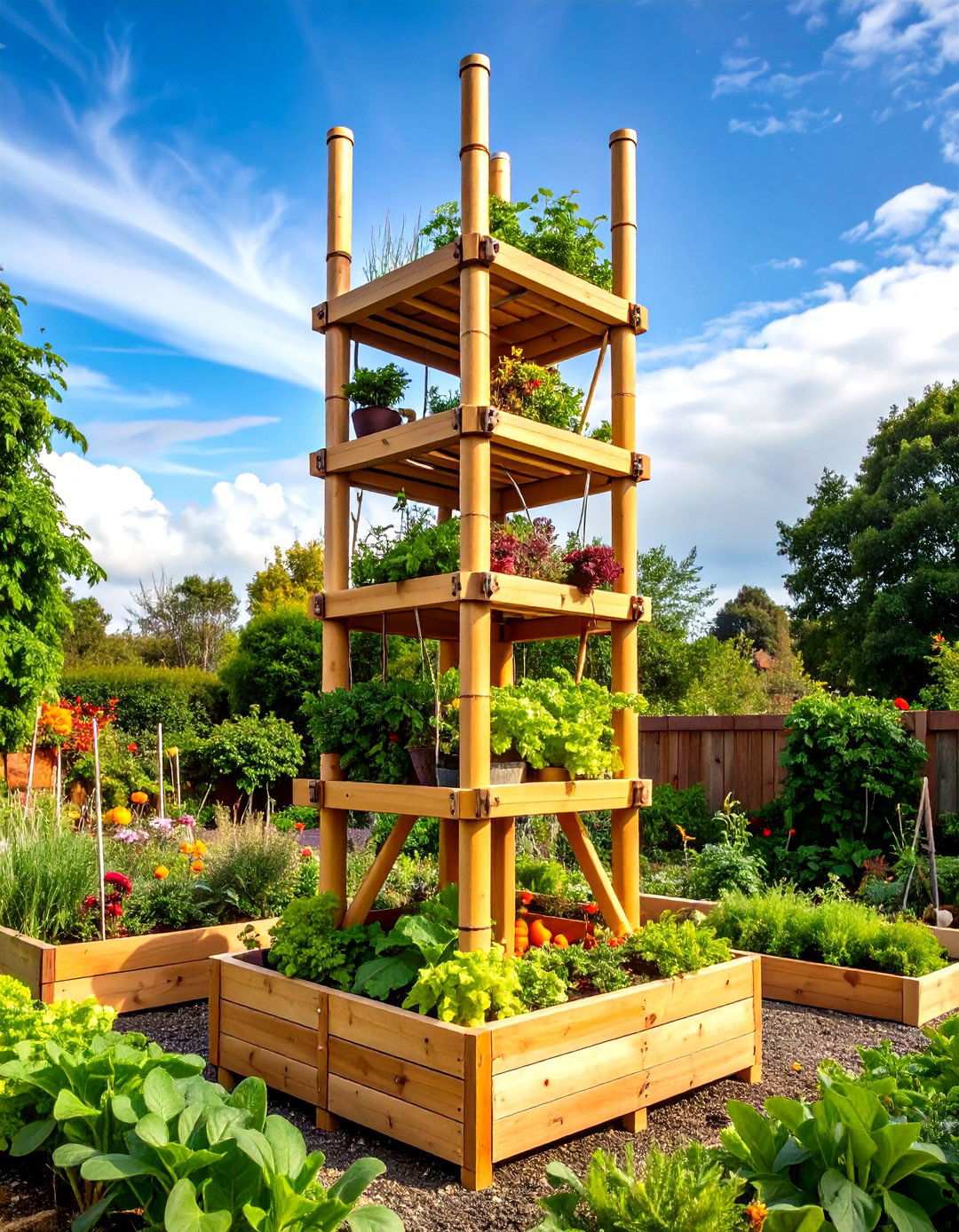
For gardeners looking to create a support structure that complements their surroundings, bamboo towers offer a sustainable and attractive solution. By leveraging natural materials, you can craft an elegant support system that blends seamlessly with your garden’s aesthetic. To get started, select four sturdy bamboo poles measuring eight to ten feet in length and arrange them in a square formation. Secure the tops together with strong twine or wire, creating a tower structure that provides ample support for tomato vines. Add horizontal bamboo crosspieces at twelve-inch intervals to give the plants something to climb on, and you’ll be rewarded with a thriving and visually appealing garden. This design works particularly well for single plants or small clusters, offering the perfect balance of support and organic charm. The natural bamboo weathers beautifully over time and can be composted at the end of its useful life, making it a guilt-free choice for gardeners of all skill levels. The tower structure also provides excellent stability in windy conditions, allowing for easy access for pruning and harvesting activities.
3. Efficient Support for Multiple Tomato Plants
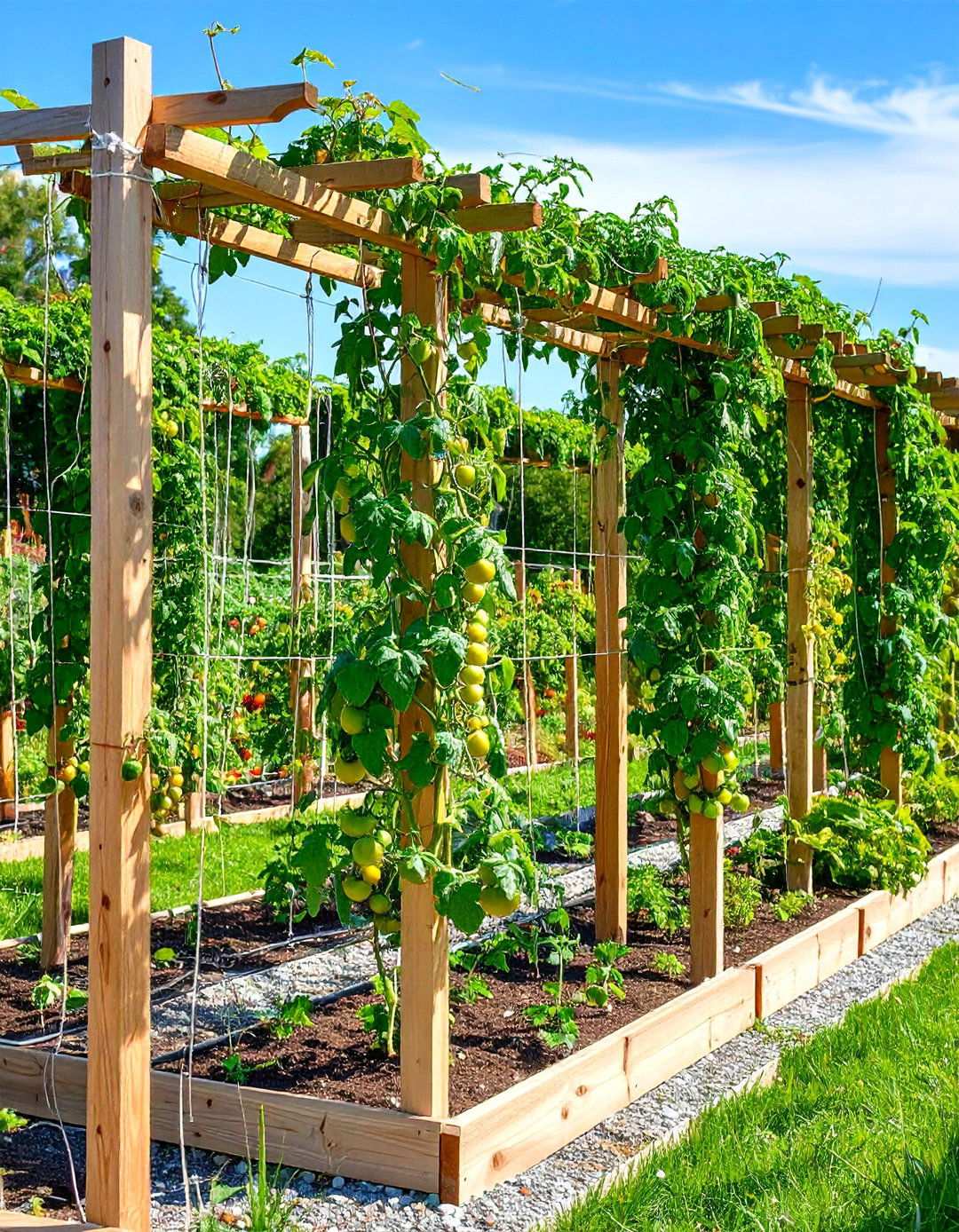
Commercial growers have developed several methods to support multiple tomato plants efficiently. One effective approach is the Florida weave method, which creates a continuous support system that accommodates entire rows of plants using minimal materials. By installing wooden stakes or T-posts at each end of the tomato row and adding additional posts every eight to ten feet, growers can establish a sturdy framework. Twine is then strung horizontally between the posts, carefully woven around each plant stem to create support. As the plants grow taller throughout the season, adding new layers of twine every six to eight inches ensures the support structure remains stable. This technique distributes the weight evenly, preventing individual plant failure and keeping stems upright while allowing easy access for maintenance tasks. The Florida weave method is a popular choice among serious tomato growers due to its ability to scale perfectly from small garden plots to commercial installations.
4. Vertical Gardening with A-Frame Trellises
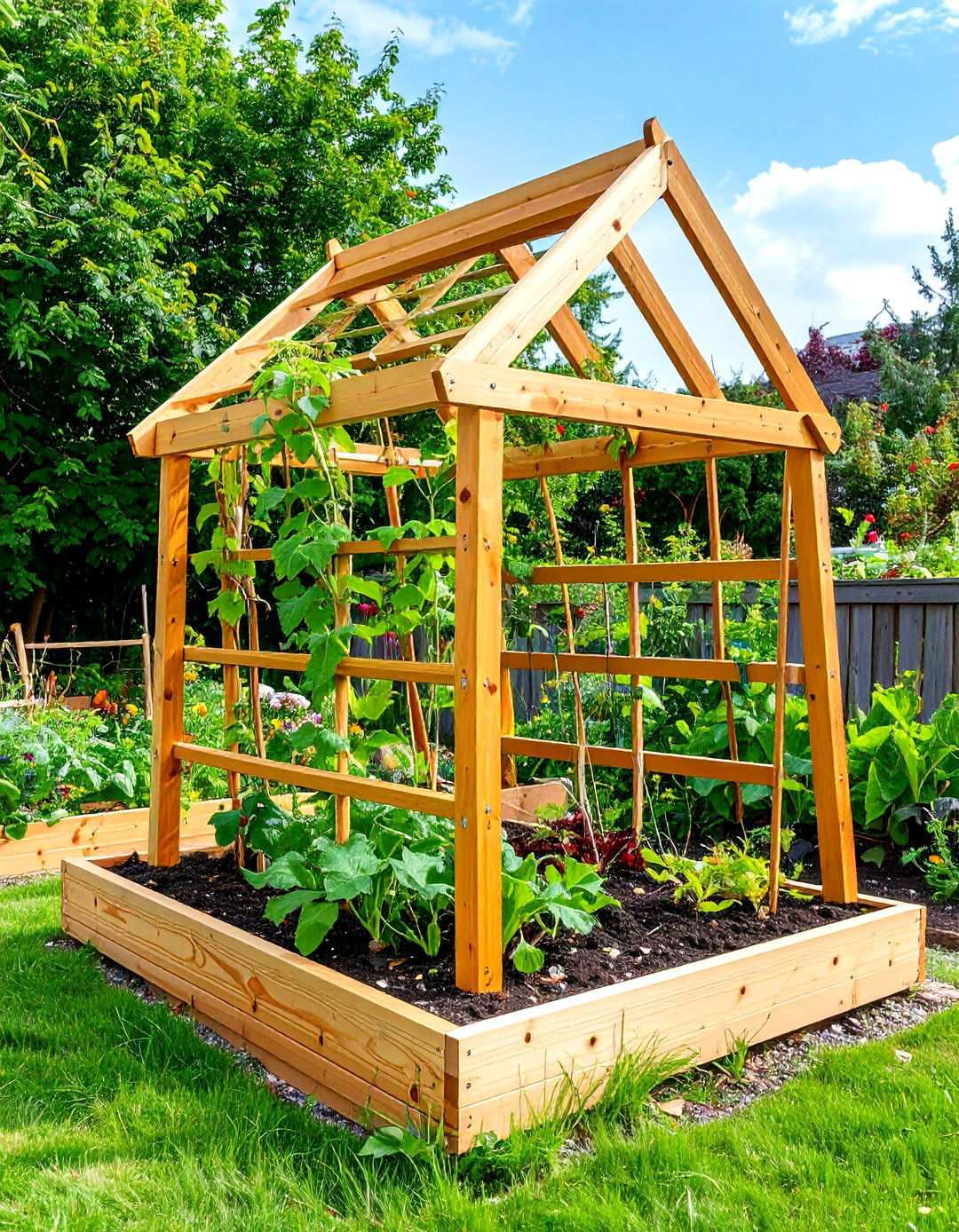
For growers seeking a freestanding structure that maximizes growing space, A-frame trellises are an ideal solution. These structures create impressive vertical gardens that support multiple plants while adding architectural interest to the landscape. Constructing two ladder-like panels using cedar or pressure-treated lumber and connecting them at the top with hinges allows for easy storage and transportation. To ensure stability, space the legs approximately five feet apart, taking into account the mature plants’ weight. Cross-braces and horizontal supports provide climbing surfaces for tomato vines, allowing plants to grow on both sides of the structure. This design effectively doubles the growing capacity in the same footprint, making it an attractive option for growers with limited space. The triangular shape of the trellis provides excellent wind resistance while creating an attractive focal point. When the harvest season ends, the structure can be folded for compact winter storage in a garden shed or garage.
5. Creating a Productive Garden Tunnel with Cattle Panel Archways
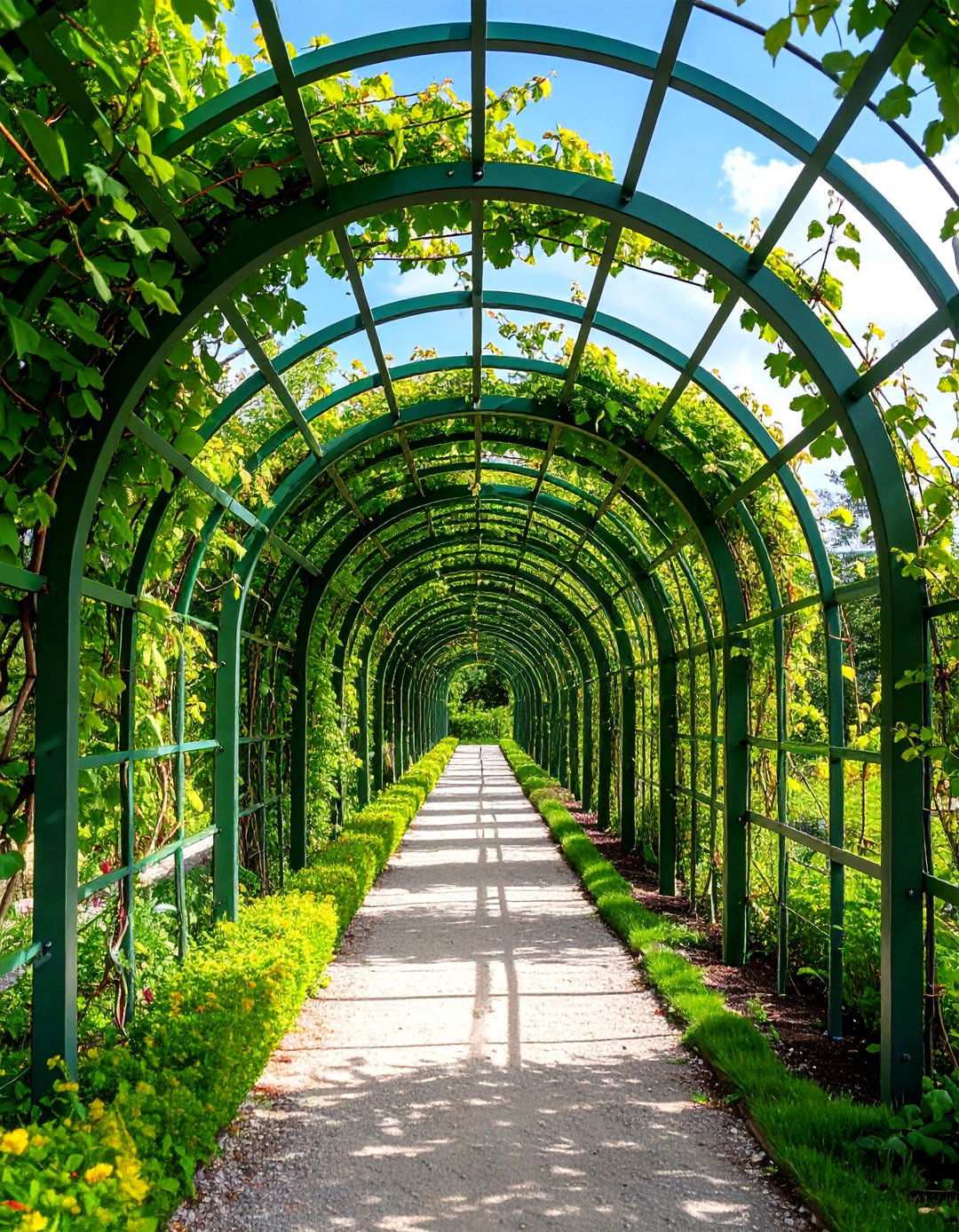
Growers looking to create a stunning garden tunnel that maximizes vertical space can consider using cattle panel arches. These structures transform ordinary growing areas into productive garden corridors that support vigorous tomato growth. By purchasing a standard sixteen-foot cattle panel and bending it into an arch shape between two garden beds, growers can create a walk-through tunnel that supports plants on both sides while providing easy access for maintenance. Securing each end with T-posts driven deep into the ground ensures stability and prevents the structure from toppling over. The arch reaches approximately six feet in height, allowing comfortable movement underneath while plants climb overhead. This design works beautifully for indeterminate varieties that can grow ten feet or more, and the sturdy welded wire construction supports heavy fruit loads without sagging. The tunnel effect created by the cattle panel archway is an enchanting garden feature that impresses visitors and adds aesthetic value to the landscape.
6. Maximizing Production in Limited Space with Vertical String Greenhouses
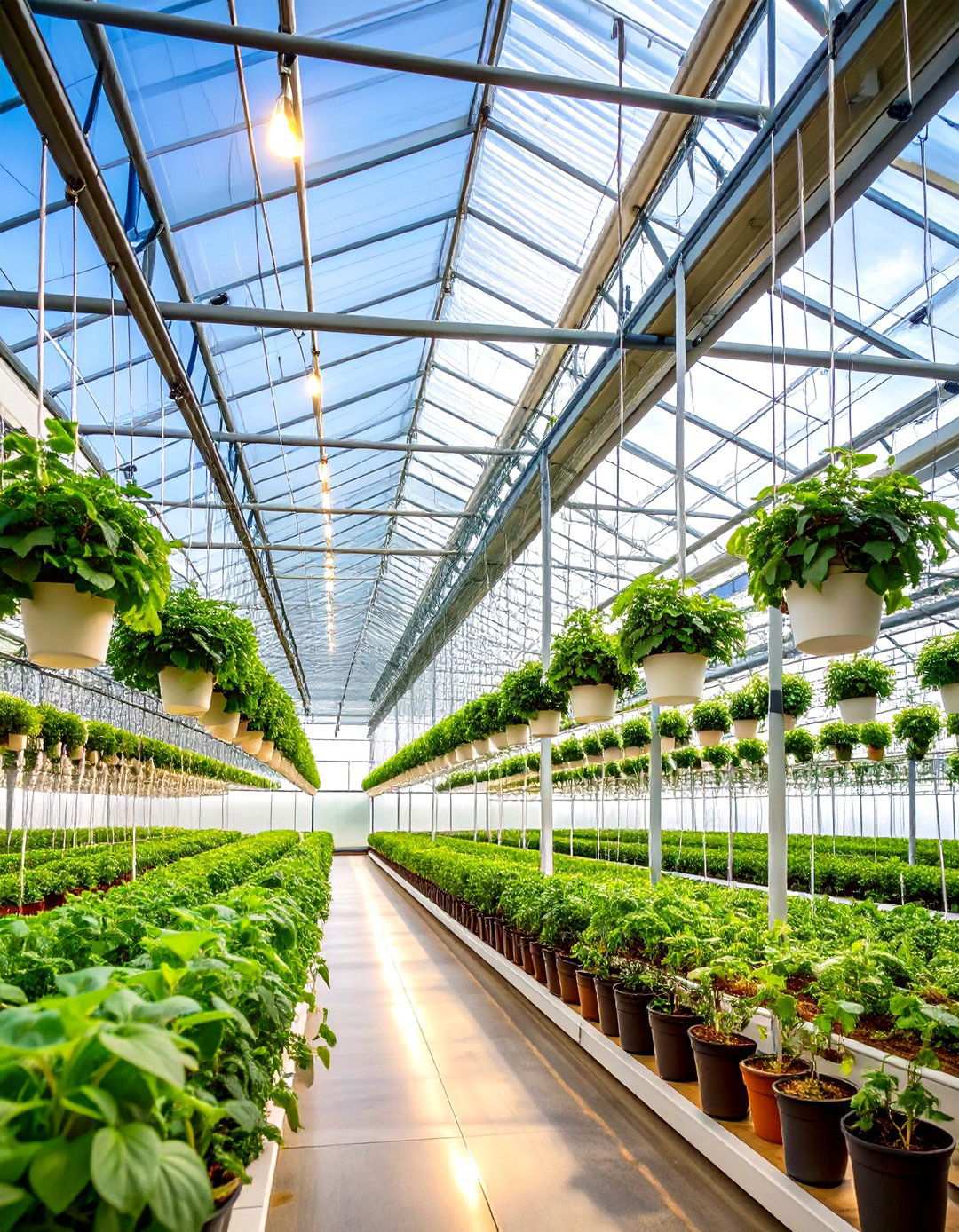
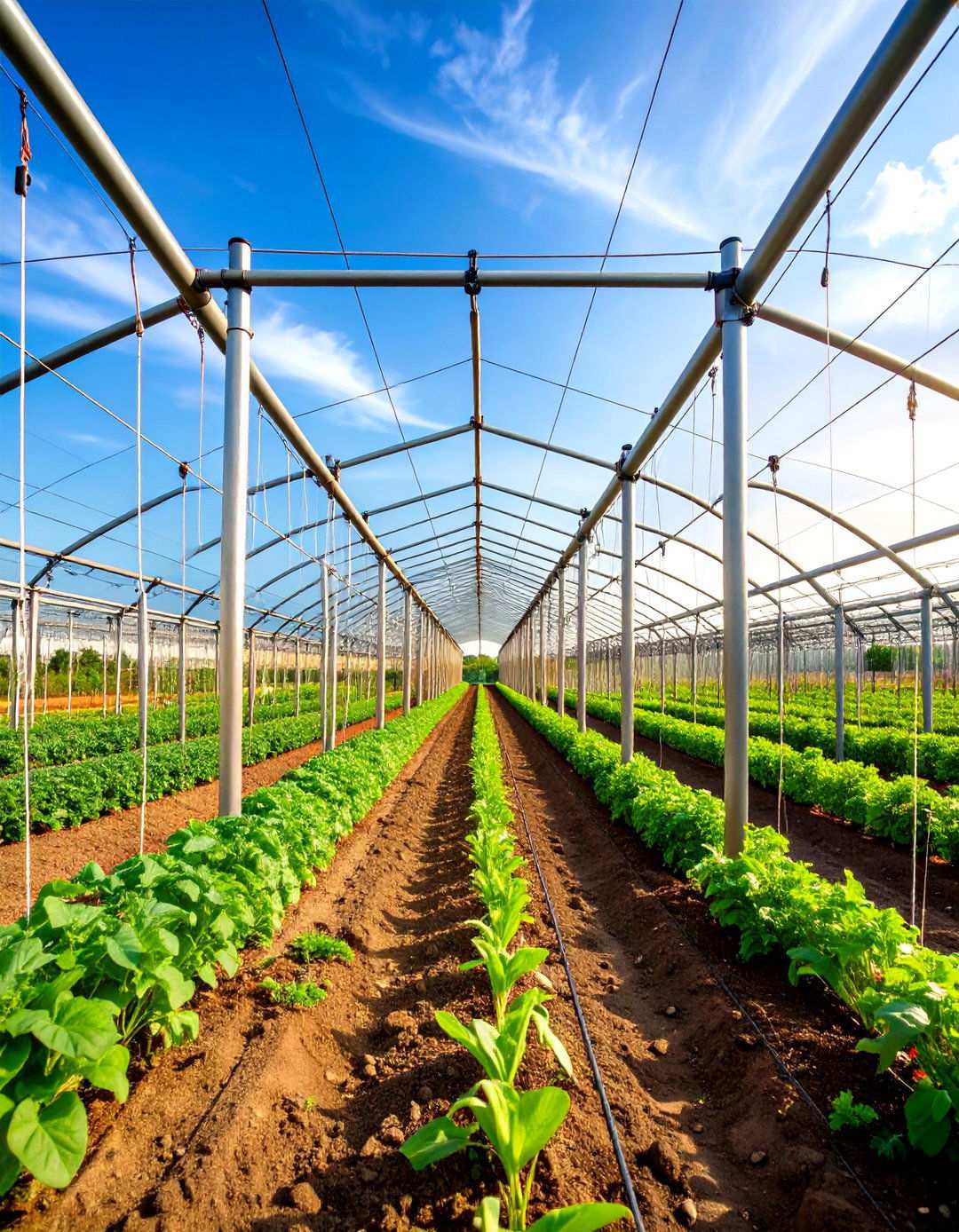
Commercial greenhouse operations continually seek innovative ways to boost yields in compact spaces. One effective strategy is implementing vertical string systems, which optimize growing space by guiding each plant upwards along a single support line. Begin by installing a horizontal support wire or pipe at least eight feet above your planting area. Next, attach heavy-duty twine or garden wire from this top support down to the base of each tomato plant. Train the main stem around the string in a spiral pattern, carefully removing side shoots to maintain a single leader. This approach focuses the plant’s energy on fruit production rather than excessive foliage development. By adopting regular maintenance, growers can achieve exceptional yields in minimal space. With proper support, plants can reach astonishing heights of twelve feet or more, making this method ideal for greenhouse cultivation or areas with height constraints where horizontal space is at a premium.
7. Individualized Support with Wooden Stakes
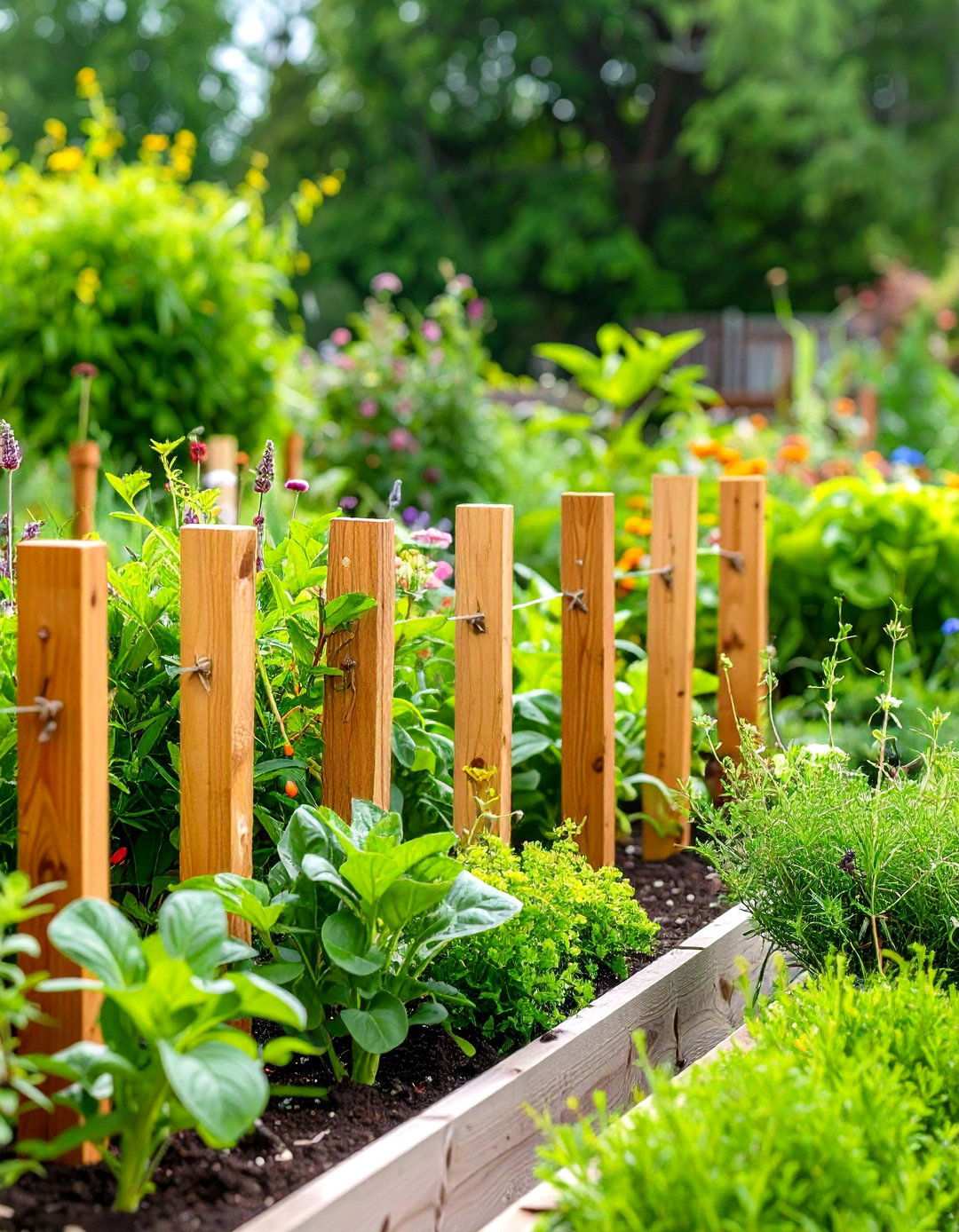
For gardeners who prefer a hands-on approach to caring for individual tomato plants, wooden stakes offer a straightforward support solution. To implement this method, select stakes at least six feet long and drive them two feet deep into the soil near each plant. Use soft ties or plant clips to secure the main stem at regular intervals as growth progresses. To extend the lifespan of the stakes, choose naturally rot-resistant wood like cedar or apply preservative treatment. This approach provides excellent control over individual plant development, allowing for easy customization of support for different varieties. Wooden stakes are easy to install and remove, making them perfect for annual garden setups. While labor-intensive for large plantings, they excel in small gardens where personal attention to each plant is feasible and desired.
8. Combining Function and Aesthetics with Garden Obelisk Towers
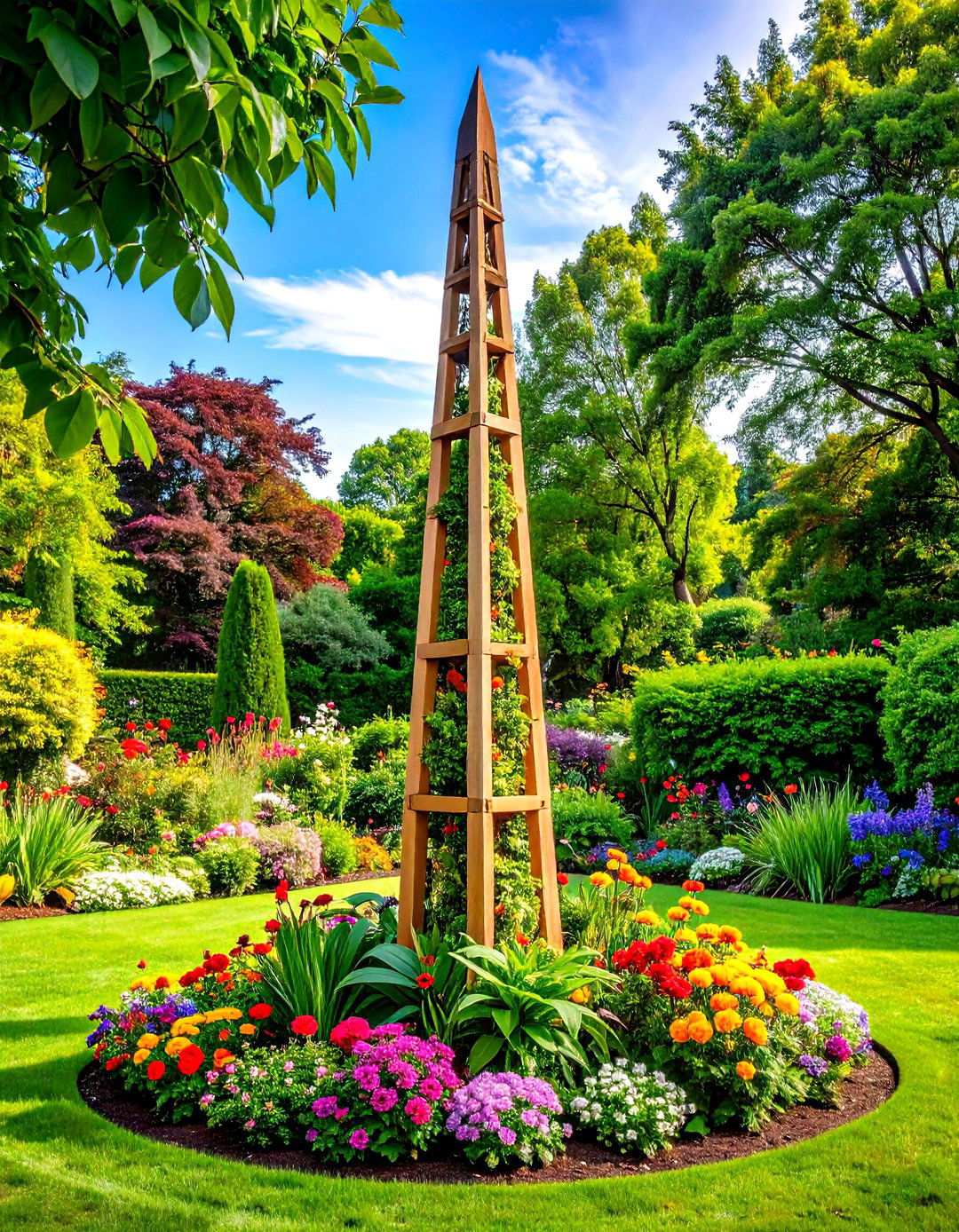
Gardeners seeking an ornamental support that doubles as garden art often turn to obelisk towers. These structures combine functional plant support with elegant design elements that enhance garden aesthetics. Construct a four-sided pyramid structure using wooden slats or metal rods, tapering from a wide base to a narrow top. The geometric design provides multiple climbing surfaces while creating an attractive focal point in garden beds. Install the obelisk around young plants, allowing them to grow up through the structure’s framework. This design works particularly well for patio gardens or formal landscape settings where appearance matters as much as function. The compact footprint makes efficient use of limited space while the height provides adequate support for indeterminate varieties. By using quality materials, growers can ensure the structure remains attractive and functional for many growing seasons.
9. Unfurling Potential: Spiral Metal Support Stakes
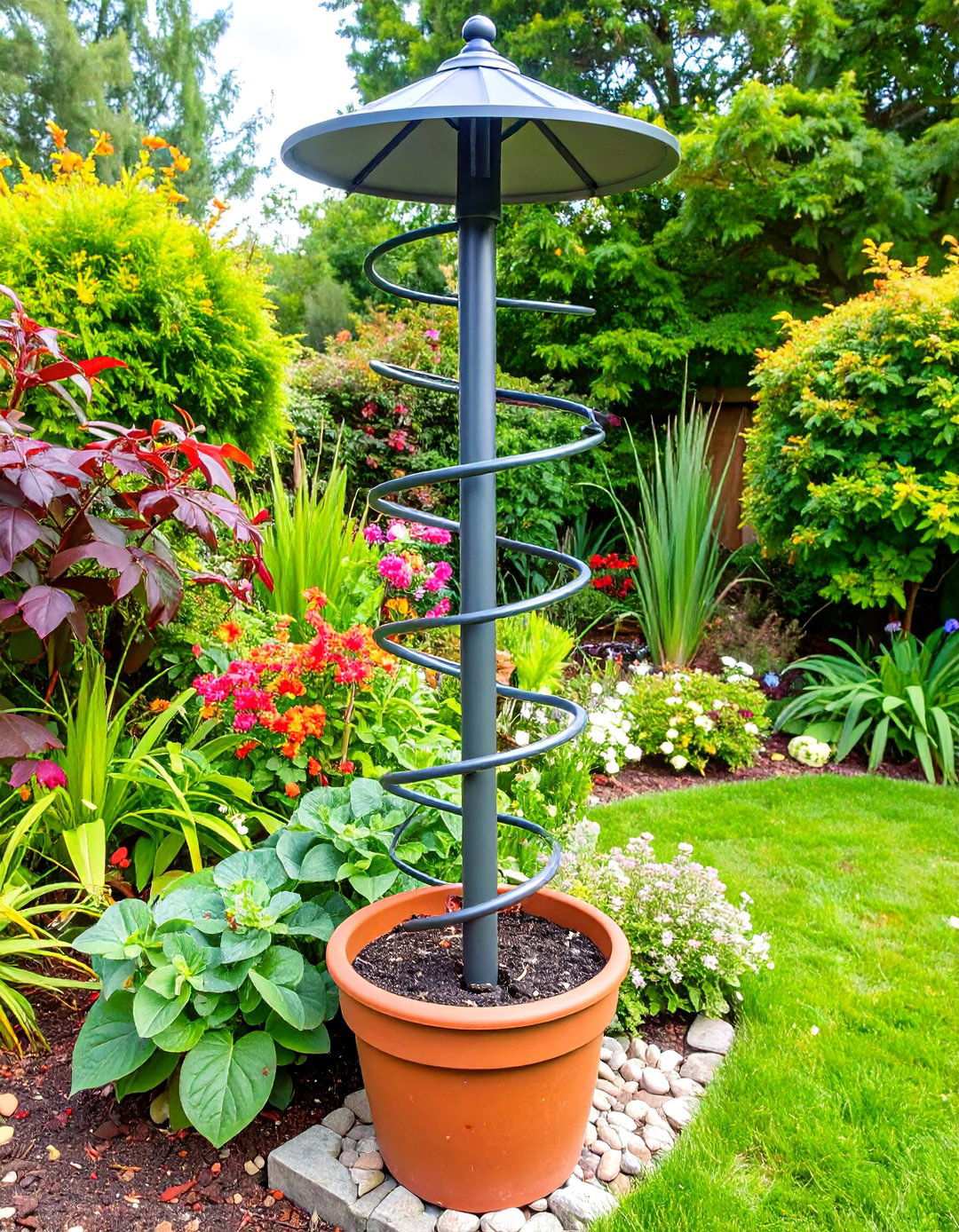
A minimalist approach to supporting tomato plants can be just as effective as more complex systems. Spiral metal stakes, with their unique twisted design, offer a streamlined solution that allows plants to thrive. To install, simply push the pointed end of the stake into the soil near the tomato plant and guide the main stem through the spiral path. As the plant grows, it naturally follows the spiral pattern, creating a stable column of support. By eliminating the need for ties or clips, this method streamlines plant support and maintenance. Spiral stakes work particularly well with determinate varieties or smaller indeterminate types, and their reusability makes them a cost-effective option. The stakes’ spiral design also adds a visually appealing element to the garden, blending form and function in a unique way.
10. Comprehensive Coverage: Heavy-Duty Cage Systems
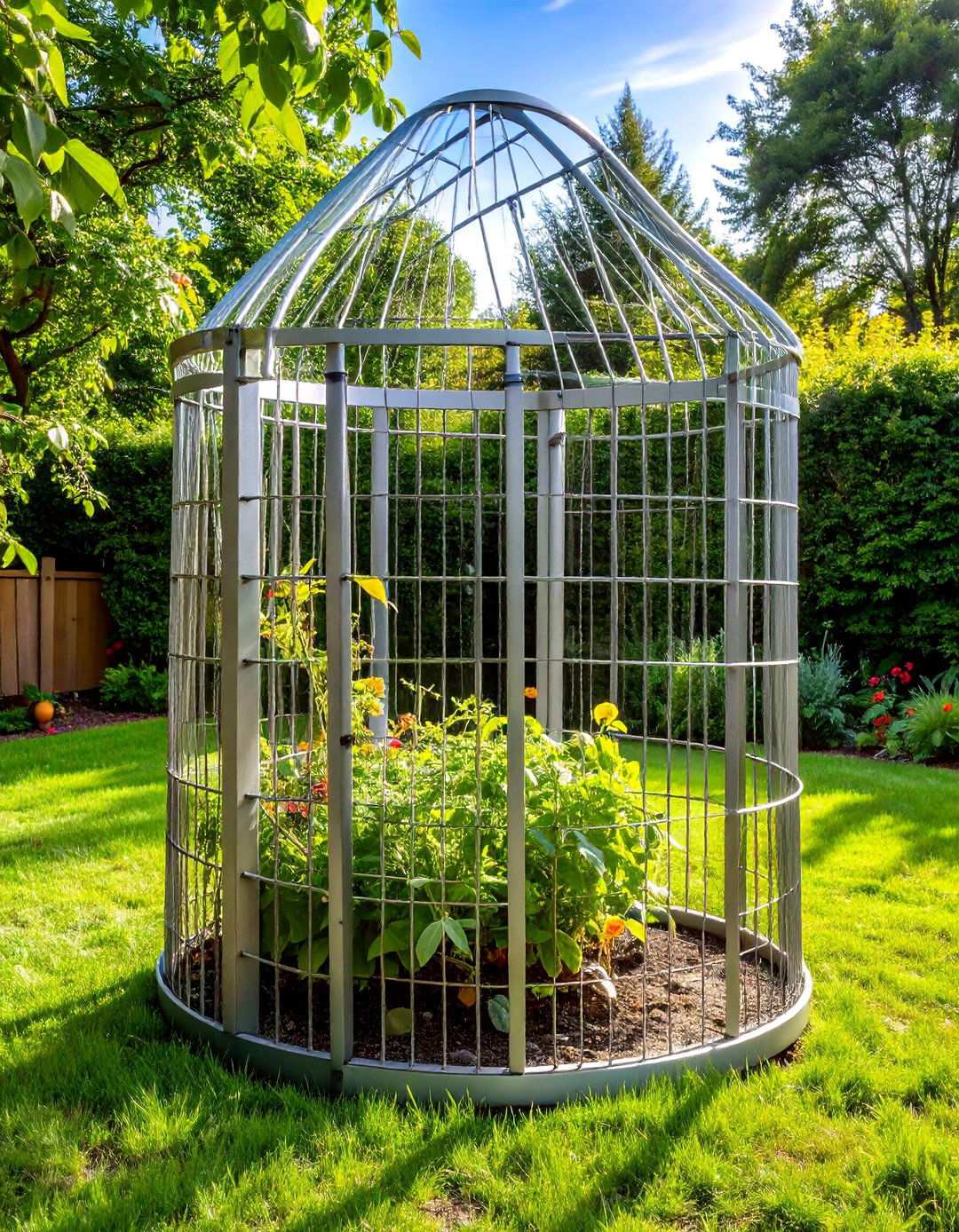
For bushy tomato varieties that require 360-degree support, heavy-duty cages offer the perfect solution. These sturdy structures surround plants with complete coverage, ideal for determinate types that develop full, bushy growth patterns. When selecting a cage, look for galvanized steel construction with large openings that facilitate easy harvesting and maintenance access. Installing cages early in the season allows plants to grow freely while still receiving the support they need. This method excels for gardeners who prefer minimal intervention once the cage is in place, as it allows plants to grow naturally while providing comprehensive support from all directions. High-quality cages can withstand harsh weather conditions and heavy fruit loads without collapsing or deforming, making them a reliable investment for years to come. Some cages feature innovative folding designs that make off-season storage a breeze, combining functionality with practical storage solutions.
11. Repurposing for Success: Ladder Trellis Framework
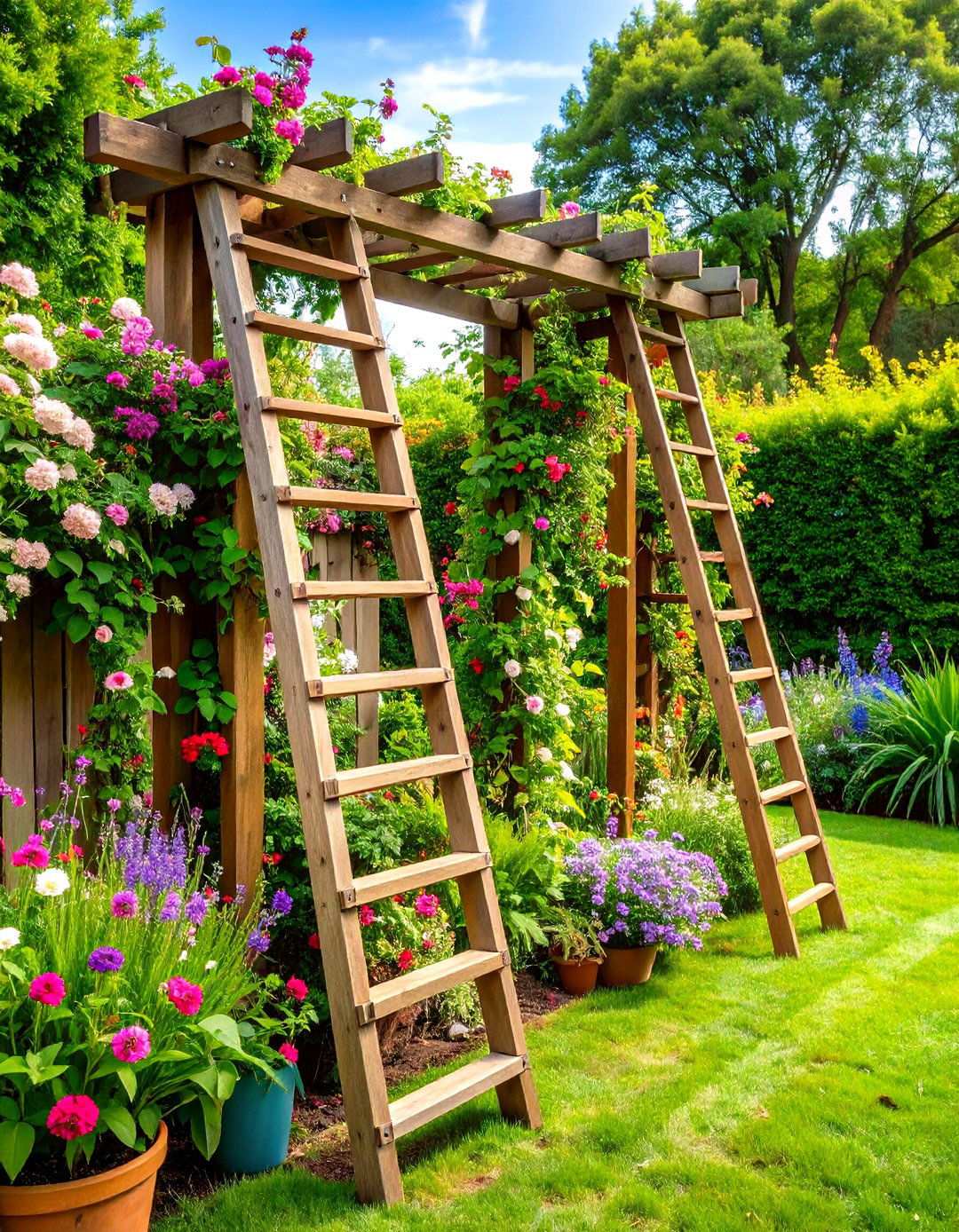
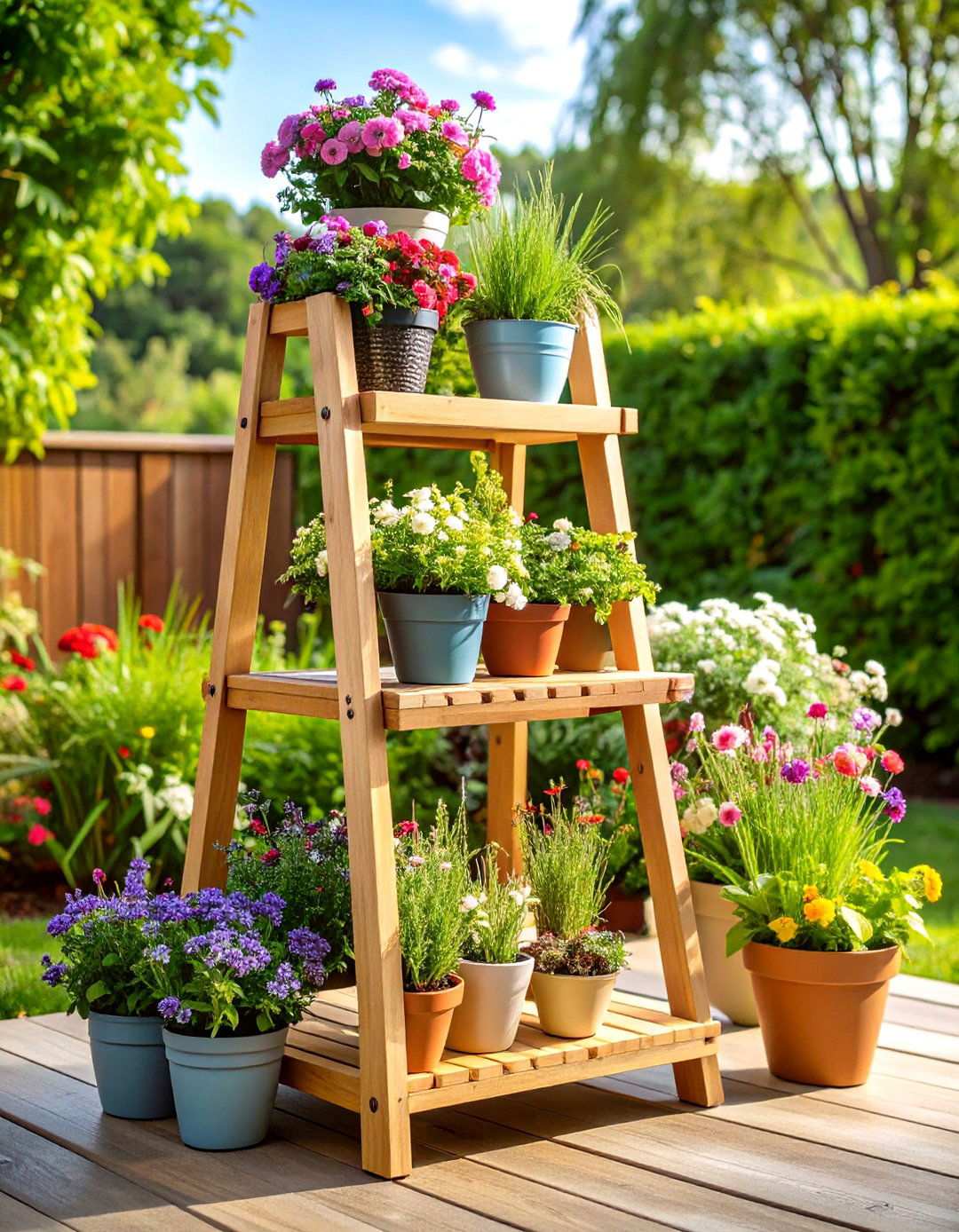
Transforming old wooden ladders into functional plant supports can be a creative and cost-effective way to add a professional touch to garden spaces. By positioning two ladders parallel to each other, you create a pathway for plant growth between them. Connecting the tops with cross-braces adds stability, while horizontal supports at various heights provide climbing surfaces for vigorous growth. This design accommodates multiple plants while maximizing production within the allocated space. The ladder structure creates interesting shadows and visual depth in garden settings, adding a unique touch to your outdoor space. Plants can climb both sides of each ladder, making the most of the available space. As the ladders weather over time, they develop a charming character that enhances the garden’s vintage aesthetic while maintaining structural integrity.
12. Container Garden Trellis Solutions
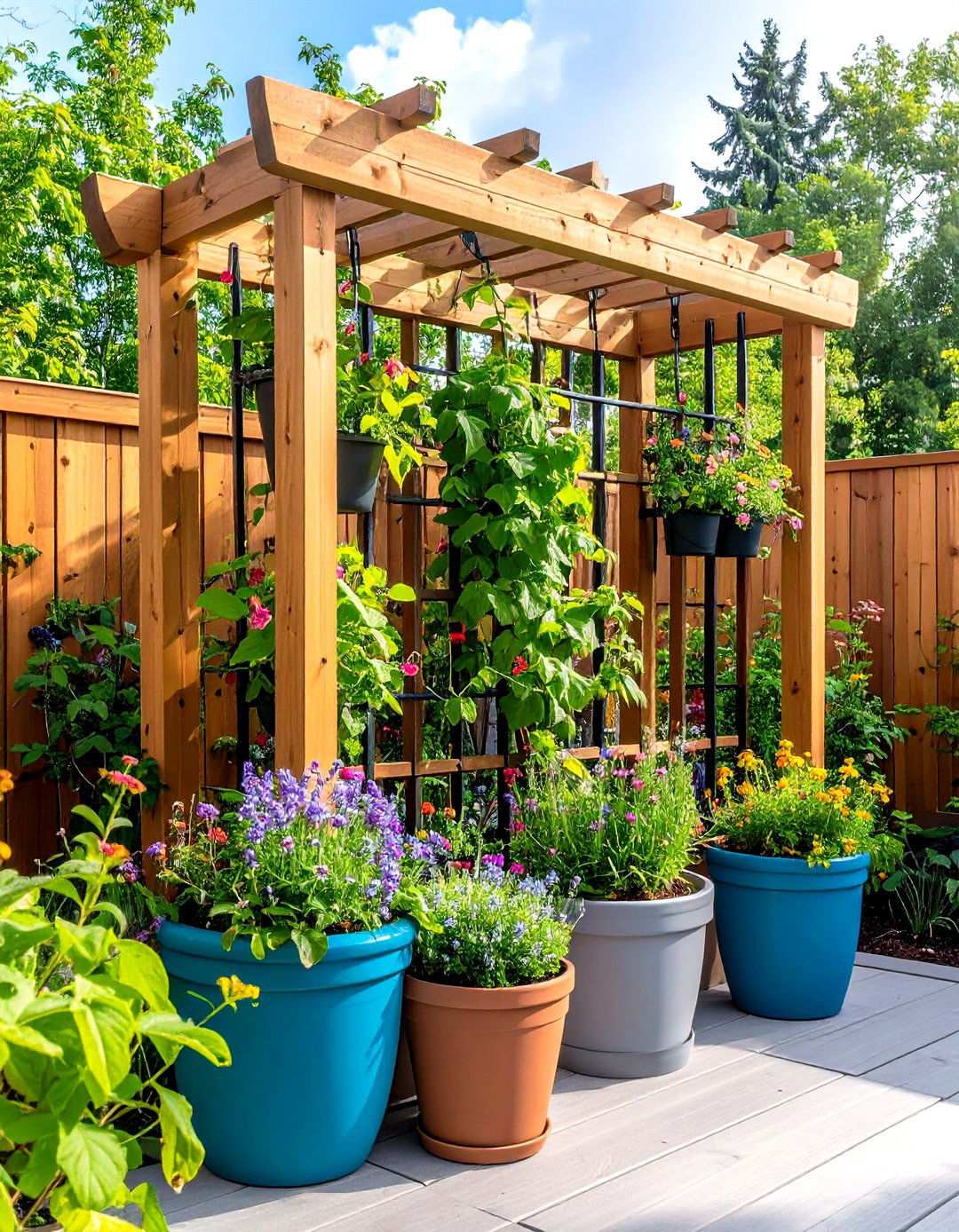
Effective support systems for tomatoes in limited container spaces can be achieved through innovative trellis designs. By adapting traditional support methods for container cultivation, growers can install compact structures that attach to container edges or utilize weighted bases for freestanding support. Alternatively, vertical growing tubes or cylindrical cages specifically designed for container gardening can provide the necessary support. The key to successful trellis design lies in striking a balance between adequate support and visual appeal, selecting materials that complement the surrounding patio or deck aesthetics. Container gardening offers several advantages, including precise control over soil quality and drainage, which can result in healthier plants compared to ground cultivation. Moreover, mobility becomes a significant advantage when weather protection is necessary. By optimizing trellis design, growers can ensure that container weight remains manageable while providing the vertical support required for productive growth.
13. Upside-Down Growing Systems
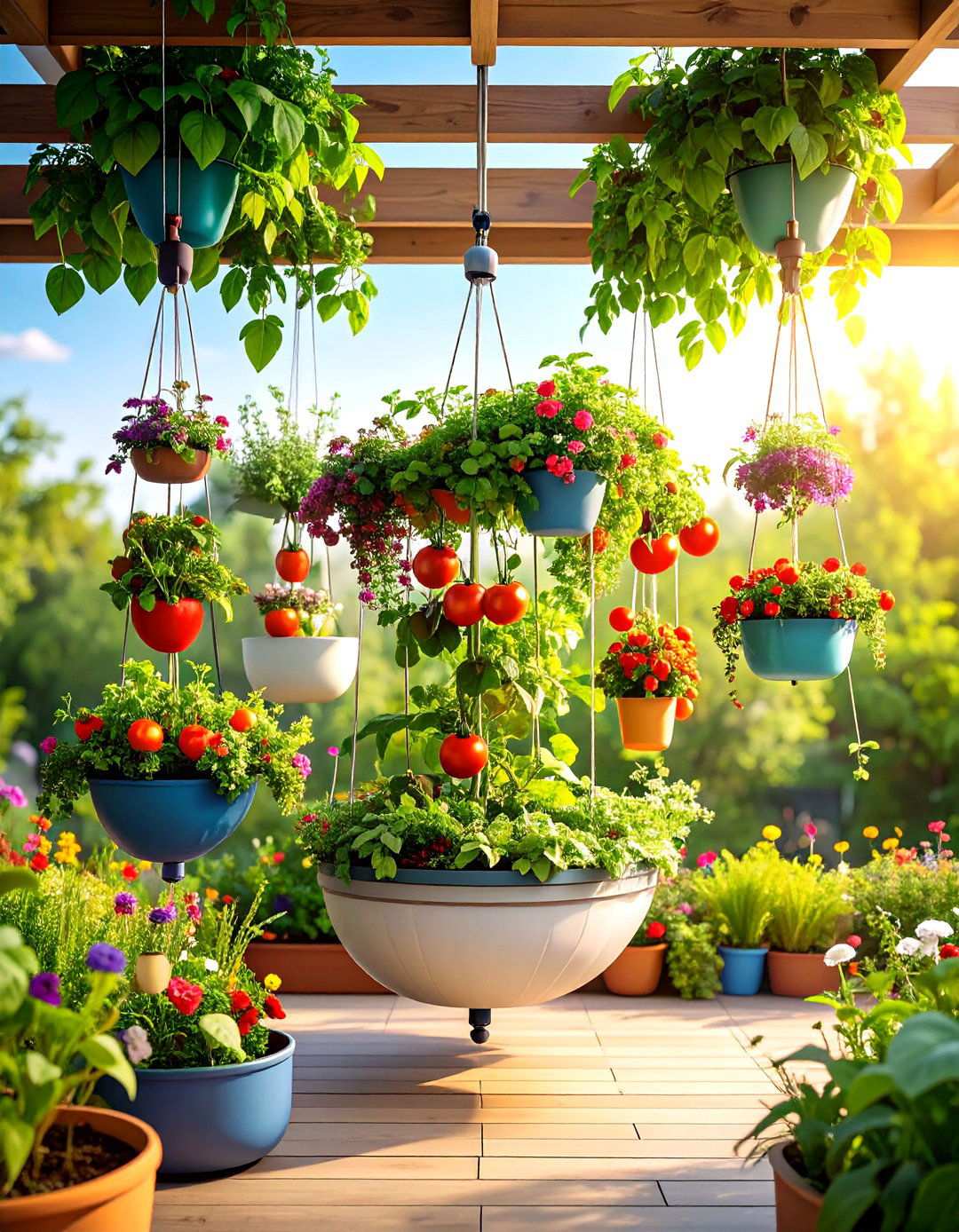
Inverting traditional growing methods can be a game-changer for gardeners, particularly in urban settings where ground space is limited. Upside-down systems eliminate the need for ground-based support by leveraging gravity to naturally position hanging plants. To set up an upside-down growing system, construct hanging containers with drainage and planting holes, and suspend them from sturdy overhead supports. This method has several benefits, including the prevention of soil-borne diseases and the elimination of weeding requirements, while creating unique garden features. The suspended position also improves air circulation and makes harvesting convenient. Cherry tomato varieties excel in upside-down configurations, producing vibrant displays of colorful fruit. To succeed with this method, proper container design and plant selection are crucial, and regular watering becomes essential since containers dry more quickly than ground plantings. By embracing this innovative approach, gardeners can challenge traditional gardening assumptions and achieve practical results.
14. PVC Pipe Framework Systems
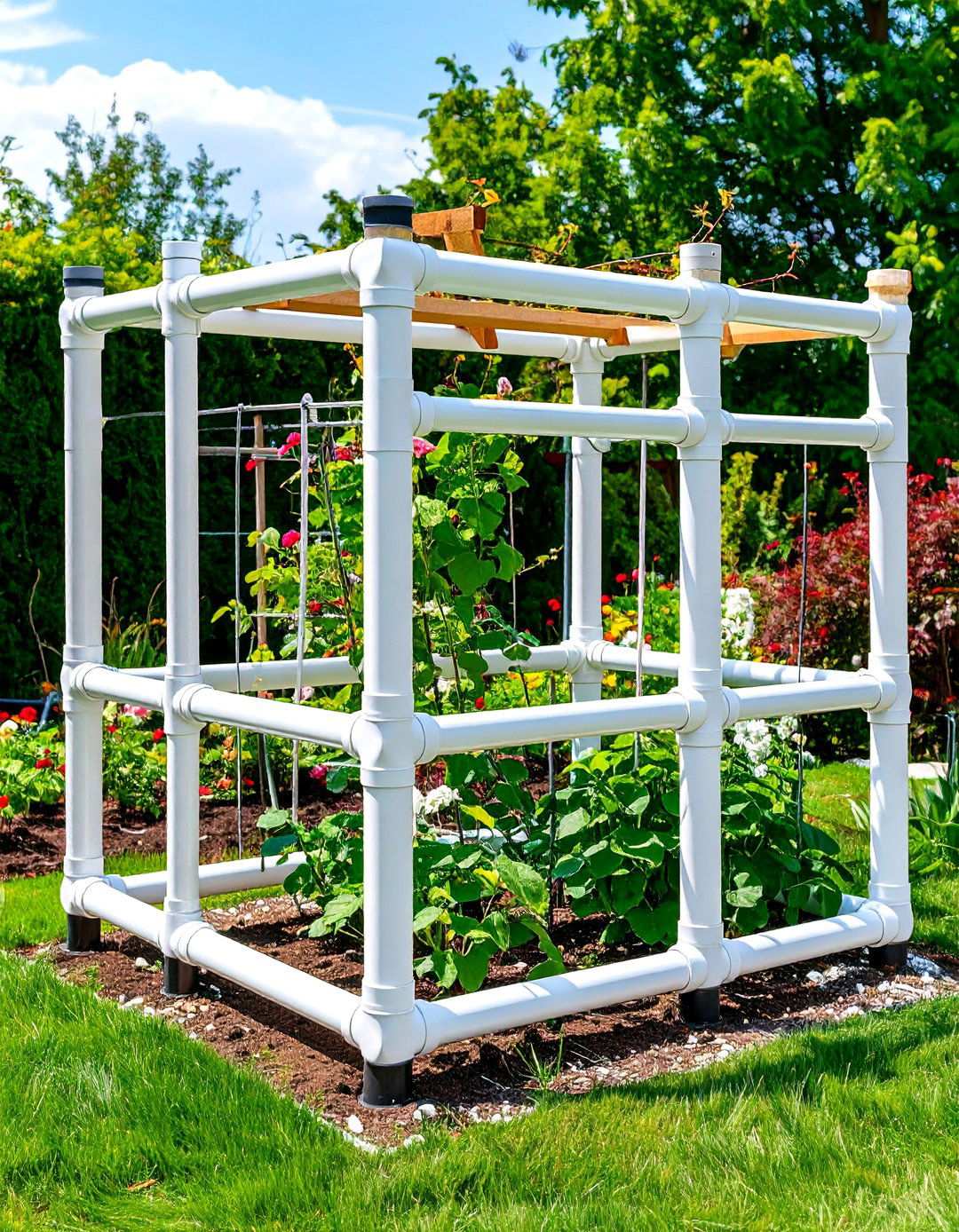
Imagine elevating your garden with sleek, adaptable trellises crafted from accessible plumbing supplies. PVC pipe frameworks deliver flexible, cost-efficient solutions that seamlessly integrate with various garden configurations and dimensions. By connecting standard plumbing fittings, you can create bespoke frameworks tailored to your specific requirements and spatial constraints. The PVC material exhibits remarkable resilience against weather damage, maintaining structural integrity across multiple growing seasons. Design possibilities range from straightforward vertical supports to intricate arbor structures spanning expansive garden areas. Furthermore, the reflective white surface helps mitigate root zone overheating in warm climates, ensuring optimal plant growth. The easy-to-assemble joints facilitate seasonal storage and maintenance without damaging delicate plant tissues. As a result, PVC frameworks are an ideal choice for large-scale installations where material costs can significantly impact budgets. The modular design allows for effortless expansion or reconfiguration as garden needs evolve over time.
15. Metal Framework Construction
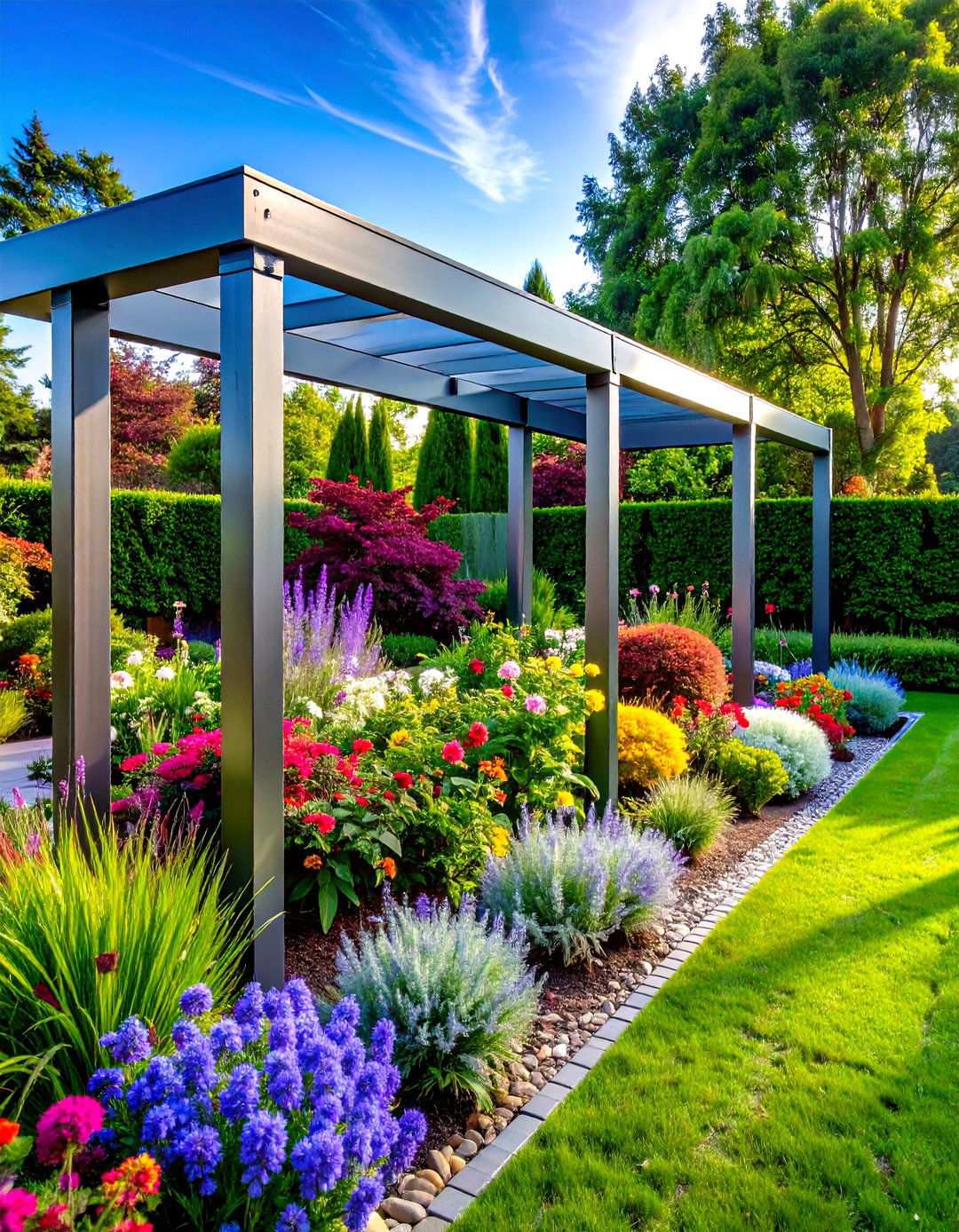
For a long-term investment that withstands the test of time, look no further than metal frameworks, specifically designed for serious tomato growers. Constructed from high-strength steel tubing, these frameworks offer unparalleled durability and the ability to handle demanding load requirements. The galvanized or powder-coated finishes not only protect against rust but also maintain a professional appearance even after years of exposure to the elements. Metal frameworks enable the creation of robust, wide structures that can support extensive plantings without compromising stability or integrity. As a result, they are perfect for visible garden locations where aesthetics play a crucial role. The permanent nature of metal frameworks eliminates the need for annual setup and takedown, saving you significant labor over the long term. Although the initial investment may seem substantial, the benefits of longevity and performance far outweigh the costs. With careful engineering and construction techniques, complex configurations become achievable, ensuring the structural stability and integrity required for optimal growth.
16. Optimizing Garden Support Infrastructure
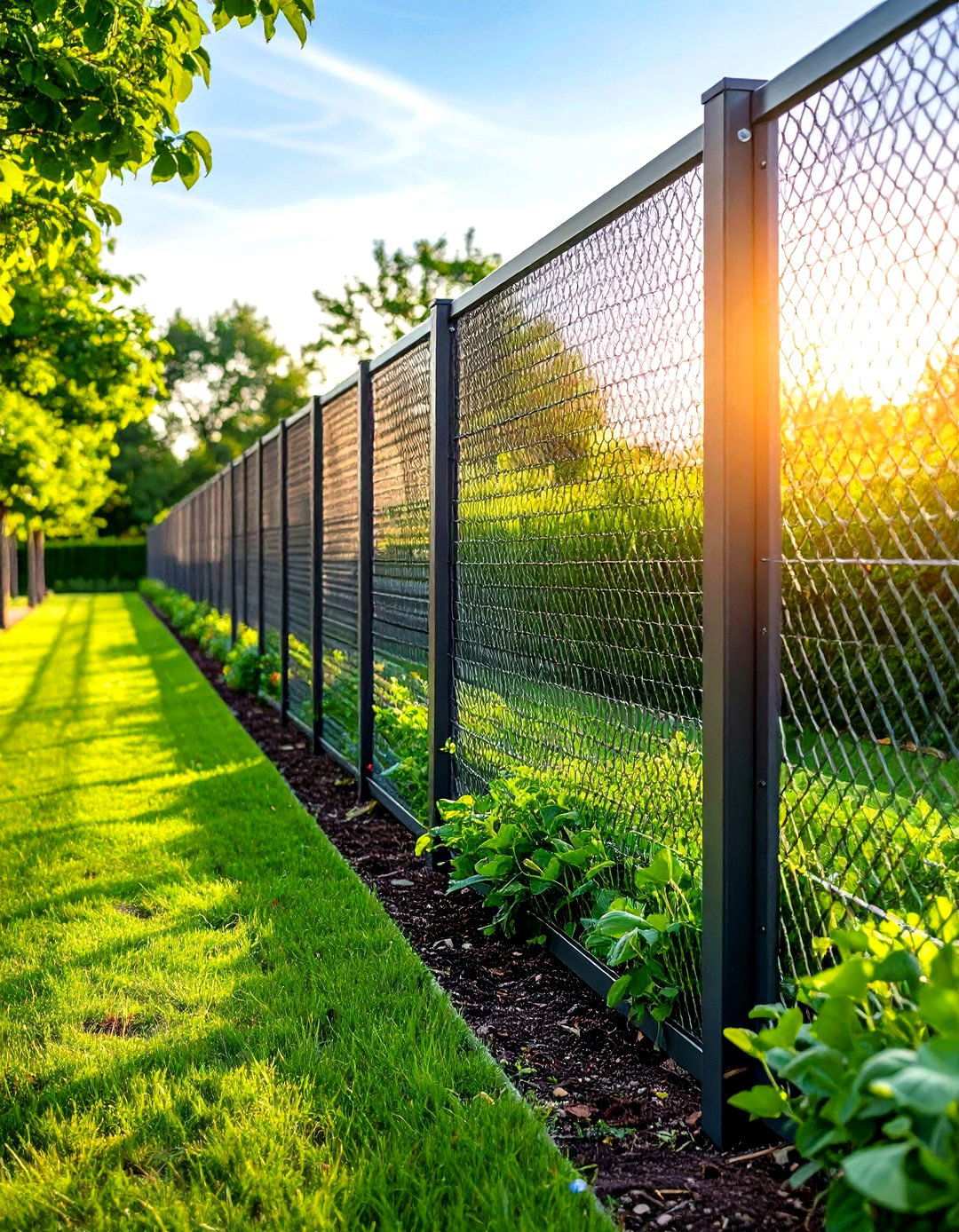
To create extensive growing surfaces for large-scale tomato operations, consider implementing wire panel walls that provide continuous support along entire garden rows. This efficient system enables multiple plants to thrive within a unified structure. By installing posts at regular intervals and attaching welded wire panels, you can create vertical growing surfaces that maximize space. The grid pattern offers numerous attachment points for plant ties, while maintaining strength under heavy loads. This method is scalable, handling both small and large gardens, as well as commercial installations. The vertical orientation of wire panels maximizes sun exposure while improving air circulation around foliage. Additionally, maintenance becomes more efficient when plants are organized along uniform support structures, and harvesting is simplified with fruits positioned at consistent heights. Wire panels create defined garden zones that improve organization and crop management throughout the growing season.
17. Space-Efficient Storage Solutions for Garden Support Systems
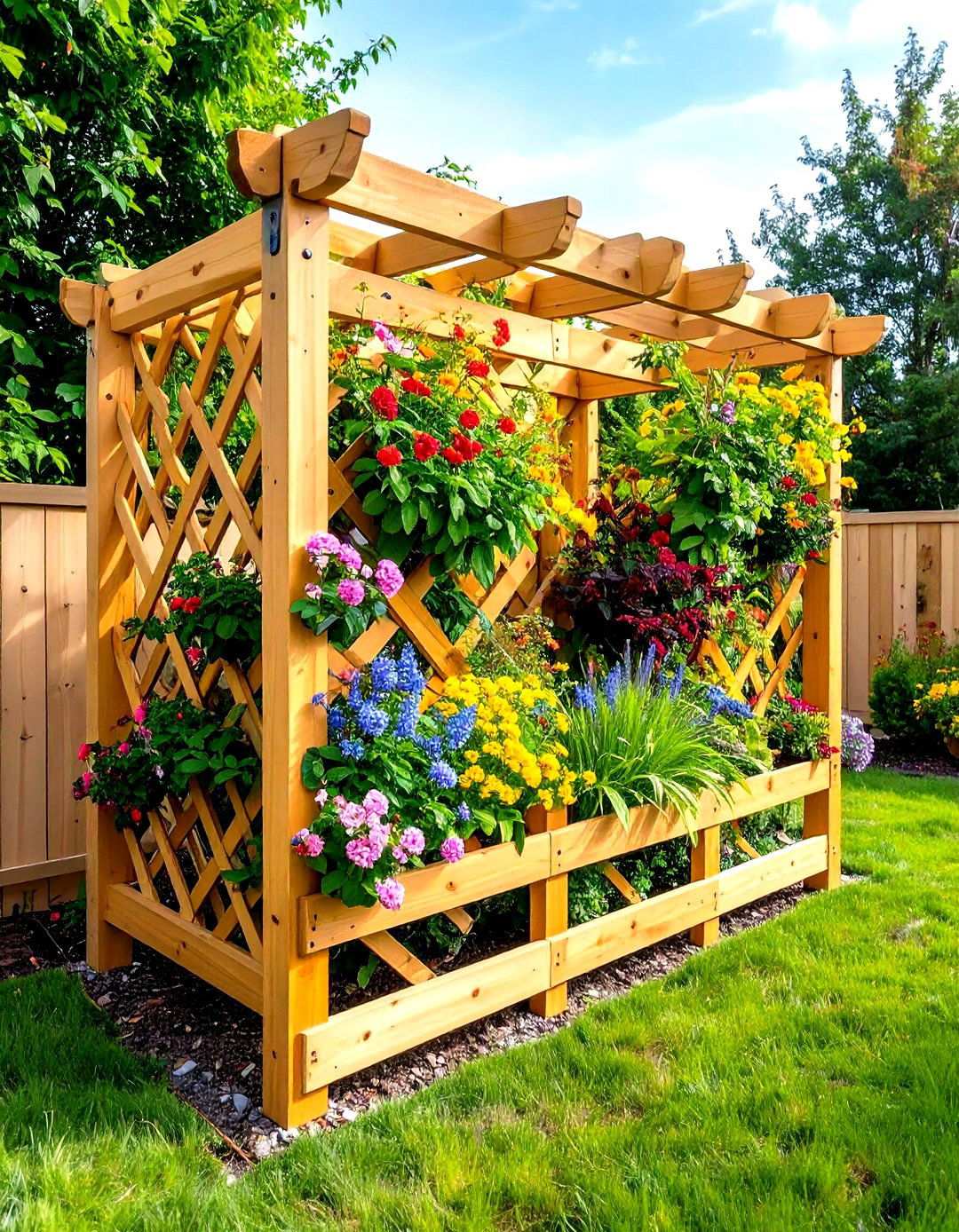
Gardeners often struggle to find adequate storage space for their support structures during off-season periods. Folding trellises offer a practical solution that combines full-season functionality with compact storage capabilities. Hinge mechanisms enable large structures to collapse into manageable sizes, saving valuable shed space. This design maintains strength and stability during use, while providing convenience during dormant periods. Quality hinges and locking mechanisms ensure reliable operation through repeated folding cycles. This approach is particularly beneficial for gardeners with limited storage space or those who prefer a clean garden aesthetic during winter months. Portable designs enable repositioning as garden layouts change or crop rotation requirements evolve. When properly engineered and constructed, the folding feature doesn’t compromise structural integrity, providing years of reliable operation and convenience benefits that simplify annual garden management routines.
18. Three-Pole Support Systems for Efficient Tomato Cultivation
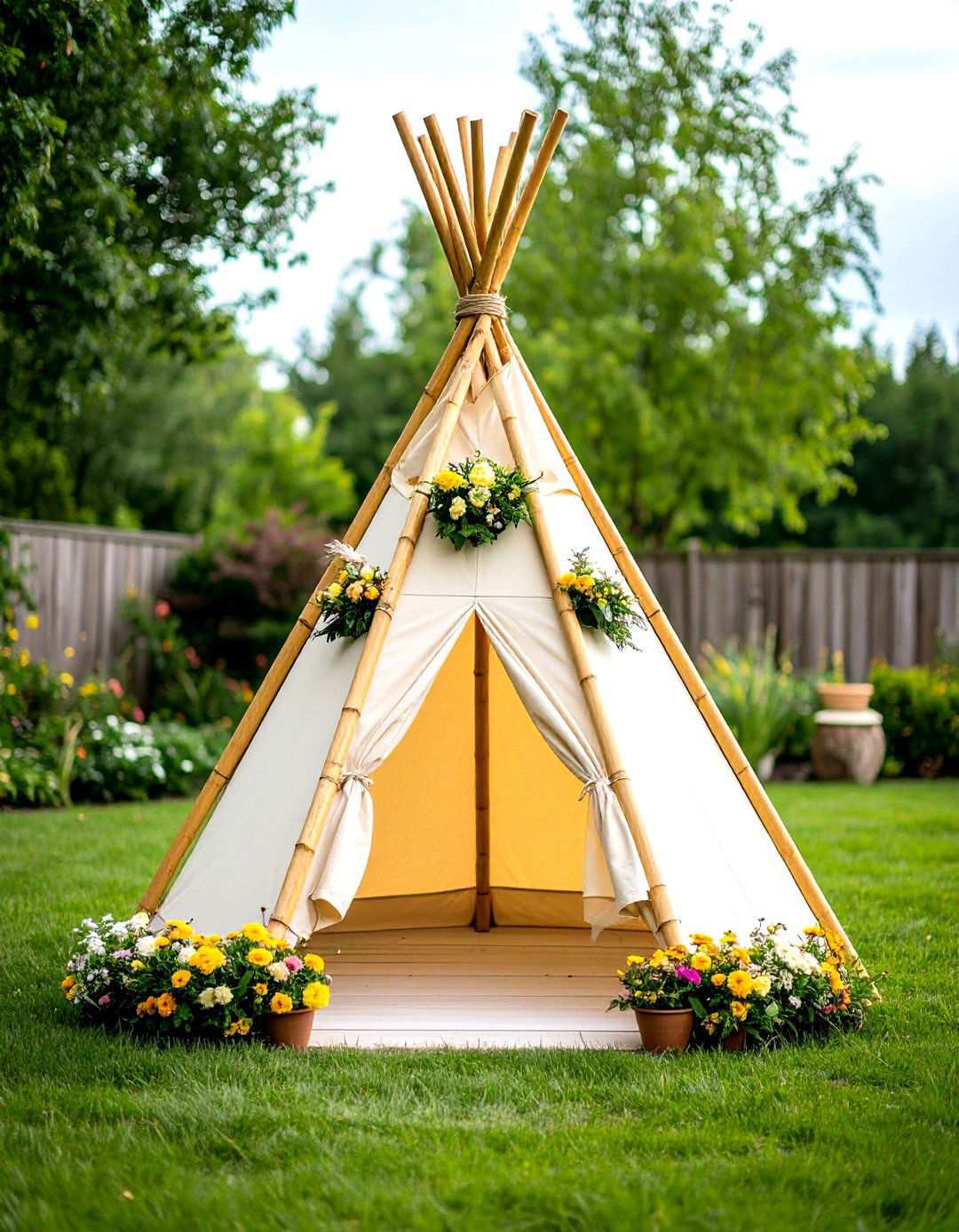
A simple yet effective tomato support system can be created using just three poles. Teepee structures offer stable, attractive support using minimal materials while adding architectural interest to garden spaces. By lashing together three or four poles at the top and spreading the bases to create a cone shape around your plants, you can provide excellent support. This design benefits from its triangular geometry and low center of gravity, making it resistant to wind damage. The structure requires no ground anchoring beyond the natural stability of the splayed legs, allowing plants to climb the angled surfaces naturally. As they mature, this creates an attractive living sculpture. The method works particularly well for cherry tomato varieties that develop abundant foliage coverage. Using native materials like bamboo or wooden poles enhances the natural garden aesthetic, making this approach accessible to gardeners with minimal building skills or tool requirements.
19. Gothic Arch Cathedral Design

To craft visually striking garden architecture that fully utilizes available space, consider incorporating Gothic arches into the design. By merging multiple cattle panels, these structures can be transformed into towering features that prominently shape garden landscapes and support a wide variety of plantings. By bending panels into pointed arch shapes, gardeners can create expansive, cathedral-like spaces where both flora and fauna can thrive. The elevated design allows for the cultivation of the tallest indeterminate plant varieties while also providing ample space for comfortable passage beneath the structure. Multiple arches can be skillfully connected to form extended pathways and distinct growing zones, thereby defining garden areas in a visually appealing manner. Furthermore, the dramatic silhouette of Gothic arches creates striking focal points that can be seen from all corners of the garden and beyond, significantly enhancing property value. However, effective implementation of this design approach necessitates meticulous planning to guarantee the structural integrity of the system under the weight of plants and exposure to environmental stresses. With careful installation, gardeners can enjoy long-lasting, productive garden features for decades to come.
20. Wall-Mounted Growing Systems
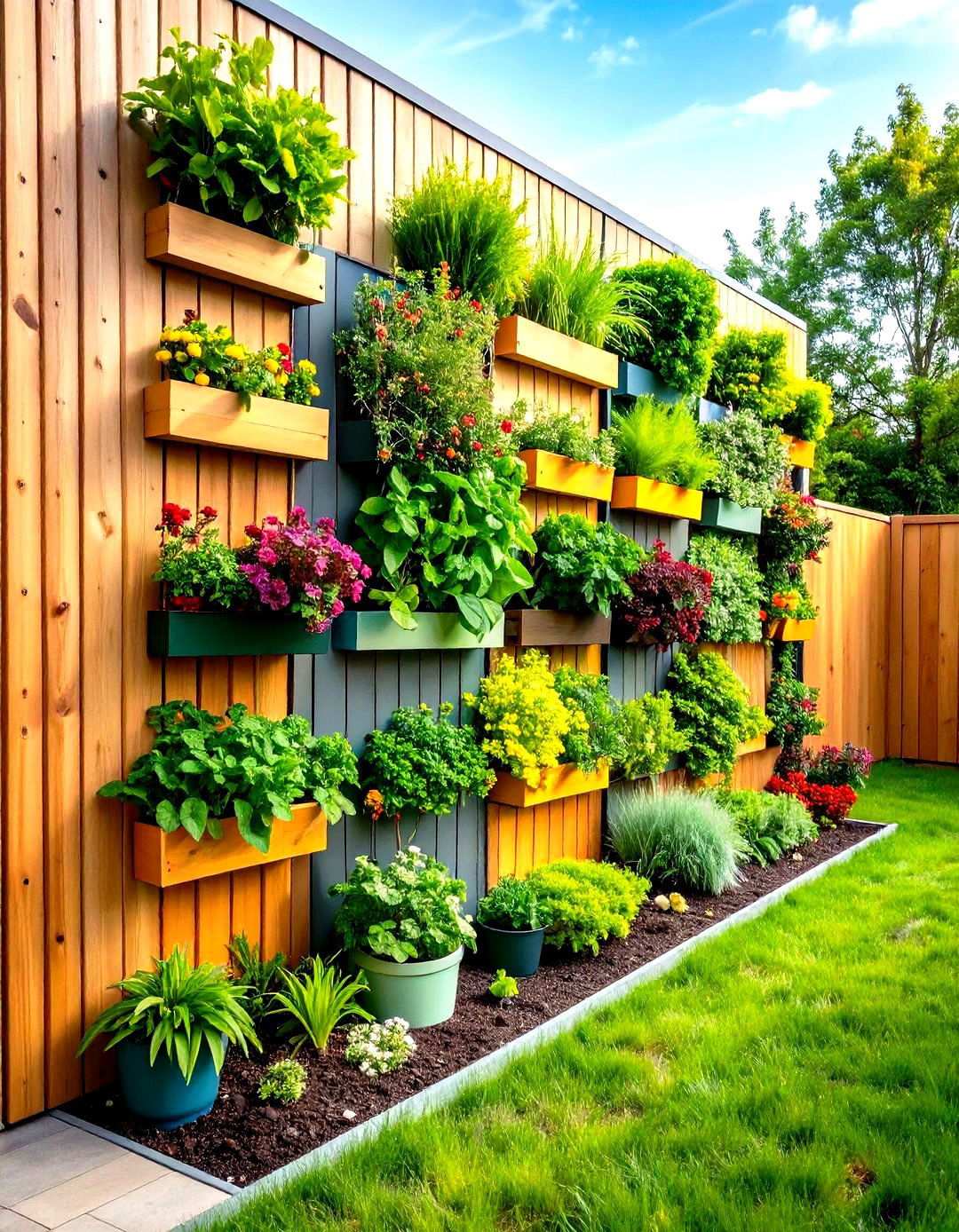
The strategic utilization of vertical wall space can significantly boost tomato production while conserving valuable ground space for other uses. By installing wall-mounted systems, gardeners can transform previously underutilized areas into highly productive growing spaces. To achieve this, attach sturdy support frameworks directly to building walls, fences, or other vertical structures, utilizing suitable fasteners and brackets to ensure a secure hold. The wall’s backing support plays a crucial role in enhancing overall system stability, while also reflecting heat to improve growing conditions. This approach is particularly well-suited for urban gardens, where horizontal space is often limited but vertical surfaces abound. When designing wall-mounted growing systems, key considerations include the material composition and structural capacity of the wall, as well as accessibility for routine maintenance activities. By ensuring a secure mounting system, gardeners can rest assured that their wall-mounted growing systems will remain stable under full plant loads and wind pressures. Ultimately, this innovative approach enables gardeners to create thriving living walls that not only provide insulation benefits but also yield productive crops in previously underutilized spaces.
21. Timeless Joinery Methods for Sustainable Frameworks
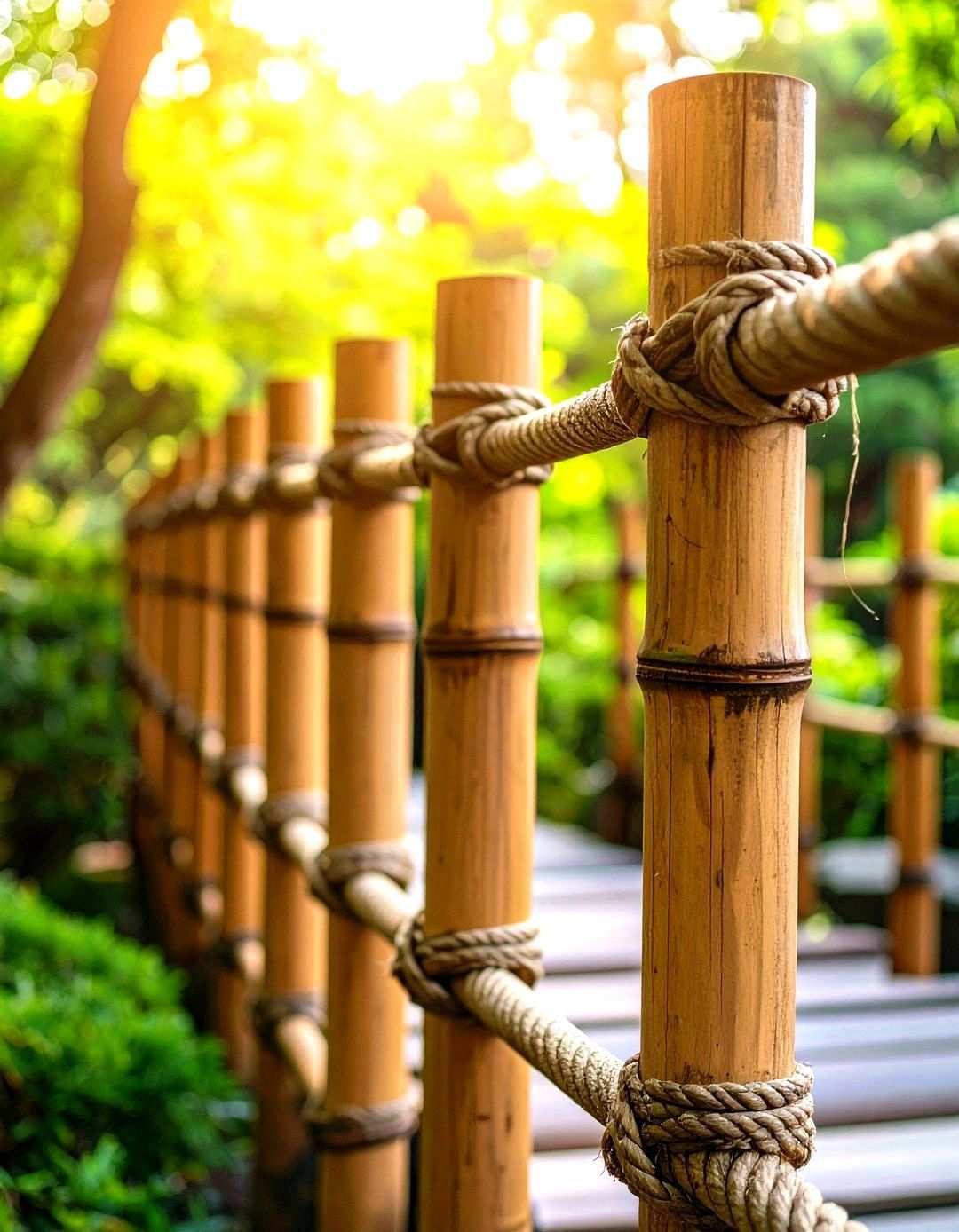
Are you intrigued by traditional construction techniques that marry aesthetics with functionality? Japanese lashing techniques expertly weave rope or twine around bamboo poles to create framework structures that eschew metal fasteners and permanent connections. At the heart of this approach lies the traditional square lashing method, which yields strong, flexible joints that can be effortlessly adjusted or disassembled as required. By emphasizing craftsmanship and the judicious use of natural materials, this technique delivers exceptional structural performance while paying homage to historical building practices. The adaptability of Japanese lashing techniques allows them to be successfully employed with a range of materials, including bamboo, wooden poles, and other readily available natural materials. By embracing traditional lashing methods, gardeners can forge a deeper connection with the past while creating functional modern growing structures that harmonize with their surroundings. The absence of metal hardware eliminates concerns about rust and corrosion, preserving the natural aesthetic of the structure. When executed properly, lashing techniques create joints that surpass the strength of the connected materials, ensuring reliable long-term performance under normal garden conditions.
22. Efficient Row Support Through Horizontal Cabling Systems
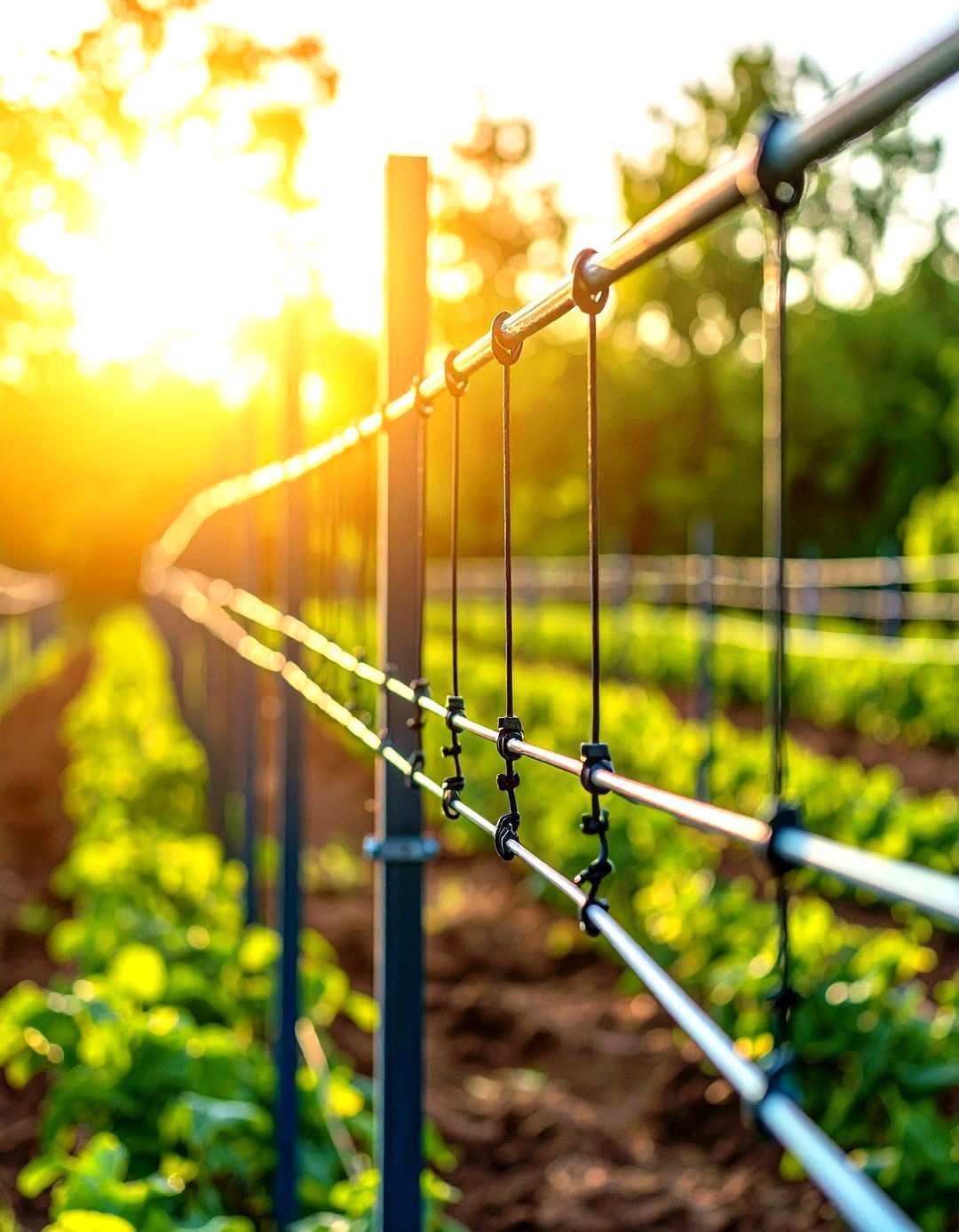
Optimizing plant support can significantly enhance garden productivity – and a key strategy lies in the effective deployment of horizontal wire support networks. By stringing heavy-gauge wire between posts at various heights, gardeners can create continuous support planes for multiple plants with minimal vertical structures and maximum efficiency. This method is particularly well-suited to the Florida weave technique and similar approaches to horizontal support. Rather than concentrating stress on individual support points, the system distributes loads across the entire network, ensuring that each plant receives the support it needs. Wire tension can be adjusted to accommodate the changing growth stages and seasonal requirements of your plants. The horizontal orientation of the system provides excellent wind resistance while maintaining open access for maintenance activities. To ensure the long-term performance of the system, careful planning is essential to guarantee proper spacing and tension levels. The use of high-quality wire and fittings is also critical in withstanding varying weather conditions and plant loads.
23. Evolving Garden Support Systems
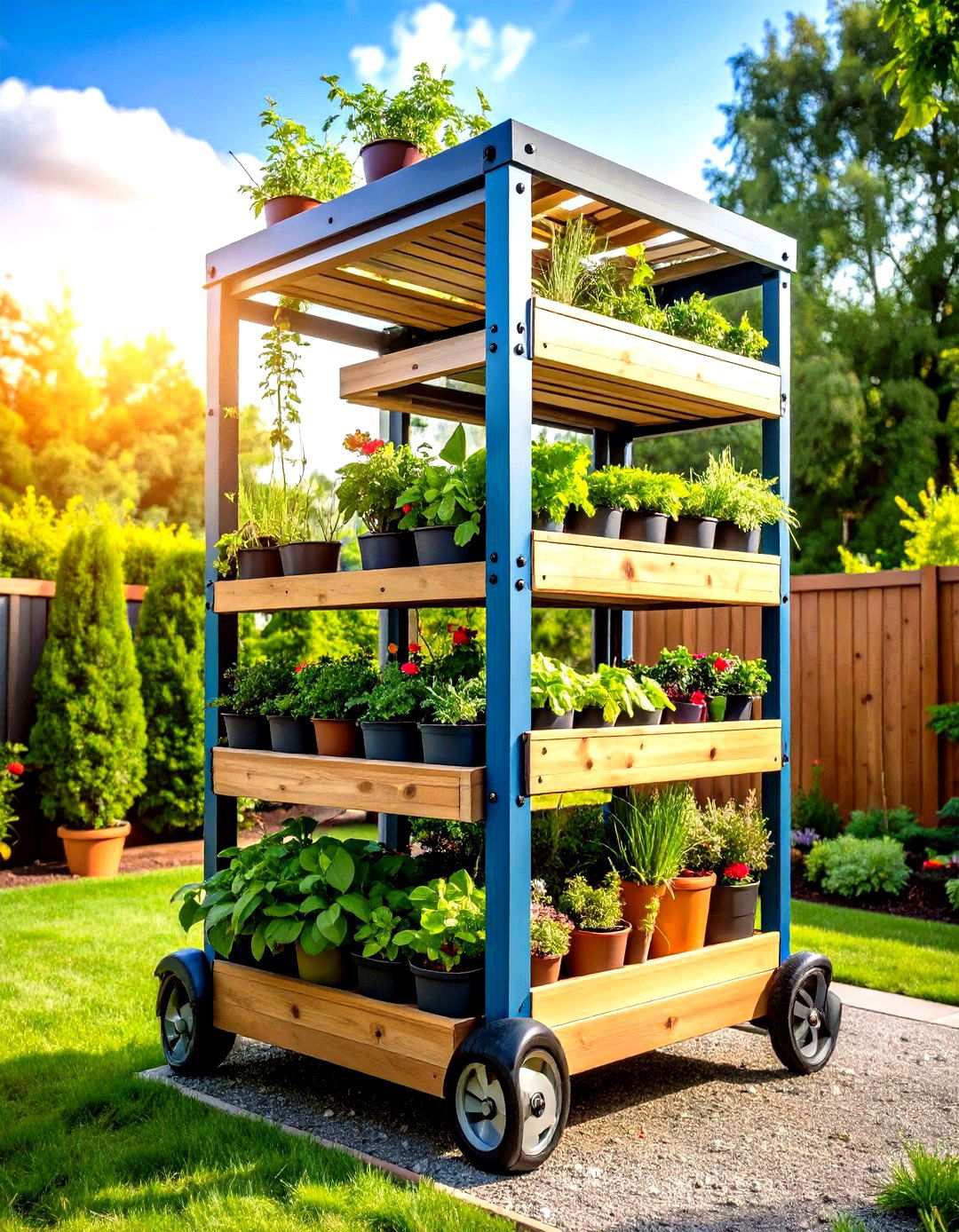
Gardeners often face the challenge of adapting their support structures to changing garden layouts. To address this, portable growing towers offer a practical solution. Equipped with wheeled bases or lightweight construction, these towers provide complete plant support while maintaining mobility for seasonal repositioning or storage requirements. This flexibility is particularly valuable for gardeners who experiment with different configurations or rent growing spaces. By incorporating portable towers into their setup, gardeners can optimize sun exposure as seasonal patterns change throughout the growing period. Moreover, quality construction ensures that the structural integrity of the towers isn’t compromised by their mobile nature. Compact designs maximize growing capacity within minimal footprints while maintaining ease of movement. This adaptability allows gardeners to position the towers for optimal spacing during planting, then reposition them closer together as space requirements change. This flexibility is essential for evolving garden needs and changing cultivation practices.
24. Optimizing Support System Interplay
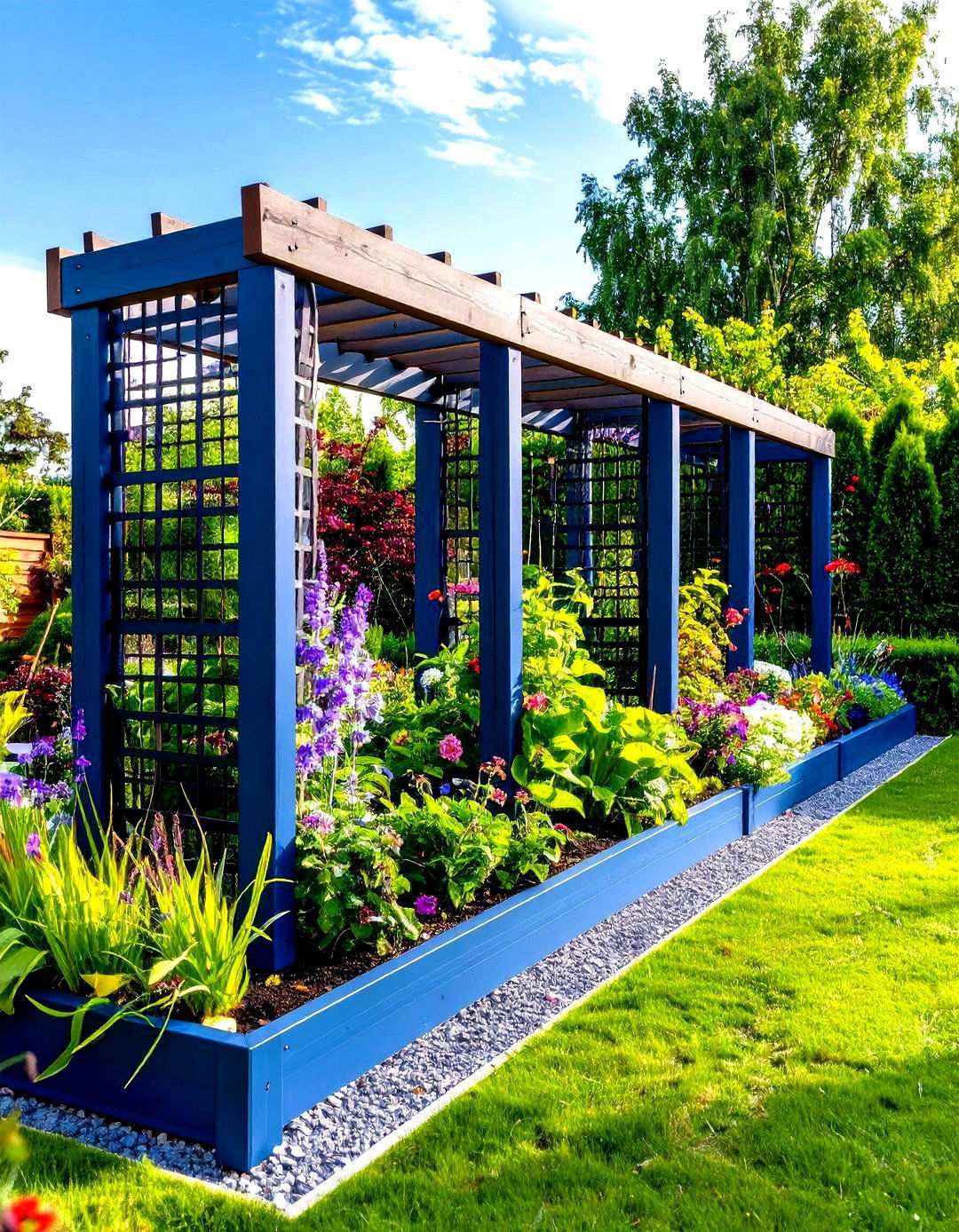
To maximize effectiveness, gardeners can combine multiple support methods for tailored solutions. Hybrid support systems integrate various techniques to create customized approaches that address specific growing challenges and requirements. By merging different support methods, such as stakes with cages or vertical strings with horizontal wire networks, gardeners can optimize their support systems for unique combinations of plant varieties, growing conditions, and maintenance preferences. This approach is particularly useful for mixed plantings where different varieties require different support approaches within the same growing area. Hybrid systems often outperform single-method approaches by addressing multiple support needs simultaneously, creating a synergistic effect where combined methods provide better results than individual approaches used separately. However, it’s essential to plan hybrid systems carefully to ensure compatibility between different support elements, yielding the desired outcomes.