1. Unifying Form and Function with Horizontal Timber Walls
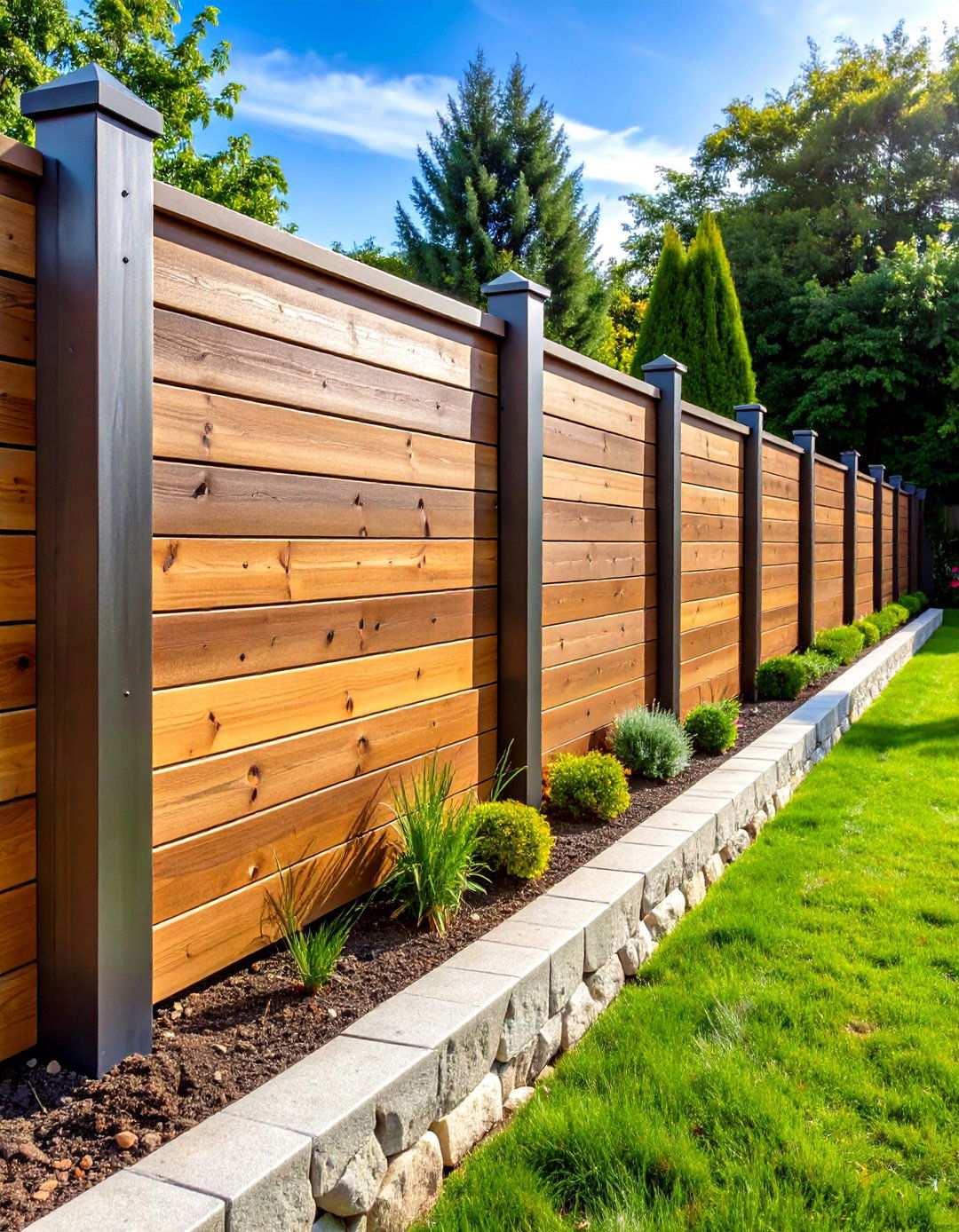
Horizontal timber wood retaining walls seamlessly blend functionality with aesthetic appeal, converting challenging landscapes into inviting outdoor spaces. By incorporating natural warmth and character, these structures elevate the ambiance of any garden or outdoor area. From minimalist timber designs to intricate curved installations, wood retaining walls harmonize various architectural styles and garden themes. The versatility of wood retaining walls lies in the numerous materials available, including pressure-treated lumber, cedar, and reclaimed materials, each offering distinct benefits tailored to different budgets and preferences. This diverse collection showcases innovative wood retaining wall concepts that balance technical proficiency with captivating visual designs.

As an Amazon Associate I earn from qualifying purchases.
2. Vertical Railway Sleeper Installation for Unique Landscapes
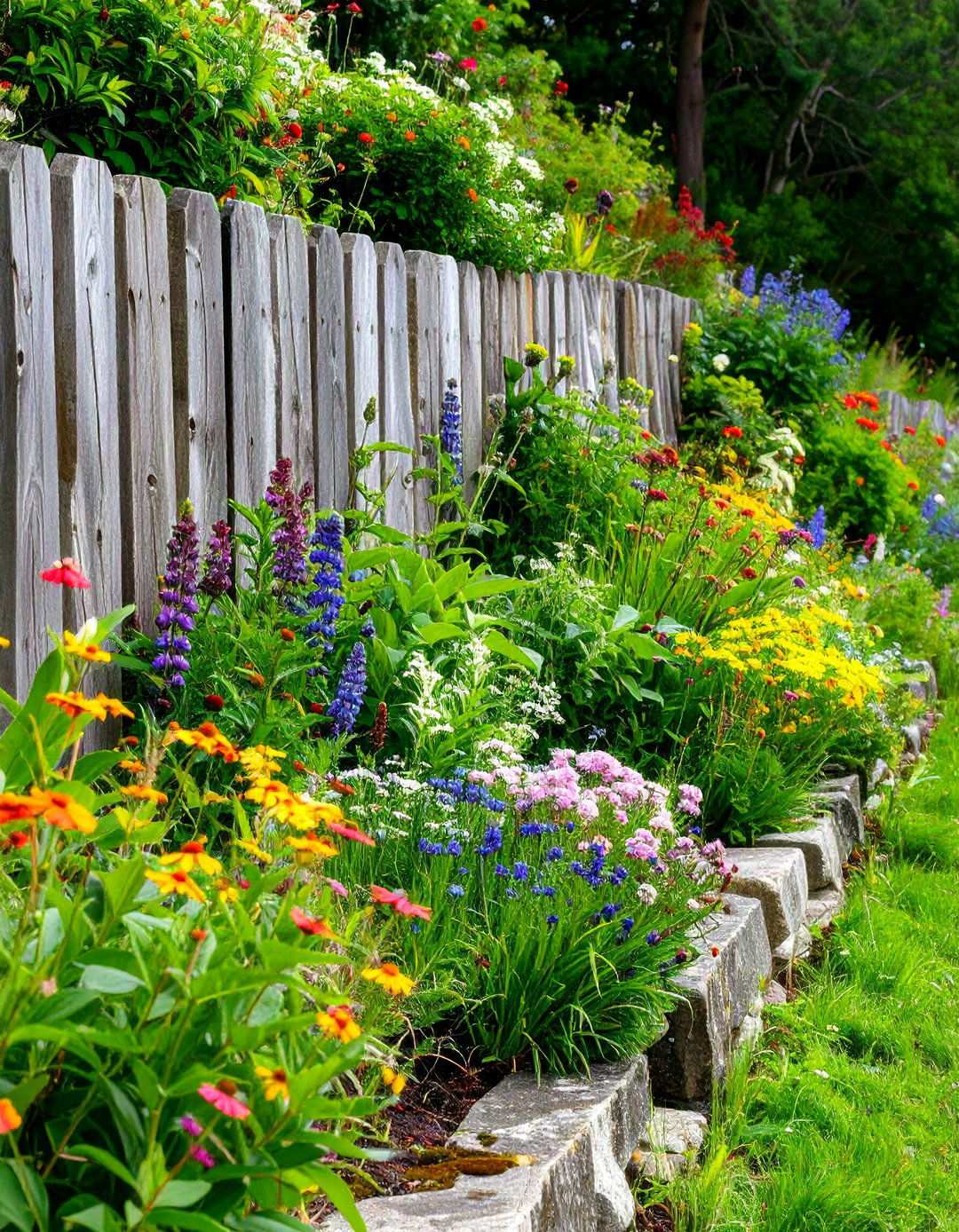
A striking railway sleeper wood retaining wall, installed vertically, creates a distinctive barrier ideal for curved or stepped applications. Each sleeper stands independently, buried one-third underground and secured with concrete for stability and durability. This method allows for varying heights across the wall length, generating organic, flowing lines that adapt to natural contours. The substantial mass of vertical sleepers effectively retains soil through gravity and earth pressure. Over time, weathered railway sleepers develop a beautiful patina, adding rustic charm and character to the surrounding environment. This timeless design complements a wide range of settings, including cottage gardens, woodland areas, and traditional landscapes, creating interesting shadow patterns and visually appealing focal points.
3. Timeless Charm of Cedar Wood Retaining Walls
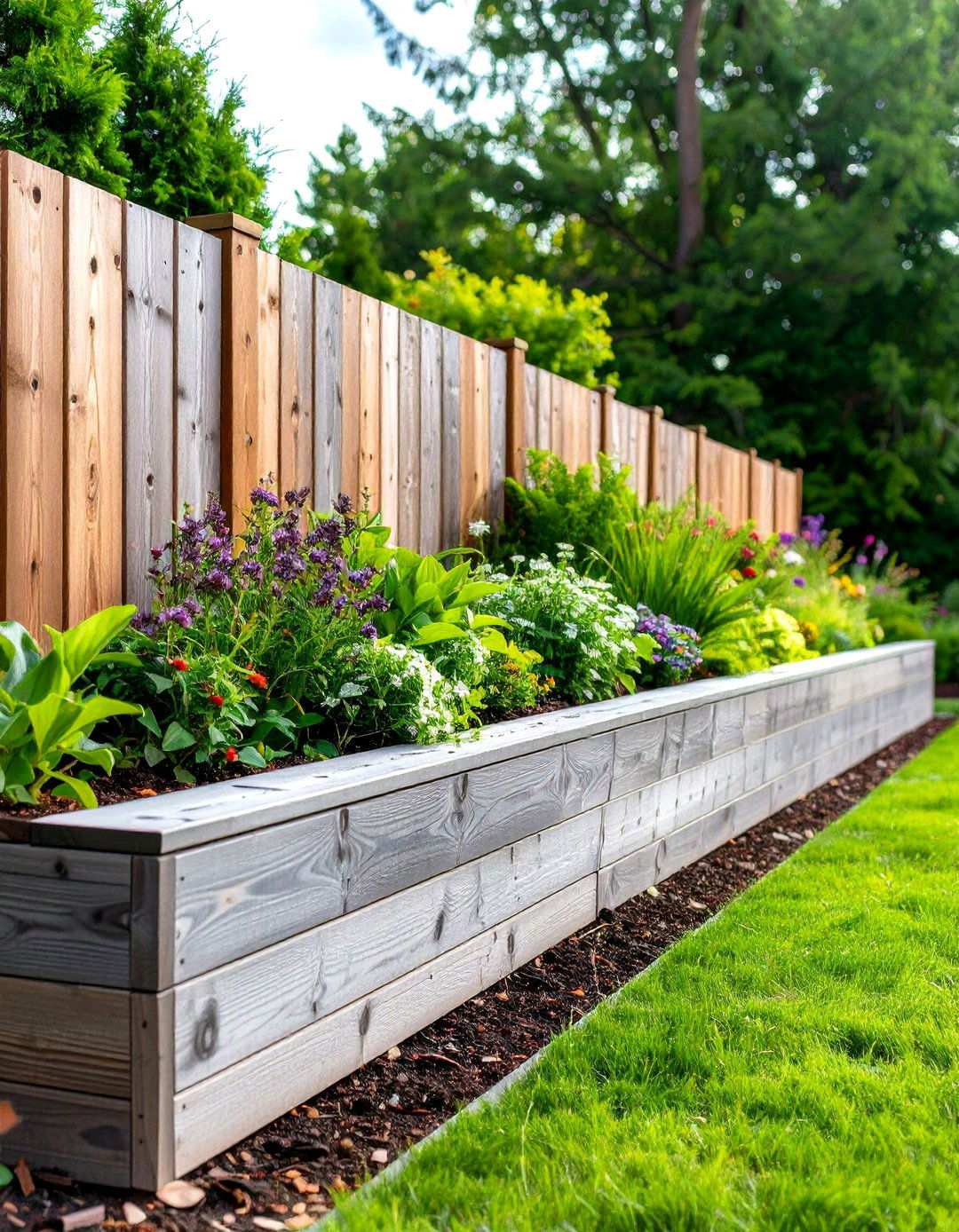
Cedar wood retaining walls exude an unmistakable elegance, combining remarkable durability with a natural, organic appeal that’s hard to resist. The inherent oils within cedar wood work tirelessly to repel insects and prevent decay, making it an ideal choice for organic gardens and areas where food production takes center stage. As cedar wood ages, it develops a captivating silver-gray patina that adds a touch of sophistication to any landscape. The use of horizontal cedar planks between pressure-treated posts creates a clean, contemporary aesthetic that complements a wide range of architectural styles. While the initial investment may be higher, cedar wood retaining walls promise an exceptional lifespan, free from the need for chemical treatments. Furthermore, the pleasant aroma of cedar wood adds a sensory dimension to garden spaces, drawing people in and creating a sense of serenity. Regular maintenance is a breeze, requiring only simple cleaning to maintain the wall’s natural beauty.
4. Sculpting the Landscape with Curved Wood Retaining Walls
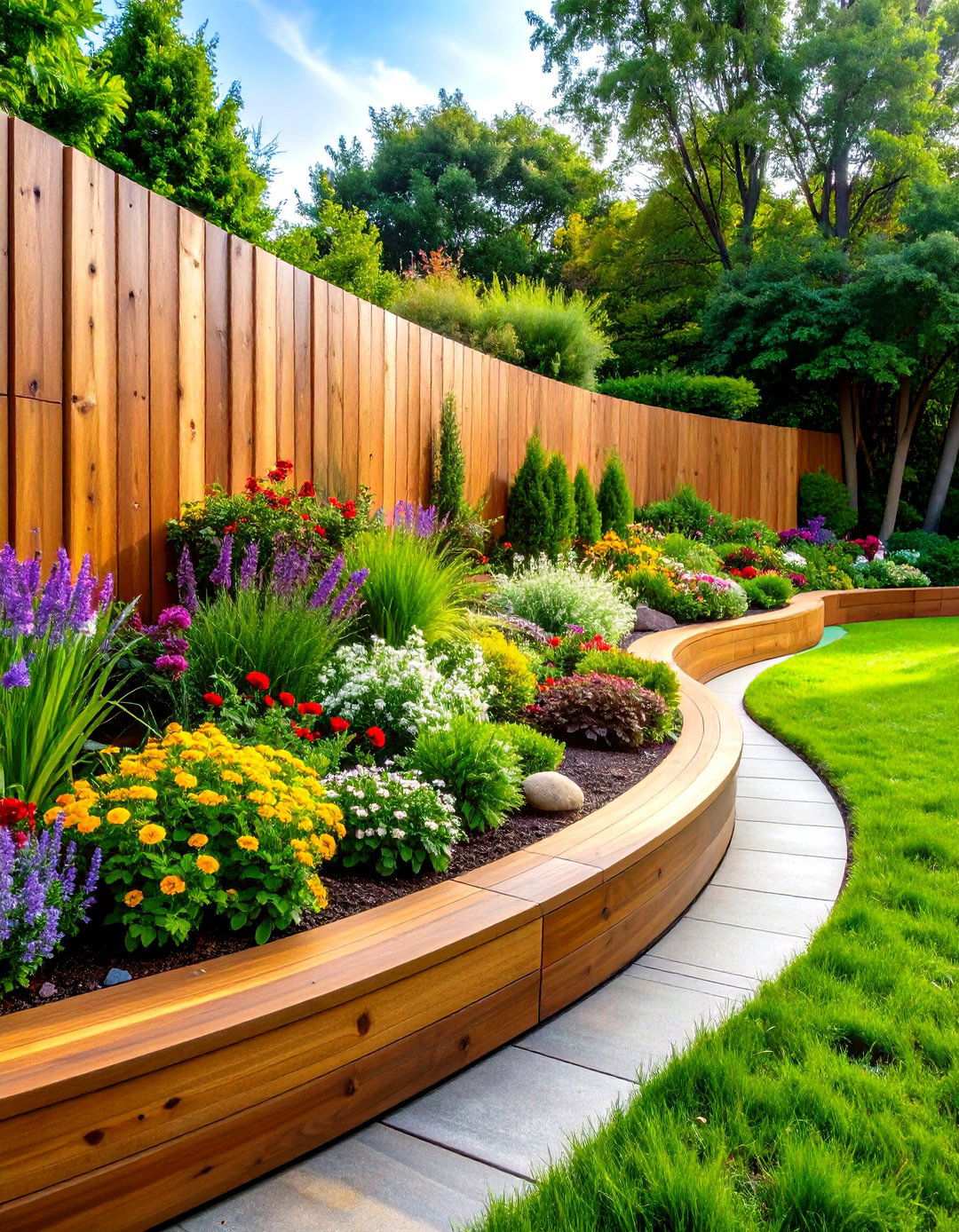
Curved wood retaining walls possess a unique ability to soften harsh angles and integrate seamlessly with the surrounding landscape, creating an organic, flowing design that’s nothing short of captivating. By using flexible lumber or segmented construction, property contours can be expertly followed, giving rise to intimate garden spaces and striking visual focal points. This design also distributes soil pressure more effectively than traditional straight walls, adding a layer of architectural interest that elevates the overall aesthetic. Integrated planting pockets within the curve offer the perfect opportunity for cascading plants and colorful displays, making it an ideal choice for contemporary gardens that emphasize natural flow. When paired with water features, pathways, and seating areas, the result is a truly sculptural landscape element that changes appearance with the seasons, adding a dynamic touch to any outdoor space.
5. Terracing the Slopes with a Multi-Level Wood Retaining Wall System
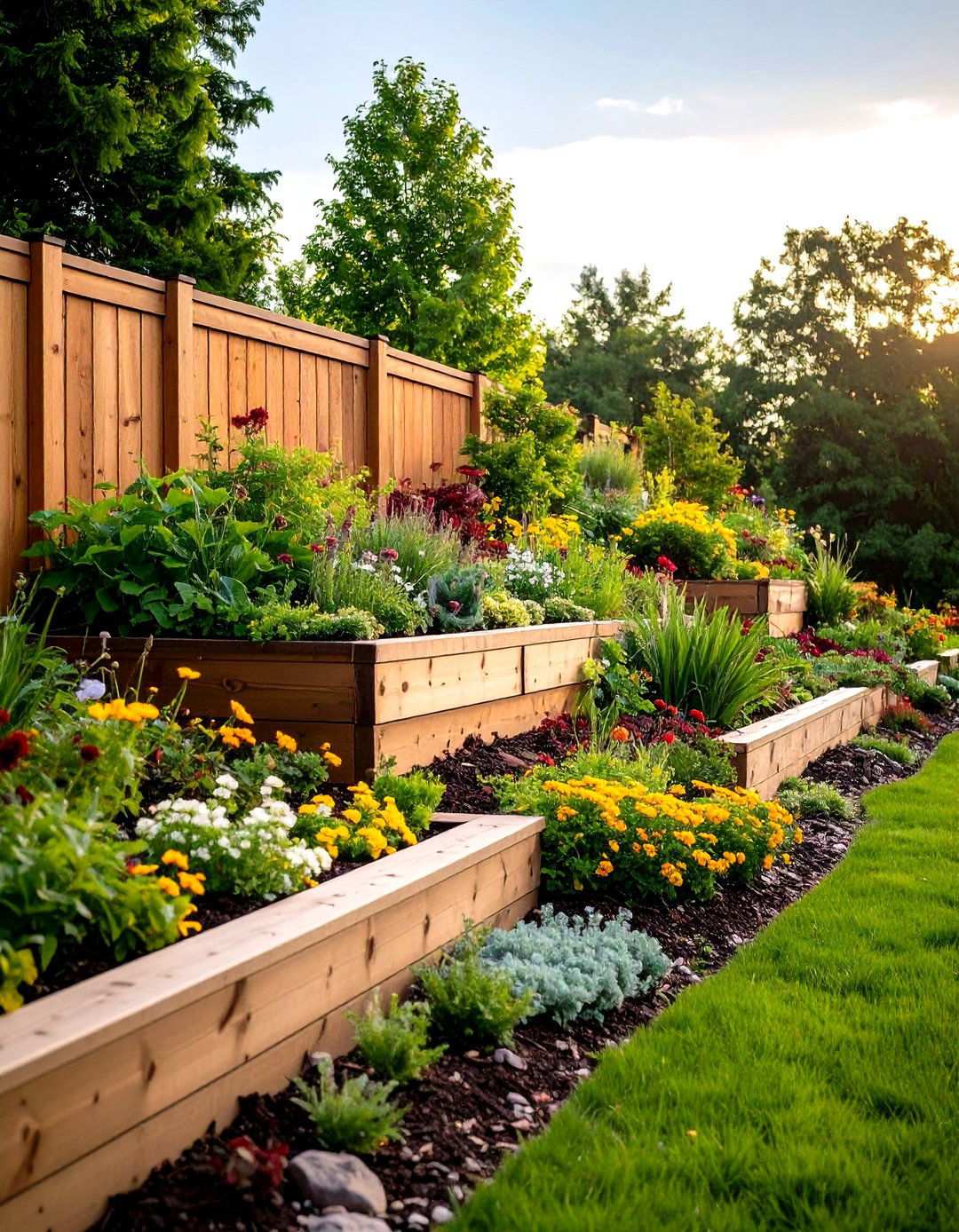
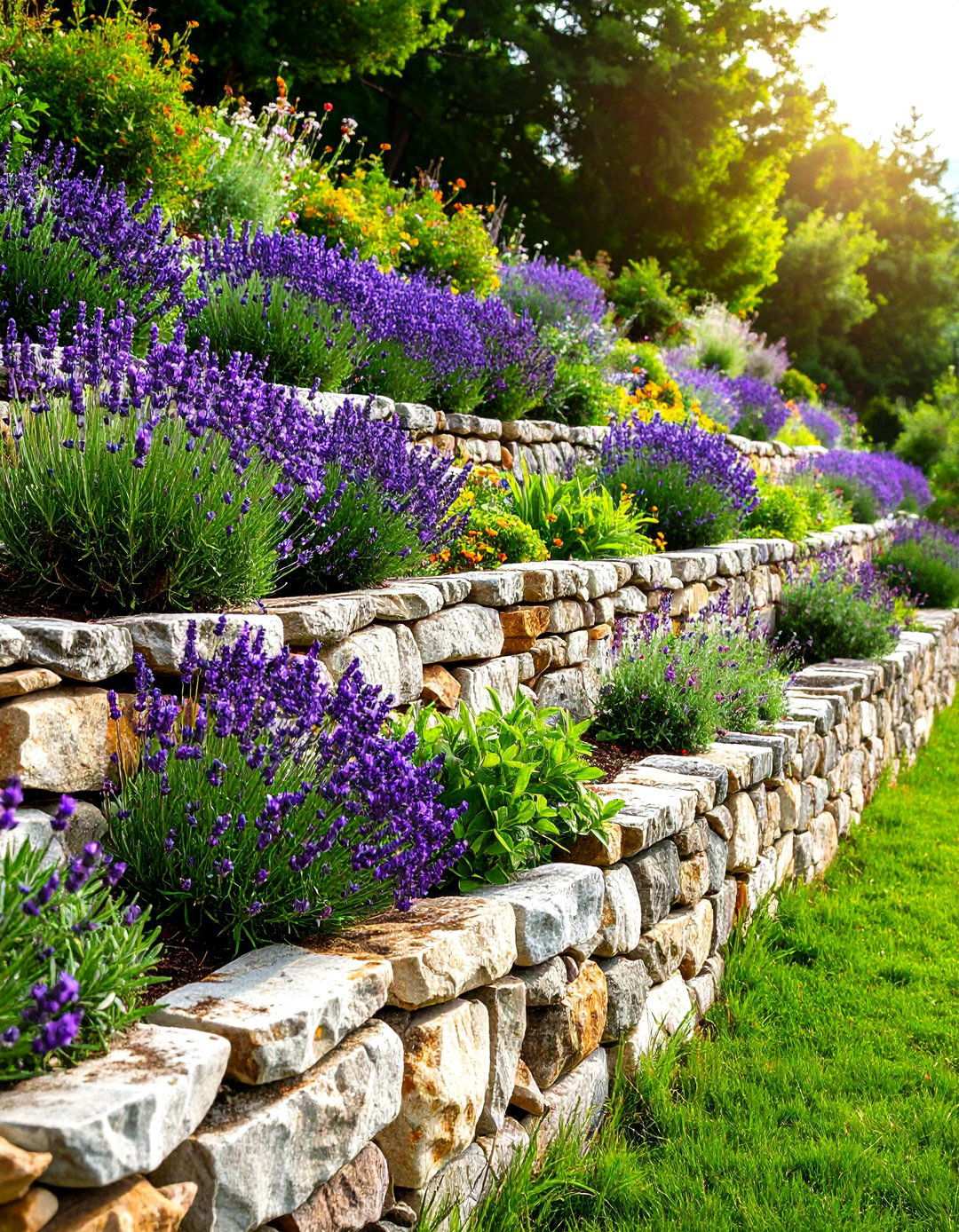
A terraced wood retaining wall system offers a thoughtful approach to managing steep slopes, creating multiple level changes using a series of shorter walls instead of a single, imposing structure. Each tier typically measures between 18-24 inches high, connected by gentle slopes or steps between levels, allowing for a more even distribution of soil pressure. This approach also creates diverse planting opportunities at each level, adding a touch of sophistication to the overall design. By preventing erosion, terracing ensures that the wall remains stable and secure, while also allowing for easier maintenance access and the creation of intimate garden rooms. When construction costs are spread across multiple smaller walls, the overall expense is significantly reduced, making this classic technique a perfect solution for large slope management projects and hillside properties.
6. Revitalizing Landscapes with Creative Reuse: Pallet Wood Retaining Walls
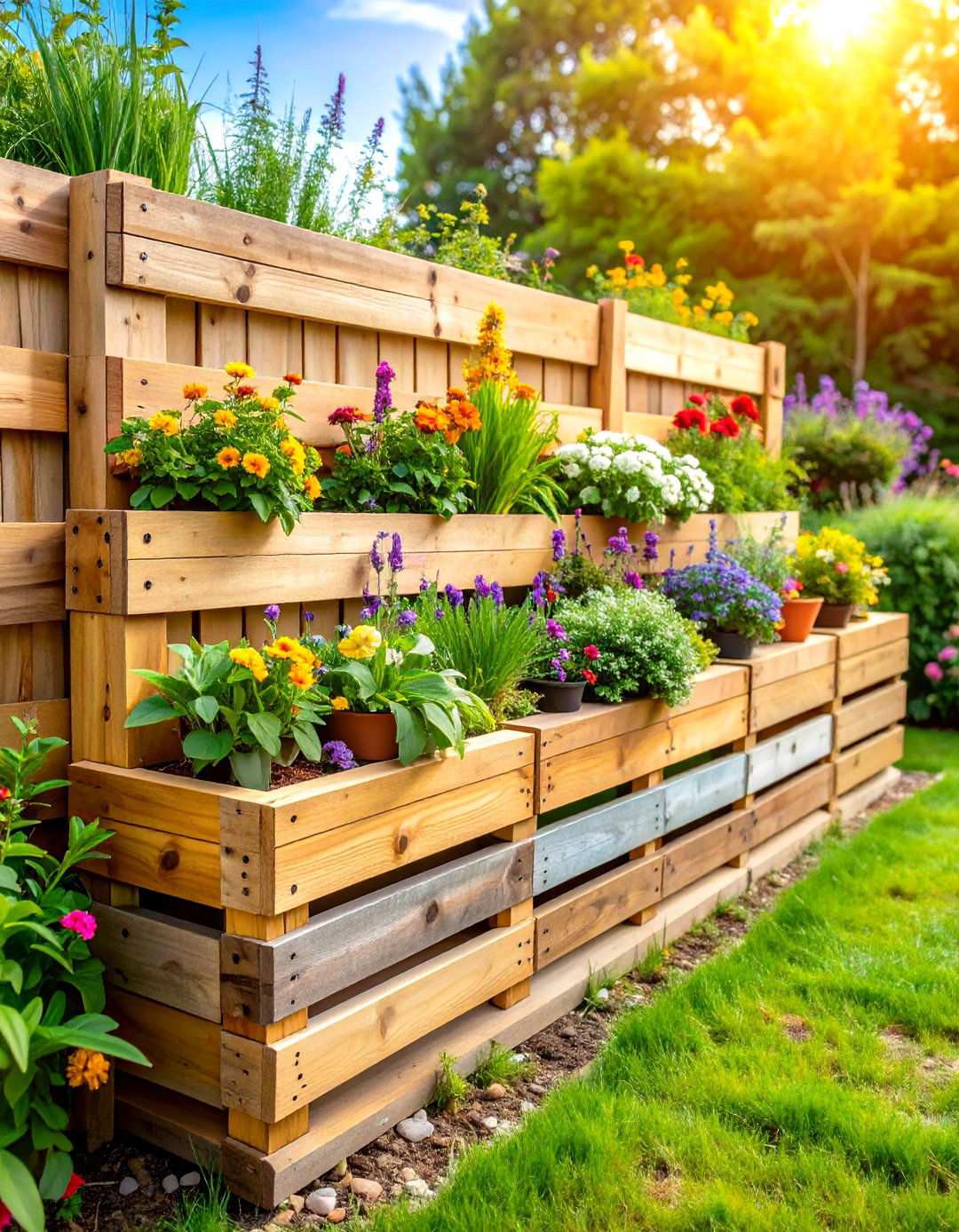
Transforming discarded shipping pallets into functional landscape features is a testament to creative reuse and innovative problem-solving. The dismantled pallet boards offer a unique blend of varied widths and weathered textures, adding a rustic charm to any outdoor space. By attaching individual planks to pressure-treated posts, custom patterns and visual interest can be created, setting the stage for a one-of-a-kind landscape feature. This budget-friendly option not only appeals to DIY enthusiasts but also to sustainable building advocates, who appreciate the environmental benefits of repurposing discarded materials. Proper preparation is essential, involving the removal of nails, sanding of rough surfaces, and treating the wood for ground contact. The varied board widths not only create interesting shadow lines but also add texture variations, making each pallet wall a unique work of art. While requiring more maintenance than premium lumber, pallet walls offer character and environmental benefits, making them an attractive option for casual gardens, cottage landscapes, and eco-conscious properties seeking unique, affordable solutions.
7. Maximizing Space and Comfort: Wood Retaining Walls with Integrated Bench Seating
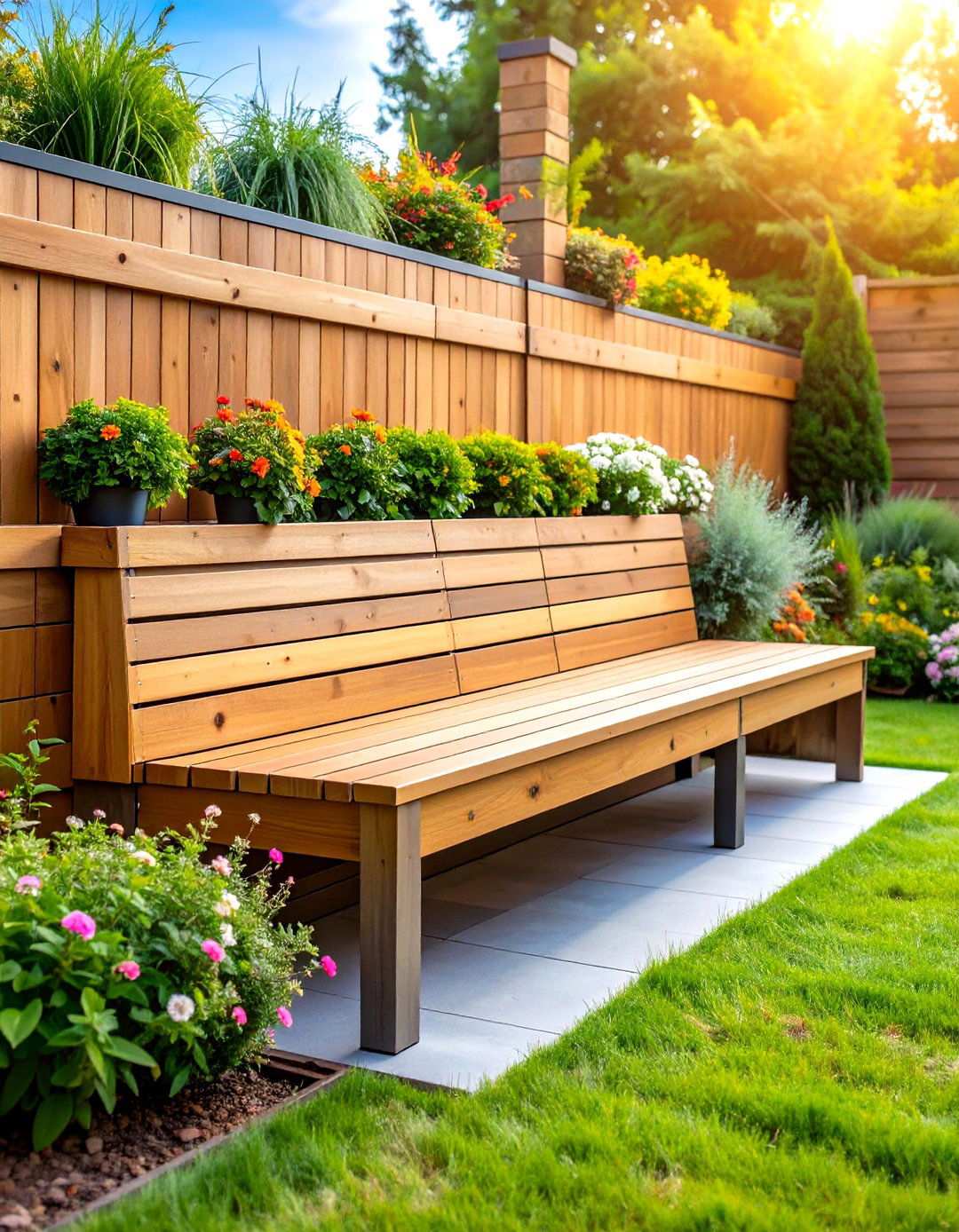
A wood retaining wall with integrated bench seating is a masterclass in space optimization and comfort. By extending the wall above grade level, a wide cap is created, perfect for sitting while maintaining proper height for soil retention below. This dual-purpose design not only maximizes space utilization in smaller yards but also creates inviting gathering spots, encouraging social interaction and relaxation. The bench tops are designed with comfort in mind, featuring smooth, rounded lumber with edges that invite users to linger. Hidden drainage ensures the structural integrity of the wall, while the comfortable seating encourages garden enjoyment and exploration. The integrated approach is not only cost-effective but also creates a seamless transition between function and form. This design works particularly well near patios, walkways, and garden viewing areas, where the integration of seating and retaining wall creates intimate conversation spots while managing landscape changes effectively.
8. Vertical Gardening and Structural Integrity: Stepped Wood Retaining Walls with Built-in Planters
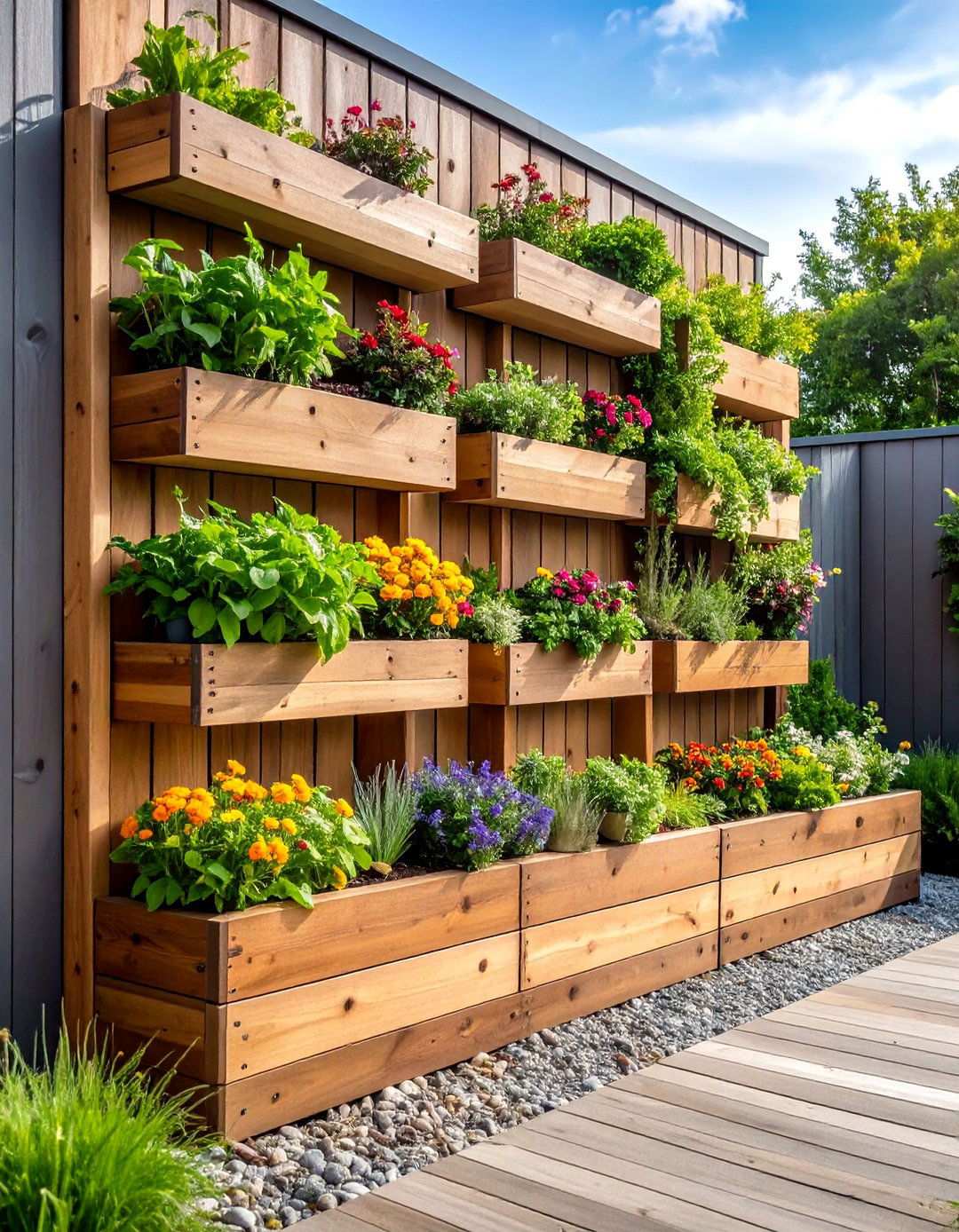
A stepped wood retaining wall with built-in planters is a testament to the power of vertical gardening and creative problem-solving. By incorporating multiple levels of planting boxes, each filled with quality soil, this design maximizes growing space in limited areas while providing structural soil retention. The stepped configuration not only reduces wall height requirements but also creates visual interest through varied planting displays. Different plants at each level create seasonal color changes and habitat diversity, making each stepped wall a dynamic and ever-changing feature. Built-in irrigation systems can integrate seamlessly into the design, ensuring that the plants receive the care they need to thrive. This approach suits urban gardens, small yards, and areas where growing space is premium, creating living walls that evolve beautifully over time and become a focal point of the landscape.
9. Unifying Rustic Charm with Log Wood Retaining Walls
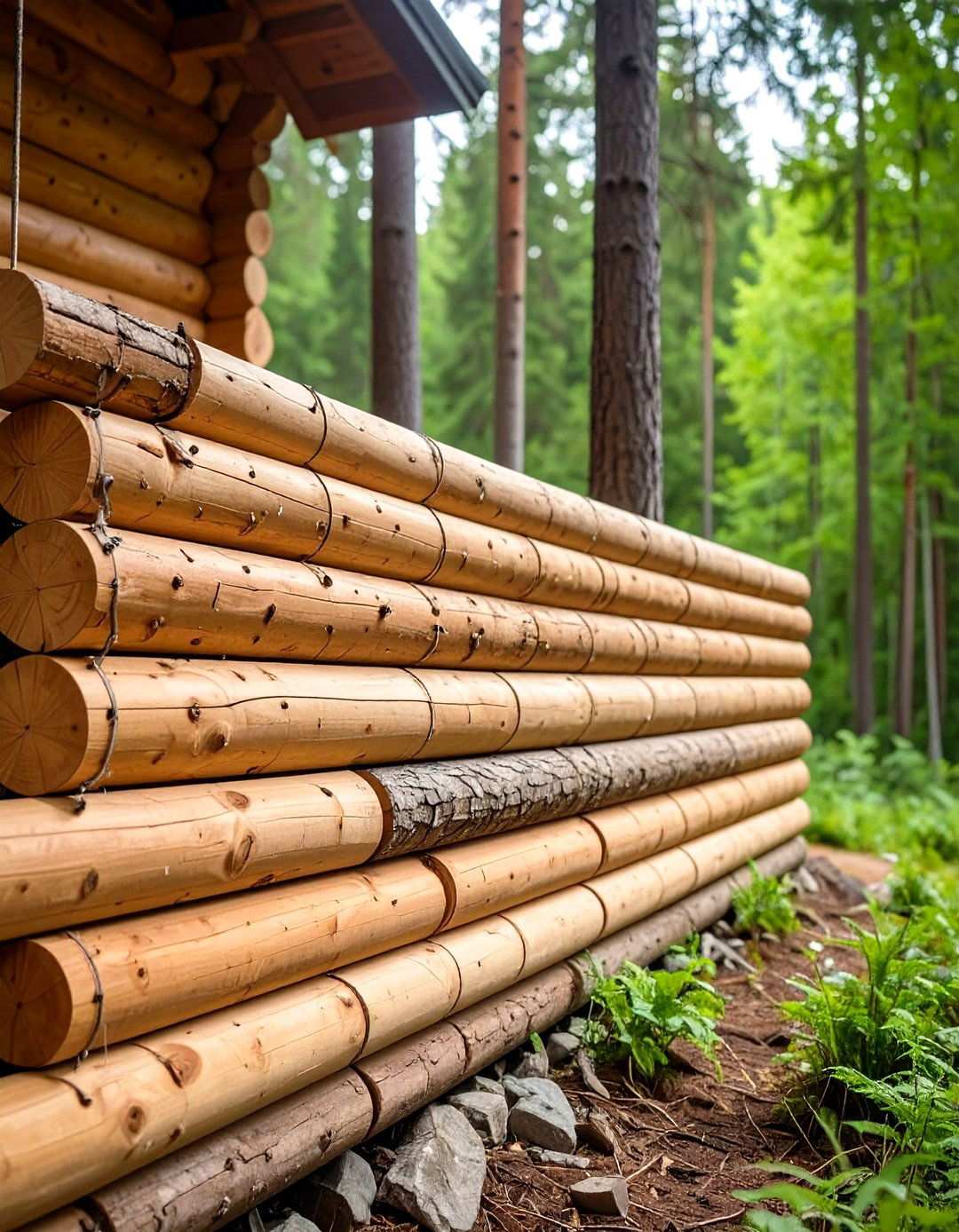
Whole logs or half-logs are expertly stacked to craft substantial barriers that exude natural, woodland character. The massive weight and interlocking design of these logs work in tandem to provide robust soil retention, while steel rebar pins secure the layers together without compromising the rustic aesthetic. This design is ideally suited to mountainous properties, cabin settings, and landscapes that prioritize a natural, unbridled feel. The log mass offers superior structural performance without the need for extensive engineering, while the inherent texture and patina of the natural logs create a unique, one-of-a-kind character that’s impossible to replicate with milled lumber. As the logs weather over time, they develop a beautiful, aged patina that adds to their natural charm.
10. Modern Elegance with Steel Cable Accent Wood Retaining Walls
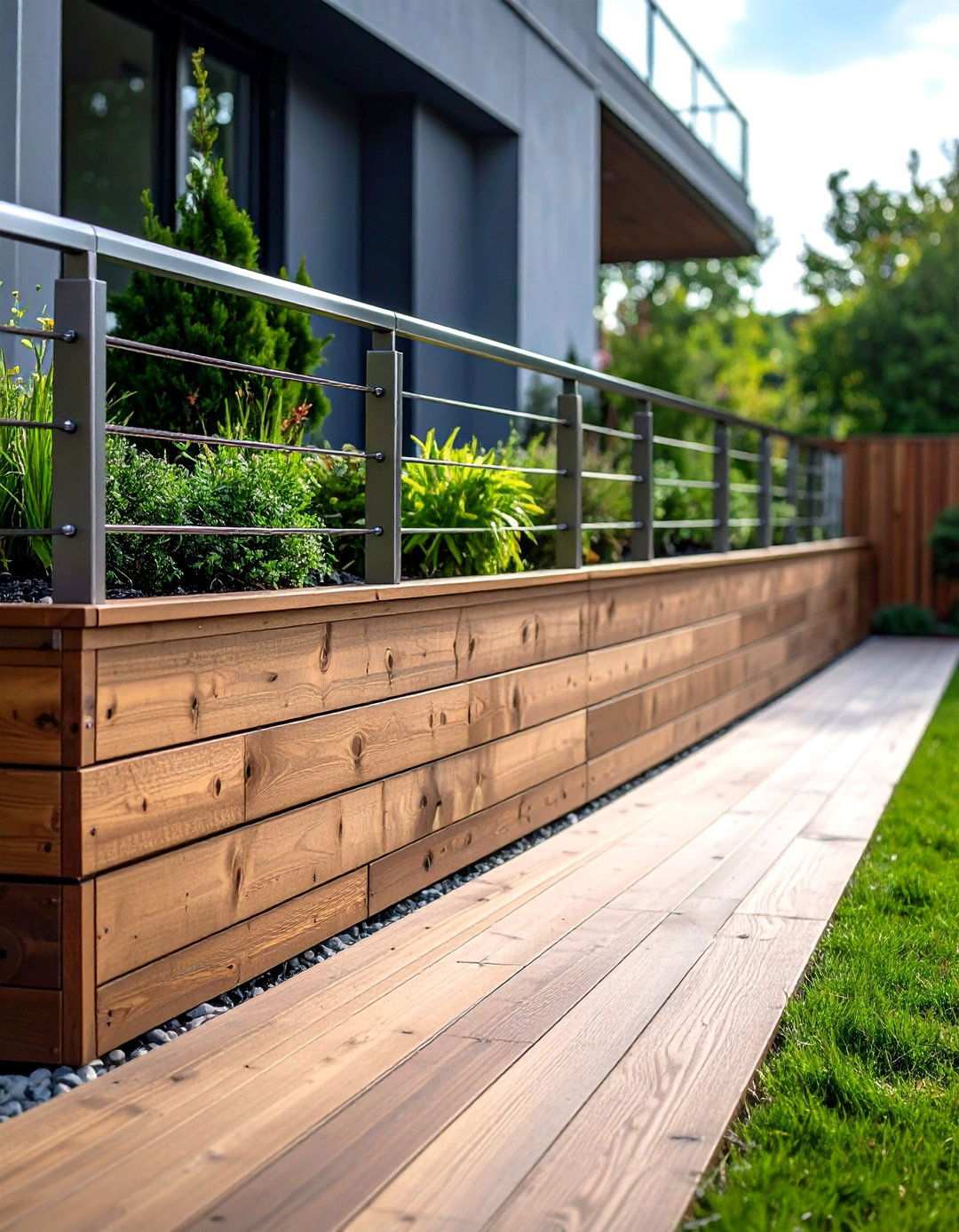
A modern wood retaining wall combines sleek horizontal boards with the dramatic flair of steel cable railings, creating a contemporary landscape feature that’s perfect for modern homes and commercial properties. The clean lines and precise construction of this design create a sophisticated visual impact, while the stainless steel cables provide a safe and visually appealing barrier. The juxtaposition of warm wood and cool metal creates a striking material contrast that adds depth and visual interest to the landscape. With precise board spacing and hidden fasteners, this design emphasizes clean, minimalist aesthetics that work particularly well around modern patios, entry areas, and architectural landscapes. When installed by a professional, the result is a harmonious blend of function and form that elevates the surrounding architecture.
11. Elevating Wood Retaining Walls with Decorative Cap Board Finishes
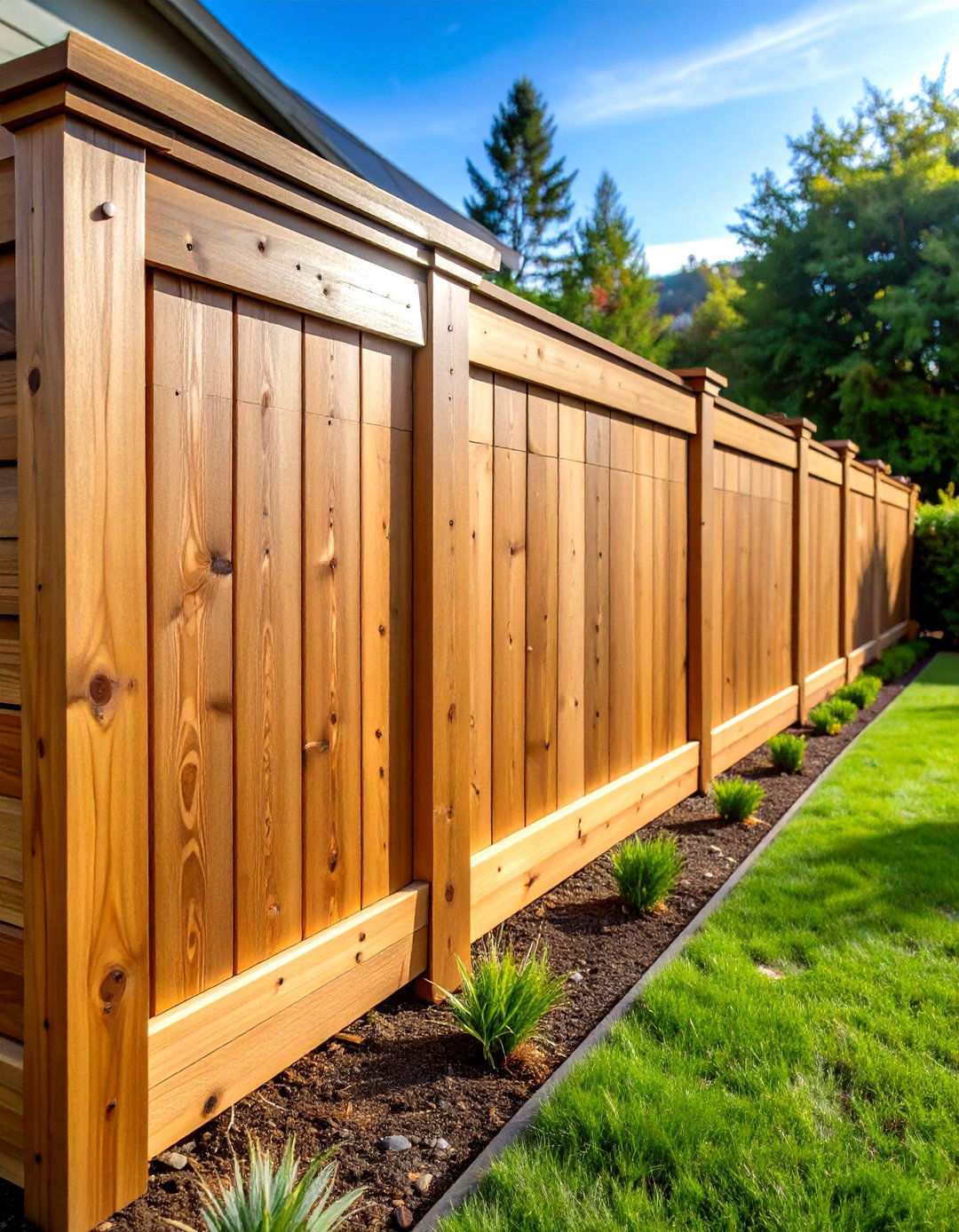
A wood retaining wall with a decorative cap board finish adds a touch of sophistication and visual polish to an otherwise basic retaining wall. The cap board overhangs slightly, creating a subtle shadow line that not only protects the vertical boards from weather exposure but also adds a decorative element to the design. Various cap designs, including beveled edges, routed profiles, or contrasting wood species, offer a range of design opportunities. When properly installed with considerations for drainage and secure attachment methods, the cap board extends the lifespan of the retaining wall by directing water away from vulnerable joints. Furthermore, the cap board provides a versatile platform for integrated lighting, seating, or planter attachments, elevating the retaining wall to a professional-quality landscape feature that enhances property values.
12. Fusing Nature and Structure: Gabion-Wood Hybrid Retaining Walls
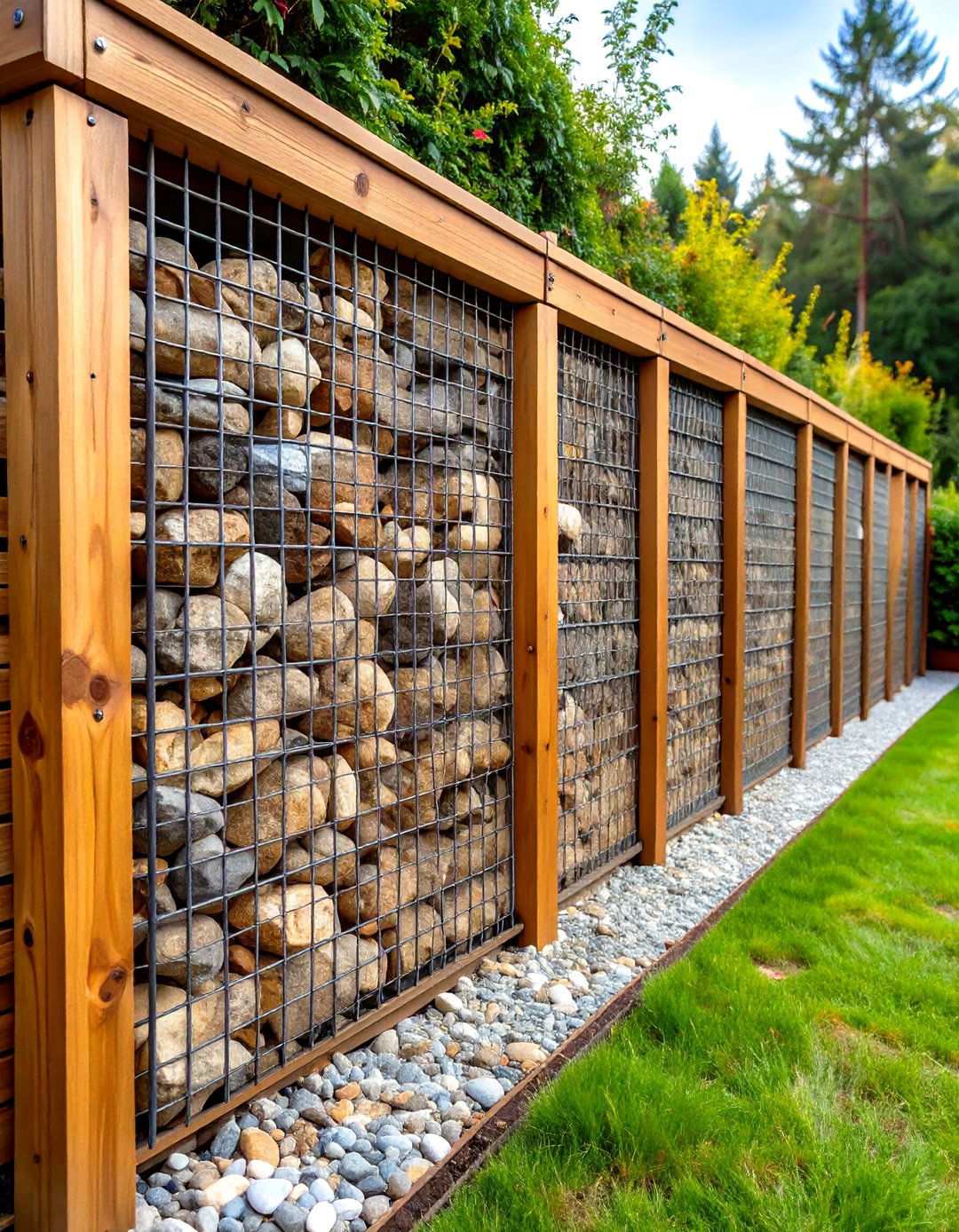
Blending the organic with the engineered, gabion-wood hybrid retaining walls bring a unique synergy to landscaping. This innovative approach combines wire mesh baskets filled with natural stone and wooden frame elements, yielding a visually captivating and resilient structure. The stone-filled baskets provide substantial mass and efficient drainage, while the wooden frames contribute structure and a touch of warmth to the design. This harmonious union offers not only durability but also a striking contrast of materials. As natural stone fill allows for effortless drainage, wooden elements add flexibility to the construction process. The variety of stone types available enables endless possibilities for customizing color and texture combinations. This contemporary approach to landscape design is perfect for those seeking to integrate natural materials with modern construction techniques. Effective installation requires coordination between skilled masons and carpenters. The outcome combines the long-lasting benefits of stone with the adaptability of wood, resulting in beautiful and low-maintenance retaining walls that deliver excellent structural performance.
13. Seamless Integration: Wood Retaining Walls with Vertical Board Fences
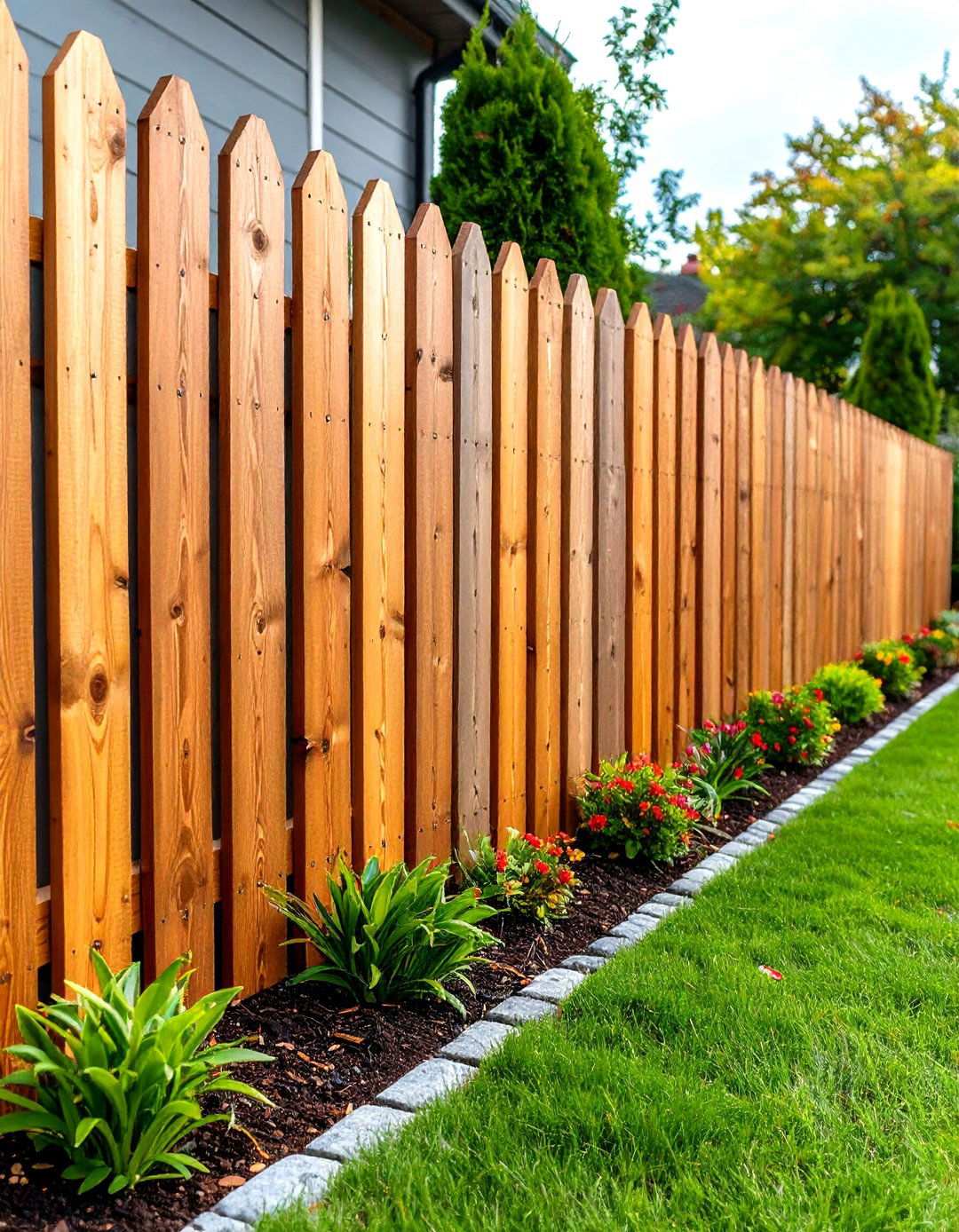
A wood retaining wall that seamlessly integrates a vertical board fence creates a cohesive and functional landscape feature. This unified approach not only retains soil but also provides essential privacy screening and wind protection. By combining the two elements in one continuous structure, the design achieves a clean aesthetic and efficient use of materials. Careful consideration must be given to the transition details between the retaining wall and fence sections to ensure that the structural loads are properly managed. The result is a visually striking and geometrically consistent design that works particularly well along property boundaries where both soil retention and privacy are essential. Strategically designed board spacing allows for air circulation while maintaining a sense of seclusion. Compared to separate construction of a retaining wall and fence, this integrated approach not only saves costs but also creates sophisticated landscape boundaries.
14. The Strength of Tradition: Timber Crib Wood Retaining Walls
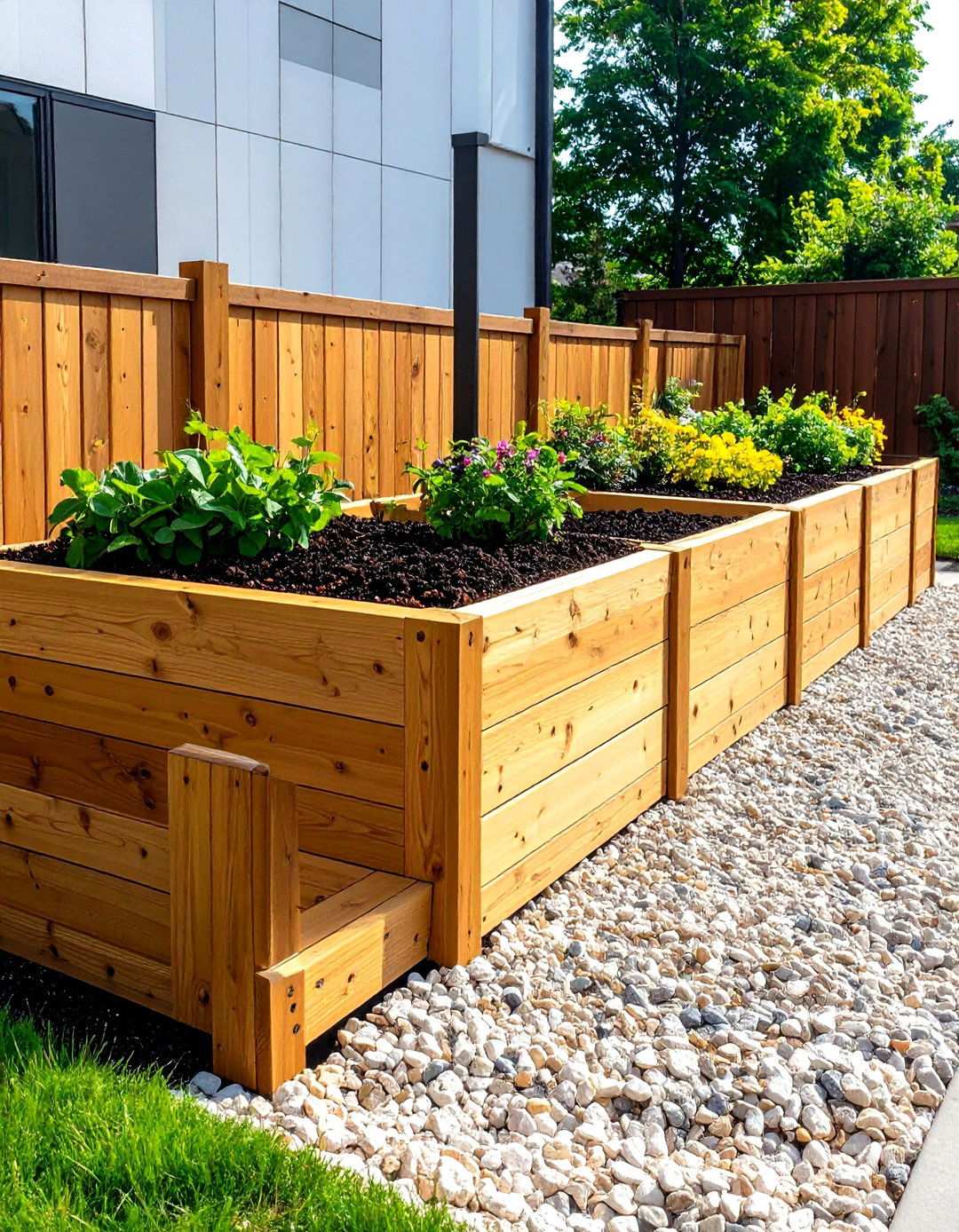
A timber crib wood retaining wall relies on interlocking timber boxes filled with gravel or soil to create substantial barriers that benefit from mass and gravity. This tried-and-true engineering approach effectively distributes loads while allowing for flexible design configurations. The use of large timbers creates a substantial, impressive visual presence that is particularly suited to commercial and institutional applications. The modular construction of crib walls enables the creation of curved lines and complex geometries, offering designers a high degree of flexibility. The inclusion of gravel fill provides excellent drainage and structural performance, making this traditional approach highly reliable in various soil conditions. The timber construction yields a substantial, visually weighty, and characterful design. Although it requires significant materials and specialized construction skills, this design offers exceptional durability and performance. As such, it is particularly well-suited to large-scale projects that demand substantial soil retention and a natural aesthetic that complements institutional and commercial landscapes.
15. Unveiling Authenticity with Reclaimed Wood Retaining Walls
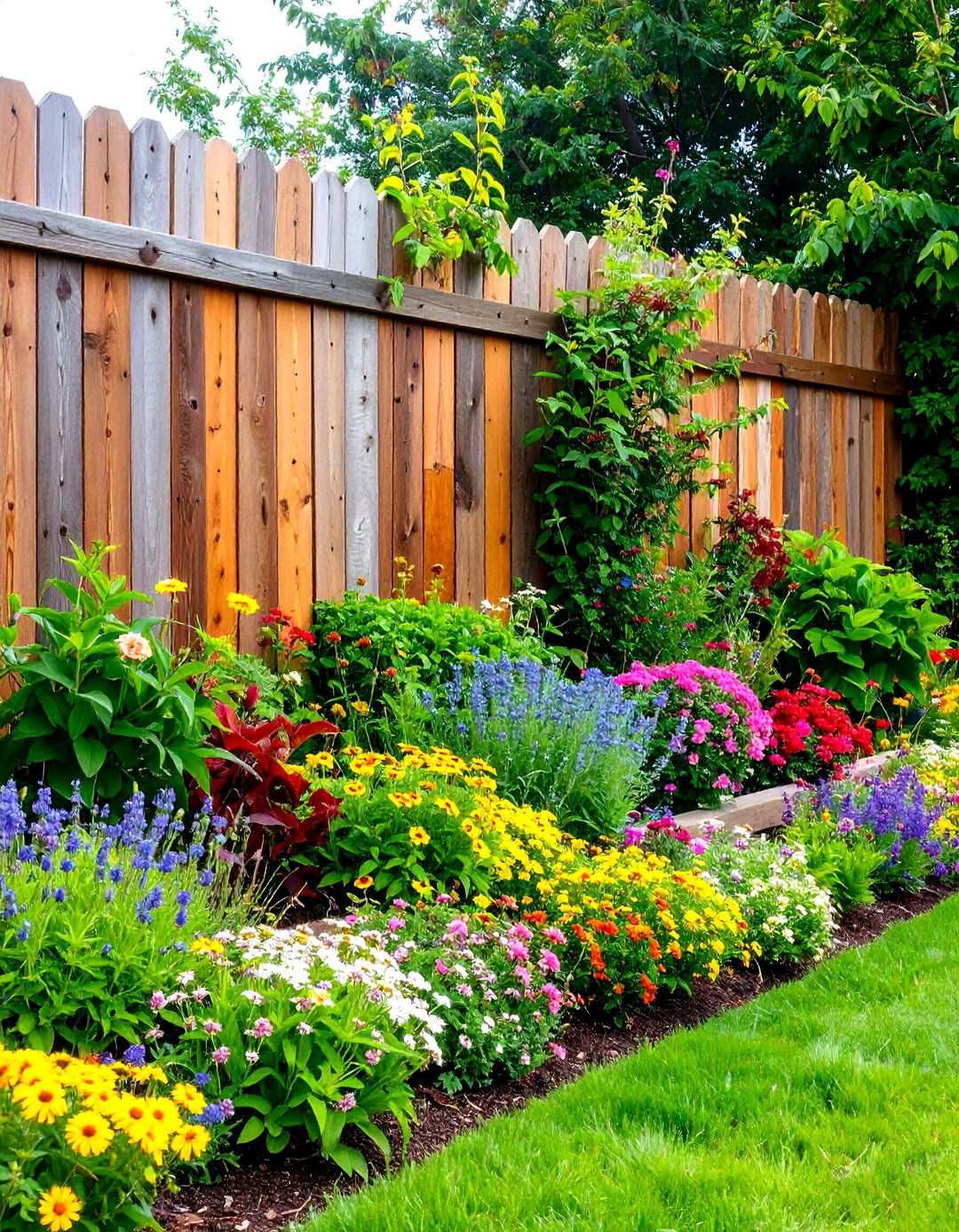
Crafting a reclaimed wood retaining wall involves a thoughtful approach to sustainability and unique aesthetic character. Salvaged lumber from repurposed barns, buildings, or other structures imbues the wall with a rich history, weathered patina, and environmental consciousness. The inherent texture and color variations of mixed wood species and naturally weathered boards create a captivating visual narrative. To achieve this look, builders must meticulously assess the structural integrity of the reclaimed materials, thoroughly clean and treat them for ground contact applications. The varied board widths and natural wear patterns contribute to an authentic rustic charm that resonates with environmentally conscious builders and those seeking one-of-a-kind aesthetic character.
The incorporation of reclaimed materials not only adds distinctive appearance to landscape designs but also embodies sustainable building practices. Each piece tells a story of the past, and the natural aging process showcases the craftsmanship and character that defines this approach. While requiring careful selection and preparation, the results are well worth the effort, as they evoke a sense of authenticity and connection to the environment.
16. Sustainable Landscaping with Wood Retaining Walls and Living Roofs
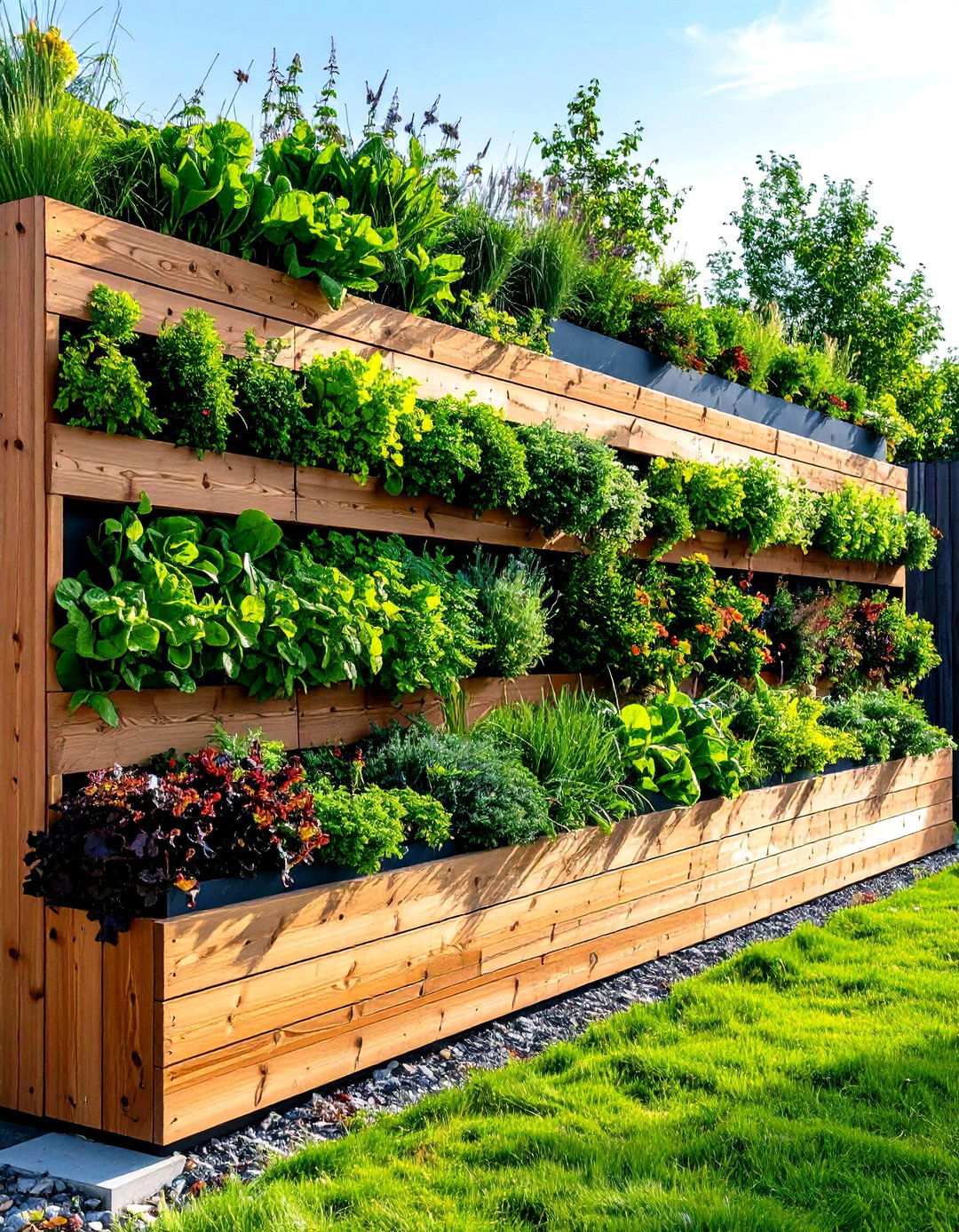
A wood retaining wall with an integrated living roof planter system represents a harmonious convergence of landscape function and environmental benefits. By featuring an extensive planted cap board area, this design creates a thriving habitat for beneficial insects and birds while managing stormwater runoff. The wide top surface supports soil and vegetation, while providing structural soil retention below, creating a self-sustaining ecosystem. Proper waterproofing and drainage are essential to prevent structural damage while nurturing plant growth.
The living roof approach offers numerous advantages, including reduced stormwater runoff, enhanced biodiversity, and seasonal interest through varied plant selections. This sustainable design approach is particularly suited for environmentally conscious projects and green building initiatives, as it provides exceptional environmental benefits and unique aesthetic character. While requiring specialized construction and maintenance knowledge, the living roof wall system offers a compelling alternative to traditional retaining wall designs.
17. Streamlined Retaining Wall Solutions with Modular Wood Blocks
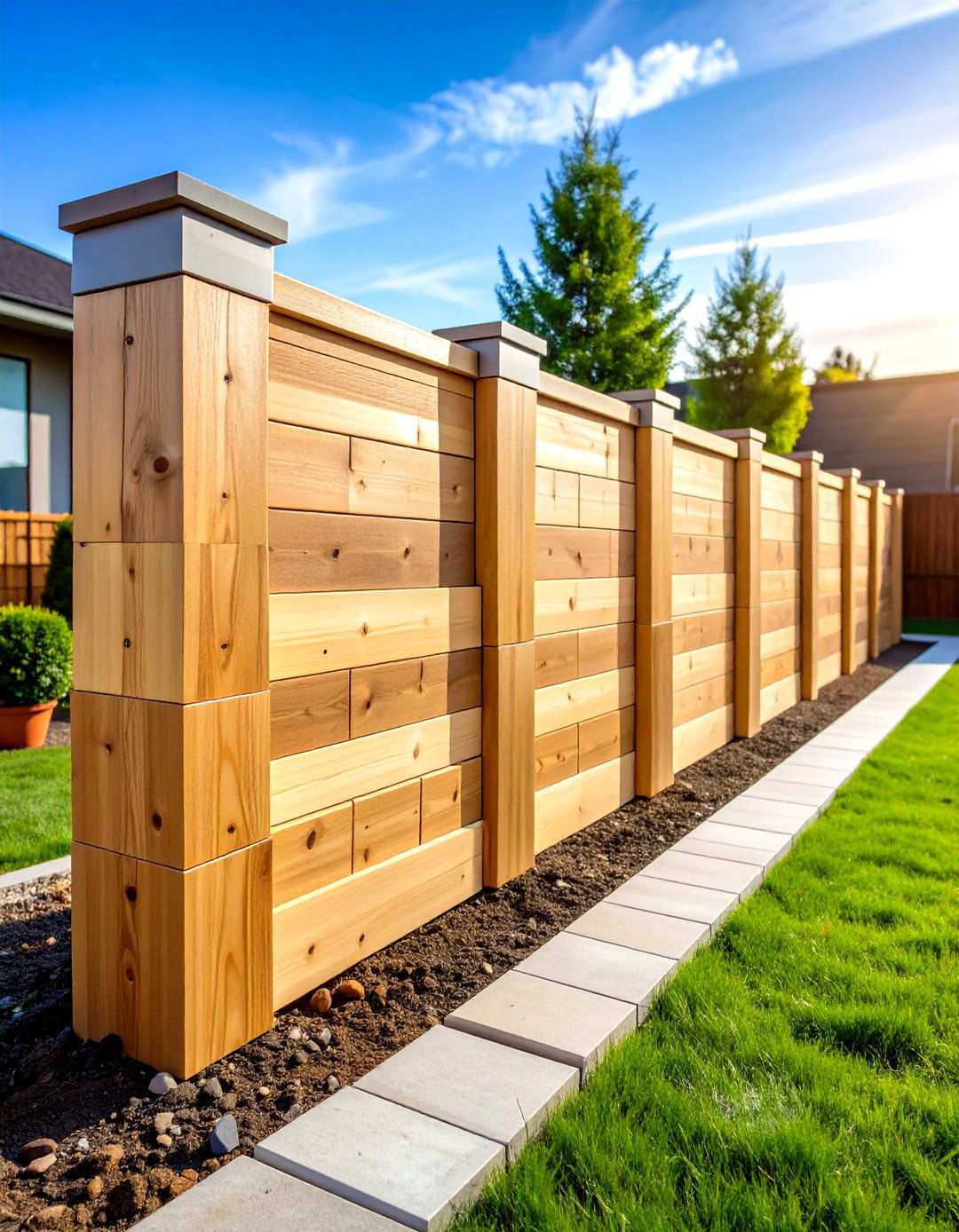
The modular wood block retaining wall system offers a practical and innovative solution for homeowners seeking professional results with simplified installation. This manufactured interlocking timber block system allows for DIY installation, eliminating the need for specialized construction skills. The blocks feature precision-cut dowel holes and connecting pins that create stable structures through mechanical connection, ensuring proper structural performance. Various block sizes accommodate different wall heights and design requirements, while the interlocking system distributes loads effectively, allowing flexible design configurations.
The modular design provides an excellent value proposition through simplified installation and consistent performance suitable for various residential applications. Initially more expensive than basic lumber, the system offers long-term benefits through easy expansion or reconfiguration as landscape needs change. With its precise manufacturing, the modular wood block retaining wall system delivers a professional appearance that belies its DIY-friendly nature.
18. Elevated Wood Retaining Walls with Integrated Illumination
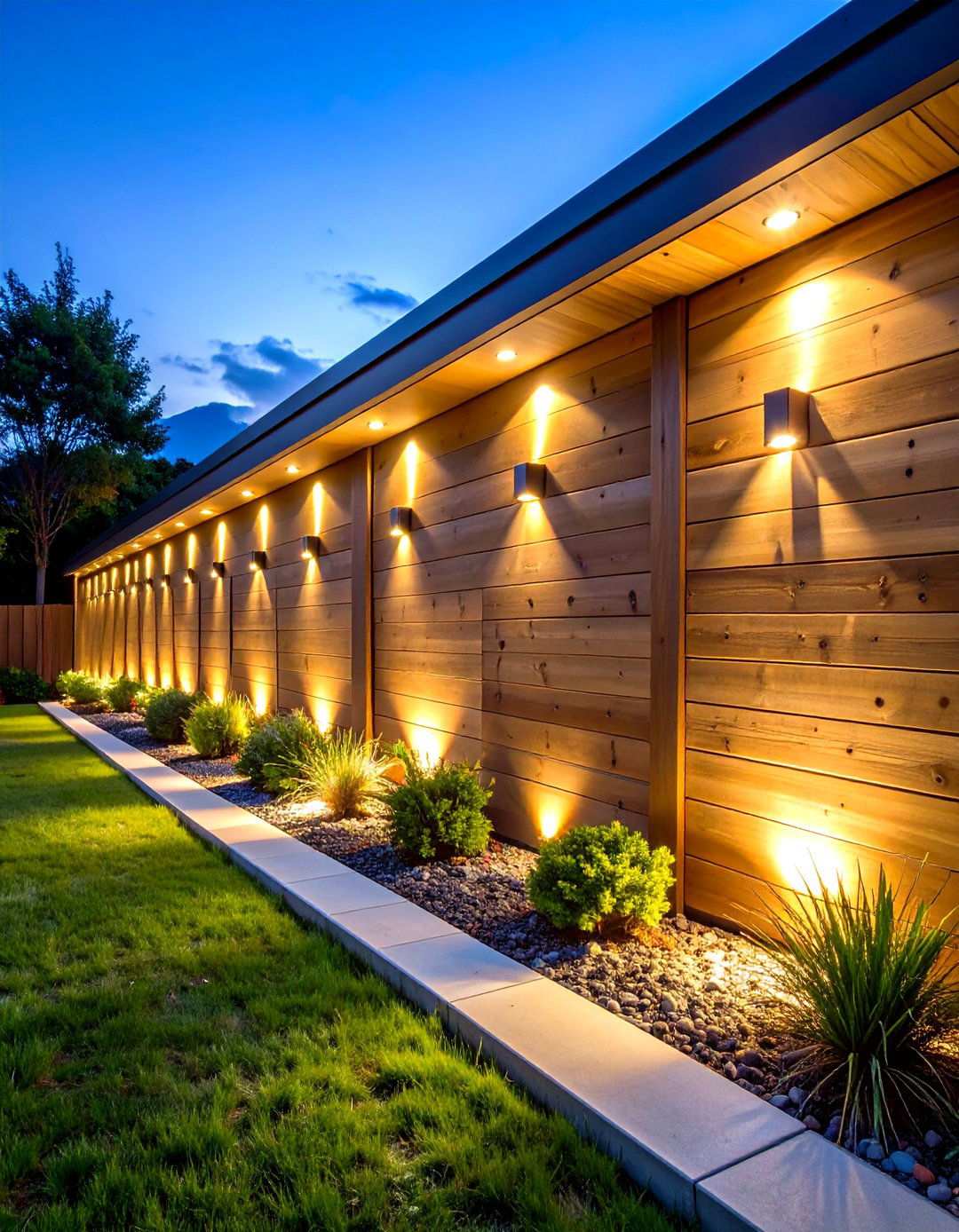
A well-designed wood retaining wall with integrated lighting elevates the wall’s visual appeal beyond the confines of daylight hours, while also providing functional pathway illumination and enhanced safety features. By incorporating LED strip lights, spotlights, or post cap fixtures, property owners can create dramatic nighttime ambiance and highlight the wall’s natural textures. Effective lighting strategies involve the strategic placement of recessed strips, post-mounted fixtures, or decorative accent lights to draw attention to the wall’s design elements and surrounding landscaping. Proper electrical planning and installation guarantee safe and convenient control systems, transforming utilitarian retaining walls into stunning architectural features that boost property security and aesthetic appeal.
19. Composite Wood Retaining Walls: A Low-Maintenance Solution
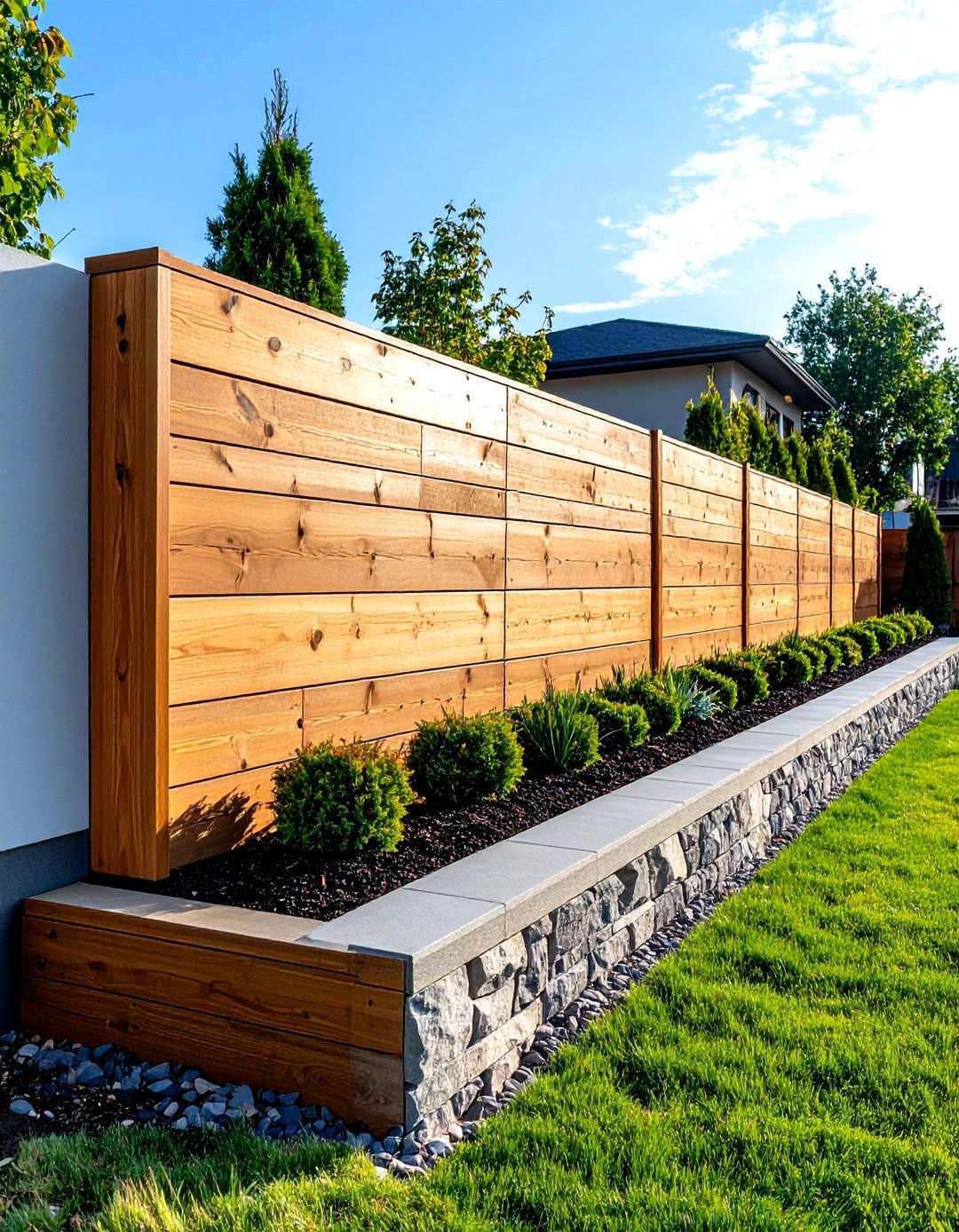
A composite wood retaining wall offers a practical alternative to natural lumber, combining wood fibers and polymer binders to create materials that resist rot, insects, and weathering while maintaining a wood-like appearance and workability. These manufactured materials provide uniform color and texture without the natural variations found in wood, making them an attractive choice for properties requiring minimal maintenance. While installation techniques are similar to those used for natural lumber, specific fasteners and techniques are required to ensure optimal results. Although composite materials may be more expensive initially, they eliminate the need for ongoing maintenance, making them an ideal solution for commercial properties and low-maintenance residential applications seeking the aesthetic benefits of wood without the associated care requirements.
20. Wood Retaining Walls with Seamless Transitions
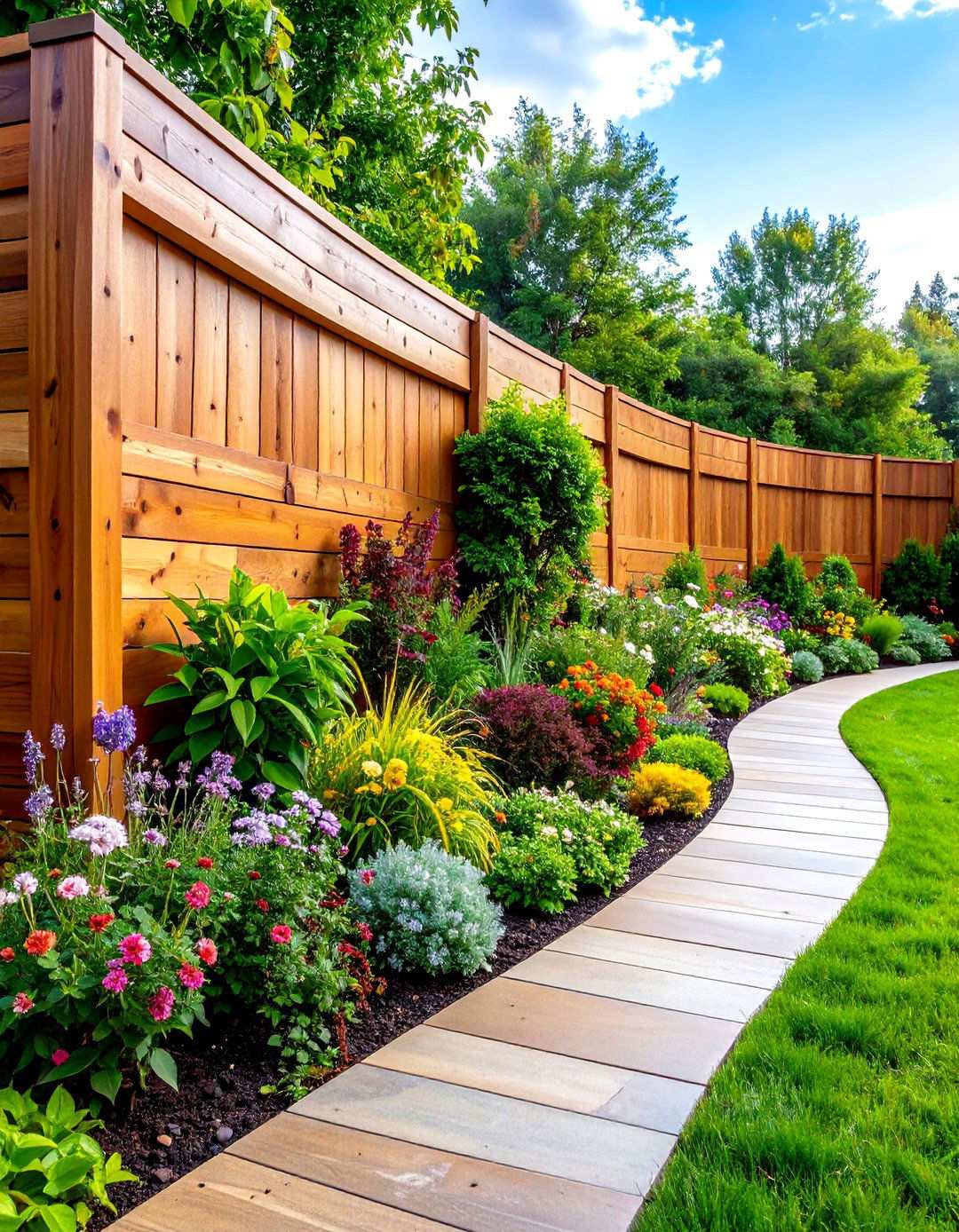
Wooden retaining walls boasting curved corner transitions showcase a mastery of flexible construction techniques, effortlessly blending directional changes into fluid, organic lines that harmonize with the surrounding landscape. The intricacies of curved corners necessitate meticulous planning and specialized cutting to achieve a seamless transition. By adopting this approach, designers can create a visually striking, curvaceous design that not only integrates with the natural environment but also distributes soil pressures more evenly compared to sharp corners. A range of flexible lumber options or segmented construction techniques enable the creation of various radius curves, making this design suitable for properties with irregular boundaries or a desire for naturalistic aesthetics. For optimal results, professional installation ensures precise curve geometry and structural performance. These curved transitions also open up opportunities for innovative planting designs and architectural features, transforming basic retaining walls into sophisticated landscape elements that elevate property character and blend seamlessly with their surroundings.
21. Wood Retaining Walls with Integrated Drainage Systems
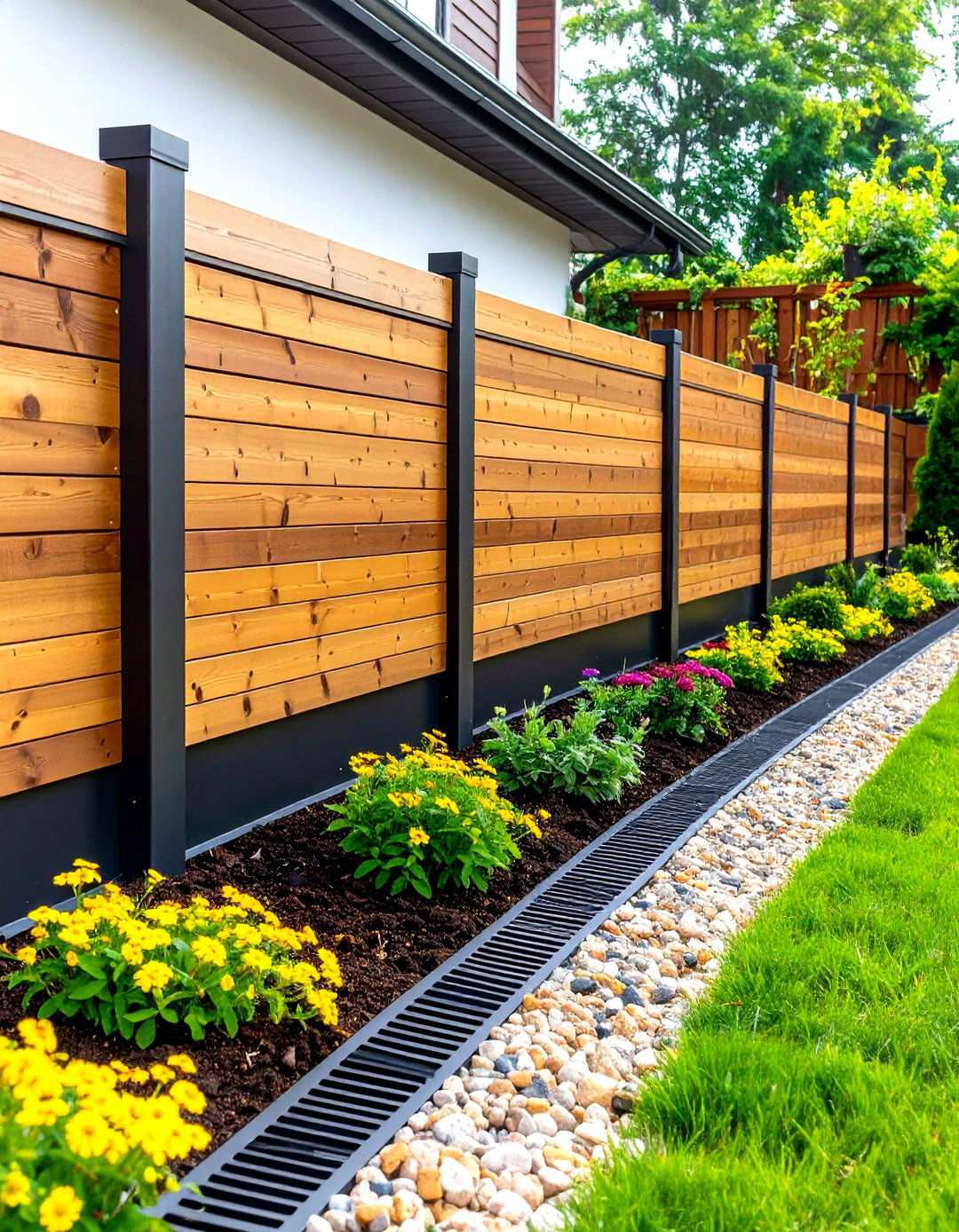
A wood retaining wall equipped with drainage integration and French drain systems showcases a forward-thinking approach to water management. By incorporating perforated pipes, gravel backfill, and filter fabric behind the structure, water pressure is effectively mitigated, and the risk of structural failure is significantly reduced. The integrated drainage system requires coordination between wall construction and drainage installation, but its benefits far outweigh the added complexity and cost. With a range of drainage designs available to accommodate different site conditions and water flow patterns, this approach is ideal for properties facing significant water management challenges or high-performance requirements. Strategically placing outlets ensures effective water management without creating erosion problems, providing long-term structural performance and preventing costly failure repairs in water-sensitive locations.
22. Harmonizing Nature with Dynamic Wood Retaining Walls
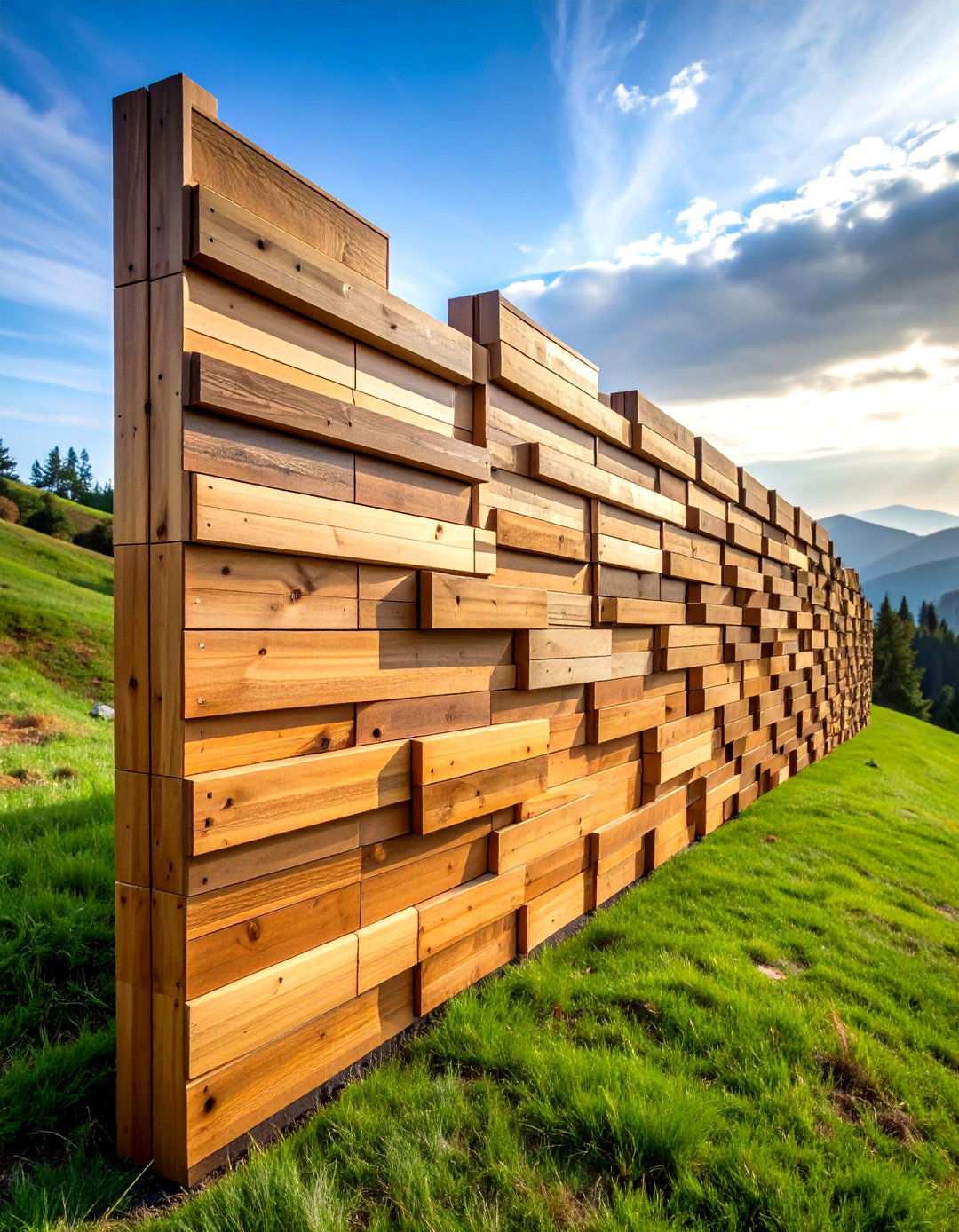
By varying the elevation of a wood retaining wall, landscape architects can create visually striking designs that adapt to the site’s natural contours. This approach not only reduces soil pressure on taller sections but also offers the opportunity to develop diverse planting schemes that thrive in distinct microclimates. The staggered design of these walls allows them to blend seamlessly with sloping sites, creating a more natural and harmonious relationship between the built environment and the surrounding landscape. Furthermore, the varied heights of these walls generate fascinating shadow patterns and architectural rhythms, adding depth and visual interest to the overall landscape design. By embracing this design flexibility, site owners can create distinctive landscape features that not only respond to the site’s unique conditions but also reflect their personal style and preferences. By strategically incorporating height variations, landscape architects can provide opportunities for integrated seating, planters, or architectural accents that not only enhance the aesthetic appeal of the site but also create functional spaces that foster social interaction and community engagement. This approach is particularly well-suited to properties with complex topography or design requirements that seek sophisticated landscape solutions that harmonize with the natural environment while showcasing a sense of sophistication and style.
23. Fusing Strength and Beauty with Metal-Reinforced Wood Retaining Walls
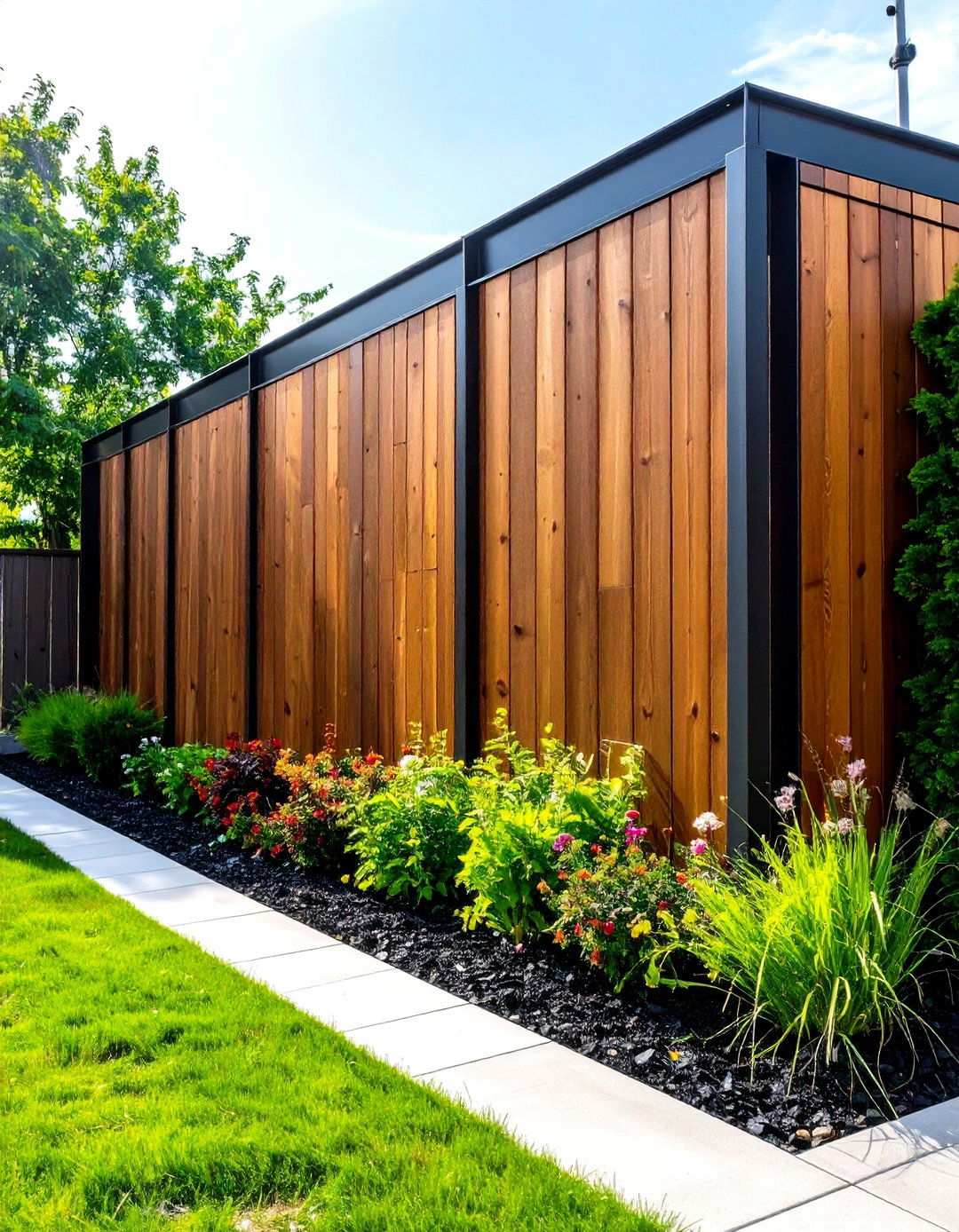
By incorporating metal reinforcement frameworks into wood retaining walls, landscape architects can create structures that balance strength and aesthetic appeal. The metal framework provides primary structural support, while wood cladding adds a natural, weather-resistant layer that enhances the overall visual appeal of the wall. This hybrid approach combines the strength and durability of metal with the warmth and natural beauty of wood materials, creating a design that is both functional and visually striking. Various metal reinforcement strategies, including hidden steel posts, metal brackets, or structural frames, can be employed to suit specific design requirements and site conditions. The reinforced approach allows for taller walls and higher load capacities than traditional wood-only construction, making it particularly well-suited to commercial applications or challenging soil conditions that demand exceptional structural performance. While increasing construction complexity and cost, metal reinforcement provides superior long-term performance and enables ambitious design approaches that push the boundaries of traditional wood retaining wall design while maintaining a natural aesthetic character.
24. Harmonizing Form and Function with Wood Retaining Walls and Green Walls
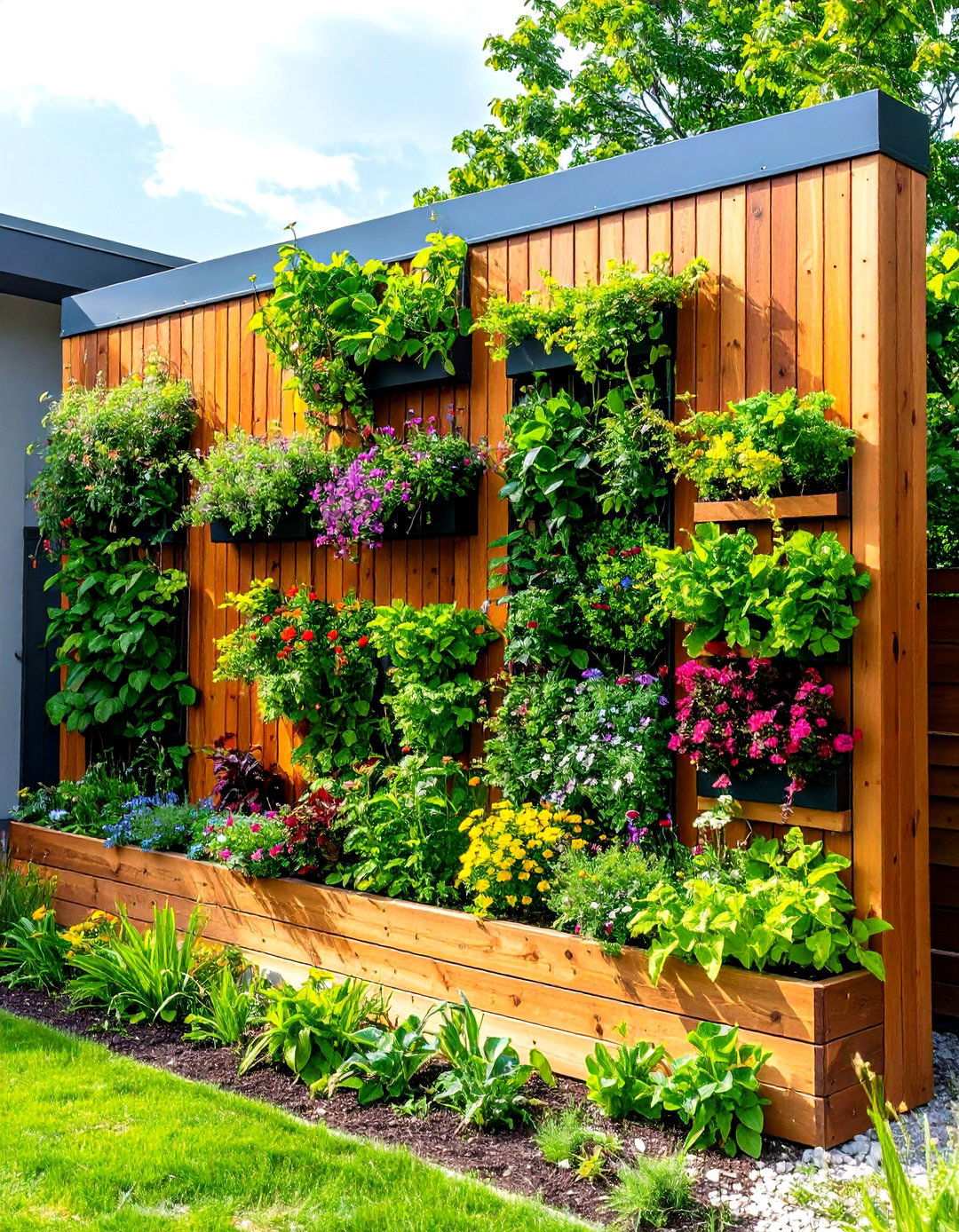
By seamlessly integrating a wood retaining wall with a green wall vertical garden, a property can elevate its aesthetic appeal while supporting a thriving ecosystem. This innovative approach enables the wall to serve as a living, breathing landscape feature that fosters the growth of climbing plants and vertical gardens. The design incorporates strategically placed attachment points for trellises, plant supports, and irrigation systems, thereby maximizing the available growing space while ensuring effective soil retention.
This symbiotic relationship between structure and nature yields a multitude of benefits, including the creation of seasonal changes, habitat diversity, and a tranquil atmosphere. The integrated irrigation system plays a crucial role in facilitating plant establishment and ongoing health, while the living wall’s environmental advantages extend to air purification, temperature moderation, and habitat creation. When executed by a professional, this project involves a comprehensive process that includes selecting the optimal plant species, designing an efficient irrigation system, and making necessary structural modifications. Although it necessitates regular maintenance and plant care, the green wall integration transforms a utilitarian structure into a breathtaking landscape feature that seamlessly blends functionality and beauty. As a result, this sustainable approach is particularly suited to environmentally conscious properties seeking to maximize their landscape’s potential and create a stunning visual impact.