1. Elevating Your Front Yard with a Perfect Small Tree
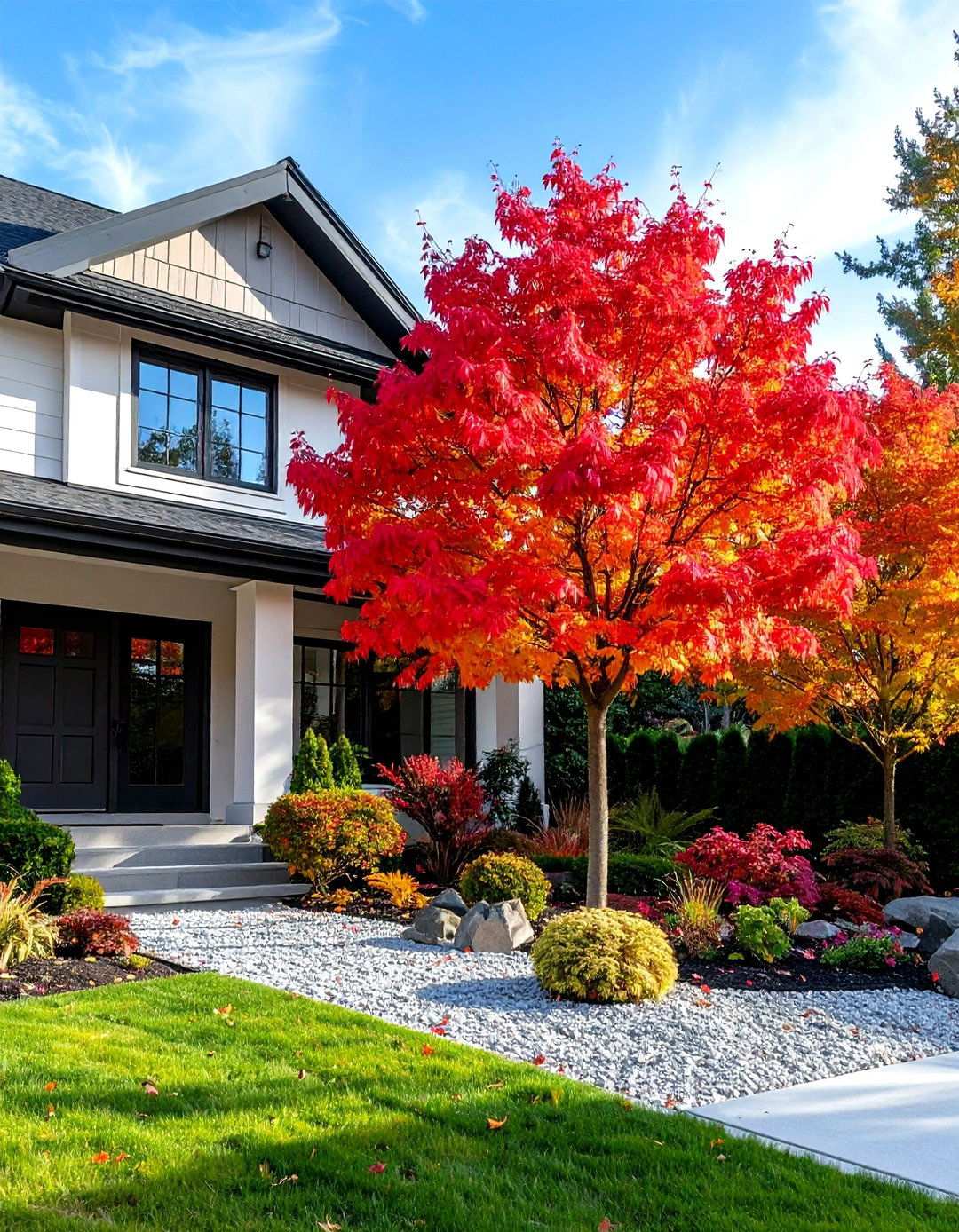
The ideal small tree can elevate your front yard’s curb appeal, creating an inviting focal point that doesn’t overwhelm the landscape. Compact trees, typically growing under 30 feet at maturity, strike a perfect balance between visual impact and manageable maintenance. These diminutive wonders offer year-round interest through a kaleidoscope of colors, from the vibrant blooms of spring to the rich foliage of summer, the fiery hues of autumn, and the structural beauty of winter. Whether you’re drawn to flowering varieties bursting with seasonal color, evergreen options that maintain their beauty throughout winter, or fruiting trees that offer both aesthetics and harvest, there’s a perfect small tree for every front yard style. The key to selecting the ideal tree lies in choosing varieties that harmonize with your home’s architecture, thrive in your climate zone, and cater to your maintenance preferences. From the delicate blossoms of flowering cherries to the architectural form of dwarf evergreens, small trees deliver maximum impact while fitting seamlessly into compact spaces and urban environments.

As an Amazon Associate I earn from qualifying purchases.
2. Discovering the Allure of Japanese Maple Varieties
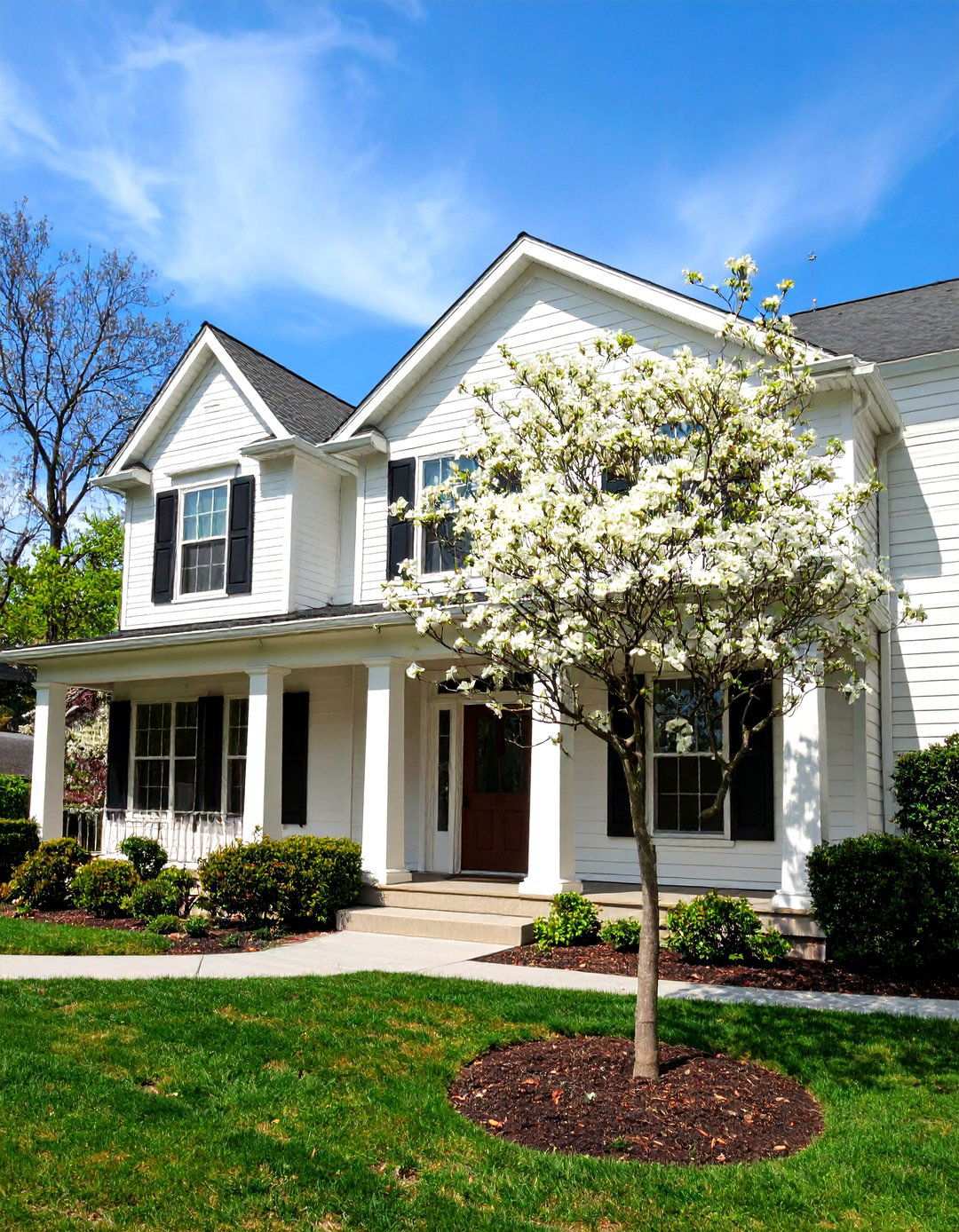
For those seeking a tree that transforms with every season, Japanese maples stand as the crowning glory of small ornamental trees. These breathtaking specimens offer an array of foliage colors that range from deep burgundy to brilliant gold, creating a stunning visual display throughout the growing season. Typically reaching 8 to 25 feet tall, Japanese maples make perfect focal points for front yard landscapes. The delicate, palm-shaped leaves create a striking visual interest, while their elegant branching structure provides a captivating winter appeal. Japanese maples are remarkably adaptable, thriving in partial shade to full sun and adapting well to various soil conditions with proper drainage. Popular varieties include ‘Bloodgood’ with its deep red foliage, ‘Autumn Moon’ featuring golden fall color, and weeping forms like ‘Crimson Queen’ that cascade beautifully in smaller spaces, adding a touch of whimsy to your landscape design.
3. Captivating Crape Myrtle Collections
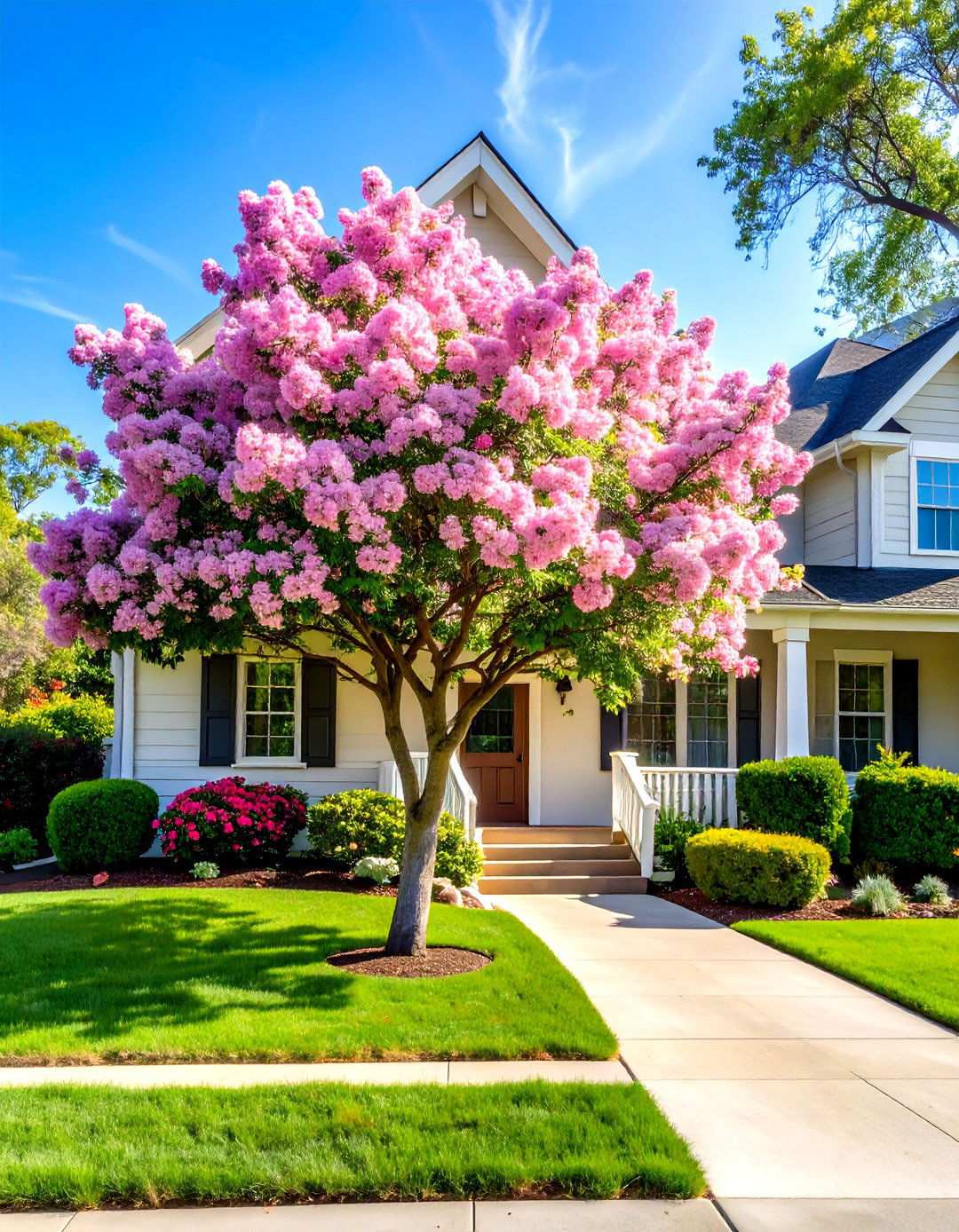
For those seeking a tree that can adorn their front yard with vibrant colors for an extended period, crape myrtles stand out as excellent choices. These beautiful trees thrive in warm climates, showcasing delicate papery flowers in a stunning array of white, pink, red, and purple hues. Typically growing 15 to 25 feet tall, crape myrtles boast smooth, mottled bark that gradually peels, revealing a striking cinnamon-colored underside. As the seasons change, their dark green foliage transforms into vibrant shades of orange and red, adding to their enchanting seasonal appeal. Crape myrtles are remarkably resilient, tolerating drought conditions once established, making them ideal for challenging front yard locations where other trees might struggle. Their non-aggressive root systems also enable close planting near sidewalks and driveways, making them a versatile choice for various landscapes. Compact varieties like ‘Natchez’ with its show-stopping white blooms and exceptional bark, as well as ‘Dynamite’ featuring brilliant red flowers and stunning fall color, are particularly popular among homeowners.
4. Nature's Earliest Bloomers: Eastern Redbud Species
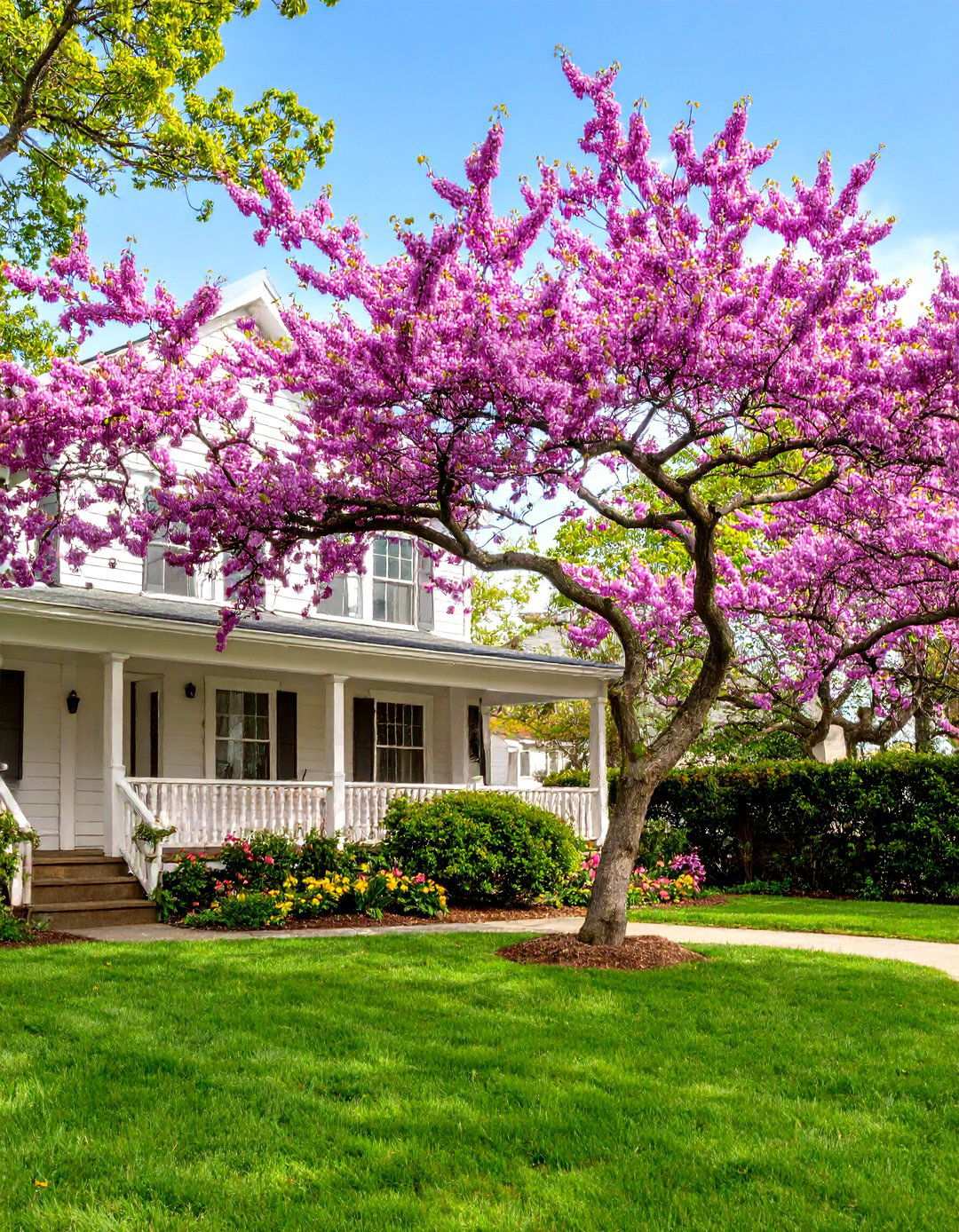
Imagine welcoming the arrival of spring with an explosion of vibrant color. Eastern redbuds are renowned for producing an early display of delicate, tiny purple-pink flowers directly on their branches and trunk before any leaves emerge, creating an captivating spectacle. Native to North America, these beautiful trees typically grow 20 to 30 feet tall with a distinctive vase-shaped form and heart-shaped leaves that gradually mature from bronze to green, then transform into a golden yellow in fall. Redbuds are incredibly adaptable, thriving in a range of soil types and tolerating both full sun and partial shade conditions. These trees are a haven for beneficial pollinators and are an excellent choice for creating naturalistic landscapes. Varieties like ‘Forest Pansy’ boast stunning purple foliage throughout summer, while weeping forms like ‘Ruby Falls’ provide a compact option for smaller spaces, adding versatility to any landscape. With their remarkable drought-tolerance and minimal maintenance requirements, these trees are perfect for busy homeowners looking for a low-fuss option.
5. Enchanting Blooms: Flowering Cherry Selections
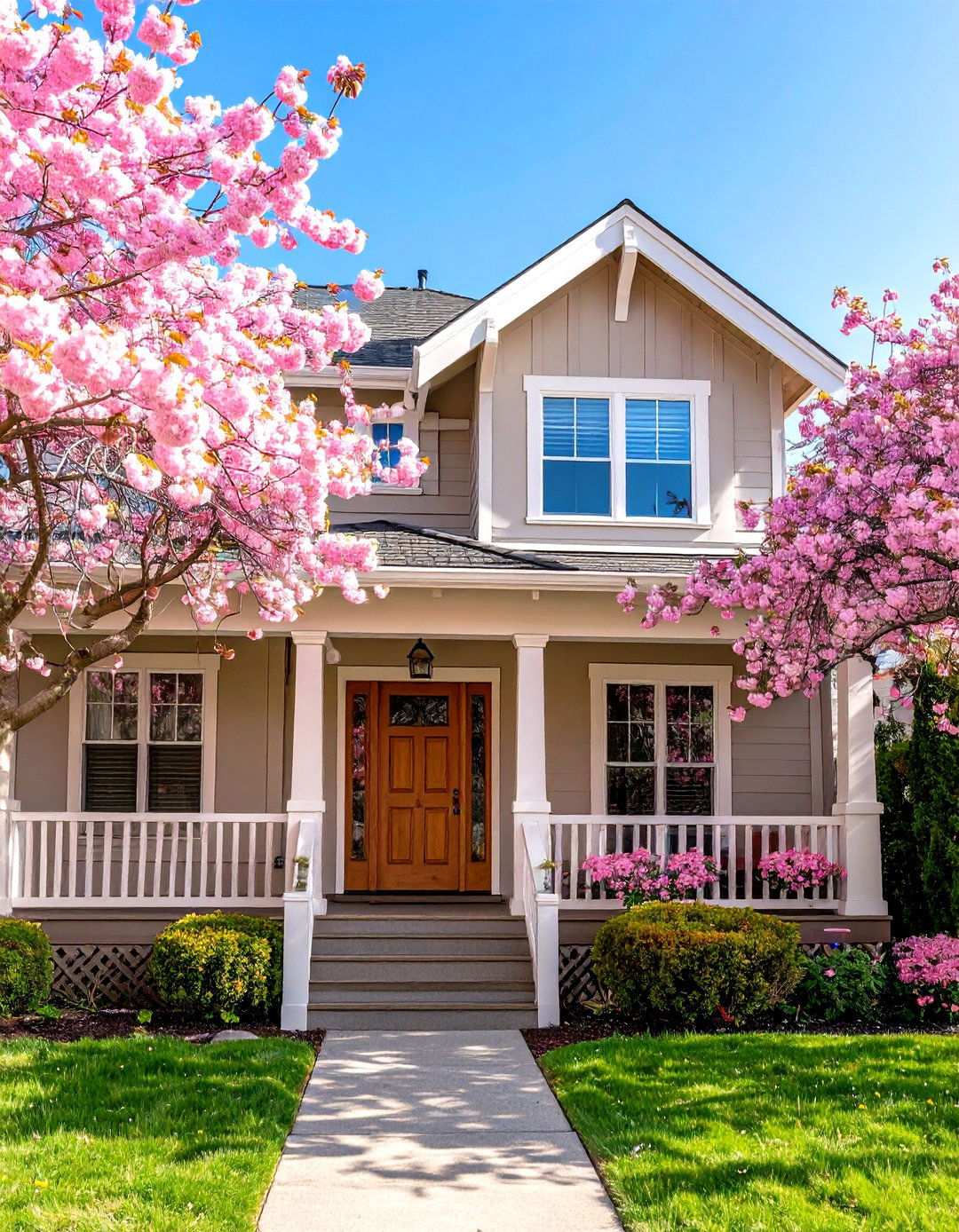
Envision your front yard transformed into a breathtaking pink cloud each spring, with the sweet scent of blooming flowers wafting through the air. Flowering cherry trees are sure to captivate with their stunning displays of white, pink, and deep rose blossoms that adorn the branches in the spring. Typically reaching 15 to 25 feet tall, these ornamental trees feature elegant branching patterns that complement both traditional and contemporary landscapes. Popular varieties include ‘Kwanzan’ with its stunning double pink blooms, ‘Yoshino’ featuring fragrant white flowers, and weeping forms that create dramatic focal points. The smooth bark of these trees often displays attractive horizontal lining, adding visual interest during the winter months. Flowering cherries prefer full sun and well-drained soil, but can adapt to various soil types. While relatively low-maintenance, these trees benefit from regular pruning to maintain their shape and remove any dead or crossing branches, ensuring optimal health and appearance.
6. Unifying Form and Function
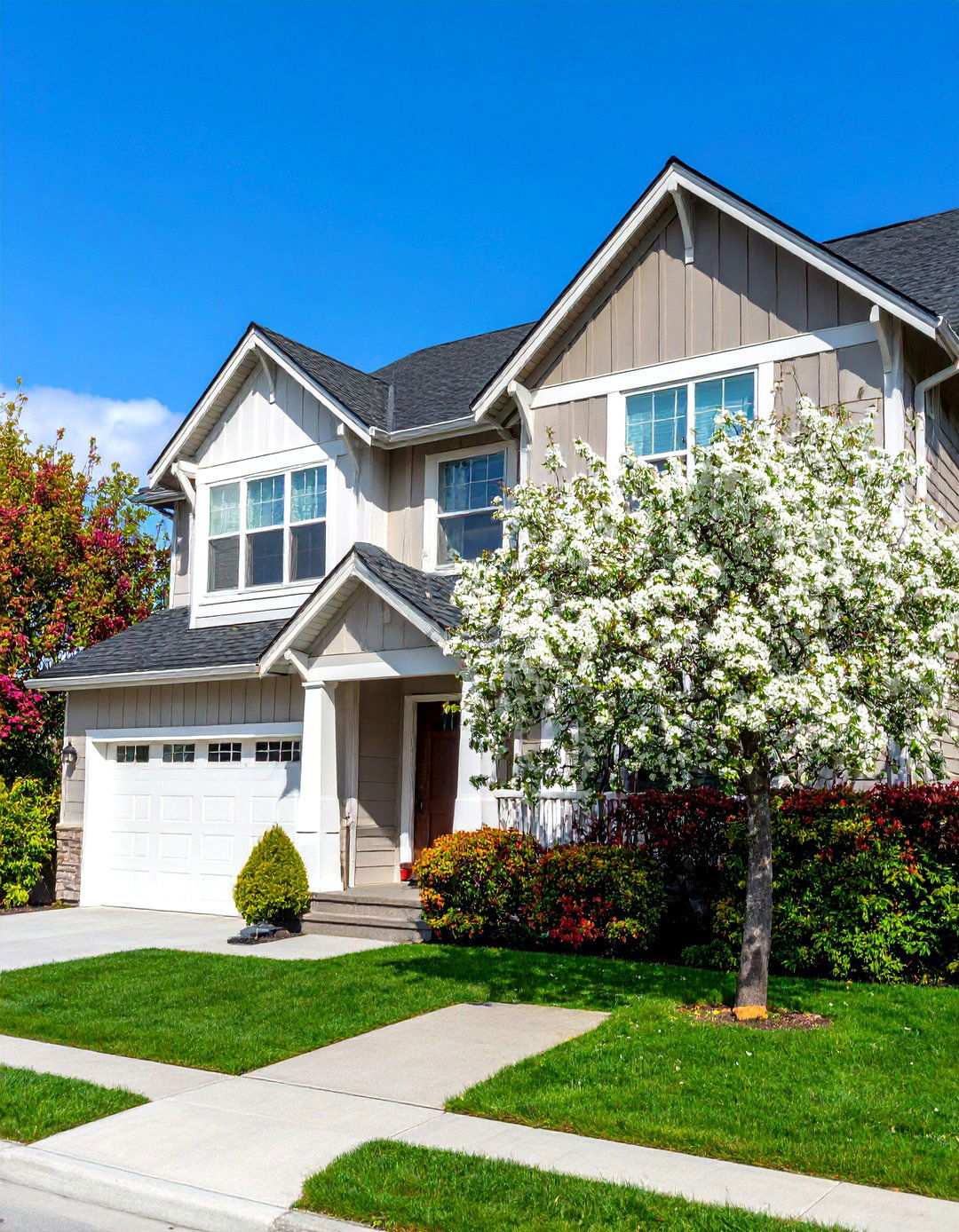
For gardeners seeking to create a visually striking landscape, several tree options combine stunning spring displays with vibrant fall colors. Among these, crabapple trees offer a compelling choice, boasting an impressive combination of spring flowers and fall fruits. These versatile trees, available in a range of sizes from 6 to 30 feet tall, make them suitable for a variety of garden spaces. While dwarf cultivars are ideal for front yards, their full-grown counterparts can thrive in larger suburban landscapes. As a testament to their beauty, crabapple trees are a favorite among gardeners, and their disease-resistant varieties, including ‘Prairie Fire’ and ‘Sugar Tyme’, require minimal maintenance. Furthermore, the crabapple’s appeal extends to local wildlife, attracting birds and beneficial insects, and tolerating a range of soil conditions and urban environments.
7. Capturing Southern Elegance
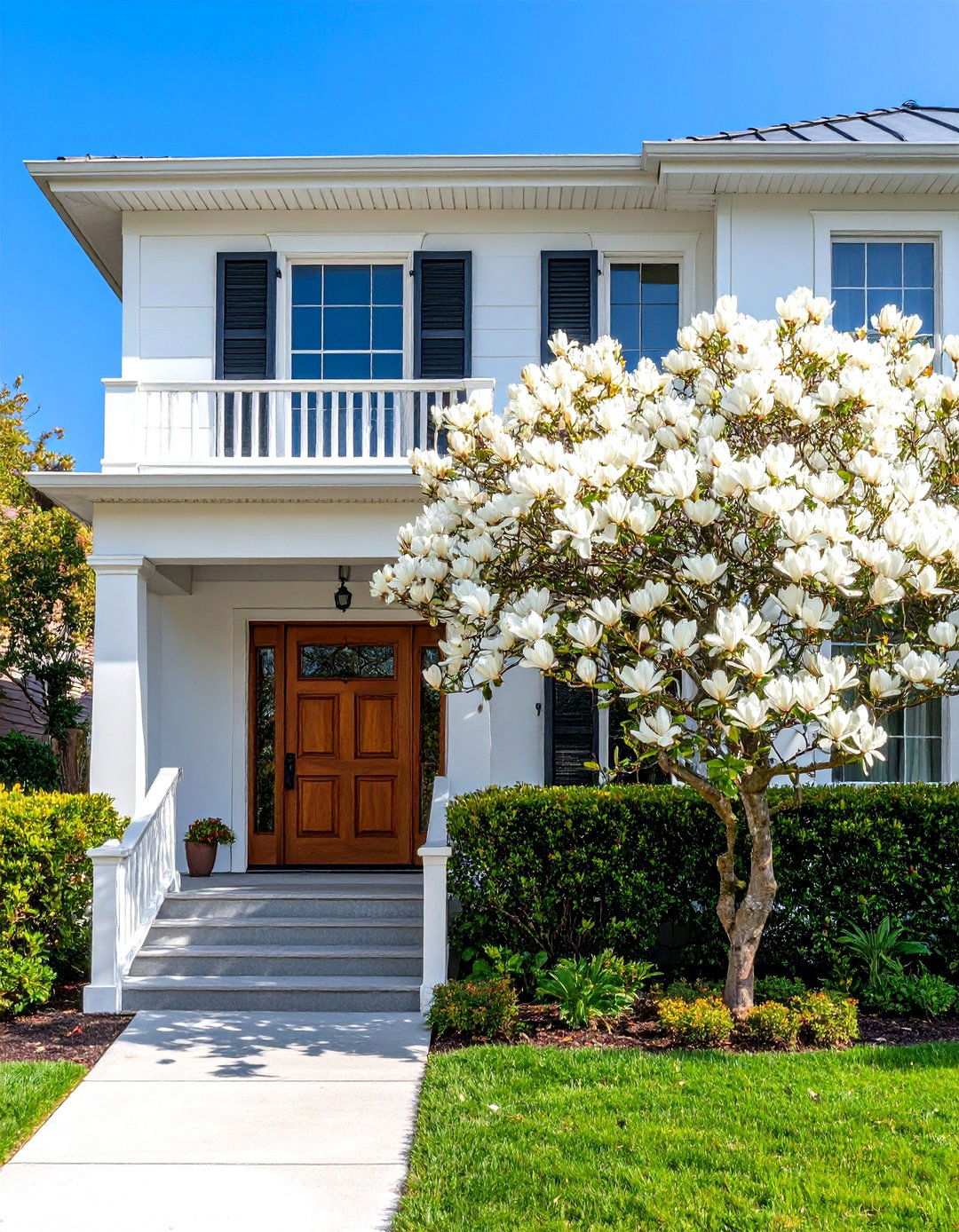
While magnolias are often associated with the Southern United States, their beauty can be enjoyed in any climate with the right tree form. Dwarf magnolias provide a compact alternative to their larger counterparts, making them perfect for smaller gardens and city landscapes. These trees produce an abundance of fragrant flowers in shades of white, pink, and yellow, adding a touch of classic Southern charm to any garden. ‘Jane’ magnolia, for instance, boasts a compact form reaching 10 to 15 feet tall, while ‘Little Gem’ southern magnolia offers evergreen foliage and creamy white blooms in a 20-foot form. The large, glossy leaves of magnolias add a striking texture contrast to mixed plantings, while their slightly acidic soil preferences and minimal pruning requirements make them an attractive choice for gardeners.
8. Year-Round Visual Interest
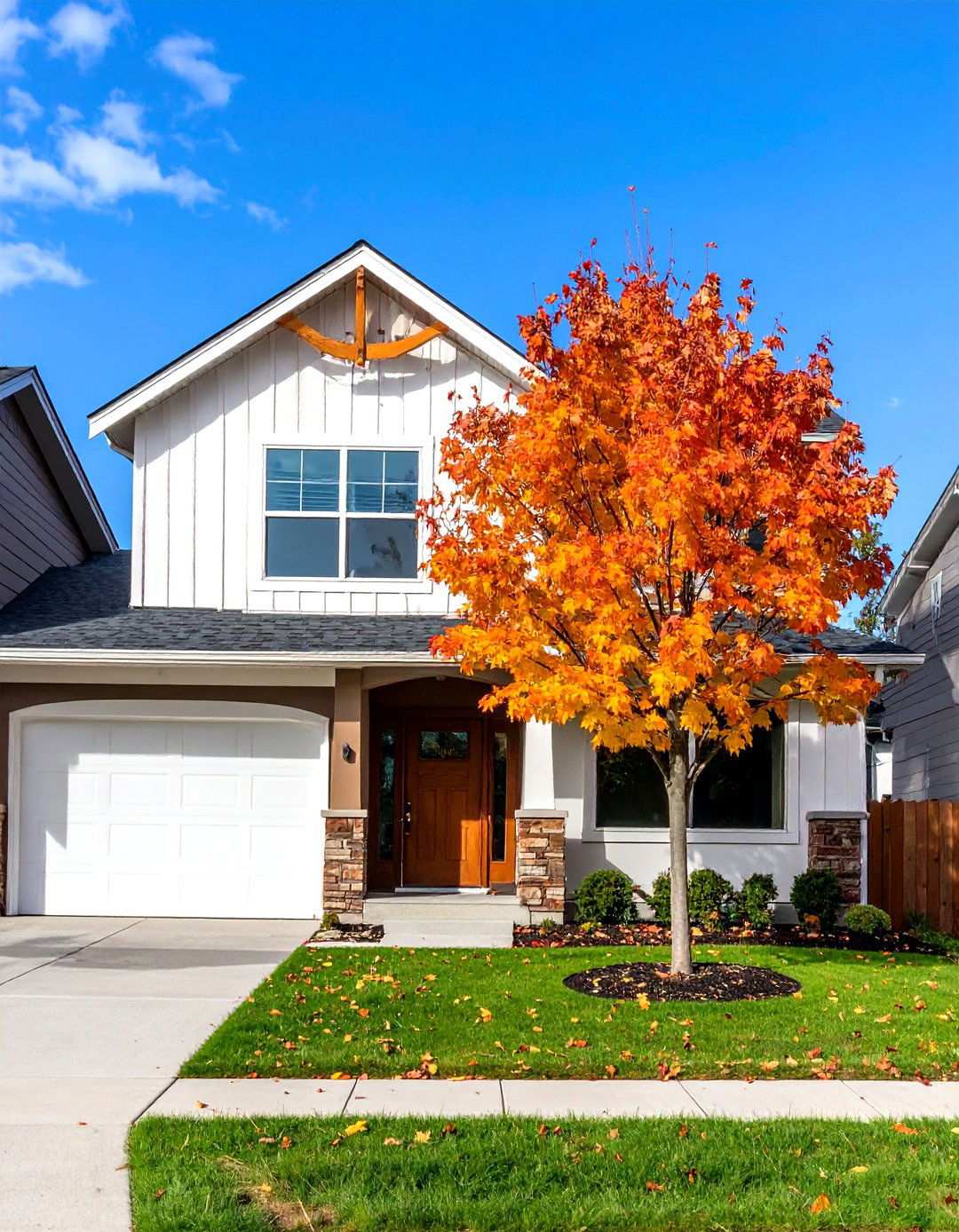
For gardeners seeking a smaller tree that provides year-round visual appeal, paperbark maples are an excellent choice. These slow-growing trees, reaching 20 to 30 feet tall, captivate with their stunning exfoliating bark that peels to reveal a warm, cinnamon-like color beneath. As the seasons change, the three-part leaves of the paperbark maple emerge bronze-red in spring, turn green in summer, and transform to brilliant orange and red in fall. The unique bark of these trees provides a striking winter interest when leaves have fallen. Paperbark maples thrive in partial shade and well-drained soil, tolerating a range of pH levels, and are an excellent choice for Asian-inspired gardens or contemporary landscapes. While slow to establish, the paperbark maple’s distinct beauty and relatively pest-free nature make it a worthwhile investment for gardeners.
9. Masterpiece of Evergreen Symmetry
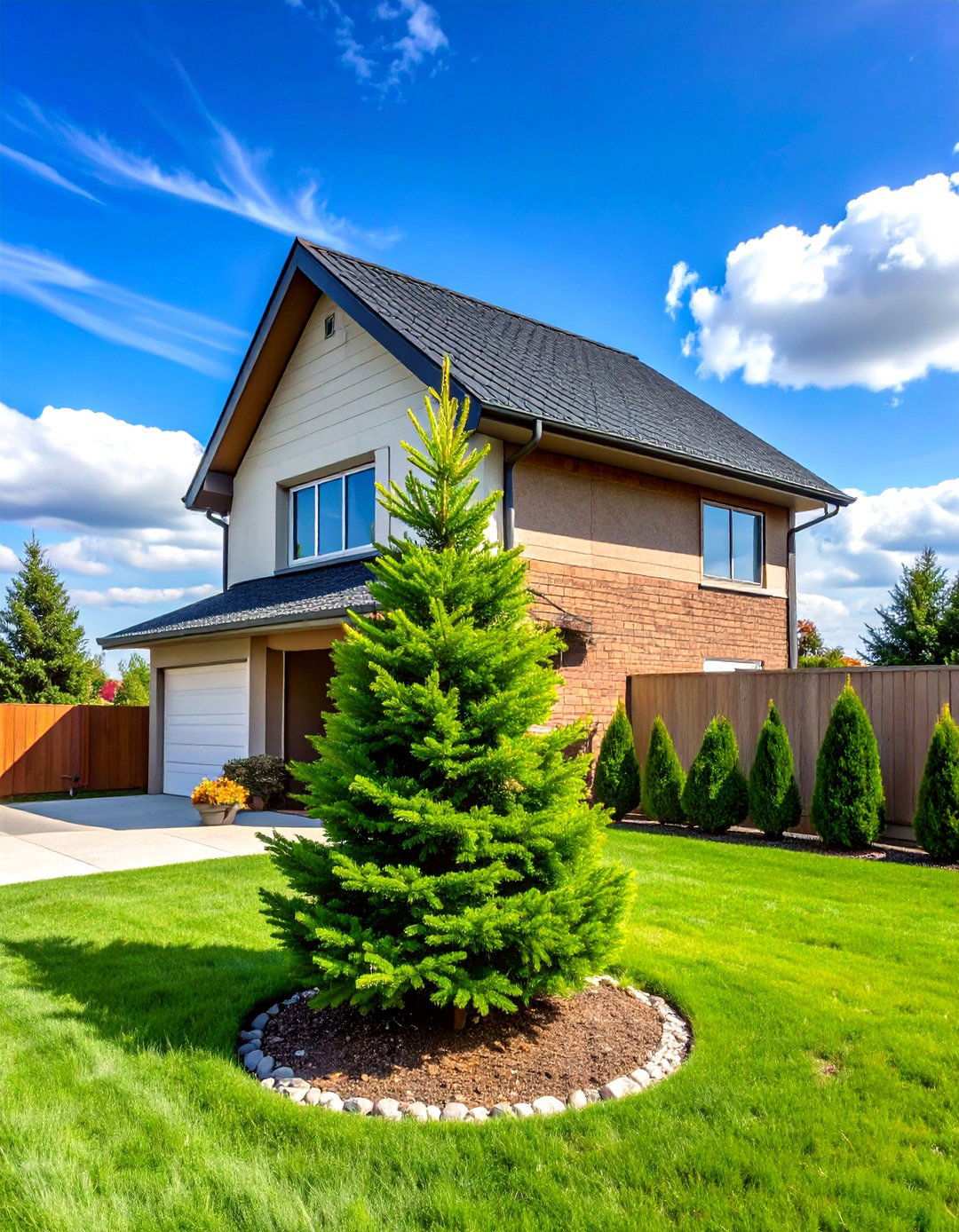
For a touch of perfect harmony and year-round vibrancy, consider the majestic dwarf Alberta spruce. This versatile evergreen boasts a classic Christmas tree shape, naturally compact and effortlessly neat without pruning. Over time, these slow-growing conifers reach a stately height of 10 to 12 feet, making them an ideal choice for smaller front yards. The dense, vibrant green foliage creates a striking contrast with the broader-leaved plants that surround it, while the new spring growth appears as a fresh burst of lime green, adding a pop of color to the evergreen form. Dwarf Alberta spruce trees are remarkably resilient, tolerating extremely cold temperatures and thriving in a range of conditions, from full sun to partial shade. They’re perfect for formal landscapes, foundation plantings, or as accent specimens, requiring minimal maintenance beyond the occasional watering during dry spells and benefiting from some protection from harsh winter winds in exposed locations.
10. Evergreen Versatility at Its Best
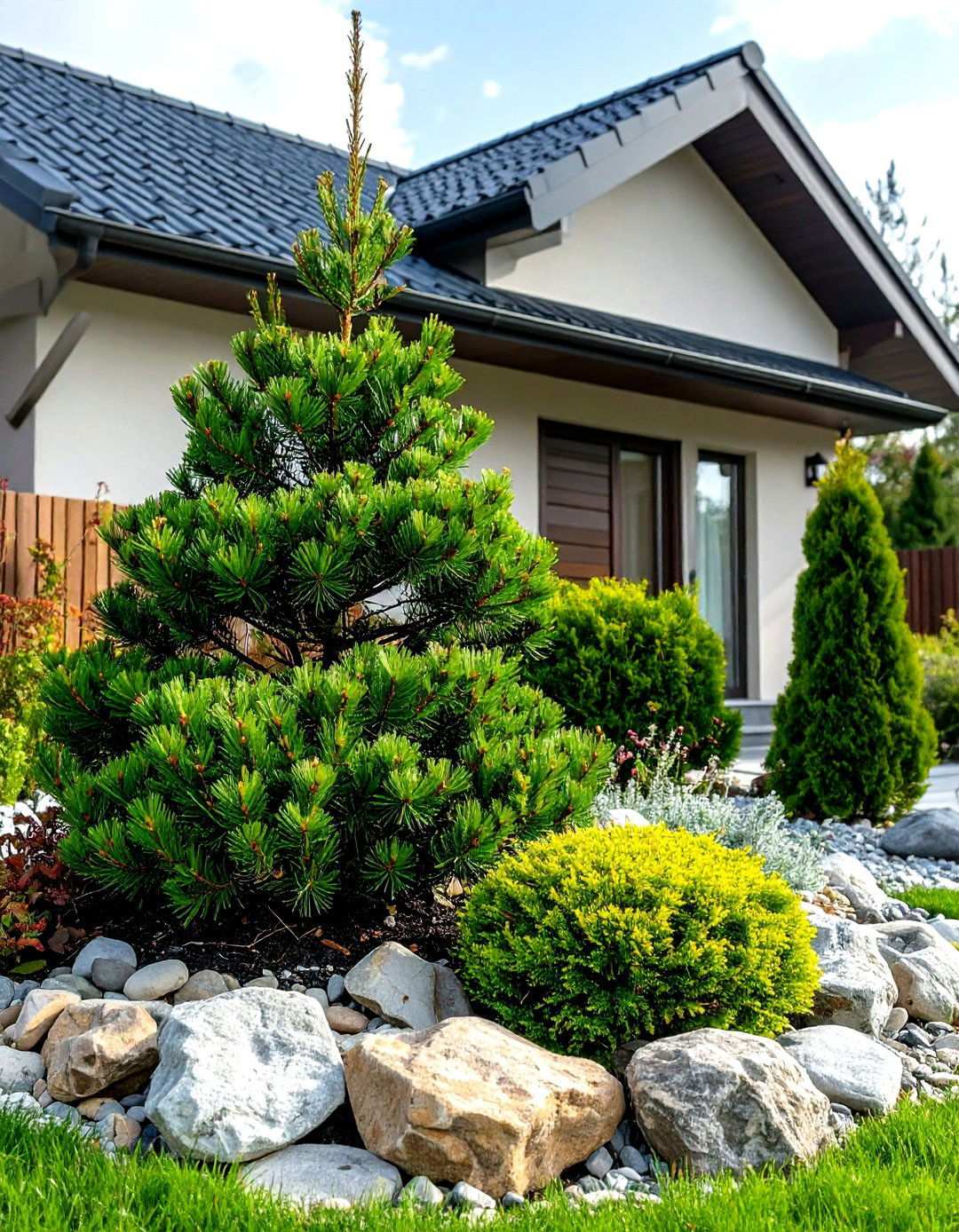
Mugo pines are a testament to the incredible versatility of evergreen trees, offering an array of options for front yard landscapes. Their compact, mounding growth habits make them an excellent choice for smaller spaces, while their adaptability to various conditions ensures they’ll thrive in even the most challenging sites. These hardy conifers typically grow between 3 to 20 feet tall, depending on the specific variety, with dwarf forms ideal for tight spots. The dark green needles maintain their color year-round, creating a stunning backdrop for the dense branching that adds attractive sculptural forms to the landscape. Mugo pines are remarkably resilient, tolerating poor soils, drought conditions, and urban pollution, making them an excellent choice for areas with challenging conditions. They work well as foundation plants, in rock gardens, or as specimen trees, and popular varieties like ‘Mops’ and ‘Slowmound’ offer unique growth habits to suit different landscapes.
11. Majestic Beauty in Compact Form
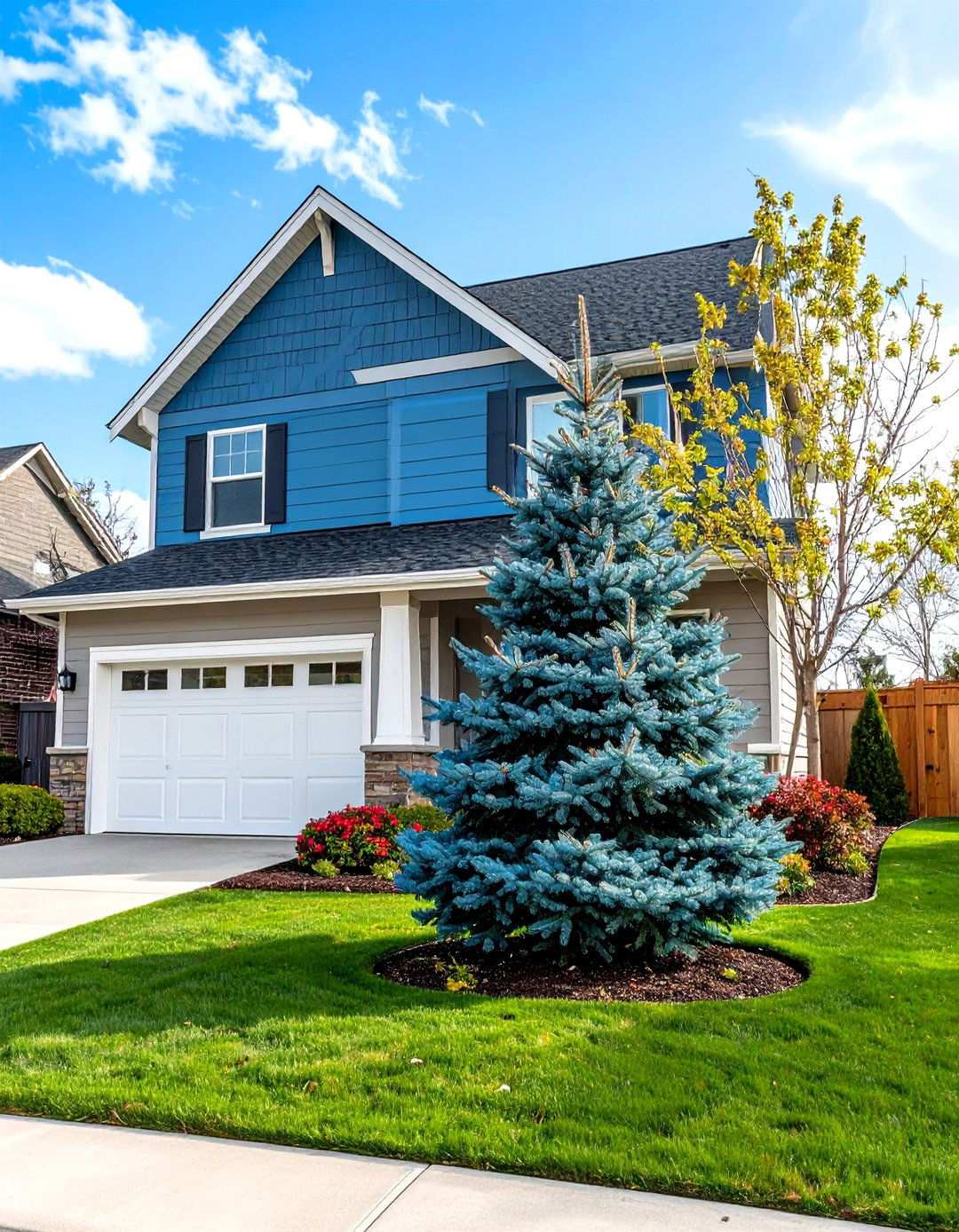
For those who desire the striking beauty of Colorado spruce in a more manageable size, dwarf blue spruce varieties offer the perfect solution. These slow-growing evergreens typically reach 6 to 15 feet tall, creating stunning focal points with their unique color and form. The stiff, sharp needles reflect light beautifully, appearing almost silver in bright sunlight, and popular varieties like ‘Globosa’ and ‘Montgomery’ offer unique growth habits to suit different landscapes. Blue spruces prefer full sun and well-drained soil, tolerating a range of pH levels, and are exceptionally cold-hardy and drought-tolerant once established. These trees require minimal maintenance and provide excellent contrast when planted near darker evergreens or deciduous trees with different textures, adding a touch of sophistication to even the most formal landscapes.
12. Architectural Italian Cypress Trees
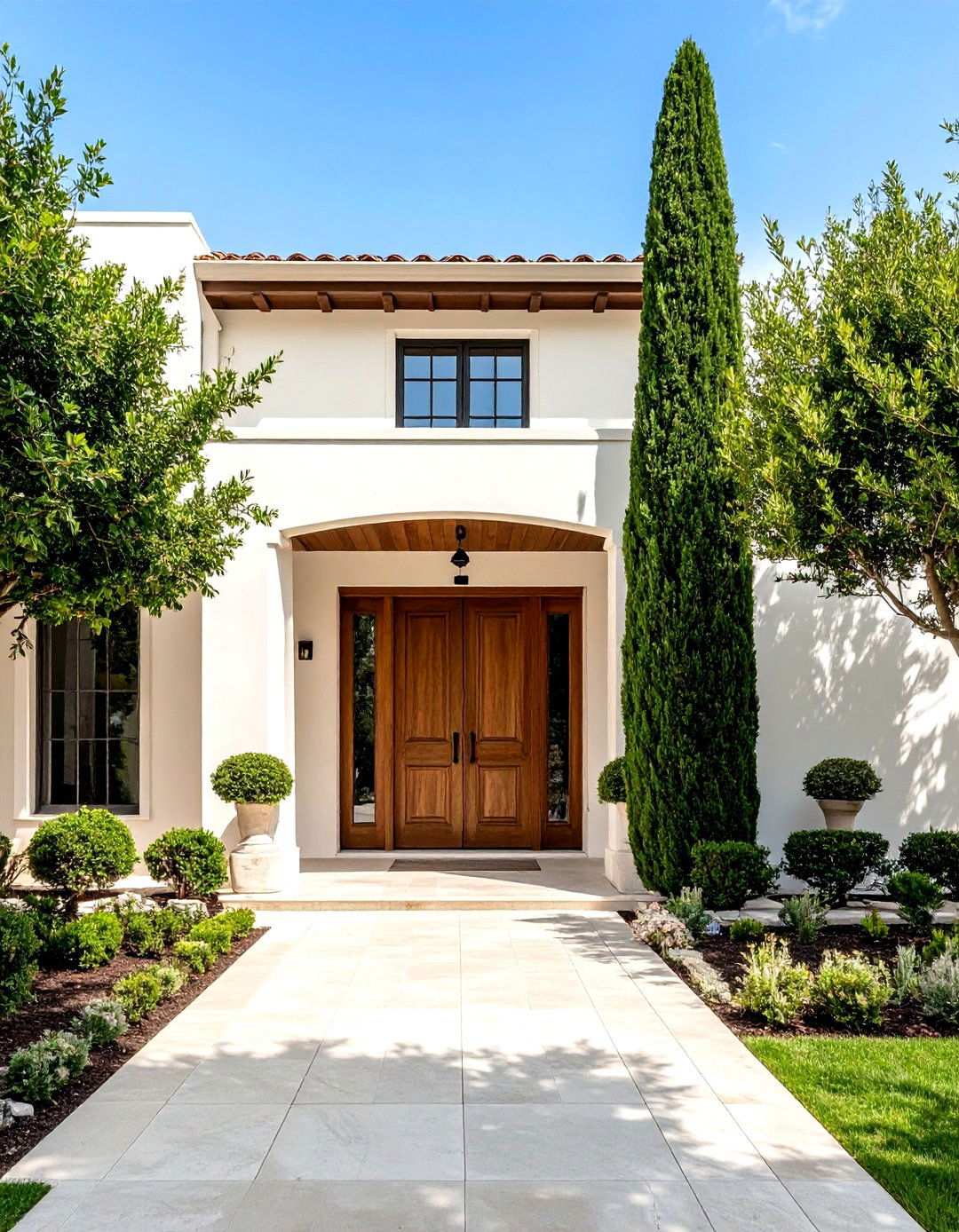
Do you want to create a dramatic vertical accent without taking up too much space in your landscape? Italian cypress trees can help you achieve this with their striking, columnar growth habit that adds visual interest to any outdoor space. These evergreen trees can reach impressive heights of 25 to 40 feet but remain remarkably narrow, spanning only 3 to 6 feet in width. This unique combination makes them ideal for tight spaces or formal garden designs where every inch counts. The dark green, scale-like foliage creates a beautiful texture and remains attractive throughout the year, adding to their appeal. Italian cypress trees look stunning as a single specimen, in pairs flanking entrances, or in rows creating a sense of seclusion. They thrive in full sun and well-drained soil, tolerating drought conditions once established. These Mediterranean natives bring a formal, elegant appearance to landscapes and complement both traditional and contemporary home styles while requiring minimal maintenance.
13. Diverse Juniper Tree Collection
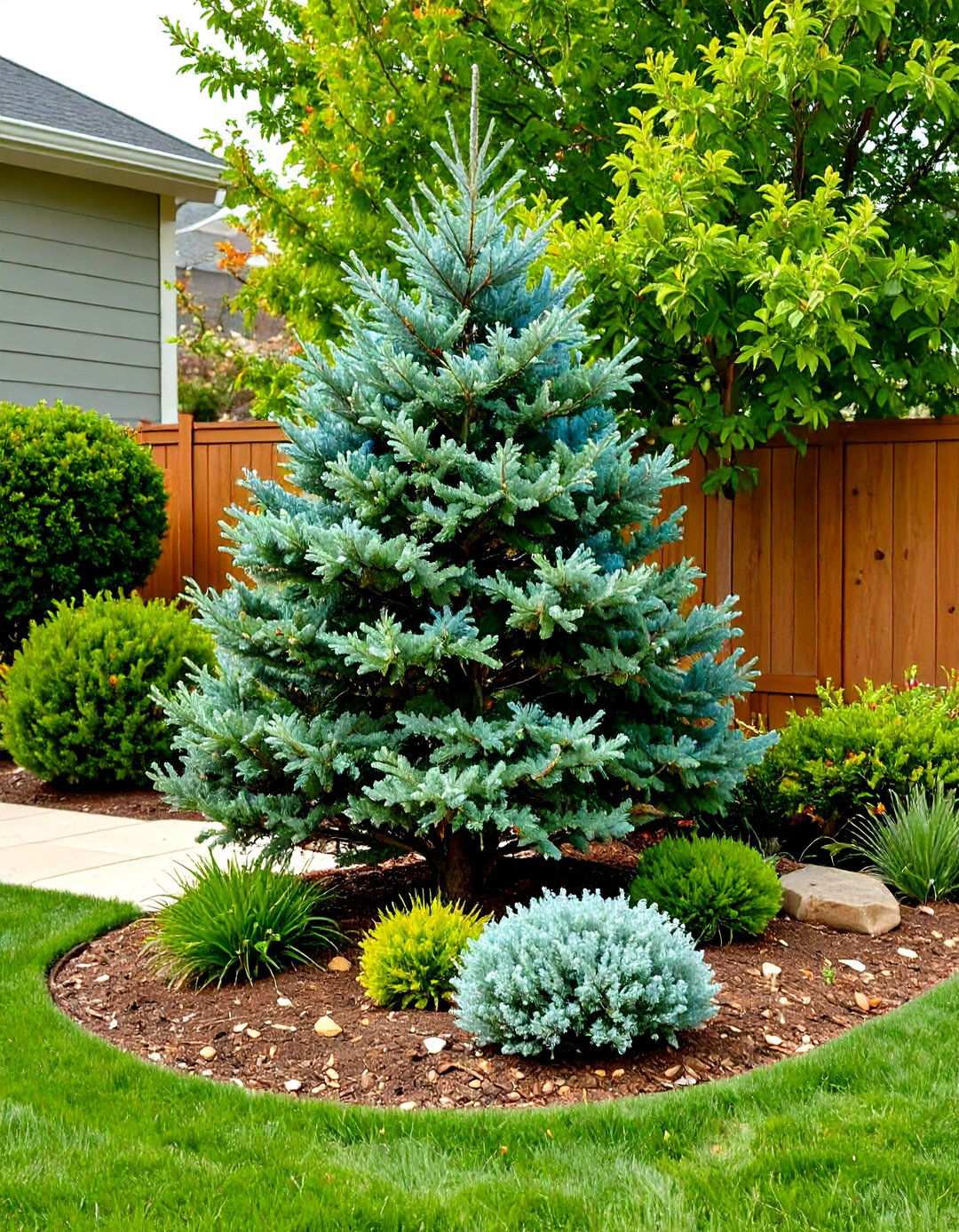
Want to add evergreen beauty with interesting forms and colors to your front yard landscape? Juniper trees offer an incredible range of diversity in size, shape, and foliage color, making them perfect for a wide variety of design styles. These adaptable conifers range from spreading groundcover forms to upright trees, with most small varieties growing 6 to 15 feet tall. Foliage colors include traditional green, blue-green, gold, and silver, often changing intensity with the seasons. Popular upright varieties include ‘Skyrocket’, which boasts a narrow form, and ‘Spartan’, featuring dense, pyramidal growth. Junipers are incredibly resilient, tolerating poor soils, drought, and urban conditions exceptionally well. They require full sun for optimal color development and rarely need pruning. These versatile evergreens work well in contemporary landscapes, rock gardens, or as foundation plants, providing year-round structure and color.
14. Wildlife-Friendly Serviceberry Trees
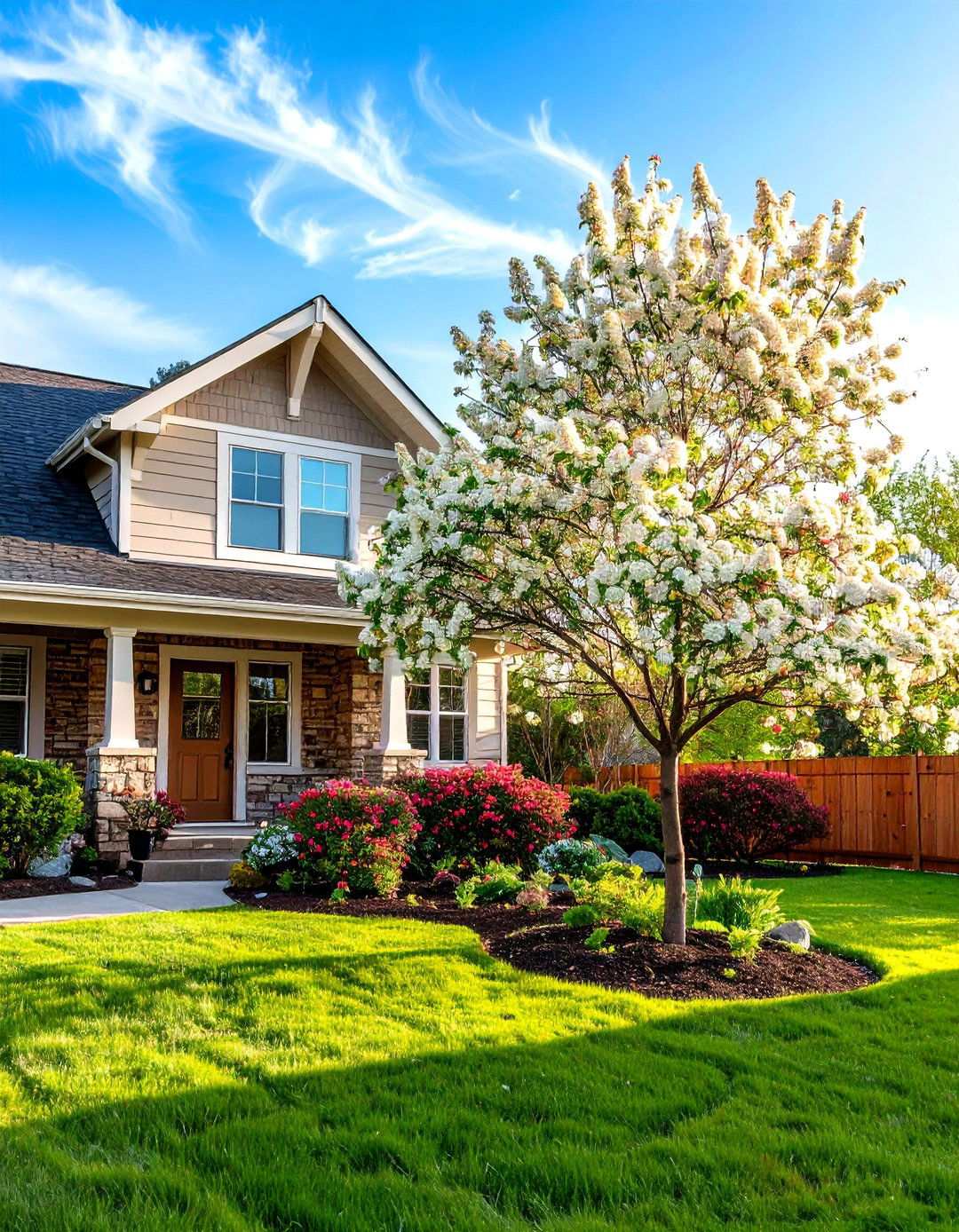
Are you looking for a tree that not only provides ornamental beauty but also supports local wildlife? Serviceberry trees are an excellent choice, offering delicate white spring flowers, edible summer berries, and brilliant fall color in compact forms perfect for front yards. These native trees typically grow 15 to 25 feet tall with multiple trunks creating interesting architectural forms. The early spring flowers appear before most other trees bloom, providing crucial nectar for pollinators. The purple-black berries ripen in early summer, attracting birds while remaining edible for humans in jams and pies. Fall foliage ranges from orange to red, creating stunning seasonal displays. Serviceberries adapt to various soil conditions and tolerate both sun and partial shade. They’re an excellent choice for naturalistic landscapes and require minimal maintenance once established, making them perfect for busy homeowners.
15. Captivating Chaste Tree Options
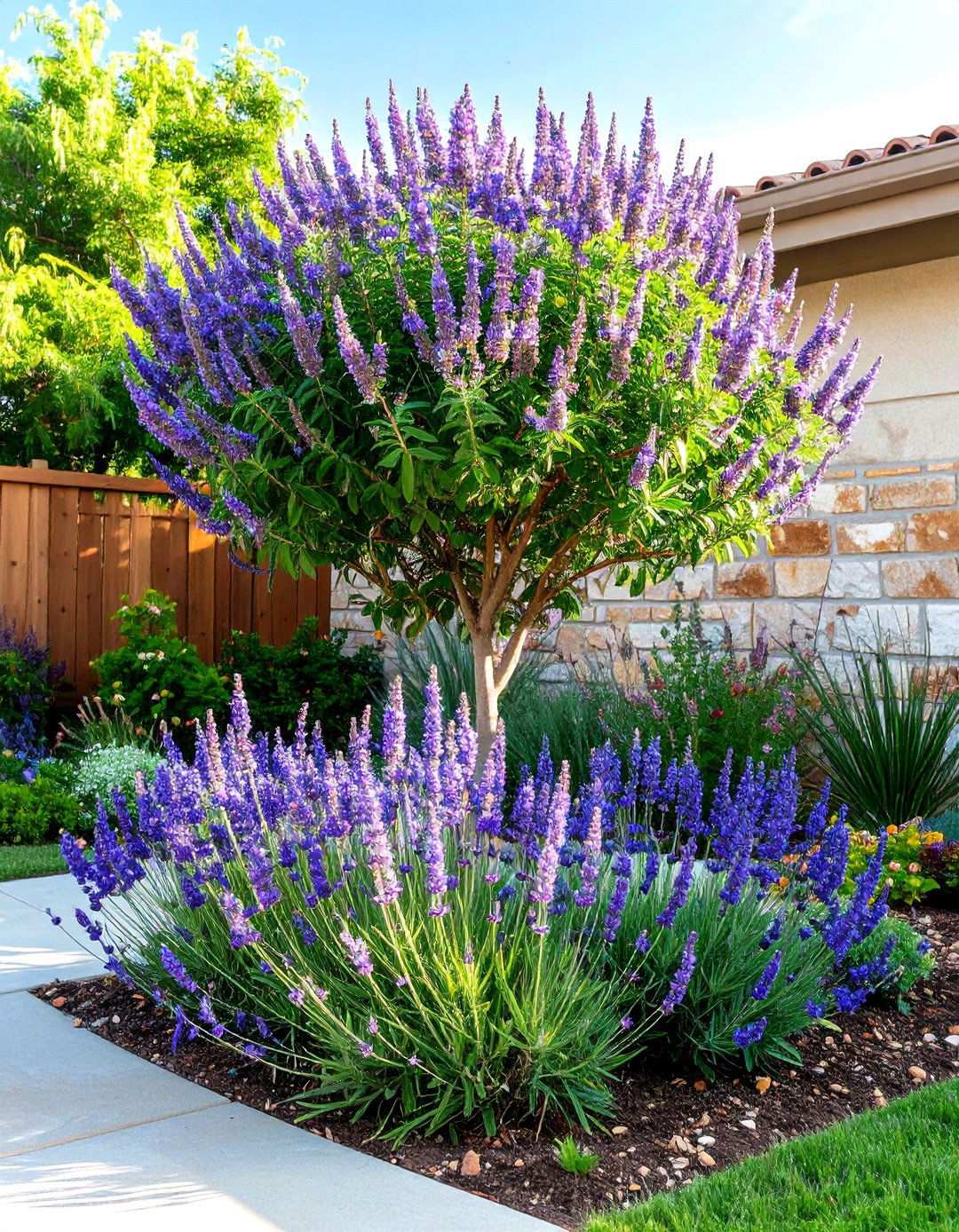
For those seeking a flowering tree that thrives in challenging environments while drawing in a vibrant array of butterflies, look no further than the chaste tree. This stunning tree showcases its fragrant spikes of purple, blue, or white blooms from summer through fall, creating an enduring spectacle in even the most arid landscapes. With their drought-tolerant nature and airy, open branching structure, these trees typically reach heights of 10 to 20 feet, featuring aromatic gray-green foliage that adds depth and texture to mixed plantings. The palm-shaped leaves of the chaste tree create a striking visual contrast that complements a wide variety of plant combinations. Chaste trees prefer well-drained soil and full sun, demonstrating remarkable resilience in poor soils and urban conditions. As an excellent choice for xeriscaping and contemporary landscapes, these trees not only endure challenging environments but also attract beneficial insects and butterflies throughout the growing season. With their fast growth rate and ability to thrive in adverse conditions, chaste trees establish quickly and respond well to heavy pruning in late winter, allowing for a continuous display of blooms on new wood each year.
16. Compact Delights: Dwarf Apple Trees
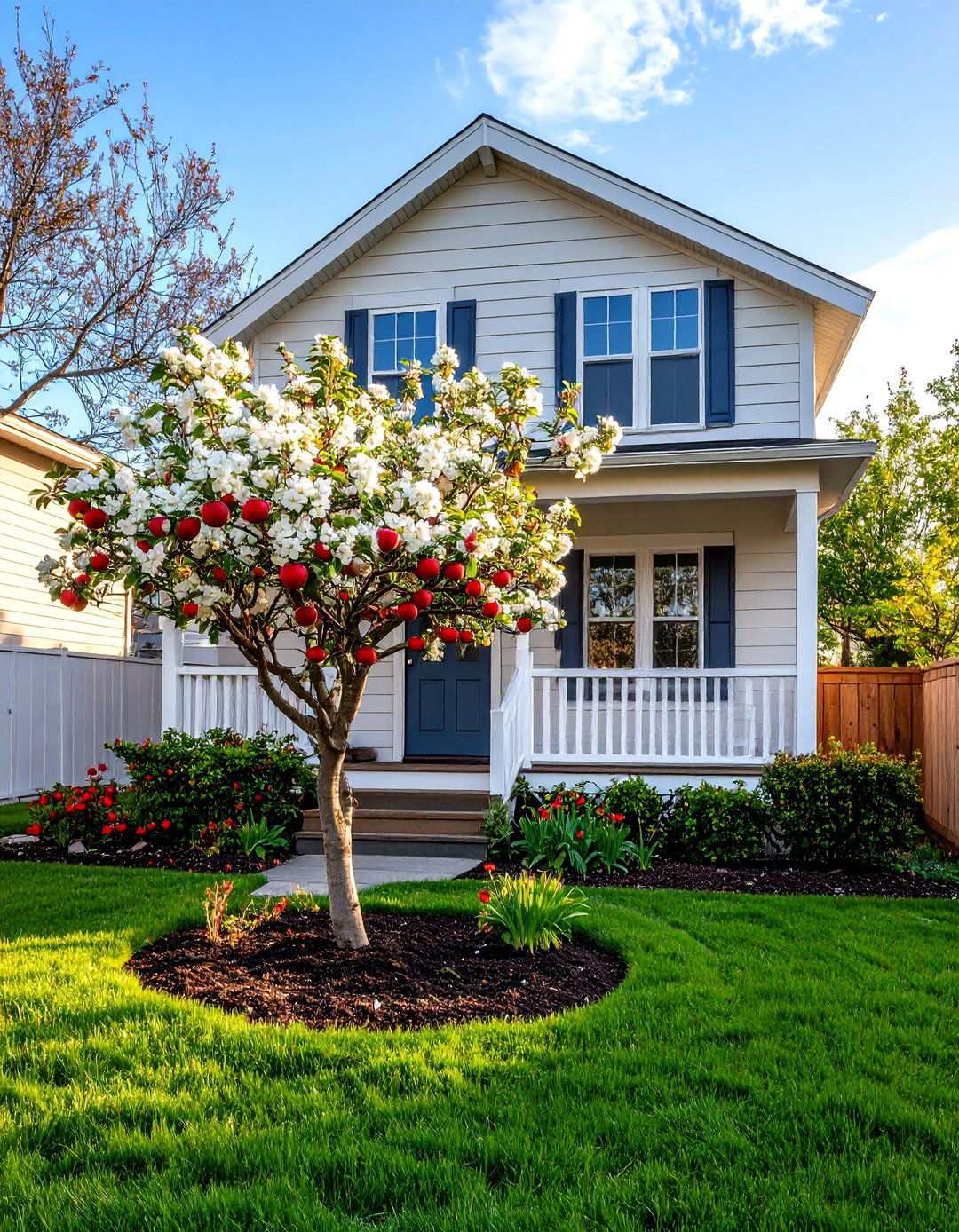
Imagine transforming your front yard into a picturesque haven that provides both visual appeal and a bountiful harvest. Dwarf apple trees offer a unique combination of spring blossoms, summer shade, and fall fruit in compact forms that are perfect for ornamental landscapes. Typically growing 8 to 12 feet tall, these grafted trees produce full-sized apples on smaller trees, making them an ideal choice for homeowners with limited space. Popular varieties like ‘Honeycrisp,’ ‘Gala,’ and ‘Fuji’ are now available in dwarf forms, offering a range of delicious options for every taste. As the spring flowers bloom, they attract a variety of pollinators, creating a beautiful display of white and pink hues. Dwarf apple trees require full sun and well-drained soil, with regular watering necessary during fruit development. Many varieties also benefit from cross-pollination with another apple variety to ensure optimal fruit production. By training these trees to grow against walls or fences, you can create a unique and edible garden art feature. Regular pruning not only maintains the tree’s shape but also promotes healthy fruit production and keeps the tree at a manageable height.
17. Bringing a Taste of the Mediterranean to Your Backyard: Dwarf Fig Trees
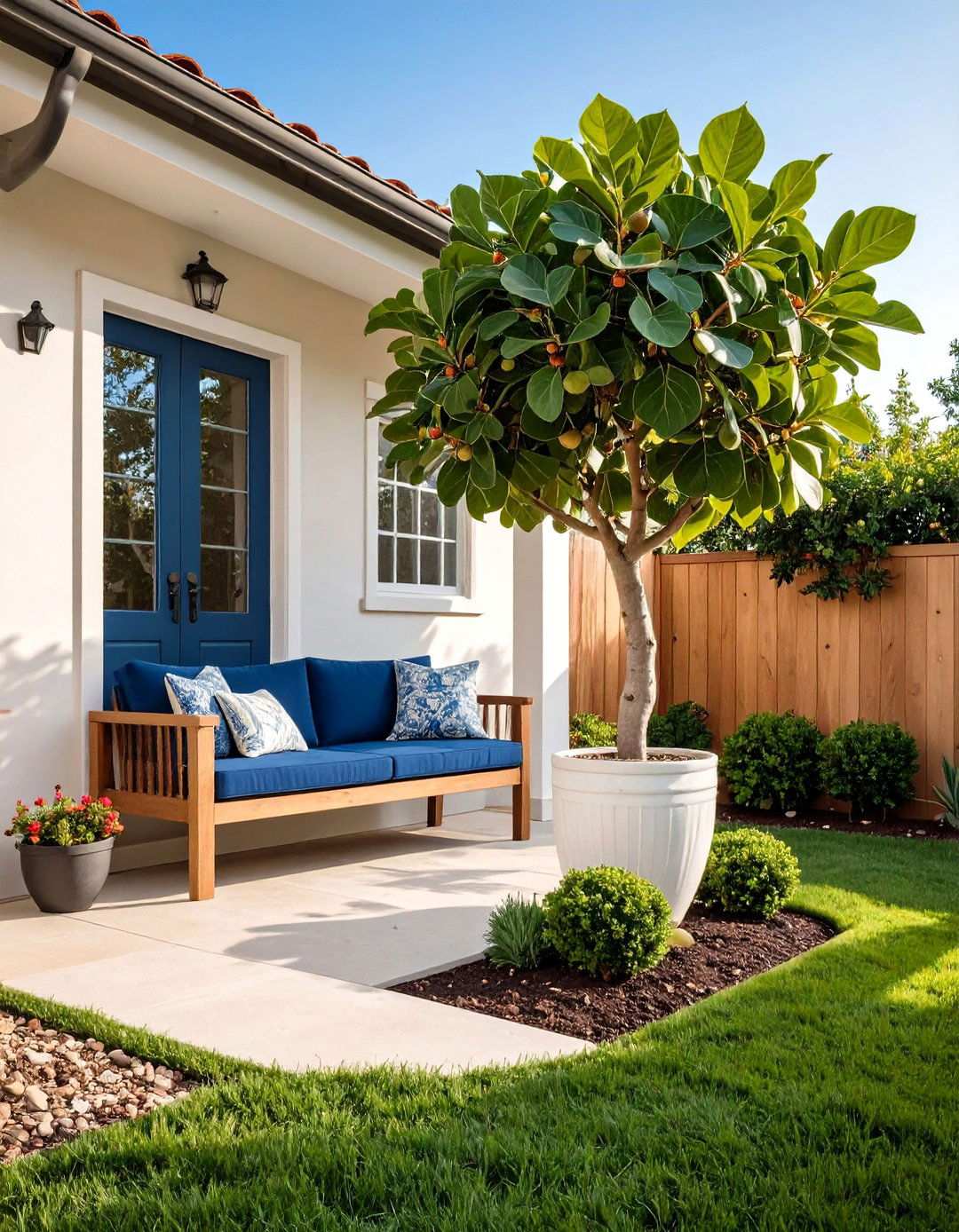
For those looking to add a touch of Mediterranean charm to their northern climates, dwarf fig trees are an excellent choice. These compact trees offer the exotic appeal of fresh figs in easy-to-manage forms, making them perfect for containers or small garden spaces. Typically growing 6 to 10 feet tall, dwarf fig trees produce two crops annually in favorable climates, providing a constant supply of fresh, delicious fruit. Varieties like ‘Chicago Hardy’ and ‘Celeste’ have proven to be more cold-tolerant than traditional figs, making them an excellent choice for gardeners in cooler regions. The large, lobed leaves of the dwarf fig tree create a stunning display of tropical-looking foliage throughout the summer months. With their exceptional flavor and limited availability in stores, fresh figs from your own backyard are a true delight. Dwarf fig trees prefer full sun and well-drained soil, benefiting from protection from harsh winter winds. In colder climates, container growing allows for winter protection indoors, ensuring the tree’s survival and continued fruit production. With their fast establishment and ability to begin producing fruit within a few years of planting, dwarf fig trees provide both ornamental and edible value to any garden.
18. Unveiling the Persimmon Tree's Hidden Charm
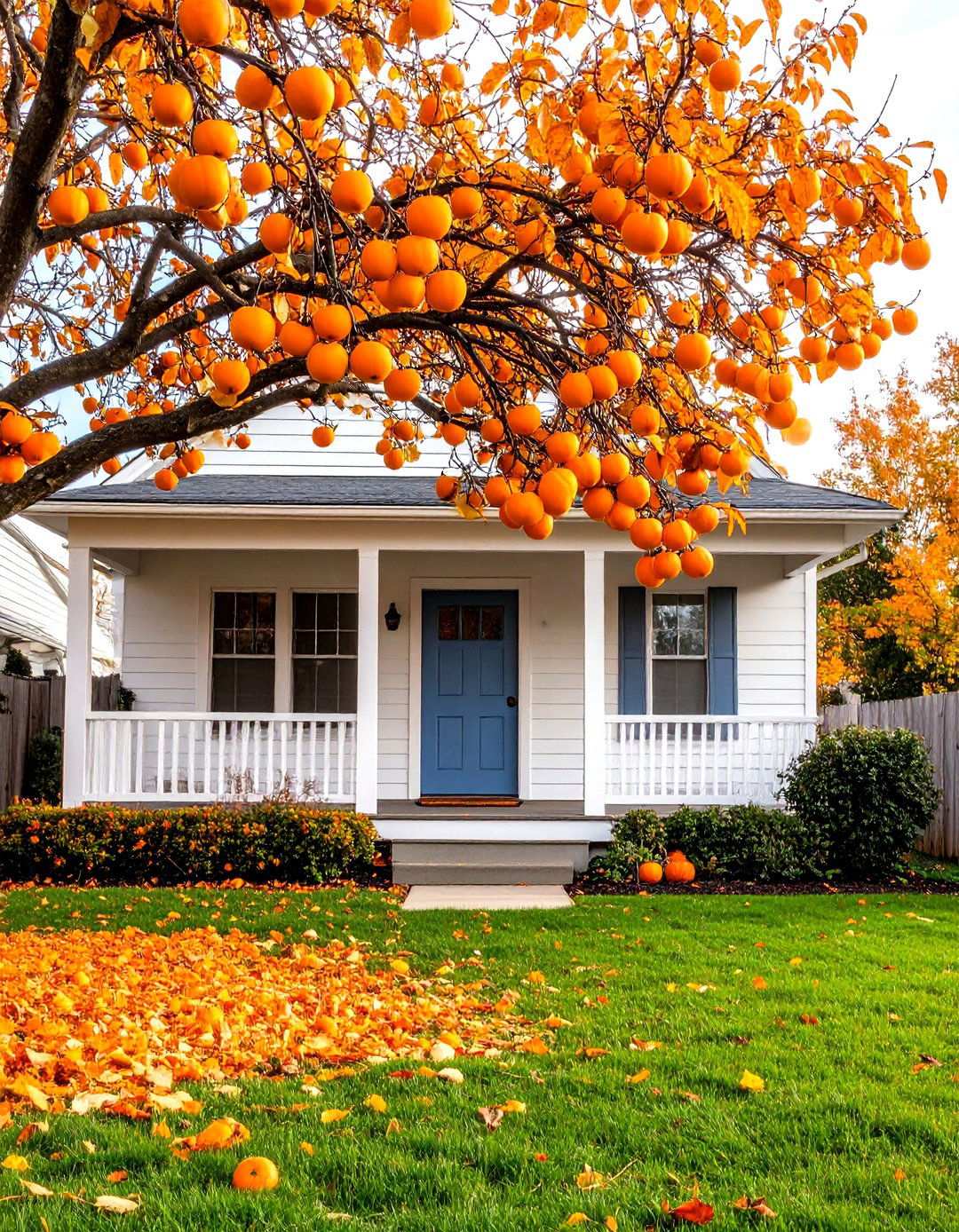
If you’re looking to add a touch of late-season color and unique fruit to your landscape, persimmon trees are an ideal choice. These remarkable trees boast stunning fall foliage and distinctive orange fruits that persist long after the leaves drop, creating breathtaking winter displays. Typically growing 20 to 30 feet tall with spreading canopies and attractive gray bark, persimmon trees are a sight to behold. The glossy, dark green leaves transform into brilliant shades of orange and red in the fall, revealing the bright orange fruits that hang like ornaments. With their adaptability to various soil conditions, American persimmons are a great choice, while Asian varieties prefer well-drained sites. As the sweet fruits ripen in late fall, they provide a unique flavor experience for fresh eating or preserving. Popular varieties include ‘Fuyu’, known for its non-astringent fruit, and ‘Hachiya’, which boasts large, sweet persimmons. These low-maintenance trees not only provide exceptional ornamental value throughout multiple seasons but also support local wildlife.
19. Hydrangea Trees: The Perfect Focal Point
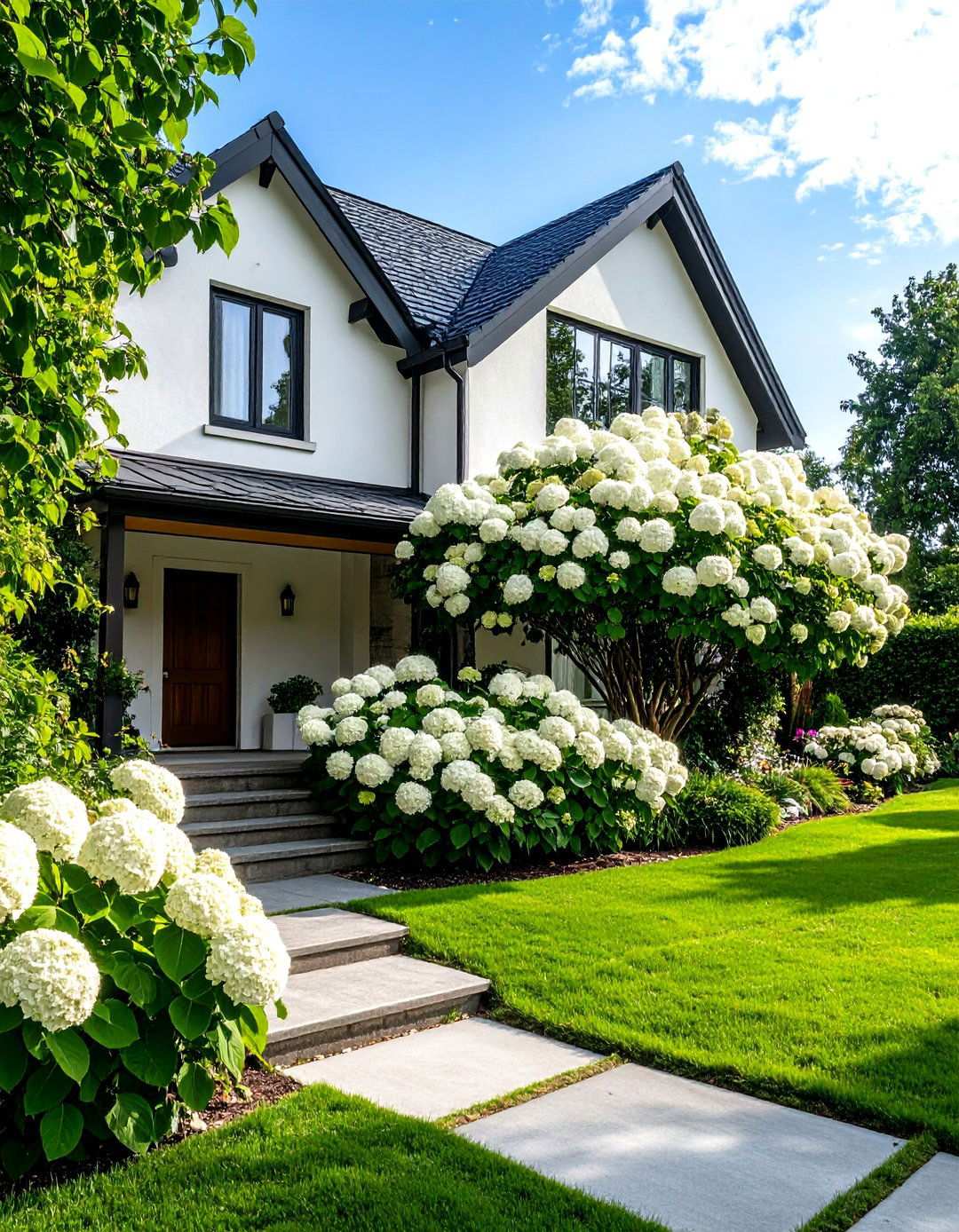
Why settle for a traditional shrub when you can create a striking tree form that serves as a front yard focal point? Hydrangea trees are a masterpiece of horticulture, combining the beloved flowers of traditional hydrangeas with single-trunk tree forms. Typically reaching 6 to 8 feet tall, these trained plants produce large flower clusters that bloom from summer through fall. Varieties like ‘Limelight’ showcase white flowers that mature into a beautiful pink hue, while ‘Vanilla Strawberry’ features white blooms that transition into pink and red. The large flower heads create a dramatic display that lasts for months, while the coarse-textured leaves provide substantial foliage impact. Hydrangea trees thrive in partial shade and consistent moisture, adapting to various soil types. They’re an excellent choice for foundation plantings or small garden spaces where year-round structure and summer color are desired. With minimal pruning required, these low-maintenance trees provide exceptional seasonal interest.
20. The Art of Weeping Cherry Trees
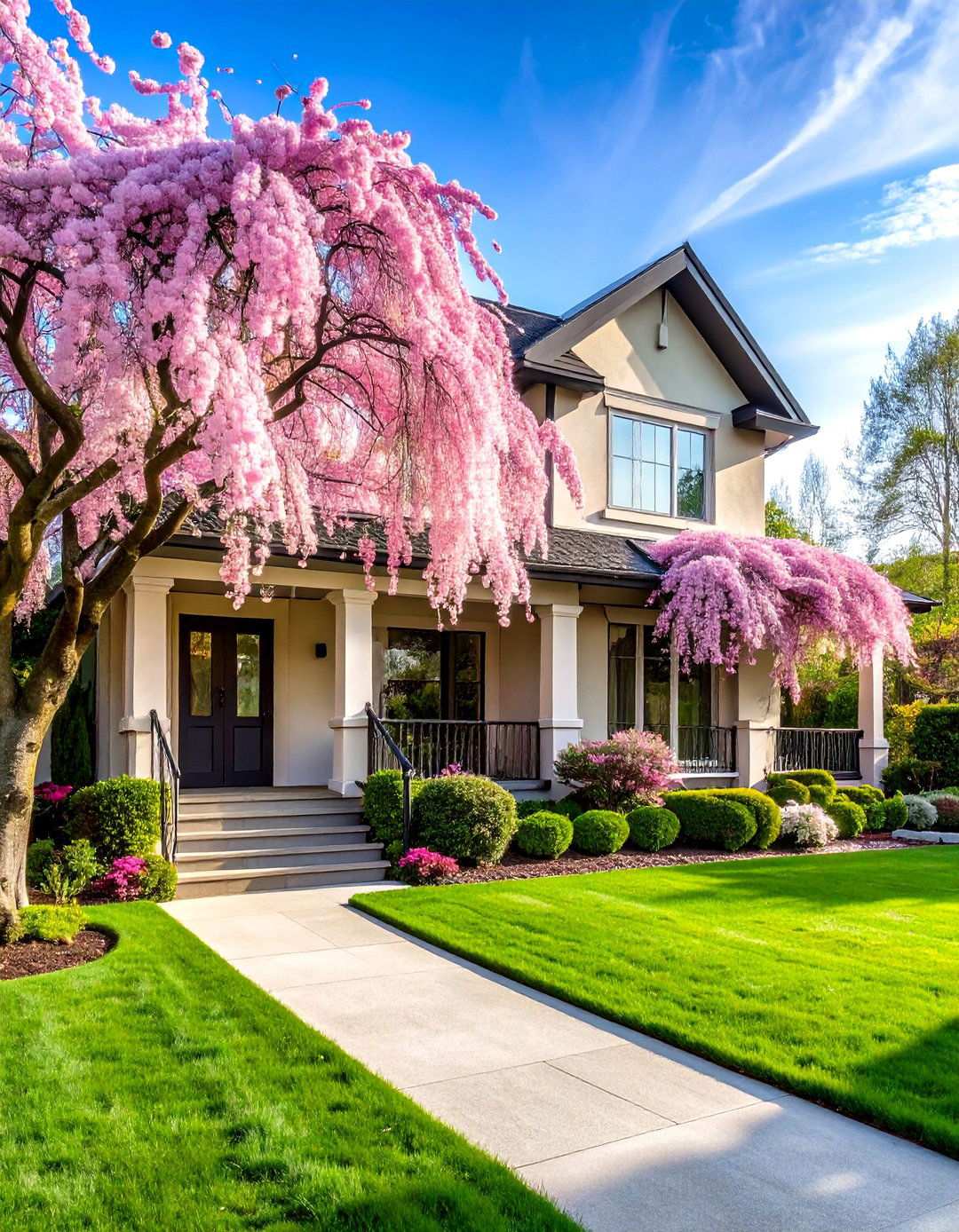
Imagine a tree that creates dramatic sculptural impact while maintaining a compact size – that’s what weeping cherry trees have to offer. These stunning trees feature graceful, cascading branches covered in spring blossoms, creating living sculptures that are perfect for front yard focal points. Typically growing 8 to 15 feet tall with wide-spreading, pendulous branches that may touch the ground, weeping cherry trees are a sight to behold. Varieties like ‘Snow Fountains’ boast white flowers, while ‘Pink Snow Showers’ features delicate pink blooms. The weeping form provides year-round architectural interest, while spring flowers create breathtaking displays. Weeping cherry trees prefer full sun and well-drained soil, adapting to various pH levels. They work exceptionally well as specimen plants in lawn areas or near patios where their form can be appreciated from multiple angles. Regular pruning maintains shape and removes any damaged branches while preserving the natural weeping characteristics.
21. Hawthorn Tree Varieties
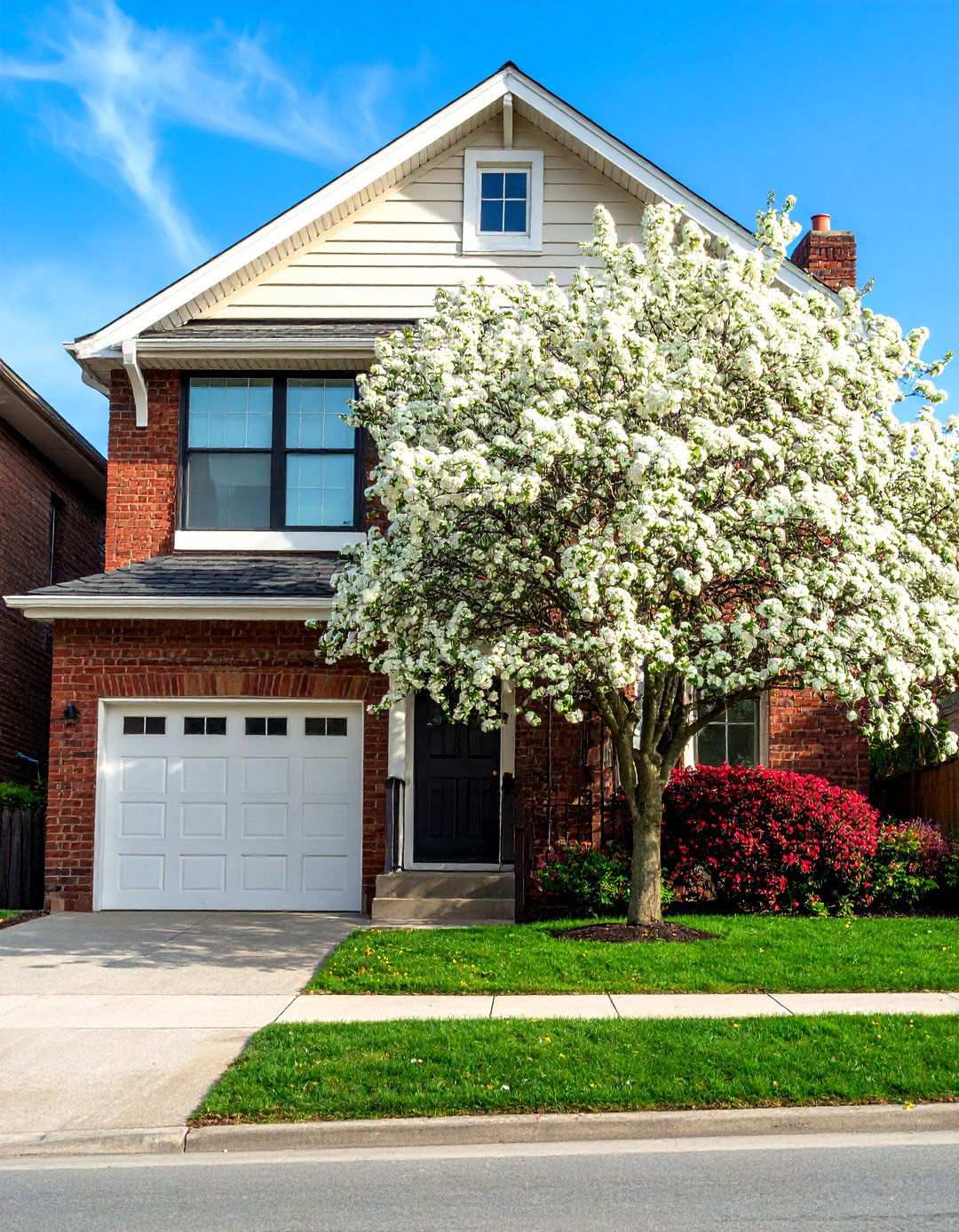
Seeking a resilient tree that thrives in urban environments and showcases vibrant spring flowers, hawthorn trees are an excellent choice. These trees produce clusters of white, pink, or red blooms in the spring, followed by small fruits that attract a variety of bird species throughout the fall and winter months. Their dense, thorny branches create engaging winter silhouettes, while the small, lobed leaves often display a kaleidoscope of autumn colors in shades of orange and red. A notable advantage of hawthorns is their ability to tolerate challenging urban conditions, including air pollution, compacted soils, and road salt. Popular varieties, such as ‘Winter King,’ boast persistent red fruits, while ‘Crimson Cloud’ features stunning red flowers and impressive disease resistance. Once established, these low-maintenance trees require minimal care and provide excellent value by supporting local wildlife while maintaining ornamental appeal throughout multiple seasons.
22. Dwarf Oak Varieties
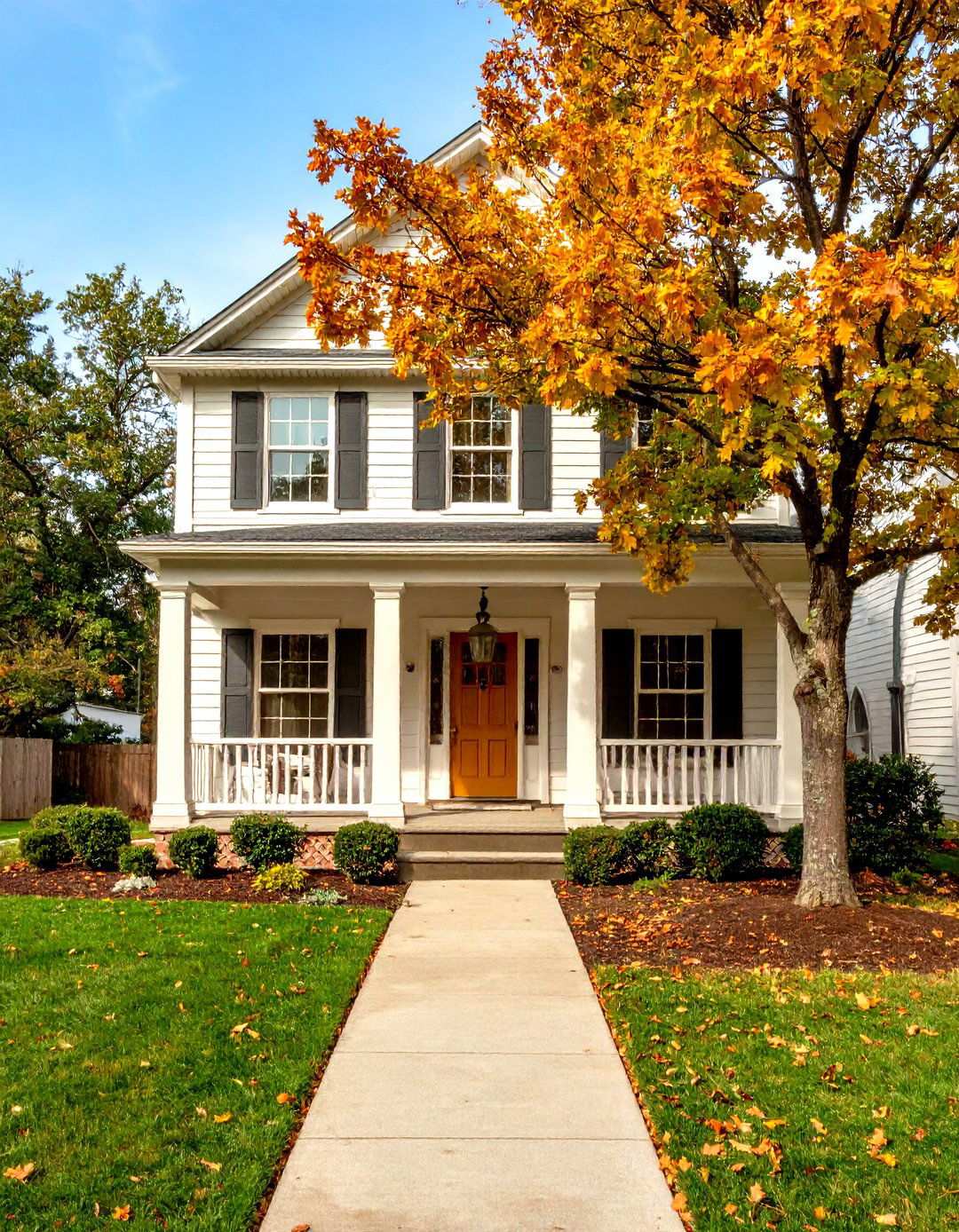
Majestic oak character is often associated with sprawling landscapes, but what about compact forms that bring this grandeur to smaller spaces? Dwarf oak varieties offer the signature strength and character of traditional oak trees in compact, front yard-friendly sizes. These trees typically reach 15 to 25 feet tall, developing the classic oak form with robust branching and distinctive lobed leaves. Varieties like dwarf chinkapin oak produce an abundance of sweet acorns that wildlife adores, all while maintaining manageable sizes. The fall color palette ranges from vibrant yellows to rich bronzes, adding seasonal interest to the landscape. Dwarf oaks prefer full sun and well-drained soil, tolerating various pH levels and urban conditions. They establish slowly but develop into long-lived specimens that enhance property value significantly. These trees require minimal maintenance beyond occasional watering during establishment and provide an ideal habitat for beneficial insects and birds while serving as impressive landscape anchors.
23. Dwarf Pine Collections
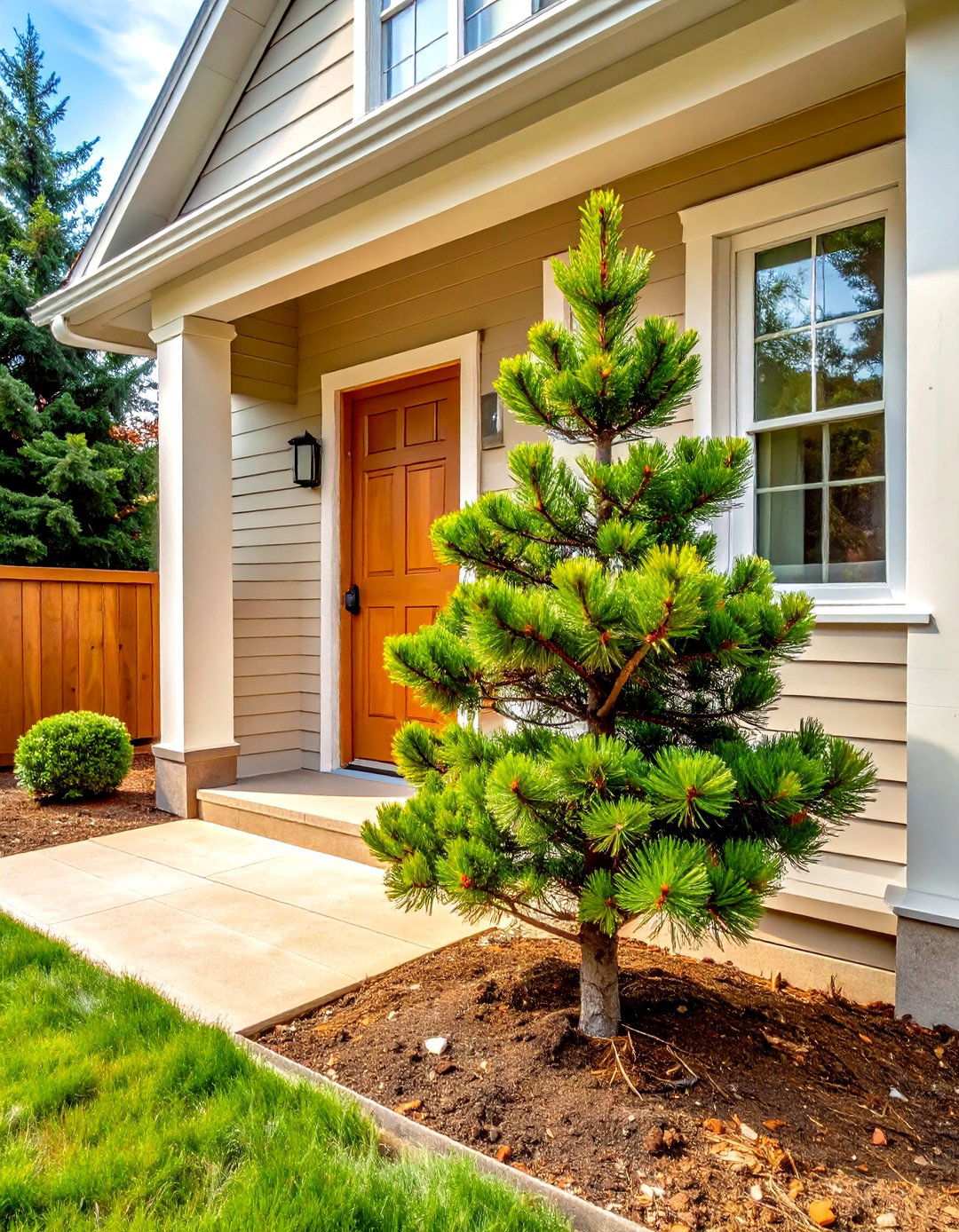
What about evergreen trees that evoke the timeless appeal of pine in compact forms perfect for front yard landscapes? Dwarf pine varieties offer the classic pine character in manageable sizes, making them an attractive option for smaller spaces. These slow-growing conifers typically reach 6 to 15 feet tall, featuring dense branching and attractive needle textures. Popular varieties include dwarf white pine with soft, blue-green needles and dwarf Scots pine featuring attractive orange-brown bark. The evergreen foliage provides year-round color and structure, while the natural growth forms require minimal pruning. Dwarf pines tolerate various soil conditions and prefer full sun to partial shade. They work well in rock gardens, foundation plantings, or as specimen trees, offering an excellent contrast when combined with deciduous trees or broad-leaved evergreens in mixed landscape plantings. These hardy conifers adapt to urban conditions, providing a versatile solution for adding evergreen texture to smaller landscapes.
24. Unlocking Compact Spaces with Dwarf Arborvitae
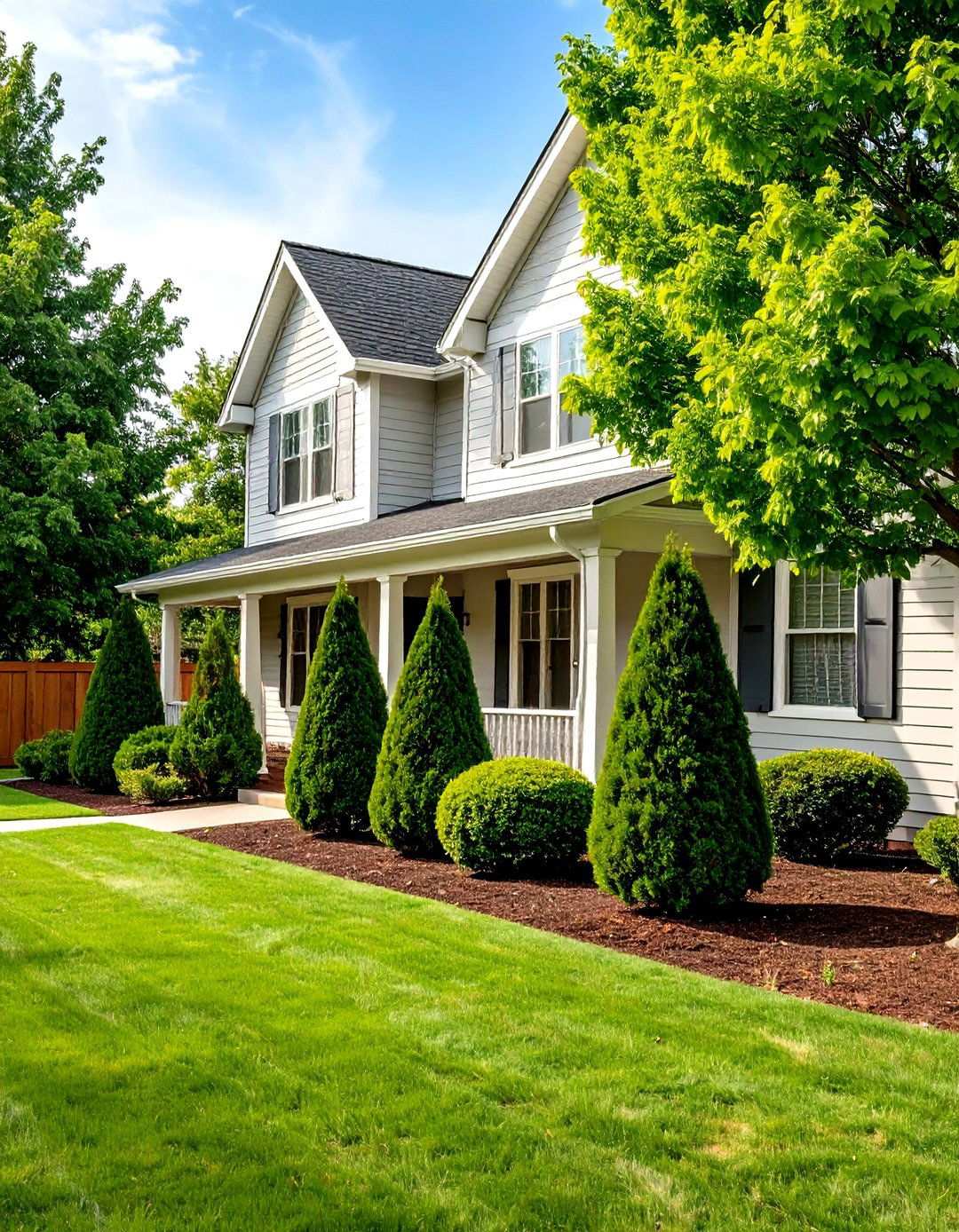
To create a serene atmosphere and year-round visual interest in small areas, consider incorporating dwarf arborvitae varieties into your landscape design. These compact conifers boast the same classic evergreen silhouette and dense foliage as their larger counterparts, making them an ideal choice for front yard applications. With a growth habit that typically reaches 6 to 15 feet tall, these slow-growing trees require minimal maintenance and can thrive in a variety of spaces. Their naturally neat, pyramidal or globe shapes eliminate the need for pruning, allowing you to enjoy their beauty without the hassle.
The scale-like foliage of dwarf arborvitae comes in a range of colors, including vibrant shades of green, gold, and blue-green, which hold their color throughout the winter months. ‘Emerald Green’ is a popular variety, prized for its bright green foliage and narrow form, while ‘Golden Globe’ boasts golden-yellow hues. When it comes to growing conditions, dwarf arborvitae are adaptable, thriving in both full sun and partial shade, as well as well-drained soil with various pH levels. They’re perfect for foundation plantings, formal gardens, or as accent specimens, adding a touch of elegance to any outdoor space. With their quick establishment and immediate impact, these versatile evergreens offer a low-maintenance solution for compact spaces.