1. Timeless Timber Raised Ponds with Natural Elegance
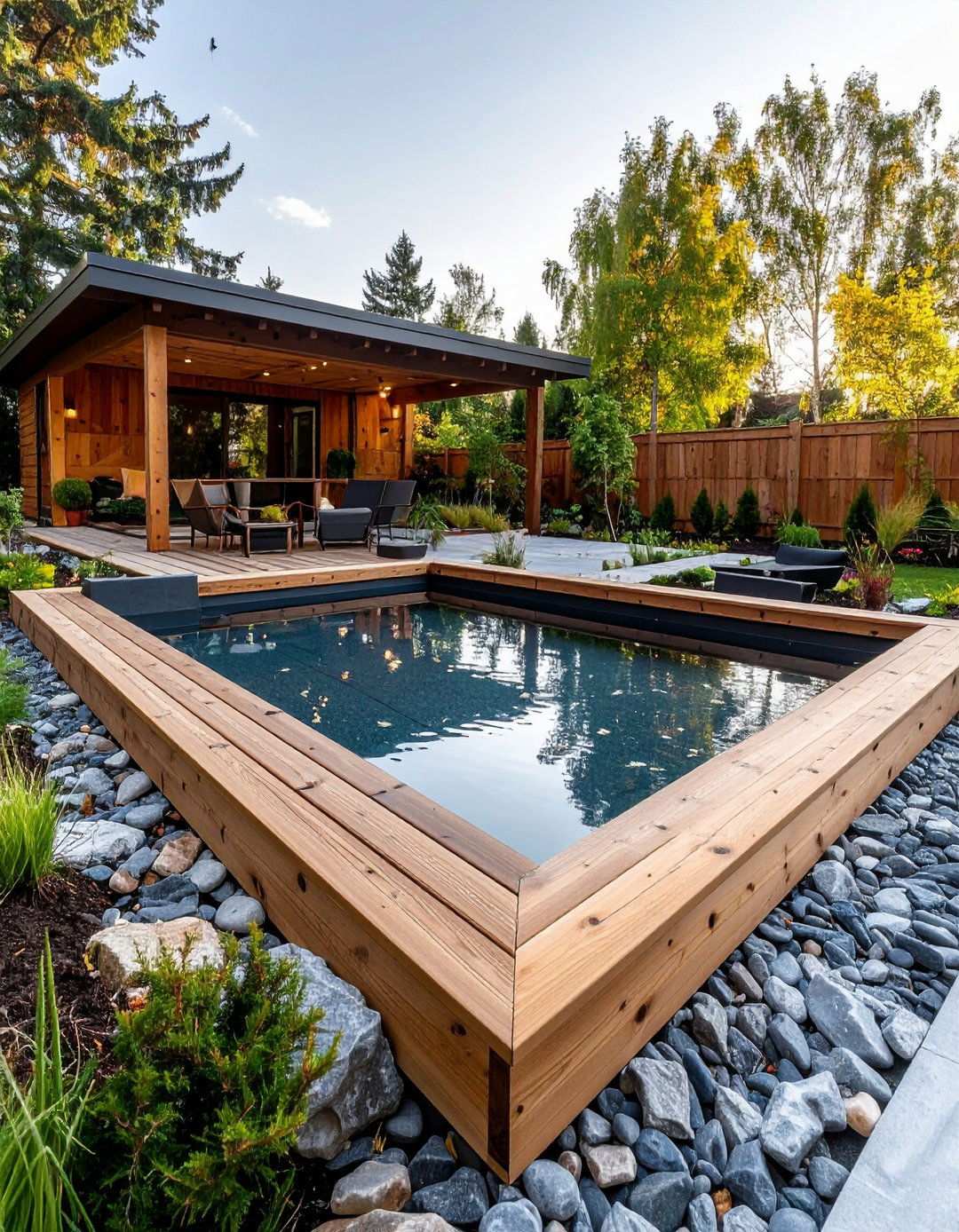
Elevated water gardens are now within reach for homeowners of all backgrounds, thanks to the versatility of raised ponds. These innovative features offer a serene aquatic experience without requiring extensive excavation, making them ideal for compact patios or expansive backyards alike. One of the most attractive aspects of raised ponds is their ease of maintenance, providing safe access for families with children and the flexibility to relocate them if needed. Whether you’re aiming for a rustic, traditional look or a sleek, modern design, raised ponds can seamlessly integrate into any garden style while supporting both ornamental fish and local wildlife.

As an Amazon Associate I earn from qualifying purchases.
2. Hexagonal Raised Ponds with Built-in Seating Areas
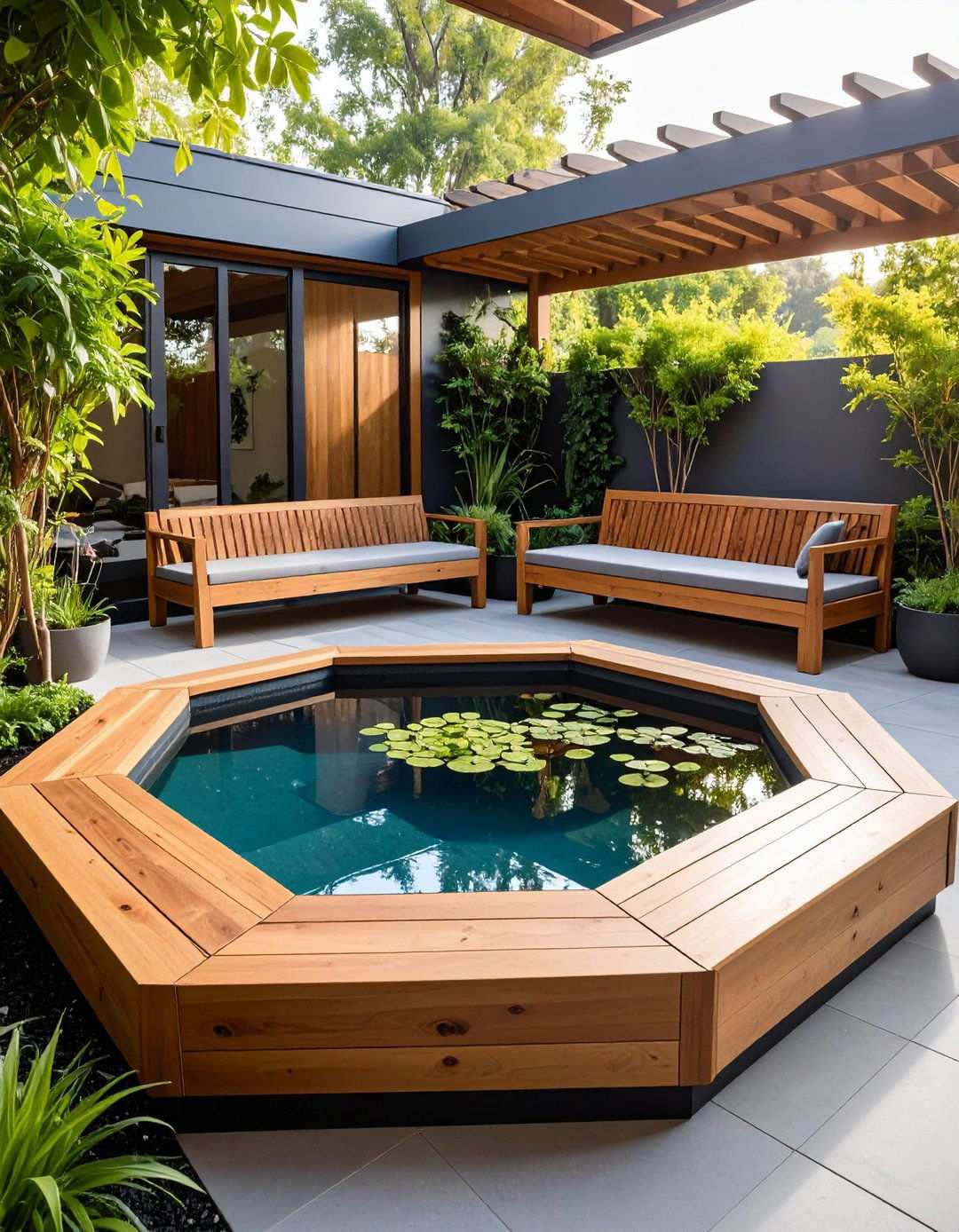
A hexagonal raised pond is an excellent choice for creating a visually striking focal point in your outdoor space. This geometric design not only maximizes the water surface area but also provides multiple viewing angles and integrated seating areas around several sides. By incorporating a hexagonal shape, you can add an engaging element to both formal and contemporary garden settings. The angled sides of this design offer superior structural stability, while the integrated benches eliminate the need for separate garden furniture. Each panel can be constructed from different materials or finished in contrasting colors to create visual interest, making this design perfect for smaller outdoor spaces that require an intimate scale.
3. Industrial Chic: Corten Steel Ponds for Modern Landscapes
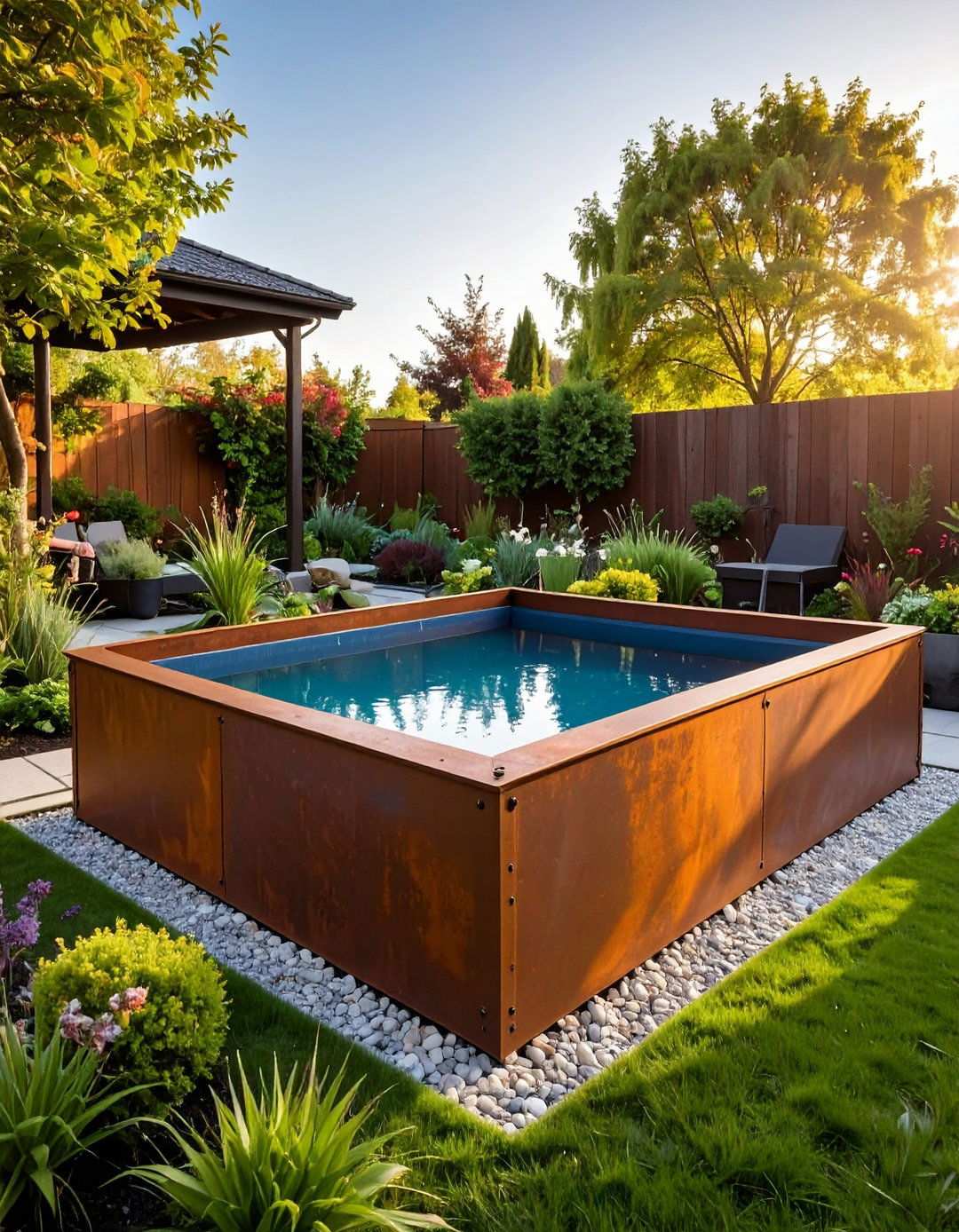
Corten steel raised ponds embody the essence of contemporary design with their distinctive, rust-colored patina that evolves over time, giving each one a unique character. Offering exceptional durability and minimal upkeep, these weathering steel constructions create striking architectural statements in modern gardens. A natural weathering process creates protective layers, preventing further corrosion and ensuring decades of reliable service. These ponds blend seamlessly into minimalist landscapes with concrete, gravel, or steel accents, while their warm orange-brown coloration complements autumn foliage and provides a neutral backdrop for vibrant aquatic plants. Internal non-toxic linings guarantee fish safety, preserving the authentic industrial aesthetic that resonates with design enthusiasts.
4. Whiskey Barrel Ponds: Compact Water Features for Any Space
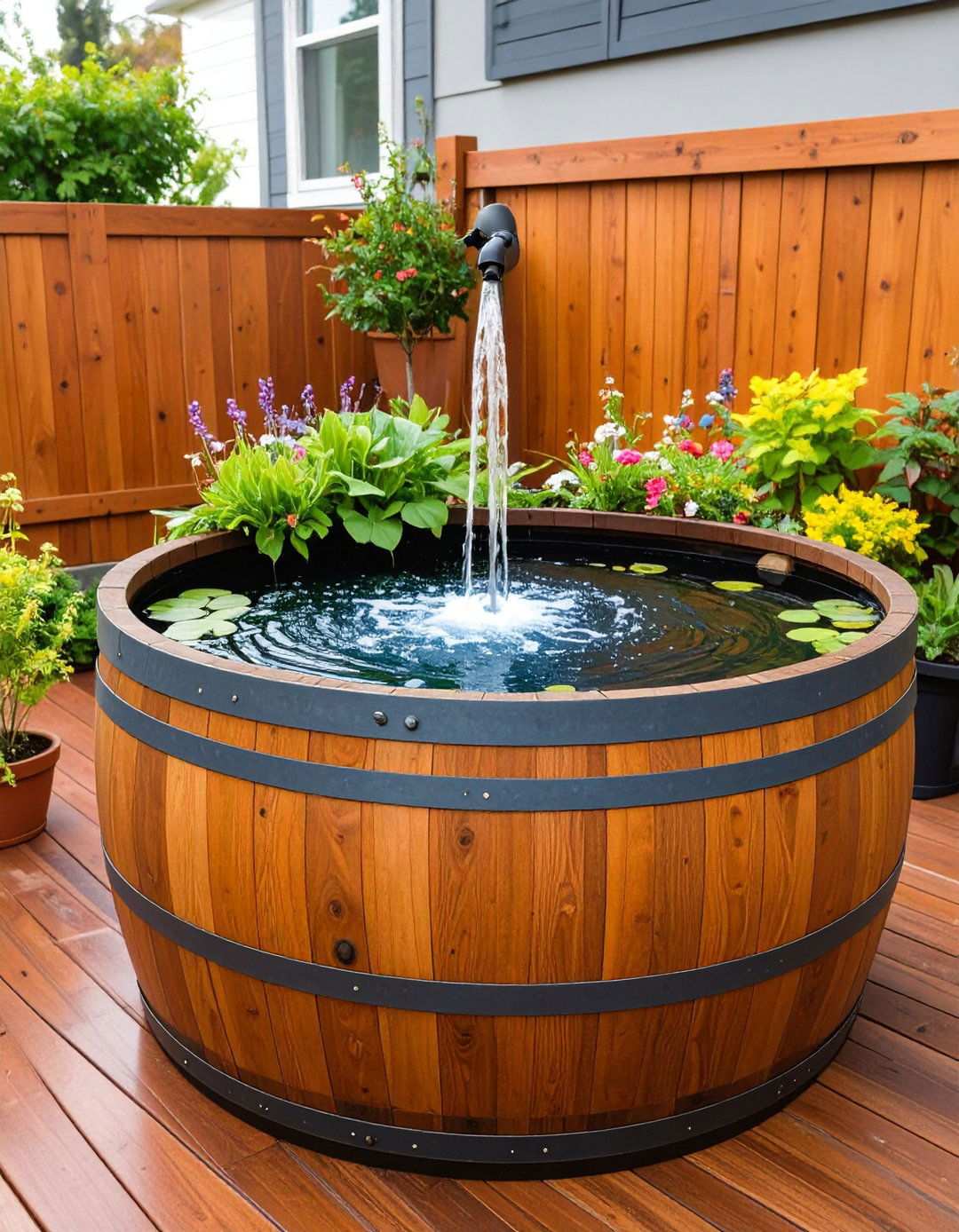
Transforming whiskey barrels into charming container ponds is a clever way to bring water features to even the smallest spaces, including balconies, patios, and courtyards. These ready-made containers require minimal preparation and can be elevated with small fountain pumps for gentle water circulation and oxygenation. The rustic oak construction develops beautiful weathered patinas over time, providing adequate depth for aquatic plants and small fish populations. Barrel ponds excel in locations where permanent installations aren’t feasible, offering complete portability for renters or frequent garden redesigners. Adding trailing plants around the rim softens the container edges, while native aquatic plants like water lilies create stunning seasonal displays in these compact water gardens.
5. Multi-Level Raised Pond Systems: Dramatic Water Features for Limited Spaces
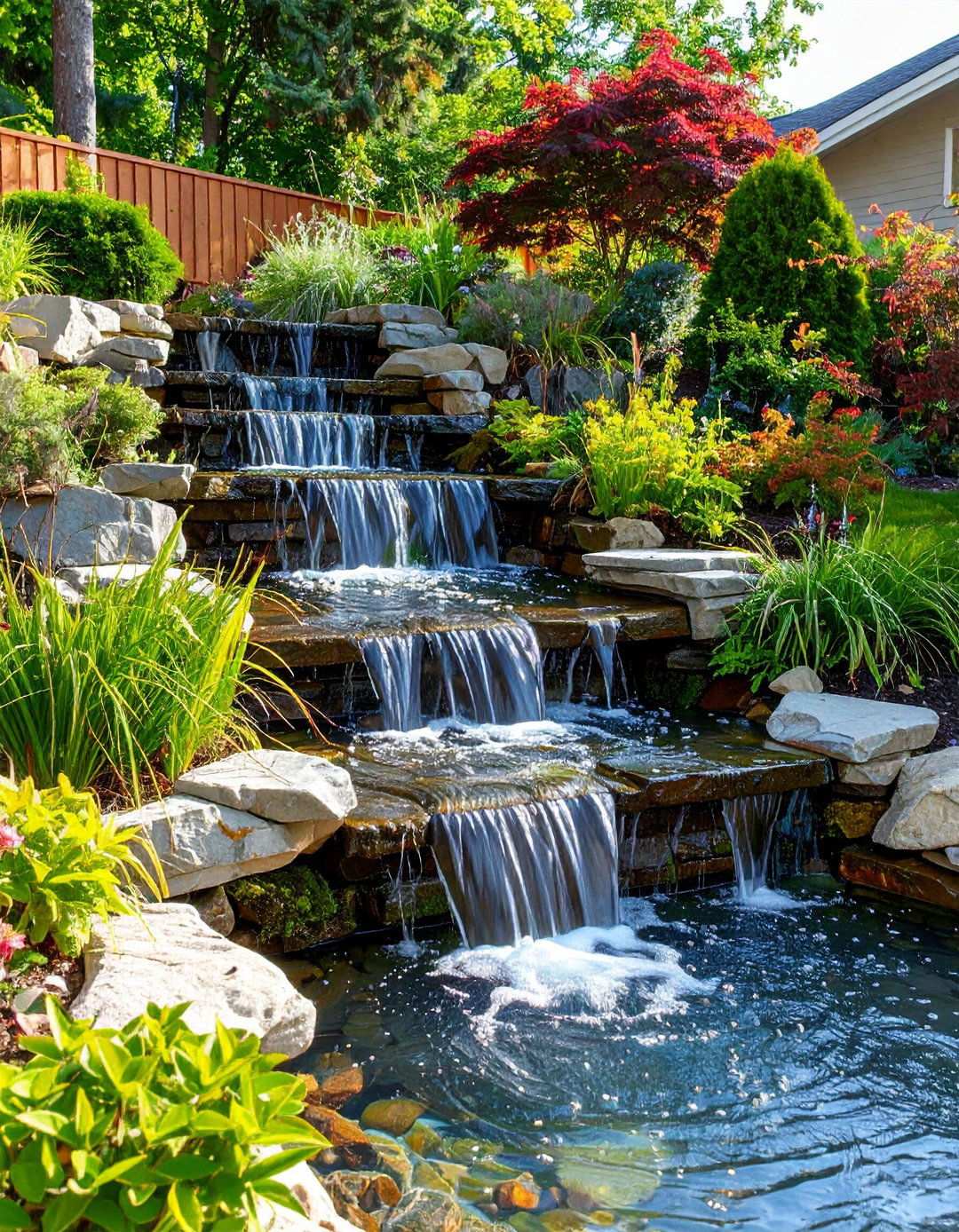
Designing dramatic multi-tiered raised pond systems is an excellent way to create stunning waterfall effects while maximizing water surface area within limited garden footprints. These cascading designs typically feature two or three levels connected by spillways or formal channels that guide water from upper reservoirs to lower collecting pools. Each level can be planted with different aquatic plant communities, creating diverse habitats for various wildlife species. The elevation changes provide natural filtration as water flows between levels, creating soothing water sounds that mask urban noise pollution. This design approach works exceptionally well on sloped sites where natural topography can be enhanced rather than excavated for traditional pond installation.
6. Harmonious Integration of Koi and Landscape
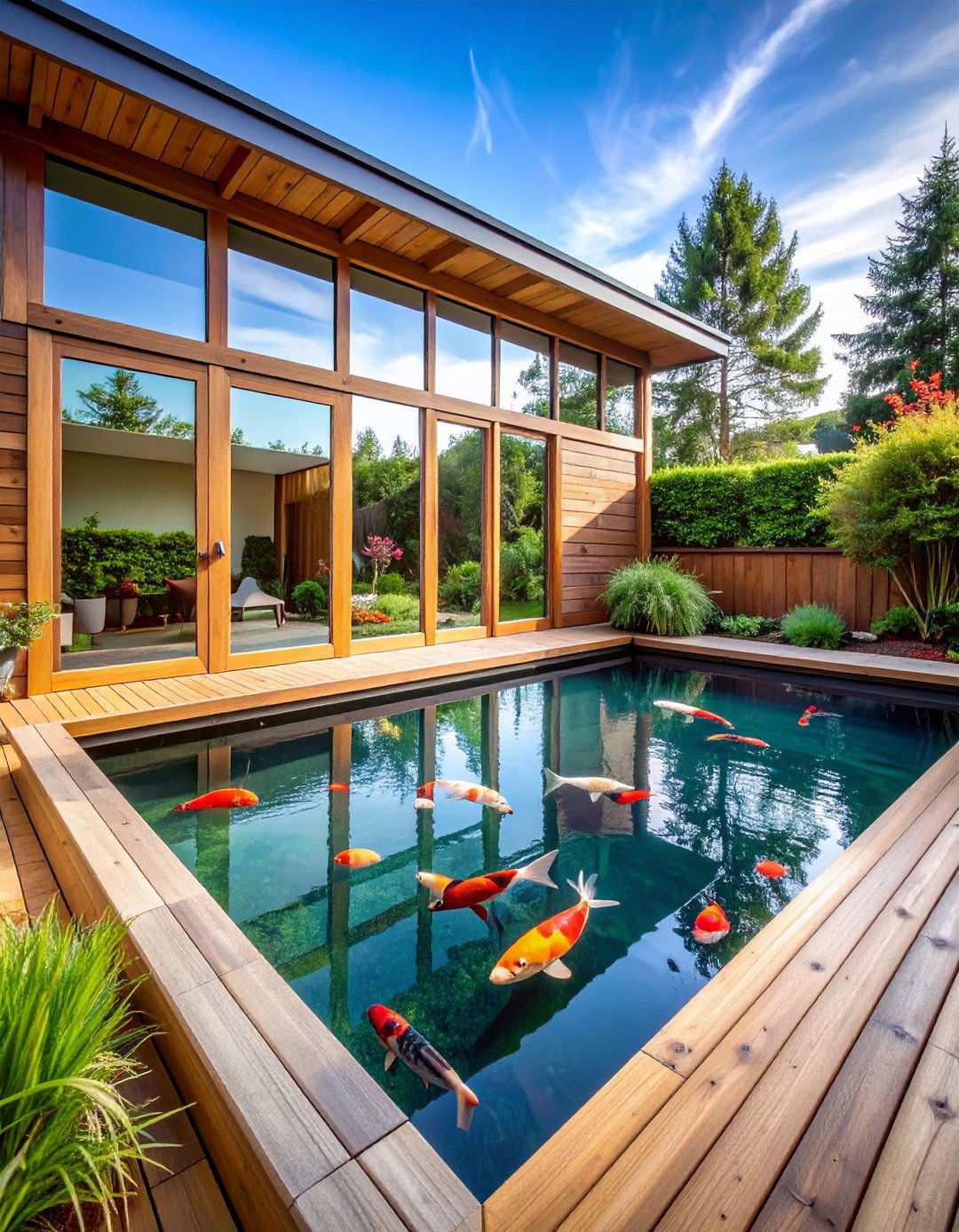
Designing substantial rectangular raised ponds specifically for koi fish offers a unique opportunity to harmoniously integrate water features with the surrounding landscape. These larger constructions typically measure 8-12 feet in length with depths exceeding 3 feet, providing ample space for koi growth and winter survival requirements. The incorporation of clear acrylic viewing windows creates a focal point for children and visitors, allowing for constant observation of fish health and behavior. By combining robust timber or concrete block construction with integrated filtration systems, these ponds maintain excellent water quality while supporting substantial water weights.
The surrounding decking or stone surfaces provide comfortable viewing areas and equipment access points, making maintenance a breeze for the more intensive requirements of successful koi keeping. This thoughtful design approach not only enhances the aesthetic appeal of the garden but also creates a tranquil oasis that invites relaxation and contemplation.
7. Corner-Mounted Triangular Raised Ponds: A Space-Efficient Solution
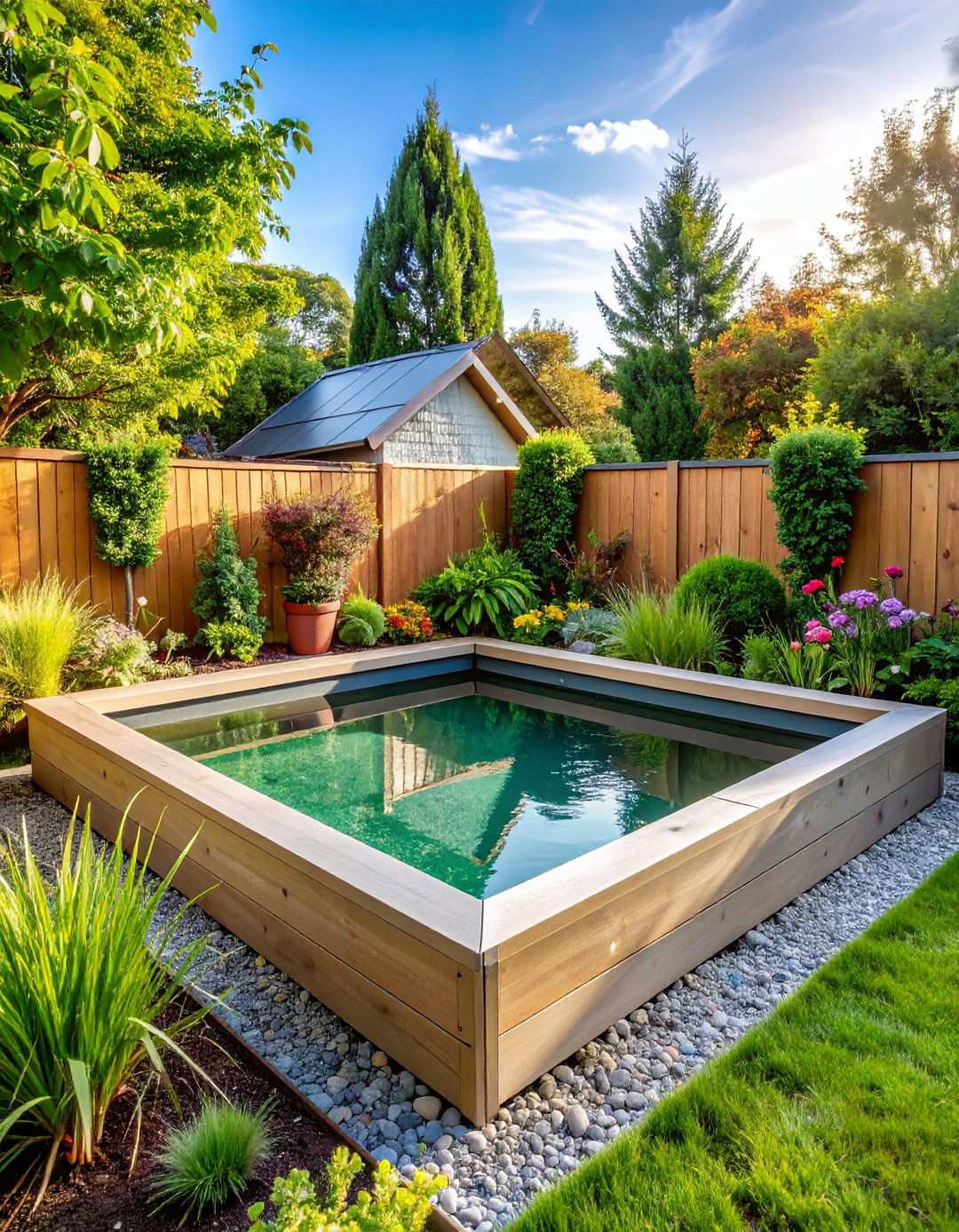
Maximize unused corner spaces with custom triangular raised ponds that fit perfectly into 90-degree angles between walls, fences, or garden boundaries. This space-efficient design works particularly well in small urban gardens where every square foot counts. The triangular shape naturally directs attention toward the planted rear corner, creating a sense of intimacy and connection with nature. By providing easy access from two sides, this design also simplifies maintenance activities, allowing for regular checks on water quality and fish health.
Corner mounting often allows connection to existing drainage systems and electrical supplies, streamlining installation requirements. This thoughtful design approach creates a sense of visual balance and harmony, even in the most compact of spaces, while enhancing the overall aesthetic appeal of the garden.
8. Integrated Water and Garden Environments
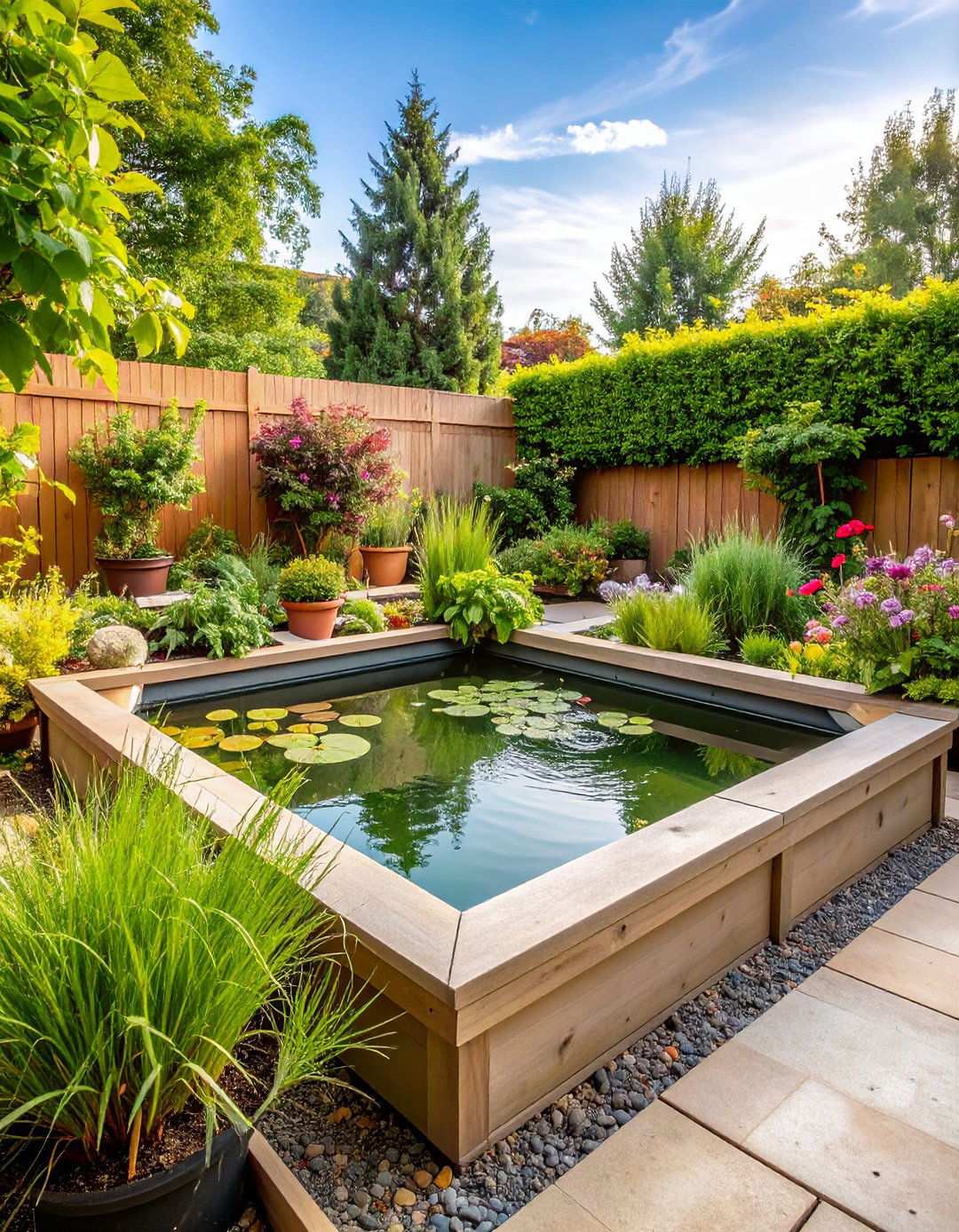
Integrate raised fish ponds within surrounding raised planter beds to create cohesive water and garden environments that support both aquatic and terrestrial plant communities. This holistic design approach maximizes growing space while creating natural transitions between water and land elements. The surrounding soil provides excellent insulation for pond water temperature stability, while the combined root systems create beneficial microclimates for enhanced plant growth.
By incorporating marginal plants into the surrounding beds with roots extending into pond water, you create natural filtration systems that promote healthy water quality. This integrated approach works particularly well for vegetable gardens, herb collections, or perennial borders where the pond provides irrigation water storage and habitat for beneficial insects.
9. Enchanting Evening Oasis with Integrated Water Features
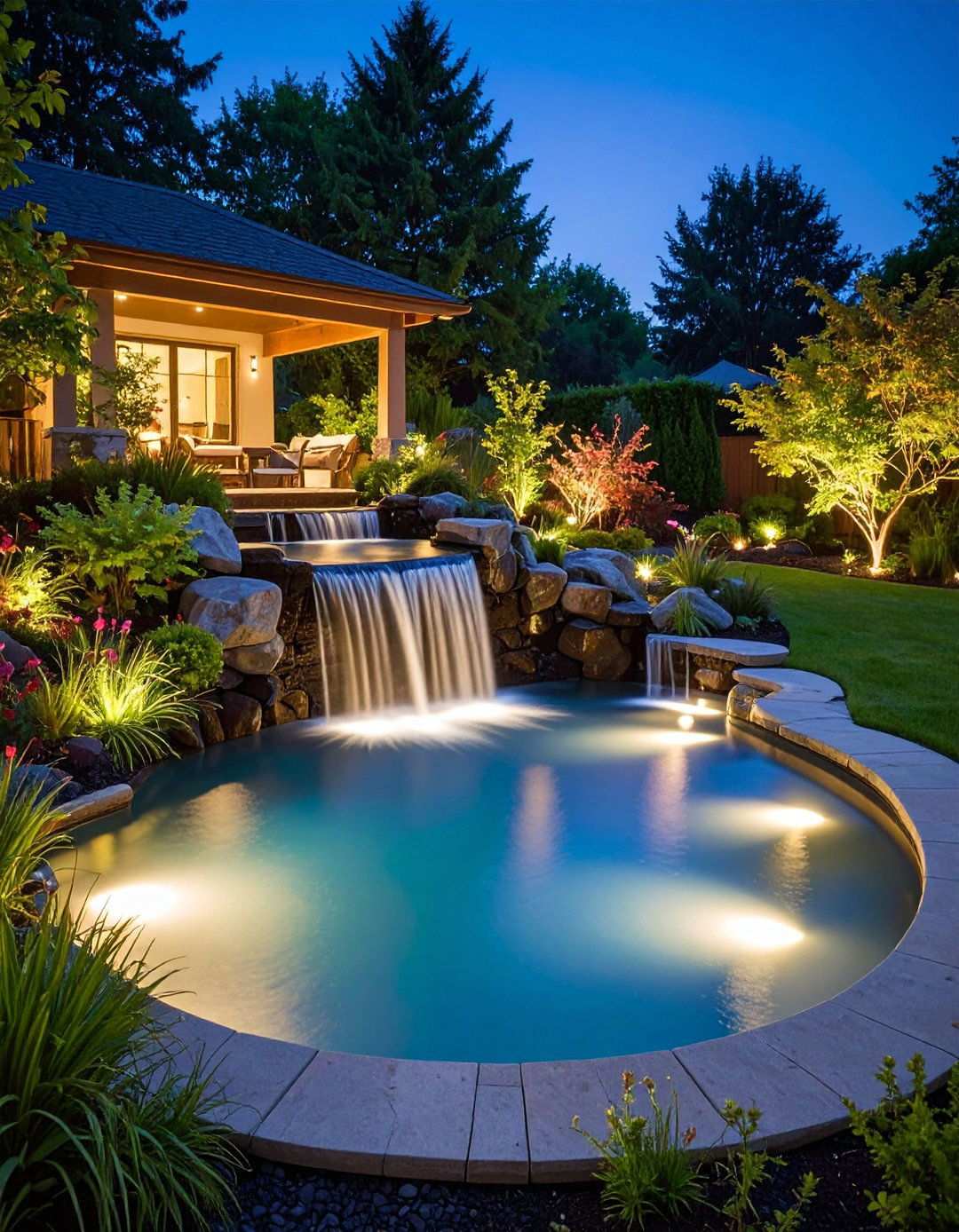
Transform your outdoor space into a mesmerizing evening retreat by seamlessly integrating LED lighting systems into raised pond waterfalls and surrounding landscape elements. Submerged spotlights cast a magical glow on aquatic life and plants, while the dramatic cascade of waterfall lighting creates a breathtaking effect that can be admired from the comfort of indoor living spaces. Embracing solar-powered options eliminates the need for costly electrical installations, while low-voltage systems with timer controls ensure consistent performance and versatility. By combining the soothing sounds of moving water with strategic lighting, you can extend the enjoyment of your pond into the evening hours, creating an enchanting ambiance perfect for outdoor entertaining. The warmth of white LEDs complements natural materials beautifully, while color-changing options add a touch of seasonal flair and transform ordinary garden ponds into extraordinary water features.
10. Thermal Shield Raised Pond for Harsh Winter Climates
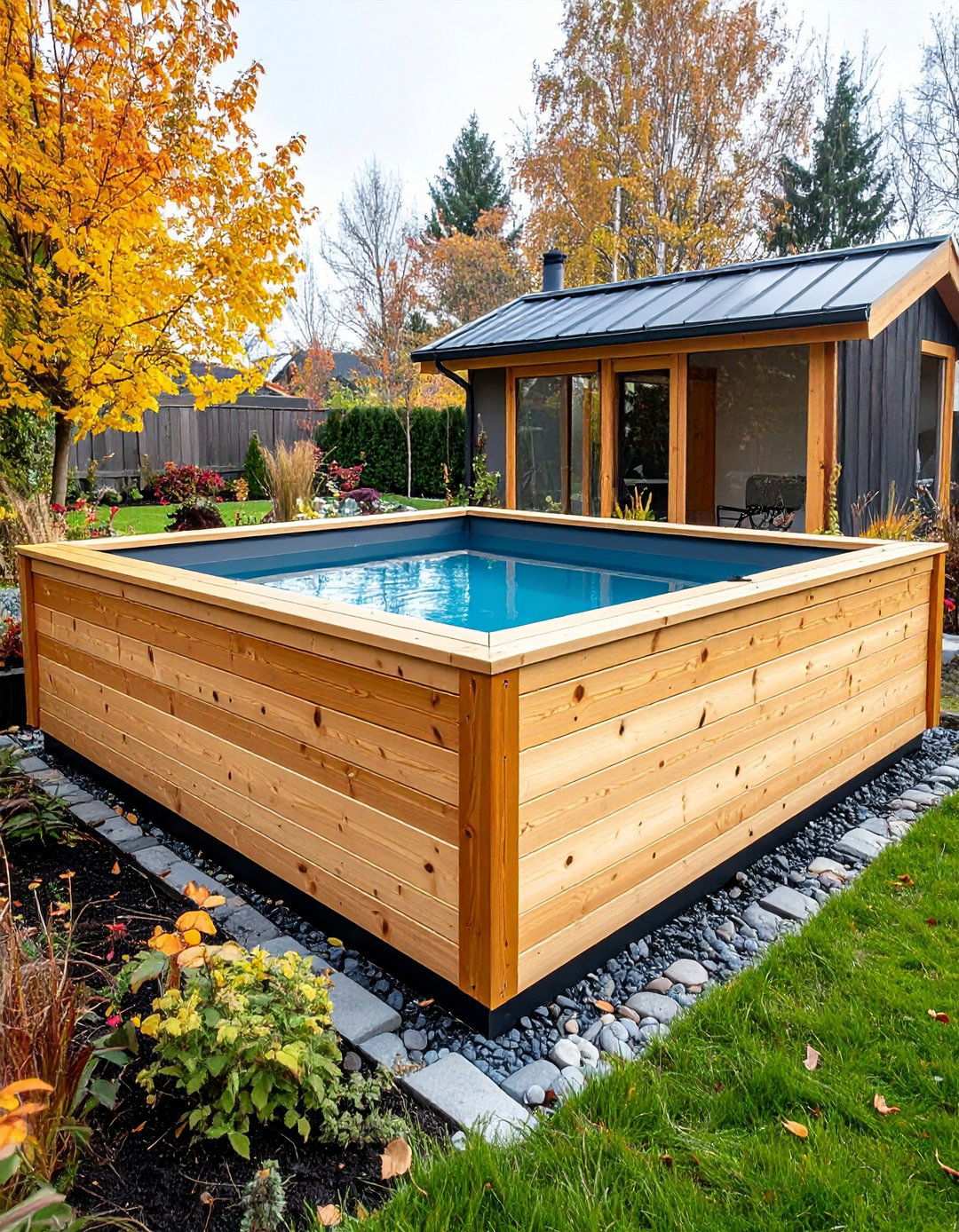
For regions prone to harsh winters, consider designing raised pond constructions with insulation materials strategically placed between the inner and outer walls to prevent freezing. This ingenious design approach not only protects your fish population but also prevents costly structural damage caused by ice expansion, extending the growing season for aquatic plants in the process. The insulated walls maintain a more stable water temperature year-round, significantly reducing energy costs associated with pond heaters and filtration systems. By incorporating rigid foam insulation boards between timber or masonry walls, you can create an effective thermal barrier that doesn’t compromise structural integrity. This construction method is particularly beneficial for goldfish and koi ponds in northern regions where surface ice formation poses a significant threat to fish survival, necessitating continuous aeration and heating system operation.
11. Natural Wetland Oasis with Raised Bog Garden Pond
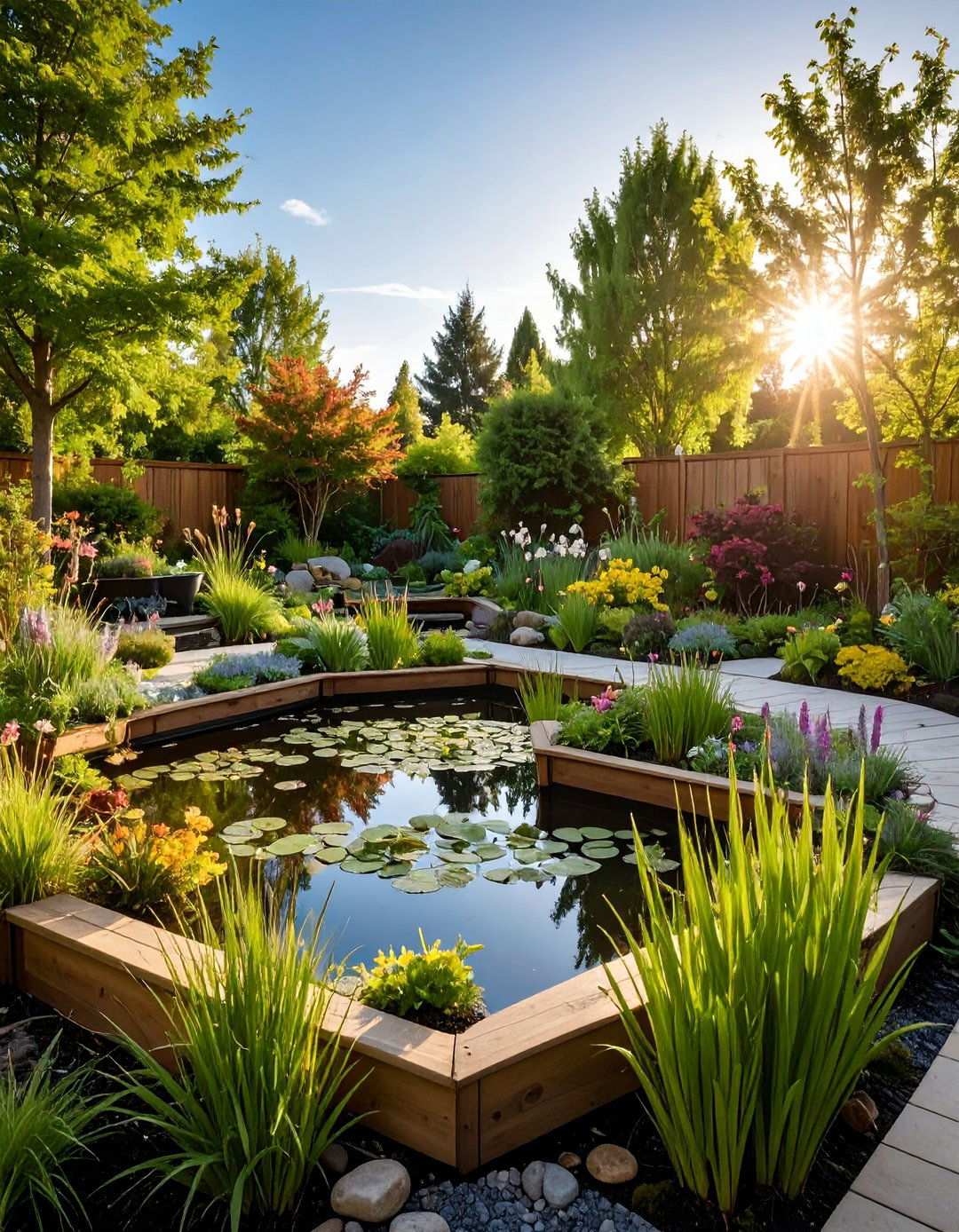
Create a thriving ecosystem in your garden by designing a raised bog pond that showcases native plants and natural filtration systems, minimizing the need for mechanical equipment. These innovative water features not only support local wildlife populations but also require minimal maintenance once established. Native sedges, rushes, and bog plants work in harmony to create a natural water filtration system, providing a habitat for amphibians, insects, and birds. The raised construction improves drainage control and prevents contamination from surrounding garden chemicals or fertilizers. Raised bog ponds are particularly well-suited for wildlife gardens, nature-focused landscapes, or educational settings where demonstrating natural ecosystem principles takes precedence over ornamental fish keeping or formal garden aesthetics, supporting biodiversity conservation efforts in the process.
12. Elevating Water Design with Geometric Precision
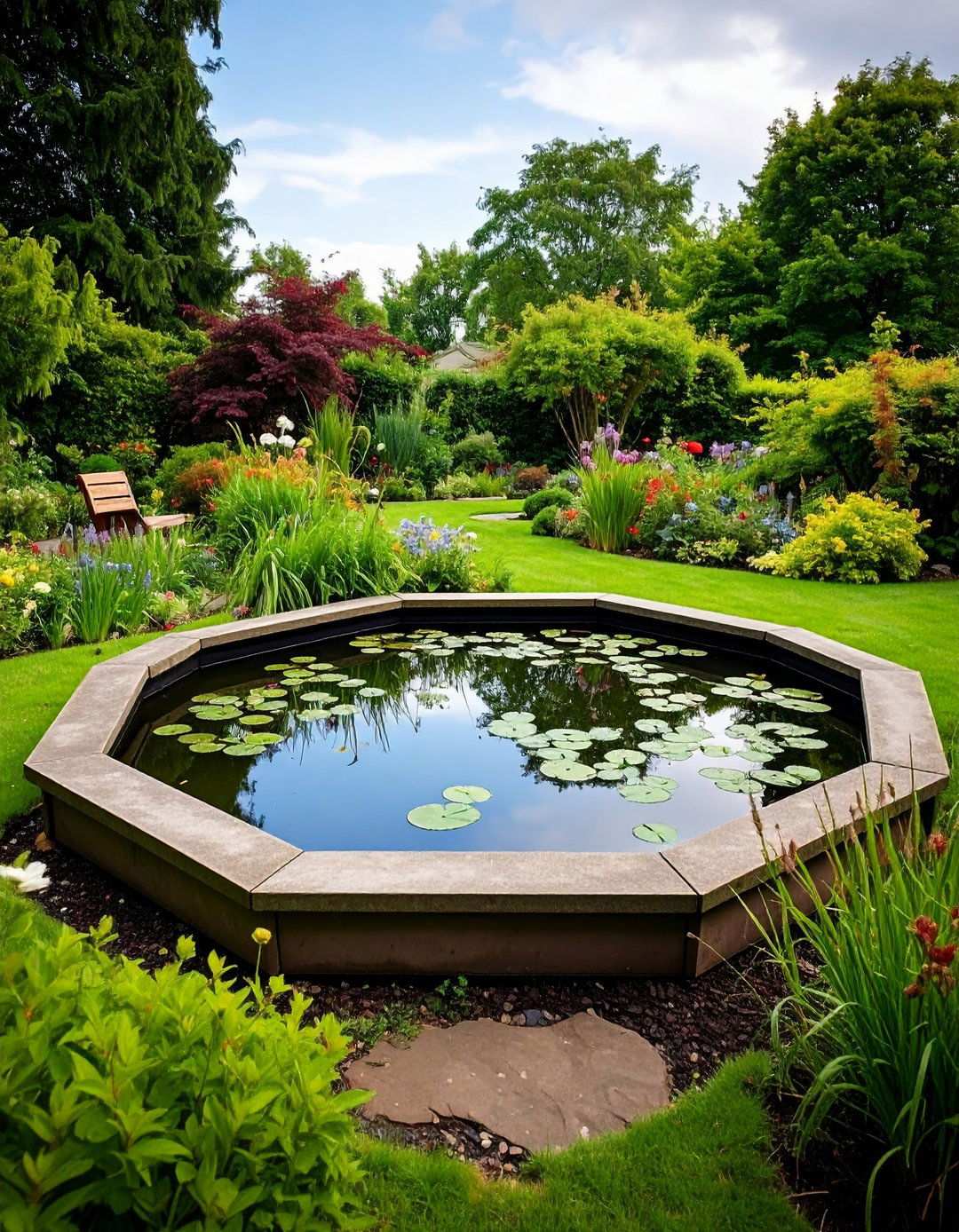
Designs featuring octagonal raised ponds can seamlessly integrate with formal garden layouts, leveraging their distinctive eight-sided shape to create visually striking focal points. By strategically positioning these ponds at garden pathway intersections or as the centerpiece of parterre gardens, you can emphasize the symmetrical beauty of your landscape. The geometric precision of octagonal ponds allows for both fountain installations and still water designs, making them adaptable to a range of garden themes. Moreover, the multiple sides of these ponds offer versatile viewing angles and enable diverse planting schemes that maintain a sense of formal balance while accommodating seasonal plant rotations.
13. Harmonious Fusion of Herb Garden and Pond Features
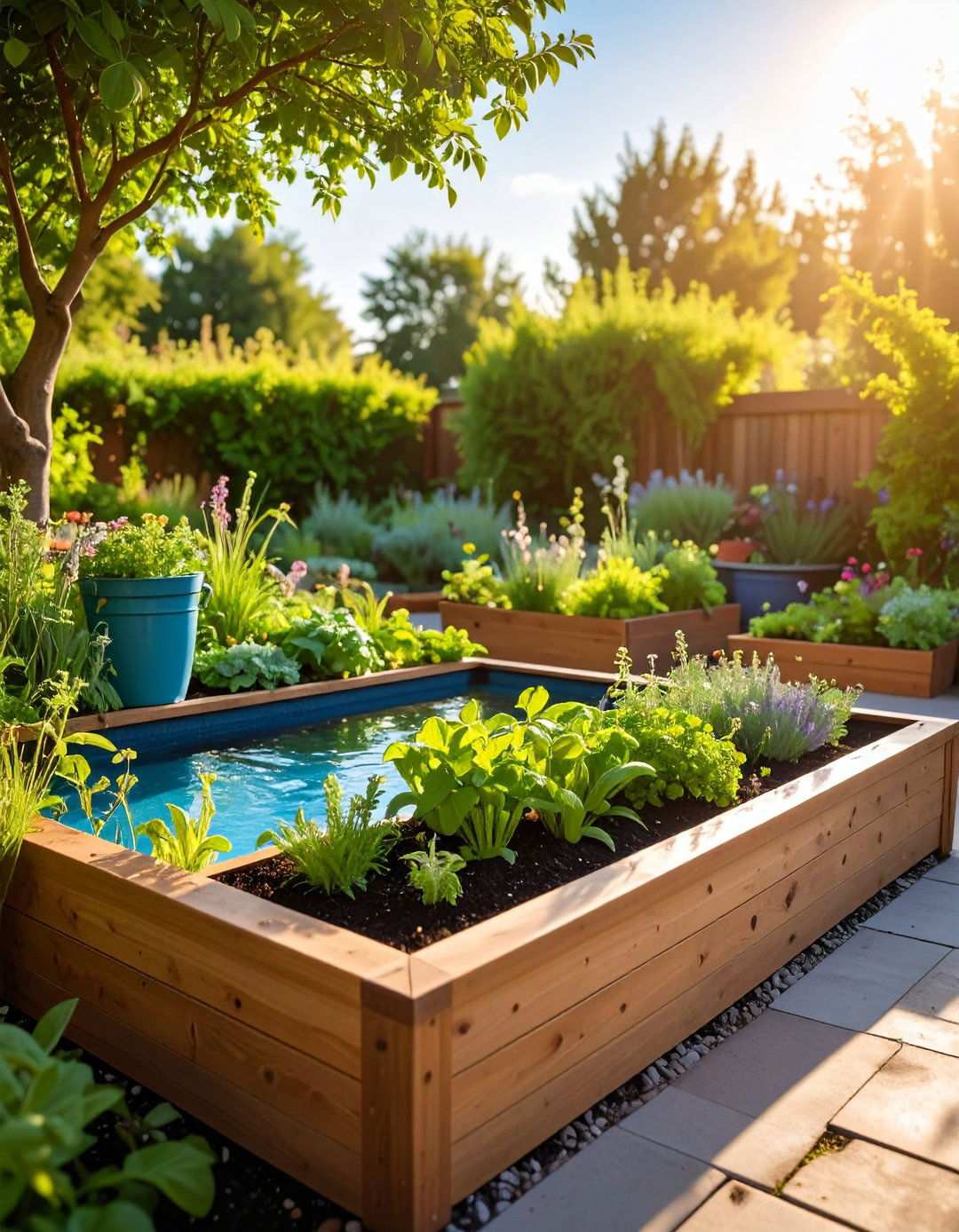
By combining raised structures that accommodate both water and soil growing areas, you can create a functional herb garden that incorporates ornamental pond features. This design approach maximizes garden productivity while introducing visually appealing water elements that serve multiple purposes. Culinary herbs like watercress, mint, and parsley thrive in moist conditions near pond edges, while Mediterranean herbs flourish in well-drained sections of surrounding planters. As a result, this setup not only provides a beautiful aesthetic but also offers practical benefits such as natural pest control and beneficial insect habitat. It’s particularly appealing to kitchen gardeners who value both beauty and functionality.
14. Streamlined Raised Pond Construction with Wood and Liner
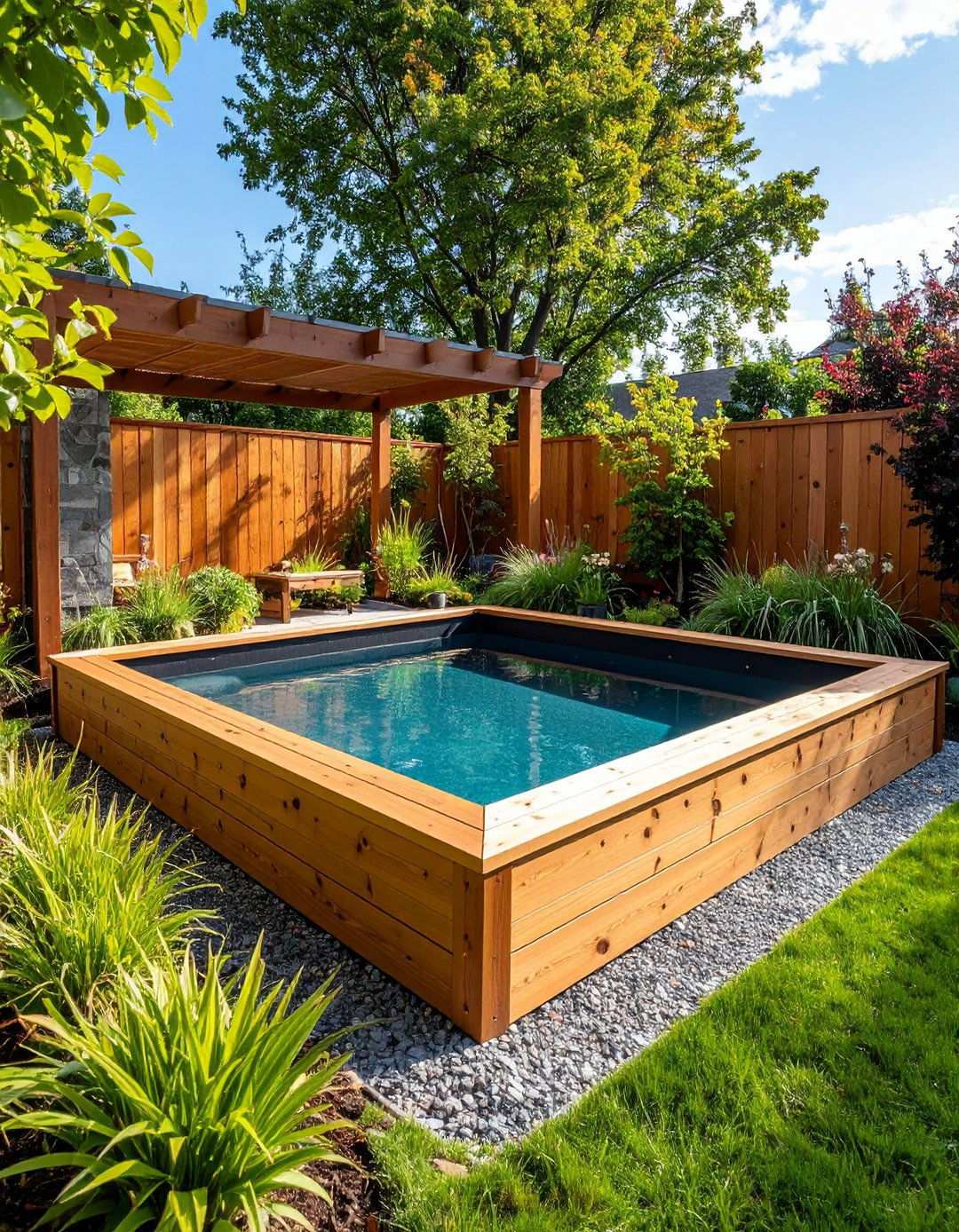
A hybrid approach to raised pond construction can simplify the process by combining preformed rigid liners with custom wooden frameworks. This method leverages the reliability of manufactured pond shells while incorporating the natural beauty of timber construction. The preformed liner ensures watertight integrity, while the wooden surround allows for creative customization of size, shape, and styling details. This approach is particularly well-suited for DIY installations where expertise in waterproofing may be limited but carpentry skills are available. Various liner sizes can accommodate different garden scales, and standardized dimensions simplify lumber purchasing and construction planning. The wooden surrounds can be designed to incorporate seating, planters, or equipment storage, while concealing utilitarian liner edges.
15. Crafting Raised Stone Ponds with Timeless Elegance
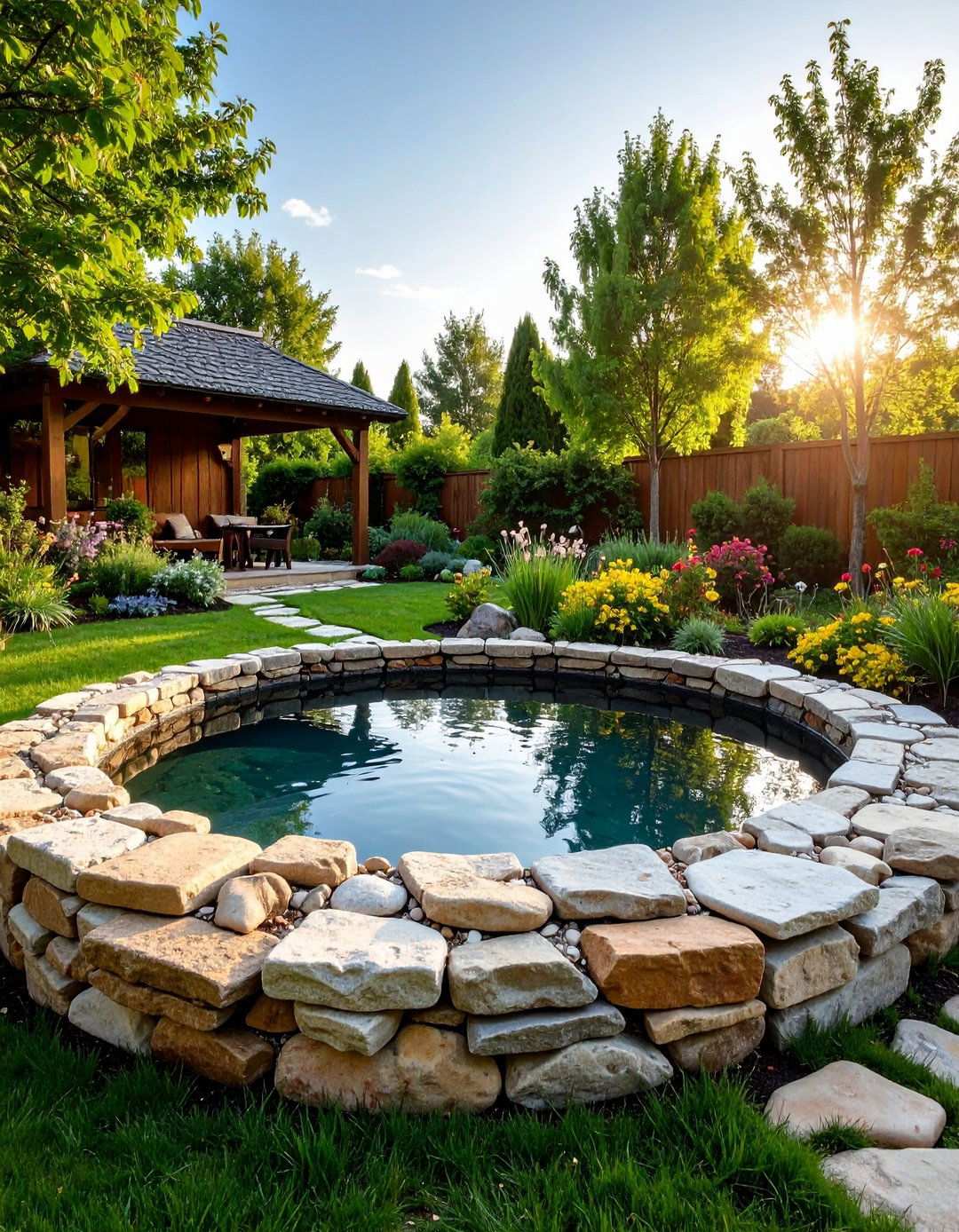
Elevate your outdoor spaces with permanent water features using the ancient technique of dry stack stone construction. This traditional method not only eliminates the need for mortar or concrete but also allows seasonal movement without compromising the structure’s integrity. The result is an authentic, rustic appearance that perfectly complements historic or countryside settings, making it an ideal choice for gardeners who value timeless charm.
The versatility of dry stack construction lies in its ability to incorporate various stone types, each offering a unique aesthetic effect. From the formal elegance of cut limestone to the rugged beauty of fieldstone, the possibilities are endless. Moreover, this method provides natural drainage between stones, allowing beneficial bacteria to colonize and contribute to biological filtration. While the installation process may require more skill, the end result is an extremely durable structure that only improves with age.
In contrast, traditional mortar joints would necessitate periodic maintenance to prevent damage from settling and seasonal ground movement. Dry stack construction, on the other hand, accommodates these natural processes, ensuring a long-lasting and low-maintenance water feature that adds character to your outdoor space.
16. Solar-Powered Oasis: A Sustainable Raised Pond Design
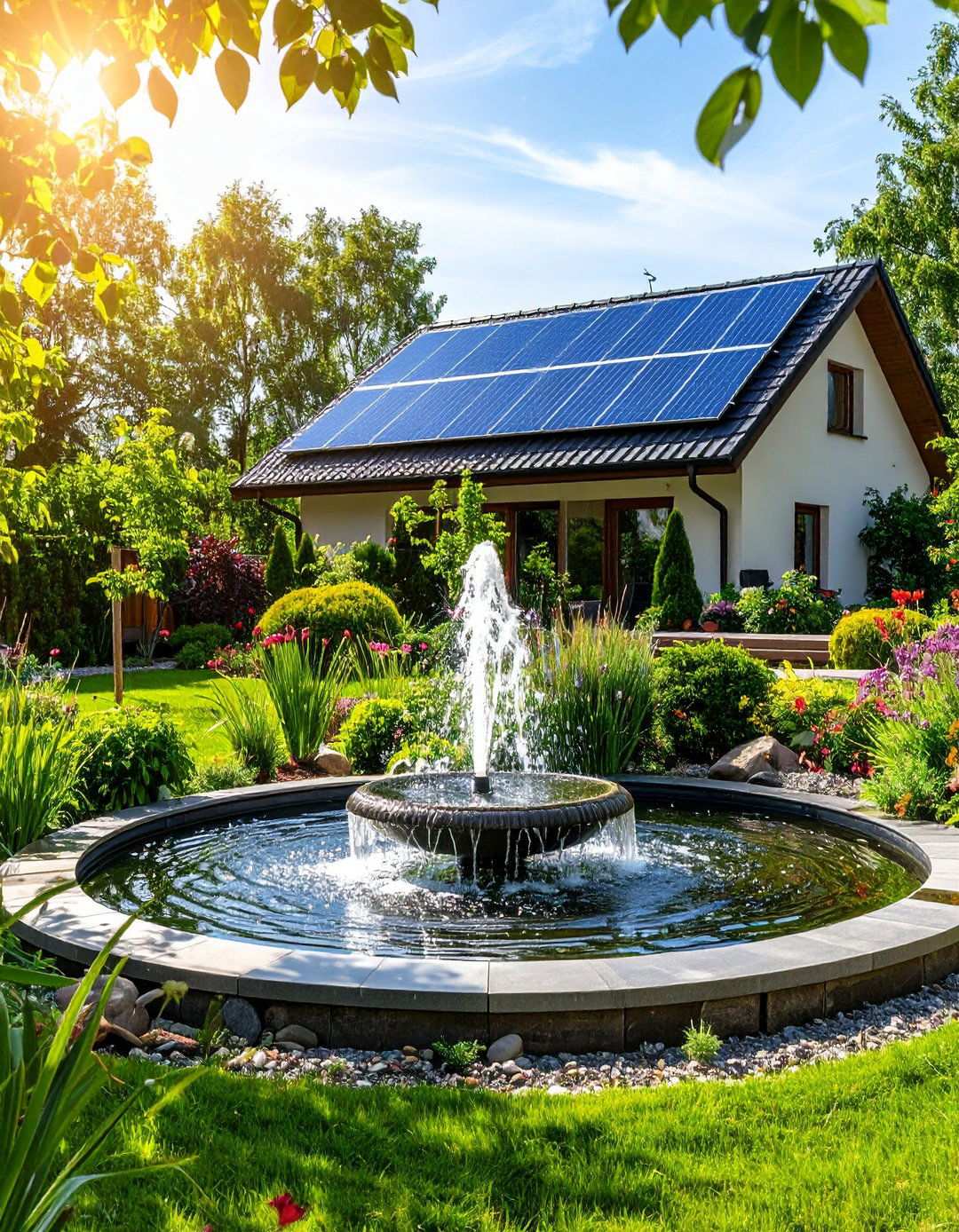
Imagine a raised pond that not only thrives in remote locations but also reduces your carbon footprint. By integrating solar technology, you can power fountain displays and aeration systems without relying on the electrical grid or incurring ongoing operational costs. Solar fountain pumps provide daytime water circulation, preventing stagnation and creating an attractive display visible from indoor living spaces. Battery backup systems extend operation into the evening hours, while automatic controllers optimize power usage based on solar conditions.
This eco-friendly approach is particularly appealing to gardeners who value independence and sustainability. By harnessing the power of the sun, you can enjoy consistent water quality benefits for fish and plant health without the burden of electrical infrastructure. The minimal maintenance required makes these systems ideal for cottage gardens, rural properties, and landscape designs that prioritize environmental responsibility.
17. Immersive Experience: The Raised Pond with Integrated Fish Viewing Dome
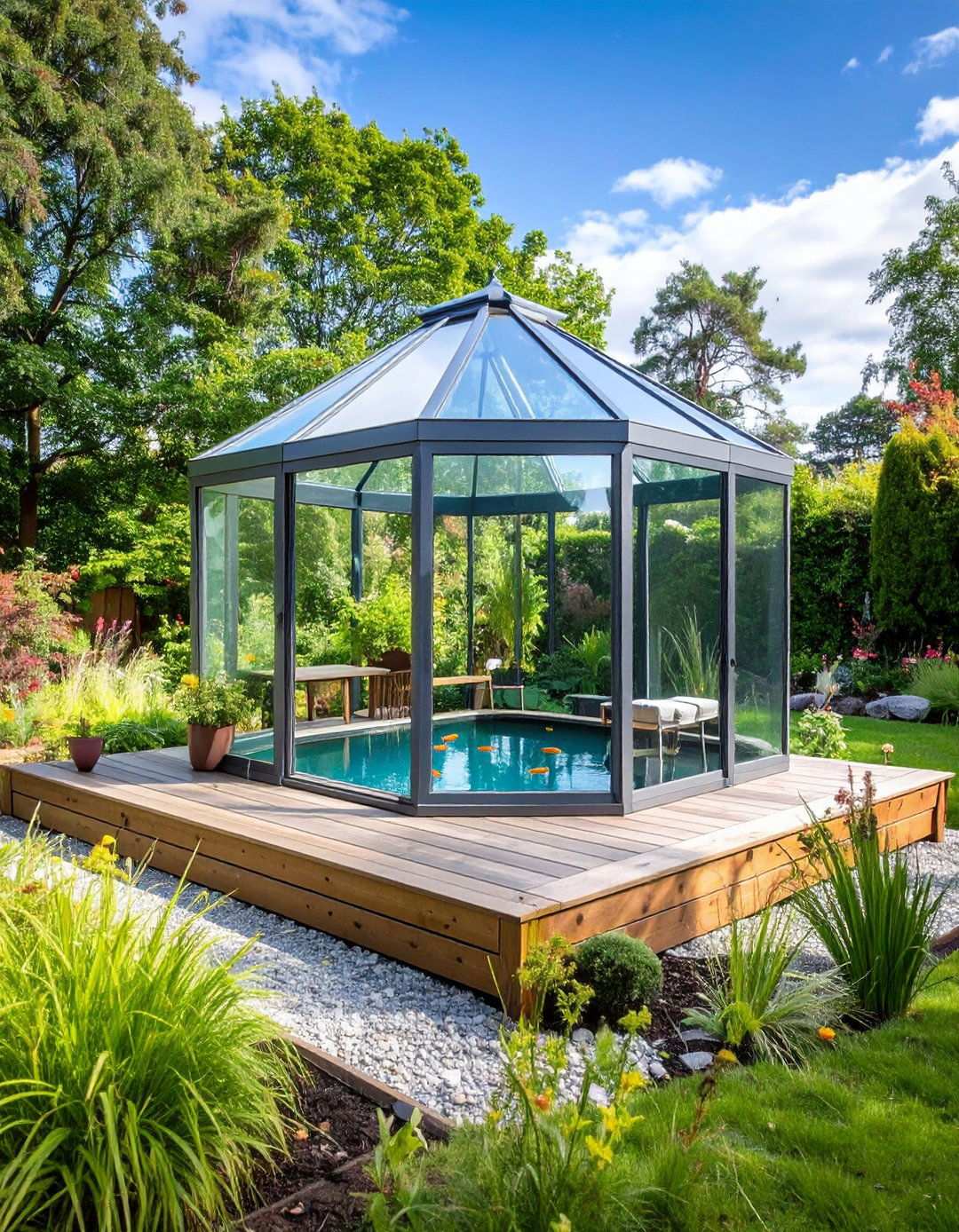
Take your pond experience to the next level with a clear acrylic viewing dome installed in the raised pond floor. This innovative feature fascinates children and visitors alike while providing excellent fish monitoring capabilities. By revealing the underwater world, the viewing dome creates a unique architectural element that distinguishes custom pond designs and encourages engagement with the natural environment.
These transparent windows work particularly well in educational gardens, therapy gardens, or family-oriented outdoor spaces where interactive elements enhance learning opportunities. Professional installation ensures proper sealing and structural support, while various dome sizes accommodate different pond scales and viewing requirements. The underwater perspective provides constant entertainment value while allowing early detection of fish health issues or water quality problems requiring intervention.
18. Harmonious Balance of Texture and Elegance
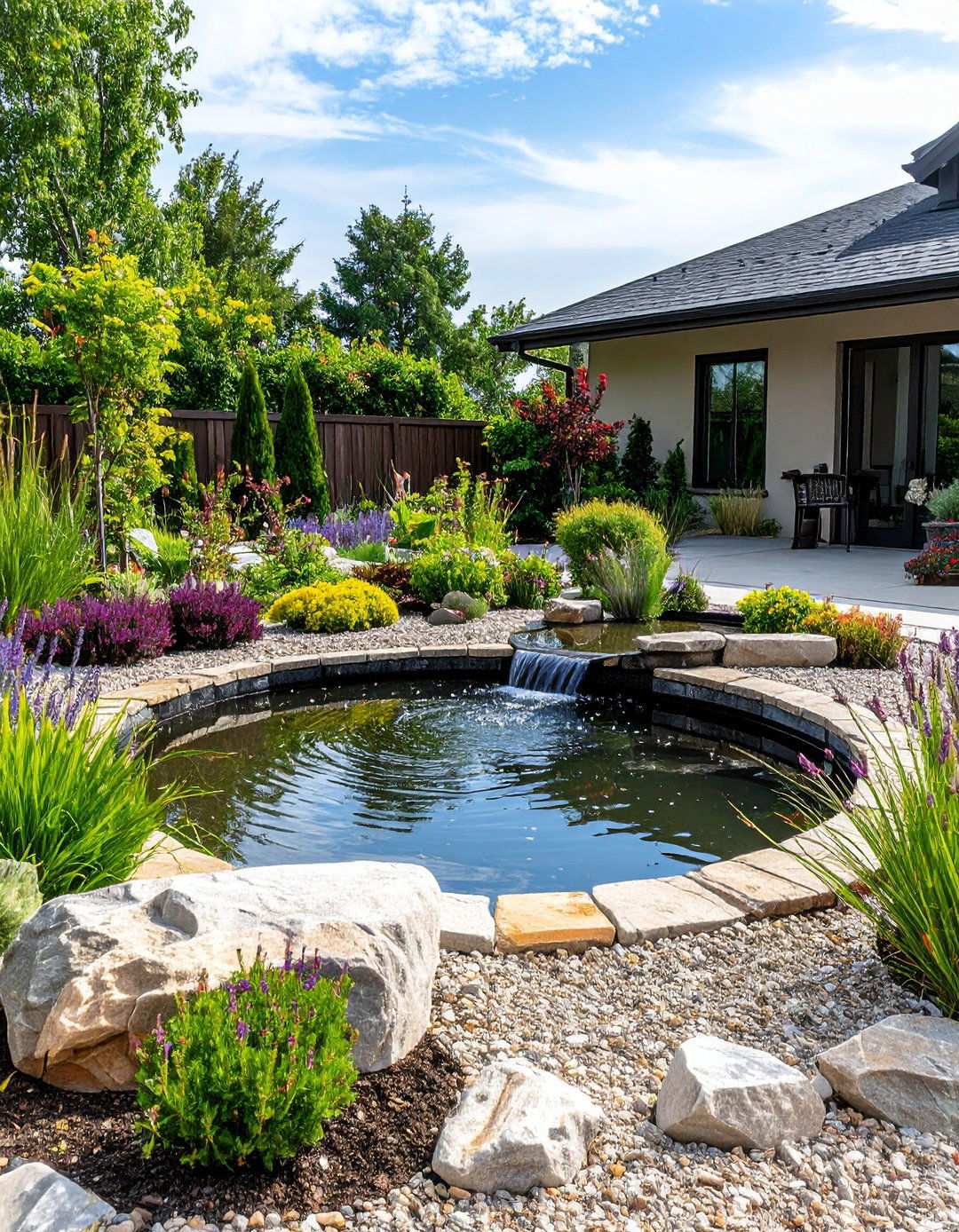
Designing a surrounding gravel garden for a raised pond creates a visually striking and low-maintenance space that perfectly complements aquatic environments. By incorporating various gravel sizes and colors, you can achieve a unique textural interest that supports drought-tolerant plants, minimizing the need for frequent watering. The gravel mulch not only prevents mud splashing during rainfall but also provides a clean and comfortable walking surface around the pond’s perimeter. This thoughtful approach to garden design is particularly well-suited to Mediterranean or xeriscape themes, where water conservation and low maintenance are top priorities. The juxtaposition of gravel textures and pond water creates a captivating visual display, allowing aquatic plants and fish to remain the focal points of the space.
19. Wildlife-Friendly Water Features
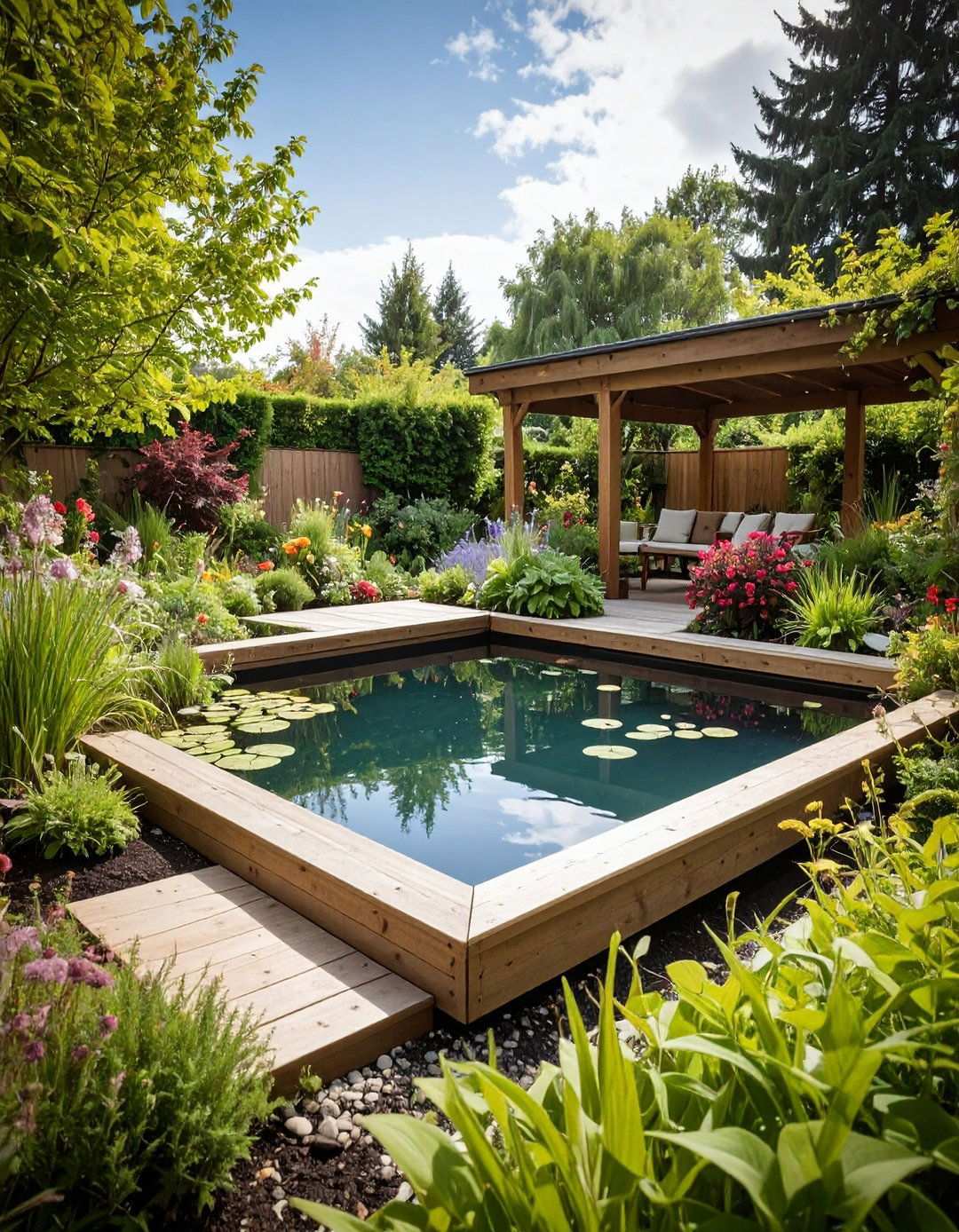
Designing a raised pond with shallow access areas and graduated depth zones creates a thriving environment for local wildlife populations. By incorporating these features, you can provide essential drinking and bathing opportunities for birds, while supporting the breeding cycles of amphibians. Native plant selections play a vital role in attracting beneficial insects, which in turn provide cover and food sources for visiting wildlife. The raised construction protects the pond from ground predators, while the shallow areas ensure safe access for smaller animals. This thoughtful approach prioritizes ecological function over ornamental appearance, resulting in dynamic seasonal wildlife viewing opportunities that provide educational value and support local biodiversity conservation efforts.
20. Elevated Garden Spaces
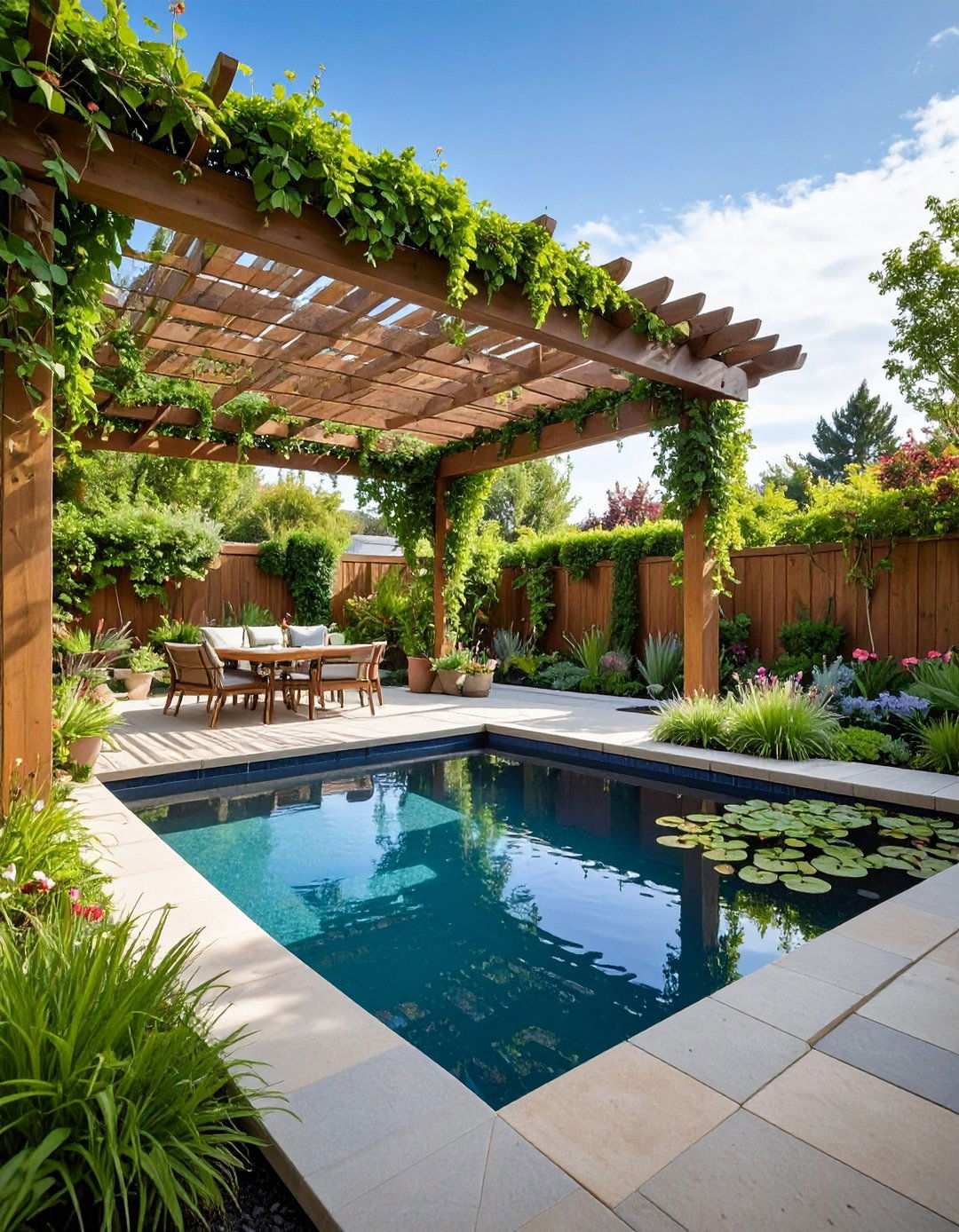
Combining a raised pond installation with an overhead pergola structure creates a stunning and functional space that extends the impact of the water feature upward into the garden canopy. The pergola provides structural support for pond lighting, fountain equipment, and seasonal decorations, while climbing plants soften harsh construction lines and provide natural cooling. Various climbing species offer seasonal interest from spring flowers to autumn foliage, creating privacy screening and wind protection. This combination works particularly well in small gardens, where vertical space utilization maximizes impact within limited footprints. As the sun sets, evening lighting through the pergola structures creates intimate outdoor rooms, while the pond provides cooling and humidity that benefits both plants and human comfort during hot weather.
21. Crafted Water Features for Enhanced Raised Pond Ecosystems
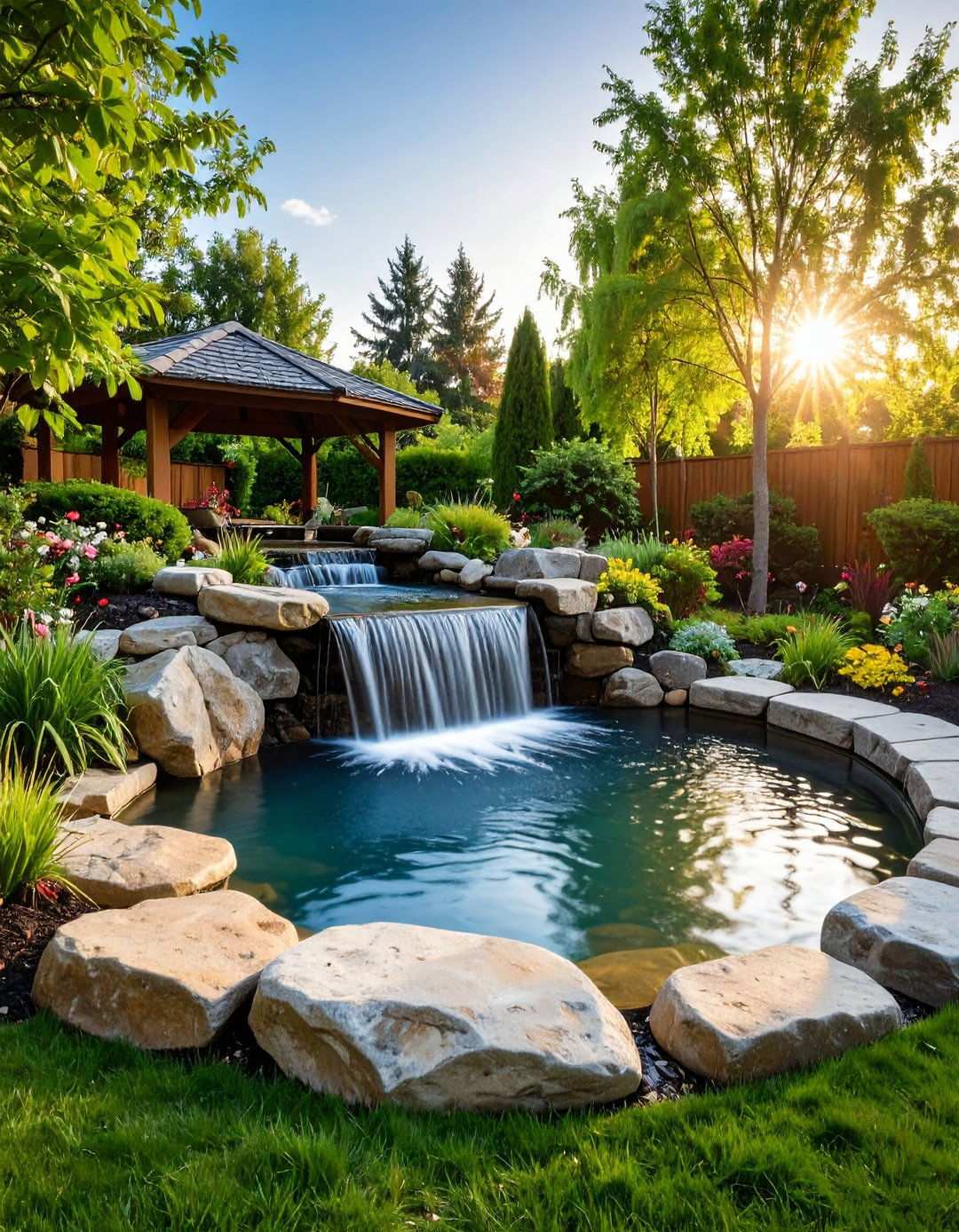
Elevate the ambiance of your raised pond with intricately designed water features that seamlessly integrate natural stone waterfalls, creating an immersive experience that not only captivates the senses but also fosters a thriving ecosystem. By harnessing the beauty of natural materials, you can cultivate a convincing stream effect while ensuring beneficial water circulation and oxygenation for your pond’s inhabitants. The judicious selection of stones with innate water channels expertly guides flow patterns, preventing erosion and splash problems commonly associated with artificial waterfall constructions. As the natural materials weather over time, they become an integral part of the pond’s ecosystem, supporting beneficial bacteria colonies that contribute to efficient biological filtration systems. The diverse range of stone types offers a myriad of aesthetic effects, from the elegance of formal cut stone to the rustic charm of boulder arrangements, allowing you to tailor the design to suit your surrounding landscape’s unique character. By entrusting a professional with the installation, you can rest assured that the water flow is optimized while preventing structural problems that may arise from the weight of heavy stones settling over time. The soothing sounds of the waterfall serve as a natural noise mask, creating a focal point that can be appreciated from the comfort of your indoor living areas.
22. Versatile Container Gardens for Customized Raised Pond Designs
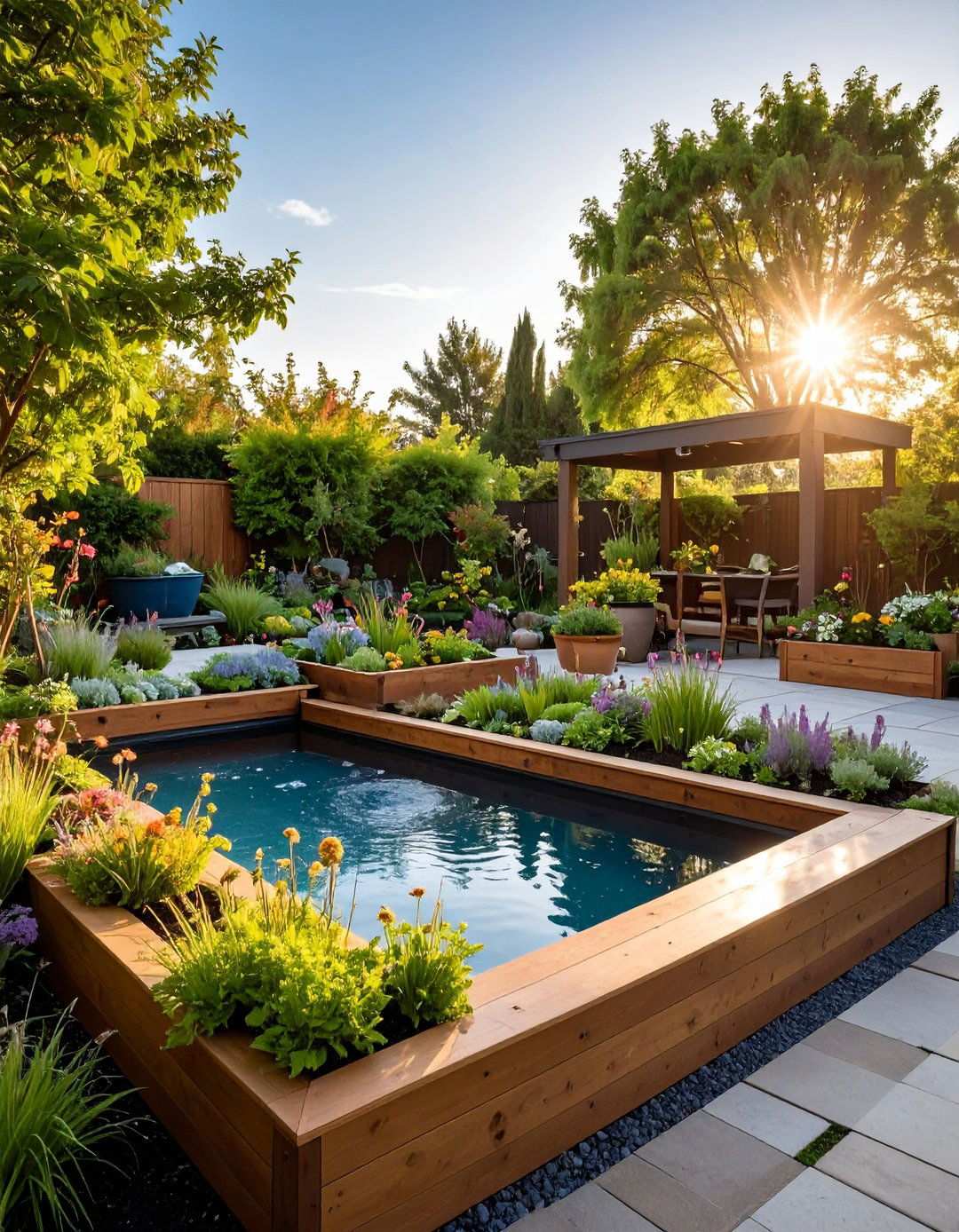
Embracing the concept of mixed materials, you can create a one-of-a-kind raised pond garden that not only reflects your personal style but also accommodates your unique budget constraints and aesthetic preferences. By incorporating a diverse array of container materials, including ceramic planters, galvanized stock tanks, and repurposed architectural elements, you can craft a customized garden composition that defies conventional design formulas. This approach allows you to group containers of varying sizes, shapes, and materials to create dynamic visual compositions that evolve throughout the growing seasons. The container garden provides the flexibility to house separate plant communities or fish populations, creating varied water levels and growing conditions that cater to your specific needs. Whether you’re looking to make seasonal changes, relocate your garden, or redesign your space altogether, the container approach ensures that your investments in plants and fish remain protected. By experimenting with creative groupings and varied heights, you can create a visually stunning composition that continues to captivate and inspire throughout the year.
23. Timeless Formal Ponds with Symmetrical Planting Design
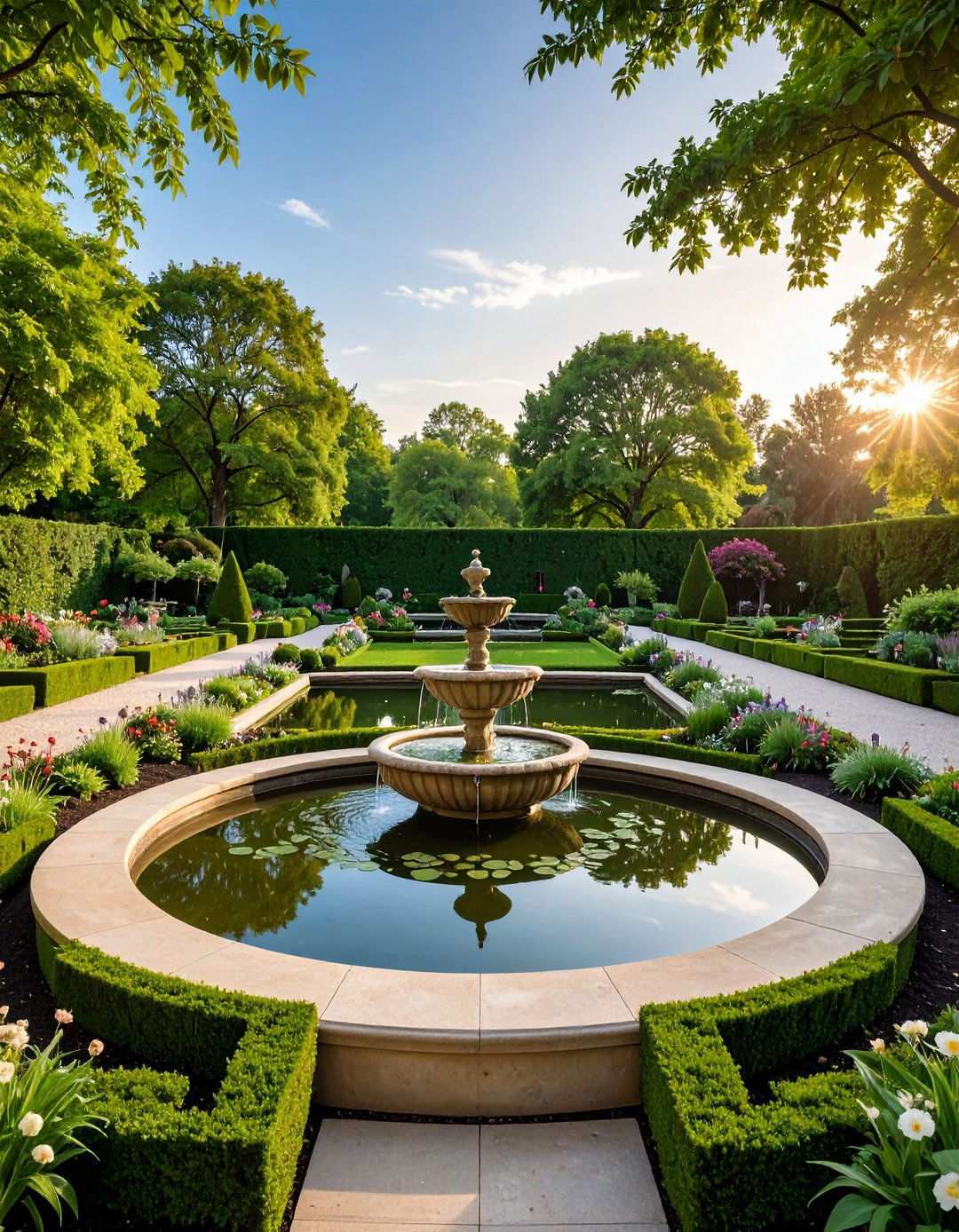
For those seeking a sophisticated garden focal point, a formal pond design using symmetrical layouts and geometric planting schemes is the perfect solution. This classical approach creates a sense of balance and visual harmony, mirroring the beauty of traditional or contemporary formal landscapes. By carefully selecting plants with precise proportions and restrained palettes, you can create a sense of visual cohesion throughout the seasons. The use of boxwood hedging, ornamental grasses, and seasonal annuals provides a structured appearance that supports rather than competes with architectural elements. Meanwhile, aquatic plants maintain the pond’s health and visual interest, creating a tranquil oasis that is particularly well-suited for entrance gardens, courtyards, and areas visible from indoor living spaces. This design philosophy prioritizes refined appearances, ensuring that your raised pond makes a lasting impression while maintaining excellent functionality and a thriving ecosystem.
24. Elevating Pond Design with Year-Round Visuals
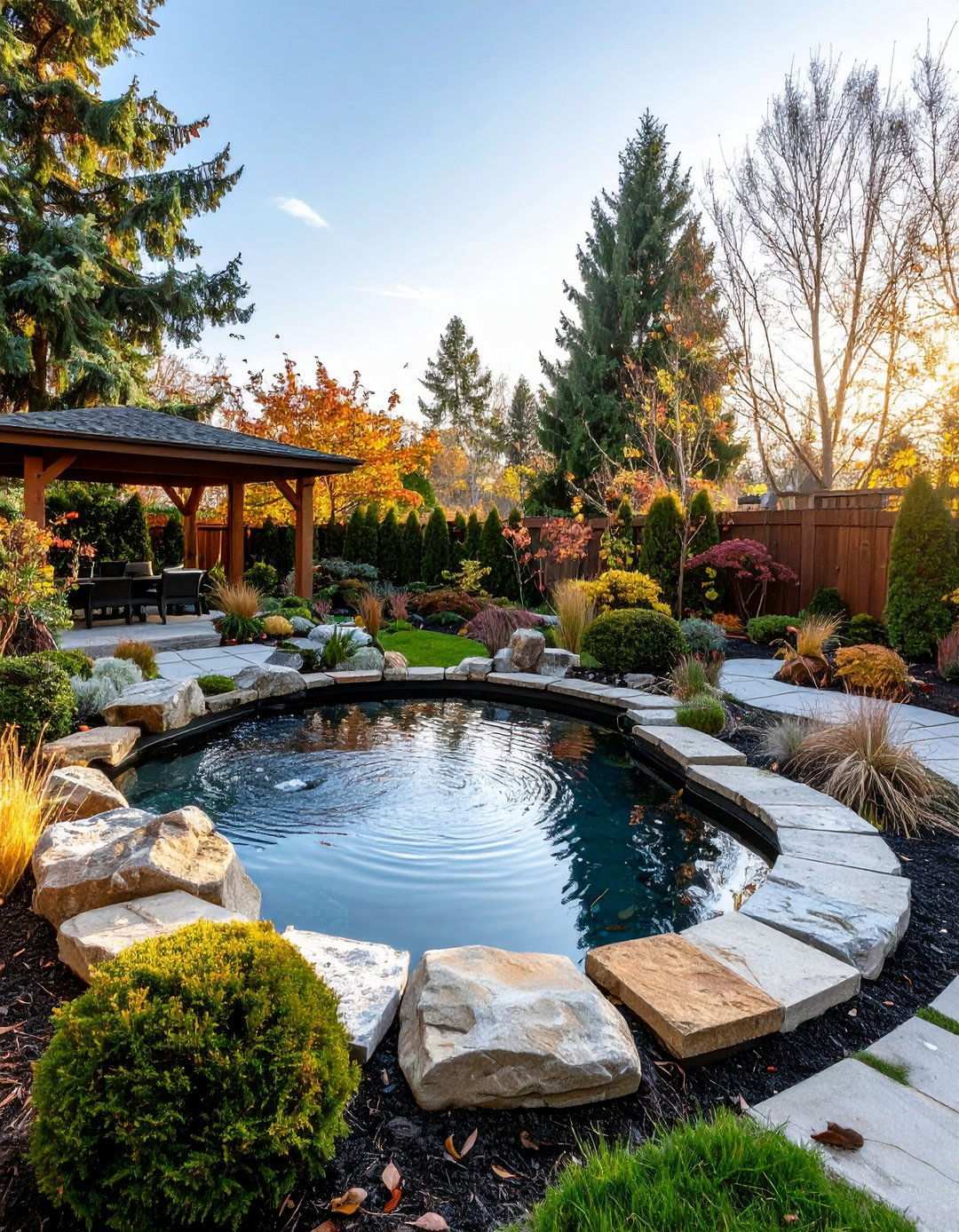
Crafting a raised pond experience that remains captivating across all seasons involves thoughtful integration of hardy plant species, cold-weather fish populations, and architectural elements that continue to charm even in dormancy. To ensure fish survival over winter, it’s crucial to factor in protective measures for plants and uninterrupted water circulation, which prevents complete freezing while maintaining the pond’s visual appeal when gardens are devoid of seasonal color. By planning ahead for spring, you can create an early season display that makes a statement, while summer highlights the pond’s peak performance, perfect for outdoor entertaining. Autumn preparations include pruning plants, adjusting fish feeding schedules, and storing equipment for the winter months, all while incorporating seasonal decorations and lighting that extend the enjoyment period through the shorter days. This comprehensive approach ensures a garden that offers year-round value, safeguarding investments in the pond’s living components.