1. Mastering Timeless Elegance: The Formal Rose Garden
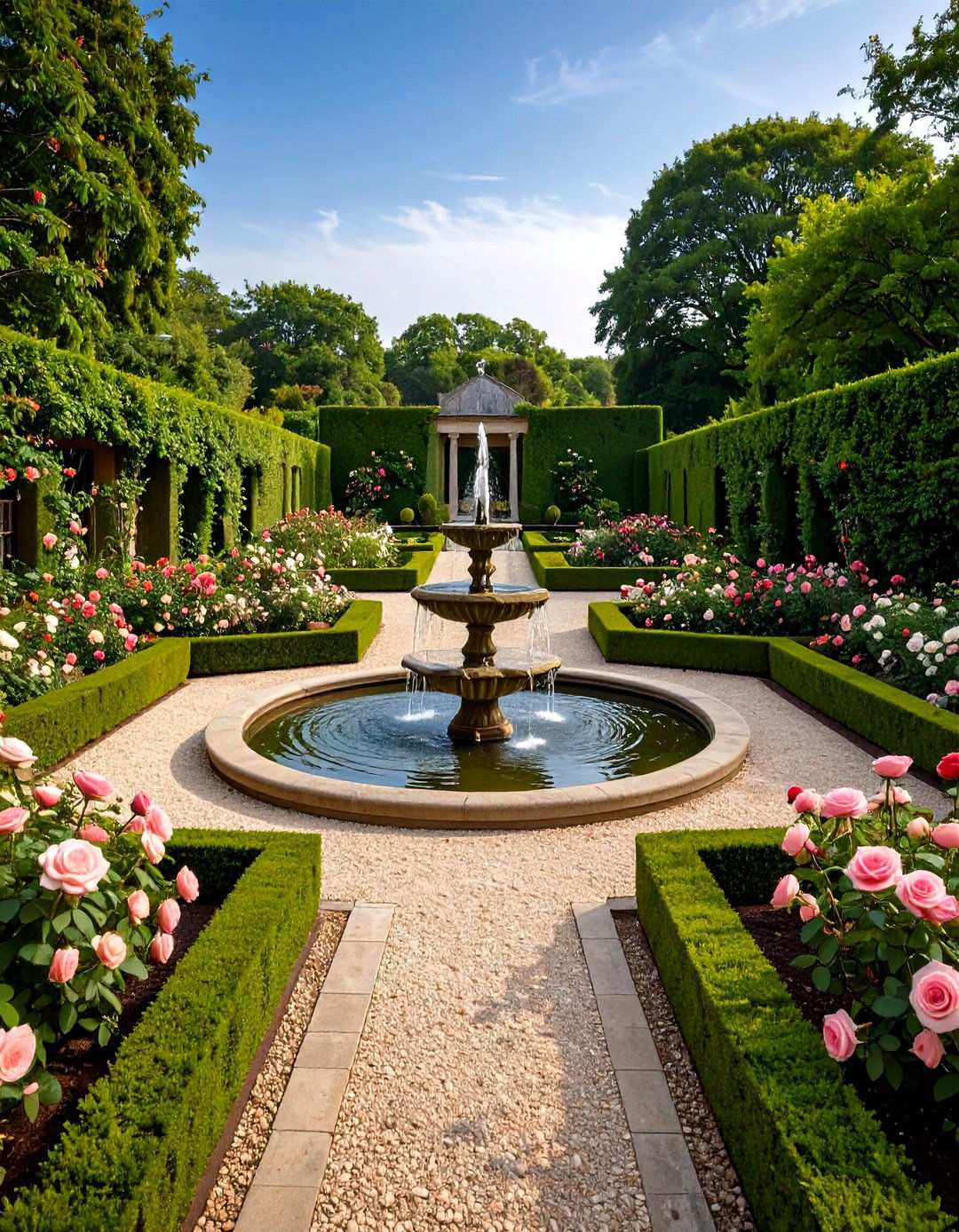
Crafting a garden that embodies refined sophistication requires a thoughtful approach. One way to achieve this is through a formal rose garden, where carefully designed geometric beds create a sense of classic poise. Rectangular or circular beds bordered with low-maintenance boxwood hedging provide a structured canvas for a curated selection of hybrid tea and grandiflora roses. These roses are chosen for their vibrant colors, which are then coordinated throughout the garden to create a cohesive look. Strategically placed gravel or brick pathways facilitate smooth circulation between planted areas, while statement pieces like fountains or statuary serve as focal points, grounding the composition. This traditional approach is particularly well-suited for larger properties, where grand scale amplifies the visual impact of the design. To maximize the effect, group roses in sets of three to five identical varieties, selecting colors that harmoniously complement your home’s architecture. Consistent maintenance ensures the hedging remains crisp and the rose beds remain free of weeds, preserving the garden’s structural beauty even during dormant seasons.

As an Amazon Associate I earn from qualifying purchases.
2. Timeless Charm of the Cottage Garden Rose Border
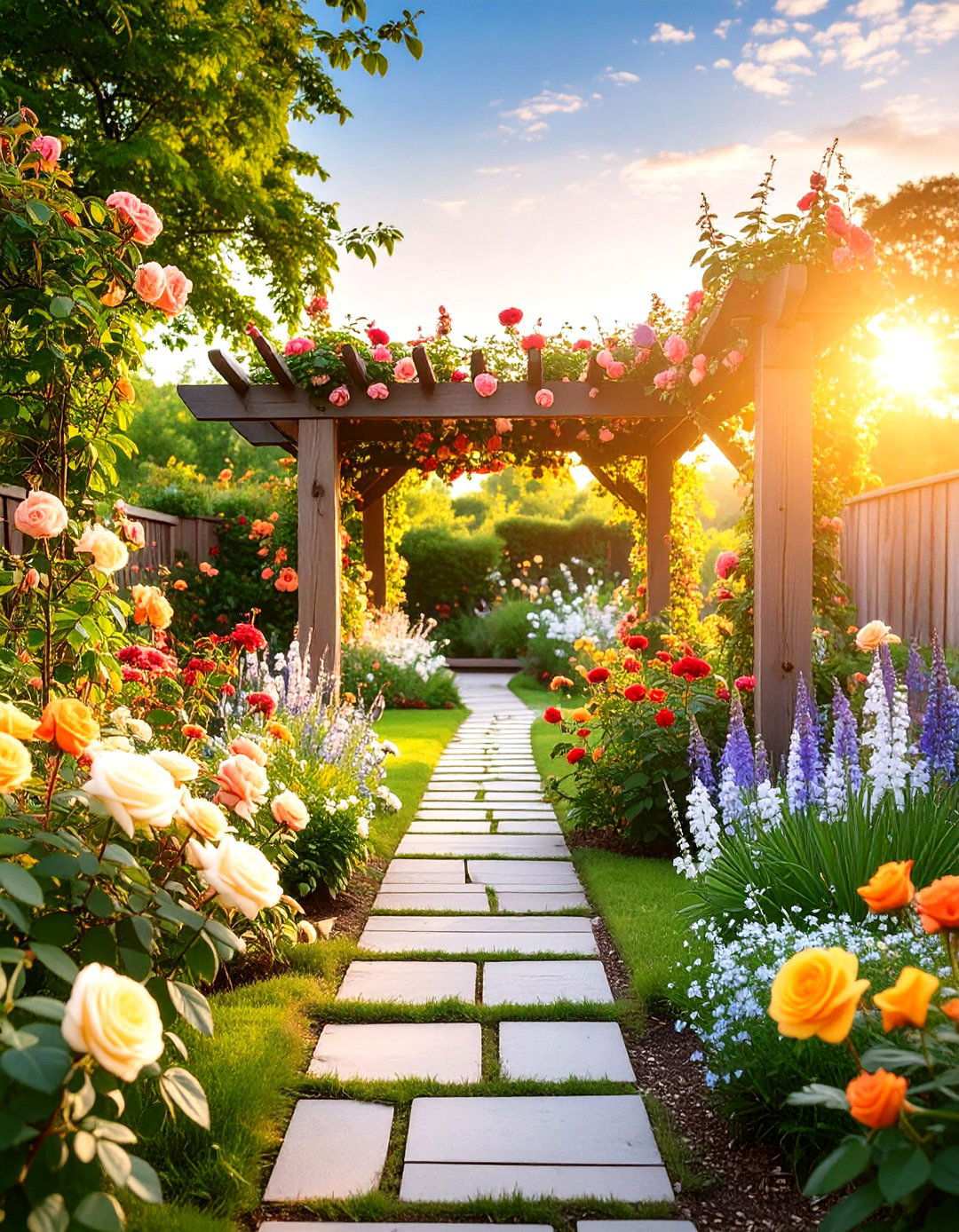
There’s something undeniably captivating about a garden that exudes a lived-in, effortless charm. The cottage garden rose border is a perfect embodiment of this enchanting quality, bringing together a harmonious blend of climbing, shrub, and bush roses with their perennial companions in an informal yet beautifully balanced arrangement. English roses mingle with statuesque foxgloves, stately delphiniums, and the delicate charm of catmint, while climbing varieties happily scramble over rustic wooden supports and spill across pathways, creating a whimsical, organic feel. This design celebrates the beauty of abundance, allowing plants to interweave naturally while maintaining a sense of structure that keeps chaos at bay. Fragrant David Austin varieties provide a touch of old-fashioned charm, paired with the modern advantage of disease resistance, and bloom repeatedly throughout the growing season. Companion plantings like lavender, geraniums, and sweet peas not only complement the rose colors but also attract beneficial insects, adding another layer of depth to this captivating design. The overall effect is a charming reflection of countryside tradition that works perfectly in harmony with traditional homes or as a striking contrast to contemporary architecture.
3. Elevating Rose Gardening to Sophisticated New Heights
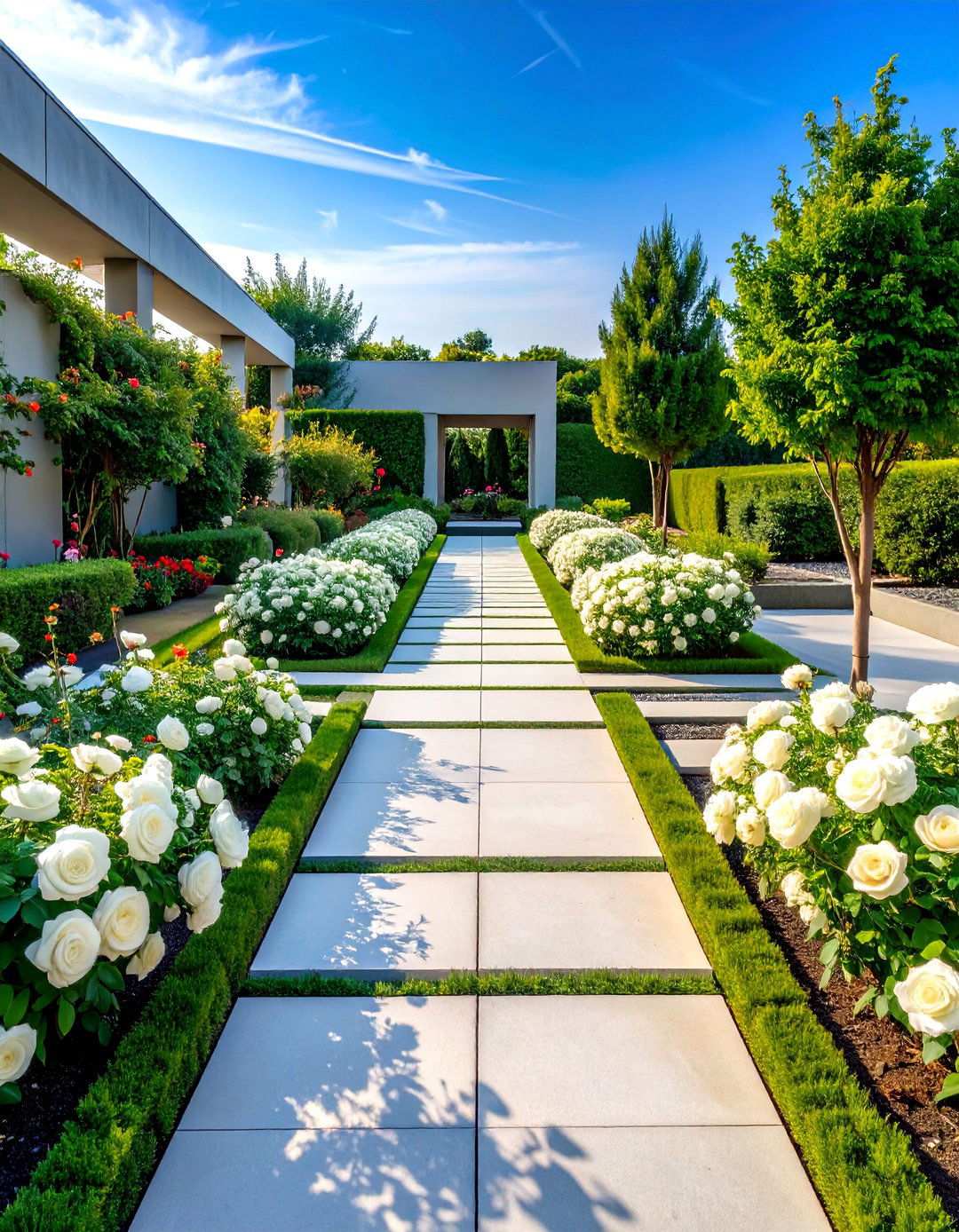
Can contemporary design principles transform the humble rose into a sleek and sophisticated statement piece? Modern minimalist rose landscapes are the perfect answer, showcasing clean lines, limited color palettes, and thoughtfully placed architectural elements. Single-variety mass plantings create bold, graphic color blocks, whereas the mixed cottage-style arrangements of yesteryear, and geometric hardscaping provides structure through concrete, steel, or stone elements. Disease-resistant landscape roses like Knock Out varieties offer continuous blooms with minimal maintenance requirements, making them an ideal choice for busy gardeners. This approach works particularly well with contemporary homes where simplicity and functionality take center stage over ornate traditional styling. Mulched beds with precise edges create crisp definitions between planted and hardscaped areas, while a limited color scheme using whites, soft pinks, or single bold hues prevents visual confusion and maintains a sophisticated restraint that perfectly complements modern architectural features.
4. Creating a Breathtaking Floral Canopy with Climbing Rose Pergolas
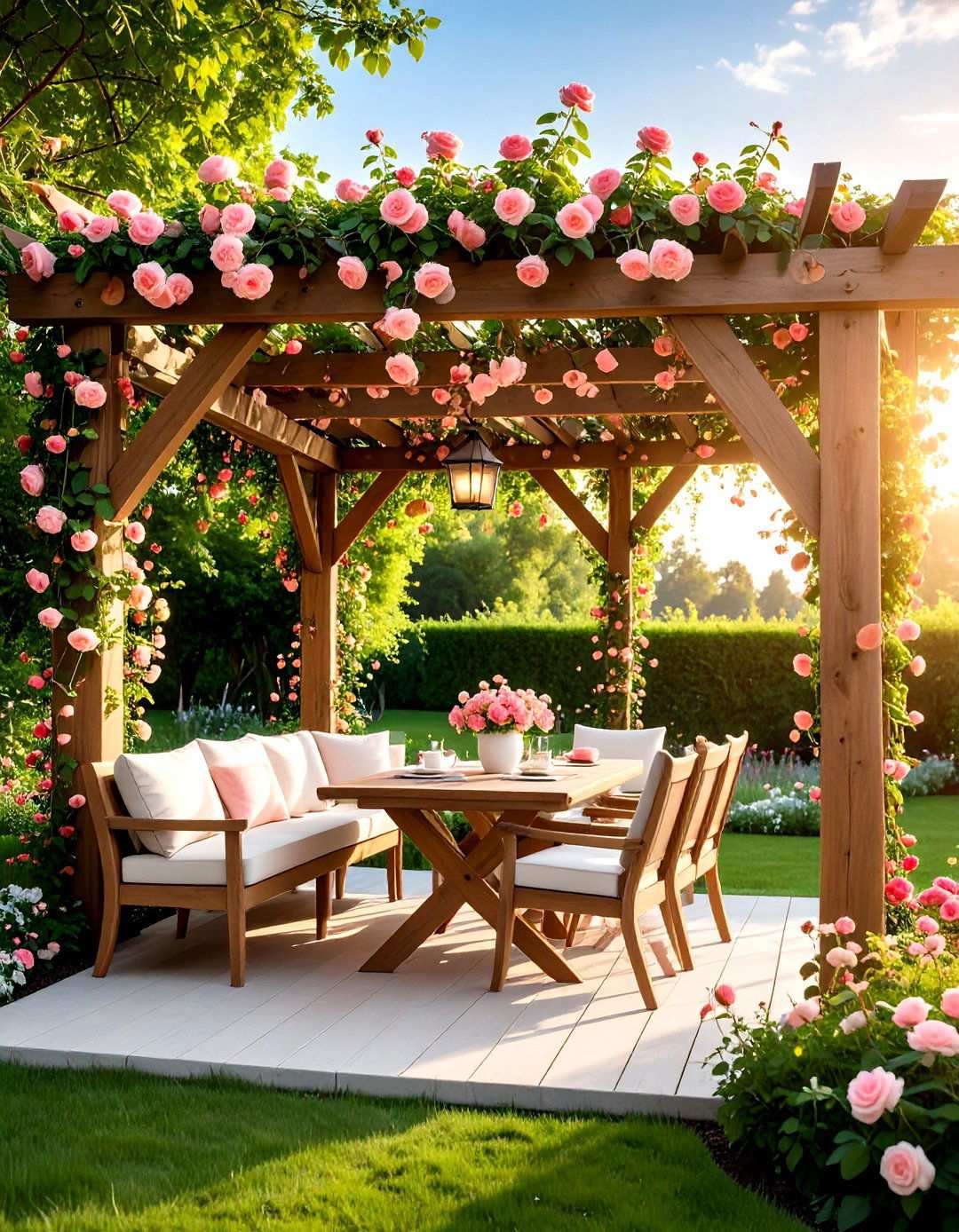
What transforms an ordinary garden structure into a breathtaking floral spectacle? Climbing rose pergolas are the answer, creating magical overhead displays that provide dappled shade while surrounding visitors with cascading blooms. Sturdy wooden or metal frameworks support vigorous climbing varieties like Eden, New Dawn, or Zephirine Drouhin that develop extensive coverage over several seasons. The pergola’s proportions should be carefully matched to your garden’s scale, with wider structures accommodating multiple rose varieties for extended flowering periods. Strategic placement near seating areas allows for close appreciation of fragrance during peak bloom times. Training rose canes horizontally along support beams encourages flowering along entire lengths rather than just at tips, while companion vines like clematis can extend the blooming season. Lighting fixtures add an enchanting ambiance beneath the floral canopy, elevating the experience to new heights.
5. Crafting Rose Garden Enchantments in Constricted Spaces
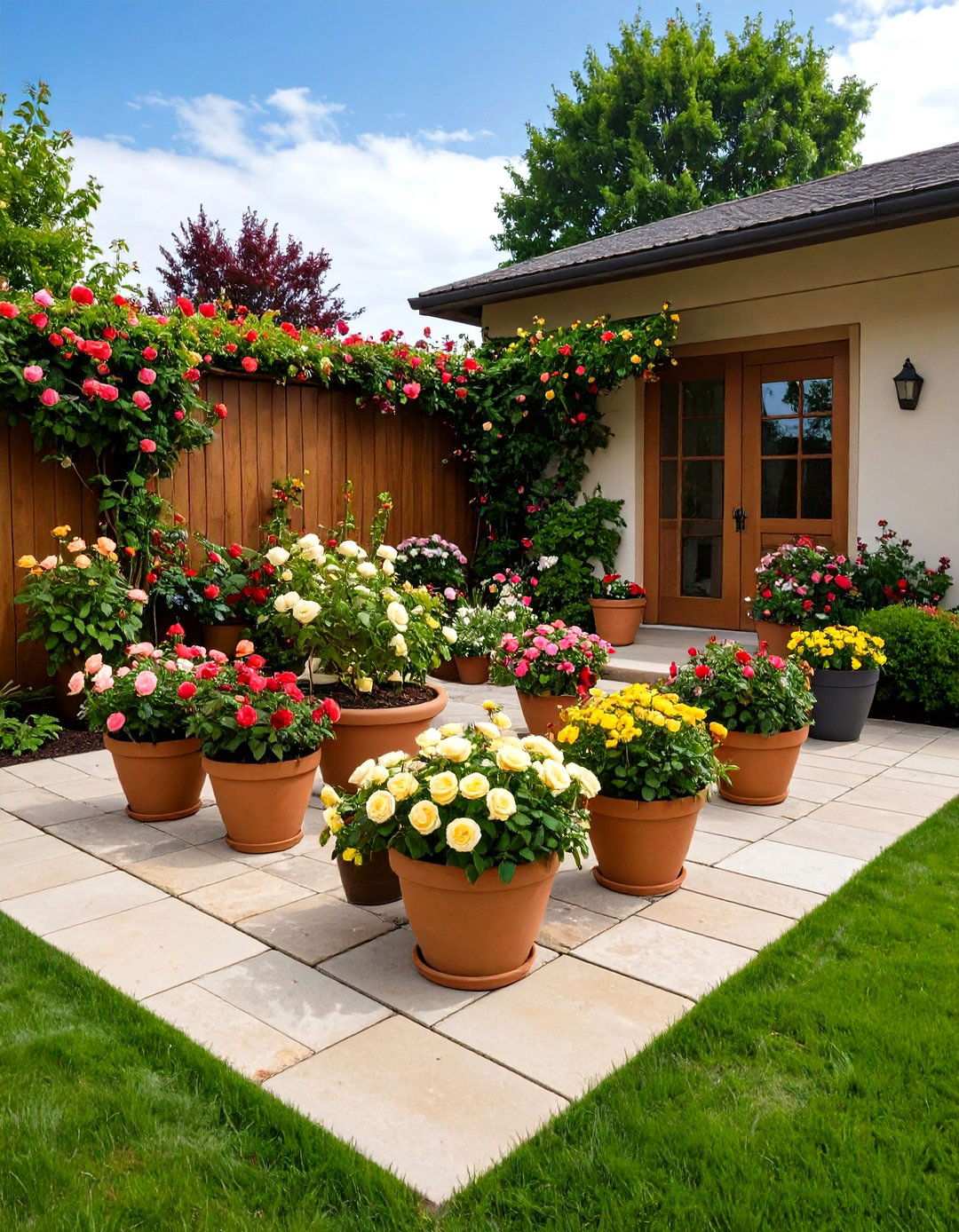
Even the most compact outdoor areas can be transformed into captivating rose gardens, thanks to strategic planning and thoughtful variety selection. Container rose gardens are an ideal solution for small patios, balconies, and urban spaces. To create a visually appealing arrangement, choose compact rose varieties such as miniature roses, patio roses, or smaller shrub types that complement the scale of the containers. Ensure that large containers measuring at least 18-24 inches across provide sufficient root space for optimal growth. Mixing containers of varying heights and sizes will create a visually engaging display while ensuring that all plants receive adequate sunlight. Trained climbing varieties can be trained to ascend walls or trellises, adding a vertical dimension to compact spaces. To achieve success in container gardens, it’s essential to adhere to regular watering and feeding schedules. Moreover, wheeled platforms enable seasonal repositioning and adaptability. By implementing this approach, apartment dwellers and urban gardeners can enjoy the beauty of rose gardens despite limited traditional planting space.
6. Unveiling the Stories of Antique Roses
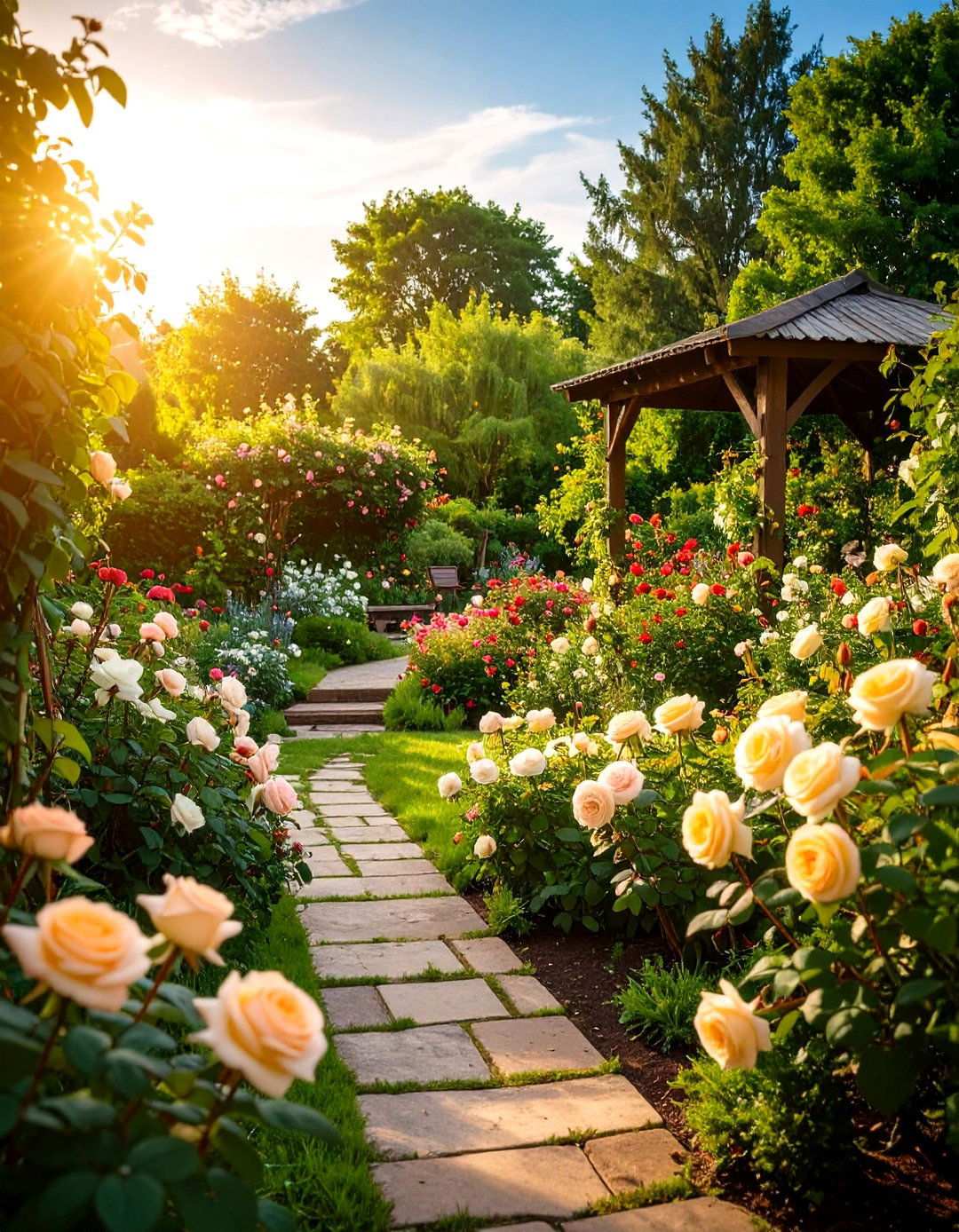
Heritage rose collections are a unique way to preserve rare and historically significant varieties while creating gardens that evoke a sense of cultural significance. These specialized gardens are built around old garden roses, species roses, and documented antique cultivars, each of which represents a specific time period, breeding achievement, or historical significance. From medieval monastery gardens to Victorian estate collections, these roses often tell a fascinating story. Although they may bloom only once annually, they make up for it with exceptional fragrance and disease resistance developed over centuries. When designing companion plantings, it’s essential to reflect historical accuracy by incorporating herbs, perennials, and annuals that were common during specific eras. Interpretive signs can be used to share the stories behind each variety’s origins and cultural importance. By connecting with local historical societies or botanical institutions, these gardens can help preserve genetic diversity while educating visitors about the rich horticultural heritage.
7. Creating Rose Gardens that Welcome Wildlife
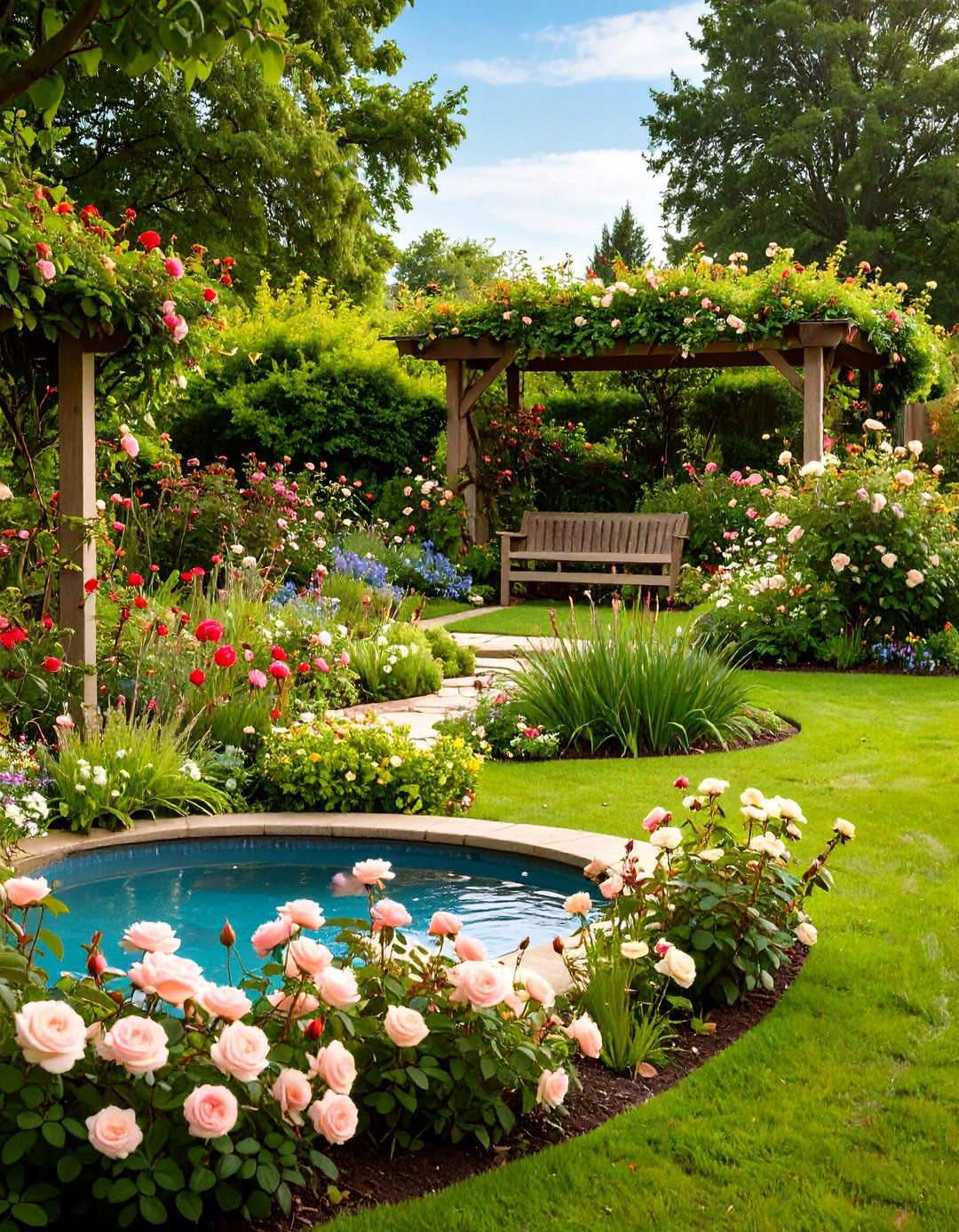
Rose gardens can be designed to support local wildlife while maintaining their ornamental beauty. Wildlife-friendly rose habitats combine native species roses with cultivated varieties that provide food and shelter for beneficial insects, birds, and small mammals. Single-flowered roses offer accessible nectar sources for bees and butterflies, while hip-producing varieties provide autumn and winter bird food. Native companion plants create a complete ecosystem support, attracting predatory insects that naturally control garden pests. By adopting this approach, gardeners can reduce or eliminate the need for pesticides while supporting biodiversity conservation. Species roses like Rosa rugosa or Rosa woodsii require minimal care while providing maximum wildlife value. Features such as water, nesting boxes, and diverse plant heights create habitat complexity that supports various wildlife species throughout the year. By incorporating these elements, rose gardeners can demonstrate how ornamental landscapes can make a significant contribution to environmental conservation.
8. Captivating the Senses: Fragrance-Focused Rose Garden Design
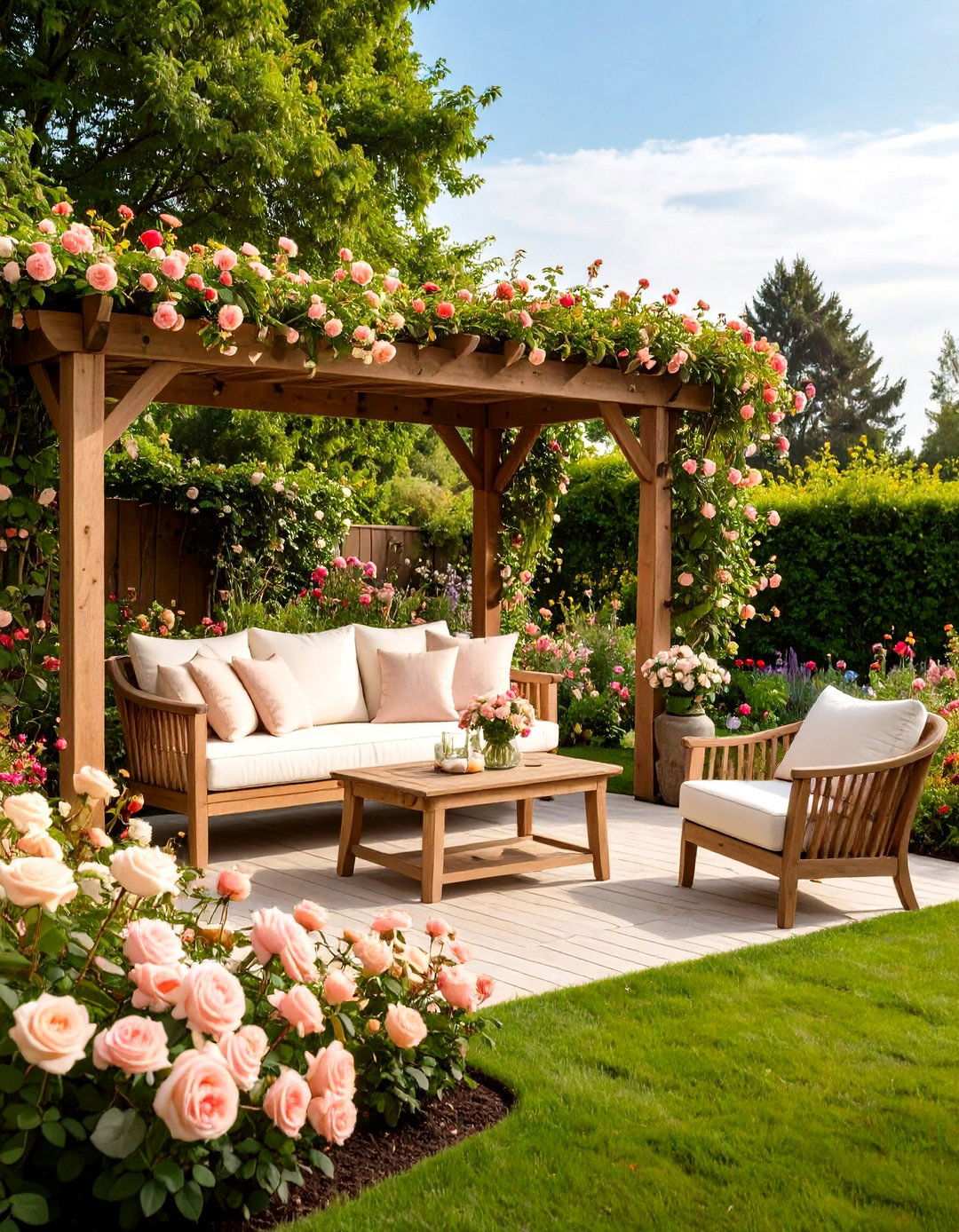
Crafting an immersive garden experience that teases the senses is a unique art form. By concentrating on highly fragrant rose varieties, garden designers can transport visitors to a sensory realm where every moment counts. Roses like Mister Lincoln, Double Delight, and Fragrant Cloud, known for their heady perfumes, are strategically placed near pathways, entrance points, and windows to maximize the aromatic impact. Furthermore, clever consideration is given to prevailing wind patterns and seasonal air movement to ensure that the fragrance of these captivating blooms wafts through the space, enticing visitors to linger. As day succumbs to evening, the addition of companions like four o’clocks and night-blooming jasmine extends the aromatic experience into the twilight hours. By creating enclosed or semi-enclosed garden rooms, designers can trap and concentrate the scents, creating an intense sensory experience that lingers long after the visit ends. Additionally, raised beds and artfully chosen herb companions like rosemary and thyme add complementary scents, heightening the sensory experience.
9. A World of Color: Rose Garden Schemes Inspired by Monochromatic Palettes
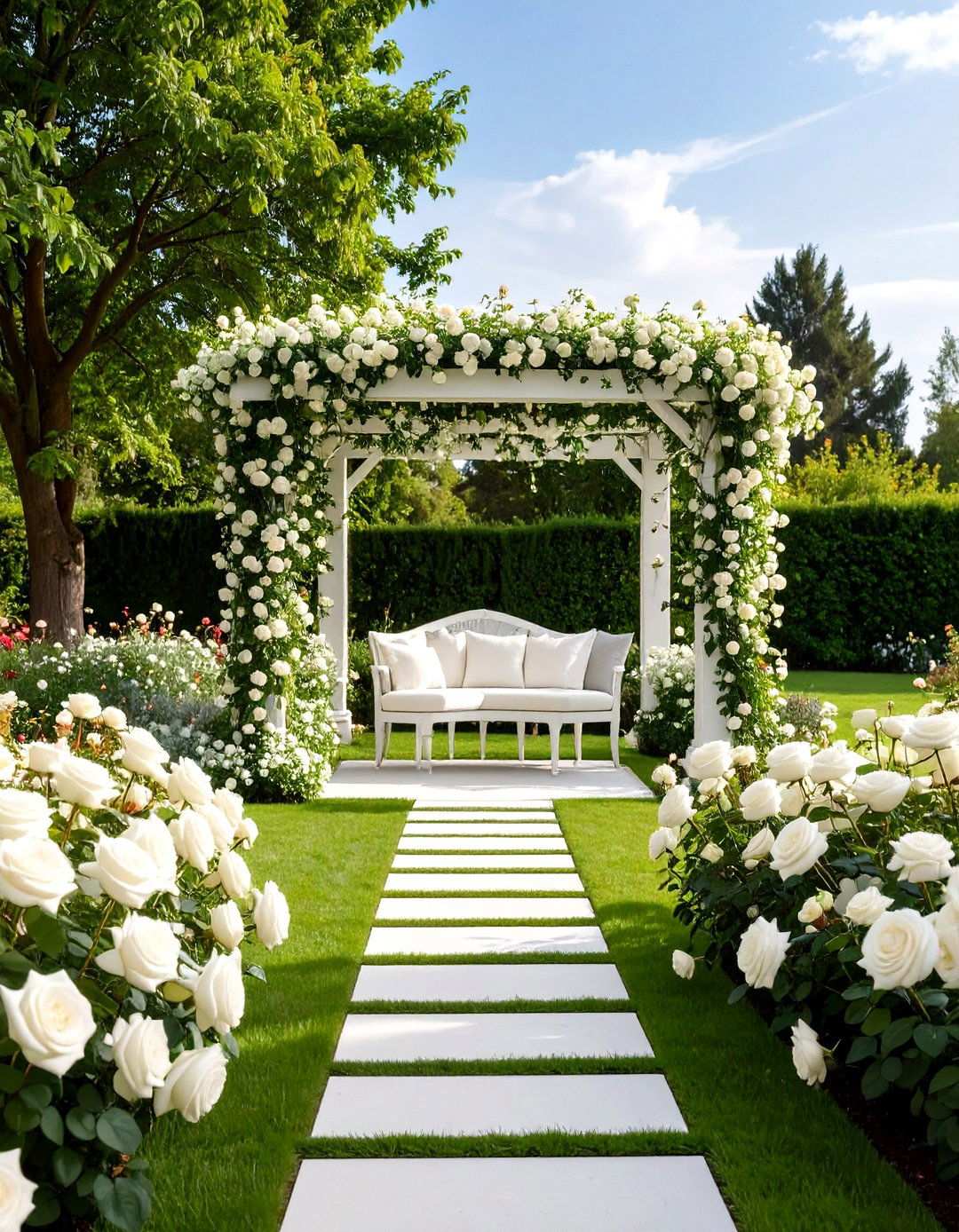
Monochromatic or carefully curated color schemes have the power to evoke a range of emotions and create visually striking landscapes. By harnessing the power of color, garden designers can craft dramatic focal points or serene, harmonious spaces that transport visitors to a world of beauty. For instance, white gardens exude elegance and sophistication, with varieties like Iceberg, Wedding Day, and Alba roses paired with silver-foliaged companions to create a sense of refined simplicity. On the other hand, pink gradations from pale blush to deep magenta evoke a sense of romance and femininity through the careful selection of rose varieties. Similarly, yellow and orange combinations bring warmth and energy to sunny locations, creating an instant sense of uplift and joy. By paying close attention to bloom timing, designers can ensure a seamless transition of colors throughout the growing season, creating a garden that is both visually stunning and emotionally resonant. Foliage colors and seasonal bulbs then reinforce the chosen palette, extending the color theme into spring and fall, and demonstrating a deep understanding of color psychology. With careful planning, even the most fleeting blooms can be woven into a tapestry of color that delights the senses and engages the imagination.
10. Blending Beauty and Bounty
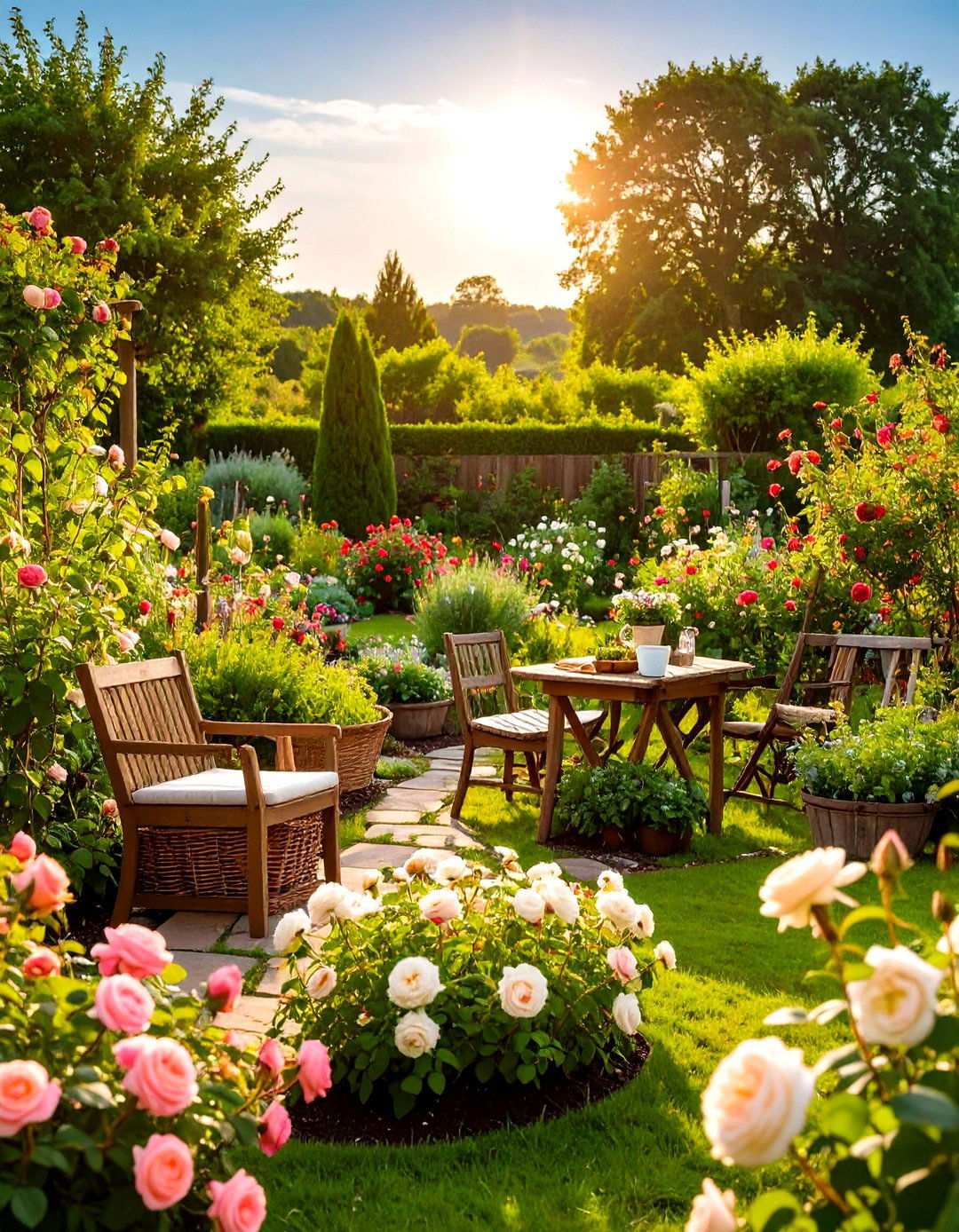
The convergence of rose gardens and edible landscapes presents a fascinating combination of aesthetics and functionality. By incorporating varieties of roses suitable for culinary use, edible rose gardens strike a balance between beauty and utility. Certain cultivars, such as Rosa rugosa, Rosa damascena, and select David Austin roses, yield petals that can be safely consumed in various dishes, teas, and preserves. Paired with complementary herbs like mint, thyme, and lemon balm, these gardens become self-sufficient culinary destinations where flowers, leaves, and fruits are harvested for kitchen use. This approach necessitates organic growing practices to ensure food safety, while also selecting varieties prized for their flavor and visual appeal. The use of rose hips from species roses adds an extra dimension, providing vitamin C-rich ingredients for homemade jellies and teas. To facilitate harvesting and preparation, garden design incorporates convenient pathways and cooking areas near the kitchen. Moreover, educational elements can be incorporated to teach visitors about the rich culinary traditions surrounding roses from diverse cultures. By merging functionality and beauty, these gardens promote sustainable food production and invite exploration in an ornamental setting.
11. The Allure of Intimate Garden Spaces
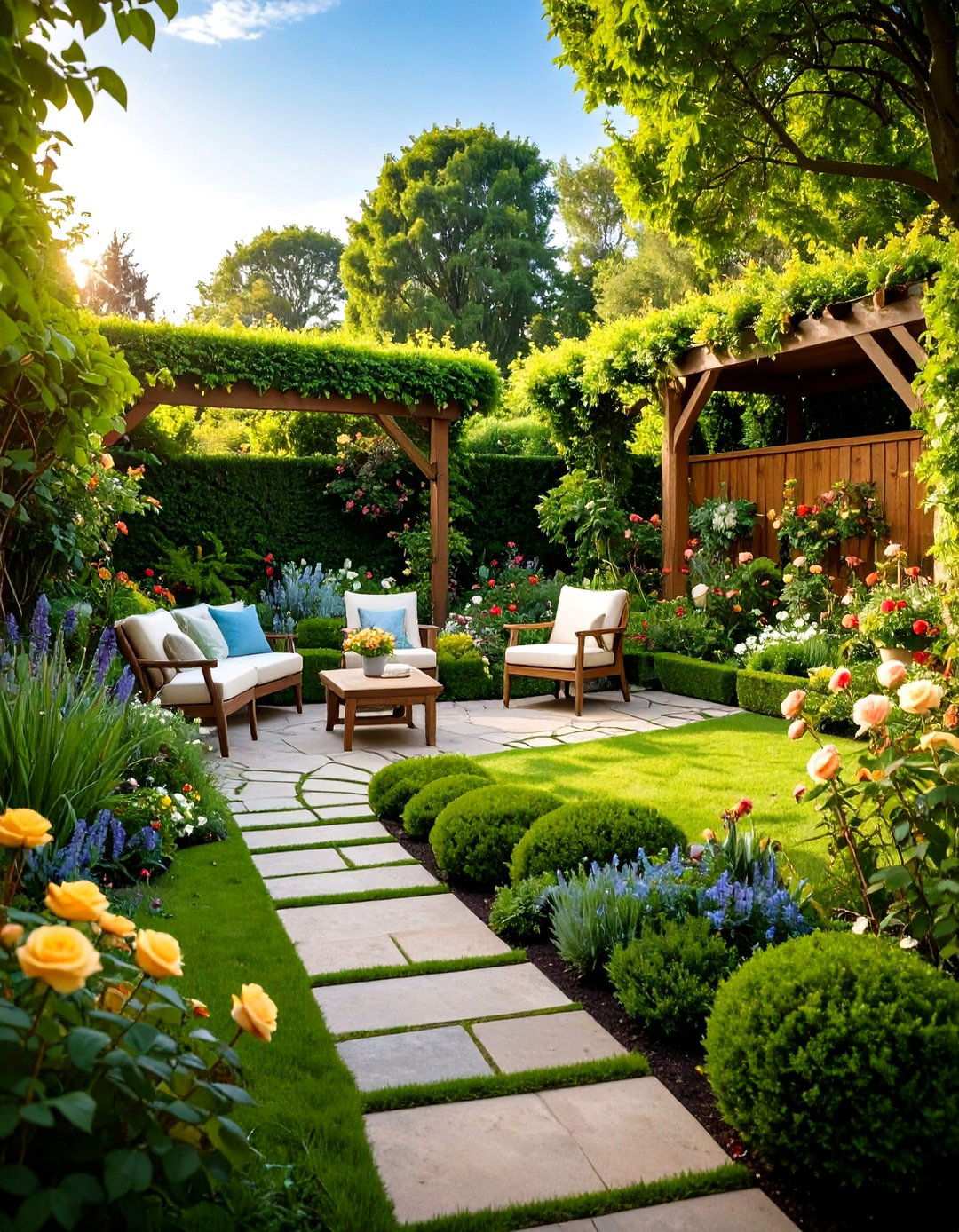
The creation of enclosed garden rooms offers an opportunity to craft serene, private havens within larger landscapes. By employing hedging, walls, or structures to define separate spaces, rose garden rooms establish a sense of separation from the surrounding environment. Each room can be designed to showcase distinct rose themes, colors, or styles, while maintaining a cohesive overall aesthetic. Formal rooms may feature geometric arrangements of hybrid teas, whereas informal spaces can be designed with rambling roses and their cottage companions. Strategically placed entry and exit points between rooms build anticipation and encourage discovery as visitors navigate the garden sequence. This concept is particularly well-suited to larger properties, where multiple garden experiences can be tailored to specific tastes and preferences. Seasonal rooms can be designed to peak at different times, extending the garden’s visual interest throughout the growing season. To create focal points within each space, seating, water features, or sculpture can be incorporated. The room concept allows for complex garden designs while preserving the human-scale intimacy that might be lost in expansive, open landscapes.
12. Vertical Rose Garden Walls
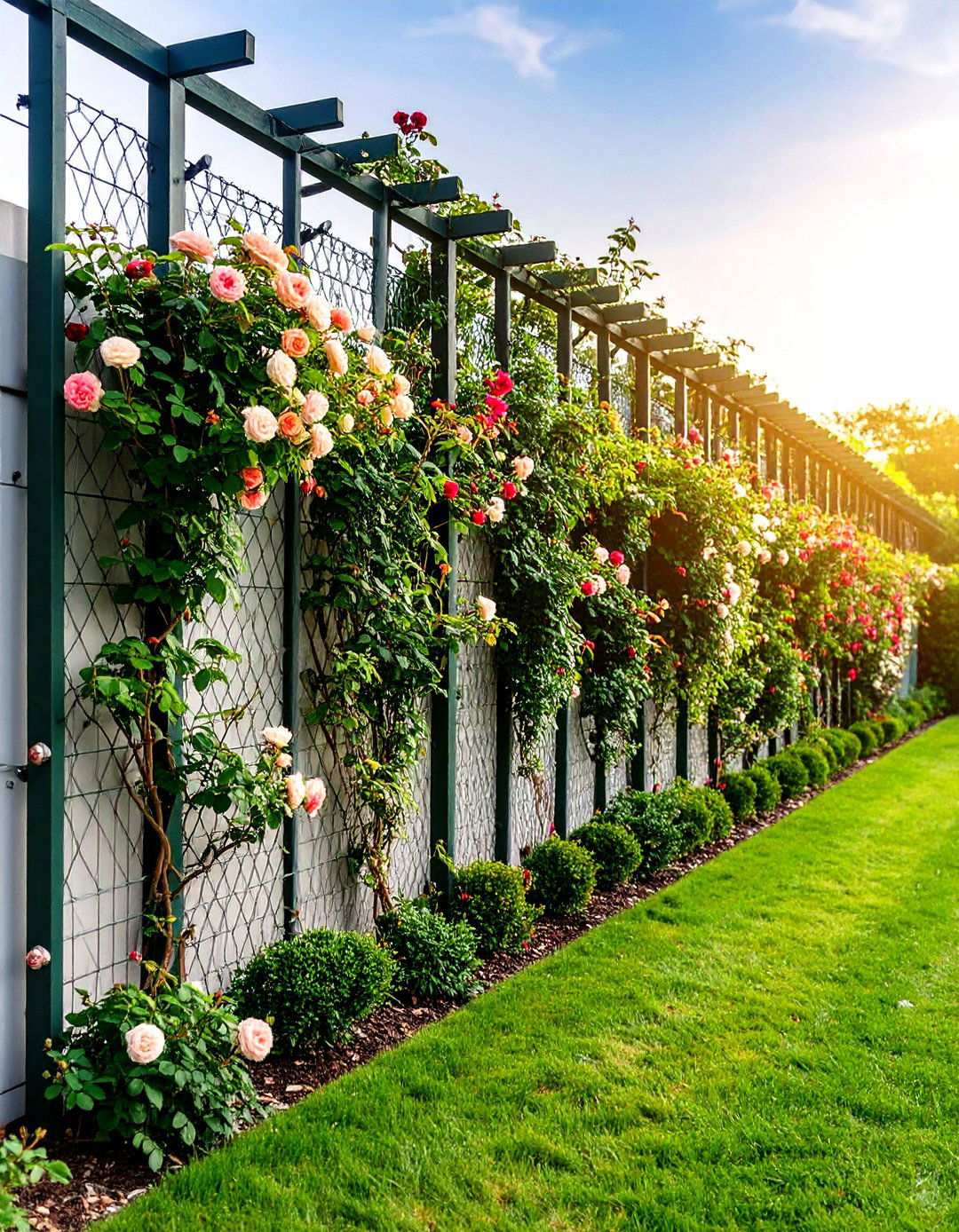
Transforming blank walls into breathtaking tapestries of color and fragrance, vertical rose gardens make the most of limited space. By training climbing varieties to cascade down walls, fences, and structures, these gardens not only add visual interest but also create a tranquil oasis. The use of wires, trellises, or wall-mounted supports facilitates growth patterns while safeguarding building surfaces. Selecting varieties like Lady Banks or Climbing Iceberg, which offer distinct growth habits and flowering characteristics, allows gardeners to tailor the display to their specific needs and exposures. This approach not only maximizes planting space but also provides a unique way to conceal unsightly structures and create stunning architectural integration. By carefully choosing varieties that fit mature size, flowering habits, and maintenance requirements, gardeners can ensure a thriving display. Furthermore, incorporating wall-mounted irrigation systems ensures that the plants receive the right amount of moisture without compromising the building’s integrity. To complete the look, companion plantings at ground level soften the edges of the garden, extending the color palette and adding texture.
13. Miniature Rose Display Garden
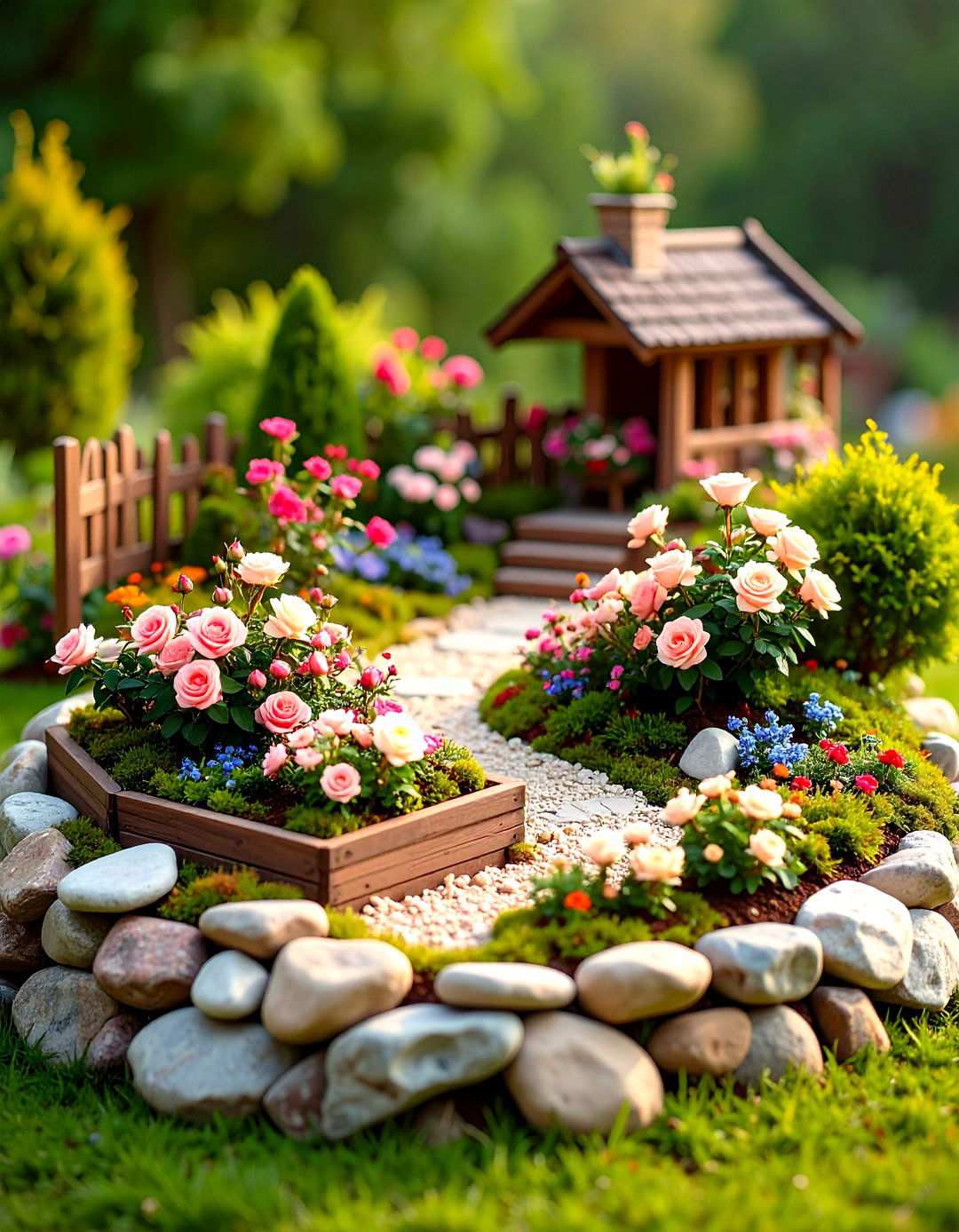
Miniature rose display gardens are a testament to the power of restraint and design. By showcasing compact varieties in carefully curated settings, these gardens allow viewers to appreciate the delicate beauty of tiny roses up close. Raised beds, container groupings, or rock gardens provide the perfect environment for these diminutive blooms to thrive, bringing them closer to eye level and showcasing their intricate forms. Varieties like Baby Boomer or Rainbow’s End offer a stunning array of colors and forms in compact packages, making them ideal for detailed viewing and close appreciation. To avoid overwhelming the miniature roses, companion plants should be selected with care, choosing small-scale perennials, herbs, or alpine plants that complement their delicate beauty. Regular deadheading and meticulous maintenance are essential to keep the display looking its best and encourage continuous blooming. Such gardens are a haven for collectors and enthusiasts who appreciate the artistry of horticulture in miniature form, offering a unique and immersive experience that invites comfortable observation and contemplation.
14. Optimizing Rose Cutting Garden Layout for Abundant Harvests
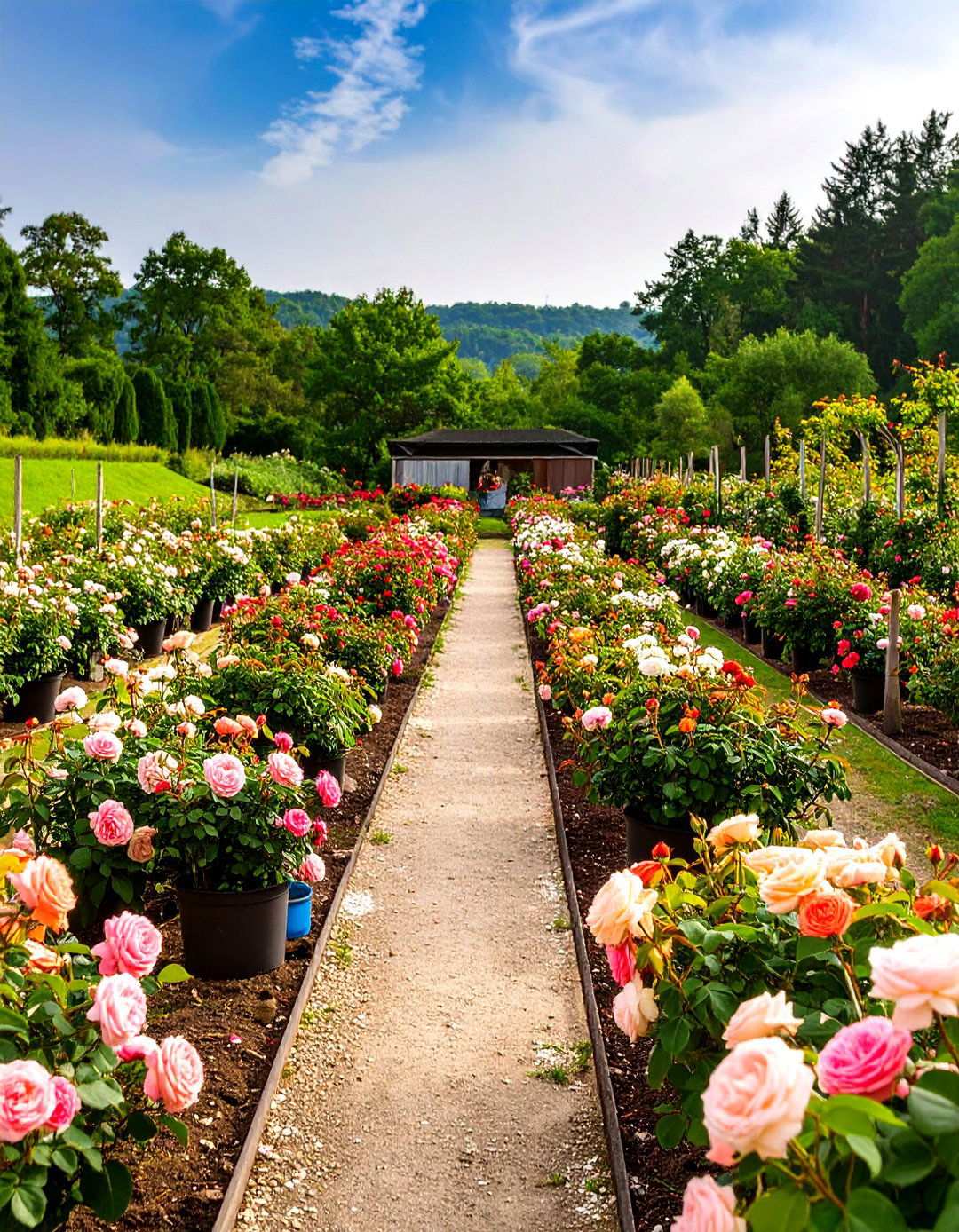
When it comes to cultivating rose cutting gardens, several design elements come together to create productive spaces that prioritize flower harvesting over ornamental display. By adopting a practical approach to garden design, rose cutting garden enthusiasts can enjoy an abundance of blooms while maintaining efficient maintenance and harvesting routines. Wide pathways and straight rows or rectangular beds facilitate easy access to individual plants, reducing the risk of damage during flower collection. For optimal results, select rose varieties that thrive in cutting gardens, such as hybrid teas, grandifloras, and repeat-flowering shrub roses, which boast long stems, excellent vase life, and continuous blooming capabilities. By embracing a utilitarian design approach, gardeners can maximize productivity without compromising on beauty. The incorporation of companion plantings like zinnias, cosmos, and sweet peas not only extends the harvest season but also attracts beneficial insects to the garden. Convenient storage areas for tools, buckets, and conditioning supplies are typically located near the cutting beds, streamlining the harvesting process. This thoughtful approach makes rose cutting gardens an ideal choice for flower arrangers, florists, and anyone who appreciates bringing the beauty of the outdoors into their home. Effective harvesting techniques and timing play a crucial role in maintaining garden health and ensuring the optimal quality of flowers for indoor arrangements.
15. Unlocking the Potential of Rose and Clematis Partnerships
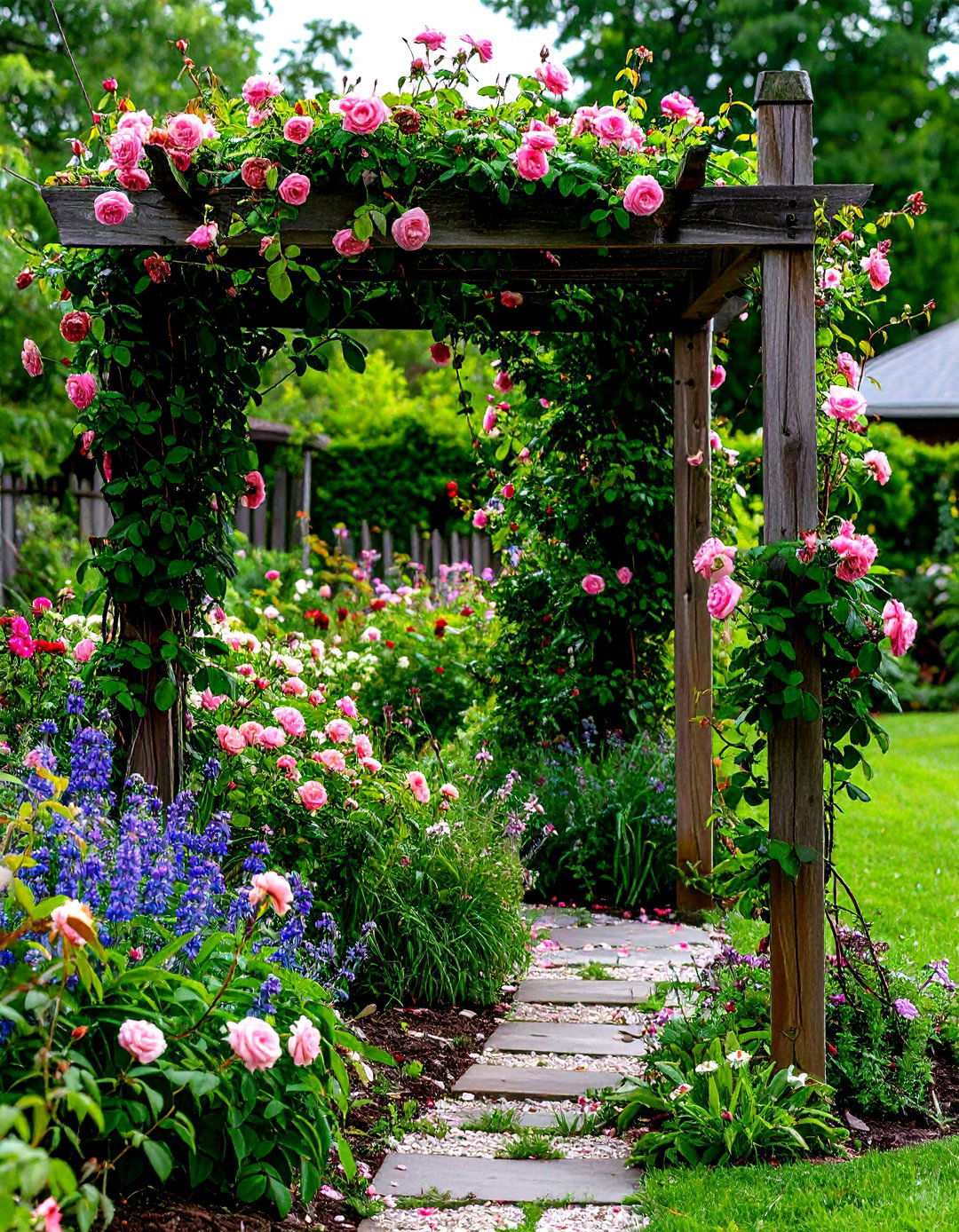
Rose and clematis partnerships have been a staple of beautiful garden designs for centuries, and when executed correctly, they can create stunning vertical displays that extend the flowering season and add visual interest to the garden. By combining these two classic companions, gardeners can enjoy an extended period of blooms that cater to different tastes and preferences. Late-flowering clematis varieties, such as Clematis viticella, can bloom after early rose flushes, filling the garden with color well into late summer and fall. When selecting compatible growth habits, it’s essential to ensure that neither plant overpowers the other, while also providing adequate support for both climbing styles. This thoughtful approach not only maximizes vertical growing space but also offers a diverse range of textures, colors, and blooming periods. To maintain healthy growth patterns, it’s essential to establish a proper pruning schedule that accommodates the requirements of both plants. By combining a range of rose and clematis varieties, gardeners can create color combinations that are both subtle and dramatic, depending on their personal style and preferences. This approach to garden design demonstrates how thoughtful plant combinations can lead to more interesting and dynamic gardens than single-species plantings, while also utilizing space efficiently.
16. Captivating Mediterranean Oasis
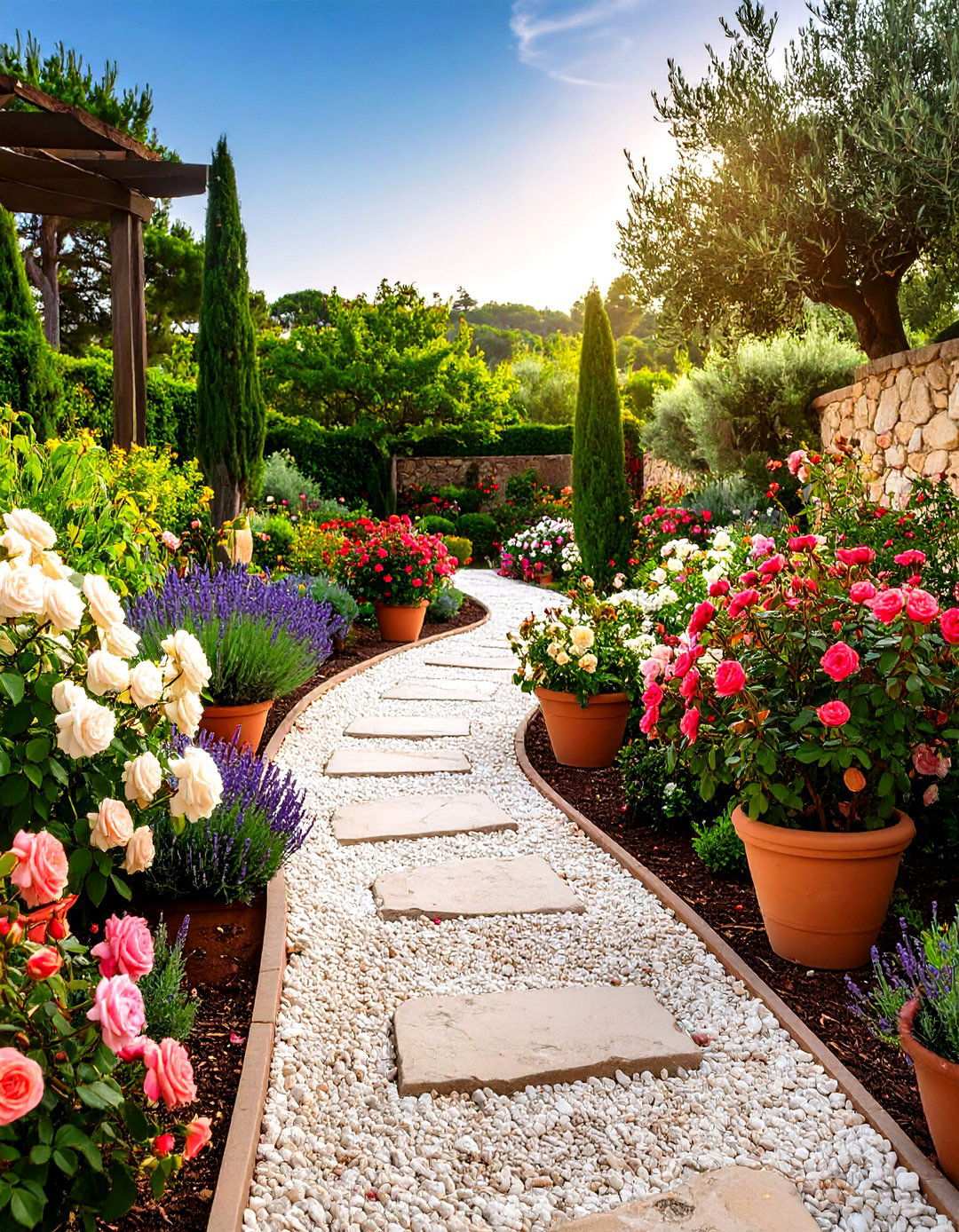
Mediterranean rose garden styles evoke the essence of sun-kissed European landscapes by blending drought-tolerant roses with fragrant herbs, elegant grasses, and rustic stone elements. The perfect varieties for this setting include Lady of Shalott, Sally Holmes, and species roses, which thrive in well-drained conditions and bask in the warm sunlight. Gravel pathways, stone walls, and terracotta planters work in harmony to reinforce the Mediterranean ambiance while ensuring excellent drainage. The beauty of this approach lies in its ability to flourish with minimal watering, making it an ideal choice for gardeners in hot, dry climates. Companion plants like lavender, rosemary, santolina, and ornamental grasses complement rose colors while requiring minimal irrigation, creating a low-maintenance yet stunning display. For added structure and seasonal interest, consider incorporating olive trees, citrus, or other Mediterranean plants. This approach not only brings the vacation vibe to your garden year-round but also showcases sustainable gardening practices perfect for water-conscious regions. As the sun sets, evening lighting and outdoor dining areas complete the enchanting Mediterranean experience.
17. Unveiling the Secrets of Shade-Tolerant Roses
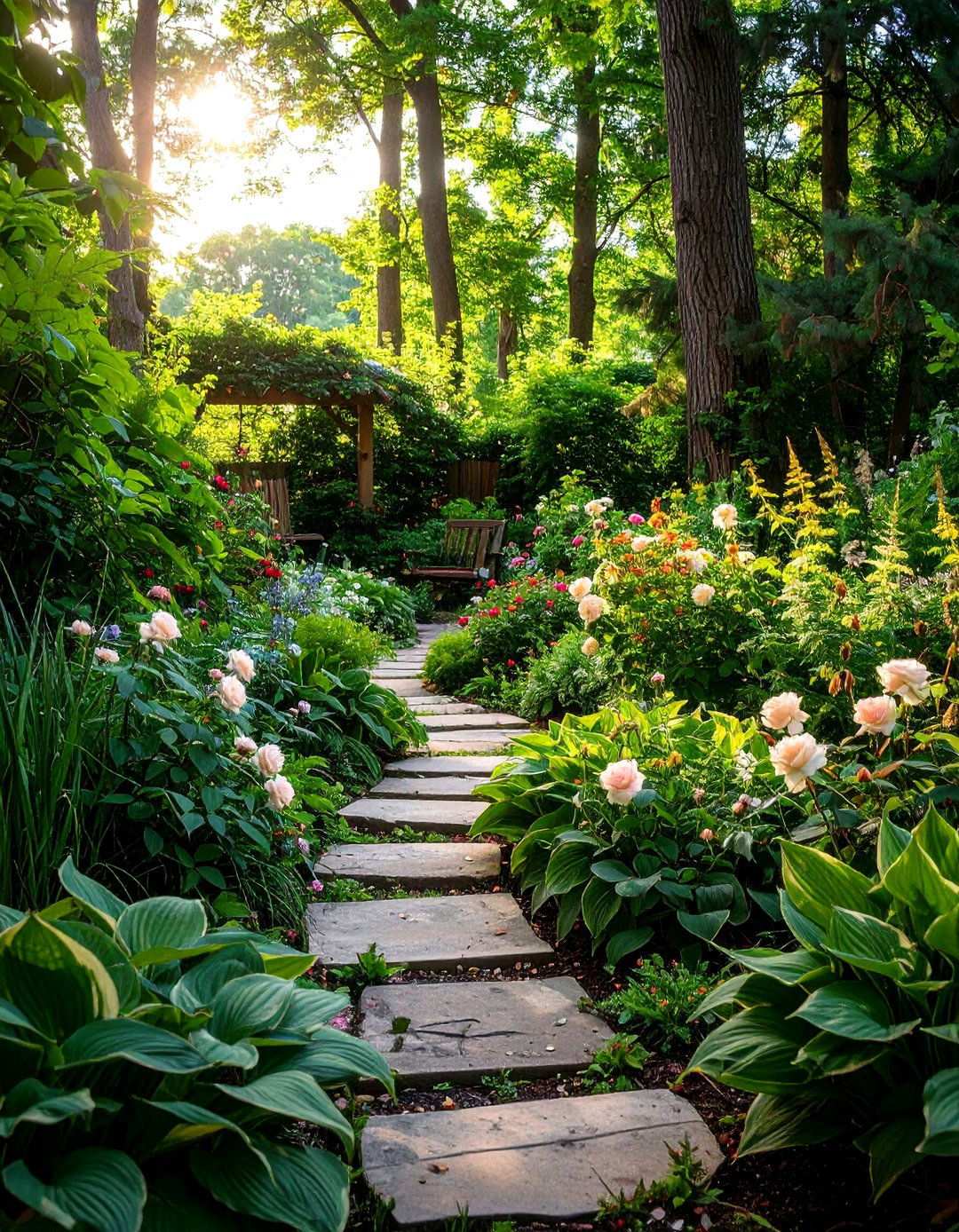
While roses are often associated with full sun, they can indeed thrive in partially shaded locations. By selecting varieties that perform well with four to six hours of daily sunlight, gardeners can unlock the possibilities of rose gardening in woodland edges, courtyards, or north-facing spaces where full sun isn’t available. Species roses, David Austin varieties, and certain climbing roses are particularly well-suited for these conditions. To create a thriving shade-tolerant rose garden, companion plantings of shade perennials like hostas, astilbe, or woodland flowers can add depth and visual interest. Soil preparation is crucial in shade gardens, requiring excellent drainage and organic matter amendments to prevent disease problems. By carefully selecting varieties and providing optimal growing conditions, gardeners can enjoy the beauty of roses in unexpected locations, even in challenging conditions. With proper care and management, these gardens prove that roses can adapt to reduced light conditions while still delivering stunning blooms and vibrant plant growth.
18. Crafting a Year-Round Rose Garden Oasis
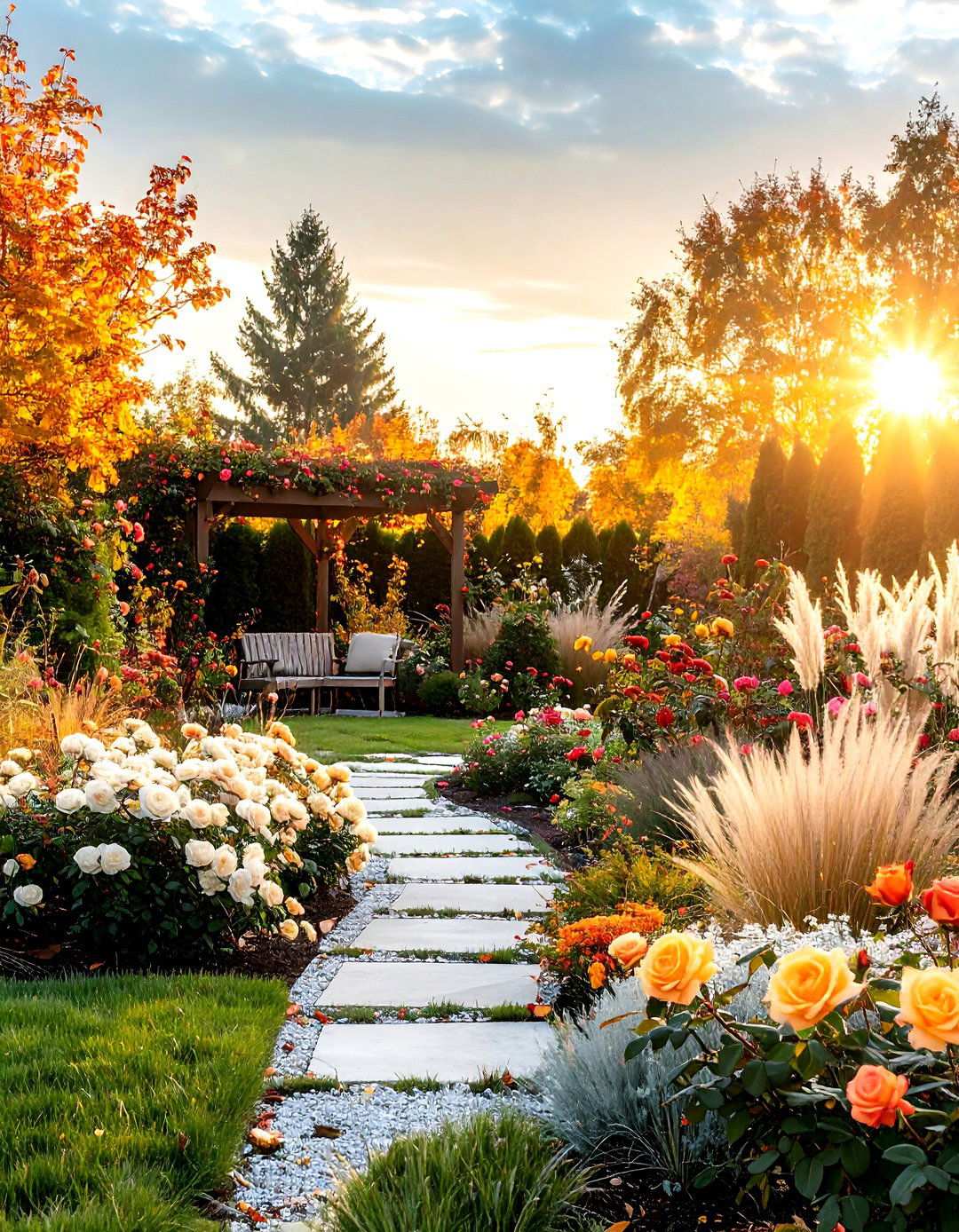
To create a garden that captivates the senses throughout every season, consider incorporating multi-dimensional structures and a diverse array of plantings. Evergreen backdrops, ornamental grasses, and winter-flowering shrubs serve as an inspired complement to roses, imbuing the garden with year-round allure. This thoughtful approach acknowledges that roses lie dormant in colder climates, necessitating companion plantings to maintain a cohesive garden design. Spring-blooming bulbs introduce vibrant color before roses unfurl their leaves, while fall-blooming perennials elegantly extend the growing season. Winter elements such as striking bark, persistent fruits, or sculptural forms provide visual interest during periods of dormancy. Thoughtful plant spacing enables seamless seasonal transitions while preserving proportional relationships throughout the year. By focusing on long-term garden development, rather than solely peak summer displays, such gardens showcase the art of careful planning and consideration. A well-curated selection of plants guarantees captivating scenery during every season, with roses taking center stage during their prime blooming period.
19. The Art of Rose Garden Pathways and Walkways
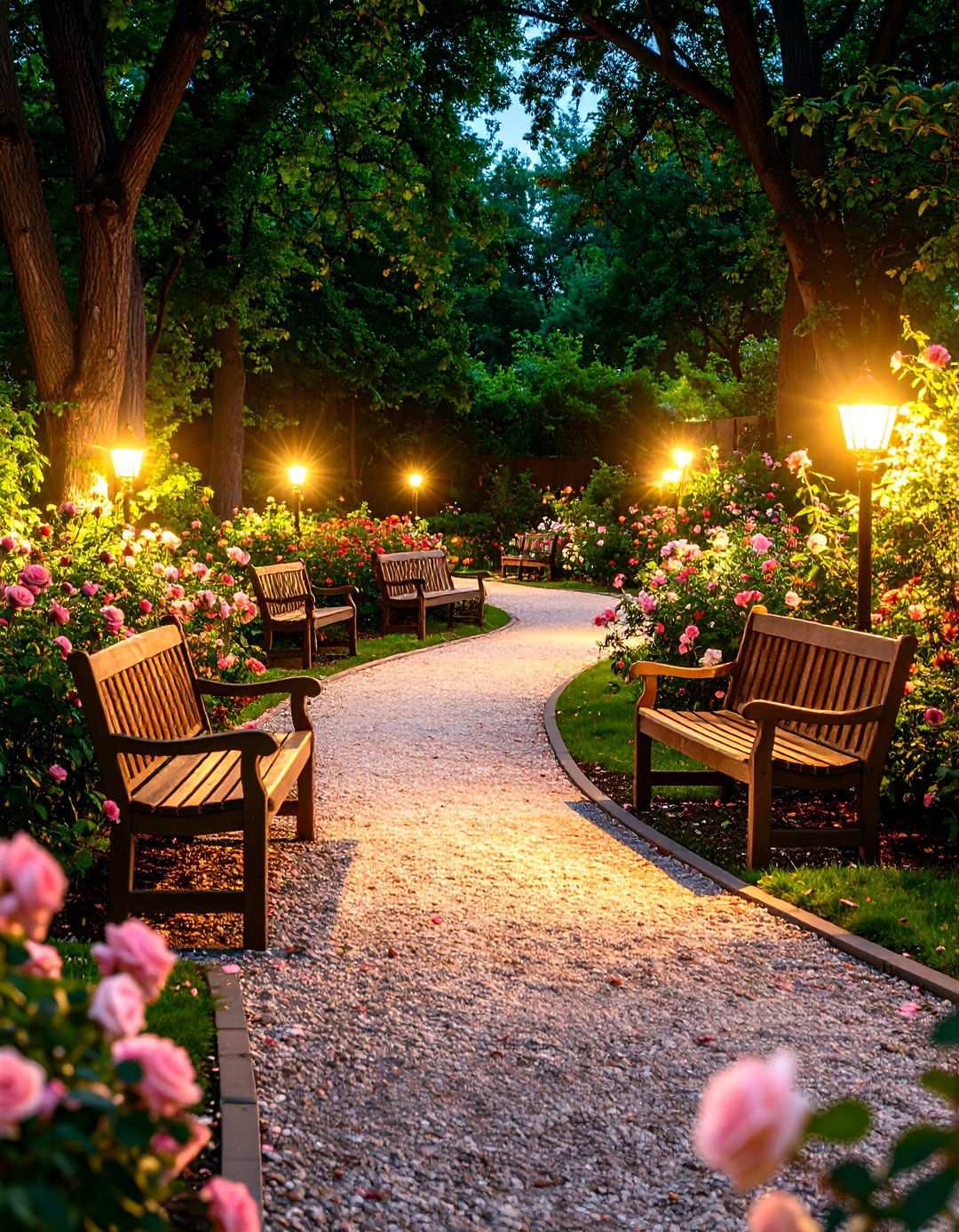
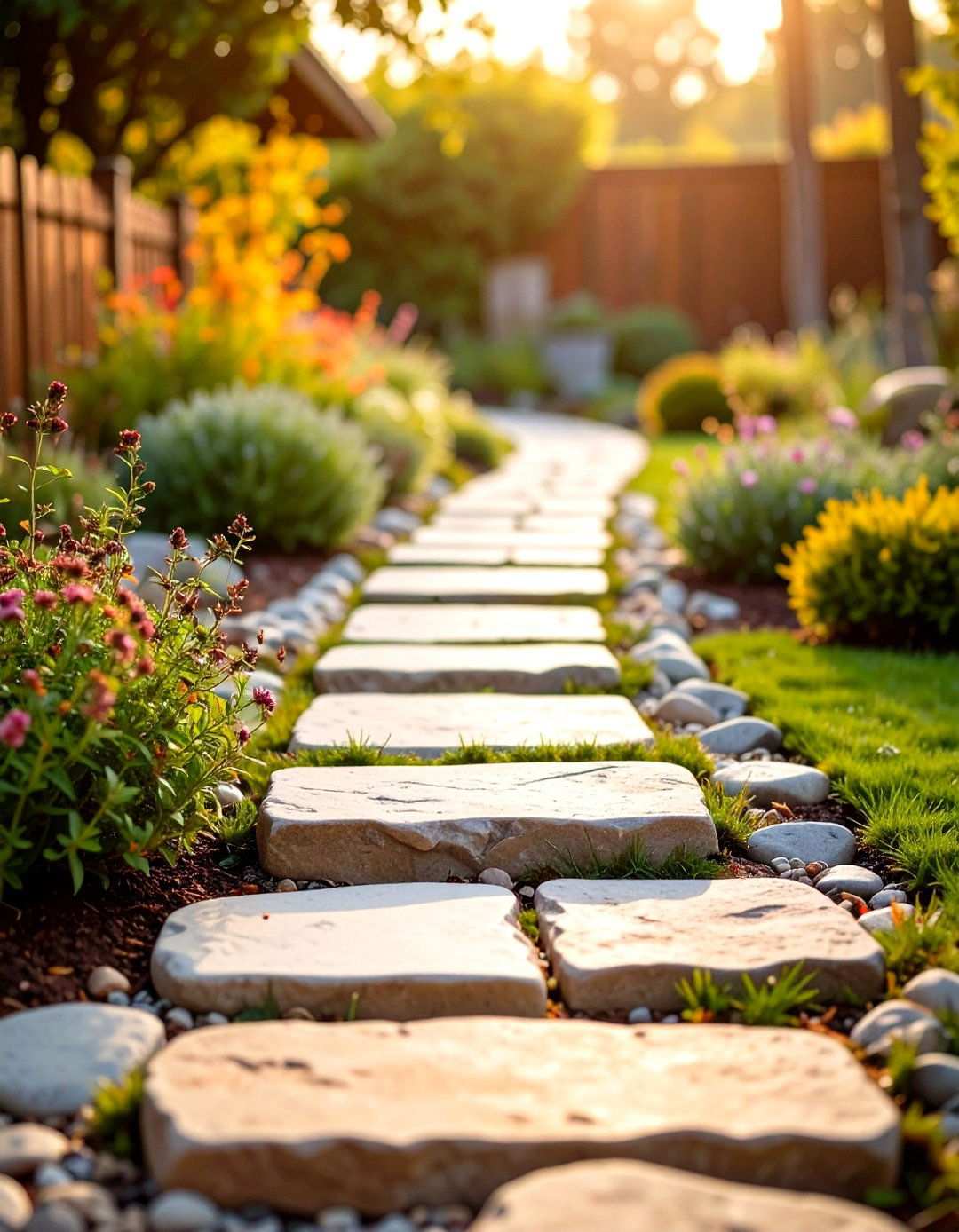
What makes garden pathways irresistibly alluring? Rose garden path designs invite exploration, gradually revealing the garden’s beauty while facilitating practical circulation. Winding paths generate a sense of anticipation and mystique, while straight paths create a sense of purposeful movement through the garden’s spaces. The choice of surface materials – from gravel to stone to brick – significantly impacts both aesthetic appeal and maintenance requirements. Strategically placed plantings alongside paths safeguard roses from foot traffic damage while guiding visitors through the garden. By considering the garden as a dynamic, experiential space rather than a static display, we encourage exploration and discovery. Purposeful viewing stops along paths allow for the appreciation of special roses or breathtaking garden vistas. By carefully calibrating path width to accommodate intended traffic levels, we ensure inclusive garden enjoyment for all visitors, including those with mobility needs. Thoughtful lighting extends the usability of paths into the evening hours, while highlighting cherished roses or garden features. Such designs demonstrate how circulation patterns profoundly influence garden experience and enjoyment, while also facilitating practical maintenance activities.
20. Harmonizing Rose Gardens with Water Features
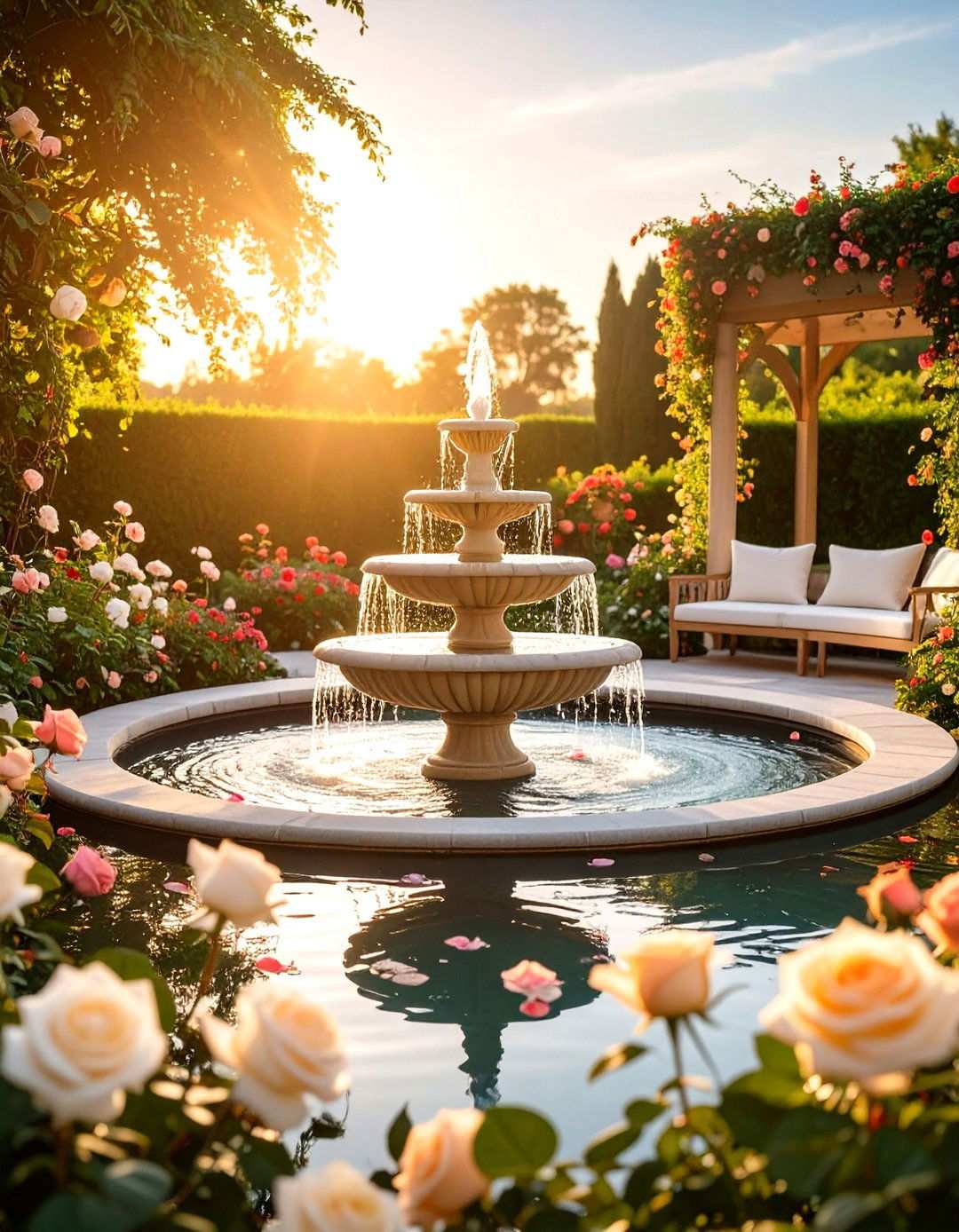
Water elements play a crucial role in elevating the beauty of rose gardens. By incorporating fountains, pools, or streams, gardeners can create striking focal points that offer a range of benefits, from environmental advantages to improved rose health. These water features not only provide a soothing soundtrack and captivating movement, but they also create reflective surfaces that beautifully mirror rose colors. Strategically placing water features near seating areas can foster a sense of relaxation, while also serving as a vital source of drinking water and habitat for local wildlife. Moreover, water features can be integrated with irrigation systems, making them a practical and ornamental solution for garden watering. When executed correctly, rose garden water features demonstrate how hardscape elements can complement plant displays rather than overpower them, adding year-round visual interest even during periods of rose dormancy.
21. Designing Rose Hedges for Year-Round Elegance
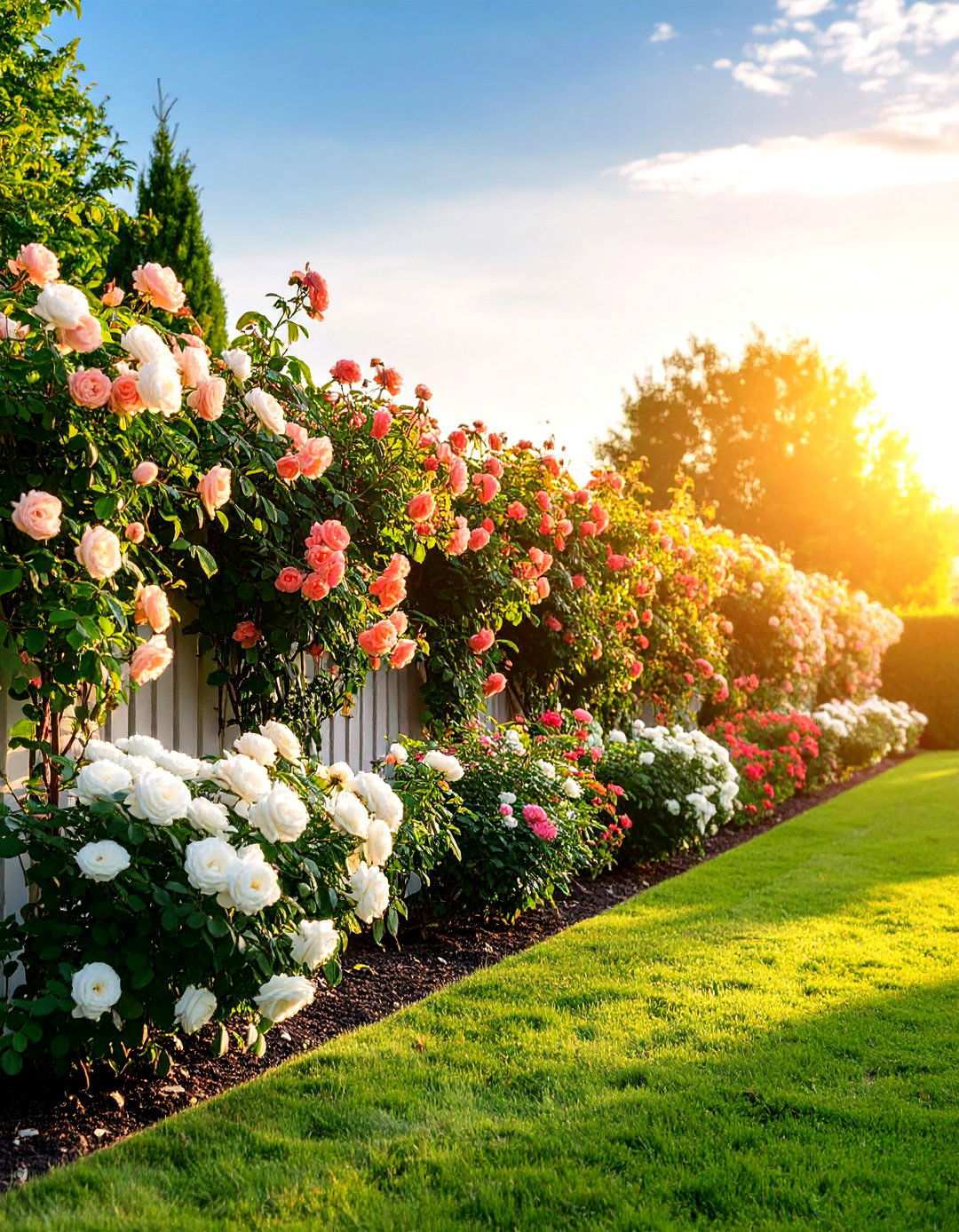
Rose hedge gardens offer a unique blend of functional and ornamental qualities, making them an ideal choice for property lines or garden room divisions. By leveraging shrub roses and rugosa varieties, gardeners can create living walls that not only provide privacy but also showcase the beauty of roses. Varieties like Bonica, Carefree Beauty, or Rosa rugosa are particularly well-suited for rose hedge gardens, as they offer dense growth and continuous flowering throughout the growing season. To achieve a uniform hedge effect, regular spacing and consistent variety selection are essential. However, mixed plantings can also create more naturalistic boundaries, making rose hedge gardens an excellent choice for larger properties. To maintain the health and flowering performance of rose hedges, regular pruning and feeding are necessary. By incorporating companion plantings at hedge bases and adding small trees or structures, gardeners can further enhance the visual appeal of their rose hedge gardens.
22. Nurturing Horticultural Excellence in Themed Gardens
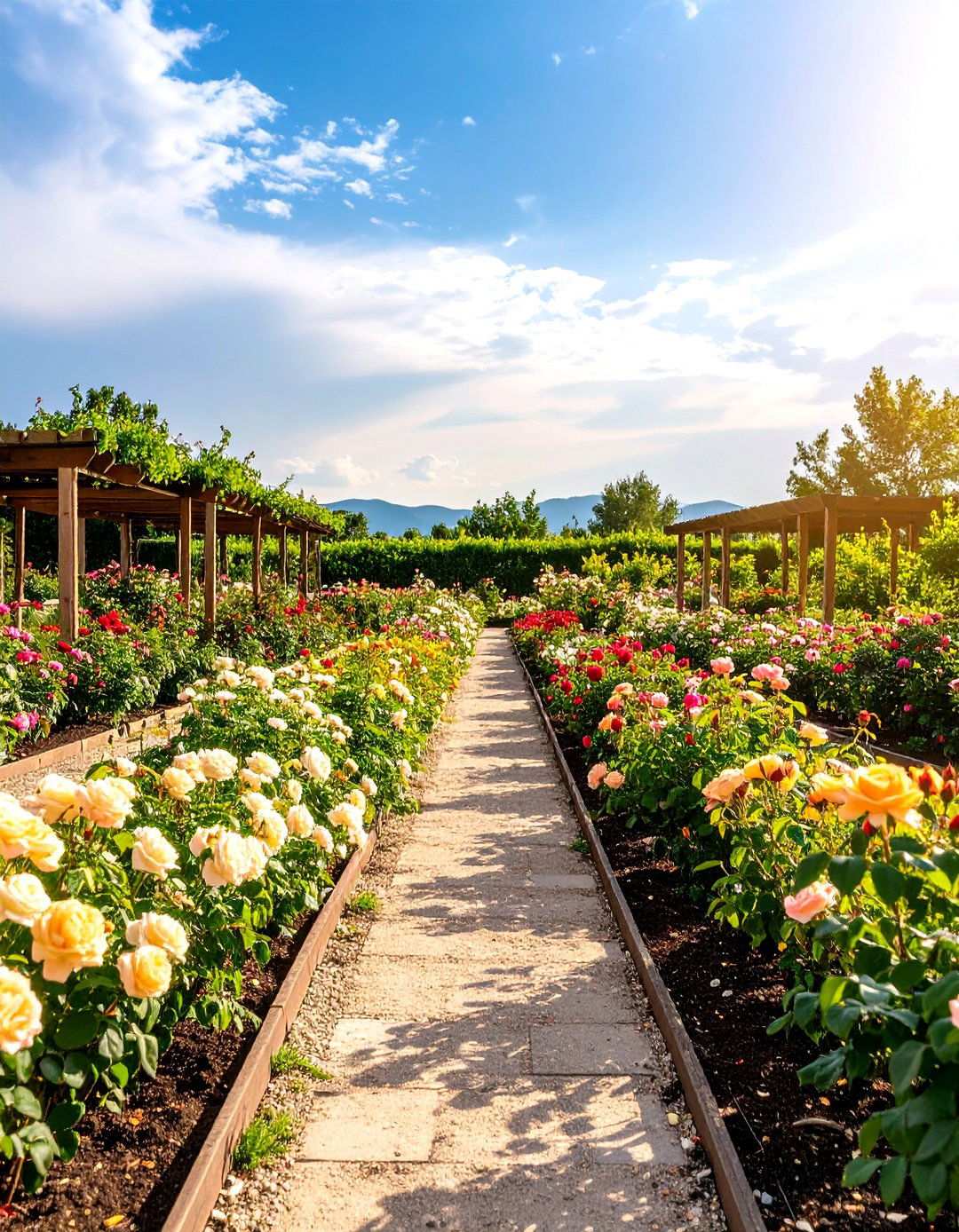
How can gardens become vibrant educational platforms? Themed rose gardens excel in showcasing specific categories like vintage varieties, modern cultivars, or roses divided by color, resulting in unique displays that convey the story of horticultural progress. This approach captivates collectors and enthusiasts who relish nuanced comparisons between varieties. By providing informative labels, gardens can elevate visitor understanding while highlighting achievements in plant breeding and historical developments. The deliberate arrangement of test gardens enables side-by-side comparisons of key performance characteristics such as disease resistance, flowering habits, and growth patterns. Many such gardens collaborate with rose associations or research centers to ensure accuracy and educational value. Demonstrative plots provide an opportunity to showcase diverse maintenance techniques or growing methods, ultimately enriching the educational experience. By combining instruction and inspiration, these gardens contribute to the preservation of horticultural knowledge for future generations, while fostering a deeper appreciation for the art of breeding and the science of horticulture.
23. Revitalizing Faded Rose Gardens
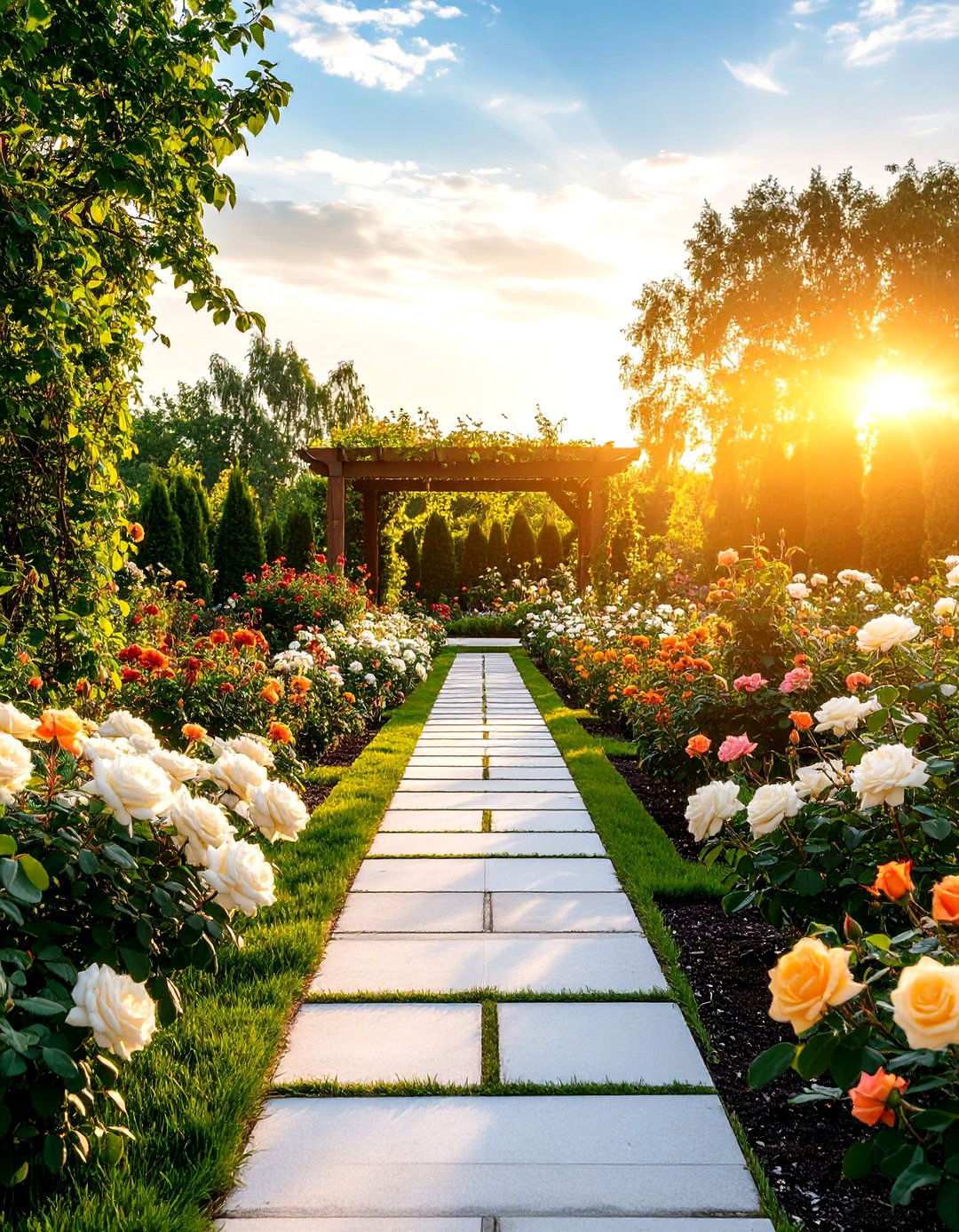
What drives the restoration of neglected rose gardens back to their former glory? Rose garden renovation projects involve the revitalization of overgrown or declining plantings, while adapting designs to meet contemporary needs. Often, this process begins with comprehensive soil testing and improvement since roses constantly deplete soil nutrients. Strategically removing diseased or overcrowded plants creates space for new varieties while preserving mature, healthy specimens. By introducing disease-resistant modern cultivars, problematic older roses can be replaced while maintaining the garden’s character and original design intent. Infrastructure updates, such as modern irrigation systems, pathways, and support structures, enhance functionality while respecting historical character where possible. Such projects exemplify sustainable gardening through renovation rather than complete replacement, upgrading gardens for current maintenance capabilities. Documenting renovation progress through photography not only preserves the history of the project but also inspires others facing similar challenges in their own gardens. Scheduling renovations during optimal times ensures minimal disruption to existing healthy plants, allowing new plantings to establish themselves before the peak growing seasons.
24. Harmonizing Rose Garden Displays Throughout the Seasons
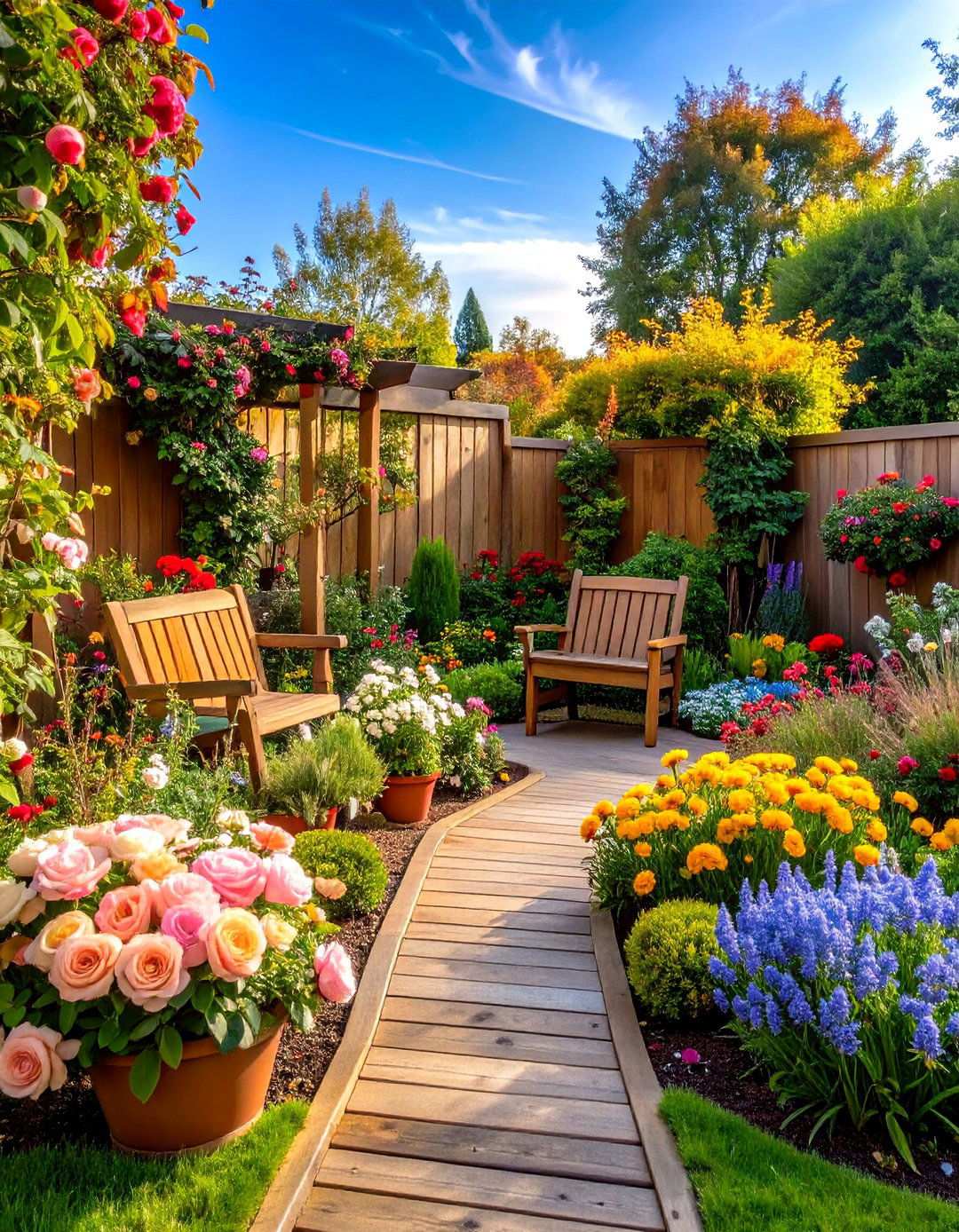
To achieve a perpetual display of beauty, rose garden enthusiasts must carefully orchestrate their plantings to ensure continuous flowering from the onset of spring to the end of autumn. Seasonal rose gardens rely on strategic variety selection and thoughtful companion plantings to guarantee peak displays during each season. This approach demands an in-depth understanding of the blooming periods, growth habits, and seasonal requirements for each rose variety. In preparation for spring, gardeners often incorporate bulb plantings that provide vibrant colors before the roses begin their growing season, setting the stage for a stunning display. Summer planning involves coordinating repeat-flowering varieties to maintain a consistent flow of color while expertly managing the peak bloom periods to maximize visual impact. As autumn approaches, gardeners often focus on incorporating late-blooming varieties and companion plants that extend the garden’s interest even as the roses slow their flowering. For winter, planners concentrate on structural elements and plants that offer beauty during the dormant period, creating a visually appealing landscape that transcends the seasons. By combining sophisticated planning with a deep knowledge of rose varieties, these gardens reward gardeners with a truly exceptional seasonal progression. Effective maintenance scheduling is crucial, as it synchronizes with natural blooming cycles, while meticulous garden record-keeping enables gardeners to track performance and make informed improvements for the future. Ultimately, this comprehensive approach yields gardens that excel throughout the entire year, rather than solely during the peak summer months.