When you want privacy in your yard, you don’t always need a tall fence or concrete wall. Privacy plants provide a natural alternative that blends function with beauty. They create living barriers that block unwanted views, reduce noise, and add greenery to your outdoor space. Unlike artificial solutions, plants evolve with the seasons, offering texture, color, and even flowers or fruit.

As an Amazon Associate I earn from qualifying purchases.
From fast-growing shrubs to tall ornamental grasses, privacy plants can be chosen to match your climate, space, and design goals. Below are fifteen excellent options to help you create a more private and inviting yard.
Bamboo
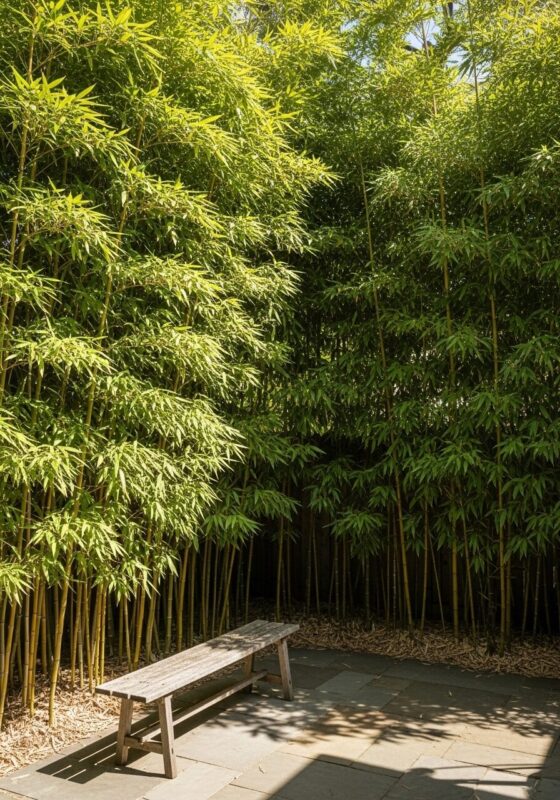
Bamboo is one of the fastest-growing privacy plants, making it perfect for quickly filling gaps. Clumping bamboo varieties are ideal because they stay contained and manageable, unlike running bamboo, which can spread aggressively. Tall, dense canes and leafy tops create a striking screen with an exotic vibe.
Boxwood
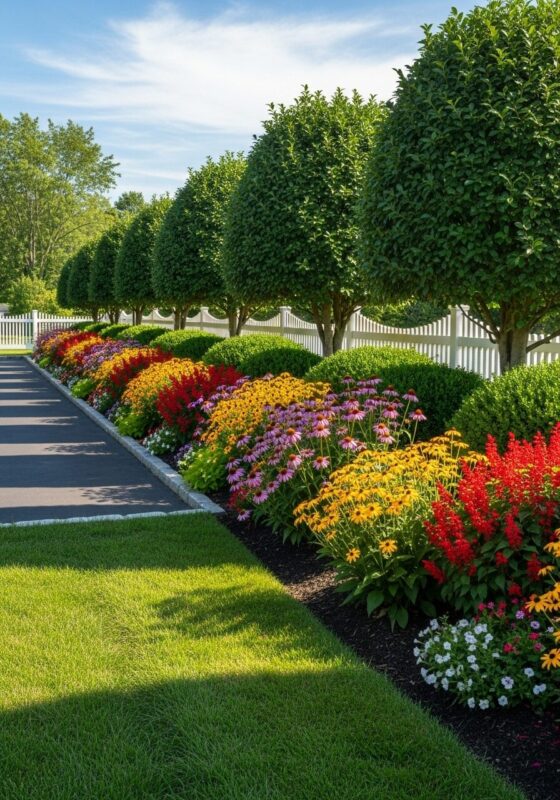
Boxwood is a classic choice for hedges. It can be pruned into formal shapes or left to grow more naturally, depending on the style you want. Dense evergreen foliage makes it effective year-round, and its adaptability means it can be grown in containers or directly in the soil.
Arborvitae
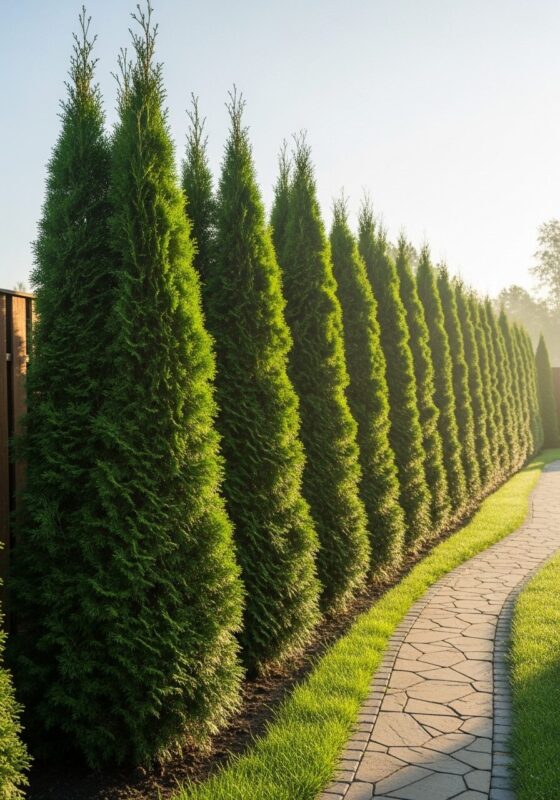
Arborvitae trees are famous for their height, structure, and dense foliage. They form natural living fences when planted in rows and require little maintenance once established. Their pyramidal shape makes them ideal for property lines and corners where vertical growth is needed.
Privet
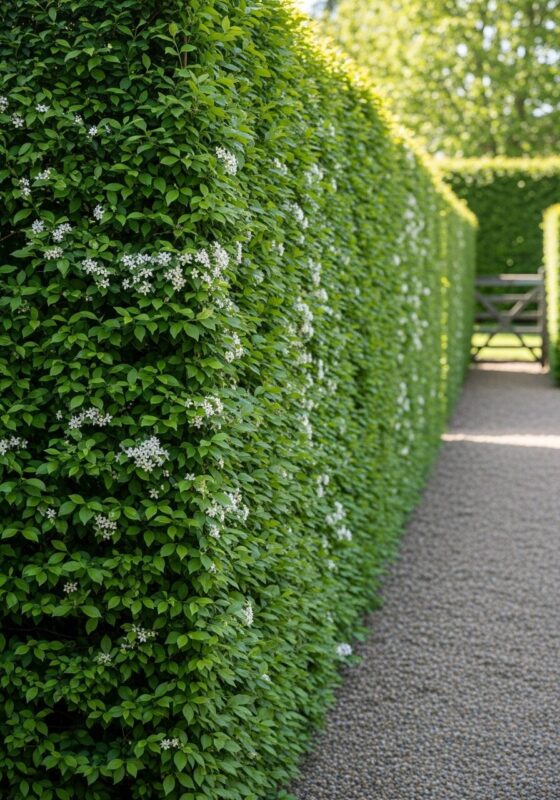
Privet shrubs grow quickly and make excellent hedges when trimmed regularly. Their thick foliage ensures full coverage, while small white flowers in spring add fragrance. Birds are attracted to their berries, making them both functional and wildlife-friendly.
Holly
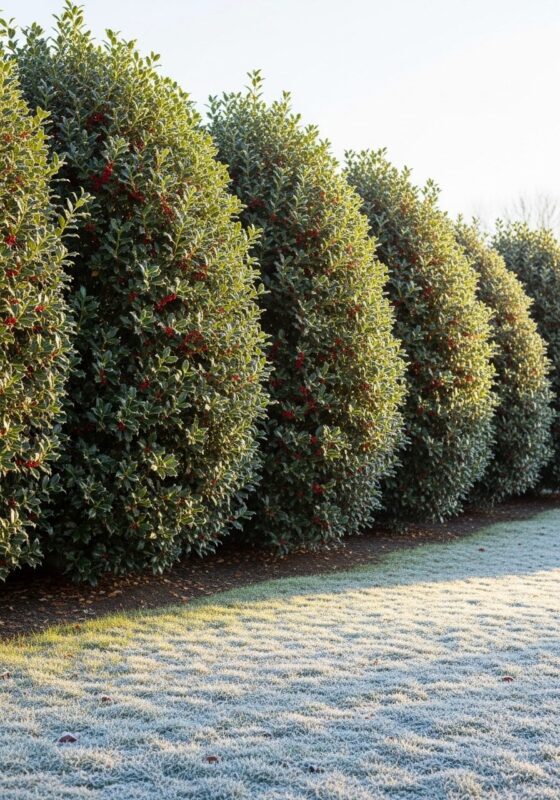
Holly plants provide dense evergreen foliage with the added bonus of bright red berries. Their glossy leaves remain attractive throughout the year, and they tolerate pruning well. Hollies are particularly useful for adding privacy in shady areas.
Bamboo Palm
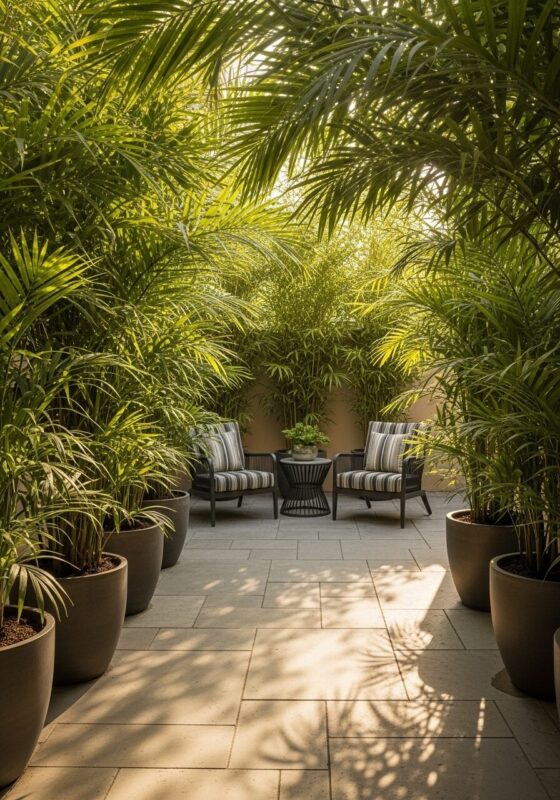
For warmer climates or indoor-outdoor transitions, bamboo palms are excellent privacy plants. Their slender canes and feathery leaves grow thick enough to form screens on patios, balconies, or courtyards. They thrive in partial shade and add a tropical feel.
Juniper
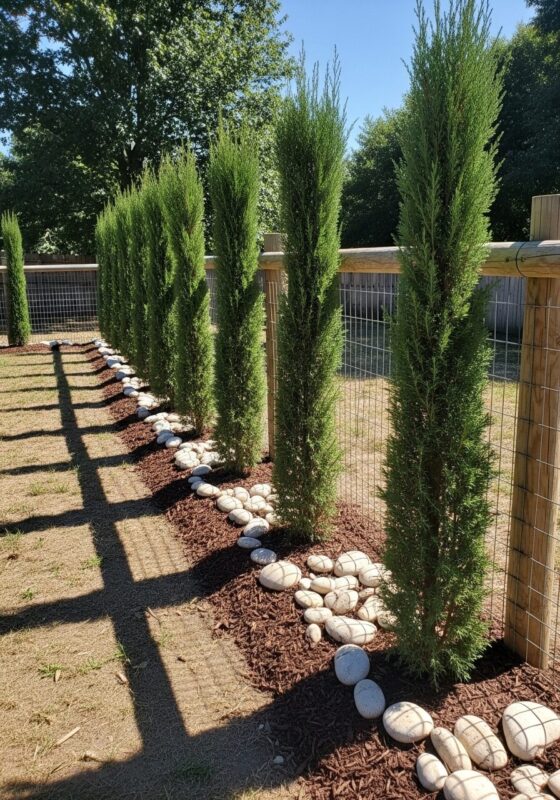
Junipers are hardy evergreens that come in various shapes and sizes, from tall columnar varieties to spreading ground covers. Tall junipers planted along fences provide excellent privacy and tolerate heat, drought, and poor soils.
Laurel
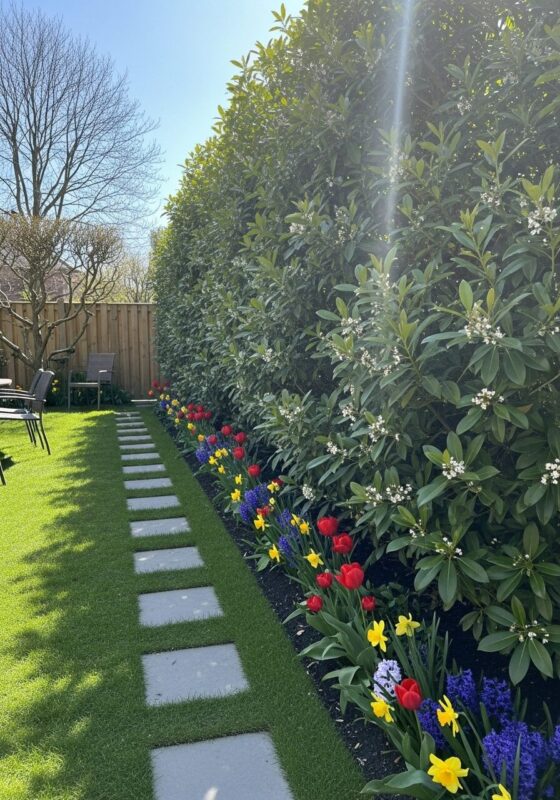
Laurel shrubs are dense, fast-growing evergreens that form reliable privacy screens. Their glossy green leaves remain full all year, and with pruning, they can be shaped into neat hedges. Laurel is also tolerant of shade, making it versatile.
Forsythia
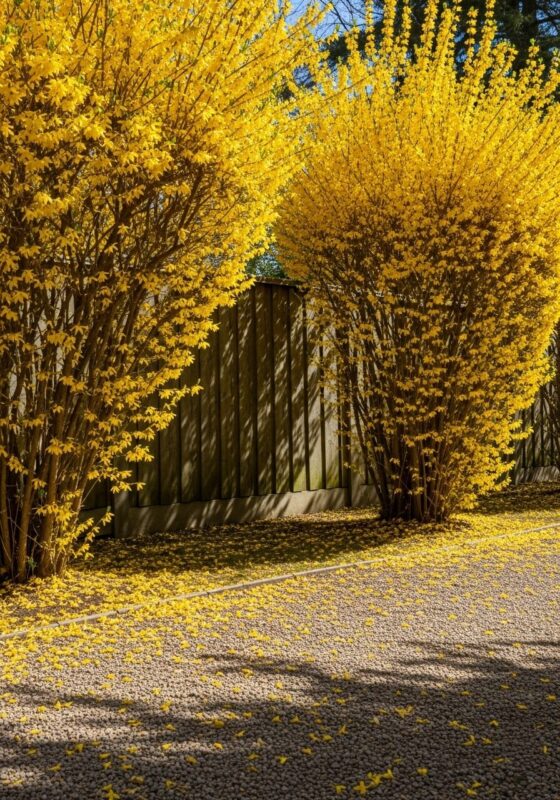
Forsythia offers both privacy and seasonal color. Its bright yellow blooms in early spring make it stand out, while its dense summer foliage provides screening. It grows quickly and is often used to brighten fence lines.
Bamboo Grass (Miscanthus)
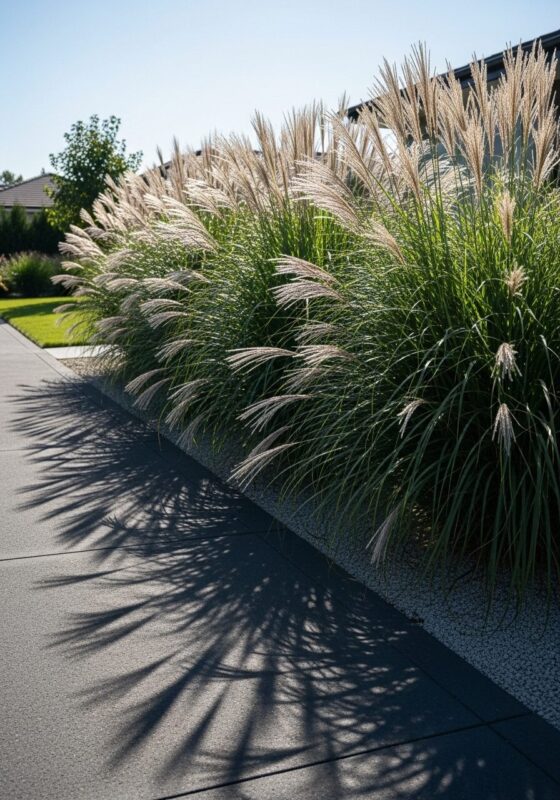
Ornamental grasses like miscanthus are excellent for soft, natural privacy. Their tall plumes add movement and texture to the landscape, creating a semi-private barrier that feels less formal than hedges or trees.
Red Twig Dogwood
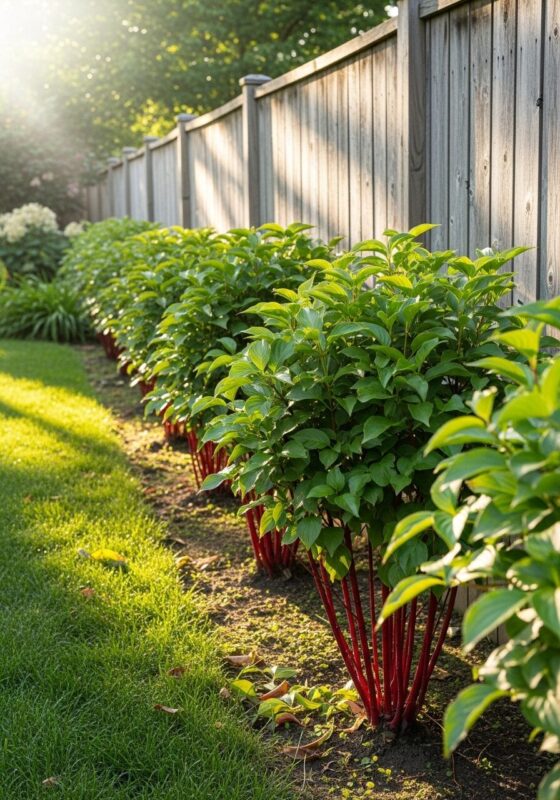
Red Twig Dogwood provides privacy during warmer months with its leafy growth, but even in winter, its vibrant red stems add visual interest. It works well in mixed plantings and tolerates wet soil.
Camellia
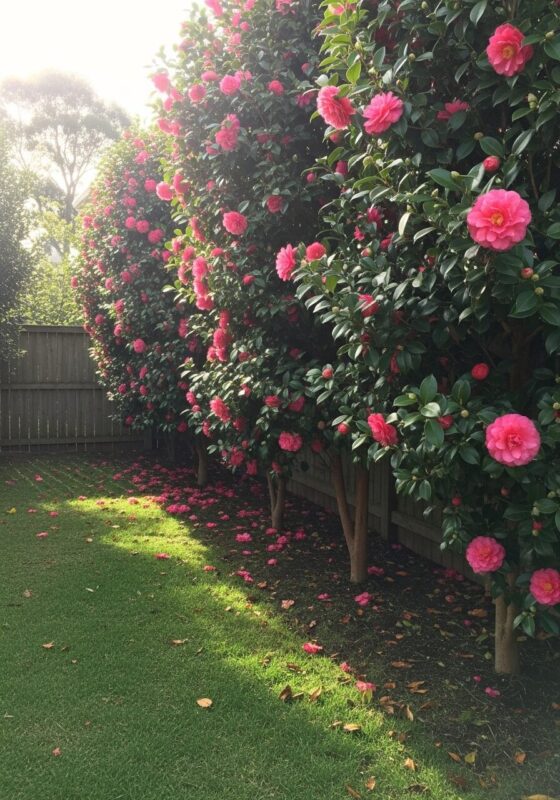
Camellias are evergreen shrubs with glossy leaves and showy blooms. They create beautiful privacy hedges while also adding splashes of color in winter and spring. Their flowers range from white to pink to deep red.
Viburnum
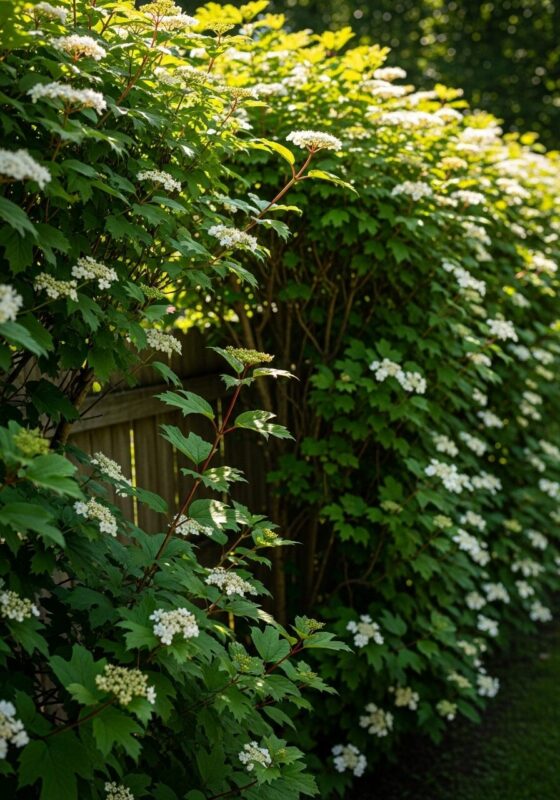
Viburnums are versatile shrubs that provide dense coverage and seasonal interest. Many varieties bloom with fragrant flowers in spring and produce berries in fall. Their adaptability makes them a solid choice for privacy in different climates.
Hydrangea
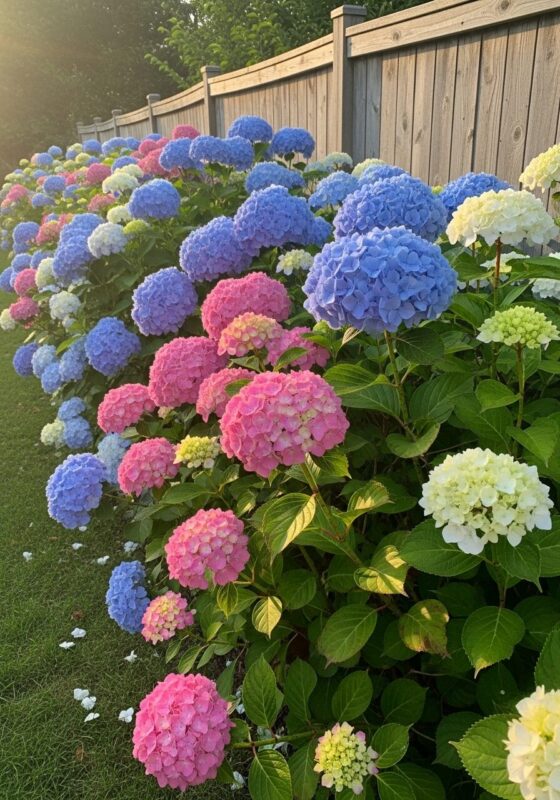
Hydrangeas offer privacy during the growing season while showcasing stunning flower clusters. They may lose leaves in winter, but their summer beauty more than compensates. Plant them along fences to add both screening and color.