1. Harmonious Herb Spiral Garden Bed with Permaculture Design
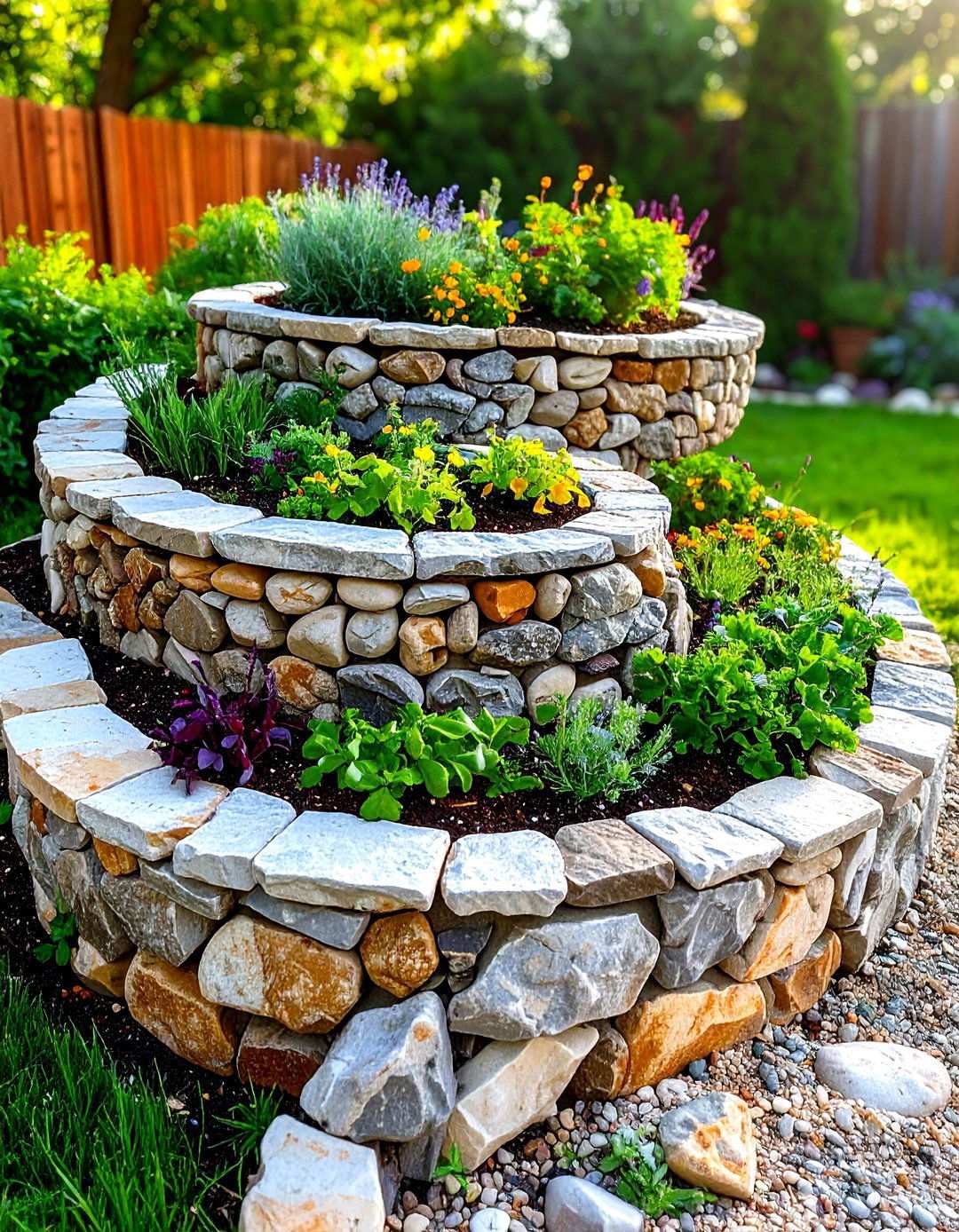
Round garden beds offer an array of possibilities for crafting captivating focal points that optimize growing space while infusing organic charm into any landscape. One such design is the herb spiral, a space-efficient round garden bed that embodies permaculture principles to create multiple microclimates within a single, curvaceous structure. This raised spiral design starts at a low point at the outer edge and rises to a central apex, typically reaching two to three feet in height. The varying elevations create distinct moisture and sunlight exposure zones, allowing Mediterranean herbs like rosemary and thyme to thrive at the sun-drenched, well-drained top while moisture-loving herbs like parsley and chives flourish in the lower, shadier areas. Built with natural materials such as stone, brick, or timber, the spiral garden bed can accommodate twenty or more herb varieties in just a six-foot diameter space. Water applied at the top flows naturally down to irrigate the entire bed, simplifying maintenance and promoting efficient use of resources.

As an Amazon Associate I earn from qualifying purchases.
2. Elevated Circular Vegetable Garden Bed with Sustainable Cedar Framework
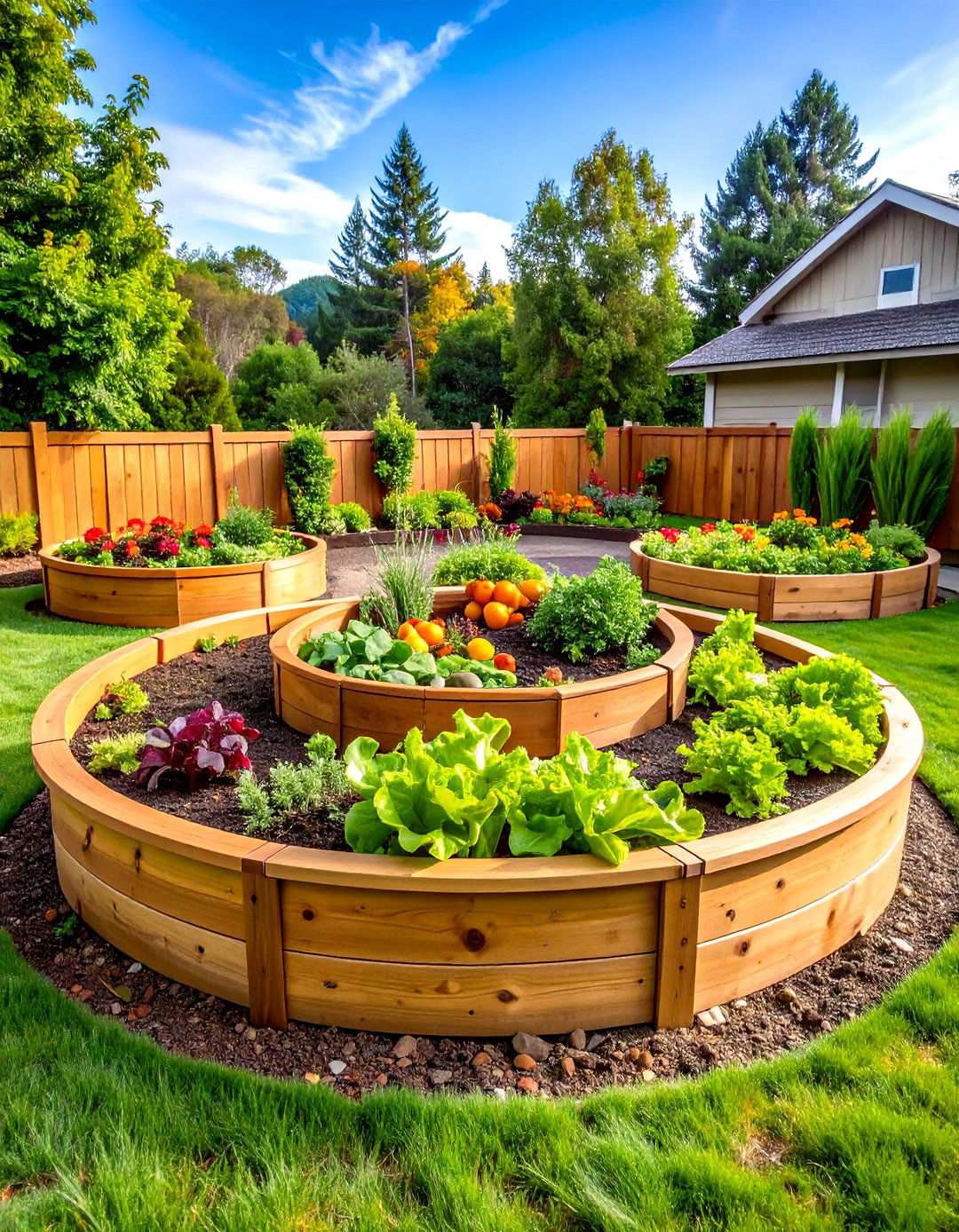
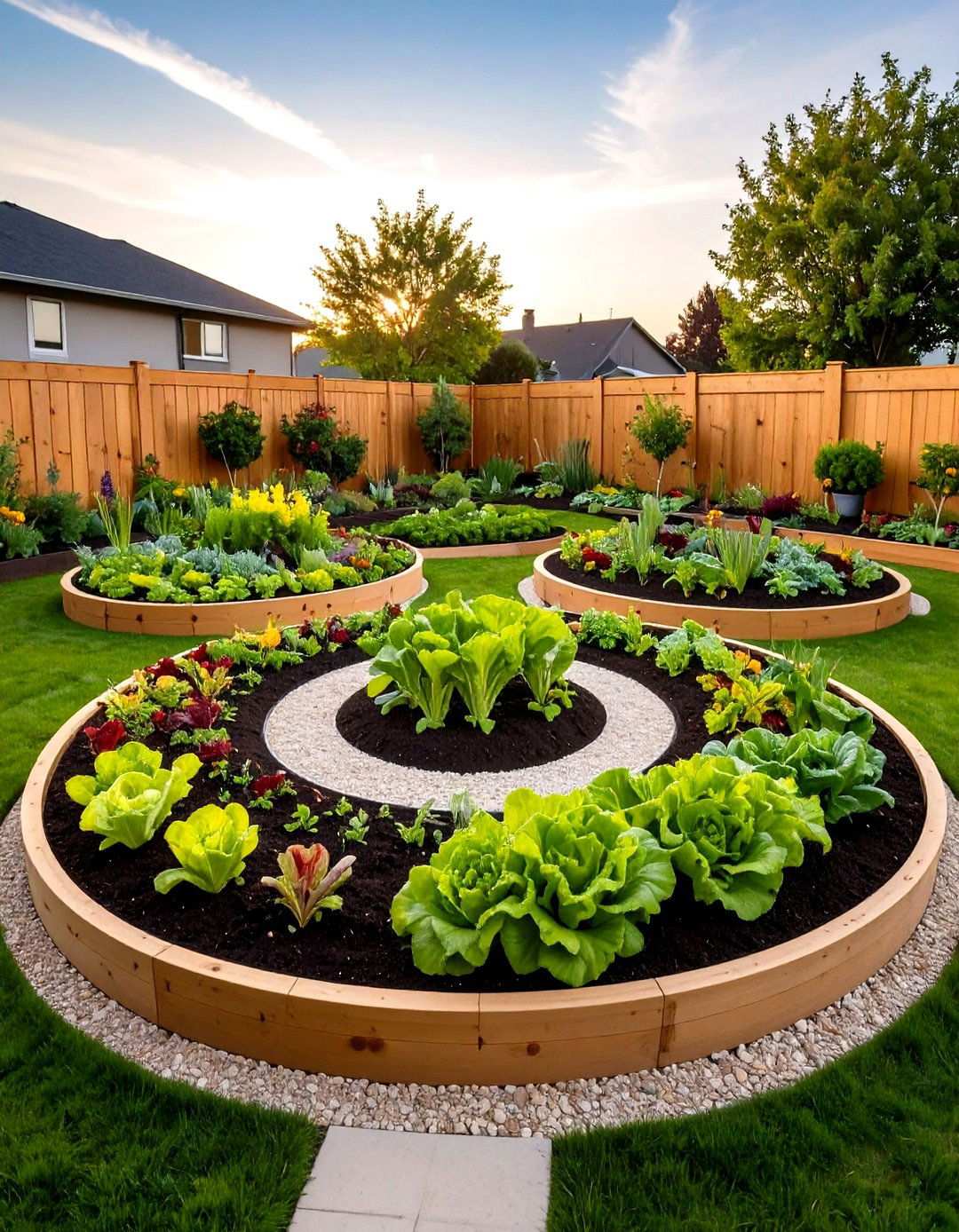
A classic raised circular vegetable bed crafted from rot-resistant cedar boards offers an elegant and productive growing space that combines functionality with visual appeal. The curved design necessitates specially cut lumber at precise angles to form a perfect circle, typically four to six feet in diameter and twelve to eighteen inches high. This design maximizes growing area while providing easy access from all sides, making it ideal for intensive vegetable production using square-foot gardening methods. The cedar framework offers natural pest resistance and weathers to an attractive silvery-gray patina over time, enhancing the garden’s aesthetic appeal. Deep, fertile soil promotes excellent root development, while the raised height improves drainage and soil warming for earlier spring planting. Companion planting arrangements thrive in the circular format, creating visual interest alongside practical growing benefits.
3. Timeless Garden Oasis with Natural Fieldstone Border
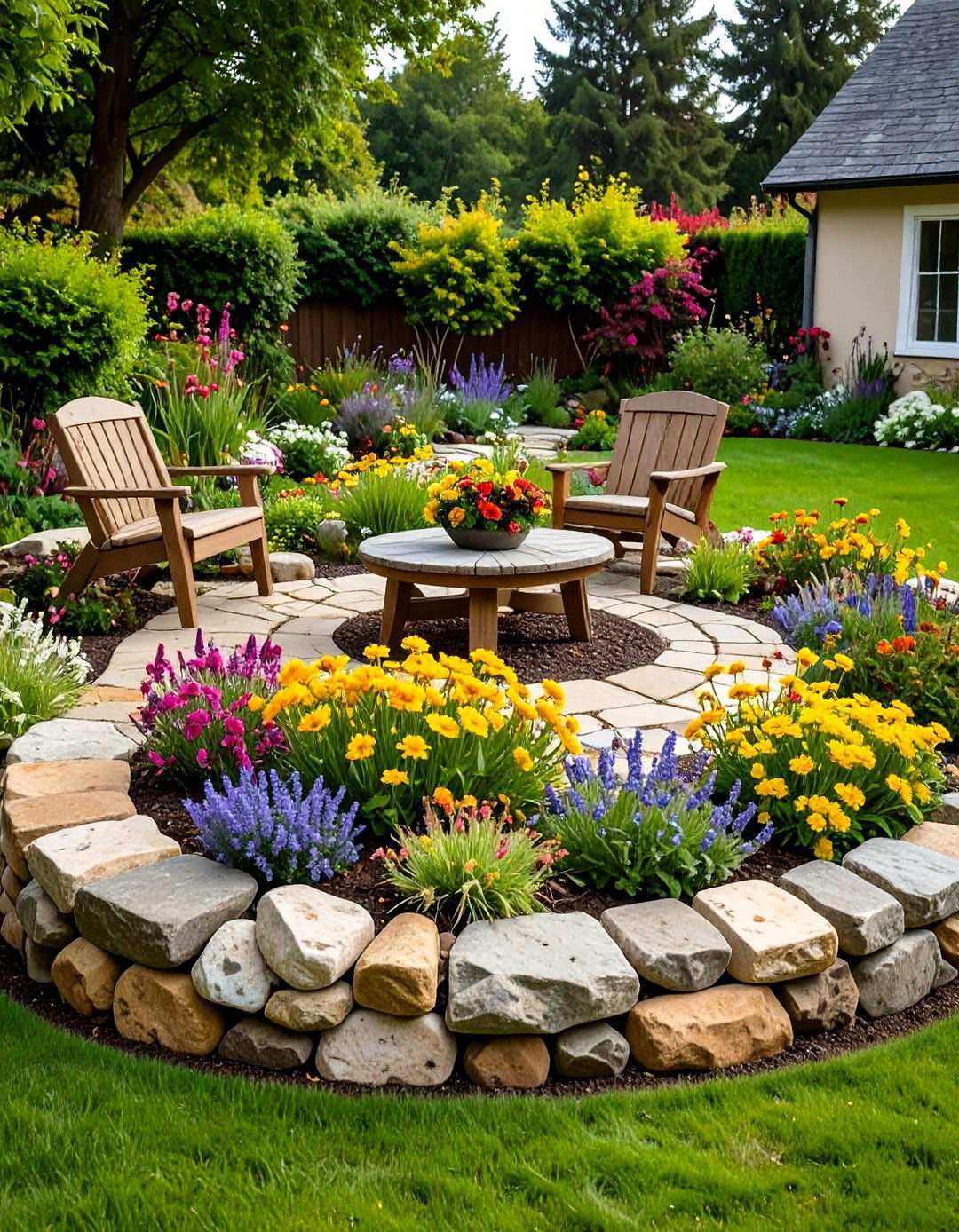
A harmonious blend of natural fieldstone and landscape architecture creates a captivating circular garden bed that stands the test of time. Dry-stacked flat stones, arranged without mortar, form a rustic border ranging from eighteen to twenty-four inches high, allowing for effortless water drainage between the gaps. The unique shapes of the stones not only add visual texture but also offer thermal mass, which effectively moderates soil temperature fluctuations. This ingenious design is particularly well-suited for showcasing vibrant perennial flower arrangements, ornamental grasses, or drought-tolerant plant collections. The stone border not only defines planting areas but also invites leisurely seating for garden maintenance and enjoyment. Weathered limestone, sandstone, or regional fieldstone options enable the design to harmoniously complement existing landscape features, making it a perfect fit for cottage gardens, prairie landscapes, or informal country settings.
4. Efficient and Sustainable Keyhole Garden Bed Design
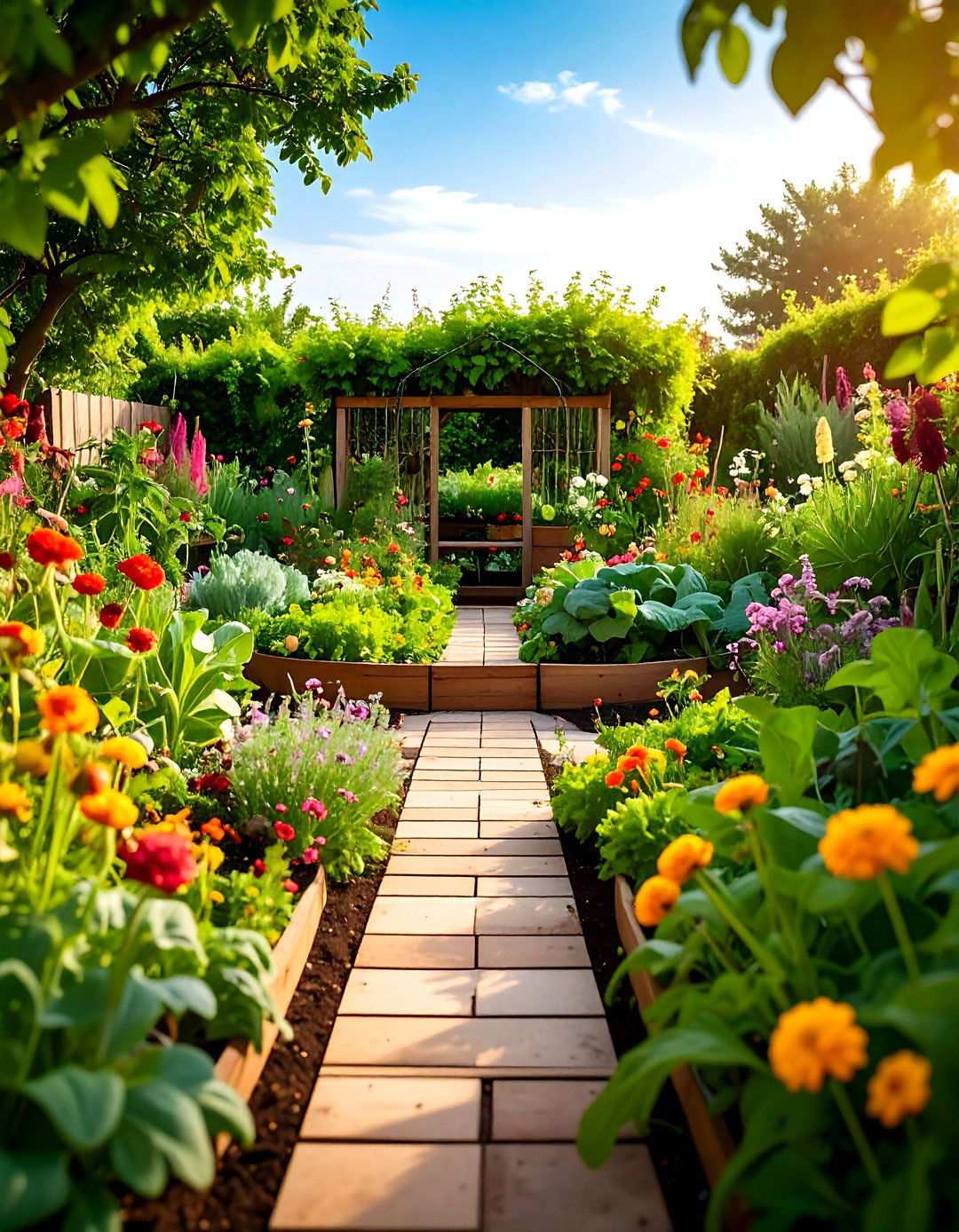
The keyhole design, a timeless concept inspired by African traditions, skillfully combines circular efficiency with integrated composting to create a self-sustaining growing system within a six-foot diameter space. A narrow pathway leads into the center of the circle, providing easy access to a central composting basket crafted from wire mesh or wooden slats. Kitchen scraps and garden waste decompose in the center, gradually feeding surrounding plants through natural soil organisms. The bed’s gentle slope directs water and nutrients outward to planted areas, maximizing growing space while minimizing water requirements and external fertilizer inputs. This innovative design is ideal for sustainable food production in small spaces or drought-prone regions, where vegetables, herbs, and flowers can thrive together in perfect harmony.
5. Elegant Brick Circle Garden Bed with Classic Victorian Flair
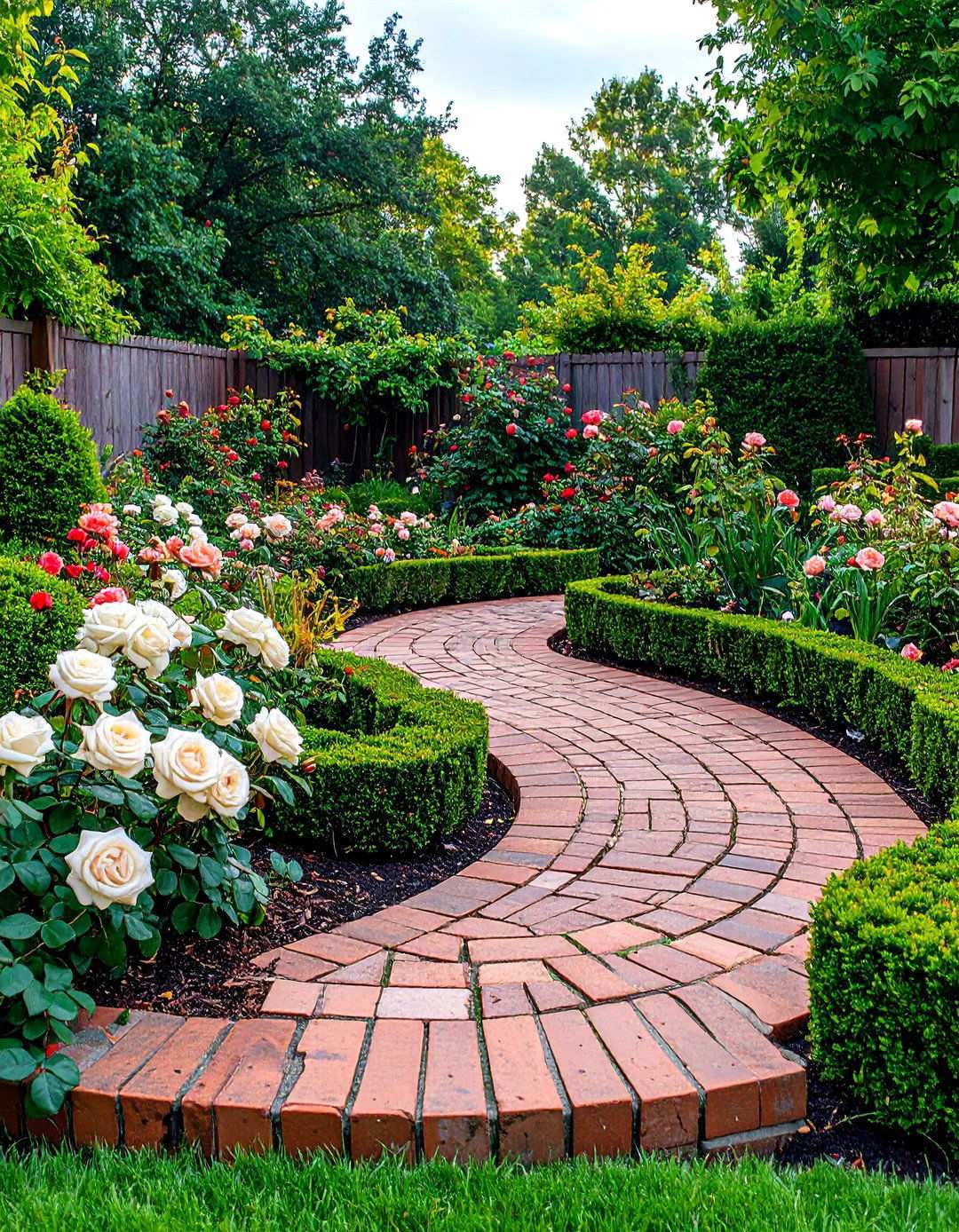
A majestic circular bed constructed from traditional clay bricks creates a sense of refinement and elegance, perfect for Victorian-inspired garden designs. Multiple courses of bricks are carefully mortared together to form a precise eighteen to twenty-four inch high border, often topped with decorative coping stones for a polished finish. The warm, rich terracotta color of aged bricks complements both heritage and modern home styles while providing exceptional thermal mass for plant protection. This design works beautifully for formal flower displays featuring roses, boxwood hedging, or seasonal bedding plants arranged in intricate geometric patterns. The brick construction offers exceptional durability and requires minimal maintenance beyond occasional repointing. Antique reclaimed bricks add character and history, while new engineering bricks provide consistent color and weather resistance for contemporary applications.
6. Refined Circles: Elevating Your Outdoor Space with Galvanized Steel Ring Garden Beds
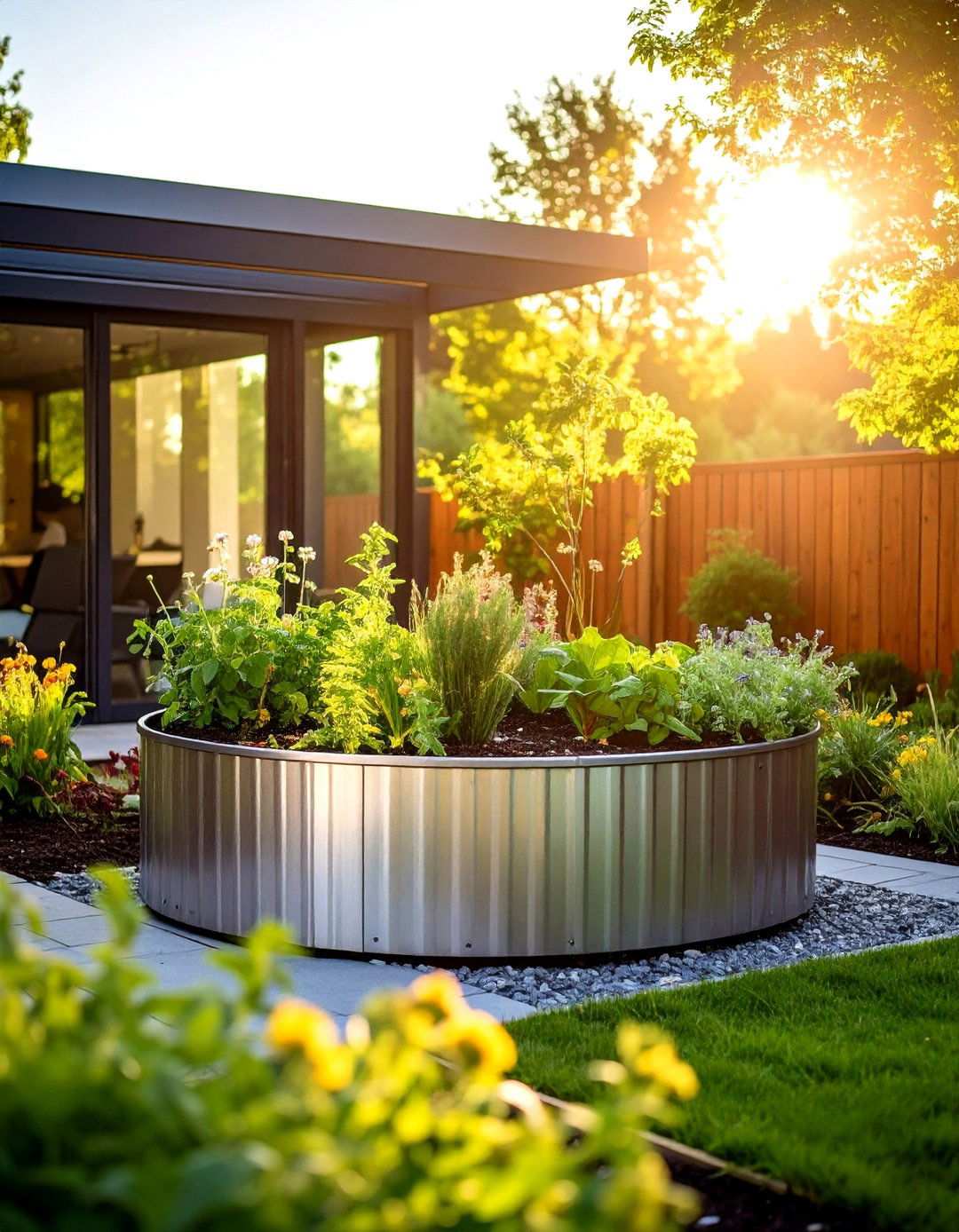
Contemporary landscaping often demands sleek, modern designs that seamlessly integrate into urban environments. Galvanized steel rings, typically measuring between 12 to 18 inches high, offer a versatile solution for creating precise circular garden beds. Their clean lines and minimalist aesthetic perfectly complement architectural elements like concrete patios, steel pergolas, or contemporary home facades. These prefabricated metal bands are available in various diameters, making them a convenient choice for gardeners seeking to add a touch of industrial chic to their outdoor spaces. As an added benefit, galvanized steel garden beds are remarkably durable and resistant to weathering, soil moisture, and heat fluctuations – perfect for growing heat-loving plants like peppers and tomatoes. When combined with a well-designed landscape composition, these modern steel ring garden beds can create striking visual contrasts that elevate the overall aesthetic of your outdoor space.
7. Woodland Whimsy: Timber Log Circle Garden Beds for a Rustic Retreat
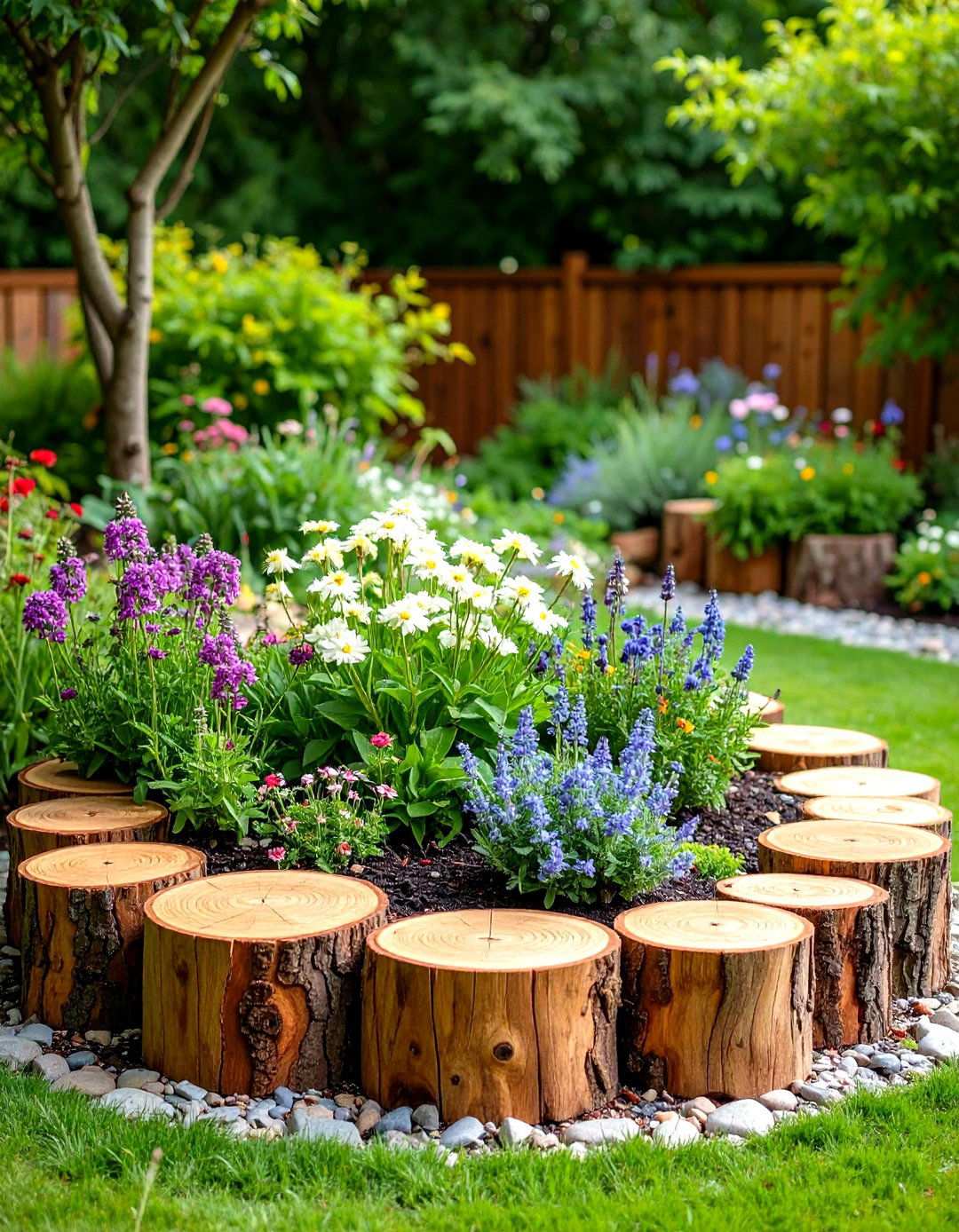
For those seeking a more rustic, natural ambiance, timber log circle garden beds are an excellent choice. These charming garden features are crafted from partially buried and stacked logs, creating organic curves that blend harmoniously with woodland or cottage garden settings. Various log diameters and natural wood grain patterns add textural interest, while the weathered tones that develop over time only enhance the rustic charm. This construction method works beautifully for shade gardens, wildflower meadows, or herb collections that benefit from the natural aesthetic. By sourcing logs locally or salvaging them from tree removal projects, gardeners can create an economical and environmentally friendly garden bed that not only reduces waste but also adds a touch of character to their outdoor space.
8. Mandalas in Bloom: Connecting Multiple Circles for a Harmonious Landscape
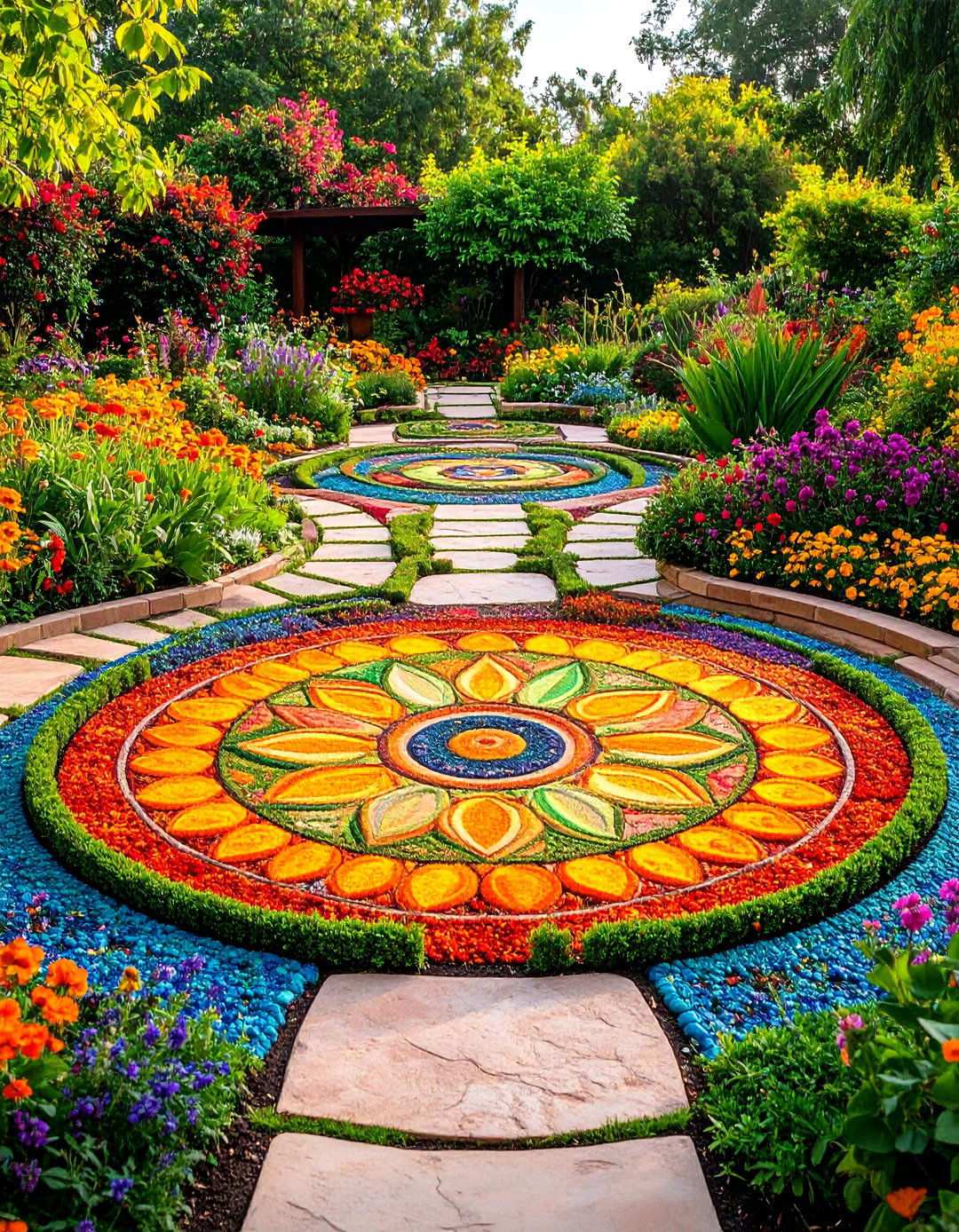
For a more intricate and visually striking design, consider the mandala garden concept, which connects multiple circular beds in a harmonious geometric arrangement. A central circular bed serves as the focal point, surrounded by smaller satellite circles that flow seamlessly into one another, creating a soothing and contemplative atmosphere. Each circle can showcase a unique plant theme – herbs, vegetables, flowers, or specialty collections – while maintaining design unity through the repetition of materials and forms. With stone, brick, or timber construction options available, gardeners can tailor their design to suit their budget and aesthetic preferences. By embracing the symmetrical layout, you can create a visually balanced landscape that not only maximizes growing space but also invites exploration and meditation.
Butterfly Oasis with Native Pollinator Plants
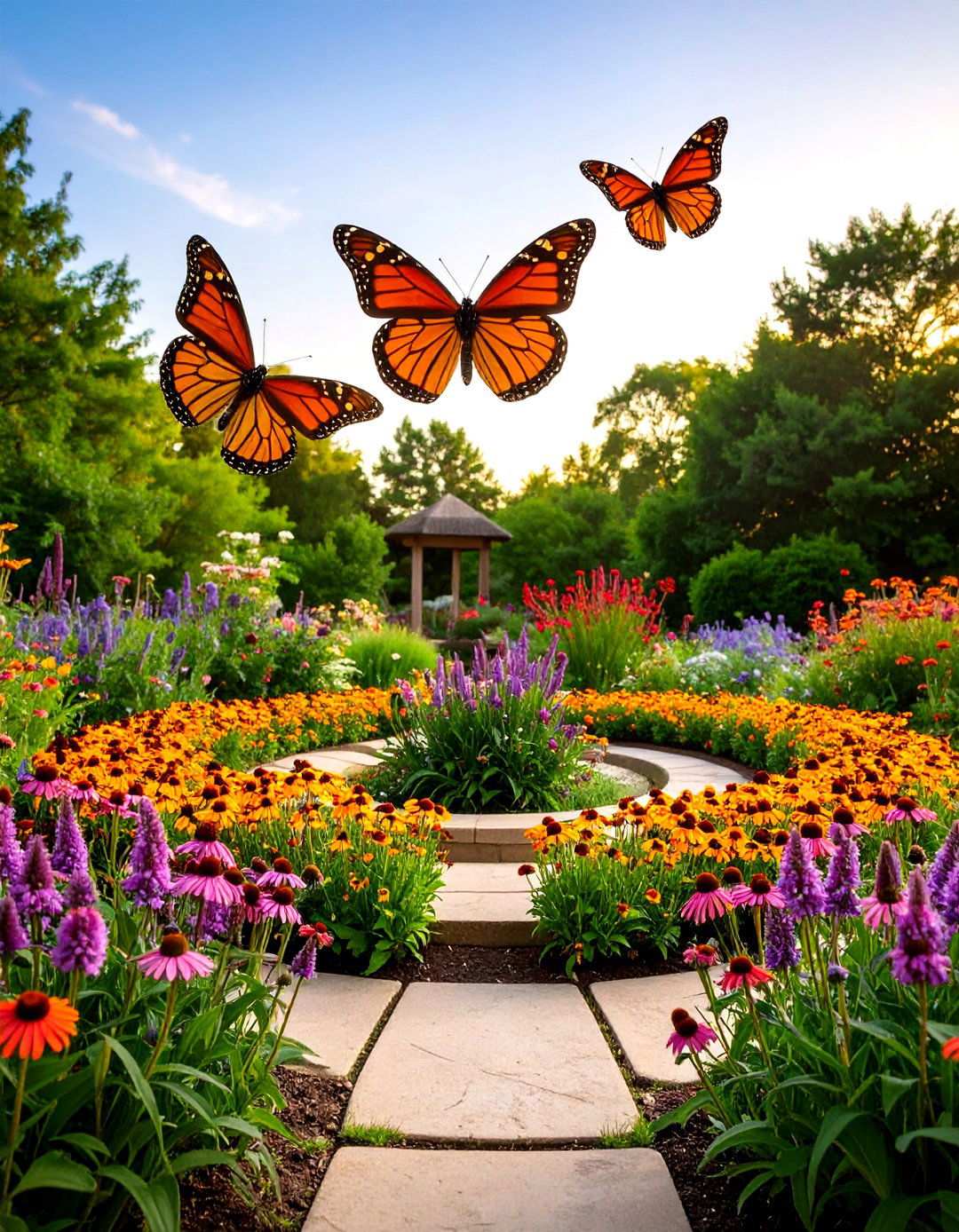
Designating a pollinator circle as a dedicated habitat for native butterfly plants offers a unique opportunity to create a thriving ecosystem. By selecting plants that provide season-long nectar and pollen sources, gardeners can attract a diverse array of beneficial insects and foster local wildlife populations. A circular design enables concentrated pollinator activity, with a harmonious blend of taller plants like joe-pye weed and purple coneflower at the center giving way to shorter species like wild bergamot and native asters on the perimeter. This thoughtful arrangement not only promotes ecological balance but also showcases breathtaking seasonal flower displays. By planting native species adapted to local climate conditions, gardeners can minimize maintenance requirements while maximizing the garden’s ecological benefits.
Serenity Circle with Raked Gravel Meditation Spaces
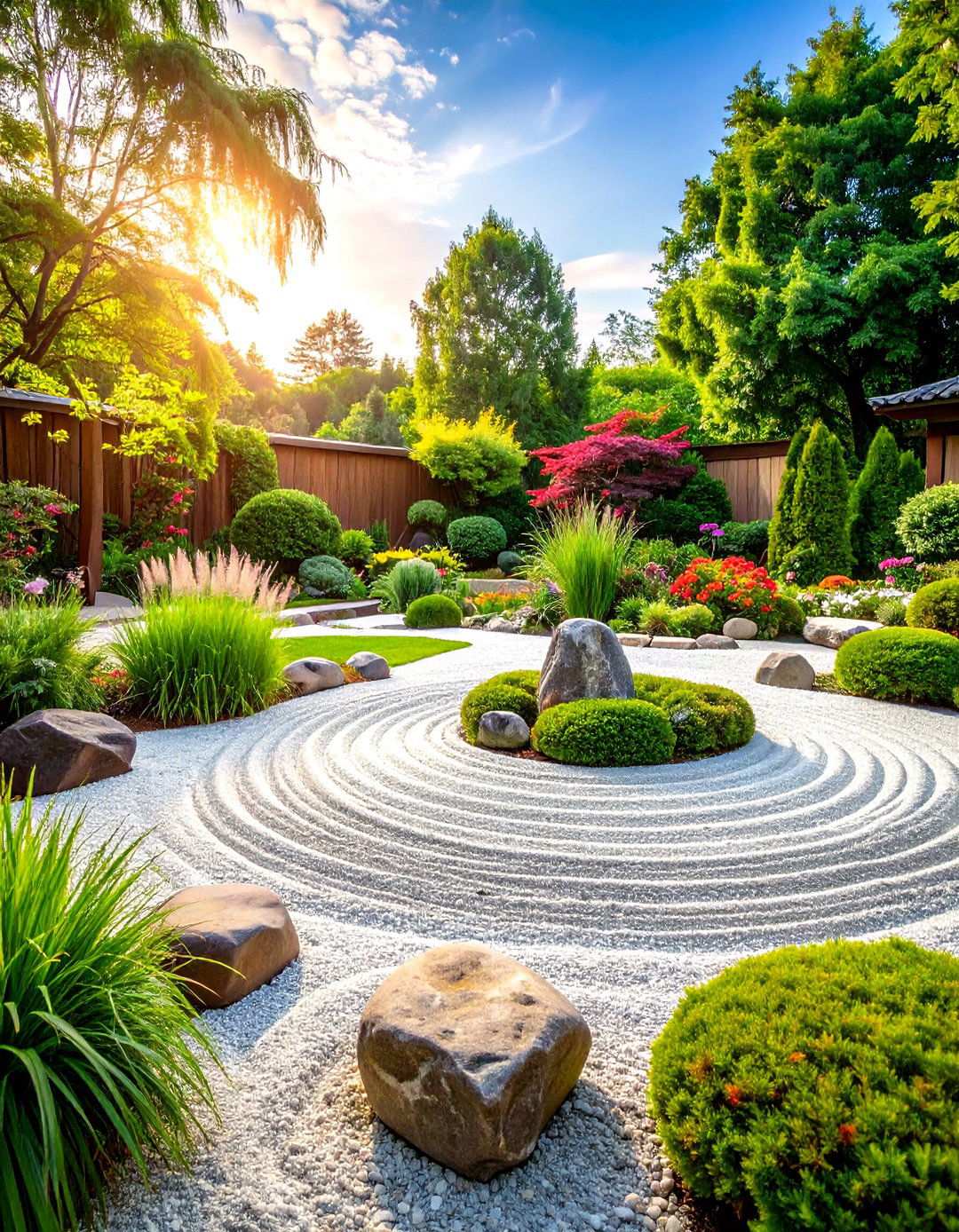
A zen-inspired circular design combines minimalist plantings with artfully raked gravel patterns to create tranquil meditation spaces. The outer ring features drought-tolerant plants like ornamental grasses or sedums, which thrive in low-maintenance conditions, while the inner circle contains fine gravel or sand meticulously raked into contemplative patterns. Strategically placed natural stone elements evoke the sense of mountains or islands in the metaphorical sea of gravel, inviting the viewer to pause and reflect. This design prioritizes simplicity, balance, and the gentle weathering of natural materials over time. Regular raking refreshes gravel patterns, and seasonal pruning maintains the clean lines of plantings, allowing the garden to serve as a serene retreat from the urban landscape.
Intensive Strawberry Circle with Multi-Level Planting System
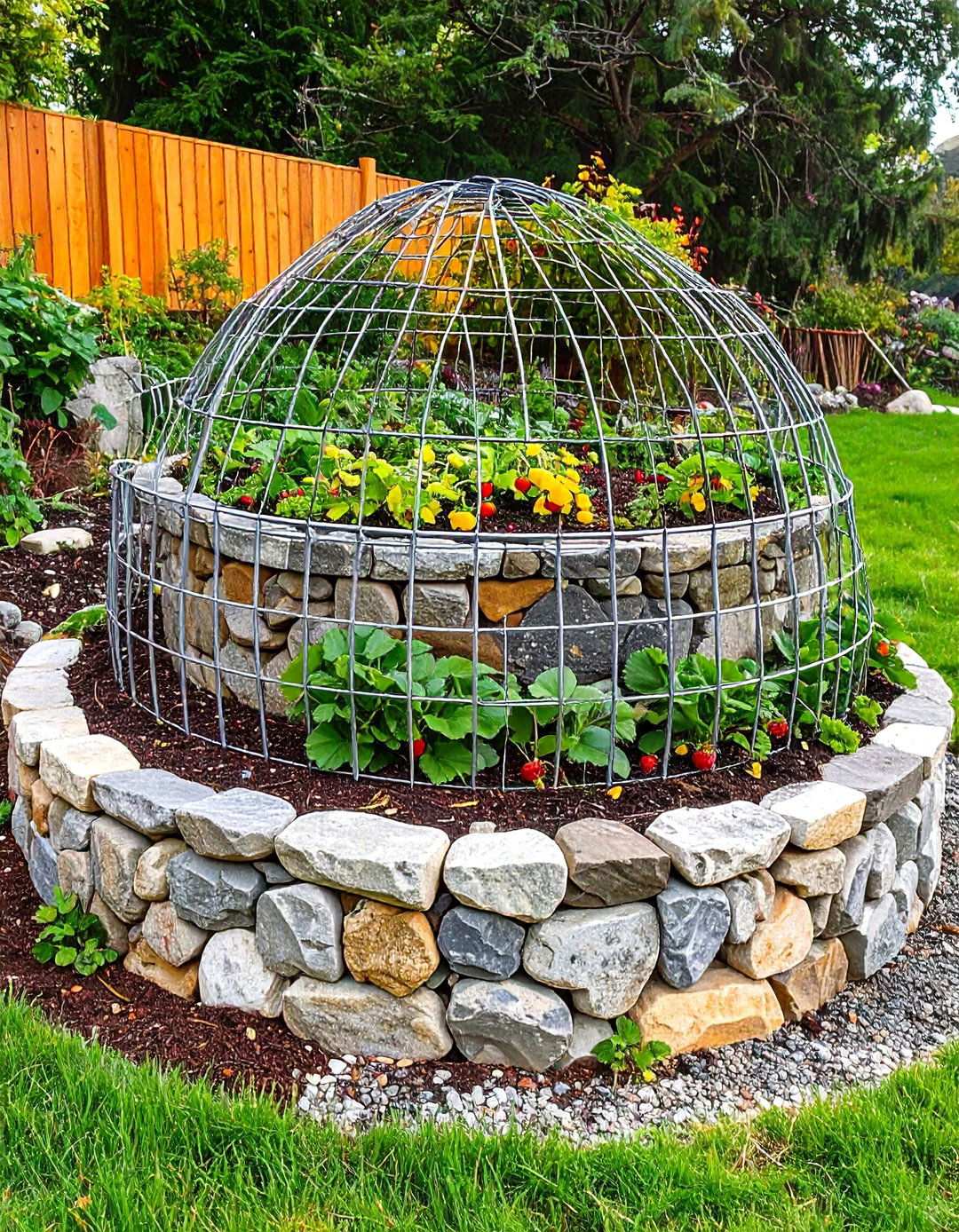
A specialized strawberry circle reimagines the traditional planting system by incorporating tiered construction to optimize fruit production within a compact circular footprint. Strategically stepped retaining walls create multiple planting levels that allow strawberry plants to cascade naturally, improving air circulation and sun exposure for all plants. The circular design provides effortless access for harvesting from any angle, while accommodating both June-bearing and everbearing strawberry varieties. By elevating the planting beds, gardeners can prevent crown rot and protect fruit from soil contact and slugs. Adding wire or netting covers over the circular frame offers a convenient solution for protecting the fruit from birds during the fruiting season. This innovative growing system yields substantial strawberry harvests from minimal garden space while creating an attractive edible landscape feature.
12. Crafting a Thriving Alpine Oasis
Alpine and rockery plants flourish in circular rock gardens that mimic mountainous environments through ingenious water management and microclimate creation. Strategically placed large boulders anchor the design, while smaller stones fill gaps with a carefully crafted, gravelly soil mix. The circular arrangement enables seamless transitions from center to edge, accommodating plants with diverse sun and moisture requirements. Sedums, sempervivums, alpine phlox, and dwarf conifers create a dynamic tapestry of textures and seasonal displays, ensuring year-round interest. The thoughtful construction of this rock garden moderates temperature extremes, creates shelter from wind and excess moisture, and adds visual drama to the landscape. This adaptable design is well-suited for xerophytic gardens, slope stabilization, or anywhere a striking textural contrast is desired.
13. Whimsical Circular Rose Garden with a Central Focal Point
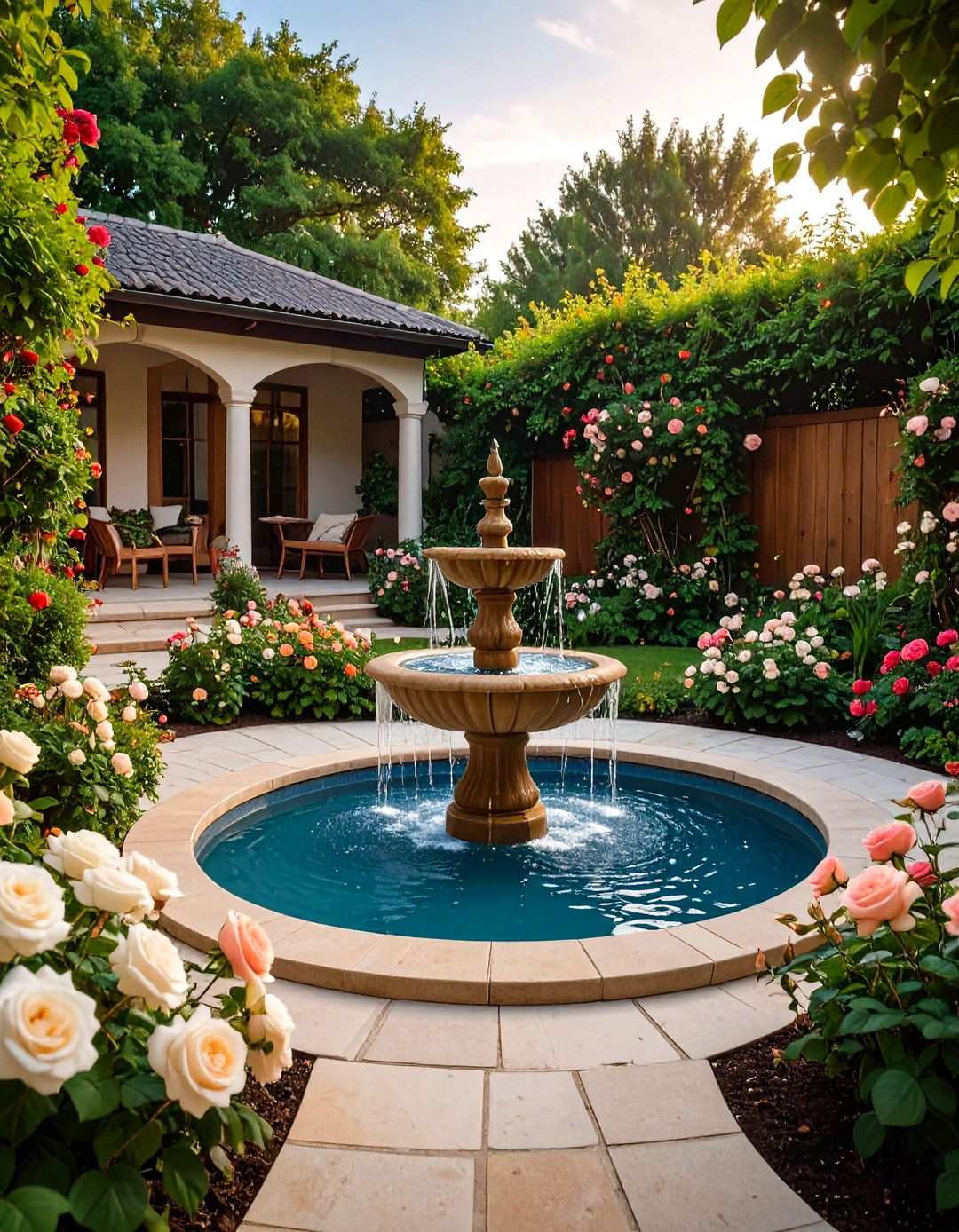
A charming circular rose bed centered around an elegant fountain embodies classic garden charm and sophisticated landscape design. The outer ring provides a stunning arrangement of hybrid tea roses, floribundas, or shrub roses, carefully grouped by color and bloom timing for a continuous display of seasonal beauty. The central water feature not only provides moisture, cooling, and soothing sound but also serves as a striking focal point that can be seen from multiple vantage points in the garden. Elegant brick, stone, or formal edging materials define the circular border and complement fountain materials for a cohesive design that exudes refinement. Underplanting with fragrant lavender, catmint, or ornamental alliums adds depth and extends the blooming season, while deterring pests naturally. This design is perfect for formal garden centerpieces or romantic landscape accents.
14. Harvesting Abundance in a Circular Cutting Garden
A dedicated cutting garden circle produces an abundance of flowers for indoor arrangements through expertly planned succession planting and variety selection. The design accommodates both annual and perennial flowers, carefully arranged by height, bloom time, and color schemes to provide a constant supply of cutting material throughout the growing season. Cool-season flowers like sweet peas and calendulas occupy the outer sections for early harvest, while heat-loving zinnias and sunflowers fill central areas for summer and fall cutting. The circular shape provides efficient access for daily flower harvesting, creating attractive garden displays even when flowers are regularly cut. Rich soil preparation and regular fertilization support continuous flower production, making this design both functional and visually appealing.
15. Timber Raised Circle with Integrated Seating Bench
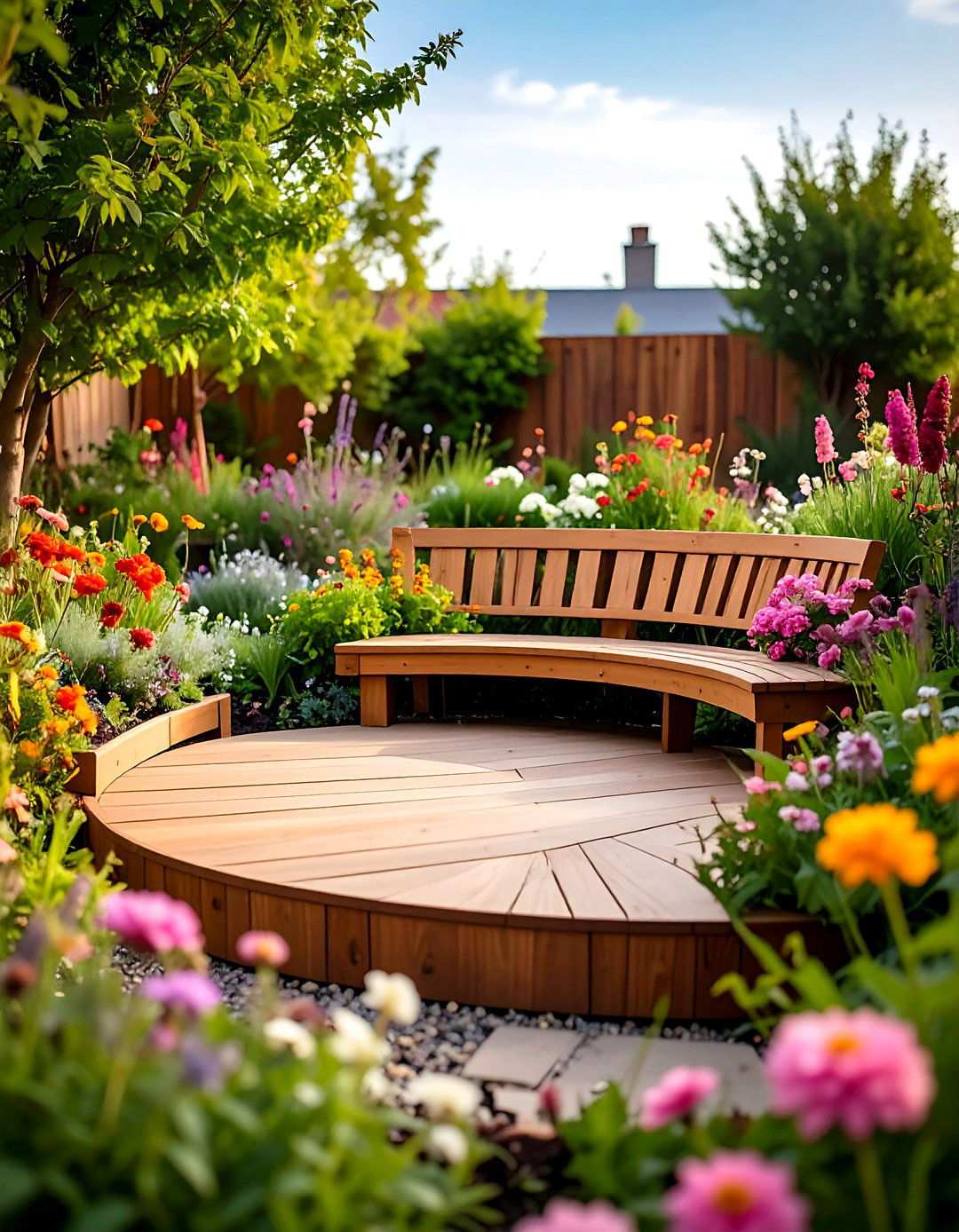
Functional garden spaces are elevated by incorporating curvaceous seating areas into circular raised beds, maximizing space efficiency while minimizing the need for separate garden furniture. Timber construction is used to form both the planting bed walls and bench seating in a single, continuous structure, typically rising 18 inches to provide an optimal seating height. This harmonious blend of form and function allows for herbs, flowers, or vegetables to be cultivated within easy reach, along with rest spots for contemplation and maintenance activities. The use of cedar or other rot-resistant timbers ensures durability while developing a beautiful, weathered patina over time. This multifunctional design meets both practical and social needs in compact garden environments, creating intimate spaces perfect for small yards or urban settings.
16. Metal Ring Planter with Contemporary Geometric Design
In modern landscape designs, sleek metal ring planters make bold statements through clean geometric forms and industrial materials. Corten steel, in particular, develops an attractive rust patina that complements modern architecture while providing exceptional durability against weather extremes. The precise circular form creates striking contrast against organic plant shapes, while maintaining structural integrity for decades. By combining planters of various diameters and heights, dynamic groupings can be created that produce a visual rhythm throughout contemporary gardens. The metal construction also reflects and conducts heat, benefiting warm-season vegetables and heat-loving ornamental plants. This design style works particularly well in urban settings, rooftop gardens, or as accent features in minimalist landscape compositions where architectural elements take precedence over naturalistic forms.
17. Circular Herb Garden with Medicinal Plant Collection
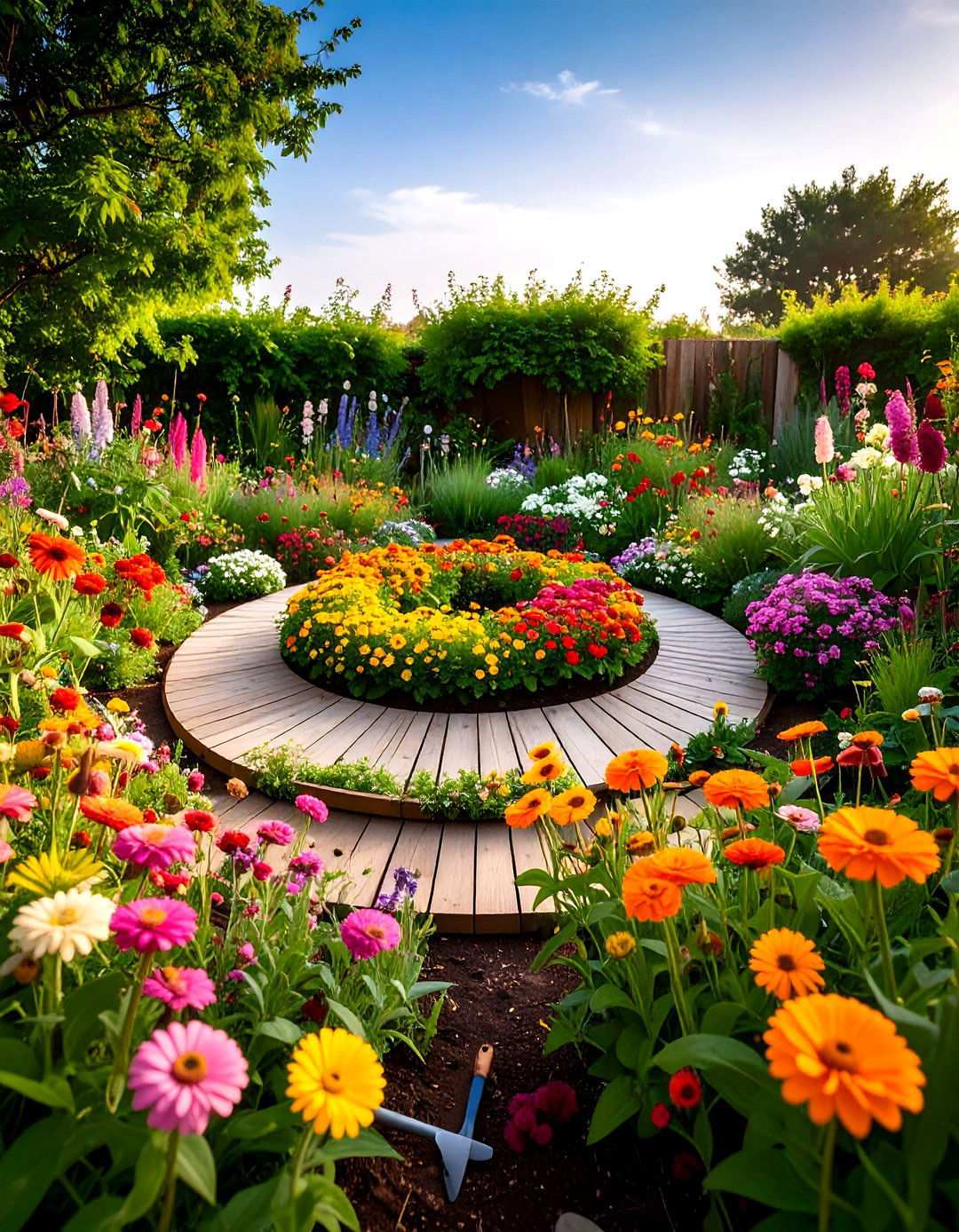
A dedicated medicinal herb circle creates organized growing space for traditional healing plants, providing educational opportunities and personal wellness resources. By arranging plants by traditional use categories – digestive herbs, respiratory support plants, topical healing species, and general wellness herbs – a logical harvesting and identification system is established. The circular design accommodates varying plant sizes from low-growing chamomile to taller echinacea, while maintaining easy access for harvesting and processing. Proper plant spacing prevents overcrowding, while encouraging beneficial insect habitat that supports natural pest control. This design serves both practical herbal medicine needs and creates fascinating garden displays featuring plants with rich cultural and healing histories, making it a valuable addition to any garden or outdoor space.
18. Whimsical Succulent Oasis in a Desert Landscape
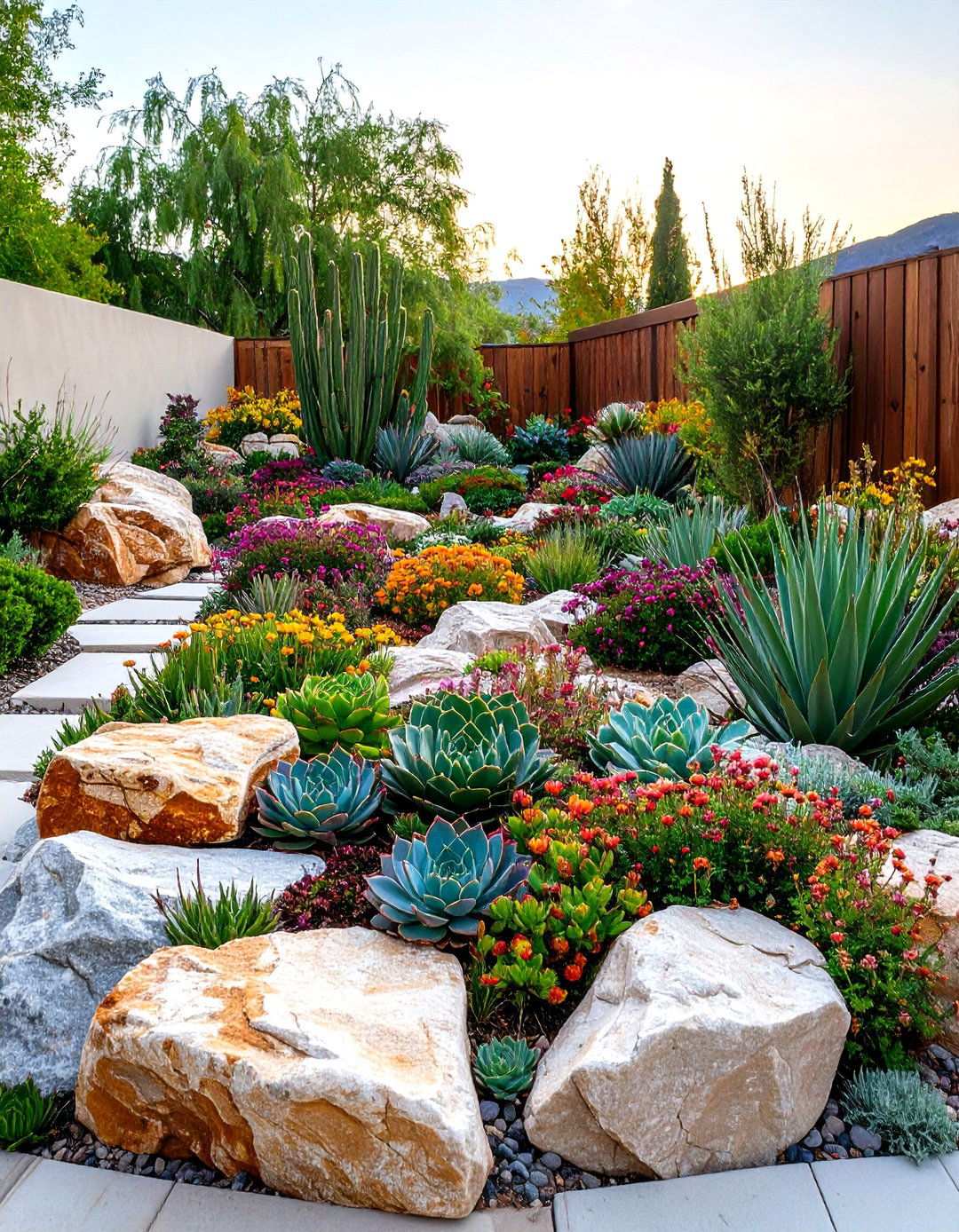
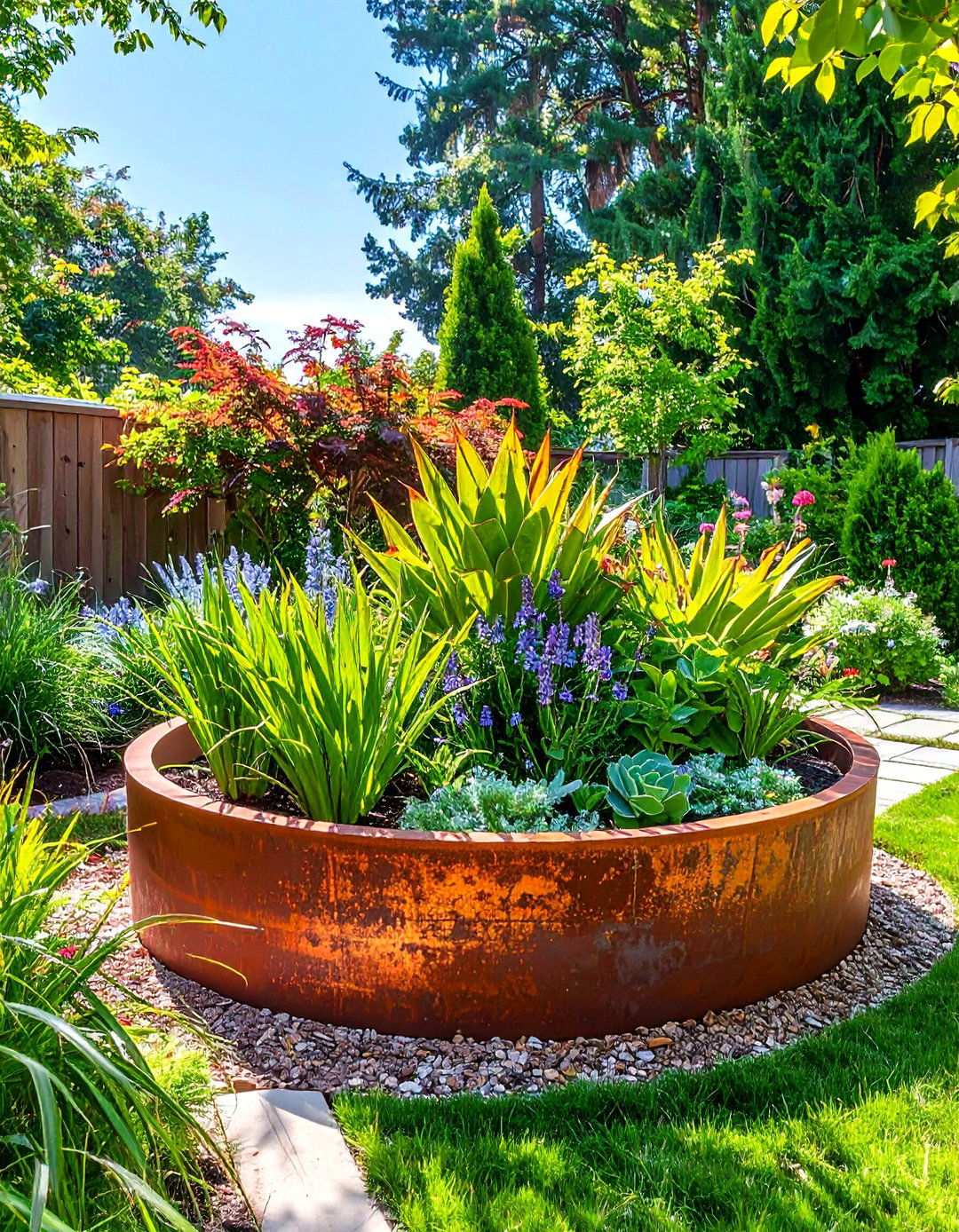
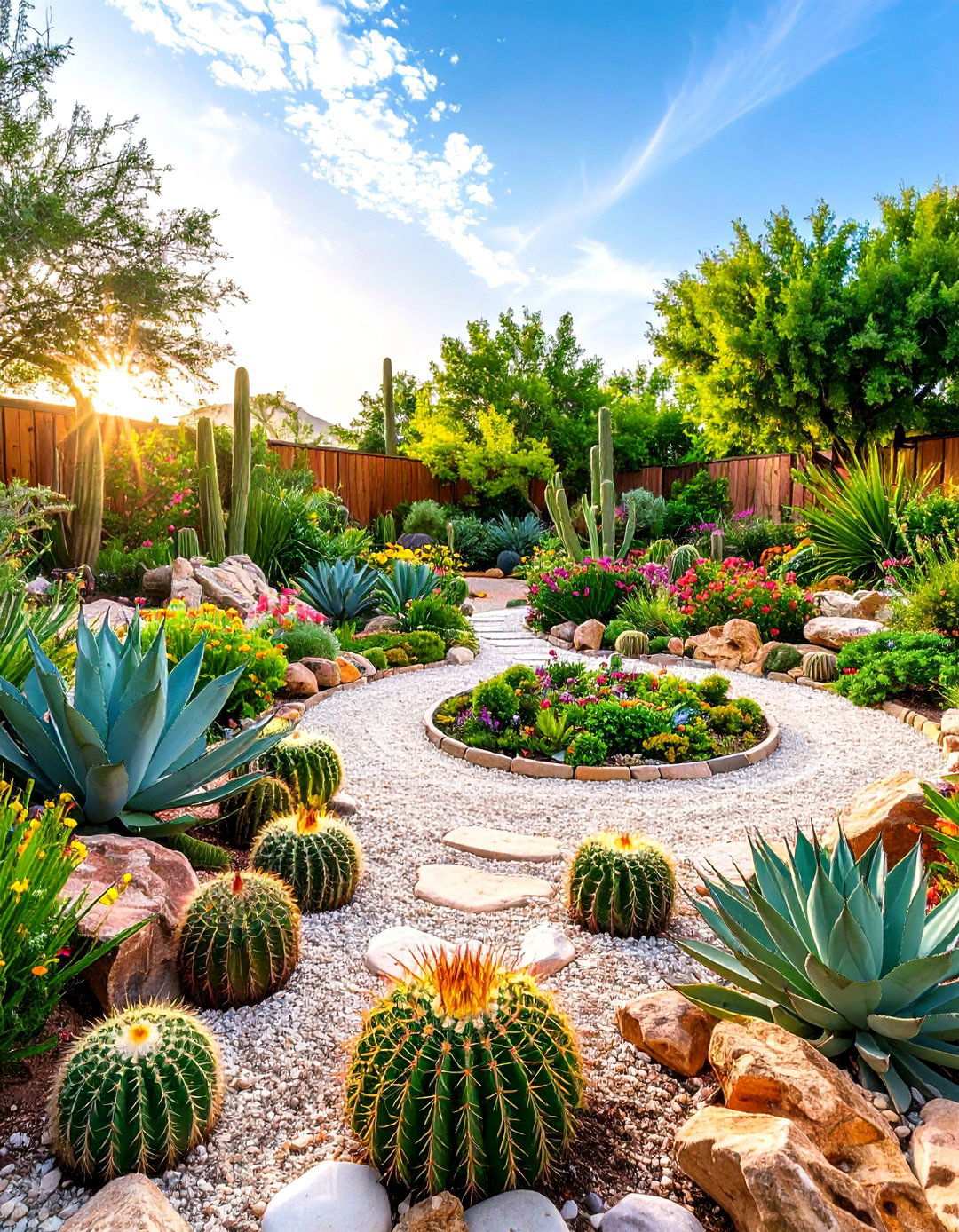
A circular succulent garden presents a stunning drought-tolerant display, featuring a carefully curated selection of cacti, sedums, agaves, and water-wise plants arranged in thought-provoking compositions that push the boundaries of desert landscape design. By incorporating decorative gravel mulch, unique rock formations, and varying plant heights, this design creates a visually striking focal point that doesn’t rely on supplemental irrigation. The diversity of succulent forms – from rosettes and columnar shapes to trailing and globular – adds textural variety to the space while maintaining a cohesive desert aesthetic. A specially formulated succulent soil mix in the circular boundary provides exceptional drainage, ensuring the health and longevity of these drought-tolerant plants. This low-maintenance design shines in arid climates, xerophytic gardens, or anywhere water conservation is a top priority, alongside striking landscape impact.
19. Compact Salad Garden with an Intensive Growing Strategy
A circular salad garden takes the concept of intensive growing to the next level by implementing succession planting within a compact, easily manageable space. This design optimizes fresh produce production by arranging lettuce, spinach, arugula, radishes, and other quick-growing crops in concentric rings or sectioned wedges, making it easy to harvest and replant. The raised construction of this garden improves soil drainage and warming, extending the growing season, while the circular shape minimizes corner waste and provides equal sun exposure to all planting areas. By planting every two weeks, succession planting ensures a continuous harvest throughout the growing season, making this design perfect for kitchen gardens where daily fresh produce is a must-have, even from a minimal space investment.
20. Timeless Stone Circle Garden with Perennial Border Elegance
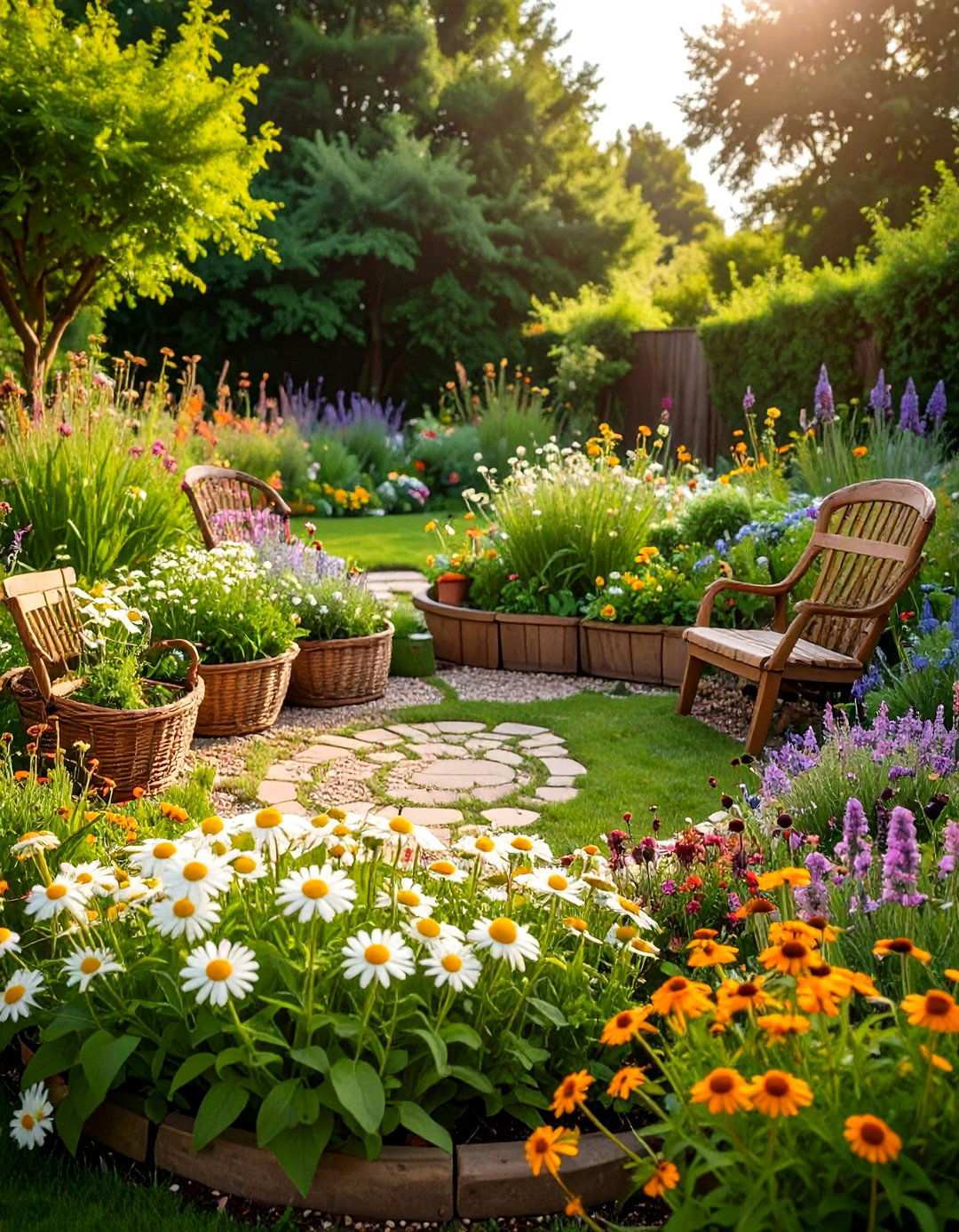
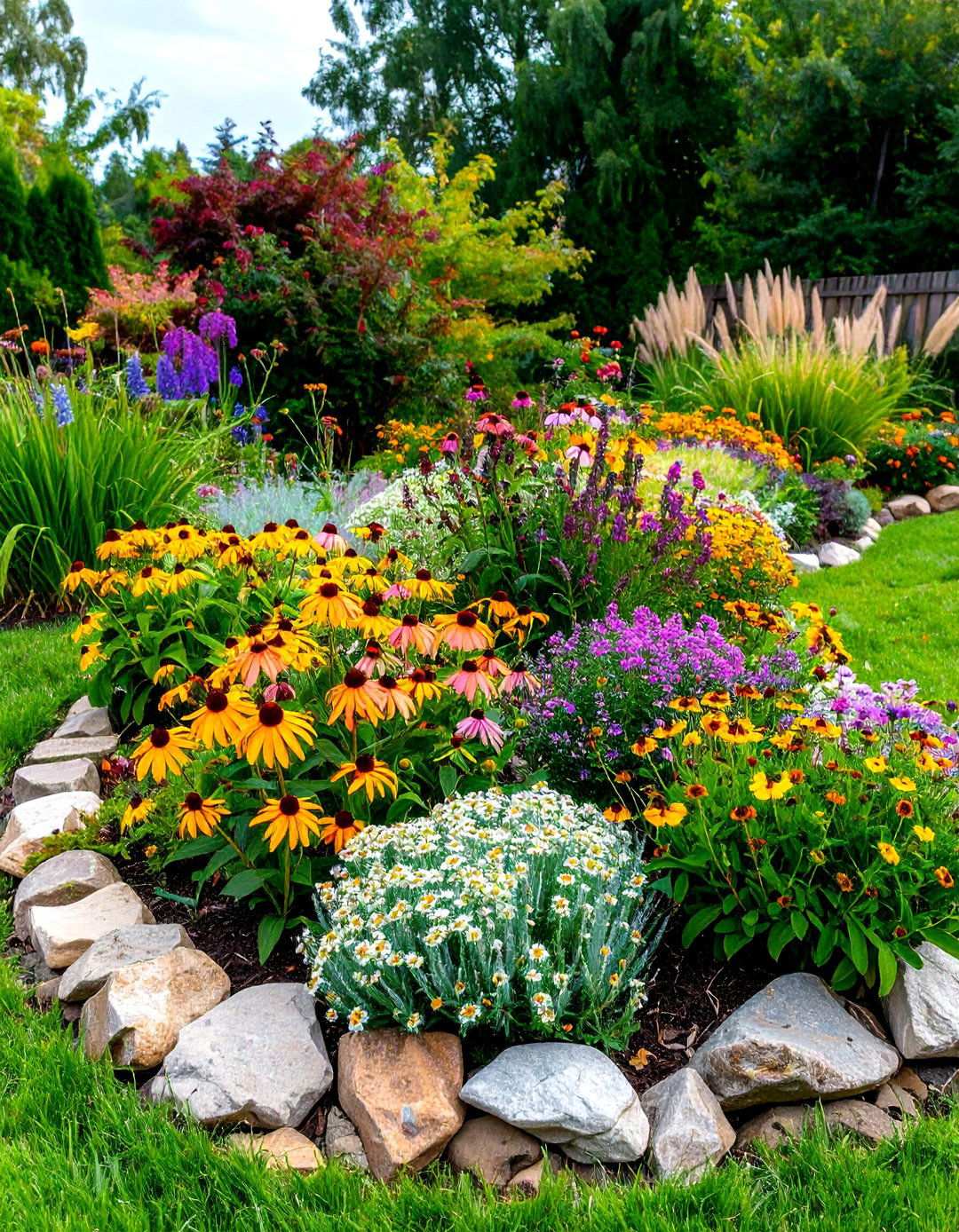
A natural stone circular border sets the stage for a perennial flower display that offers years of low-maintenance beauty and seasonal interest. The stone construction provides a sense of permanence and thermal mass, expertly complementing diverse perennial plant forms, colors, and textures throughout multiple growing seasons. Plant selection focuses on long-blooming species like coneflowers, black-eyed susans, and ornamental grasses, arranged by height and bloom timing for a continuous display. The circular design naturally creates plant groupings, while the defined edges prevent lawn encroachment and maintain neat garden boundaries. Investing in quality stone construction and perennial plants yields garden features that only improve with age, requiring minimal annual maintenance and becoming a timeless addition to any outdoor space.
21. Harmonious Fusion of Nature and Cuisine
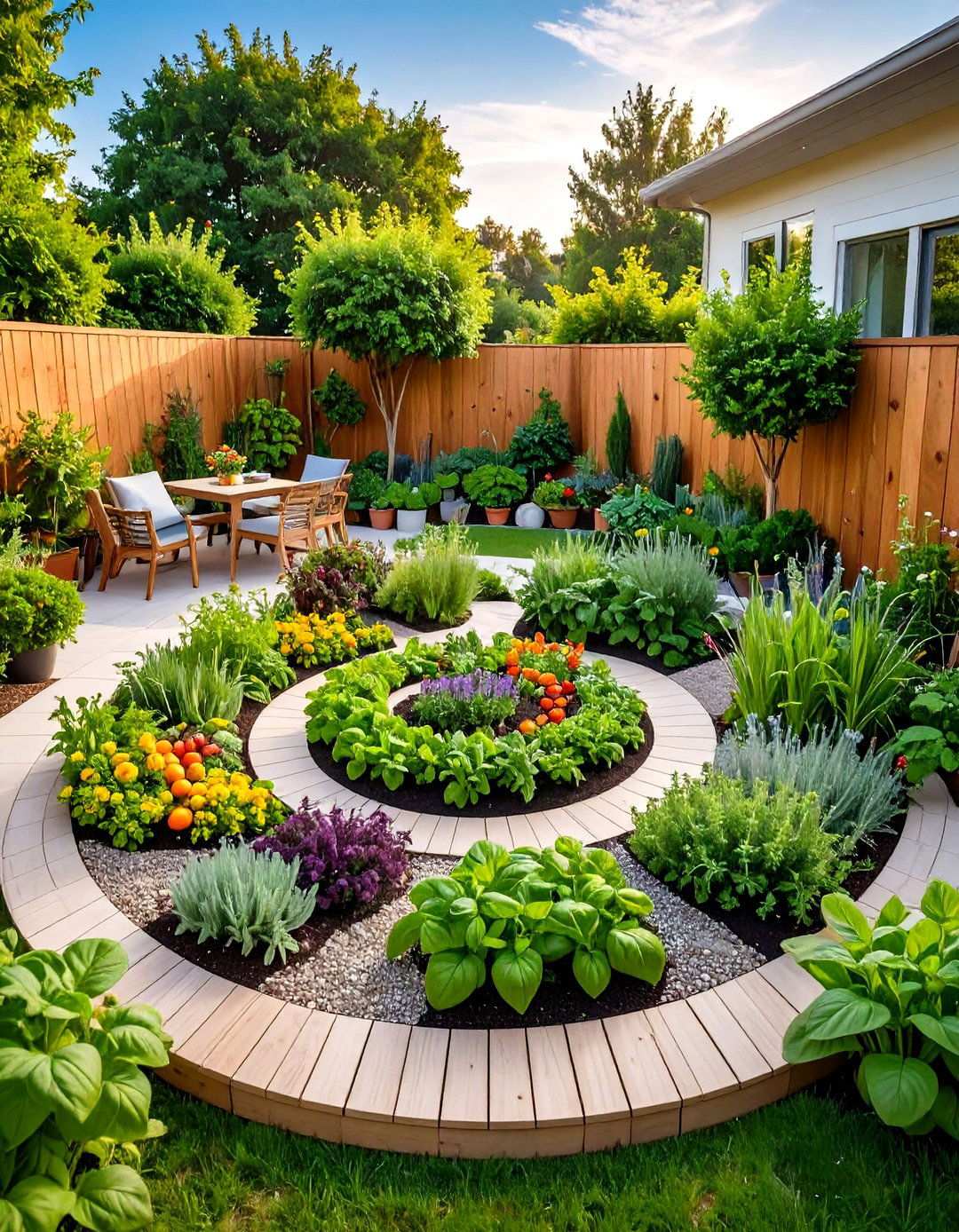
A symphony of flavors awaits in the culinary-focused circular garden, where an array of vegetables and essential cooking herbs converge in a spiral formation that optimizes growth within a compact space. Strategically placing frequently used herbs like basil, oregano, and thyme in easily accessible outer sections allows for effortless harvesting, while positioning larger plants like tomatoes and peppers in central areas maximizes space efficiency. The spiral arrangement creates microclimates that cater to plants with varying moisture and sun requirements, ensuring a diverse and thriving garden ecosystem. As a result, this intensive growing system supports complete meal preparation from fresh garden ingredients while creating visually appealing edible landscape features. By situating this design near kitchen entrances, it encourages regular harvesting and use, fostering a seamless connection between nature and cuisine.
22. Wildlife Oasis in the Heart of the Garden
A wildlife-focused circular garden creates a haven for birds, butterflies, and beneficial insects through the strategic selection of native plants and natural landscaping techniques. By incorporating plants that provide food, shelter, and nesting materials throughout the year, such as berry-producing shrubs, seed-bearing perennials, and nectar-rich flowers arranged in naturalistic compositions, this design fosters a dynamic and thriving ecosystem. Water features, brush piles, or rock cairns enhance habitat value while maintaining attractive garden aesthetics. The circular boundary contains wildlife-friendly plants while preventing aggressive species from spreading into adjacent garden areas, thereby preserving the local ecosystem’s balance. This conservation-minded design supports local biodiversity while creating captivating, season-long garden displays that change with natural wildlife activity patterns.
23. Efficient Harvesting with a Raised Potato Growing Bed
A specialized circular potato bed utilizes raised construction and strategic soil management to optimize tuber production and simplify harvest processes. Featuring removable wooden sides that allow gradual soil building as potato plants grow, this design encourages maximum tuber development throughout the growing season. The circular shape provides efficient space utilization while allowing easy access for hilling soil and eventual harvesting from all sides. By growing different potato varieties in sectioned areas, gardeners can enjoy diverse cooking options and harvest timing. This intensive growing method produces significant potato yields from minimal garden space while creating organized and visually appealing vegetable garden features.
24. Whispering Nightscapes: A Serene Circle of Luminous Blooms
A masterfully crafted moon garden circle becomes a true haven for the senses as night descends, its carefully chosen palette of white and pale-hued flowers radiating a soft, ethereal glow. The delicate beauty of these nocturnal blooms – think evening primrose, four o’clocks, moonflowers, and white nicotiana – is further amplified by the silvery sheen of plants like artemisia and dusty miller, which seem to drink in the moonlight and artificial illumination, radiating an otherworldly ambiance. The circular design of this enchanting garden creates an intimate atmosphere, drawing visitors in and heightening their sensory experience as they immerse themselves in the heady scents of these fragrant plants. As the sun dips below the horizon, the strategically positioned lighting comes alive, casting a warm, inviting glow over the white flower display and providing a sense of safety and tranquility for those who come to enjoy the evening garden. In this serene, moonlit world, the ordinary becomes extraordinary, transforming a humble garden space into a peaceful retreat perfect for evening reflection or lively social gatherings.