1. Illuminated Retreats: Weaving Light into the Reading Experience
A well-designed reading space has the power to transport book lovers into a world of endless possibilities. By merging comfort, functionality, and personal style, a reading sanctuary can become a true haven for literature enthusiasts. Whether you’re envisioning an expansive library with towering shelves or a cozy reading nook, the perfect reading room is one that harmoniously balances aesthetics and practicality. Window seats bathed in warm, natural light and atmospheric spaces with rich textures and warm ambiance are just a few examples of how reading rooms can be tailored to suit every taste and space constraint. At its core, a reading room is not just about books, but about creating an environment that fosters focus, relaxation, and the pure joy of reading.

As an Amazon Associate I earn from qualifying purchases.
2. Sanctuary by Design: Blending Style and Functionality
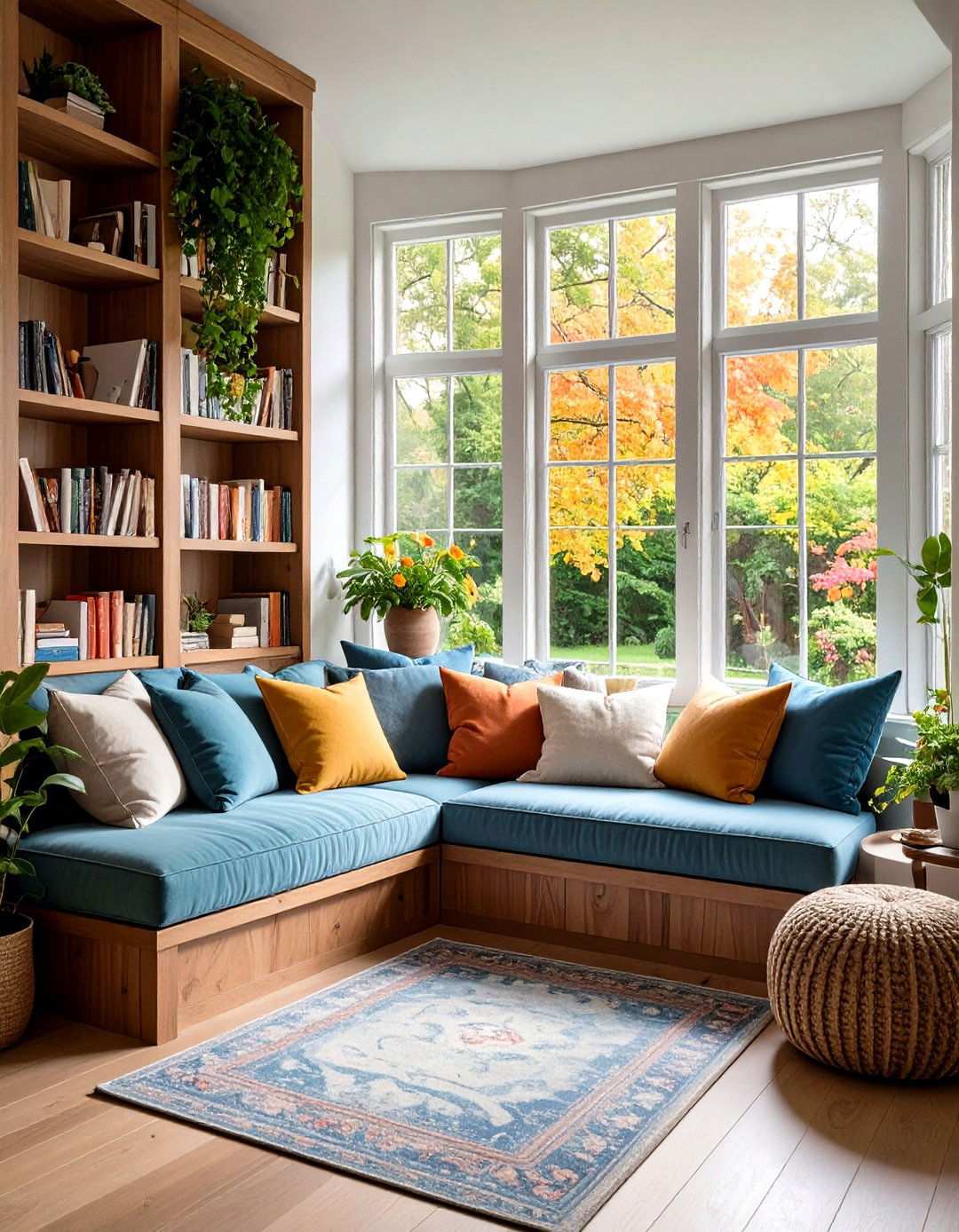
Some of the most inspiring reading experiences are born from the perfect blend of natural light and comfortable seating. Window seat reading rooms take full advantage of architectural features by incorporating built-in seating beneath windows, often with cushioned benches and surrounding storage. These spaces work particularly well in bay windows or deep-set openings where custom joinery can be seamlessly integrated. The design typically includes under-seat storage for books and throw pillows, while flanking bookshelves maximize the surrounding wall space. To control light levels throughout the day, consider adding adjustable blinds or curtains. The combination of natural illumination, comfortable seating, and easy access to books creates an ideal environment for extended reading sessions that feel connected to the outdoors.
3. Built-In Library Wall Design
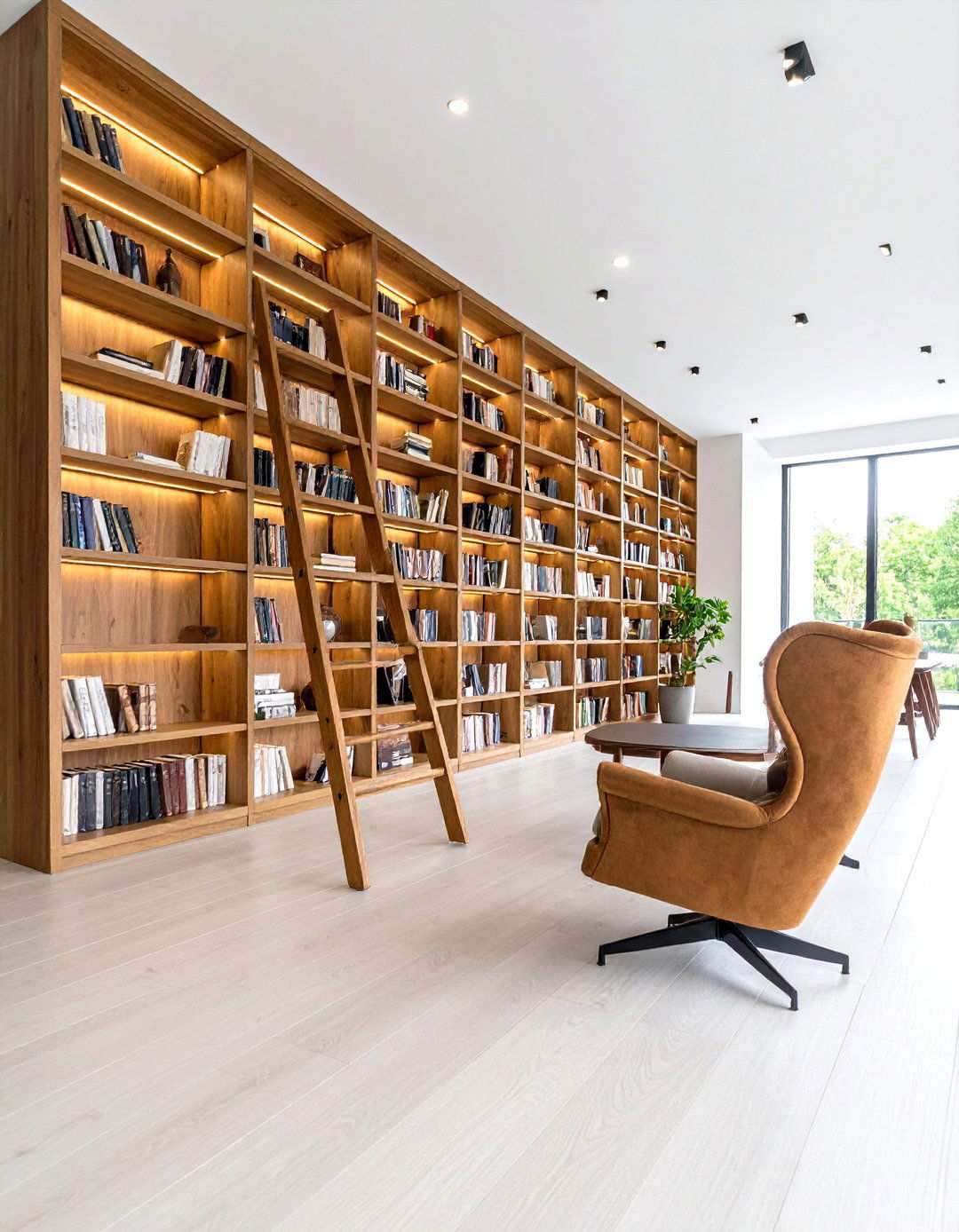
Can you imagine a more impressive display than floor-to-ceiling built-in bookshelves stretching across an entire wall? This classic approach transforms any room into a sophisticated library by incorporating custom millwork that reaches from floor to ceiling. The design often includes a rolling ladder for accessing higher shelves, integrated lighting within the shelving units, and a mix of open shelves with closed cabinets for varied storage needs. Choose materials like rich mahogany or painted wood that complement your home’s architecture. The key lies in balancing book storage with display space for decorative objects, creating visual interest through varied shelf heights and incorporating comfortable seating positioned to take advantage of the impressive book wall backdrop.
Intimate Attic Sanctum
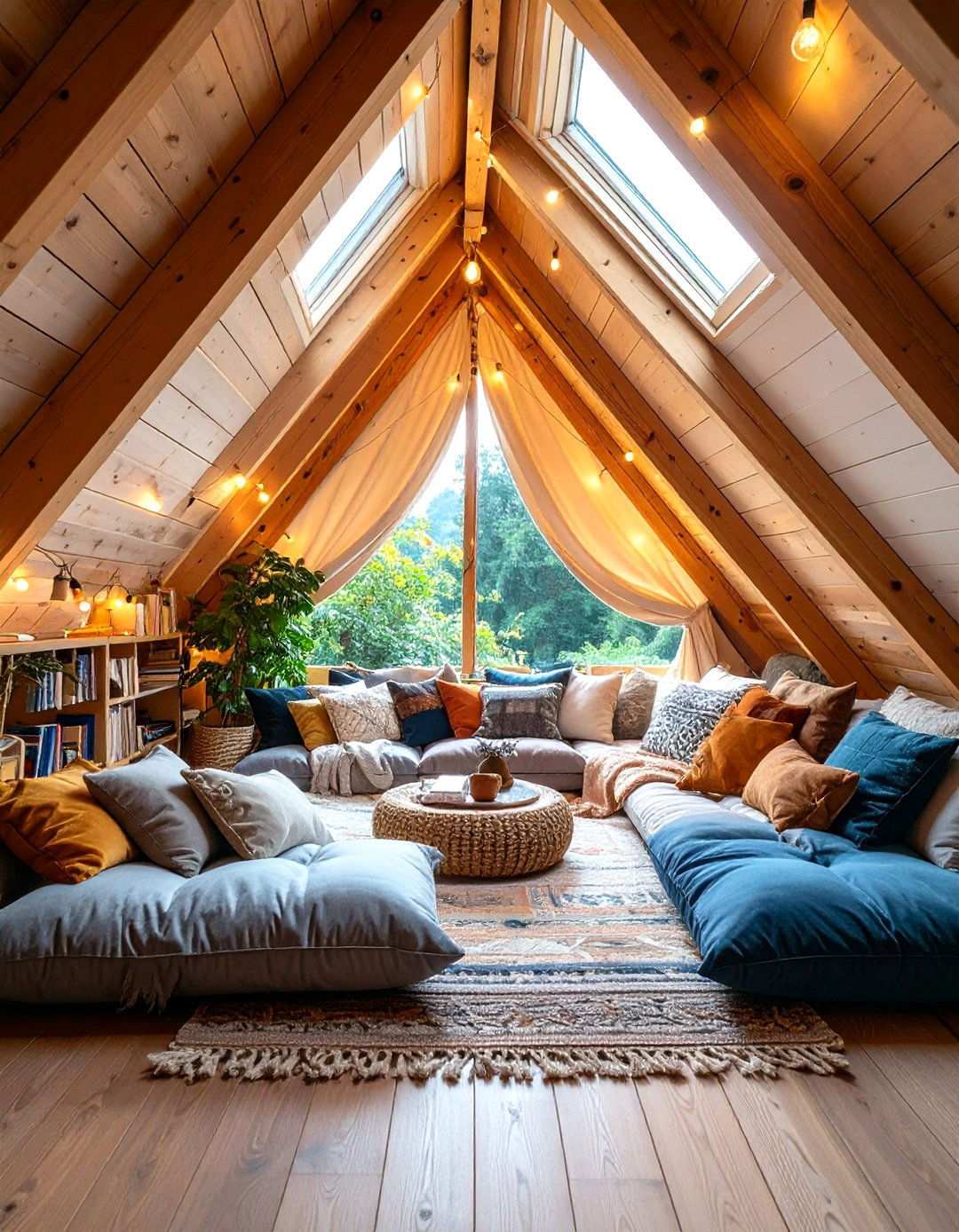
A secluded reading space nestled beneath the eaves of your home can be nothing short of enchanting. Attic reading rooms cleverly repurpose often-overlooked space by embracing the unique characteristics of sloping ceilings and architectural angles. To optimize this cozy nook, consider incorporating compact furniture pieces such as floor cushions, bean bags, or built-in benches that adapt to the reduced ceiling height. Adding warmth through plush textiles and strategic lighting is key to creating a year-round haven. The sloping walls present a natural opportunity for angled shelving, while skylights provide an abundance of natural light, perfect for reading. This secluded location offers a serene atmosphere, ideal for concentrating on challenging literature or enjoying quiet contemplation.
4. Hearthside Reading Haven
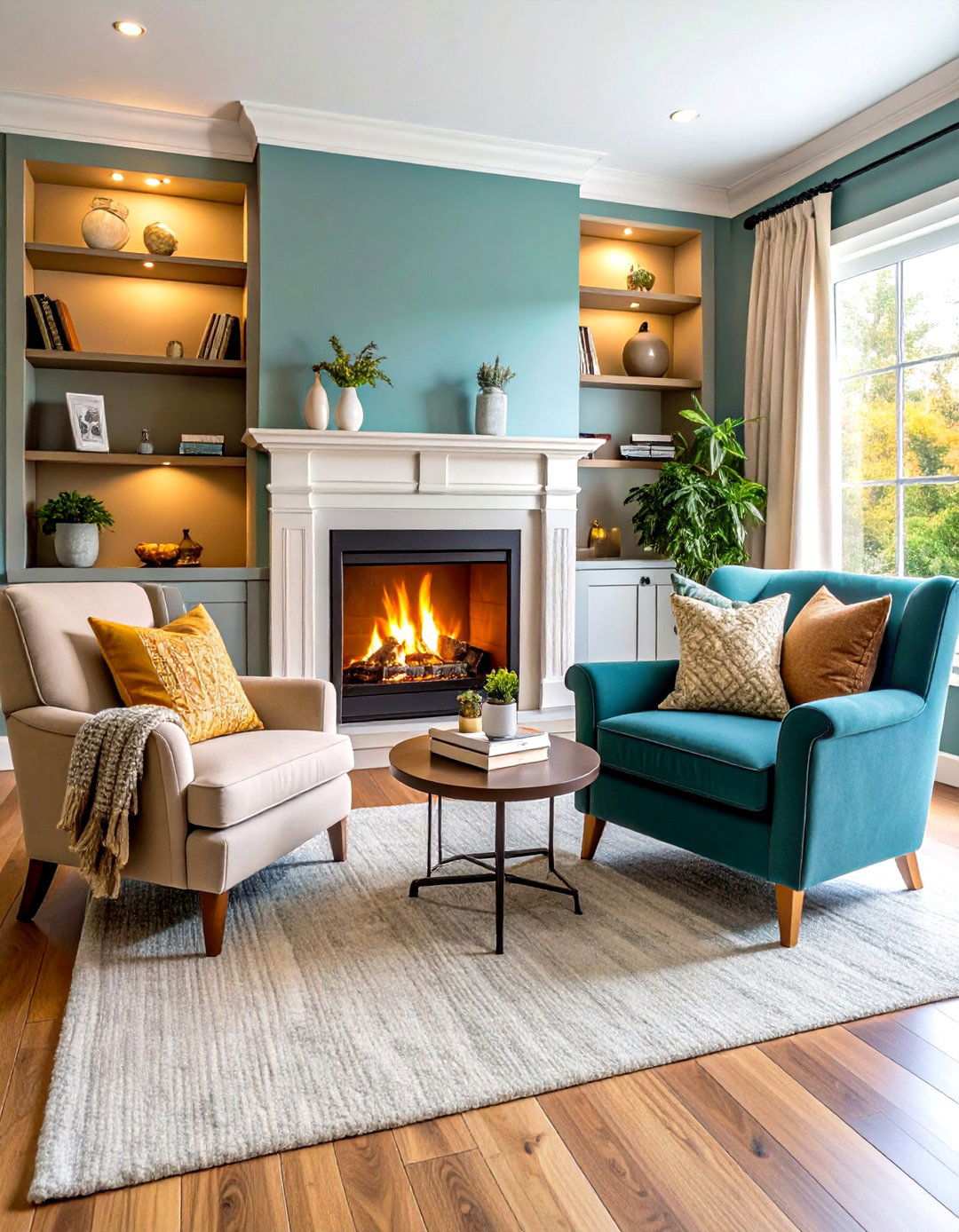
Combine the warmth and ambiance of a fireplace with the comfort of a good book to create the ultimate cozy retreat. Fireplace reading corners position comfortable seating near a hearth, whether gas, electric, or traditional wood-burning. A plush armchair or loveseat with an ottoman, angled to capture both the warmth and lighting, is a classic setup. To create a sense of cohesion, incorporate built-in shelving on either side of the fireplace, framing the focal point and keeping books within easy reach. Add a touch of warmth with soft throws, floor lamps for task lighting, and a small side table for beverages. This arrangement is particularly well-suited for cooler months, when the flickering flames create a captivating backdrop for evening reading sessions.
5. Moody Scholar's Study
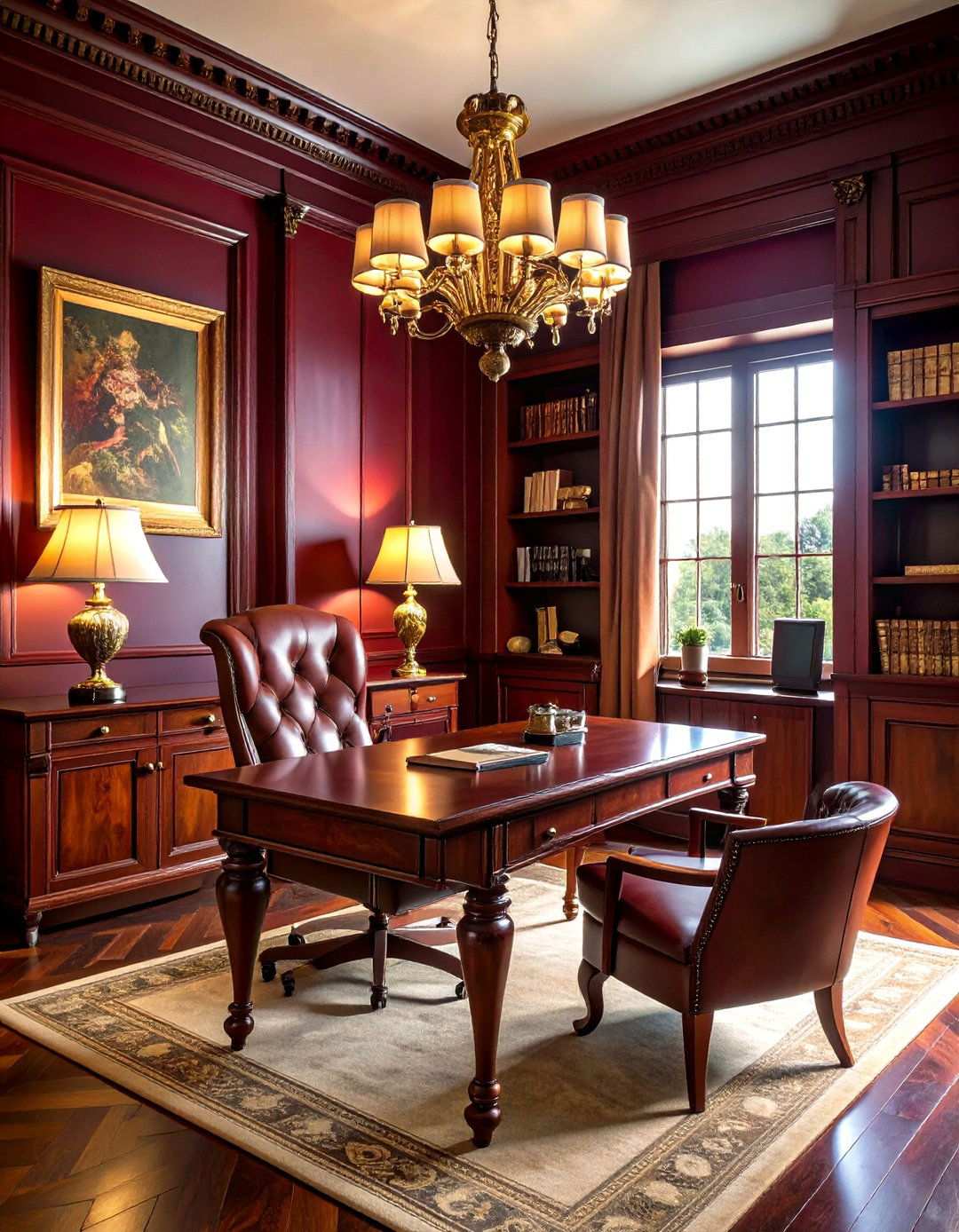
Consider embracing the sophisticated elegance of dark academia aesthetics in your reading space. This style draws inspiration from Gothic architecture and traditional university libraries, featuring rich, saturated colors like deep forest green, navy blue, or burgundy. The design incorporates heavy wooden furniture, leather-bound books, vintage globes, and classical artwork to create an immersive scholarly atmosphere. Think dark wood paneling, brass accents, thick curtains, and traditional desk lamps with green glass shades. To complete the look, add comfortable leather seating, such as a Chesterfield chair or vintage wingback, surrounded by towering bookshelves filled with classic literature. This approach is particularly well-suited for formal dining rooms or home offices that can be dedicated to creating an immersive academic environment.
6. Embracing Clarity in the Perfect Reading Environment
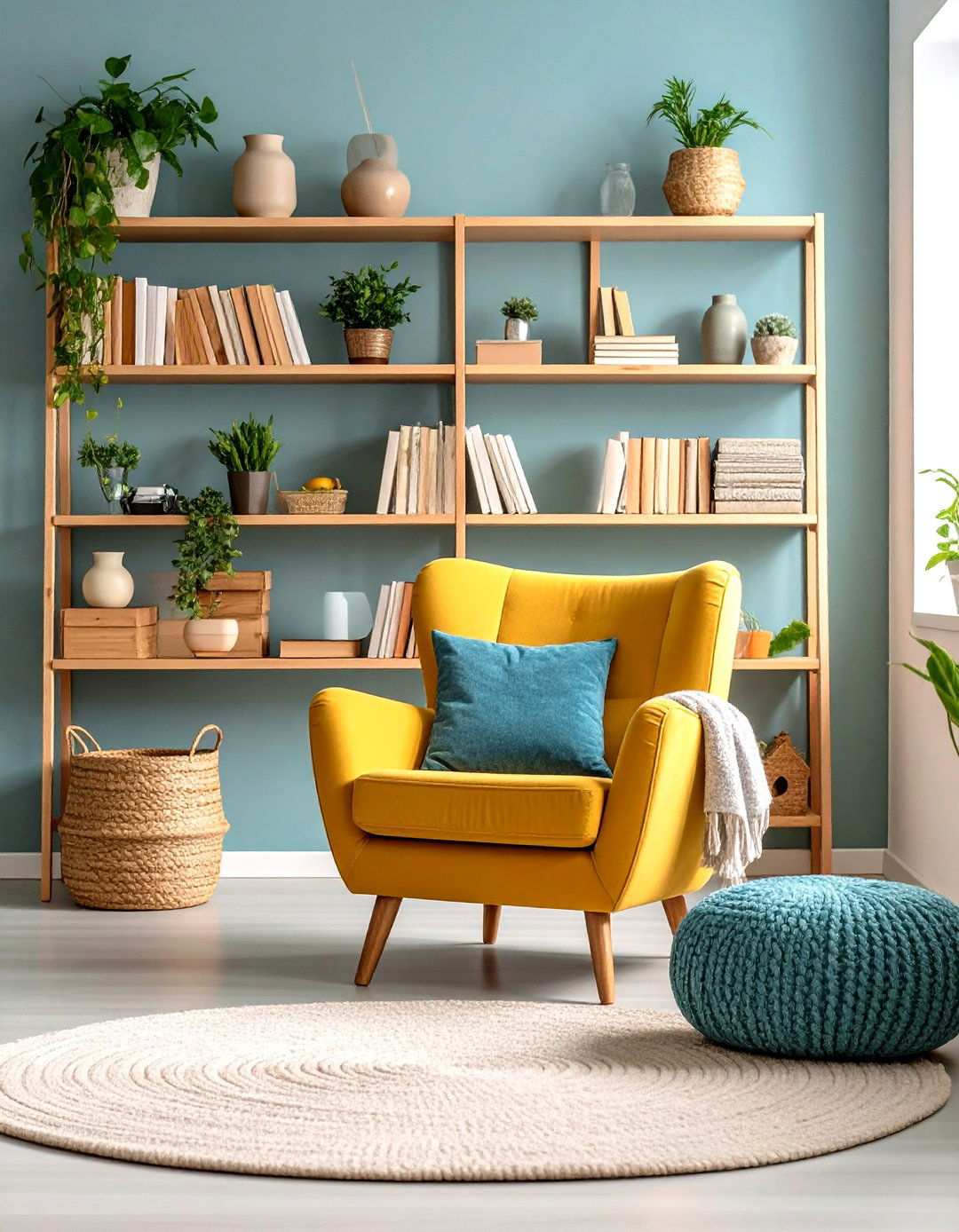
Could the essence of simplicity be the key to creating a serene reading space? Spaces that embody minimalist design principles prioritize unobstructed lines, soothing hues, and clutter-free areas that facilitate focus and tranquility. These environments often feature a singular, plush chair crafted from natural materials like light wood or neutral-toned upholstery, strategically positioned near a sizable window to maximize natural illumination. To maintain a sense of understatement, book storage can be discreetly integrated through floating shelves or simple built-in bookcases in white or natural wood tones. Adding texture through a single area rug, perhaps made from natural fibers like jute or wool, can create a cozy atmosphere. The inclusion of only essential elements, such as a reading lamp and a small side table, helps to eliminate distractions and enables readers to fully immerse themselves in their books.
7. Transforming the Basement into a Cozy Reading Sanctuary
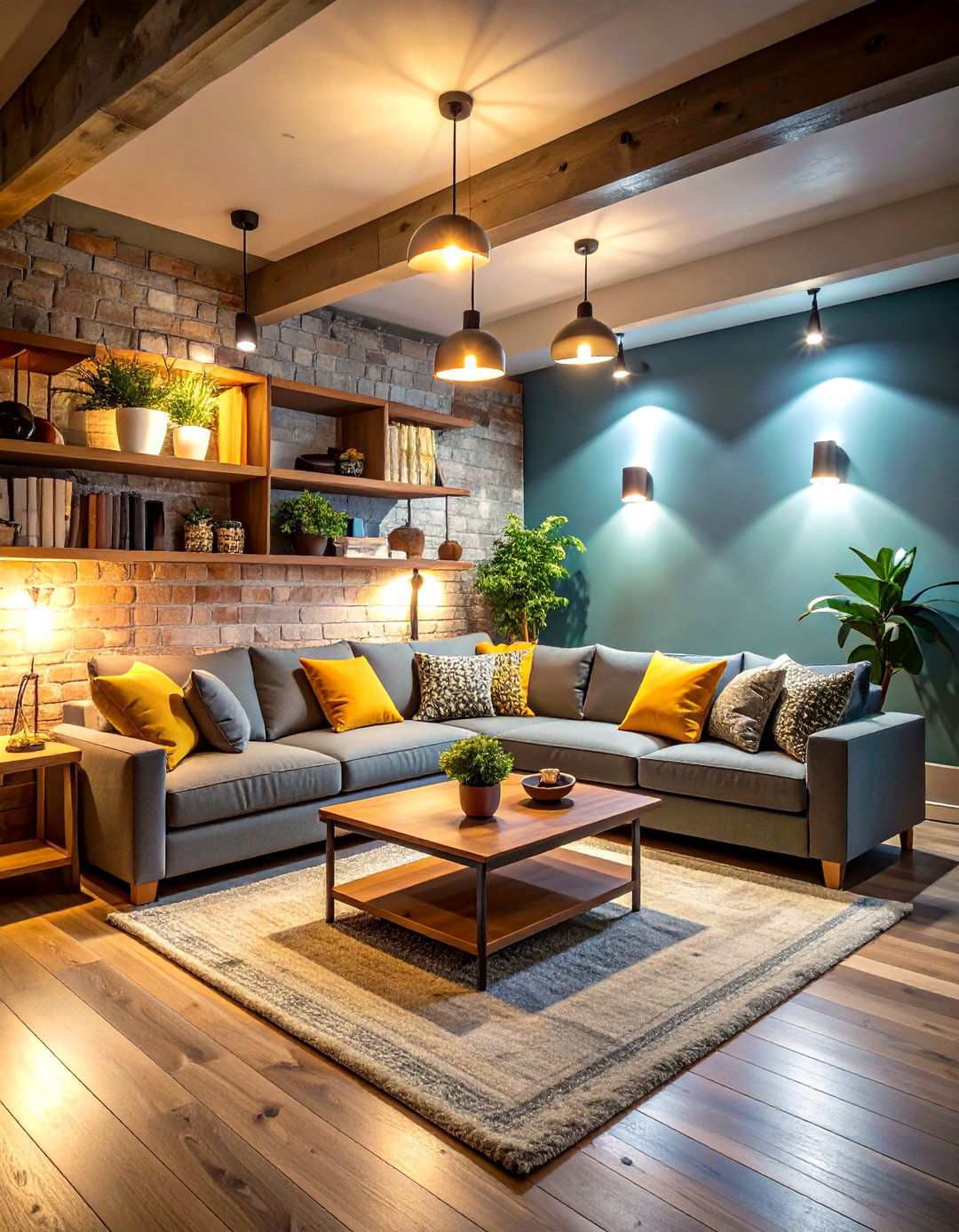
Why not transform your basement into the ultimate retreat for book lovers? Basement reading rooms offer exceptional sound insulation and consistent temperature control, making them ideal for creating intimate reading nooks. Before embarking on design, it’s essential to address potential moisture issues to ensure a comfortable environment. To counteract the underground feel, consider painting walls with lighter hues, and incorporate multiple light sources, including floor lamps, table lamps, and recessed ceiling lights, to create a warm ambiance. Incorporating floating shelves for book storage and a comfortable seating area with a sectional sofa or multiple chairs can cater to various reading positions. To maintain optimal comfort year-round, consider installing dehumidifiers if necessary and ensuring proper ventilation.
8. Extending the Reading Experience into Nature
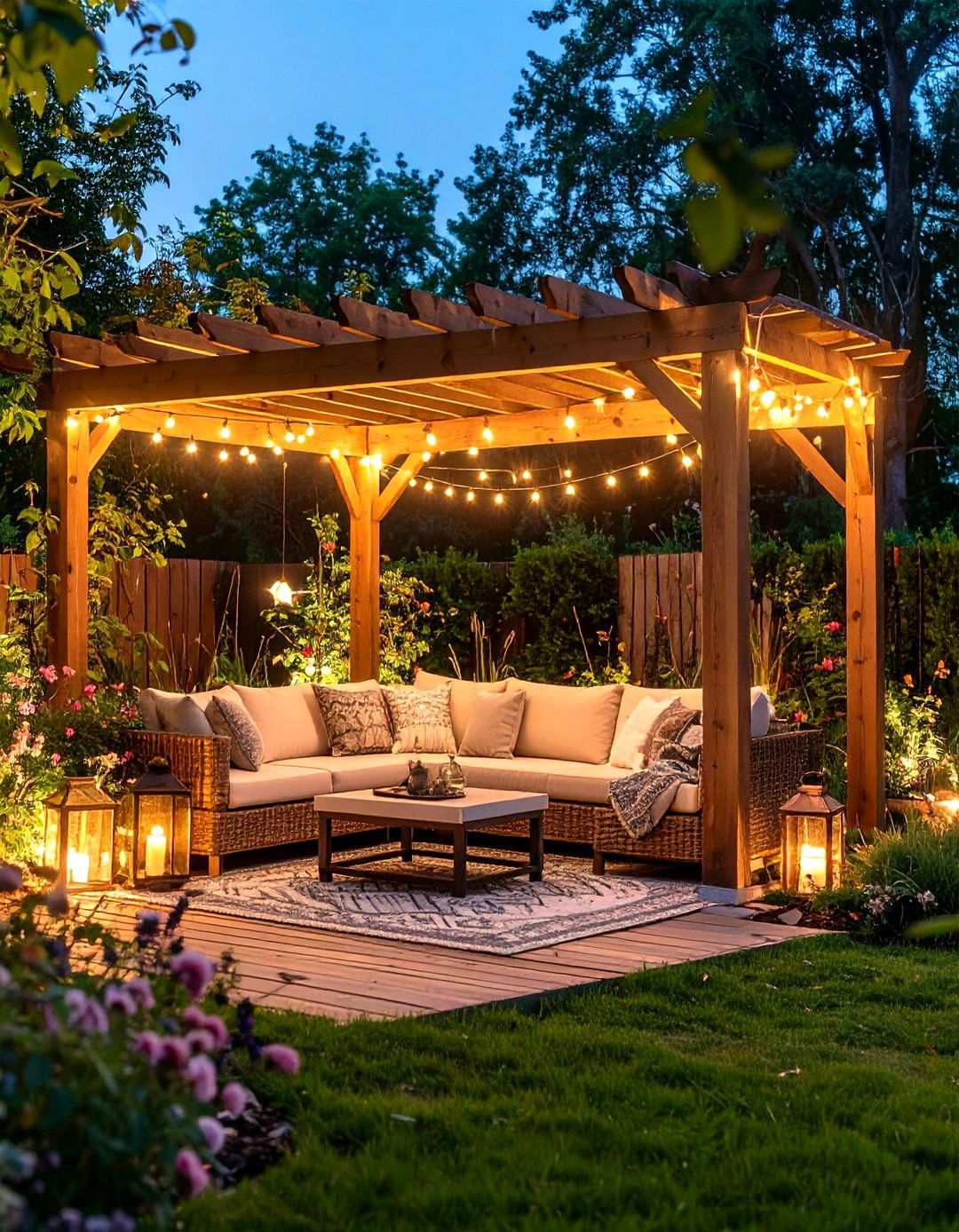
Why confine reading to indoor spaces when the beauty of nature can provide the perfect setting? Outdoor reading rooms seamlessly integrate living areas into gardens, patios, or decks through the use of weather-resistant furniture and strategic design elements. Consider a pergola or gazebo structure that offers some protection from the elements while maintaining a connection to the outdoors. Choose furniture specifically designed for outdoor use, such as all-weather wicker seating with waterproof cushions, and incorporate storage solutions that protect books from the elements. To create an inviting atmosphere, add outdoor lighting for evening reading through string lights, lanterns, or weather-resistant floor lamps. Planting fragrant flowers or herbs nearby can engage multiple senses, and incorporating a small water feature can provide soothing background sounds. For longer reading sessions, ensure easy access to indoor spaces for book retrieval and refreshments.
9. Elevating the Under-Staircase Experience
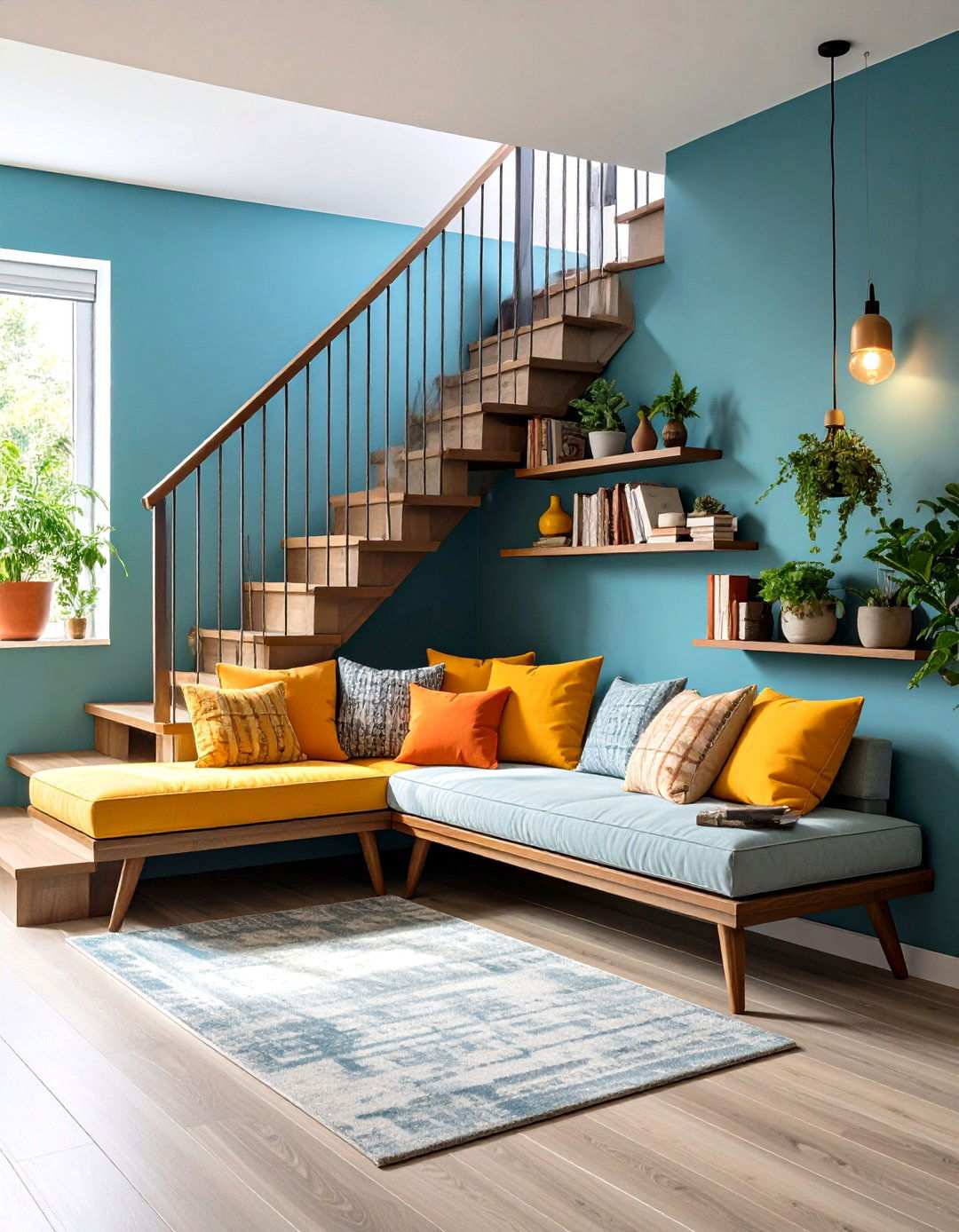
Sometimes, the space beneath your staircase is overlooked, but it can be transformed into a captivating reading sanctuary. This triangular area naturally fosters a cozy atmosphere, reminiscent of a cave, which many readers find incredibly appealing. To create a functional and inviting space, consider incorporating built-in seating with storage underneath, complemented by well-placed task lighting through wall-mounted sconces or pendant lights. Painting the area in a thoughtfully chosen color scheme will help it feel intentional and well-designed, rather than neglected. For added functionality, consider installing shelving that follows the stair line above, and don’t forget to add plush cushions and throws to make the space feel warm and welcoming. This approach can be particularly effective in children’s reading areas or as a secluded adult retreat where the enclosed atmosphere promotes focus and relaxation.
10. Bay Window Reading Sanctuaries
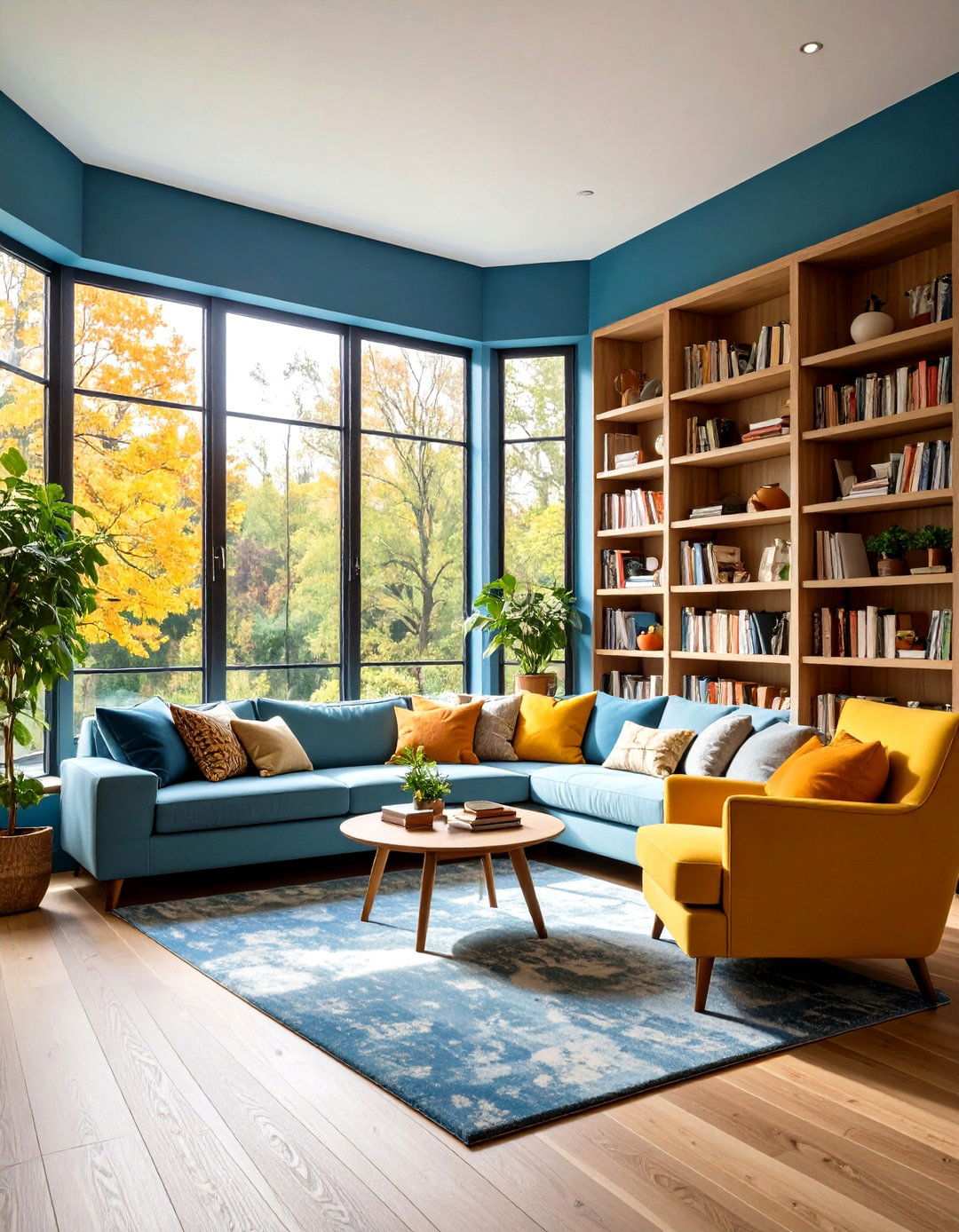
A bay window can be a game-changer in a reading room design, offering an abundance of natural light and creative opportunities for furniture placement. By installing window seats with storage beneath or positioning comfortable chairs to take advantage of the wrap-around windows, you can create a reading space that feels expansive and airy. The unique geometry of bay windows also presents natural opportunities for built-in bookshelves that follow the room’s contours. To further enhance the space, consider adding window treatments that allow for flexible lighting control and selecting seating options that harmonize with the room’s proportions. The multiple windows provide excellent cross-lighting for reading while fostering a sense of connection to the outdoors and the changing seasons.
11. Versatile Daybed Reading Enclaves
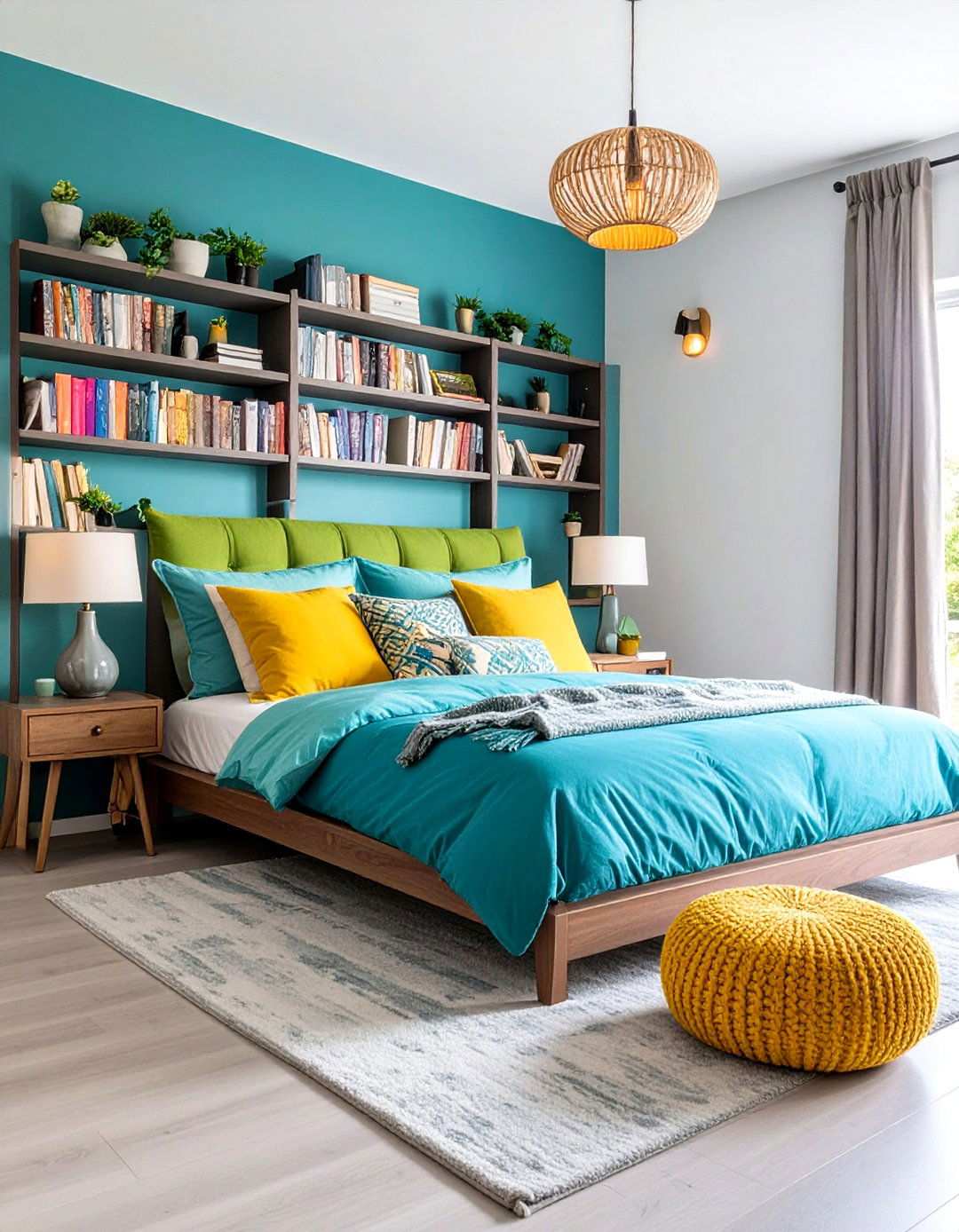
Imagine a reading space that can serve multiple purposes, seamlessly transitioning from a cozy reading nook to a guest bedroom or afternoon nap spot. Daybed reading rooms achieve this versatility by centering the design around a daybed that fulfills multiple functions. By positioning the daybed near windows, you can take advantage of natural light and create a inviting atmosphere. Surround the daybed with built-in shelving or bookcases to establish a library-like ambiance, and complement the space with an assortment of pillows and throws in coordinating colors and textures. To ensure optimal reading conditions, include task lighting through adjustable wall sconces or floor lamps strategically positioned for easy access. This arrangement can be particularly effective in spare bedrooms, home offices, or dedicated library spaces where the daybed can accommodate overnight guests while serving as the primary reading furniture during the day.
12. Crafting a Cozy Reading Retreat
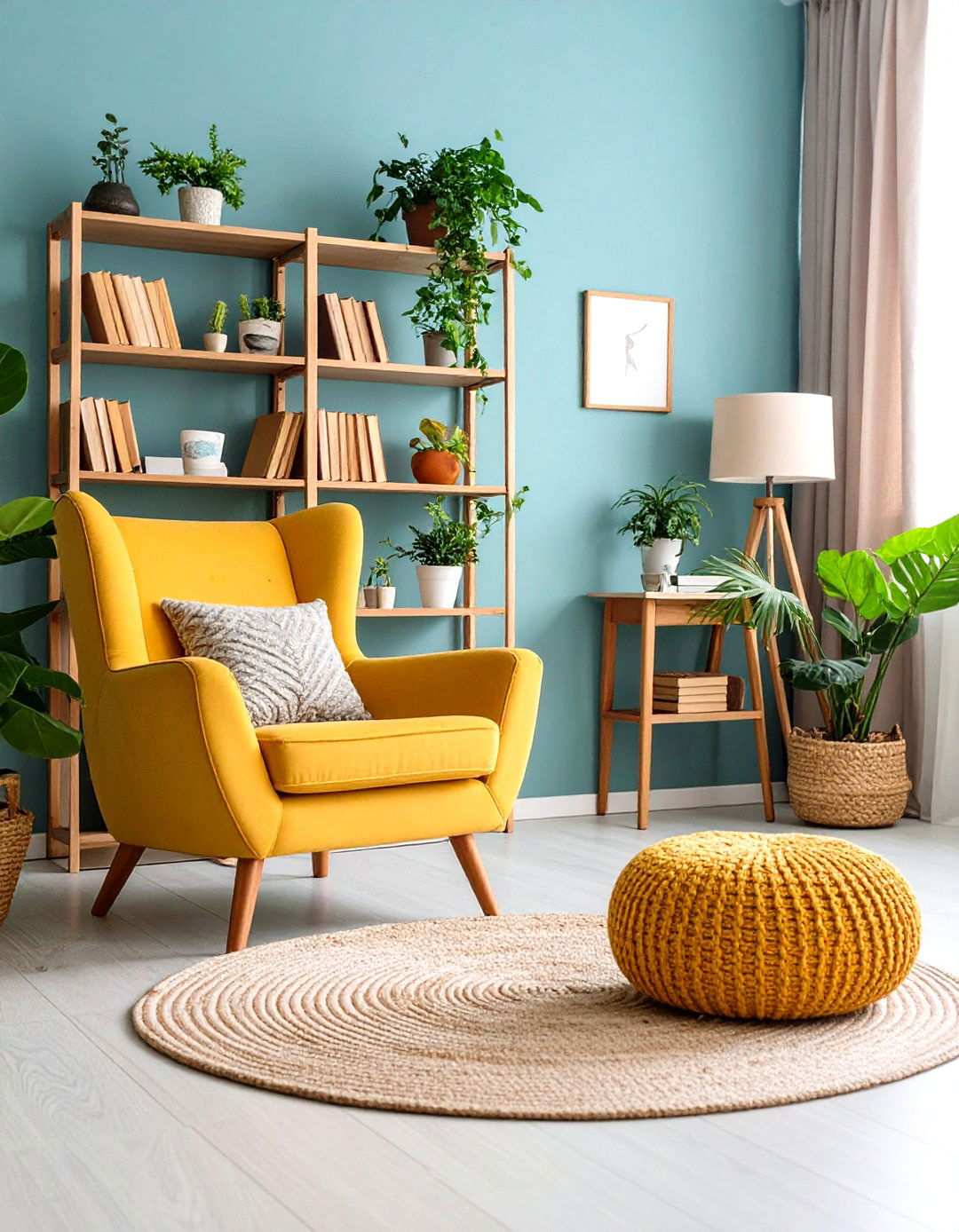
Transform an underutilized corner of your home into the ultimate reading sanctuary. By repurposing small spaces, you can create intimate environments that foster a deep love for reading. Place a plush armchair at an angle that captures natural light pouring in from nearby windows, and position a petite side table nearby for storing drinks and personal items. Make the most of the space by installing floor-to-ceiling shelving that wraps around both walls, showcasing your book collection while maintaining a cozy ambiance. For task lighting, position a floor lamp behind or beside the chair, and add a plush area rug to define the space and provide warmth underfoot. To make the space even more inviting, add throw pillows and blankets in soft textures that encourage long, leisurely reading sessions.
13. Blending Architecture and Reading Experience
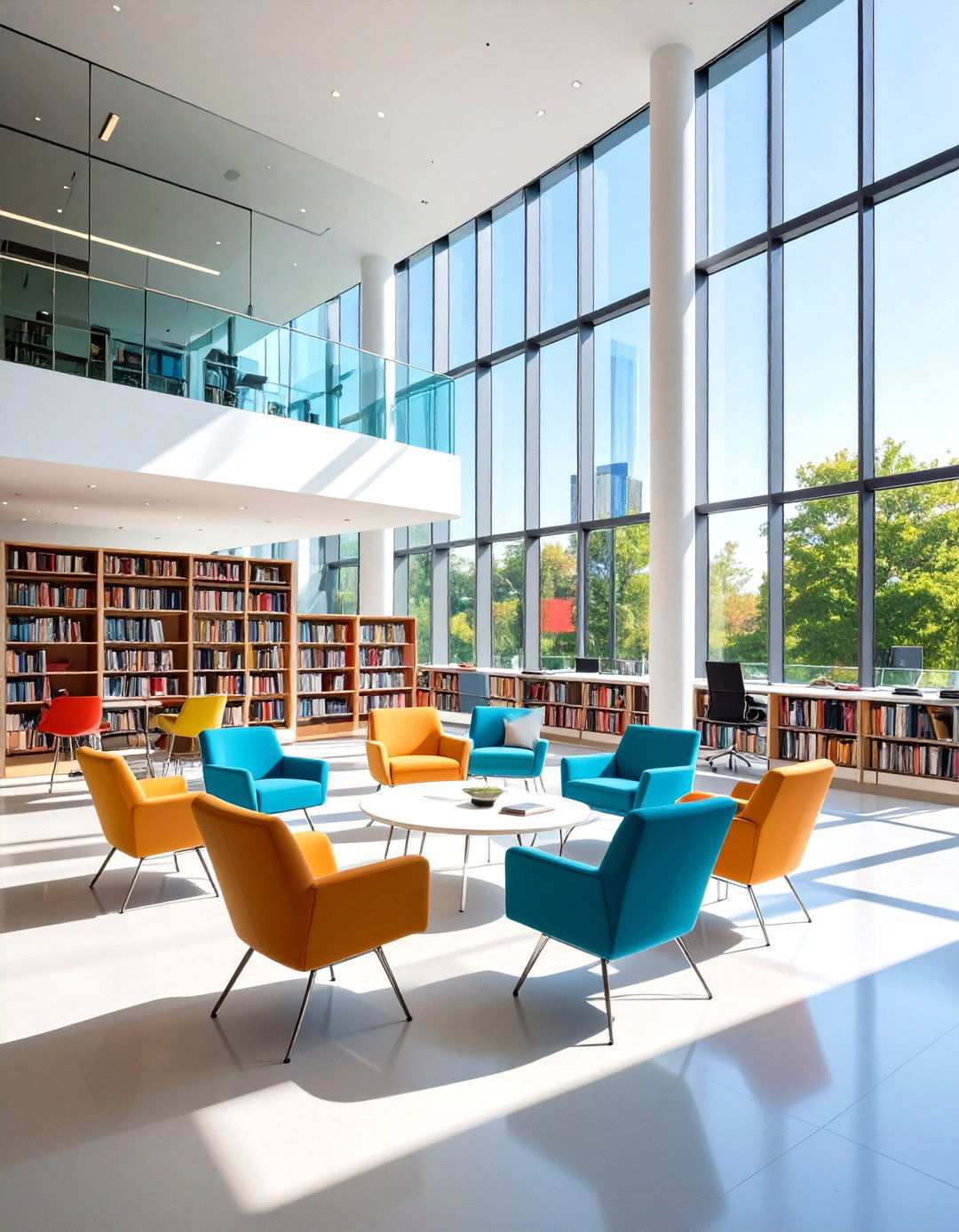
Can innovative design elements elevate the reading experience to new heights? Modern glass-wall libraries showcase floor-to-ceiling windows that flood the space with natural light, while maintaining a seamless connection to the outdoors. The sleek, contemporary furniture often features neutral colors that complement the dramatic architectural elements, rather than competing with them. Arrange seating to take full advantage of the stunning views, while ensuring that reading positions are comfortable and unobtrusive. For added functionality, incorporate minimal window treatments that can be easily adjusted to control glare when needed. Consider built-in storage solutions that maintain clean lines and blend harmoniously with the modern aesthetic. To complete the immersive design experience, add thoughtfully curated modern art pieces and sculptural elements that enhance the space without overwhelming it.
14. Embracing Classic Elegance
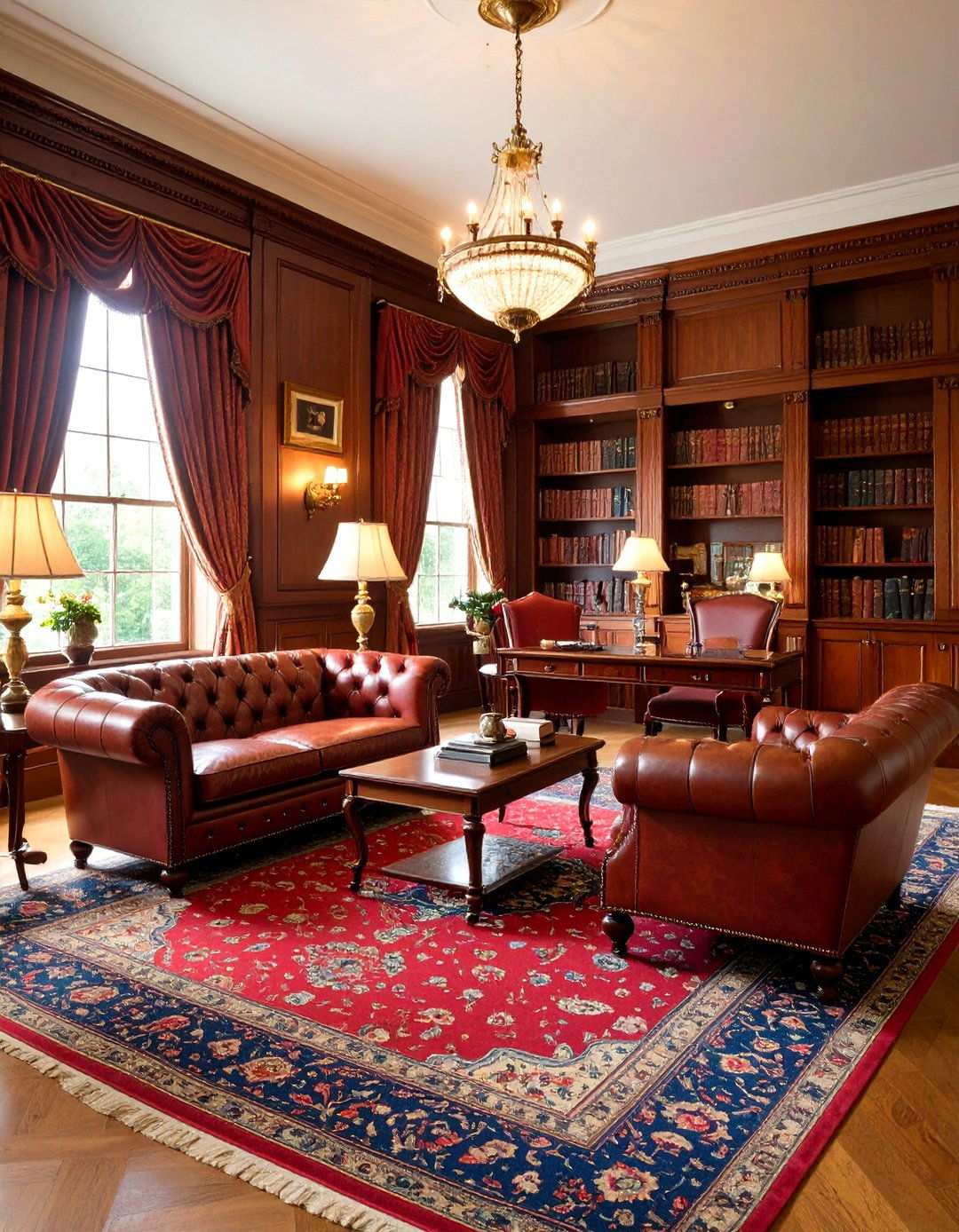
Imagine yourself surrounded by the refined charm of a classic English manor house as you delve into a good book. Traditional English study designs transport you to a world of sophistication, combining rich wood paneling, luxurious leather furniture, and elegant architectural details to create the ultimate reading environments. Envision built-in bookcases adorned with intricate moldings, plush leather Chesterfield seating, and heavy curtains in rich, jewel-toned colors. Add a touch of classic sophistication with a mahogany desk, brass desk lamps, and perhaps a vintage globe or grandfather clock. Traditional color palettes often feature deep greens, burgundy, navy, and rich brown leather tones, setting the tone for a scholarly atmosphere. To complete the ambiance, include traditional task lighting through table lamps with elegant lamp shades, and consider adding a small fireplace if possible to enhance the English country house feel.
15. Bohemian Oasis
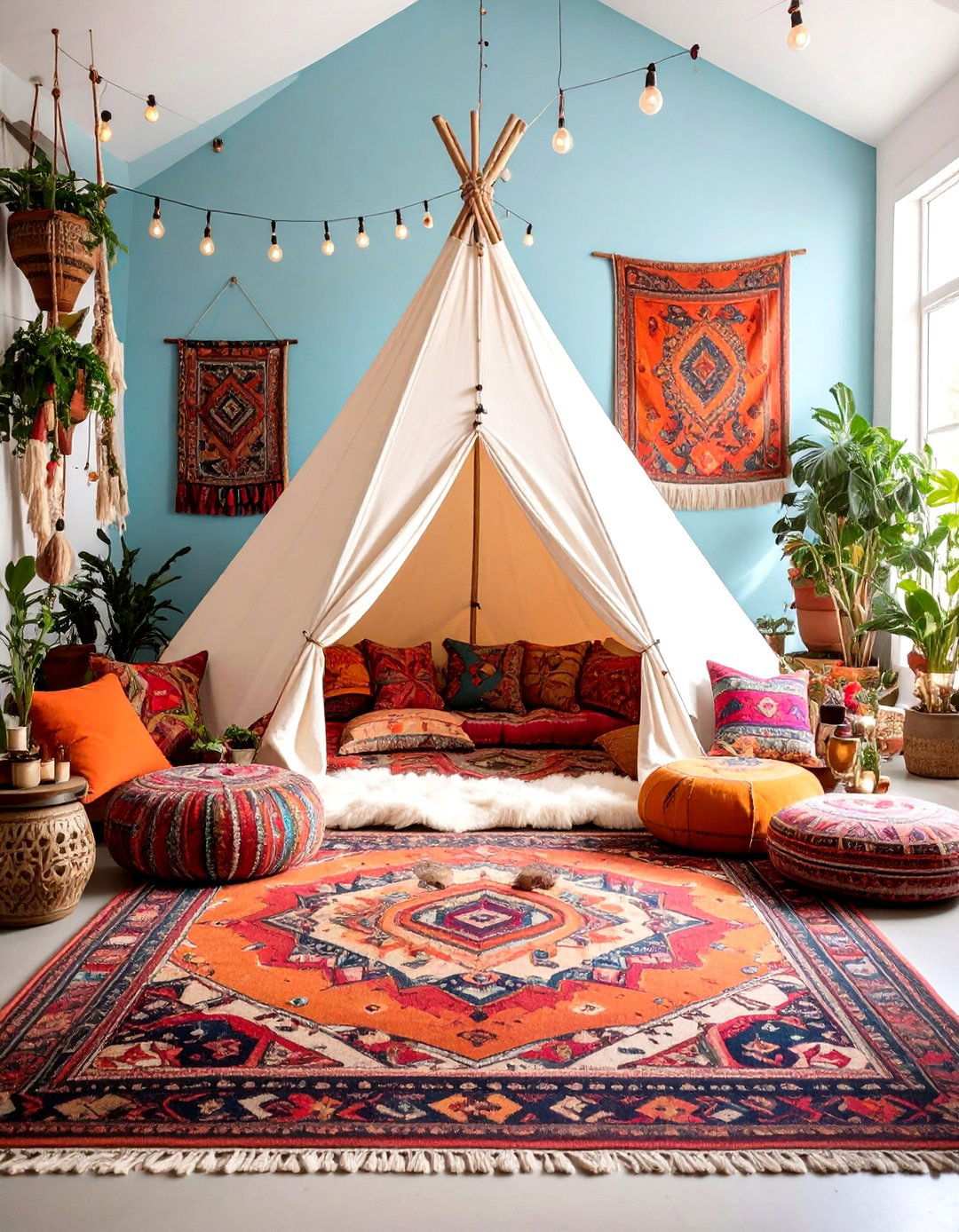
Imagine a reading space that whisks you away on a journey of discovery through eclectic design elements. Bohemian reading rooms are a haven for literary adventures, weaving together rich textures, vibrant colors, and global influences to create an inspiring environment. Incorporate plush area rugs in jewel-toned hues, add floor cushions in bold, vibrant colors, and hang tapestries or fabric panels to create a cozy, intimate atmosphere reminiscent of a secluded tent. Integrate low-seating options like floor pillows or a Moroccan-style daybed, and bring the outdoors in with decorative planters filled with lush greenery. Add ambient lighting through string lights or lanterns, and infuse the space with global accessories like intricately crafted brass vessels, carved wooden objects, or vintage textiles. This style is particularly suited to readers who enjoy fantasy, travel literature, or diverse cultural narratives, as the setting perfectly complements and enhances the reading experience.
16. Urban Haven
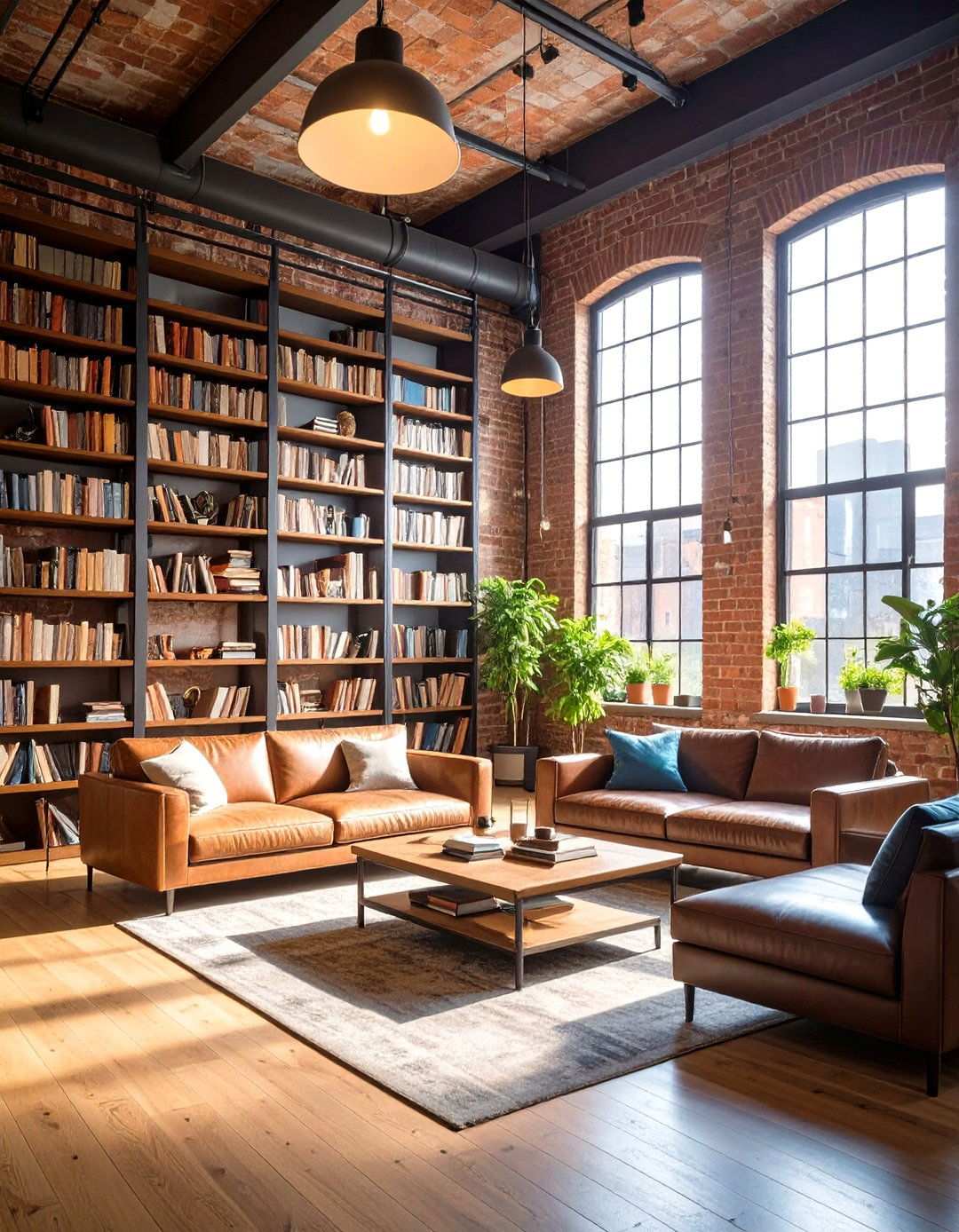
Could a space featuring exposed brick and metal fixtures be the ultimate backdrop for modern literature? Industrial reading rooms take inspiration from urban lofts, incorporating exposed structural elements, metal and wood combinations, and sleek lighting fixtures. Envision brick walls, steel beam ceilings, and concrete floors softened by area rugs, paired with furniture that seamlessly blends metal frames with leather or canvas upholstery. Add industrial-style lighting through metal pendant lights or adjustable task lamps with exposed bulbs, and incorporate storage solutions like metal and wood bookcases that complement the industrial aesthetic while providing ample space for modern literature collections. This style is particularly well-suited to readers who enjoy contemporary fiction, architecture books, or urban planning literature, as the environment reflects the fast-paced, creative spirit of modern city living.
17. Seaside Retreat
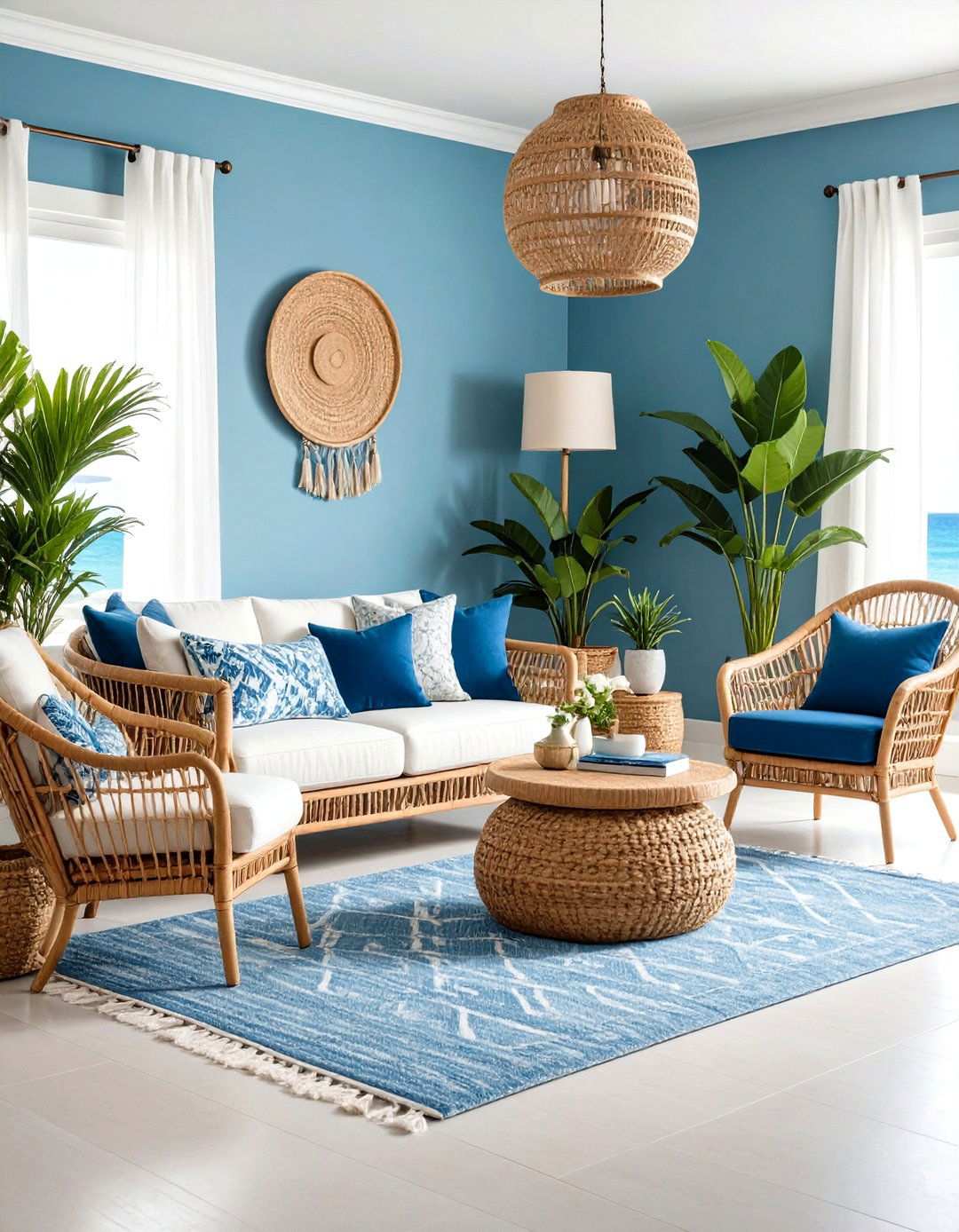
Have you ever dreamed of bringing the serenity of seaside living into your reading space? Coastal reading rooms are a masterclass in creating calming environments that evoke the tranquility of beachside relaxation. Use a palette of soothing whites, soft blues, sandy beiges, and seafoam greens, complemented by natural materials like wicker, rattan, and weathered wood. Position comfortable seating near windows to maximize natural light, and add sheer curtains that filter light without blocking it entirely, creating a sense of openness and airy freshness. Incorporate nautical accessories like rope details, shells, or maritime artwork, and add plants that thrive in bright conditions, further enhancing the peaceful atmosphere. The overall effect should feel like a seaside cottage, where reading becomes an integral part of a vacation-like experience, perfect for enjoying summer novels, travel memoirs, or any literature that benefits from a relaxed, optimistic atmosphere.
18. Curated Nostalgia for the Book Lover
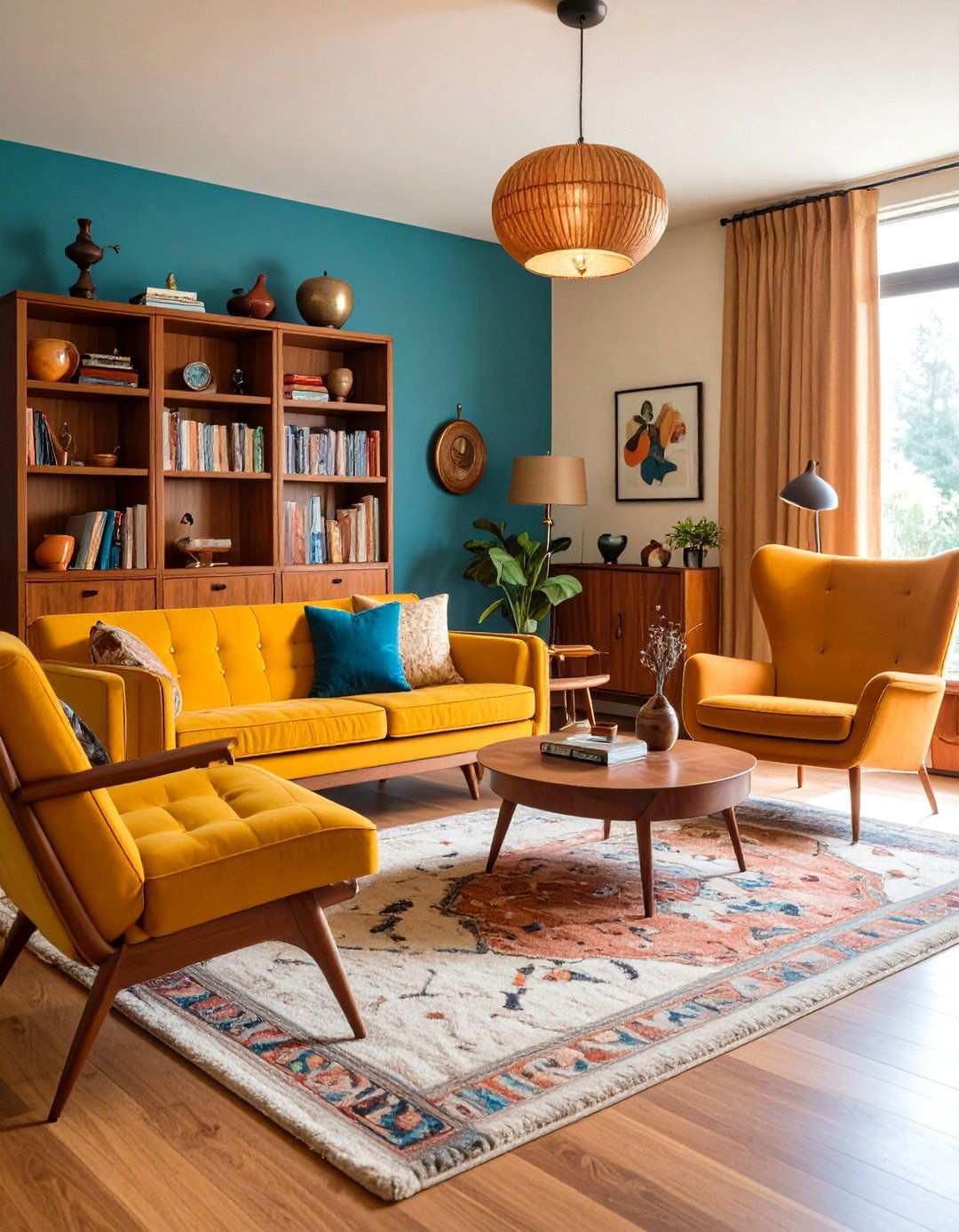
Imagine immersing yourself in the world of classic literature surrounded by the warm, sophisticated ambiance of the past. A mid-century modern reading room can transport you to an era of elegance and refinement. Characterized by clean lines and warm materials, these spaces evoke the spirit of the 1950s and 1960s. Think sleek, low-profile furniture with hairpin legs, rich wood tones such as walnut or teak, and pops of vibrant color in hues like mustard yellow, burnt orange, or teal. Period-appropriate lighting fixtures, such as atomic-style lamps or geometric pendant lights, add a touch of nostalgia, while vintage accessories like ceramic planters, abstract artwork, or vintage radios create a sense of timelessness. By emphasizing comfort through ergonomic design, this style of reading room maintains the sleek aesthetic of the era, making it an ideal choice for readers of mid-century literature, architectural books, or design publications.
19. Blending Functionality and Comfort
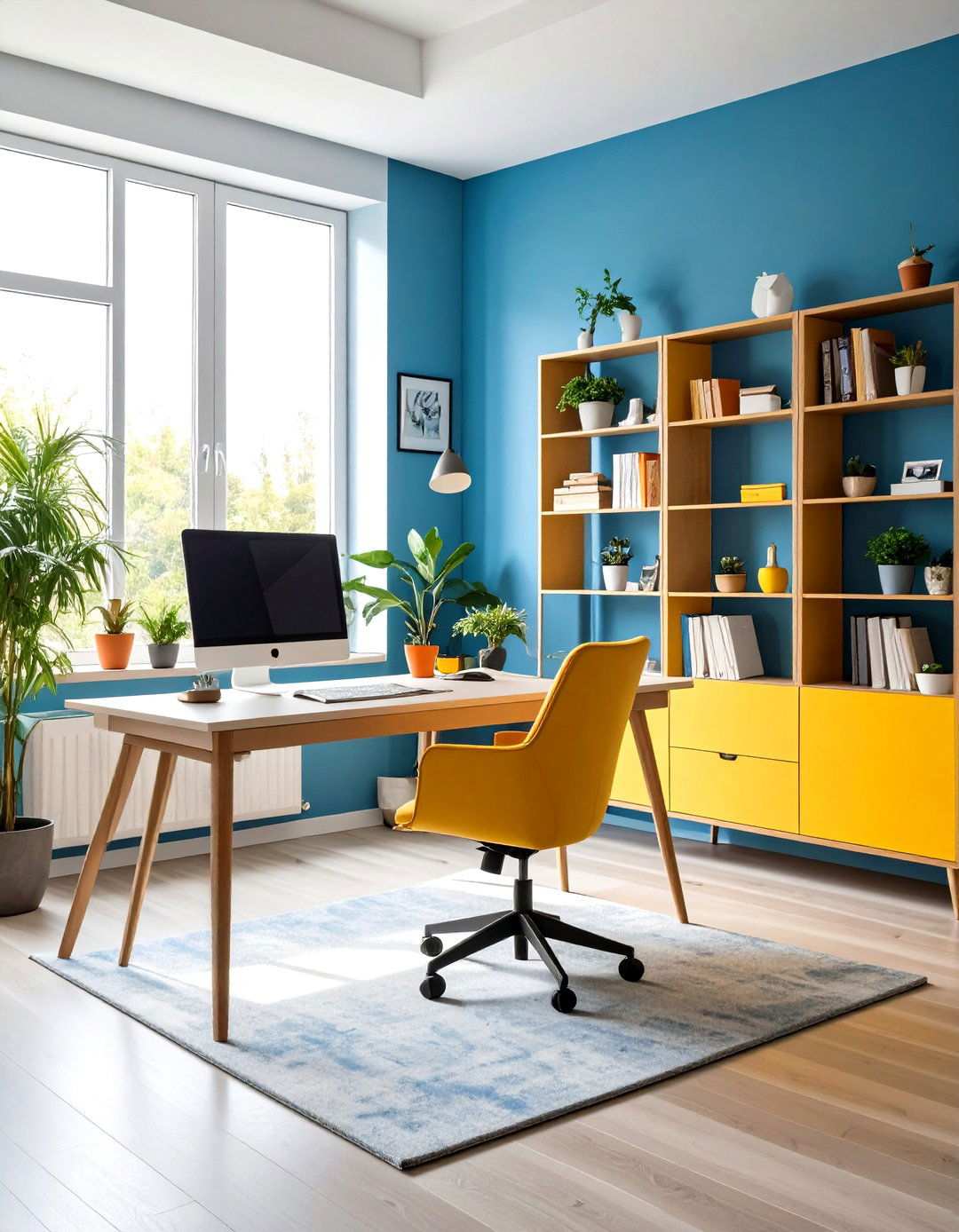
What if your reading space could effortlessly transition between work and leisure activities? A multi-functional reading room is the perfect solution for smaller homes, combining home office elements with comfortable reading areas to optimize space efficiency. Position a desk near windows to harness natural light during work hours, with plush seating nearby for reading sessions. Design storage solutions that can accommodate both books and office supplies, such as modular shelving systems that can be reconfigured as needed. Add lighting that seamlessly adapts to both tasks, like adjustable desk lamps and ambient floor lamps. Choose furniture that serves multiple purposes, such as an ottoman that provides extra seating and storage, or a desk chair that’s comfortable enough for extended reading. This approach works particularly well for individuals who work from home and desire distinct yet connected spaces for different activities.
20. Growing a Love for Reading in Children
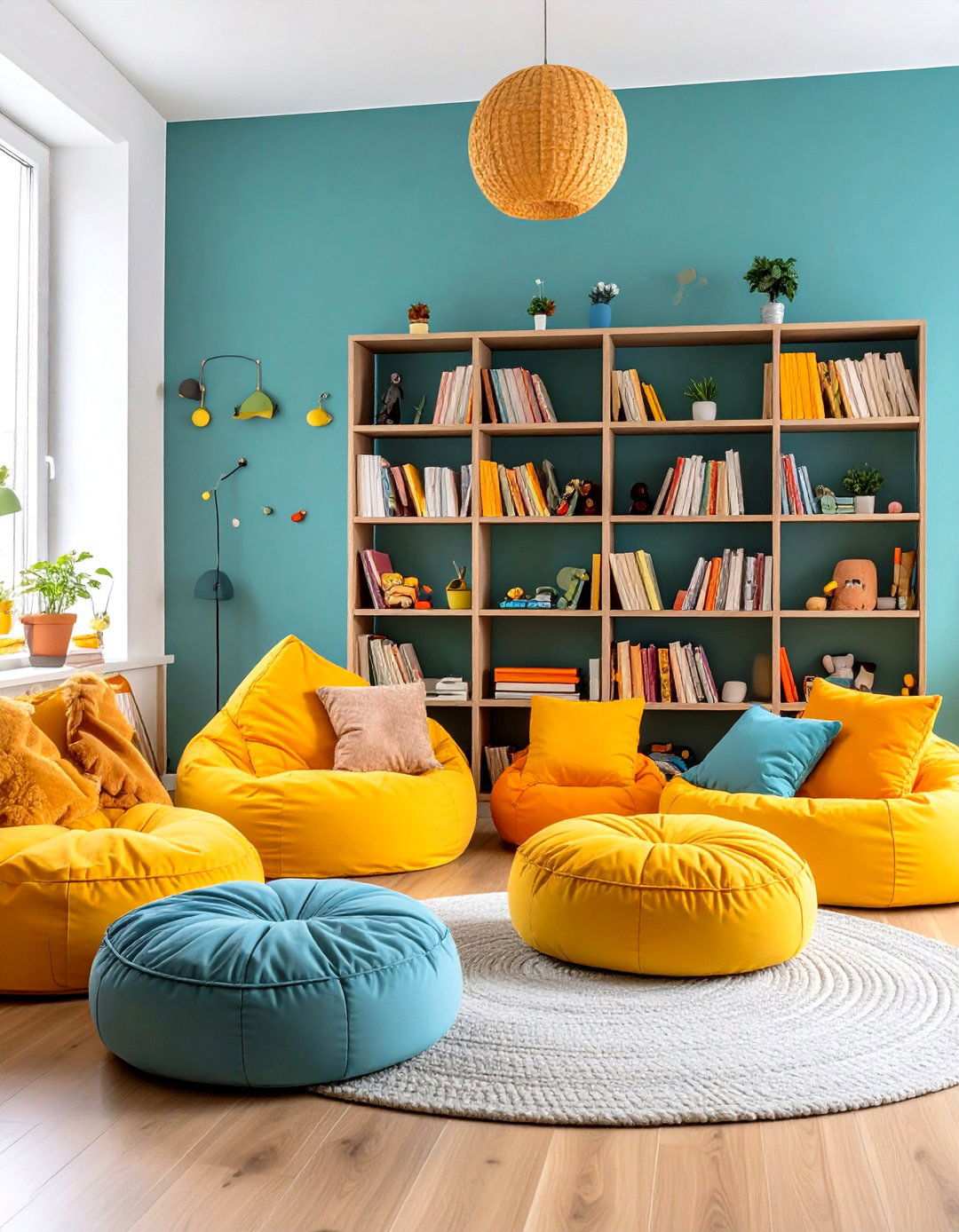
Creating a reading space that adapts to your child’s evolving needs while fostering a lifelong love for reading can be a daunting task. Children’s reading rooms require thoughtful consideration for safety, accessibility, and engagement through age-appropriate design elements. Use lower shelving that children can access independently, with picture books displayed face-out for easy selection. Incorporate comfortable floor seating like bean bags, floor cushions, or a small sofa that accommodates both independent reading and parent-child story time. Add vibrant artwork, alphabet displays, or educational posters that stimulate learning while maintaining a playful atmosphere. Ensure adequate lighting for reading and include storage for toys and reading accessories. Consider creating themed corners that rotate seasonally or feature beloved characters from children’s literature, making the space feel special and dedicated to them while remaining practical for daily use and easy cleanup.
21. Niche Reading Environments in Small Spaces
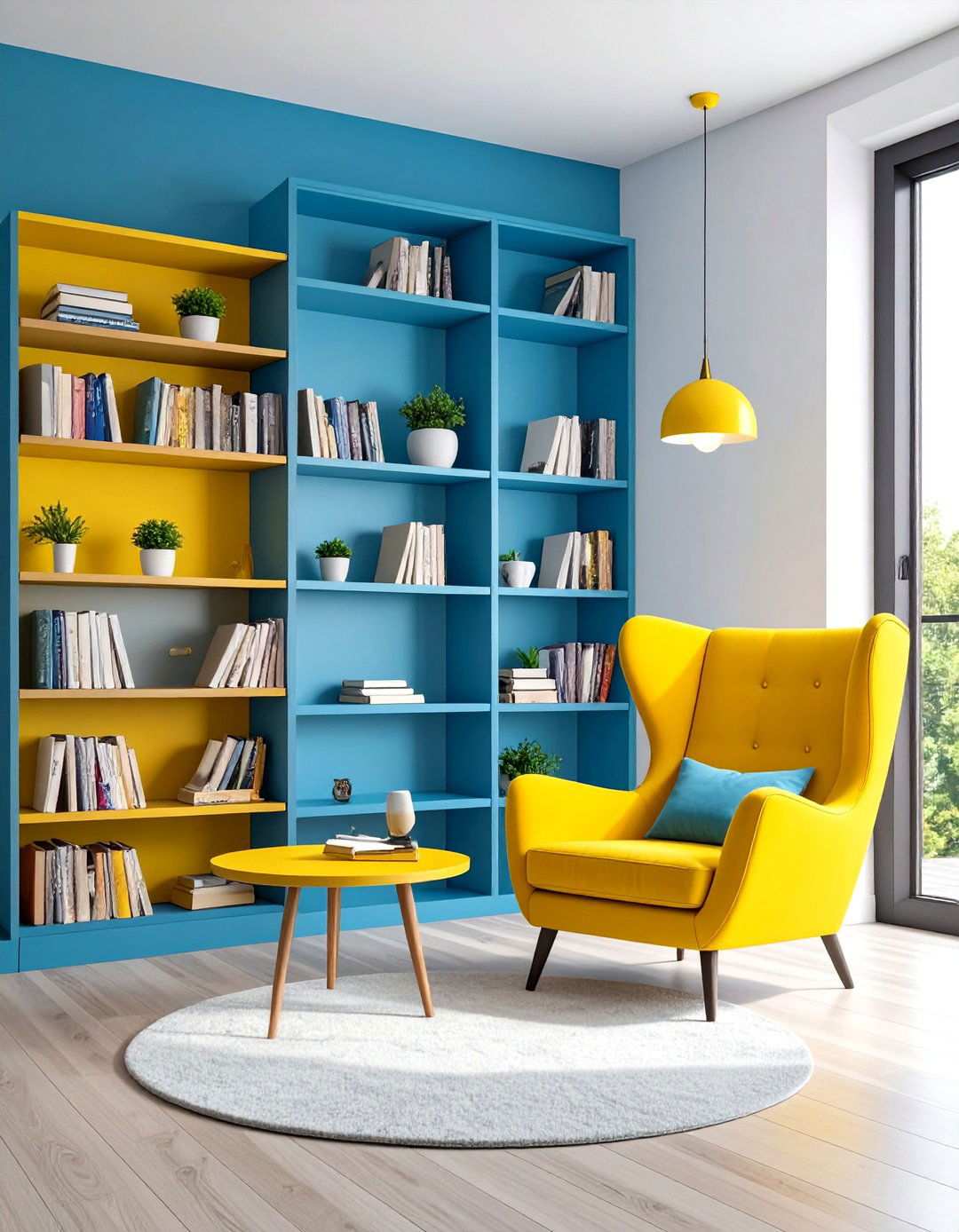
Even in the tiniest apartment, a dedicated reading area can thrive with thoughtful design. Small space reading rooms harness limited square footage through creative storage solutions, versatile furniture, and strategic space planning. Consider floor-to-ceiling bookshelves that float against walls to keep the floor clear, and choose furniture that serves multiple purposes, such as storage ottomans or nesting tables that double as desks. Place a plush chair near the best natural light source, and complement it with a compact side table that holds essential reading materials. For added flexibility, select furniture with wheels that can be easily moved as needed. To create an illusion of more space, incorporate light colors and include wall-mounted sconces that provide adequate lighting without occupying valuable floor space. A defining area rug or contrasting paint color can visually separate the reading area from other activities.
22. Lavish Literary Enclaves
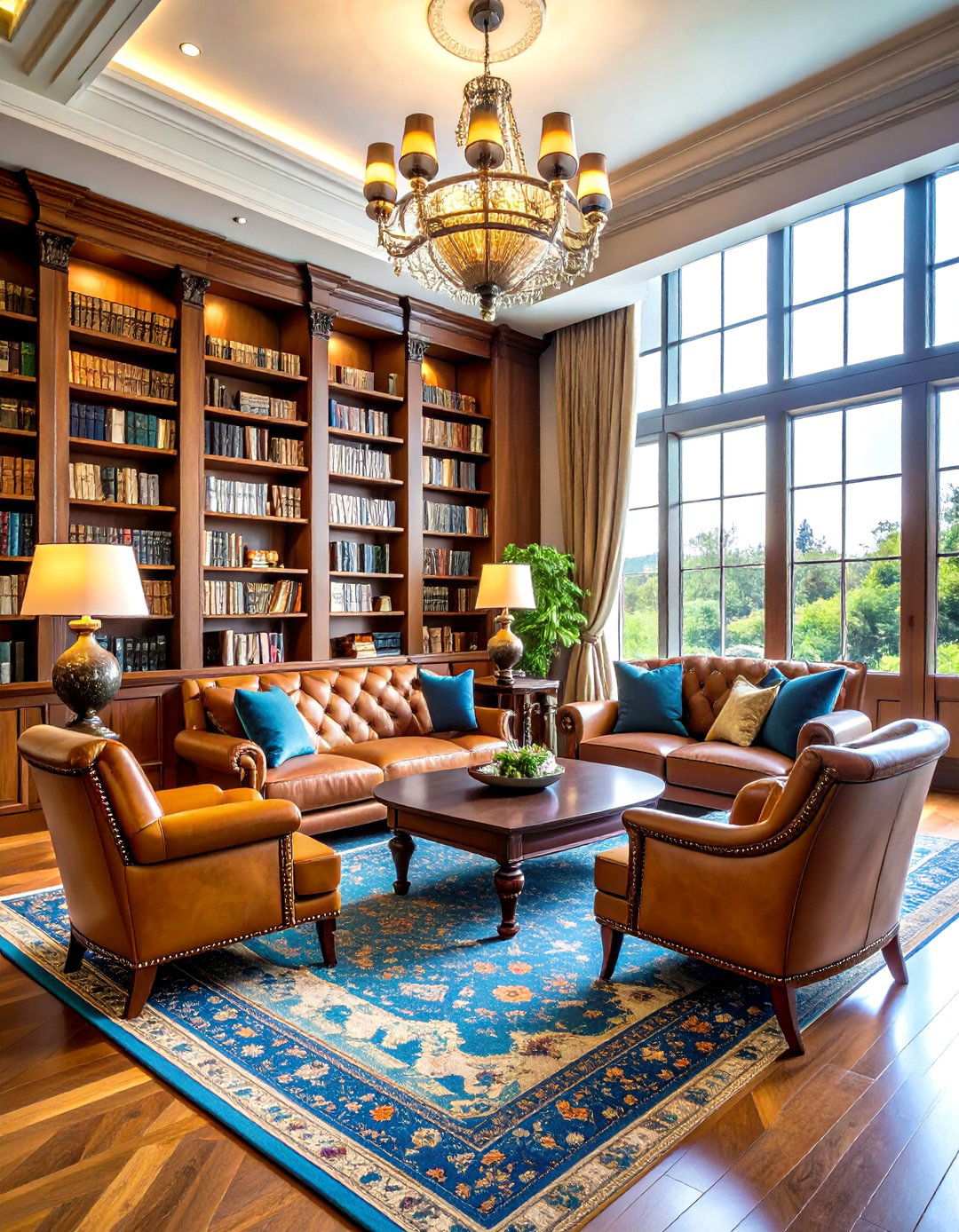
Imagine immersing yourself in a space that rivals esteemed private clubs or historic libraries. Luxury reading rooms boast high-end materials, custom craftsmanship, and sophisticated design elements to create truly exceptional literary environments. Think hand-finished woodwork, premium leather seating, and exquisite textiles, such as Persian rugs or richly patterned upholstery. For added convenience, consider incorporating a wet bar or coffee station, and install temperature control systems that maintain ideal conditions for both comfort and book preservation. Custom lighting design can include both ambient and task lighting options, while smart home technology allows for seamless control of multiple systems from a single interface. To further enhance the experience, add luxury accessories like humidors for rare books, display cases for treasured collections, or a secure safe for valuable first editions.
23. Cozy Wilderness Retreats
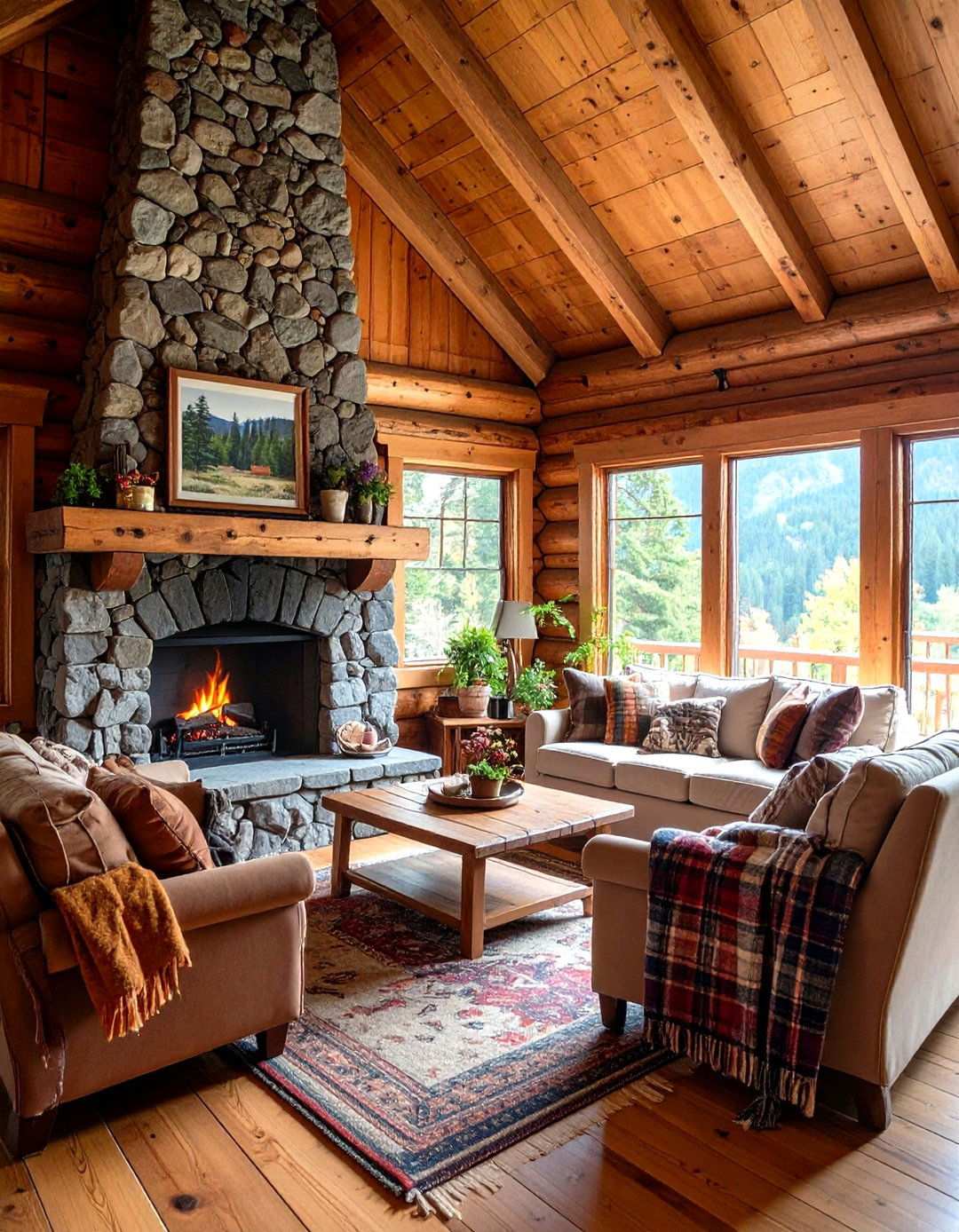
Could a rustic cabin aesthetic create the perfect atmosphere for outdoor adventure stories? Rustic reading rooms incorporate natural materials, stone accents, and cozy textiles that evoke the essence of mountain retreats or lake houses. Choose furniture made from natural materials, such as log frames or reclaimed wood, and add seating upholstered in rugged textiles like buffalo plaid or leather. A wood-burning fireplace can be a central focal point, and accessories like vintage lanterns, wildlife artwork, or Native American textiles can add depth and character to the space. Emphasize a color palette that reflects the natural world, with earthy tones, deep reds, and forest greens that complement the rustic materials. This atmosphere is particularly well-suited for readers who enjoy outdoor adventures, historical fiction set in wilderness settings, or any literature that celebrates connection with nature and simpler living.
24. Crafting a Cozy Refuge for the Modern Reader
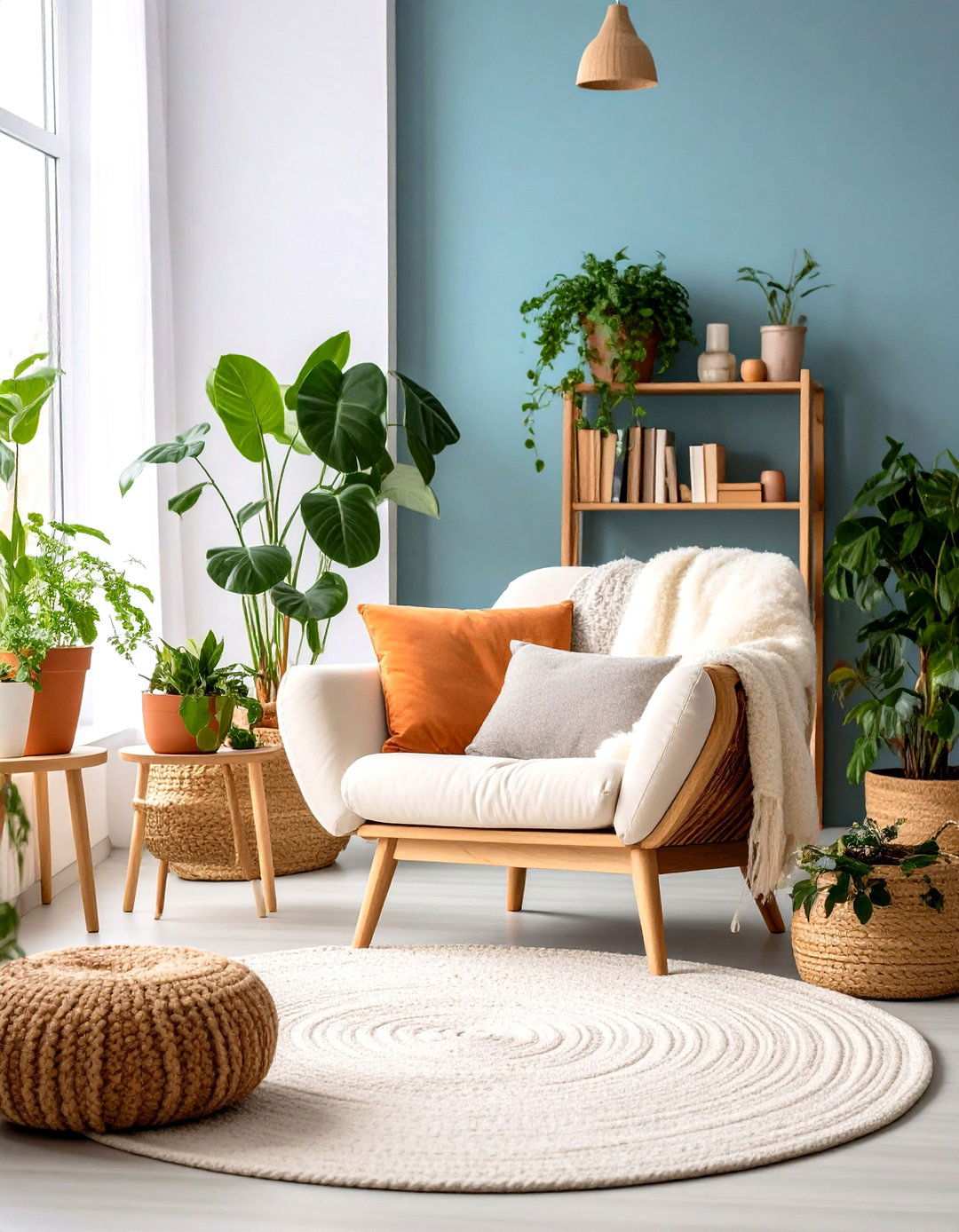
Consider adopting the soothing principles of Danish hygge to create a tranquil reading sanctuary that embodies comfort and understated elegance. In Scandinavian traditions, carefully designed reading rooms are crafted to promote relaxation, focus, and a sense of calm. This serene ambiance is achieved through the thoughtful integration of light woods, muted color palettes, and clean lines. To establish a soothing atmosphere, opt for furniture in light woods, such as birch or pine, complemented by seating upholstered in natural materials like linen or wool in soft, soothing hues of cream, gray, or beige.
Incorporating ample natural light through expansive windows with minimal treatments is crucial, as it brings a sense of serenity to the space. To add warmth and texture, incorporate textiles like sheepskin throws or knitted blankets, carefully placed throughout the room. Simple, unadorned ceramic planters can be used to add a touch of greenery, subtly introducing life and visual interest without creating clutter. By embracing this minimalist approach, the reading experience becomes a peaceful, meditative practice that provides a much-needed respite from the stresses of modern life.