1. Harmonious Oasis Design
In today’s fast-paced world, creating a tranquil retreat within your living space has become increasingly essential. One effective solution lies in cultivating Zen gardens, which seamlessly blend natural elements with mindfulness and beauty. Inspired by ancient Japanese Buddhist traditions, these carefully designed spaces incorporate thoughtful arrangements of stones, sand, water, and plants to foster serenity and meditation. Whether you’re working with a spacious backyard, a compact balcony, or a small desk area, Zen garden designs can be tailored to suit any space while retaining their calming essence. The allure of Zen gardens resides in their simplicity and symbolism, where each element contributes both aesthetic and spiritual value. From traditional dry landscapes that evoke the flowing water of raked gravel to modern interpretations featuring bamboo fountains and intricate patterns, these thoughtful ideas will guide you in transforming any space into a soothing sanctuary that nourishes both body and mind.

As an Amazon Associate I earn from qualifying purchases.
2. Serene Sanctuary for the Soul
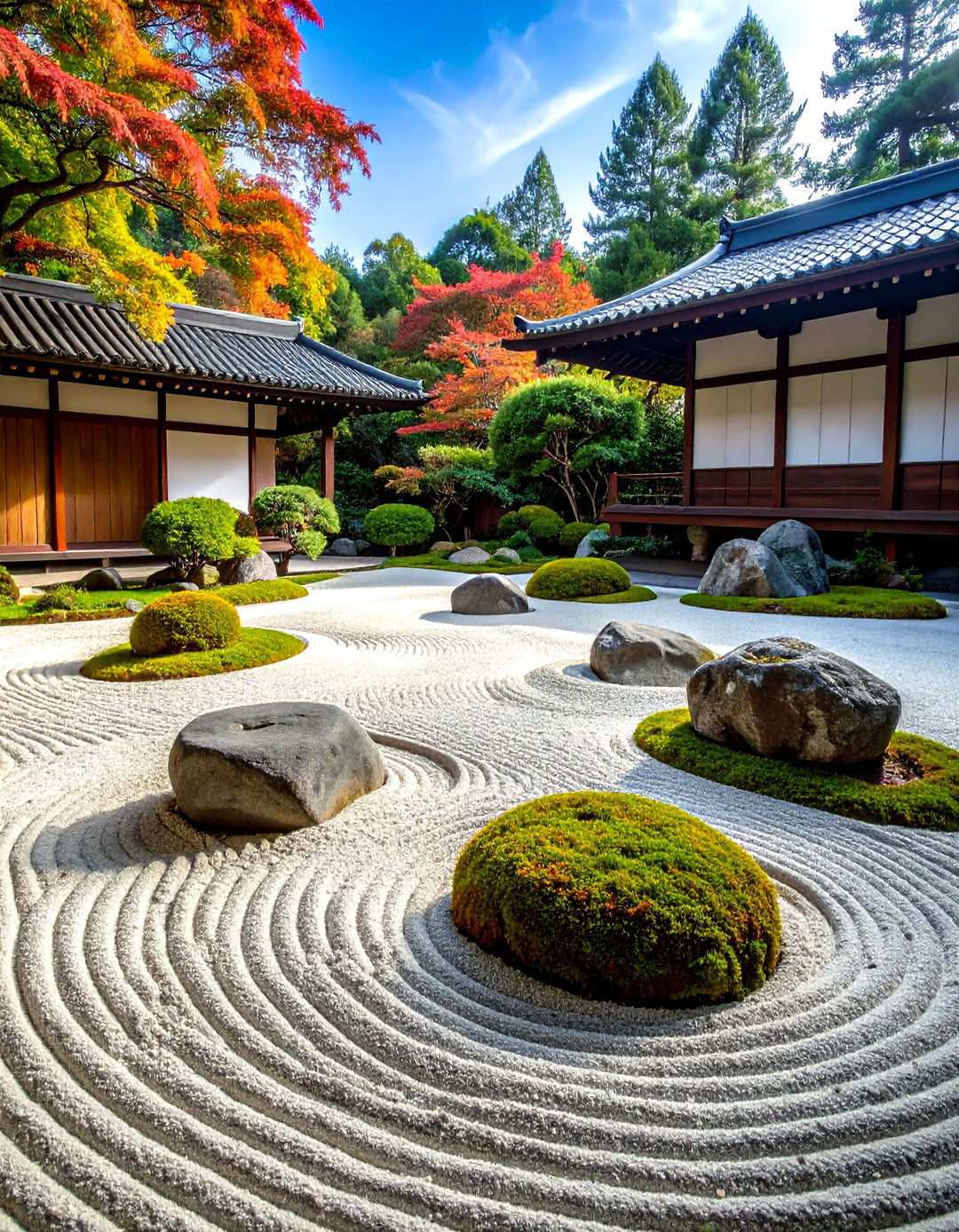
The classic karesansui design has stood the test of time, its timeless appeal rooted in its simplicity. This traditional approach centers around artfully arranged rocks, skillfully selected to represent mountains or islands, surrounded by meticulously raked white gravel or sand that symbolizes flowing water. This stark simplicity creates a potent focal point for meditation, inviting deep contemplation. Choose uneven groupings of stones in varied sizes, placing larger specimens as anchors while smaller rocks contribute balance. Regular raking maintains crisp patterns that evoke the natural ripples of water. This minimalist design eliminates the need for plants or water features, ensuring low maintenance while delivering significant visual impact. The enclosed space, often bordered by low walls or bamboo screening, creates a separation from the outside world, fostering a sense of peace and tranquility.
3. Desktop Sanctuary
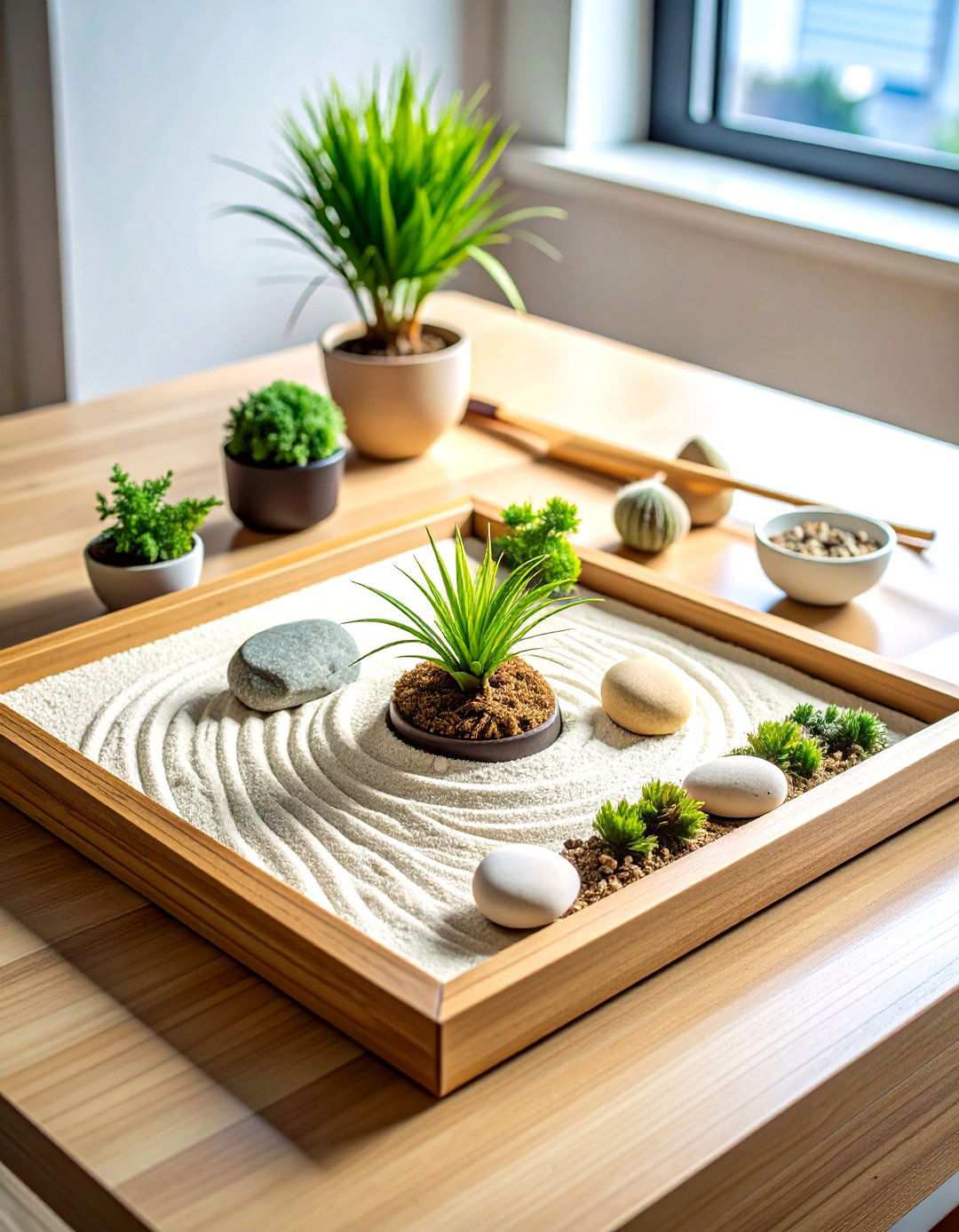
Do you wish to infuse your workspace with Zen tranquility? With a carefully crafted desktop garden, you can achieve this in even the smallest of spaces. Begin by using a shallow wooden tray or ceramic dish filled with fine white sand as the foundation. Add two or three small stones, a tiny rake for creating patterns, and perhaps a miniature air plant or small succulent. This portable design allows you to practice mindful raking during work breaks, helping to reduce stress and improve focus. Essential oil drops in the sand provide aromatherapy benefits as you create geometric patterns or flowing lines. The compact size makes it ideal for apartments, offices, or any space where you need a moment of calm and serenity.
Serene Bamboo Reflections
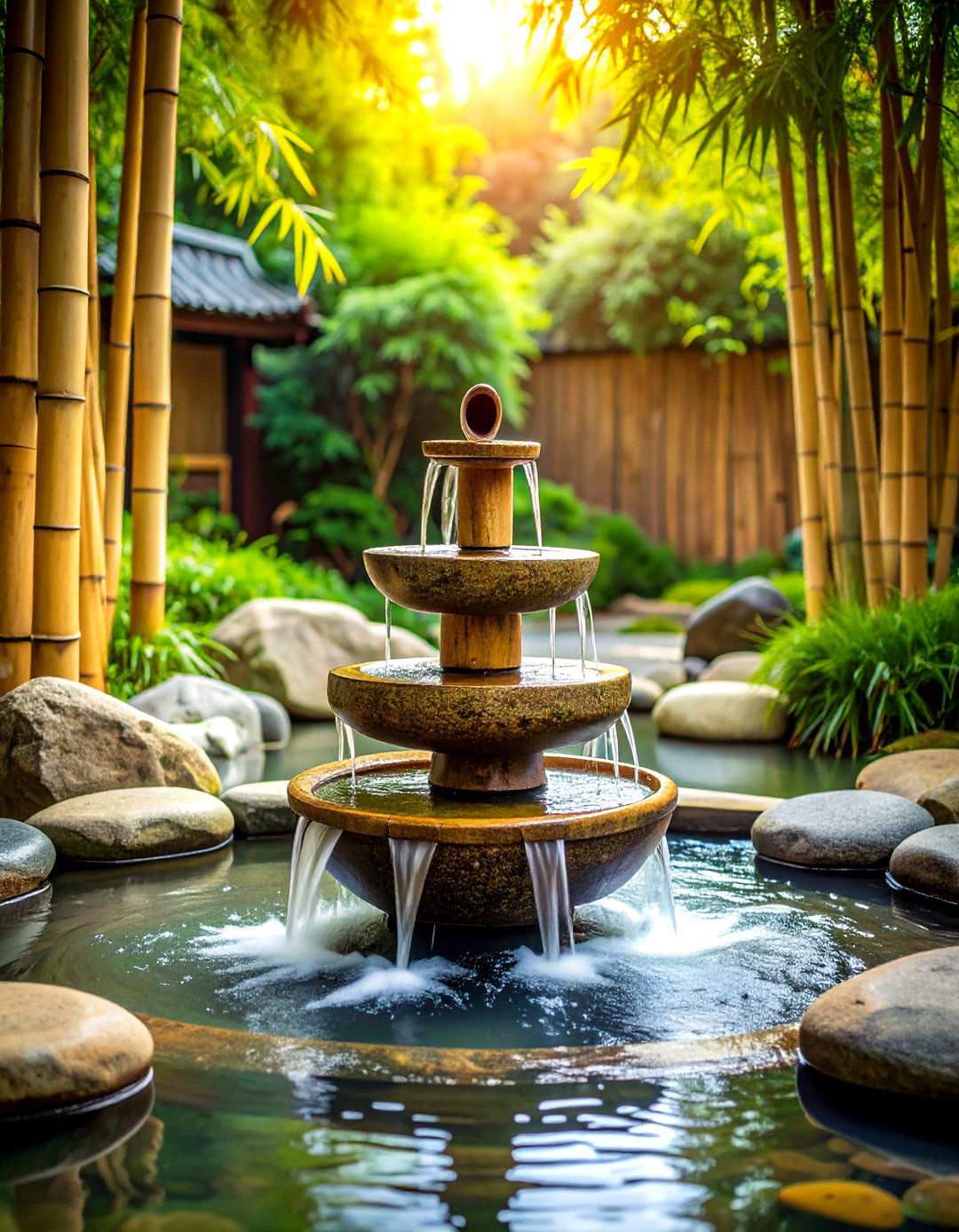
Listen attentively to the soothing melody of a bamboo water feature, and you’ll discover a harmonious balance that refines your meditation practice. In the Japanese tradition, such water features are known as shishi-odoshi, their rhythmic sounds weaving a tapestry of deep relaxation and mindfulness. The hollow bamboo tubes, designed to fill with water, tip to empty, and strike a stone surface with a distinctive clacking sound, create an otherworldly ambiance. By placing your bamboo fountain at the heart of your garden, surrounded by smooth river stones and low-growing plants like moss or small ferns, you’ll cultivate a space that not only calms the mind but also symbolizes life’s ephemeral nature. The gentle water cycle provides a natural white noise that masks urban distractions, while solar-powered pumps make installation effortless and environmentally friendly.
4. Timeless Moss Landscapes
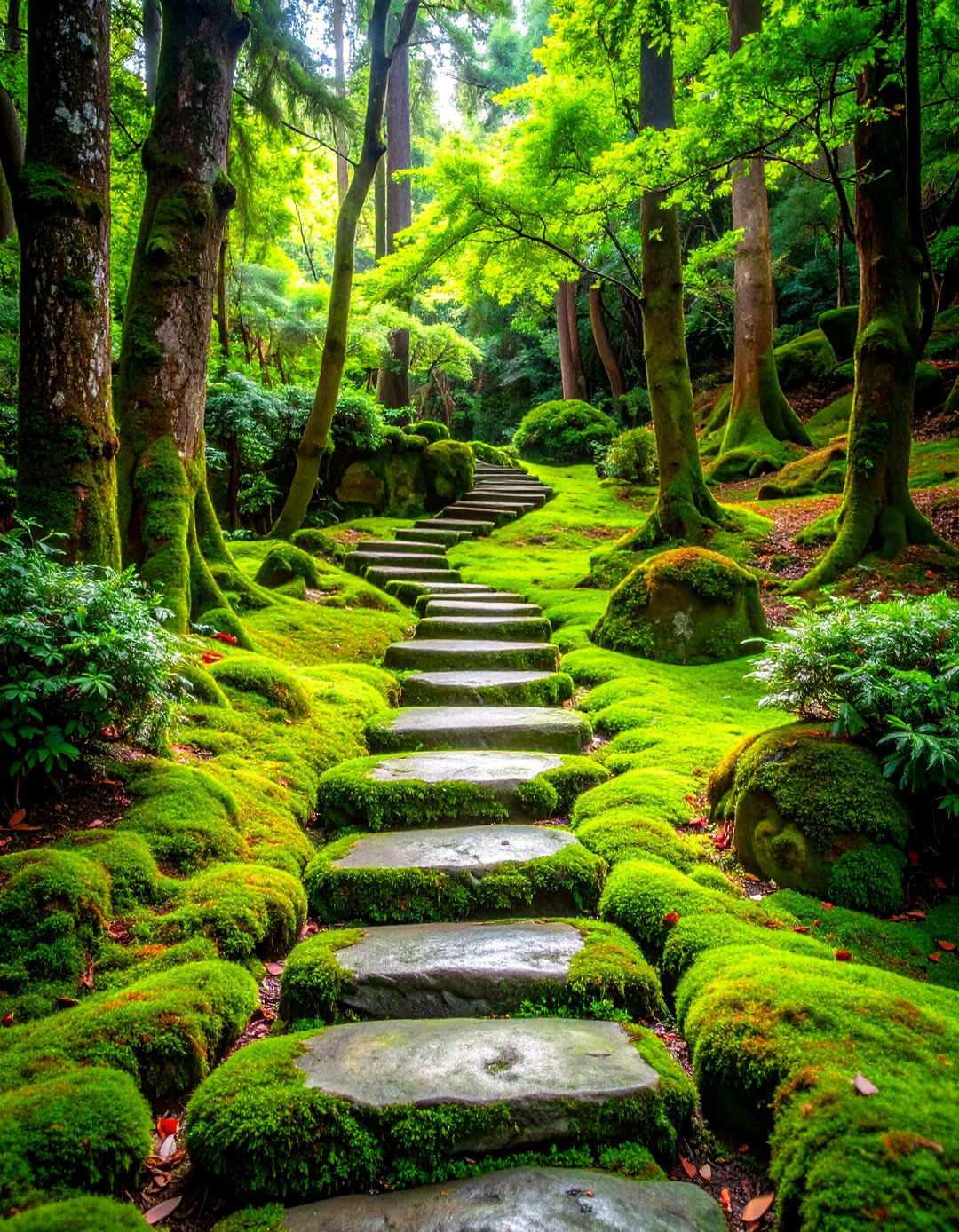
Japanese gardens, renowned for their tranquil essence, often feature moss as the primary ground cover. This deliberate choice imbues the space with an ancient, timeless quality that transports visitors to a world of deep tranquility and profound connection with nature. To design a moss garden, identify shaded areas with consistent moisture where various moss species can thrive. By combining different textures and shades of green moss with strategically placed stones, you’ll create gentle rolling landscapes that appear to have been shaped by the passage of centuries. The soft, carpet-like surface of the moss invites contemplation, while its low maintenance requirements ensure that the beauty of the garden remains uncompromised. Add stepping stones to prevent foot traffic damage, and incorporate a few carefully pruned evergreen shrubs or small Japanese maples to inject vertical interest into your design.
5. Bonsai Mastership Display
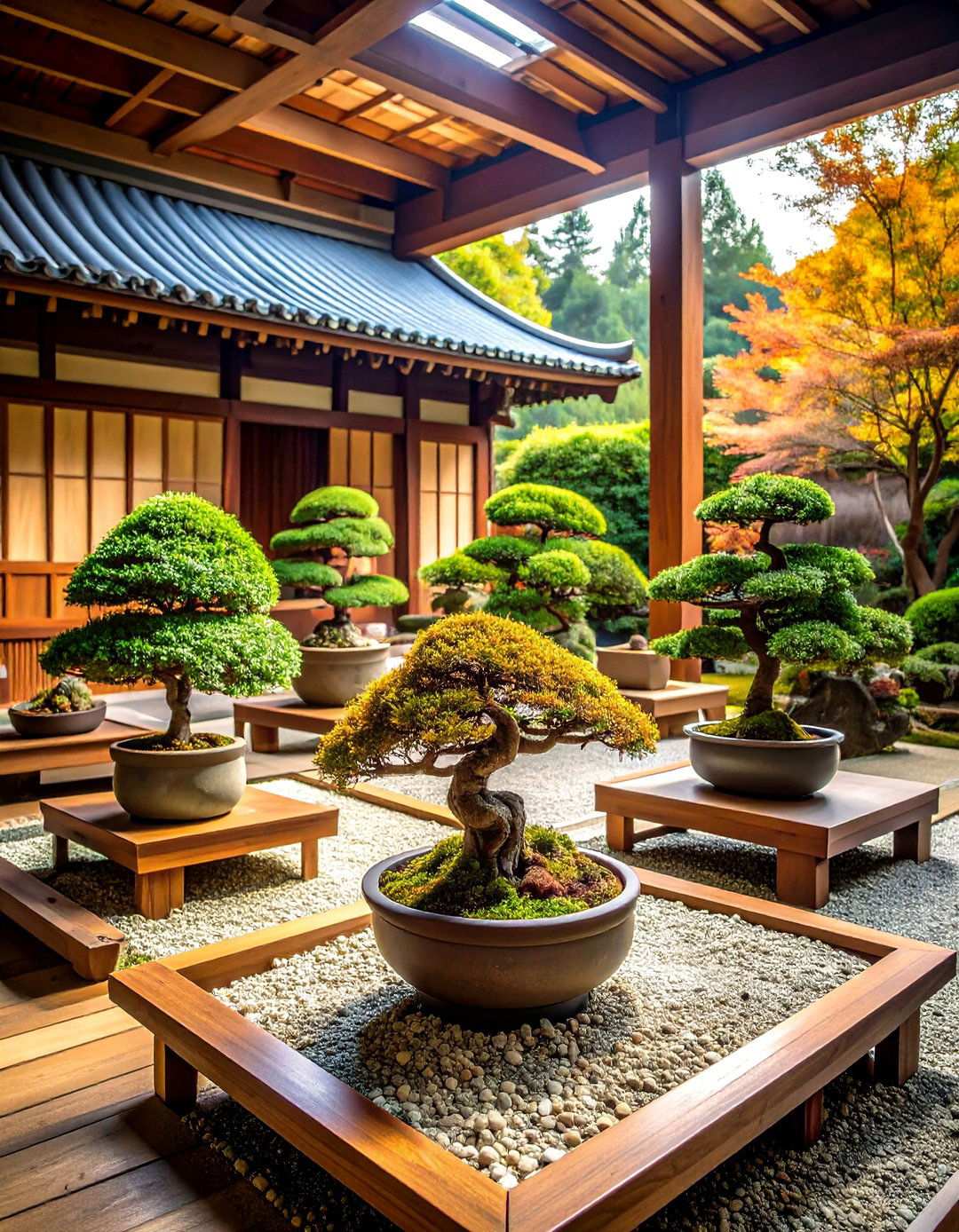
Bonsai trees, with their intricate beauty and the essence of imperfection, have long been revered in Zen garden design as powerful symbols of patience, harmony, and the fleeting nature of life. To create a dedicated bonsai display area, consider using a raised platform or a series of wooden stands at varying heights. By surrounding your bonsai collection with fine gravel in neutral tones, you’ll allow each tree’s unique character to shine as a living sculpture. Choose species like Japanese black pine, juniper, or Japanese maple that reflect the changing seasons, and you’ll find that the practice of caring for bonsai becomes a meditative ritual itself. The gentle morning light filtering through the foliage will create dramatic shadows that dance throughout the day, adding an extra layer of beauty to your bonsai showcase.
6. Harmonious Sand Patterns in Meditation Spaces
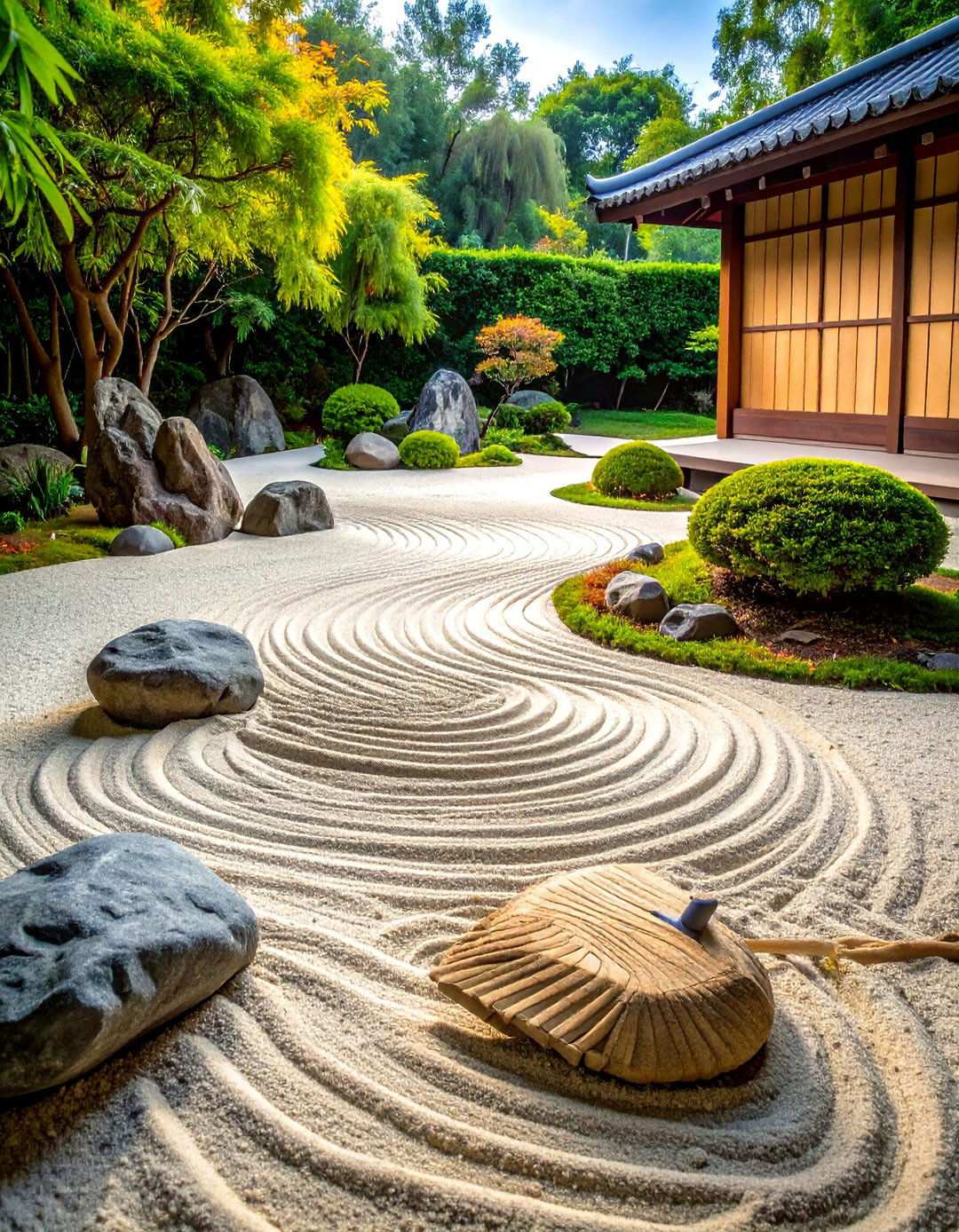
Immerse yourself in the tranquility of raked sand patterns, which can transform ordinary gravel into flowing designs that evoke the essence of water, wind, and natural energy flow. By incorporating fine, light-colored sand or decomposed granite that holds rake marks well, you can create an inviting area for meditation. To define the space, establish a bordered area using stones or timber edging, which will not only contain the material but also create a sense of separation from the surrounding environment. Experiment with various patterns, such as concentric circles around rocks, parallel lines suggesting ocean waves, or spiraling designs that draw the eye inward toward a central stone. What’s more, the meditative act of raking becomes as crucial as the finished design, promoting focus and inner calm as you cultivate mindfulness through the ever-changing patterns.
7. Storytelling with Stone Arrangements in Gardens
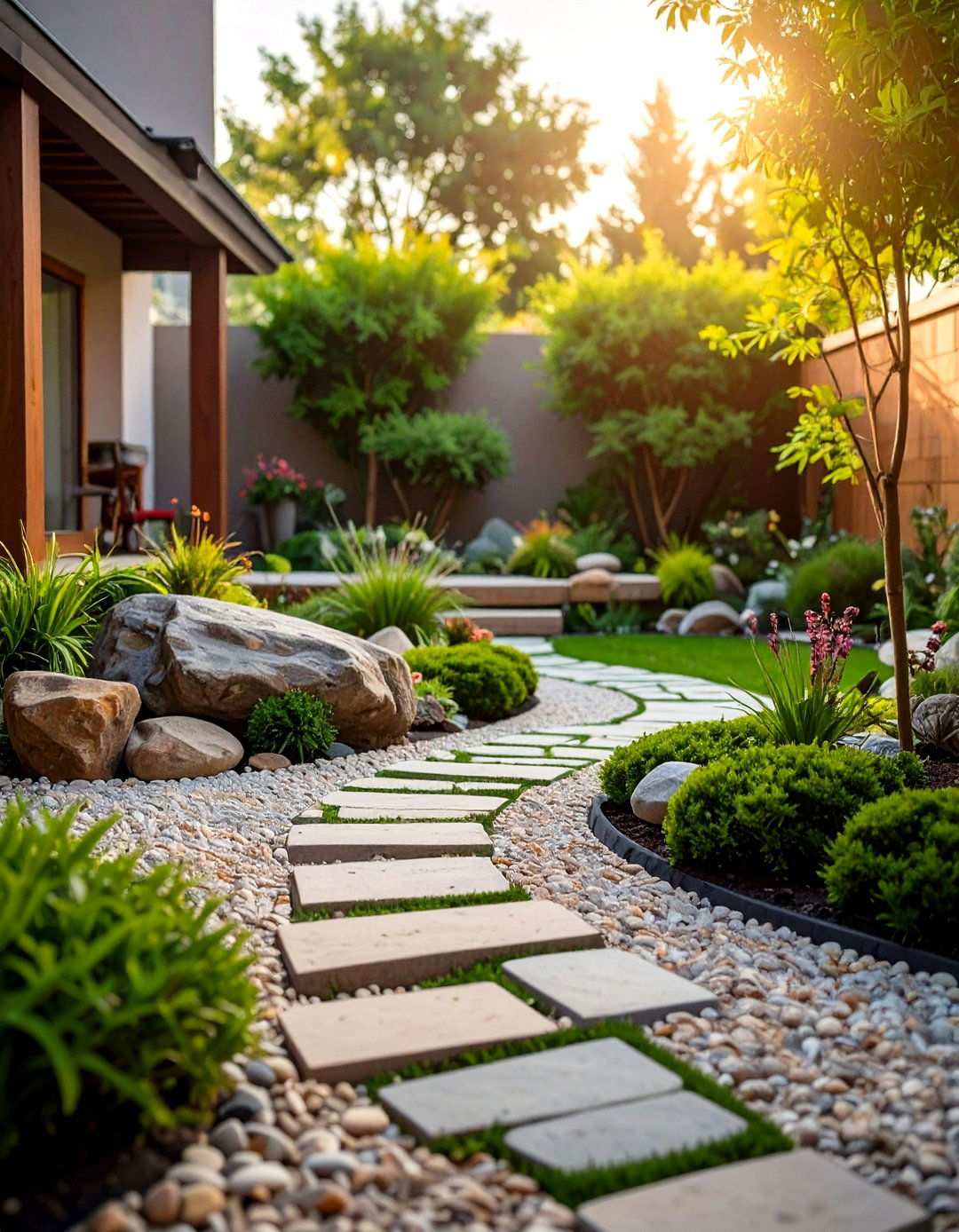
Carefully positioned stones in your garden space can tell a multitude of stories, drawing the eye and creating powerful focal points that anchor your entire design. Strategic stone placement allows you to represent natural landforms like mountains, cliffs, or islands, while also adding a touch of personal character to your garden. To create a visually striking arrangement, select stones with interesting textures, colors, and shapes that resonate with you. Arrange them in asymmetrical triangular groups, where each stone serves as either a dominant element, supporting element, or accent piece. On top of that, surround stone groupings with low-growing groundcover or fine gravel, creating negative space that allows each rock’s unique character to emerge. This deliberate interplay between solid stones and empty space teaches balance, while providing year-round structural beauty that anchors your entire Zen garden composition.
8. Bringing Zen to Indoor Spaces
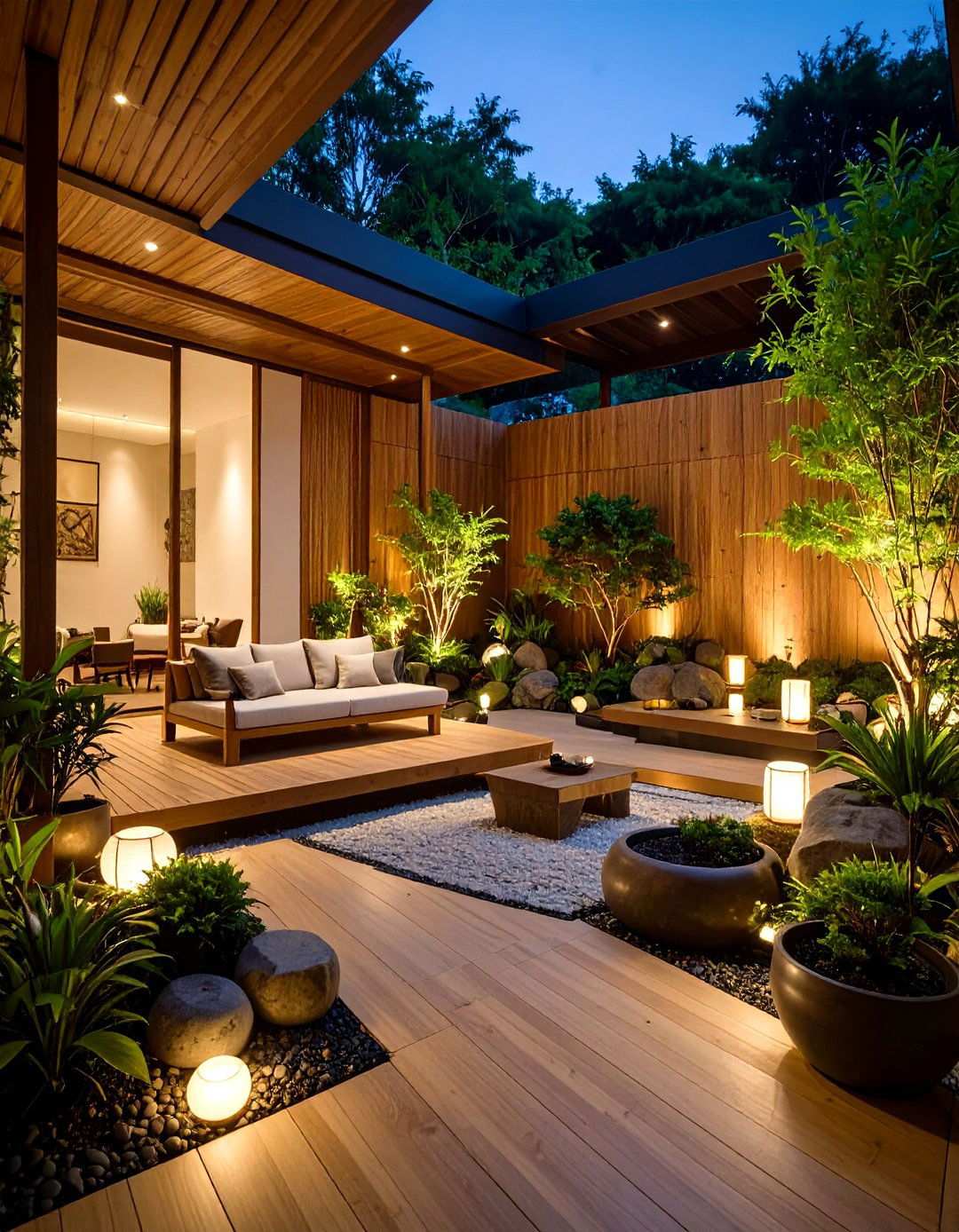
Can a serene Zen atmosphere be created within interior spaces? Indoor courtyards offer a unique opportunity to blend interior and exterior design elements while maintaining climate control, allowing you to enjoy the tranquility of a Zen space throughout the year. To design your indoor retreat, incorporate natural materials like bamboo flooring, stone walls, and carefully controlled lighting that mimics natural patterns. Include a small water feature for gentle sound, surrounded by container plants like bamboo, small Japanese maples, or flowering azaleas. Shoji screens or glass panels can section off the space while maintaining visual connection, creating a sense of separation and intimacy. The controlled environment allows for year-round enjoyment while protecting delicate elements from weather extremes. Position seating areas to take advantage of changing light patterns throughout the day, creating an ever-evolving meditation space that invites calm and contemplation.
9. Serene Urban Oasis
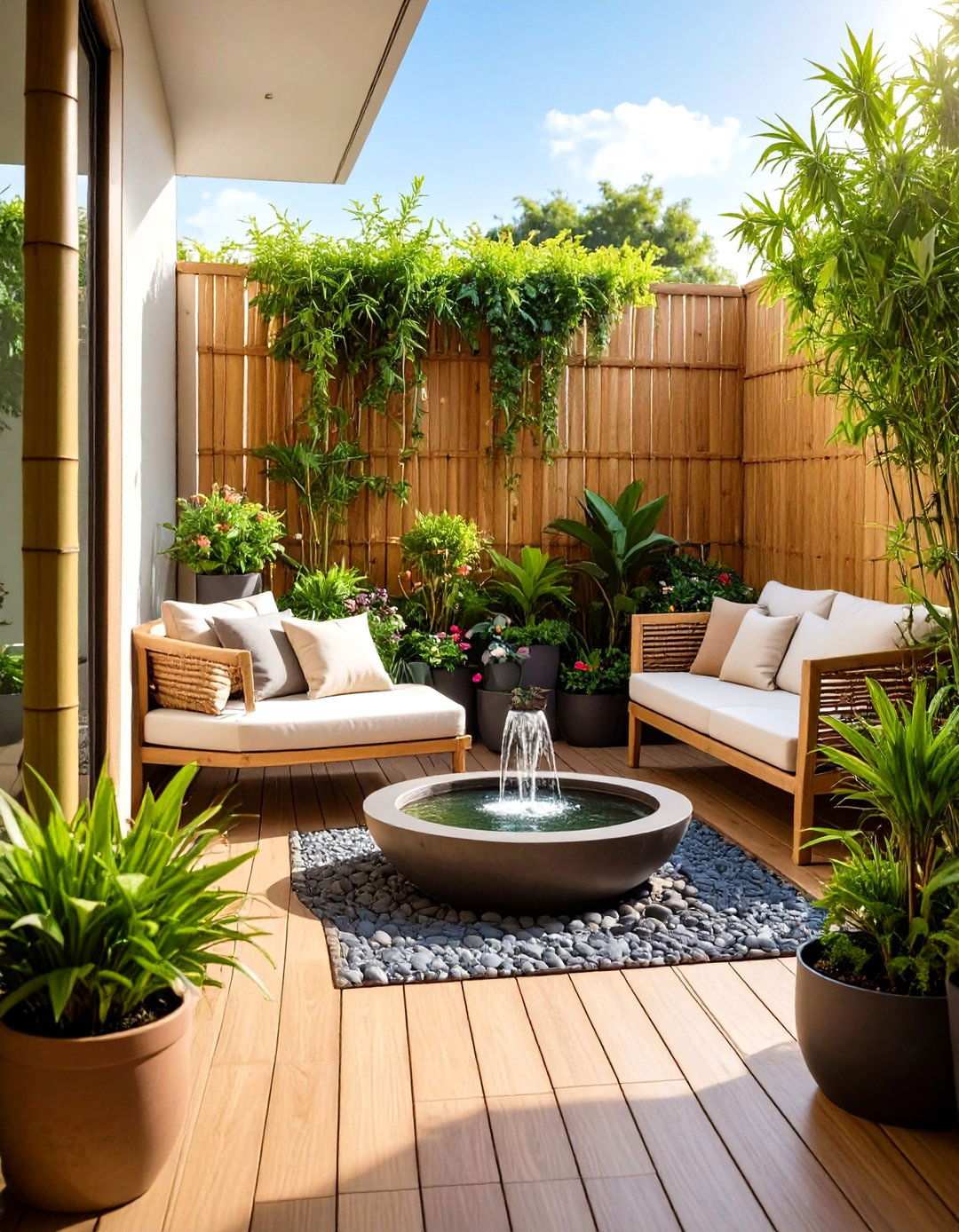
To create a tranquil retreat in compact urban spaces, focus on clever use of containers, vertical elements, and strategic space planning. By incorporating bamboo screening, you can establish a private atmosphere reminiscent of a traditional Japanese garden. Strategically place large planters featuring bamboo or small trees, arranged in a way that avoids a formal appearance, while adding an asymmetrical touch. A small water fountain positioned to mask traffic noise can create a soothing ambiance. Wooden deck tiles can warm the concrete surface, while folding furniture provides versatile meditation seating that easily stores when not in use. Container gardens allow for seasonal changes, ensuring design flexibility, while carefully positioned elements can create layered views that make the space feel larger, providing intimate areas for quiet contemplation and stress relief.
10. Window Well Sanctuary
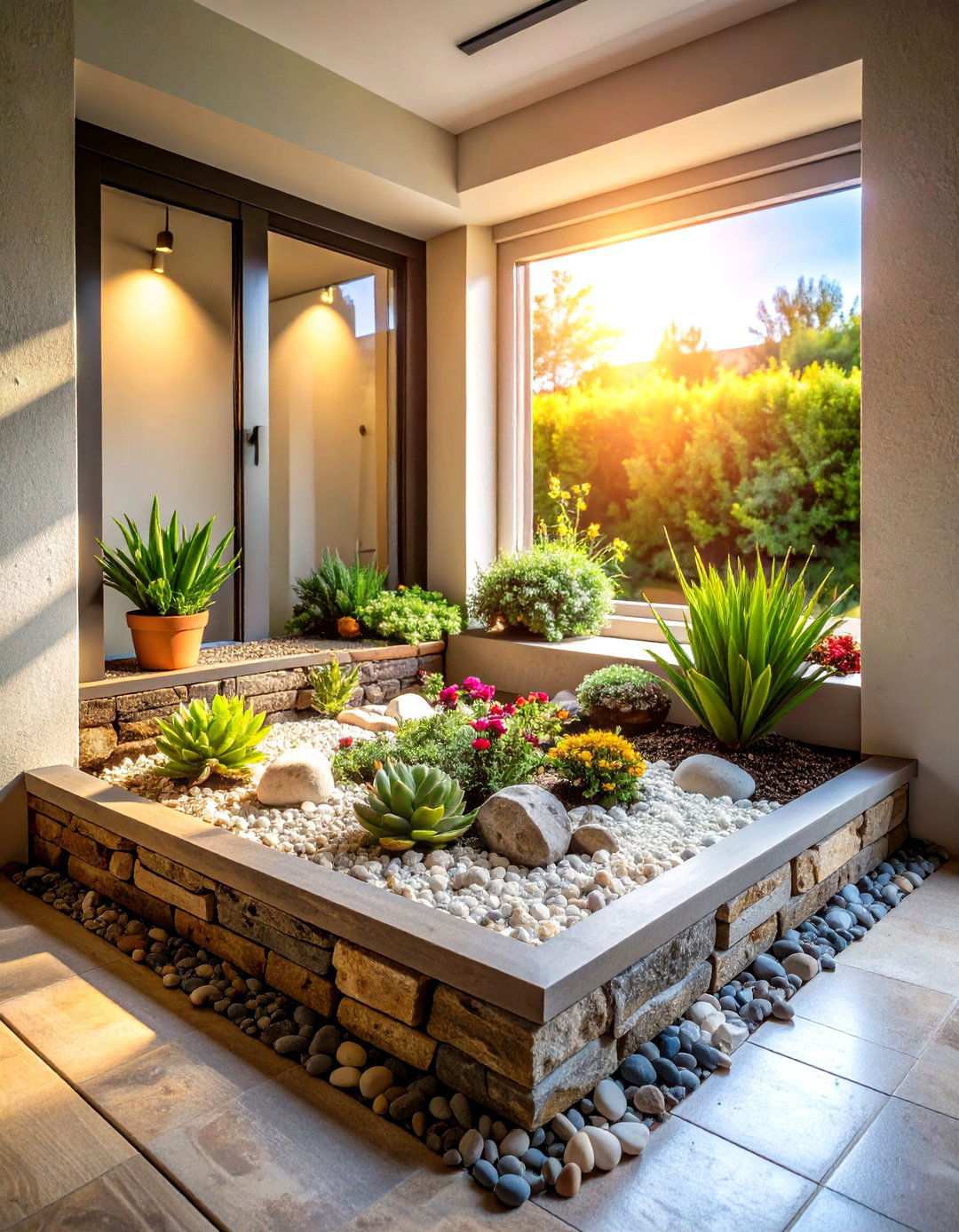
Window wells often go unnoticed, but they can be transformed into miniature Zen landscapes with a little creativity. These architectural features provide perfect naturally contained spaces for small-scale garden design, making them ideal for creating a peaceful retreat. Start by lining the window well with landscape fabric, then add layers of gravel, sand, and carefully selected stones to create depth and visual interest. Add a few drought-tolerant plants like small sedums or ornamental grasses to the corners, taking care to choose varieties that thrive in low-maintenance conditions. To enhance the ambiance, position different sized stones to suggest natural outcroppings, and consider adding a small stone lantern or Buddha statue if the window well is easily accessible. This passive garden requires minimal upkeep, providing peaceful views from inside the house, especially beautiful when subtle lighting illuminates the arrangement during evening hours.
11. Gracious Japanese Maple Statement
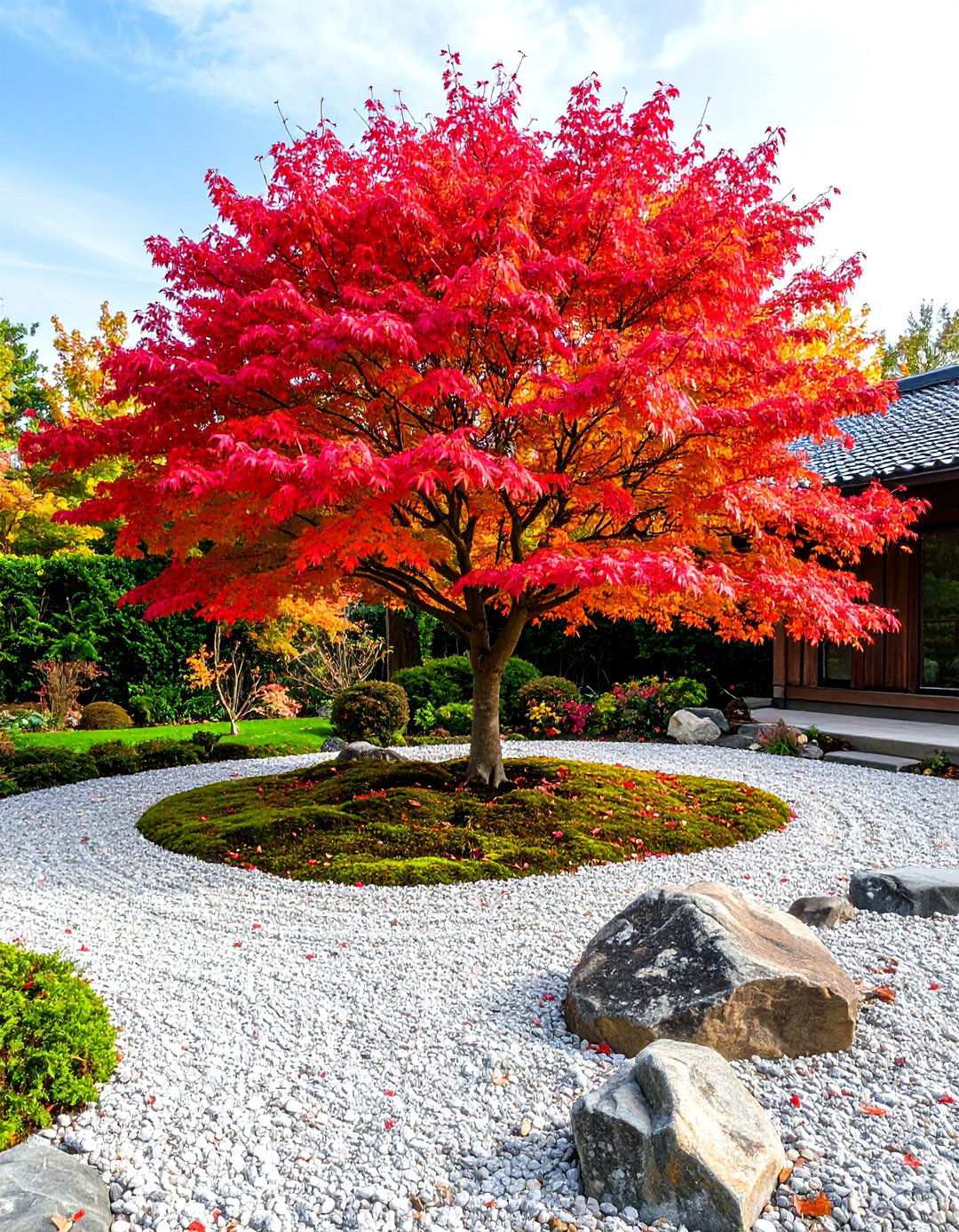
Japanese maples are a stunning focal point for Zen garden design, offering seasonal interest with their delicate leaves, elegant branching structure, and spectacular autumn colors ranging from gold to deep crimson. Plant your maple as a single specimen in a prominent location, surrounded by complementary groundcover like moss, low ferns, or decorative gravel. The tree’s natural asymmetrical growth pattern embodies wabi-sabi principles, celebrating the beauty of imperfection. Choose compact varieties suitable for your space, such as weeping forms or dwarf cultivars that maintain manageable size. Underplant with shade-loving plants like hostas or astilbe for added texture, and position the maple where its changing seasons can be appreciated from multiple viewing angles, creating year-round visual interest.
12. Harmonious Geometrics
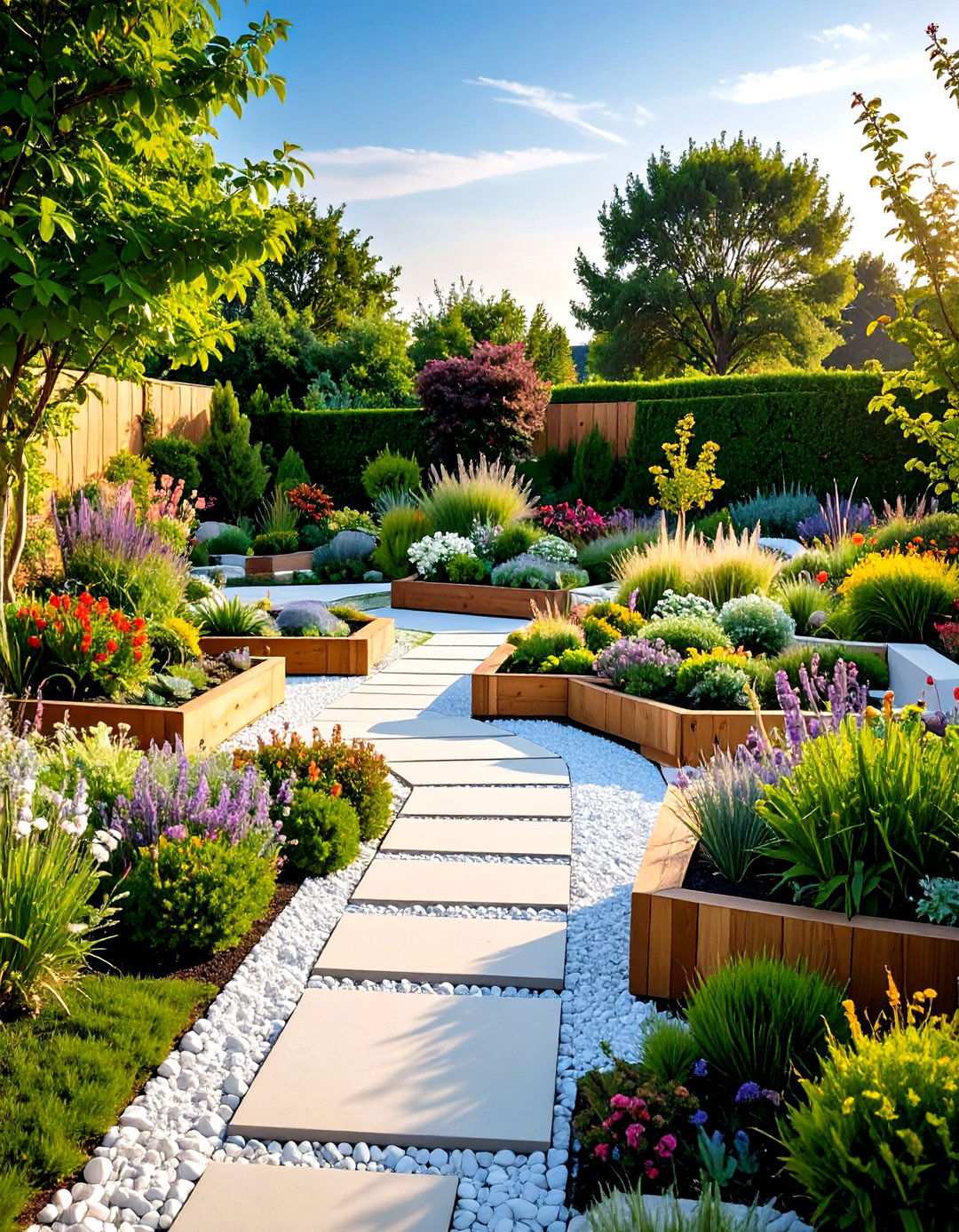
Modern design principles can elevate traditional Zen garden concepts by embracing clean lines, sharp angles, and repetitive patterns, all while maintaining the essence of balance and harmony. Geometric interpretations of Zen gardens feature rectangular raised beds filled with white gravel and punctuated by precisely placed cubic stones or spherical sculptures. The deliberate placement of square stepping stones in linear patterns creates pathways that invite contemplation. By selecting architectural forms like ornamental grasses, bamboo, or topiary evergreens trimmed into geometric shapes, the aesthetic becomes more contemporary while still offering meditative qualities. The juxtaposition of steel or concrete planters with natural materials like stone and sand adds depth to the design, making it particularly well-suited for urban settings or minimalist architecture.
13. Coastal Escape
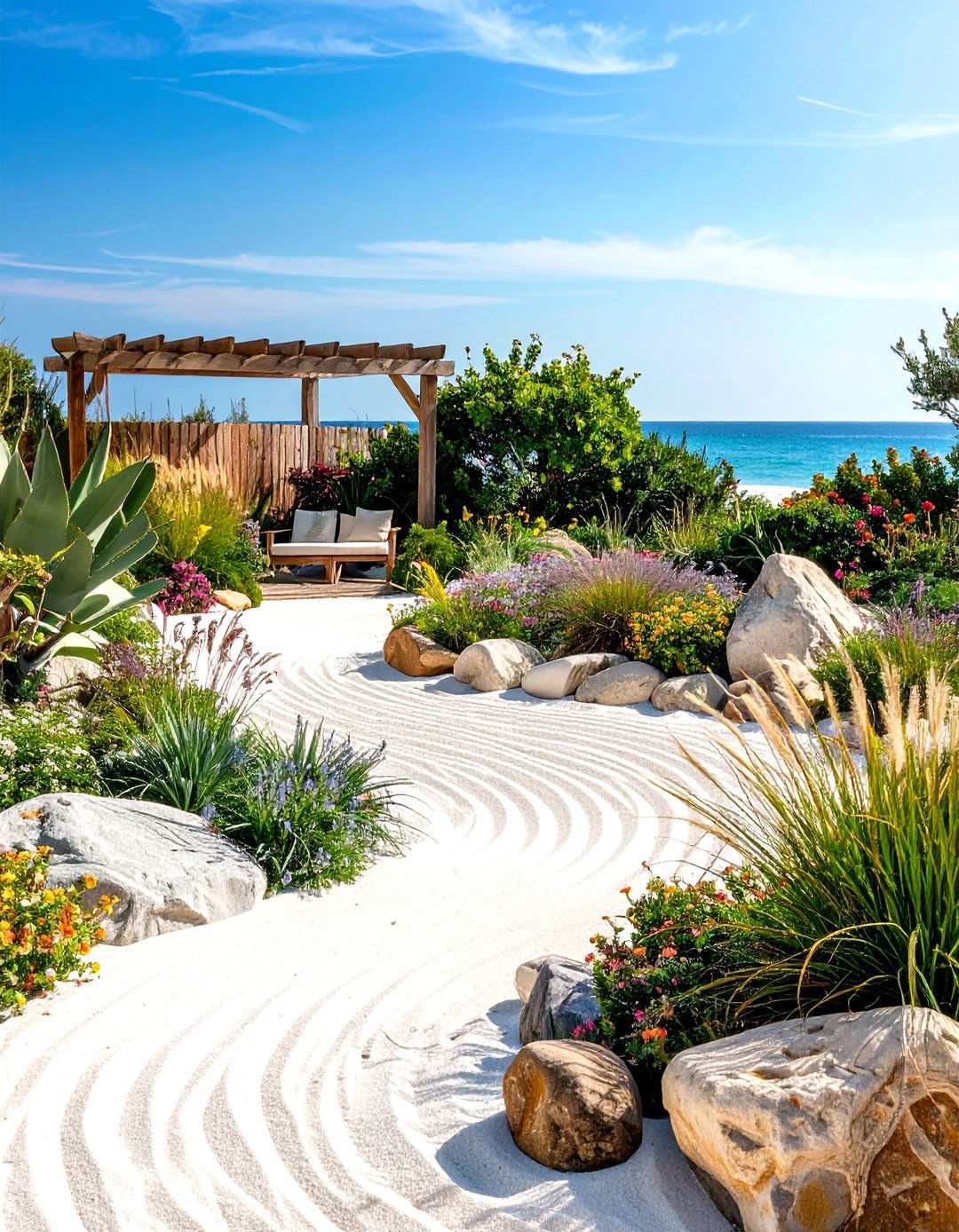
By incorporating coastal elements, it’s possible to create a sense of oceanic calm and connection to water in inland locations. Beach-themed Zen gardens combine sand, shells, driftwood, and smooth stones to evoke the soothing qualities of the ocean. A base of fine white sand, arranged in flowing patterns that evoke ocean waves or tidal movements, provides a serene foundation. Strategically positioned weathered driftwood pieces act as sculptural elements alongside collections of smooth beach stones and colorful shells. Adding coastal plants like ornamental grasses that sway gently in the breeze creates a sense of seaside tranquility. The subtle sound of wind through the grasses mimics the lulling rhythm of ocean waves, while the tactile quality of sand invites hands-on interaction. This design brings the relaxing ambiance of a beach vacation to everyday spaces while maintaining authentic Zen principles.
14. Succulent Oasis
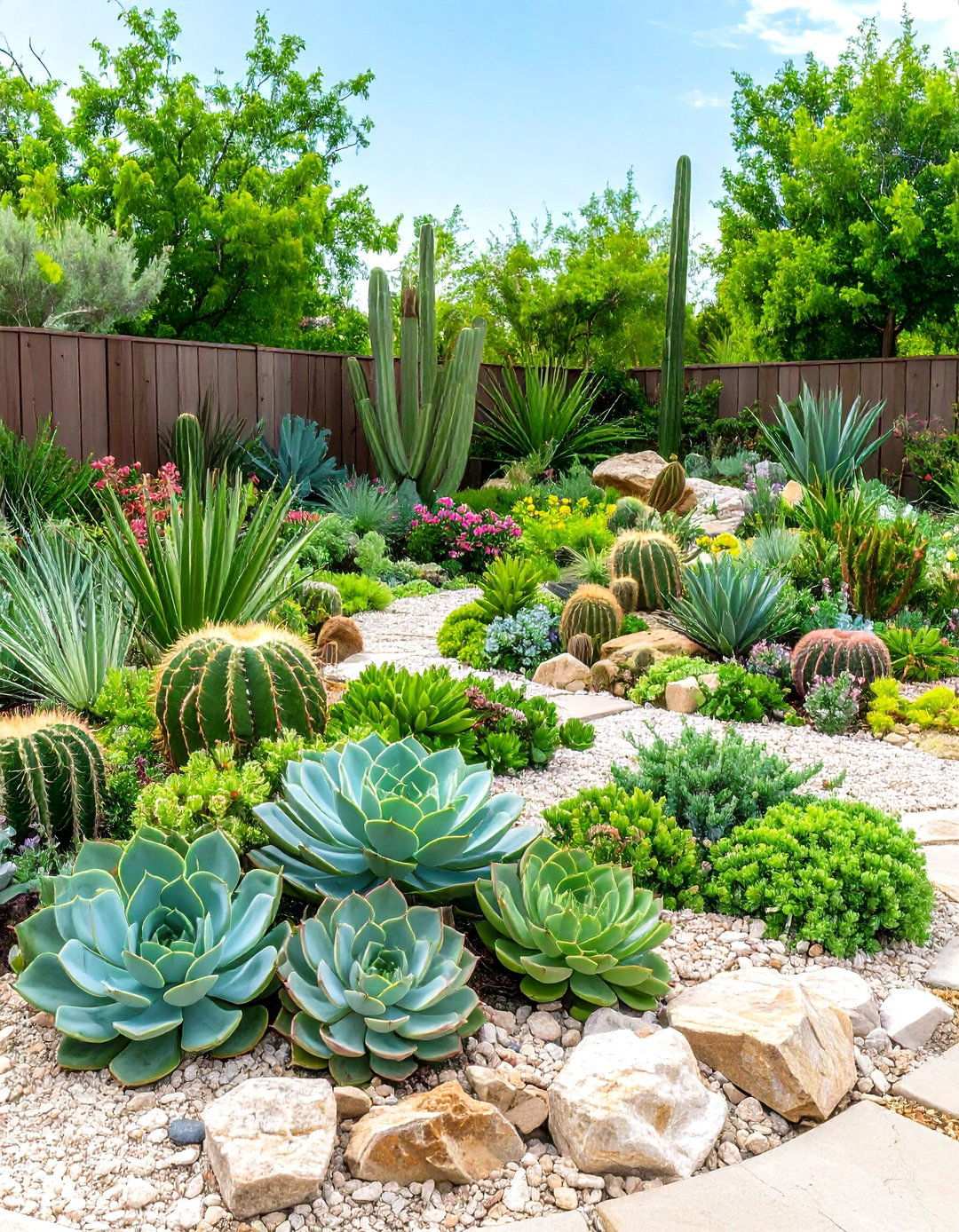
Succulents offer numerous advantages for low-maintenance Zen garden design, providing year-round color and interesting forms with minimal water and care requirements. A succulent garden can be designed using a variety of sizes, shapes, and colors arranged in naturalistic groupings that invite exploration. Combining rosette forms like echeveria with trailing varieties and upright species like agave or aloe creates a visually engaging display. Using decomposed granite or fine gravel as mulch creates clean lines between plant groupings, allowing the geometric patterns of the succulents to shine. The resilient nature of succulents makes them perfect for beginners, while their natural beauty complements Zen aesthetic principles. Adding a few larger stones as anchoring elements and a small fountain for sound can further enhance the design, which works exceptionally well in containers, allowing for seasonal rearrangement.
15. Serene Oasis with Rock Fountains
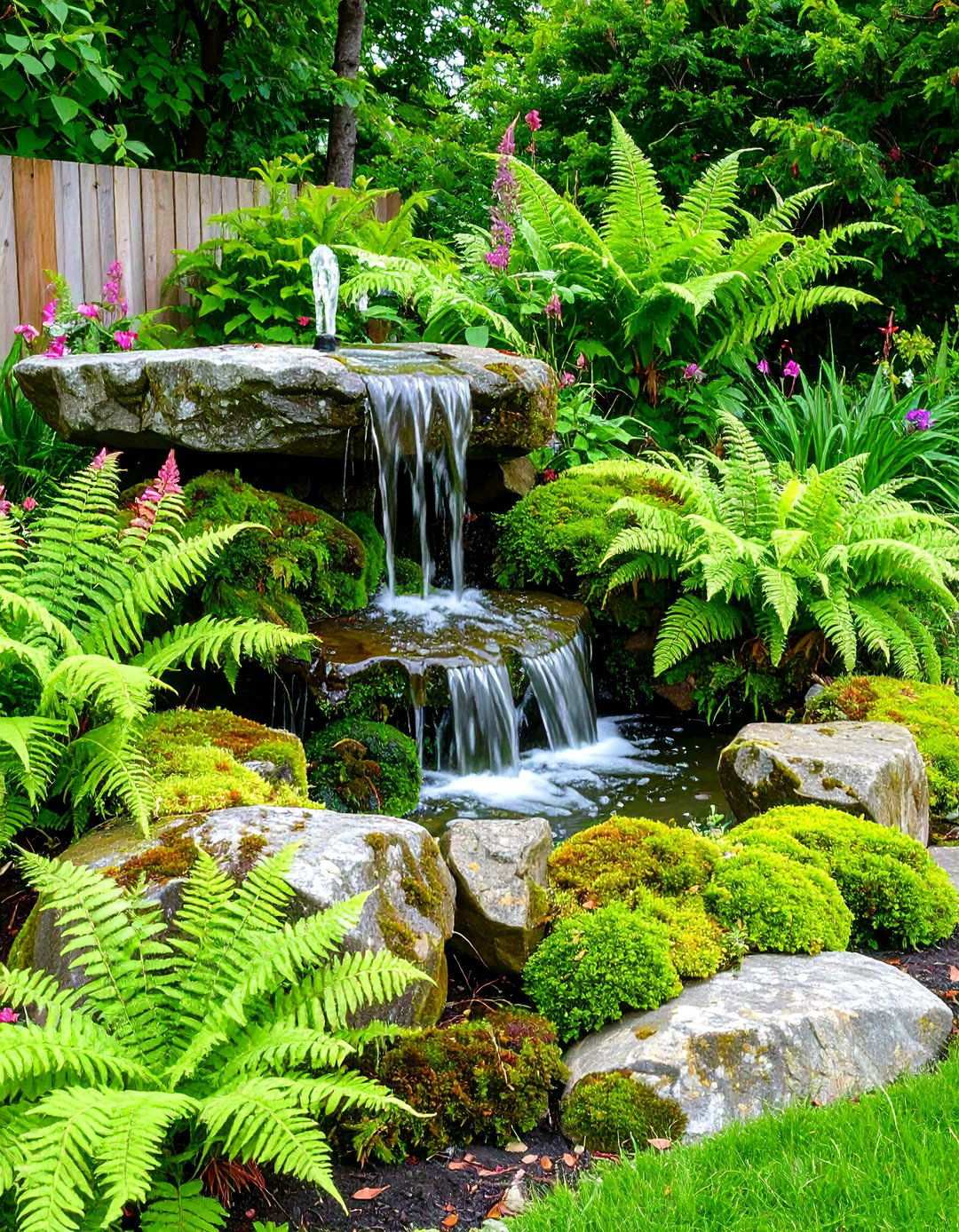
The captivating combination of flowing water and natural stone transforms a Zen garden into a serene oasis, perfect for meditation and relaxation. By harnessing the soothing effects of water movement, you can create a powerful centerpiece that beckons contemplation and calm. To craft this tranquil focal point, choose a large, visually striking stone with organic contours, either incorporating natural depressions or drilling a hole for water circulation. Position the stone on a subtle base of smaller stones, concealing a pump system that ensures continuous water flow. Surround the fountain with lush greenery like ferns, moss, or bamboo, which thrive in humid environments and add an extra layer of tranquility. As water flows, it releases negative ions that promote well-being, while visual movement stirs the senses, injecting dynamism into static garden elements. As night falls, carefully placed lighting elevates the water’s motion, casting a spell of enchantment over the space.
16. Sanctuary Within: Enclosed Meditation Spaces
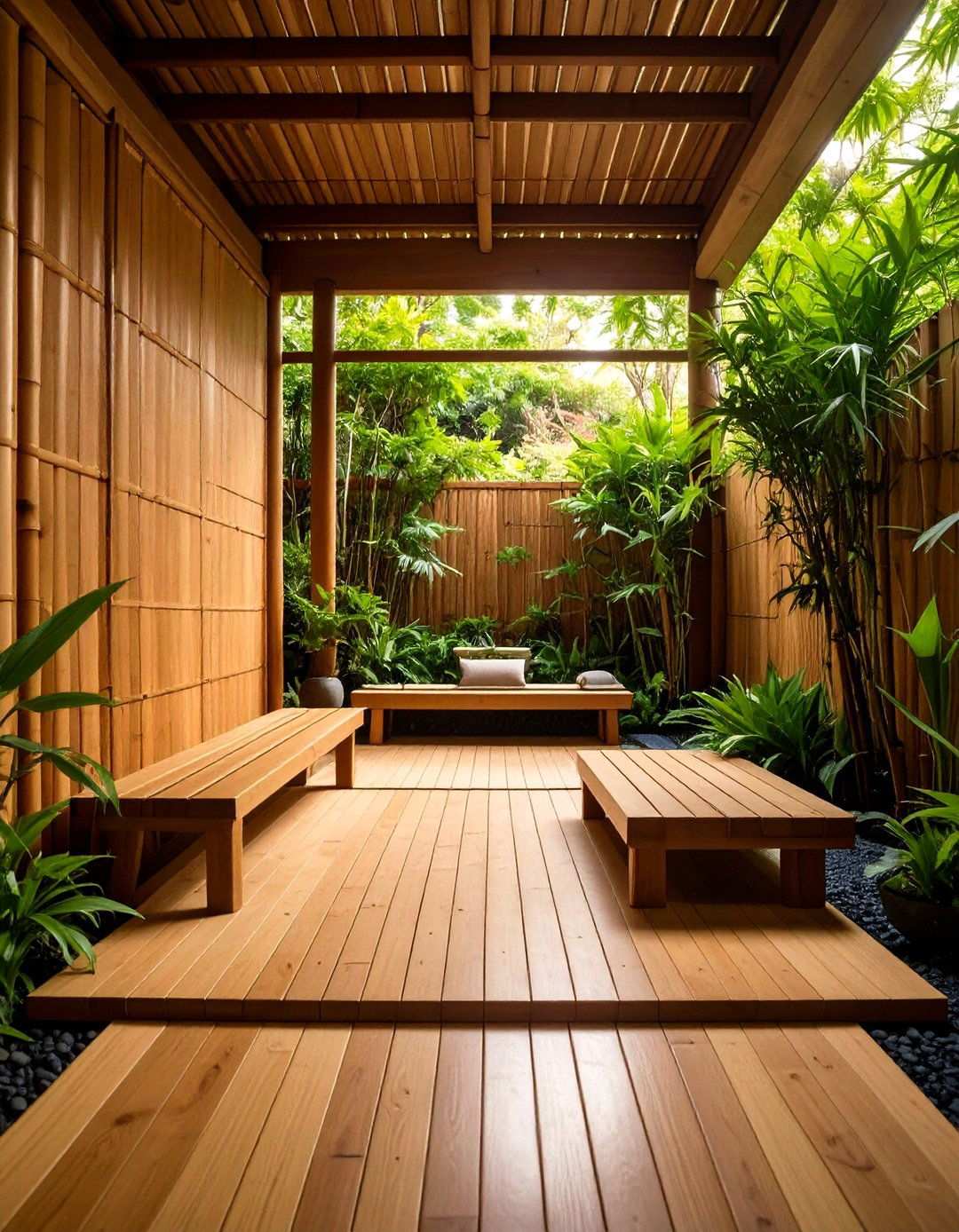
The deliberate act of creating an enclosed space enhances the meditative quality of a Zen garden by separating the sacred area from everyday distractions and establishing a psychological haven for deeper contemplation. By carefully designing your enclosed garden using materials like bamboo fencing, wooden screens, or stone walls, you can create a sense of seclusion without confinement. Strategically position a simple wooden bench or stone seating area to face the most breathtaking view, allowing you to fully immerse yourself in the surroundings. Incorporate aromatic plants like lavender, jasmine, or mint around the perimeter to heighten sensory experiences. Adding a small, meaningful shrine or statue further personalizes the space. The enclosed nature of this space creates a microclimate that differs from the surrounding environment, allowing for unique plant choices. This intimate scale fosters a sense of personal retreat, essential for effective meditation practice.
17. Mindful Journeys: Stepping Stone Pathways
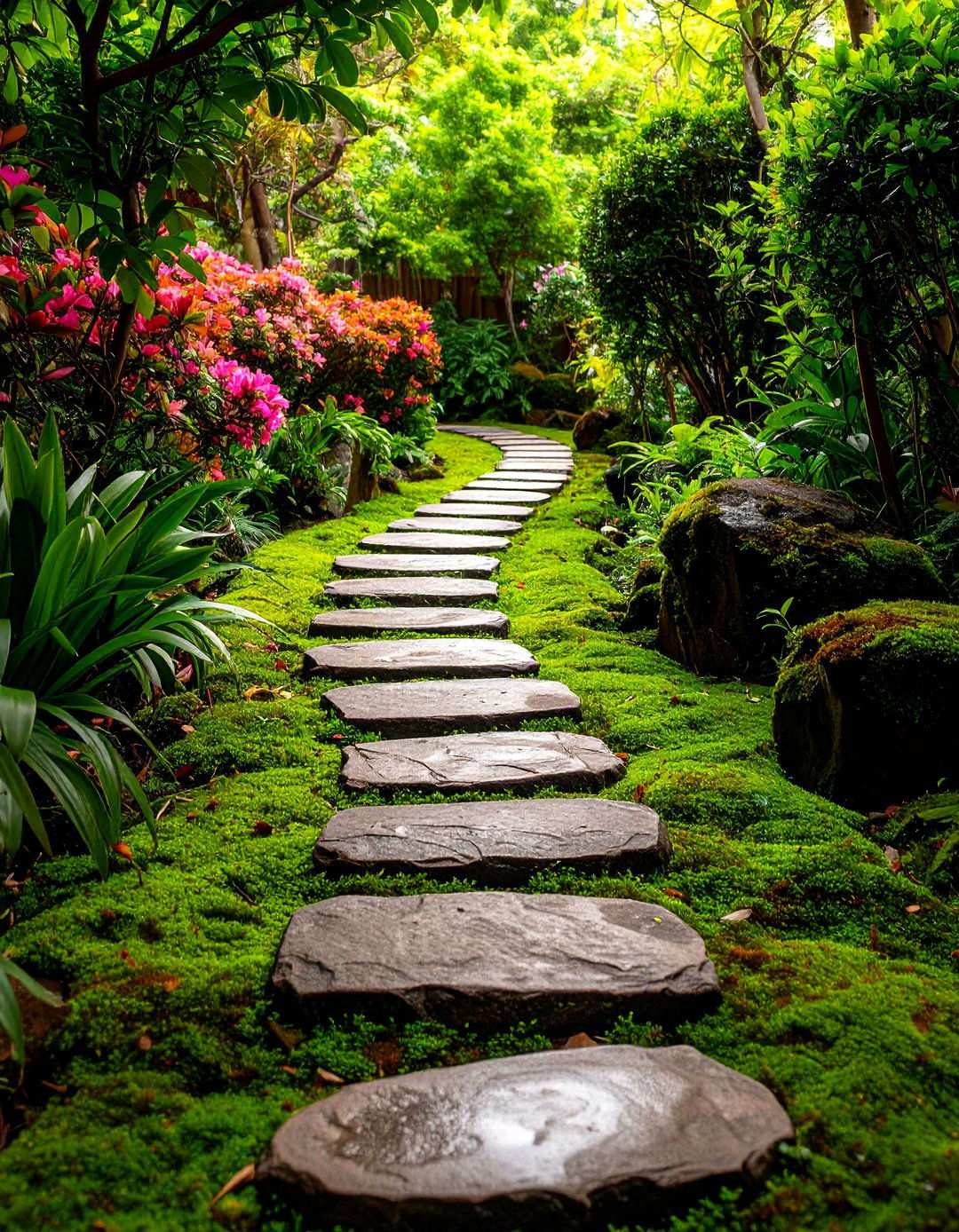
Thoughtfully placed stepping stones guide both body and mind through a garden’s winding paths, serving as a metaphorical journey toward enlightenment. By incorporating natural stone slabs of varying sizes, you can craft a pathway that encourages slow, mindful walking. Surround each stone with low-growing plants like moss, thyme, or chamomile, which release fragrance when gently stepped upon, inviting the senses to participate. A meandering path that curves naturally rather than following straight lines creates opportunities for discovery and contemplation at each turn. Especially striking stones can be positioned at important viewing points or decision-making moments where the path changes direction. The deliberate spacing of stones forces attention to each step, promoting mindfulness while creating a visual rhythm that draws visitors deeper into the garden experience.
18. Harmonious Container Gardens
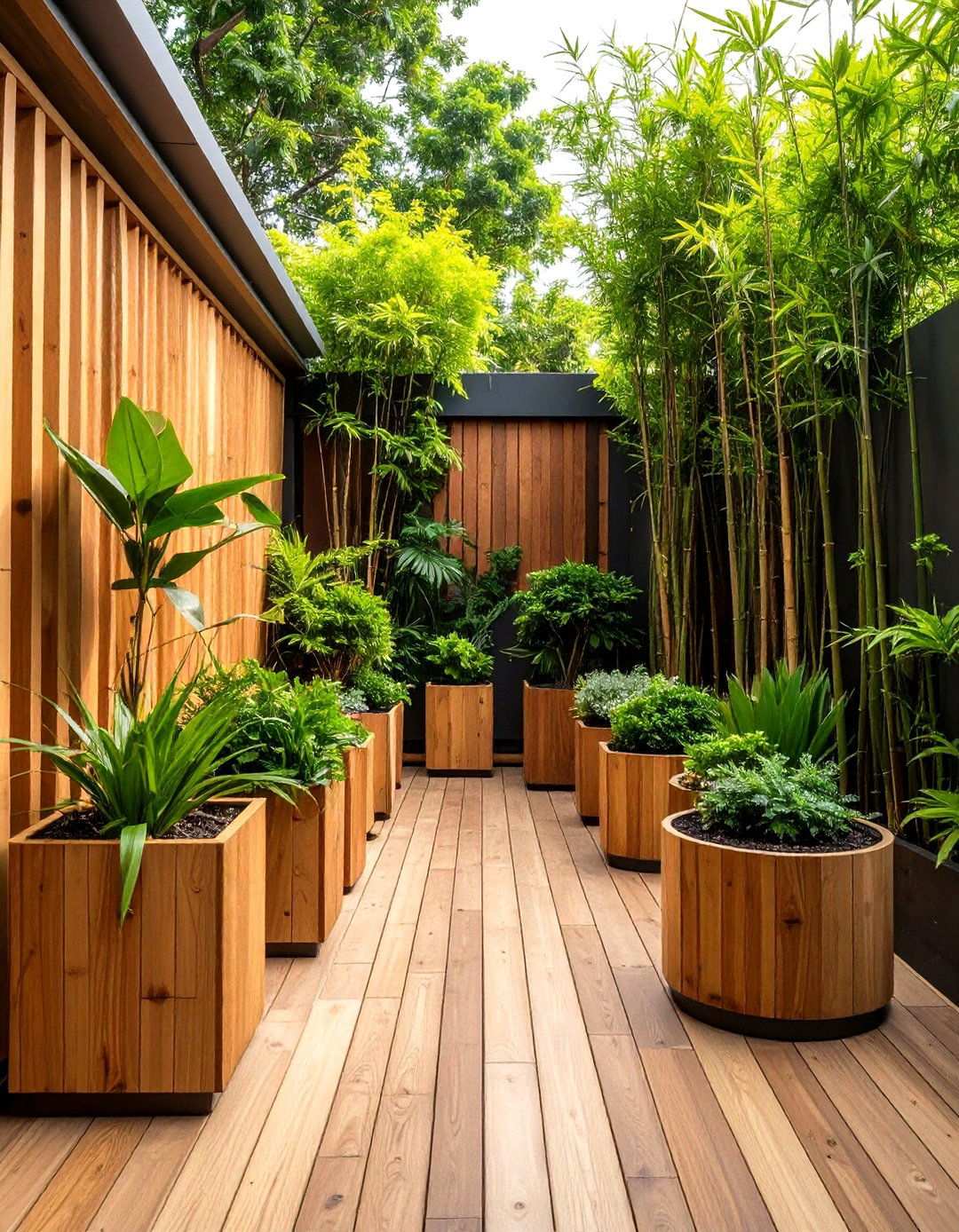
Container gardens offer a unique blend of flexibility and authenticity in Zen design. By utilizing portable containers, you can rearrange your garden seasonally, shield plants from extreme climates, and experiment with new designs while honoring ancient Zen principles. Opt for containers made from natural materials like wood, stone, or unglazed ceramic that blend harmoniously with the surroundings rather than competing with the plants. Arrange containers at varying heights using plant stands or stone bases, creating an asymmetrical grouping that showcases the beauty of each pot. Fill containers with single-species plantings like bamboo, Japanese maples, or ornamental grasses to achieve a clean and uncluttered appearance. The ability to move containers seasonally expands growing possibilities and allows you to adapt your design as your aesthetic preferences evolve. By incorporating larger containers as anchor points and smaller pots as accent notes, you can create a visually appealing composition that works well for renters or those with challenging soil conditions.
19. Circumstantial Entrances
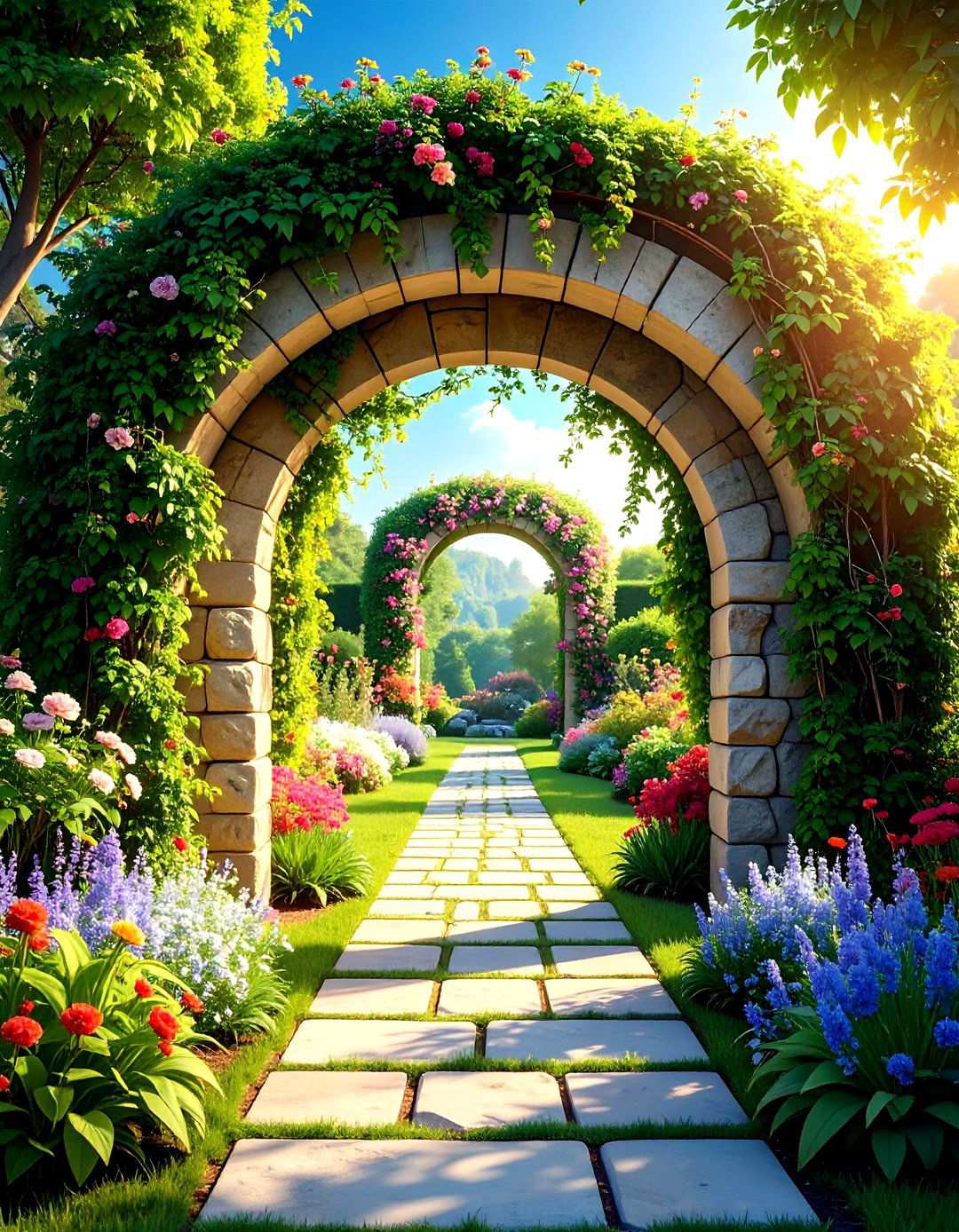
A circular entrance frame can dramatically transform the experience of entering your Zen space by creating a captivating transition between the ordinary and the sacred. Moongates, inspired by traditional Chinese gardens, provide an extraordinary opportunity to frame views like living artwork, drawing attention to the beauty that lies beyond. To create a moongate, use natural stone, bamboo, or wood to construct a perfect circle that visitors must pass through to enter the garden, thereby creating a sense of ritual and focus. Design the view beyond to reward this passage with your garden’s most striking vignette, inviting visitors to pause and appreciate the beauty that awaits. Integrate the gate structure with the surrounding landscape by planting vines or climbing plants around it, softening its architectural lines and creating a seamless transition. Position the gate to capture seasonal changes and daily light patterns that transform throughout the year, ensuring that the entrance remains a captivating experience.
20. Vertical Reflection
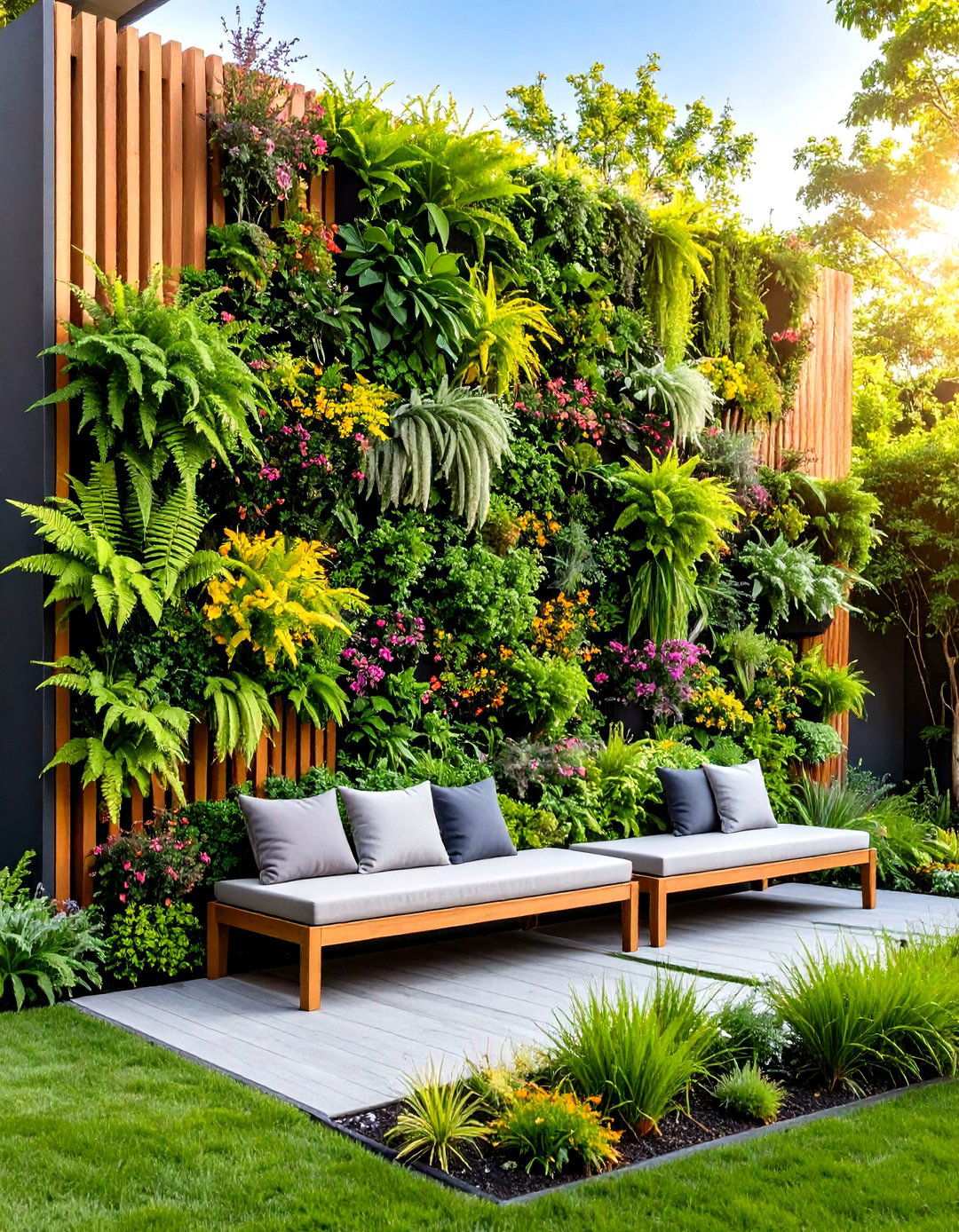
Vertical gardens can enhance Zen principles while maximizing limited space, providing opportunities for lush plantings in minimal footprint areas and creating dramatic backdrops for other garden elements. Design your wall using modular planting systems filled with species that thrive in vertical environments, such as ferns, mosses, small sedums, or trailing plants that create natural waterfall effects. The vertical element adds depth and dimension to flat spaces, providing sound absorption and air purification benefits. Create a contemplative space by positioning a bench or meditation cushion facing the wall, allowing visitors to focus on the beauty of the living wall. By integrating water features into your living wall, you can create a combined sensory experience of sight, sound, and humidity. The maintenance routine of caring for wall plants becomes a meditative practice itself, promoting regular interaction with your garden space while providing seasonal interest through changing growth patterns.
21. Harmonious Circular Design
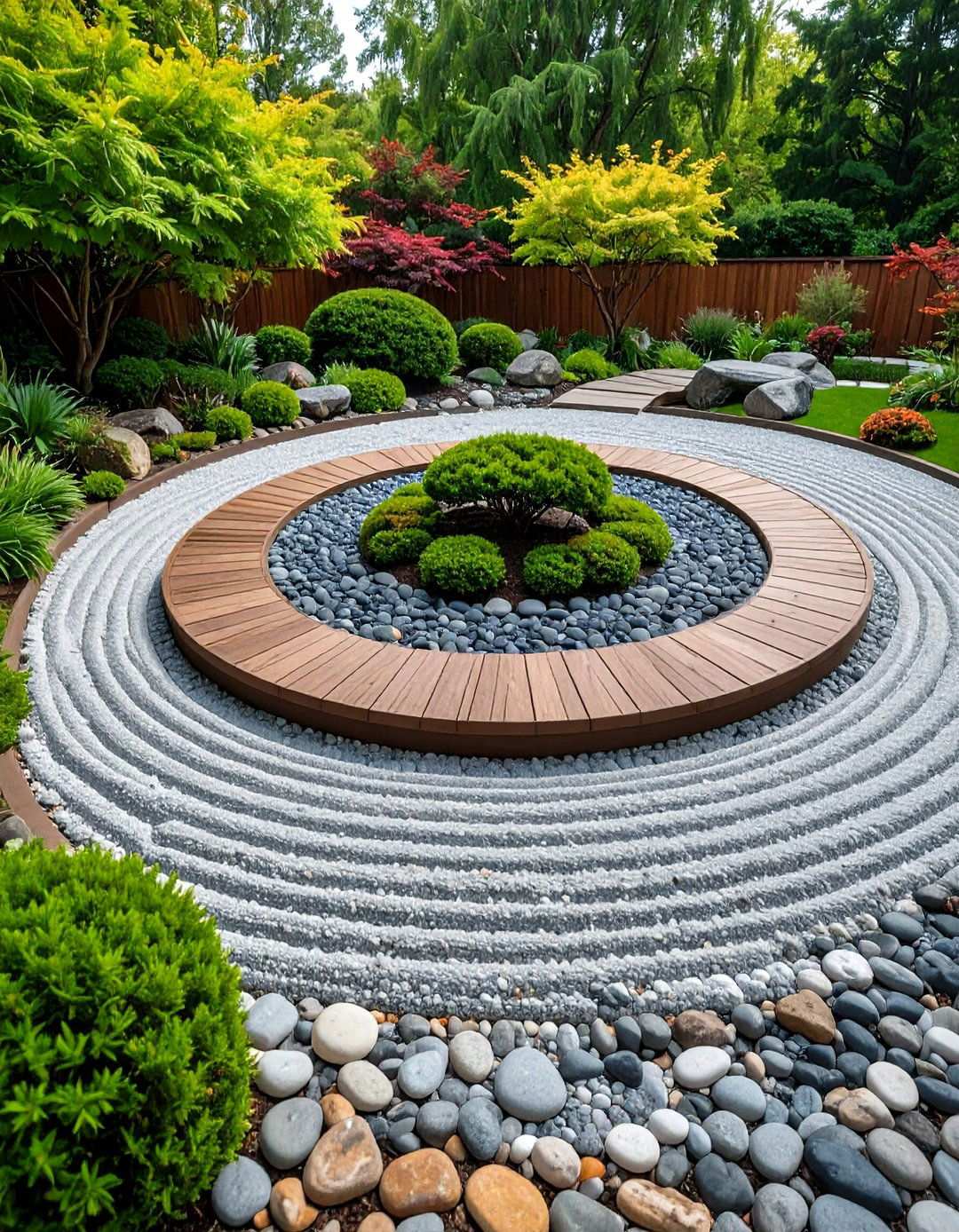
The captivating allure of circular patterns in garden spaces can be attributed to their profound harmonic properties. Rooted in Eastern philosophy, circles embody the essence of completion, cycles, and eternal flow, making them a fitting organizing principle for Zen gardens. To create a circular garden, consider using concentric rings of varying materials, such as an outer ring of weathered stones, a middle ring of carefully raked gravel, and an inner circle featuring a unique plant or sculpture. The central focal point naturally becomes an area for quiet contemplation or meditation, inviting you to slow down and connect with nature. Meandering pathways can radiate from or circle around the central design, offering multiple viewing perspectives that change as you move through the space. By incorporating rounded plant forms like clipped shrubs, ornamental grasses, or spreading groundcovers, you can reinforce the circular theme and create a sense of balance and completion.
22. Symbolic Bridge Connections
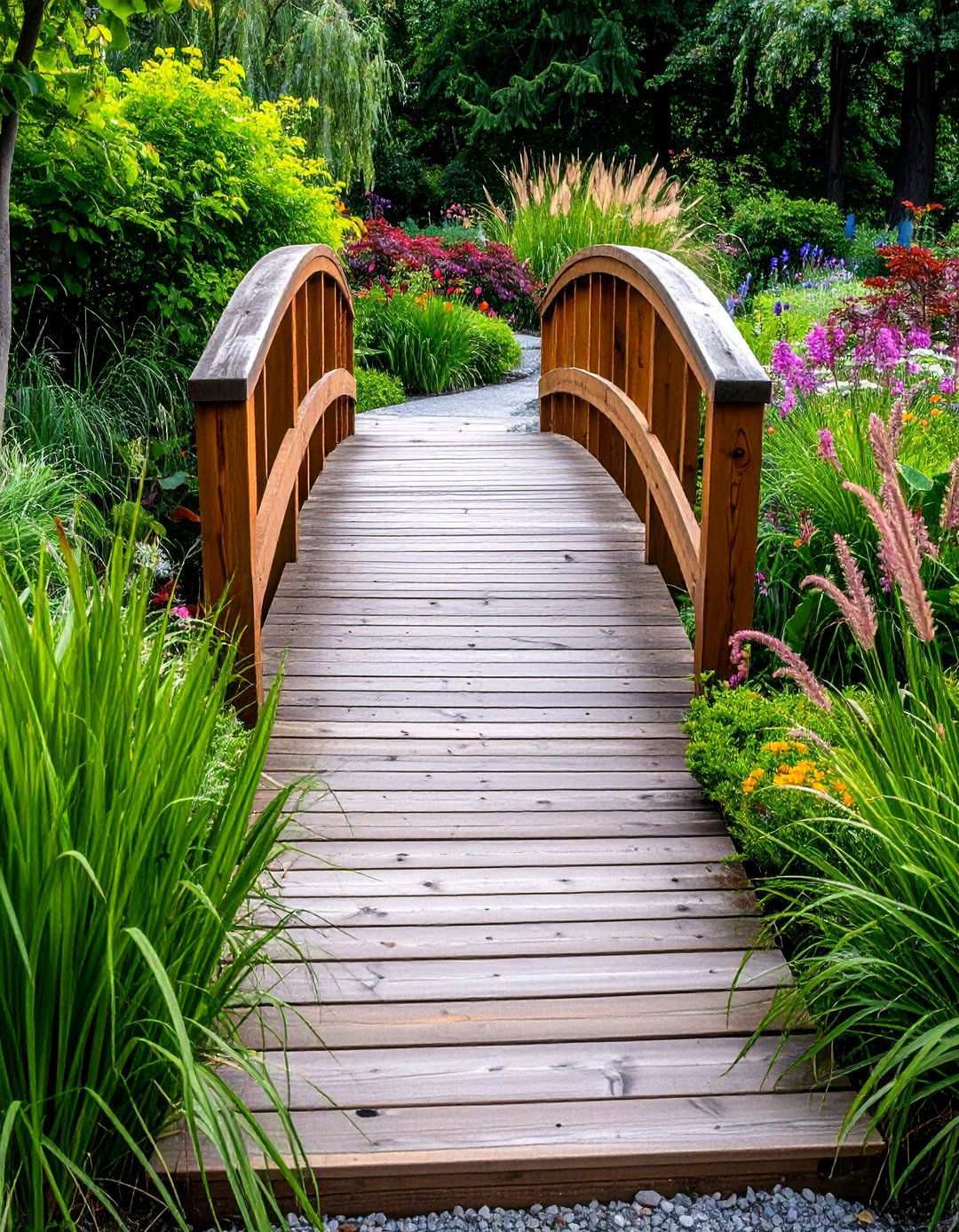
Bridges hold a profound significance in Zen garden design, representing the symbolic journey between different states of being. These metaphorical elements evoke a sense of transition, connection, and passage, inviting contemplation and introspection. When designing a bridge, consider using natural materials like wood, stone, or bamboo to create a seamless connection between distinct garden areas or elevated viewing perspectives. Even a simple raised walkway over planted areas can create the bridge experience while adding visual interest to flat terrain. Strategically position the bridge to facilitate mindful transitions and create opportunities for elevated viewing perspectives over lower plantings. Surround the bridge approaches with thoughtfully selected plantings like ornamental grasses, ferns, or flowering shrubs that enhance the journey experience, fostering a deeper connection with nature.
23. Ethereal Lantern-Lit Spaces
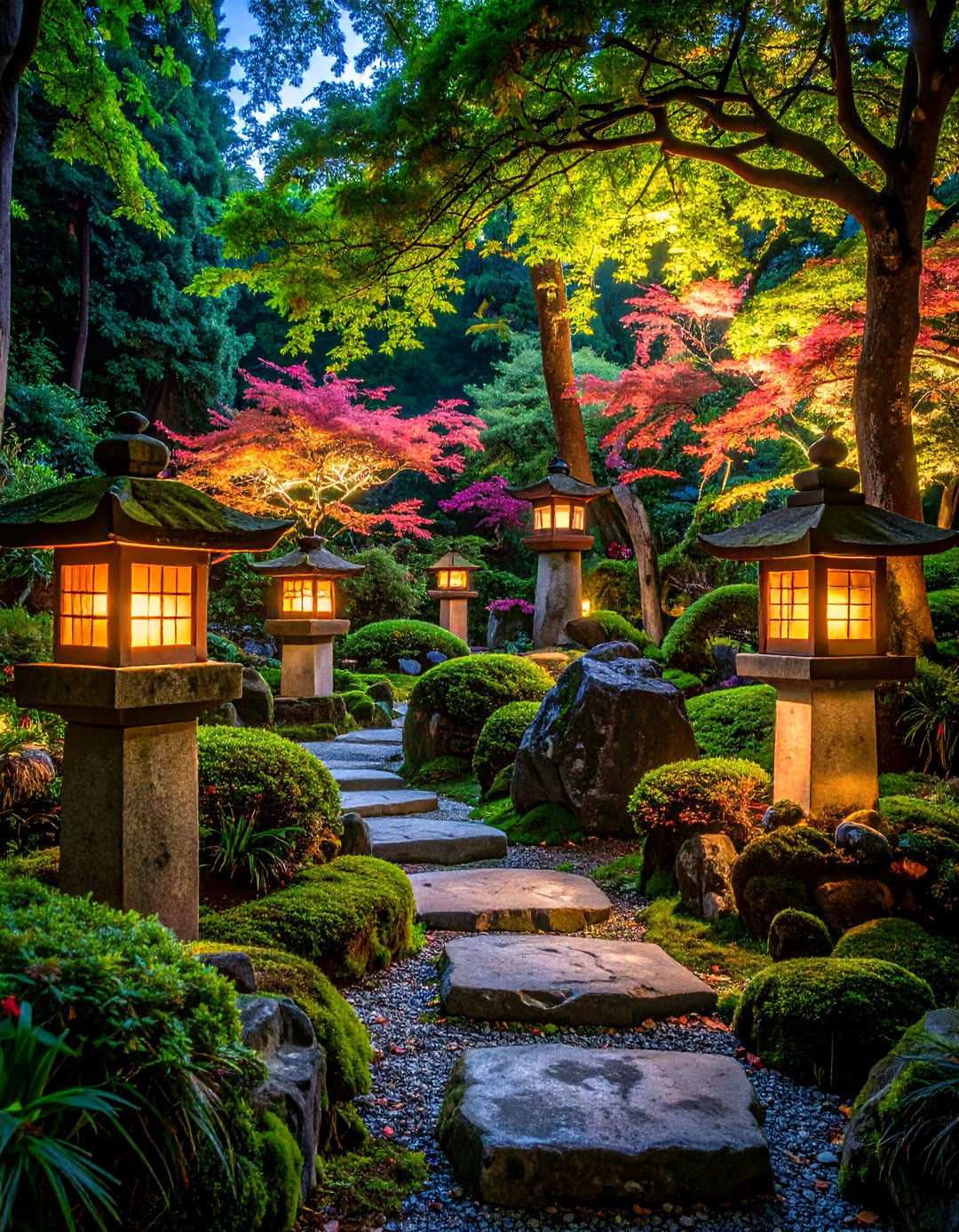
The enchanting transformation that occurs when traditional stone lanterns illuminate Zen gardens after dark is nothing short of magical. By extending garden enjoyment into the evening hours, lantern lighting creates unique atmospheric experiences through shadow play and warm, gentle illumination. Strategically position stone or bamboo lanterns at key focal points, pathway intersections, or near water features where their reflection amplifies the visual impact. Traditional pagoda-style lanterns offer an authentic ambiance, while solar versions provide eco-friendly operation without compromising on style. As darkness falls, the garden transforms into a nighttime sculpture, where highlighted elements emerge from the shadows, and others fade away. This selective illumination teaches us to appreciate the fleeting nature of time, while also extending the usability of your garden throughout all hours.
24. Portable Travel Garden
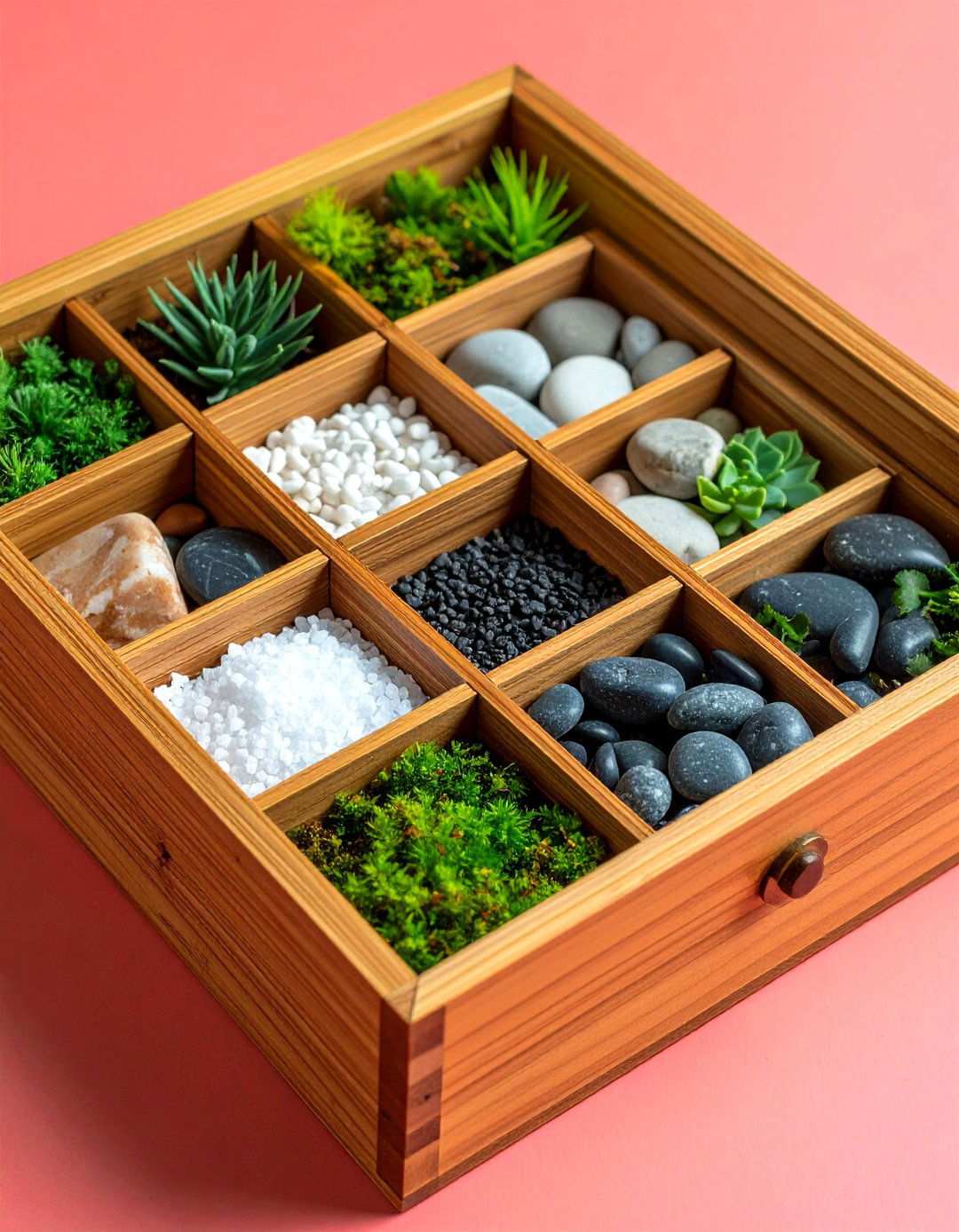
Incorporating Zen practice into traveling or temporary living arrangements can be a significant challenge, but portable gardens offer a solution. By providing familiar objects that are easily transportable, these gardens enable individuals to maintain authentic Zen principles despite their location. Design a travel garden by repurposing a compact container, such as a wooden box, fabric bag, or small suitcase with removable dividers. Incorporate essential elements like a small rake, a collection of meaningful stones, packets of sand, and a tiny air plant or succulent, which can serve as a symbol of resilience and adaptability. The act of unpacking and arranging your garden becomes an integral part of the meditation practice itself, allowing you to cultivate mindfulness and presence in any environment. With a portable Zen garden kit, hotel rooms, temporary housing, or outdoor locations can instantly transform into meditation spaces, providing comfort and continuity during life’s transitions.