1. Revival of Elegance: Black and White Mosaic Pathway Design
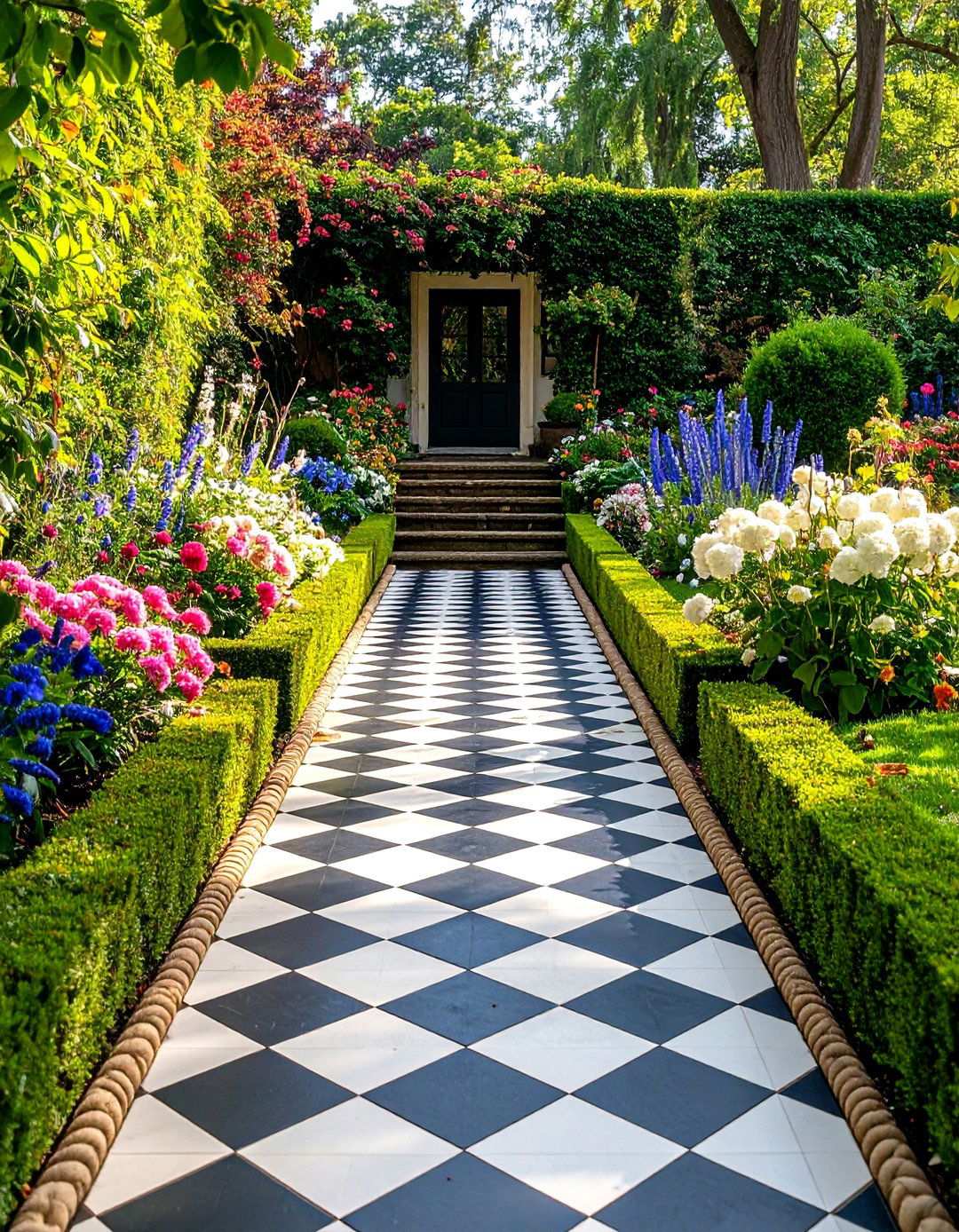
Revamp your front entrance with the quintessentially Victorian black and white mosaic tile pathway design, boasting a classic checkerboard pattern that exudes timeless sophistication. This iconic combination creates a stunning visual contrast against the lush backdrop of your garden, setting the tone for a refined and elegant outdoor space. To amplify the design’s period charm, consider pairing the pathway with York stone entrance steps and decorative rope edging. For a seamless transition, extend the mosaic pattern to your porch floor, creating a beautifully cohesive look that echoes the grandeur of Victorian-era homes.

As an Amazon Associate I earn from qualifying purchases.
A well-designed mosaic pathway is the perfect way to make a lasting impression on guests, and this classic design is sure to transport them to a bygone era of refinement and luxury. By incorporating this timeless element into your front garden, you’ll be paying homage to the era that inspired some of the most beautiful and enduring garden designs.
2. Structured Symmetry: Formal Box Hedging and Topiary Front Garden
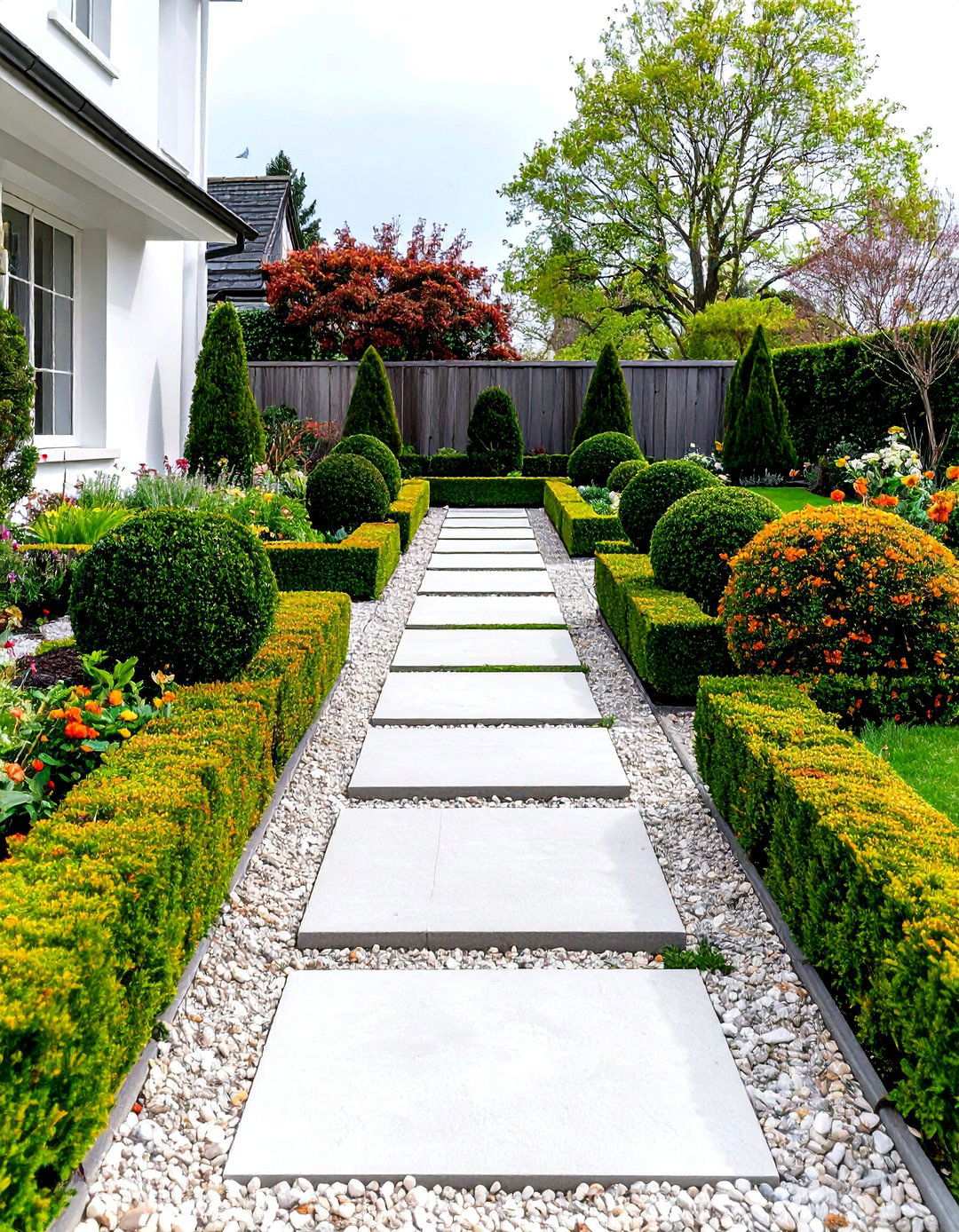
Achieve a sense of refined elegance with precisely clipped box hedging that defines your garden borders and frames vibrant planting displays. Traditional Buxus sempervirens provides year-round structure, while topiary spheres and cones add a touch of whimsy and vertical interest at key focal points. Design symmetrical layouts with matching topiary specimens flanking your entrance pathway, creating a sense of formal balance that epitomizes Victorian garden design principles. To maintain clear sight lines to your front door, incorporate low hedging to separate different planting areas. This approach offers a sophisticated charm that requires minimal maintenance once established. By embracing this timeless design, you’ll be creating a beautifully manicured garden that showcases your attention to detail and dedication to classic design principles.
3. Ornate Metalwork Boundaries for a Timeless Look
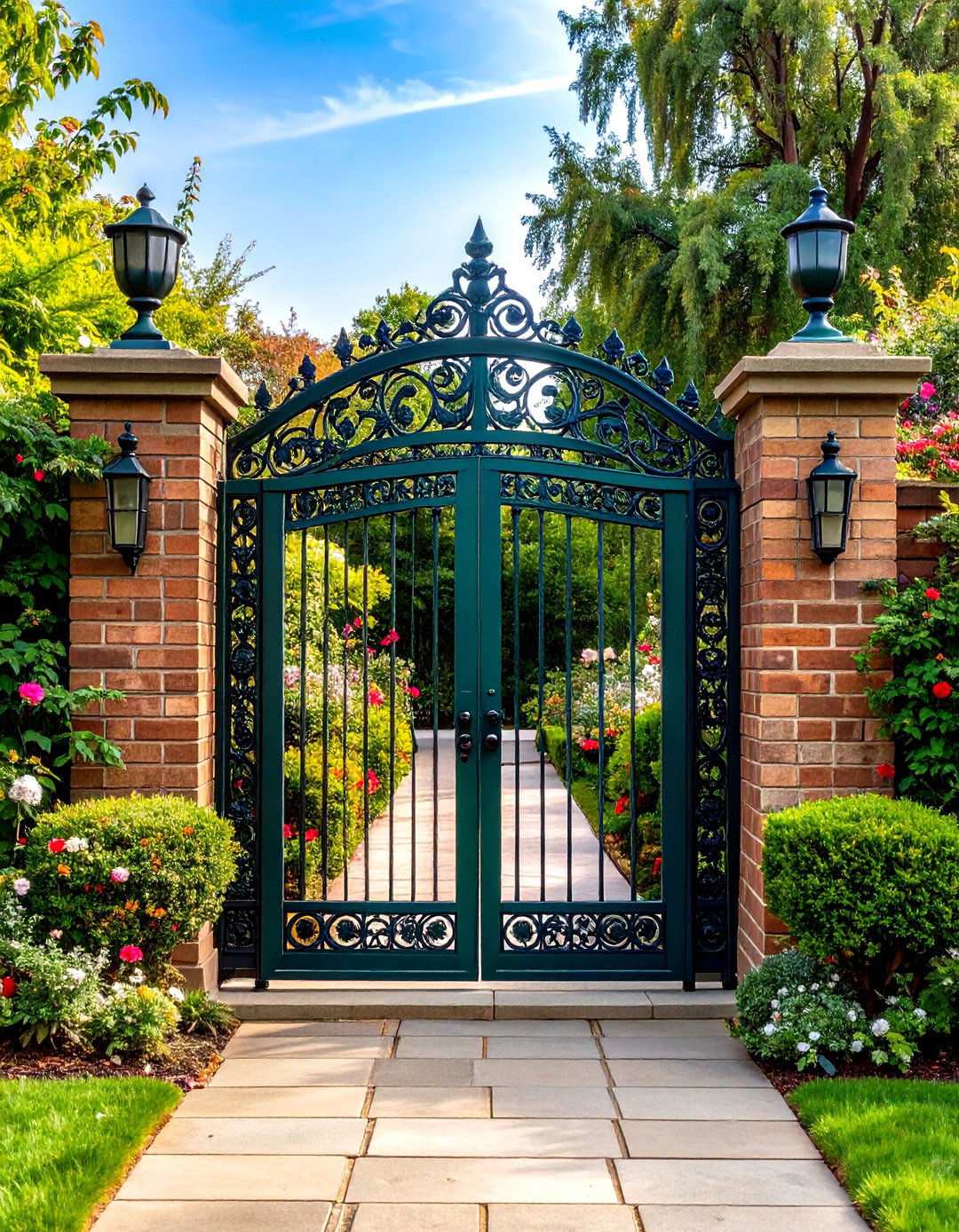
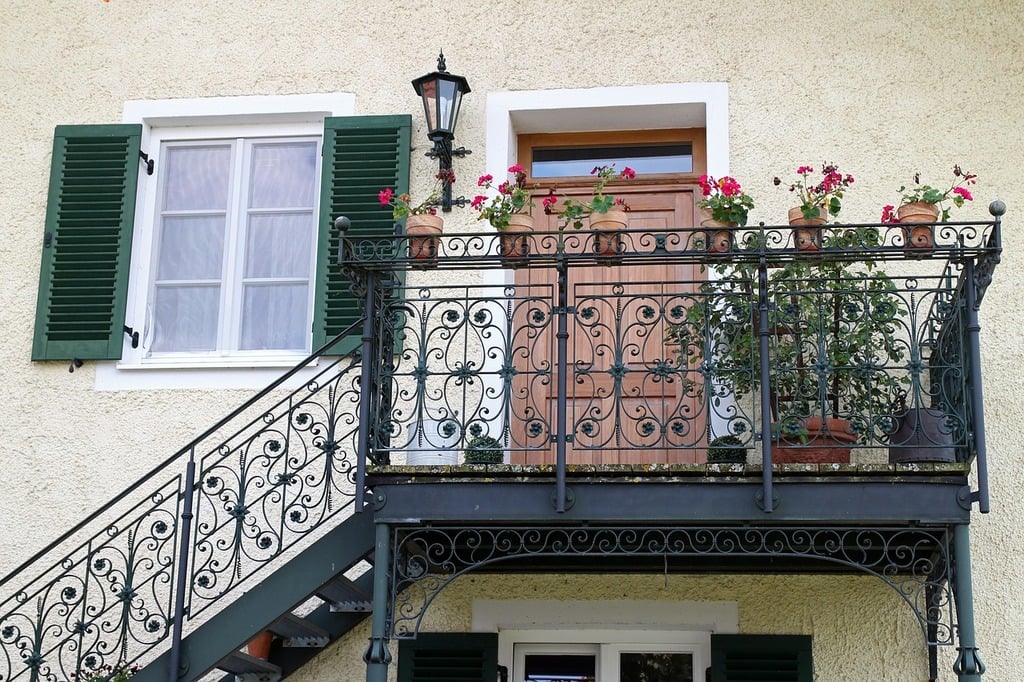
When crafting the boundaries of your property, consider incorporating ornate cast iron railings that evoke the elegance of Victorian era. These intricate designs, often featuring botanical motifs and other period-inspired patterns, can create a stunning visual connection between your garden and the surrounding environment. By complementing metalwork with traditional materials such as London stock brick walls and stone coping, you can achieve an authentic Victorian aesthetic that’s sure to impress. To complete the look, consider painting your railings in a rich, dark color that highlights the intricate detailing and allows them to blend harmoniously with the surrounding garden.
4. Whimsical Cottage Garden Front Design
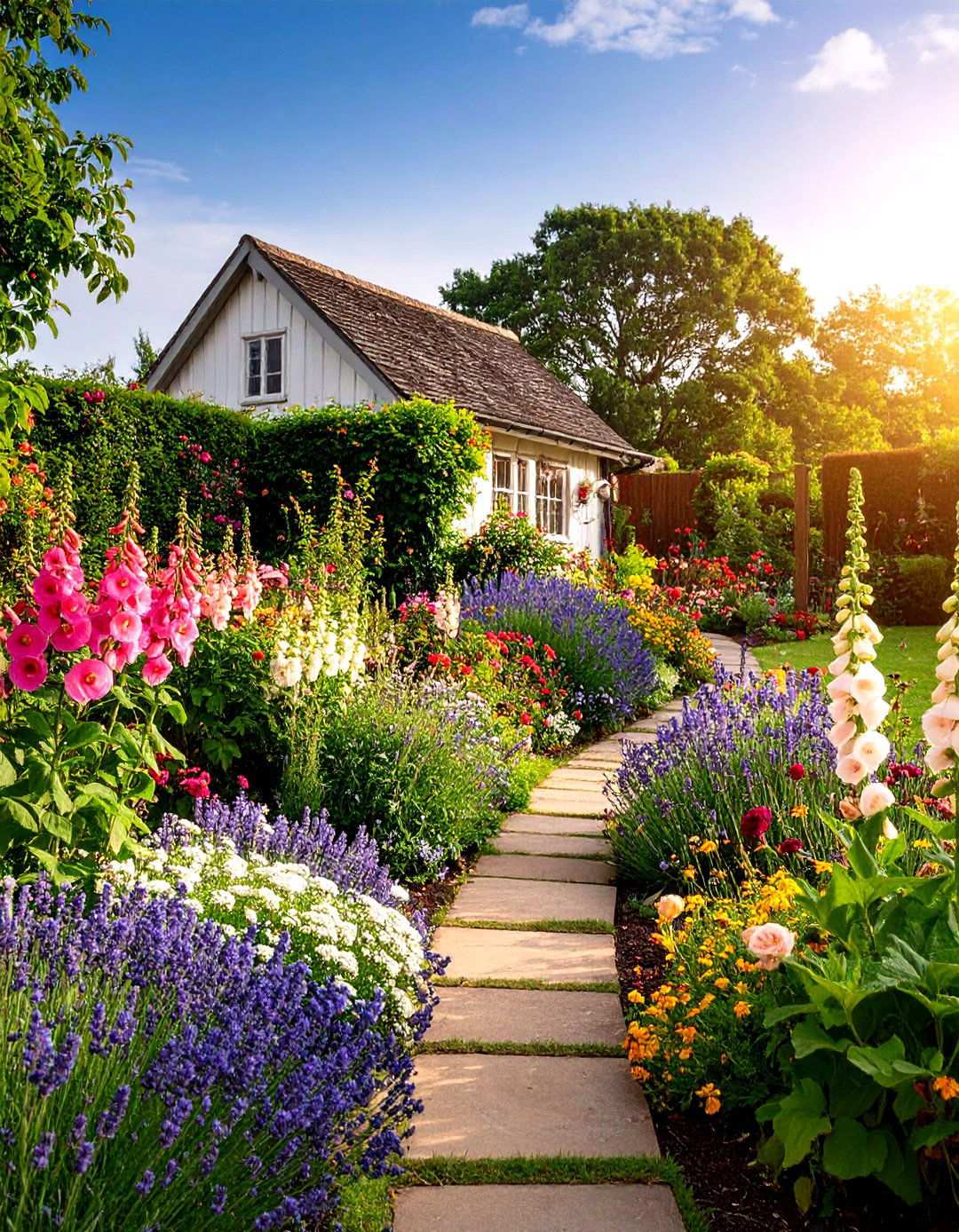
Bring the romantic charm of the Victorian era to your front garden with densely planted borders that overflow with an array of traditional flowering plants. By combining show-stopping background plantings like hollyhocks and delphiniums with more delicate features such as roses and sweet peas, you can create a visually striking display that changes with the seasons. Allowing plants to self-seed naturally while maintaining clear pathways and access routes adds to the garden’s welcoming, lived-in character. This approach not only celebrates the Victorian enthusiasm for botanical collecting but also provides a haven for wildlife and a delight for the senses. As you stroll through your garden, the ever-changing blooms and fragrances will transport you to a bygone era.
5. Formal Terraced Rose Displays for a Classic Look
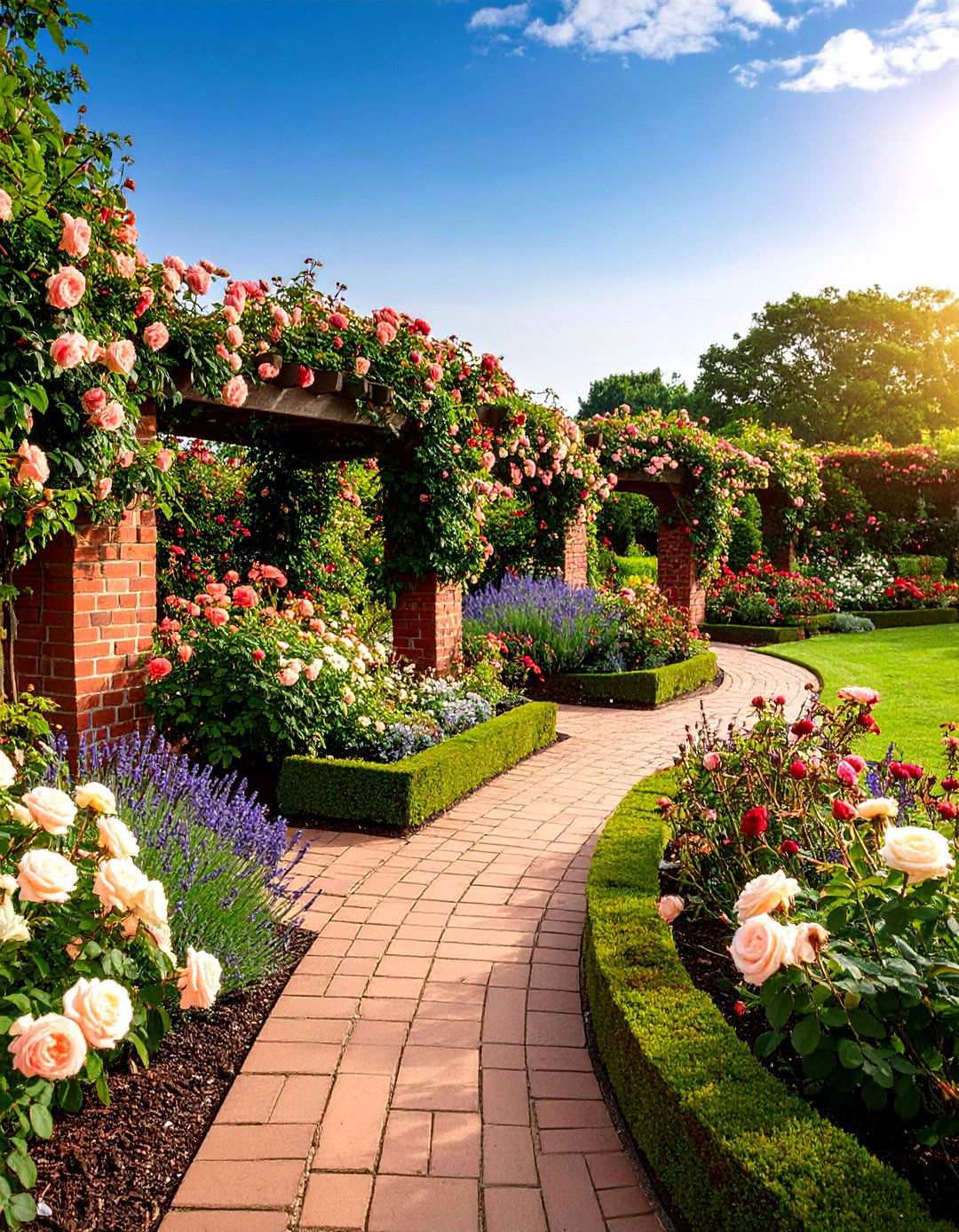
For a garden that exudes traditional Victorian charm, consider designing structured rose displays using a selection of classic varieties arranged in formal terraced plantings. By incorporating raised borders with brick or stone retaining walls, you can create a visually appealing and practical solution for sloping front gardens. Plant climbing roses against walls and pergolas, then fill borders with carefully planned color schemes featuring bush roses and their traditional companions. Lavender, catmint, and lady’s mantle, for example, not only soften the formal edges of your rose displays but also provide beneficial companion planting relationships. As you enjoy your morning coffee surrounded by the heady scent and stunning blooms of your rose garden, you’ll appreciate the timeless beauty of this classic design.
6. Mastering Geometric Patterns in Victorian-Inspired Gardening
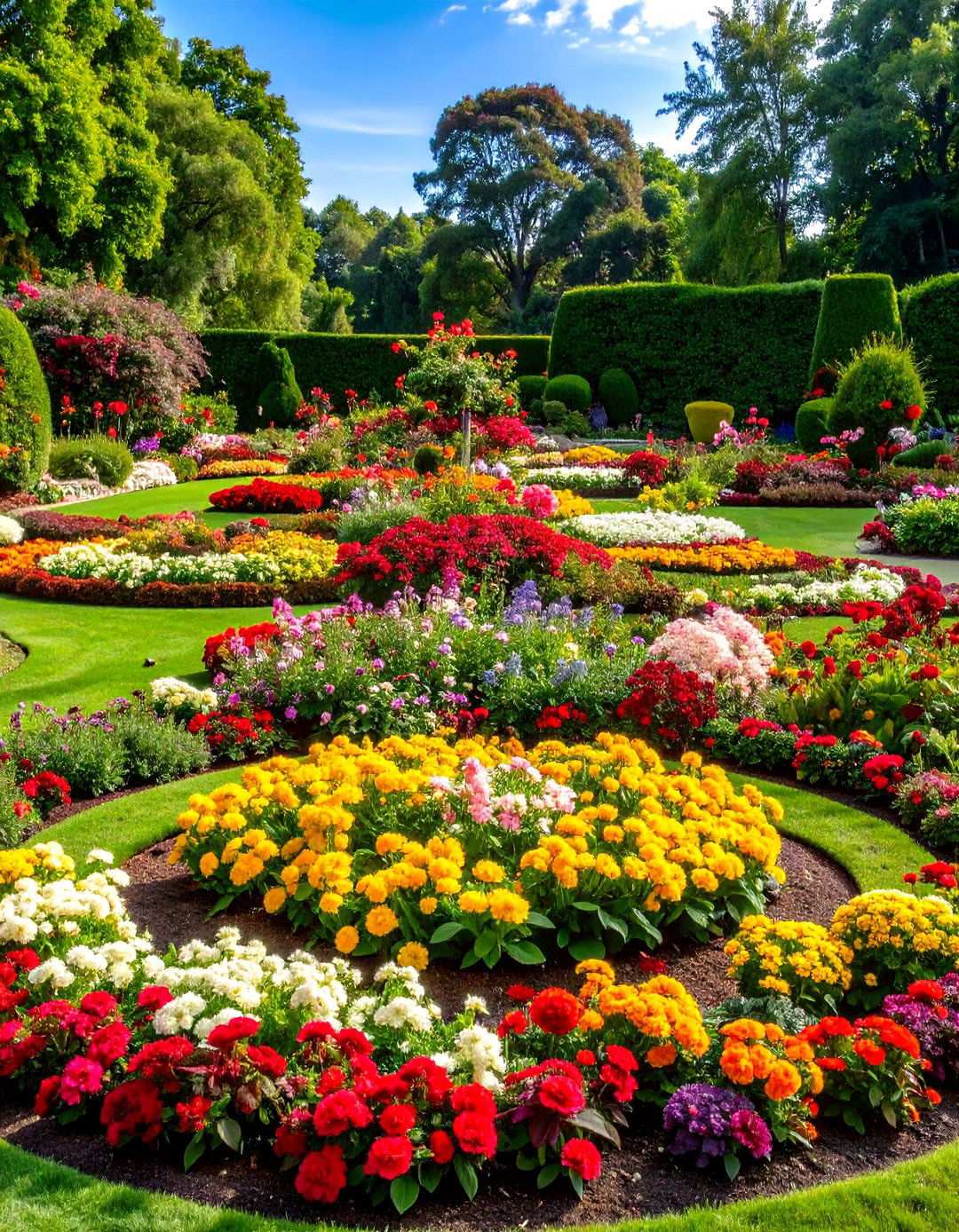
Experience the art of recreating authentic Victorian carpet bedding displays with the precision of intricately planted annual flowers arranged in complex geometric patterns. By carefully designing circular, star, or diamond-shaped beds with colorful bedding plants like begonias, coleus, and ageratum, you can achieve stunning visual effects. The strategic use of contrasting foliage colors creates dynamic patterns that change seasonally, while maintaining structural interest throughout the year. Define the edges of your beds with traditional materials such as intricately woven rope edging or miniature box hedging for a crisp and sophisticated finish. This historical approach demands careful planning and seasonal replanting, but the reward is breathtaking displays that embody the essence of Victorian gardening artistry. What sense of accomplishment would you derive from mastering the precise planting techniques that bring living artworks to life?
7. Creating Serenity with Victorian-Style Water Features
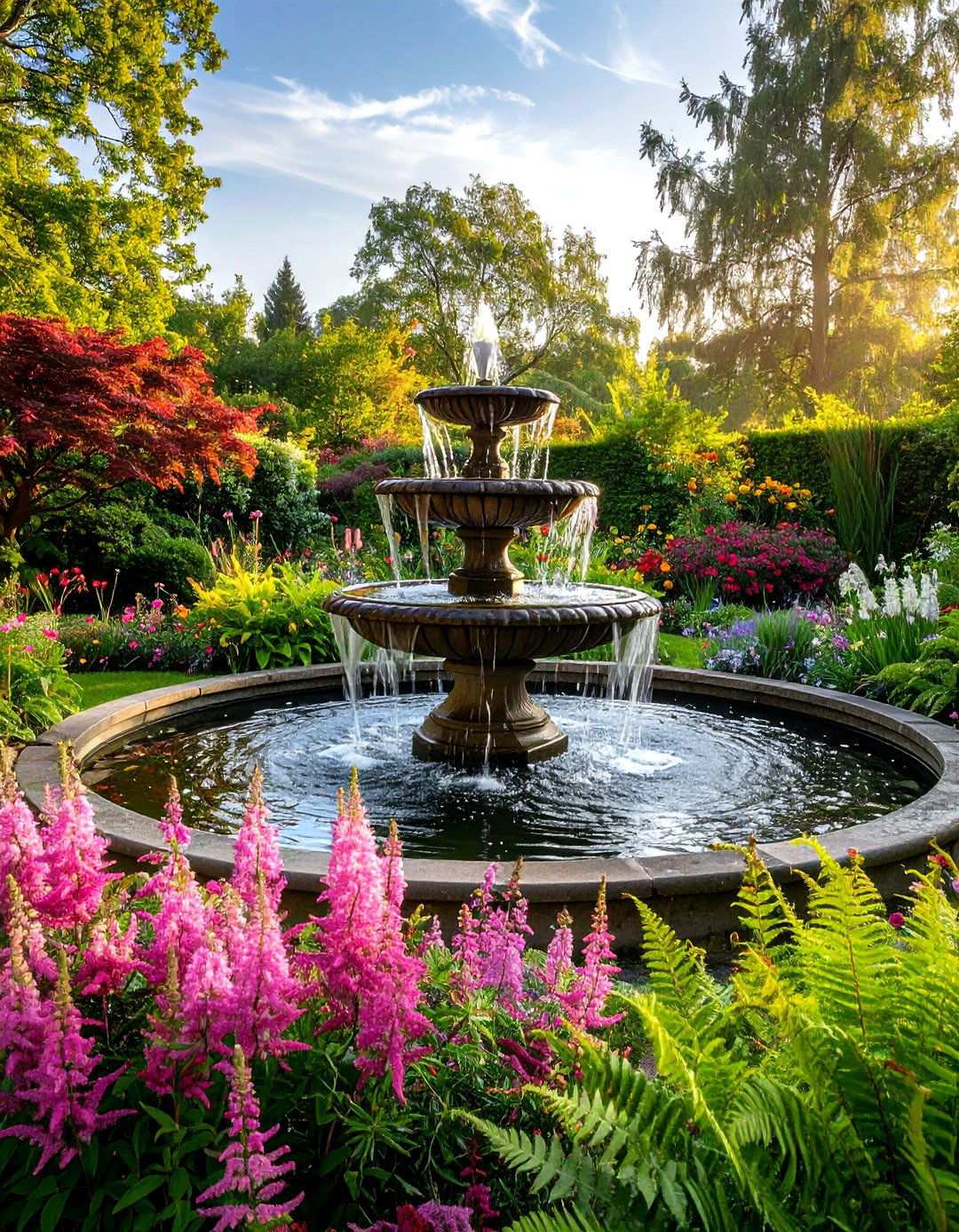
Incorporate elegant water features that echo the Victorian fascination with fountains and ornamental pools, perfect for compact front garden spaces. Install tiered stone fountains as central focal points, surrounded by moisture-loving plants like astilbe, primulas, and ferns that thrive in humid conditions. Design raised pools with decorative edging that doubles as a seating area for intimate garden enjoyment. Include aquatic plants and perhaps goldfish to add authentic Victorian water garden character. The soothing sound of trickling water creates a peaceful ambiance while supporting local wildlife and providing a cooling effect during warm weather. As the evening unfolds, how would you feel listening to the gentle sounds of water that transform your front garden into a tranquil retreat?
8. Harmonizing Beauty and Productivity in Victorian-Inspired Kitchen Gardens
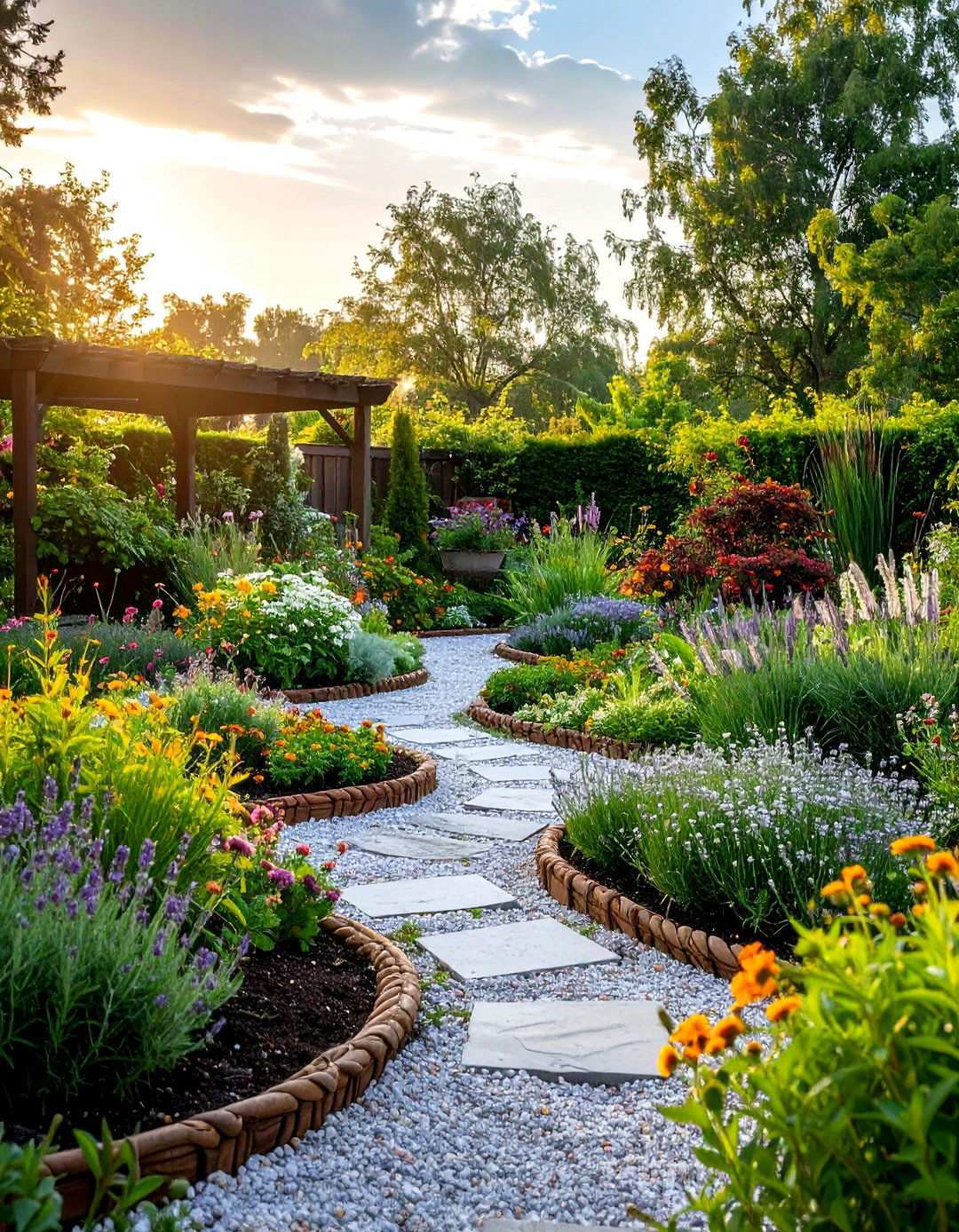
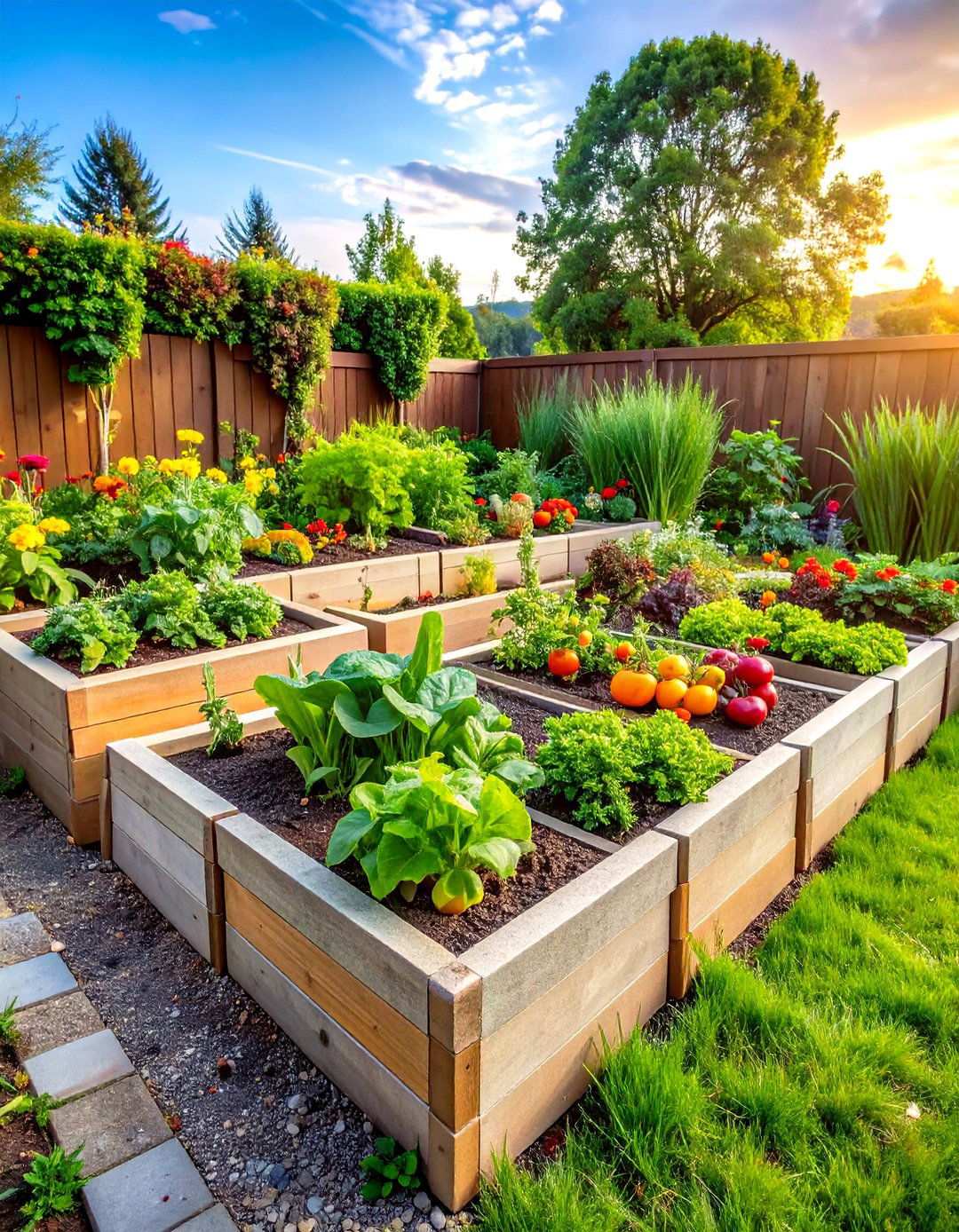
Combine traditional Victorian kitchen garden principles with modern practicality to create productive front gardens that blend beauty with utility. Design formal layouts with geometric beds separated by meandering gravel paths, incorporating aromatic herbs like rosemary, thyme, and sage alongside decorative vegetables and cutting flowers. Use period-appropriate materials like woven hazel edging and traditional plant supports to maintain authentic character. Include fruit trees trained against walls or grown as standards for vertical interest and seasonal harvests. This approach reflects Victorian emphasis on self-sufficiency while creating attractive, fragrant gardens that inspire pride of ownership. What satisfaction would you feel serving meals enhanced by the fresh flavors of herbs grown just outside your front door?
9. Victorian Whimsy in Shaded Front Gardens
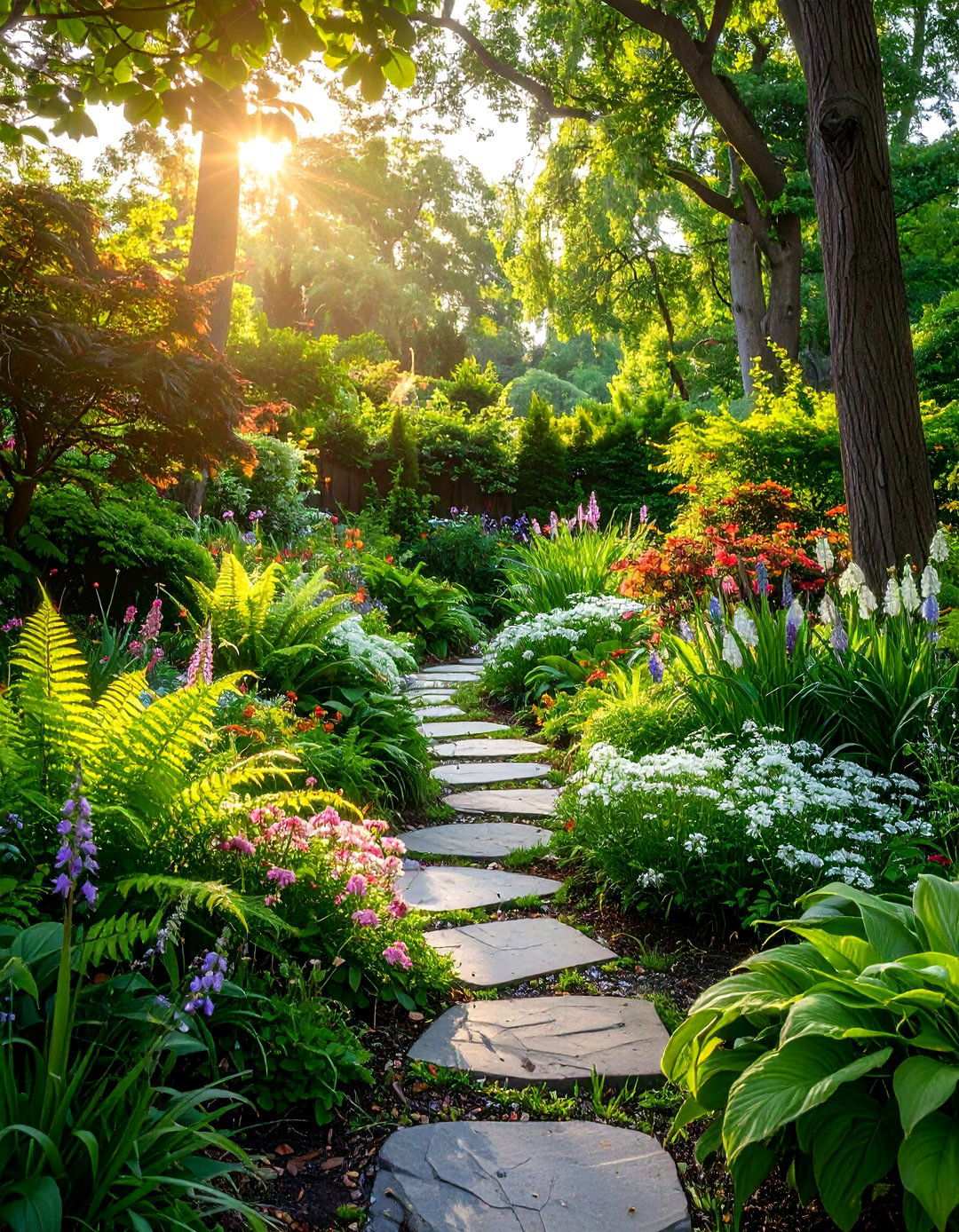
Revitalize dull, shaded front gardens with a dash of Victorian charm by embracing the era’s fervor for fern collecting and shade-loving plants that thrive in low-light conditions. Design a naturalistic arrangement featuring a variety of fern species alongside hostas, astilbes, and other woodland plants that have adapted to life without direct sunlight. Create winding pathways through the planted areas using stepping stones or bark mulch for a relaxed, informal atmosphere. Incorporate architectural plants like tree ferns or large-leaved rheums as striking focal points that capture the Victorian fascination with exotic specimens. This approach is particularly well-suited to period properties with northern exposures or tree-covered sites. Visitors would undoubtedly be impressed by the sophisticated shade plantings that flourish where other gardens falter.
10. Dynamic Seasonal Displays in Victorian-Inspired Gardens
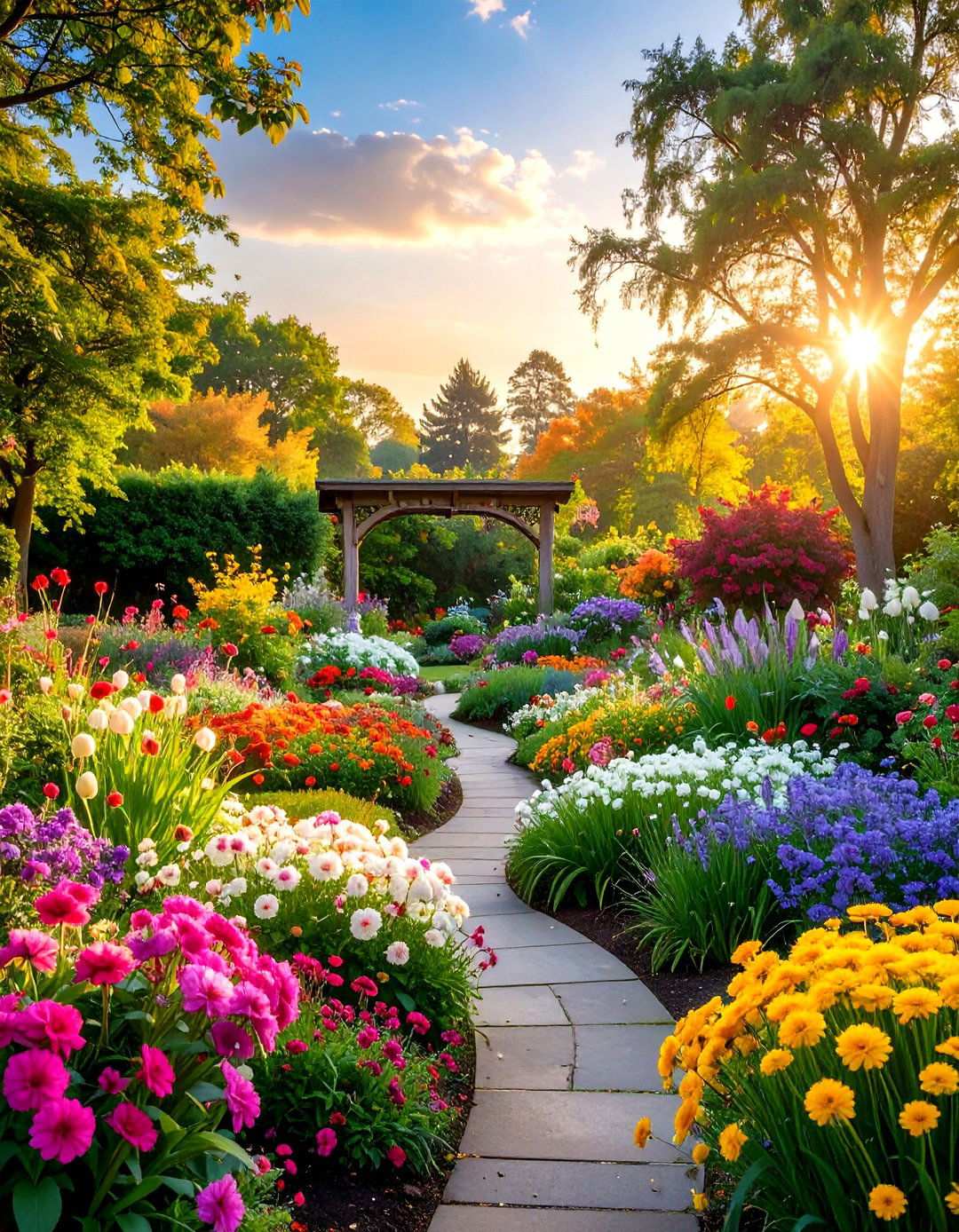
Bring your front garden to life with dynamic, changeable displays using Victorian bedding plant traditions that provide a kaleidoscope of colors throughout the year. Create spring displays with a vibrant palette of bulbs like hyacinths and tulips, followed by summer bedding featuring a riot of colors in petunias, marigolds, and salvias. As the seasons change, autumn arrangements can be crafted with chrysanthemums and ornamental cabbages, while winter interest can be provided by evergreen shrubs, structural plants, and winter-flowering pansies for a continuous display of color and texture. Traditional color schemes favoring strong contrasts and bold statements are a hallmark of Victorian garden design. By embracing this approach, you can expect a different and exciting display each season as your garden transforms into a series of completely new color combinations.
11. Exotic Beauty in Low-Maintenance Gravel Gardens
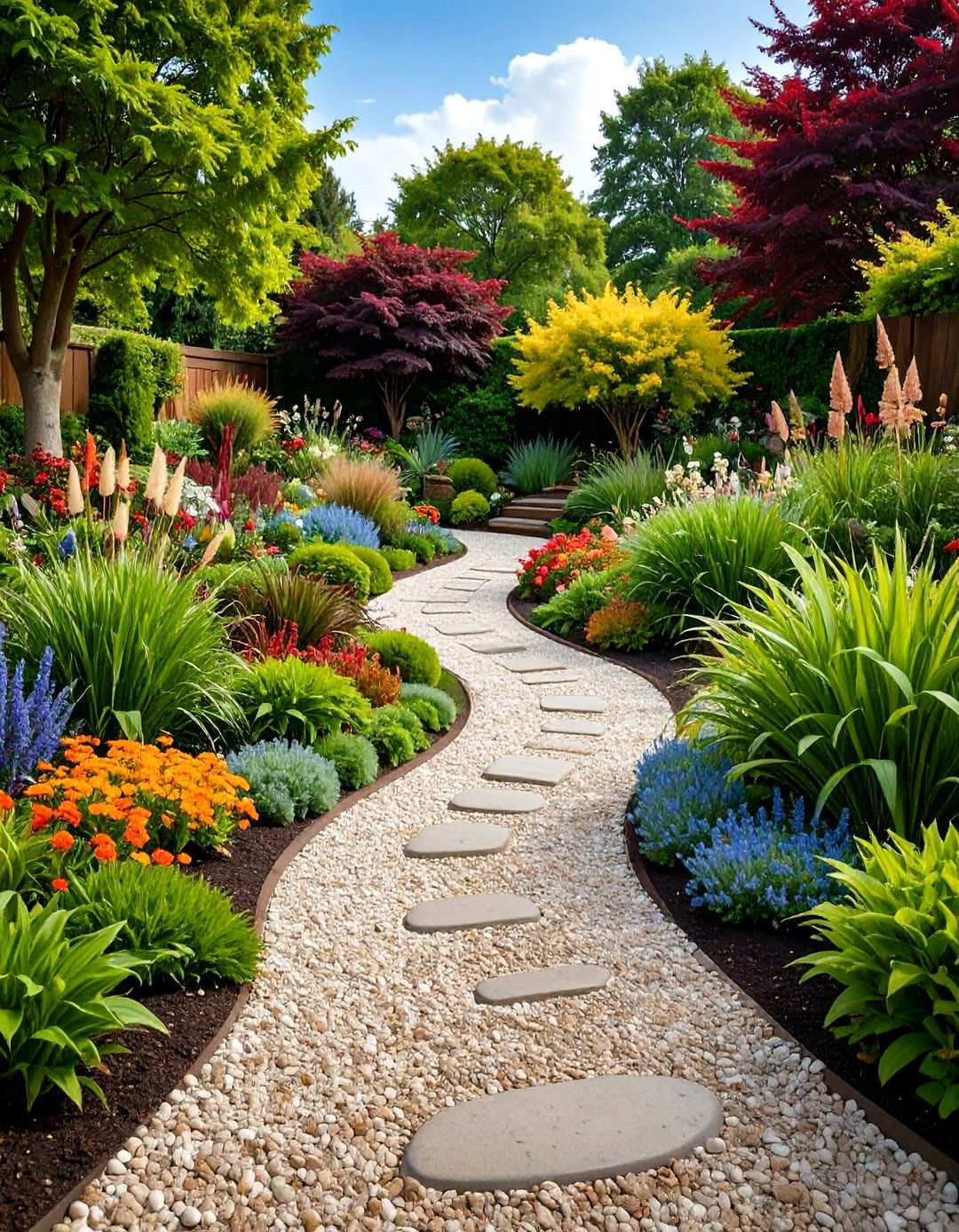
Create stunning, low-maintenance gardens inspired by the Victorian era by combining decorative gravel surfaces with carefully positioned architectural plants that provide striking structure and form. Select plants like cordylines, phormiums, and ornamental grasses that offer a range of shapes and textures reminiscent of Victorian exotic plant collections. Add traditional urns or planters filled with seasonal displays for an authentic period character. Use different gravel colors and textures to create patterns and define planting areas while ensuring excellent drainage for plant health. This modern interpretation of Victorian design principles suits contemporary lifestyles while maintaining the era’s sense of drama and flair. Your garden would be a sophisticated and visually striking space featuring striking plant combinations that require minimal ongoing maintenance while providing maximum visual impact.
12. Enchanting Vertical Spaces
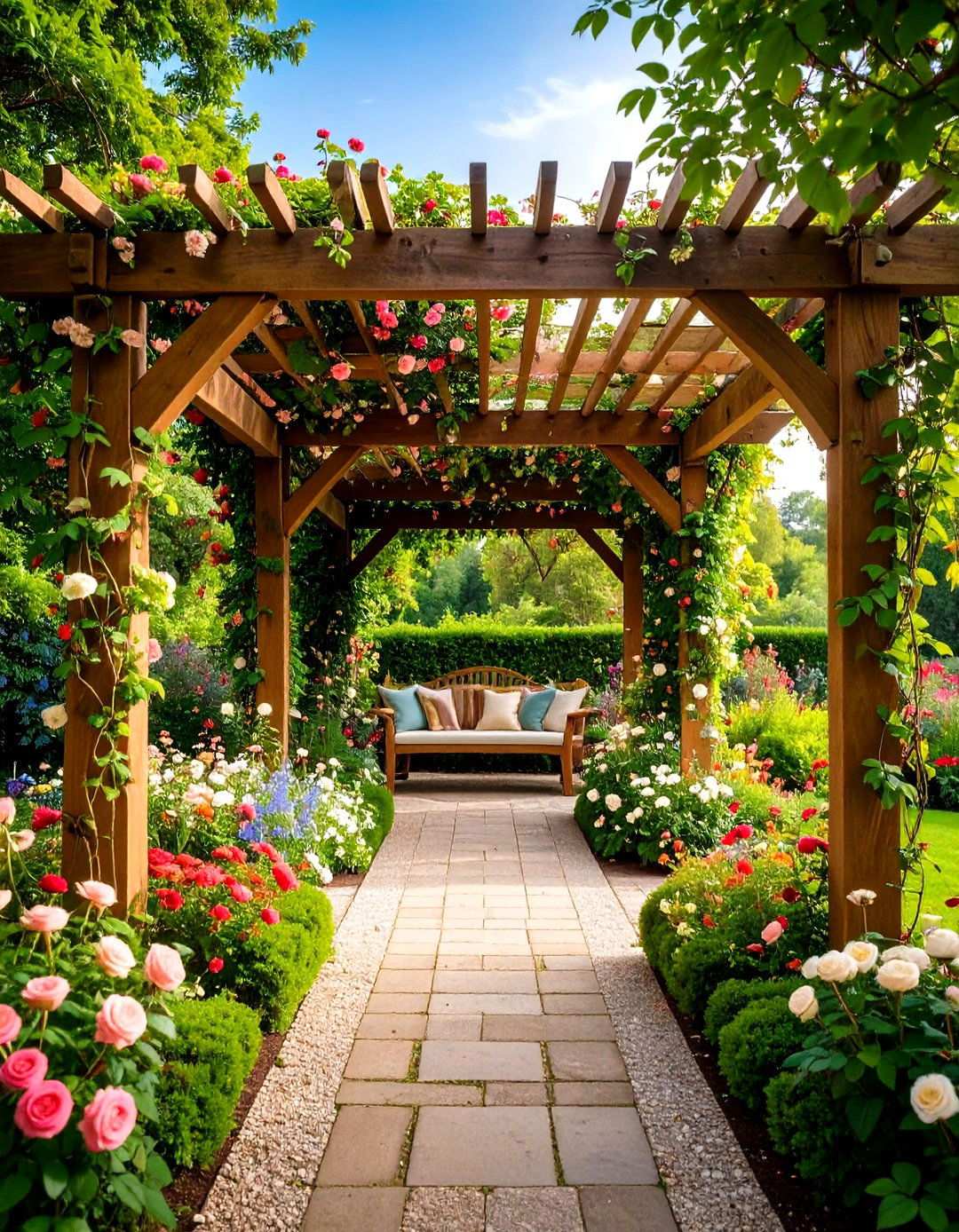
Maximizing vertical potential in your garden can lead to breathtaking effects, especially when paired with ornate Victorian-style pergolas and arbors. These structures become the perfect backdrop for a lush tapestry of climbing plants, which can be trained to create romantic overhead canopies. Positioning wooden or metal frames near entrances, behind screens, or to define distinct garden areas can enhance visual appeal and create a sense of seclusion. Incorporating fragrant climbers like honeysuckle and star jasmine adds a sensory dimension to your garden, reminiscent of authentic Victorian gardens. For added relaxation, consider designing seating areas beneath these structures, where you can unwind while watching your plants mature and unfurl into magnificent displays throughout the seasons.
13. Alpine Gardens Reimagined
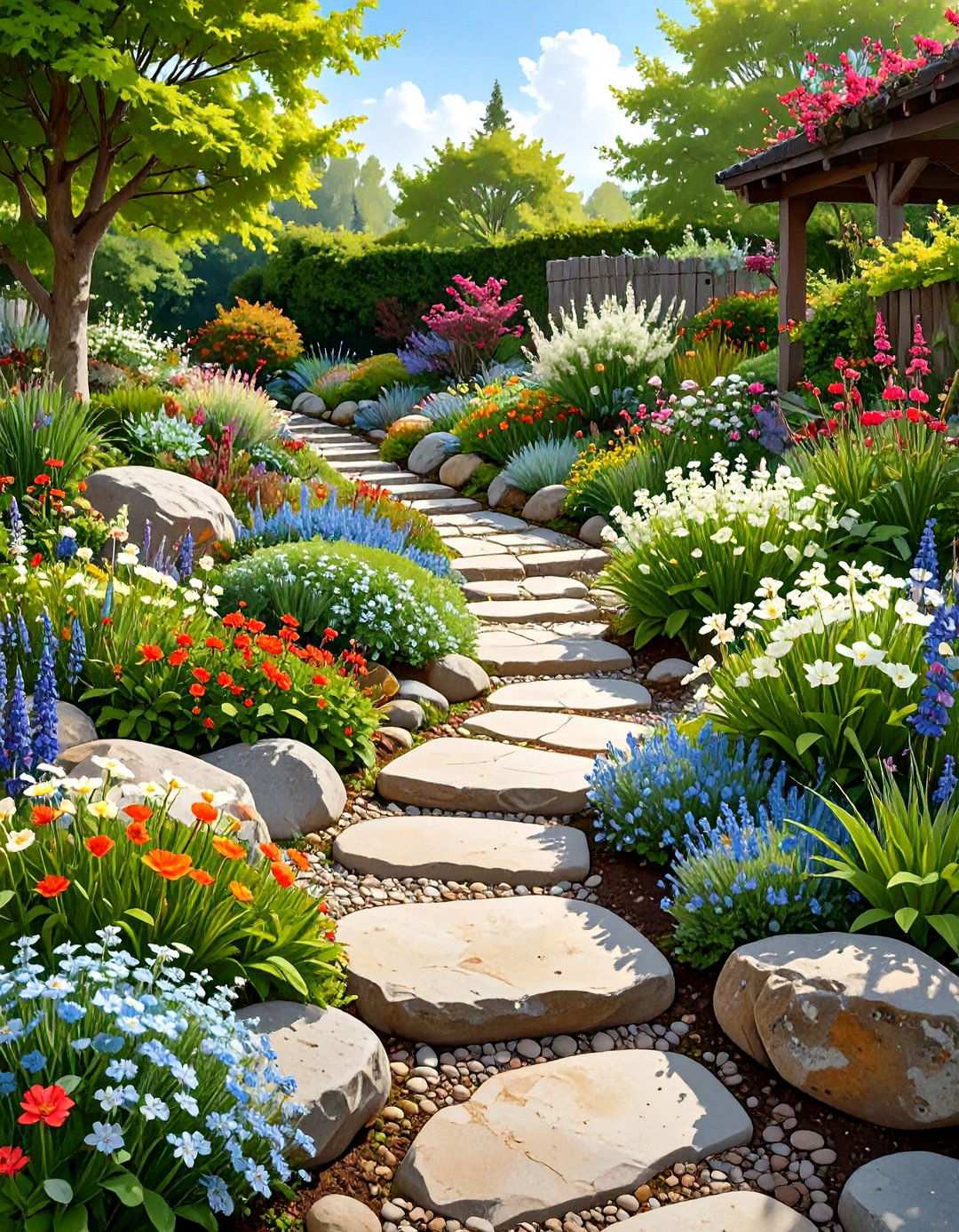
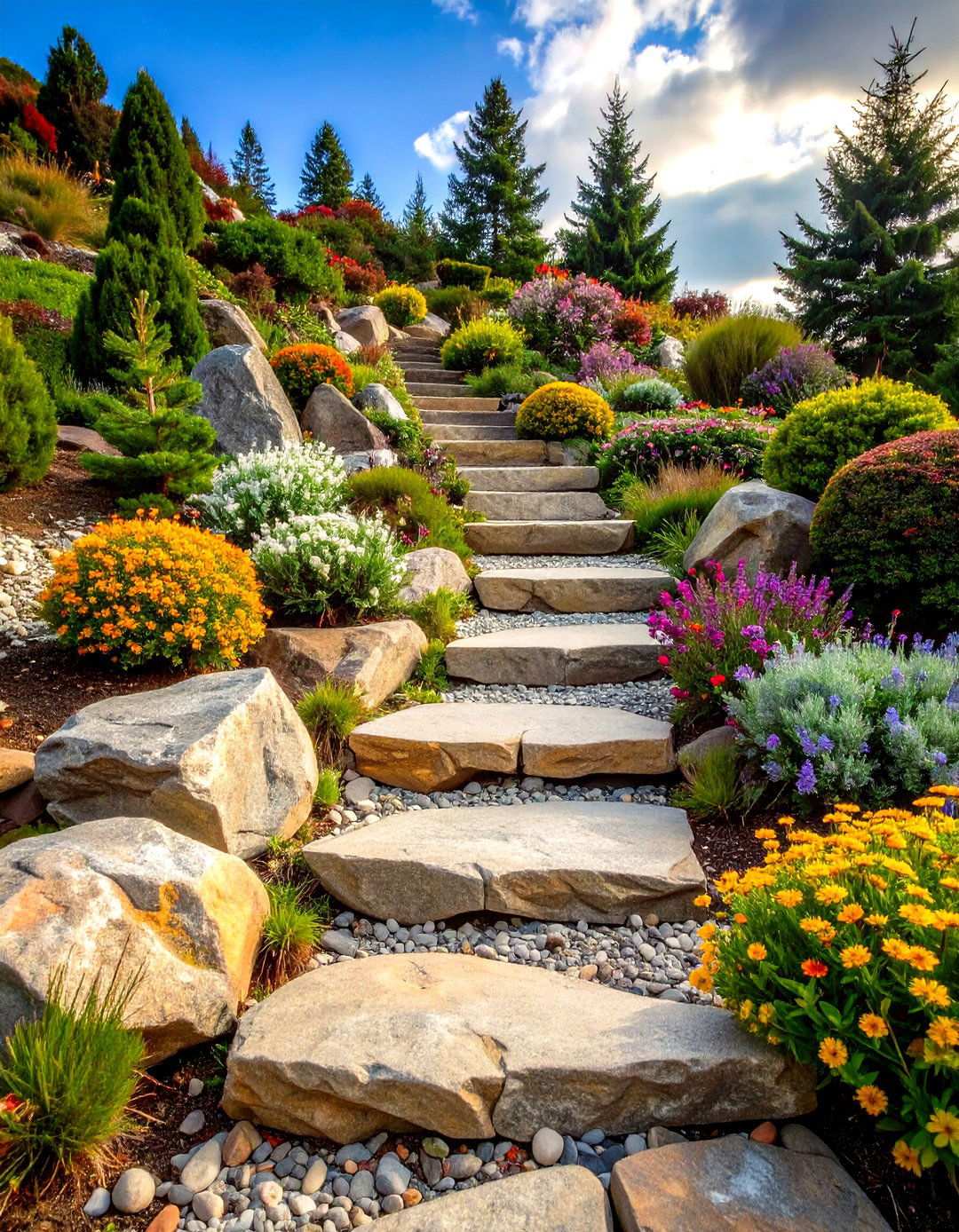
Traditional Victorian rockery gardens can be brought to life by skillfully arranging natural stone to create ideal growing conditions for alpine plants and small bulbs. By incorporating crevices and planting pockets into well-drained slopes made from local stone materials, you can coax even the most delicate plants to thrive. Incorporating spring bulbs like crocuses and narcissus provides an early season treat, while summer-flowering alpines and autumn crocuses offer a prolonged period of interest. To facilitate maintenance and access, design pathways through your rockery areas using stepping stones, allowing you to navigate and admire the carefully crafted mountain-like environments. This specialized garden type not only pays homage to Victorian botanical interests but also lends a unique character to your outdoor space. Imagine discovering delicate alpine flowers flourishing in such meticulously crafted landscapes.
14. Illuminating the Nightscape
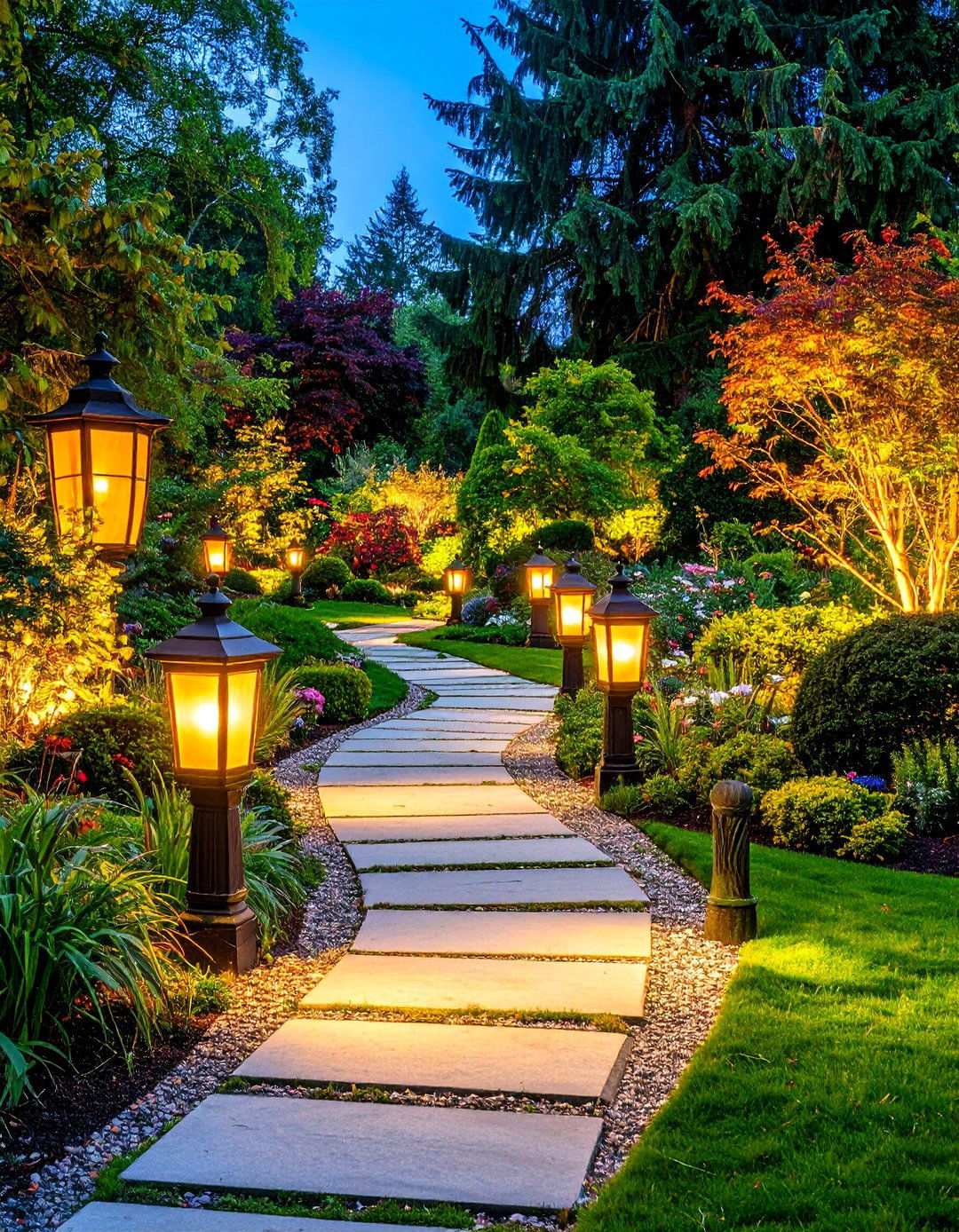
When it comes to extending the lifespan of your garden into the evening hours, incorporating Victorian-inspired lighting fixtures can be a masterstroke. These fixtures can be strategically positioned along pathways and near seating areas to create a warm and inviting ambiance, while also providing safe navigation. Warm light colors that complement your plantings without overpowering them are essential, and consider using solar options to ensure environmental sustainability. By incorporating uplighting to highlight specimen trees or architectural features, you can add an extra layer of visual interest to your garden. The right lighting can transform your garden into an enchanting nighttime landscape, making evening entertaining a truly magical experience.
15. Envisioning a Garden with Period Charm
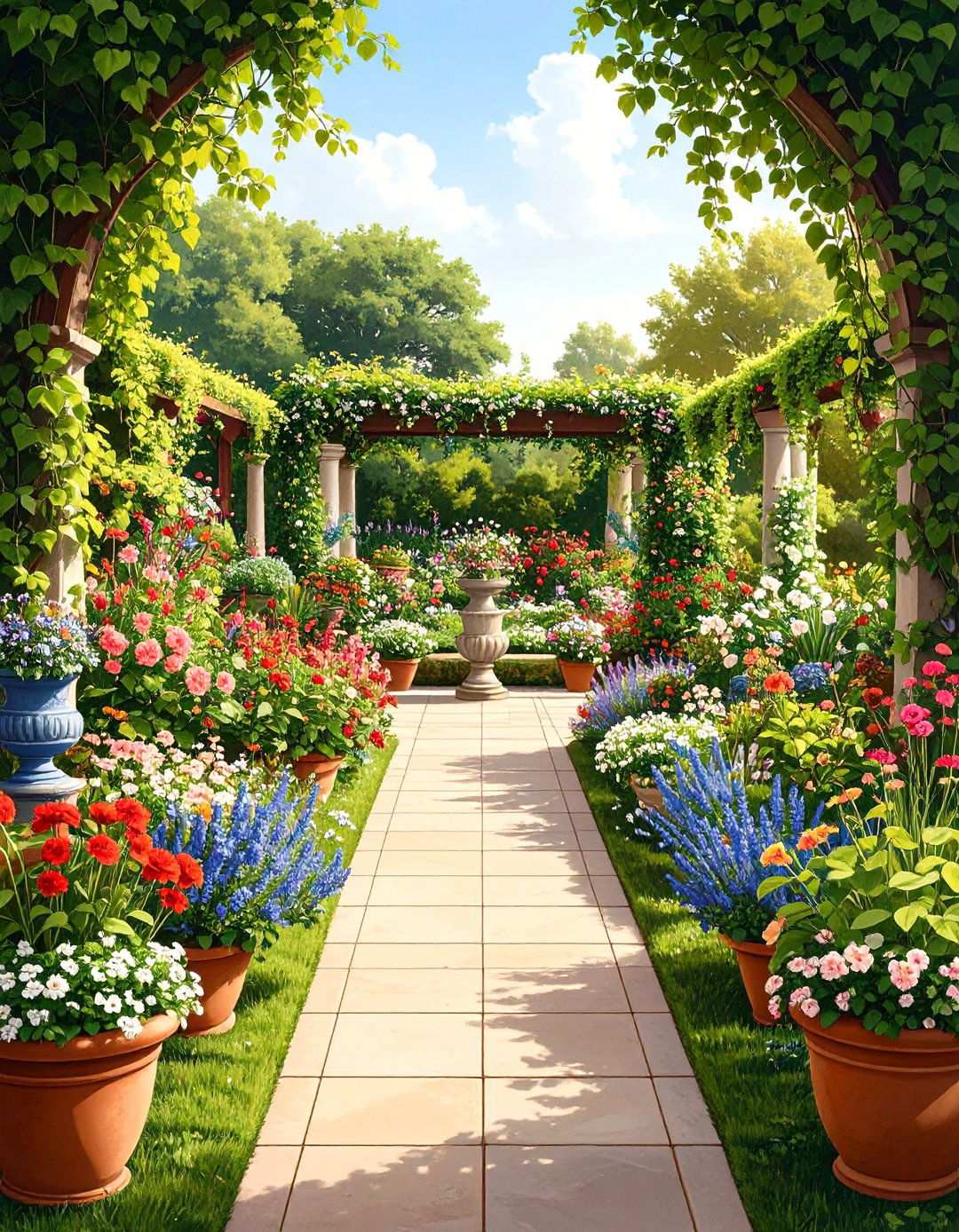
Adopt a flexible approach to garden design by incorporating traditional Victorian plant combinations into decorative containers that can be rearranged to suit changing seasons and needs. Choose planters that harmonize with your property’s architectural style, such as lead planters, terracotta pots, or cast iron urns. Plant combinations like geraniums with trailing ivy or bulb displays with seasonal bedding can add a touch of elegance to your outdoor space. Grouping containers at different heights creates visual interest and allows for easy maintenance access. This style is particularly suited to rental properties or gardens that require frequent updates, as it maintains the authentic Victorian character. By creating ever-changing displays that can be moved, replanted, or repositioned, you can enjoy the versatility of adapting your garden to different seasons and occasions.
16. Nurturing a Naturalistic Garden with Native Flora
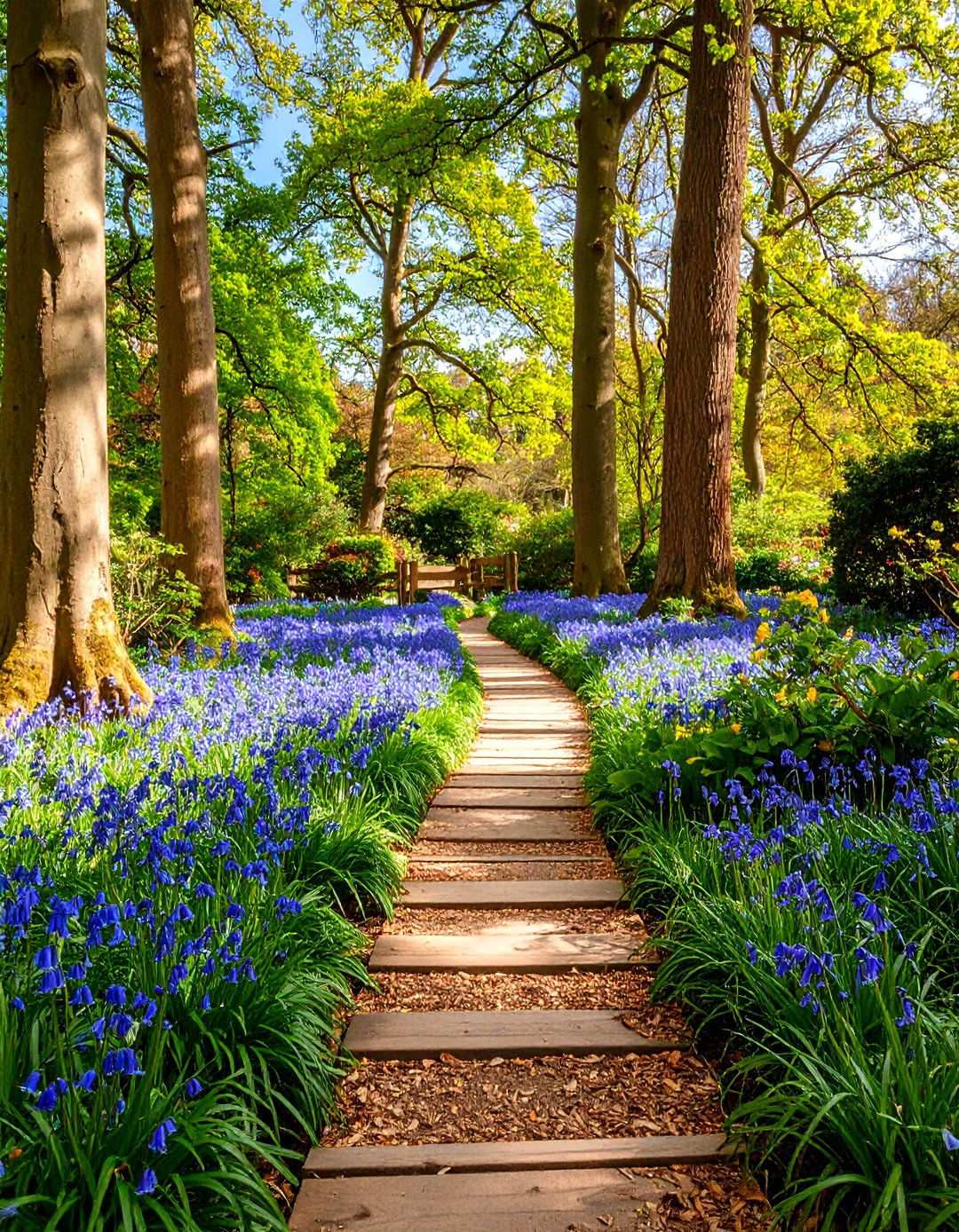
Inspired by Victorian interest in natural history and plant habitats, create a naturalistic front garden using native plants arranged in woodland edge combinations. This approach allows you to develop an informal yet striking landscape that complements your home’s surroundings. Incorporate species like bluebells, primroses, and wild strawberries beneath ornamental trees and shrubs to create a lush, layered effect. Native shrubs like hawthorn, elder, and dogwood provide structure and support local wildlife, while meandering paths designed with natural materials like bark chips or stepping stones invite exploration. By embracing local ecosystems and creating beautiful, low-maintenance gardens that change naturally through the seasons, you can connect your home with the surrounding natural landscapes. The satisfaction of knowing your garden supports local wildlife and provides a picturesque countryside setting is undeniable.
17. Bringing the Greenhouse into Your Garden
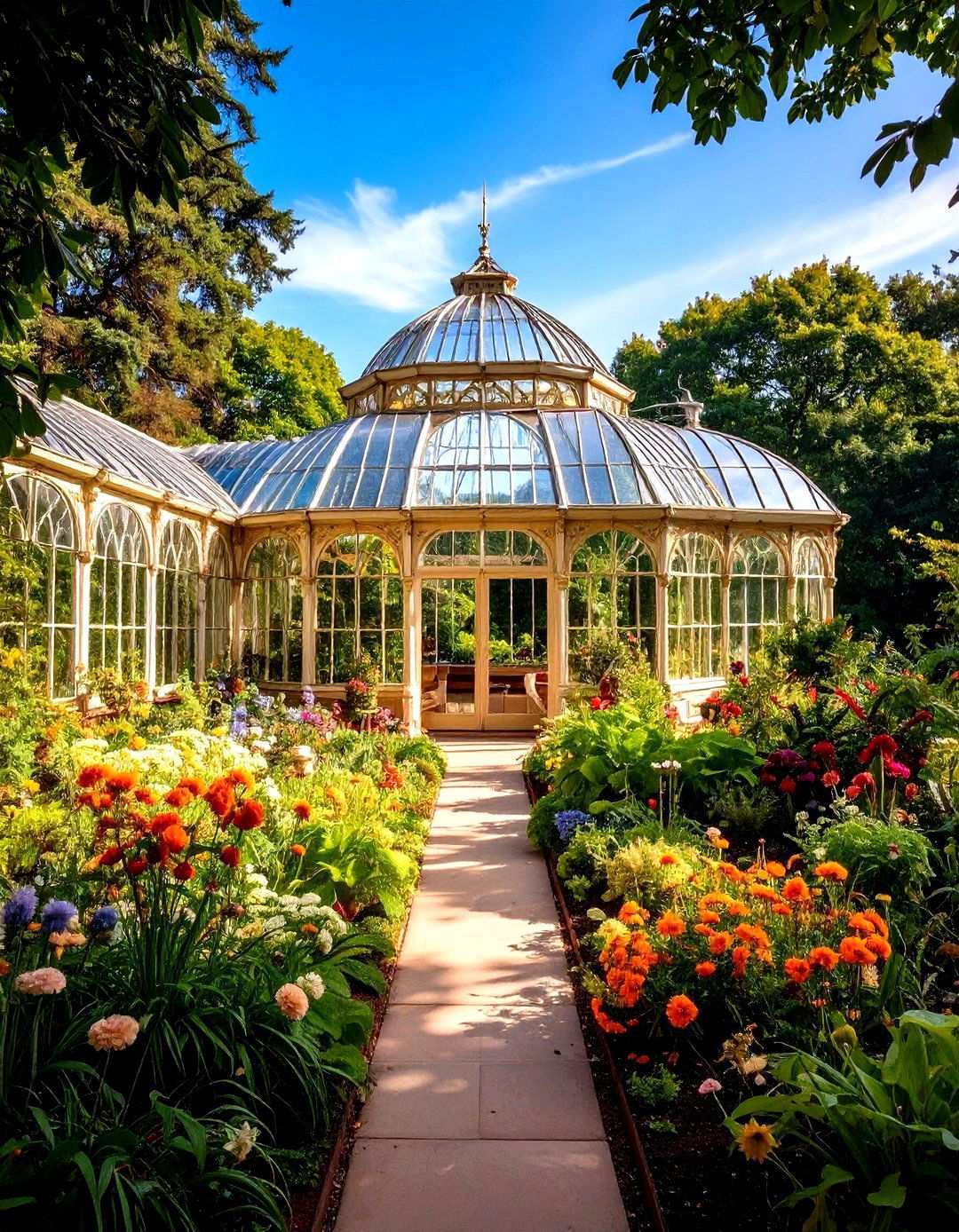
Tap into the Victorian enthusiasm for protected cultivation by incorporating a period-appropriate greenhouse or conservatory structure into your garden design. This approach allows you to extend your growing season and display exotic plants in a controlled environment. By designing integrated garden spaces where greenhouse displays complement outdoor plantings through seasonal plant movements and coordinated color schemes, you can create a seamless transition between indoor and outdoor spaces. Incorporate traditional staging for plant displays and perhaps vine crops like grapes trained against glass structures to add visual interest. Use conservatory spaces for tender plants during winter months, and then move them outdoors for summer displays. By successfully growing tender plants and extending your garden’s seasonal appeal, you can create a unique display that showcases your green thumb and enhances your property’s character.
18. Elegant Parterre Garden Conceptions
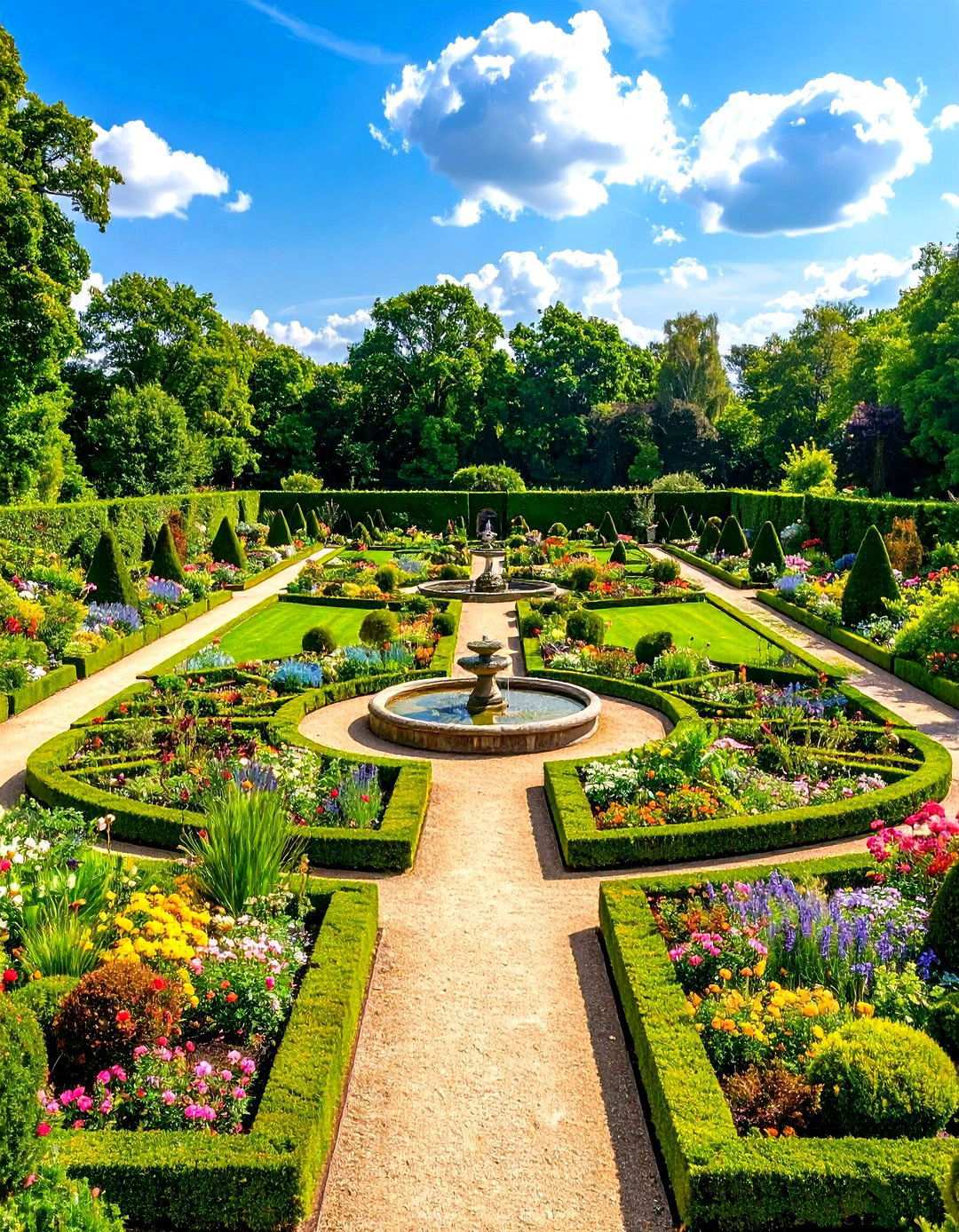
Elevate your outdoor space with meticulously crafted garden designs that embody the essence of traditional parterre principles. By incorporating low box hedging and seasonal bedding plants, you can create intricate patterns that showcase your attention to detail and dedication to gardening. Strategically position specimen plants like standard roses or clipped evergreens at pattern intersections to add vertical accents that draw the eye. Incorporate central features like sundials, fountains, or ornamental urns to anchor your design compositions and create a sense of balance. While this formal approach demands regular maintenance, the payoff is well worth the effort, as it yields stunning results that reflect your commitment to excellence in gardening. The precision and artistry involved in executing such a design will surely leave a lasting impression on your guests, who will be struck by your dedication to upholding the highest standards of gardening expertise.
19. Charming Cottage Window Box and Porch Plantings
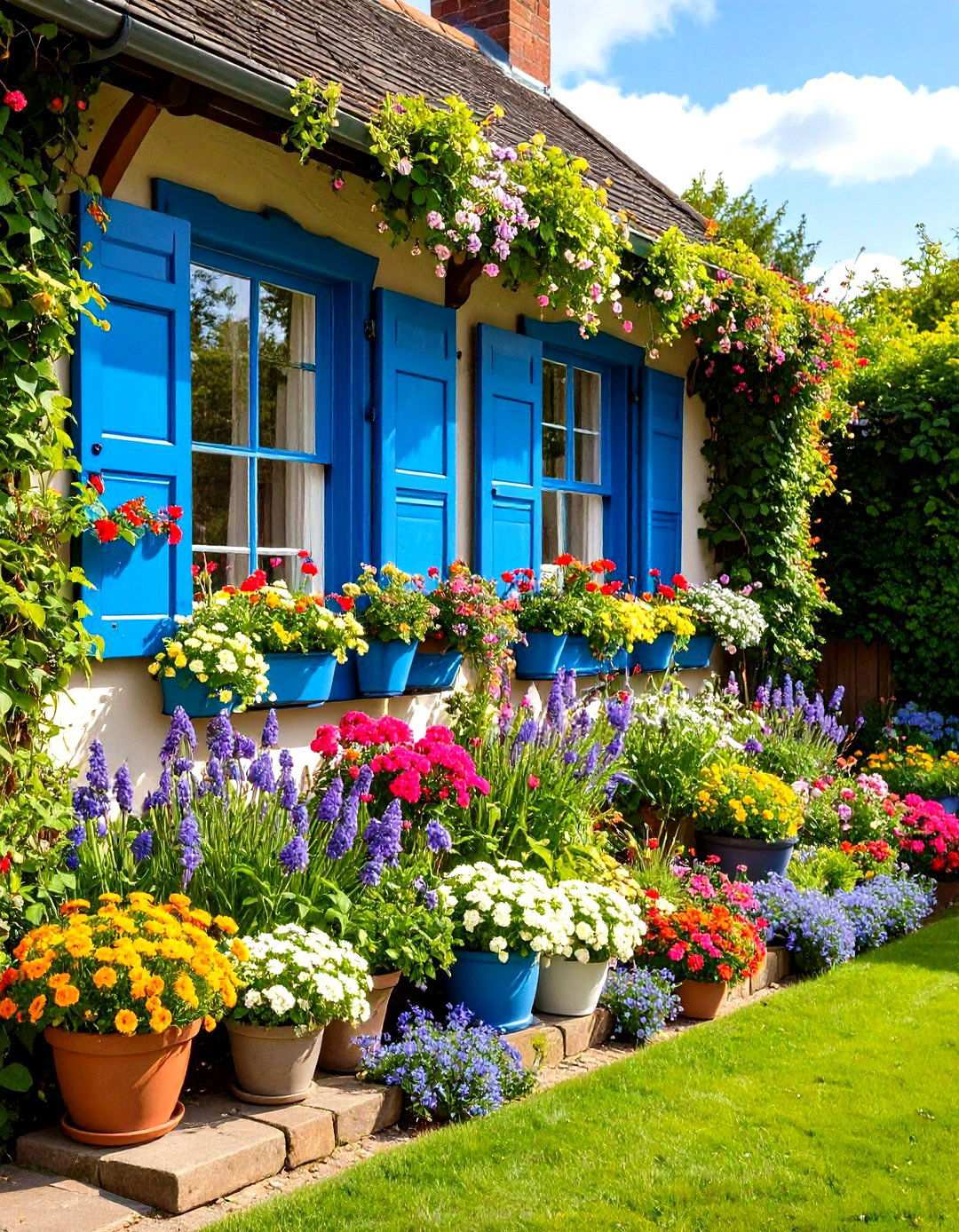
Adorn your home’s facade with traditional window boxes and porch plantings that showcase a vibrant array of colors and textures. By selecting period-appropriate containers and plant combinations featuring a mix of trailing and upright specimens, you can create a visually appealing display that draws the eye from both inside and out. Ensure that your color palette complements your property’s exterior while also considering factors like drainage and maintenance accessibility. Incorporate fragrant plants like sweet alyssum or herbs near windows and entrances to create a sensory experience that welcomes visitors and brightens interior views. This approach is particularly well-suited to smaller properties, where it can add a touch of authentic Victorian character and seasonal charm. The thoughtfully planned facade plantings will undoubtedly make a lasting impression on your visitors, who will appreciate the warm and inviting atmosphere they create.
20. Timeless Memorial and Commemorative Garden Spaces
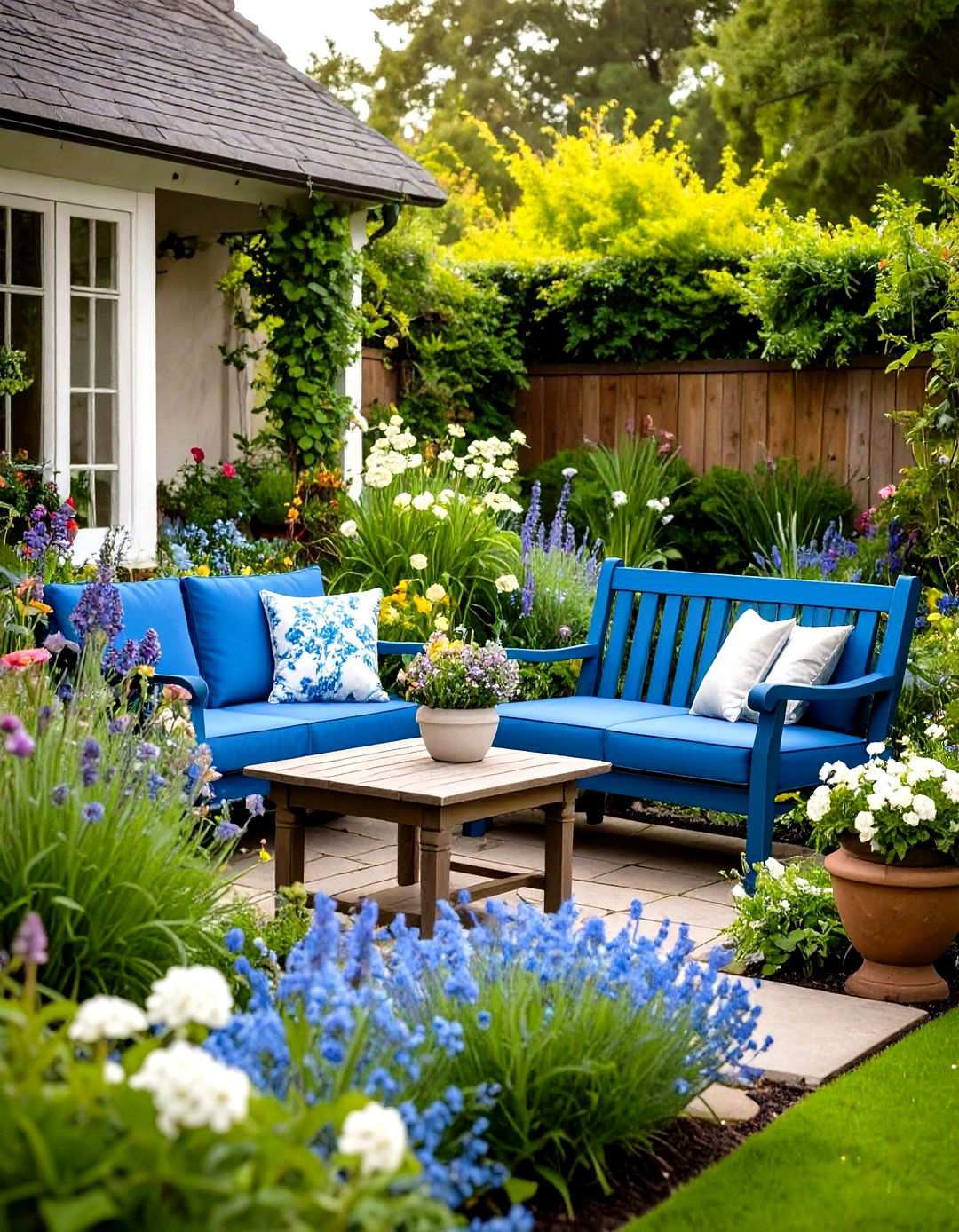
Create lasting tributes to loved ones or significant events by designing garden areas that honor family history or commemorate special occasions using traditional Victorian memorial garden principles. By crafting quiet seating areas surrounded by plants with symbolic meanings, you can create a poignant and meaningful space for reflection and remembrance. Incorporate memorial elements like inscribed stones, planted trees, or dedicated flower borders that provide a focal point for contemplation and remembrance. Use traditional materials and planting combinations that age beautifully while maintaining their commemorative purpose. This thoughtful approach yields a lasting garden legacy that honors important relationships or memories, making it a meaningful addition to family gatherings and personal reflection throughout the changing seasons. The dedication and thoughtfulness involved in creating such a space will undoubtedly make it a treasured family heirloom for years to come.
21. A Period-Authentic Seasonal Garden Revival
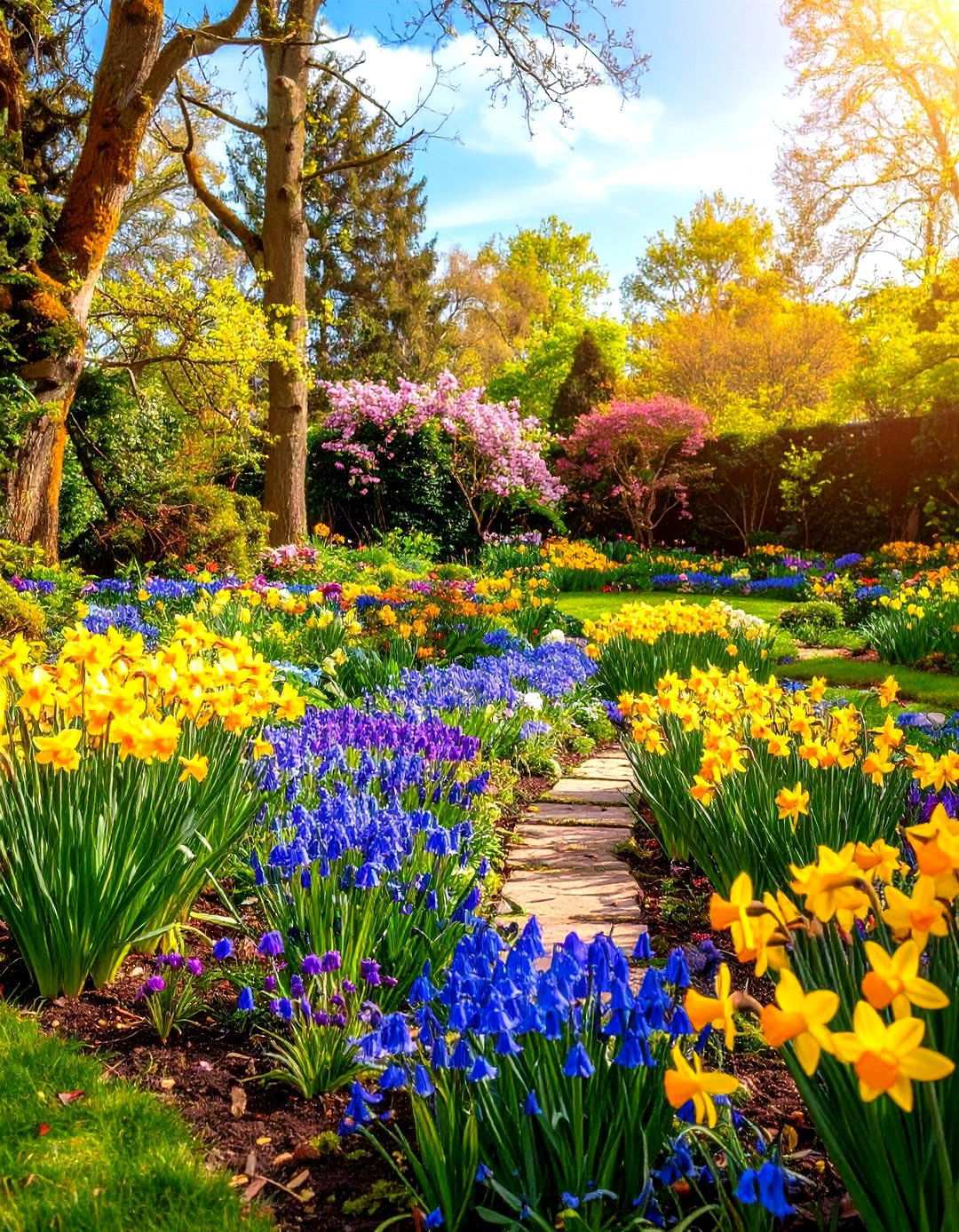
Bring Victorian flair to your garden with seasonal color displays that echo the era’s dramatic flair and bold statements. Inspired by authentic color combinations, craft vibrant spring displays with daffodils and crocuses in sunny yellow and regal purple hues. As summer arrives, arrange bedding plants in striking red, white, and blue patterns that make a lasting impression. Autumn’s palette of bronze, orange, and yellow chrysanthemums, paired with ornamental cabbages, ensures extended season interest and a kaleidoscope of colors. In winter, evergreen plants with berries provide a tranquil backdrop for seasonal color continuity. This approach not only honors Victorian garden principles but also creates a captivating visual experience that will leave neighbors eagerly anticipating each new season.
22. Captivating Walled Garden Enclaves
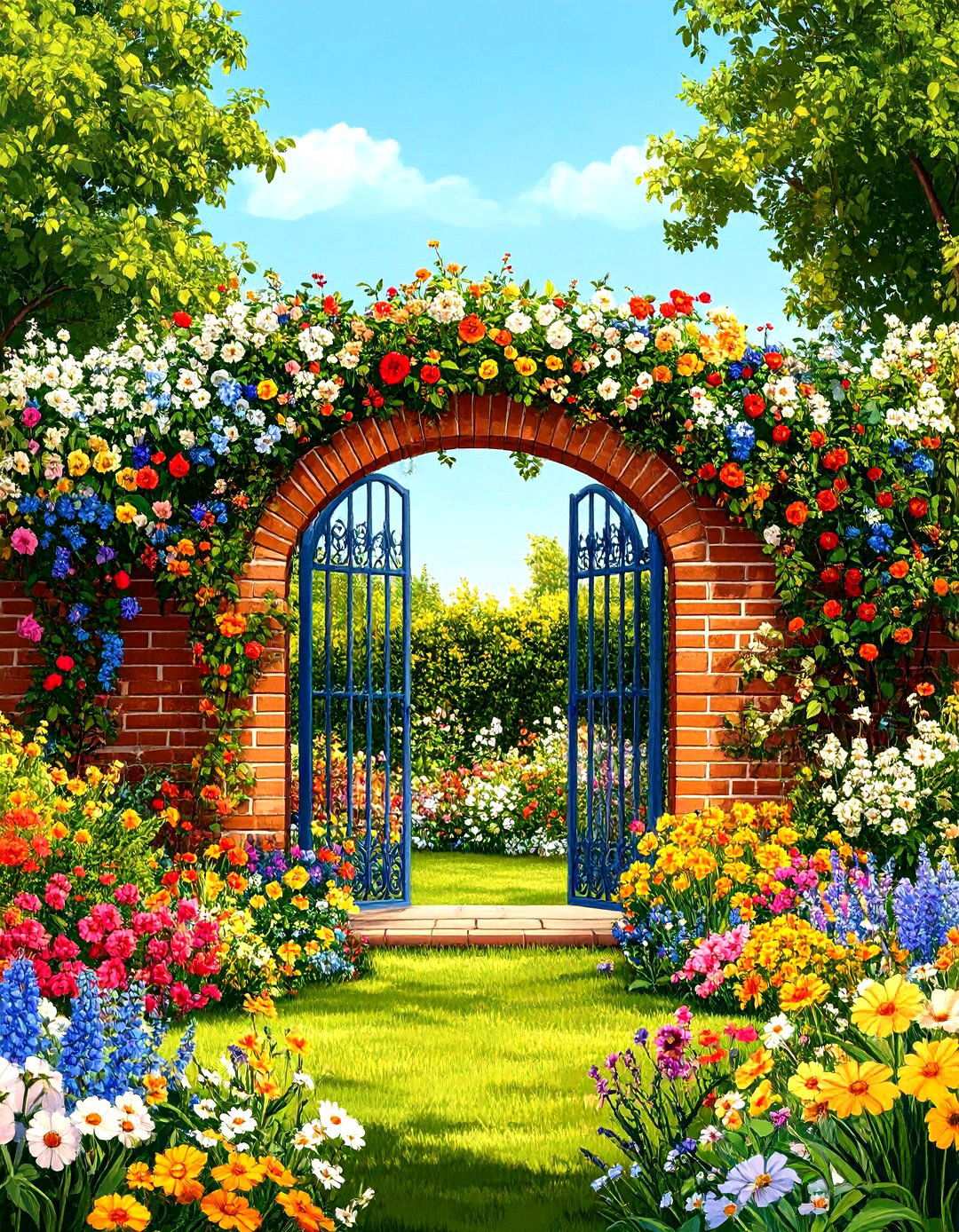
Maximize serenity and create an idyllic retreat by incorporating traditional walled garden principles into your front garden design. Construct brick or stone walls that shield plants from harsh winds while fostering a warm microclimate for delicate species and trained fruit trees. Include decorative gates and entrance features that harmoniously blend with the surroundings while defining a tranquil private space. Make the most of wall surfaces by incorporating climbing plants, espaliered fruit trees, or wall-mounted containers that amplify planting opportunities. This approach creates secluded garden rooms that exude a sense of seclusion and intimacy, reflecting the Victorian emphasis on enclosure and seclusion. Imagine stepping into such protected sanctuaries, escaping the stresses of the outside world.
23. A Victorian-Inspired Wildlife Haven
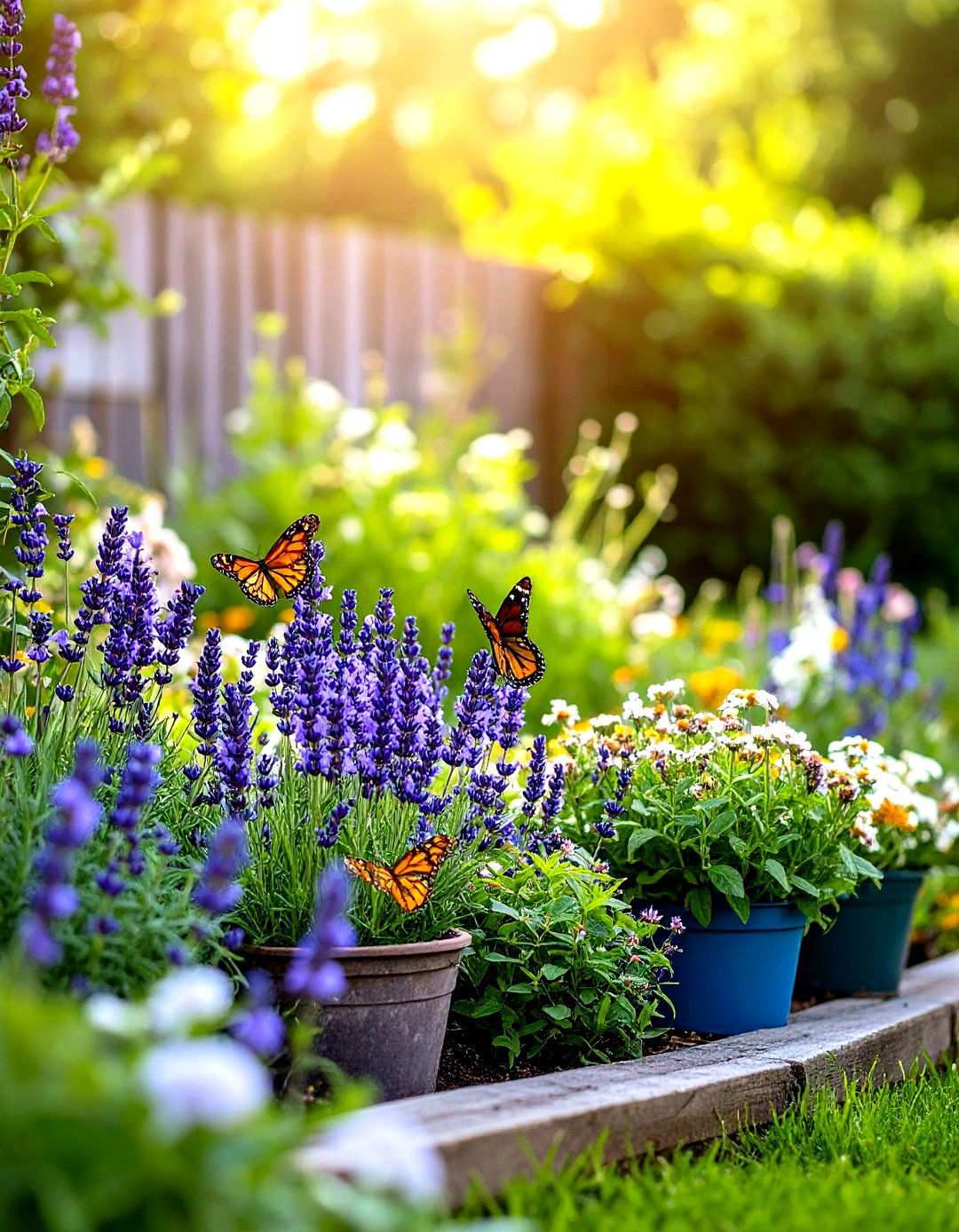
Revive the Victorian era’s passion for natural history and environmental stewardship by cultivating a pollinator and wildlife garden that showcases authentic character. Incorporate nectar-rich flowers like lavender, catmint, and traditional cottage garden plants that attract a lively array of butterflies and bees throughout the growing seasons. Design mixed borders using native and naturalized plants that support the complete lifecycle of wildlife while creating breathtaking garden displays. Include bird feeding stations and carefully positioned water sources that cater to both wildlife benefit and garden observation opportunities. This approach not only honors the Victorian era’s fascination with nature but also fosters a thriving, dynamic garden ecosystem that will captivate and inspire.
24. Reimagining the Victorian Revival Garden
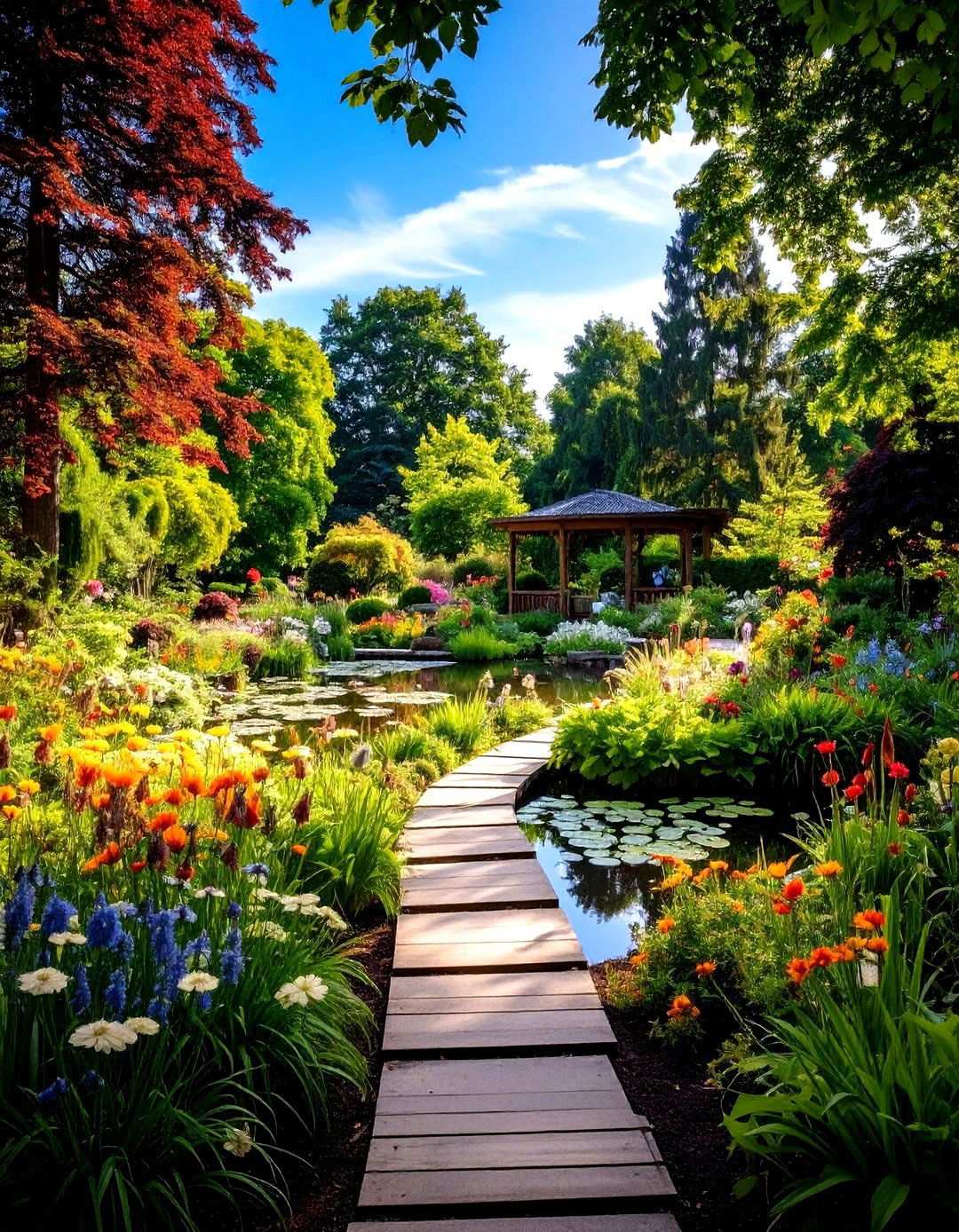
Achieving harmony between the elegance of the past and the demands of the present can be a true delight for gardeners. By embracing the timeless principles of Victorian design, we can create a garden that not only honors the era’s aesthetic but also caters to the modern needs and values of today’s gardeners. This approach requires a thoughtful blend of traditional plant combinations, presented in innovative arrangements that minimize maintenance while retaining the essence of historical garden design. By incorporating cutting-edge irrigation systems, low-maintenance plant varieties, and eco-friendly gardening practices, we can ensure that our Victorian Revival garden not only looks stunning but also remains a sustainable and manageable space. Furthermore, by incorporating period-inspired storage solutions for modern necessities, such as wheelie bins, we can create a cohesive and beautiful garden that meets the needs of both the past and the present.