1. Transformed Terracotta: Elevating Indoor and Outdoor Spaces
Painted pots offer a unique opportunity to infuse your home or garden with a touch of personal style, seamlessly blending functionality and artistic expression. Whether you’re looking to create vibrant statement pieces or subtle accent planters, these creative projects allow you to customize containers that perfectly reflect your taste and surroundings. With a wide range of techniques and materials to explore, from beginner-friendly methods to advanced styles, painted pot projects cater to every skill level and offer endless possibilities for creative exploration. By embracing the versatility of painted pot projects, you can create cohesive collections, mix bold patterns with understated designs, or experiment with eclectic charm. These personalized planters make thoughtful gifts for plant enthusiasts, engaging craft activities for families, and an affordable way to refresh your container garden without replacing existing pots.

As an Amazon Associate I earn from qualifying purchases.
2. Bohemian Elegance: Geometric Patterns on Terracotta Pots
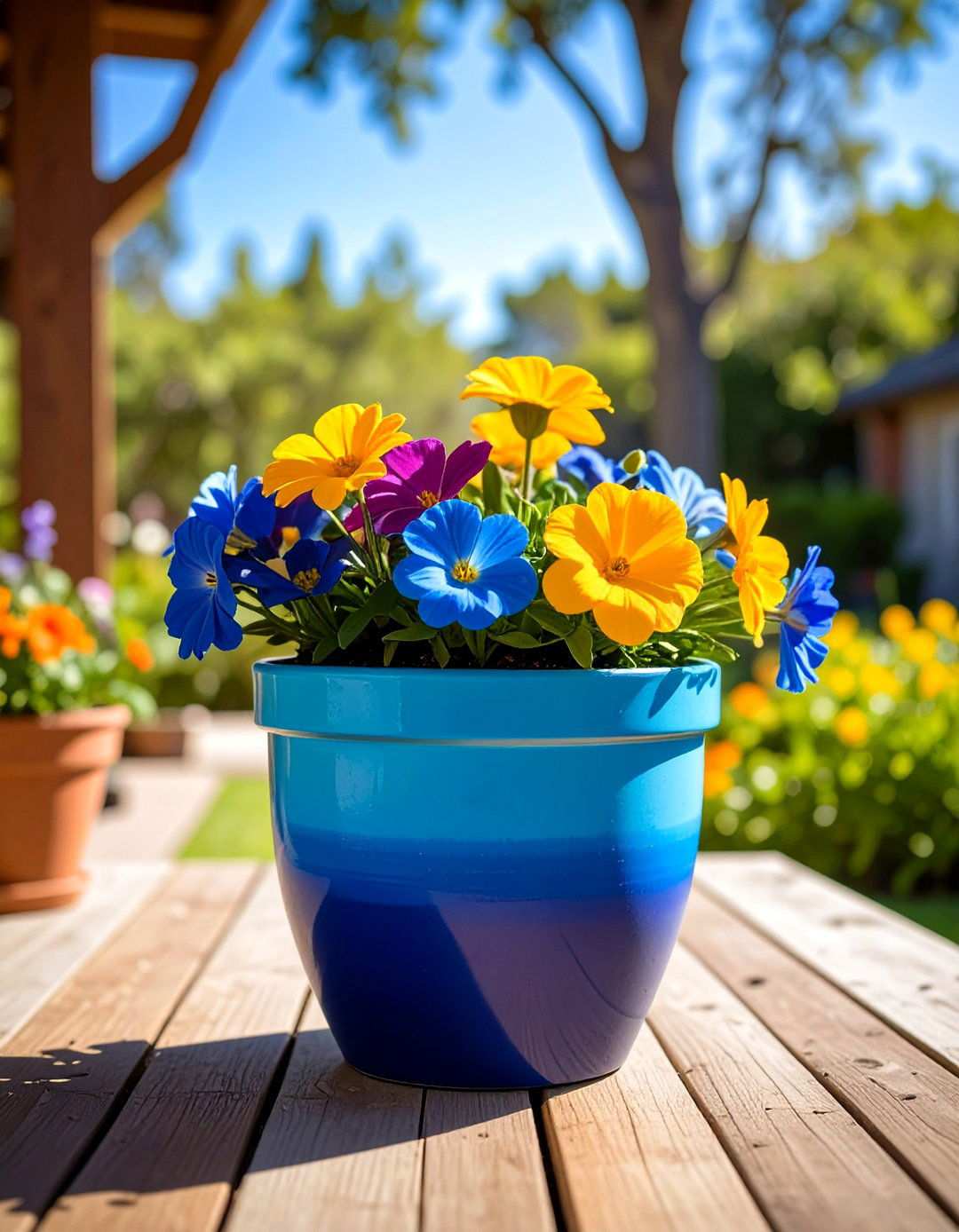
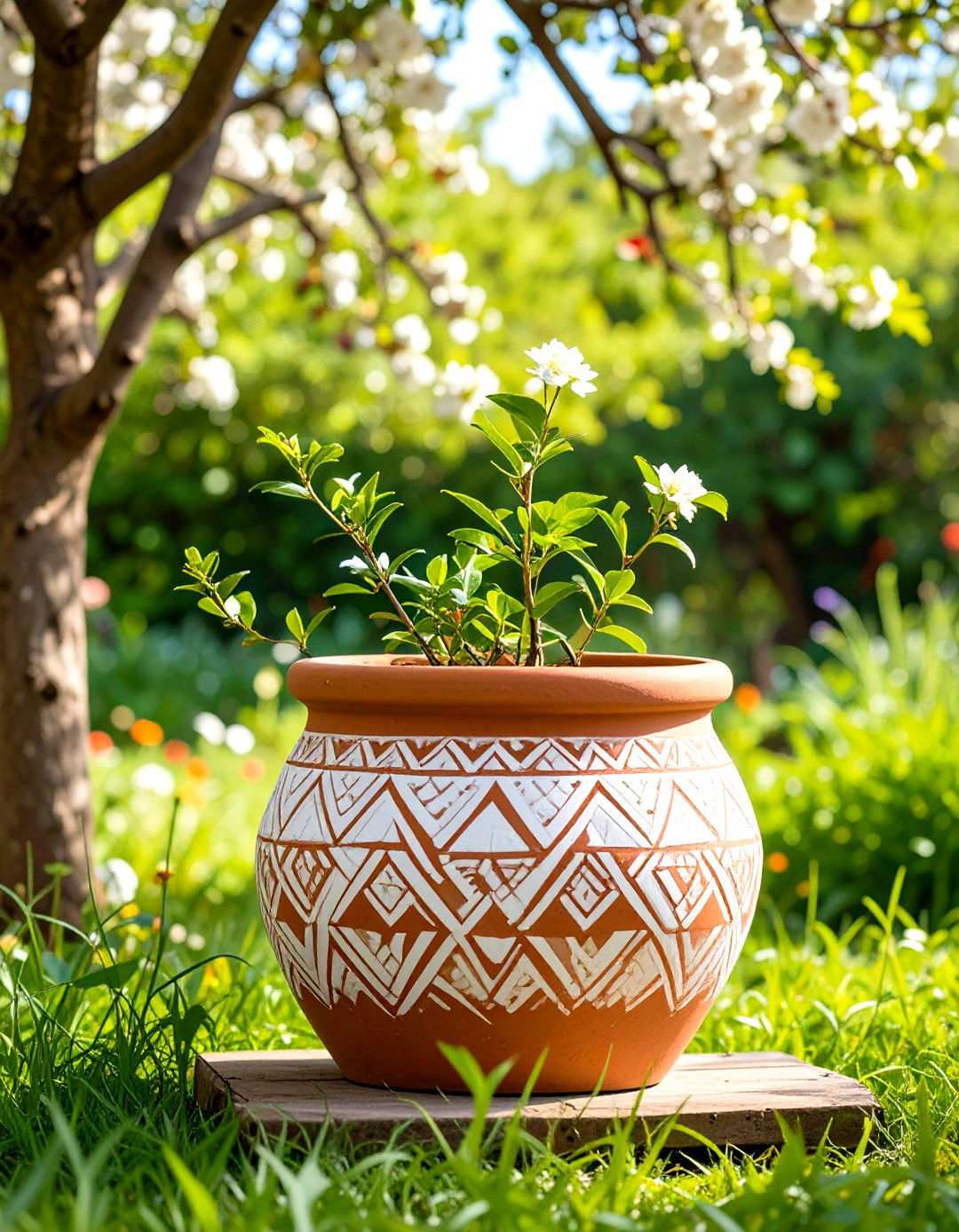
What hues evoke the essence of a free-spirited retreat when envisioning the perfect bohemian getaway? These unique designs combine earthy terracotta bases with intricate geometric patterns inspired by traditional textiles, featuring overlapping triangles, diamonds, and linear motifs that wrap around the entire pot surface. By using chalk paint or matte acrylics, you can achieve an authentic handcrafted appearance that captures the essence of bohemian style. The geometric shapes can be painted freehand for an organic feel or stenciled for precise lines, allowing you to experiment with different techniques and achieve a truly unique look. These pots pair beautifully with succulents, herbs, or trailing plants, creating a relaxed, worldly atmosphere that complements both indoor boho decor and outdoor garden spaces while maintaining that coveted lived-in aesthetic.
3. Vintage Floral Hand-Painted Pots
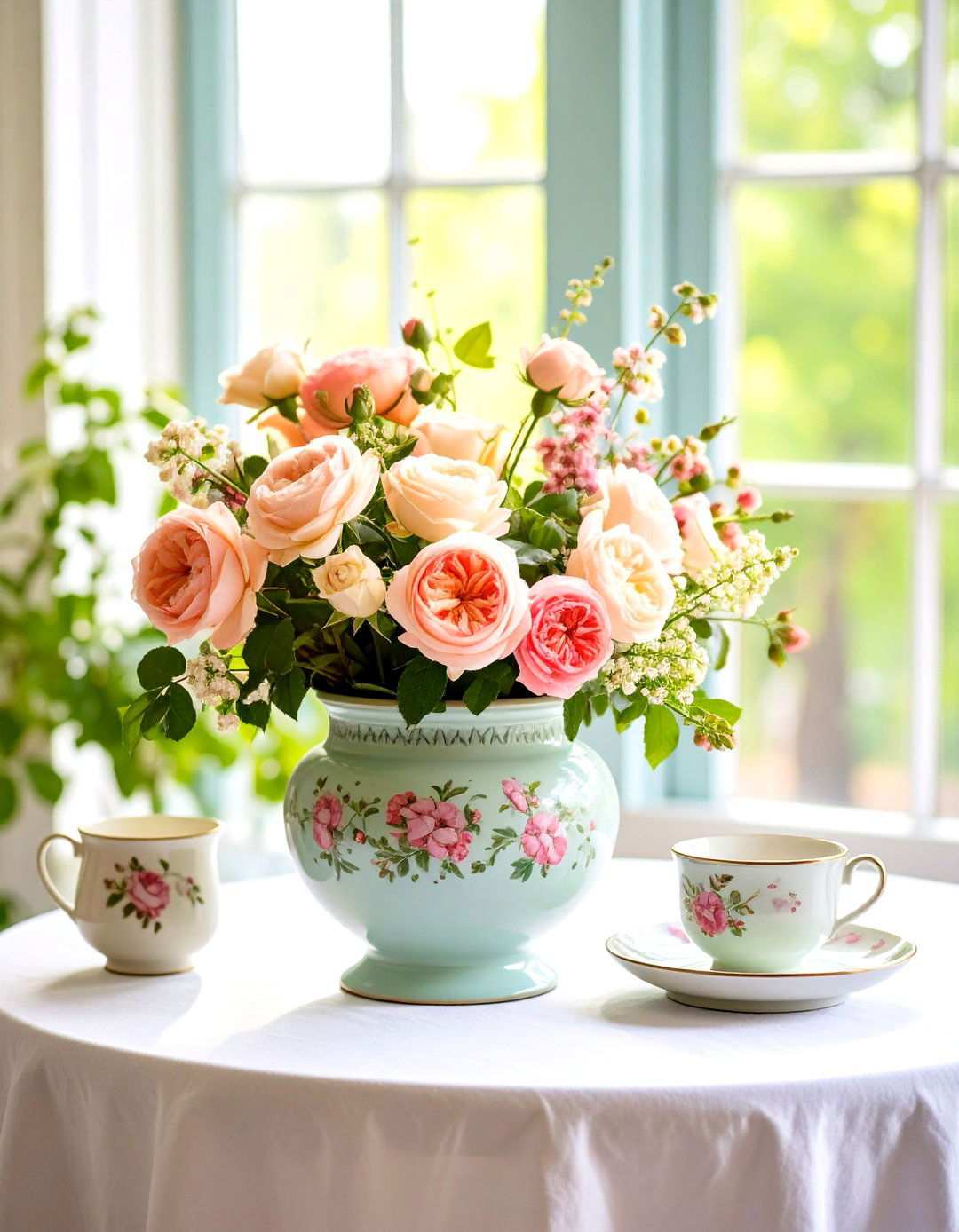
Envision the enchantment of bygone eras brought to life through the delicate nuances of hand-painted designs on your windowsill planters. Timeless floral motifs, reminiscent of Victorian gardens, feature romantic roses, peonies, and wildflowers, all rendered in soft, muted hues. A skilled artisan’s touch is required to first sketch basic flower shapes, followed by layering petals with varying opacities to achieve depth and dimension. Traditional color palettes include dusty pinks, sage greens, cream whites, and antique blues applied over neutral base coats. Delicate detail brushes enable the creation of intricate petal textures and subtle leaf patterns, evoking the charm of English cottage gardens and complementing shabby chic, farmhouse, or traditional decor styles. These captivating pots make perfect companions for herb gardens, small flowering plants, or as decorative accent pieces in dining rooms and sunrooms where vintage charm elevates the overall ambiance.
4. Modern Marble Effect Planters
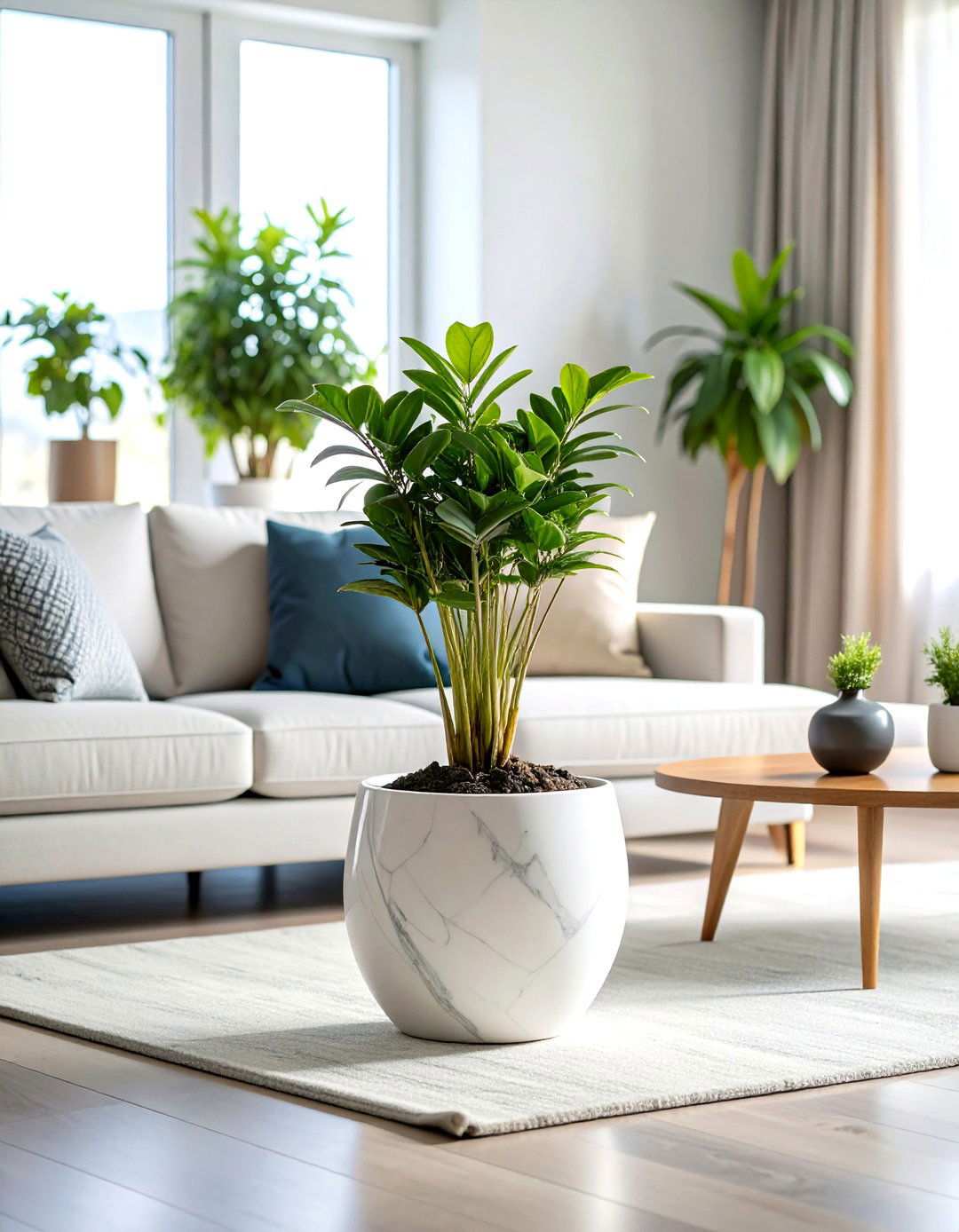
Why not harness the power of simple painting techniques to create luxurious marble effects that rival the authenticity of genuine stone containers? This sophisticated approach leverages sponging and feathering methods to convincingly mimic natural marble veining patterns. Begin with a crisp white or light gray base coat, then use darker grays and blacks applied with feathers, combs, or torn plastic to create realistic veining. The technique demands layering translucent glazes to achieve depth and movement characteristic of genuine marble. Variations include the elegant Carrara-inspired white marble with gray veining, or dramatic black marble with gold or silver accents. These refined planters seamlessly integrate into contemporary, transitional, and luxury design schemes, working particularly well for showcasing architectural plants like snake plants, peace lilies, or sculptural succulents where the sophisticated container harmoniously complements rather than competes with the plant’s natural beauty.
5. Rainbow Sponge Painted Pots
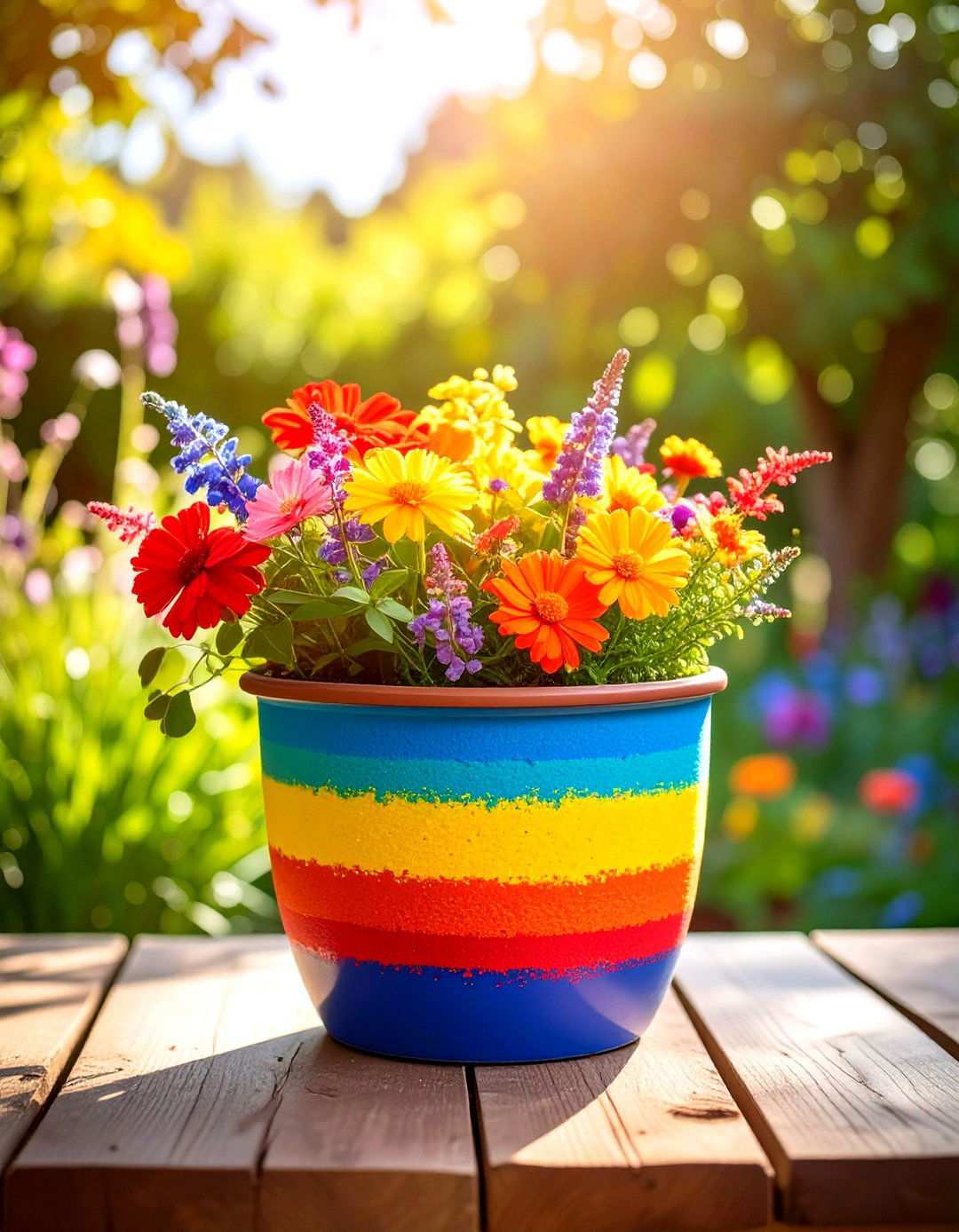
Recapture the unbridled joy and creativity of childhood through vibrant rainbow designs on your plant containers. Sponge painting creates textured, playful surfaces using overlapping colors that blend naturally at the edges, producing a visually appealing effect. Apply primary colors first—red, blue, and yellow—then layer secondary colors where they naturally intersect to create organic color mixing. The sponge technique yields varied opacity and interesting texture that adds visual interest beyond flat painted surfaces. These cheerful pots are ideal for children’s gardens, bright outdoor spaces, or anywhere a splash of vibrant color is desired. The technique is remarkably forgiving for beginners, encouraging experimentation with color combinations. Plant with equally vibrant flowers like marigolds, zinnias, or colorful foliage plants to create a celebration of color that brightens any space and brings smiles to everyone who sees these delightful creations.
6. Elevating Simplicity in Plant Design
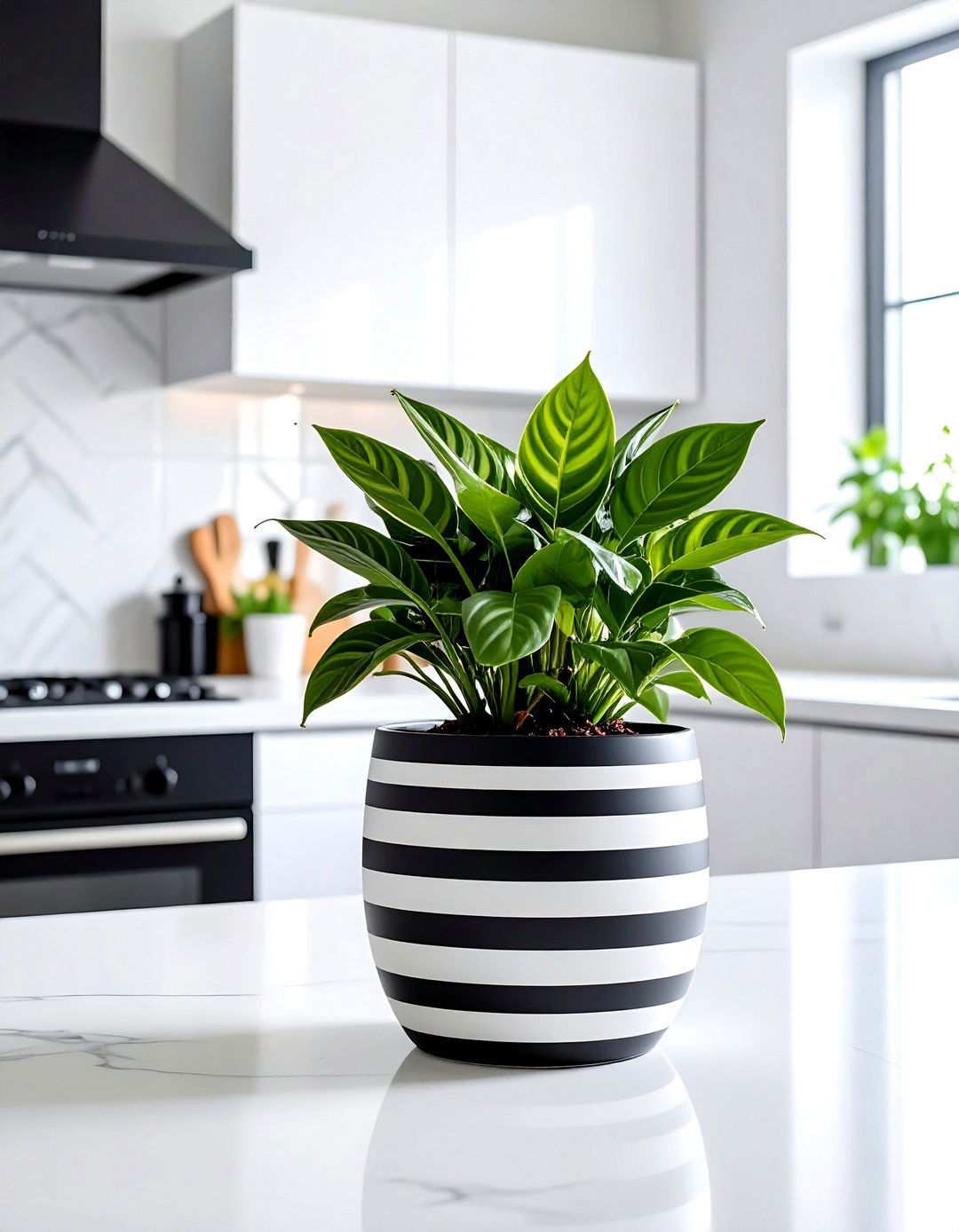
A well-crafted minimalist aesthetic can elevate the beauty of your plant collection, where simplicity becomes the ultimate statement. This design philosophy focuses on clean lines, a single dominant color, and geometric precision, resulting in a modern sophistication that’s both timeless and elegant. By choosing a primary color – a bold black, a crisp white, or a soft gray – and incorporating simple patterns like horizontal stripes, accent bands, or subtle geometric shapes, you can create a visually striking arrangement that exudes refinement. The key to pulling off this look lies in restraint and precise execution, rather than overwhelming complexity. To achieve crisp lines and smooth coverage, use painter’s tape to create a seamless, professional finish. These understated pots are specifically designed to complement modern decor styles, where less is often more. They provide a sophisticated backdrop for statement plants like the fiddle leaf fig, monstera, or architectural succulents, adding a touch of elegance to your living spaces.
7. Uniting Tradition and Culture in Garden Decor
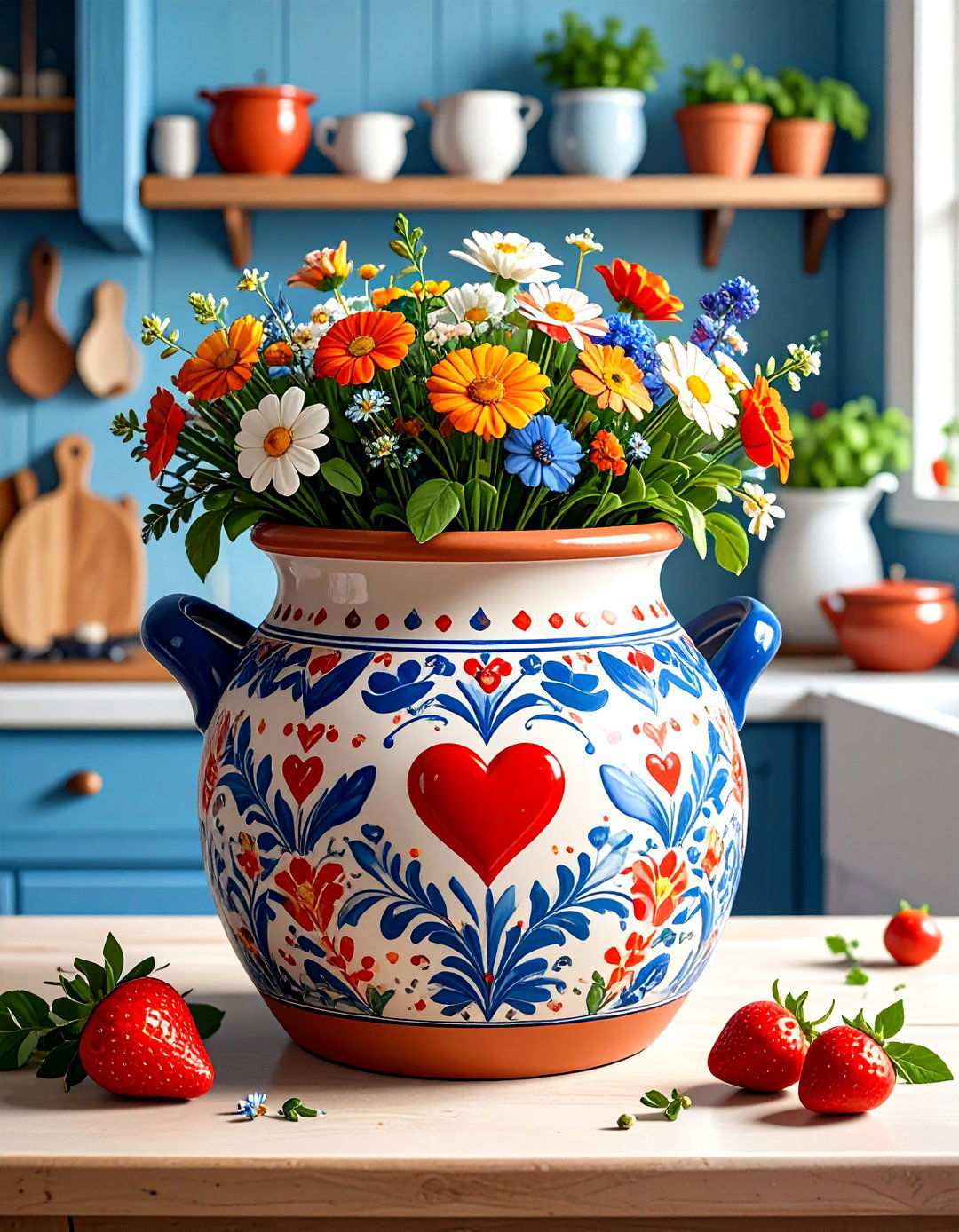
Folk art motifs tell stories of cultural heritage and tradition when beautifully painted on garden containers. Inspired by the rich customs of various cultures, these designs feature stylized flowers, birds, hearts, and geometric patterns in a vibrant array of colors. Classic color palettes often include bold barn red, deep blue, sunny yellow, and forest green, applied over a creamy or white base coat. The artistic style, though imperfect, conveys a sense of handcrafted warmth and charm, making each piece unique. Motifs like Pennsylvania Dutch hex signs, Scandinavian rosemaling, or Mexican Talavera patterns bring a sense of cultural richness to gardens and homes. These pots pair perfectly with cottage gardens, farmhouse decor, or any setting where traditional craftsmanship is cherished. The bold colors and cheerful patterns create conversation pieces that connect us to our artistic heritage, while serving a practical purpose in modern settings.
8. Elevating Your Outdoor Space with Abstract Artistry
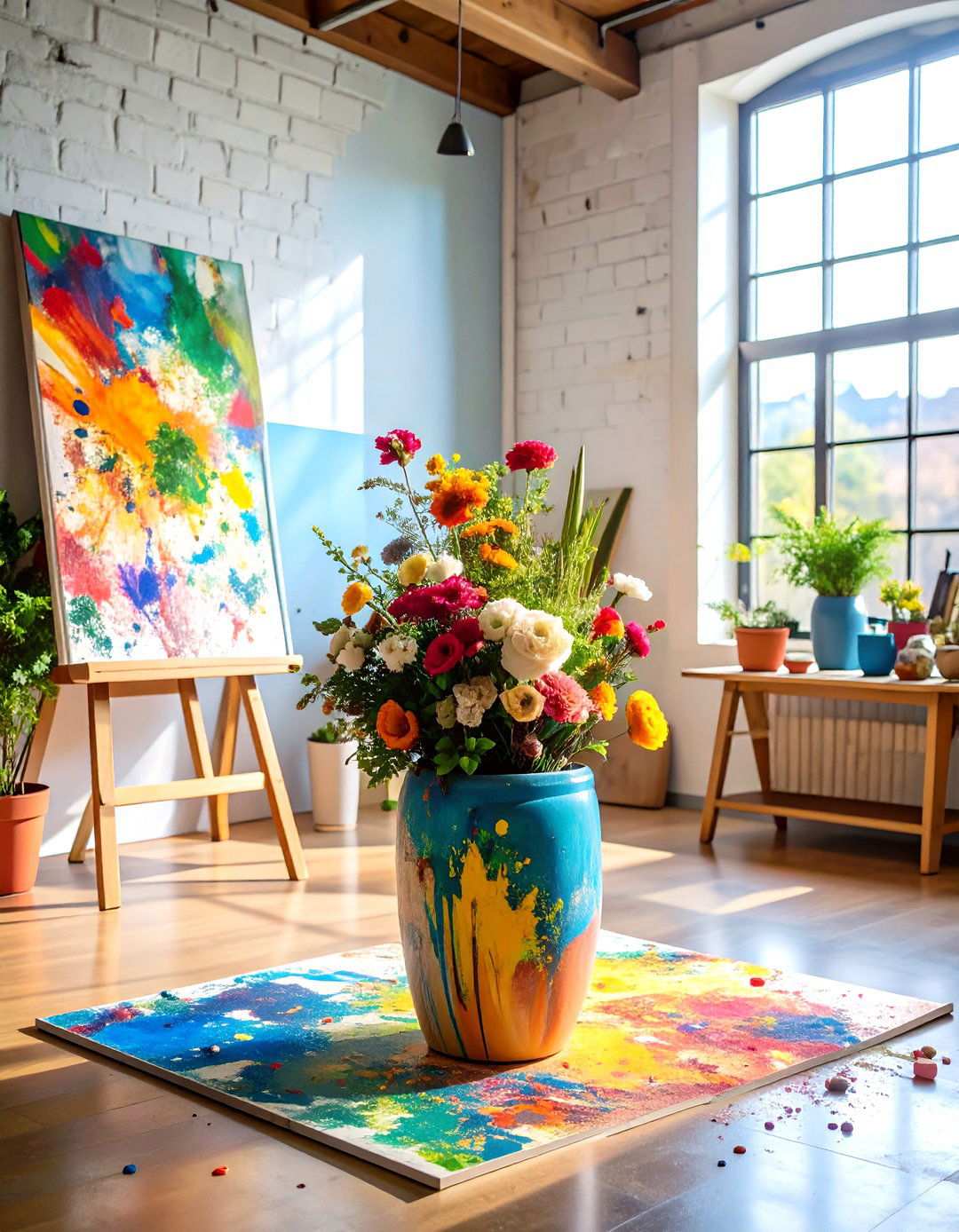
Unleash your inner artist by infusing a touch of unpredictability into your container garden design. The art of abstract splatter techniques allows you to create dynamic, high-energy surfaces through deliberate paint application methods. To achieve this look, load brushes with thinned acrylic paint and then employ various flicking, dripping, or splattering techniques onto the pot surface, carefully shielding surrounding areas from damage. As you build up layers of color, begin with lighter shades and progress to darker accents, striking a delicate balance between visual interest and composition. When executed correctly, these artistic pots can become a stunning focal point in contemporary settings, art studios, or creative spaces that value bold self-expression. Moreover, the process itself encourages experimentation, guaranteeing each pot becomes a unique work of art. To amplify the visual impact, pair these splatter art pots with equally bold and vibrant plants like colorful coleus, striking dracaena, or sculptural cacti. The energetic surface treatments not only complement modern gardens but also urban balconies where creativity and individuality take precedence over traditional formalism.
9. Capturing the Serenity of Coastal Living
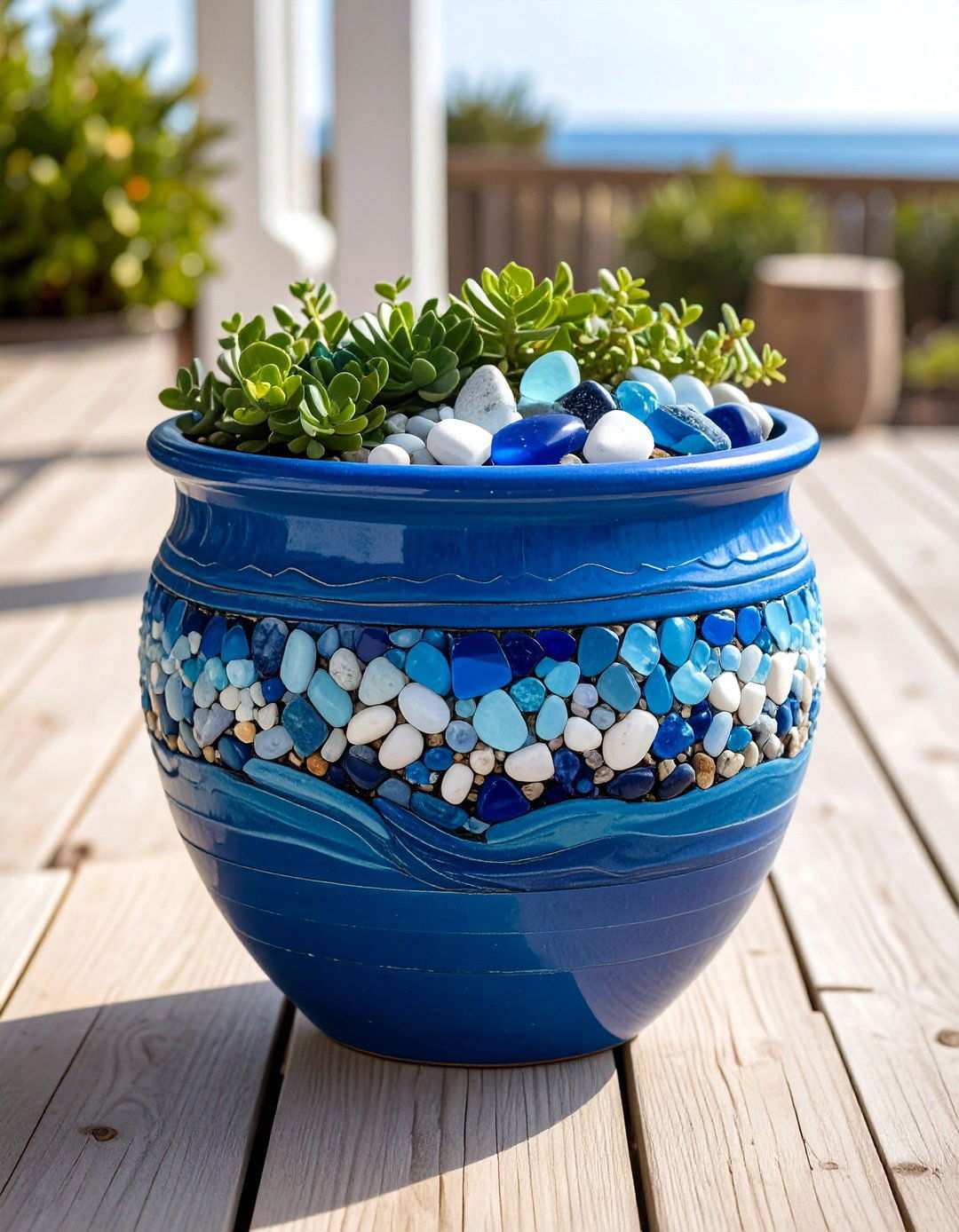
Can you bring the soothing essence of ocean waves and sandy beaches into your urban container garden? Coastal designs often feature calming blue and white color schemes that evoke the weathered beauty of driftwood and sea glass. To create wave patterns, employ curved brush strokes in varying shades of blue, ranging from pale sky tones to deep navy hues. To add a touch of white foam, try dry brush techniques or sponge dabbing. Incorporate nautical elements like rope patterns, anchor motifs, or seashell stencils to infuse authentic coastal charm into your design. Weathering techniques using sandpaper or distressing tools can enhance the wind-worn appearance of your pots. These calming pots are perfect for beach houses, coastal decor, or anywhere you want to evoke a sense of seaside tranquility. Plant with salt-tolerant species like lavender, rosemary, or succulents that naturally complement the maritime theme, creating peaceful focal points that transport viewers to cherished coastal memories.
10. Mandalas in Clay: Finding Serenity through Artistic Expression
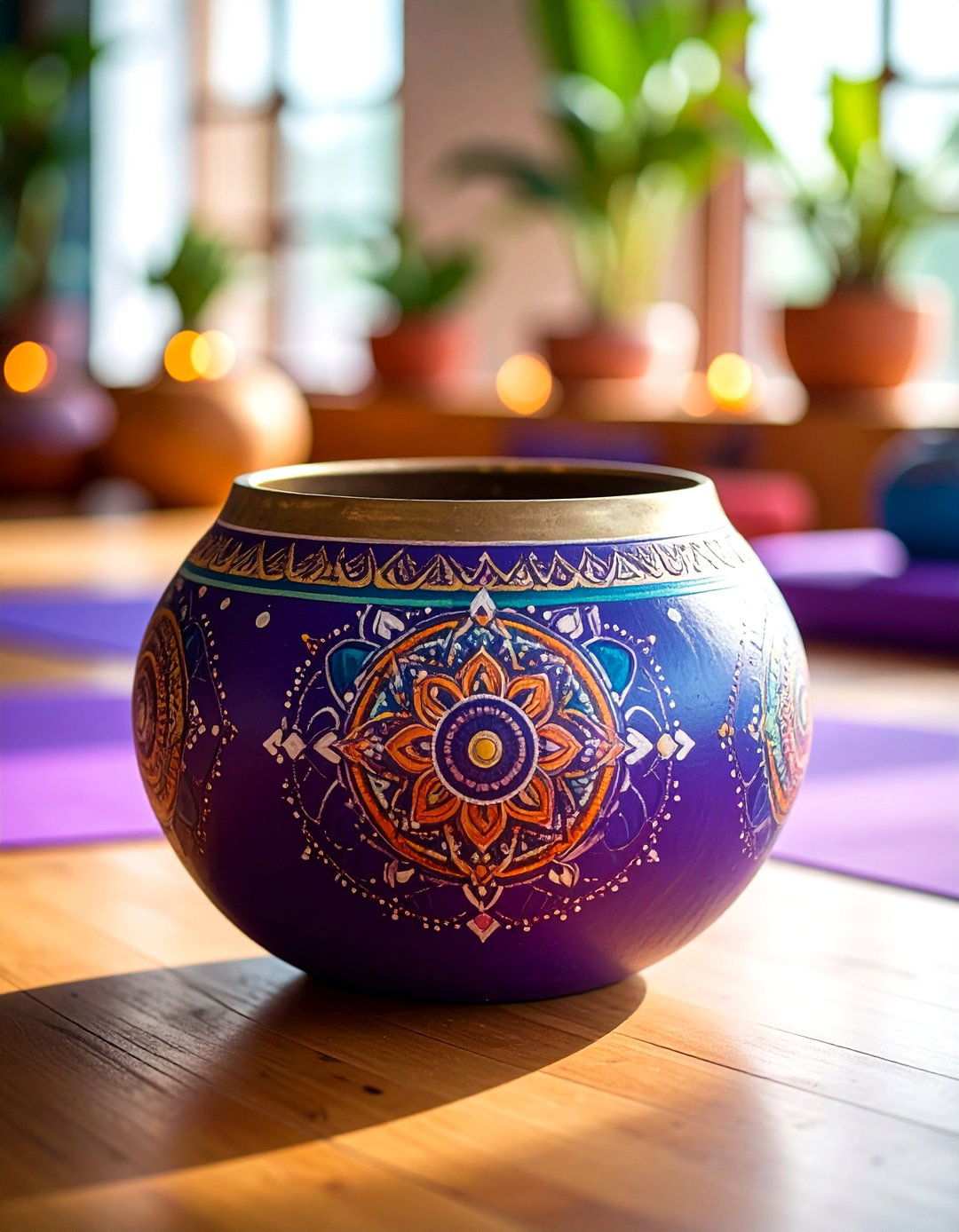
As you immerse yourself in the meditative process of painting intricate mandala patterns, you may find that inner peace begins to unfold. Mandalas, with their symmetrical, circular designs radiating from central points, are a visual representation of the harmony that exists within. To bring this concept to life, start by sketching pencil guidelines that divide the pot into equal sections. From there, build upon the design using a variety of techniques, including dots, lines, petals, and geometric shapes. Traditional colors such as deep plum, rich amber, and vibrant coral can be applied using fine detail brushes to add depth and complexity to your art. The repetitive act of painting becomes a meditative experience, encouraging mindfulness and focus as you lose yourself in the creative process. These spiritual containers are perfect for yoga studios, meditation spaces, or any environment where you seek to cultivate a sense of serenity. By pairing them with plants that boast equally intricate forms, such as air plants or exotic orchids, you create a harmonious union that celebrates the beauty of nature.
11. Weathered Charm: Transforming Pots into Rustic Masterpieces
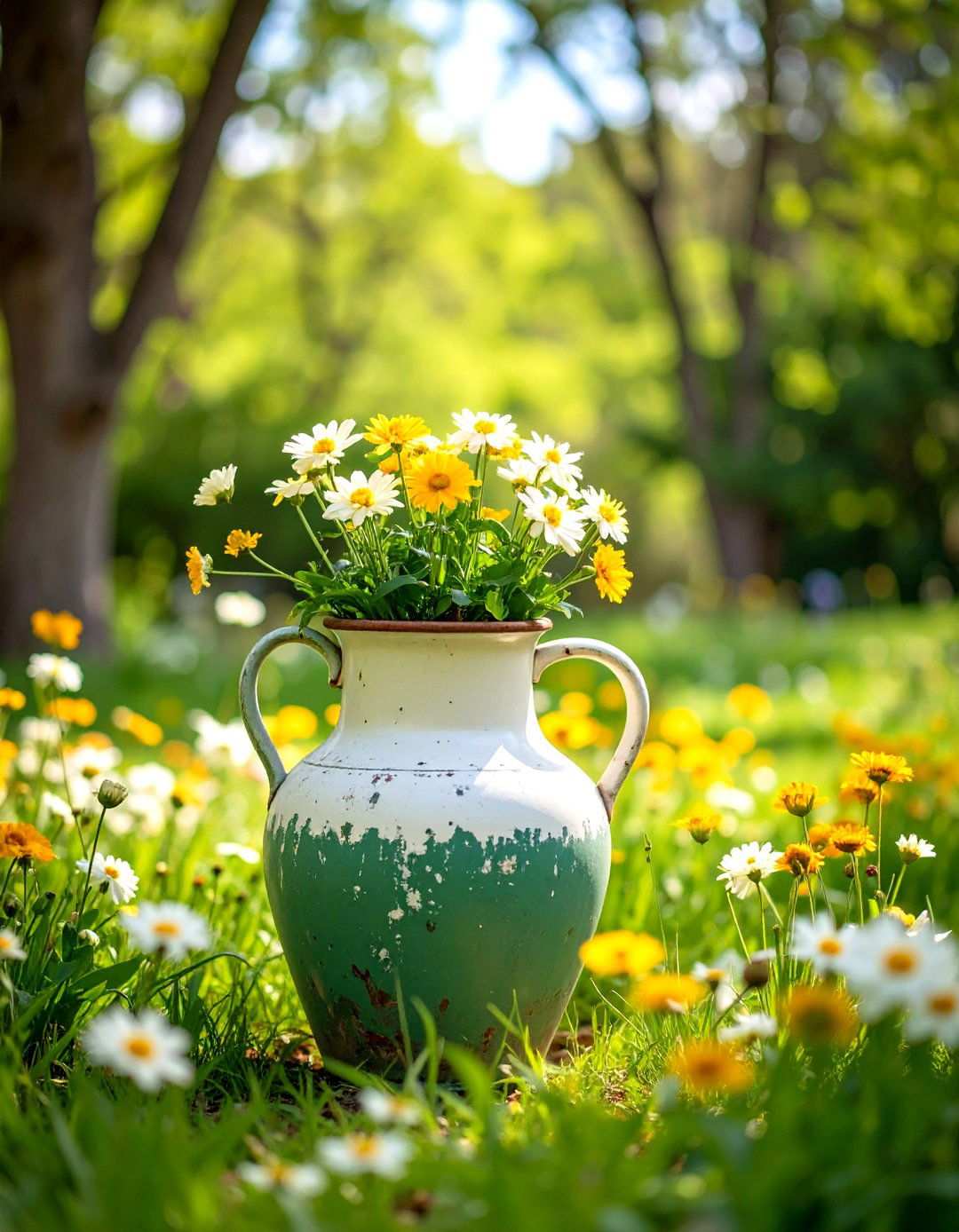
Imagine the beauty of weathered barn wood and vintage milk jugs inspiring your next container garden transformation. Farmhouse styles are all about embracing imperfection and celebrating the passage of time through deliberate distressing techniques and muted color palettes. Begin by applying a base coat in a soft, creamy hue, followed by subtle sanding to reveal the underlying terracotta. Use a dry brush technique with white or gray paint to create a chalky, aged appearance that suggests years of loving use. Add a touch of whimsy with stenciled words like “herbs” or “garden” in vintage-style fonts, and finish with a crackle medium to create authentic aging effects. These charming pots are sure to complement rustic decor, country gardens, and farmhouse kitchens where practical beauty reigns supreme. Pair them with herbs, cottage flowers, or vegetables to enhance the authentic agricultural feeling and celebrate the beauty of honest craftsmanship. By embracing the imperfect, we connect with simpler times when beauty came from utility rather than perfection.
12. Tropical Oasis in a Planter
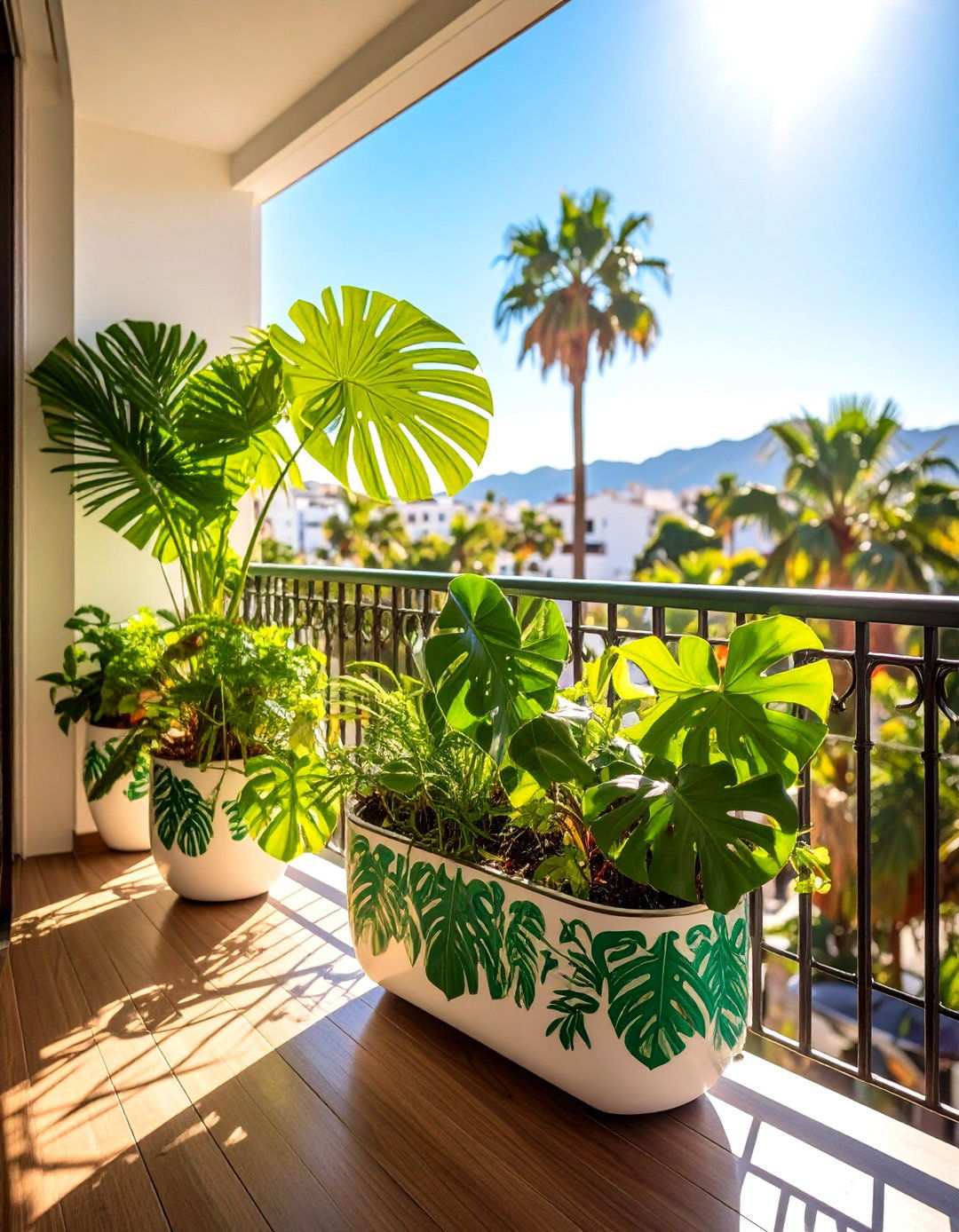
Imagine transporting the essence of a tropical paradise to your indoor or outdoor space through the vibrant motifs on your planters. Bold and colorful leaf patterns, reminiscent of exotic destinations, can be achieved using pre-cut stencils or custom templates crafted from cardboard. The intricate designs, featuring monstera, palm fronds, and banana leaves, can be layered to create a natural, overlapping effect. By experimenting with different leaf sizes and orientations, you can achieve a unique, tropical ambiance. The palette of vibrant greens against contrasting backgrounds can range from monochromatic to bold and bright, incorporating hot pink, bright orange, or deep purple accents to add a pop of color. These energizing planters bring a touch of the exotic to urban environments, where natural elements are often in short supply. Pair them with tropical plants like pothos, philodendrons, or colorful crotons to create a cohesive jungle theme that’s perfect for contemporary settings, poolside areas, or indoor spaces in need of a tropical injection.
13. Label Your Garden with Chalkboard Pots
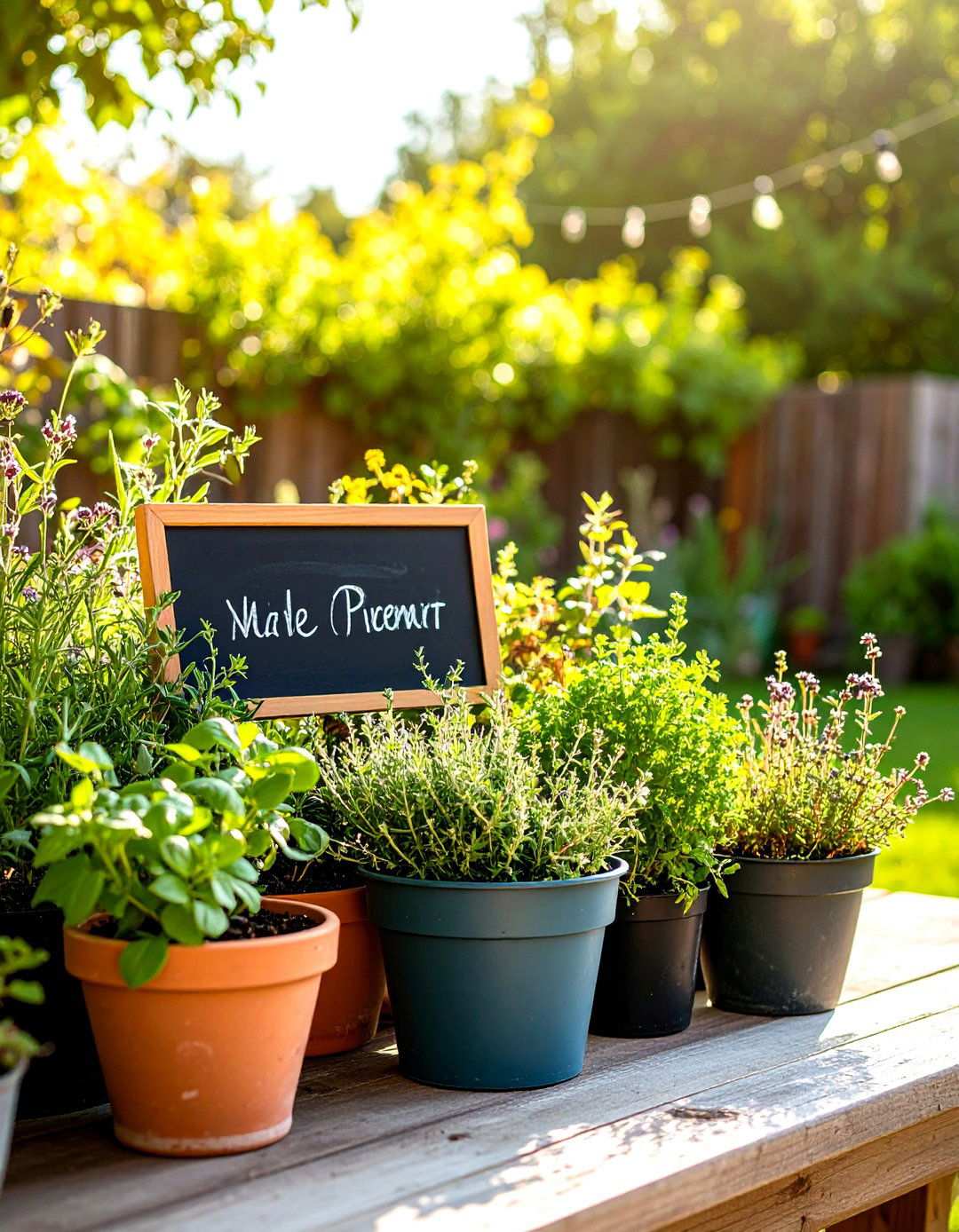
A well-organized garden is a happy garden, and customizable labels can be the key to making it happen. Chalkboard paint transforms sections of your pots into writable surfaces, perfect for plant identification and garden organization. To get started, apply chalkboard paint to designated areas, such as bands around the rim or rectangular panels, while leaving the remainder in complementary colors. Lightly sand between coats to achieve a smooth writing surface, and season with chalk before first use. These functional pots work beautifully for herb gardens, vegetable seedlings, or seasonal displays where plant contents change regularly. Whether you’re a serious gardener or a casual plant lover, these pots offer a flexible and practical solution for keeping your garden organized and looking its best, combining function with style in busy garden spaces. Write plant names, planting dates, care instructions, or inspirational quotes using colorful chalks, and update your labels as needed to keep your garden looking its best.
14. Cosmic Wonders in a Container Collection
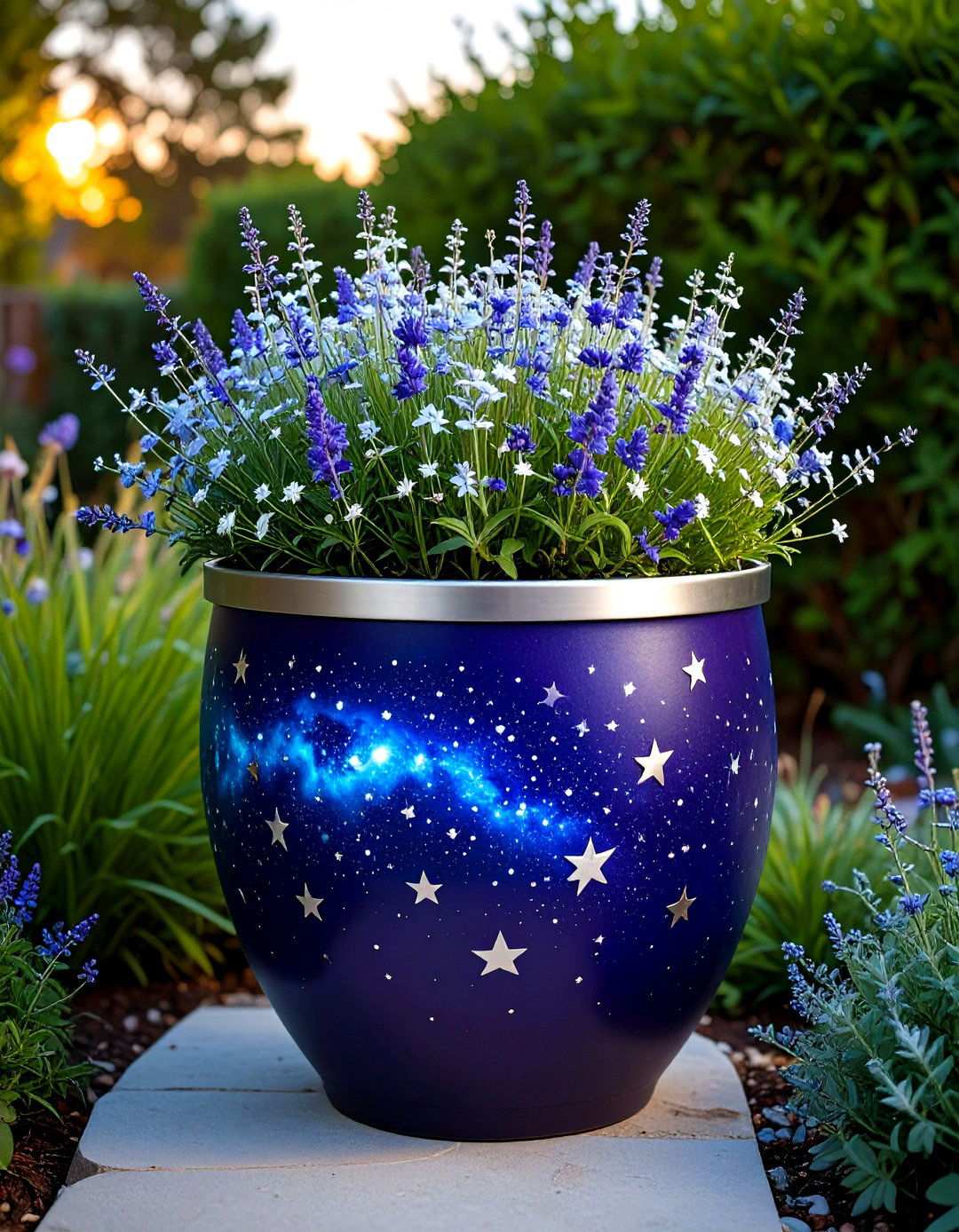
Exploring the mysteries of the universe is now within reach, thanks to the enchanting galaxy night sky theme on your container collection. This celestial design transports you to a world of starry nights, where dark purple or black bases are adorned with splattered stars, nebula clouds, and other cosmic elements. To achieve this ethereal look, begin with a deep purple or midnight blue base coat, and then use sponges to dab lighter purples and blues for a nebula effect. Add a touch of magic with white and silver paint for starry accents, and create larger painted circles for planets or moons. The metallic paints in gold, silver, and copper add a stunning cosmic twist that catches the light beautifully. These captivating pots are sure to delight both children and adults, making them perfect for nighttime gardens, space-themed rooms, or anywhere wonder and imagination should flourish. Pair them with dramatic foliage plants or flowering varieties that echo cosmic colors, and watch as the mystical designs spark conversations about astronomy and natural wonders.
15. Whimsical Animal Faces in the Garden
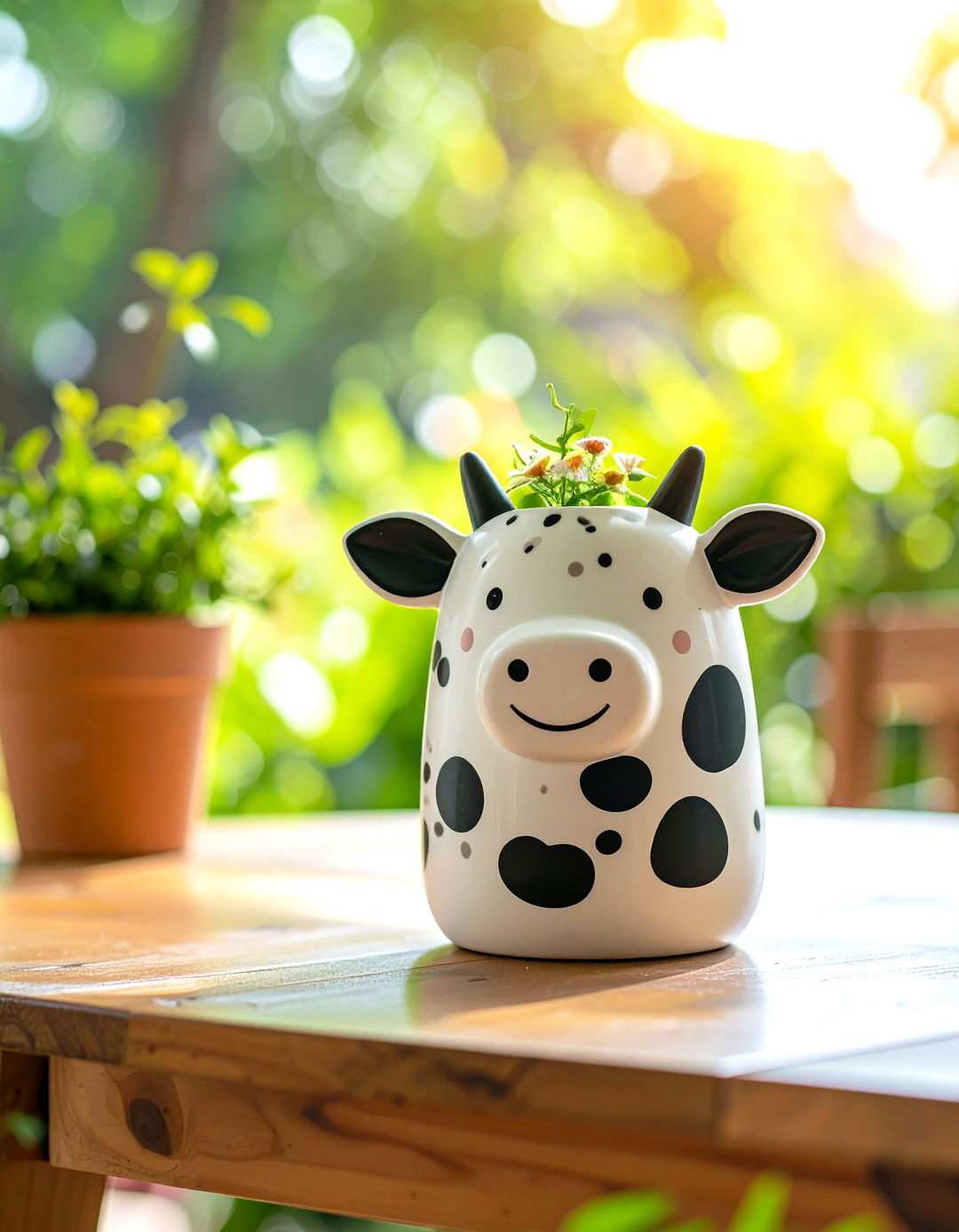
Imagine the delight on a child’s face when they discover friendly animal faces greeting them in the garden. Animal designs transform pots into charming characters featuring cats, dogs, owls, bees, and farm animals using simple shapes and bold colors. Start with solid base colors – white for cows, pink for pigs, yellow for chicks – and then add distinctive features like spots, stripes, or facial details using contrasting colors. Simple geometric shapes create recognizable animals without requiring artistic expertise, making this technique adaptable to any skill level, from toddler handprints to detailed adult artwork. These playful pots enchant children’s gardens, classroom settings, or family spaces where whimsy brings joy to everyday tasks. Plant with child-friendly species like cherry tomatoes, sunflowers, or colorful annuals that reinforce the playful garden theme, and watch as these cheerful containers encourage children’s interest in gardening while creating memorable outdoor experiences that families treasure for years.
16. Desert-Inspired Motifs Bring Ancient Wisdom to Modern Gardens
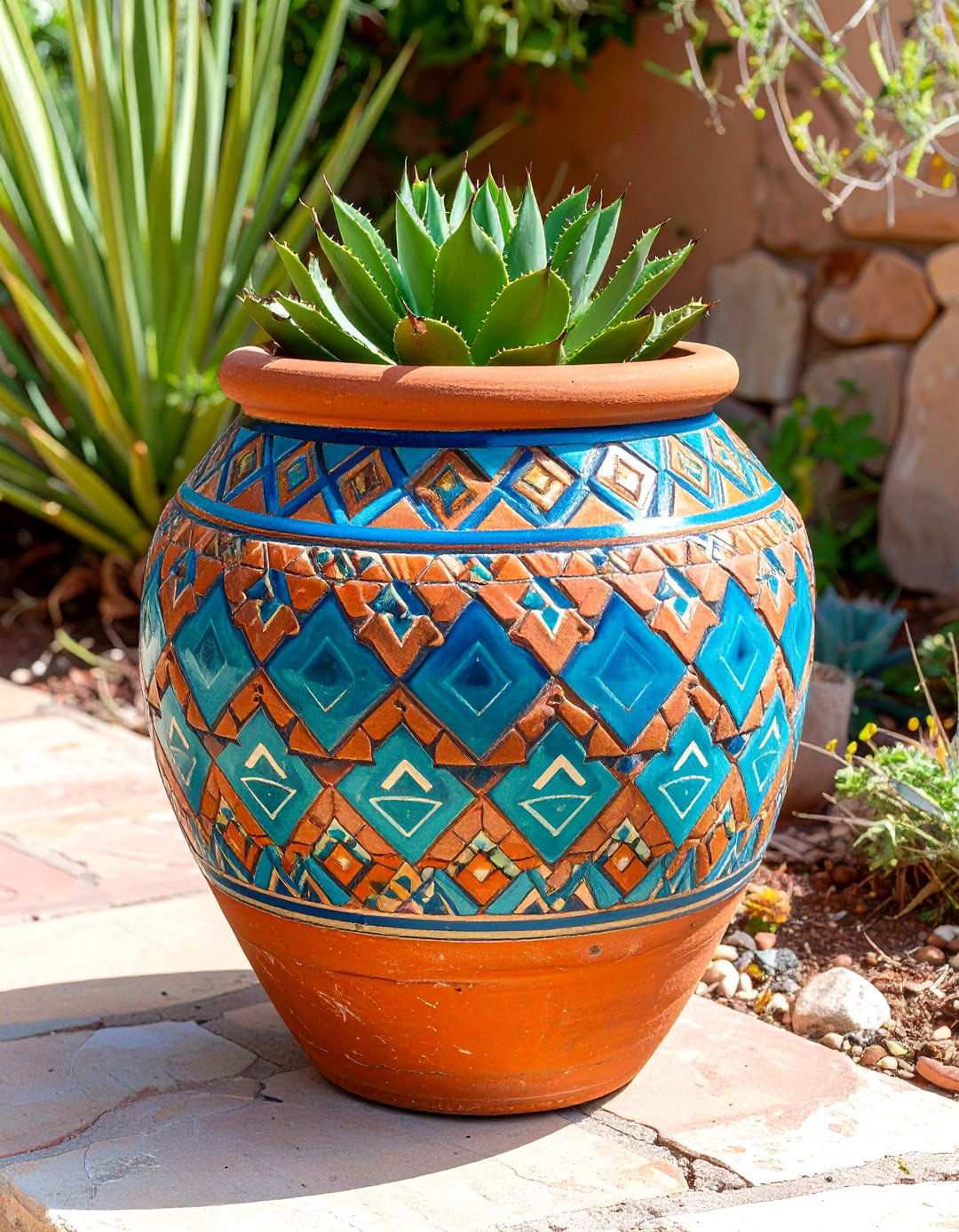
Southwestern desert motifs infuse modern garden spaces with the timeless essence of ancient cultures and the beauty of the natural world. Geometric designs, reminiscent of indigenous American art, are a staple of Aztec patterns. Characterized by earthy tones and symbolic shapes, these motifs pay homage to cultural heritage while creating a striking visual impact in contemporary settings. The use of terracotta orange, turquoise blue, deep red, and cream white in stepped patterns, diamond shapes, and linear borders adds depth and sophistication to the designs. By employing stencils or precise hand-painting, you can achieve intricate geometric patterns that flow seamlessly around the pot surface. The bold, angular designs blend perfectly with desert plants such as cacti, agave, and succulents, creating a harmonious union of form and function.
17. Whimsical Patterns Bring Joy to Gardens of All Ages
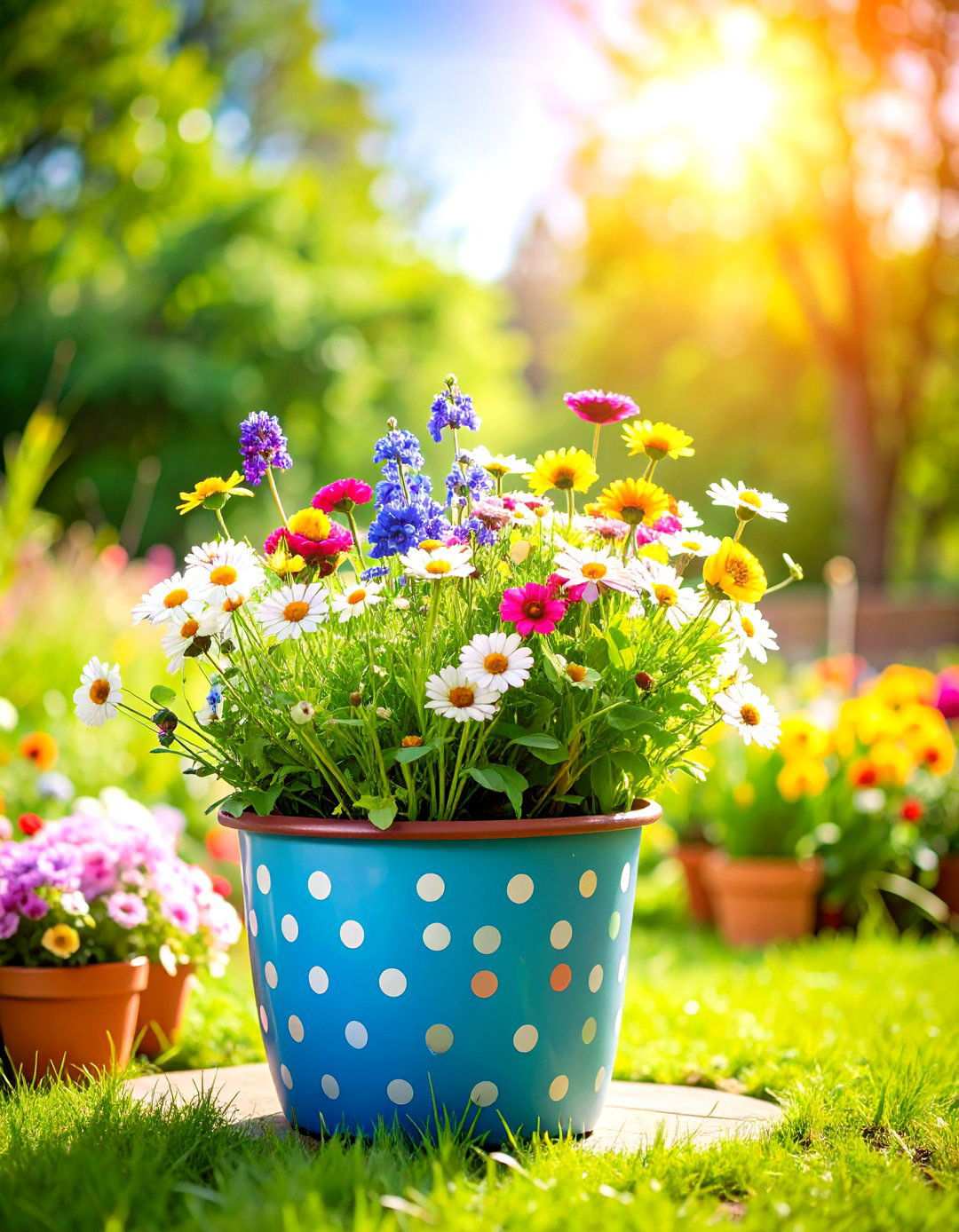
Polka dot patterns have the power to instantly transport us to a world of carefree joy and whimsical charm. These simple yet effective designs offer endless possibilities for color combinations and size variations, creating vibrant and dynamic container displays. To achieve perfectly uniform circles, you can use round sponges, cork stamps, or stencils. Alternatively, embracing hand-painted imperfection can add an organic charm to the design. From classic black dots on white backgrounds to rainbow assortments on pastel bases, the color combinations are limited only by your imagination. Varying dot sizes from tiny speckles to large bold circles adds a touch of visual interest and playfulness to the design. These versatile patterns are perfect for children’s gardens, casual outdoor spaces, or anywhere a touch of fun and approachability is desired. The technique requires minimal artistic skill, yet produces professional-looking results that brighten up any setting. Pair these playful pots with equally cheerful flowers like gerbera daisies, petunias, or colorful foliage plants to enhance the joyful atmosphere and celebrate the simplicity and beauty of garden design.
18. Capturing Watercolor Elegance in Garden Containers
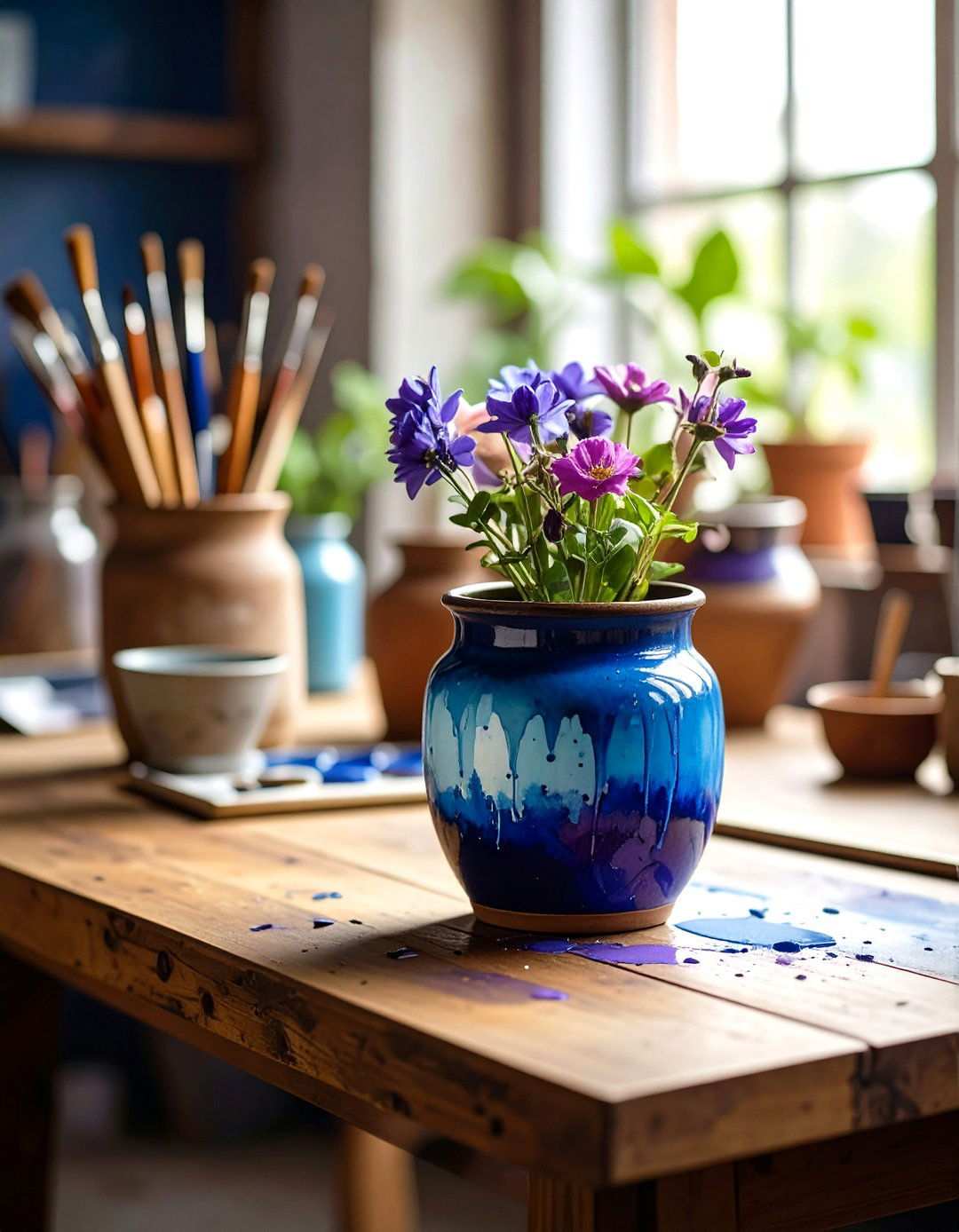
Unlock the captivating essence of watercolor art on three-dimensional garden vessels. Acrylic paints, when diluted and applied with wet-on-wet techniques, produce delicate, flowing color shifts reminiscent of fine art. To achieve this ethereal look, start by applying clean water to the pot surfaces, then gently drop diluted paint colors that will naturally merge and blend together. As the paint interacts with the wet surfaces, work swiftly to maximize the unpredictable bleeding effect, resulting in unique, one-of-a-kind outcomes. This artistic process produces containers that are ideal for contemporary settings, artistic studios, or any space where refined beauty and creative expression are cherished. By pairing the containers with plants that complement or contrast with the painted colors, you can create visually striking combinations that elevate the decorative arts and functional gardening experience.
19. Creating Miniature Desert Landscapes in Painted Containers
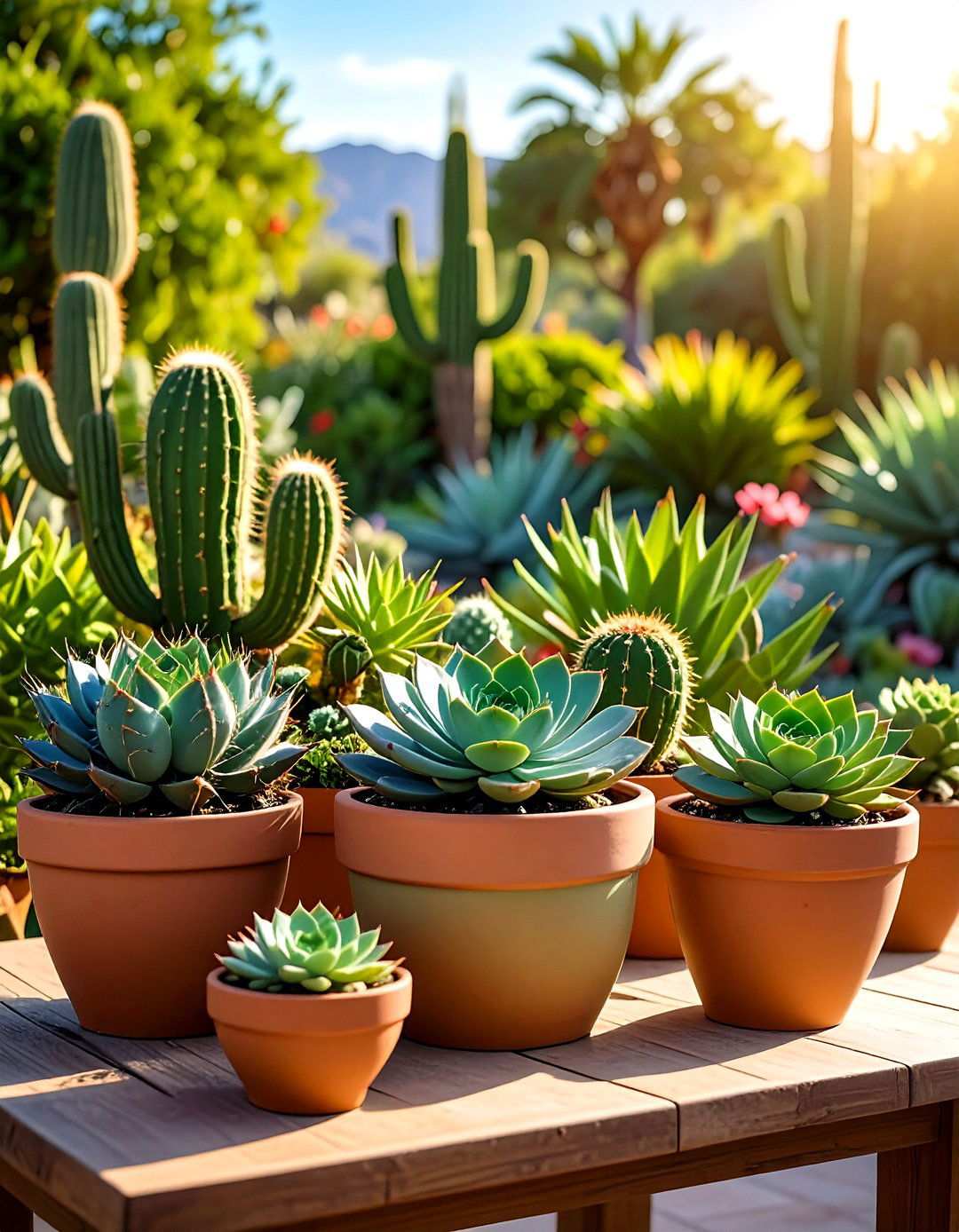
Imagine transforming your containers into miniature desert landscapes that echo the plants they contain. Succulent-themed designs feature painted cacti, aloe, and desert motifs in muted tones, such as soft greens, dusty blues, and sandy beiges. Begin by painting simple succulent silhouettes around the pot surfaces using basic shapes like rounded cacti, pointed agave leaves, or clustered echeveria rosettes. Add subtle details like spines, texture patterns, or tiny flowers using fine brushes to enhance the design. When selecting a color palette, aim to complement rather than compete with the actual succulent plantings. These harmonious containers create cohesive desert garden themes that are perfect for water-wise landscaping, southwestern decor, or indoor succulent collections. The painted motifs provide year-round interest, even when plants are dormant or small. By pairing the painted containers with actual succulent varieties that mirror or contrast with the painted elements, you can create layered visual interest that showcases the beauty of both the plants and the decorative arts.
20. Timeless Typography Message Pots
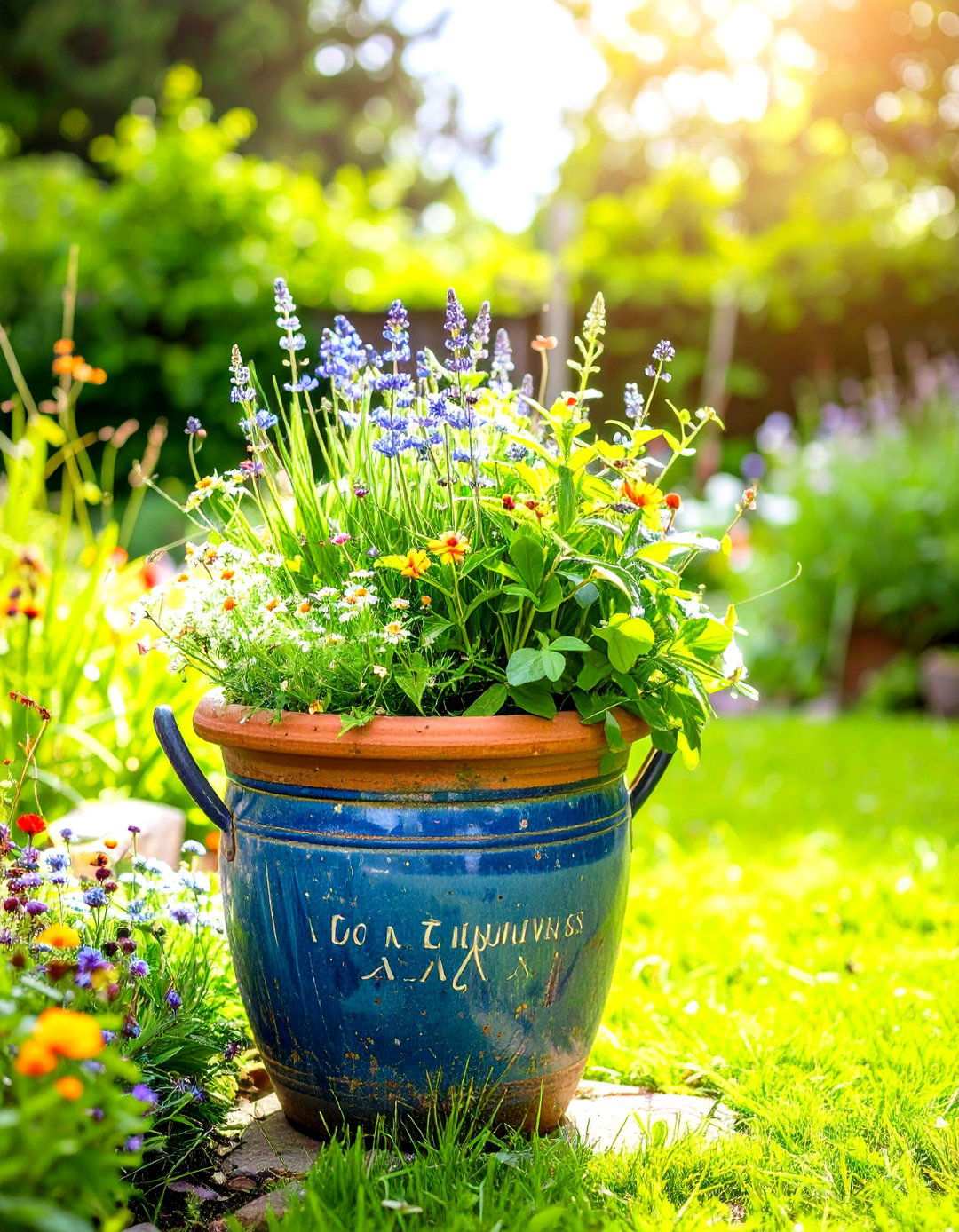
Meaningful phrases and words can become powerful tools for sharing inspiration and practical information in your garden. Typography designs transform pots into conversation pieces by incorporating painted words, phrases, or quotes in classic vintage-style lettering. Consider words like “grow,” “flourish,” or inspirational quotes about gardening and life that resonate with you. For precise lettering, use transfer paper, or for a more rustic look, try embracing the imperfections of hand-painted designs. Serene fonts such as traditional serif styles, elegant hand-lettered scripts, or simple block letters in bold contrasting colors can add a touch of sophistication to your containers. These meaningful planters make exceptional gifts, serve as poignant tributes in memorial gardens, or enhance the overall garden experience by sharing personal messages. By combining practical labeling with artistic flair, you can create a unique visual appeal that draws attention to herb gardens where identification and aesthetics harmonize beautifully. These personalized pots become cherished mementos that evoke memories of special occasions, cherished relationships, or profound life philosophies presented through the beauty of your garden.
21. Elevating Terracotta with Metallic Accents
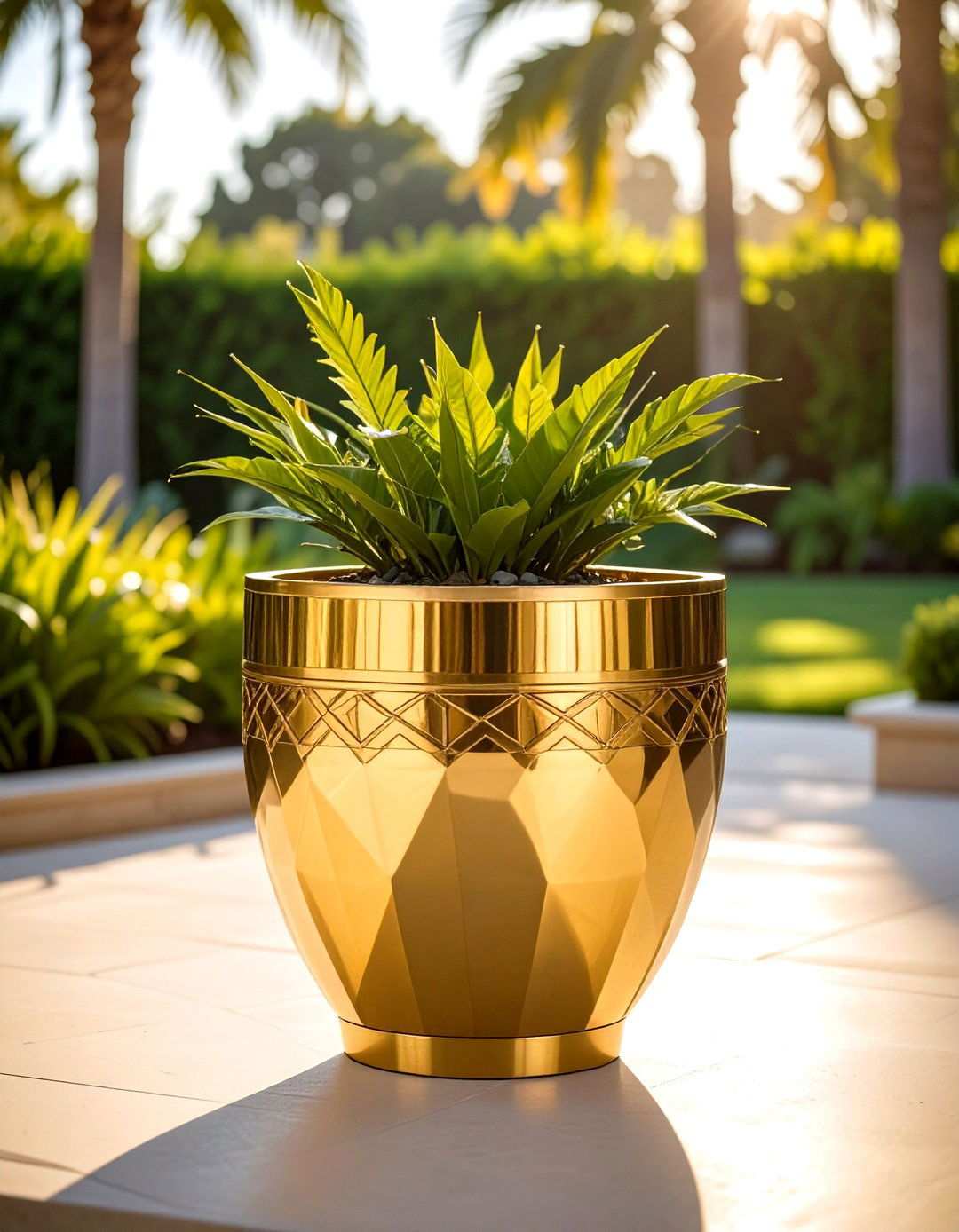
The art of transforming ordinary terracotta into stunning designer containers lies in the subtle yet striking touches of metallic luxury. By incorporating metallic finishes such as gold, silver, or copper leafing, you can create elegant accent pieces that elevate your garden setting to new heights. Apply metallic paints or gold leaf to rim details, decorative bands, or intricate geometric patterns over understated base colors. The striking contrast between matte terra cotta and gleaming metal creates a visually captivating effect. Many gardeners find success in using dipped rims, painted stripes, or stenciled patterns that catch and reflect light beautifully. These glamorous containers are perfect for formal gardens, elegant patios, or upscale indoor settings where refined details make a lasting impression. The metallic elements work particularly well with sleek architectural plants like snake plants, ZZ plants, or modern succulents that echo the contemporary aesthetic. For added drama, group multiple metallic planters together, or use single pieces as sophisticated accent elements throughout your garden spaces where understated luxury elevates overall design sophistication.
22. Seasonal Holiday Festival Vessels
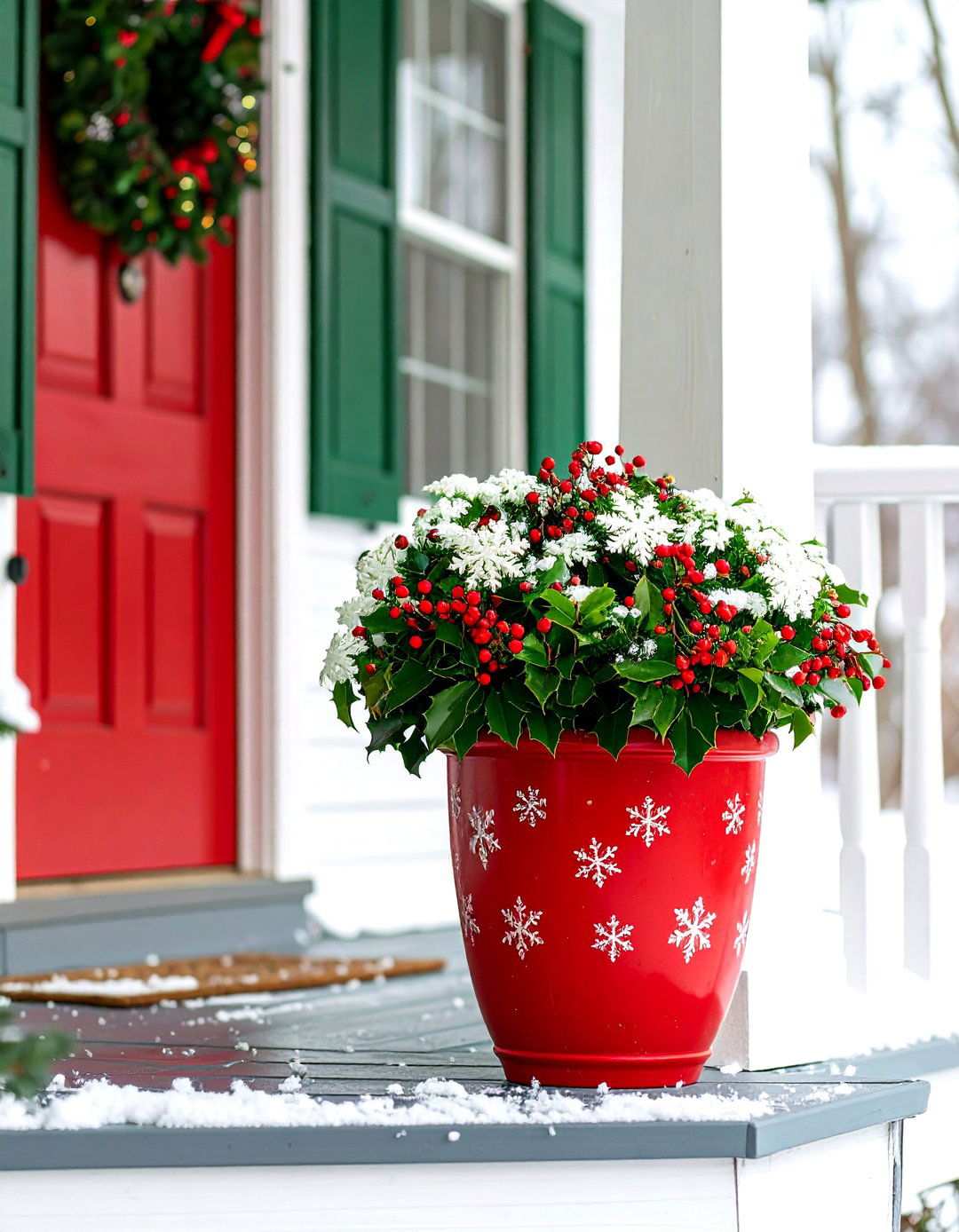
Throughout the year, various celebrations can be elevated by decorative containers that capture each season’s distinct essence. These containers adapt to seasonal themes by incorporating colors, motifs, and symbols that resonate with the time of year. In the spring, delicate pastel hues and painted flowers, Easter eggs, or butterfly motifs come together to create a sense of renewal. Summer designs burst with vibrant colors, beach themes, or patriotic elements, perfect for warm weather gatherings. As the seasons change, fall containers showcase the rich tones of autumn leaves, pumpkins, or harvest symbols in warm oranges and deep reds. Winter holiday vessels feature intricate snowflakes, evergreen branches, or festive patterns in traditional colors. By rotating these displays, gardens remain engaging and dynamic, while celebrating cultural traditions and the natural cycles that shape our world. The versatility of these containers lies in their ability to be repainted or embellished with strategic additions, allowing them to serve multiple purposes. Pair seasonal flowers, herbs, or evergreens with painted themes to create a continuous visual interest beyond holiday periods. These festive containers become a cherished part of our celebrations, marking the passage of time with unforgettable memories.
23. Artisanal Stone-Inspired Planters
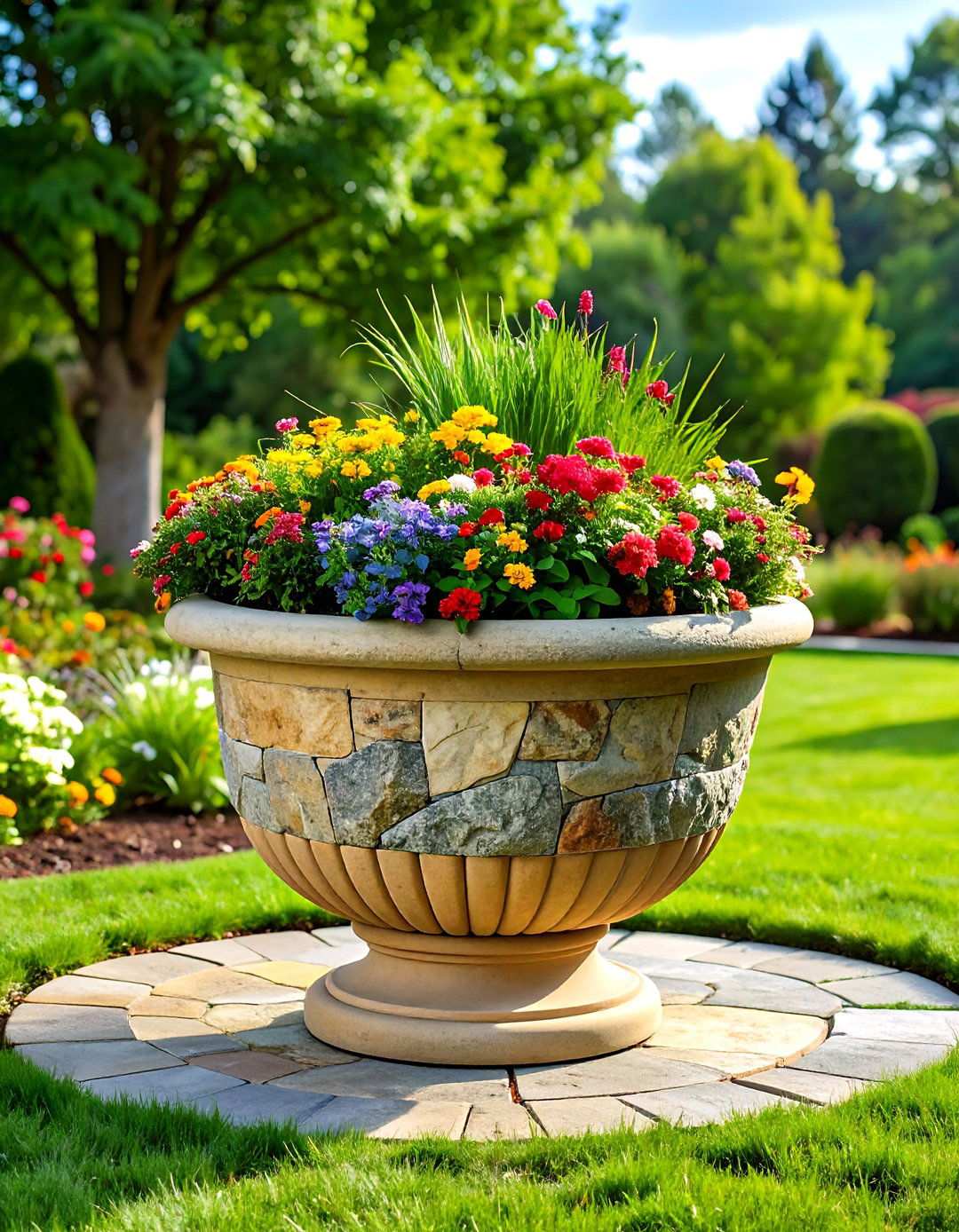
Can creative painting techniques and textural additives be used to achieve the striking beauty of natural stone containers? By employing specialized techniques, it’s possible to mimic the textures of granite, limestone, or river rock on lightweight terracotta. Mixing sand, sawdust, or texture paste with acrylic paints creates dimensional surfaces that not only look but also feel like genuine stone. Begin with a base color in a neutral tone – grays, tans, or deep browns – then layer contrasting colors using sponges or dry brush techniques. Building up multiple thin layers yields a realistic depth and variation that simulates the natural stone look. These substantial-looking containers offer an elegant alternative to expensive stone planters, while maintaining portability and ease of use. The textured surfaces complement formal landscapes, contemporary gardens, or any space where natural materials enhance design sophistication. Pair these planters with species that naturally grow among rocks – alpine plants, ornamental grasses, or structural perennials – to create harmonious compositions that celebrate both natural beauty and creative craftsmanship.
24. Unleashing Dynamic Flair in Your Garden
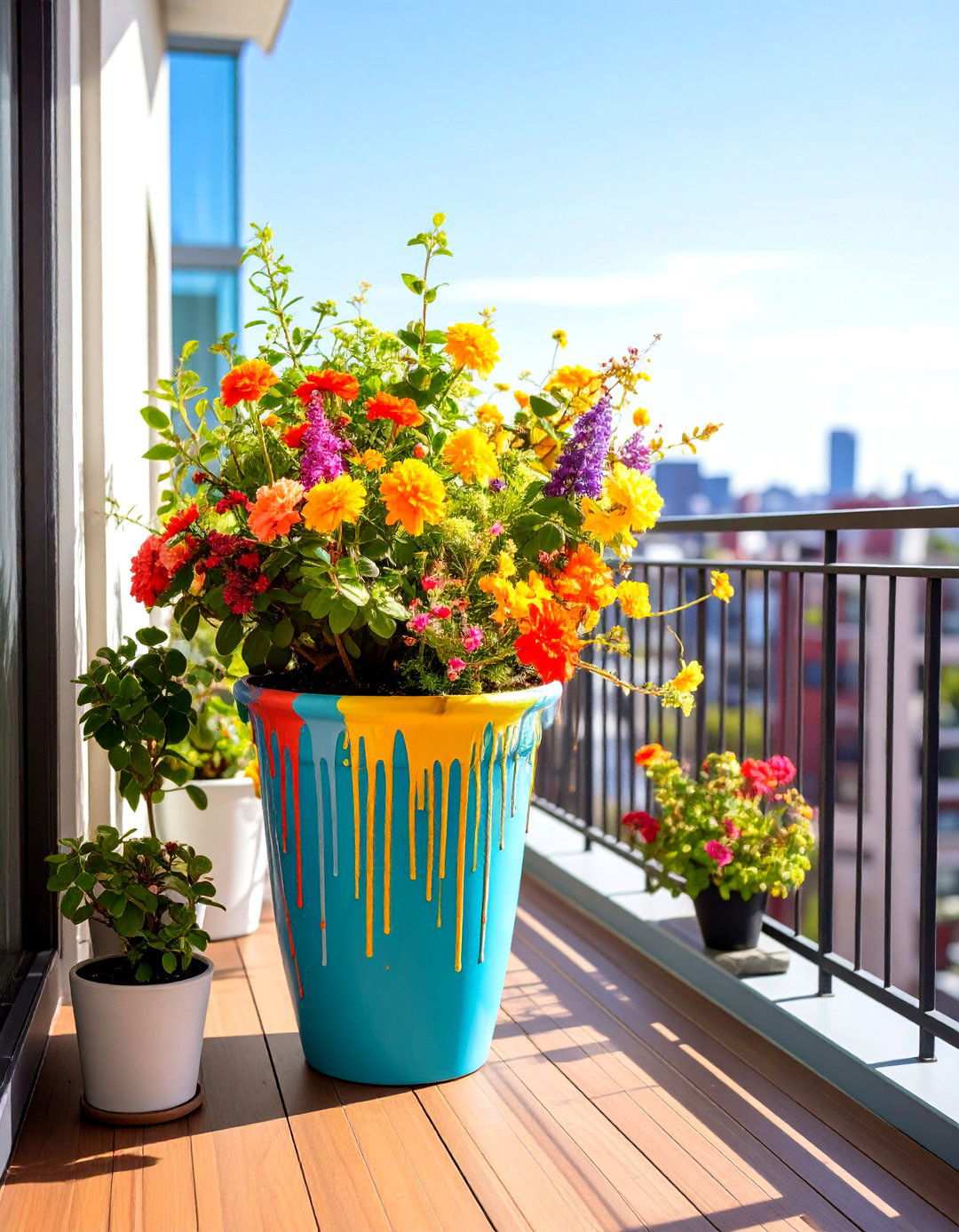
By harnessing the power of controlled paint dripping techniques, you can infuse your outdoor space with the essence of contemporary art galleries. Drip painting’s unique approach leverages gravity and fluid paint consistency to produce captivating, vertical movements that redefine modern garden aesthetics. Commence this artistic process by suspending pots upside-down, then generously apply thick paint to the rim areas, allowing the paint to flow naturally downwards. To refine your drip patterns, experiment with varying paint thickness, adjust the tilt angle, or utilize tools to guide the flow of paint. The resulting color combinations can range from nuanced monochromatic gradients to bold, contrasting pairings that create a truly striking visual impact. This creative approach embodies the spirit of contemporary art movements, embracing both controlled accidents and spontaneous beauty. These artistic containers are perfectly suited for modern gardens, urban landscapes, or any setting where bold creativity takes center stage, trumping traditional design approaches. The dramatic vertical lines not only elongate the visual perception but also create sophisticated focal points, perfect for showcasing equally striking architectural plants that complement rather than compete with the vibrant painted surfaces.