1. Timeless Scandinavian Sod Roof Houses: A Beacon of Sustainable Living
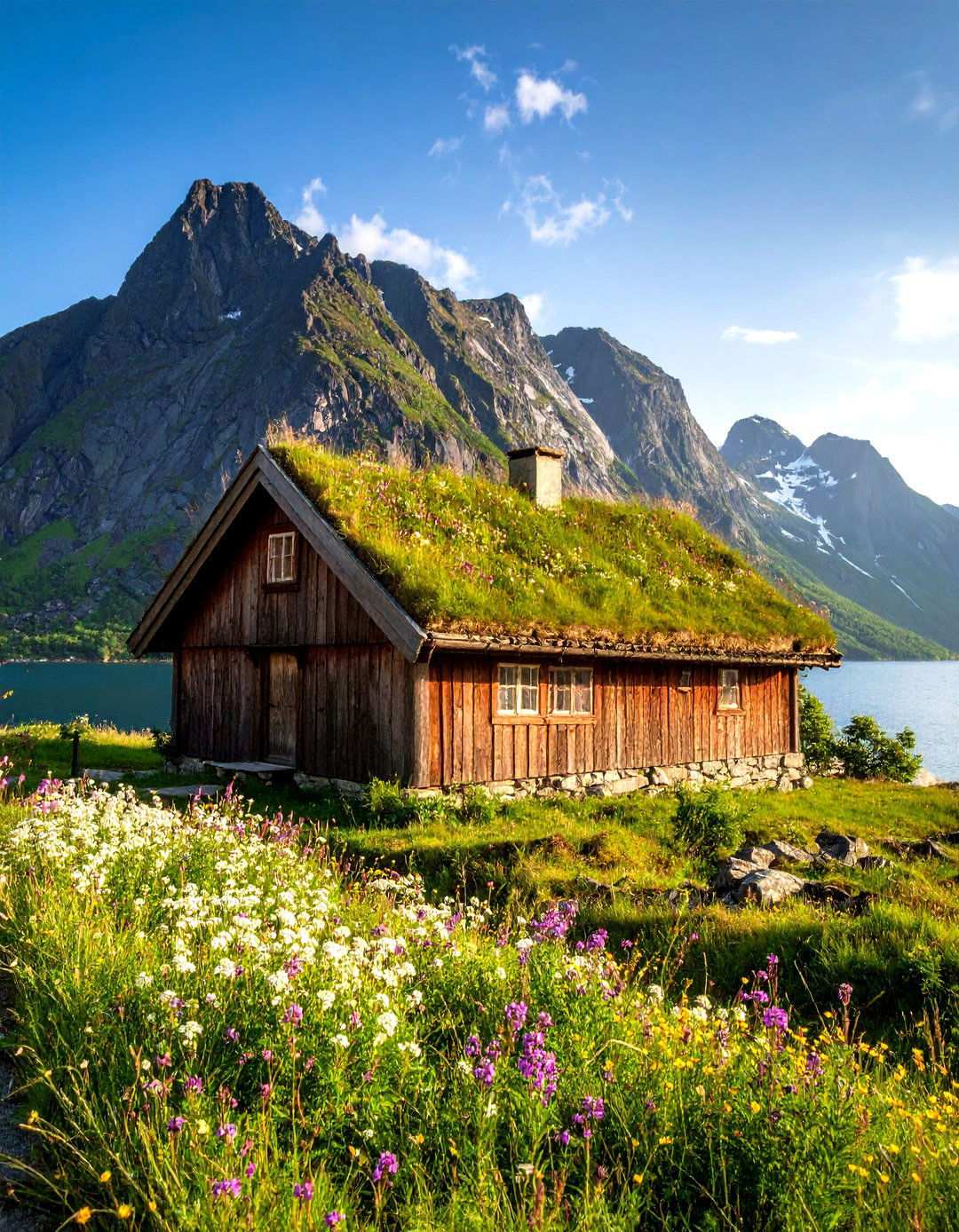
Scandinavian sod roof houses have long been an inspiration for modern sustainable architecture, showcasing the ingenuity of ancient building techniques. These traditional structures feature a distinctive design, employing birch bark layers as a waterproofing barrier beneath thick turf sections. The charming homes boast steep-pitched roofs, blanketed in native grasses and wildflowers, which provide natural insulation during harsh Nordic winters. As the roof’s multiple layers of birch bark work in harmony, the soil and vegetation above add thermal mass and protect against strong winds. Inside, these houses typically feature exposed timber beams, stone fireplaces, and cozy living spaces that benefit from the roof’s natural temperature regulation. The exterior walls often consist of traditional log construction or stone masonry, creating a seamless integration with the organic roof covering and a sense of homes that emerge naturally from the landscape.

As an Amazon Associate I earn from qualifying purchases.
2. Modern Extensive Sedum Green Roofs: A Low-Maintenance Oasis for Homeowners
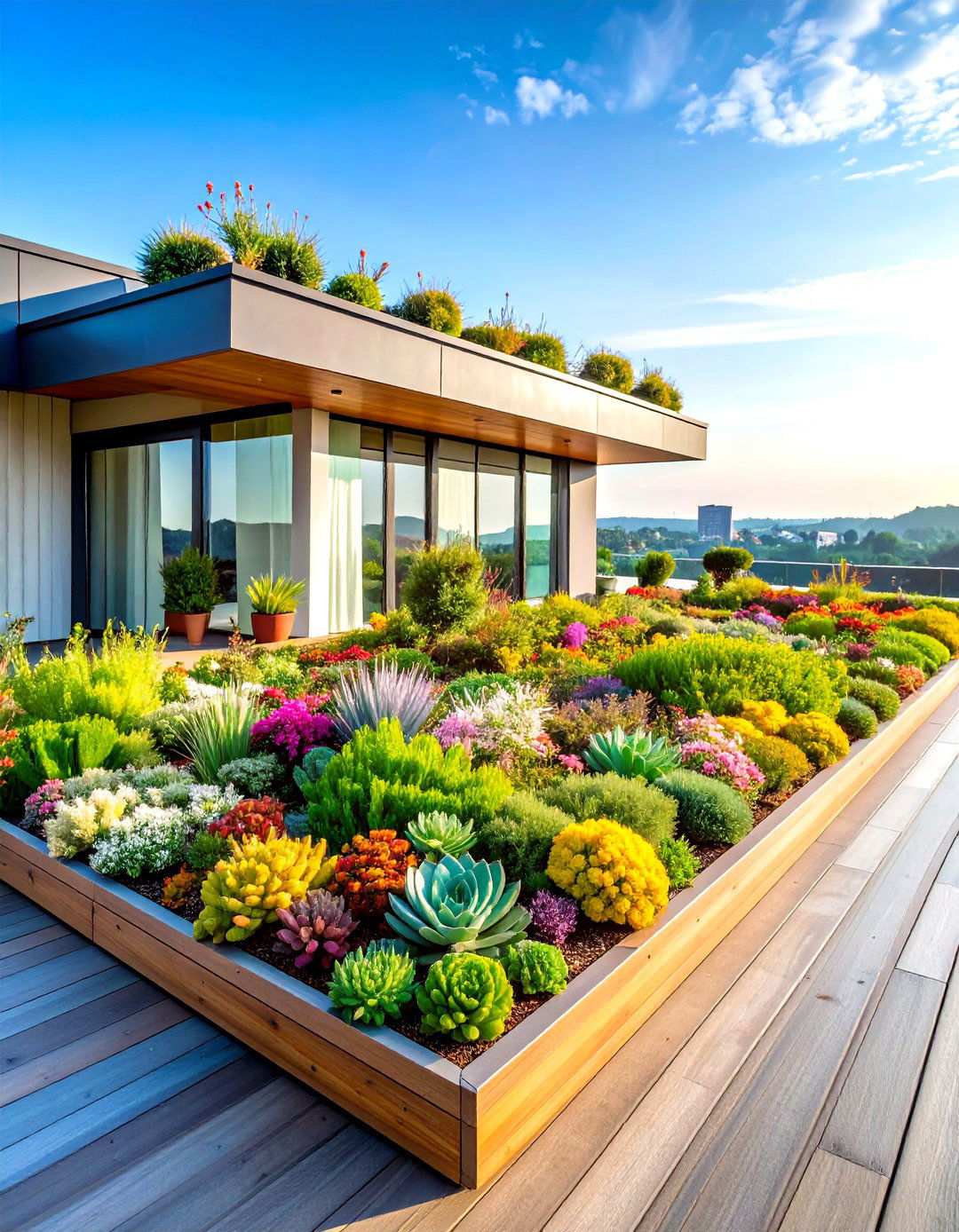
Are you seeking a sustainable and low-maintenance green roof solution for your home? Modern extensive sedum systems offer a perfect answer with their shallow growing medium, supporting drought-tolerant succulent plants that thrive in a variety of conditions. These contemporary homes feature flat or slightly sloped roofs covered with various sedum species, creating a kaleidoscope of colors and textures throughout the seasons. The system includes specialized drainage layers, root barriers, and growing medium that typically measures three to six inches deep. Interior designs often showcase minimalist aesthetics with large windows that provide breathtaking views of the living roof from inside. Clean lines, neutral color palettes, and open floor plans characterize these homes, while the sedum roof provides excellent insulation and stormwater management without requiring irrigation or frequent maintenance.
3. Transforming Rooftops into Lush Oasis Retreats
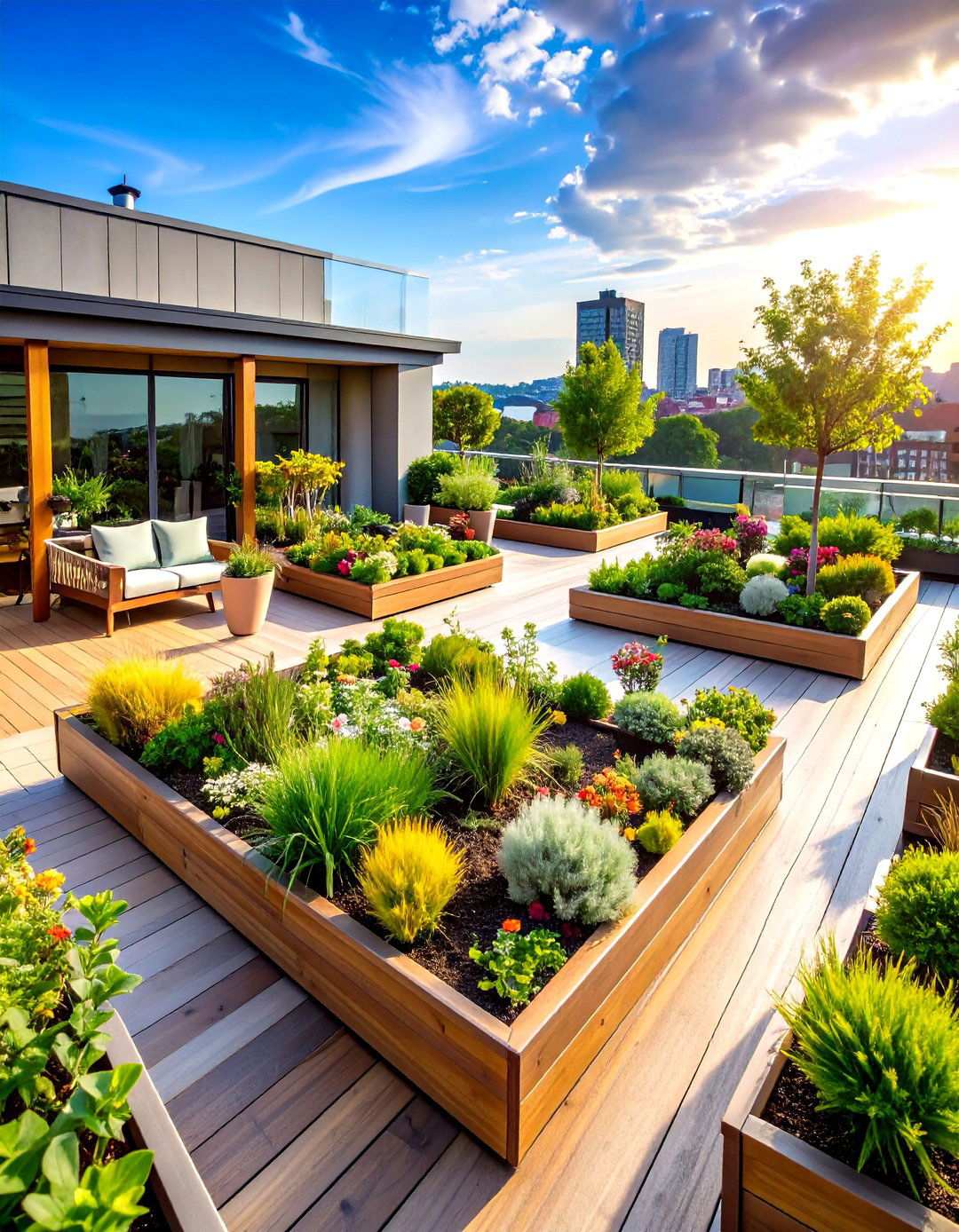
Imagine a rooftop paradise where lush gardens and serene spaces blend seamlessly with the indoors. Intensive green roof houses revolutionize urban living by transforming rooftops into vibrant oases that support a wide variety of plant life. These innovative designs feature enhanced structural systems that can accommodate substantial soil depths, walking paths, seating areas, and even small trees or shrubs. Residents can access their rooftop gardens through stairs or elevators, creating a smooth transition between indoor and outdoor living spaces. Floor-to-ceiling windows and skylights in interior spaces allow residents to connect with their rooftop gardens and bask in the natural beauty above. Modern materials like steel and concrete provide the necessary structural support, while sleek furnishings and open layouts complement the garden views. Effective irrigation and drainage systems are crucial for these homes, but they offer unparalleled opportunities for urban agriculture and outdoor recreation.
4. Underground Retreats with a Natural Edge
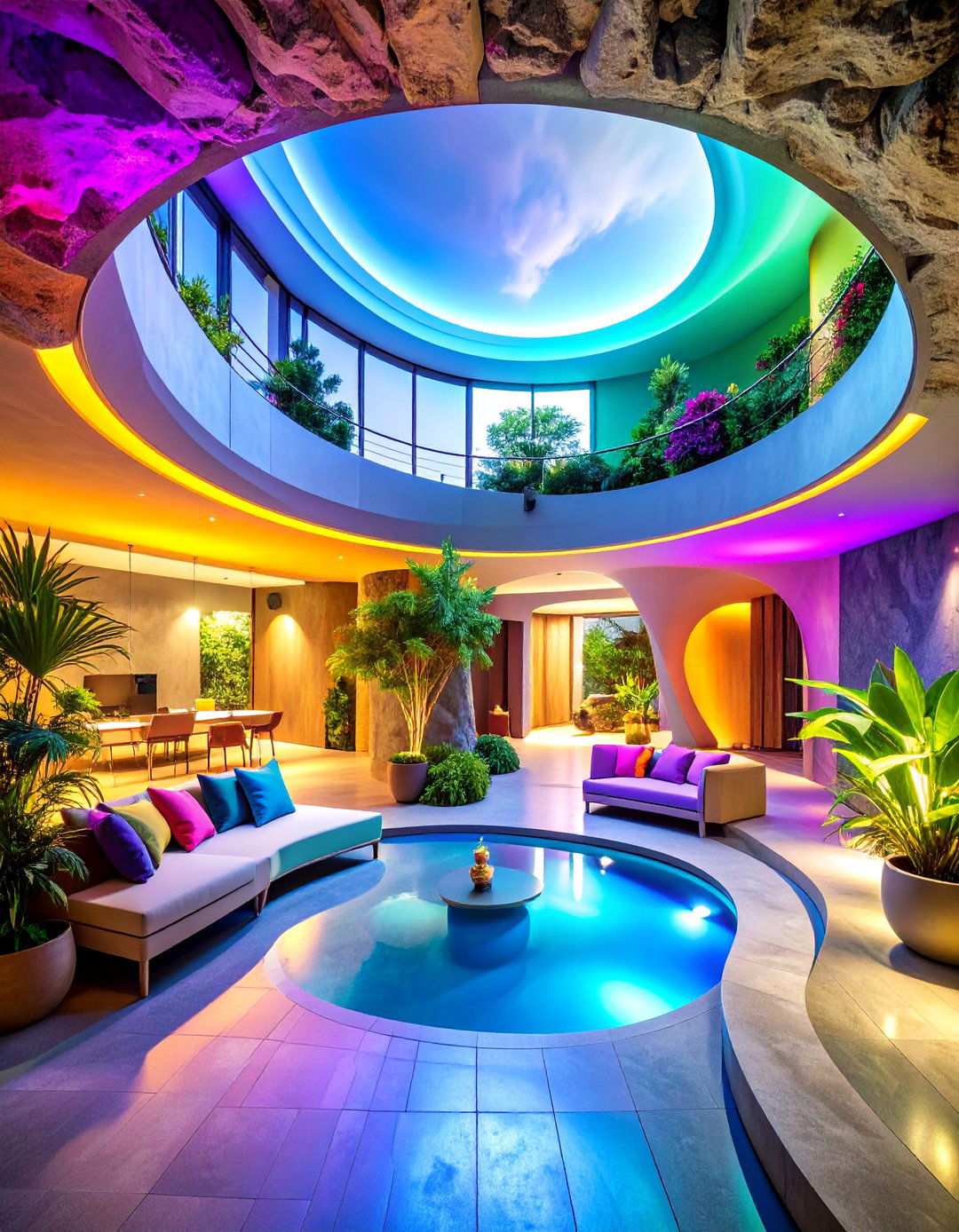
Why not create a secluded sanctuary beneath the earth’s surface, protected from the elements on all sides? Earth-sheltered underground houses feature complete below-grade construction with central courtyards or atriums that bring in natural light and ventilation. These innovative homes utilize the earth’s consistent temperature for energy efficiency while providing private, secure living environments. The design typically includes reinforced concrete walls, advanced waterproofing systems, and carefully planned drainage to prevent moisture issues. Interior spaces often feature vaulted ceilings, exposed concrete or stone walls, and strategically placed windows facing the central courtyard. The living areas surround the atrium, maximizing natural light while maintaining the benefits of earth sheltering. Only the green roof and courtyard opening are visible above ground, creating a minimal visual impact on the surrounding landscape.
5. Houses that Blend Seamlessly into the Landscape
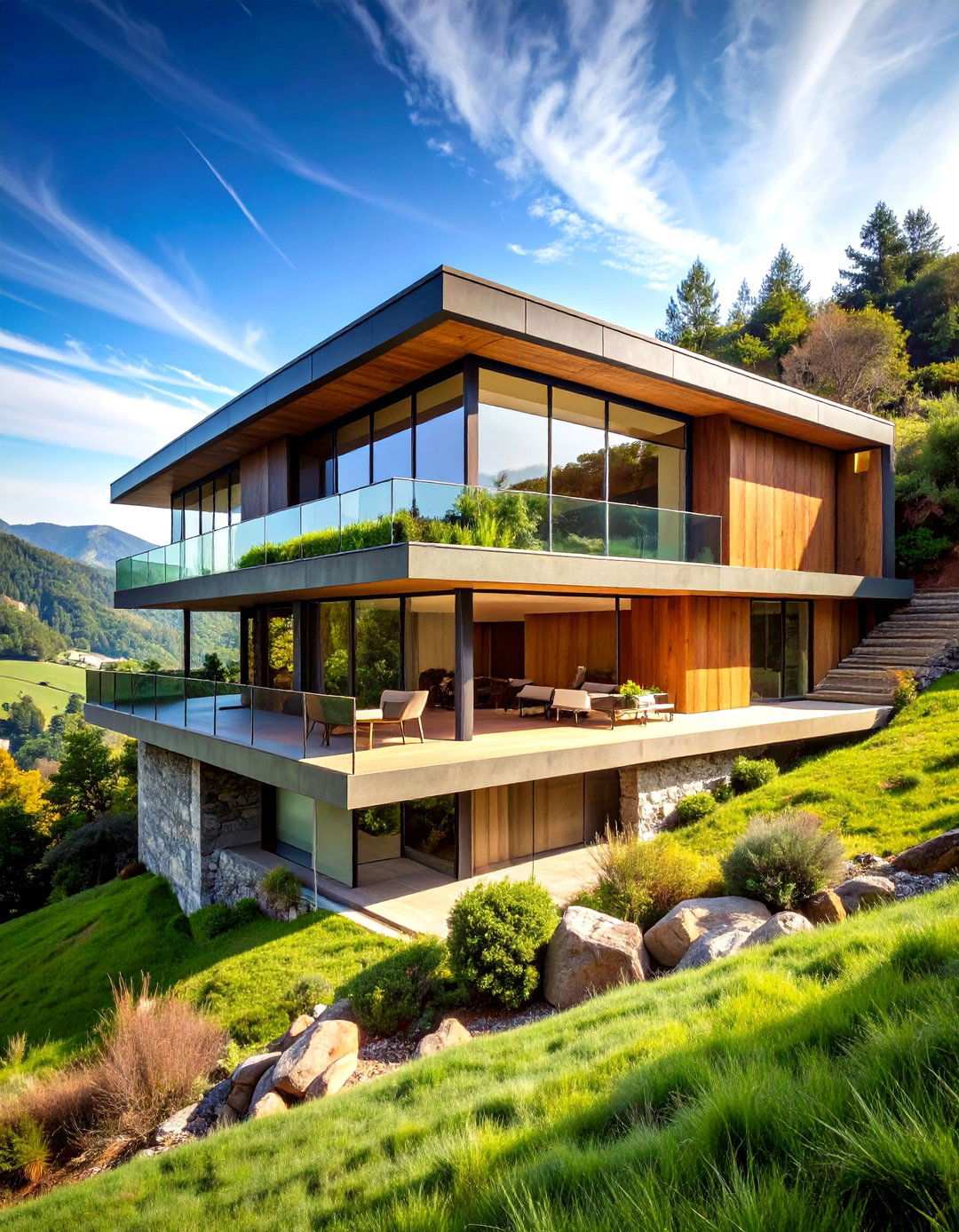
How can a house be designed to disappear into a hillside while still maintaining modern comfort and style? Earth-bermed houses achieve this through strategic placement against natural or constructed slopes, covering multiple walls with earth while leaving one elevation exposed. These designs typically feature the main living spaces facing south to maximize solar gain and views, while bedrooms and utility areas nestle into the earth-covered sections. The exposed facade often includes extensive glazing, creating bright, airy interiors despite the earth sheltering. Construction involves reinforced concrete or masonry walls capable of withstanding soil pressure, along with comprehensive waterproofing and insulation systems. Interior designs often emphasize natural materials like stone and wood that complement the earth-integrated exterior, while open floor plans maximize light penetration from the exposed wall.
6. Embracing Prairie Tradition with Modern Green Roof Innovation
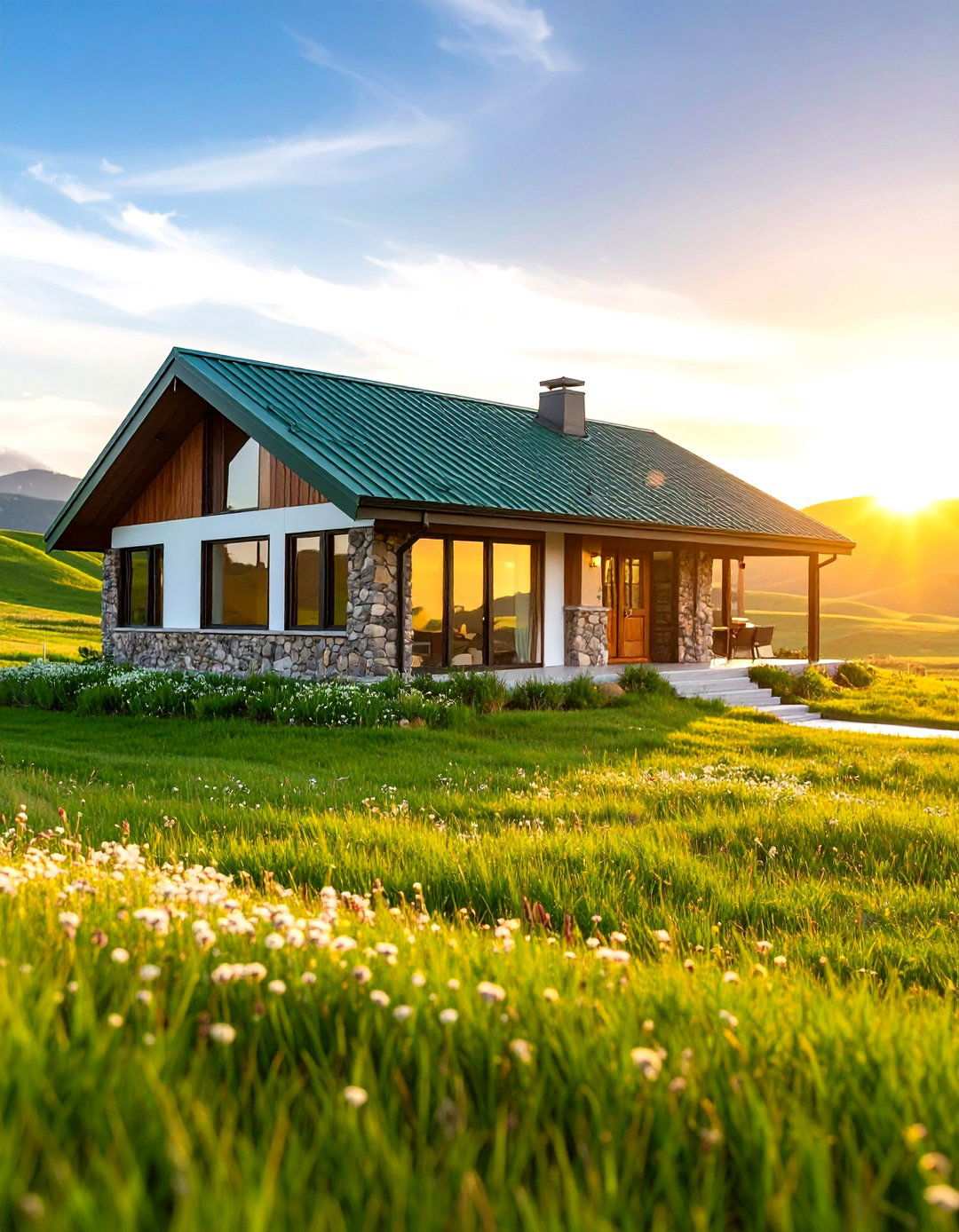
Frank Lloyd Wright’s prairie architecture can be reimagined and elevated with the integration of contemporary green roof technology. Prairie-style green roof houses seamlessly blend horizontal lines, natural materials, and earth-covered roofs to create homes that blend harmoniously with their surroundings. These designs boast low-pitched green roofs that extend beyond the walls, creating expansive overhangs and inviting outdoor living spaces beneath. The architecture expertly balances horizontal bands of windows, natural stone or brick walls, and integration with surrounding prairies or grasslands. Interior spaces typically feature exposed beam ceilings, built-in furniture, and open floor plans that flow effortlessly between rooms. The green roofs are often designed with native prairie grasses and wildflowers that change with the seasons, while the home’s materials and colors subtly complement the natural landscape. The warm glow of fireplaces, natural wood trim, and earth-tone color schemes complete the prairie aesthetic.
7. Fusing Minimalism with Nature's Beauty in Green Cube Designs
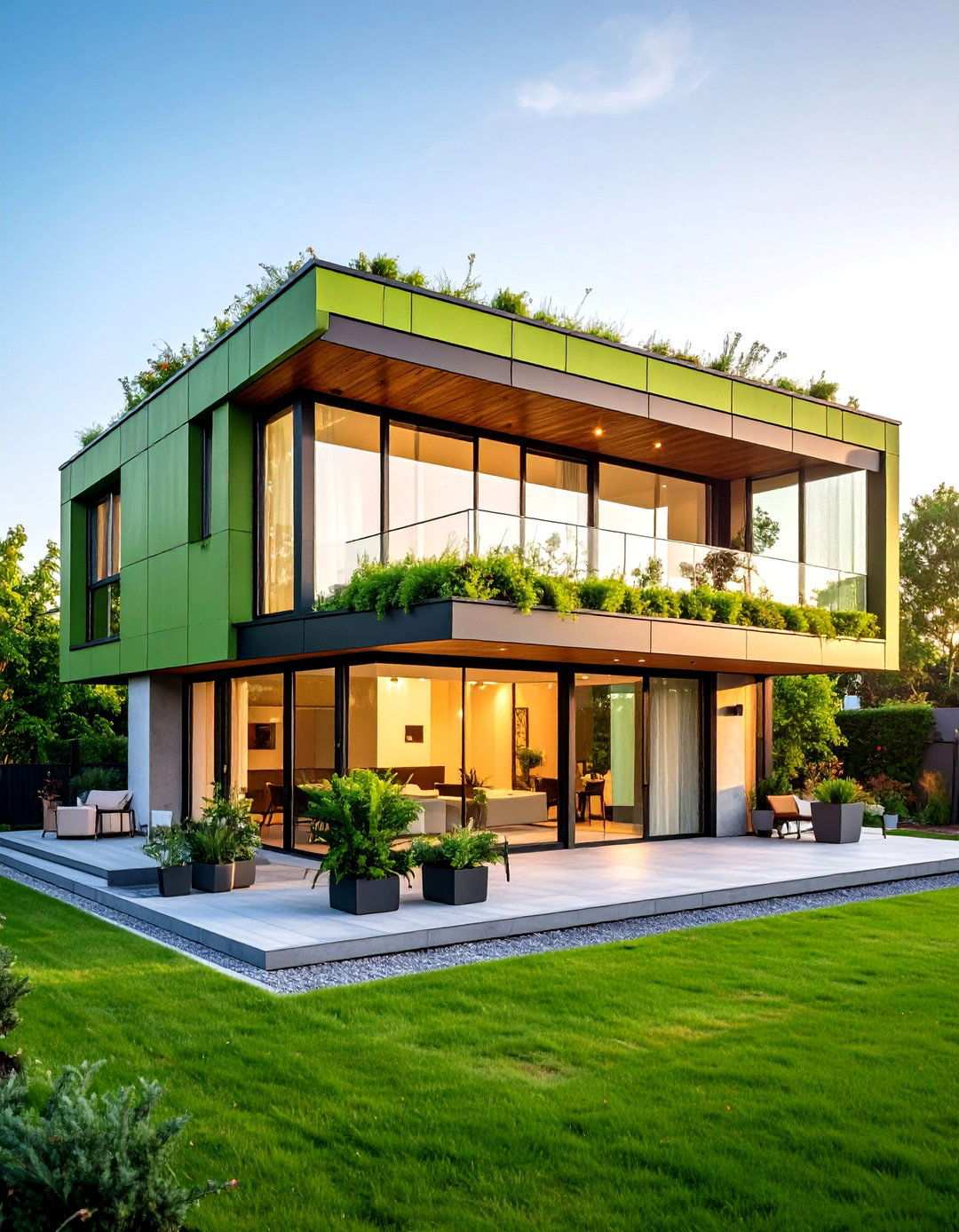
A striking contrast between clean geometric forms and lush green roofing systems is achieved when minimalist architecture meets advanced green roofing technology. Contemporary minimalist green cube houses create an intriguing visual tension between simplicity and organic roof vegetation. These designs feature simple rectangular or cubic shapes with flat green roofs that soften the building’s hard edges. The exterior walls typically consist of smooth concrete, steel panels, or large expanses of glass that emphasize the home’s modern geometry. Interior spaces adhere to minimalist principles with white walls, polished concrete floors, and thoughtfully curated furnishing selections. Floor-to-ceiling windows provide unobstructed views of the green roof from inside, while open floor plans and clever storage solutions maintain the clean aesthetic. The green roof typically features ornamental grasses or sedums arranged in geometric patterns that harmonize with the home’s architectural language.
8. Adapting Mediterranean Villa Architecture for Warm Climates with Green Roofs
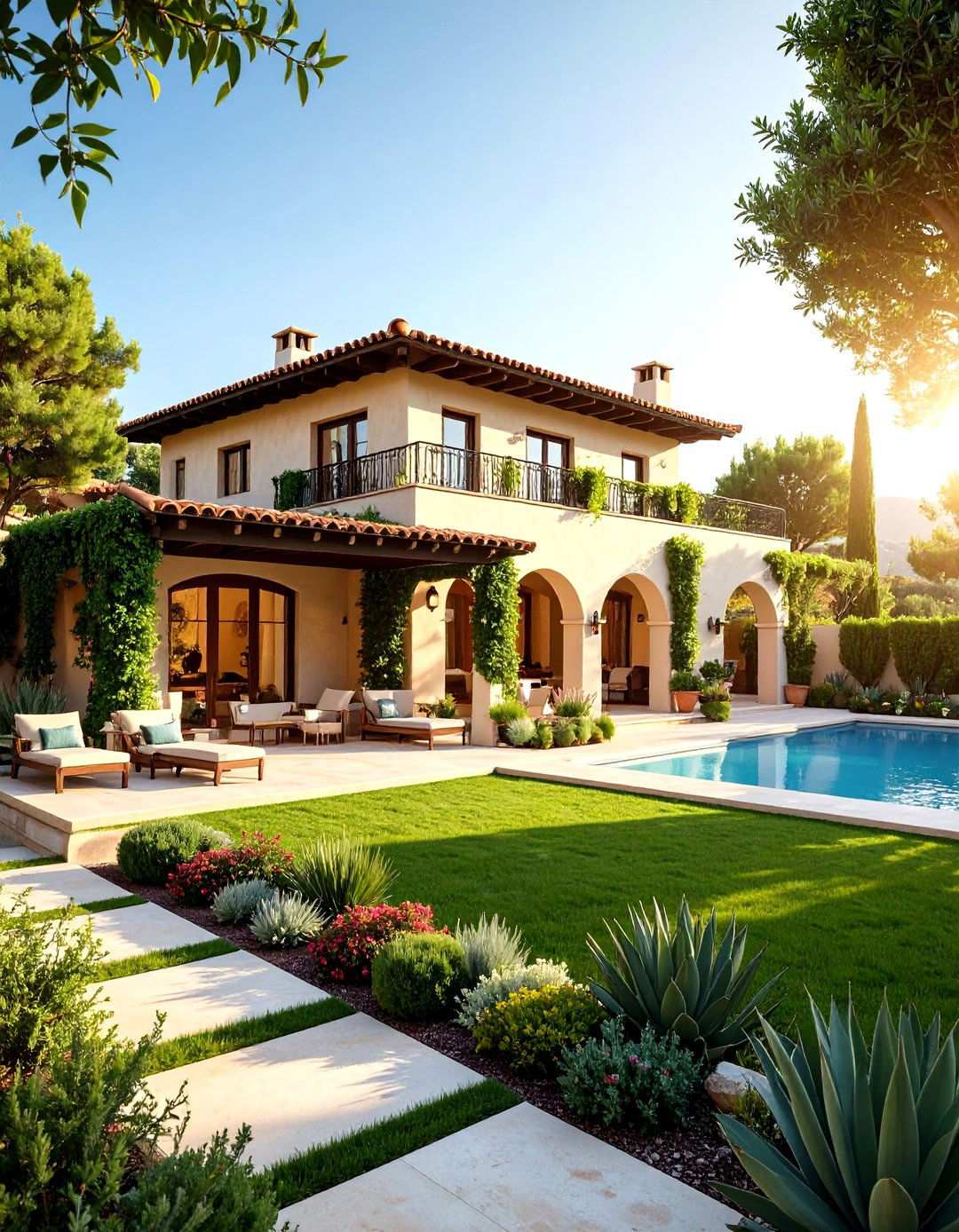
The incorporation of green roof technology can breathe new life into traditional Mediterranean villa architecture, particularly in warm, dry climates. Mediterranean-style green roof houses successfully integrate drought-resistant vegetation and innovative cooling roof systems with classic villa elements. These homes boast stucco or stone walls, terracotta tile accents, and flat or low-sloped green roofs planted with Mediterranean herbs, succulents, and native plants. The architecture includes typical villa elements like arched openings, courtyards, and outdoor terraces that seamlessly connect with the green roof systems. Interior spaces often feature tile floors, exposed wooden beams, and warm color palettes that reflect the Mediterranean aesthetic. The green roof not only provides additional insulation against intense summer heat but also creates a habitat for local wildlife, promoting a harmonious coexistence between nature and architecture. Strategically designed irrigation systems support the roof vegetation during dry periods, while the home’s design encourages natural cooling through cross-ventilation and thermal mass.
9. Alpine Chalet Green Roof Retreats
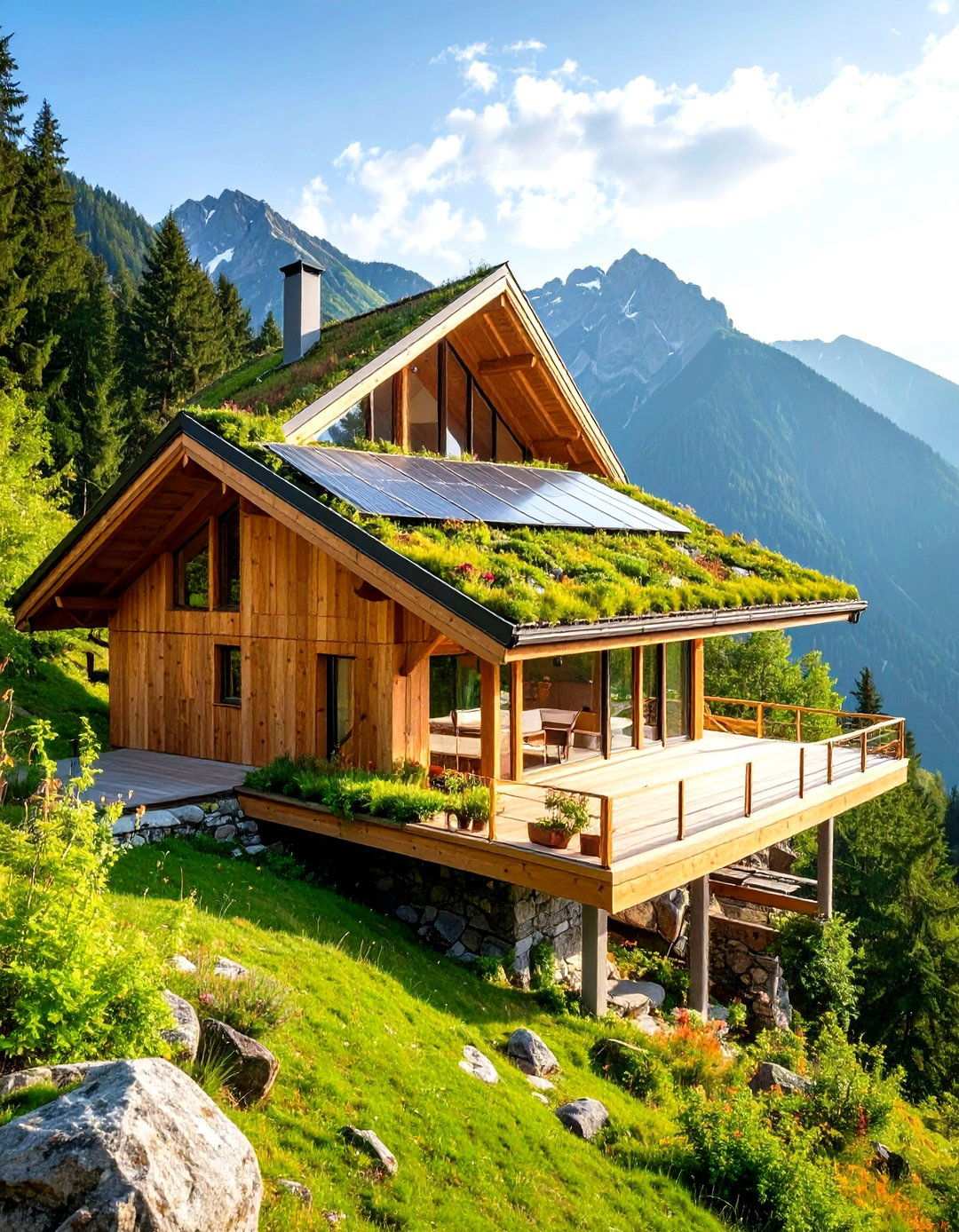
Beneath the snow-capped peaks, a new wave of alpine architecture has emerged, marrying traditional chalet styles with innovative green roof designs. By combining rustic wooden construction with lush living roofs, these alpine retreats seamlessly blend into their mountainous surroundings. The steep-pitched roofs not only handle snow loads but also provide a habitat for alpine vegetation during the growing seasons, adding a touch of serenity to the landscape. Exposed timber framing, natural stone foundations, and expansive windows frame breathtaking mountain views, while interior spaces boast exposed beam ceilings, stone fireplaces, and warm wood finishes that evoke a sense of cozy alpine comfort. Native alpine plants with low maintenance requirements and a hardy disposition complete the picture, allowing homeowners to enjoy the tranquility of their surroundings without sacrificing modern comfort and sustainability.
The compact footprint of these alpine retreats is a testament to the efficient design principles that underpin traditional alpine building practices. By adapting these timeless principles to modern needs, homeowners can enjoy the best of both worlds – a connection to nature and the comforts of contemporary living. As a result, balconies and terraces extend the living spaces outdoors, creating a seamless transition between indoors and outdoors.
10. Urban Rooftop Farm Houses
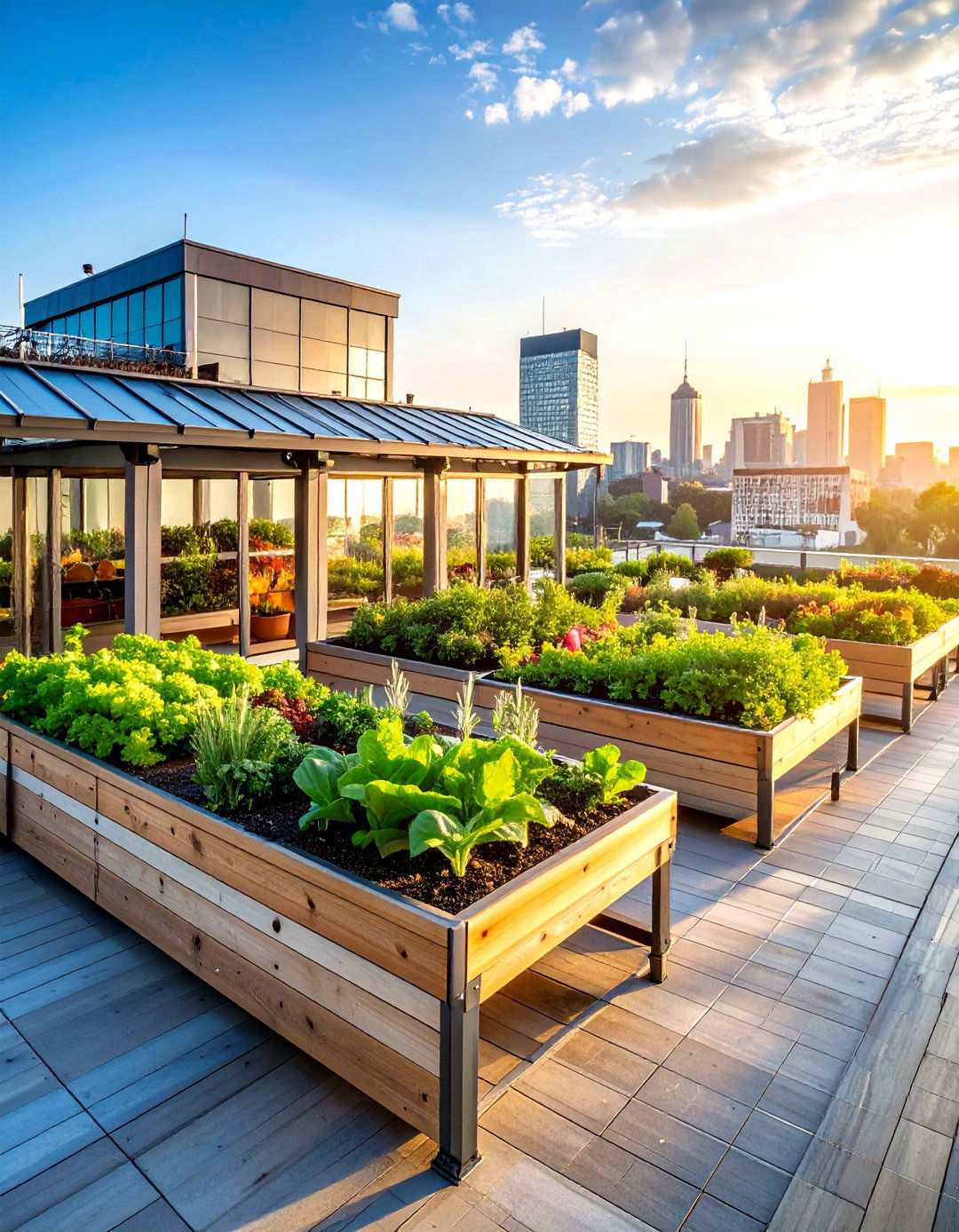
Imagine being able to harvest fresh produce from your very own rooftop farm, right above your city home. Urban rooftop farm houses revolutionize city living by integrating productive green roofs featuring vibrant vegetable gardens, herb plots, and fruit trees. These innovative homes feature reinforced roof structures capable of supporting deep soil systems essential for food production, alongside greenhouse sections for year-round growing. The architecture often incorporates industrial elements like exposed steel framing, large windows, and utilitarian finishes that complement the agricultural function, creating a unique blend of form and function.
Inside, processing areas, root cellars, and kitchens are designed to handle the bounty of home-grown produce, while rainwater collection systems, composting areas, and tool storage are seamlessly integrated into the design. Living spaces prioritize functionality and sustainability, yet maintain comfort through efficient layouts and strategic use of natural lighting. By bringing food production to the urban jungle, these rooftop farm houses redefine the relationship between city dwellers and their environment.
11. Japanese-Inspired Zen Garden Roofs
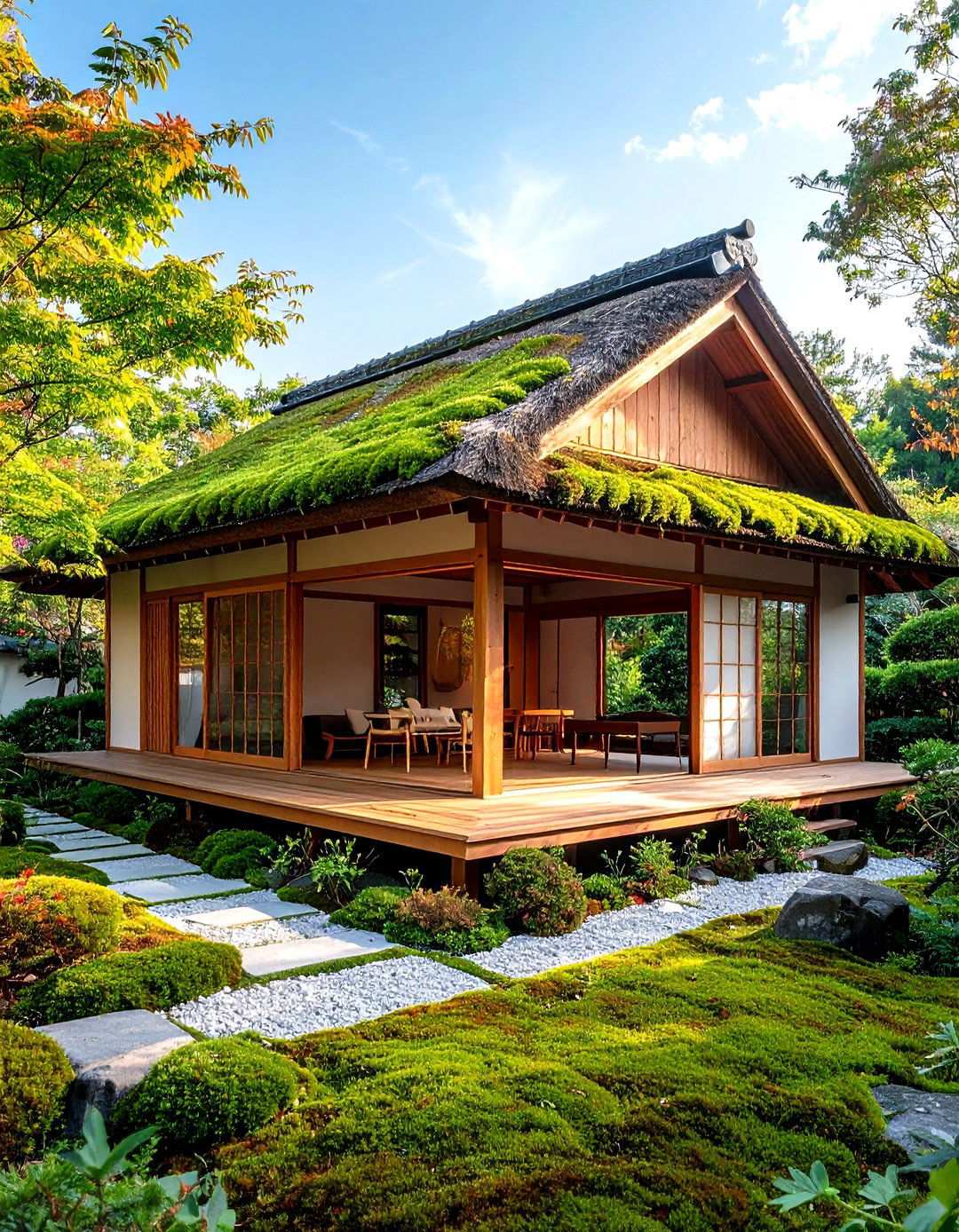
Can the principles of Japanese garden design be translated into a serene green roof oasis? Japanese-inspired zen garden roof houses feature carefully composed rooftop landscapes with ornamental grasses, moss, small shrubs, and contemplative meditation spaces. These homes typically embody minimalist Japanese architecture with natural materials, sliding panels, and a seamless indoor-outdoor flow. The green roof design adheres to zen principles, with asymmetrical compositions, restrained plant palettes, and tranquil viewing areas accessible from interior spaces.
Post-and-beam framing, natural wood siding, and large sliding doors that open to connect with the roof garden are hallmarks of these designs, while interior spaces feature tatami mats, low furniture, and neutral color schemes that promote a sense of calm. The roof garden serves as an extension of interior meditation and living spaces, providing natural cooling and stormwater management benefits that complement the peaceful ambiance. By marrying Japanese design principles with modern green roof technology, these zen garden roof houses create a unique retreat from the stresses of everyday life.
12. Incorporating Modern Green Roofs into Historic Victorian Architecture
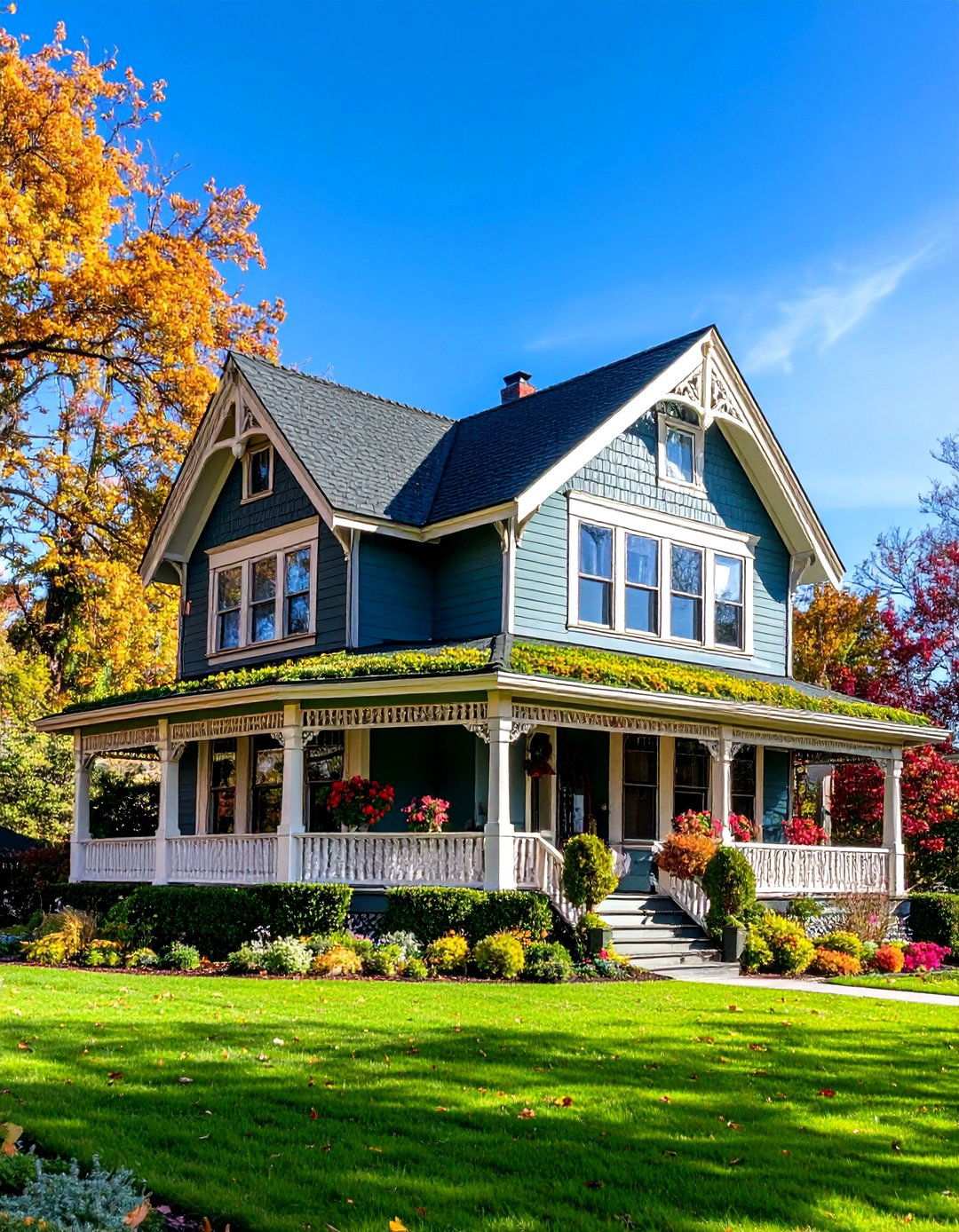
Victorian-era homes can seamlessly blend modern green roof technology with their distinctive architectural character by embracing thoughtful design and meticulous renovation techniques. When integrating living roof systems, careful attention is paid to preserving ornate details and traditional materials while ensuring structural integrity and stability. By strategically reinforcing existing structures, these renovations maintain the original facade, decorative trim, and historic proportions while supporting the added weight of the green roof. The design typically focuses on flat roof sections or rear additions, preserving the traditional steep roofs and iconic silhouettes that define Victorian-era homes. Interior restorations often involve preserving original features such as hardwood floors, decorative moldings, and bay windows, while incorporating modern comfort systems and period-inspired color schemes and furnishings. By integrating waterproofing and insulation, the renovations safeguard the historic structure while allowing the green roof to thrive.
13. Revitalizing Traditional Adobe Architecture with Drought-Resistant Green Roofs
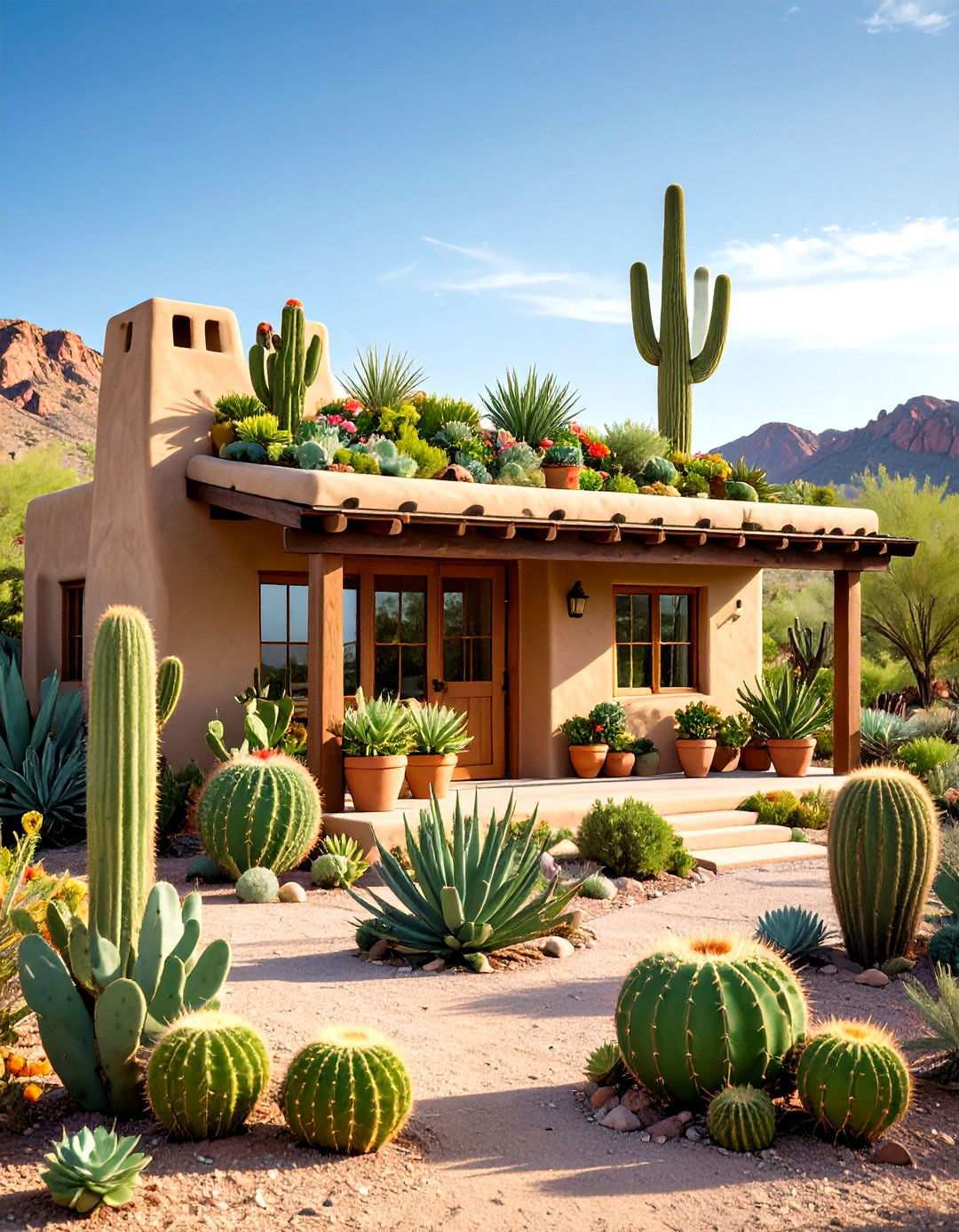
The desert southwest’s arid climate presents a unique opportunity to reimagine traditional adobe construction by pairing it with innovative, drought-resistant green roof systems. By combining tried-and-true building methods with xerophytic plant systems, these homes showcase a harmonious blend of past and present. The adobe green roof houses feature distinctive characteristics such as thick adobe walls, flat roofs, and courtyards, all enhanced by lush desert plant gardens. These systems rely on specialized drainage and growing media to support an array of cacti, succulents, and native desert vegetation that can thrive in water-scarce environments. Interior spaces within these homes often boast exposed wooden beams, saltillo tile floors, and earthy color palettes that complement the desert surroundings. Traditional elements like nichos, kiva fireplaces, and outdoor living areas seamlessly connect with the surrounding landscape, while the green roof contributes to a more sustainable and thermally efficient environment by providing additional insulation and habitat for desert wildlife.
14. Coastal Cottage Dune Grass Roofs
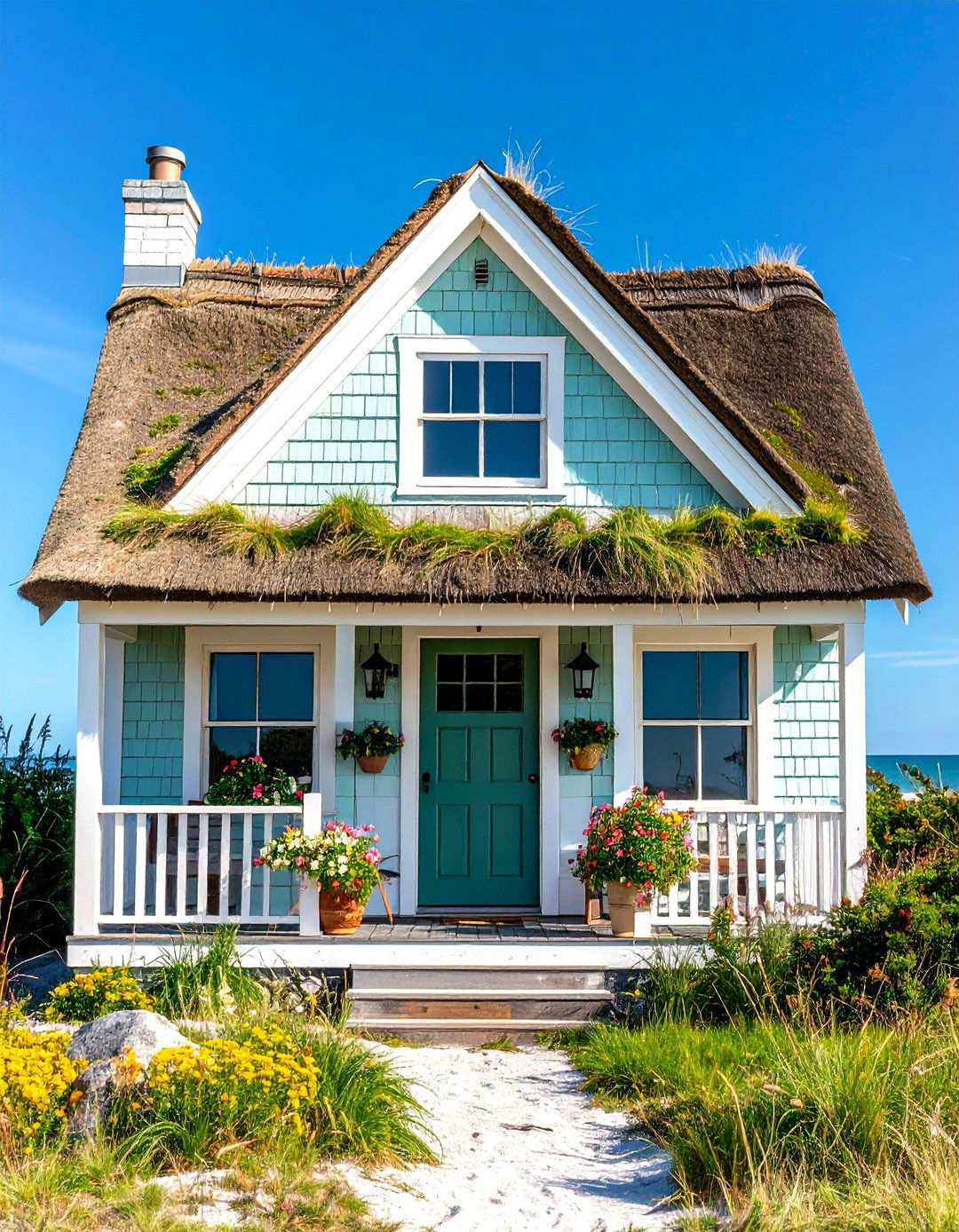
Incorporating native coastal vegetation into your roof design can create a seamless transition between your home and the surrounding beach environment. Coastal cottage dune grass roof houses embody the essence of beach living with their combination of weathered shingle siding, crisp white trim, and lush green roofs. The dwellings often feature inviting wrap-around porches, dormer windows, and relaxed architectural details that blend effortlessly with naturalistic roof plantings. The green roof systems, specifically engineered to withstand salt spray and coastal weather conditions, utilize specialized growing media and drainage to promote healthy growth. Inside, interior spaces are characterized by white-painted wood, nautical elements, and casual furnishings that evoke the carefree spirit of beach house living. Expansive windows and skylights allow for an abundance of natural light while offering breathtaking views of both the ocean and the verdant roof garden above. By incorporating dune grass roofs, homeowners can not only protect against coastal storms but also provide habitat for shore birds and support local coastal ecosystems.
15. Industrial Loft Green Roof Conversions
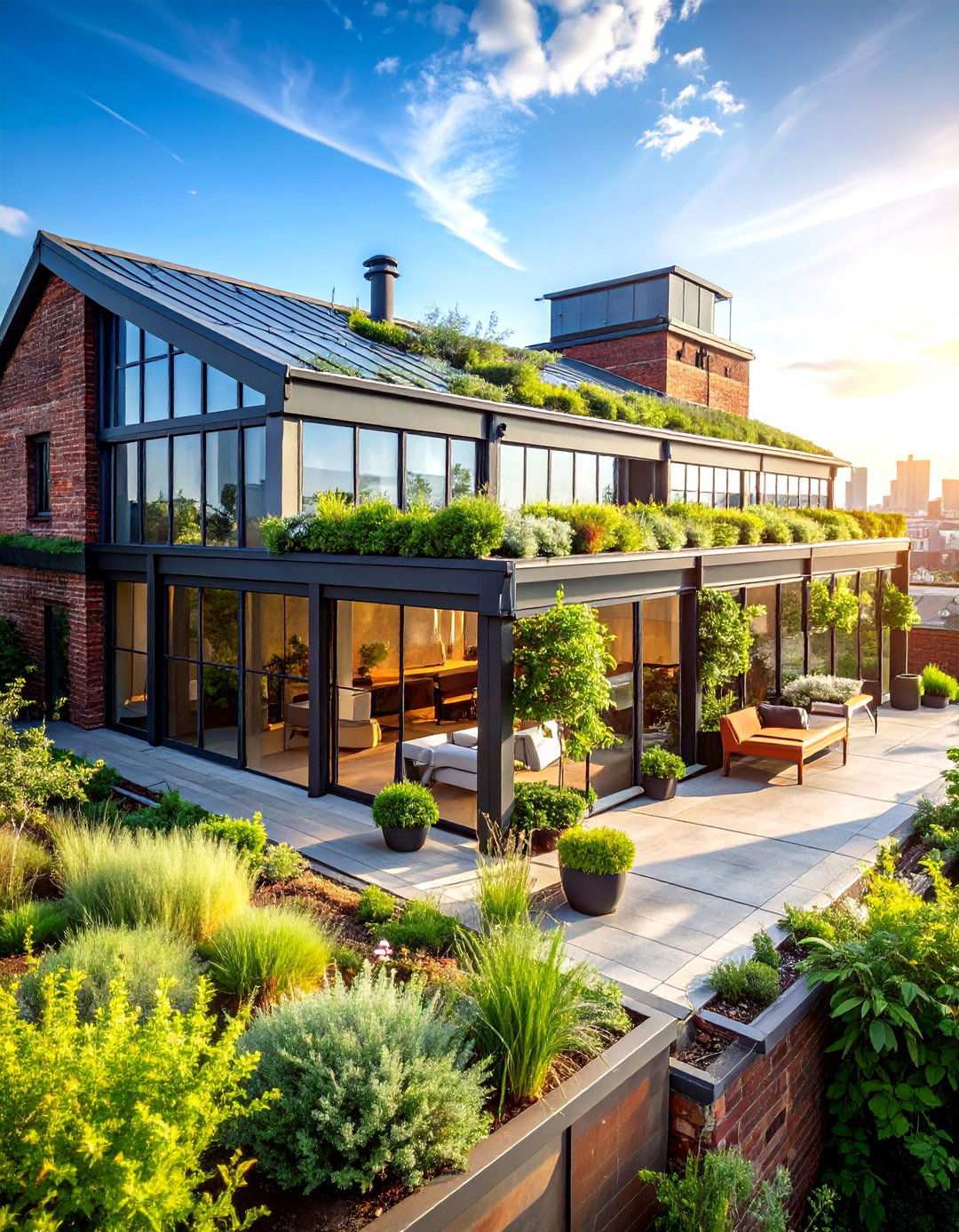
The marriage of industrial chic and green roofs gives rise to innovative urban residential spaces. Industrial loft green roof conversions breathe new life into converted warehouses and factories by integrating extensive rooftop gardens into their original structures. These projects thoughtfully balance industrial features like exposed brick walls, steel beams, and large factory windows with contemporary green roof systems. The roof design typically incorporates modular growing systems that can be easily installed on existing flat industrial roofs without compromising the building’s structural integrity. Inside, interior spaces maintain the exposed, industrial aesthetic with polished concrete floors, exposed ductwork, and open floor plans that maximize the expansive spaces available. Modern amenities are carefully woven into the design to preserve the building’s industrial character while enhancing its sustainability. The green roof provides a natural acoustic buffer against urban noise pollution, creating private outdoor spaces that feel worlds away from the city streets below.
16. Modernist Flat Roof Wildflower Meadows
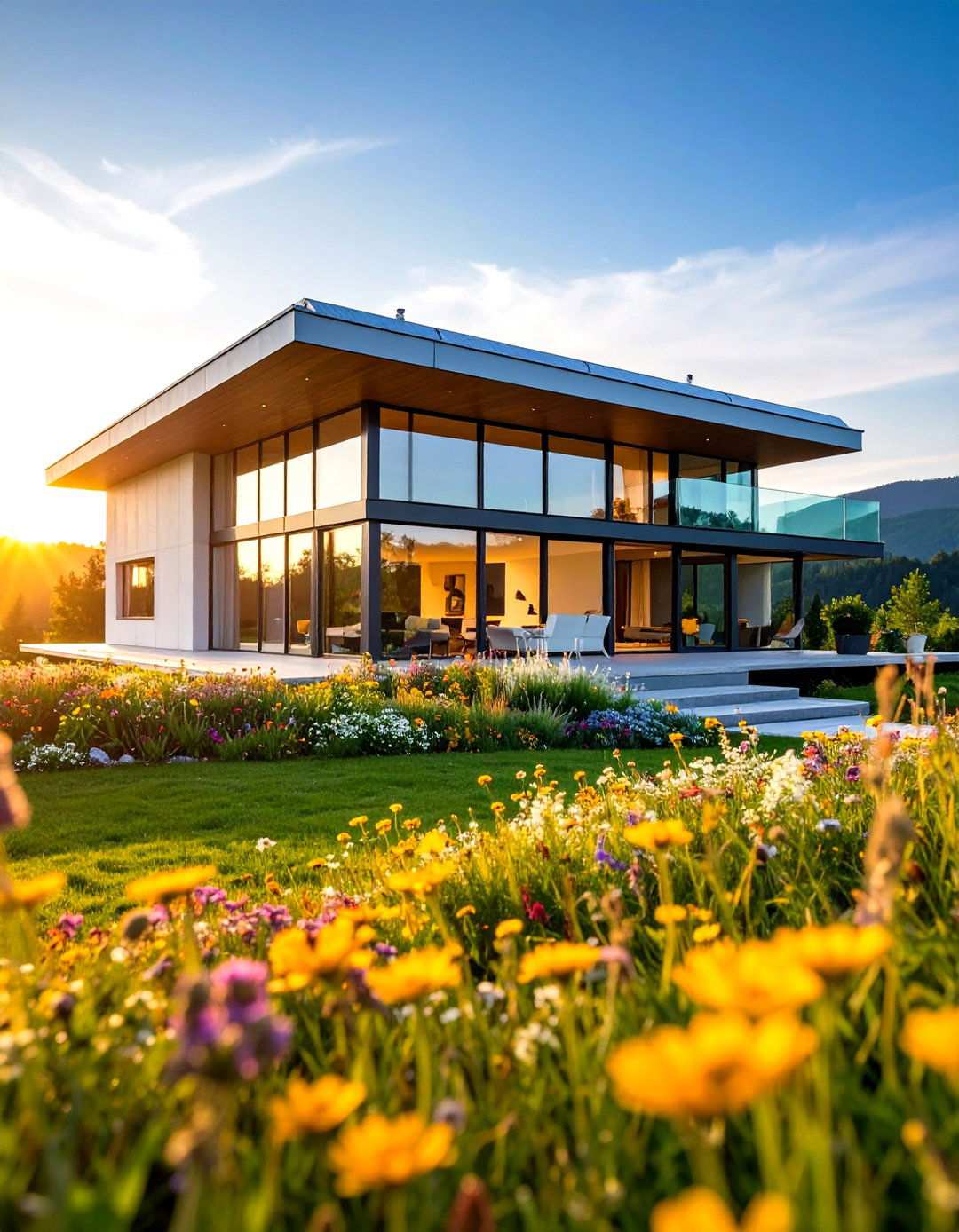
The juxtaposition of modernist architecture’s clean lines and natural wildflower meadow roofs can create a visually striking contrast. Modernist flat roof wildflower houses showcase geometric designs that are softened by the ever-changing tapestry of naturalistic roof plantings. These homes often boast expansive glass walls, clean horizontal lines, and minimal ornamentation, which are beautifully complemented by the diverse wildflower communities above. The architecture frequently incorporates cantilevers, flat roofs, and indoor-outdoor flow characteristic of modernist design, while the roof meadow provides an organic counterpoint to the structured geometry below. Inside, interior spaces emphasize open plans, minimal decoration, and seamless integration with outdoor views, including the ever-changing roof landscape. The wildflower meadow systems, which require deeper growing media than sedum roofs, offer greater biodiversity and seasonal interest. By carefully selecting plants that provide year-round appeal, homeowners can not only support local pollinators and wildlife but also create a vibrant, living roofscape that enhances their living spaces.
17. Transforming Barns into Sustainable Green Roofs
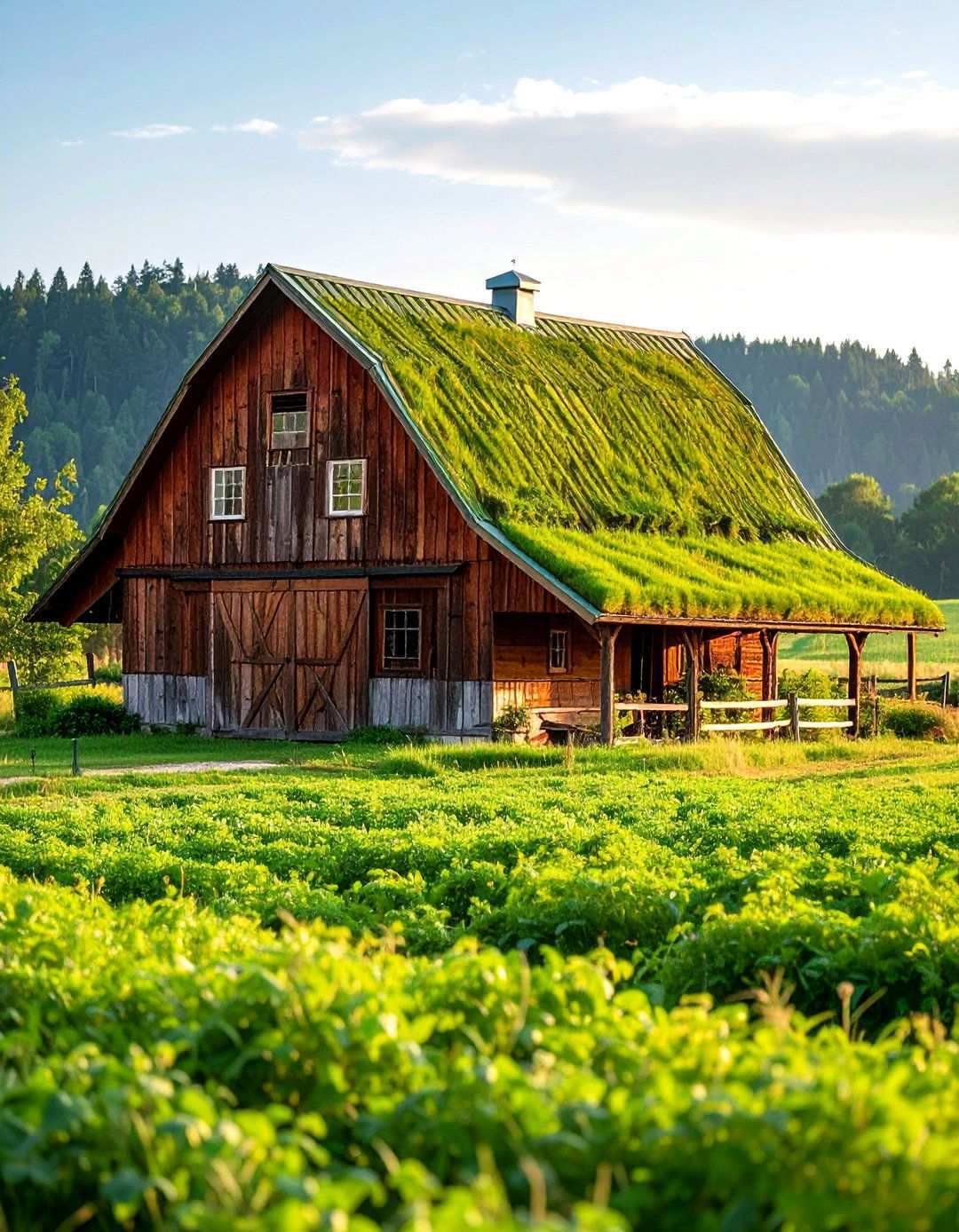
By repurposing traditional barn architecture, homeowners can create eco-friendly green roof homesteads that seamlessly blend agriculture with modern living. These innovative homes are characterized by gambrel or gable roofs, partially or entirely covered with lush vegetation, which not only adds to their aesthetic appeal but also contributes to their sustainability. Boasting board-and-batten siding, expansive sliding doors, and upper levels inspired by haylofts, these homes exude rustic charm while incorporating modern amenities in harmony with their rural surroundings. To maintain the traditional steep sections of the roof, green roof areas are strategically placed to ensure the barn’s agricultural character remains intact. As a result, the interior spaces often feature exposed post-and-beam construction, loft bedrooms, and open great rooms that cleverly reflect the barn’s heritage. Furthermore, the green roofs, adorned with meadow grasses and wildflowers, not only provide insulation and stormwater management but also beautifully complement the rural landscape.
18. Merging Tudor Revival with Modern Green Roof Systems
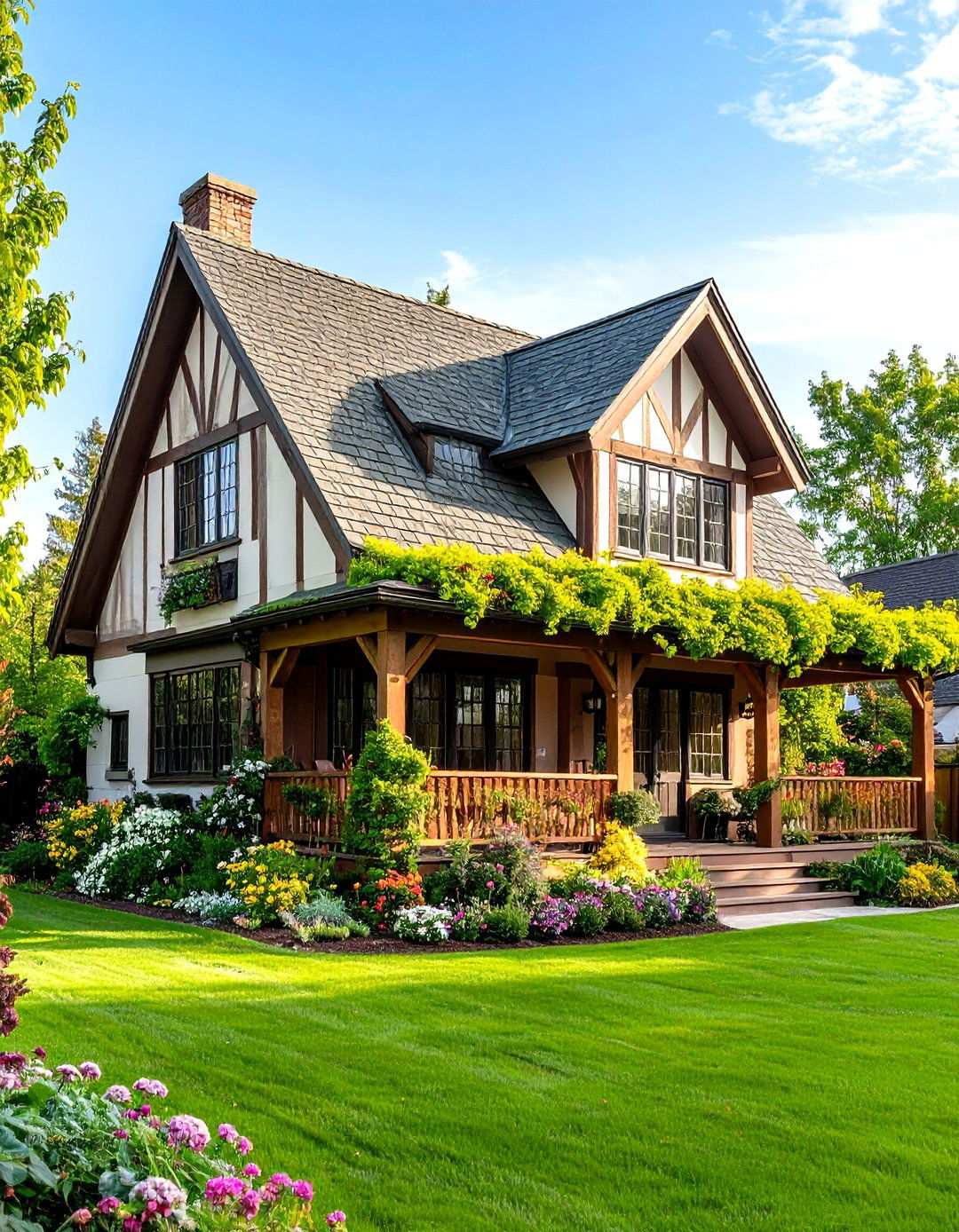
Tudor Revival architecture’s distinctive rooflines can be ingeniously adapted to accommodate modern green roof systems, resulting in unique and captivating homes that seamlessly blend tradition with innovation. By carefully integrating living roof sections with traditional steep gables, half-timbering, and leaded glass windows, homeowners can create homes that expertly balance form and function. These adaptations often involve adding green roof systems to flat or low-sloped sections while preserving the characteristic Tudor silhouette and materials, ensuring the homes maintain their historic charm. Typically, these homes feature stucco and timber facades, diamond-paned windows, and asymmetrical compositions, which are further enhanced by strategically placed roof gardens. The interior spaces often boast exposed beam ceilings, inglenook fireplaces, and Arts and Crafts-influenced details that thoughtfully maintain the Tudor character. Rather than competing with the traditional architecture, the green roof sections are designed to complement and enhance the historic style, often featuring formal garden plantings that reflect English garden traditions. By carefully integrating modern green roof technology, homeowners can preserve the integrity of their Tudor Revival homes while embracing the benefits of sustainable living.
19. Tropical Modern Green Roof Houses
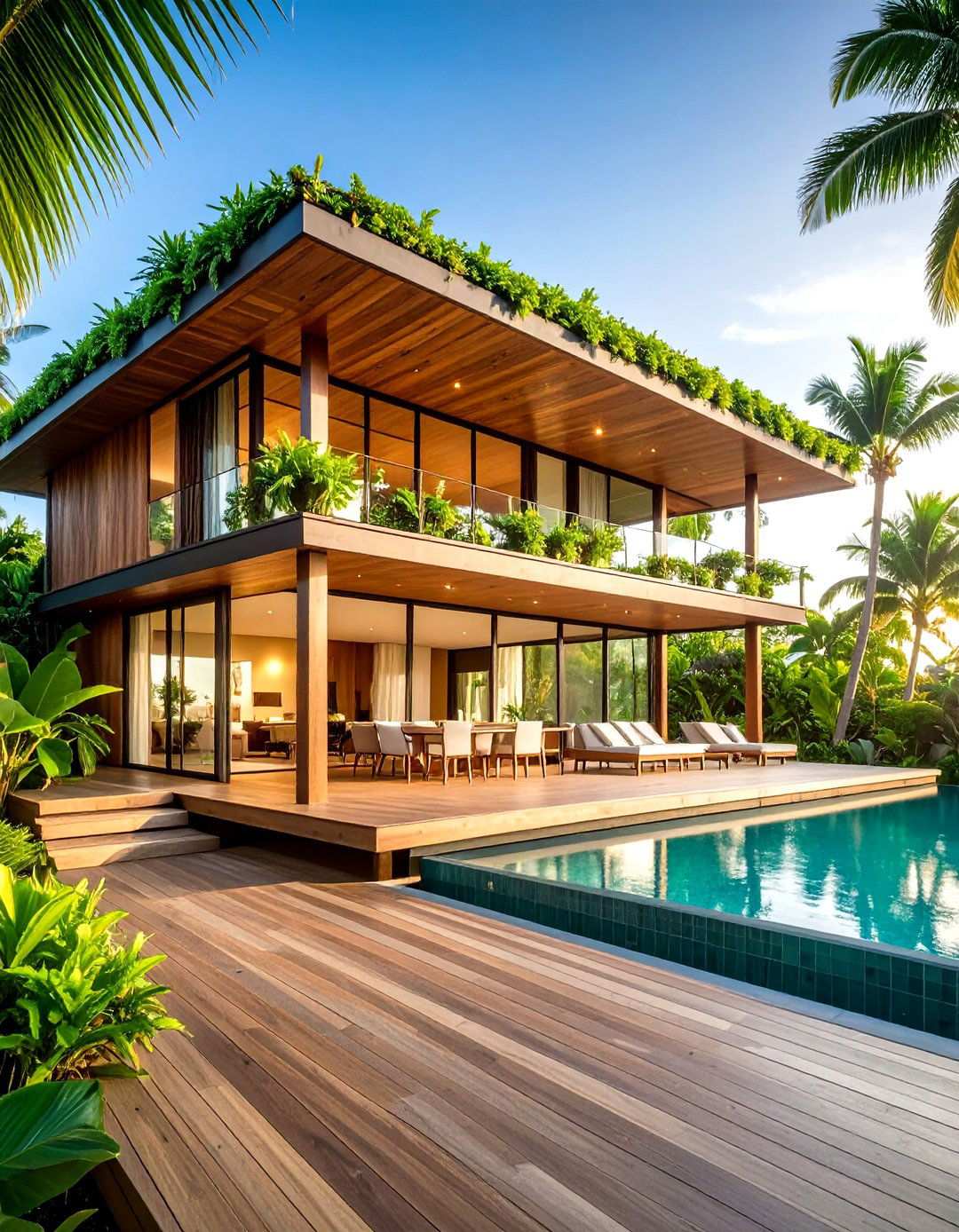
By merging tropical architecture with cutting-edge green roof technology, designers unlock a world of exciting possibilities. Tropical modern green roof houses embody the essence of open-air living, harnessing natural ventilation and lush roof gardens to thrive in warm, humid climates. Characterized by expansive overhangs, screened porches, and natural materials complemented by tropical plant communities on the roof, these homes seamlessly integrate the outdoors with the indoors. The architecture often features raised foundations, cross-ventilation, and expansive outdoor living spaces that blur the boundaries between interior and exterior spaces. Meanwhile, interior spaces prioritize natural cooling strategies, feature tropical hardwood finishes, and incorporate furnishings that exude the relaxed, carefree spirit of tropical living. The green roof systems leverage tropical plants that excel in humid environments and can withstand intense rainfall typical of tropical climates. Ingenious design elements, such as rain chains, cisterns, and natural cooling strategies, are skillfully integrated to work harmoniously with the tropical environment, rather than against it.
20. Arctic Climate Green Roof Design
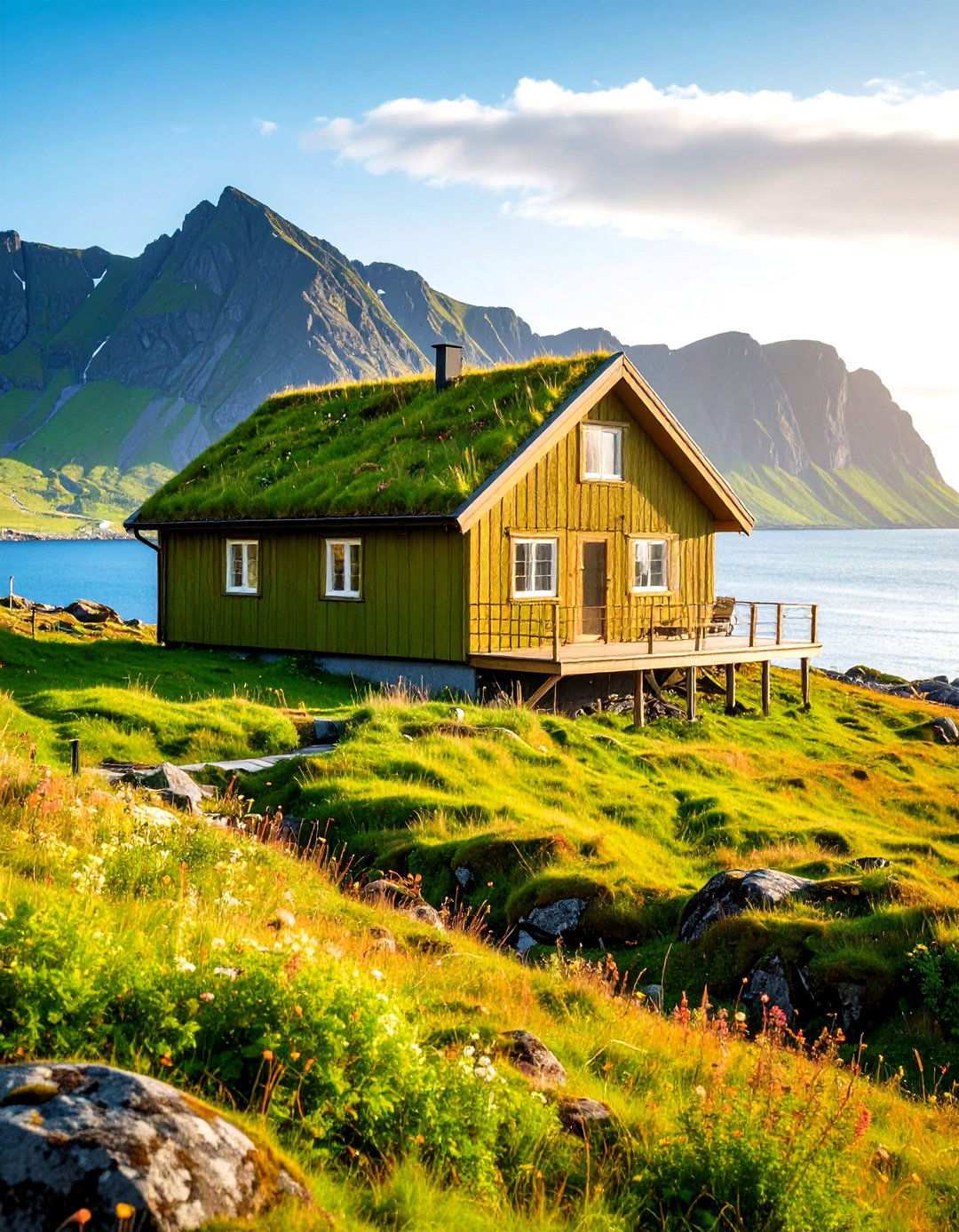
In regions with extreme cold climates and short growing seasons, how do green roofs adapt and perform? Arctic climate green roof houses are designed with super-insulated construction and specialized plant systems tailored to harsh northern conditions. These homes often boast triple-glazed windows, thick insulation, and compact designs that minimize heat loss, while the green roof provides crucial additional insulation during long winters. The roof vegetation typically consists of hardy perennials, sedums, and native arctic plants that can weather freezing temperatures and short growing seasons. To maintain comfort during extreme cold periods, interior spaces frequently feature radiant heating, wood stoves, and thermal mass. The architecture often includes windbreaks, protected entries, and strategically designed orientation to maximize solar gain during brief summer months. Careful consideration is given to snow load calculations and drainage systems to handle freeze-thaw cycles while safeguarding the roof membrane and vegetation.
21. Harnessing Solar Energy with Green Roofs
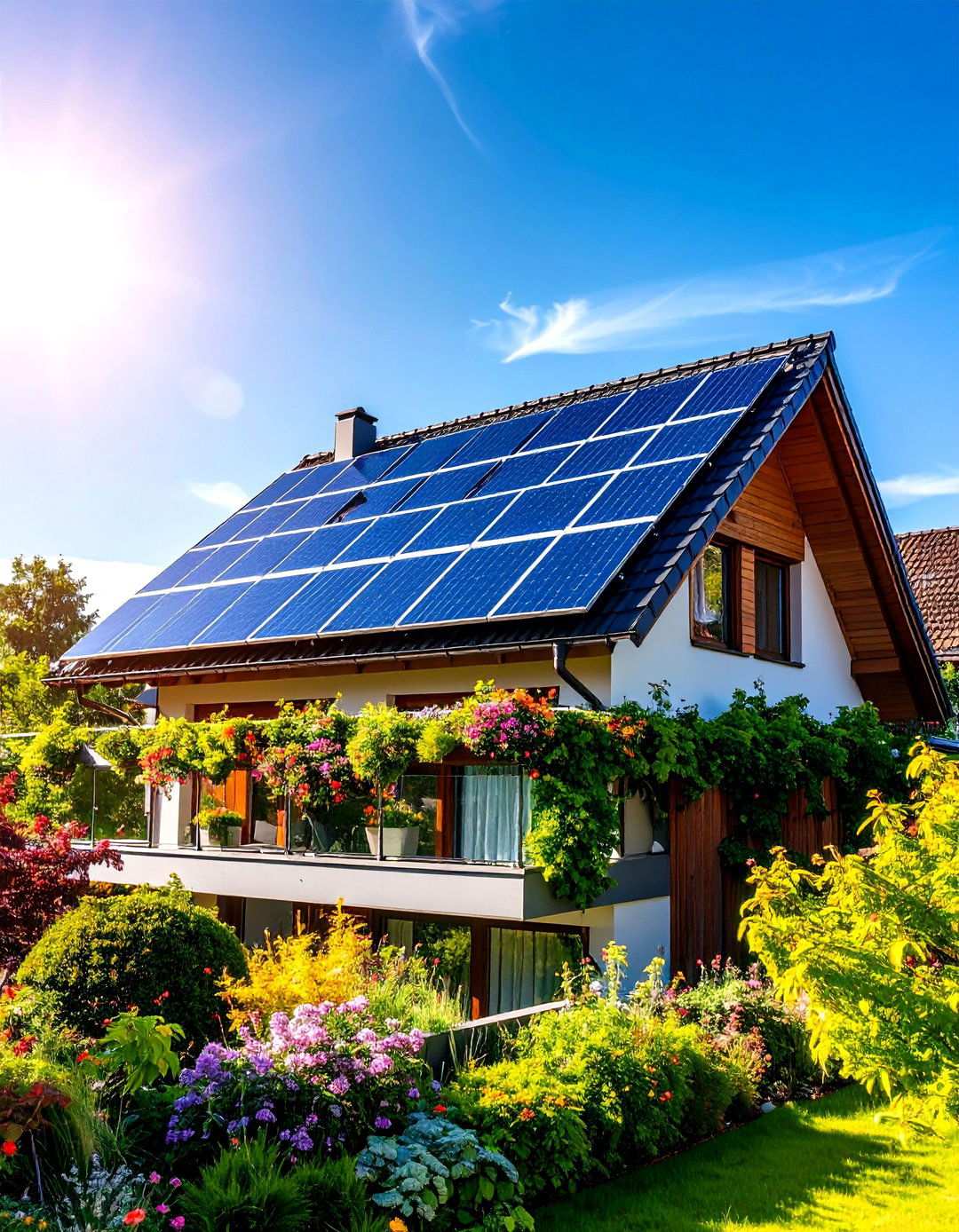
Can green roofs and solar panels collaborate to elevate a home’s eco-friendliness? Solar-integrated green roof residences boast cutting-edge designs that seamlessly combine photovoltaic systems with lush living roof vegetation to achieve peak energy and environmental performance. Elevated solar panel arrays in these homes create microclimates that nurture plant growth below while generating clean, renewable electricity. The architecture typically features sleek, minimalist lines that thoughtfully integrate both technologies while maintaining a visually appealing façade. Energy-efficient interior spaces often feature real-time energy monitoring systems, state-of-the-art appliances, and space-conscious designs that minimize energy consumption to complement the roof’s dual functionality. The living roof vegetation also helps regulate the temperature of the solar panels, enhancing their efficiency, while the panels provide partial shade that benefits certain plant species. Careful planning ensures both systems operate in harmony, resulting in strikingly sustainable and visually appealing homes.
22. Preserving Tradition with Green Roof Additions
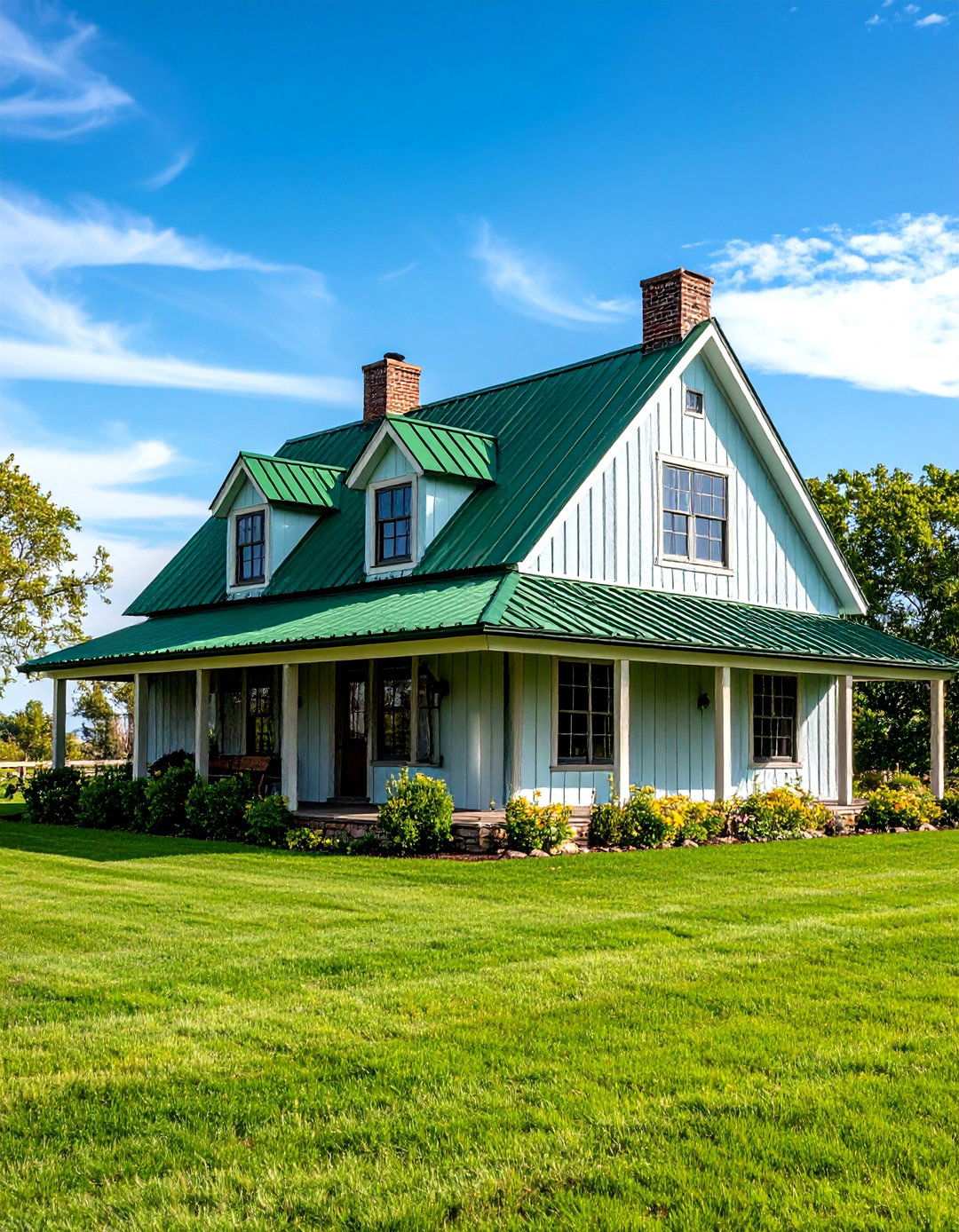
How can historic farmhouse additions successfully incorporate green roofs while respecting the integrity of traditional architecture? Historic farmhouse green roof additions strike a delicate balance between preservation and sustainability by incorporating modern green roof sections into new wings or outbuildings. These projects often involve meticulously restoring original farmhouse elements while adding contemporary sections that feature living roof systems. The traditional portions maintain the original materials, proportions, and architectural details, while new additions showcase green roofs that beautifully complement the rural landscape. Interior renovations typically restore original features like wide-plank floors, beamed ceilings, and farmhouse kitchens, while also incorporating modern comfort systems that enhance the living space. The green roof additions are carefully designed to appear unobtrusive in relation to the historic structure, providing modern functionality while respecting the original character. Plant selections often draw inspiration from the agricultural heritage of the region, featuring herbs, vegetables, or meadow grasses that harmoniously blend with the farmhouse’s rustic charm.
23. Bold Geometric Architecture Meets Organic Roofscapes
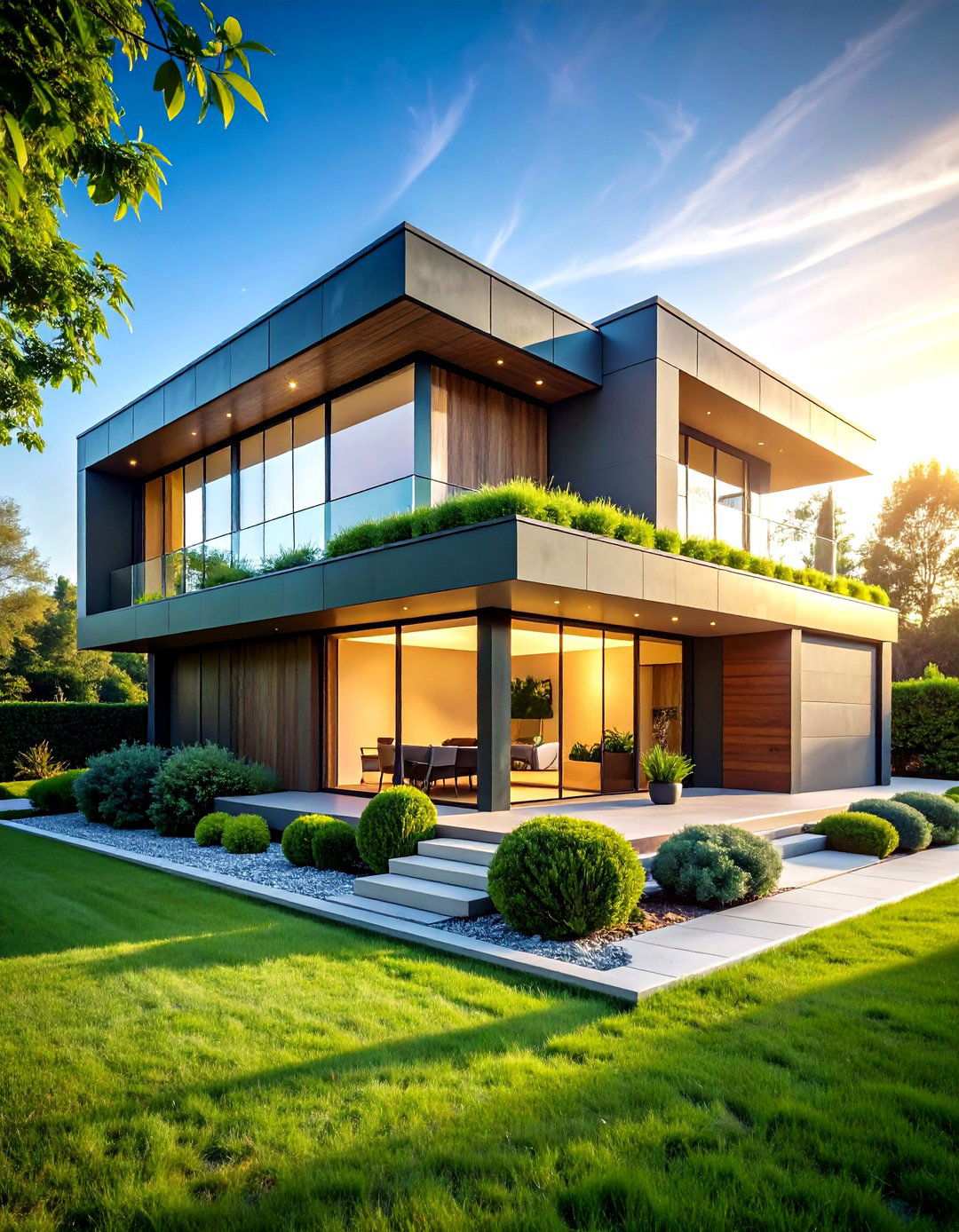
When modern architecture and organic green roof systems intersect, what kind of visual impact can be expected? Geometric modern green roof houses showcase angular designs, bold forms, and precise mathematical structures that are subtly offset by lush roof vegetation. These homes often incorporate dramatic cantilevers, sharp angles, and unconventional shapes, which create striking architectural statements that are juxtaposed with contrasting organic roof gardens. The use of materials like concrete, steel, and glass in complex geometric compositions adds to the architectural statement, while the green roof provides a natural counterpoint to the hard edges. Interior spaces frequently continue the geometric theme with angular built-in elements, dramatic lighting, and furniture that complements the home’s precise design aesthetic. In some cases, the green roof systems may be designed in geometric patterns that mirror the architecture below, while in others, naturalistic plantings may provide a striking contrast to the building’s bold forms.
24. Multi-Level Green Roof Terraces That Cascade Down
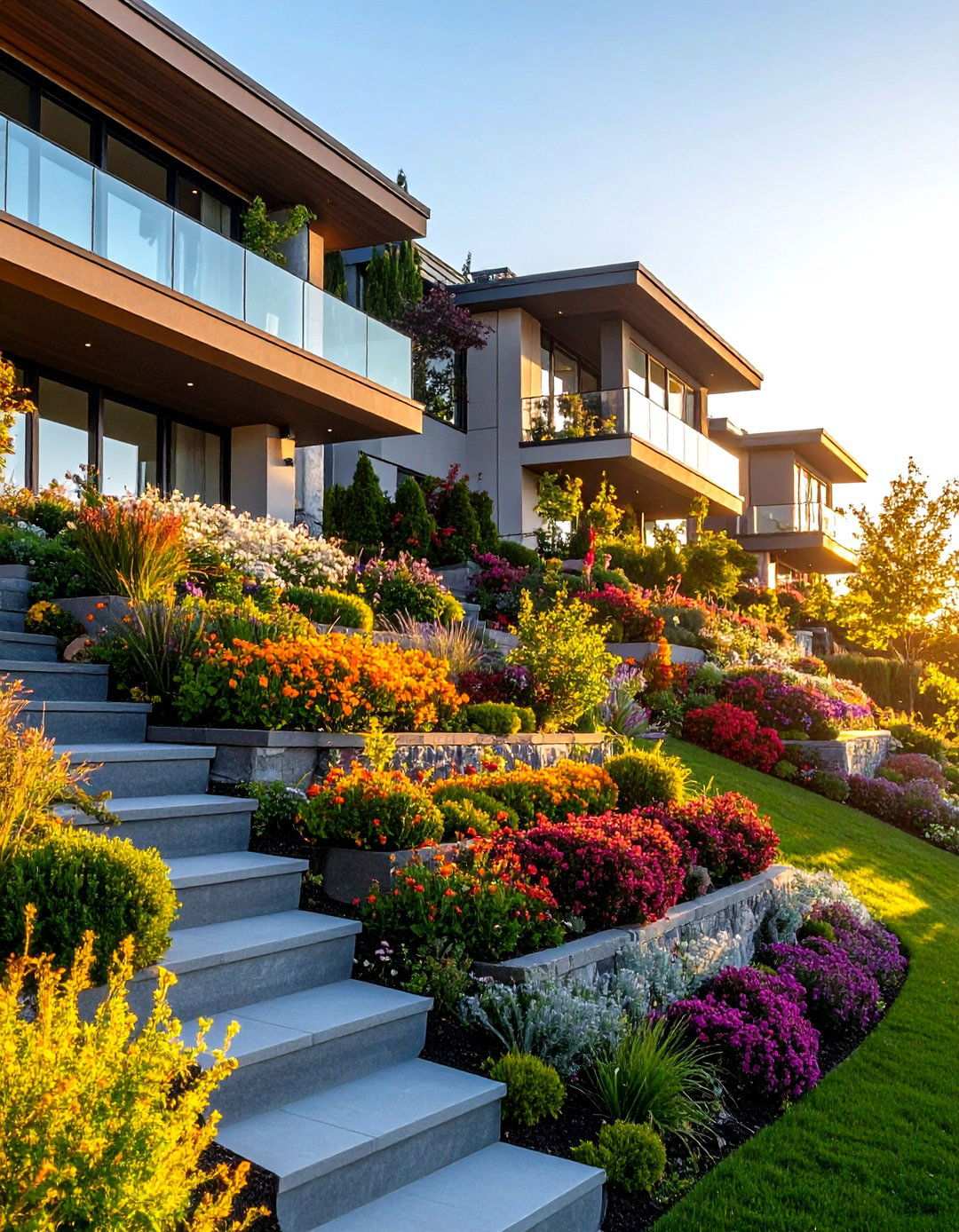
Can your home feature multiple levels of green roofs that flow down like natural terraces? Multi-level cascading green roof houses showcase stepped designs with vegetation flowing seamlessly from one level to the next, creating a dramatic landscape integration. These homes often feature multiple roof levels at different heights, each supporting distinct plant communities and uses ranging from intensive gardens to extensive sedum systems. The architecture typically emphasizes contemporary designs that highlight the horizontal movement between levels, while providing access to each roof terrace. Interior spaces often include multiple levels that correspond to the exterior terraces, creating a seamless indoor-outdoor relationship throughout the home. The cascading design allows for diverse microclimates and plant communities, while also managing stormwater through a series of retention and overflow systems. These homes create the impression of buildings that emerge organically from the landscape rather than sitting on top of it.