1. Budget-Friendly Foundations for Your Green Oasis
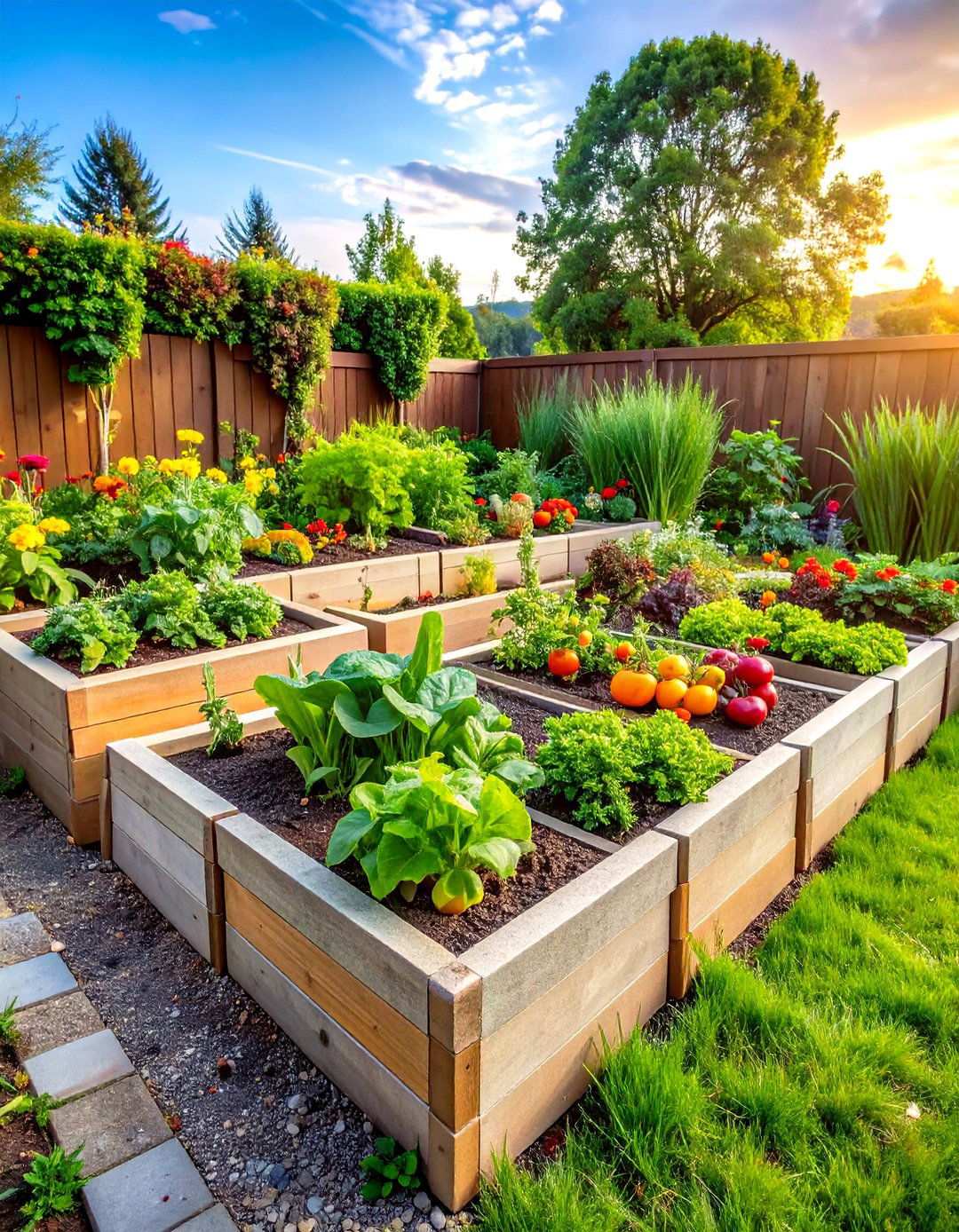
Crafting a verdant haven without breaking the bank is not only possible but also rewarding. The concept of raised garden beds offers numerous benefits, including improved soil quality, enhanced drainage, reduced maintenance requirements, and lower back strain during gardening activities. Moreover, these elevated growing spaces enable gardeners to implement effective pest control measures and tailor optimal growing conditions for their plants. The true beauty of building affordable raised garden beds lies in their versatility, inviting creativity and resourcefulness. From repurposing everyday household items to utilizing locally sourced construction materials, there are countless methods to construct functional and visually appealing garden beds without depleting your savings. Whether you’re working with a compact urban balcony or a spacious backyard, these budget-friendly solutions can transform any space into a thriving growing area. The key to success lies in thinking outside the box and embracing innovative approaches that harmonize functionality with affordability while creating sustainable gardening solutions that will serve you for years to come.

As an Amazon Associate I earn from qualifying purchases.
2. Repurposing Cinder Blocks: A Cost-Effective Option
Cinder blocks have emerged as one of the most affordable and adaptable materials for constructing raised garden beds. These robust blocks typically cost between one and three dollars each, rendering them an incredibly budget-friendly choice for gardeners seeking long-term durability. The modular design allows for effortless customization of bed size and shape, while the hollow centers provide additional space for herbs or flowers. Modern concrete blocks are completely safe for cultivating edible plants, unlike older cinder blocks that contained potentially hazardous materials. Construction demands no specialized tools or skills – simply stack the blocks in your desired configuration and fill with high-quality soil. The thermal mass of concrete helps regulate soil temperature, keeping plants warmer in cool weather and preventing extreme temperature fluctuations.
Wooden Pallet Raised Beds: A Sustainable Alternative
Transform discarded shipping pallets into functional garden beds through creative deconstruction and reassembly techniques. This approach offers an excellent way to recycle industrial waste while creating attractive growing spaces at minimal cost. The key lies in selecting heat-treated pallets marked with “HT,” avoiding those treated with methyl bromide chemicals. Disassembly requires patience and basic tools, but yields enough lumber for multiple garden beds plus leftover wood for future projects. The rustic appearance complements cottage-style gardens beautifully, and the natural wood develops an attractive weathered patina over time. Standard pallet dimensions provide perfect proportions for rectangular beds, while the varying board widths create visual interest and accommodate different planting needs throughout your garden space.
3. Industrial Chic Garden Beds
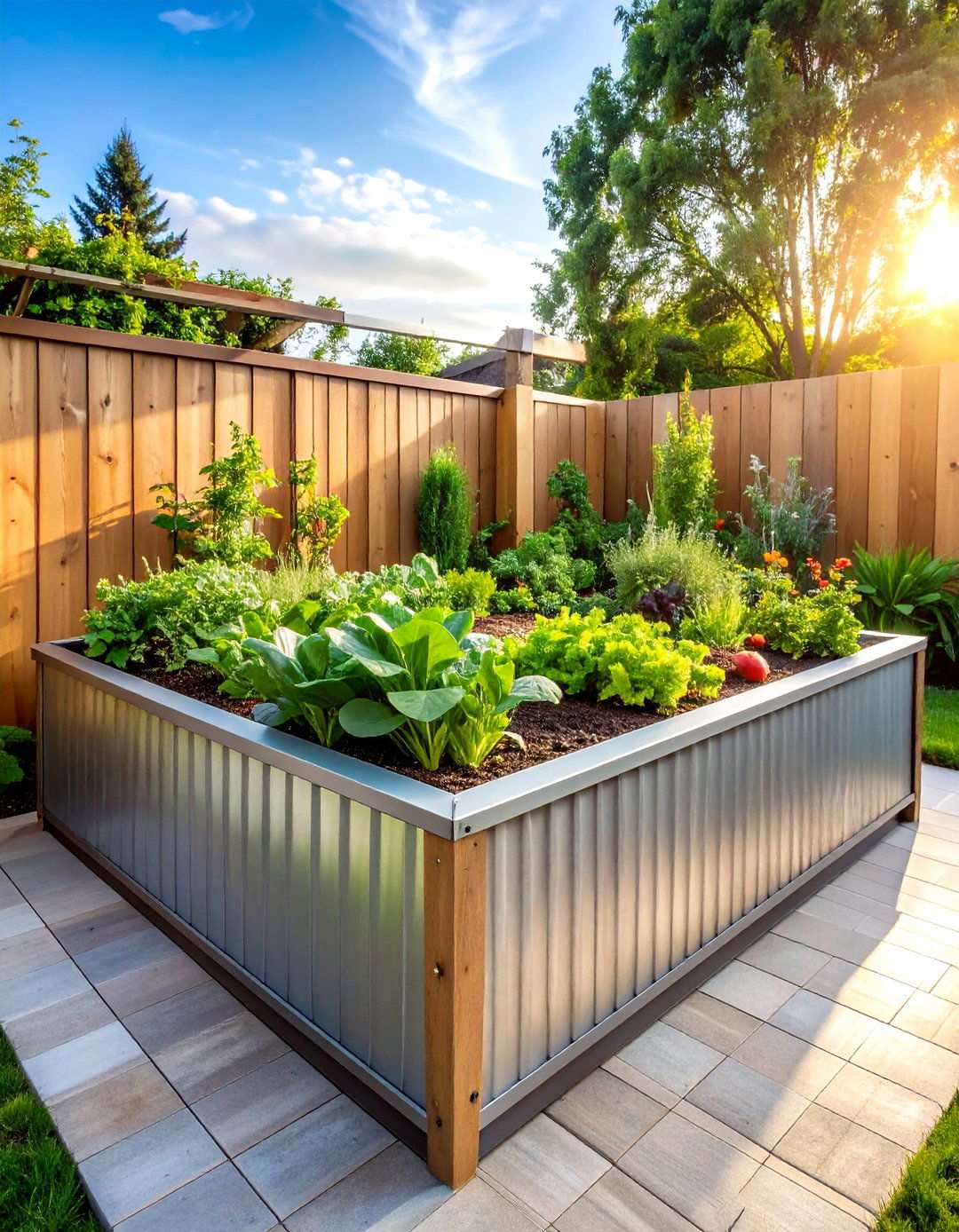
Galvanized steel corrugated panels have become a popular choice for raised garden construction, offering a unique blend of modern style and exceptional durability. With their industrial aesthetic, these materials provide a cost-effective alternative to purpose-built garden bed kits, boasting superior longevity and minimal maintenance requirements. The zinc coating’s protective properties prevent rust and corrosion, ensuring a reliable service life of decades. When it comes to installation, constructing a simple wooden frame to support the lightweight metal panels makes this option accessible to gardeners of all skill levels. The reflective surface helps regulate soil temperature, while the corrugated design adds structural strength and visual appeal, allowing it to seamlessly integrate into modern landscape designs.
4. Transforming Waste into Garden Beauty
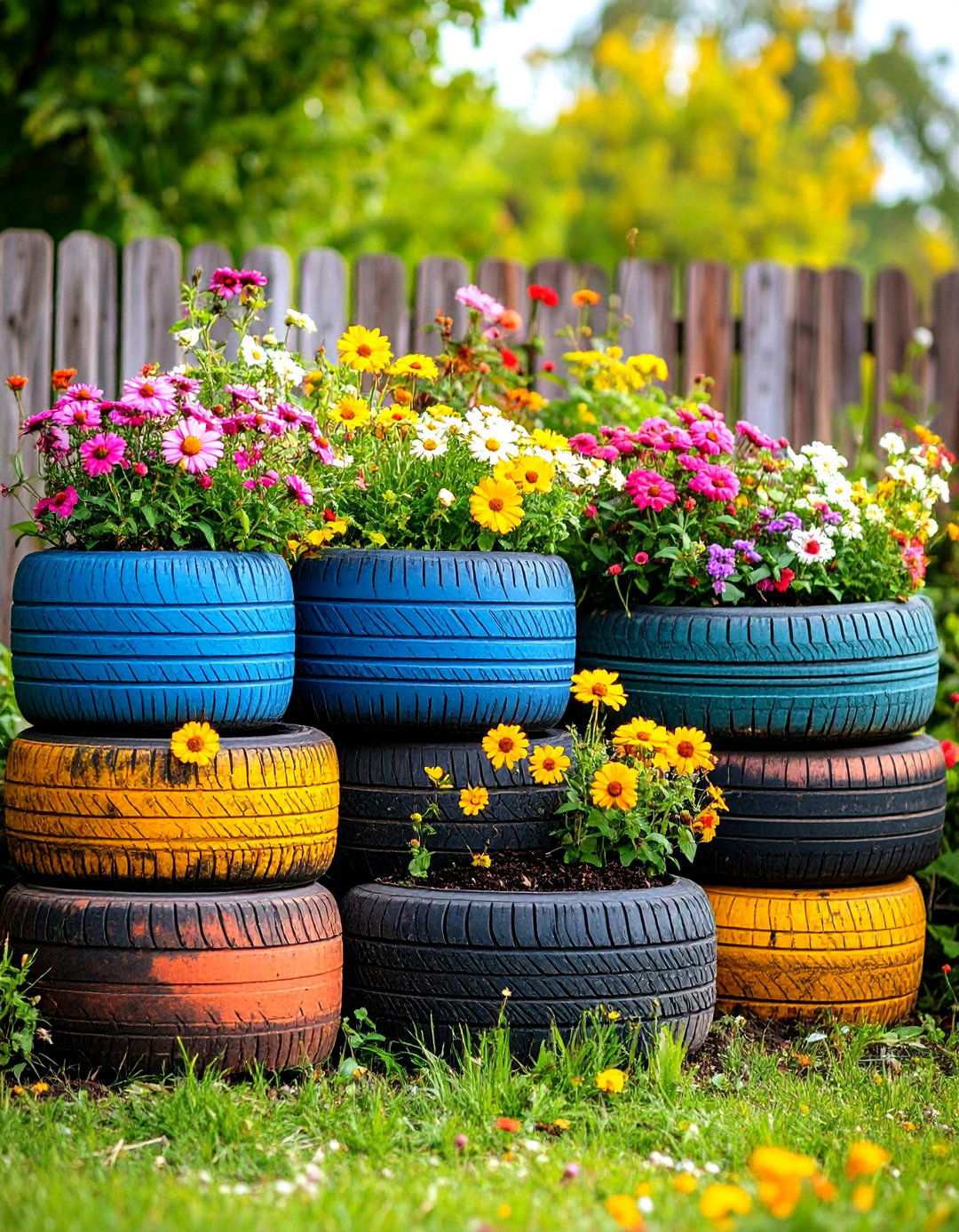
Old automobile tires are being repurposed as an innovative and sustainable material for raised garden beds, offering an exceptional balance of durability and eco-friendliness. These rubber containers are excellent heat retainers, extending the growing season for warm-weather crops while fostering ideal conditions for root development. By stacking multiple tires or using single large tires for shallow-rooted plants and herbs, gardeners can create customized planting depths that suit their specific needs. The flexible material accommodates soil expansion and contraction while providing excellent drainage when properly prepared, making it an ideal choice for water-conscious gardeners. Painting tires with exterior paint allows for customization to match your garden’s color scheme and prevents rubber deterioration from UV exposure, giving old tires a new lease on life.
5. Elevated Design with Concrete Blocks
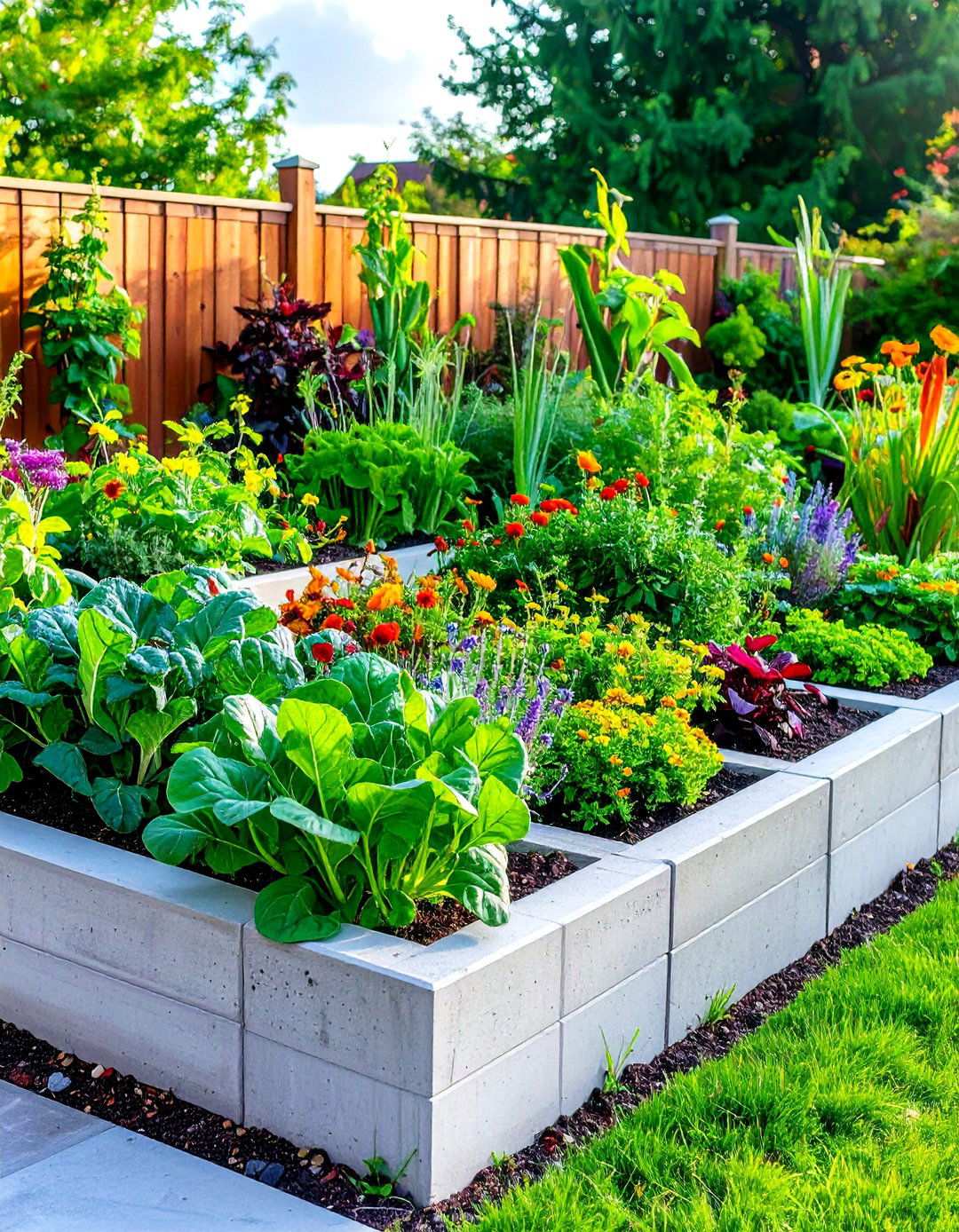
Decorative concrete blocks or architectural blocks are being used to create sophisticated raised garden borders that incorporate built-in design elements, elevating garden aesthetics to a whole new level. These specialty blocks often feature attractive patterns, textures, or colors that not only enhance garden beauty but also provide structural integrity. The interlocking design ensures stable construction without mortar, allowing for easy modification or relocation as garden needs change, making it an ideal choice for gardeners who like to experiment with different layouts. Many decorative blocks include built-in planting pockets or design features that add visual interest and additional growing space, making them a popular choice for gardeners seeking to create visually striking garden designs.
6. Sustainable Raised Garden Beds from Natural Materials
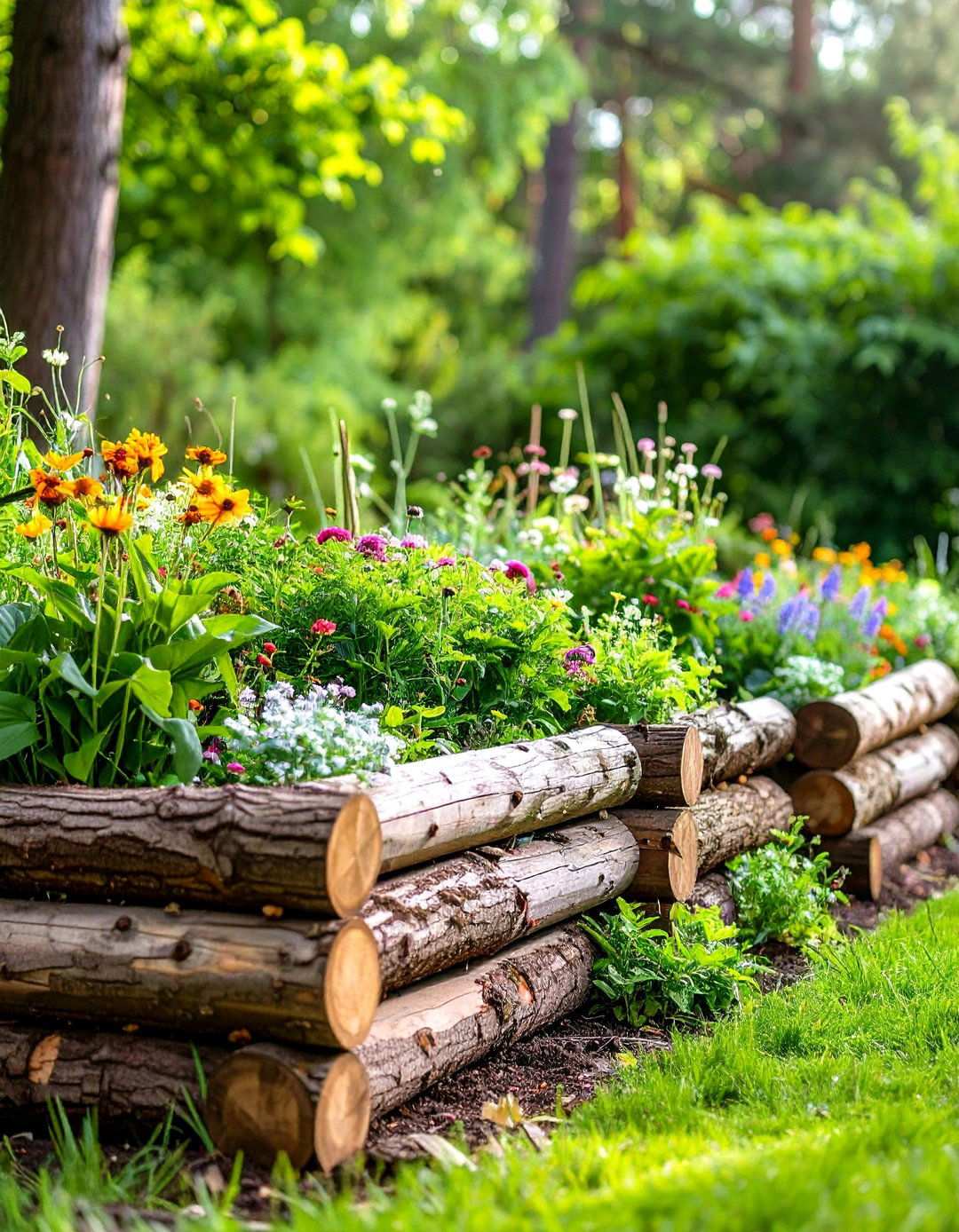
Harness the potential of fallen trees and pruned branches to craft unique, natural-looking raised garden beds that seamlessly integrate with woodland landscapes. By repurposing readily available materials, you’ll not only reduce waste but also create an organic appearance that perfectly complements native plantings. Varying log sizes can be expertly combined to achieve diverse bed heights and textures, enriching your garden space with visual interest. The slow decay process has a profound impact, gradually enriching the soil with ongoing nutrition for plants and fostering a thriving habitat for beneficial insects. In addition, larger logs serve as substantial thermal mass units, skillfully moderating soil temperatures and shielding plant roots from extreme weather conditions. By incorporating smaller branches, you can create visually appealing basket-like walls, a perfect feature for permaculture gardens and naturalistic landscape designs where sustainability takes center stage.
7. Timeless Raised Garden Beds Made from Repurposed Materials
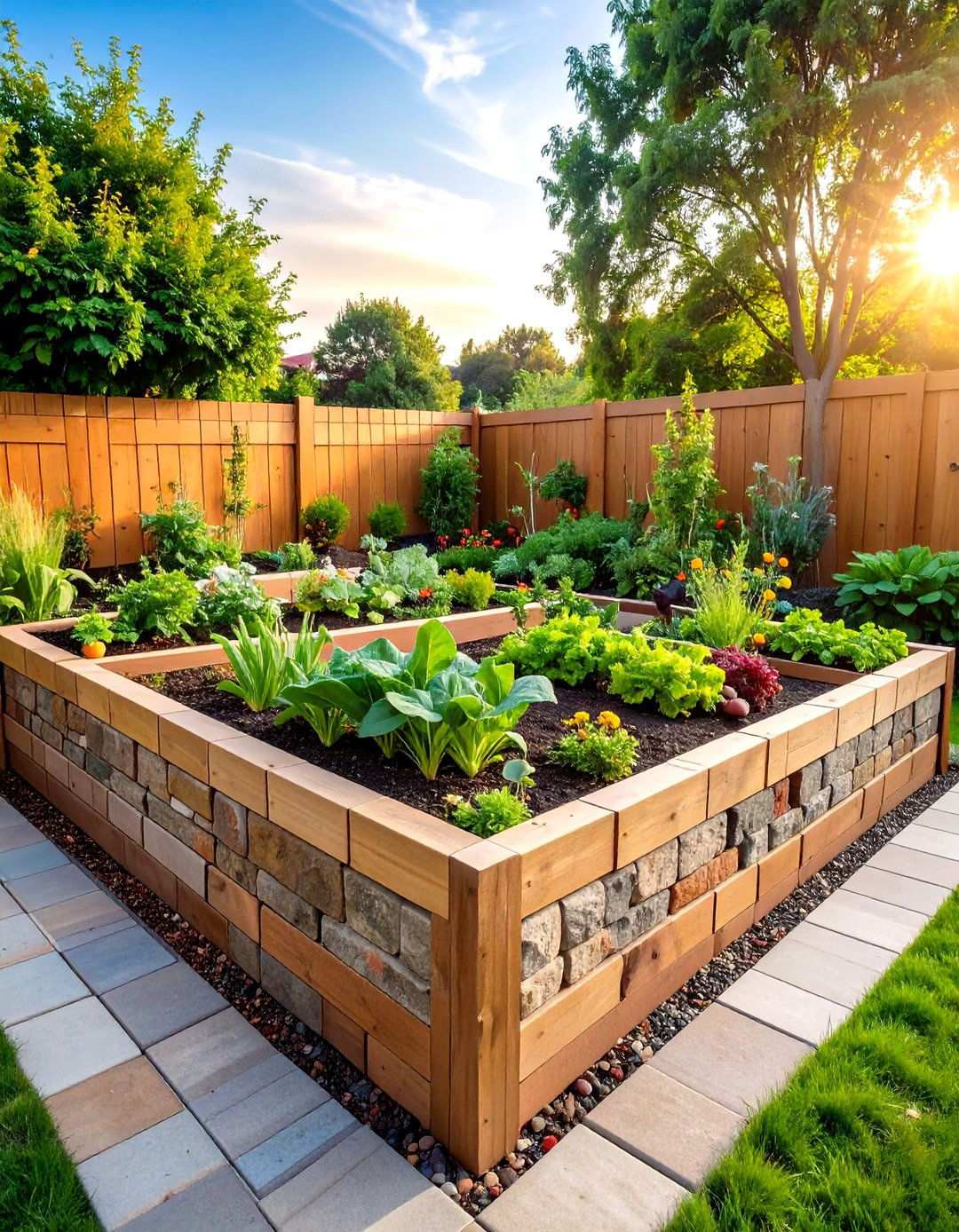
Give old bricks, broken concrete, and collected stones a new lease on life by repurposing them to create permanent, captivating raised garden beds with enduring appeal. This approach not only reduces waste but also offers exceptional longevity while minimizing disposal fees. The thermal mass properties of masonry materials play a crucial role in regulating soil temperature and providing perfect growing conditions for heat-loving plants. Dry-stacking techniques eliminate the need for mortar, allowing for effortless construction and future modifications as your garden evolves. The natural weathering process imbues the materials with beautiful patina and character, creating a one-of-a-kind design that reflects your personal style. Will this classic material harmonize with your home’s architectural features? The porous nature of many masonry materials ensures excellent drainage while maintaining a delicate balance of soil moisture.
8. Durable Stock Tank Gardens for a Low-Maintenance Oasis
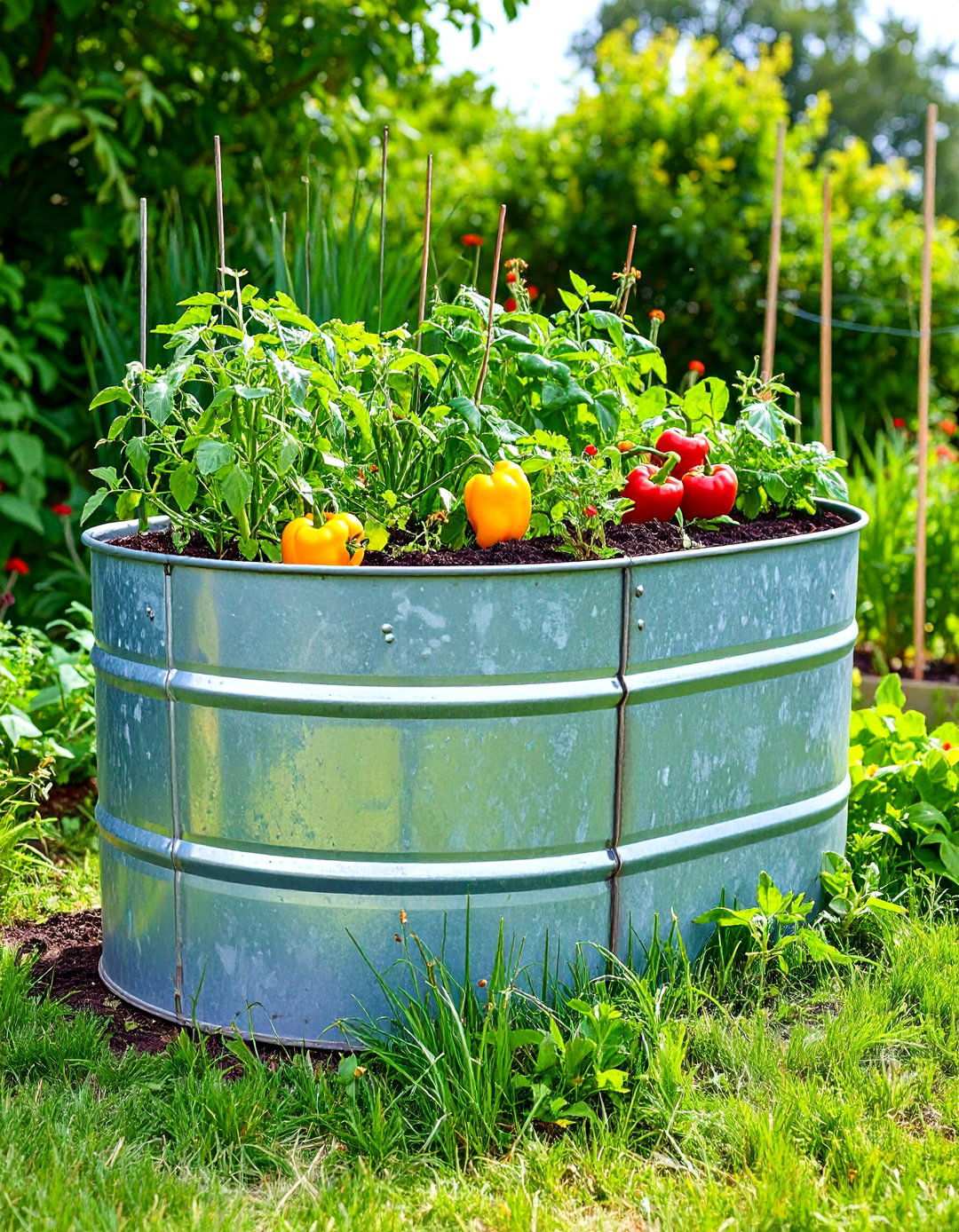
Agricultural feed troughs and stock tanks offer a convenient solution for creating large, deep raised garden beds with minimal construction effort. These rugged galvanized steel containers boast exceptional durability and weather resistance at an affordable cost, making them an attractive option when purchased used from farming operations. The deep sides of the tanks accommodate extensive root systems, providing optimal growing conditions for larger vegetables and perennial plants. Most tanks come equipped with drainage plugs, eliminating the need to create drainage holes. The curved corners of the tanks prevent soil compaction, promoting healthy root development throughout the growing medium. Standard tank sizes work well for most garden applications, while custom drainage and overflow systems can be easily installed for a professional-looking finish with minimal time and skill requirements.
9. Versatile Plastic Containers
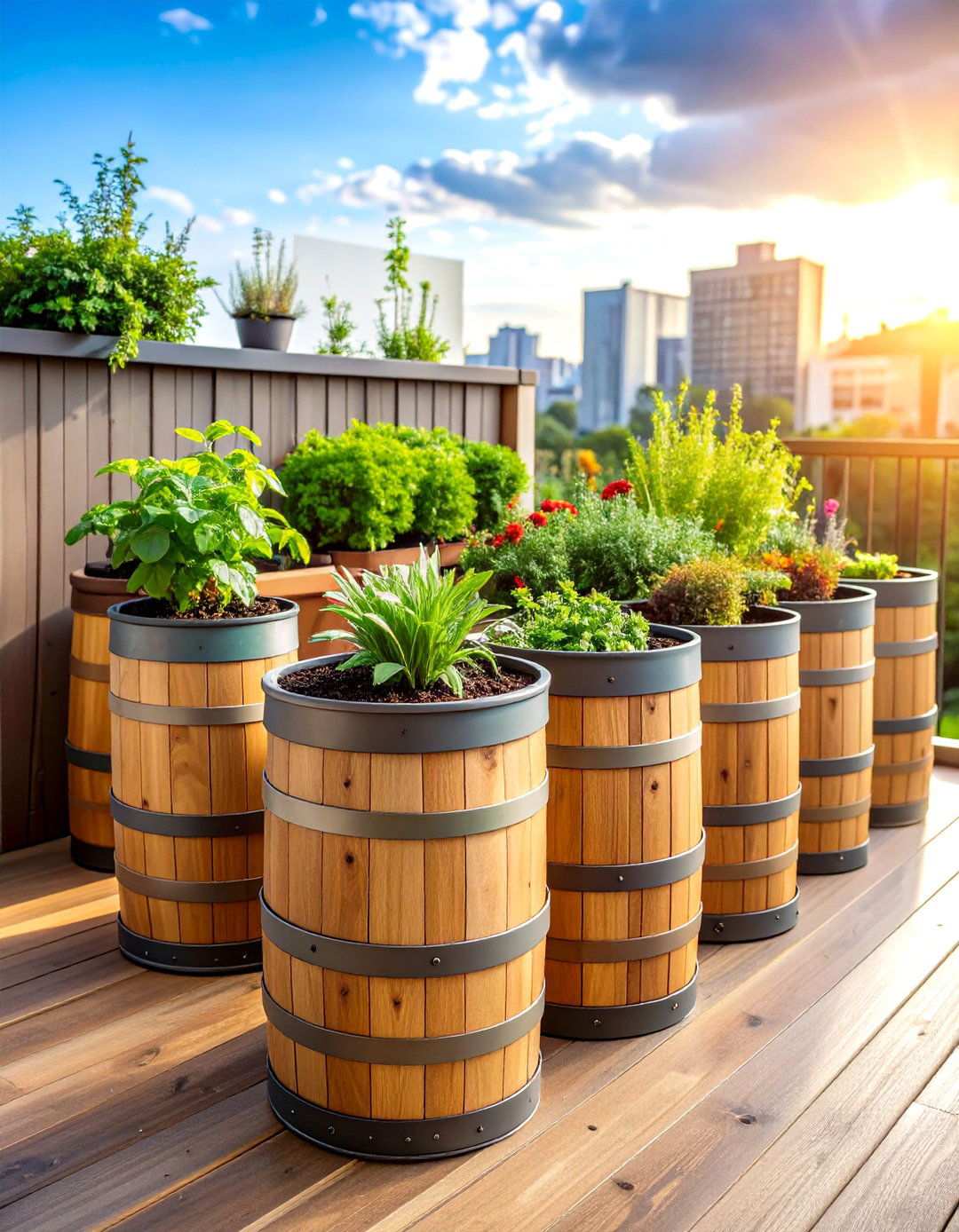
Portable plastic containers have transformed the way we create gardens in hard-to-reach areas or rental properties. Their lightweight, easy-to-handle design makes them ideal for renters, providing a hassle-free solution for raising yields in space-constrained environments. Food-safe containers ensure that edible crops are protected from contamination, while their insulation properties safeguard sensitive roots from temperature fluctuations. The curved profile of these containers ensures efficient water drainage, eliminating the risk of waterlogged soil that can harm delicate plants. By arranging multiple containers in clusters or individually, gardeners can create larger growing areas or separate sections for crop rotation and seasonal planning. How can the adaptability of these portable gardens benefit your current living situation? Their lightweight construction makes relocation a breeze, allowing you to easily adjust your garden as sunlight patterns change or your circumstances evolve. Cutting these containers in half can yield two planting areas from a single unit, maximizing value while accommodating varying crop depths.
10. Constructing Wire Basket Raised Beds
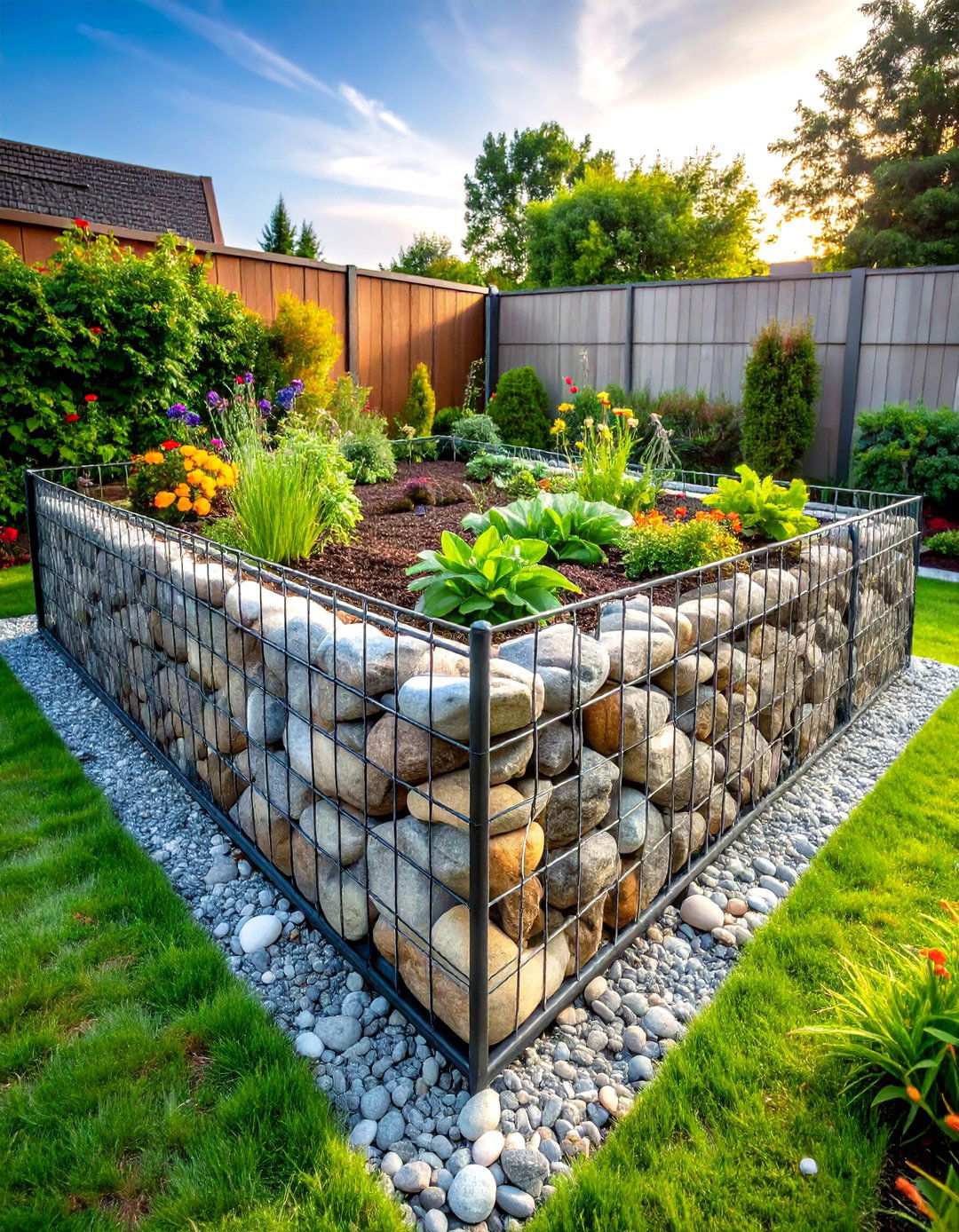
Elevate your garden with the use of welded wire panels or livestock fencing, which can be filled with stones to create a visually striking gabion-style garden border. This innovative technique combines the principles of structural engineering with agricultural applications to produce long-lasting, stable garden beds. The wire framework provides excellent drainage, while the stone fill offers thermal mass for temperature regulation. By selecting various stone types and sizes, you can seamlessly integrate your garden into the existing landscape features and architectural elements. The modular construction of this system allows for easy expansion or reconfiguration as your garden plans evolve over time. As natural stones develop a lush, moss-covered surface, they add to the garden’s ecological value. This approach is particularly well-suited for sloping sites where erosion control is crucial. The juxtaposition of organic stone textures and geometric wire patterns creates visually captivating landscape features.
11. Fabric Grow Bags for Flexible Gardening
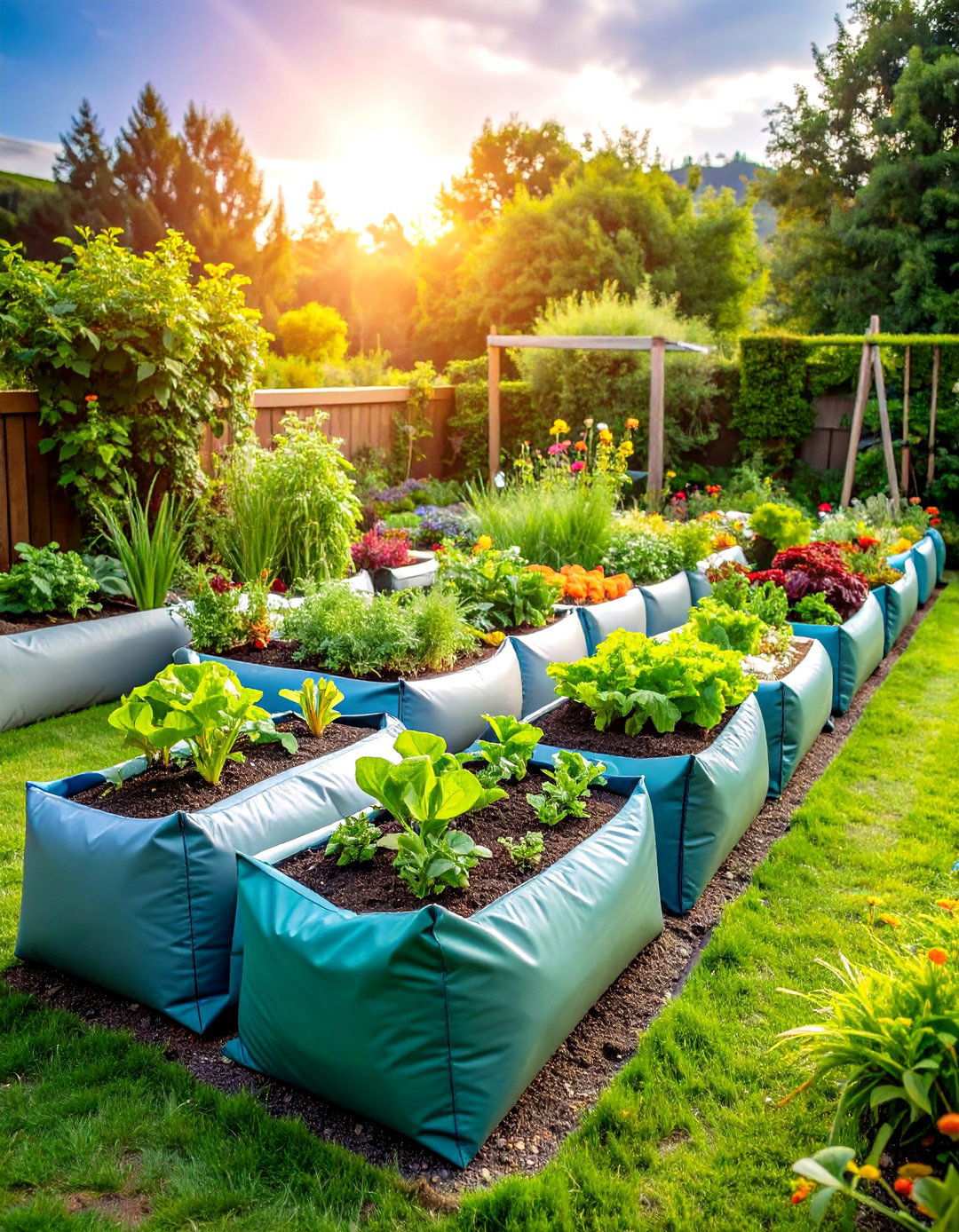
Harness the benefits of heavy-duty fabric grow bags or repurpose large burlap sacks to create flexible, breathable raised garden beds. These soft-sided containers promote healthy root development through air pruning while providing superior drainage characteristics. The breathable fabric prevents root circling and encourages the growth of strong, fibrous root systems that enhance plant nutrition uptake. By arranging multiple bags in geometric patterns or organic clusters, you can create diverse planting areas that cater to your specific gardening needs. The portable nature of these bags allows for easy seasonal rearrangement and convenient storage during the winter months. Various fabric weights and materials offer different longevity and aesthetic options to suit your garden preferences. What vegetables would thrive in the enhanced root environment provided by these fabric grow bags? The insulating properties of these bags help protect roots from temperature extremes while maintaining optimal growing conditions throughout the growing season.
12. Unconventional Garden Design Elements
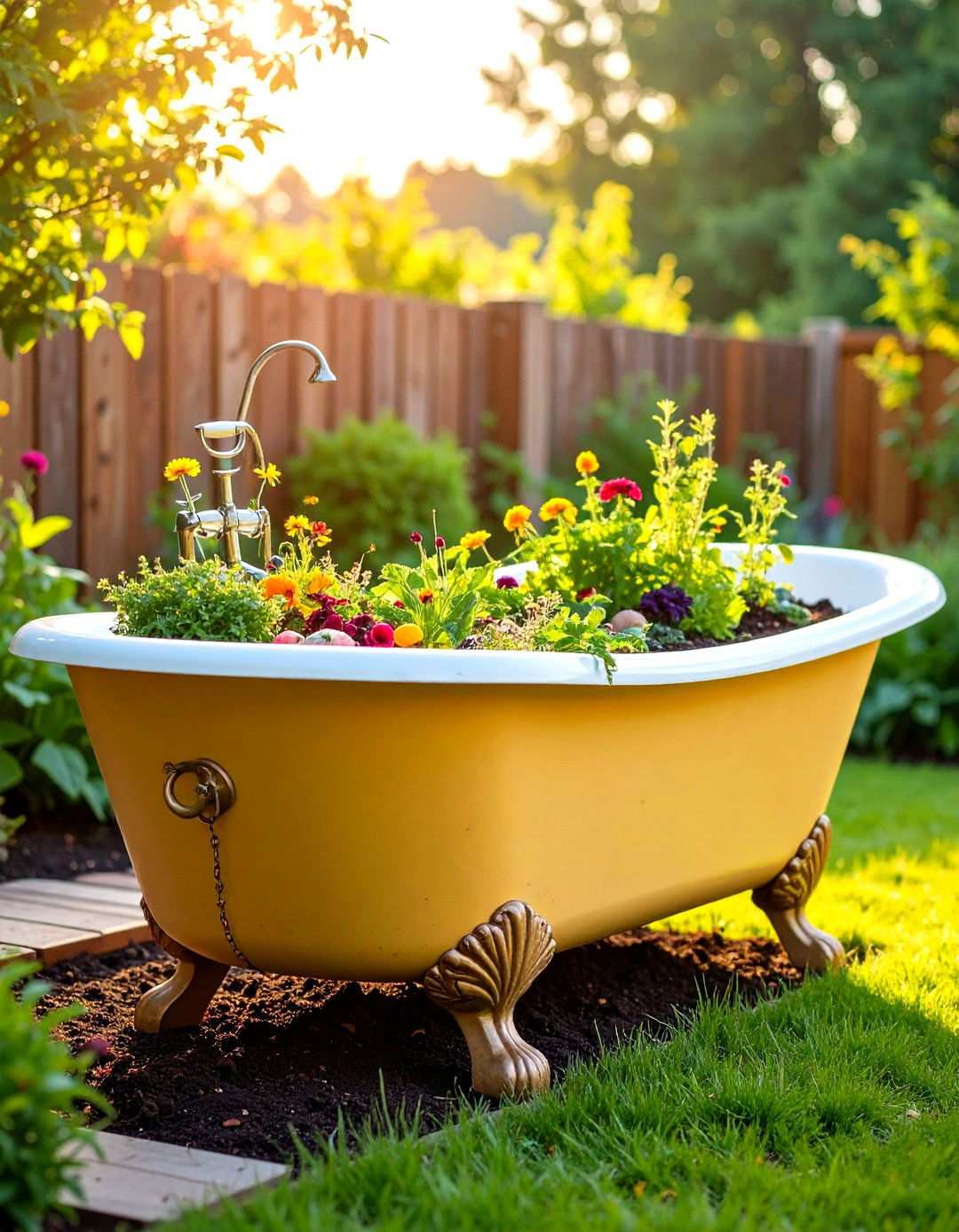
Transform old bathtubs into captivating raised garden beds that provide exceptional depth for root vegetables and perennial plants. These unique containers offer built-in drainage and weather resistance, making them ideal for plants requiring substantial soil depth. The deep sides of these porcelain or cast-iron containers accommodate extensive root systems, creating excellent growing conditions for a wide range of plants. Vintage bathtubs bring a touch of whimsy and character to garden designs, while providing practical growing space. The smooth surfaces are effortless to clean and maintain throughout the growing season. Standard bathtub dimensions offer ideal proportions for most vegetable gardens and herb collections. Imagine the surprise and delight that guests will experience when discovering vegetables growing in a repurposed bathtub. The thermal mass of these containers helps regulate soil temperature, extending the growing season for cold-sensitive plants.
13. Creative Uses for Window Well Liners
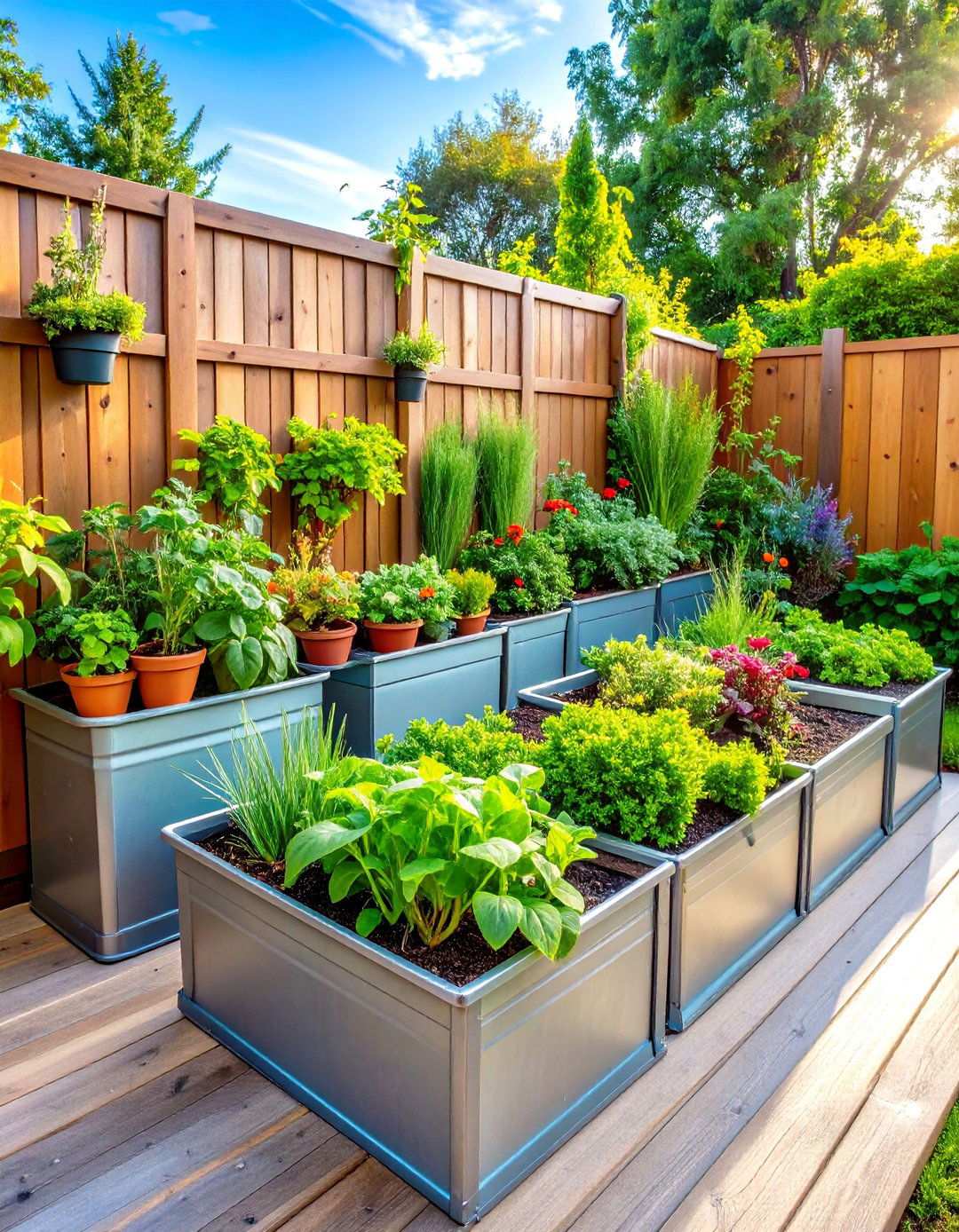
Transform metal window well liners into perfectly sized raised garden beds with expertly crafted curved corners. These galvanized steel containers provide excellent drainage and weather resistance, while their standardized dimensions ensure a consistent garden appearance. The corrugated design adds structural strength and visual interest, preventing soil washout during heavy rainfall. Pre-formed corners eliminate construction complexity and ensure proper soil retention throughout the growing season. To create a larger growing area or separate specialized crop production, multiple units can be arranged in geometric patterns. The professional appearance of these garden beds complements modern architectural styles, providing practical growing space. With minimal tools and skills required for installation, this option is accessible to beginning gardeners. Standard sizes accommodate most vegetable gardens and herb collections, while providing appropriate depth for healthy root development.
14. Biodegradable Garden Solutions
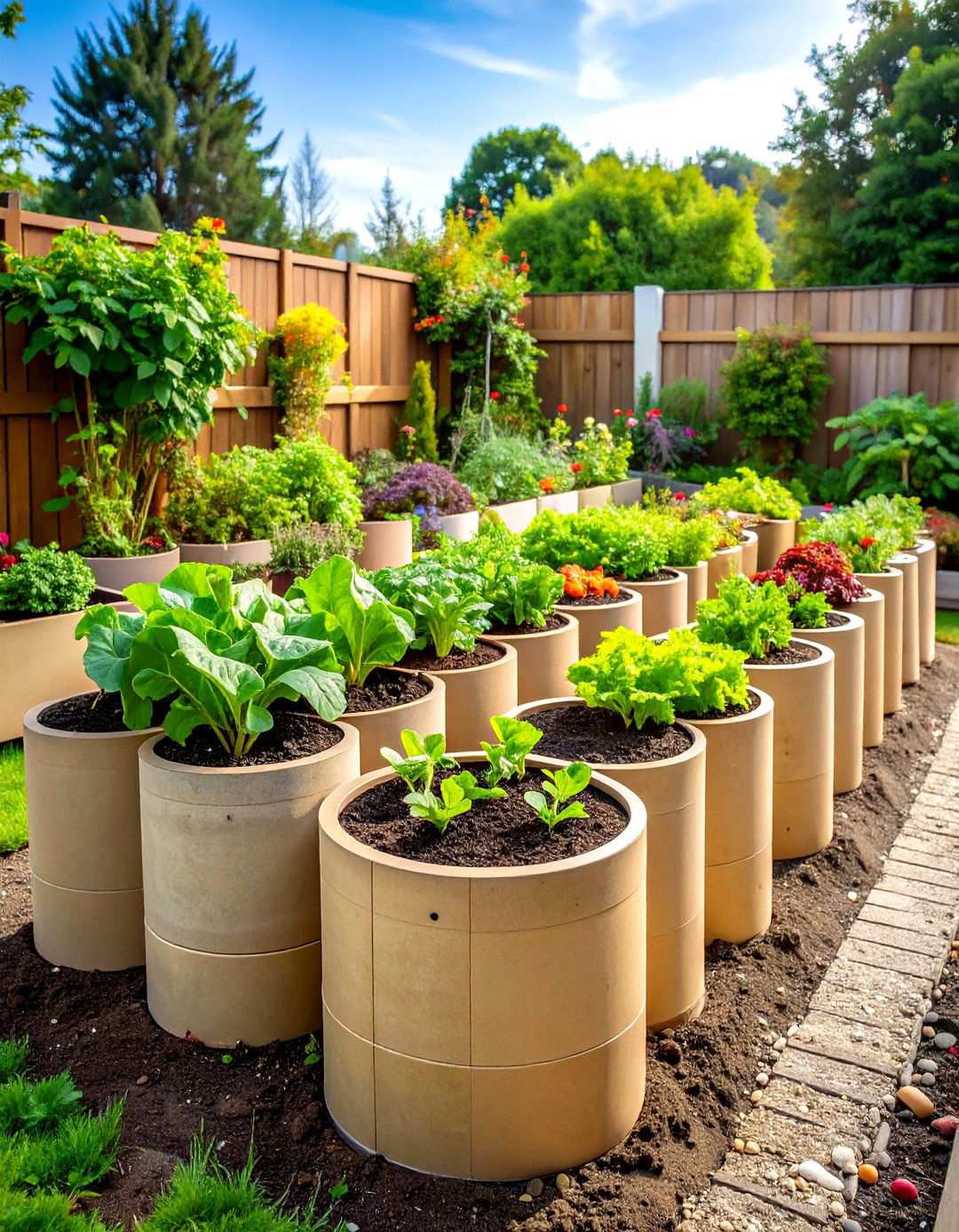
Large concrete forming tubes provide instant raised garden beds when cut to the right heights and filled with high-quality growing medium. These cardboard cylinders offer biodegradable construction that eventually decomposes, enriching the surrounding soil. The cylindrical shape promotes excellent drainage and root development, while creating unique visual elements in garden designs. Various diameters accommodate different plant sizes and spacing requirements throughout your growing area. The temporary nature of these garden solutions allows for experimental garden layouts without permanent commitment to specific designs. As the cardboard decomposes, beneficial soil organisms colonize the area, improving growing conditions. Why not experiment with different heights to create terraced growing areas? The natural appearance of these garden solutions blends well with organic garden designs, providing practical growing space for seasonal crops.
15. Redefining Space with Portable Plastic Storage Bin Gardens
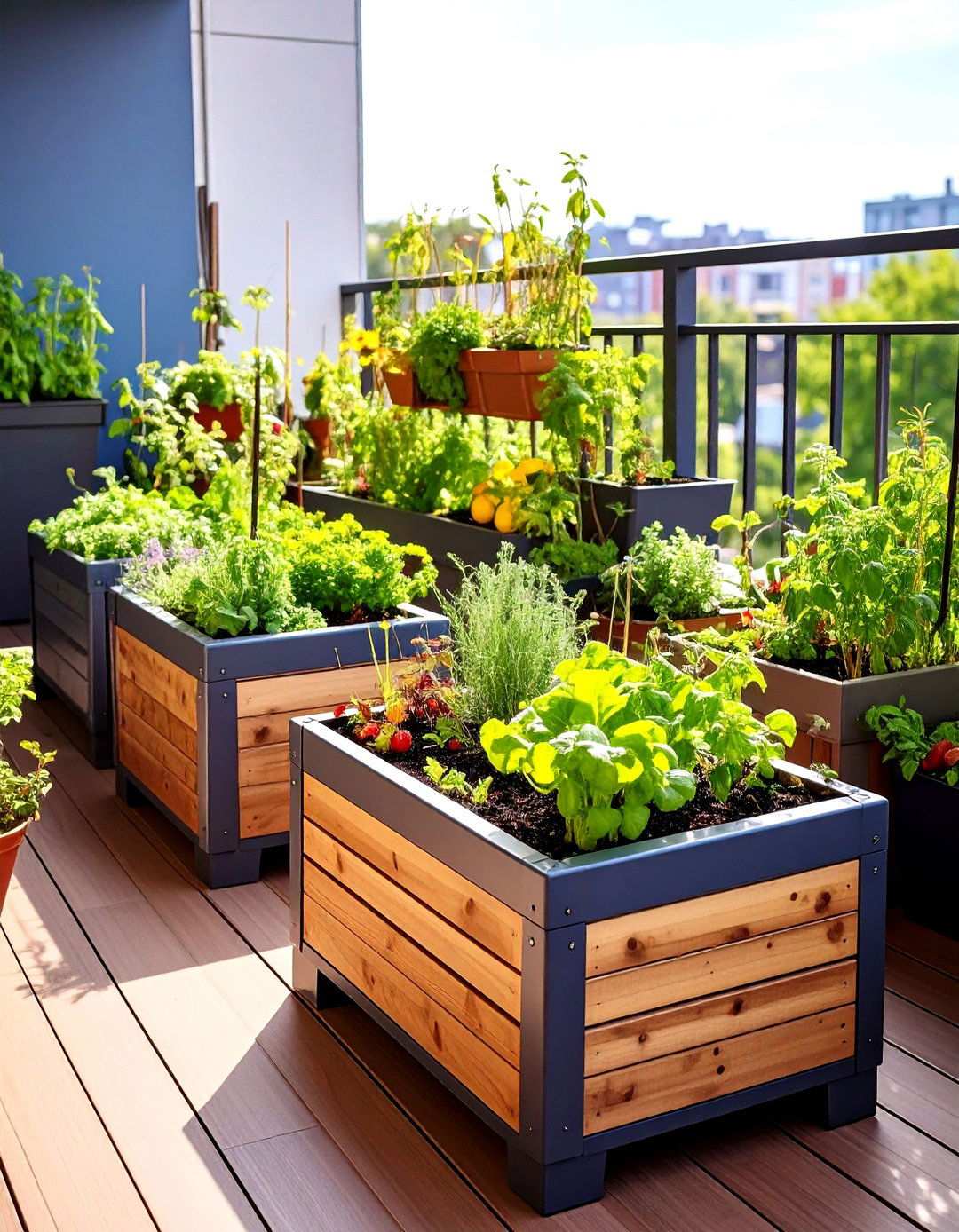
Revamp your gardening setup by repurposing large plastic storage containers as versatile raised garden beds, perfect for balconies or temporary growing areas. These lightweight containers boast impressive mobility while providing ample growing depth for a wide range of vegetables and herbs. Their waterproof design ensures optimal soil retention, whereas strategically placed drainage holes prevent waterlogging, which can be detrimental to sensitive plant roots. To cater to diverse space constraints and crop requirements, various container sizes are available throughout your growing season. When not in use, these containers can be efficiently stacked for storage during winter months or when relocating your garden areas. Clear containers enable you to monitor root development and soil moisture levels, allowing for optimal plant care. This innovative approach is particularly suitable for rental properties, where permanent installations are not feasible. How might portable gardens elevate your existing gardening capabilities while maintaining flexibility for future adjustments?
16. Elevating Compact Spaces with Dresser Drawer Planters
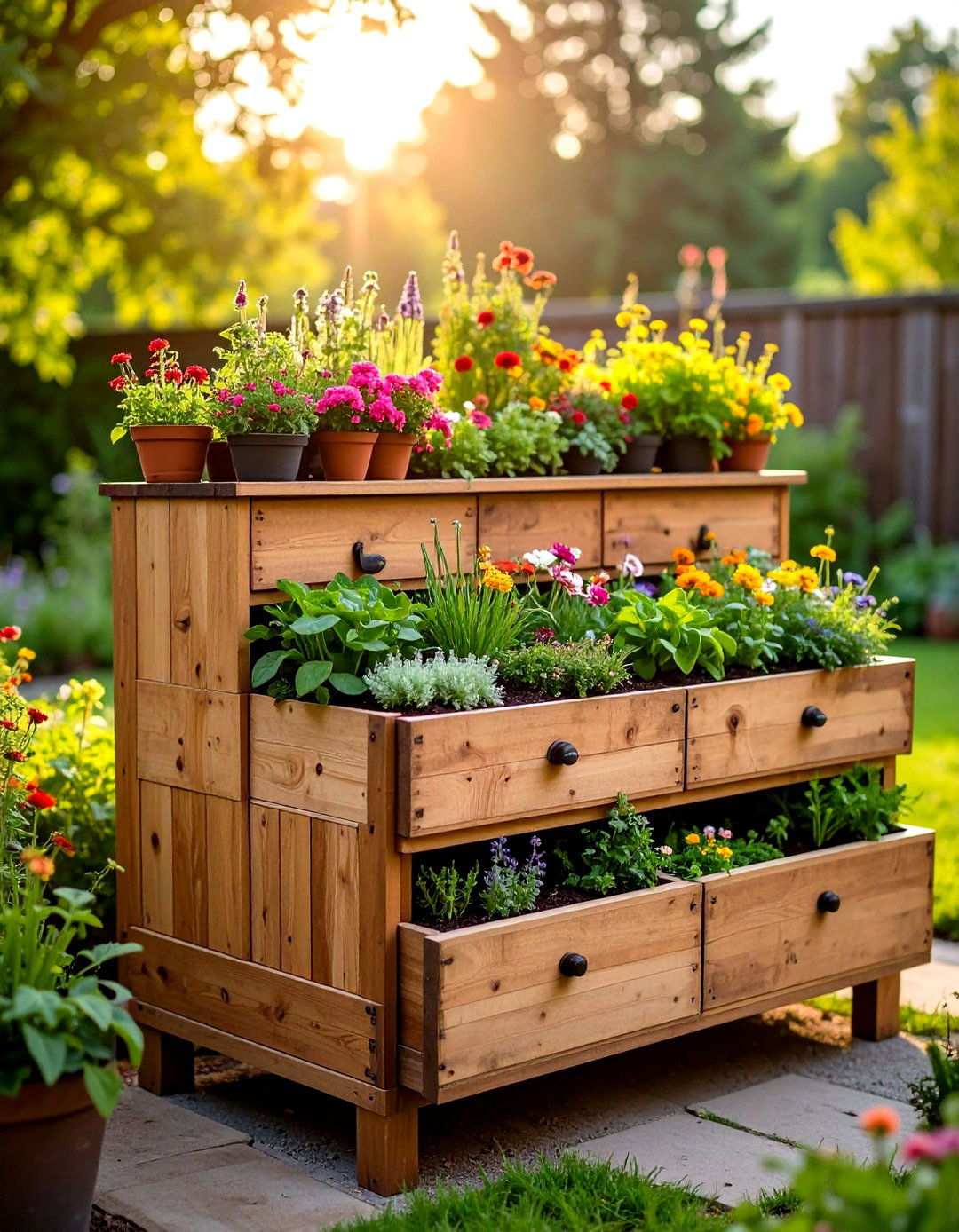
Breathe new life into old furniture by transforming it into unique, multi-level raised garden beds that maximize growing space in tight areas. Wooden dressers, with their multiple compartments, offer a visually appealing and functional way to accommodate different plant requirements. Each drawer can be repurposed as an individual growing space, suitable for herbs, lettuce, or shallow-rooted vegetables, and the varied depths cater to distinct root systems while promoting organized growing areas for crop rotation and succession planting. Vintage furniture adds a touch of character and conversation value to garden designs, while providing a practical solution for growing space. The compartmentalized design prevents aggressive plants from overpowering more delicate species, ensuring a harmonious coexistence. To extend the life of the furniture and maintain its attractive appearance throughout multiple growing seasons, weatherproofing treatments can be applied. This creative approach to recycling not only diverts furniture from landfills but also creates functional garden features that reflect personal style and environmental consciousness.
17. Artisanal Branch Creations
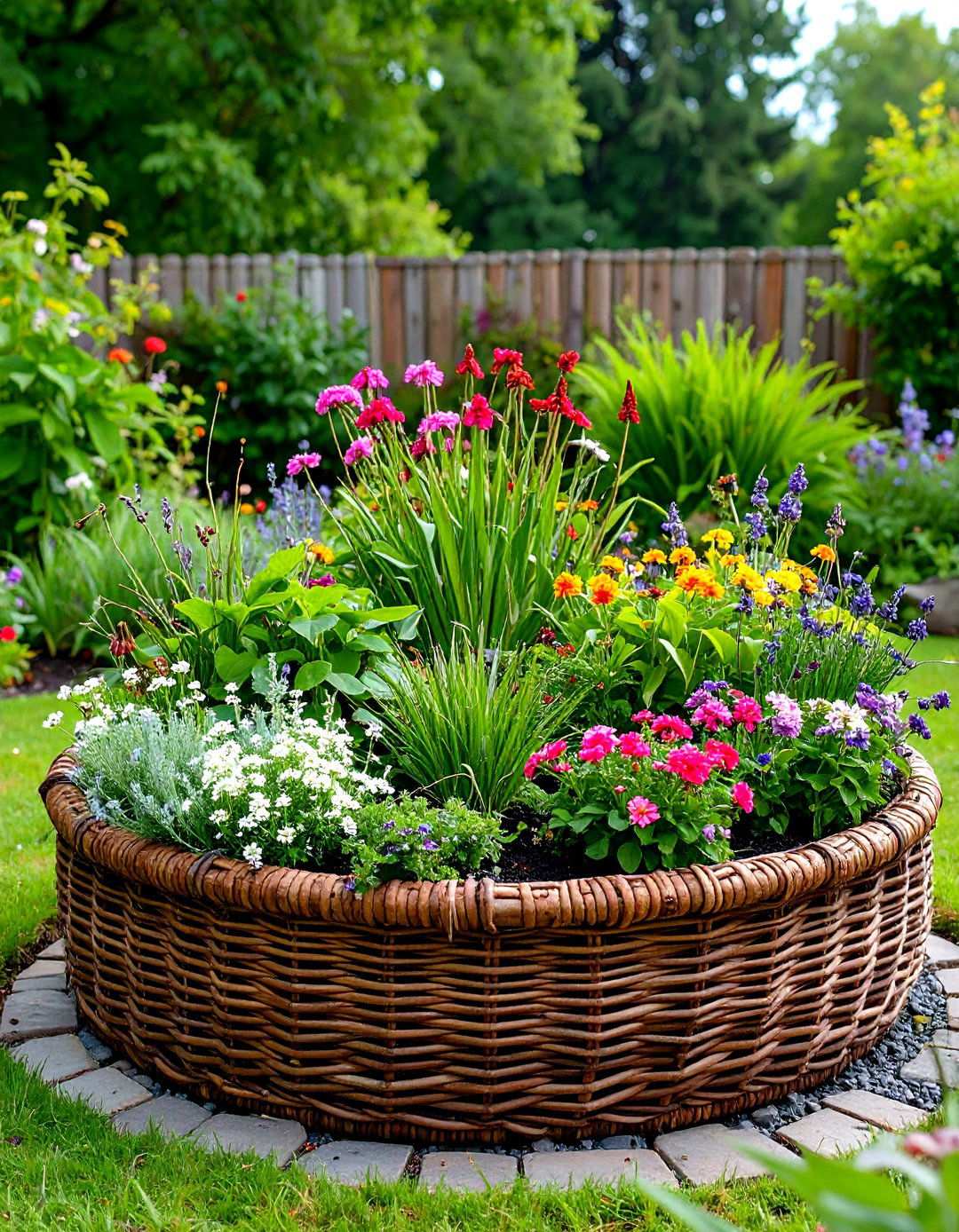
Crafting beautiful, organic-looking raised garden beds is a traditional technique that seamlessly integrates into natural landscape designs. This approach utilizes readily available materials, such as flexible branches or bamboo poles, to create unique and visually appealing garden borders. By experimenting with various weaving patterns and branch types, gardeners can achieve distinct aesthetic effects and structural characteristics tailored to their specific needs. As the natural materials gradually decompose, they enrich the surrounding soil and provide a welcoming habitat for beneficial insects. The flexibility of this construction method allows for curved or irregular shapes that beautifully follow natural landscape contours and existing garden features. The handcrafted appearance adds a touch of artisanal quality to garden designs, while demonstrating traditional building skills. Different branch species offer varying durability and appearance characteristics, enabling gardeners to select the perfect option for their garden requirements. Can you envision incorporating more handcrafted elements into your garden to forge a deeper connection with nature? This time-honored approach demands only your time and creativity, yielding uniquely beautiful results that reflect your personal style.
18. Modern Metal Garden Beds
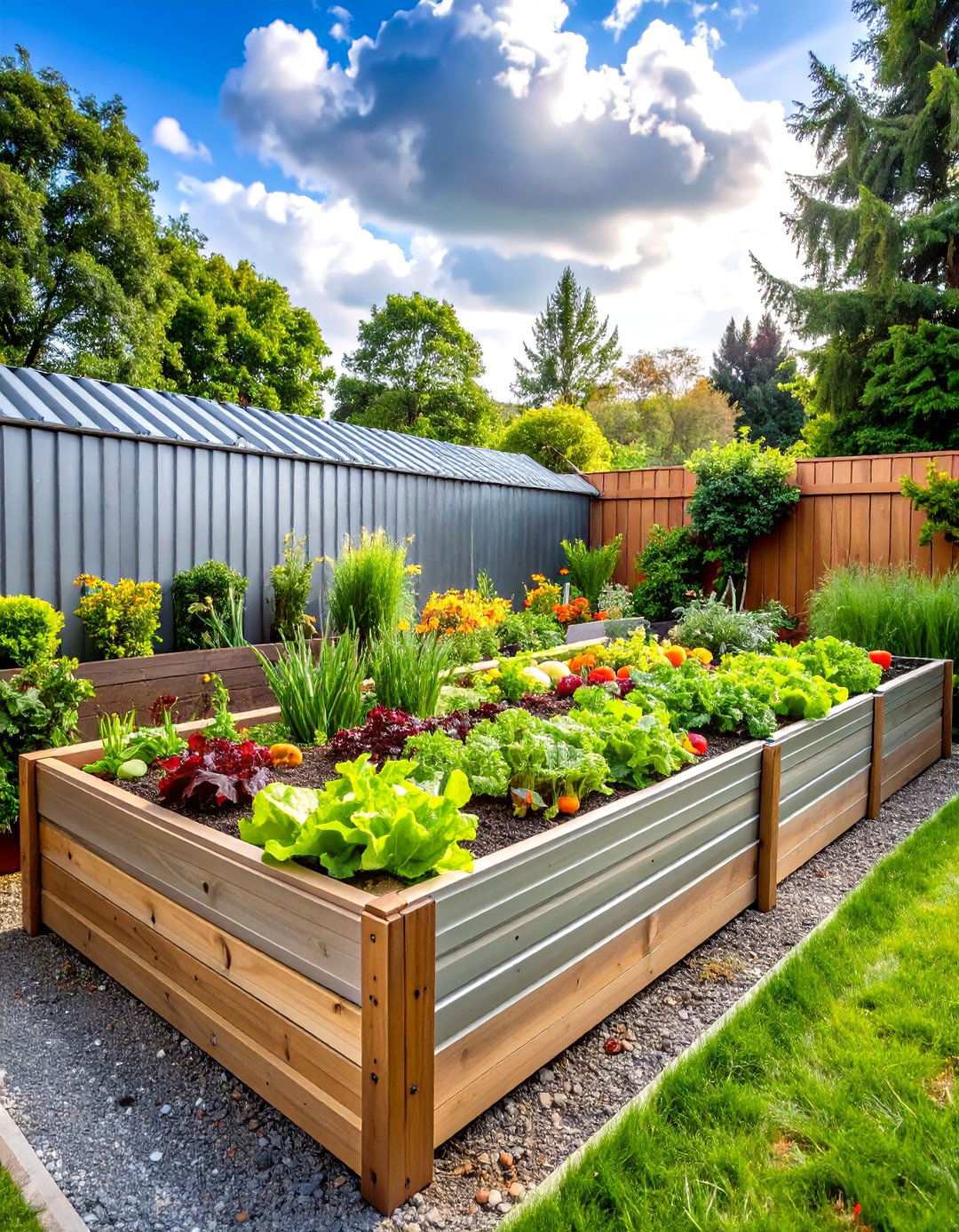
Elevate your garden game with sleek, contemporary raised beds crafted from corrugated metal roofing panels supported by simple wooden frameworks. This industrial aesthetic effortlessly complements modern architectural styles, while providing superior durability and exceptional weather resistance. The lightweight panels are remarkably easy to handle and install using basic carpentry skills and common tools. Available in various lengths, these panels accommodate different bed sizes, maintaining a consistent appearance throughout your garden areas. The galvanized coating prevents rust and corrosion, while the corrugated design adds structural strength and visual texture. The reflective surfaces not only regulate soil temperature but also create captivating light patterns in your garden areas. With multiple panel configurations, you can design custom bed shapes and sizes that perfectly fit your specific space requirements. This professional-looking approach delivers superior longevity and performance characteristics at a fraction of the cost of commercial garden bed systems.
19. Cultivating Sustainable Gardens with Hay Bale Construction
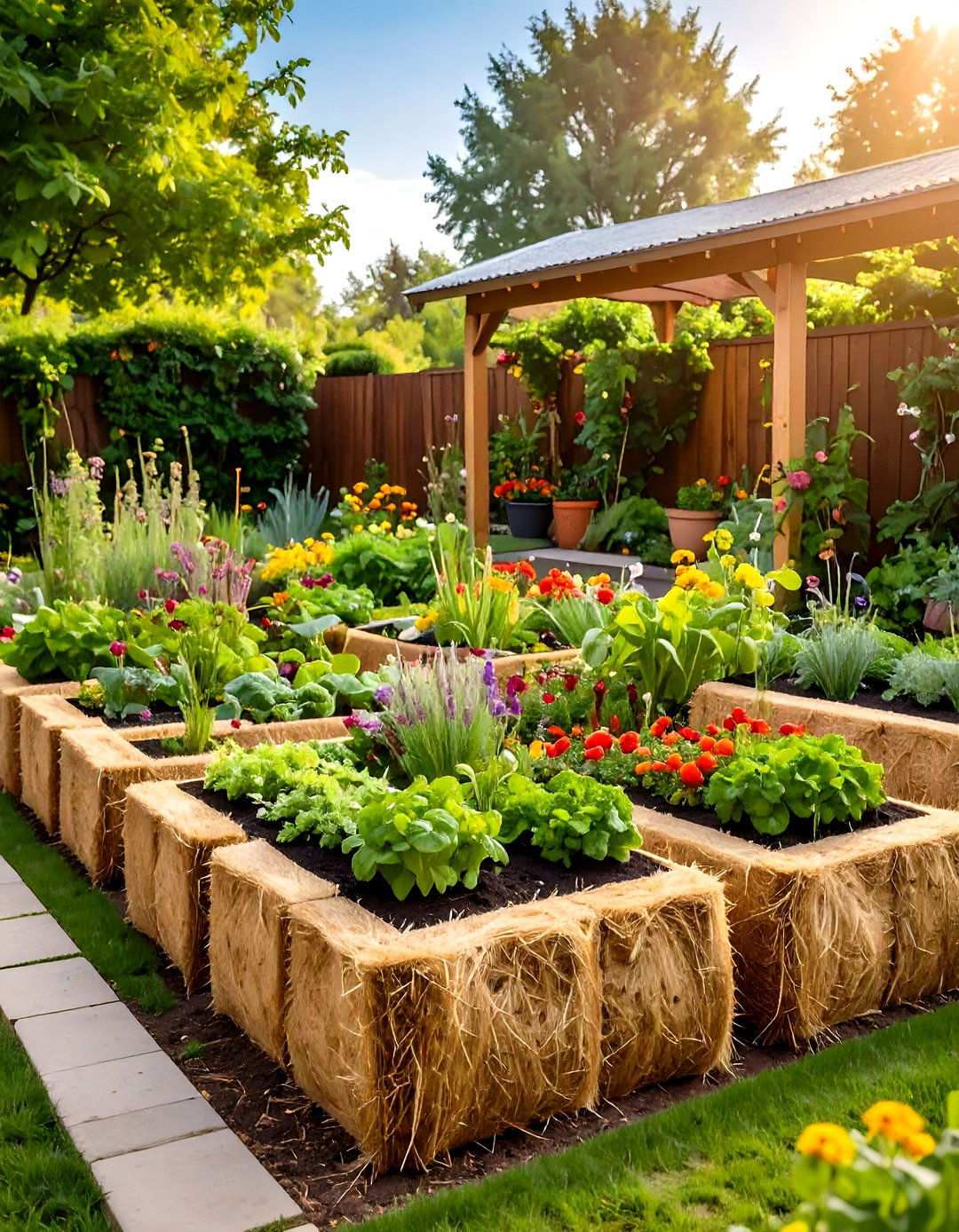
Harnessing the power of rectangular hay or straw bales, gardeners can create ephemeral raised beds that yield a wealth of benefits. Not only do these bale gardens provide immediate growing space, but they also enrich the soil over time through a natural decomposition process. The compressed organic matter within the bales creates an ideal environment for vegetables to thrive, offering sustained nutrition throughout the growing season. This approach is particularly well-suited for annual crops and experimental plantings that don’t require long-term installations. The bales’ rectangular shape allows for organized garden layouts, accommodating standard spacing requirements for most vegetables. As the bales break down, gardeners can either replace them or allow them to enrich their permanent garden beds for future seasons. Will this temporary approach enable you to experiment with garden layouts before investing in permanent installations? By harnessing the natural decomposition process, gardeners can cultivate ideal growing conditions while building long-term soil health.
20. Upcycling Lumber for Custom Raised Garden Beds
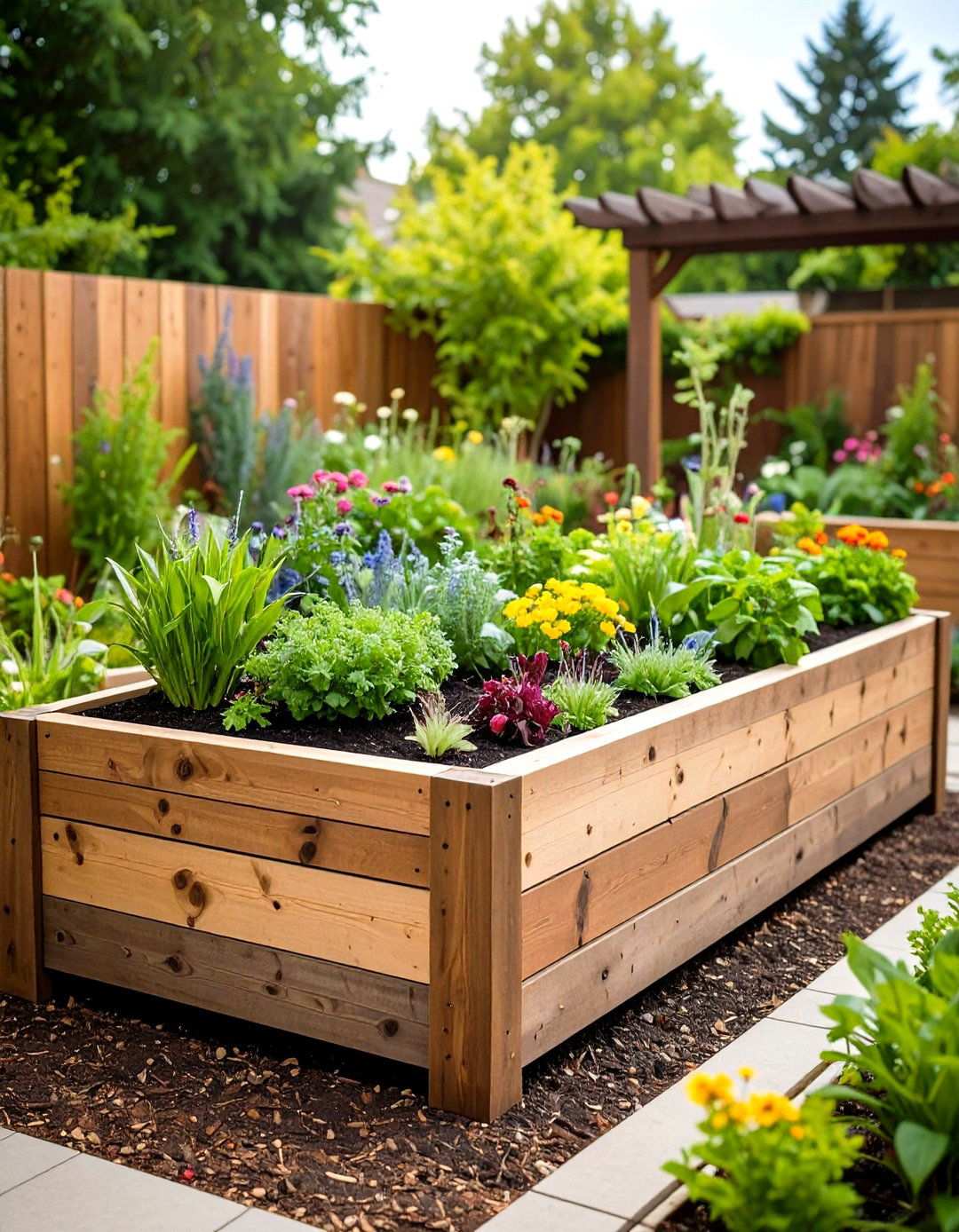
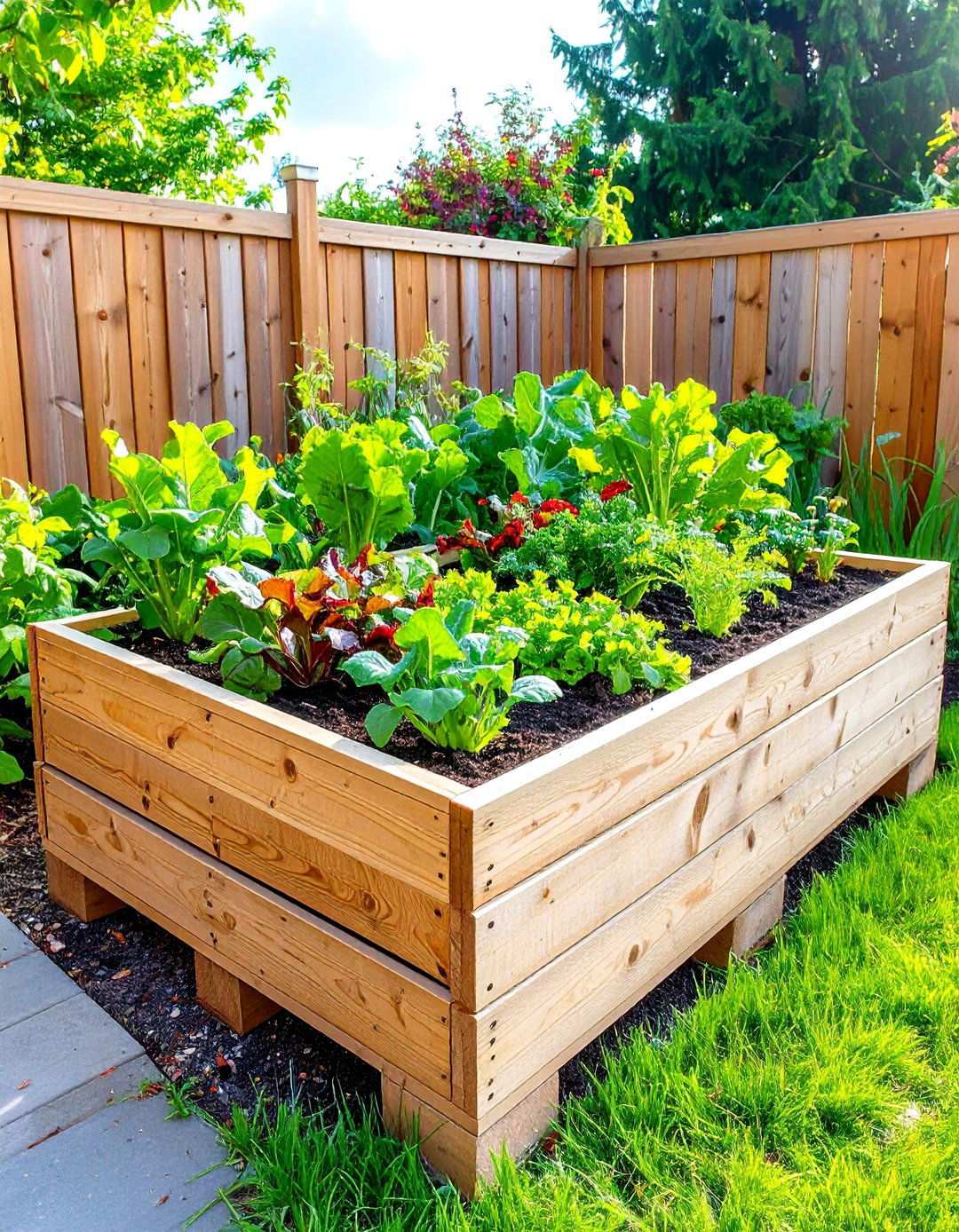
Gardeners can tap into a treasure trove of free materials by collecting recycled lumber from construction sites, demolition projects, or woodworking shops. This approach offers unparalleled design flexibility while repurposing materials that might otherwise become waste. By combining various wood species and dimensions, gardeners can create one-of-a-kind appearances and structural characteristics tailored to their specific garden needs. While inspecting free materials for safety and suitability is essential, the potential rewards make it well worth the effort. This approach is particularly valuable for gardeners on a budget, as it reduces construction costs to virtually nothing. Custom construction can accommodate irregular spaces and specific height requirements that commercial products often can’t match. Weatherproofing treatments extend the lifespan of the lumber, maintaining its attractive appearance throughout multiple growing seasons. The creative possibilities of mixed lumber are endless, allowing gardeners to showcase their problem-solving skills and add a personal touch to their garden features.
21. Wine Barrel Halves
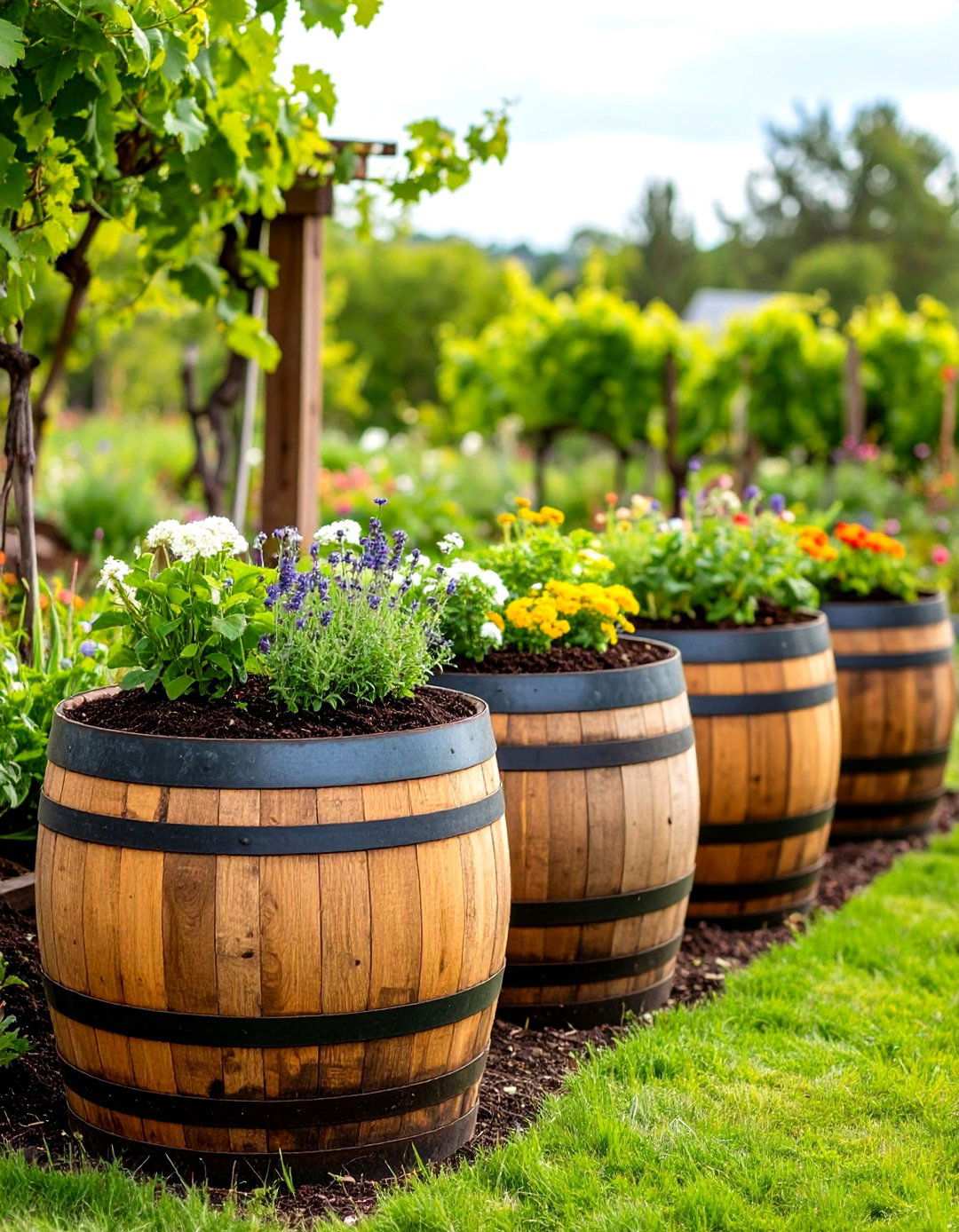
Reclaimed wine barrels can be repurposed to craft distinctive raised garden beds that exude rustic character. These hardwood containers boast exceptional durability and add a touch of sophistication to garden designs. The natural wood construction not only provides insulation but also helps regulate soil temperature, safeguarding delicate roots from extreme fluctuations. By utilizing standard barrel dimensions, gardeners can create ample growing space for an assortment of vegetables and herbs while maintaining a manageable size for effortless upkeep. The curved design promotes optimal drainage, preventing waterlogged soil that can be detrimental to sensitive plants. Moreover, authentic barrel planters inject a sense of history and conversation value into outdoor spaces, elevating their appeal. The rich wood tones beautifully complement natural landscape materials, creating striking focal points in garden designs. By leveraging these classic containers, gardeners can seamlessly integrate form and function, elevating their outdoor environments to new heights.
22. Plastic Bottle Walls
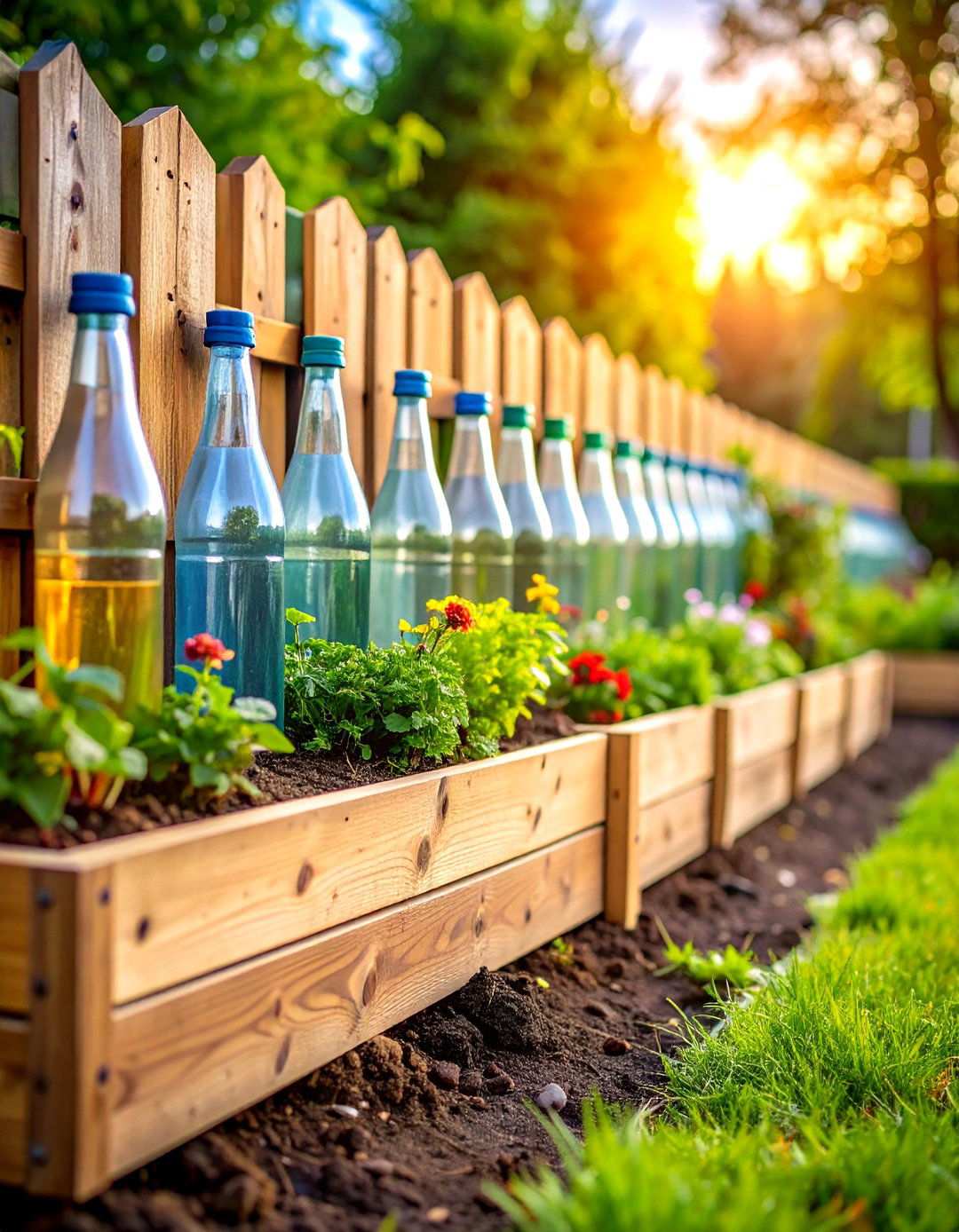
Innovative gardeners can repurpose large plastic bottles or jugs to construct one-of-a-kind raised garden bed walls using clever joining techniques. This eco-friendly approach not only diverts plastic waste from landfills but also creates functional growing spaces at a negligible cost. By combining bottles of varying sizes and colors, gardeners can craft visually striking patterns and effects throughout their garden areas. The lightweight construction allows for easy modification and seasonal rearrangement as garden needs change, making it an ideal solution for dynamic and ever-evolving outdoor spaces. Multiple connection methods offer a diverse range of aesthetic and structural characteristics, making this approach suitable for various garden applications. The transparent plastic enables gardeners to monitor soil moisture and root development while providing insulation from temperature extremes. Painted bottles offer a unique opportunity for personalized color schemes that harmoniously blend with existing landscape features. By embracing creative construction techniques, gardeners can challenge traditional gardening approaches and create surprisingly effective growing environments that showcase their commitment to sustainability.
23. Repurposed Chain Link Frameworks
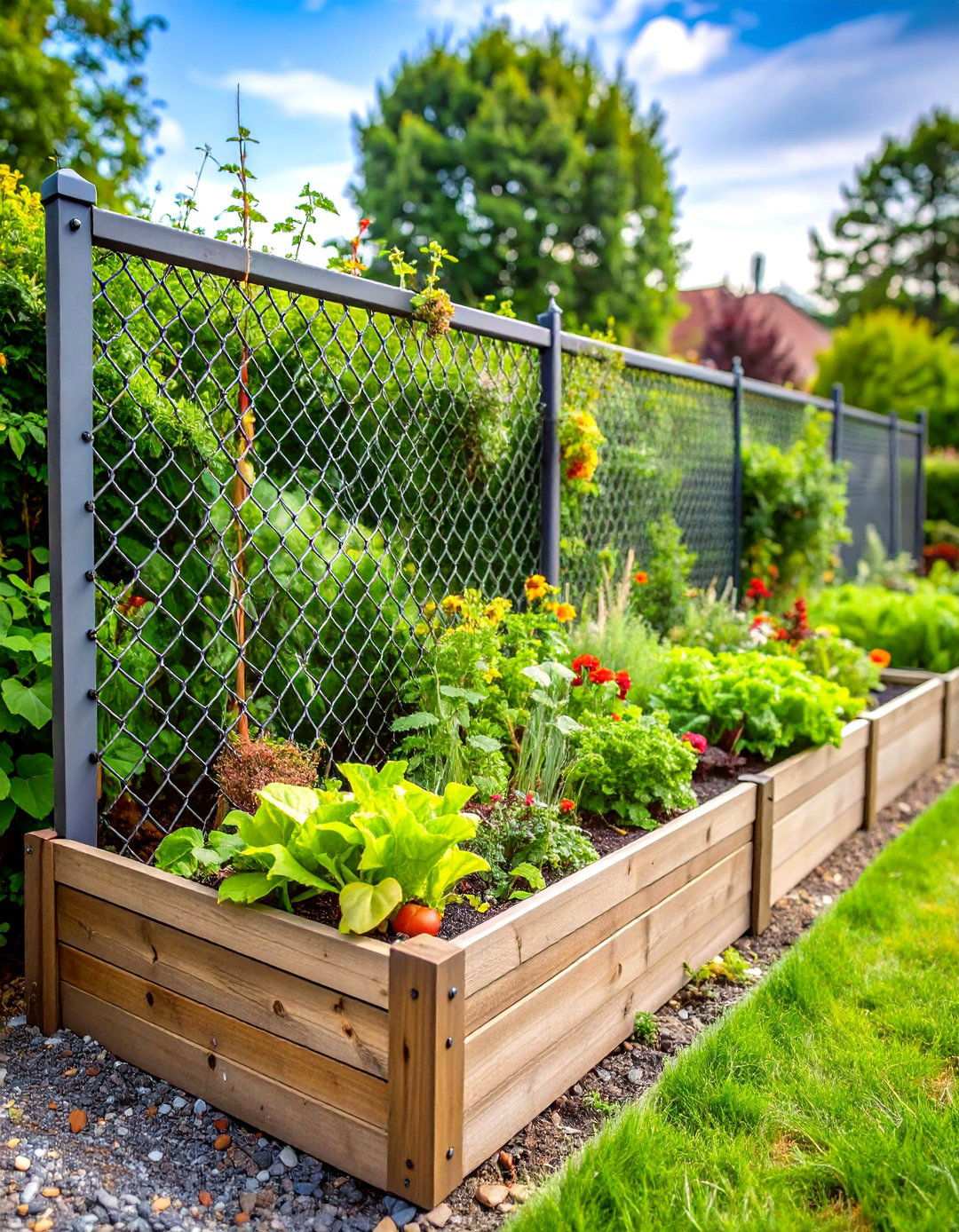
Transform chain link fencing panels into the framework for elevated garden beds filled with organic materials or growing medium. This innovative method for creating garden borders yields stable, long-lasting results while leveraging readily available materials. By shaping wire panels into diverse configurations, you can adapt to the unique demands and style preferences of your outdoor space. The open structure of these panels allows for optimal drainage and air circulation, while also providing robust support for climbing vegetables. The varied fill materials you choose will determine the growth characteristics and visual appeal of your garden areas. The system’s modular design makes it simple to expand or reconfigure the garden as your plans evolve over time. Standardized panel dimensions enable the creation of organized garden layouts that also accommodate efficient spacing for maintenance activities. Will this creative approach to repurposing materials harmonize with your existing landscape features while providing functional growing space? A well-crafted framework like this can provide years of reliable service while allowing for future modifications to your garden design.
24. Foam Insulation Garden Beds
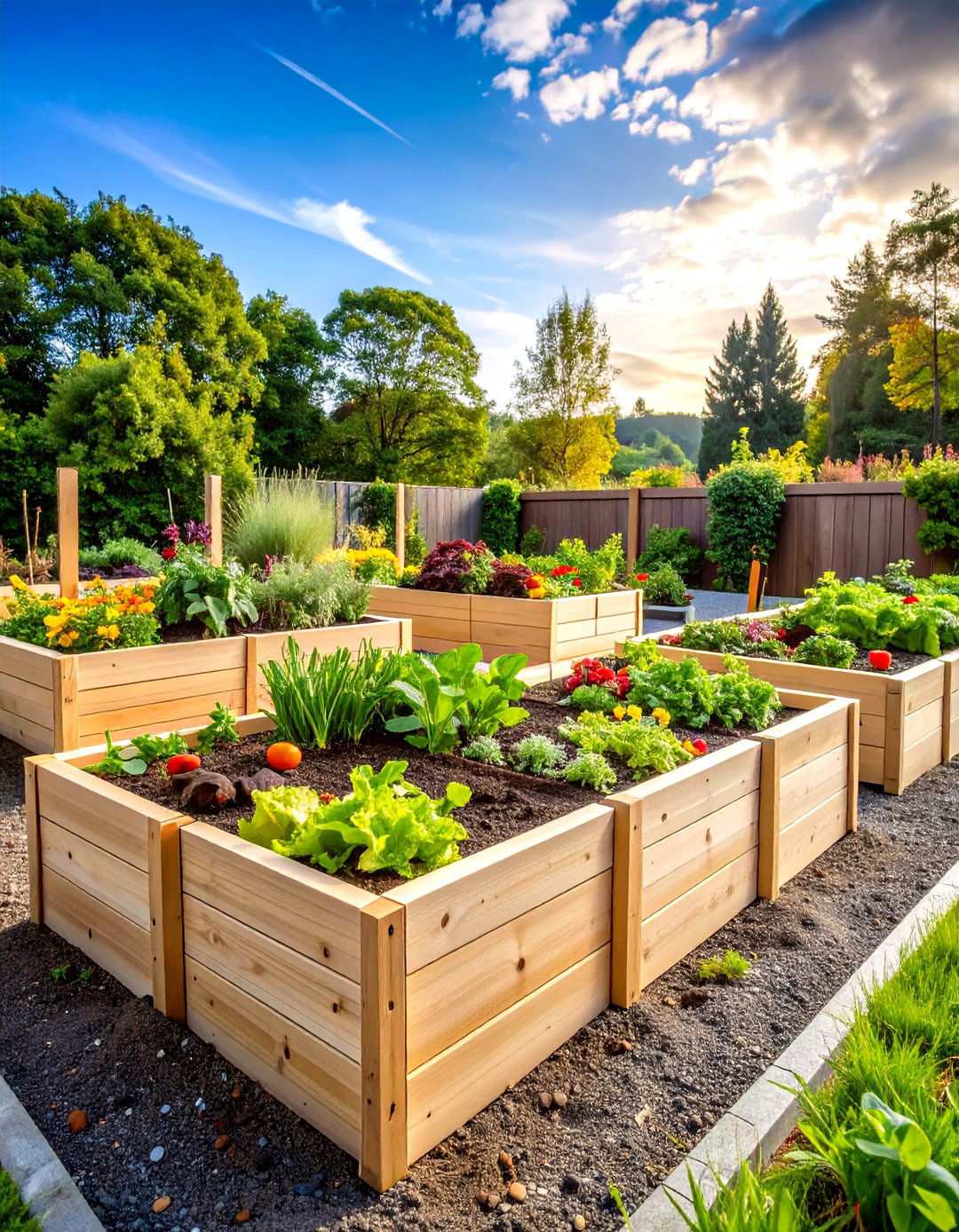
Harness the potential of discarded foam blocks or insulation materials to create lightweight, insulating raised garden beds suitable for challenging growing conditions. These materials possess remarkable thermal insulation properties while offering easy construction and modification capabilities. The lightweight nature of foam garden beds makes them ideal for portable installations that can be relocated as needed throughout the growing season. Various foam densities and sizes can be selected to meet the unique structural and aesthetic demands of your garden project. The insulating properties of foam protect plant roots from extreme temperatures, extending the growing season for sensitive crops. However, it’s essential to protect the foam from UV degradation by covering it to maintain its structural integrity over time. This approach is particularly suited for experimental gardens or temporary installations where permanent construction isn’t necessary. The unconventional use of foam creates conversation-worthy garden features while showcasing innovative problem-solving methods. How could the insulating properties of foam benefit your specific growing conditions while providing cost-effective garden solutions?