1. Luxuriant Victorian Color Schemes
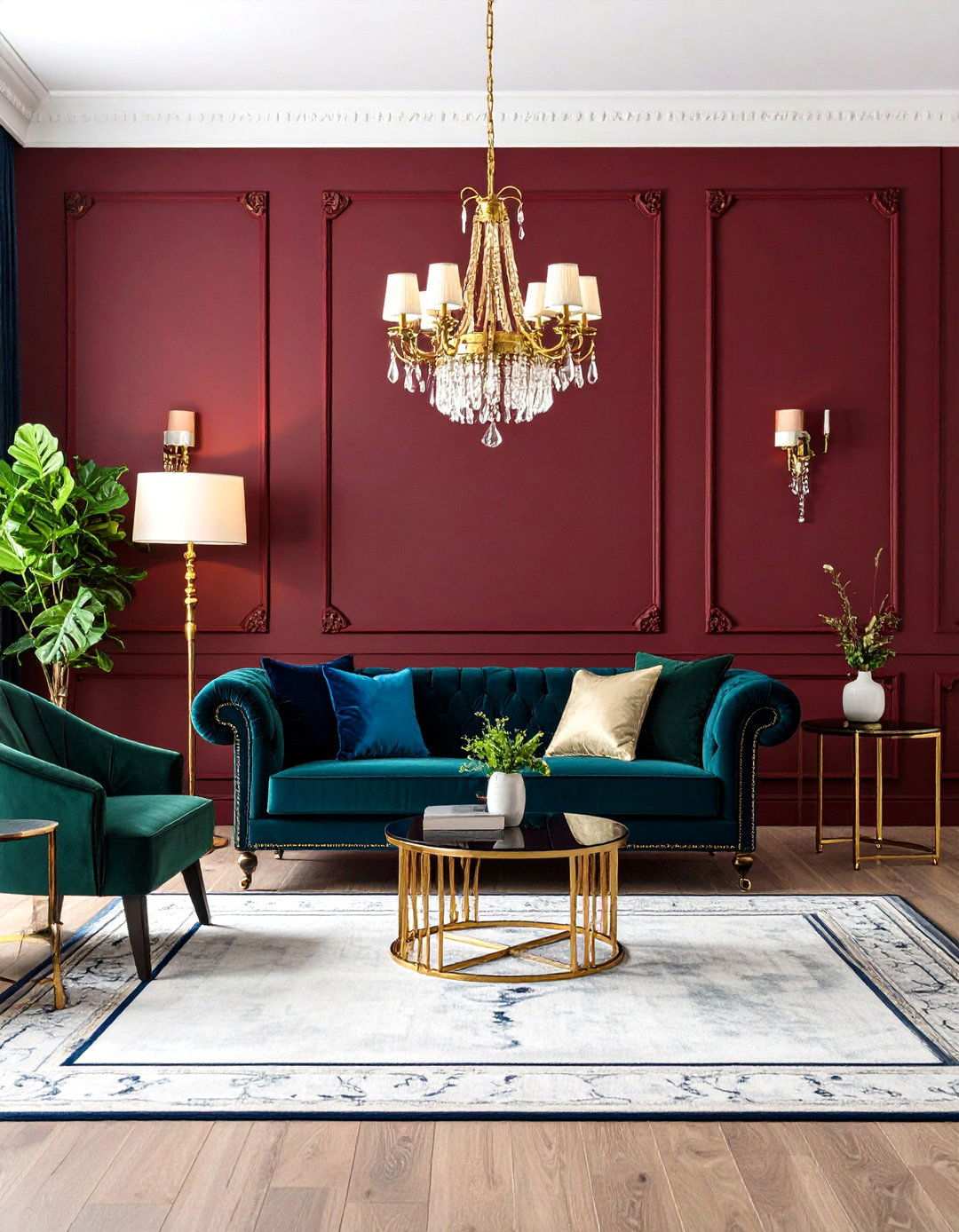
Victorian interior design is distinguished by its abundance of rich, vibrant hues that transport us to an era of opulence and refinement. The majestic reign of Queen Victoria, spanning from 1837 to 1901, saw unprecedented industrial growth, enabling middle-class families to indulge in sumptuous furnishings previously reserved for the aristocracy. Deep, jewel-toned colors like emerald green, navy blue, and royal purple are the hallmark of authentic Victorian color schemes, evoking dramatic, inviting atmospheres that instantly transform any room into a regal sanctuary. By pairing these saturated hues with cream, gold, or brass accents, homeowners can prevent overwhelming smaller spaces while maintaining the essence of Victorian drama. In modern interpretation, a deep blue accent wall behind crisp white cabinetry or burgundy velvet upholstery against neutral backgrounds perfectly captures the essence of Victorian grandeur while ensuring contemporary livability and brightness.

As an Amazon Associate I earn from qualifying purchases.
2. Intricately Crafted Victorian Furniture
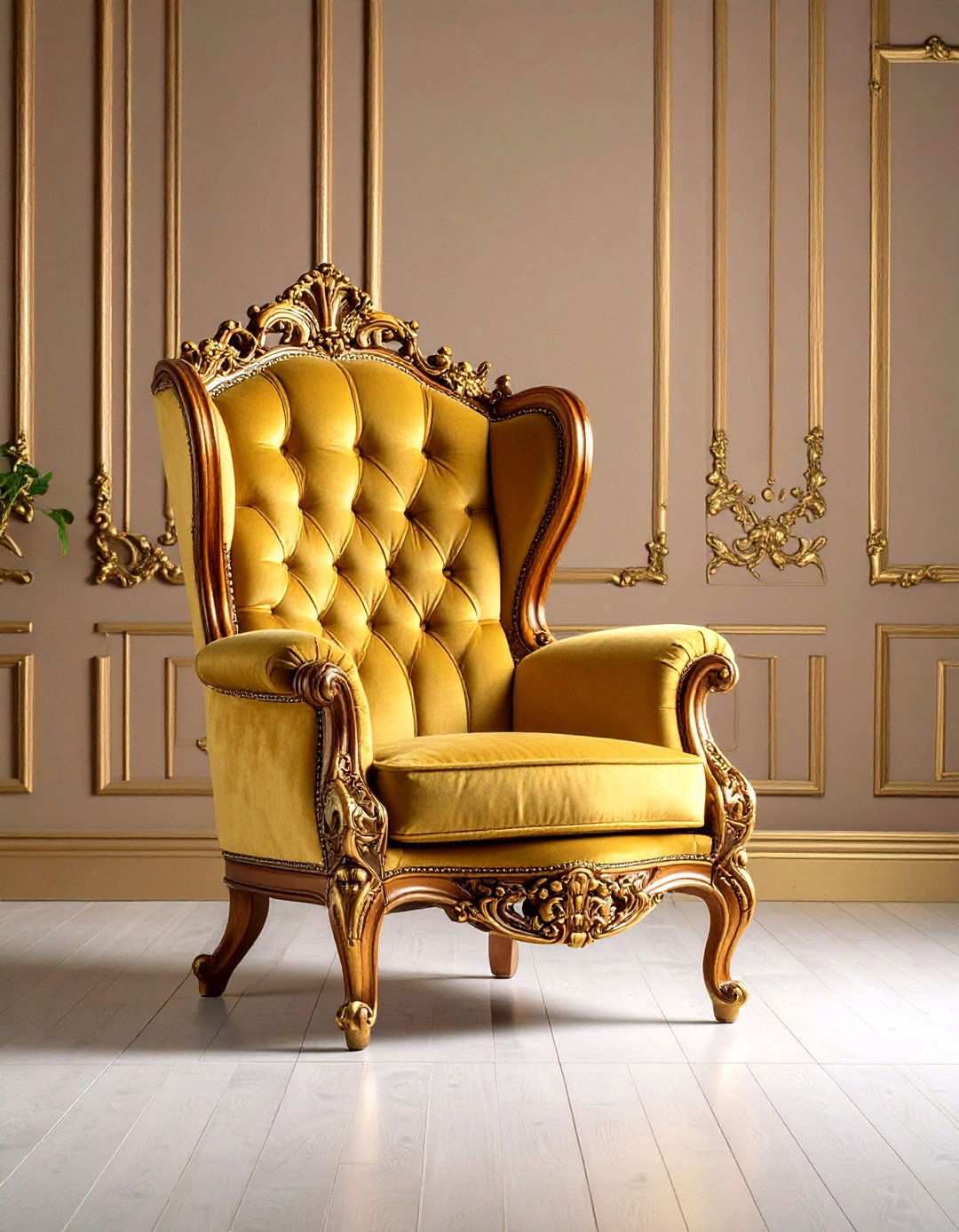
Victorian furniture embodies exceptional craftsmanship through intricate wood carvings, curved lines, and luxurious upholstery materials, reflecting the era’s appreciation for artisanal skill and attention to detail. Mahogany, walnut, and rosewood dominated furniture construction, often featuring elaborate scrollwork, floral motifs, and decorative hardware that not only served functional purposes but also acted as status symbols, demonstrating family wealth and refined taste. The tufted pieces with button-back details became signature elements, appearing on everything from armchairs to ottomans, underscoring the Victorian love for opulent, indulgent living. Today’s interpretations might feature a single statement piece like an ornately carved armoire or tufted velvet sofa, allowing Victorian grandeur to harmonize beautifully with modern simplicity and clean-lined contemporary pieces.
3. Wallpaper Patterns and Designs
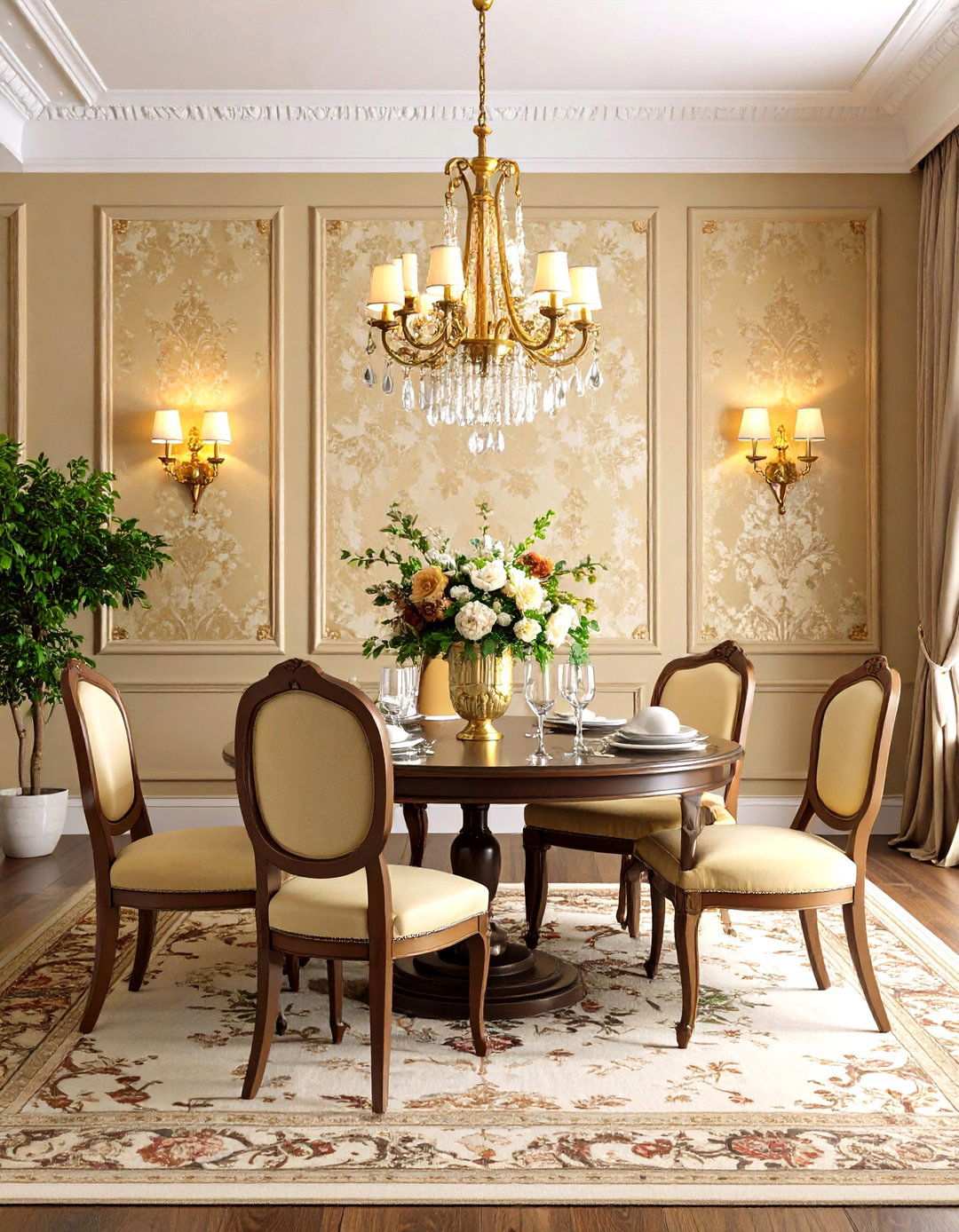
The ornate aesthetic of Victorian wallpaper has been reimagined for modern homes. Classic patterns featuring bold florals, damask designs, and intricate geometric motifs continue to captivate homeowners seeking a touch of history and elegance. By incorporating rich earth tones and stylized flowers, birds, and foliage, William Morris’s designs have inspired a new generation of interior designers. Today, homeowners can choose from a range of patterned wallpapers that evoke the opulence of Victorian times, from elaborate designs with metallic accents to more subtle, textured options that complement modern furnishings and artwork. By incorporating a single accent wall with a patterned wallpaper, homeowners can achieve a period-inspired look without overwhelming the senses.
4. Victorian Bedroom Sanctuaries
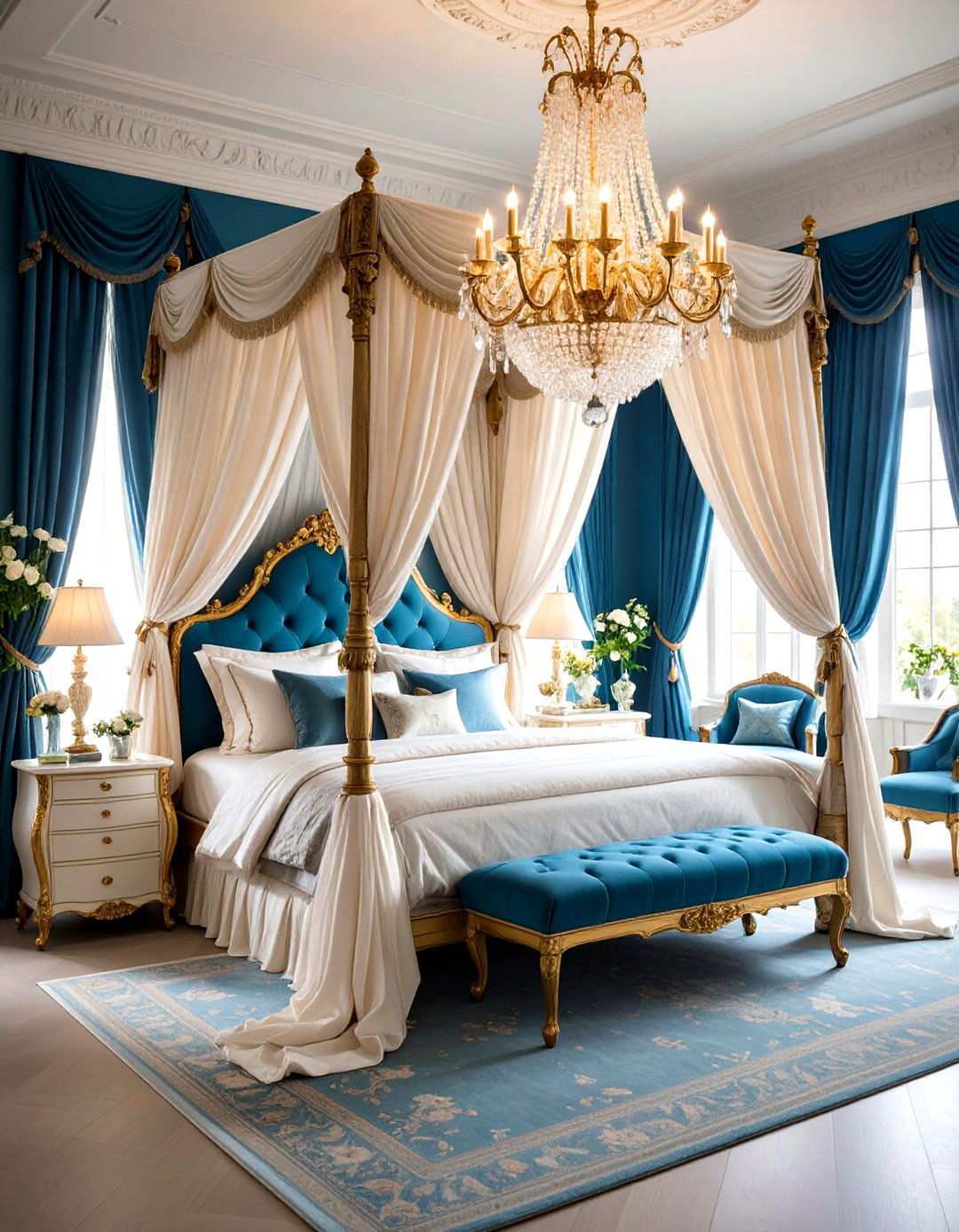
Transforming a bedroom into a Victorian retreat requires a thoughtful balance of comfort and elegance. By incorporating rich textiles, heavy drapery, and plush furnishings, homeowners can create a sanctuary that promotes restful sleep and intimacy. Four-poster beds with flowing curtains provide a sense of seclusion, while ornate headboards in velvet or silk add a touch of luxury. To create a cohesive look, matching furniture sets including dressing tables, wardrobes, and bedside tables can be paired with a statement piece, such as a tufted headboard or crystal chandelier. By combining these elements with contemporary lighting and streamlined storage solutions, homeowners can create a bedroom sanctuary that is both nostalgic and modern.
5. Victorian Kitchen Elements
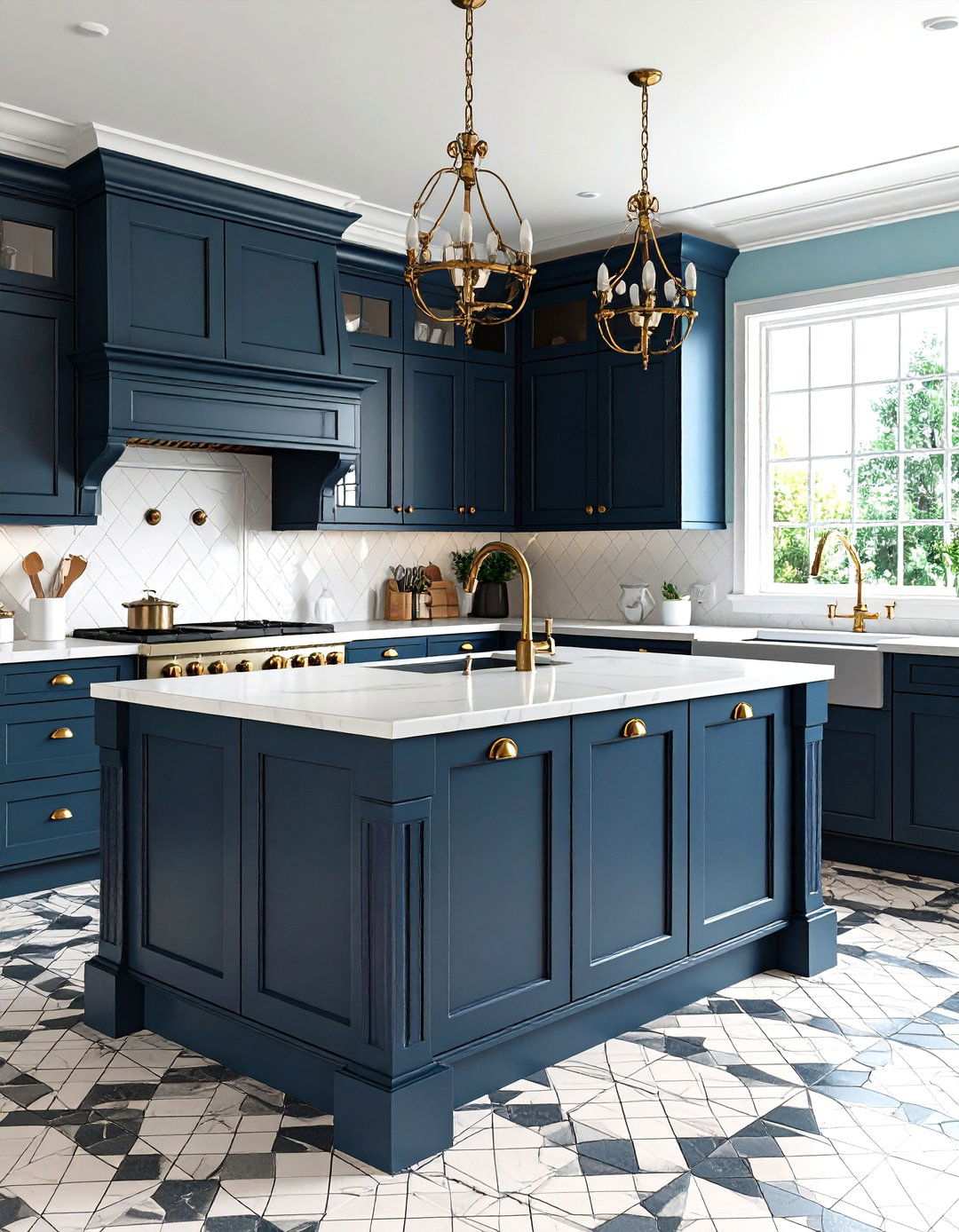
Victorian kitchens embody the perfect blend of functionality and decorative beauty. Rich wood cabinetry, intricate tile work, and brass hardware details create a warm and inviting atmosphere that is both period-inspired and modern. Traditional color schemes featuring deep forest green, burgundy, and navy blue are often paired with white or cream accents for balance. By incorporating open shelving for fine china and glassware, substantial wooden tables for food preparation and dining, and vintage-inspired lighting fixtures, homeowners can recreate the charm of a Victorian kitchen. Modern interpretations of these classic elements, such as shaker-style cabinets with decorative molding and farmhouse sinks, provide a fresh take on the traditional look while still honoring the heritage of the Victorian era.
6. Elevating Bathroom Luxury
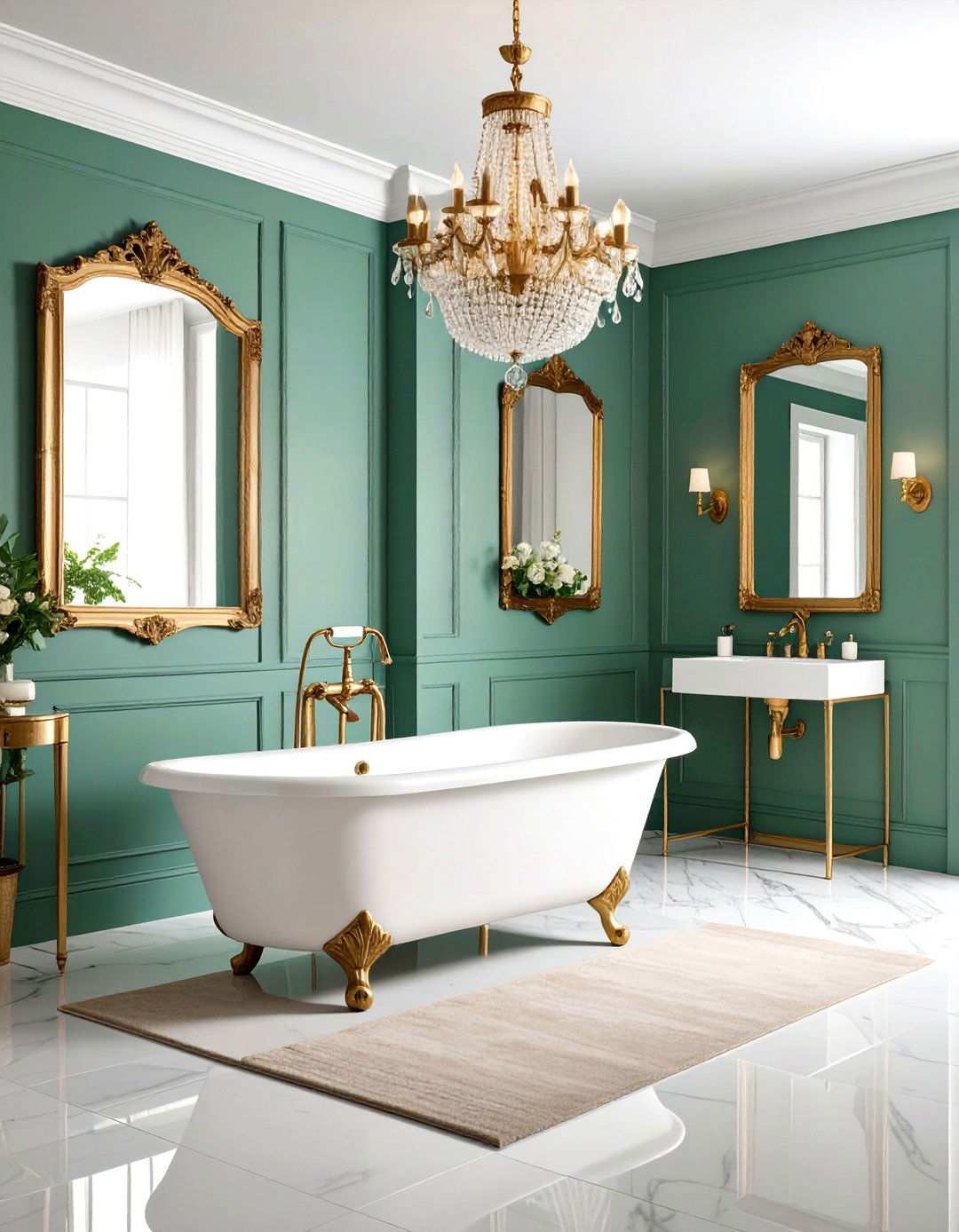
Victorian-era bathrooms exemplified opulence through show-stopping freestanding tubs, pedestal sinks, and elaborate fixtures that transported users to a world of pampering. Luxurious materials such as marble, porcelain, and cast iron dominated these spaces, injecting a sense of sophistication and grandeur. Geometric floor tiles added a touch of visual drama, while high-tank toilets with pull chains and ornate mirrors with decorative frames completed the look. Could a Victorian-style bathroom upgrade bring a new level of luxury to your home? Contemporary interpretations might feature a statement tub as the focal point, paired with classic black and white tile patterns. Rich paint colors and vintage-style mirrors can transform an ordinary bathroom into a refined and elegant retreat.
7. Lighting the Way to Elegance
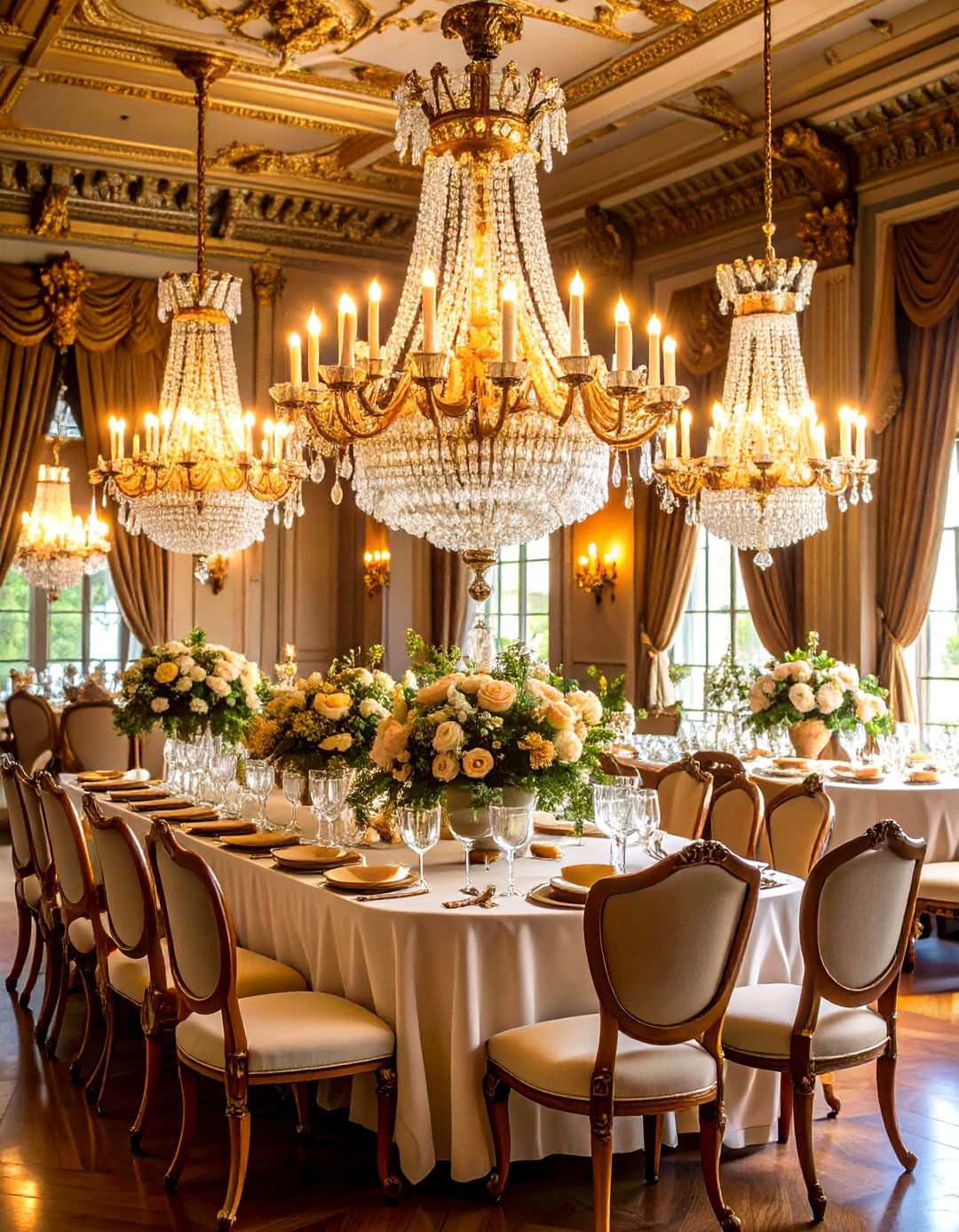
Victorian interiors showcased stunning lighting fixtures that were both beautiful and functional. Crystal chandeliers, intricately designed wall sconces, and decorative pendant lights created a sense of drama and grandeur. These fixtures often featured intricate metalwork, sparkling crystal elements, and ornate details that reflected light and added visual interest. Brass and bronze finishes dominated, often incorporating floral motifs, scrollwork, and other decorative elements. As electric lighting gradually replaced gas lighting, designers maintained the ornate designs while improving functionality. A modern Victorian aesthetic might feature a single statement chandelier in a dining room or entryway, paired with simpler fixtures elsewhere. Vintage-inspired pendant lights over kitchen islands or brass sconces flanking mirrors can add a touch of Victorian elegance without overwhelming modern spaces.
8. Window treatments with a Theatrical Touch
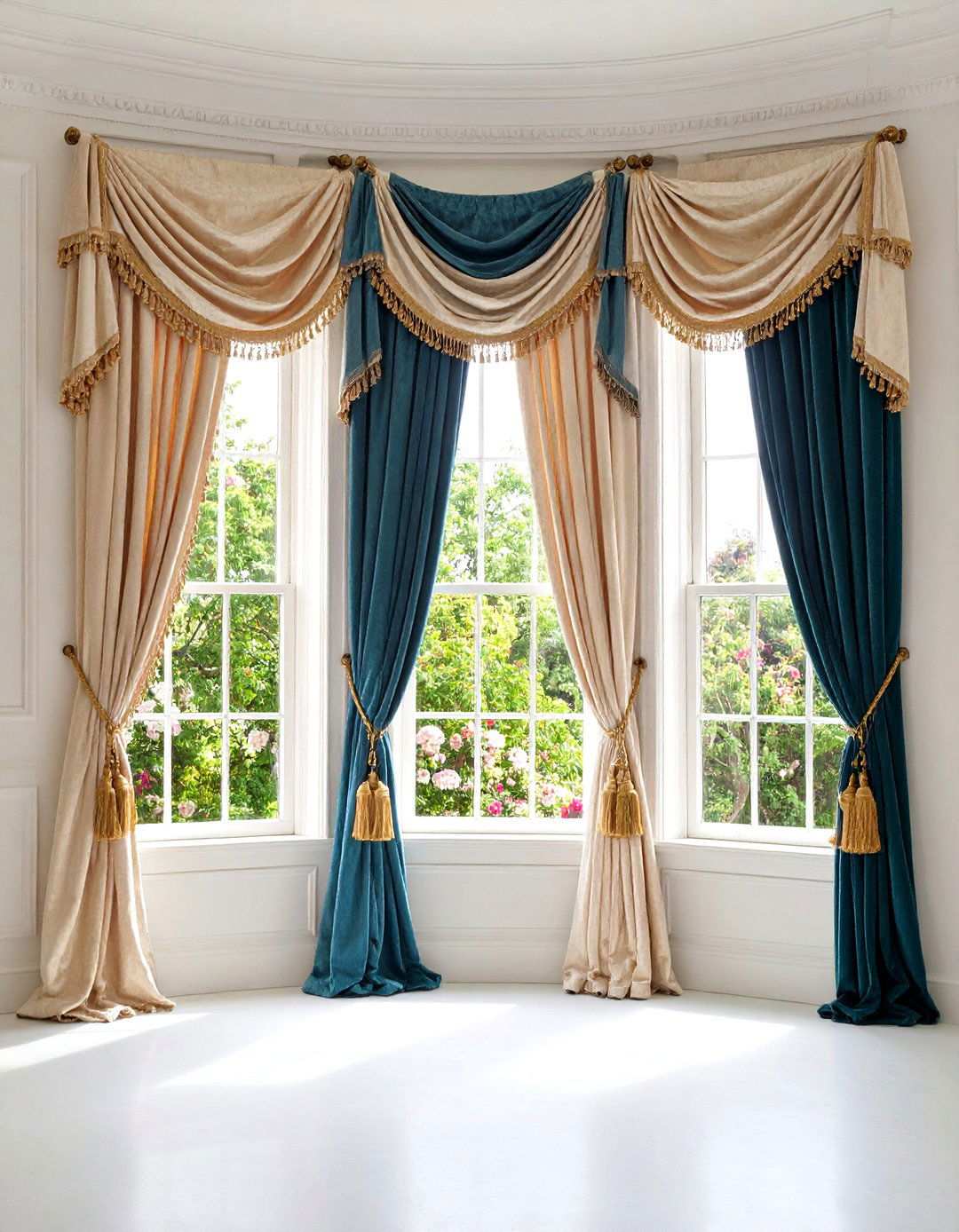
Victorian window treatments were renowned for their opulence, featuring heavy drapery with multiple layers in rich fabrics like velvet, brocade, and silk in jewel tones. These elaborate curtains often included valances, swags, and decorative tiebacks, creating a sense of drama and spectacle. Lace undercurtains provided a touch of romance, allowing natural light to filter through and soften harsh sunlight. Ornate curtain rods in brass or decorative wood completed the look. What mistakes might detract from the elegance of Victorian window treatments? Modern approaches might simplify these concepts through single-layer curtains in luxurious fabrics or Roman shades with decorative trim, maintaining period charm while accommodating contemporary preferences for cleaner lines and easier maintenance.
9. Elevating Fireplace Design
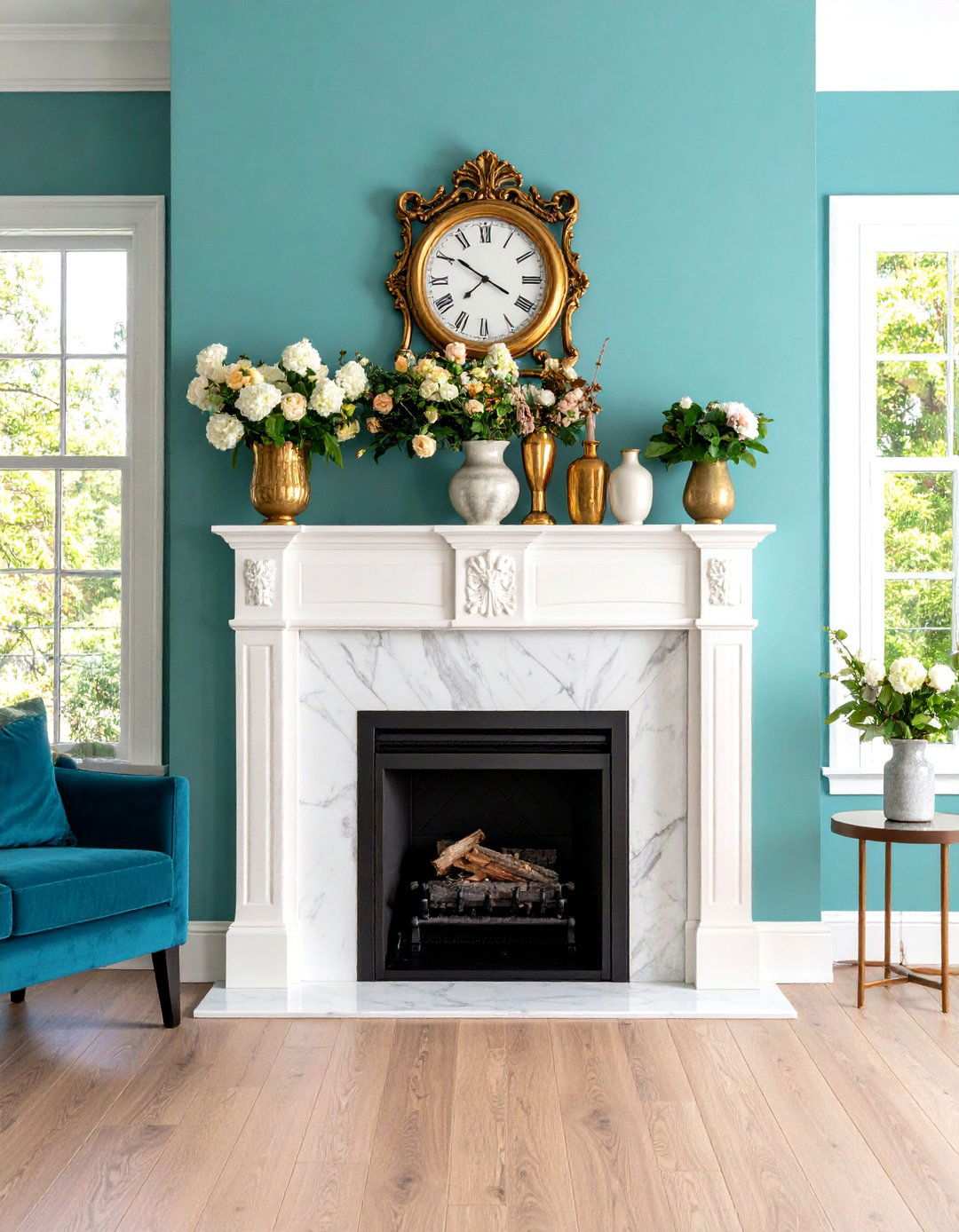
Victorian-era fireplaces stood out as central focal points in rooms, thanks to intricately carved mantels, decorative tiles, and ornate surrounds that reflected the craftsmanship and personal style of the family. Behind these stunning backdrops, family gatherings unfolded with the carefully arranged displays of clocks, vases, and cherished photographs. Decorative fire screens, brass andirons, and intricate grates not only added functionality but also created a visually appealing experience. In modern times, Victorian fireplace design can be revived by restoring original features in period homes or incorporating decorative mantels in contemporary settings. For added convenience, electric or gas inserts can be installed, maintaining the authentic look and feel. To create visually compelling displays, consider layering mantel decorations thoughtfully, blending varying heights, textures, and metallic finishes.
10. Rich Flooring Traditions
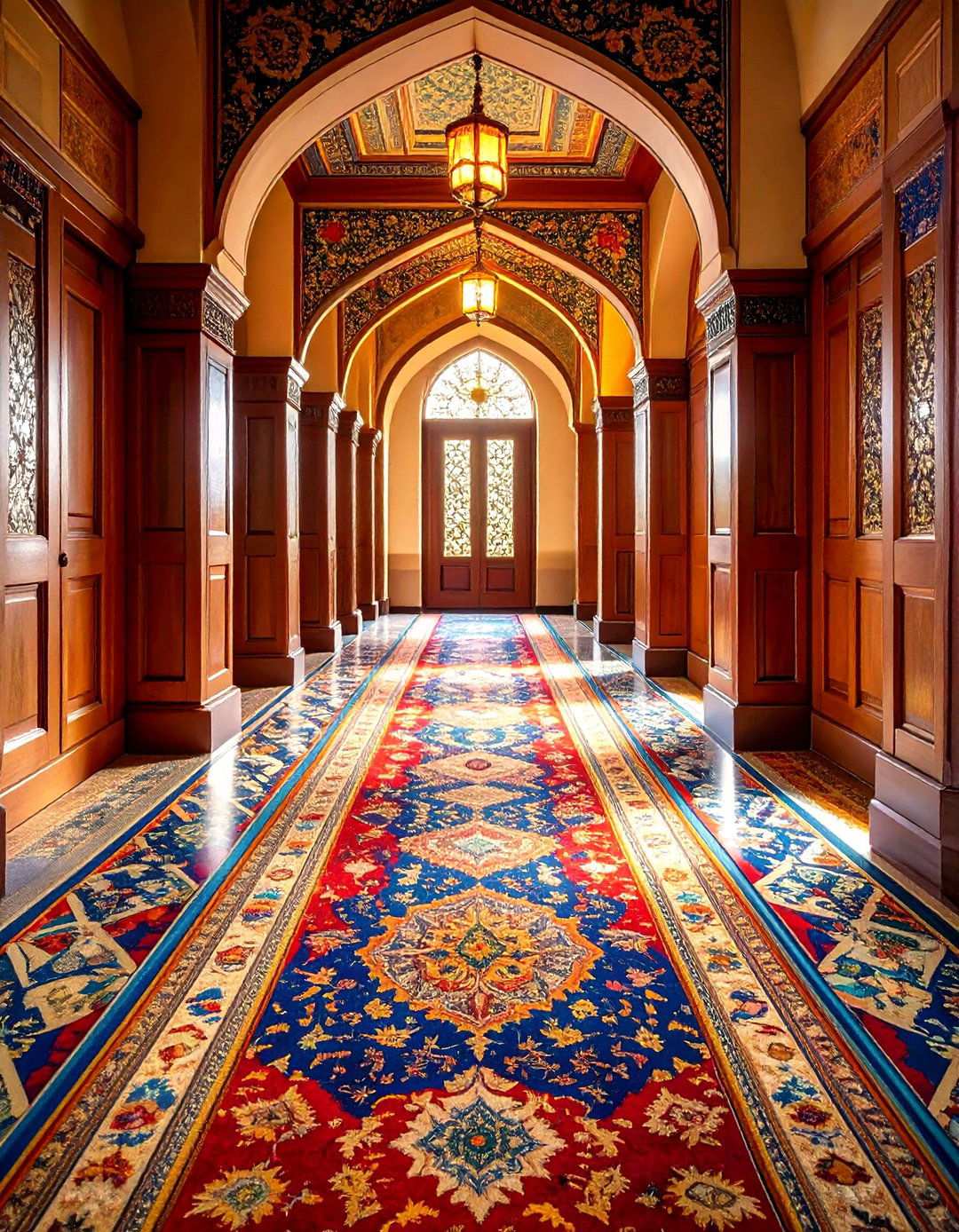
In Victorian-era homes, elegant hardwood floors in deep, rich stains provided a sophisticated foundation for interior design, often complemented by luxurious area rugs featuring intricate Persian or Oriental patterns. Geometric encaustic tiles, used in entryways and hallways, added a touch of visual drama through their contrasting colors and intricate designs. Parquet flooring in dining rooms and parlors added a sense of refinement through its complex wood patterns and borders. Today, Victorian-inspired floor treatments can be achieved by incorporating wide-plank hardwood in darker stains, paired with traditional area rugs in rich colors and detailed patterns. For a more modern twist, ceramic tiles mimicking period designs can be used to create authentic looks in bathrooms and kitchens, while also providing the convenience and durability that busy households require.
11. Enhancing Ceiling Architecture
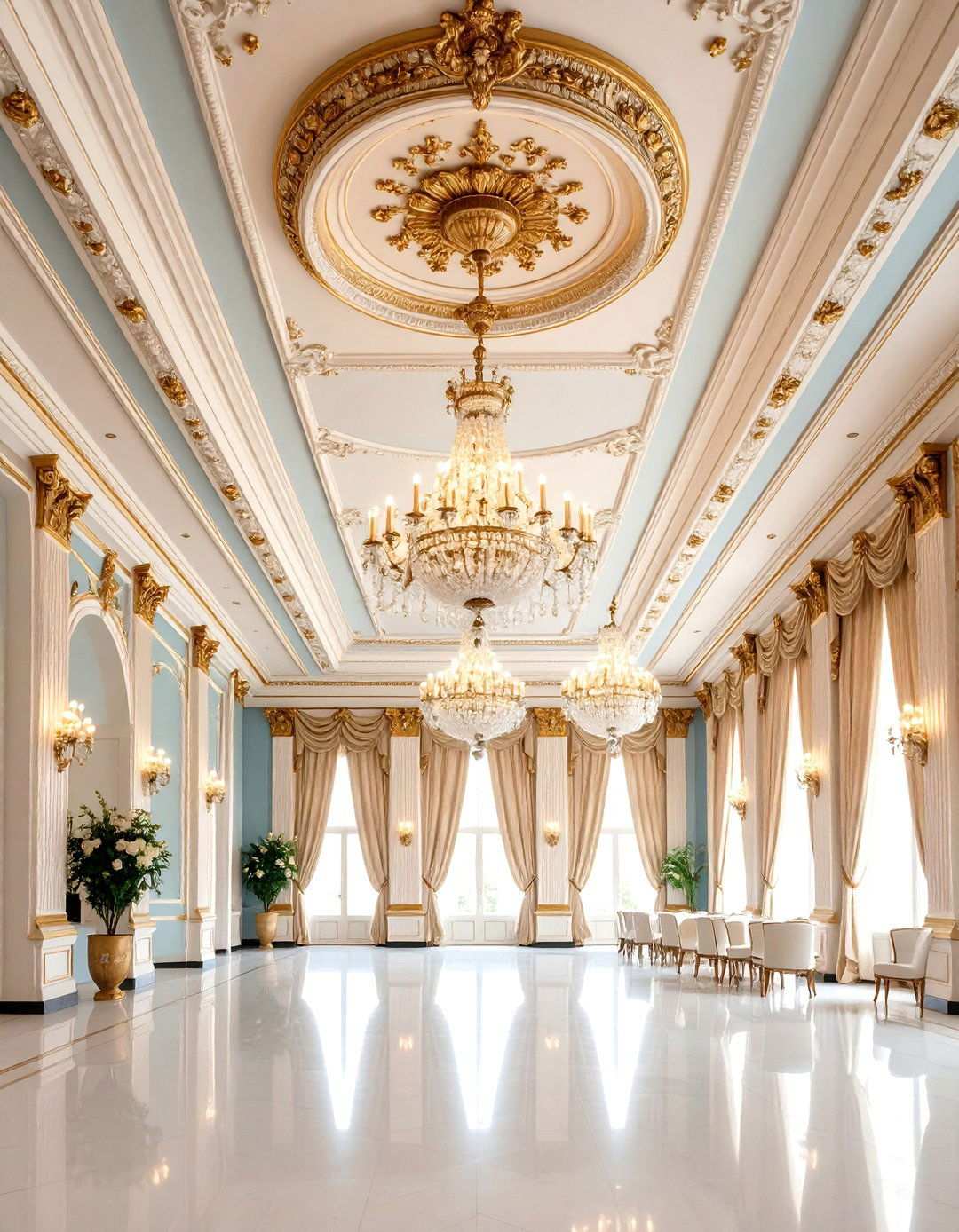
In Victorian-era homes, ornate plaster moldings, ceiling medallions, and cornices elevated the architectural interest and grandeur of rooms, transforming plain ceilings into decorative masterpieces. These intricate details often featured floral motifs, geometric patterns, and classical elements that harmonized with wall treatments and furnishings. Ceiling roses around light fixtures created focal points while cleverly concealing electrical connections. Rich paint colors or decorative finishes added depth and dimension to these architectural features. If your home lacks the architectural character that ceiling details can provide, consider modern interpretations that add simple crown molding or ceiling medallions to create a sense of Victorian-inspired elegance without overwhelming contemporary spaces. By painting details in contrasting colors, you can highlight existing architectural features, maintaining period authenticity and visual interest.
12. Harmonious Fusions of Past and Present
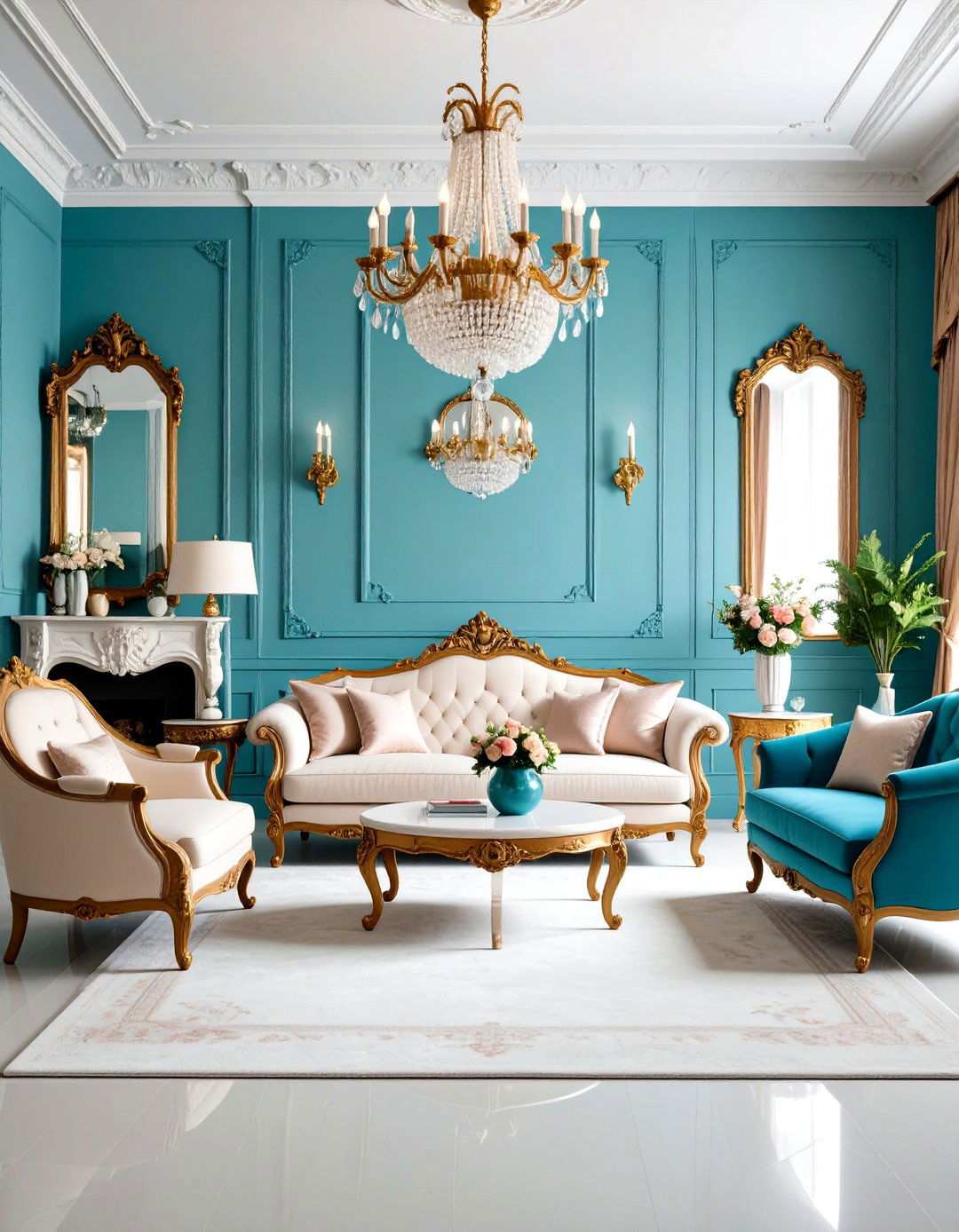
Modern Victorian living rooms seamlessly integrate timeless elegance with contemporary comfort by thoughtfully combining classic design elements with modern functionality. This blend of sophistication and practicality is achieved through deliberate furniture choices, creative lighting schemes, and curated accessories that balance tradition with a flair for the modern. Rich textures, ornate mirrors, and statement lighting come together to create striking focal points without overwhelming the space. By embracing a mix of vintage and modern pieces, homeowners can create spaces that not only reflect their personal style but also seamlessly blend historical charm with contemporary flair.
13. Sophisticated Textile Traditions
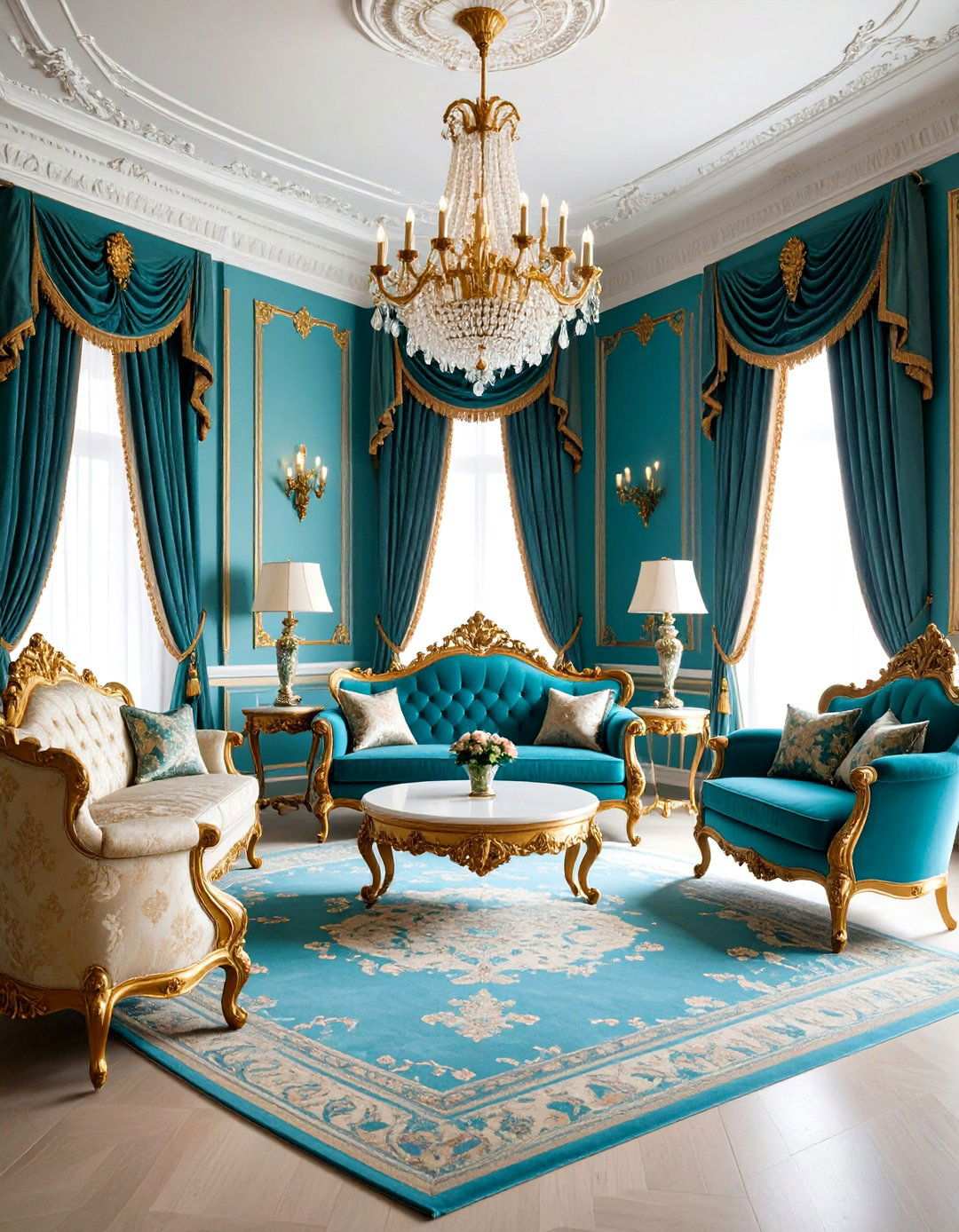
When it comes to Victorian-era textiles, a few select fabrics – velvet, brocade, silk, and damask – stood out for their exceptional tactile richness and visual appeal. These luxurious materials were often used in upholstery, drapery, and decorative accessories, showcasing intricate patterns and textures that added depth and visual interest to a room. By incorporating these timeless fabrics into modern living spaces, homeowners can infuse their rooms with a sense of history and luxury without sacrificing practicality. Contemporary interpretations might feature individual statement pieces, such as a plush velvet armchair or elegant silk curtains, to add a touch of period charm to any room.
14. Elegance in Metalwork and Hardware
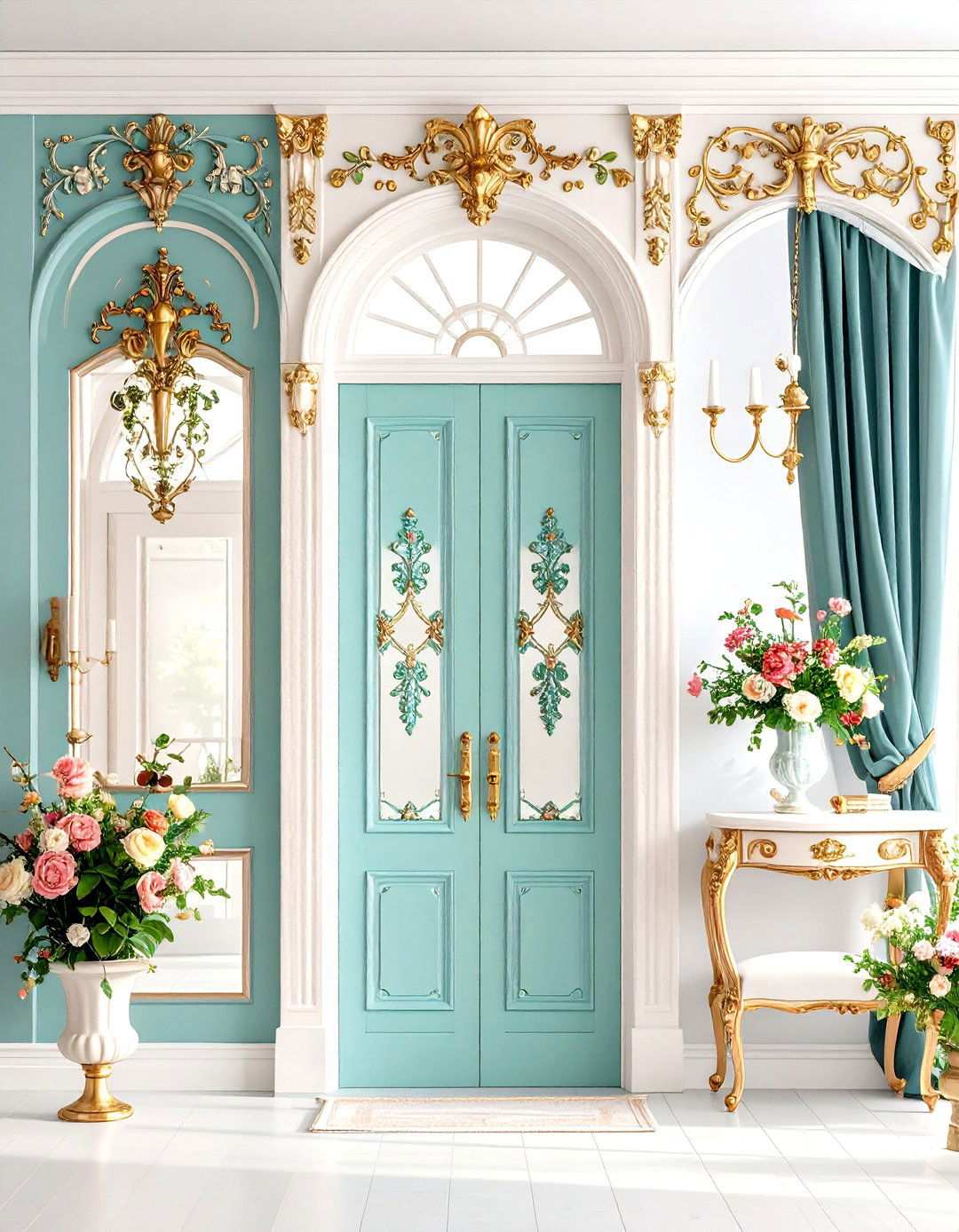
Metalwork played a significant role in Victorian-era design, with brass being the dominant choice for hardware and architectural details. Ornate door handles, intricate cabinet knobs, and beautifully crafted curtain rods all contributed to an atmosphere of refinement and sophistication. Copper, bronze, and cast iron were also used to create a range of finishes and styles that catered to different tastes and budgets. By thoughtfully selecting hardware and metalwork that reflects their personal style, homeowners can create spaces that are both authentic and modern, with a deep appreciation for the craftsmanship that went into creating these timeless pieces.
15. Gothic Victorian Style
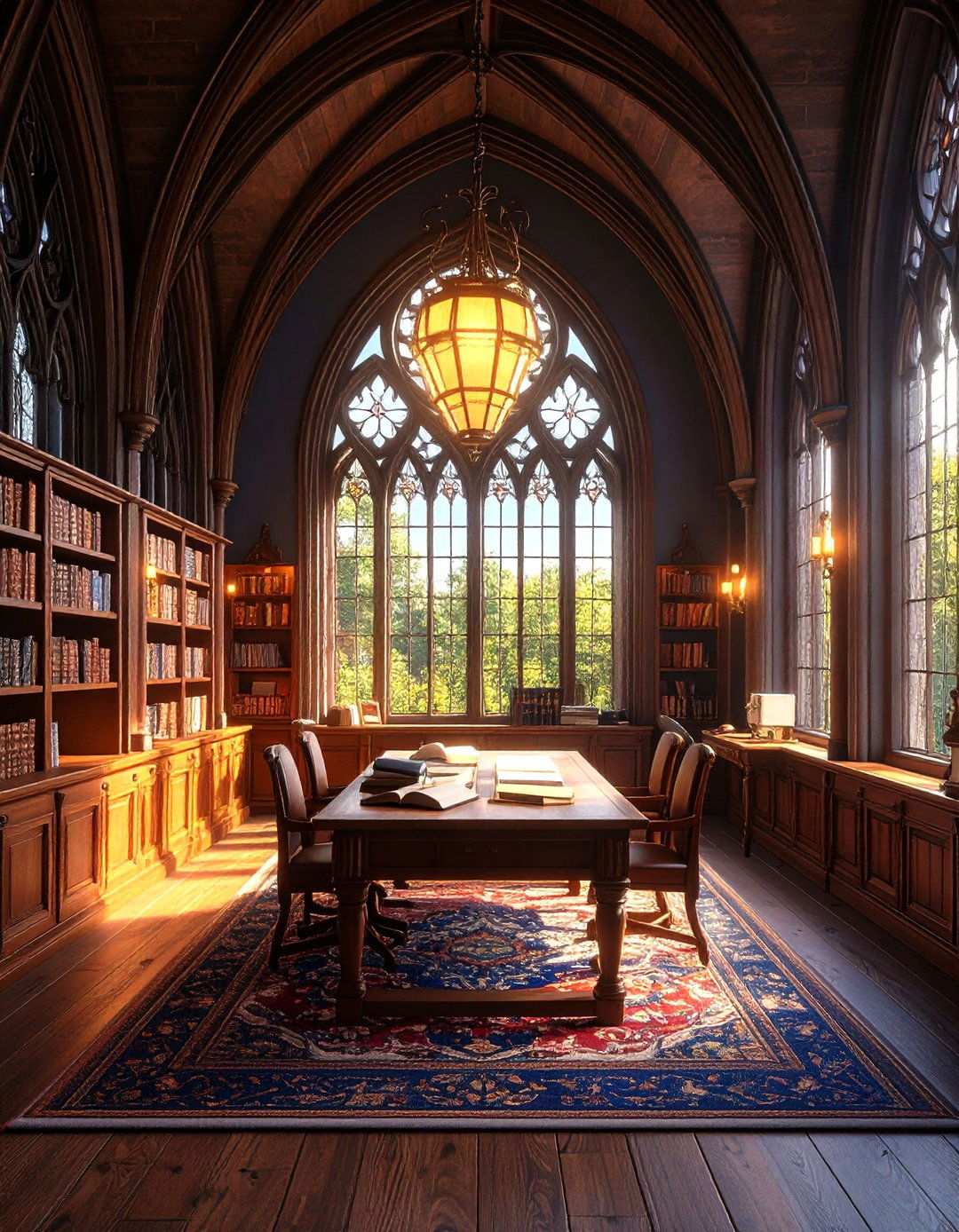
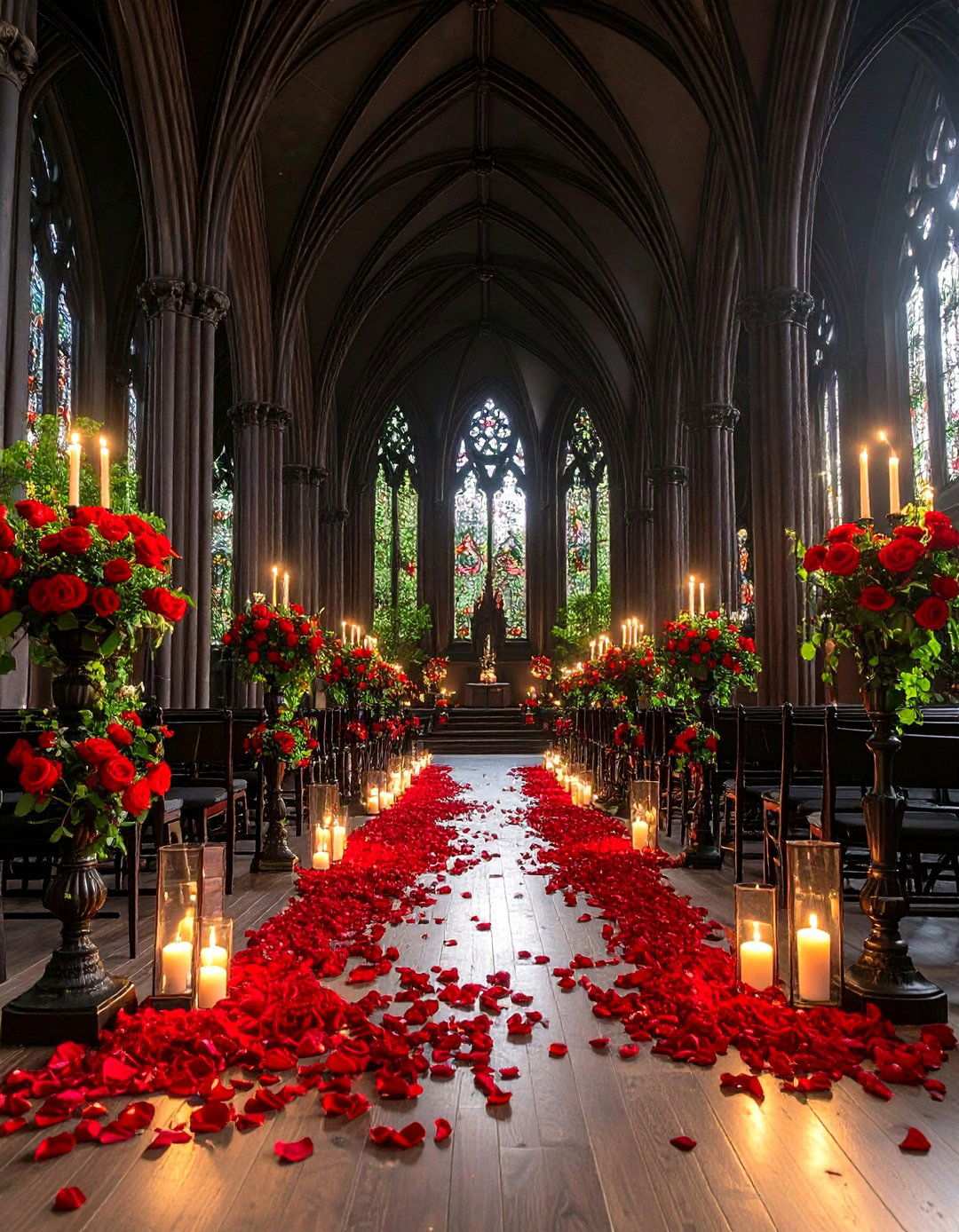
The Gothic Revival movement imbued Victorian interiors with a sense of drama and mystery through the strategic use of pointed arches, dark hues, and medieval-inspired motifs. This captivating substyle emphasized vertical lines, intricate woodwork, and rich, somber color palettes that frequently featured deep purples, blacks, and burgundies. Stained glass windows, substantial carved furniture, and ornate metalwork contributed to an atmosphere of grandeur. Contemporary interpretations of Gothic Victorian might incorporate dark accent walls, dramatic lighting fixtures, or furniture with Gothic-inspired details, particularly in larger spaces with high ceilings where such elements can be balanced with the room’s proportions and available natural light.
16. Victorian Art and Wall Decor
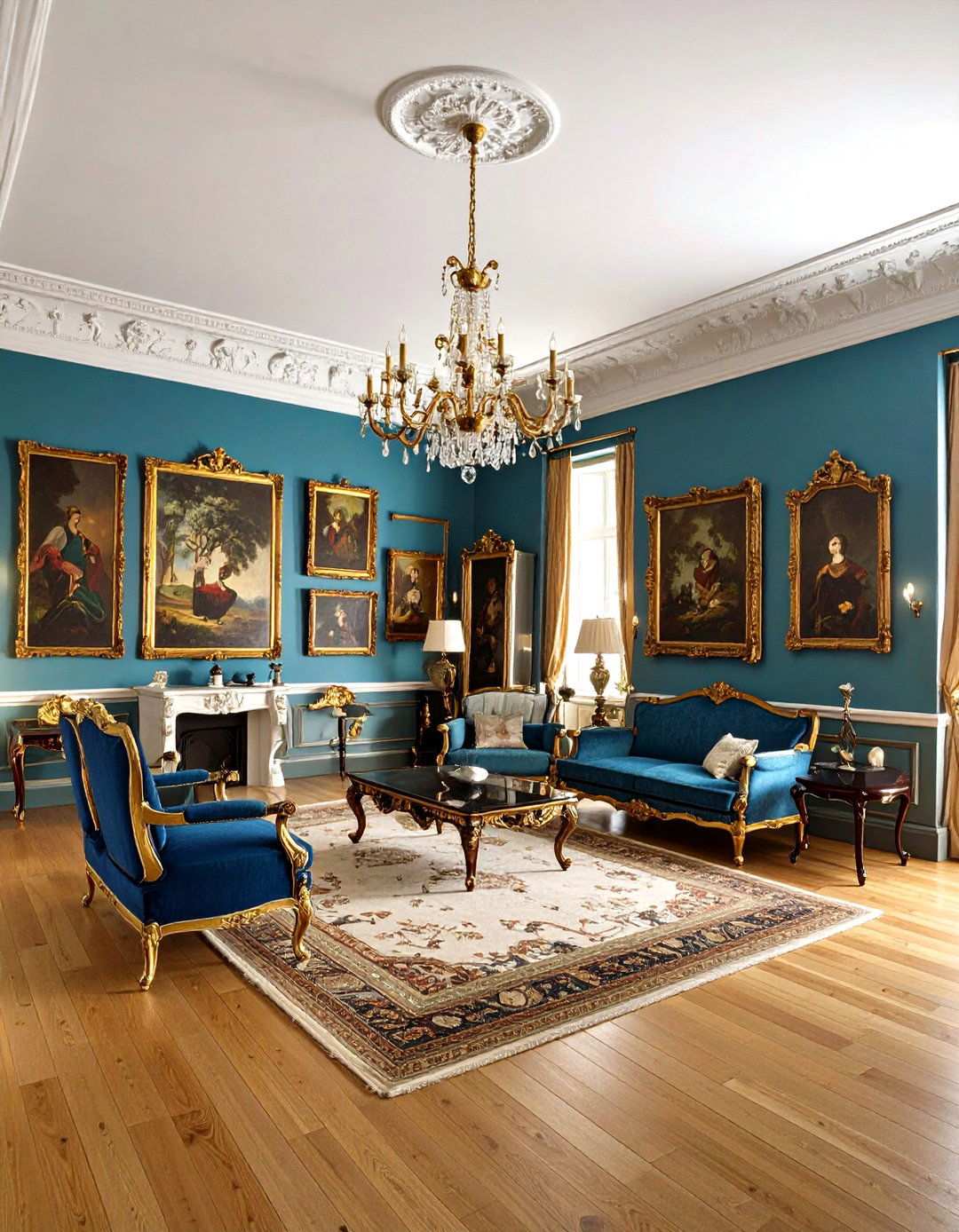
Victorian walls were often adorned with elaborate arrangements of oil paintings, botanical prints, and family portraits, which demonstrated the homeowner’s cultural refinement and personal interests while creating visually appealing displays. Ornate gilded frames in various sizes created a sense of continuity, often arranged salon-style with overlapping compositions that added depth to the space. Decorative mirrors, wall sconces, and architectural prints introduced variety to these collections, making the room feel more dynamic. To achieve cohesive wall arrangements without appearing cluttered, modern Victorian wall treatments might feature a single large artwork in an ornate frame or create smaller gallery walls with vintage-inspired pieces. Meanwhile, contemporary photography in traditional frames can seamlessly blend old and new aesthetics while maintaining period-appropriate presentation styles and visual impact.
17. Victorian Storage Solutions
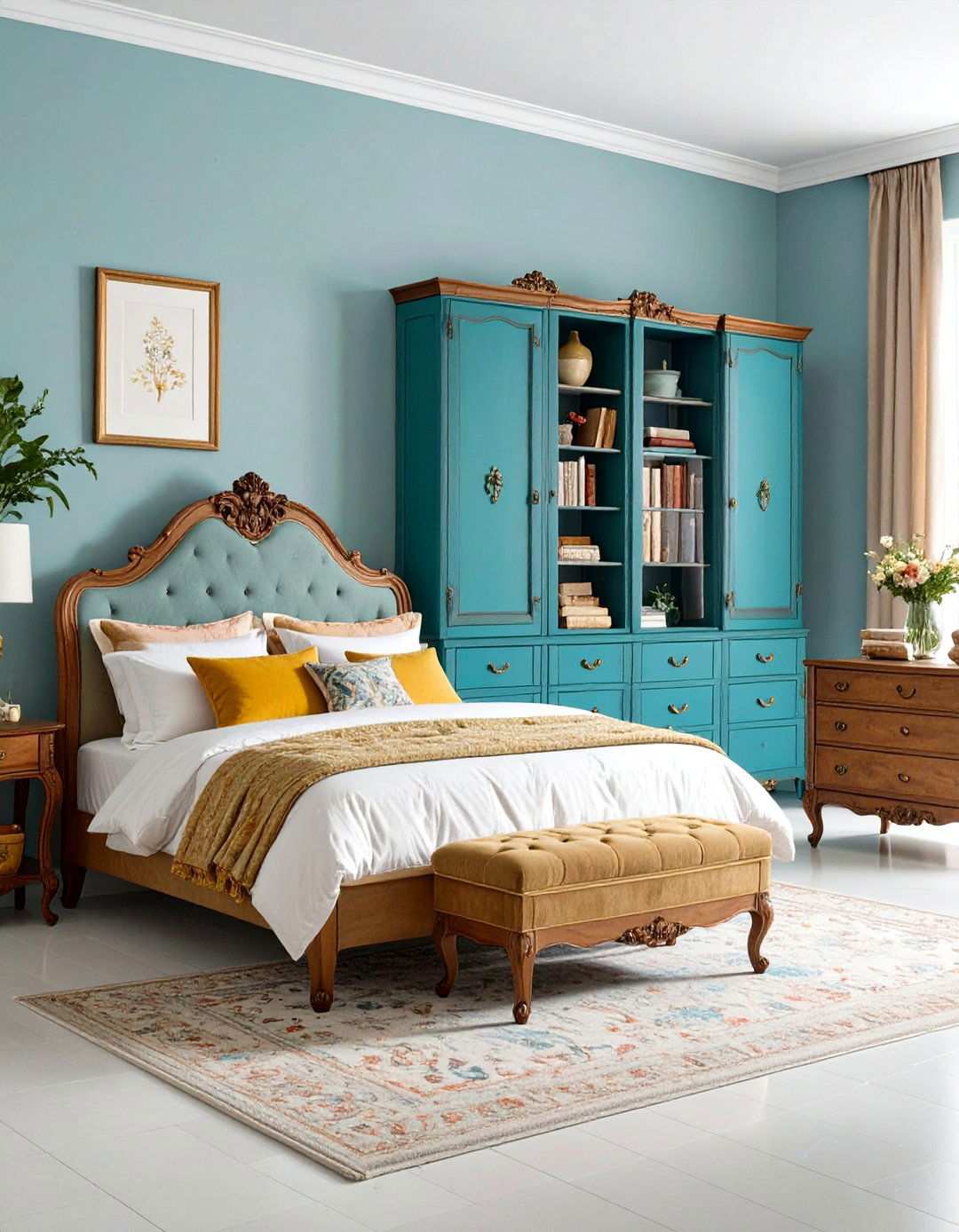
In the Victorian era, ornate armoires, decorative trunks, and built-in bookcases served as both functional storage solutions and furniture showpieces that showcased craftsmanship and family wealth through intricate details. These pieces often featured carved decorations, multiple compartments, and hardware that complemented the room’s aesthetic. Glass-front cabinets displayed fine china, books, and collectibles while protecting valuable items from dust and damage. Modern Victorian storage solutions might incorporate vintage-inspired pieces that provide contemporary organization options while retaining period charm. By repurposing antique pieces, homeowners can breathe new life into their storage needs, such as converting wardrobes into entertainment centers or using decorative trunks for seasonal storage, thereby adding authentic character to modern homes.
18. Sophisticated Dining Experiences
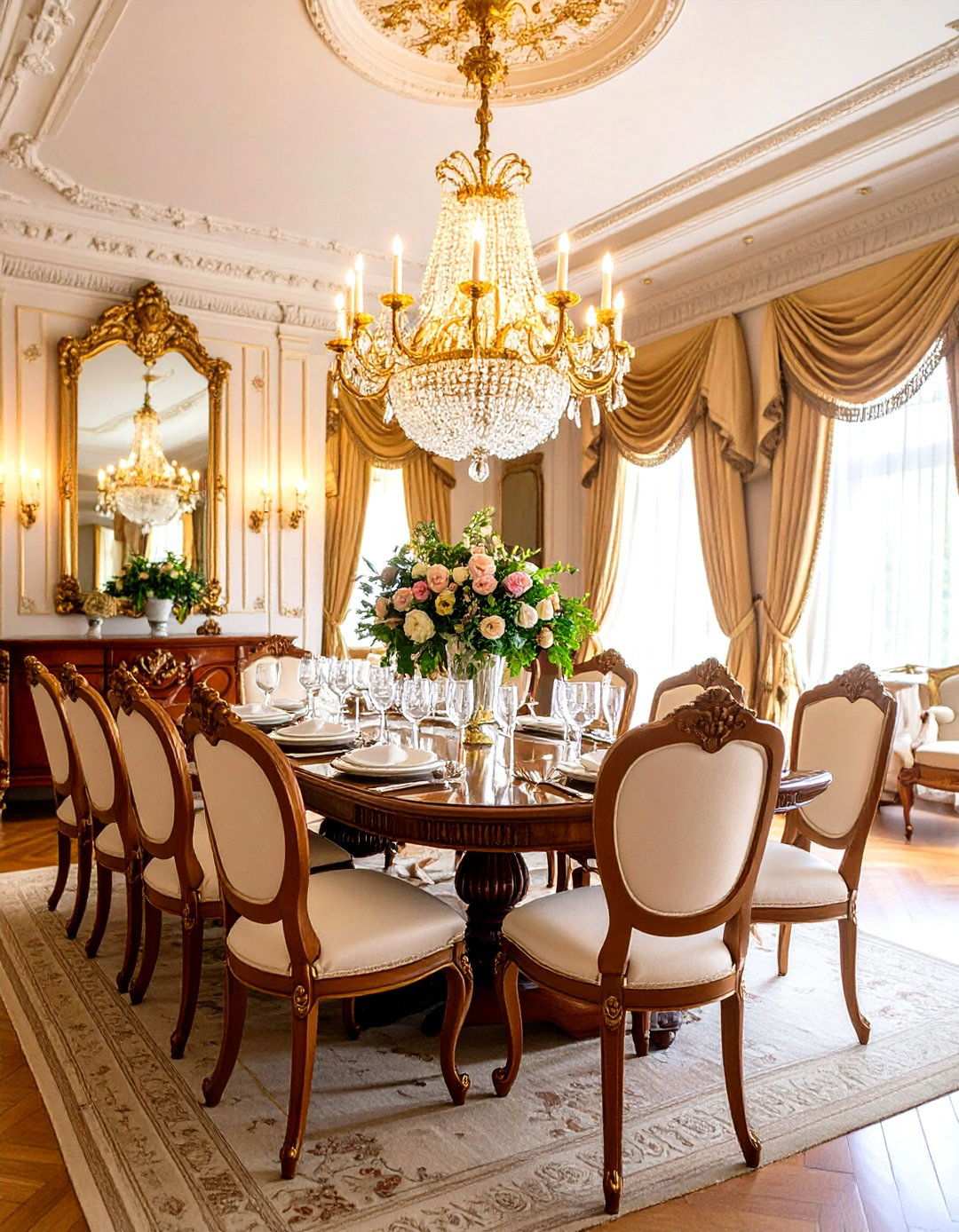
Victorian dining rooms exemplified refined entertaining through opulent tables, matching chair sets, and lavishly decorated sideboards that showcased treasured family heirlooms and exquisite china collections. Luxurious wood finishes, typically in mahogany or walnut, created harmonious furniture groupings elevated by sparkling crystal chandeliers and decorative mirrors that added a touch of sophistication. Formal place settings, intricate serving pieces, and seasonal decorations transformed everyday meals into extraordinary events. Can your dining space benefit from a touch of Victorian elegance and refinement? Modern interpretations of Victorian dining rooms might feature a striking single statement piece such as an ornate sideboard or crystal chandelier, paired with sleek contemporary seating and simplified yet elegant table settings. This approach maintains the essence of period grandeur while accommodating casual modern dining habits and entertaining styles.
19. Exquisite Entryway Ensembles
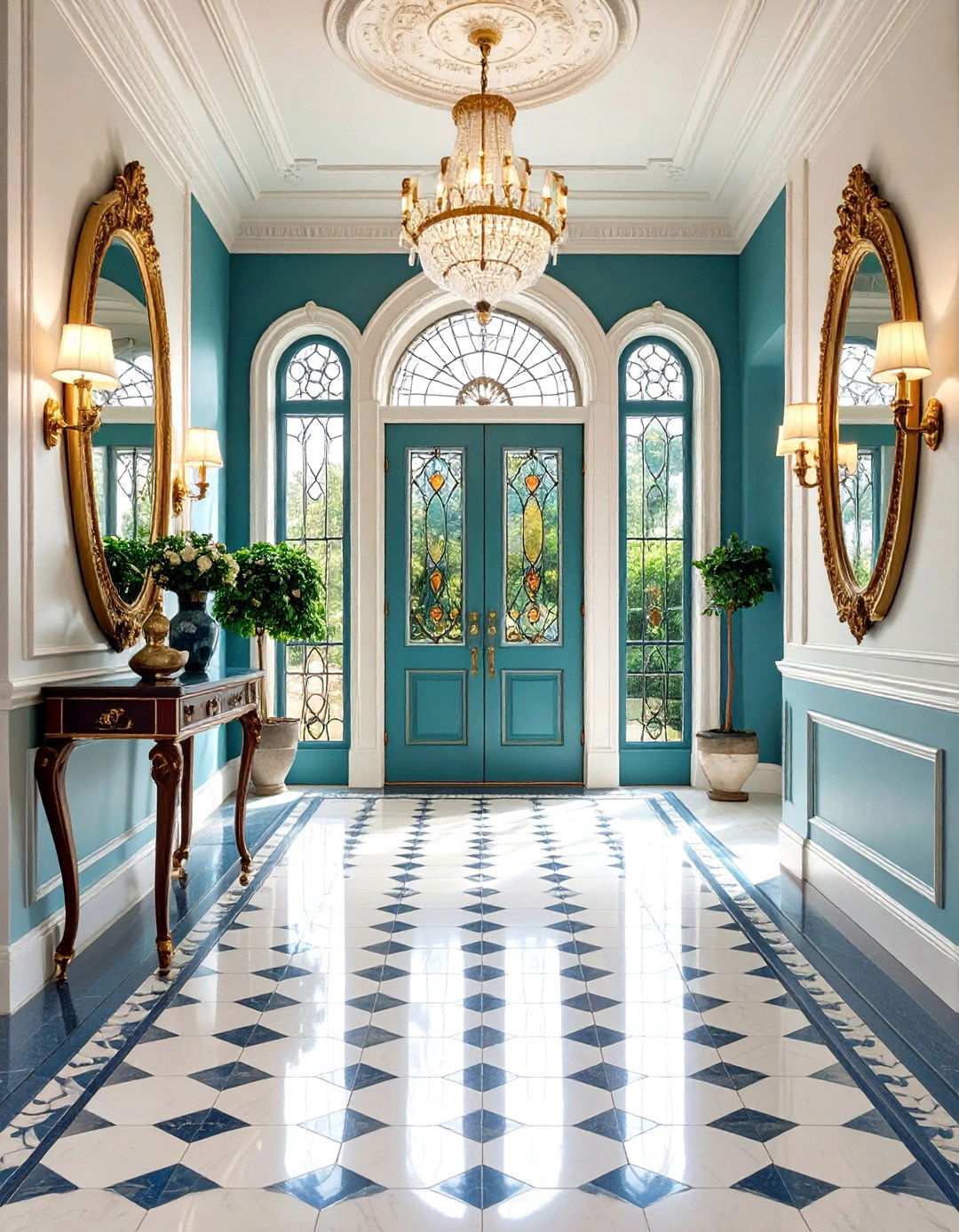
Victorian entryways made a lasting impression through intricate architectural details, sumptuous materials, and thoughtfully arranged furnishings that welcomed guests while showcasing family status and heritage. Mosaic tile floors, ornate mirrors, and decorative coat stands provided both functionality and visual impact. Stained glass panels, carved wooden details, and brass hardware heightened the sense of grandeur and craftsmanship. Modern Victorian entryways might incorporate geometric tile patterns, vintage-inspired lighting fixtures, or ornate mirrors to create inviting focal points. Even compact spaces can benefit from Victorian-inspired elements like decorative wall sconces, rich paint colors, or vintage umbrella stands that add character while maintaining practicality for daily use.
20. Serene Garden Sanctuaries
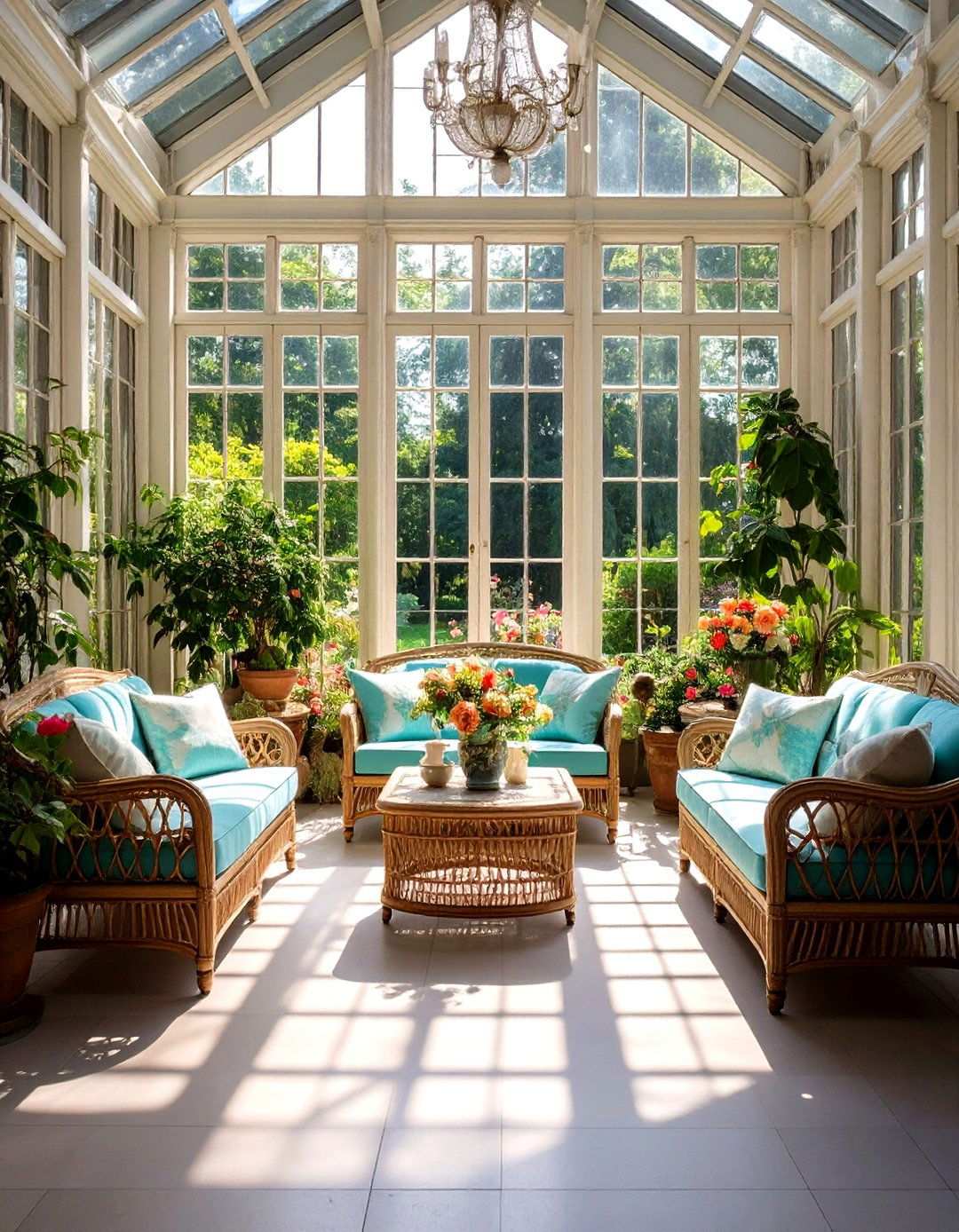
Conservatories and garden rooms represented Victorian innovation, creating year-round plant havens through elaborate ironwork, glass panels, and decorative furnishings that bridged indoor and outdoor living. These spaces featured exotic plants, ornate furniture, and decorative accessories that created tranquil retreats within domestic settings. Natural materials, wicker furniture, and botanical decorations strengthened the connection to nature while providing comfortable entertaining spaces. How can you incorporate Victorian garden room concepts into modern homes? Contemporary interpretations might include sunrooms with vintage-inspired furniture, indoor plant collections, or screened porches decorated with traditional elements like wicker seating and botanical prints that capture the essence of Victorian garden rooms.
21. Elegant Retreats
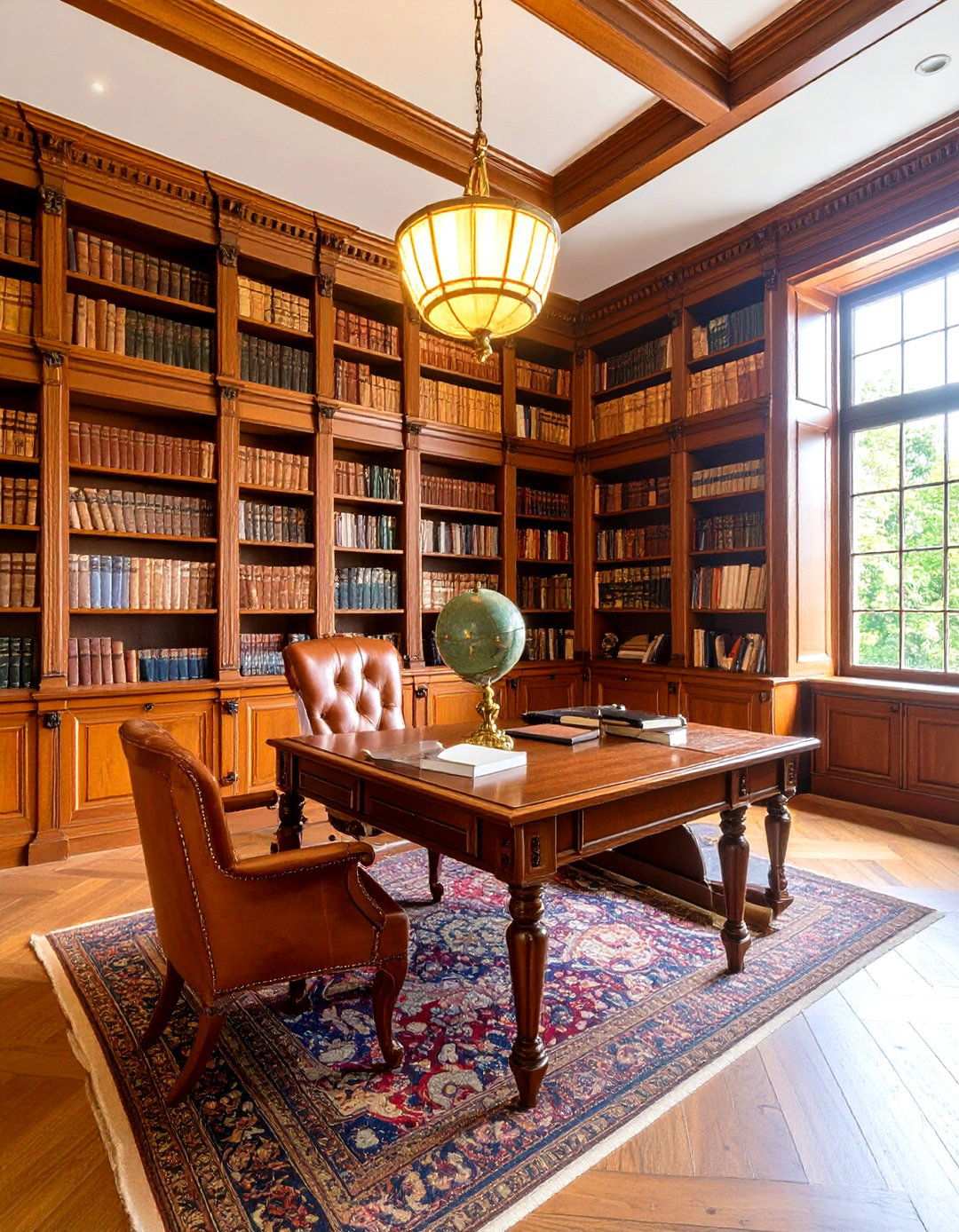
A Victorian study library embodies the intellectual pursuits of its era through an array of thoughtful design elements, including floor-to-ceiling bookcases, rich wood paneling, and plush reading furniture that create serene scholarly sanctuaries within domestic settings. Characterized by dark wood finishes, leather-bound tomes, and masculine adornments, these spaces exude refinement and sophistication. Modern interpretations of the Victorian study might incorporate built-in bookshelves, vintage-inspired office chairs, or rich, muted paint colors that foster intimate reading nooks. By incorporating traditional pieces and classic color schemes, contemporary home offices can seamlessly integrate Victorian elements while satisfying modern technology needs.
22. Personalized Touches
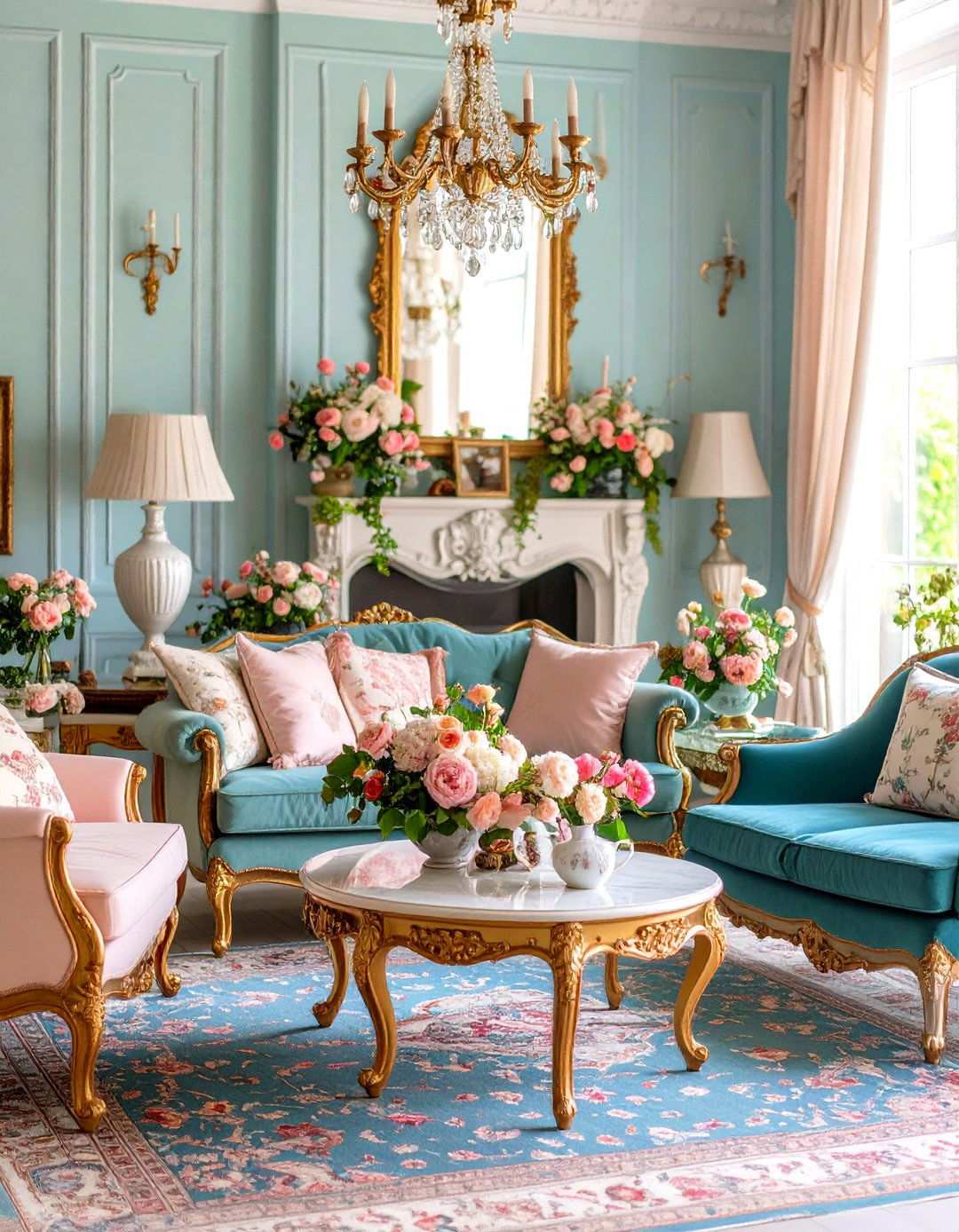
Victorian interiors are elevated by carefully curated decorative accessories, including delicate porcelain figurines, crystal vases, ornate clocks, and cherished family photographs, which showcase refined taste and cultural sophistication. These decorative elements often reflect personal interests, travel experiences, or family heritage through thoughtful display arrangements on mantels, tables, and shelves. Seasonal decorations, fresh flowers, and rotating collections keep rooms feeling fresh and distinctly personal. When selecting accessories, consider your personal style and how it intersects with Victorian aesthetics. Modern interpretations of Victorian accessorizing might focus on a few, statement pieces rather than overwhelming the space. Vintage finds, family heirlooms, and contemporary pieces with traditional styling can create authentic, bespoke looks that infuse homes with personality.
23. Harmonious Fusion
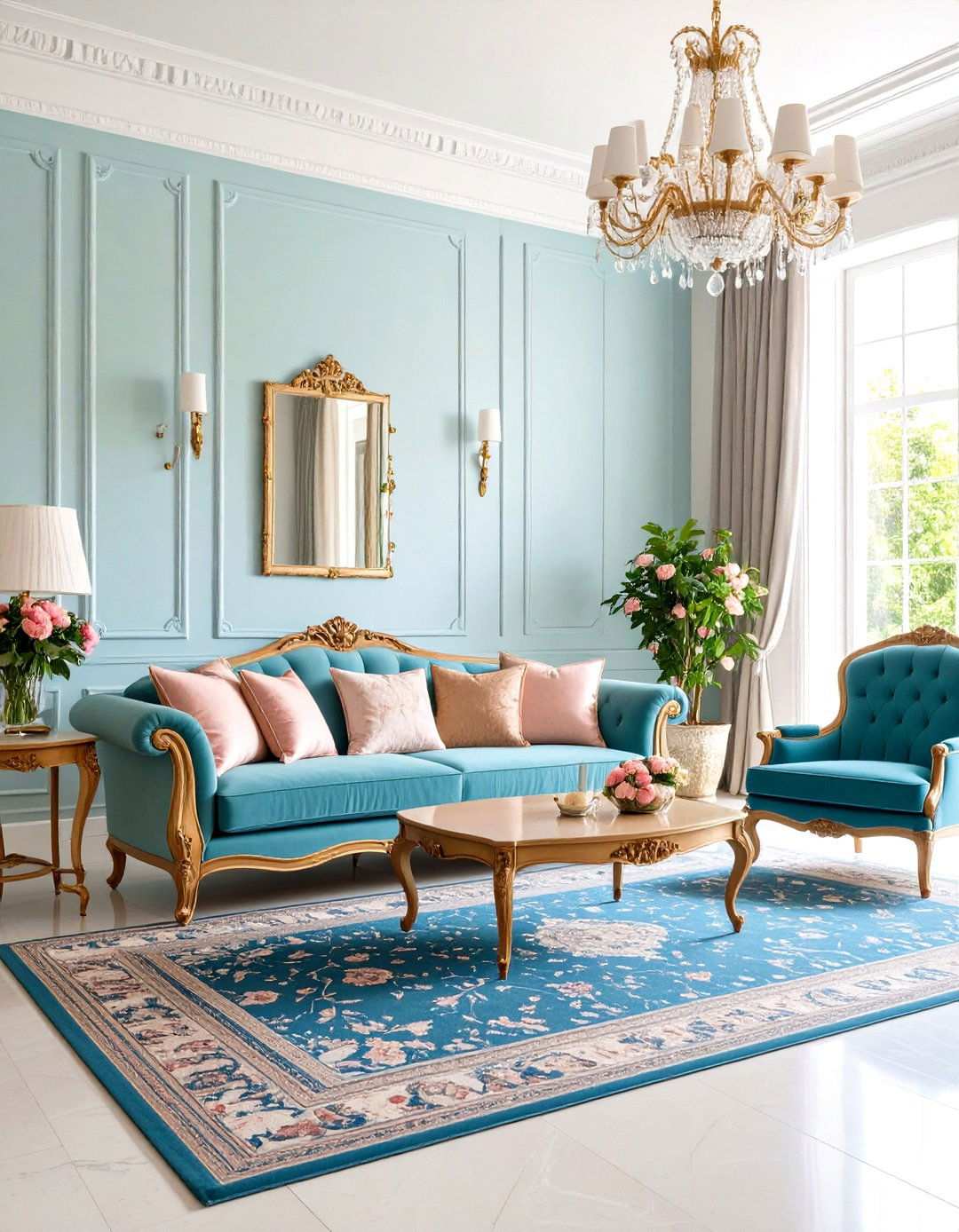
The art of blending period elements with modern amenities is exemplified in modern Victorian fusion, where thoughtful selection of traditional details is merged with streamlined contemporary frameworks to honor both aesthetics. This approach might involve a single Victorian-inspired wallpaper accent wall, modern furniture with traditional shapes, or contemporary lighting with vintage-inspired details. The key to success lies in striking a balance between historical references and contemporary functionality, as well as visual simplicity. By incorporating strategic Victorian colors, patterns, or textures, homeowners can add character to their spaces without overwhelming them. This fusion approach enables individuals to appreciate Victorian elegance while maintaining the clean, uncluttered aesthetics preferred in contemporary living, resulting in unique spaces that feel both historically grounded and thoroughly modern.
24. Reviving Timeless Elegance
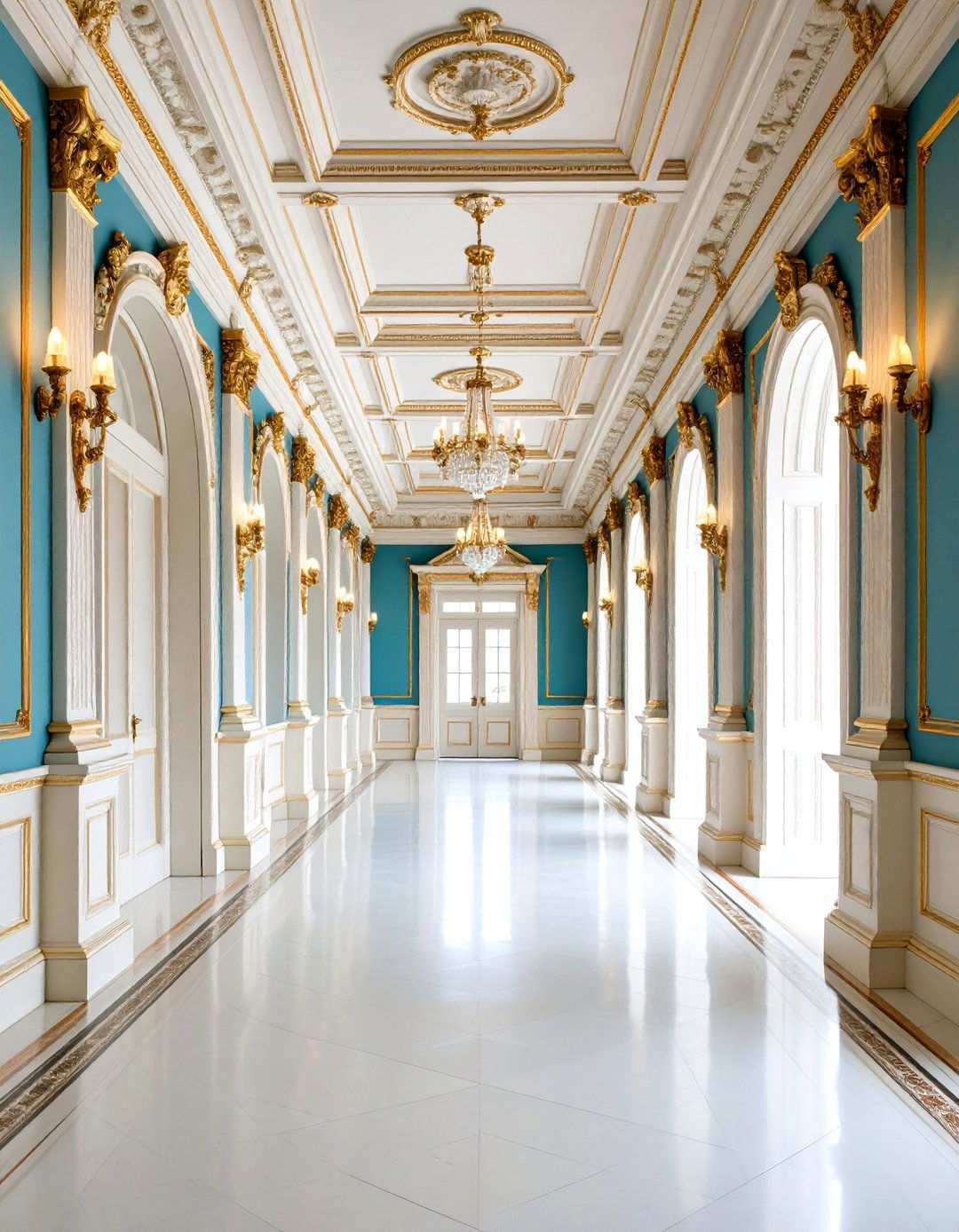
The ornate details that define Victorian architecture are a masterful blend of applied decoration and craftsmanship. Through layers of intricately designed elements, simple structures are transformed into architectural showpieces that celebrate the art of building. Elaborate trim work, decorative brackets, and ornate moldings all contribute to this distinctive style, which was once reserved for the elite. However, with the advent of machine-made components, these elaborate decorations became more accessible to the middle class, paving the way for a wider appreciation of Victorian aesthetics.
In modern times, incorporating Victorian architectural details into contemporary spaces is a great way to create period character without the need for extensive renovations. By adding crown molding, chair rails, or decorative trim, homeowners can pay homage to the traditional craftsmanship and attention to detail that define this iconic style. Whether it’s a subtle nod to the past or a bold statement of design, Victorian architectural details continue to captivate and inspire architects, designers, and homeowners alike.