1. Revival of Iberian Elegance
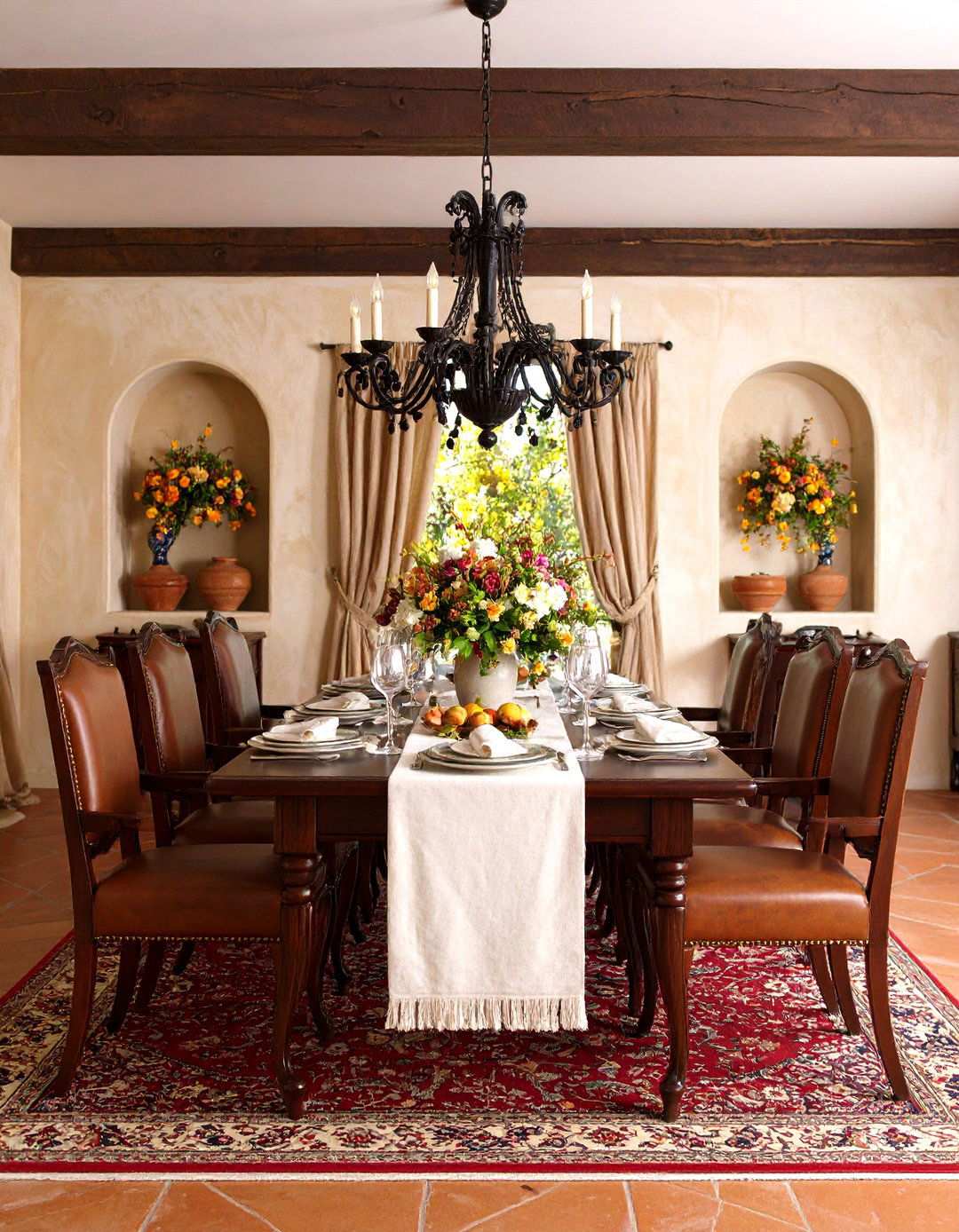
Spanish-style dining rooms evoke the warmth and sophistication of the Mediterranean, infusing modern homes with centuries-old design traditions. By harmoniously blending rustic charm with refined details, these spaces create an inviting atmosphere perfect for gathering with loved ones. From the sun-kissed haciendas of Mexico to the California mansions inspired by colonial pasts, Spanish dining room design draws inspiration from a rich cultural heritage shaped by the Iberian Peninsula and its former colonies. Characterized by rich earth tones, natural materials such as terracotta and wrought iron, and architectural elements like exposed wooden beams and arched doorways, this style offers endless possibilities for creating dining spaces that exude warmth, character, and timeless appeal. Each approach celebrates the authentic spirit of Spanish design while adapting to the demands of contemporary living.

As an Amazon Associate I earn from qualifying purchases.
2. Harmonious Blend of Old and New
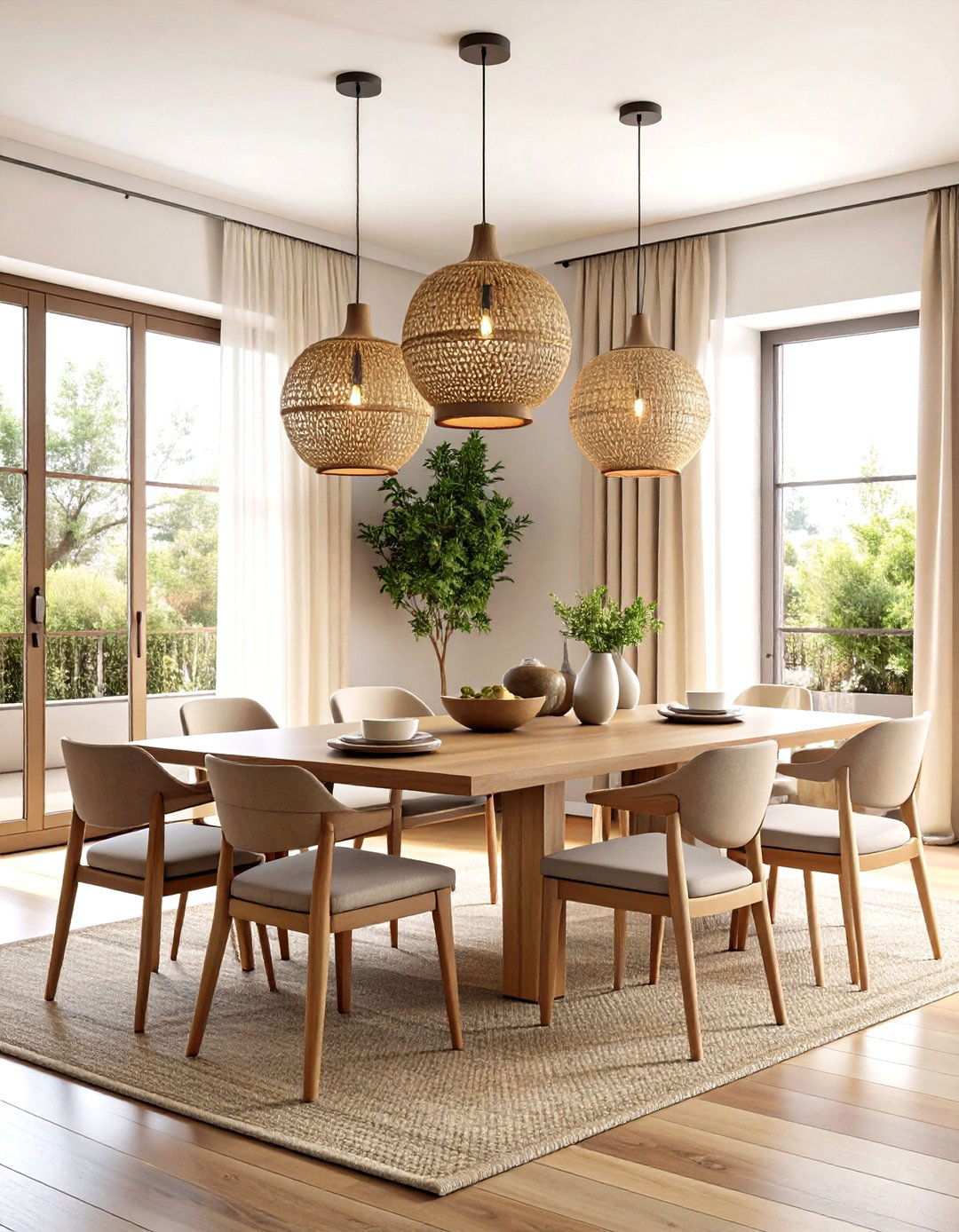
Modern Spanish dining rooms beautifully balance traditional elements with contemporary design principles, giving birth to fresh and updated aesthetics. Gone are the elaborate details, replaced by clean lines and minimalist approaches that maintain the warmth characteristic of Spanish design. A soothing palette of neutral earth tones, including terracotta, ochre, and soft whites, creates serene atmospheres. Natural materials like wood, clay, and metal take on new forms, such as sleek terracotta tile backsplashes or simplified wrought iron light fixtures. Furniture boasts streamlined silhouettes while incorporating traditional craftsmanship techniques. Large windows maximize natural light, and architectural elements like arches become subtle design features rather than dominant focal points. This approach allows Spanish style to adapt to contemporary lifestyles while preserving its essential character and cultural significance.
3. Cozy Country Elegance: A Guide to Rustic Hacienda Dining Spaces
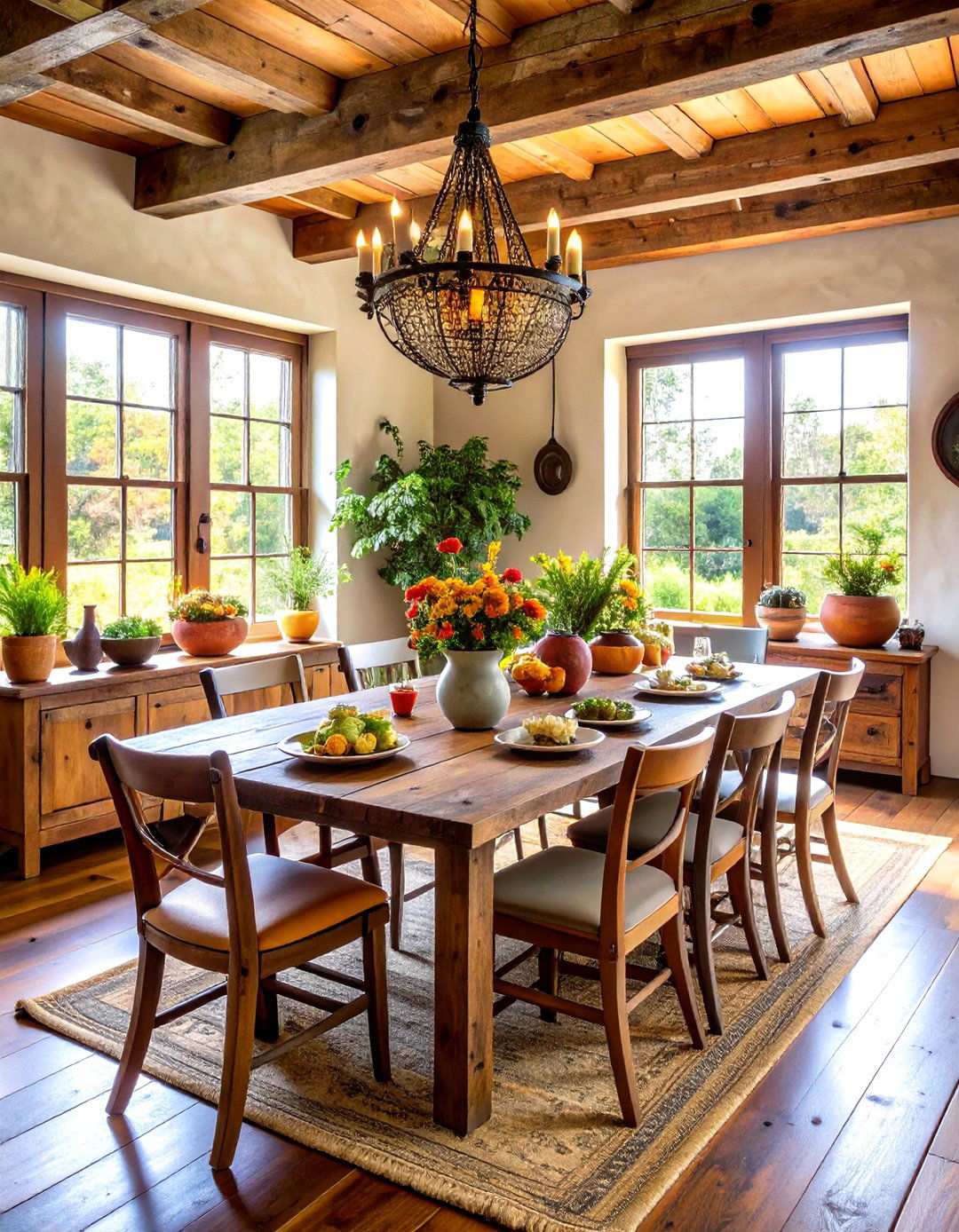
Rustic hacienda dining rooms create a captivating ambiance reminiscent of rural Spain and Mexico, where natural textures and weathered finishes take center stage. A distressed wooden dining table with thick planks showcases the character of aged timber, while mismatched chairs bring a unique charm to the space. Exposed stone or brick walls provide a tactile experience, often softened by a touch of whitewash to illuminate the area. Handcrafted pottery, ceramic serving pieces, and copper cookware serve as decorative accents throughout the room. Rough-hewn ceiling beams support rustic chandeliers crafted from aged metal or antlers, adding a sense of authenticity. Simple wooden shutters adorn windows, replacing formal drapery with a more rustic charm. The result is an inviting atmosphere that celebrates the simplicity and natural beauty of rural living, perfect for casual family meals and intimate gatherings.
4. Elegant Coastlines: Mediterranean Dining Room Decor Inspiration
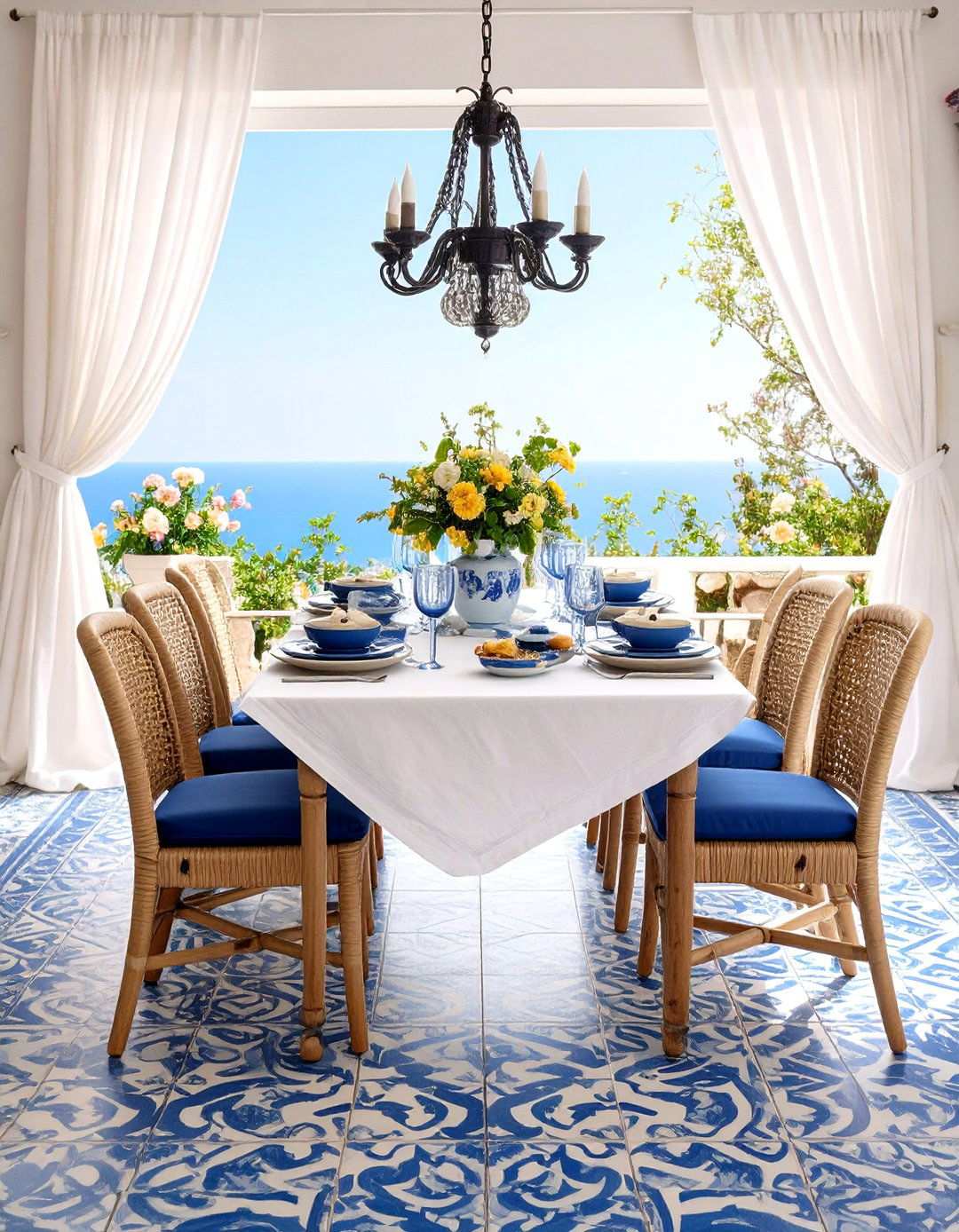
Mediterranean dining rooms evoke the sun-kissed charm of Spain’s seaside regions, incorporating elements that reflect the sea and its tranquil climate. A palette of deep blues, turquoise, and seafoam green, paired with traditional earth tones, creates a visual connection to the Mediterranean waters. Ceramic tiles with intricate patterns adorn floors, walls, or backsplashes, often featuring maritime motifs or geometric designs that evoke the sea’s essence. Natural materials like limestone, marble, and driftwood-finished furniture add texture and authenticity to the space. Large windows with flowing white curtains maximize natural light, creating airy atmospheres that feel relaxed and inviting. Decorative elements include hand-painted ceramics, sea-inspired artwork, and fresh greenery in terracotta planters, while dining furniture combines comfort with style, featuring upholstered chairs in coastal colors and sturdy wooden tables that can withstand frequent entertaining.
5. Authentic Foundations: The Timeless Beauty of Spanish Tile Flooring
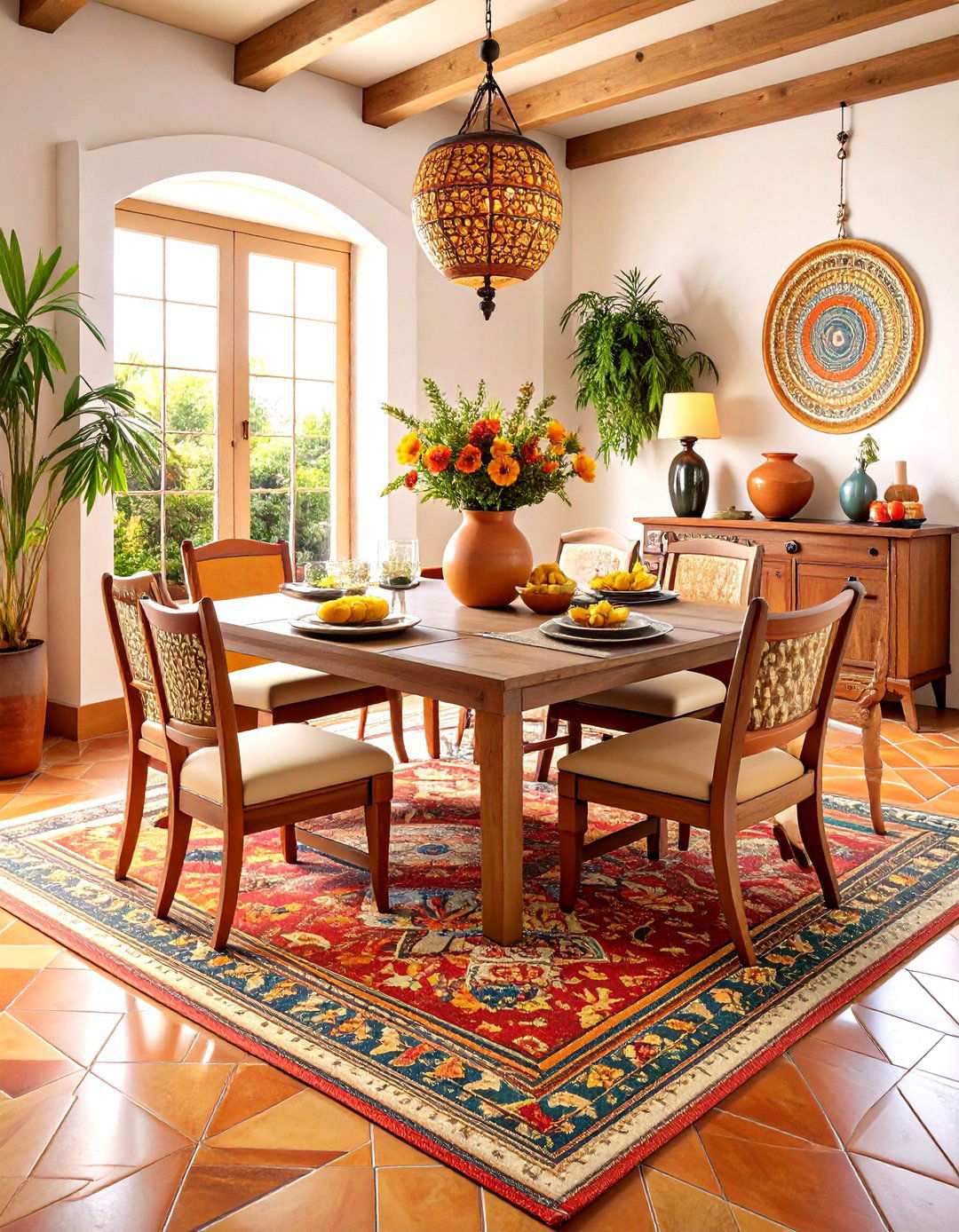
Spanish tile flooring forms the foundation for authentic dining room design, offering both beauty and durability in high-traffic areas. Traditional terracotta tiles provide warm, earthy tones that complement various decorating schemes while maintaining their rustic charm. These handmade clay tiles feature natural variations in color and texture, creating visual interest and authenticity. Saltillo tiles from Mexico offer similar appeal with their distinctive orange-red hues and handcrafted imperfections. For more decorative options, encaustic cement tiles feature intricate patterns and vibrant colors, adding personality to dining spaces. Modern interpretations include rectangular tiles in herringbone or basketweave patterns that maintain Spanish character while offering contemporary appeal. Proper sealing ensures longevity, while area rugs can define seating areas and add comfort underfoot, allowing the natural beauty of Spanish tiles to create timeless foundations for memorable dining experiences.
6. Bringing Authenticity to Dining Rooms with Wrought Iron Elements
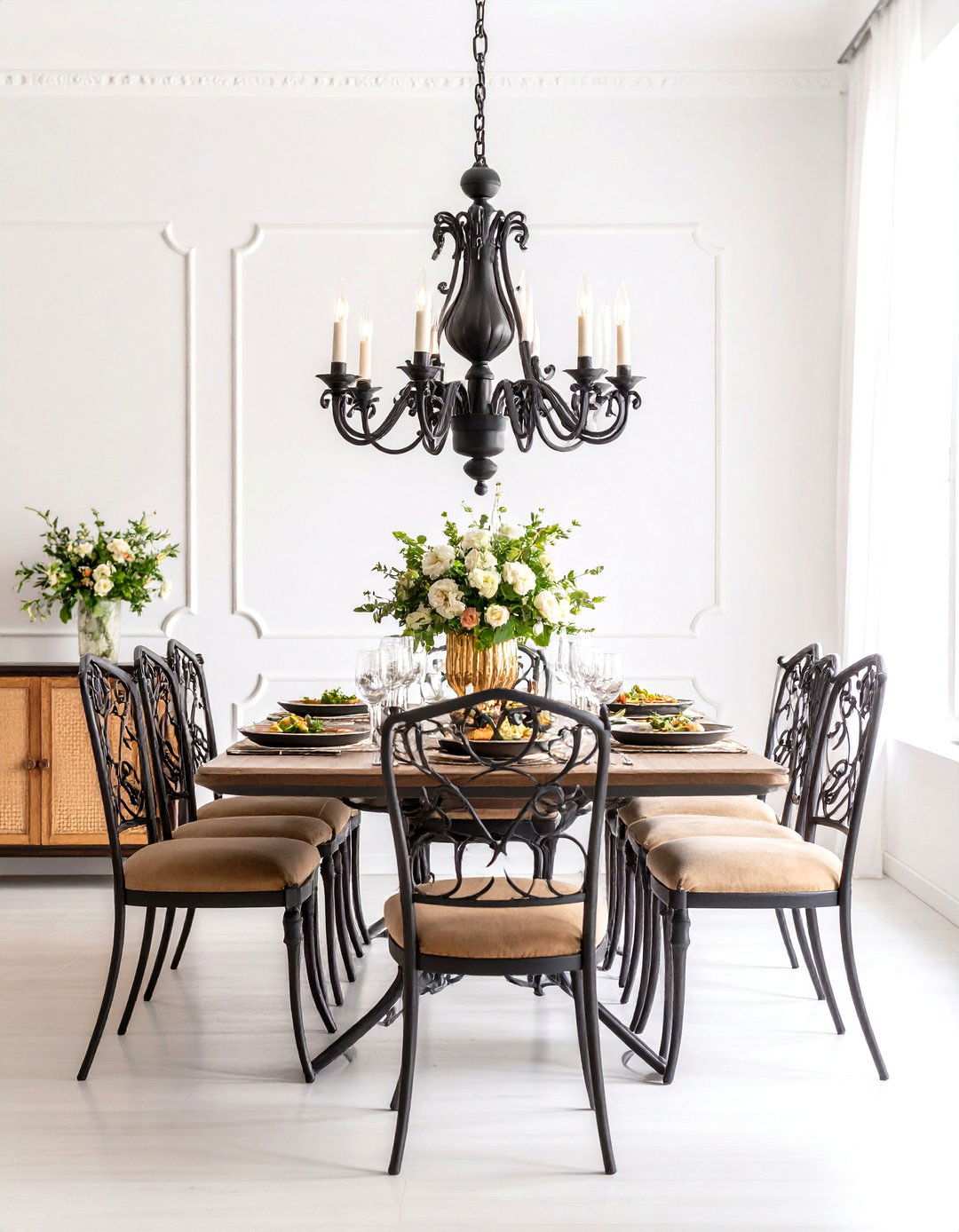
Wrought iron’s timeless allure has captured the hearts of many, particularly when it comes to Spanish-inspired dining rooms. Its rich history, dating back to Moorish influences, continues to shape Spanish design. Intricately crafted metal details, such as hand-forged scrollwork, adorn chandeliers and table bases, creating a warm, inviting ambiance. The versatility of wrought iron shines through in chair frames, serving carts, and window grilles, all adding to the space’s cohesive look. Powder-coated steel and cast iron pieces offer modern alternatives that achieve a similar aesthetic while boasting improved durability.
7. Embracing the Earthy Essence of Terracotta in Dining Rooms
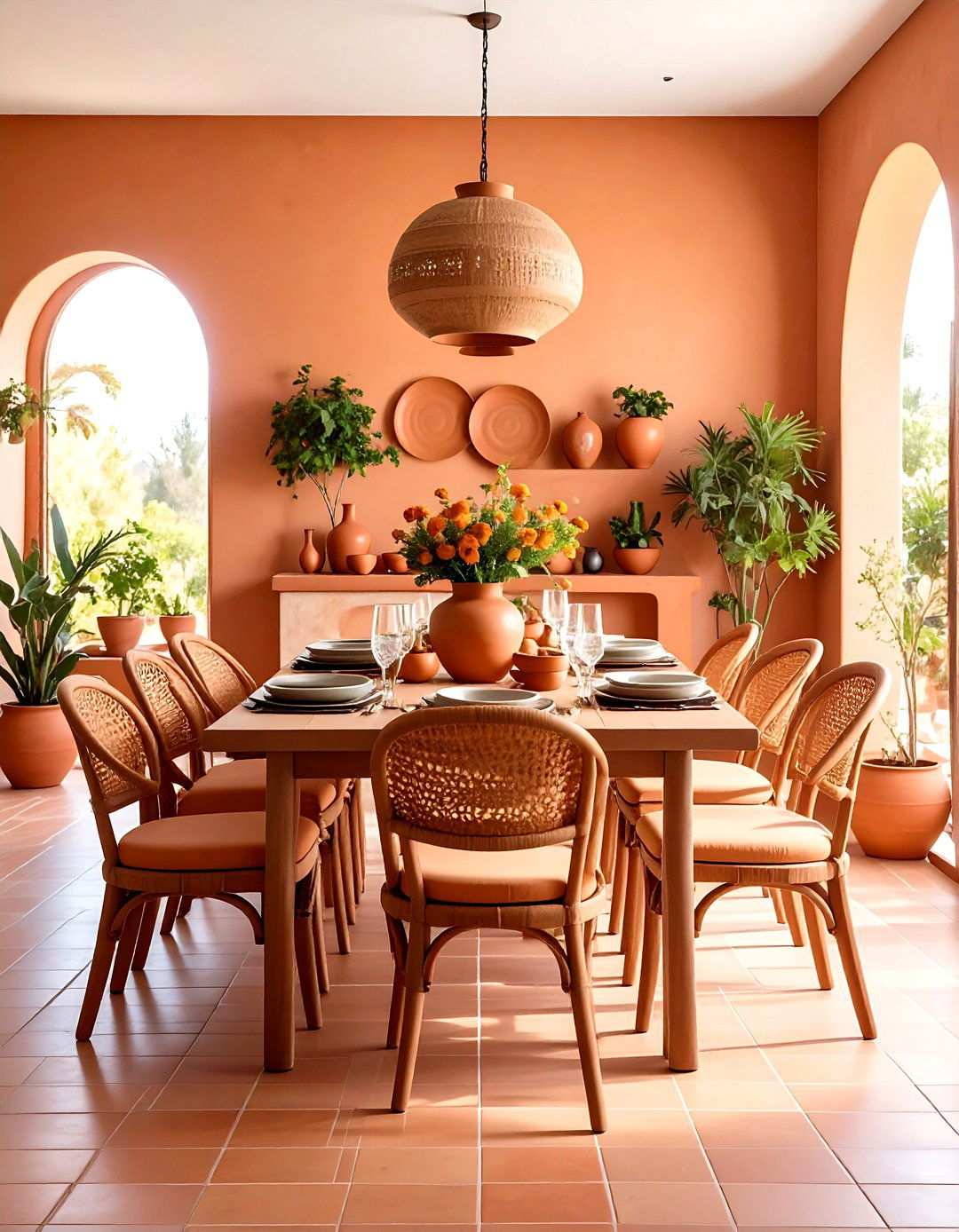
Terracotta’s natural charm has become synonymous with Spanish design, creating warm and inviting atmospheres perfect for gathering. This versatile material manifests in various forms, from practical flooring tiles to decorative pottery and serving pieces. As the material ages, floor tiles develop rich patinas, imbuing the space with character. Wall tiles can be used to create stunning backsplashes or accent walls, adding texture and visual interest. Decorative terracotta pieces, such as planters and vases, showcase traditional craftsmanship while serving functional purposes. The natural variations in color and texture of terracotta prevent monotony, allowing it to seamlessly pair with other Spanish materials, like wrought iron, carved wood, and natural stone.
8. Embracing the Heritage of Spanish Mission Dining
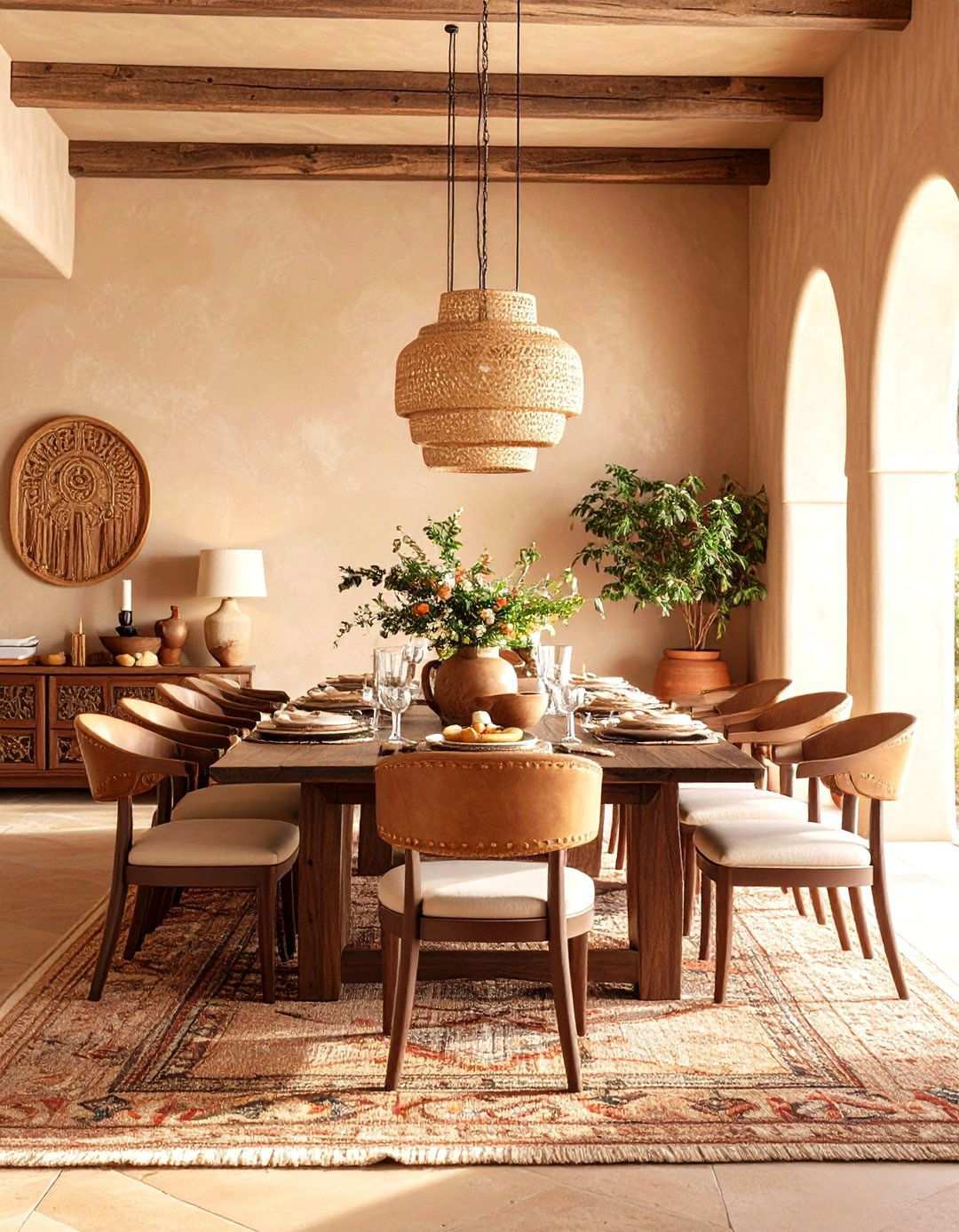
The ambiance of Spanish mission dining rooms is deeply rooted in the architectural legacy of colonial missions across the Americas, where spirituality and cultural exchange converge. Thick, rugged adobe walls, arched doorways, and exposed timber beams create a sense of drama and architectural flair. Heavy, wooden furniture pieces adorned with intricate carvings of sacred motifs and geometric patterns inspired by indigenous cultures add a layer of cultural richness to these spaces. Dark, rich woods like walnut and mahogany are frequently paired with leather upholstery featuring subtle, brass nail accents. Earthy color palettes, centered around deep reds, burnt oranges, and golden yellows, evoke a sense of warmth and coziness. Lighting fixtures, crafted from wrought iron, mimic the classic, ornate styles of colonial-era design. Decorative elements, such as religious artwork, intricately carved santos, and handcrafted pottery, pay homage to the cultural synthesis of the missions. The contemplative atmosphere of these dining rooms fosters meaningful conversations and family traditions that draw upon the storied history of Spanish colonialism.
9. Elegant Expressions of Moorish Inspiration
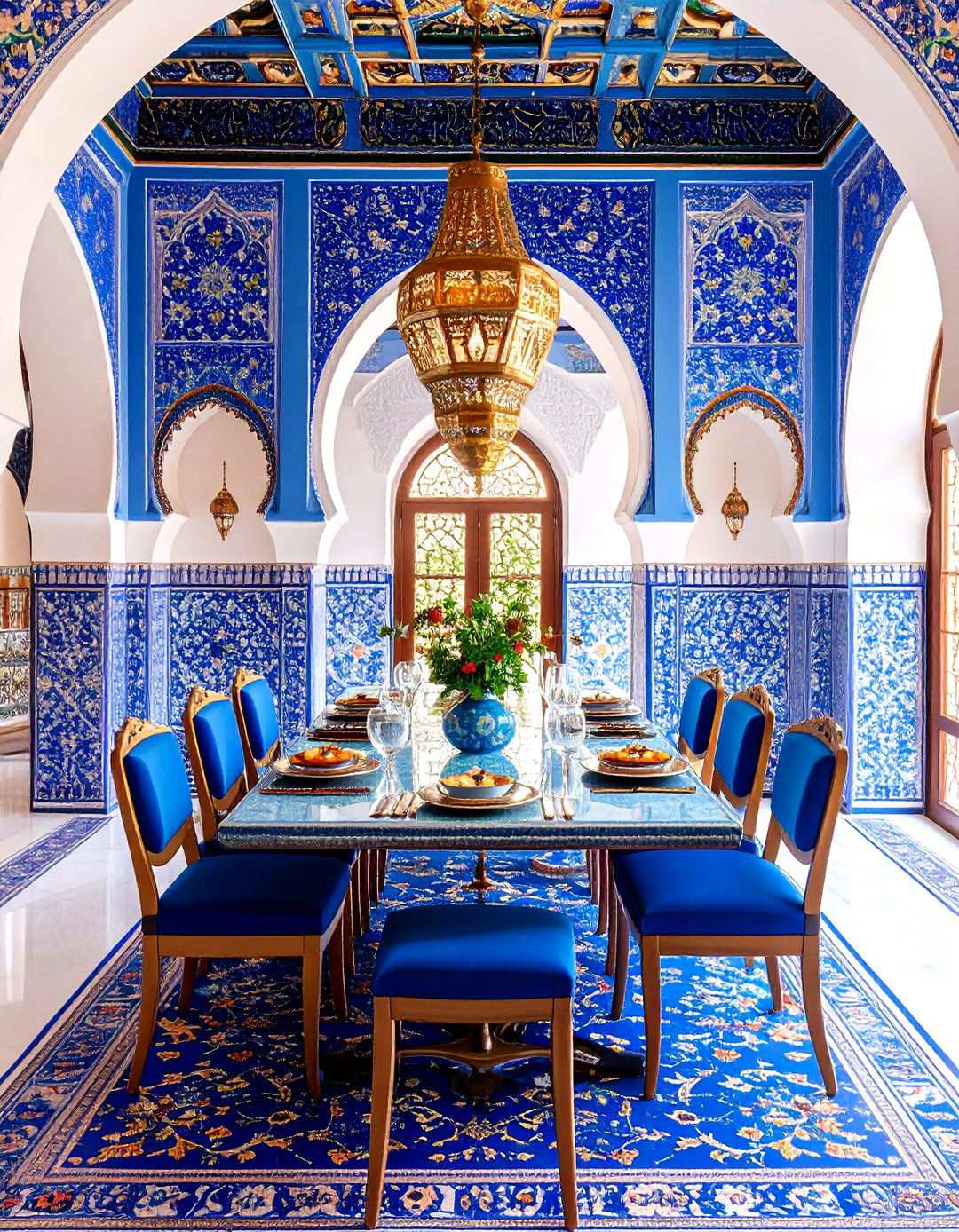
Moorish-inspired dining rooms showcase the profound influence of Islamic architectural styles on Spanish design during the medieval period. These refined spaces exhibit intricate, geometric patterns in tiles, textiles, and architectural details that add a touch of sophistication. Horseshoe arches frame doorways and windows, creating a sense of grandeur and elegance. Decorative plasterwork masterfully crafts stunning wall treatments that complement the space’s visual narrative. A palette of rich, jewel-toned hues, including deep blues, emerald greens, and gold, is juxtaposed with traditional earth tones to create a dramatic visual effect. Geometric tile work, found on floors, walls, and tabletops, showcases mathematical precision and artistic beauty. Furniture often features exquisite mother-of-pearl inlays, intricately carved wooden details, and luxurious fabrics with complex patterns. Metallic accents, crafted from brass and copper, add a touch of warmth and sophistication, beautifully catching and reflecting light. These dining rooms transport diners to the courts of medieval Al-Andalus, while maintaining the comfort and functionality required for modern entertaining.
10. Elegant Spanish Revival Dining Rooms
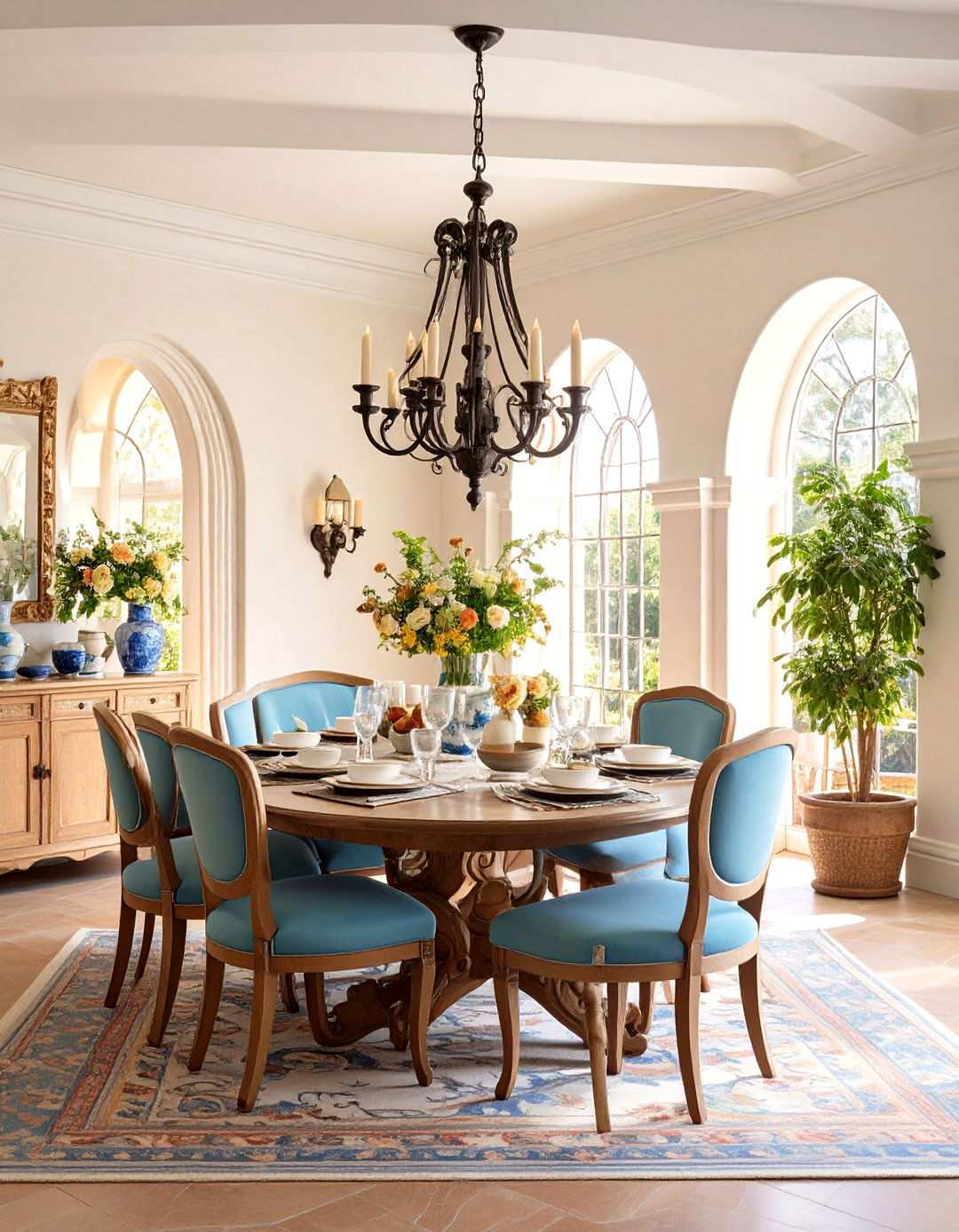
The essence of Spanish Revival dining rooms lies in their ability to seamlessly blend authentic Spanish architectural elements with American comfort and practicality, creating a unique and inviting atmosphere. By incorporating distinctive features such as arched openings, ornate tile work, and decorative ceiling beams, these spaces achieve a refined elegance without overwhelming the senses. When it comes to furniture selection, a harmonious balance is struck between traditional Spanish pieces and American craftsmanship, yielding comfortable seating and functional dining tables that cater to modern lifestyles. In terms of color schemes, warm neutrals serve as the backdrop for strategically placed pops of color through artwork, textiles, and decorative accessories, adding visual interest to the space. Lighting fixtures range from minimalist wrought iron pieces to more elaborate chandeliers that serve as striking focal points, while built-in features like china cabinets and serving niches provide storage while maintaining the space’s architectural integrity. By embracing Spanish design principles, these dining rooms successfully adapt to contemporary American lifestyles while preserving cultural authenticity.
11. Captivating Outdoor Spanish Dining Areas
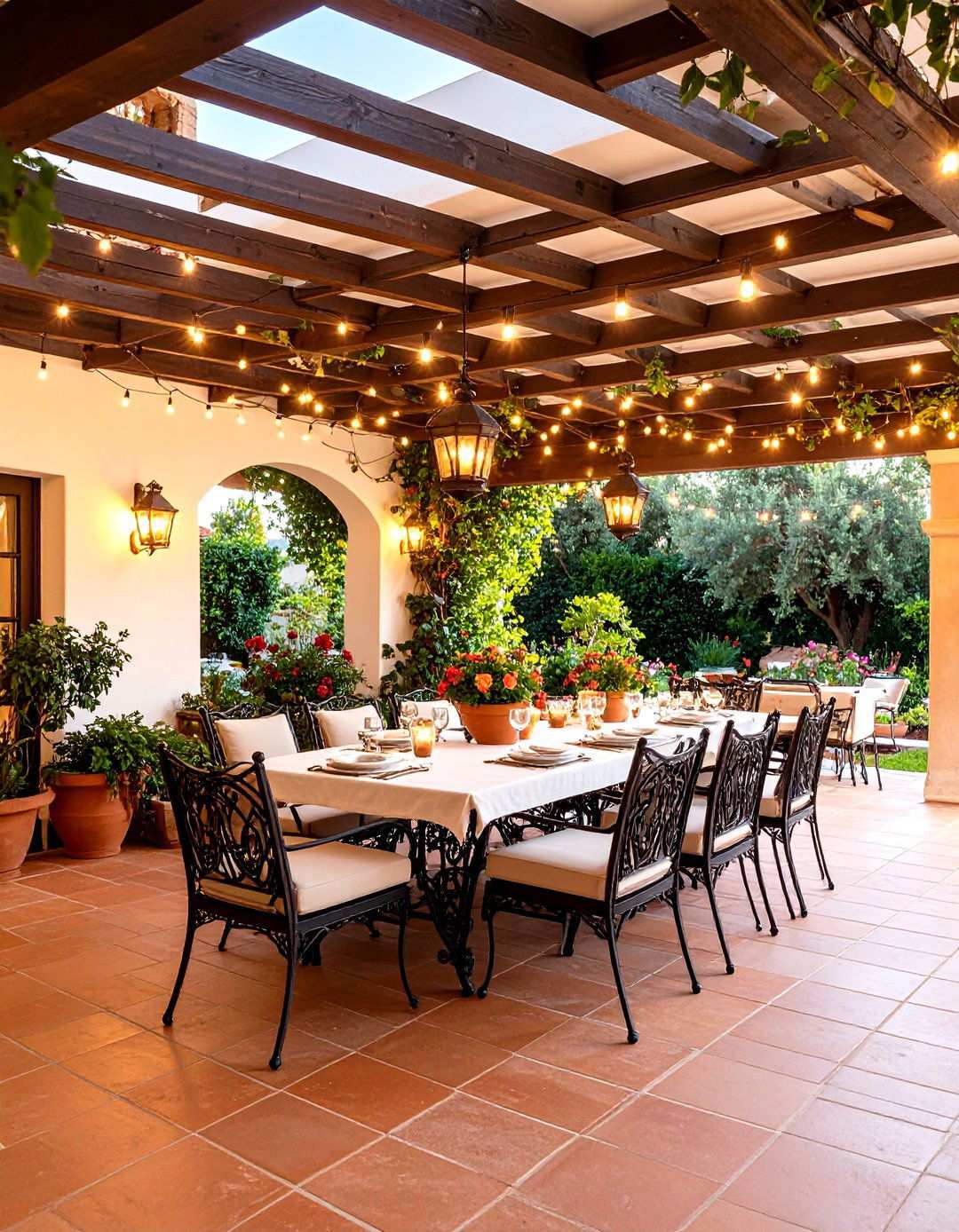
Spanish outdoor dining areas embody the Mediterranean climate and alfresco dining traditions that are deeply ingrained in Spanish culture. These spaces often feature pergolas or covered patios that provide shade while maintaining a seamless connection to nature. The use of terracotta tile flooring creates durable, beautiful surfaces that can withstand the elements while lending an authentic Spanish touch to the space. Wrought iron dining sets with weather-resistant cushions in earth-toned fabrics are a staple in these areas, providing a comfortable and stylish seating arrangement. Built-in features like outdoor kitchens, wood-fired ovens, and serving areas facilitate cooking and entertaining, while decorative elements such as hanging planters with trailing vines, ceramic pottery, and colorful tile accents add a touch of whimsy. Lighting in these spaces combines functional fixtures with atmospheric elements like string lights and lanterns, while water features such as fountains or reflecting pools create soothing sounds and visual interest. By extending living spaces and embracing the Spanish tradition of enjoying meals in natural settings, these outdoor dining areas become an integral part of any home.
12. Crafting Intimacy in Spanish Courtyard Dining Spaces
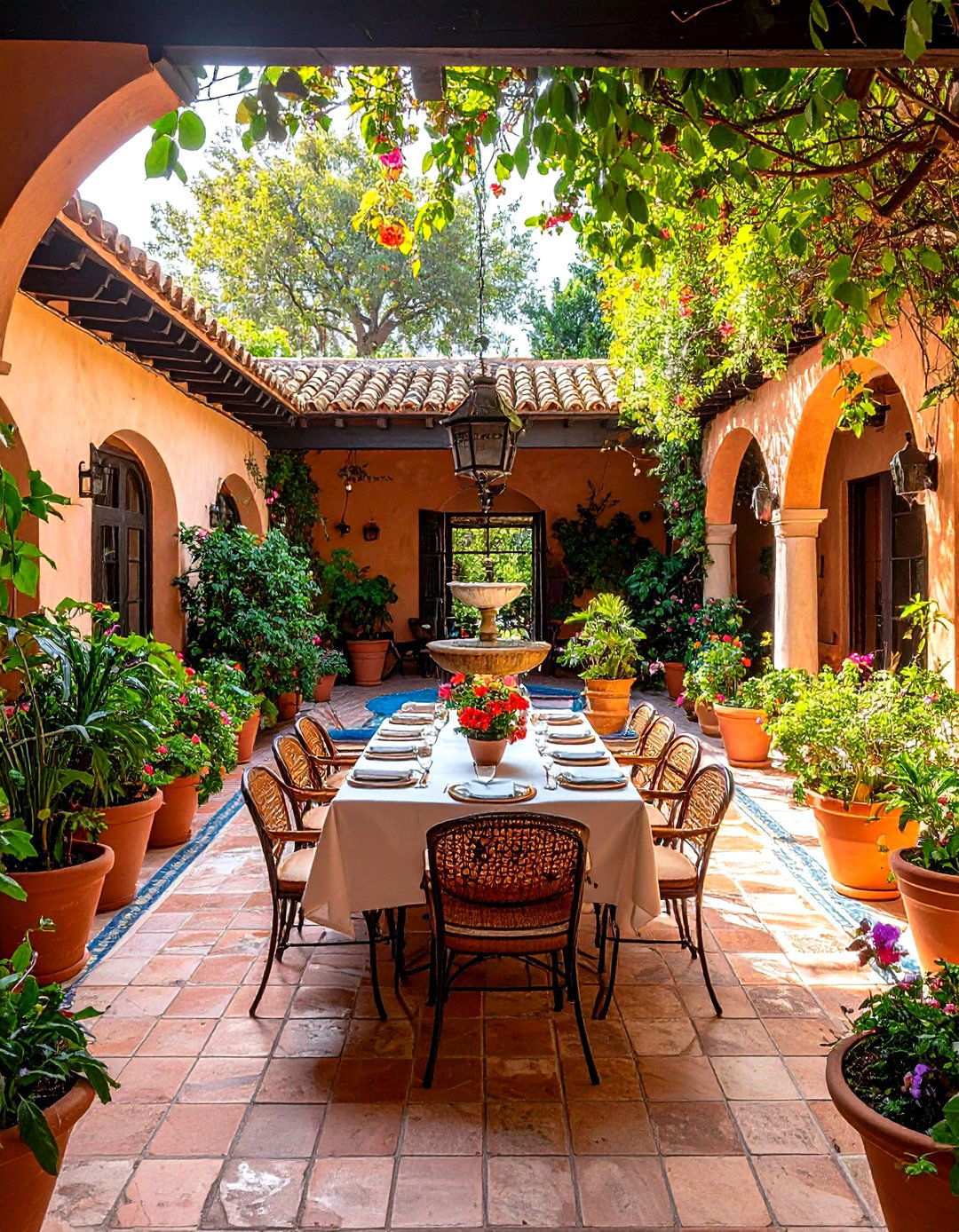
Intimate, enclosed environments found in Spanish courtyard dining spaces offer a unique blend of seclusion and tranquility, perfect for memorable meals. Strategically positioned at the heart of homes, these areas are typically surrounded by covered walkways or room openings that add visual interest and architectural flair. The diverse use of materials such as stone, tile, and brick creates distinct visual zones while maintaining a sense of cohesion. A central water feature or fountain serves as a focal point, providing both soothing sounds and cooling effects that enhance the ambiance. Abundant plantings in large terracotta pots or built-in planters bring a lush, garden-like atmosphere to these spaces. By carefully arranging dining furniture to take advantage of the courtyard’s intimate scale and natural beauty, households can create the perfect setting for family meals and intimate entertaining.
13. Mastering Traditional Craftsmanship in Carved Wood Dining Furniture
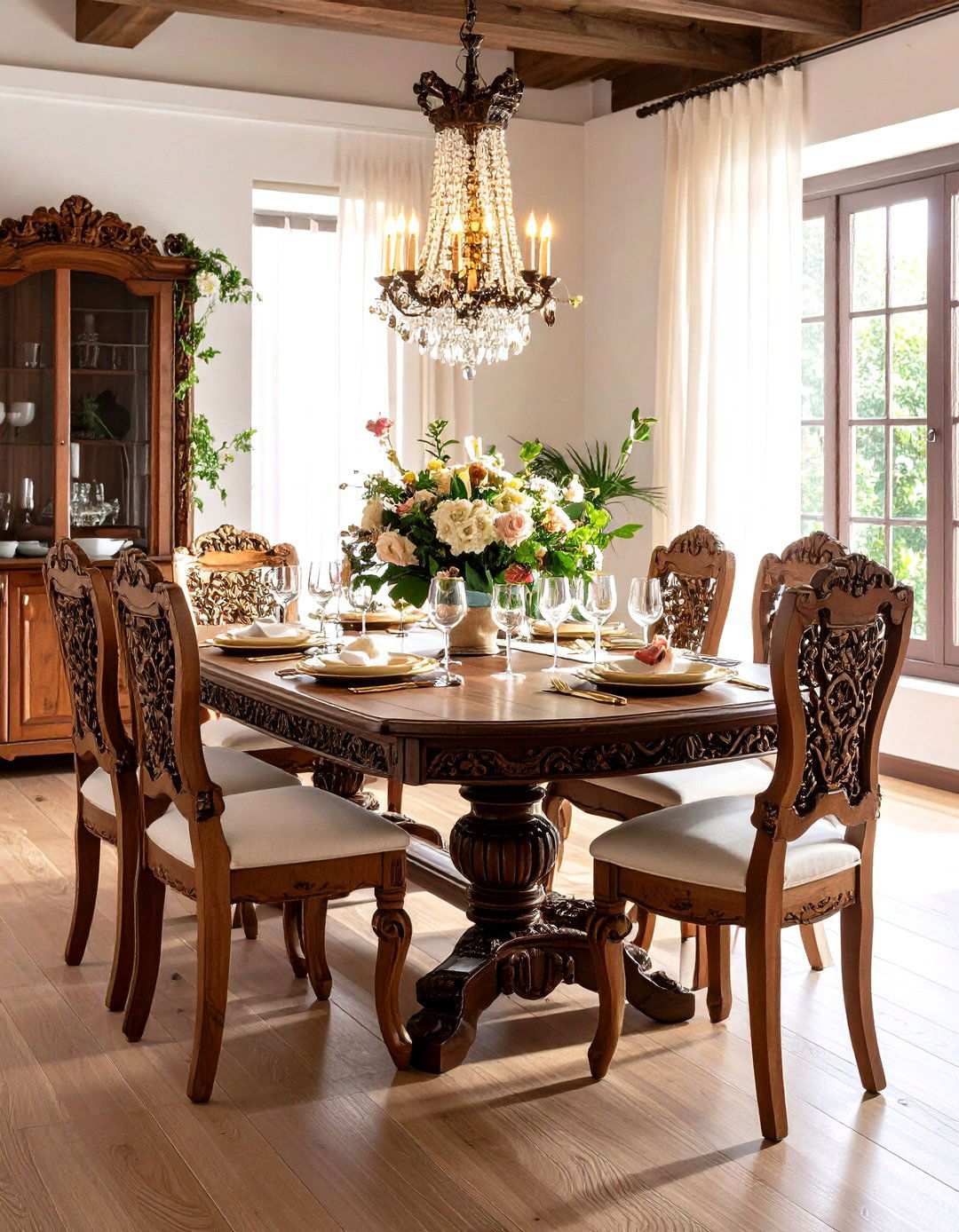
Carved wood furniture forms the cornerstone of Spanish dining room design, showcasing centuries-old craftsmanship traditions and artistic heritage. Dining tables often feature sturdy planks supported by intricately carved pedestals that display geometric patterns, floral motifs, or religious symbols, paying homage to regional artistic styles and cultural influences. Chairs boast elaborate back splats with carved details that reflect the country’s rich cultural legacy and artistic traditions. Sideboards and credenzas not only provide storage but also serve as focal points, displaying beautiful carved facades that showcase the artisan’s skill. Dark woods like walnut, mahogany, and oak dominate the design landscape, often enhanced with hand-rubbed finishes that accentuate grain patterns and carved details. Hardware such as wrought iron or brass complements the wood’s natural beauty, adding a touch of sophistication. Modern interpretations of traditional carving techniques adapt to contemporary proportions and functionality while maintaining the essence of cultural heritage and craftsmanship.
14. Captivating Spanish Chandelier Lighting Design
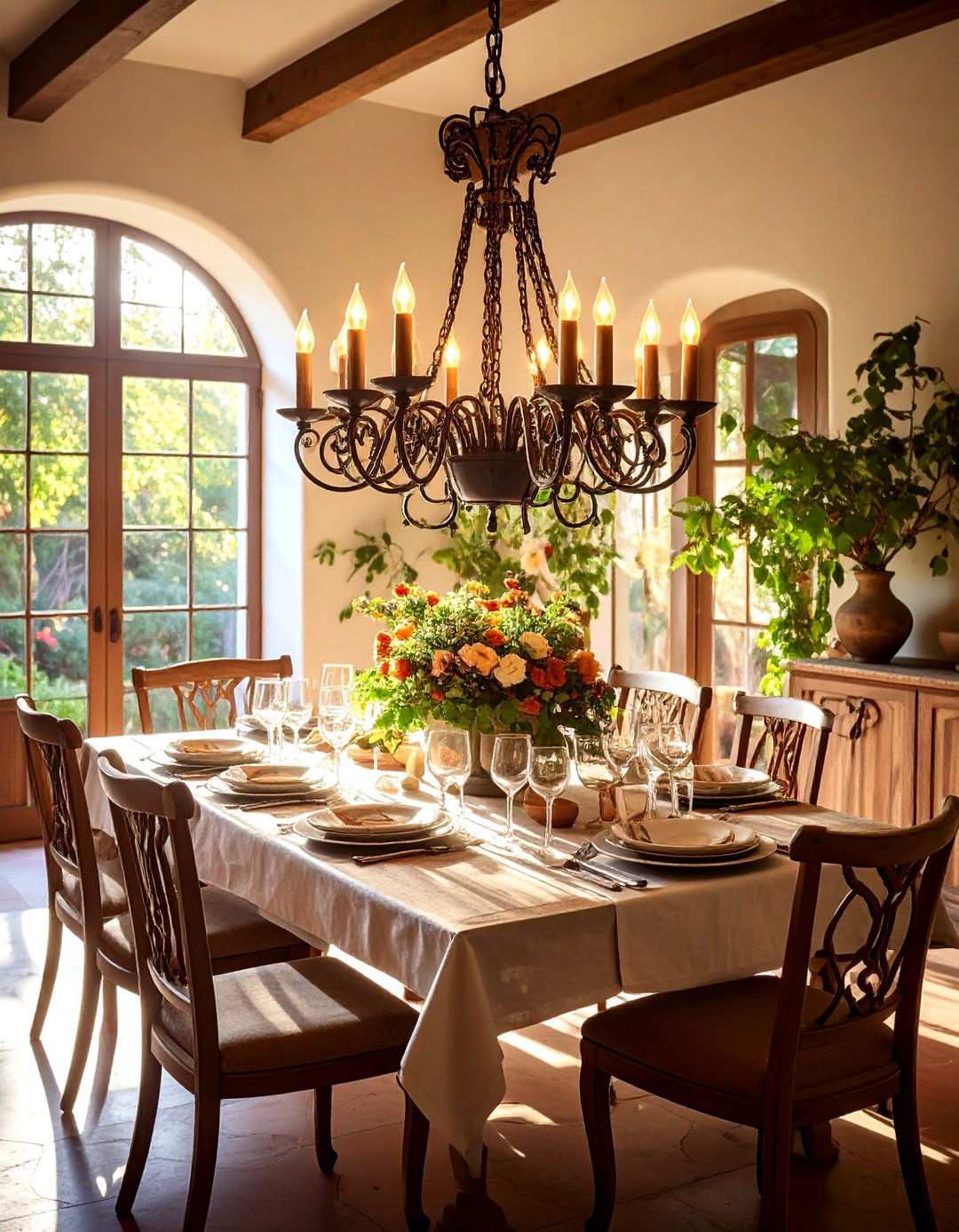
Elevate the ambiance of your dining room with Spanish chandelier lighting, which not only provides functional illumination but also serves as a stunning focal point. These dramatic fixtures are often characterized by traditional hand-forged wrought iron elements adorned with intricate scrollwork, twisted metal details, and candle-style lights that evoke a sense of historical authenticity. With their multi-tiered configurations, Spanish chandeliers can accommodate larger dining areas while maintaining a harmonious balance of scale and proportion. Contemporary interpretations of this classic design incorporate simplified metalwork, cutting-edge electrical components, and energy-efficient LED technology, all while preserving the authentic essence of Spanish design. The various finishes available, ranging from natural iron patinas to painted options that seamlessly integrate with room color schemes, offer endless possibilities for customization. The incorporation of glass elements, such as amber or clear shades, adds warmth and visual interest to the space. To ensure optimal functionality and visual appeal, it’s essential to consider factors such as proper sizing for dining tables and ceiling heights during installation. These exquisite lighting fixtures serve as a testament to the beauty of Spanish design, effortlessly combining practical illumination with artistic flair to elevate every meal and gathering experience.
15. Talavera Tile Accents Bring Vibrant Character to Spanish Dining Rooms
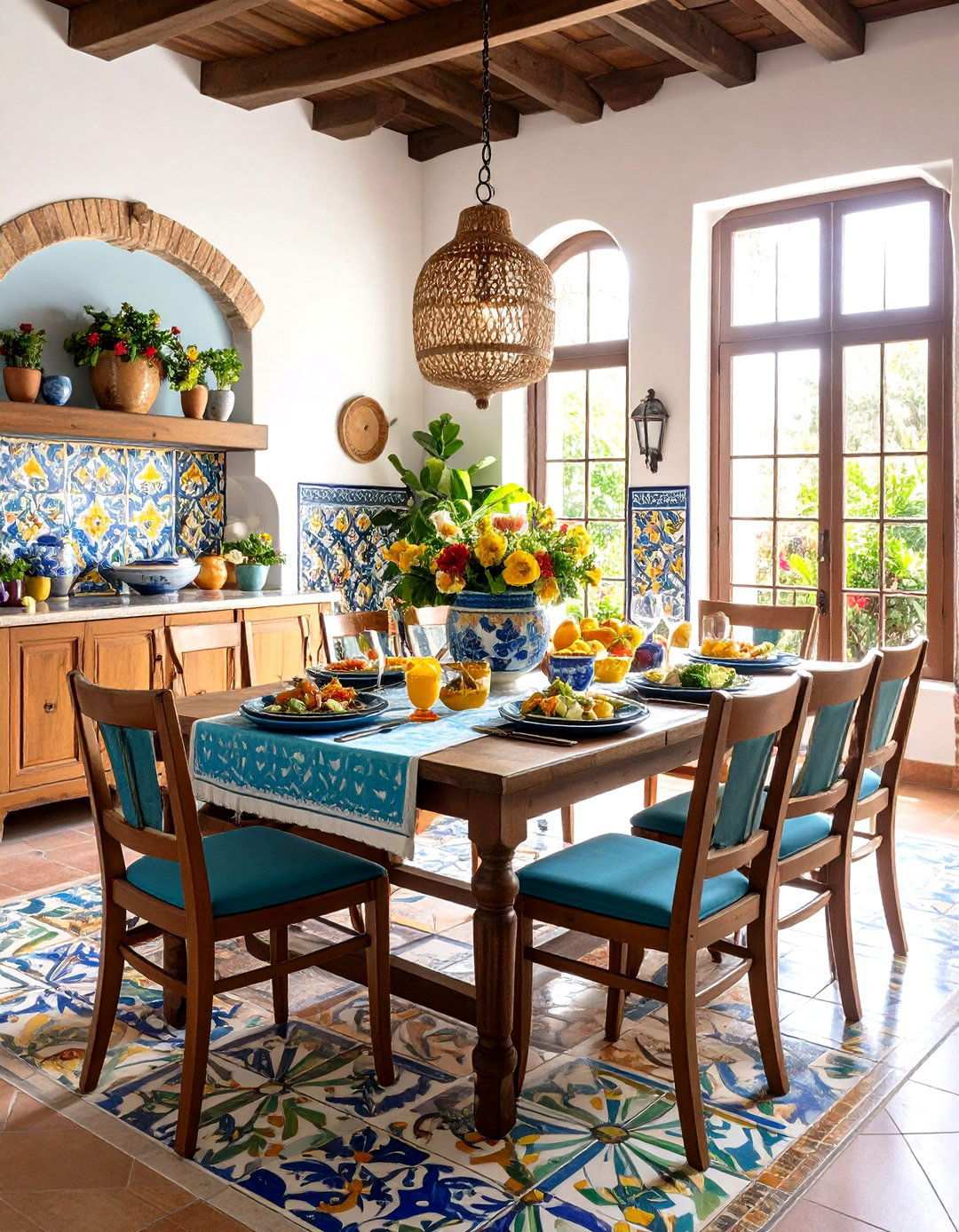
Talavera tile accents inject a burst of color and artistic authenticity into Spanish dining rooms, thanks to their distinctive hand-painted designs and cultural significance. These Mexican ceramic tiles feature traditional patterns in vibrant hues such as blues, greens, yellows, and whites, adding a touch of personality to neutral Spanish color schemes. From backsplashes behind serving areas to decorative borders around room perimeters, and accent panels that double as artwork, Talavera tiles offer a range of creative applications. Each tile represents the unique skill and craftsmanship of individual artisans, resulting in slight variations that prevent a uniform, mechanical appearance. Traditional motifs, including floral patterns, geometric designs, and cultural symbols, reflect the rich cultural heritage of indigenous and Spanish influences. By incorporating Talavera tiles into contemporary settings, homeowners can celebrate Mexican pottery traditions while maintaining the authentic character and artistic integrity of Spanish colonial design. Proper installation and sealing ensure the longevity of these decorative accents in dining room environments, allowing them to remain a beautiful and meaningful addition to your space for years to come.
16. Capturing the Essence of Adobe Dining Rooms
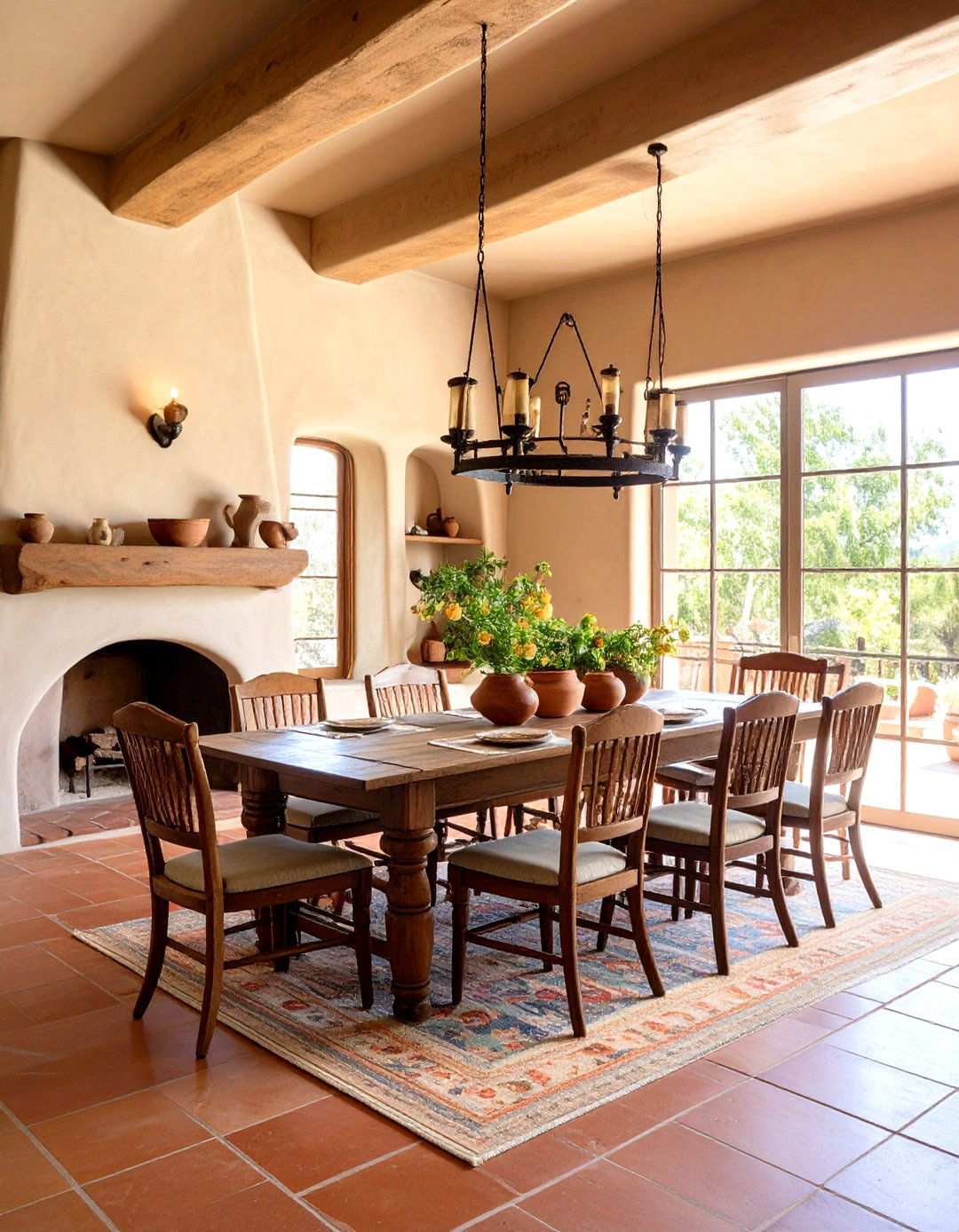
Adobe-inspired dining spaces seamlessly blend the architectural traditions of the American Southwest, where Spanish colonial design intersects with indigenous building techniques. The result is a tranquil atmosphere, characterized by organic curves and soft lines that invite relaxation. Thick-walled structures, often adorned with rounded edges, foster a sense of warmth and coziness. The natural beauty of earth plaster finishes is complemented by a palette of rich, muted hues, evoking the region’s rich cultural heritage. Architectural elements, such as built-in bancos and niches, serve as functional and aesthetic focal points, while beehive fireplaces become heartwarming gathering spaces. Flooring options like brick, stone, or Saltillo tile not only provide durability but also add authentic character to the space. Furniture choices emphasize handcrafted pieces with understated, rustic finishes that harmonize with the space’s organic aesthetic. Earthy tones, punctuated by strategic accents in turquoise, red, and gold, create a serene and contemplative atmosphere that celebrates the successful fusion of Spanish and Native American design traditions.
17. Elevating Dining Spaces with Spanish Arched Elements
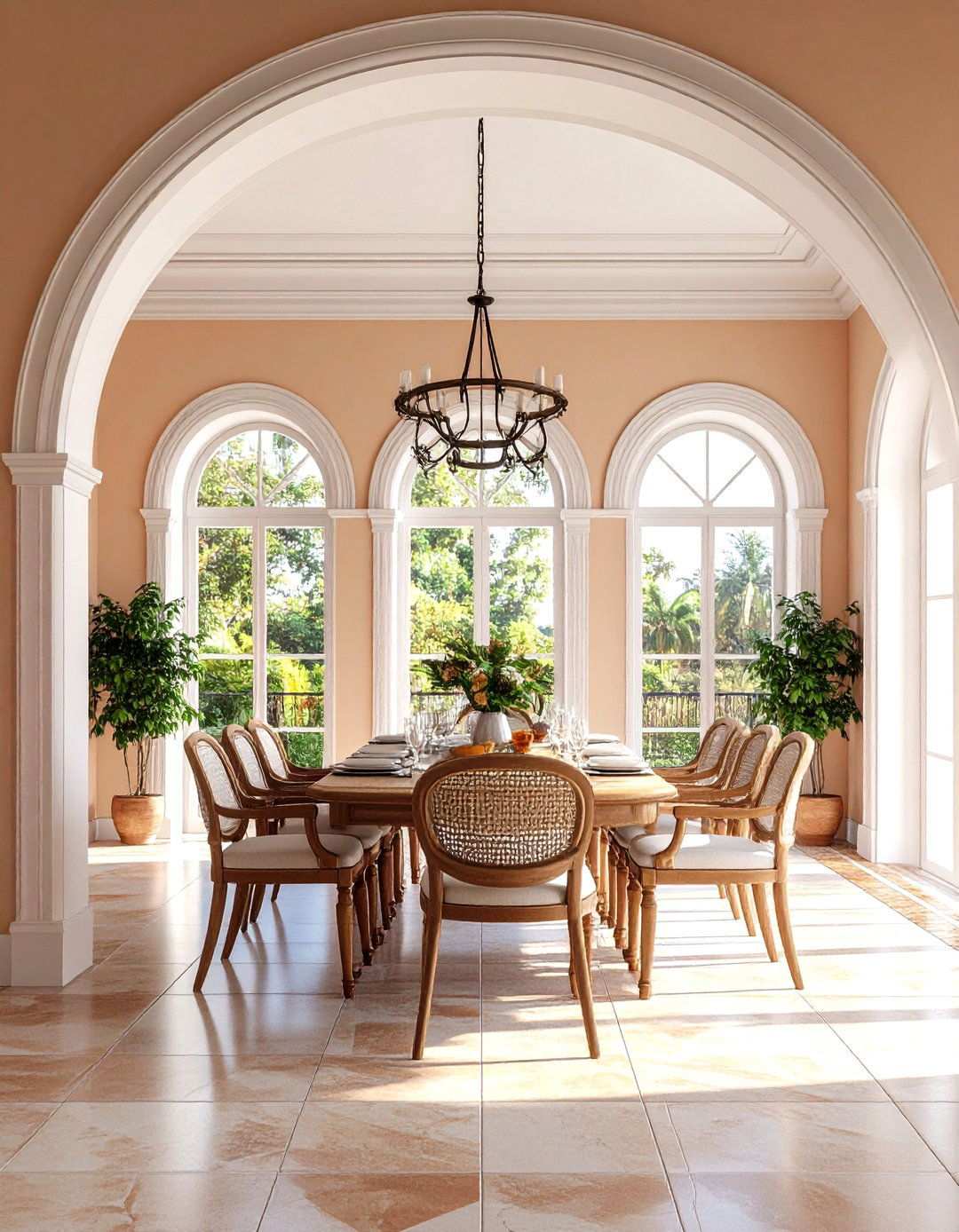
The incorporation of Spanish arched elements brings a touch of elegance and sophistication to dining rooms, while maintaining the style’s characteristic balance and proportion. These curved openings, ranging from simple rounded forms to more intricate horseshoe or pointed arch configurations, evoke different historical periods and add visual interest to the space. Doorway arches seamlessly connect dining areas to adjacent spaces, preserving the visual flow and spatial relationships. Window arches frame captivating views and maximize natural light, providing opportunities for decorative treatments that enhance the space’s overall appeal. Interior arches can thoughtfully separate dining areas from living spaces without creating barriers, fostering a sense of cohesion and harmony. Materials like plastered masonry, carved stone, or wooden framework coordinate with overall room finishes, while decorative elements such as tile borders or carved details add a touch of refinement and architectural integrity. By striking a balance between form and function, these architectural features represent Spanish design’s emphasis on gentle curves and organic forms that create inviting, comfortable environments.
18. Elevating Ambiance with Textured Wall Treatments
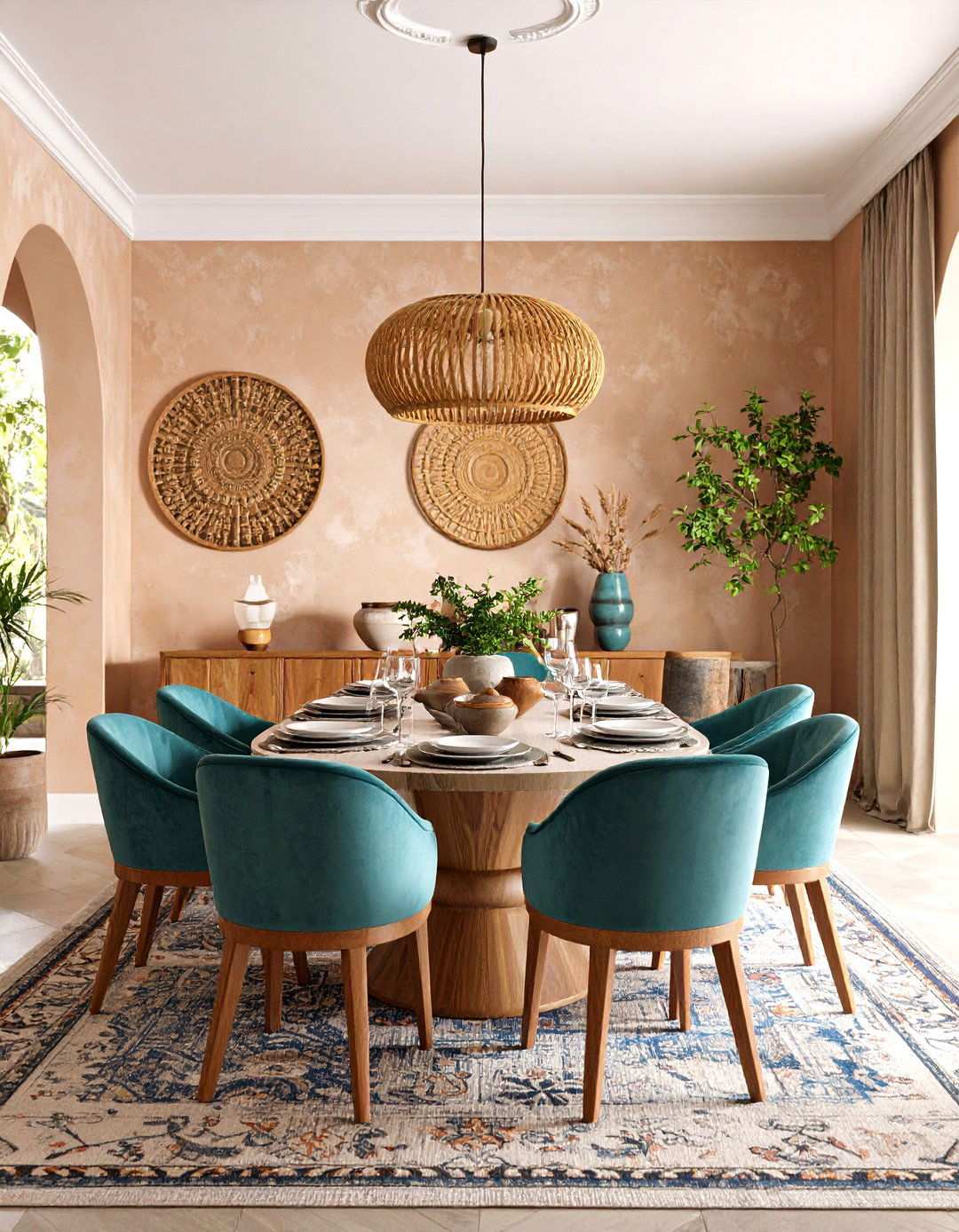
Textured wall designs can dramatically elevate the ambiance of a Spanish-inspired dining room, imbuing the space with visual depth and interest. This approach also nods to traditional building techniques and materials, infusing the area with a sense of authenticity. Techniques such as hand-applied plaster finishes, skip-trowel applications, and sponge textures develop an organic, earthy quality that catches and reflects light throughout the day. Adobe and stucco finishes add an authentic Southwestern touch with their unique irregular surfaces and earthy tones, while modern alternatives like textured paints and specialty finishes offer a more low-maintenance option. Accent walls can serve as focal points, featuring exposed stone or brick textures to create visual interest. By incorporating color washing and glazing techniques, textured surfaces can be further enhanced, adding depth and complexity to the overall design. These textured wall treatments provide a stunning backdrop for artwork, furniture, and decorative accessories, all while maintaining visual intrigue. Proper lighting is essential in highlighting texture effects, creating dynamic shadow patterns that evolve with the day.
19. Warm and Inviting Spanish Color Palettes
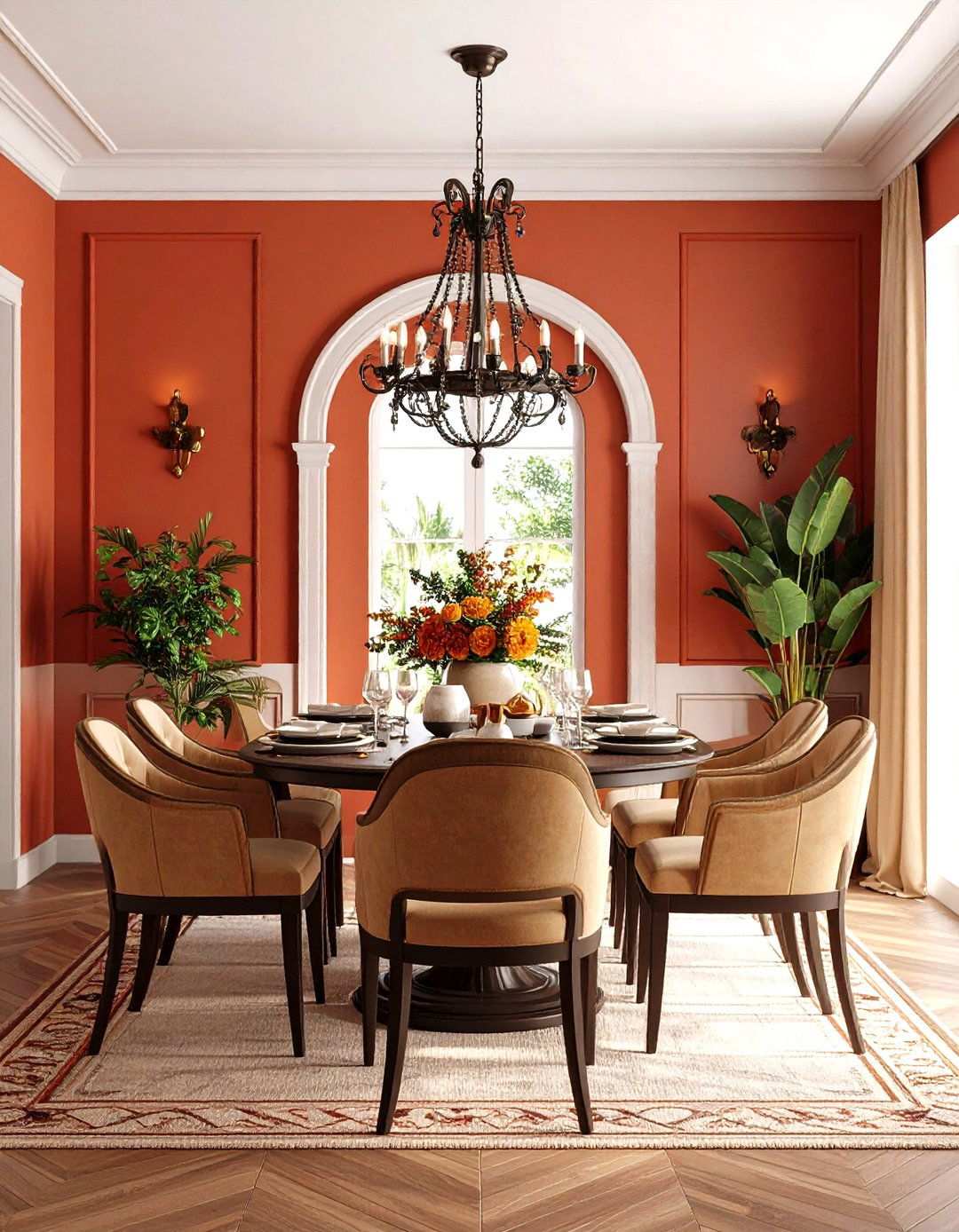
A Spanish-inspired dining room can be transformed into a warm and inviting space through the strategic use of earthy tones and accent colors. Traditional color schemes draw inspiration from the natural landscape and building materials, incorporating terracotta, ochre, burnt sienna, and warm beiges to create a sense of cohesion. To add depth and drama, deep reds, golden yellows, and rich browns are thoughtfully introduced, maintaining the warmth and sophistication of the space. Moorish influences bring a touch of opulence, with jewel tones like sapphire blue, emerald green, and gold adding striking accents against neutral backgrounds. For a more contemporary look, modern Spanish palettes incorporate softer, more muted versions of traditional colors, ensuring a cohesive and harmonious atmosphere. The strategic use of white and cream as balancing elements prevents the color scheme from becoming overwhelming, while natural variations in handmade materials add subtle color depth and prevent monotony. By carefully planning color distribution, a visually balanced and harmonious environment can be created, perfect for fostering relaxation and conversation.
20. Unique Ceramic Artistry in Dining Spaces
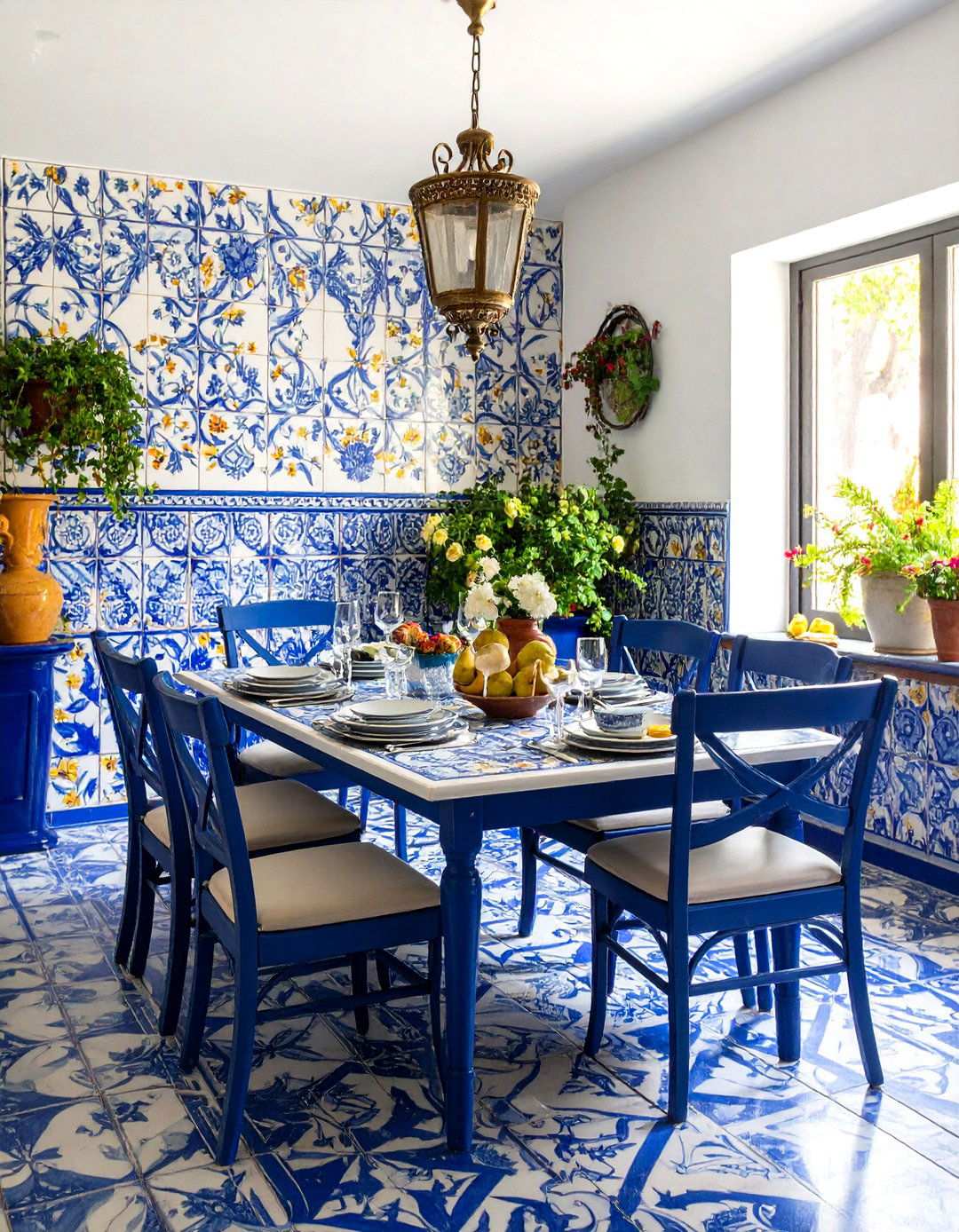
Artisanal hand-painted tiles bring an air of cultural sophistication to Spanish dining rooms, reflecting the country’s rich artistic heritage. Each ceramic piece is a testament to the skillful craftsmanship of individual artisans, whose brushwork, color application, and design interpretation give rise to distinctive pieces that defy mass-produced duplicates. Traditional techniques such as majolica glazing and slip trailing create unique surface effects that add personality to dining spaces. From geometric patterns inspired by Islamic art to naturalistic florals and symbolic motifs, the range of designs reflects the cultural diversity of Spain. In addition to their aesthetic appeal, these tiles can be used as decorative accents, backsplashes, wainscoting, and even table tops, injecting color and pattern into dining areas. Regional styles like Andalusian, Talavera, and Catalonian offer distinct approaches to tile design, while maintaining the essence of Spanish character. Contemporary artisans continue to push the boundaries of traditional techniques, incorporating fresh colors and patterns that resonate with modern tastes. With proper care and installation, these artistic elements can provide enduring beauty and a sense of cultural depth that is unparalleled in mass-produced alternatives.
21. Timeless Elegance of Spanish Leather Dining Chairs
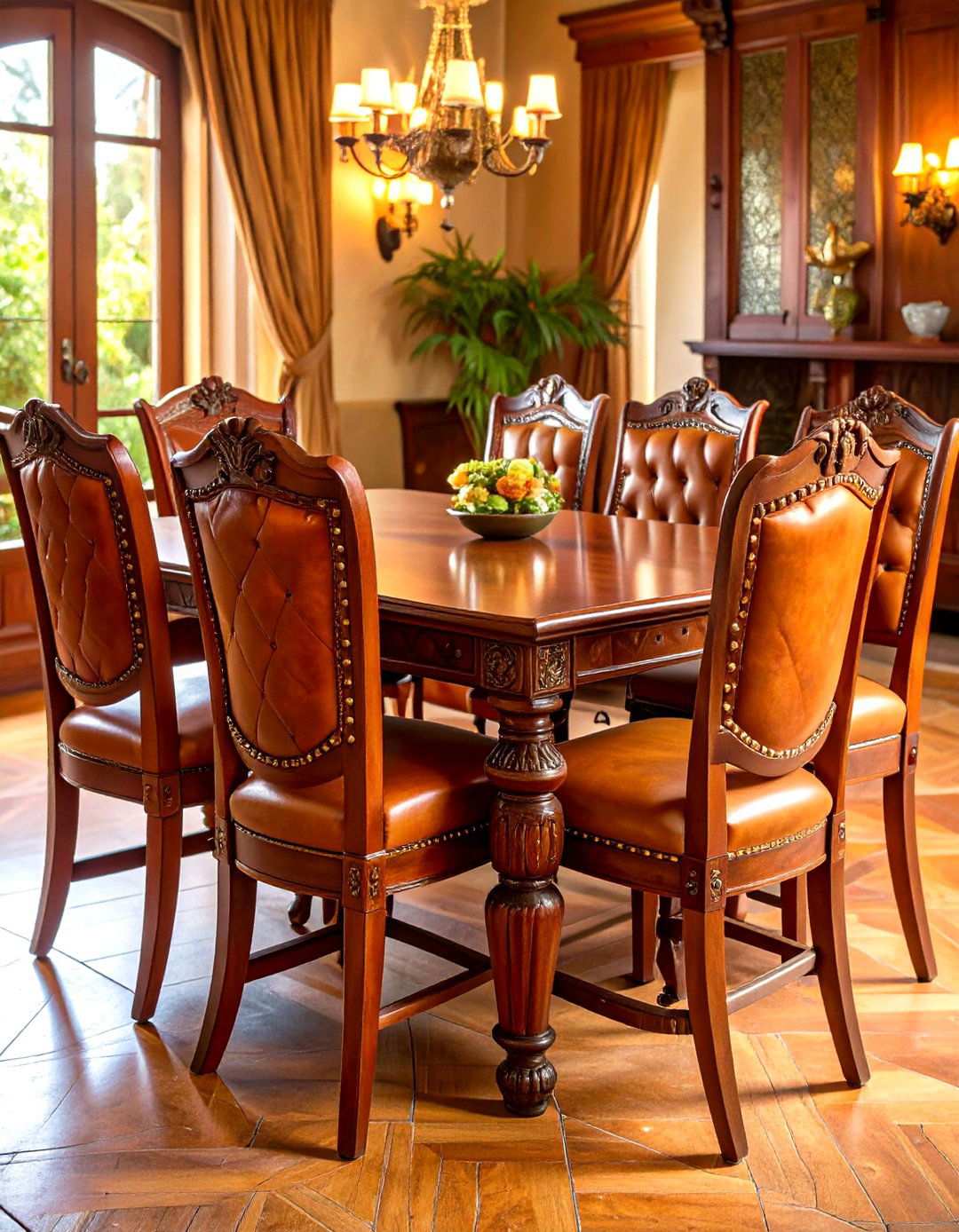
Spanish leather dining chairs exude comfort, durability, and authentic style, thanks to the expertise of skilled artisans and the quality of materials used. These seating pieces boast intricately tooled leather upholstery with decorative patterns, brass nail head trim, and rich colors that develop a beautiful patina over time, adding to their allure. High-backed designs provide the perfect balance of support and drama, elevating the elegance of dining rooms. Wooden frames showcase intricately carved details and dark finishes that complement the leather tones and textures, creating a harmonious visual effect. Traditional colors such as cognac, chestnut, and black are perfectly in sync with Spanish color palettes, allowing them to blend seamlessly with the surrounding decor. Hardware elements like brass studs and buckles add a touch of decorative interest while serving functional purposes. While modern interpretations of these classic chairs maintain their traditional appearance, they also incorporate contemporary comfort features and proportions, ensuring that they remain a stylish choice for generations to come. Proper care ensures that the leather maintains its beauty and flexibility, becoming an integral part of family traditions and memorable dining experiences. The timeless appeal of these chairs guarantees they will remain stylish, regardless of changing trends and design fads.
22. Timeless Elegance with Natural Stone
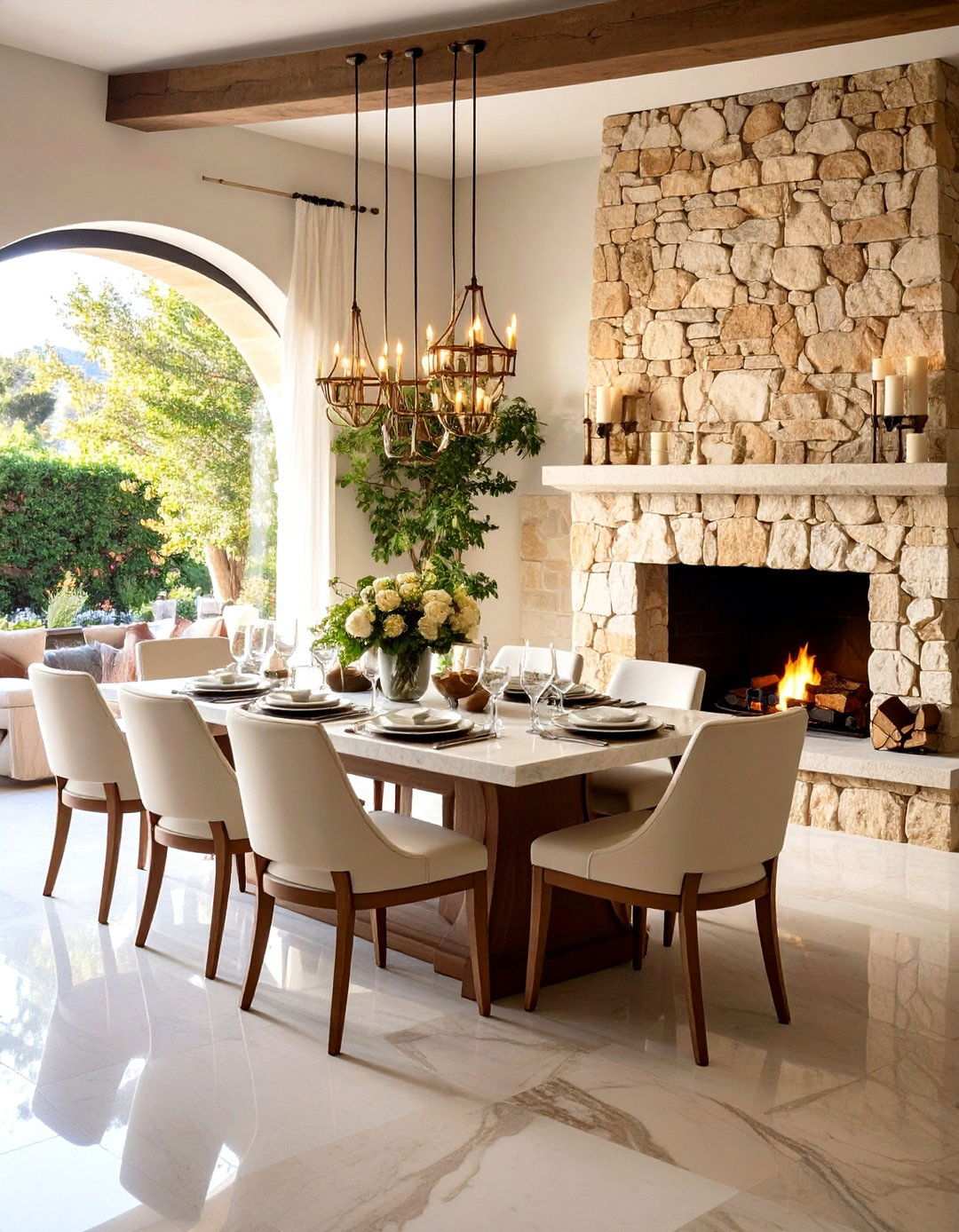
Enduring beauty and authentic character infuse Spanish dining rooms when traditional building materials are incorporated. Limestone, marble, and granite surfaces deliver versatile and durable solutions for countertops, serving areas, and architectural details that mature with elegance. Stone flooring provides substantial foundations that harmonize with other Spanish materials, offering practical benefits in the process. Accent walls featuring stacked stone or exposed masonry introduce texture and visual interest without overpowering the space. Fireplace surrounds and hearths showcase stone’s adaptability and heat resistance while creating inviting gathering areas. Modern applications include sleek stone dining tables, decorative panels, and integrated planters that maintain Spanish character. Regional stones like travertine and sandstone offer diverse colors and textures that reflect local geological characteristics. By properly sealing and maintaining stone elements, homeowners can ensure they retain their beauty for decades to come. This connection to traditional materials brings dining spaces in line with their Spanish heritage, providing timeless elegance.
23. The Artistic Touch of Spanish Tapestry
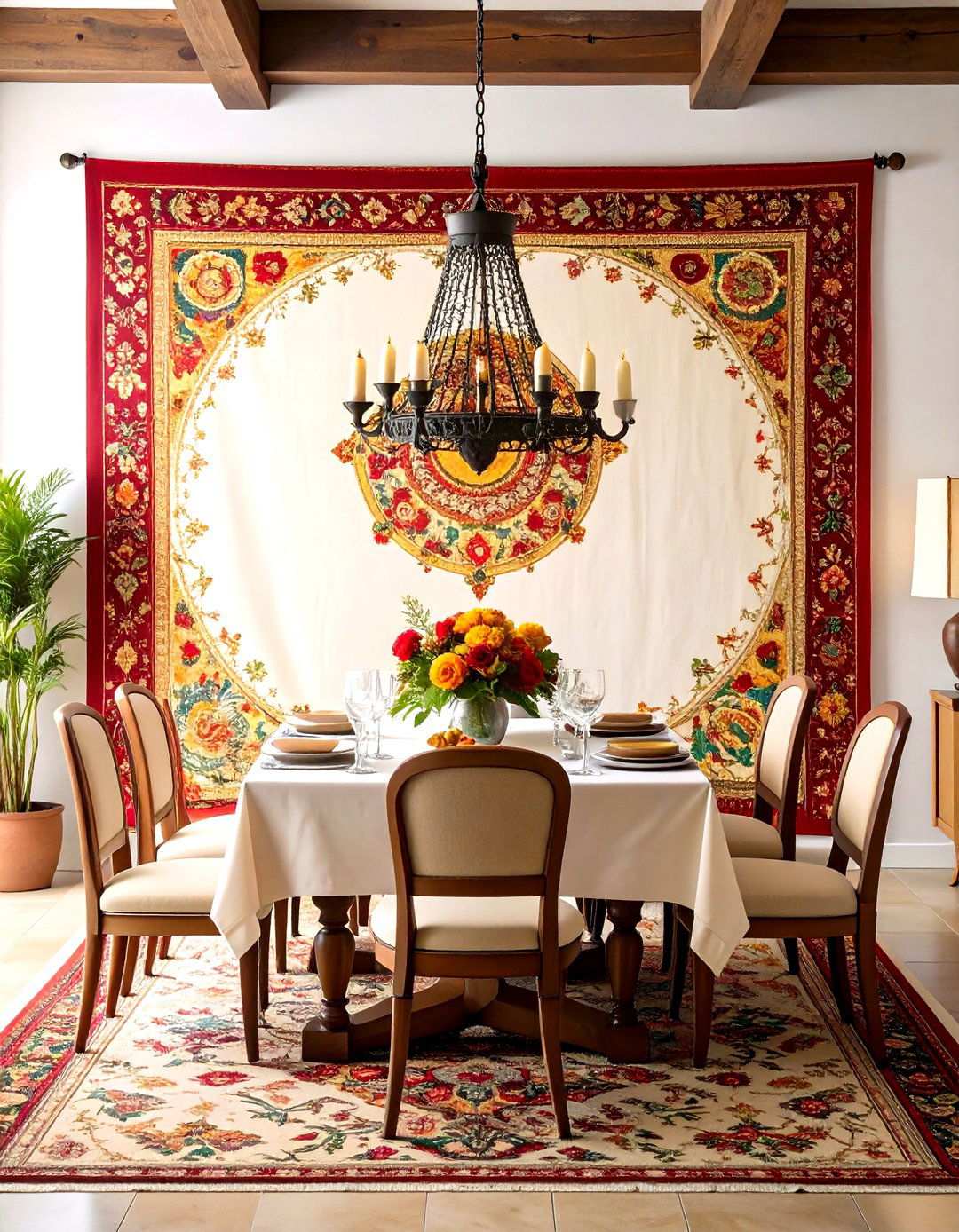
Spanish tapestries elevate dining rooms with their intricate weaving and historical significance, adding a touch of cultural richness and artistic beauty. These textile artworks feature traditional motifs, including religious scenes, heraldic symbols, and geometric patterns that reflect centuries of Spanish artistic heritage. Earthy tones, accented with gold, burgundy, and deep blue, harmonize with Spanish interior palettes, creating a cohesive look. Large tapestries serve as striking focal points on dining room walls, while smaller pieces add accent color and texture. Modern interpretations include reproduction pieces and contemporary designs that maintain traditional weaving techniques. Proper hanging and lighting ensure tapestries are displayed to their full advantage while protecting them from damage. These decorative elements not only provide insulation and acoustic benefits but also add cultural authenticity to dining spaces. Tapestries represent a significant artistic investment, creating unique dining environments that celebrate Spanish cultural traditions. Each handcrafted piece contributes individual character to dining room design, making every space truly one-of-a-kind.
24. Evolving Spanish Cuisine in Modern Spaces
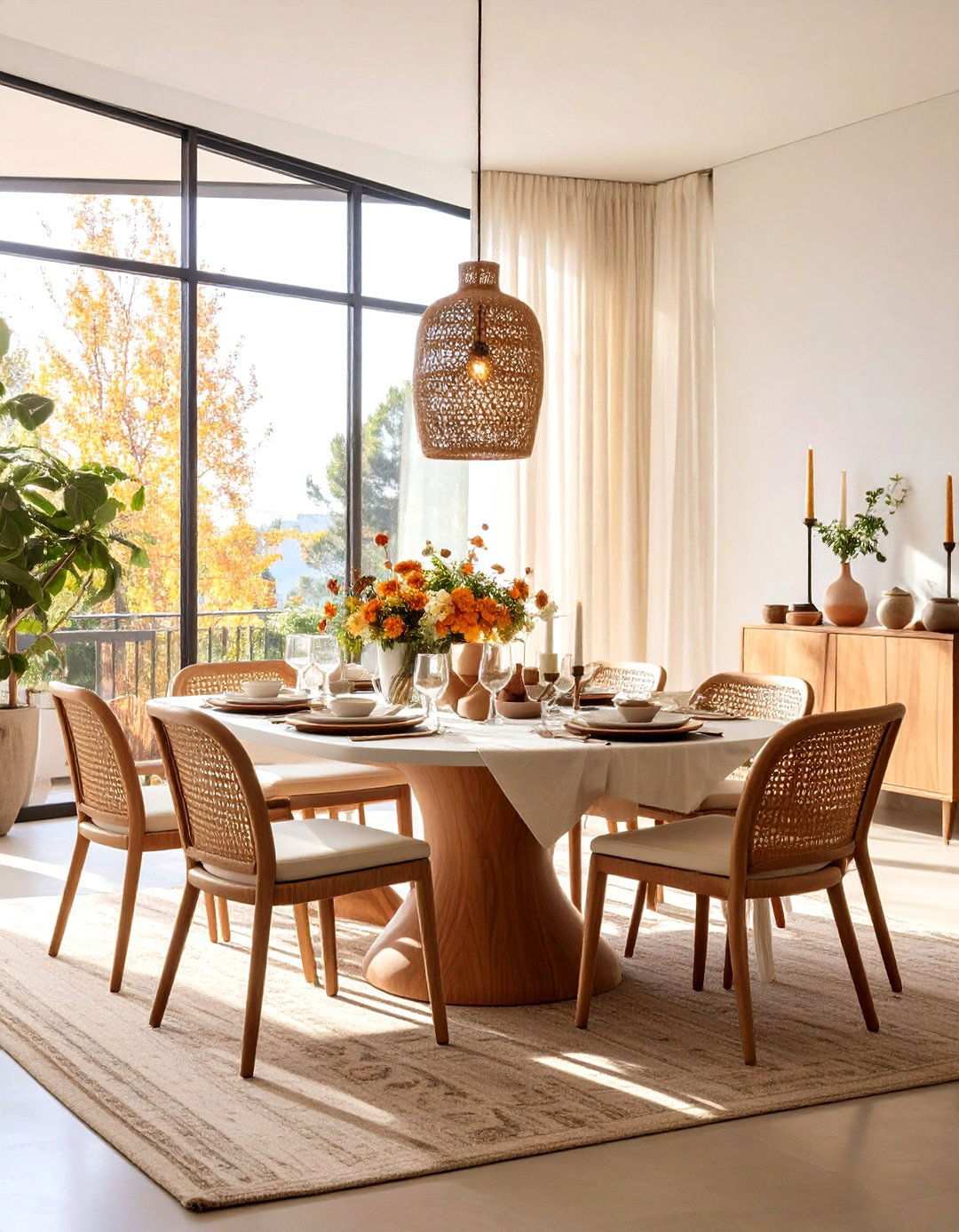
Spanish-inspired dining rooms of today seamlessly merge traditional elements with innovative design concepts, yielding a unique fusion that honors cultural heritage. Characterized by minimalism and simplicity, these spaces make use of authentic Spanish materials, such as terracotta, forged metal, and intricately carved wood, to create a sense of timelessness. Earthy tones prevail in the color palette, punctuated by bursts of classic Spanish hues through artwork and decorative accents. By combining traditional craftsmanship with contemporary comfort and proportions, furniture in these settings strikes a perfect balance between heritage and practicality. Lighting fixtures, inspired by Spanish designs, provide both functionality and a touch of authenticity, ensuring the spaces remain connected to their roots. The incorporation of technology is carefully managed to avoid disrupting the Spanish aesthetic, allowing the spaces to feel both cutting-edge and deeply rooted in tradition. By embracing an open floor plan and expansive windows, these dining rooms maximize natural light while fostering a sense of connection to the outdoors. This thoughtful approach to design enables contemporary Spanish cuisine to remain relevant and engaging for future generations.