1. The Seeds of a Timeless Style
The early 20th-century American landscape was forever altered by the emergence of Spanish Colonial Revival architecture, a captivating style that not only honored the nation’s rich Spanish heritage but also seamlessly blended historical authenticity with modern functionality. This alluring architectural movement drew inspiration from the rich cultural traditions of Spain, Mexico, and the early American Southwest, crafting buildings that effortlessly balanced tradition and innovation. By the time the 20th century began, America was already beginning to fall under the spell of this enchanting style, which promised to transport its patrons to a bygone era of romance and elegance.

As an Amazon Associate I earn from qualifying purchases.
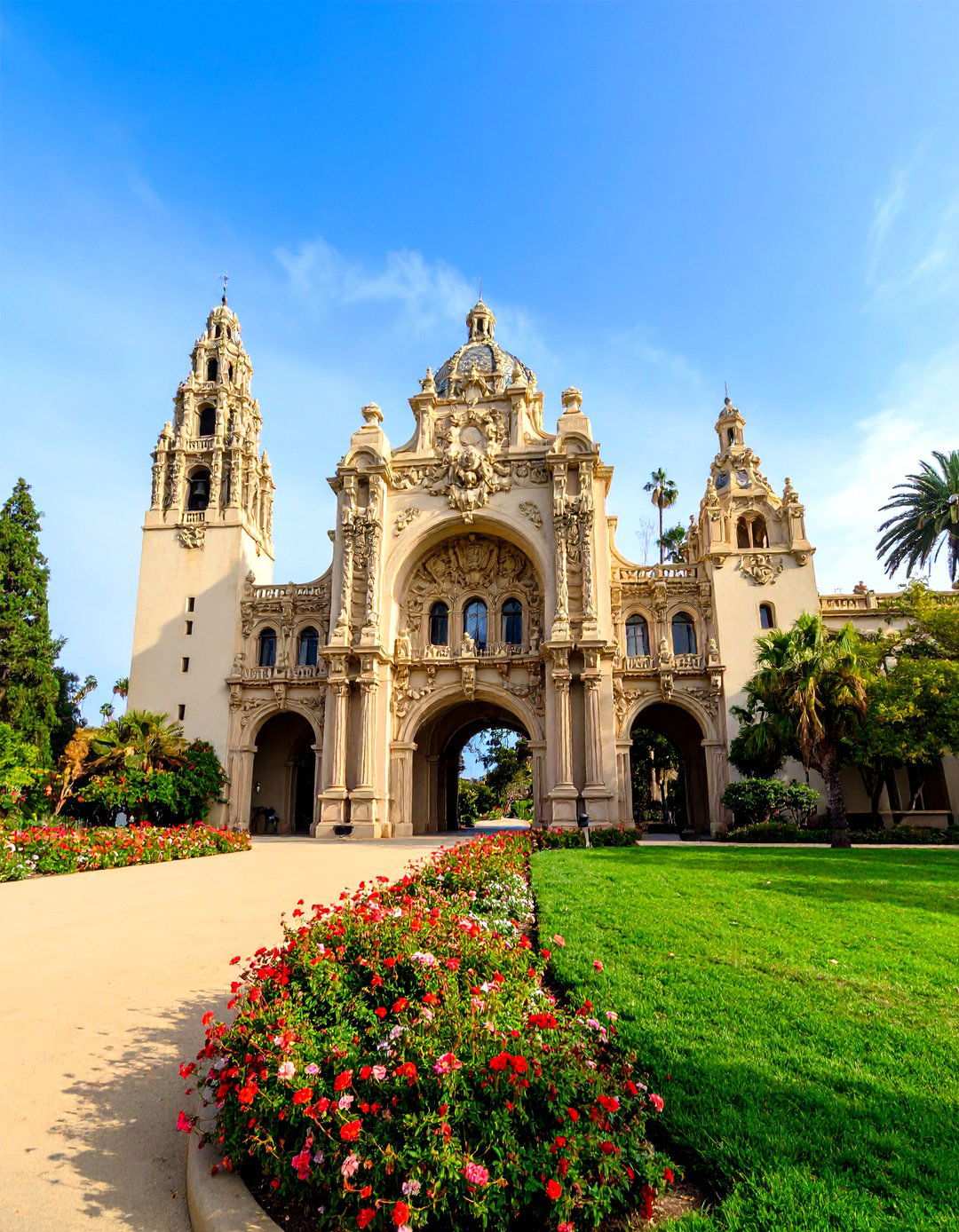
The pivotal moment in the rise of Spanish Colonial Revival architecture was the 1915 Panama-California Exposition in San Diego, a groundbreaking event that catapulted this captivating style to the forefront of American design. Architects Bertram Goodhue and Carleton Winslow Sr. took a bold step away from traditional European Beaux-Arts styles by embracing Spanish-inspired designs, creating a radical departure from previous expositions. The breathtaking California Quadrangle served as the movement’s crowning glory, featuring intricate Churrigueresque ornamentation and poignant reinterpretations of colonial Spanish structures. This exposition revealed the vast potential of Spanish-inspired design to a captivated audience of millions, igniting a nationwide passion for this enchanting style. The success of these buildings not only demonstrated that American architecture could draw inspiration from diverse sources but also cemented Spanish Colonial Revival’s status as a legitimate and highly desirable architectural movement that would dominate warm-climate regions for generations to come.
2. Aesthetic and Practical Significance of Stucco Walls
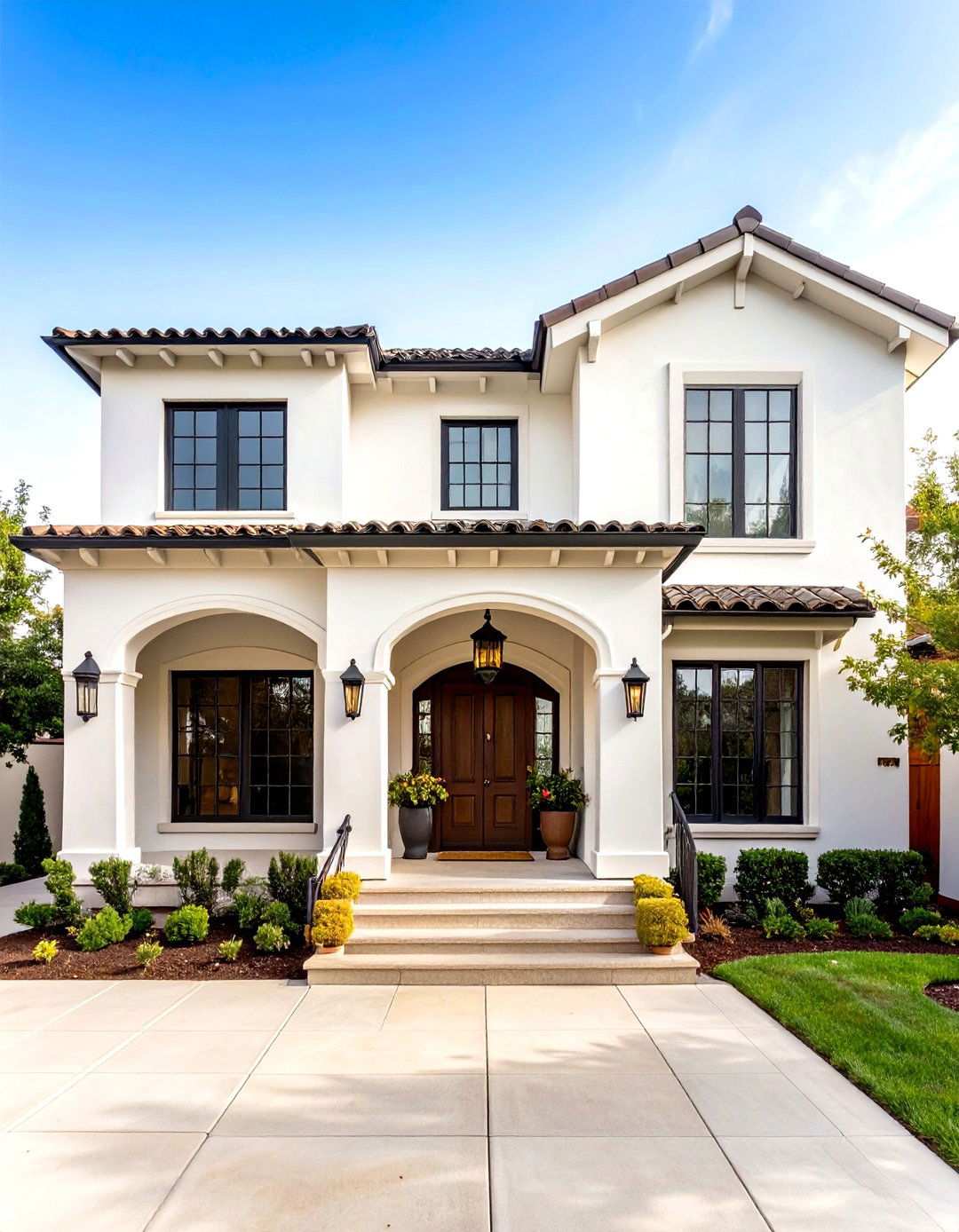
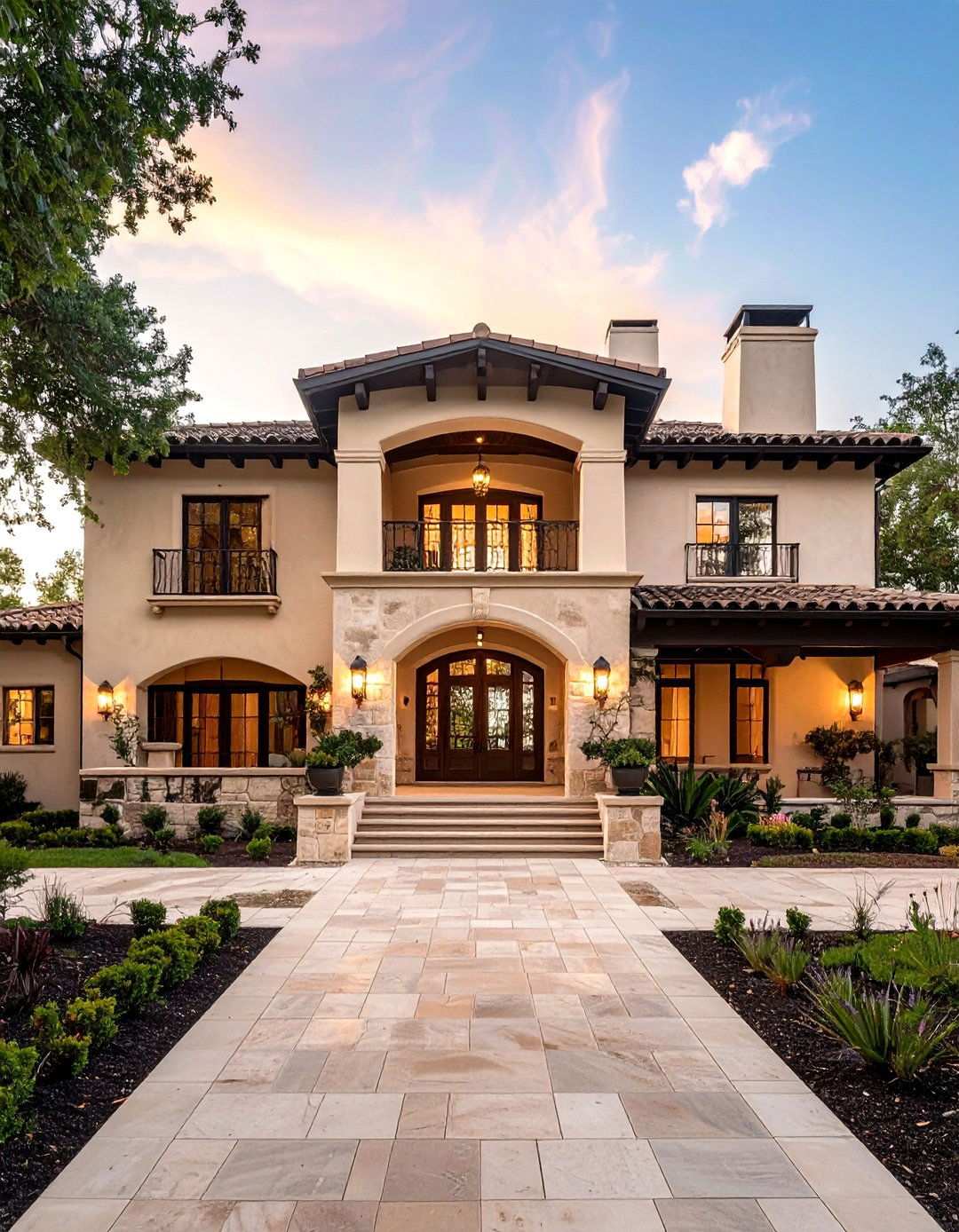
The distinctive exterior walls of Spanish Colonial Revival homes are a key factor in their inviting ambiance, combining both aesthetic appeal and functional value. The characteristic stucco finish, typically applied over adobe brick, concrete block, or wood frame construction, creates a visually striking effect that has been emulated for centuries. This smooth, hand-troweled finish not only provides a pleasing visual contrast but also serves as an effective insulator against extreme temperatures. As a result, the interior of these buildings remains comfortably cool even during the sweltering summer months, while the warm whites and light earth tones of the stucco exteriors reflect sunlight and enhance the sense of warmth. The slightly irregular texture of hand-applied stucco gives buildings an aged, timeless quality that connects them to the rich history of Spanish architectural traditions. Contemporary applications often substitute synthetic stucco systems for traditional lime-based mixtures, but the visual outcome remains remarkably consistent, resulting in buildings that exude a sense of effortless Mediterranean charm.
3. The Timeless Allure of Red Clay Tile Roofing
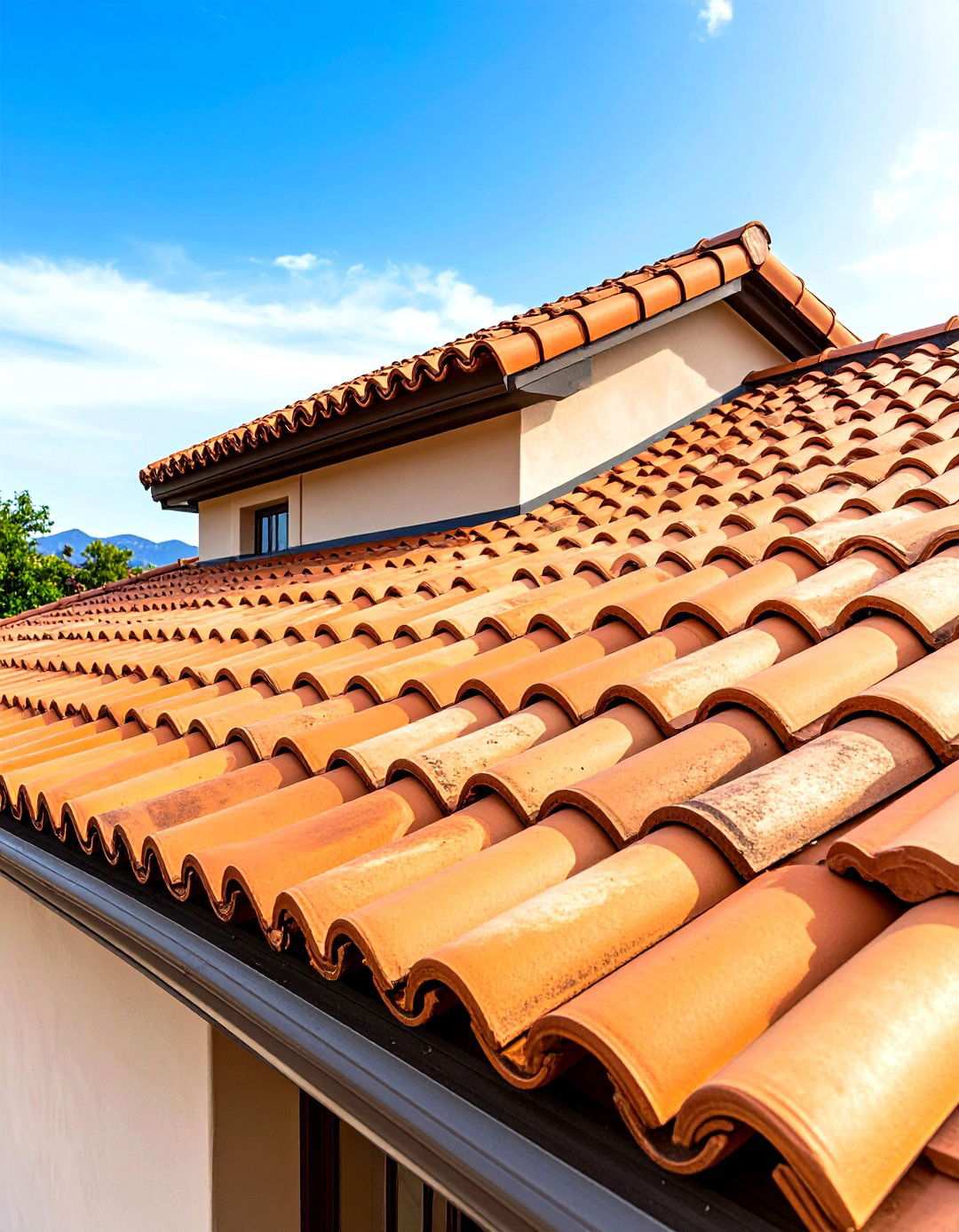
The iconic red clay tile roof is perhaps the most instantly recognizable feature of Spanish Colonial Revival architecture, conjuring images of sun-kissed Mediterranean villages and historic Spanish missions. These curved barrel tiles, traditionally crafted from local clay and fired to achieve their distinctive terracotta hue, offer a beautiful and functional solution to roofing needs. By incorporating low-pitched roofs with minimal or no eave overhang, these structures emphasize the horizontal lines of the building, creating clean and geometric silhouettes that are quintessentially Spanish. The overlapping installation method of the tiles ensures excellent water shedding while allowing for air circulation beneath, which helps to keep structures cool. Regional variations, such as S-shaped mission tiles and flat interlocking styles, add to the roof’s distinctive texture and shadow patterns, creating a visual language that is unmistakably Spanish. Modern renditions may employ concrete or composite materials that mimic traditional clay, but the timeless appeal of these roofs remains unchanged, instantly conveying a sense of heritage and creating architectural statements that endure for generations.
4. The Aesthetic Significance of Arched Openings
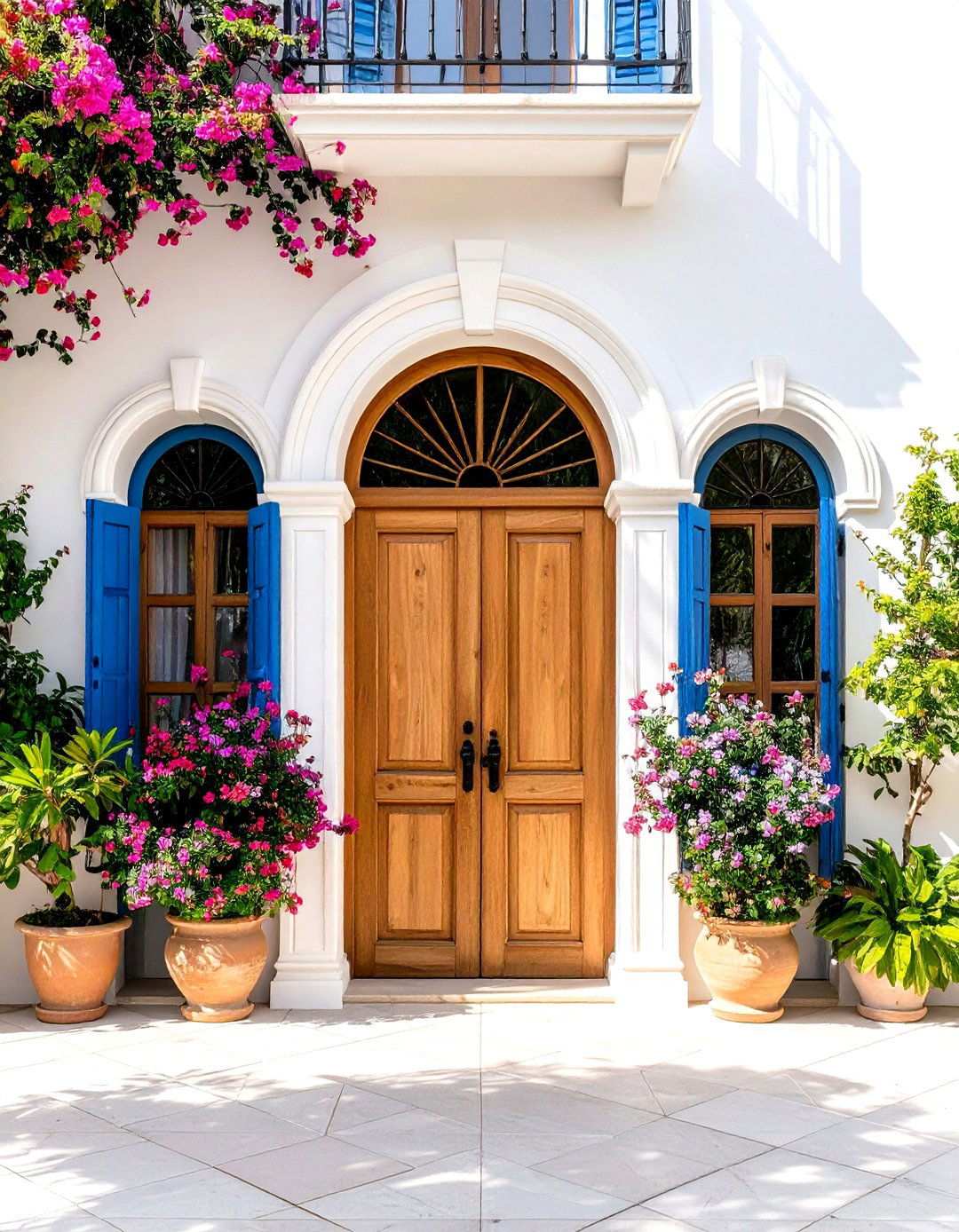
The sweeping curves of Spanish Colonial Revival design create a captivating visual narrative, blending the elegance of Moorish and Spanish influences with a sense of fluidity and dynamism. These soft, rounded doorways, windows, and loggias not only establish the style’s warm and inviting character but also create a seamless transition between indoor and outdoor spaces. What sets these curves apart is their harmonious contrast with the angular geometry of walls and rooflines, instilling a sense of visual interest and architectural hierarchy that defines the style. Semi-circular and segmented arches often frame primary entrances, while smaller arched windows maintain a sense of proportional balance throughout the facade. By defining living spaces without the rigid separation of conventional doorways, interior archways embody the Spanish emphasis on integrated, interconnected rooms that foster a sense of community and togetherness.
The integration of arched elements in Spanish Colonial Revival architecture serves both structural and aesthetic purposes. Whether supporting the weight of buildings or adding a decorative flourish, these timeless architectural elements infuse structures with a sense of elegance and refinement that has captivated homeowners for generations. The versatility of arched openings extends far beyond their functional applications, contributing to the enduring popularity of this style as a testament to its timelessness and appeal.
6. Exposed Beam Details
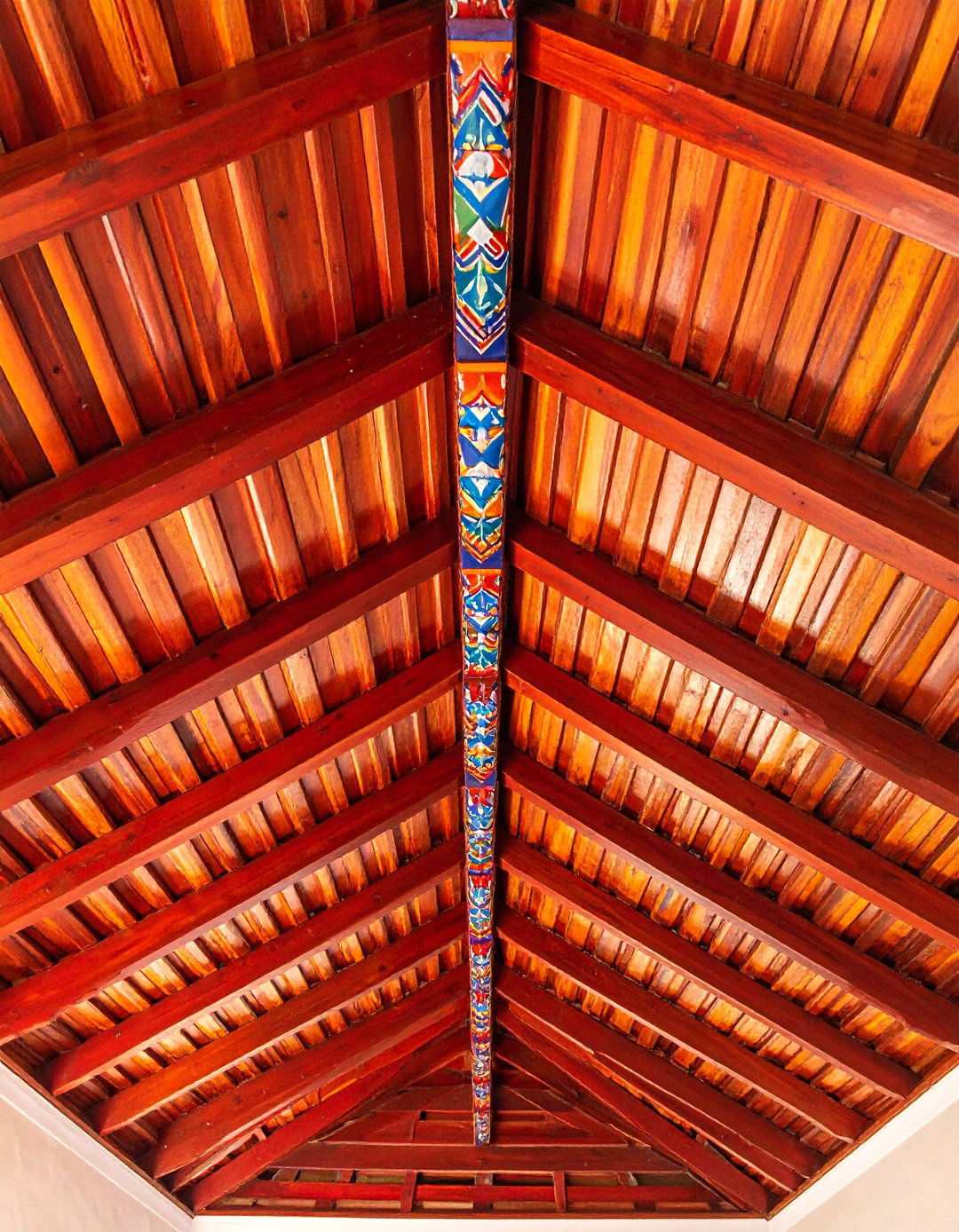
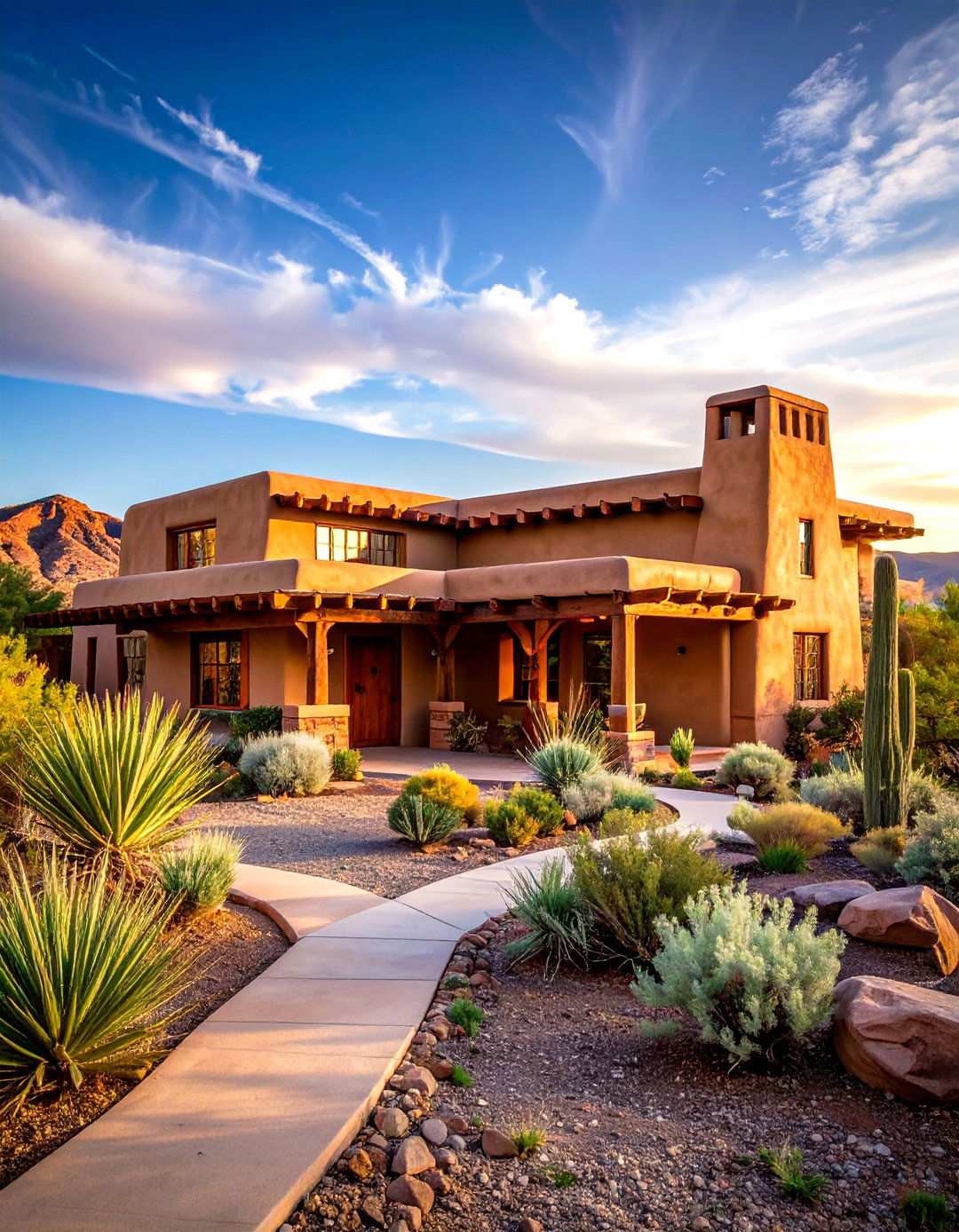
Traditional Spanish construction incorporates wooden ceiling beams, known as vigas, which add warmth and rustic charm to Spanish Colonial Revival interiors. Beyond their aesthetic appeal, these heavy timber elements serve important structural and functional purposes. Originally, vigas supported clay tile roofs and upper floors in adobe construction. By incorporating these beams into a room’s design, homeowners can create a sense of visual interest and textural contrast. The horizontal lines of the beams draw the eye upward, while their natural imperfections and irregular surfaces add character to the space. Whether installed in traditional, hand-hewn style or modern interpretations, vigas can define seating areas, frame fireplaces, or emphasize architectural features. As a result, they connect interiors to the style’s rich agricultural and craftsmanship heritage, creating cozy, sophisticated spaces that reflect the past.
7. Wrought Iron Craftsmanship
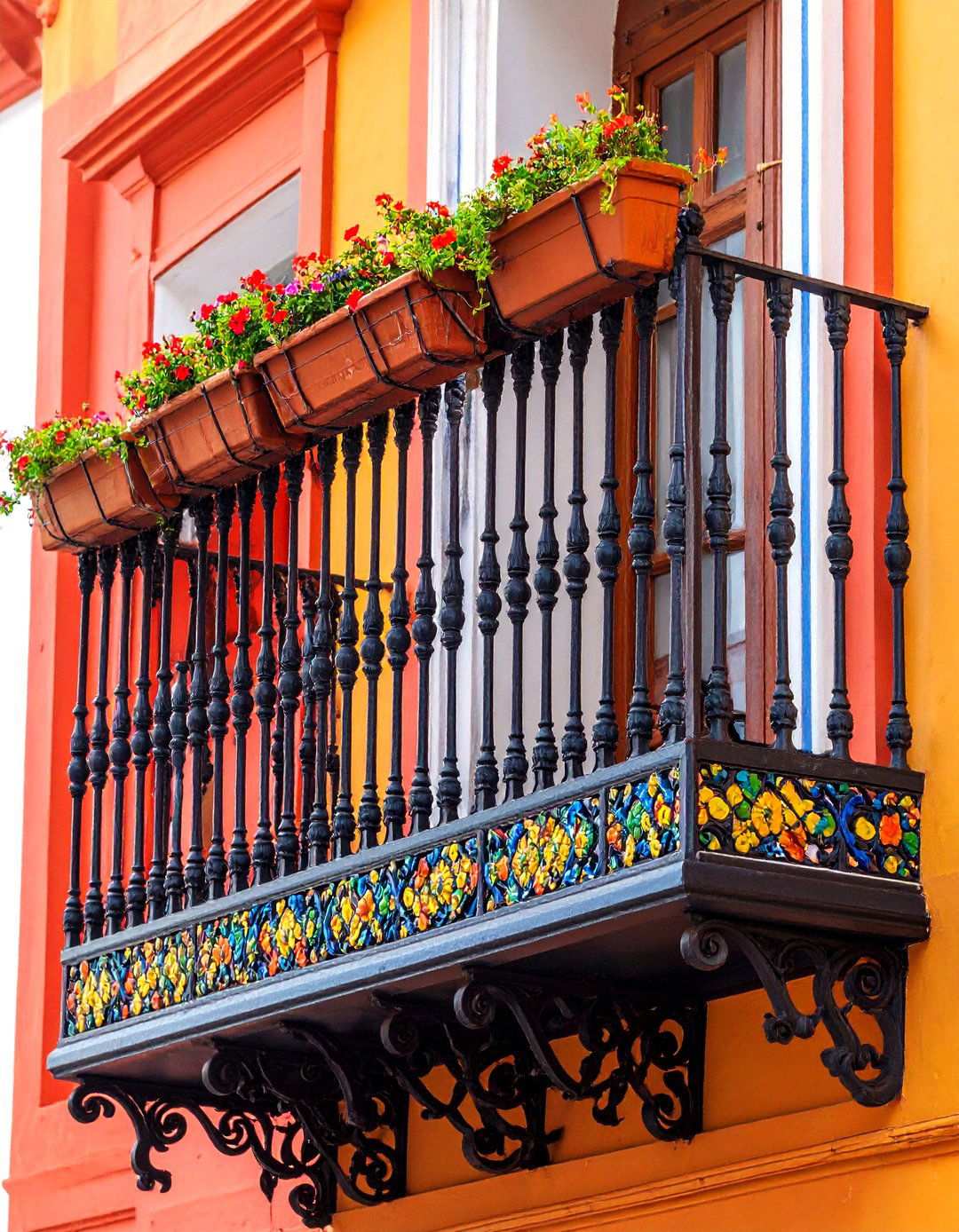
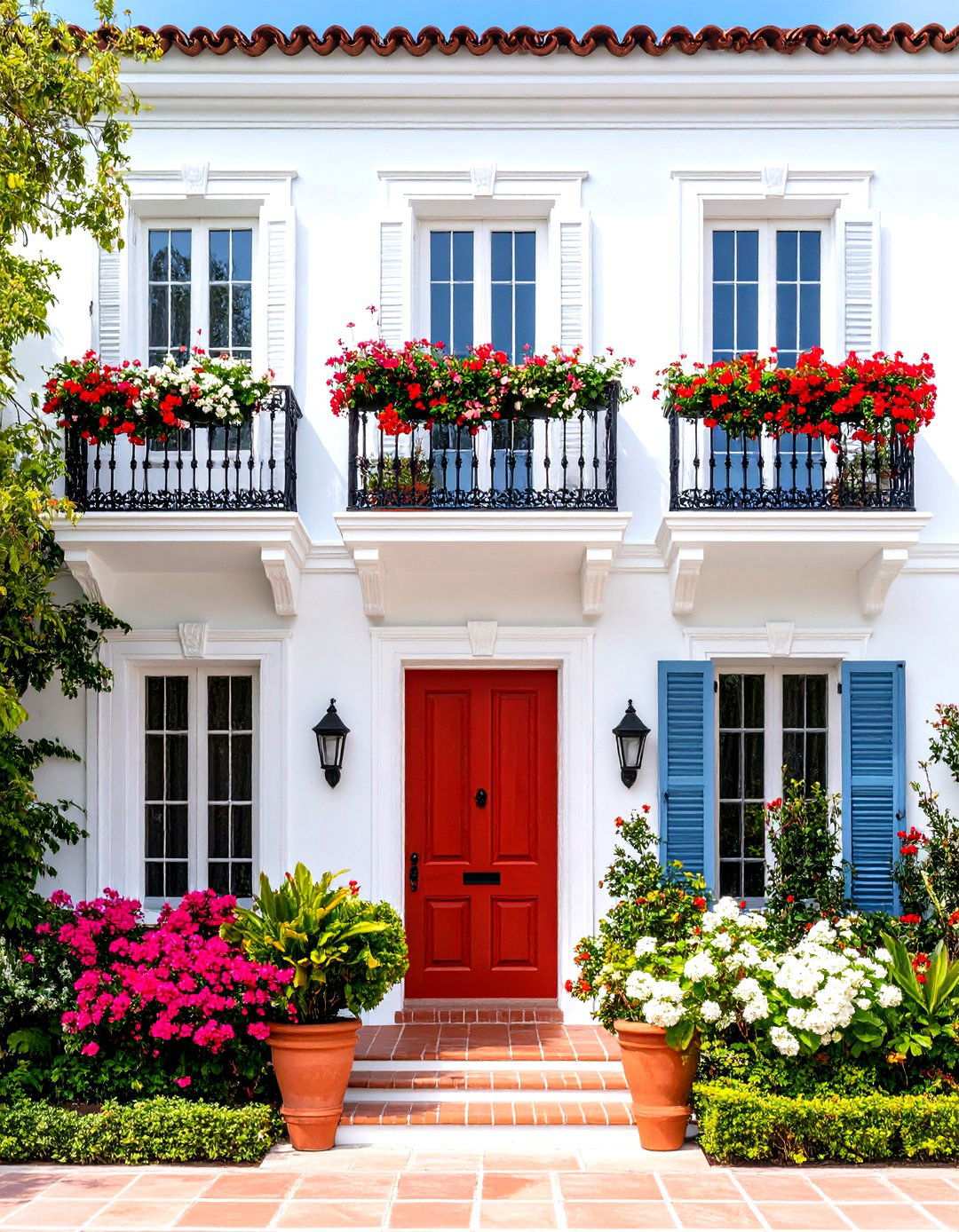
Intricate wrought iron details are a hallmark of Spanish Colonial Revival architecture, reflecting centuries of Moorish metalworking traditions. These handcrafted elements, crafted using traditional blacksmithing techniques, add security, beauty, and cultural authenticity to a building’s design. Wrought iron appears in window grilles, balcony railings, gate hardware, light fixtures, and decorative screens, creating a sense of drama and elegance. The dark color of wrought iron contrasts beautifully with white stucco walls, while its organic curves complement the style’s arched openings and flowing forms. What’s more, modern fabrication methods allow for more precise and affordable reproduction of traditional patterns, though hand-forged elements remain the gold standard for authentic projects. By strategically placing wrought iron accents, homeowners can transform simple buildings into architecturally rich compositions that celebrate Spanish heritage and craftsmanship traditions.
8. Elevating Interiors with Decorative Tiles
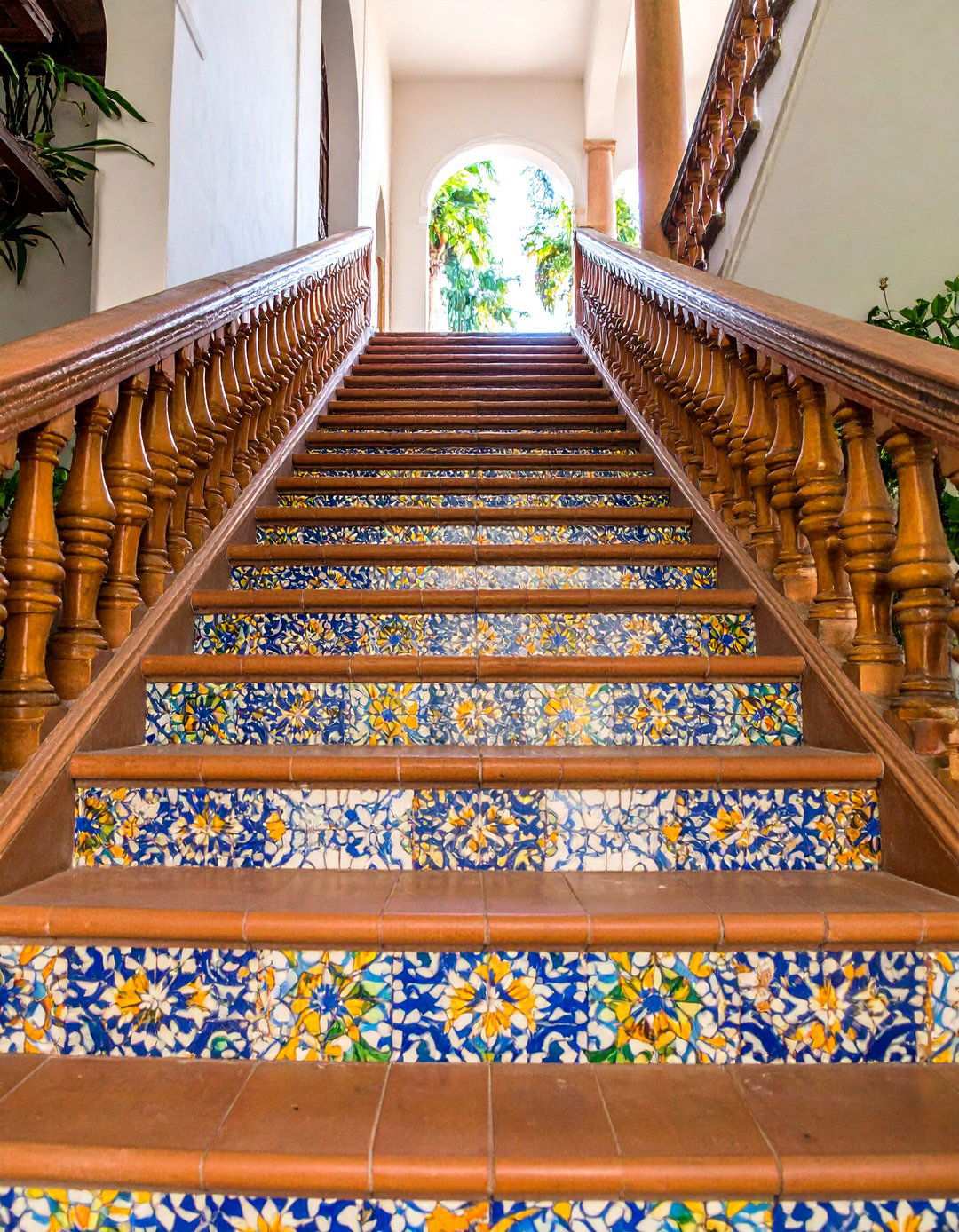
In Spanish Colonial Revival architecture, vibrant ceramic tiles play a starring role in celebrating the rich heritage of Iberian and Moorish decorative arts. These colorful elements, often found on stair risers, fountain surfaces, kitchen backsplashes, and accent walls, serve as focal points that inject personality and pattern into neutral schemes. By incorporating hand-painted Talavera tiles from Mexico, geometric Moorish patterns, or reproduction Spanish ceramics, contemporary projects can tap into the authentic charm of these traditional designs. But do decorative tiles offer more than just aesthetic appeal? Their glazed surfaces not only resist moisture and staining but also make them practical choices for kitchens, bathrooms, and outdoor applications. With installation techniques ranging from subtle accent borders to bold geometric murals, decorative tiles can be used to create a wide range of visual effects. By carefully selecting and placing these tiles, designers can transform ordinary spaces into sophisticated environments that evoke the elegance of Mediterranean settings.
9. Blurring Boundaries between Indoors and Outdoors
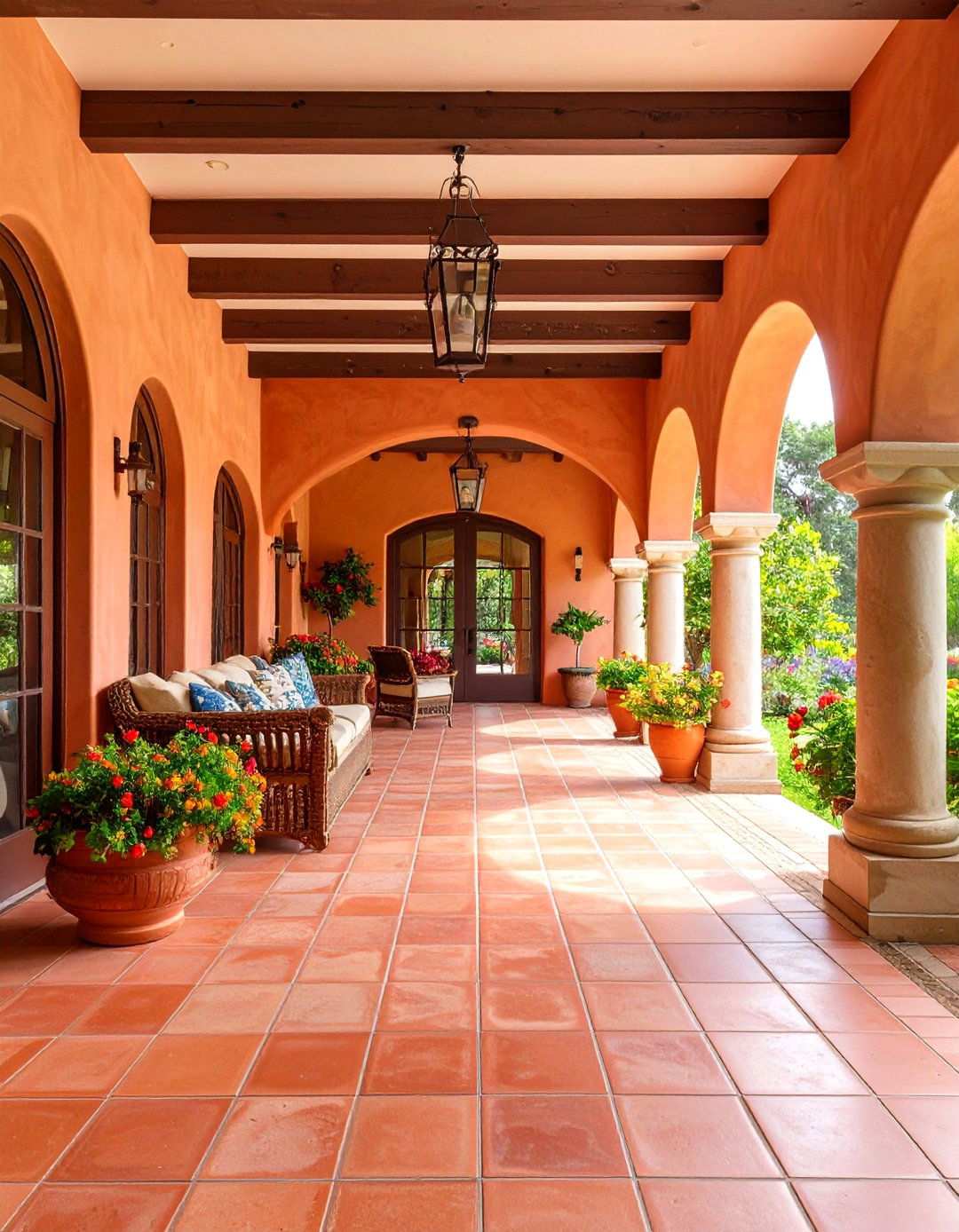
Spanish Colonial Revival architecture pioneered the concept of seamless indoor-outdoor living spaces that has become a hallmark of modern California lifestyle. This approach is characterized by the use of covered loggias, arcaded walkways, and shaded terraces to extend interior rooms into garden settings. By doing so, these spaces become flexible and adaptable, responding to changing climate and social needs. The elimination of barriers between inside and outside, achieved through the use of French doors, floor-to-ceiling windows, and retractable walls, allows for natural ventilation and visual connections to the landscape. What makes indoor-outdoor living feel so naturally appealing? It taps into human desires for fresh air, natural light, and a connection to nature while providing shelter and comfort. In a covered outdoor room, the same ceiling treatments, flooring materials, and furniture arrangements found in interior spaces create a unified design scheme. Modern interpretations of this concept incorporate contemporary technologies like retractable screens, outdoor kitchens, and weather-resistant electronics to enhance outdoor comfort and functionality while maintaining the style’s essential character.
10. Reviving Spanish Colonial Elements
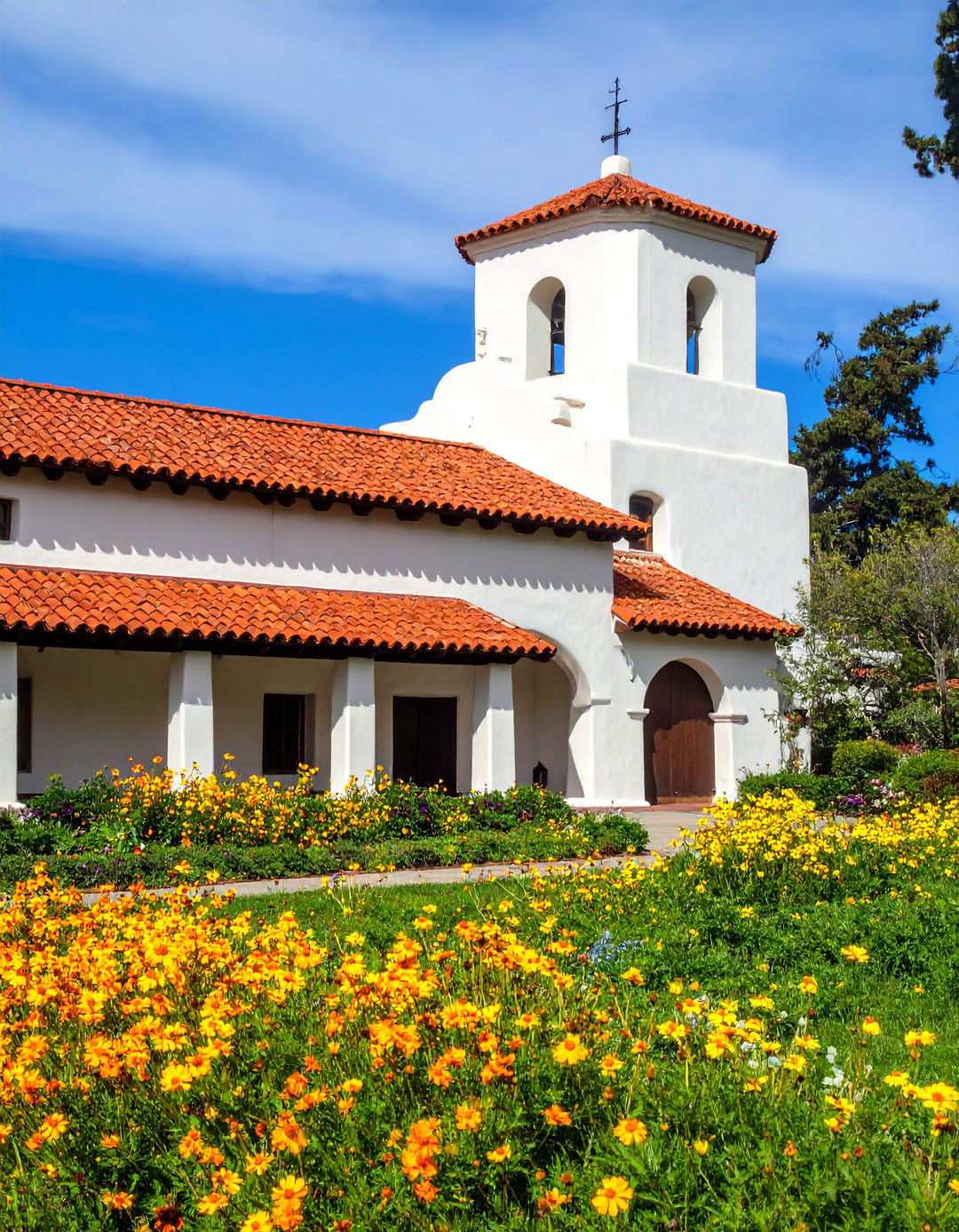
The Spanish Colonial Revival style drew inspiration from the simple yet striking Mission Revival architecture of early California missions. With their characteristic stucco walls, red tile roofs, and distinctive curved parapets, these ecclesiastical structures provided a readily recognizable framework for architects to adapt to contemporary residential design. As architects sought to translate this style into residential buildings, they emphasized clean lines, minimal ornamentation, and practical functionality, all of which were well-suited to the building budgets and construction methods of the early 20th century. By incorporating ornate details from Spanish Baroque, Churrigueresque, and Moorish traditions, Spanish Colonial Revival architects created richer, more varied compositions that paid homage to historical precedents while establishing a distinctly American architectural identity. The mission bell tower, in particular, became a popular decorative element, while mission-style arched arcades provided practical covered walkways that allowed residents to seamlessly transition between indoor and outdoor living spaces. This emphasis on courtyards, outdoor living, and climate-responsive design further solidified Spanish colonial architecture’s place in American architectural heritage.
11. Weaving a Mediterranean Tapestry
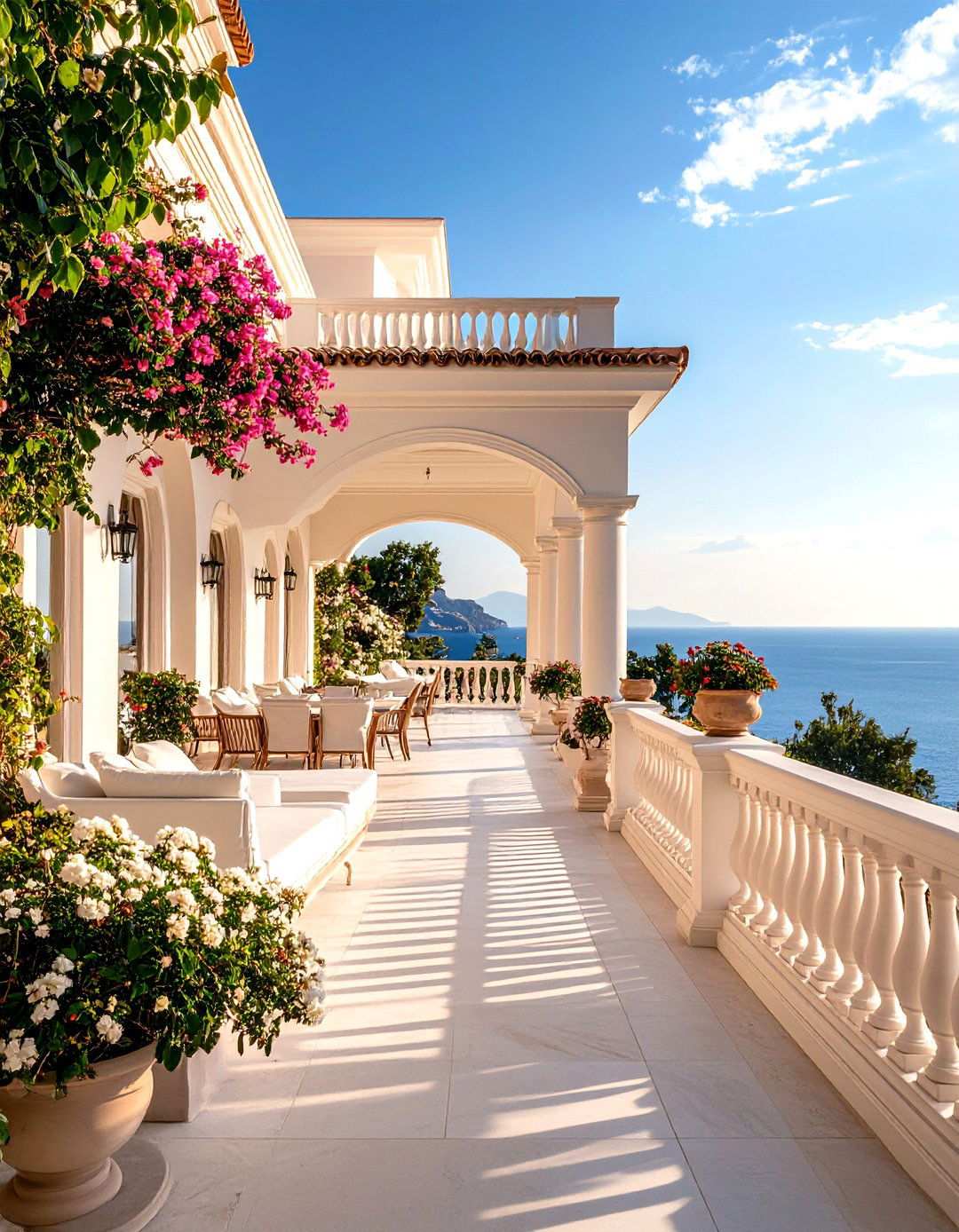
As Spanish Colonial Revival architecture evolved, it developed alongside a related yet distinct style: Mediterranean Revival. This architectural movement drew inspiration from Italian and French coastal traditions, incorporating elements such as stucco walls, tile roofs, and arched openings into its designs. However, Mediterranean Revival architects often took a more refined approach, incorporating classical details like columns, balustrades, and formal gardens into their work. What sets these styles apart? Spanish Colonial Revival tends toward asymmetrical compositions and rustic materials, while Mediterranean Revival often features more symmetrical facades and refined details. This dichotomy allows for a rich diversity of styles, with many buildings successfully combining elements from both traditions to create unique compositions that celebrate the broader Mediterranean architectural heritage. By incorporating Italian loggia designs, French wrought iron work, and Spanish ceramic tiles, architects could create eclectic yet cohesive buildings that responded to specific site conditions, client preferences, and regional building traditions, all while maintaining a strong sense of Mediterranean character.
12. Evolving Monterey Style Traditions
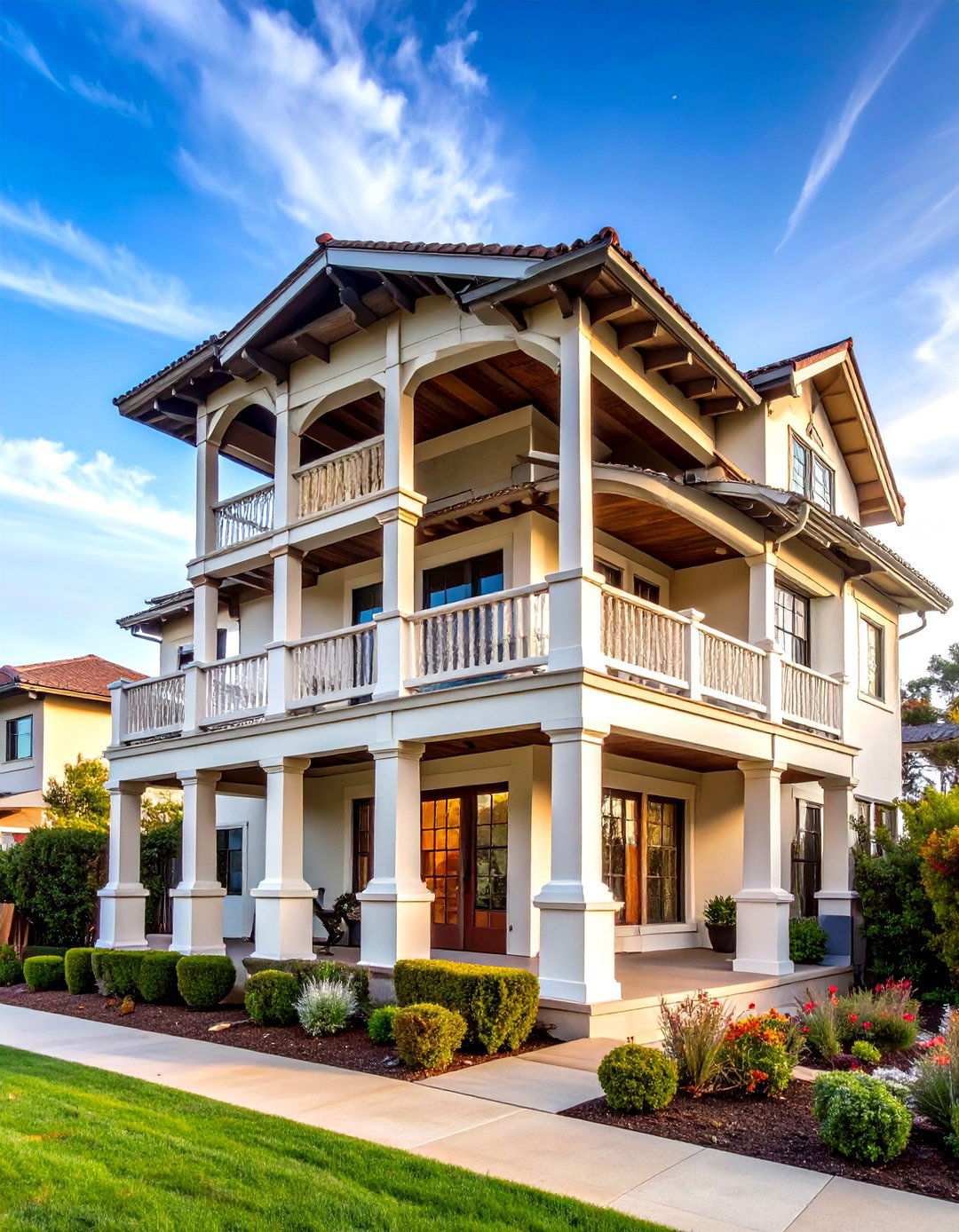
Monterey’s architectural identity is a captivating blend of Spanish Colonial and New England Colonial influences, resulting in a distinctive style that is quintessentially Californian. This unique fusion arose from the cultural exchange that occurred when Anglo settlers arrived in Mexican California, giving rise to a style that not only reflects the local climate but also accommodates the lifestyle preferences of both Spanish and American settlers. The covered balcony, a defining feature of Monterey architecture, serves multiple purposes – it provides outdoor living space, offers weather protection, and adds architectural interest while creating a sense of regional identity. Classic examples of Monterey buildings often feature adobe walls, hip roofs, and simple wooden details, while modern revivals may incorporate contemporary elements like larger windows and updated mechanical systems while maintaining the style’s essential character.
13. California's Architectural Legacy Takes Shape
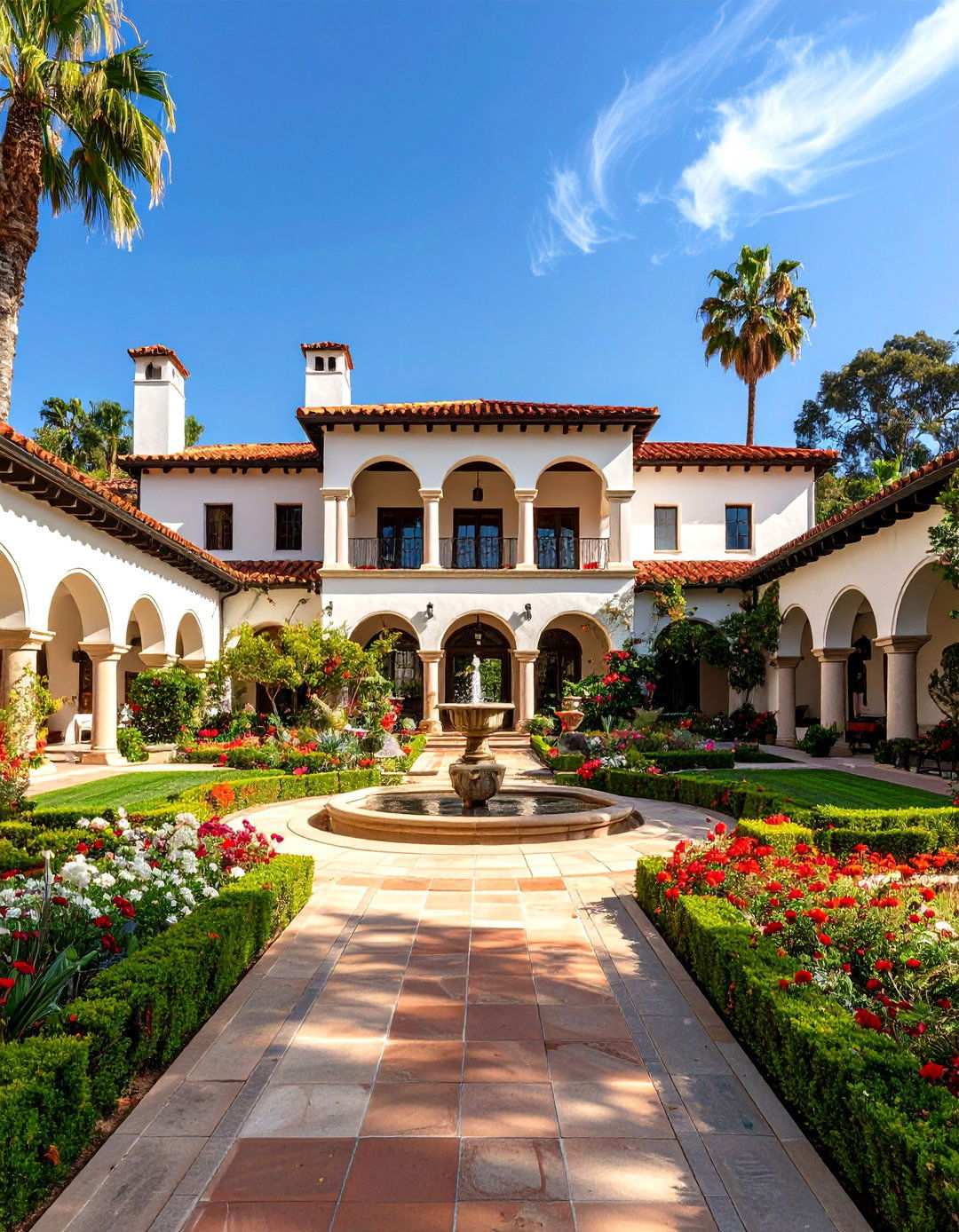
California emerged as the hub for Spanish Colonial Revival development, where the style reached its most authentic and varied expressions. From the post-earthquake reconstruction of Santa Barbara, which showcased a unified architectural vision, to the opulent estates of Hollywood, California architects pushed the boundaries of the Spanish colonial vocabulary. The state’s unique combination of Spanish heritage, Mediterranean climate, and rapid population growth created an ideal environment for architectural innovation and experimentation. Noted architects like George Washington Smith, Wallace Neff, and Julia Morgan pioneered regional approaches to the style, ranging from Santa Barbara’s refined interpretations to Los Angeles’s more dramatic expressions. The style proved adaptable to various building types, from modest bungalows to grand estates, commercial buildings to apartment complexes, cementing California’s Spanish Colonial Revival buildings as design standards that influenced development throughout the Southwest and beyond.
14. Florida's Distinctive Architectural Heritage
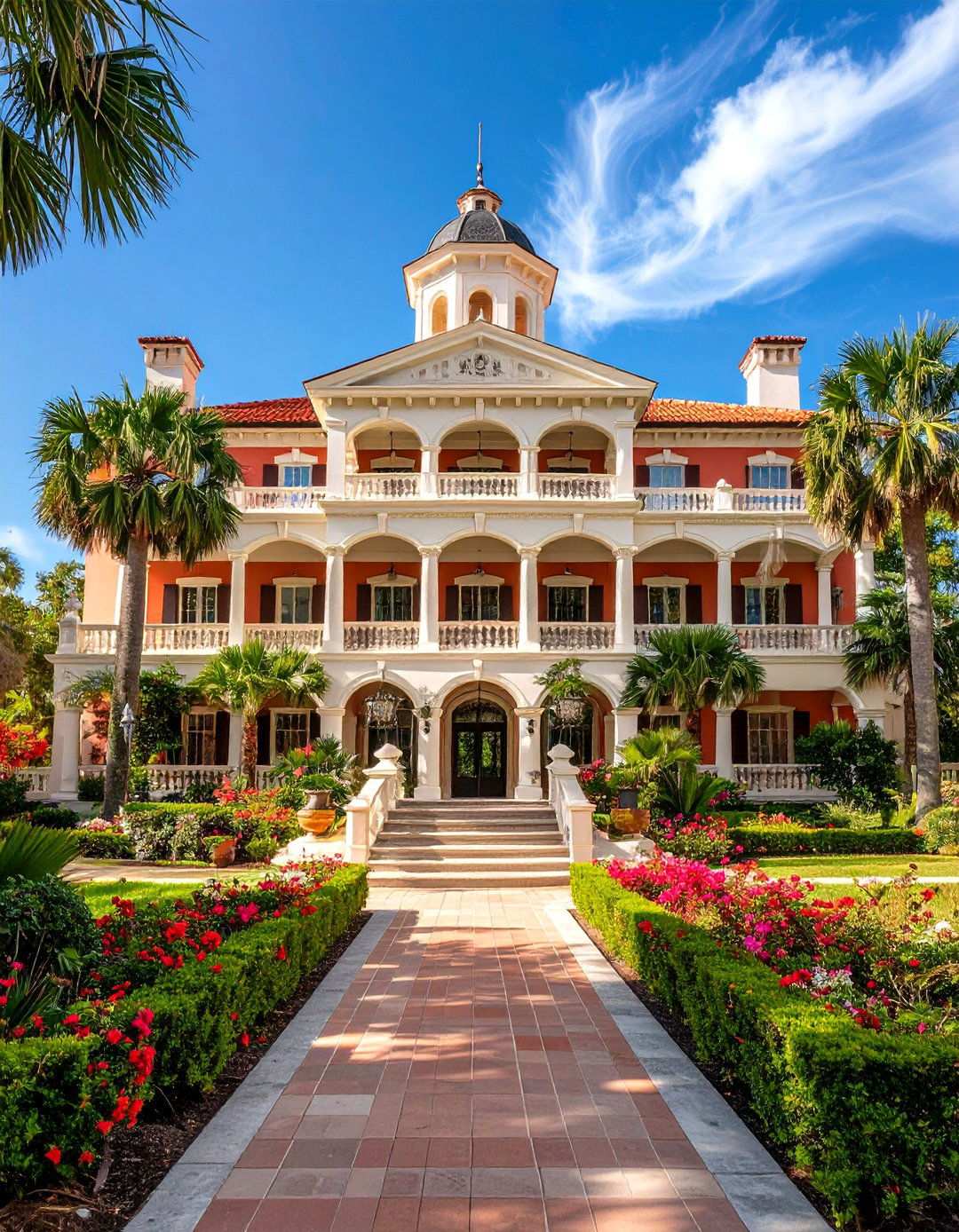
Florida’s Spanish Colonial Revival architecture is a testament to the state’s rich cultural history, blending the elegance of old-world charm with the allure of a winter paradise for the wealthy elite. The architectural style, which originated with Henry Flagler’s majestic hotels in St. Augustine in the 1880s, showcased an emphasis on ornate decorative elements and luxurious resort-like amenities, setting it apart from its western counterparts. By virtue of its subtropical climate, Florida’s unique architectural solutions focused on ventilation strategies, resulting in sprawling porches, lofty ceilings, and a pronounced emphasis on cross-ventilation. The city of Coral Gables epitomizes this architectural style, featuring a meticulously planned community with unified design standards and exuberant Mediterranean-inspired details. The state’s abundant limestone and lush tropical landscaping imbued a distinct regional character that influenced building design far beyond Florida’s borders, particularly in the Southeast. As the style continues to evolve, modern Florida Spanish Colonial Revival has successfully merged historical elements with contemporary comfort standards, while retaining its inherent romance and connection to the state’s Spanish heritage.
15. The Southwestern Twist
Texas Spanish Colonial Revival architecture is a fascinating reflection of the state’s complex cultural identity, situated at the crossroads of Spanish, Mexican, and Anglo-American influences. San Antonio emerged as a hub for this architectural style, with the McNay Art Museum exemplifying a sophisticated approach to Spanish colonial design. What sets Texas Spanish Colonial Revival apart from its eastern counterparts is its distinct southwestern flavor. The state’s vast expanses of open land, scorching temperatures, and ranching heritage all contributed to architectural solutions that emphasized horizontal lines, deep overhangs, and solid, fortress-like structures. Thick stucco walls provided insulation against the blistering heat, while courtyards and arcades created shaded outdoor spaces that shielded residents from the harsh sun and wind. Native limestone often replaced imported materials, and local artisanal traditions influenced decorative details. As modern Texas interpretations continue to evolve, they maintain the practical considerations of their predecessors, incorporating contemporary amenities and technologies to create buildings that celebrate the state’s rich multicultural heritage while meeting the demands of modern functionality.
16. Pueblo Revival Influences
The Pueblo Revival architectural style played a pivotal role in shaping the broader Spanish Colonial Revival movement, particularly in New Mexico and Arizona, where the fusion of Native American building traditions with Spanish colonial practices gave rise to a unique and captivating aesthetic. Characterized by flat roofs, projecting vigas, rounded corners, and earthy stucco finishes, Pueblo Revival architecture celebrates the organic, hand-built qualities of traditional adobe construction, which not only resonate with the region’s indigenous heritage but also offer practical solutions for desert climates and readily available materials. By emphasizing horizontal massing and integration with the landscape, Pueblo Revival architects inspired a new wave of site-responsive designs that harmonized seamlessly with their surroundings. As a result, Pueblo Revival elements such as stepped parapets, beehive fireplaces, and latilla ceilings became integral components of Spanish Colonial Revival architecture throughout the Southwest, giving rise to hybrid designs that beautifully encapsulated the region’s multicultural identity. Today, modern interpretations of Pueblo Revival continue to synthesize traditional and contemporary elements, using cutting-edge materials and techniques to achieve timeless appearances while meeting the demands of modern building codes and comfort standards.
17. Churrigueresque Ornamentation
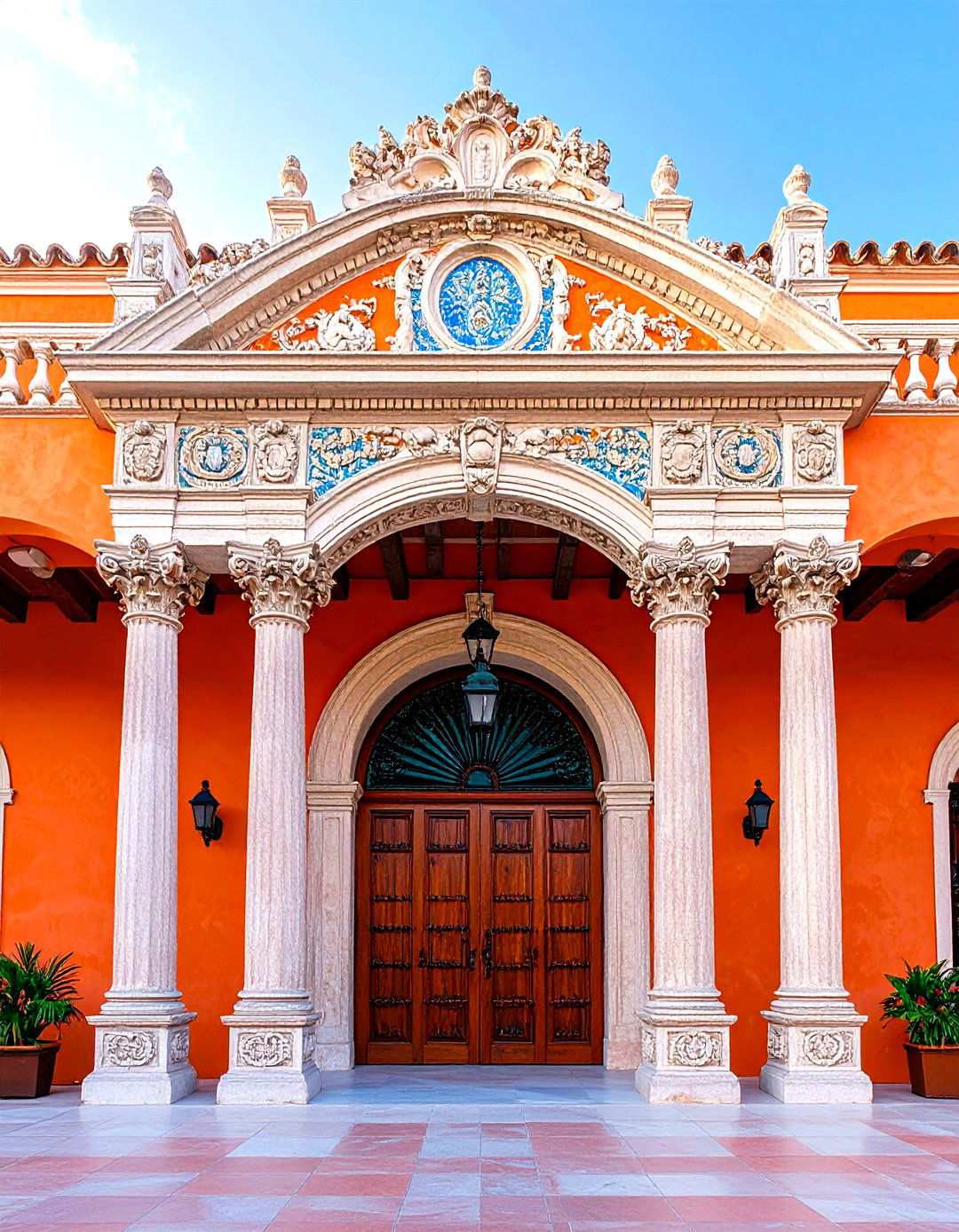
Churrigueresque decoration stands out as the most elaborate and theatrical aspect of Spanish Colonial Revival design, drawing inspiration from 18th-century Spanish Baroque architecture and its innovative interpretations in the New World. Named after the illustrious architect José Benito de Churriguera, this ornate style features intricately carved stonework, elaborate entrance surrounds, and richly detailed facades that create breathtaking focal points on otherwise understated buildings. What sets Churrigueresque ornamentation apart is its masterful manipulation of contrast, whereby the dense concentration of decorative elements creates a dramatic visual tension with plain stucco walls, while its organic, flowing forms evoke the natural growth patterns found in the region’s unique landscape. Traditional applications of Churrigueresque ornamentation focus on decorating main entrances, where carved portal surrounds frame doorways with twisted columns, elaborate pediments, and intricate relief sculptures. Modern reproductions of this style may employ cast concrete or fiberglass to achieve similar effects at a lower cost, although hand-carved stone remains the ultimate expression of this decorative tradition that transforms simple buildings into architectural masterpieces.
18. Crafting a Timeless Color Palette
The enduring charm of Spanish Colonial Revival architecture stems from its thoughtfully chosen color palette, which harmoniously blends with the natural hues of Mediterranean and southwestern landscapes. By incorporating warm whites, creamy tones, and light earthy shades for wall surfaces, architects create a visual connection to the surrounding environment. The incorporation of natural red clay tiles and dark brown or black wrought iron details adds depth and texture to the design. What makes these color combinations so captivating is their ability to evoke the feeling of sun-kissed earth, weathered wood, and the warmth of a bygone era. Accent colors inspired by traditional Spanish ceramics – including vibrant blues, emerald greens, and golden yellows – add a pop of color and visual interest. By drawing from these rich colors, interior designers can create inviting atmospheres that are both warm and inviting. As a result, buildings feel deeply rooted in their natural surroundings, fostering a sense of harmony with the environment.
19. Evolving Tradition with Modern Touches
Modern interpretations of Spanish Colonial Revival architecture successfully balance historical authenticity with contemporary lifestyle requirements, building codes, and innovative construction technologies. Architects successfully integrate modern functionality into traditional forms, creating homes that are both aesthetically pleasing and practical. By focusing on maintaining key visual elements such as stucco walls, tile roofs, and arched openings, designers can create a seamless transition between history and modernity. The use of energy-efficient windows, modern HVAC systems, and smart home technologies allows for a harmonious blend of old and new. Furthermore, contemporary kitchens and bathrooms can incorporate Spanish-inspired materials and colors, creating a sense of continuity with the past while meeting the demands of modern living. By embracing sustainable building practices, homeowners can enjoy the benefits of a climate-responsive design while also reducing their environmental footprint.
20. Landscape Integration
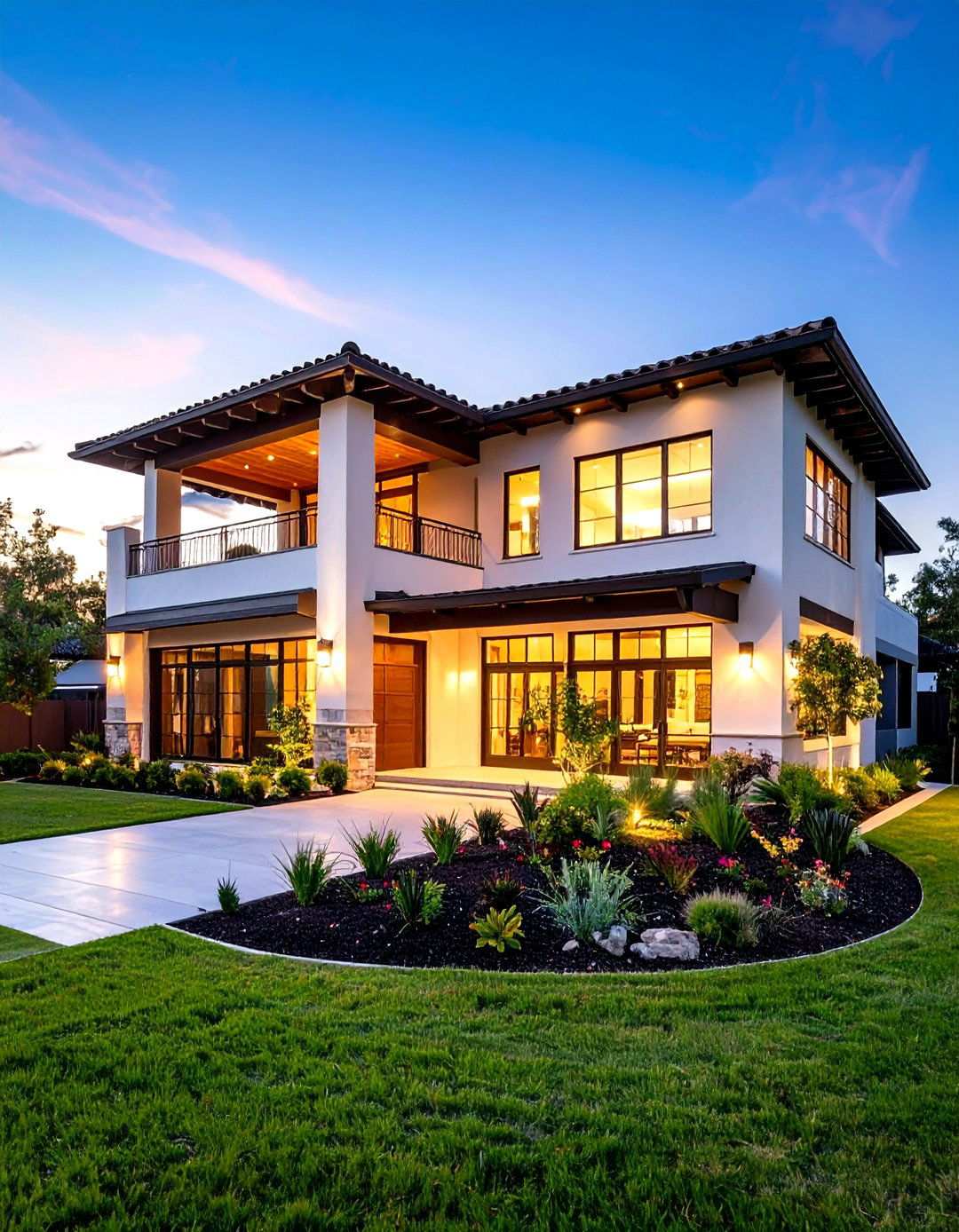
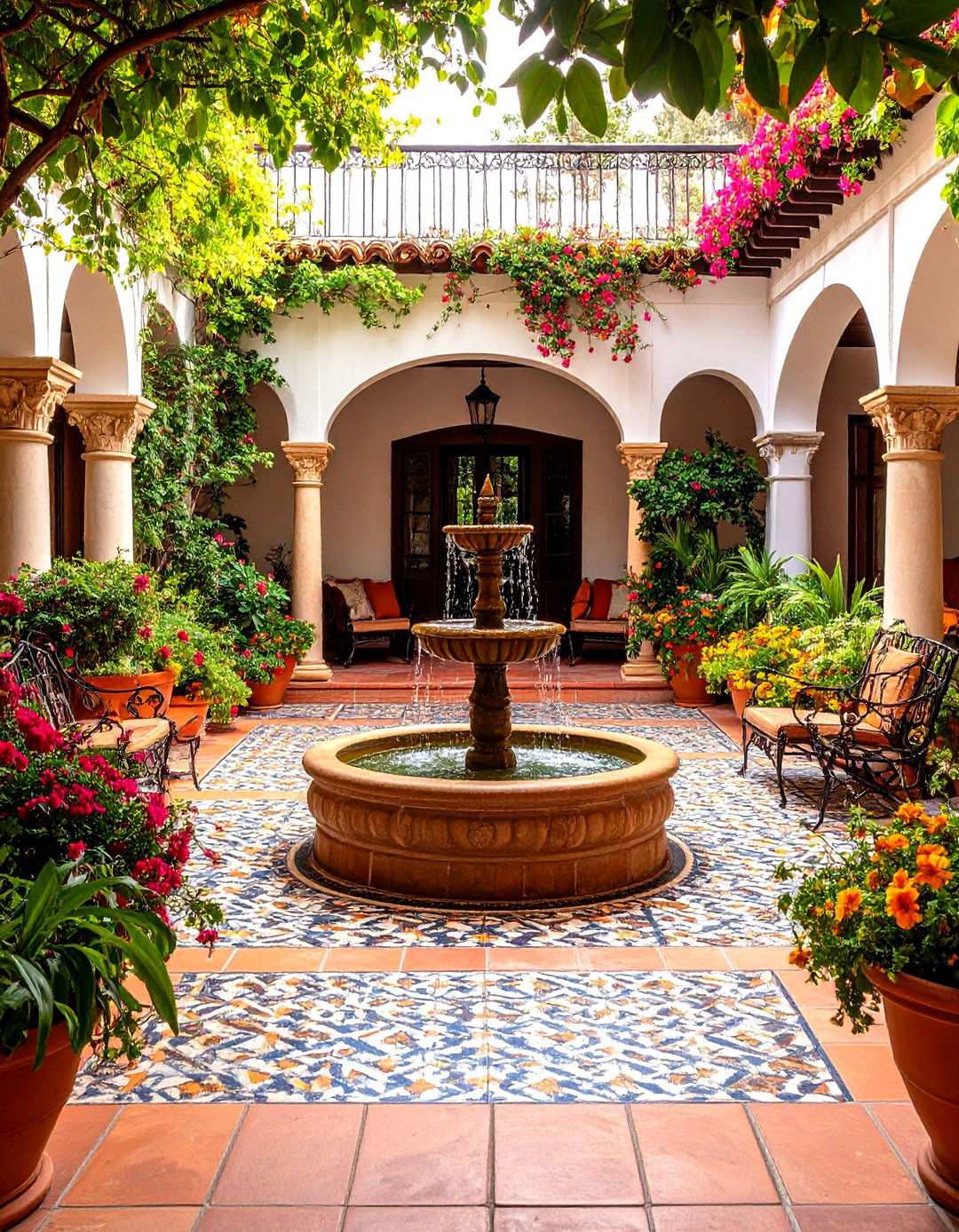
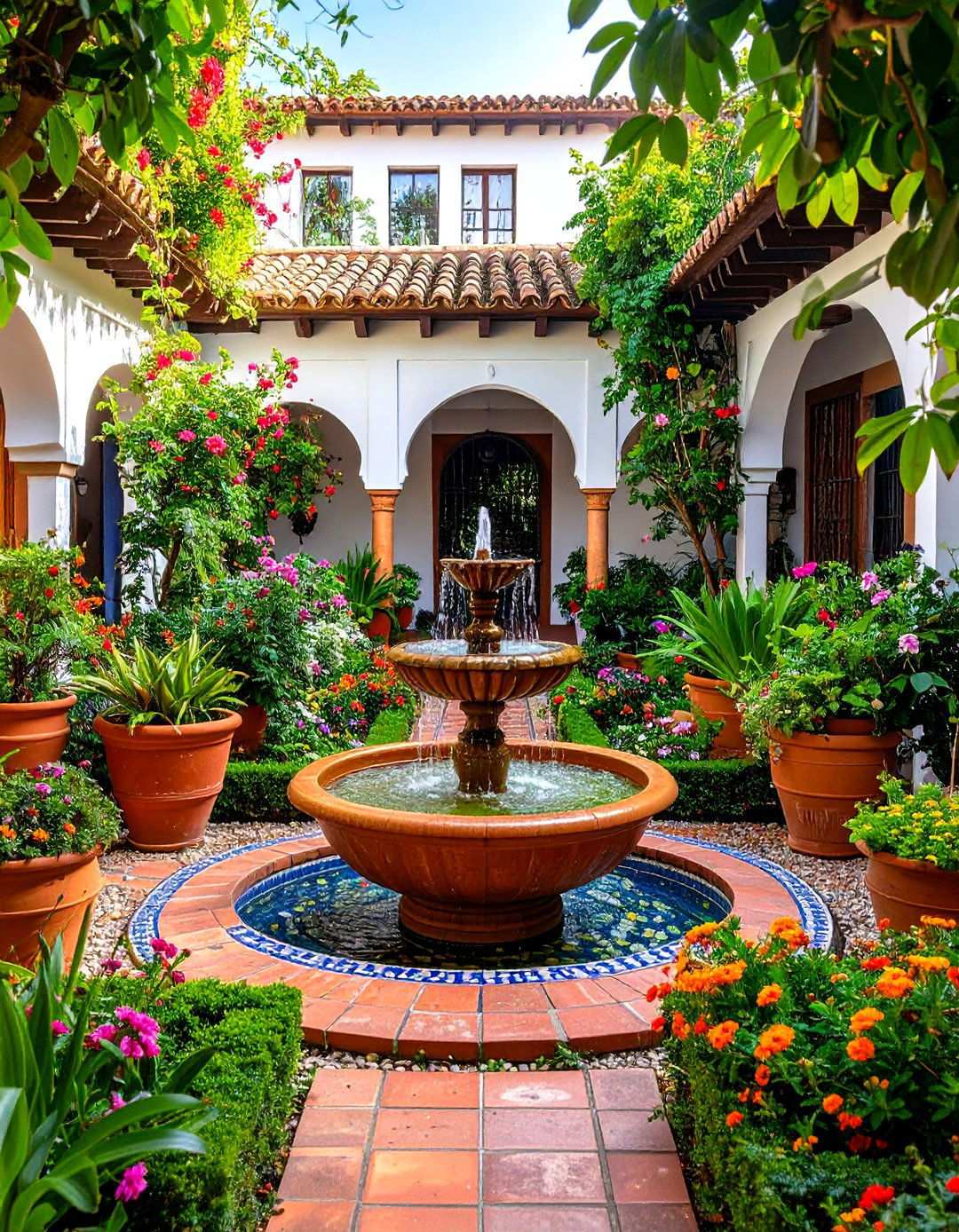
The seamless fusion of architecture and garden in Spanish Colonial Revival landscape design creates a harmonious and captivating outdoor experience. By expertly combining elements of traditional Mediterranean plantations, Spanish Colonial Revival gardens craft stunning and functional spaces that celebrate outdoor living. Central to this aesthetic are formal courtyards with central fountains, geometric planting beds, and decorative paving that elegantly extends interior floor patterns into the outdoors. This thoughtful approach not only cools microclimates through strategic use of shade trees, water features, and wind-channeling architectural elements but also provides a picturesque backdrop for outdoor activities. Plant selections often feature drought-tolerant species such as citrus trees, lavender, rosemary, and bougainvillea, which not only thrive in Mediterranean climates but also provide fragrance, color, and practical benefits. Furthermore, decorative elements like colorful ceramic pots, wrought iron furniture, and hand-painted tiles cleverly echo interior design themes.
Modern landscape designs thoughtfully blend these timeless principles with contemporary irrigation systems, native plant species, and sustainable maintenance practices that significantly reduce water consumption and environmental impact. By embracing this approach, homeowners can enjoy the beauty and functionality of Spanish Colonial Revival gardens in a more environmentally conscious way.
21. Interior Design Elements
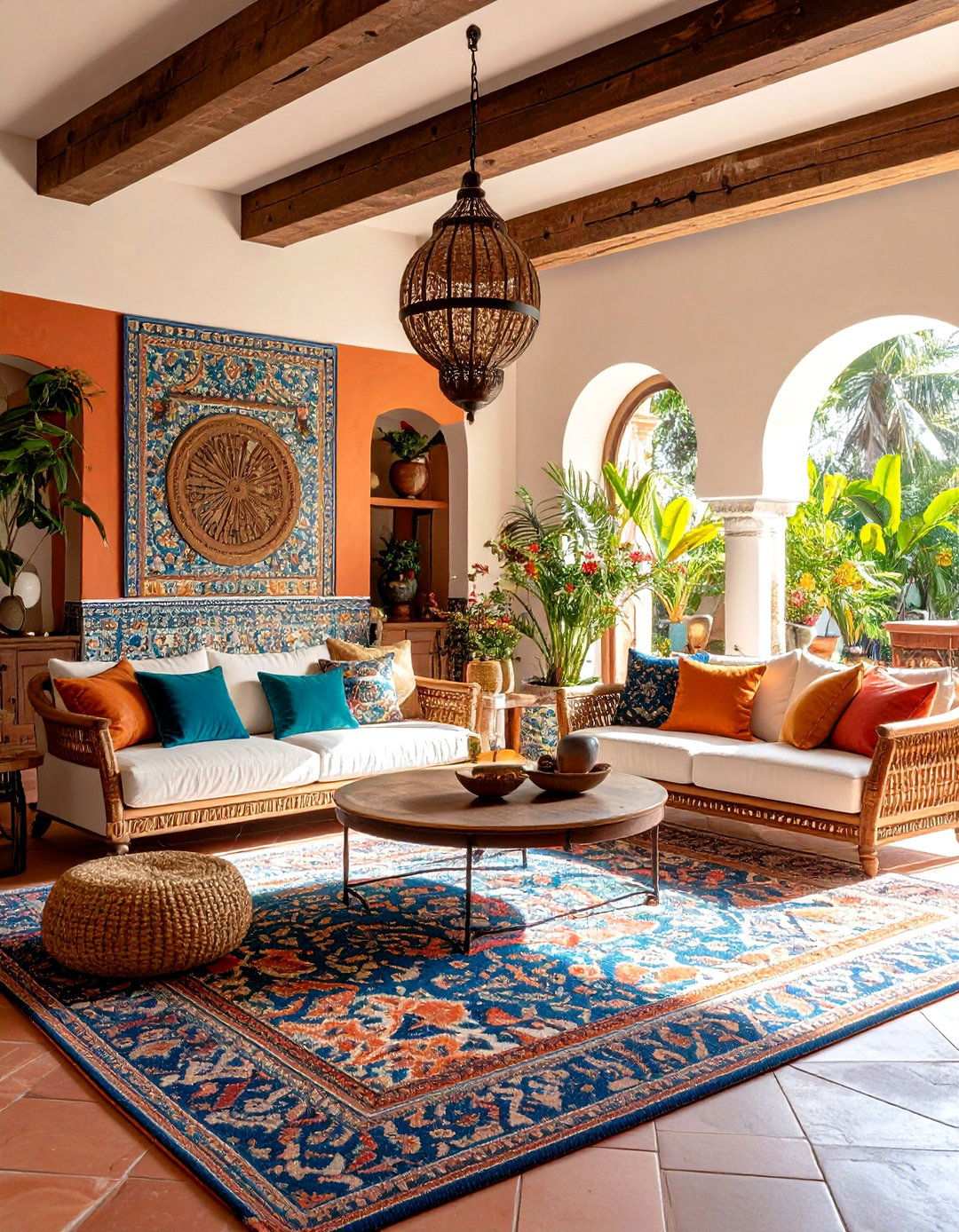
Spanish Colonial Revival interiors exude warmth and inviting charm through deliberate attention to materials, colors, and decorative elements that carefully support the architecture’s romantic character. Key features include exposed wooden ceiling beams, hand-painted tiles, wrought iron light fixtures, and textured wall finishes that provide visual interest and cultural authenticity. By emphasizing handcrafted materials and natural textures that age beautifully, these interior elements provide rich sensory experiences through varied surfaces, patterns, and forms. Furniture selections typically feature substantial wooden pieces with carved details, leather upholstery, and wrought iron accents that complement the architecture’s robust character. Textile elements like colorful rugs, tapestries, and pottery collections add layers of pattern and color that thoughtfully reflect Spanish and Mexican craft traditions. Modern interpretations of Spanish Colonial Revival interiors strike a perfect balance between authentic historical elements and contemporary comfort and functionality, creating spaces that feel both timeless and livable for modern lifestyle requirements while maintaining essential Spanish colonial character.
22. Harmonious Elegance: Furniture and Decorative Arts in Spanish Colonial Revival
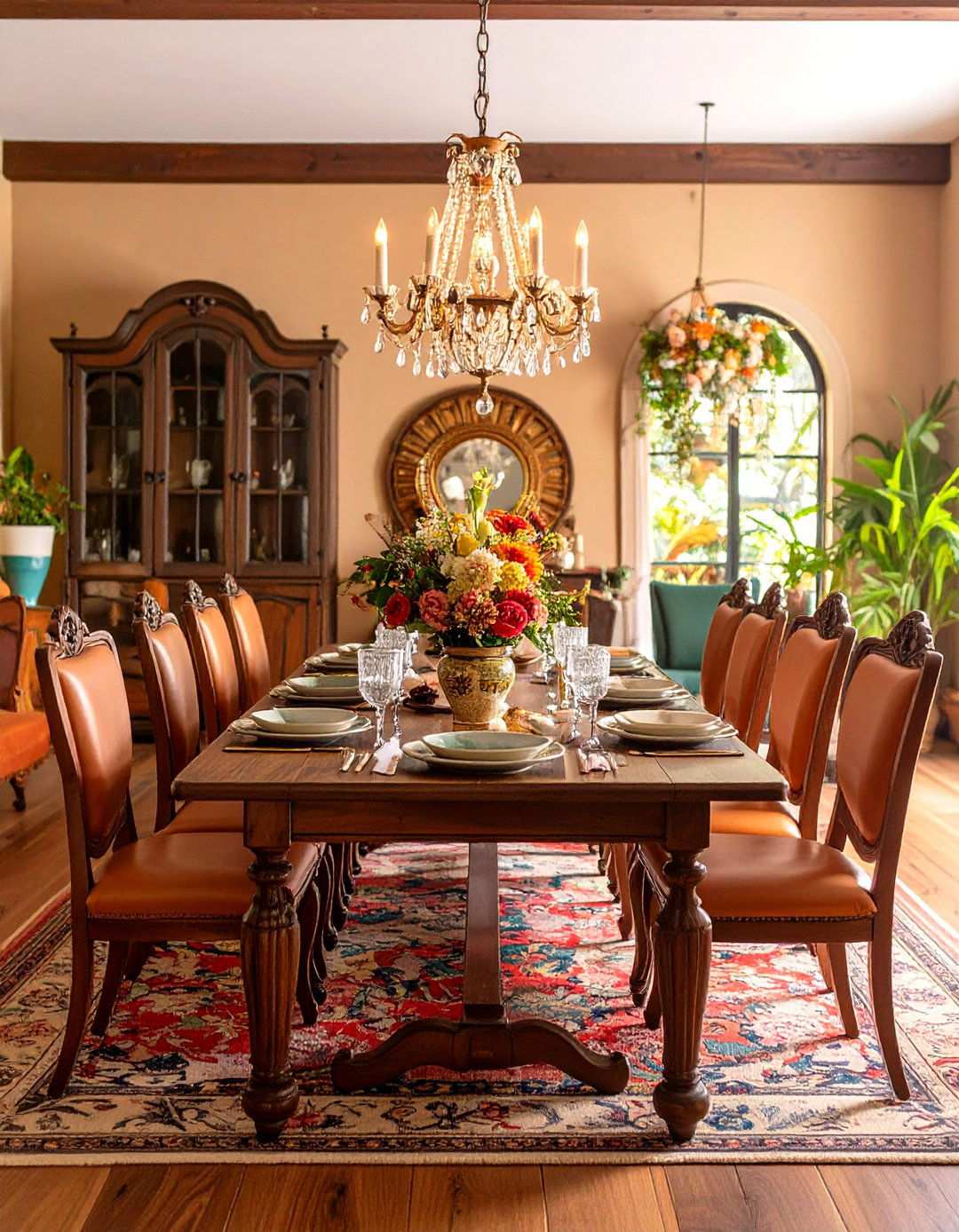
The captivating aesthetic of Spanish Colonial Revival interiors is deeply rooted in centuries of Spanish, Mexican, and southwestern craft traditions. These traditions emphasize the value of handmade quality and the use of natural materials, which beautifully complement the distinctive architectural style. Characteristic pieces include sturdy wooden tables adorned with intricate carvings, comfortable leather-seated chairs with wrought iron frames, and decorative cabinets that showcase exquisite ceramic collections and sacred artifacts. What makes these furnishings so perfectly suited to Spanish Colonial Revival interiors? Their substantial scale and rich materials skillfully balance the architecture’s emphasis on permanence and cultural authenticity with the need for practical functionality in modern living. Elegant decorative elements, such as hand-painted ceramics, wrought iron candlesticks, vibrant textiles, and spiritual artwork, thoughtfully reflect the architectural style’s spiritual and cultural underpinnings. Contemporary artisans continue to master traditional craft techniques, creating new pieces that honor historical precedents and make authentic designs accessible. The careful selection and arrangement of these decorative elements create interiors that feel like cherished heirlooms, carefully curated over time, rather than hastily purchased acquisitions. This approach supports the style’s emphasis on heritage and cultural continuity.
23. The Delicate Balance of Preservation and Restoration
Preserving and restoring Spanish Colonial Revival buildings requires a deep understanding of traditional materials, construction techniques, and decorative arts that may have fallen out of common use. Successful preservation projects must navigate a delicate balance between historical authenticity and modern building codes, accessibility requirements, and updated mechanical systems, all while maintaining the architecture’s essential character. What challenges do preservationists encounter when tackling these unique buildings? Original materials like lime-based stucco, handcrafted tiles, and wrought iron details often necessitate the expertise of specialized craftsmen and historically accurate replacement materials, which can be challenging to source and expensive to install. Structural issues frequently involve updating foundations, seismic strengthening, and improving insulation, while carefully preserving character-defining features like exposed beams and decorative elements. Modern preservation projects increasingly prioritize sustainable practices that extend the life of these buildings while minimizing their environmental impact. Collaborative efforts between professional preservation architects and skilled craftsmen help maintain these architectural treasures for future generations, ensuring that Spanish Colonial Revival buildings continue to serve their communities while safeguarding important cultural and architectural heritage.
24. Prolific Influence and Lasting Heritage
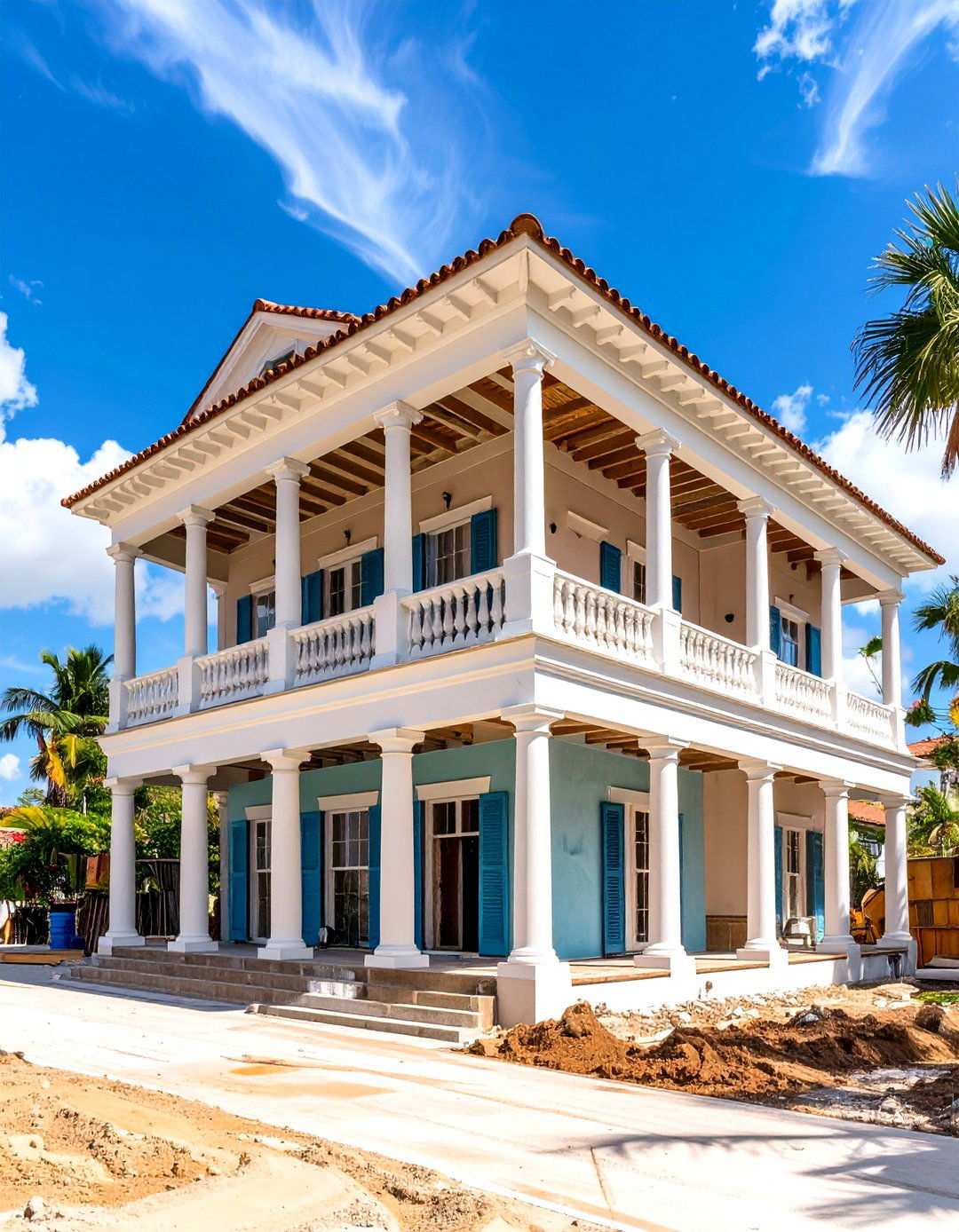
The far-reaching impact of Spanish Colonial Revival architecture reaches beyond its American roots, influencing buildings across the former Spanish empire and shaping contemporary design globally. This architectural style has successfully transcended geographical boundaries, with architects in diverse regions such as Australia, Argentina, and beyond embracing its timeless essence while adapting its elements to suit local climates, materials, and cultural nuances. What drives this widespread and enduring influence, allowing the style to resonate with people worldwide? By prioritizing climate-responsive design, seamless indoor-outdoor living, and cultural continuity, Spanish Colonial Revival architecture addresses fundamental human needs while offering versatile frameworks for regional adaptation and personal expression. The style’s unique blend of European refinement with indigenous building traditions serves as a model for modern architects seeking to create culturally ingrained, environmentally conscious designs. Contemporary interpretations of this style seamlessly integrate cutting-edge technologies and sustainable practices, preserving traditional proportions, materials, and ornamental details. This architectural legacy showcases the capacity of historical styles to evolve and adapt to changing times while retaining their core cultural significance and visual allure for successive generations.