1. Classic White Stucco with Terracotta Roof Design
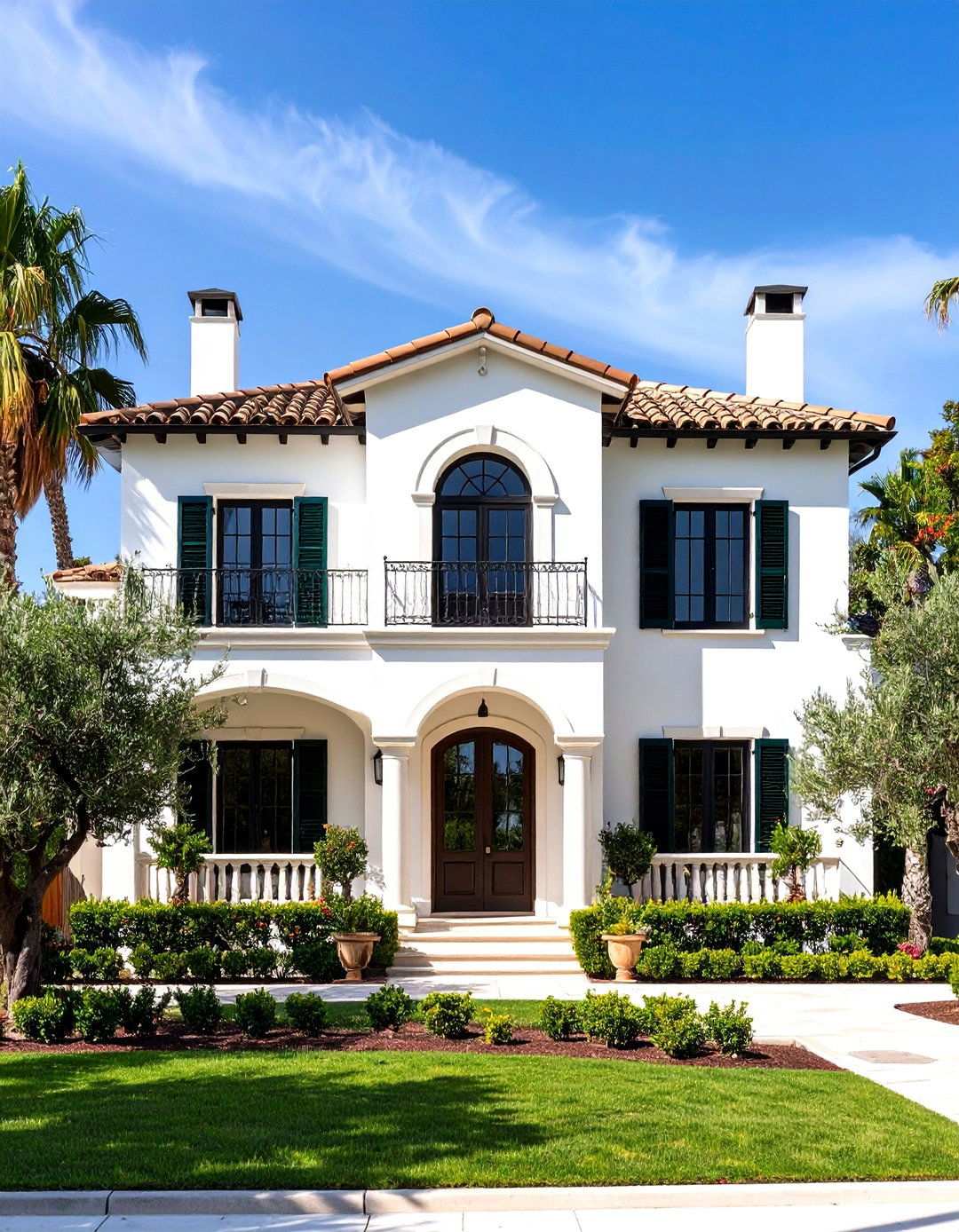
For those seeking a quintessential Mediterranean look, the timeless combination of crisp white stucco walls and warm terracotta roof tiles is a compelling choice. This harmonious blend creates a striking visual effect that never goes out of style, effortlessly balancing elegance with functionality. As sunlight illuminates the smooth white exterior, it beautifully reflects the surroundings while also keeping interiors cool, perfectly complemented by the earthy richness of clay tiles overhead. The classic aesthetic is further enhanced by arched windows and doorways, while wrought iron balconies add a touch of sophistication. This design works particularly well when paired with dark green shutters and lush landscaping featuring olive trees and lavender, creating a sophisticated backdrop that highlights architectural details without overwhelming the senses.

As an Amazon Associate I earn from qualifying purchases.
2. Warm Beige Stucco with Stone Accent Features
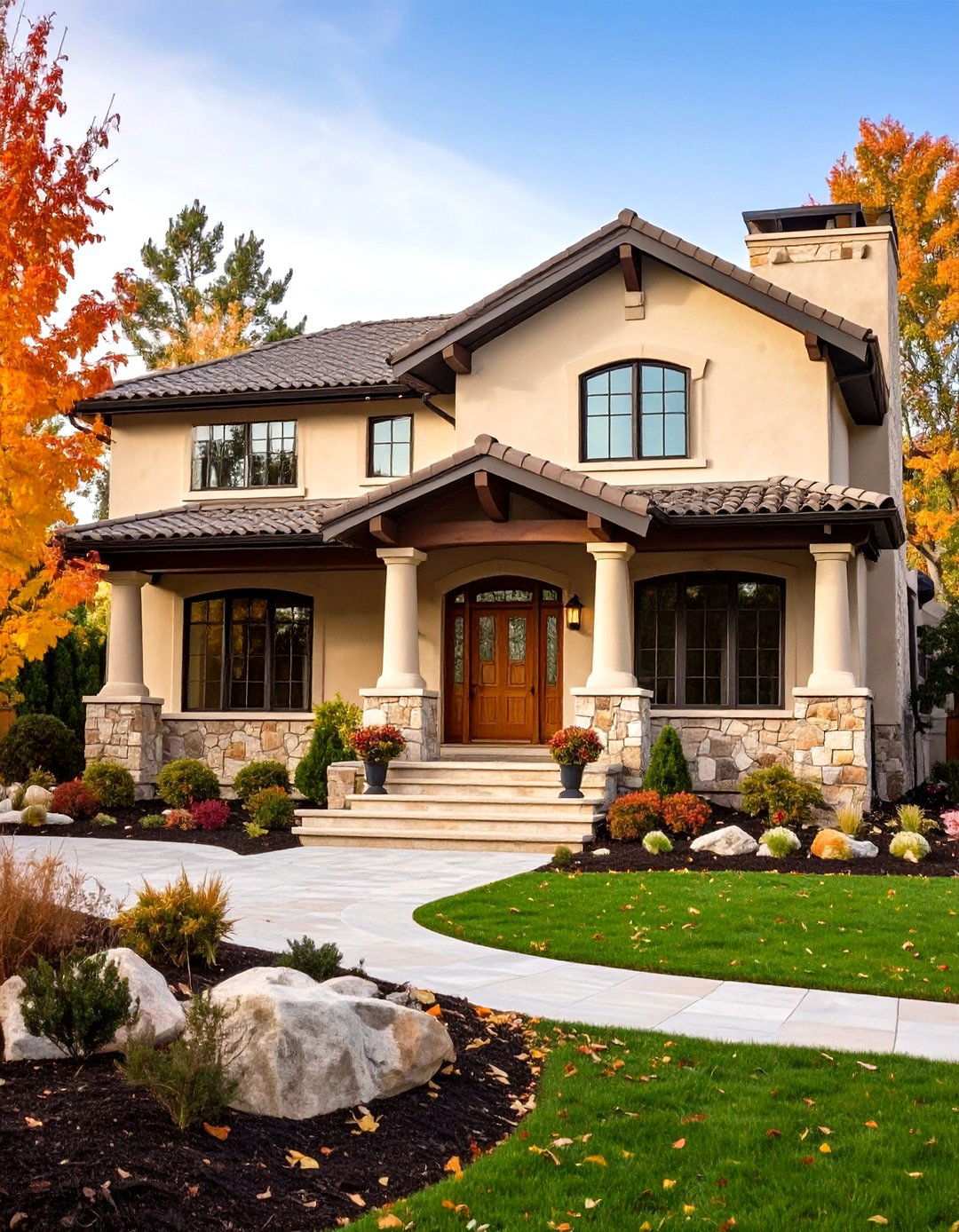
By embracing the Mediterranean’s affinity for natural materials, homeowners can create a stunning visual display with warm beige stucco paired with natural stone accents. This thoughtful approach combines a neutral foundation with sophisticated color coordination, allowing the design to age beautifully over time. The beige base provides a versatile canvas that works beautifully with limestone or travertine details around entryways, window frames, and architectural corners, adding a touch of grandeur while maintaining the style’s inherent warmth. Stone columns flanking the entrance add a sense of drama, while terracotta roof tiles complete the palette, creating a cohesive design that feels both luxurious and approachable. This combination harmonizes seamlessly with various landscaping options, making it an attractive choice for those seeking a Mediterranean-inspired home.
3. Soft Peach Exterior: Inviting Warmth and Hospitality
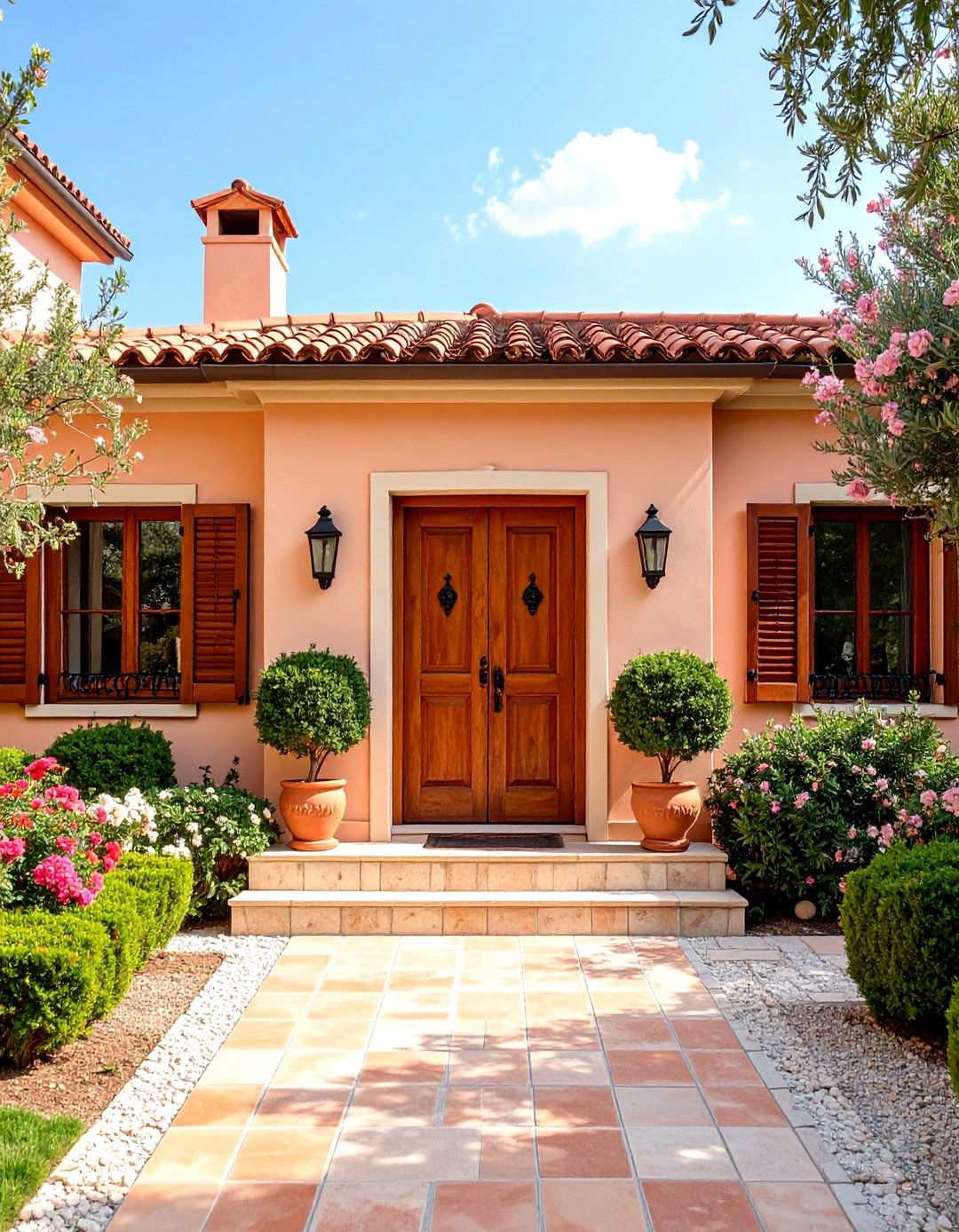
A thoughtful choice of soft peach stucco can dramatically reimagine a home’s visual identity. This interpretation of Mediterranean style, infused with warmth, creates an inviting, sun-drenched appearance that embodies the spirit of welcoming hospitality. Dark wood accents, including dramatic front doors, window shutters, and decorative beams, provide a rich, contrasting backdrop to the soothing peach hue. Wrought iron details in deeper finishes skillfully complement the wood tones, achieving a harmonious balance. This color scheme pairs beautifully with lush greenery and generates a romantic, villa-like ambiance, where the peach tones subtly shift throughout the day, taking on golden tones at sunrise and sunset, while maintaining their warmth in the bright midday sun.
4. Mediterranean Blue Stucco: Capturing the Essence of Greek Island Living
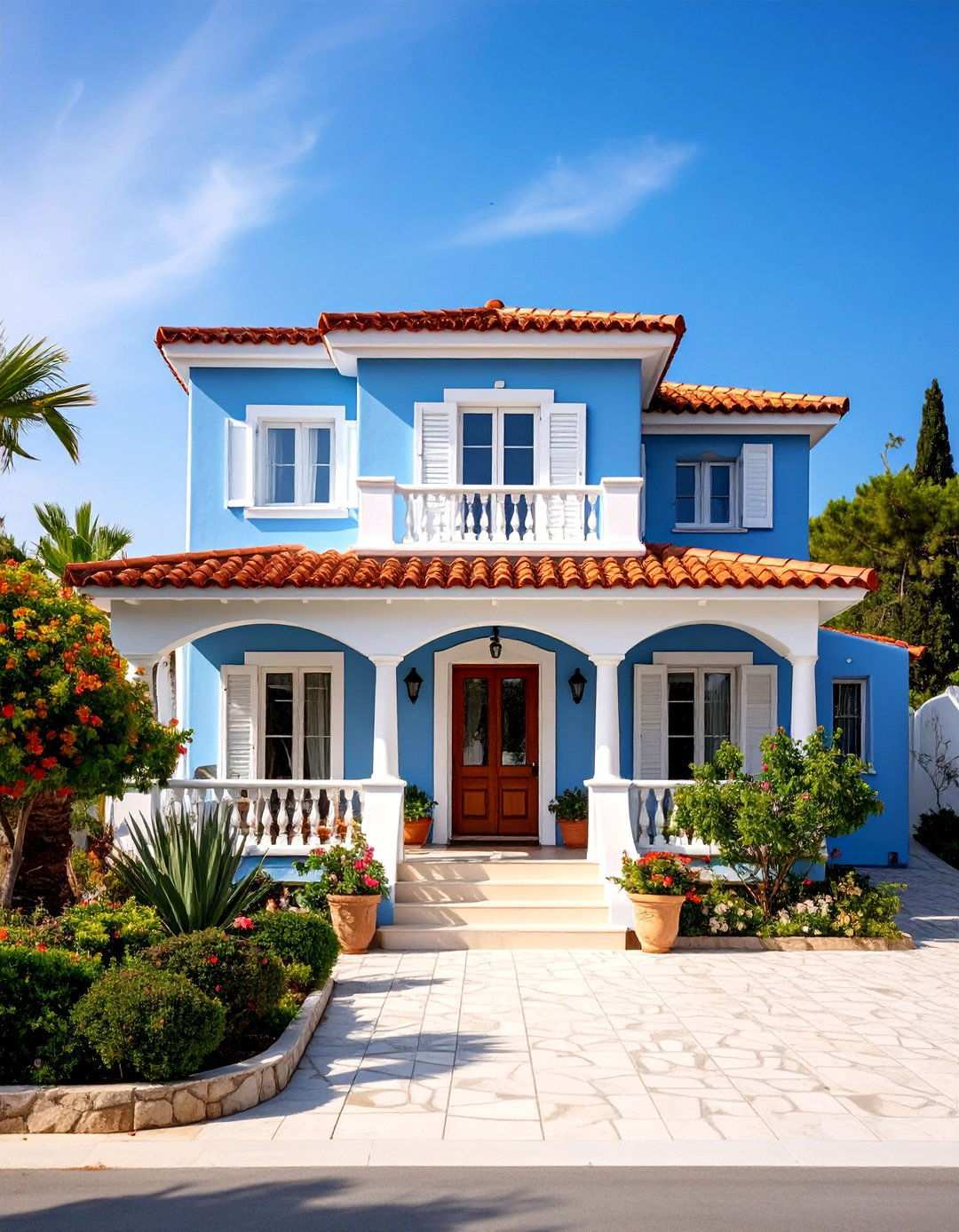
Soft blue stucco walls with crisp white trim evoke the quintessential charm of Greek island living. This fresh interpretation distills the essence of destinations like Santorini and the Aegean, transporting viewers to a world of serene coastal tranquility. The blue exterior creates a calming atmosphere, while white window frames, door surrounds, and decorative elements provide striking contrast, adding a touch of understated elegance. Terracotta roof tiles add warmth to the cool color palette, creating a visually appealing balance. This design approach works particularly well with white or natural wood shutters and benefits from Mediterranean plants like bougainvillea cascading over walls, imbuing the space with a sense of effortless beauty. The blue and white combination never feels dated, instantly transporting viewers to seaside destinations.
5. Rustic Stone Facade: Embracing Authenticity and Timelessness
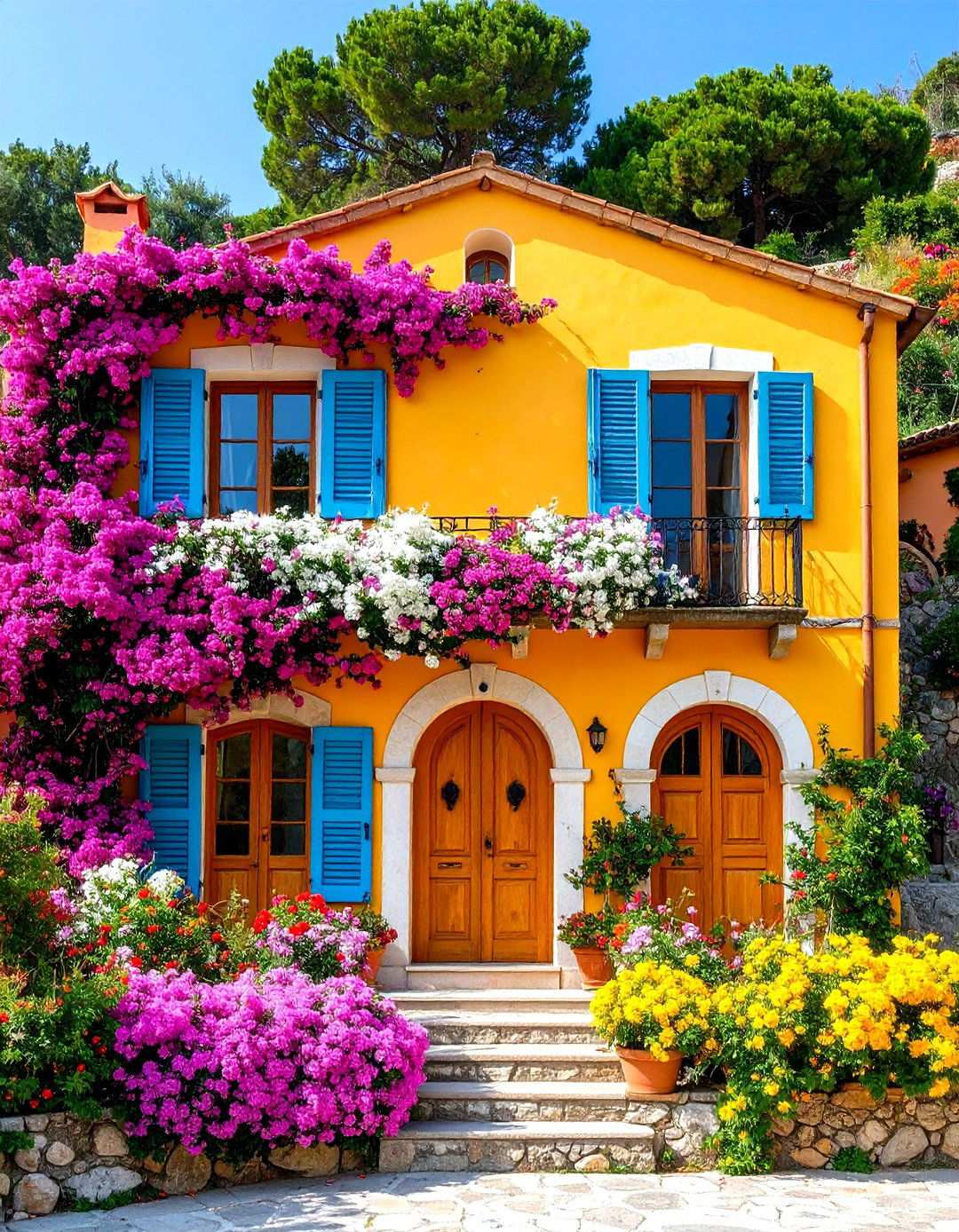
There’s something deeply authentic about rough-hewn stone walls that showcase centuries-old craftsmanship. This approach emphasizes the use of natural materials and traditional building techniques to achieve maximum authenticity. Large stone blocks or fieldstone create textural interest, while arched doorways and windows maintain the style’s characteristic elegance. Wooden shutters in natural or painted finishes complement the stone beautifully, adding a touch of refinement. Iron balconies and decorative elements add a sense of sophistication without diminishing the rustic appeal. This design works particularly well on hillside properties where the stone seems to emerge naturally from the landscape. Climbing vines and drought-tolerant plants enhance the organic, timeless quality, creating a sense of enduring beauty that stands the test of time.
6. Elevating Stucco Design with Two-Tone Sophistication
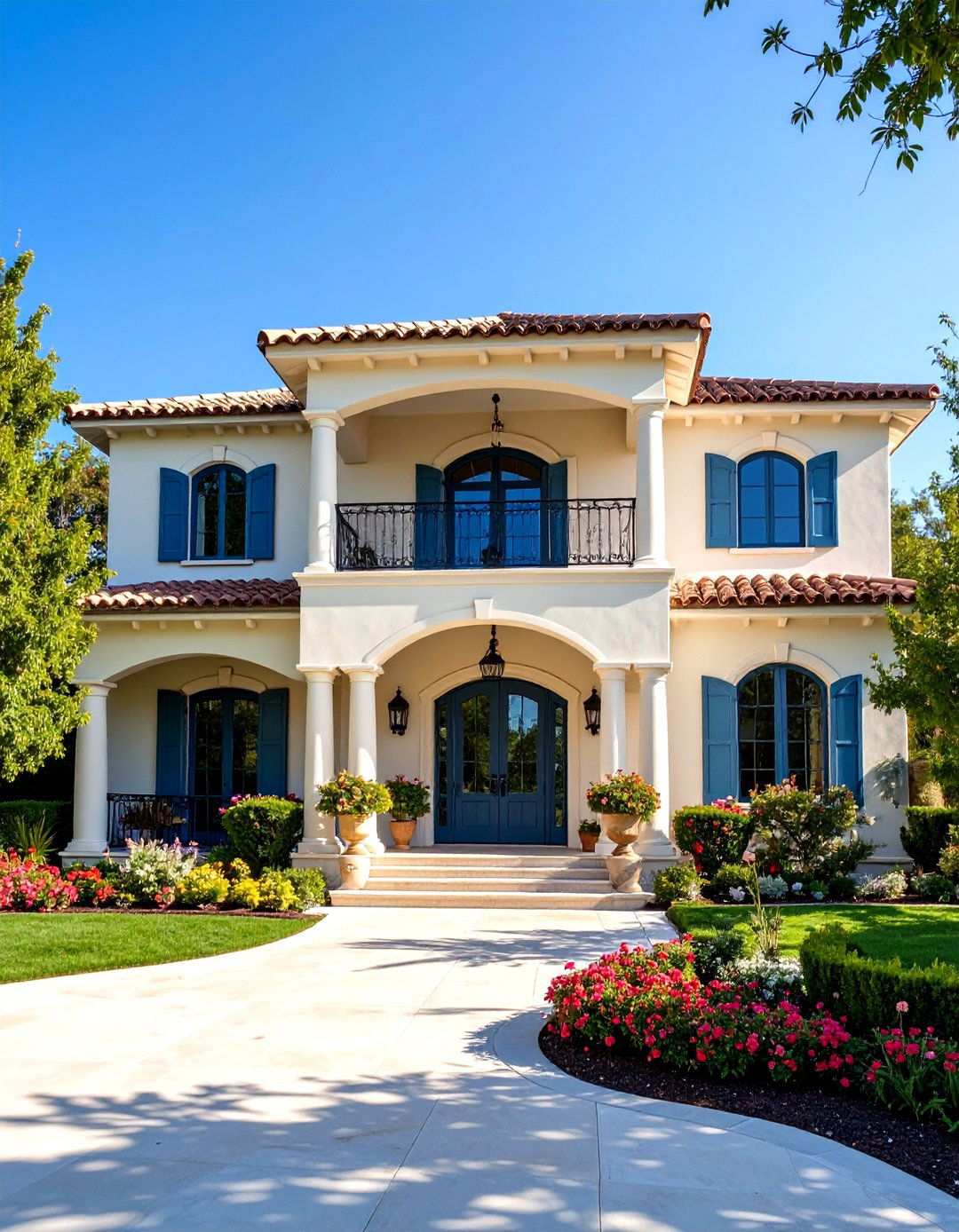
Two-tone stucco is a clever way to introduce depth and visual interest to your home’s exterior, creating an unmistakable architectural statement. By pairing lighter shades for main walls with slightly darker tones for architectural details like columns, window surrounds, and decorative elements, you can create a harmonious balance that highlights the home’s proportions. For a classic look, consider combining cream and warm white tones, which provide a subtle contrast that underscores the home’s elegance. The strategic placement of terracotta tiles above the main walls and intricately designed wrought iron details adds a touch of traditional Mediterranean flair. This design approach allows homeowners to emphasize the home’s unique features while maintaining its inherent charm. The result is a beautifully composed exterior that feels expertly crafted.
7. Creating a Mediterranean Oasis with a Central Courtyard
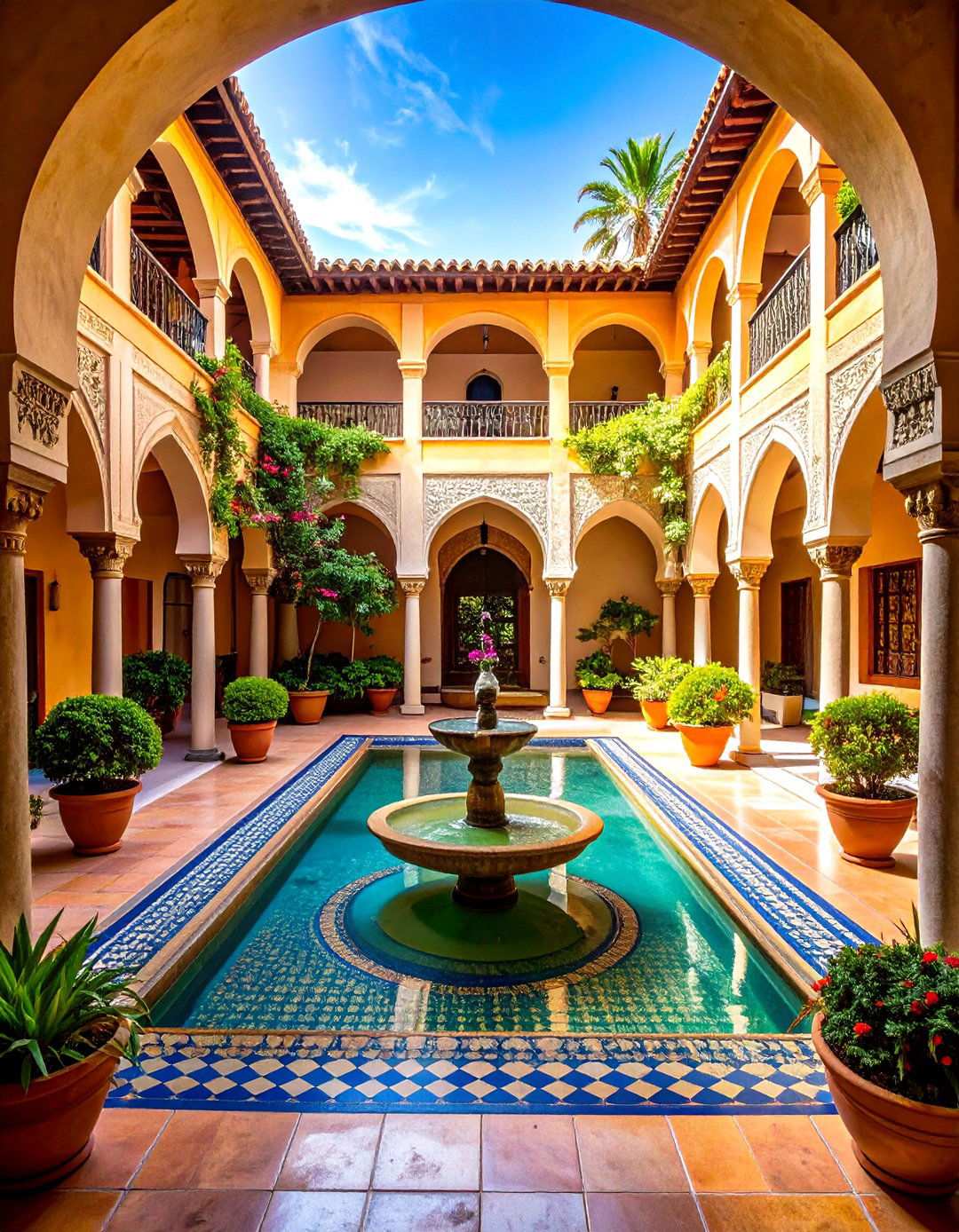
A central courtyard with a bubbling fountain as the focal point is a quintessential Mediterranean design element that seamlessly integrates indoor and outdoor living spaces. By organizing the entire exterior around this inviting space, you can create a seamless flow that blurs the lines between interior and exterior living areas. Arched doorways, large windows, and natural stone or decorative tile paving all contribute to the creation of a warm and inviting atmosphere, while planted areas soften the hardscaping. The soothing ambiance created by the fountain is the perfect complement to the peaceful ambiance of a Mediterranean home. Covered walkways or loggias provide shaded areas for dining and relaxation, transforming the home into a serene retreat.
8. Weaving Romance into Your Home's Facade with Wrought Iron Balconies
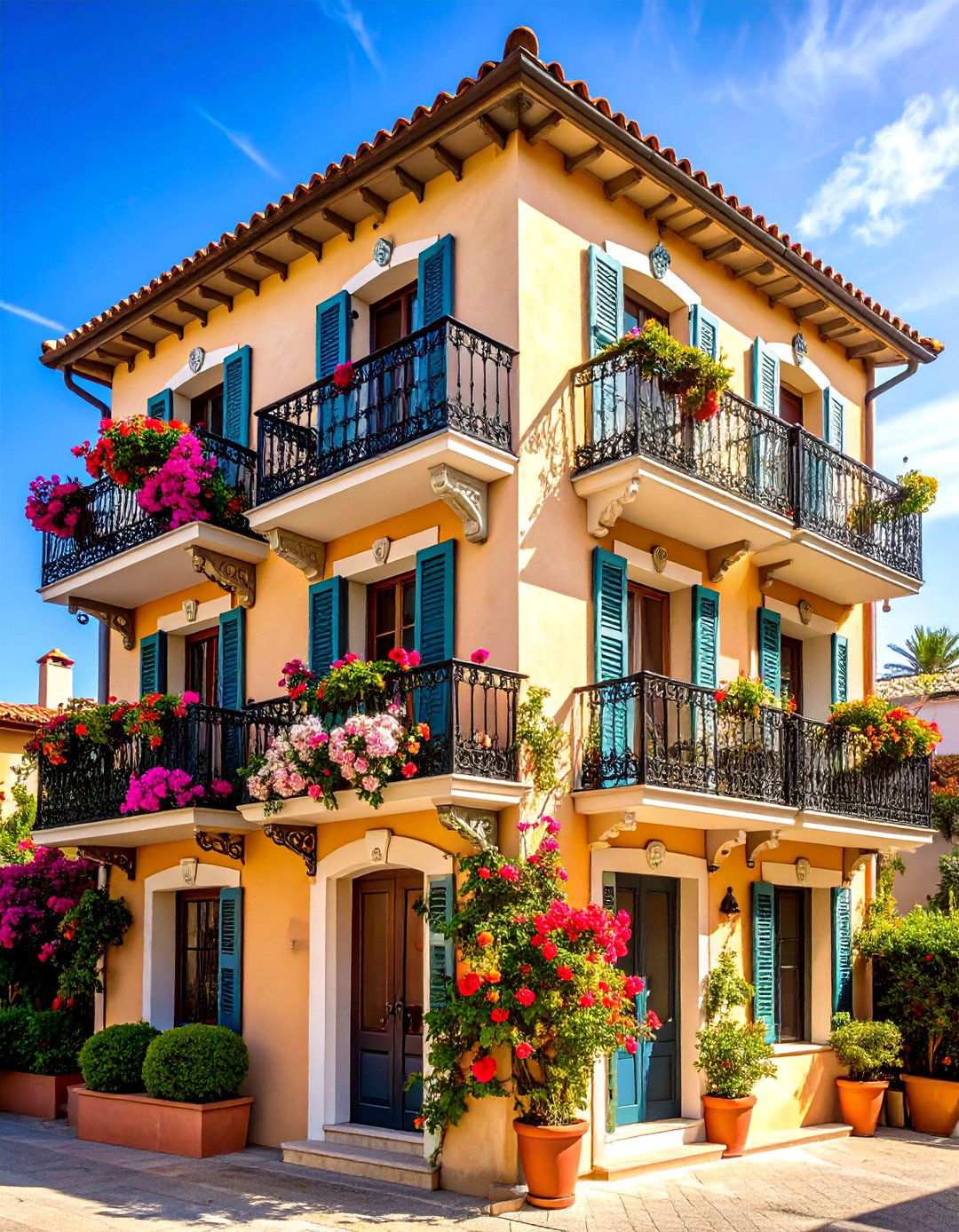
Dramatic wrought iron balconies with intricate scrollwork and traditional patterns can add an undeniable touch of Old World romance to your home’s facade. These architectural features not only serve as functional spaces but also as decorative elements that define Mediterranean style. By incorporating multiple balconies at different levels, you can add depth and dimension to the facade, creating a beautiful visual contrast against the smooth stucco walls. French doors opening onto these spaces emphasize the importance of indoor-outdoor living, while providing natural light and creating a sense of continuity between interior and exterior spaces. Climbing roses or vines trained around iron supports create living decoration, while window boxes filled with colorful flowers add a pop of seasonal color. These thoughtful details transform simple walls into romantic architectural statements that perfectly capture the essence of Mediterranean charm.
9. Elevating Rooflines with Multilevel Complexity
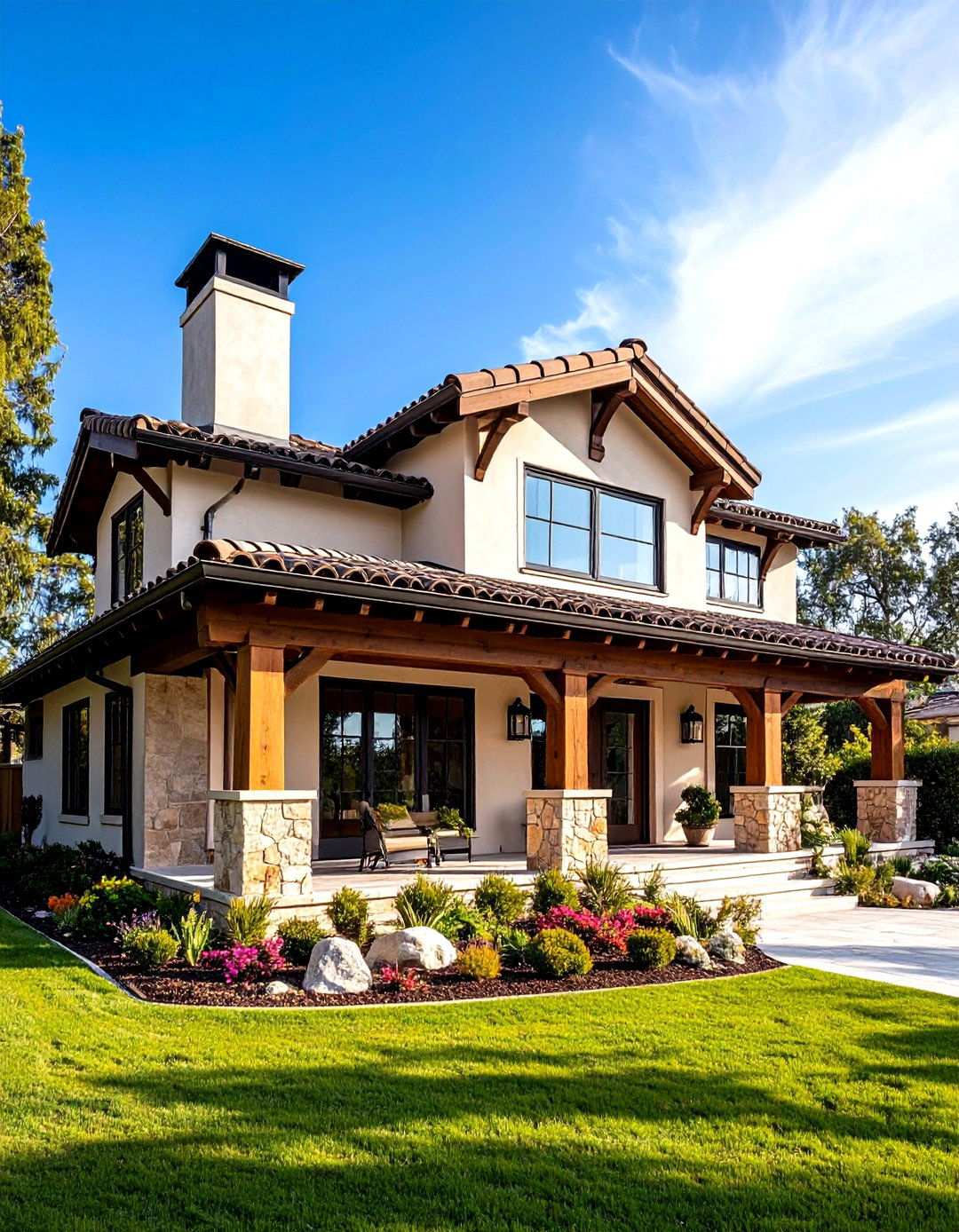
Mediterranean design defies the notion of straightforward rooflines, instead embracing intricate, multi-level configurations that add visual depth and practical functionality. The classic barrel tile profile is a defining feature of this architectural style, with its curved profile and natural color variations creating a rich, textured appearance. By incorporating multiple roof levels, dormers, and varying heights, homeowners can define different interior spaces while also creating a visually striking roofline. The exposed wooden eaves and decorative brackets that support the tiles add to the Mediterranean aesthetic, while chimneys with decorative caps and red tile accents provide a finishing touch. This approach lends homes an authentic, evolved character and a sophisticated architectural feel.
10. Grand Entrances with Natural Stone Proportions
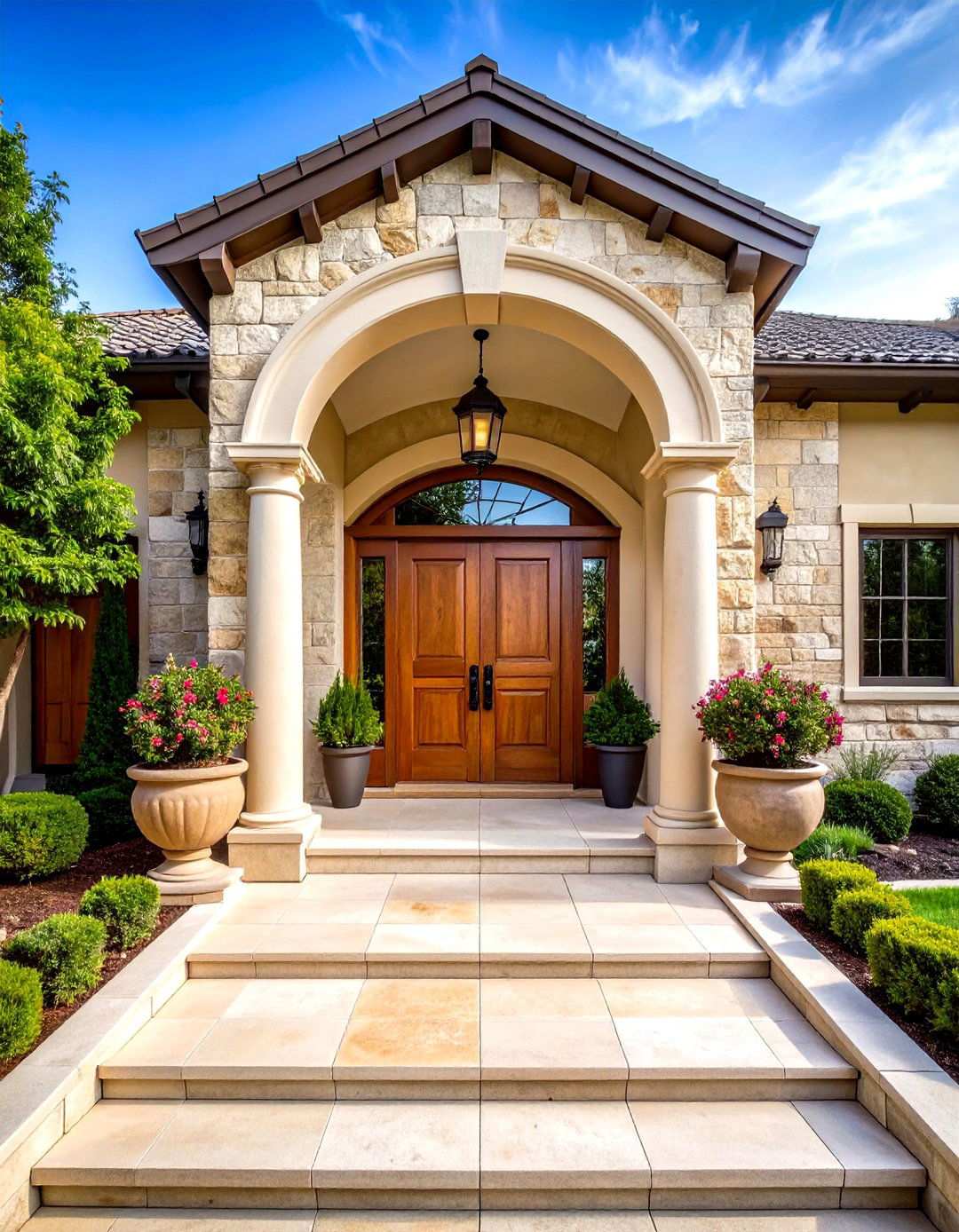
Why settle for a humble entrance when you can create a statement with natural stone construction and generous proportions? This approach embodies the Mediterranean love of substantial, welcoming entries that make a lasting impression. Large stone archways, columns, or portals create a dramatic arrival experience while maintaining the style’s inherent warmth and approachability. By incorporating natural materials like limestone, travertine, or local stone, homeowners can connect their homes to the surrounding environment and create a sense of continuity. Oversized wooden doors with decorative hardware complement the stone beautifully, while planted urns or integrated planters soften the hard surfaces. The addition of lighting integrated into the stone work creates an evening drama that’s sure to impress. This design makes guests feel they’re entering a truly special space.
11. Balancing Bold Accents with Neutral Backgrounds
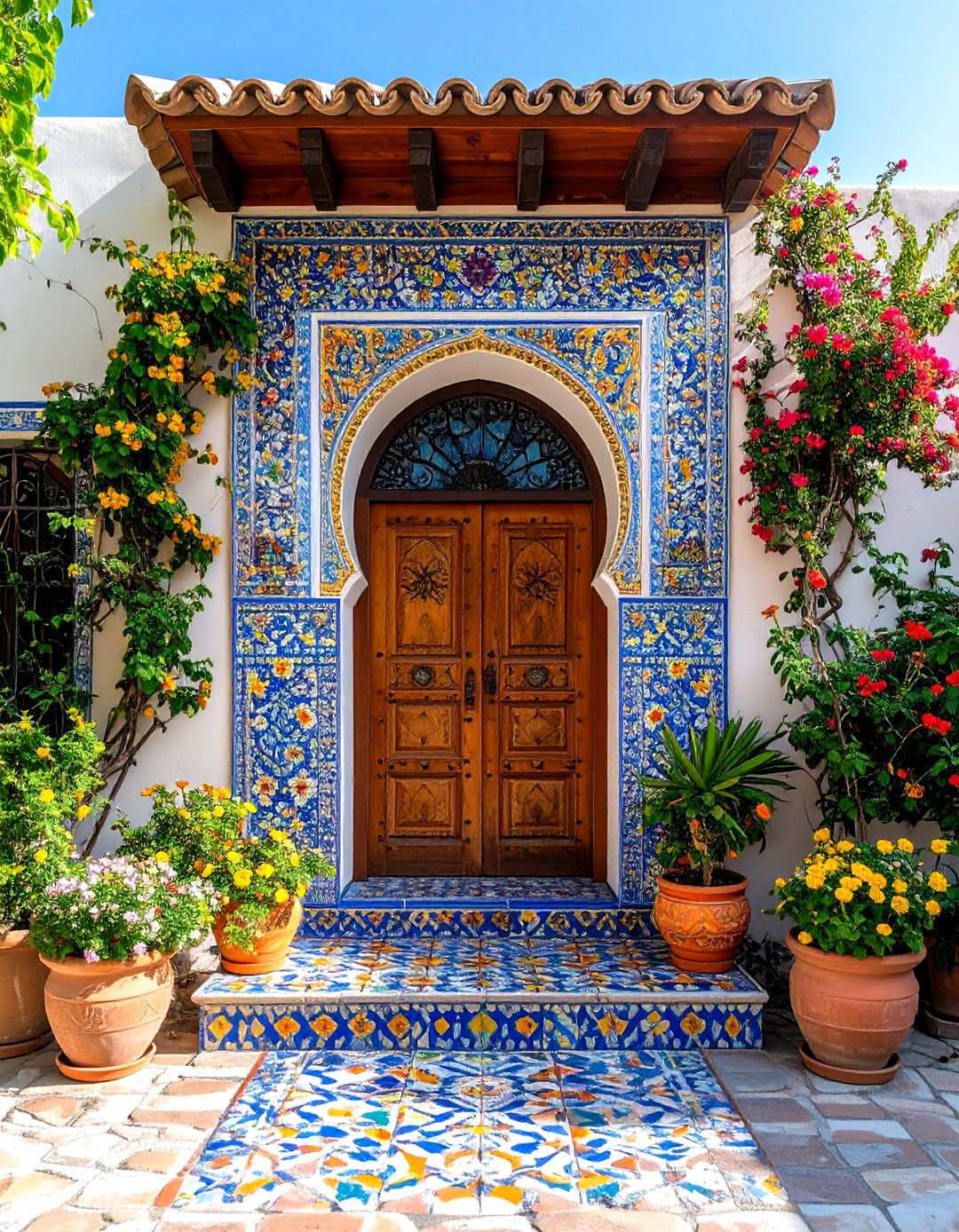
When vibrant decorative tiles meet understated neutral backgrounds, the result is a stunning combination that adds personality without overwhelming the senses. Moroccan or Spanish-inspired tiles around doorways, windows, or as accent bands create a beautiful focal point that reflects Mediterranean craftsmanship traditions. Neutral stucco in cream, beige, or soft gray provides the perfect canvas for these colorful ceramic details, which can be hand-painted or feature geometric patterns. This approach works particularly well around water features, entry areas, or outdoor kitchens, where the bold accents can add a pop of color and energy. By strategically placing these decorative tiles, homeowners can introduce bold colors and patterns while keeping the overall design grounded and timeless.
12. Pergola-Covered Outdoor Retreats
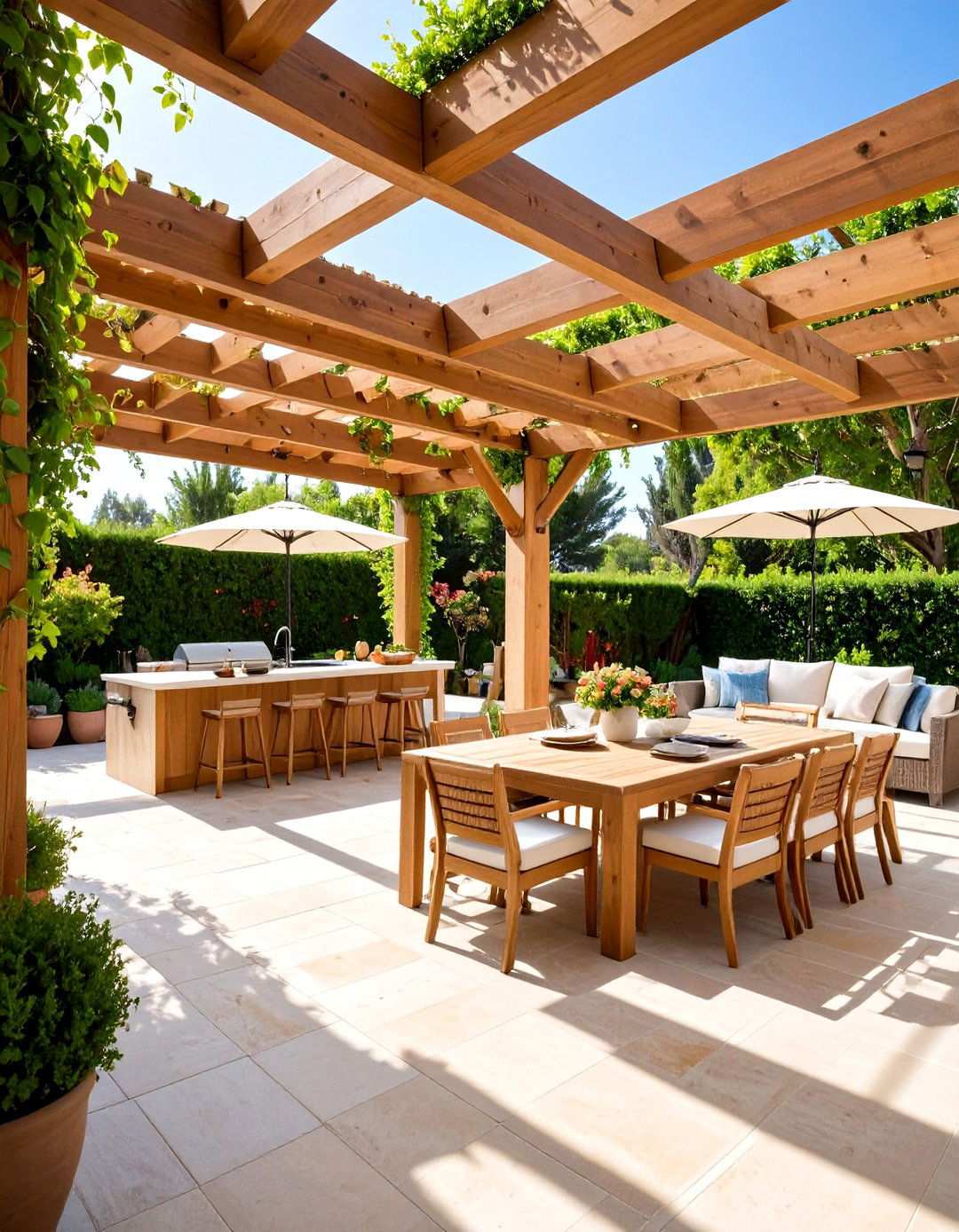
Imagine an outdoor space where the boundaries between indoors and outdoors dissolve, creating a seamless transition between natural and built environments. Pergolas are the perfect solution for achieving this harmonious blend. By incorporating substantial wooden beams, climbing vines, and strategic stone or tile flooring, these structures bring a sense of Mediterranean flair to your outdoor space. As they provide essential shade and architectural interest, pergolas also extend the home’s architectural language outward, effectively merging the interior and exterior realms. Adding fabric panels for weather protection or privacy further enhances the functionality and allure of these inviting spaces, creating the perfect ambiance for relaxation or entertaining. The union of structure and nature epitomizes the essence of Mediterranean indoor-outdoor living.
13. The Art of Textured Contrast
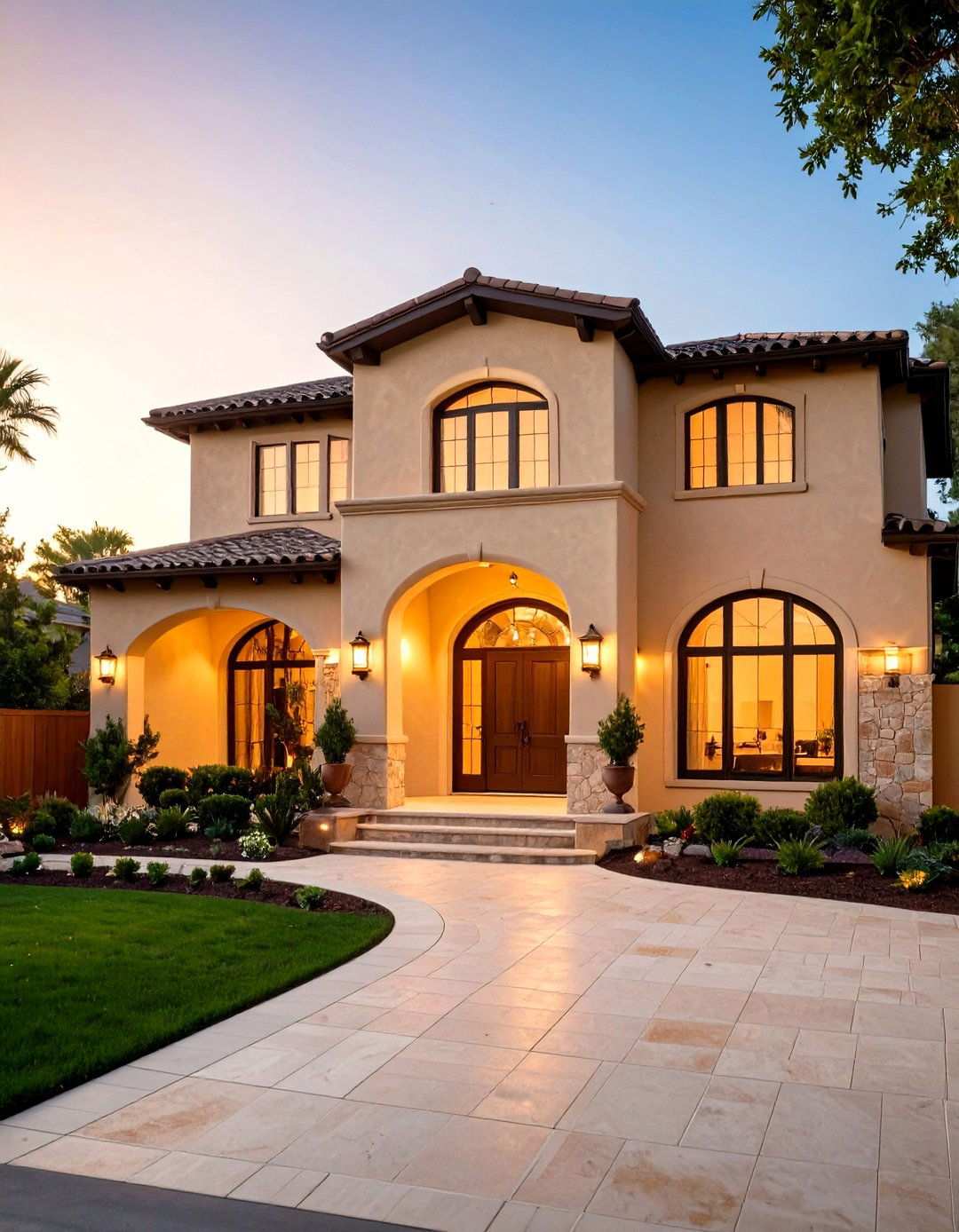
In Mediterranean architecture, visual interest is often achieved through a thoughtful interplay of textures rather than a reliance on colors alone. By combining textured stucco with smooth architectural details, you can create a sophisticated and visually appealing design that highlights the home’s proportions and architectural features. Heavy texture on primary walls adds depth and shadows that change throughout the day, while smooth stucco around windows, doors, columns, and decorative elements provides a clean contrast. This refined approach emphasizes the organic quality and natural beauty of the region’s architecture, working particularly well with warm neutral tones. When executed by a skilled professional, the contrasting textures appear intentional and refined, adding a level of sophistication to the overall design.
14. The Organic Beauty of Curved Lines
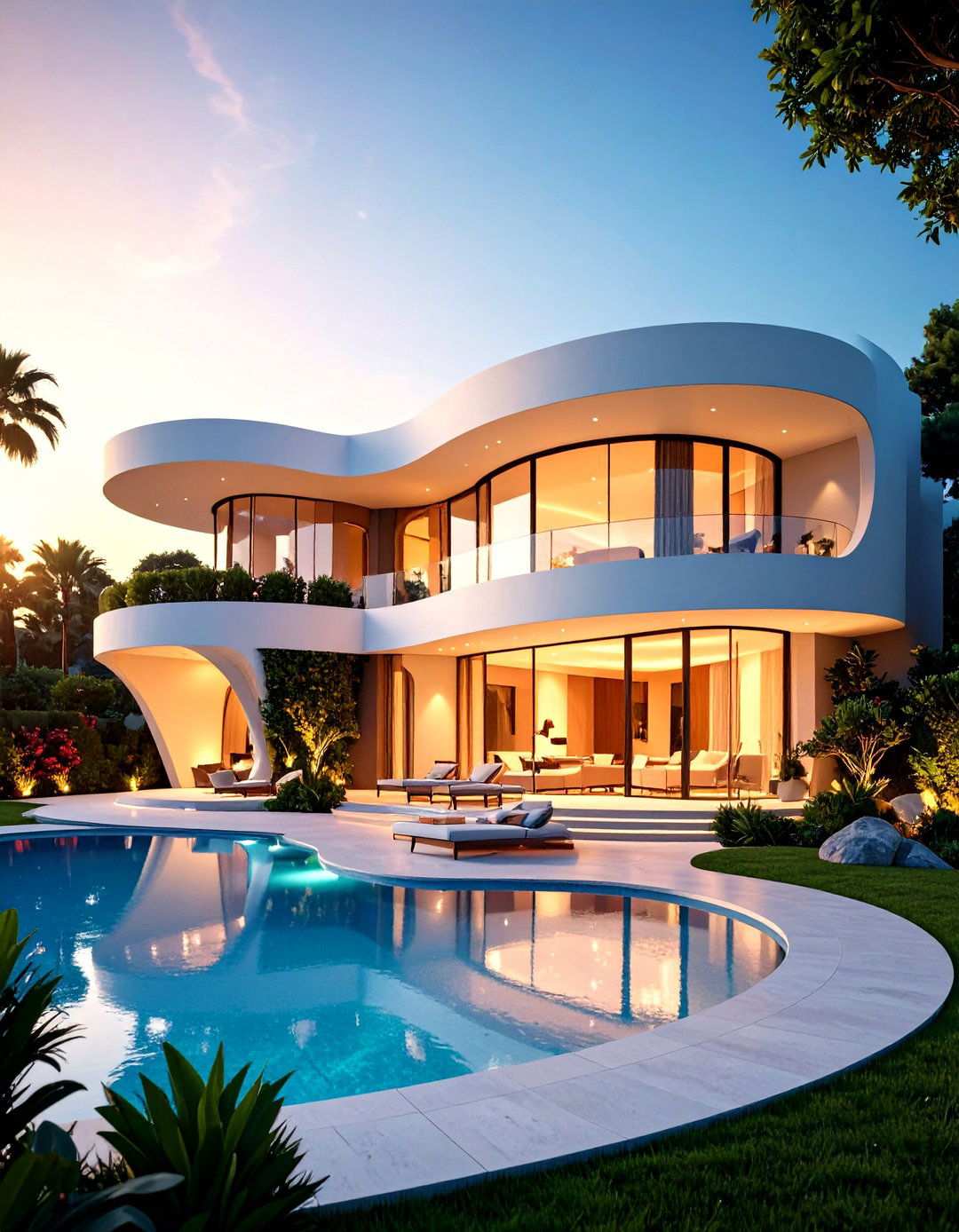
Mediterranean architecture is renowned for its organic and naturally beautiful aesthetic, which is often achieved through the strategic use of curved walls and flowing lines. By incorporating gentle curves around entryways, courtyards, or connecting elements, you can soften rigid geometries and create a sense of fluidity. Stucco finishes work particularly well with curved forms, creating seamless transitions and an air of natural elegance. Arched openings become natural extensions of the curved theme, while curved planters, pathways, and landscape elements complement the architecture perfectly. The result is a sculptural and artistic design that feels as though it has grown from its site rather than being imposed upon it, maintaining livability and functionality essential to great home design.
15. Harmonious Fusion of Architectural Materials
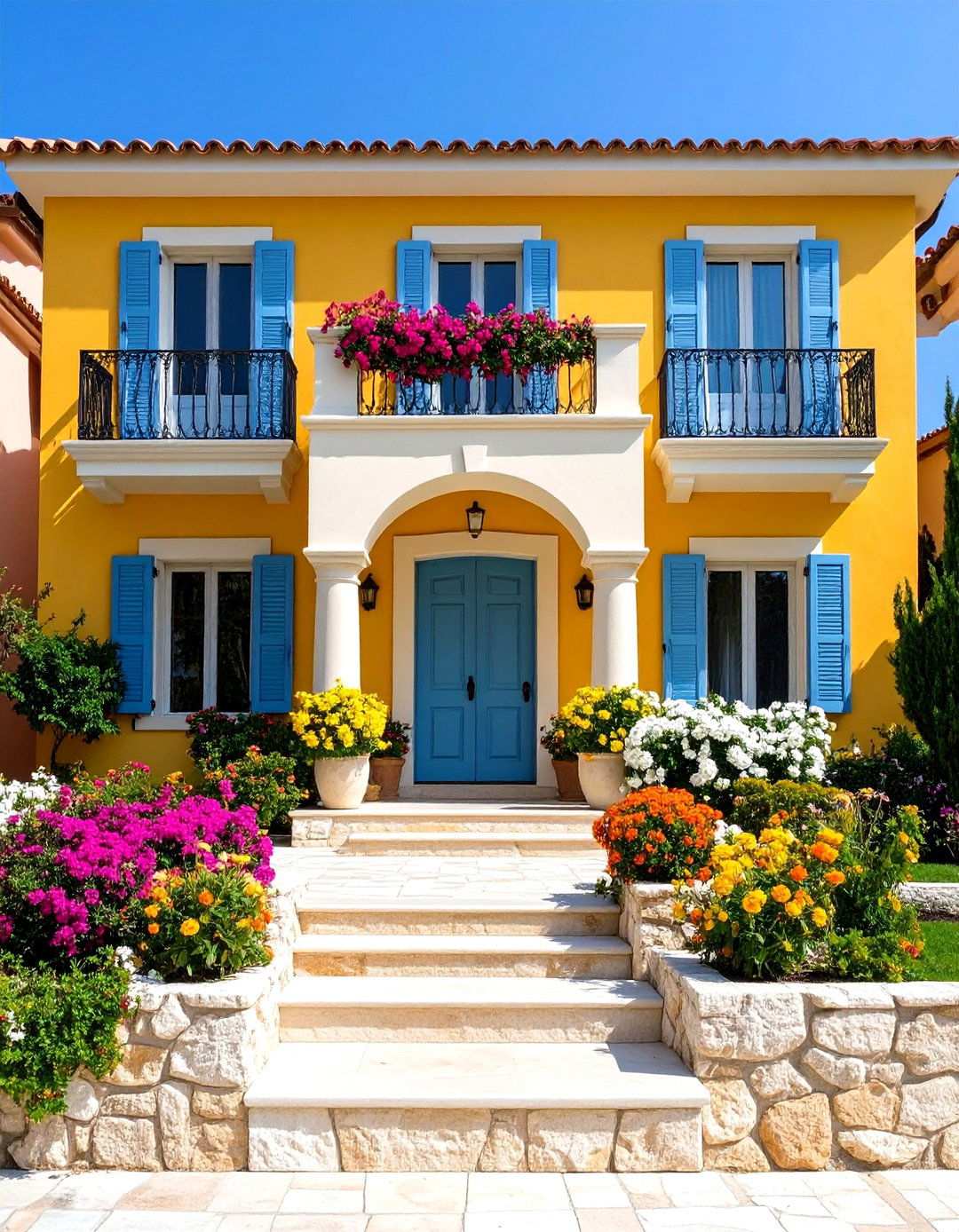
The strategic combination of materials can result in the creation of more captivating facades than those crafted from a single material. This approach is deeply rooted in Mediterranean design, which traditionally blends stone and stucco for both aesthetic and practical reasons. By incorporating stone foundations or wainscoting, homeowners can enjoy enhanced durability, while the stucco upper walls help to minimize weight and costs. This thoughtful juxtaposition of materials creates visually appealing horizontal divisions, which in turn enhance the overall proportions of the building. Various materials can be used to define distinct architectural elements, such as towers, entryways, or decorative features. Furthermore, the contrast between the smooth texture of stucco and the rugged texture of stone adds a delightful layer of visual complexity. By carefully coordinating the natural colors of the materials, homeowners can achieve harmony while introducing interesting material changes that elevate the facade’s visual appeal. This approach not only draws inspiration from traditional building practices but also imbues contemporary sophistication, resulting in a timeless and current aesthetic.
16. The Iconic Tower Element
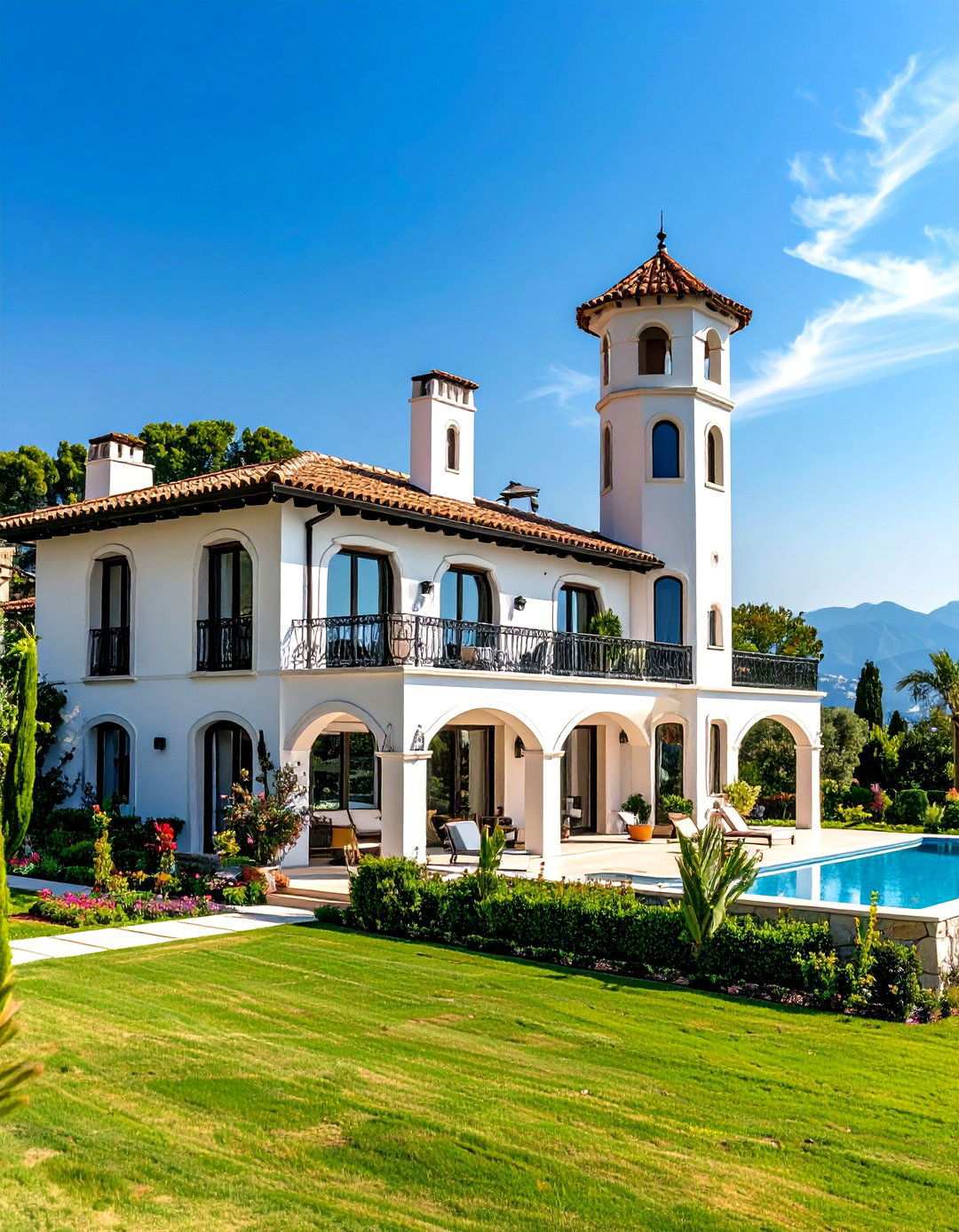
A distinctive tower element is perhaps the most recognizable architectural feature associated with Mediterranean villas. These vertical structures not only add a touch of drama and sophistication to a building but also serve practical purposes such as housing stairs or creating unique interior spaces. The conical roofs, topped with decorative finials, create enchanting profiles against the sky, evoking the magic of fairy tales. The incorporation of windows at multiple levels provides ample opportunities for viewing the surrounding landscape and harnessing natural light. Depending on the design, the tower can serve as the primary focal point or balance other architectural elements, creating a harmonious visual dialogue. Regardless of the chosen materials – stone, stucco, or a combination of both – the tower element can become a breathtaking centerpiece that captures the essence of Mediterranean romance and elevates an ordinary home into a distinctive architectural statement.
17. The Allure of Loggia Design
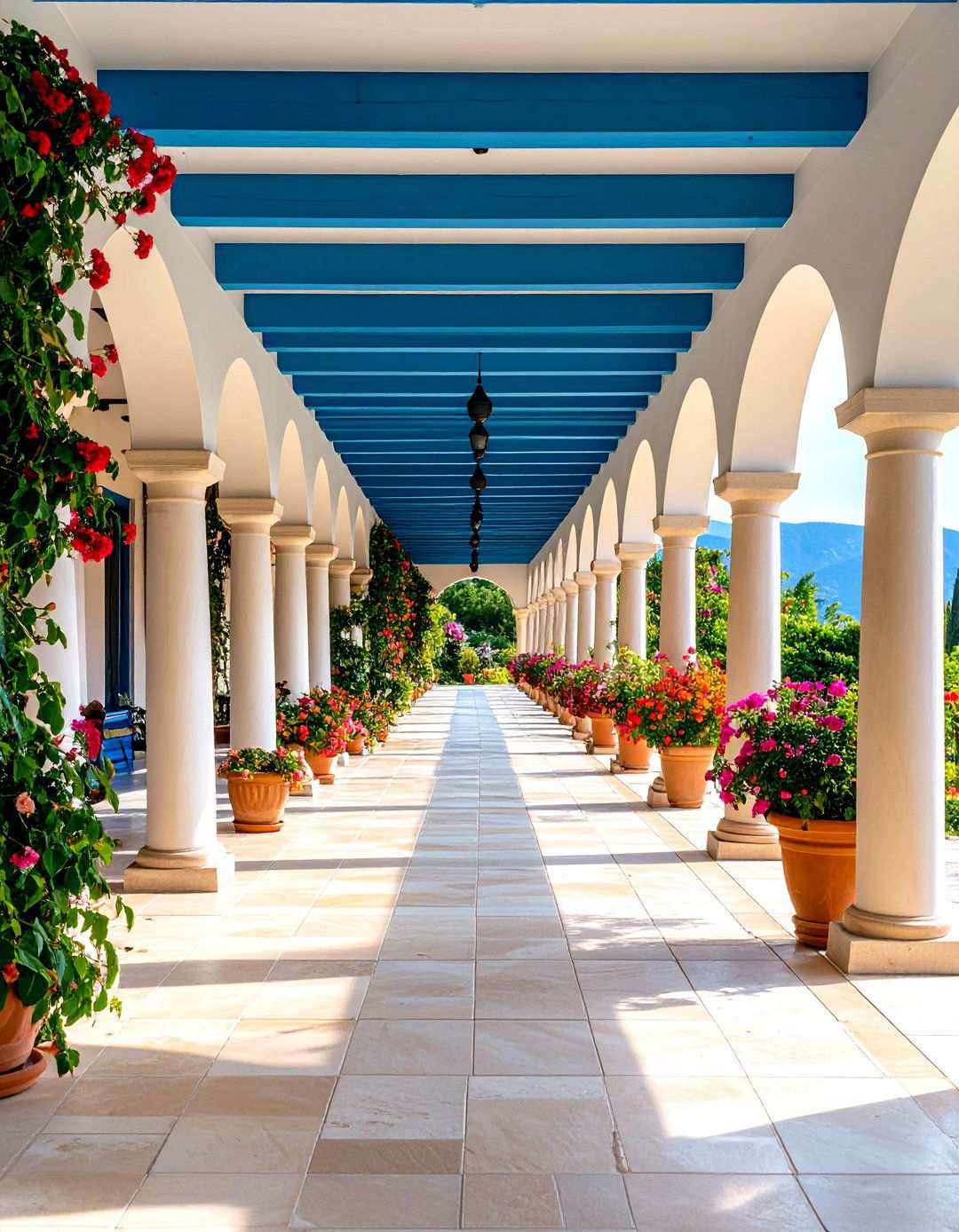
Imagine strolling through covered outdoor corridors that seamlessly connect different areas of your home, providing a luxury that is both practical and inviting. Loggias embody the ultimate Mediterranean concept of indoor-outdoor living, where the boundaries between interior and exterior spaces are blissfully blurred. These covered walkways offer protection from the elements while maintaining the connection to the outdoors, creating an atmosphere that is both peaceful and engaging. The rhythmic effect of arched openings, combined with the structural support of columns or piers, adds visual interest and a sense of movement. The incorporation of natural materials such as stone flooring and wooden ceilings further enhances the outdoor quality, while climbing vines or hanging plants introduce a touch of living beauty. As a result, the loggia becomes an extension of the interior space, offering all the benefits of outdoor living and creating a resort-like ambiance that is both refreshing and rejuvenating.
18. Elegant Symmetry in Mediterranean Architecture
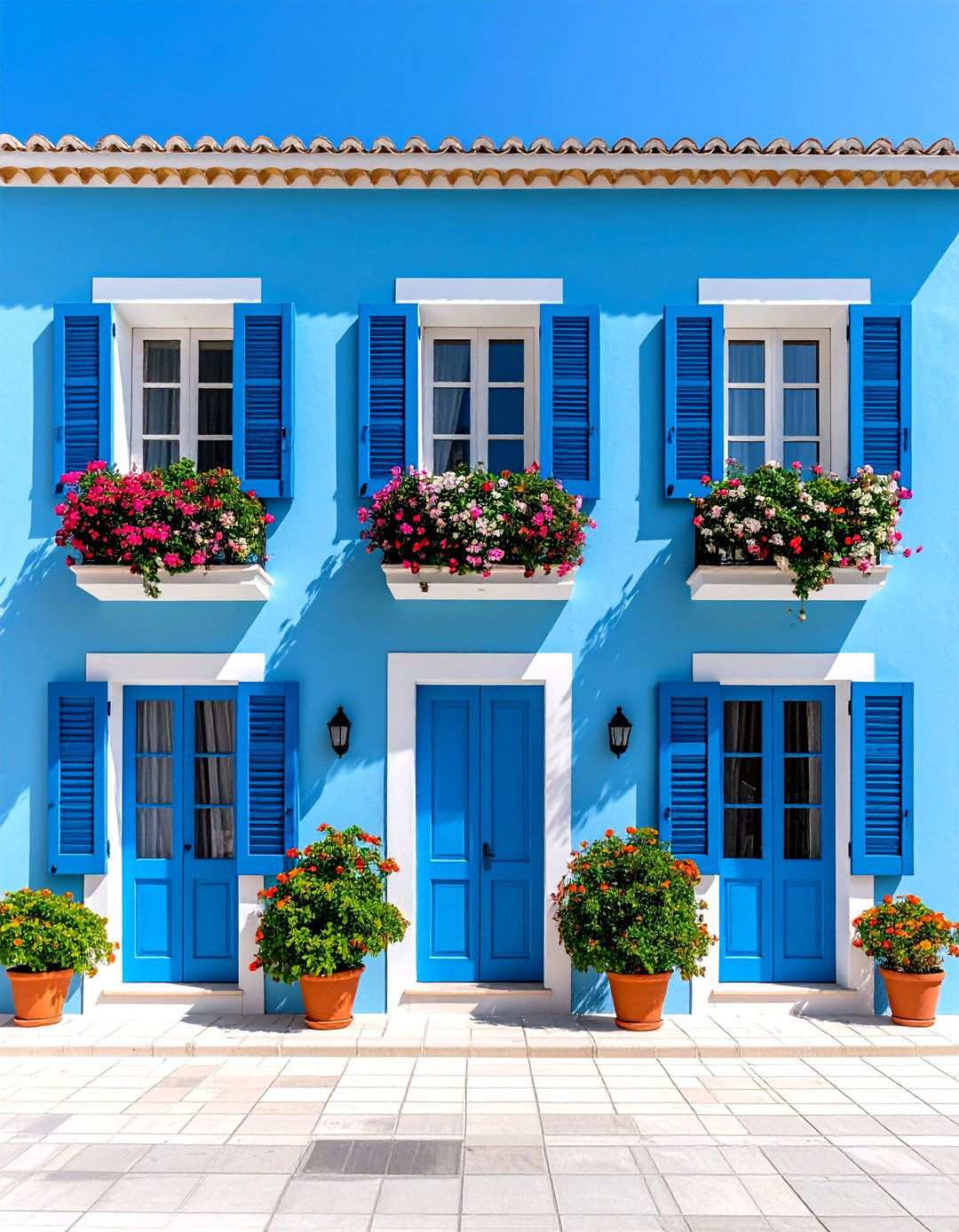
What’s behind the allure of symmetrical facades in Mediterranean design? Elegance and order come together to create a sense of classical refinement. Central entries, flanked by identical windows, form a welcoming yet formal entrance. The repetition of architectural elements like balconies, shutters, or decorative details emphasizes the symmetrical theme. This style often pairs perfectly with traditional stucco and tile combinations. Landscaping elements, such as matching planters or trees, can enhance the balanced composition. By incorporating warm colors, natural materials, and Mediterranean details, symmetry is transformed from formal to inviting. This blend of dignity and approachability is a hallmark of exceptional home design.
19. Expansive Window Designs and French Doors
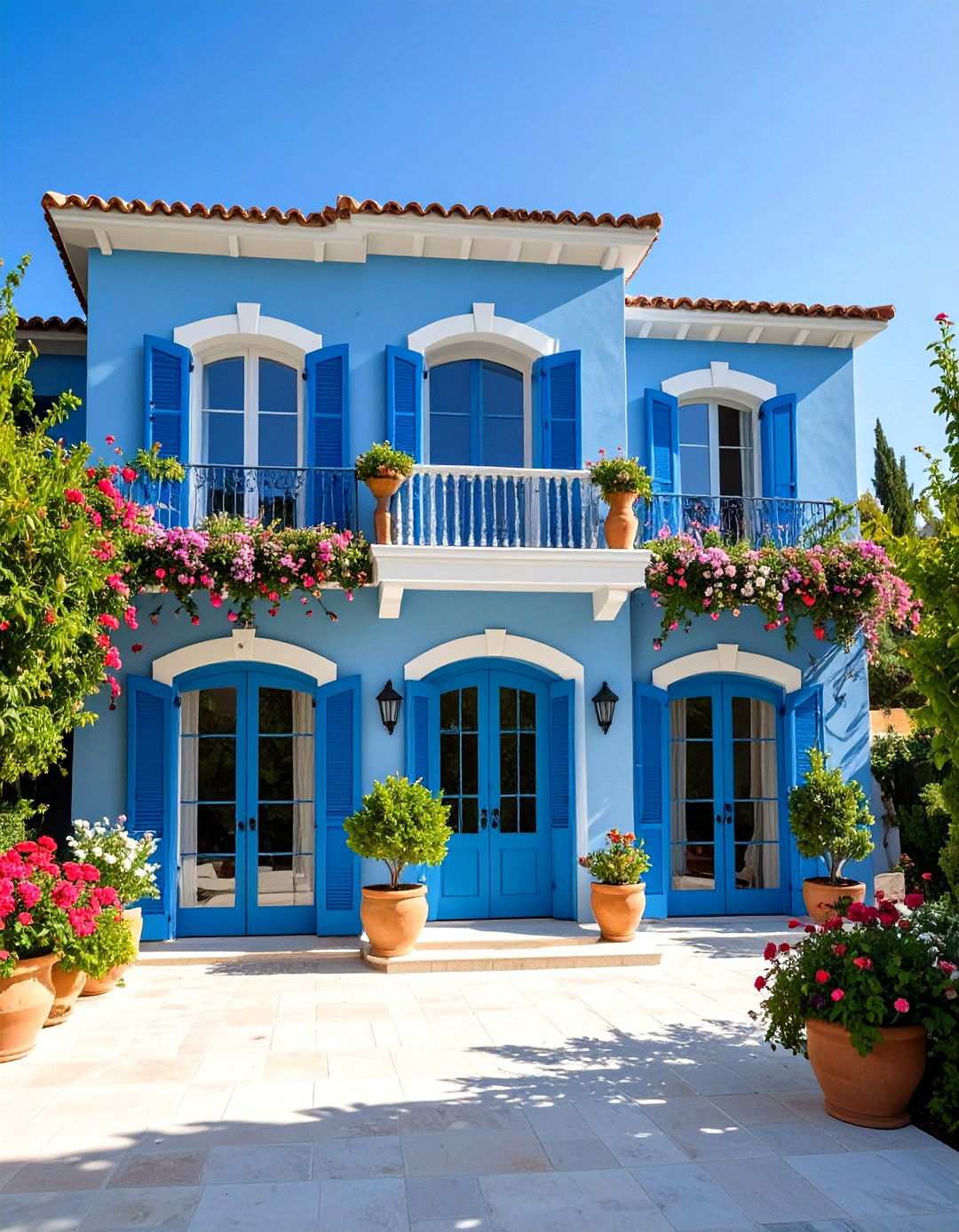
What sets a Mediterranean home apart is its ability to seamlessly merge indoor and outdoor spaces. Extensive windows and French doors allow for maximum natural light and effortless outdoor access. Floor-to-ceiling openings dissolve the boundaries between interior and exterior, providing breathtaking views. Multiple French doors leading to terraces, courtyards, or gardens create a sense of fluidity. The traditional proportions of the design maintain the Mediterranean character while generous glass areas cater to modern living needs. Arched tops or decorative surrounds add an extra layer of architectural interest. Shutters serve as a practical solution for sun control and privacy when desired. By prioritizing connection with nature, this design philosophy fosters a deeper appreciation for outdoor living. The abundance of natural light enhances the warm Mediterranean color palette, resulting in a bright and airy atmosphere.
20. Ornate Chimneys as Architectural Accents
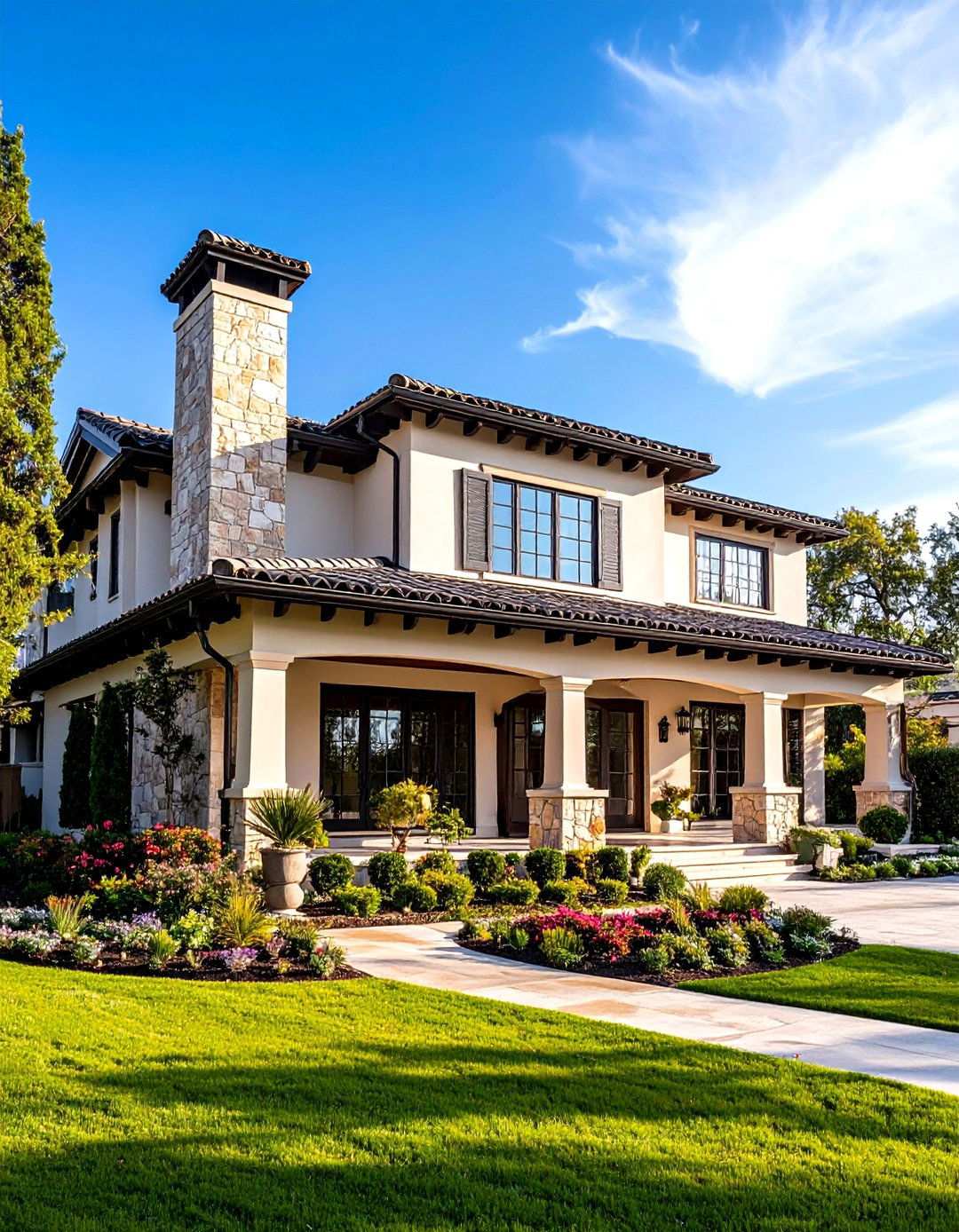
How can functional elements become visual focal points in Mediterranean design? Ornate chimneys transform necessary infrastructure into decorative highlights. Substantial proportions and traditional details, such as decorative caps, corbels, or tile accents, create an eye-catching effect. Multiple chimneys can balance compositions while serving fireplaces throughout the home. Materials like stone, stucco, or a combination of these coordinate with the overall design theme. Decorative metalwork or ceramic details add a touch of Mediterranean flair. The vertical elements help break up horizontal rooflines, providing both visual interest and practical benefits. Well-designed chimneys enhance the home’s silhouette and contribute to its authentic Mediterranean character. These details distinguish high-quality Mediterranean design from generic interpretations.
21. Outdoor Oasis for Endless Summer Nights
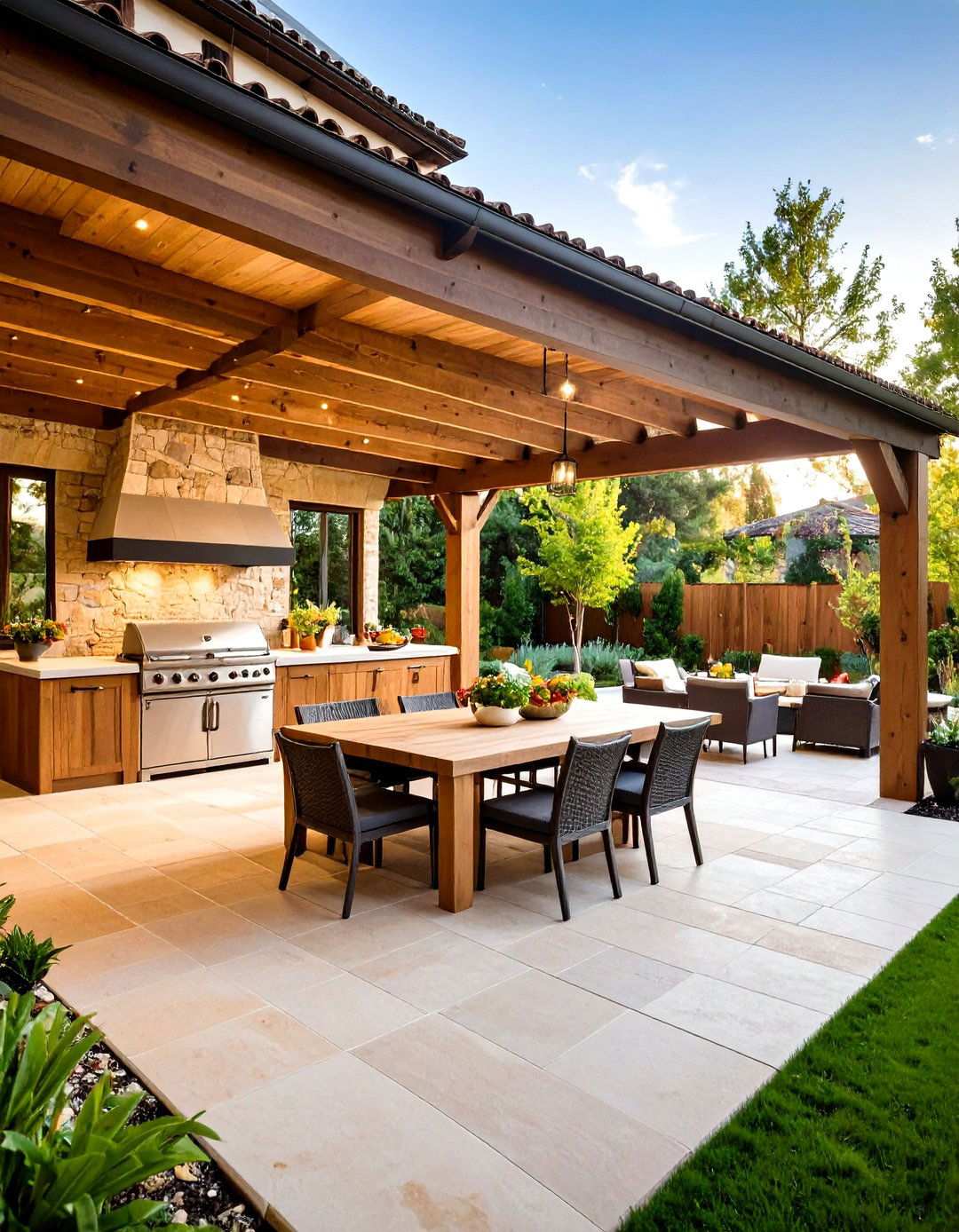
The essence of Mediterranean living is deeply rooted in the joy of outdoor cooking and dining spaces, where the boundaries between home and garden blur. These expansive areas become the heart of Mediterranean homes, fostering a seamless transition between interior and exterior living. Crafted from stucco, tile, or stone, the durable surfaces of these spaces are designed to withstand the elements, ensuring years of reliable use. Built-in culinary stations, featuring grills, pizza ovens, or cooking areas, provide the ultimate in outdoor cooking capabilities. Meanwhile, covered dining spaces, often defined by pergolas or roofs, offer a haven from the elements, while natural materials coordinate with the home’s architecture to create distinct outdoor rooms. Ample storage, countertops, and sinks further enhance functionality, while fireplaces or fire pits provide the perfect ambiance for evening entertaining. This design approach transforms homes into resort-like retreats, revolutionizing how families live and interact in their outdoor spaces.
22. Multi-Level Masterpiece with Decorative Retaining Walls
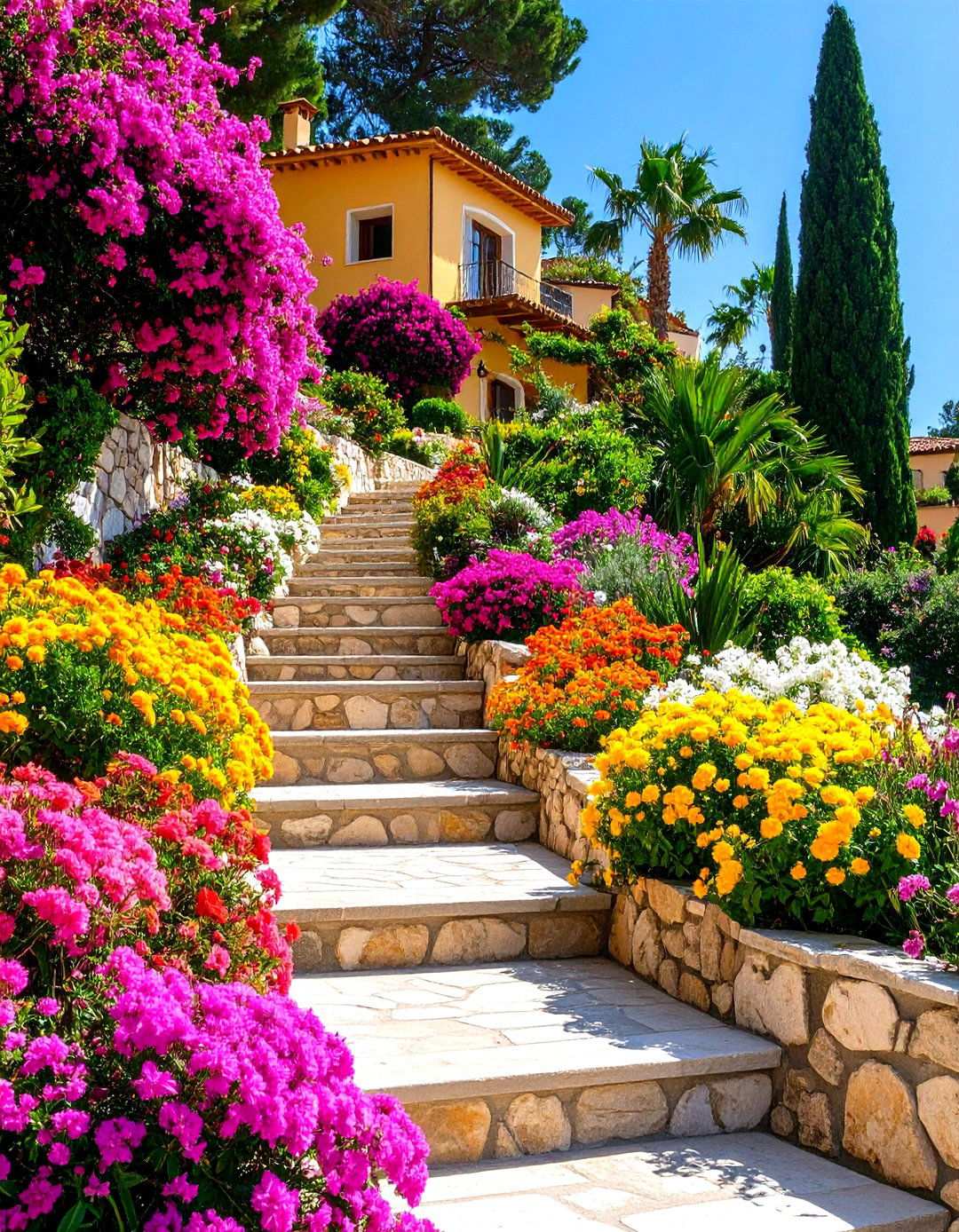
Mediterranean homes have long mastered the art of working with sloping sites, but how do they achieve such a seamless transition? The answer lies in tiered landscaping with decorative retaining walls, a design strategy that expertly maximizes usable space while adding visual interest. Stone or stucco walls are carefully integrated into the home’s architecture, creating level planting areas that are both beautiful and functional. The multiple levels not only allow for diverse plant communities but also create a sense of intimacy, breaking down the space into smaller, more inviting garden rooms. Built-in planters further blur the line between hardscape and landscape, while steps and pathways ensure easy circulation between levels. To add an extra layer of drama, water features can be incorporated, cascading between levels to create a truly show-stopping effect. This design approach not only honors Mediterranean hillside traditions but also solves practical site challenges with ease.
23. Blending Tradition with Modern Elegance
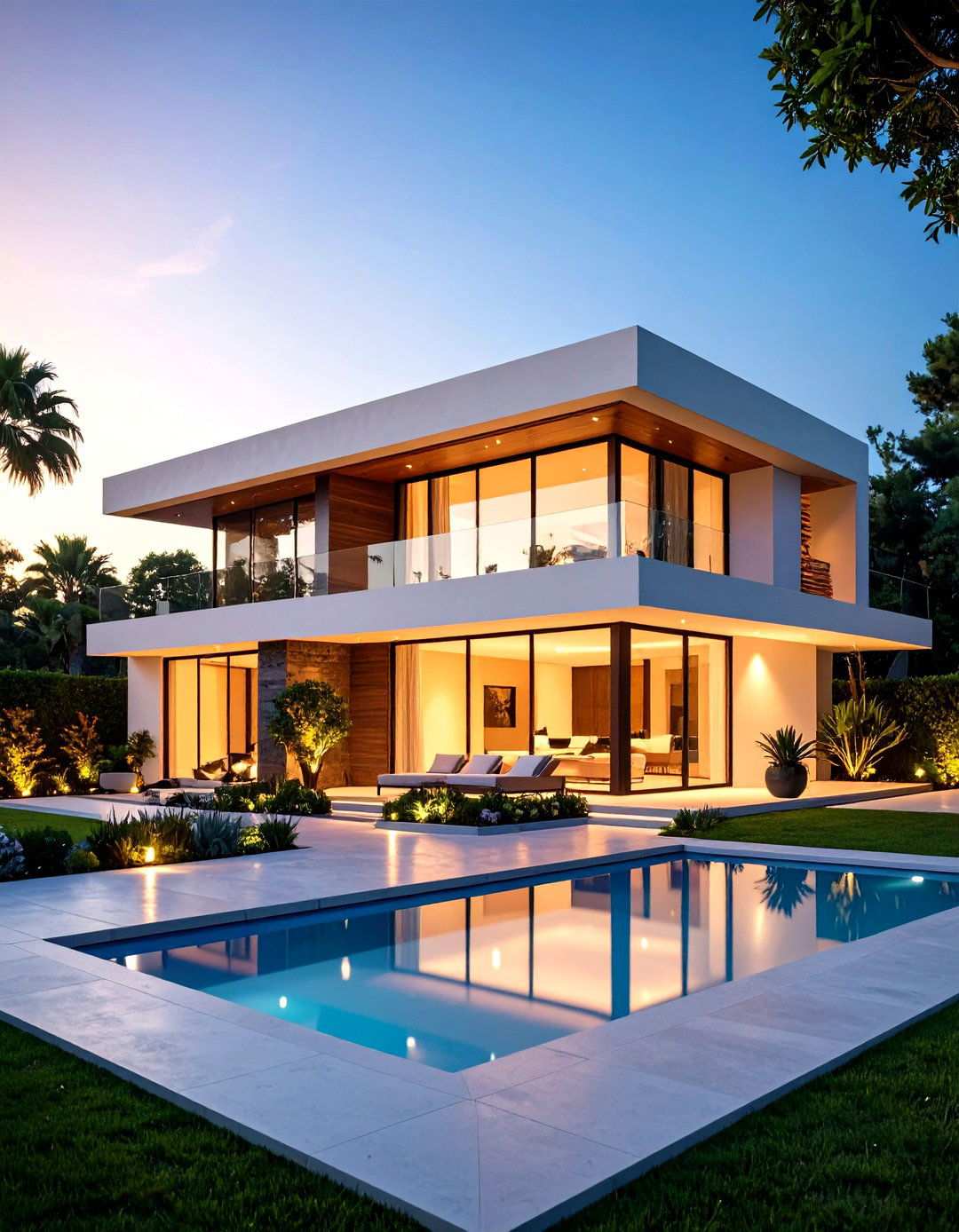
Can Mediterranean design be reimagined for a contemporary audience without sacrificing its essential character? The answer is a resounding yes. Modern interpretations of Mediterranean design focus on clean lines, simplified details, and a simplified aesthetic, while still retaining the key stylistic elements that define the genre. Smooth stucco walls, flat or low-pitched roofs, and geometric compositions create a sleek, updated look, while traditional elements like arches, courtyards, or natural materials maintain a strong Mediterranean connection. Large glass areas and open floor plans cater to contemporary living needs, while neutral color palettes feel current and on-trend. Meanwhile, warm materials maintain a regional character, ensuring that the design feels both modern and authentic. This approach offers the perfect blend of traditional and modern sensibilities, making it an ideal choice for those who love the Mediterranean climate and lifestyle but crave a more contemporary aesthetic.
24. Timeless Abodes with Weathered Charm
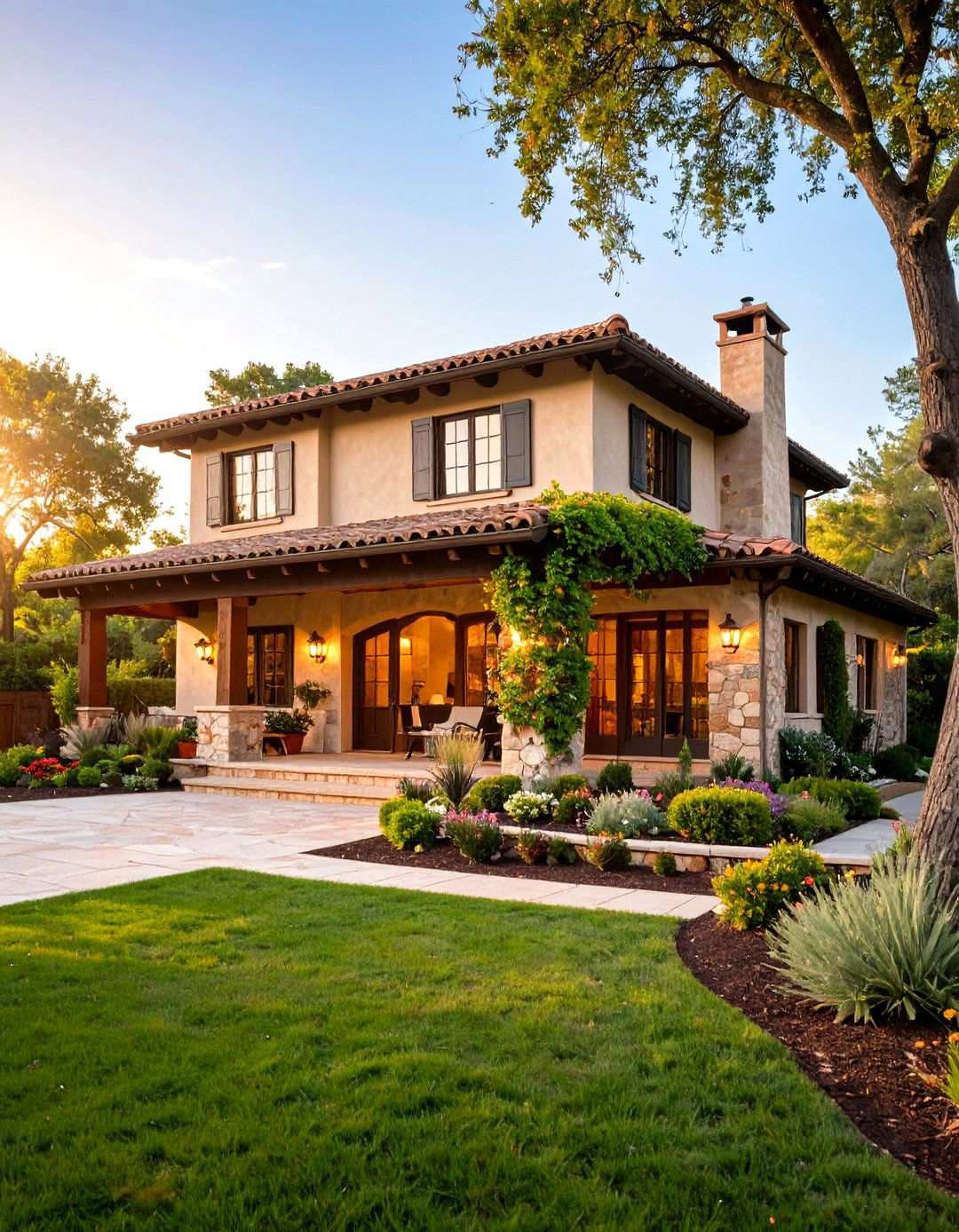
Historic Mediterranean villas possess an undeniable, aged allure. This is largely due to the strategic incorporation of weathered finishes and rustic details that evoke centuries of subtle evolution. Textured stucco, boasting a nuanced palette of subtle color shifts, lends an air of authenticity to the exterior surface. The judicious use of reclaimed materials, such as aged wood beams, vintage tiles, or weathered stone, effectively imbues the structure with a rich, storied history. The patina that develops on metal elements serves as a testament to the passage of time, while the deliberate introduction of irregular proportions and slight asymmetries adds an organic, evolved quality to the design. The incorporation of climbing vines and mature landscaping further enhances the weathered aesthetic, resulting in a sense of timelessness and deep-rooted connection to the land. By embracing this approach, homeowners can create homes that exude the character of treasured family properties passed down through generations, evoking a sense of warmth and history that feels both timeless and deeply ingrained.