1. Elevating Interiors with Refined Crown Molding
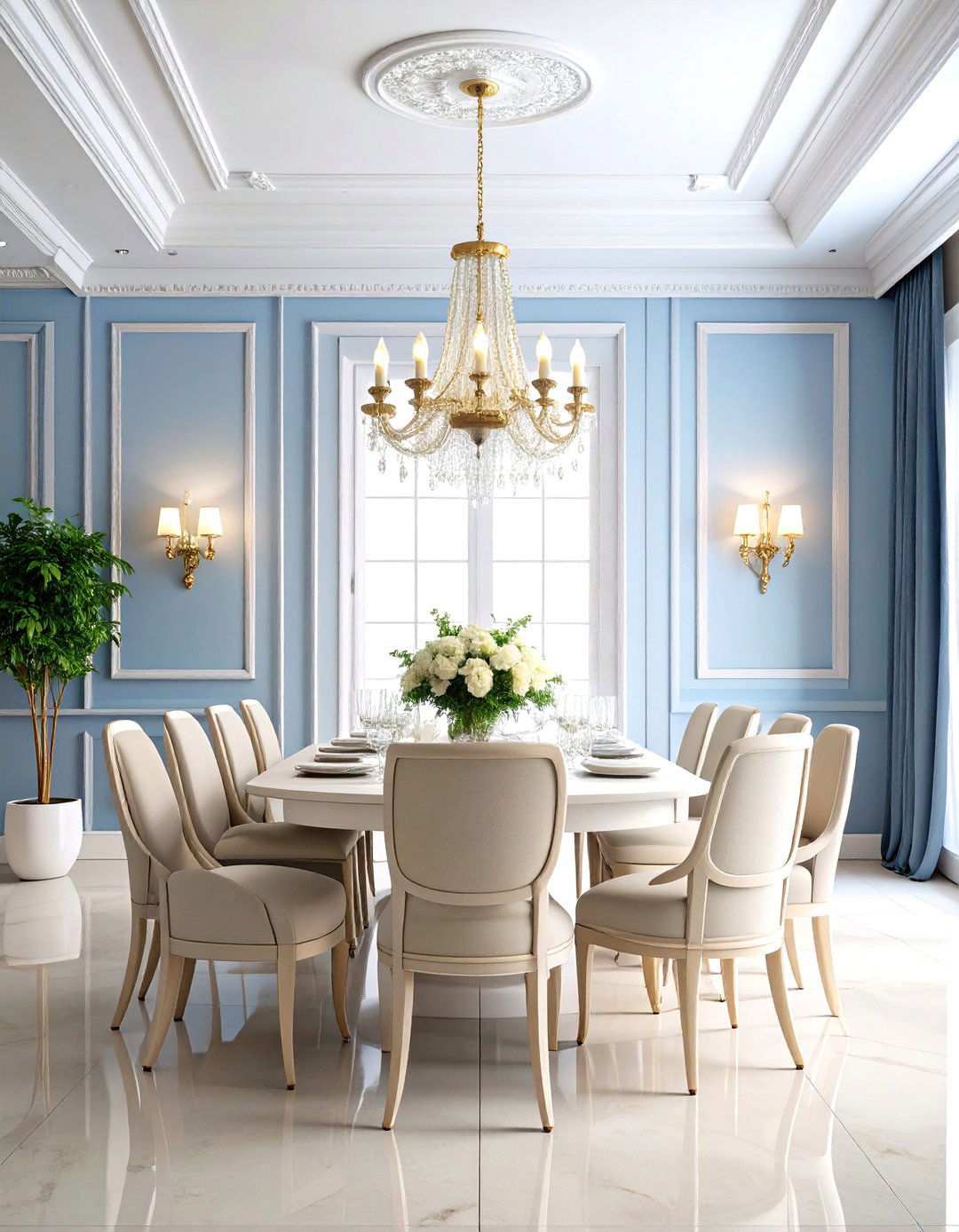
Are you seeking to transform ordinary spaces into captivating environments that inspire and delight? A timeless touch of crown molding can elevate any room from basic to breathtaking, making it an exemplary choice for homeowners. The year 2025 ushers in a new wave of trends that skillfully blend classic architectural details with modern sensibilities, offering a vast array of possibilities for expressing personal style. Whether you opt for traditional crown molding that draws attention upward or innovative geometric patterns that create bold focal points, this architectural element serves both aesthetic and practical purposes. By safeguarding walls from damage while adding valuable character and depth, molding not only enhances visual appeal but also creates a sense of balance and harmony. With a wide range of materials available, from classic wood to modern polyurethane, and installation techniques suitable for every skill level, crown molding remains an impactful and accessible home improvement investment for discerning homeowners.

As an Amazon Associate I earn from qualifying purchases.
2. Mastering the Art of Visual Curation with Panel Molding
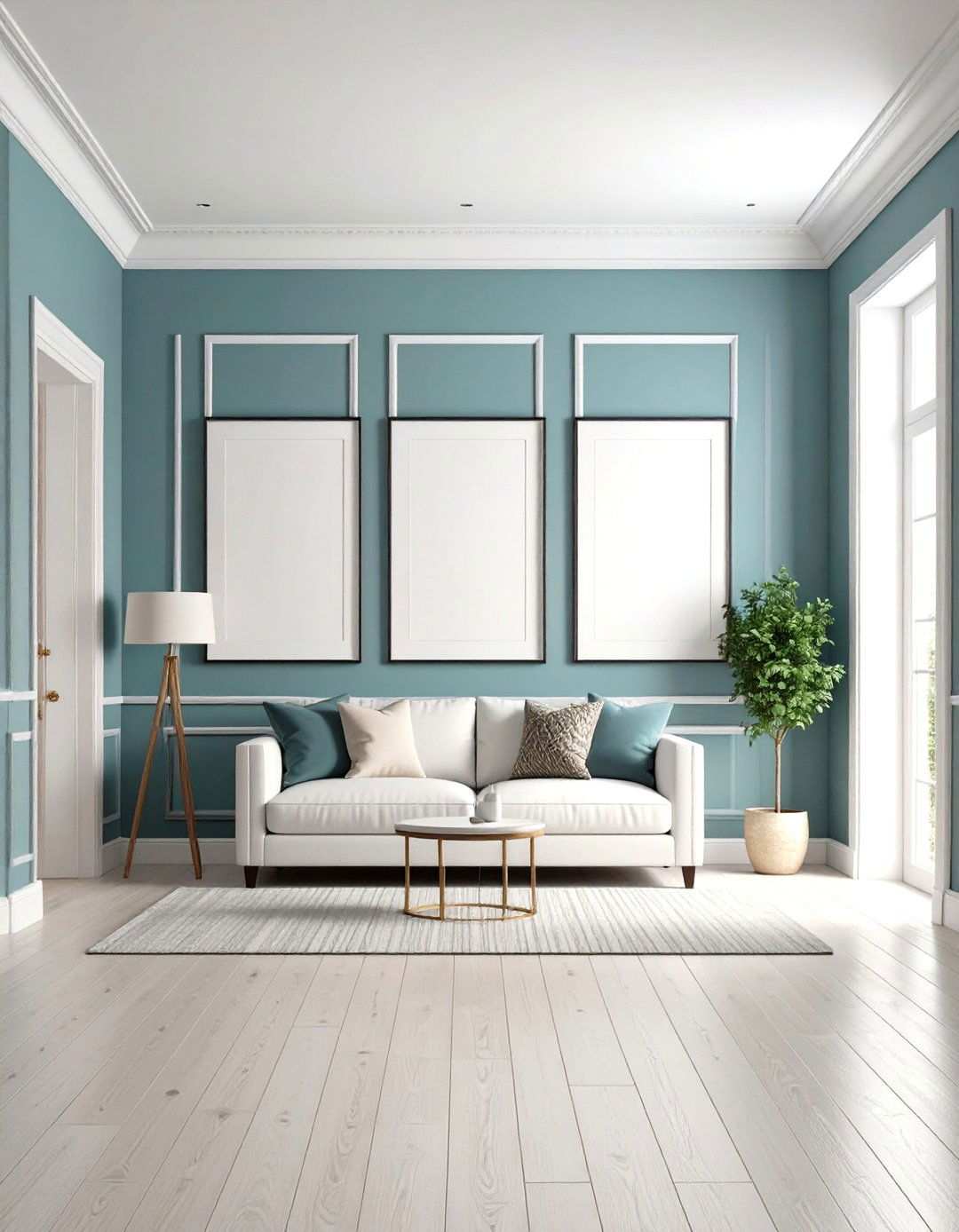
Are you looking to create stunning gallery-style wall displays without the need for expensive artwork? Panel molding offers a simple yet effective solution for transforming blank walls into sophisticated backdrops. By arranging rectangular trim in a deliberate and thoughtful manner, you can create a visually striking display that adds depth and interest to any room. This versatile technique works particularly well in entryways, hallways, and living rooms where you want to make a statement. To achieve a cohesive look, install these panels at consistent heights, or experiment with staggered arrangements for a more contemporary appeal. Consider adding wallpaper, contrasting paint colors, or actual artwork within each frame to add an extra layer of sophistication. The molding itself can be painted to match the surrounding walls for a subtle effect or contrasted for a bold definition. This approach is particularly suitable for homes with high ceilings, where large wall expanses require visual breaking points to avoid overwhelming the senses.
3. Timeless Board and Batten Wainscoting for Warmth and Character
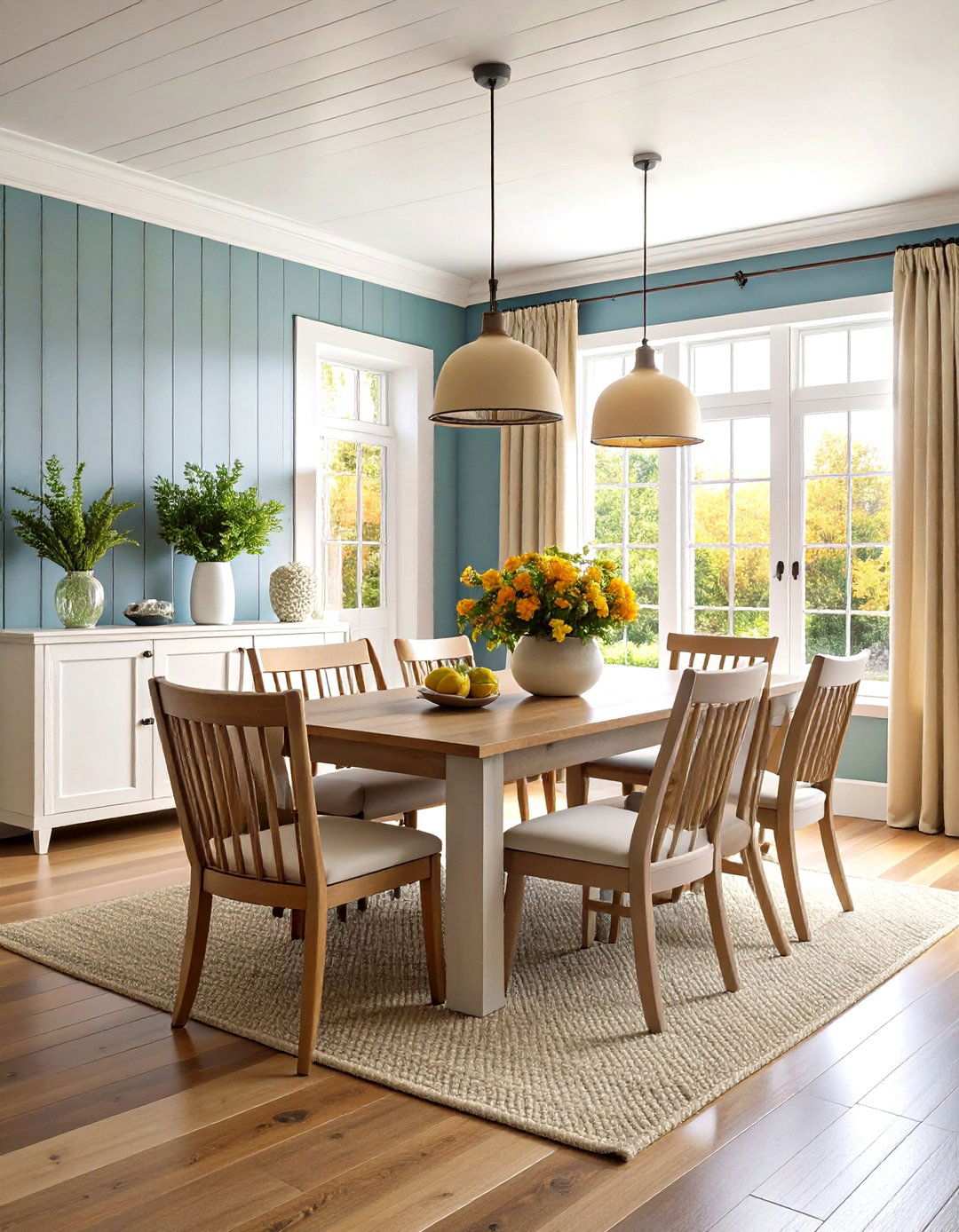
To bring a cozy farmhouse ambiance to your space while maintaining a sleek modern edge, consider incorporating board and batten wainscoting. This classic design combines horizontal rails with vertical battens to create a visually appealing texture that adds depth and warmth to your home. Whether you’re looking to create a comfortable and inviting atmosphere in a dining room, bedroom, or hallway, board and batten wainscoting is an excellent choice. One of the key benefits of this design is its ability to create the illusion of taller ceilings, thanks to the vertical lines that naturally draw the eye upward. Additionally, the spacing between the battens can be adjusted to suit the room’s proportions, allowing you to achieve a more contemporary or traditional look depending on your preference. With a range of materials available, including budget-friendly MDF and premium hardwoods, you can find an option that fits your needs and budget. Furthermore, the freedom to choose from a variety of paint colors adds an extra layer of customization, allowing you to create a look that’s uniquely yours. The installation process typically covers the lower third of the walls, creating a seamless transition to painted or wallpapered upper sections.
4. Geometric Wall Panels for Unforgettable Contemporary Spaces
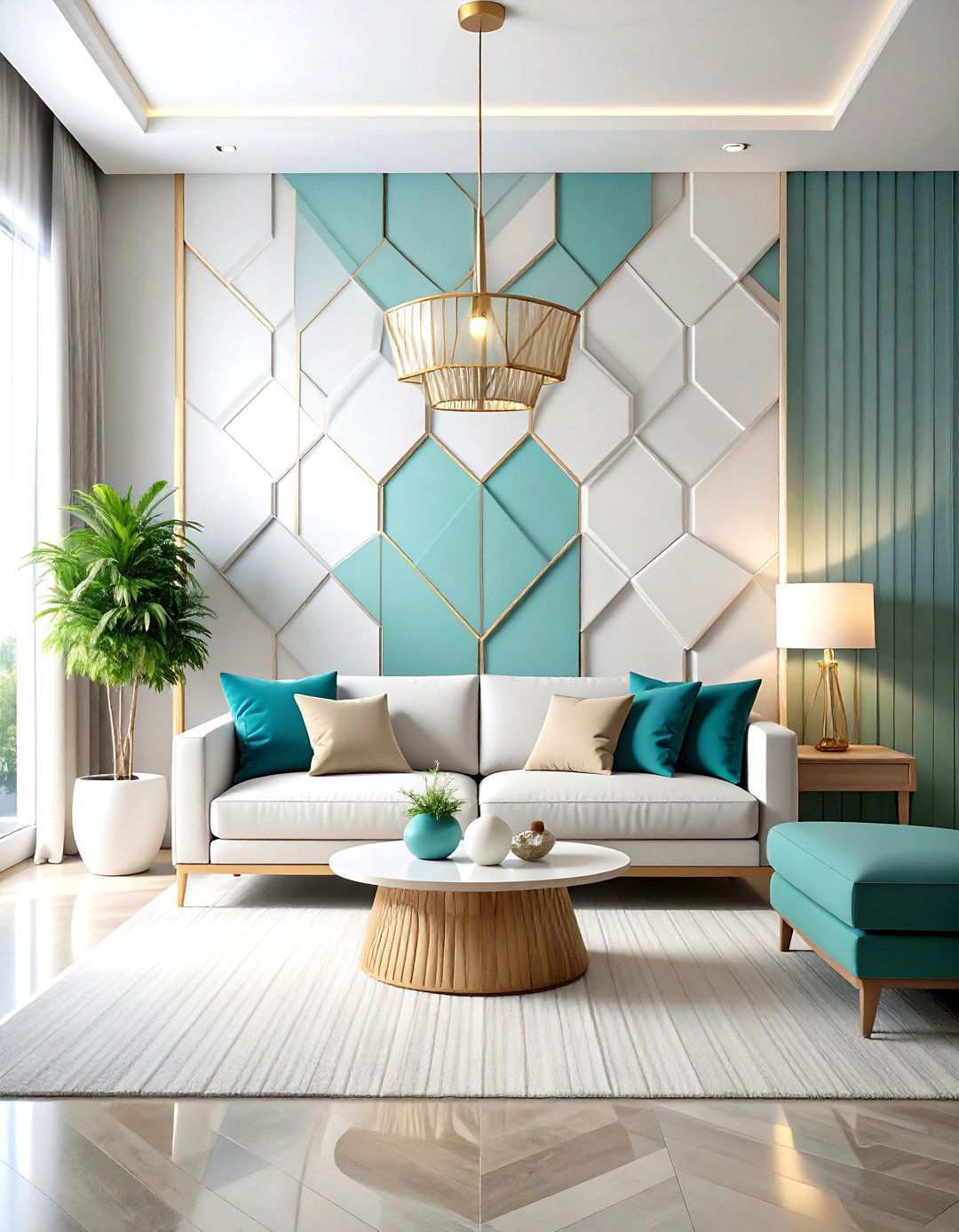
If you’re looking to make a bold statement in your home, consider incorporating modern geometric wall panels featuring unique shapes and patterns. These eye-catching designs, which can include hexagons, diamonds, or asymmetrical shapes, are perfect for creating a focal point in a contemporary home. Whether you’re looking to add some visual interest to a living room, bedroom, or home office, geometric wall panels are an excellent choice. One of the standout features of these panels is their three-dimensional quality, which creates compelling shadows and depth that adds a new level of visual appeal to your space. With a range of color options available, from monochromatic schemes for a sophisticated look to high-contrast combinations for a dramatic impact, you can choose a design that suits your style and preferences. Installation requires some planning and precision, but the end result is well worth the effort. These panels complement modern furniture styles while adding architectural interest to new construction homes that lack original character. To take your design to the next level, consider adding LED backlighting behind translucent panels for an extra wow factor that transforms your space into a contemporary gallery.
5. Chair Rail Molding with Dual Design Potential
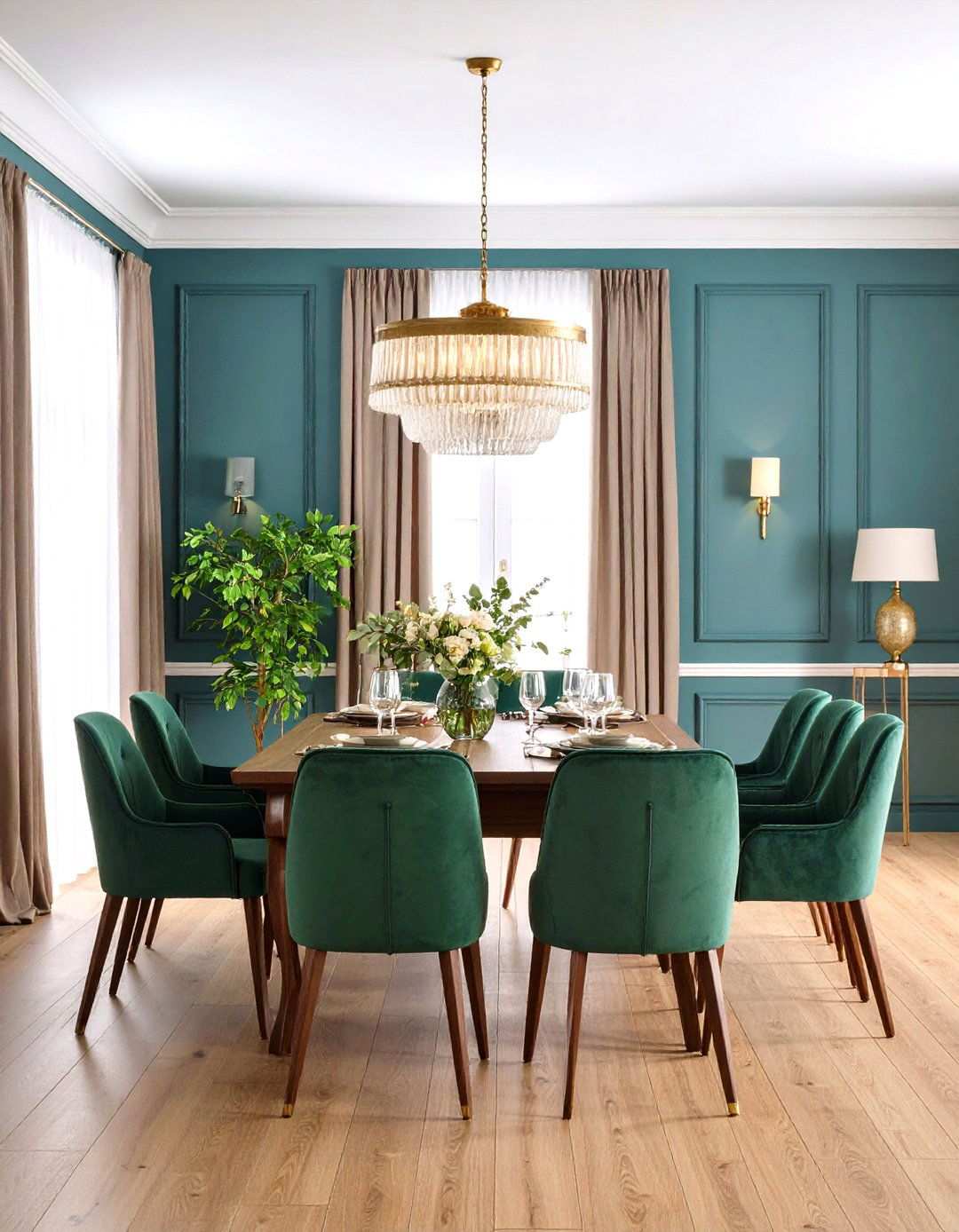
Elevate your interior design with chair rail molding, a versatile solution that unlocks a wide range of dual-design possibilities. By installing chair rail molding roughly a third of the way up the wall, you can create a natural division between contrasting colors, textures, or materials above and below. This timeless approach is particularly well-suited for dining rooms, where lower walls may be susceptible to chair damage, but it also thrives in bedrooms, living areas, and hallways. To create a beautiful visual contrast, consider using wainscoting, beadboard, or bold paint colors below the rail, while keeping upper areas lighter to maintain balanced proportions. Chair rail molding can be designed with simple profiles for a contemporary look or ornate details for traditional elegance. Material options include classic wood, paintable MDF, or flexible polyurethane for curved walls, making it an ideal solution for homes with standard ceiling heights. By carefully planning the installation, you can create visual interest without overwhelming smaller spaces.
6. Beadboard Paneling for Timeless Coastal Elegance
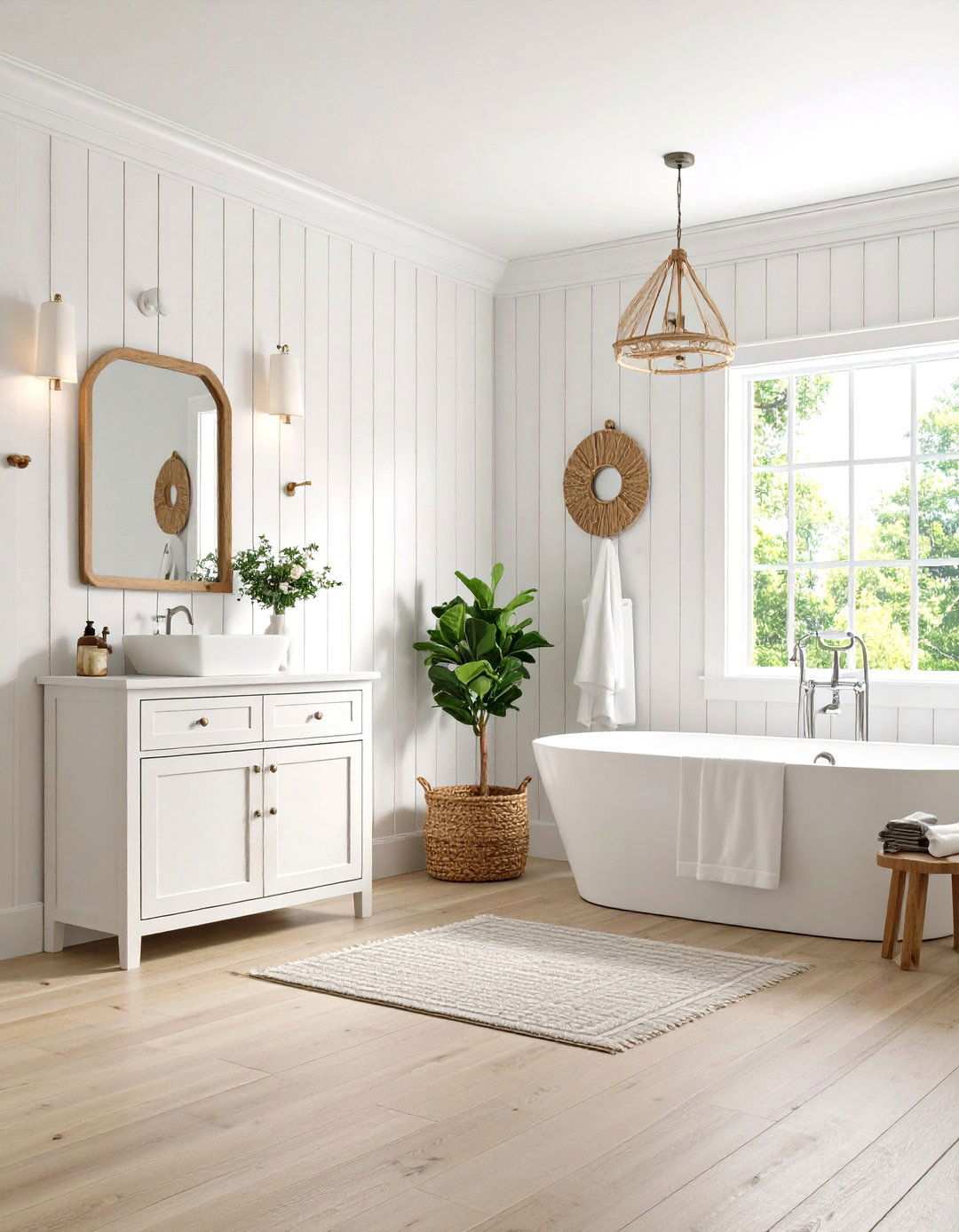
Transform any interior space into a relaxing oasis, regardless of its location. Beadboard paneling, with its distinctive vertical grooves, instantly conveys coastal charm while providing practical wall protection. This adaptable treatment is perfect for bathrooms, kitchens, mudrooms, and bedrooms where you desire comfortable, lived-in elegance. The narrow vertical lines add visual height to rooms, and the grooved texture creates subtle shadow play throughout the day. Traditional beadboard typically extends from floor to chair rail height, but modern applications often reach floor to ceiling for a dramatic impact. Choose from a range of materials, including genuine wood for authentic character, MDF for budget-conscious projects, or PVC for high-moisture areas. Paint colors can dramatically influence the mood – whites and creams evoke classic cottage appeal, while deeper hues create sophisticated modern looks. One of the benefits of beadboard paneling is its ease of installation over existing drywall, making it a great option for many DIY enthusiasts.
7. Mastering Rural Charm with Shiplap Accent Walls
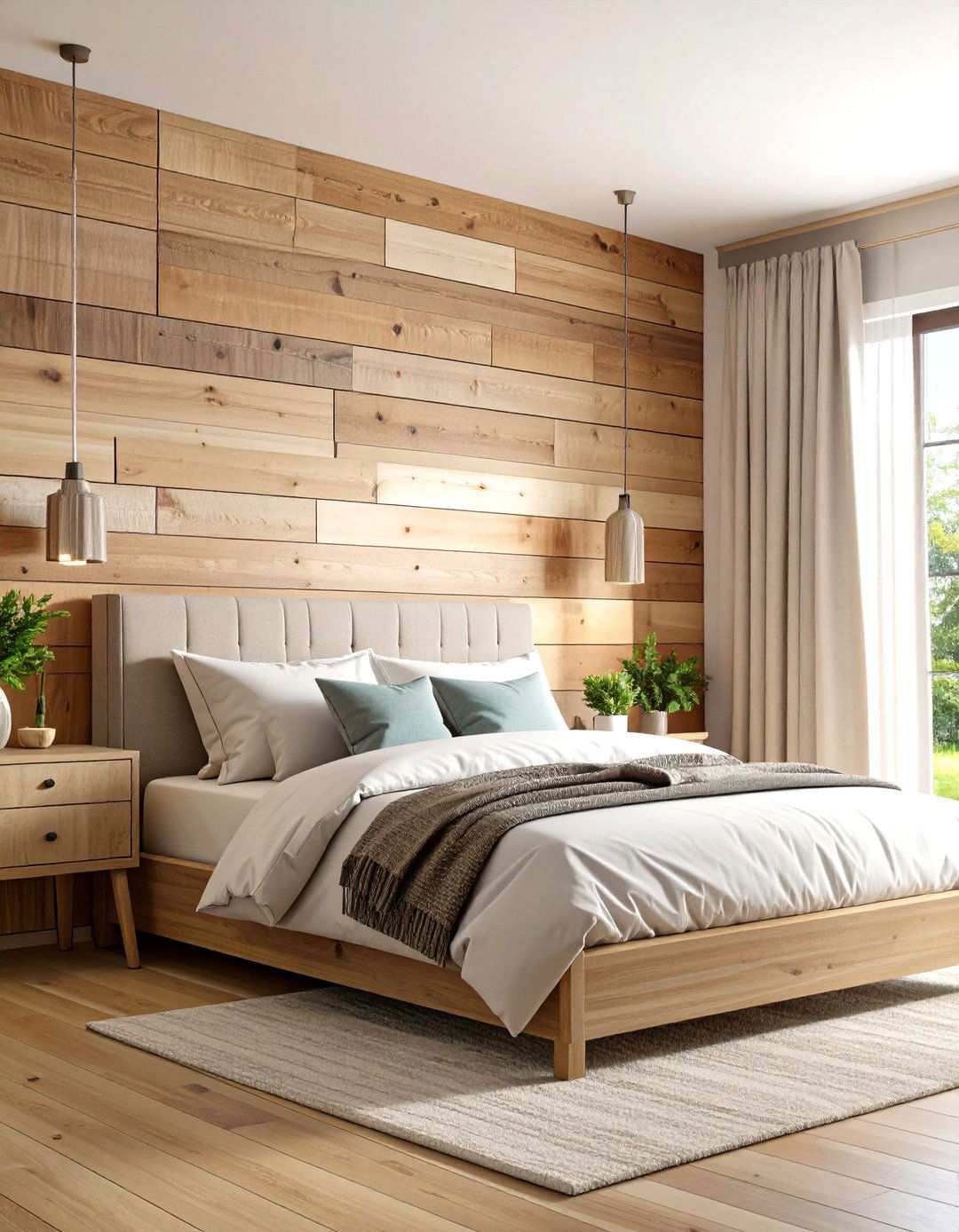
Achieving the coveted farmhouse look in a modern space can be a delicate balance between elegance and overwhelming decor. Shiplap accent walls with horizontal wooden boards and subtle shadow lines offer an ideal solution for incorporating rustic sophistication into contemporary homes. This design element excels as a statement piece in bedrooms, living rooms, or dining rooms, where the natural texture of the wood enhances the overall aesthetic. The horizontal orientation of the boards naturally expands the visual space, while the wood grain patterns add warmth and coziness. Installation options range from extending the boards floor to ceiling for maximum impact to stopping at chair rail height for a more understated application. Additionally, the color palette can range from natural wood stains that showcase the grain patterns to painted finishes that coordinate seamlessly with existing decor. The subtle shadow lines created by the spacing between the boards add depth without the need for complex molding profiles. This approach is particularly well-suited for open-concept homes where defining different areas becomes a top priority.
8. Elevating Textural Interest with Fluted Wall Molding
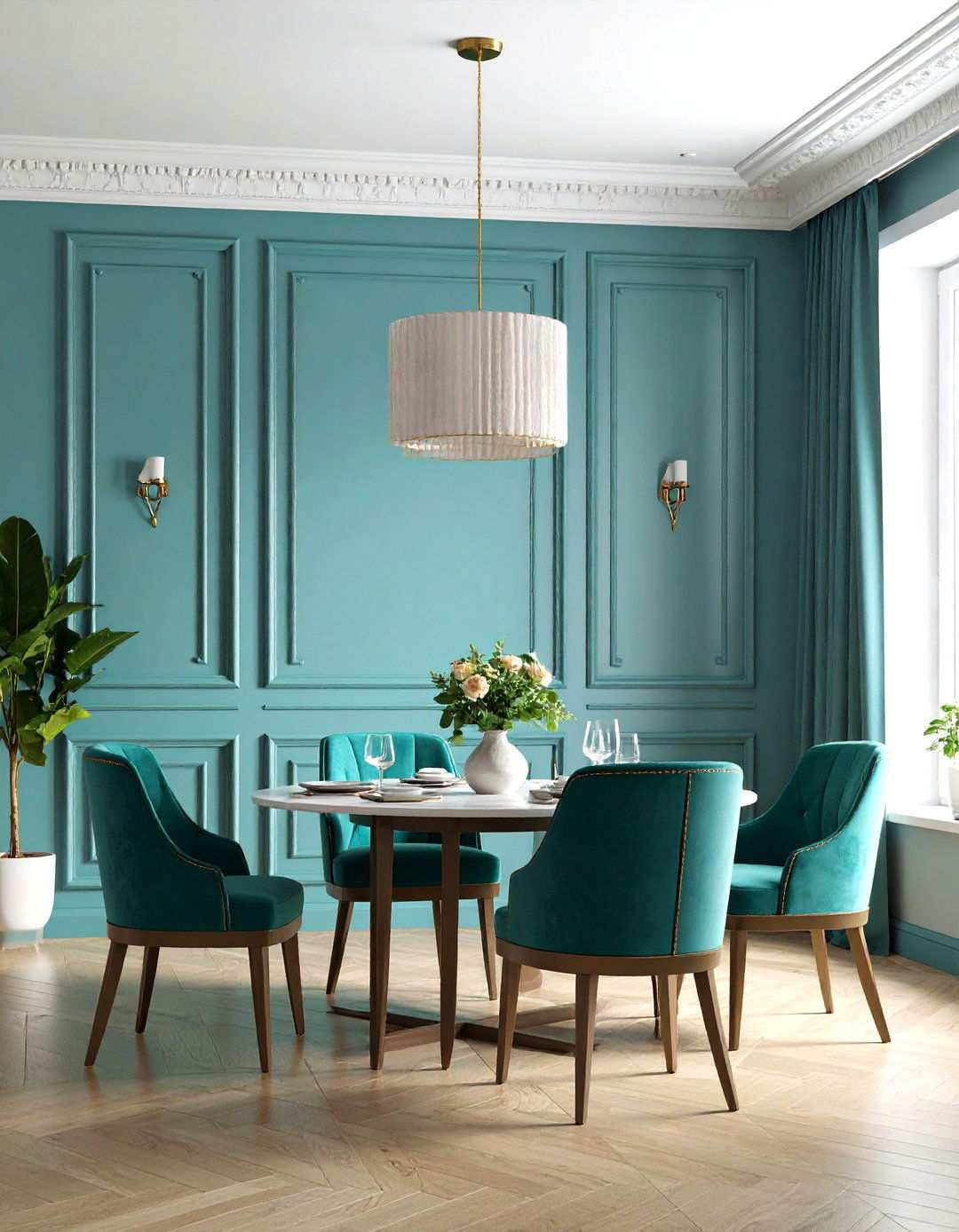
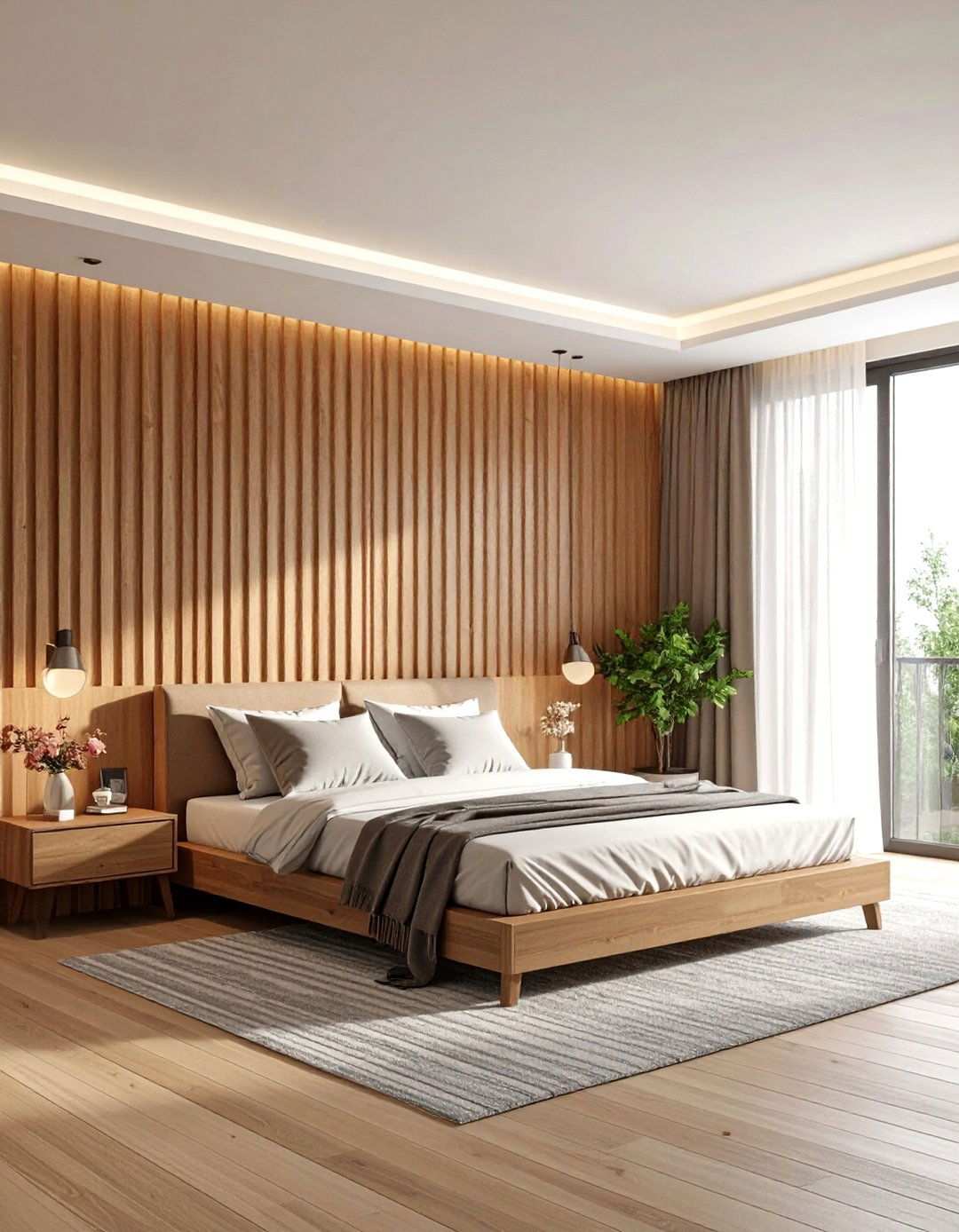
For a sophisticated look that creates movement without relying on bold colors, fluted wall molding featuring vertical channels or ridges is an excellent choice. This refined treatment works exceptionally well in formal dining rooms, master bedrooms, or home offices where understated luxury takes center stage. The repetitive vertical patterns create a visually appealing rhythm, while adding sophisticated depth to otherwise flat surfaces. Installation can be done to cover entire walls for a dramatic effect or create accent areas behind furniture groupings. A variety of materials can be used, including carved wood for traditional applications, shaped MDF for budget-friendly projects, or molded polyurethane for easy installation. What’s more, paint techniques can be employed to emphasize the fluted texture through contrasting colors in the channels or maintain monochromatic sophistication. This approach is particularly well-suited for modern traditional homes where classical elements blend harmoniously with contemporary sensibilities. When opting for professional installation, perfectly spaced and aligned channels can be achieved, ensuring a seamless and sophisticated finish.
9. Elevating Ceilings to Architectural Showstoppers
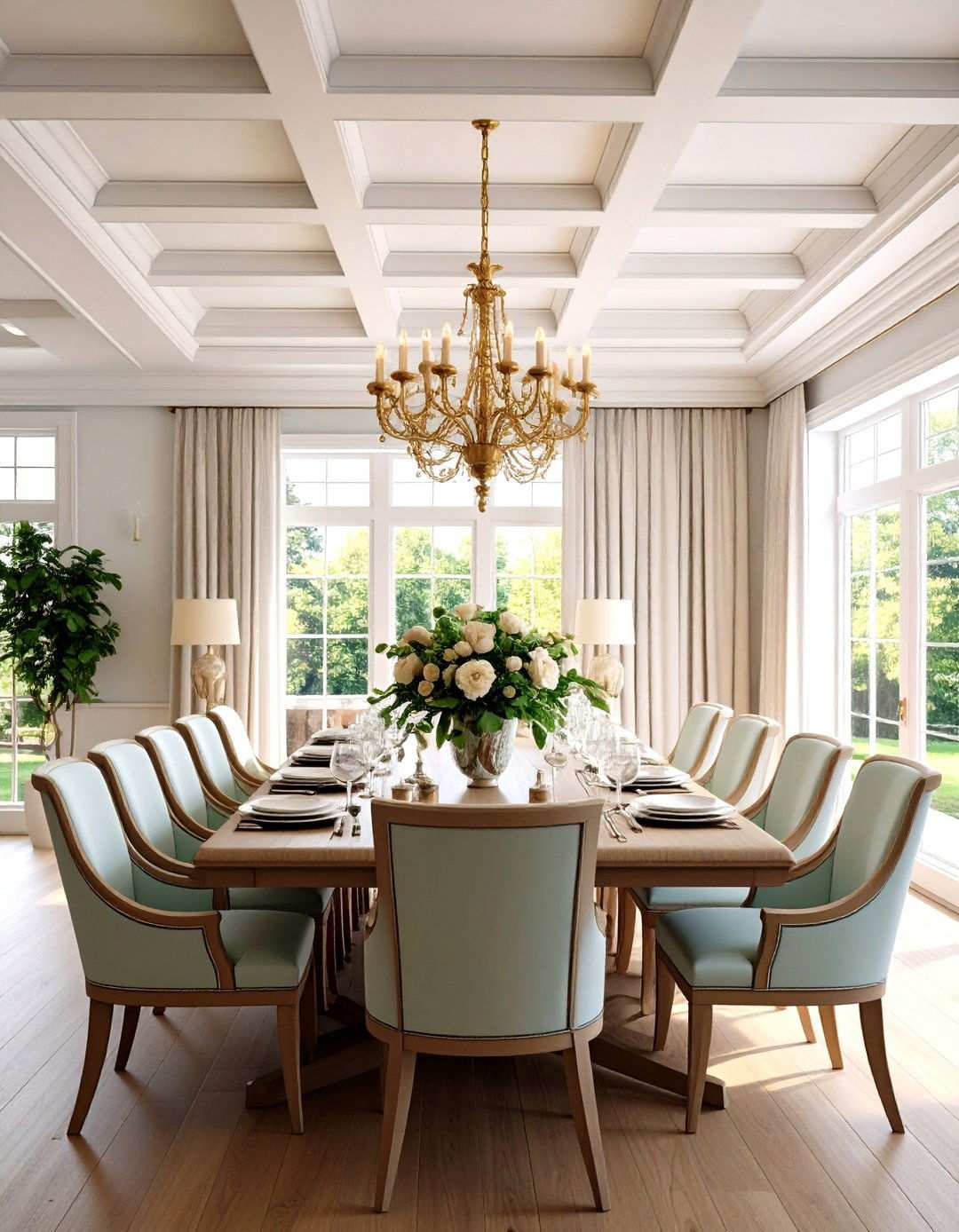
To transform humdrum ceilings into show-stopping focal points, consider incorporating coffered ceiling molding. This sophisticated treatment creates intricate grid patterns by intersecting beams that add depth and classical elegance. When executed in formal dining rooms, libraries, or living areas with ceilings that reach substantial heights, coffered ceilings make a lasting impression. The grid pattern not only organizes space but also presents opportunities for creative lighting integration and decorative painting. To achieve optimal results, meticulous planning is essential to ensure that beam spacing is proportional to the room’s dimensions. Various materials can be used, ranging from premium solid wood for a luxurious feel to lightweight foam alternatives that simplify the installation process. When it comes to painting, contrasting colors can accentuate the three-dimensional quality of the coffered ceiling, while tonal variations maintain a unified aesthetic. This design approach is particularly well-suited to homes with ceilings that exceed nine feet in height, where the added depth won’t overwhelm the space. For a seamless and sturdy installation, professional expertise is crucial.
10. Blending Elegance with Organic Flow
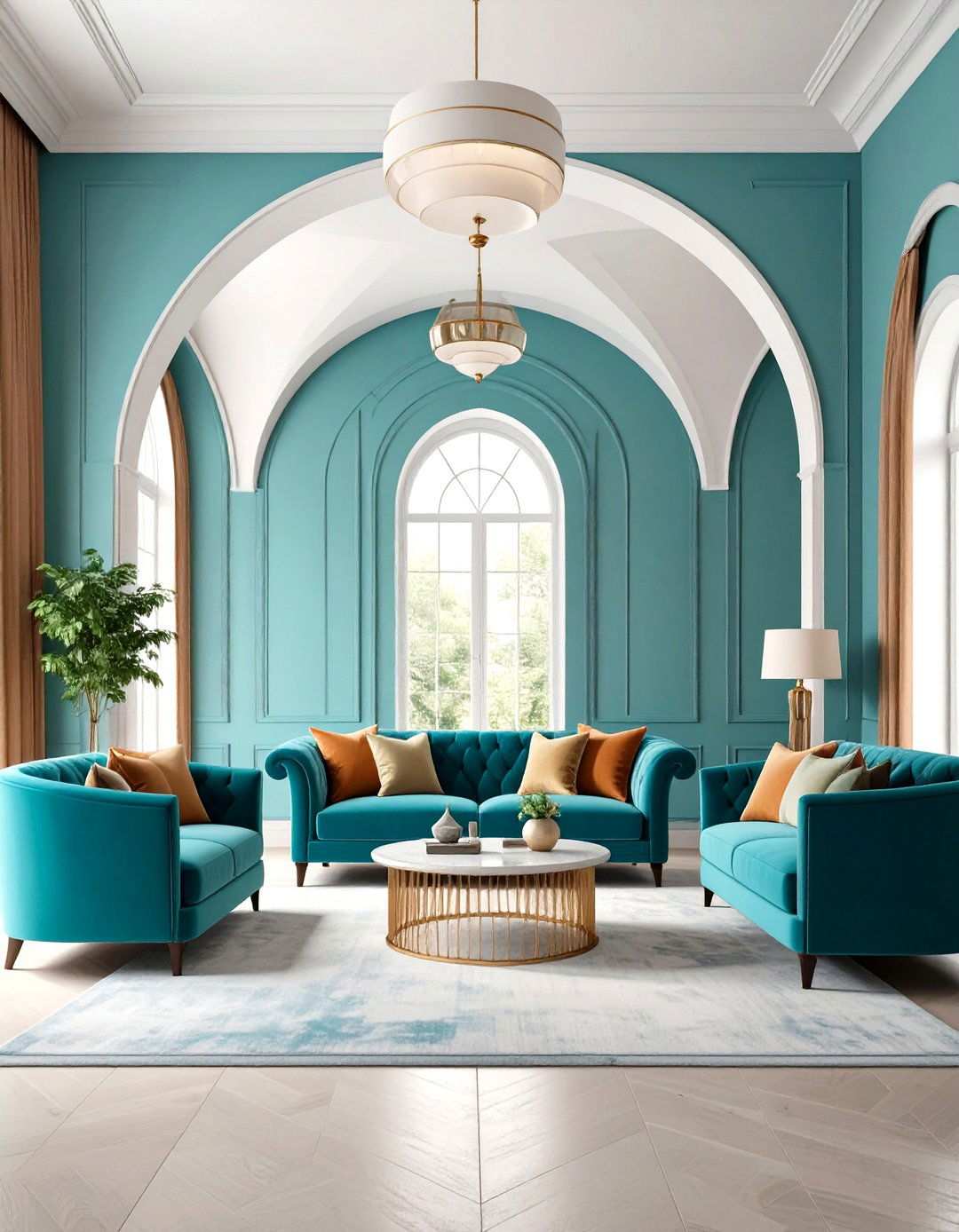
To balance structured geometry with organic flow, consider incorporating arched molding details featuring curved tops on traditional rectangular panels. This refined approach softens harsh architectural lines while maintaining the essence of elegant sophistication. In formal living rooms, master bedrooms, or dining areas, arched molding details can create a sense of gentle elegance that enhances the overall aesthetic. The curved elements add visual softness while preserving the benefits of paneled walls in terms of organization and structure. To achieve authentic arch shapes, specialized curved molding pieces or custom-bent flexible materials are necessary. For added sophistication, arched molding details can be paired with traditional wainscoting or picture frame panels. When it comes to painting, contrasting colors can highlight the architectural details, while tonal variations create a seamless integration. This design treatment is particularly well-suited to traditional and transitional home styles, where classical elements remain a vital aspect of the aesthetic. To ensure a flawless installation, professional expertise is essential for proper curve placement and smooth transitions between straight and curved sections.
11. Unifying Functionality and Design with LED-Integrated Crown Molding
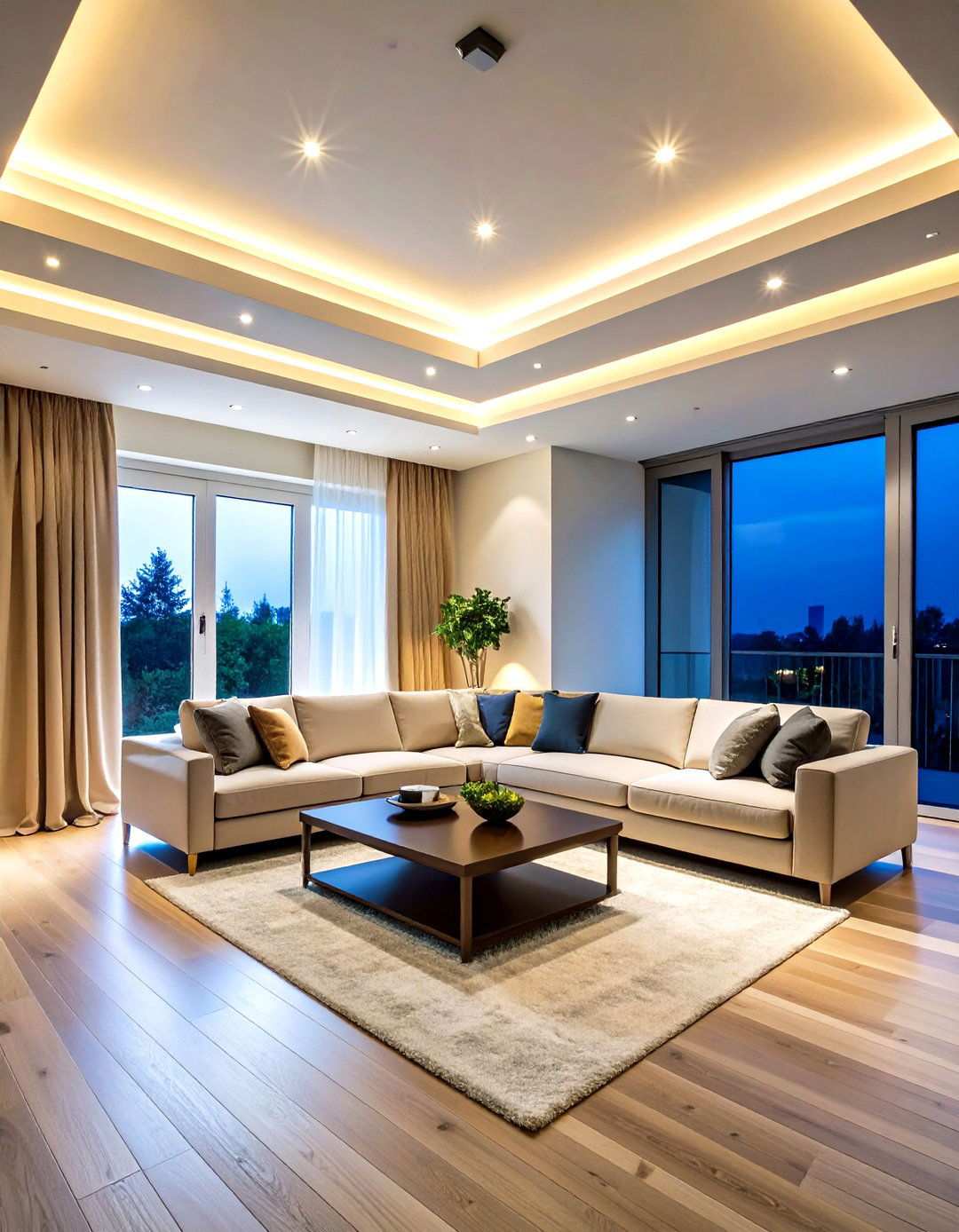
Integrating LED lighting into crown molding creates an unparalleled harmony between form and function. By seamlessly merging traditional architectural elements with cutting-edge technology, homeowners can achieve an extraordinary ambiance in living spaces. The result is a captivating blend of soft, gentle illumination and classical architectural detail, perfect for living rooms, bedrooms, or dining areas where atmosphere plays a significant role. Strategically placed LED strips within specially designed molding profiles produce an enchanting uplighting effect that seems to dance across ceilings. This approach demands meticulous planning to ensure precise electrical connections and LED strip placement. A range of color temperatures, from warm whites to cool whites, can be tailored to suit individual tastes, with smart controls allowing for effortless dimming and color changing. As a result, modern homeowners can enjoy an elevated level of sophistication without sacrificing style.
Professional installation is crucial to guaranteeing safety and optimal light distribution throughout the space. By entrusting this task to experts, homeowners can rest assured that their investment in LED-integrated crown molding will yield years of unparalleled illumination and architectural beauty.
12. Crafting Customized Molding Profiles through Layered Buildups
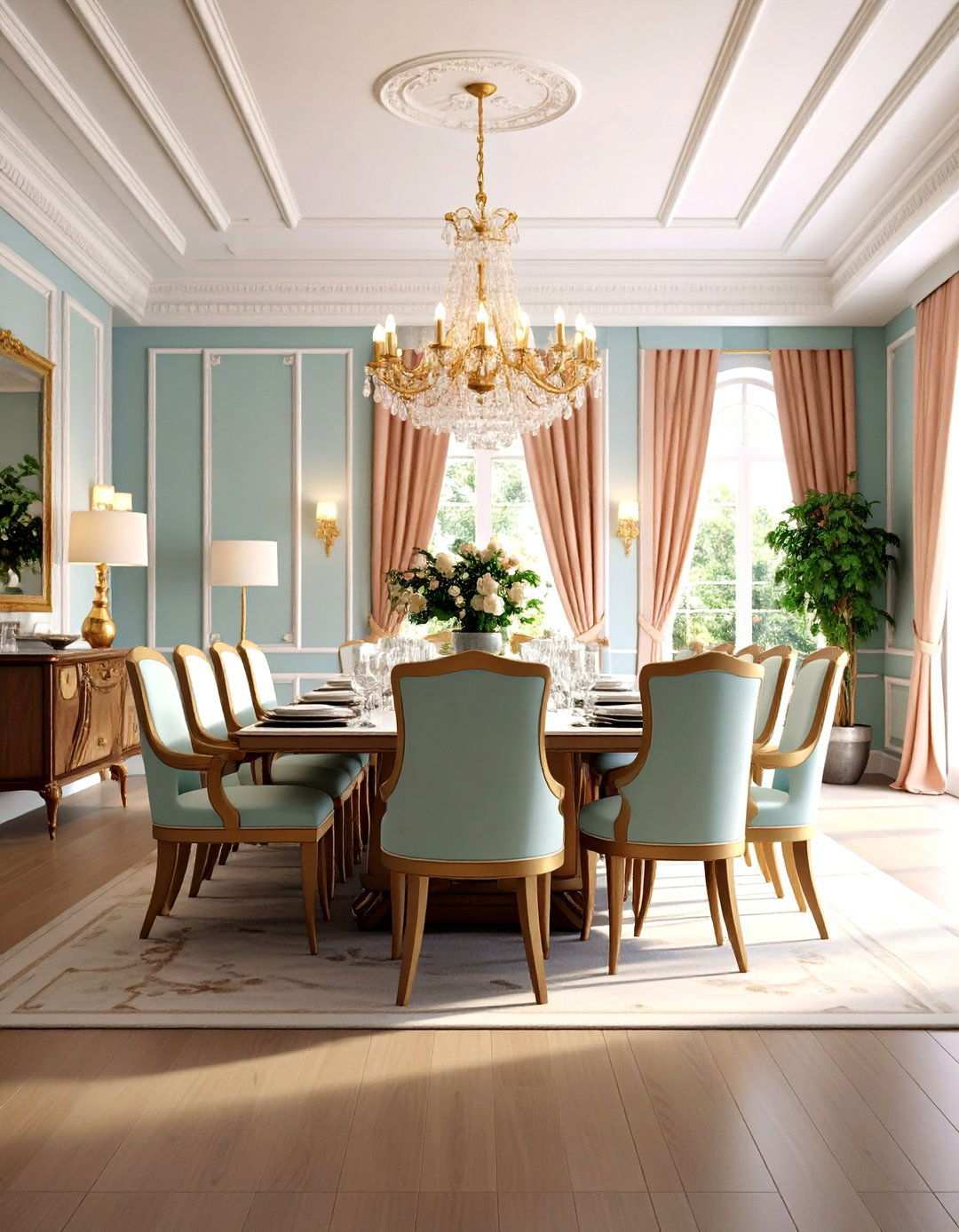
For those seeking to transcend standard molding profiles, layered buildups offer a world of creative possibilities. By combining multiple trim pieces, homeowners can create intricate profiles that rival the craftsmanship of expensive millwork at a fraction of the cost. This sophisticated technique is particularly well-suited for formal dining rooms, libraries, or master bedrooms where architectural detail makes a statement. By skillfully stacking different molding sizes and profiles, homeowners can achieve complex shadow lines and add dimension to their space. To achieve the desired effect, precise alignment and careful planning are essential to ensure that the various elements are in perfect proportion. When it comes to paint strategies, unifying the layered elements can create a cohesive look, while subtle color variations can emphasize individual components and add depth to the design. By combining wood and MDF elements, homeowners can enjoy an optimal cost-to-impact ratio, making layered molding buildups a viable option for those seeking customized molding profiles that reflect their unique design vision or historical architectural style.
Unifying Spaces with Molding Contrast
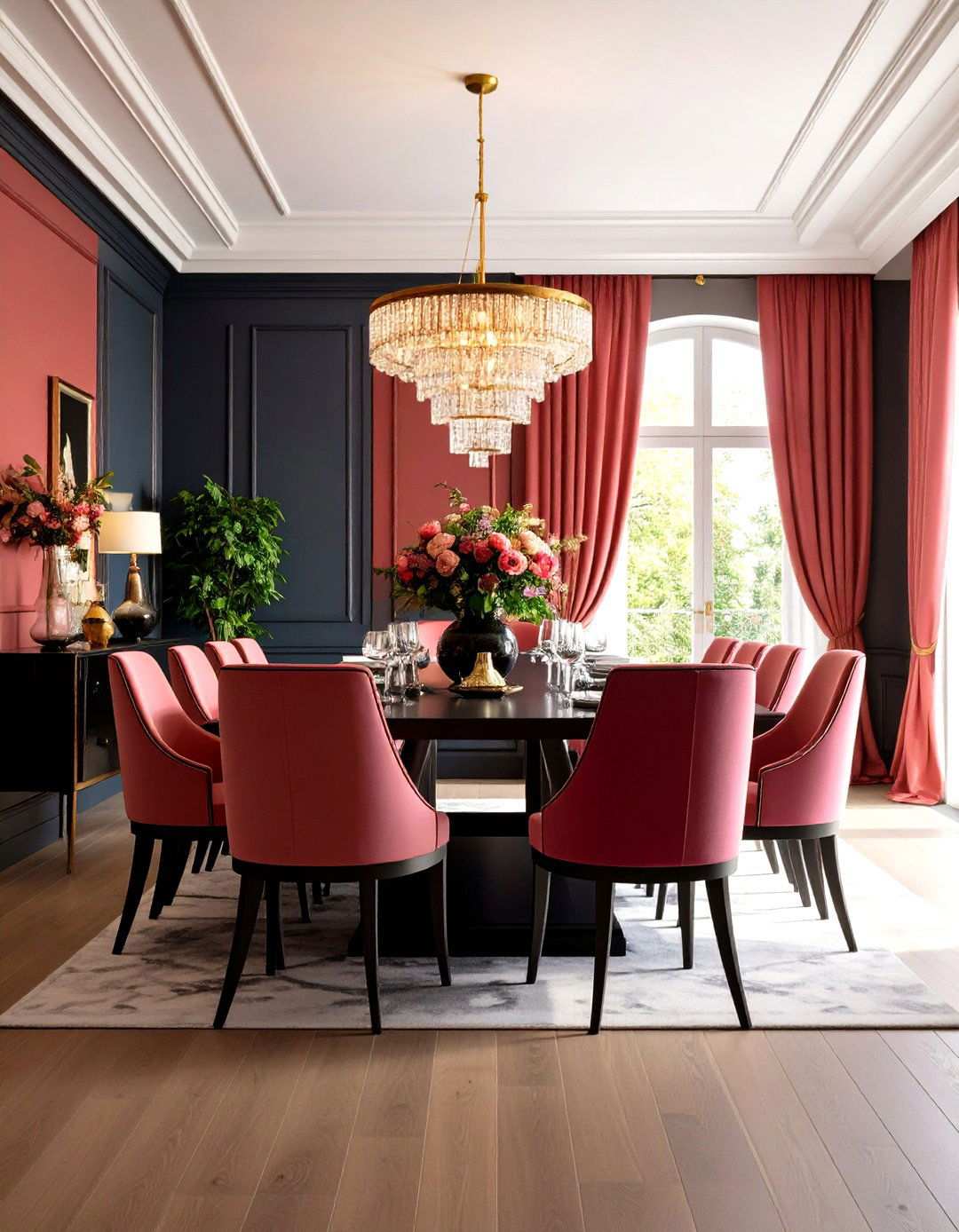
To create a visual impact in architectural details, striking balance between elegance and drama is essential. This is where contrasting color molding comes into play, leveraging bold color differences between trim and wall surfaces to create a sleek and sophisticated ambiance. By applying this technique in contemporary rooms like dining rooms, home offices, or bedrooms, architectural details can become the focal point of the space. Dark molding against light walls creates a crisp, defined look, whereas light molding on dark surfaces provides an understated yet sophisticated contrast. The possibilities are vast, ranging from the classic black and white combination for timeless drama to the modern navy and cream pairing for a softer impact. What’s more, this technique works seamlessly with any molding style, from simple baseboards to intricate crown details. Achieving clean lines and professional results hinges on choosing the right paint quality. As a result, this approach is particularly well-suited for contemporary and transitional homes where bold choices elevate the overall design without overwhelming it. With careful color selection, the treatment can beautifully enhance existing decor elements.
Molding Solutions for Unique Architectural Features
When faced with the challenge of adding molding details to curved walls and unique architectural features, traditional rigid molding often falls short. Enter flexible molding, made from bendable polyurethane materials, which allows for beautiful trim applications on curved surfaces, archways, and custom architectural elements. This specialized approach excels in homes with curved staircases, bay windows, or unique architectural features where traditional molding would fail. The flexible material maintains its crisp profile details while effortlessly bending around curves without breaking or splitting. Installation requires precision measuring and gradual bending to avoid kinking or damage. These materials paint beautifully, providing the same visual impact as traditional molding while accommodating unique architectural challenges. What’s more, this treatment is particularly well-suited for older homes with curved plaster walls or contemporary designs incorporating organic shapes. A professional installation ensures proper adhesion and smooth curves throughout the application, resulting in a finished product that appears seamlessly integrated regardless of underlying wall irregularities.
15. Streamlined Definition for Modern Spaces
For interior designs that prioritize simplicity and clean lines, thin line molding presents a compelling solution. By employing narrow trim pieces, you can achieve subtle definition that enhances minimalist interiors without compromising their essential essence. This understated approach excels in contemporary bedrooms, modern living areas, or sleek home offices where minimalism is the guiding principle. The narrow profiles cast gentle shadows, adding dimensional interest without imposing visual weight. When it comes to installation, the focus is on strategic placement rather than comprehensive coverage, emphasizing key architectural transitions or furniture groupings. Materials often comprise simple wood strips, metal profiles, or minimal polymer extrusions painted to match or subtly contrast with wall colors. This technique is particularly suited to urban lofts, modern condominiums, or contemporary homes where architectural purity is paramount. The refined elegance enhances rather than competes with modern furniture and clean design lines. A professional installation ensures perfectly straight lines and precise positioning.
16. Layered Visual Interest through Panel Combinations
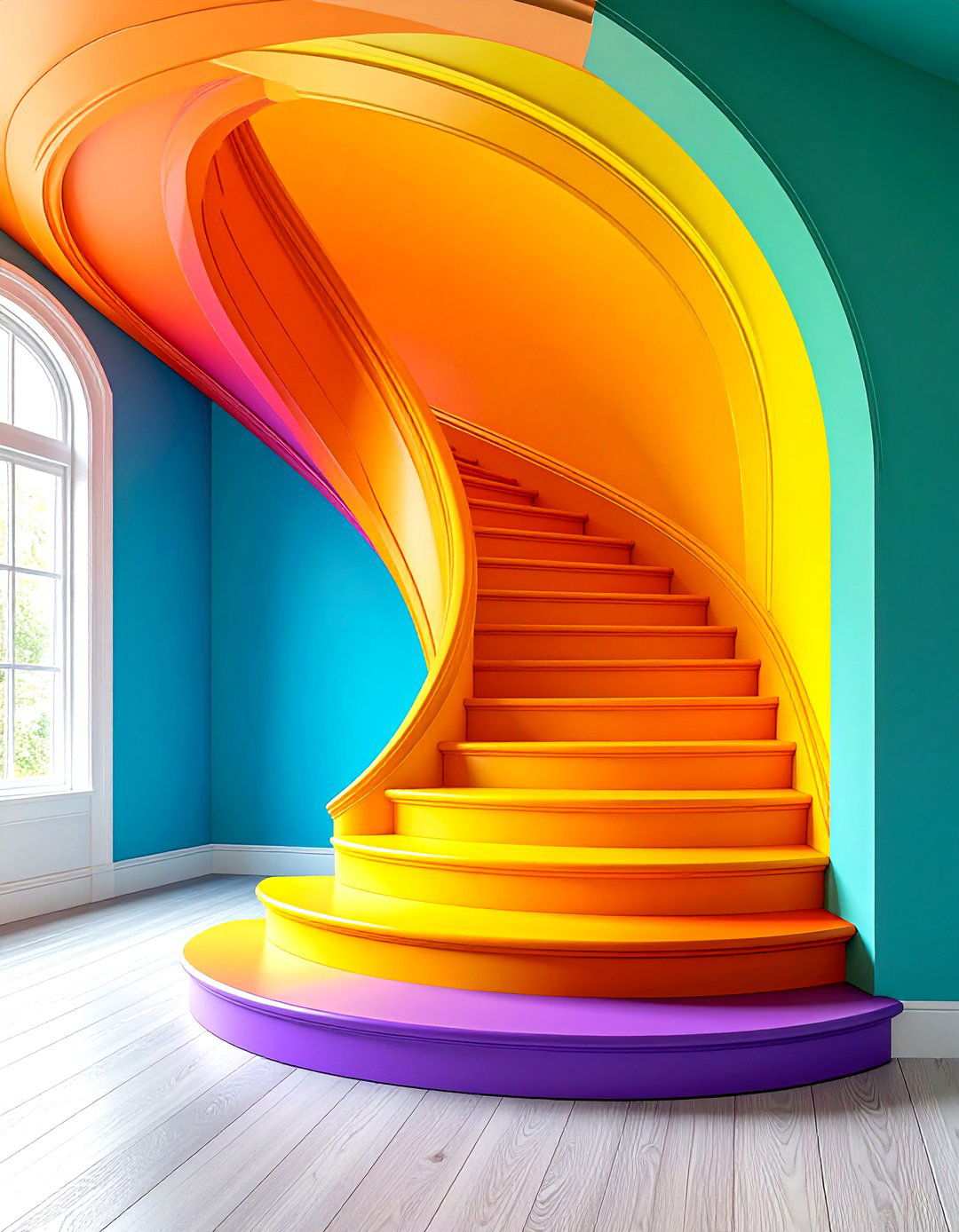
To create a visually engaging space while maintaining sophisticated organization, consider employing mixed-height panel combinations. This innovative approach uses varying rectangle sizes within unified molding systems to generate dynamic visual rhythm and contemporary sophistication. This technique is particularly well-suited for living rooms, hallways, or dining areas where traditional uniform panels might feel too static. Different panel heights create natural focal points while maintaining overall design cohesion through consistent molding profiles and spacing. Installation requires careful planning to ensure pleasing proportional relationships between different sized elements. Effective paint strategies can emphasize the varying heights through subtle color gradations or maintain unity through consistent coloring. This technique works particularly well with picture frame molding or wainscoting applications where creativity enhances traditional approaches. The varying heights accommodate different furniture pieces and artwork while providing flexible design solutions. A professional installation ensures proper alignment despite varying panel dimensions.
17. Mastering the Art of Luxury Texture with Venetian Plaster and Molding Frames
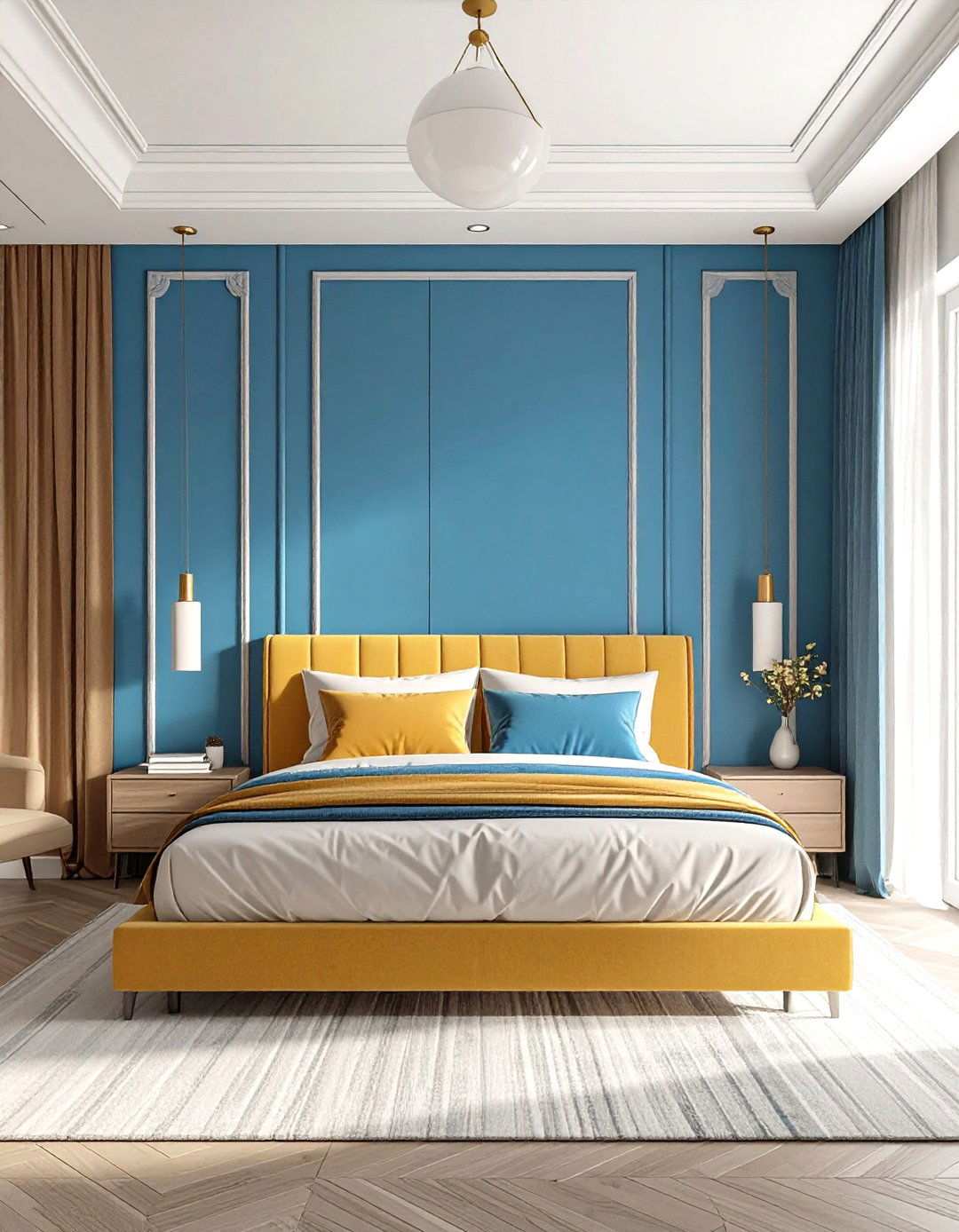
Those seeking a luxurious ambiance that combines stunning molding with rich textural elements will find the perfect solution in Venetian plaster application within molding frames. This sophisticated approach creates an extraordinary textural contrast that elevates even the most mundane spaces to extraordinary elegance. Formal dining rooms, master bedrooms, and luxury powder rooms are ideal settings for this premium treatment, where tactile richness takes center stage and enhances the overall experience. The crisp definition provided by the smooth molding frames serves as a beautiful counterpoint to the organic texture of hand-applied plaster finishes, while color combinations can range from subtle tonal variations for understated sophistication to bold contrasts for dramatic impact. While installation demands skilled craftsmanship for precise molding placement and expert plaster application, the finished result is a museum-quality masterpiece with unique textural interest that evolves throughout the day. This treatment is particularly suited to high-end traditional or contemporary homes where material quality takes precedence over budget considerations. With proper care, including occasional plaster touch-ups and regular molding maintenance, this luxurious treatment will continue to shine for years to come.
18. Infusing Nautical Sophistication with Rope Molding Details
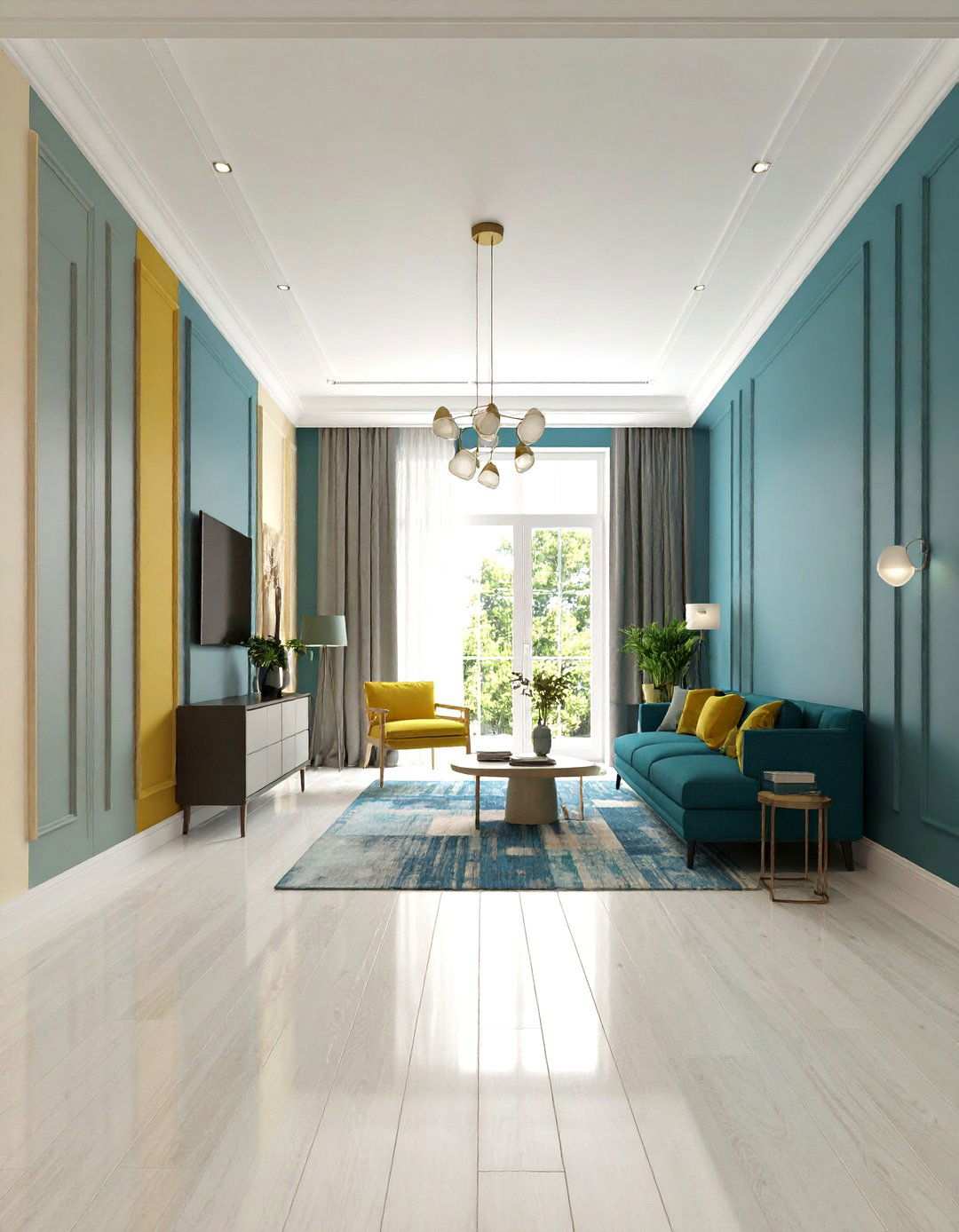
For those who want to bring refined nautical character to their interior spaces without overwhelming seaside themes, rope molding details featuring twisted or braided profiles offer the perfect solution. This distinctive approach adds sophisticated maritime character while maintaining elegant restraint, making it ideally suited to bathrooms, kitchens, or casual dining areas where subtle themed elements enhance overall design. The twisted profiles create intriguing shadow play while providing tactile richness that invites closer inspection, and installation follows standard molding techniques with attention to continuous pattern flow around corners and transitions. Paint choices can emphasize the rope texture through highlighting techniques or maintain subtle integration through tonal painting. When combined with beadboard or shiplap elements, this treatment works particularly well to create a coordinated coastal sophistication. Materials include carved wood for authentic character or molded alternatives for budget-conscious applications, allowing homeowners to choose the perfect balance between realism and affordability. The nautical reference remains sophisticated rather than literal, enhancing rather than overwhelming existing decor elements to create a truly unique and captivating space.
19. Crafting Art Deco Elegance with Stepped Molding Profiles
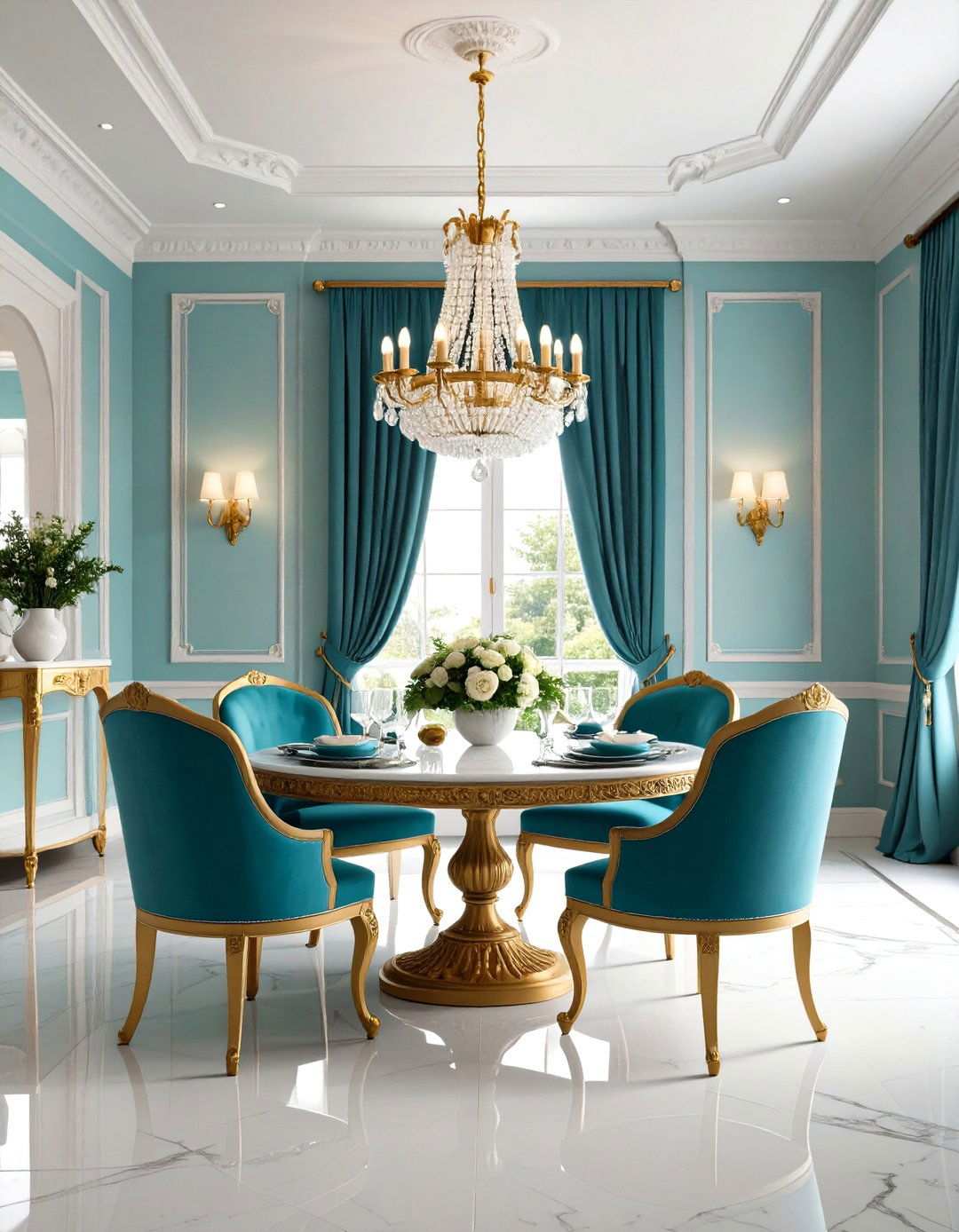
To evoke the opulence and sophistication of Art Deco design in modern architecture, stepped molding profiles with geometric angular transitions are an ideal choice. These striking profiles create a period-specific character that seamlessly blends with contemporary homes. This avant-garde approach is particularly effective in powder rooms, home bars, or formal dining areas, where it amplifies the theatrical elegance and enhances the entertaining experience. The angular profiles produce striking shadow patterns, accentuating the geometric essence of Art Deco design. To achieve the desired effect, meticulous mitering and precise alignment are crucial in maintaining the clean geometric relationships between elements. Stepped molding profiles can be crafted from a range of materials, including painted MDF or wood, which provide crisp profile definition, or metallic finishes, which enhance the period authenticity. To amplify the design’s impact, color strategies often emphasize bold contrast and drama through striking combinations or sophisticated metallics. This style is particularly well-suited to urban apartments, renovated historic homes, or contemporary spaces seeking a distinctive character. The geometric nature of stepped molding profiles complements modern furniture while forging a historical design connection.
20. Unleashing the Beauty of Natural Wood Molding
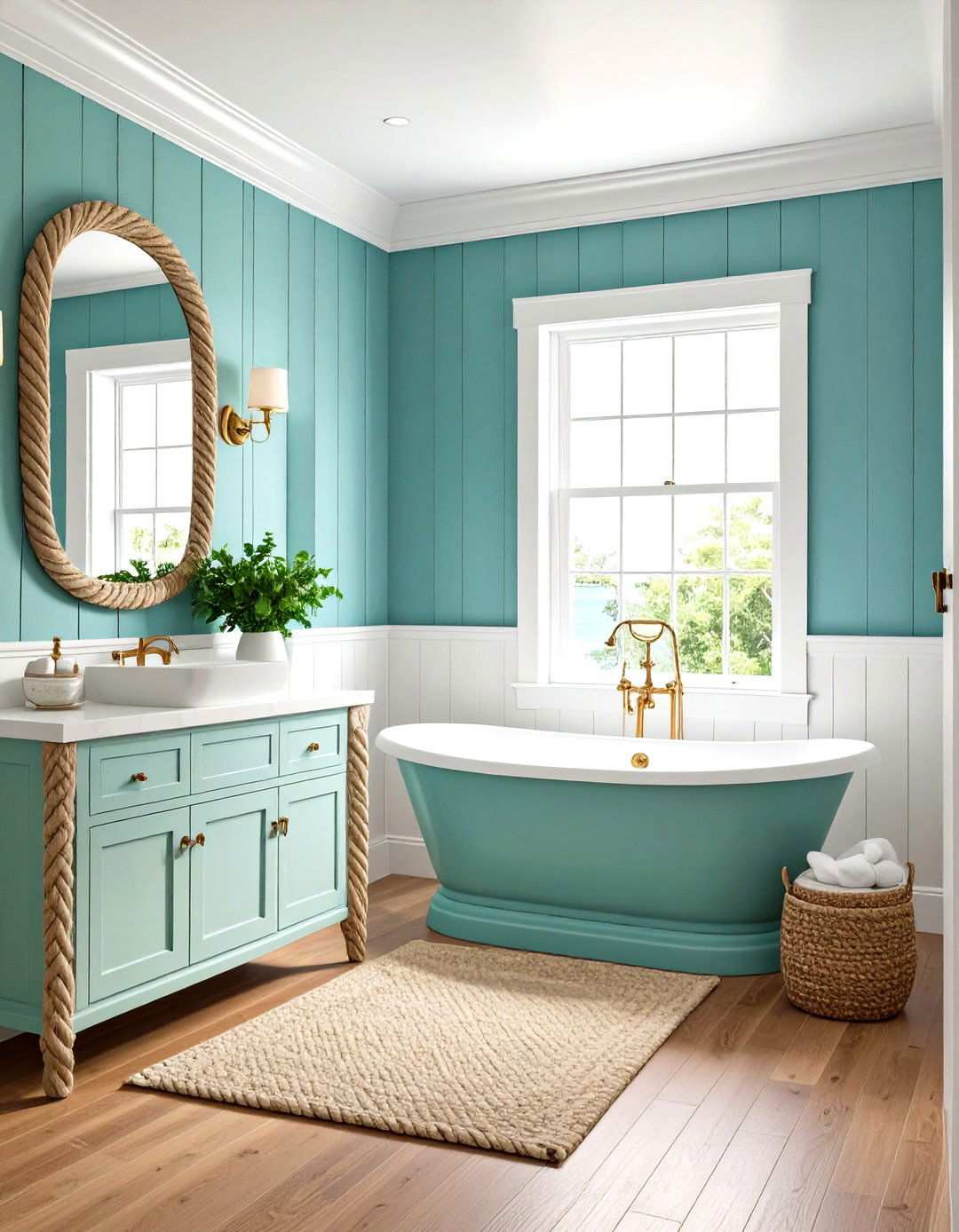
Why conceal the natural beauty of wood grain when it can provide unparalleled warmth and character to a space? Natural wood molding with rich stained finishes is a timeless approach that effortlessly complements both traditional and contemporary interiors. This classic style works beautifully in family rooms, dens, or bedrooms, where comfortable elegance takes center stage over formal perfection. Different wood species offer a diverse array of grain patterns and color characteristics, ranging from light maple to rich walnut. By selecting the right stain, homeowners can either accentuate the natural color variations or create a dramatic transformation while maintaining visible grain character. The installation process involves traditional techniques, with a focus on grain matching and seamless transitions to ensure a cohesive look. This treatment is particularly well-suited to homes with existing wood elements, such as hardwood floors or exposed beams, which can be coordinated with natural material palettes. Maintenance is relatively straightforward, involving occasional cleaning and periodic refinishing to maintain the lustrous finish. The natural variation in wood grain ensures each installation becomes a unique work of art, providing lasting beauty that improves with age.
21. Ornate Accent Molding for Polished Focal Points
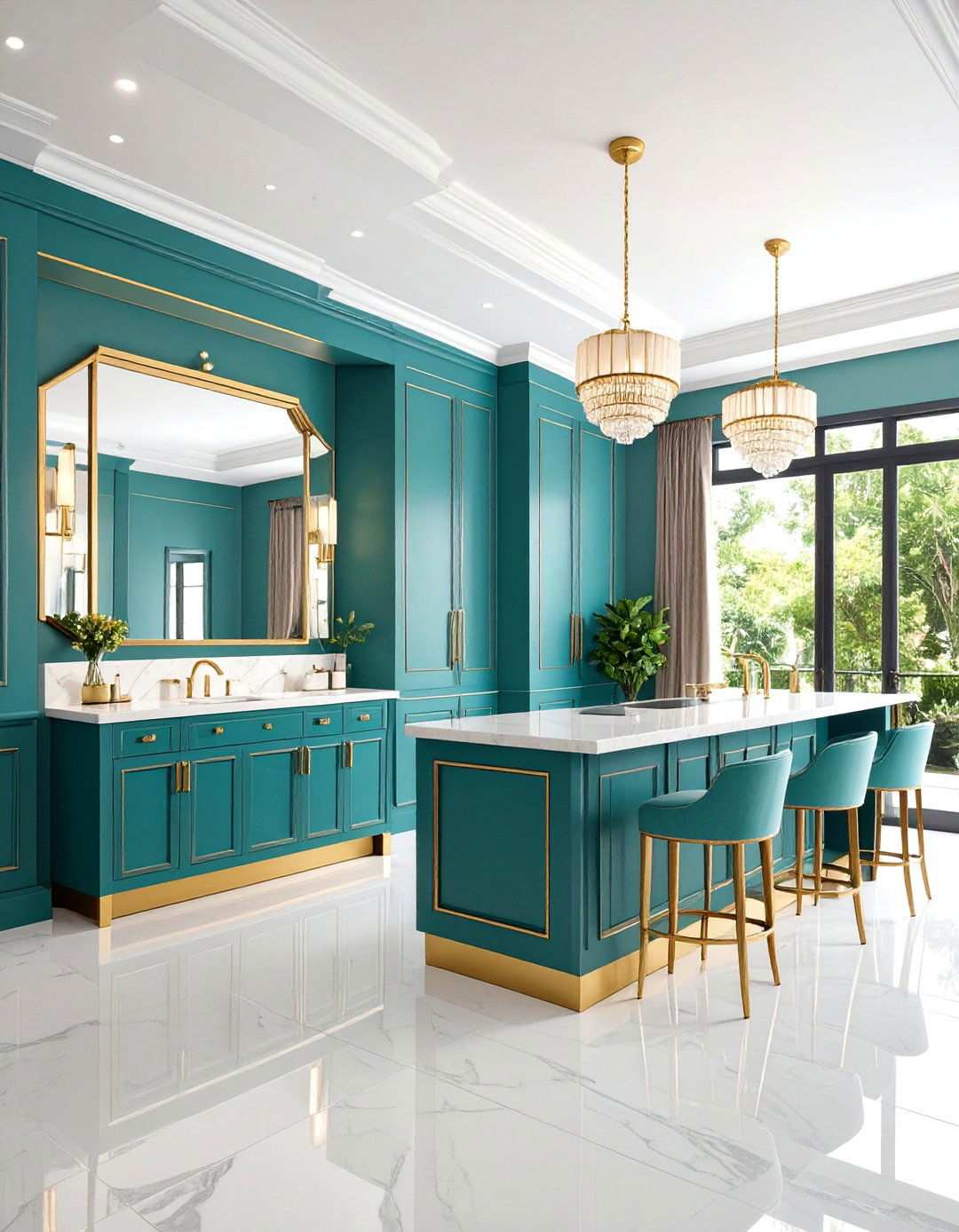
To create refined spaces that exude sophistication, consider incorporating ornate accent molding featuring medallion accents or intricately carved elements. This classic approach beautifully marries traditional trim with decorative flair, resulting in visually striking focal points that elevate the overall ambiance of a room. In formal living spaces, such as living rooms and dining areas, or master bedrooms, architectural ornaments can add an air of luxury, making them perfect for showcasing one’s personal taste. Strategically placed medallions serve as natural pause points, breaking up long runs of molding and adding a three-dimensional element that draws the eye. To achieve a harmonious visual flow, precise placement and careful spacing are essential during installation. Available in a range of materials, from intricately carved wood medallions for a luxurious feel to molded polyurethane alternatives for a more budget-friendly option, this design treatment lends itself particularly well to traditional and transitional homes where classic details remain an integral part of the design language.
22. Horizontal Slat Walls for Dynamic Texture
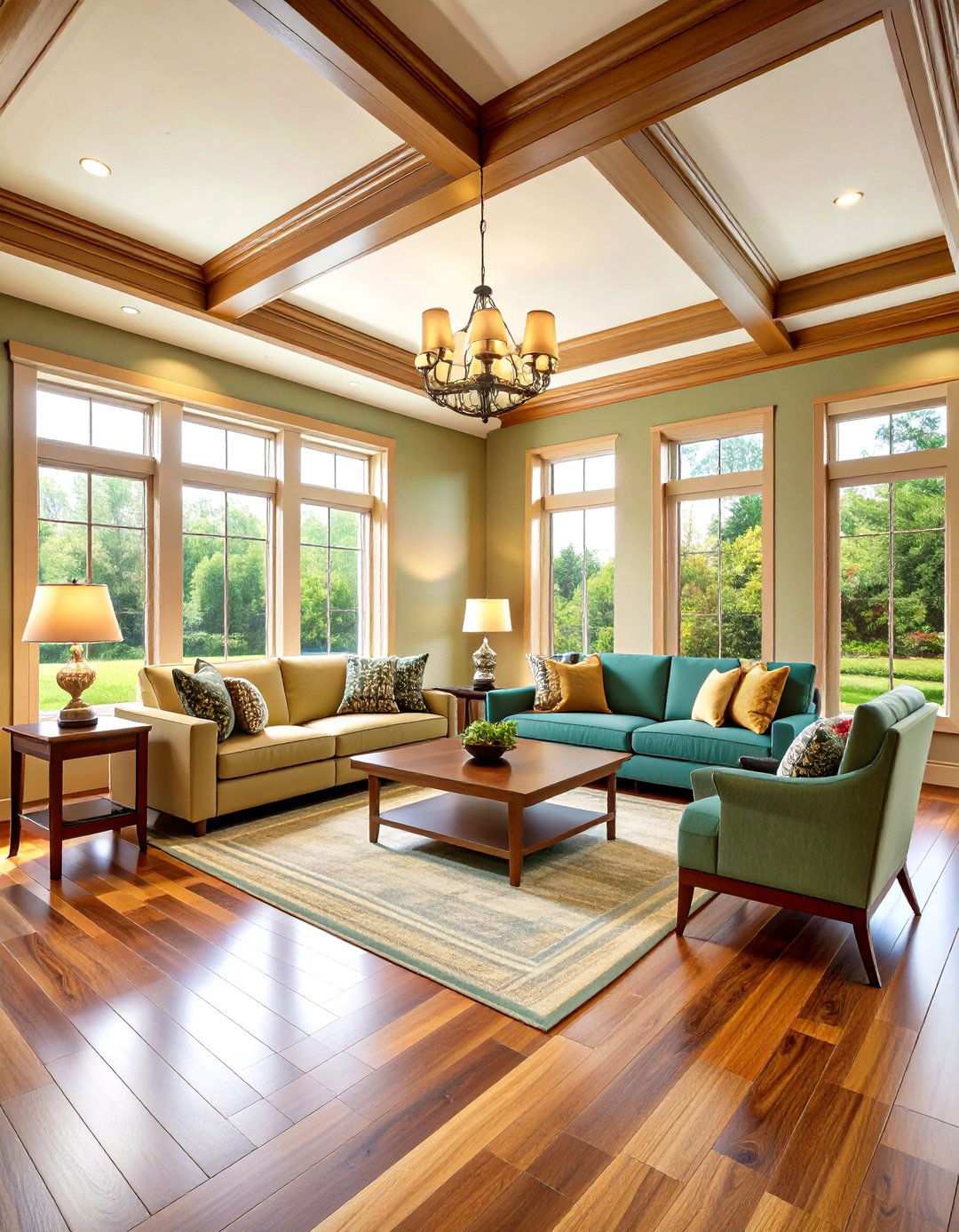
To infuse modern spaces with striking texture and visual interest, consider incorporating horizontal slat walls featuring evenly spaced wood strips. This clean and contemporary approach beautifully complements modern interior design by adding warmth and sophistication to the space. As an accent wall in a bedroom, living area, or home office, horizontal slat walls can effectively broaden the room’s visual expanse while creating engaging shadow play throughout the day. Installation can be extended floor to ceiling for maximum visual impact or limited to accent areas behind furniture groupings. A diverse range of material choices, including various wood species for a natural character or painted finishes for coordinated color schemes, allows homeowners to tailor the look to their personal style. The spacing between slats not only affects the visual impact but also the acoustic properties of the space, with closer spacing resulting in a more solid appearance. This design treatment is particularly suited to modern and minimalist homes where natural materials can enhance rather than compete with clean design lines, requiring professional installation to ensure consistent spacing and secure mounting throughout the application.
23. Elevating Visual Rhythm with Variable Panel Heights
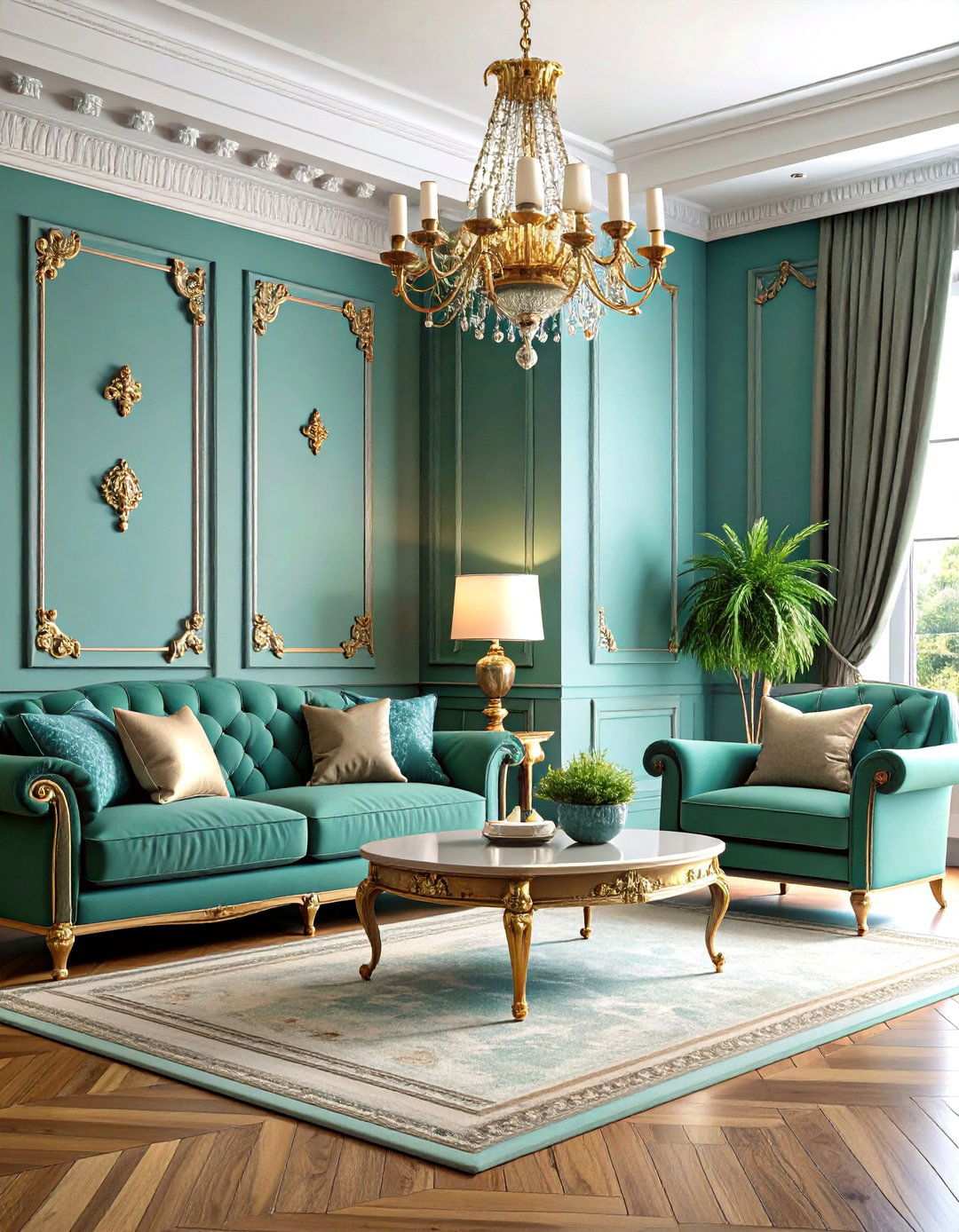
To generate movement and protection without sacrificing design flair, consider graduated height wainscoting. This approach incorporates panels of varying heights to create a visually appealing pathway that guides the eye through transitional spaces. Aesthetic appeal is significantly enhanced in hallways, staircases, and open-concept areas where uniform height might appear static. By adapting panel heights to complement architectural features, while maintaining consistent molding profiles and materials, you can achieve a cohesive look that’s both protective and dynamic. Effective installation necessitates thoughtful planning to ensure seamless height transitions that appear intentional rather than haphazard. Strategic painting techniques can accentuate the flowing heights through subtle gradations or maintain unity with consistent color schemes. This technique is particularly suitable for homes with varying ceiling heights or intricate architectural layouts where traditional wainscoting approaches might fall short. By embracing the graduated approach, you can create distinctive design character while accommodating existing architectural elements.
24. Layered Design with Shadow Box Molding and Display Niches
Can molding transcend its traditional role as a purely decorative element while serving as a functional display platform? Shadow box molding does just that by creating recessed display areas within wall panel systems, perfect for showcasing cherished collections, artwork, or decorative objects. This sophisticated treatment shines in dining rooms, living areas, or hallways where personal collections elevate the overall design narrative. The recessed areas offer natural display niches, while the surrounding molding serves as elegant framing. Installation demands careful consideration of display object dimensions and wall integrity to ensure a sturdy yet aesthetically pleasing structure. Illuminating the display areas within the shadow boxes can create dramatic visual effects, drawing attention to featured items. By embracing contrasting colors or tonal variations, painting strategies can emphasize the display areas or maintain subtle integration. This approach is particularly well-suited for homes where personal collections play a central role in the overall design scheme. By combining function and form, you can add practical value while maintaining sophisticated architectural character through professional installation that ensures proper structural support and suitable depth for intended display purposes.