1. Cultivating Growth in School Gardens
Transforming outdoor spaces into vibrant learning environments is a powerful way to engage students with nature and foster a deeper connection to the world around them. By integrating educational and experiential learning, school gardens become powerful tools for teaching valuable life skills such as environmental stewardship, healthy eating habits, and sustainable practices. Educators can unlock the full potential of these outdoor classrooms by thoughtfully designing garden environments that support curriculum goals and encourage creativity, scientific inquiry, and a sense of responsibility. Effective school gardening requires a delicate balance of educational objectives and practical maintenance needs, ensuring these outdoor spaces remain dynamic and productive throughout the academic year.

As an Amazon Associate I earn from qualifying purchases.
2. Nurturing Biodiversity in School Gardens
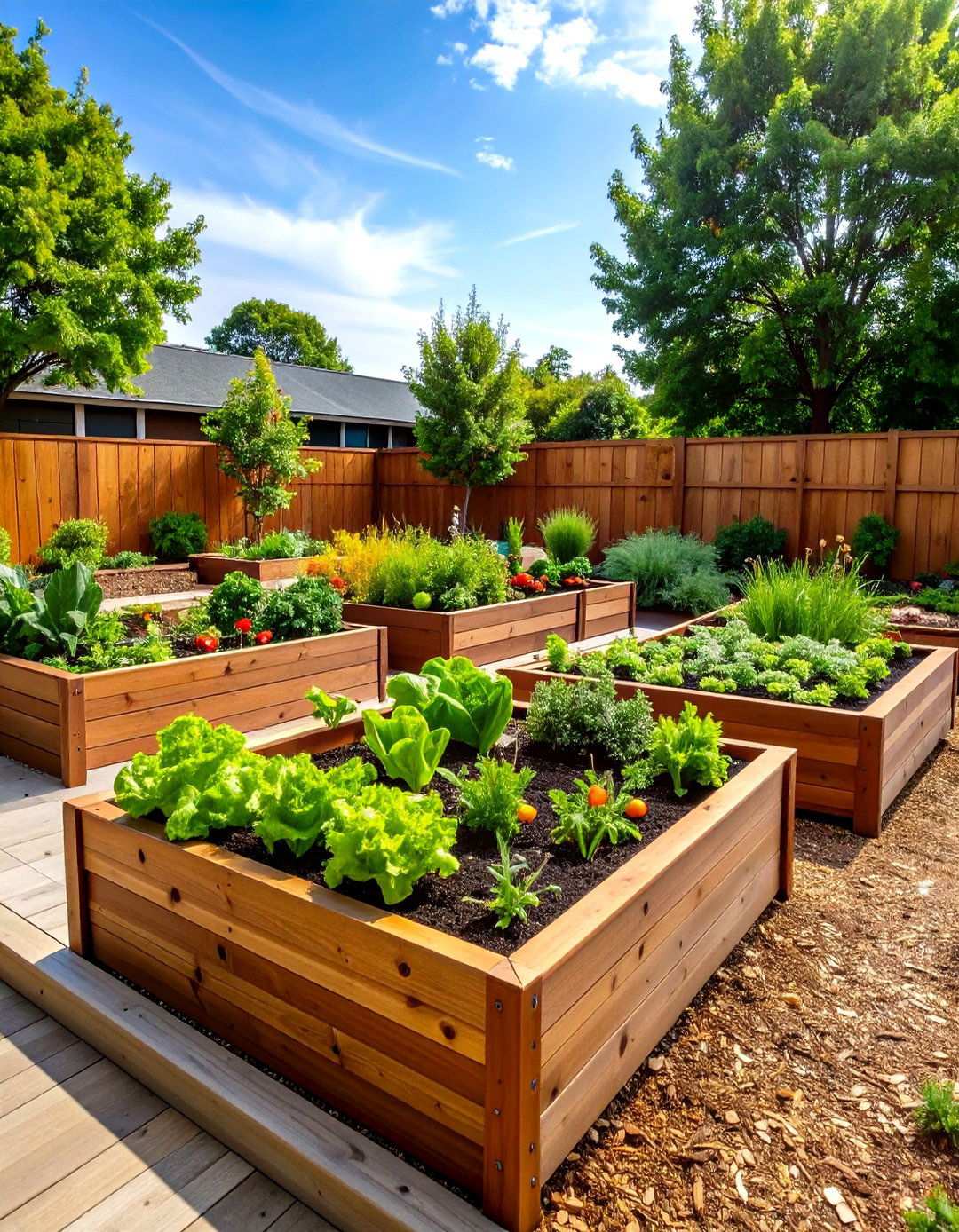
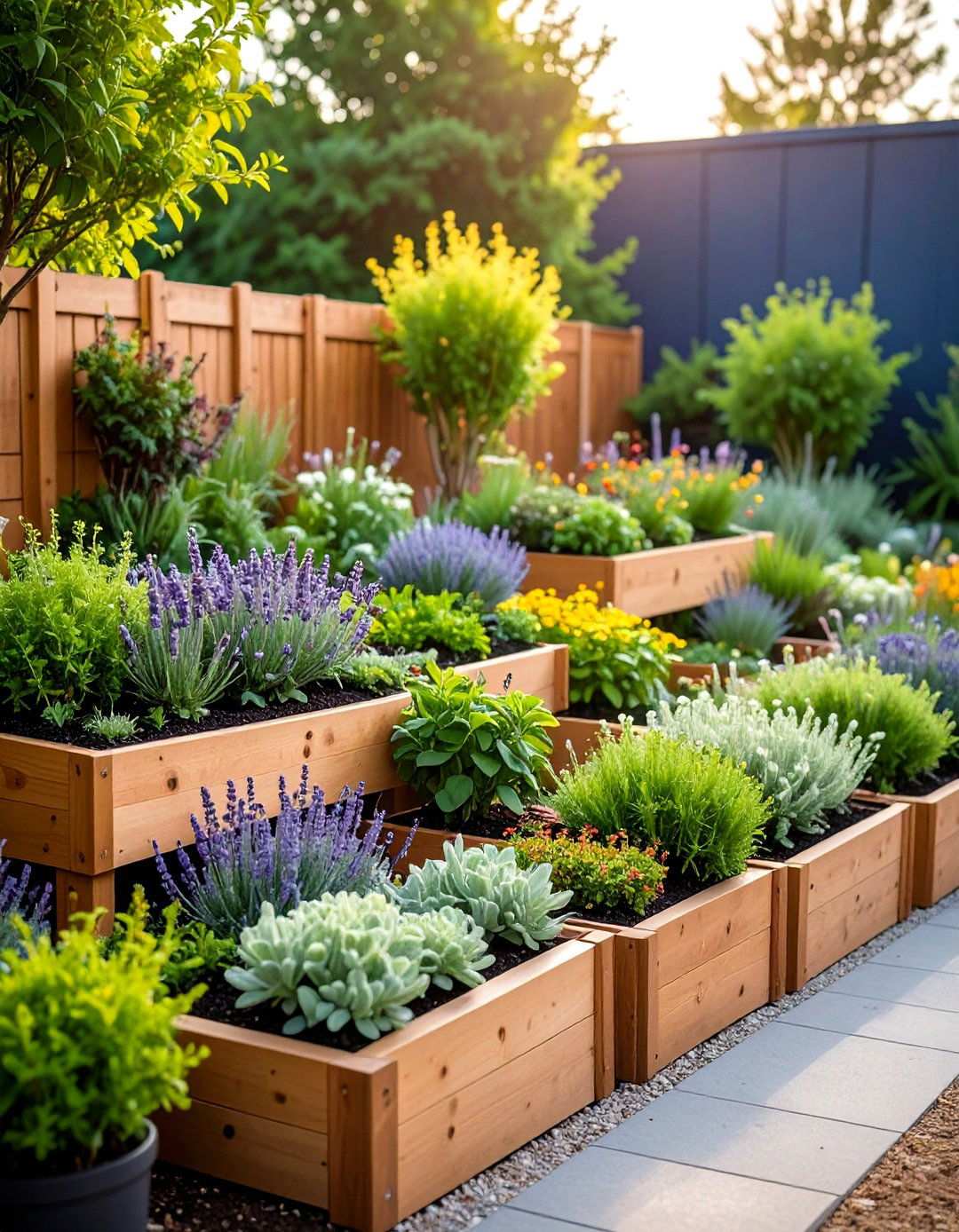
A well-designed raised bed vegetable garden serves as the backbone of a successful school gardening program. By creating defined growing spaces that are easily accessible and maintainable, these elevated garden beds empower students to take ownership of their learning. Constructed from durable materials like sustainably sourced wood or composite lumber, raised beds provide optimal drainage and soil control, allowing students to explore different growing techniques and experiment with diverse plant species. By planting lettuce, tomatoes, peppers, and herbs in organized sections, students can learn essential skills like crop rotation, companion planting, and seasonal gardening. Furthermore, the elevated design makes gardening more inclusive for students with mobility challenges, reducing strain during planting and harvesting activities.
3. Butterfly Pollinator Garden
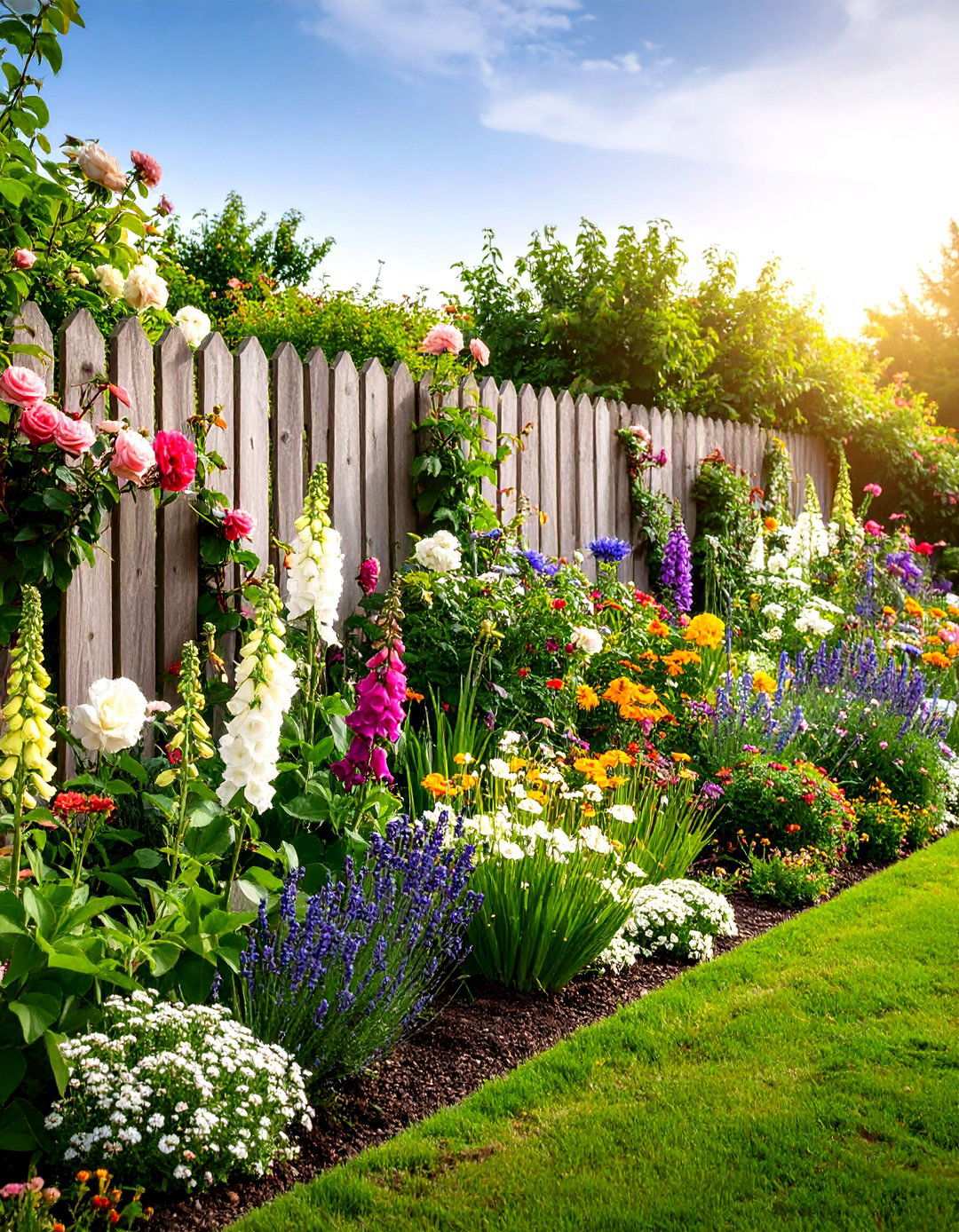
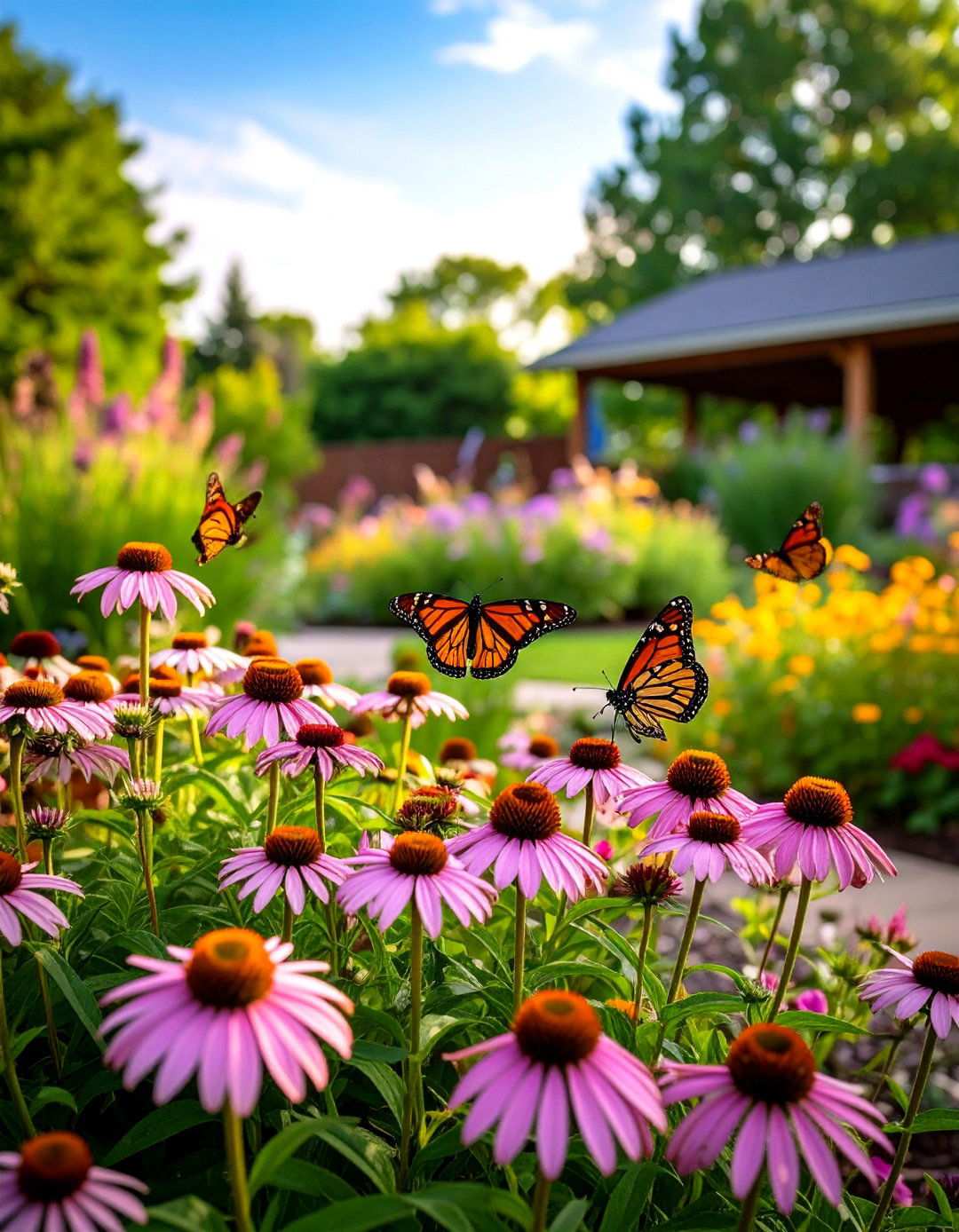
Creating a pollinator garden is an excellent opportunity for students to delve into environmental concepts and develop a deeper appreciation for the intricate web of life. This specialized garden becomes a thriving ecosystem that supports the lifecycle of butterflies, native bees, moths, and other essential pollinators. By incorporating a diverse range of nectar-producing flowers and host plants, students can observe the transformation of caterpillars into chrysalises and eventually into majestic butterflies. Native flowering plants like bee balm, black-eyed Susan, and coneflowers provide a continuous bloom throughout the growing season, creating a rich tapestry of colors and scents. As students participate in citizen science projects, they contribute valuable data to conservation research efforts, fostering a sense of community and environmental stewardship.
Multisensory Oasis
By incorporating plants that cater to various senses, a therapeutic and peaceful environment can be created within a sensory garden. This specialized space engages multiple senses through the strategic selection of plants with diverse textures, fragrances, and visual appeal. The velvety leaves of lamb’s ear invite gentle exploration, while the aromatic properties of mint and lavender stimulate the senses. A tactile approach to botanical education benefits students with different learning styles and abilities, fostering a deeper connection with nature. The incorporation of raised planters at varying heights ensures accessibility for wheelchair users, and sturdy pathways facilitate safe navigation. This sensory garden serves as a calming retreat where students can immerse themselves in nature through hands-on interaction and mindful observation.
4. Portable Herb Garden
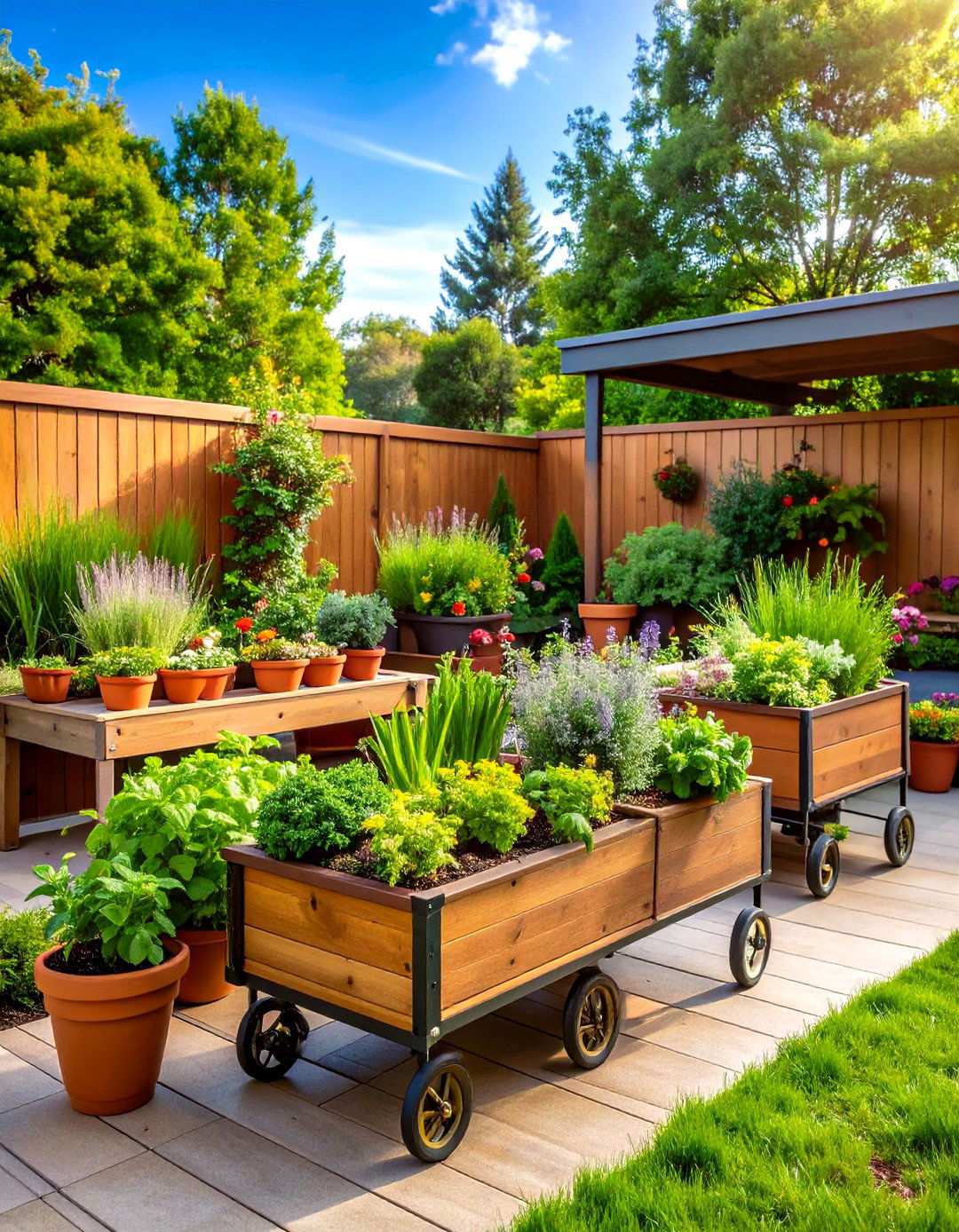
For schools with limited space or harsh winter climates, a productive outdoor garden can be created using containers filled with soil. Container gardens offer flexibility in design, as they come in various shapes and sizes, from raised beds to buckets. Herb containers can be arranged on rolling carts, making them ideal for schools with temporary or shared spaces. Students learn about diverse culinary and medicinal herbs while developing responsibility through daily watering and harvesting routines. The adaptability of container gardens allows students to cultivate basil, oregano, parsley, and chives, which can be utilized in school cafeteria programs or cooking demonstrations, bridging the gap between garden and table.
5. Cultural Heritage Garden
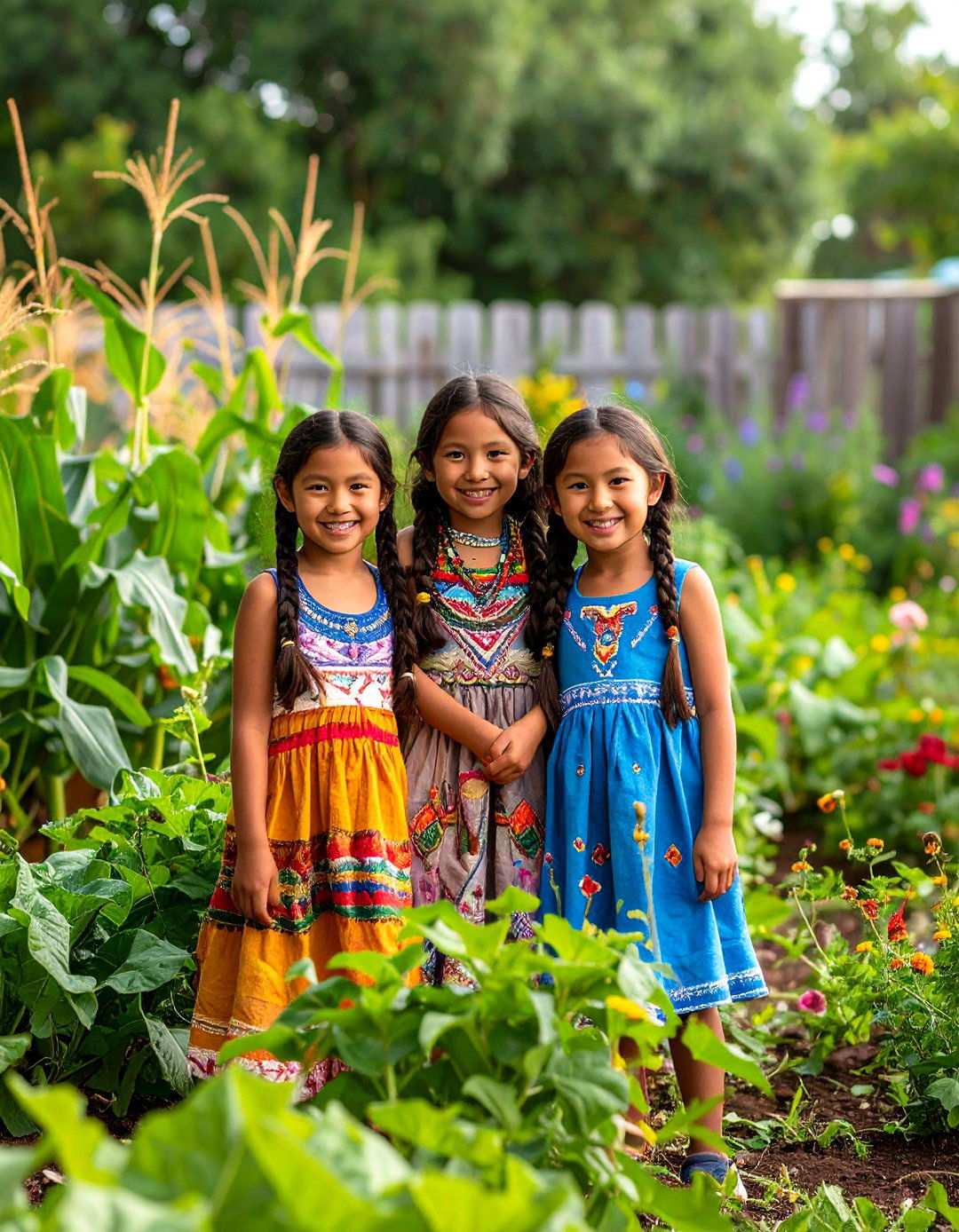
A traditional “Three Sisters Garden” comprises corn, beans, and squash, reflecting the historical planting method employed by many Native communities. A cultural garden can serve as a space for traditional medicinal plants and fibers, and can be used for cultural celebrations. This historical planting method educates students about indigenous agricultural practices while demonstrating companion planting principles. Corn provides natural support for beans to climb, while beans enrich the soil with nitrogen, benefiting corn and squash. The large squash leaves create a ground cover that retains moisture and suppresses weeds. Students explore Native American history, sustainable agriculture, and the interconnectedness of plant communities through this living cultural lesson, which has sustained communities for generations.
6. Whimsical Pizza Garden Oasis
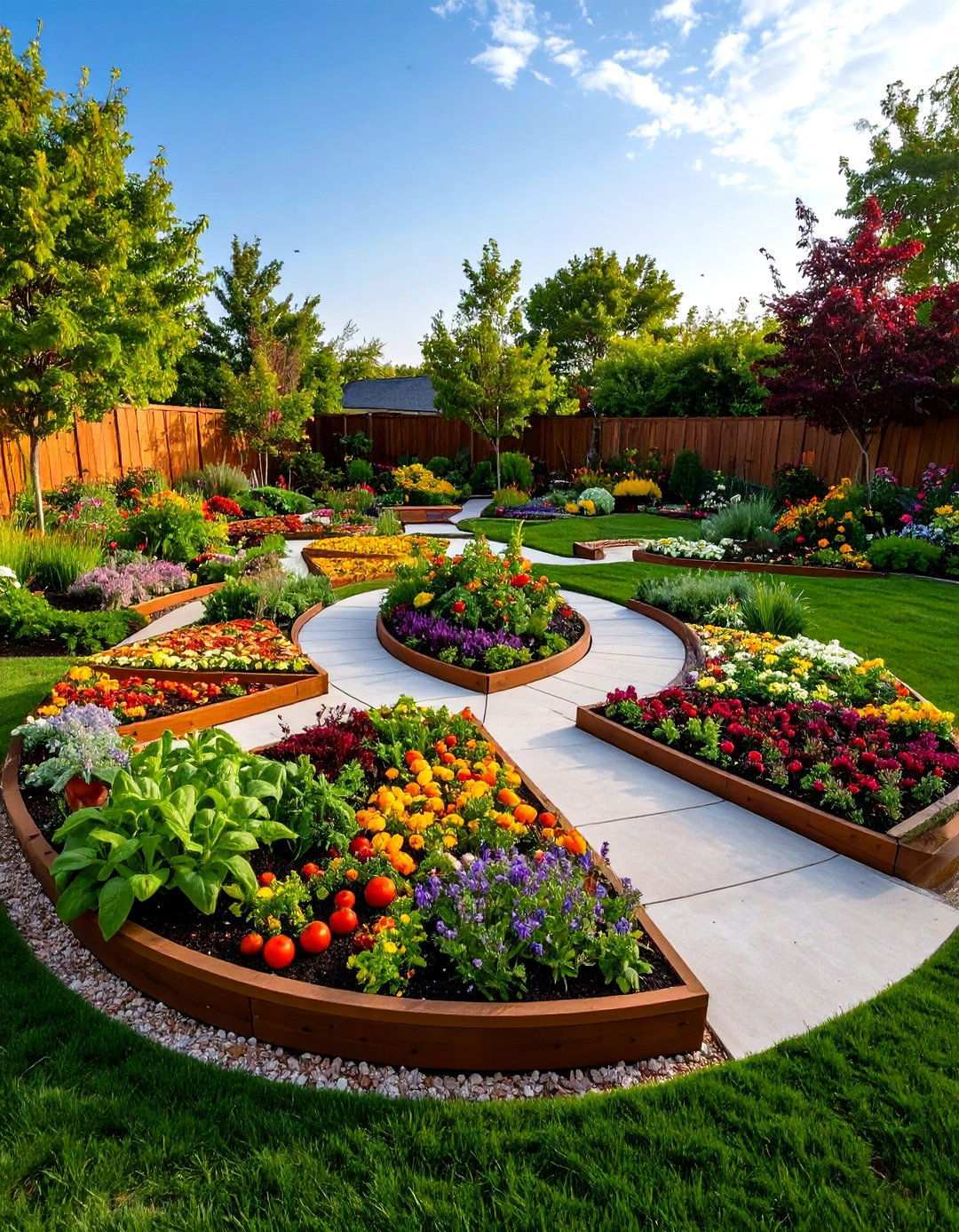
Captivating student curiosity, a circular pizza garden brings the joy of gardening to life by arranging herbs and vegetables into triangular sections inspired by pizza slices. Each wedge features a diverse array of ingredients commonly found on pizzas, such as vibrant tomatoes, fragrant basil, and spicy peppers. This engaging approach makes gardening relevant to students’ everyday experiences while teaching essential concepts like plant spacing, companion planting, and harvest timing. By integrating mathematics with agriculture, students calculate garden circumference and sector angles, solidifying their understanding of spatial relationships. The harvest celebration culminates in a delightful experience where students create their own pizzas using homegrown ingredients, demonstrating the complete journey from seed to table while reinforcing lessons about healthy eating and food systems.
7. Vibrant Vertical Garden Landscape
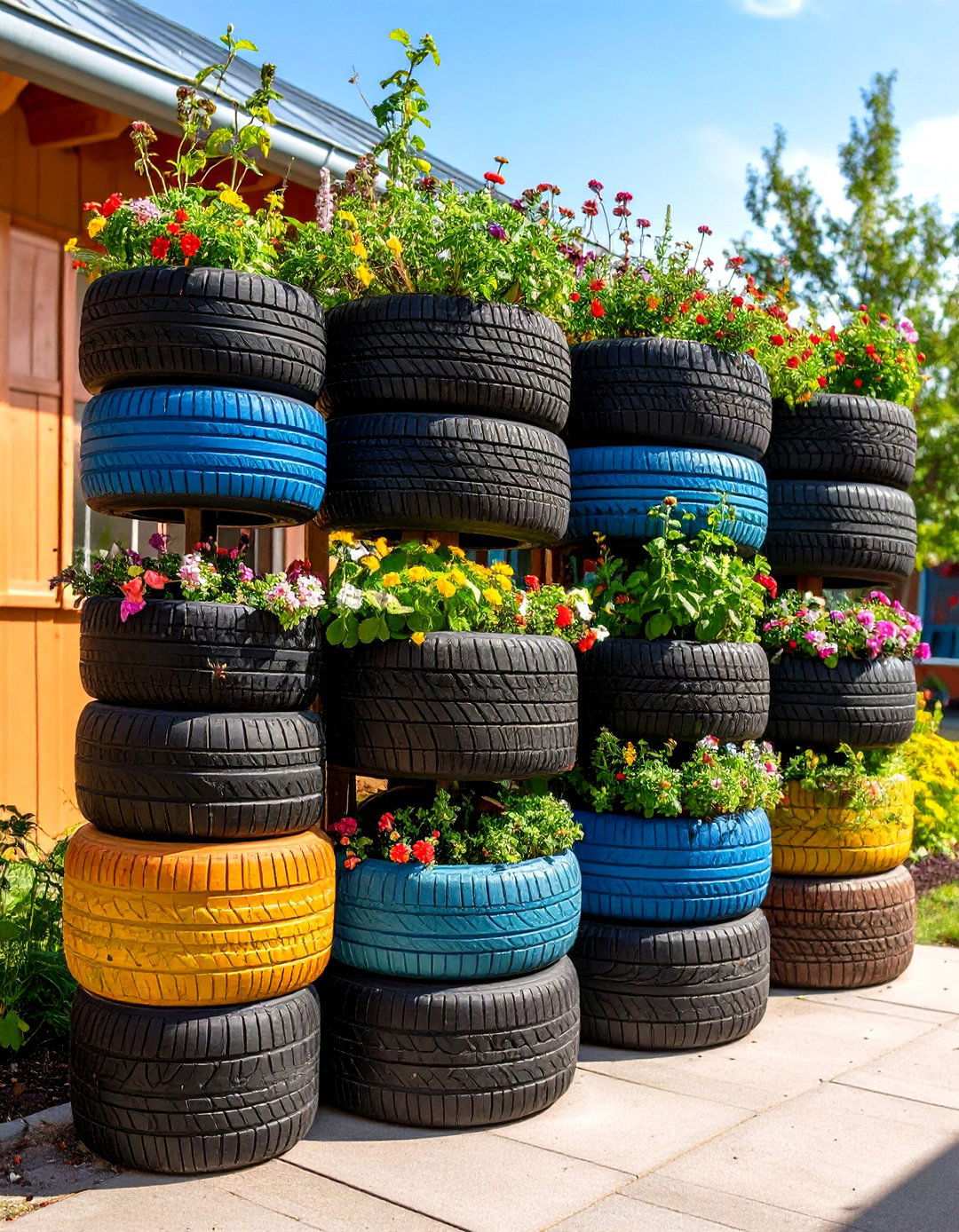
Due to limited space, educators often turn to vertical gardening as a creative solution. To begin, old tires are transformed into colorful planters through a vibrant paint job. Next, they’re stacked together to form a visually striking tower. Filled with compost and potting soil, the tires become a thriving home for a variety of seeds and herbs. This space-saving approach maximizes production in minimal space while creating an eye-catching garden feature that captures student attention. Constructed using recycled materials like repurposed pallets or purpose-built tower systems, these gardens not only teach plant science but also instill resource conservation principles. Students gain hands-on experience with gravity-fed irrigation systems, space-efficient growing techniques, and urban agriculture solutions. The vertical design allows multiple grade levels to work simultaneously at different heights, fostering collaborative learning and peer mentoring opportunities.
8. Innovative Rainwater Harvesting System
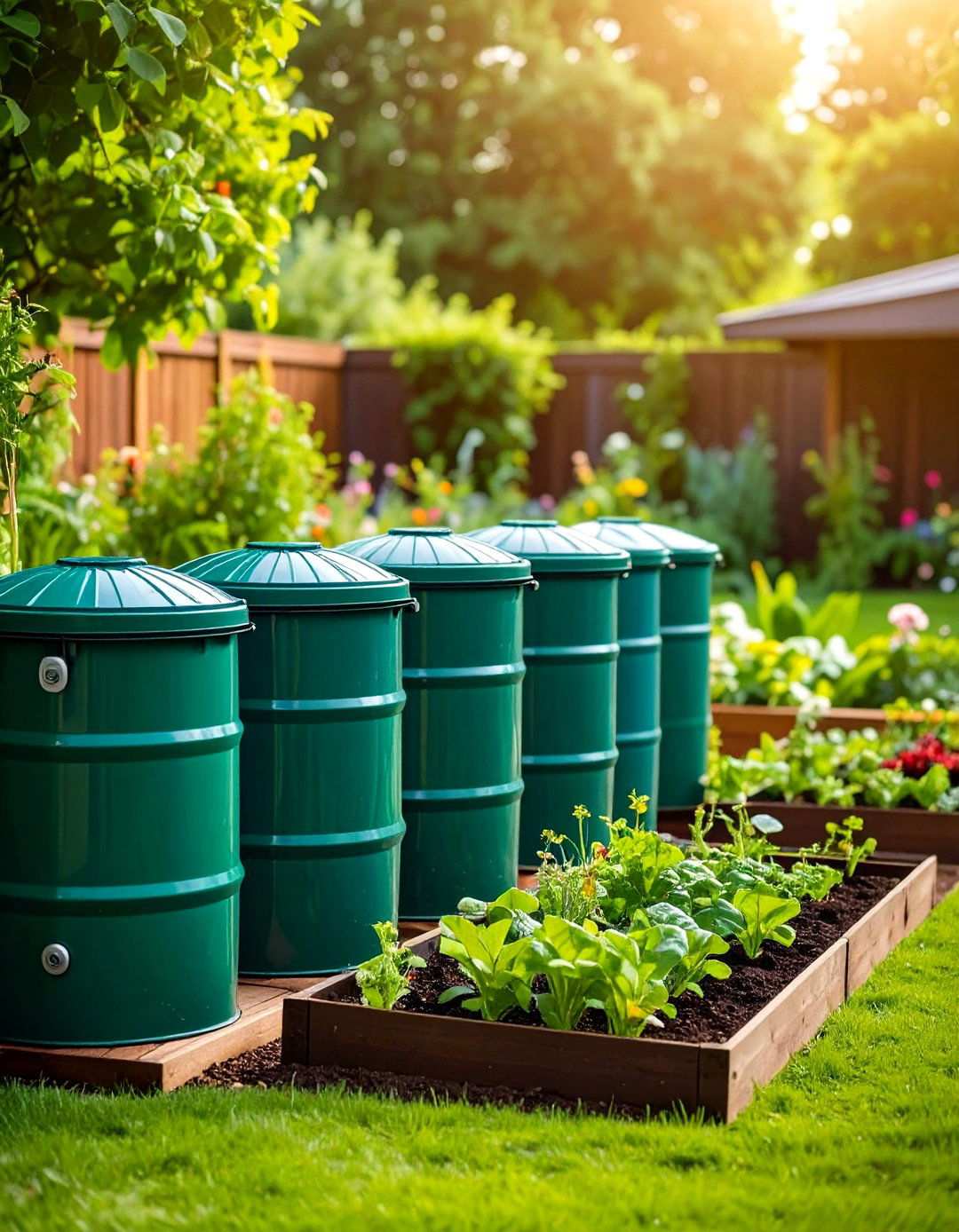
Teaching children about the DIY rain barrel system provides a lasting impact, empowering them to collect and conserve precious rainwater for their garden. This school garden features rain barrels with a palette of soothing green shades that blend seamlessly with adjacent plants. Integrated water collection systems demonstrate sustainable resource management while providing practical irrigation solutions for school gardens. Students learn valuable lessons about water cycles, conservation principles, and environmental stewardship through hands-on rain barrel construction and maintenance. The system includes gutters, downspouts, and storage containers that capture precipitation for later use during dry periods. By monitoring water levels, calculating usage rates, and developing watering schedules based on plant needs and weather patterns, students connect meteorology with agricultural science, solidifying their understanding of the interconnectedness of our environment.
9. Whimsical Storyscapes
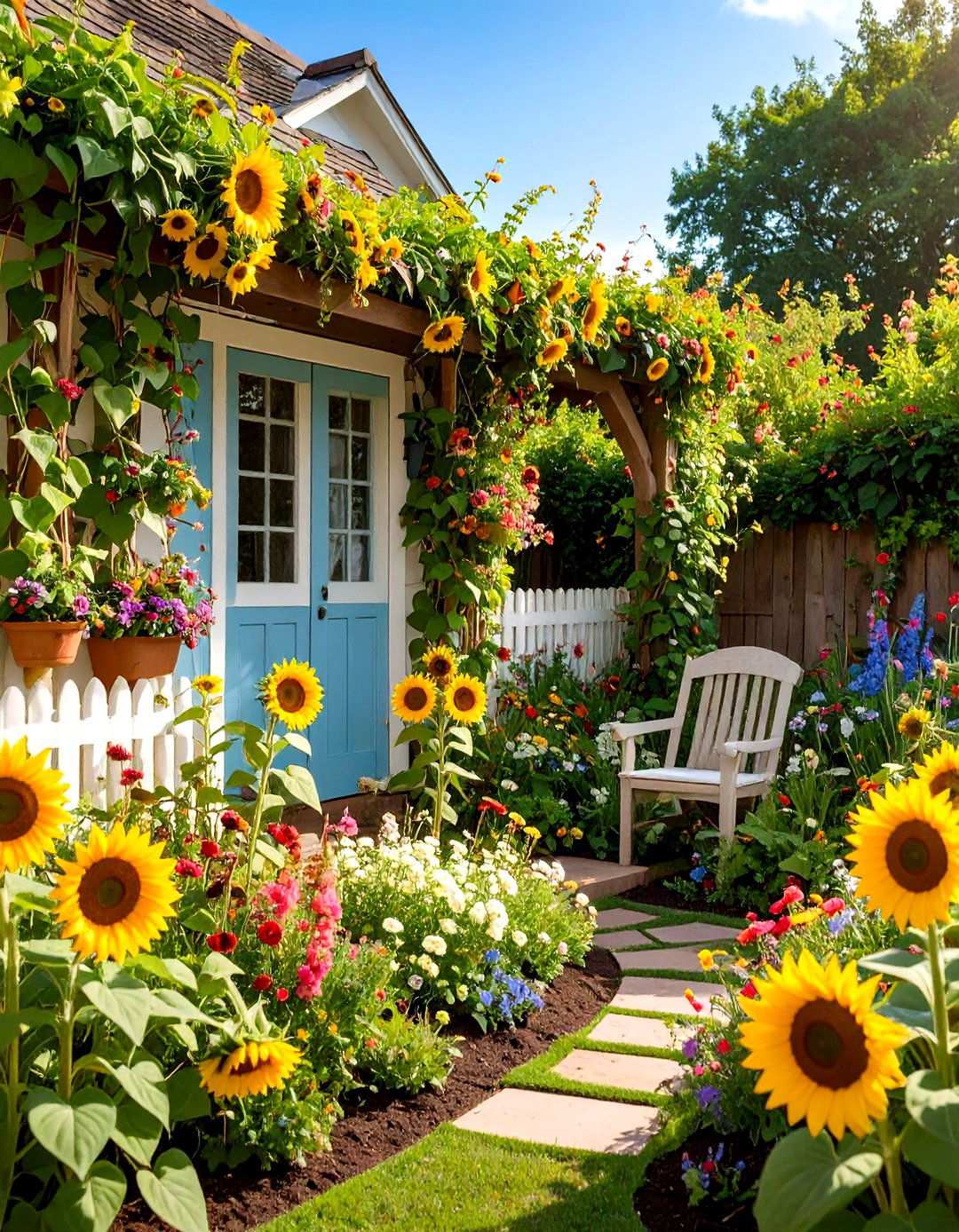
A magical garden setting brings timeless tales to life through the strategic placement of plants featured in classic fairy tales and nursery rhymes. Young gardeners are inspired to plant climbing beans that soar toward the sky, echoing the legendary beanstalk from Jack’s tale, pumpkins that could potentially become Cinderella’s enchanted carriage, and towering sunflowers that dwarf students like giants from the realm of fairy tales. Each plant section is thoughtfully connected to specific stories, fostering creative writing, dramatic play, and cross-curricular learning. Students maintain garden journals that document plant growth alongside story elements, carefully measuring bean height and pumpkin circumference while honing their descriptive writing skills. The whimsical garden transforms literature lessons into immersive adventures where imagination and science converge through the wonders of botanical discovery and storytelling.
10. Vitality Harvest Garden
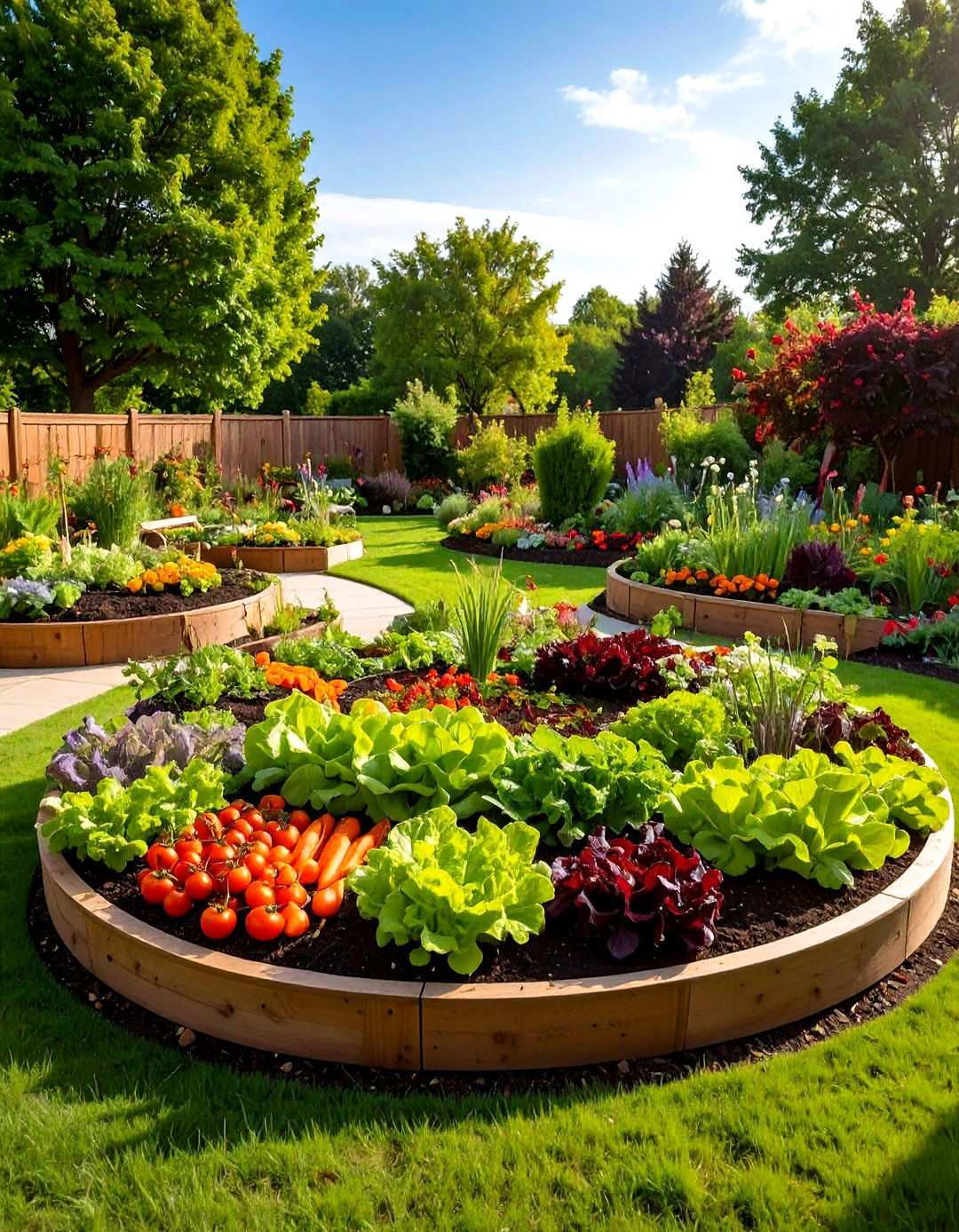
A circular or rectangular garden specifically designed for salad crops not only teaches students about the importance of nutrition but also provides fresh ingredients for healthy school meals. Different sections feature a variety of lettuce varieties, spinach, arugula, cherry tomatoes, cucumbers, and carrots arranged in vibrant patterns that create visual appeal and stimulate the senses. Students explore plant families, growing seasons, and successive planting techniques that ensure continuous harvests and optimal crop yields. The Vitality Harvest Garden directly connects to nutrition education, allowing students to taste the fresh vegetables they have grown themselves, fostering a deeper appreciation for the value of healthy eating and sustainable food systems. Harvest celebrations feature garden-to-table salad bars where students prepare and share their homegrown produce, reinforcing lessons about the importance of healthy eating and the rewards of sustainable food systems.
11. Vertical Oasis Garden
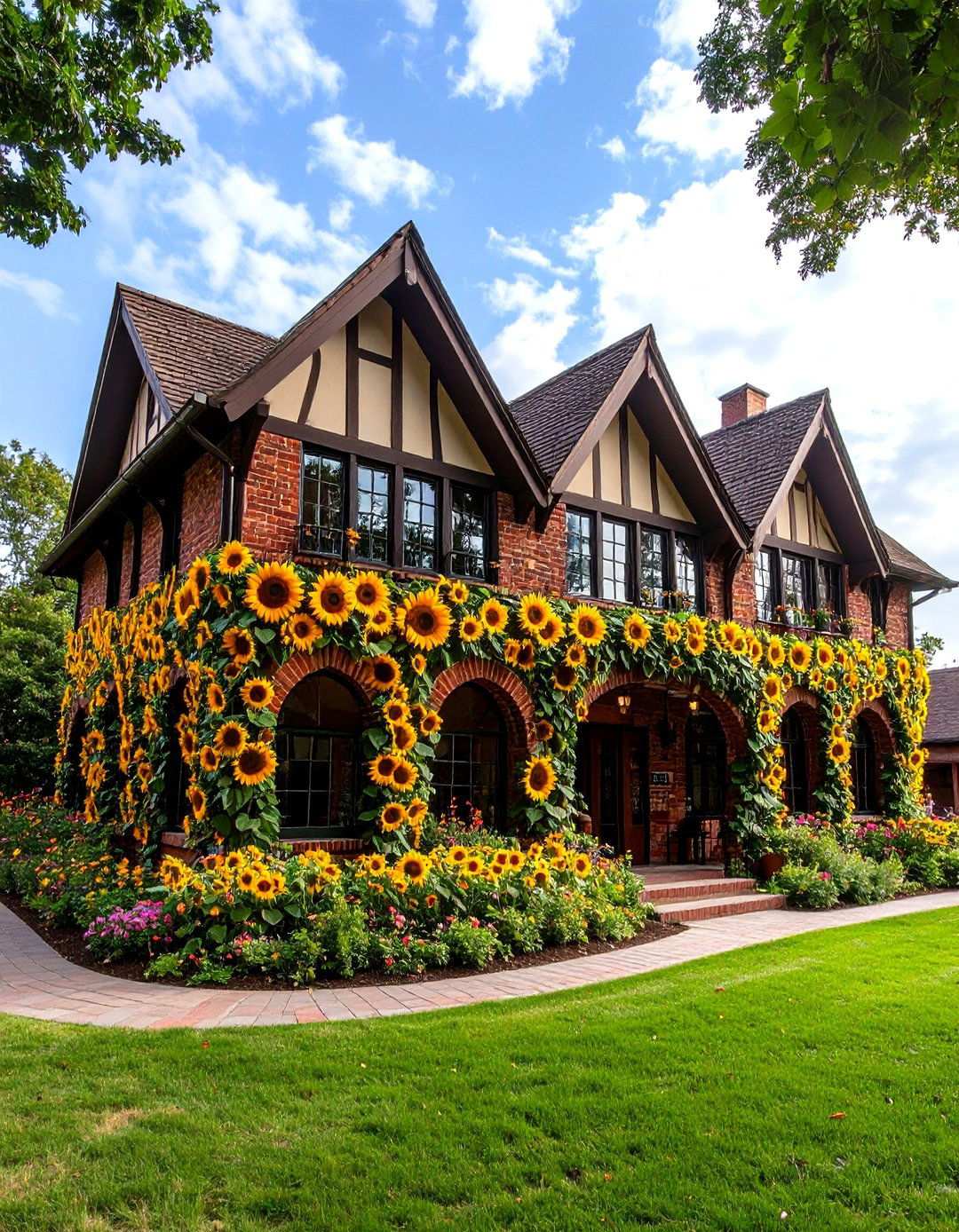
Tall sunflowers serve as beacons for pollinators, inviting kids to get involved in the gardening process. The large seeds are easy for tiny hands to plant, with each seed needing only two centimeters (one inch) of soil depth. For big varieties, space them three to five feet apart to create a sense of openness. By planting giant sunflowers in square or circular patterns, students can create natural outdoor rooms where they can gather for lessons and discussions. These living structures provide shade during hot summer months, attracting beneficial insects and birds to the garden area. Students measure sunflower growth rates, study the fascinating phenomenon of heliotropism – how flowers follow the sun – and explore plant architecture and support systems. The Vertical Oasis Garden becomes a natural amphitheater for outdoor education, demonstrating how plants can be used for functional landscape design and habitat creation.
12. Weather Station Garden
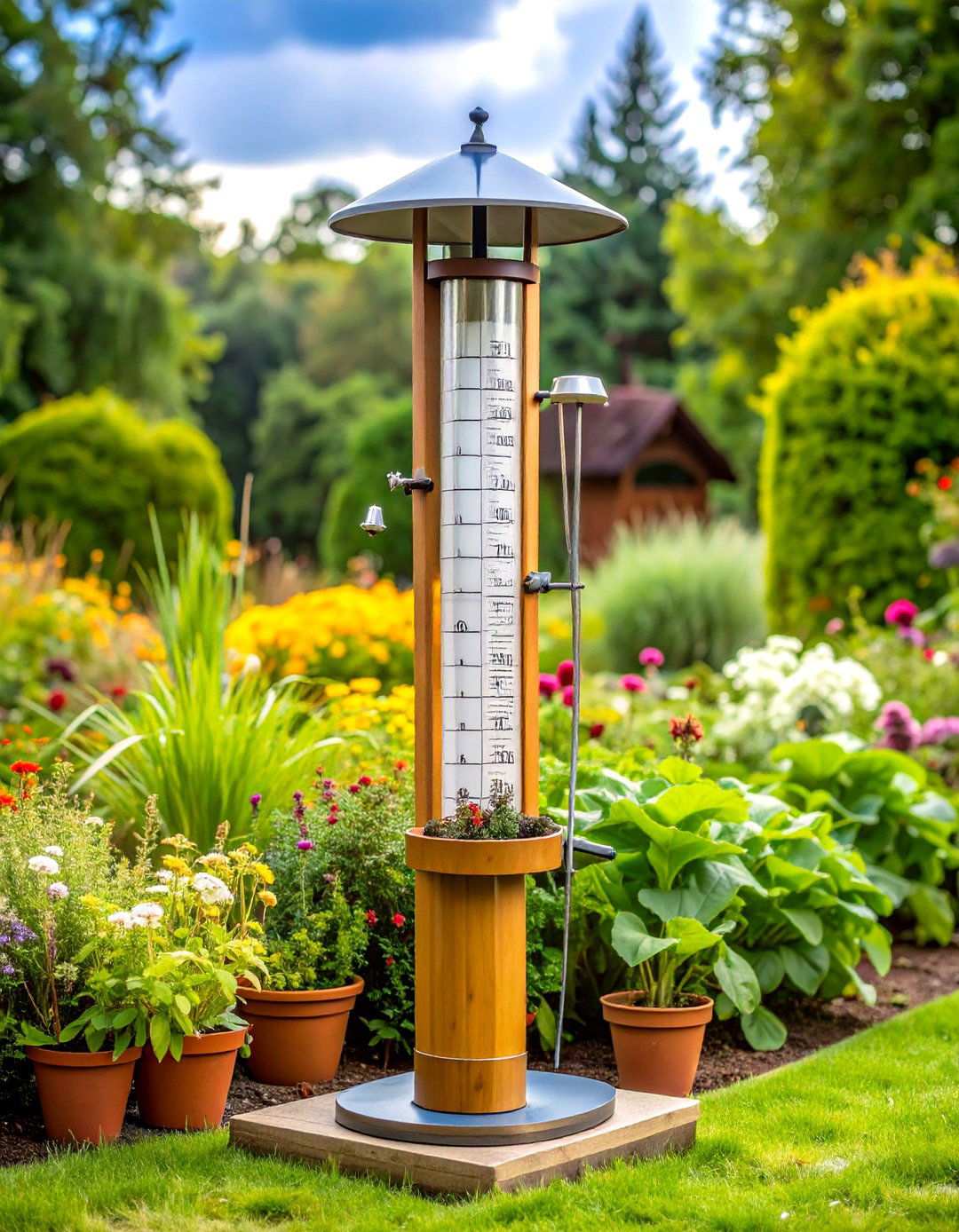
Creating a weather station garden offers students a unique opportunity to investigate the intricate relationship between weather patterns and plant growth. By incorporating rain gauges, thermometers, wind vanes, and humidity meters into the garden design, students can make informed decisions about garden management. As they record daily weather observations and track growing degree days, students develop essential data collection skills while gaining insight into how environmental factors impact agricultural success. Furthermore, analyzing trends and making predictions about optimal planting times based on historical weather data collected from their school-based weather station enhances students’ ability to think critically about the complex relationships between weather and plant growth.
13. Native Plant Ecosystem Garden
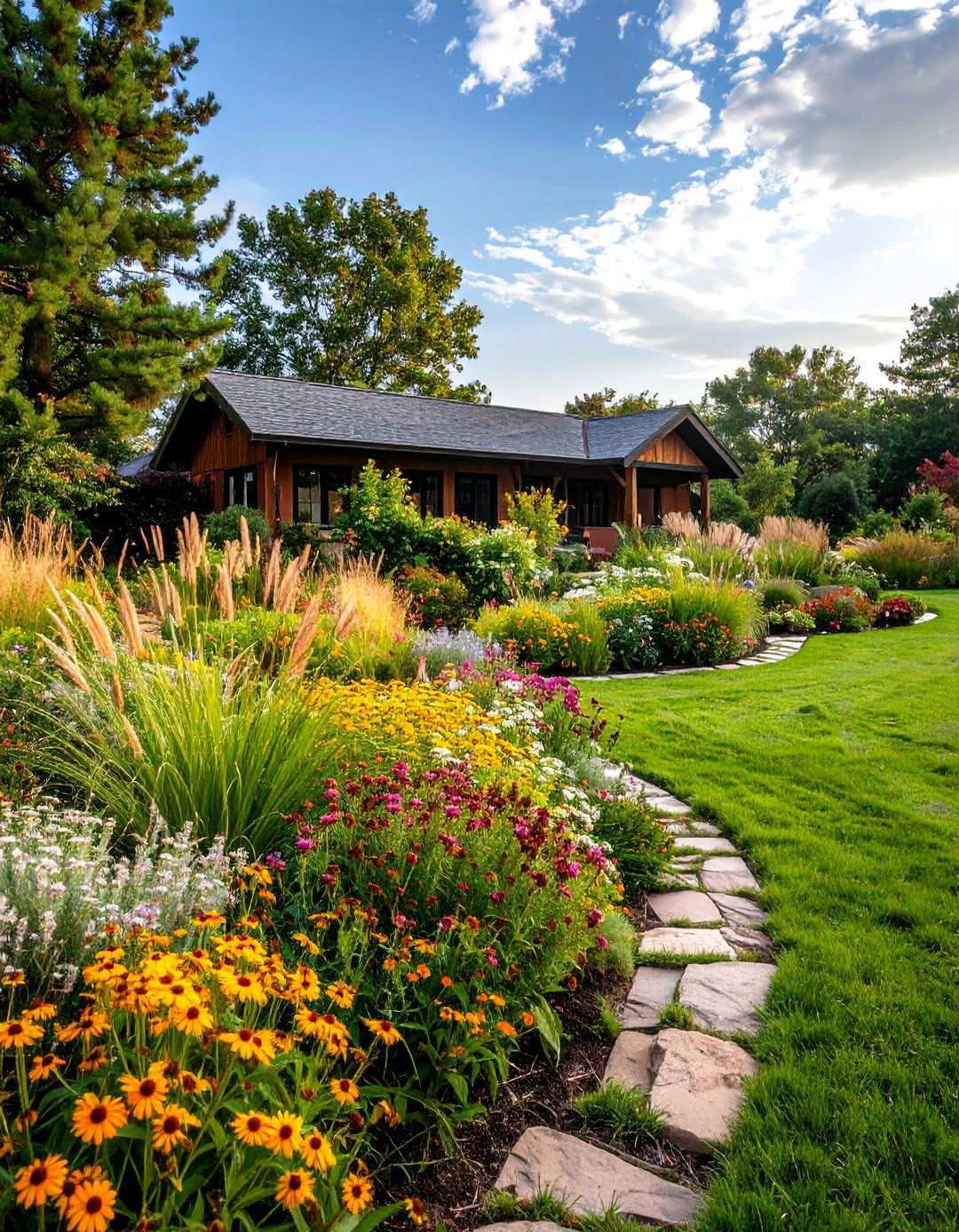
Native plant gardens provide students with a hands-on understanding of the vital connection between plants and higher forms of life. By featuring plants indigenous to the local region, these specialized gardens demonstrate the importance of ecological relationships and biodiversity conservation. Native wildflowers, grasses, and shrubs not only provide habitat for local wildlife but also require minimal maintenance once established, making them an ideal choice for outdoor learning environments. As students learn plant identification skills and study adaptation strategies, they develop a deeper appreciation for the intricate web of life and the role that native plants play in maintaining healthy ecosystems. By exploring food webs, pollination relationships, and conservation biology, students gain a comprehensive understanding of the natural world and the importance of preserving local natural heritage.
14. Shade Garden Retreat
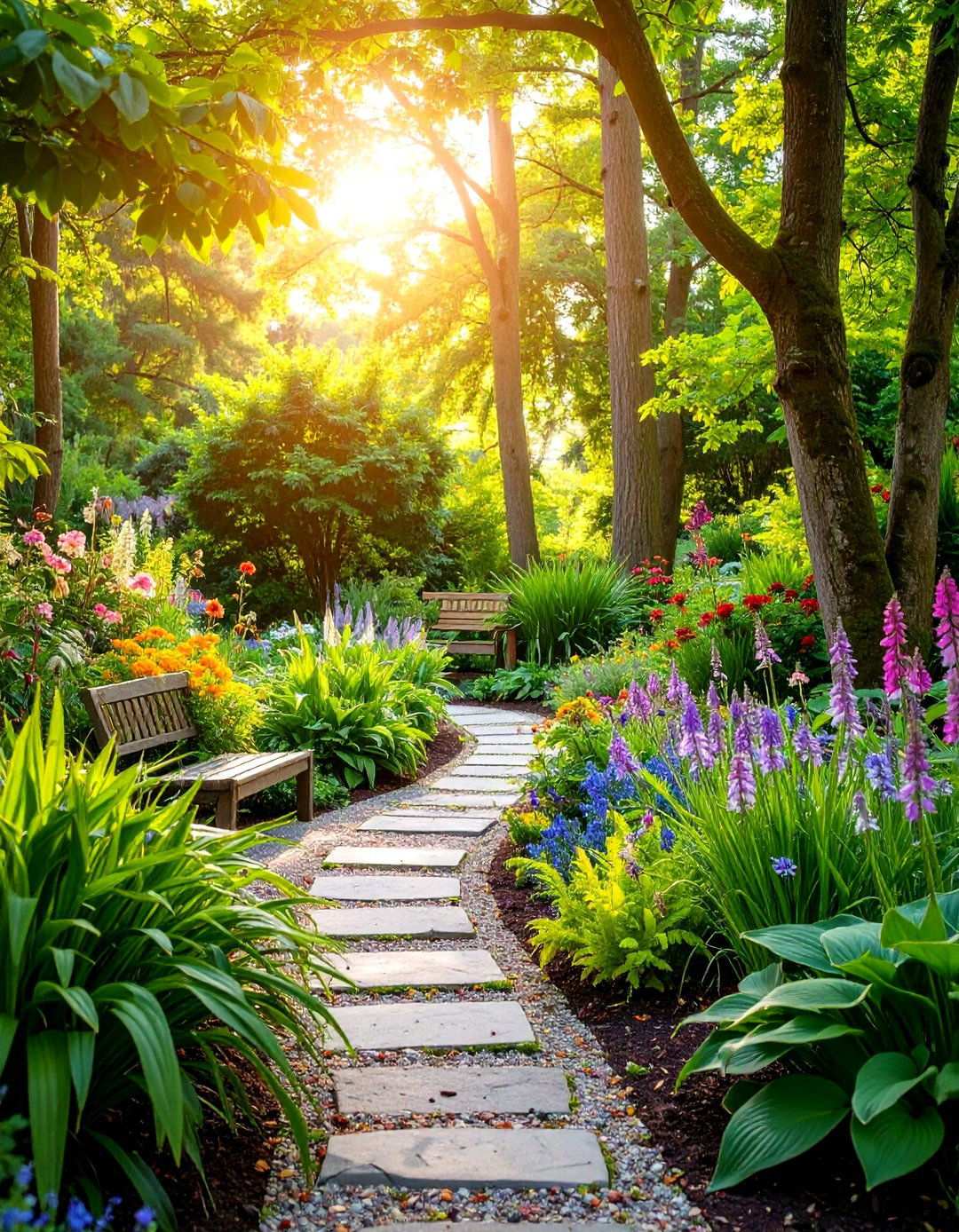
Designating a shaded area with comfortable seating is an effective way to create an inviting space for class discussions, writing, and drawing. By incorporating deciduous trees, teachers can ensure that the area receives adequate light and warmth in the winter months while providing shade in the summer. The shade garden features a variety of plants that thrive in shadowy conditions, including hostas, ferns, astilbe, and shade-tolerant herbs. These plants add diverse textures and colors to the garden without requiring full sun exposure, making them an ideal choice for areas with limited sunlight. As students learn about plant adaptations to different light conditions, they develop a deeper appreciation for the unique characteristics of shade-tolerant plants and the importance of creating peaceful outdoor learning spaces. The shade garden also provides a serene environment for classes to gather for discussions, journaling, and observation activities away from bright sunlight.
15. Nurturing Growth and Discovery
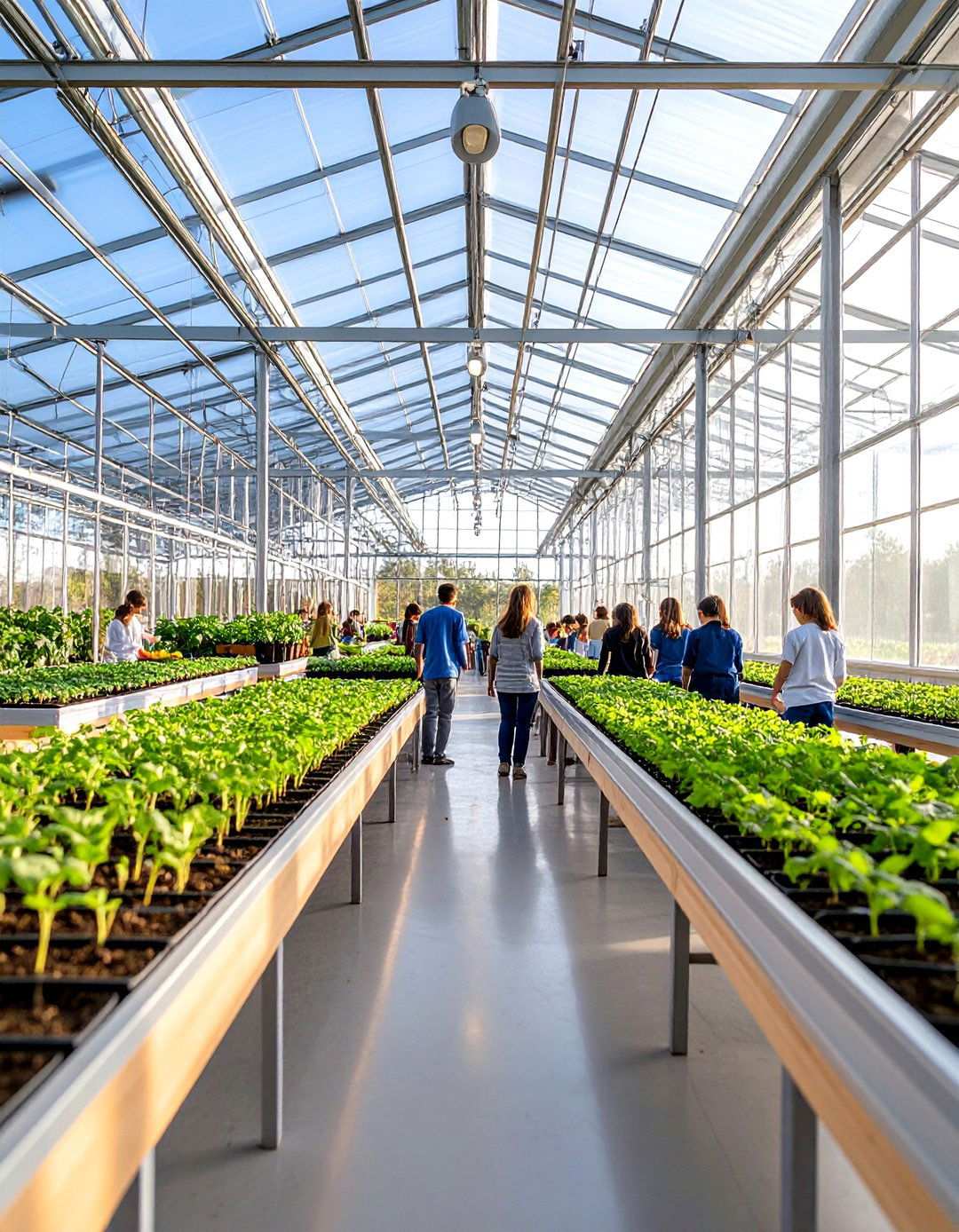
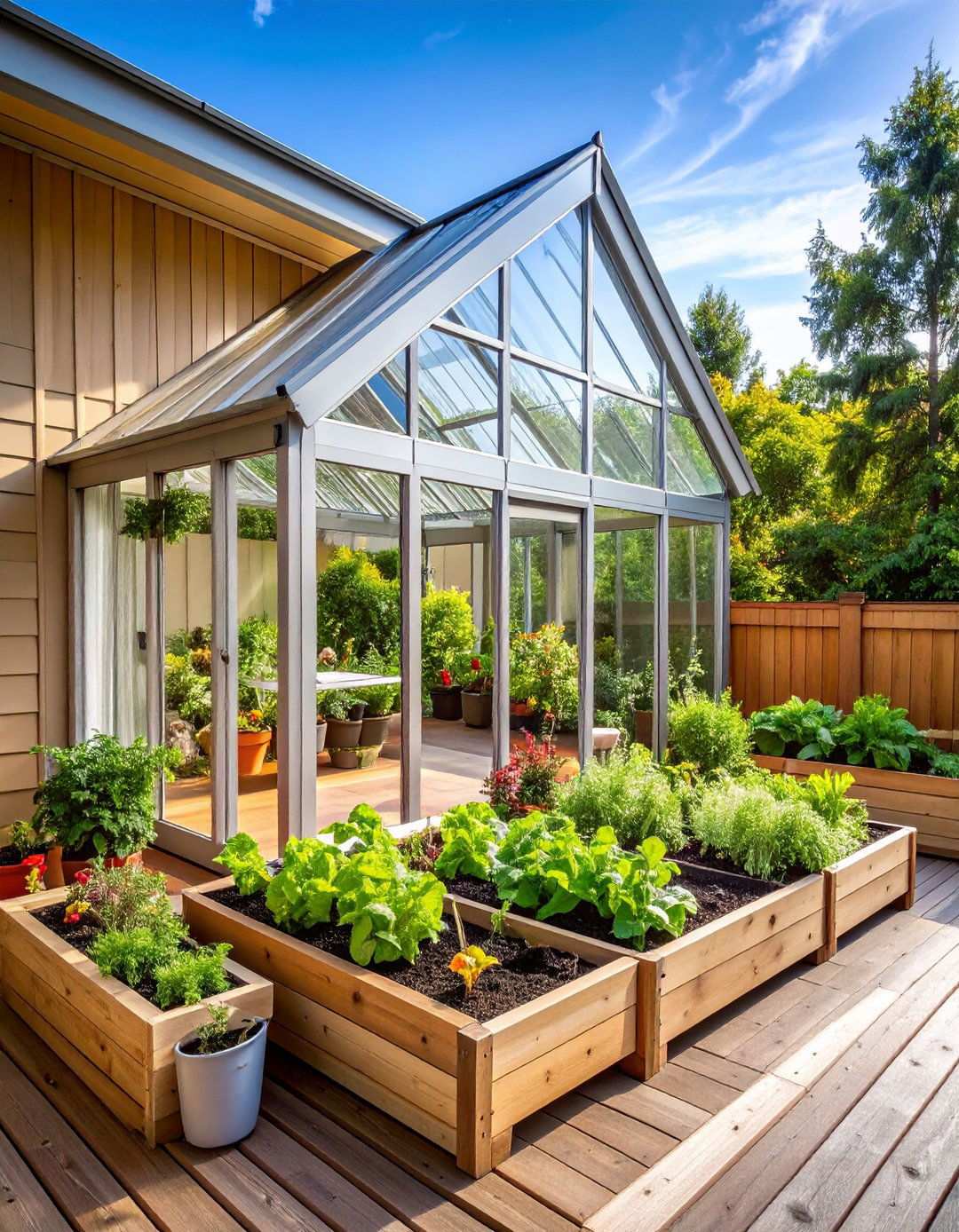
A self-sustaining greenhouse structure expands the gardening season and offers a controlled environment for hands-on science experiments and year-round learning opportunities. Students initiate seedlings, cultivate plants, and conduct growth studies by manipulating light, temperature, and nutrient variables. The greenhouse evolves into a dynamic laboratory where students delve into the intricacies of photosynthesis, transpiration, and plant physiology through interactive investigations. Energy-efficient climate control systems impart valuable lessons on resource management and environmental stewardship. Throughout the winter months, the greenhouse bridges gardening activities with protecting sensitive plants and providing a warm workspace for garden planning and preparation.
16. Turning Waste into Wealth
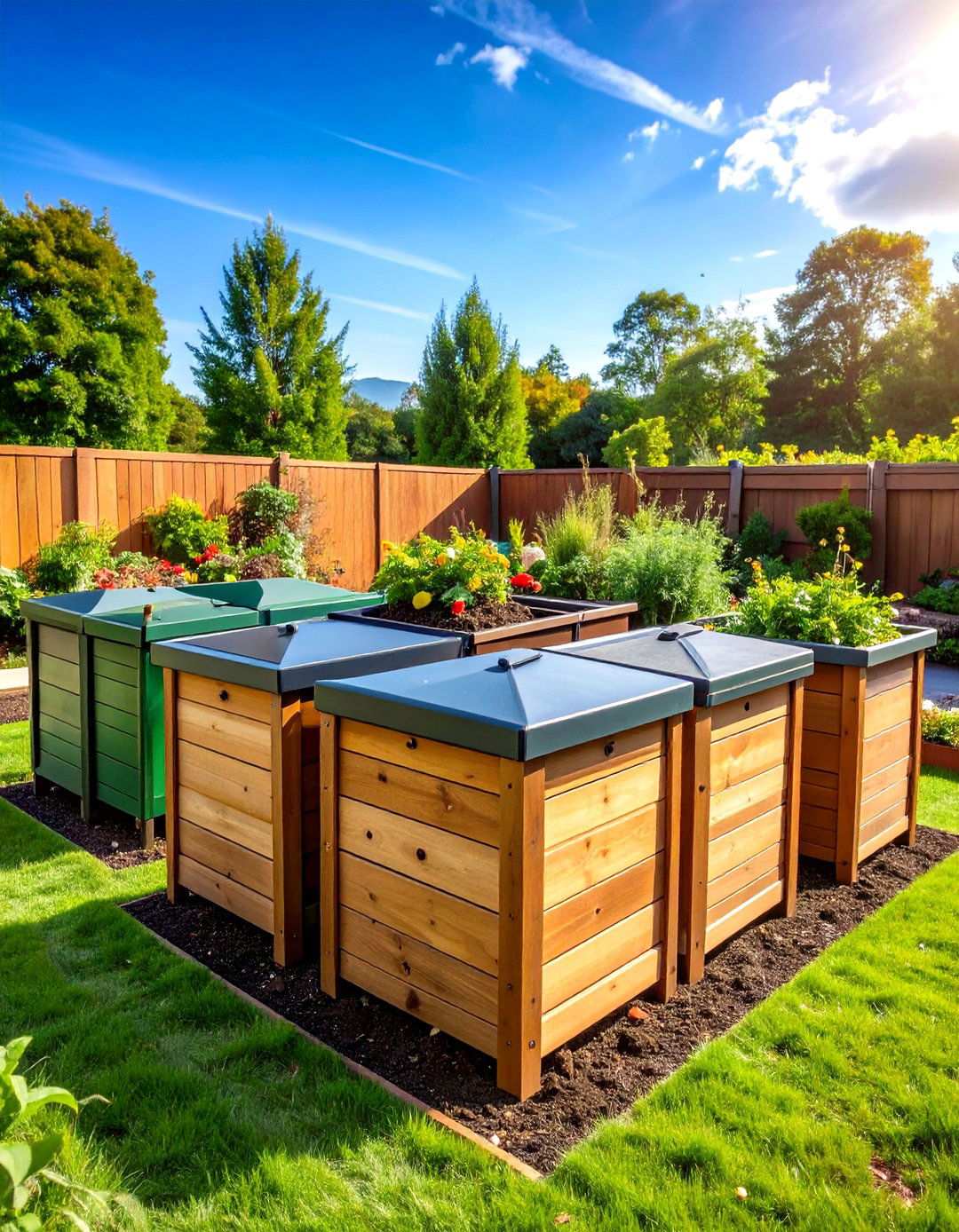
A composting system can range from a simple pile to a more intricate three-bin setup, relying on natural processes involving fungi, bacteria, and invertebrates to break down organic matter. Vermicomposting – the art of composting with worms – captivates children’s imagination and curiosity. Integrated composting systems educate students about decomposition, nutrient cycling, and waste reduction while offering a rich source of nutrient-dense soil amendments for garden beds. Students learn to balance carbon and nitrogen materials, monitor temperature and moisture levels, and observe the transformation of organic waste into a valuable resource. The excitement of worm bins sparks students’ interest in invertebrate biology, while managing vermiculture systems teaches them about closed-loop resource management and sustainable practices.
17. Unlocking the Secrets of Healing Plants
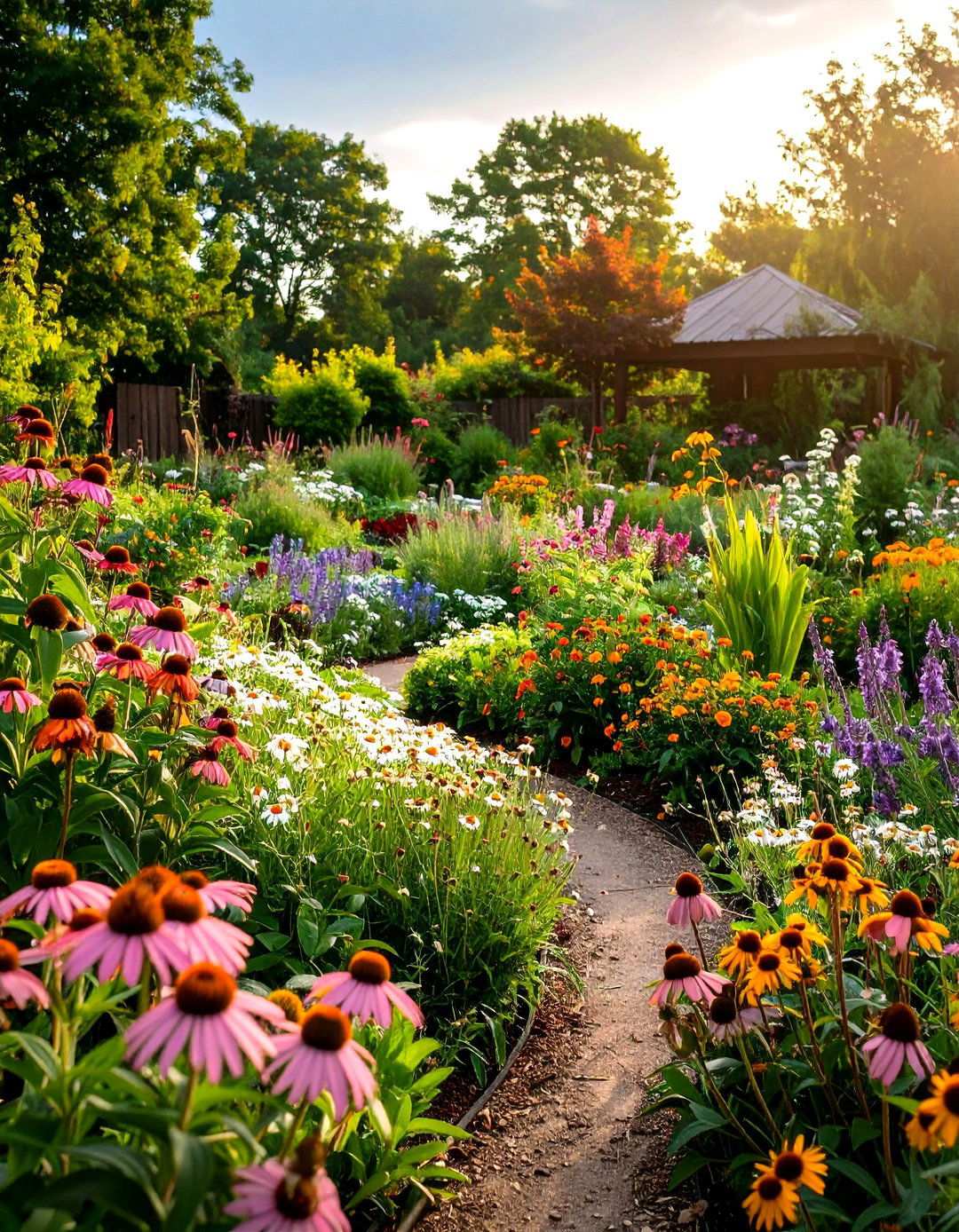
A thoughtfully designed medicinal garden introduces students to the historical and cultural significance of healing plants, emphasizing the importance of proper plant identification and safety protocols. Students explore the properties and uses of echinacea, calendula, chamomile, and other traditionally used medicinal plants through guided research and exploration projects. This garden connects to history lessons about traditional healing practices across different cultures, while teaching botanical science and plant identification skills. Safety guidelines ensure students understand that plant medicines require adult supervision and proper knowledge. The medicinal garden ignites interest in pharmacology, ethnobotany, and cultural anthropology, while fostering respect for plant wisdom and traditional knowledge systems.
18. Vibrant Colors from Nature's Palette
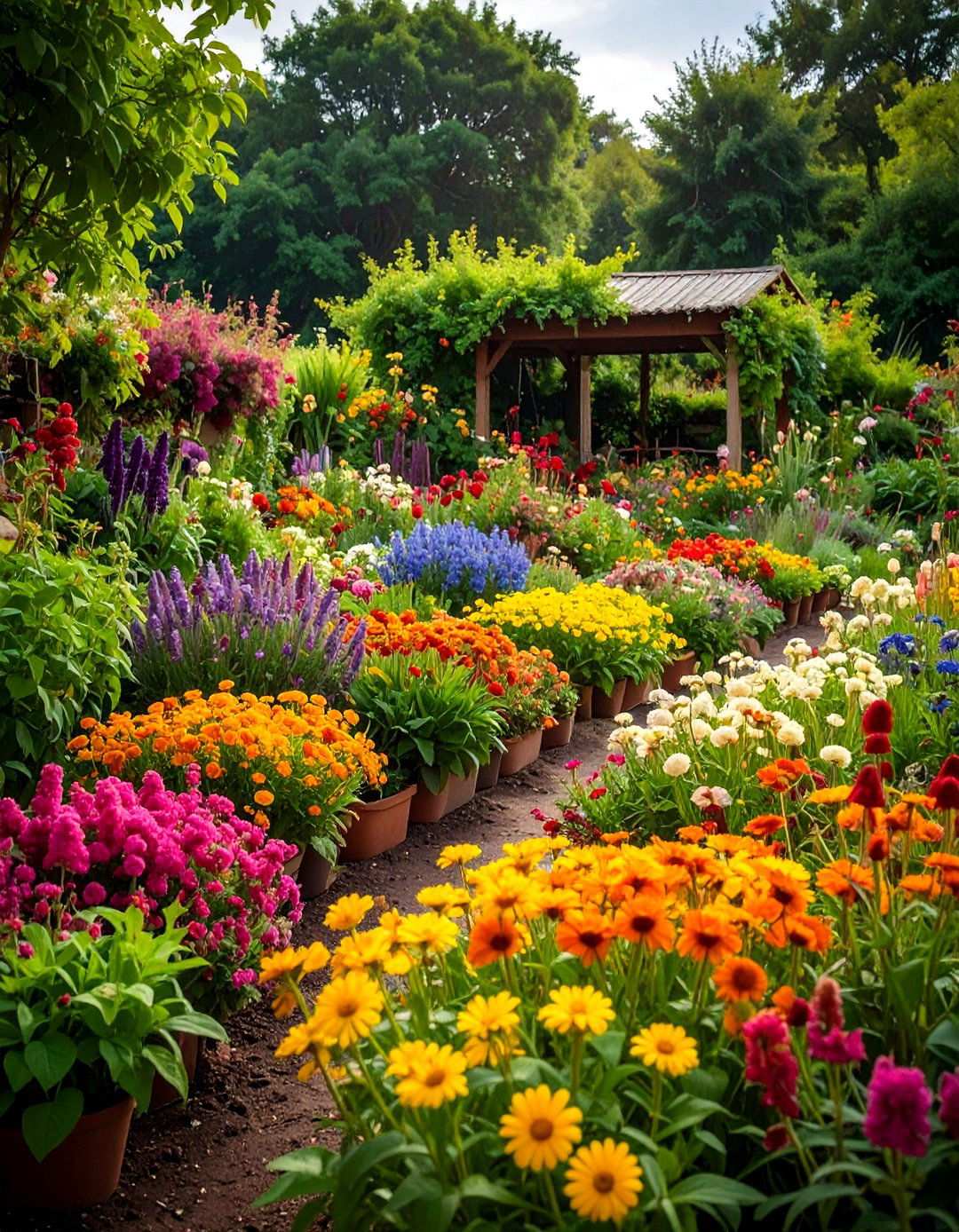
Artistic expression meets botanical science in the dye plant color garden, where students cultivate plants specifically for creating natural dyes and pigments. By growing their own madder for red hues, weld for vibrant yellows, and indigo for blues, students delve into historical textile traditions while exploring the chemistry behind color production. This garden showcases a diverse array of flowers, leaves, bark, and roots, each contributing unique colors when processed through traditional dyeing techniques. As students harvest plant materials, prepare dye baths, and create colorful fabrics or papers, they integrate art, chemistry, and cultural studies through hands-on exploration of natural color sources.
19. Lunar Cycles Inform Garden Planning
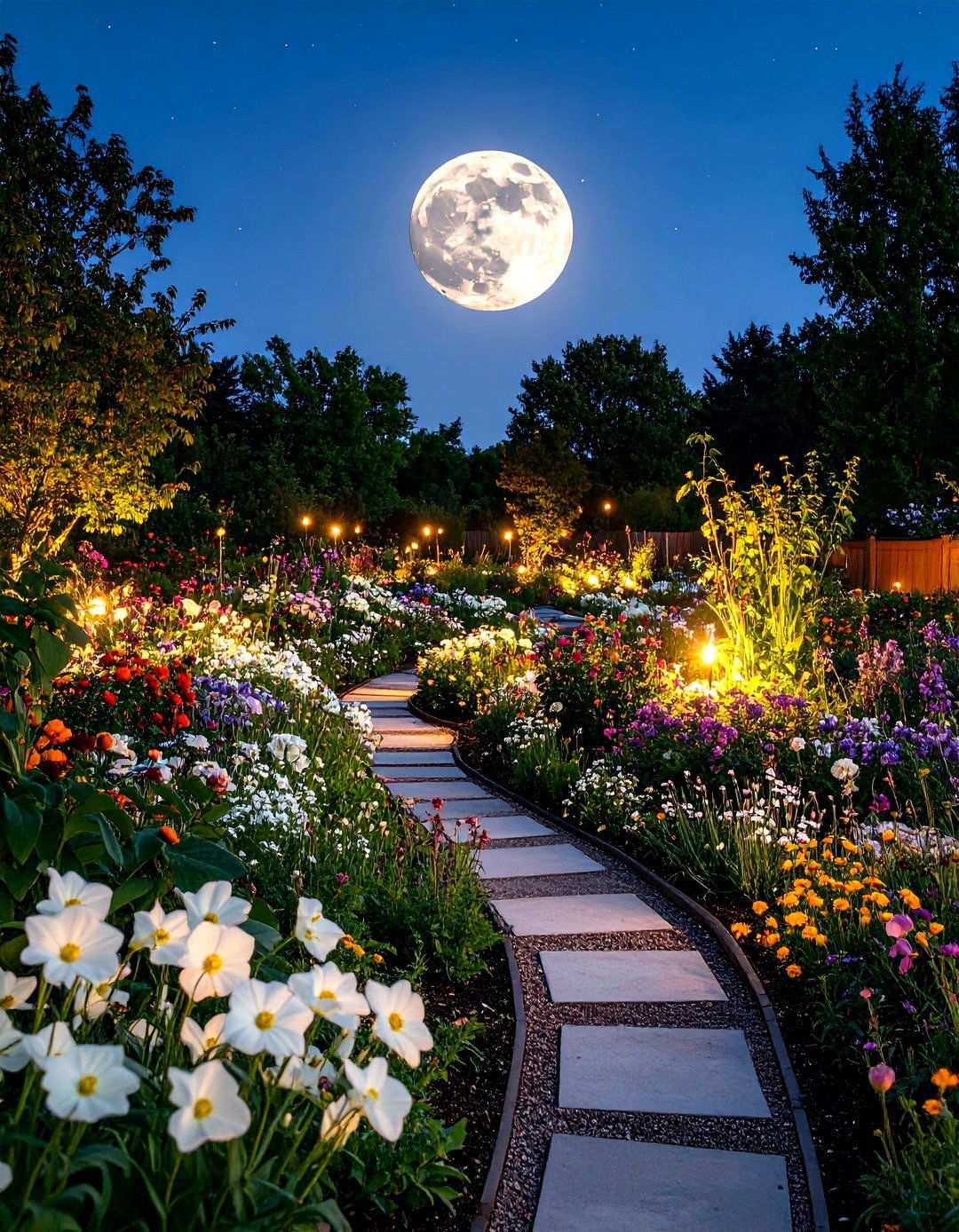
The moon phase garden serves as a hub for interdisciplinary learning, where students explore the connection between lunar cycles and traditional planting methods. By coordinating seed planting with specific moon phases, students track growth patterns and compare results with conventional schedules. This garden’s night-blooming flowers, such as moonflowers and four o’clocks, offer a unique opportunity for students to observe nocturnal plant behaviors, fostering a deeper understanding of the intricate relationships between celestial cycles and terrestrial growth. By maintaining planting journals that record moon phases alongside plant development, students create meaningful connections between the heavens and the earth.
20. Harvesting the Benefits of Continuous Production
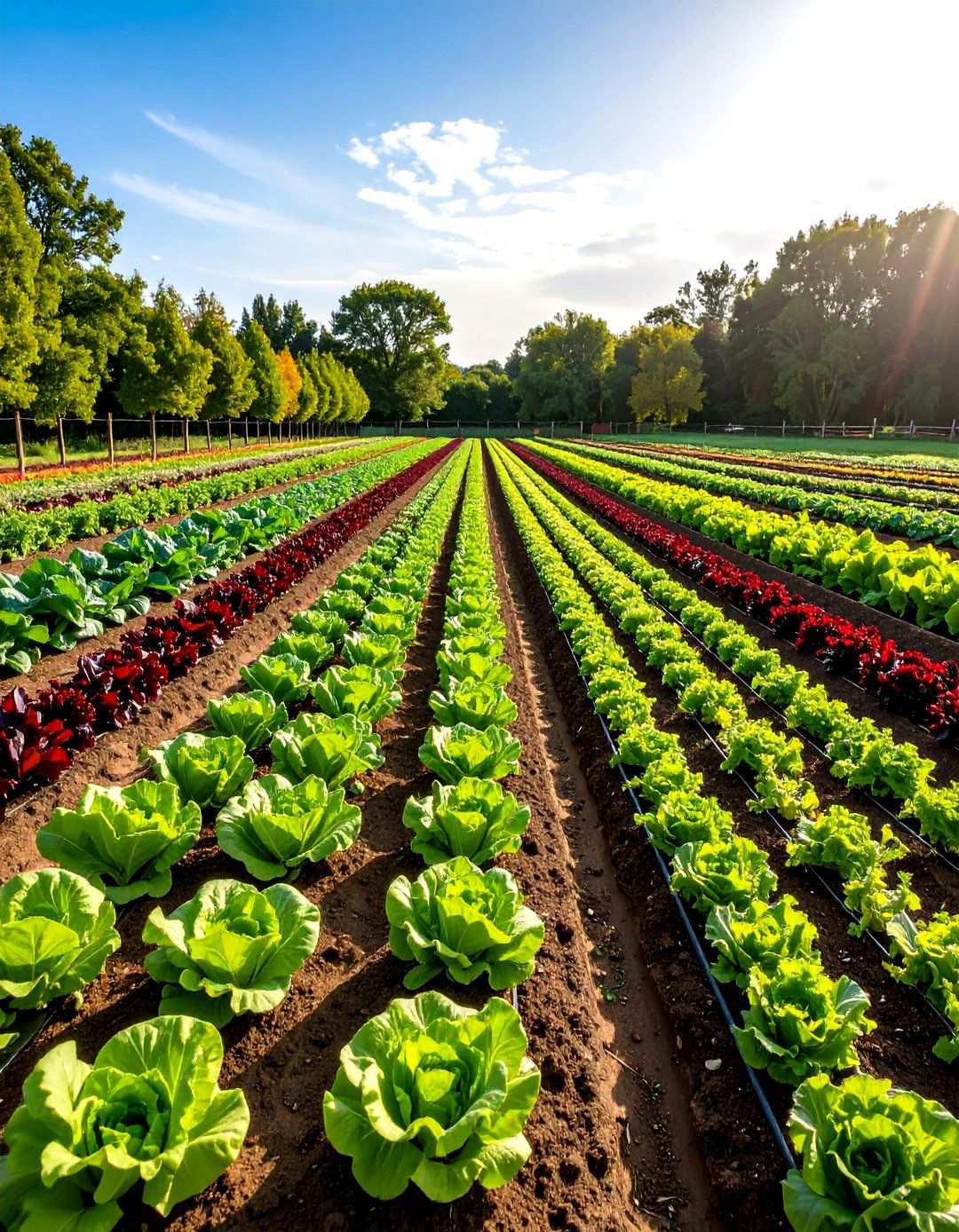
The succession planting garden showcases the benefits of strategic timing and multiple plantings of fast-growing crops throughout the growing season. By planting lettuce, radishes, and beans every two weeks, students maintain a steady supply of fresh produce and develop essential planning skills, resource management, and seasonal timing. This systematic approach to gardening introduces students to the concepts of agricultural planning and sustainable production while ensuring continuous learning opportunities and fresh produce availability throughout the growing season. As students develop planting schedules, track germination rates, and coordinate harvest timing with school meal programs, they cultivate a deeper understanding of the importance of planning and resource management in agriculture.
21. Harmonious Balance in Garden Design
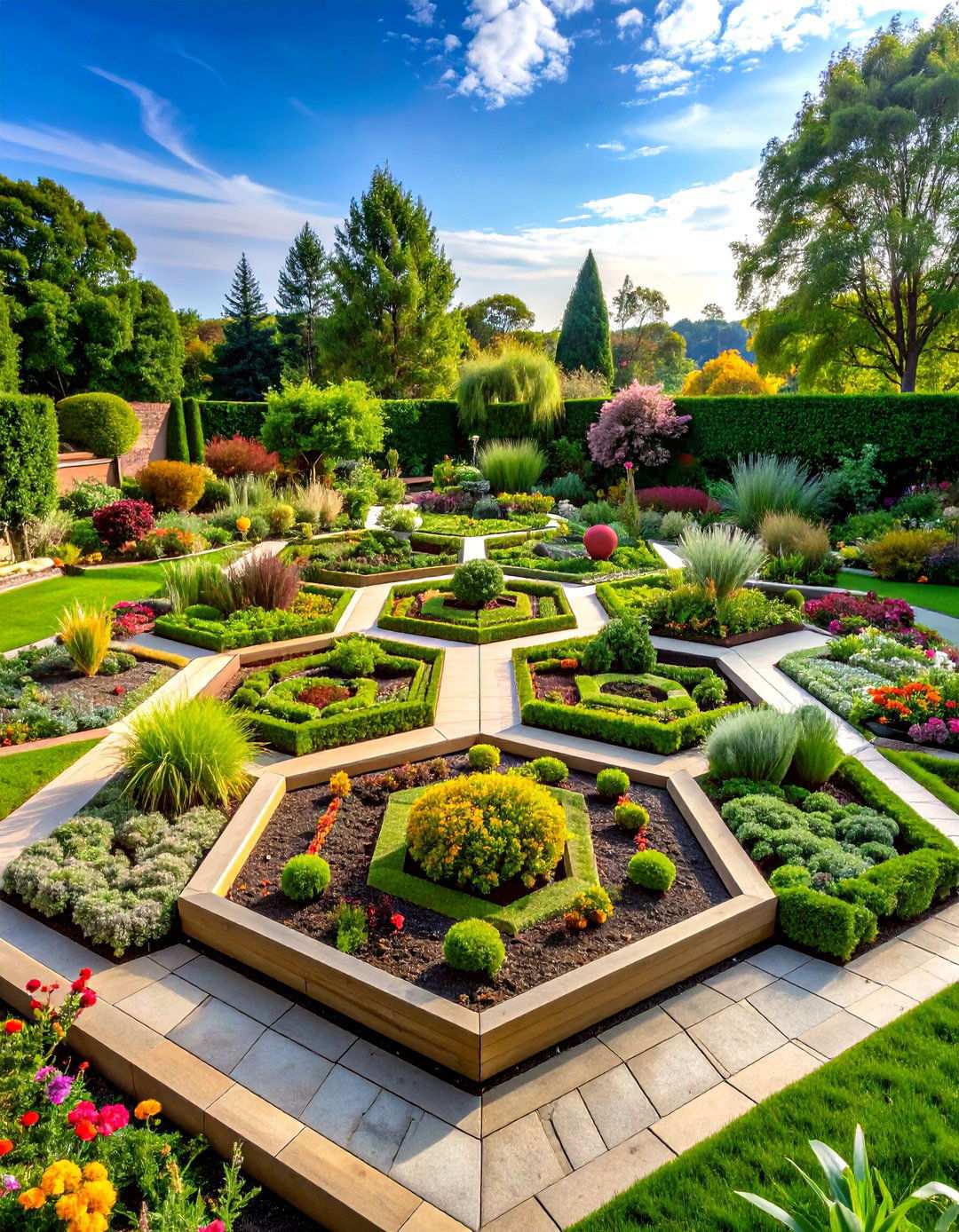
The convergence of mathematical concepts and garden design brings geometry to life through symmetrical patterns, proportional relationships, and the intricate arrangements found in nature. Students embark on a creative journey, crafting spiral herb gardens, hexagonal flower beds, and fractal vegetable arrangements that not only showcase their understanding of geometry but also foster an appreciation for spatial relationships and measurement techniques. By incorporating the golden ratio, Fibonacci sequences, and tessellating patterns, the geometric garden serves as a dynamic display of mathematical principles in a living, breathing environment. As students calculate areas, measure angles, and explore symmetry, they develop a deeper understanding of the mathematical foundations that underlie natural design, all while cultivating a beautiful and harmonious garden space.
22. Wildlife Sanctuary in the Garden
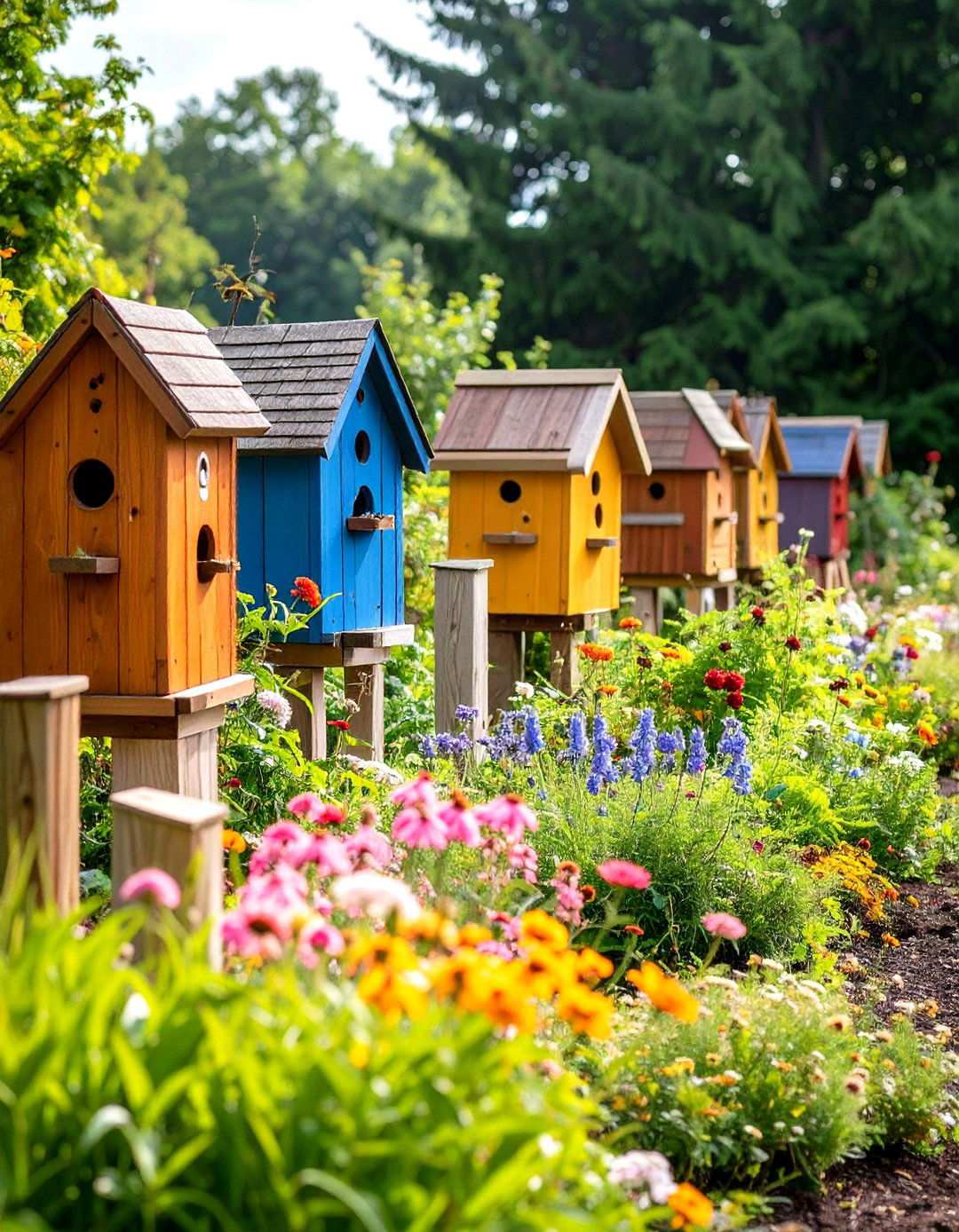
Community gardens can be transformed into thriving wildlife habitats by incorporating specific plantings that attract and support local species. This garden design focuses on providing essential resources – food, water, shelter, and nesting sites – for local wildlife, while also educating students about the vital connections between habitat requirements and ecosystem relationships. Native shrubs, berry-producing plants, and seed-bearing flowers not only attract birds but also offer natural food sources throughout the seasons, showcasing the importance of biodiversity in our ecosystems. By installing bird houses, bee hotels, and butterfly hibernation sites, students gain a deeper understanding of animal life cycles and behavioral patterns, all while contributing to the creation of an outdoor laboratory for wildlife observation and ecological research.
23. Aromatic Delights in the Edible Flower Garden
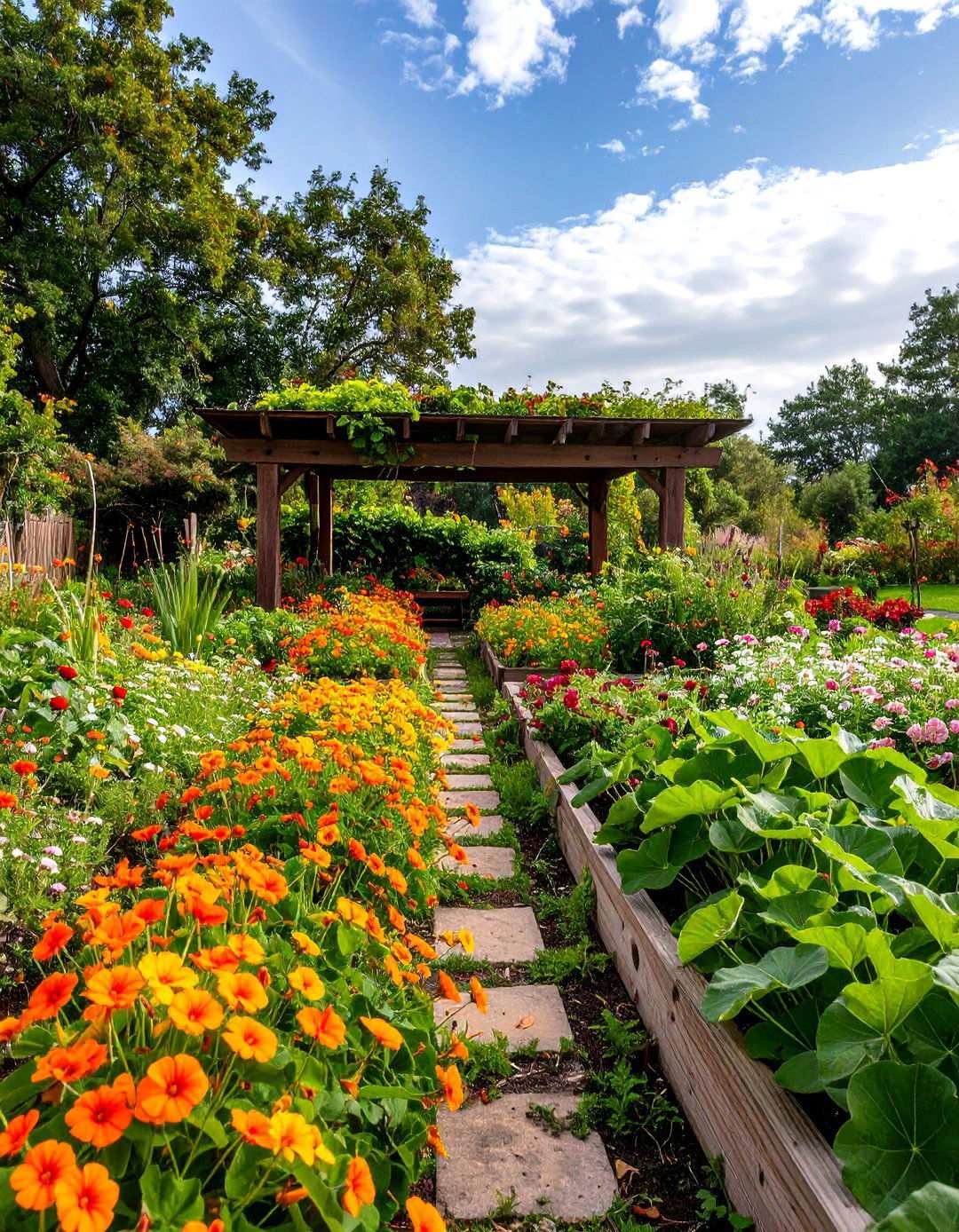
A vibrant and colorful garden featuring edible flowers offers students a unique opportunity to explore the intersection of culinary botany, art, and culture. By growing nasturtiums, violas, calendulas, and sunflowers that are safe for consumption, students learn about the nutritional value, plant parts, and food safety considerations that come with cultivating edible flowers. The edible flower garden serves as a hub for interdisciplinary learning, connecting to art projects, culinary explorations, and cultural studies as students delve into the historical uses of flowers in different cuisines. Through safety education, students emphasize the importance of proper plant identification and organic growing methods, ultimately creating beautiful, functional garden spaces that highlight the intersection of aesthetics and nutrition.
24. Seasonal Celebration Garden
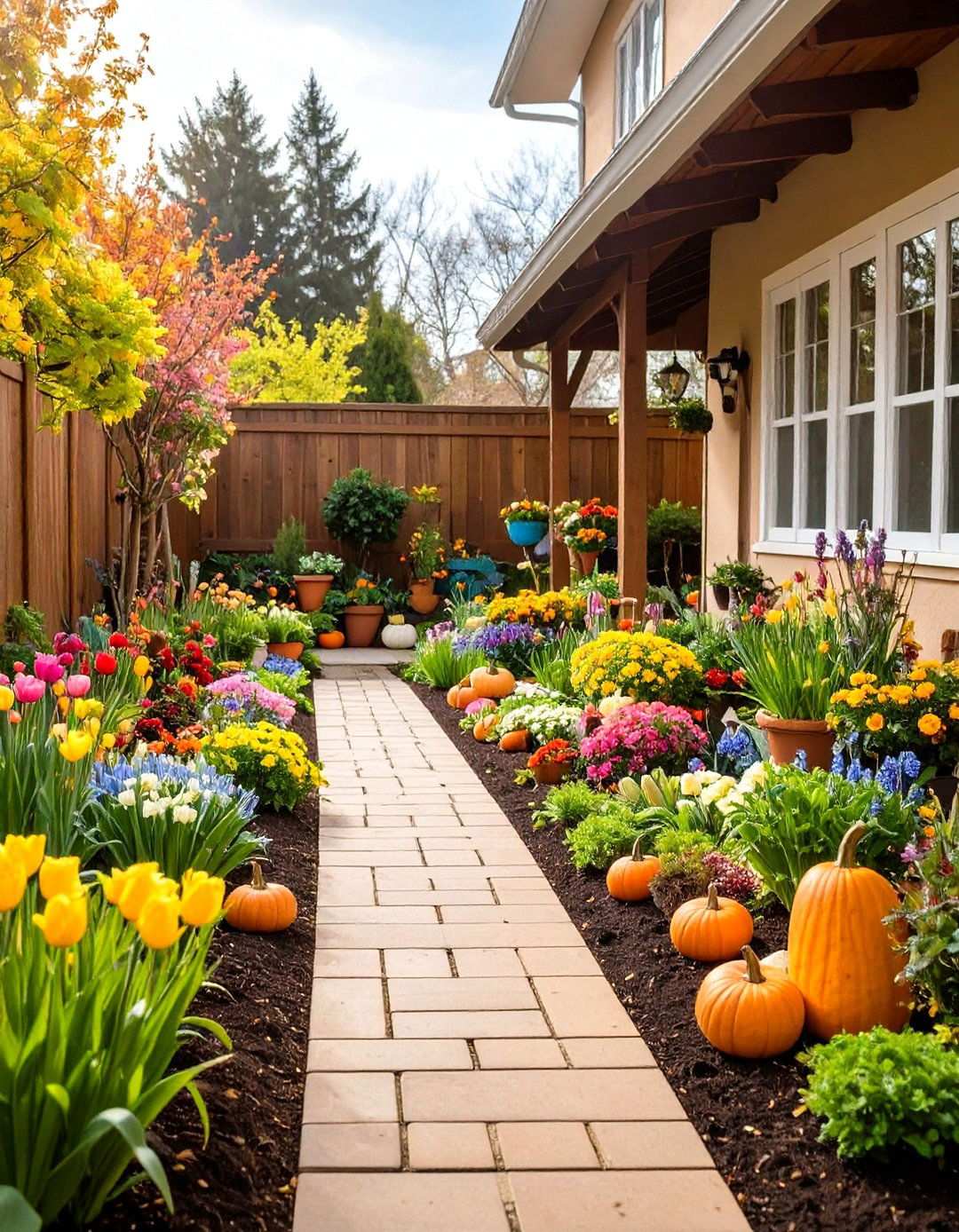
The garden serves as a dynamic reflection of the changing seasons and cultural celebrations that unfold throughout the academic year. By incorporating plants that highlight distinct seasons and cultural traditions, this garden seamlessly weaves together gardening activities with school calendar events and cultural heritage. As spring bulbs burst forth with vibrant colors, they symbolize renewal and growth. Summer vegetables ripen in time to support harvest festivals, while autumn gourds provide an abundance of materials for seasonal decorations. Meanwhile, winter evergreens maintain the garden’s visual interest even during the dormant months. By participating in this celebration garden, students develop a deeper understanding of phenology, seasonal changes, and the cultural traditions associated with agricultural cycles. The garden’s offerings extend beyond educational benefits, providing students with a wealth of materials for school decorations, seasonal crafts, and cultural education. As a result, this approach fosters year-round student engagement with garden spaces while cultivating a profound appreciation for community celebrations and cultural heritage.