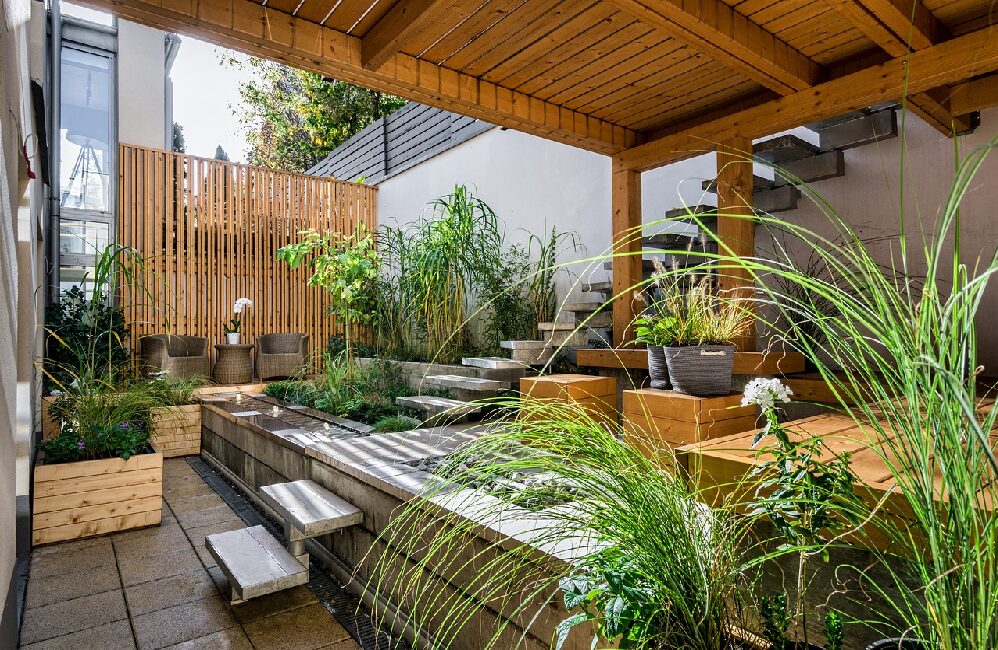
1. Crafting a Fresh Atmosphere with Plants
Transforming your living space with plants is an art form that transcends mere aesthetics. It’s about creating a dynamic atmosphere that invigorates the senses and fosters a deeper connection with nature. By thoughtfully combining plants with design elements, you can craft a visually striking and engaging space that feels vibrant and alive. Whether you’re drawn to bold, statement pieces or prefer a more subtle, natural approach, plant decorating offers endless possibilities for personalizing your space. The key lies in understanding how different plants interact with your room’s unique characteristics, such as lighting, scale, and existing decor.

As an Amazon Associate I earn from qualifying purchases.
2. Showstopping Living Room Displays
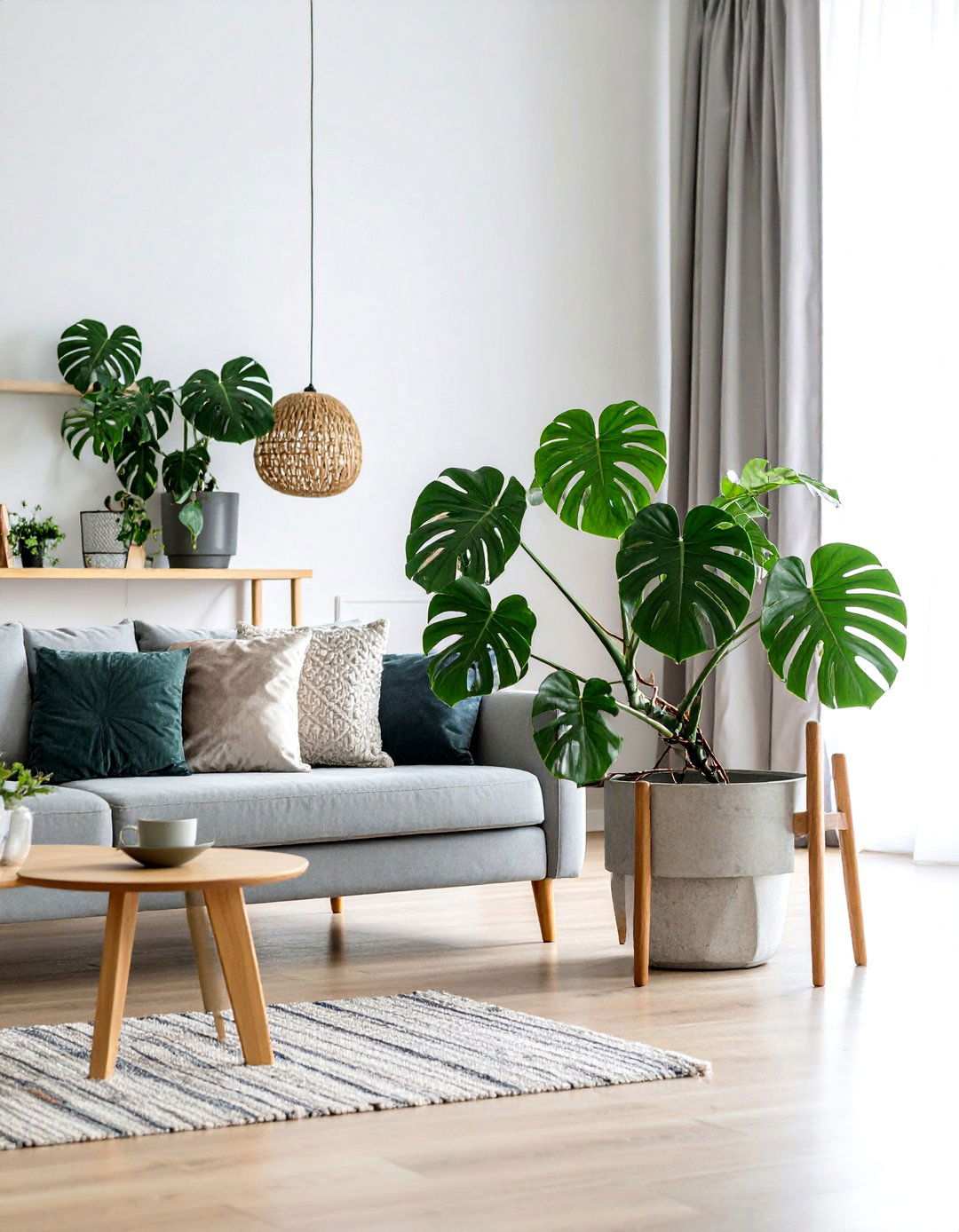
Turn your living room into a sophisticated oasis by incorporating bold, oversized plants that command attention and create natural focal points. Specimens like Monstera Deliciosa, Fiddle Leaf Figs, or Bird of Paradise plants positioned in corners or beside seating areas instantly elevate the room’s ambiance. These architectural plants thrive in well-defined spaces, where they can showcase their dramatic foliage and evolve throughout the seasons. To maintain focus on the plant itself, consider pairing statement pieces with minimalist planters made from materials like concrete or ceramic. The scale of these arrangements has a profound impact, making small rooms feel more expansive while adding organic softness to contemporary furniture and clean lines.
3. Vertical Garden Wall Systems
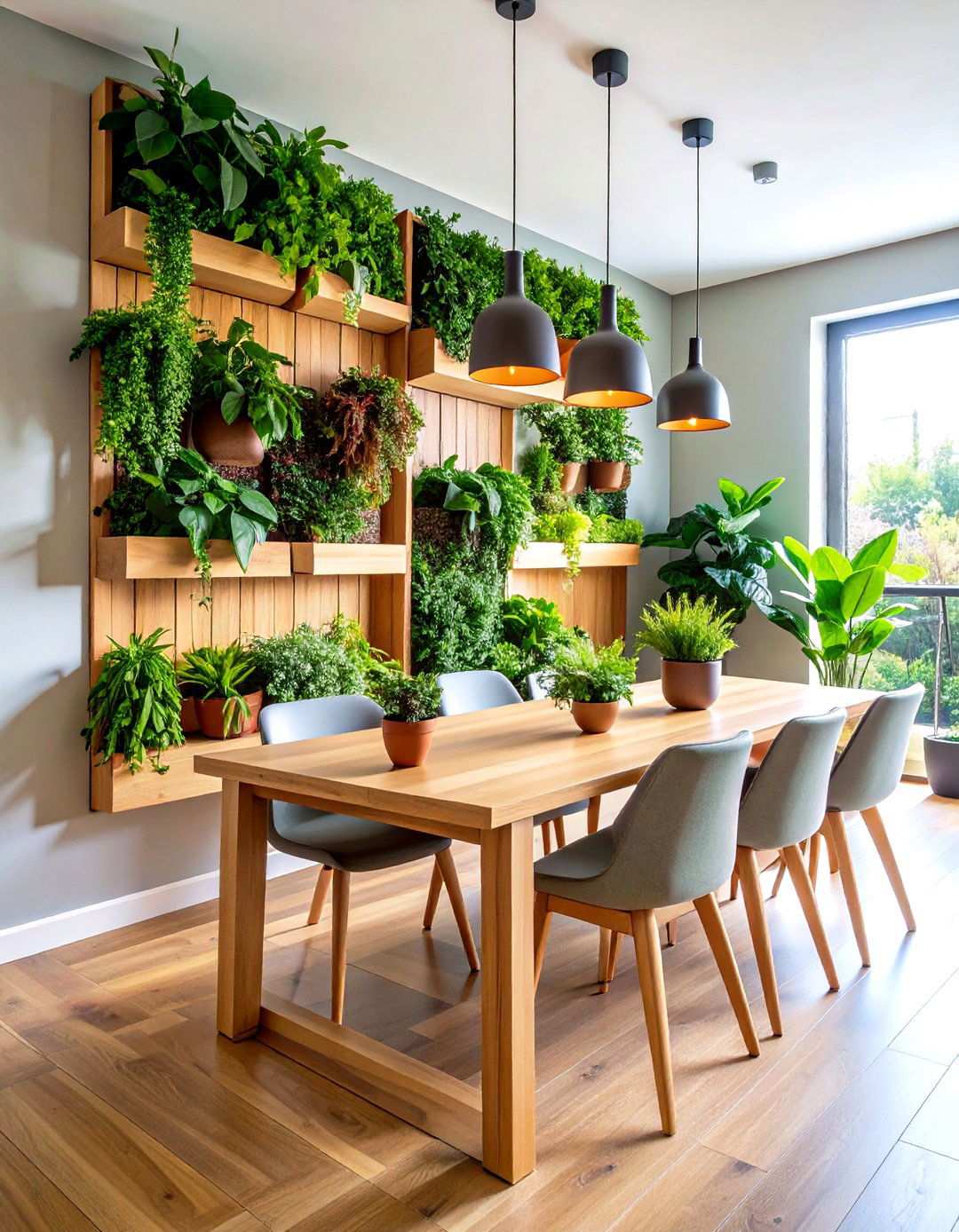
Create stunning living walls using modular planting systems that transform bare vertical surfaces into lush green displays. Wall-mounted felt pocket planters, wooden grid systems, or hanging planters arranged in geometric patterns offer space-saving solutions for urban homes. These installations work particularly well in entryways, dining rooms, or home offices where they serve as natural artwork. Mix different plant textures and sizes to create visual depth, combining trailing plants like Pothos with upright varieties such as Snake Plants. The key lies in selecting plants with similar light and water requirements while creating varied heights and foliage patterns that draw the eye upward through the display.
4. Living Room Statement Plant Arrangements
Transform your living space with bold, oversized plants that command attention and create natural focal points. Large specimens like Monstera Deliciosa, Fiddle Leaf Figs, or Bird of Paradise plants positioned in corners or beside seating areas instantly elevate the room’s sophistication. These architectural plants work best when given ample space to showcase their dramatic foliage, creating living sculptures that evolve throughout seasons. Consider pairing statement plants with neutral-toned planters in materials like concrete or ceramic to maintain focus on the plant itself. The scale of these arrangements makes small rooms feel more spacious while adding organic softness to hard-edged contemporary furniture and clean lines.
5. Vertical Garden Wall Systems
Create stunning living walls using modular planting systems that transform bare vertical surfaces into lush green displays. Wall-mounted felt pocket planters, wooden grid systems, or hanging planters arranged in geometric patterns offer space-saving solutions for urban homes. These installations work particularly well in entryways, dining rooms, or home offices where they serve as natural artwork. Mix different plant textures and sizes to create visual depth, combining trailing plants like Pothos with upright varieties such as Snake Plants. The key lies in selecting plants with similar light and water requirements while creating varied heights and foliage patterns that draw the eye upward through the display.
6. Vertical Garden Wall Systems
Create stunning living walls using modular planting systems that transform bare vertical surfaces into lush green displays. Wall-mounted felt pocket planters, wooden grid systems, or hanging planters arranged in geometric patterns offer space-saving solutions for urban homes. These installations work particularly well in entryways, dining rooms, or home offices where they serve as natural artwork. Mix different plant textures and sizes to create visual depth, combining trailing plants like Pothos with upright varieties such as Snake Plants. The key lies in selecting plants with similar light and water requirements while creating varied heights and foliage patterns that draw the eye upward through the display.
7. Living Room Statement Plant Arrangements
Transform your living space with bold, oversized plants that command attention and create natural focal points. Large specimens like Monstera Deliciosa, Fiddle Leaf Figs, or Bird of Paradise plants positioned in corners or beside seating areas instantly elevate the room’s sophistication. These architectural plants work best when given ample space to showcase their dramatic foliage, creating living sculptures that evolve throughout seasons. Consider pairing statement plants with neutral-toned planters in materials like concrete or ceramic to maintain focus on the plant itself. The scale of these arrangements makes small rooms feel more spacious while adding organic softness to hard-edged contemporary furniture and clean lines.
8. Vertical Garden Wall Systems
Create stunning living walls using modular planting systems that transform bare vertical surfaces into lush green displays. Wall-mounted felt pocket planters, wooden grid systems, or hanging planters arranged in geometric patterns offer space-saving solutions for urban homes. These installations work particularly well in entryways, dining rooms, or home offices where they serve as natural artwork. Mix different plant textures and sizes to create visual depth, combining trailing plants like Pothos with upright varieties such as Snake Plants. The key lies in selecting plants with similar light and water requirements while creating varied heights and foliage patterns that draw the eye upward through the display.
9. Living Room Statement Plant Arrangements
Transform your living space with bold, oversized plants that command attention and create natural focal points. Large specimens like Monstera Deliciosa, Fiddle Leaf Figs, or Bird of Paradise plants positioned in corners or beside seating areas instantly elevate the room’s sophistication. These architectural plants work best when given ample space to showcase their dramatic foliage, creating living sculptures that evolve throughout seasons. Consider pairing statement plants with neutral-toned planters in materials like concrete or ceramic to maintain focus on the plant itself. The scale of these arrangements makes small rooms feel more spacious while adding organic softness to hard-edged contemporary furniture and clean lines.
10. Vertical Garden Wall Systems
Create stunning living walls using modular planting systems that transform bare vertical surfaces into lush green displays. Wall-mounted felt pocket planters, wooden grid systems, or hanging planters arranged in geometric patterns offer space-saving solutions for urban homes. These installations work particularly well in entryways, dining rooms, or home offices where they serve as natural artwork. Mix different plant textures and sizes to create visual depth, combining trailing plants like Pothos with upright varieties such as Snake Plants. The key lies in selecting plants with similar light and water requirements while creating varied heights and foliage patterns that draw the eye upward through the display.
Crafted Miniature Worlds
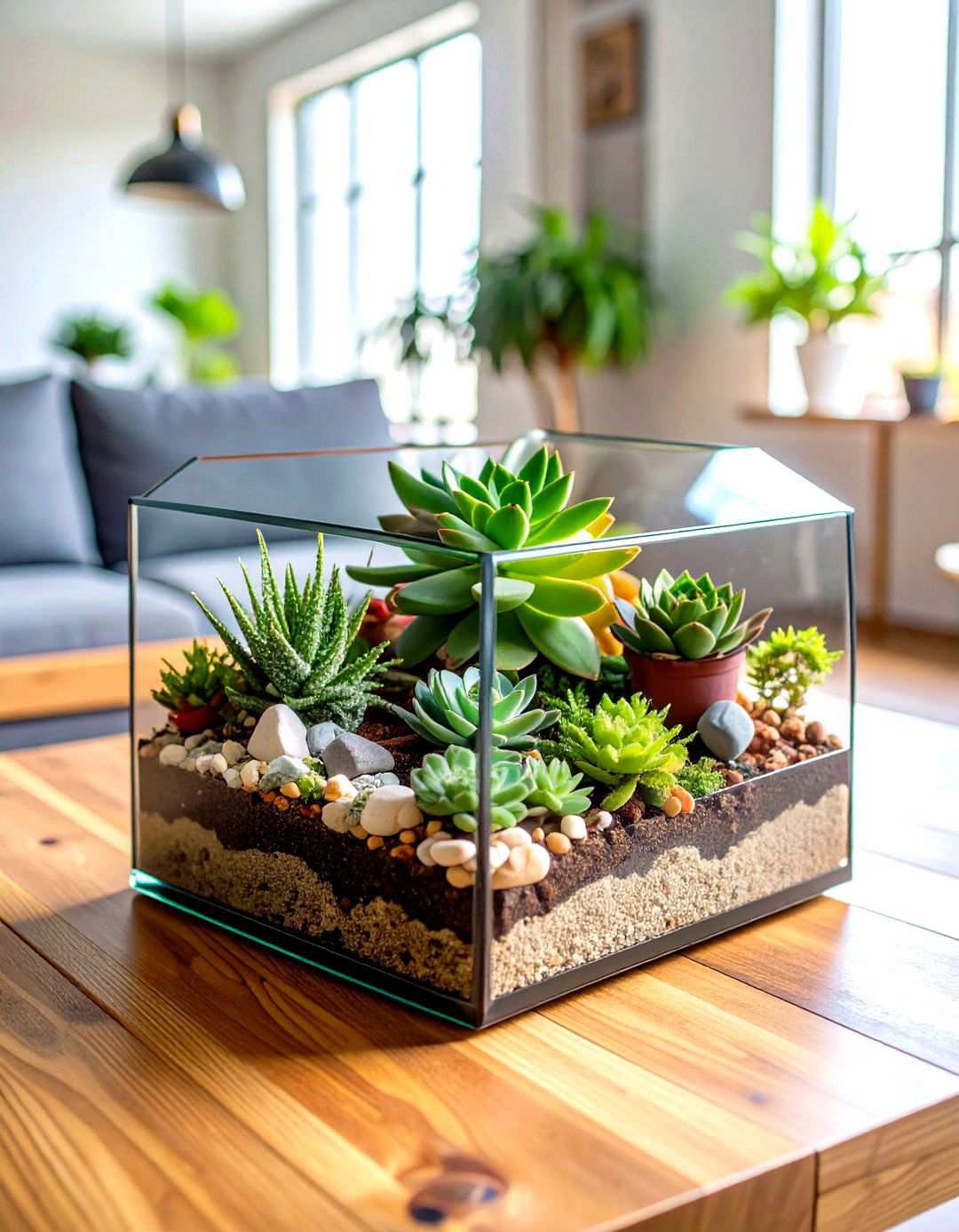
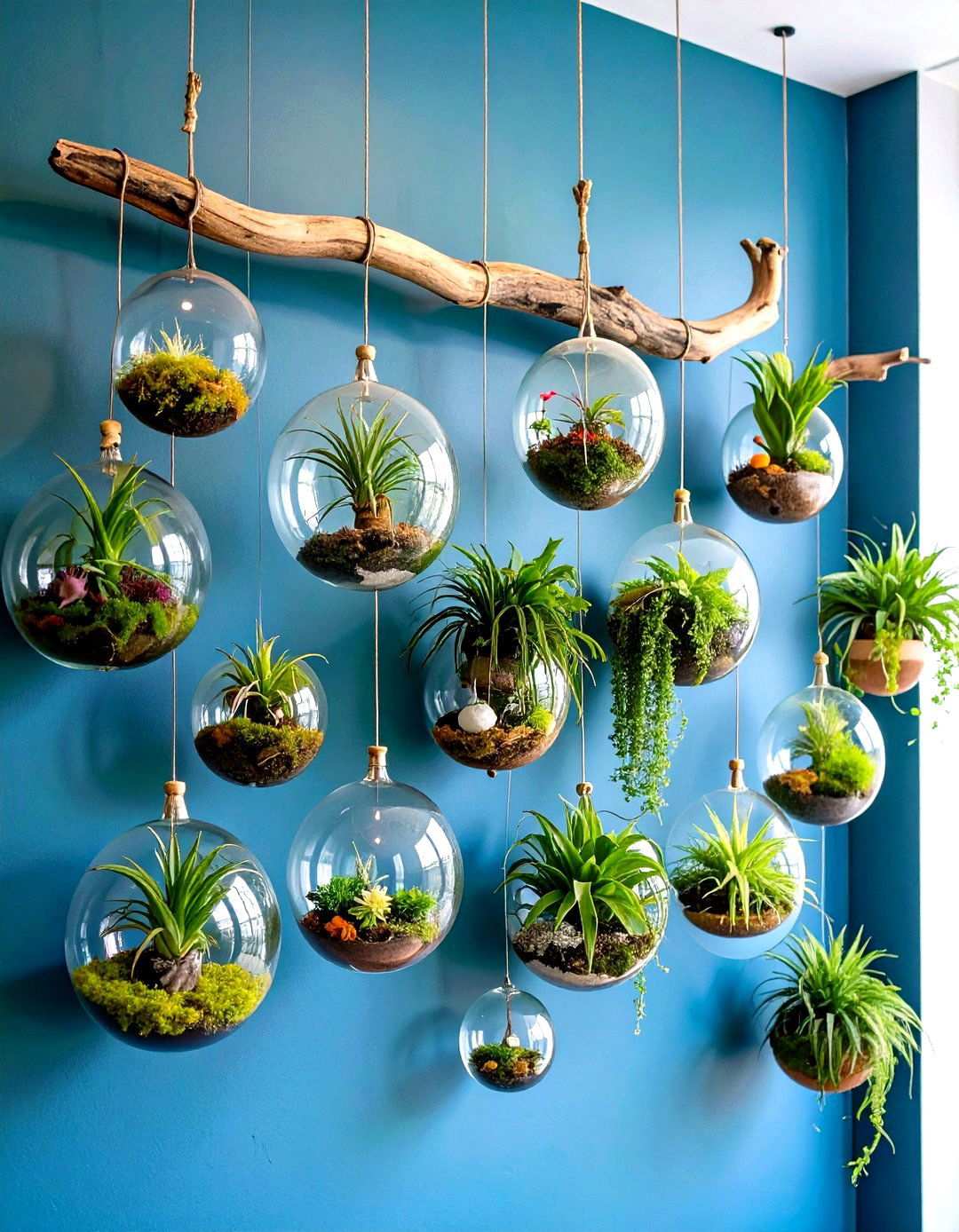
Bring glass-enclosed environments to life with carefully selected succulents, air plants, and moss, creating visually striking displays that thrive on tabletops and shelves. By choosing open terrariums, you allow for optimal airflow, enabling the intricate arrangements of plants to be admired from every angle. Layering materials such as colored sand, decorative stones, and activated charcoal not only adds visual interest but also ensures proper drainage for your selected plants. Adding small figurines, driftwood, or crystals can transform simple displays into enchanting storytelling landscapes. These self-contained gardens require remarkably little upkeep, offering a high visual impact that makes them perfect for those new to gardening or anyone seeking a low-maintenance yet sophisticated plant display.
Vertical Oasis Creations
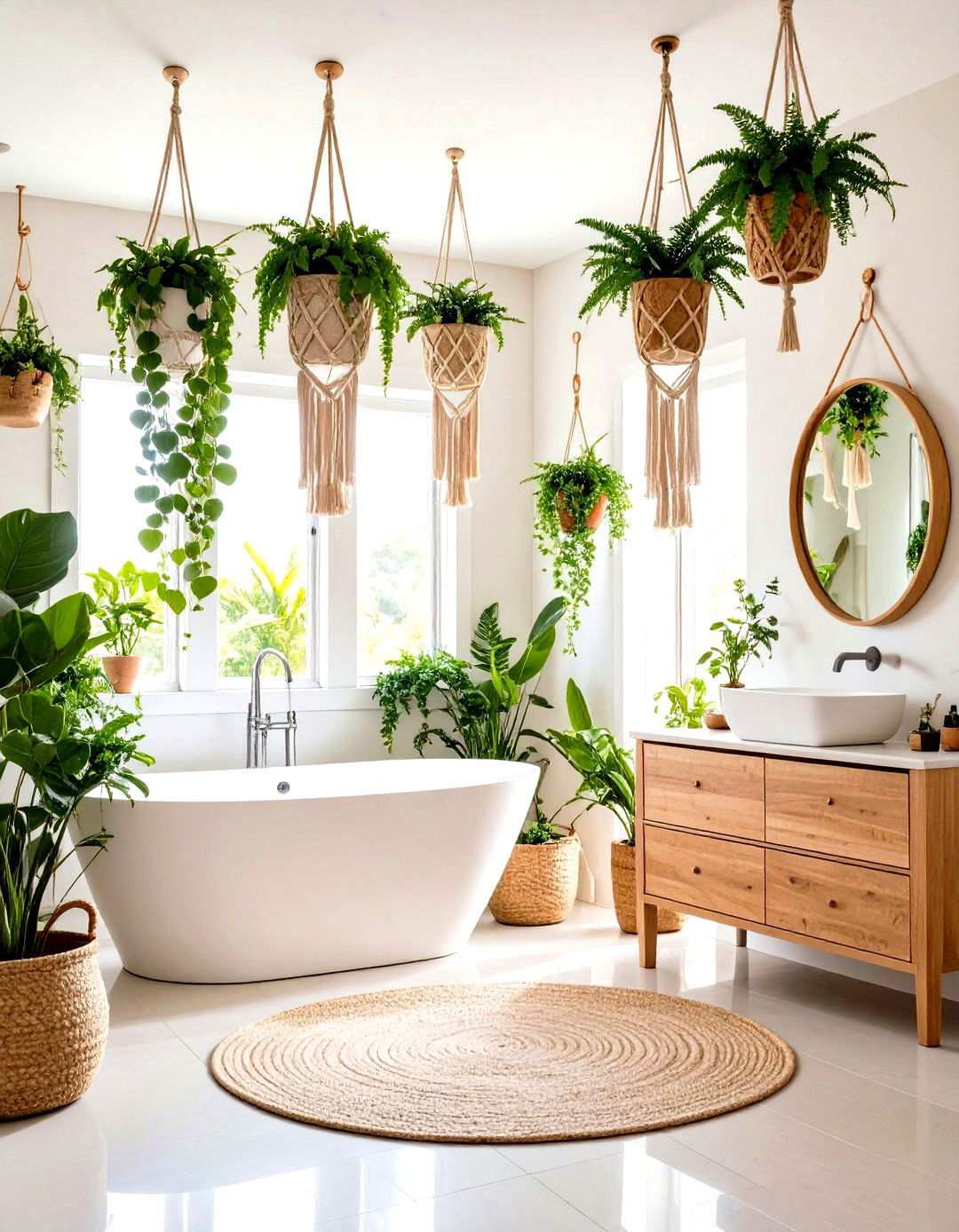
Elevate your space by suspending plants at varying heights, creating dynamic overhead displays that cleverly maximize floor space and add visual interest to rooms. Macrame hangers, sleek metal hooks, or decorative chains can support trailing plants like String of Hearts, Boston Ferns, or Ivy, which naturally cascade downward. This approach works particularly well in rooms with soaring ceilings, bathrooms with optimal humidity levels, or above dining tables where plants won’t interfere with daily activities. For a visually appealing effect, group hanging plants in odd numbers at different heights, ensuring each plant receives adequate light. Regular rotation prevents plants from growing unevenly toward light sources, maintaining balanced, full displays that showcase your green thumb.
Fresh Flavors in Full View
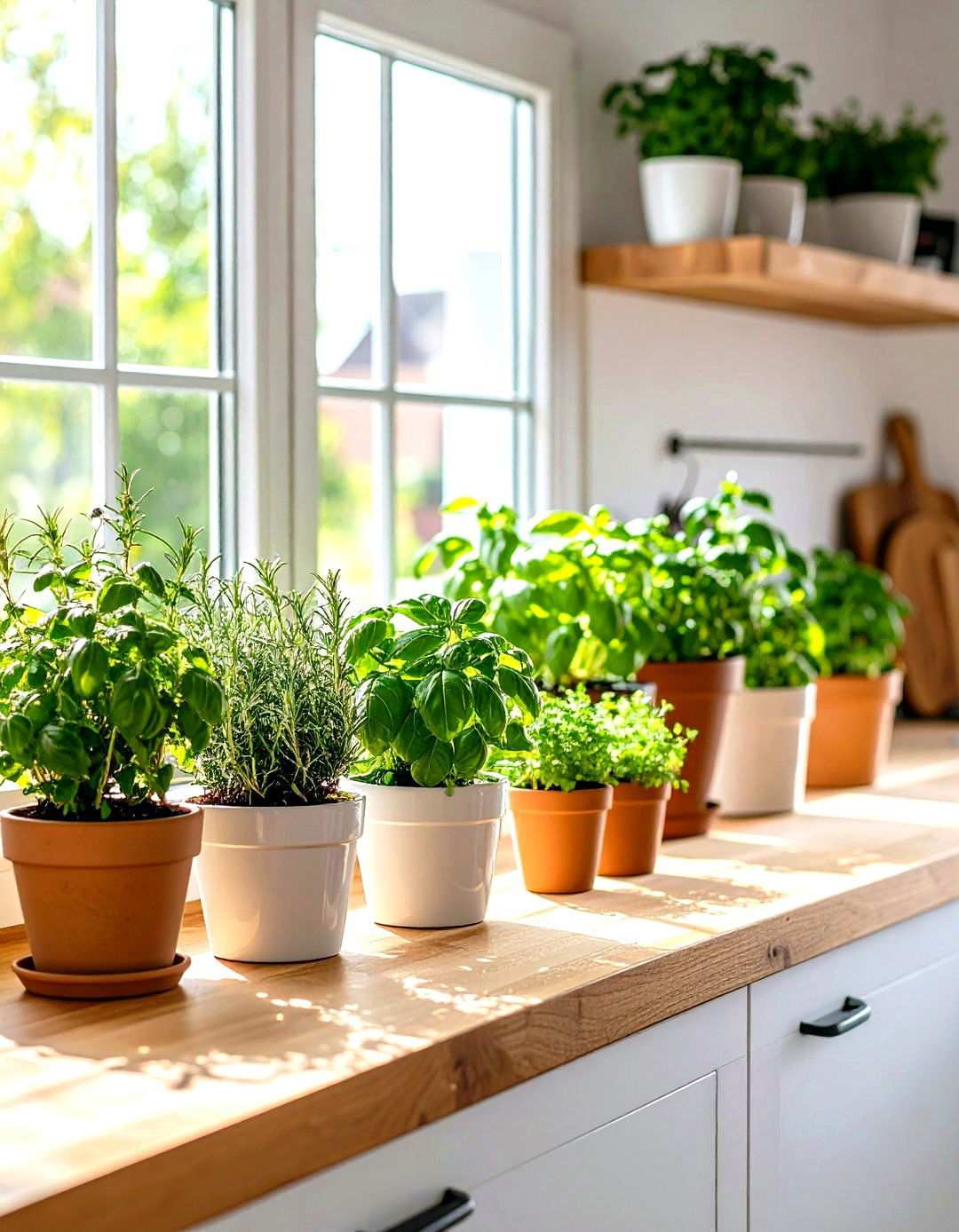
Integrate homegrown herbs into your kitchen design using windowsill gardens, wall-mounted planters, or countertop arrangements that not only provide fresh ingredients but also enhance the space’s aesthetic appeal. Herbs like basil, rosemary, thyme, and mint thrive in kitchen environments with proper lighting and easy access for harvesting. Use matching containers or repurpose vintage jars and containers to create cohesive displays that complement existing kitchen decor. Position herbs near cooking areas for convenient access while ensuring they receive optimal natural light. Rotating seasonal varieties keeps displays fresh while providing year-round access to homegrown flavors that elevate everyday cooking experiences with a personal touch.
Crafting a Restful Oasis with Plants
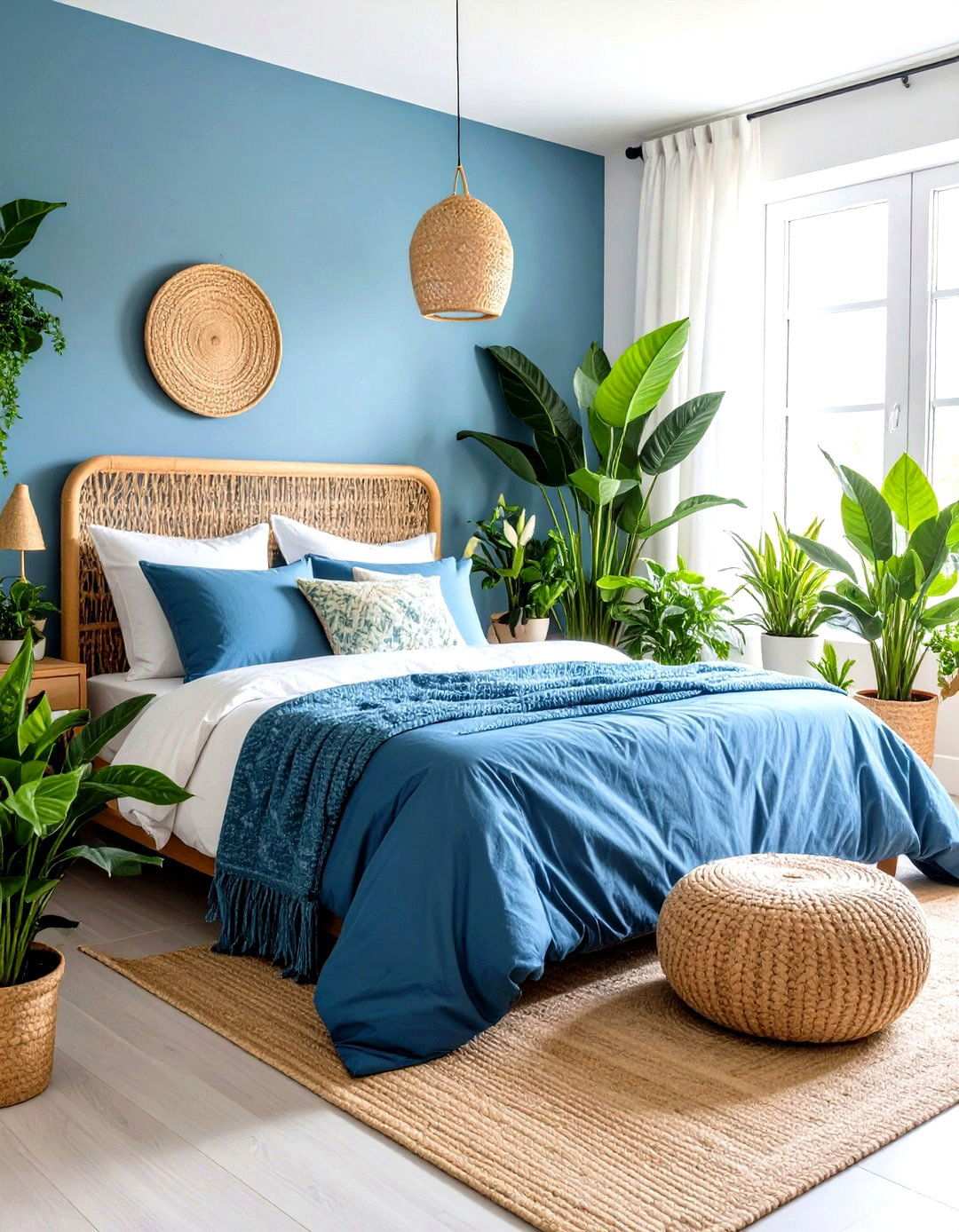
Transform bedrooms into serene retreats by harnessing the air-purifying and stress-relieving properties of select plants strategically positioned throughout sleeping areas. Nature’s air filters, such as Snake Plants, Peace Lilies, and Spider Plants, require minimal upkeep, allowing you to rest easy while they quietly work to promote better sleep. By placing these plants on bedside tables, dressers, or even from ceiling hooks, you can create a soothing ambiance that balances the harsh lines of modern bedroom furniture with the organic curves of plant foliage. As you prepare for a restful night’s sleep, choose plants that excel at releasing oxygen rather than carbon dioxide, fostering a healthier sleep environment.
Bringing Tropical Bliss to Bathrooms
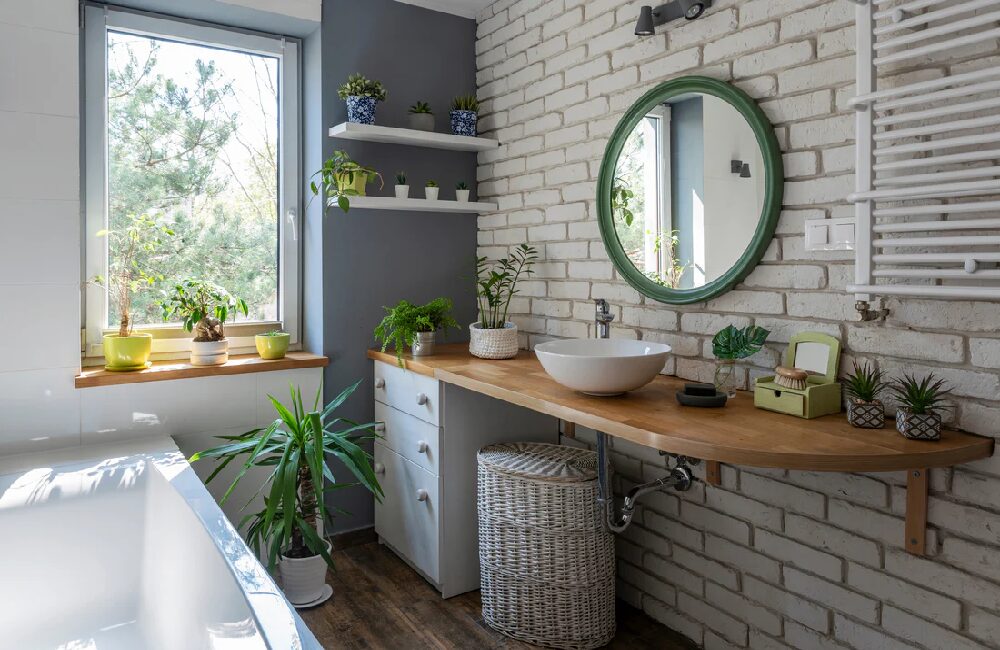
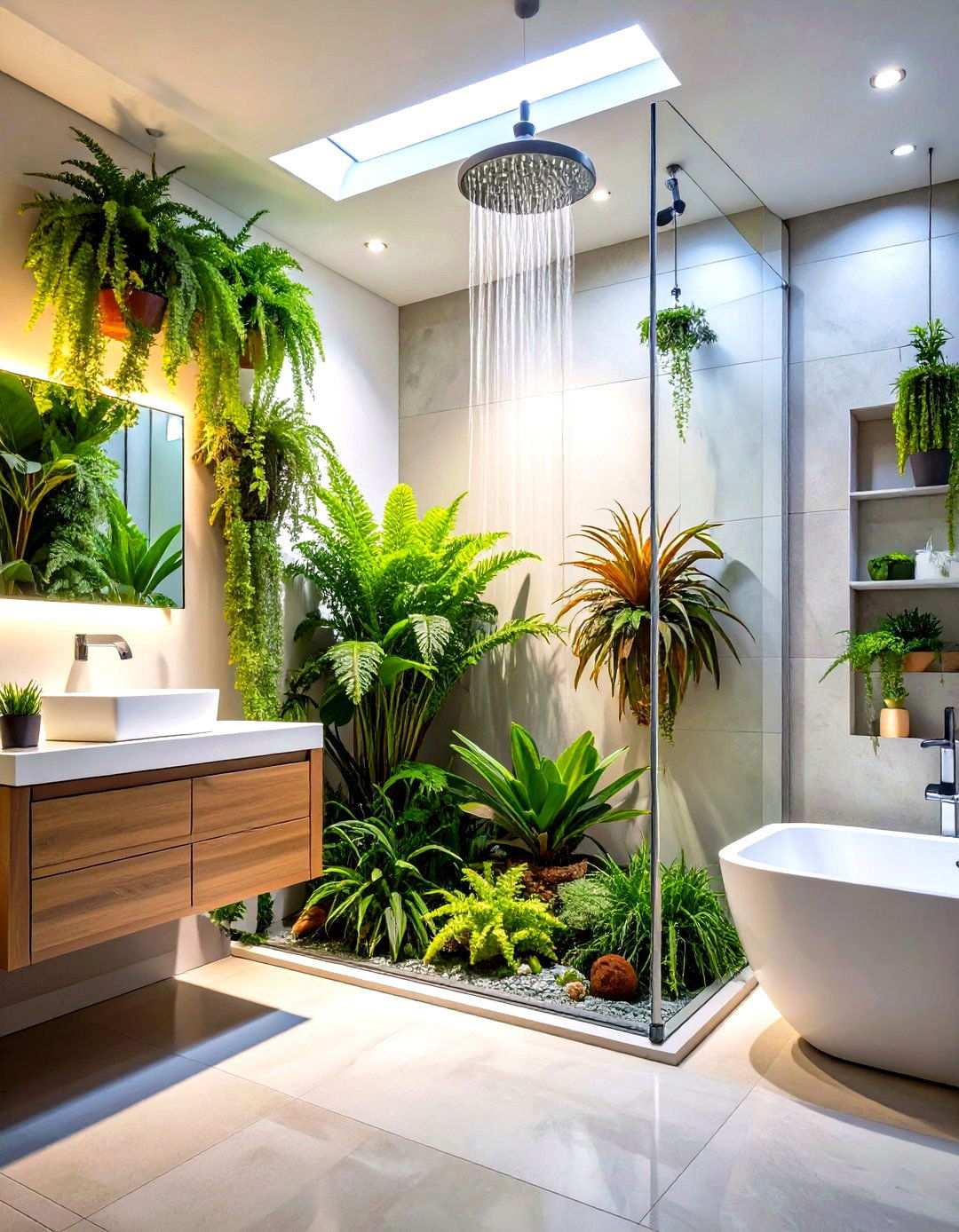
Elevate bathroom ambiance by introducing moisture-loving plants that thrive in humid environments, creating a natural spa-like atmosphere in typically sterile spaces. Ferns, Orchids, Air Plants, and ZZ Plants revel in the bathroom’s unique conditions, injecting lush greenery into areas often neglected for aesthetics. By placing plants on window sills, corner shelves, or hanging displays near showers, you can create visually striking focal points that don’t obstruct bathroom functions. These plants not only add organic textures to soften hard tile and fixtures but also help naturally regulate humidity levels, making bathroom plant displays remarkably low-maintenance and highly rewarding.
Unlocking Office Productivity with Plants
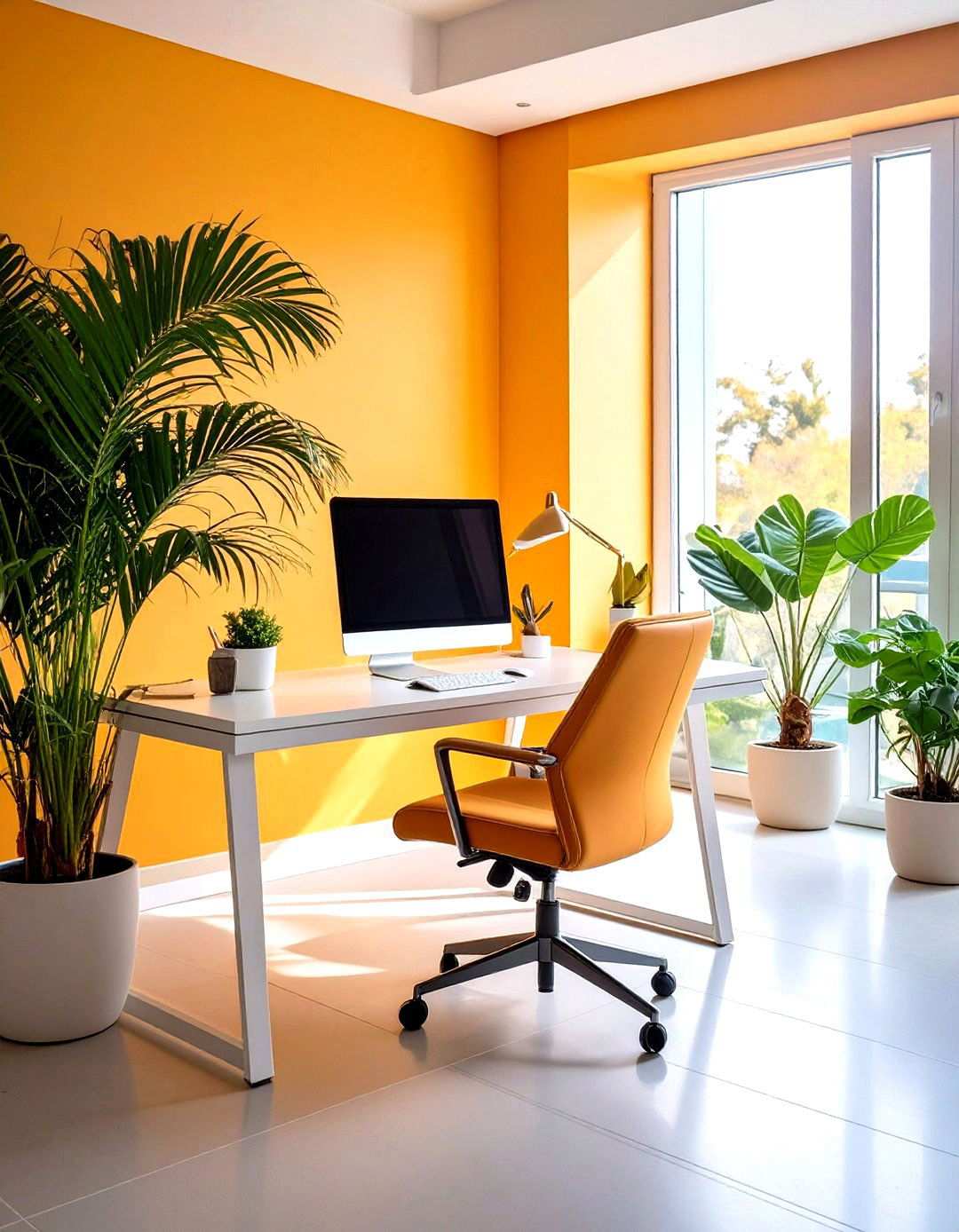
Optimize workspace design by incorporating plants that promote focus, reduce stress, and improve air quality in both home offices and commercial settings. Compact desktop plants like small Palms, Succulents, or Rubber Plants positioned near computer stations provide a visual break from screen time while quietly purifying the air. Larger floor plants strategically placed in corners or near windows create natural boundaries in open office layouts without obstructing sightlines. For busy work environments, choose low-maintenance varieties that can thrive under artificial lighting and irregular watering schedules. By thoughtfully placing plants throughout the workspace, you can mitigate noise levels, establish calming green zones, and foster an environment that supports productivity and mental well-being even during the most demanding workdays.
Crafting Visual Harmony with Succulent Arrangements
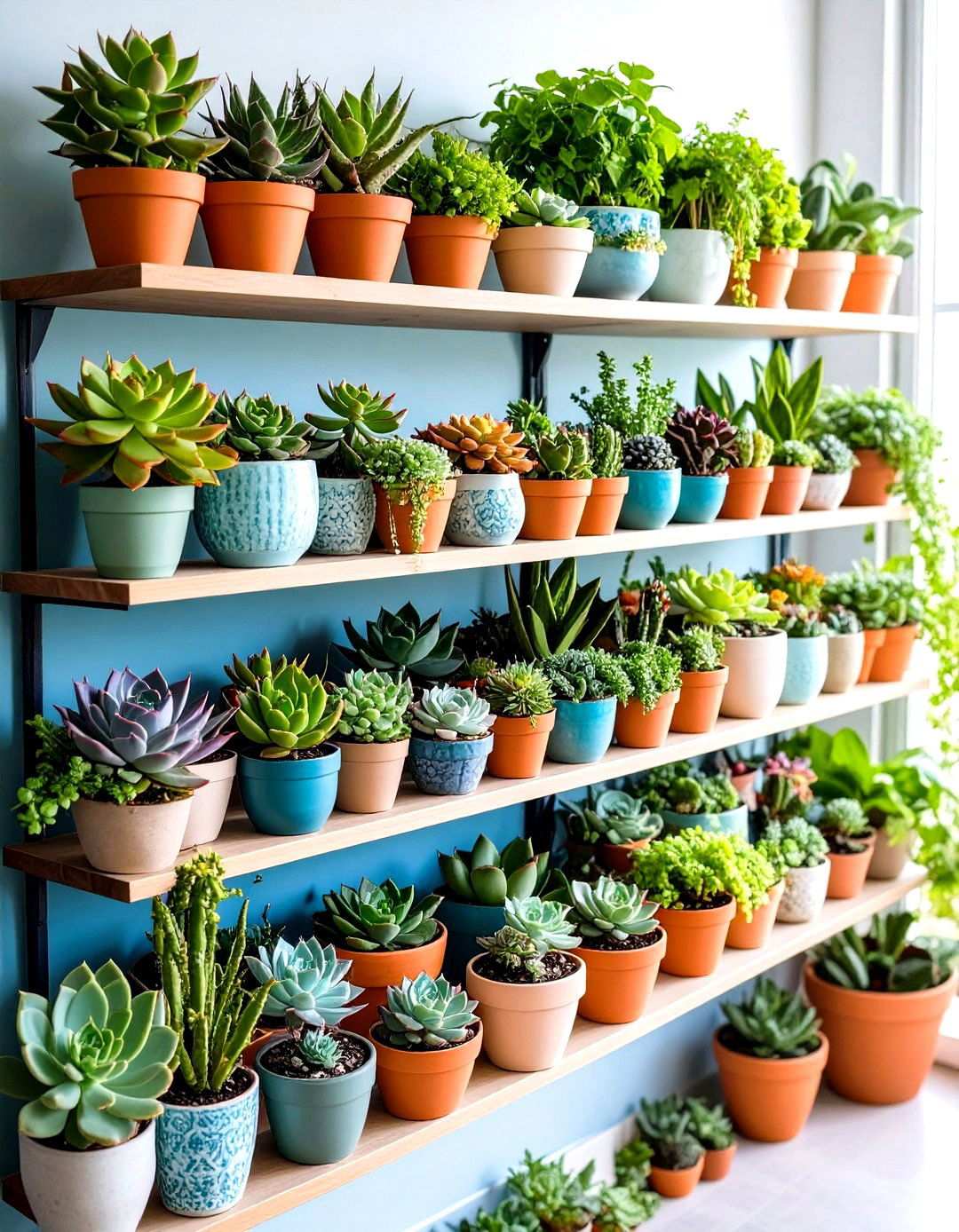
When showcasing drought-tolerant succulents, group them by size, shape, and color to create visually striking compositions that require minimal maintenance. By combining different varieties, such as rosette-shaped Echeverias with spiky Haworthias and trailing varieties like String of Pearls, you can add depth and texture to your displays. Choose planters in neutral tones or mix complementary colors to enhance the unique hues of each succulent, and place them on shelves, tables, or dedicated plant stands in sunny locations like south-facing windows. These arrangements thrive in conditions where other plants might struggle, providing year-round visual interest and architectural appeal.
Elevating Spaces with Air Plant Installations
Air plants offer a creative canvas for artistic expression, and their unique growing habits make them an ideal choice for unique displays. When mounted on driftwood, suspended in glass globes, or arranged in geometric wire frameworks, Tillandsia air plants showcase their natural beauty. Their ability to absorb nutrients and moisture through their leaves rather than roots gives designers complete freedom to experiment with different arrangements. Consider mounting air plants on walls using natural materials like cork bark or creating hanging displays that change with seasonal rotations. Weekly misting provides adequate moisture, allowing you to focus on the artistic possibilities of these sculptural plants in modern, minimalist spaces.
11. Dynamic Plant Displays through Seasonal Rotations
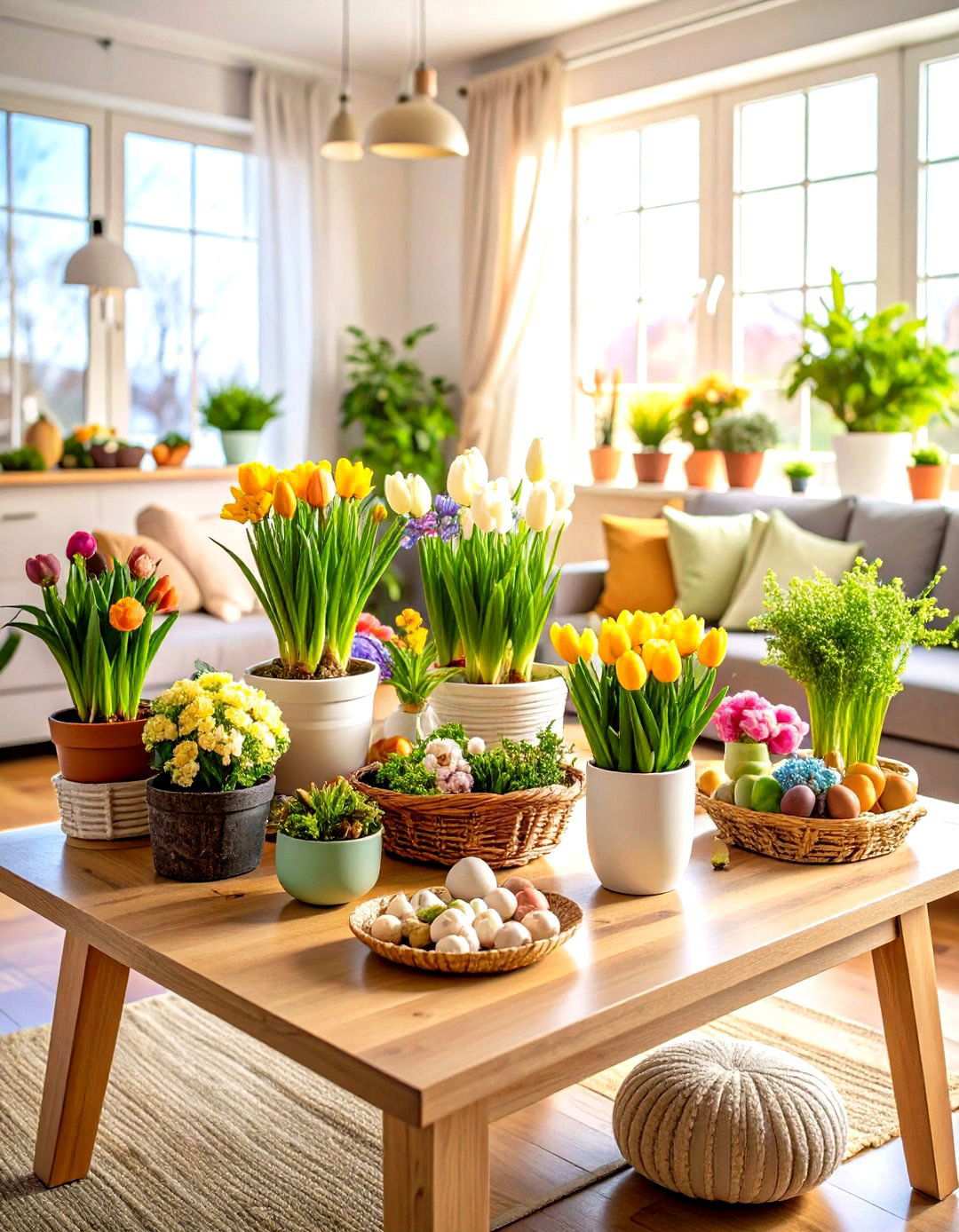
To keep your plant arrangements fresh and dynamic, consider developing rotating displays that change throughout the year. By incorporating seasonal blooms, foliage colors, and plant varieties that reflect natural cycles and holidays, you can create displays that are both visually appealing and meaningful. For example, spring displays might feature fresh bulbs and bright green growth, while autumn arrangements could highlight plants with warm-toned foliage or seasonal flowers. This approach allows you to experiment with different varieties without long-term commitments and also enables you to store off-season plants in appropriate locations, bringing them forward when their peak display time arrives. By rotating your plant displays regularly, you can maintain optimal growing conditions and prevent displays from becoming stagnant or overgrown.
12. Elevating Your Space with Multi-Level Plant Stands
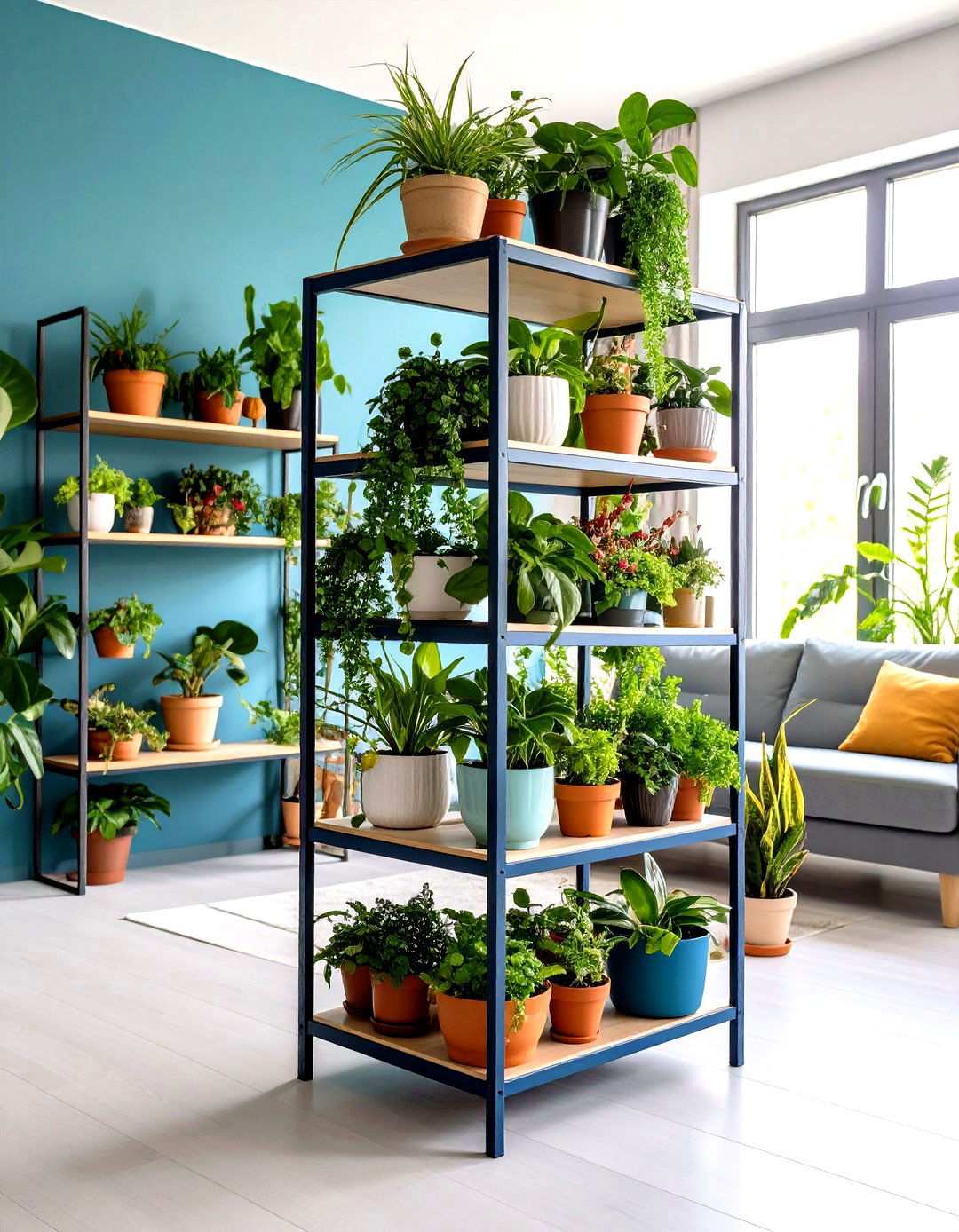
Elevate your home decor by incorporating tiered plant stands, floating shelves, or repurposed furniture to create visually striking compositions that showcase a variety of plants in a compact footprint. By strategically arranging plants of different heights, with taller specimens at the back and shorter varieties in the front, you can create layered displays that exude a sense of fullness and lushness. Mixing different plant types, such as combining upright varieties with trailing plants that cascade over shelf edges, not only adds visual interest but also allows for easy plant rotation and rearrangement while ensuring each plant receives the necessary light exposure. Furthermore, choose stands in materials that harmonize with your existing decor, whether it’s natural wood for bohemian styles or sleek metal for contemporary spaces.
13. Turning Neglected Corners into Haven
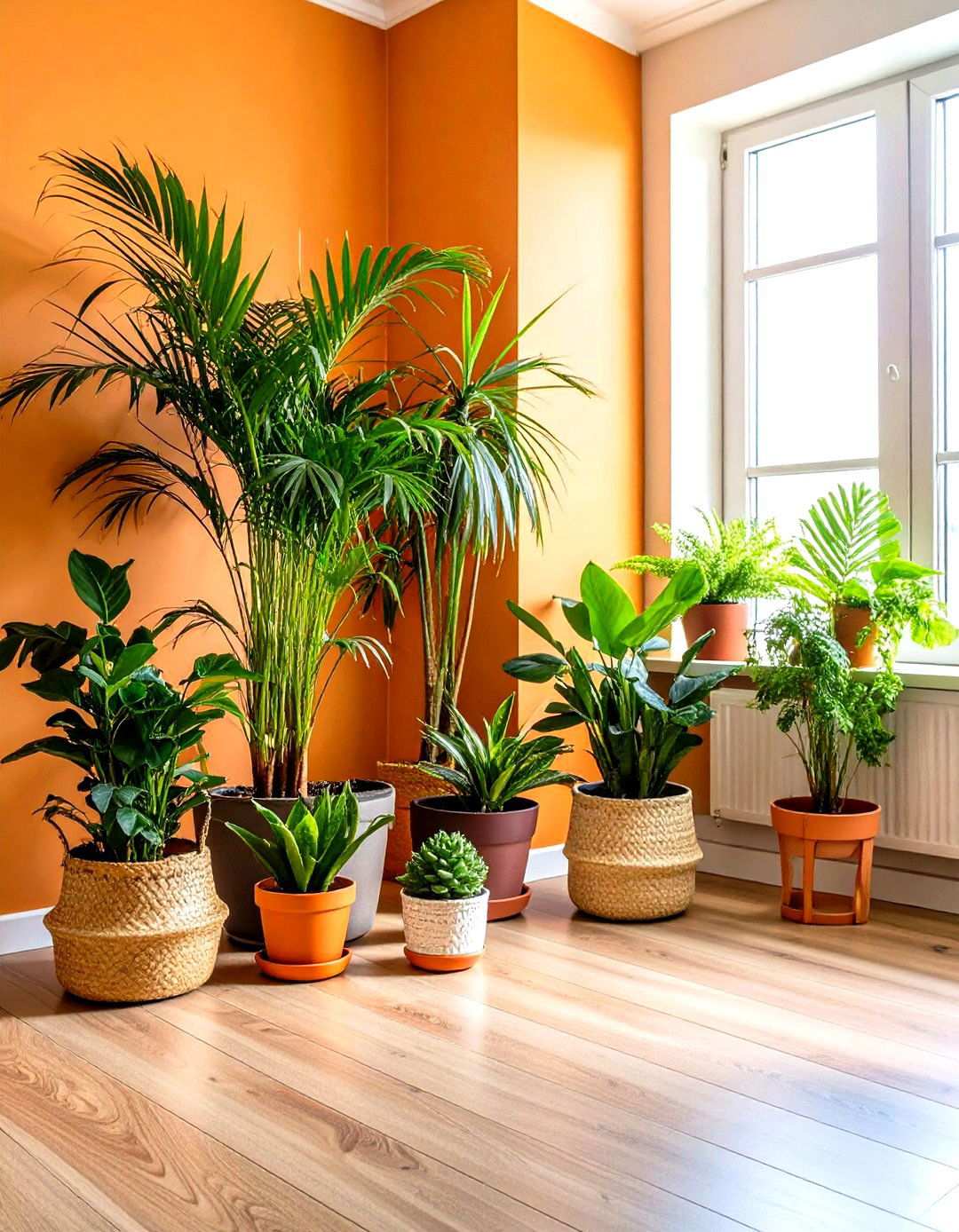
Transform underutilized room corners into inviting plant sanctuaries by combining floor plants, hanging specimens, and elevated displays that create cozy green nooks throughout your home. The unique spatial dynamics of corners provide natural support for plants while creating intimate spaces that feel separate from main room activities. By layering plants of different heights and textures, such as pairing a tall Dracaena with medium-sized Pothos and small tabletop succulents, you can create visually appealing compositions that invite relaxation. Adding comfortable seating nearby can turn these plant-filled nooks into reading or meditation spaces perfect for unwinding with a morning coffee or evening reading session. Strategic lighting helps plants thrive while casting a warm, inviting glow that makes these cozy corners even more appealing.
14. Window Sill Displays that Bring the Outdoors In
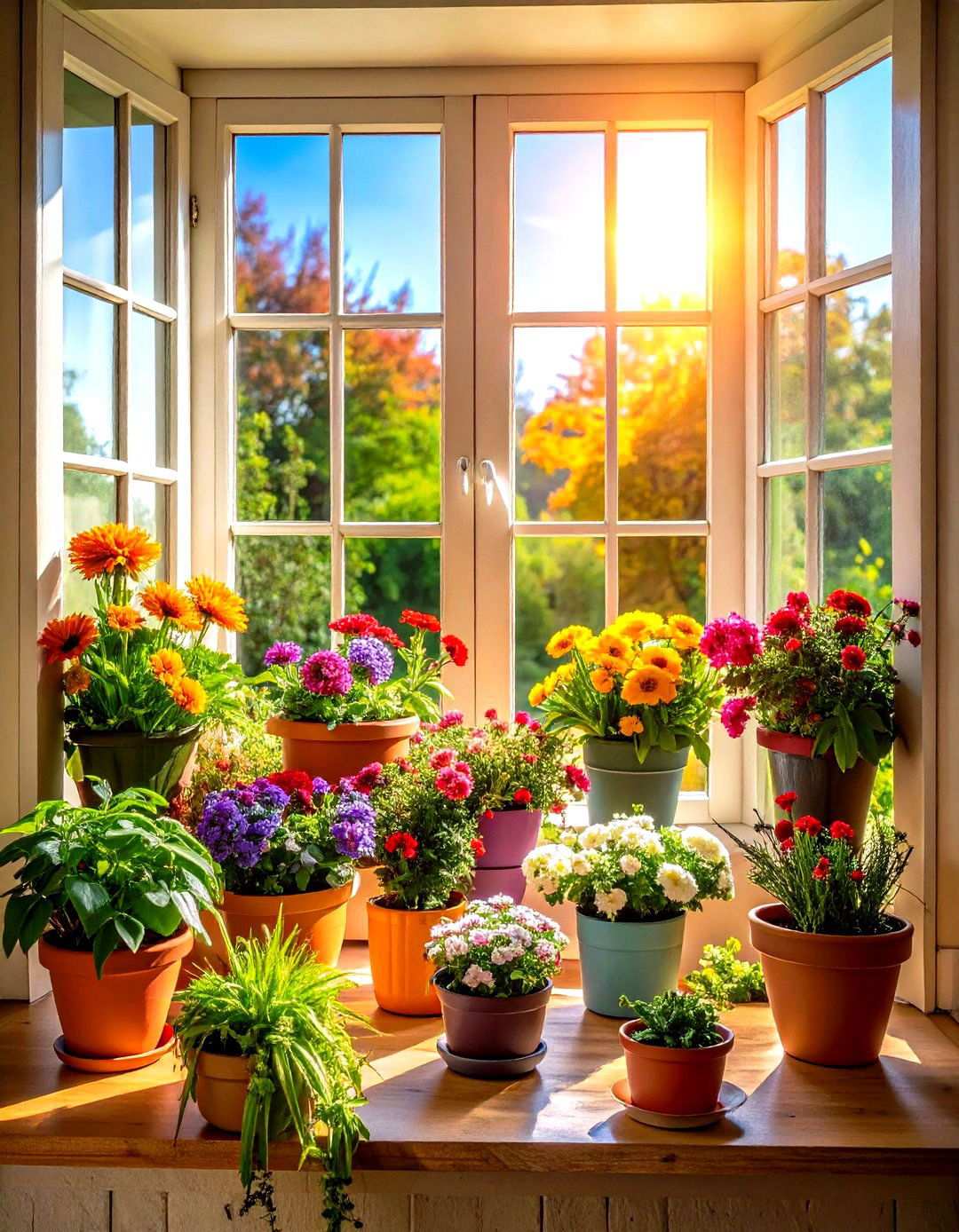
Make the most of natural light by creating beautiful window displays using plants that thrive in bright conditions and complement your window’s architecture and proportions. Arrange plants of varying heights across window sills, ensuring each receives the right amount of light while creating visually pleasing compositions that can be admired from both inside and outside. Mixing flowering varieties with foliage plants provides year-round interest, and considering seasonal rotations can highlight different plants throughout the year. Use decorative saucers or trays to protect window sills from water damage while maintaining a consistent visual theme. These displays not only create natural privacy screens but also serve as a connection between your indoor and outdoor environments, fostering a sense of harmony and balance through thoughtful plant placement and seasonal awareness.
15. Elevating Your Coffee Table Experience
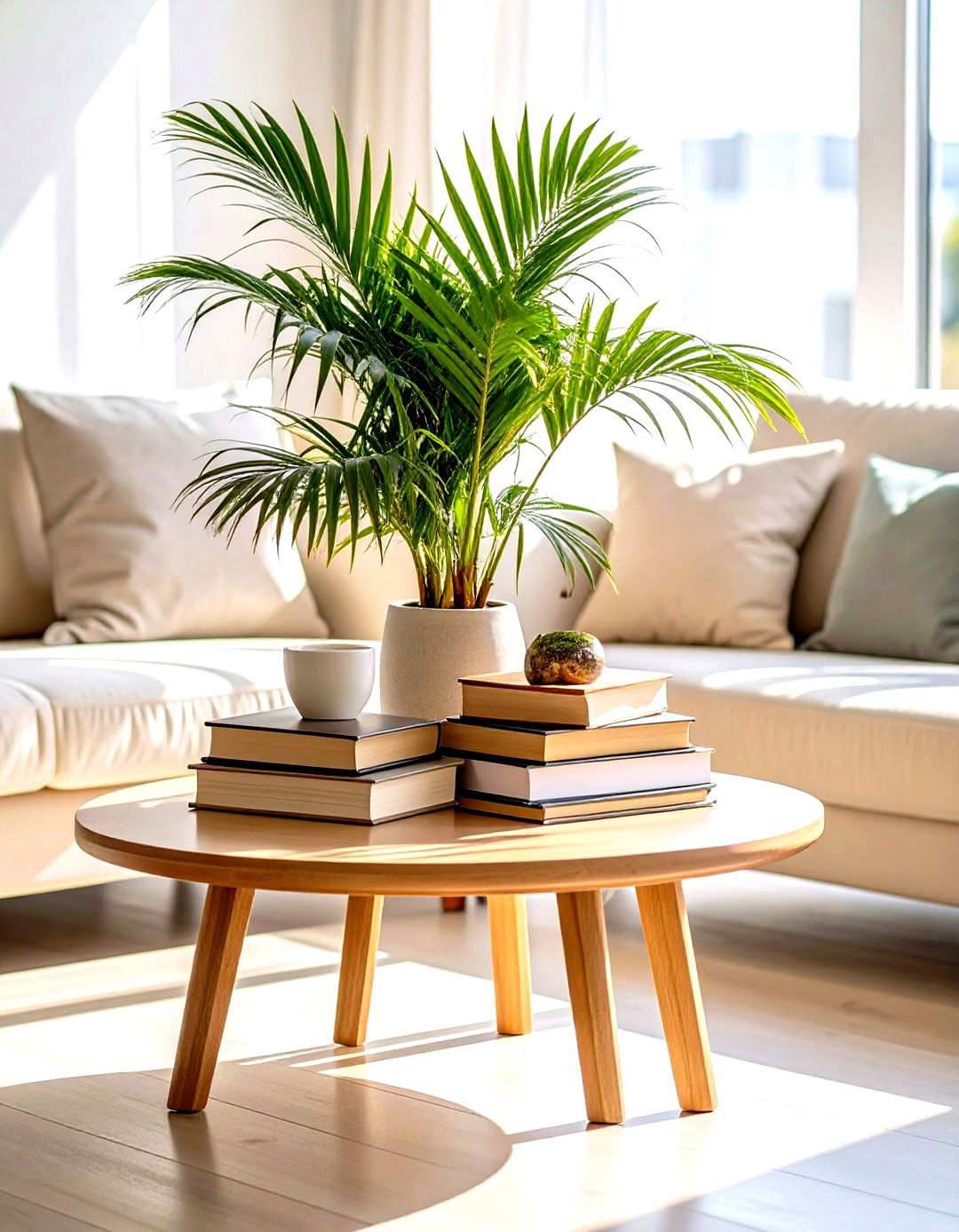
Transform your coffee table into a stunning focal point with carefully curated low-maintenance plant arrangements that not only enhance the room’s ambiance but also provide a serene conversation area. Opt for plants with unique textures, shapes, and forms, such as compact Palms, Orchids, or visually striking Succulent displays. By placing plants on decorative pedestals or stacks of books, you can create layered visual interest while preserving ample space for daily essentials. Consider incorporating plants with pleasant scents or air-purifying properties to further enrich the room’s atmosphere. Regularly update your arrangements to maintain a fresh look, ensuring your plants receive the necessary care and attention to thrive.
16. Artistic Wall Displays
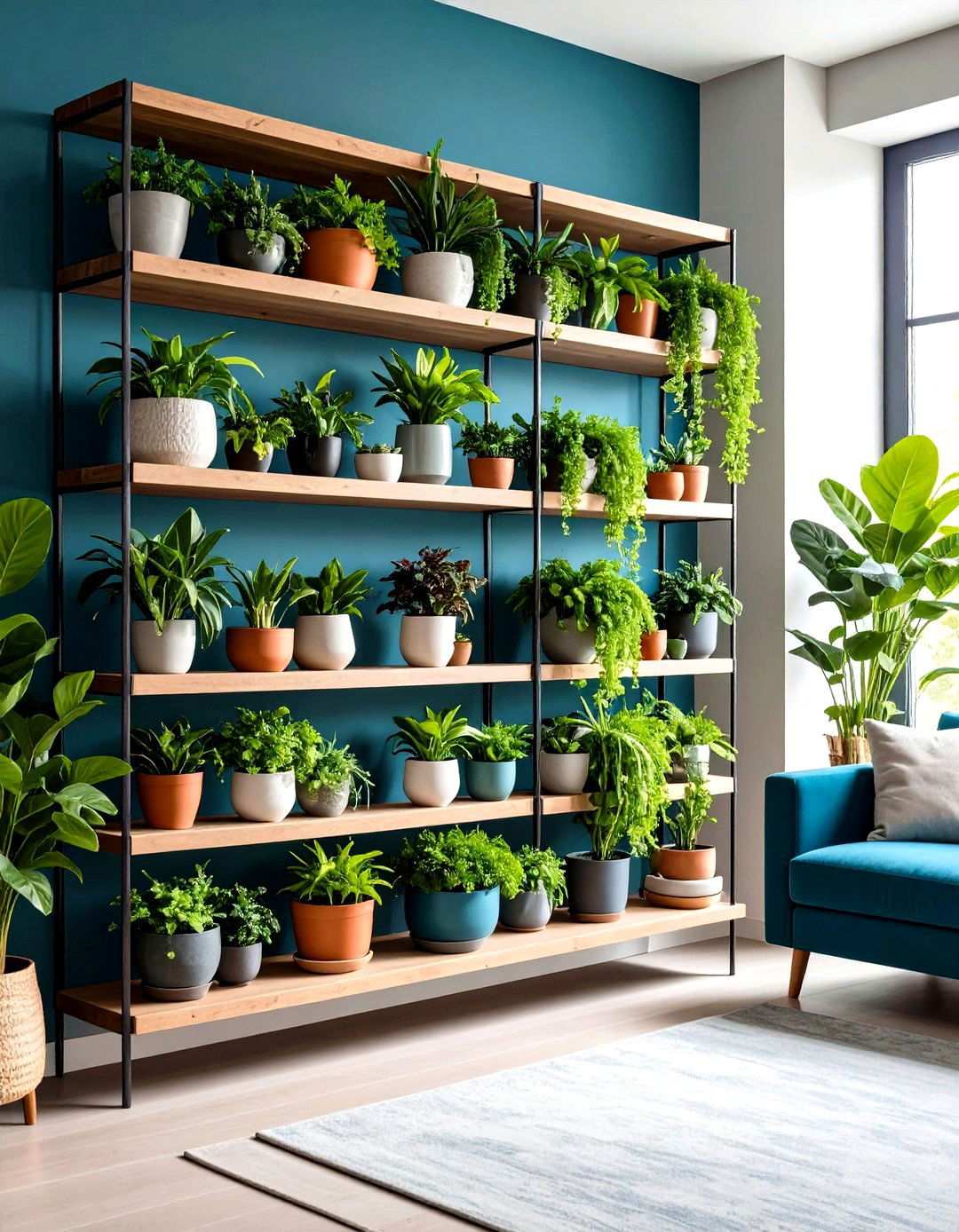
Elevate your living space by installing floating shelves at varying heights to create visually stunning plant galleries that showcase your collection while optimizing floor space. Arrange plants by size, color, or theme to craft cohesive stories that harmonize with your room’s existing artwork and decor. By combining trailing plants that cascade over shelf edges with upright varieties, you can achieve a beautiful balance of texture and structure. This approach allows for effortless plant care while creating museum-quality displays that evolve and change as plants grow and flourish throughout the seasons. To add an extra layer of sophistication, consider incorporating subtle lighting that highlights your plants during evening hours, creating dramatic shadows and silhouettes that enhance the overall aesthetic.
17. Making a Lasting Impression
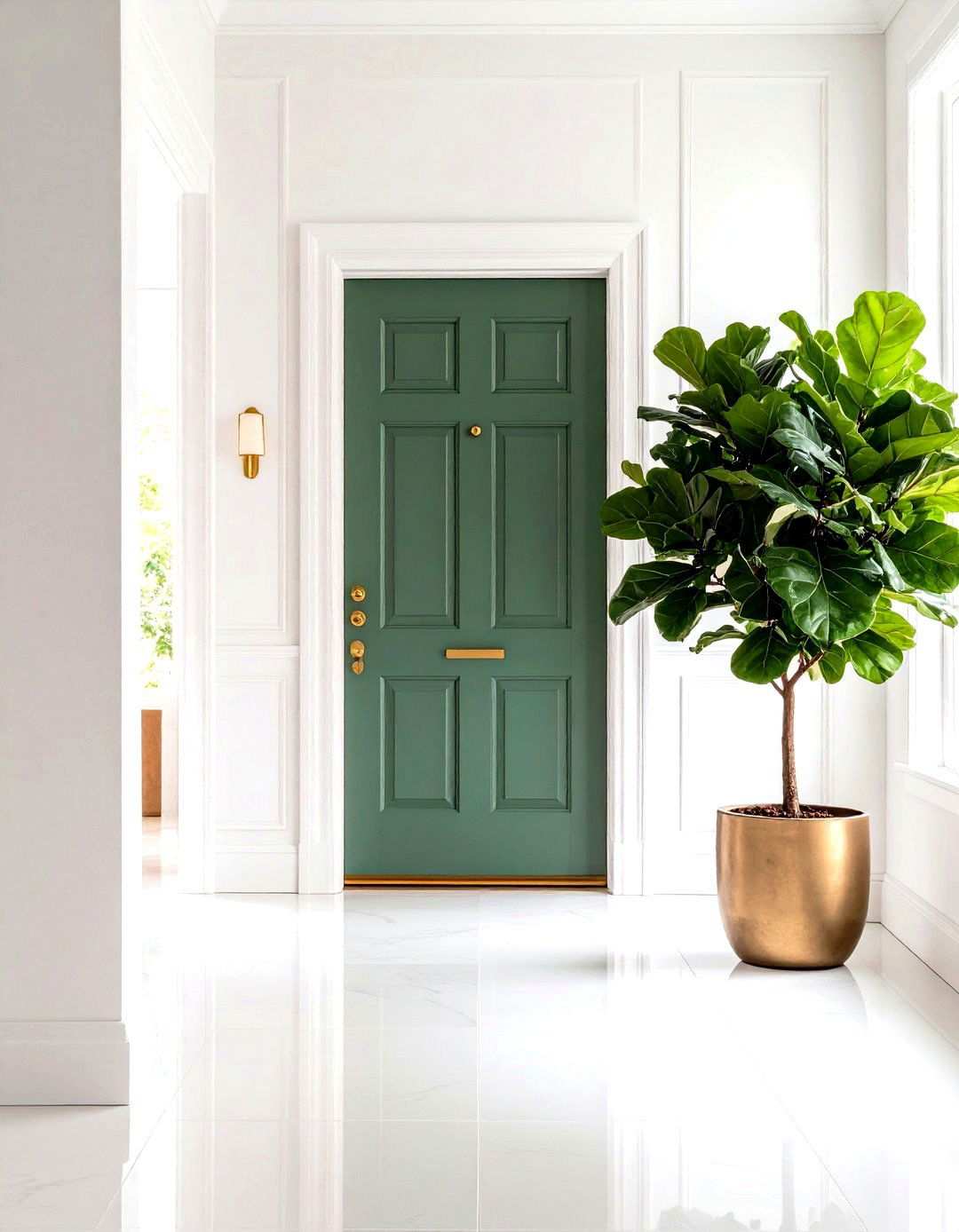
Create an unforgettable first impression by designing a dramatic entrance display that showcases your commitment to bringing nature indoors. Large statement plants such as Fiddle Leaf Figs or architectural Palms positioned near entryways make a lasting visual impact while demonstrating your personal style. When selecting plants for this area, consider factors such as durability and maintenance requirements, as entryway conditions can be challenging with temperature fluctuations and varying light levels. To create a layered welcome that feels abundant and inviting, consider adding smaller complementary plants on console tables or hanging displays. These thoughtful touches establish your home’s unique personality while providing a natural beauty that guests will remember long after their visit ends.
18. Unifying Ambiance in the Dining Room
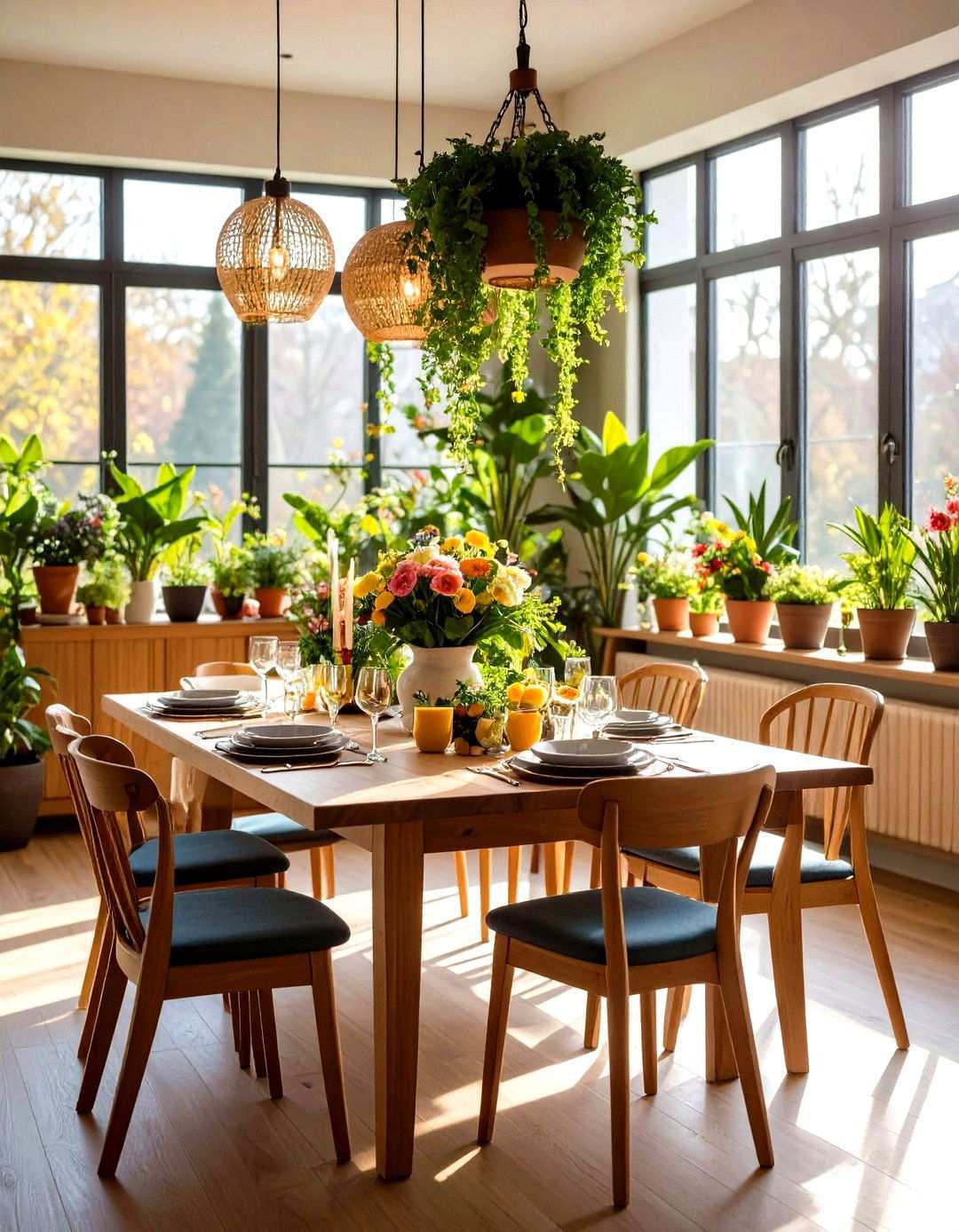
Create inviting dining spaces by incorporating plants that craft an enchanting atmosphere without overpowering the area or hindering meal preparation and serving activities. Strategically placing hanging plants above dining tables or in corners where they won’t compete with food presentations allows for seamless functionality. Opt for plants emitting subtle or neutral scents that harmonize with rather than clash against food aromas. Moreover, choose plants that shine under evening lighting conditions, as dining rooms often serve as the primary dinner space during hours when natural light is scarce. By doing so, these arrangements can foster meaningful conversations and relaxation while bringing a touch of natural elegance to everyday meals, making them feel more special and elevating restaurant experiences to memorable heights.
19. Designing Cozy Reading Enclaves
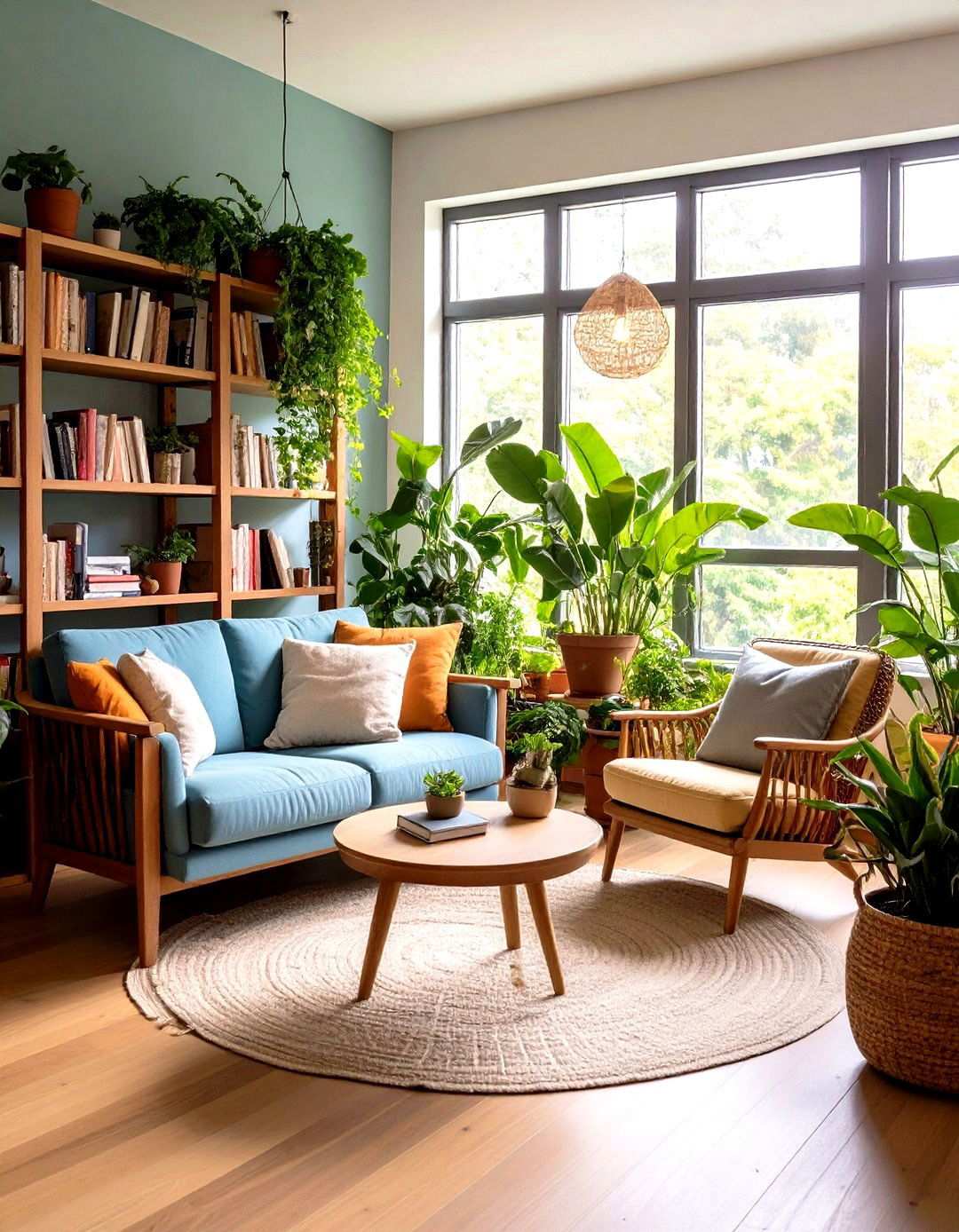
Craft serene reading nooks surrounded by plants that establish natural boundaries while providing peaceful green environments conducive to focused attention and relaxation. Place larger plants behind seating areas to create secluded enclosures, complemented by smaller plants on nearby tables to showcase up-close natural beauty. Select plants that thrive in lower light conditions typical of corner locations while presenting visual interest that doesn’t disrupt reading activities. Furthermore, incorporate plants with air-purifying qualities to enhance cognitive function and concentration during extended reading sessions. These green sanctuaries become personal retreats where literature and nature converge to create perfect spaces for intellectual and emotional rejuvenation.
20. Elevating Bathroom Vanity Spaces
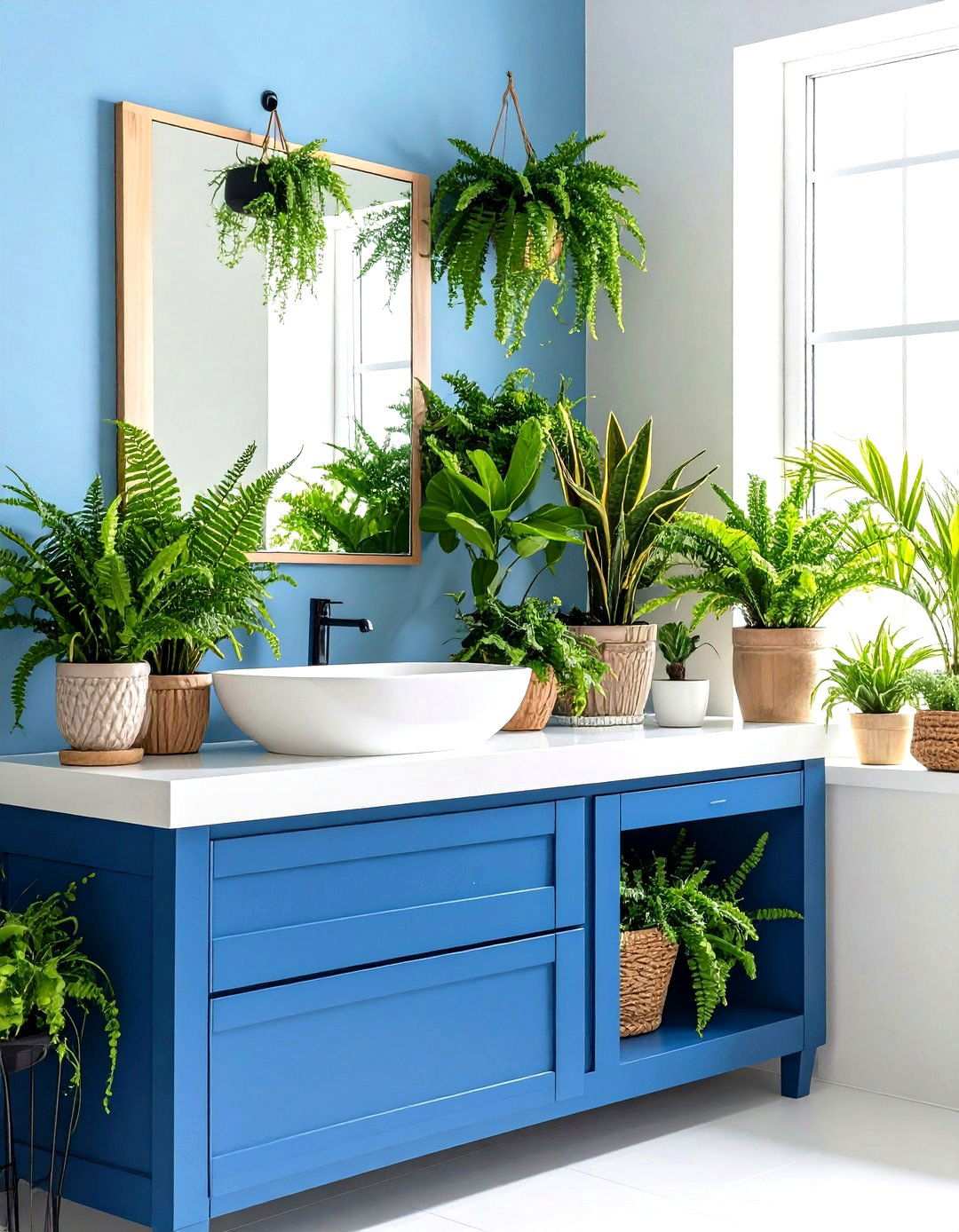
Transform bathroom vanities into spa-like environments by introducing compact plants that excel in humid conditions while complementing existing fixtures and storage needs. Small ferns, air plants, or moisture-loving varieties positioned near mirrors create a sense of natural serenity without encroaching on essential bathroom functions. Opt for plants that benefit from shower steam while tolerating artificial lighting common in windowless bathrooms. Use waterproof containers or elevated surfaces that protect plants from direct water exposure while maintaining easy access for daily routines. By doing so, these displays transform mundane morning and evening routines into refreshing experiences surrounded by natural beauty that promotes wellness and self-care throughout busy days.
21. Dynamic Flowering Plant Cycles
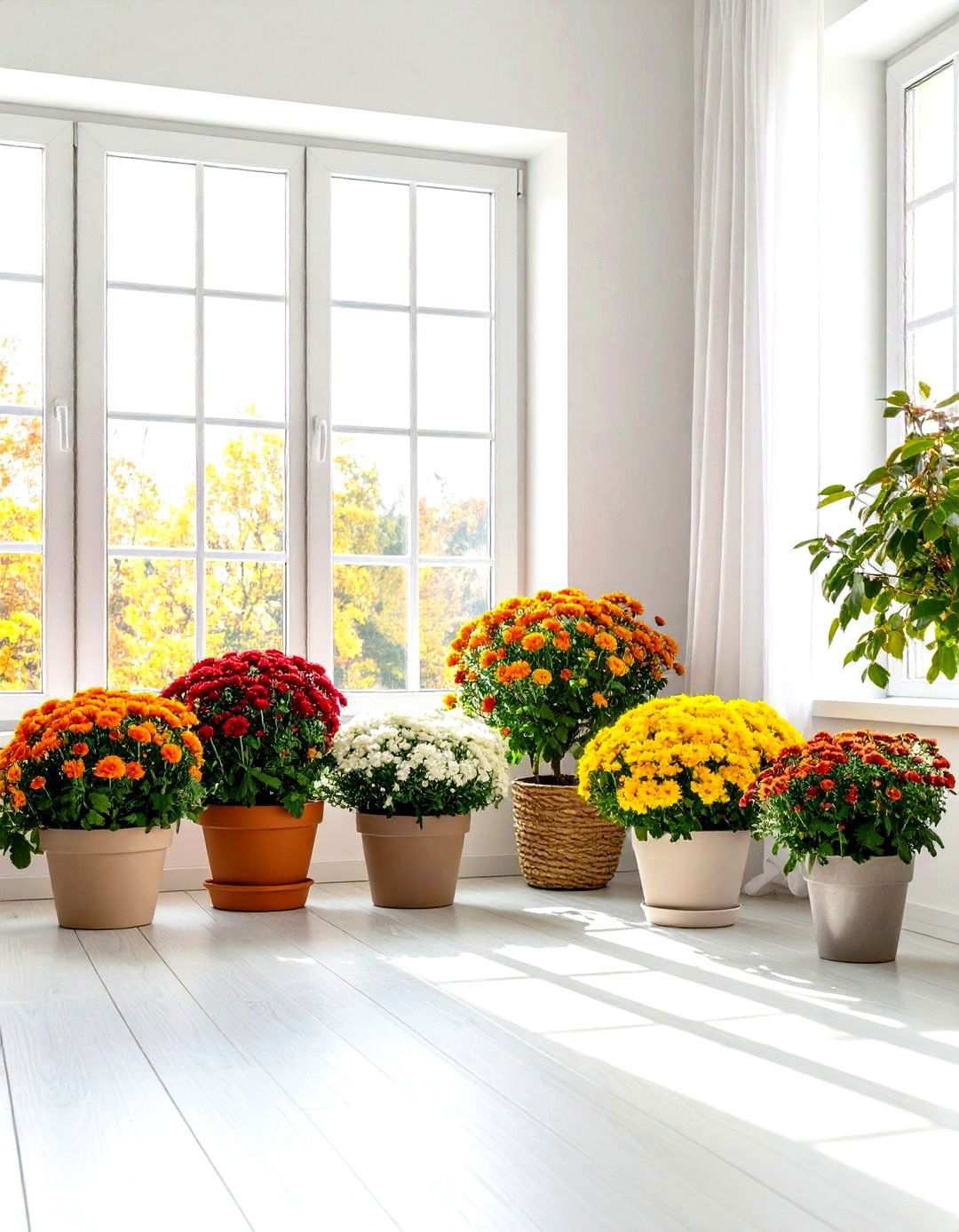
To keep your indoor displays fresh and visually engaging, implement seasonal flowering plant rotations that showcase vibrant colors throughout the year. By incorporating a diverse range of plants, including spring bulbs, summer annuals, autumn chrysanthemums, and winter flowering varieties, you can create a dynamic environment that connects your indoor space to the natural outdoor cycles. This approach also allows you to experiment with different plant types and incorporate seasonal celebrations that resonate with your personal style. To maintain a seamless transition between seasons, plan your rotations carefully and store off-season plants in suitable locations, bringing them forward when their blooming periods arrive.
22. Amplifying Plant Beauty with Mirrors
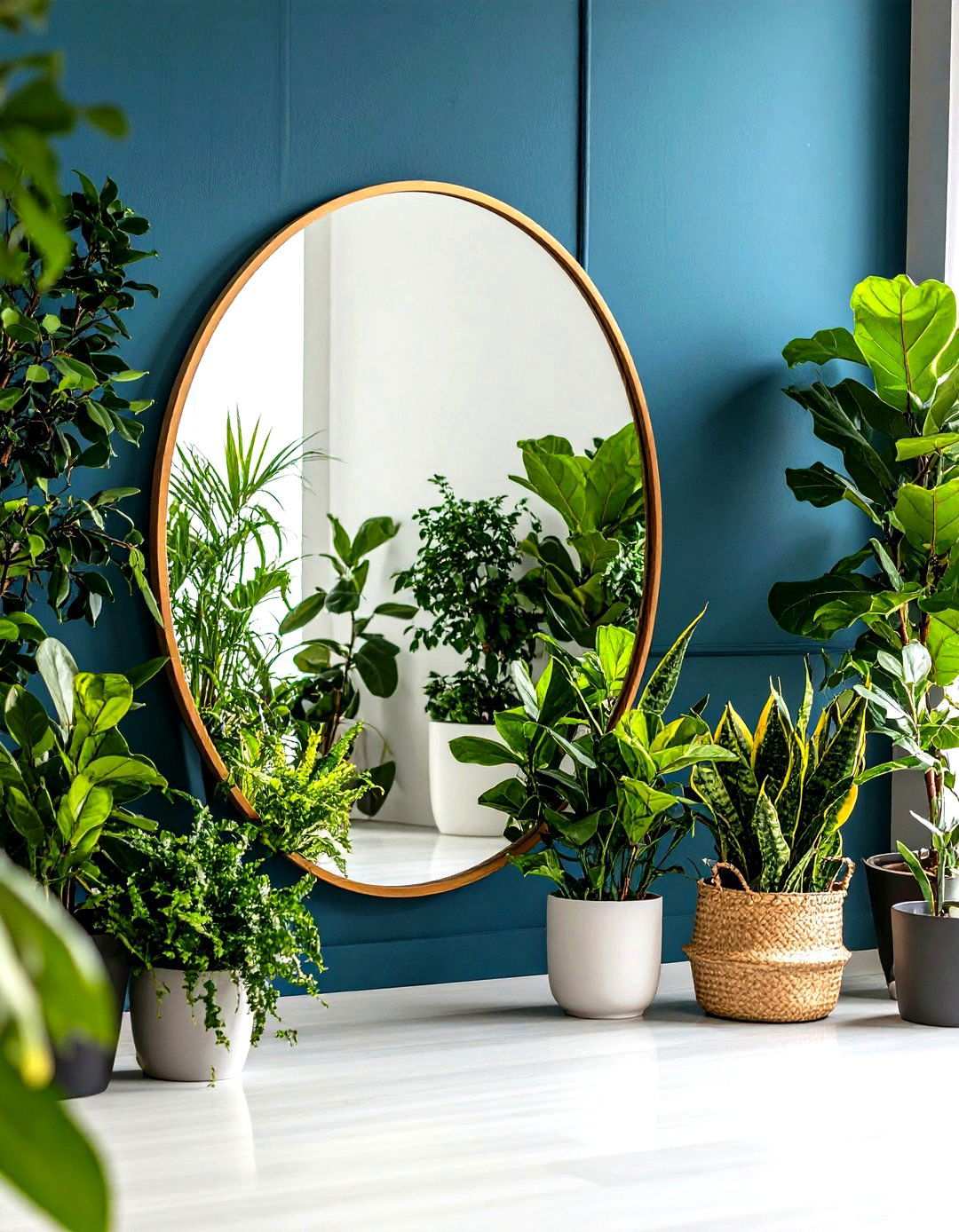
By combining plants with strategically placed mirrors, you can create illusions of lush greenery while enhancing natural light distribution in rooms with limited lighting conditions. Position plants in front of mirrors to create a sense of depth and visual expansion, reflecting the natural beauty of the plants from multiple angles. This technique is particularly effective in small spaces where actual plant quantity is limited, but visual impact needs to feel abundant and inviting. Choose plants with striking shapes or variegated foliage that look captivating from multiple viewing angles when reflected. By thoughtfully positioning mirrors, you can also redirect natural light to plants located away from windows, improving their growing conditions and creating sophisticated display techniques.
23. Enhancing Workplace Wellness with Strategic Plant Arrangements
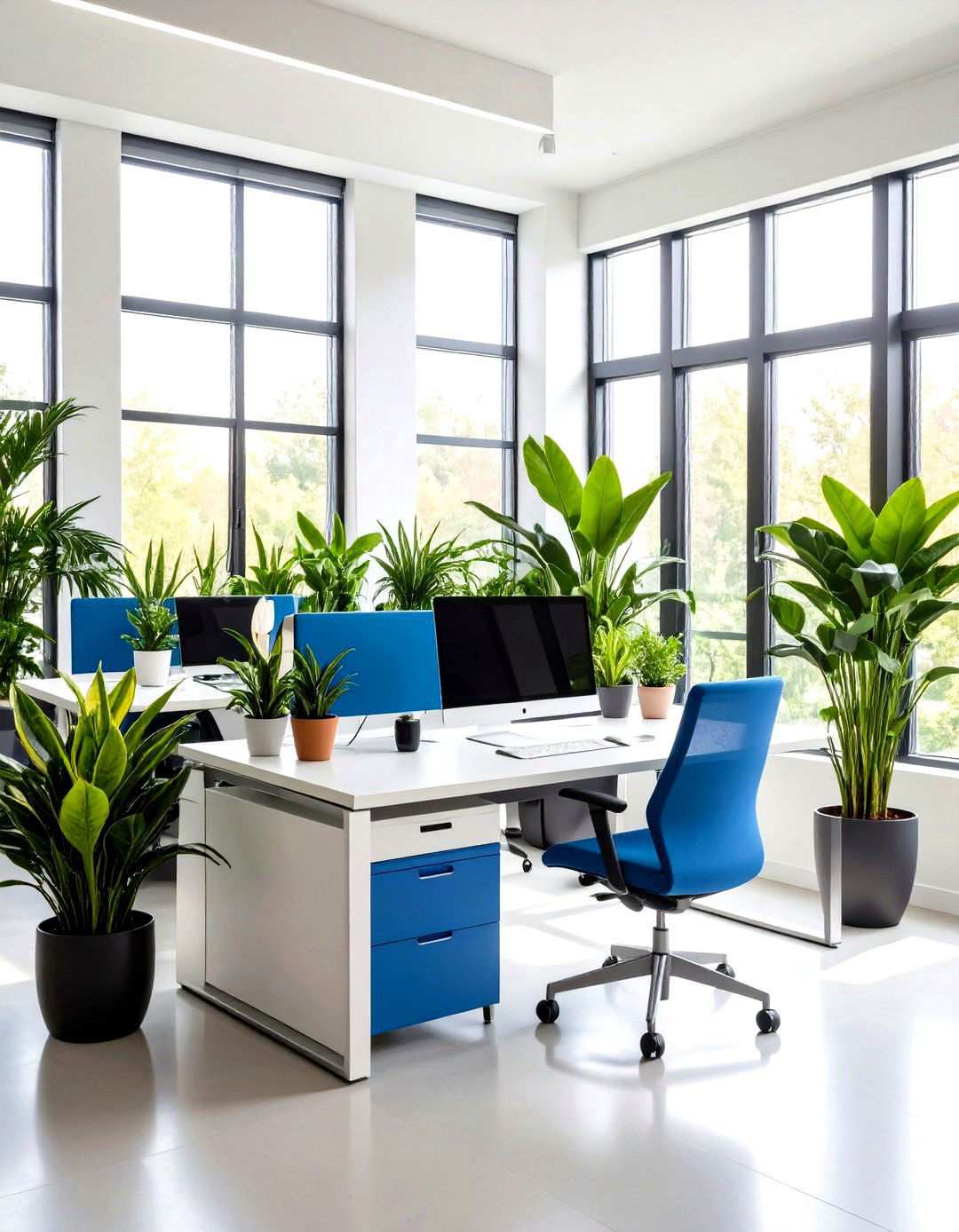
Design your home office plant displays with the intention of reducing stress, improving air quality, and boosting mental clarity during demanding work periods and tight deadlines. Research has shown that certain plants, such as Snake Plants, Peace Lilies, and Rubber Trees, are adept at removing workplace toxins while providing psychological benefits that enhance job satisfaction and productivity. Position plants within easy viewing distance from workstations to provide regular visual breaks from computer screens, and choose low-maintenance varieties that won’t add stress to busy schedules while providing maximum wellness benefits. By incorporating intentional and professional plant arrangements, you can create healthier work environments that support both physical and mental well-being.
24. Unbridled Plant Sanctuary Spaces
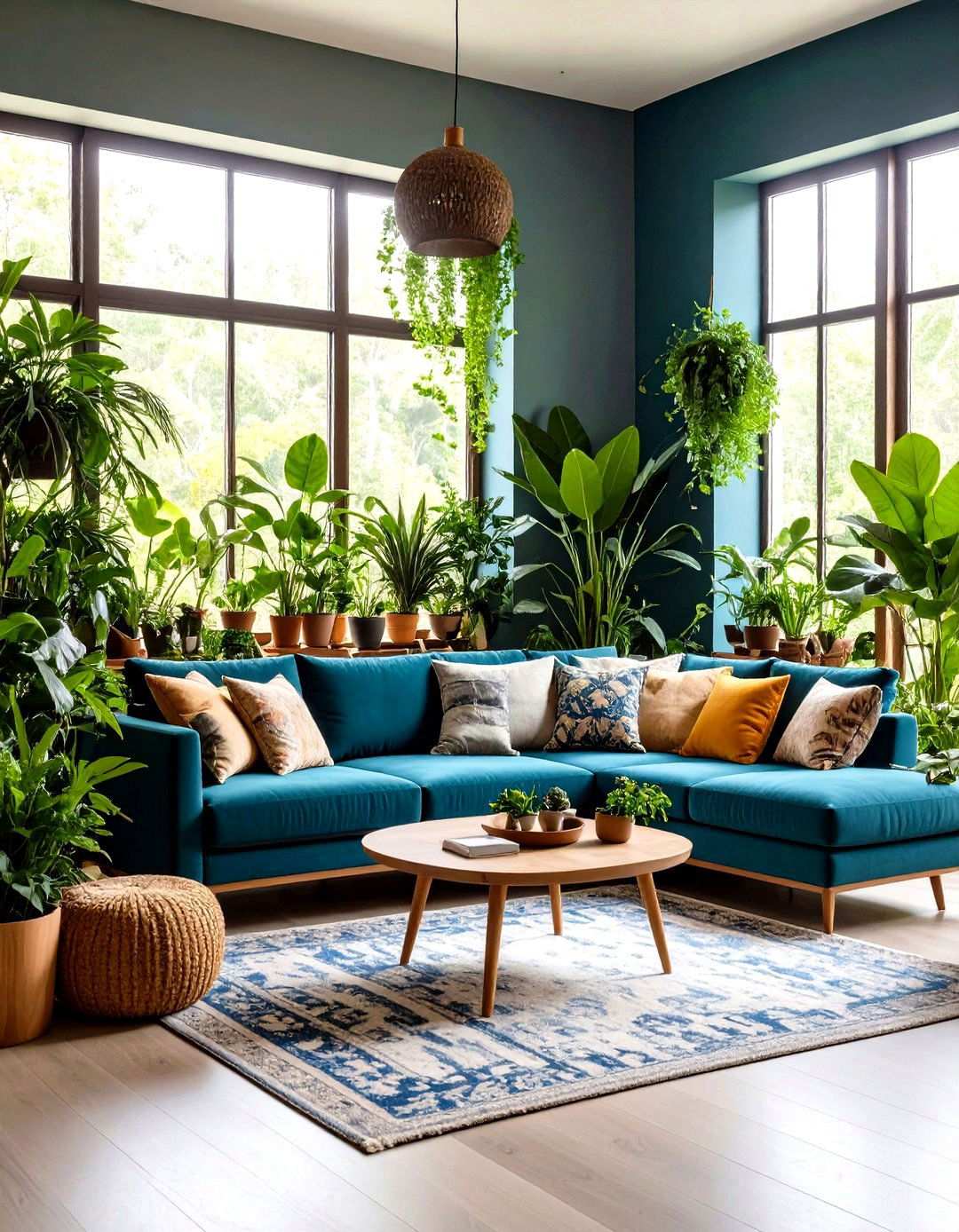
Unlock the full potential of plant displays that transport you to vibrant jungle environments, teeming with an array of plant species, textures, and growth patterns that foster an immersive connection to nature. By layering plants of varying heights – from sprawling ground-covering varieties to majestic ceiling-reaching specimens – you can create lush, verdant spaces that evoke the mystery of an indoor forest. Blending tropical plants with temperate ones, you can combine diverse leaf shapes, sizes, and hues to craft visually stunning displays that are both intricate and captivating. By embracing this maximalist approach, you’ll be rewarded with dynamic spaces that not only require dedication to regular plant care but also yield profound benefits for your mental and emotional well-being. Contemplate how this rich, sensory experience might reshape your daily life and overall well-being by infusing it with the tranquility and beauty of the natural world.