1. Unlocking Year-Round Gardening Potential
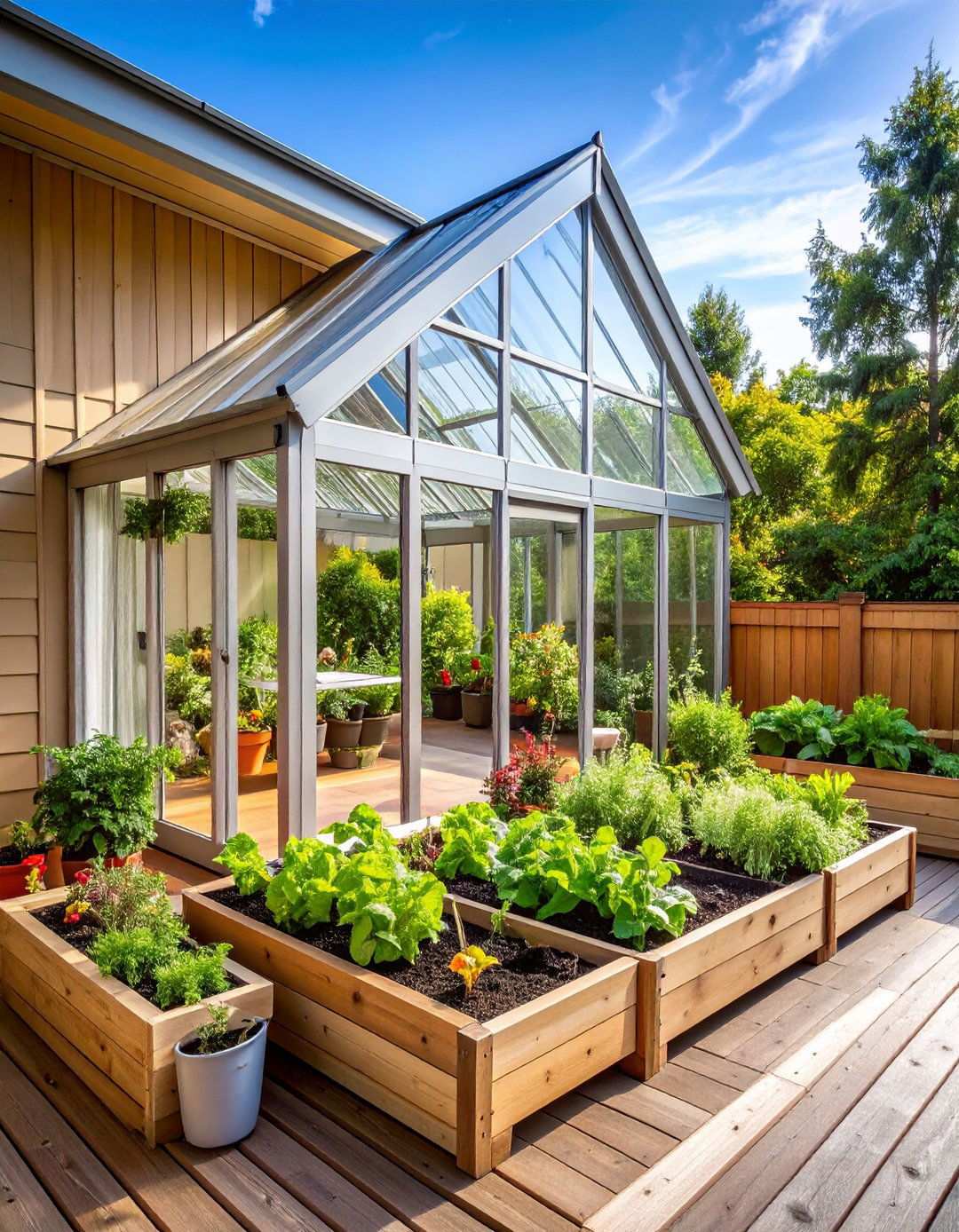
Transforming your outdoor space into a productive greenhouse can revolutionize year-round gardening, whether you have a spacious covered porch or a cozy balcony area. Porch greenhouses provide an ideal solution for gardeners looking to extend their growing season while making the most of limited outdoor space. By offering protection from harsh weather conditions and providing optimal growing environments, these versatile structures can create beautiful focal points that enhance your home’s exterior appeal. From compact lean-to designs to portable mini greenhouses, there are numerous creative approaches to establishing your own porch-based growing space. The beauty of porch greenhouse gardening lies in its accessibility and adaptability to various architectural styles, budgets, and gardening goals, making it an attractive option for both novice and experienced gardeners seeking to cultivate plants in protected environments.

As an Amazon Associate I earn from qualifying purchases.
2. Adapting Your Porch for Greenhouse Gardening
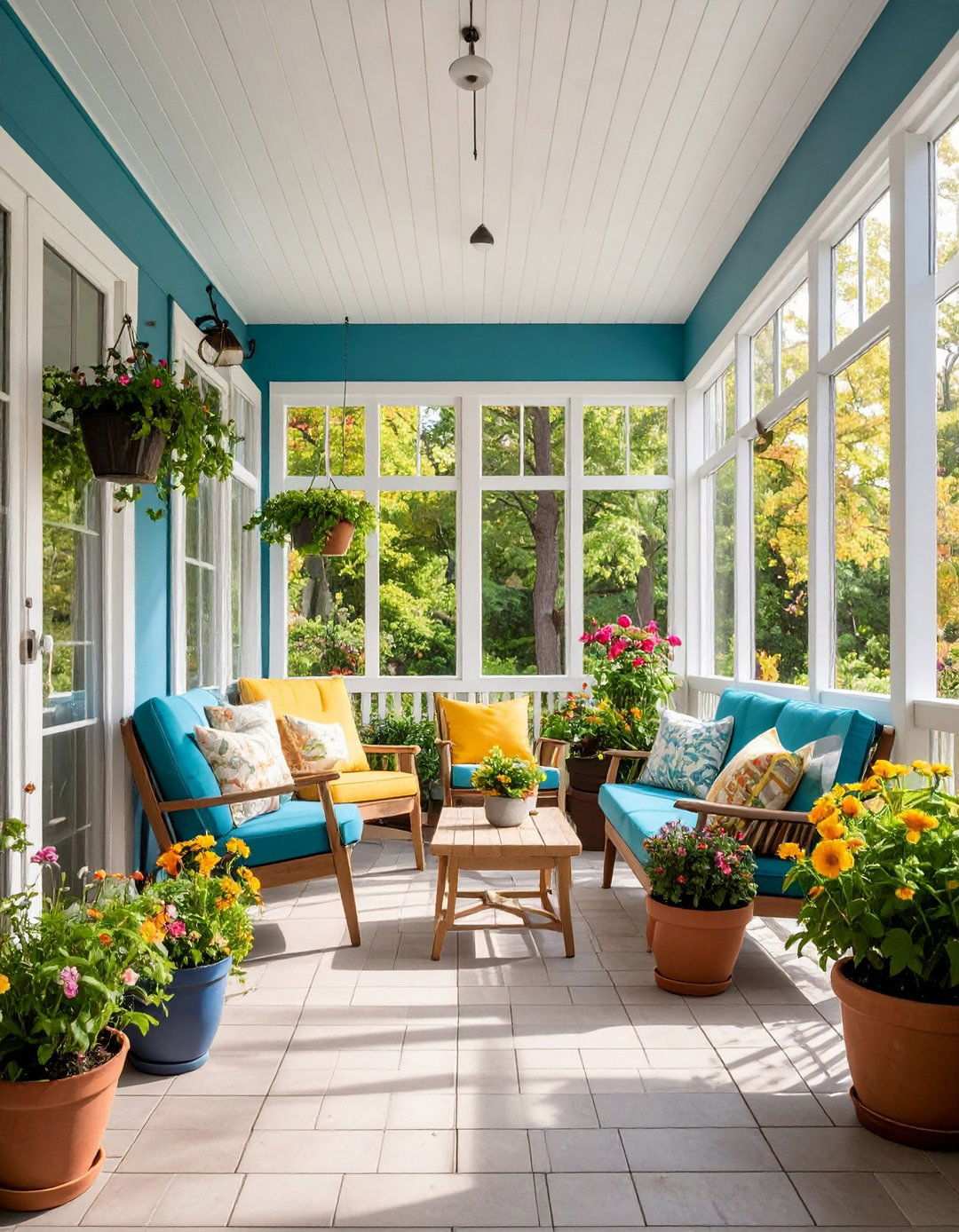
A lean-to porch greenhouse design can help you maximize your existing porch structure for greenhouse gardening. This style of greenhouse attaches directly to your covered porch, utilizing the existing roof and wall support to create an efficient growing space. Characterized by a slanted roof that slopes away from the house, this design allows for optimal sun exposure while protecting plants from harsh weather. The structure typically features polycarbonate panels or greenhouse plastic stretched over a lightweight aluminum or wood frame, providing excellent accessibility from your porch area. This configuration also benefits from shared heating with your home, reducing temperature fluctuations during cold periods.
3. Enclosed Porch Conversion
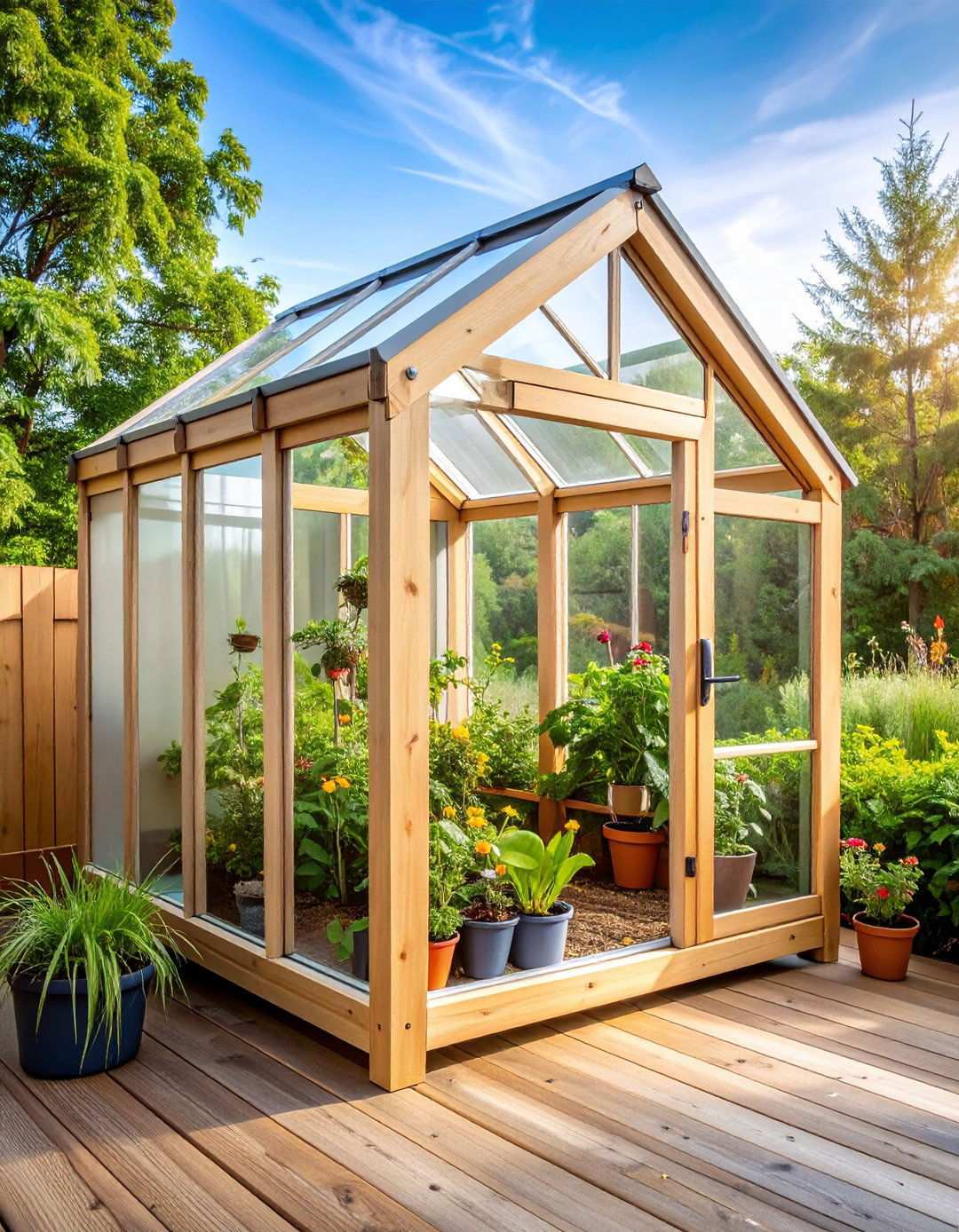
What if your entire porch could become a thriving greenhouse sanctuary? Converting an existing screened porch or covered patio into a greenhouse creates a substantial growing area with minimal construction. This approach involves replacing screen panels with clear polycarbonate or glass panels while maintaining proper ventilation through strategically placed vents. The enclosed porch greenhouse offers protection from wind, rain, and temperature extremes while providing ample space for larger plants, raised beds, and comfortable seating areas. This design works particularly well for three-season porches that can be easily modified for winter plant protection and year-round gardening activities.
Compact Porch Greenhouses for Thriving Gardens
A small porch doesn’t have to be a barrier to successful gardening. Mini cold frame greenhouses are tailored to fit compact spaces, usually measuring 3-4 feet in length and 2-3 feet in width. Their hinged tops allow for easy access and ventilation, while the enclosed design creates a microclimate that significantly extends the growing season. Cold frames excel at starting seedlings, hardening off plants, and cultivating cold-tolerant vegetables, making them ideal for winter months. These greenhouses are designed to blend seamlessly into most porch areas without overwhelming the space, and many come equipped with wheels for effortless repositioning to optimize sun exposure throughout the day.
4. Seasonal Gardening Made Easy with Portable Greenhouses
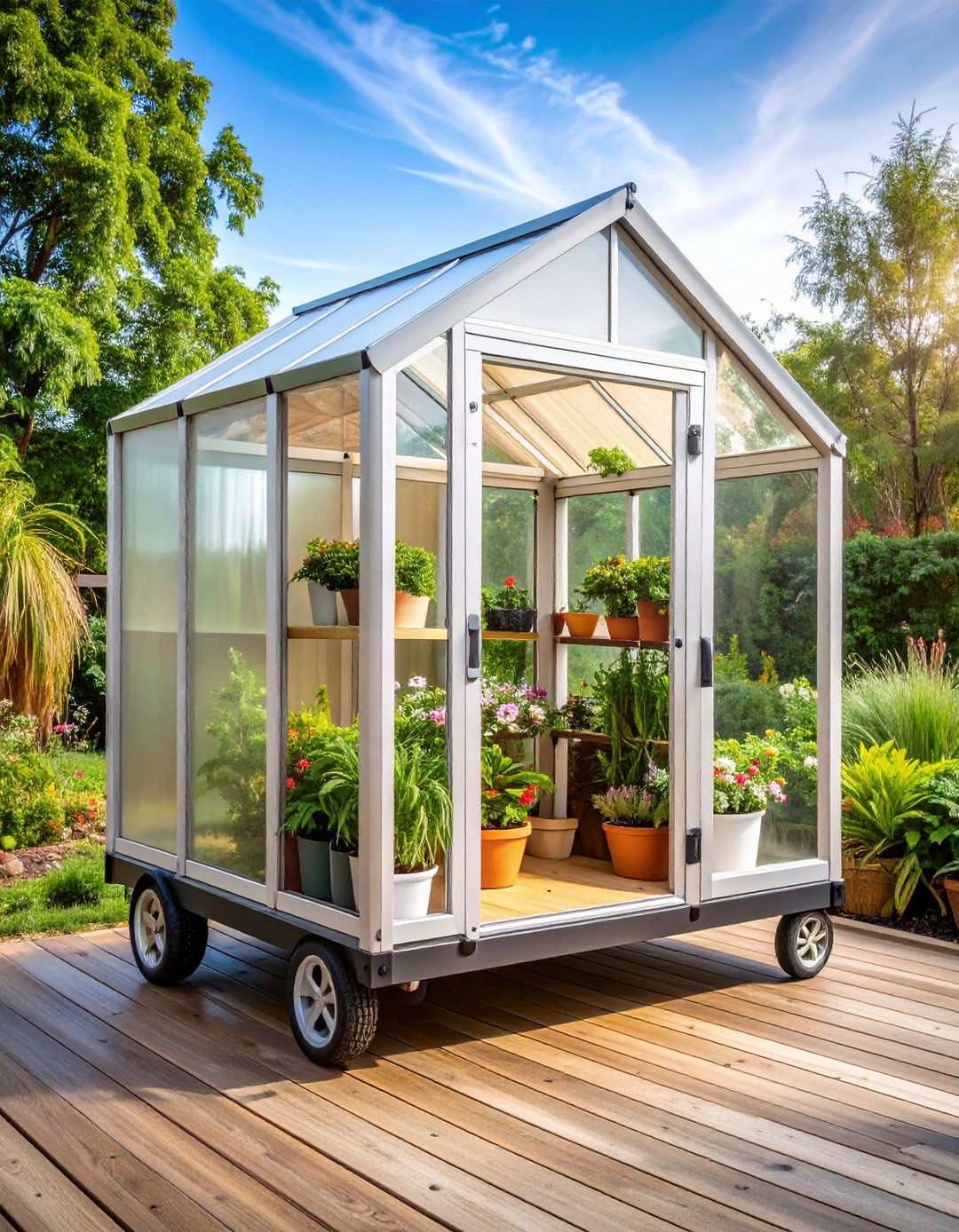
Why limit yourself to a permanent structure when flexibility offers greater advantages? Portable porch greenhouses offer the ultimate adaptability for seasonal gardening needs. Typically constructed from lightweight aluminum frames with clear plastic or polycarbonate panels, these structures are mounted on sturdy wheels that enable easy movement around your porch area. During harsh weather, you can roll the greenhouse to protected areas, while sunny days allow positioning for maximum light exposure. Most portable models feature multiple shelving levels, providing ample growing space within a compact footprint. The mobility factor makes these greenhouses perfect for renters or homeowners who prefer adaptable gardening solutions that can keep up with changing seasons.
5. Extending Your Window's Potential with Porch Greenhouses
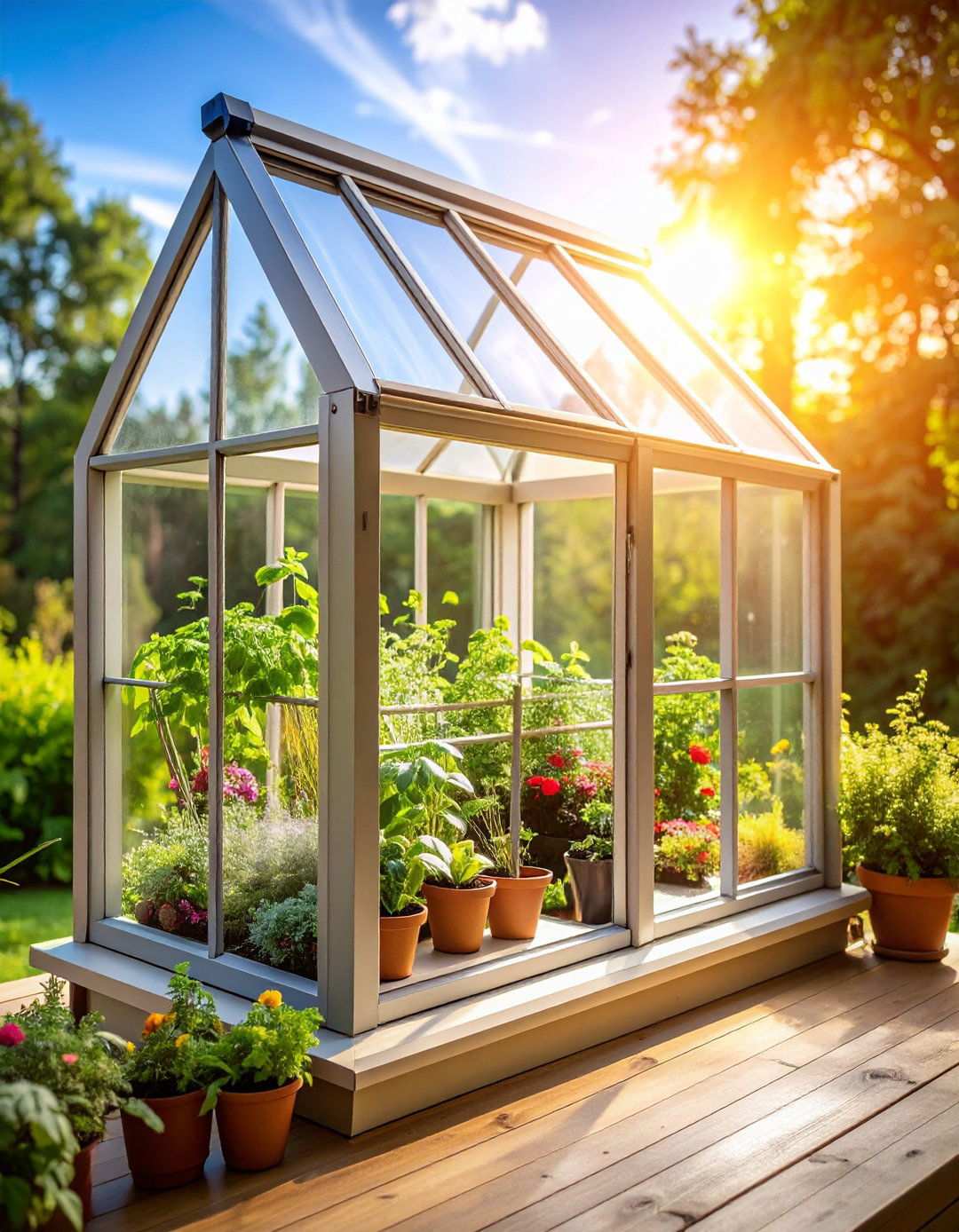
Maximizing your porch’s growing space doesn’t have to mean sacrificing accessibility. Window-style porch greenhouses attach directly to porch windows, extending the growing area outward while maintaining easy access from inside. These compact structures usually measure 2-3 feet deep and span the width of your window, creating a dedicated plant growing area that receives optimal light. The design includes hinged panels for ventilation and plant care, while the connection to your porch provides convenient access during all weather conditions. This approach works particularly well for herb gardens, starting seedlings, or maintaining houseplants that need extra protection during temperature extremes.
6. Dynamic Gardening with Retractable Porch Greenhouses
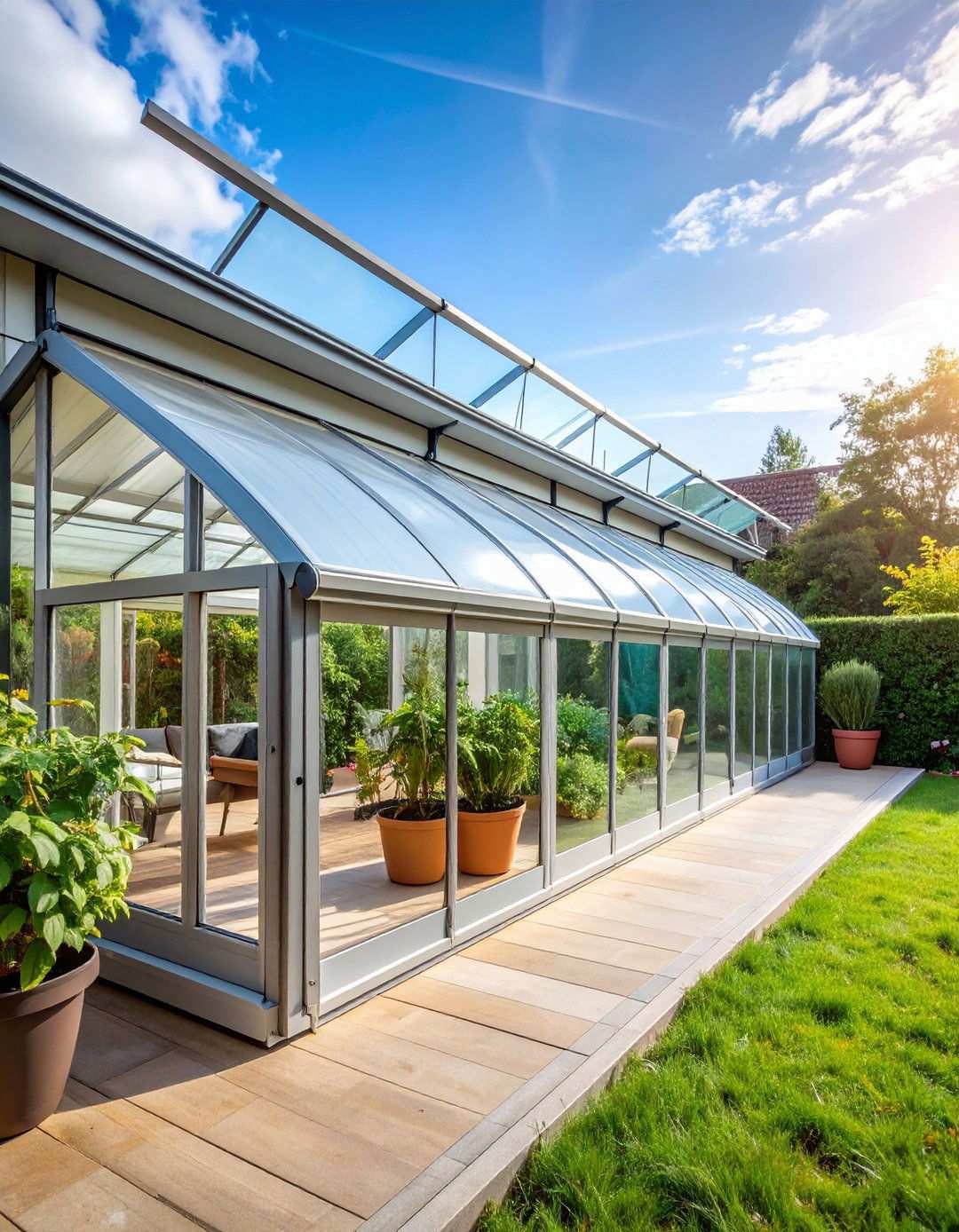
Imagine having a greenhouse that can adapt to changing weather conditions instantly. Retractable porch greenhouses feature fold-down or roll-up panels that can be adjusted based on seasonal needs and weather conditions. During warm months, panels can be rolled up to create an open-air growing space with natural ventilation, while cold weather allows complete enclosure for plant protection. These innovative designs typically use PVC pipe frames with attached plastic sheeting that can be easily manipulated through pulley systems or manual adjustment. The retractable feature provides maximum flexibility for different plant requirements throughout the growing season while maintaining the structure’s protective capabilities, giving you the freedom to tailor your gardening experience to changing conditions.
7. DIY Porch Greenhouse Solutions on a Budget
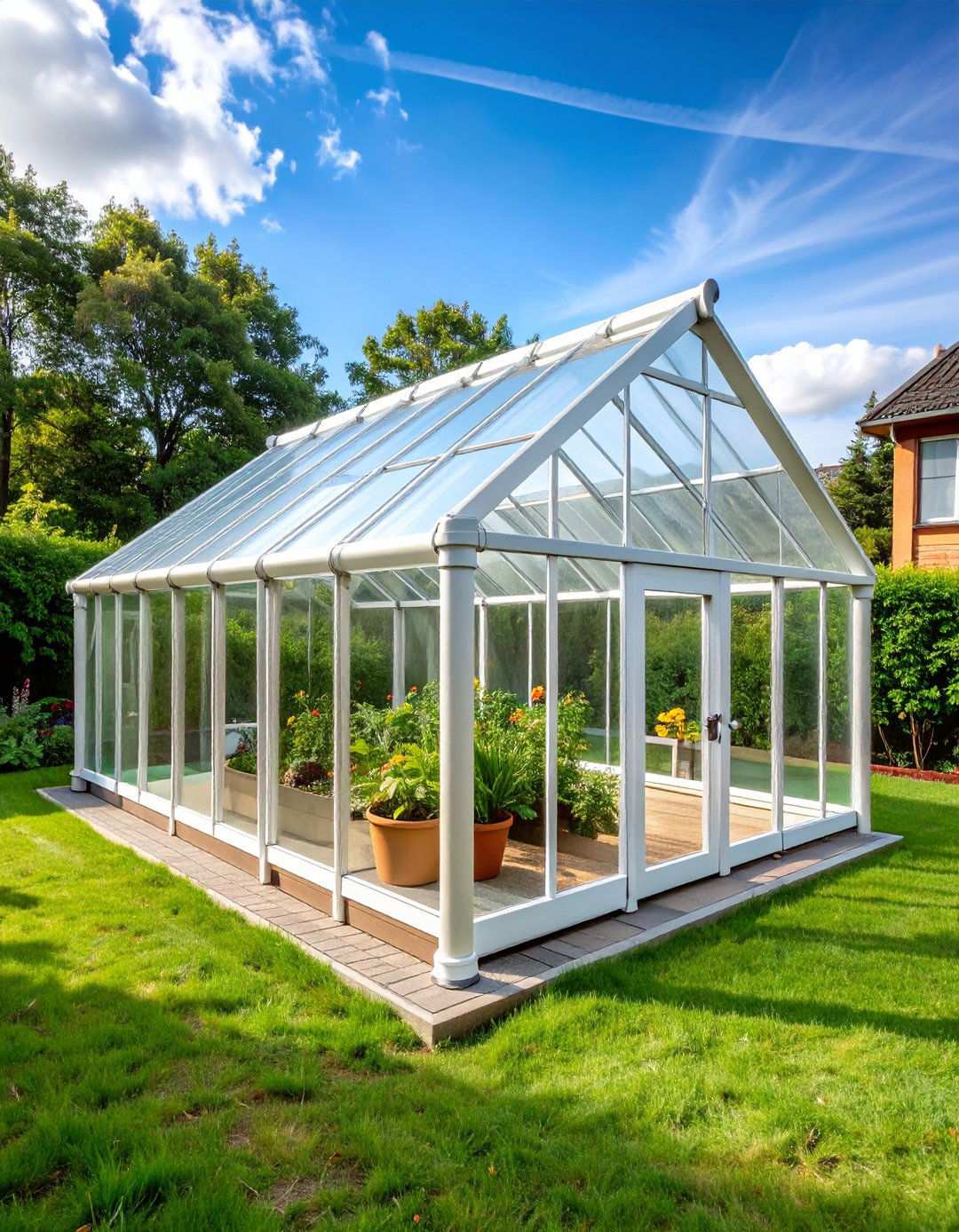
Budget-friendly gardeners can create functional porch greenhouses using PVC pipes as a cost-effective and adaptable framework. This versatile approach combines PVC pipes with standard fittings to form a structure that supports greenhouse plastic or clear tarp material. By embracing this design methodology, gardeners can craft various shapes and sizes, from simple hoop houses to intricate designs that cater to their unique porch configurations. The PVC material boasts impressive durability, resisting rust and corrosion while being easy to modify or expand as gardening requirements evolve. With minimal material costs, this framework provides reliable plant protection.
8. Advantages of Polycarbonate Panels in Porch Greenhouses
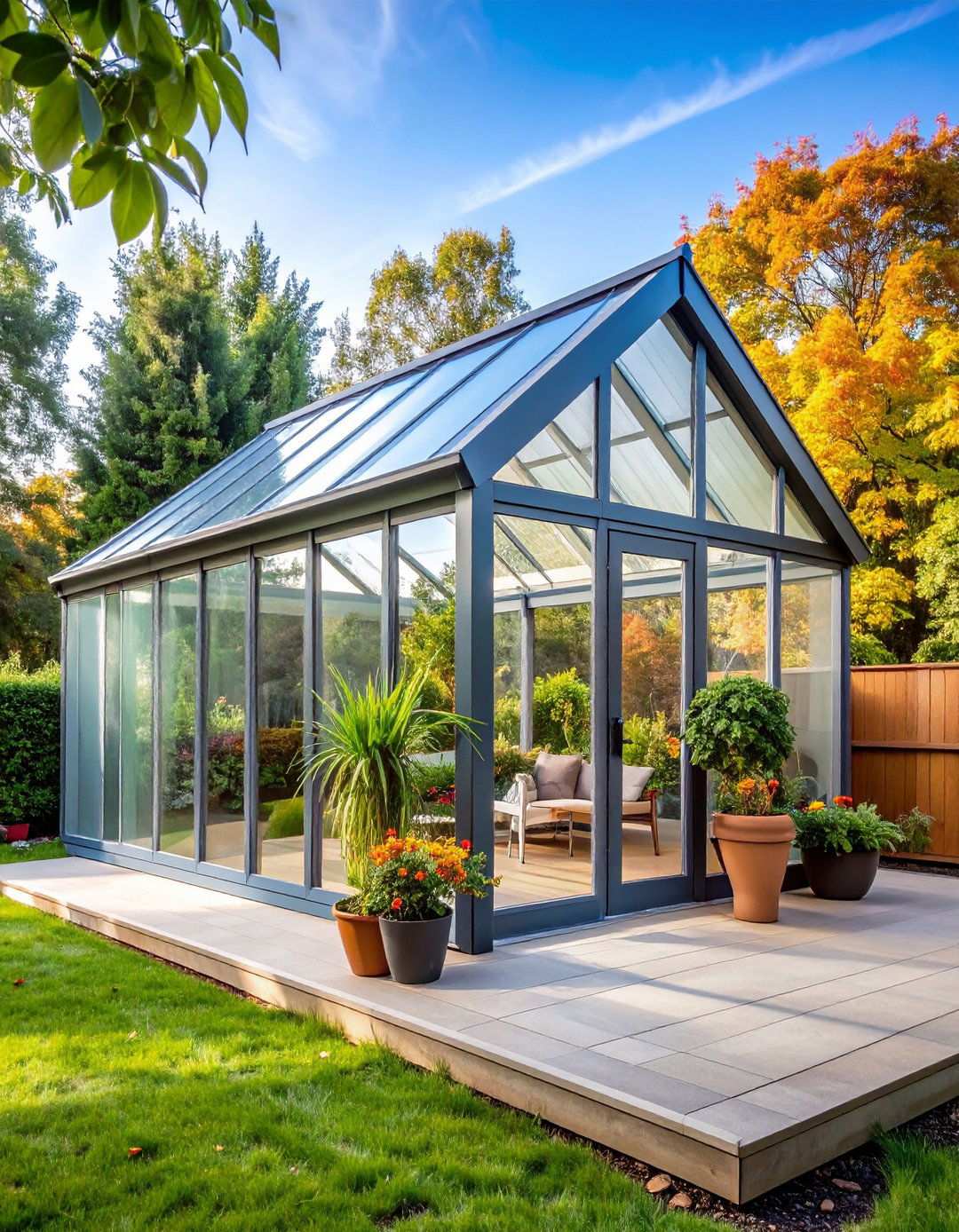
Polycarbonate panels offer a compelling alternative to glass for porch greenhouse construction. These structures boast superior insulation and impact resistance, while maintaining excellent light transmission for optimal plant growth. Typically featuring aluminum frames that support twin-wall polycarbonate panels, these structures exude a professional appearance that harmonizes with diverse home architectural styles. Polycarbonate panels retain heat more effectively than single-pane glass, while also being significantly lighter and safer for high-traffic areas. Furthermore, integrated ventilation systems allow for seamless temperature control, and various accessories can be incorporated, such as automatic vent openers, heating systems, and specialized shelving configurations for specific plant types.
9. Creative Repurposing of Salvaged Windows in Porch Greenhouses
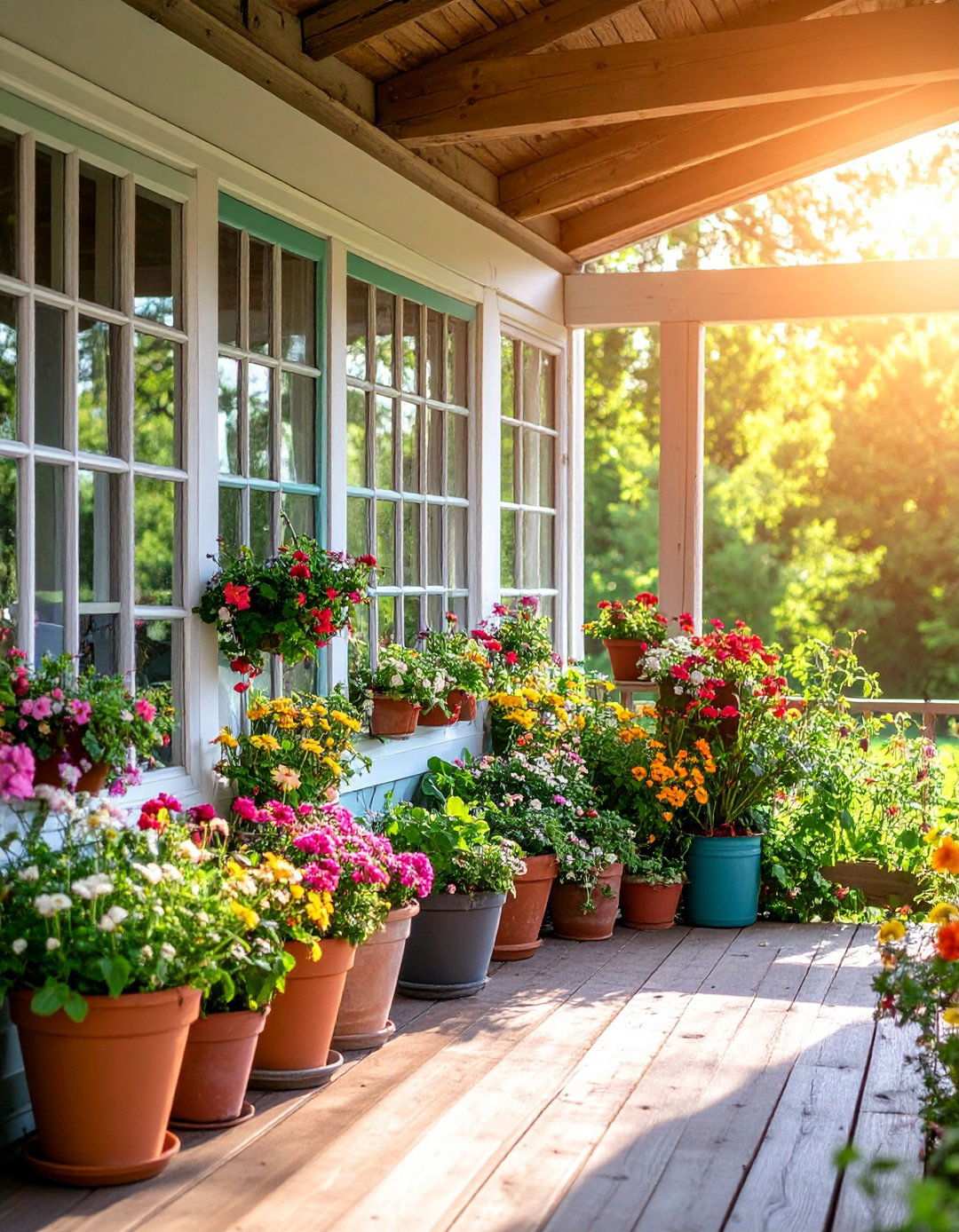
Salvaged materials can be repurposed to create one-of-a-kind porch greenhouse designs that embody character and environmental benefits. This innovative approach involves collecting a variety of windows and designing a custom frame that accommodates the different dimensions, resulting in a visually appealing patchwork appearance. Vintage storm doors can serve as entrances, while reclaimed windows provide walls and roof sections, adding a touch of nostalgia to the structure. This eco-friendly approach often yields unique architectural details and exceptional functionality at a fraction of the cost of new materials. As a result, these greenhouses work particularly well on rustic or cottage-style porches, where the varied window sizes contribute to the visual charm.
10. Elevated Growing Areas for Enhanced Porch Greenhouses
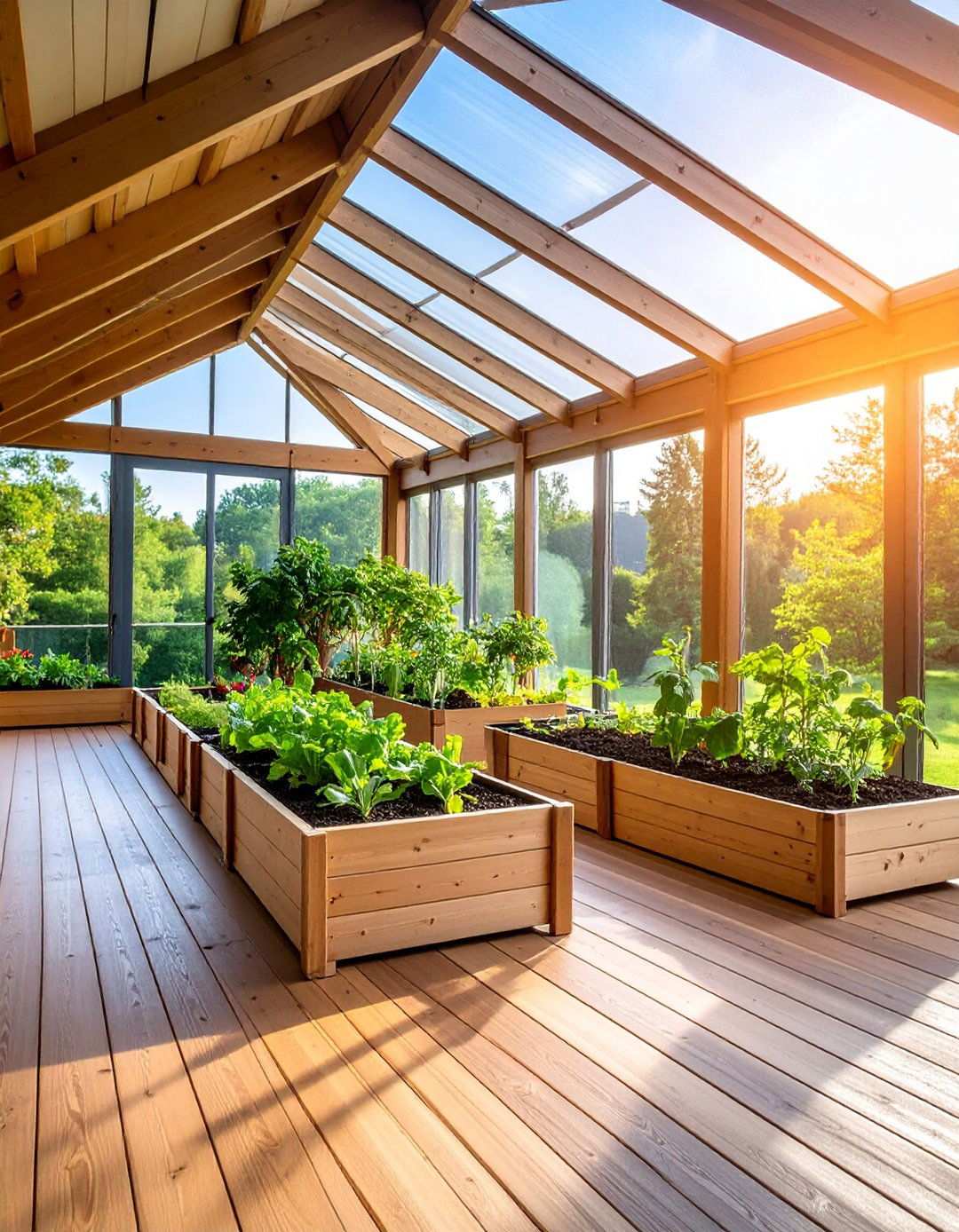
Elevated planters can significantly boost the functionality of porch greenhouses by combining the benefits of raised growing areas with protective greenhouse structures. This synergy creates ergonomic growing conditions that minimize back strain, making it easier for gardeners to tend to their plants. These systems typically feature built-in planting boxes at comfortable working heights, which are then covered by removable or hinged greenhouse panels. The elevated design allows for excellent drainage, soil control, and easier maintenance access, while the greenhouse covering safeguards plants from extreme weather conditions. This configuration is particularly well-suited for vegetable gardening, herb production, and flower cultivation, offering both practical growing conditions and visually appealing aesthetics on covered porches.
11. Maximizing Limited Space with Vertical Porch Greenhouses
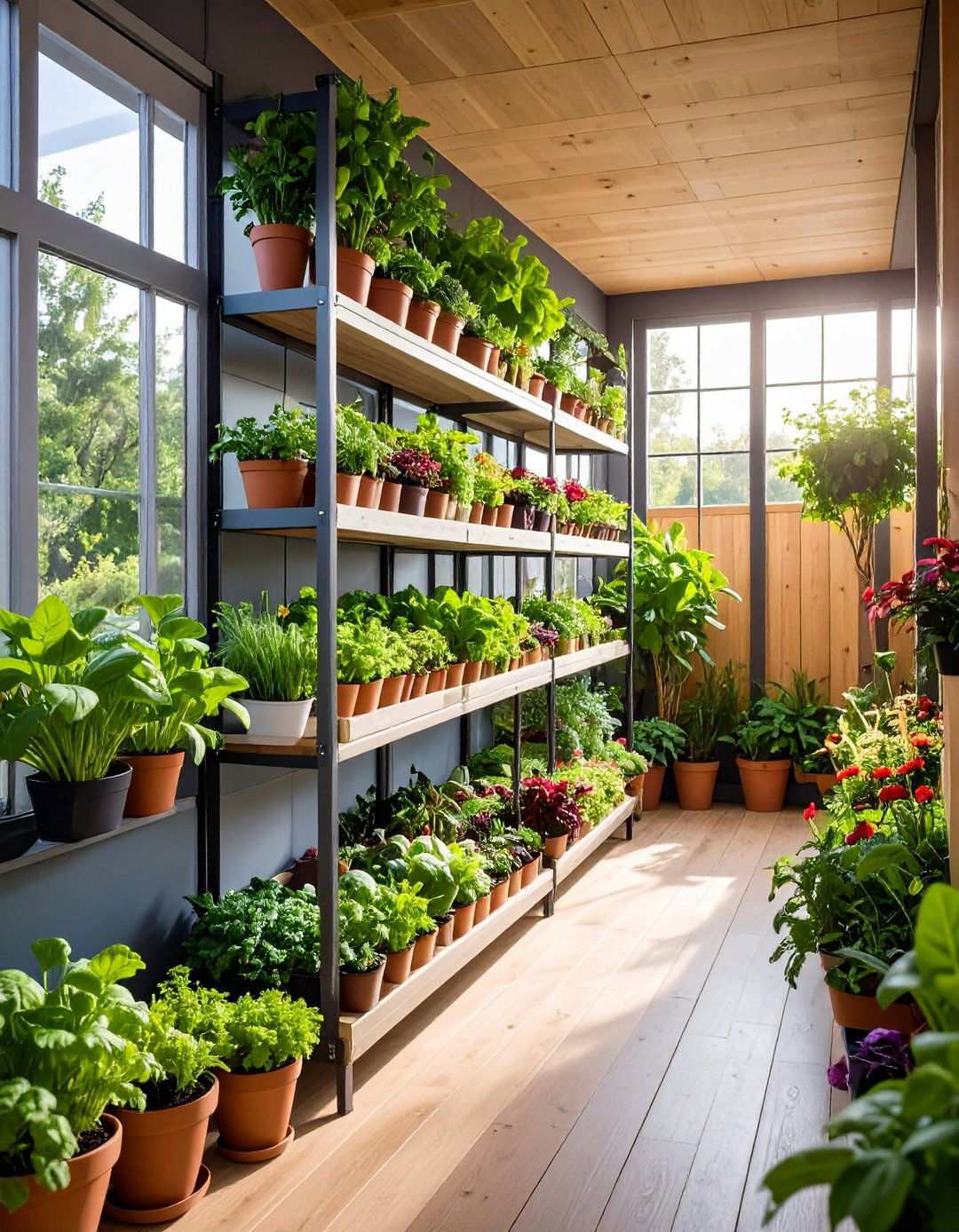
Vertical space can be harnessed to maximize the growing capacity of limited porch greenhouse areas. Vertical porch greenhouses utilize multi-level shelving systems within enclosed structures to dramatically increase growing capacity without expanding the footprint. These designs typically feature 4-6 shelving levels within a narrow, tall structure that fits snugly against porch walls or in corner spaces. Each level can accommodate different plant types based on their specific light and temperature requirements, with top shelves ideal for sun-loving plants and lower levels suitable for shade-tolerant varieties. The vertical approach is particularly effective for apartment balconies and small porches where horizontal space is limited but vertical clearance allows for substantial growing capacity.
12. The Efficiency of A-Frame Porch Greenhouses
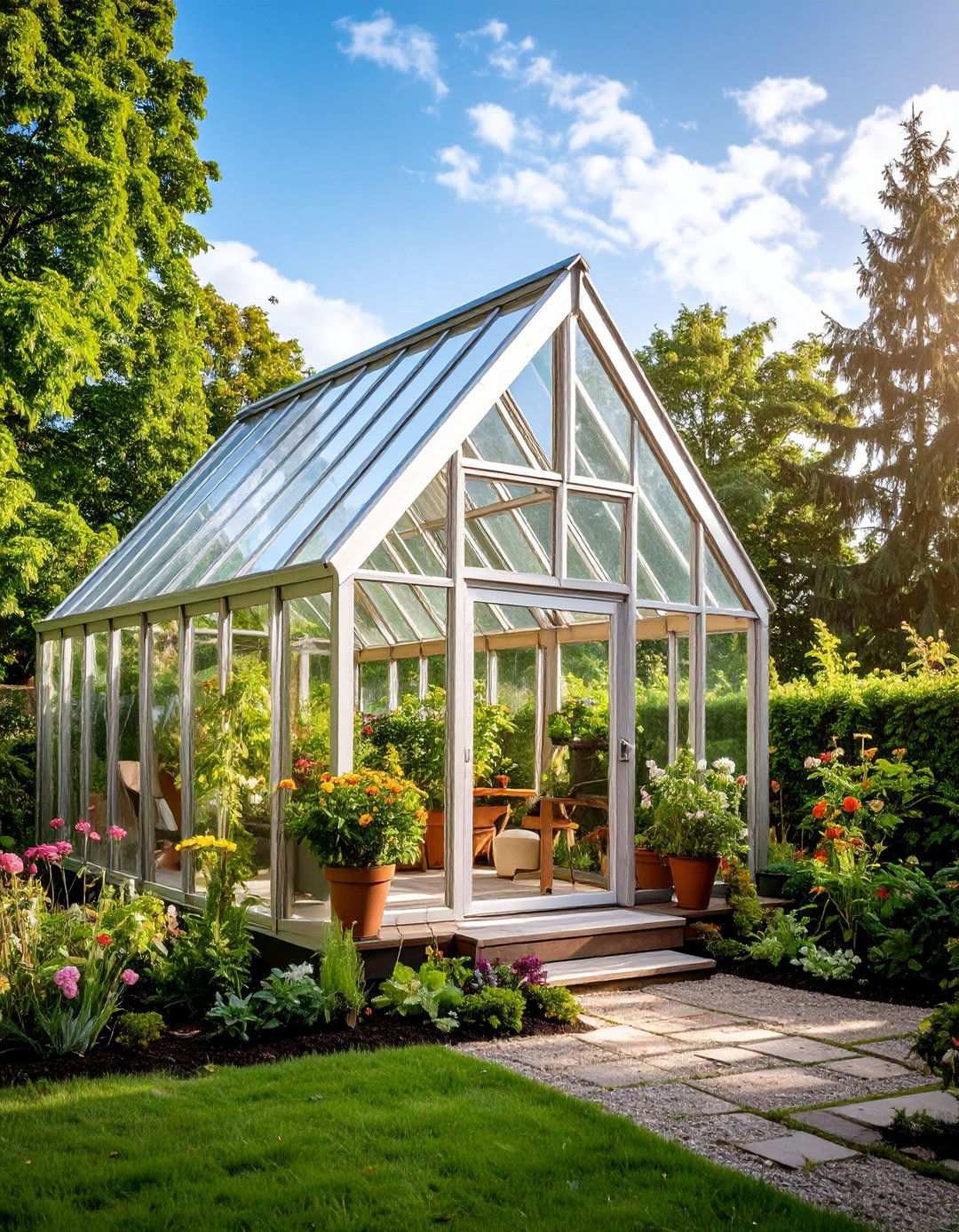
A-frame designs possess several characteristics that make them particularly effective for porch greenhouse applications. A-frame porch greenhouses feature triangular construction that provides exceptional structural stability while maximizing light exposure throughout the day. The steep-angled sides allow rain and snow to shed easily while creating optimal sun penetration angles for plant growth. These structures typically span 6-8 feet at the base and can be positioned lengthwise along porch edges or perpendicular to the house for different spatial configurations. The A-frame design also provides good headroom in the center while maintaining a relatively low profile that doesn’t obstruct views or overwhelm porch proportions.
13. Elevating Porch Greenhouse Design with Geometric Principles
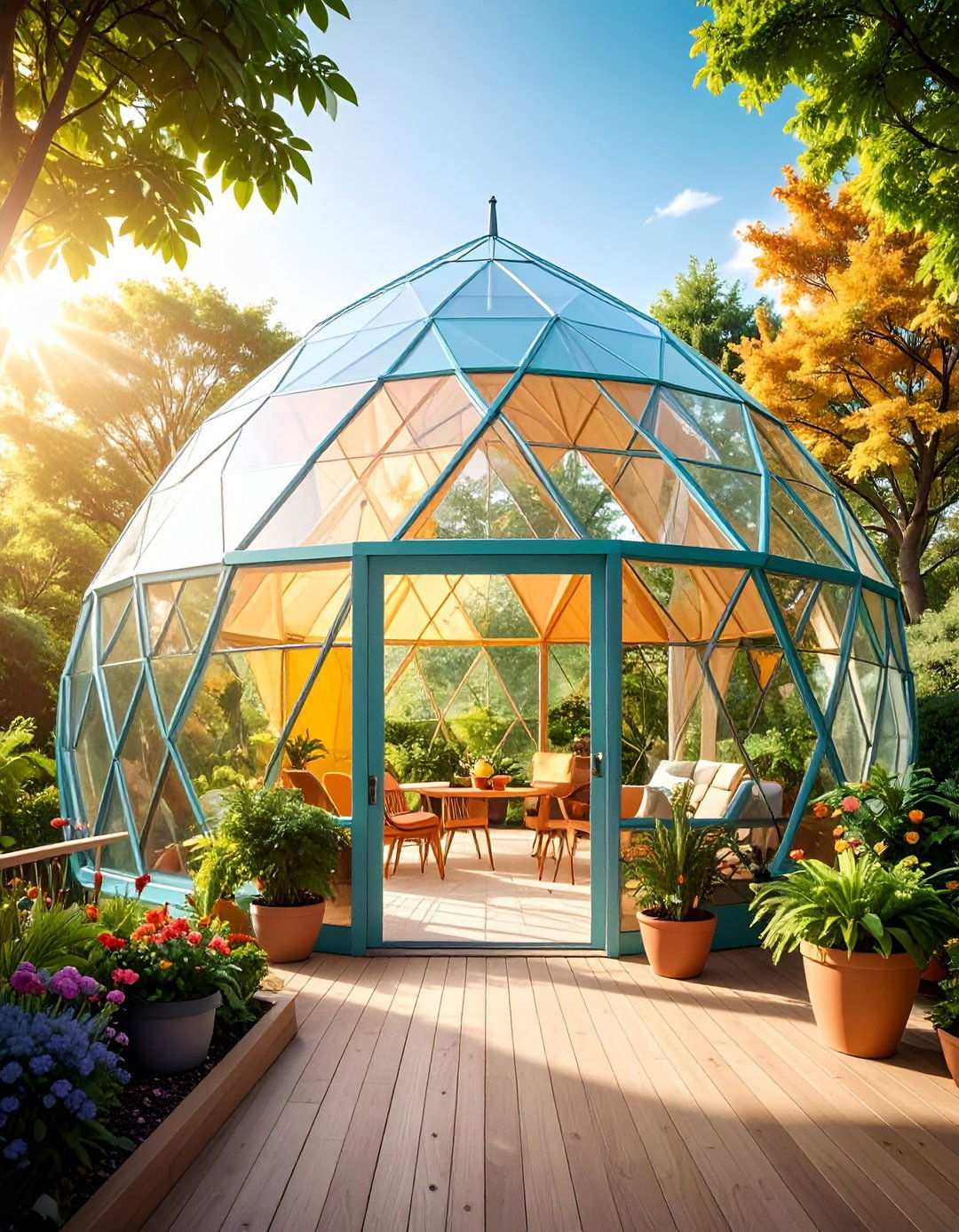
Geometric design principles can significantly enhance the functionality of porch greenhouses by creating striking focal points with superior structural strength and optimal light distribution. Geodesic dome porch greenhouses achieve this through the use of triangular panels connected in intricate geometric patterns that distribute stress evenly throughout the frame. The dome shape’s natural ability to shed wind and weather maximizes interior volume relative to surface area, resulting in efficient heating and cooling characteristics. Although more complex to construct than traditional designs, geodesic greenhouses offer a unique aesthetic appeal and exceptional durability, making them suitable for porches that can accommodate their distinctive architectural presence and structural requirements.
14. Curved Designs: Unleashing the Potential of Porch Greenhouses
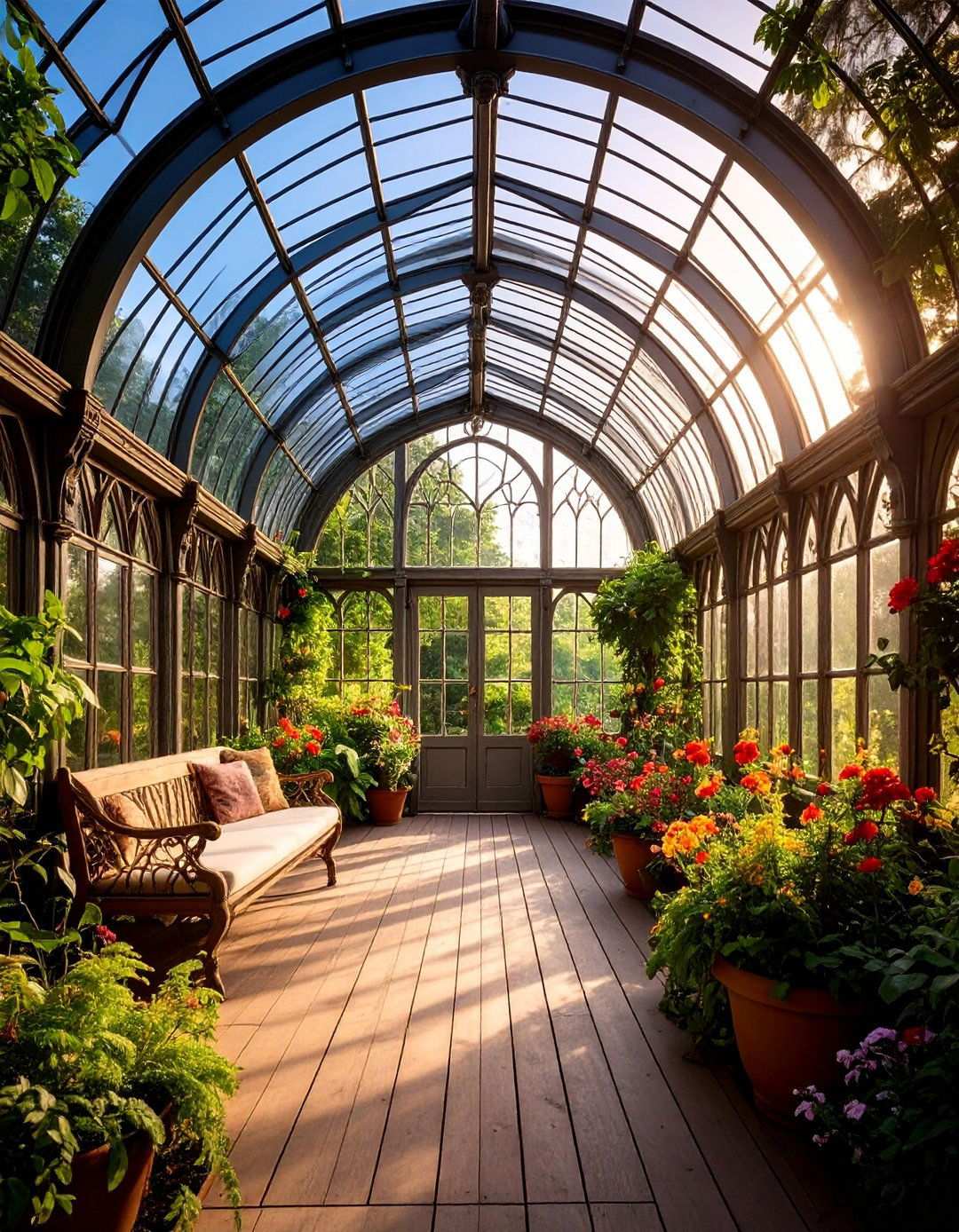
Curved designs offer a range of advantages for porch greenhouse applications, primarily due to their ability to combine structural strength with elegant aesthetics. Gothic arch porch greenhouses feature curved roof lines that create cathedral-like growing spaces that complement traditional home architecture. The arched design naturally sheds snow and rain while providing excellent headroom throughout the interior space. These structures typically utilize bent metal or laminated wood ribs covered with polycarbonate panels or greenhouse plastic. The curved shape also promotes natural air circulation, reducing hot spots and creating more uniform growing conditions. As a result, Gothic arch designs work particularly well on porches with adequate height clearance and complement homes with arched windows or doorways.
15. Effortless Protection: The Allure of Simple Hoop House Designs
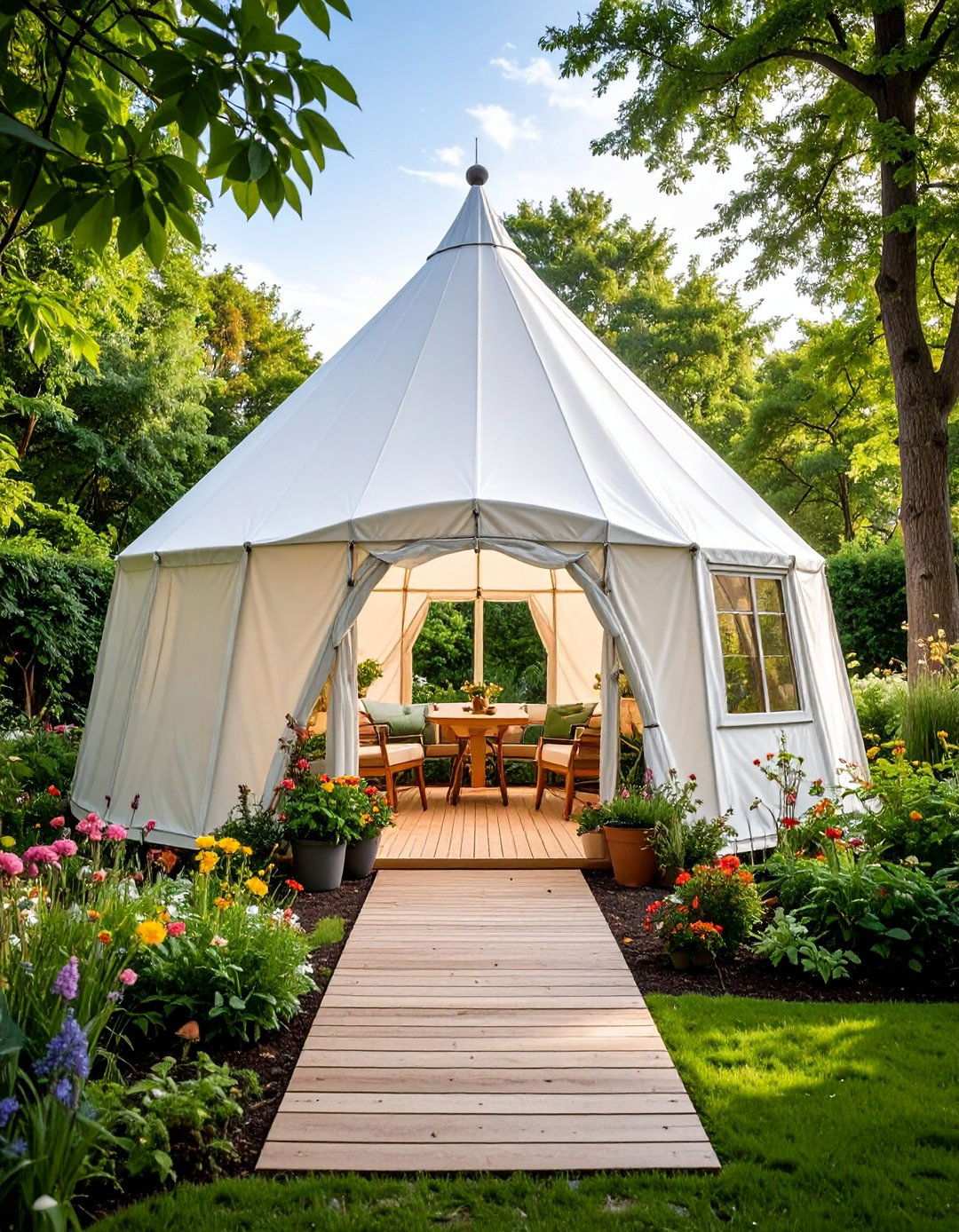
Simple construction principles can create effective porch greenhouse protection with minimal complexity. Hoop house porch greenhouses use bent metal or PVC pipes to create semi-circular structures covered with greenhouse plastic, providing cost-effective plant protection. These designs can be built to span the width of covered porches or configured as lean-to structures against porch walls. The hoop construction allows for easy covering removal during warm weather and quick reinstallation when protection is needed. This approach works particularly well for seasonal plant protection, extending growing seasons for vegetables and providing winter shelter for tender perennials without the need for permanent structural modifications.
16. Harnessing the Power of Solar for Porch Greenhouses
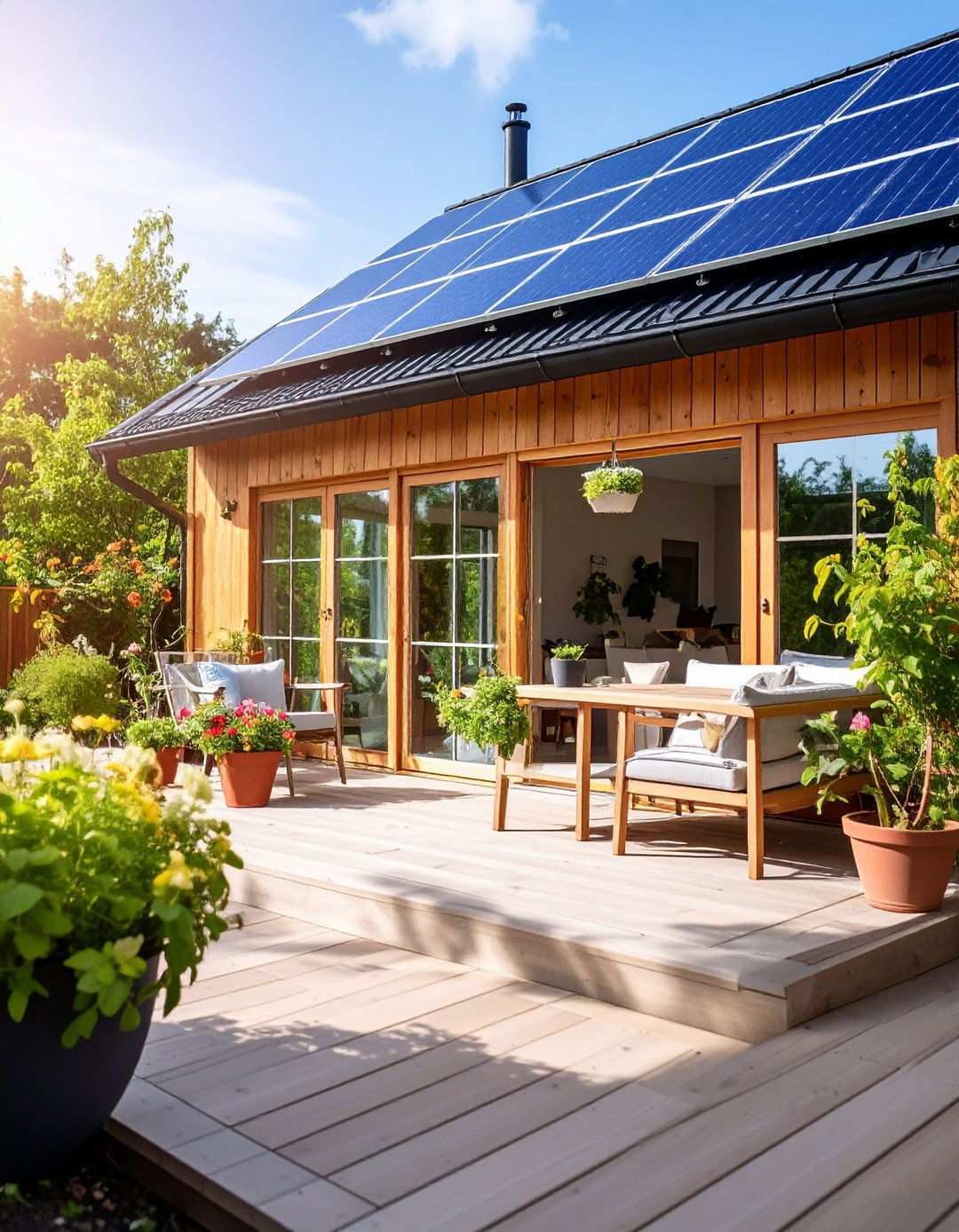
Can we tap into renewable energy to make porch greenhouses more efficient and cost-effective? By incorporating photovoltaic panels, solar-powered porch greenhouses can operate independently of electrical connections, relying on clean energy to power ventilation fans, heating systems, and automatic watering equipment. A well-designed solar system can also ensure continuous operation during periods of low sunlight, thanks to battery backup systems. This setup is particularly beneficial for porches with limited electrical access and appeals to environmentally conscious gardeners seeking sustainable solutions that minimize their carbon footprint. Moreover, solar-powered heating elements can provide protection for plants during harsh winter conditions, creating a self-sustaining growing environment.
17. Optimal Shelf Solutions for Porch Greenhouses
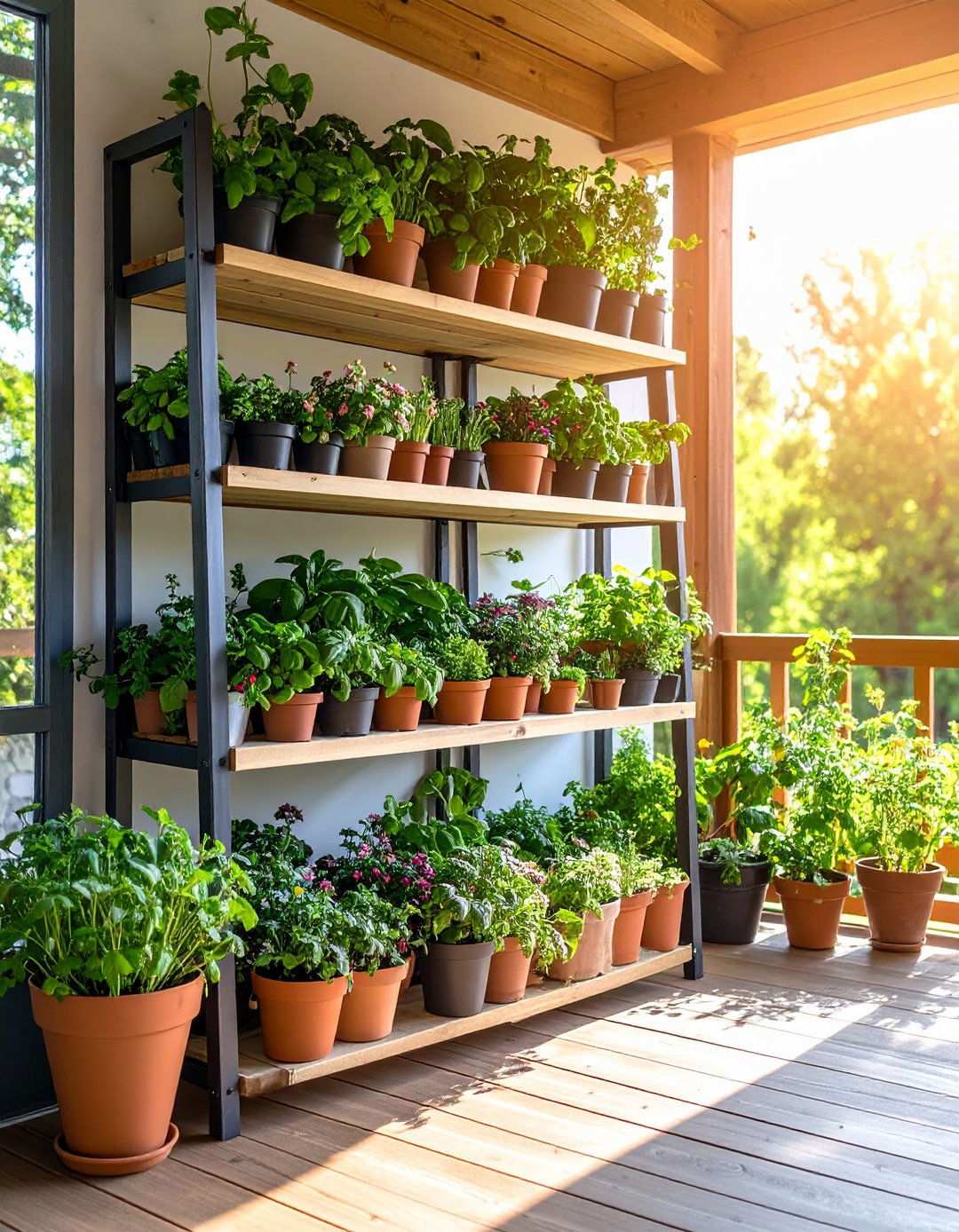
How can we maximize the growing capacity of porch greenhouses using organized shelving systems? Multi-tier shelf porch greenhouses feature integrated shelving systems that create multiple growing levels within compact structures, significantly increasing the number of plants that can be accommodated. These designs typically include 3-5 adjustable shelving levels to accommodate plants of varying sizes and growth stages. The shelving systems often incorporate drip trays to prevent water overflow from reaching lower levels, while wire or slat construction allows for excellent air circulation throughout the structure. This approach is ideal for starting seedlings, growing herbs, and maintaining collections of smaller plants in organized, easily accessible arrangements.
18. Maximizing Space with Suspended Growing Systems
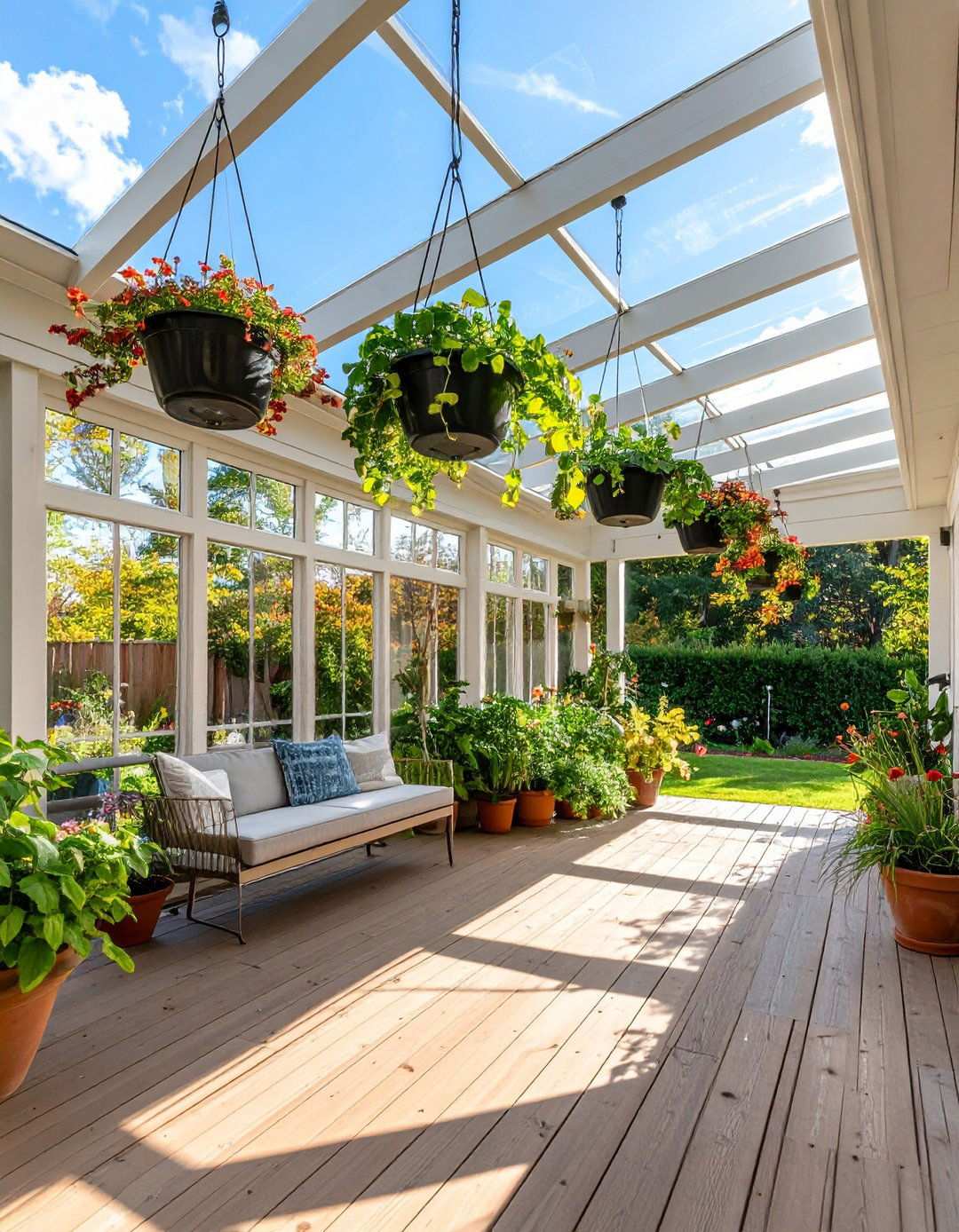
What benefits do suspended growing systems offer for porch greenhouse gardening? Hanging garden porch greenhouses make the most of overhead space by using suspended planters while maintaining floor space for other plants or activities. These systems typically feature sturdy overhead support structures that accommodate hanging baskets, vertical growing towers, and suspended growing systems. The combination of hanging and floor-level plants creates layered growing environments that optimize space utilization while creating visually striking displays. Suspended systems work particularly well for trailing plants, air plants, and species that benefit from improved air circulation. Furthermore, the elevated positioning provides protection from ground-dwelling pests and makes plant care more convenient.
19. Elevating Herb Cultivation with Specialized Designs
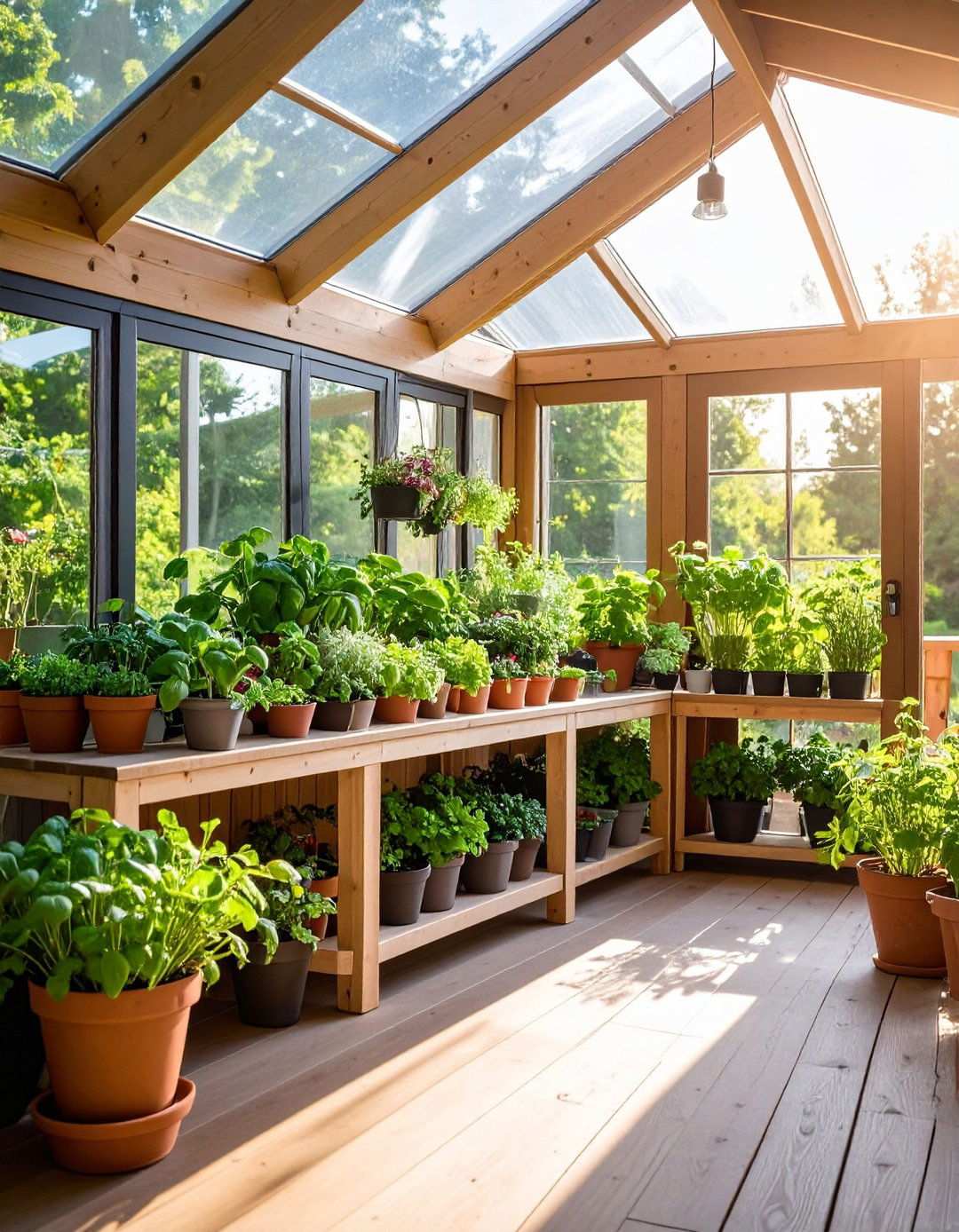
Herb garden porch greenhouses showcase innovative designs that prioritize culinary plant growth, incorporating practical features like access doors, harvesting areas, and organized growing systems. By separating herbs into multiple compartments, growers can efficiently manage various varieties, while built-in work surfaces facilitate effortless harvesting and processing. These structures often feature easy-to-clean surfaces and sophisticated drainage systems, making it easier to maintain optimal conditions for Mediterranean and tropical herbs. When strategically positioned near kitchen entrances, herb-focused greenhouses provide instant access to fresh ingredients while nurturing the perfect environment for these delicate plants.
20. Unlocking Seed Starting Success
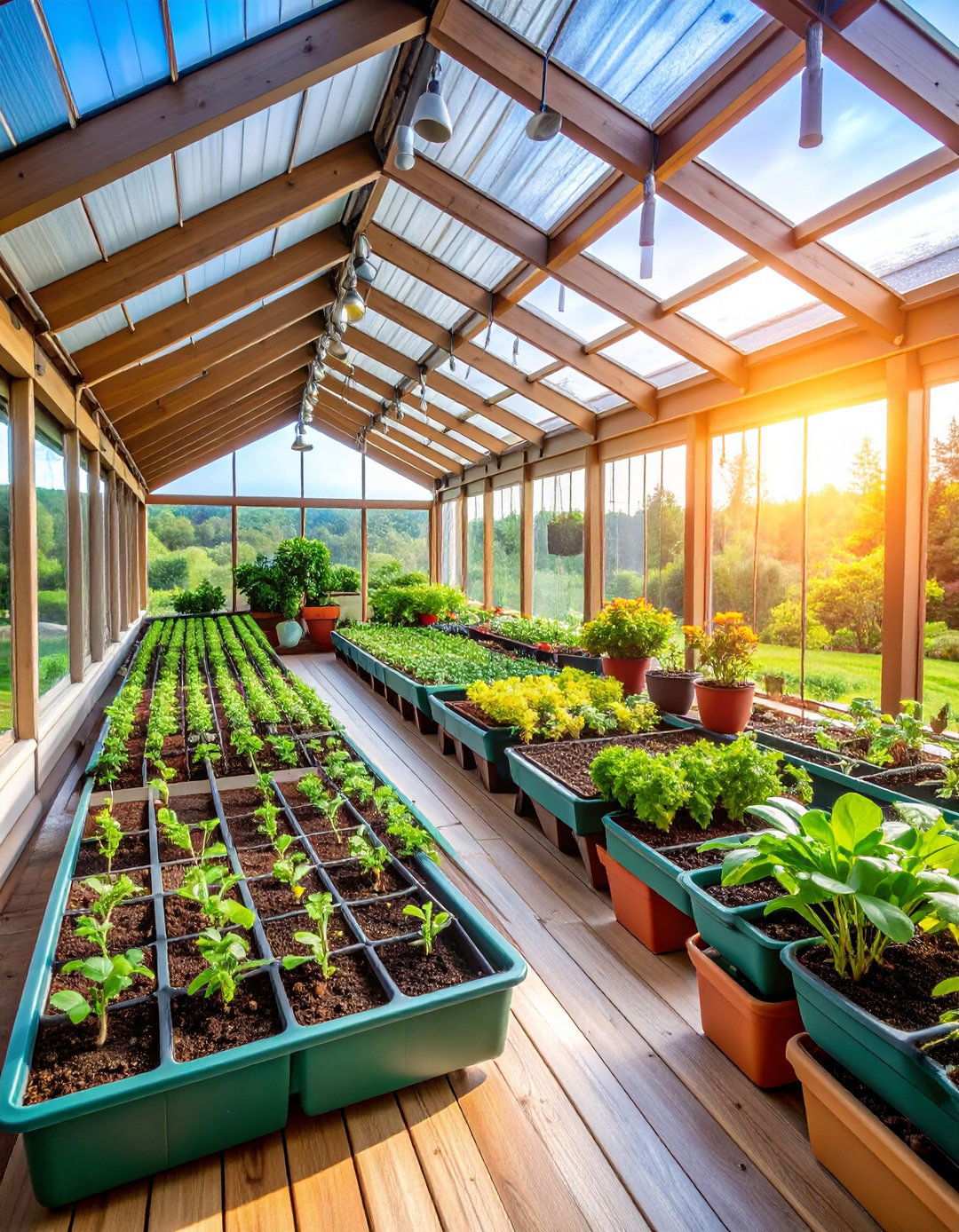
Dedicated seed starting facilities significantly enhance gardening success rates by providing ideal conditions for germination and early growth. Seed starting porch greenhouses boast adjustable heating systems, humidity controls, and graduated growing areas, ensuring optimal development from sensitive seeds to robust seedlings. Heated propagation areas, intermediate growing zones, and hardening-off areas work in tandem to mimic natural conditions, while grow lights provide consistent illumination and automated watering systems maintain uniform moisture levels. This thoughtful approach leads to higher germination rates and robust seedlings that thrive in outdoor gardens, setting gardeners up for a bountiful harvest.
21. Showcasing Alpine Plants in Ideal Settings
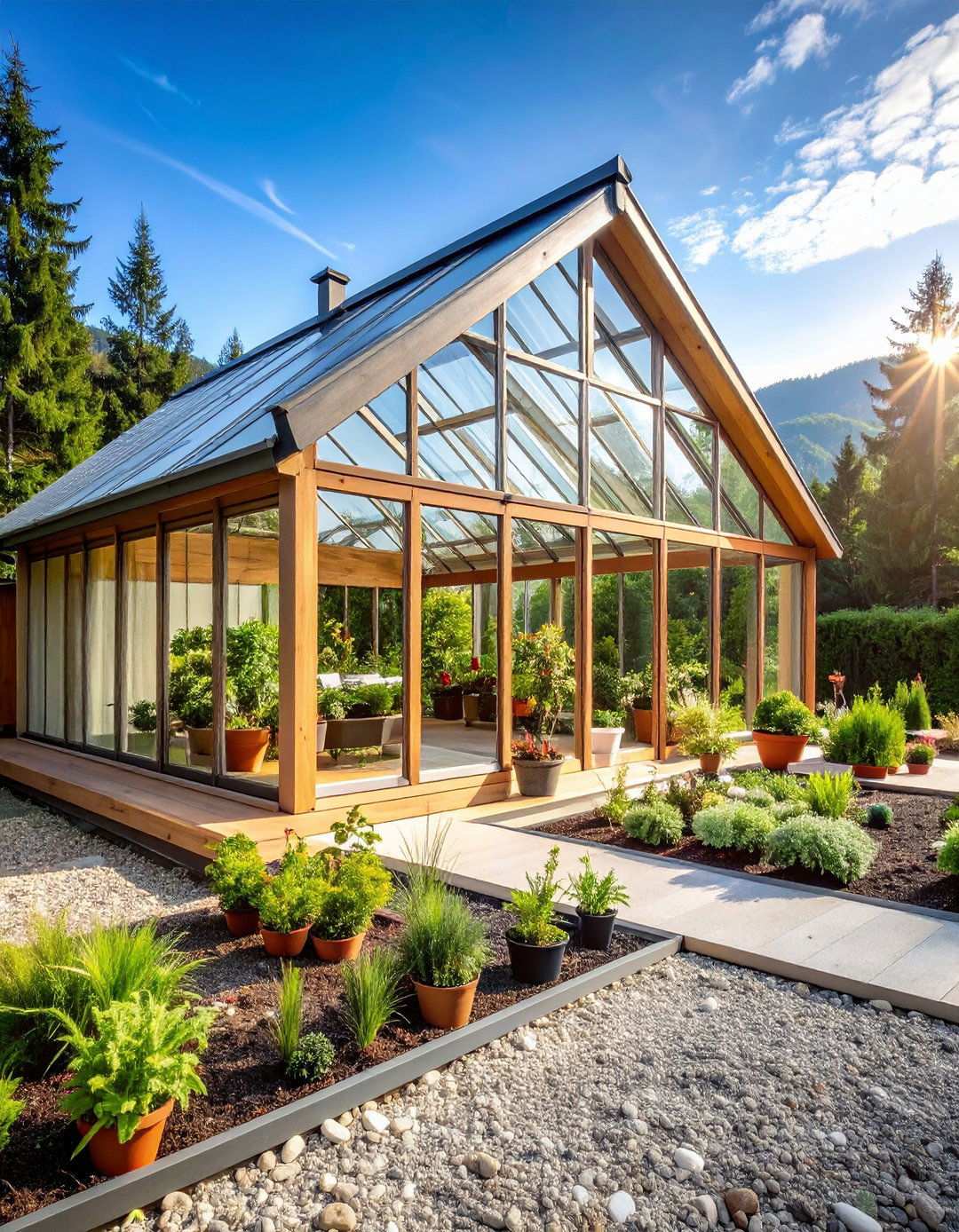
Porch greenhouses offer a haven for alpine plants that demand precise conditions, including exceptional air circulation and moisture control. Alpine plant porch greenhouses feature enhanced ventilation systems, specialized drainage configurations, and protection from excessive moisture during winter dormancy. Increased vent openings, gravel-based growing surfaces, and protection from temperature extremes create an optimal environment for these delicate plants. The ability to adjust roof sections during favorable weather ensures maximum protection while allowing for the perfect balance of air movement and moisture. As a result, alpine greenhouses become the perfect refuge for rock garden enthusiasts and collectors of rare mountain plants.
22. Orchid Cultivation Porch House
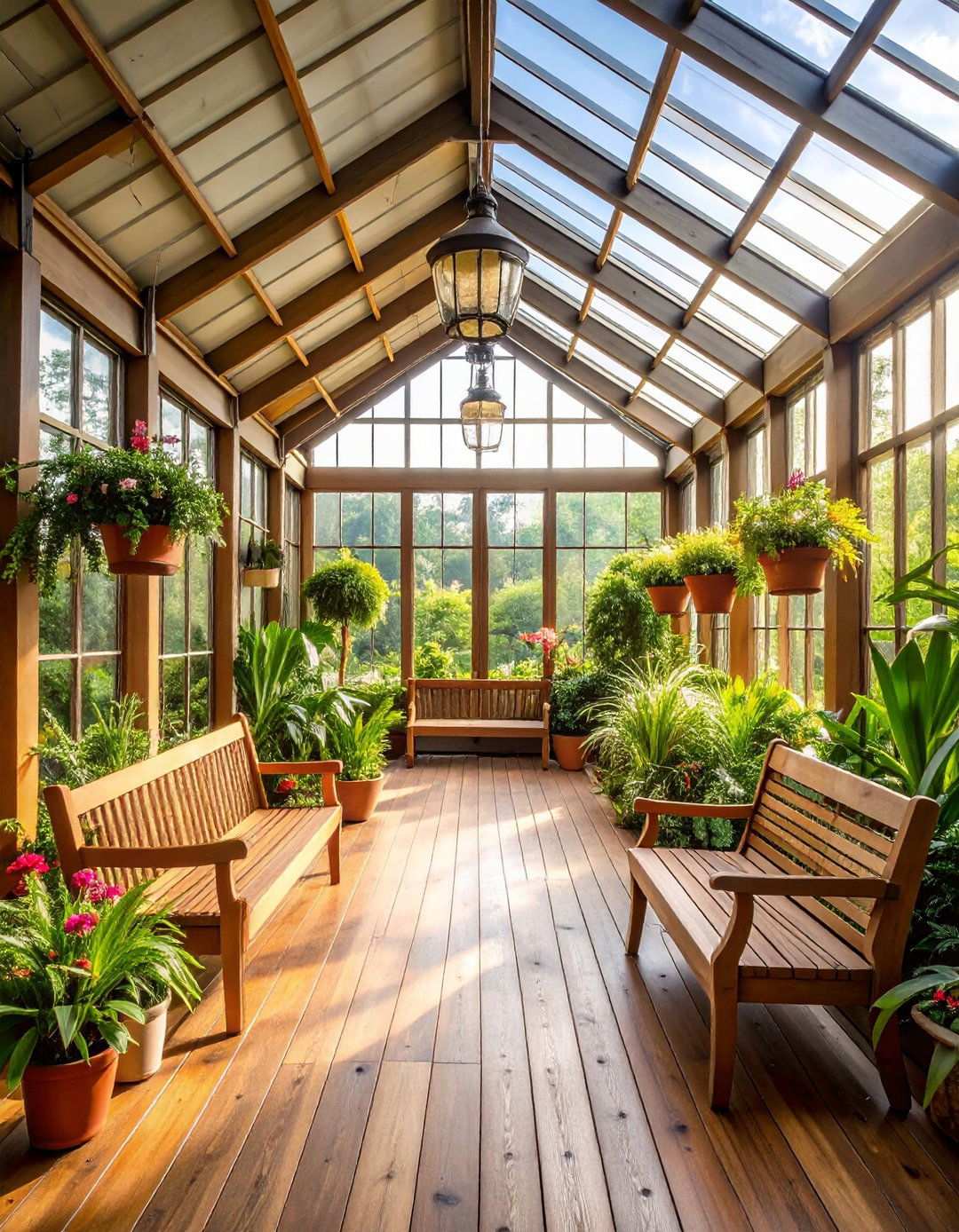
Porch greenhouses designed for orchid cultivation often incorporate innovative features that foster optimal growth conditions. Key design elements include humidity control systems, which maintain precise moisture levels, and filtered lighting, which prevents damaging high-intensity sunlight from reaching delicate orchid foliage. Additionally, specialized air circulation and temperature control systems work in tandem to provide a stable environment that caters to the diverse needs of various orchid species. By replicating the natural conditions found in tropical rainforests, these greenhouses enable even novice growers to successfully cultivate a wide range of orchids.
23. Repurposed Materials Greenhouse
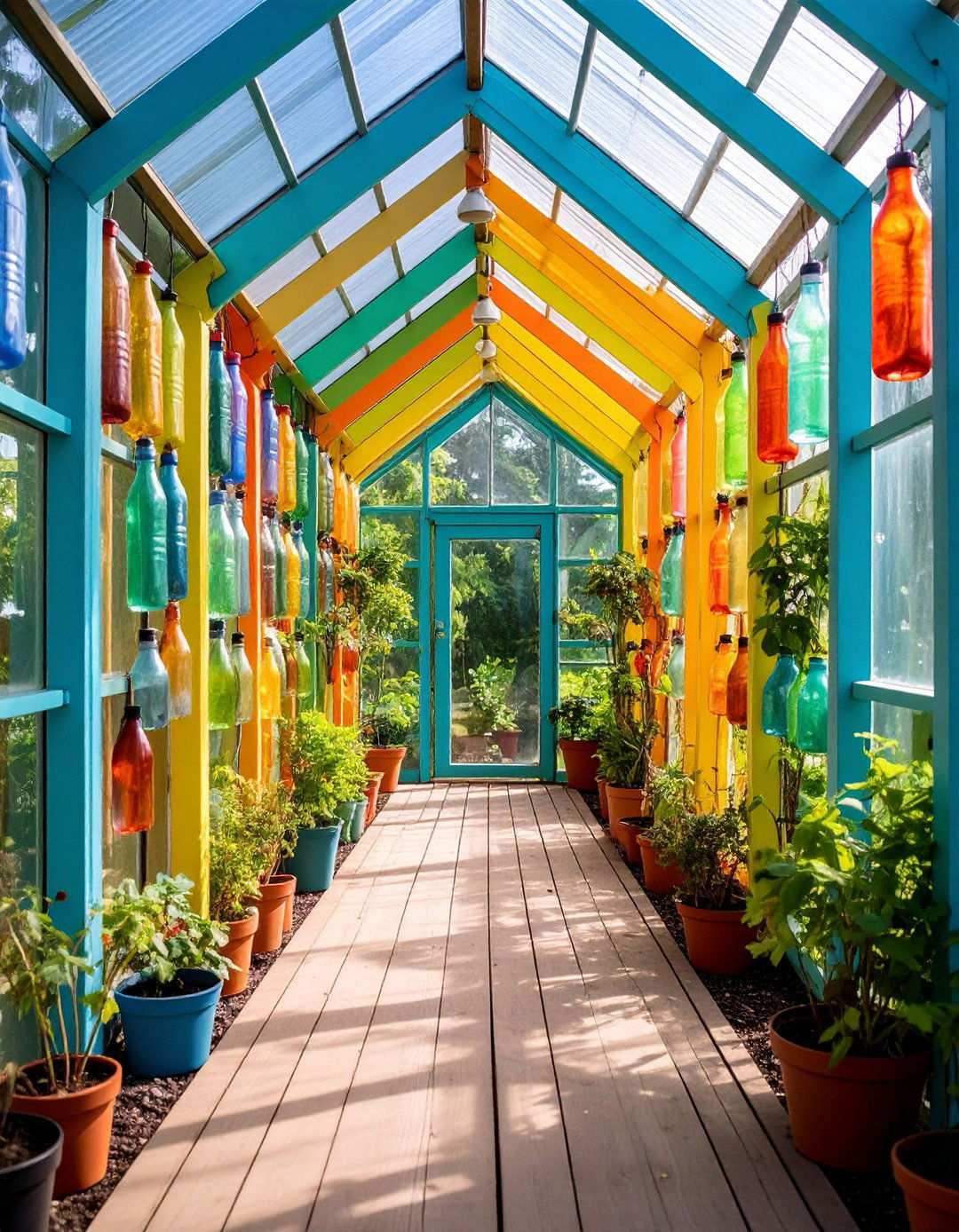
Waste reduction and creative building methods can significantly enhance porch greenhouse design. One such approach involves repurposing plastic bottles as building materials, effectively creating insulated walls with excellent heat retention properties. By filling the bottles with water or sand, and then stacking them between a wooden or metal framework, builders can create unique and eco-friendly structures. This construction technique not only reduces waste but also generates visually appealing effects as light passes through the colored containers, moderating temperature fluctuations naturally and minimizing the need for heating and cooling systems.
24. Water-Based Growing System Porch Greenhouse
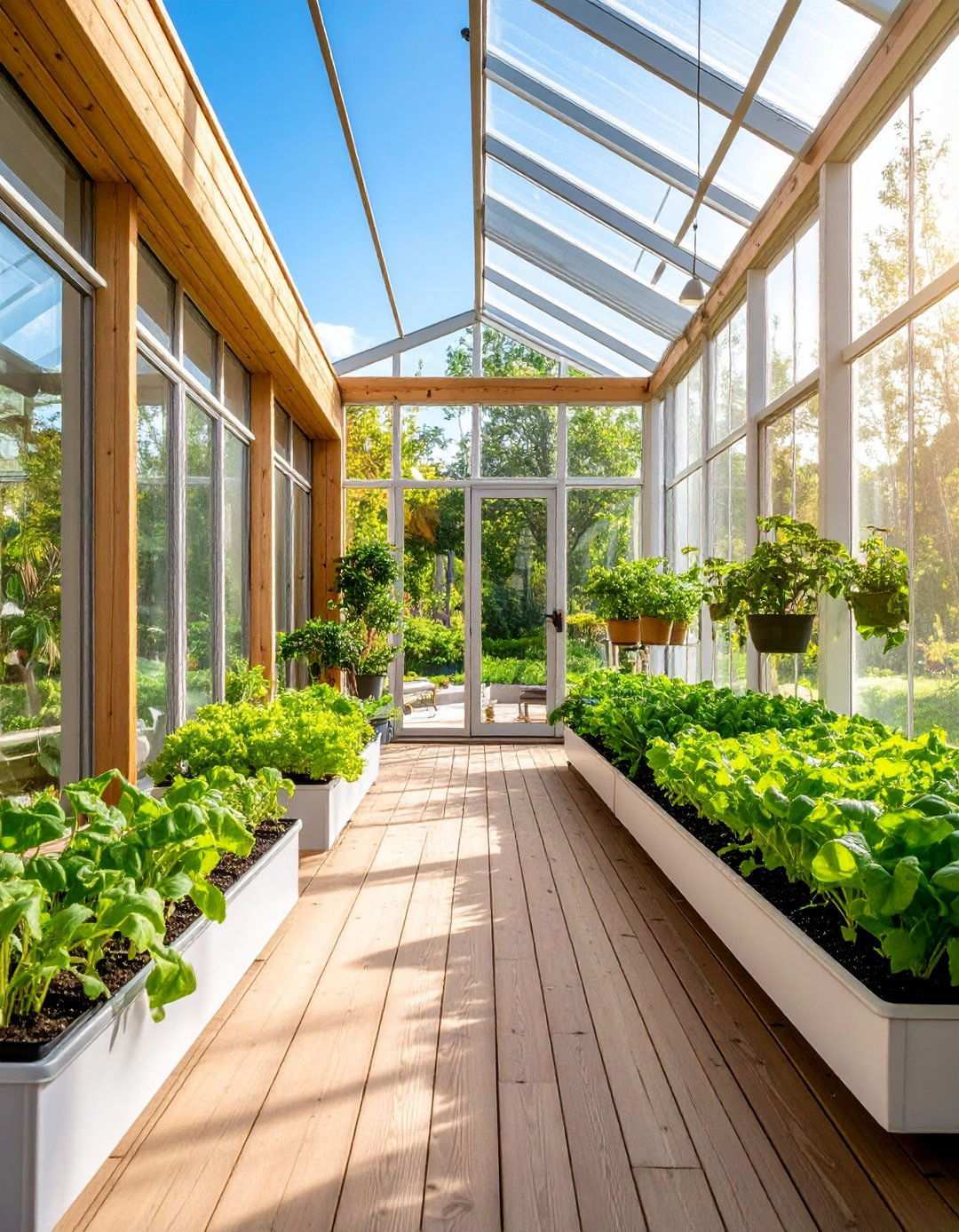
Porch greenhouses equipped with hydroponic growing systems can significantly boost productivity and reduce maintenance. By eliminating the need for soil, these systems provide precise control over nutrient delivery and promote faster plant growth rates. Key components include reservoirs, pumps, and growing channels that circulate nutrient solutions to plant roots, all within a controlled greenhouse environment that maintains optimal temperature and humidity levels. The hydroponic approach is particularly well-suited for leafy greens, herbs, and tomatoes, enabling urban gardeners to maximize yields in limited porch space while maintaining clean and organized growing environments.