1. Crafting Timeless English Cottage Garden Borders
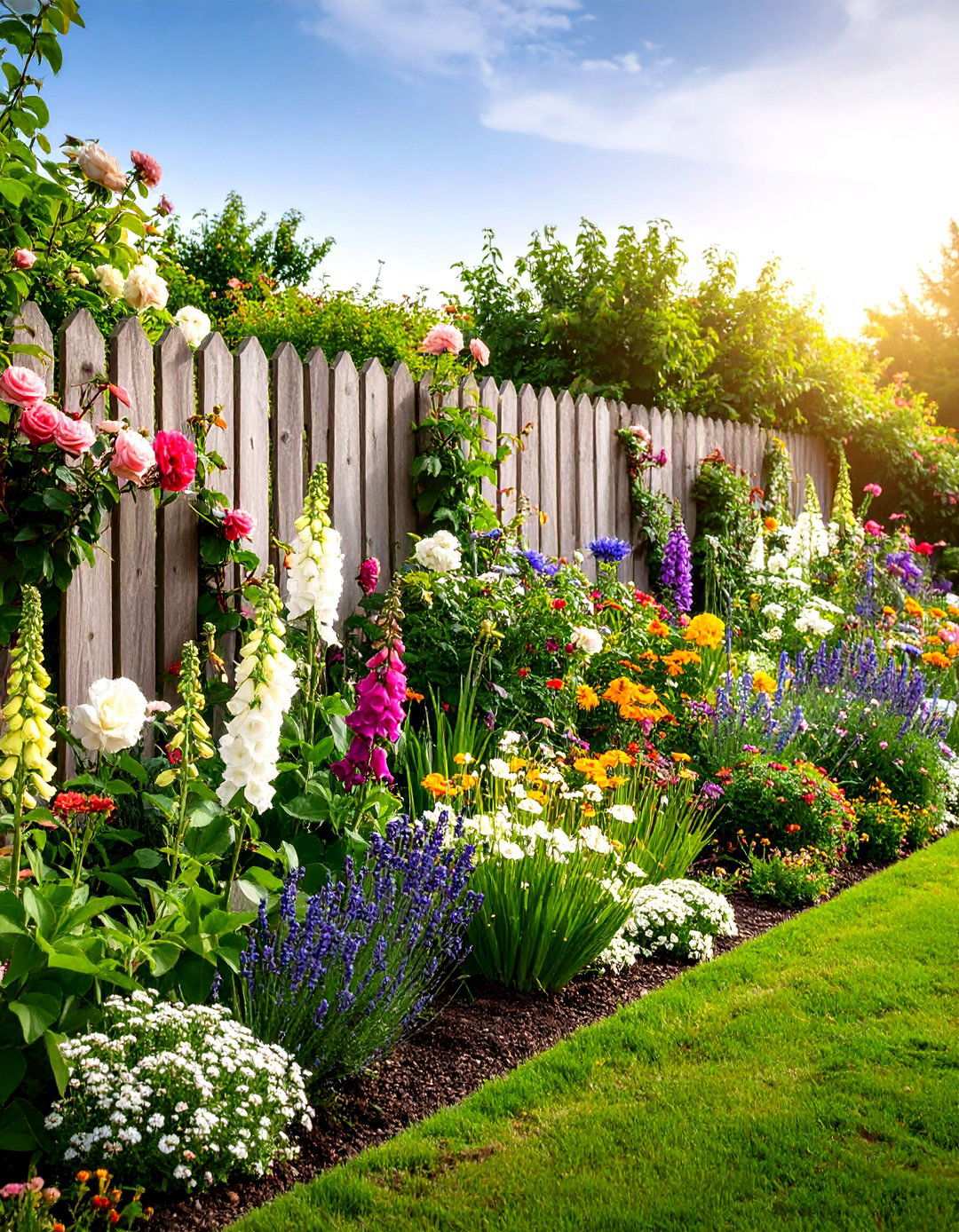
The allure of an enchanting English cottage garden lies in its ability to transport us to a whimsical world of romance and nostalgia. A well-designed cottage garden border is a masterclass in effortless elegance, where roses cascade over weathered fences and delphiniums stand tall, creating a sense of drama and visual interest. At its core, this timeless design relies on a thoughtful combination of traditional perennials, such as hollyhocks, foxgloves, lavender, and peonies, arranged in seemingly casual yet carefully planned compositions.

As an Amazon Associate I earn from qualifying purchases.
This charming aesthetic is characterized by mixed heights, soft color palettes, and plants that self-seed naturally throughout the space, creating a relaxed, lived-in atmosphere. Sweet peas climb rustic supports, while catmint spills onto gravel paths, weaving a sense of magic and wonder. To add depth and interest to this design, layer spring bulbs beneath summer perennials, creating a dynamic display of seasonal interest. Incorporating aromatic herbs like rosemary and thyme adds a sensory dimension, drawing visitors in with their intoxicating scents.
2. Designing Drought-Tolerant Mediterranean Perennial Beds
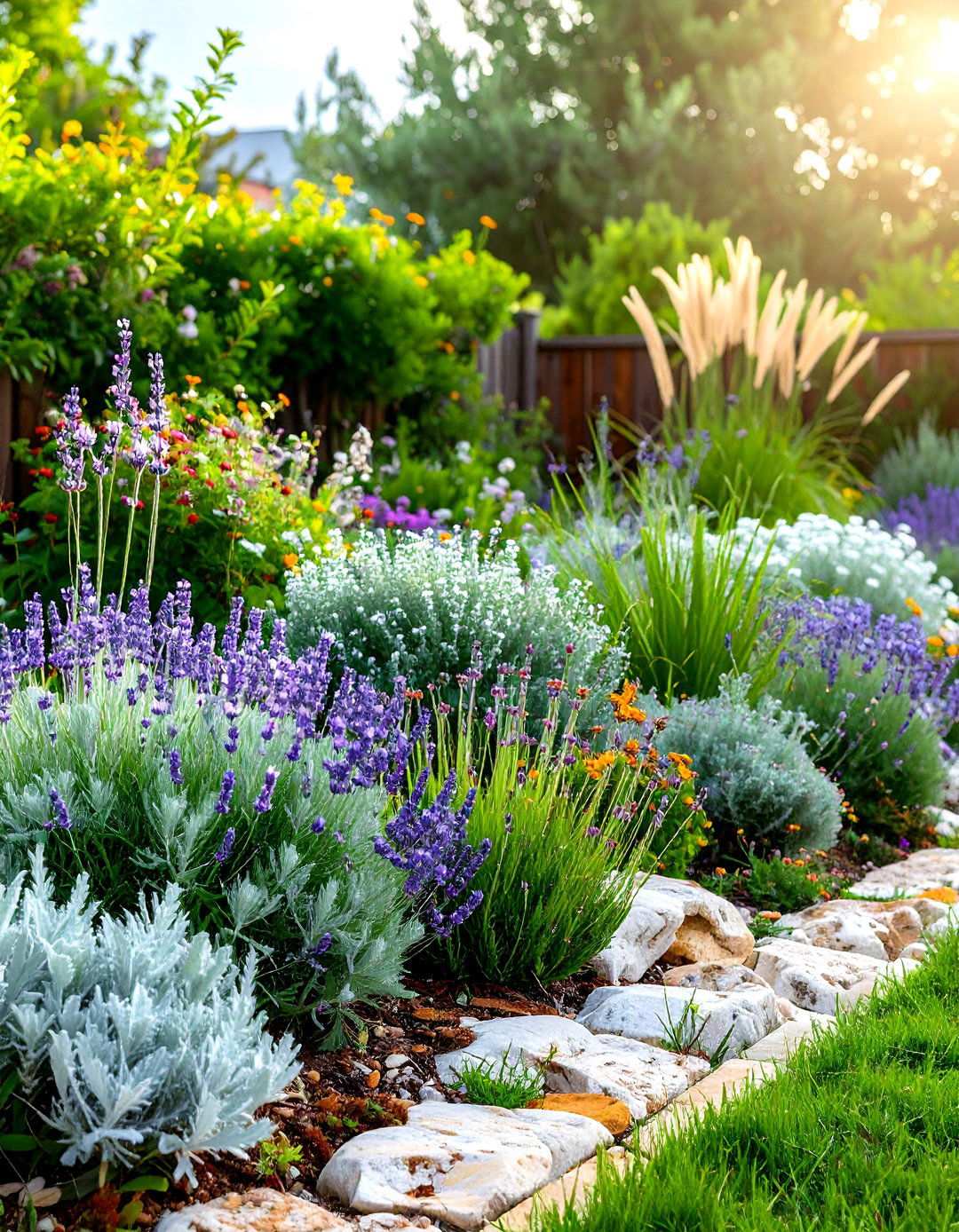
Imagine a garden that not only thrives in the scorching sun but also conserves precious water resources, creating a harmonious balance between aesthetic appeal and sustainability. Mediterranean-style perennial beds offer a compelling solution, showcasing silver-leaved plants, fragrant herbs, and drought-resistant flowers that create stunning displays without the need for intensive irrigation. Lavender forms fragrant hedges alongside ornamental grasses, while globe thistle and sea holly add architectural interest with their spiky textures, creating a dramatic visual impact.
Salvias provide a vibrant splash of color throughout the summer months, attracting pollinators while tolerating extended dry periods. The key to success lies in selecting plants native to Mediterranean climates and creating well-draining soil conditions that allow these hardy plants to thrive. By incorporating stone mulch and gravel pathways, you can reduce maintenance requirements and enhance the authentic regional aesthetic, creating a naturalistic and charming perennial bed that’s as beautiful as it is sustainable.
3. Enchanted Woodland Retreats
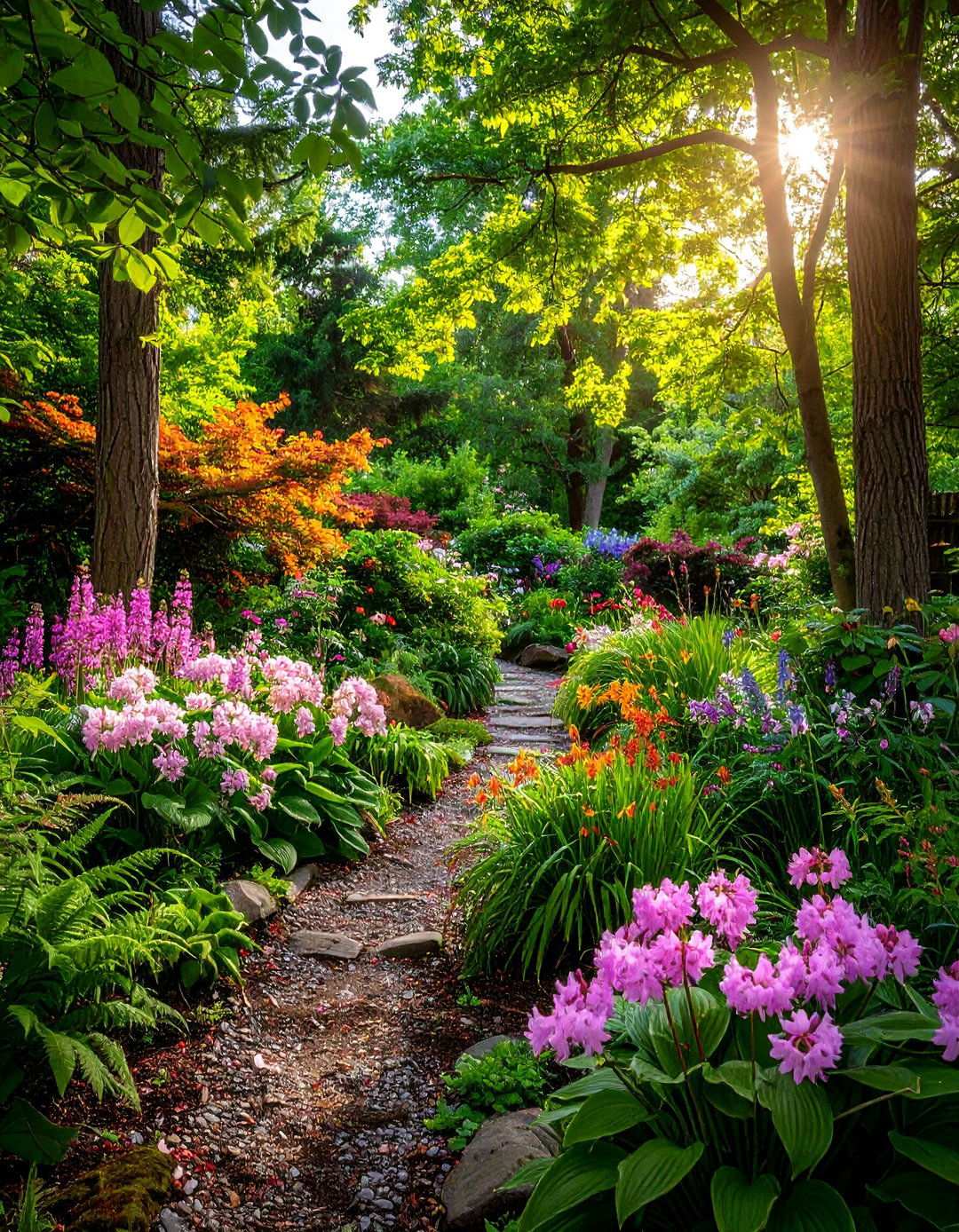
Woodland gardens can be transformed from neglected spaces into captivating sanctuaries, showcasing a diverse range of shade-loving perennials. These plantings create alluring garden rooms beneath tree canopies, where architectural hostas, delicate ferns, and vibrant astilbe plumes thrive. Heucheras add year-round visual interest with their burgundy, chartreuse, and silver leaves, while bleeding hearts bring spring romance with their dainty, pendulous pink blooms. By layering plants at different heights and incorporating natural elements like fallen logs or stone features, woodland gardens mirror the complexity of natural forest environments. Meanwhile, wild ginger and sweet woodruff serve as lush, low-maintenance ground covers, and hellebores offer a welcome respite with their winter blooms.
4. Contemporary Elegance through Minimalism
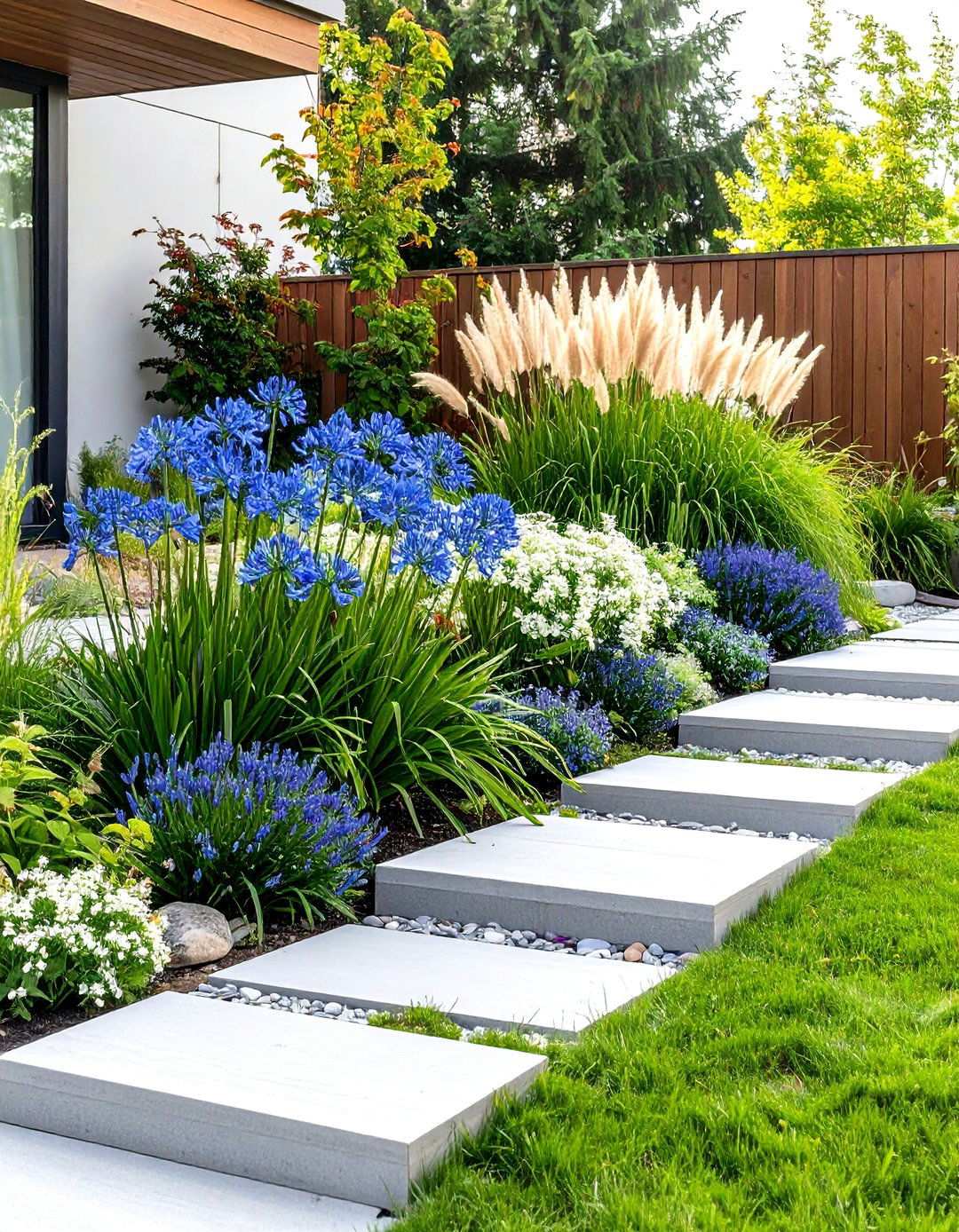
A modern approach to perennial design emphasizes clean lines and a restricted color palette, resulting in sophisticated and understated gardens. By focusing on form, texture, and repetition, modern perennial beds eschew busy color combinations in favor of a more refined aesthetic. Ornamental grasses like feather reed grass provide a striking vertical element, while mass plantings of a single species create bold, uncluttered statements. Architectural perennials such as agapanthus and daylilies contribute sculptural interest, enhanced by geometric hardscaping and neutral mulches. This approach demands careful consideration of plant forms and seasonal changes to maintain visual interest throughout the year, often featuring a limited color palette of white flowers with varied foliage tones or monochromatic blues and purples.
5. Prairie Heritage: Celebrating Regional Plant Diversity
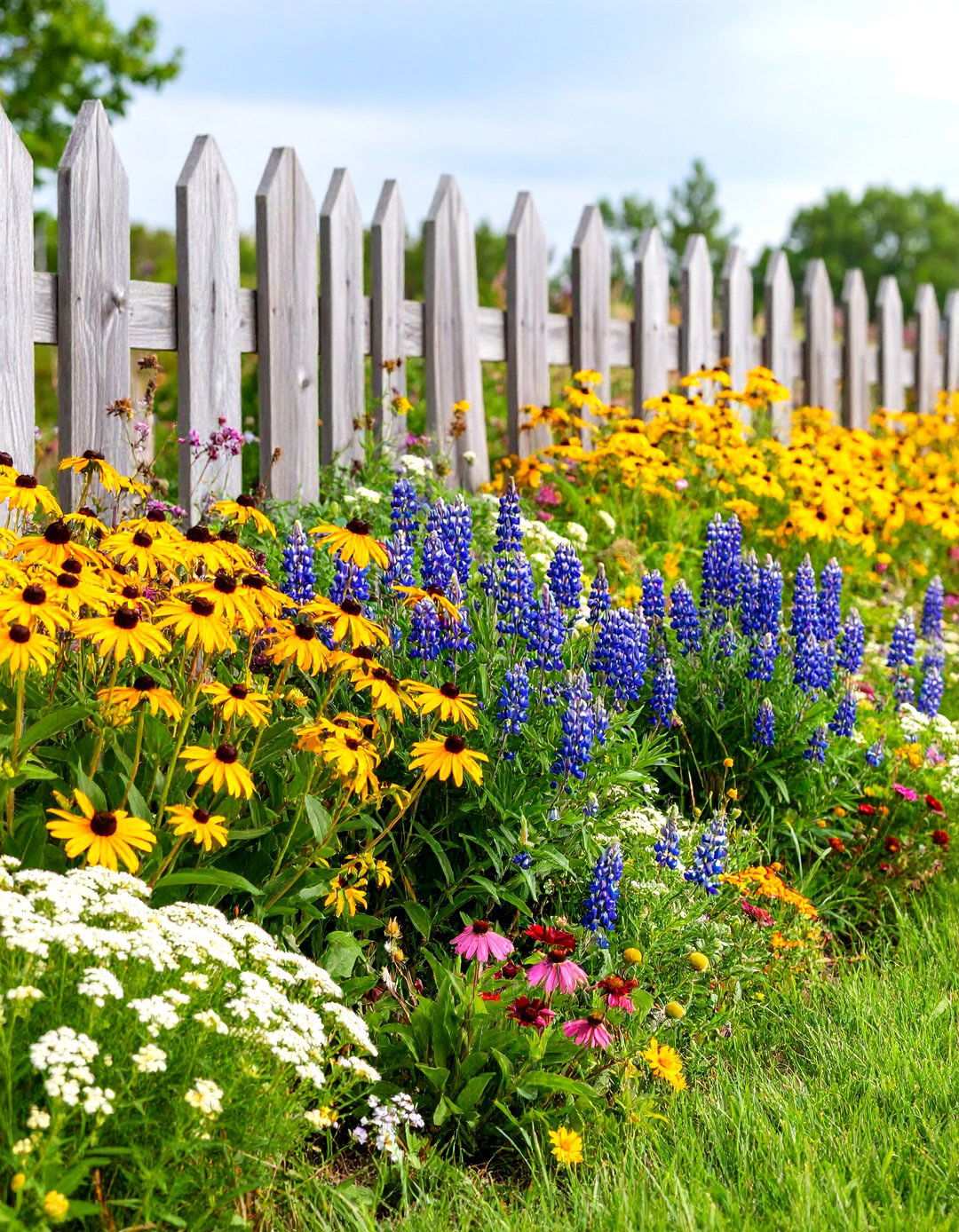
Your garden can become a thriving haven for local wildlife and a vibrant celebration of regional plant heritage by embracing native prairie-style perennial beds. These naturalistic plantings recreate the beauty of grassland ecosystems using indigenous plants perfectly adapted to local conditions. Black-eyed Susans, purple coneflowers, and native grasses form the foundation, while wildflowers like blazing star and wild bergamot add seasonal color and vibrancy. By supporting butterflies, birds, and beneficial insects while requiring minimal maintenance once established, these gardens become a haven for biodiversity. The informal design allows plants to seed naturally and create evolving patterns, while seasonal burning or cutting maintains plant health and prevents woody invasion, reducing irrigation needs and chemical inputs in the process.
6. Mastering the Art of Continuous Bloom in Your Perennial Bed
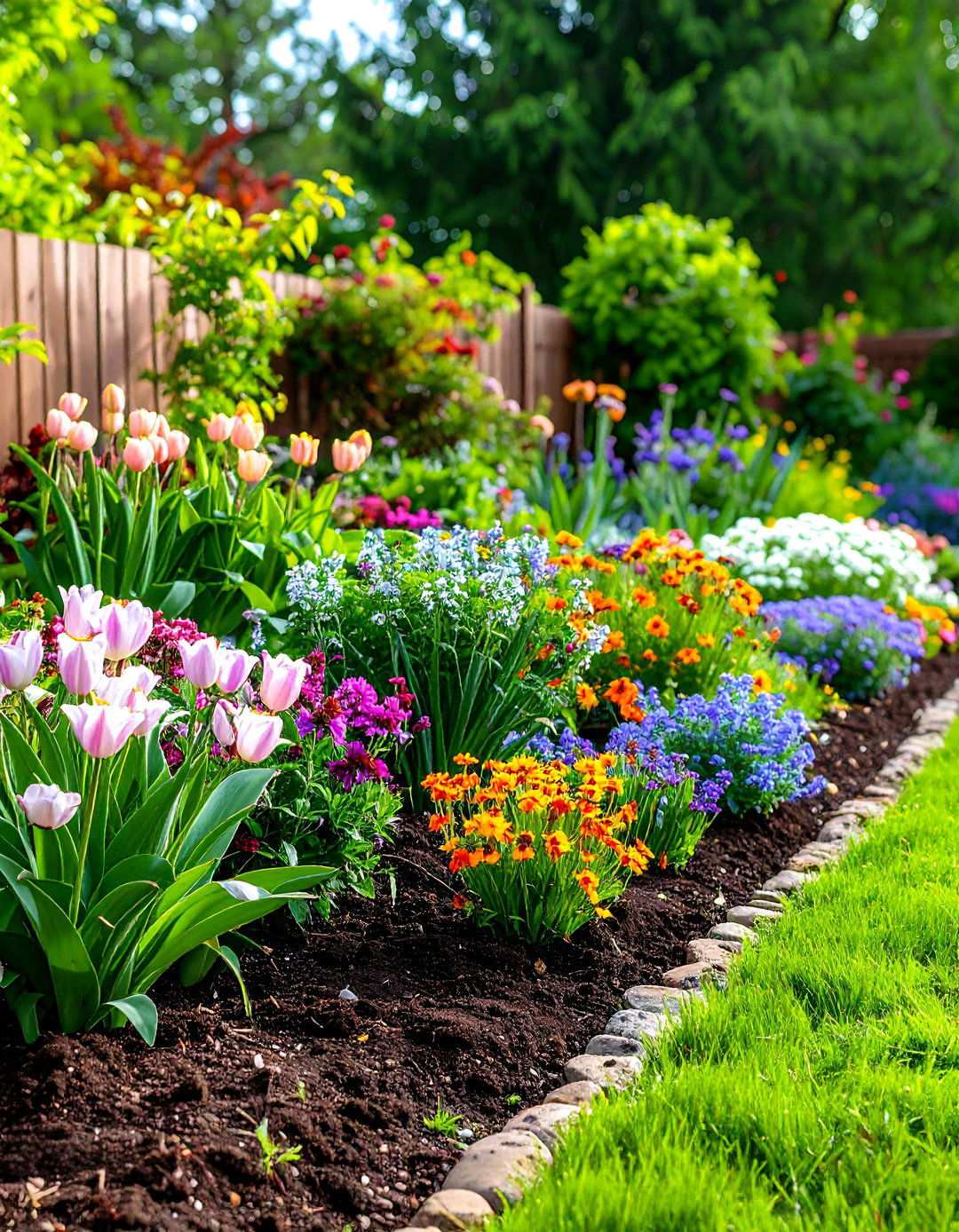
Imagine a garden where vibrant blooms unfold from early spring to late fall, captivating your senses with every passing season. A well-crafted succession planting strategy is the key to unlocking this enchanting scenario. By thoughtfully sequencing plantings, you can create a dynamic tapestry of colors and textures that evolve throughout the growing year. The story begins with early bulbs and hellebores, which signal the arrival of spring, followed by the majestic display of iris and peonies as the season reaches its peak. Summer’s main event is a kaleidoscope of daylilies, rudbeckia, and echinacea, while fall brings a soothing palette of asters, sedum, and ornamental grasses. Effective layering of plants with complementary bloom periods, coupled with attention to cohesive design themes, will keep your perennial bed looking its best.
7. Captivating the Senses with Hot Color Perennial Borders
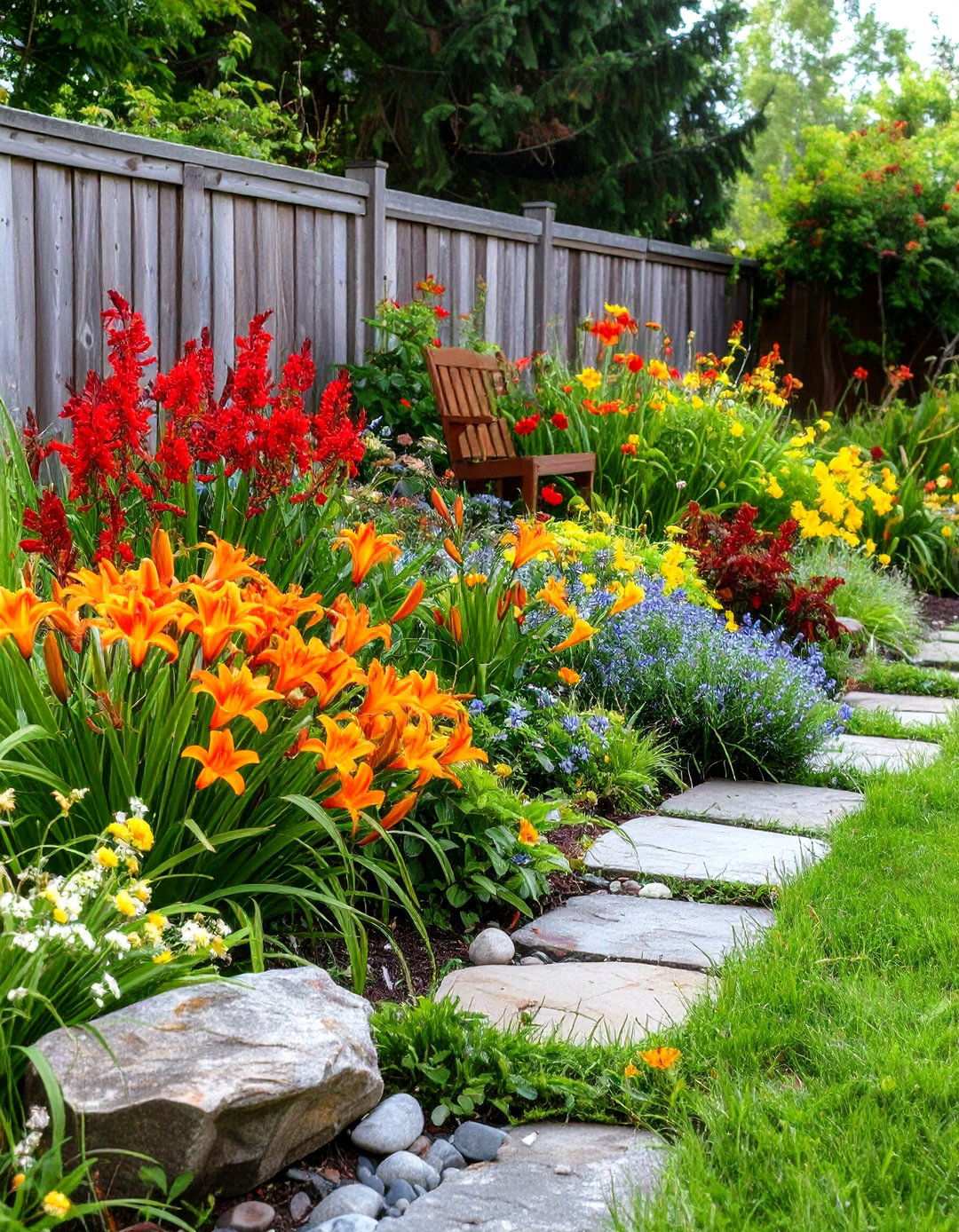
Are you ready to ignite the passion and excitement of your outdoor space with bold, vibrant colors? Hot color perennial borders are the perfect solution for gardeners who crave drama and energy in their landscape designs. By combining fiery reds, brilliant oranges, and sunny yellows, you can create a visual spectacle that stops traffic and sparks conversations. Crocosmia, red-hot poker, and orange day lilies take center stage, while supporting plants in burgundy and bronze foliage add depth and complexity to the overall design. This high-impact arrangement is particularly effective when paired with neutral backgrounds like evergreen hedges or stone walls, which allow the warm colors to take center stage. By carefully selecting plants that bloom throughout the season, you can maintain the energetic atmosphere that makes these borders unforgettable garden features.
8. Finding Serenity in Cool Color Perennial Beds
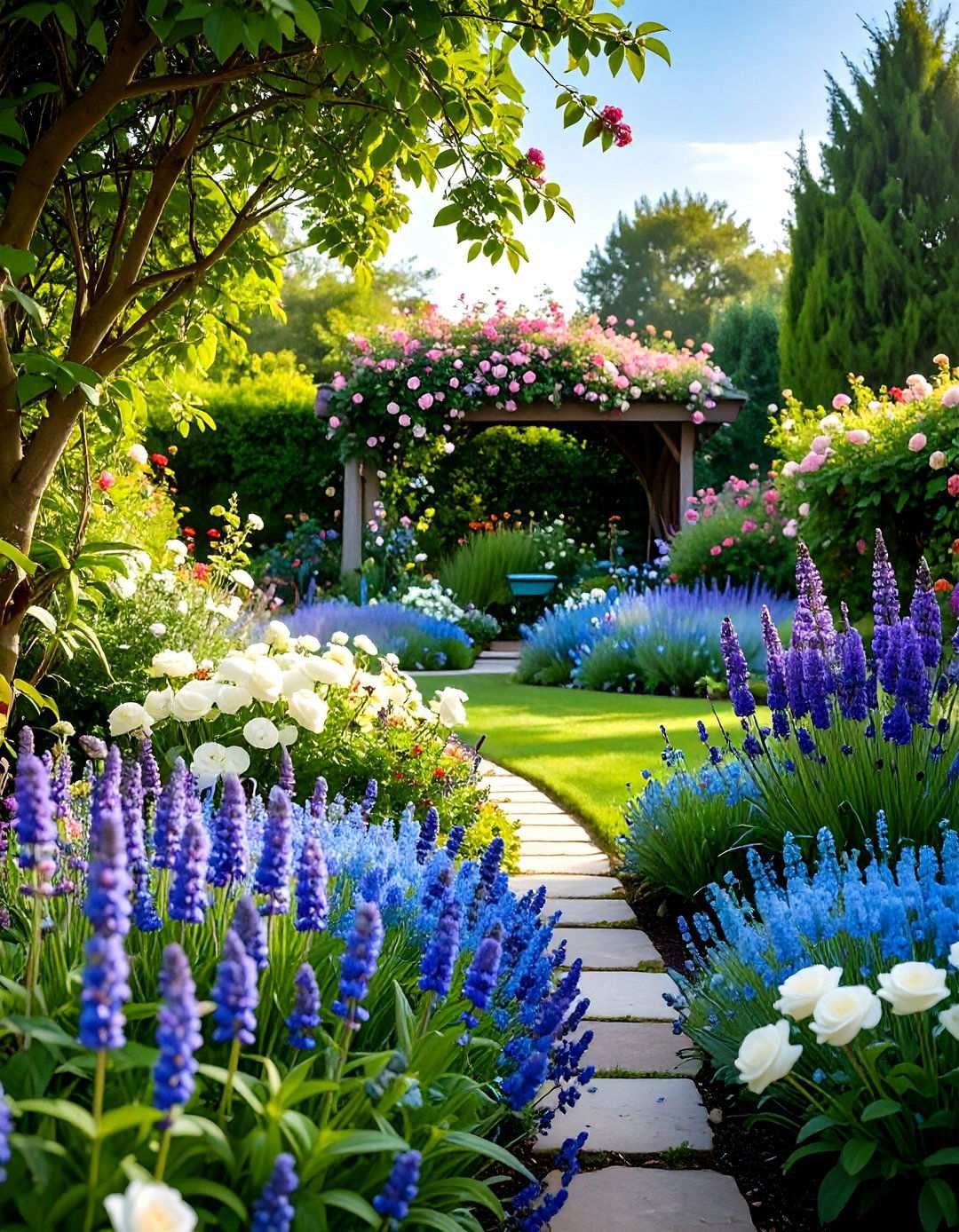
Do you seek a peaceful retreat in your outdoor sanctuary where serenity and tranquility reign supreme? Cool color perennial beds are the perfect solution for gardeners who crave a calming and contemplative atmosphere. By harnessing the soothing power of blues, purples, whites, and soft pinks, you can create a haven of relaxation and peacefulness. Lavender, catmint, and Russian sage provide a fragrant and visually stunning display of blue-purple flowers, while white roses and campanulas add elegant contrast and sophistication. This restrained color palette creates depth and appears to recede visually, making small gardens seem larger and more expansive. By incorporating silver-leaved plants like lamb’s ear and artemisia, you can enhance the cooling effect and add textural interest to your design. As the day draws to a close, the soft glow of white flowers in the fading light creates a truly magical experience, perfect for unwinding and recharging in your outdoor sanctuary.
9. Thriving Oasis for Winged Wonders
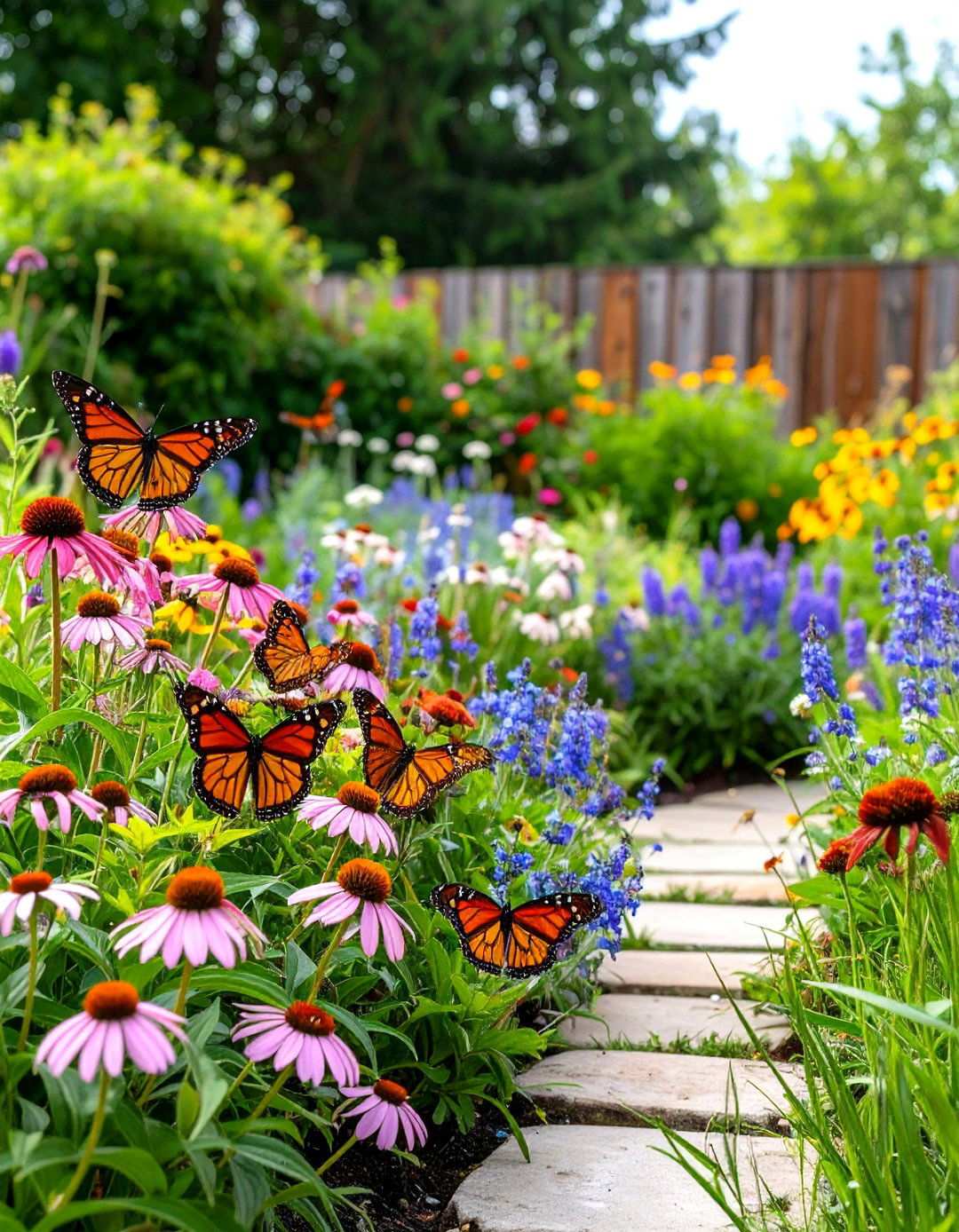
Imagine your garden teeming with vibrant butterflies and busy bees throughout the growing season, their gentle hum and fluttering wings creating a mesmerizing symphony. To create a pollinator paradise, incorporate a diverse array of nectar-rich flowers and larval host plants that cater to the unique needs of various butterfly species. Native milkweeds provide essential sustenance for monarch butterflies, while purple coneflowers and bee balm offer a constant supply of nectar to fuel their activities. By including plants with varied flower shapes and bloom times, you can create a haven that caters to the different feeding preferences of various pollinators. Shallow water sources and basking areas add to the garden’s ecological value, providing a haven for these delicate creatures. By adopting a pesticide-free approach and allowing some areas to remain less manicured, you can create a welcoming environment that supports the overwintering needs of these precious insects. This holistic approach not only creates stunning gardens but also contributes to the well-being of declining pollinator populations and local biodiversity.
10. Rocky Outcroppings of Alpine Beauty
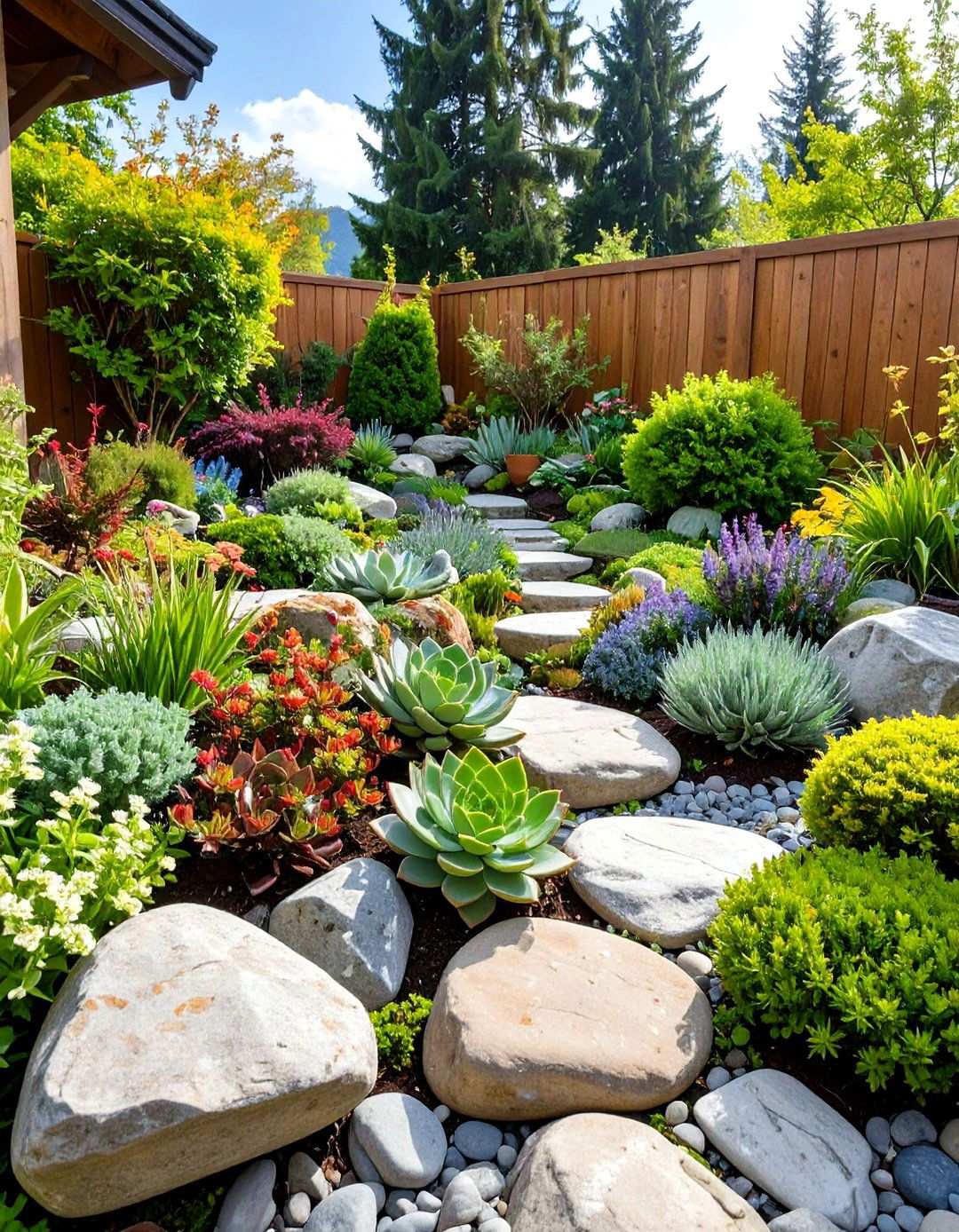
What hidden treasures can thrive in the harsh, rocky terrain where most plants dare not tread? Alpine perennial rock gardens are designed to recreate the miniature landscapes found in mountainous regions, featuring plants that have adapted to the challenges of excellent drainage and intense sunlight. Sedums, sempervivums, and alpine asters seem to nestle comfortably between natural stone arrangements, creating a dynamic tapestry that changes dramatically with the seasons. To ensure the long-term success of these gardens, it’s crucial to prioritize proper drainage through the use of raised beds, gravel amendments, and strategic stone placement. By selecting small-scale plants that prevent overcrowding, you can maintain the perfect balance between plants and hardscape elements, creating a visually striking focal point. As the seasons unfold, the delicate wildflowers of spring give way to the succulent textures and forms of summer, showcasing the beauty of adaptation and resilience in the face of adversity.
11. Enchanted Evening Retreats
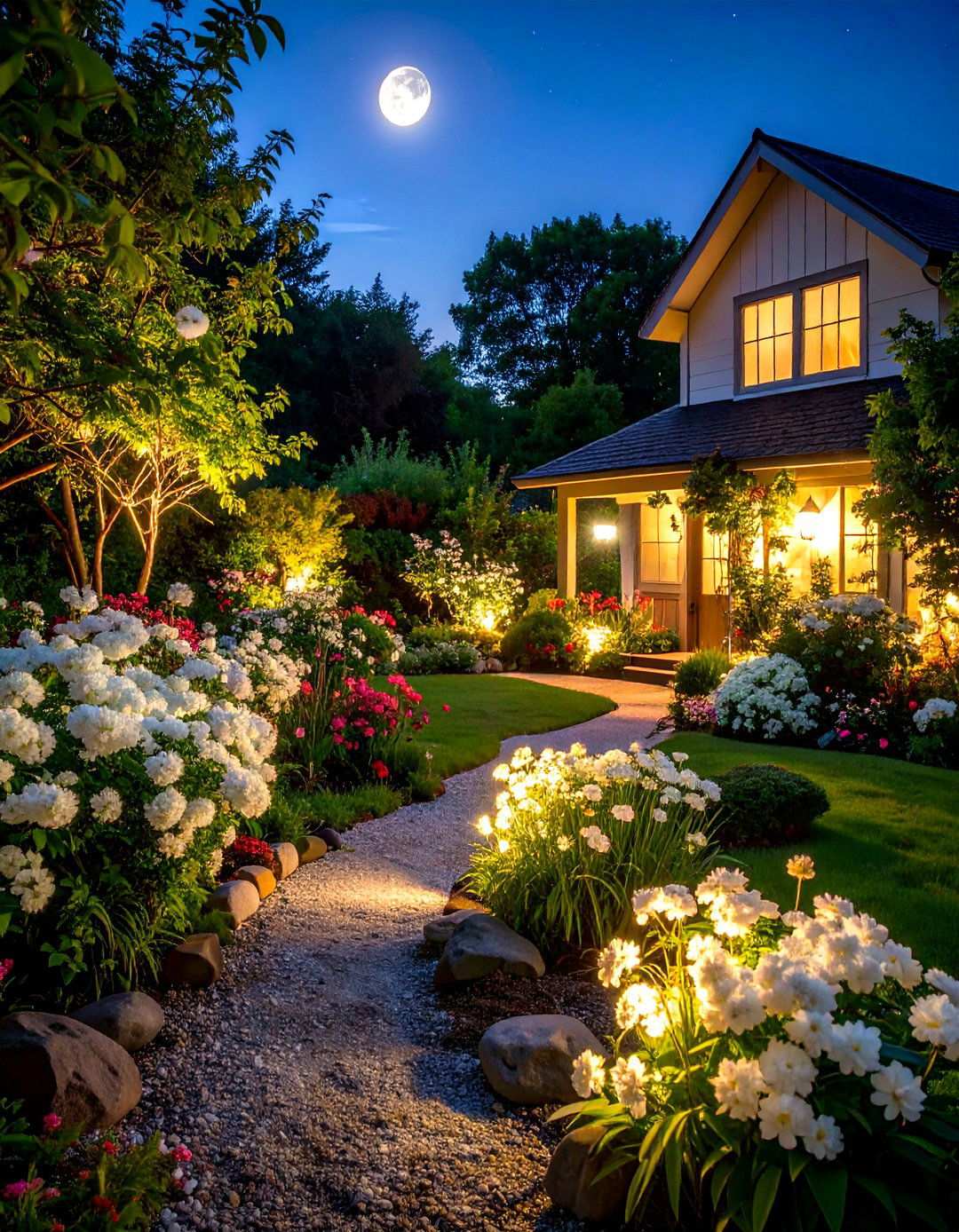
Have you ever experienced the magical transformation that occurs when gardens release their fragrances into the cooling twilight air, transporting you to a world of serenity and wonder? Evening-focused perennial beds are carefully designed to feature plants that bloom or release their most intoxicating scents during the nighttime hours. Night-blooming cereus, four o’clocks, and evening primroses burst into bloom as daylight fades, while jasmine and honeysuckle release their heady fragrances into the evening air. By creating intimate spaces that celebrate the beauty of the night, you can craft a sensory experience that’s perfect for evening relaxation and entertaining. As the moon rises, the white and pale flowers take on a luminous quality, creating a sense of ethereal enchantment. By strategically placing these gardens near patios, walkways, or bedroom windows, you can maximize the enjoyment of their fragrance, creating a truly unforgettable experience that extends the boundaries of outdoor living.
12. Transforming Vertical Surfaces
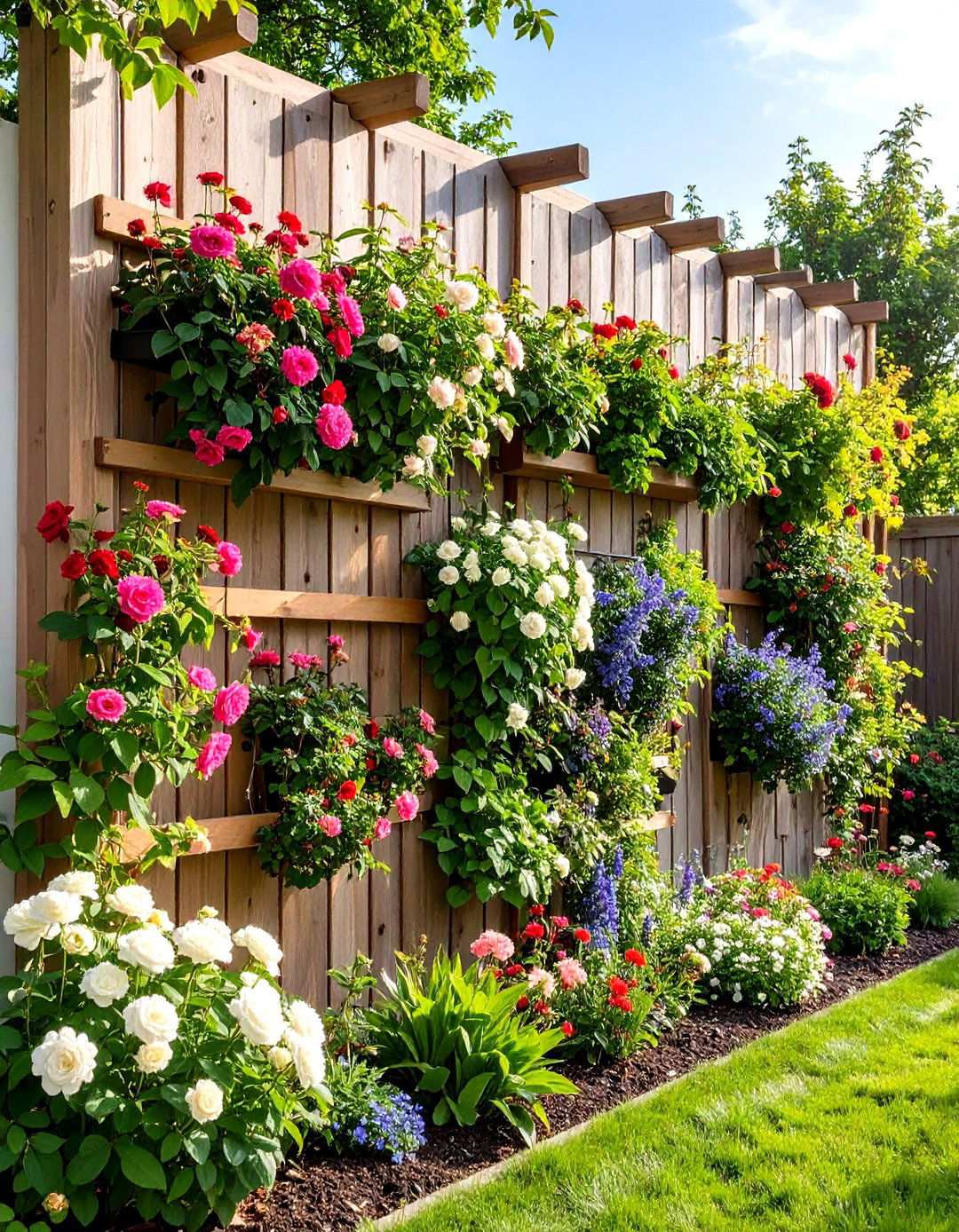
What if neglected walls and fences could be transformed into thriving living artworks, showcasing a kaleidoscope of blooming perennials? By leveraging vertical space, homeowners can create lush, private gardens that double as architectural statements. Climbing roses, clematis, and honeysuckle can be trained to scramble up supports, while wall-trained perennials like espaliered coral vine create intricate patterns that add visual interest. To ensure the longevity of these displays, designers incorporate a mix of permanent climbing structures and seasonal support systems for herbaceous climbers. Plantings at ground level can be carefully selected to conceal bare lower stems, seamlessly extending the display downward. This innovative approach not only maximizes growing space but also transforms flat surfaces into dynamic, ever-changing garden features. With proper support installation and regular maintenance, homeowners can enjoy healthy, thriving plants and a long-lasting, visually stunning display.
13. Captivating Ornamental Grasses
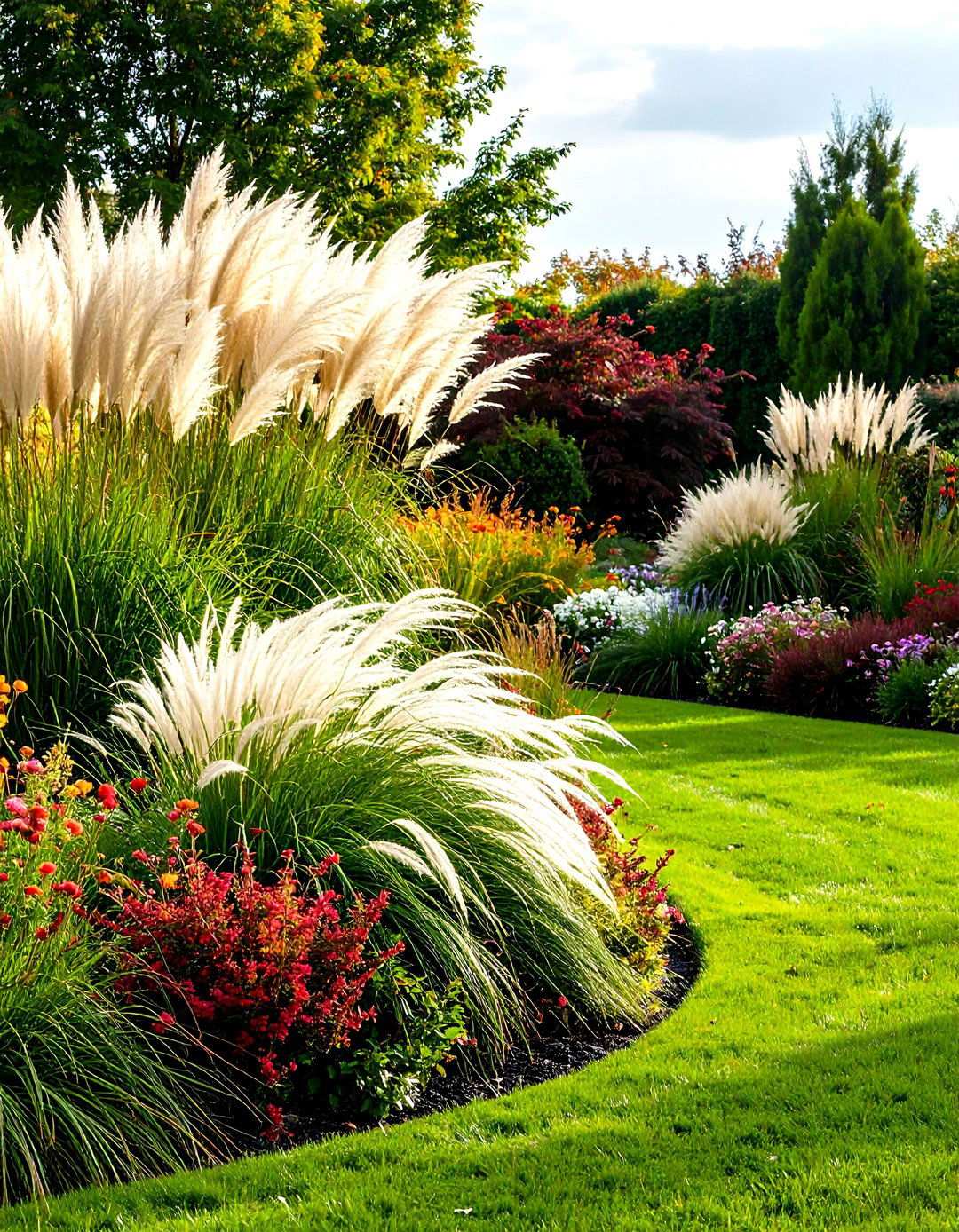
Imagine a garden where ornamental grasses take center stage, creating a flowing, naturalistic tapestry of texture and color. By prioritizing grass-dominated perennial beds, homeowners can create a sense of movement and sound, while also enjoying dramatic foliage changes and elegant seed heads. Fountain grass, maiden grass, and little bluestem provide the structural foundation, while scattered perennial flowers add pops of seasonal color. This low-maintenance design not only showcases the beauty of grasses but also supports local wildlife and reduces irrigation needs. The organic arrangement allows for natural seeding and creates evolving patterns that change year by year. As the seasons unfold, grasses turn golden, and seed heads catch the eye, creating a breathtaking spectacle in the fall and winter months. The contemporary aesthetic of this design complements modern architecture while providing a welcoming habitat for birds and small wildlife.
14. Harvesting Fresh Flowers
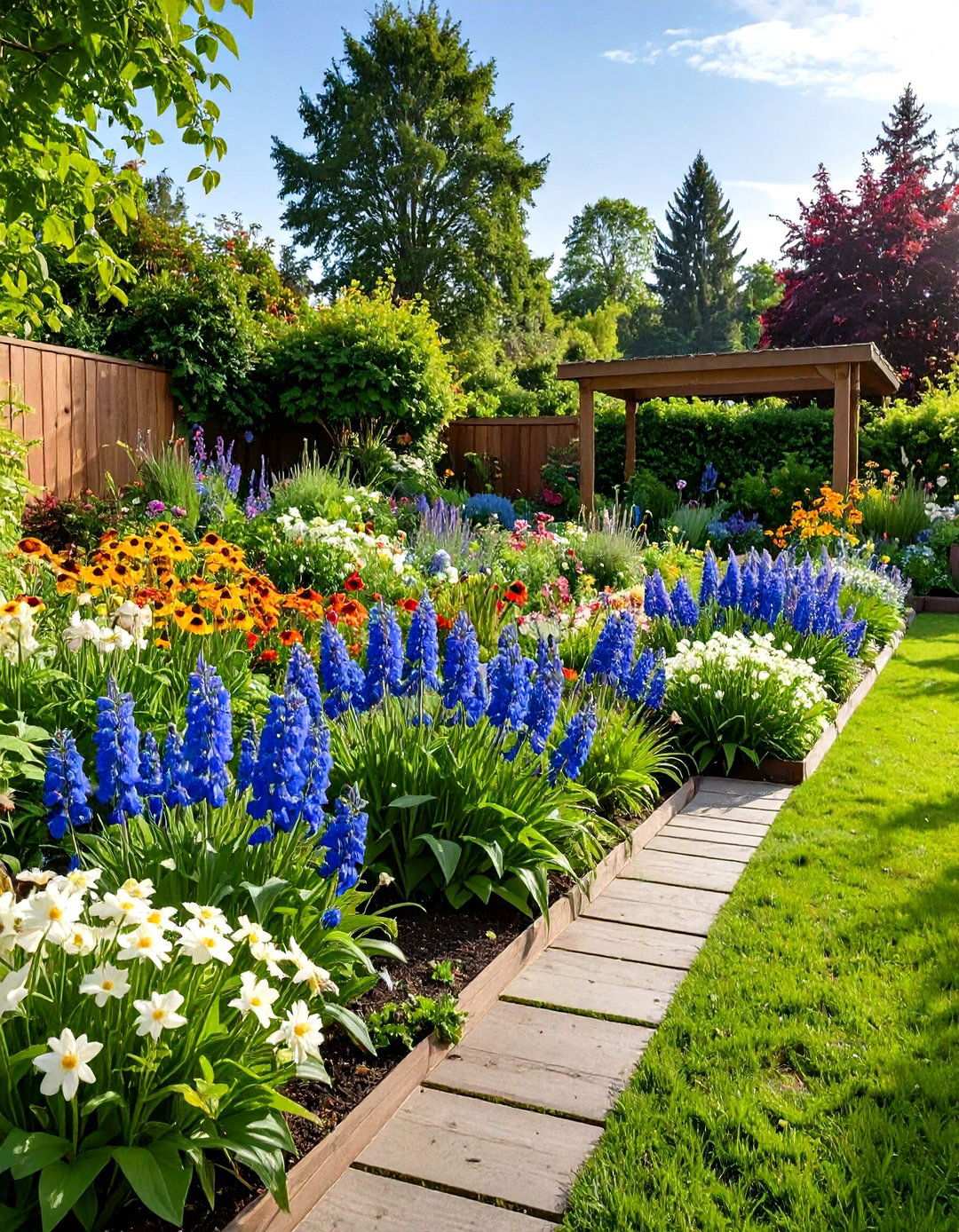
Do you dream of cutting armloads of fresh flowers for indoor arrangements throughout the growing season? A dedicated cutting garden perennial bed can make this vision a reality. By prioritizing flower production and stem quality over landscape display, homeowners can create a functional and beautiful space that brings the outdoors in. The design features rows or blocks of single varieties for easy harvesting, including long-stemmed flowers like delphiniums, gladioli, and rudbeckia. Supporting plants provide lush foliage and filler material for arrangements, adding depth and texture. Regular cutting encourages continued bloom production while maintaining plant health and vigor. The utilitarian layout of this design may seem unadorned at first glance, but careful variety selection can create a visually appealing working garden. By incorporating succession planting and proper spacing, homeowners can enjoy continuous harvests while maintaining productive outdoor spaces that bring garden beauty indoors.
15. Weaving Magic into Child-Friendly Gardens
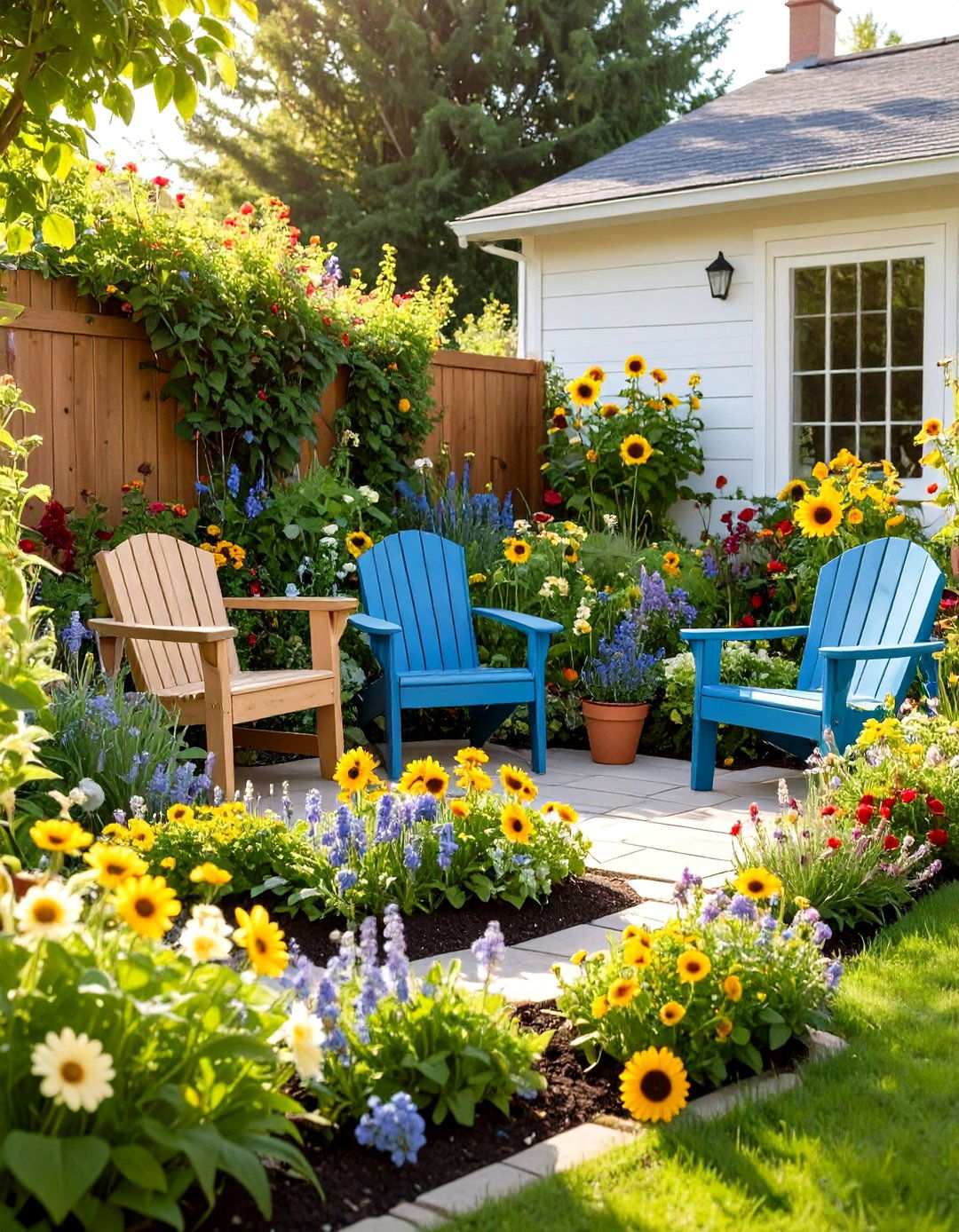
Transforming perennial gardens into enchanting learning environments where young minds explore the wonders of nature and form lasting connections with the environment is a compelling idea. Child-friendly perennial beds feature plants with captivating textures, unusual forms, and interactive qualities that spark curiosity and creativity. Lamb’s ears offer a tactile experience that invites children to touch, while snapdragons delight with their playful sounds. Towering sunflowers become living playhouses, and ornamental grasses whisper secrets in the wind. Incorporating safe paths, discovery zones, and plants that attract butterflies and beneficial insects provides endless opportunities for observation and learning. Educational signage and hands-on activities amplify the learning experience, while low-maintenance perennials ensure the garden remains vibrant even with enthusiastic young gardeners contributing. This approach not only fosters environmental stewardship but also creates treasured family gathering spaces that inspire future generations of gardeners and nature enthusiasts.
16. Crafting a Seasonal Tapestry with Perennial Borders
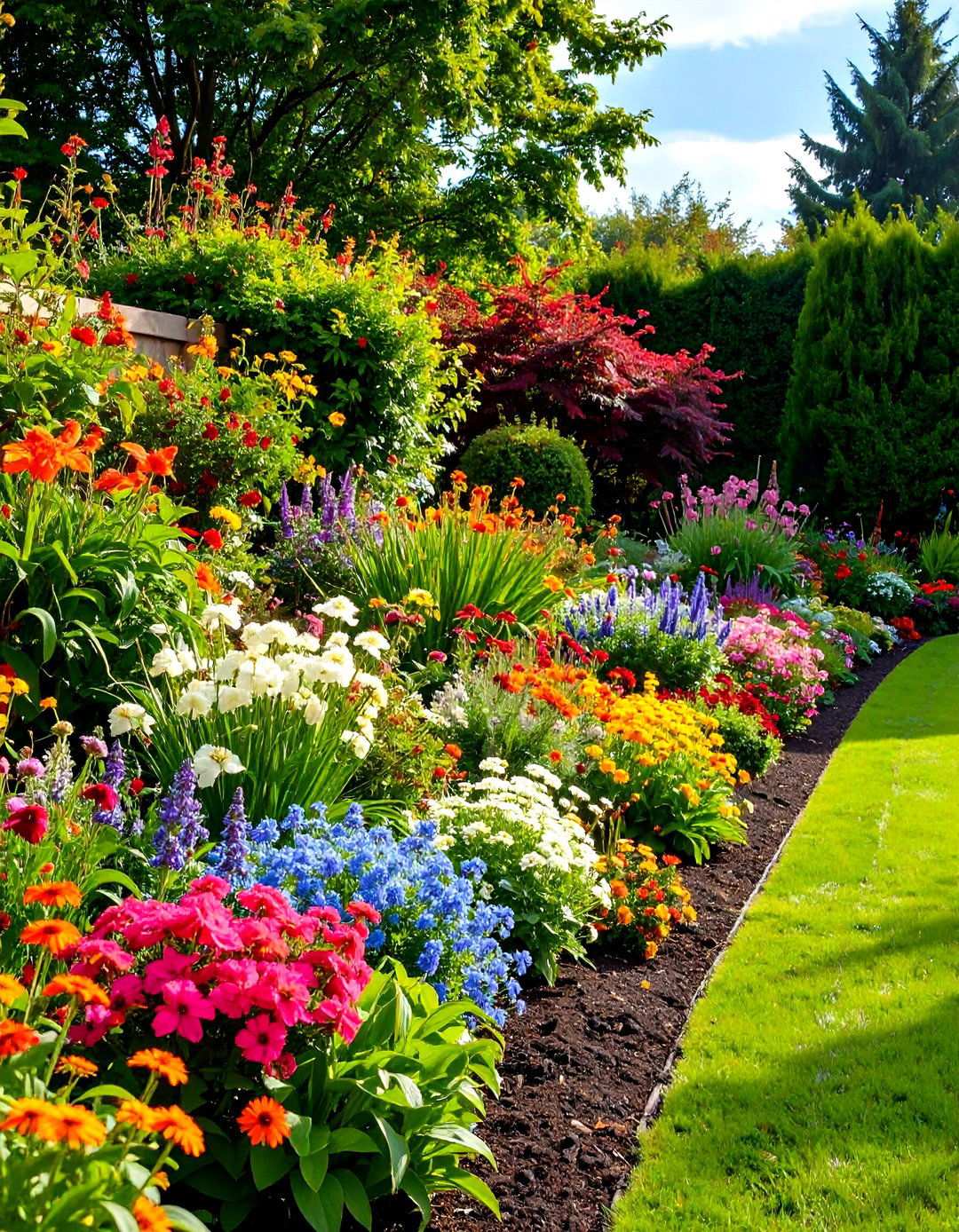
What’s the secret to creating perennial borders that dazzle with continuous displays from season to season, with no gaps or downtime? Succession-planted perennial borders layer early, mid, and late-season bloomers to maintain a captivating narrative throughout the growing period. By carefully coordinating bloom times, one group’s decline is offset by another’s peak performance. Spring bulbs and early perennials give way to summer stars, followed by fall-blooming asters and late-season grasses that add a final flourish. The design takes into account foliage quality during non-bloom periods and incorporates evergreen elements for winter structure. Strategic deadheading and pruning extend bloom periods while maintaining the garden’s appearance. This sophisticated approach demands a deep understanding of plant behavior but rewards gardeners with borders that consistently delight visitors and family members seeking beauty throughout the seasons.
17. Turning Perennial Gardens into Eco-Heroes
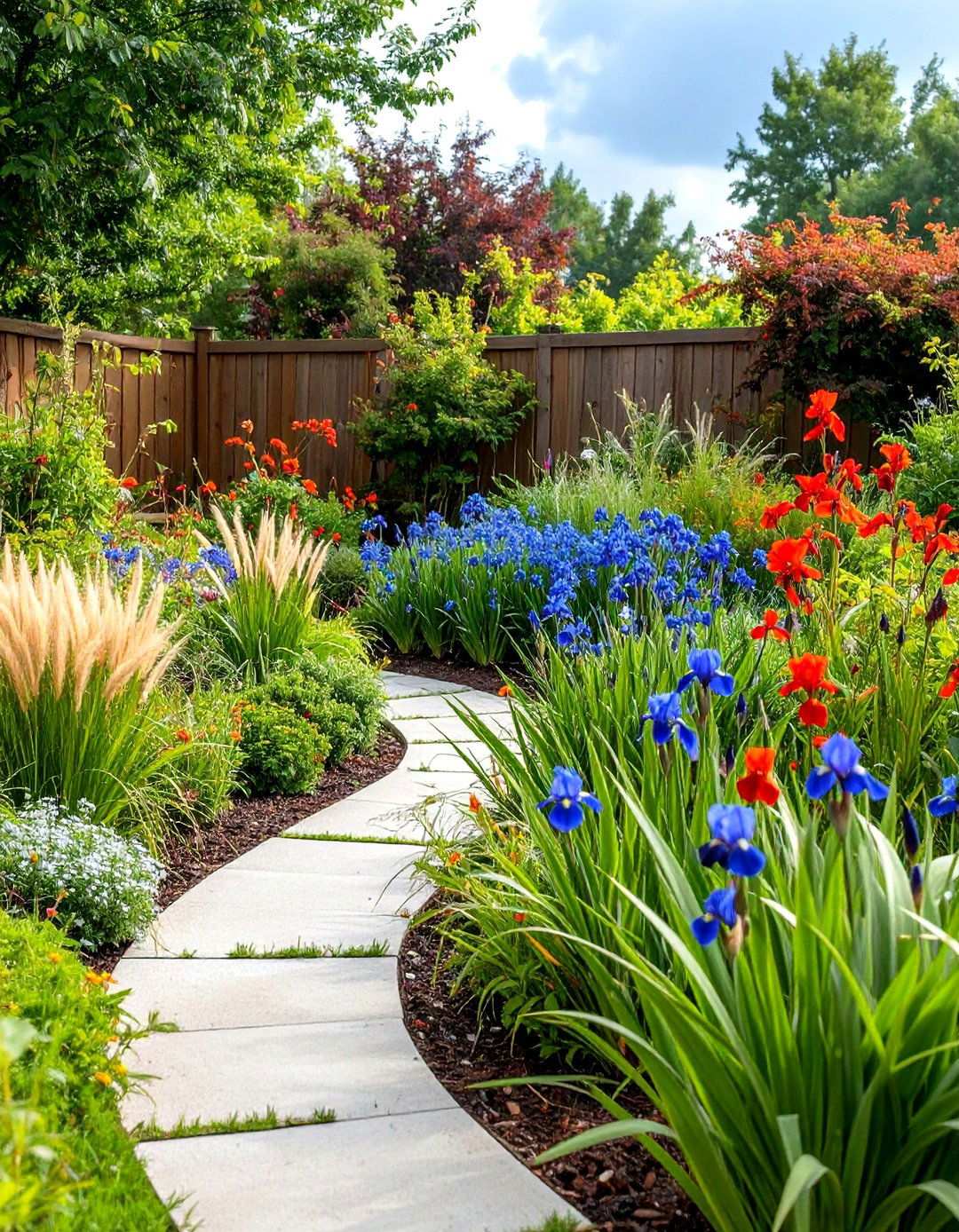
Could your perennial garden be a hero in the battle against drainage problems, creating stunning wildlife habitat and reducing its environmental footprint? Rain garden perennial beds harness the power of plants adapted to alternating wet and dry conditions to manage stormwater runoff. Native sedges, cardinal flower, and blue flag iris thrive in these specialized environments, filtering pollutants and preventing erosion. The design incorporates gentle slopes and strategic plant placement to slow water flow and encourage infiltration. Attractive stone features and meandering paths make functional gardens beautiful landscape elements. Seasonal flooding creates dynamic growing conditions that support unique plant communities. This sustainable approach addresses modern environmental challenges while creating distinctive garden features that demonstrate ecological responsibility and celebrate the beauty of native plant adaptations to challenging conditions.
18. Therapeutic Oasis Gardens
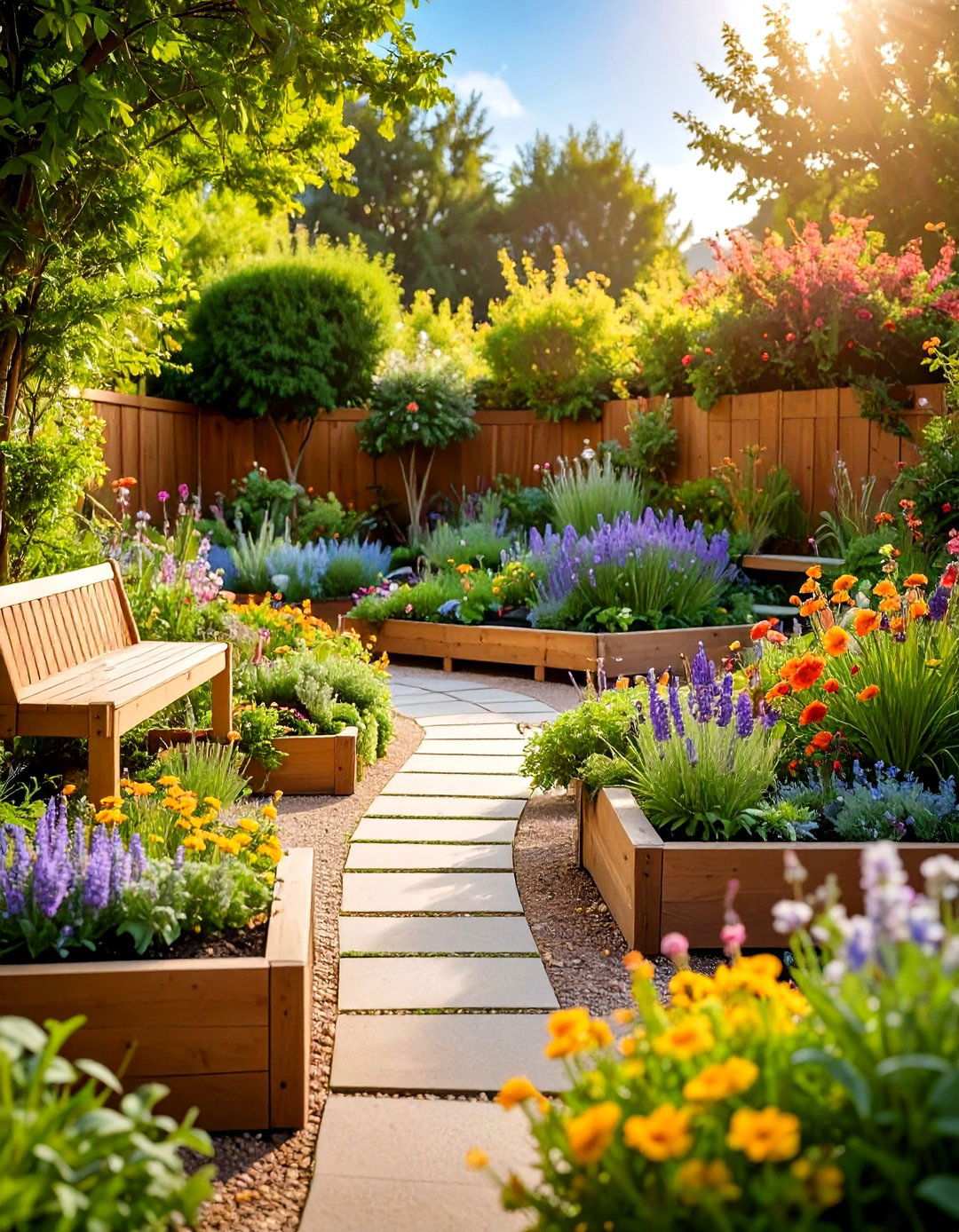
Perennial gardens have long been a source of solace for those coping with physical or emotional challenges. By thoughtfully incorporating sensory elements, these gardens can provide a haven for healing and rejuvenation. Carefully selected plants and deliberate design choices engage all five senses, fostering a holistic experience that’s as visually stunning as it is therapeutic. Plush textures, fragrant blooms, and melodic foliage create a symphony of sensory delights, while raised beds ensure accessibility for everyone. The inclusion of quiet seating areas, soothing water features, and calming herbs like lavender and chamomile further enhance the therapeutic atmosphere. By incorporating color psychology and minimizing maintenance requirements, these compassionate gardens create serene spaces that promote relaxation, uplift mood, and nurture overall wellbeing.
19. Timeless Elegance of Victorian Heritage Gardens
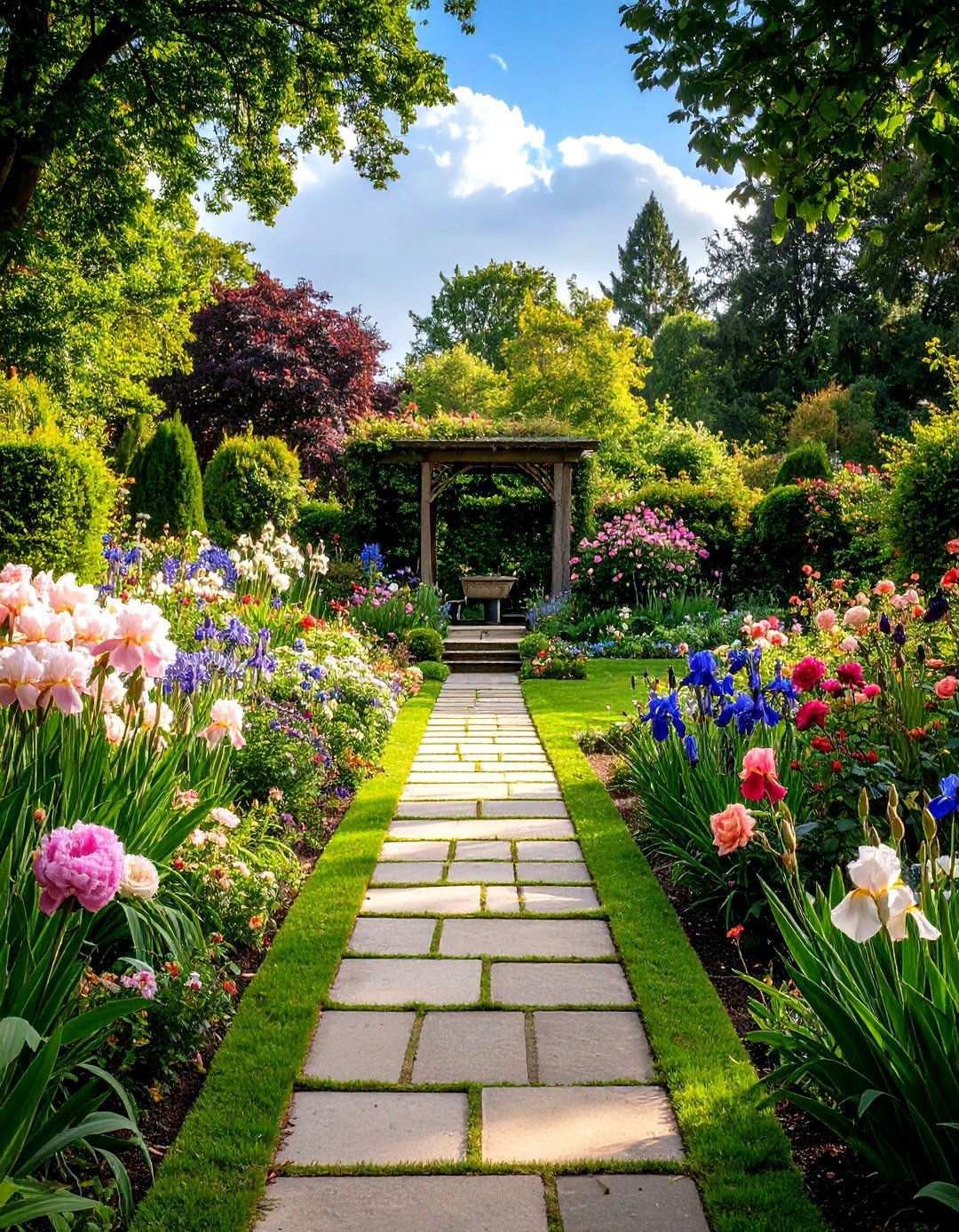
Historical garden styles hold secrets to crafting timeless beauty with a thoughtful selection of perennial plants. Victorian-inspired perennial beds transport us to the 19th century, where formal elegance and a passion for plant collecting reigned supreme. Geometric designs featuring heritage varieties of iris, peonies, and roses create a sense of balance and harmony, while ornate edging, topiary elements, and formal pathways evoke the era’s sense of refinement. The plant palette showcases varieties that were popular during Victorian times, often incorporating fragrant flowers and unusual specimens that reflect the era’s fascination with botanical exploration. Through careful maintenance and period-appropriate accessories, these gardens honor traditional design principles and plant breeding achievements, creating sophisticated landscapes that stand the test of time.
20. Midnight Serenade Gardens
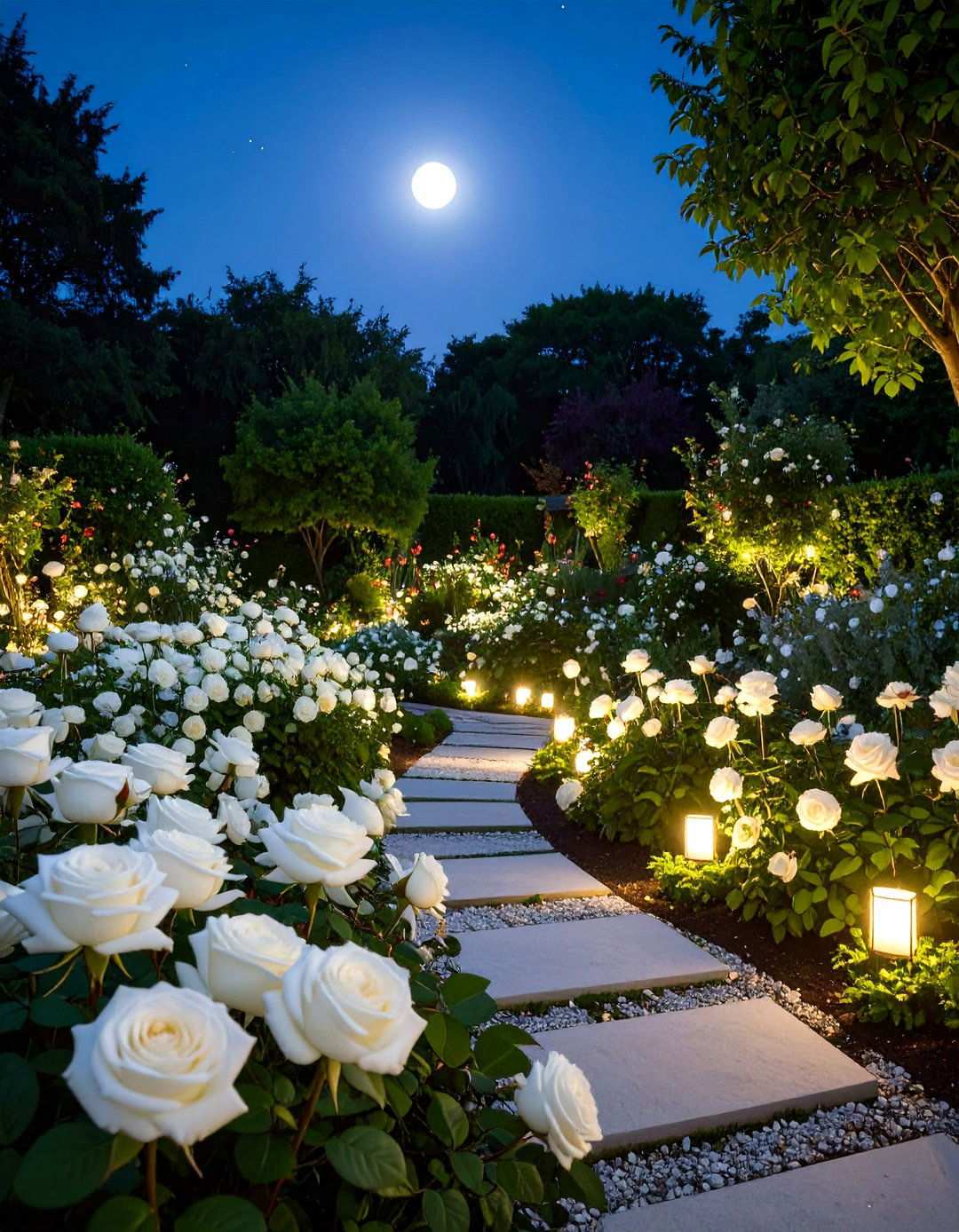
Imagine a garden that’s bathed in the soft, ethereal light of the moon, its beauty unfolding like a magical tapestry as evening falls. White-themed perennial beds create enchanting nighttime experiences using flowers and foliage in pure whites, creams, and silver tones. Delicate white roses, nicotiana, and moonflowers provide a luminous glow, while silver-leaved plants like dusty miller and artemisia add an air of mystery. The monochromatic design appears serene and calming during the day, but as night descends, it transforms into a captivating spectacle. Strategic lighting enhances the moonlight effect while ensuring safe navigation, while fragrant white flowers like jasmine and night-blooming cereus add depth to the sensory experience. This romantic approach creates intimate garden rooms perfect for evening entertainment and quiet contemplation under the starry night sky.
21. Hummingbird Haven Perennial Bed
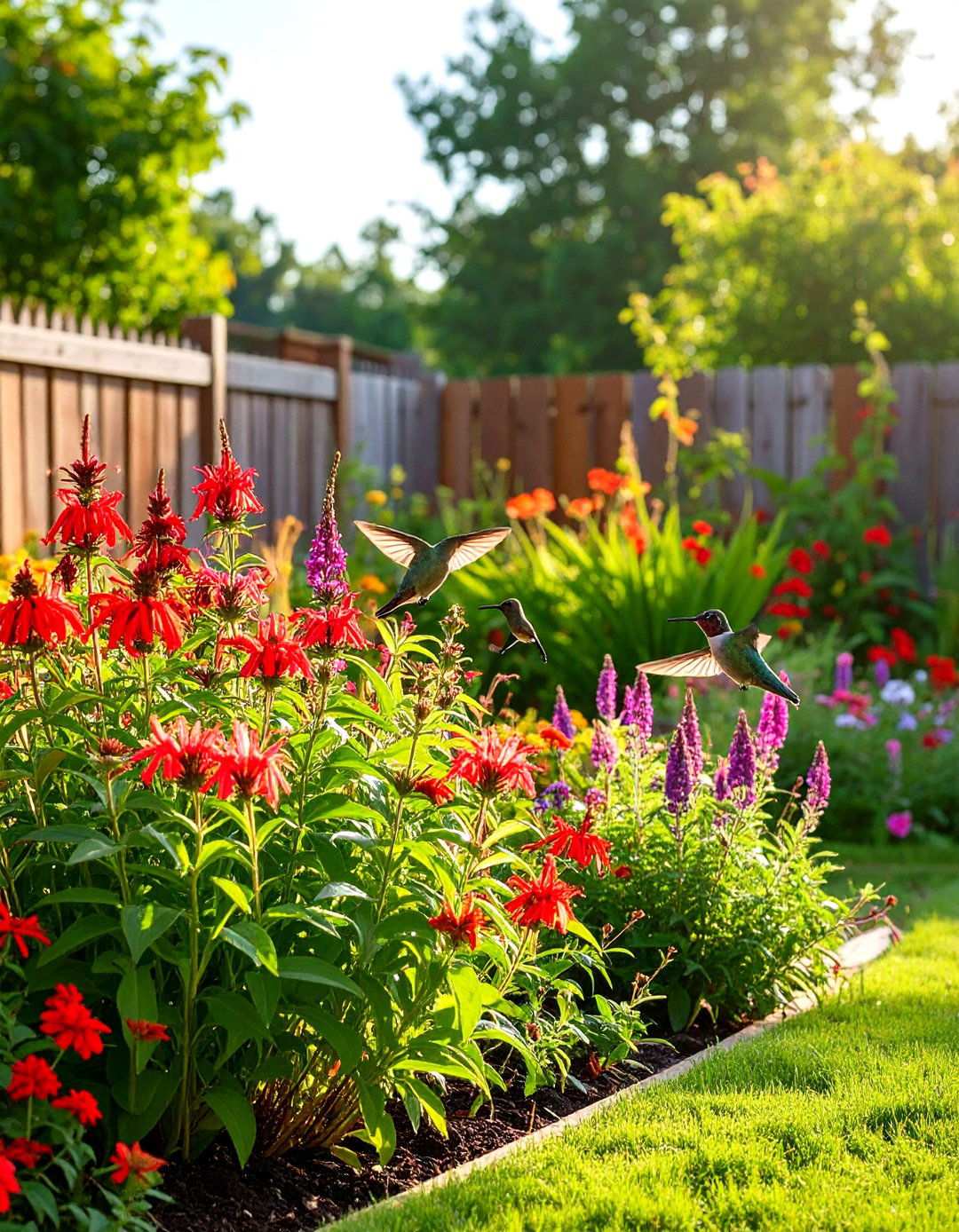
Creating a haven for hummingbirds in your garden can be a thrilling experience, attracting these agile aviators with an array of vibrant, nectar-rich flowers. By incorporating tubular blooms in shades of crimson, amber, and fuchsia, you can establish a reliable feeding station that fuels these tiny wonders. Bee balm, cardinal flower, and salvias are particularly effective in drawing hummingbirds, while native plants support the crucial insects that provide essential protein sources. To create a complete habitat, consider incorporating perching spots, nesting materials, and water sources, ensuring that your garden provides for all their needs. By planning for bloom succession, you can maintain a constant nectar supply throughout their migration periods and breeding seasons. Moreover, eschewing pesticides will safeguard both the hummingbirds and their food sources, yielding a wildlife-friendly garden that teems with life. This holistic approach not only delights the senses but also contributes to conservation efforts aimed at safeguarding the dwindling hummingbird populations and their extraordinary habitats.
22. Coastal Wind-Resistant Border
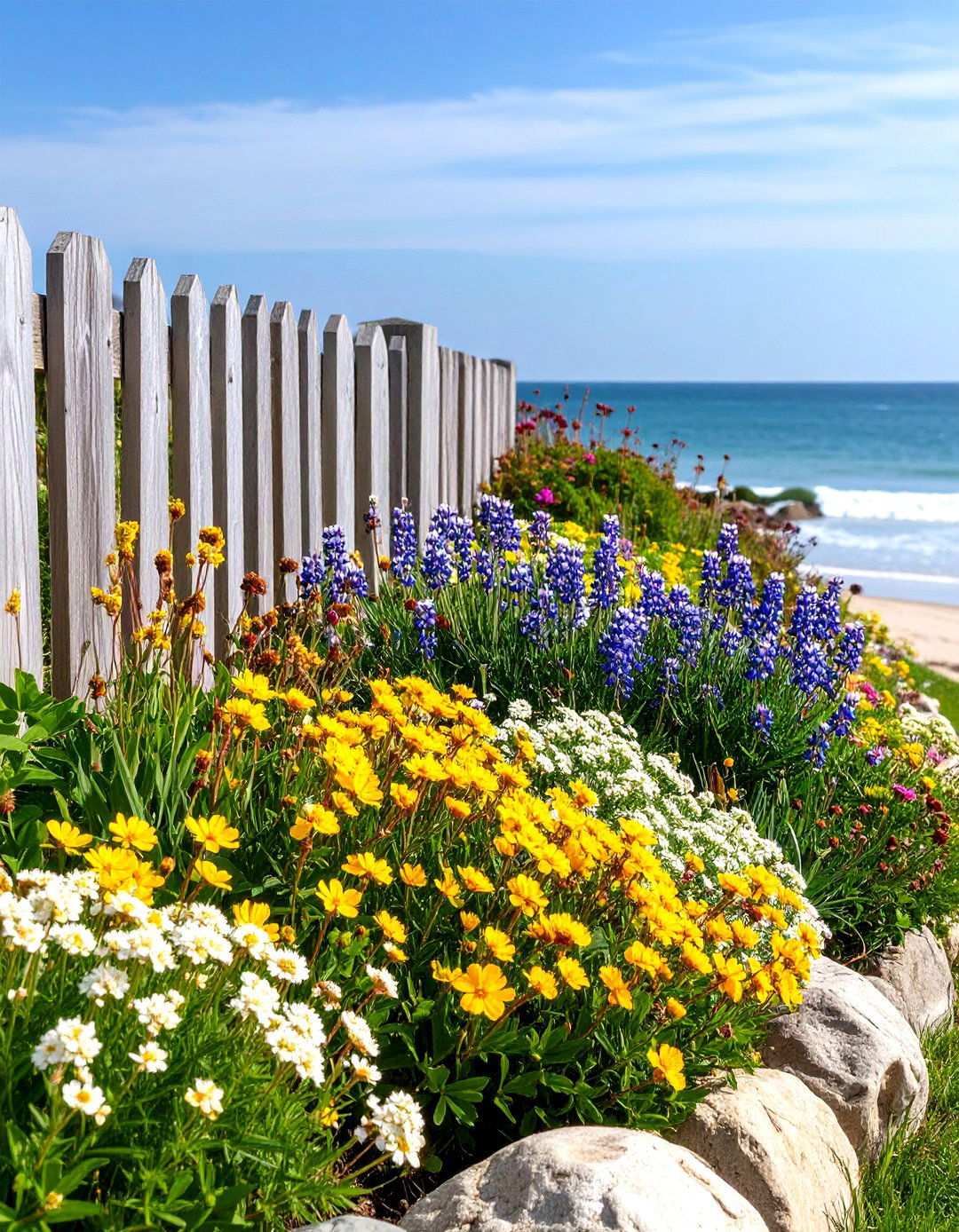
When it comes to crafting stunning seaside gardens that can withstand the harsh conditions of coastal environments, certain perennial plants prove to be the most resilient. Coastal perennial beds feature an assortment of sea-hardened plants, including the stalwart sea thrift, seaside goldenrod, and beach pea. These tough, low-maintenance perennials can thrive in the face of salt spray, sandy soils, and strong winds that would decimate inland garden plants. The design emphasizes the use of compact, clumping forms that not only resist wind damage but also create natural windbreaks for more delicate plants. By selecting native coastal plants, you can tap into their unique adaptations and support local ecosystems. To further bolster your maritime-themed garden, consider incorporating mulching materials like seaweed or shell fragments, which not only enhance the aesthetic but also provide essential protection for your plants. By embracing this specialized approach, you can create breathtaking coastal gardens that not only thrive in the face of adversity but also pay homage to the unique challenges and wonders of seaside environments.
23. Four-Season Interest Border
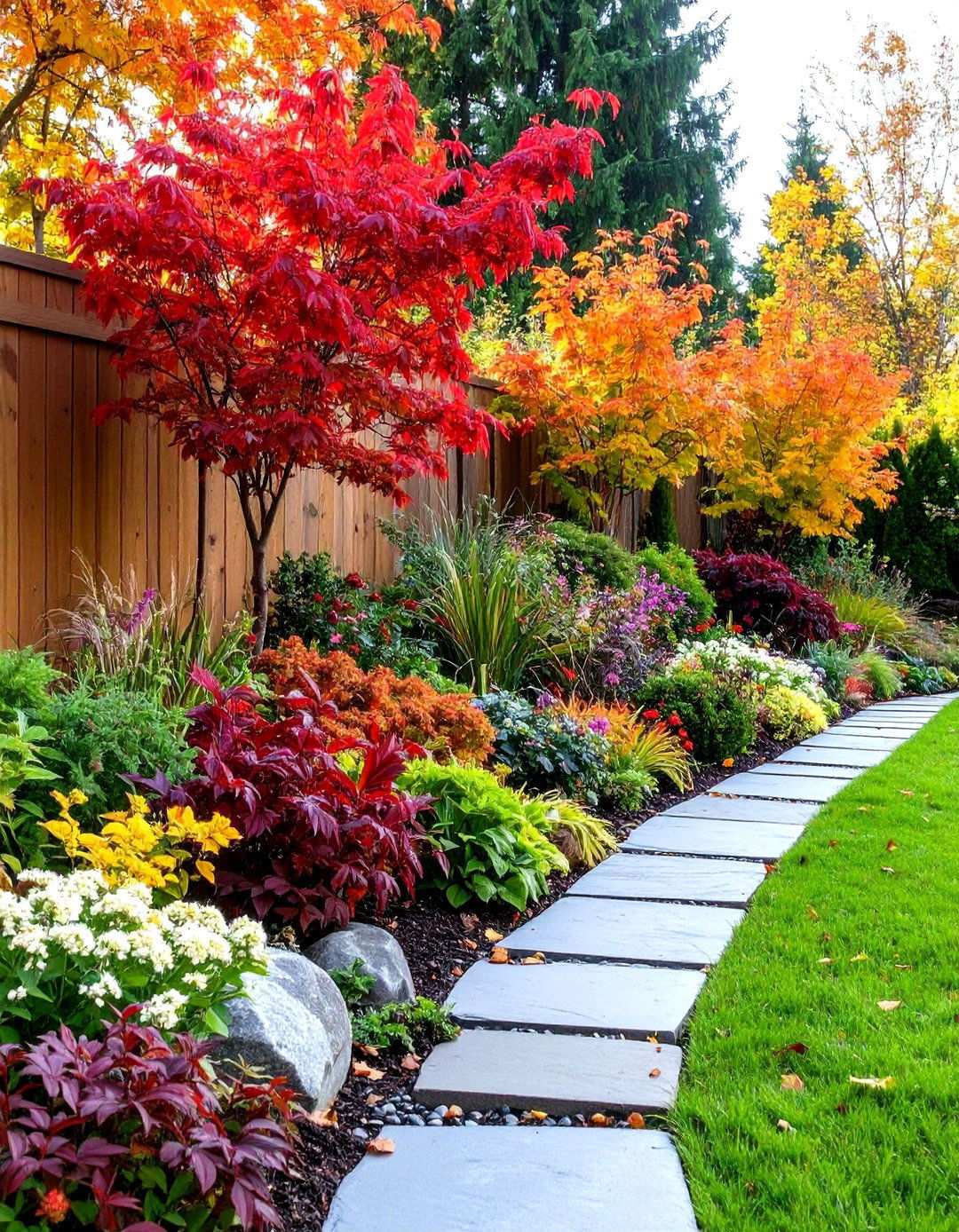
Can a single, expertly designed perennial border deliver a full year of captivating beauty, defying the conventional wisdom that gardens are relegated to the whims of the seasons? By carefully curating a selection of plants that offer a diverse range of attributes, you can create a four-season perennial bed that showcases the best of each time of year. Spring awakens with emerging foliage and early bloomers, while summer bursts forth with peak flowering displays that leave gardeners in awe. Autumn unfolds with dramatic foliage changes and seed heads, while winter reveals the architectural beauty of ornamental grasses and evergreen structure. By focusing on plants valued for their multiple seasonal attributes rather than fleeting bloom periods, you can create a border that remains engaging and beautiful regardless of the time of year or weather conditions. With careful pruning schedules and a keen eye for the nuances of plant behavior, you can maintain the health and vitality of your plants while preserving their winter features, ensuring that your garden remains a testament to the power of four-season design.
24. Harmonious Ecosystems: The Beauty of Perennial Food Forests
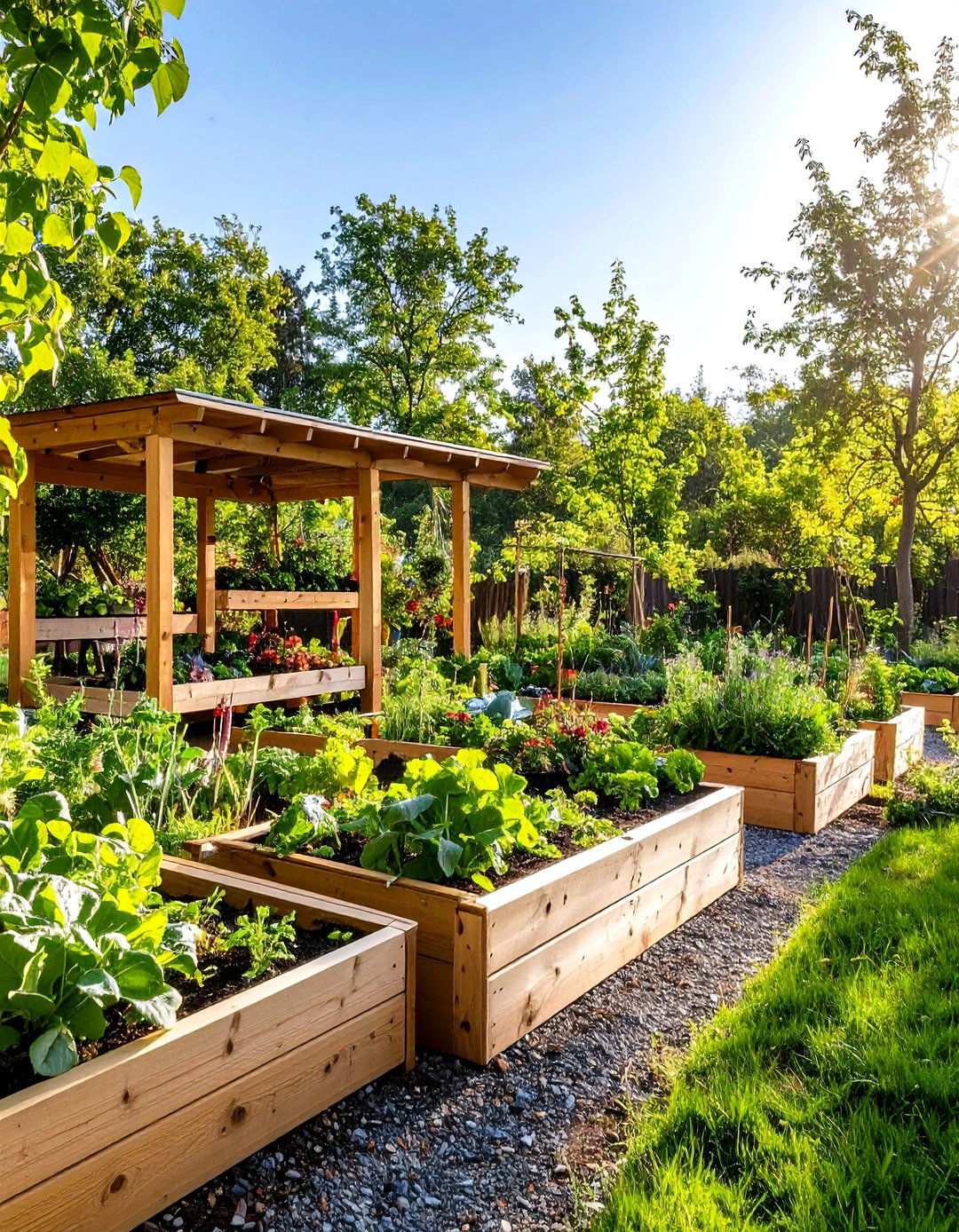
As edible perennials intertwine with ornamental plants, a plethora of possibilities unfolds, giving rise to thriving, sustainable, and visually stunning garden ecosystems. Permaculture-inspired perennial beds seamlessly blend food production with aesthetic appeal, showcasing the remarkable versatility of plants that serve multiple purposes. By leveraging the unique characteristics of various species, gardeners can create layered plantings that mirror the intricate relationships found in natural forest ecosystems.
Fruit trees, with their majestic canopies, provide a framework for the garden, while mid-level berry bushes burst with seasonal color and productivity. Perennial vegetables like asparagus and rhubarb contribute to the edible landscape, adding a touch of elegance and sophistication. Meanwhile, herbs not only elevate culinary experiences but also offer vital support to pollinators, fostering a delicate balance within the ecosystem. By thoughtfully integrating productive and ornamental elements, gardeners can unlock a holistic approach to gardening, one that yields numerous benefits, including food security, environmental stewardship, and visual beauty – all while reducing external inputs and nurturing biodiversity.