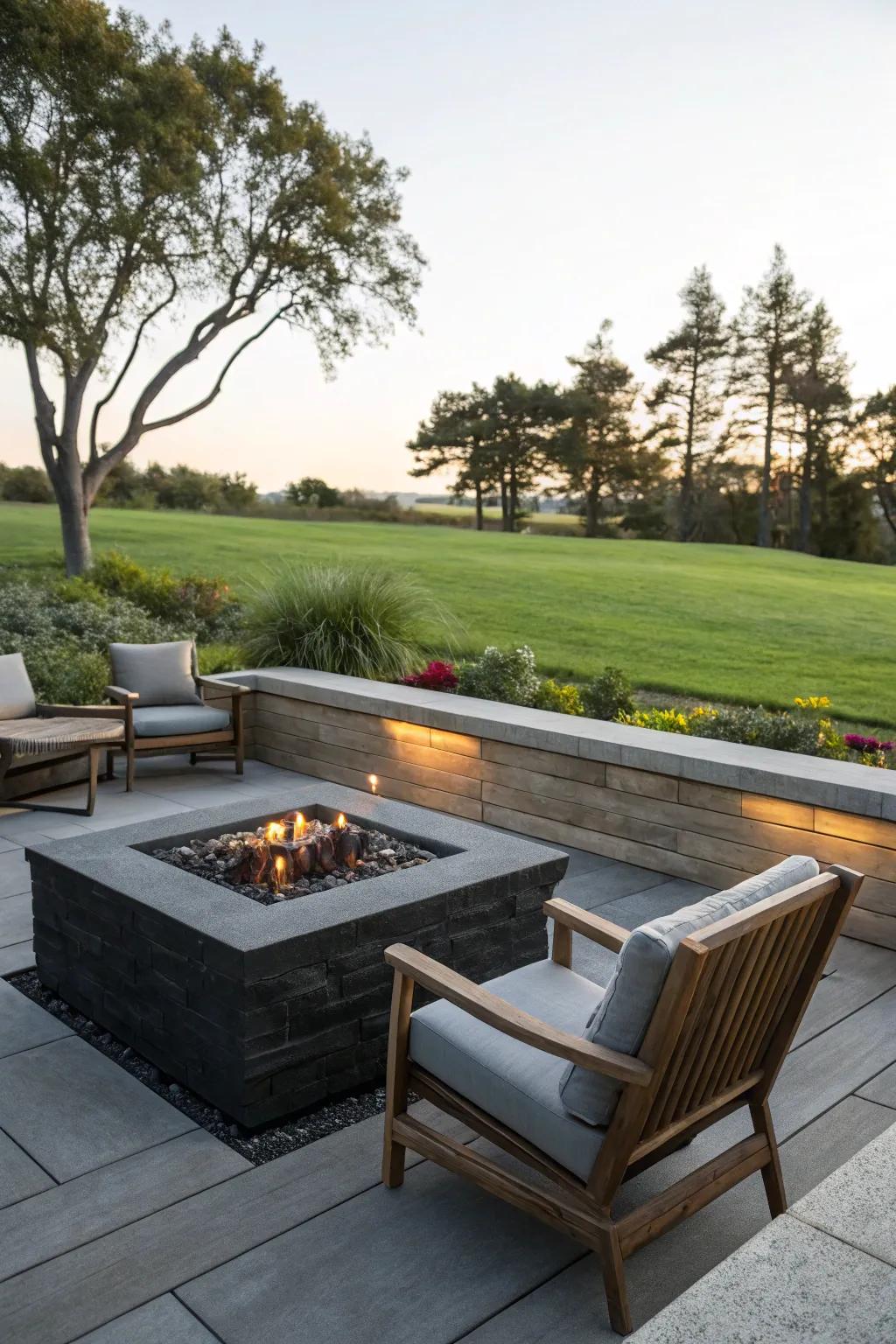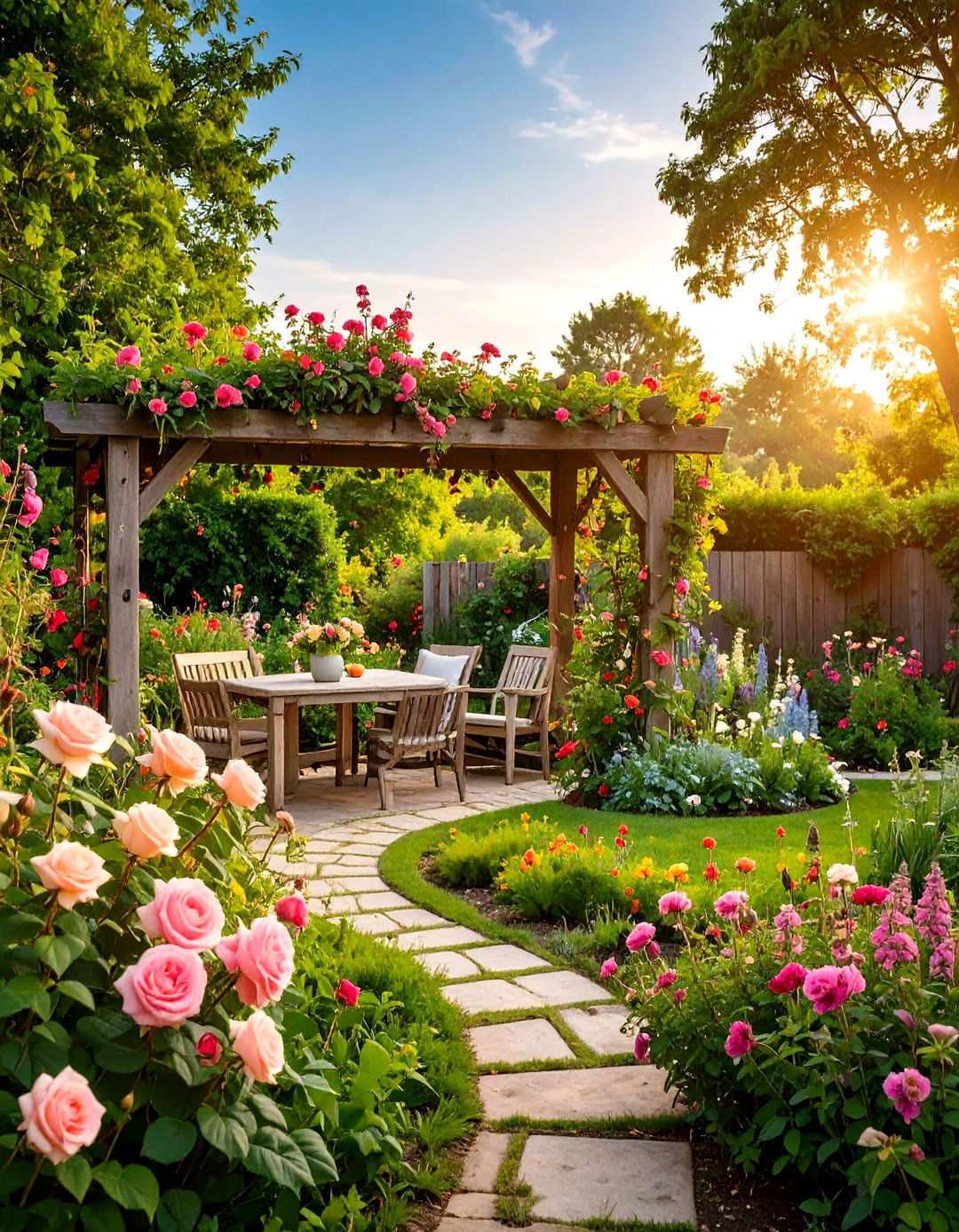
1. Efficient Edges for Enduring Beauty
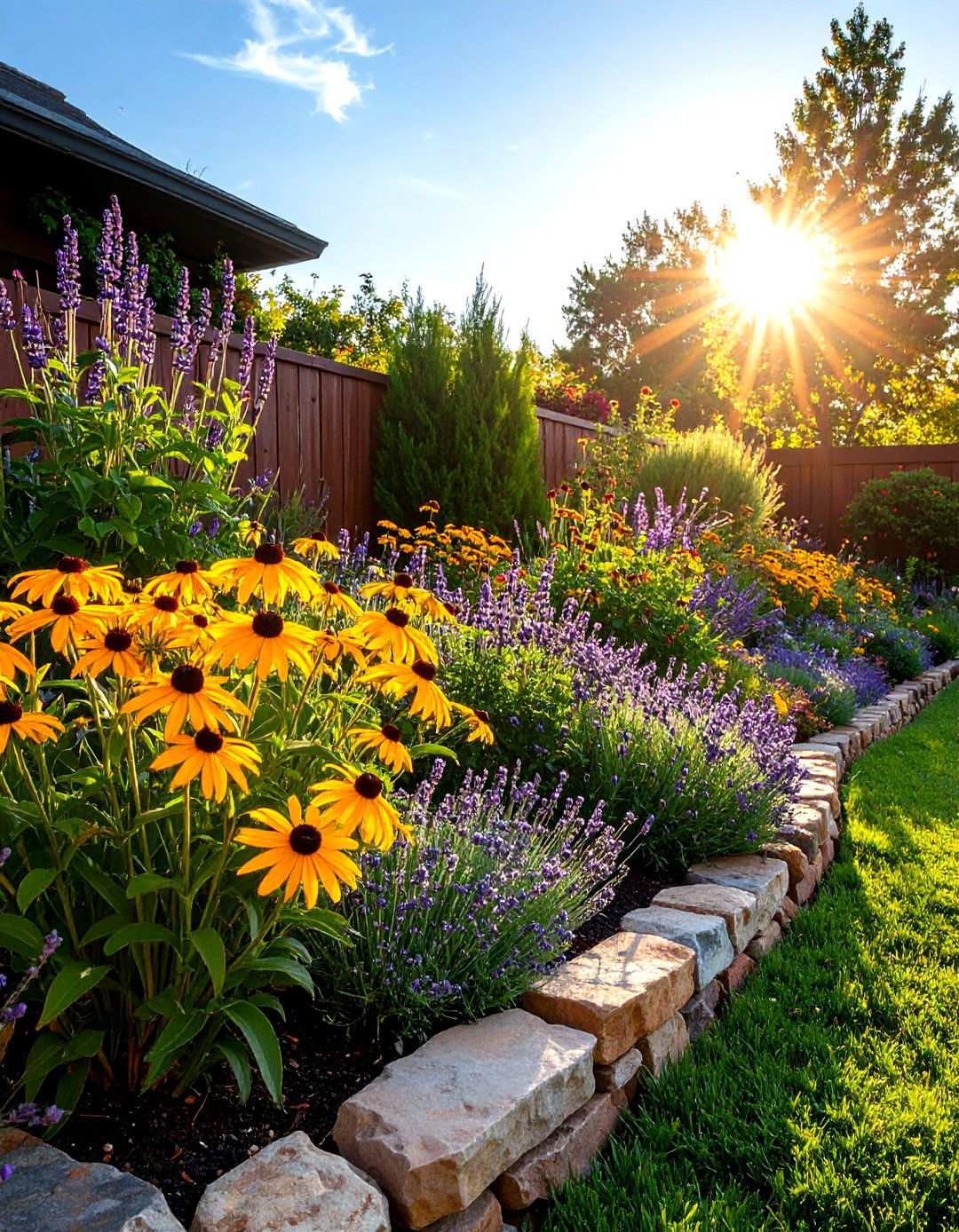
Effortless garden borders offer a liberating alternative to the never-ending demands of high-maintenance landscaping. Instead of expending hours each weekend on tedious chores, busy homeowners can indulge in an oasis that flourishes with minimal attention. It’s time to break free from the cycle of constant watering, pruning, and weeding, and discover the joys of a self-sustaining outdoor space. The secret to creating such tranquil retreats lies in thoughtfully selecting a diverse array of low-maintenance plants, expertly combined to thrive in harmony with nature.

As an Amazon Associate I earn from qualifying purchases.
By embracing the principles of sustainable landscaping, modern gardeners can harness the natural resilience of local flora, minimizing water consumption and maintenance needs in the process. This forward-thinking approach not only reduces the ecological footprint of outdoor spaces but also yields a diverse range of benefits, from reduced upkeep to enhanced biodiversity. Whether you’re drawn to sleek, modern designs or charming, rustic plantings, the possibilities for low-maintenance garden borders are limitless, adaptable to every climate zone and style.
2. Seasonal Harmony with Evergreen Shrub Foundation Borders
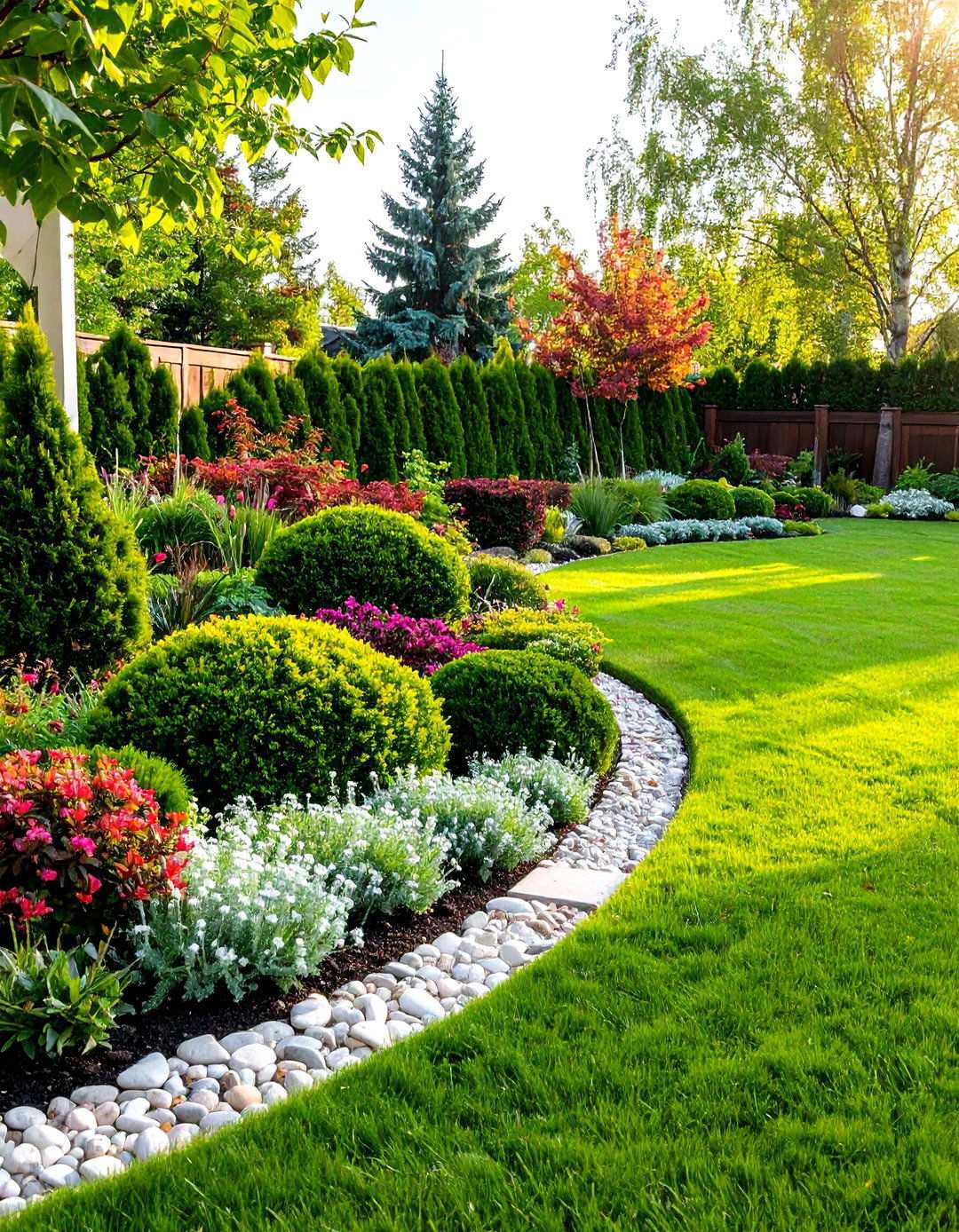
A well-crafted foundation planting that makes the most of evergreen shrubs can bring a sense of timelessness to your outdoor space. This type of border combines boxwood hedging, dwarf conifers, and broadleaf evergreens in graduated heights, creating a visually appealing arrangement. Compact boxwood varieties provide formal edges that need only annual shaping, while dwarf spruce and pine add textural contrast with their needle-like foliage. The addition of rhododendrons and azaleas brings a splash of color in the spring, set against the lush backdrop of evergreen foliage. These long-lived plants may take time to establish, but they will reward patience with decades of reliable performance. To get the best results, choose varieties that thrive in your local climate zone. The dense foliage of these plants naturally suppresses weed growth and creates a sense of seclusion. To maintain the health of your shrubs, mulch paths between them with organic matter to retain moisture and prevent competition. This timeless design can complement both formal and informal landscape settings.
3. Effortless Elegance with Ornamental Grass Prairie Borders
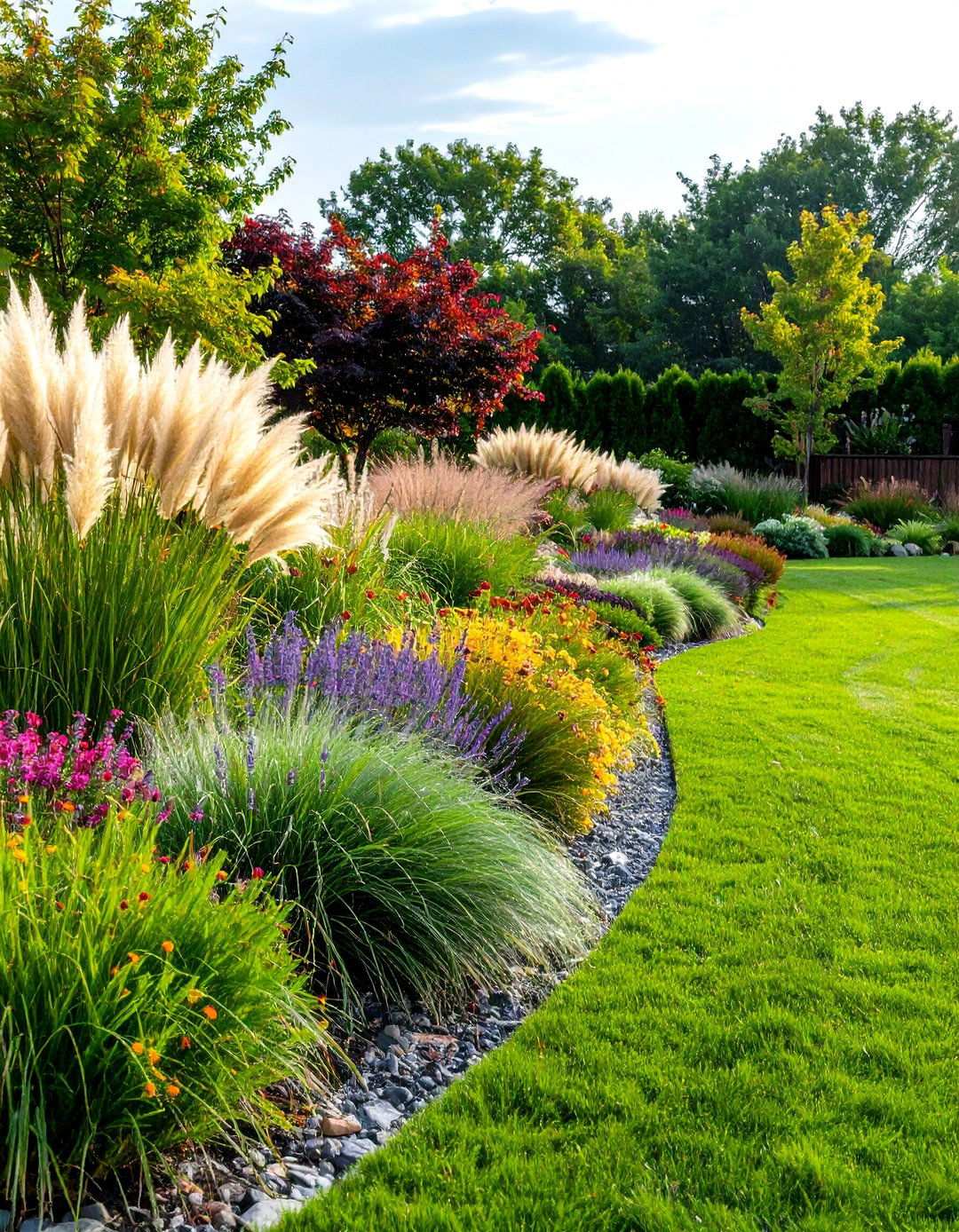
Ornamental grasses have a captivating ability to sway gently in the breeze without requiring much maintenance. In a prairie-inspired border, feather reed grass, fountain grass, and blue fescue are arranged in flowing masses to create dynamic seasonal interest. These drought-tolerant grasses provide a four-season display of beauty, from spring emergence to autumn seed heads and winter architectural form. For an authentic prairie appearance, plant different heights in naturalistic drifts rather than formal rows. The contrast between the vertical lines of miscanthus and the arching habits of fountain grass adds visual appeal. Blue fescue provides silvery groundcover elements between taller specimens. Maintaining these borders is relatively easy, requiring only an annual late winter cutting before new growth begins. As the grass clumps expand naturally, these borders become even more attractive. The benefits of these borders extend beyond aesthetic appeal, providing nesting sites for birds and winter seed sources for local wildlife.
4. Drought-Tolerant Elegance with Stone Mulch Mediterranean Borders
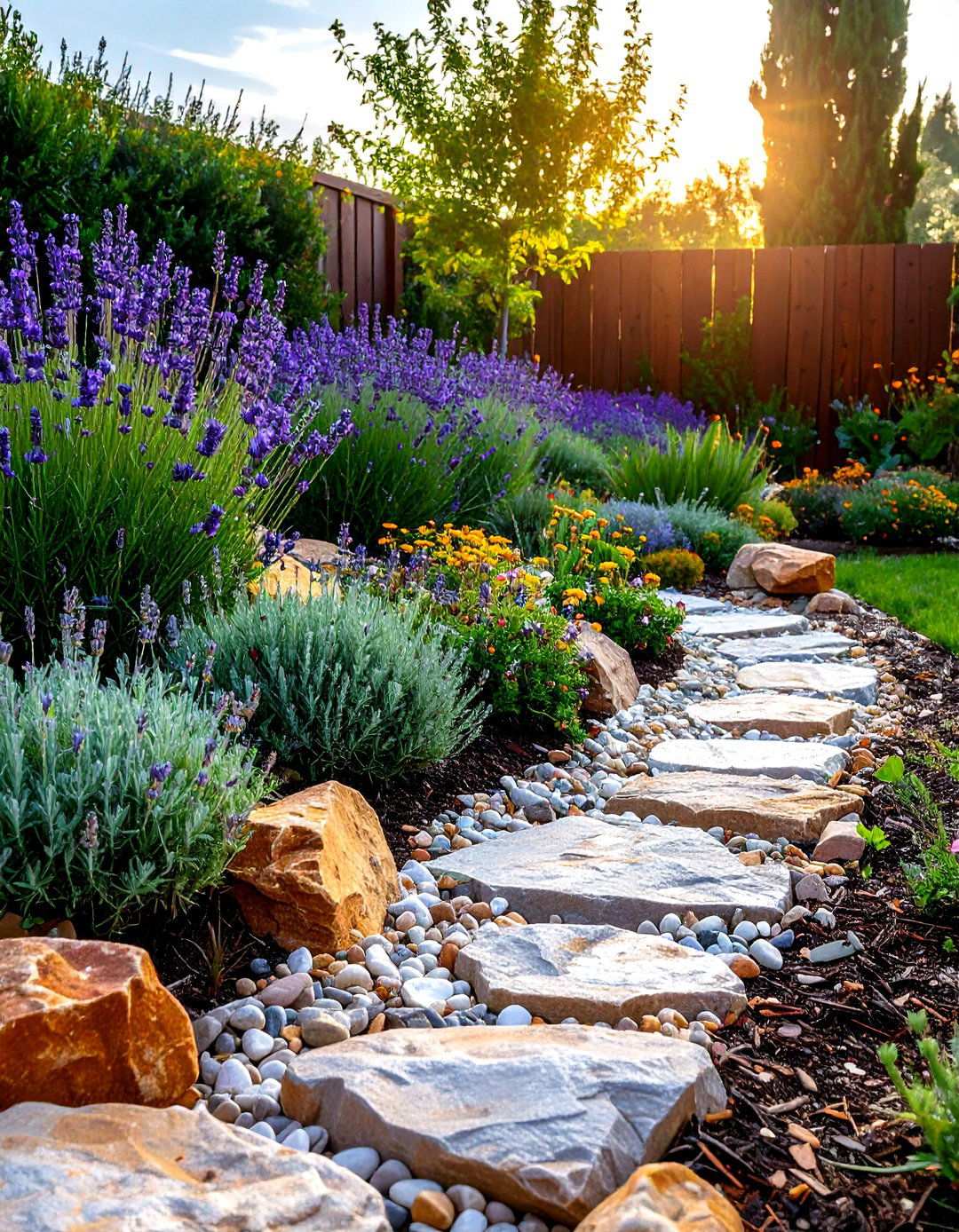
Imagine a border that not only thrives in hot, dry conditions but also requires no watering after establishment. A Mediterranean-inspired design combines drought-tolerant plants with decorative stone mulching for ultimate low maintenance performance. Lavender, rosemary, and ornamental sage create aromatic plantings that complement the warm tones of crushed gravel or slate chips. The stone mulch effectively suppresses weeds while reflecting heat to create ideal microclimate conditions. Plant selection includes silver-foliaged artemisia and purple-flowered catmint for season-long color. Unlike plants that prefer rich, fertile soil, these Mediterranean plants actually thrive in poor, well-draining conditions. The mineral mulch provides excellent drainage during wet periods and conserves moisture during drought. To install this design, start with initial weed barrier fabric beneath stone layers. This type of border works particularly well in contemporary landscape settings or xerophytic gardens.
5. Effortless Elegance with Native Wildflowers
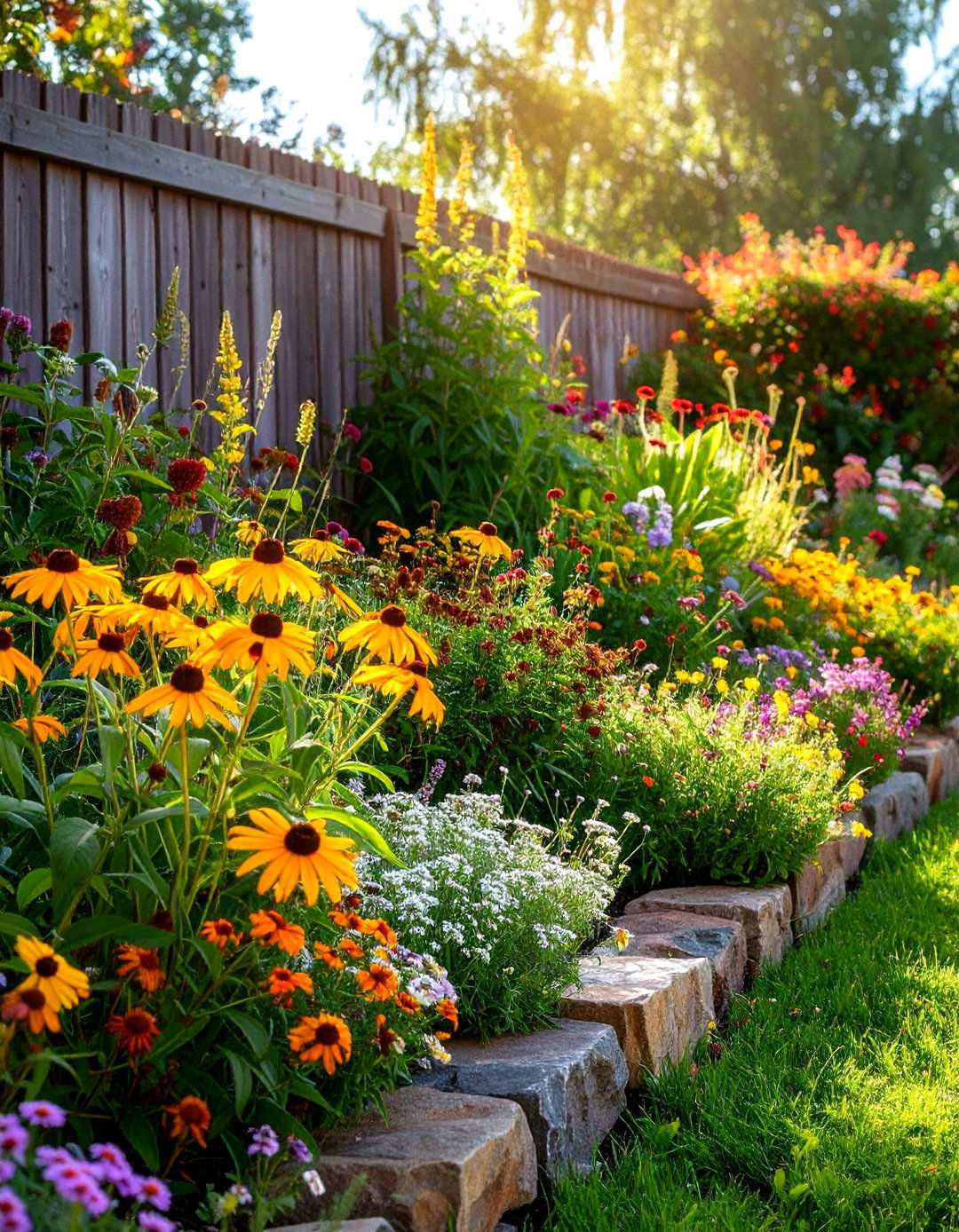
Embracing the natural beauty of regional wildflowers is a harmonious way to create a low-maintenance border that benefits local ecosystems. By selecting species that thrive in your specific climate zone, you can establish a self-sustaining ecosystem that requires minimal human intervention. The interplay of purple asters, goldenrod, and wild bergamot creates a dynamic community that self-seeds and adapts to favorable conditions. These indigenous plants have co-evolved with local climate patterns, soil types, and wildlife populations, making them an ideal choice for regional gardens. As the border matures, it will become a haven for butterflies, bees, and beneficial insects throughout their life cycles. To support this ecosystem, allow seed heads to remain through winter, providing essential food sources for wildlife and facilitating natural reseeding. Researching and selecting native species specific to your geographic region is key to achieving this effortless elegance. Maintenance is minimal, requiring only annual mowing or cutting in late winter.
6. Unrivaled Weed Suppression with Groundcover Borders
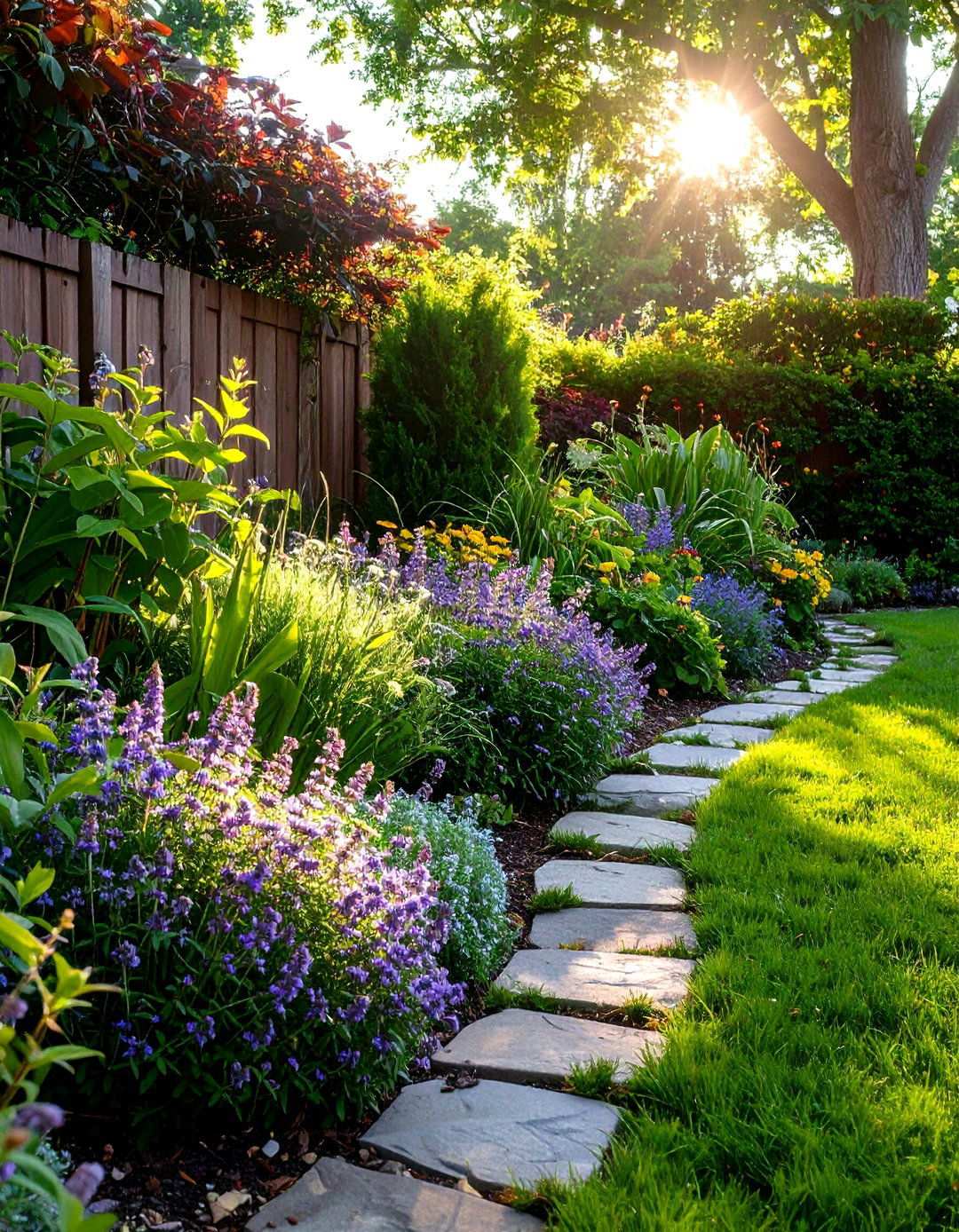
Achieving weed-free zones has never been more appealing, and dense groundcover plantings offer a solution that’s both lush and low-maintenance. Creeping thyme, with its intoxicating fragrance and delicate purple flowers, forms a living carpet that eliminates bare soil where weeds typically thrive. Ajuga, with its glossy foliage and vibrant purple spikes, can tolerate both sun and shade conditions, while wild ginger creates heart-shaped leaves perfect for woodland border situations. These low-growing perennials spread naturally to fill available space, creating seamless coverage over time. To establish a thriving groundcover border, plant specimens eighteen inches apart and allow natural expansion to close gaps within two seasons. This approach is particularly effective on slopes where erosion control becomes a critical concern. By choosing groundcovers that suit your property’s specific light conditions and soil types, you can create a beautiful, low-maintenance border that requires no mowing or trimming.
7. Effortless Spring Beauty with Bulb Naturalization
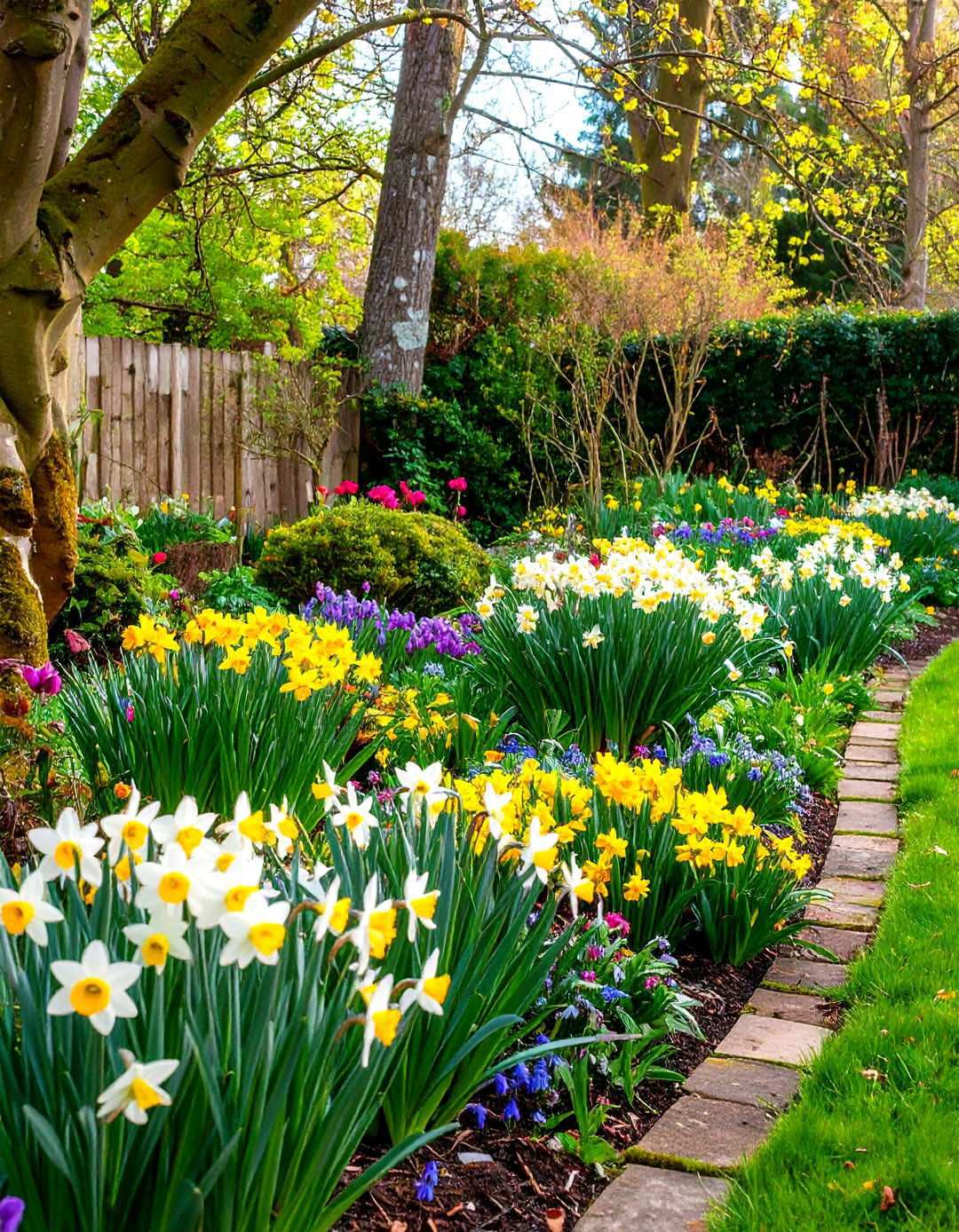
Why limit the beauty of spring to formal flower beds when naturalized bulbs can create effortless, year-after-year displays? This low-maintenance approach allows daffodils, crocuses, and alliums to establish permanent colonies that multiply independently. By planting bulbs in autumn beneath deciduous shrubs or perennial borders, you can ensure that emerging foliage won’t compete during spring bloom periods. These early flowers provide crucial nectar sources when few other plants are active, supporting local pollinators and adding to the beauty of your garden. To maximize the naturalization process, allow foliage to die back naturally, feeding next year’s blooms rather than cutting prematurely. Hardy bulbs like Narcissus and Galanthus will actually increase in number over time through natural division, creating progressively more impressive displays without additional planting effort. By combining different bloom times, you can enjoy extended seasonal interest from late winter through early summer, and the summer dormancy of these borders means they require no watering during hot weather.
8. Sculptural Succulent Rock Garden Border
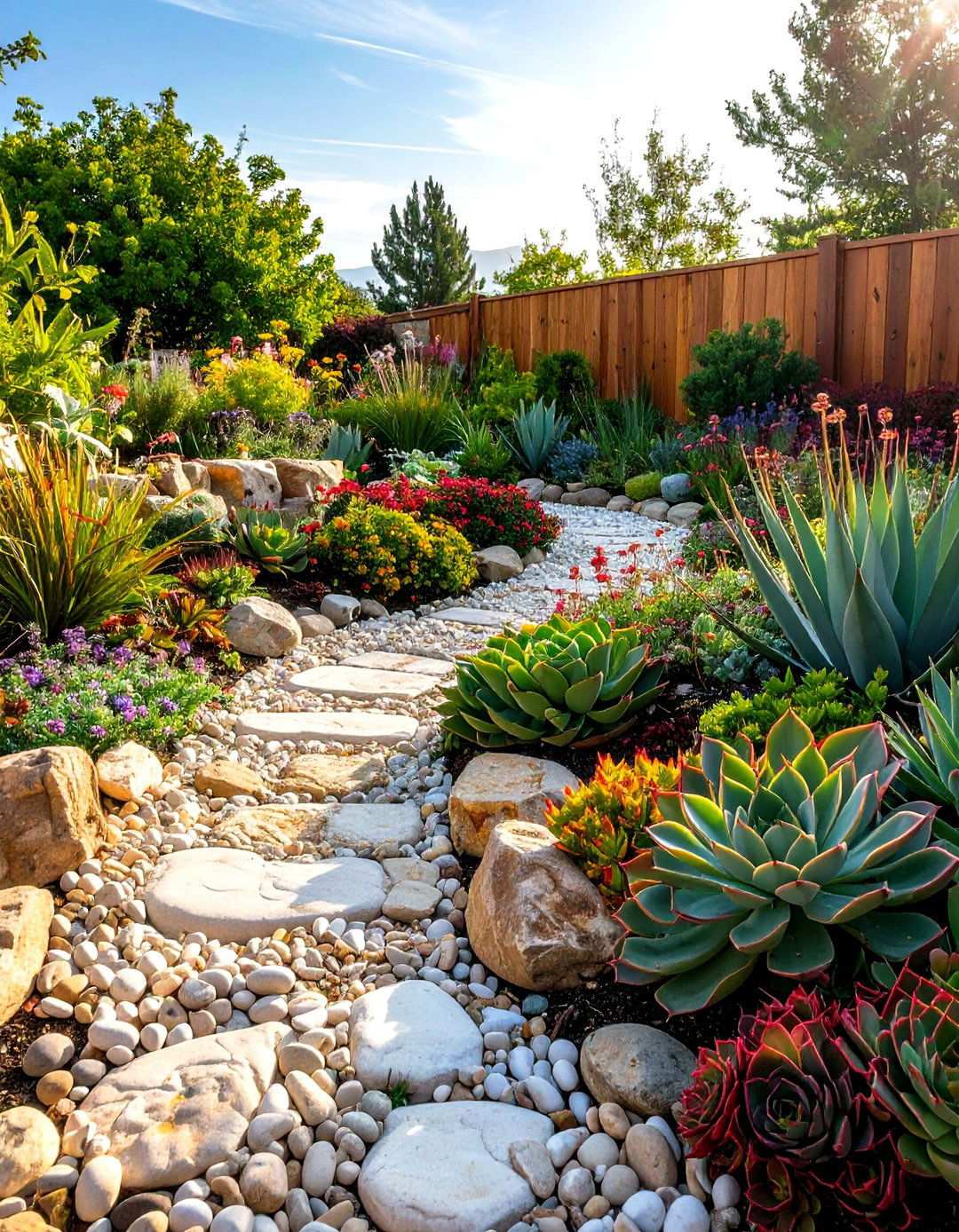
Thriving in the most challenging conditions while captivating the eye with effortless elegance, succulent borders are the epitome of harmonious design. By thoughtfully selecting and arranging drought-resistant plants, you can create a visually striking border that requires minimal upkeep. Sedums, with their vibrant rosettes and late-season blooms, bring a pop of color, while hen-and-chicks weave intricate patterns through the landscape. These remarkable plants not only tolerate poor soils but actually thrive in rocky, well-draining conditions. To prevent crown rot and accentuate each plant’s unique shape, use gravel mulch around individual specimens. Opt for cold-hardy varieties that are tailored to your local climate zone for a stunning display of year-round beauty. Raised beds or berms with excellent drainage are ideal for showcasing these borders. Regular inspections during the growing season help identify any plants that need division or relocation, ensuring your succulent border remains a breathtaking sight.
In the winter months, the border’s beauty is not diminished by the absence of blooms. Instead, the persistent rosette forms and intriguing textures provide a captivating display of structural interest. By embracing the unique characteristics of these remarkable plants, you can create a succulent border that is both resilient and visually stunning.
9. Harmonious Herb Garden Border Blend
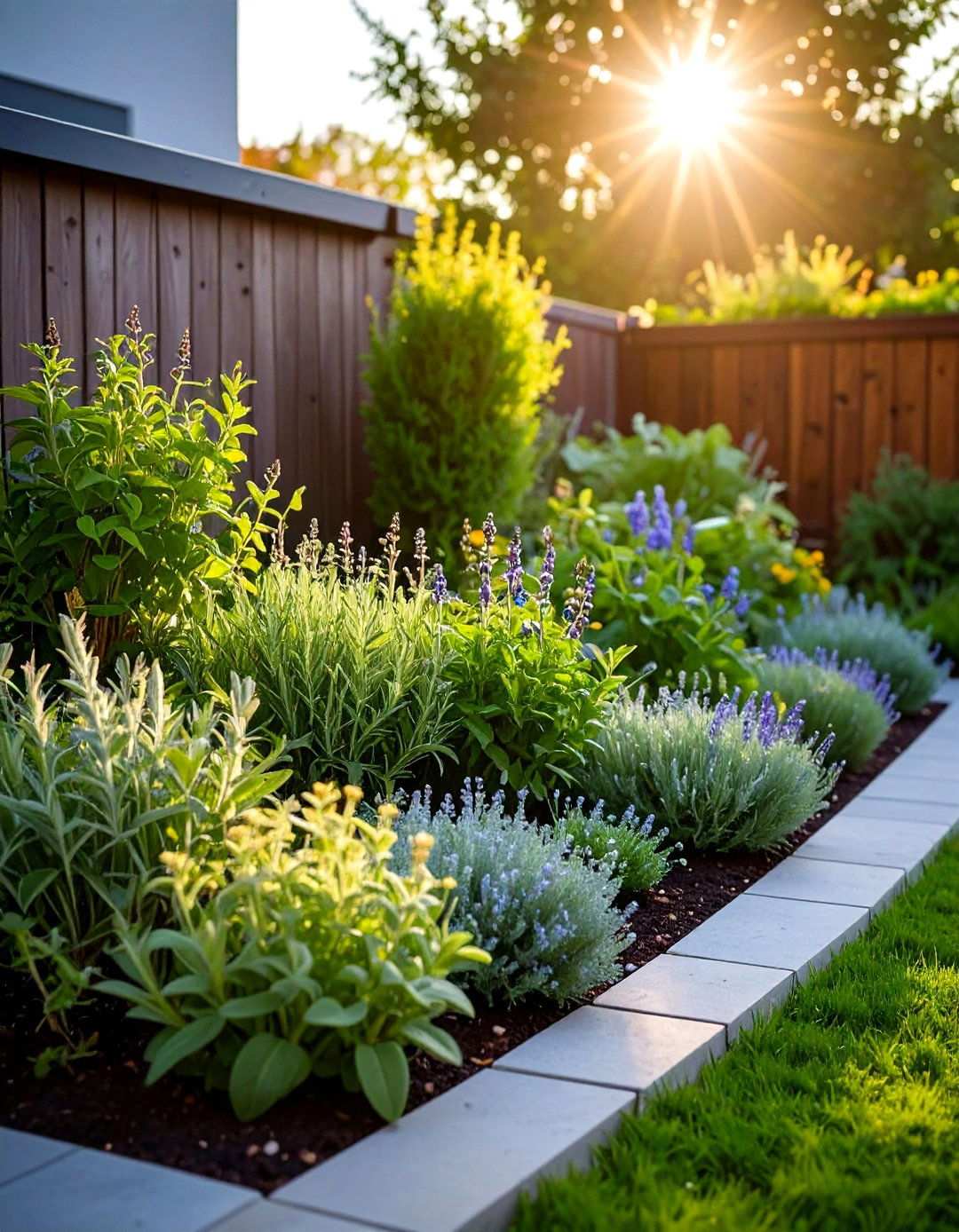
Imagine combining the functionality of a kitchen herb garden with the visual appeal of an ornamental border – a true dual-purpose landscaping masterpiece. This innovative approach integrates fragrant culinary herbs with attractive foliage and flowering characteristics, creating a sensory experience that’s both practical and beautiful. Rosemary, with its evergreen structure and vibrant blue blooms, provides a stunning backdrop, while oregano and thyme create lush mats with tiny, pollinator-friendly flowers. Sage varieties, with their silvery foliage and purple spikes, add a touch of elegance long after the harvest. These Mediterranean herbs prefer well-drained soils and full sun exposure to thrive, so be sure to provide them with the perfect growing conditions. Regular harvesting not only encourages fresh foliage production but also maintains compact growth habits. This border style is perfect for kitchen entrances or outdoor cooking areas, where the convenience of having fresh herbs at your fingertips is just a step away. In colder climates, winter protection may be necessary to safeguard tender herb varieties.
10. Whimsical Cottage Garden Perennial Mix
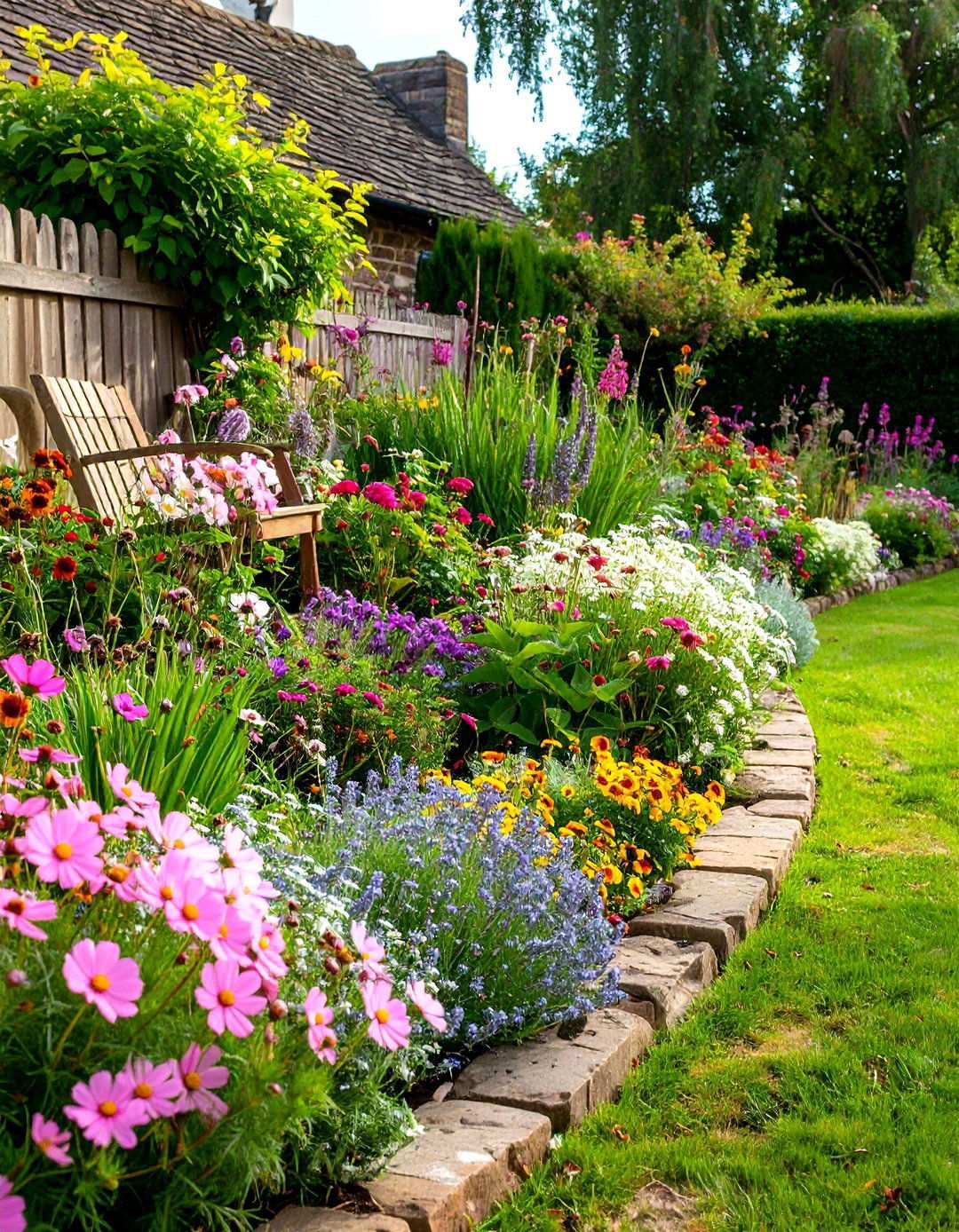
What’s the secret to creating the effortless charm of cottage gardens, where plants seem to arrange themselves in perfect harmony? It’s all about embracing the magic of self-seeding annuals and long-lived perennials, which come together to create ever-changing combinations through natural reproduction. Cosmos, calendula, and sweet alyssum burst forth where conditions suit them best, while established perennials like catmint and lady’s mantle provide a sense of stability and structure. By allowing plants to follow their natural growth habits, you can create a border that’s both beautiful and effortless to maintain. This approach rewards gardeners with delightful surprises as plant combinations evolve over time, and the dense planting naturally suppresses weeds while promoting abundant flower production for cutting. Spring maintenance involves carefully removing any unwanted seedlings while encouraging the desired volunteers to thrive. Beneath its charming, informal appearance lies the underlying durability of well-chosen plant combinations – a true testament to the beauty of cottage garden design.
11. Elevating Shaded Spaces with Ferns
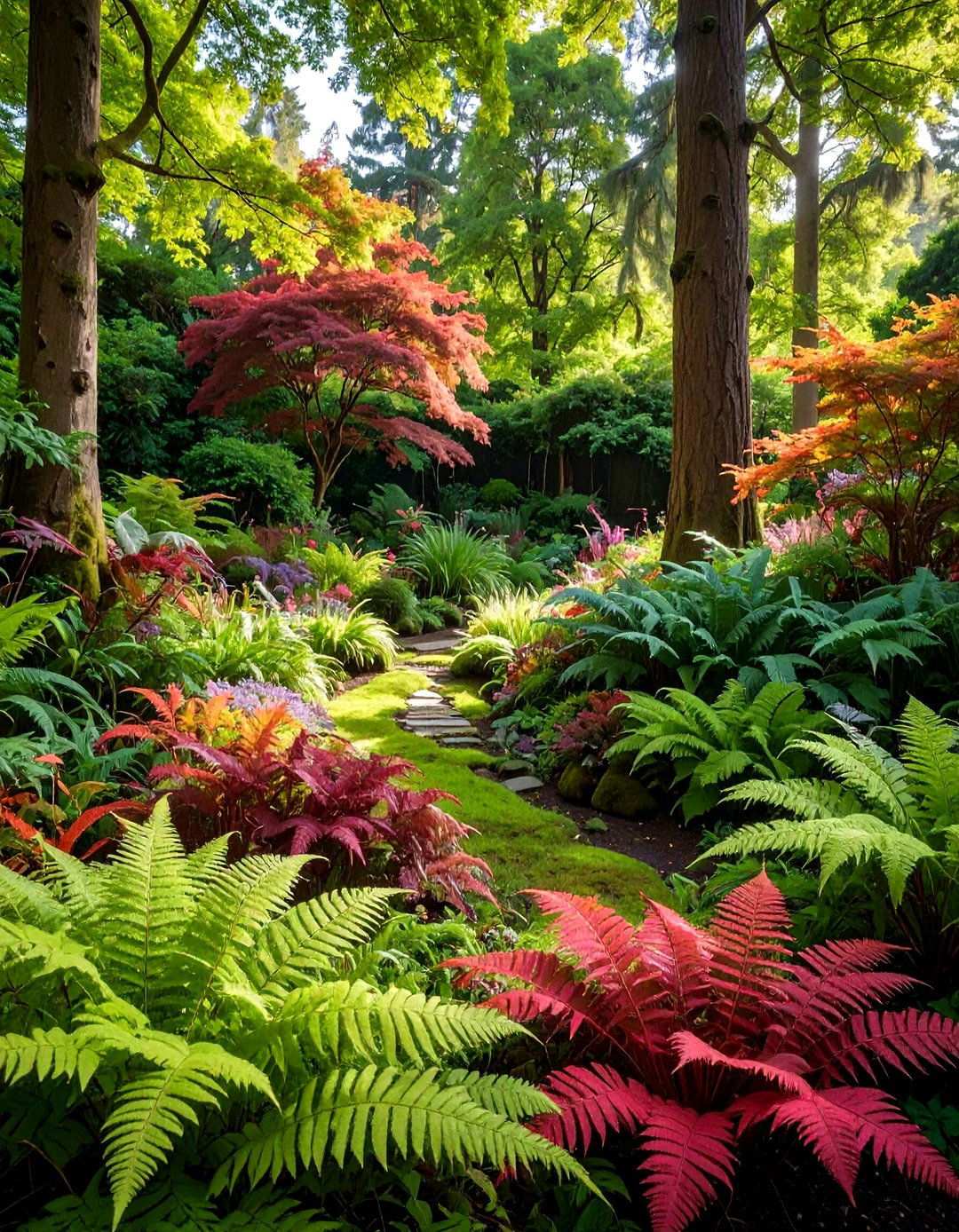
Transforming shaded areas into lush, green borders can be achieved without the need for constant watering or fertilizing throughout growing seasons. Shade-loving ferns create visually appealing gardens that thrive in conditions where most flowering plants struggle to perform. Japanese painted ferns offer silvery foliage accents, while Christmas ferns provide evergreen structure through winter months, lending a sense of continuity to the space. These ancient plants are surprisingly low-maintenance, requiring only a well-prepared soil with adequate organic matter and moisture retention. By combining different fern species, you can achieve a varied and dynamic border with diverse heights, textures, and seasonal characteristics. Hostas can be intermixed to add broader foliage contrast and occasional flower spikes, adding an extra layer of visual interest. This border style works particularly well under mature trees or alongside north-facing walls, where the dappled shade creates an ideal environment for ferns to flourish. As the seasons change, the established fern garden will become more beautiful each year, as plants naturalize and spread slowly.
12. Instant Privacy with Low-Maintenance Bamboo
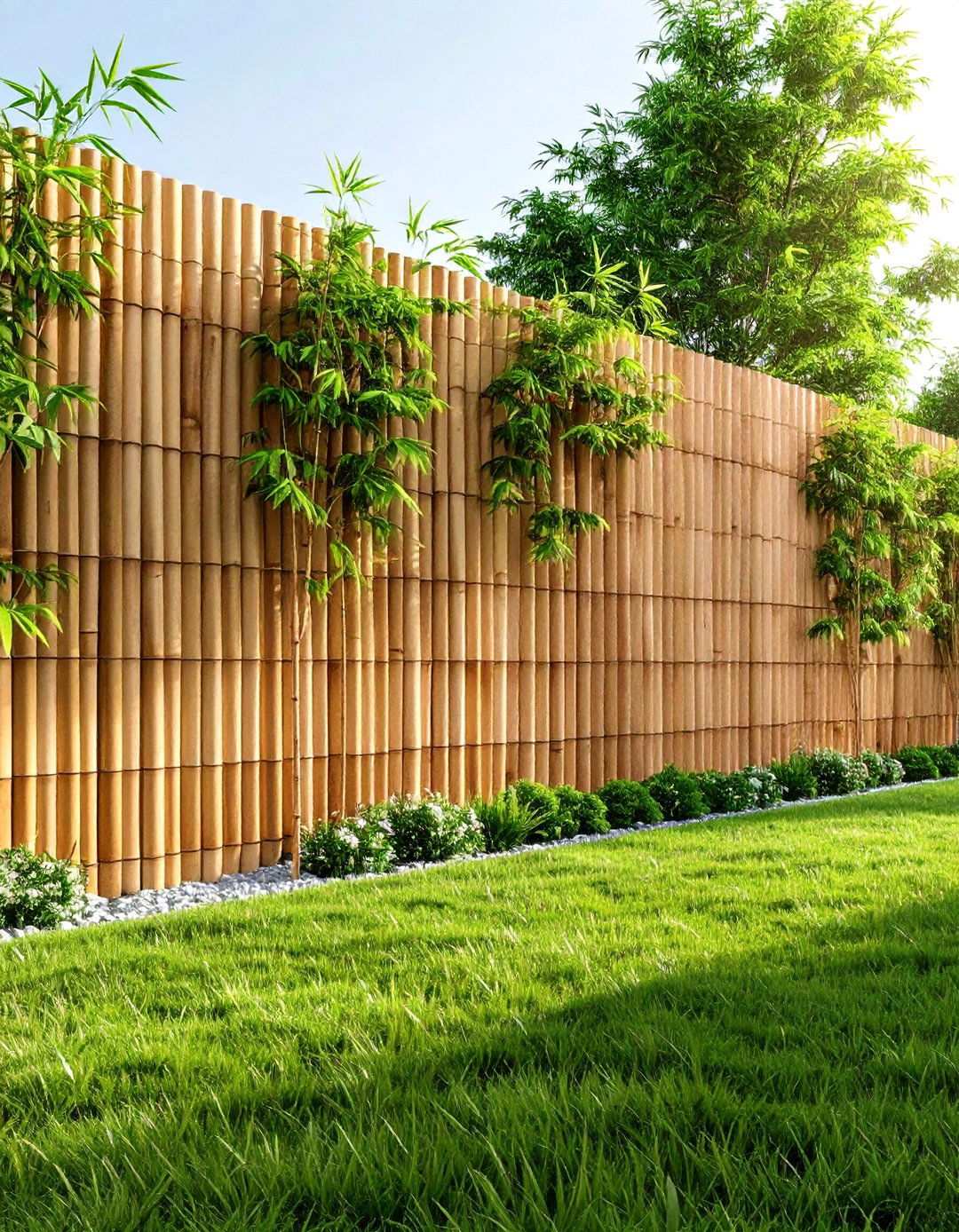
Are you seeking a quick and easy solution for creating instant privacy screening with minimal maintenance? Clumping bamboo varieties offer a rapid vertical growth without the invasive spreading characteristics of running types. These elegant grasses create living screens that filter wind and sound while maintaining year-round foliage. To ensure reliable outdoor performance, choose cold-hardy clumping varieties suited to your climate zone. Plant specimens according to mature spacing requirements to avoid overcrowding as culms develop, ensuring a harmonious and balanced appearance. This border creates a dramatic impact during the first growing season, with substantial height increases that will leave a lasting impression. Regular watering during establishment ensures vigorous growth, but mature stands can tolerate moderate drought conditions, making them a low-maintenance option. Annual maintenance involves removing old culms to encourage fresh growth and maintain an attractive appearance. This approach works well for creating secluded garden rooms or screening utility areas, providing a sense of seclusion and tranquility.
13. Integrating Edibles into Ornamental Landscapes
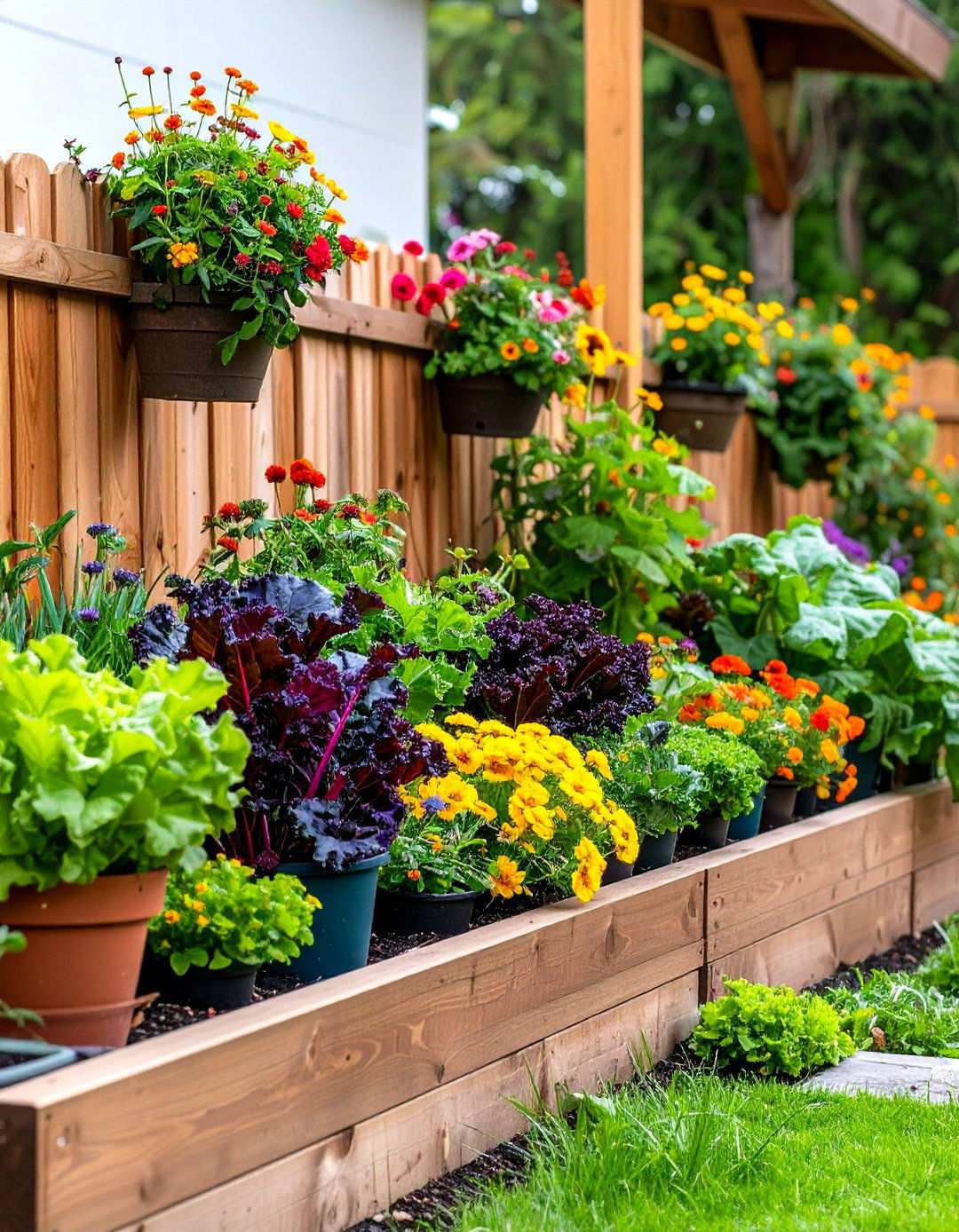
Why separate vegetable production from ornamental landscape design when edible plants can create attractive borders throughout growing seasons? This productive border combines colorful vegetables with herbs and edible flowers for year-round visual interest. Rainbow chard provides a pop of color, while purple kale and lettuce create textural foliage effects that add depth and interest to the border. Edible flowers like nasturtiums and calendulas add an extra layer of beauty while producing ingredients for salads and garnishes. This approach requires more seasonal planning than permanent perennial borders, but rewards efforts with fresh ingredients and a thriving garden. Succession planting ensures continuous harvests and attractive appearance through multiple growing cycles, making this border style particularly well-suited for potager or kitchen garden settings where beauty and function combine seamlessly. By choosing varieties selected for ornamental characteristics as well as flavor qualities, you can create a truly unique and functional border that nourishes both body and soul.
14. Moss Garden Groundcover Border
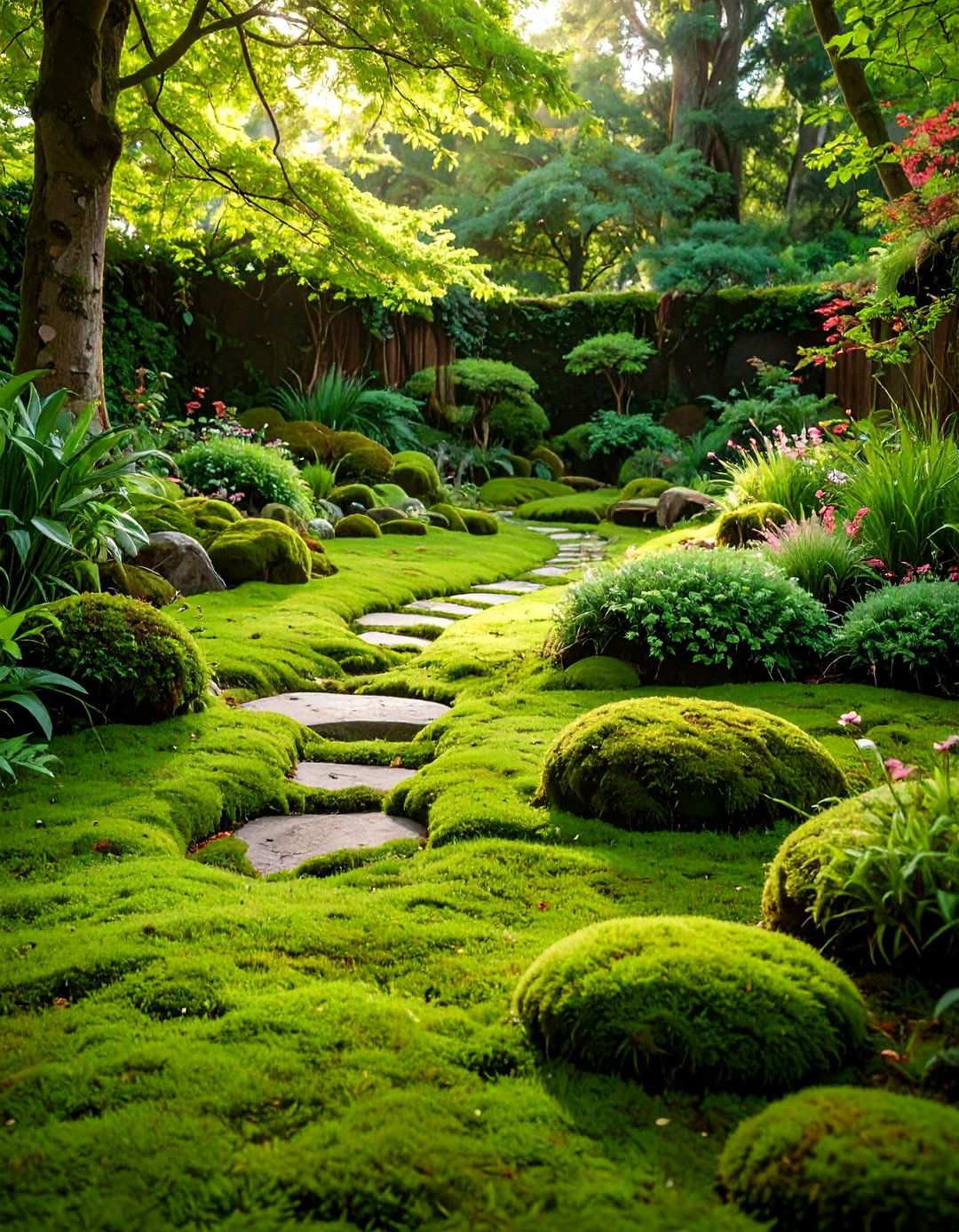
Imagine transforming challenging sites into lush, verdant oases, even in areas where conventional plants struggle to thrive. Moss gardens offer an innovative solution, blanketing shaded, moist locations with vibrant, green carpets that require no maintenance-intensive measures like mowing, fertilizing, or pest control. These ancient plants are well-suited to acidic soils with consistent moisture and filtered light conditions, allowing them to flourish in environments where others falter. Before establishing a moss garden, it’s essential to remove any competing vegetation and ensure consistent moisture levels, even during dry periods, until the moss colonies become self-sustaining. Different moss species bring unique textures and growth patterns to the table, providing visual interest throughout the seasons. This border style is particularly well-suited to woodland settings or areas adjacent to water features, where humidity levels remain elevated, creating an ideal environment for moss to thrive. However, it’s crucial to limit foot traffic to preserve the integrity of the moss, making this approach best suited for areas where viewing is paramount, rather than functional spaces. In moderate climates, the moss remains green throughout the winter months, providing year-round color when most plants are dormant.
15. Cactus Desert Border Garden
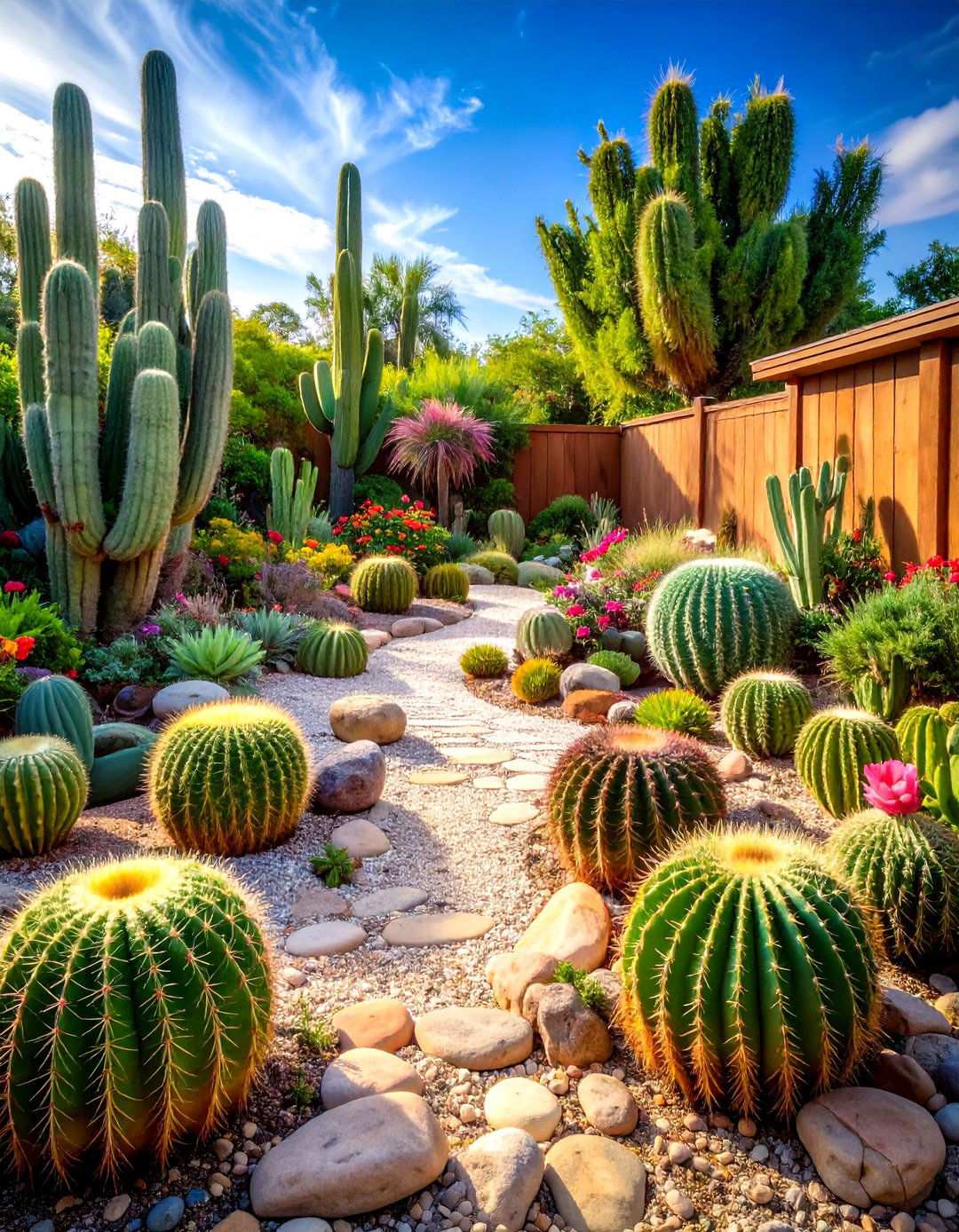
Discover how desert-adapted plants can create breathtaking borders in arid climates with virtually no supplemental irrigation required. This xerophytic design showcases a stunning array of cactus species and desert succulents carefully arranged to maximize visual impact. The prickly pear cactus, for instance, provides broad, flat pads adorned with vibrant yellow flowers, while the barrel cactus adds spherical forms and colorful spines to the mix. These remarkable plants have evolved to store water in modified tissues, enabling them to survive even the most extended drought periods. To further enhance drainage and create an ideal microclimate, gravel mulching can be used to reflect heat and promote healthy growth. When selecting species, it’s essential to choose varieties that are hardy in your specific climate zone, as cold tolerance can vary significantly among cactus varieties. This border requires excellent drainage to prevent root rot during wet periods, making it crucial to ensure proper soil conditions. Minimal maintenance involves occasional removal of spent flowers and damaged pads, while safety considerations necessitate careful placement away from high-traffic areas due to the protective spines.
16. Ornamental Grain Grass Border
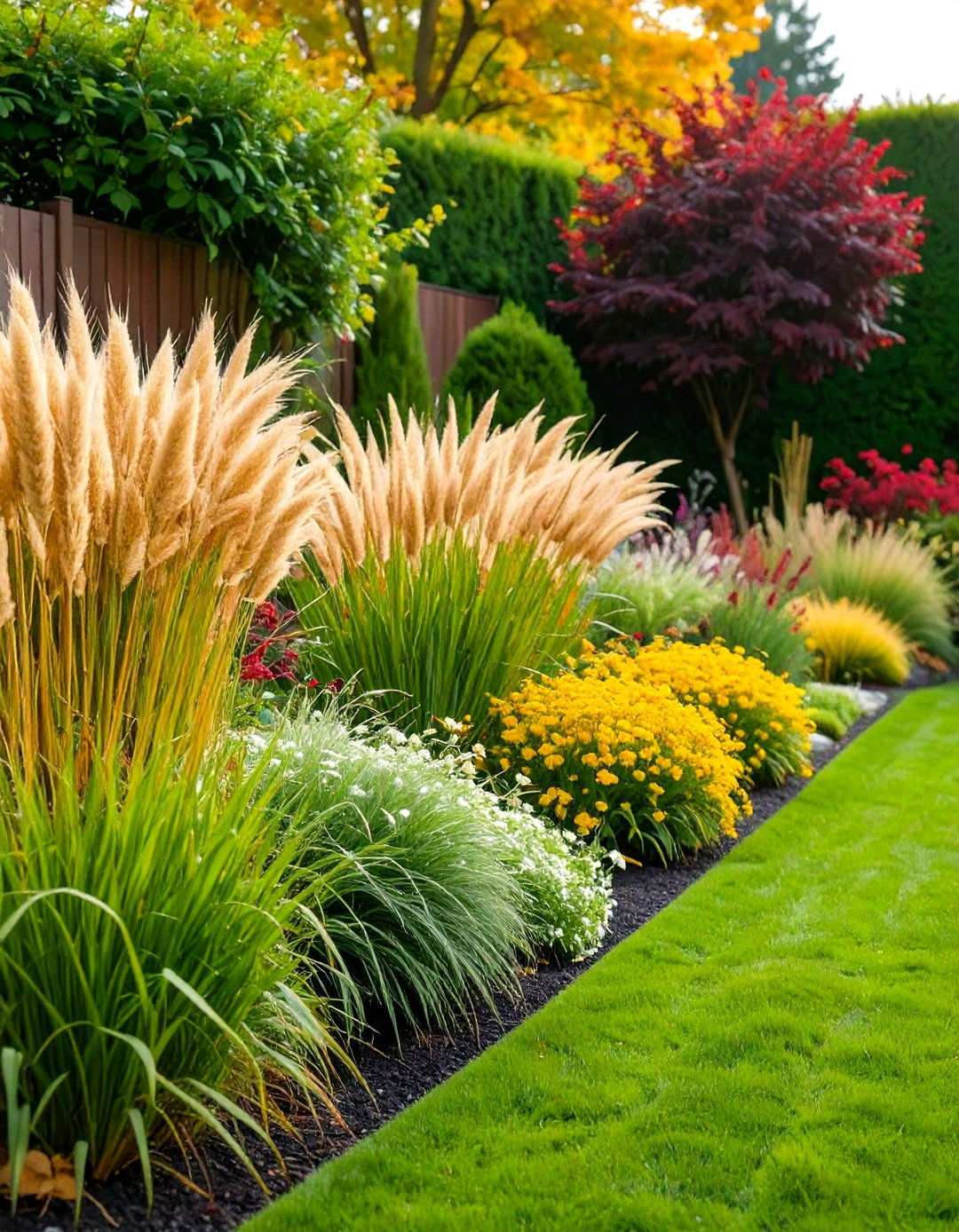
Envision a border that not only provides a stunning visual display but also serves as a vital wildlife habitat. This innovative agricultural-inspired design features ornamental versions of traditional grain crops like wheat, oats, and barley, creating waves of golden grain that dance in autumn breezes. These annual grasses can grow to substantial height and produce seed heads that are highly attractive to birds throughout the winter months. To bring this design to life, sow seeds directly in the spring for summer growth and a fall harvest of decorative elements. While this approach requires annual replanting, it rewards efforts with dramatic seasonal displays. To add depth and complexity to the design, combine different grain species for varied heights, textures, and maturation times. Allow some areas to self-seed for naturalistic colonies that may persist without replanting, creating a dynamic and ever-changing landscape. This border style works particularly well in meadow settings or as seasonal screens for privacy, and the timing of the harvest can be adjusted to affect the appearance of the border, with early cutting providing fresh material for arrangements.
17. Evergreen Conifer Collection Border
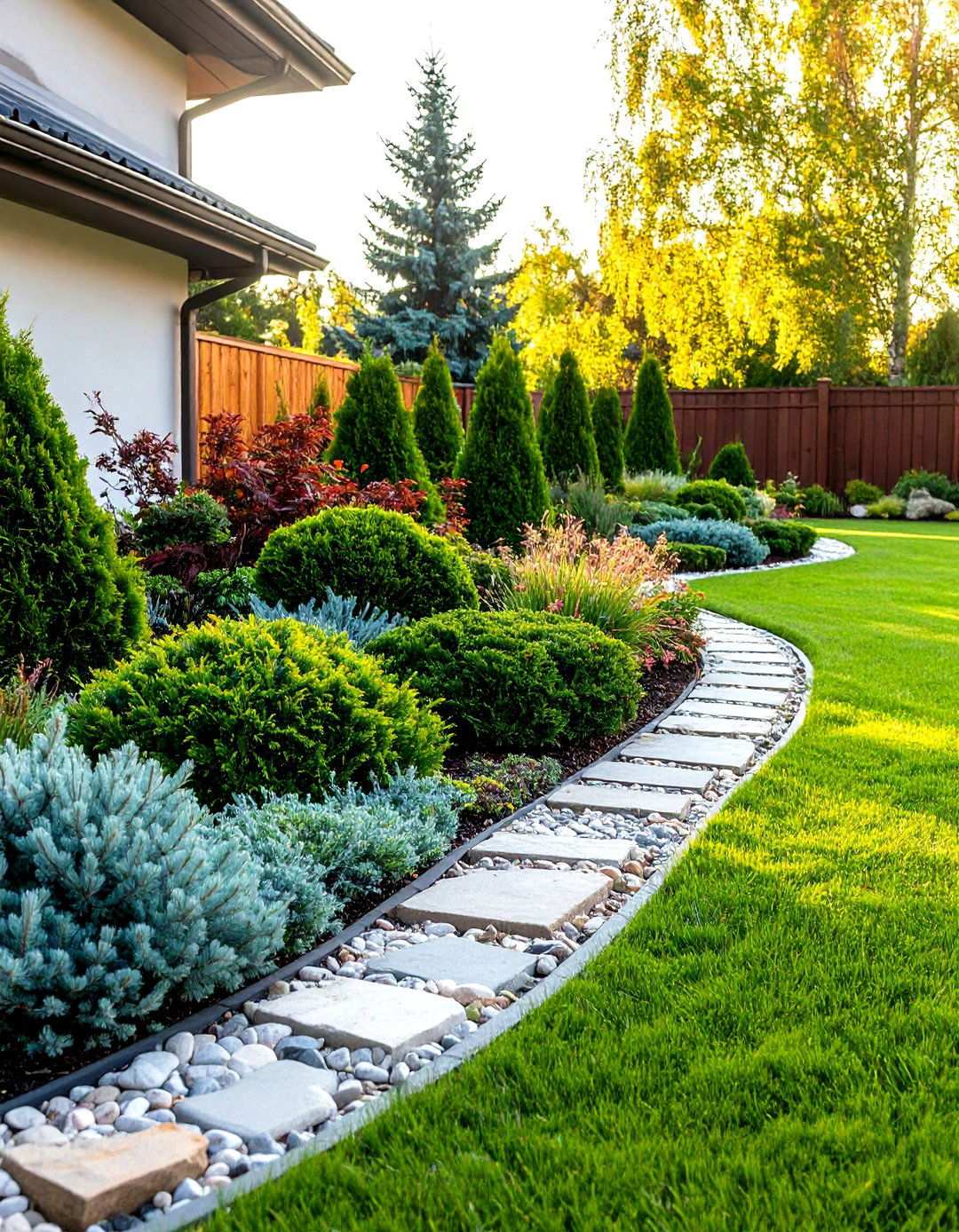
Imagine a landscape that boasts structure and texture year-round, thanks to a thoughtfully curated collection of conifer specimens that demand minimal ongoing care. This border showcases a diverse array of needle evergreens, artfully arranged to highlight their contrasting forms, colors, and growth habits. Dwarf blue spruce, with its compact pyramidal shapes and silvery-blue needles, adds visual interest, while spreading junipers create horizontal elements with varied foliage tones. These slow-growing specimens develop distinct personalities over many years, making the initial investment worthwhile for long-term landscape impact. When selecting varieties, choose those with mature sizes that fit your available space to avoid future crowding issues. By mulching around the specimens, you can conserve moisture and suppress competing vegetation during the establishment phase. This border provides an excellent foundation for other garden elements, framing the surrounding beauty throughout the seasons. As winter sets in and deciduous plants are dormant, the evergreen architecture takes center stage, showcasing its beauty against the backdrop of snow or winter skies.
18. Seasonal Bulb Succession Border
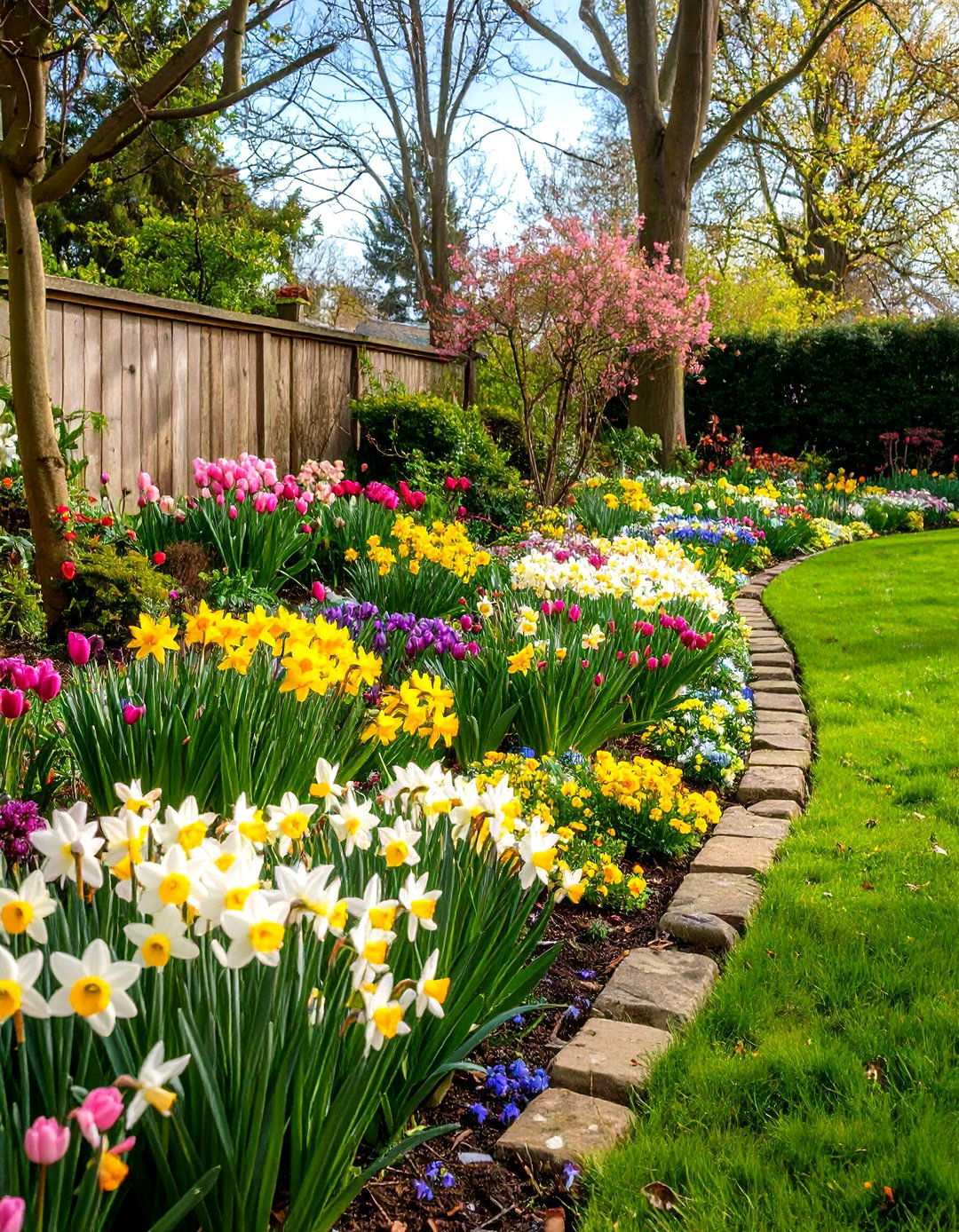
How can you create a spring flower display that unfolds like a masterpiece, from the earliest snowdrops to the late-blooming alliums, with effortless beauty year after year? This succession planting approach is a game-changer, as it layers different bulb species for continuous blooms from late winter through early summer. Early crocuses and snowdrops emerge through the snow, followed by daffodils, tulips, and finally ornamental onions. When planting bulbs, consider creating naturalistic drifts rather than formal rows to achieve an authentic woodland appearance. These hardy perennials will multiply naturally over time, creating progressively more impressive displays without requiring additional planting effort. To add an extra layer of interest, interplant with later-emerging perennials like hostas, which will hide the yellowing bulb foliage during summer dormancy. This approach works particularly well under deciduous trees, where spring light penetrates before leaf emergence. To ensure strong flowering the following year, allow all foliage to die back naturally.
19. Aromatic Foliage Border Garden
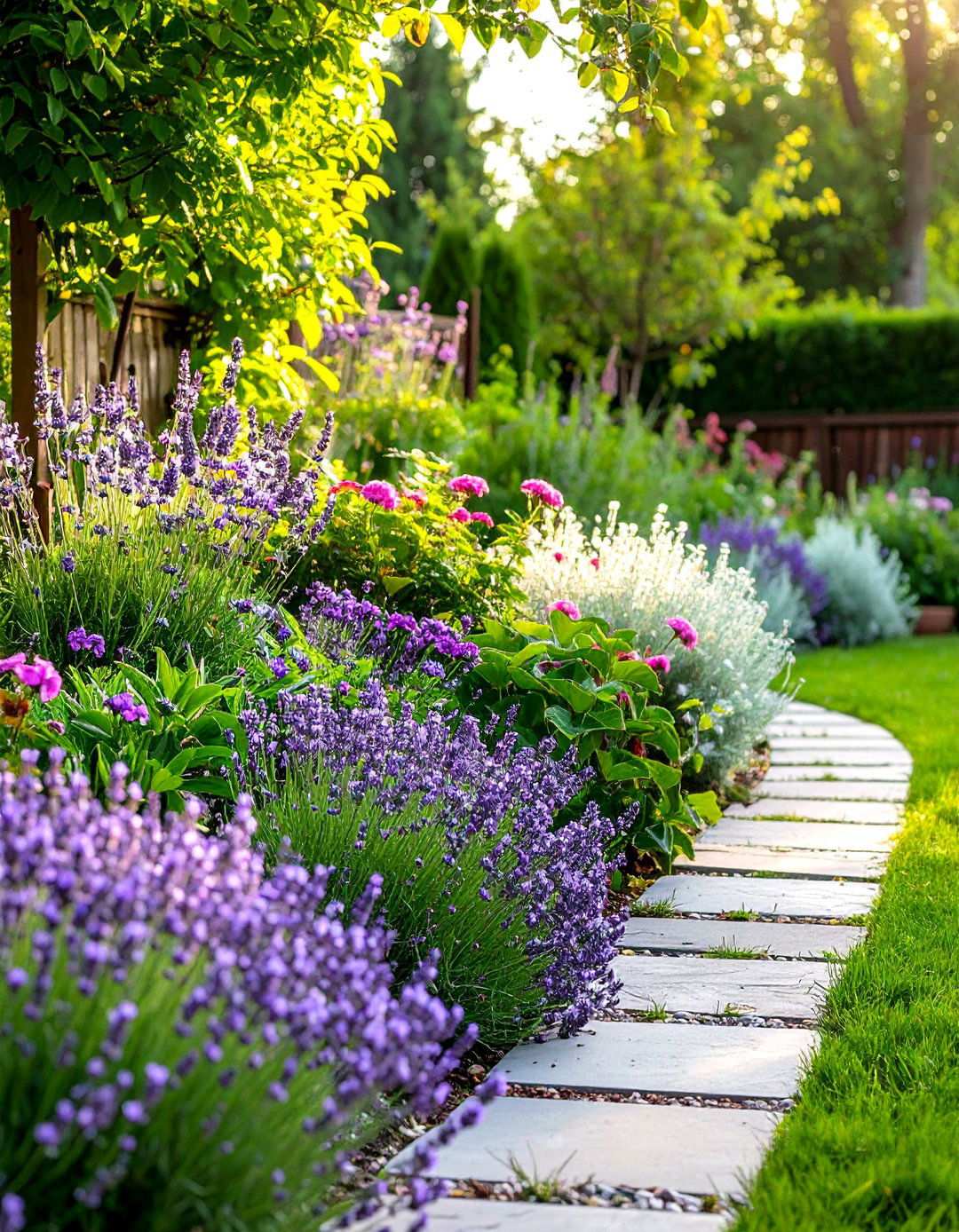
Can fragrant plants transform ordinary borders into sensory experiences that release pleasant scents with every gentle breeze? This aromatic design combines plants prized for their essential oil production and fragrant foliage characteristics, creating a multisensory garden experience that engages visitors beyond visual beauty alone. Lavender, with its classic purple flowers and silvery foliage, provides a timeless charm, while scented geraniums offer a variety of leaf fragrances, from rose to mint. These plants release oils when touched or heated by the sun, creating natural aromatherapy throughout the growing seasons. To maximize the impact of your aromatic specimens, position them near seating areas, pathways, or windows where scents can be appreciated most effectively. Many fragrant plants prefer well-draining soils and full sun exposure for optimal oil production and plant health. Harvest timing affects fragrance intensity, with morning collection often providing the strongest scent concentrations. By incorporating these fragrant plants into your border design, you can create a truly immersive garden experience.
20. Establishing a Native Shrub Border with Low Maintenance
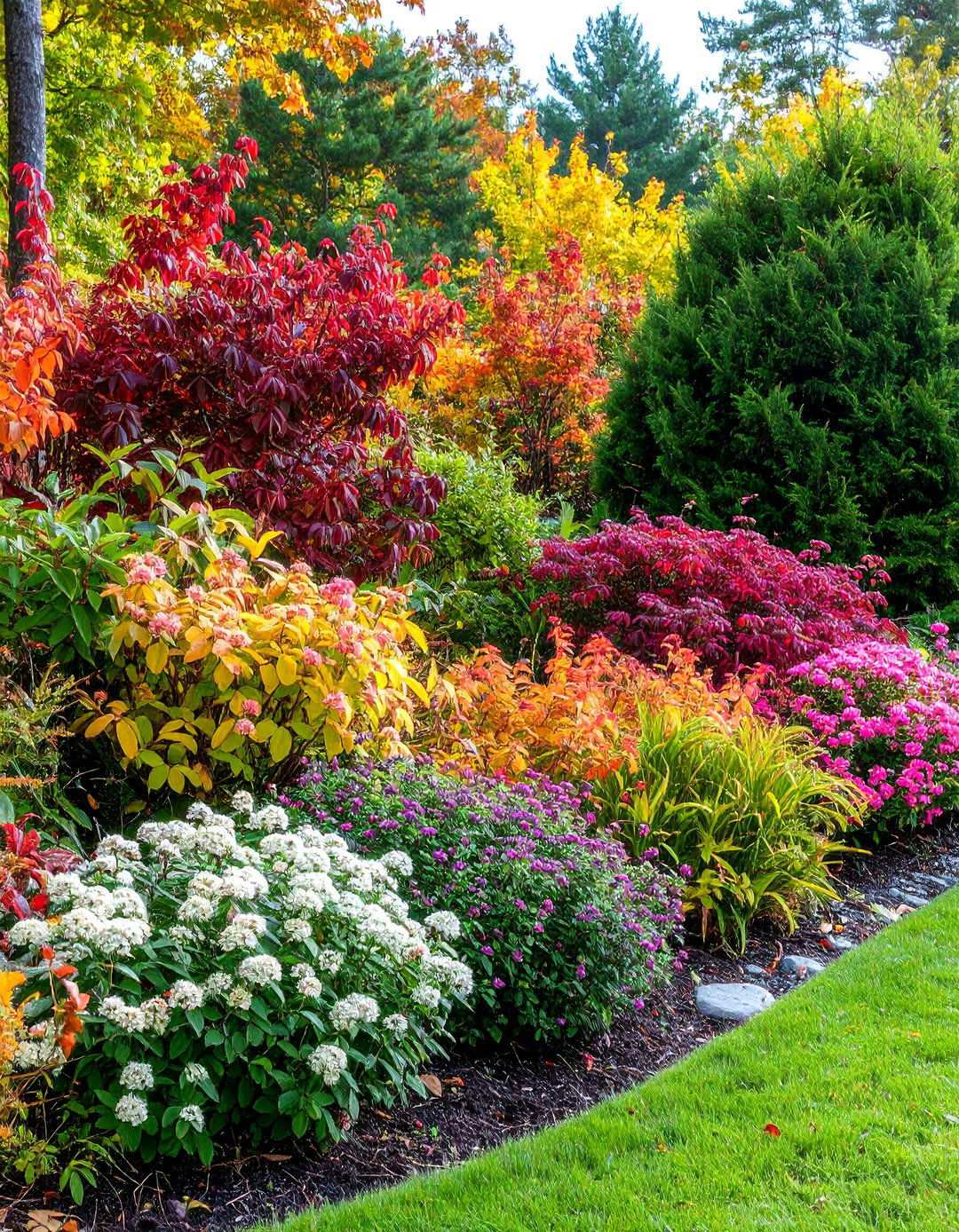
For a thriving, low-maintenance border that showcases regional native shrubs, consider incorporating a diverse selection of woody plants that support local wildlife populations. This ecological approach features native species that thrive in their natural habitats, requiring no external inputs like fertilizers or pesticides, and only occasional watering once established. By selecting regional plants like serviceberry, which provides a progression of spring flowers, summer berries, and autumn foliage color, you can create a self-sustaining ecosystem that evolves over time. Native viburnums, with their unique characteristics, offer similar seasonal interest, while birds and beneficial insects reap the rewards of natural food sources and host plants. To implement this approach, research native shrubs specific to your region, taking into account local soil conditions, climate patterns, and wildlife dependencies. This method results in a border that requires minimal maintenance, with occasional pruning needed only to maintain desired shapes and remove damaged wood.
21. Adding Textural Foliage Contrast for Year-Round Interest
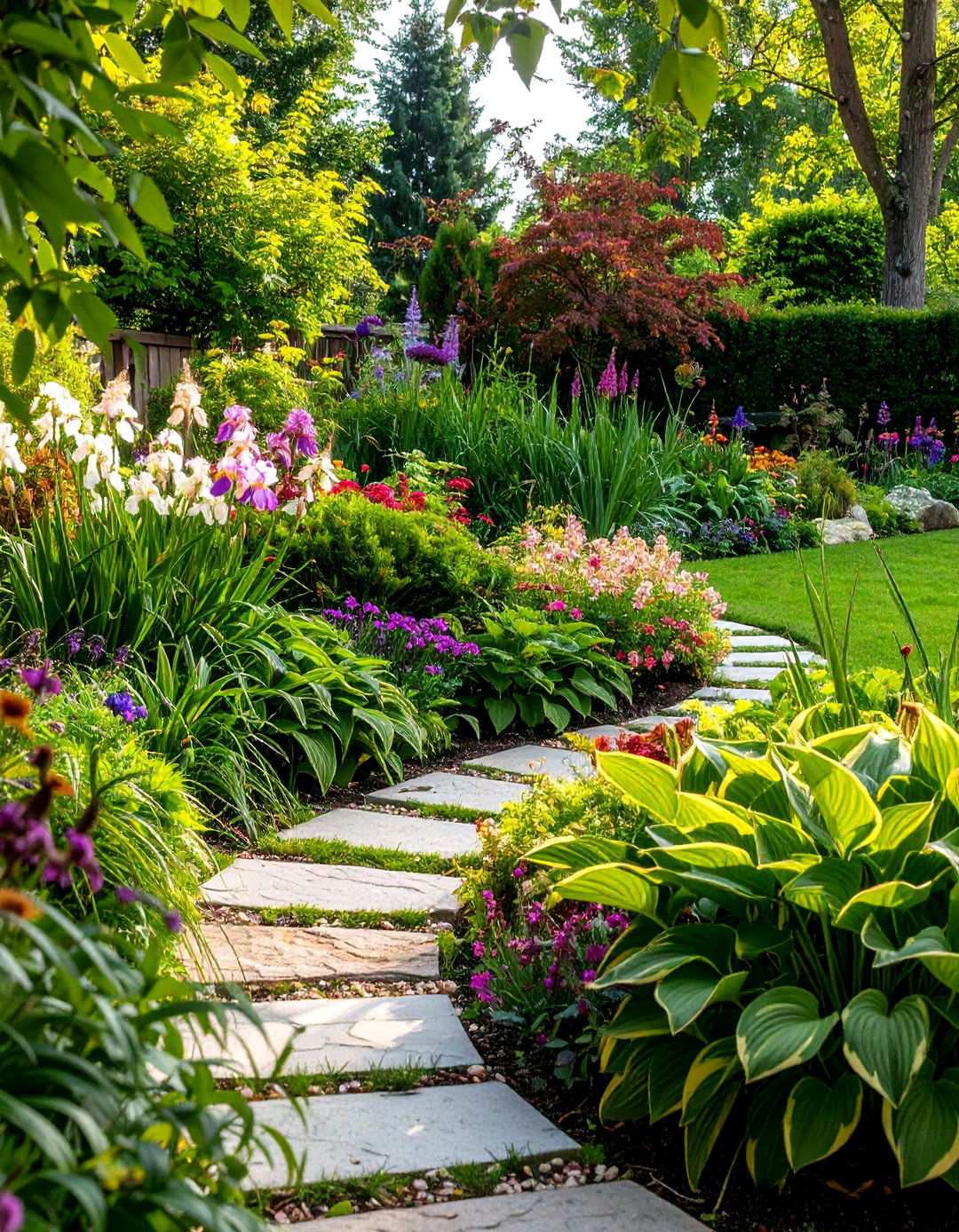
For a visually striking border that eschews fleeting flower colors, focus on creating a dynamic composition of leaf shapes, sizes, and textures. This foliage-centric design emphasizes the unique characteristics of different plants, like the broad leaves of hostas contrasted with the narrow blades of irises, or the delicate ferny texture of astilbe foliage between bold elements. By selecting plants with similar cultural requirements but contrasting growth habits, you can create a visually appealing border that remains interesting even when few plants are flowering. With foliage colors ranging from deep burgundy to bright chartreuse, this approach offers a palette of options beyond traditional green schemes. Maintenance is simplified, focusing on spring cleanup and occasional division, rather than continuous flower care throughout the seasons.
22. Coastal Wind-Resistant Border Design
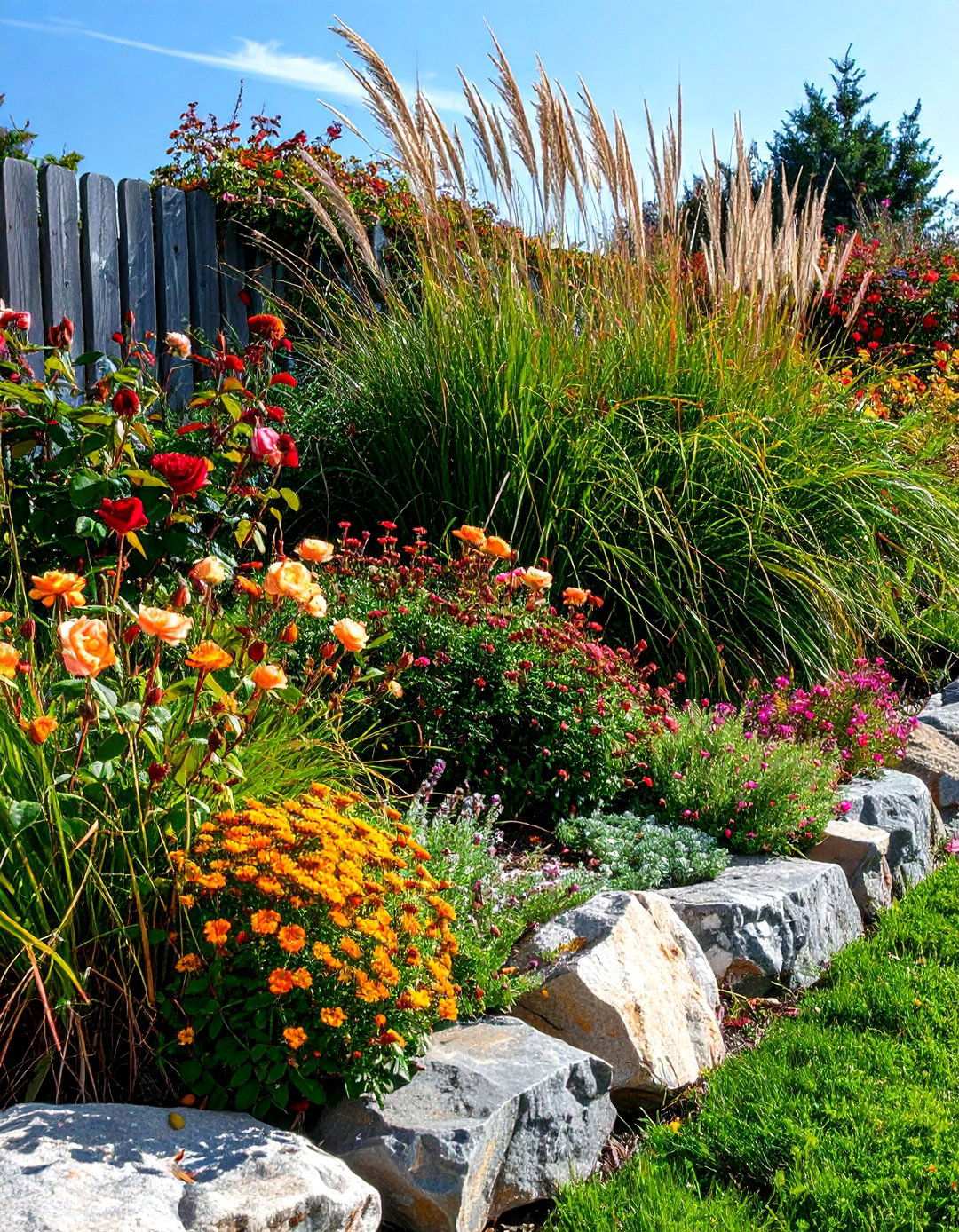
Thriving seaside gardens can resist salt spray and relentless coastal winds, all while showcasing stunning borders throughout the challenging growing seasons. By incorporating plants specifically adapted to marine environments, this specialized border design excels in maritime conditions. Rugosa roses offer a fragrant and vibrant display, with the added benefit of tolerating salt exposure, while ornamental grasses effortlessly bend with every coastal breeze without sustaining damage. These resilient plants have developed remarkable survival strategies, such as waxy leaf coatings and robust root systems, to endure the harsh coastal climate. For optimal soil structure and wind protection, mulching with organic matter is a crucial step in establishing this border. A temporary wind screen is necessary initially, but once the plants mature, they will provide mutual defense against the elements. To ensure success, select species that have a proven track record in coastal environments, rather than experimenting with untested varieties. Regular maintenance involves carefully removing salt-damaged foliage and replacing any plants that succumb to extreme weather conditions.
23. Pollinator Haven Border Garden
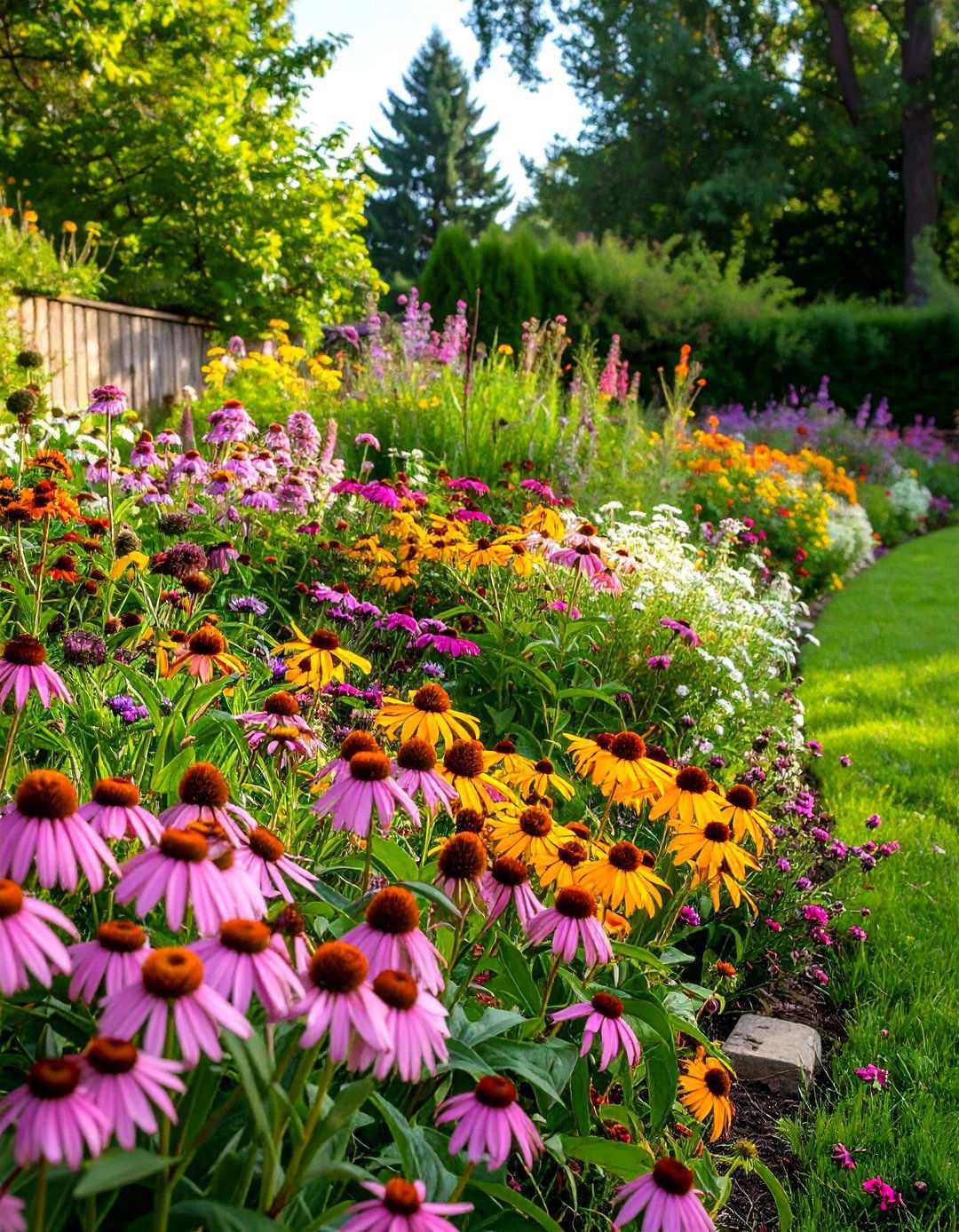
Creating borders that teem with beneficial activity can be a rewarding way to support declining pollinator populations while also cultivating stunning garden displays. This conservation-focused design prioritizes the needs of butterflies, bees, and other essential pollinators, providing a haven for them to thrive throughout the growing seasons. By incorporating native bee balm, which attracts hummingbirds and butterflies, and asters, which offer late-season nectar when few other sources remain available, this border garden becomes a vital resource for pollinators. To avoid harming these beneficial insects, it’s essential to eschew pesticide use and instead cultivate diverse flower shapes that cater to the varied feeding preferences of pollinator species. By leaving plant stems and seed heads intact through winter, this approach creates sanctuary for overwintering pollinators, fostering thriving ecosystems that support biodiversity and showcase beautiful garden displays.
24. Artistic Focal Point Borders
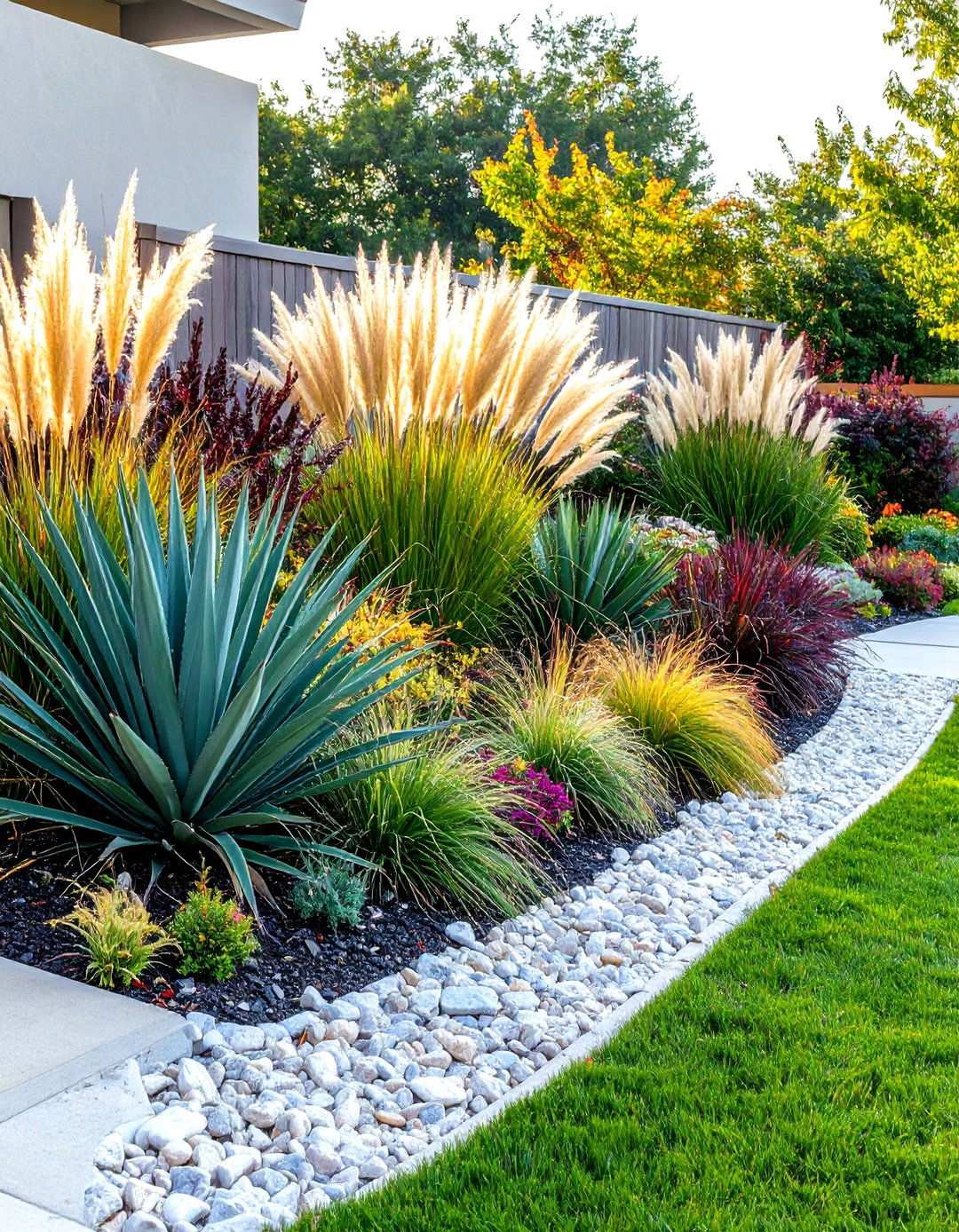
Crafting borders that surround striking focal plants, which serve as year-round visual anchors, can create a captivating landscape design. By incorporating bold specimens like ornamental grasses, yucca, or compact conifers as primary elements, and complementing them with supporting plants, a visually appealing composition emerges. These architectural plants maintain their presence through all seasons, even when surrounding elements are at their most dormant or unassuming. When selecting specimens, focus on those with unique forms, textures, or colors that continue to captivate the eye despite seasonal changes. In contrast, supporting plants should harmonize with the focal specimens rather than drawing attention away from them. This design style thrives in contemporary landscapes, where clean lines and striking forms are prized. Effective maintenance involves preserving the health and character of the specimen plants, rather than striving for intricate plant combinations. As a result, the border’s visual appeal evolves with changing light conditions and weather effects on the architectural elements, rather than relying on the succession of flowers.