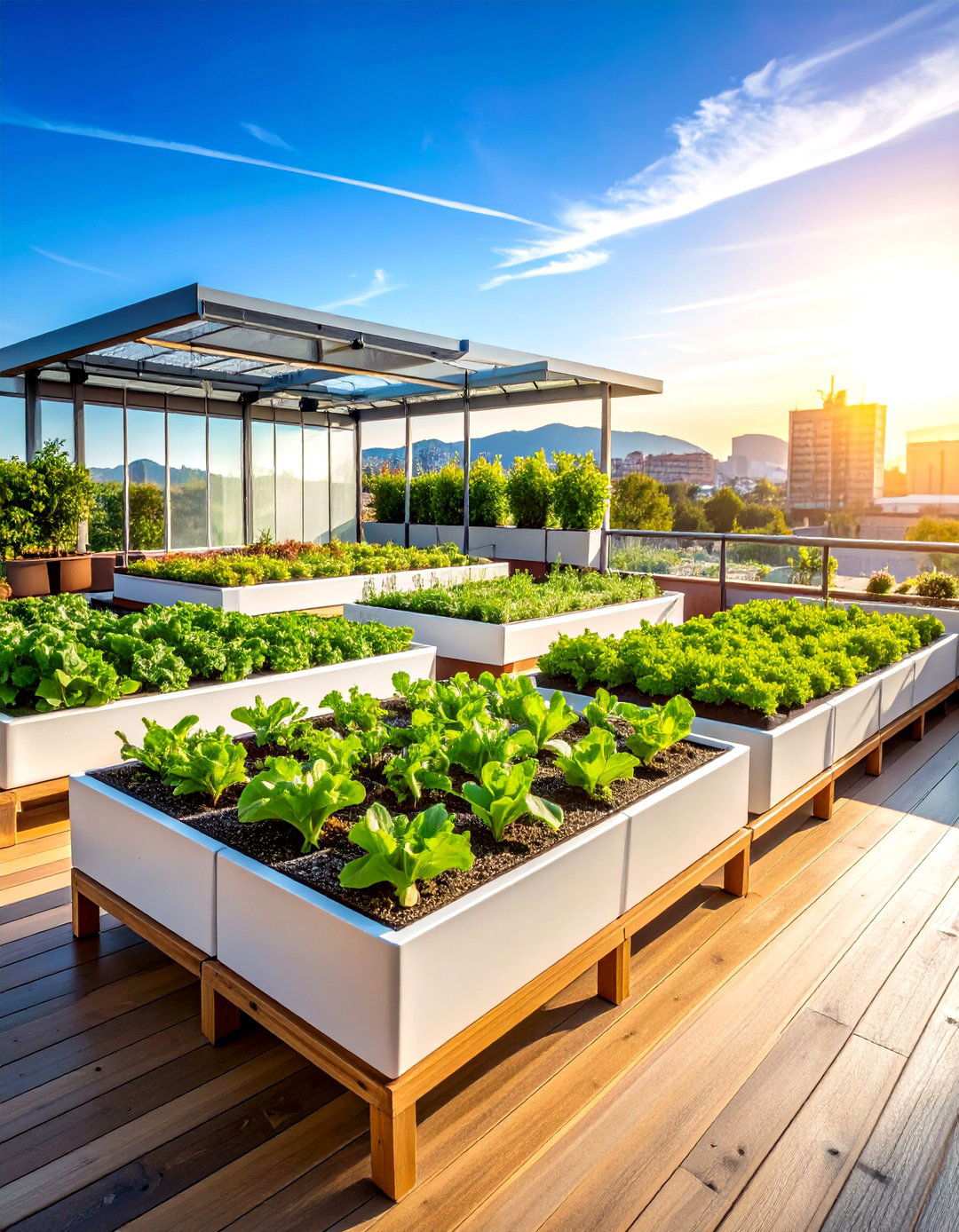
1. Elevating Garden Bed Borders
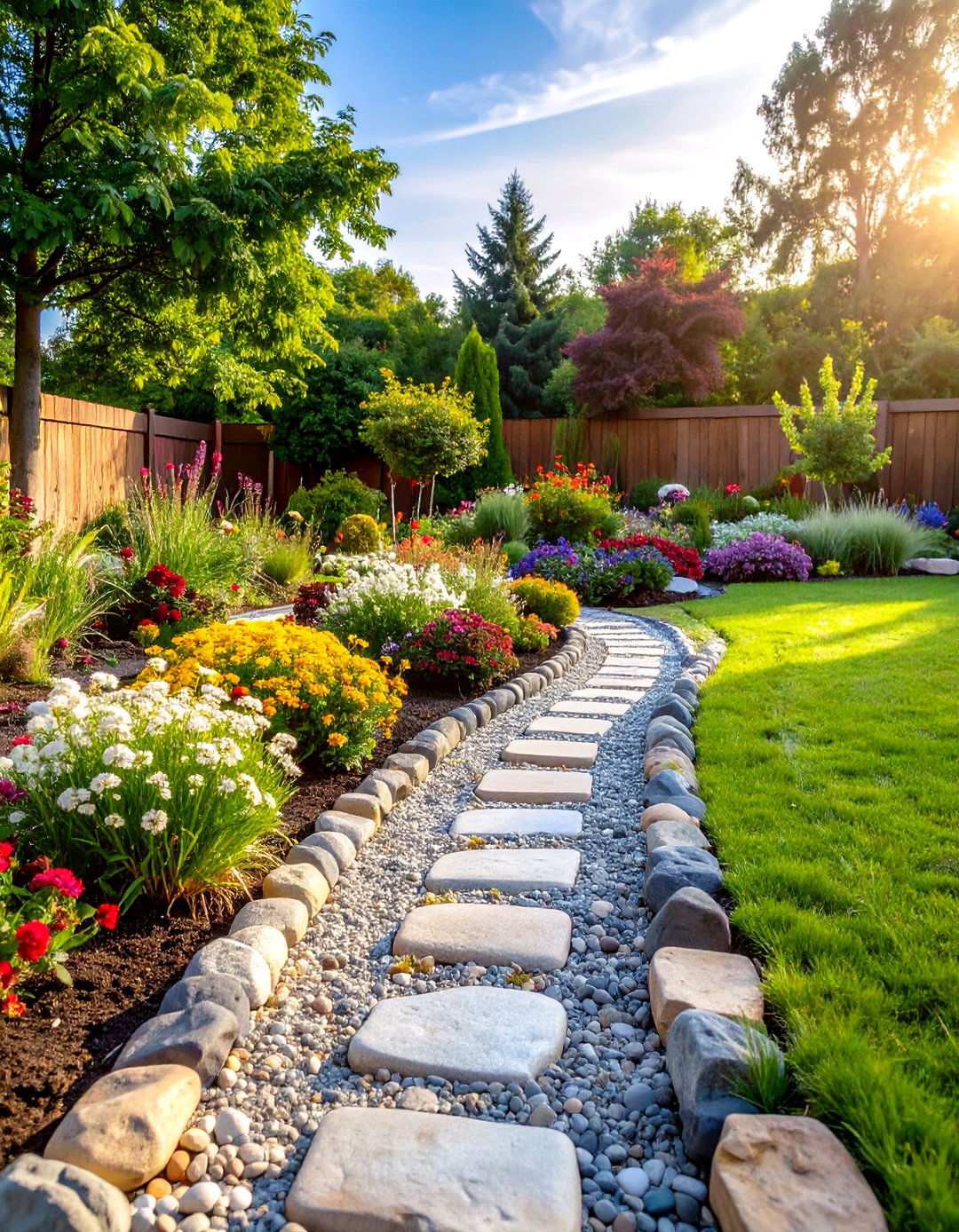
River rock edging is a sophisticated solution for defining garden spaces, transforming ordinary landscapes into breathtaking showcases of natural beauty and practical functionality. By incorporating these smooth, water-polished stones, homeowners can effortlessly create visually striking borders that separate lawn areas from planted sections, while offering a wide range of design possibilities to suit various tastes and preferences. Whether you’re looking to frame flower beds, create meandering pathways, or enhance water features, river rocks bring an organic charm to any outdoor space, elevating the overall aesthetic appeal of your landscape. With their incredible versatility, river rocks seamlessly complement modern minimalist designs, rustic cottage gardens, and everything in between, adding a layer of sophistication to your outdoor environment.

As an Amazon Associate I earn from qualifying purchases.
Their exceptional durability means your edging will withstand the test of time, withstanding weather fluctuations while requiring minimal upkeep compared to traditional organic mulches. Furthermore, beyond their aesthetic appeal, river rocks provide an array of benefits, including excellent drainage, soil erosion prevention, and moisture retention around plants. By choosing from an extensive range of sizes and colors, from small pebbles to large boulders and earth tones to dramatic contrasts, homeowners can tailor their river rock edging to suit their unique landscape vision and budget considerations.
2. Curved Pathway Edging
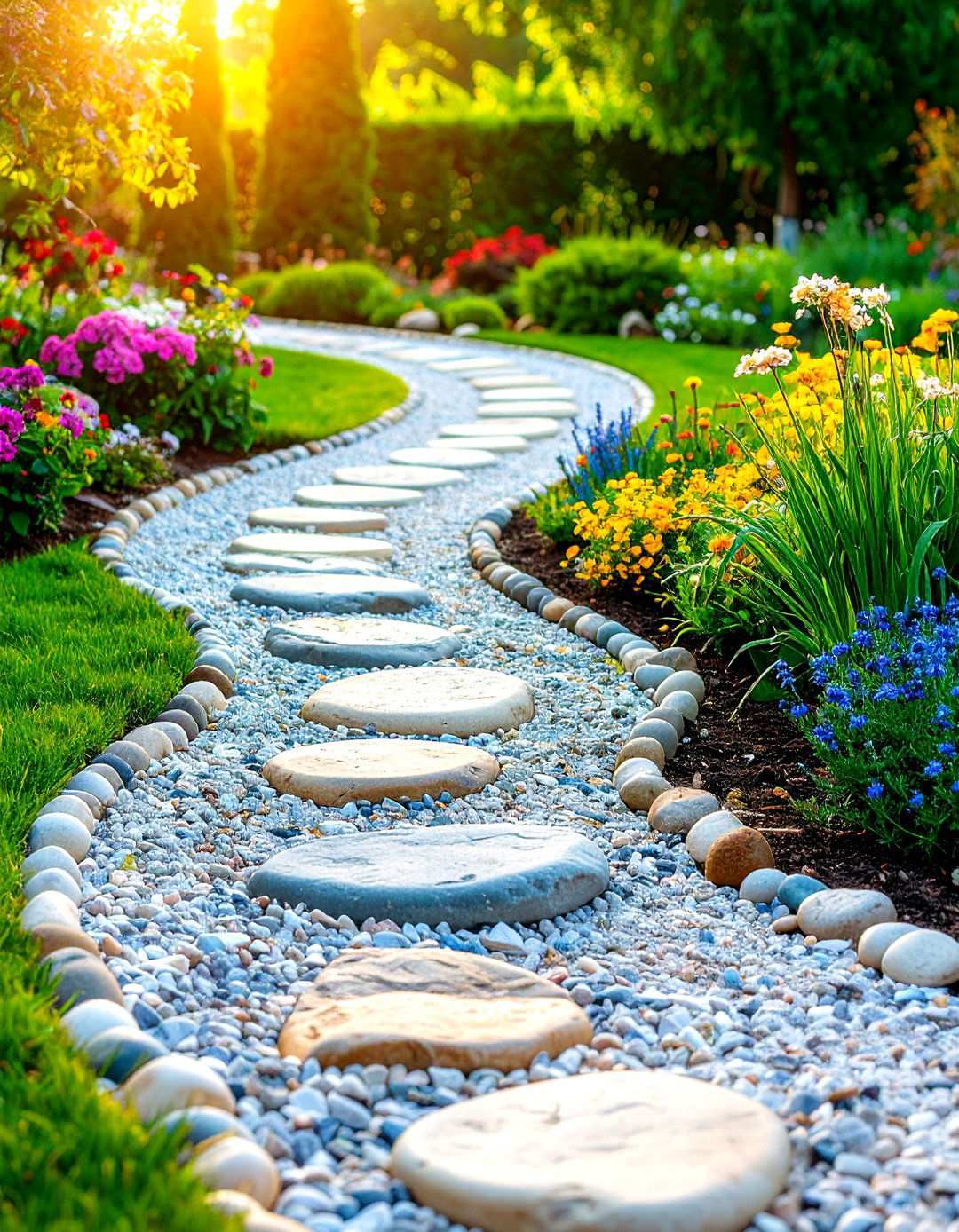
A flowing, organic design for curved pathway edging with river rocks can guide visitors through garden spaces in a natural and effortless manner. By incorporating varying sizes of river rocks, the curved design can be emphasized, creating a visually appealing experience. Larger stones placed on the outside edges and smaller pebbles along inner curves not only enhance the design but also provide a comfortable walking surface. The smooth stones also prevent pathway materials from spreading into adjacent beds, ensuring a neat and tidy appearance. Consider incorporating different colored river rocks to create subtle patterns or contrasts that enhance the pathway’s visual appeal. This design approach is particularly well-suited for winding garden paths, connecting different outdoor living areas, and creating meandering routes through larger landscape spaces where linear borders would feel too formal or constraining.
When crafting a curved pathway edging with river rocks, it’s essential to consider the varying sizes of the stones. Placing larger stones on the outside edges and smaller pebbles along inner curves creates a visually appealing contrast that guides the eye through the garden space. By using a mix of stone sizes and colors, the pathway can be customized to suit the specific needs and style of the garden. This design approach not only adds visual interest but also provides a functional and comfortable walking surface.
3. Raised Bed Retaining Walls
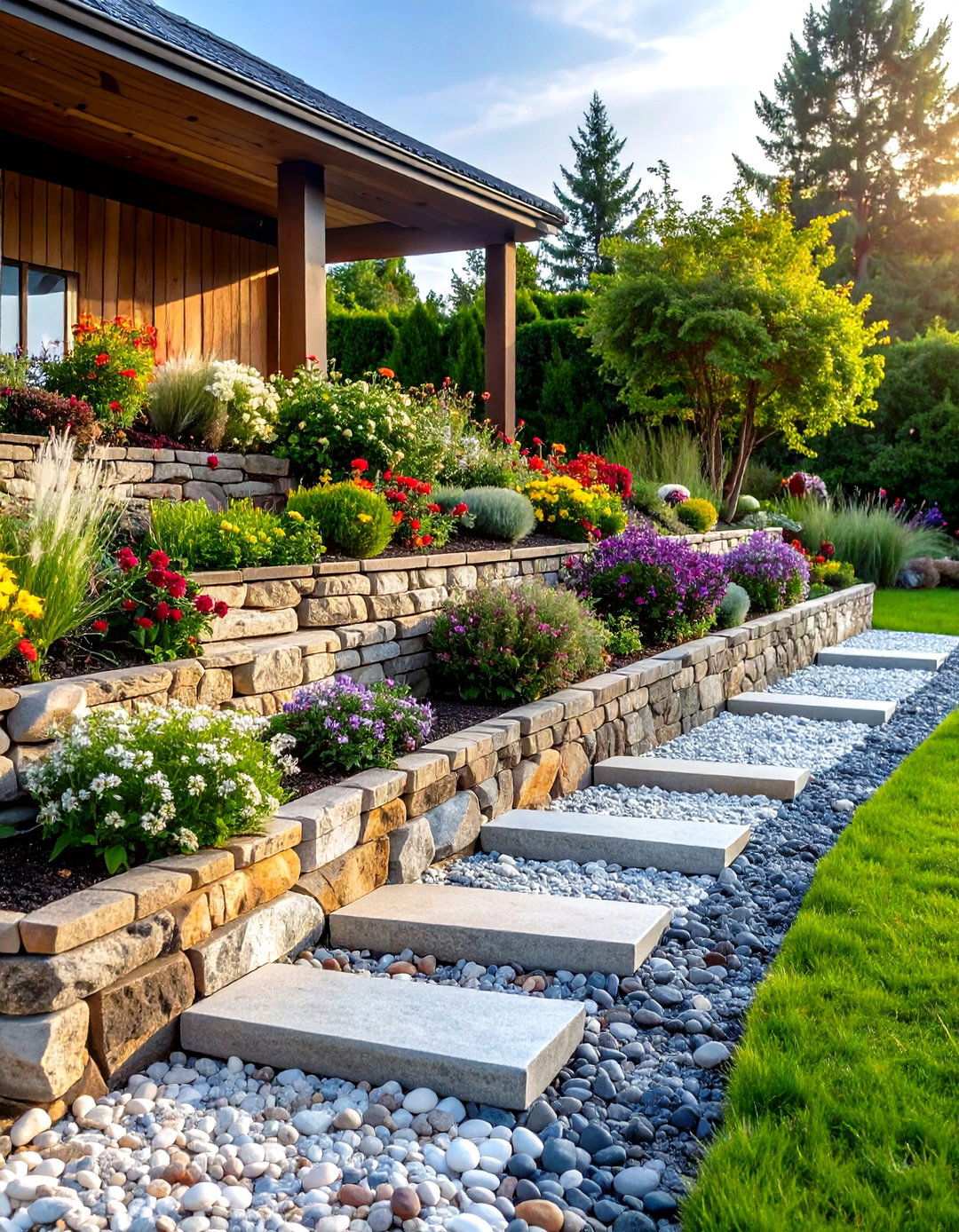
Constructing raised bed retaining walls with stacked river rocks is a great way to combine functionality with natural beauty in sloped garden areas. These structures not only help manage soil erosion but also create level planting surfaces for vegetables, herbs, or ornamental plants. To ensure stability, stack flat river rocks in graduated tiers, with each level slightly set back from the one below. Fill gaps between stones with smaller pebbles to improve drainage and create a cohesive appearance. The varied textures and colors of stacked river rocks provide a more natural alternative to manufactured retaining wall blocks, while also offering excellent water permeability. This design particularly benefits hillside gardens where traditional edging might fail to contain soil during heavy rains.
Raised bed retaining walls constructed with stacked river rocks are also beneficial for garden maintenance activities. The varied textures and colors of the stones add visual interest while supporting different planting zones at comfortable working heights. By using river rocks, gardeners can create a more natural and visually appealing landscape feature that also serves a functional purpose. This design approach is particularly well-suited for hillside gardens where soil erosion is a significant concern.
4. Water Feature Perimeters
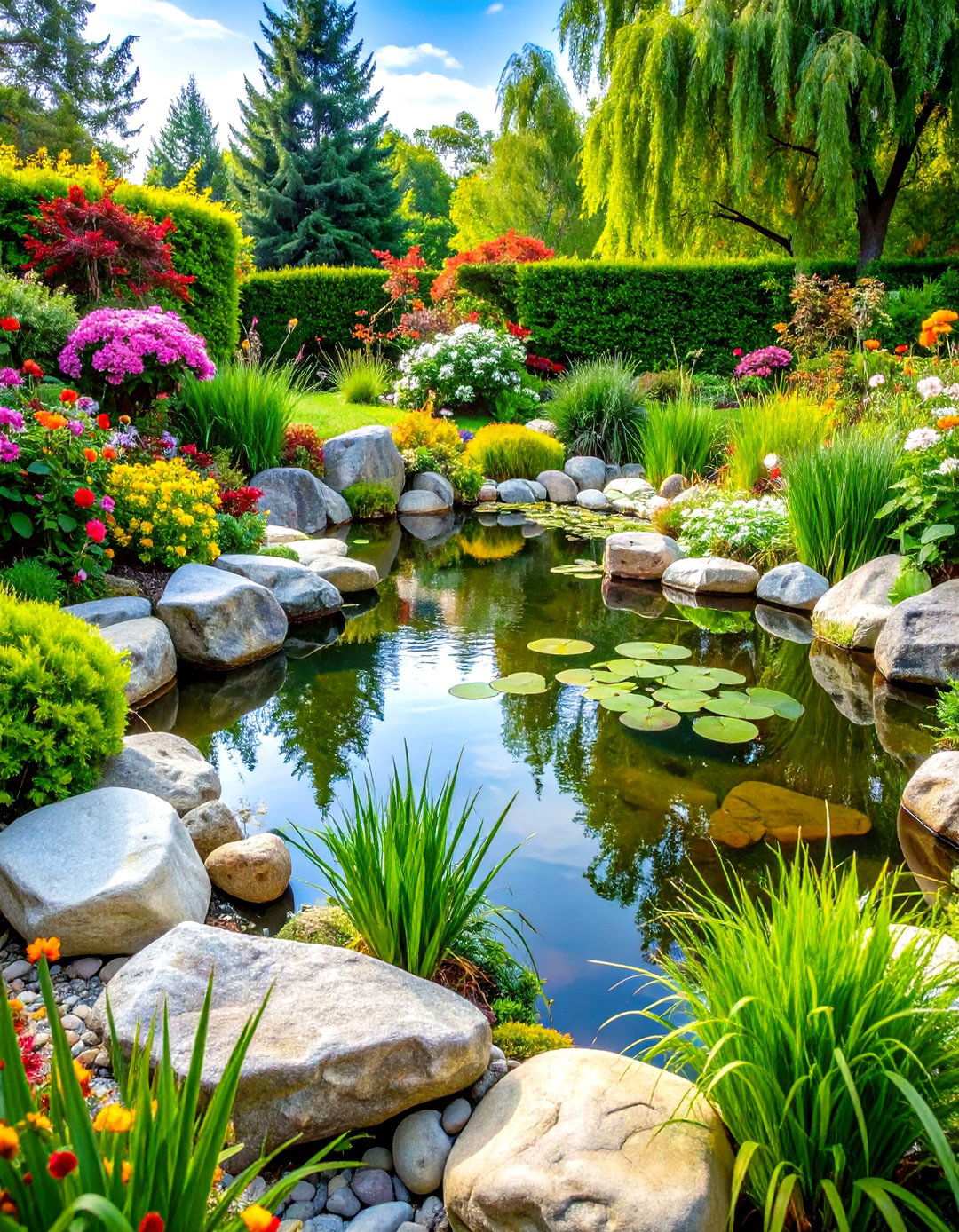
Incorporating river rocks around water feature perimeters creates a seamless transition between aquatic elements and surrounding landscape areas. These natural stones echo the movement of water while providing attractive borders for ponds, fountains, and streams. The smooth surfaces of the rocks reflect light beautifully, enhancing the shimmer of nearby water surfaces during different times of day. To create a visually appealing border, layer rocks of varying sizes around water edges, with larger boulders anchoring corners and smaller stones filling transitional spaces. Consider the color temperature of your chosen stones – cooler grays and blues complement formal water features, while warmer earth tones suit naturalistic pond designs.
When selecting river rocks for water feature perimeters, it’s essential to consider the desired aesthetic and functional goals of the feature. Do you want your water feature to feel like a natural spring or a designed focal point? The arrangement and selection of river rocks significantly influences this perception, making thoughtful placement crucial for achieving your desired goals. By incorporating river rocks in a thoughtful and intentional manner, you can create a visually appealing and functional water feature that enhances the overall landscape design.
5. Fire Pit Surroundings
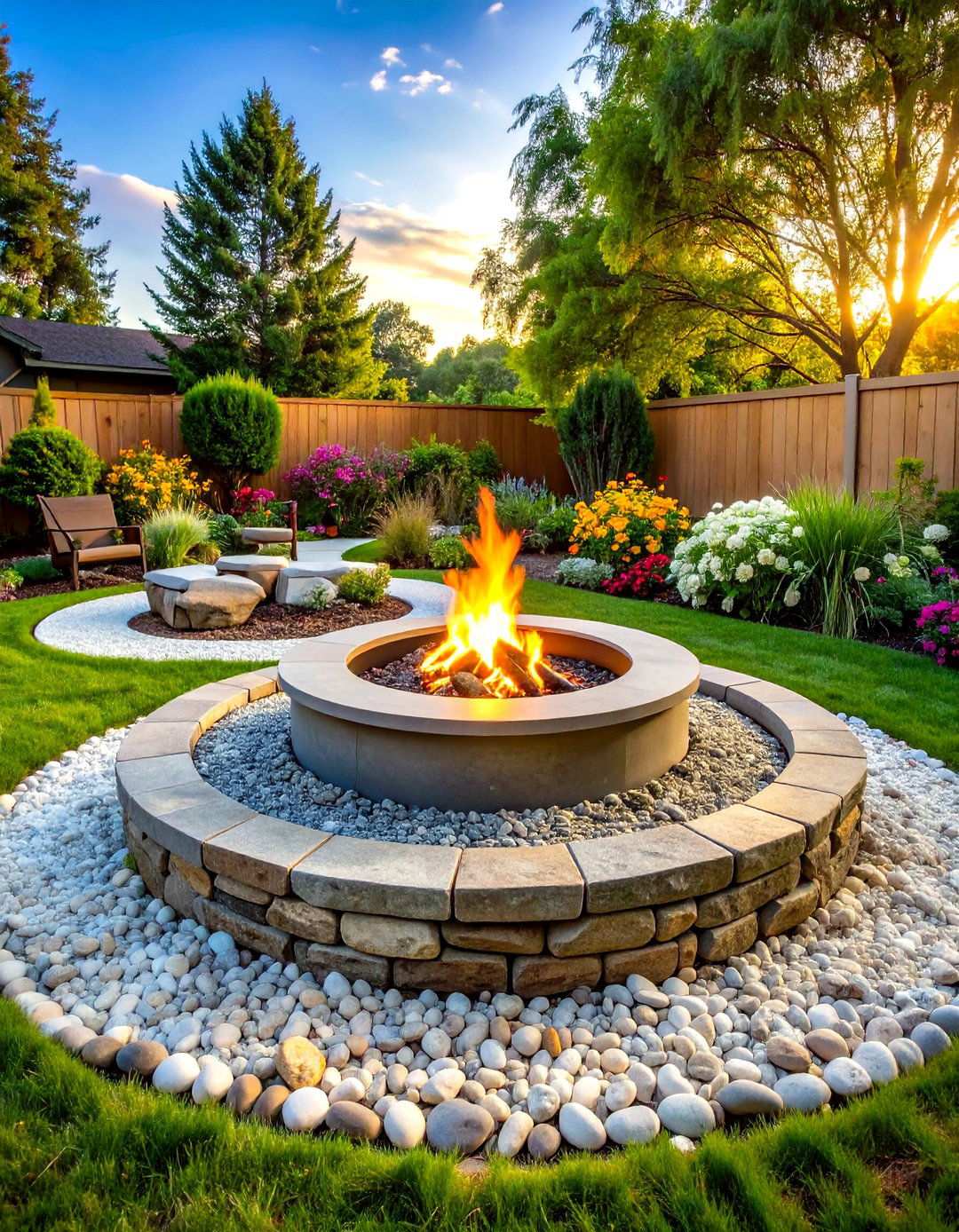
When crafting fire pit surroundings with river rocks, it’s essential to strike a balance between safety, aesthetics, and functionality. By using these heat-resistant stones, you can create a stable and attractive gathering space that protects the surrounding landscape from heat and sparks. The concentric circles of river rocks, arranged with larger stones closest to the fire and smaller pebbles at the perimeter, not only provide a secure footing but also add to the ambiance of the fire feature. The natural colors and textures of river rocks harmonize with the warm glow of firelight, setting the tone for cozy evening gatherings. To take your design to the next level, incorporate seating arrangements within the rock design by incorporating flat boulder surfaces or manufactured seating elements. This thoughtful approach ensures proper fire safety while maintaining the natural aesthetic that makes outdoor fire features so appealing for relaxation and entertainment.
6. Zen Garden Elements
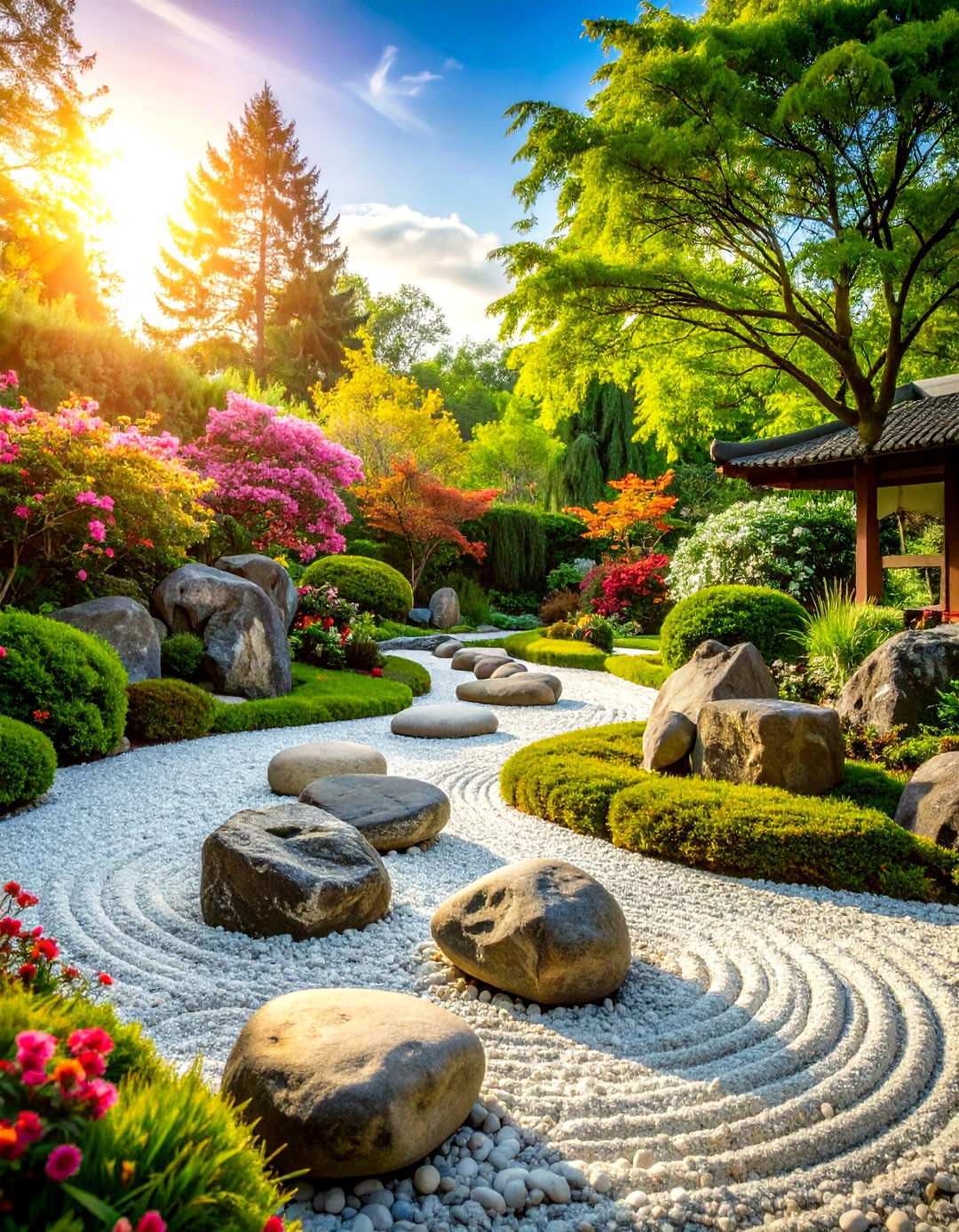
A well-designed zen garden with river rocks can be a serene oasis in your outdoor space, perfect for meditation and relaxation. By carefully arranging these stones, you can create a composition that emphasizes balance, simplicity, and natural harmony. The key is to consider thoughtful stone placement and pattern creation, allowing the eye to wander and find peace in the natural beauty of the garden. Rake smaller river pebbles into flowing patterns that evoke the movement of water, and position larger stones as focal points that represent mountains or islands. The subtle color variations of the stones maintain visual calm while providing enough contrast to define different areas within the composition. By incorporating river rocks into your zen garden design, you can create a space that invites contemplation and reflection, offering ongoing opportunities for peaceful moments in your daily routine.
7. Drainage Swales and Channels
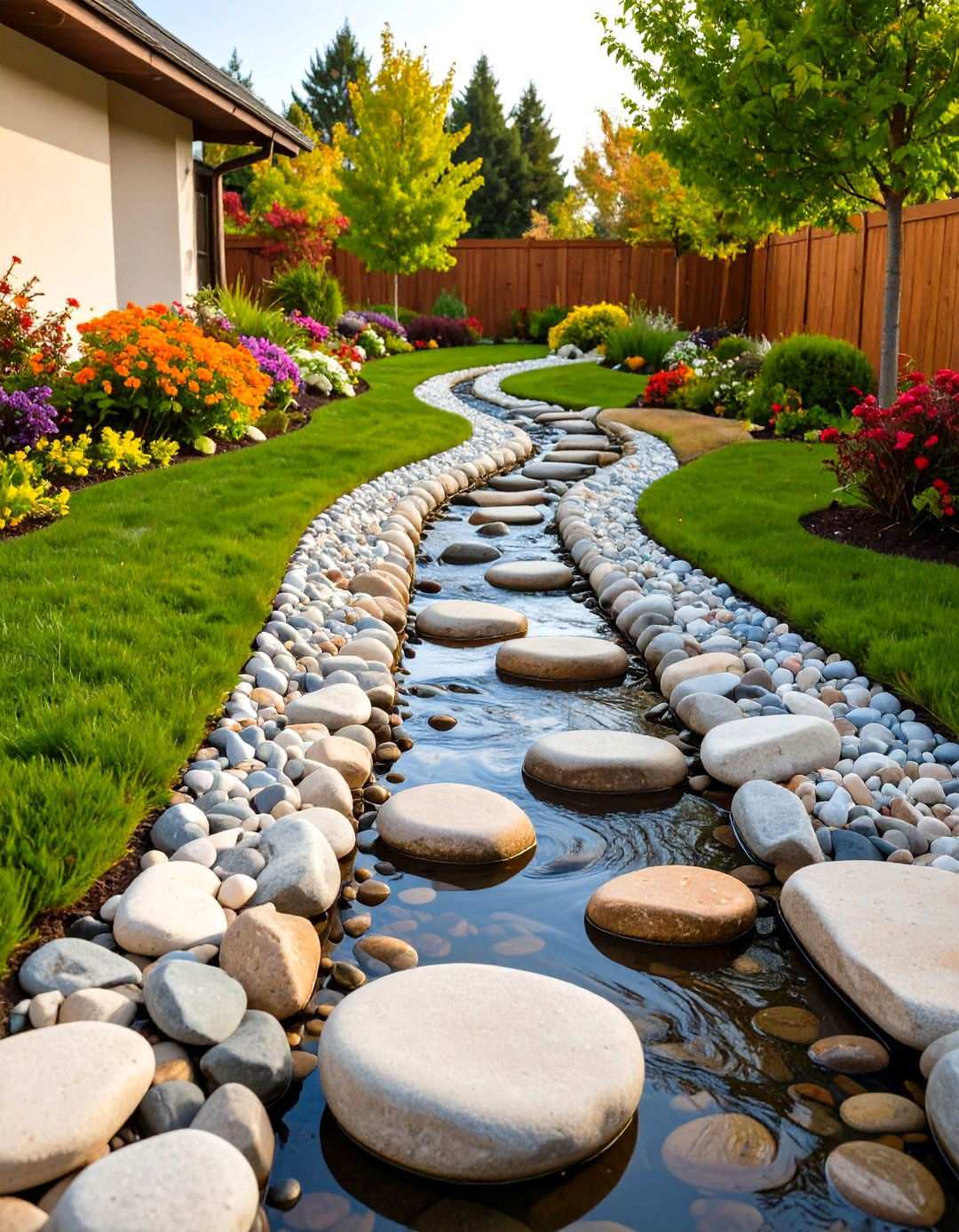
Effective drainage management is crucial for maintaining the health and integrity of your garden, and river rocks can play a vital role in this process. By constructing drainage swales with river rocks, you can direct rainwater flow away from structures and planted areas, protecting your investment in both hardscape and garden installations. The smooth surfaces of the rocks allow water to flow freely, while preventing soil washing and channel degradation. To create a visually appealing drainage system, consider incorporating curves and varying widths into your design. This not only allows the swale to resemble a natural stream bed even when dry but also adds an element of naturalism to the surrounding landscape features. By transforming necessary drainage infrastructure into attractive design elements, you can enhance the overall beauty of your garden, making it a more enjoyable and serene space for relaxation and contemplation.
8. Tree Ring Mulching
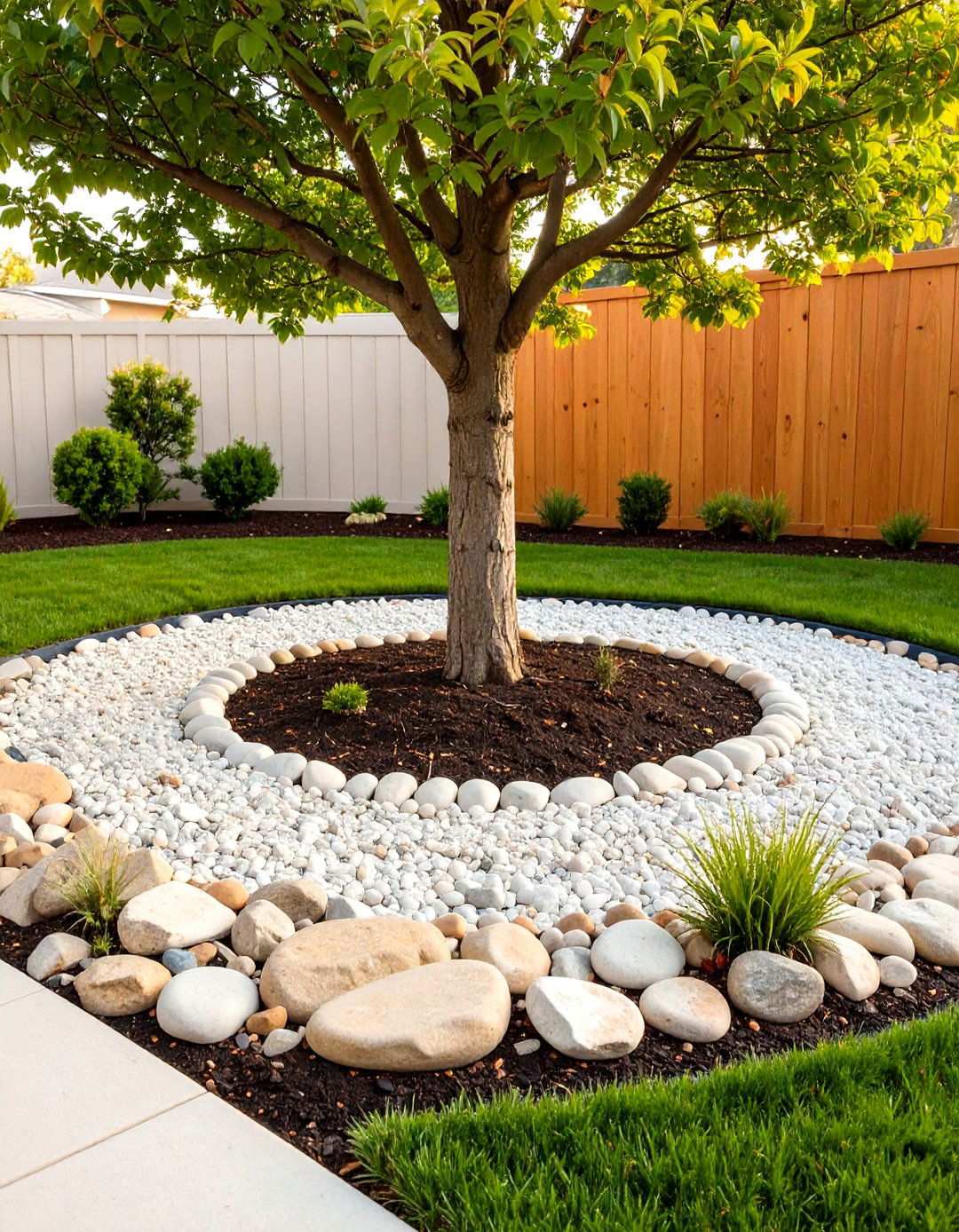
Installing river rock tree ring mulch is a thoughtful way to create an attractive, long-lasting ground cover around tree bases while safeguarding delicate roots from lawn mower damage. By choosing this approach, you can eliminate the need for annual organic mulch replacement and maintain optimal soil moisture and temperature regulation. To set up a river rock mulch system, create rings extending from tree trunks to the drip line, and consider using landscape fabric beneath the rocks to prevent weeds from sprouting. The choice of rock size should be proportional to the tree’s scale, with smaller pebbles suitable for young trees and larger stones complementing mature specimens. River rocks come in a diverse range of colors, allowing for seamless coordination with your home’s exterior, other landscape materials, or seasonal garden color schemes. This low-maintenance approach aligns perfectly with busy homeowners who value attractive, functional landscape solutions that require minimal upkeep, needing only occasional refreshing to maintain their appearance.
9. Mixed Material Borders
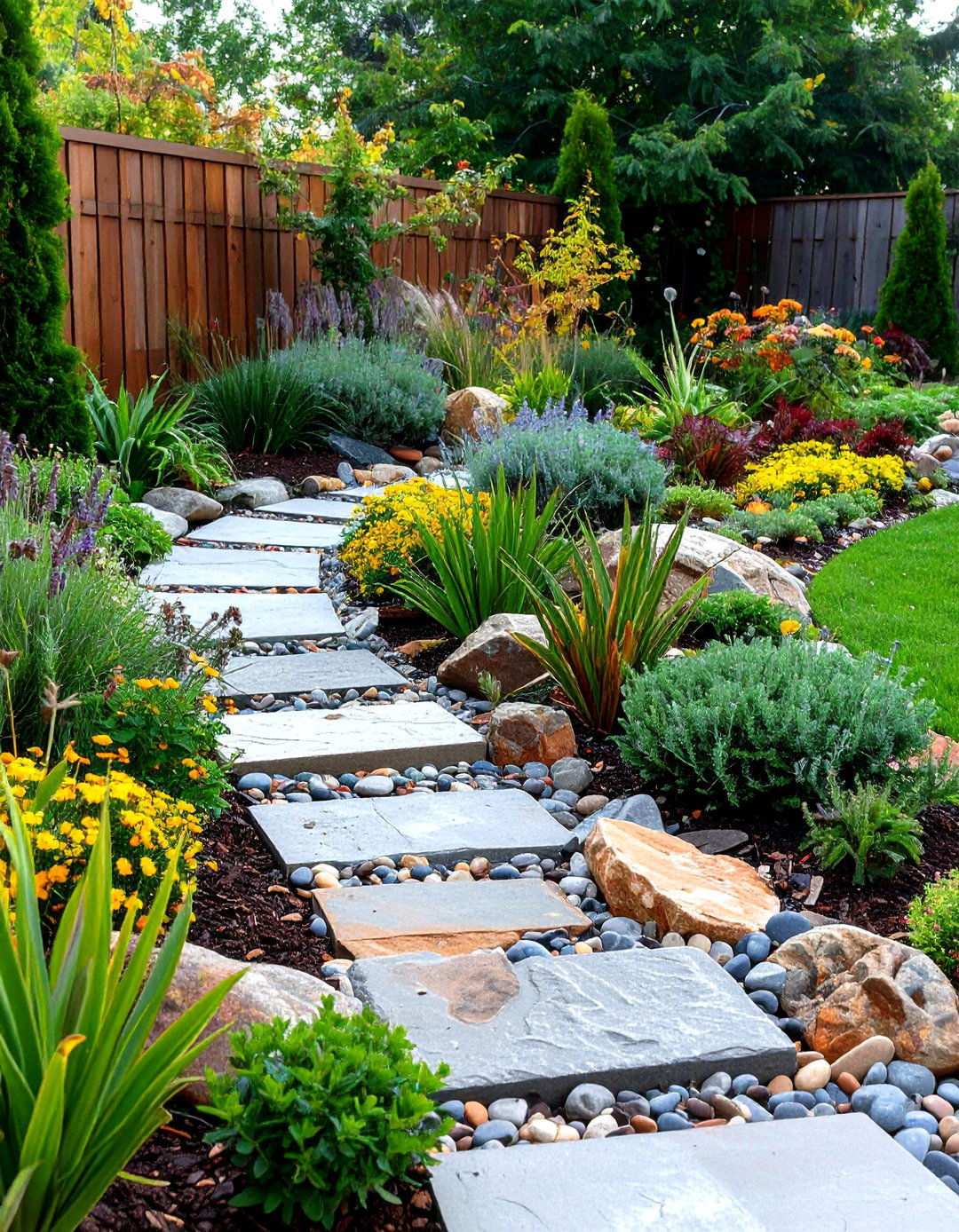
Blending river rocks with other edging materials creates visually stimulating borders that add textural depth and design sophistication to garden spaces. This versatile approach might incorporate brick, concrete pavers, metal strips, or natural wood elements alongside river rock components, generating a captivating interplay of textures and forms. River rocks can be strategically used to soften the transitions between different hard materials, filling gaps and creating harmonious connections between structured elements. When planning mixed borders, it’s essential to consider the maintenance requirements for each material type, as river rocks require minimal care, while other materials may necessitate periodic cleaning or replacement. This thoughtful design strategy is particularly well-suited for contemporary gardens, where diverse textures and materials come together to create sophisticated outdoor environments that reflect current design trends and personal style preferences.
10. Expert Terracing for Sloping Landscapes
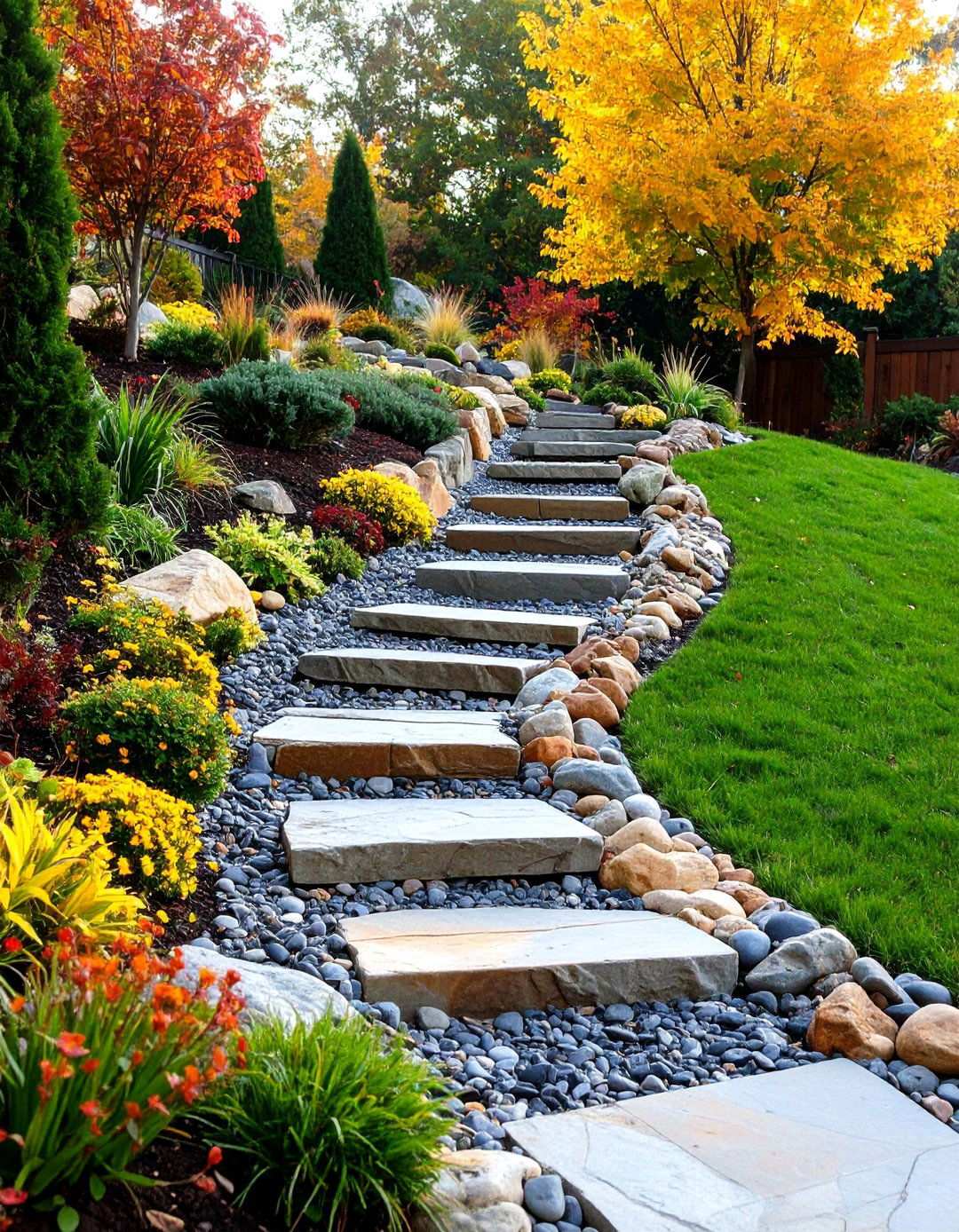
Optimizing terraced slopes with river rock edging is a strategic approach to creating stable planting areas while mitigating soil erosion on challenging terrain. By transforming unusable steep areas into functional garden spaces with multiple planting levels, homeowners can unlock new possibilities for outdoor living. Effective terracing involves constructing layers using larger river rocks as structural elements, backfilling with smaller stones and high-quality soil for optimal plant establishment. To prevent water accumulation and potential structural instability, each terrace level should be designed with proper drainage in mind. What’s more, the natural appearance of river rock terracing seamlessly integrates with landscape settings, outperforming manufactured retaining wall systems in terms of soil retention and aesthetic appeal. By choosing plants for each terrace level based on drainage characteristics, sun exposure, and maintenance accessibility, property owners can create thriving, low-maintenance gardens that elevate their outdoor spaces. Don’t let steep areas in your landscape go to waste – with expert terracing, you can turn uninviting terrain into a beautiful, functional oasis that enhances property value and outdoor enjoyment opportunities.
11. Harmonious Pool Deck Transitions with River Rocks
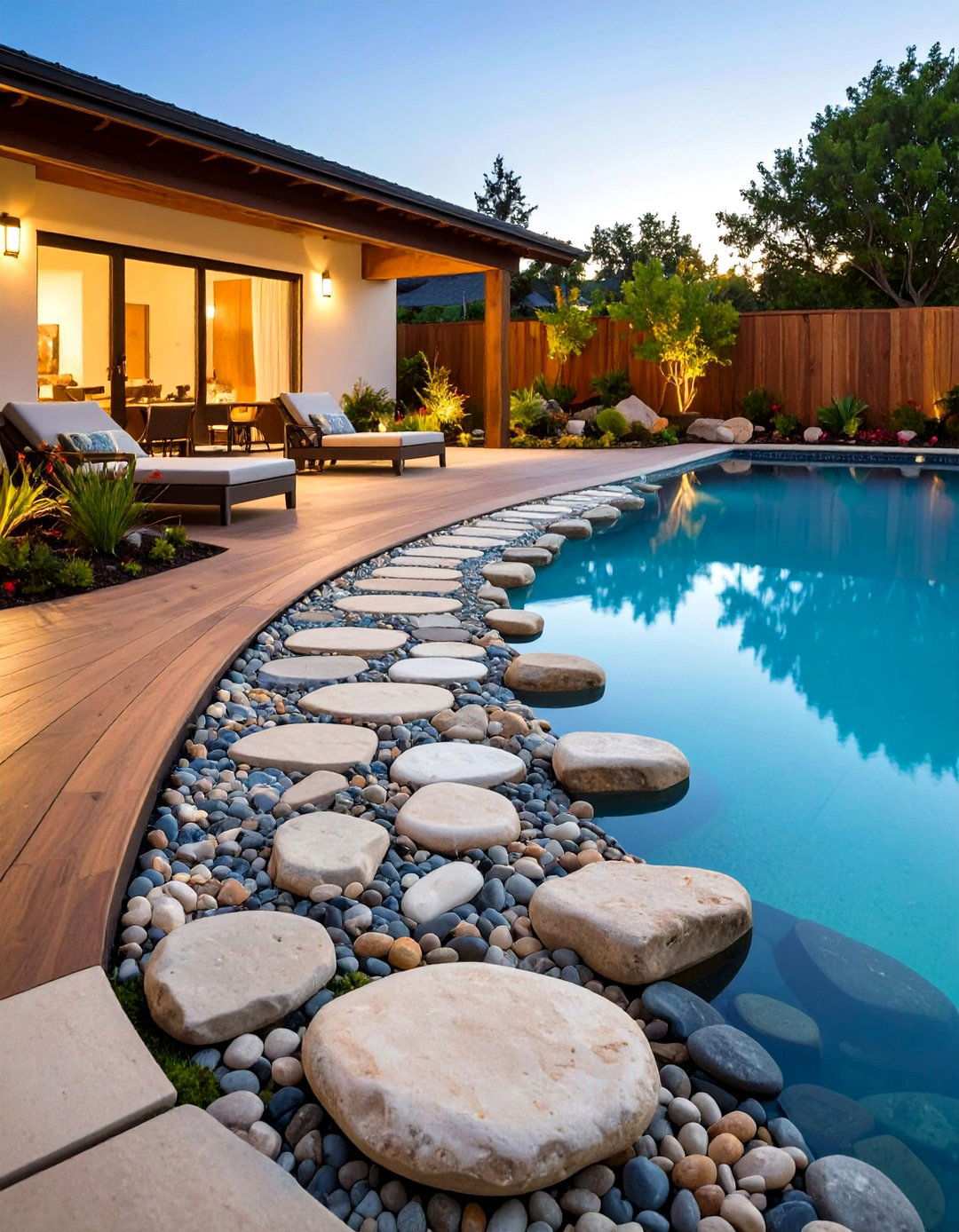
Creating seamless transitions between pool areas and surrounding landscape elements is crucial for a cohesive outdoor living experience. By incorporating river rocks into pool deck designs, homeowners can achieve slip-resistant surfaces while maintaining aesthetic continuity throughout their outdoor spaces. To maximize the impact of river rock installations, arrange stones in patterns that complement pool shapes and existing decking materials, using larger stones for structural stability and smaller pebbles for decorative filling. The natural cooling properties of stone make river rocks an ideal choice for barefoot-friendly pool decks, especially during hot summer weather. When designing pool deck transitions, consider the importance of proper drainage – river rock installations offer exceptional water permeability compared to solid surfaces. By selecting colors that coordinate with pool finishes and outdoor furniture while providing enough contrast to define different functional areas, property owners can create sophisticated outdoor environments that balance relaxation and entertainment capabilities.
12. Harmonious Mosaic Compositions
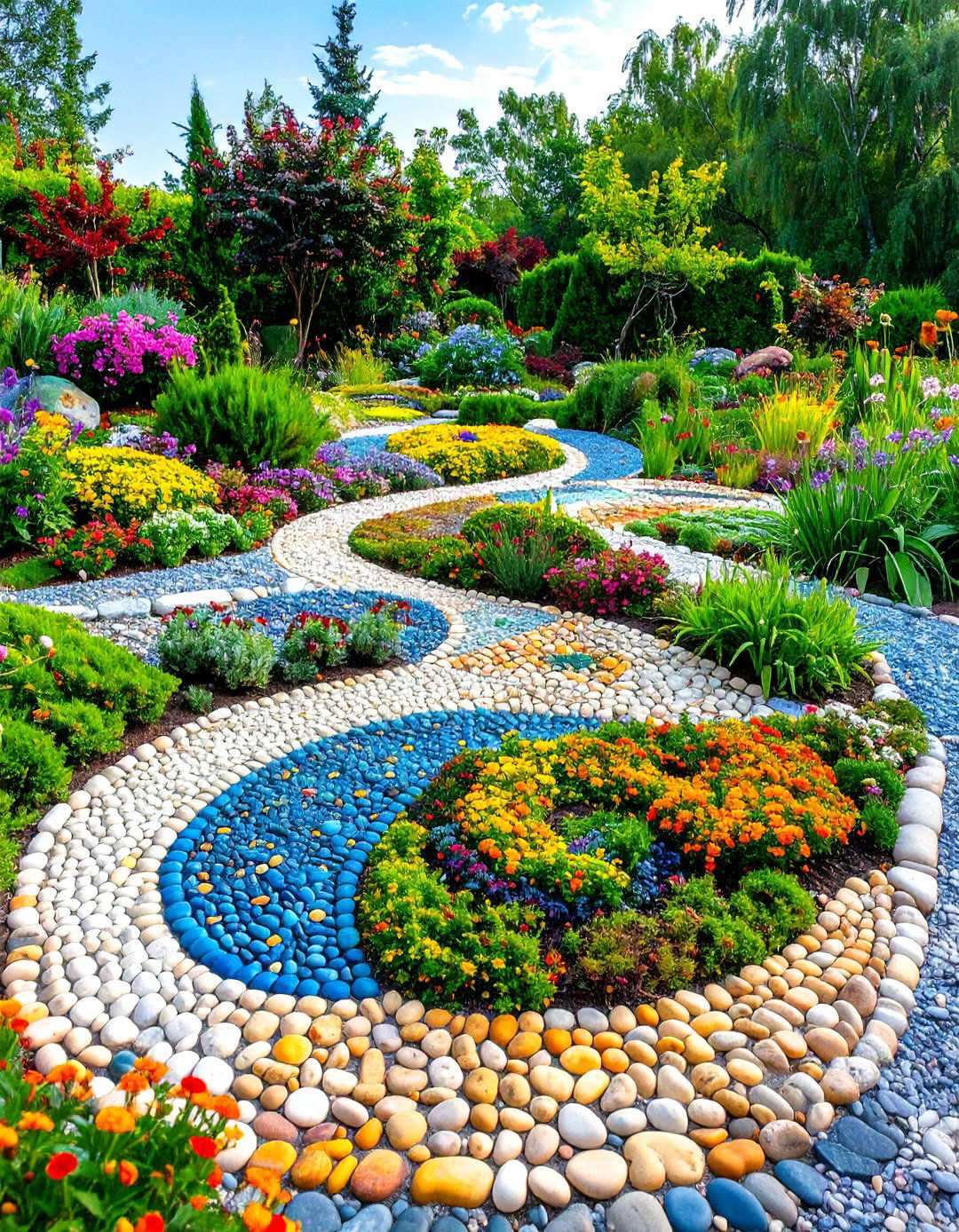
Transforming river rock edging into stunning mosaic art transforms the functional into the extraordinary. By fusing practical border functions with artistic expressions, you can create garden spaces that truly showcase your personal style and creativity. Combine different colored and sized river rocks to craft intricate patterns, from spiraling shapes to flowing organic forms that seamlessly blend with surrounding landscape elements. The smooth surfaces and kaleidoscope of colors in river rocks make them an ideal choice for crafting detailed patterns that remain breathtakingly beautiful across the seasons. Consider the vantage points from which your mosaic installations will be viewed – patterns should be easily visible from main pathways and outdoor living areas. As you weave artistic expression into your garden design philosophy, remember that these creative river rock applications can serve as both outdoor art installations and conversation pieces that captivate guests.
13. Evolving Seasonal Landscapes
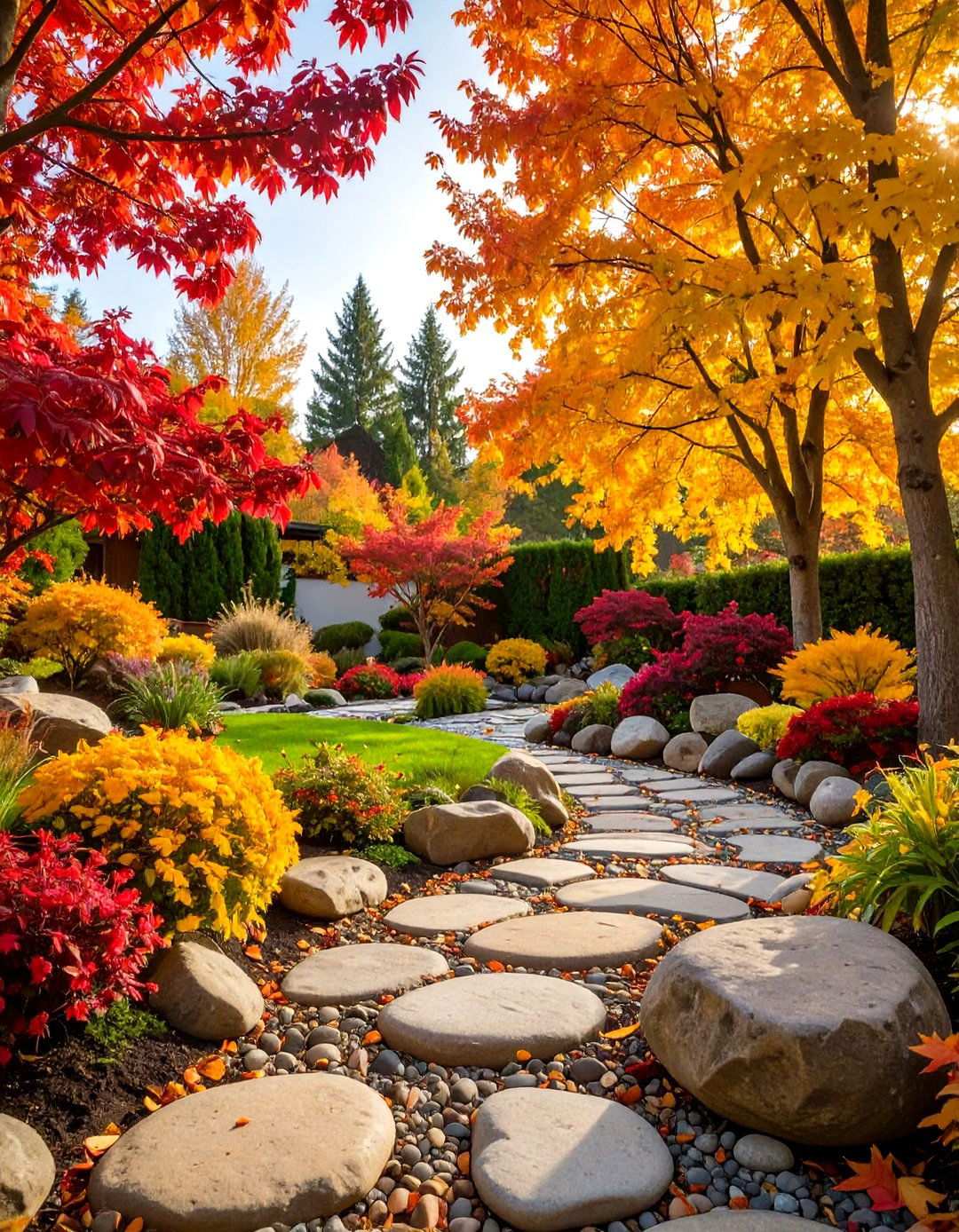
By thoughtfully selecting river rocks that harmonize with the ever-changing garden palette, you can create seasonal color schemes that offer year-round visual interest and adapt to the moods of your garden. These permanent installations provide a consistent color foundation that complements seasonal blooms, foliage changes, and holiday decorations. Start by choosing base rock colors that harmonize with your home’s exterior and permanent landscape features, then add accent stones that can be swapped out seasonally to keep your garden looking fresh. For an autumnal theme, warm earth tones like terracotta and golden brown work beautifully, while cooler grays and blues create a serene backdrop for winter garden compositions. In the spring, lighter colored stones can brighten up your garden as new growth emerges. By creating flexible systems where some rock elements remain constant and others can be modified to reflect your seasonal preferences, you can enjoy endless creative opportunities while maintaining the low-maintenance benefits that make river rock edging so appealing for busy gardeners.
14. Woodland Edge Definition
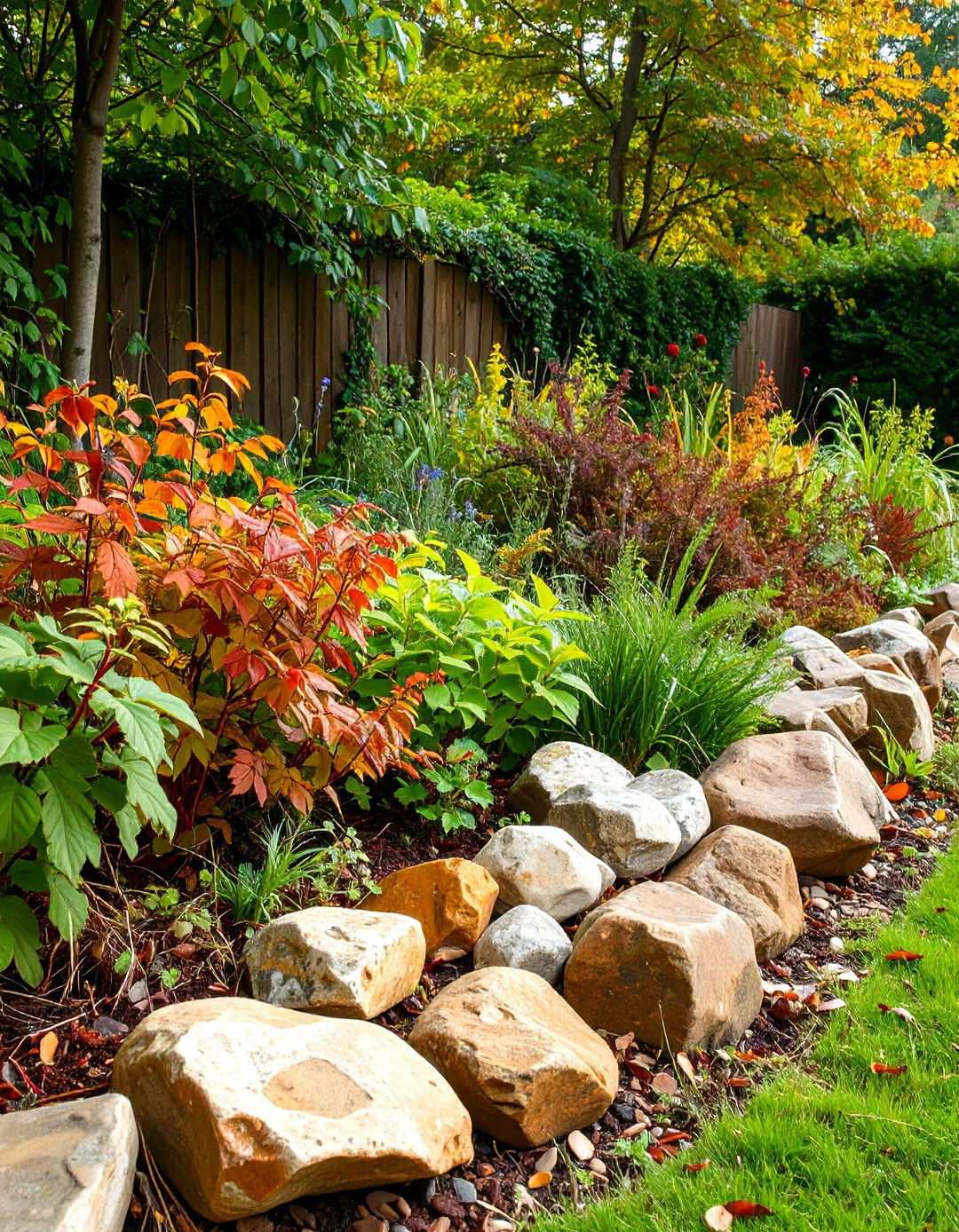
Creating a clear distinction between cultivated garden spaces and wilder landscape areas using river rocks fosters a seamless transition between different environments. This technique effectively establishes boundaries while preserving the organic charm characteristic of woodland gardens. Choose earth-toned river rocks that blend harmoniously with the natural forest floor materials, steering clear of hues that might appear jarring in woodland settings. Arrange the stones in an organic, irregular pattern to mimic the natural formation of rock outcroppings, incorporating moss-covered surfaces and varied sizes to achieve an authentic appearance. The objective is to create boundaries that feel naturally discovered rather than artificially imposed, supporting the woodland aesthetic while providing practical separation between different management zones. Integrating native plants within the rock arrangements can further strengthen the connection with surrounding natural areas, particularly beneficial for properties with existing mature trees where formal landscape treatments might feel out of place.
15. Contemporary Geometric Designs
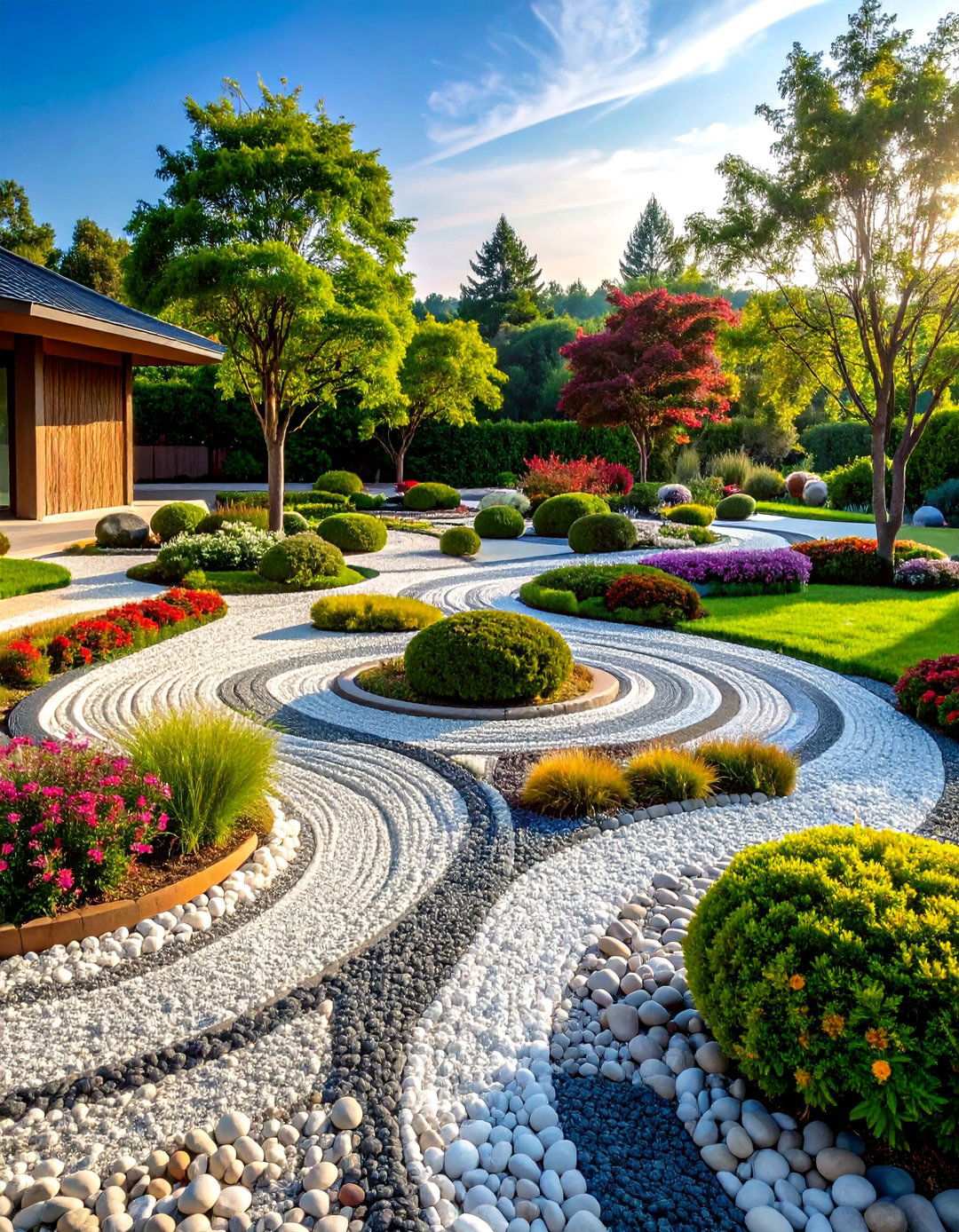
River rocks can be used to create striking modern landscape features that thoughtfully complement architectural styling and current design trends. These installations emphasize clean lines, repetitive patterns, and bold contrasts that reflect contemporary aesthetic principles, adding a touch of sophistication to the landscape. By arranging uniform-sized stones in precise geometric patterns – squares, rectangles, triangles, or hexagonal forms – a visual impact can be created through repetition and scale. When designing geometric rock installations, consider the relationship between the installation and architectural elements, striving for proportional harmony and stylistic consistency. The natural textures of river rocks provide an interesting contrast against smooth contemporary materials like concrete, steel, and glass, adding depth and visual interest to the landscape. Color selection plays a crucial role in geometric designs, where every element contributes to the overall visual impact. What’s more, contemporary rock arrangements require precise installation and ongoing maintenance to preserve their intended geometric clarity and visual effectiveness, making them a great choice for homeowners who value modern design aesthetics.
16. Erosion Control Solutions
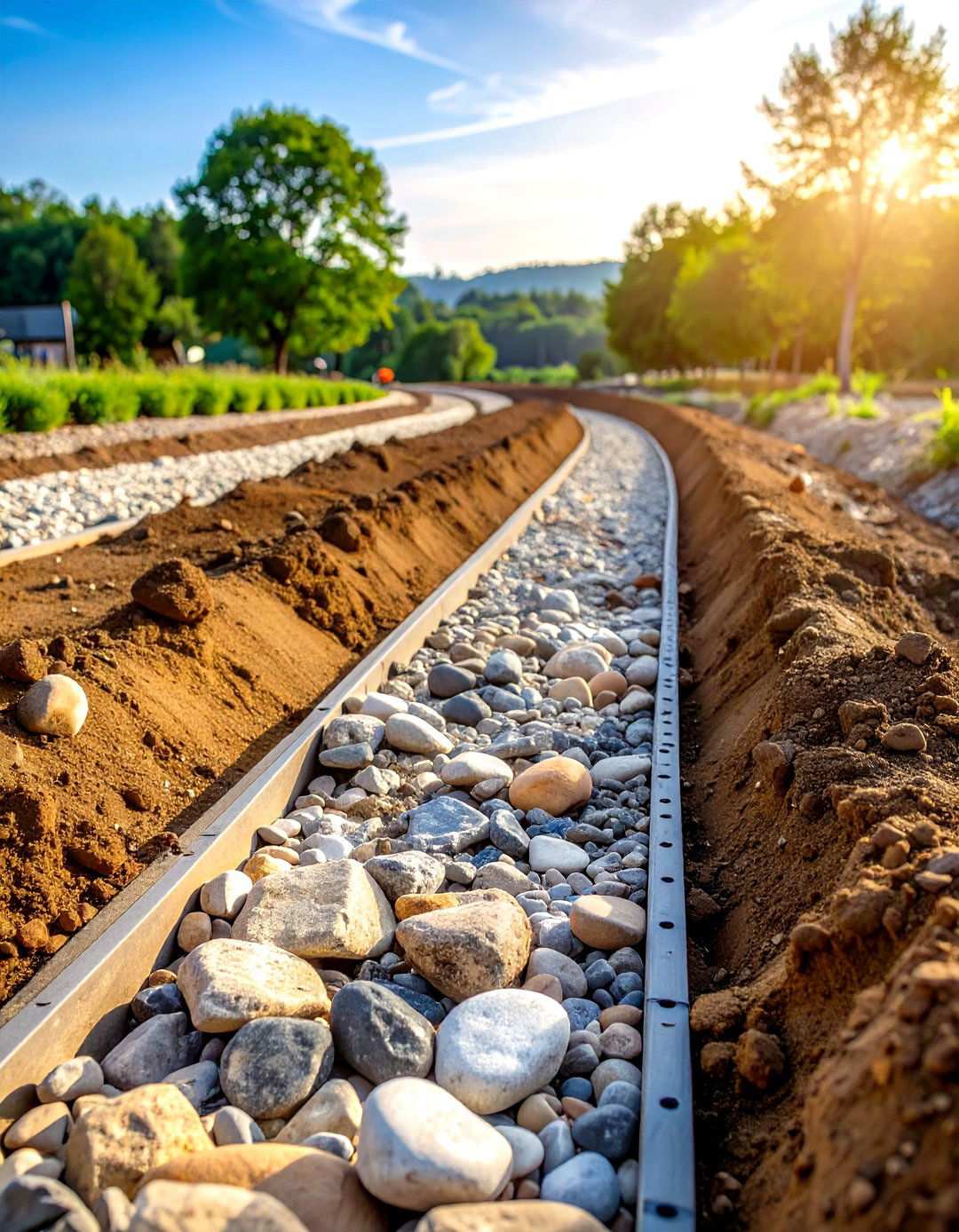
Protecting vulnerable landscape areas from erosion requires a thoughtful and strategic approach to erosion control solutions. By incorporating river rock placement into your design, you can safeguard your landscape while maintaining an attractive appearance that withstands various weather conditions. Functional installations like these prevent soil loss, protect plant root systems, and preserve landscape integrity during heavy rainfall or wind events. To optimize effectiveness, position larger rocks at critical points where water flow converges, and use smaller stones to create graduated transitions that slow water movement. The permeable nature of rock installations ensures proper drainage while preventing the soil washing that can damage traditional edging materials. Long-term effectiveness should be a primary consideration when planning erosion control features – a properly installed river rock system can provide decades of protection with minimal maintenance requirements. The natural appearance of stone erosion control seamlessly integrates with landscape designs, delivering reliable protection that underpins your property’s long-term value.
17. Herb Garden Enclosures
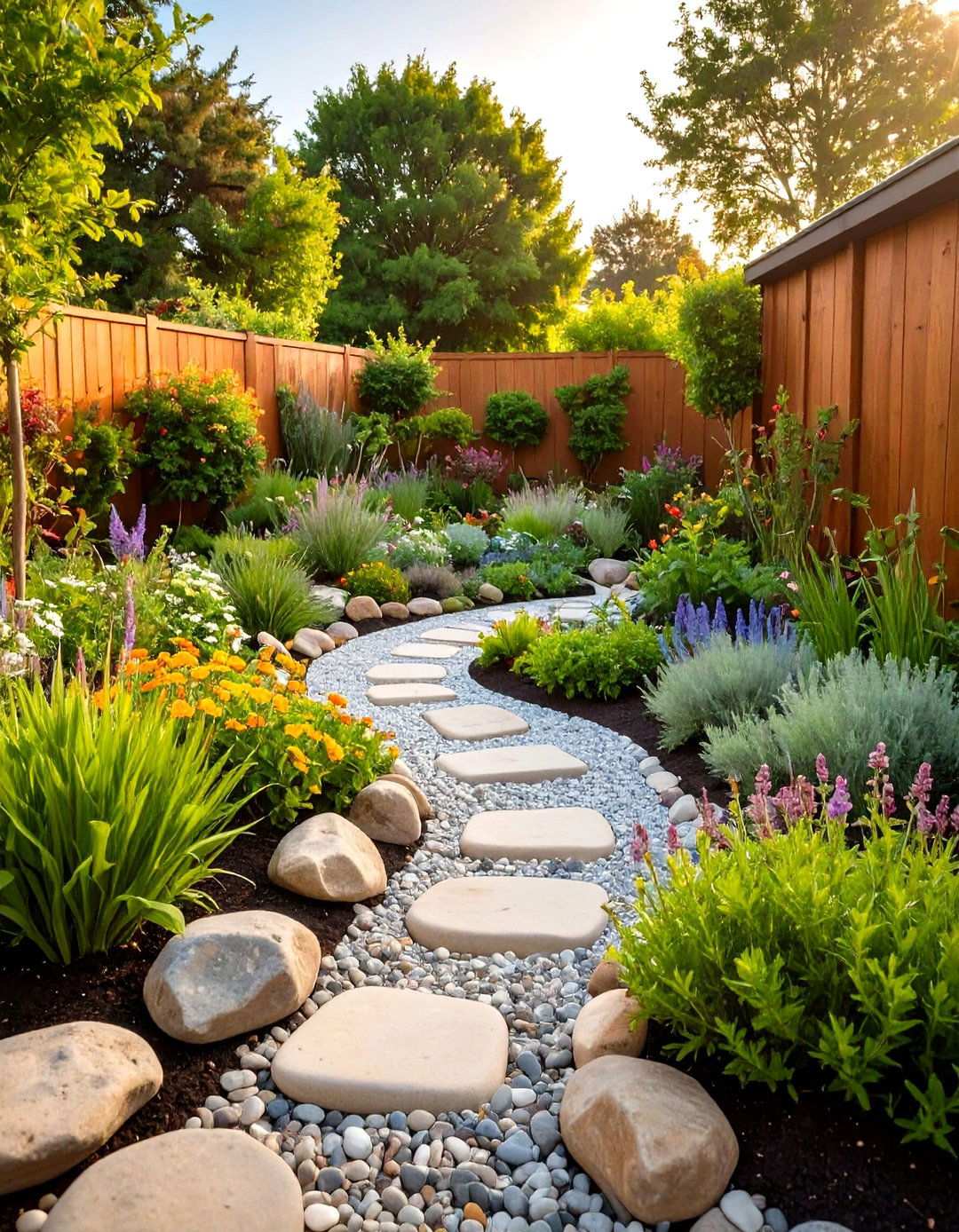
River rock borders are an excellent choice for designing herb garden enclosures that balance functionality and aesthetic appeal. By incorporating river rock borders into your culinary garden, you can create defined growing spaces that provide excellent drainage for Mediterranean herbs. This setup also creates attractive frameworks for organized plantings, allowing you to showcase the diversity of herb varieties and growth habits. The thermal mass of river rocks helps moderate soil temperatures, extending growing seasons for tender herbs and protecting roots from temperature fluctuations. To maximize the effectiveness of your herb garden enclosure, arrange rocks to create individual planting pockets or larger shared spaces depending on the specific herb varieties. When planning rock placements, consider the accessibility of harvesting – borders should enhance rather than complicate routine garden maintenance. The neutral colors of most river rocks complement the rich diversity of foliage colors and textures found in herb gardens, transforming utilitarian herb growing into an attractive landscape feature that contributes beauty while supporting culinary activities and sustainable living practices throughout the growing season.
18. Elevating Pathway Intersections
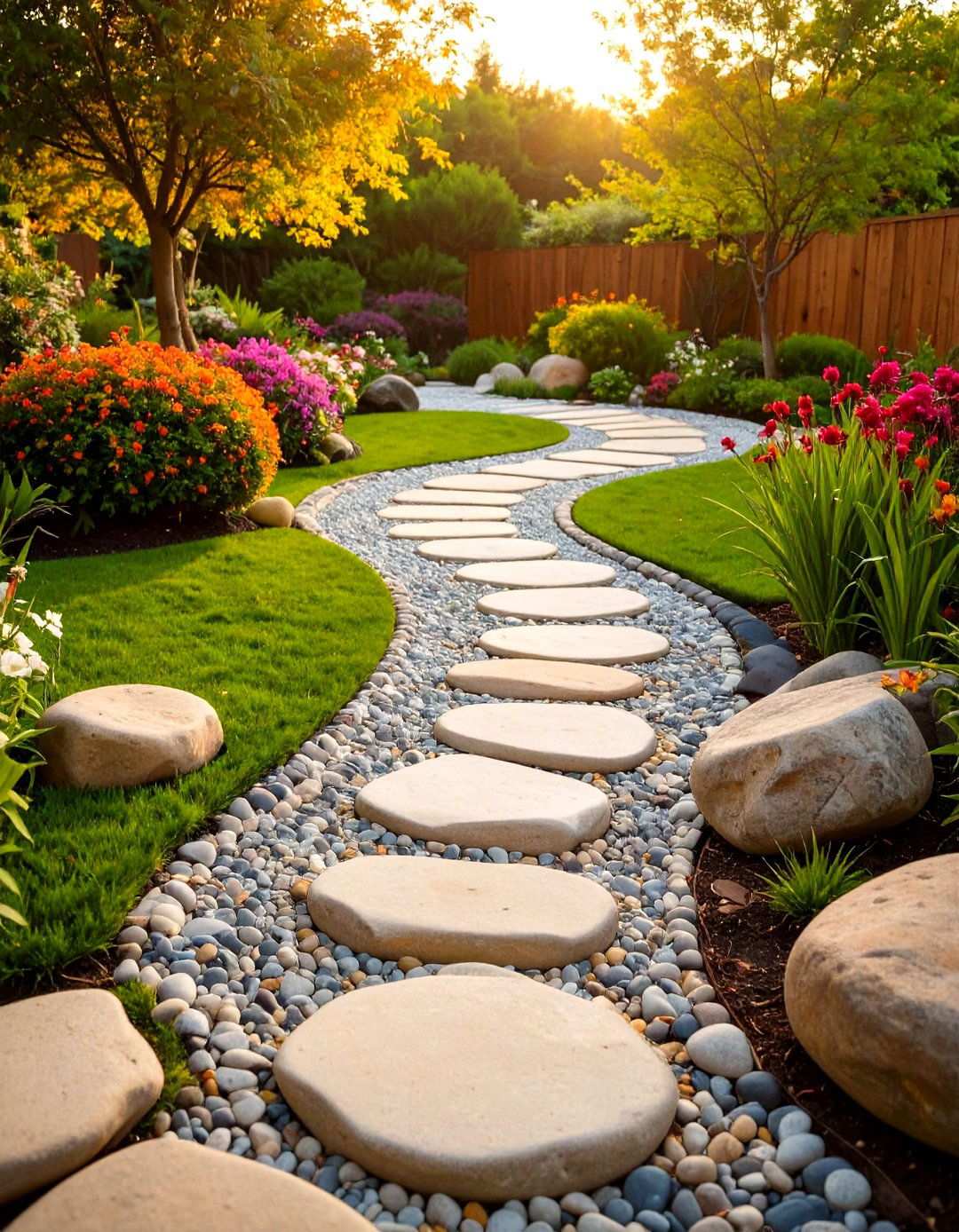
River rock pathway intersections elevate the functionality of crossing points into captivating focal points that not only enhance navigation but also add visual interest to your landscape. These installations serve as significant decision points in garden circulation, offering an ideal opportunity to express your creativity through design. To create a clear visual distinction between pathways, consider incorporating contrasting rock colors or sizes, which can also highlight destination choices and changes in pathway direction. By incorporating seating elements or decorative objects within intersection designs, you can encourage visitors to pause and contemplate their surroundings. Furthermore, river rock installations provide stable surfaces that ensure safe footing during inclement weather, making them an excellent choice for pathway materials. Effective intersection design should complement the overall garden circulation pattern while providing ample space for comfortable movement in multiple directions. As you consider the complexity of your pathway system, remember that well-designed intersection features can simplify navigation and add distinctive character to your garden, making exploration more enjoyable and memorable for both residents and visitors.
19. Smoothing Border Transitions
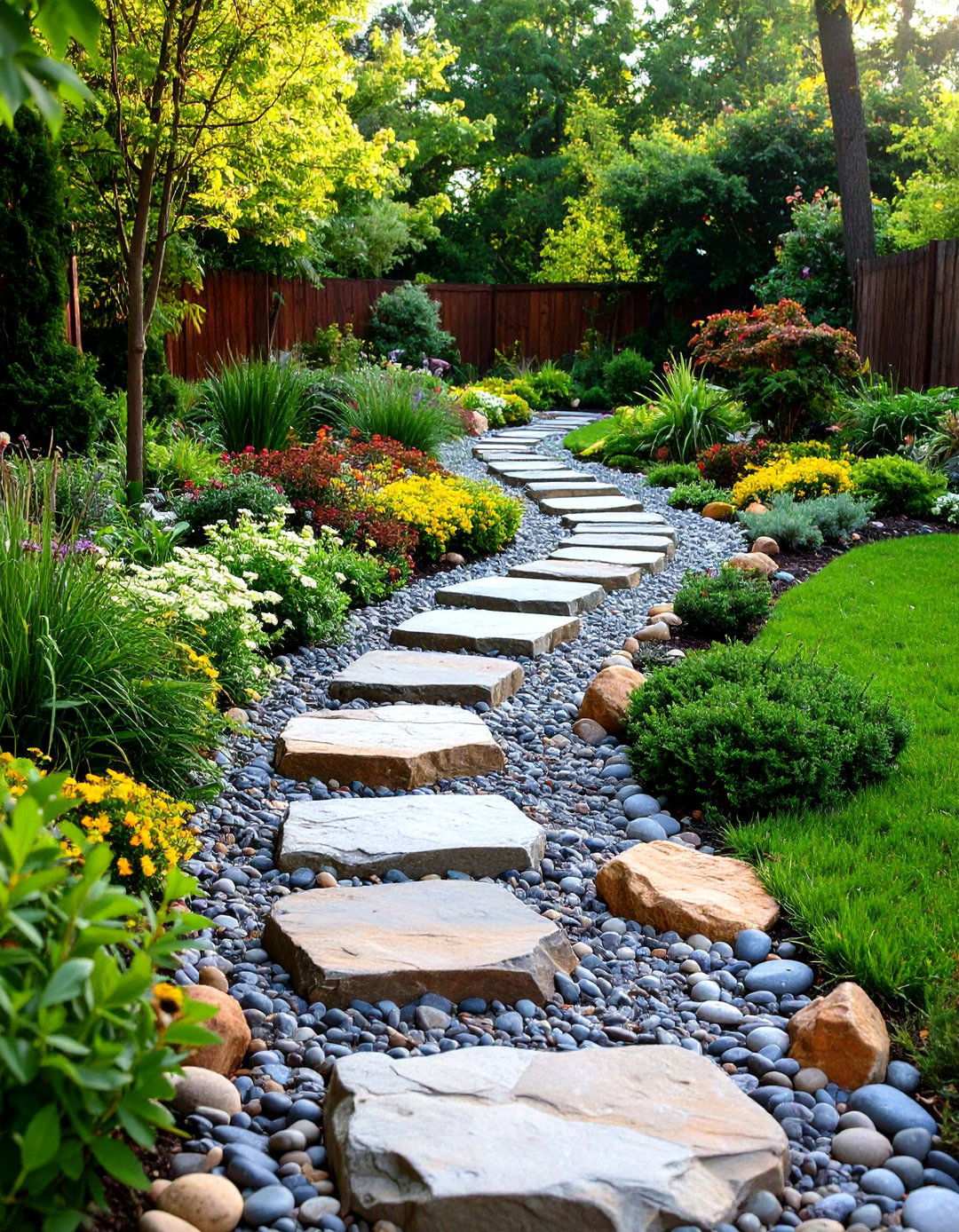
Graduated river rock arrangements in border transition zones create seamless visual connections between different landscape areas and plant communities, eliminating abrupt changes that can make gardens feel disjointed. These installations not only enhance the aesthetic appeal of your garden but also provide practical benefits for plant establishment and maintenance. To create a smooth transition between different garden sections, use rocks of varying sizes to gradually shift from large specimen plantings to groundcover areas or from formal garden sections to naturalized spaces. The key to successful transition zones lies in creating a visual flow that guides the eye comfortably between different garden experiences. When designing transition zones, consider the maintenance implications – designs should simplify rather than complicate routine garden care activities. The permanent nature of river rock transitions provides a consistent structure that supports changing plant displays throughout seasons and years, particularly benefiting gardens with diverse planting themes where cohesive design elements help create unified experiences from varied landscape components.
20. Rain Garden Perimeters
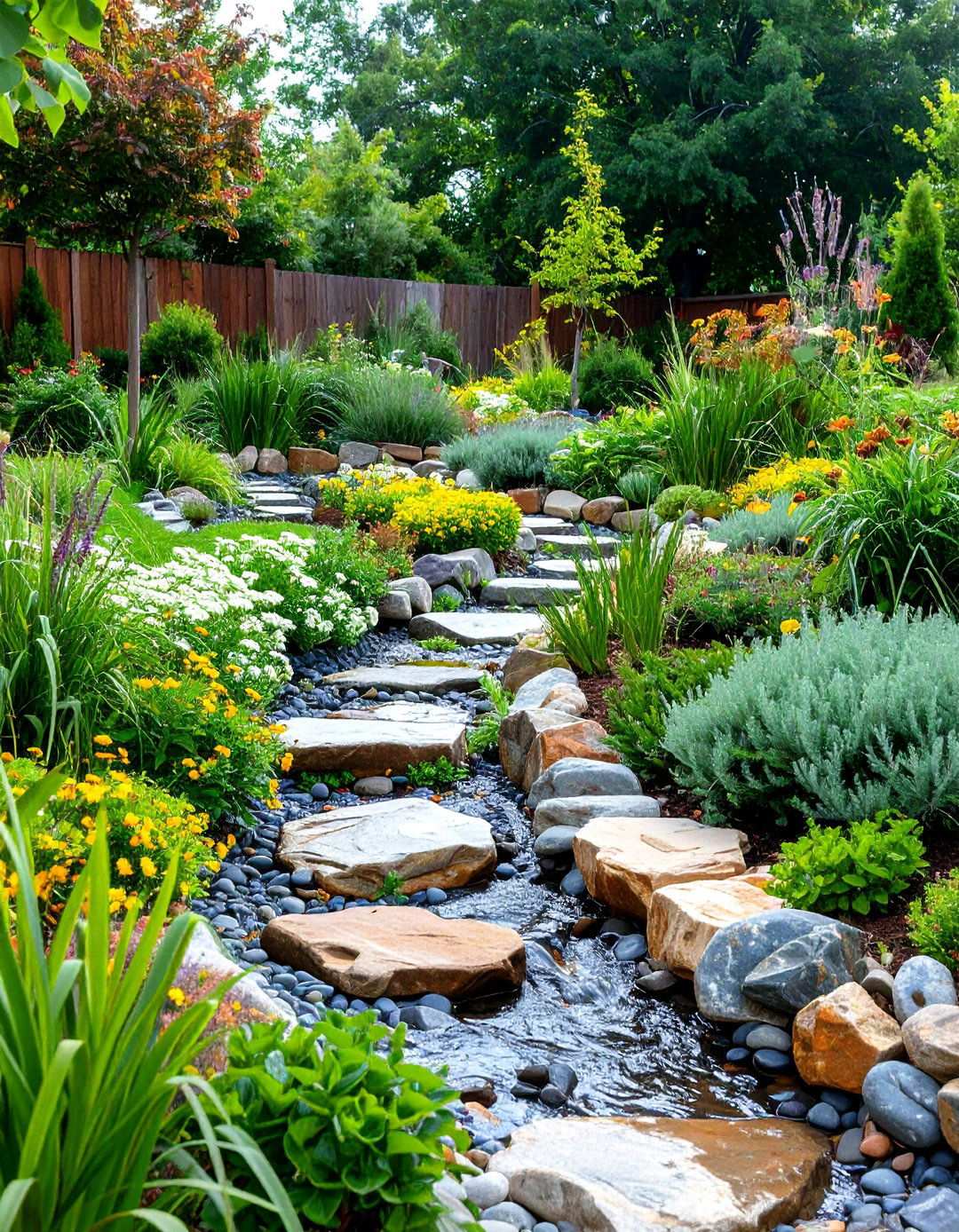
Crafting rain garden perimeters with river rocks not only creates a visually appealing framework for water management features but also fosters a thriving environment for native plant communities. As part of a comprehensive stormwater management plan, these installations skillfully marry functionality with aesthetics, defining the boundaries of depression areas designed to capture and filter runoff while maintaining a beautiful landscape. Strategically placing larger rocks around rain garden edges helps prevent erosion during heavy rainfall events, gradually transitioning to smaller stones within planting areas. The organic appearance of river rocks harmoniously complements the untamed essence of rain garden plantings, providing a clear visual definition that underscores the design intent. When planning rock placement, it’s essential to consider seasonal water level fluctuations – installations should remain visually appealing during both wet and dry periods. The permeable nature of rock borders plays a vital role in supporting the filtering functions that make rain gardens effective environmental features, underscoring the importance of sustainable landscape practices in garden design philosophy.
21. Entrance Garden Statements
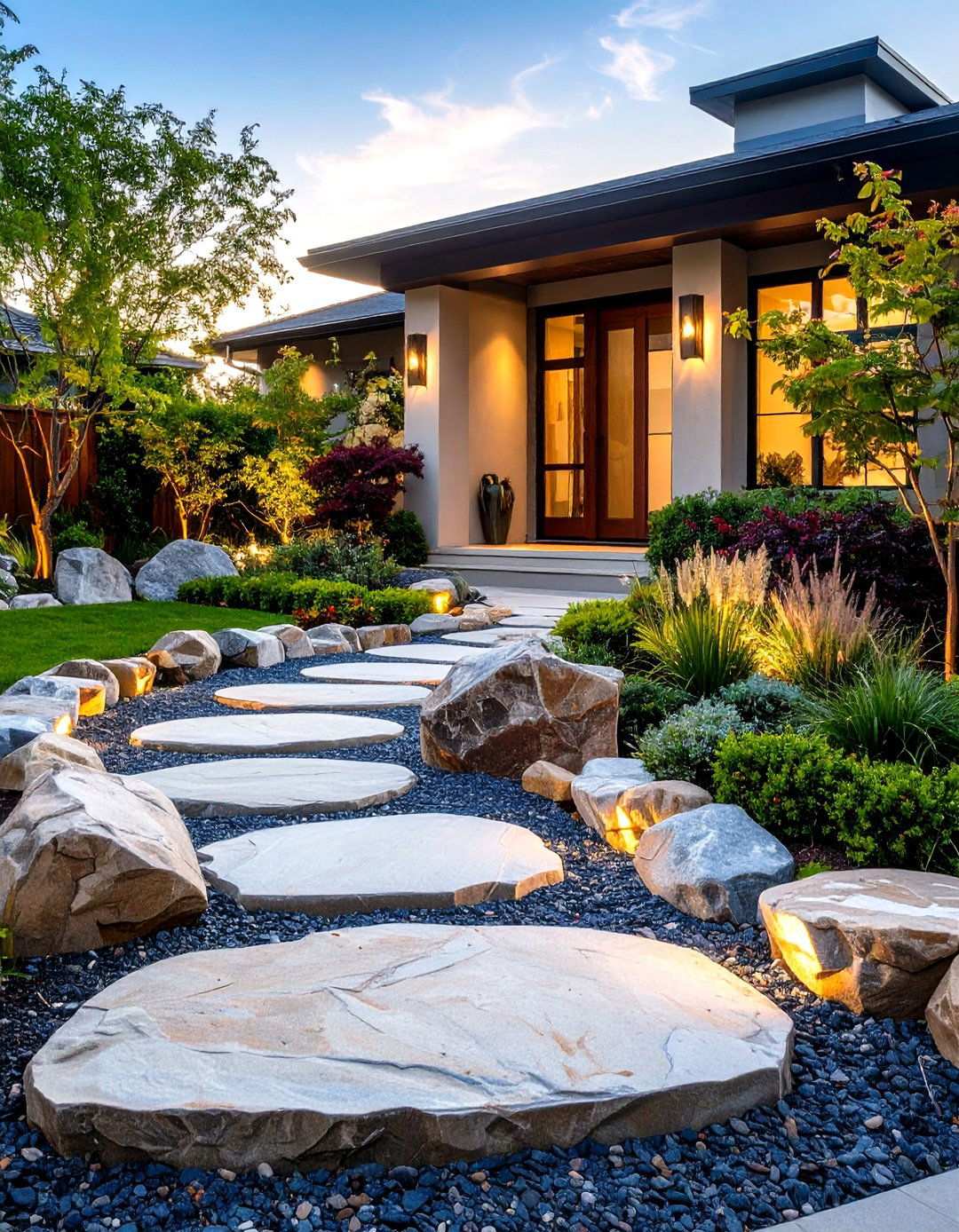
Creating dramatic entrance garden statements with strategic river rock arrangements can leave a lasting impression on visitors, showcasing design expertise while welcoming them to a property. These installations serve as permanent anchors for entry landscapes, providing a year-round visual impact that transcends seasonal plant changes. To create a striking focal point, use larger statement rocks as the centerpiece, surrounded by smaller stones and complementary plantings that enhance the display without overpowering it. When planning entrance features, consider the viewing angles from both approaching vehicles and pedestrian pathways to maximize the visual impact. The durability of river rock installations ensures that entrance gardens remain effective and visually appealing through changing weather conditions and seasons. In entrance applications, color selection becomes particularly crucial, as rocks should complement architectural features while providing enough contrast to create visual interest. By incorporating river rocks in this way, landscape spaces that are often necessary can be transformed into engaging features that enhance property values while reflecting personal style and design preferences that guests will remember and appreciate.
22. Cultivating Biodiversity with River Rock Installations
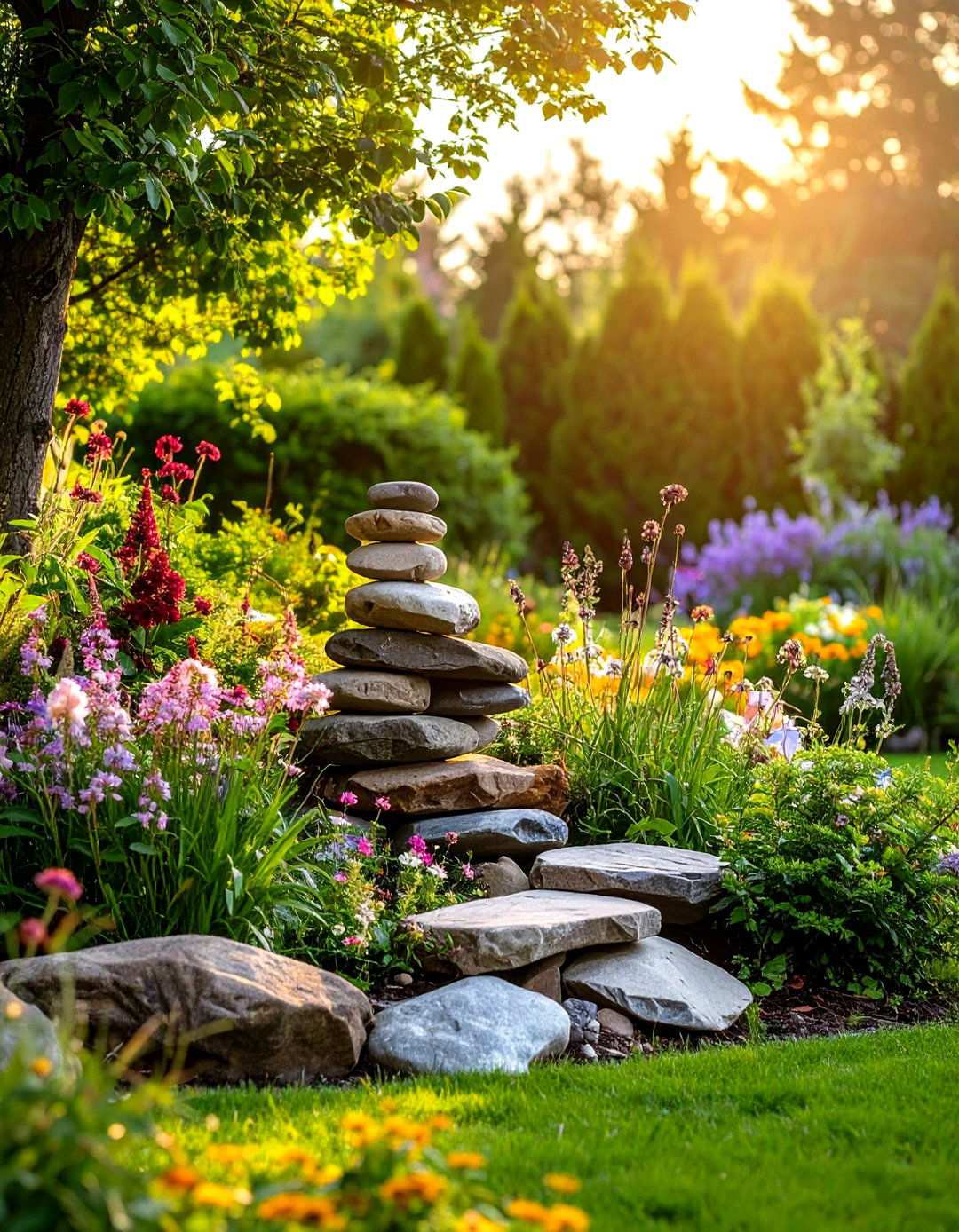
Thoughtfully arranged river rocks can be a game-changer for local ecosystems, providing shelter opportunities and maintaining attractive landscape appearances that support biodiversity. River rock installations give rise to microhabitats within garden environments, offering hiding places for beneficial insects, small amphibians, and reptiles. By stacking rocks loosely, you can create crevices and caves that offer protection from predators and harsh weather conditions. The thermal mass of stone installations also helps moderate temperature fluctuations, which benefits cold-blooded creatures. It’s essential to consider water access when planning wildlife-friendly rock arrangements – nearby irrigation or natural water sources significantly enhance habitat value. The long-term stability of river rock installations provides reliable shelter that improves with age, as natural weathering creates additional hiding opportunities. By incorporating these features into garden designs, individuals can demonstrate their commitment to ecological stewardship while creating beautiful landscape features that foster ongoing nature observation and environmental education.
23. Enhancing Evening Ambiance with Accent Lighting
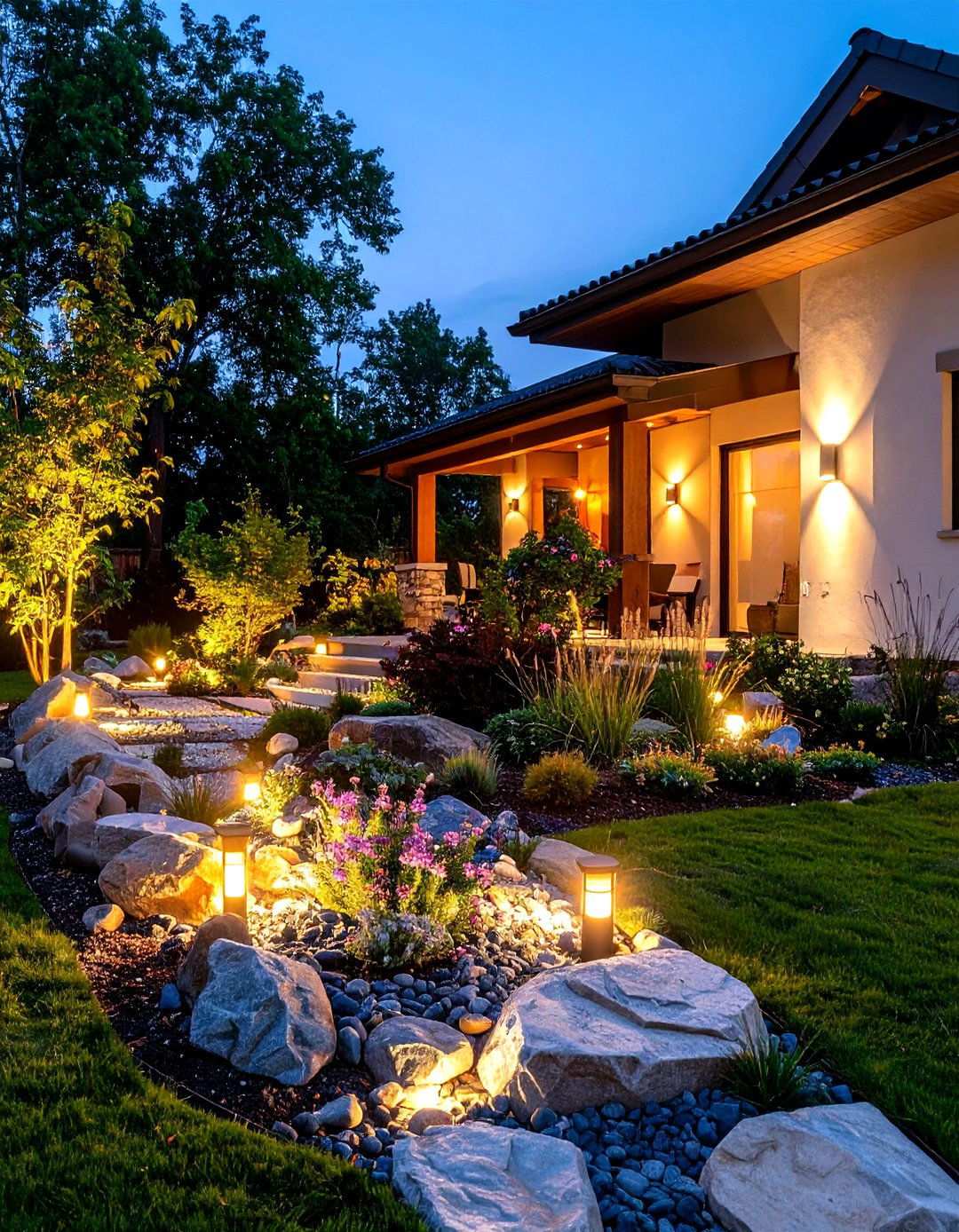
Combining accent lighting with river rock edging creates a dramatic evening landscape display that extends outdoor enjoyment into nighttime hours. This integration combines practical pathway illumination with aesthetic enhancement, transforming garden experiences after dark. Strategically positioning lighting elements within rock arrangements can create uplighting effects that highlight stone textures while providing safe navigation guidance. The reflective properties of river rocks amplify lighting effects, creating more impact from fewer fixtures and reducing energy consumption. When selecting lighting color temperatures, consider the natural earth tones of most river rocks – warmer tones tend to complement these colors effectively, while cooler tones might better suit contemporary design schemes. Solar lighting options provide a sustainable operation without requiring electrical installations. Careful planning of lighting placements is necessary to avoid glare while providing adequate illumination for safety and beauty. This approach enables the creation of sophisticated outdoor environments that support evening entertaining while showcasing landscape investments throughout extended daily use periods.
24. Streamlined Maintenance Access Systems
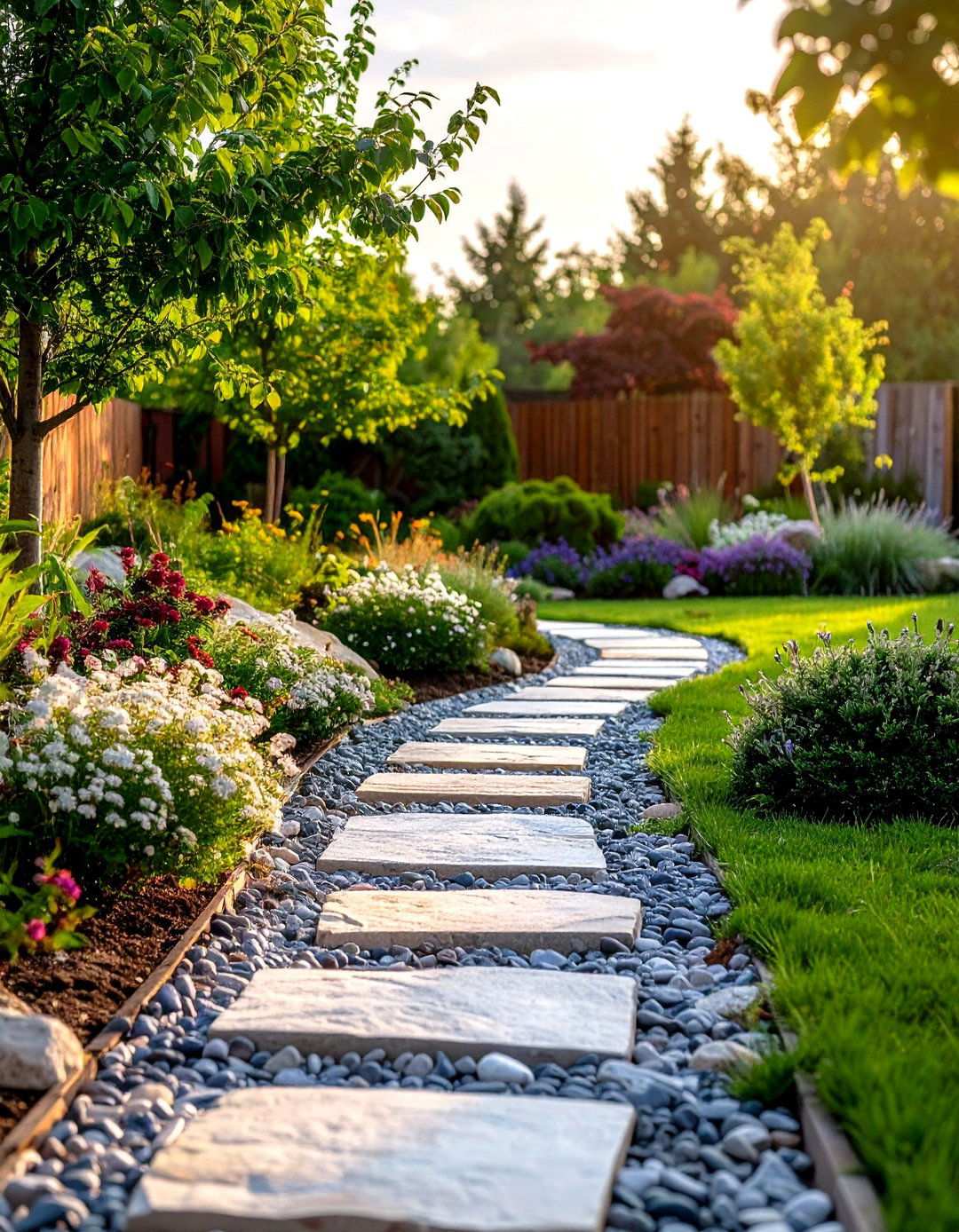
Integrating thoughtful maintenance access solutions with carefully positioned river rocks creates holistic landscape systems that simplify long-term garden upkeep while upholding high aesthetic standards. These installations facilitate stable surfaces for equipment access, storage solutions, and service area organization, ultimately supporting streamlined property management. Strategically placing larger flat rocks to create stepping stone paths through planted areas enables maintenance access without compromising soil integrity or plant health. It’s essential to consider seasonal maintenance requirements when planning access routes – from spring cleanup to summer watering, fall cleanup, and winter protection activities – to ensure well-designed access systems meet the needs of various activities throughout the year. By incorporating these systems during initial landscape development, you can guarantee seamless integration with overall design schemes and minimize the need for temporary protection measures that can damage landscape installations. By investing time in designing efficient access solutions, you can realistically allocate more time to landscape maintenance activities, ultimately ensuring your garden receives the proper care it needs throughout changing seasons and years.