1. Elevating Seed Storage with Personalized Containers
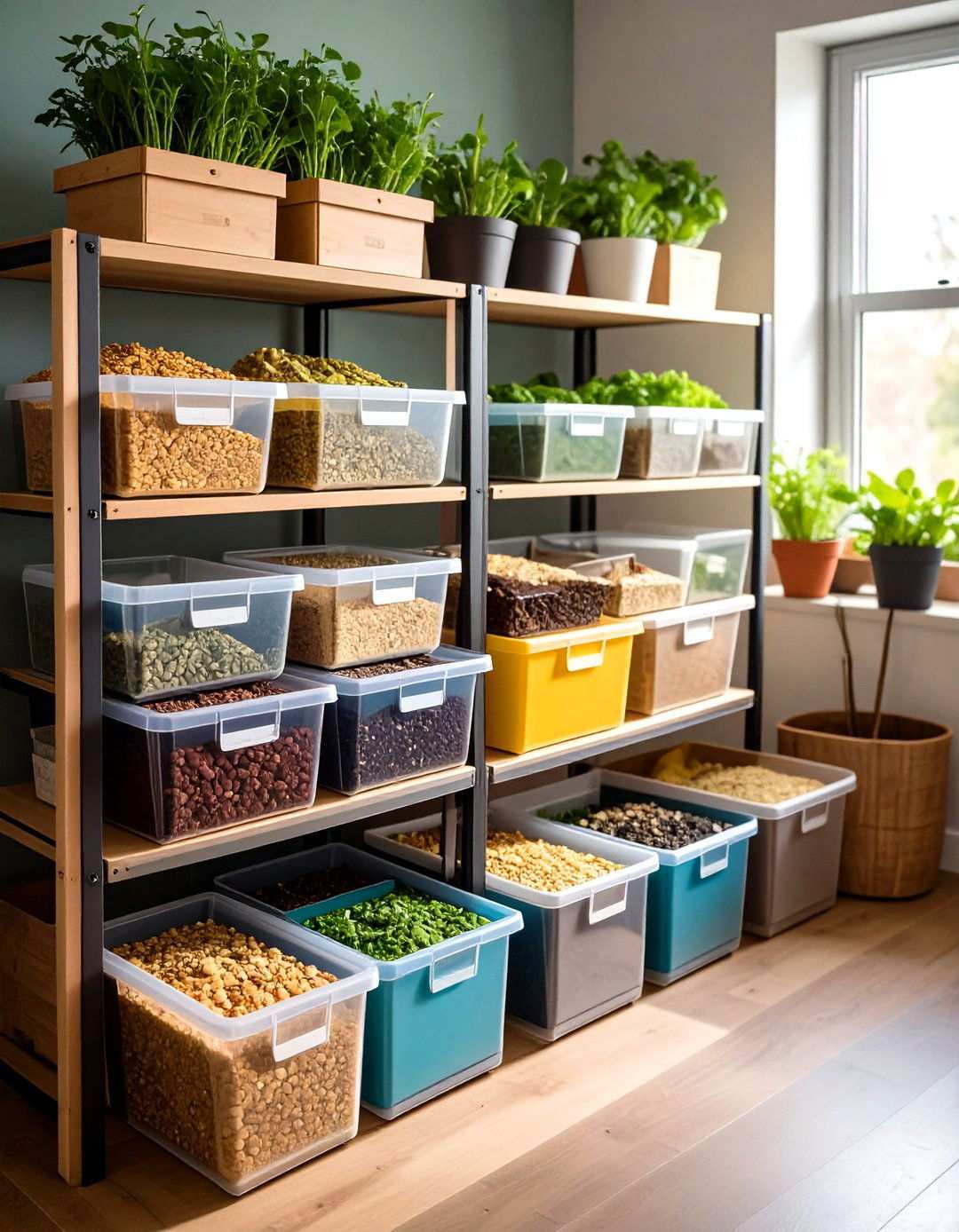
Investing in a well-organized seed storage system is a vital step in safeguarding your garden’s future. Whether you’re a seasoned gardener or just beginning to collect seeds from your harvest, selecting the right storage method can make all the difference in preserving the integrity of your seeds. To achieve successful seed preservation, it’s essential to maintain a consistent environment of cool temperatures, low humidity, and minimal light exposure while ensuring seeds remain easily accessible and organized. From simple envelope systems to cutting-edge vacuum-sealed containers, there are numerous approaches to protect your seeds from moisture, temperature fluctuations, and pests while extending their germination life.

As an Amazon Associate I earn from qualifying purchases.
2. Mason Jar Storage for Long-Term Seed Preservation
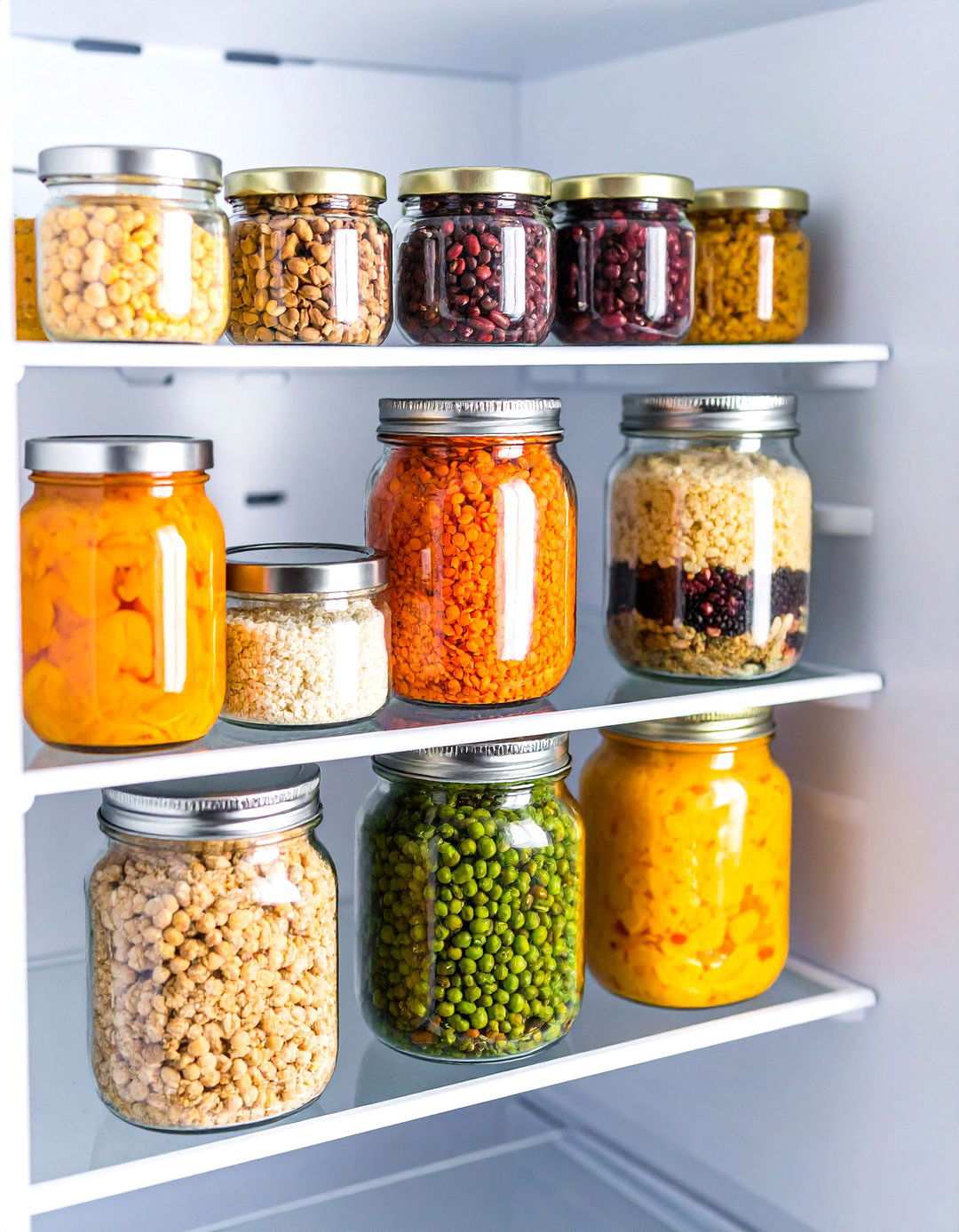
Glass mason jars are an excellent choice for long-term seed storage in refrigerators or freezers. Wide-mouth jars, in particular, offer easy access while preventing moisture infiltration. To maximize preservation, add silica gel packets to absorb residual humidity, then store jars in consistent cool temperatures. This method is particularly well-suited for short-lived seeds like onions, parsnips, and spinach that benefit from cold storage. Label jars with contents and dates, organizing by planting seasons or seed types. The transparent glass allows for effortless inventory checks without the need to open containers, while the durable construction withstands repeated temperature changes.
3. Customizing Seed Containers from Prescription Bottles
Transform empty prescription bottles into individual seed storage containers that cater to your specific needs. These child-resistant bottles feature screw-on lids that create airtight seals, safeguarding seeds from moisture and pests. The various sizes accommodate different seed quantities, from small herb collections to larger bean varieties. Remove original labels easily and replace with seed information using waterproof labels designed to withstand the test of time. The opaque plastic blocks light exposure, while the compact size makes organization a breeze. Store multiple bottles in larger containers or boxes, creating a modular system that adapts to your growing seed collection while keeping everything clearly identified.
4. Seed Storage Solutions for the Discerning Gardener
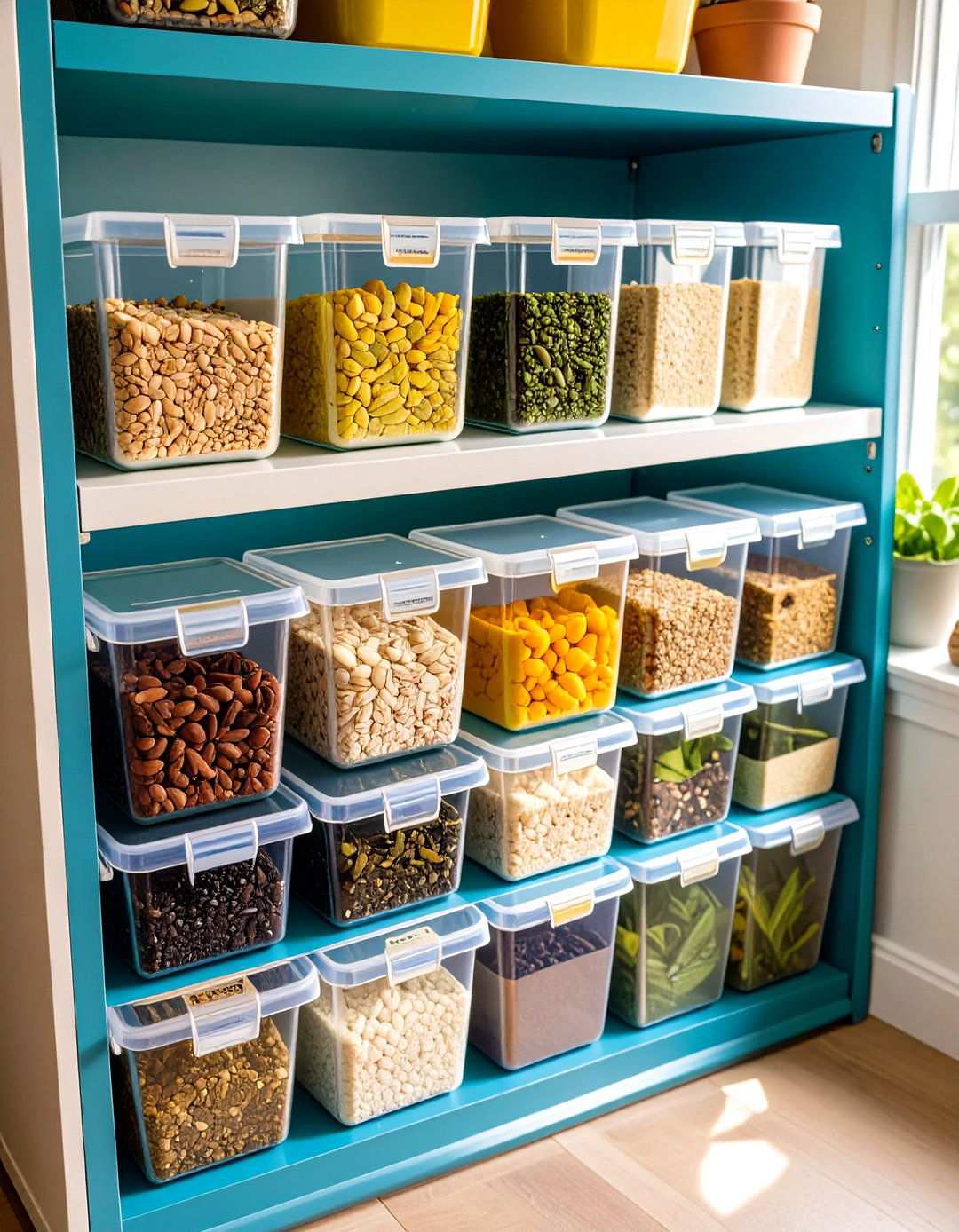
When it comes to storing seeds, many gardeners rely on unassuming plastic mint containers as a reliable and accessible option. These compact containers, featuring a convenient flip-top design, offer a practical solution for storing tiny quantities and sample collections. Herb seeds, flower seeds, and small trial quantities of new varieties are particularly well-suited for this type of storage. The compact size of these containers makes them an ideal fit for garden tool boxes or seed storage systems, and labeling each container clearly with seed type and date information ensures they remain organized and easy to identify. While not airtight, these containers provide sufficient protection for seeds used within a short to medium-term growing season, typically one to two seasons. The transparent plastic allows for easy identification of contents at a glance.
5. Long-Term Seed Preservation through Vacuum Sealing
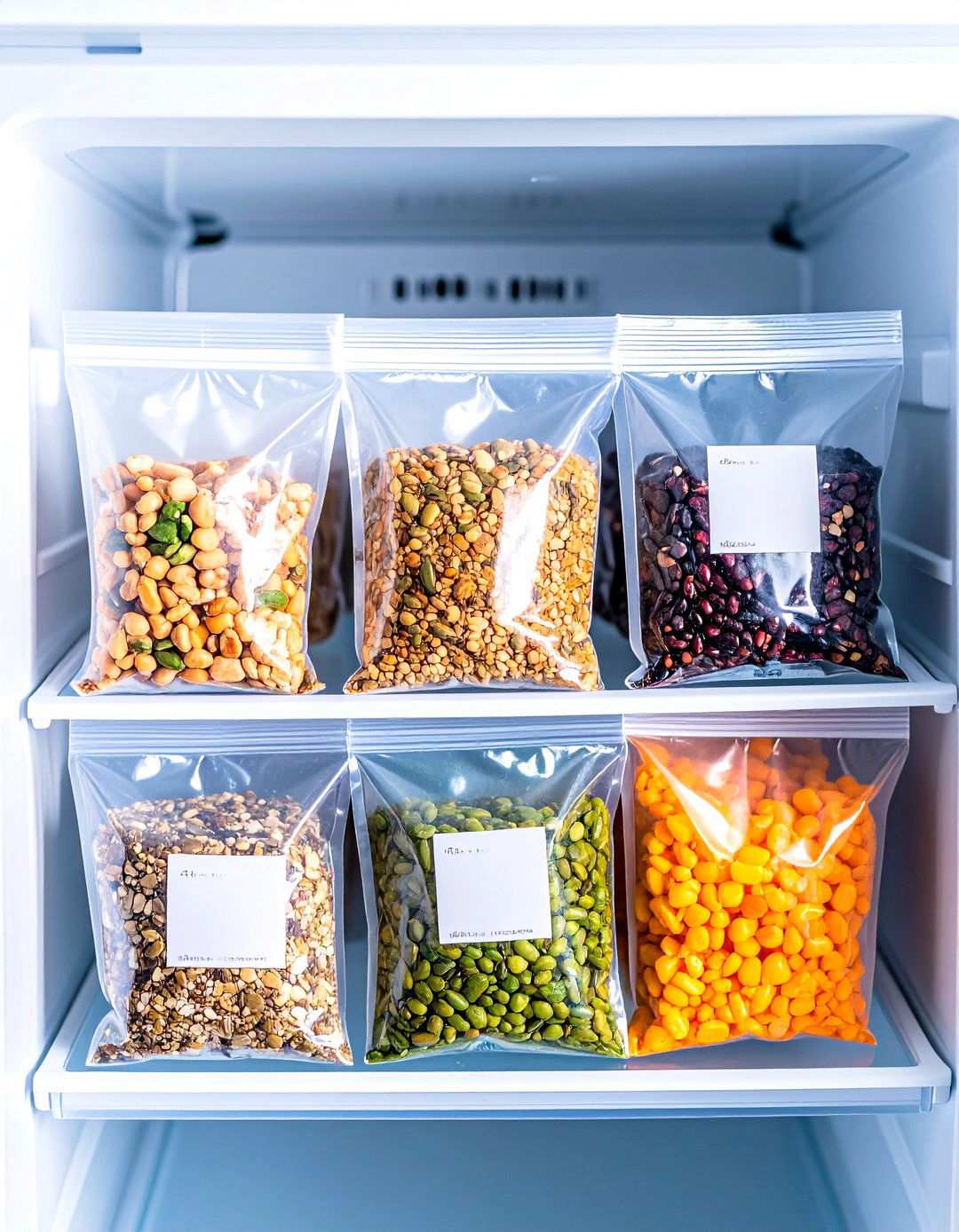
For gardeners seeking to maximize seed longevity, vacuum sealing has proven to be an effective method. By removing air and moisture from specialized food-grade vacuum bags, gardeners can create an optimal storage environment for seeds. It is essential to ensure that seeds are properly dried before vacuum sealing to prevent condensation damage. Adding desiccant packets to the bag before sealing can further absorb any remaining moisture, providing an added layer of protection. This professional-grade storage method can extend seed viability for a remarkable five to ten years when maintained at consistent freezing temperatures. To prevent punctures, store vacuum-sealed bags in rigid containers, and be sure to label bags clearly with contents and storage dates. This method is particularly well-suited for valuable heirloom varieties or large quantities of saved seeds that require long-term preservation.
6. Creating a Comprehensive Seed Filing System
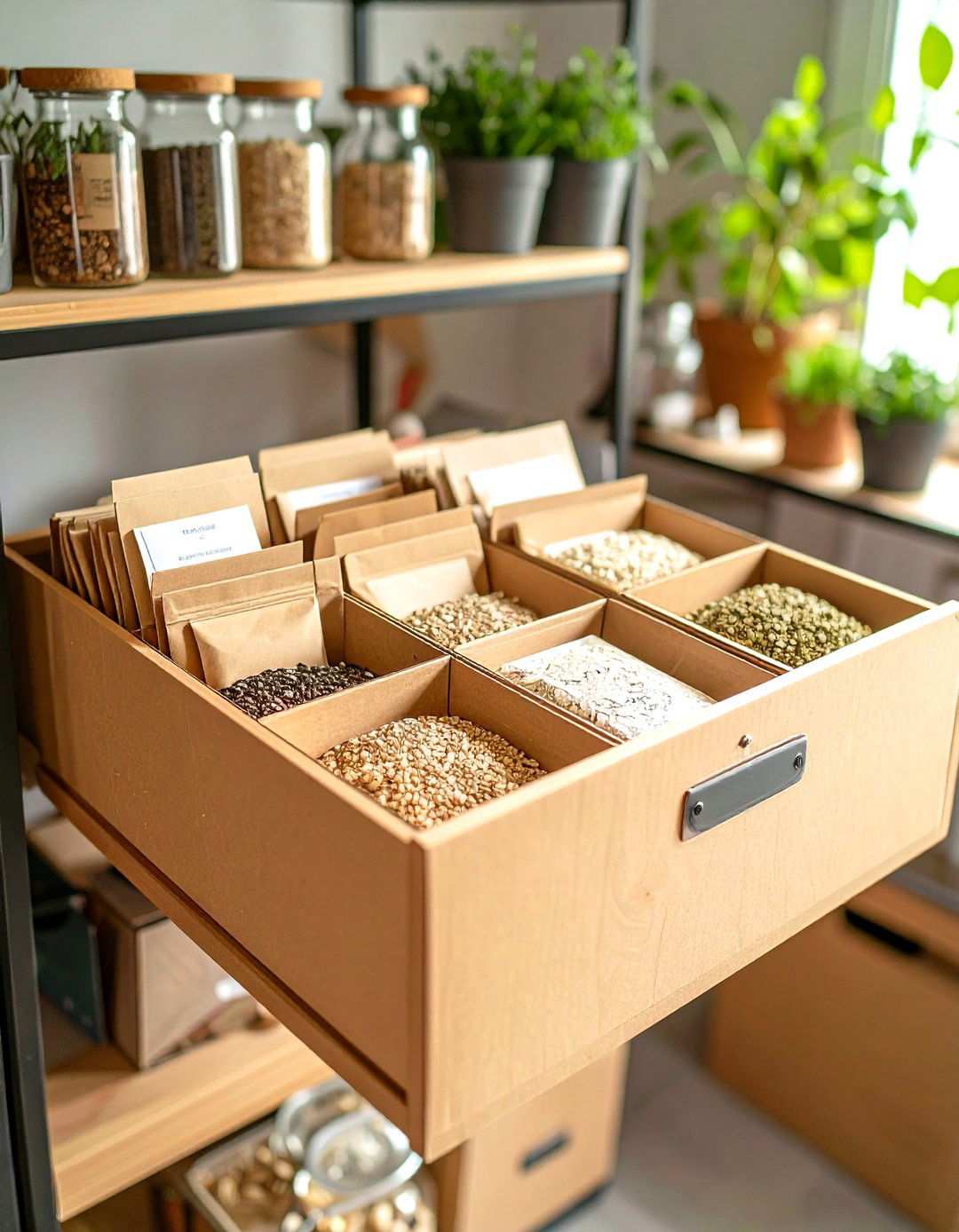
Gardeners with extensive seed collections can benefit from implementing a comprehensive filing system using specialized seed envelopes and storage boxes. Seed envelopes designed for storage feature moisture-resistant construction and pre-printed information fields for variety details, dates, and growing notes. These envelopes can be organized alphabetically, by planting season, or by plant family in sturdy filing boxes, providing a structured and accessible storage solution. This system allows gardeners to maintain detailed records of both purchased and saved seeds, making it easier to locate specific varieties during planting season preparation. The paper construction of these envelopes allows seeds to breathe while providing adequate protection from light and moisture. Index dividers help categorize collections, making specific varieties easy to locate.
7. Heirloom-Quality Seed Storage with a Wooden Chest
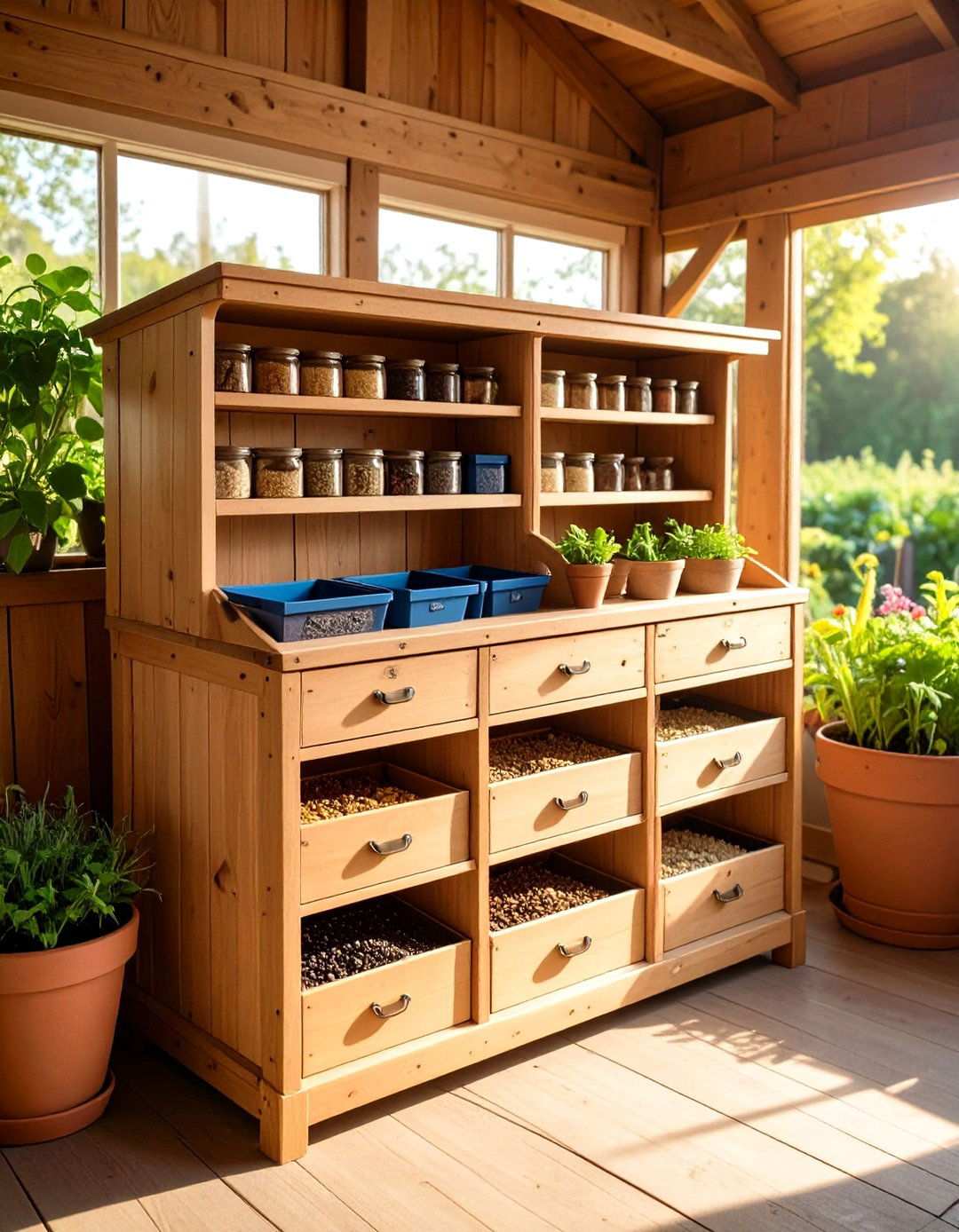
For gardeners seeking a traditional and attractive storage solution, wooden seed boxes are a timeless choice. Constructed from quality hardwood, these storage chests provide durability and natural moisture regulation properties, creating a favorable storage environment for seeds. Internal dividers create organized compartments for different seed categories, and the hinged lid with secure clasps keeps contents protected from light and pests. The natural wood used in these storage chests helps moderate humidity levels, providing an optimal storage condition. Many designs include removable dividers, allowing gardeners to customize their storage solution as their collections grow. This heirloom-quality storage solution is well-suited for garden sheds, basements, or indoor storage areas, and its timeless design makes seed organization both practical and aesthetically pleasing for dedicated gardeners.
8. Seed Preservation through Refrigeration
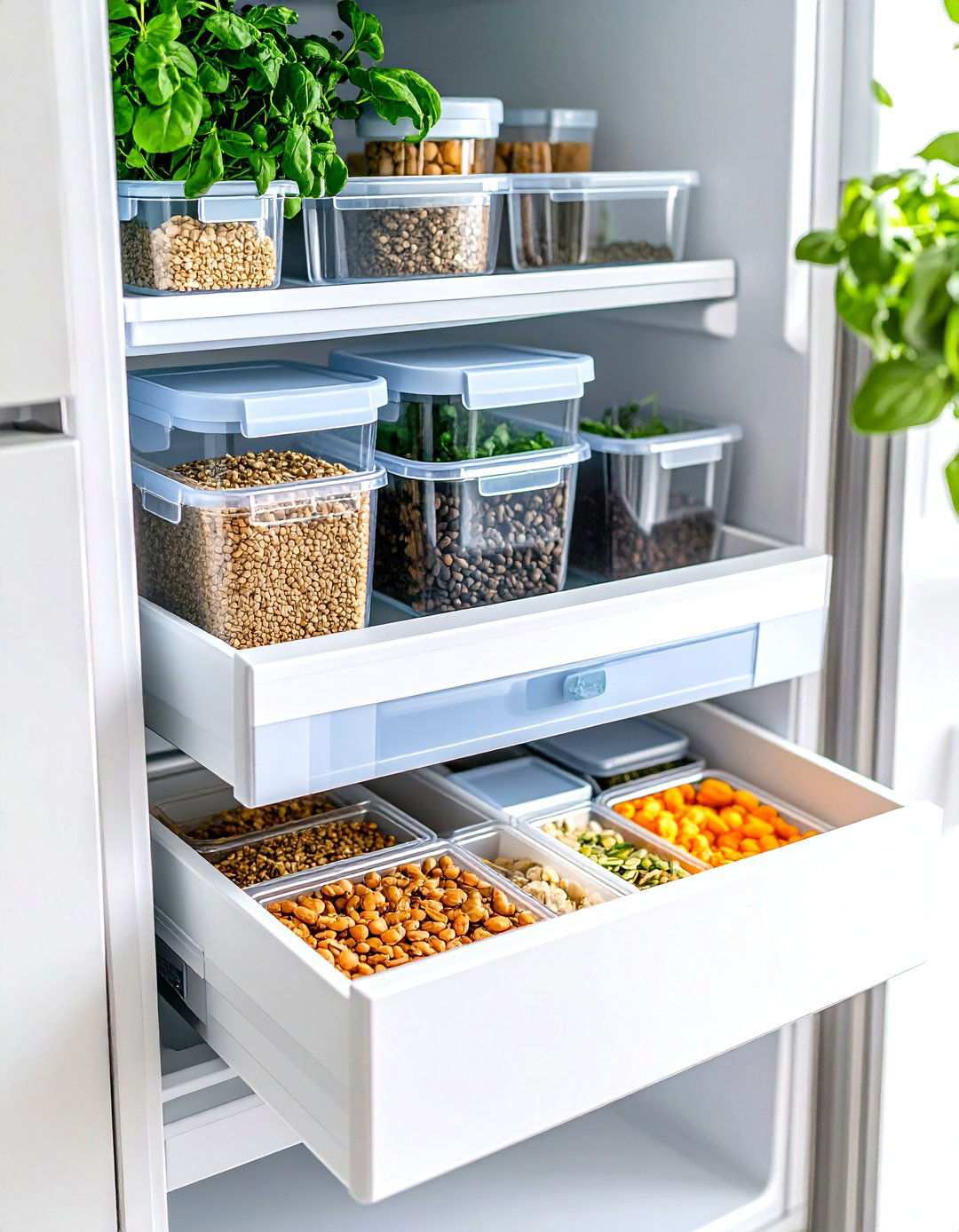
Maintaining a consistent cool temperature between 32-40°F in a designated refrigerator drawer creates the ideal environment for extending seed life. This method offers a more controlled atmosphere than freezer storage, particularly suitable for seeds with shorter shelf lives or those requiring cool stratification. Use airtight containers, sealed bags, or glass jars to prevent moisture infiltration from the refrigerator environment. Adding desiccant packets for extra moisture control further enhances seed preservation. Label containers clearly and maintain an inventory list to avoid repeatedly opening the storage drawer, thus minimizing exposure to potential temperature fluctuations.
9. Vintage Metal Storage Solutions
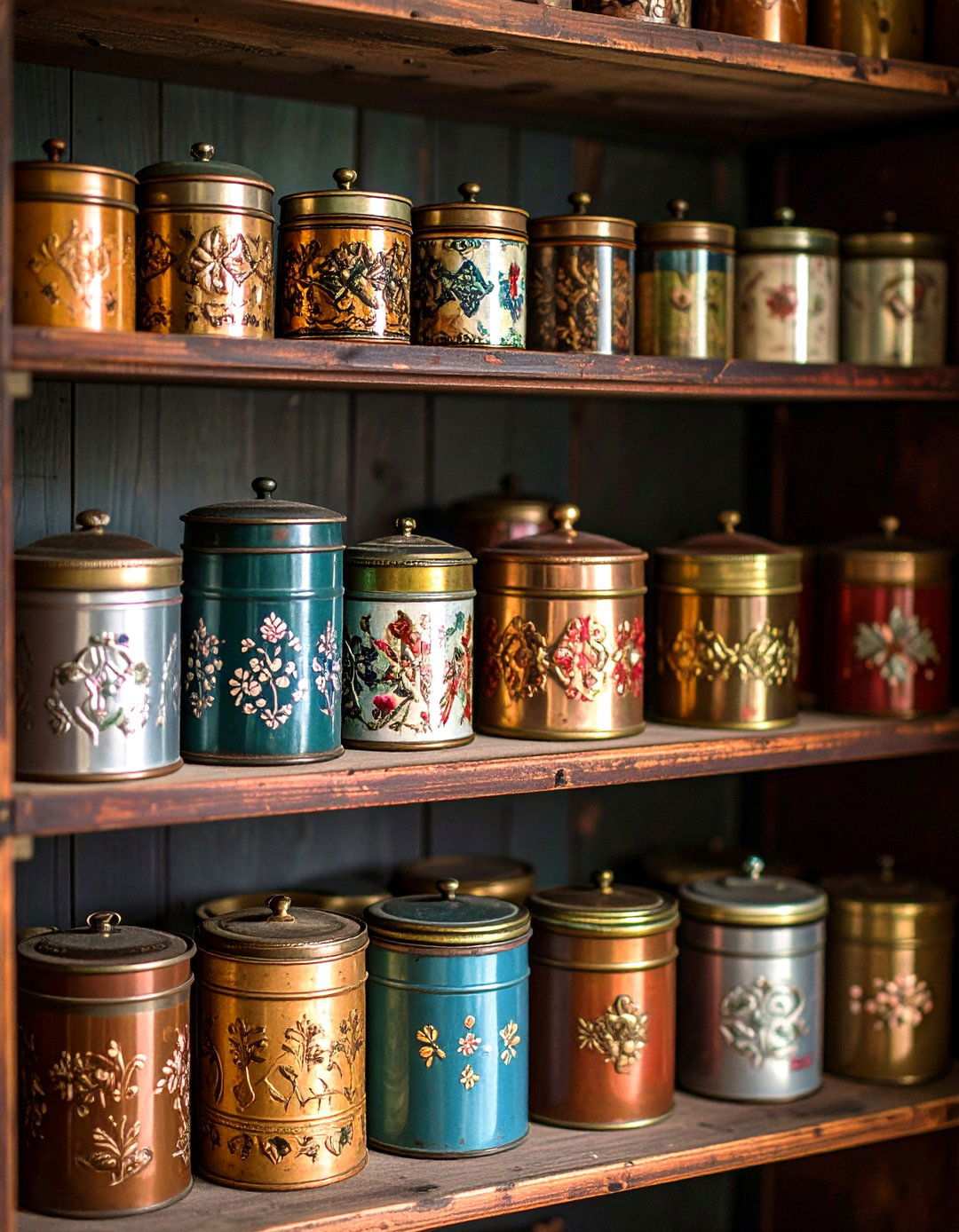
Vintage-style metal tins are an attractive and functional option for seed storage, providing excellent moisture protection. Constructed from food-grade steel, these tins resist corrosion while their tight-fitting lids create reliable seals. Various sizes accommodate diverse seed collection needs, from small herb assortments to comprehensive vegetable varieties. The opaque metal blocks light exposure, while decorative designs add a touch of personality to storage areas. Internal dividers or small containers can be used to organize contents within larger tins, ensuring that seeds are easily accessible. This storage method is well-suited for temperature-stable environments like basements or indoor closets, where seeds can be stored safely for extended periods.
10. Repurposing Craft Storage Containers
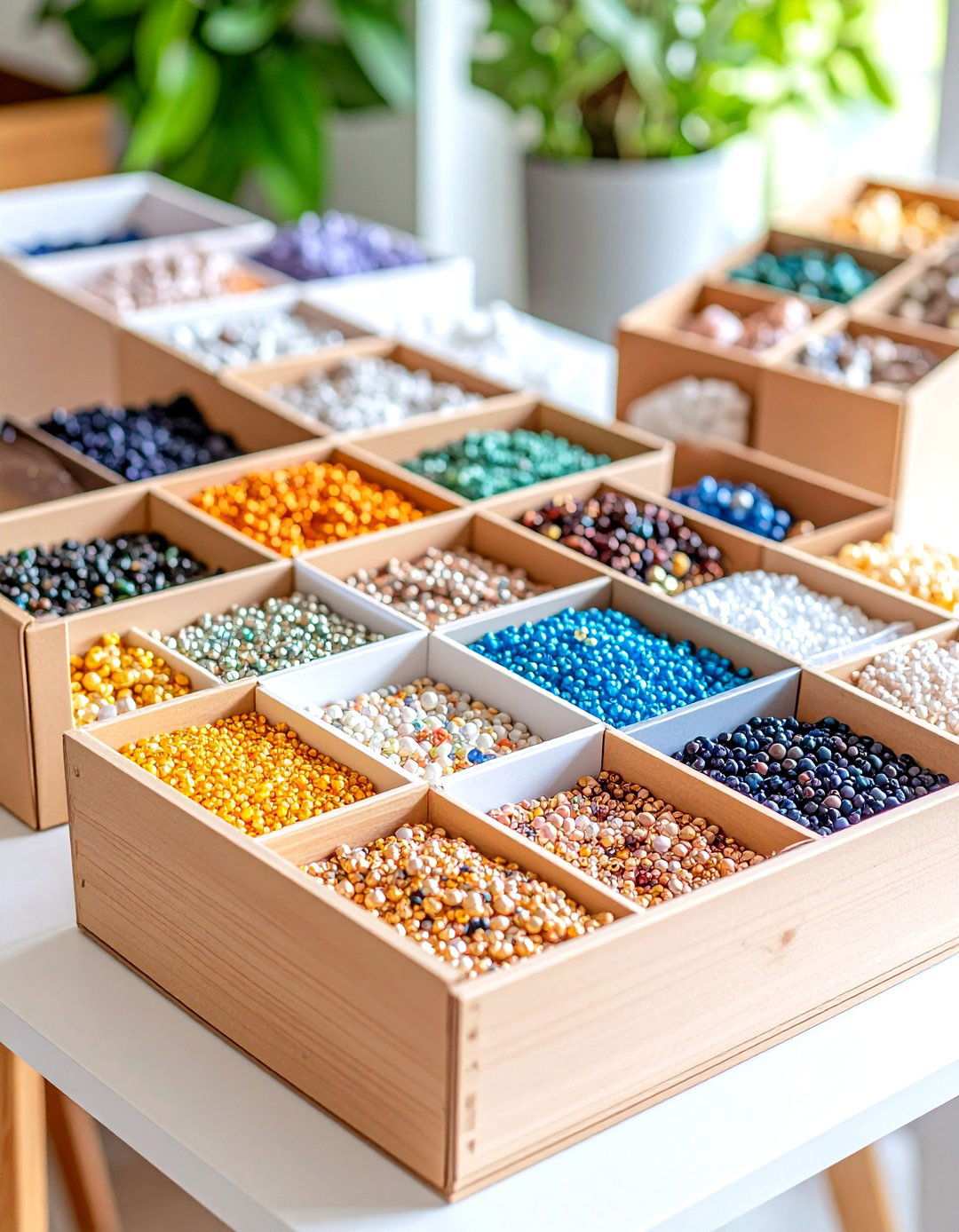
Craft storage containers designed for beads can be adapted for seed organization with their multiple small compartments and clear visibility. These plastic organizers feature adjustable dividers, allowing for custom-sized sections to cater to different seed types. The transparent construction enables easy identification, while secure lids prevent spills. Stack multiple units for extensive collections or use individual boxes for specific categories, such as herbs, flowers, or vegetables. The compact compartments work particularly well for small seeds that might get lost in larger containers. This affordable solution provides professional organization without the need for specialized seed storage equipment.
11. Long-Term Seed Storage in Five-Gallon Buckets

Food-grade five-gallon buckets with gamma seal lids create secure storage for large seed collections or bulk quantities. To maintain humidity control, line buckets with moisture barrier bags and add substantial desiccant packets. This method accommodates both individual seed packets and loose bulk seeds in separate containers within the bucket. The airtight seal prevents pest infiltration, while the large capacity reduces the number of storage containers needed. Label buckets clearly and maintain inventory sheets to ensure effective seed management. This approach is well-suited for serious seed savers, homesteaders, or those preparing emergency seed supplies requiring long-term viability.
12. Customized Seed Storage with Ziplock Bags
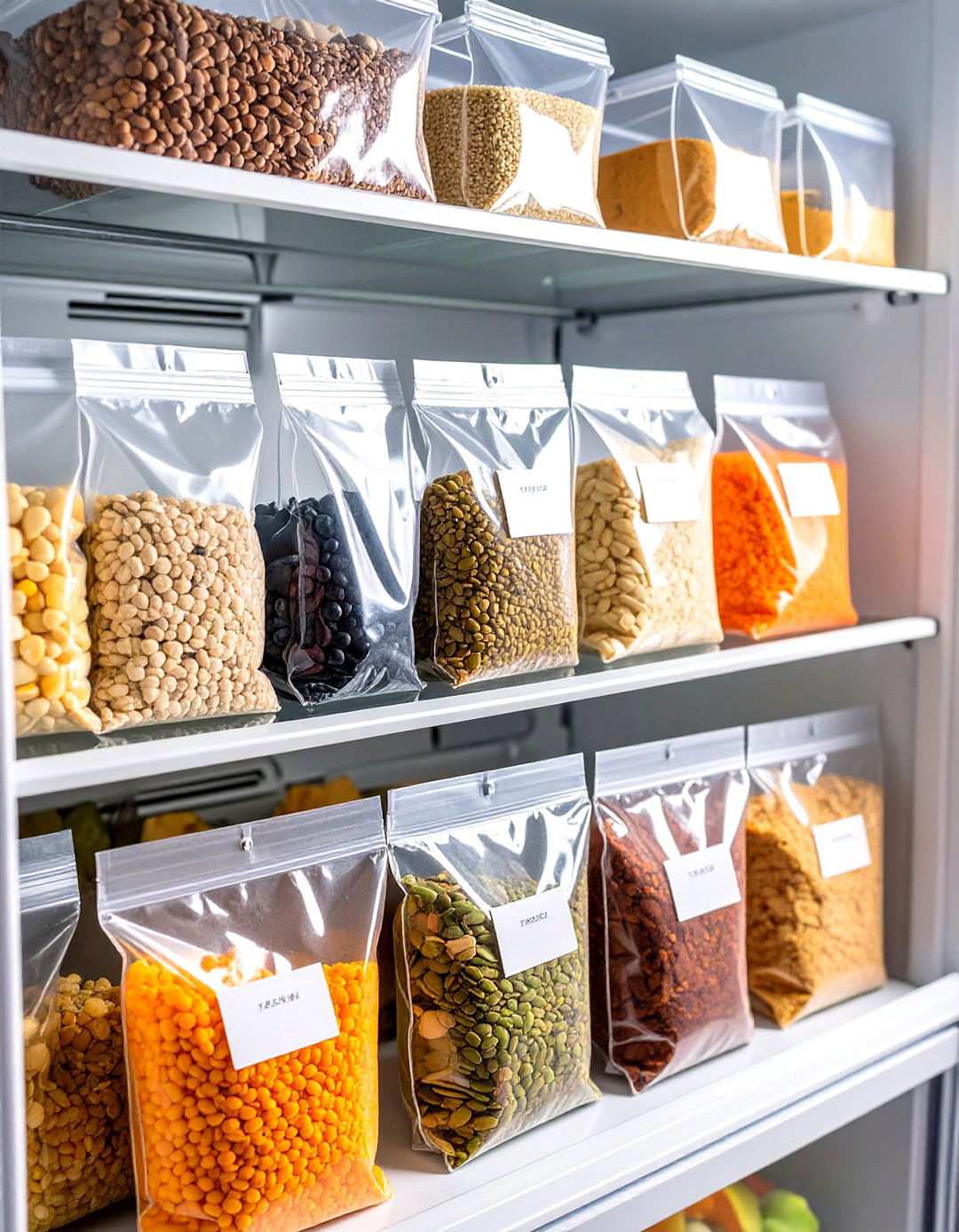
Freezer-quality ziplock bags offer a versatile and budget-friendly option for seed storage when employed in conjunction with proper freezer storage techniques. It’s essential to choose bags specifically designed to prevent moisture infiltration and freezer burn. Before sealing, remove any excess air and consider adding small desiccant packets for enhanced moisture control. Valuable seeds can be further protected by double-bagging, thereby preventing punctures or seal failures. This short-term storage solution or temporary fix can be a useful stopgap measure while more permanent systems are developed. Clearly label bags with permanent markers designed for freezer use, and store them in rigid containers to prevent damage and ensure organized storage by planting seasons or seed types.
13. Transforming Index Card Filing Systems for Seed Storage
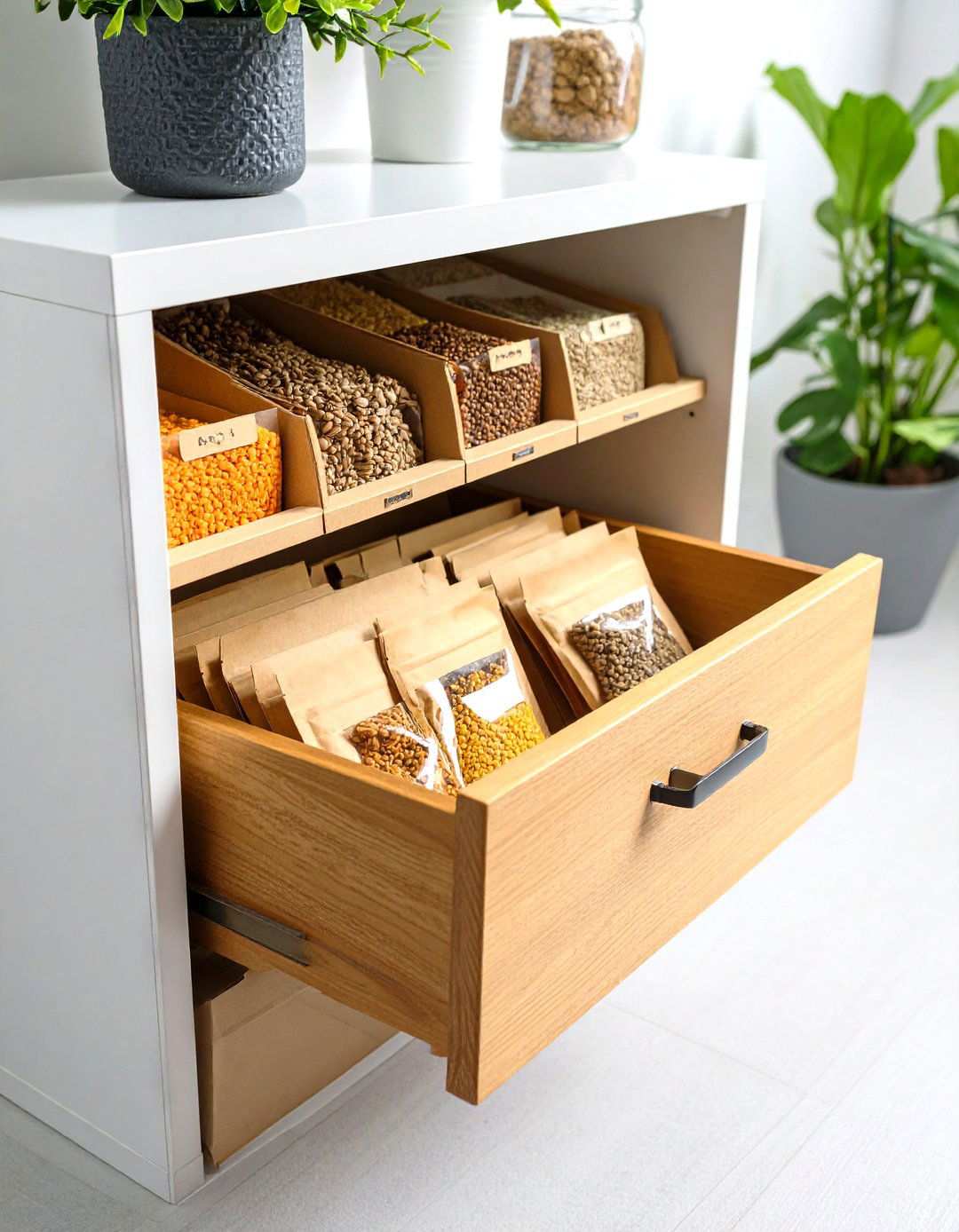
By adapting traditional index card filing systems, gardeners can create an efficient seed packet storage system using 4×6 inch card boxes and dividers. Standard seed packets fit neatly within these dimensions, allowing for either alphabetical or categorical organization. Utilize tabbed dividers to separate vegetables, herbs, flowers, or planting seasons, and take advantage of the compact size, which easily fits on shelves. The systematic organization of this method enables quick access to specific varieties, making it particularly well-suited for gardeners who value traditional organizational systems and maintain detailed planting records. The standardized sizing of this system accommodates most commercial seed packets while leaving space for handwritten notes and observations.
14. Premium Seed Storage with Mylar Bags and Oxygen Absorbers

Combining professional-grade mylar bags with oxygen absorbers creates a laboratory-quality storage environment, ideal for maximum seed preservation. These metallized bags offer superior light blocking and moisture barriers when properly heat-sealed. The addition of oxygen absorber packets removes residual air, thereby preventing oxidation and pest development. When stored in cool, stable conditions, this method can preserve seed viability for decades. To ensure optimal results, use the correct oxygen absorber size based on bag volume and maintain proper sealing equipment. Label bags with contents and storage dates to maintain accurate records. This investment-level storage solution is best suited for valuable heirloom varieties or serious seed banking operations.
15. Repurposing CD Storage Cases for Seed Organization
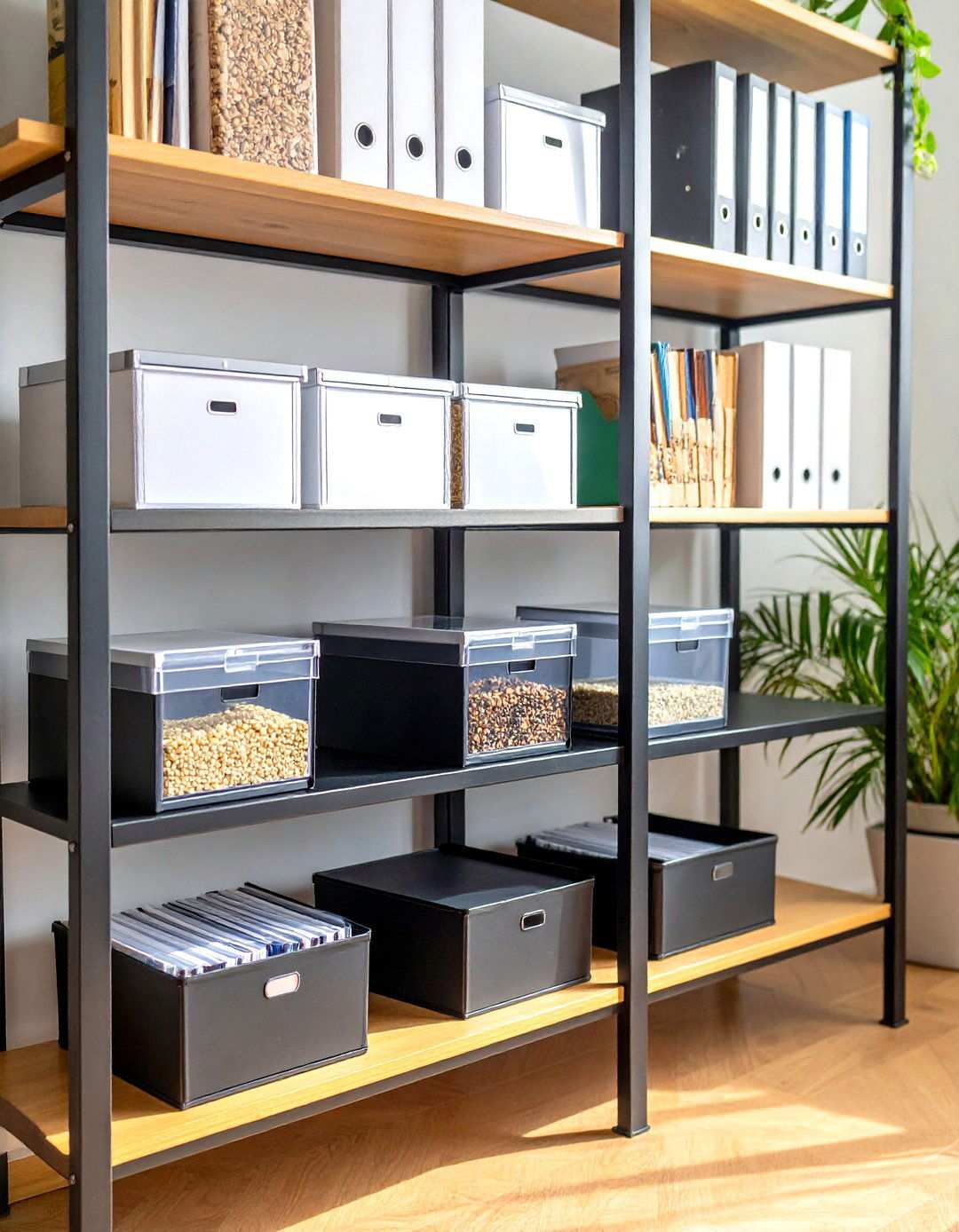
Gardeners can creatively repurpose CD storage cases and binders to develop innovative seed organization systems. Individual CD sleeves provide clear visibility and protection from light while holding seed packets. Three-ring binders enable systematic organization, using dividers for different categories. This method works particularly well for smaller seed packets and allows for easy browsing similar to a photo album. The slim profile of this system saves storage space while keeping seeds organized and accessible. Label spine tabs for quick category identification, and although not completely airtight, this system provides sufficient protection for seeds used within normal timeframes.
16. Elevating Seed Storage with Repurposed Shoe Boxes
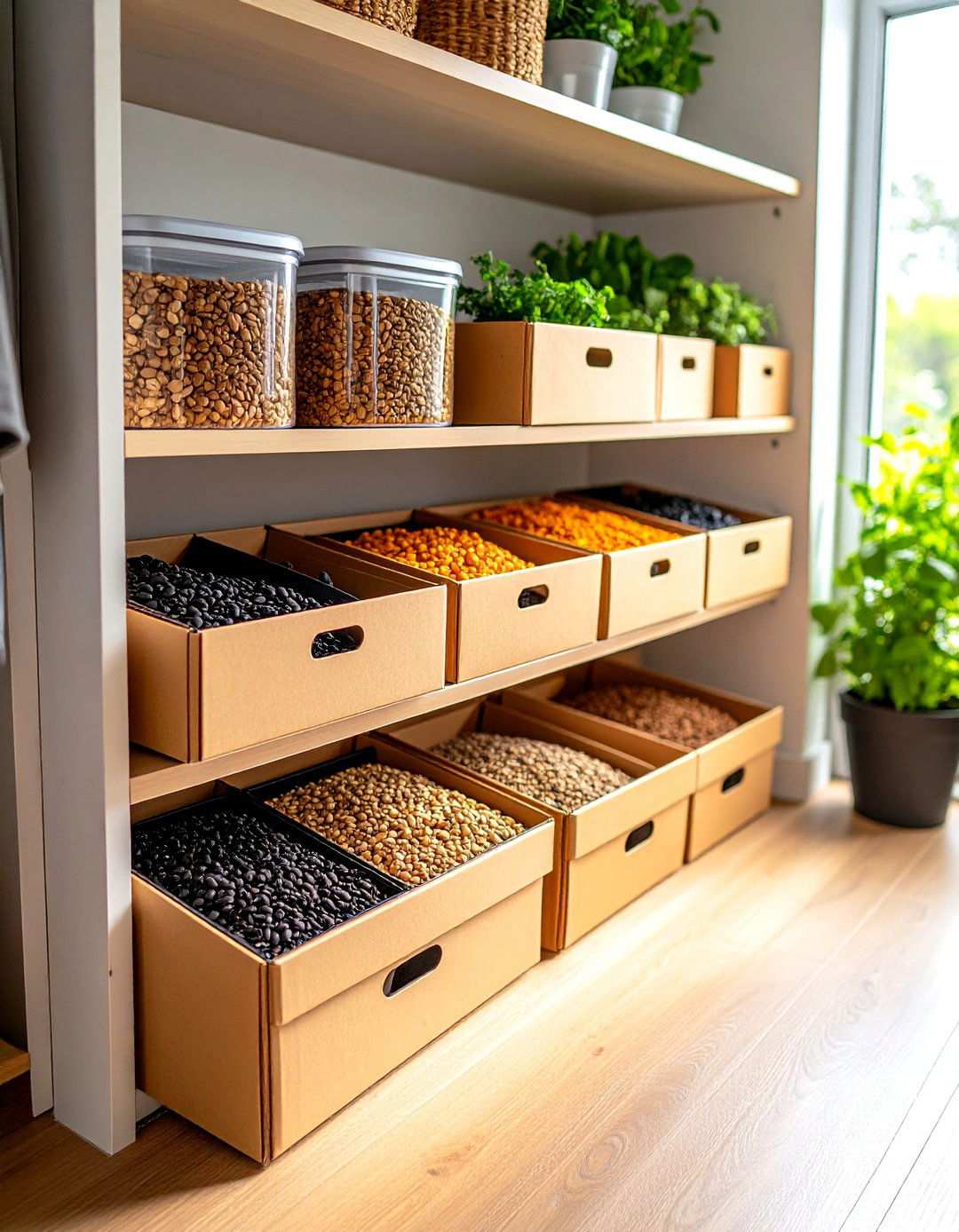
Transforming sturdy shoe boxes into effective seed storage containers can be a creative and budget-friendly solution for gardeners. Line the boxes with moisture-barrier materials and incorporate dividers crafted from cardboard or purchased organizers to ensure a snug fit for various seed packet sizes. This approach offers basic protection from light and dust while providing a customizable setup using index cards or homemade dividers. Categorize your seeds with ease by labeling the boxes clearly, and store them in a cool, dry location away from temperature fluctuations. While not as advanced as specialized storage systems, shoe boxes can serve as a practical starting point for beginners or a temporary solution until a more permanent system is implemented.
17. Harvesting Organization with Glass Jars
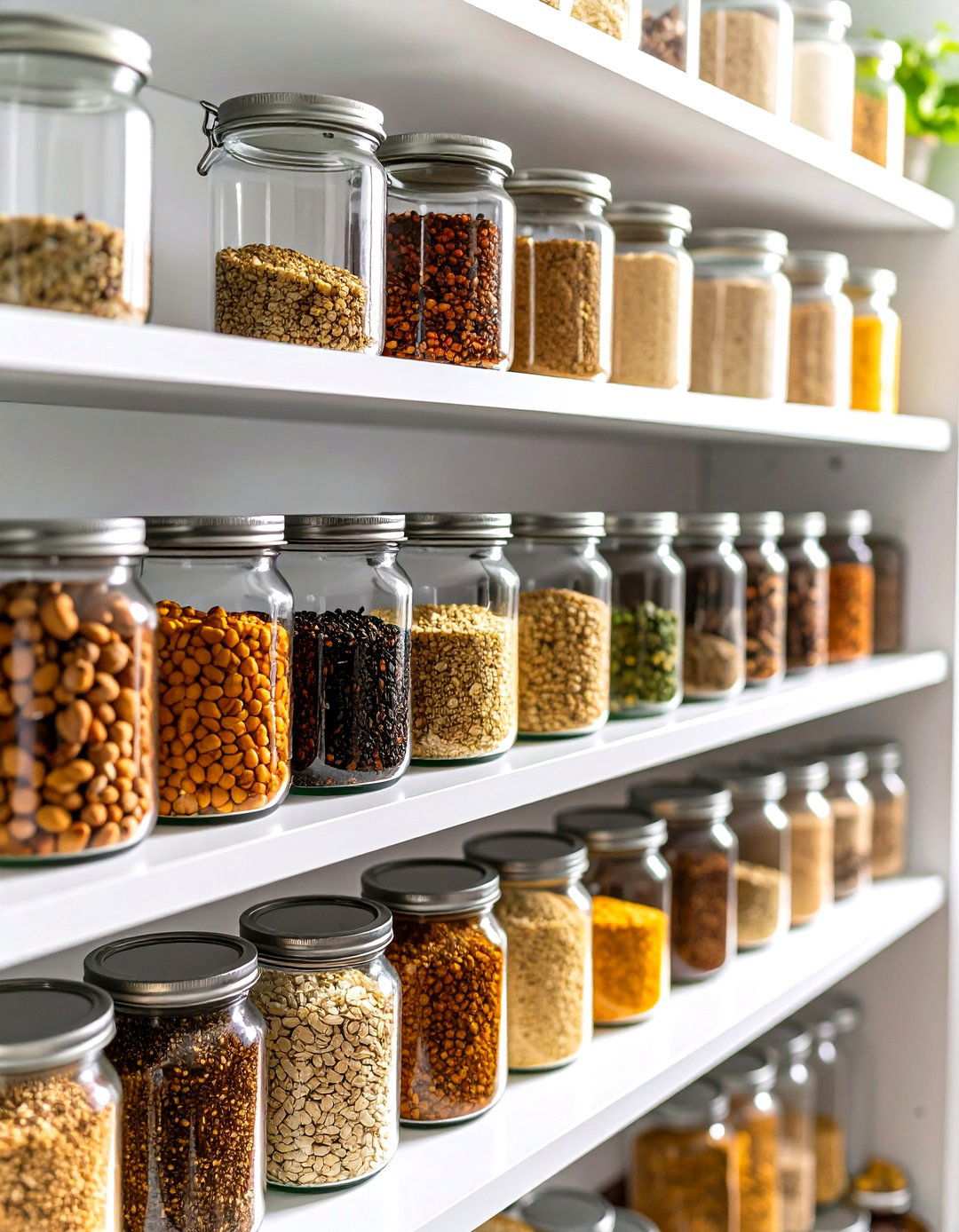
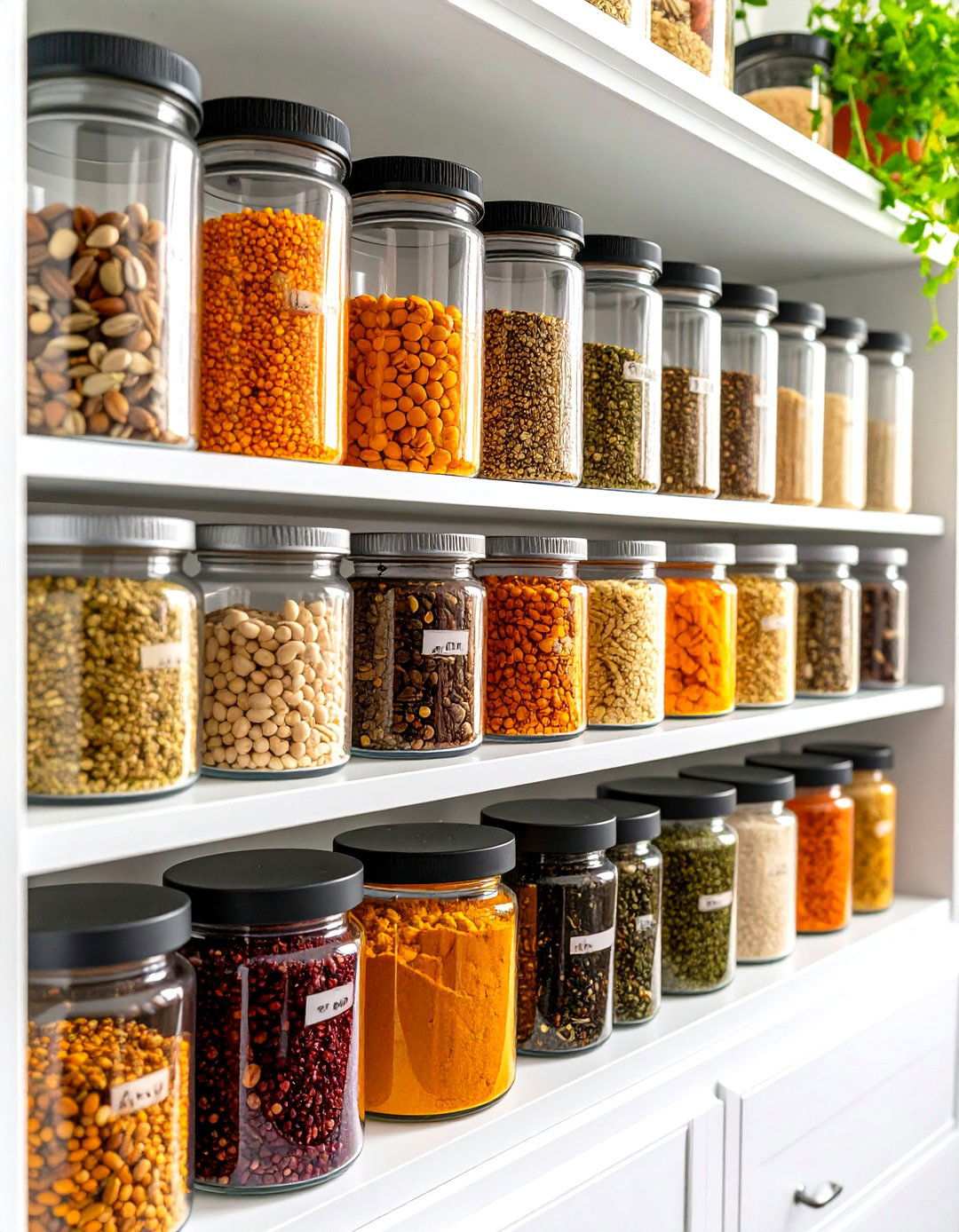
Repurpose a variety of glass jars to create a visually appealing and functional seed storage system in your pantry or kitchen. Baby food jars are ideal for small seed quantities, while larger canning jars can accommodate bigger collections. The transparent glass allows for easy identification, and screw-on lids provide a secure seal for short-term storage. Label each jar with essential seed information and dates to keep track of your collection. This method is particularly suitable for frequently used seeds or culinary varieties stored near kitchen gardens. Arranging the jars on shelves or in baskets ensures easy access to your seed collection. Although not ideal for long-term storage, glass jars offer an excellent means of organization for active gardening seasons.
18. Streamlining Seed Organization with Craft Storage Towers
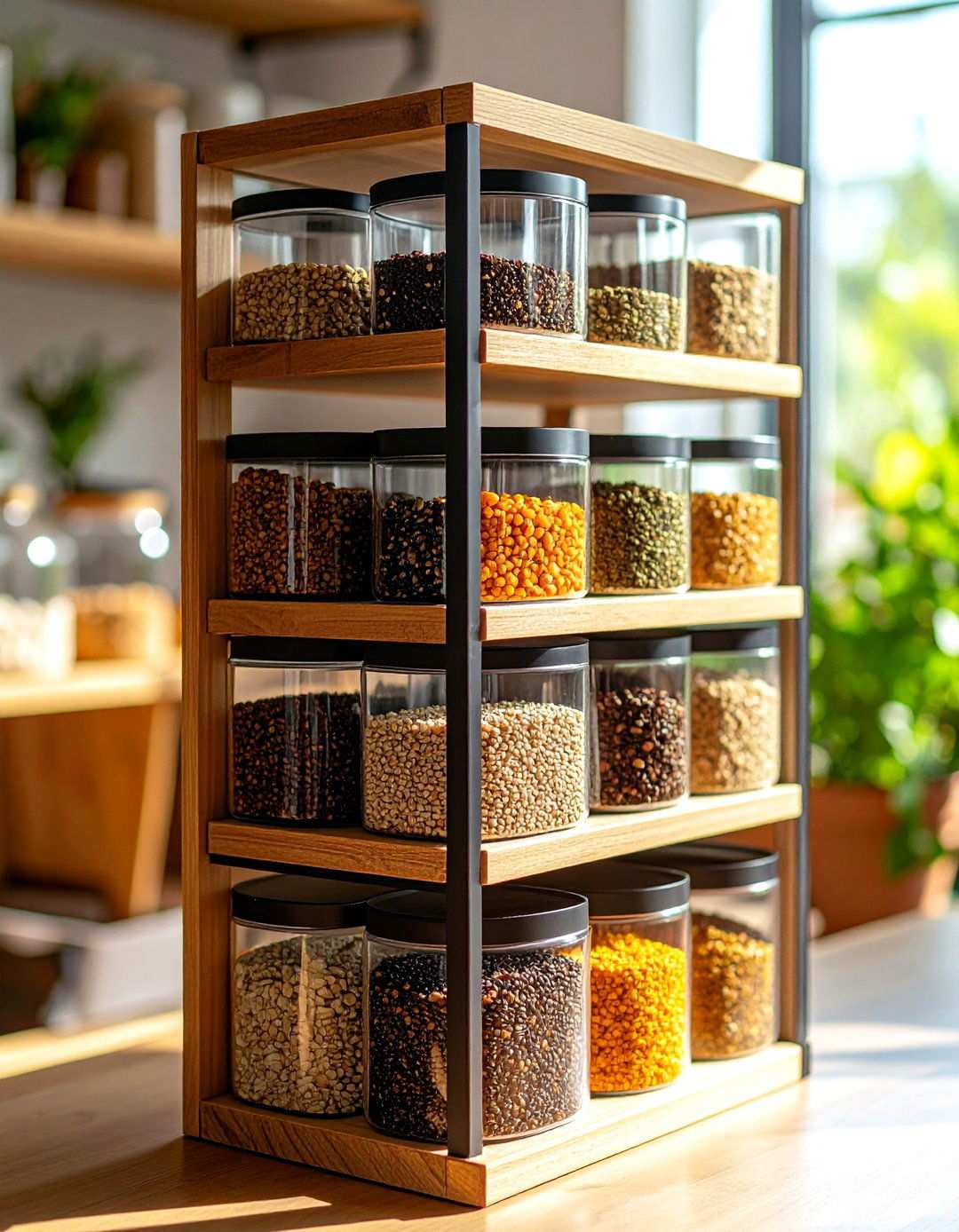
Multi-drawer craft storage towers, originally designed for small items, can be adapted to meet seed organization needs. These plastic units feature numerous small drawers that are perfect for categorizing seeds by type, planting season, or garden area. The transparent drawers enable easy identification, and the compact footprint saves valuable space. Each drawer can accommodate multiple seed packets or small containers, and labeling the drawer fronts makes it easy to quickly identify the contents. The tower design provides substantial storage capacity while maintaining organization and accessibility. This system can be easily expanded by adding additional units and works well in garden sheds, basements, or indoor storage areas.
19. Portable Seed Organization with Accordion Files
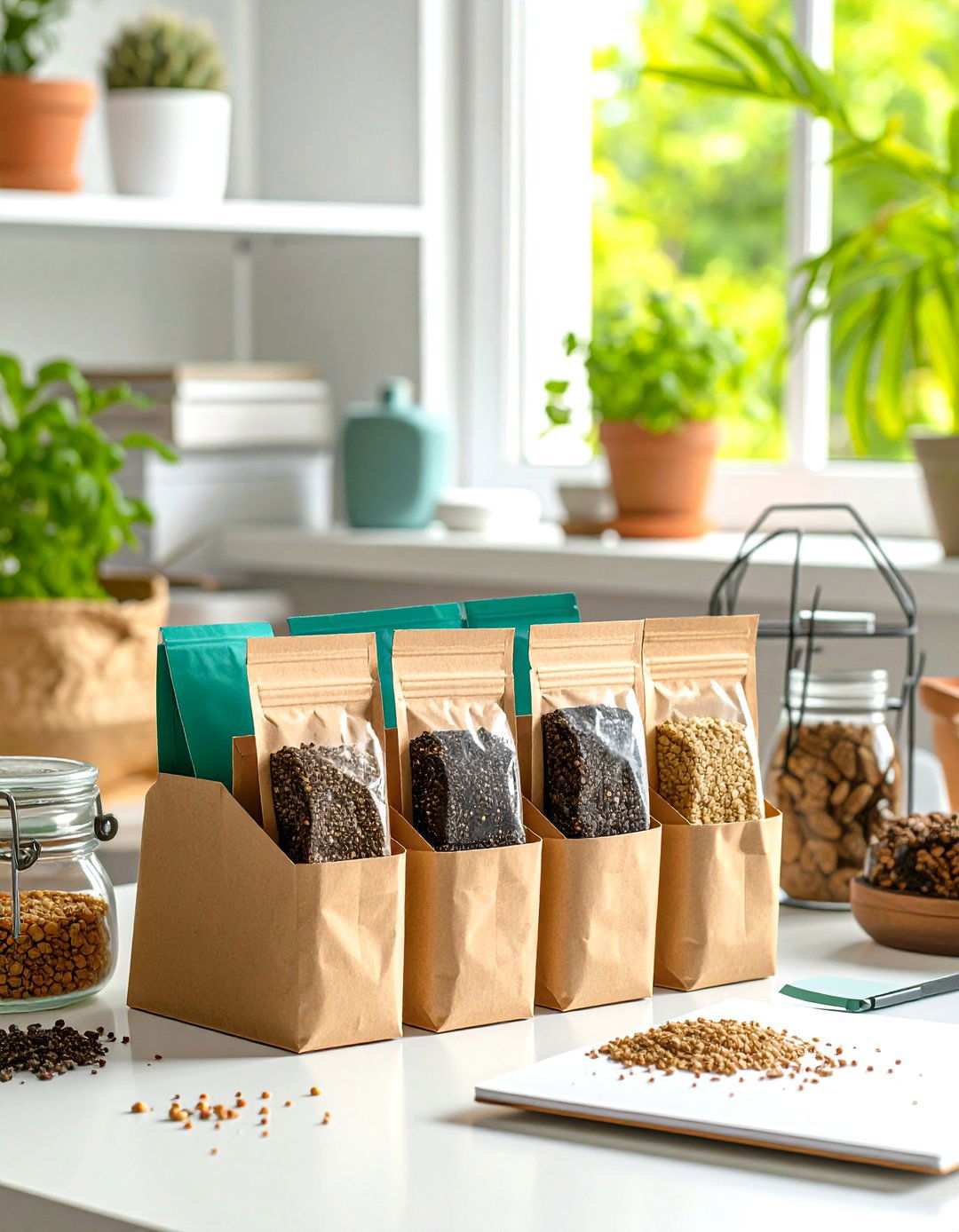
Expanding accordion files can provide a convenient and organized seed storage system similar to document filing systems. The multiple pockets in these files can accommodate seed packets sorted by categories, planting dates, or alphabetical order. Pre-printed tabs or custom labels can be used to identify each section for quick location of specific varieties. The compact, portable design makes garden planning a breeze while offering basic protection from light and moisture. This method is particularly well-suited for gardeners who prefer systematic organization and want to transport their seed collection to different planting areas. The expandable design allows your collection to grow while maintaining organization.
20. Expert-Grade Storage Solutions for Precise Seed Preservation
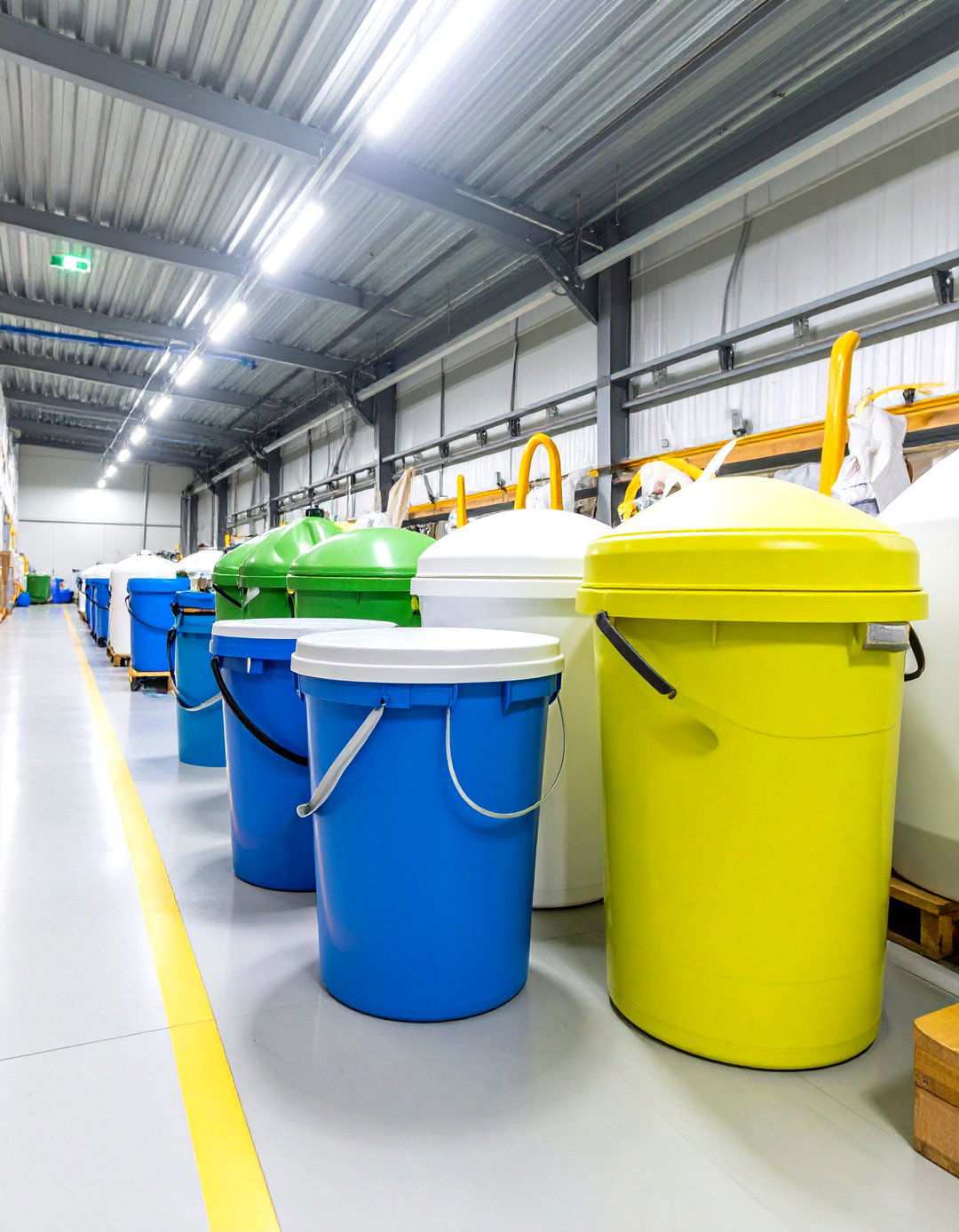
Combine high-quality, food-grade containers with cutting-edge desiccant systems to maintain optimal humidity levels within sealed containers. Large desiccant packets or rechargeable canisters play a vital role in maintaining precise moisture levels, particularly in regions with high humidity. For seamless access and airtight conditions, use gamma seal lids that minimize the risk of contamination. Monitor humidity levels with built-in indicators and recharge or replace desiccants as necessary. This advanced approach guarantees optimal storage conditions for valuable seed collections that demand long-term viability, making it essential to label containers clearly and maintain accurate inventory records for efficient management.
21. Compact and Organized Seed Storage Solutions
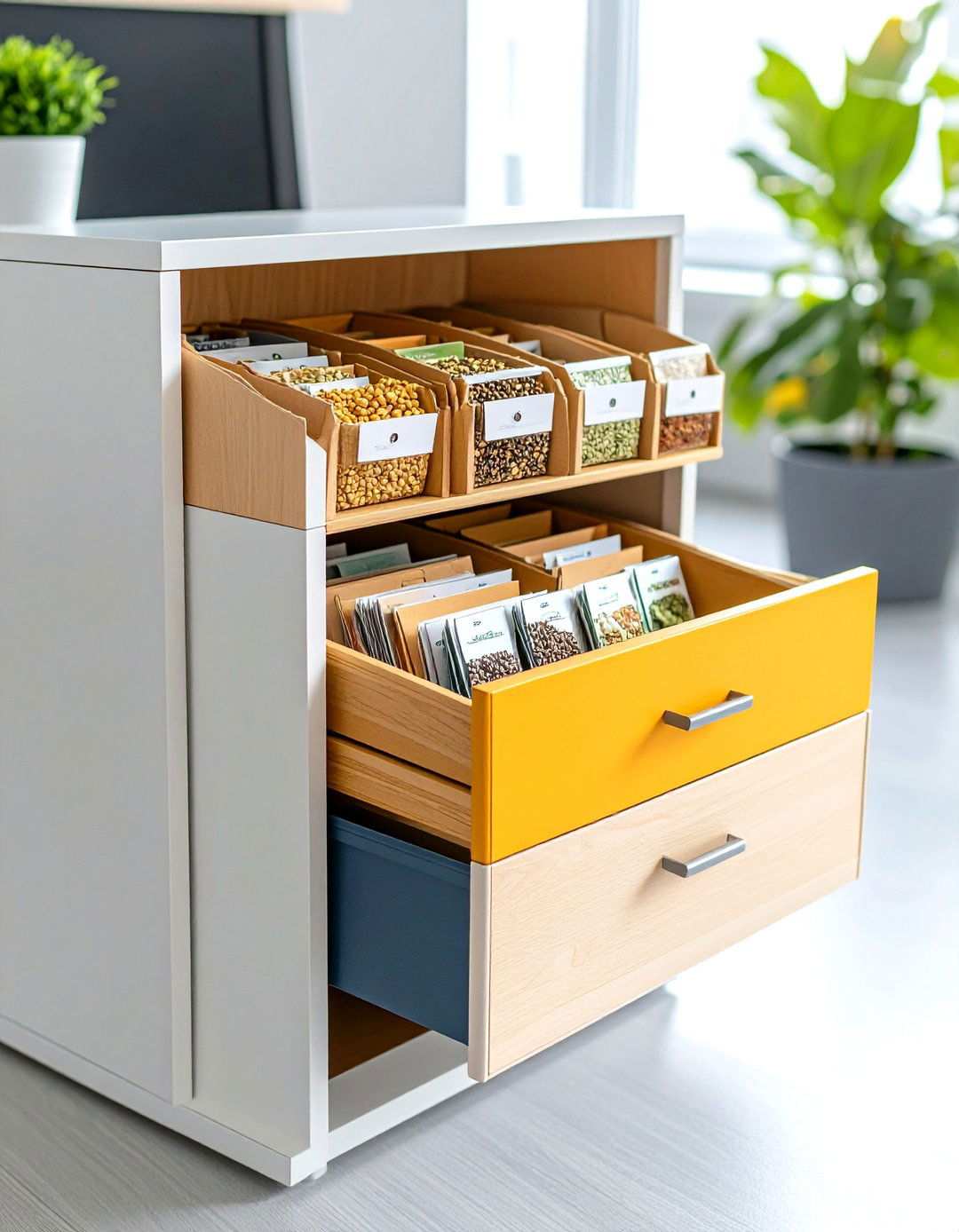
Adapted from desktop filing cabinets designed for small offices, these storage systems offer an ideal solution for seed storage with their multiple drawers and organizational features. Each drawer can accommodate a large number of seed packets, while hanging folders or dividers create categorical sections that enhance accessibility. The compact size of these storage systems makes them perfect for shelves or workbenches, providing substantial storage capacity while maintaining a minimal footprint. Metal construction offers durability and resistance to pests, while locks provide an additional layer of security for valuable varieties. To further enhance organization, label drawer fronts for quick identification and use color-coding for different categories, allowing gardeners to appreciate the benefits of systematic storage and detailed record-keeping for their seed collections.
22. Portable Seed Storage Solutions Inspired by Tackle Boxes
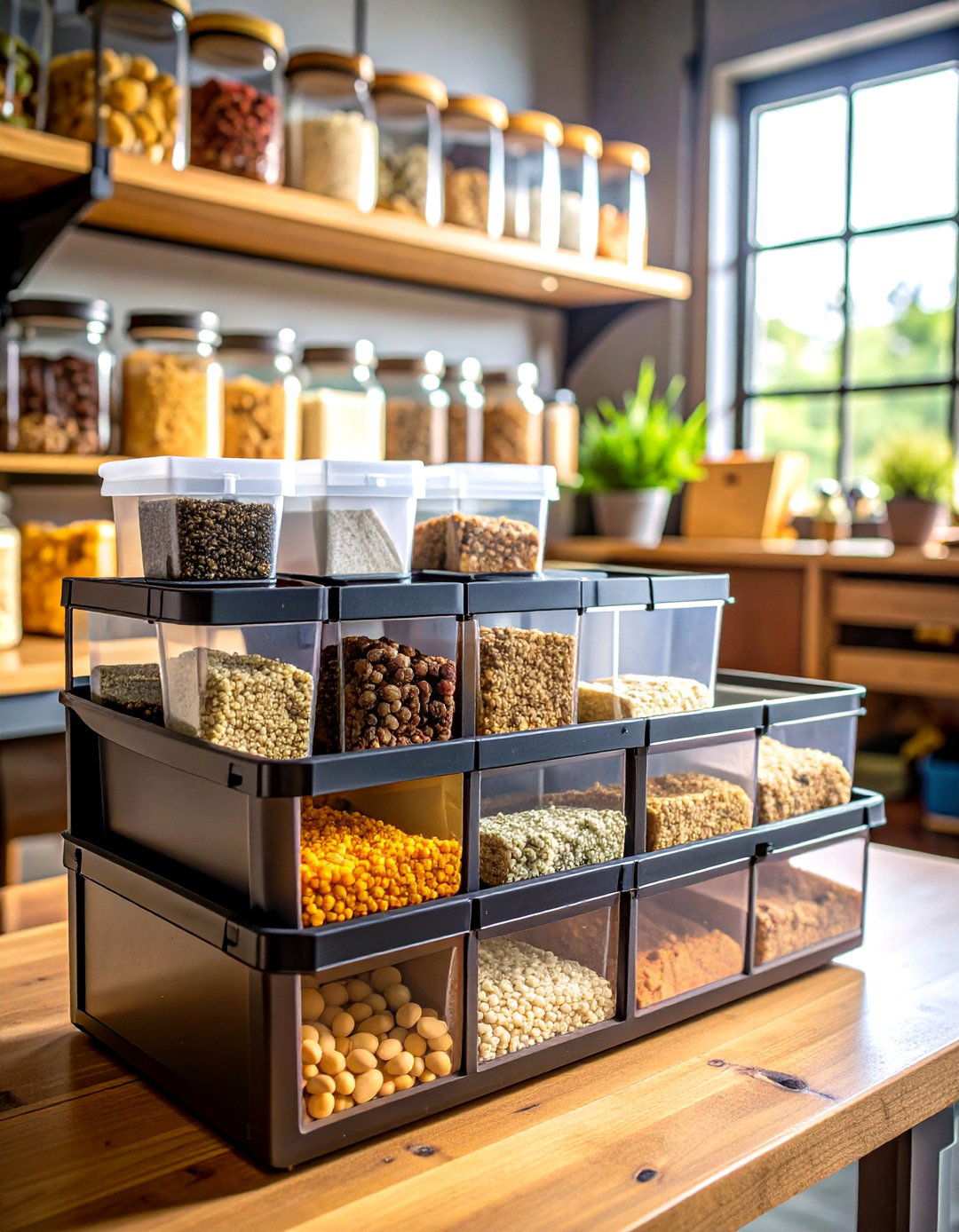
Fishing tackle boxes have proven to be an excellent mobile seed storage solution, offering multiple compartments and secure latching systems. The various sized sections can accommodate different seed packet dimensions, while transparent lids allow easy identification. Waterproof construction protects contents from moisture, while the portable design makes field planning convenient for gardeners who plant in multiple locations or prefer to carry their seed selection to planting sites. Adjustable dividers create custom configurations for specific seed collections, allowing for maximum flexibility and organization. This method works particularly well for gardeners who value the convenience of mobile seed storage and the ability to maintain organization and accessibility in the field.
23. Long-Term Seed Storage Using Vacuum Storage Bags
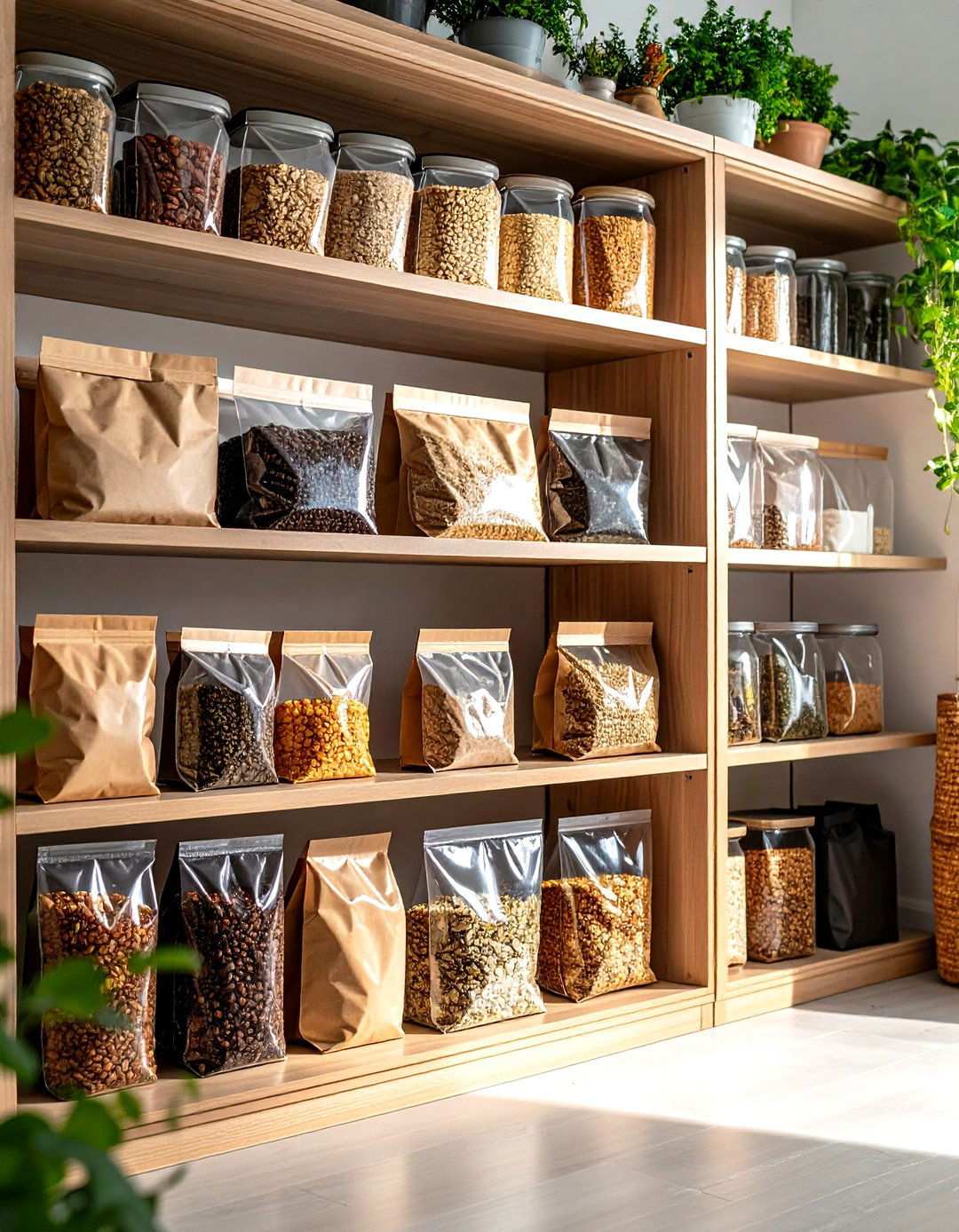
Large vacuum storage bags, typically used for clothing, can accommodate extensive seed collections when properly prepared. These bags remove air and compress contents while creating moisture barriers for protection. To prevent seed packet damage during compression, use rigid containers within bags. Add desiccant packets before sealing and store in cool, stable environments. Label bags clearly with contents and dates to maintain accurate records. This method works well for seasonal storage or when space is limited, reducing storage requirements while maintaining protection. However, access requires opening entire bags rather than selecting individual varieties, which may not be ideal for all gardeners.
24. Optimizing Seed Preservation with Advanced Storage Solutions
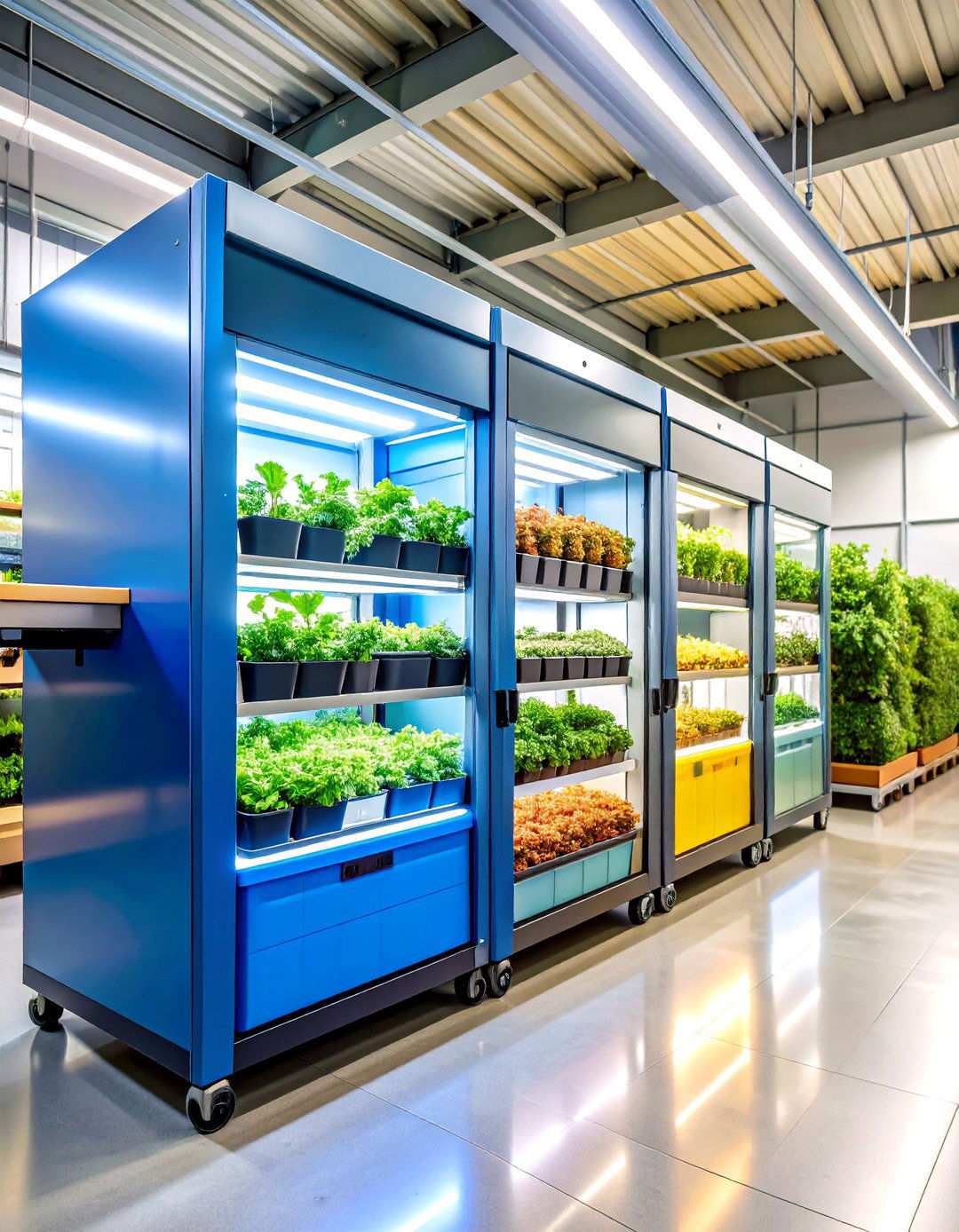
Develop a customized, temperature-controlled storage system for seeds, utilizing a dedicated mini-refrigerator or cooler with precision temperature and humidity management. This meticulous approach ensures that optimal storage conditions are consistently maintained, unaffected by external environmental fluctuations throughout the year. Implement a multi-layered organizational framework within the controlled environment, integrating airtight containers, desiccant packets, and a systematic labeling system to ensure seamless seed identification and retrieval. Regularly monitor conditions using digital thermometers and hygrometers, maintaining a narrow temperature range of 32-40°F and humidity levels below 40%. By investing in this high-end storage solution, serious collectors can ensure the long-term viability of rare or valuable seed varieties, safeguarding their integrity for decades to come.