1. Elevated Urban Growing Hubs
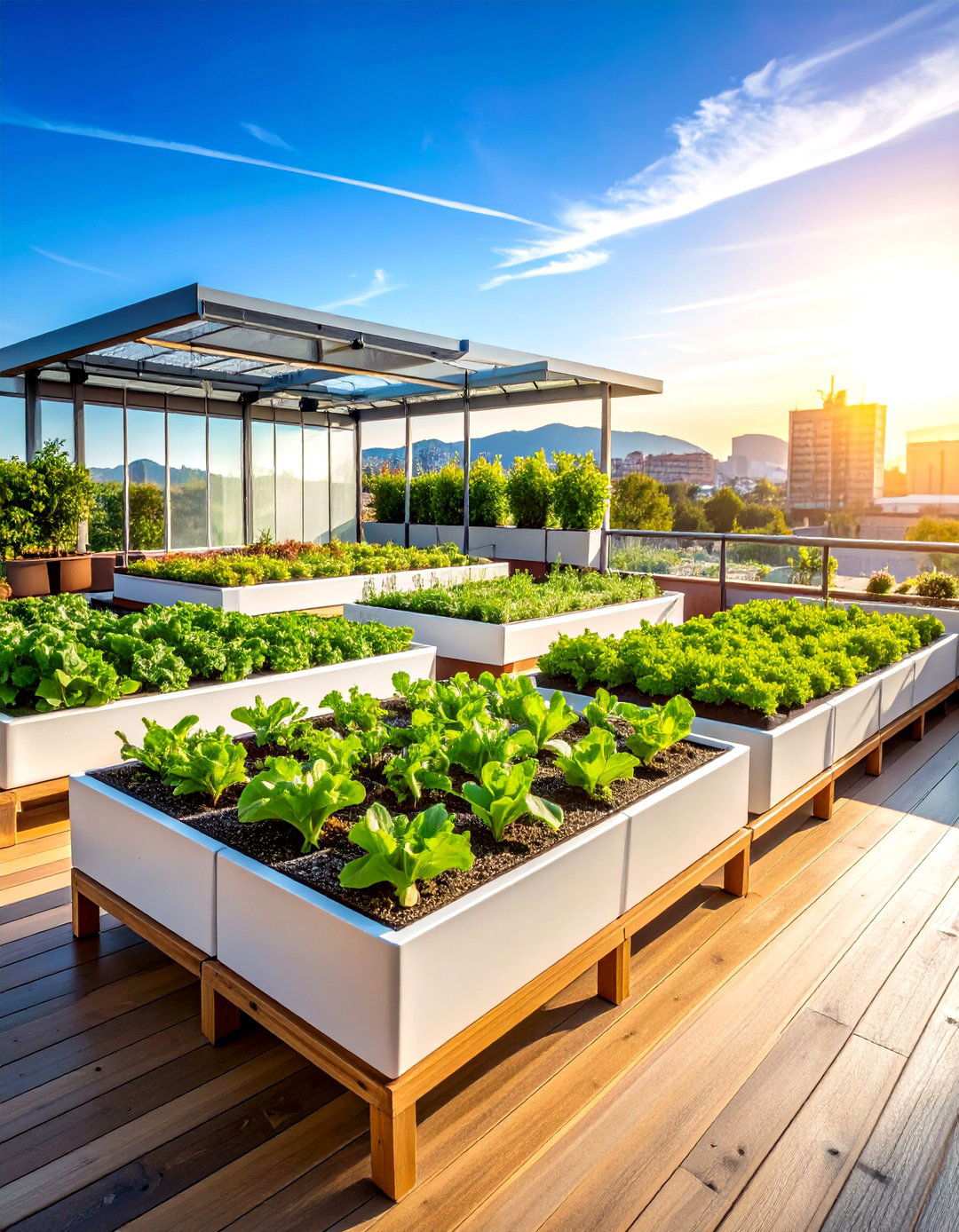
Imagine having a reliable source of fresh produce at your fingertips, regardless of the season or space constraints. Compact rooftop greenhouses harness urban ingenuity and sustainable practices to create thriving growing environments in even the most limited spaces. By repurposing unused rooftops, these structures unlock the potential for year-round cultivation, offering a welcome respite from the constraints of traditional gardening. From cozy DIY setups to sophisticated automated systems, rooftop greenhouses embody versatility and functionality, adapting seamlessly to diverse urban settings and growing needs. By providing protection from harsh weather conditions, extending growing seasons, and fostering controlled microclimates, these innovative installations empower urban dwellers to cultivate their own nutritious food supplies.

As an Amazon Associate I earn from qualifying purchases.
2. Hydroponic Harvesting Hubs
What if you could cultivate an abundance of fresh produce in a fraction of the space required by traditional gardens, all while minimizing water consumption by up to 90%? Compact hydroponic rooftop greenhouses offer a revolutionary approach to sustainable food production. By eliminating the need for soil, these systems rely on nutrient-rich water solutions to nourish plants directly through their roots, fostering faster growth rates and higher yields. The controlled environment also safeguards against pest infestations and soil-borne diseases, ensuring healthier, more resilient crops throughout the growing season. Perfect for apartments, small homes, or community spaces, these systems can produce an impressive variety of leafy greens, herbs, and even fruiting vegetables like tomatoes and peppers. With proper setup, you can enjoy a continuous harvest of fresh produce while maintaining a tidy, low-maintenance growing space that outshines traditional soil-based gardens.
3. Self-Sustaining Food Producers
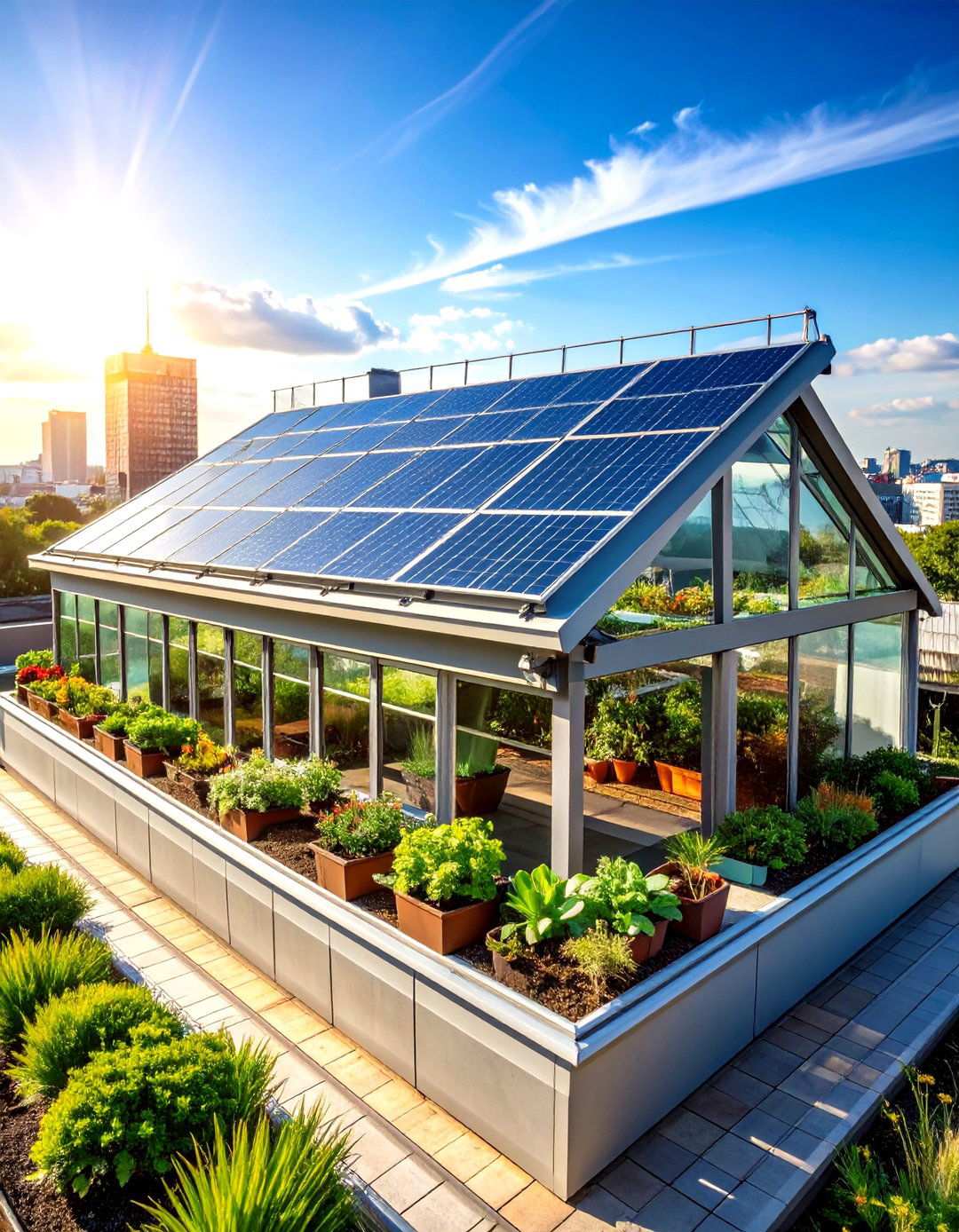
Could your greenhouse not only grow your food but also power itself? Solar-powered rooftop greenhouses integrate cutting-edge technology with innovative growing systems to create energy-independent food production. By harnessing the power of photovoltaic panels, these systems generate energy that powers ventilation fans, heating systems, automated irrigation, and grow lights, significantly reducing utility costs while promoting sustainable practices. The elevated position of these greenhouses provides optimal sunlight exposure for both plants and solar collection, making this design impressively efficient. During peak sunlight hours, excess energy can be stored in batteries for nighttime operations or cloudy days, ensuring continuous productivity. This setup is particularly beneficial for urban areas where electricity costs are high and environmental consciousness drives decision-making, transforming rooftop spaces into thriving, self-sustaining ecosystems that contribute to reduced carbon footprints and energy efficiency goals.
Elevating Growth with Vertical Garden Rooftop Greenhouses
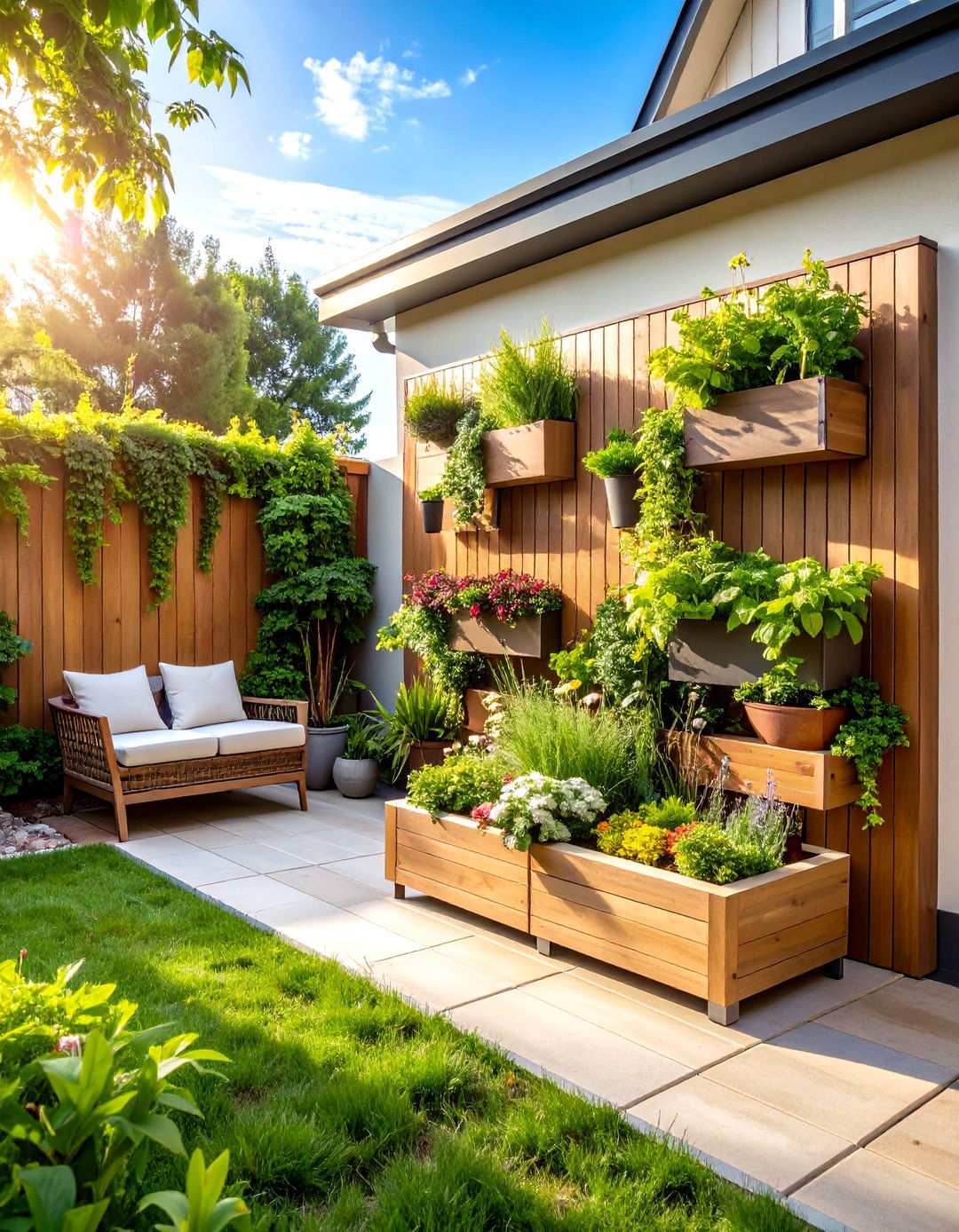
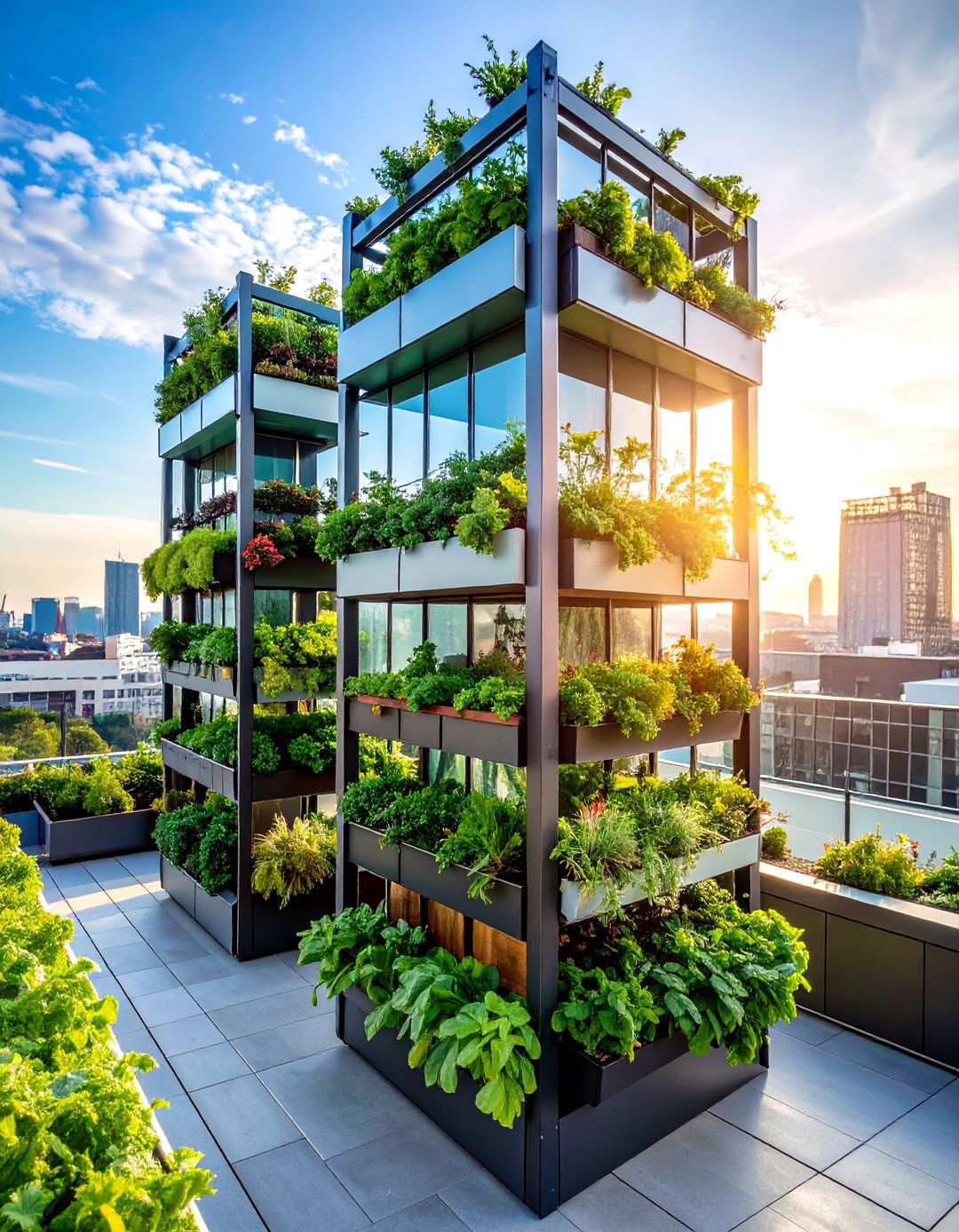
Multiply your yield without sacrificing space by employing the power of vertical gardening. Vertical garden rooftop greenhouses are designed to optimize space by utilizing wall-mounted planters, tiered shelving systems, and climbing structures that enable diverse crops to thrive within compact footprints. Leafy greens, for instance, are ideal for lower levels, while climbing vegetables like beans and cucumbers take advantage of upper tiers, benefiting from proper spacing that ensures adequate airflow and light penetration while streamlining maintenance and harvesting tasks. This approach particularly suits herbs, strawberries, and salad greens that flourish in smaller containers, rendering even the smallest rooftop areas highly productive and capable of feeding families throughout the year. Strategic plant placement creates microclimates that cater to specific crops, maintaining organized and visually appealing growing environments that enhance rather than clutter rooftop spaces.
4. Aquaponics: A Harmonious Union of Fish and Plants
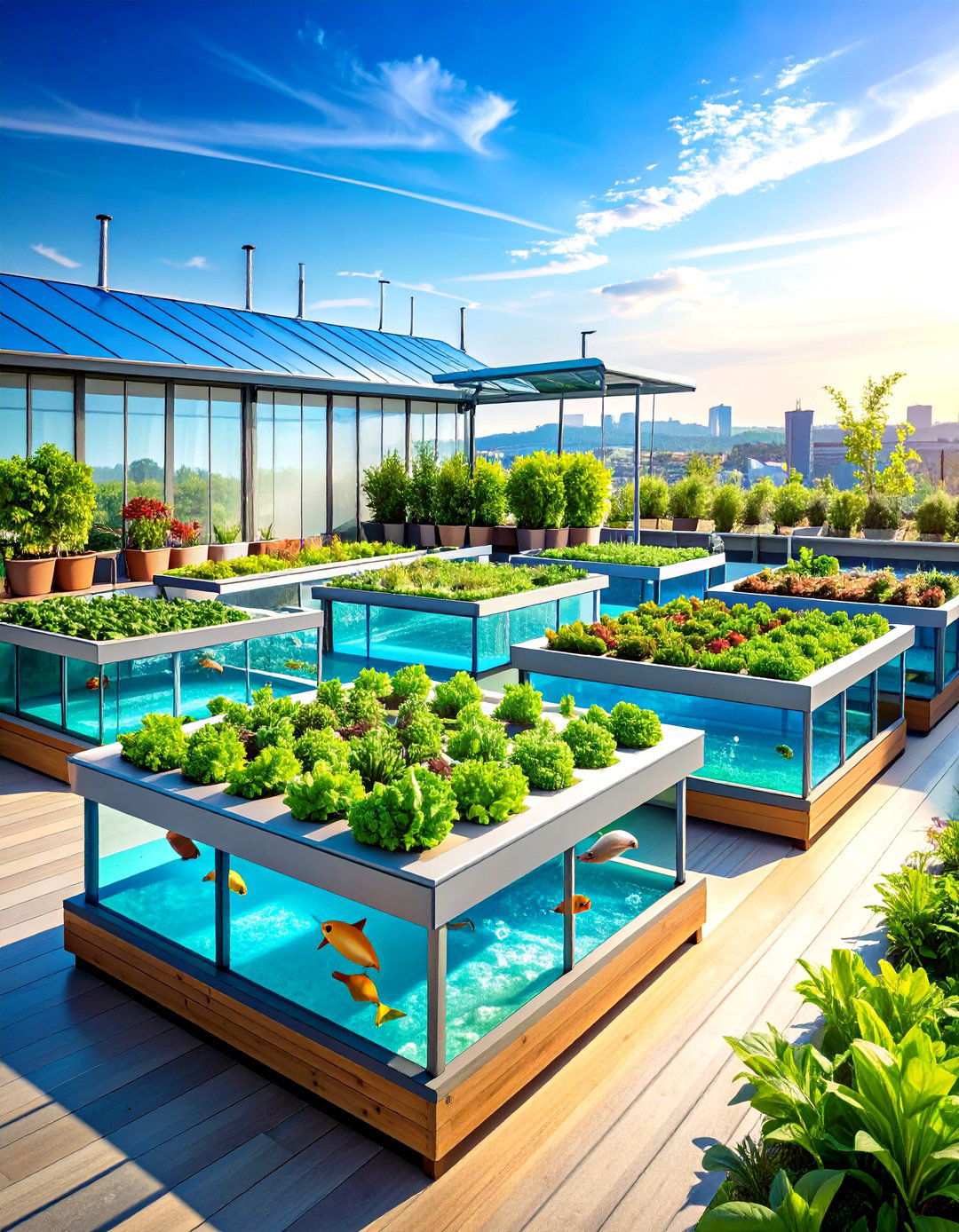
Can the art of fish farming and vegetable gardening coexist in perfect harmony? Aquaponics rooftop greenhouses seamlessly integrate fish tanks with hydroponic growing beds, forging symbiotic ecosystems where fish waste becomes a nutrient-rich resource for plants, which in turn filter water for fish. This eco-friendly method eliminates the need for chemical fertilizers, yielding both protein and vegetables in the same space. The addition of fish adds an engaging element to urban farming, providing a complete nutritional cycle that thrives on the partnership between fish and plants. Popular choices like tilapia, goldfish, and ornamental koi contribute organic nutrients that significantly boost plant growth, while water circulation between fish tanks and grow beds maintains healthy environments for both components. This innovative approach maximizes resource efficiency while presenting fascinating educational opportunities for families interested in understanding natural cycles and sustainable food production methods.
5. Intelligent Greenhouse Management with Automated Climate Control
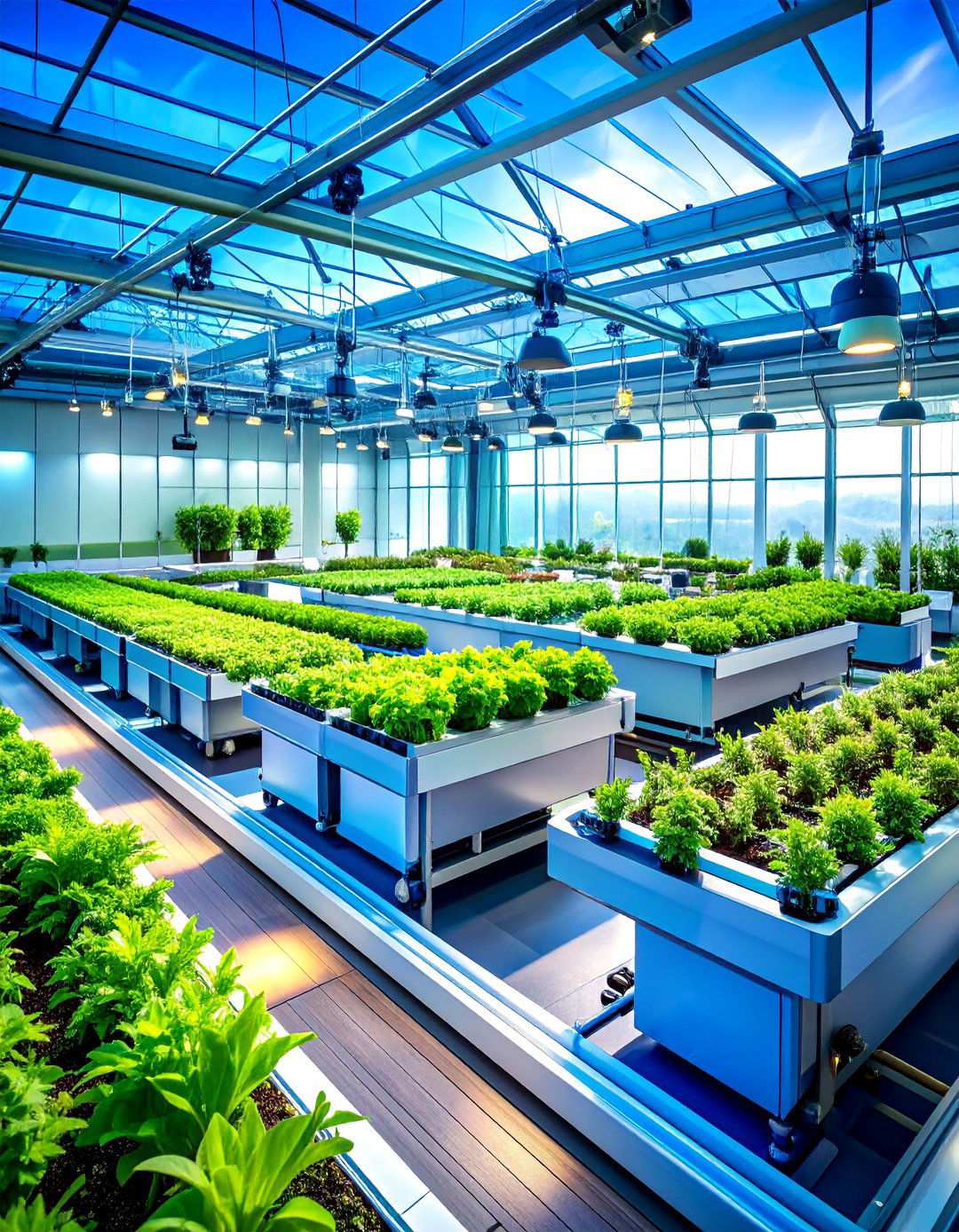
Imagine a greenhouse that can think for itself, adapting conditions in real-time to ensure optimal growth. Automated climate control systems utilize sensors to monitor temperature, humidity, light levels, and soil moisture, making instant adjustments to maintain perfect growing conditions. These cutting-edge systems regulate ventilation, heating, irrigation, and supplemental lighting without human intervention, guaranteeing consistent plant health even when you’re away. Wi-Fi connectivity enables remote monitoring and control through smartphone apps, providing peace of mind during vacations or busy periods. Automated systems minimize human error while optimizing resource usage, resulting in better yields and lower operating costs. The technology effortlessly adapts to seasonal changes and weather patterns, maintaining stable internal environments regardless of external conditions. This sophisticated approach to greenhouse management represents a significant leap forward in urban agriculture.
6. Lean-To Rooftop Greenhouse Structure
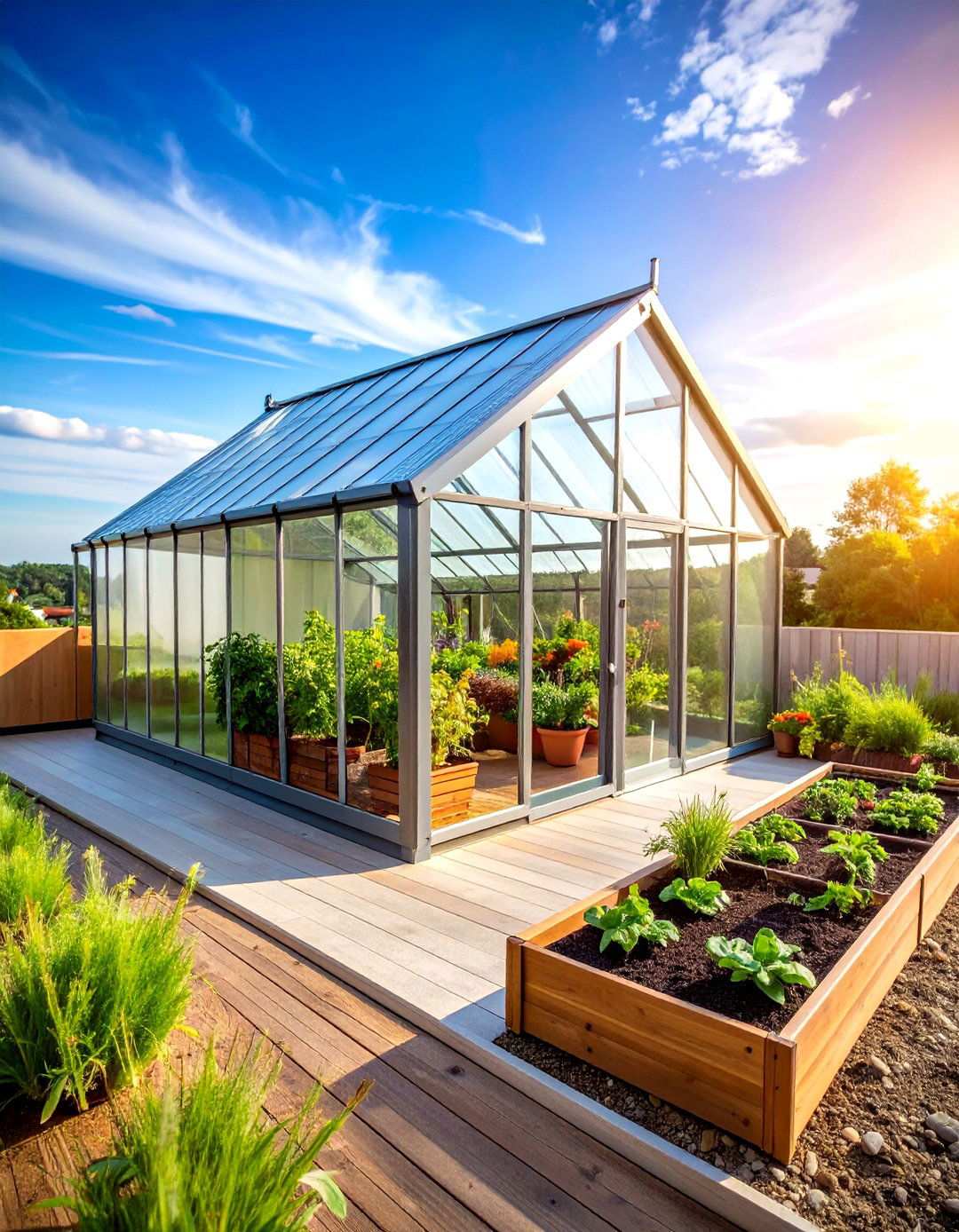
Designing a greenhouse that seamlessly integrates with your existing rooftop architecture can be a game-changer for urban gardeners. Lean-to rooftop greenhouses are an ideal solution, as they attach to existing walls or structures, using one wall for support while maximizing space efficiency and reducing construction costs. This innovative design offers excellent protection from prevailing winds while maintaining easy access to essential utilities like water and electricity. The slanted roof design optimizes light collection, natural drainage, and creates adequate headroom for most crops to thrive. These structures work particularly well against south-facing walls that receive maximum sunlight throughout the day. By integrating the design approach, you can minimize visual impact while providing substantial growing space for an array of vegetables, herbs, and flowers. Lean-to greenhouses are an excellent starter option for urban gardeners who want permanent structures without overwhelming their rooftop spaces or requiring complex foundation work.
7. Multi-Season Container Rooftop Garden
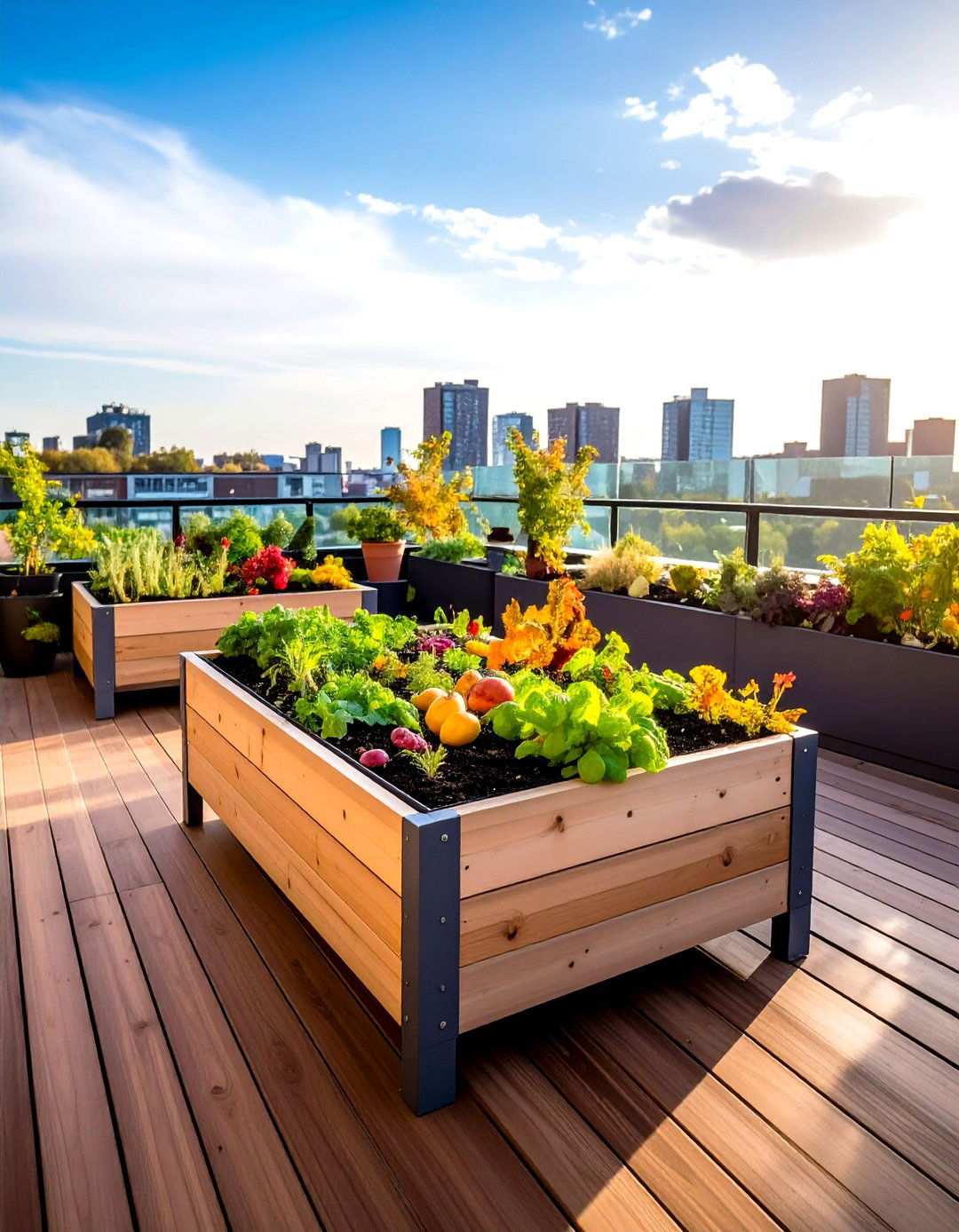
Transforming simple containers into sophisticated growing systems that perform year-round is a remarkable feat. Multi-season container rooftop gardens utilize moveable planters, raised beds, and specialized growing boxes that adapt to changing seasons and weather conditions. This versatile approach accommodates various crops, from small herbs to larger vegetables like tomatoes and peppers, using different container sizes. The portability allows for repositioning for optimal light exposure and weather protection, while enabling easy crop rotation and soil refresh. Insulated containers protect root systems during temperature extremes, and drainage systems prevent waterlogging during heavy rains. These adaptable systems suit renters and homeowners who prefer growing solutions that can evolve over time. Strategic container placement creates windbreaks and microclimates that extend growing seasons naturally, while the modular approach enables gradual expansion as experience and confidence grow with urban gardening success.
8. Elevating Rooftop Greenhouse Resilience
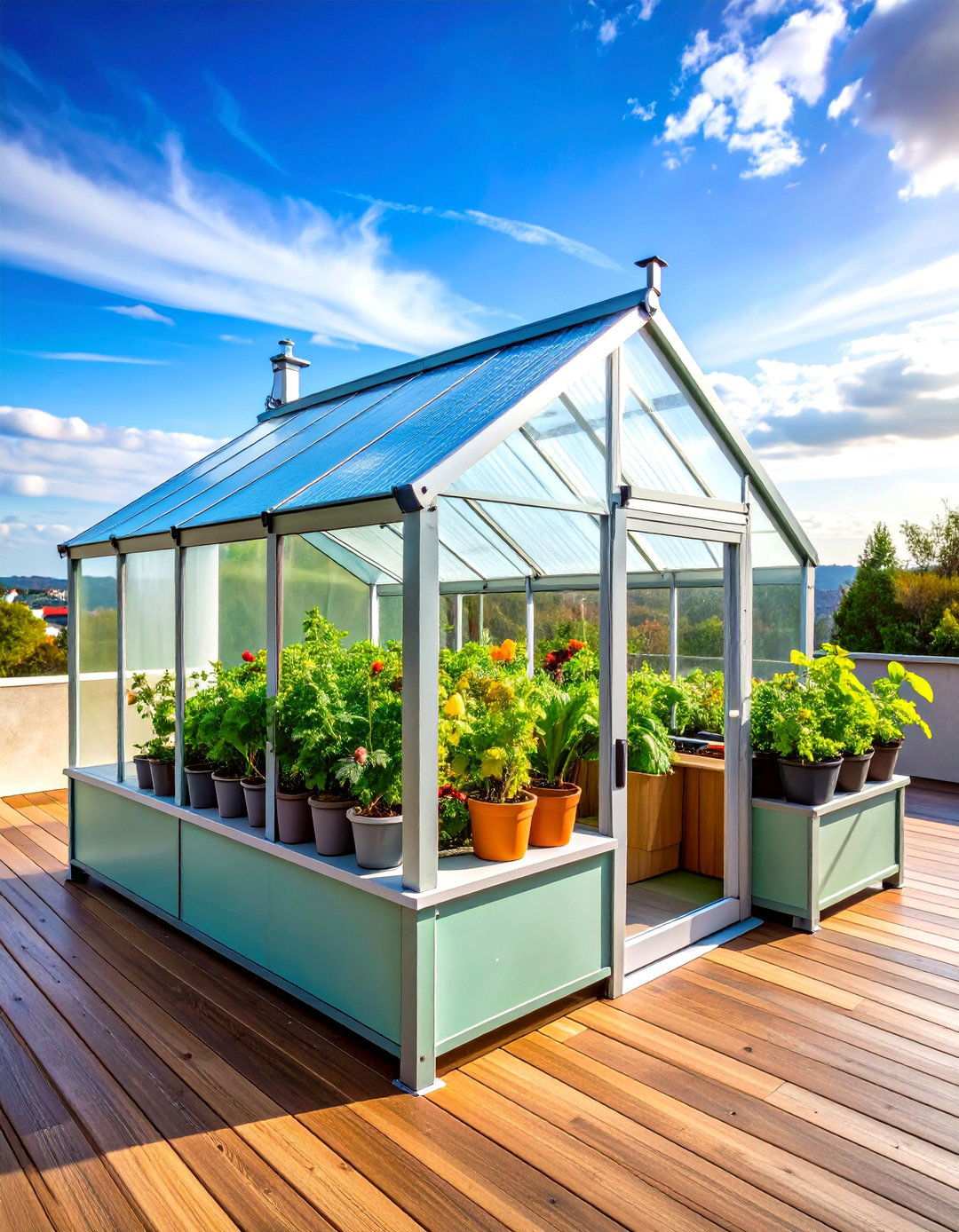
When it comes to rooftop wind resistance, a multitude of engineering features combine to safeguard delicate plants from harsh gusts. These innovative structures rely on reinforced frames, aerodynamic shapes, and specialized anchoring systems tailored for elevated exposures. Key design elements include reduced profiles, rounded edges, and flexible joints that absorb wind forces rather than battling them head-on. Premium materials like polycarbonate panels and tempered glass ensure enhanced impact resistance while preserving light transmission and insulation properties. Strategically positioned windbreaks and adjacent barriers create tranquil microclimates around growing areas, shielding plants from the harshest elements. By anchoring deeply into rooftop structures using customized mounting hardware, these engineered solutions guarantee both plant protection and structural integrity during extreme weather events. With careful design, the need for temporary wind protection measures during high-wind situations is eliminated.
9. Harvesting Year-Round Abundance
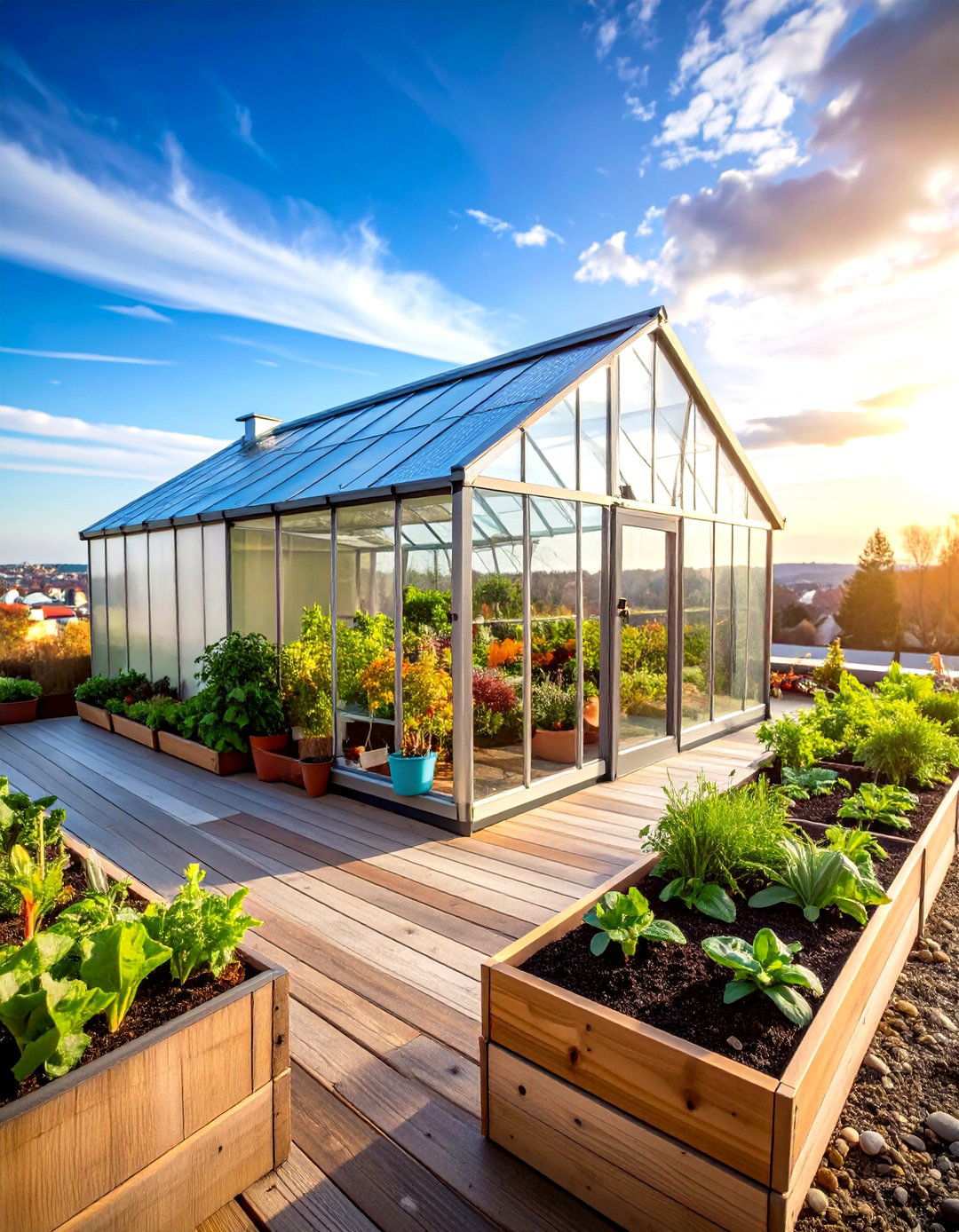
Is it truly feasible to harvest fresh produce every month from your rooftop space? Year-round growing rooftop greenhouses make this a reality through the strategic use of thermal mass, insulation, and supplementary heating. These sophisticated systems incorporate clever cold frames, season extenders, and succession planting strategies that ensure continuous harvests. A thoughtful approach to plant selection involves choosing cool-season crops for winter months and heat-tolerant varieties for summer conditions. By harnessing daytime heat and releasing it gradually during cooler periods, thermal regulation systems minimize energy requirements. Careful crop planning ensures that something is always ready for harvest, while new plantings mature for future seasons. This approach transforms rooftops into reliable food sources, reducing dependence on grocery stores and providing access to fresh, nutritious produce regardless of external weather conditions and seasonal limitations.
10. Community Shared Rooftop Greenhouse
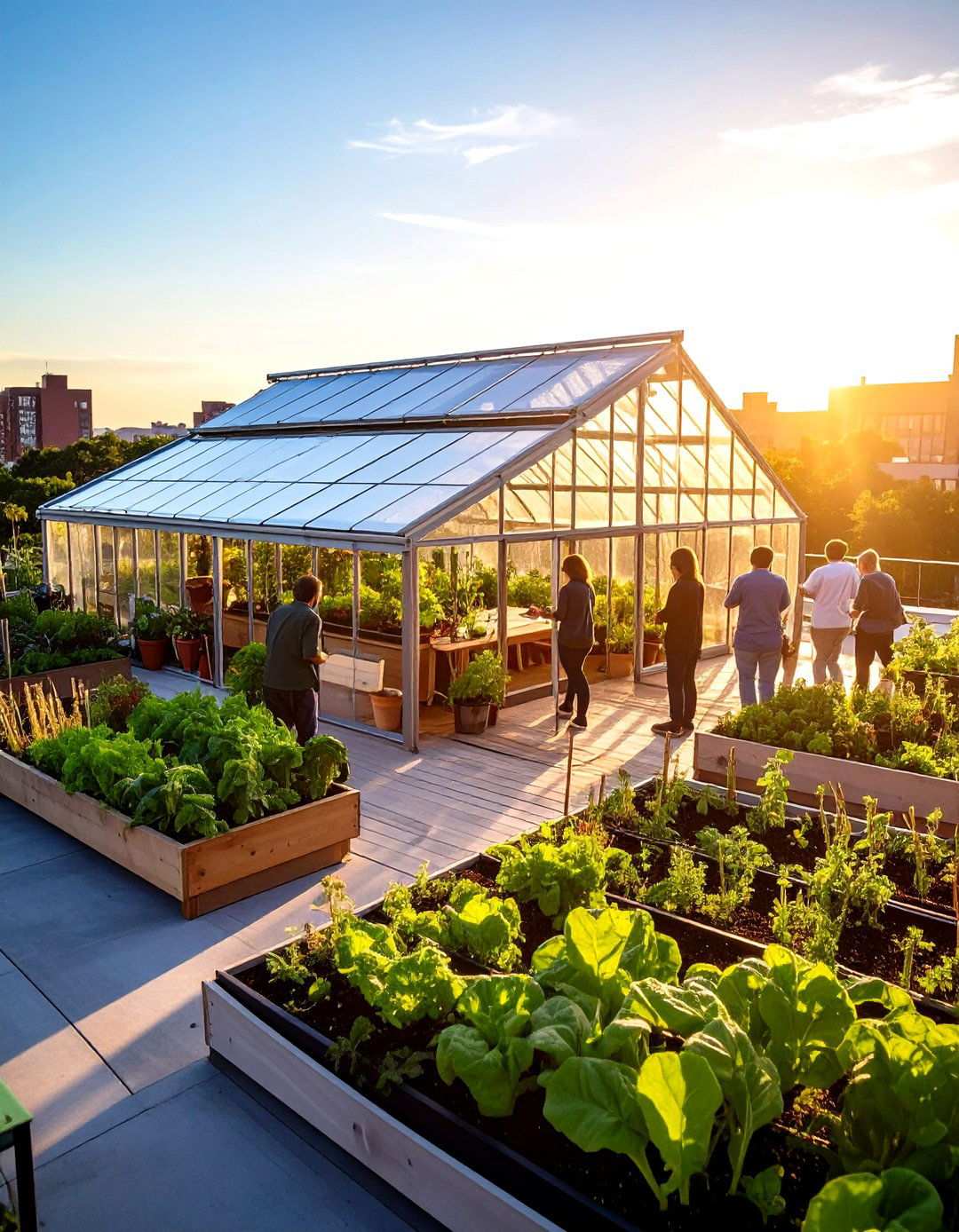
When neighbors come together to create rooftop greenhouse projects that serve their entire community, a wealth of benefits emerges. This collaborative approach to gardening creates shared growing spaces where multiple families pool their resources, labor, and expertise, while sharing the harvests and maintenance responsibilities. As a result, these installations often feature larger structures that cater to diverse growing preferences and a wide array of crop varieties. By sharing costs, individual participants can afford sophisticated systems like automated irrigation and climate control, making high-tech gardening accessible to more people. At the same time, educational opportunities abound as experienced gardeners mentor beginners, and children learn about food production and environmental stewardship. Regular maintenance gatherings and harvest celebrations help strengthen social connections within the community, building neighborhood relationships and a sense of belonging. The collaborative approach also enables larger scale projects that individual families couldn’t manage alone, while creating resilient food systems that serve the broader community’s needs. Ultimately, these shared spaces become focal points for environmental education and sustainable living initiatives, promoting a culture of community and cooperation.
11. Compact Herb Production Rooftop Setup
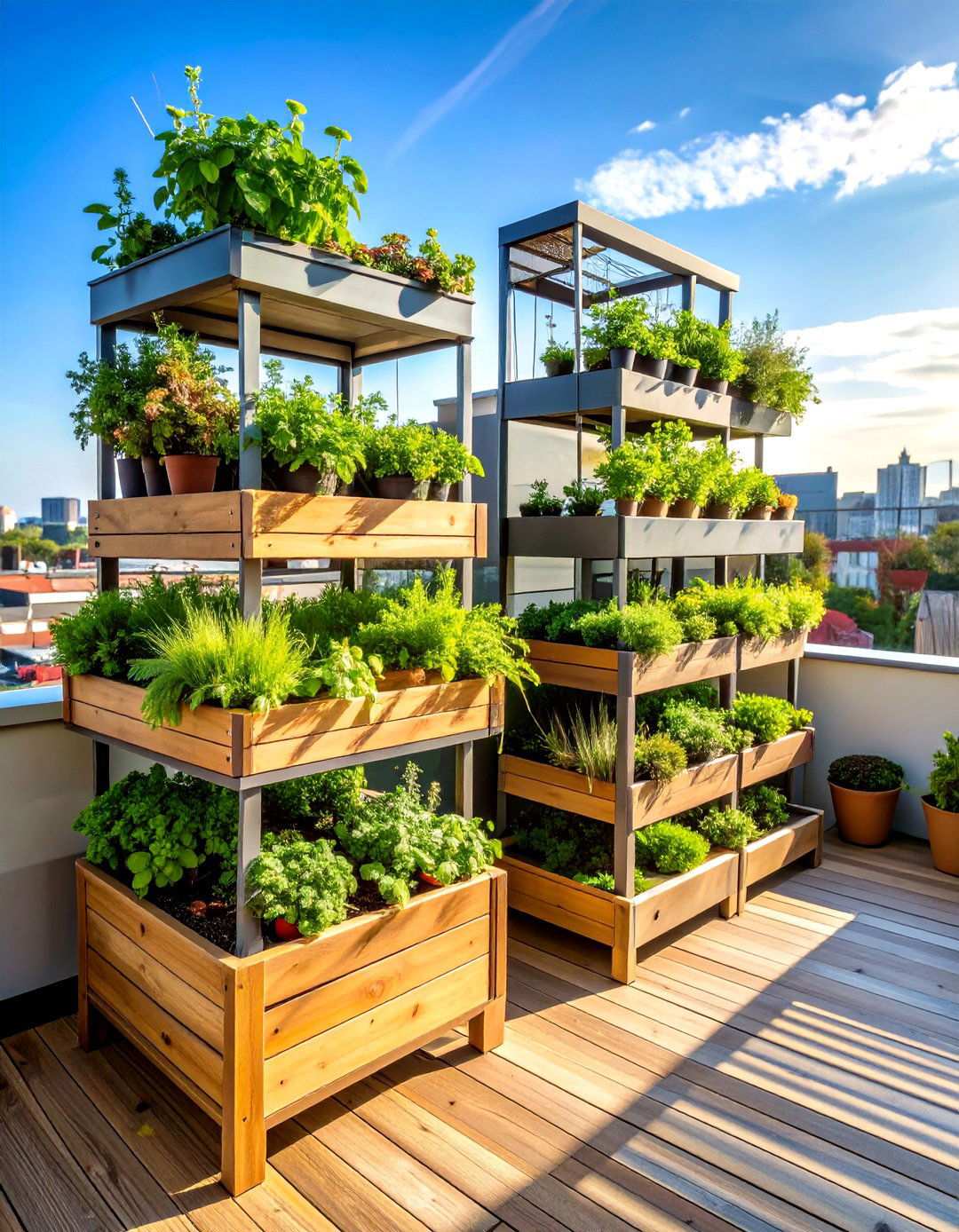
A small rooftop space can be a treasure trove of fresh herbs, providing your kitchen with a steady supply throughout the year. Compact herb production setups use tiered planters, hanging baskets, and wall-mounted systems specifically designed for culinary herbs that thrive in container environments. These systems are ideal for growing popular herbs like basil, oregano, thyme, parsley, cilantro, and others that prefer well-drained soil and controlled moisture levels. The compact design fits even the smallest balconies and rooftop corners, providing substantial yields for daily cooking needs. To ensure a continuous harvest, succession planting is key, allowing you to replace mature plants with new ones as they grow. By featuring different varieties, these focused systems provide a diverse range of flavors and textures throughout the growing seasons. The proximity to kitchens encourages regular harvesting and use, ensuring herbs reach their peak flavor and nutritional value. For cooking enthusiasts who want fresh ingredients readily available without maintaining large garden spaces or dealing with seasonal availability limitations, compact herb production setups prove to be the perfect solution.
6.1. Balancing Performance and Efficiency in Greenhouse Design
Greenhouse designers face a pressing challenge: minimizing energy consumption without compromising year-round performance and productivity. Energy-efficient rooftop greenhouses address this dilemma through innovative design elements that harness passive solar energy, thermal mass, and superior insulation materials. By reducing heating and cooling requirements, these structures maintain optimal growing temperatures with minimal energy input. Advanced ventilation systems, such as double-wall polycarbonate panels and reflective materials, work in tandem with heat recovery systems to redirect warm air efficiently throughout the structure. LED grow lights supplement natural illumination, using significantly less electricity than traditional lighting systems. Smart controllers further optimize energy usage by dynamically adjusting systems based on real-time conditions, rather than fixed schedules. This holistic approach enables net-positive energy performance through integrated solar panels and battery storage systems, reducing operating costs while supporting healthy plant development and substantial harvests.
6.2. Harnessing Rainwater Potential for Sustainable Greenhouse Operations
Capturing and utilizing rainwater for greenhouse irrigation and plant nutrition offers numerous benefits. Rainwater harvesting rooftop greenhouses incorporate comprehensive collection systems, storage tanks, and distribution networks that transform precipitation into valuable irrigation resources. By reducing municipal water consumption, these systems provide naturally soft water that many plants prefer over treated tap water. Collection areas can include greenhouse roofs, surrounding structures, and specialized catchment surfaces that maximize water capture during rainfall events. Storage systems range from simple rain barrels to sophisticated underground cisterns with filtration and treatment capabilities. Gravity-fed distribution eliminates pumping costs, while automated controllers ensure efficient water usage. The captured water supports extended growing periods during dry spells and reduces overall operating costs, making these sustainable systems a shining example of environmental responsibility and practical benefits for plant health and resource reduction.
14. Evolving Rooftop Greenhouse Systems
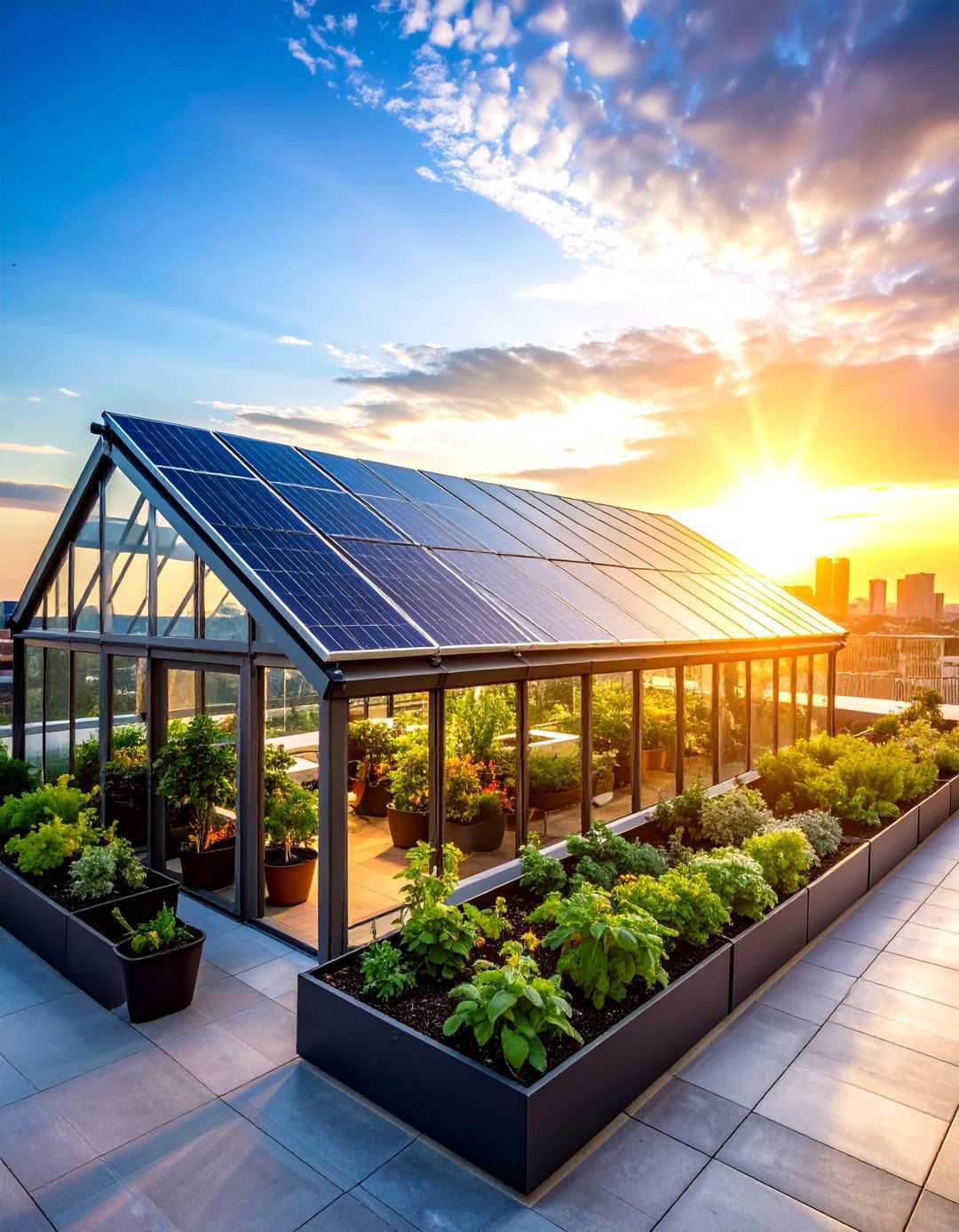
There’s no need to constrain yourself with a static greenhouse setup when you can opt for a modular design that adapts to your growing expertise and changing requirements. Initial installations of modular expandable rooftop greenhouses start with a basic framework that can be expanded and upgraded over time to accommodate additional sections, more sophisticated systems, and enhanced functionality. As you gain experience and refine your gardening techniques, you can seamlessly integrate upgraded components, such as hydroponics or automated controls, into your existing structure. Standardized connection systems ensure seamless integration between different sections, allowing you to experiment with various growing methods and techniques without incurring significant upfront costs. This modular approach empowers you to evolve your gardening interests while avoiding the financial risks associated with large-scale investments in uncertain ventures. By embracing an expandable design, you can accommodate seasonal fluctuations in growing intensity while developing the expertise and confidence to produce a substantial portion of your household’s fresh produce.
15. Intelligent Gardening with Smart Monitoring Systems
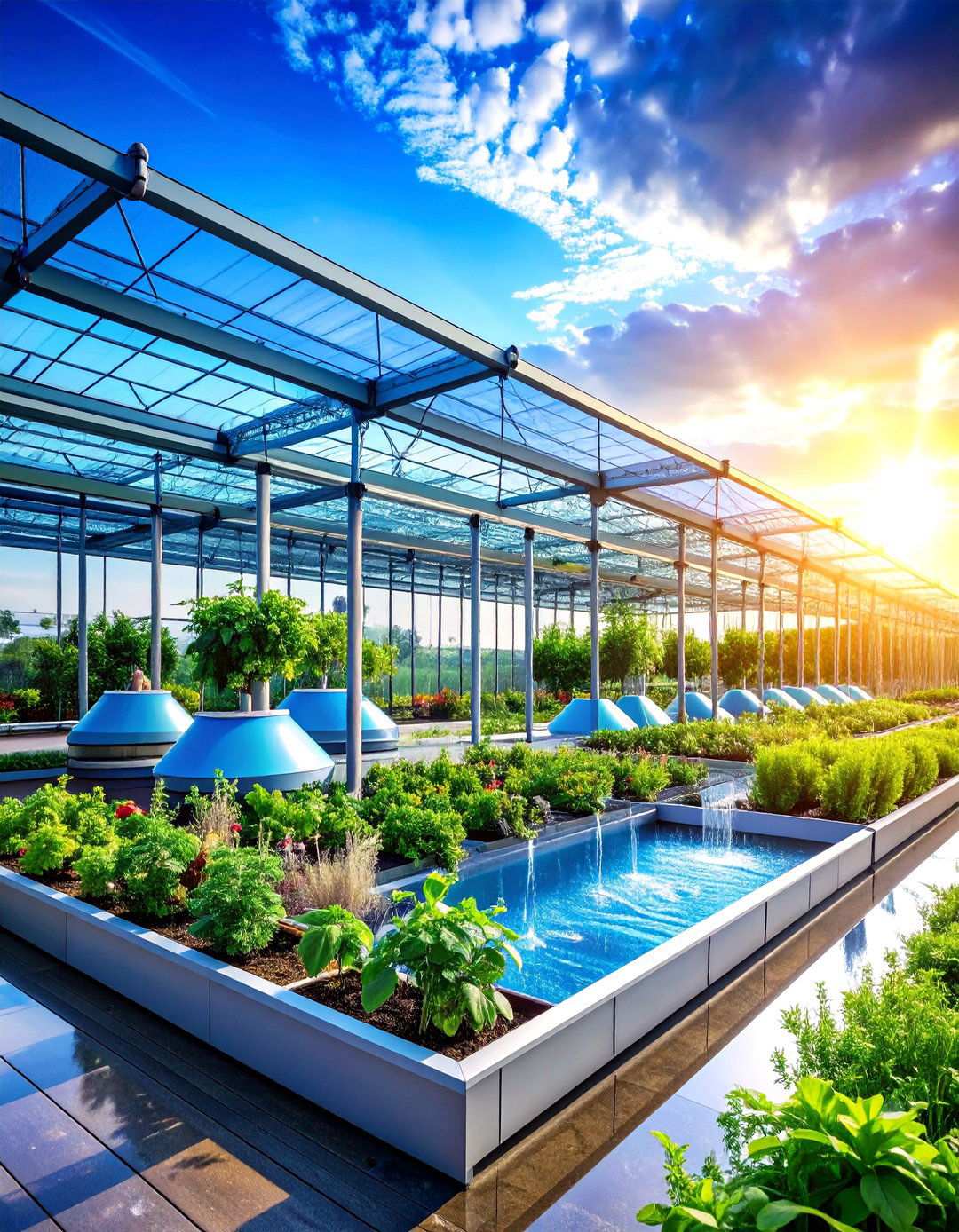
The integration of technology can significantly enhance your gardening experience by streamlining routine maintenance tasks and providing valuable insights to inform your growing decisions. Smart monitoring rooftop greenhouse systems leverage WiFi-connected sensors to continuously track temperature, humidity, soil moisture, light levels, and plant health indicators. These sensors send timely alerts to your smartphone, ensuring you remain aware of any issues that require attention, while also maintaining a detailed record of historical data that can inform future growing strategies. Automated responses, powered by real-time readings and preset parameters, adjust irrigation, ventilation, and lighting as needed, optimizing growing conditions for your crops. By analyzing historical patterns and recognizing optimal conditions for different varieties and seasons, machine learning algorithms continually refine the system’s performance, transforming your rooftop greenhouse into a highly efficient and sustainable growing environment. With remote access and continuous monitoring, you can enjoy peace of mind, even during extended periods of travel or in the midst of a busy schedule.
16. Expanding Your Growing Season with Cold Frame Technology
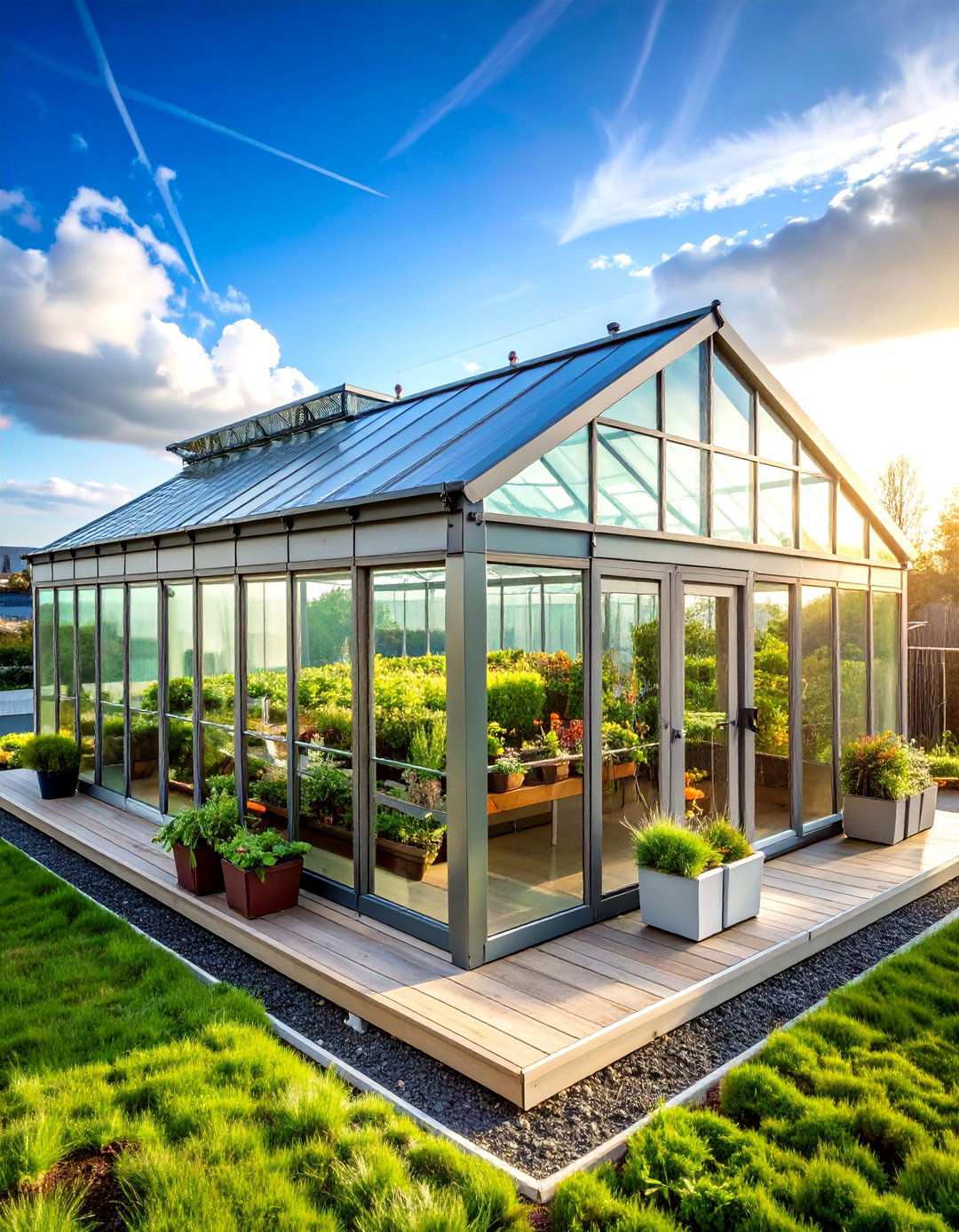
By harnessing the power of transparent covers, thermal mass, and passive solar collection, cold frame extension rooftop gardens can extend the growing season by several months without the need for expensive heating systems. These innovative systems create protected microclimates that support plant growth during cooler months by trapping daytime heat and releasing it gradually during nighttime, maintaining temperatures several degrees warmer than ambient conditions. Adjustable venting systems allow for optimal temperature control, preventing overheating during warm spells while maintaining protection during cold periods. As a result, this simple technology requires no electricity while providing significant season extension for a wide range of crops, including leafy greens, herbs, and cool-season vegetables.
17. Unlocking the Potential of Vertical Hydroponic Tower Rooftop Systems
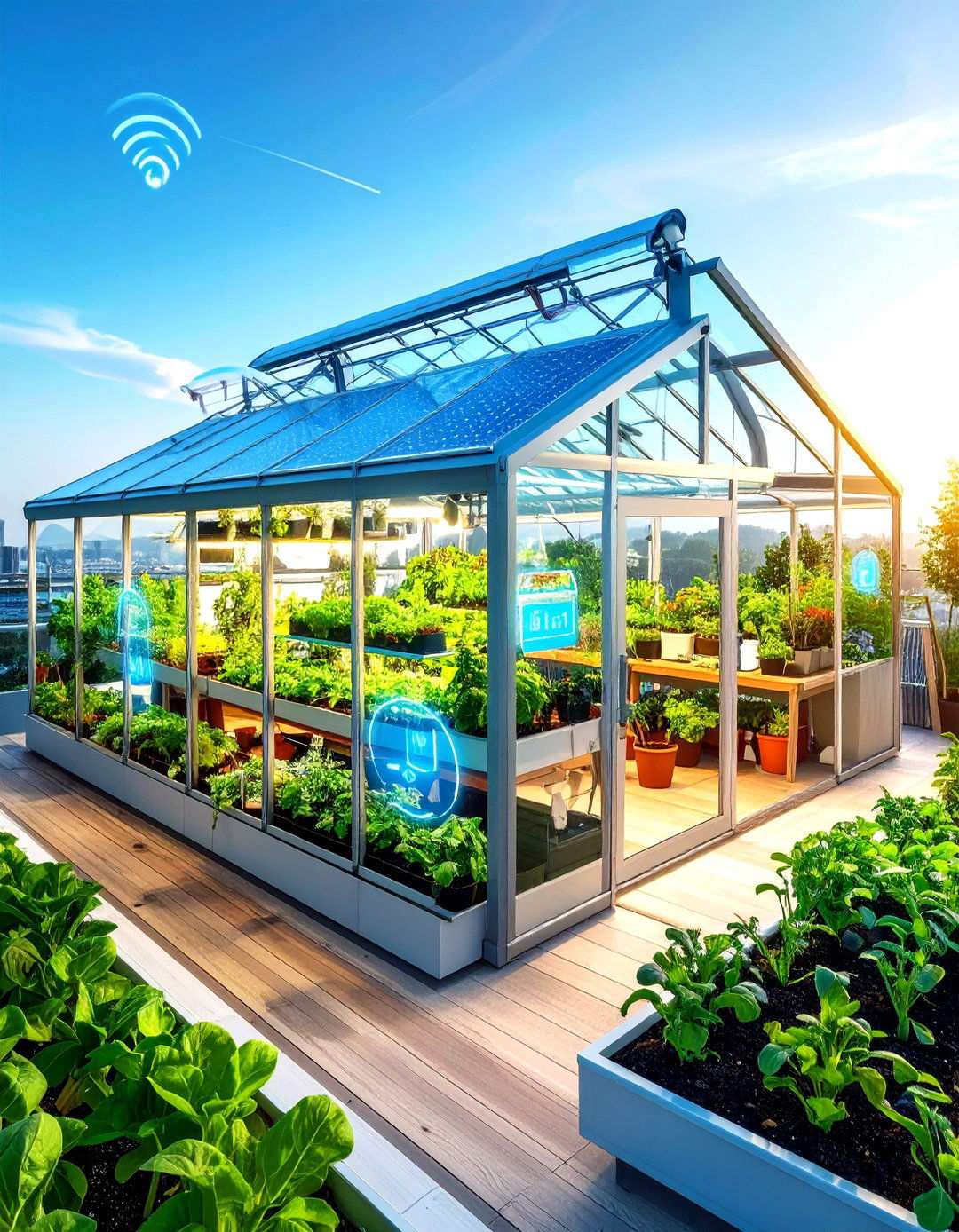
Combining vertical growing with soilless cultivation in compact rooftop environments offers a multitude of benefits. Vertical hydroponic tower rooftop systems stack growing sites vertically, delivering nutrients through recirculating water solutions that feed all plants efficiently. These towers can accommodate a large number of plants in minimal floor space, providing excellent yields and fast growth rates. The soil-free environment eliminates many pest and disease issues while simplifying maintenance and harvesting procedures, making it an attractive option for gardeners seeking a low-maintenance solution. Different tower configurations can accommodate a variety of crops, from leafy greens to strawberries and herbs, which thrive in vertical environments. Automated nutrient delivery ensures consistent feeding, while water conservation reaches impressive levels compared to traditional gardening methods. The dramatic visual impact of these systems creates striking additions to rooftop spaces, providing substantial food production capabilities in dense urban areas where horizontal space limitations make traditional gardening challenging or impossible.
18. Seasonal Adaptation for Rooftop Greenhouses
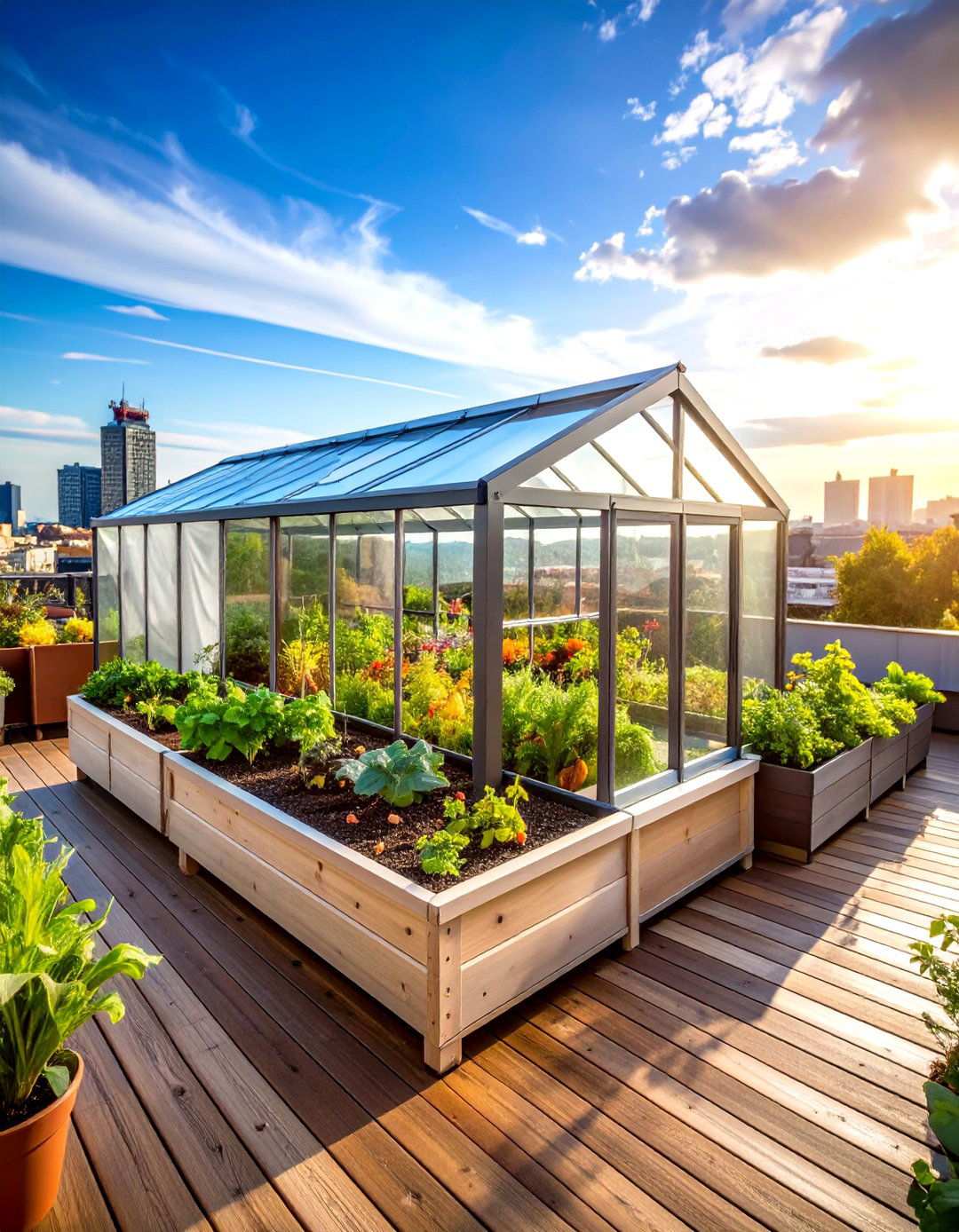
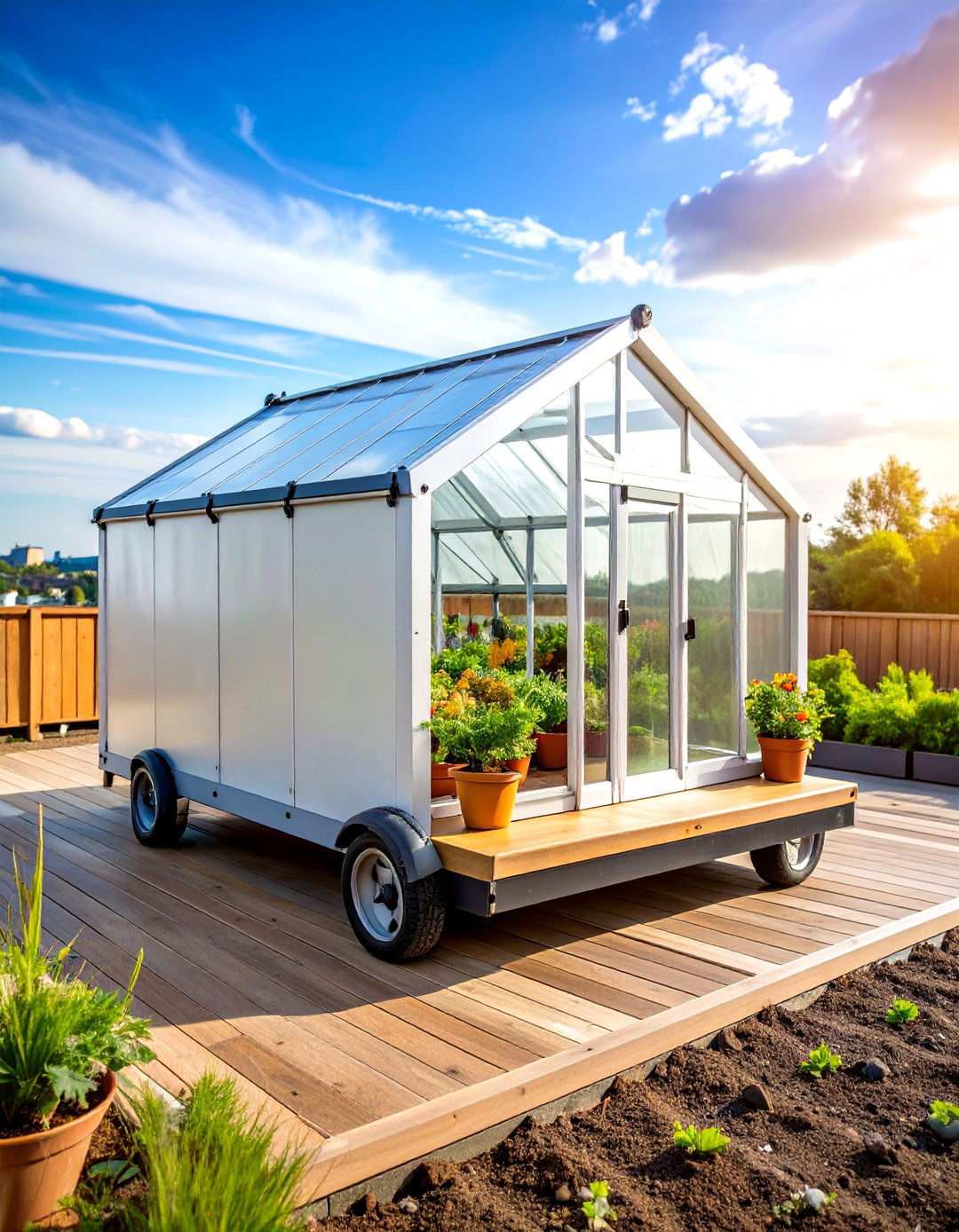
A dynamic greenhouse design that adjusts to seasonal shifts could foster optimal growing conditions while navigating rooftop uses that change over time. Mobile rooftop greenhouse structures leverage advanced technology, including wheels, lightweight materials, and modular construction, to facilitate repositioning for optimal sun exposure, protection from the elements, and efficient space utilization. As the seasons change, these systems adapt by adjusting to varying sun angles, sidestepping obstacles, and granting access to different rooftop areas. Furthermore, mobility enables protection during inclement weather while allowing for relocation during building maintenance or shifting space needs. These flexible systems utilize durable yet lightweight aluminum frames and polycarbonate panels, which minimize weight-related stress on rooftop structures. Additionally, quick-connect utilities such as water and electricity support mobility while ensuring continued functionality. These adaptable systems cater to renters and property owners who prefer flexible solutions over permanent installations. By embracing a mobile approach, users can experiment with different locations while accommodating changing priorities and space requirements throughout growing seasons and years.
19. Maximizing Yield Potential in Rooftop Farms
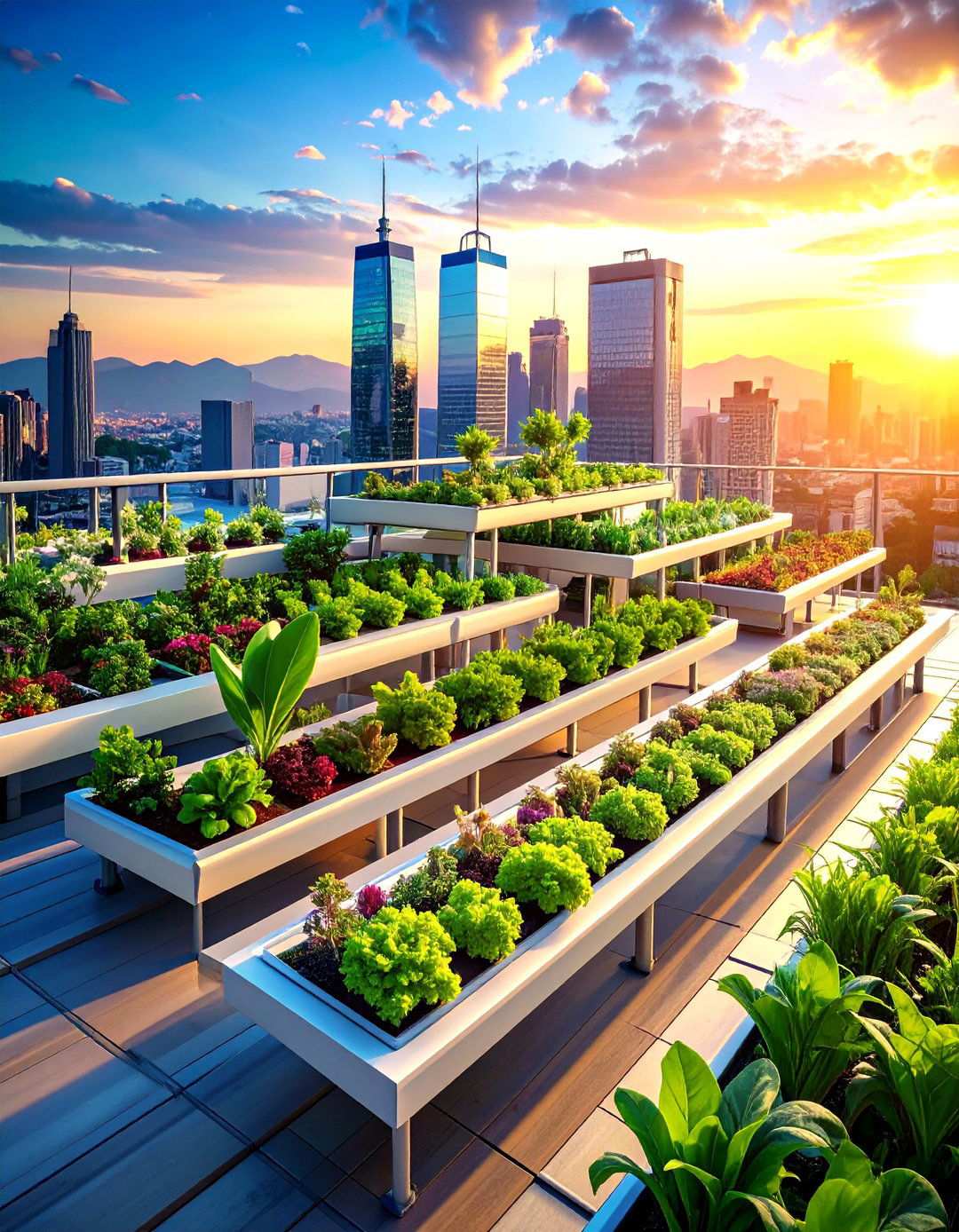
What’s the true potential of a well-designed rooftop space in terms of food production for a family or small community? Intensive production rooftop farms rely on high-density planting, succession cropping, and specialized growing techniques to maximize yields from available space. These systems incorporate raised beds, vertical growing, and companion planting strategies that optimize plant spacing and resource utilization. Careful crop selection focuses on high-value, quick-maturing vegetables that provide maximum nutrition and culinary value per square foot. By employing succession planting, these farms ensure continuous harvests, while season extension techniques support year-round production in most climates. Integrated pest management and organic practices maintain soil health while supporting sustainable production methods. These farms often produce an abundance of vegetables, significantly reducing grocery purchases while providing ultra-fresh produce that surpasses store-bought quality. While the intensive approach demands dedicated management, it rewards efforts with substantial food production and meaningful contributions to household food security.
20. Enhancing Rooftop Greenhouse Design with Traditional Glass Panels
Traditional glass panels have long been a staple in rooftop greenhouse construction, offering numerous benefits for long-term performance and plant growth. One of the primary advantages of glass panel rooftop greenhouses is their exceptional light transmission capabilities, ensuring optimal plant growth across various seasons. The durability and thermal performance of glass panels also contribute to a stable internal environment, while their classic aesthetic appeal enhances property values. Additionally, glass panels are resistant to impact and maintain their clarity over time, unlike some plastic alternatives. Furthermore, their thermal mass helps moderate temperature fluctuations, making them an ideal choice for growers. The ease of cleaning and resistance to scratching ensure that glass surfaces remain pristine and functional for years to come. While initial costs may be higher, the proven performance and longevity of glass panels justify the investment, providing decades of reliable service.
21. Maximizing Rooftop Space with Microgreen Production Systems
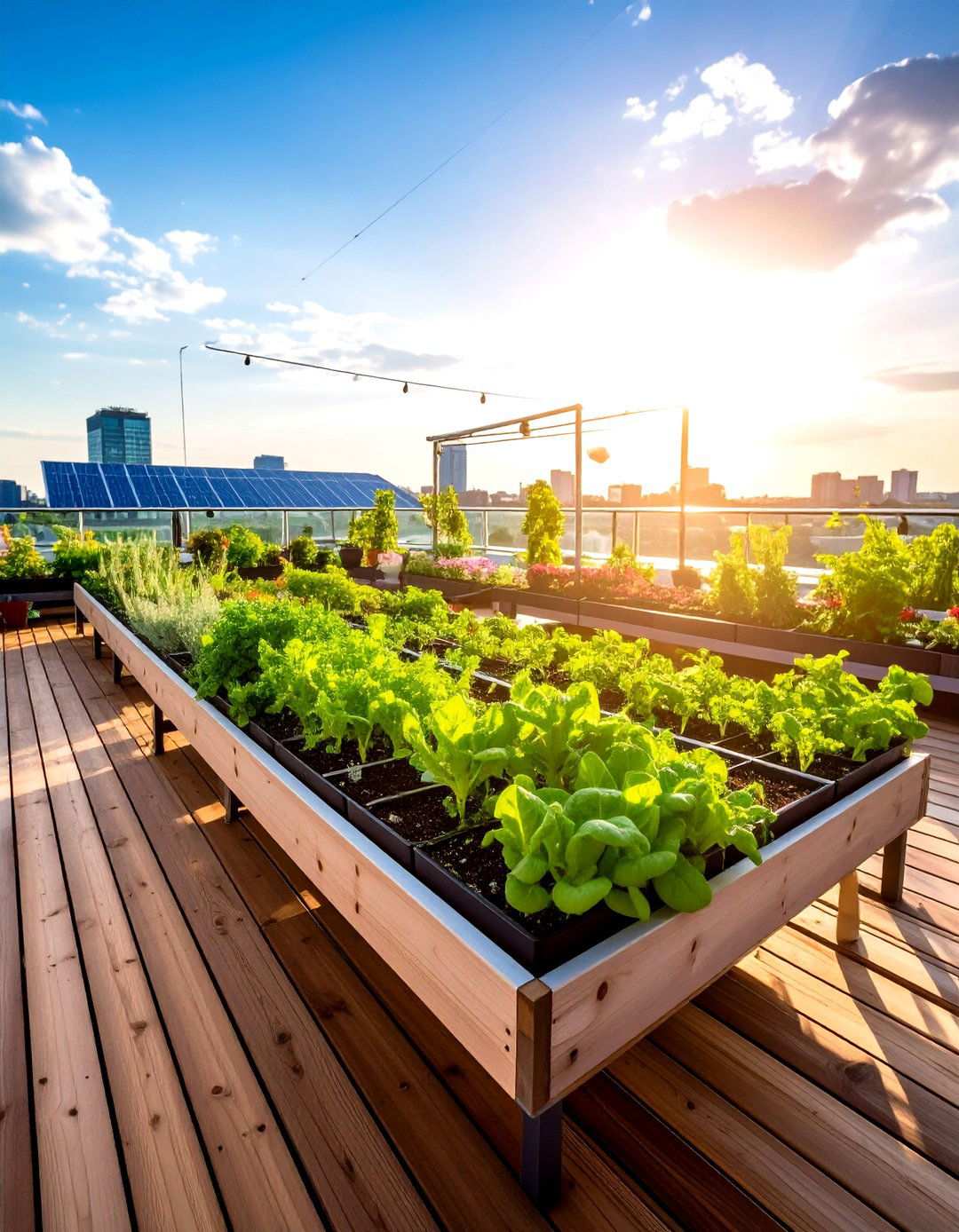
Microgreens have become a popular choice for rooftop growers due to their high nutritional value and commercial appeal. These young vegetables and herbs mature quickly, providing a rapid turnaround and consistent quality. Microgreen production rooftop setups utilize shallow trays, controlled environments, and efficient growing cycles to achieve weekly harvests from the same space. By focusing on microgreens, growers can eliminate complexity and maximize productivity, making them an attractive option for those interested in selling premium produce. With minimal space requirements and high prices commanded in the market, microgreens offer a lucrative opportunity for urban entrepreneurs and health-conscious families. The controlled environment ensures consistent quality, while weather protection enables year-round production, making these systems an attractive choice for rooftop growers.
22. Enhanced Sustainability with Polycarbonate Panel Greenhouses
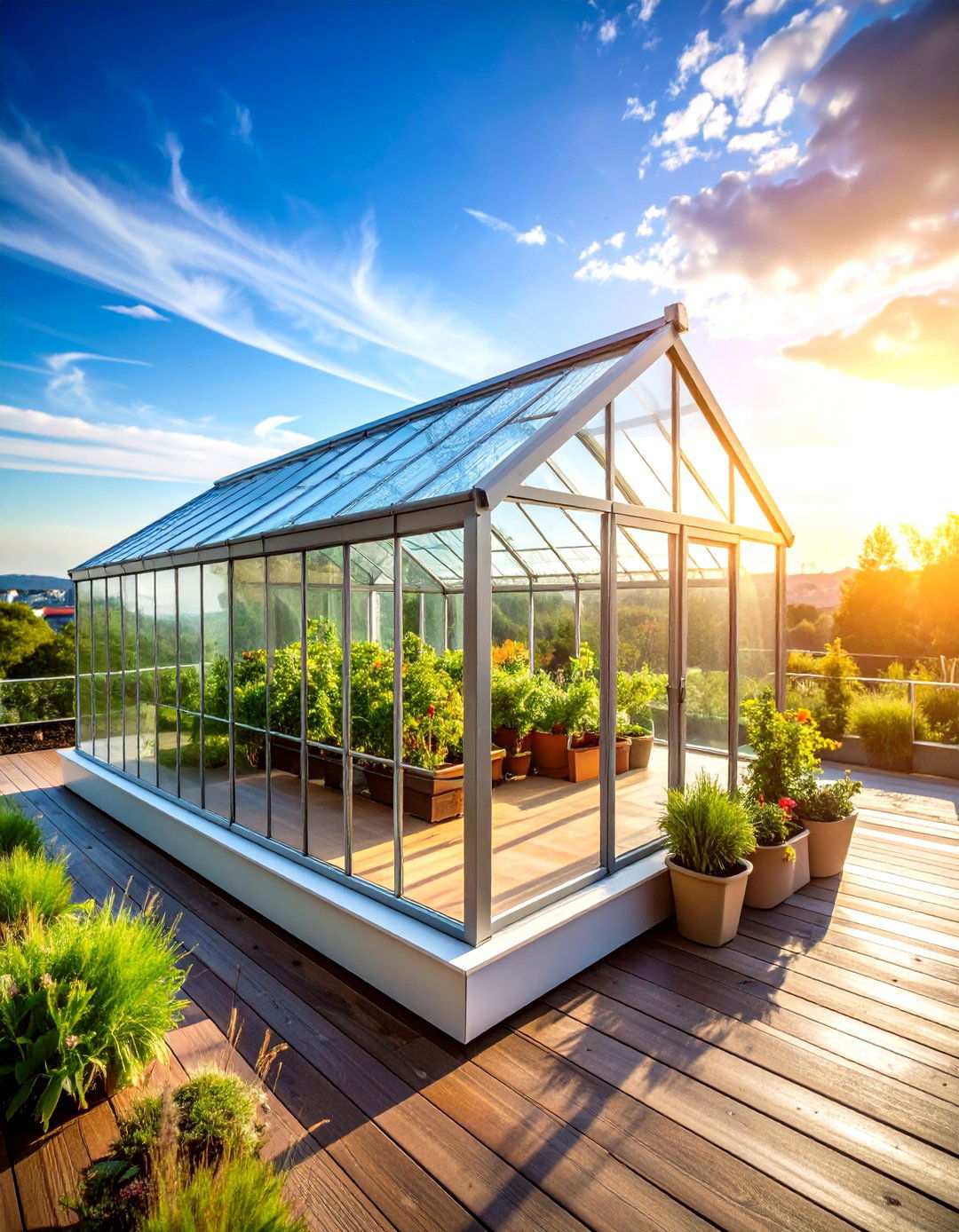
What sets modern polycarbonate panels apart from traditional materials for rooftop greenhouse construction and performance? Polycarbonate panel rooftop greenhouses boast a unique combination of insulation, impact resistance, and light diffusion that optimizes plant growth while minimizing energy expenses. When compared to single glass, twin-wall and multi-wall panels exhibit superior thermal performance while significantly reducing weight. These panels effectively withstand hail, wind-blown debris, and thermal stress, maintaining light transmission that supports photosynthesis. Integrated UV protection prevents degradation, while light diffusion eliminates hot spots that can damage plants. The lightweight properties of these panels simplify structural requirements while streamlining installation procedures. Notably, they often cost less than glass while providing comparable or superior performance in various applications. With its suitability for rooftop environments where weight limitations, weather exposure, and thermal efficiency are crucial considerations, modern polycarbonate greenhouses can provide decades of reliable service while accommodating diverse crops and growing techniques.
23. Year-Round Rooftop Growing with Advanced Insulation
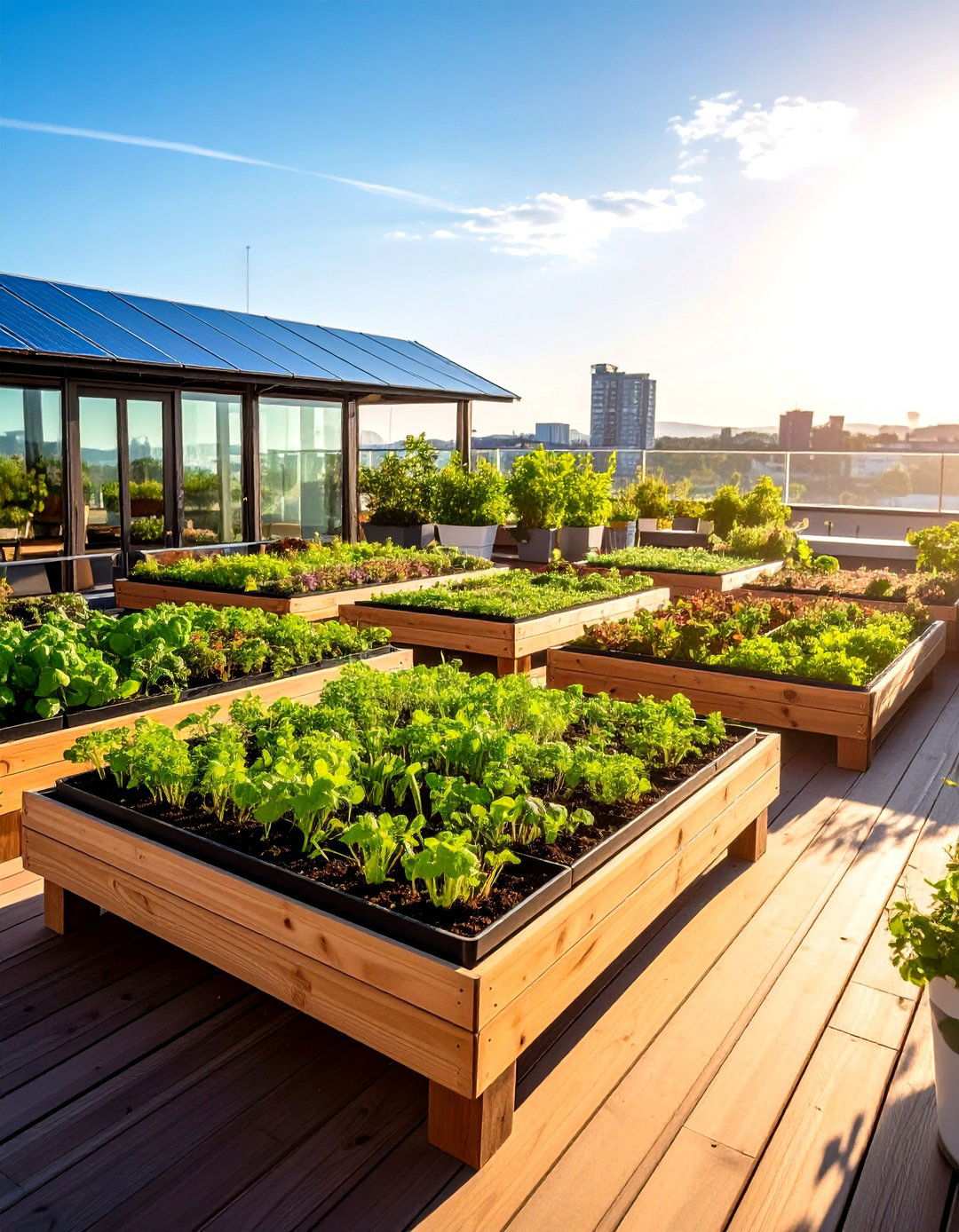
How do insulated systems ensure comfortable growing conditions throughout harsh winters without excessive heating costs? Insulated year-round rooftop growing systems integrate thermal barriers, heat retention materials, and energy-efficient design principles to maintain productive growing temperatures during cold months. These systems combine double-wall construction, thermal curtains, and ground-coupled heat exchangers that minimize energy requirements. Thermal mass materials store daytime heat and release it gradually during cooler periods, moderating temperature swings naturally. Strategic ventilation systems provide fresh air while recovering heat from outgoing air streams. By adopting a comprehensive approach, these systems often enable winter growing without supplemental heating while maintaining comfortable working conditions. This approach proves particularly valuable in northern climates where traditional greenhouses would require expensive heating systems. Proper design enables year-round food production that transforms rooftops into reliable sources of fresh produce, regardless of external weather conditions.
24. Unlocking Potential in Urban Food Production
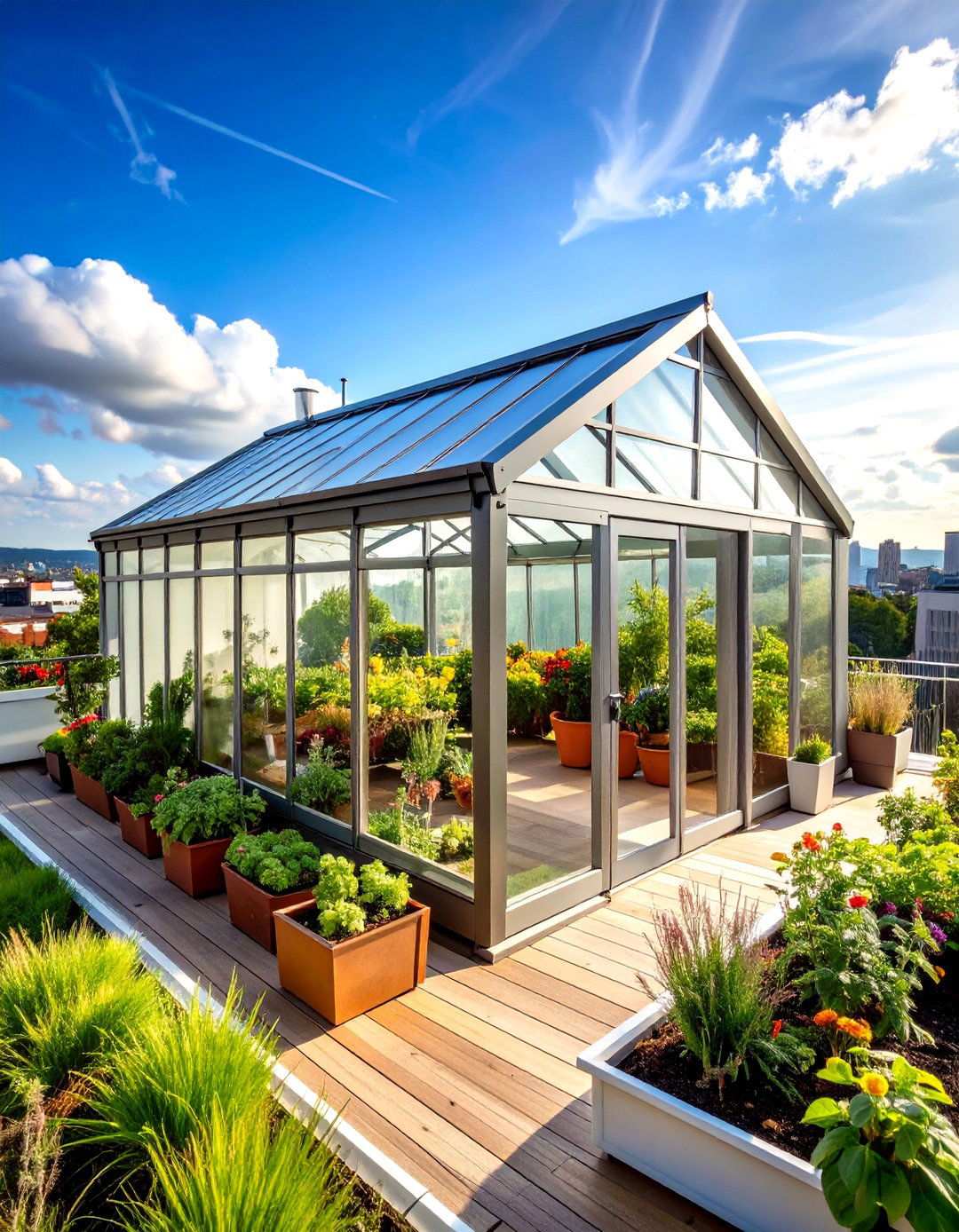
Commercial-scale rooftop greenhouse operations hold the key to delivering substantial commercial food production for urban markets and communities. By leveraging cutting-edge technologies, these facilities can generate substantial yields for local consumption while minimizing operational costs. Advanced environmental controls, automated systems, and intensive production methods enable rooftop greenhouses to thrive in urban environments.
These cutting-edge facilities often incorporate multiple growing zones, specialized crop areas, and innovative technologies that maximize productivity. Professional-grade climate control, precision irrigation systems, and expert crop management techniques ensure consistent quality and reliable harvests throughout the year. The urban location provides a unique advantage, offering proximity to consumers while reducing transportation costs and environmental impacts. High-value crops like specialty vegetables, herbs, and salad greens are the focus of these operations, commanding premium prices in local markets. As a result, employment opportunities are created, supporting communities while improving urban food access. Ultimately, commercial rooftop greenhouses serve as models for sustainable food production that can be replicated across cities worldwide, paving the way for a more food-secure urban future.