1. Creating a Harmonious Transition Between Water and Land
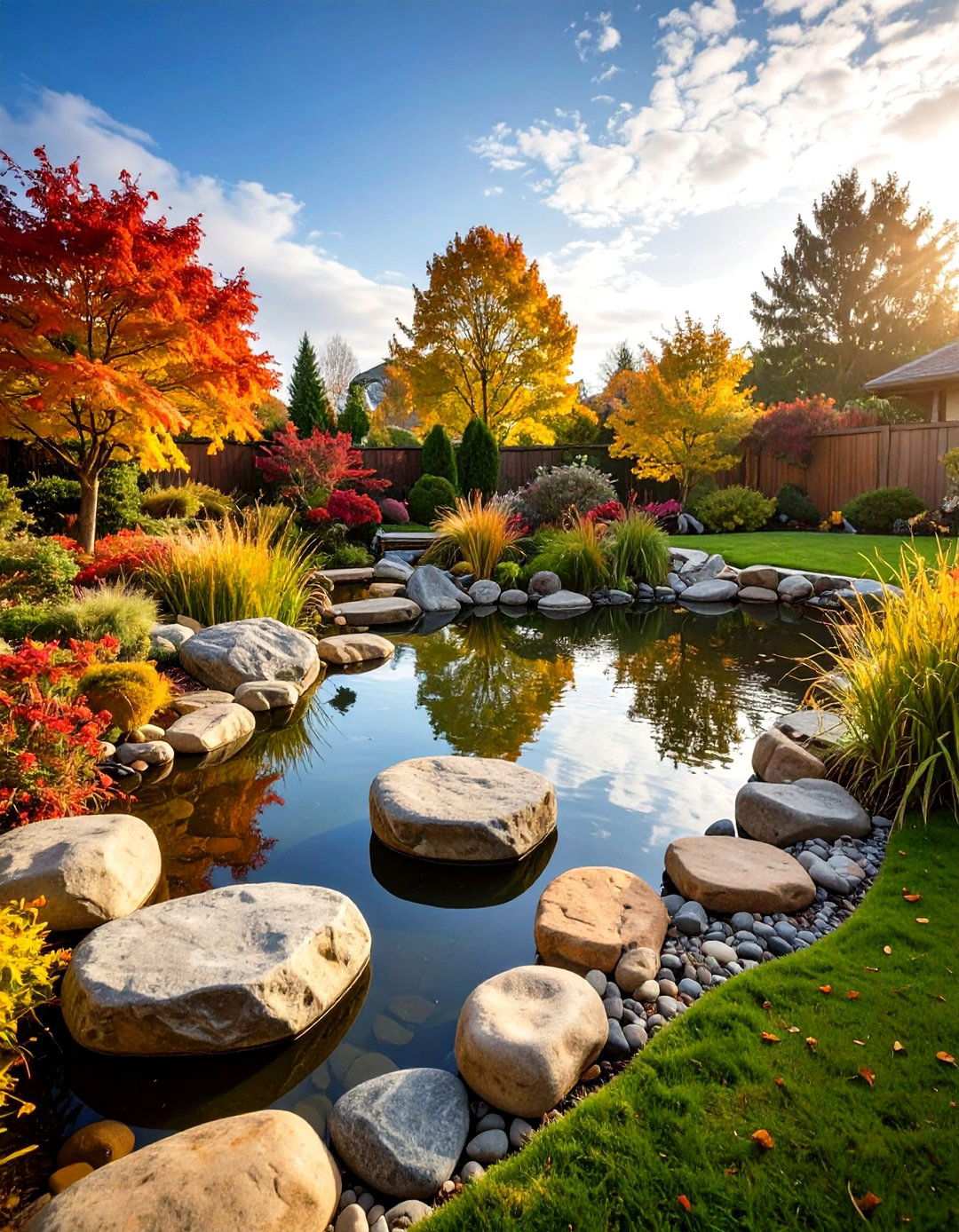
Transforming your backyard pond into a breathtaking focal point requires deliberate consideration of the boundaries where water meets land. The ideal pond edging solution does more than conceal unsightly liner materials; it also crafts seamless transitions between your aquatic environment and surrounding landscape. Whether you envision a serene wildlife sanctuary or a formal water garden centerpiece, selecting the perfect edging materials becomes crucial for both aesthetic appeal and functionality. From rustic stone arrangements to sleek contemporary designs, pond edging options span a wide range, from budget-friendly solutions to premium installations that elevate property value. The materials you choose will determine maintenance requirements, durability against the elements, and compatibility with local wildlife. By making informed edging decisions, you can prevent soil erosion, provide stable access points, and create defined boundaries that keep lawn clippings and debris from contaminating pond water. When evaluating these diverse pond edging approaches, consider factors such as your garden’s architectural style, surrounding plant choices, foot traffic patterns, and long-term maintenance preferences.

As an Amazon Associate I earn from qualifying purchases.
2. River Rock Border: A Natural and Authentic Choice
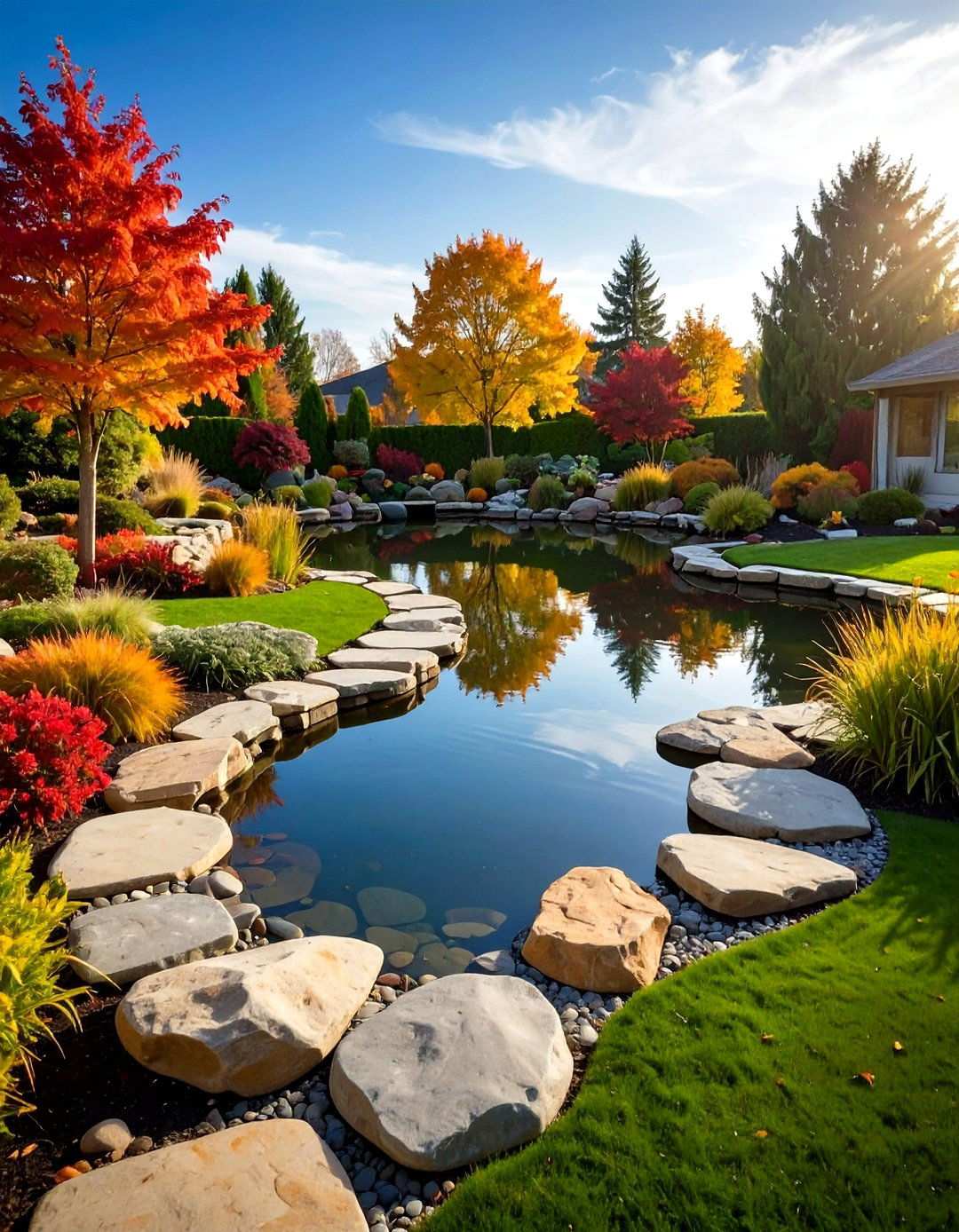
River rocks create a genuinely authentic pond border, reminiscent of how water naturally meets shorelines in its natural environment. These smooth, weathered stones come in various sizes, from small pebbles to larger boulders, allowing you to design gentle slopes that welcome wildlife while effectively hiding pond liner. The rounded edges of river rocks protect both pond inhabitants and visiting animals from injury, while the natural color variations blend seamlessly with garden landscapes. Arrange rocks in multiple sizes to achieve an organic appearance, placing larger specimens as anchor points and filling gaps with smaller stones. This approach provides excellent drainage, prevents liner damage from sharp edges, and creates ideal basking spots for amphibians and birds seeking water access.
3. Flagstone Formal Border: Elegant and Timeless
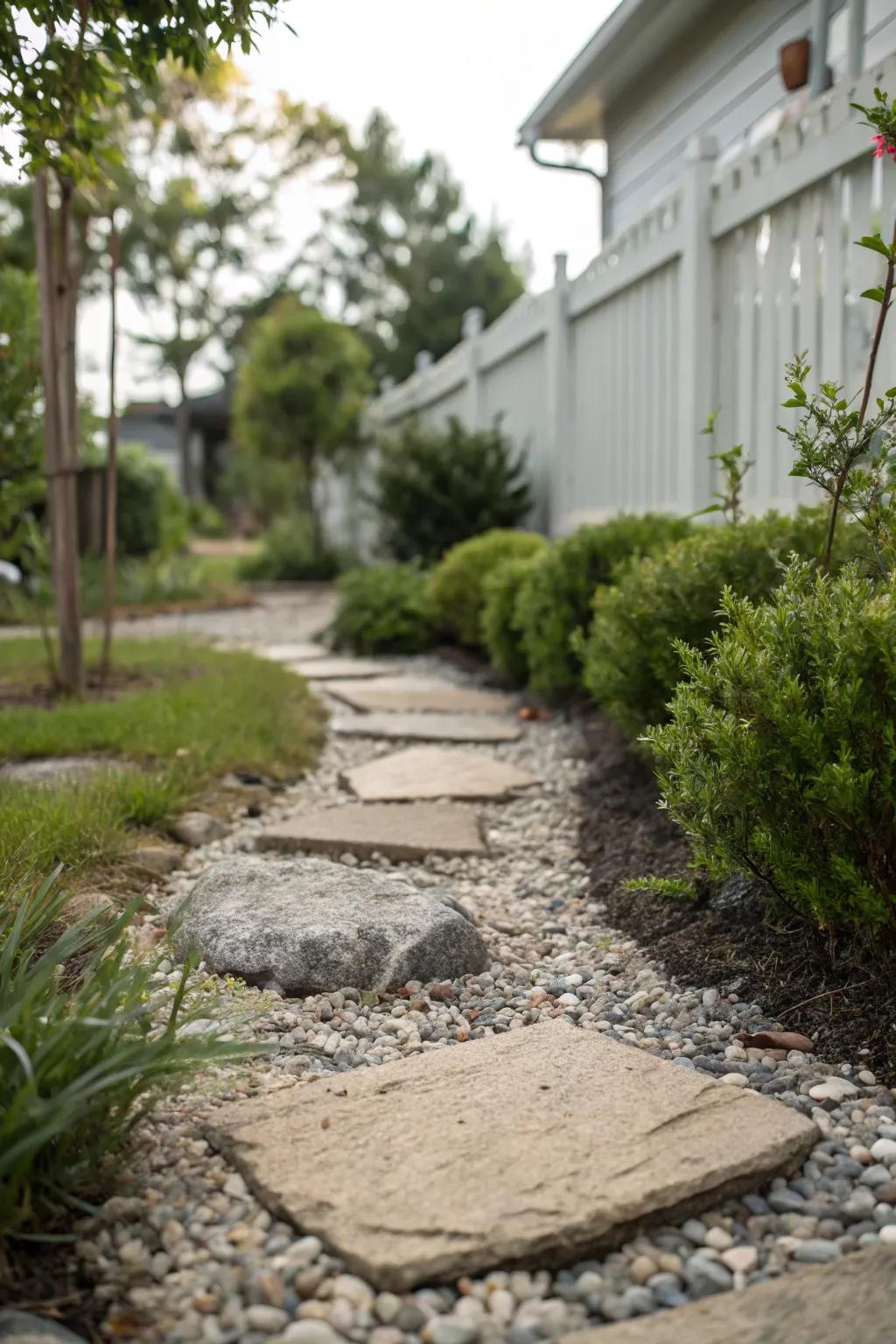
Flagstone delivers timeless elegance with its flat surfaces and natural stone appearance, making it perfect for creating sophisticated pond edges that complement formal garden designs. These versatile stones can be mortared for permanent installation or laid loosely for easier future modifications. The uniform thickness of flagstone allows for level installation, creating safe walking surfaces around pond perimeters while providing ample overhang to conceal liner materials completely. Choose from various stone types, including slate, limestone, or sandstone, to match your landscape’s existing hardscape elements. Flagstone’s durability withstands freeze-thaw cycles, making it suitable for year-round outdoor exposure. The gaps between stones can accommodate small plants or be filled with sand for a clean, finished appearance.
Elegant Brick Edging for Ponds
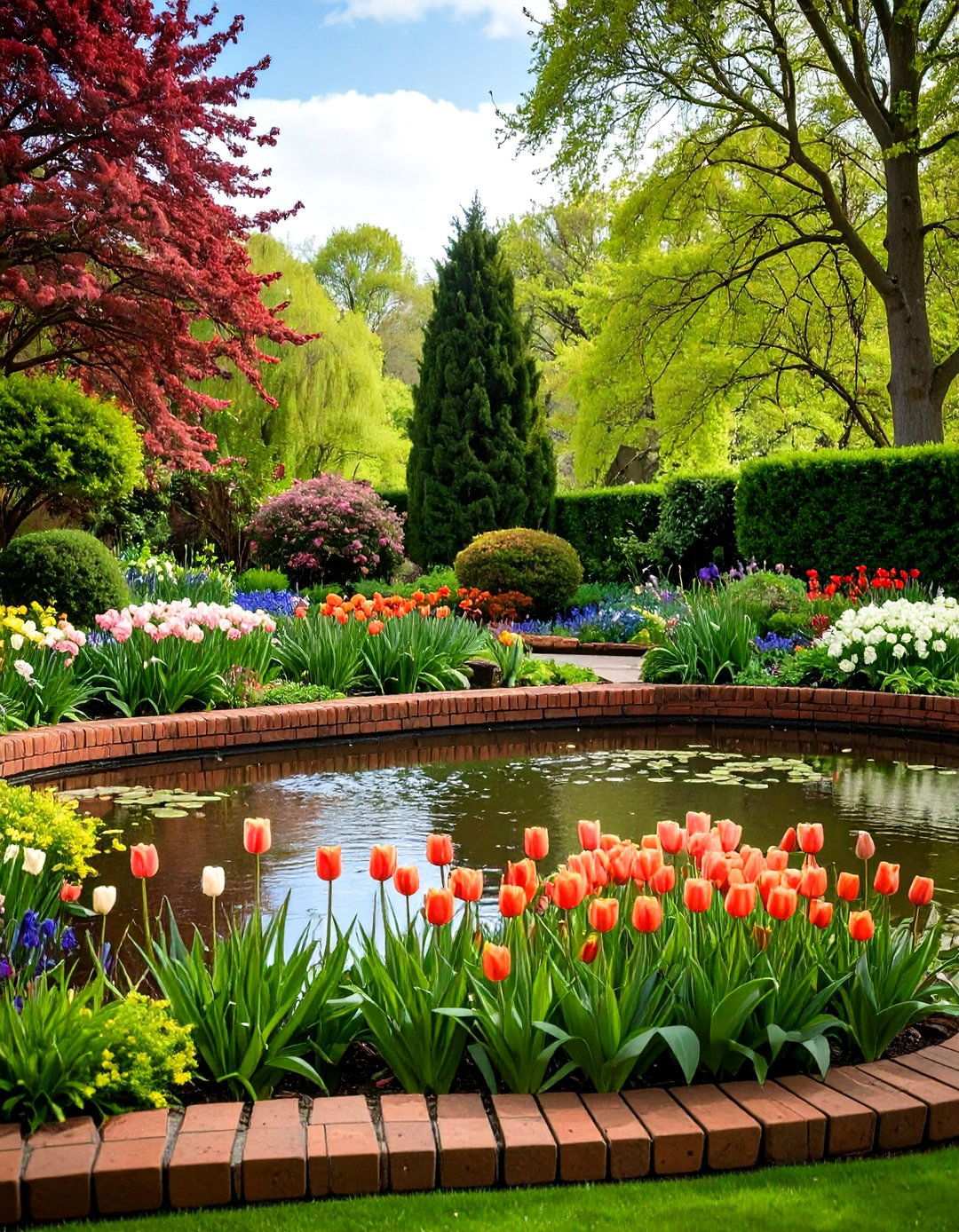
Brick edging has long been a staple in water feature design, offering a timeless blend of aesthetic appeal and functional benefits. This versatile material can be arranged in a variety of patterns, such as running bond, herringbone, or soldier courses, to create visually striking perimeters around ponds. The uniform size of bricks makes installation planning a relatively straightforward task, while their natural thermal mass helps regulate water temperature fluctuations throughout the year. By incorporating planting ledges or built-in seating areas, brick walls can become inviting focal points that encourage contemplation and connection with nature. This classic style is particularly well-suited to colonial, traditional, or cottage garden themes, delivering long-lasting beauty that only improves with age and weathering.
4. Expanding Pond Space with Timber Decking
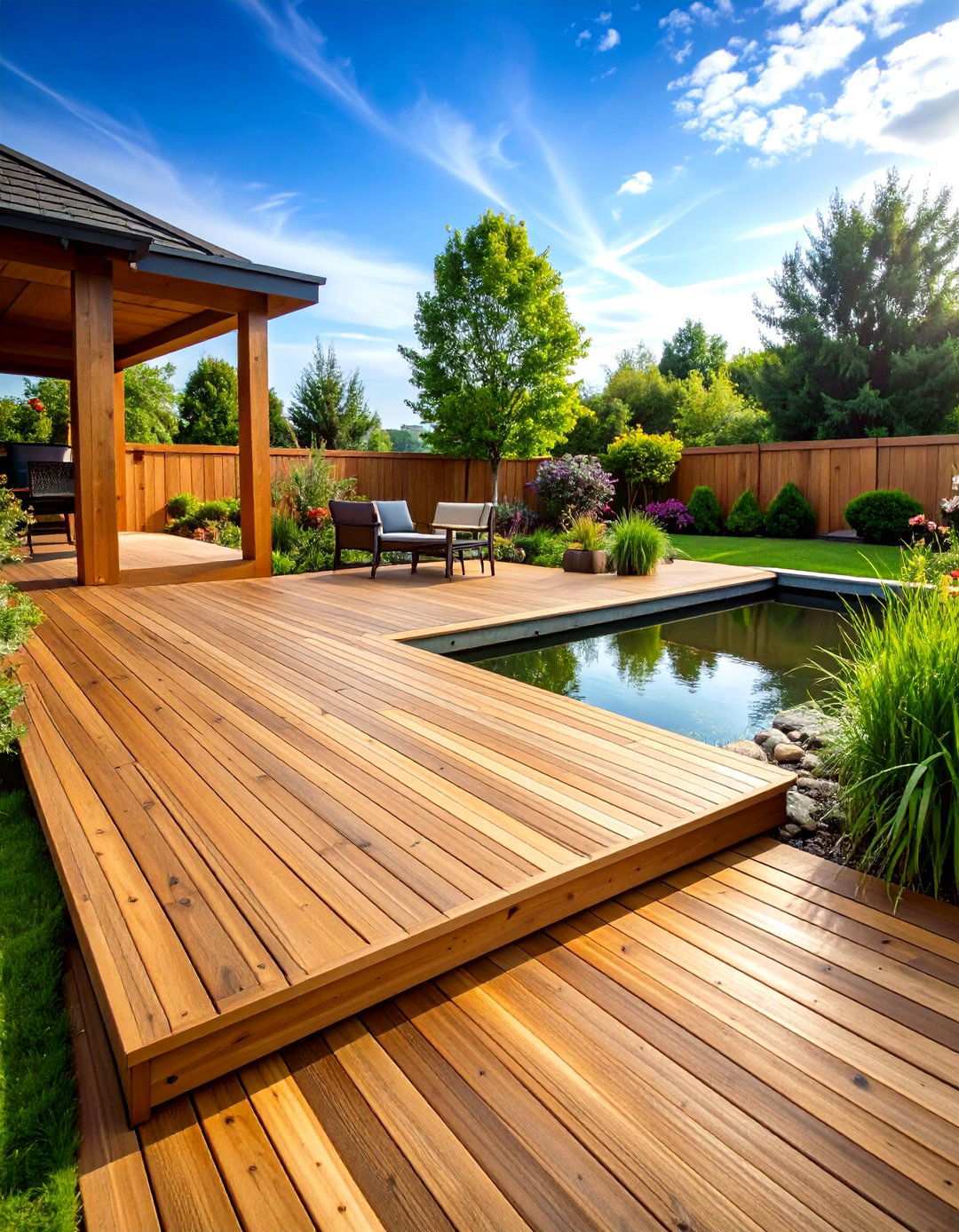
Wooden decking extends living space directly over pond edges, creating intimate platforms that bring viewers closer to the water’s surface and the aquatic life below. This elevated approach not only protects pond liner from foot traffic but also provides comfortable spots for pond maintenance, fish feeding, or peaceful relaxation. Homeowners can choose from a range of naturally rot-resistant species, such as cedar or redwood, or opt for composite materials that require minimal maintenance while delivering the aesthetic appeal of wood. Proper foundation planning is essential for deck construction, with concrete footings placed beneath pond liner for structural support. The overhang design effectively conceals all liner materials while creating dramatic shadows and reflections on the water’s surface.
5. Dynamic Stone Terracing for Ponds
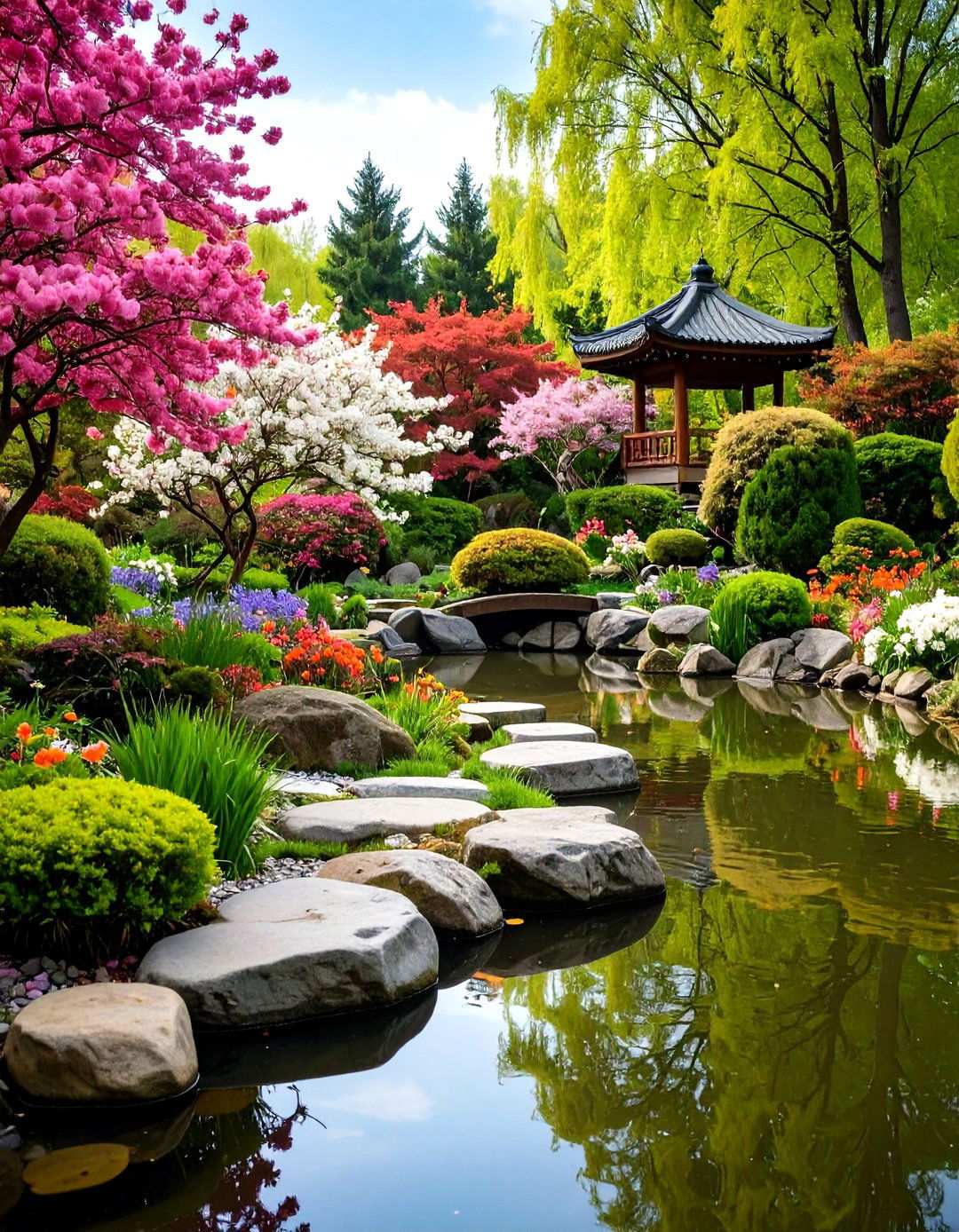
Combining different stone types and sizes creates dynamic terraced edges that add depth and visual complexity to pond landscapes while serving multiple functional purposes. This approach typically features larger boulders as primary structural elements, medium stones for middle tiers, and smaller pebbles to fill gaps and create gentle transitions. The terraced design accommodates a wide range of plant heights and root systems, from deep-water marginals to moisture-loving perennials on upper levels. This multi-level approach provides diverse microclimates for plant selection while offering multiple access points for wildlife. The varied textures and colors of the stones create year-round interest even when aquatic plants enter dormancy, maintaining pond appeal through all seasons.
6. Expanding Pond Ecosystems
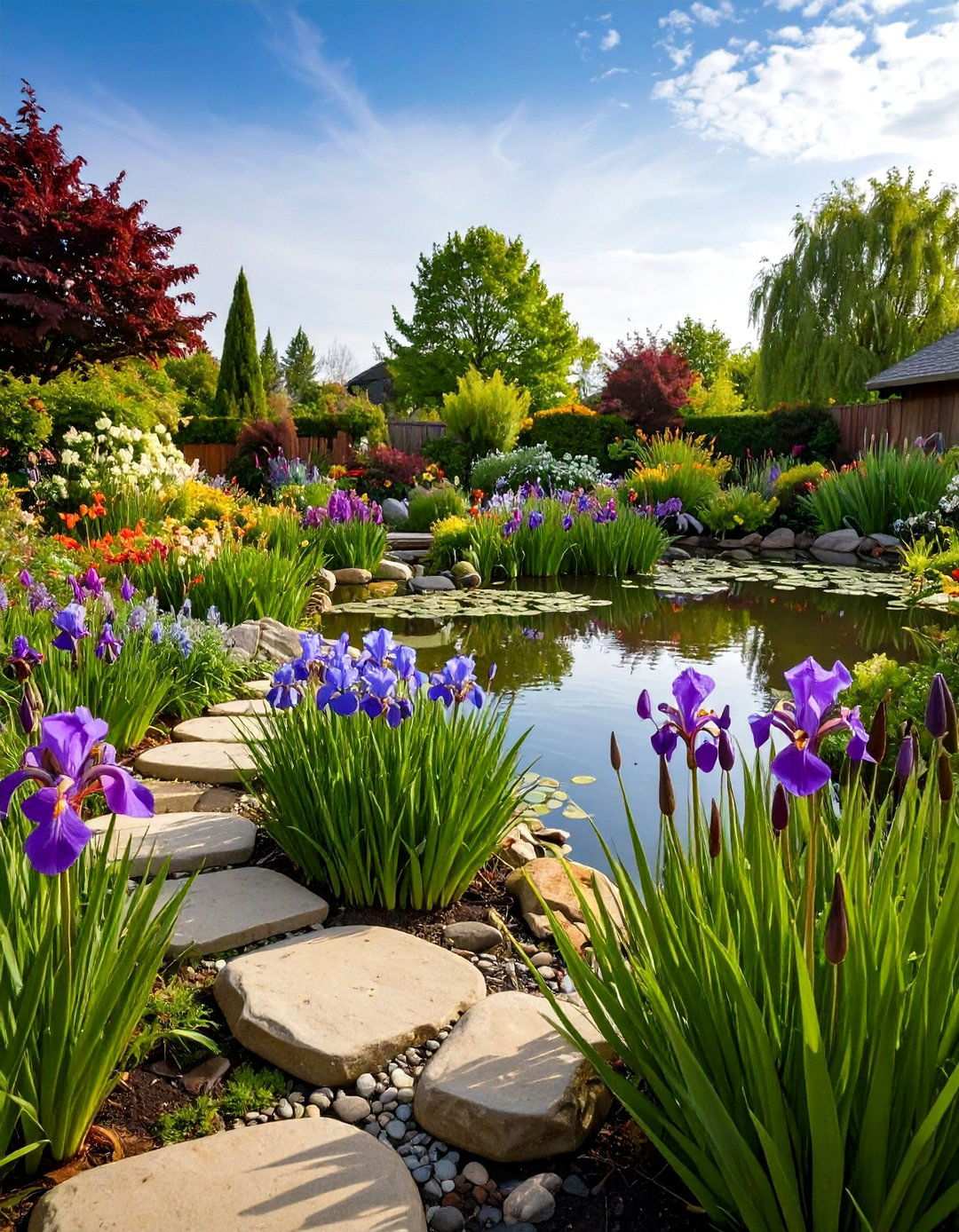
Surrounding your pond with lush wetland plants can create a seamless transition between water and garden spaces, blurring the boundaries between the two. By extending pond ecosystems into the surrounding landscape, you can establish naturalistic connections that support diverse plant communities and wildlife populations. One effective way to achieve this is by creating shallow, consistently moist planting areas using pond liner extended beyond the water’s edge. This approach accommodates moisture-loving plants like irises, cattails, and native sedges that thrive in waterlogged conditions. As these plants flourish, they provide essential habitat for amphibians and beneficial insects while naturally filtering runoff and preventing erosion.
7. Modern Pond Edging
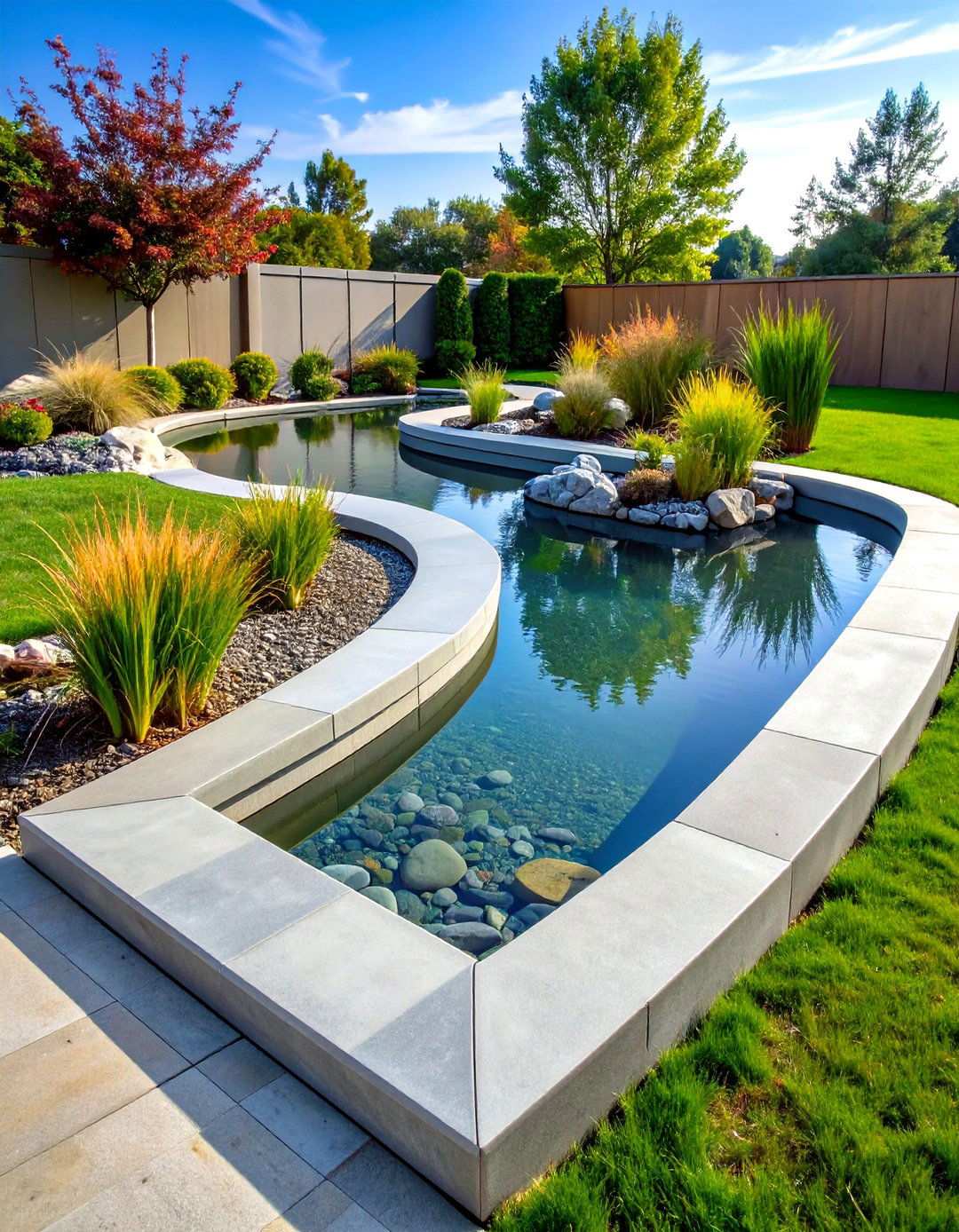
For a clean, contemporary look, consider incorporating concrete molded edging into your pond design. This approach delivers sleek lines and permanent solutions that require minimal ongoing maintenance, making it an attractive option for gardeners seeking low-maintenance water features. Modern concrete can be colored, textured, or stamped to mimic natural materials while maintaining superior durability and weather resistance. The poured-in-place installation creates seamless curves or crisp geometric shapes that complement architectural landscape designs perfectly. Concrete’s smooth surface facilitates easy cleaning and prevents debris accumulation around pond perimeters, ensuring a pristine appearance. When properly installed, with reinforcement and adequate curing time, concrete edging provides a long-lasting performance that withstands the elements.
8. Creating Natural Pond Access Points
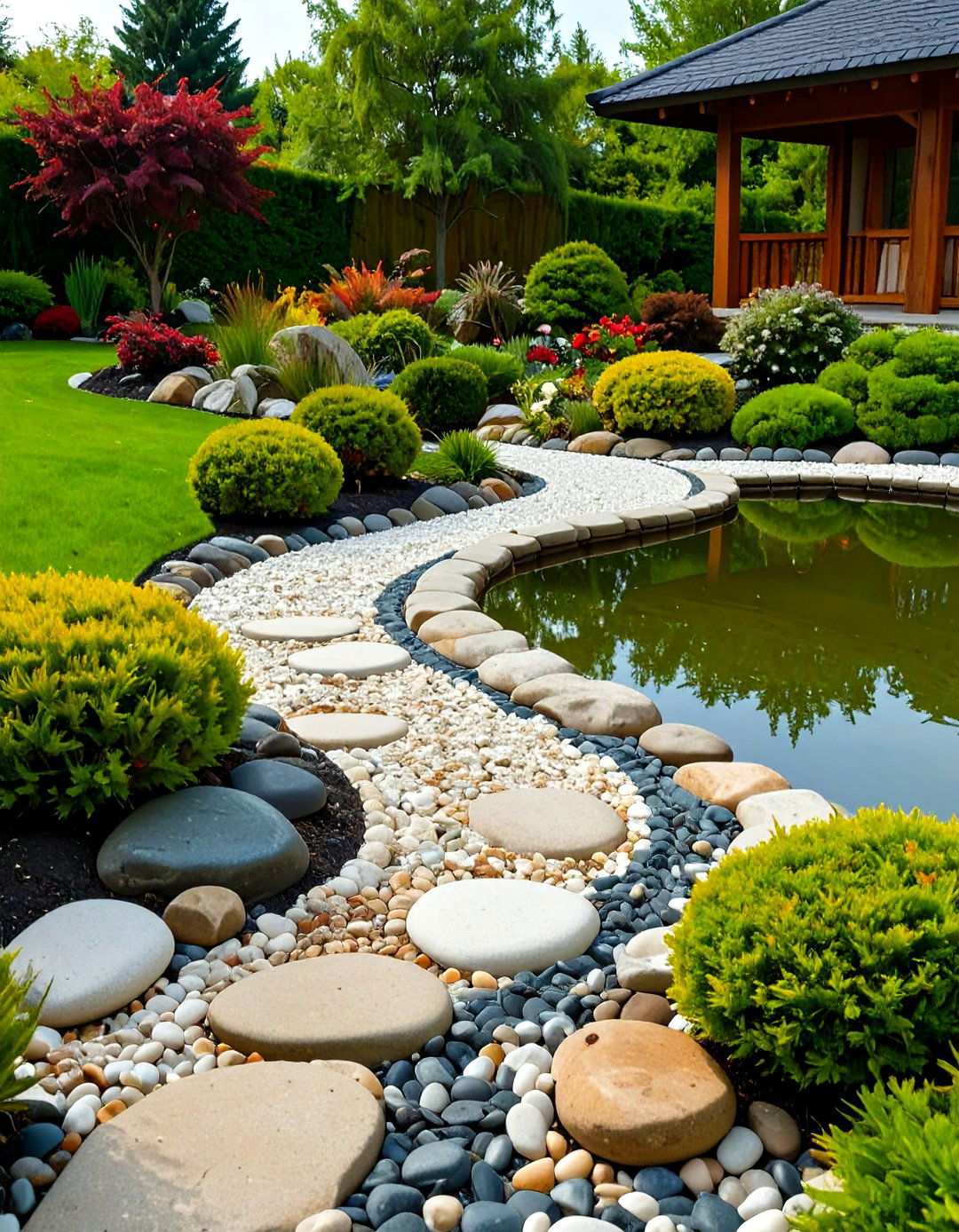
Designing gentle pebble beaches around a portion of your pond mimics natural lake shorelines while providing ideal wildlife access points and visual softening effects. By gradating small, smooth pebbles from larger to smaller sizes, you can create realistic beach appearances that invite birds, amphibians, and small mammals to approach water safely. This design allows for fluctuating water levels without exposing unsightly liner materials, as pebbles naturally adjust to changing conditions. The beach approach works particularly well for wildlife ponds, naturalistic designs, or family-friendly water features where safe water access remains a priority. To ensure pond liner integrity and visitor safety, choose rounded pebbles without sharp edges for a peaceful and secure environment throughout all seasons.
9. Harmonious Integration
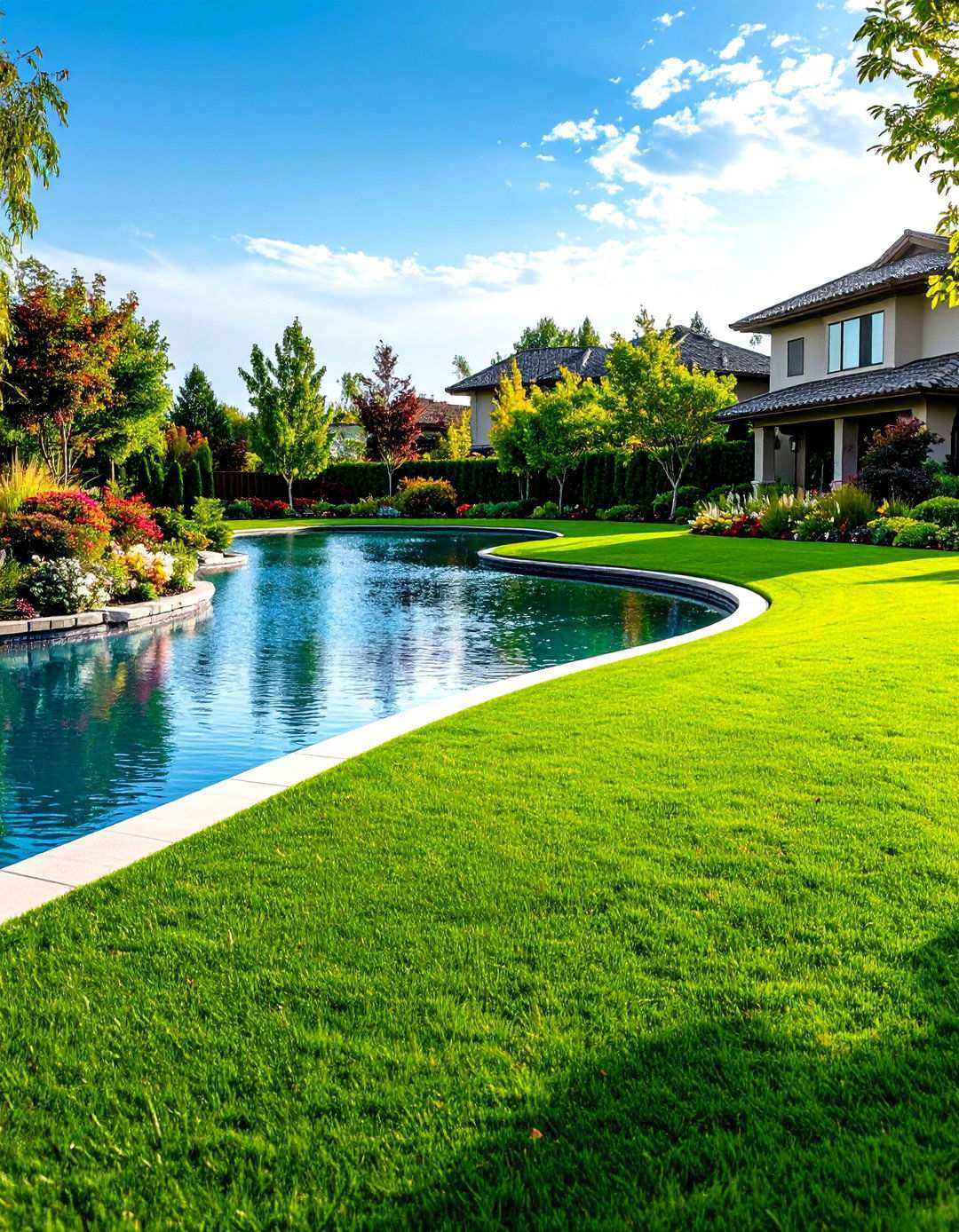
Combining lawn grass with pond edges creates a seamless transition between water features and the surrounding landscape, a strategy particularly effective for formal or contemporary garden designs. To execute this idea successfully, it’s essential to plan carefully to prevent grass clippings from entering pond water during maintenance activities. A clever solution involves placing special hollow concrete blocks beneath liner level, which provide stable foundations while allowing grass roots to access moisture naturally. The clean edge where grass meets water can create striking reflections and crisp geometric lines that significantly enhance formal design aesthetics. Regular maintenance includes using precise mowing techniques and occasional edge trimming to maintain clear boundaries between lawn and water surfaces.
10. Interactive Water's Edge
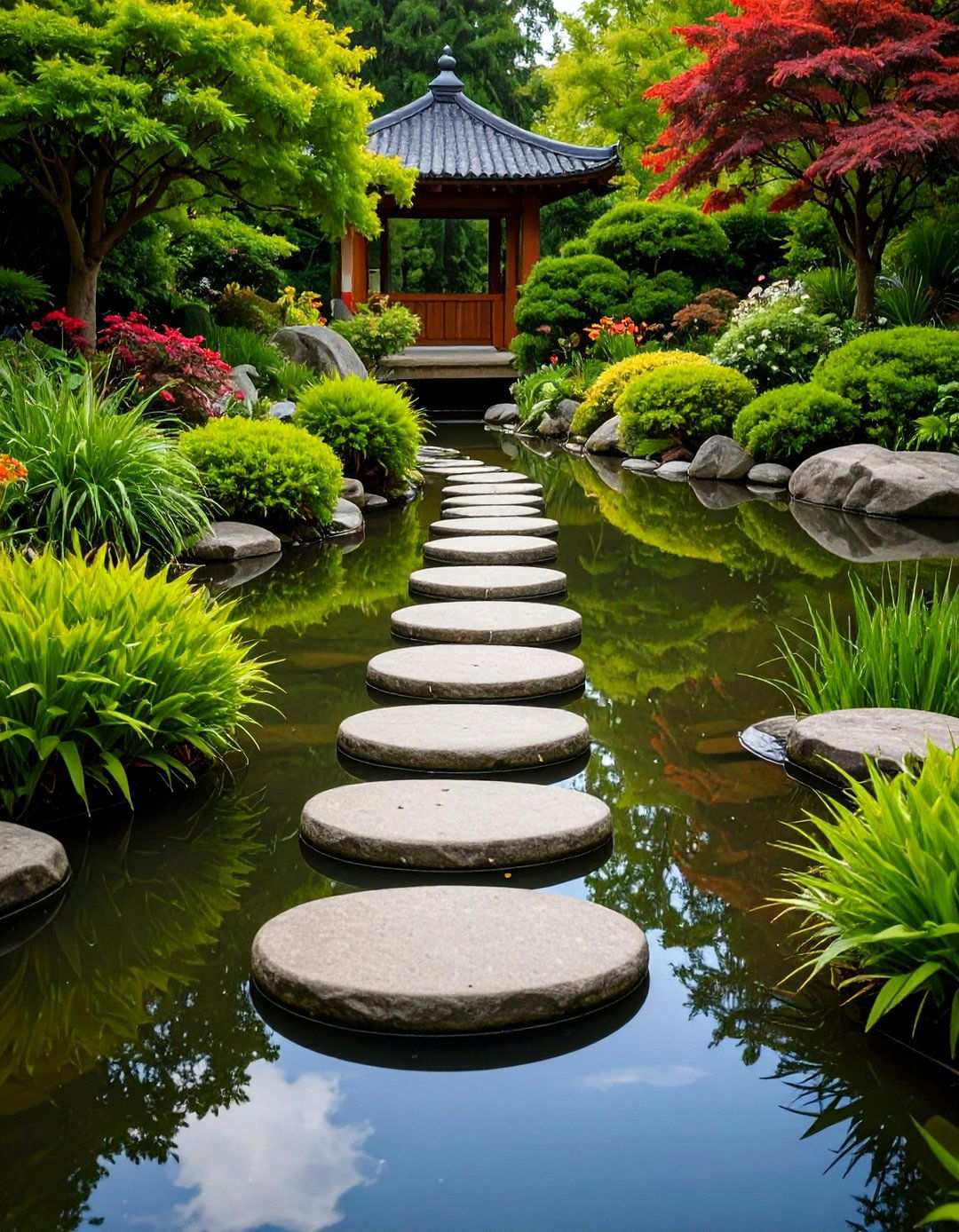
Strategic placement of stepping stones creates engaging pond edges that invite exploration while providing practical access for maintenance and enjoyment activities. These flat stones appear to float on water surfaces, creating enchanting pathways that dramatically enhance the visual appeal of the pond. Proper installation requires concrete footings beneath the pond liner to support the weight of the stones and ensure user safety. The pathway design can lead to viewing platforms, seating areas, or simply provide interesting routes around pond perimeters. When choosing stones, consider selecting those with textured surfaces to prevent slipping when wet, and integrate lighting for safe evening navigation around your water feature.
11. Dynamic Border Design
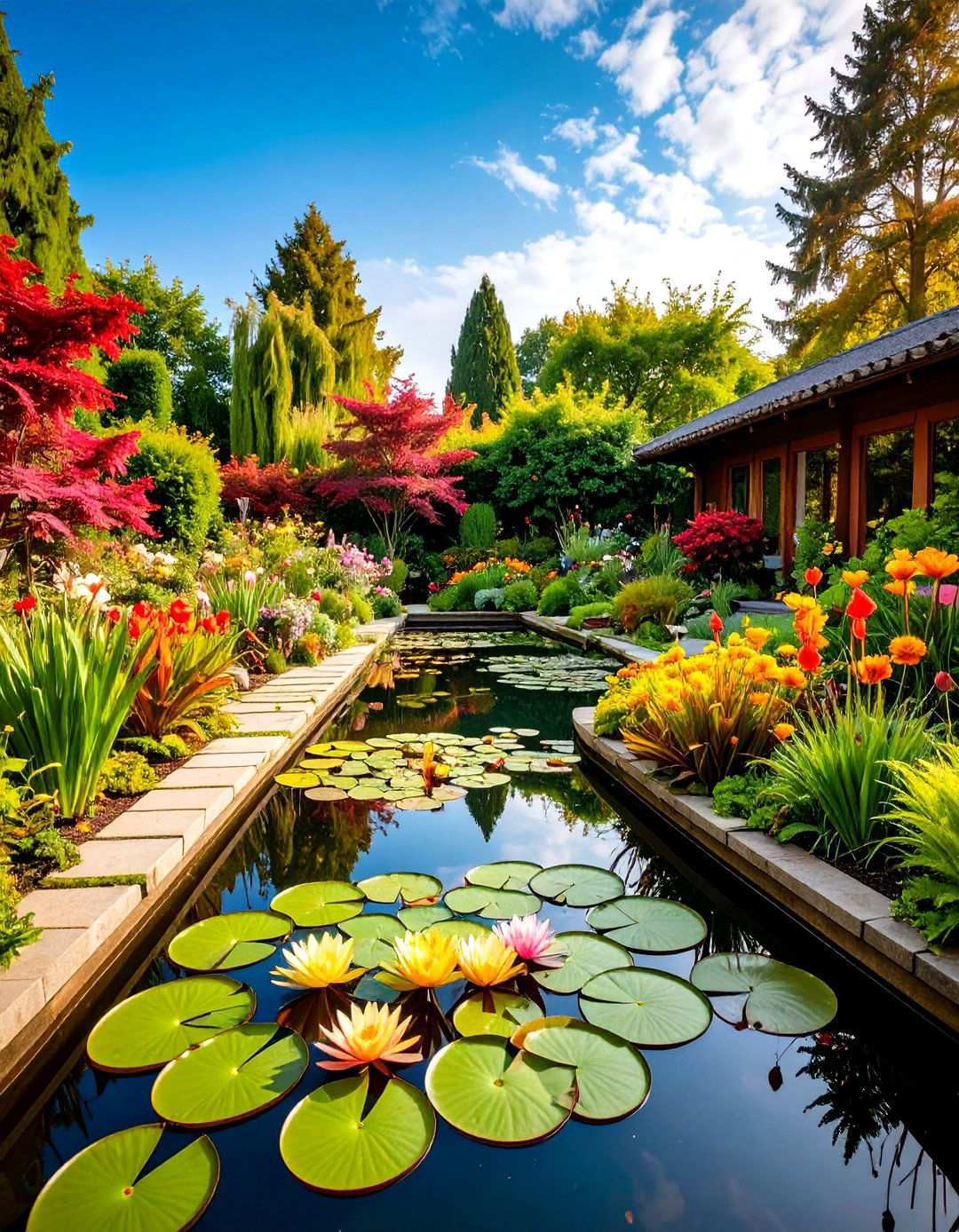
Built-in planting shelves around pond edges accommodate aquatic plants while creating natural-looking borders that change throughout the growing seasons beautifully. These underwater ledges typically measure eight to twelve inches deep, providing ideal growing conditions for marginal plants like water lilies, pickerel rush, and arrowhead varieties. The planted approach creates living borders that evolve seasonally, offering spring emergence, summer blooms, autumn colors, and winter structural interest. This design requires regular plant maintenance, including division, deadheading, and seasonal cleanup, to prevent organic matter accumulation. The biological filtration provided by healthy plant communities improves water quality while supporting beneficial bacteria populations essential for maintaining a balanced pond ecosystem.
12. Elevating Pond Edges with Artistry
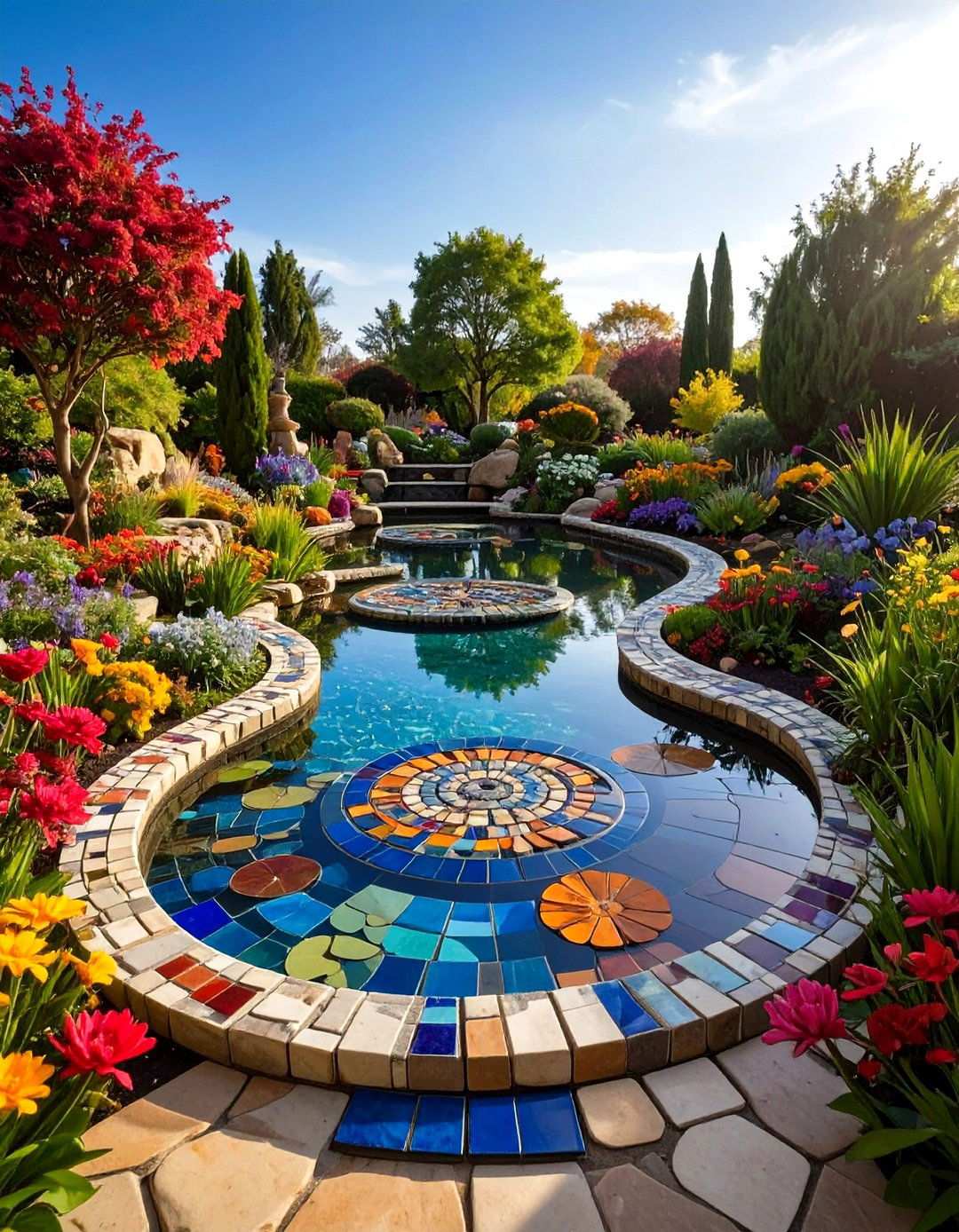
Bring your pond’s edges to life by experimenting with decorative tile arrangements, mosaics, or geometric patterns that showcase your unique personal style. From the versatility of ceramic, glass, or natural stone tiles, the color and pattern possibilities are endless, offering not just a durable, weather-resistant edge solution but also a chance to express your creativity. To ensure a successful installation, it’s crucial to prepare the substrate properly and use waterproof adhesives specifically designed for outdoor wet conditions. This stylish approach is particularly well-suited for formal water features, Mediterranean-style gardens, or contemporary landscapes where artistic expression is paramount. Additionally, the smooth surfaces of tile edges make cleaning a breeze while preventing algae buildup, a common issue with rougher natural materials.
13. Slate Stacking for Dramatic Effect
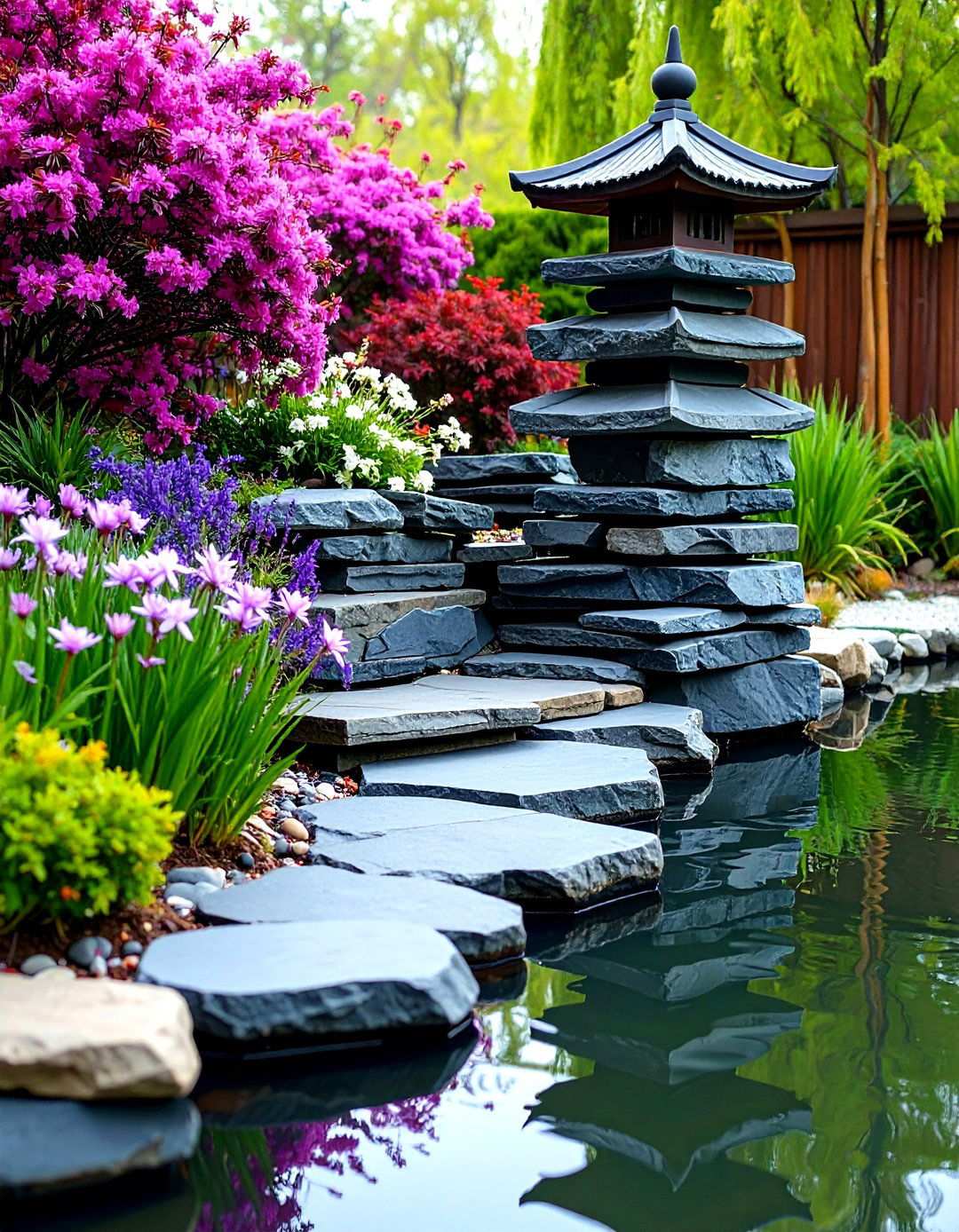
Stacking slate pieces around pond edges creates visually striking vertical elements that not only provide natural-looking barriers but also conceal liner materials effectively throughout the year. The flat, angular characteristics of slate enable stable stacking without mortar requirements, resulting in flexible installations that can be easily adjusted or relocated. With a wide range of slate colors available, from grey to purple, you can experiment with various design options while maintaining a natural appearance. The vertical orientation of slate stacks offers more visual height than horizontal installations, making small ponds appear larger and more significant. You can also use the gaps between slate pieces to accommodate small plants or fill them with sand for a finished appearance. This approach works well in contemporary or Asian-inspired garden themes, where the dramatic effect of slate can be fully appreciated.
14. Wooden Log Retaining for Natural Charm
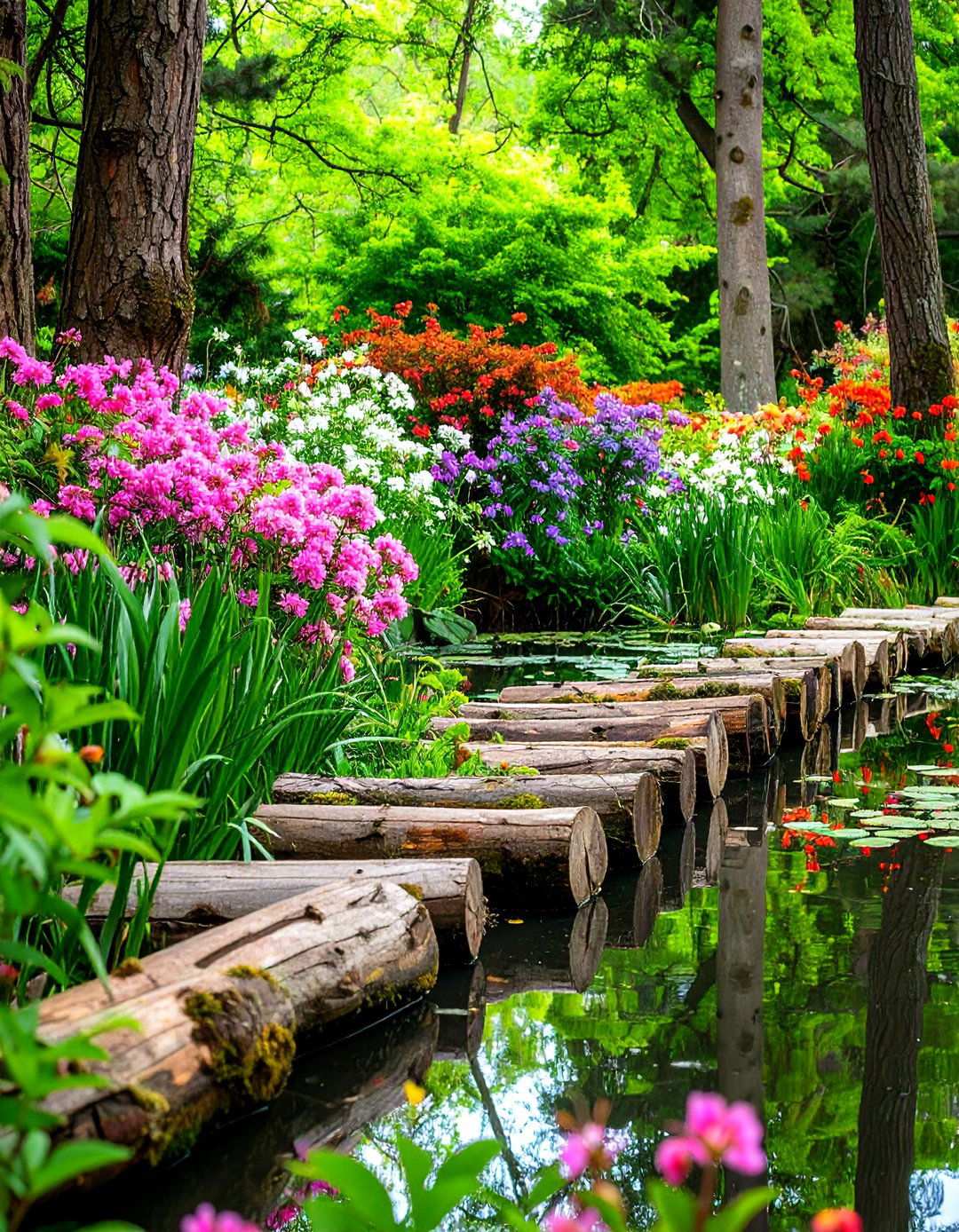
Naturally weathered logs or specially treated timber can be used to create rustic pond edges that perfectly complement woodland gardens and natural landscape settings. The horizontal placement of logs provides substantial visual weight while offering casual seating opportunities around pond perimeters. The organic shapes and textures of wood contrast beautifully with the smooth surface of water, creating dynamic visual interest throughout different seasons. To ensure longevity in wet conditions, choose rot-resistant species or properly treated lumber. Log edging can also incorporate planting pockets between pieces for trailing plants or seasonal color displays. While periodic replacement or maintenance may be necessary as wood naturally weathers, this approach provides unmatched natural character and wildlife-friendly surfaces that are sure to delight.
15. Mastering Gravel Edges for Ponds
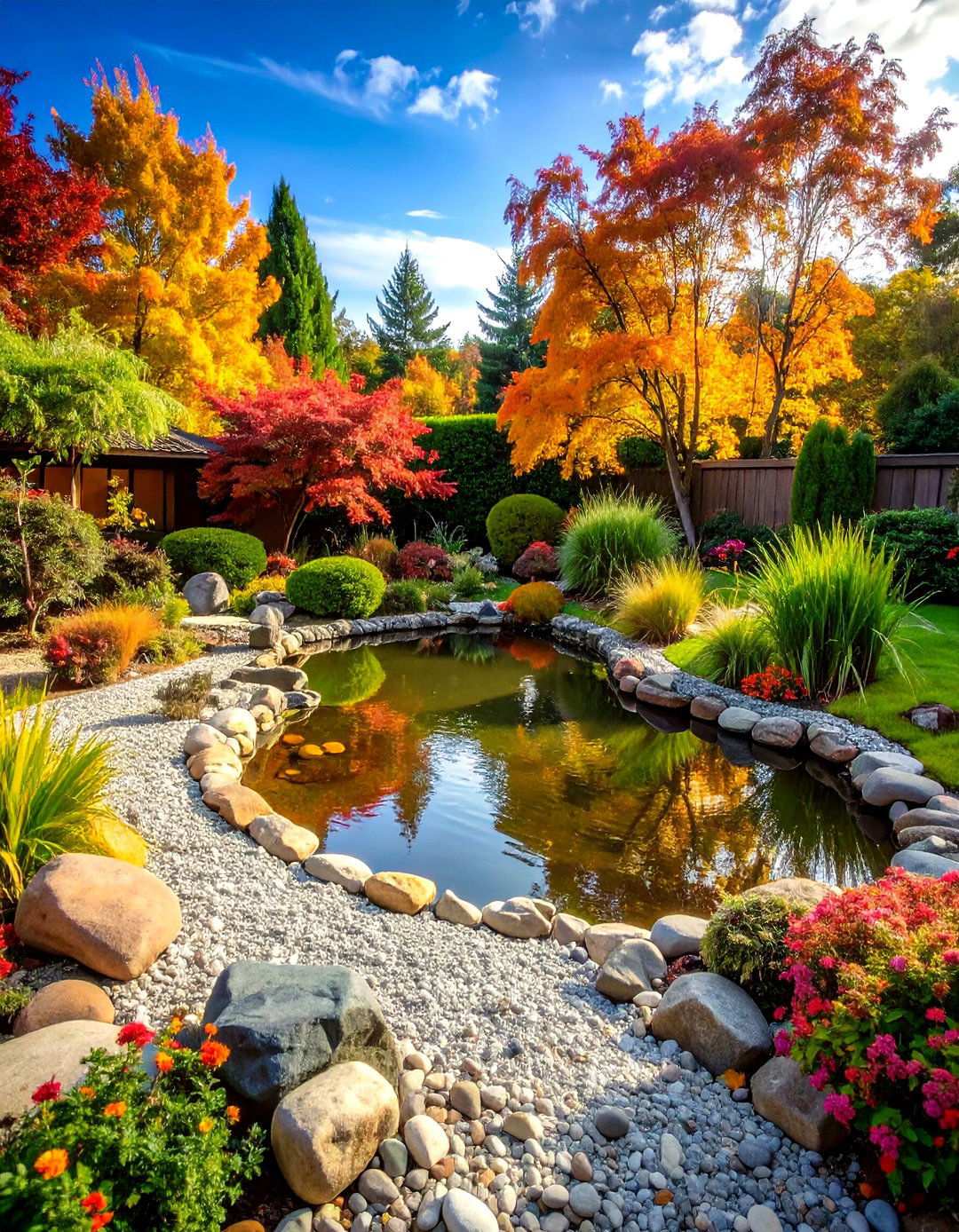
Crafting gravel borders around ponds is a masterstroke of design, combining functionality and aesthetics in perfect harmony. These versatile edges serve as both captivating visual elements and efficient drainage systems, safeguarding the pond’s perimeter from waterlogged conditions. By blending different gravel sizes, you can create striking textures and colors that not only enhance the pond’s appearance but also ensure excellent drainage performance throughout the wet seasons. The loose nature of the material makes installation a breeze, allowing for easy future modifications without requiring major overhauls. Gravel edges prove particularly effective for informal pond designs, rain gardens, or areas where concurrent drainage challenges need addressing. With budget-friendly material costs and long-lasting solutions that demand minimal upkeep, gravel edges have become a popular choice among pond enthusiasts. Opt for angular gravel for its superior interlocking capabilities or rounded materials for a softer, more subdued appearance.
16. Building Strong Pond Edges with Concrete Blocks
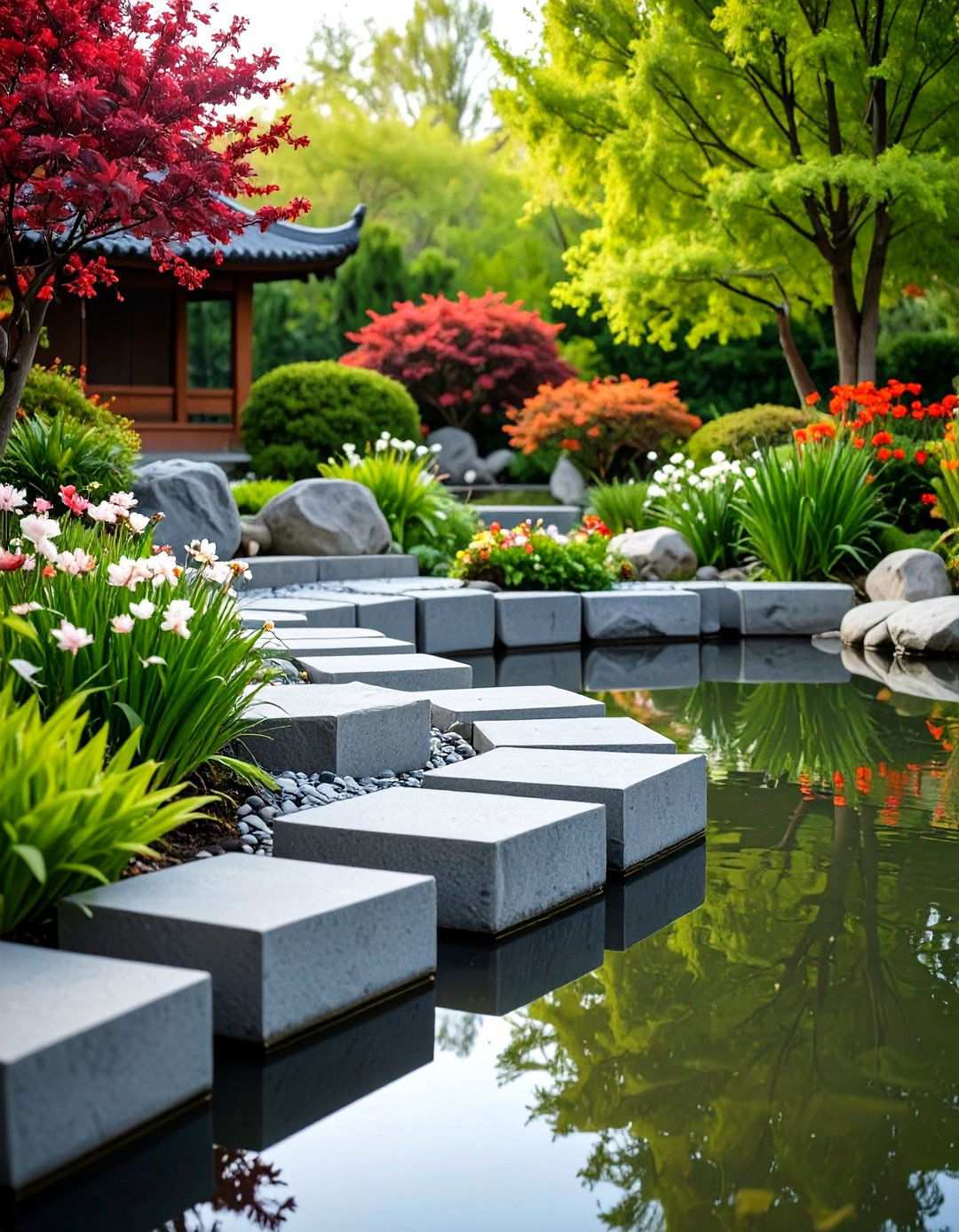
Interlocking concrete blocks offer a versatile and durable solution for pond edge construction, providing the perfect blend of strength and flexibility. These modular blocks can be easily arranged to create complex curves and corners, making them an ideal choice for pond installations that require precision and adaptability. Modern block systems now offer a range of decorative options that mimic the appearance of natural stone, minus the associated installation complexities and costs. The standardized dimensions of these blocks simplify planning and installation, allowing you to focus on creating a visually stunning pond edge that complements your overall landscape design. Many block systems include hollow cores that can be used to reinforce the structure or integrate lighting systems for enhanced functionality. As a result, concrete block edges provide excellent value for larger pond installations where material costs can quickly escalate. With their clean lines and sleek appearance, these blocks are a popular choice for contemporary landscape designs that prioritize both form and function.
17. Adding an Exotic Touch with Bamboo Screening
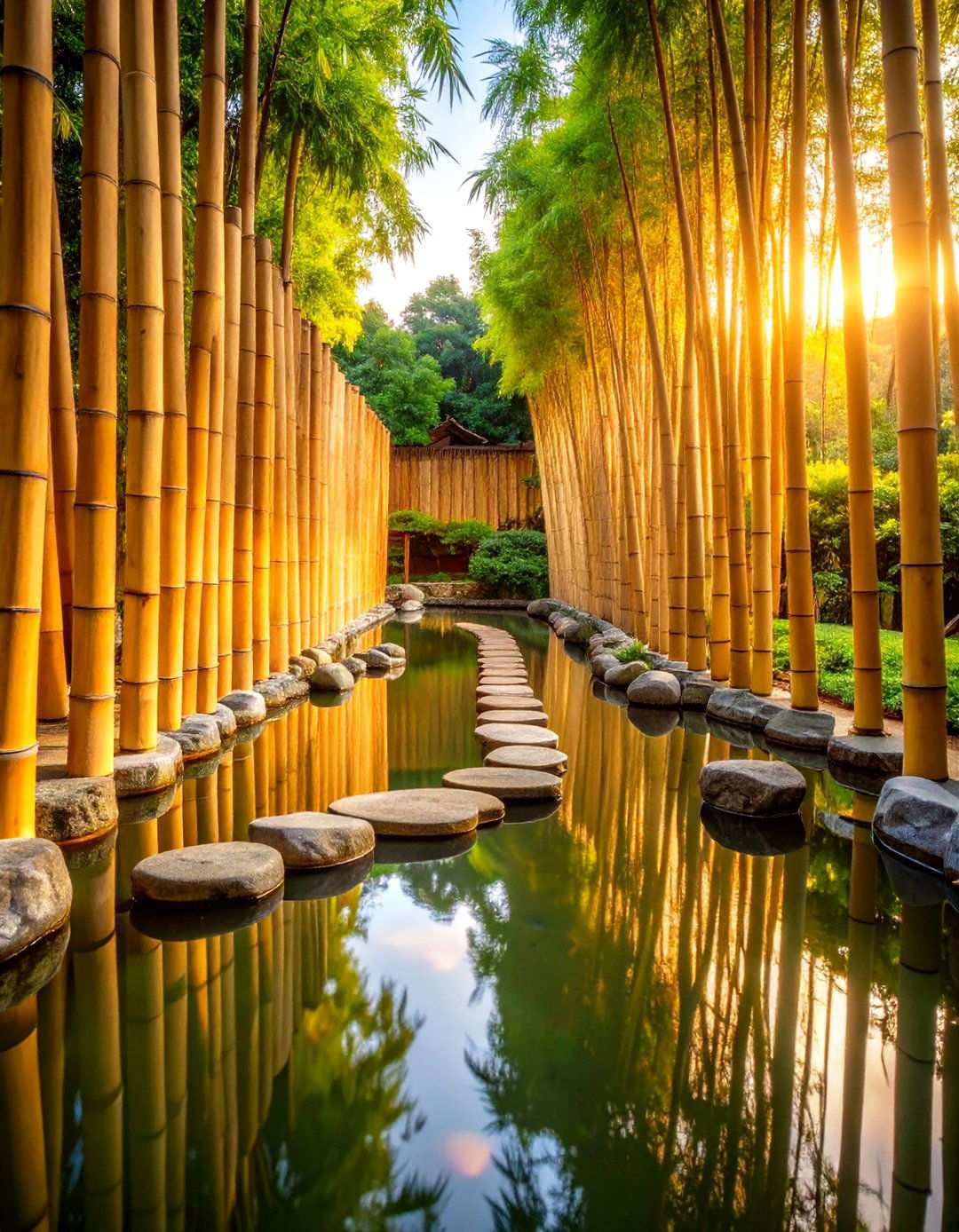
Are you looking for a unique way to add some exotic flair to your pond area while simultaneously providing privacy and wind protection? Bamboo screening is an excellent option, offering a distinctive Asian-inspired aesthetic that works beautifully in both modern and oriental garden themes. By incorporating bamboo elements, you can create a sense of height and movement around your pond, transforming the surrounding area into an intimate space perfect for contemplation and relaxation. However, it’s essential to choose durable bamboo species or apply proper treatment to ensure the material withstands outdoor moisture exposure effectively. The screening effect of bamboo helps reduce wind across water surfaces, minimizing evaporation and protecting aquatic plants from harsh weather conditions. As a sustainable material choice, bamboo appeals to environmentally conscious gardeners seeking renewable resource alternatives for their landscape construction projects.
18. Integrating Elevated Planters Around Ponds
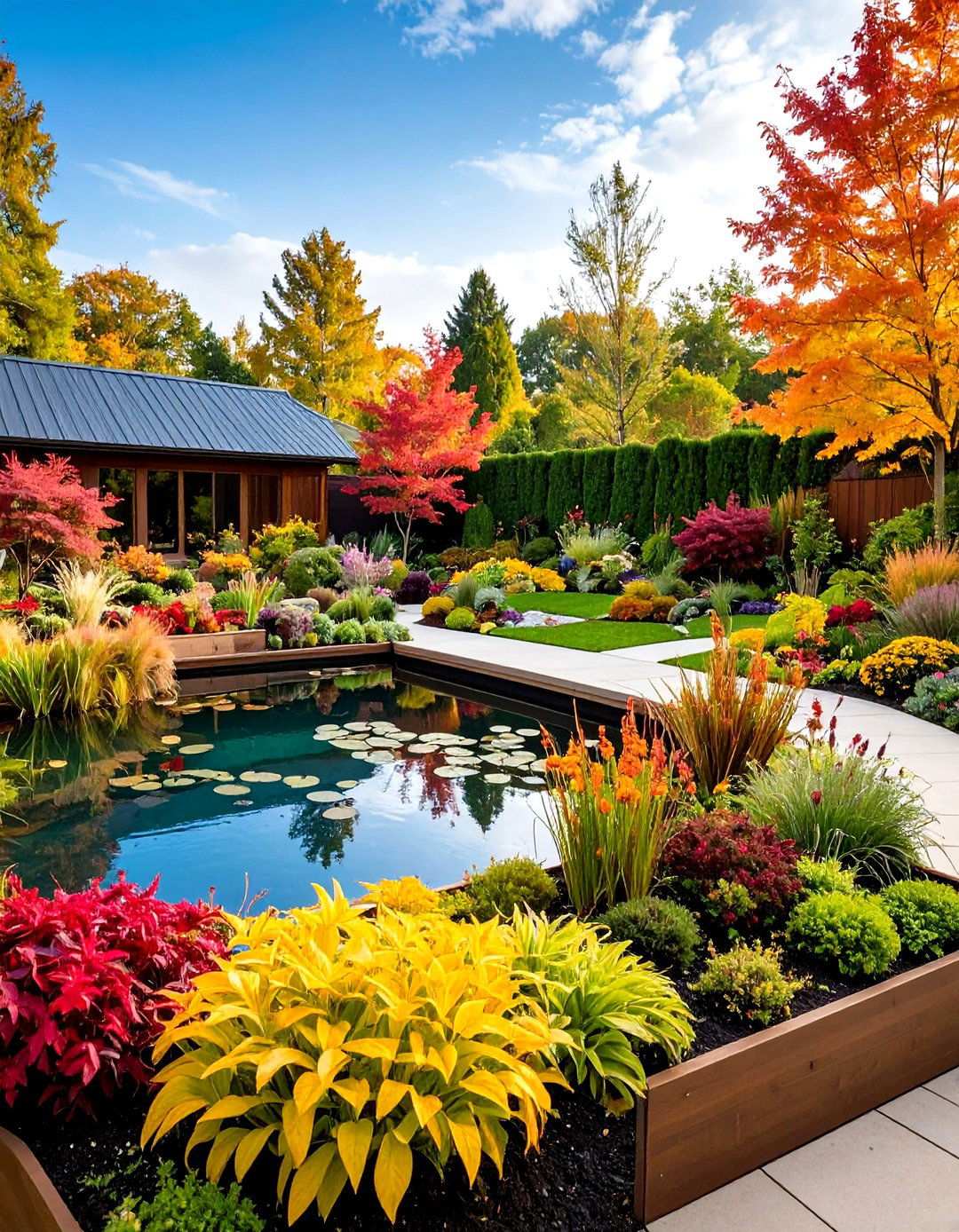
Elevated planters positioned around pond perimeters unlock a world of creative possibilities for showcasing diverse plant species while providing comfortable vantage points for maintenance and observation. These elevated gardens accommodate plants that thrive in well-drained conditions close to water features, expanding the range of planting options beyond aquatic plants. The raised design adds depth and visual interest to pond edges while offering practical benefits for gardeners with mobility limitations or those who value ease of maintenance. By using construction materials that blend seamlessly with existing landscape features, homeowners can create cohesive and harmonious designs that enhance the overall aesthetic appeal of their gardens. Moreover, the incorporation of automatic irrigation systems that draw water directly from the pond ensures efficient water management, making this approach particularly well-suited to formal garden designs where precision and control are paramount.
19. Creating Whimsical Cobblestone Patterns
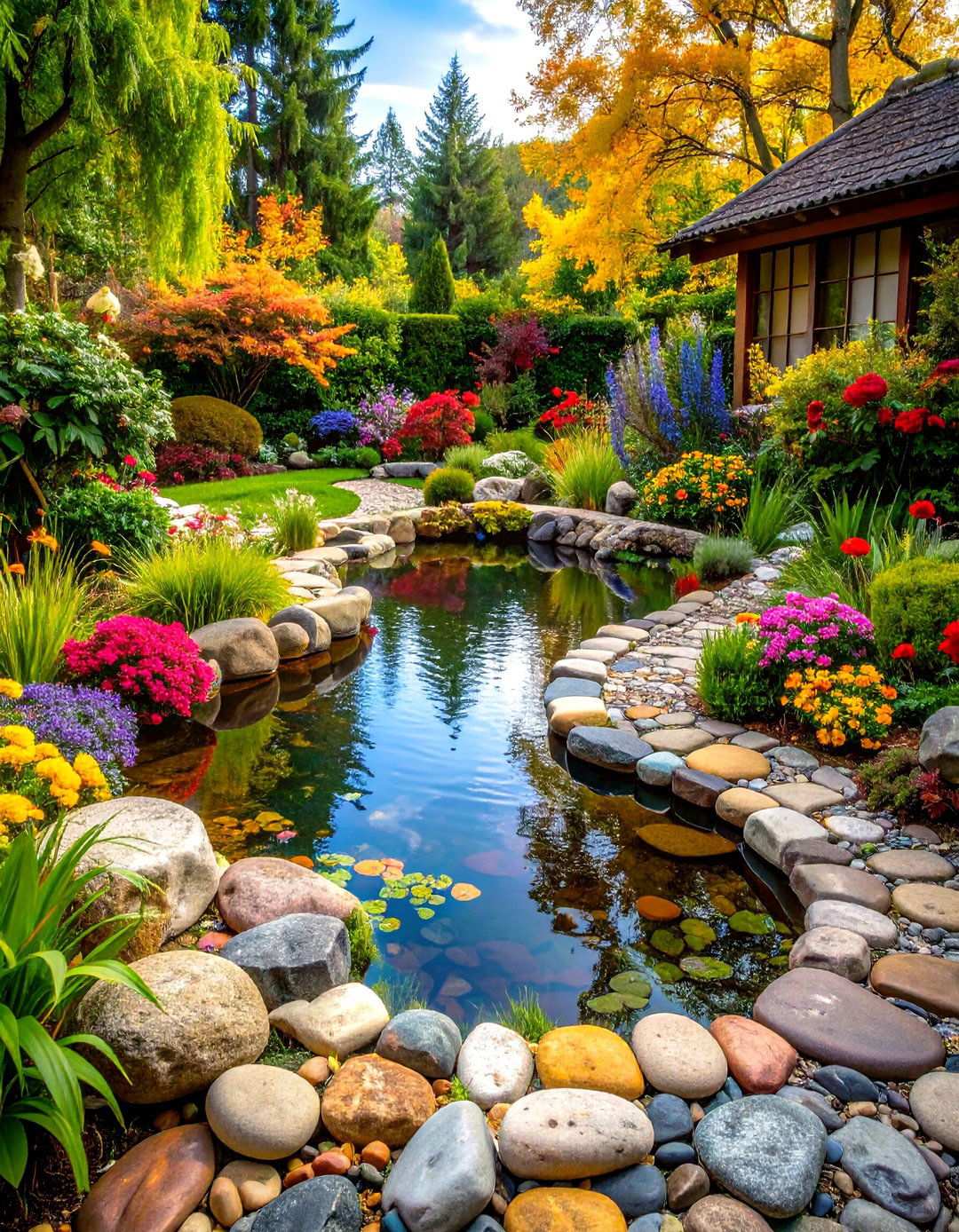
A well-designed cobblestone arrangement around pond edges can evoke the charm of European village squares and timeless landscape traditions. The varied colors and rounded shapes of cobblestones offer a visually appealing contrast to the smooth surface of the pond while providing excellent drainage characteristics essential for maintaining healthy pond environments. Installation involves carefully setting stones in sand beds to ensure stability while preserving drainage capabilities. The classic appeal of cobblestone complements both traditional and contemporary garden styles when selected and installed thoughtfully. To maintain the beauty of this design, occasional releveling and weed control between stones are necessary. This approach not only enhances property value but also creates surfaces suitable for pedestrian traffic around water features, regardless of the weather conditions.
20. Blending Turf Edges with Pond Landscapes
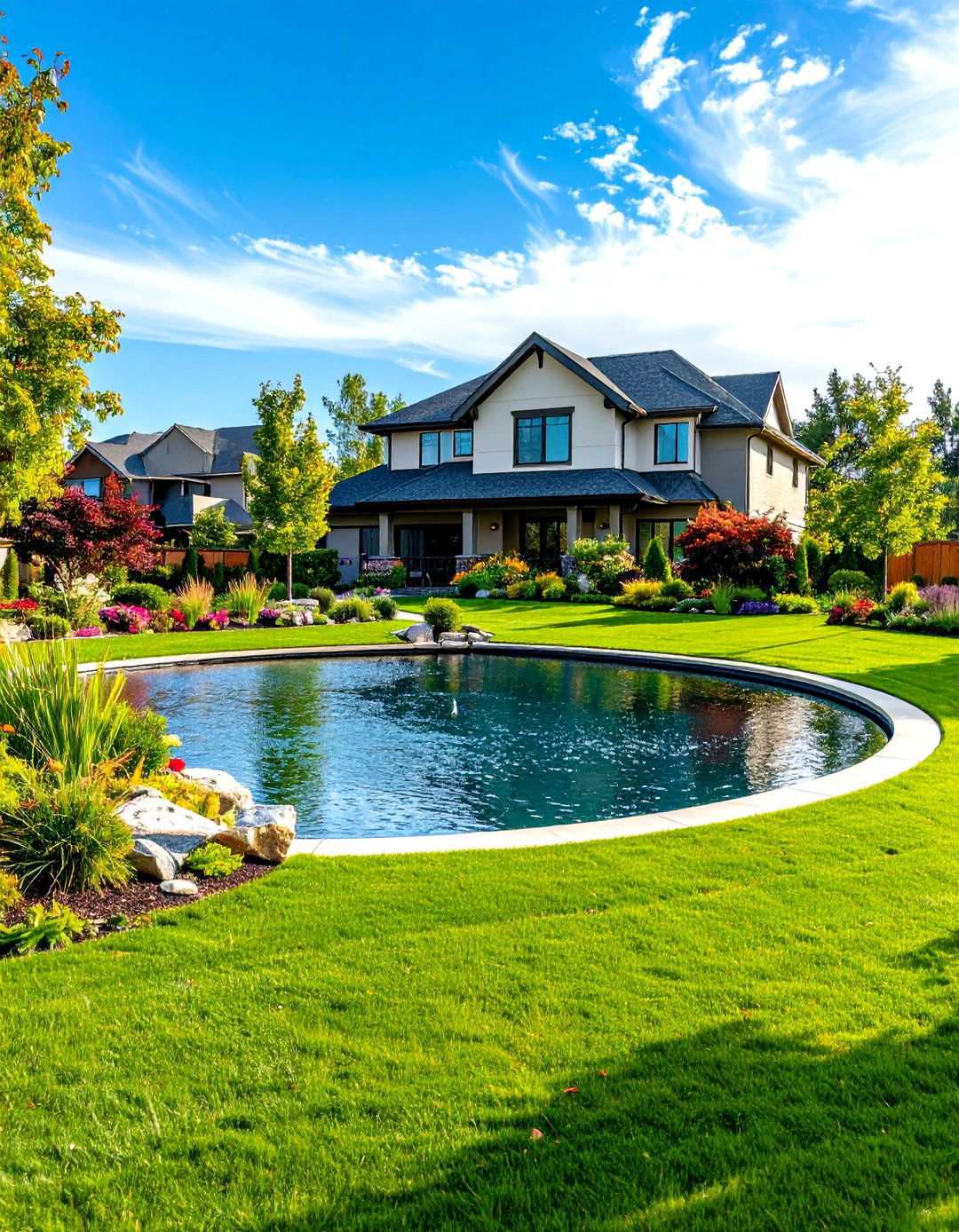
For a seamless transition between lawn and water, consider incorporating turf edges around your pond. This approach requires minimal additional materials or construction complexity, making it an attractive option for homeowners. By carefully bringing existing grass directly to the pond margins using specialized techniques, you can protect the liner integrity while maintaining healthy grass growth. This involves installing support systems beneath the turf that allow for root development while preventing soil contamination of the pond water. The result is a natural-looking transition between lawn and water that appears well-established. Maintenance involves careful mowing techniques and edge trimming to prevent grass clippings from entering the water. This budget-friendly option is ideal for informal pond designs where natural integration takes precedence over architectural statements.
21. Harmonious Rock Garden Escapes
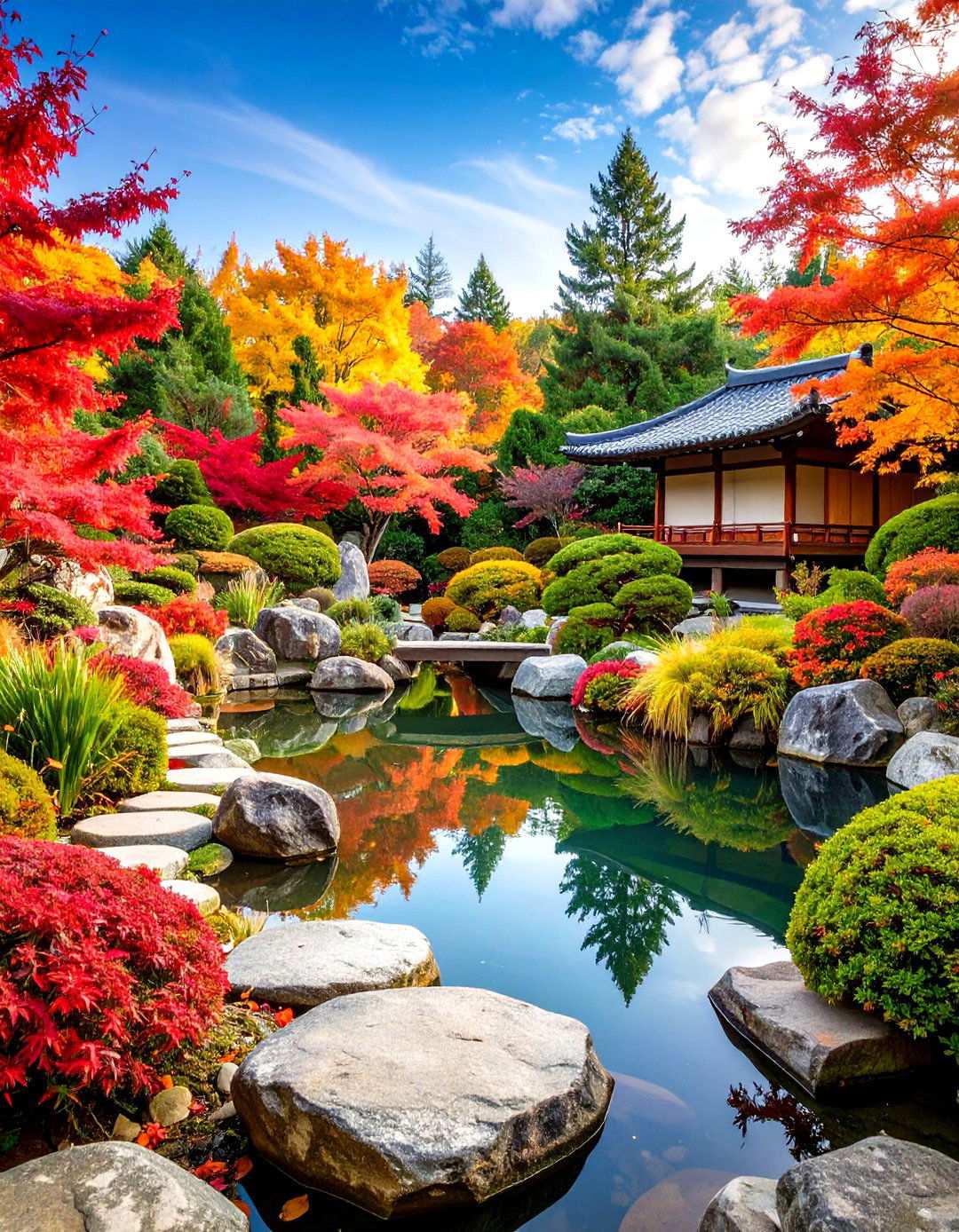
A symphony of stone, water, and plant life comes together in complex rock garden arrangements around pond edges, fostering diverse microclimates that nurture varied plant communities and add visual allure to water feature designs. This approach expertly combines disparate stone sizes, types, and placement techniques to recreate naturalistic alpine or desert environments beside water features. The varied elevations create a gradient of drainage that’s tailored to different plant moisture requirements, from bog species to drought-tolerant alpines. Effective installation necessitates meticulous planning to ensure structural stability while crafting natural-looking arrangements that convincingly appear unstaged. The rock garden approach is particularly well-suited to larger ponds where space allows for substantial landscape development, creating year-round interest even during dormant seasons when herbaceous plants retreat.
22. Rubber Edging Revolution
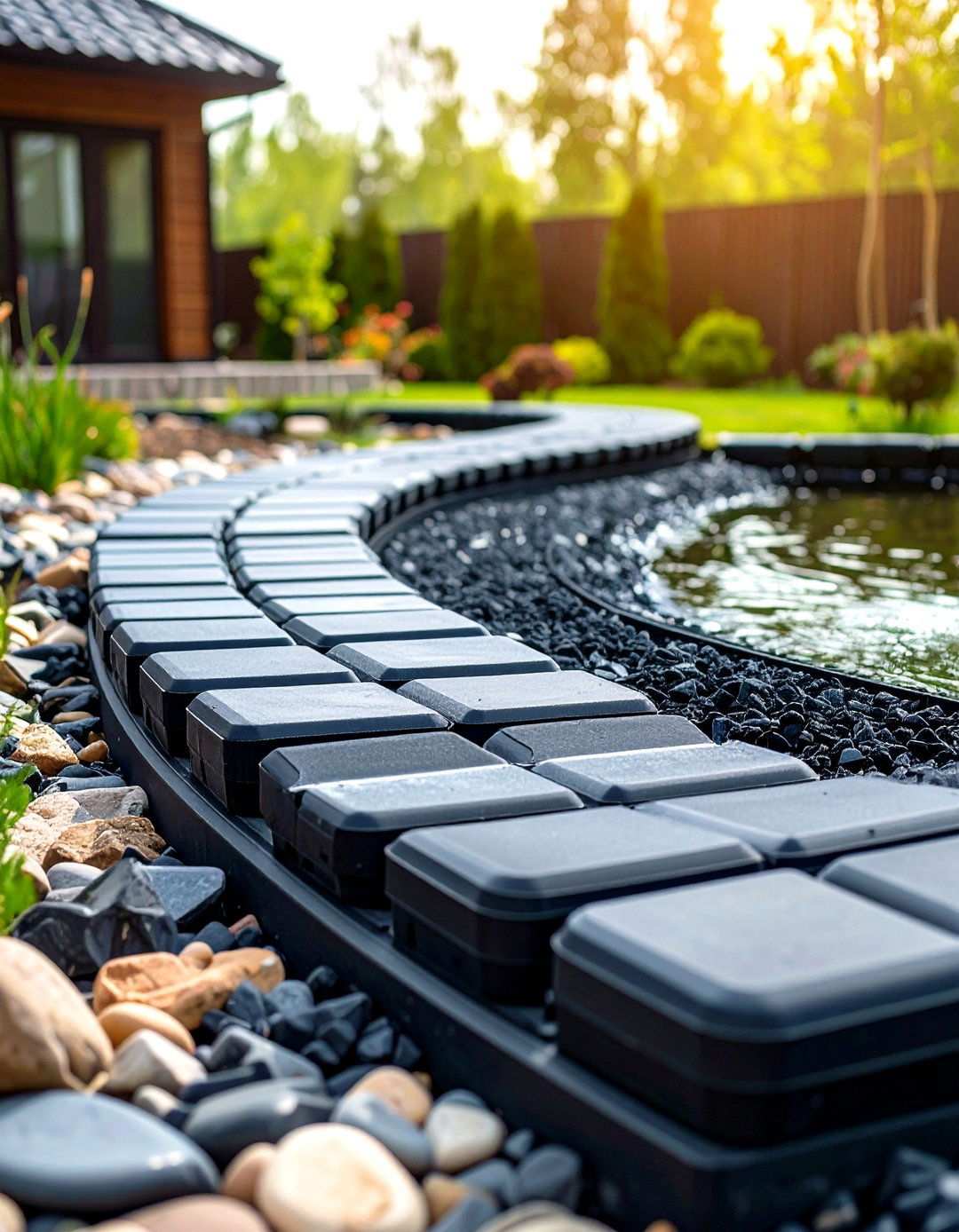
Modern rubber edging materials have emerged as practical solutions for pond borders, prioritizing flexibility, durability, and ease of installation over natural appearance considerations. Manufactured from recycled materials, rubber edging not only supports environmental sustainability goals but also boasts excellent weather resistance and longevity characteristics. Its flexible nature allows it to accommodate curves and irregular pond shapes without requiring cutting or special fitting, a departure from the constraints of rigid materials. Installation involves straightforward ground preparation and securing methods that don’t necessitate specialized tools or professional installation services. While rubber edging may not offer the same visual appeal as natural materials, it provides cost-effective solutions for functional pond borders where budget constraints significantly limit material choices.
23. Wildflower Meadows Around the Pond
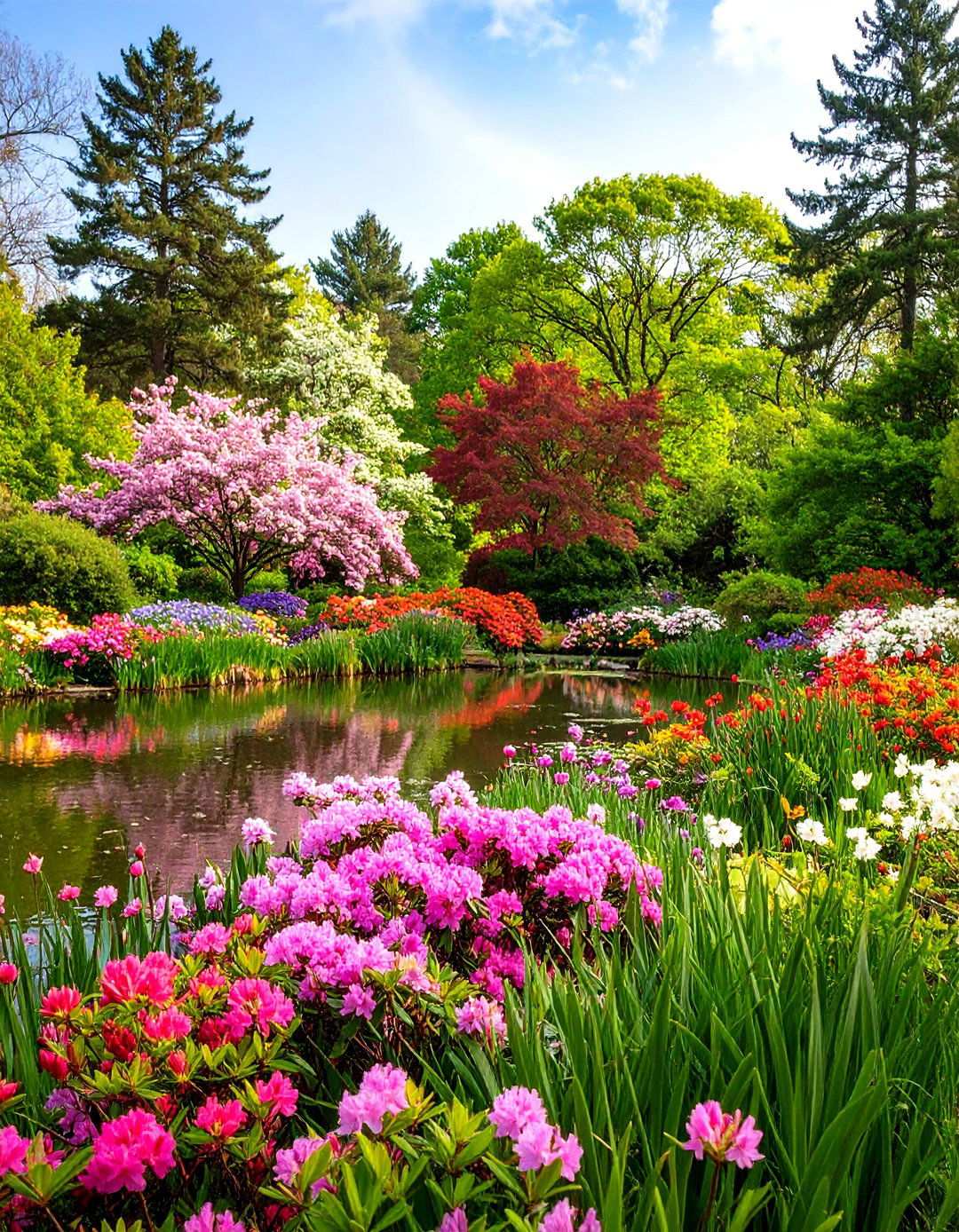
Why not transform pond surroundings into thriving wildflower meadows that support local wildlife and create stunning seasonal displays around your water feature in a completely natural way? Native wildflower plantings can establish self-sustaining ecosystems that require minimal maintenance once they’ve been properly established. The meadow approach provides habitat for pollinators, birds, and beneficial insects, creating dynamic seasonal changes in color, texture, and height around pond perimeters. Plant selection should focus on species adapted to varying moisture conditions, from wet pond edges to drier upland areas. This low-maintenance approach appeals to gardeners seeking sustainable landscape solutions that support biodiversity while reducing ongoing maintenance requirements. The natural aesthetic of a wildflower meadow complements wildlife ponds and informal landscape designs particularly well.
24. Harmonious Fusion of Art and Nature
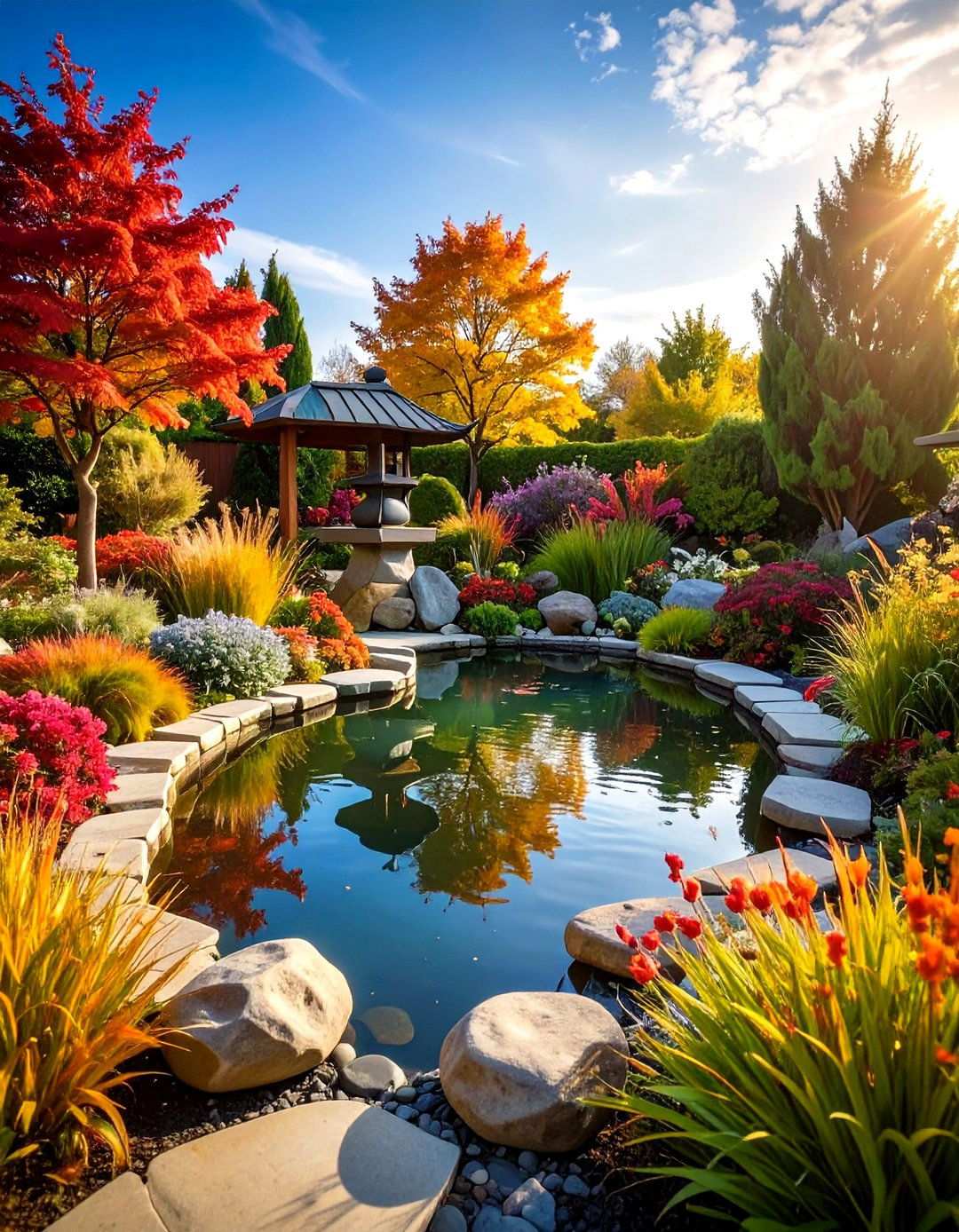
By thoughtfully integrating artistic elements and sculptural features into pond edging, homeowners can create captivating focal points that not only showcase personal style but also serve as practical edge-defining solutions. From sleek contemporary metal installations to timeless stone carvings, the scope of artistic expression is vast and varied, allowing garden styles and personal preferences to guide the selection process. The incorporation of artistic elements elevates functional pond edges into immersive spaces that celebrate creativity and artistic expression, while still maintaining the essential pond management capabilities. Effective integration demands careful planning to ensure that sculptures complement their surroundings, rather than overpowering the water features and landscape elements. Strategic lighting design becomes particularly crucial for showcasing artistic installations in the evening, while also addressing safety concerns. As a result, this personalized approach yields one-of-a-kind water features that double as conversation pieces, reflecting the homeowner’s unique creative vision and artistic sensibilities throughout the changing seasons.