1. Cultivating Fresh Flavors in Your Backyard Oasis
The art of home gardening has experienced a significant surge in popularity, driven by a desire for healthier eating options, cost savings, and enhanced food security. Regardless of the size of your outdoor space, you can create a thriving vegetable garden tailored to your unique needs and preferences. The versatility of vegetable gardening lies in its adaptability to various settings – from expansive yards to compact balconies, each approach presents distinct advantages and design possibilities. Contemporary gardening techniques have opened doors to innovative ways of growing food, making it accessible to urban residents, apartment dwellers, and anyone with limited outdoor space. These creative vegetable garden designs showcase diverse approaches that strike a perfect balance between productivity and aesthetics.

As an Amazon Associate I earn from qualifying purchases.
2. Kitchen Garden Design for the Modern Home
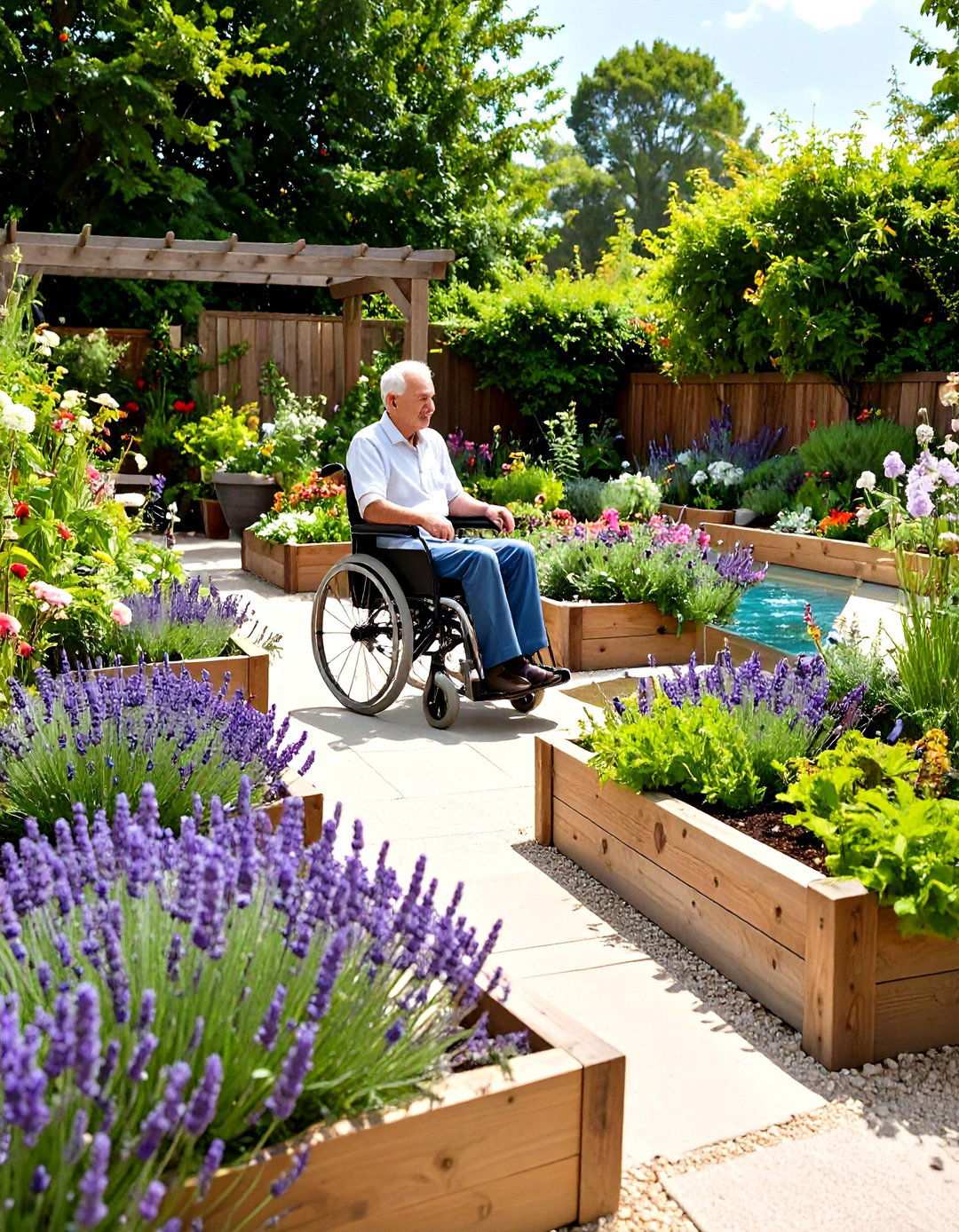
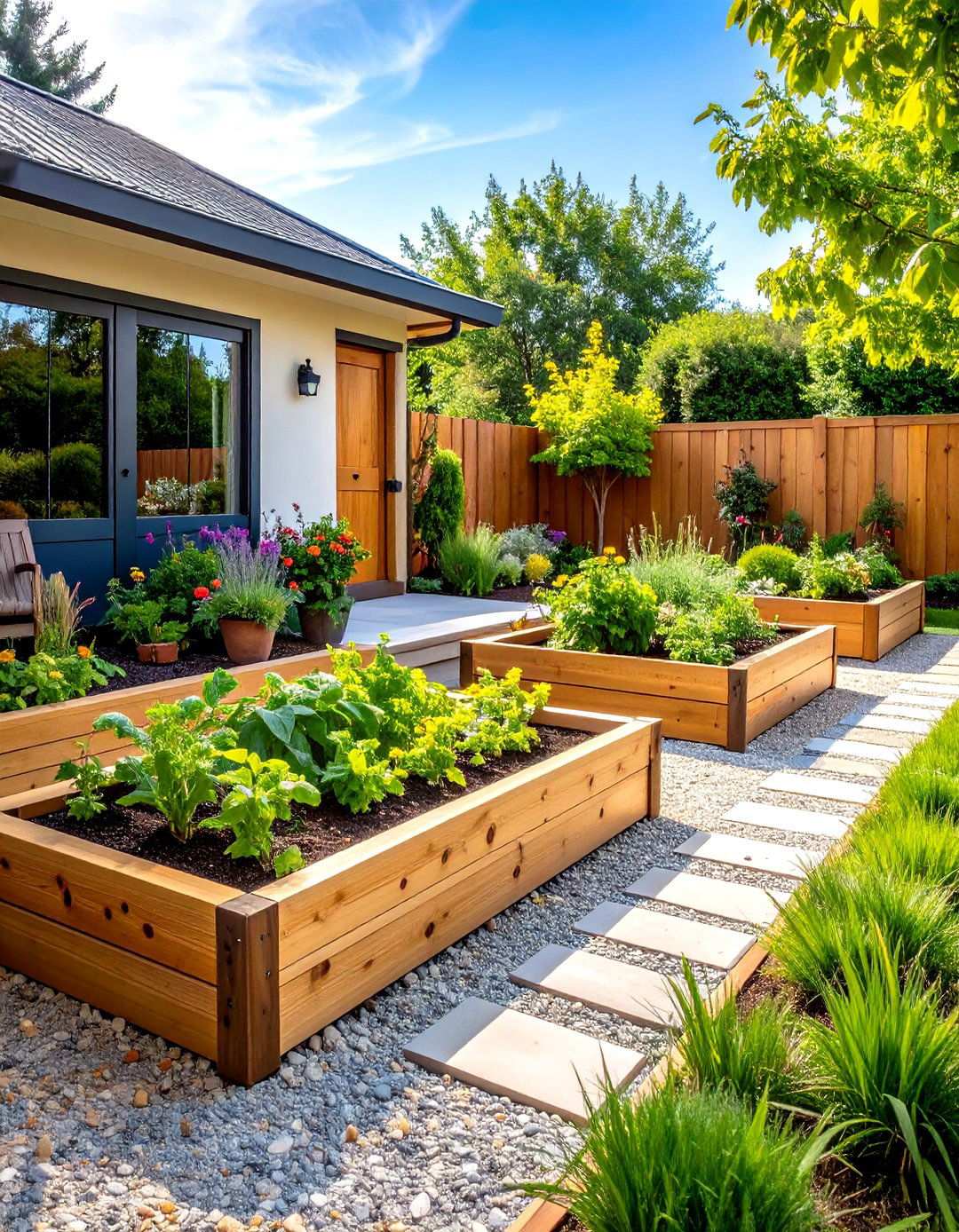
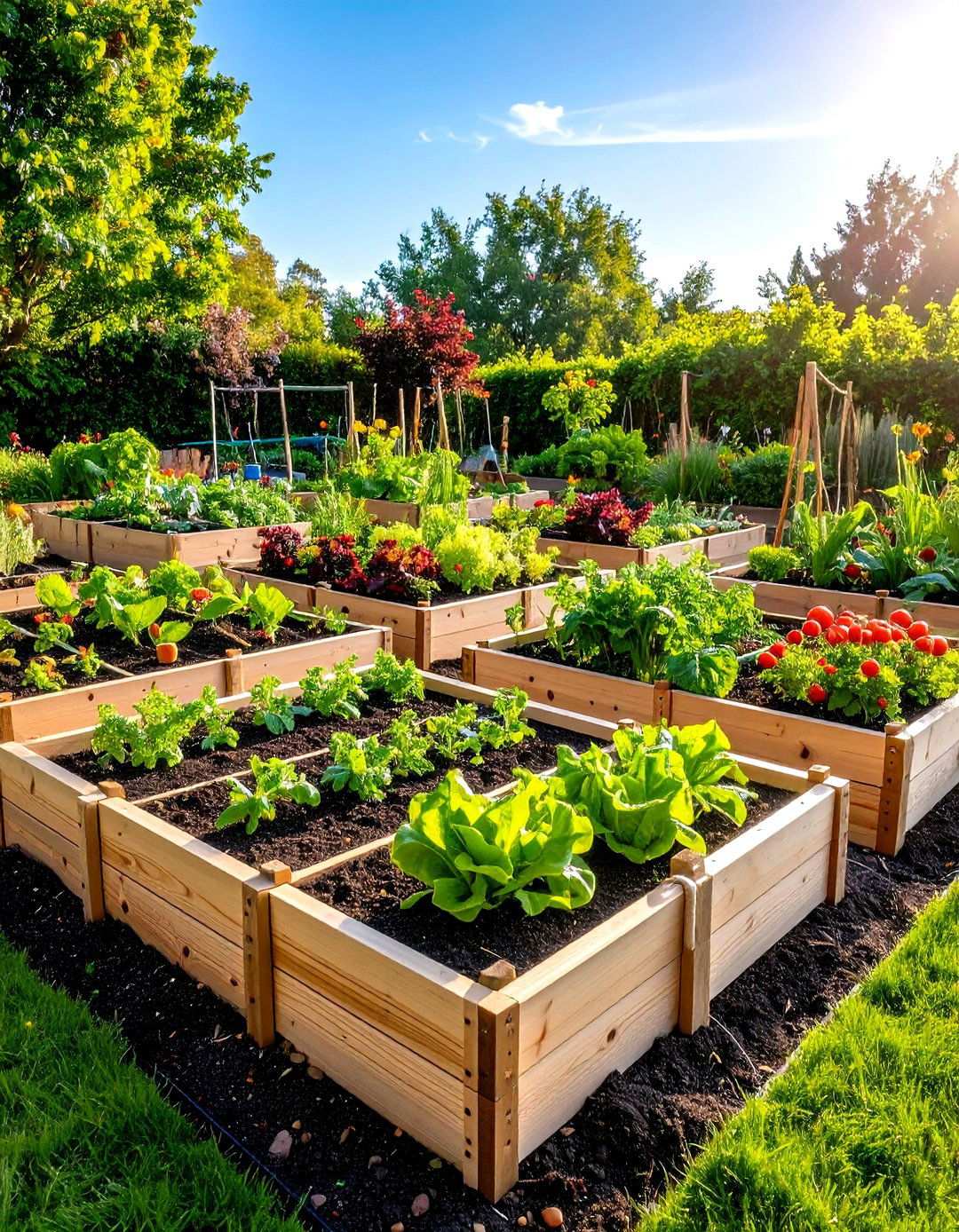
Restaurant chefs often rely on an abundance of fresh herbs and vegetables to maintain consistency in their culinary creations. A raised bed kitchen garden positioned near your back door offers the ultimate convenience for daily cooking needs, providing easy access to an array of fresh ingredients. This design typically features 4×8 foot wooden or metal raised beds filled with premium soil mix, arranged in a rectangular layout with gravel or mulched pathways between them. The elevated growing space enhances drainage, soil quality, and accessibility while creating defined planting areas for herbs like basil, thyme, and oregano alongside compact vegetables such as lettuce, radishes, and cherry tomatoes. Strategically placing your kitchen garden near the kitchen eliminates the excuse of not having fresh ingredients at your fingertips, making healthy cooking a seamless experience.
3. Vertical Pallet Garden System for Urban Spaces
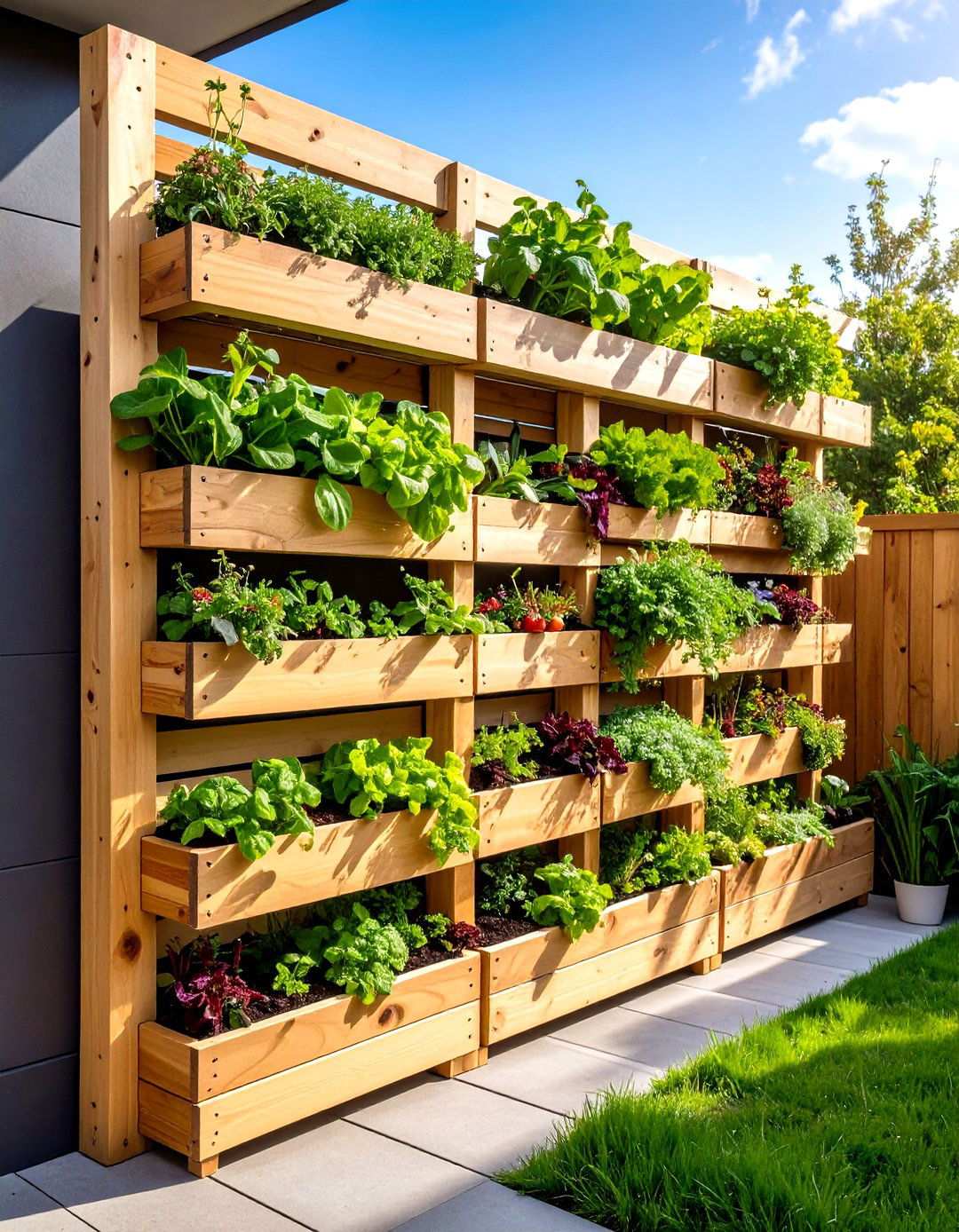
Small apartment or limited yard spaces can often pose a significant challenge for vegetable gardeners. A vertical pallet garden system offers a creative solution by transforming wooden shipping pallets into productive growing walls that maximize growing potential in minimal square footage. This space-saving approach involves securing pallets upright against fences or walls, adding landscape fabric backing, and filling the slats with quality potting soil. Perfect for growing leafy greens, herbs, strawberries, and compact vegetables, this system allows multiple varieties to thrive in the same footprint as a single traditional planter. The vertical orientation also improves air circulation and makes harvesting easier while creating an attractive living wall feature that adds visual interest to any outdoor space.
Maximizing Space with Square Foot Intensive Planting
The concept of square foot gardening presents an innovative solution for maximizing yields in compact spaces. By dividing raised beds into one-foot squares, gardeners can optimize their growing area and achieve impressive results with minimal space requirements. This highly organized approach leverages a grid system, marked with twine or wooden dividers, to create an intensive planting layout that promotes maximum productivity. Each square can be tailored to accommodate a specific number of plants, ranging from 16 radishes to a single tomato plant, depending on their mature size requirements. As a result, this systematic approach simplifies crop rotation, companion planting, and seasonal succession while reducing the need for weeding and watering. This organized layout makes it an ideal choice for beginners and urban gardeners seeking to maximize their growing space.
4. Flexible Container Garden Design for Maximum Yield
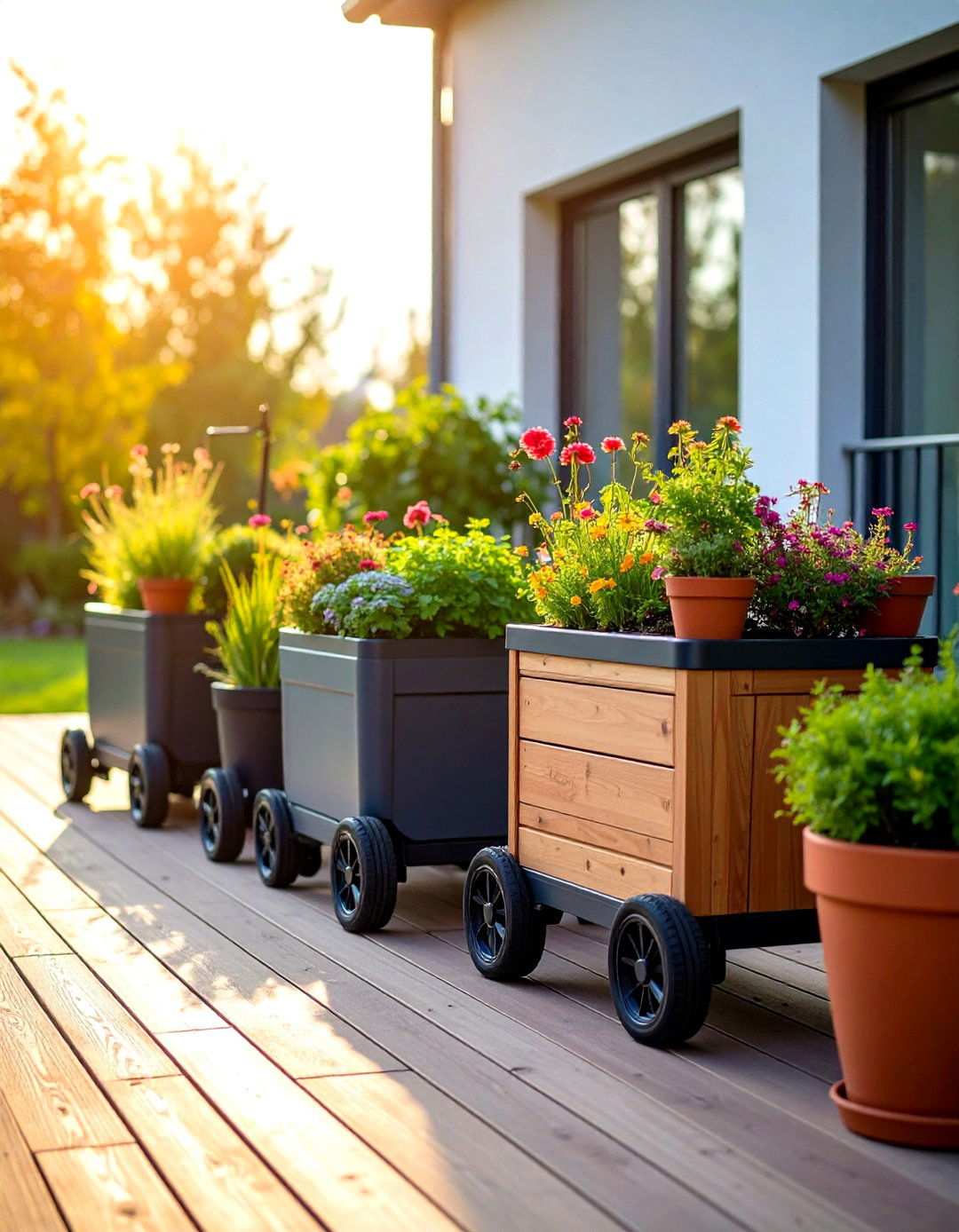
Imagine having the freedom to move your entire garden to optimize its growth based on changing sunlight patterns and weather conditions. A container garden design enables exactly that, utilizing various sizes of pots, planters, and portable beds that can be easily repositioned. This approach is particularly well-suited for renters, urban gardeners, and anyone desiring flexibility in their growing setup. Large containers can be used to cultivate root vegetables and tomatoes, while smaller pots are ideal for herbs and leafy greens. The incorporation of rolling planters or containers with wheels makes repositioning effortless, allowing gardeners to create temporary garden arrangements for special occasions or optimize growing conditions for better harvests throughout the seasons.
5. Cultivating Harmony with the Three Sisters Companion Planting Method
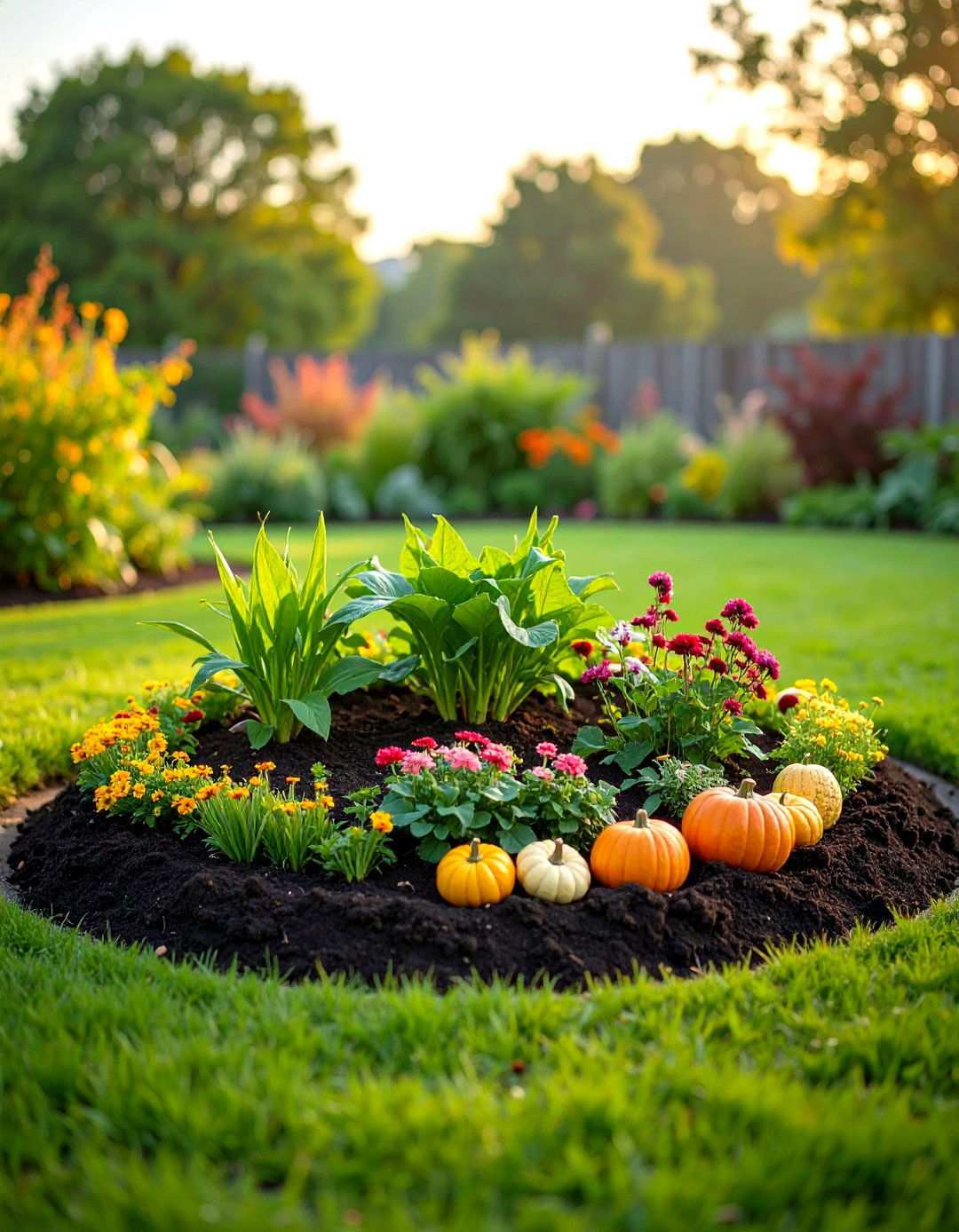
Native American agricultural wisdom offers a valuable lesson in creating self-supporting ecosystems in modern vegetable gardens. The Three Sisters method involves planting corn, beans, and squash together in circular mounds, fostering a symbiotic relationship where each plant benefits the others. The corn provides natural support structures for climbing beans, while the beans fix nitrogen in the soil, benefiting both the corn and squash. The large squash leaves spread along the ground, creating a living mulch that retains moisture and suppresses weeds. This ancient technique exemplifies perfect companion planting principles, creating visually appealing circular growing areas that can be repeated throughout your garden space for a cohesive and productive landscape design.
6. Mastering Year-Round Vegetable Production
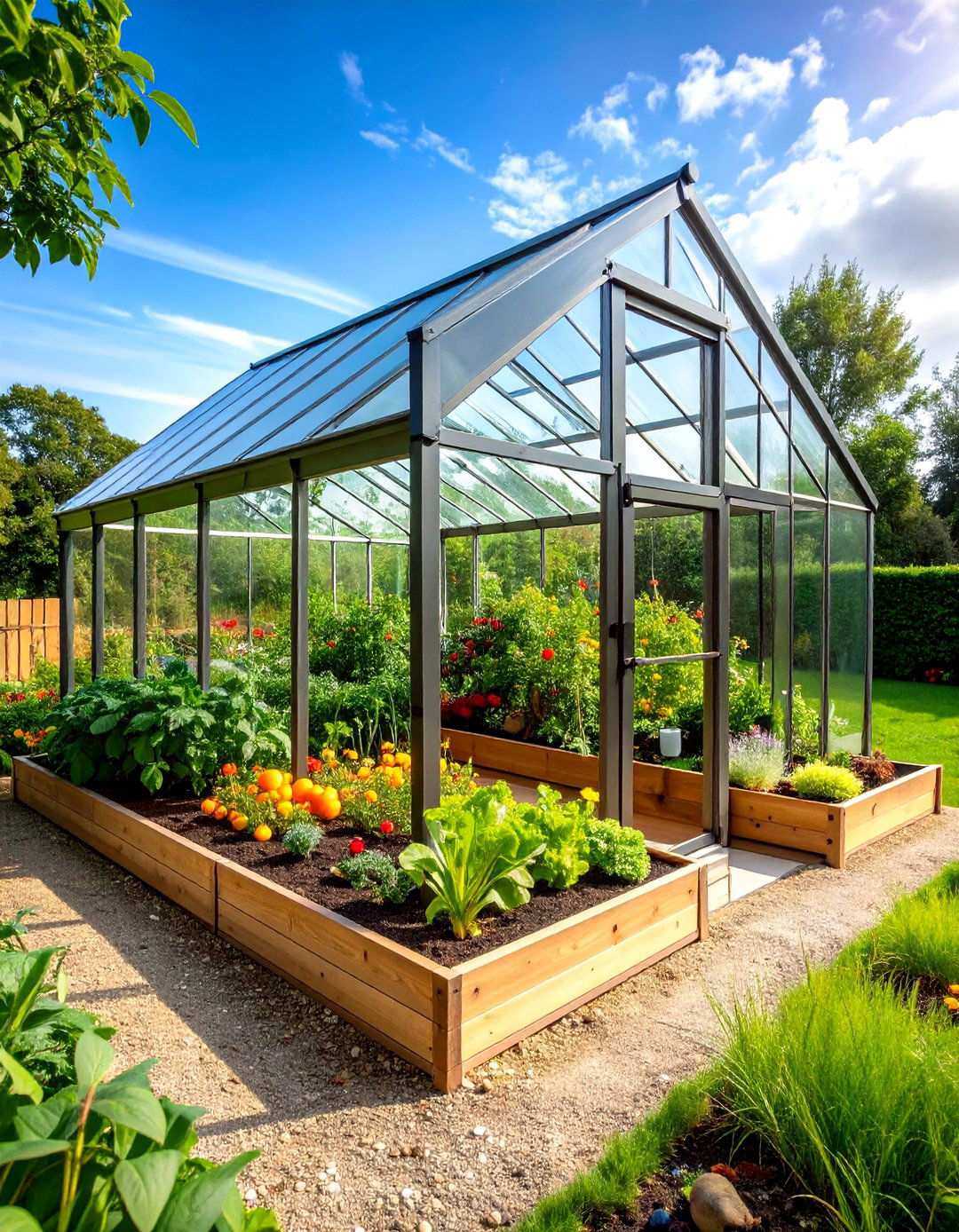
Imagine having a constant supply of fresh, homegrown vegetables, regardless of the external climate. This becomes a reality with a thoughtfully designed greenhouse structure, which shields plants from harsh weather conditions while maintaining optimal growing conditions. By leveraging various greenhouse designs, from simple, plastic-covered hoop houses to sophisticated glass structures with automated systems, gardeners can control the environment and reap numerous benefits. Raised beds or bench systems are a great way to maximize space while ensuring excellent drainage and soil control. The protected environment allows for multiple succession plantings, winter growing in cold climates, and protection from pests, ultimately leading to significantly higher yields than traditional outdoor gardens. This setup also makes it possible to grow a wide range of vegetables, including tropical and tender varieties, year-round.
7. Elevating Soilless Gardening with Hydroponic Towers
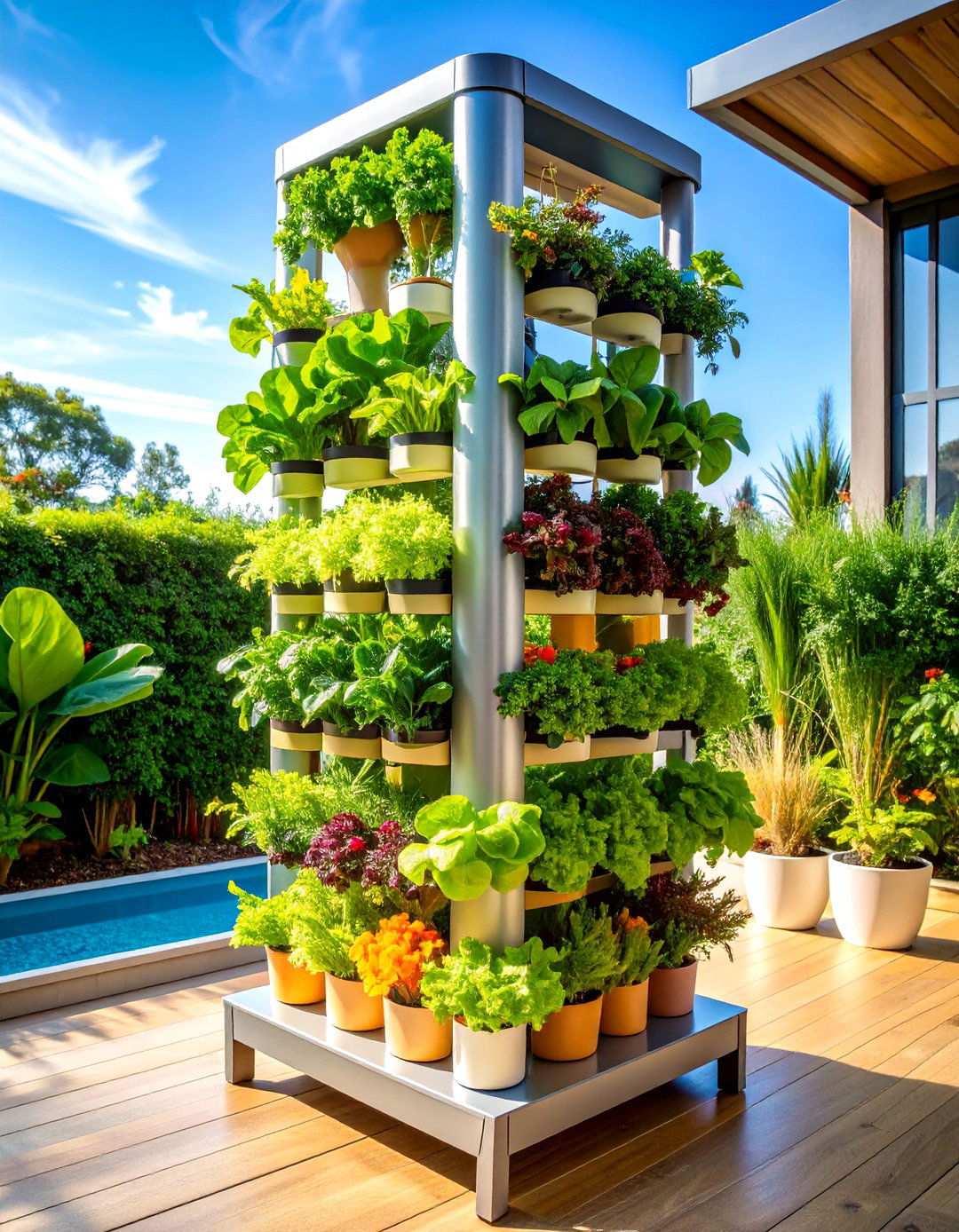
Are you looking to revolutionize your gardening methods by growing vegetables without using soil and minimizing water consumption? Hydroponic tower systems offer an innovative solution that enables faster growth rates than traditional gardening. These vertically stacked systems use automated pumping systems to circulate nutrient-rich water solutions directly to plant roots. This efficient setup can be positioned on patios, decks, or even indoors under grow lights, making fresh vegetable production possible anywhere. The towers can accommodate dozens of plants in a small footprint, with each level tailored to support different crops based on light and space requirements. Leafy greens, herbs, and compact fruiting plants thrive in this environment, producing continuous harvests with precise nutrient control and minimal pest issues.
8. Uncovering the Productivity of Straw Bale Gardening
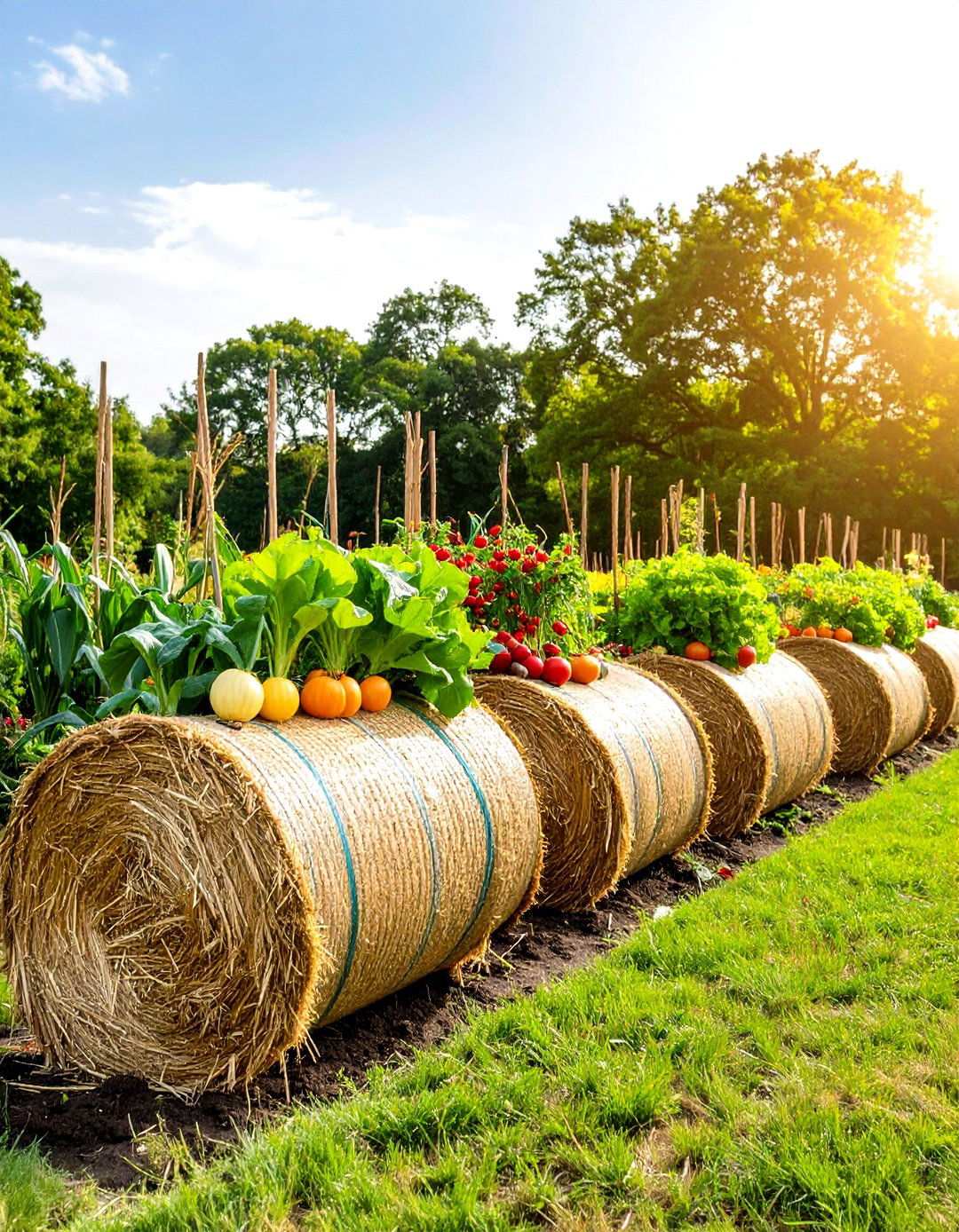
Have you ever given thought to the potential of humble straw bales as a foundation for an incredibly productive garden that requires little to no soil preparation? Straw bale gardening involves conditioning bales with nitrogen fertilizer over several weeks, transforming them into a rich, decomposing medium that supports plant growth. Plants are inserted directly into the bales or positioned in shallow depressions filled with compost on top. This method provides numerous benefits, including excellent drainage, consistent soil temperature, and natural composting action that feeds plants throughout the growing season. As the bales decompose, they create rich soil for future planting, eliminating concerns about weeding, tilling, and soil amendments. The elevated growing surface also improves accessibility and drainage in problematic soil areas.
9. Edible Landscape Integration Design Principles
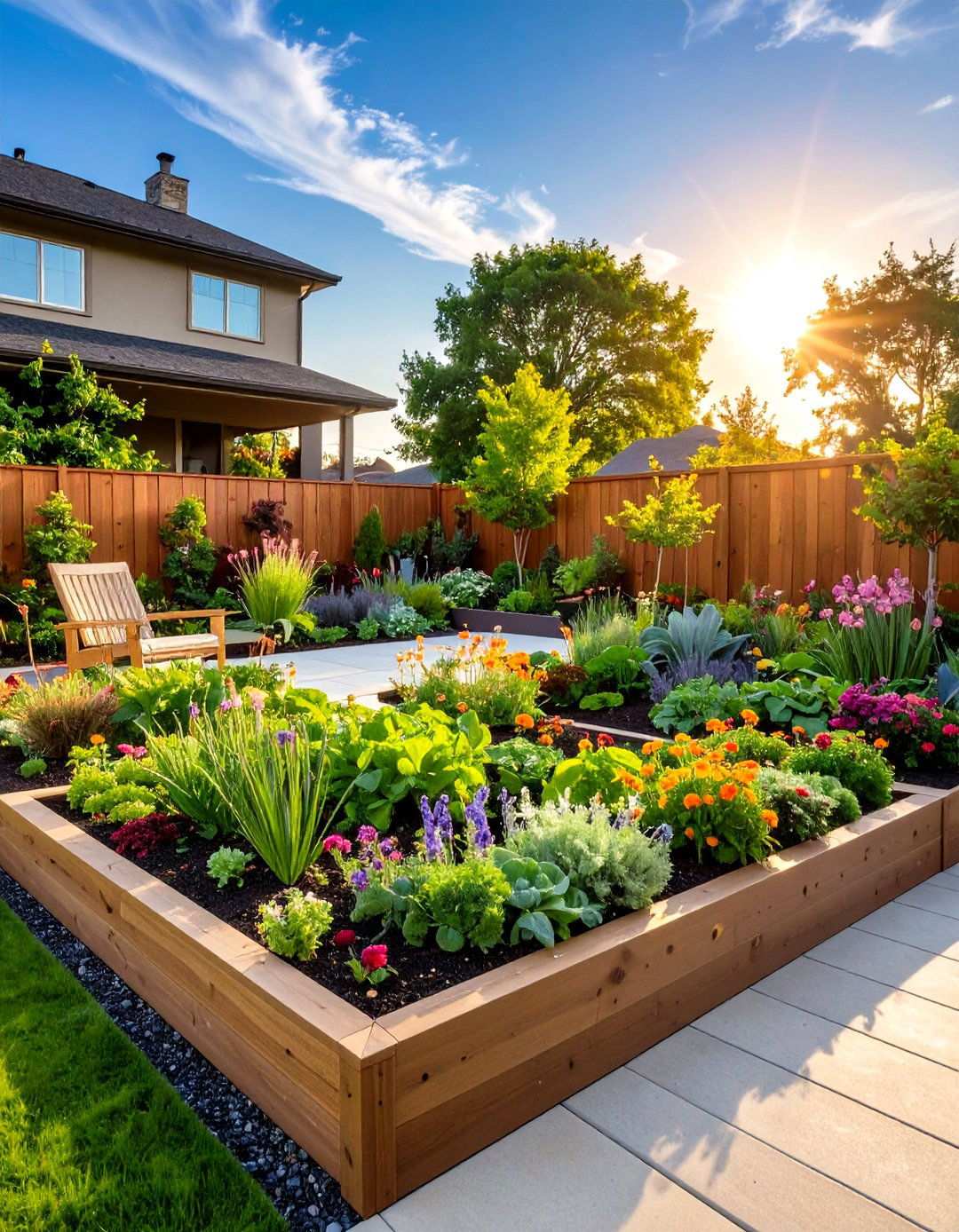
Creating seamless fusion between vegetable production and ornamental landscaping, edible landscaping offers a harmonious blend of aesthetics and functionality. By incorporating vegetables, herbs, and fruit plants as decorative elements, homeowners can craft beautiful gardens that cater to both the eye and the dinner table. A rainbow of leafy greens such as kale, lettuce, and chard provide visually striking foliage displays, while flowering herbs add fragrance and attract beneficial pollinators. Fruit trees serve as statement pieces or create natural screens, and low-maintenance ground-covering vegetables like creeping thyme can replace traditional lawn areas. This holistic approach optimizes productive space while maintaining curb appeal, resulting in landscapes that are both beautiful and functional for homeowners seeking food production without sacrificing style.
10. Window Box Herb Production Systems
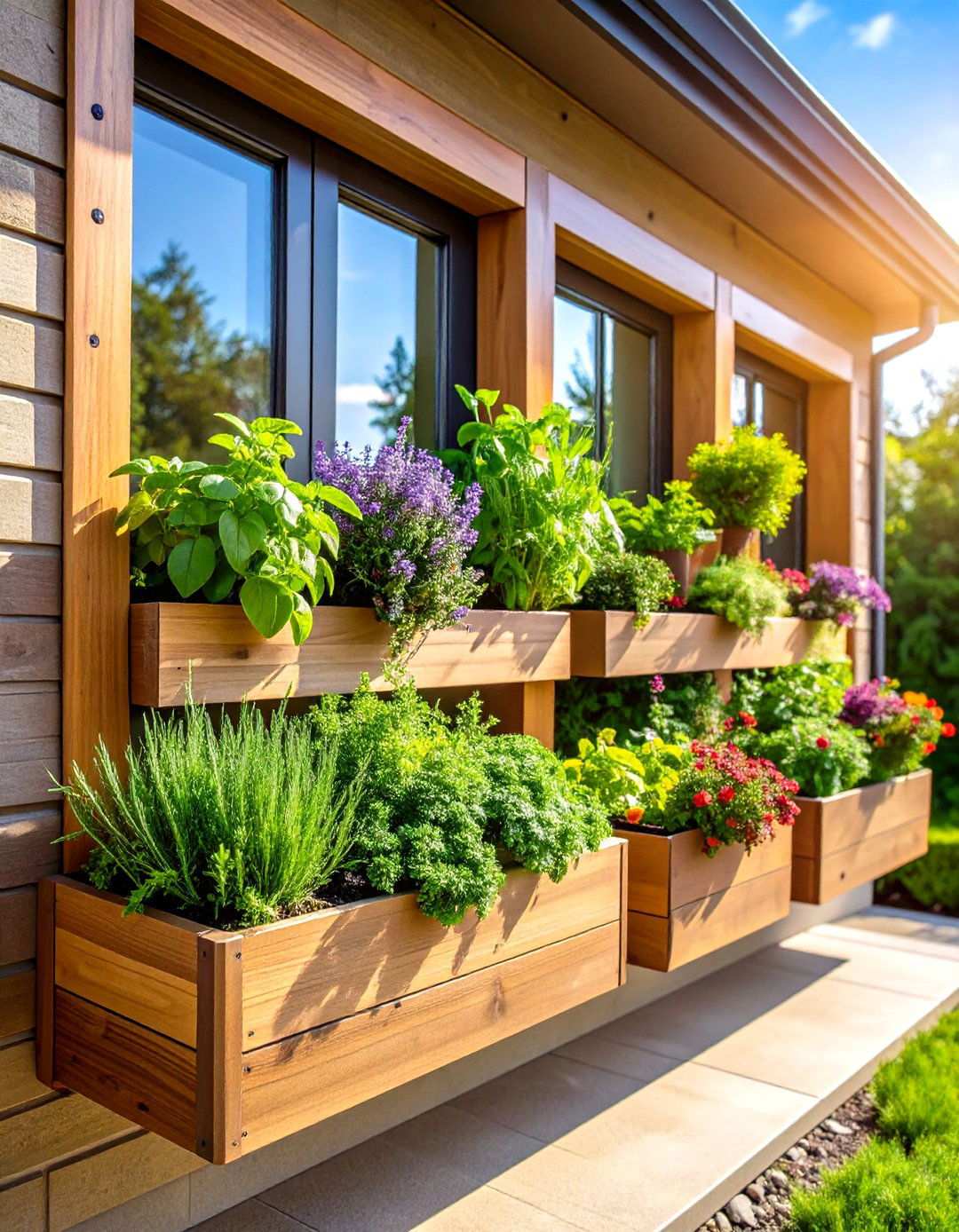
Your home’s windows can become a thriving hub for fresh herb production, providing easy access to a variety of culinary essentials. Window box herb gardens offer a convenient and space-efficient solution for growing herbs that require frequent harvesting, making them an ideal choice for apartment dwellers, condominium residents, or homeowners with limited yard space. By attaching these compact systems to window sills or railings, you can create a productive growing strip that supplies a constant supply of herbs like basil, parsley, cilantro, and chives. The elevated position ensures good drainage, air circulation, and protection from ground-dwelling pests, while keeping herbs within easy reach for daily cooking needs.
11. Spiral Herb Garden Design Innovations
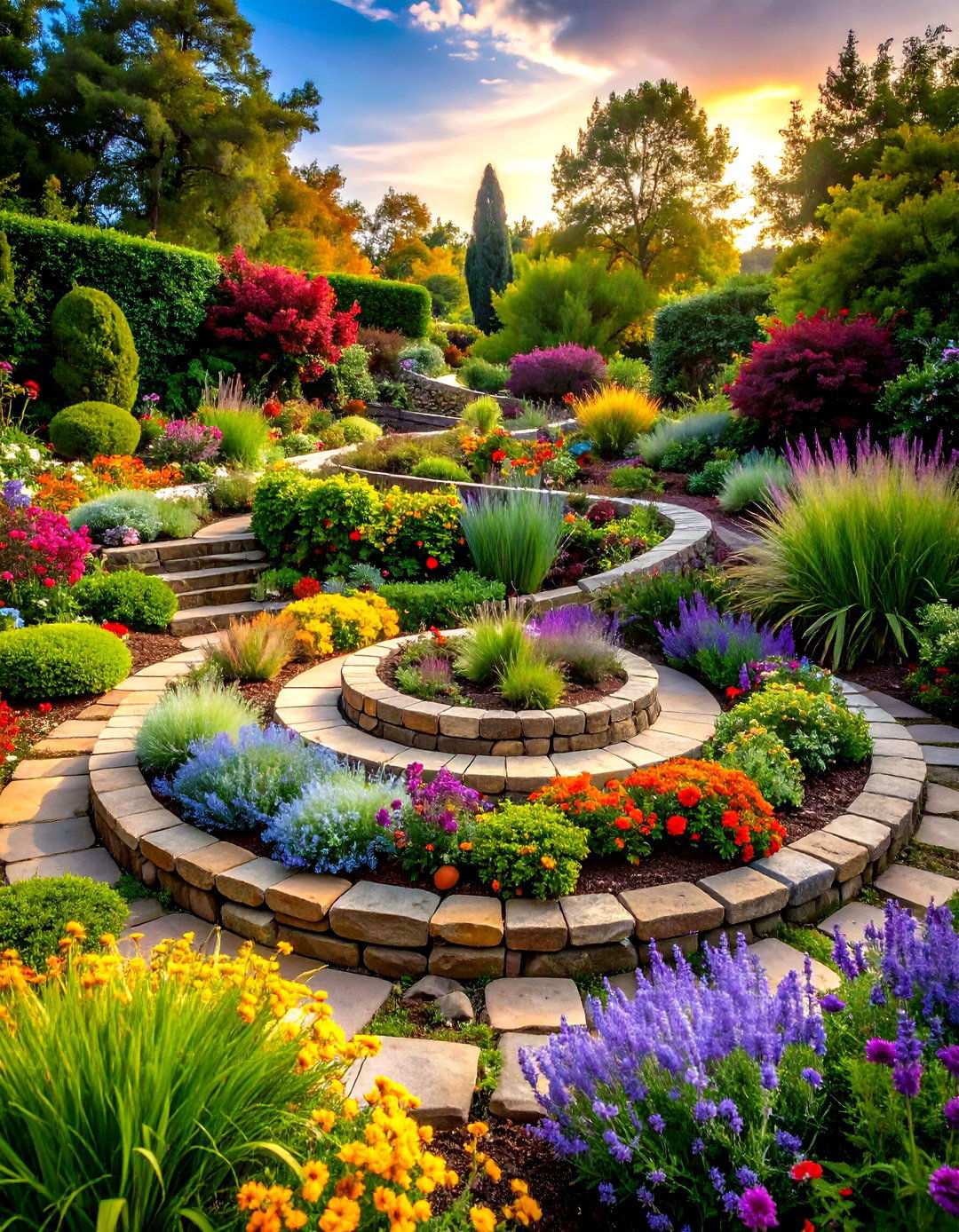
What if your herb garden could become a stunning three-dimensional artwork that maximizes growing space while creating visual interest in your landscape? Spiral herb gardens use stacked stone, brick, or timber to create ascending circular beds that provide multiple microclimates within a compact footprint. This permaculture-inspired design naturally creates different moisture and sun exposure levels, allowing Mediterranean herbs like rosemary and oregano to thrive in the sunny, well-drained top sections, while moisture-loving herbs like parsley and mint flourish in the shadier, more humid lower sections. By combining functionality with artistic appeal, spiral herb gardens create focal points that anchor garden designs while providing an abundance of fresh herbs for cooking and medicinal purposes throughout the growing season.
12. Optimizing Growing Seasons through Cold Frame Systems
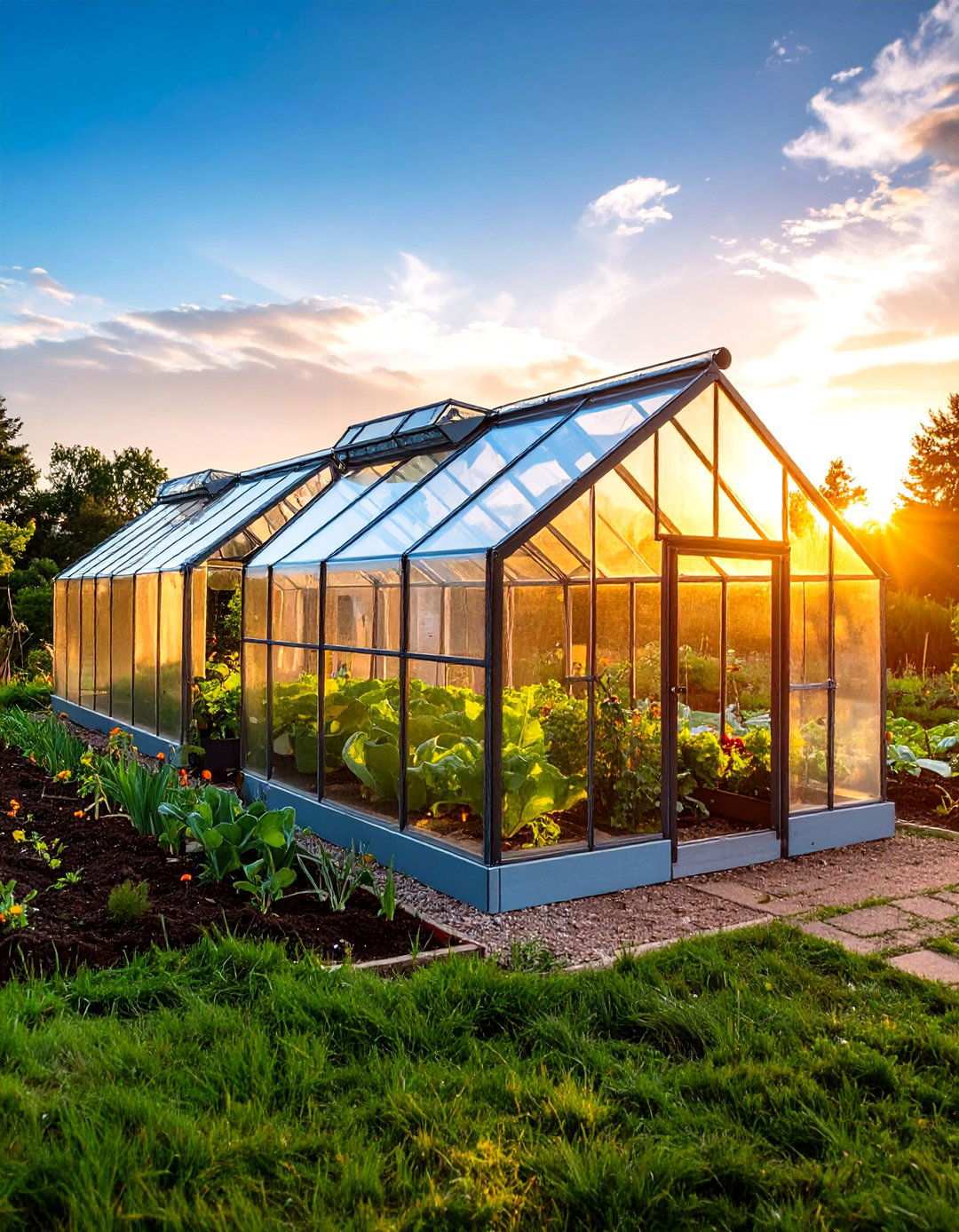
If you’re eager to lengthen your growing season without breaking the bank on a full greenhouse setup, consider the benefits of cold frames. These ingenious structures utilize transparent tops and insulated sides to harness solar heat while shielding plants from harsh weather conditions, creating a protected microclimate. By capturing and retaining warmth, cold frames enable earlier spring planting and later fall harvests, maintaining temperatures several degrees warmer than ambient conditions. Constructed from repurposed windows or polycarbonate panels over sturdy wooden frames, cold frames can be either permanent fixtures or portable units that can be moved throughout the garden to optimize growing conditions. They’re particularly well-suited for starting seeds, hardening off transplants, and cultivating cold-hardy vegetables like lettuce, spinach, and kale during extended seasons when outdoor growing might be challenging.
13. Vertical Gardening: Unleashing the Potential of Trellis Walls
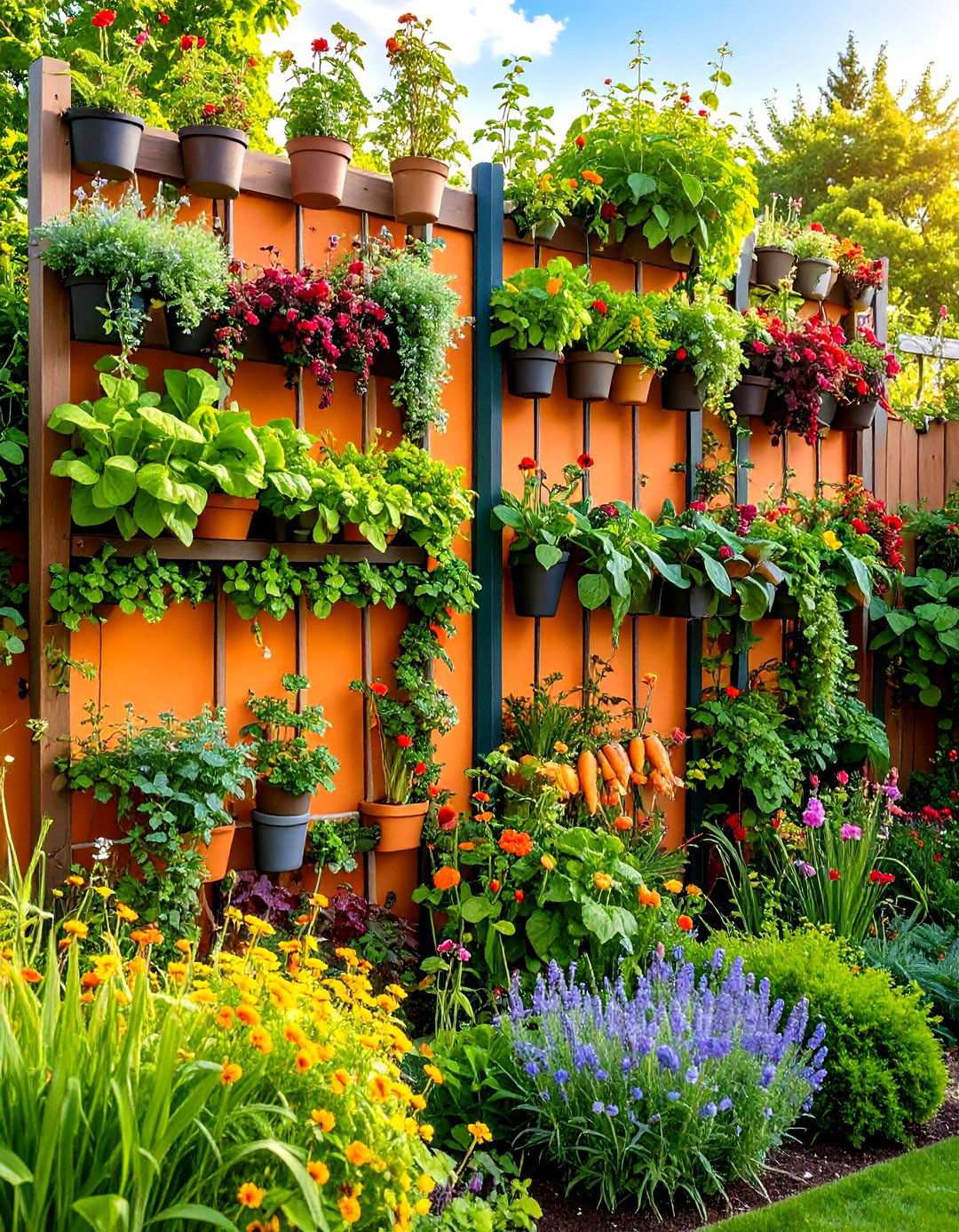
Have you tapped into the untapped potential of your garden walls and fences to significantly boost your vegetable production? Trellis wall systems revolutionize vertical growing by transforming these often-wasted spaces into productive areas for climbing vegetables like pole beans, peas, cucumbers, and indeterminate tomatoes. Support structures crafted from wire mesh, wooden lattice, or string guide plant growth upward, freeing up ground space for companion plants that thrive in low-growing conditions. This approach works exceptionally well in narrow side yards or against garage walls where horizontal space is scarce. Climbing plants often yield more than their bush counterparts, improving air circulation and simplifying harvesting. The vertical orientation also creates stunning green walls that elevate property aesthetics while maximizing food production in compact areas.
14. Orchestrating Continuous Harvests through Succession Planting
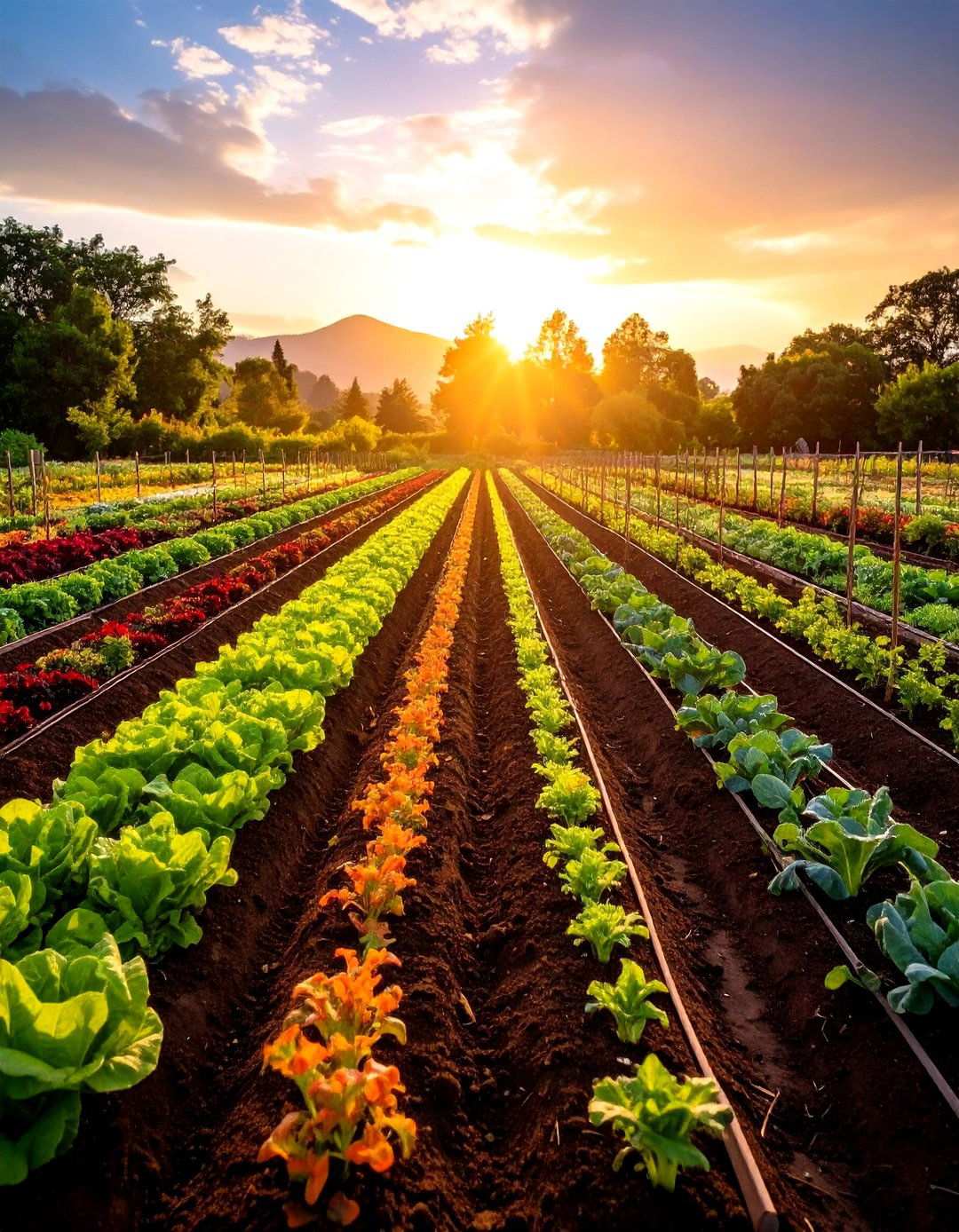
Imagine having a harvest schedule that ensures a steady stream of fresh vegetables throughout the entire growing season, without the frustration of abundance followed by scarcity. Succession planting achieves just this by staggering plantings of the same crops at regular intervals, typically every two to three weeks. This technique is particularly well-suited for quick-maturing vegetables like lettuce, radishes, beans, and carrots. By segmenting the garden into sections and planting each on a rotating schedule, gardeners can maintain a consistent supply of fresh produce without waste or gaps in production. While careful planning and record-keeping are essential, the rewards are well worth the effort: consistent harvests and optimized resource utilization throughout the growing season.
15. Aerial Oasis: Elevating Your Garden Design
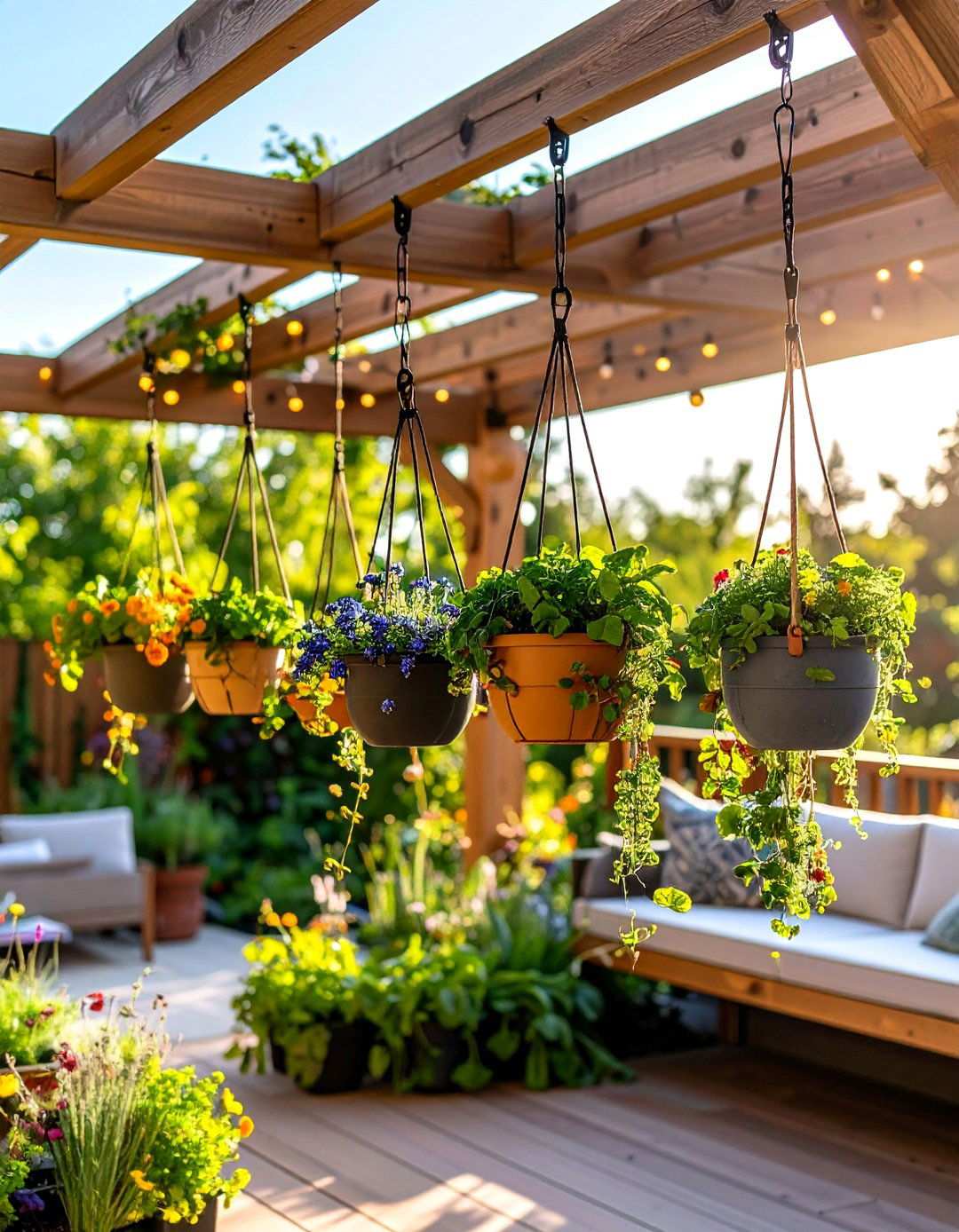
Imagine transforming unused overhead space into thriving growing areas that add depth and productivity to your garden design. Hanging basket gardens suspend planters from pergolas, deck overhangs, or tree branches, creating a unique aerial growing space perfect for vining vegetables and fragrant herbs. This approach is particularly well-suited for cherry tomatoes, strawberries, and trailing herbs that benefit from the gentle pull of gravity. A series of baskets at varying heights creates a layered growing environment, adding visual interest and maximizing growing space in small areas. The elevated position provides superior drainage, air circulation, and protection from ground pests, making maintenance and harvesting a breeze. With automated drip irrigation systems, you can efficiently water multiple baskets, streamlining your gardening routine.
16. The Keyhole Effect: Harmonizing Composting and Growth
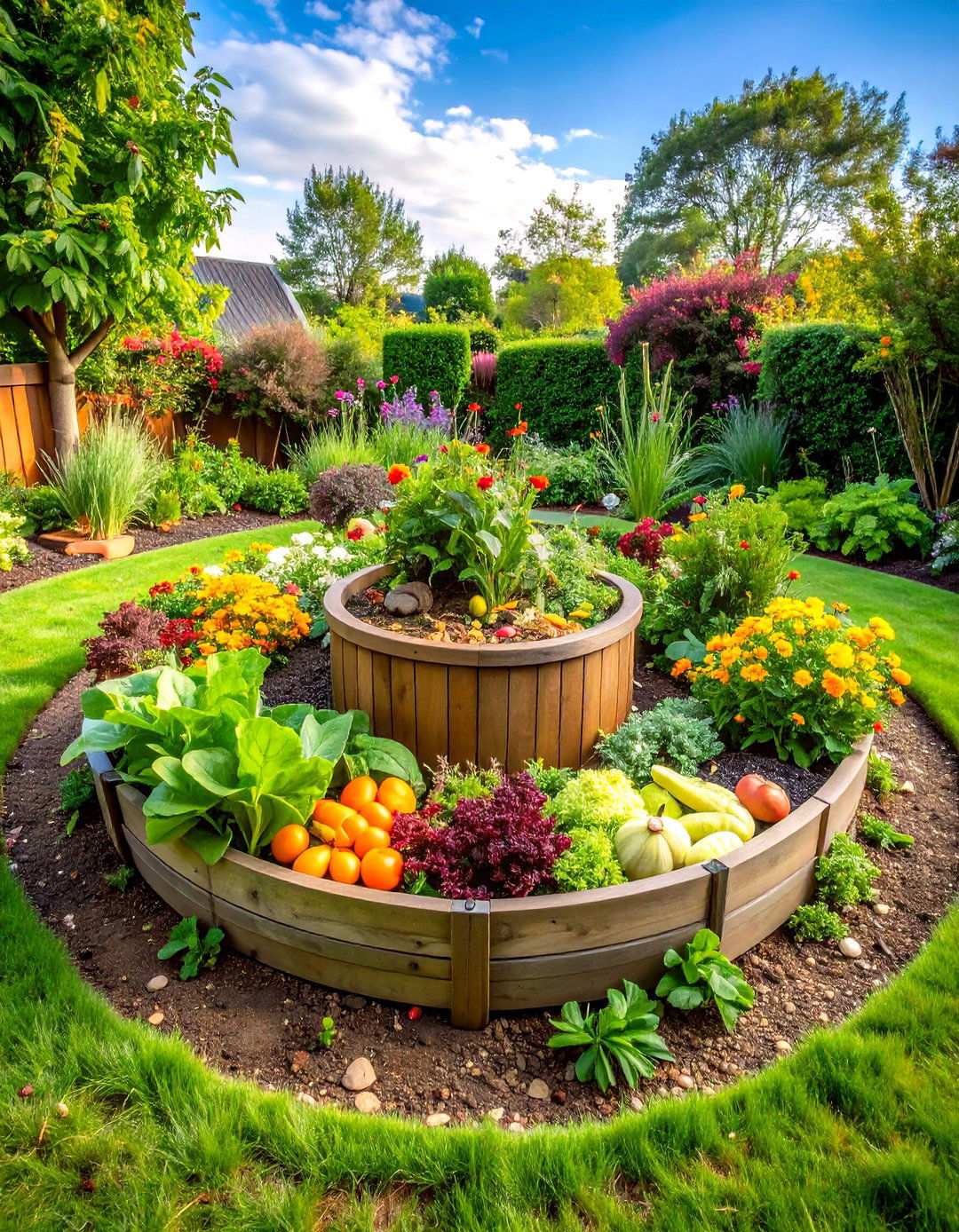
Have you discovered the innovative garden design that seamlessly integrates vegetable production with active composting in a single, self-sustaining system? Keyhole gardens feature circular raised beds with central composting baskets that gradually release nutrients to surrounding vegetables. The design’s distinctive shape resembles a keyhole when viewed from above, with a narrow pathway providing access to the central compost area. Kitchen scraps, garden waste, and organic materials deposited in the center decompose slowly, enriching the soil and promoting moisture retention. This permaculture technique creates highly productive growing spaces while reducing waste and eliminating the need for external fertilizers. The circular design maximizes growing area while creating an attractive focal point that showcases sustainable gardening principles.
17. Maximizing Yield through Intercropping Strategies
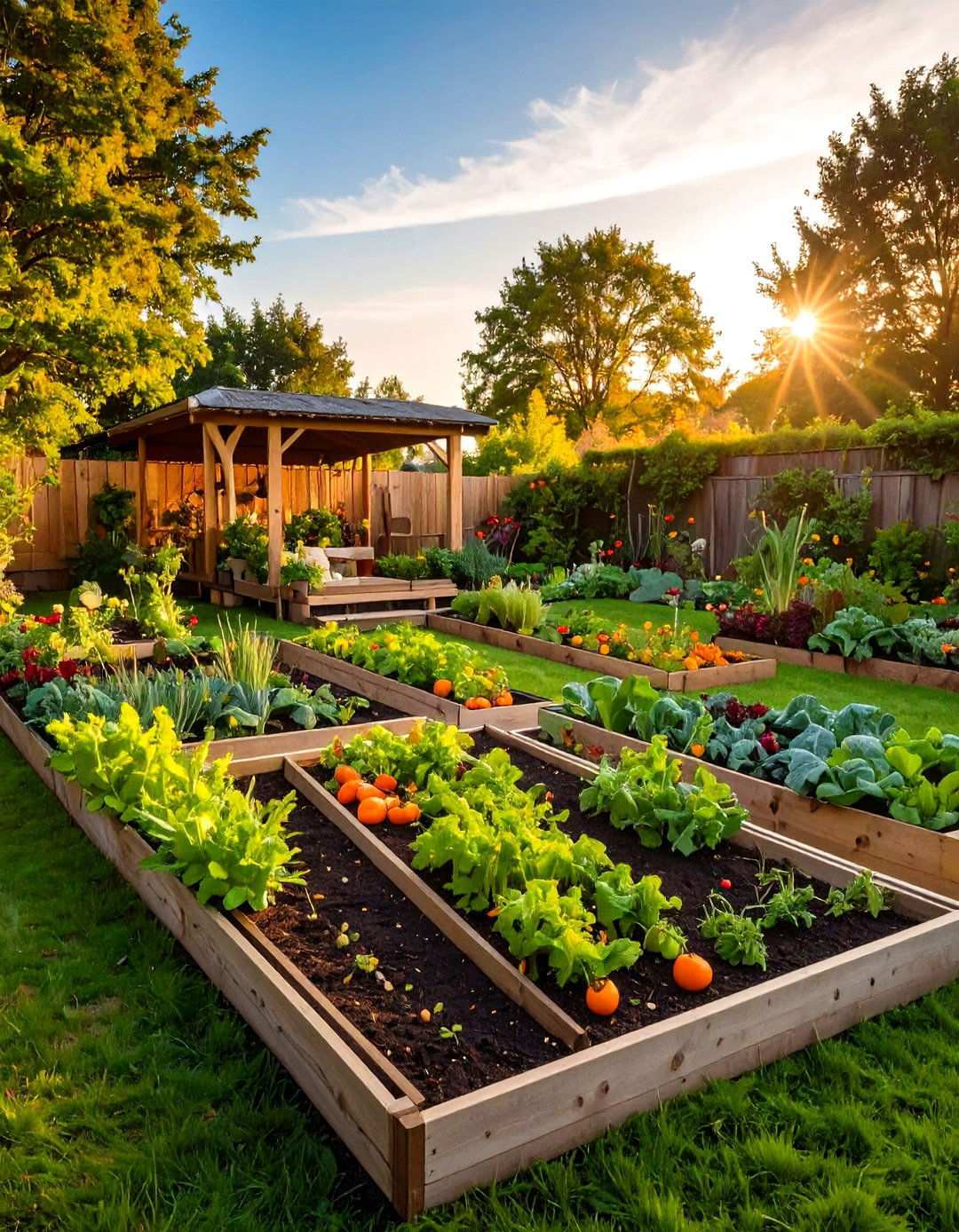
What if you could grow multiple compatible vegetables in the same space simultaneously, increasing yields while naturally improving soil health and pest management? Intensive intercropping involves planting different vegetables together based on complementary growth habits, nutrient needs, and beneficial relationships. Fast-growing radishes can be strategically planted between slower-maturing carrots to maximize space utilization, while natural pest deterrents like marigolds scattered throughout protect vulnerable crops. Tall plants like corn can provide support for climbing beans, and low-growing lettuce can utilize shaded ground space. This technique requires a deep understanding of plant compatibility and timing but creates diverse, resilient growing systems that produce more food per square foot while naturally managing pests and diseases through increased biodiversity and beneficial plant relationships.
18. Mastering Raised Bed Microclimate Zones
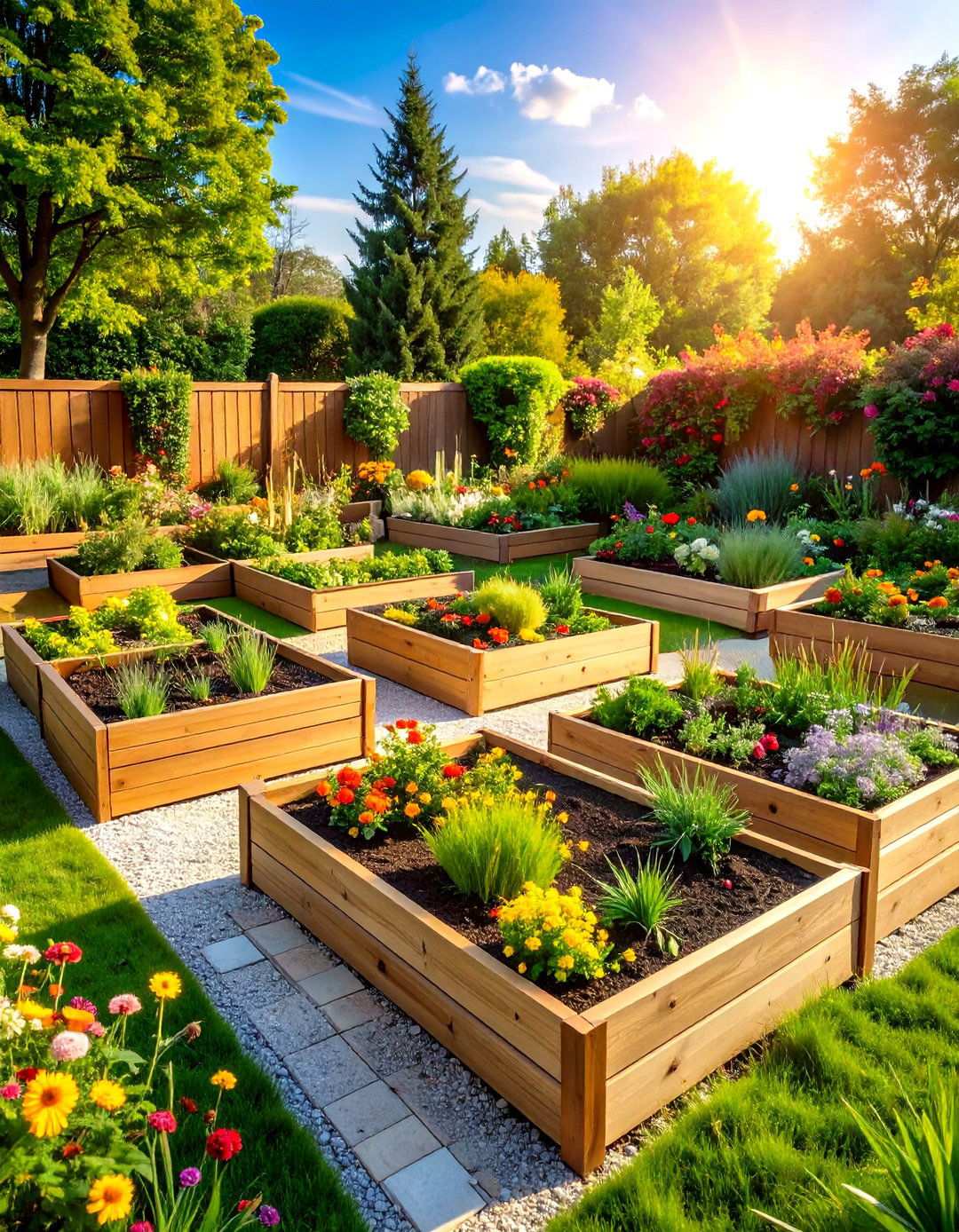
Strategic raised bed placement and design can create distinct microclimates, allowing gardeners to tailor growing conditions to specific vegetables’ requirements. By leveraging bed orientation, height variations, and companion plantings, gardeners can create areas with unique light, moisture, and temperature characteristics within the same garden space. For instance, south-facing beds with stone borders can retain heat, perfect for warm-season crops, while partially shaded areas with moisture-retaining materials can accommodate cool-season vegetables. Moreover, wind barriers can protect delicate plants, while reflective surfaces can increase light levels for shade-tolerant crops. By creating optimal growing environments for specific plant needs, gardeners can thrive in challenging site conditions rather than working against them.
19. Stock Tank Container Farm Solutions
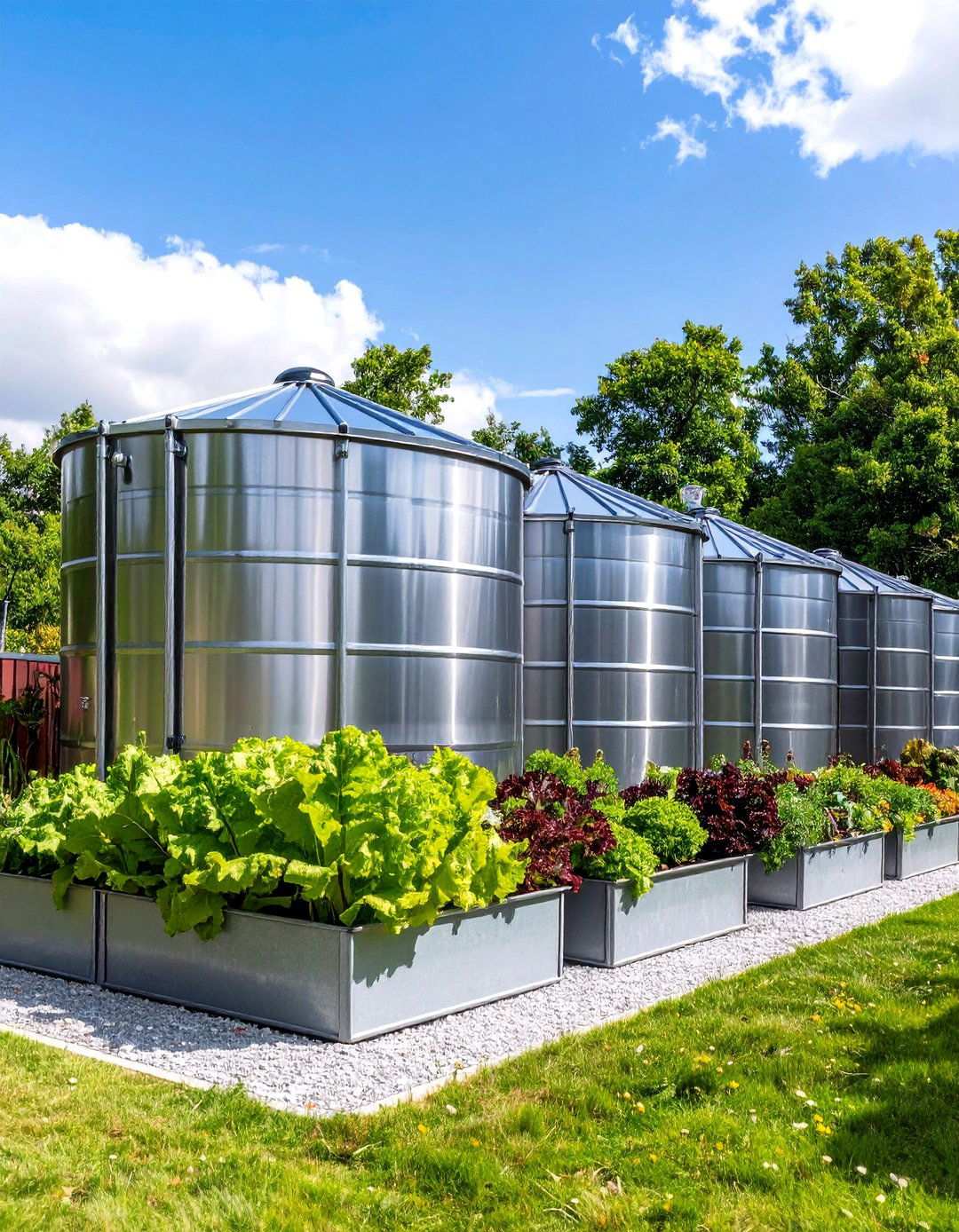
Are you seeking durable, cost-effective raised growing containers that provide ample root space and a clean, professional aesthetic? Galvanized stock tanks, originally designed for livestock water, have become a popular choice for vegetable growing containers due to their durability, size options, and sleek appearance. These metal containers offer 18-24 inches of growing depth, ideal for root vegetables and larger plants, while their width accommodates intensive planting designs. The elevated growing surface improves drainage, soil control, and accessibility, creating defined growing areas that blend seamlessly with contemporary landscape designs. By arranging multiple tanks in geometric patterns or integrating them with traditional raised beds, gardeners can create cohesive garden layouts that combine functionality with modern aesthetic appeal.
20. Unlocking the Potential of Shade-Tolerant Understory Gardens
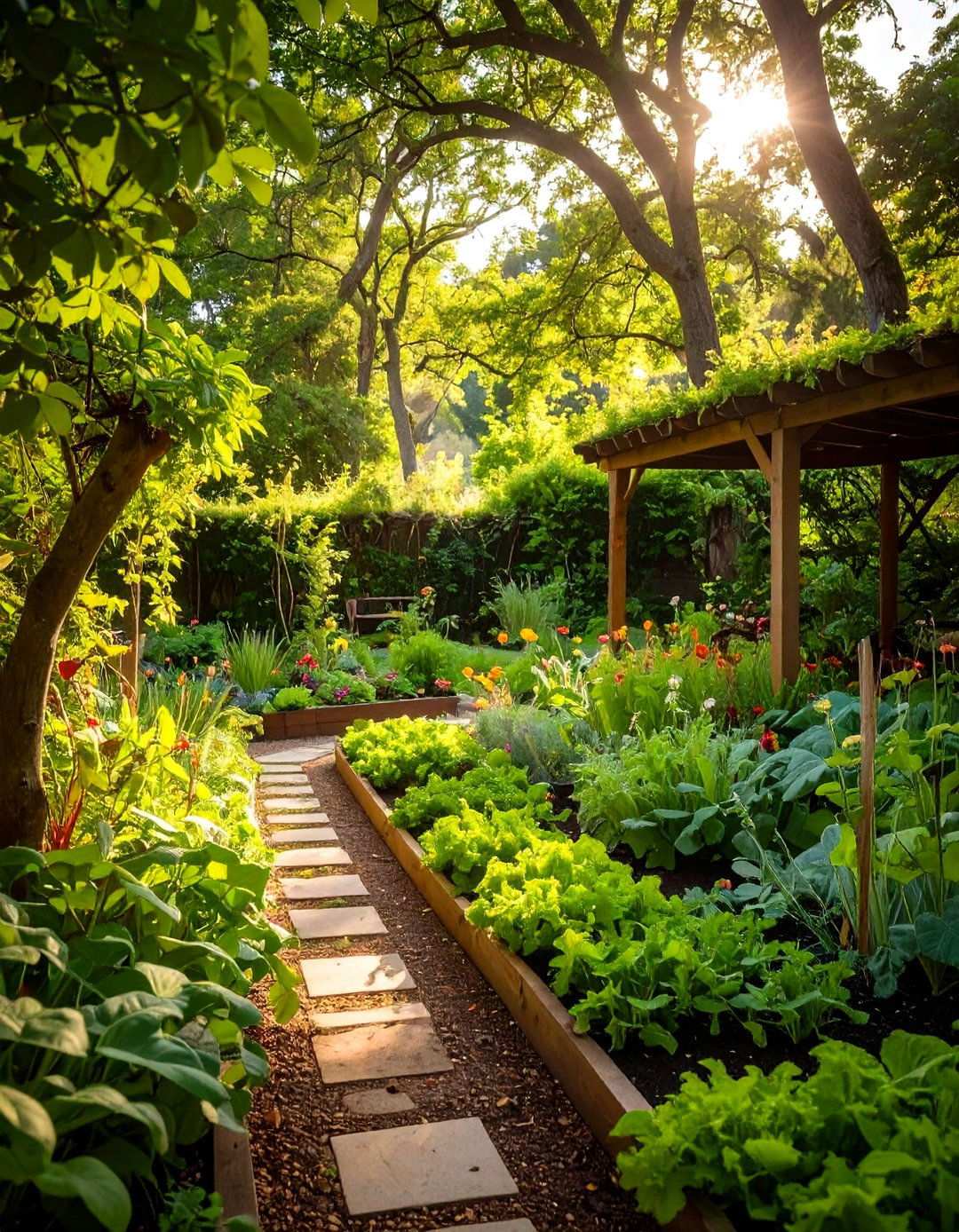
Shady spaces beneath trees or alongside buildings often get overlooked as potential growing areas, but they can be ideal for a variety of vegetables that thrive in filtered light or partial shade conditions. Shade-tolerant vegetable gardens focus on leafy greens, herbs, and vegetables that not only survive but also flourish in less-than-ideal light conditions. Lettuce, spinach, arugula, and Asian greens often bolt less quickly in shade, maintaining their tender textures, while herbs like parsley, cilantro, and mint tolerate reduced light levels. Many root vegetables, including carrots and beets, develop sweetness in cooler, shadier conditions. By creating these gardens, gardeners can expand their growing possibilities into previously unused areas and enjoy cool, pleasant working environments during hot summer months. Raised beds or containers in shaded areas often require less frequent watering, producing crops that would be impossible to grow in full sun locations.
21. Maximizing Harvests with Layered Food Forests
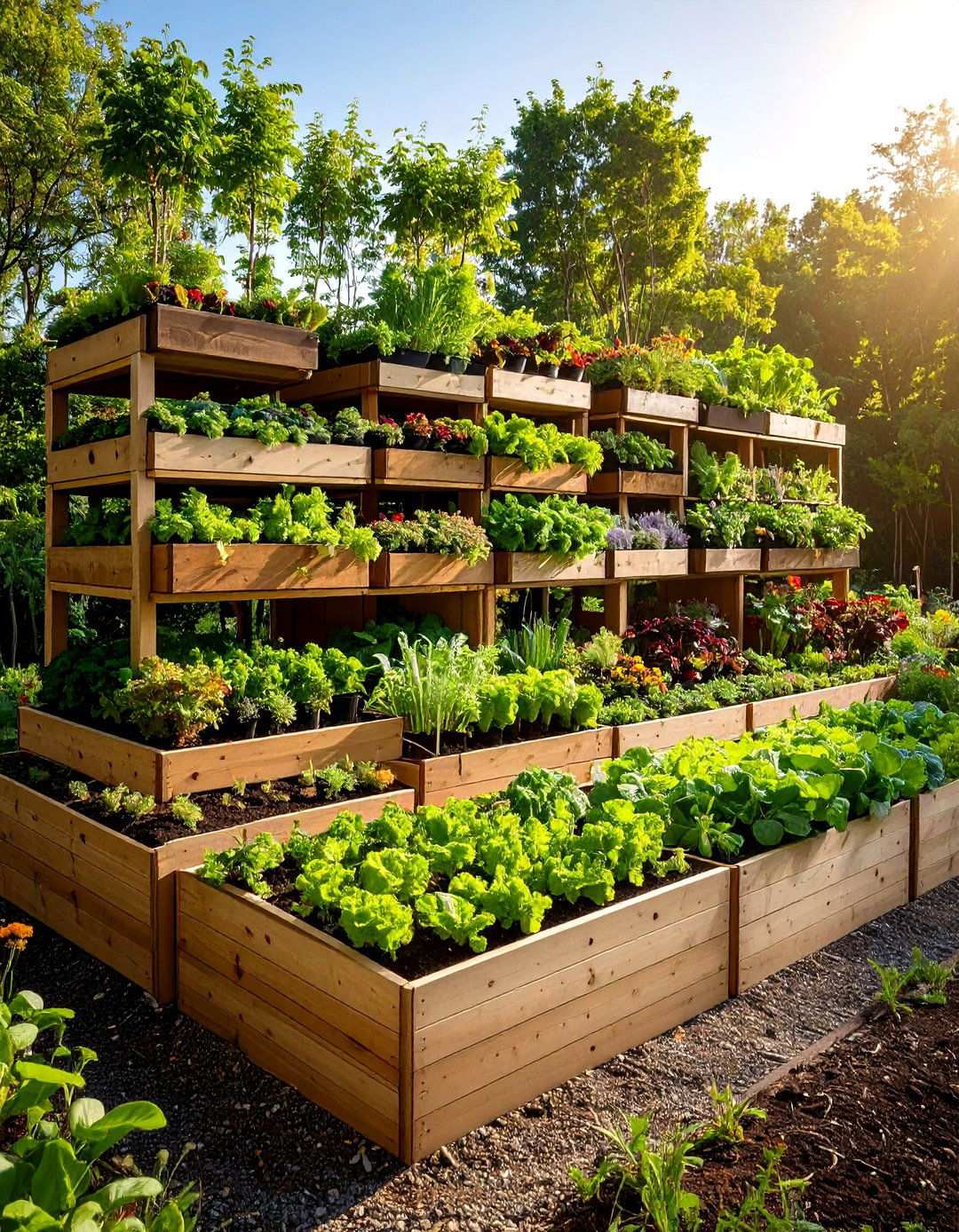
A well-designed food forest can be a game-changer for gardeners seeking to create self-sustaining vegetable and herb production with minimal maintenance. This approach mirrors the structure of natural forest ecosystems, incorporating multiple growing layers that work together to create productive, diverse growing systems. Canopy trees provide a foundation, while understory positions are occupied by berry bushes and fruit trees. Perennial vegetables and herbs fill the middle layers, while ground-covering edibles and root vegetables complete the system. By maximizing growing space utilization and creating habitat for beneficial insects and wildlife, food forests not only improve over time but also require fewer external inputs and provide diverse harvests.
22. Repurposing Rain Gutters for Innovative Growing Systems
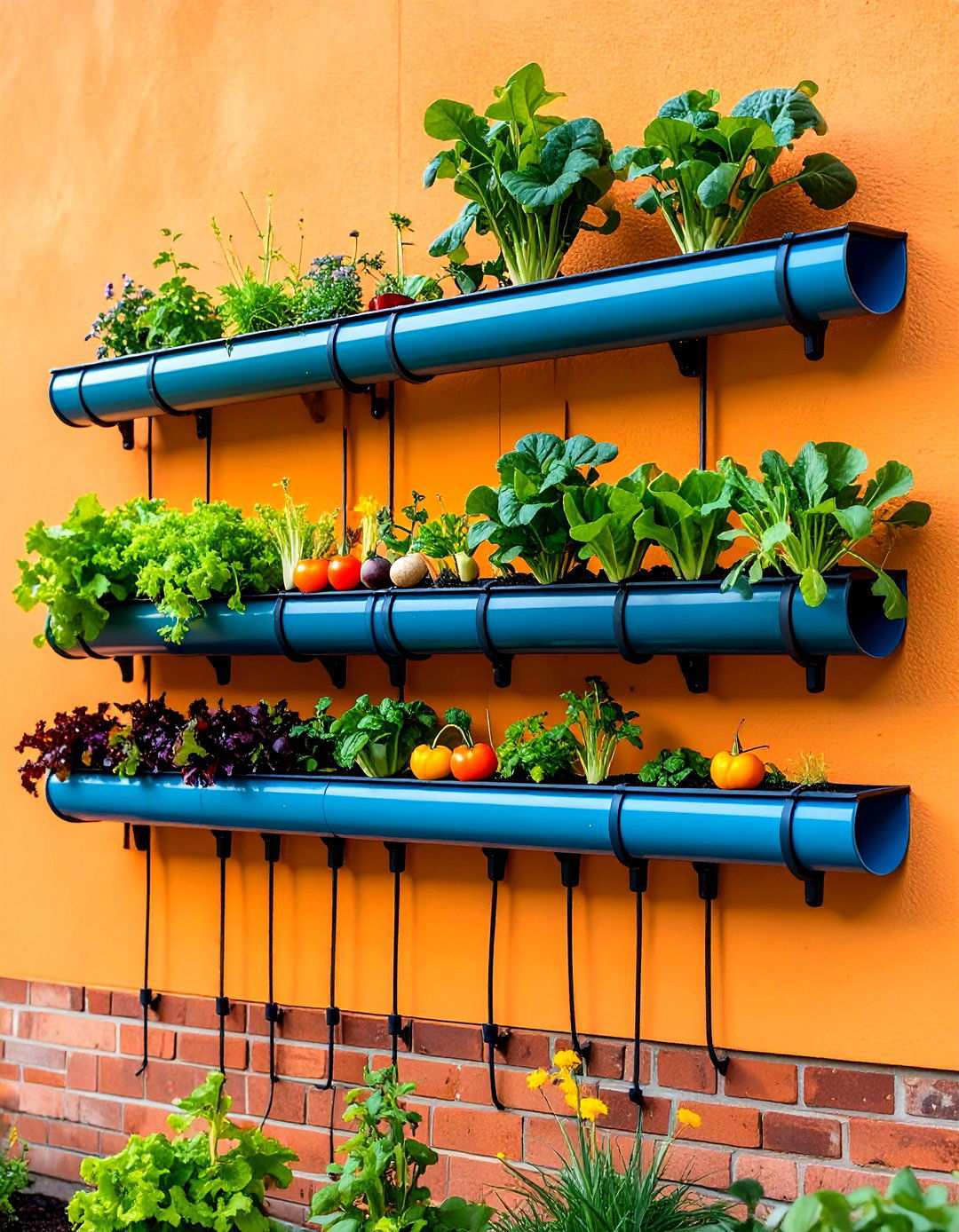
Discarded rain gutters can become a valuable resource for gardeners looking to create efficient, space-saving vegetable production systems. Rain gutter gardens mount horizontal growing troughs to walls, fences, or custom frame structures, creating linear growing spaces perfect for shallow-rooted vegetables and herbs. This hydroponic-style system excels for lettuce, herbs, strawberries, and compact vegetables that don’t require deep root systems. By mounting multiple gutters at different heights, gardeners can create layered growing systems that maximize vertical space while providing easy access for maintenance and harvesting. The enclosed system also offers excellent water and nutrient control, protecting plants from ground pests and eliminating weeding concerns. With automated irrigation systems easily servicing multiple growing channels, maintenance is a breeze.
23. Adaptive Garden Beds for Optimal Growing Conditions
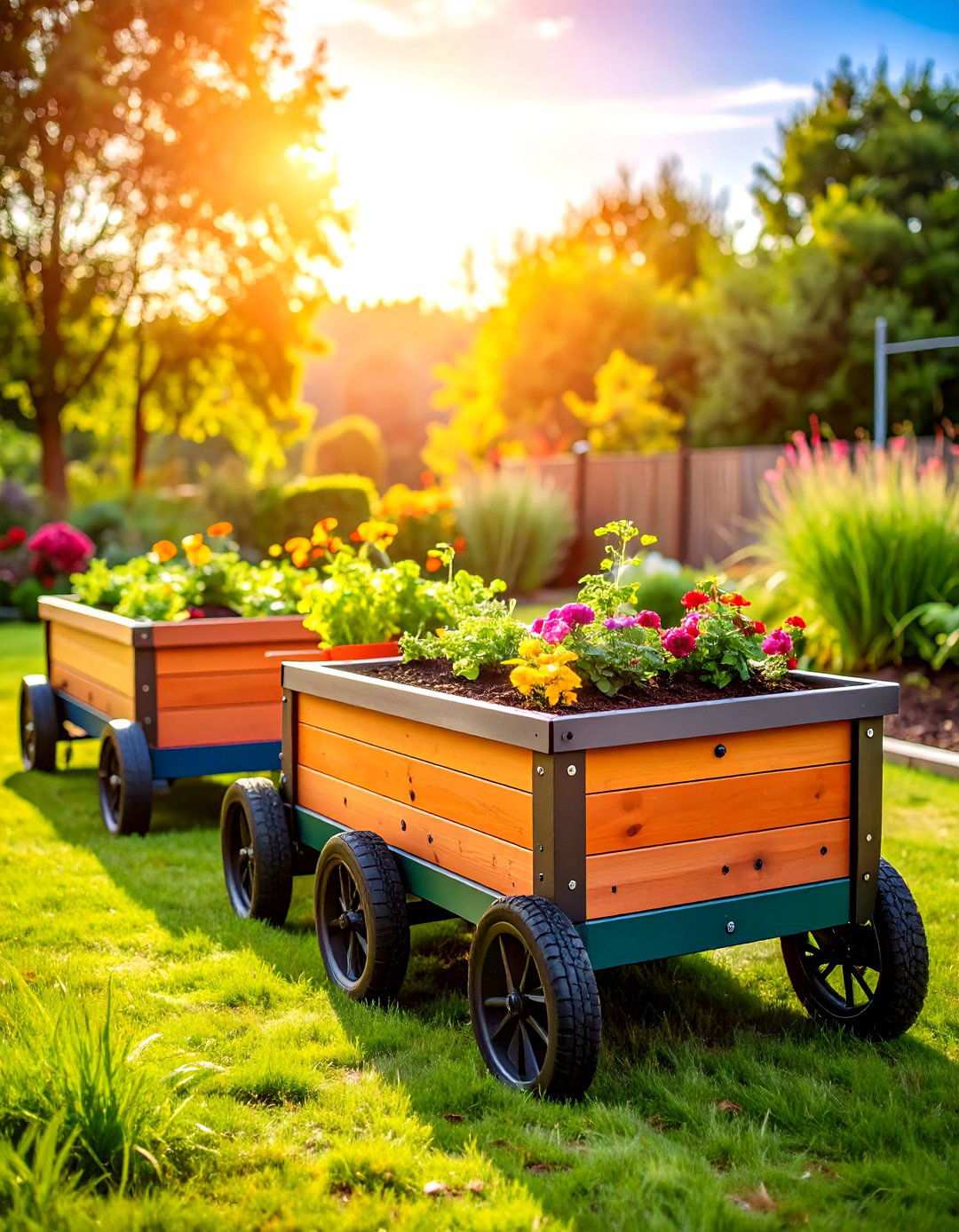
Imagine being able to adjust your garden beds for optimal growing conditions throughout the year. Mobile raised bed systems make this a reality by incorporating wheels or rolling bases that allow entire growing areas to be repositioned for changing sun patterns and weather conditions. This approach is particularly well-suited for urban gardeners dealing with limited space, shifting light conditions, or rental situations where permanent installations aren’t possible. With the ability to move beds from sunny spring locations to partial shade during intense summer heat, or relocate near the house for convenient winter access, gardeners can optimize their growing conditions. The mobility also allows for temporary garden arrangements for entertaining or seasonal displays while maintaining productive growing capacity. By balancing portability with growing volume and stability, well-designed mobile systems can be a valuable addition to any garden.
24. Aquaponics Fish Integration System
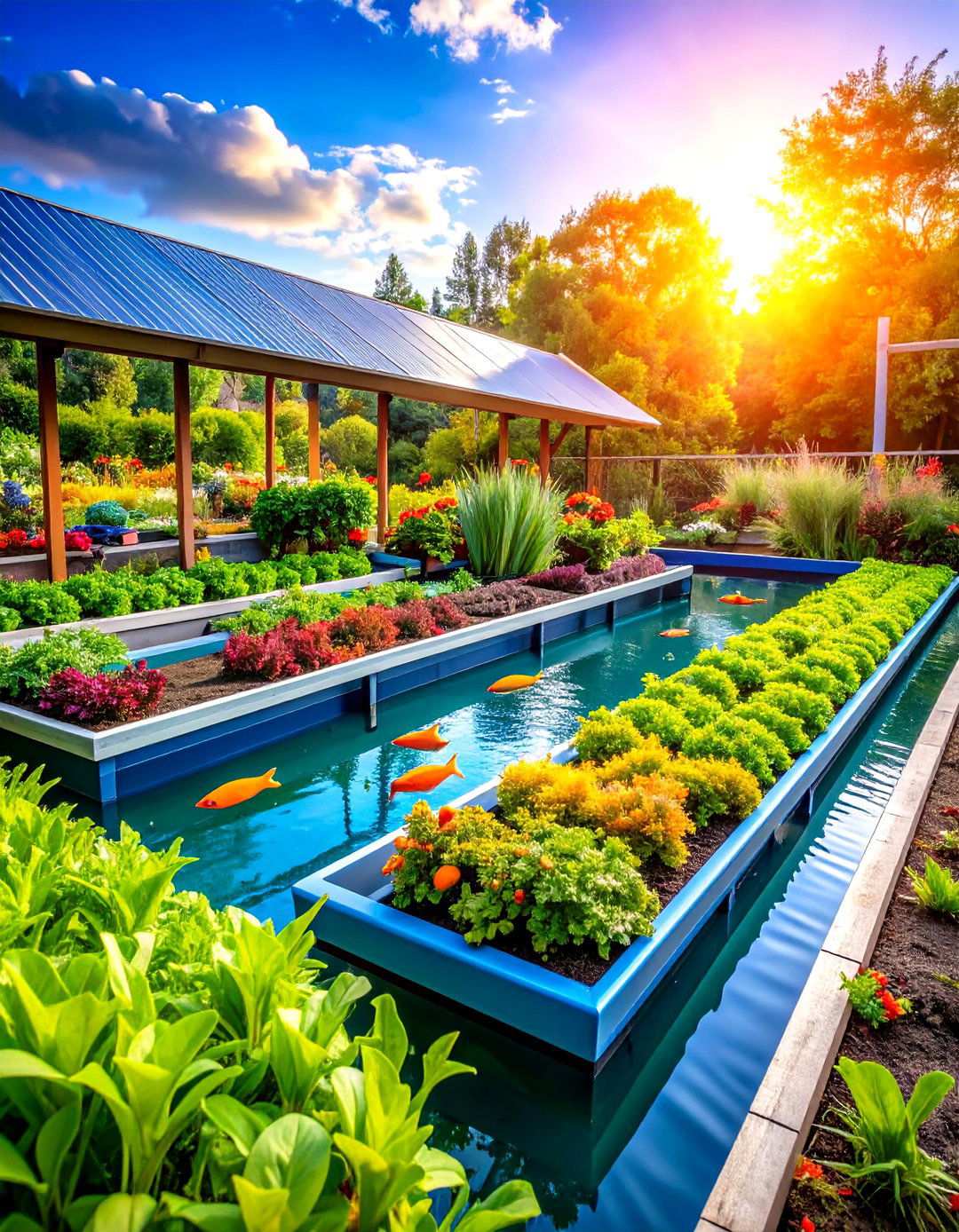
Closed-loop systems, which combine fish farming with vegetable production, offer a promising approach to sustainable food production. By integrating these two aspects, producers can create highly productive systems that minimize resource usage. The integration process involves circulating water between fish tanks and growing beds, leveraging fish waste as natural fertilizer for vegetables, while plants filter the water for the fish habitat. This symbiotic relationship enables the creation of highly efficient systems that significantly reduce water consumption, using up to 90% less than traditional gardening methods. Furthermore, these systems can be scaled to accommodate various production levels, from small indoor units to large commercial operations. This versatility not only facilitates sustainable food production but also provides educational opportunities about closed-loop agriculture and resource conservation.