1. Harmonious Minimalism Through Monochromatic Concrete
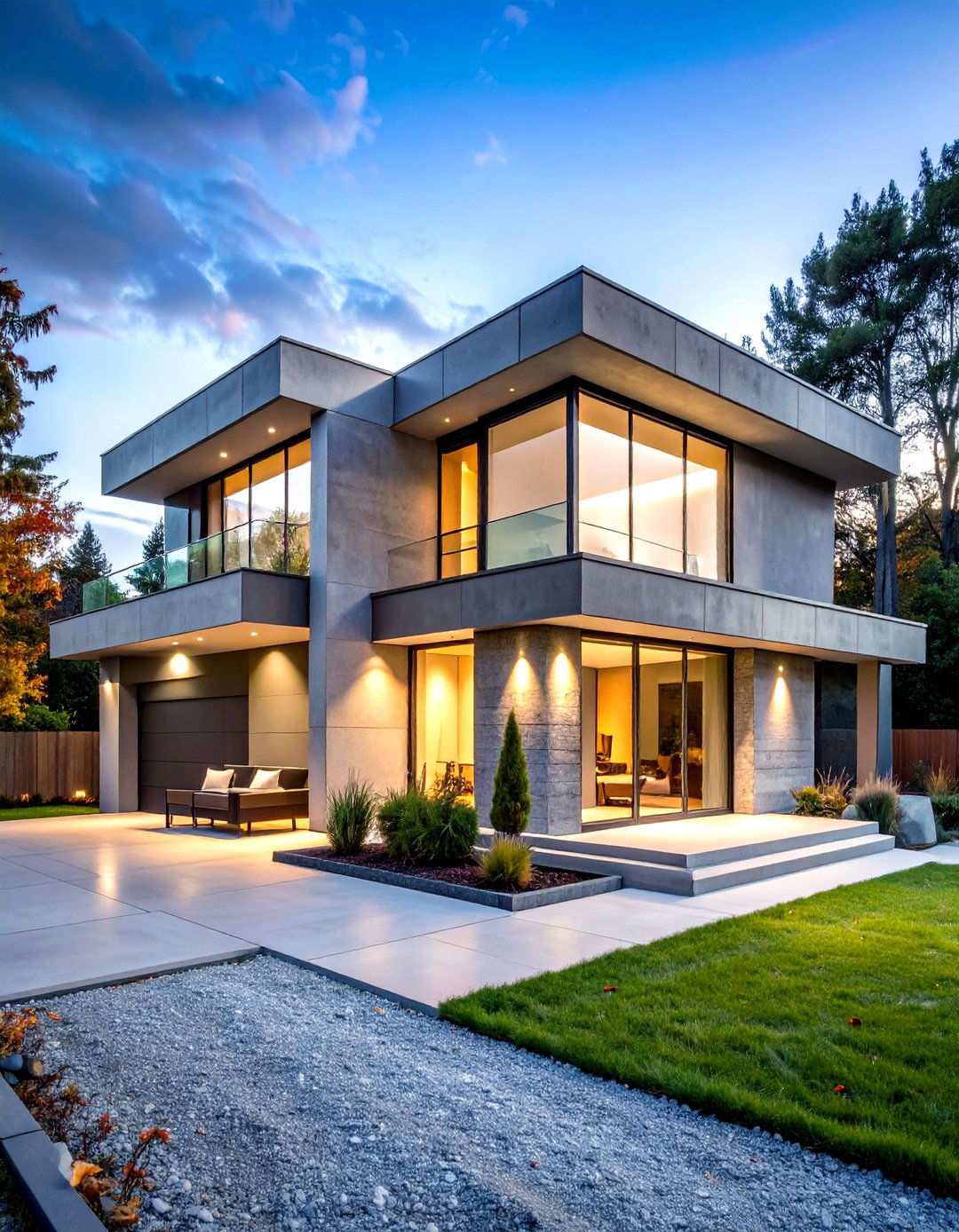
Minimalist architectural styles often surprise by their ability to make a statement without being overly elaborate. This aesthetic is particularly effective when a single material, such as concrete, takes center stage. Monochromatic concrete facades create striking impressions that showcase the beauty of simplicity. By using poured or precast concrete panels in consistent gray tones, these designs produce seamless surfaces that evoke the natural landscape. The textured nuances and subtle color shifts of concrete, which emerge as light changes throughout the day, add depth and visual interest to the exterior.

As an Amazon Associate I earn from qualifying purchases.
Concrete’s ability to minimize joint lines through large format panels creates a cohesive appearance, while carefully planned window openings create dramatic contrasts with the solid mass. This approach is particularly well-suited for urban settings, where a home needs to stand out without sacrificing sophistication. The result is a timeless and low-maintenance exterior that commands attention without sacrificing restraint.
2. Elegant Fusion of Glass and Steel
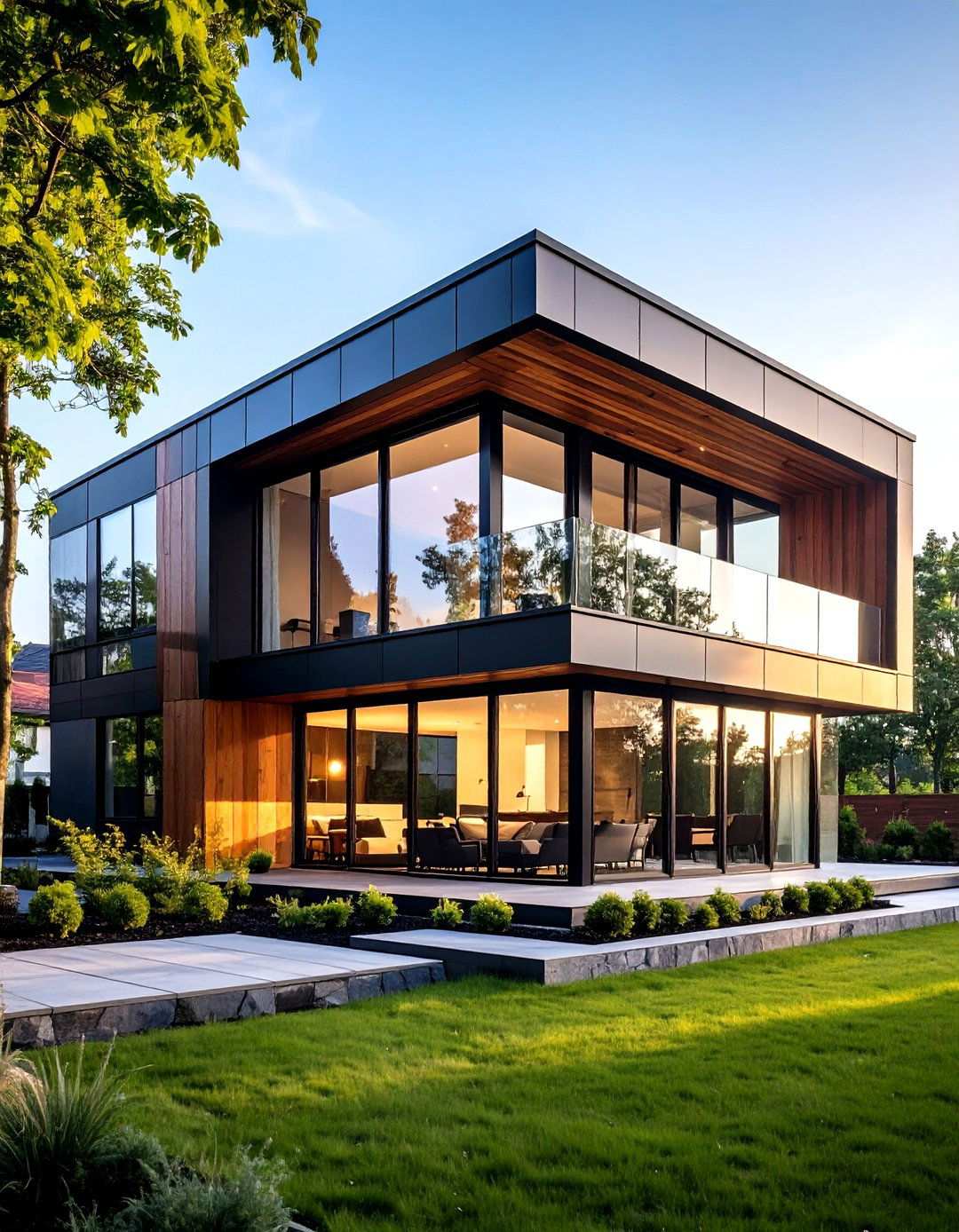
Modern architectural expressions often find inspiration in the fusion of unexpected materials. Glass and steel frame combinations exemplify minimalist design by embracing transparency and structural honesty. By incorporating floor-to-ceiling windows within sleek steel frameworks, these designs dissolve boundaries between interior and exterior spaces, creating an open and connected living experience. The use of black or charcoal steel frames provides strong geometric definition while allowing maximum natural light penetration.
These designs often feature flat or low-pitched roofs that emphasize horizontal lines and create strong architectural statements. The interplay between solid steel members and transparent glass creates dynamic visual rhythms that change throughout the day. This approach particularly suits contemporary lifestyles that value openness, natural light, and seamless indoor-outdoor living experiences.
3. Elevating Minimalism with Natural Textures
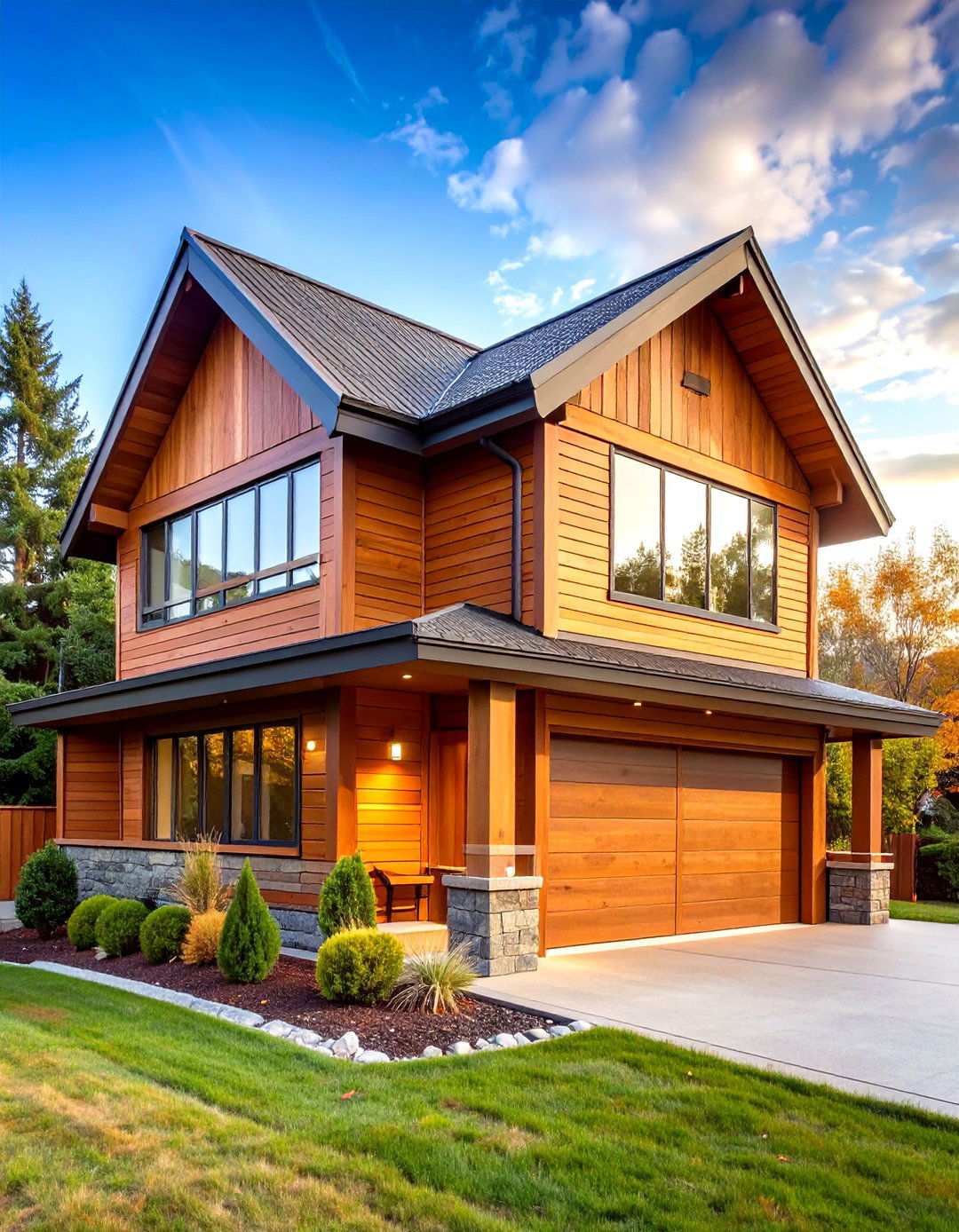
Natural wood cladding systems masterfully blend warmth and minimalism, dispelling the notion that simple design requires cold, uninviting aesthetics. By harnessing the inherent beauty of cedar, teak, and other weather-resistant woods, these exterior surfaces develop a rich patina over time, while still maintaining crisp, clean lines. Whether installed horizontally or vertically, the wood boards emphasize the home’s architectural proportions, adding a tactile quality that resonates with the senses. When paired with materials like concrete or steel, natural wood cladding creates a sophisticated dialogue, where each element complements the others in perfect harmony. The key to success lies in the precision of board spacing and installation, allowing the wood’s unique characteristics to take center stage. As the wood ages, it develops a distinctive allure, which, rather than detracting from the minimalist aesthetic, enhances it.
4. Geometric Architecture and the Power of Simplicity
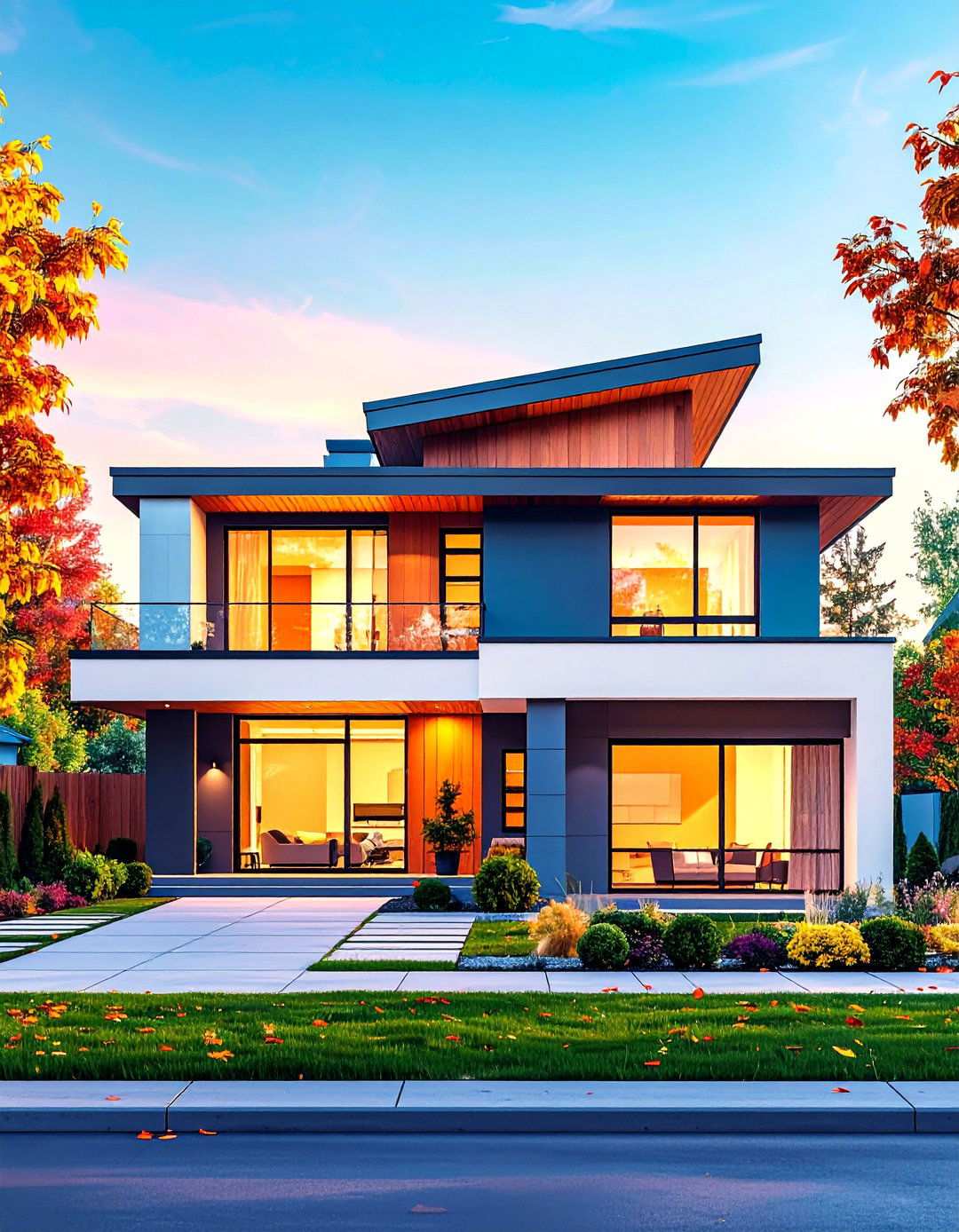
When architecture commits to pure geometric form, the result is a minimalist exterior that distills the essence of building fundamentals. Flat roof modern geometries celebrate clean shapes and lines, often incorporating multiple levels or stepped configurations to inject visual interest. The abandonment of traditional pitched roofs allows the building’s mass and proportions to become the primary design focus. Strategically positioned large windows within these geometric forms create dramatic interior spaces while maintaining an exterior simplicity that is both elegant and refined. Flat roofs also offer practical advantages, including streamlined construction, expanded outdoor space possibilities, and easier access for maintenance. The end result is a sense of purposeful design that makes a strong visual statement through restraint, rather than ornate embellishments. This approach resonates particularly with contemporary lifestyles that value clarity, functional efficiency, and a deep appreciation for architectural precision.
5. Harmonizing Timeless Elegance with Modern Minimalism
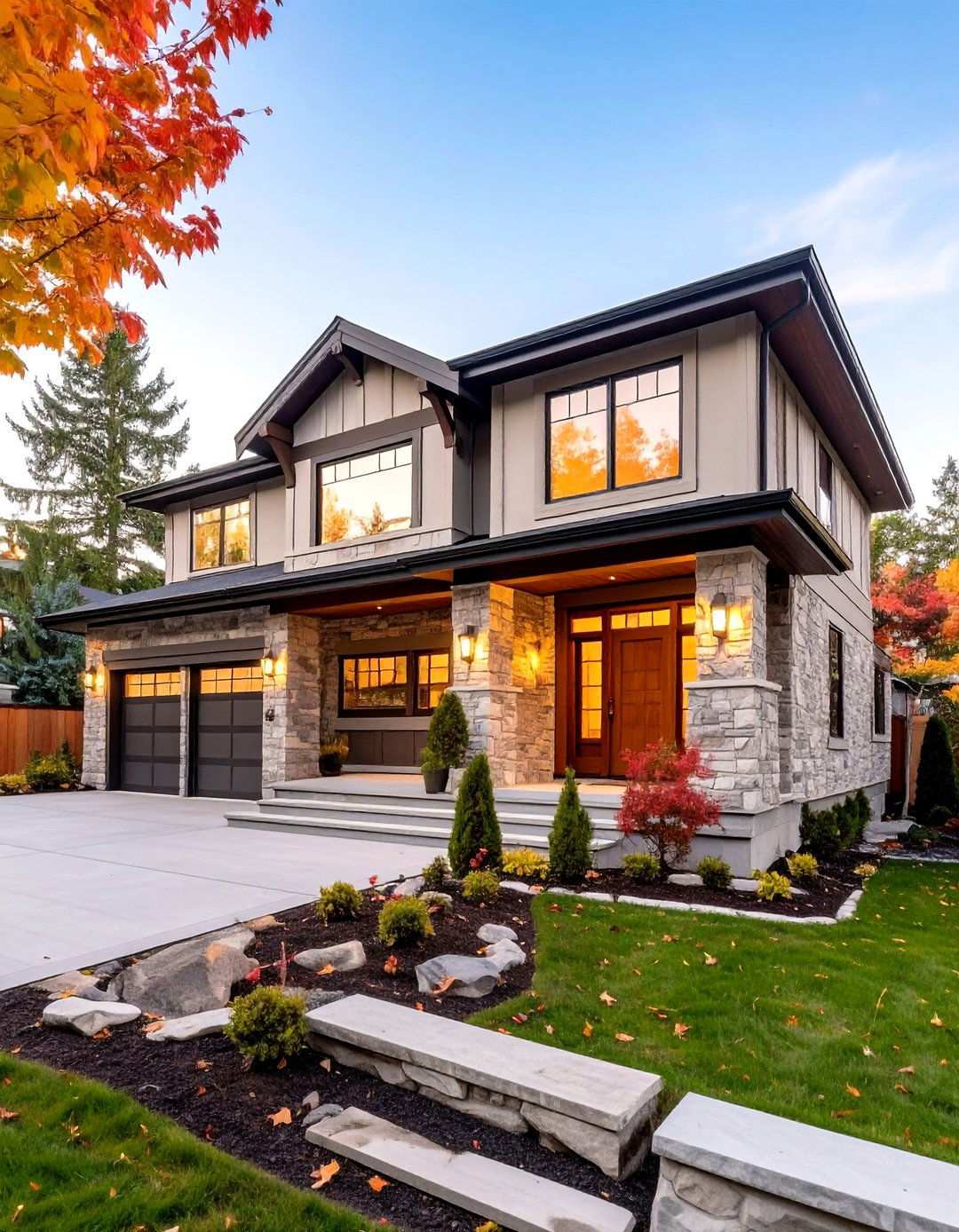
Minimalist design often relies on an unexpected alliance with traditional materials to achieve a sense of timeless beauty. Neutral stone veneer applications are a testament to this synergy, marrying the elegance of natural stone with the simplicity of modern architecture. Limestone, travertine, or engineered stone panels bring a sense of sophistication to exterior surfaces, injecting texture without overwhelming the senses. These materials boast remarkable durability while maintaining the clean lines and uncluttered look that define minimalist design. By emphasizing horizontal or vertical repetition in installation patterns, stone veneers create surfaces that dance with light and shadow, imbuing homes with a sense of dynamic movement. Accent walls and base materials are ideal applications, as these stone veneers not only ground the home’s design but also complement a wide range of landscape settings. The neutral color palette ensures seamless integration, adding depth and visual interest without overwhelming the senses. Ultimately, this approach caters to homeowners who value materials that mature beautifully over time while requiring minimal maintenance.
6. Unveiling the Beauty of Light-Filled Exteriors
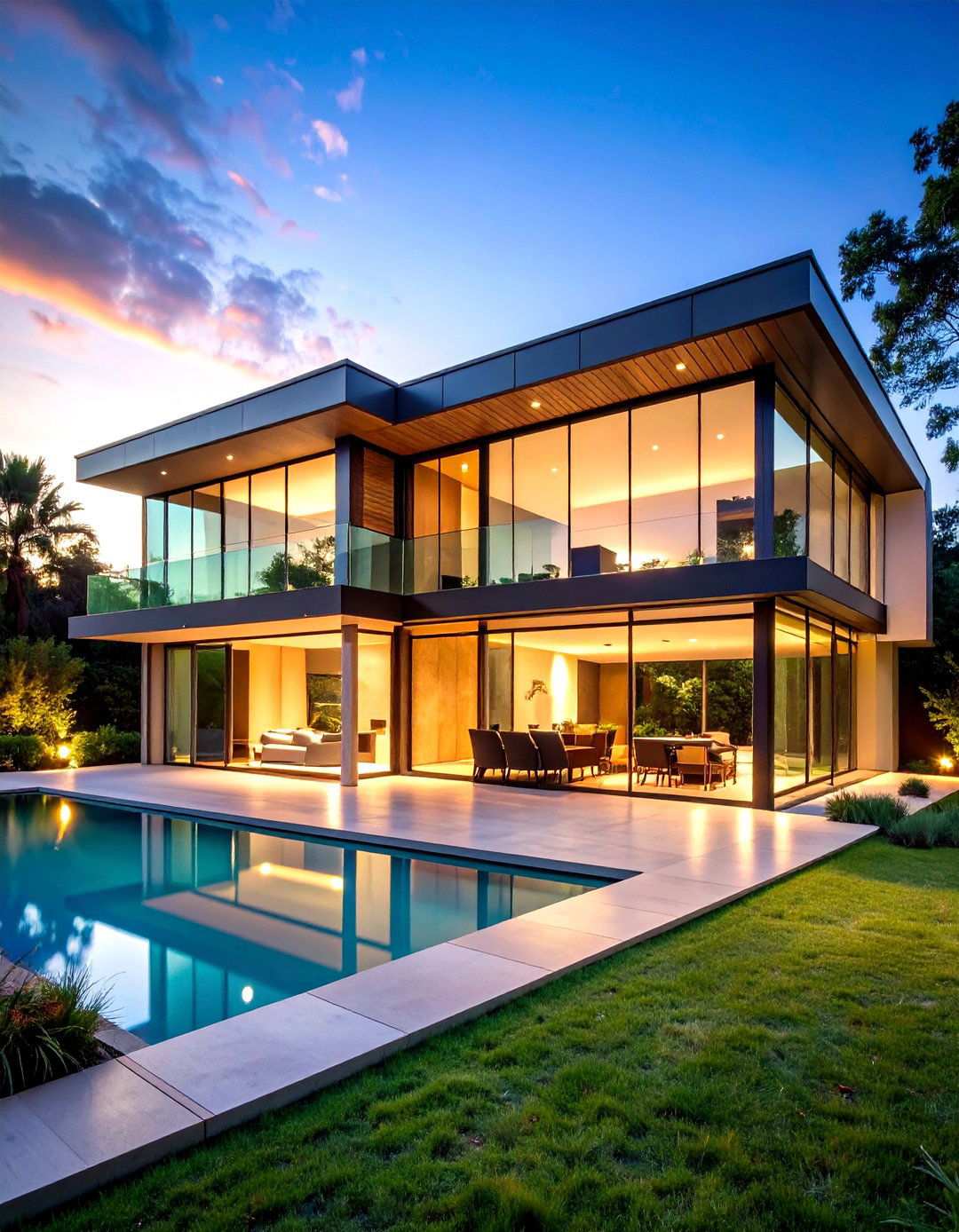
Imagine turning your home’s exterior into a translucent façade that blurs the boundaries between indoors and outdoors. Large format window walls have the power to transform minimalist exteriors into breathtaking interfaces, connecting interior spaces to the surrounding environment in a way that feels almost ethereal. By featuring floor-to-ceiling windows with minimal framing, these dramatic glazing systems create an illusion of infinite space, drawing the eye outward and inviting the outside in. Strategic window placement and thoughtful landscape design are essential for maximizing natural light while maintaining a sense of seclusion. The key lies in selecting high-performance glazing that balances energy efficiency with a minimalist aesthetic. These window systems shine in homes with stunning views or carefully curated gardens that become an integral part of the interior experience. Modern glazing technologies have made it possible to achieve expansive, transparent surfaces that still maintain a comfortable interior climate. This approach is perfect for homeowners who crave a seamless connection to nature and value the beauty of natural light as an integral part of their living experience.
7. Black Metal Siding Profiles: A Bold Statement in Minimalism
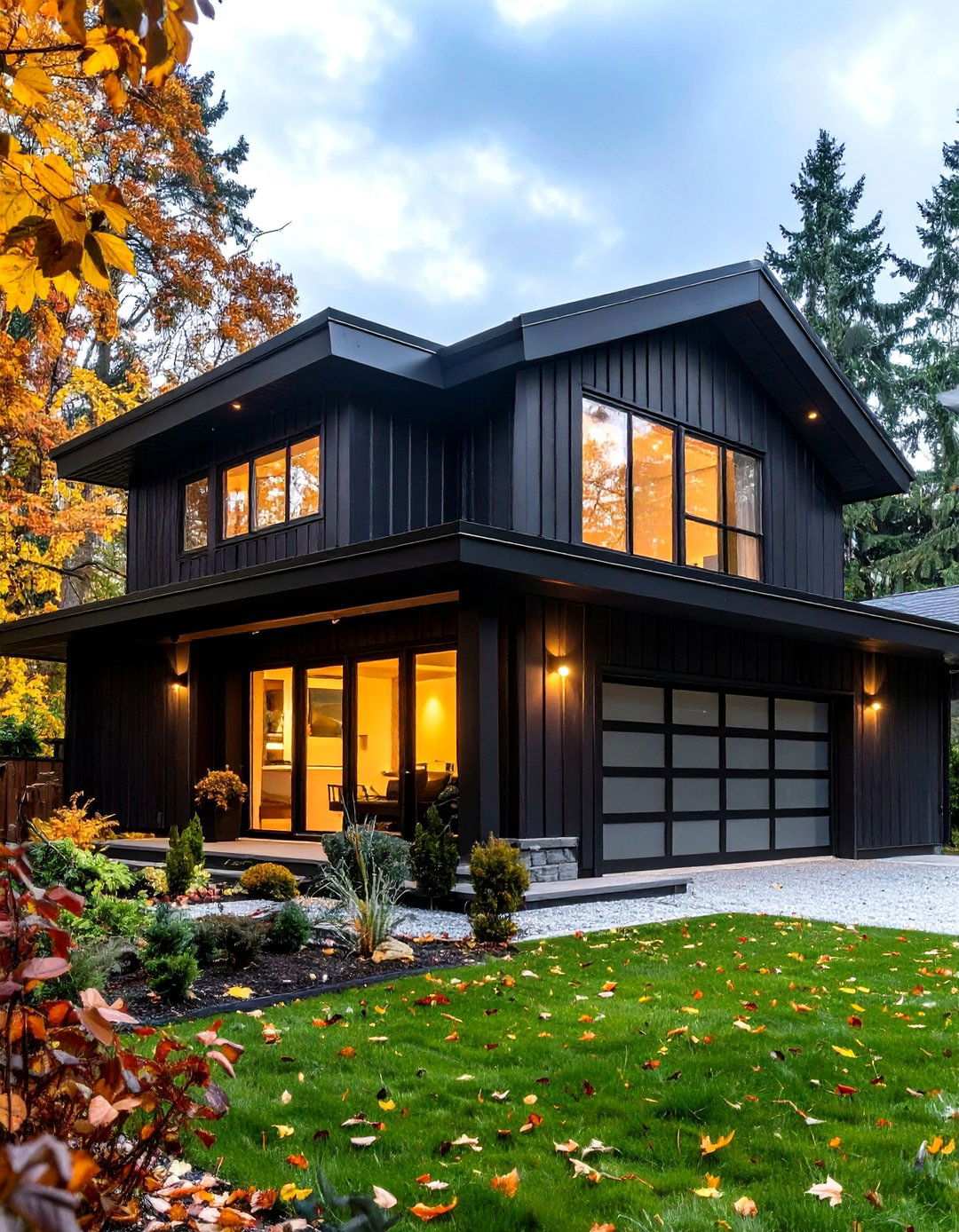
The allure of dark exteriors can be attributed to their ability to create a powerful architectural presence. Black metal siding profiles offer a sophisticated solution that makes a bold statement through precision in color and material. By utilizing corrugated metal, standing seam, or flat panel systems in matte black finishes, these exteriors take on a dramatic form that emphasizes architectural design. This approach provides exceptional durability, requiring minimal maintenance, making it a practical choice for contemporary homeowners. The dark color allows architectural details like window positioning and building proportions to take center stage, becoming primary visual elements. Furthermore, metal siding systems offer excellent weather resistance, incorporating features like concealed gutters or trim details. Installation patterns can be tailored to emphasize vertical or horizontal orientations, depending on the desired visual effect. This design approach particularly resonates with homeowners seeking a contemporary aesthetic that will remain relevant for decades while requiring minimal upkeep.
8. White Stucco Minimalist Boxes: Embracing Timeless Simplicity
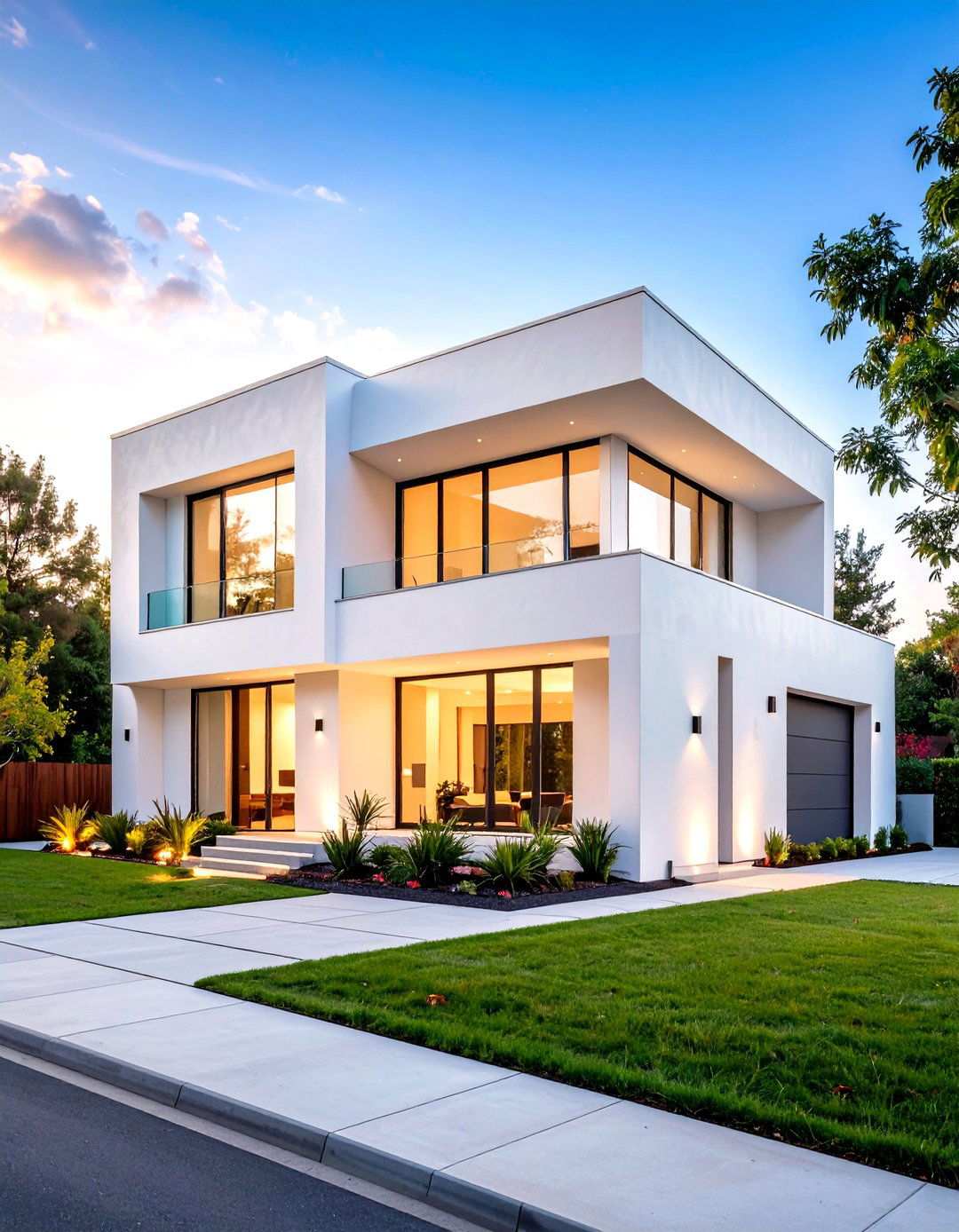
The enduring appeal of simple geometric forms can be attributed to their ability to create a sense of timelessness. White stucco minimalist boxes create clean, sculptural exteriors that celebrate pure architectural form, emphasizing geometric clarity. These designs feature simple rectangular or cubic volumes covered in smooth white stucco finishes that allow building proportions and window placement to become primary design elements. The monochromatic approach creates a beautiful interplay of light and shadow, as white surfaces reflect light dynamically, producing changing patterns throughout the day and seasons. These designs often incorporate subtle details like recessed windows or minimal trim elements that add depth without compromising the simplicity of the design. The result is architecture that feels both contemporary and timeless, working well in various landscape settings. This approach suits homeowners who appreciate clean aesthetics and want exteriors that won’t date quickly, with minimal maintenance requirements, consisting of periodic cleaning and touch-up painting.
9. Modern Siding Aesthetics with Timeless Tradition
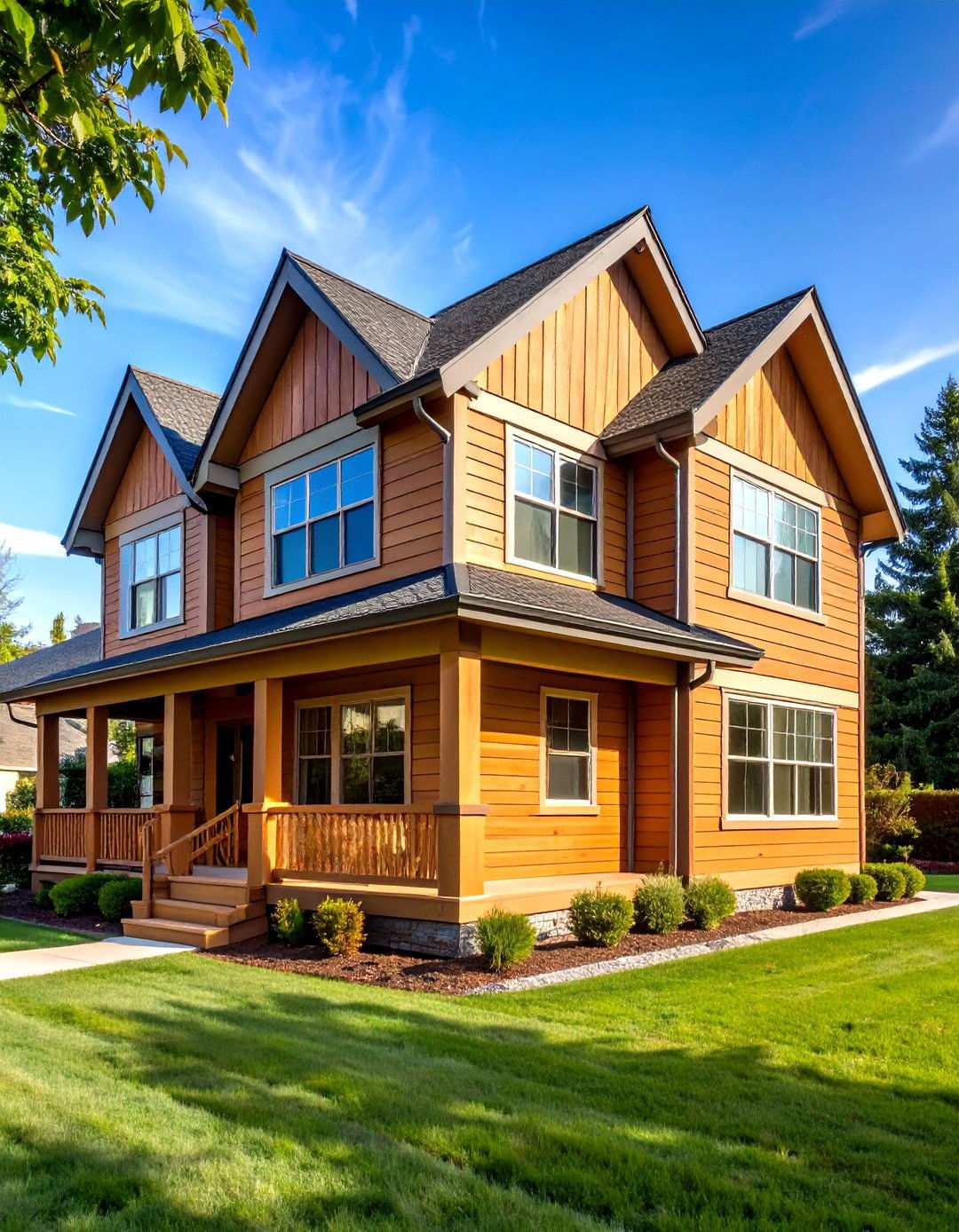
Traditional siding techniques have long been a cornerstone of architectural design, but they can also serve as the foundation for contemporary minimalist goals. By incorporating horizontal board and batten details, homeowners can achieve sophisticated exterior textures that seamlessly blend with clean geometric lines. This approach relies on the deliberate spacing of boards to create visually striking shadow patterns that add depth and interest to the facade without compromising the minimalist aesthetic. With its versatility in materials, natural wood or fiber cement options cater to diverse maintenance preferences and climate considerations. The horizontal orientation effectively highlights the home’s length, fostering strong visual connections to surrounding landscape elements. The consistent board widths and spacing create well-ordered patterns that strike a balance between organization and organic charm. Neutral color choices allow the texture pattern to take center stage, infusing the exterior with a sense of calm and sophistication. This siding approach proves particularly effective for single-story homes or as accent materials combined with other minimalist cladding systems, yielding exterior character that honors both contemporary and traditional building craftsmanship.
10. Architectural Landscaping as a Unified Design
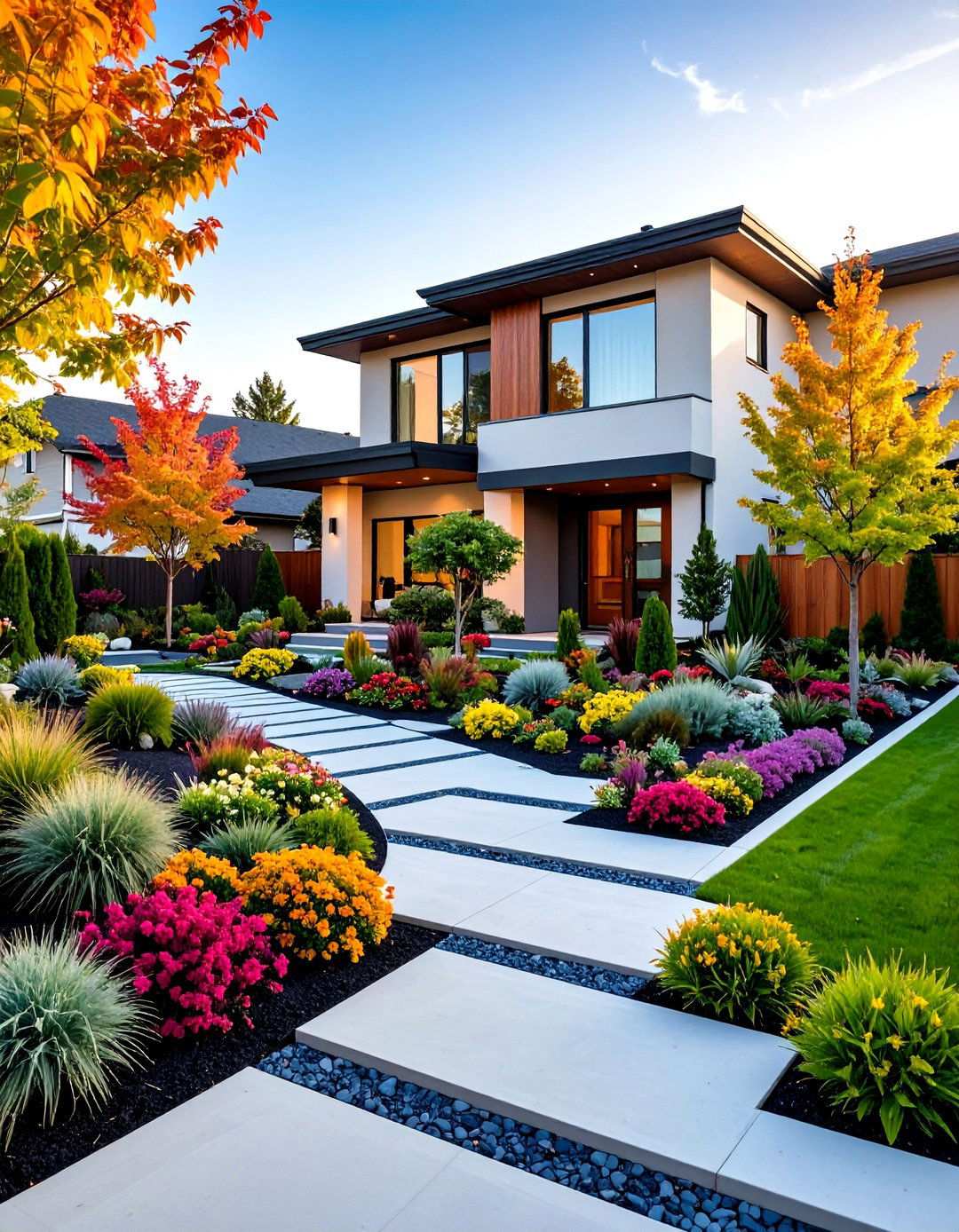
Can landscaping transcend its traditional role as a decorative addition and instead become an integral architectural component? Geometric landscape integration offers a compelling solution by creating seamless connections between minimalist buildings and their outdoor environments. By incorporating hardscaping elements like concrete pavers, gravel beds, and carefully arranged geometric planting areas, homeowners can foster a cohesive aesthetic that seamlessly extends the building’s minimalist language into surrounding spaces. The judicious placement of linear walkways, rectangular planting beds, and strategically positioned trees becomes an integral part of the architectural composition, further blurring the boundaries between indoor and outdoor living. Native plants arranged in geometric patterns provide seasonal interest, while their low maintenance requirements ensure a worry-free outdoor experience. By elevating landscape elements to architectural components, homeowners can create unified design experiences that showcase the harmonious marriage of buildings and landscapes. This approach particularly suits contemporary lifestyles that celebrate the seamless fusion of interior and exterior spaces while maintaining high design standards.
11. Cantilever Roof Overhangs
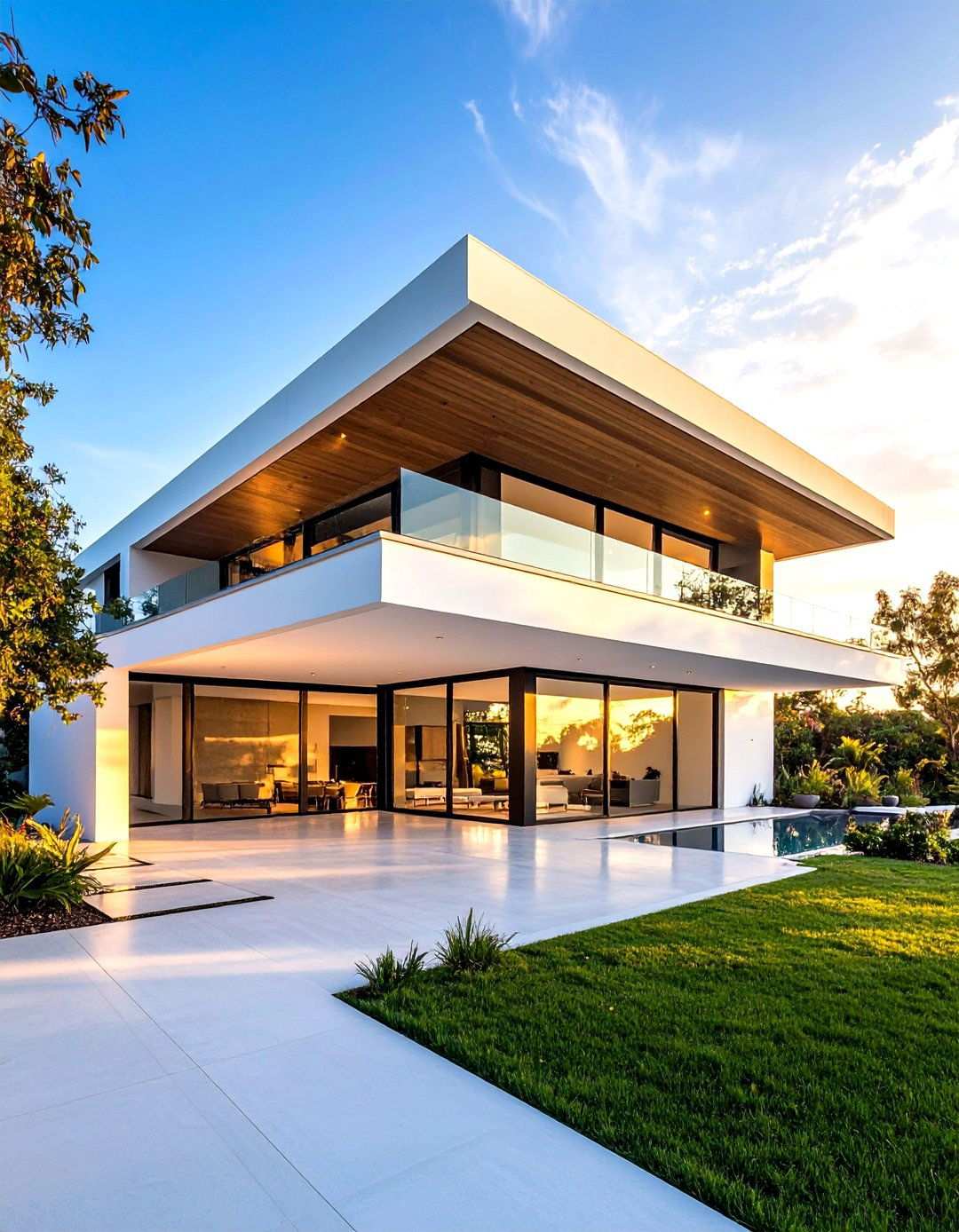
Cantilever roof overhangs embody the perfect blend of form and function, producing striking visual effects that enhance both the practicality and aesthetic appeal of a building. By extending the roof’s primary volume, these architectural elements provide essential protection from the elements while generating unique shadow patterns and geometric interest. The engineering expertise required to execute cantilevers successfully underscores the sophistication of architectural design while maintaining a sleek, minimalist appearance. Furthermore, these overhangs can seamlessly integrate hidden gutters and lighting systems, preserving the clean lines and visual simplicity that define cantilevered structures. The choice of materials is often harmonious with the primary building materials, resulting in a cohesive and well-designed appearance. When employed over outdoor living areas, cantilevers create defined spaces that exude a sense of both shelter and openness. As the sun’s position changes throughout the day, the interplay between solid overhead planes and open sides generates dynamic spatial experiences. This approach has a particular appeal for homeowners seeking to infuse their homes with architectural drama through functional design elements.
12. Recessed Window Installations
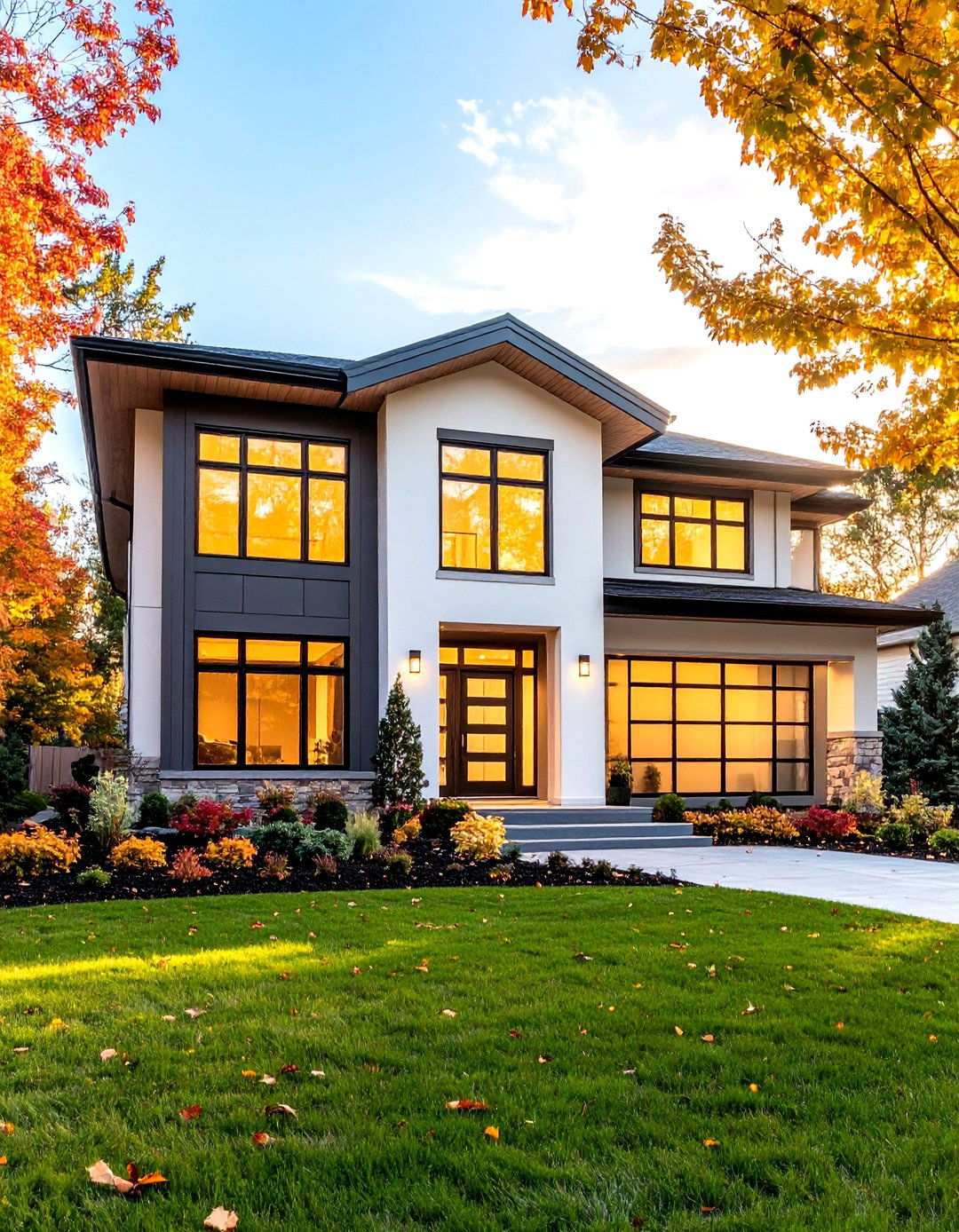
Subtle design details often hold the key to creating a sophisticated visual impact, and recessed window installations are a prime example of this principle in action. By setting windows back from the primary building surface, this technique creates distinctive frame effects that emphasize the proportions and placement of the openings themselves. The resulting shadow lines add depth and visual interest without requiring any additional materials or decorative elements. Recessed installations are particularly well-suited to buildings featuring thick wall systems or materials like stucco or concrete, which can accommodate the necessary depth requirements. Not only do these installations provide increased privacy and weather protection, but they also allow for an abundance of natural light to enter interior spaces. The strategic placement of windows creates intriguing spatial transitions between interior and exterior environments, adding to the overall sense of depth and visual interest. While careful planning is essential during the design phase, the end result is a lasting architectural character that enhances both the exterior appearance and interior experience of a building. This detail is particularly suited to homeowners who appreciate sophisticated design elements that contribute to the overall coherence of a building’s design.
13. Simplicity Unveiled: Monolithic Design
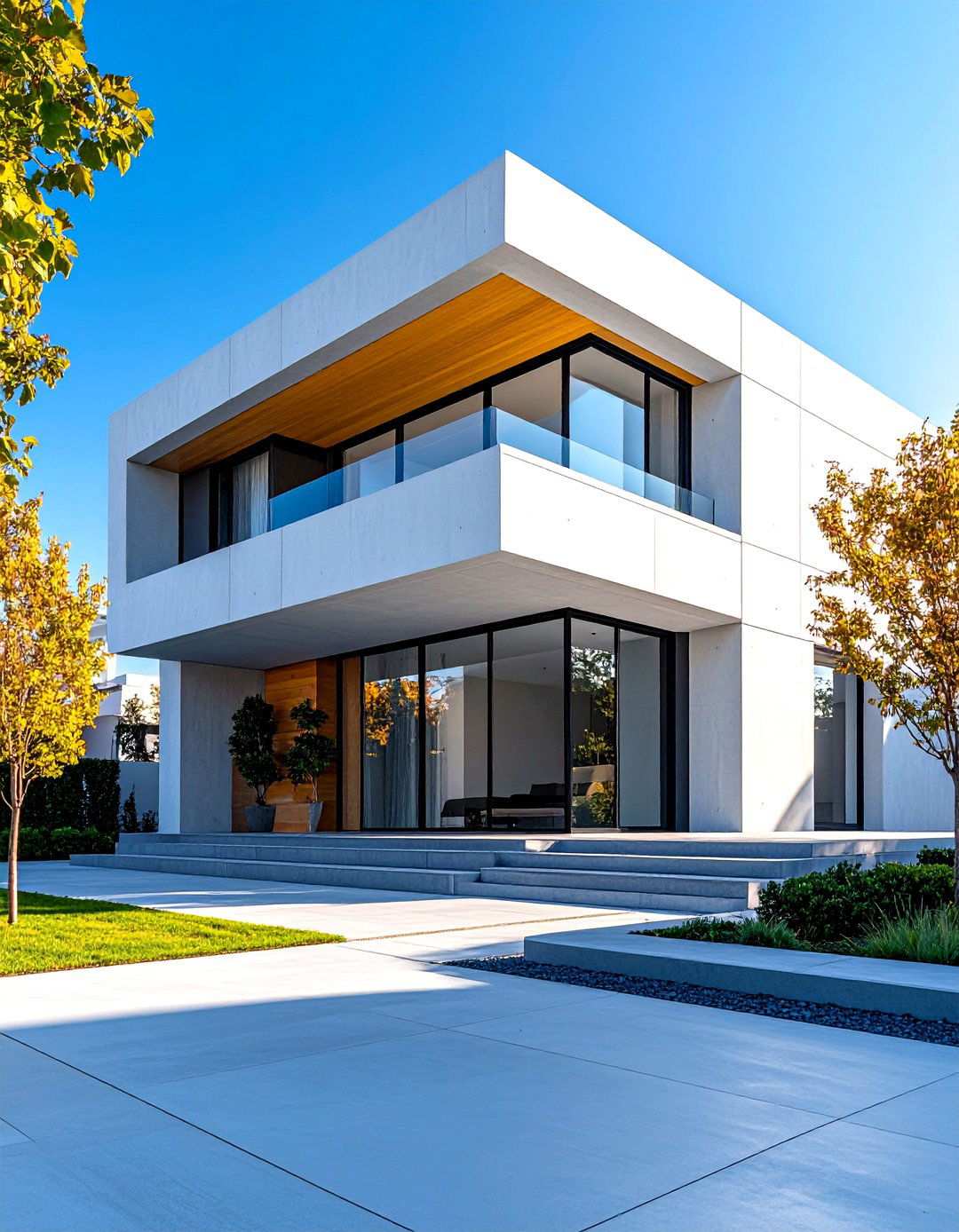
The allure of uncomplicated elegance has captivated architects and homeowners alike, sparking a question: can architectural power be distilled into a single, unadulterated material? Monolithic structures, crafted from a single, consistent material, give birth to streamlined exteriors marked by unbroken surfaces. From concrete’s rugged grandeur to metal’s sleek sophistication, this approach distills architectural form into its most fundamental essence. By eliminating material transitions, these structures showcase building proportions and geometric relationships in a clear, unobstructed light. To achieve this unity, architects must meticulously consider construction details, integrating necessary elements like windows and mechanical systems with seamless precision. As a result, the chosen color palette becomes a crucial element in maintaining visual cohesion, with thoughtful material selection and installation techniques ensuring uniformity across the structure’s surface. Ultimately, monolithic design yields a powerful, unifying visual statement, one that celebrates restraint over complexity and resonates with homeowners seeking enduring, timeless design.
14. Translucency and Transparency: The Glazing Effect
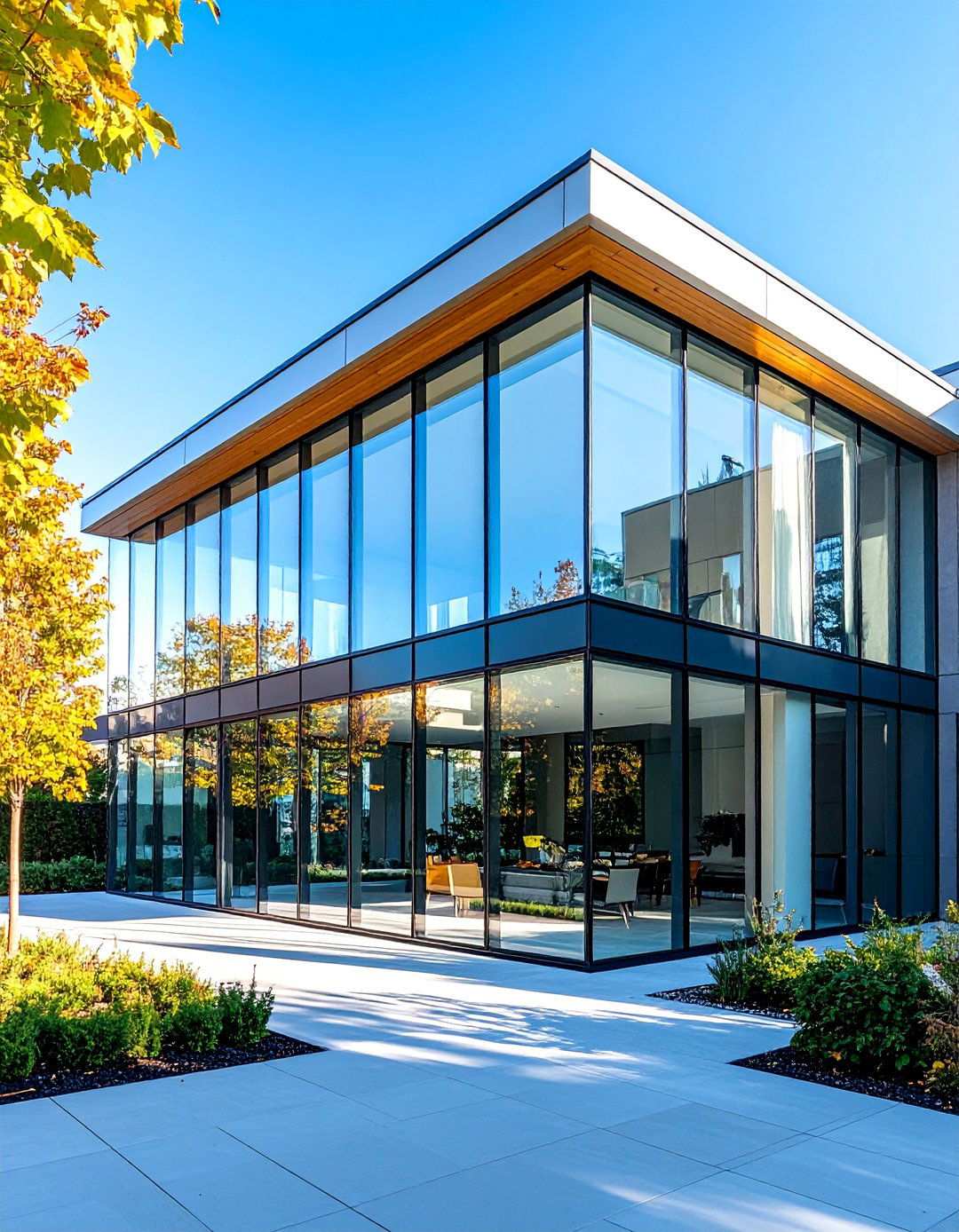
What happens when transparency becomes the architectural cornerstone? By integrating floor-to-ceiling glazing systems, homes can transform into airy, expansive havens that seamlessly blur the lines between interior and exterior spaces. These sweeping window systems, which stretch from foundation to roofline, create breathtaking openings that connect residents with their surroundings. Modern glazing technologies have made it possible to marry exceptional energy performance with the visual simplicity required of minimalist design. To achieve this balance, architects must skillfully position glazing systems to balance competing demands for natural light, energy efficiency, and visual seclusion. When executed with precision, these systems unlock the full potential of a home’s surroundings, turning adjacent garden spaces or spectacular views into an integral part of the living experience. Installation requires meticulous planning and expert execution, but the end result is an architectural character that redefines daily living, imbuing every moment with a touch of sophistication and visual refinement.
15. Masterful Minimalism Through Nuanced Color Combinations
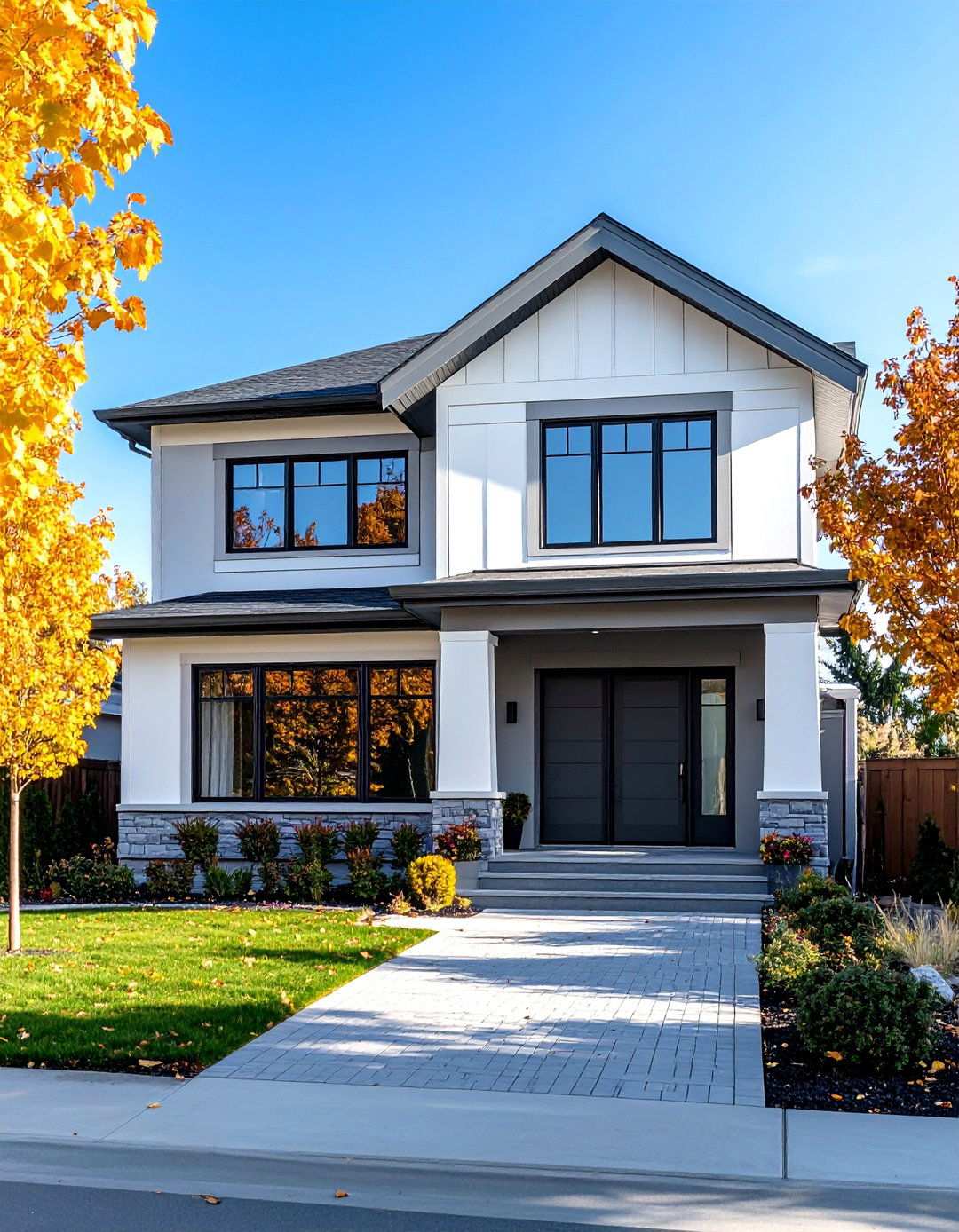
When restraint becomes the driving force behind design, the outcome is a refined aesthetic that elevates the built environment. Neutral color palette compositions bring a sense of sophistication to minimalist exteriors by skillfully coordinating nuanced color relationships. These designs often rely on subtle variations of white, gray, beige, or other earthy tones that harmonize without creating visual discord. By limiting the palette, architectural form and material texture take center stage, while understated color variations help distinguish different building elements without compromising unity. Nature often serves as a color inspiration, with the grays of concrete, wood tones, or stone hues influencing the overall scheme. Trim elements frequently utilize slightly contrasting neutral tones to define openings and architectural details without disrupting the visual simplicity. This approach yields timeless exteriors that resist the test of time while providing flexibility for landscape design and seasonal decoration. As a result, sophisticated aesthetics serve as a backdrop for contemporary living.
16. Redefining Industrial Materials for Refined Residential Design
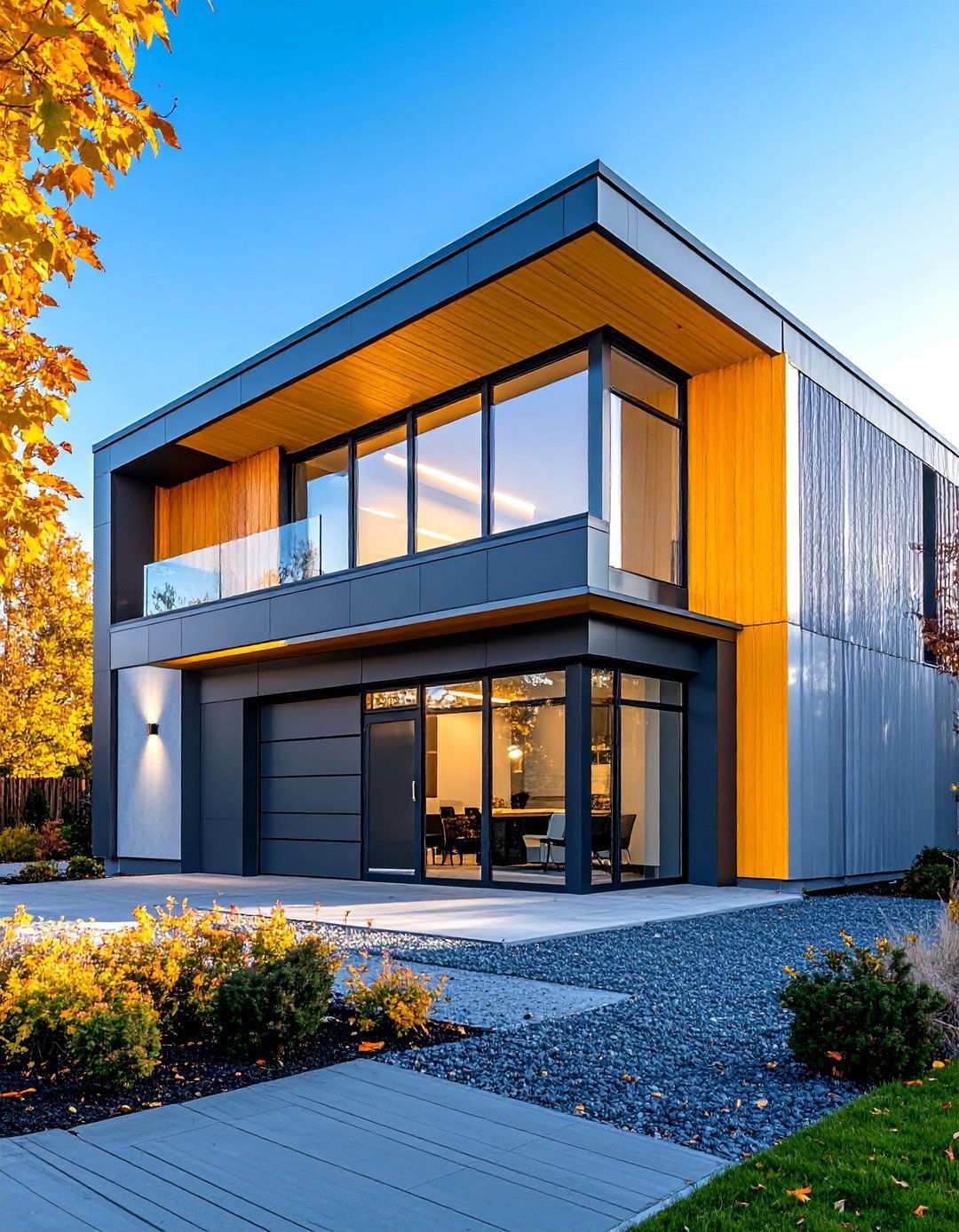
Can building materials traditionally associated with industry be repurposed to elevate refined residential design? Industrial material applications bring an unexpected sophistication to minimalist house exteriors through carefully selected material choices. Corrugated metal, concrete masonry units, or steel panel systems create distinctive textures while maintaining the clean lines essential to minimalist design. These materials often boast impressive durability and weather resistance while requiring minimal maintenance. The key to elevating industrial materials lies in precise installation and detailing, which transforms them into refined architectural elements. Neutral color choices typically allow material texture to take center stage, providing visual interest while avoiding visual clutter. Industrial materials can work in harmony with more traditional residential materials, creating sophisticated material dialogues that resonate with homeowners who appreciate honest material expression. This approach yields architecture that celebrates functional beauty while maintaining sophisticated design standards.
17. Harmonious Facade Compositions
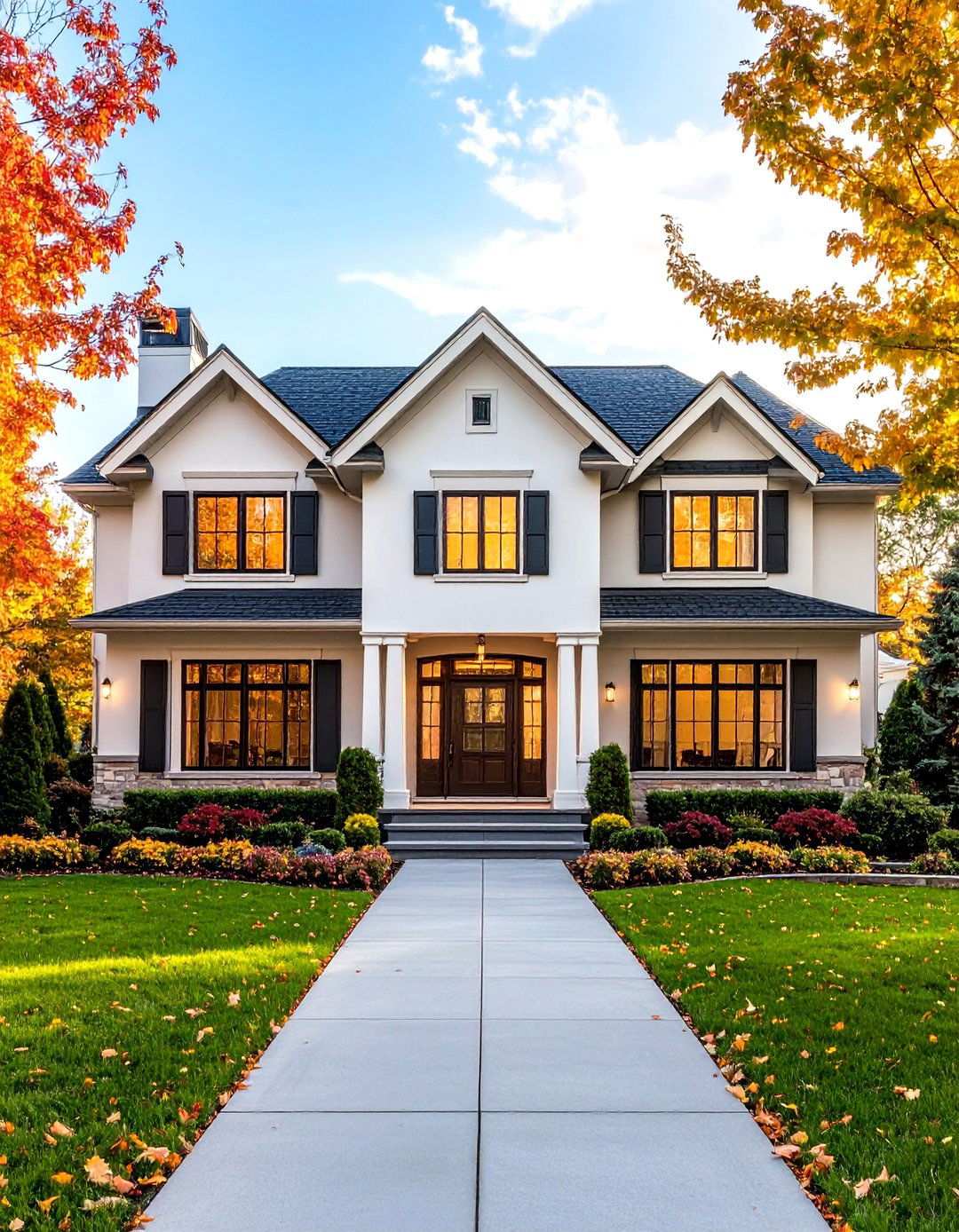
What drives the captivating architectural presence of balanced designs? Symmetrical facade organizations bring a sense of classical elegance to contemporary spaces through thoughtful, deliberate composition. This method involves arranging windows, entrances, and architectural elements in a balanced and harmonious manner, creating a sense of order and visual coherence. By embracing geometric discipline, architects can achieve a level of sophistication that belies the simplicity of the design. The careful placement of windows, the transition between materials, and the detailing of architectural elements all contribute to a composition that feels both intentional and effortless. This approach excels in formal settings or when homes need to coexist with traditional neighborhoods while maintaining a modern aesthetic. Furthermore, symmetrical organizations can streamline construction and optimize interior layouts, resulting in architecture that feels grounded and stable, yet thoroughly contemporary. Such designs resonate with homeowners who appreciate the beauty of classical proportions interpreted through a minimalist lens.
18. Sophisticated Material Expressions
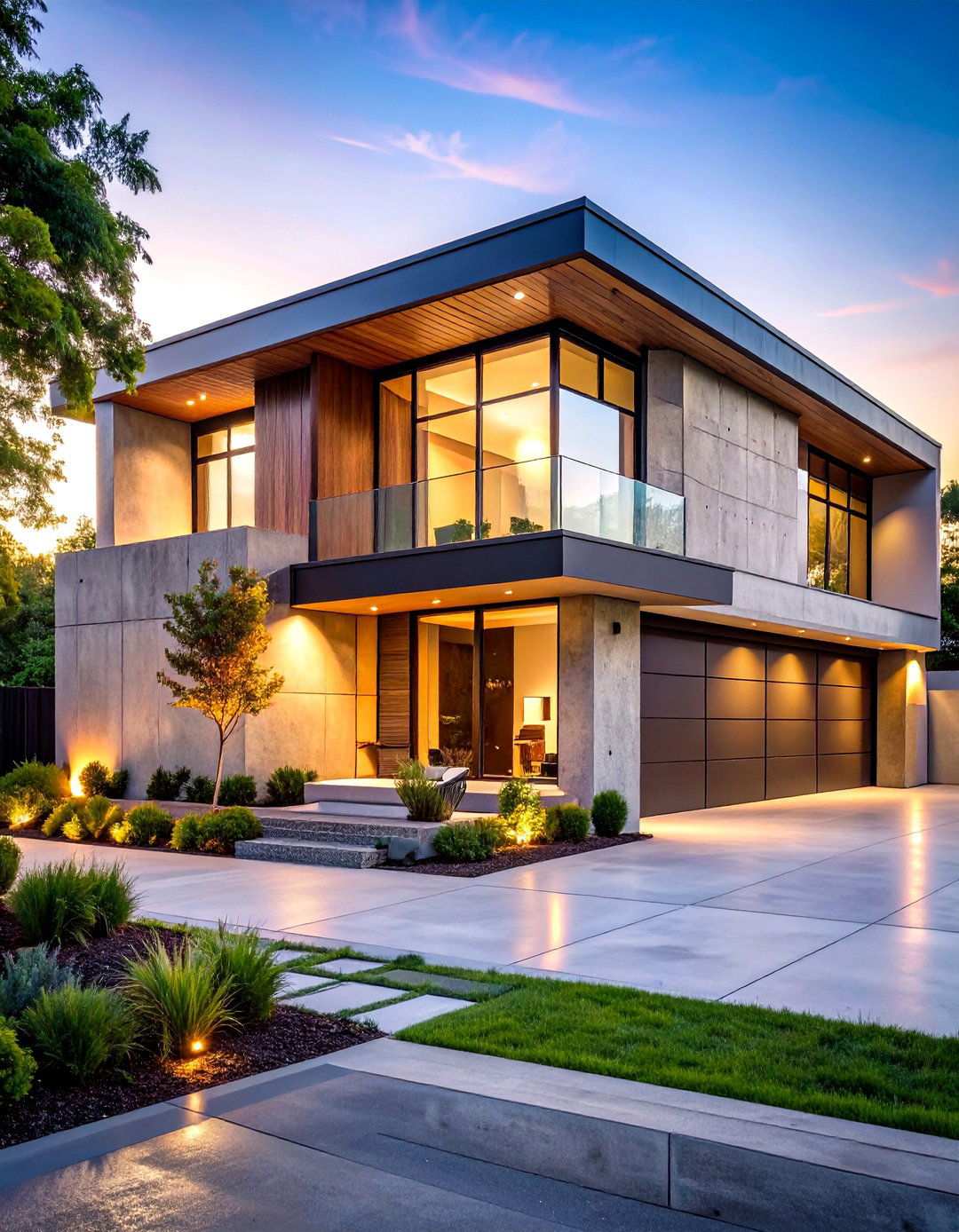
In what ways can surface treatment transform raw materials into meaningful architectural features? Textured concrete finishes elevate simple materials into sophisticated minimalist masterpieces by introducing subtle surface variations that add visual intrigue without sacrificing simplicity. Techniques like board-formed, sandblasted, or aggregate exposure create distinctive textures that interact with light throughout the day, imbuing the material with a sense of depth and character. These finishes not only provide weather resistance but also age beautifully, developing a unique patina over time. The monolithic nature of concrete allows for seamless integration of architectural elements, such as planters, steps, or seating areas, creating a cohesive and harmonious whole. Texture patterns can be tailored to emphasize horizontal or vertical orientations, depending on the desired visual effect. Color additives or staining techniques can also modify the concrete’s natural gray tone while maintaining the material’s inherent honesty. This approach is particularly well-suited for homeowners seeking durable, low-maintenance exteriors with a distinctive character. The result is architecture that feels both contemporary and timeless, providing a sophisticated backdrop for modern living while requiring minimal ongoing upkeep.
19. Refining Arrival Sequences in Minimalist Design
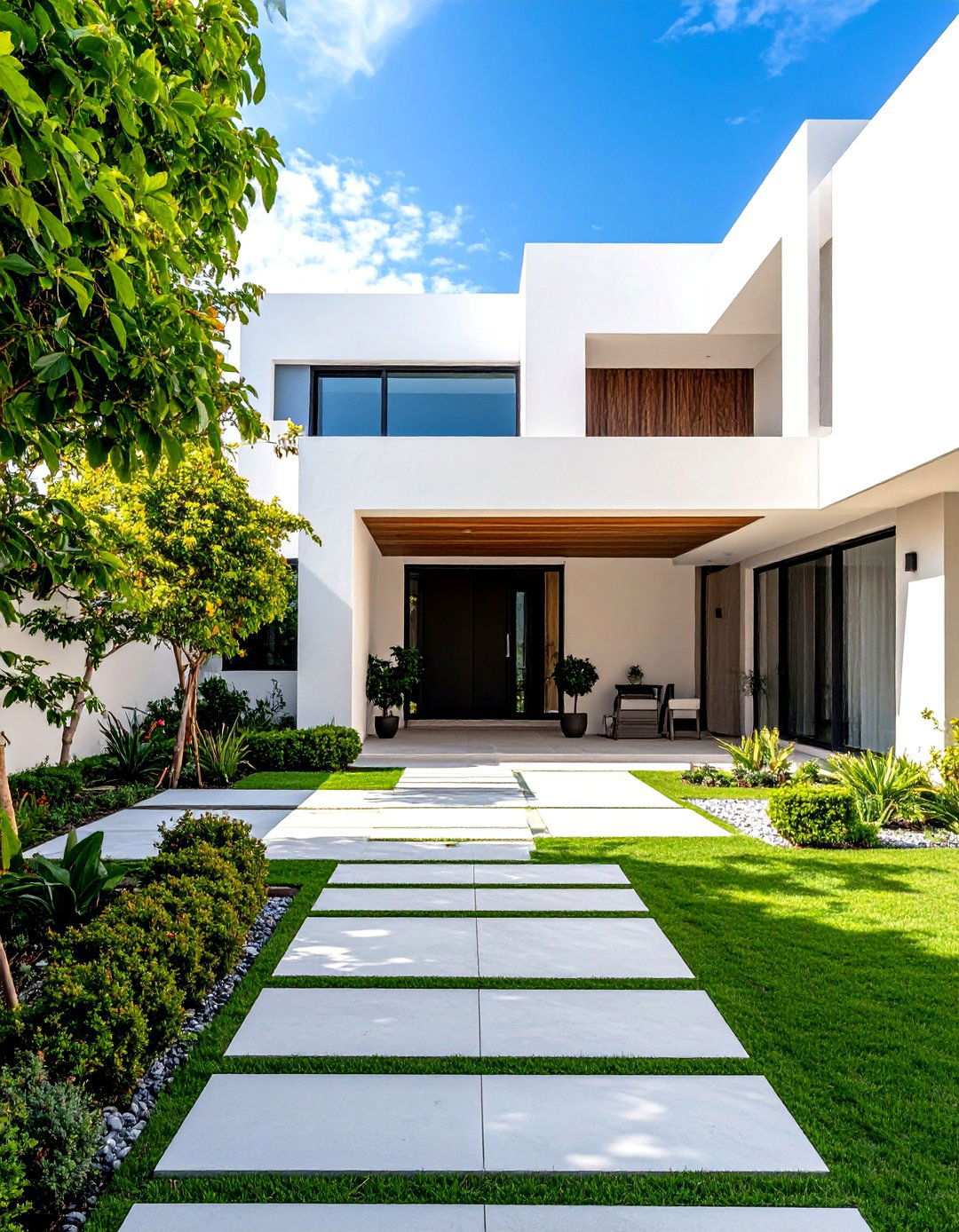
Effective minimalist courtyard entries rely on a thoughtful balance of simplicity and spatial definition. Rather than relying on elaborate decorations, these designs harness the power of spatial compression and release to create memorable arrival experiences. By incorporating enclosed or semi-enclosed outdoor spaces, courtyard entries provide a seamless transition between public and private realms. Simple geometric forms serve as the boundaries of these courtyards, while still maintaining visual connections to interior spaces. Landscape elements such as gravel beds, single specimen trees, or water features add focal points without overwhelming the senses. This approach is particularly well-suited for densely populated neighborhoods where homeowners value both privacy and openness. By matching or complementing primary building materials, courtyard entries create a unified design experience that is both functional and experiential. This thoughtful approach to spatial organization yields architecture that seamlessly blends minimalist aesthetics with practical benefits.
20. Harmonizing Nature with Minimalist Architecture
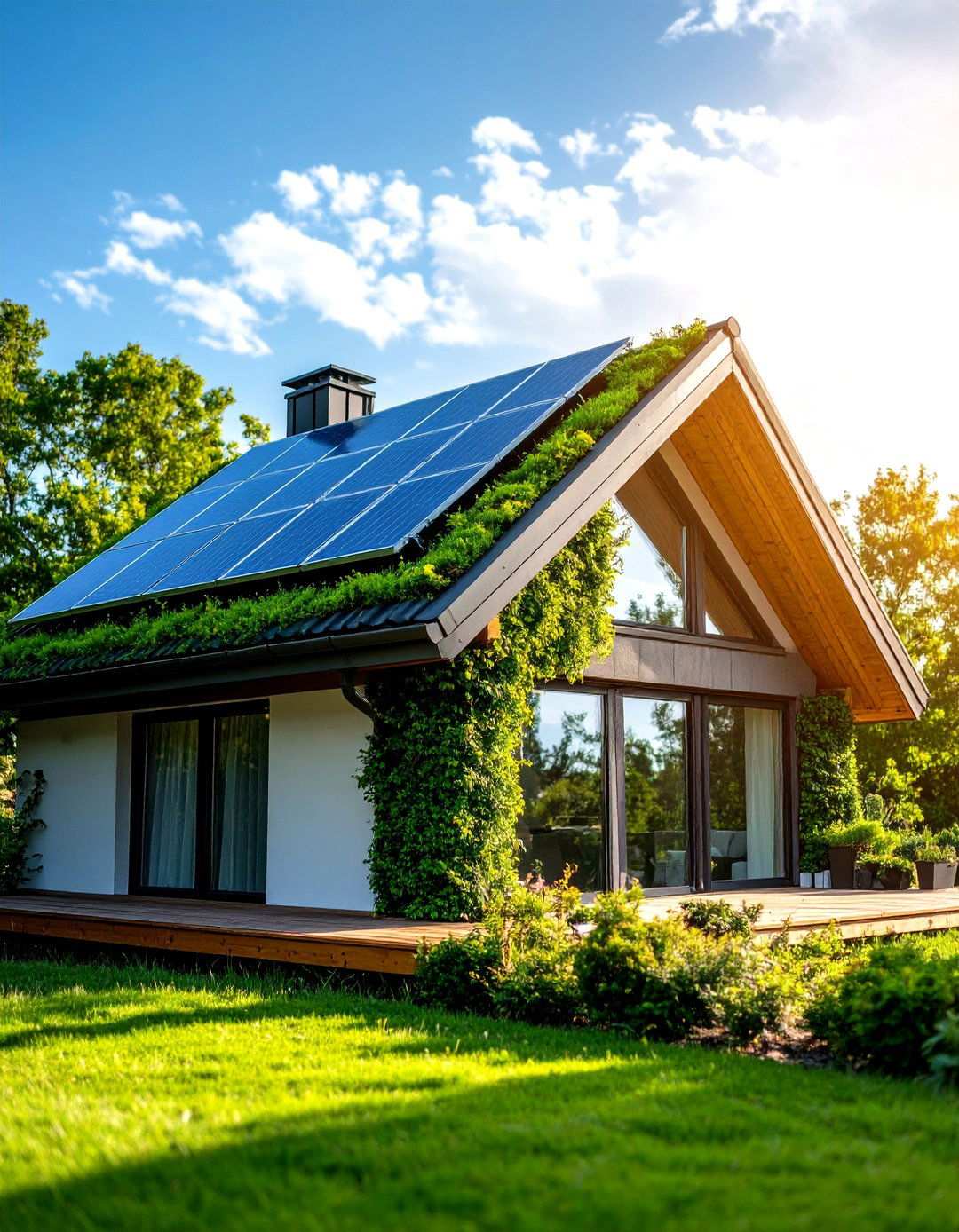
Can your roof be transformed into a lush garden without compromising minimalist architectural clarity? Green roof integration systems offer a compelling solution by marrying environmental sustainability with sophisticated design. By incorporating living vegetation, these systems provide insulation, manage stormwater runoff, and create a distinctive architectural character. Extensive green roof systems featuring drought-tolerant plants require minimal maintenance while offering a dynamic display of seasonal color changes. The key to successful integration lies in structural design that accommodates soil loads while maintaining clean geometric lines. Parapet details must integrate drainage systems and plant containment seamlessly, without compromising the exterior simplicity of the building. Homeowners seeking distinctive architectural features with practical benefits will find this approach particularly appealing. Green roofs also provide an additional outdoor space for urban homes with limited ground area. By prioritizing environmental responsibility, homeowners can enjoy lasting value through reduced energy costs and a distinctive character that elevates their property.
21. Elevating Material Installation for Architectural Impact
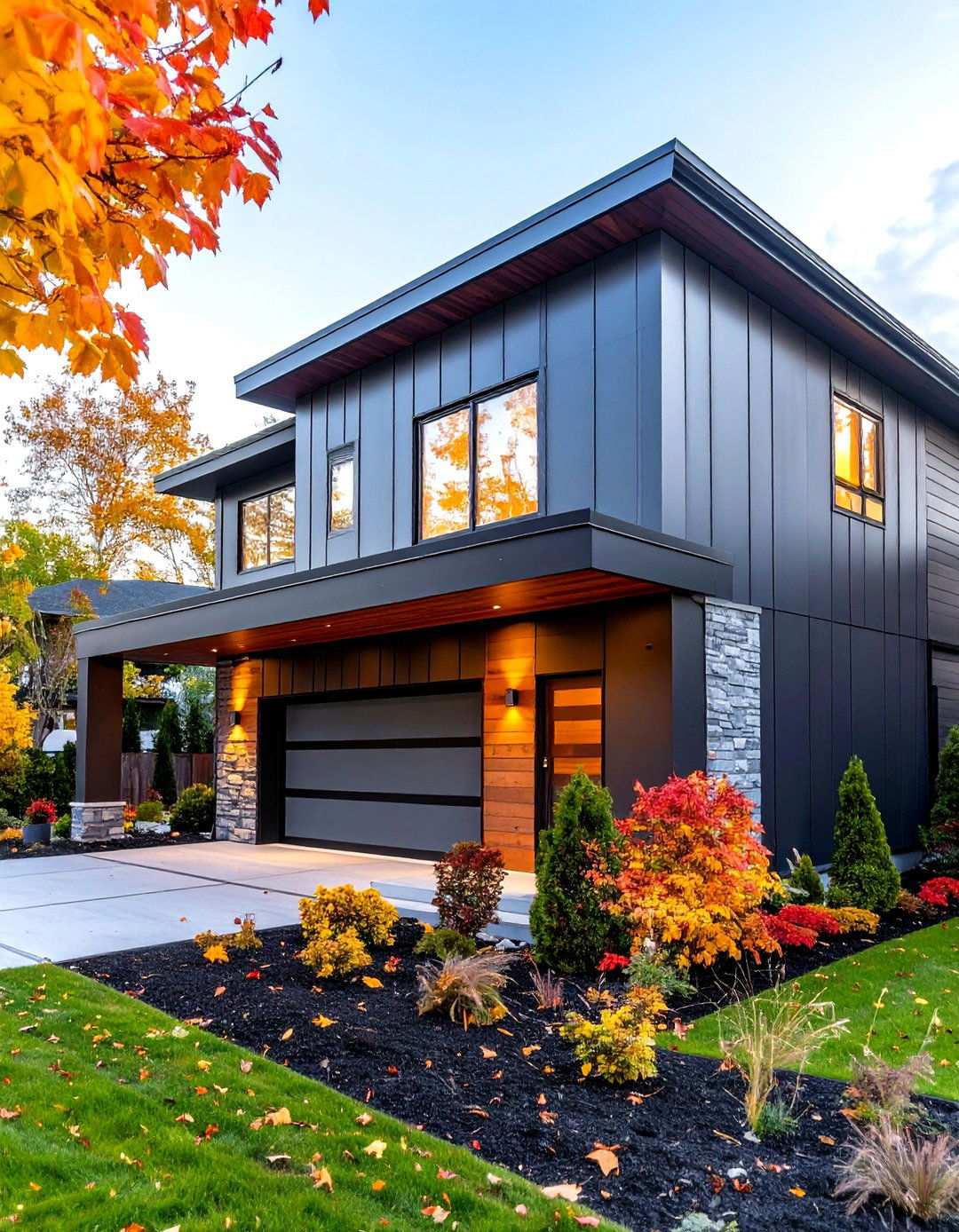
Precise installation of materials plays a crucial role in crafting sophisticated architectural statements. By paying close attention to installation details and panel relationships, metal panel precision systems can create refined minimalist exteriors that exude elegance and refinement. The choice of standing seam, flat lock, or composite panels provides not only weather-resistant surfaces but also clean lines essential to minimalist design. The orientation of panels can be strategically employed to emphasize either horizontal or vertical building proportions, ultimately creating the desired visual effects. Concealed fastening systems ensure a clean surface appearance, eliminating the need for visible mechanical connections that can detract from the streamlined aesthetic. A range of color options is available, from natural metal finishes to factory-applied coatings in neutral tones, which can be further enhanced by integrated features like concealed gutters or trim elements that maintain surface continuity. The end result is exterior cladding that not only ages gracefully but also requires minimal maintenance, making it an ideal choice for homeowners seeking contemporary materials that will remain relevant for decades while providing excellent weather protection and energy efficiency.
22. Seamless Integration of Interior and Exterior Spaces
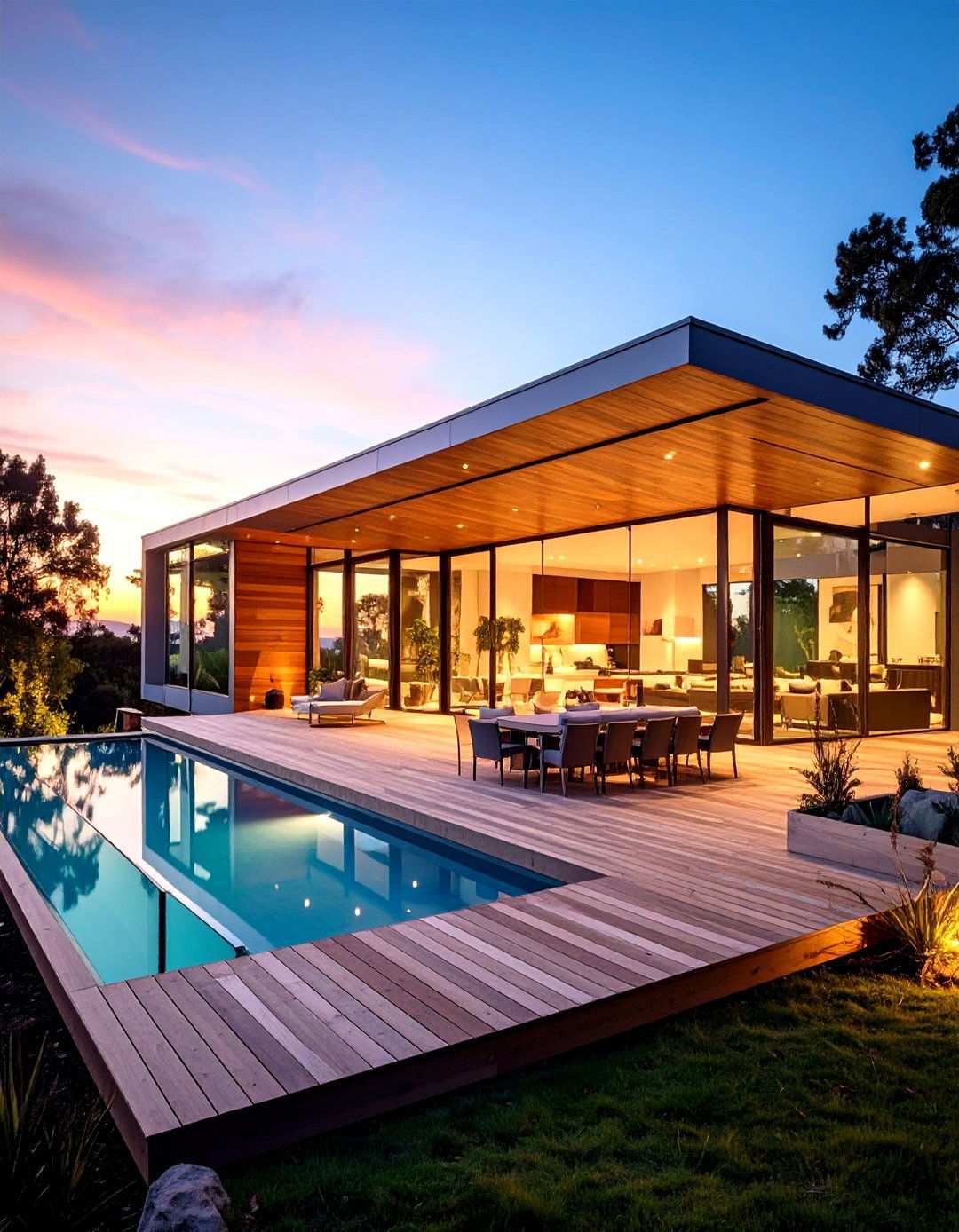
To create a unified living environment, architecture must extend seamlessly into the landscape. Outdoor living platform extensions achieve this by crafting sophisticated connections between minimalist interiors and carefully designed outdoor spaces. By selecting materials that complement primary building materials, these platforms provide level surfaces for outdoor furniture and activities. Concrete, stone, or composite decking systems can be employed to create geometric extensions that echo interior proportions and orientations, effectively blurring the boundaries between interior and exterior spaces. The key to successful integration lies in treating outdoor platforms as architectural elements rather than landscape afterthoughts. By integrating building systems, concealed lighting, heating, or sound systems can be incorporated to enhance outdoor living experiences. Careful grading and drainage ensure lasting performance while maintaining clean geometric lines, ultimately creating architecture that provides functional outdoor space while maintaining sophisticated design standards that complement minimalist interior aesthetics.
23. Elevating Building Function to Artistic Expression
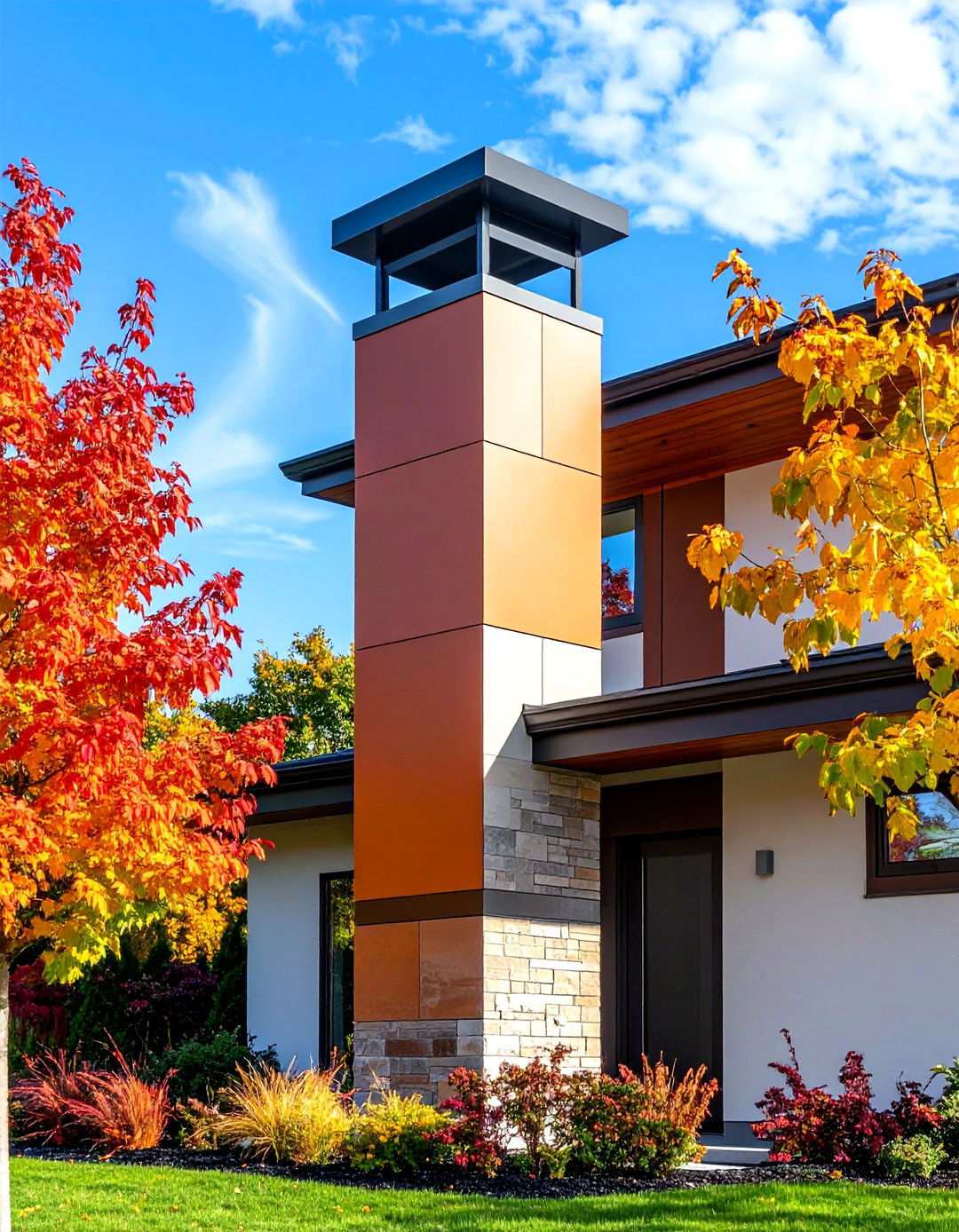
Can building elements transcend their functional purposes to become stunning works of art? Sculptural chimney elements showcase the potential of necessary functions to become design opportunities, creating distinctive focal points that elevate the aesthetic appeal of a structure. By combining simple geometric forms with refined materials, these features add vertical accents that harmonize with minimalist compositions. Concrete, metal, or stone construction not only ensures durability but also preserves visual simplicity, making them an attractive choice for homeowners seeking architectural character. The key to successfully integrating chimney elements lies in establishing proportional relationships that balance functionality with overall building geometry. Modern fireplace technology has further expanded creative possibilities for chimney positioning and sizing, allowing for a perfect blend of form and function. In turn, these elements often become pivotal organizing features that influence window placement and interior layouts. By carefully selecting colors and materials that complement primary building materials while introducing subtle contrast, homeowners can create design coherence that expertly combines practical and aesthetic considerations.
24. Blending Landscape and Architecture in Harmony
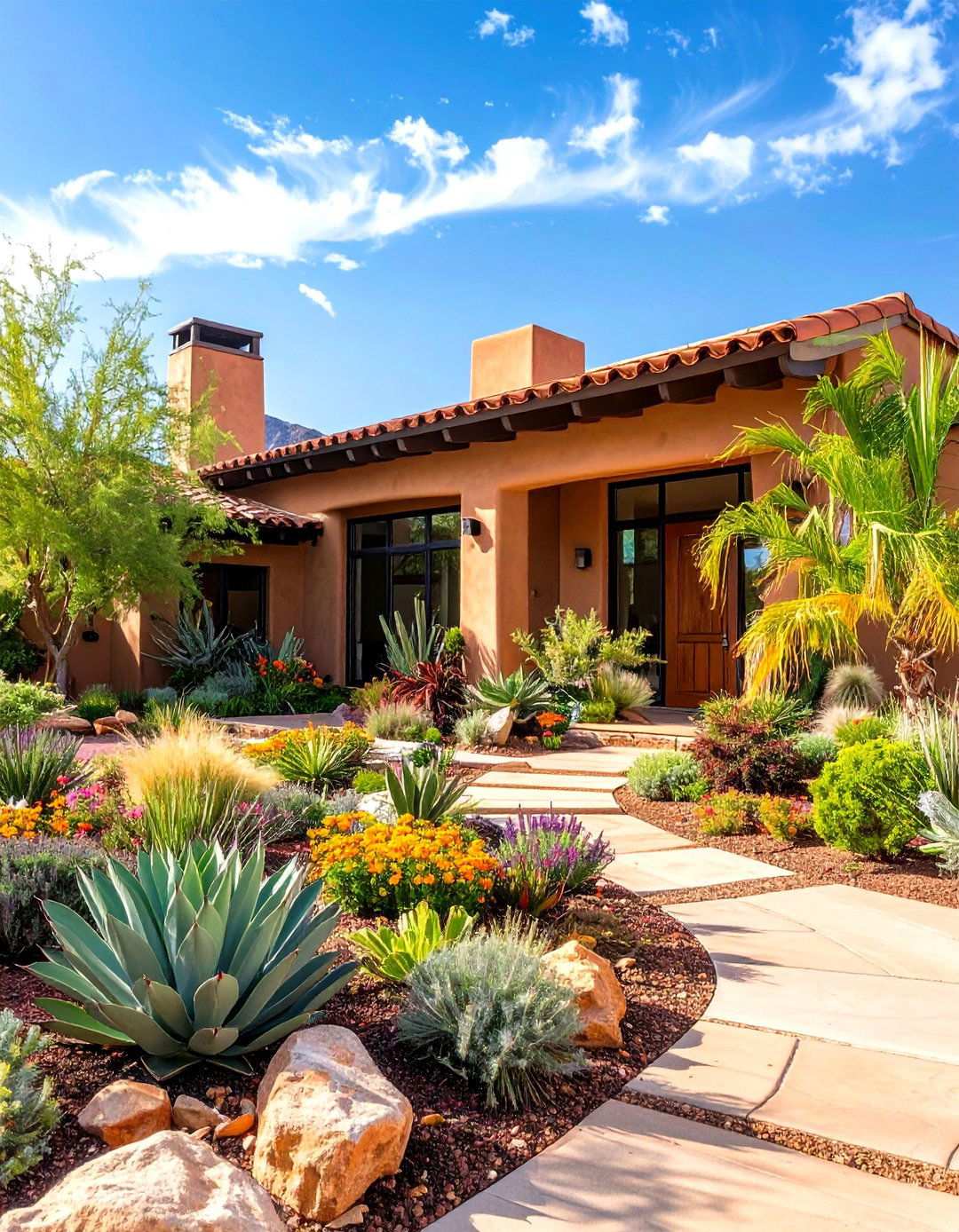
Why should landscape design mirror architectural simplicity while embracing local ecosystems? Native plant landscape frameworks offer a sophisticated solution, crafting outdoor environments that harmonize with minimalist architecture while requiring minimal maintenance. These designs feature indigenous plants arranged in geometric patterns that thoughtfully reflect building proportions and orientations. Drought-tolerant species provide a dynamic touch, offering seasonal interest while supporting local wildlife and reducing irrigation needs. Hardscaping elements like decomposed granite paths or concrete edging create seamless transitions between planted areas and building surfaces. The secret to successful plant selection lies in choosing species that provide year-round structure while undergoing subtle changes seasonally, preventing visual monotony. Geometric planting arrangements echo the architectural clarity while allowing plants to express their natural growth patterns, resulting in a landscape that matures beautifully over time. This approach particularly resonates with environmentally conscious homeowners seeking landscape designs that age gracefully while requiring minimal intervention, ultimately enhancing rather than competing with architectural statements while demonstrating environmental responsibility.