
1. Elevating Your Sanctuary with Japandi Design Principles
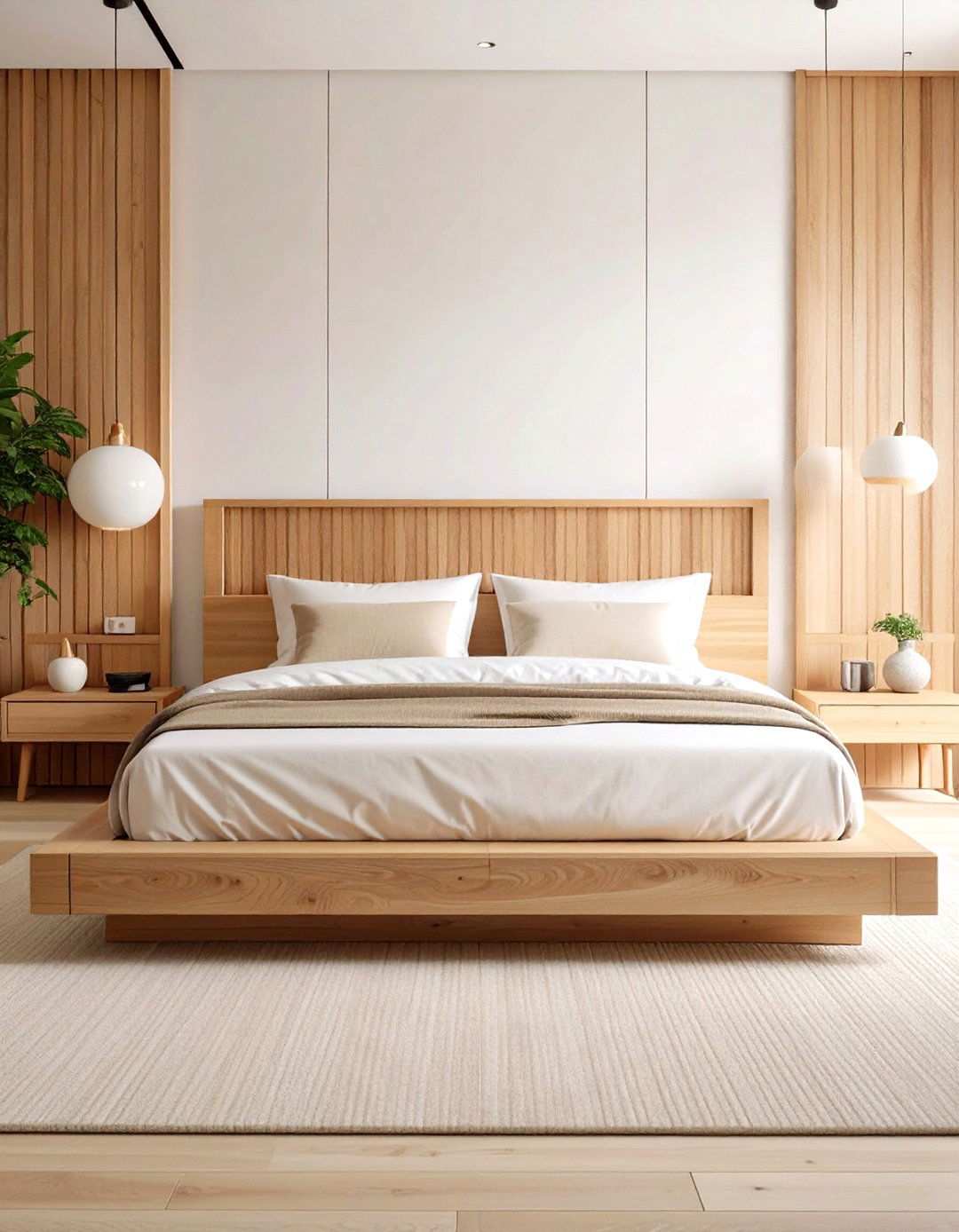
Transform your bedroom into a tranquil oasis by embracing the harmonious fusion of Japanese minimalism and Scandinavian comfort, which defines the Japandi style. This thoughtful blend of clean lines, natural materials, and intentional simplicity prioritizes both functionality and serenity, making it an ideal approach for creating a restorative retreat. The Japandi aesthetic not only celebrates the beauty of imperfection through the wabi-sabi philosophy but also invites the cozy warmth of Scandinavian hygge, resulting in a space that nurtures both body and soul.

As an Amazon Associate I earn from qualifying purchases.
By incorporating elements such as low-profile furniture, organic textures, neutral color palettes, and sustainable materials, you can craft an environment that embodies intentional living. Each design choice is a deliberate step towards creating a space that fosters calm, where less truly becomes more meaningful and every element serves a purpose in promoting peaceful rest and mindful living.
2. Establishing a Foundation with Natural Wood Platform Beds
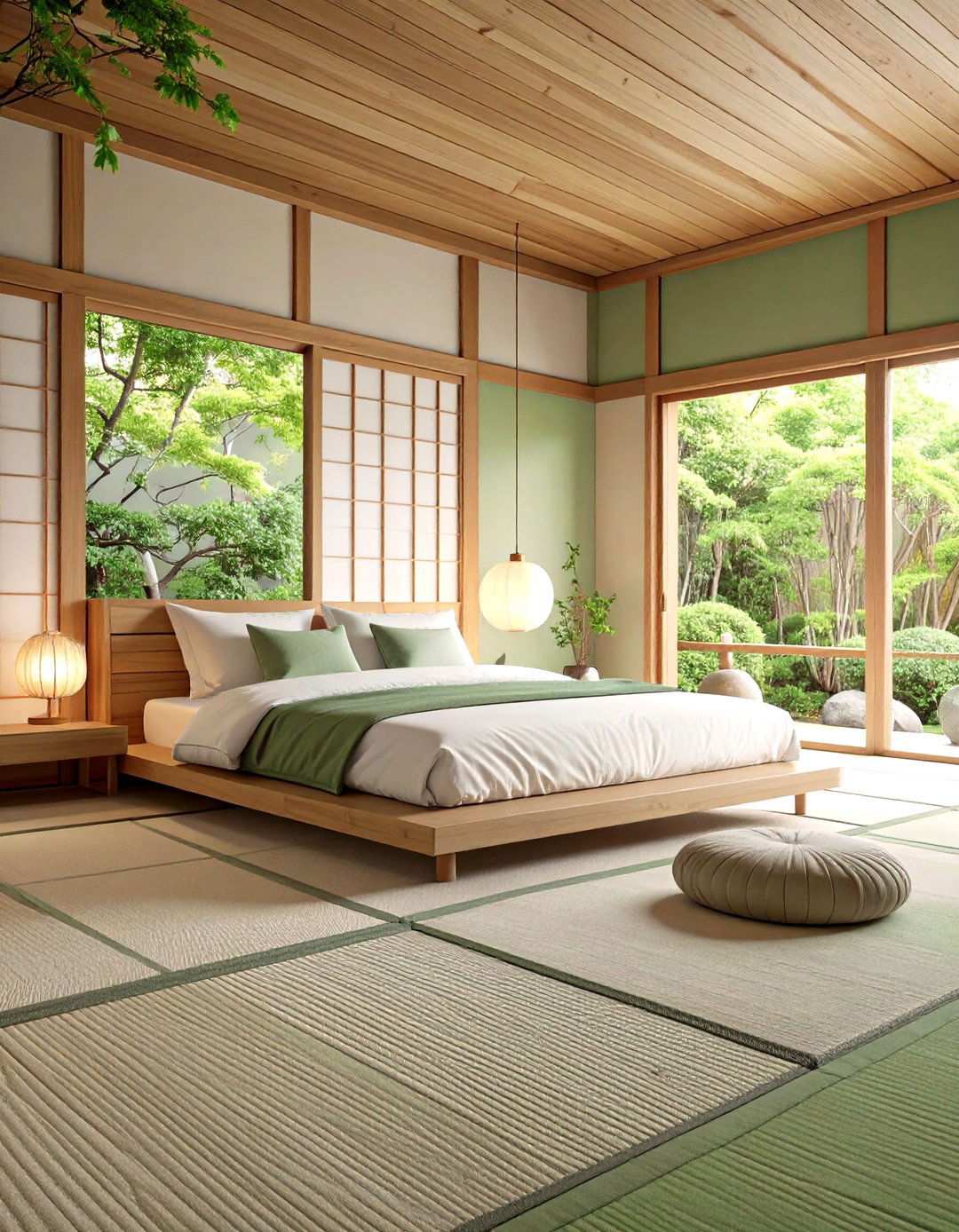
A natural wood platform bed is a cornerstone of authentic Japandi bedroom design, featuring clean horizontal lines and minimal ornamentation that ground the entire space. This versatile piece serves as a testament to the importance of natural materials in Japandi design, where sustainability meets style. Choose from sustainably sourced oak, ash, or bamboo, each with visible grain patterns that celebrate the wood’s natural beauty and imperfections. The low-profile design creates an illusion of spaciousness while maintaining connection to the floor, embodying traditional Japanese sleeping customs.
Light wood finishes like blonde oak or natural maple enhance brightness and airiness, while darker walnut tones add sophisticated warmth. This foundational piece supports both Western mattresses and traditional futons, offering versatility in your sleep comfort preferences. By incorporating a natural wood platform bed, you can establish a sense of continuity and cohesion in your bedroom, setting the stage for a tranquil retreat that promotes restful sleep and relaxation.
3. Hidden Spaces, Uncluttered Views

Is your bedroom becoming a reflection of your chaotic life? Japandi bedroom design offers a solution by concealing clutter and maintaining a clean, minimalist aesthetic. Built-in wardrobes with sleek sliding doors provide a discreet storage solution, keeping your personal belongings out of sight. Platform bed frames with built-in under-bed storage drawers optimize space efficiency without compromising the room’s sleek feel. Floating nightstands with subtle compartments offer a convenient storage solution for bedside essentials, all while maintaining an airy atmosphere. To integrate seamlessly with your existing furniture, opt for storage pieces in natural wood finishes that complement your overall design.
4. Embracing the Rhythms of Nature
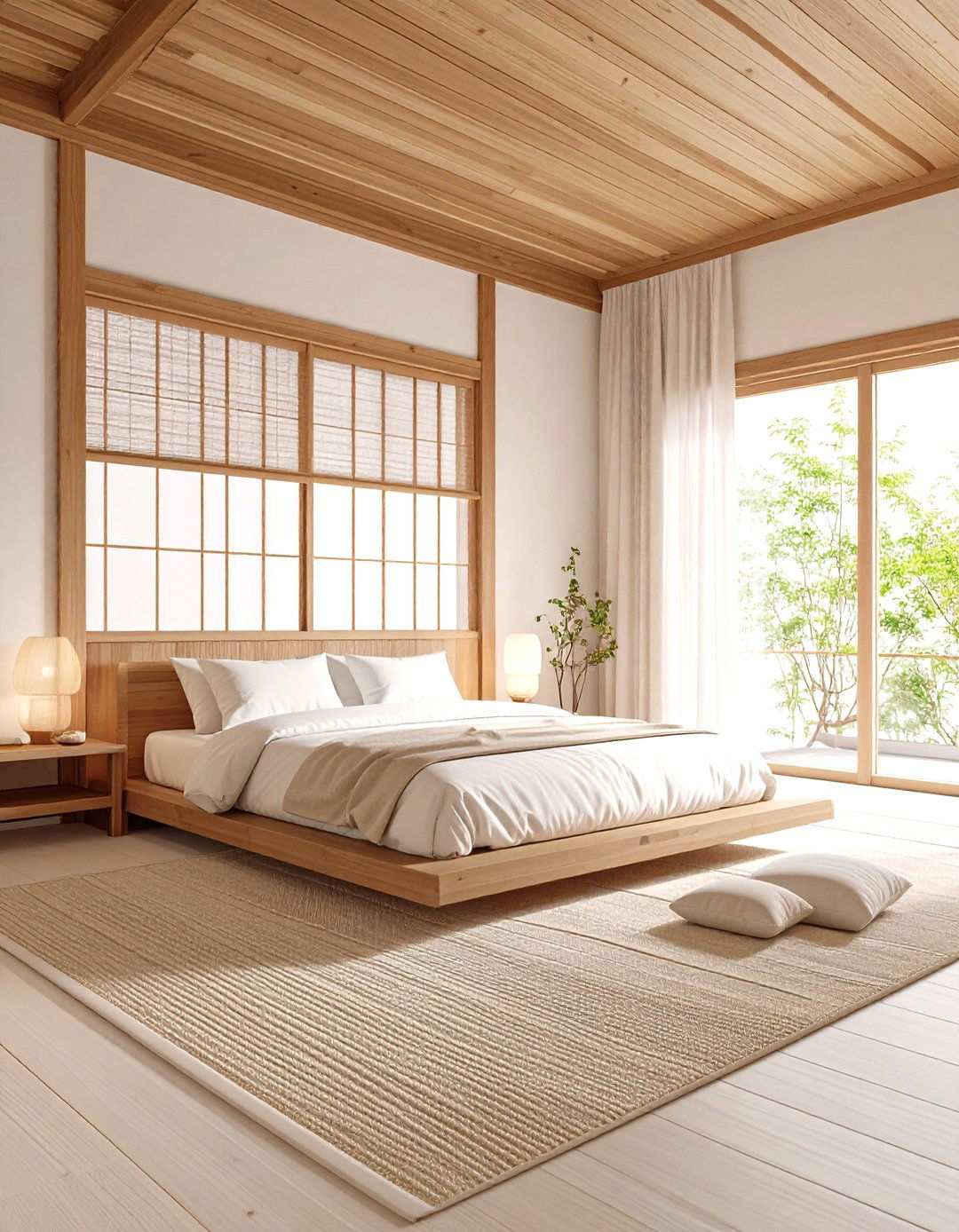
How does the arrival of natural light impact your morning routine? A Japandi bedroom’s ambiance is deeply connected to the natural world, creating a serene and authentic space that resonates with the outdoors. To achieve this, consider installing sheer linen curtains or bamboo blinds that filter harsh sunlight while maintaining your desired level of privacy. Position your bed to capture the gentle morning light, creating a peaceful wake-up experience that’s both refreshing and rejuvenating. Large windows or skylights become stunning architectural features that celebrate the changing seasons and weather patterns, allowing you to connect with the world outside. During the darker months, supplement with warm-toned LED lighting that simulates the natural progression of sunlight, adding depth and dimension to your bedroom.
5. The Art of Layered Comfort

Could your bedding choices be undermining your sleep quality and bedroom aesthetics? Japandi bedroom comfort is rooted in the use of natural fibers, which offer breathable luxury that only improves with time. By layering organic cotton sheets in neutral tones beneath a linen duvet cover, you can achieve temperature regulation and visual interest. Add textural depth with a chunky wool throw in a neutral shade, creating a cozy contrast against smooth fabrics. When selecting bedding, opt for pieces in slightly different shades of the same color family to achieve subtle sophistication without pattern complexity. As natural fibers develop a beautiful patina over time, they embody the wabi-sabi appreciation for aging gracefully. This layered approach provides adaptable comfort for seasonal temperature changes while maintaining the serene, uncluttered appearance essential to Japandi design.
6. Unifying Nature's Beauty
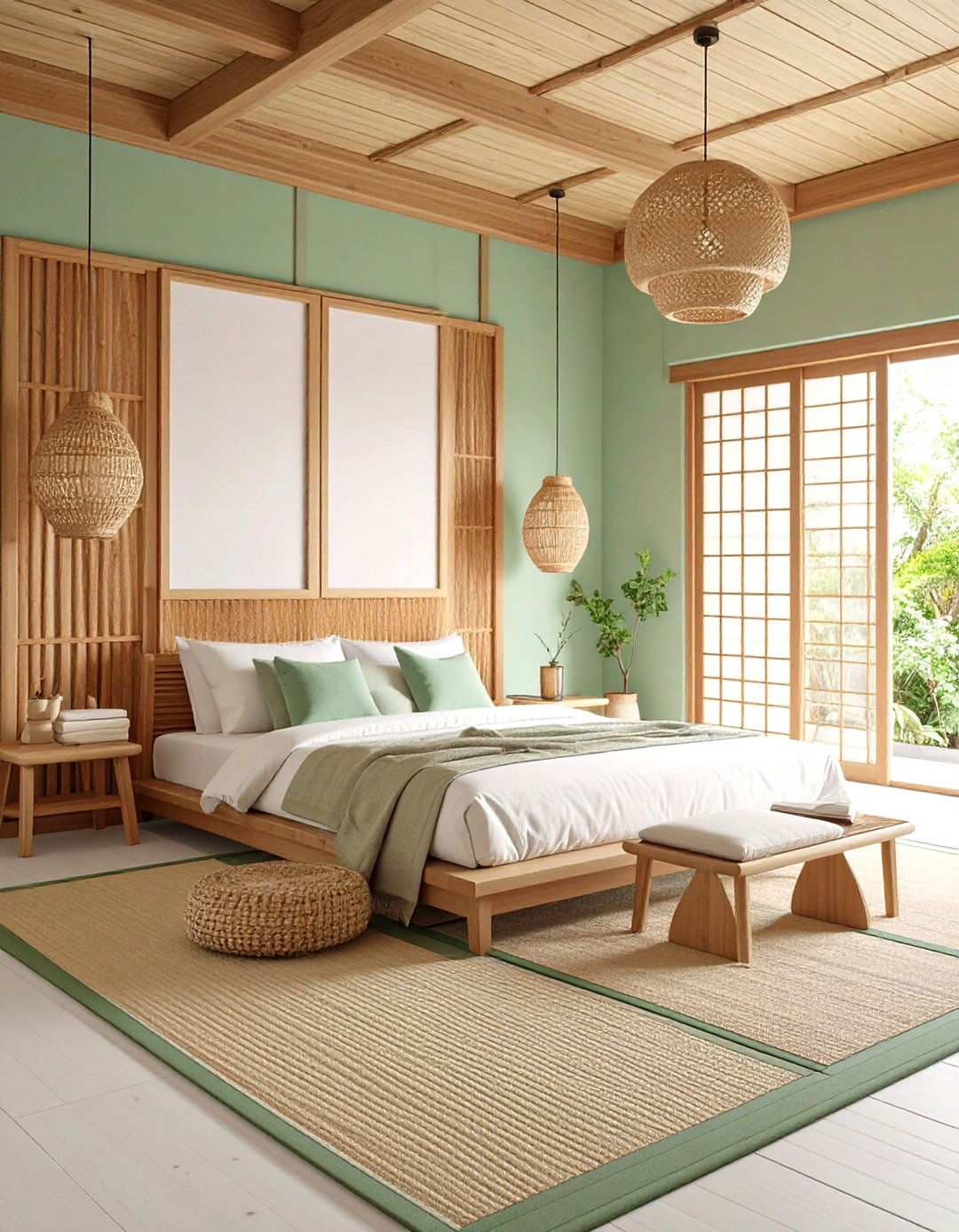
When embracing the Japandi style, why opt for artificial materials when Mother Nature offers stunning alternatives? Bamboo and rattan elements bring warmth and texture to your bedroom while preserving the minimalist aesthetic. A bamboo room divider can create intimate zones within larger spaces while maintaining visual flow, fostering a sense of connection. Rattan pendant lighting casts intricate shadow patterns, providing soft, ambient illumination perfect for unwinding in the evening. Bamboo or rattan storage baskets serve dual purposes as functional organization and natural art pieces. These materials develop rich patinas over time, enhancing their character and aligning with Japandi principles of environmental awareness and thoughtful material selection.
7. The Allure of Imperfection
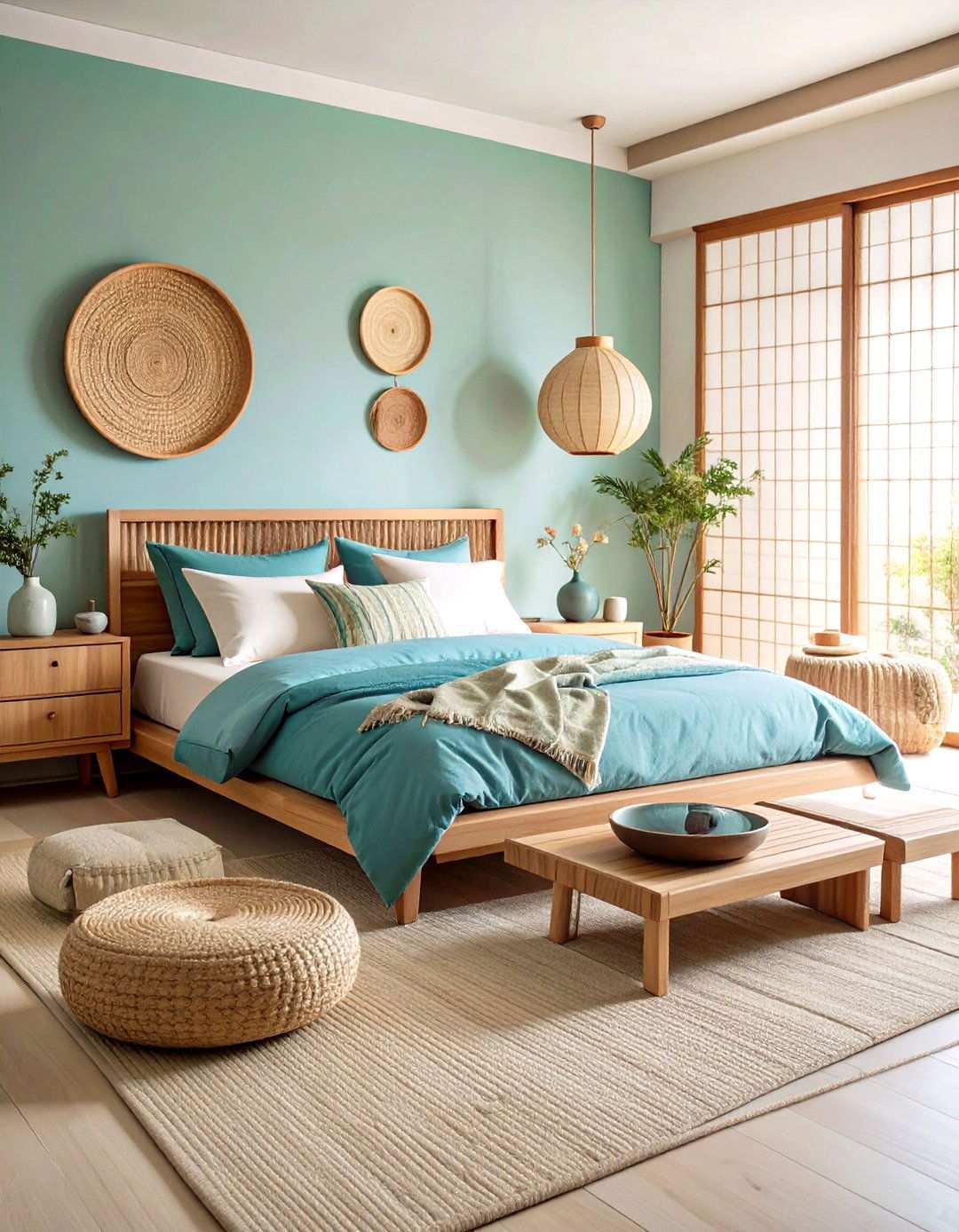
Have you ever considered that your bedroom’s “flaws” might be its most captivating feature? Wabi-sabi philosophy celebrates the beauty of imperfection, creating deeply personal and authentic Japandi spaces. Showcase handmade ceramics with visible maker’s marks, unique glazing styles, or natural color variations that tell the story of their creation. Choose furniture pieces that showcase natural wood grain patterns, small knots, or gentle weathering, which speak to the authenticity of the material. Arrange objects in organic compositions that feel effortless rather than forced or perfectly symmetrical. Embrace textiles with irregular weaves, natural color variations, or subtle wear patterns that evoke a sense of lived-in comfort. By embracing imperfection, you create spaces that feel genuinely welcoming and human.
8. Cultivating Serenity with Tatami Mat Flooring
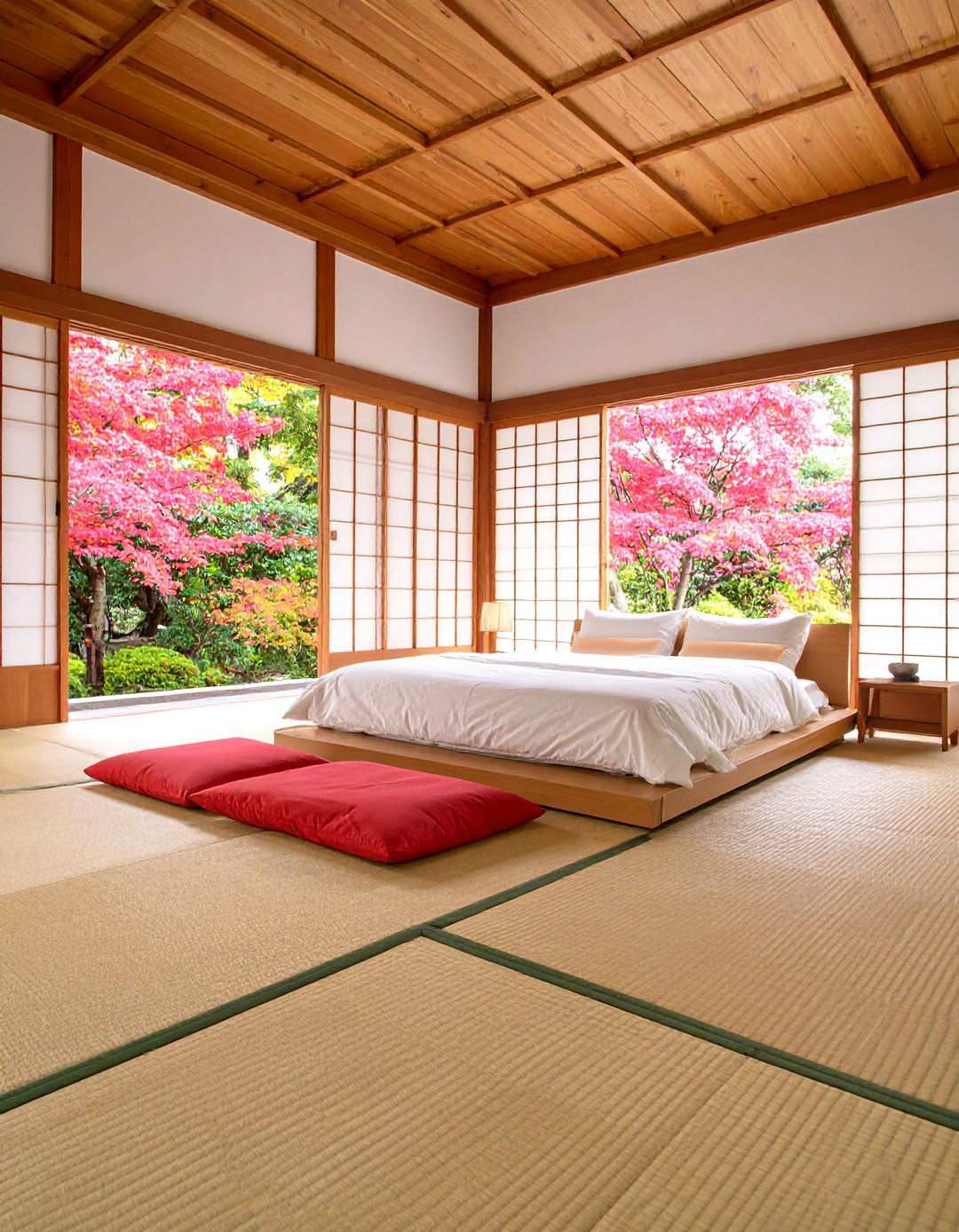
Imagine your flooring becoming a meditative element in your daily routine. Traditional tatami mats transform your bedroom into an authentic Japanese-inspired sanctuary that connects you with cultural craftsmanship. These woven rush grass mats provide natural insulation, comfortable walking surfaces, and a subtle fragrance that enhances relaxation. Install full tatami coverage for a complete traditional immersion, or create designated meditation zones within larger bedrooms. The standardized mat sizing creates harmonious room proportions that feel balanced. Tatami requires respect—remove shoes before walking on these sacred surfaces to preserve their integrity and honor their cultural significance. Regular maintenance involves gentle brushing and occasional sunning to maintain their natural beauty and prevent moisture accumulation.
9. Shoji Screen Room Dividers
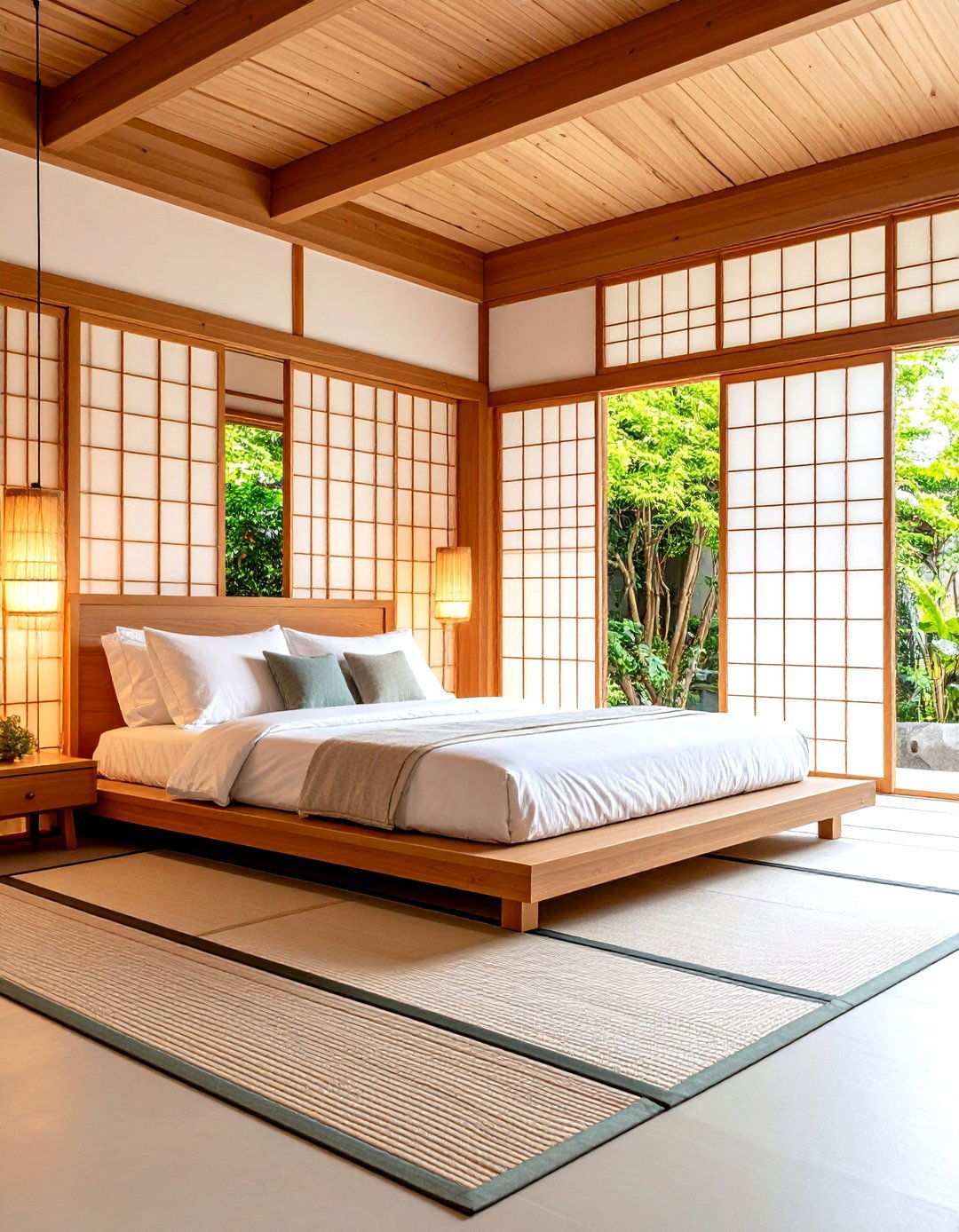
Could minimalist barriers amplify the sense of seclusion in your bedroom? Japandi spaces benefit from translucent partitions that balance light flow with visual connection. Shoji screens, a traditional fusion of wood and paper, create soothing diffused lighting while defining separate areas for rest, dressing, or contemplation. Opt for authentic washi paper for a vintage look or modern alternatives like frosted acrylic for durability in high-traffic zones. Sliding shoji panels can conceal storage compartments or create temporary guest sleeping areas as needed. The geometric wooden framework adds a touch of architectural interest without overpowering the space, preserving the airy atmosphere that defines minimalist design. These screens gently filter harsh light while ensuring intimacy and creating cozy pockets within larger rooms.
10. Low-Profile Furniture Arrangements
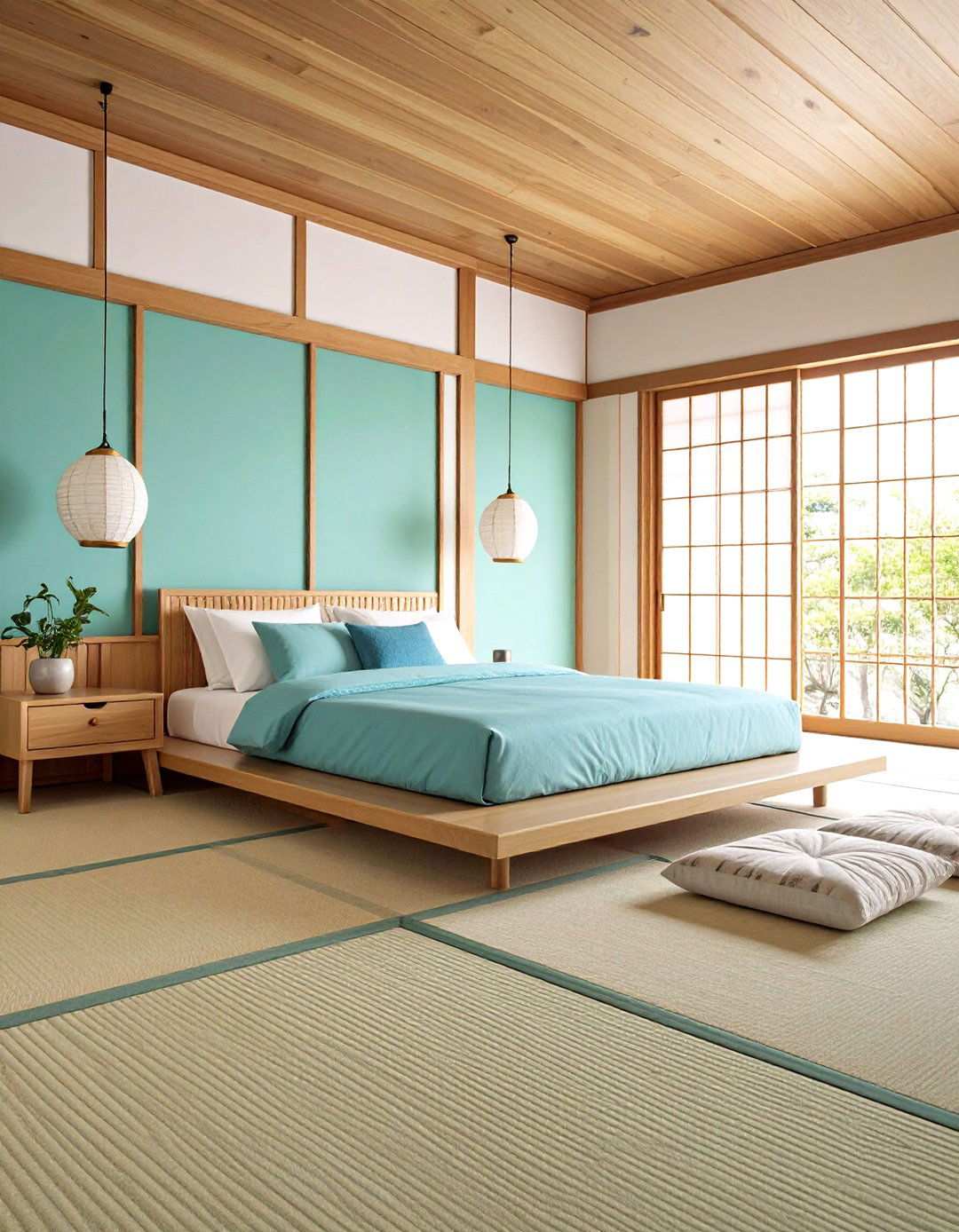
Why do Western furniture styles disrupt the serenity of Japanese-inspired bedroom spaces? Low-profile furniture layouts pay homage to traditional Japanese living customs, infusing Japandi bedrooms with a sense of calm and spaciousness. Place your platform bed, nightstands, and seating pieces close to the floor to create a horizontal emphasis and visual serenity. This lowered perspective subtly alters your experience of the room, making ceilings appear higher and spaces feel more expansive. Select nightstands and dressers with clean, horizontal lines that harmonize with your bed’s low profile rather than competing for visual attention. Floor cushions and low benches offer flexible seating options that can be easily stored when not in use. By thoughtfully integrating furniture pieces, you create a sense of harmony that maintains the uncluttered aesthetic central to Japandi design.
11. Layered Texture Combinations
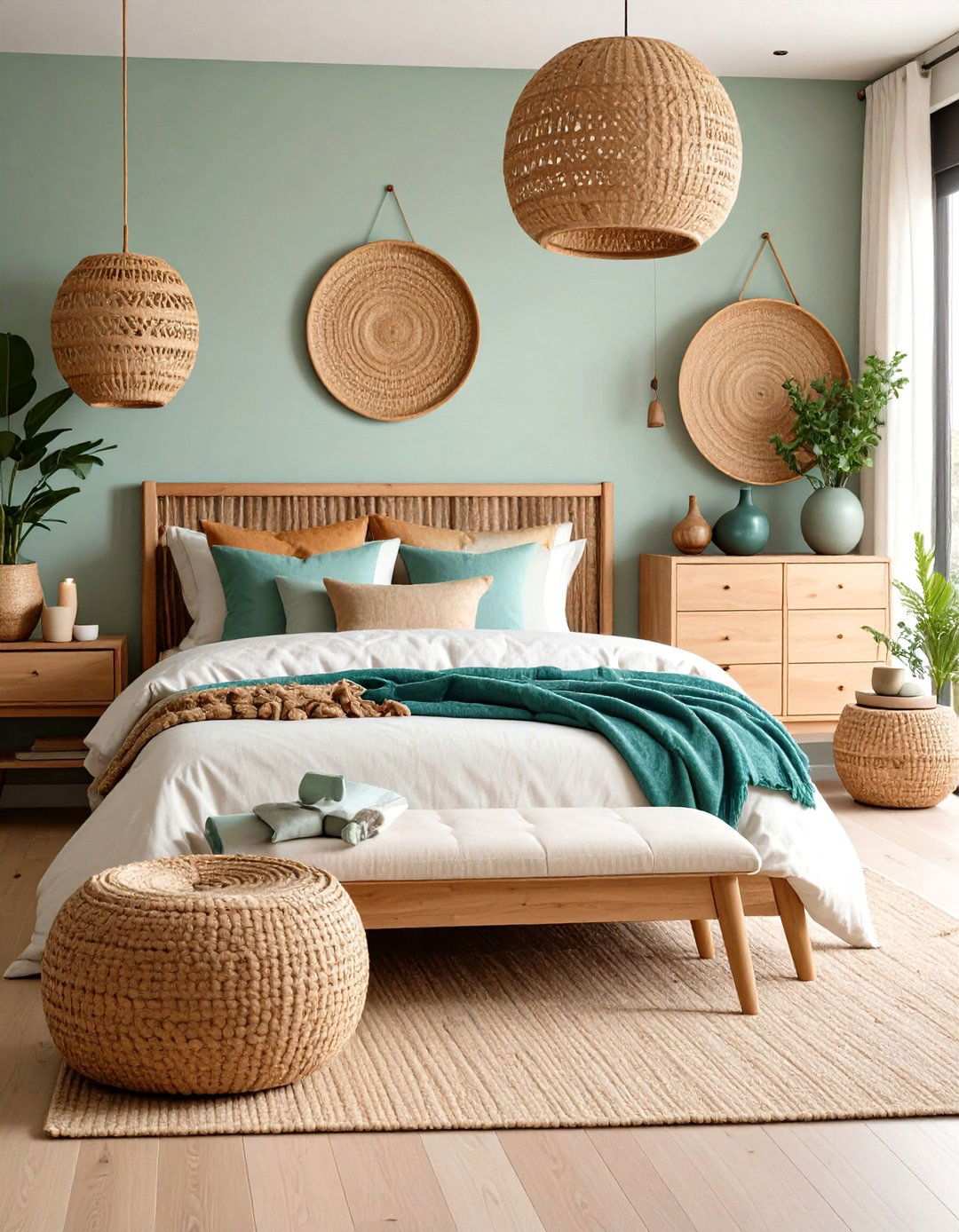
Are smooth surfaces making your bedroom feel sterile and uninviting? Introducing organic textures creates tactile richness that invites touch and adds visual depth to minimalist Japandi bedroom spaces. Combine smooth linen sheets with chunky wool throws, polished wood surfaces with rough-hewn baskets, and sleek ceramics with natural stone elements. Each texture should feel genuine to its material source, rather than artificially processed or overly refined. Choose textures that age beautifully, developing character and patina through regular use and handling. Natural fiber rugs with loose weaves, handwoven blankets with irregular patterns, and pottery with visible tool marks all contribute to this authentic textural narrative. The interplay between various organic textures creates sensory interest without visual chaos, maintaining a sense of calm while preventing sterility.
12. Harmonizing Furniture with Nature's Rhythm
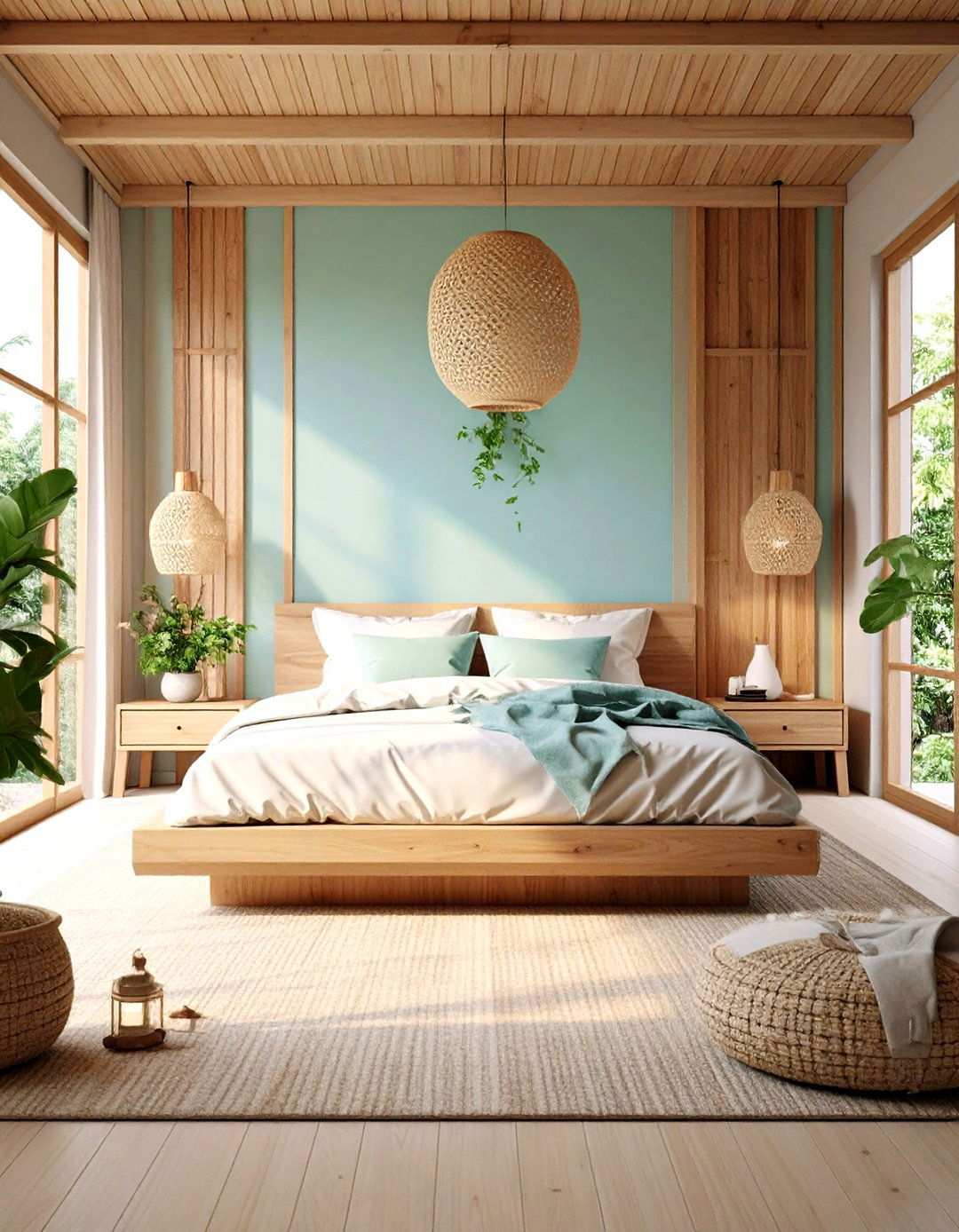
As you cultivate a Japandi bedroom, consider the lasting impact of your furniture choices on the planet. By embracing sustainable materials and practices, you can align your space with the philosophy of environmental awareness and a focus on quality over quantity. Opt for pieces crafted from responsibly sourced woods, certified organic textiles, and recycled materials that significantly reduce their ecological footprint. To promote a sense of timelessness, invest in a smaller number of high-quality items designed to endure for decades rather than temporary alternatives that necessitate frequent replacements. Connect with local artisans and makers who prioritize sustainable production methods, and explore the versatility of natural materials like bamboo, cork, and hemp, which grow rapidly and require minimal processing. By contemplating the entire lifecycle of each item – from sourcing to disposal – you can ensure your bedroom design not only supports personal well-being but also contributes to the health of the planet through mindful material stewardship.
13. Sanctuary for the Mind
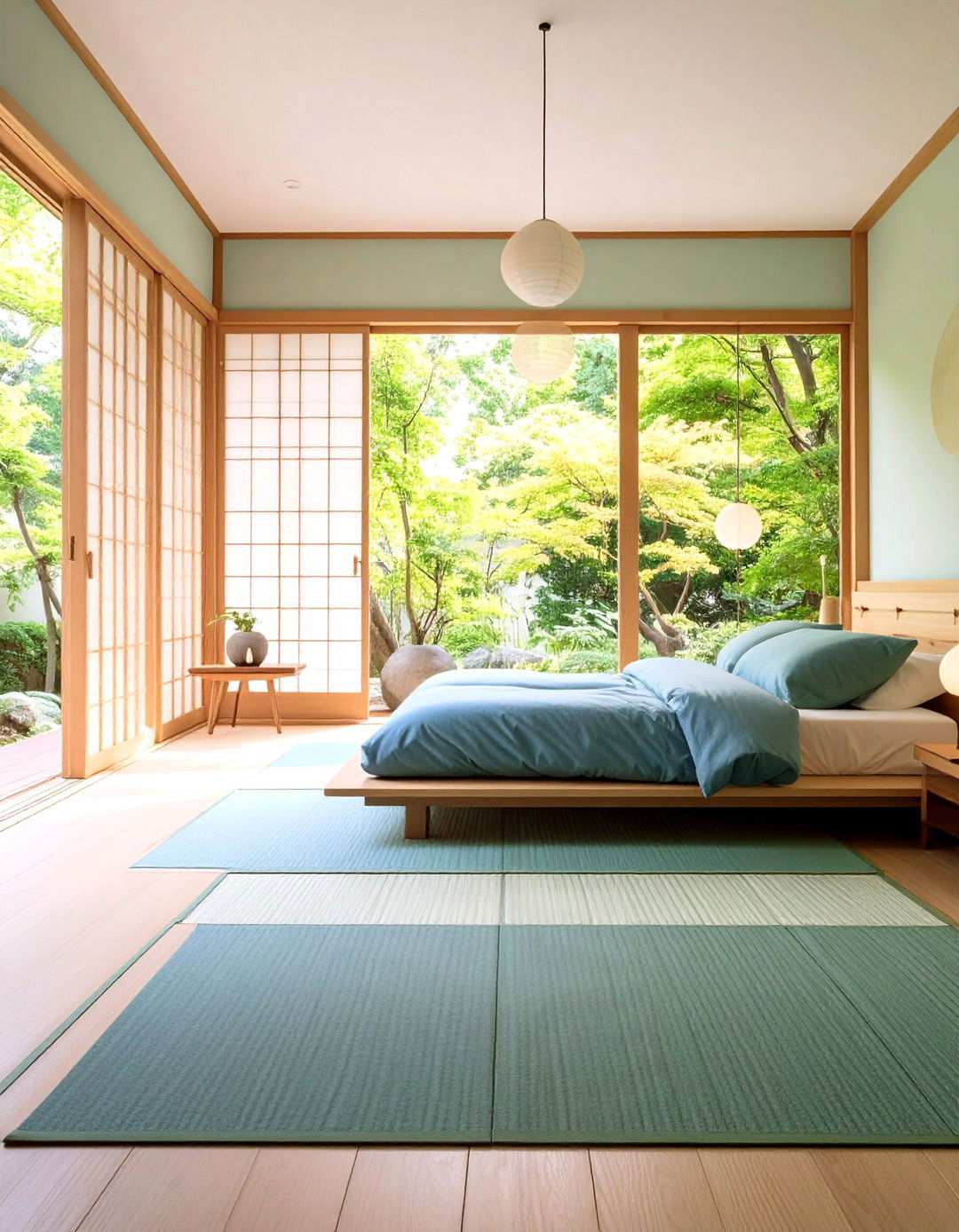
In a Japandi bedroom, a dedicated meditation area serves as a powerful tool for cultivating mindfulness and rejuvenating the mind. By setting a peaceful space for reflection, you establish a daily ritual that nurtures mental well-being. Position a comfortable floor cushion or meditation bench near a window where the gentle flow of natural light creates a soothing ambiance without distractions. A small, low table or shelf can be used to hold a meditation timer, journal, or meaningful objects that inspire your practice. When selecting this space, consider the flow of traffic in your bedroom to ensure a tranquil atmosphere during meditation. The subtle presence of natural elements, such as a small plant, stone, or bowl of water, can further enhance the meditative atmosphere. Maintaining a clutter-free environment in this designated peaceful zone allows it to serve as a visual anchor for serenity throughout your bedroom, reinforcing the bedroom’s role as a sanctuary and retreat.
14. Whispers of Candlelight in Soft Focus
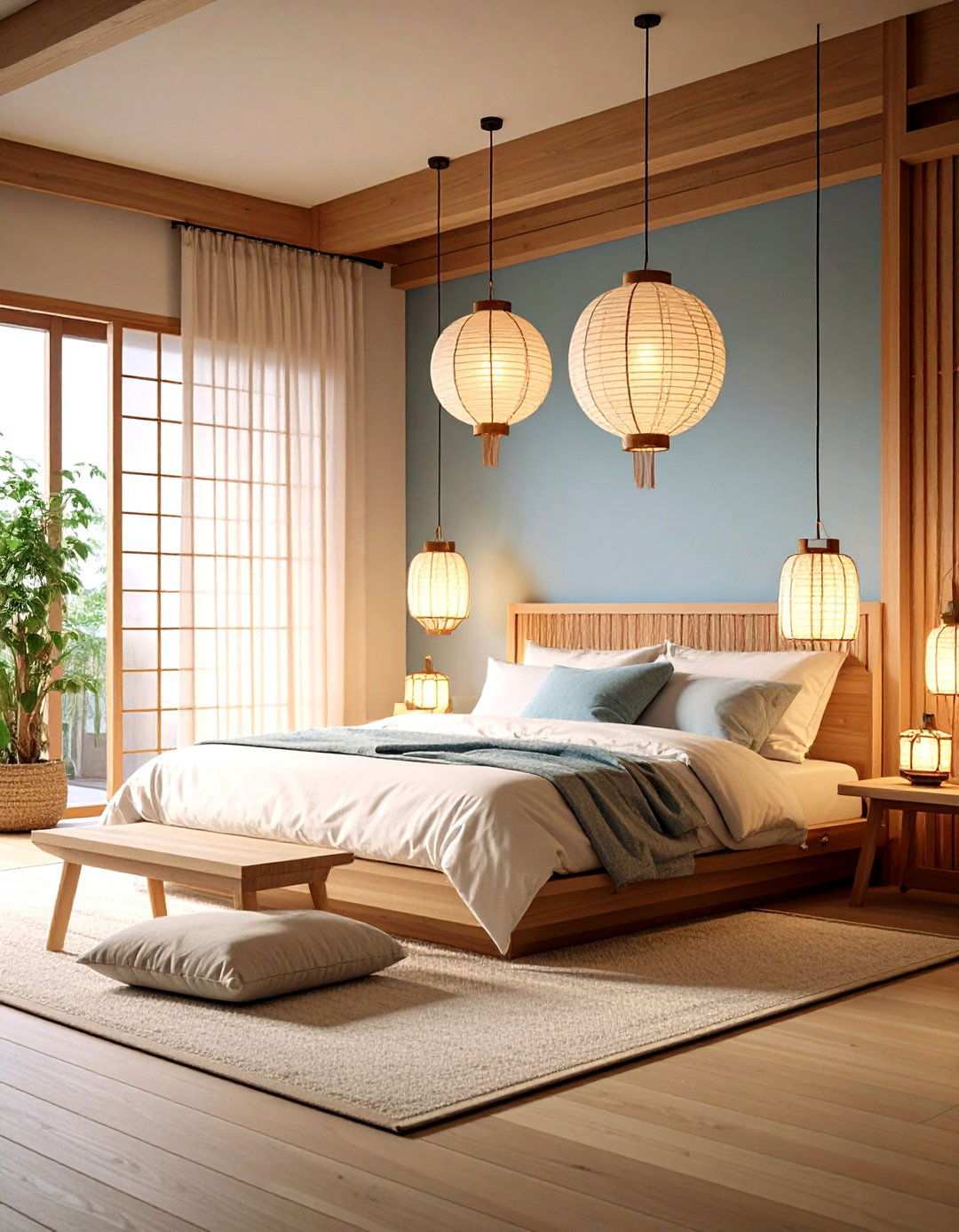
Artificial lighting can sometimes fail to replicate the warmth and coziness of candlelight, but traditional paper lanterns offer a delicate, diffused illumination that beautifully complements the Japandi aesthetic. These lanterns not only honor Japanese cultural heritage but also provide a soft, ethereal glow that filters throughout your space. Choose authentic washi paper lanterns in natural white or cream tones that add a touch of warmth to your bedroom. Hang pendant-style lanterns at varying heights to create layered lighting zones that cater to different activities, such as reading or relaxation. Table-top lanterns on nightstands provide intimate task lighting without harsh shadows or bright spots, while their organic shapes and natural materials add sculptural interest to the space. The soft, gentle light of paper lanterns casts beautiful shadow patterns on walls and ceilings, creating dynamic visual interest that evolves throughout the day, further enriching the Japandi ambiance of your bedroom.
15. Harnessing the Strength of the Earth
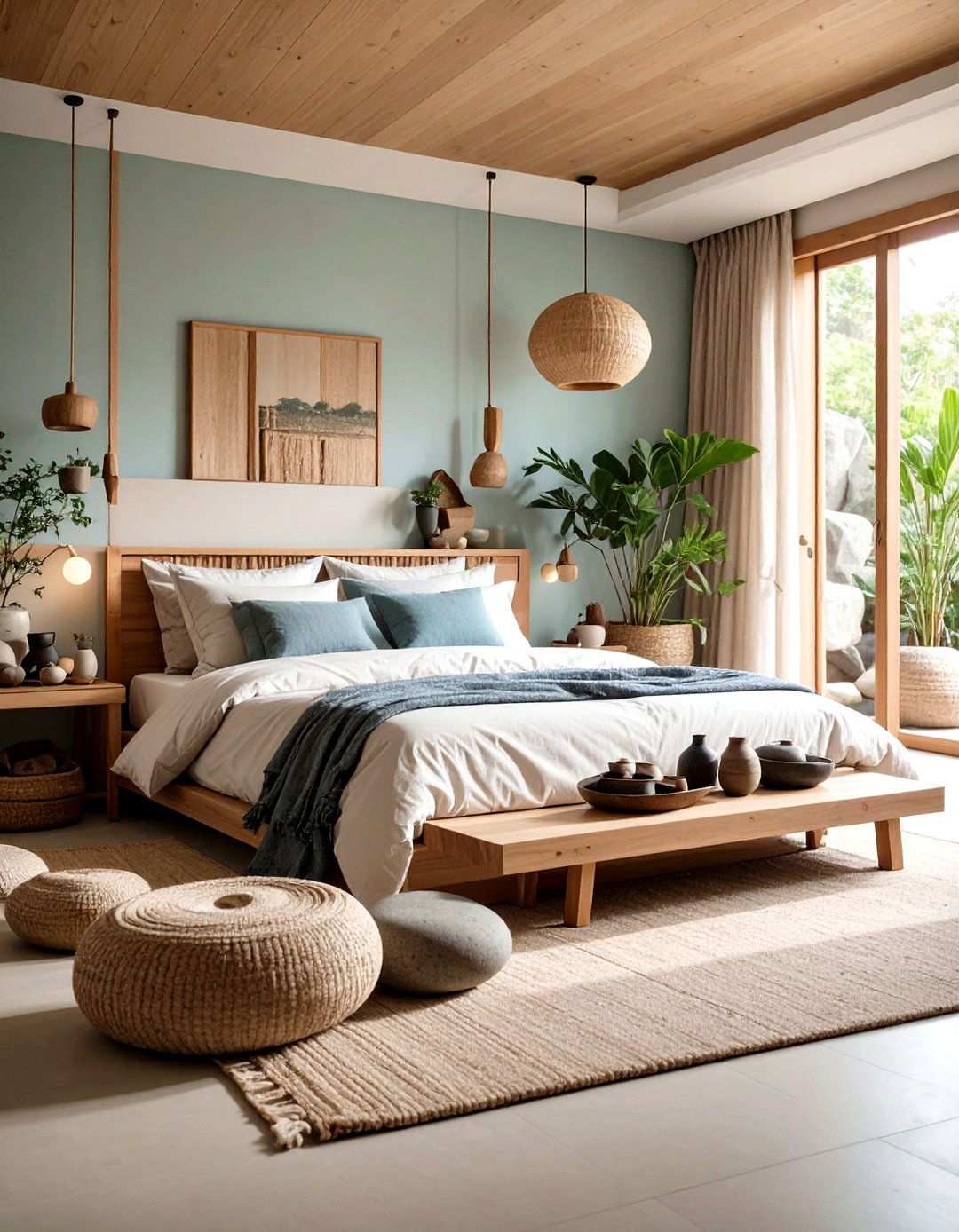
Japandi bedroom spaces can benefit from incorporating elements that tap into the earth’s enduring power and resilience. By embracing stone and ceramic accents, homeowners can infuse their bedrooms with grounding energy and a natural beauty that resonates with the fundamental elements of the earth. Displaying sculptural stone pieces or handmade ceramics can serve as a testament to the natural world’s majesty, with their unique textures and forms evoking the processes that shaped them. These materials bring a welcome contrast to the neutral color palette characteristic of Japandi design, while also providing opportunities for artistic expression. As functional elements, ceramic vessels can take on various roles, from water containers to planters or storage solutions, adding visual interest to the space. The durability and permanence of stone can have a profound psychological impact, while ceramic’s malleability represents the human capacity for creativity and adaptation.
16. Bringing Nature Indoors
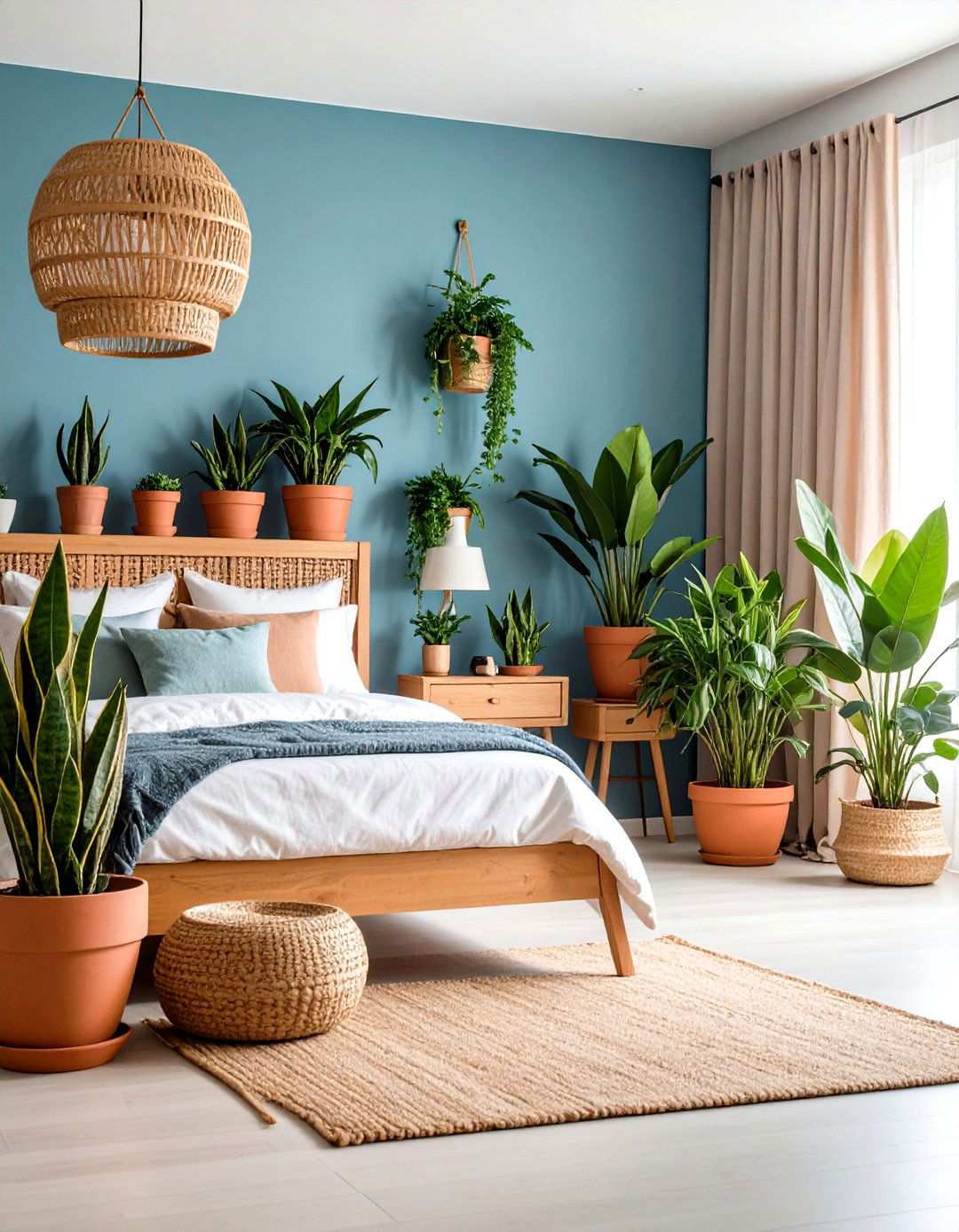
A carefully curated selection of indoor plants can be the key to infusing life and energy into your bedroom sanctuary. Not only do they purify the air and add natural color, but they also create a living connection to the outdoors, fostering a sense of harmony with the natural world. Homeowners can choose low-maintenance varieties like snake plants, ZZ plants, or pothos, which thrive in bedroom conditions without requiring extensive care. By positioning plants near windows, where they can receive adequate light without obstructing natural illumination, you can create a balanced and peaceful environment. Simple, natural planters like unglazed terracotta, bamboo, or ceramic can complement your design aesthetic without competing for attention. To maintain a restful atmosphere, it’s best to avoid flowering plants, which can release fragrances that disrupt sleep quality for some individuals. The gentle movement of leaves and subtle seasonal changes can help keep your bedroom feeling alive and connected to the rhythms of nature.
17. Maximizing Space with Multifunctional Design
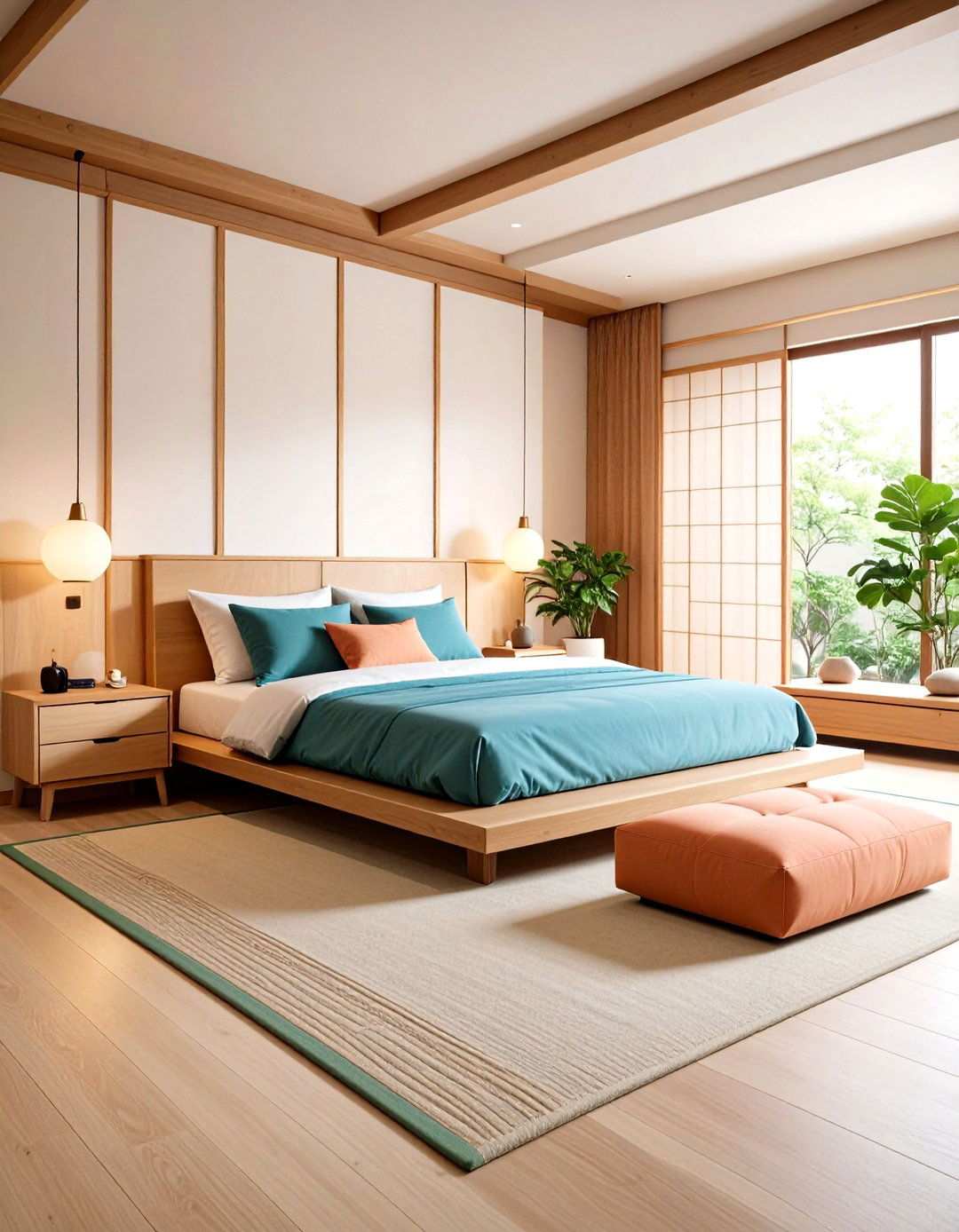
In Japandi bedrooms, thoughtful furniture design can make all the difference in creating a clutter-free and adaptable space. By selecting multifunctional pieces, homeowners can maximize utility while maintaining the uncluttered appearance that is essential to this design aesthetic. Nightstands with built-in charging stations, hidden storage, or pull-out surfaces are just a few examples of how thoughtful design can meet various needs throughout the day. Platform beds with integrated drawers eliminate the need for additional storage furniture, while maintaining clean lines and a sense of minimalism. Benches with lift-up seats can provide seating, storage, and display surfaces in one elegant piece, reducing visual clutter and increasing functionality. By choosing intelligent furniture solutions, homeowners can create a bedroom that adapts to changing needs without compromising its aesthetic integrity or peaceful atmosphere.
18. Soft Ambient Lighting
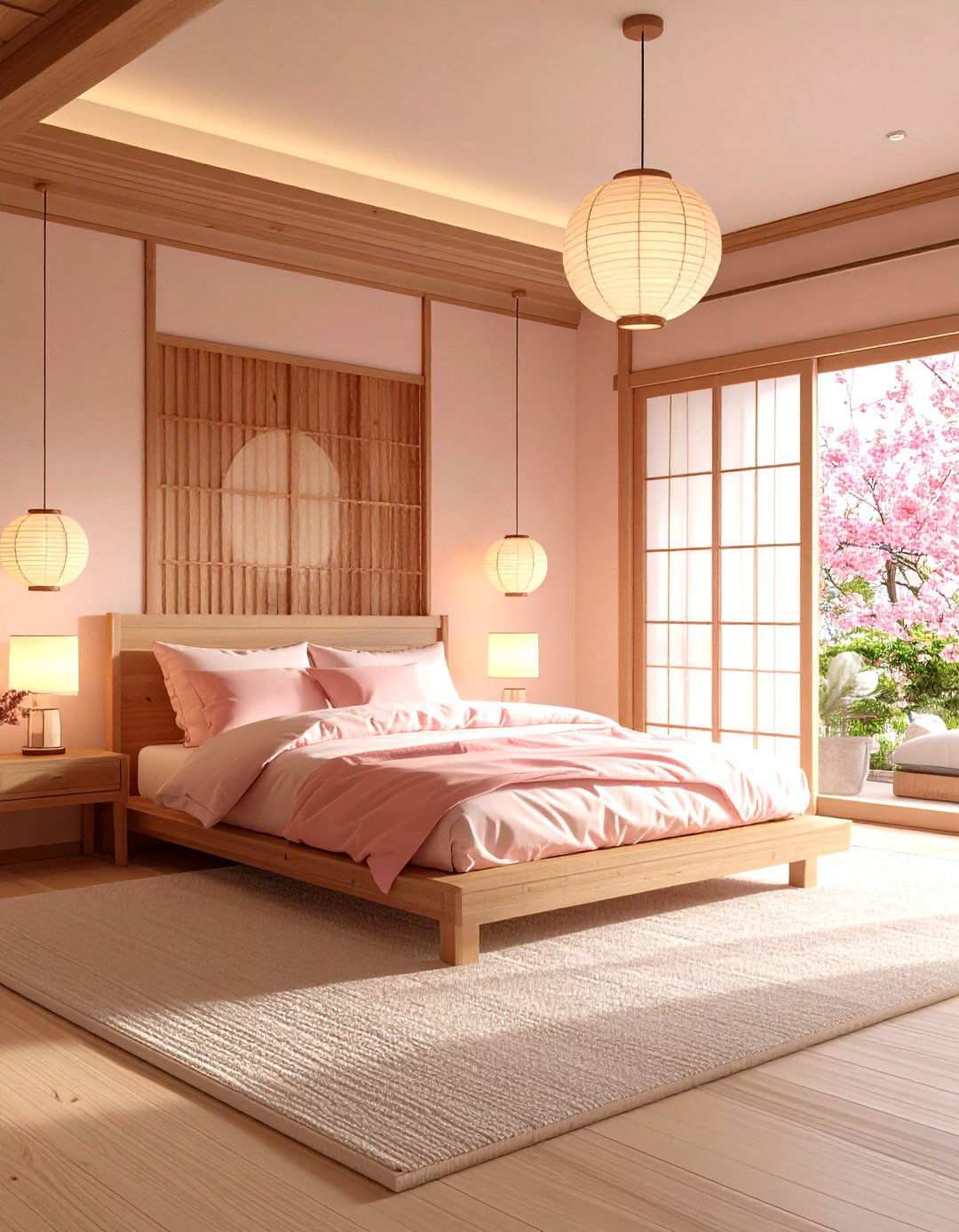
Transforming harsh overhead lights into a peaceful ambiance is crucial in creating a restful Japandi bedroom environment. To achieve this, layer soft ambient lighting that gently illuminates the space. Installing dimmer switches on overhead fixtures allows you to control light intensity throughout the day and night. Opt for table lamps with fabric or paper shades that diffuse light softly, reducing harsh shadows and bright spots. Wall-mounted sconces provide task lighting for reading while keeping bedside tables clutter-free. Subtle accent lighting can be achieved with string lights or LED strips hidden behind headboards or under furniture, ensuring sleep preparation remains undisturbed. Warm color temperatures (2700K-3000K) mimic natural firelight, supporting healthy circadian rhythms over cool white lighting. By incorporating thoughtful lighting design, you can create ambiance that supports both active use and restful sleep.
19. Handcrafted Artisan Pieces
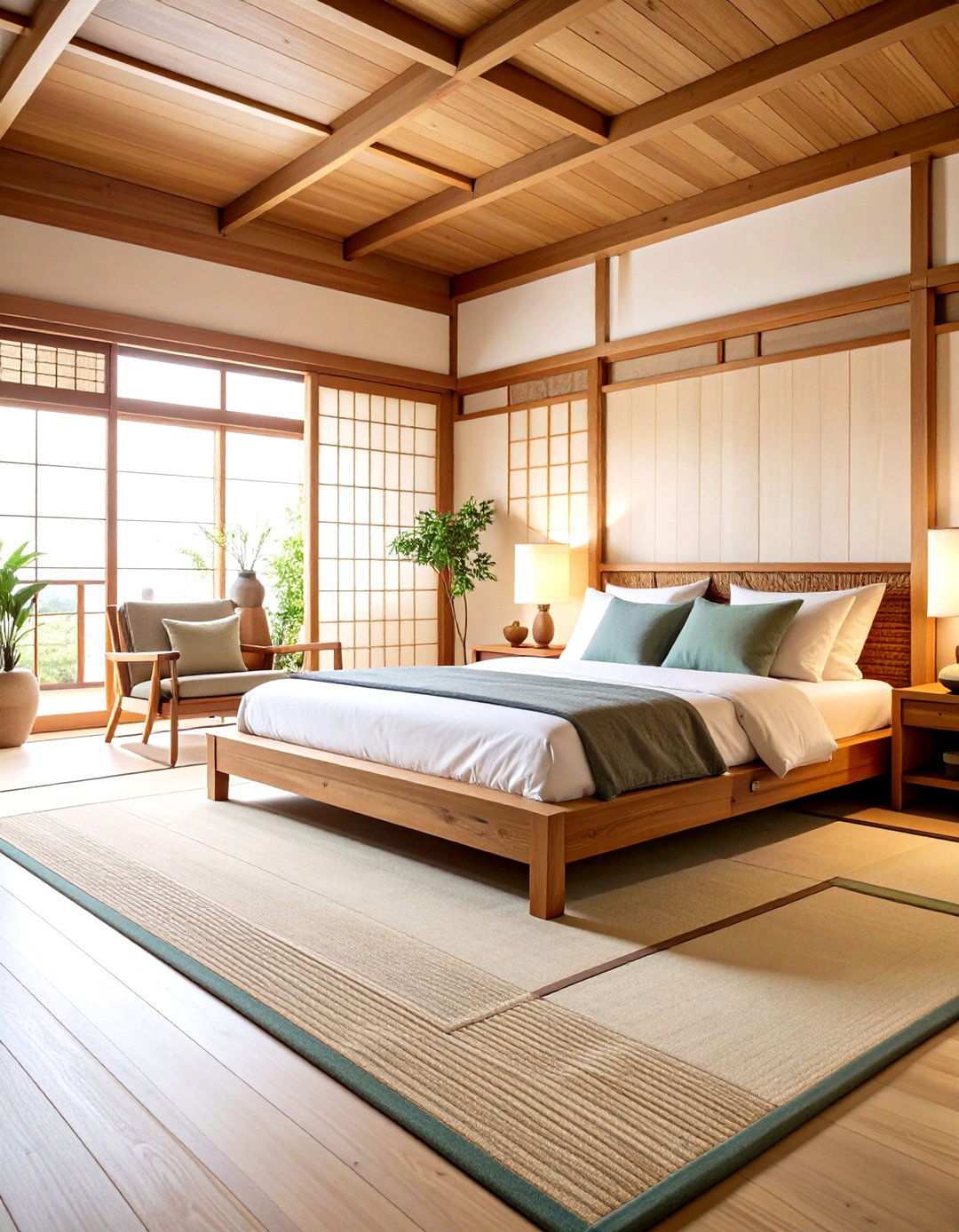
Mass-produced furniture can prevent your bedroom from showcasing your unique personality and soul. Handcrafted artisan pieces bring a touch of authenticity and human energy to Japandi bedroom spaces, while supporting traditional craftsmanship. Seek out furniture makers who employ traditional joinery techniques, hand-rubbed finishes, and sustainable materials in their creative processes. Choose pieces that demonstrate human hands at work, such as pottery, textiles, or woodwork with subtle irregularities, tool marks, or natural variations. These items often develop a rich patina and character over time, something mass-produced items cannot replicate. By supporting local artisans who work with regional materials and techniques, you can create an authentic connection to your place and community. The story behind each handcrafted piece adds meaning and emotional resonance to your bedroom design, transforming functional objects into treasured possessions with personal significance and cultural value.
20. Scandinavian Hygge Elements

Balancing minimalist aesthetics with the comfort necessary for true relaxation can be a challenge. However, incorporating Scandinavian hygge elements can add warmth and coziness to Japanese minimalism, creating the perfect Japandi bedroom fusion. Add soft throw blankets in natural wool or alpaca fibers that invite snuggling and relaxation. Incorporate comfortable reading chairs with organic shapes and natural upholstery where you can curl up with books or a warm cup of tea. Use candlelight or candle-like LED fixtures to create an intimate evening atmosphere without fire hazards. Choose natural wood furniture with slightly curved edges that feel welcoming rather than stark or cold. By embracing the hygge philosophy of cozy contentment, you can balance Japanese austerity, ensuring your bedroom feels nurturing rather than sterile. This combination creates spaces that support both active relaxation and restorative sleep through thoughtful comfort integration.
21. Mindful Beverage Retreat
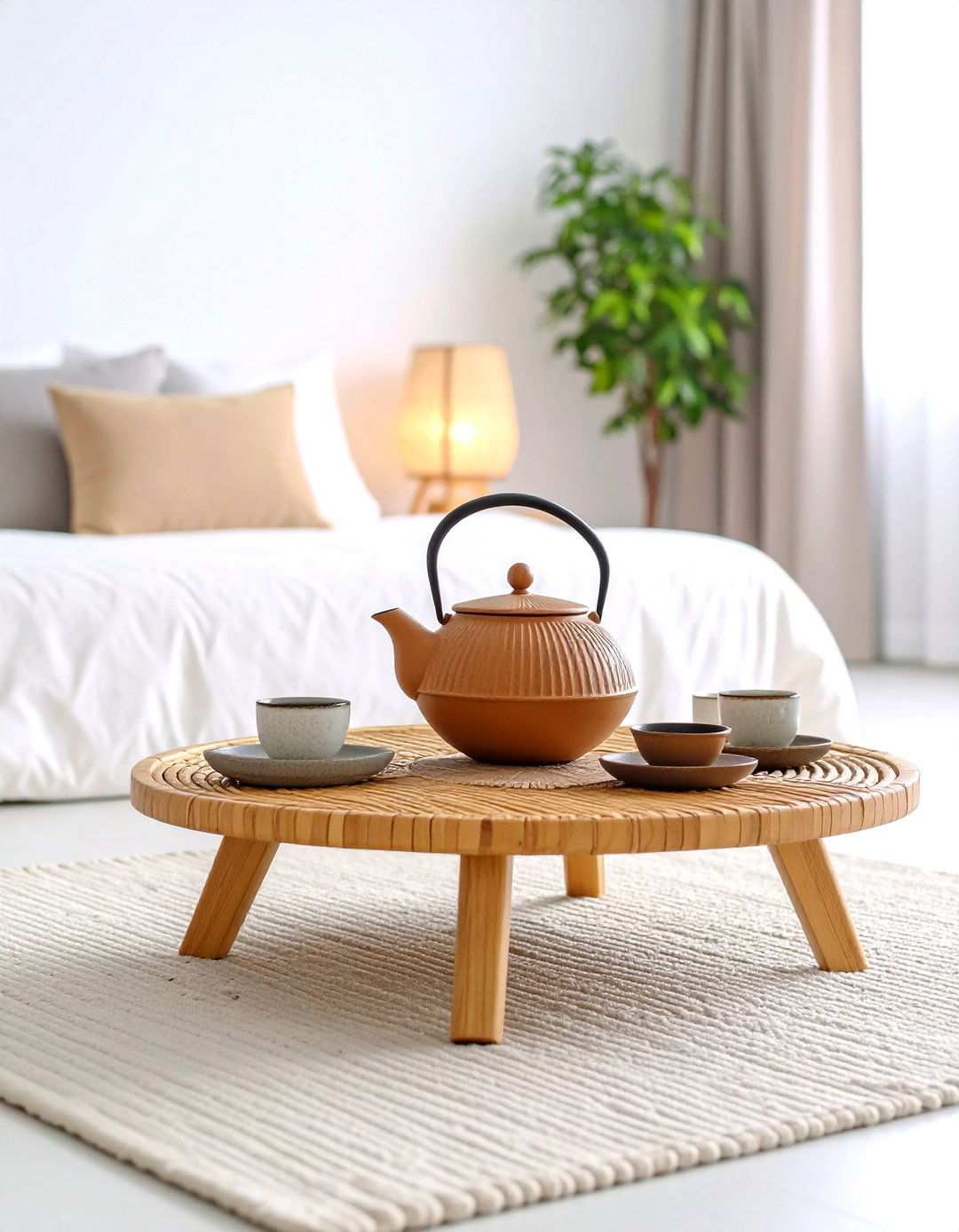
Imagine a serene sanctuary within your bedroom where you can retreat to a world of tranquility and mindfulness. A thoughtfully designed tea nook or corner, inspired by the tranquility of Japanese culture, invites you to slow down and appreciate the art of tea-making. As you prepare and savor your tea, you create a peaceful transition between your busy daily life and a restful night’s sleep. Incorporate traditional tea-making elements, such as ceramic teapots, bamboo whisks, or cast iron kettles, to elevate the experience and foster a sense of calm. Store your loose-leaf teas in elegant containers that not only complement your bedroom’s aesthetic but also preserve the flavor and aroma of your tea. By setting aside this dedicated space, you cultivate a daily mindfulness practice that nurtures your well-being and supports healthy sleep habits.
22. Natural Textures and Breathable Luxuries

Do synthetic fabrics undermine the authentic charm and coziness of your bedroom? Natural fiber textiles can transport you to a world of comfort and serenity, while also aligning with the Japandi design philosophy. Consider incorporating linen drapes that filter the light beautifully, providing a subtle balance between seclusion and natural illumination. Hemp or organic cotton rugs bring a sense of earthiness and durability to your bedroom, while maintaining a connection to sustainable material sources. Wool blankets are not only soft and luxurious but also regulate temperature and wick away moisture, ensuring a comfortable night’s sleep throughout the seasons. For a touch of understated elegance, add silk accent pillows that infuse your bedroom with a subtle sheen and natural beauty. As these natural materials mature with time, they develop a beautiful patina and softness, while also promoting healthy indoor air quality by avoiding the chemicals commonly found in synthetic alternatives.
23. The Art of Monochromatic Design
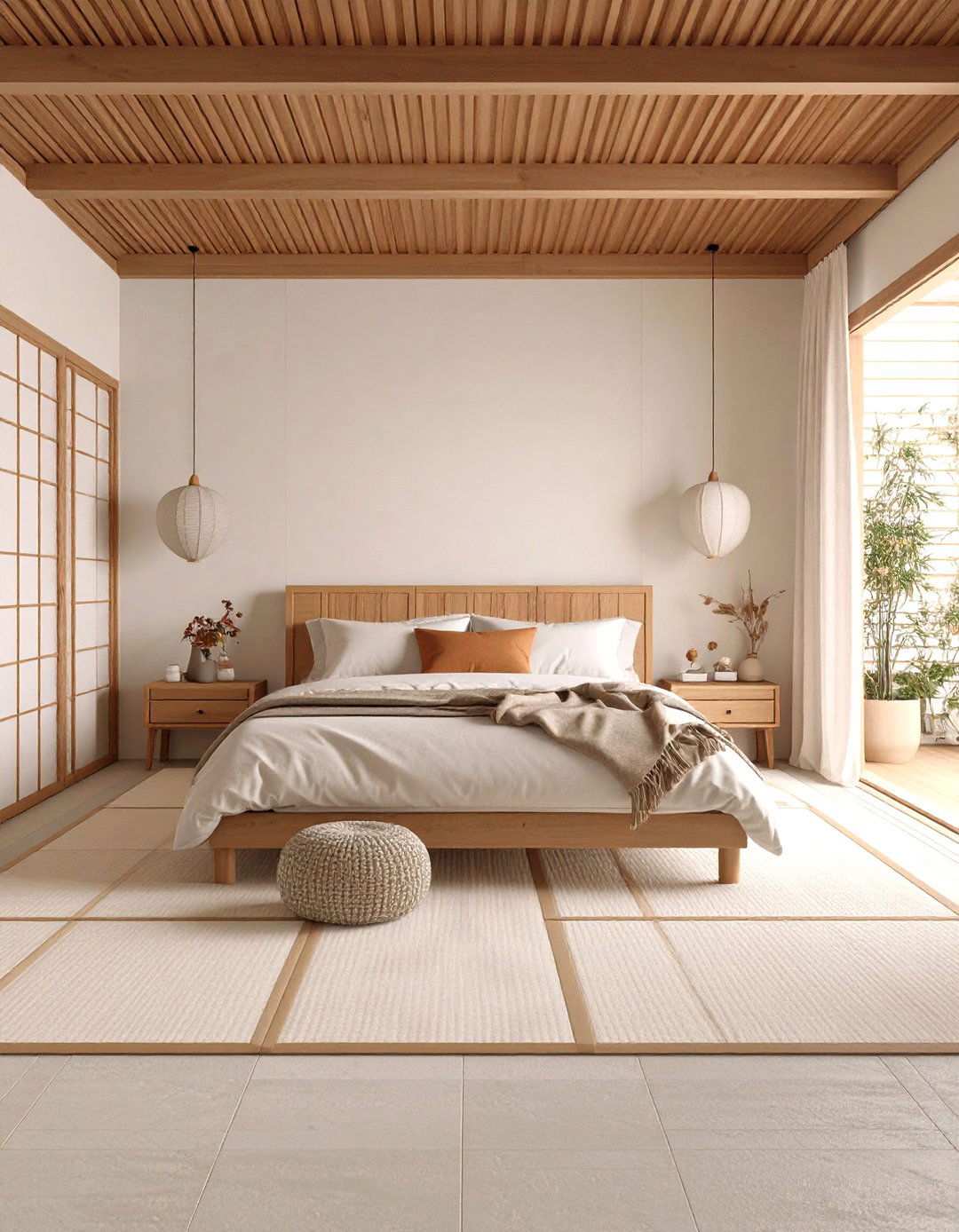
A single-color palette can indeed elevate your bedroom’s visual appeal, imbuing it with sophistication and calm. The Japandi approach to monochromatic design leverages varying shades, tones, and tints of a single color family to create a harmonious and inviting atmosphere. By establishing a foundation with warm neutrals like soft beiges, muted taupes, or subtle grays, you can then introduce lighter and darker variations throughout textiles, furniture, and accessories. This thoughtful approach yields a sophisticated layering effect that feels deliberately designed rather than flat or uninspired. The inclusion of natural materials adds texture and visual interest, preventing the space from becoming monotonous while maintaining a sense of calm. Effective lighting is crucial in monochromatic schemes, as shadows and highlights create dynamic contrast and visual appeal. The result is a space that feels expertly curated and supportive of restorative sleep and relaxation, with subtle color variations creating a sense of rhythm and flow.
24. Embracing the Rhythms of Nature

Why shouldn’t your bedroom respond to the ever-changing seasons and your body’s natural needs? By adopting a seasonal adaptation approach, your Japandi bedroom can remain fresh and dynamic while maintaining its core design principles. During warmer months, swap heavy wool bedding for lightweight linen, adjusting layers rather than drastically altering your aesthetic. Introduce seasonal elements like branches, stones, or natural objects that reflect the current outdoor conditions and maintain a sense of connection to the natural world. Update your lighting schedules and window treatments to support healthy circadian rhythms as the daylight hours change throughout the year. Store seasonal items in cleverly designed storage solutions that maintain visual calm while providing easy access when needed. This adaptive approach keeps your bedroom feeling alive and responsive, supporting your body’s natural rhythms while honoring the Japandi principle of harmony with nature.