1. Elevating Home Design with Wooden Staircases

Beyond their functional purpose, wooden staircases become the defining elements that shape a home’s character and elevate its aesthetic appeal. By seamlessly integrating natural warmth with diverse design possibilities, these structures empower homeowners to craft stunning focal points that reflect their personal style and enhance property value. From sleek, gravity-defying designs to rustic, spiral configurations that celebrate traditional craftsmanship, wooden staircases adapt effortlessly to any interior theme. Modern design trends emphasize the integration of complementary materials like glass, metal, and stone, creating dynamic compositions that balance contemporary sophistication with timeless wood appeal. Whether you’re planning a comprehensive renovation or updating an existing staircase, understanding the diverse range of wooden staircase designs empowers you to make informed decisions that transform ordinary spaces into extraordinary architectural statements that captivate visitors and create lasting impressions.

As an Amazon Associate I earn from qualifying purchases.
2. Weightless Elegance: Designing Floating Wooden Staircases

Are you prepared to create a staircase that appears to defy gravity while maintaining the natural warmth of wood? Floating wooden staircases feature substantial timber treads that seem suspended in mid-air, supported by discreet steel stringers embedded within walls. This minimalist approach showcases beautiful wood grain patterns while maximizing visual space and natural light flow. Popular wood species include white oak, walnut, and maple, each offering distinct color variations and durability characteristics. The cantilever design eliminates traditional risers, creating an open, airy atmosphere that complements modern architectural styles. Professional engineering ensures structural integrity while maintaining the illusion of weightlessness, requiring precise measurements and expert craftsmanship to achieve seamless integration with surrounding wall structures and flooring materials.
3. Spiral Wooden Staircase Construction

Can a compact staircase design become the dramatic centerpiece of your interior space? Spiral wooden staircases maximize vertical circulation within minimal floor footprints, making them ideal for space-constrained environments. These helical structures feature a central support column surrounded by curved wooden treads that create elegant ascending patterns. Hardwood construction typically utilizes oak, cherry, or mahogany for durability and visual impact. Custom railing systems incorporate matching wood species with optional metal accents for enhanced safety and aesthetic appeal. Design variations include gentle curves for comfortable navigation or tighter spirals for maximum space efficiency. Professional installation ensures proper weight distribution and compliance with building codes while creating architectural focal points that enhance property value.
Unleashing Countryside Charm
Authentic rural appeal can be effortlessly infused into modern living spaces through rustic wooden staircases that expertly blend natural imperfections with traditional craftsmanship techniques. By embracing the unique texture and character of reclaimed materials such as barn wood and weathered oak, homeowners can create inviting environments that tell the stories of previous lives. Thoughtfully selected live-edge treads showcase natural wood boundaries while maintaining structural integrity, further accentuating the rustic charm. Hand-forged iron balusters add a touch of artisanal metalwork, complementing the organic aesthetic of the staircase. A skilled finisher can apply natural finishes that preserve wood grain patterns and enhance the rustic appeal, all while ensuring safety and durability through professional construction techniques that pay homage to traditional building methods.
4. Industrial-Chic Wooden Staircases

When natural wood warmth is combined with sleek industrial elements, a striking contemporary statement is born. Modern industrial wooden staircases feature clean lines, exposed structural components, and mixed material compositions that redefine the boundaries of modern design. By pairing thick wooden treads with steel stringers, cable railings, and metal handrails, homeowners can achieve a balanced aesthetic that is both functional and visually appealing. Raw steel finishes, powder-coated metals, and clear wood treatments emphasize material authenticity while maintaining sophisticated appearances. Open riser designs further enhance the visual lightness of the staircase, making it a perfect fit for industrial loft environments where architectural elements serve as decorative features. With the integration of precise engineering and artistic vision, professional installation can transform these staircases into functional sculptures that bridge traditional craftsmanship with contemporary design philosophies.
5. Sweeping Wooden Staircase Statements

A gracefully sweeping staircase can transform a humble entryway into a grand architectural statement, adding an element of drama and elegance to a home’s design. Curved wooden staircases feature gentle arcs that create fluid movement patterns, showcasing exceptional craftsmanship and engineering precision. To achieve these complex curves without compromising structural integrity, custom-bent wooden components require specialized manufacturing techniques. Premium hardwoods such as white oak, cherry, and walnut provide the strength and beauty necessary for curved construction, while integrated handrails follow staircase contours seamlessly, creating continuous flowing lines that enhance the visual elegance of the staircase. A professional design consultation ensures that the proportions and spatial relationships of the staircase complement the surrounding architecture, and installation requires master craftsmen skilled in advanced woodworking techniques to achieve museum-quality results that become family heirlooms.
6. Elevating the Aesthetic with Glass Railings

When it comes to wooden staircases, traditional railings often fall short in showcasing their natural beauty. Glass railing wooden staircases, however, revolutionize the way we perceive these architectural features. By combining solid timber treads with crystal-clear safety barriers, these creations maintain unobstructed views while prioritizing user protection. The seamless integration of tempered safety glass panels and wooden structures, facilitated by discreet hardware systems, preserves clean aesthetic lines. This union optimizes natural light transmission, highlights wood grain patterns, and accentuates architectural details. Popular wood species for this design include light oak, perfect for Scandinavian-inspired settings, or rich walnut, ideal for sophisticated contemporary themes. The installation process involves precise measurements and specialized glass mounting systems, yielding safe and stunning results. To maintain the staircase’s allure, regular maintenance requires simple glass cleaning to preserve transparency.
7. Sourcing Sustainable Character

Homeowners seeking to incorporate eco-friendly materials into their designs often turn to reclaimed wooden staircases. These creations utilize salvaged timber from historic buildings, barns, and industrial structures, resulting in environmentally conscious designs with authentic character. Each piece boasts unique weathering patterns, nail holes, and grain variations that provide instant personality and conversation starters. Careful selection and restoration processes ensure historical character is preserved while guaranteeing structural safety and durability. Popular reclaimed species include chestnut, pine, and oak, each offering distinct color palettes and aging characteristics. Professional craftsmen specialize in assessing, preparing, and installing reclaimed materials to meet modern building codes while honoring historical integrity. These staircases not only create sustainable focal points but also celebrate architectural heritage.
8. The Beauty of Simplicity in Design

Minimalist wooden staircases have a profound impact on architectural statements, often creating the most powerful ones. By embracing clean lines, neutral colors, and uncluttered aesthetics, these designs create serene environments that highlight material quality over decorative elements. Simple geometric forms, hidden fasteners, and integrated storage solutions maintain visual clarity while maximizing functionality. Light wood species like maple, birch, or ash complement minimalist philosophies with subtle grain patterns and consistent coloring. Streamlined handrails, concealed lighting, and seamless transitions between materials enhance the peaceful atmosphere. Professional design focuses on perfect proportions and flawless execution to achieve sophisticated simplicity. The installation process requires precision craftsmanship to eliminate visual distractions while creating lasting impressions through understated elegance that stands the test of time.
9. Timeless Wooden Staircase Design

Classic wooden staircases possess an enduring allure that transcends fleeting design trends. The essence of traditional craftsmanship lies in its harmonious blend of proportions, ornate details, and construction methods that create a sense of sophistication. Rich hardwoods such as mahogany, cherry, and walnut serve as the foundation for heirloom-quality construction, providing the necessary substance and beauty. Intricately turned balusters, carved newel posts, and decorative moldings demonstrate the mastery of traditional woodworking skills while ensuring functional safety. The subtle nuances of deep wood stains and protective finishes accentuate natural grain patterns, while also ensuring long-term durability. Seasoned craftsmen specialize in adapting historical construction techniques to meet the demands of modern building codes, yielding staircases that exude dignity and complement formal furnishings and classical architectural styles.
10. Open Riser Wooden Staircase: Aesthetic Versatility

By abandoning traditional risers, open riser wooden staircases can transform into captivating focal points that harmonize with modern design sensibilities. This innovative approach to stair design maximizes natural light penetration, fostering a sense of openness and visual connection between floor levels. Thick wooden treads, however, require meticulous engineering to safely span between supports, obviating the need for traditional riser backing. As a result, this design is ideally suited for contemporary homes, lofts, and commercial spaces where visual transparency enhances spatial flow. To ensure both safety and aesthetic appeal, professional installation is crucial, focusing on precise tread thickness and support spacing to meet stringent safety codes. Regular maintenance then focuses on preserving the staircase’s attractive appearance by keeping tread surfaces clean and properly finished.
11. Two-Tone Wooden Staircase: A Masterclass in Contrast

Wooden staircases don’t have to be limited to a single wood species, as contrasting combinations can create a stunning visual spectacle. Two-tone wooden staircases feature the deliberate juxtaposition of different wood species or finish colors, yielding striking patterns that seamlessly integrate with cohesive design themes. For instance, pairing dark walnut treads with white oak risers or natural maple steps with espresso-stained handrails can add visual interest while maintaining a sense of balance. By carefully selecting compatible wood species, homeowners can ensure that the staircase’s aesthetic appeal is not compromised by expansion characteristics or finishing requirements. Collaborating with a professional designer can help strike the perfect balance between contrast levels, preventing overwhelming smaller spaces while creating a lasting impact in larger environments. Ultimately, precise matching and finishing techniques are essential to achieve seamless transitions between different wood tones during installation.
12. Elevating Natural Beauty in Interior Design

By embracing live edge wooden staircases, homeowners can seamlessly integrate the organic beauty of the forest into their interior architecture. These one-of-a-kind designs celebrate the artistic capabilities of nature, featuring the tree’s original edge contours, including bark remnants and natural irregularities that add authentic character to each tread. A meticulous selection process identifies stable edge sections suitable for structural applications while maintaining the aesthetic appeal that defines these unique staircases. To ensure long-term durability, professional preparation involves stabilizing treatments and protective finishes that preserve the natural beauty of the wood. Live edge wooden staircases are versatile and can complement a range of design themes, from rustic to contemporary and transitional. When installed correctly, these staircases maintain safety standards and structural integrity throughout the staircase system.
13. Maximizing Space Efficiency through Staircase Design

Innovative wooden staircases can do double duty as both circulation and storage solutions, making them an attractive option for homeowners seeking to optimize their space. By integrating built-in drawers, cabinets, and shelving systems into the staircase structure, woodworkers can create functional under-stair areas that transform into closets, home offices, or entertainment centers without compromising aesthetic appeal. Custom millwork enables seamless transitions between staircase elements and storage components, using matching wood species and finishes to create a cohesive look. Professional design consultation optimizes storage layouts while ensuring structural integrity and building code compliance. This design approach is particularly well-suited for family homes, apartments, and commercial spaces where space efficiency is paramount. Installation requires careful coordination between structural and storage components to ensure proper weight distribution and access functionality.
14. Choosing the Perfect Hardwood Species for Your Staircase

Selecting the ideal hardwood species for your staircase is a crucial decision that can greatly impact the overall appearance and durability of the final product. Popular options include oak, maple, cherry, walnut, and mahogany, each boasting distinct characteristics in grain pattern, color, and hardness ratings. Oak, for instance, provides excellent durability and prominent grain patterns that are suitable for both traditional and contemporary designs. Maple, on the other hand, offers light coloring with subtle grain perfect for minimalist aesthetics. Cherry develops a rich patina over time, creating warm, elegant appearances, while walnut features dramatic dark coloring with striking grain patterns ideal for sophisticated environments. Professional species selection takes into account traffic levels, maintenance preferences, and design goals to ensure the chosen species meets the homeowner’s needs. When installed correctly, the staircase will perform optimally and maintain its appearance throughout its lifetime.
15. Unifying Industrial and Organic Elements

The synergy between metal accents and natural wood can produce striking visual effects, resulting in a harmonious balance between contrasting materials. Metal accent wooden staircases seamlessly integrate steel, iron, or aluminum components with timber elements, yielding contemporary designs that exude industrial strength and organic beauty. Noteworthy combinations include steel cable railings paired with wooden treads, or iron balusters supporting wooden handrails. This blend of materials allows for creative freedom while maintaining structural integrity and visual appeal. Effective design coordination ensures that the expansion characteristics and finishing requirements of the different materials are compatible. To further enhance the aesthetic, color coordination options such as natural metal finishes, powder coating, or patina treatments can be paired with wood staining choices. Achieving a seamless integration and long-term performance necessitates specialized expertise in both woodworking and metalwork.
16. Elevating Tradition with Contemporary Color

Painted wooden staircases present an exciting opportunity to transform traditional designs into bold contemporary statements, offering a wide range of color possibilities while preserving the structural benefits of wood. Creative expression through custom color schemes is a hallmark of this approach, which can include crisp white treads paired with colorful risers, or gradient color progressions that create a sense of visual movement. To ensure durability despite high-traffic conditions, proper surface preparation is essential for paint adhesion. Professional finishing techniques, such as specialized primers, multiple coating layers, and protective topcoats designed specifically for staircase applications, are crucial for achieving a professional finish. When selecting colors, it’s essential to consider factors such as lighting conditions, surrounding décor, and maintenance requirements. This transformation provides a cost-effective alternative to complete staircase replacement, allowing homeowners to achieve dramatic aesthetic updates that reflect their personal style.
17. Illuminating Architectural Beauty

The integration of lighting into a wooden staircase can transform it into a stunning nighttime feature while enhancing safety, creating a captivating visual effect that showcases the staircase’s architectural beauty and craftsmanship details. Wooden staircases with integrated lighting combine functional illumination with dramatic architectural effects through strategically placed LED systems. Popular applications include under-tread accent lighting, handrail-mounted strips, or recessed stair nosing installations. Modern LED technology offers energy efficiency, longevity, and color customization options that seamlessly complement wood finishes. To ensure code compliance and aesthetic goals, professional electrical integration is necessary, involving concealed wiring and seamless fixture installation. Furthermore, smart home compatibility allows for automated control and customization options, enabling homeowners to create a personalized lighting experience that enhances safety during nighttime use.
18. Elegant Wooden Staircase Solutions for Compact Spaces

If you’re struggling to reconcile a limited floor area with a desire for a beautiful wooden staircase, consider ingenious compact wooden staircase designs that seamlessly blend functionality with creative engineering and space-efficient layouts. These bespoke solutions optimize spatial requirements by incorporating innovative tread patterns, steep angle configurations, and minimal railing systems, all while adhering to stringent safety standards. Collaborating with a professional designer ensures that tread dimensions and riser heights are carefully tailored to promote comfortable navigation within the bounds of local building codes. To further maximize space, these designs often incorporate clever features such as integrated storage, multi-functional landings, and creative railing solutions. Given their adaptability and practicality, compact wooden staircases are finding popularity in a wide range of settings, from lofts and tiny homes to urban dwellings where every square foot counts.
In order to achieve maximum functionality within the constraints of a compact space, precise measurements and specialized construction techniques are essential. These skilled craftspeople have mastered the art of transforming limited floor areas into captivating architectural features that not only enhance property value but also create a lasting impression on visitors. When executed correctly, compact wooden staircases can become a defining characteristic of a property’s unique charm.
19. Timeless Wooden Staircase Elegance with Carpet Runners

For those seeking a classic yet elegant staircase design, wooden staircases with carpet runners offer a winning combination of luxury and practicality. This timeless approach features exposed wood edges paired with centered fabric strips that provide essential traction, comfort, and sound dampening, while allowing the natural beauty of the wood to shine through. One of the enduring benefits of this design is its ability to accommodate seasonal updates through simple runner replacement, while maintaining the underlying wood quality. Professional installation involves the use of specialized carpet rods, padding systems, and edge finishing techniques, ensuring a seamless and long-lasting finish. A diverse range of runner materials is available, including wool, natural fibers, and performance synthetics designed to withstand high-traffic applications. From traditional geometric patterns to contemporary color blocks, there’s a wealth of options to choose from, all of which can be carefully coordinated to complement your interior décor theme.
To maintain the beauty and functionality of a wooden staircase with a carpet runner, regular maintenance is essential. This involves professional cleaning and rotation to ensure even wear patterns and preserve both the carpet and wood components. By taking these simple steps, you can enjoy your beautiful staircase for years to come, providing a stylish and safe focal point in your home.
20. Masterful Wooden Staircase Artistry: Bringing Vision to Life
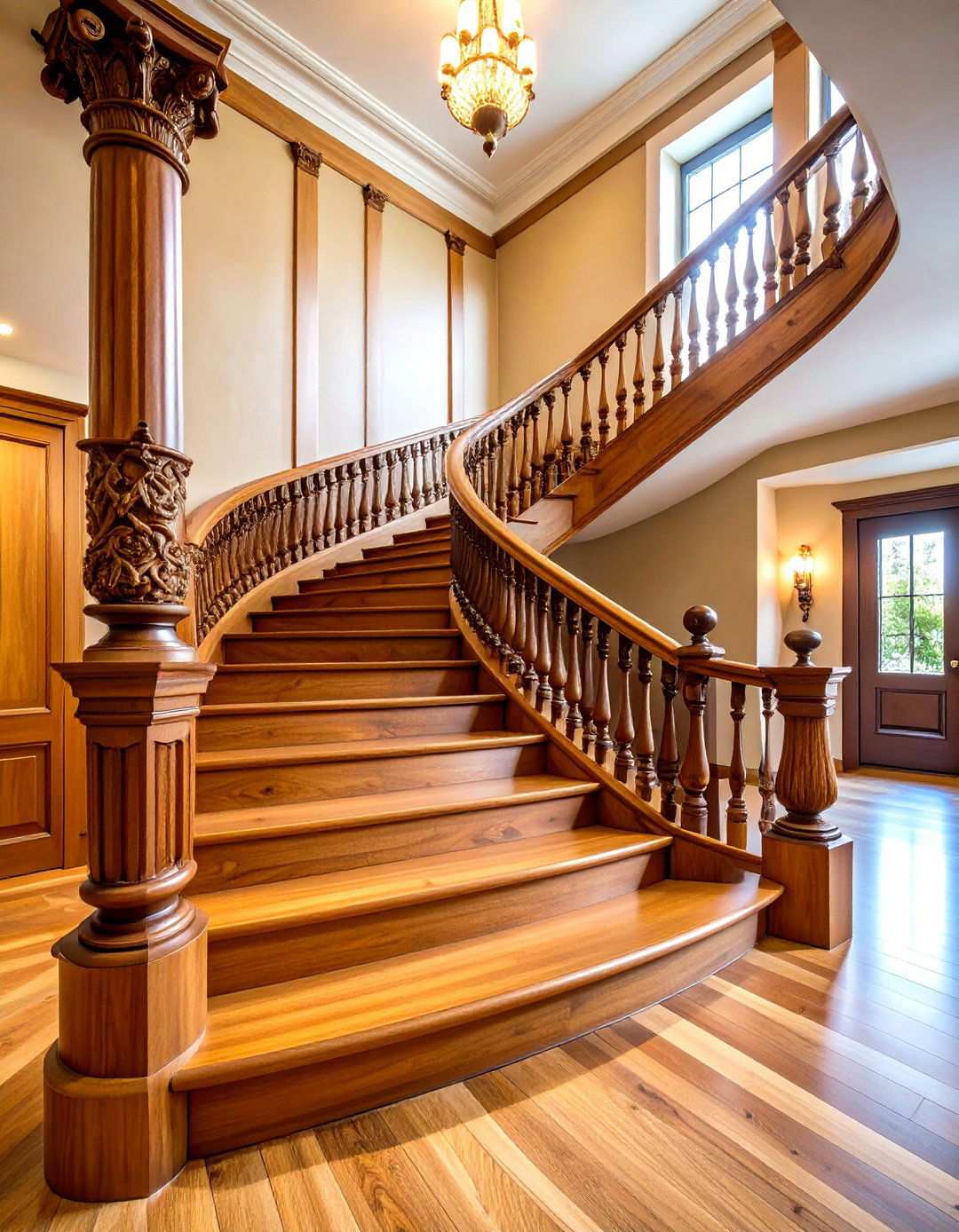
Imagine collaborating with a master craftsman to transform your unique vision into an extraordinary one-of-a-kind wooden staircase masterpiece. Such bespoke creations showcase exceptional artistry through intricate hand-carved details, innovative joinery techniques, and personalized design elements that perfectly reflect your individual style preferences. Skilled woodworkers create bespoke components, including sculptural newel posts, artistic balusters, and decorative inlays, that elevate staircases into functional art installations. With an emphasis on premium materials, specialized techniques, and limitless design possibilities, the results are truly unique and breathtaking. Professional collaboration includes design development, material selection, and construction coordination to ensure that the finished product not only meets but exceeds client expectations.
Investing in a custom wooden staircase is a wise decision for those seeking a timeless piece of art that appreciates in value over time. Not only do these installations provide daily aesthetic enjoyment, but they also become cherished family heirlooms that are passed down through generations. Master-level craftsmanship and attention to detail are essential to ensure structural integrity while celebrating artistic expression, making each custom wooden staircase a true masterpiece.
21. Elevating Sustainability with Wooden Staircases
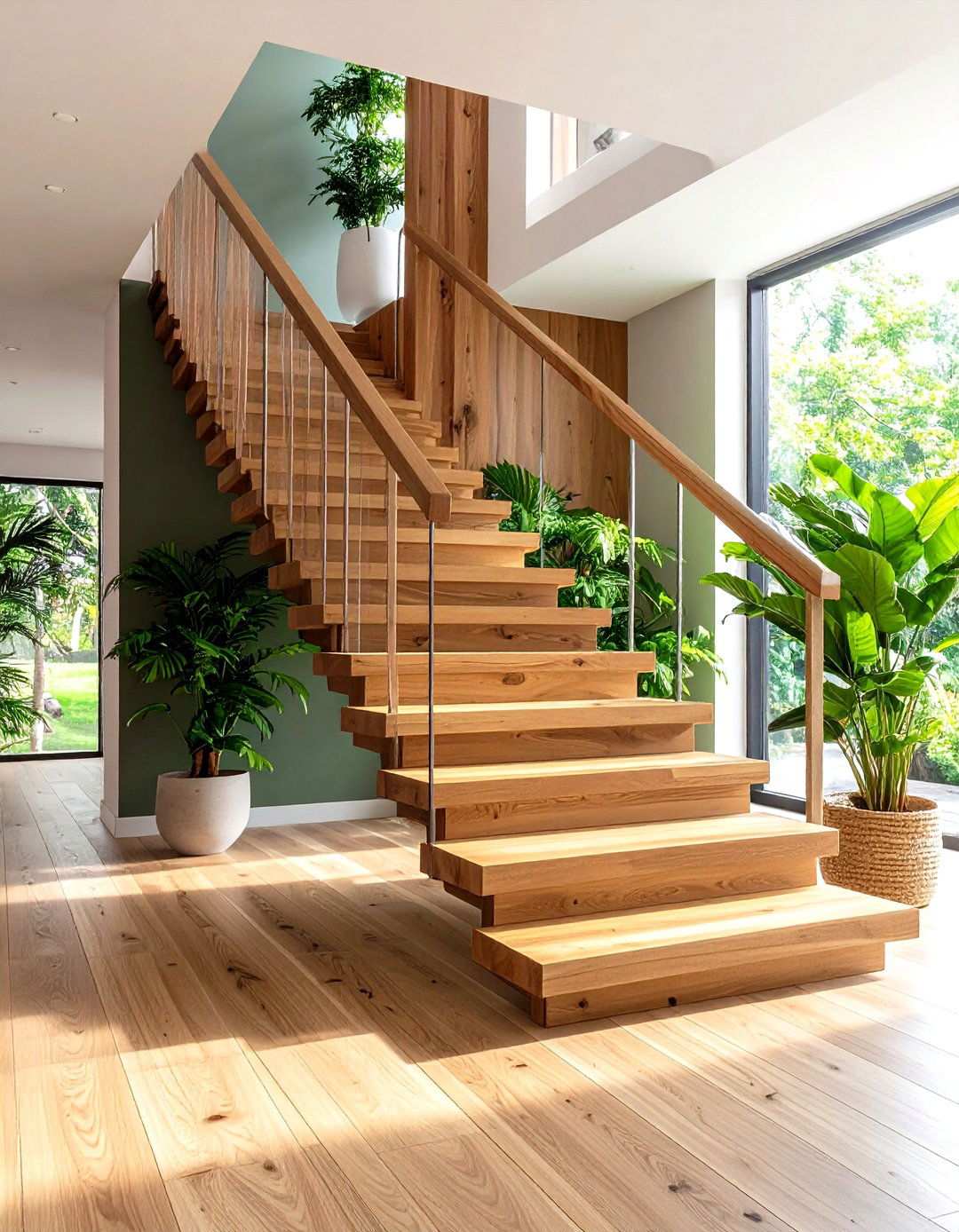
Imagine a staircase that not only elevates your home’s aesthetic appeal but also contributes to environmental conservation. This vision becomes a reality with sustainable wooden staircases, crafted from certified materials sourced from responsibly managed forests, local species, and eco-friendly finishing products. The Forest Stewardship Council (FSC) certification ensures that forest management practices protect biodiversity and community interests, while local hardwood species reduce carbon emissions and support regional economies. By showcasing native wood characteristics, these eco-friendly staircases become a stunning architectural feature that performs exceptionally over decades of use. Professional sourcing consultations help identify sustainable options that meet design goals without compromising environmental values, making sustainability and style go hand in hand.
22. Prioritizing Safety with Wooden Staircases
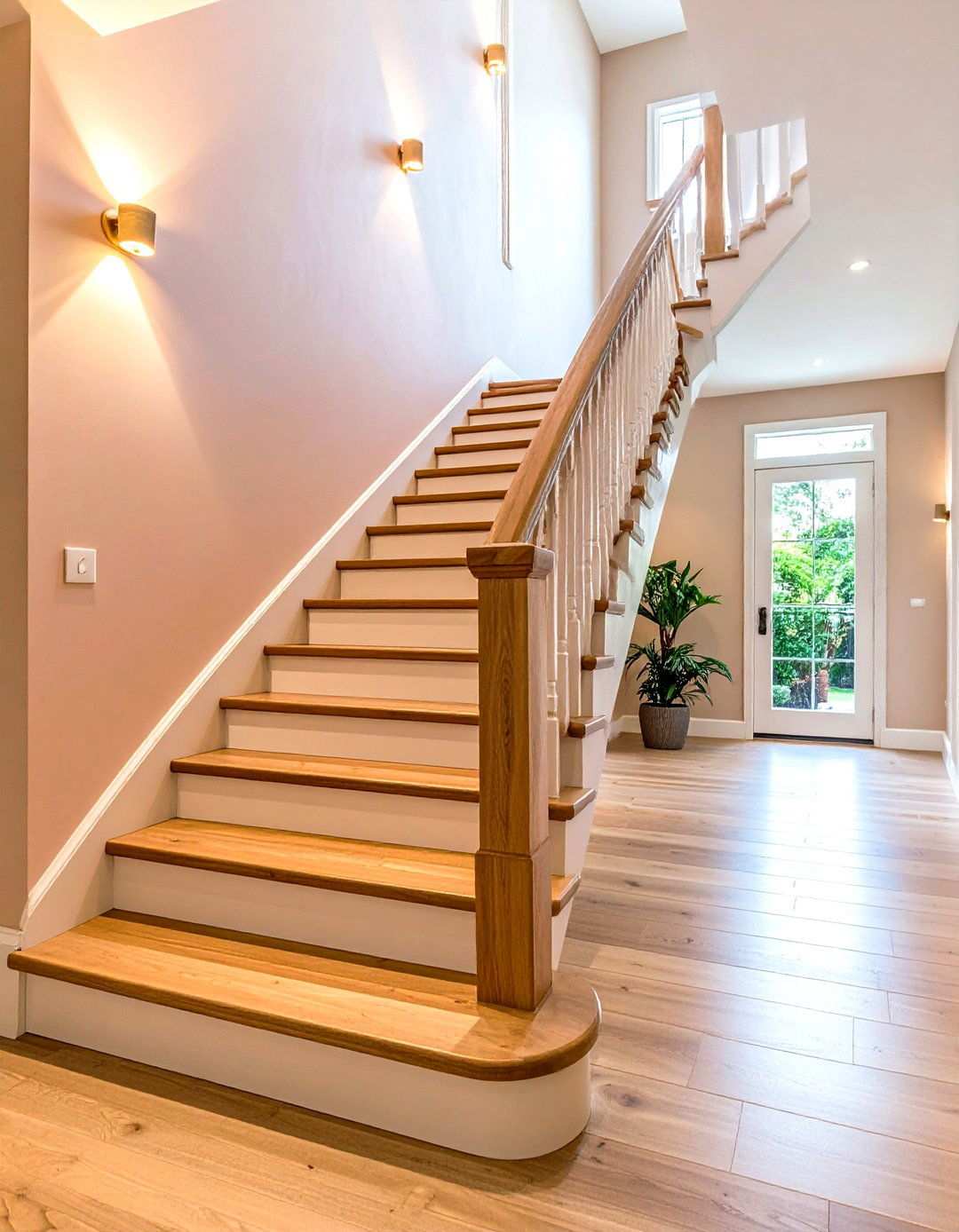
Wooden staircases can be both elegant and safe, thanks to the integration of enhanced safety features. These staircases incorporate non-slip treatments, proper riser dimensions, adequate lighting, and compliant railing systems, ensuring the well-being of users while maintaining their aesthetic appeal. Anti-slip strips, textured finishes, and appropriate tread depths minimize accident risks during normal use, while professional design ensures that the rise-run ratios promote comfortable navigation for users of all ages. Handrail height, grip dimensions, and support spacing meet building codes, while coordinating with design themes. Furthermore, emergency lighting systems and clear sight lines enhance safety during power outages or emergency situations, providing users with confidence and peace of mind. By prioritizing safety, you can create a beautiful and functional wooden staircase that exceeds your expectations.
23. Reviving Historic Charm with Wooden Staircase Restoration
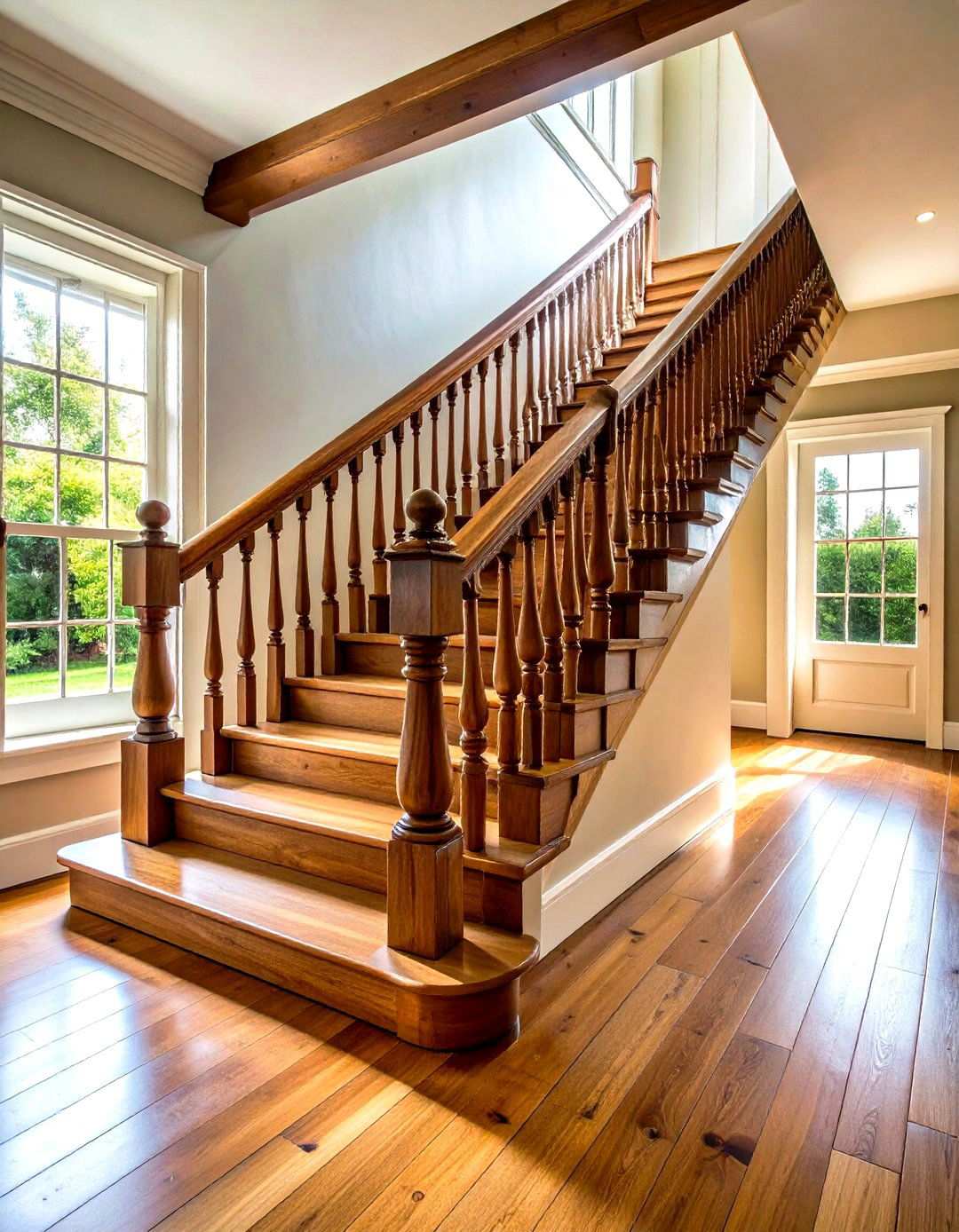
Can an aging wooden staircase be restored to its original glory while incorporating modern safety and aesthetic improvements? The answer lies in wooden staircase restoration, a process that combines historical preservation with contemporary updates to create renewed architectural features that honor original craftsmanship while meeting current needs. A professional assessment is the first step, identifying structural conditions, wood species, and original construction techniques before developing restoration plans. Careful dismantling, component repair, and selective replacement preserve historical integrity while ensuring safety compliance. Period-appropriate finishes and hardware maintain authenticity, while modern reinforcement techniques enhance long-term durability. With specialized expertise in historical construction methods and materials, these restoration projects create stunning focal points that celebrate architectural heritage while providing decades of reliable service.
24. Elevating the Art of Wooden Staircase Design
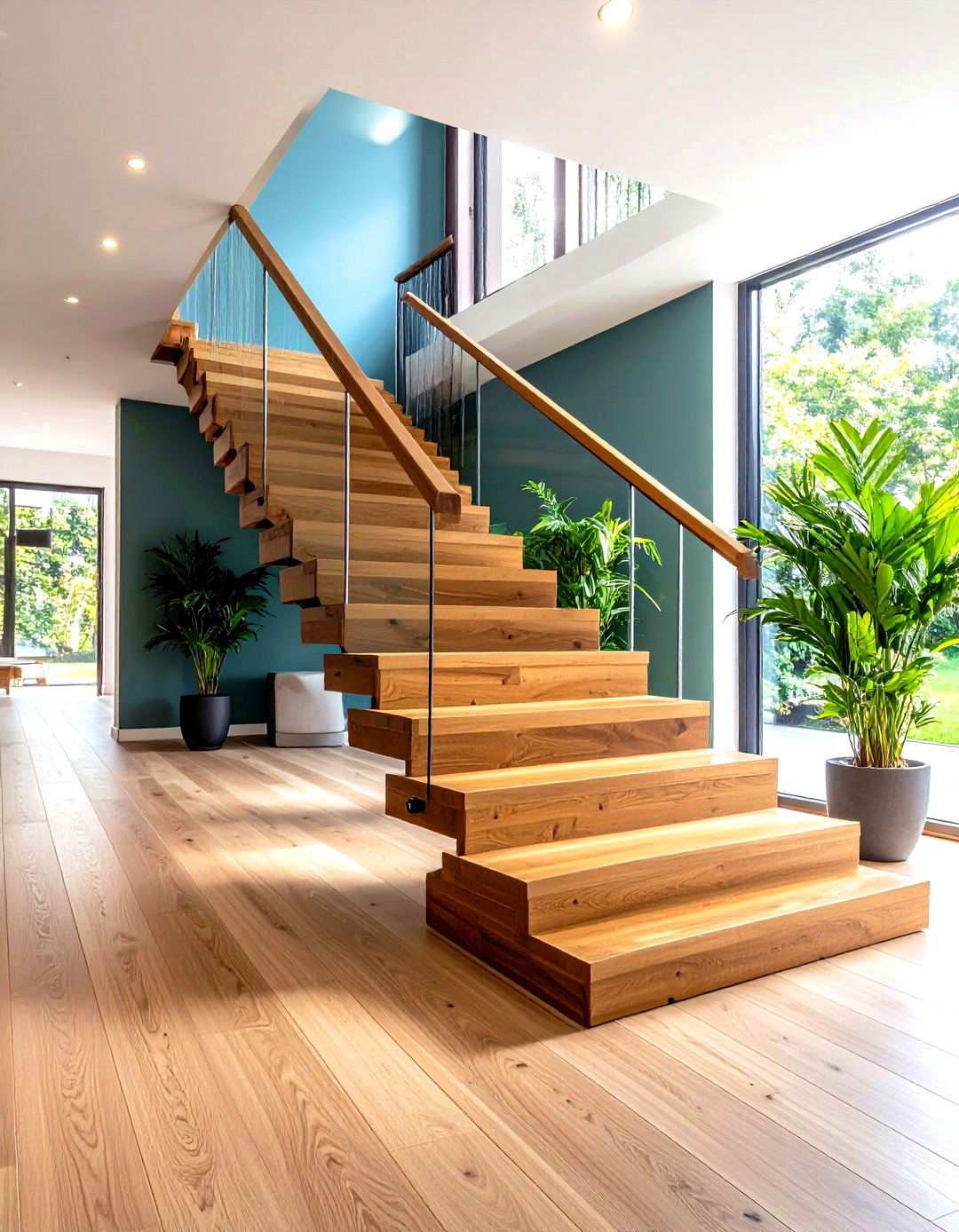
Wooden staircase construction is evolving at a rapid pace, driven by cutting-edge design trends that are redefining the possibilities of this traditional architectural element. By embracing innovative engineering, unconventional forms, and advanced materials, contemporary wooden staircases are pushing the boundaries of what is possible in terms of form and function. The use of computer-aided design (CAD) has opened up new possibilities for complex geometries, allowing designers to create structures that would have been impossible to achieve through traditional construction methods.
This fusion of art and technology is further enhanced by advanced joinery techniques, which enable the creation of seamless connections and flowing forms that seem to defy the laws of structural engineering. The integration of smart home systems adds an additional layer of sophistication, providing automated lighting, climate control, and security features that not only enhance the functionality of the staircase but also its aesthetic appeal. As a result, these innovative staircases have become signature features in many high-end homes and commercial buildings, showcasing the capabilities of modern design while still honoring the timeless beauty of natural wood materials.