1. Foundations of Authenticity: Poured Concrete Slab Design
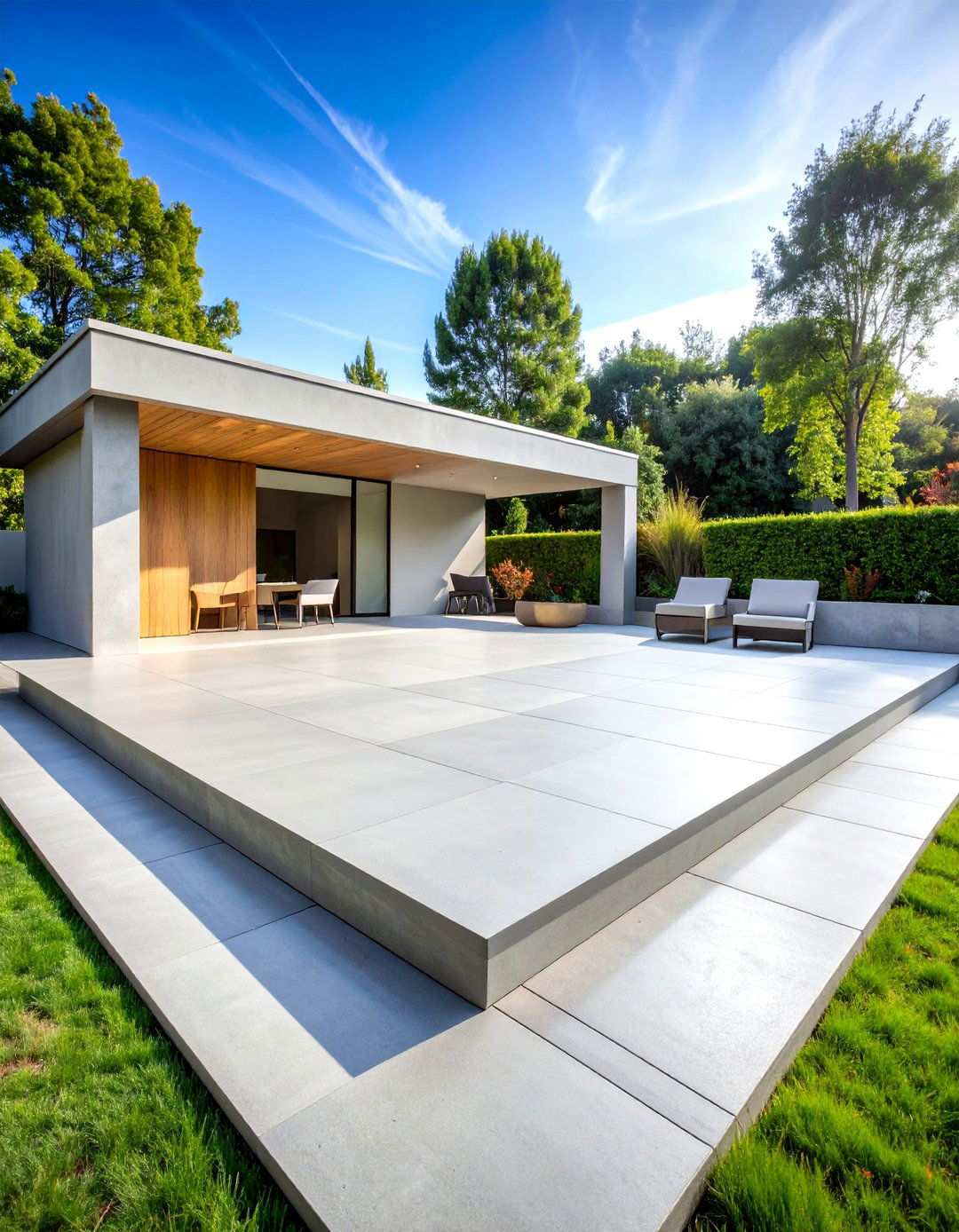
Mid-century modern patio design draws inspiration from the era’s emphasis on clean lines, natural materials, and functional simplicity. A poured concrete slab serves as the perfect foundation for this aesthetic, providing a smooth and level surface that seamlessly integrates indoor and outdoor living spaces. By eliminating the visual clutter of individual pavers or stones, homeowners can create a cohesive and streamlined appearance that extends the living area outdoors. The neutral gray tone of the concrete slab provides a versatile backdrop for furniture arrangements and accent pieces, while subtle scoring lines or geometric patterns can be added during the pouring process to introduce visual interest without compromising the clean aesthetic. When executed properly, a concrete slab foundation ensures a functional and attractive outdoor space for decades to come.

As an Amazon Associate I earn from qualifying purchases.
The minimalist approach of a poured concrete slab also reflects the era’s innovative use of industrial materials. By embracing this aesthetic, homeowners can create a sophisticated yet relaxed outdoor living experience that feels both nostalgic and contemporary. The clean lines and geometric shapes of the concrete slab design provide a perfect canvas for mid-century modern patio furniture and decor, while the durable and low-maintenance nature of the slab ensures a long-lasting and hassle-free outdoor space.
2. Elevating the Design with Steel Pergola Overhead Structures
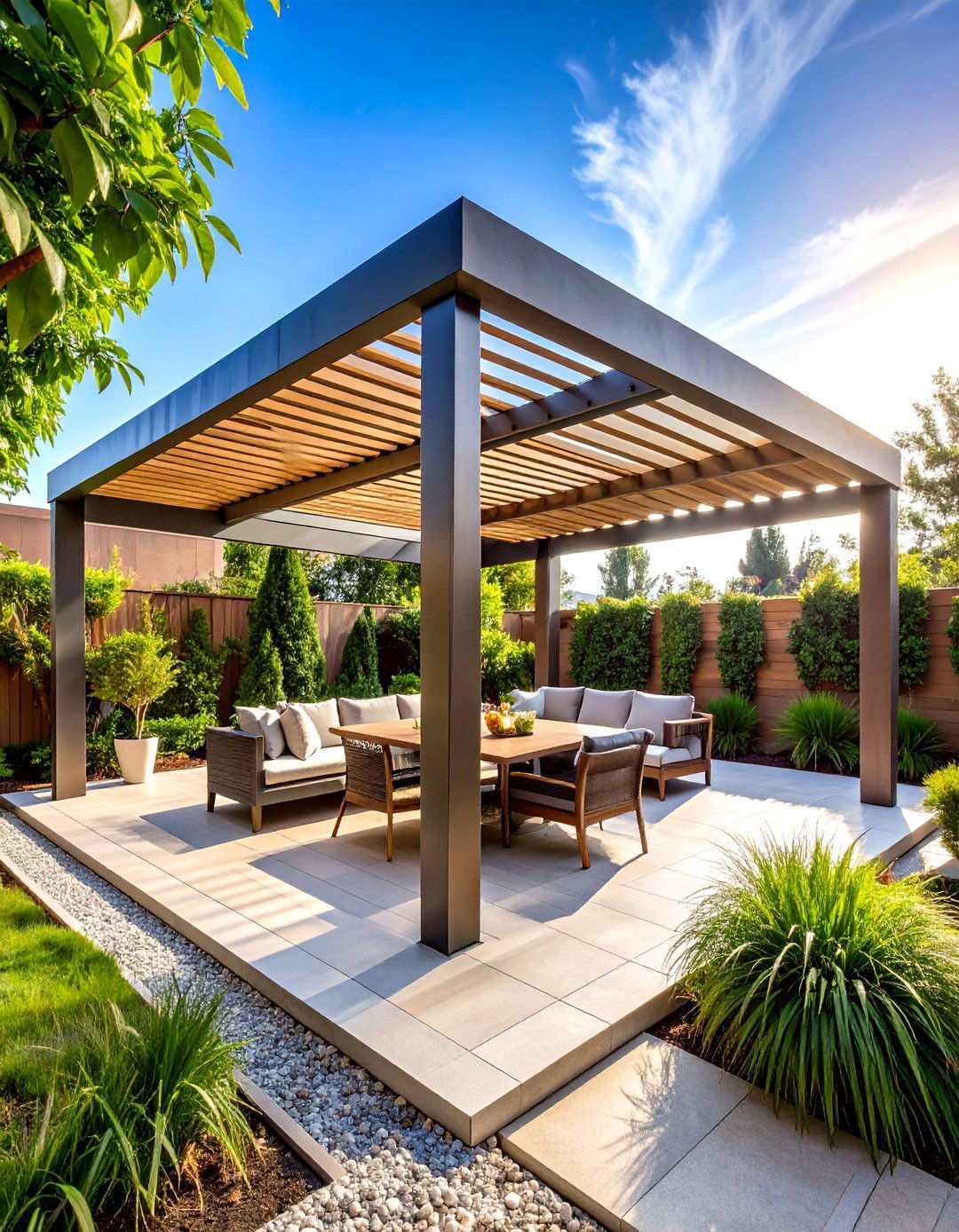
Steel pergolas are a staple of mid-century modern design, offering a sleek and sophisticated way to add architectural drama to outdoor spaces. These overhead structures provide essential shade while creating defined outdoor rooms that feel intentional and curated. By choosing powder-coated steel in charcoal or bronze finishes, homeowners can resist the wear and tear of weather while complementing other design elements. The linear beams of a steel pergola cast dynamic shadow patterns throughout the day, adding ever-changing visual interest to the patio space. To soften the industrial edges of the pergola, consider incorporating climbing plants like jasmine or grape vines, which can thrive in the shade provided by the structure. Steel pergolas offer durability and timeless appeal, perfectly capturing the innovative spirit of mid-century modern design.
3. Intimate Gathering Spaces with Integrated Fire Pits
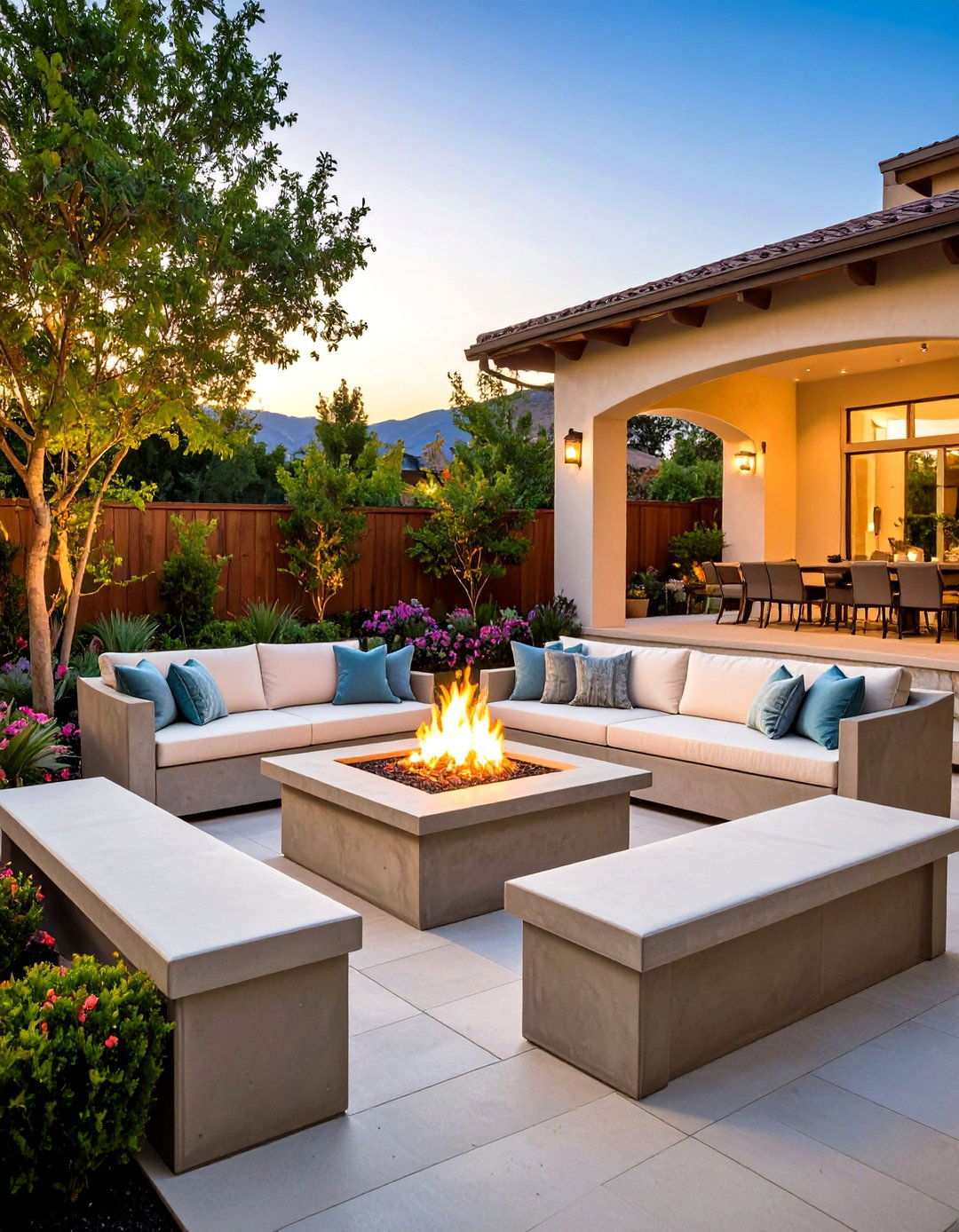
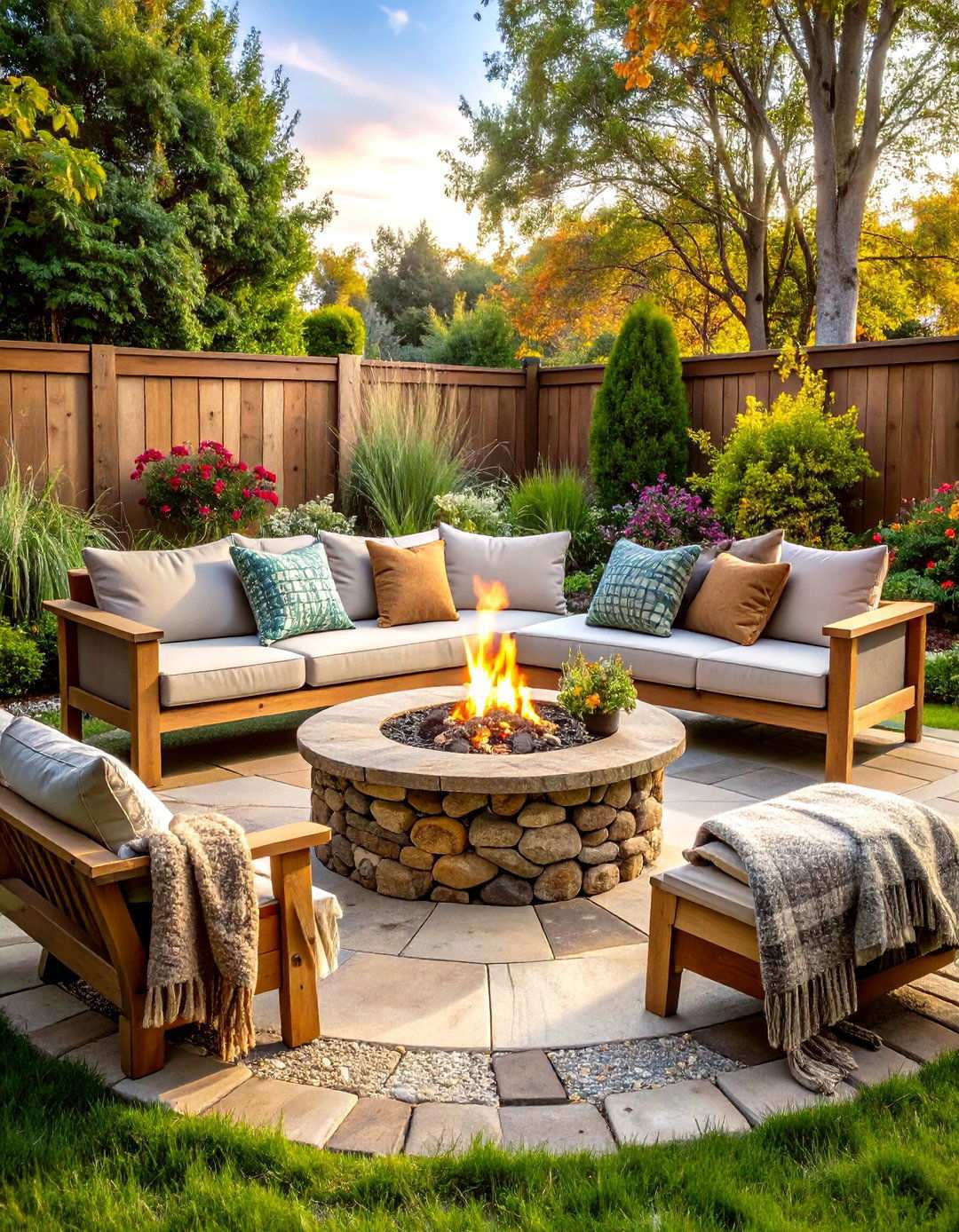
A well-designed fire pit is more than just a functional element – it’s a natural gathering point that fosters conversation and connection. By integrating the fire feature into the seating area, you create a seamless space that eliminates the need for separate furniture. This approach not only maximizes your patio’s functionality but also maintains clean sight lines, allowing you to take in the surroundings while still enjoying the warmth and light. To achieve a cohesive look, choose fire pit materials that complement your patio’s foundation, creating visual continuity throughout the space. Gas-powered fire pits offer the convenience of consistent flame patterns, while wood-burning versions provide an authentic crackling sound and rustic charm. As the warm glow spreads across your patio, it creates an intimate atmosphere perfect for evening entertaining, effectively blurring the lines between indoor and outdoor living spaces.
4. Mid-Century Modern Elegance with Aluminum Mesh Furniture
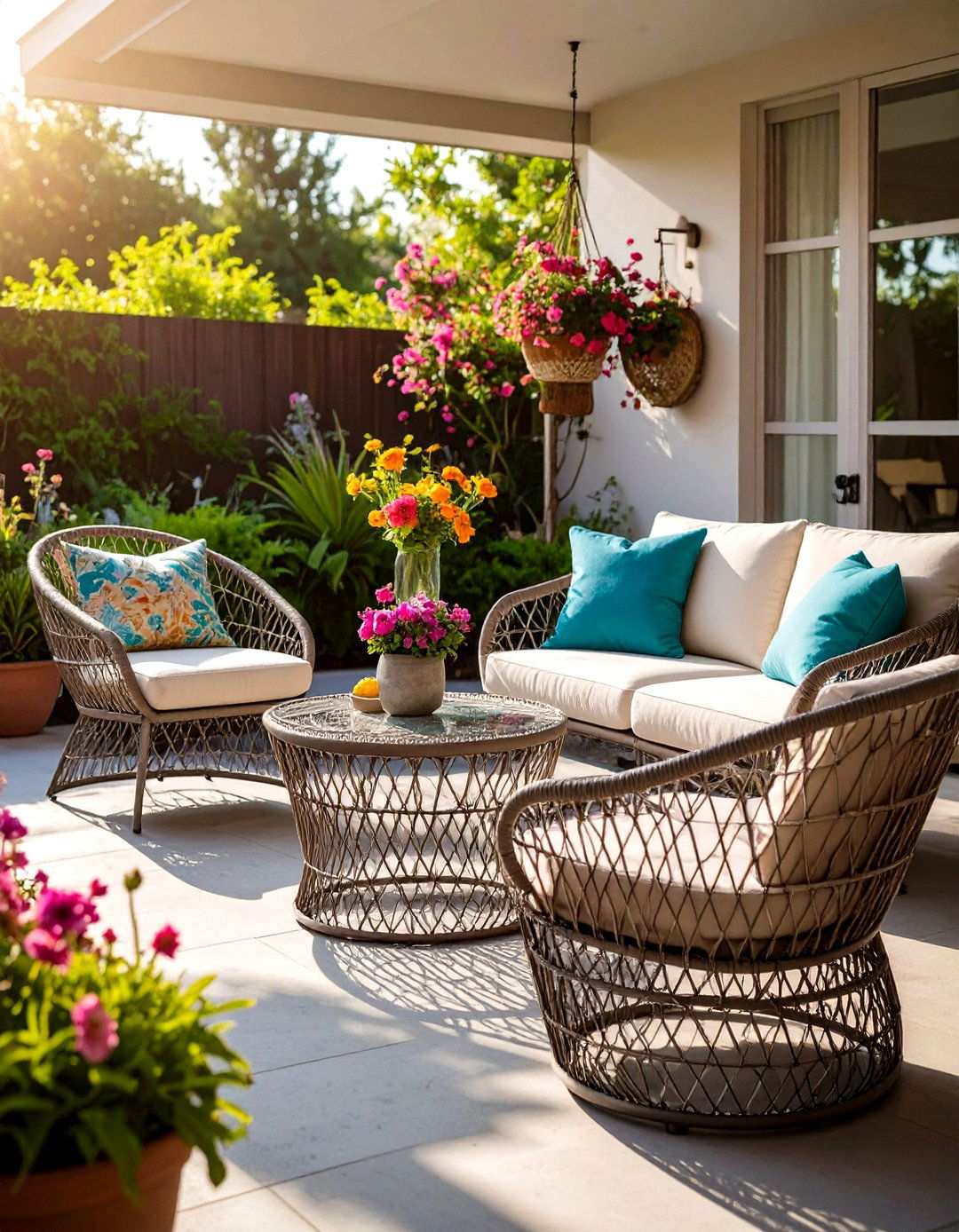
Aluminum mesh furniture embodies the clean lines and geometric shapes of the mid-century modern aesthetic, while also providing exceptional durability and comfort. These pieces feature wire frames with breathable mesh seats and backs that dry quickly after rain, making them perfect for year-round outdoor use. The powder-coated finish resists fading and corrosion, ensuring your furniture remains looking great for years to come. From classic wire basket chairs to sleek dining sets, aluminum mesh furniture offers a range of designs that can be customized to suit your taste. Neutral colors like charcoal, bronze, or crisp white maintain the era’s sophisticated color palette, while weatherproof cushions in bold geometric patterns or solid colors introduce personality to your outdoor space. By balancing form and function, you can create a beautiful and inviting patio that’s perfect for relaxing and entertaining.
5. Structured Elegance with Geometric Concrete Planters
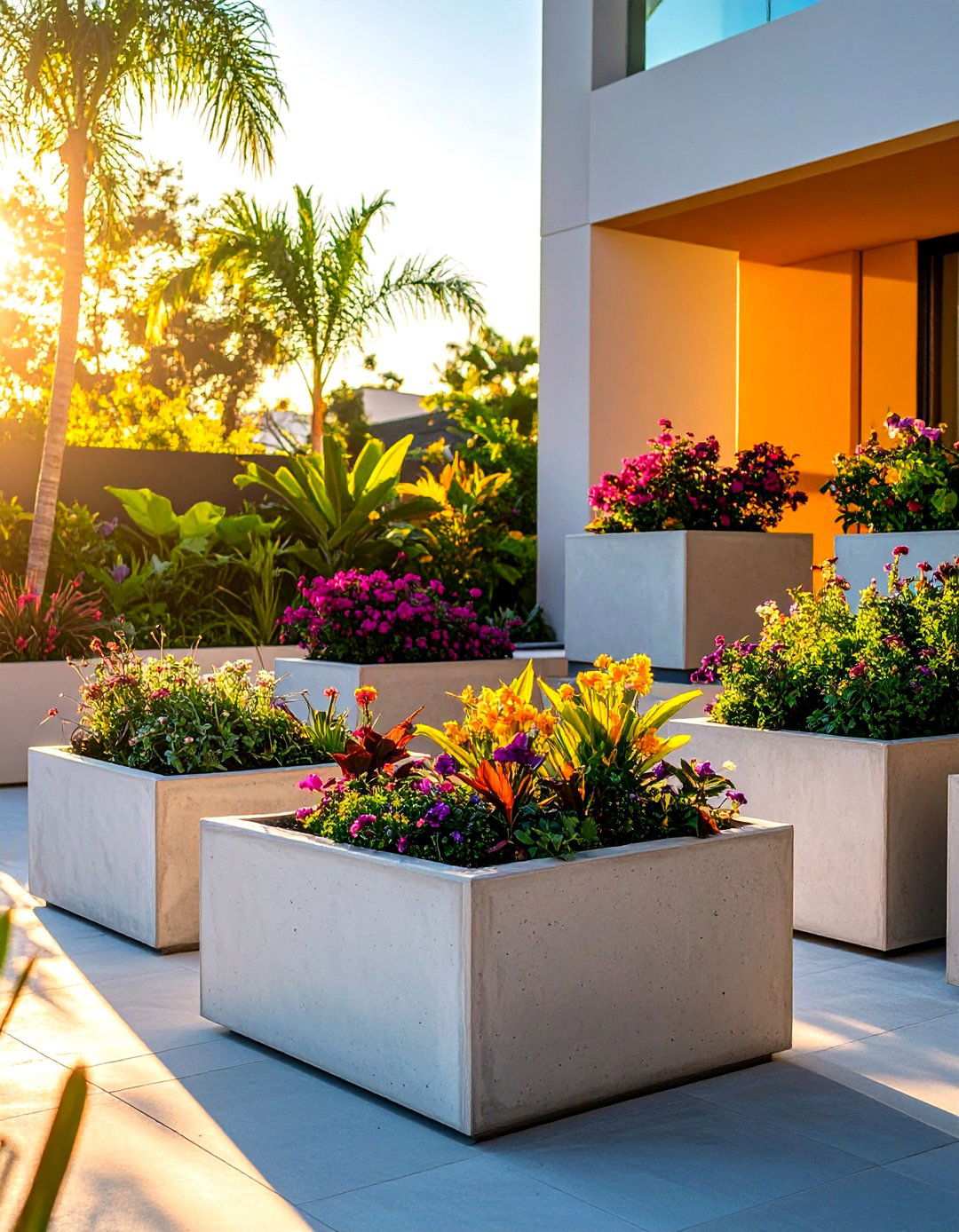
Adding greenery to your patio is easier than you think, thanks to geometric concrete planters that complement mid-century modern design. These substantial containers come in a range of rectangular, square, and cylindrical shapes, allowing you to create a unique and intentional design. By positioning them strategically, you can define different areas of your patio while maintaining clear sight lines. Fill your planters with architectural plants like agave, ornamental grasses, or structured shrubs that echo the geometric theme. To add visual interest, consider varying the heights of your planters, creating a stunning display of greenery that ties directly to your patio’s foundation. This cohesive approach ensures that your planters blend seamlessly into the surrounding design, creating a beautiful and harmonious outdoor space.
6. Mastering the Art of String Lighting
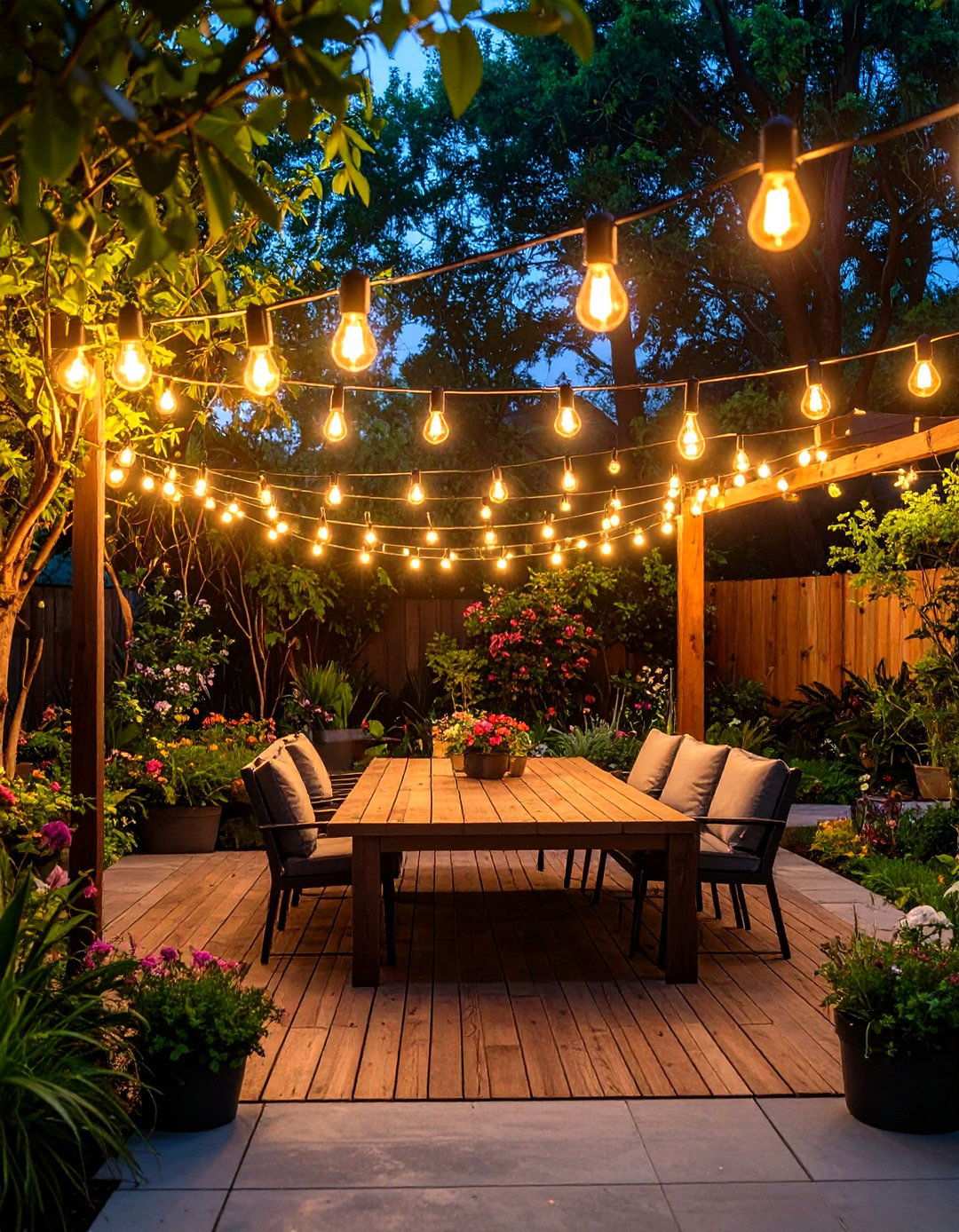
Transforming your patio into an enchanting evening retreat requires a thoughtful approach to lighting. By installing string lights in creative patterns, you can pay homage to the iconic mid-century modern design principles that have captivated so many. Visualize a series of lights suspended between pergola beams, along fence lines, or from sturdy poles, each one defining an outdoor room with precision and elegance. Choose from a range of bulb styles, from the warm glow of Edison-inspired bulbs to the simplicity of globe shapes, to create a soft, ambient light that enhances the space without overpowering its clean aesthetic. The linear arrangement of lights cleverly echoes the era’s affinity for horizontal lines and geometric patterns, while adjustable dimmer switches allow you to tailor the lighting to suit different moods and occasions.
7. Designing an Integrated Outdoor Kitchen
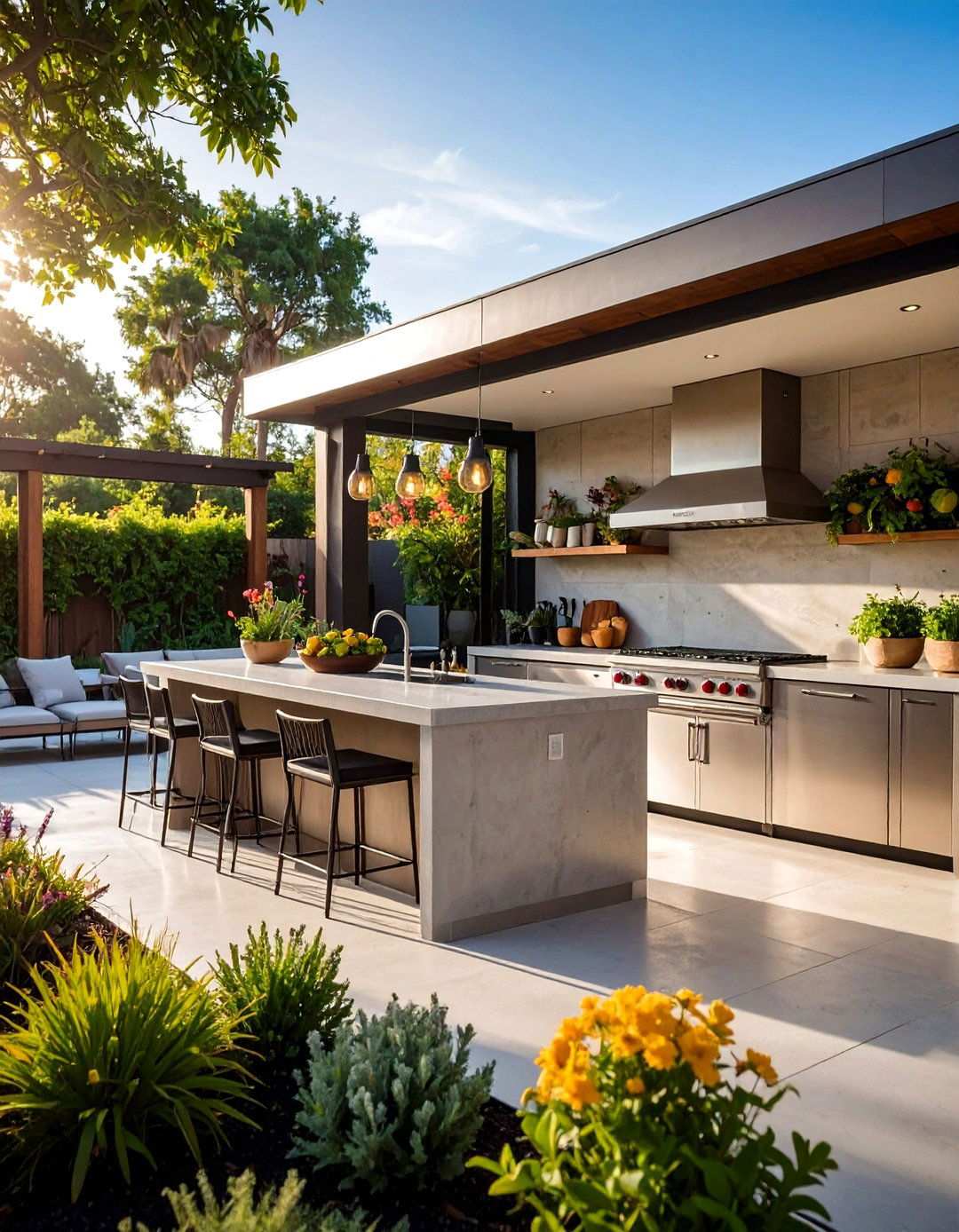
Bringing your home’s functionality outdoors while preserving the essence of mid-century modern design is a delicate balance, but one that can be achieved through thoughtful integration. When designing your outdoor kitchen, remember to incorporate clean lines, neutral materials, and a focus on function. Built-in grilling stations, prep surfaces, and storage cabinets should harmonize with your patio’s aesthetic, while stainless steel appliances, concrete countertops, and wood accent panels create a sophisticated cooking environment. To foster social interaction during food preparation, consider adding a bar-height counter accompanied by matching stools. Under-cabinet lighting provides task illumination while contributing to the ambiance, while strategic placement ensures a seamless flow between dining and lounging spaces, blurring the lines between separate areas and creating a cohesive outdoor living environment.
8. The Art of Adding Textural Depth
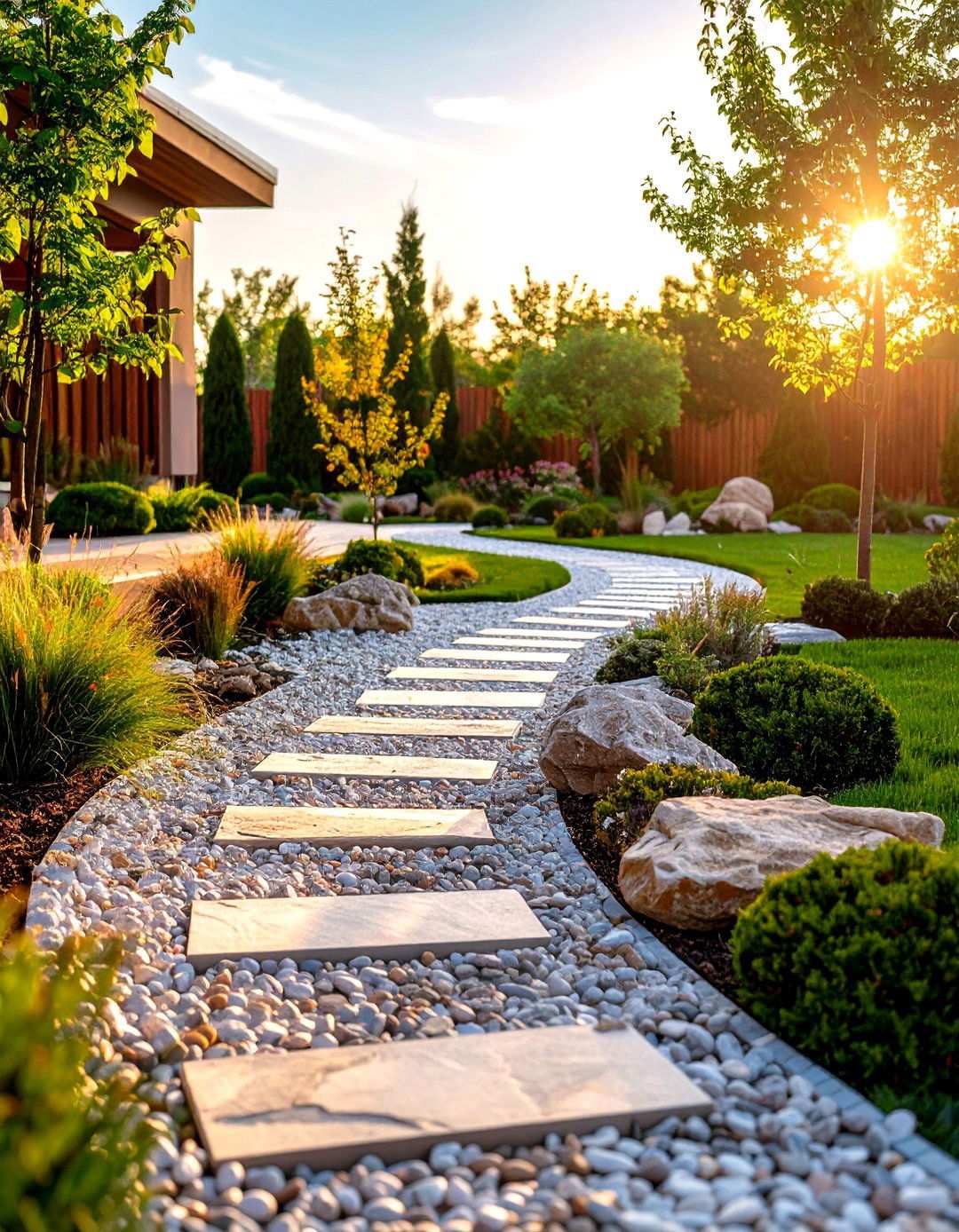
Incorporating textural elements into your patio design is crucial for capturing the essence of mid-century modern design, which often emphasized the interplay between natural and geometric forms. Gravel and stone accents introduce a natural element to your space, while maintaining the precision and control that define this era’s aesthetic. By using uniform gravel in neutral colors like gray, tan, or black to create defined pathways, drainage areas, or decorative borders, you can add visual interest and texture to your patio. Larger statement stones can serve as sculptural elements or functional seating options when positioned thoughtfully throughout your space. The contrast between smooth concrete surfaces and rough stone textures adds depth and visual appeal without compromising the overall aesthetic, while materials like decomposed granite and Mexican beach pebbles require minimal maintenance and age beautifully, contributing to a sophisticated, resort-like atmosphere.
9. Unfussy Elegance: Succulent Garden Border Plantings
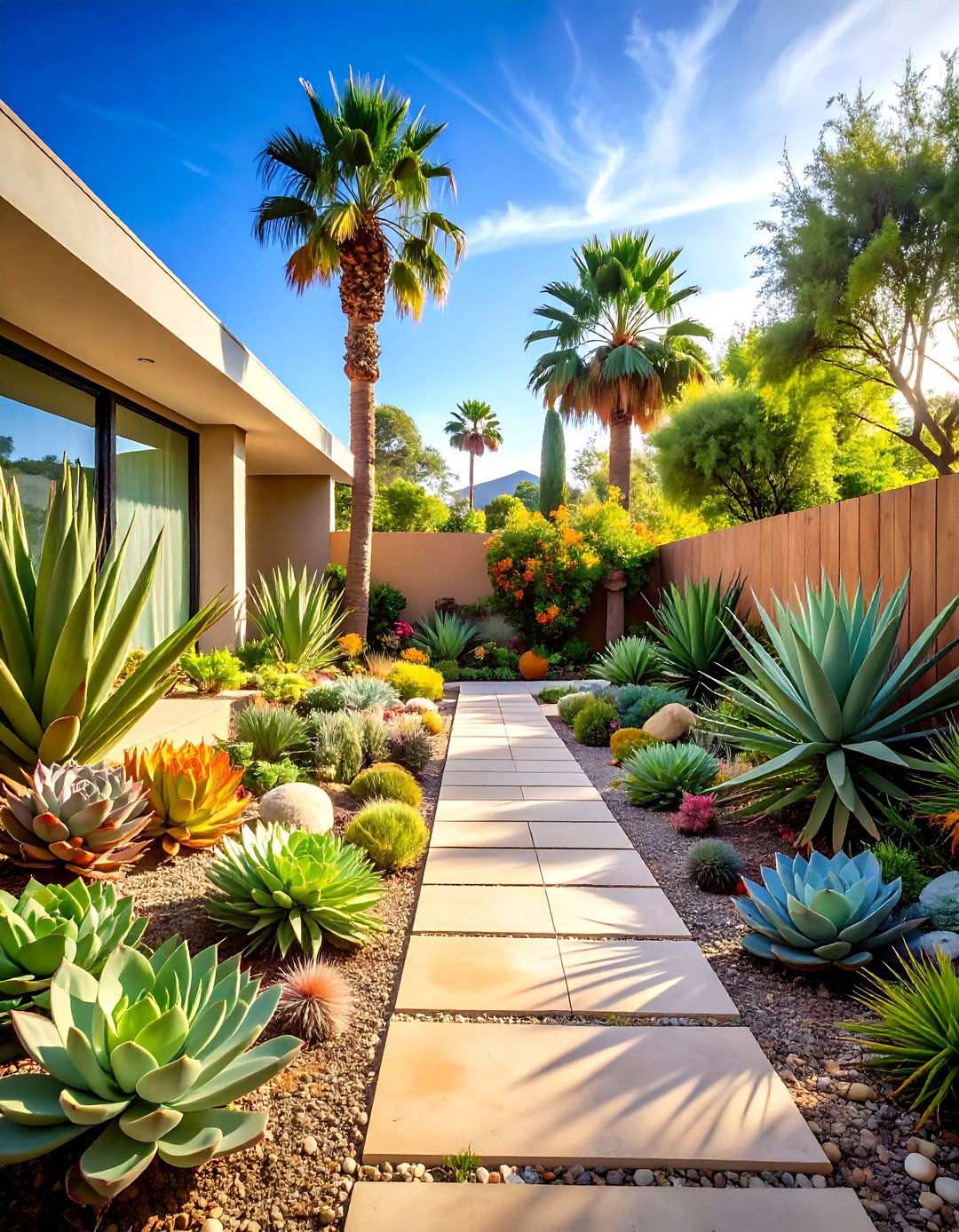
Minimalist landscaping options with succulents offer a refreshing respite from the upkeep of high-maintenance gardens. By incorporating architectural forms and drought-tolerant succulents, you can create visually striking mid-century modern patio designs that thrive with minimal care. Geometric arrangements of plants like agave, echeveria, and sedum mirror the clean lines of your patio, while well-draining soil and low water requirements make them ideal for busy homeowners. To maintain the structured appearance, consider using containers or raised beds with crisp edges, which will also help to emphasize the blue-gray and silvery tones of many succulents. Adding colored gravel mulch to define planting areas introduces additional textural interest that elevates the overall sophisticated aesthetic.
10. Seamless Transitions: Sliding Glass Door Extension
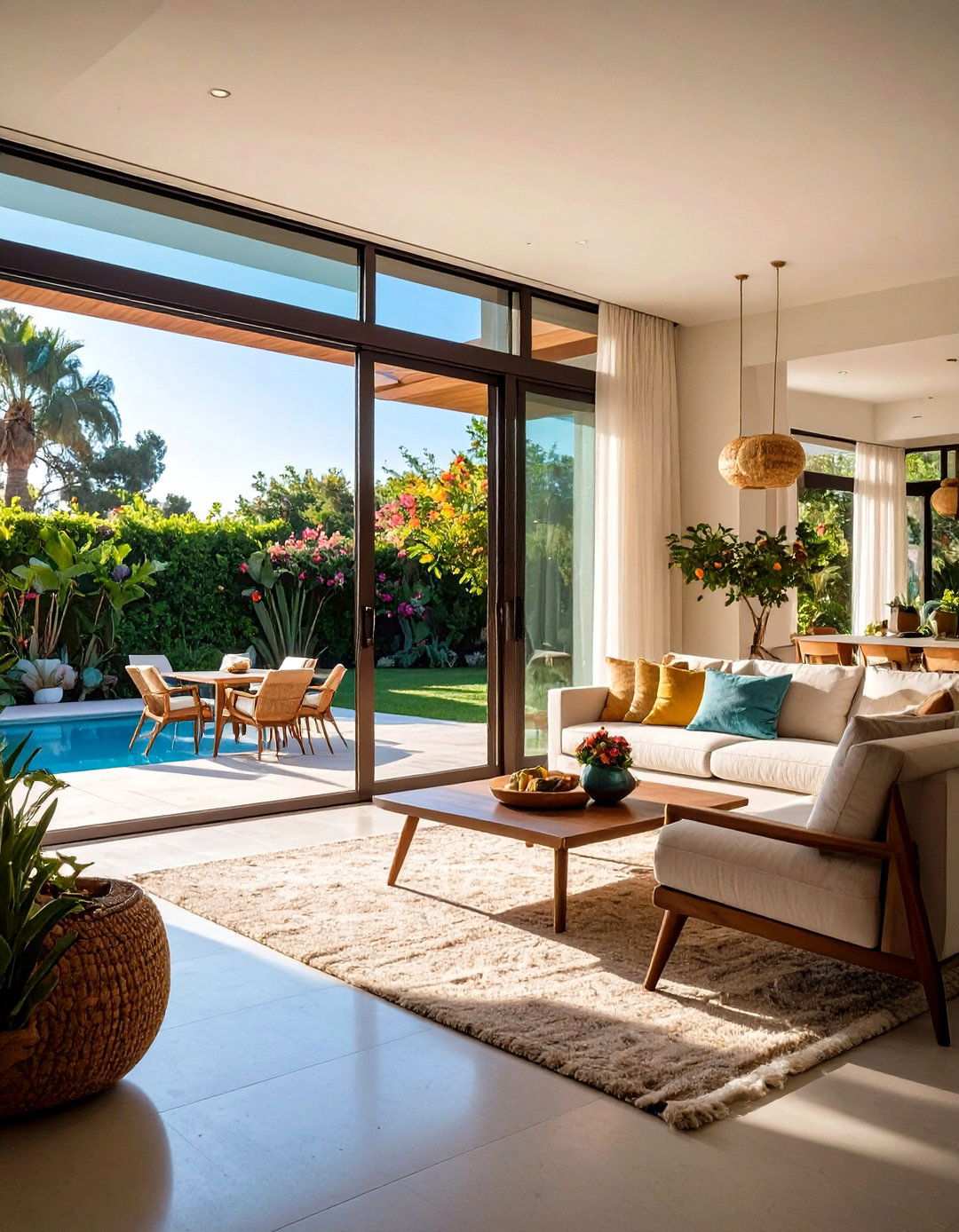
By cleverly placing sliding glass doors, you can seamlessly integrate your patio into the flow of your interior living spaces, creating a natural extension of your home. Floor-to-ceiling glass panels allow for effortless transitions between indoors and outdoors, flooding interior areas with natural light. To encourage a sense of continuity, position outdoor furniture to align with interior layouts, and choose similar flooring materials or colors to visually connect the areas while maintaining their distinct functions. Retractable screens can provide insect protection without obstructing sight lines or air circulation, making them an excellent solution for mid-century modern homes that seek to bring the outdoors in. This design philosophy embodies the spirit of mid-century modern architecture, where the boundaries between indoors and outdoors are blurred, creating homes that feel larger and more connected to their surroundings.
11. Floating Concrete Bench Seating: A Masterclass in Mid-Century Modern Design
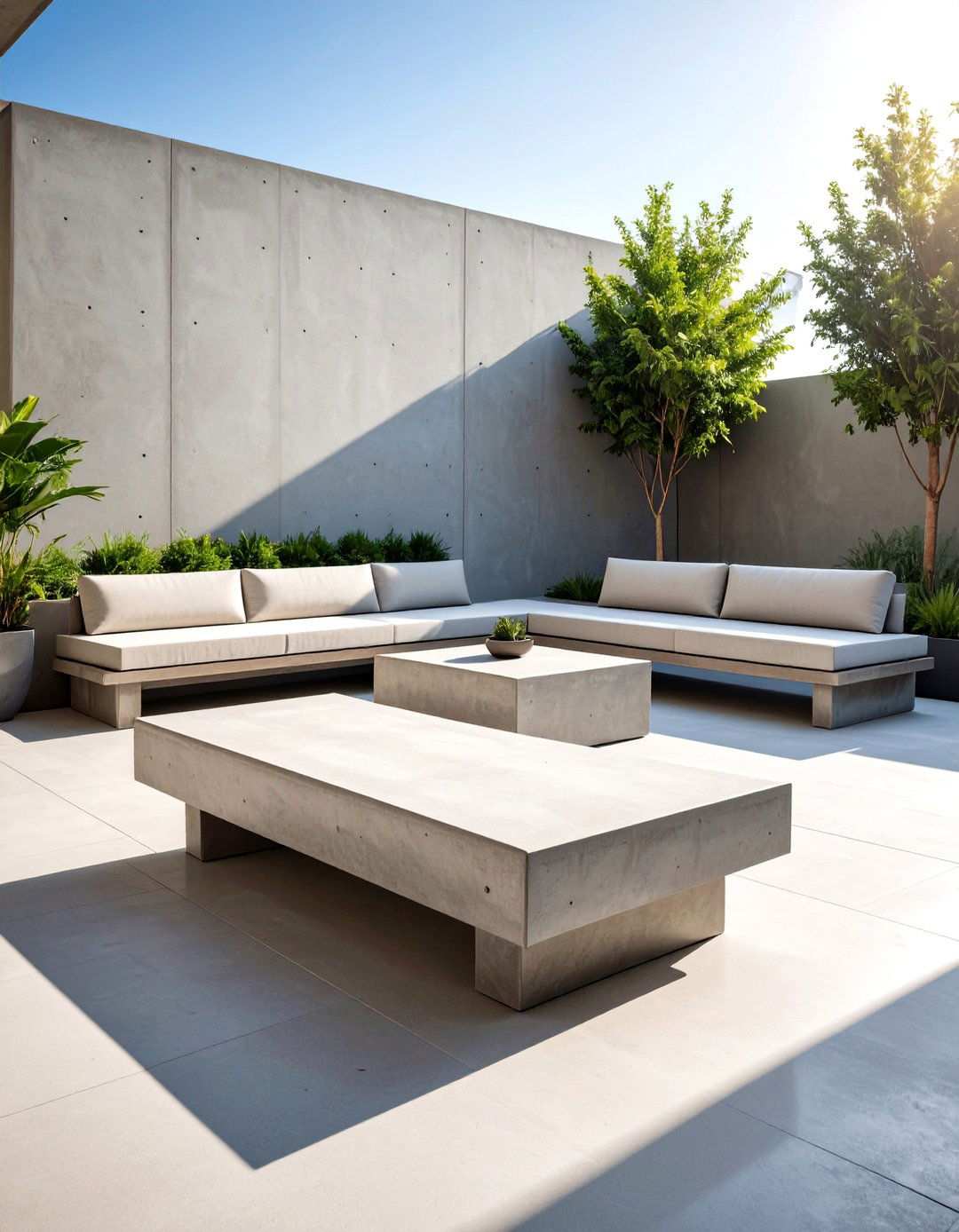
Floating concrete benches are a testament to the innovative construction techniques celebrated in mid-century modern design, providing ample seating while showcasing the designers’ creativity. These cantilevered structures appear to defy gravity, creating a visually striking focal point that adds drama to your patio. Position benches along patio perimeters or use them to define different activity zones within larger spaces, and enhance their functionality with weather-resistant cushions in bold colors or geometric patterns. The substantial nature of concrete provides thermal mass that stays cool in summer and retains warmth during cooler evenings, making it an ideal material for outdoor seating areas. By incorporating storage compartments within bench designs, you can keep outdoor entertaining essentials out of sight, maintaining the clean, uncluttered sight lines that are characteristic of mid-century modern design.
12. Copper Accent Element Features
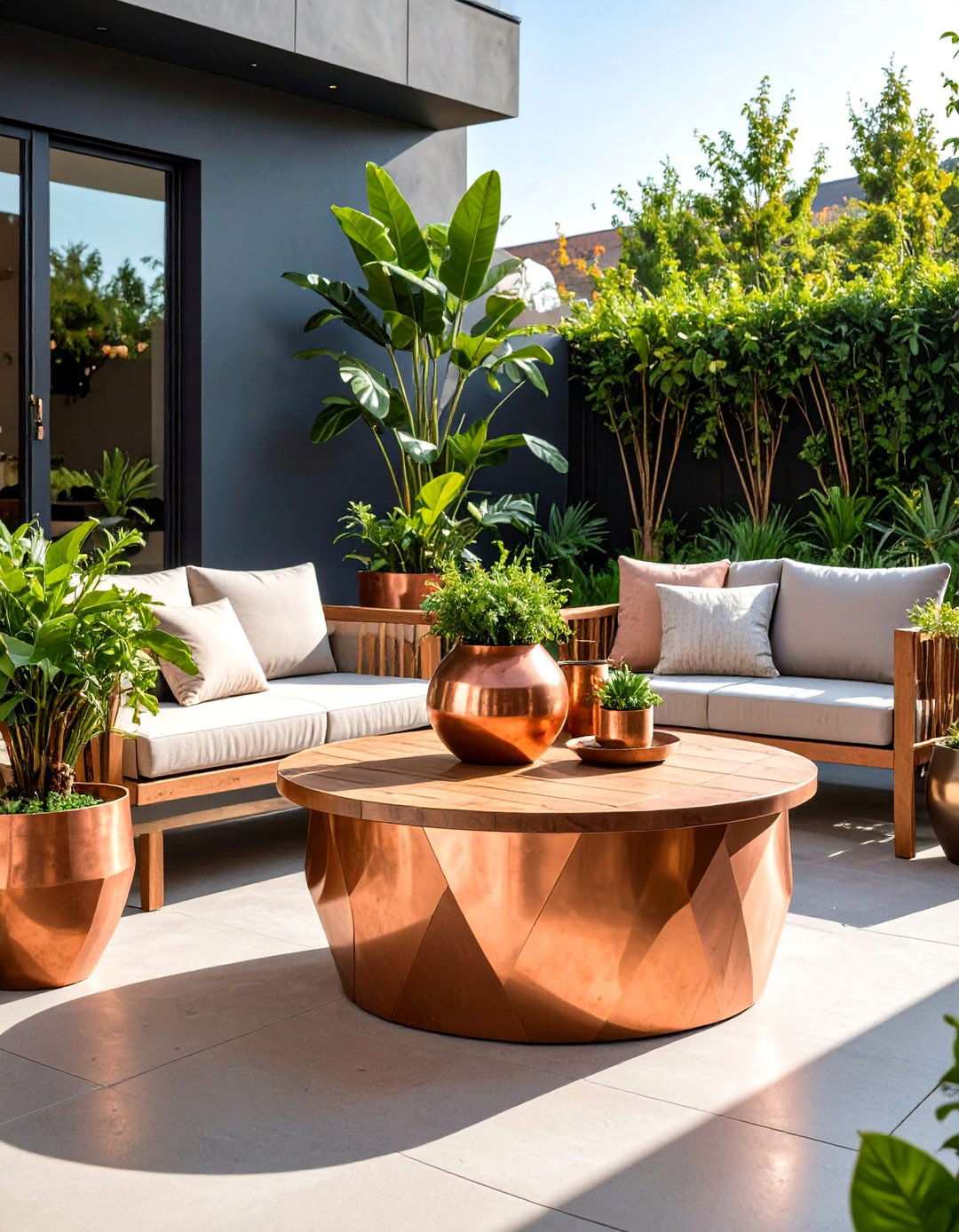
Introducing copper accents brings a touch of organic warmth to mid-century modern designs without compromising the sophistication of the material palette. Incorporating copper planters, light fixtures, or water features that develop a beautiful patina over time adds unique character and depth to your patio. The aging process of copper creates a dynamic, ever-changing visual interest that requires minimal maintenance. This versatile metal pairs well with concrete, steel, and wood elements, seamlessly bridging the gap between industrial and natural materials. Selecting geometric forms that complement your patio’s architectural lines provides functional benefits like plant containers or sculptural lighting. As copper weathers, it undergoes a captivating transformation from bright orange to rich brown to eventual blue-green patina, creating a dynamic, living finish that evolves with your outdoor space.
13. Water Feature Integration Elements
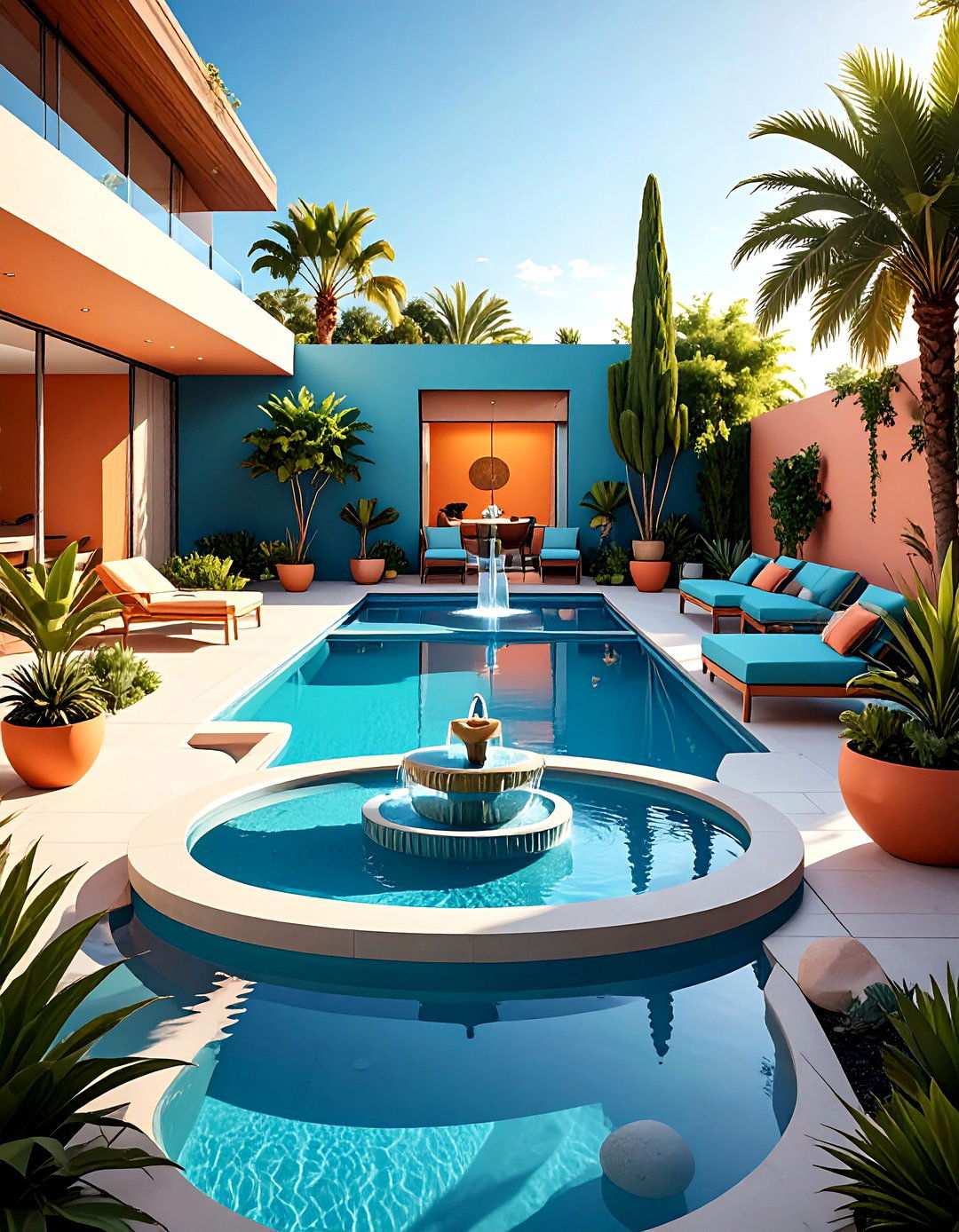
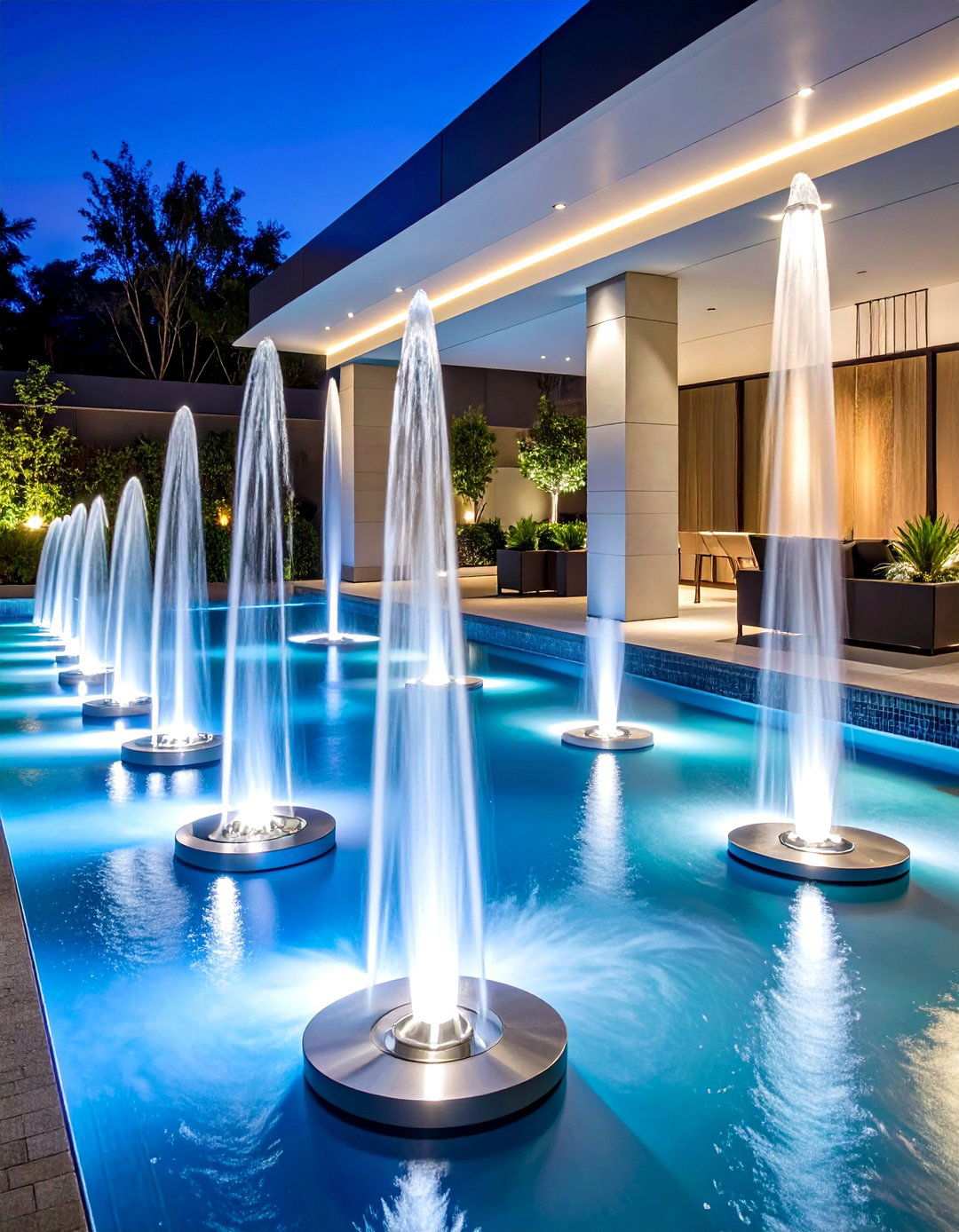
To add a tranquil atmosphere while maintaining architectural integrity, consider incorporating integrated water features. These stunning focal points provide soothing ambiance within mid-century modern patio designs. Geometric fountains, reflecting pools, or linear water walls are ideal, as they complement your space’s clean lines. The gentle sound of moving water effectively masks neighborhood noise, creating a resort-like atmosphere perfect for relaxation and entertaining. Choose materials like concrete, steel, or natural stone that harmonize with existing patio elements. Strategically position water features to maximize their visual and auditory impact without overwhelming smaller spaces. Opting for simple geometric forms is key, as ornate or traditional designs can conflict with the era’s minimalist aesthetic principles.
14. Privacy Screen Wall Construction
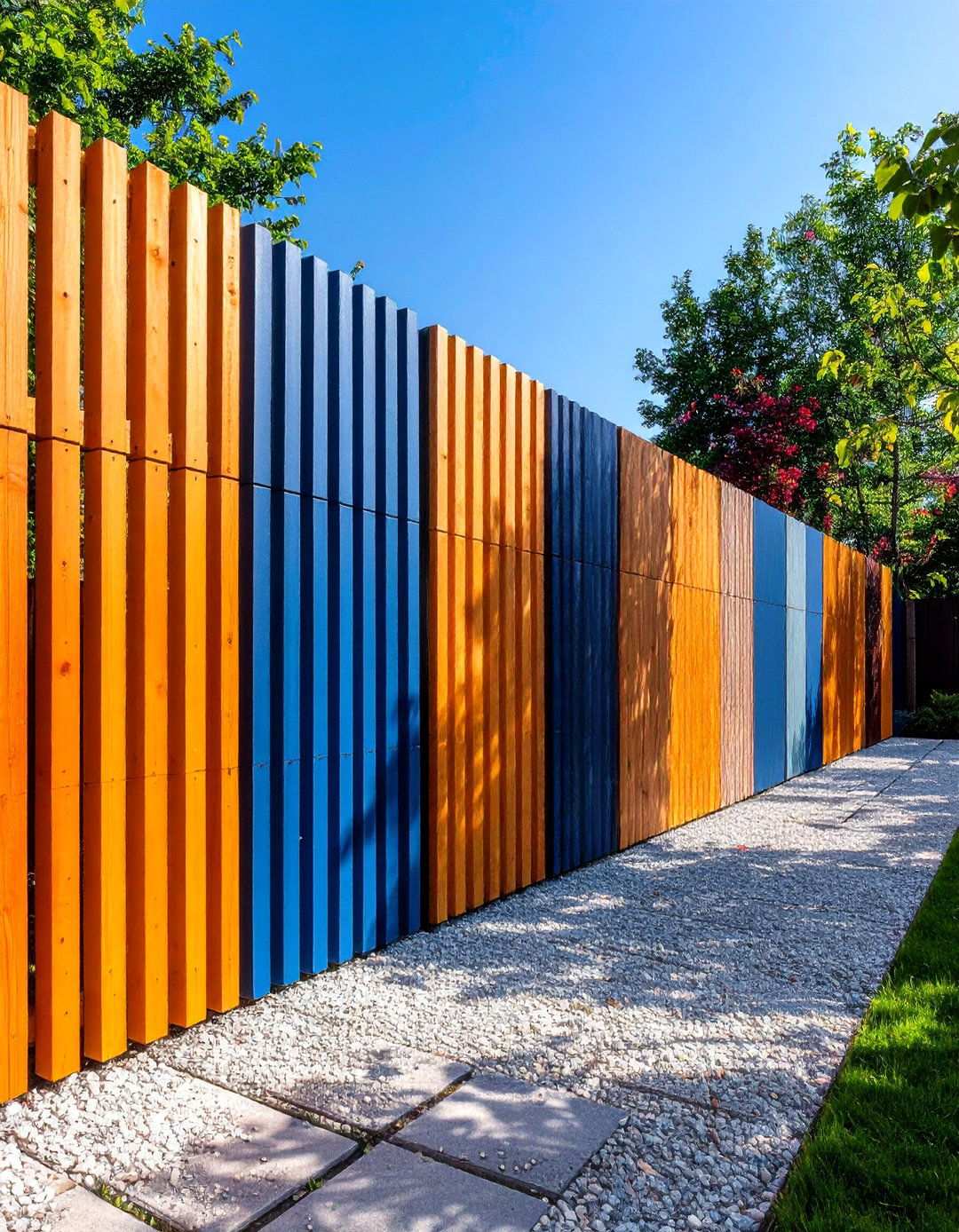
Strategic placement of privacy screens creates intimate outdoor rooms while maintaining the open feeling essential to mid-century modern design. Use materials like concrete block, wood slats, or perforated metal panels arranged in geometric patterns that provide the perfect balance of privacy and air circulation. Screen walls can define different activity areas within larger patios or shield your space from neighboring properties. Varying heights can add visual interest while maintaining functionality. Incorporating planters or lighting elements into screen designs maximizes their impact and utility. Select materials and finishes that complement your patio’s existing palette while providing the necessary privacy for comfortable outdoor living and entertaining.
15. Elevating Concrete with Colored Staining Techniques
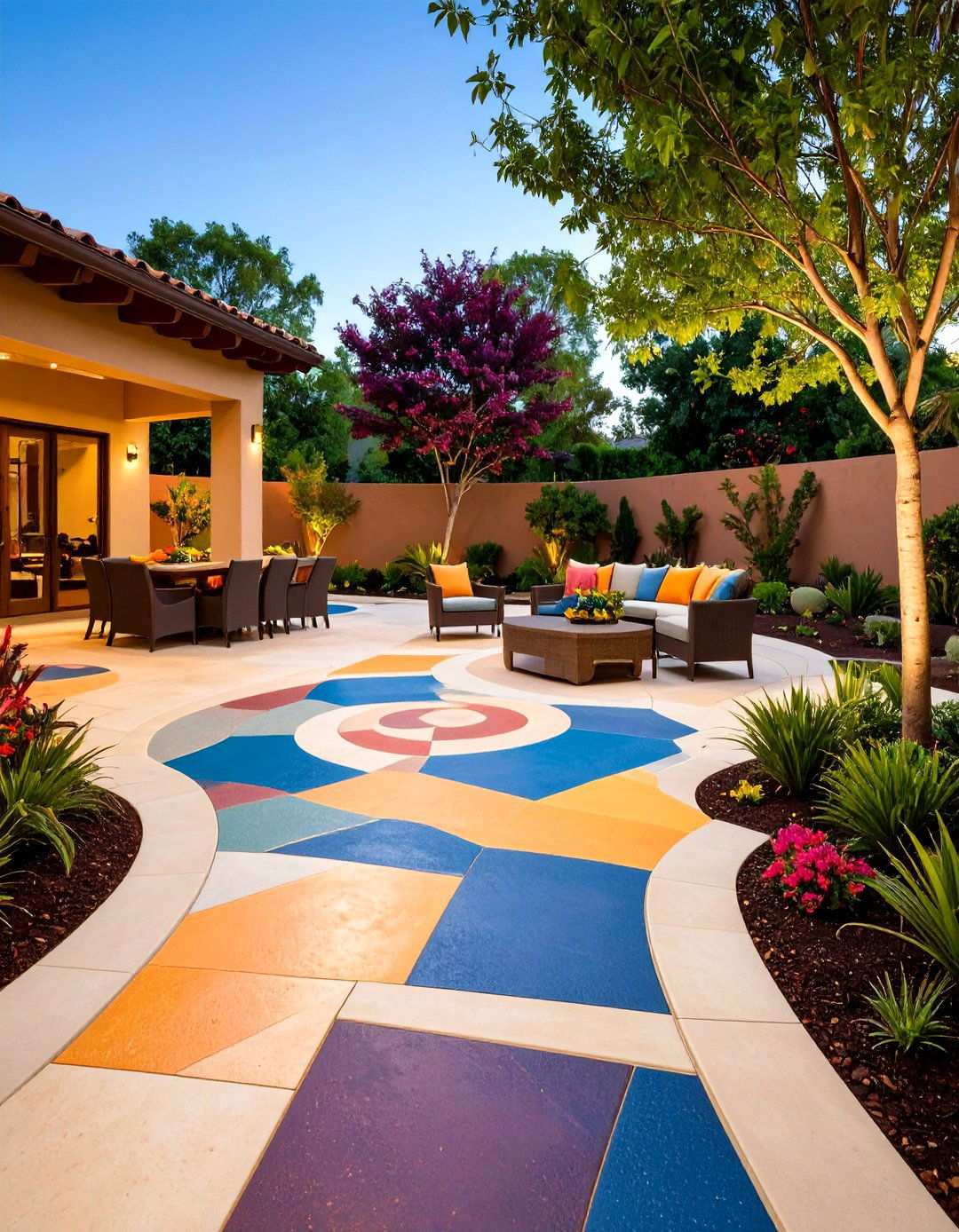
Transforming basic concrete surfaces into refined design elements, colored concrete staining seamlessly integrates with mid-century modern aesthetics. Earthy tones such as warm browns, terracotta, and sage green create a harmonious atmosphere that blends with natural materials and surroundings. The organic patterns generated by acid stains not only add visual depth but also preserve the industrial essence of the concrete. Designers can further customize the look by incorporating contrasting stain colors into geometric scoring patterns to create unique area rugs or define functional zones within the patio. This technique yields a lasting, high-quality finish that resists chipping and peeling, unlike surface coatings. With its versatility and innovative spirit, colored concrete staining pays homage to the era’s pioneering approach to material treatments.
16. Dynamic Shade Solutions with Cantilever Umbrellas
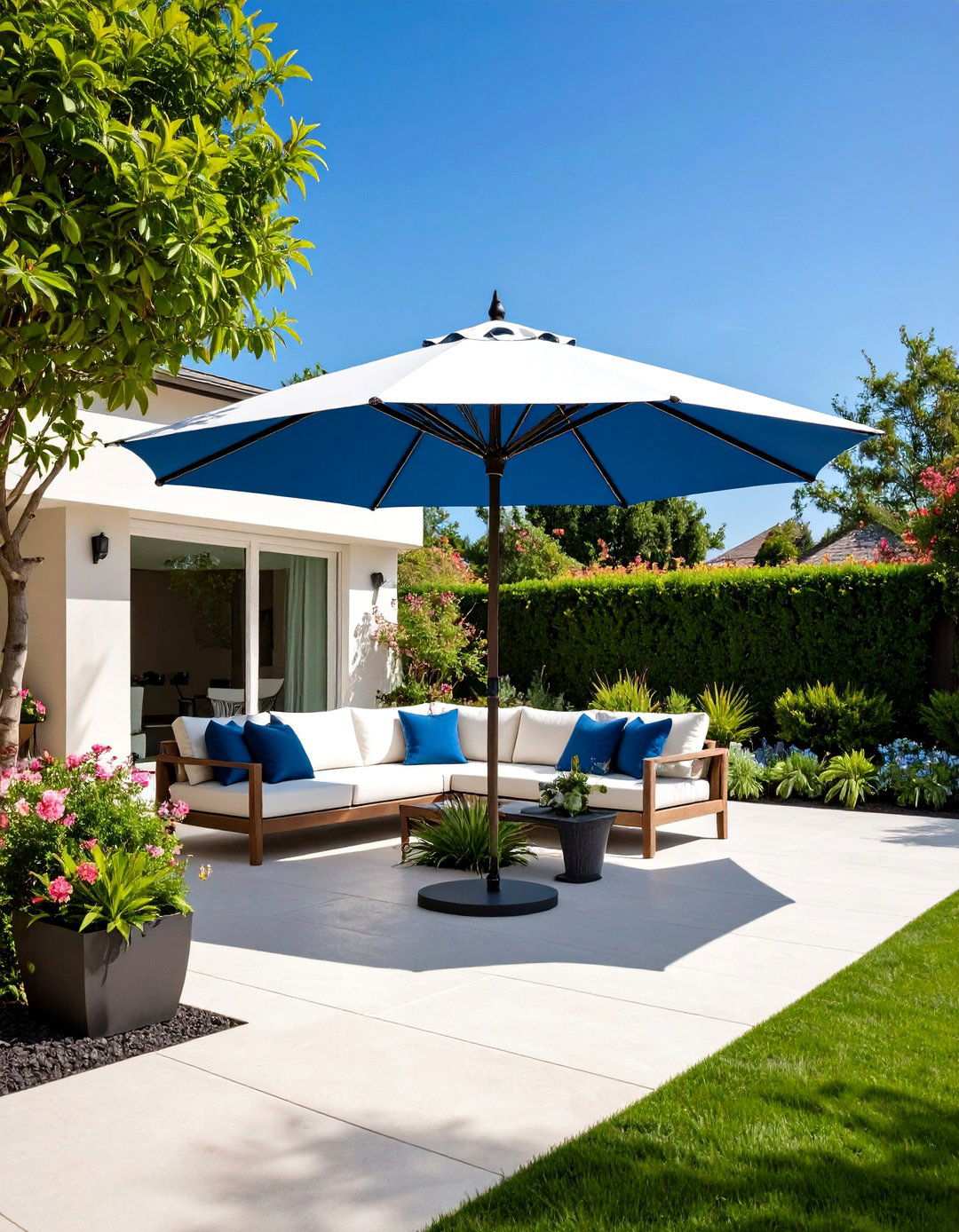
When seeking flexible shade that doesn’t compromise the clean lines of your patio, consider cantilever umbrellas. These innovative structures provide adjustable coverage while maintaining the geometric aesthetic central to mid-century modern design. Featuring offset poles that eliminate center support posts, cantilever umbrellas enable natural furniture arrangements beneath the canopy. Choose sleek umbrella frames made from materials like aluminum or steel, paired with fabric colors that complement your overall design palette. The umbrella’s clean lines and geometric form echo architectural elements while offering essential sun protection. Many models boast 360-degree rotation and tilt adjustment, allowing you to customize shade coverage throughout the day without disrupting your carefully planned layout.
17. Discreet Storage Solutions for a Clutter-Free Patio
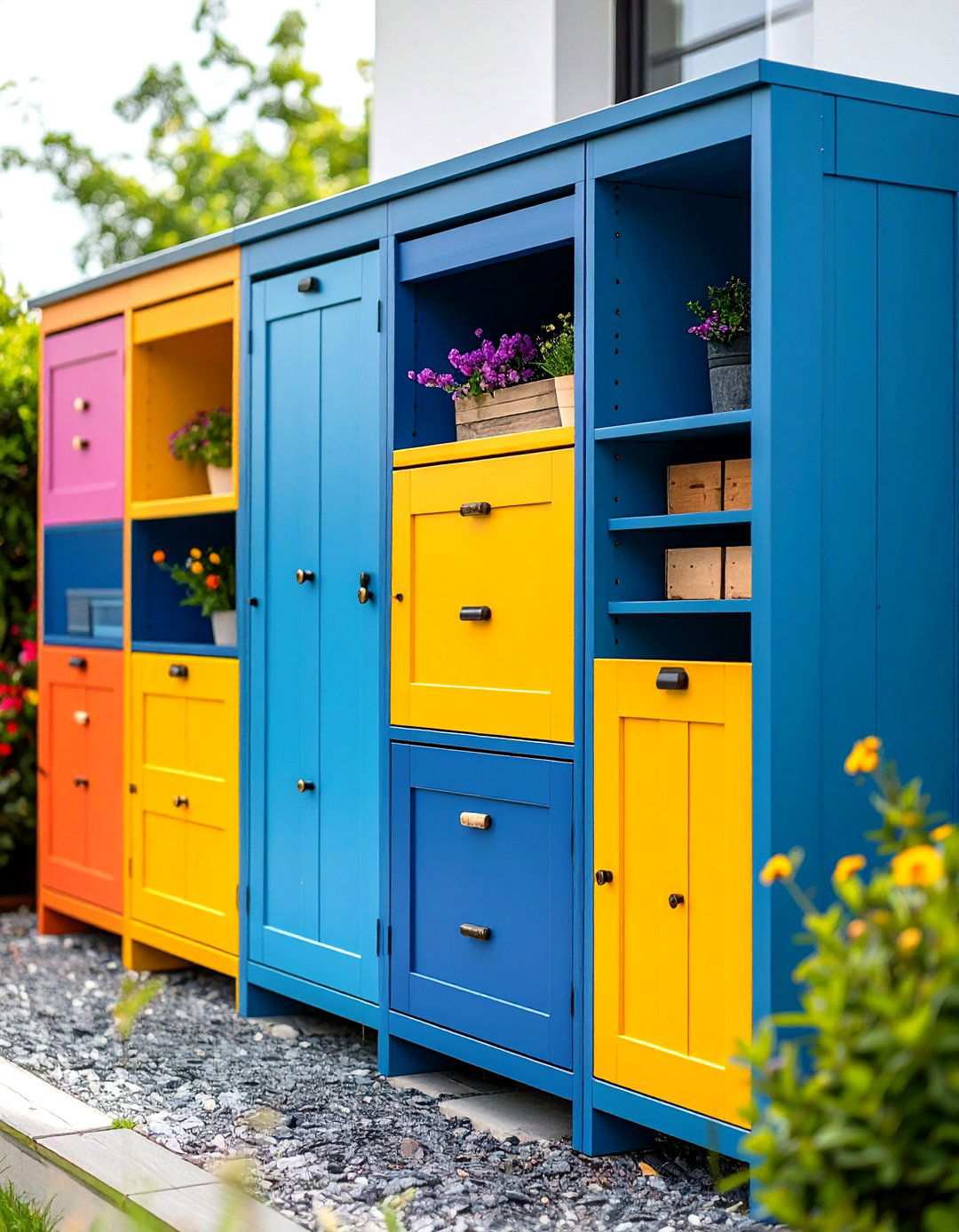
Maintaining your patio’s uncluttered appearance while providing essential functionality is key to a seamless outdoor living experience. Built-in storage solutions such as benches with hidden compartments, wall-mounted cabinets, or custom storage ottomans keep entertaining essentials organized and easily accessible. To achieve seamless integration, select materials and finishes that match your patio’s existing elements, blending rather than standing out. Weather-resistant construction ensures longevity while protecting stored items from moisture and temperature fluctuations. Consider storage for cushions, outdoor games, grilling accessories, and seasonal decorations. The secret to a clutter-free patio lies in making storage invisible when not in use, thereby maintaining the clean, minimalist aesthetic that defines mid-century modern design and ensuring your outdoor space remains functional and organized.
18. Sculptural Planting Bed Elements
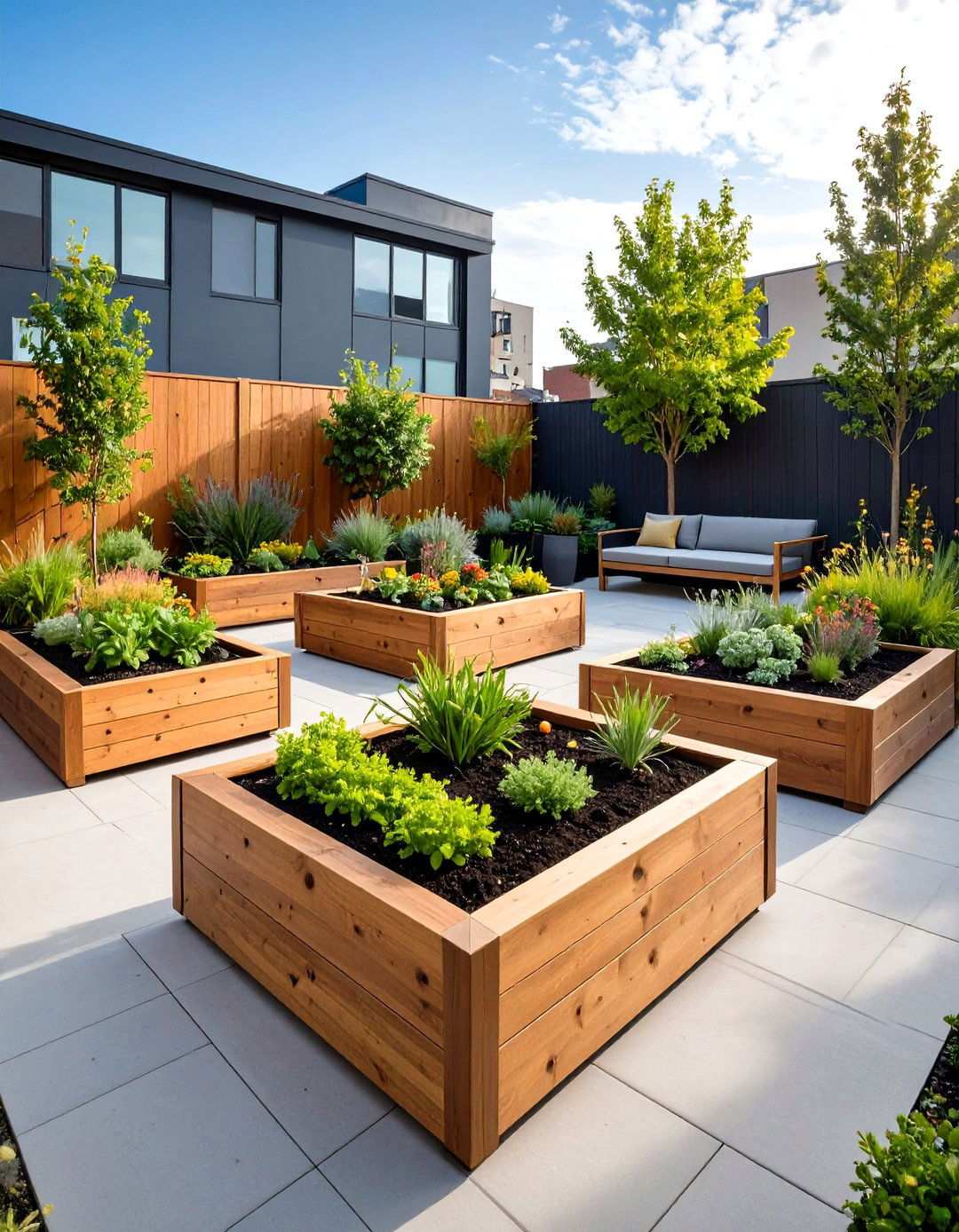
Mid-century modern patio design often pairs clean lines with the beauty of elevated greenery. To achieve this, create sculptural planting beds using materials that complement your patio’s existing aesthetic. Consider incorporating concrete, steel, or wood, each with its unique texture and visual appeal. Raised beds not only improve drainage for plants but also define separate growing areas that don’t compromise your outdoor entertaining spaces. Fill these beds with architectural plants that maintain their form throughout the seasons, such as ornamental grasses, succulents, or structural shrubs. Varying bed heights can add visual interest while ensuring clear sight lines across your patio. The linear edges of raised beds echo the era’s emphasis on clean geometry, making them an ideal choice for enhancing your outdoor living environment.
19. Exposed Aggregate Concrete Surfaces
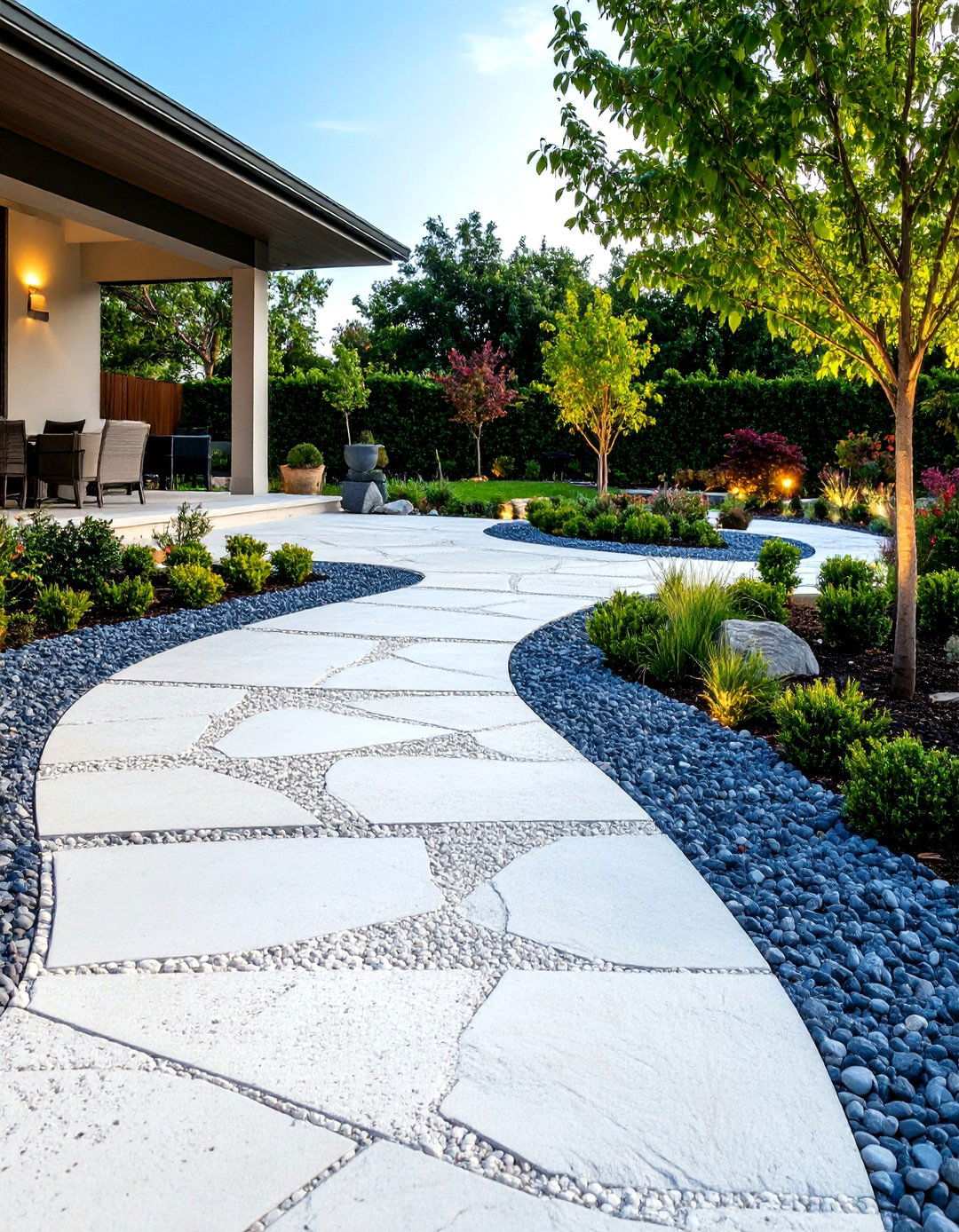
Exposed aggregate concrete surfaces add a touch of sophistication to your outdoor space while maintaining the clean aesthetic fundamental to mid-century modern design. This technique reveals decorative stones within the concrete matrix, creating natural patterns that blend seamlessly with surrounding landscape elements. Choose aggregate colors and sizes that harmonize with your overall design palette, providing slip-resistant surfaces perfect for outdoor use. The endless customization possibilities of this technique allow you to create subtle gray river rock, dramatic black basalt, or warm sandstone aggregates that complement your patio’s design. This surface treatment adds visual depth and tactile interest, elevating your outdoor space without compromising the geometric simplicity that defines the era. When installed properly, these surfaces ensure durability while developing a sophisticated, aged look over time.
20. Steel Fire Bowls as Focal Points
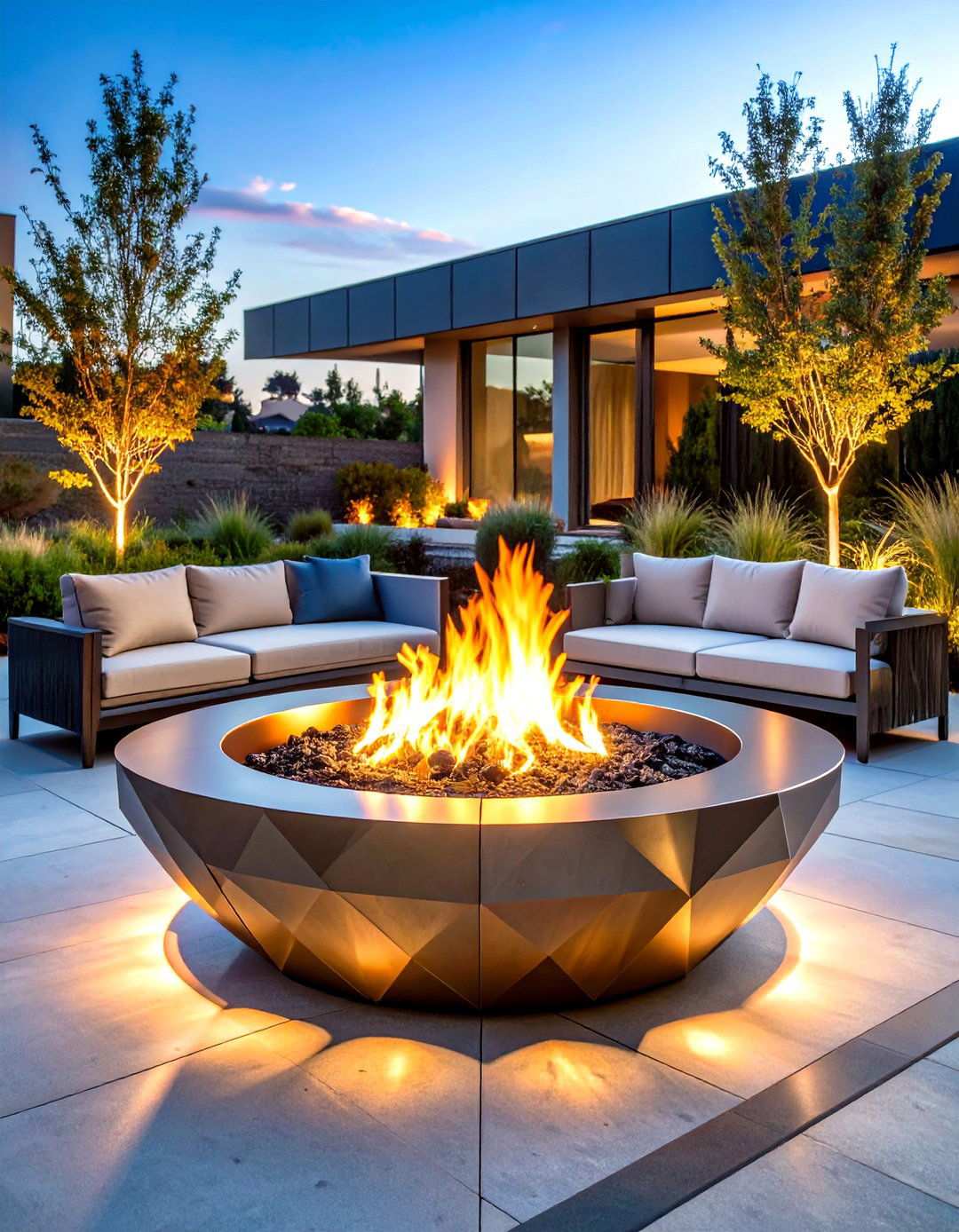
Steel fire bowls serve as dramatic focal points, providing warmth and ambiance for evening gatherings. Choose geometric forms that complement your patio’s architectural lines, such as perfect circles, squares, or elongated rectangles. Steel construction guarantees durability while developing an attractive patina over time, adding character and depth to the fire feature. Strategically position fire bowls to encourage conversation while maintaining safe clearances from seating and structures. Consider gas-powered options for convenient operation or wood-burning versions for authentic crackling sounds and rustic appeal. The clean lines and industrial materials of steel fire bowls perfectly embody mid-century modern design principles, creating intimate gathering spaces that extend your patio’s usability into cooler months.
21. Adaptable Patio Layout Systems
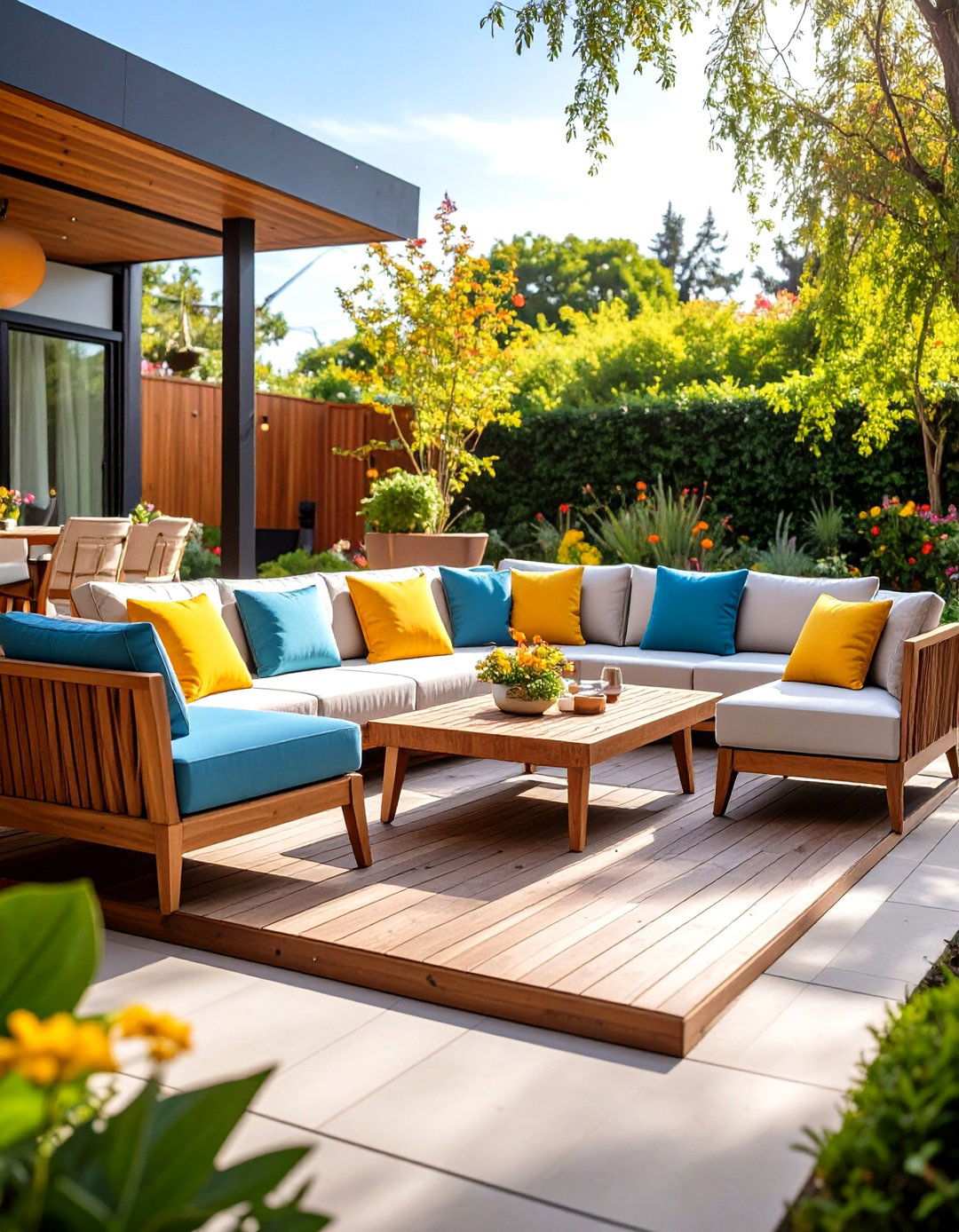
A modular seating arrangement system offers the perfect solution for mid-century modern patio design enthusiasts who crave flexibility and functionality. By selecting pieces with clean lines, neutral tones, and weather-resistant materials, you can create a variety of configurations that cater to different occasions. Sectional components, individual chairs, and ottomans can be combined in countless ways to facilitate intimate conversations or larger gatherings, making your patio an ideal spot for socializing and relaxation. To achieve a sleek look, opt for geometric forms and minimal ornamentation that prioritize function over aesthetics. A well-crafted modular system ensures durability while its adaptability meets changing needs and seasonal requirements, embodying the era’s focus on practical design.
22. Modern Desert Landscaping Techniques
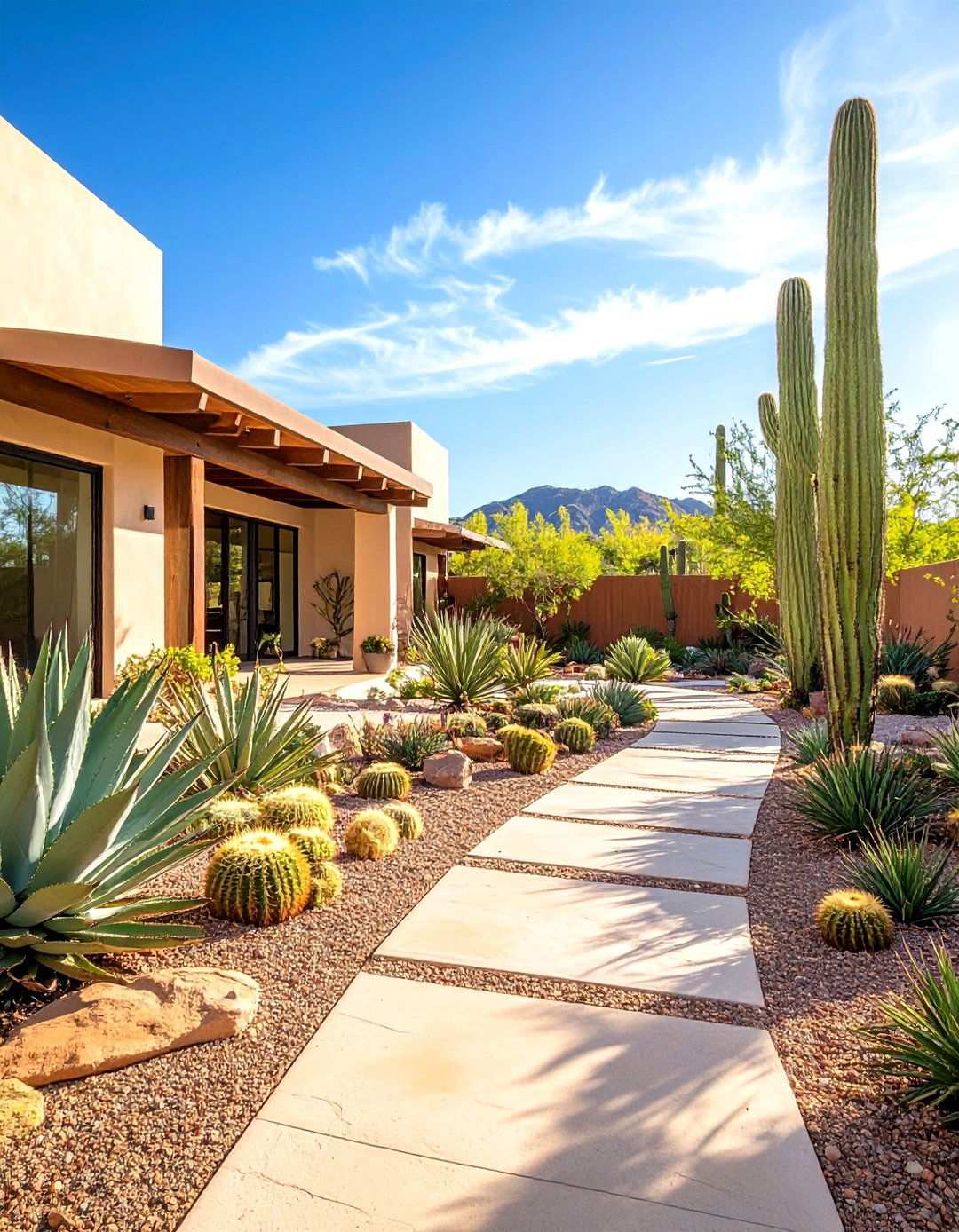
Desert-inspired landscaping is an excellent choice for mid-century modern patio design, as it seamlessly integrates architectural plant forms and sustainable practices. For a low-maintenance yet visually striking landscape, choose drought-tolerant plants such as agave, yucca, and ornamental grasses that require minimal watering once established. Grouping these plants in geometric patterns will create a visually appealing contrast with your patio’s clean lines while providing structure and interest throughout the year. To reduce maintenance and add visual appeal, consider incorporating colored gravel, decomposed granite, or stone mulches to define planting areas. This approach draws inspiration from California desert modernism while creating eco-friendly outdoor spaces that remain beautiful regardless of the season or weather conditions.
23. Expanding Your Outdoor Living Space
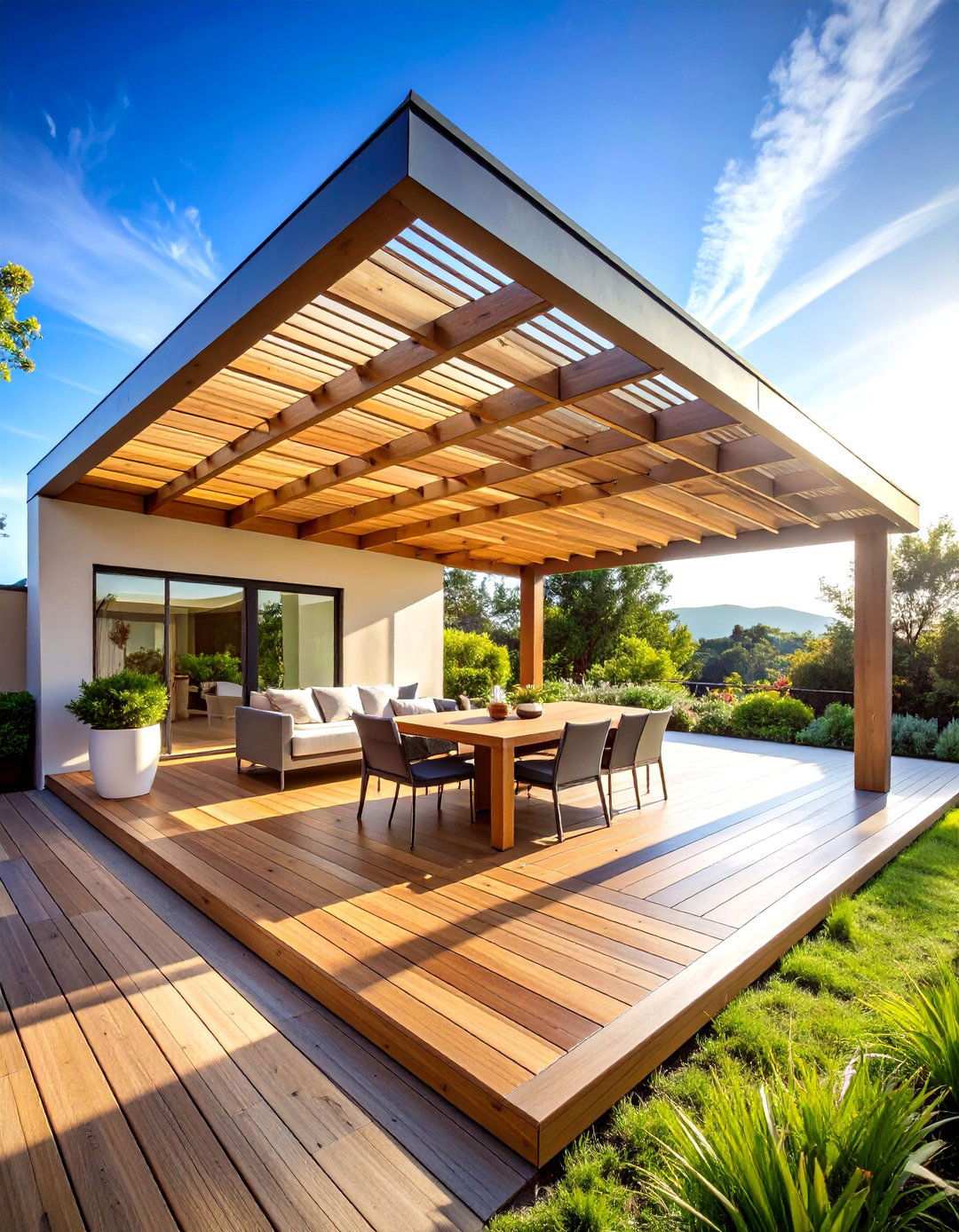
A permanent roof extension transforms your patio into a covered outdoor room that remains usable regardless of the weather, while maintaining architectural continuity with your home’s existing structure. Design your extension using materials that complement your house’s mid-century modern aesthetic, such as steel beams, wood decking, or concrete slabs. When properly integrated, the addition appears as an original part of your home rather than an afterthought, enhancing the overall design coherence. Consider incorporating skylights, clerestory windows, or open sections to provide natural light and weather protection. This expanded covered area opens up new possibilities for different furniture arrangements and activities that wouldn’t be feasible in fully exposed areas, significantly increasing your home’s functionality and value.
24. Harmonizing Elevation with Multilevel Terracing
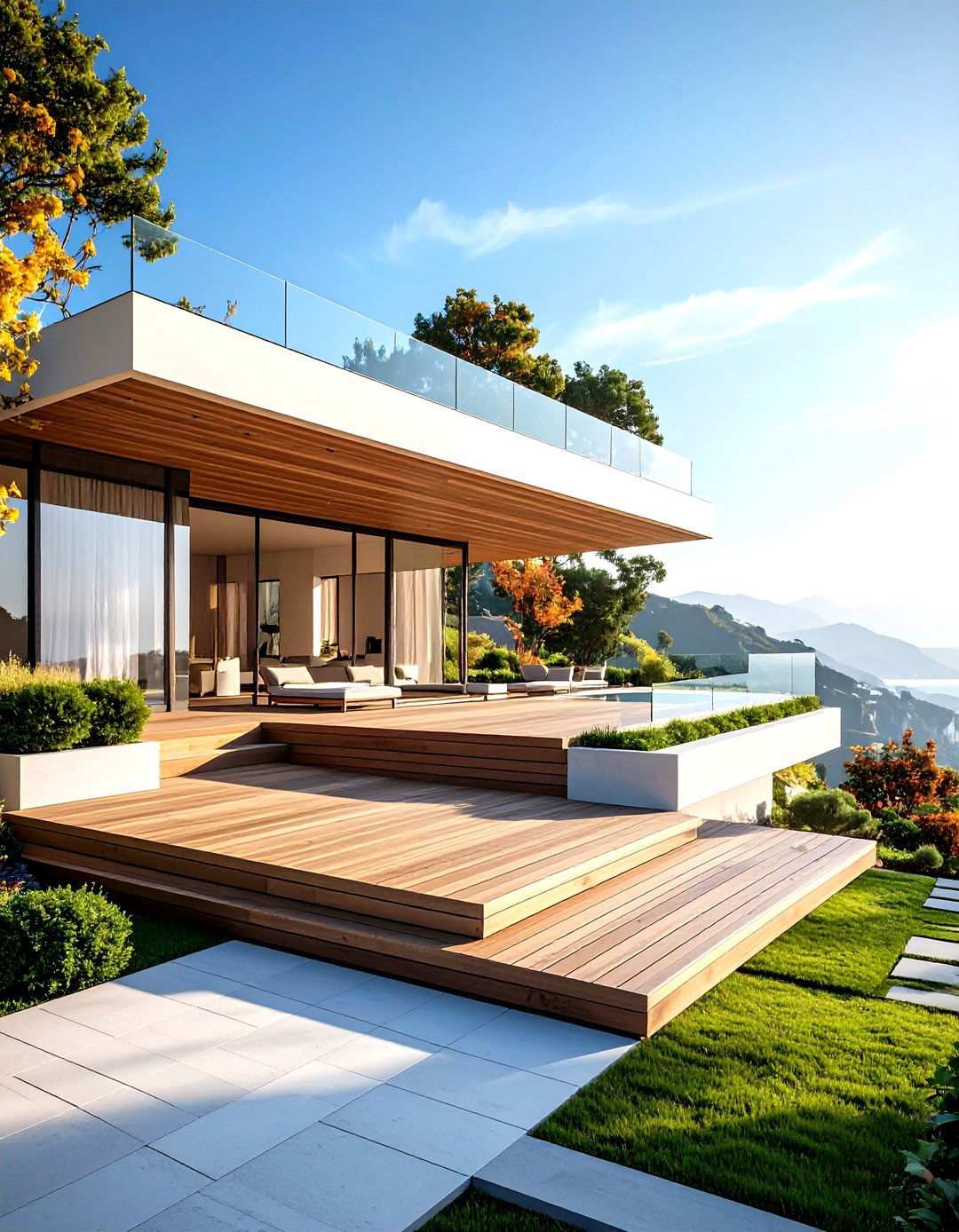
Sloped properties can be effortlessly transformed into exquisite outdoor living spaces that beautifully reflect mid-century modern design’s innovative spirit. By skillfully dividing the terrain into distinct levels, you can create bespoke environments perfectly suited to different activities. This is achieved through the strategic use of retaining walls, built-in seating areas, and thoughtfully selected plant species that blend seamlessly with the site’s natural contours. A variety of materials such as concrete, steel, and natural stone can be employed to provide the necessary structural support while maintaining a cohesive aesthetic throughout the terraced zones. To further enhance functionality and visual appeal, consider incorporating features like water elements, fire installations, or outdoor cooking stations at multiple levels. This thoughtful approach not only pays homage to the era’s architectural ideals but also offers practical solutions for challenging sites, ultimately yielding breathtaking outdoor environments that harmonize with the surrounding landscape.