1. Sacred Thresholds in Japanese Garden Design
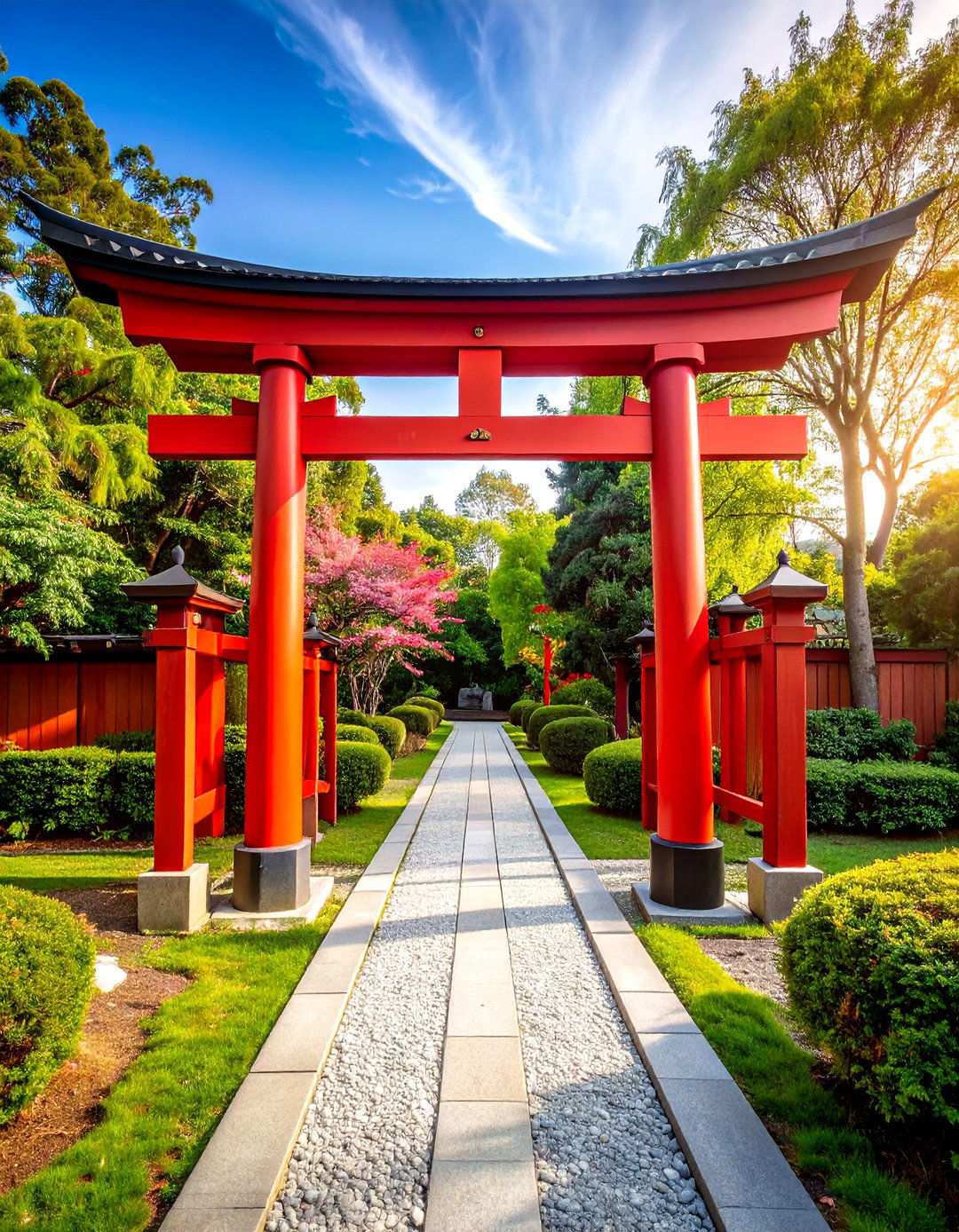
Japanese garden gates transcend their role as mere entrances, embodying the profound philosophy of transitioning from the everyday world to serene and peaceful spaces. These architectural elements serve as symbolic thresholds that evoke contemplation and create anticipation for the tranquility that lies beyond. From ancient torii structures that honor Shinto principles to modern interpretations that blend Eastern aesthetics with contemporary functionality, each gate design carries profound cultural significance. The meticulous selection of materials, proportions, and decorative elements reflects the Japanese commitment to harmony between human craftsmanship and natural beauty, making every entrance an immersive experience.

As an Amazon Associate I earn from qualifying purchases.
2. Unadorned Elegance: Traditional Shinmei Torii Gate
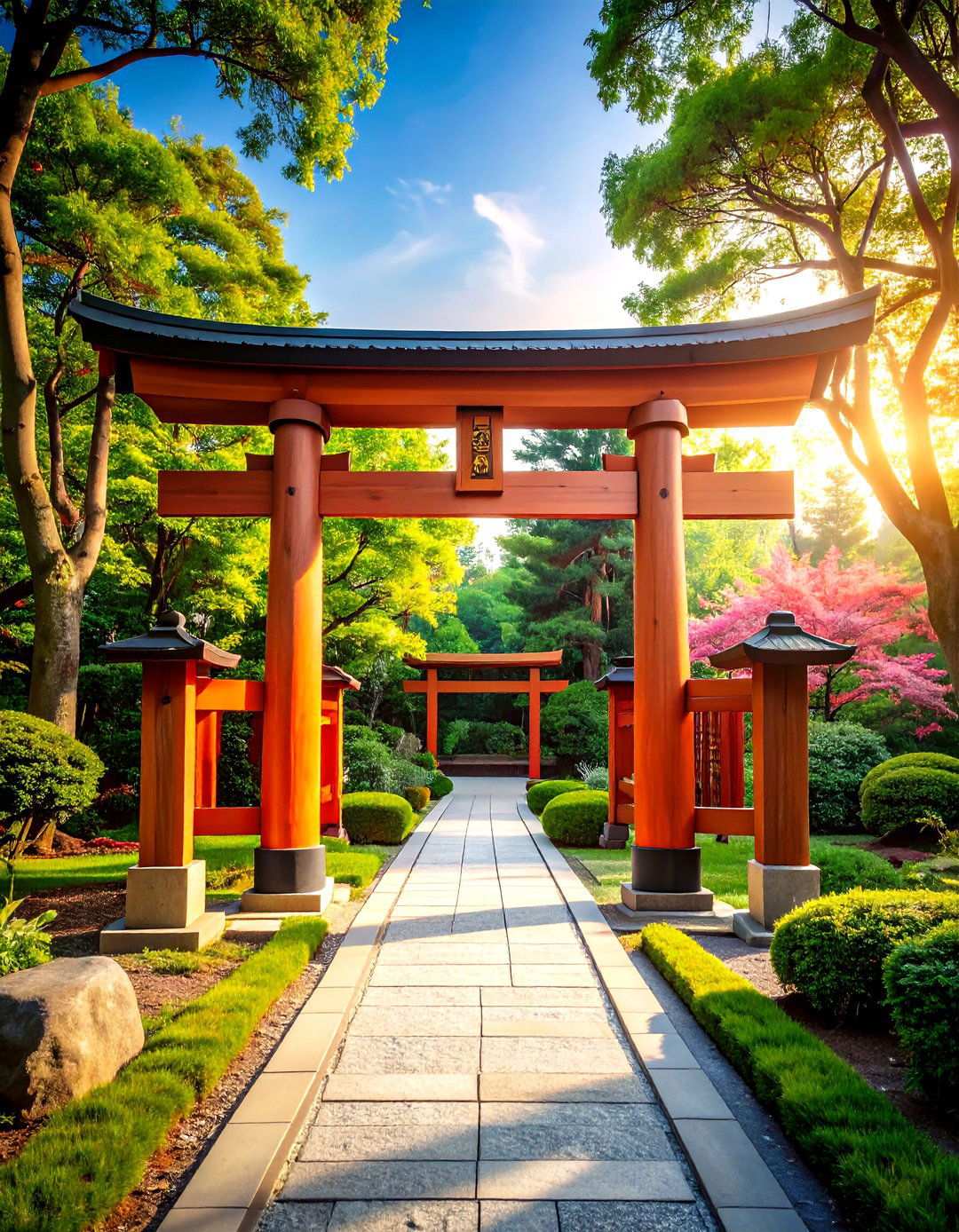
The iconic vermilion torii gate stands as the most recognizable symbol of Japanese garden entrances, traditionally signifying the transition from the physical to the spiritual world. This timeless design features two sturdy wooden posts supporting horizontal crossbeams, with the distinctive curved kasagi creating elegant upward-sweeping lines. The rich red coloring symbolizes protection against negative energies while welcoming positive forces into the garden space. Constructed from sustainably sourced cedar or durable treated pine, the gate incorporates traditional joinery techniques that ensure structural integrity without the use of metal fasteners. The proportions adhere to ancient architectural principles, with the distance between posts carefully calculated to create visual harmony. The shimagi beam positioned below the main lintel adds architectural complexity while maintaining the gate’s authentic appearance.
The shinmei torii gate offers a more understated approach to Japanese garden design, consisting solely of straight wooden elements with minimal ornamentation. This unadorned design emphasizes the natural beauty of the wood grain while creating a sense of quiet dignity. The gate features rounded posts and beams that maintain their natural cedar appearance, allowing the wood to weather gracefully to a silver-gray patina over time. The clean, geometric lines reflect zen principles of simplicity and mindfulness, making it perfect for contemporary interpretations of traditional garden design. Installation requires deep foundation work to ensure stability, with posts extending several feet underground. The absence of decorative elements allows the surrounding landscape to take center stage while providing a subtle frame for garden views.
3. Bamboo Panel Gateways: Harmonizing Nature and Architecture
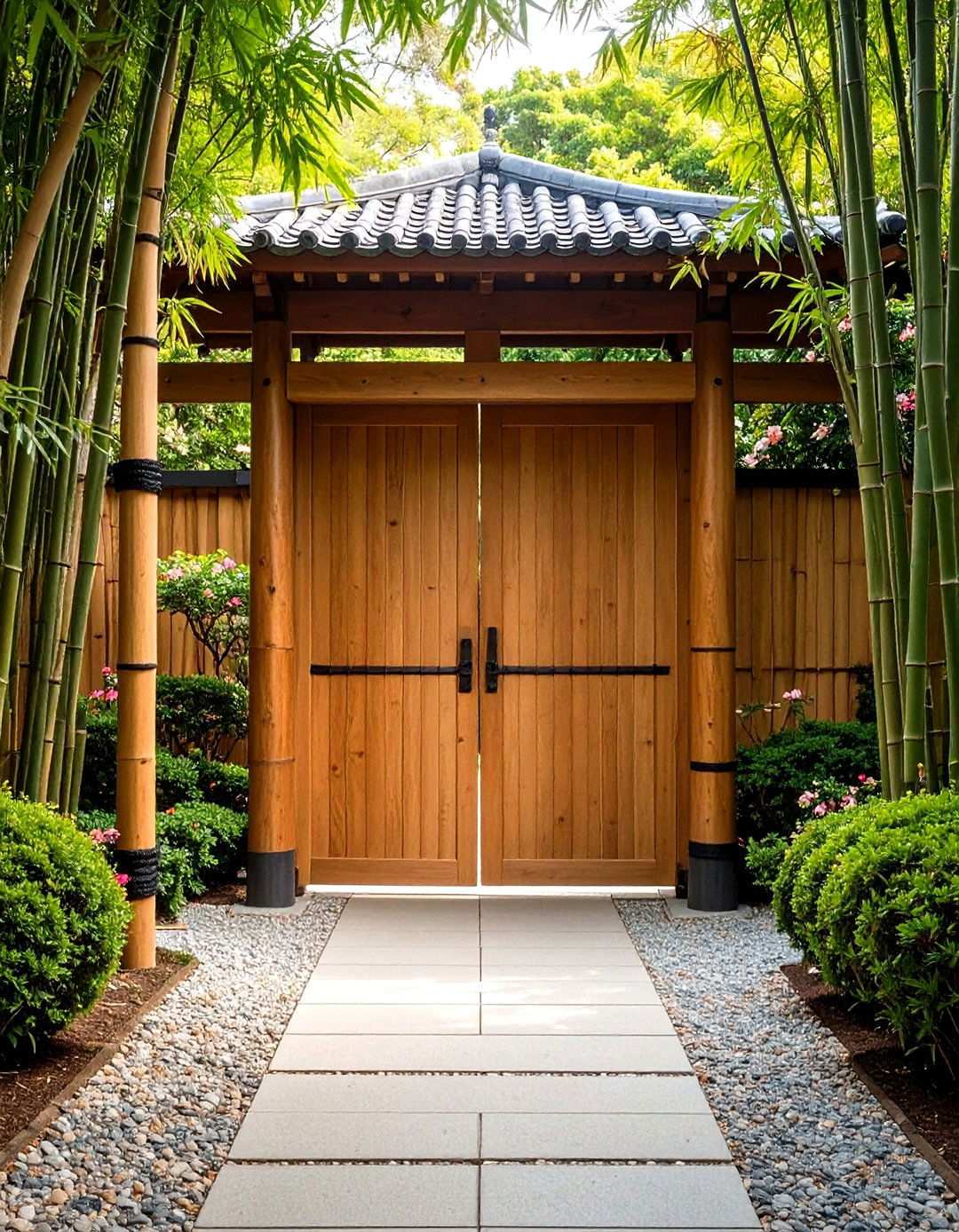
Bamboo gates embody a perfect blend of sustainability, natural elegance, and historic cultural significance, often showcasing intricate woven patterns reminiscent of ancient temple gardens. The design incorporates sturdy vertical bamboo poles within a robust wooden frame, which creates a visually appealing contrast through its unique texture and the natural variations in the bamboo’s coloring. Traditional binding techniques using black hemp rope lend an authentic touch while ensuring the gate’s structural integrity. The gate can feature solid bamboo panels or incorporate spacing between poles to allow filtered views of the garden beyond, blurring the boundaries between the interior and exterior spaces. Customizable width options accommodate various entrance sizes, from intimate pathways to grand garden entries, creating a seamless transition between different areas. The natural acoustical properties of bamboo also contribute to a peaceful atmosphere by softening ambient sounds.
4. The Power of Unity: Circular Moon Gate Design
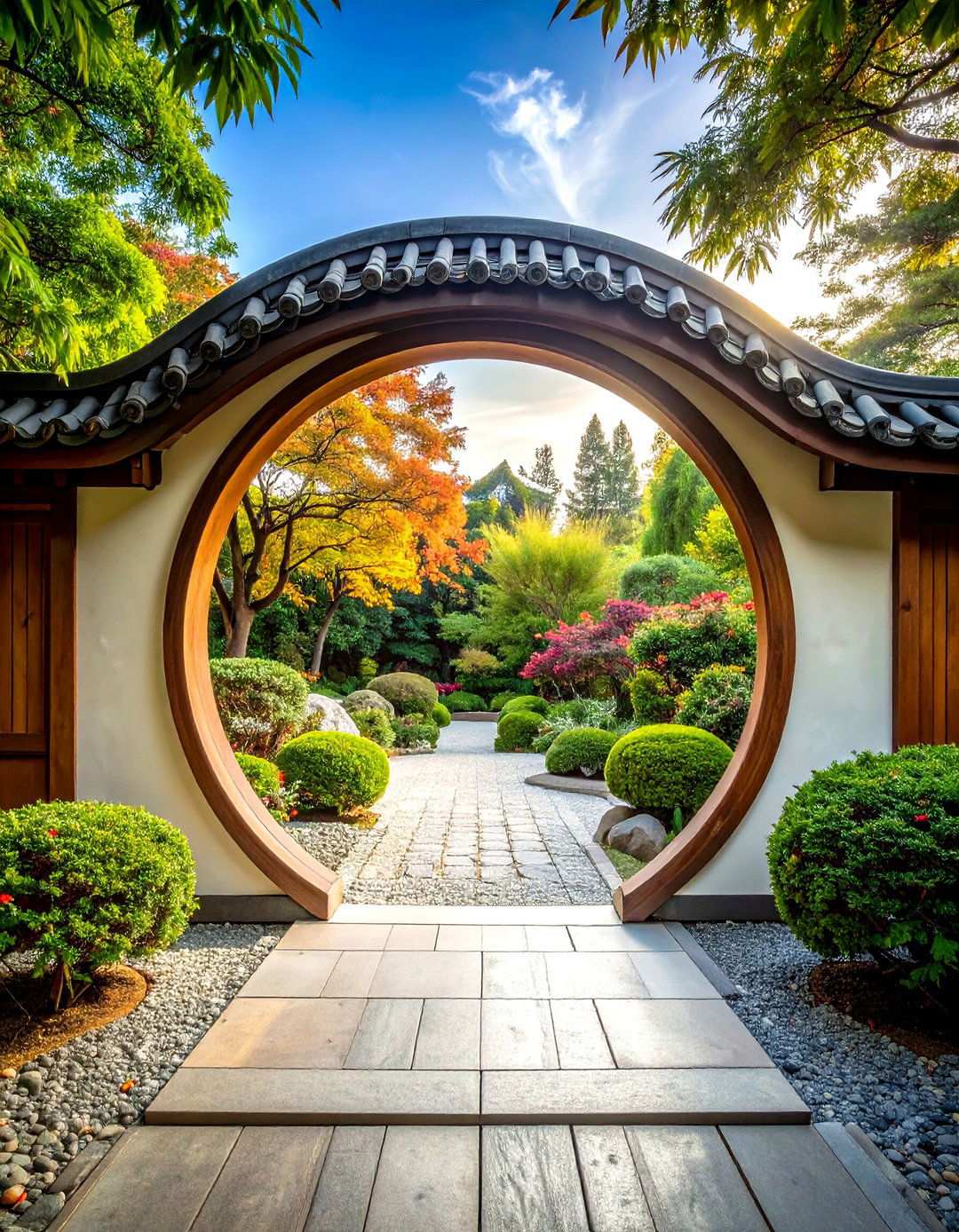
The moon gate design taps into the profound symbolism associated with its perfect circular opening, representing unity, completeness, and the cyclical nature of life in Chinese and Japanese garden traditions. This striking design creates a dramatic portal that frames specific garden views like a living painting, inviting the viewer to step into the carefully curated space. Constructed from natural stone, brick, or treated wood, the circular structure serves as both an architectural feature and a philosophical statement, reflecting the garden’s overall design intent. The gate’s opening can range from intimate human-scale to grand ceremonial proportions, depending on the garden’s specific design needs. The gate’s positioning becomes crucial, as it should frame a carefully chosen focal point such as a specimen tree, water feature, or meditation area, creating a sense of harmony and balance.
5. Shoji-Style Gates: Blending Functionality and Aesthetics
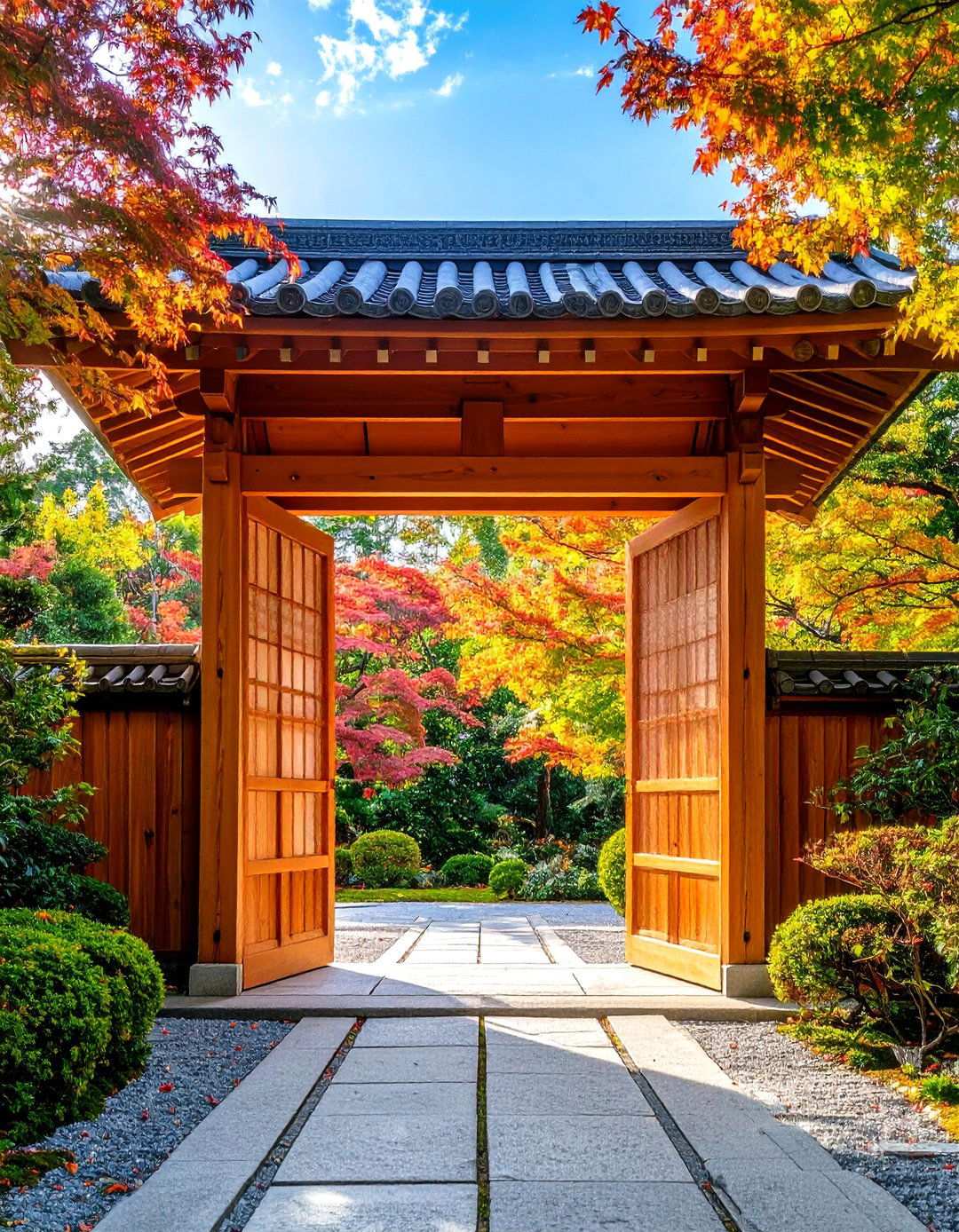
The sliding shoji gate draws inspiration from traditional Japanese interior screens, featuring wooden frames filled with translucent materials that filter natural light in a soft, diffused manner. This space-efficient design eliminates the swing radius required by hinged gates while providing smooth, effortless operation. The frame construction utilizes precise mortise and tenon joinery that allows the panels to slide along tracks embedded in the threshold and header, creating a seamless and functional design. Rice paper or modern alternatives create soft, delicate lighting effects that enhance the garden’s tranquil atmosphere, while the translucent panels provide privacy while maintaining visual connection to the space beyond. Multiple panel configurations allow for varying degrees of opening, from partial views to full access, making the shoji-style gate a versatile and practical solution for garden design.
6. Grand Entrance Statement
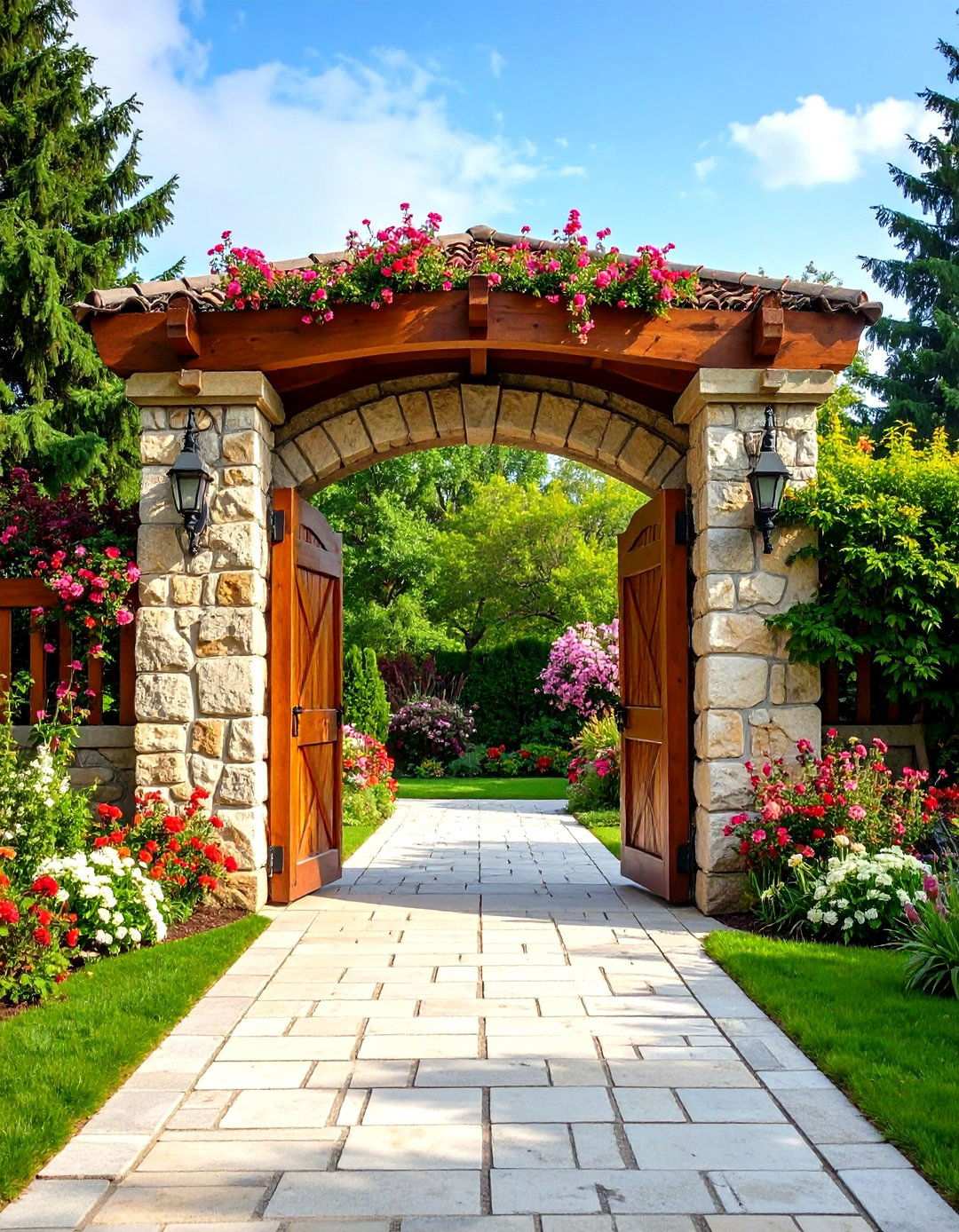
A grand stone gateway sets the tone for an elegant and timeless garden entrance, exuding a sense of permanence through its sturdy masonry construction. Pairing stone pillars with wooden or metal crossbeams introduces a delightful contrast of materials, inviting the eye to explore the garden’s natural textures. The emphasis on vertical elements creates a sense of strength and stability, while framing the entrance with a harmonious blend of natural and architectural elements. From rustic granite to formal limestone, stone selection caters to diverse design preferences, allowing gardeners to choose materials that develop a unique patina over time. Furthermore, integrated lighting systems or carved details can add a touch of sophistication, reflecting traditional Japanese motifs.
7. Harmonious Transition
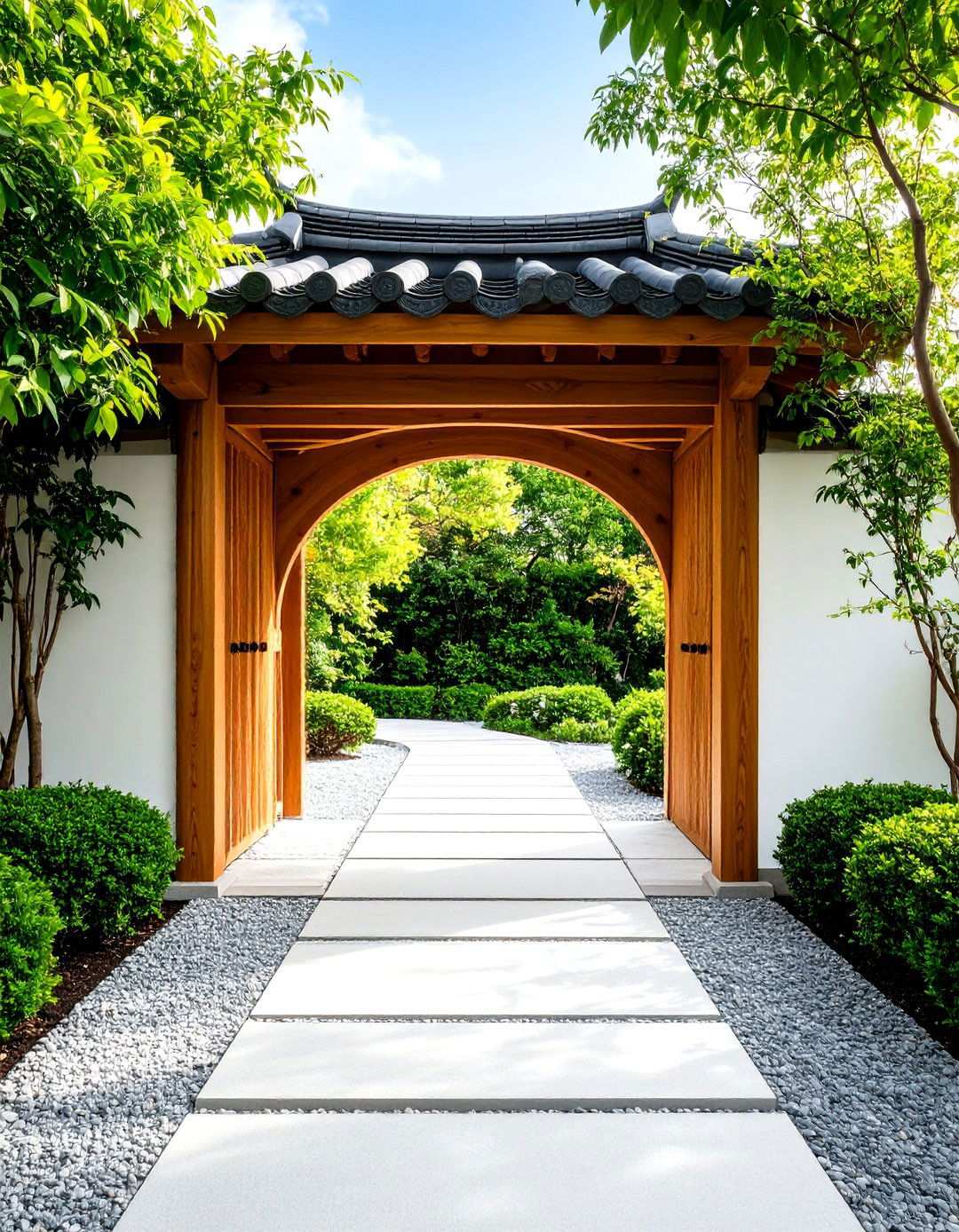
The zen arch embodies the essence of serenity and mindfulness through its curved form, which symbolizes harmony and continuity in perfect sync with Buddhist and zen philosophies. This minimalist design features clean, flowing lines that evoke a sense of movement and elegance, deliberately eschewing unnecessary ornamentation. Typically constructed from laminated wood beams, the arch achieves a curved profile while maintaining structural integrity. By leaving it unadorned, the gateway’s pure form takes center stage, or it can be allowed to support climbing plants like wisteria, adding seasonal color and fragrance to the space. As a meditation on the transition between spaces, the gateway encourages visitors to pause and appreciate the present moment. With scale variations available, this design accommodates a range of garden sizes, from intimate courtyards to expansive landscape installations.
8. Modern Minimalism
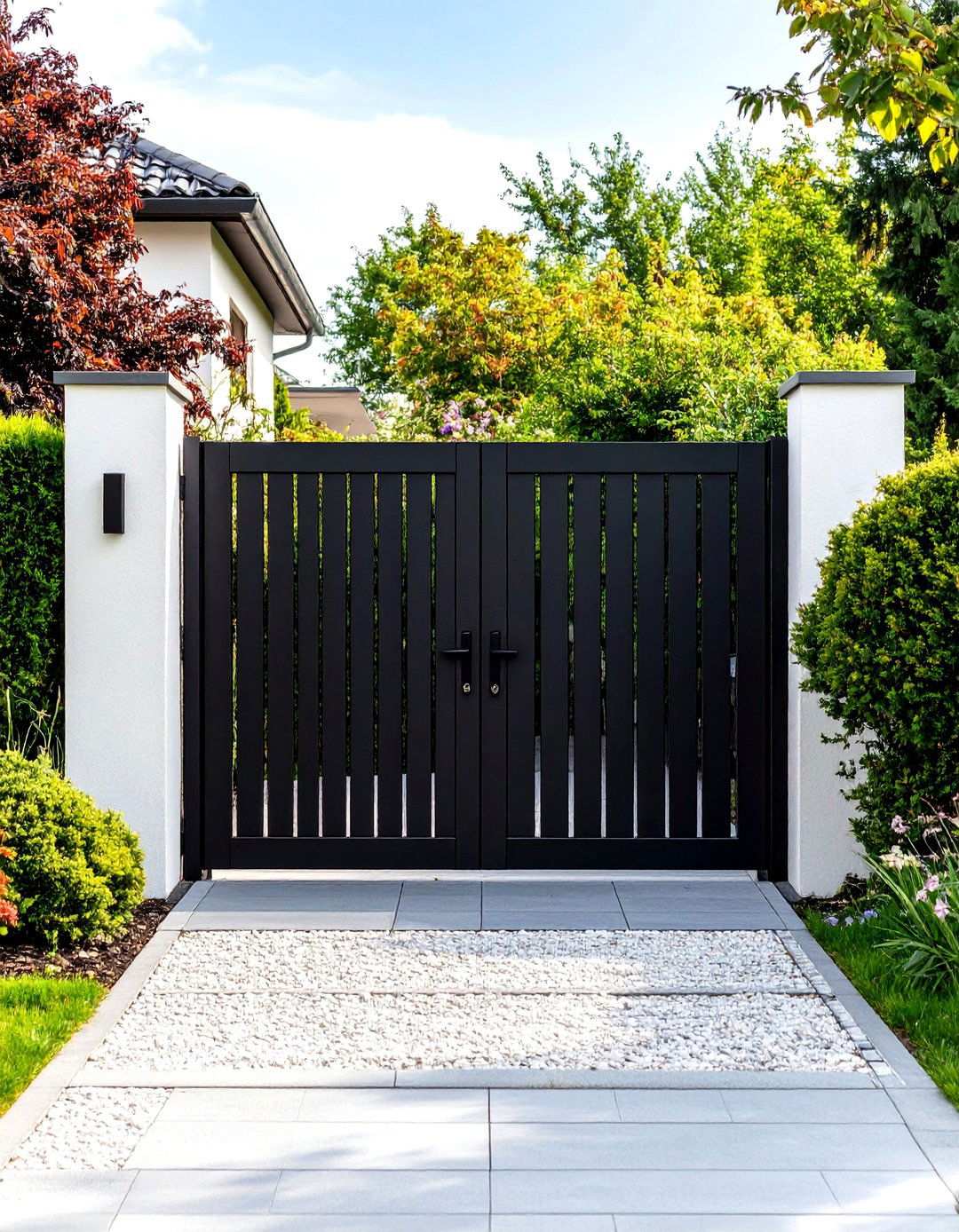
Contemporary black metal gates offer a fresh take on Japanese design principles, characterized by clean lines and minimal ornamentation that harmoniously coexist with natural elements. The powder-coated steel construction boasts exceptional durability while requiring minimal maintenance, making it an attractive alternative to traditional wood options. Geometric patterns within the metal framework can pay homage to traditional shoji screens or maintain complete simplicity for ultra-modern applications. The dark finish creates striking contrast against lush greenery, visually receding to emphasize the garden’s natural beauty. Integrated hardware systems ensure smooth operation with concealed hinges and magnetic latches, while the metal construction allows for precise fabrication of complex geometries that would be challenging in wood.
9. Weathered Wood Portals
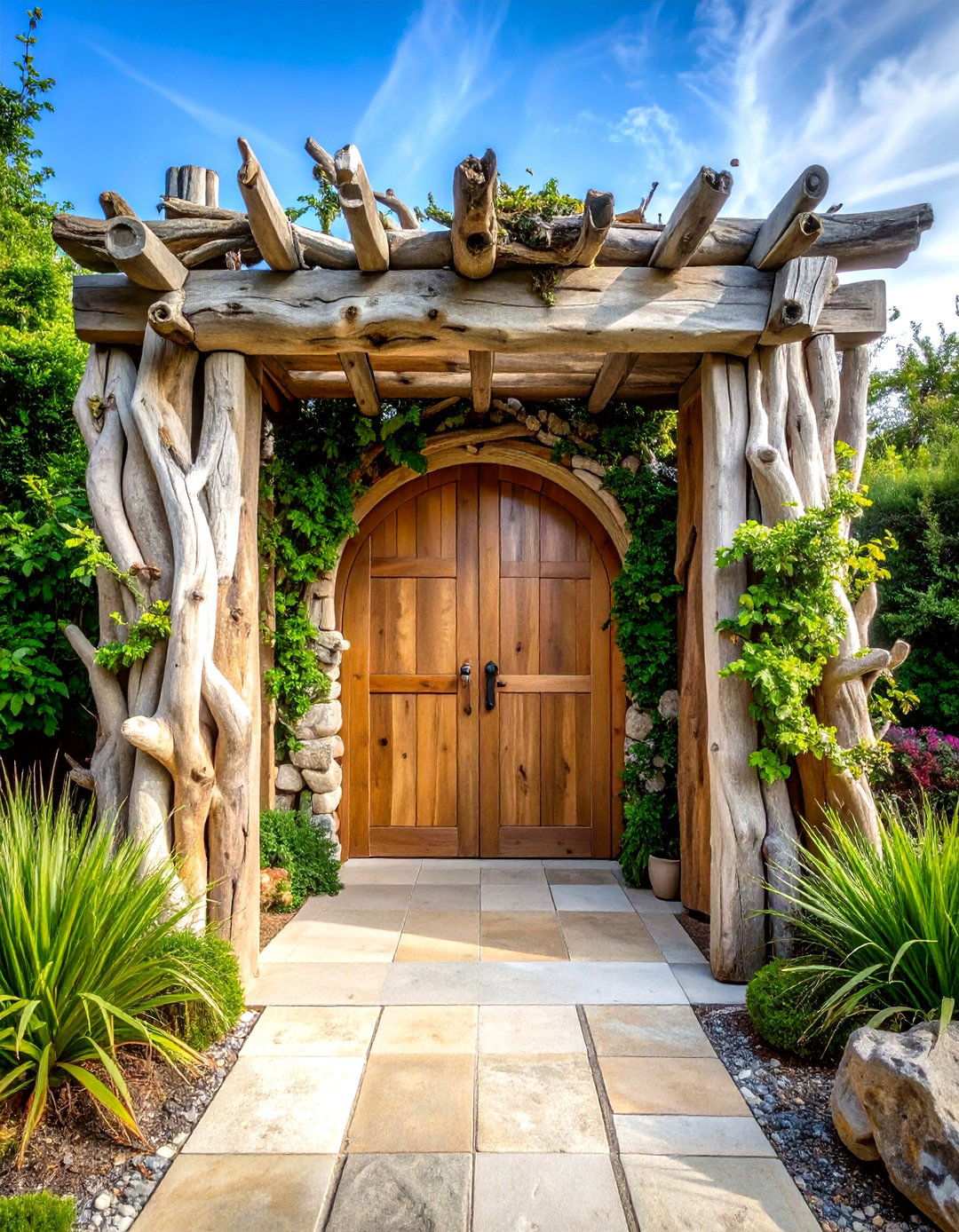
Japanese design principles shine through in natural driftwood constructions that create captivating gateways. These sculptural pieces not only celebrate the beauty of weathered wood but also pay homage to the organic, natural materials that underpin the style. The unique character of each piece, shaped by its individual weathering patterns and organic forms, beautifully contrasts with carefully manicured garden spaces. This visual tension enhances both the gate and the garden, elevating each element through a harmonious balance of order and chaos. The careful assembly techniques employed respect the natural integrity of each wood piece while ensuring structural stability through strategic joinery and bracing. The weathered wood’s gray, silvered palette provides a subtle backdrop that allows seasonal garden colors to take center stage. This approach is particularly well-suited to coastal gardens, where the driftwood origins subtly echo the local environment.
10. Thatched Roof Entranceways
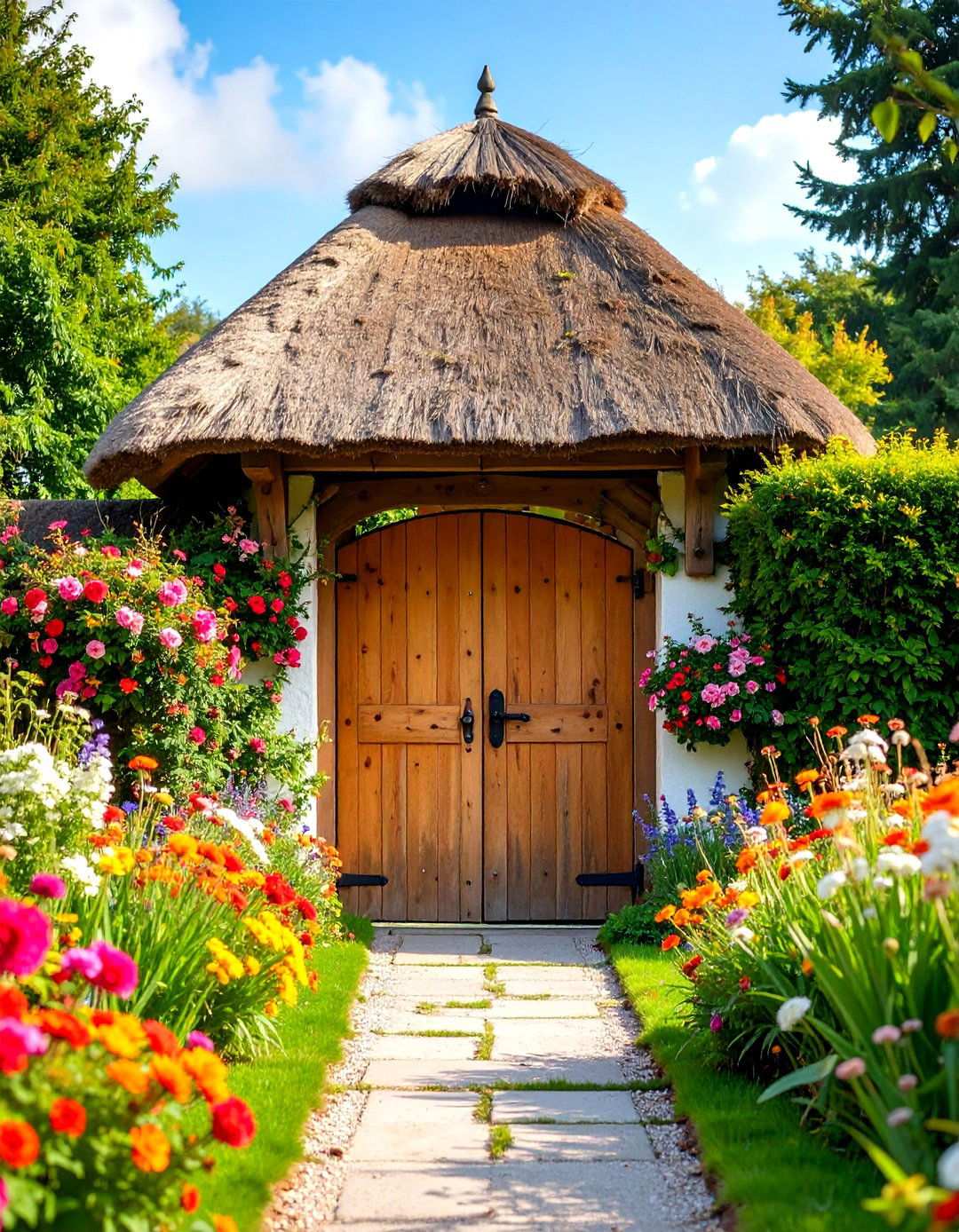
Traditional thatched roofing brings a distinctive charm to garden entrances while adding textural richness and cultural authenticity. The natural materials used – typically grass or reed – not only provide insulation properties that moderate temperature changes but also create a haven for beneficial insects. Skilled thatching techniques are essential for ensuring water shedding and longevity while maintaining the organic, hand-crafted appearance that complements Japanese garden aesthetics. The roof structure requires a substantial supporting framework that becomes an integral part of the gate’s architectural character. Regular maintenance involves replacing the outer layers of thatch while preserving the core structure, allowing the gate to develop an evolving patina that changes with the seasons. The overhead shelter creates an intimate scale that makes large garden spaces feel more approachable and inviting.
11. Ornamental Cherry Wood Gates
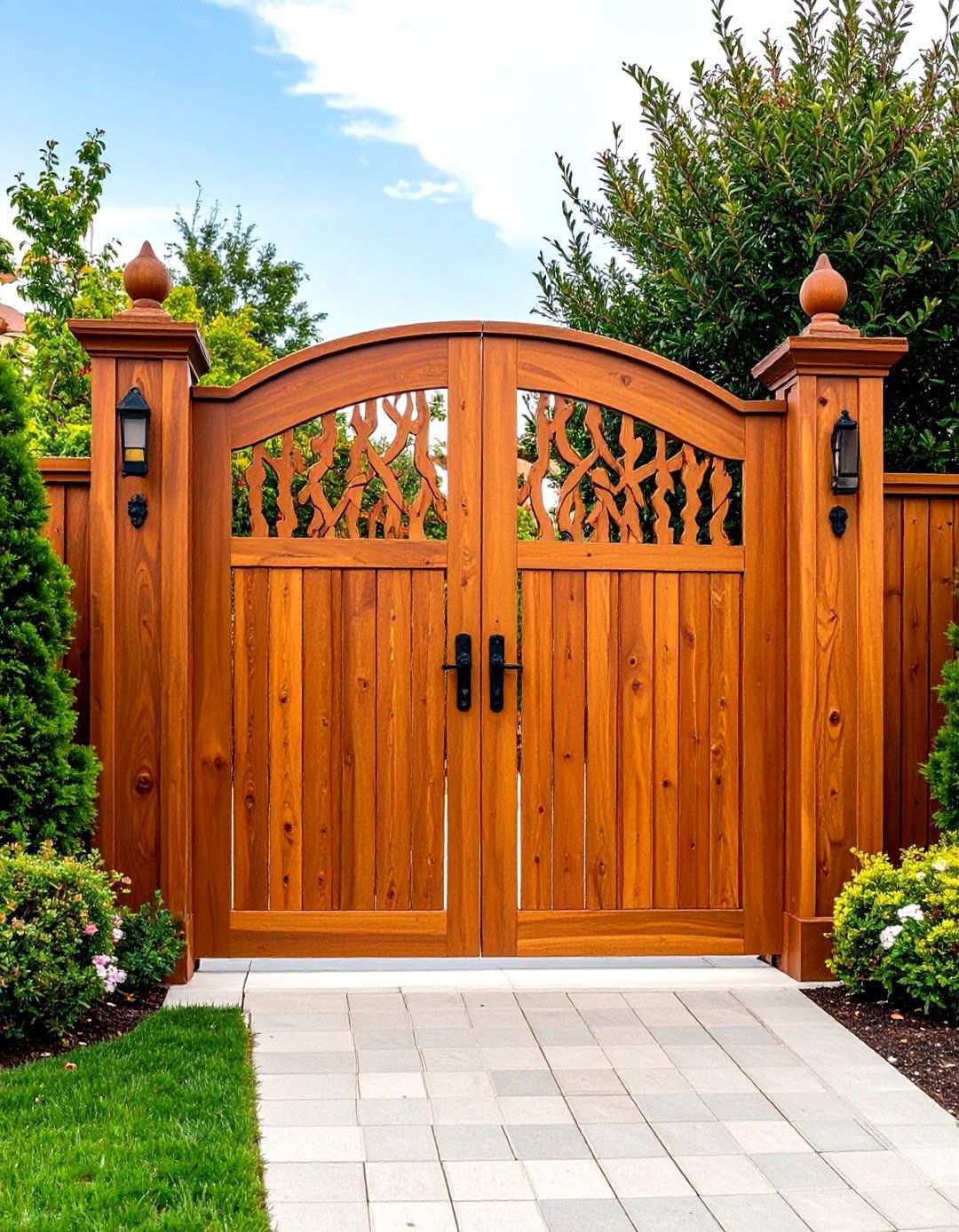
Cherry wood gates showcase the natural beauty of this prized Japanese hardwood through intricate grain patterns and warm coloring that develop a rich patina over time. The material’s fine texture allows for exquisite carved details and precise joinery that demonstrate traditional woodworking skills. As the wood ages, it transitions from light pink tones to deep amber, creating an ever-changing visual interest throughout the seasons and years. The gate design can incorporate traditional motifs such as cherry blossoms or geometric patterns that reflect Japanese decorative arts. A careful finishing with natural oils enhances the wood’s inherent beauty while providing weather protection. The premium material justifies an investment in skilled craftsmanship that ensures both structural integrity and aesthetic refinement, making the gate a true masterpiece of traditional woodworking.
12. Harmonious Entrance Designs with Bamboo and Stone
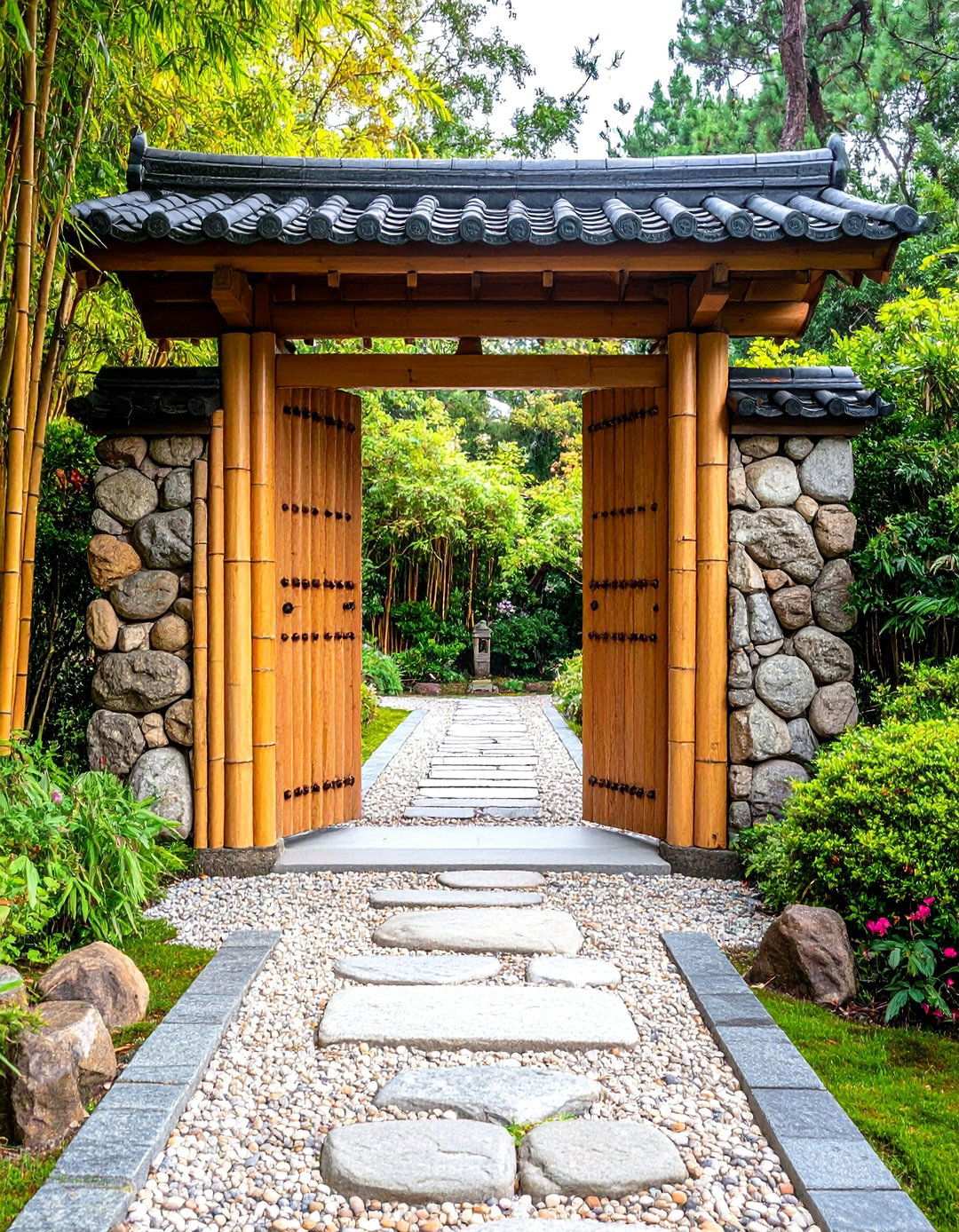
By combining the tactile qualities of bamboo with the durability of stone, homeowners can create visually stunning entrance gates that celebrate the beauty of contrasting natural elements. The structural foundation and weather resistance provided by stone elements beautifully balance the organic warmth and vertical rhythm added by bamboo. As the unique properties of each material are showcased, textural variety creates a visually appealing contrast that highlights the beauty of the design. The incorporation of traditional Japanese motifs or abstract geometries within stone sections can further enhance the aesthetic appeal of the design, while complementing the natural striping of the bamboo. However, careful consideration must be given to the integration of materials with different expansion rates and weathering characteristics, as this can affect the overall durability and longevity of the design.
13. Evolving Beauty of Copper-Roofed Entrances
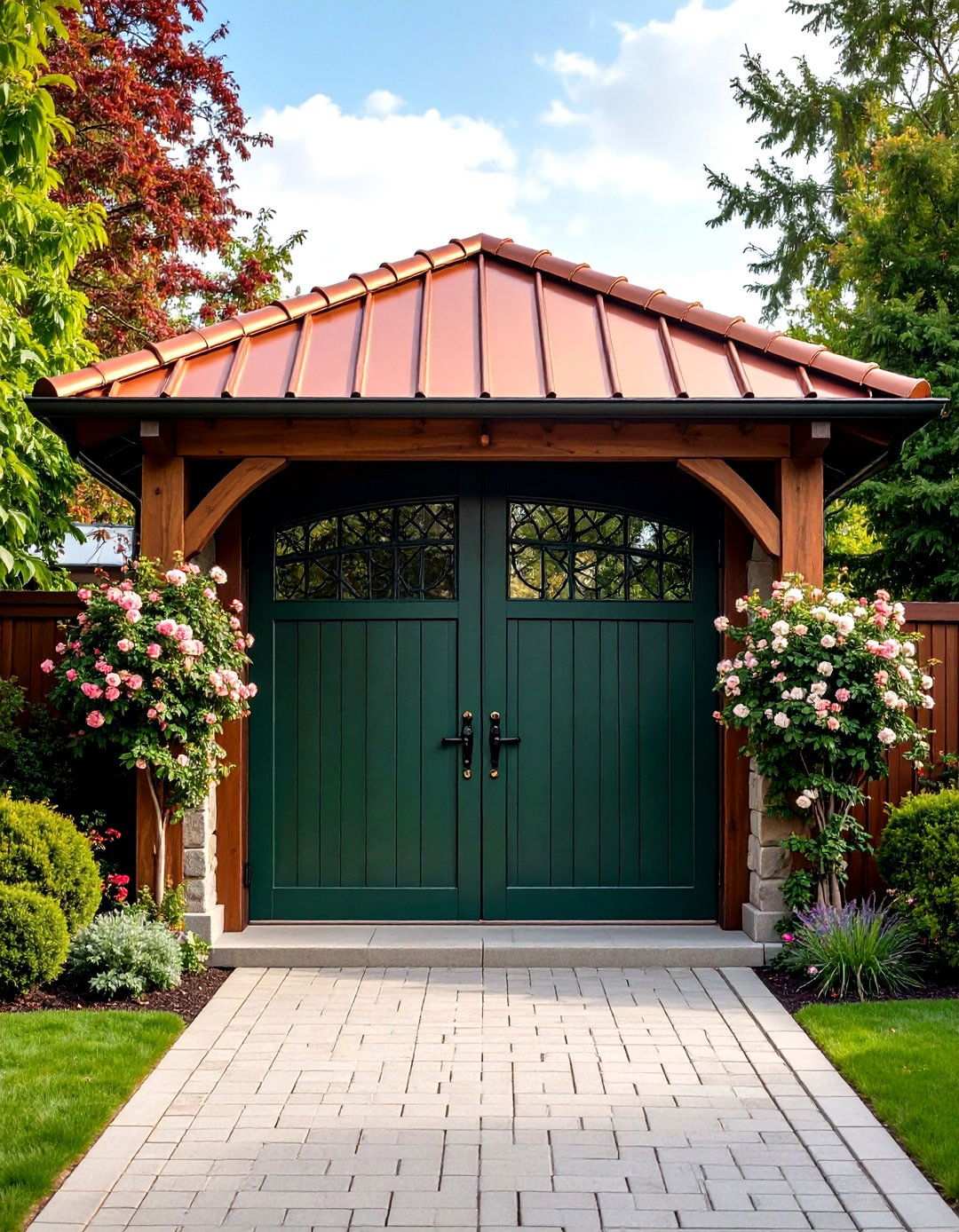
Copper roofing develops a distinctive patina over time, gradually transforming from a bright initial color to a rich verdigris hue that reflects the Japanese appreciation for materials that mature with age. The malleability of copper allows for intricate curved rooflines and decorative ridge details that pay homage to traditional Japanese architecture. As copper roofing ages, it creates a dynamic visual interest that is both captivating and elegant. By protecting wooden gate elements while adding substantial architectural presence to garden entrances, copper roofing elevates the overall aesthetic of the design. To ensure the longevity of the roof, proper installation must include expansion joints and weatherproofing details that accommodate the thermal movement of copper. By investing in high-quality copper materials, homeowners can enjoy generations of service with minimal maintenance requirements.
14. Lattice Screening for Harmonious Garden Transitions
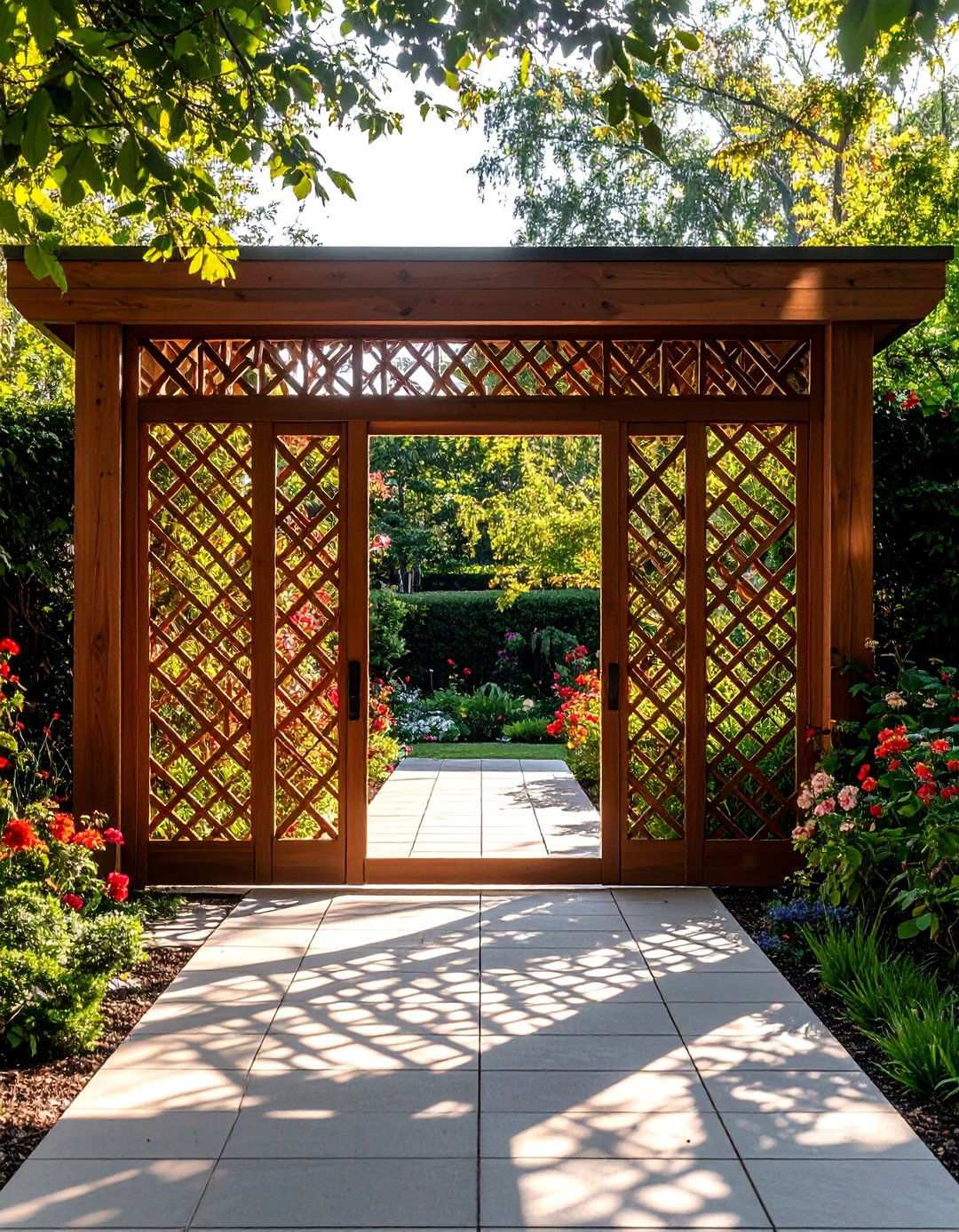
Traditional lattice patterns create semi-transparent screens that provide a sense of privacy while maintaining a visual connection between garden spaces. The repetition of small openings in lattice patterns creates a rhythmic and geometric effect that complements both formal and informal garden designs. By offering different levels of screening, lattice configurations can range from nearly opaque to barely filtered views, providing homeowners with flexibility and versatility. Skilled craftsmanship ensures precise spacing and alignment, creating pleasing shadow patterns as sunlight passes through the openings. The modular nature of lattice construction also allows for easy repair and modification as garden needs evolve, while cedar or other weather-resistant woods ensure longevity and maintain a natural appearance that harmonizes with garden plantings.
15. Weathered Steel Modern Gate
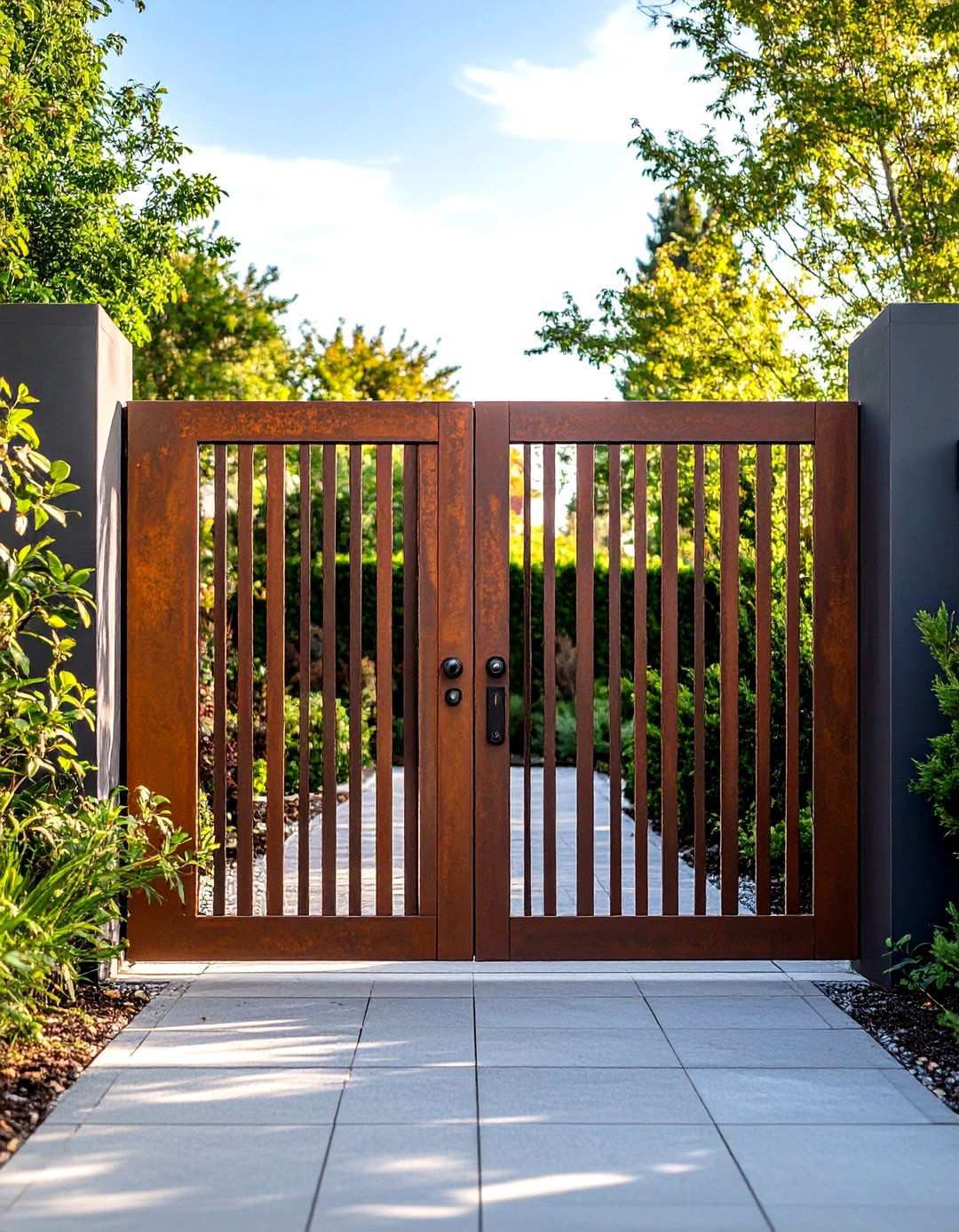
Weathering steel’s unique fusion of industrial origins and aesthetically pleasing patina creates a striking contrast that resonates with the Japanese concept of wabi-sabi – the beauty of imperfection. The steel’s inherent strength allows for a minimalist structural approach, resulting in clean lines that epitomize contemporary Japanese design. As the material develops its protective patina, it requires no further maintenance, making it an ideal choice for low-maintenance garden installations. Furthermore, precise fabrication techniques enable the creation of intricate geometric patterns that would be challenging to achieve in traditional materials.
Weathering steel’s response to environmental conditions yields a distinct appearance for each gate, reflecting the unique circumstances of its surroundings. This natural variation creates a sense of character that is both unique and ever-changing. By leveraging the steel’s natural resistance to corrosion, designers can focus on crafting gates that not only serve a functional purpose but also become a visually striking focal point in the garden.
16. Woven Reed Panel Gate
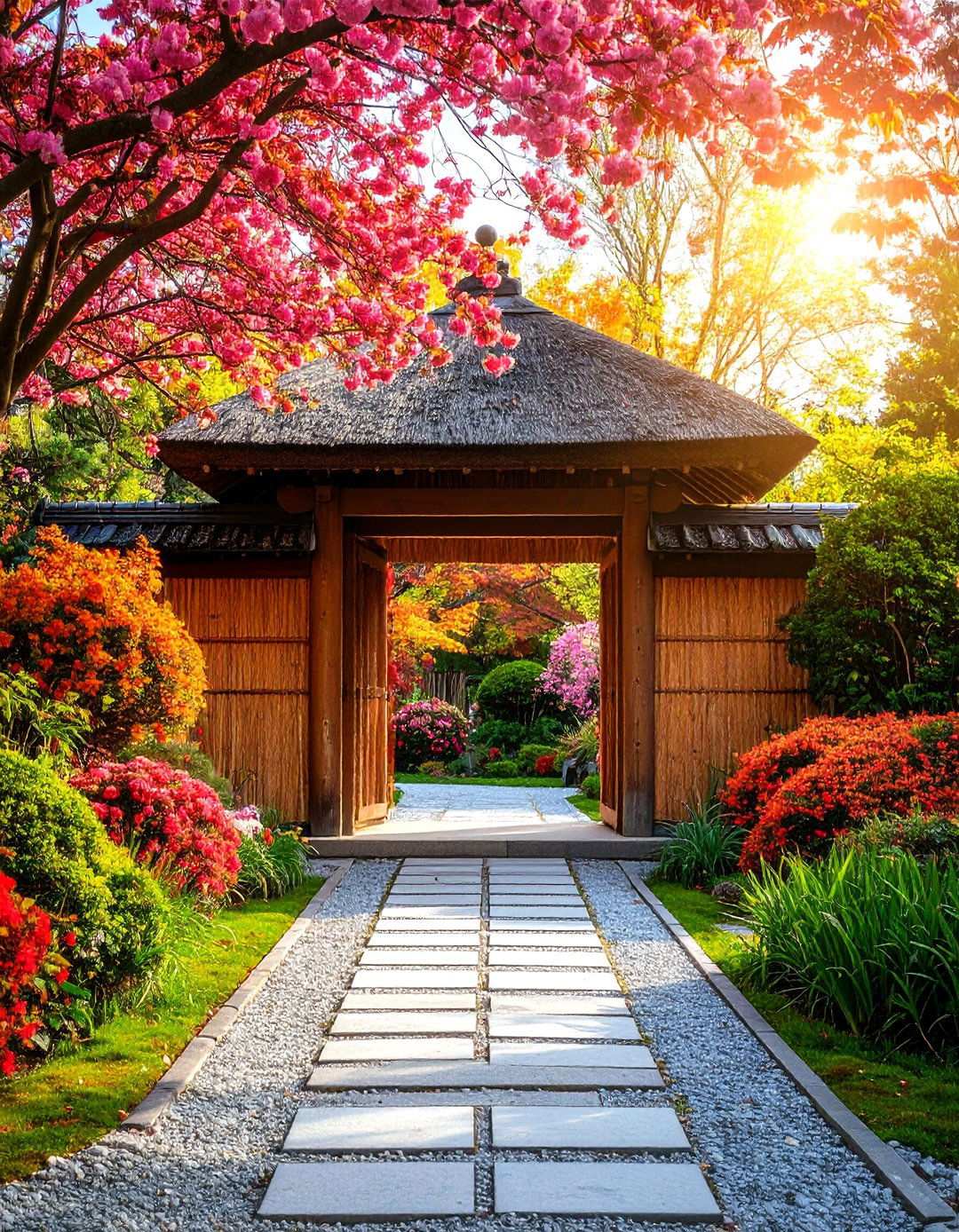
The art of traditional reed weaving has been a cornerstone of Japanese garden design for centuries, providing a tangible connection to the past while imbuing the present with a sense of history. These woven panels filter light and air while offering natural screening for garden entrances, creating an immersive experience for visitors. By employing various weaving patterns, designers can achieve a range of visual effects, from the subtle filtering of light to the more dramatic display of texture and pattern.
The organic nature of reed panels means that maintenance is an integral part of their upkeep, as the materials gradually weather over time. However, this natural process also brings about subtle color variations within individual reeds, which respond to changing lighting conditions throughout the day. The lightweight panels require minimal structural support while maintaining adequate weather resistance for most garden applications.
17. Integrated Planter Gate Design
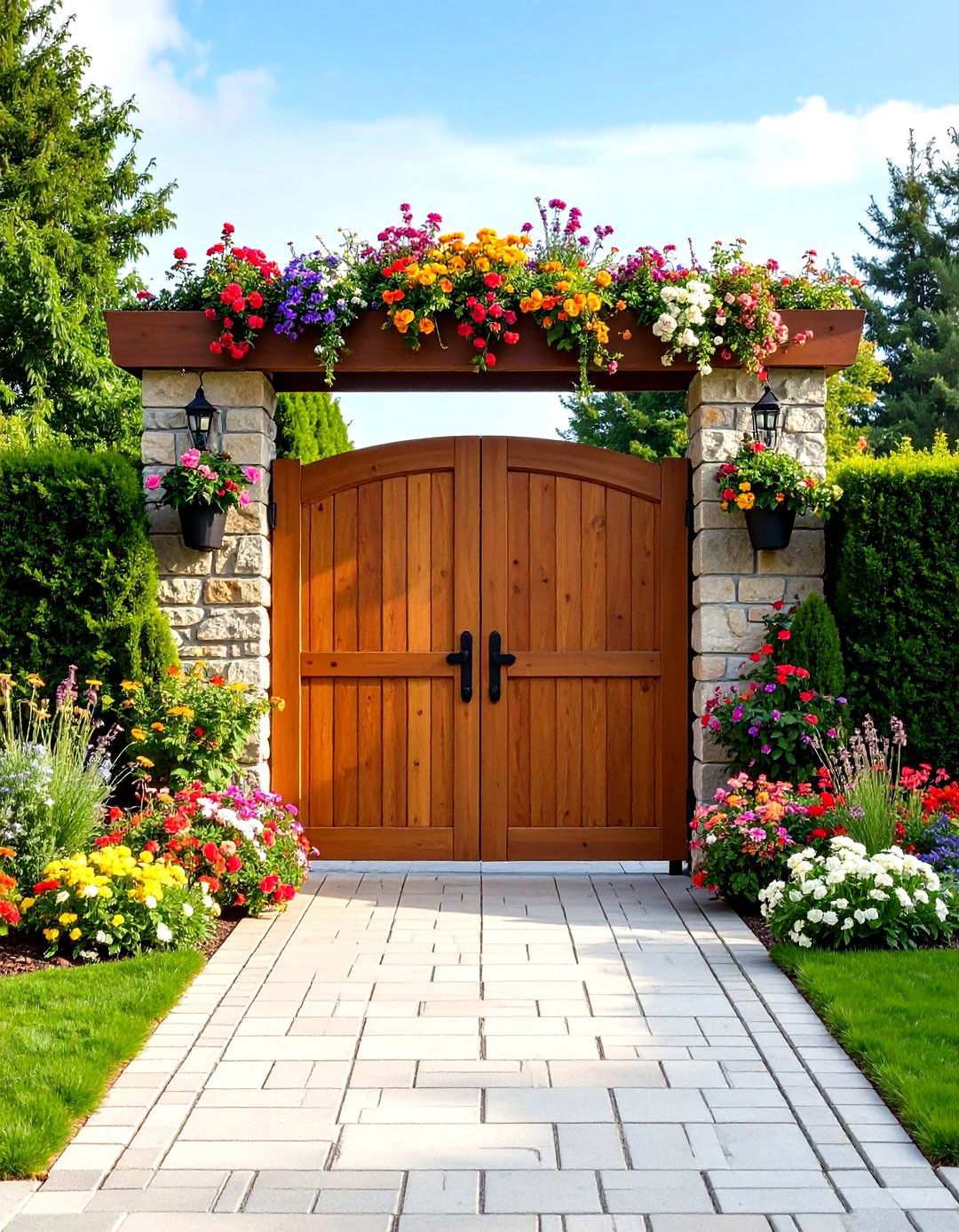
A well-designed planter gate can seamlessly integrate into the garden ecosystem, supporting plant displays and seasonal color changes that add depth and visual interest to the surrounding environment. To achieve this, designers must carefully consider the drainage and soil retention systems, ensuring that the gate structure remains protected while healthy plant growth is encouraged. By incorporating seasonal plantings, the gate’s appearance can evolve over the course of the year, from the vibrant colors of spring bulbs to the rich foliage of autumn.
Elevated planting positions create opportunities for trailing plants that can soften the gate’s architectural lines, while proper material selection ensures compatibility between planter moisture and gate structural elements. The integration of automatic irrigation systems can further reduce maintenance requirements, promoting consistent plant health and a thriving garden ecosystem.
18. Glass Panel Contemporary Gate
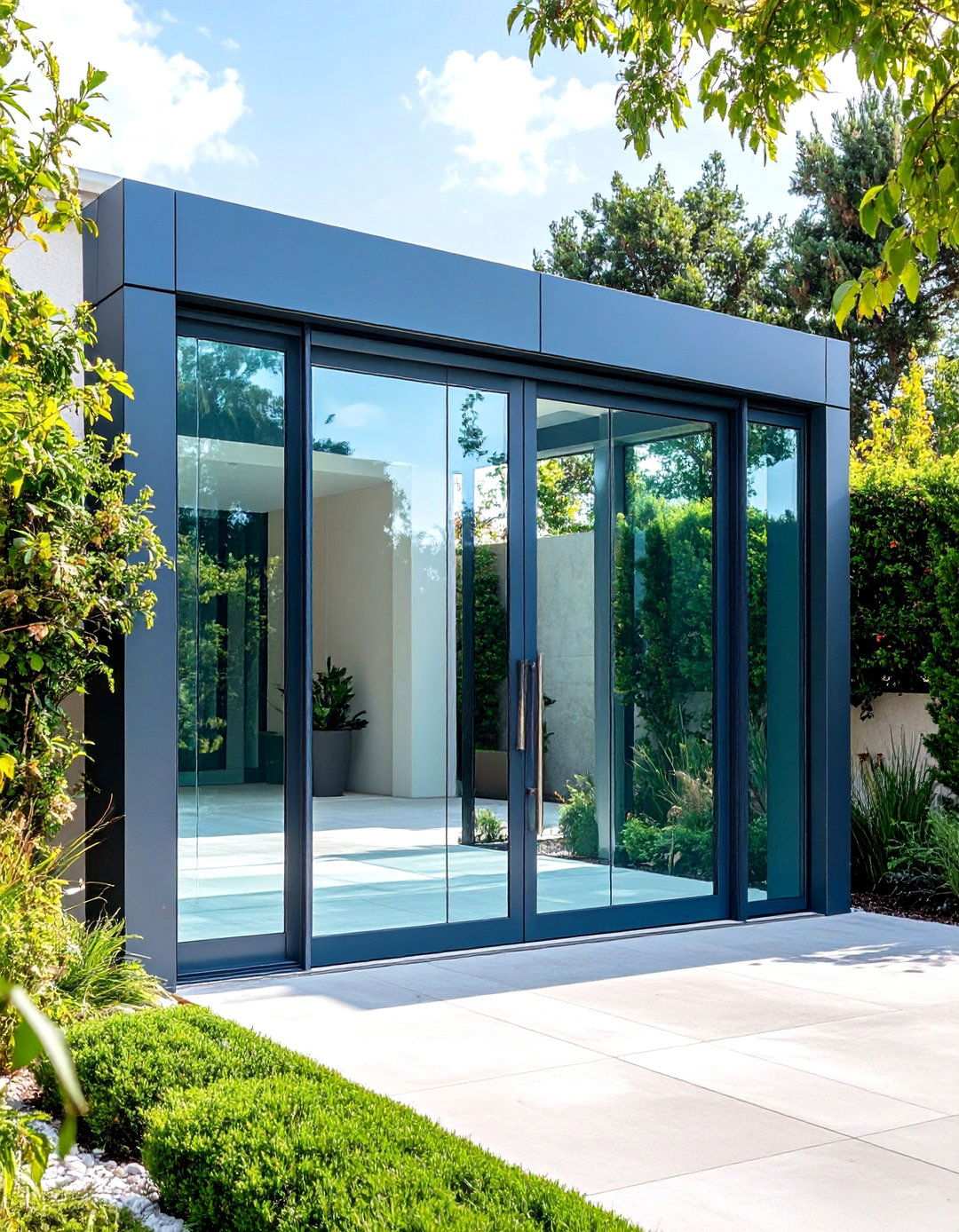
A contemporary glass gate brings a touch of modernity to your garden entrance, blending transparency, lightness, and weather protection. Glass options abound, offering a range of optical effects – from crystal-clear views to textured surfaces that provide seclusion while still allowing light to filter through. The sleek, minimalist aesthetic of glass gates perfectly complements modern garden designs, creating an open, unobstructed view of the surrounding landscape. Structural glazing systems boast a seamless glass surface, eliminating visible fasteners and creating a cohesive appearance. When it comes to safety and security, tempered or laminated glass is a must, meeting building codes while providing the necessary protection. As sunlight dances across the glass throughout the day, its reflective properties produce a mesmerizing display of light and shadow.
19. Multi-Level Tiered Gate
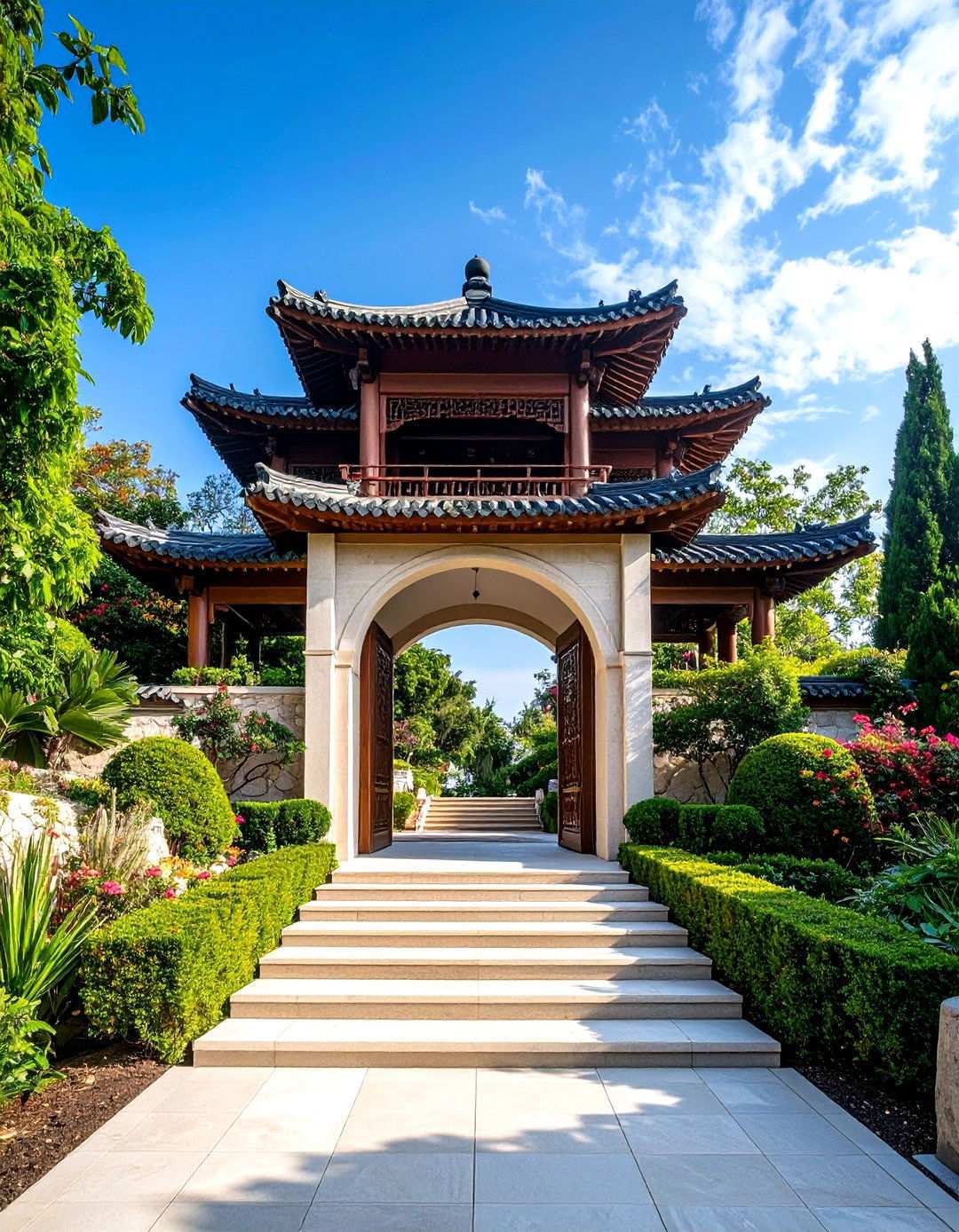
A tiered gate design injects architectural complexity into your garden entrance, breaking down large openings into smaller, more intimate passages that maintain a human scale. By incorporating multiple levels, you create varied viewing heights that cater to both adults and children, offering diverse perspectives of the garden beyond. While the structural requirements increase with the complexity of tiered designs, the added visual interest justifies the additional engineering and construction costs. To create textural variety and visual hierarchy, you can combine different materials within each tier, allowing for a unique and personalized design. This approach proves particularly effective for sloping sites, where the gate can be tailored to follow the natural terrain contours.
20. Carved Detail Wooden Gate
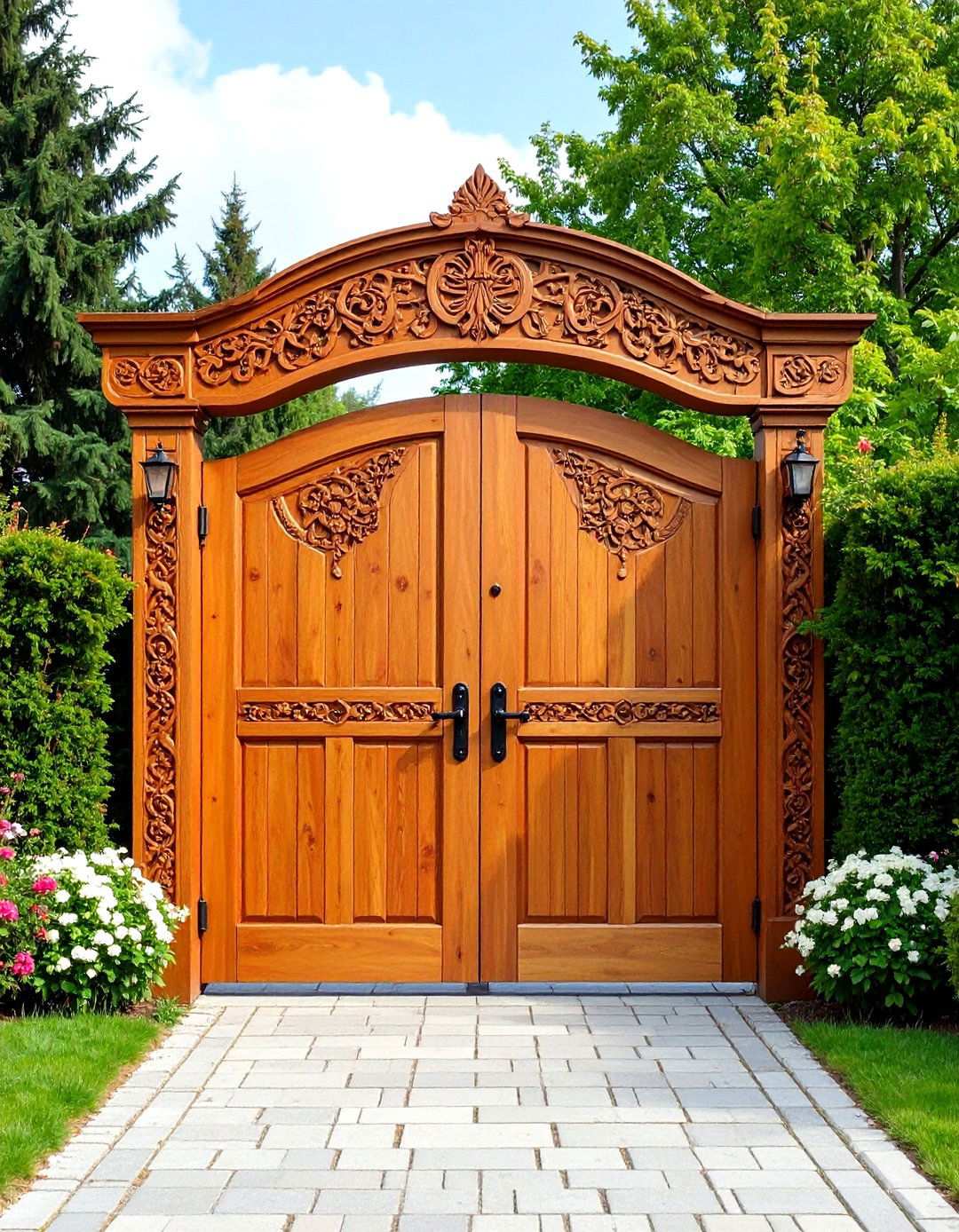
A wooden gate with intricate carvings transforms a functional entrance into a stunning work of art, showcasing traditional Japanese woodworking skills and decorative motifs. The craftsmanship involved in hand-carved elements requires skilled artisans and premium materials, but the end result is a one-of-a-kind installation that adds a touch of elegance to your garden. Traditional patterns such as flowing water, bamboo leaves, or geometric designs connect the gate to broader Japanese artistic traditions, creating a sense of cultural heritage. As the carved surfaces cast changing shadows throughout the day, the gate becomes a dynamic, three-dimensional work of art that adds visual interest beyond its carved details. To ensure the longevity of these intricate carvings, proper wood selection and finishing are crucial, protecting the gate from weather damage while maintaining its detailed appearance.
21. Harmonious Asymmetry in Entrance Design
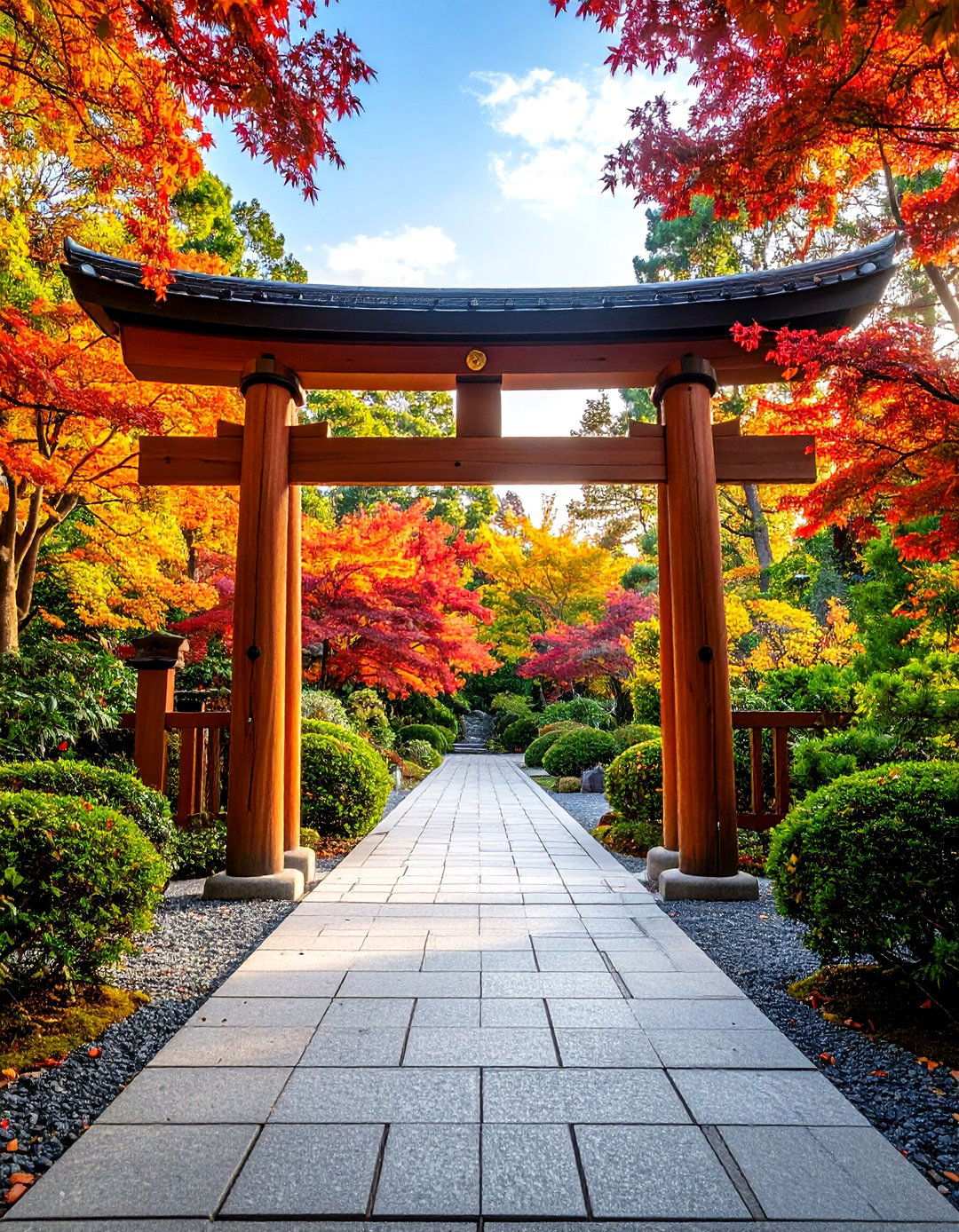
The concept of harmony in Japanese design often finds expression through asymmetrical compositions that create a sense of visual balance. By thoughtfully considering the proportions and material weights of individual elements, designers can craft entrances that exude a dynamic, captivating quality. This approach diverges from the more conventional symmetrical designs, resulting in gateways that not only showcase a keen understanding of aesthetics but also demonstrate an appreciation for the intricacies of the Japanese art form. To achieve successful asymmetrical balance, designers must carefully calibrate their understanding of the intricate relationships between various design elements and their surroundings. This nuanced approach yields a sophisticated entrance that delights both seasoned designers and discerning garden enthusiasts.
22. Sensory Experiences through Water Feature Integration
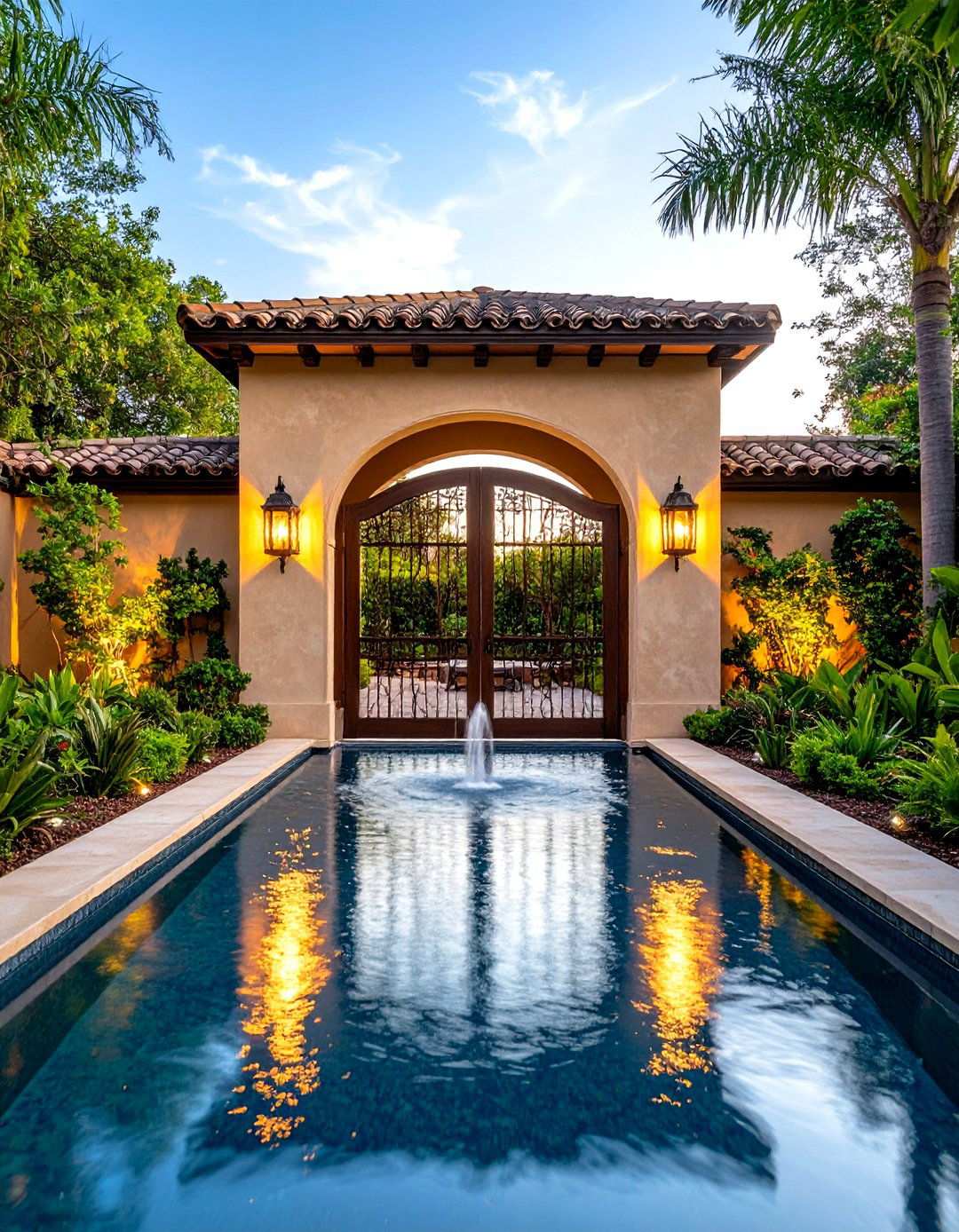
Gates that incorporate water elements offer an immersive experience that amplifies the tranquil ambiance of garden transitions. By incorporating water features such as fountains, trickling streams, or reflective pools, designers can activate the space through a symphony of gentle sounds and movements. However, successful integration requires a thorough understanding of waterproofing and drainage design principles to protect the gate structure while supporting the circulation system. Seasonal considerations, including freeze protection and maintenance access, should be carefully weighed to ensure the long-term sustainability of the water feature. Furthermore, solar-powered circulation systems can be employed to minimize environmental impact and maintain independence from electrical infrastructure, offering a more sustainable solution for these unique gate designs.
23. Biodiversity and Distinctive Architecture through Living Roof Garden Gates
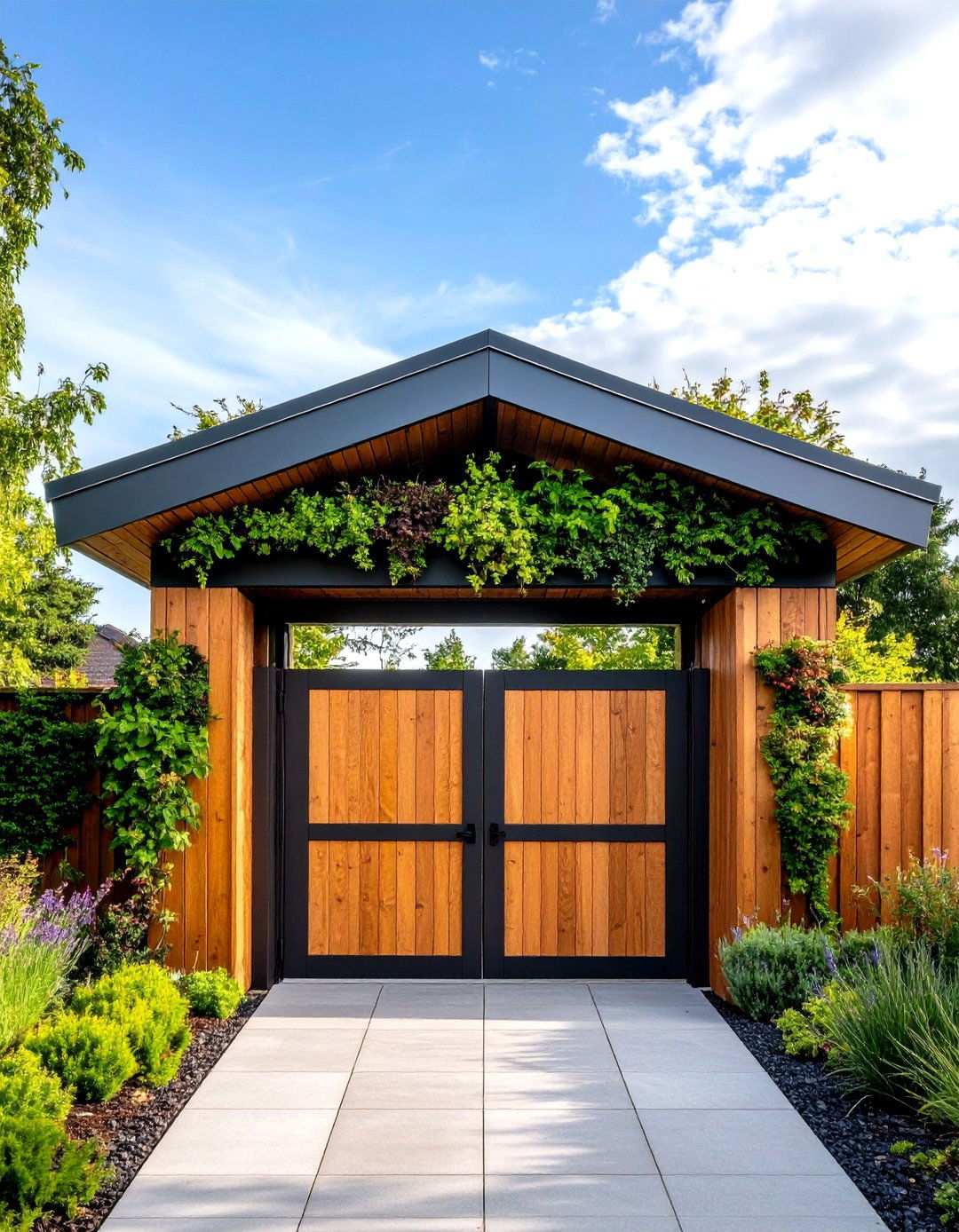
Planted roofs can transform gate structures into striking vertical garden elements that not only enhance biodiversity but also create distinctive architectural features. To achieve this, living roof systems require specialized drainage and growing mediums that prioritize plant health while safeguarding the underlying gate structure. A thoughtful selection of plants that can thrive in roof growing conditions is essential to create year-round interest. In addition, the structural load imposed by soil and plants necessitates robust foundation and framing systems. To ensure the long-term success of these innovative gate designs, maintenance access for plant care and roof system inspection should be carefully planned during initial design phases. The ecological benefits of these living roof systems, including stormwater management, habitat creation, and improved insulation performance, make them an attractive option for environmentally conscious garden owners.
24. Elevated Metal Sculptural Entrances
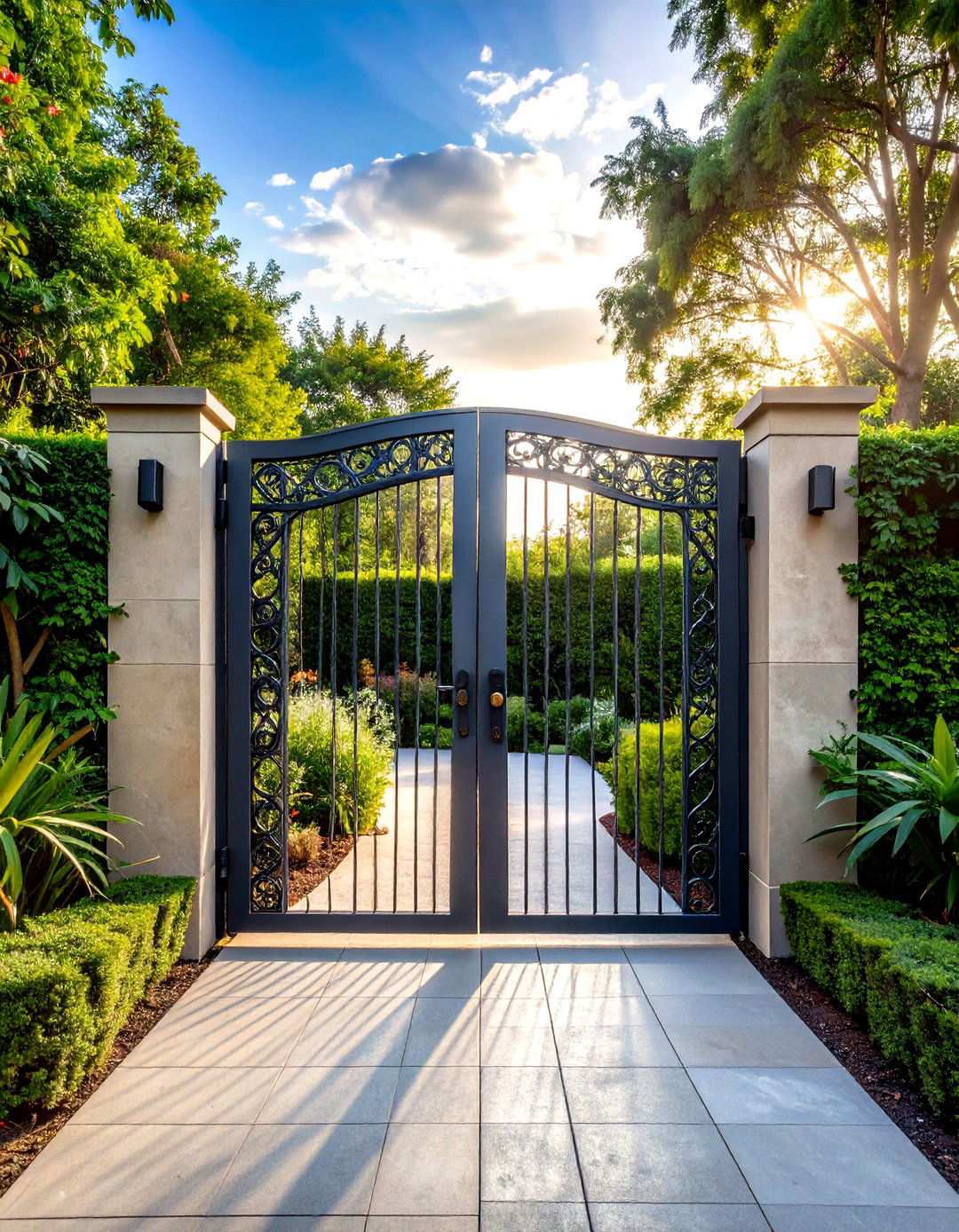
Innovative metal sculptural gate installations elevate the role of garden entryways from merely functional elements to striking artistic statements that showcase a homeowner’s personality. By embracing a sculptural approach, homeowners can commission unique, one-of-a-kind designs that not only distinguish their property but also become integral components of their garden’s overall character. With metal fabrication techniques like welding, forging, and casting at their disposal, artists and designers can craft intricate, three-dimensional forms that dance across light and shadow. When paired with high-quality materials and expert craftsmanship, the artistic value of these installations justifies the initial investment, ensuring that the gate not only withstands the elements but also remains a visually stunning focal point for years to come. As a collaborative effort between creatives and homeowners, metal sculptural gate installations successfully blend seamlessly into the surrounding landscape while maintaining their artistic integrity and individual expression.