1. Elevating Garden Spaces with Spiral Designs
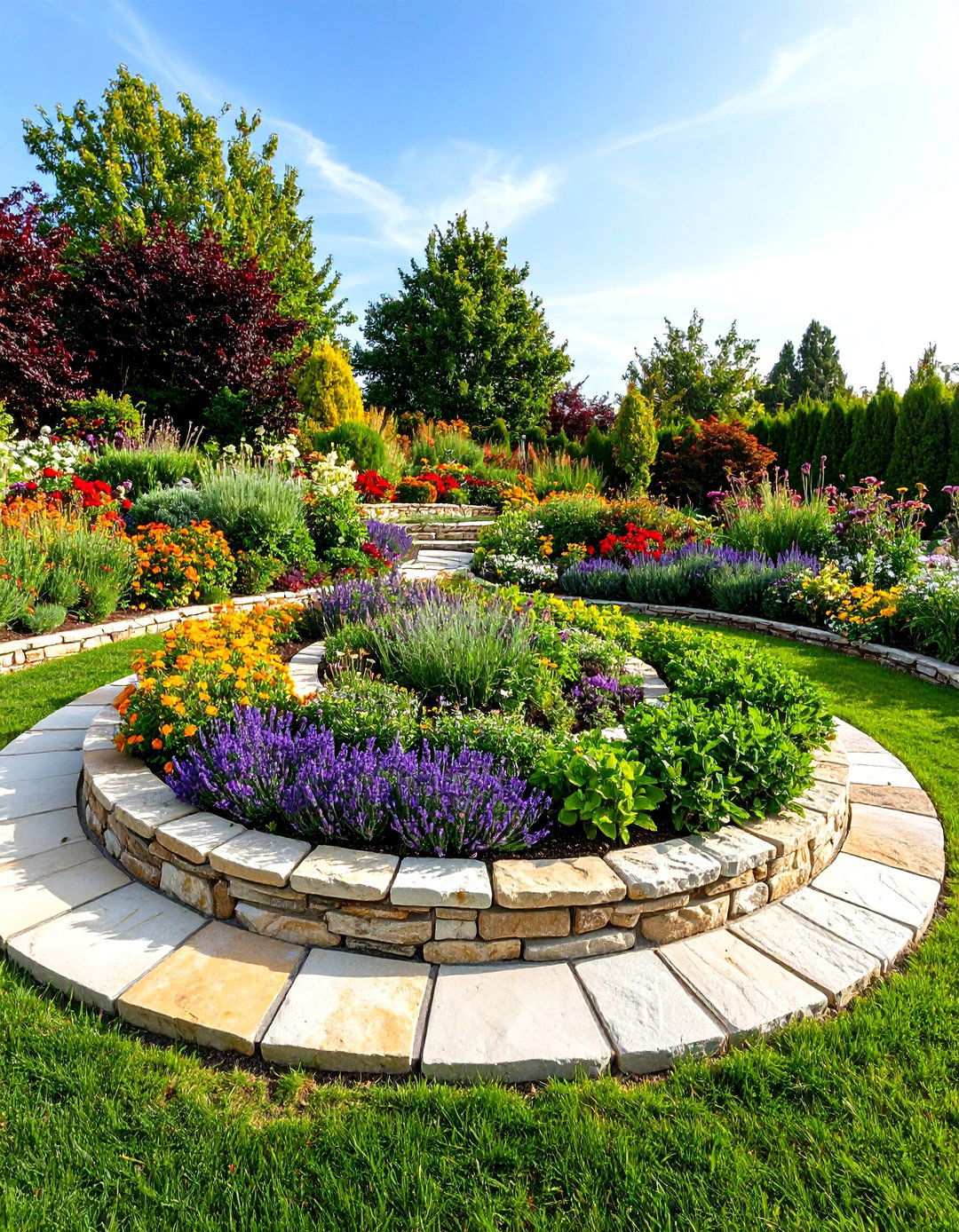
Spiral garden concepts have the power to transform ordinary outdoor areas into captivating landscapes that maximize growing potential while delivering stunning visual appeal. By harnessing the natural spiral form found throughout nature, these innovative designs create multiple microclimates within a single compact space. Whether you’re looking for practical solutions for small spaces or impressive aesthetic results, spiral gardens offer efficient drainage, optimal sun exposure, and easy access for maintenance. With their versatility, spiral configurations can accommodate diverse plant varieties in harmony, making them a great choice for growing culinary herbs, decorative plants, or vegetables. The use of various materials, including stone, brick, wood, or recycled components, allows gardeners to customize designs according to their budget, style preferences, and available space.

As an Amazon Associate I earn from qualifying purchases.
2. Timeless Beauty of Traditional Herb Spiral Gardens
At the heart of permaculture gardening lies the traditional herb spiral, a three-dimensional structure that maximizes growing space by creating a spiral mound rising from ground level to approximately three feet high at the center. This unique design creates an ideal environment for Mediterranean herbs like rosemary, thyme, and sage, which thrive at the elevated, sun-drenched top where drainage is optimal. Mid-level areas are perfect for herbs requiring moderate moisture, such as oregano and chamomile, while the base provides perfect conditions for moisture-loving plants like parsley and mint. The surrounding stones or bricks store solar heat during the day and release it gradually at night, extending the growing season. This efficient design concentrates diverse herbs within arm’s reach, making kitchen harvesting convenient while establishing natural companion plantings that support each other’s growth and pest resistance.
3. Stone Spiral Rock Gardens
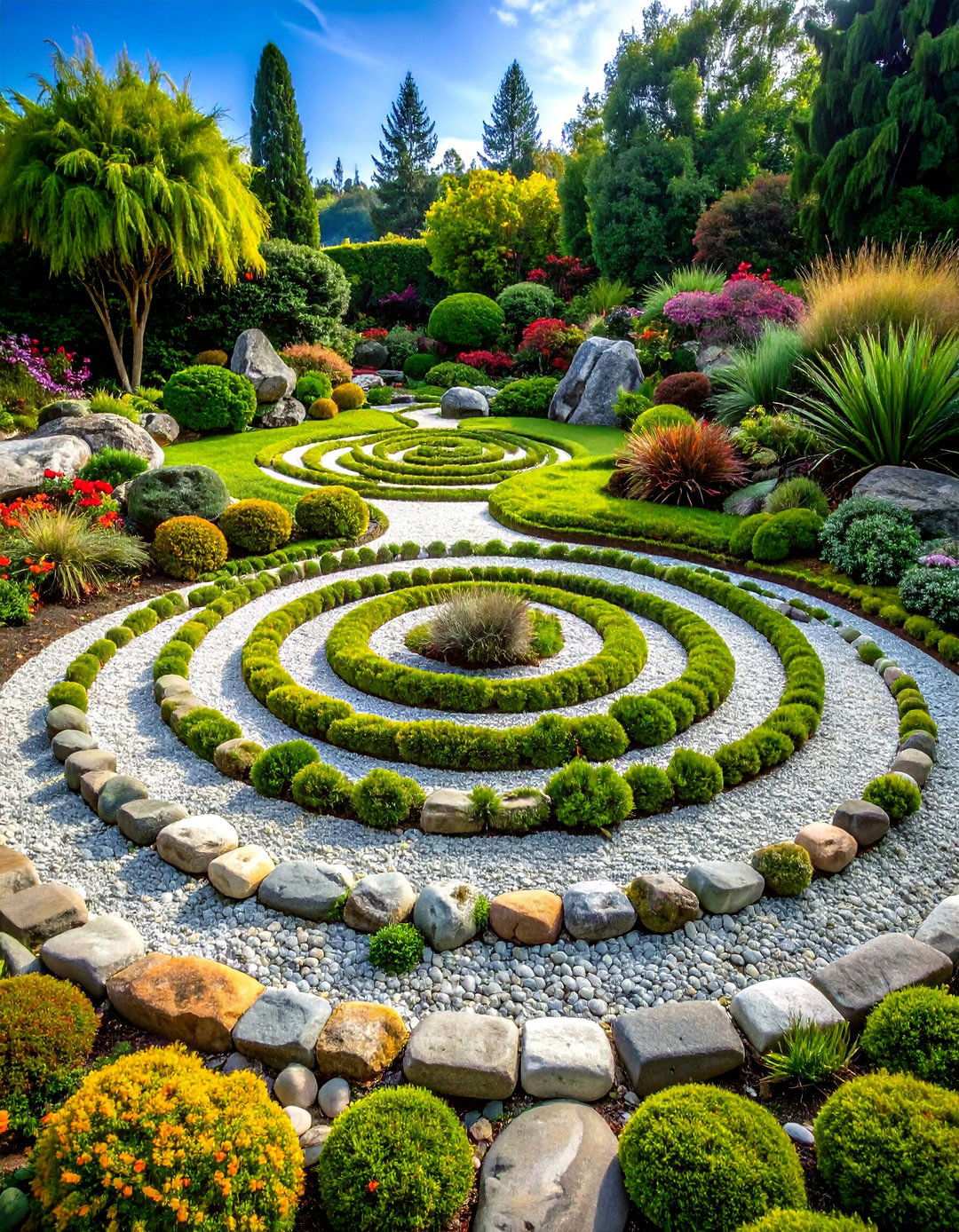
Can stone spirals create meditative garden spaces that require minimal maintenance? Natural fieldstone or river rock spirals offer durability and timeless beauty while establishing excellent drainage for drought-tolerant plants. These structures work exceptionally well for alpine plants, succulents, and native wildflowers that prefer rocky, well-draining conditions. The stone’s thermal properties regulate soil temperature and provide stability for plants during harsh weather conditions. Construction involves placing larger foundation stones first, then gradually building upward with smaller rocks to create smooth flowing curves. Gaps between stones accommodate small plants and allow for natural water infiltration. Over time, moss and small flowering plants naturally colonize the stone surfaces, softening the overall appearance while maintaining the spiral’s structural integrity for decades of low-maintenance beauty.
Brick Spiral Raised Beds
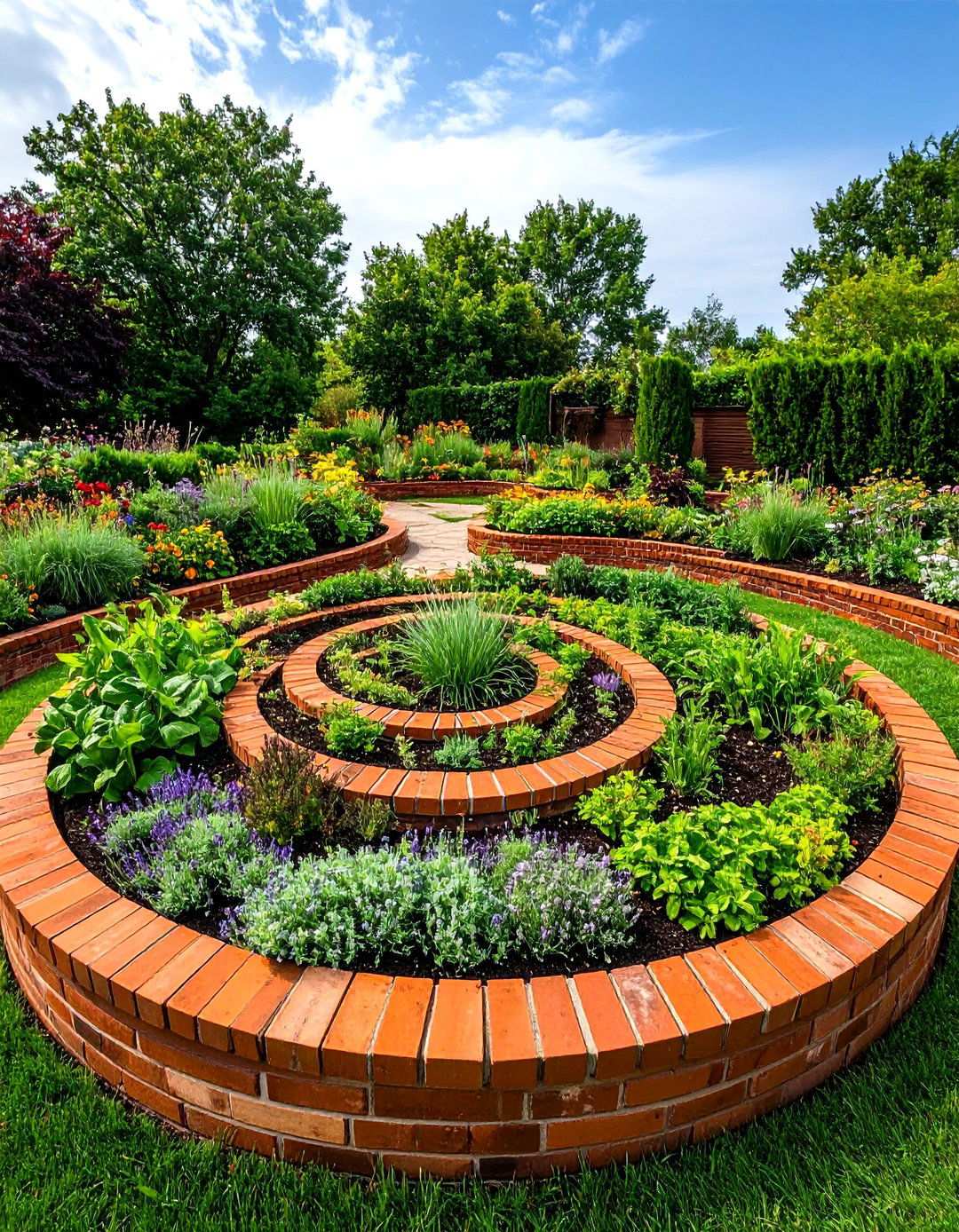
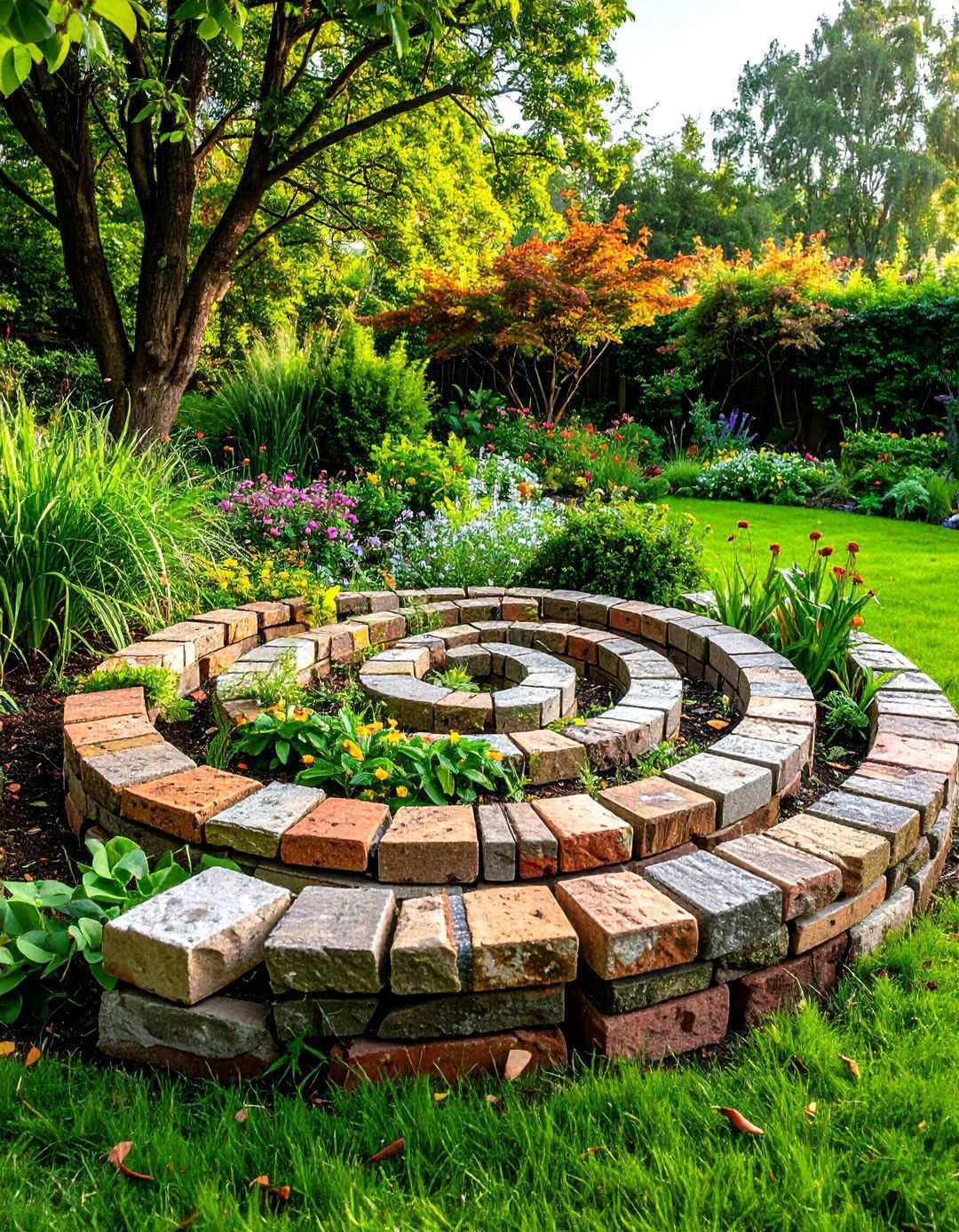
Combining timeless garden charm with cutting-edge cultivation, brick spirals create visually striking and highly functional garden features. Artfully crafted from reclaimed or new bricks, these spirals seamlessly integrate into traditional landscapes while providing ideal growing conditions. The uniformity of brick dimensions simplifies construction, allowing for precise spacing and clean lines that exude a sense of sophistication. As the day warms, brick’s thermal mass absorbs the sun’s rays, releasing a gentle warmth at night that fosters optimal growth for heat-loving plants. A haven for culinary herbs, brick spirals support thriving gardens, with thyme and oregano dominating the upper levels and cilantro and basil flourishing in the lower, more humid sections. The mortar-free construction ensures effortless modification and exceptional drainage, while the natural aging process imbues the brick with a beautiful patina that adds character to the garden. When installed in prominent front-yard positions or formal garden settings, brick spirals make a lasting impression.
4. Wooden Spiral Planters
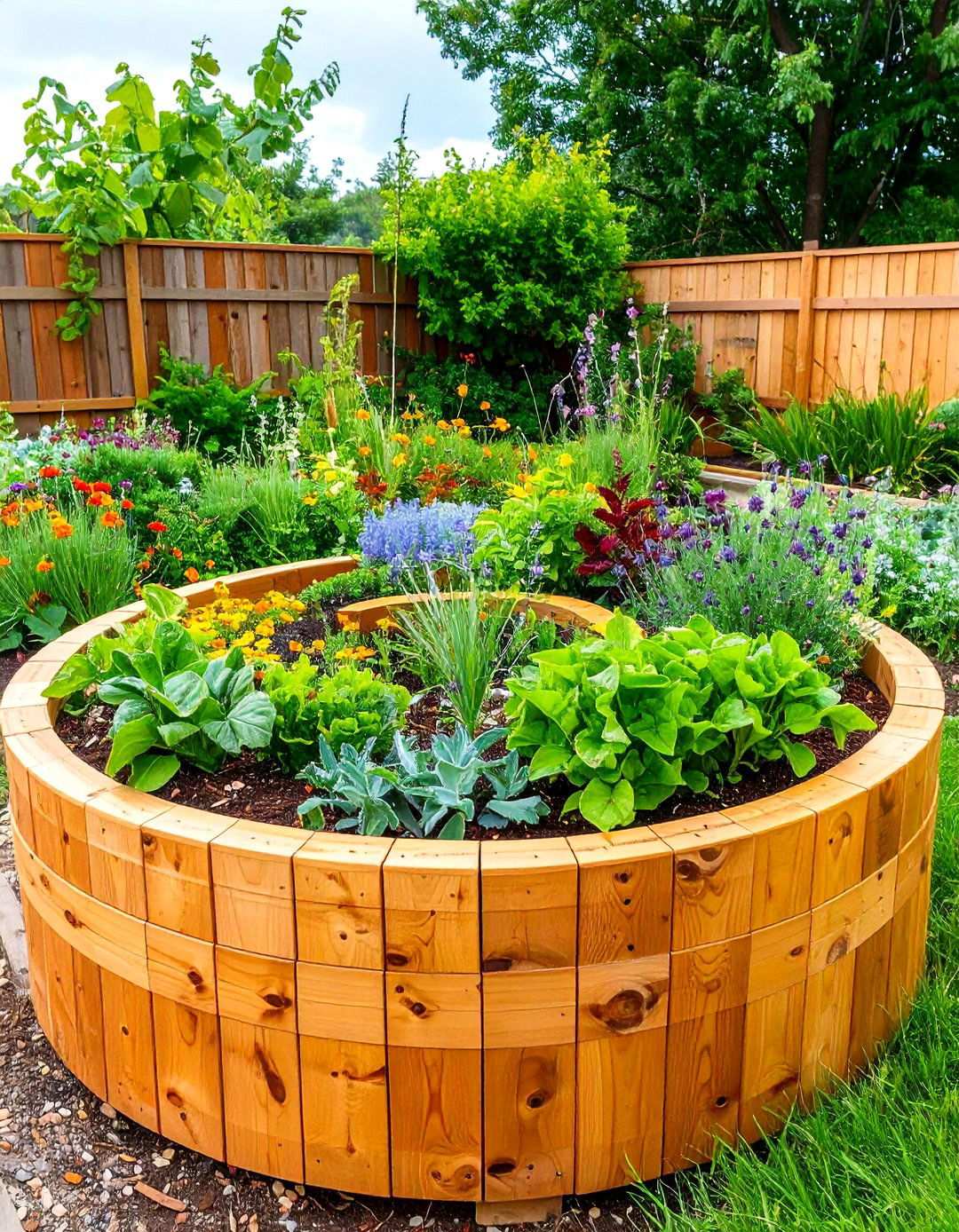
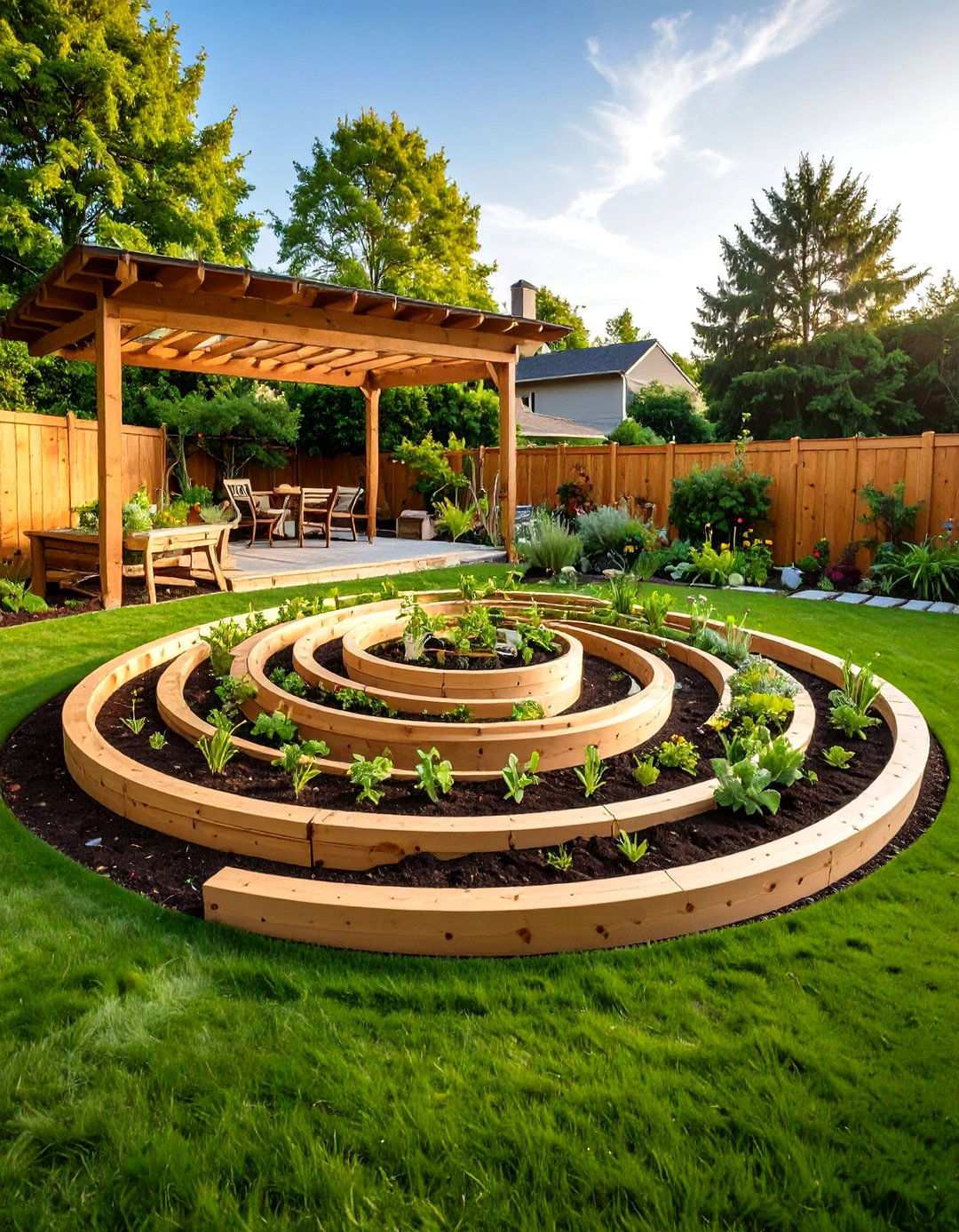
Wooden spirals have the potential to revolutionize sustainable garden design by combining natural beauty with eco-friendly functionality. Crafted from cedar, redwood, or reclaimed lumber, these spirals effortlessly blend into woodland or rustic garden themes, evoking a sense of harmony with nature. Wood’s insulating properties safeguard plant roots from extreme temperatures, while expertly designed drainage systems ensure that excess moisture is efficiently removed. A key benefit of wooden spirals is their ability to incorporate hugelkultur techniques, where logs or branches are placed inside before adding soil, creating a rich compost that gradually releases nutrients as the wood decomposes. As the natural decay process enriches the soil, the exterior wood can be treated or left to weather naturally, adding a touch of rustic charm to the garden. Wooden spirals offer unparalleled flexibility in design, allowing for customized heights and curves to fit unique garden spaces. Their natural properties make them an ideal choice for growing vegetables, herbs, and annual flowers, supporting healthy soil biology and a thriving garden ecosystem.
5. Vertical Spiral Tower Gardens
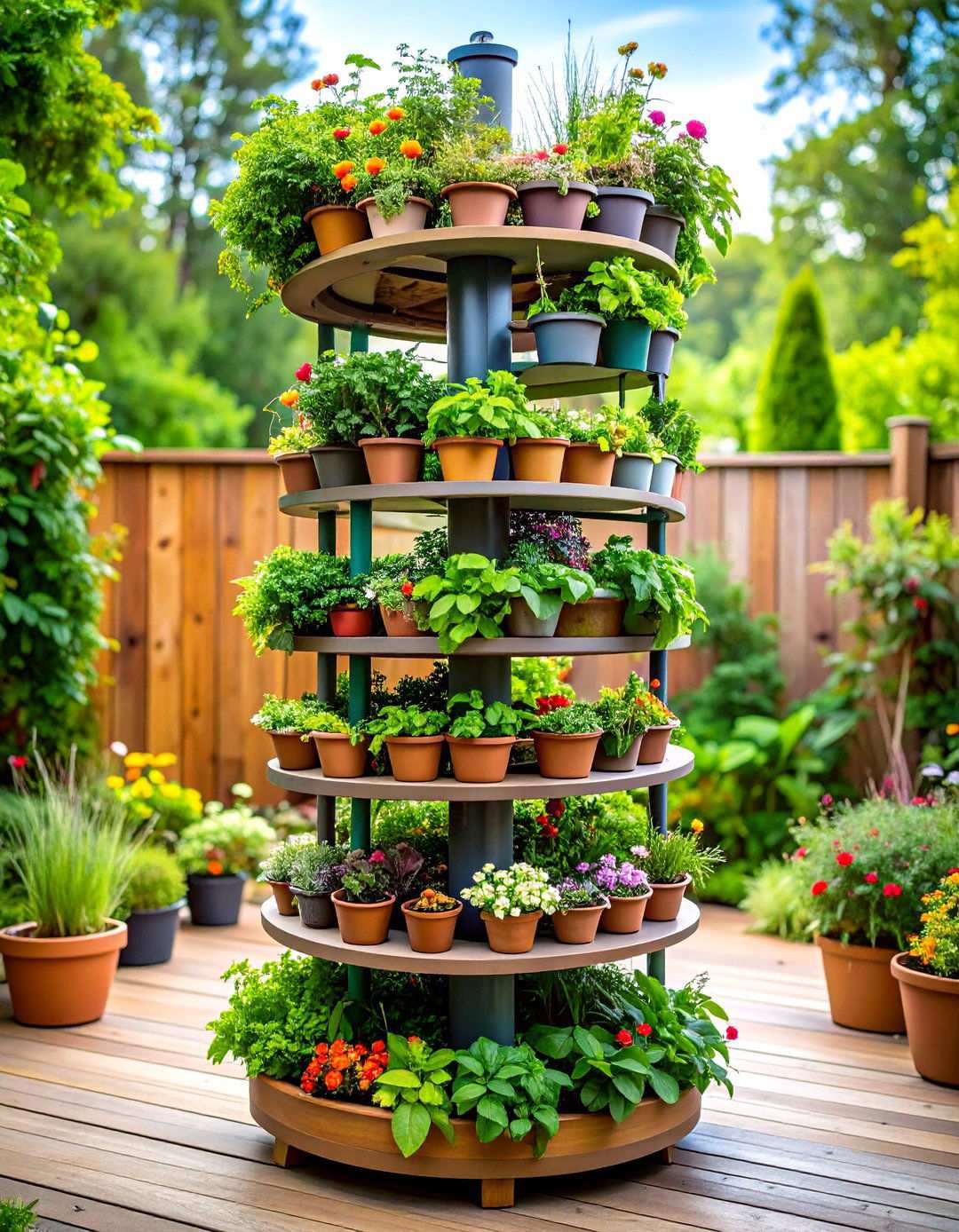
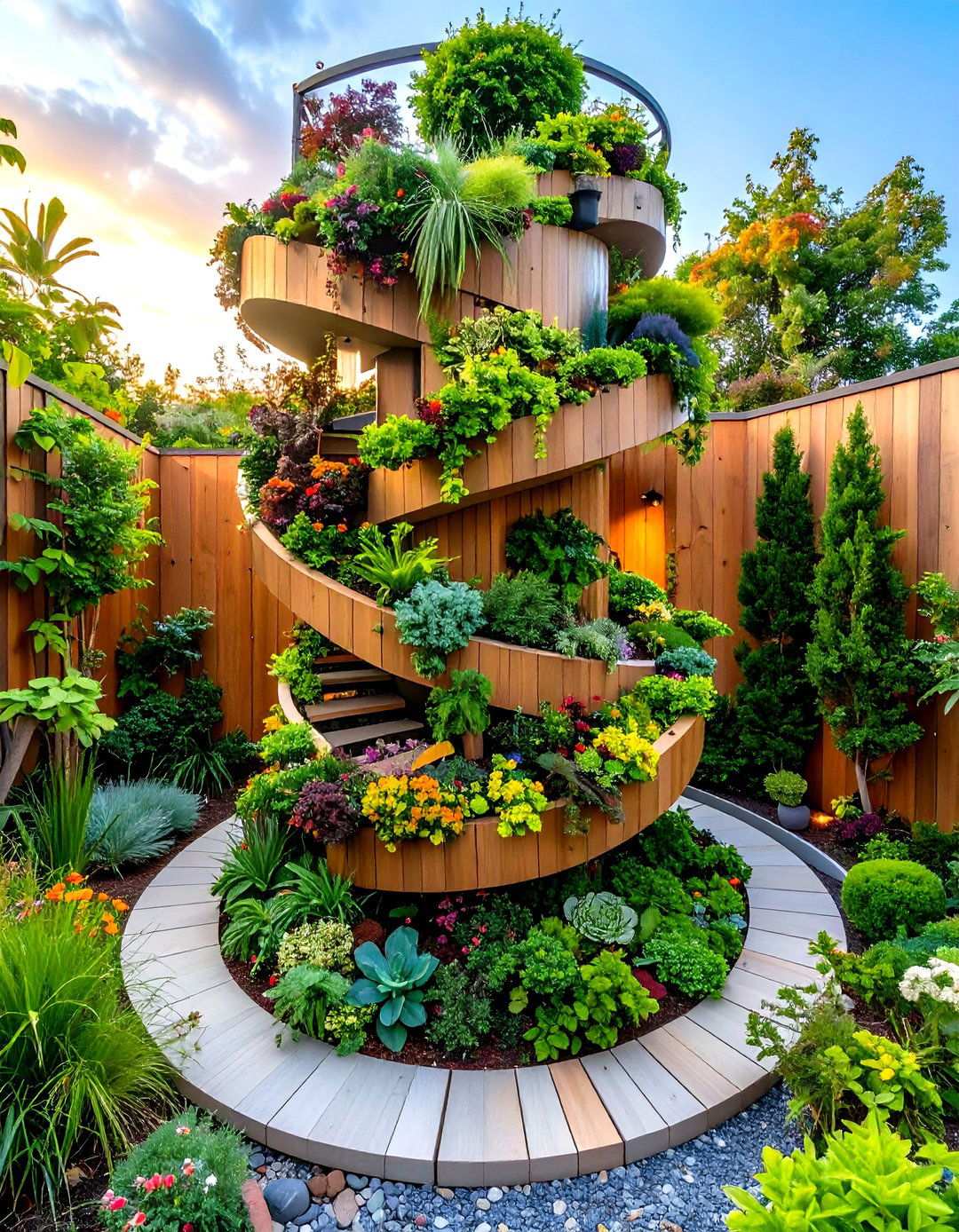
Vertical spiral towers have the potential to transform small-space gardening by maximizing growing area in compact footprints. Perfect for patios, decks, or small yards, these innovative structures spiral upward to make the most of available space. Modern vertical spiral planters often feature removable pots or compartments that spiral around a central support structure, simplifying plant maintenance and harvesting. By incorporating water-efficient drip irrigation systems, these towers ensure even moisture distribution from top to bottom, promoting healthy plant growth. A haven for strawberries, herbs, lettuce, and trailing plants that cascade beautifully between levels, vertical spiral towers create a thriving garden environment. The vertical design fosters natural air circulation, while the spiral configuration ensures that all plants receive optimal sunlight exposure. Many designs incorporate wheels or lightweight materials for easy seasonal relocation, allowing gardeners to move the tower to different locations as needed. By creating a three-dimensional growing space, vertical spiral towers can produce significantly more harvest than traditional flat gardens using the same ground area.
6. Mastering the Art of Serenity with Zen Rock Spirals

Serenity can be found in the unlikeliest of places, and a well-designed Zen rock spiral garden can be a potent catalyst for mindfulness. By thoughtfully arranging carefully selected stones in a flowing pattern, these serene garden features create spaces that promote a deep sense of calm and tranquility. To achieve this, designers often incorporate a variety of stone sizes, colors, and textures to establish a visual rhythm that mimics the natural world. At the heart of the spiral, a focal point – such as a boulder, water feature, or artistic element – draws the eye inward, guiding the user along the winding path. Minimal plantings are deliberately chosen to complement the stone composition rather than overpower it, adding subtle seasonal interest without disrupting the serene atmosphere. Japanese maples, ornamental grasses, and evergreen shrubs provide a subtle backdrop for the stone spiral, while the spiral path itself invites a slow and contemplative pace, offering new perspectives and encouraging present-moment awareness at every turn. To maintain the desired energy flow, regular maintenance involves simple raking and occasional stone repositioning.
7. Unlocking the Flavors of the Mediterranean with Herb Spirals

The Mediterranean herb spiral is a culinary garden experience like no other. By creating a spiral design that specifically caters to sun-loving herbs from the Mediterranean basin, gardeners can create ideal growing conditions that mirror their native habitats. The elevated spiral design provides excellent drainage, a must-have for preventing root rot in herbs like lavender, rosemary, sage, and thyme. The stone or concrete construction materials absorb and radiate heat, extending the growing season and intensifying essential oil production in aromatic herbs. By carefully configuring the spiral, gardeners can strategically place herbs based on their specific moisture and sun requirements. Upper levels can accommodate drought-tolerant varieties, while lower areas suit herbs that need occasional watering. This specialized design produces intense flavors and fragrances while minimizing water usage once established. The concentrated herb collection makes cooking more convenient, while the aromatic focal point attracts beneficial pollinators throughout the growing season, creating a thriving ecosystem in the garden.
8. Permaculture Spiral Systems
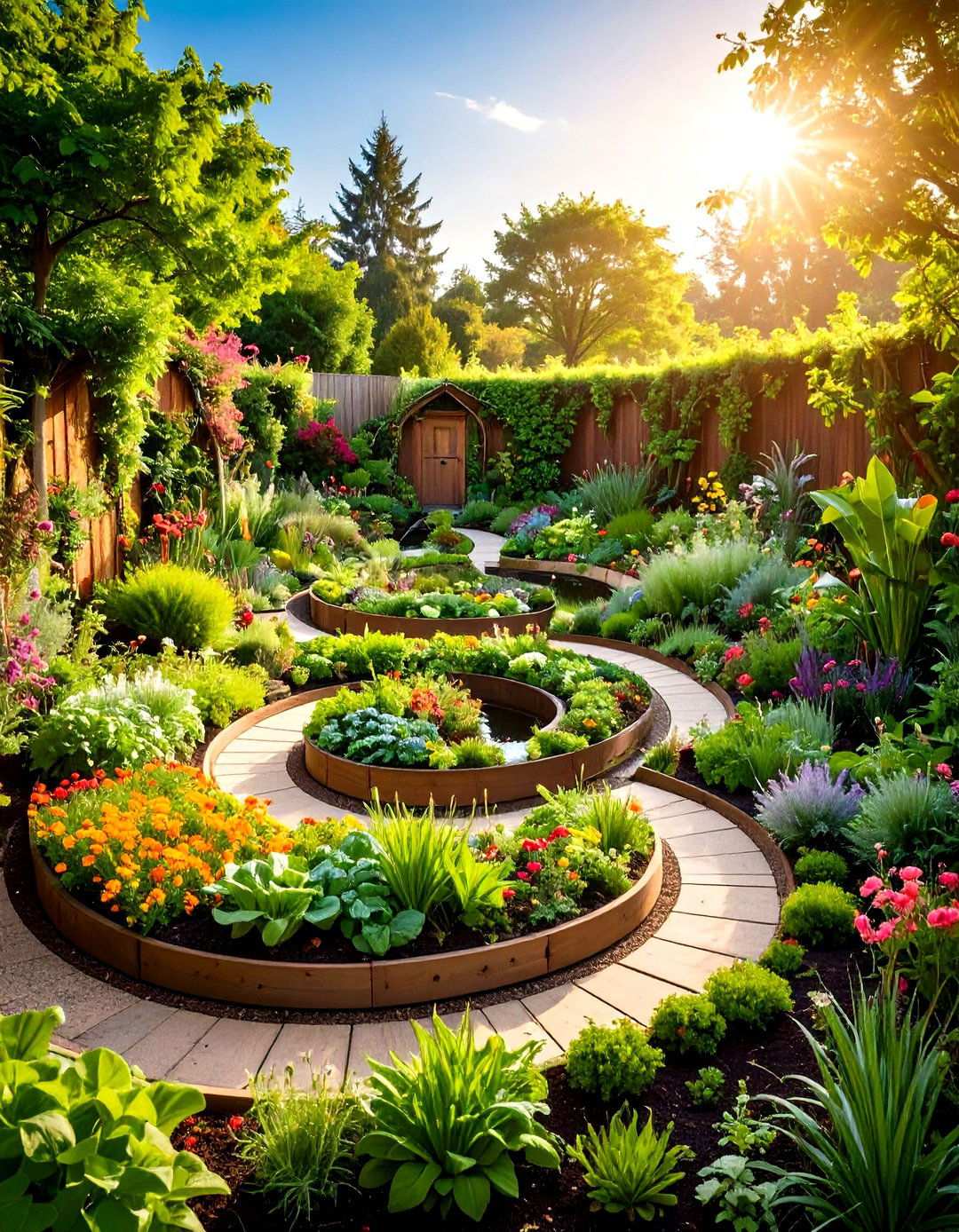
Innovative permaculture spirals embody sustainable design principles by integrating multiple functions beyond plant cultivation, such as water harvesting, composting, and wildlife habitats. This holistic approach maximizes edge habitats, fostering biodiversity and creating thriving growing spaces. Water runoff naturally irrigates lower plantings, minimizing irrigation needs and preventing soil erosion. Many permaculture spirals incorporate small ponds or swales at the base to trap excess water and provide habitats for beneficial insects and frogs. Companion planting principles guide plant selection, pairing nitrogen-fixing plants with heavy feeders while using aromatic herbs to deter pests naturally. As plants mature and self-seed, permaculture spirals evolve into dynamic ecosystems that become more productive and self-sustaining over time. These outdoor classrooms showcase the potential of sustainable living.
9. Gabion Wall Spiral Gardens
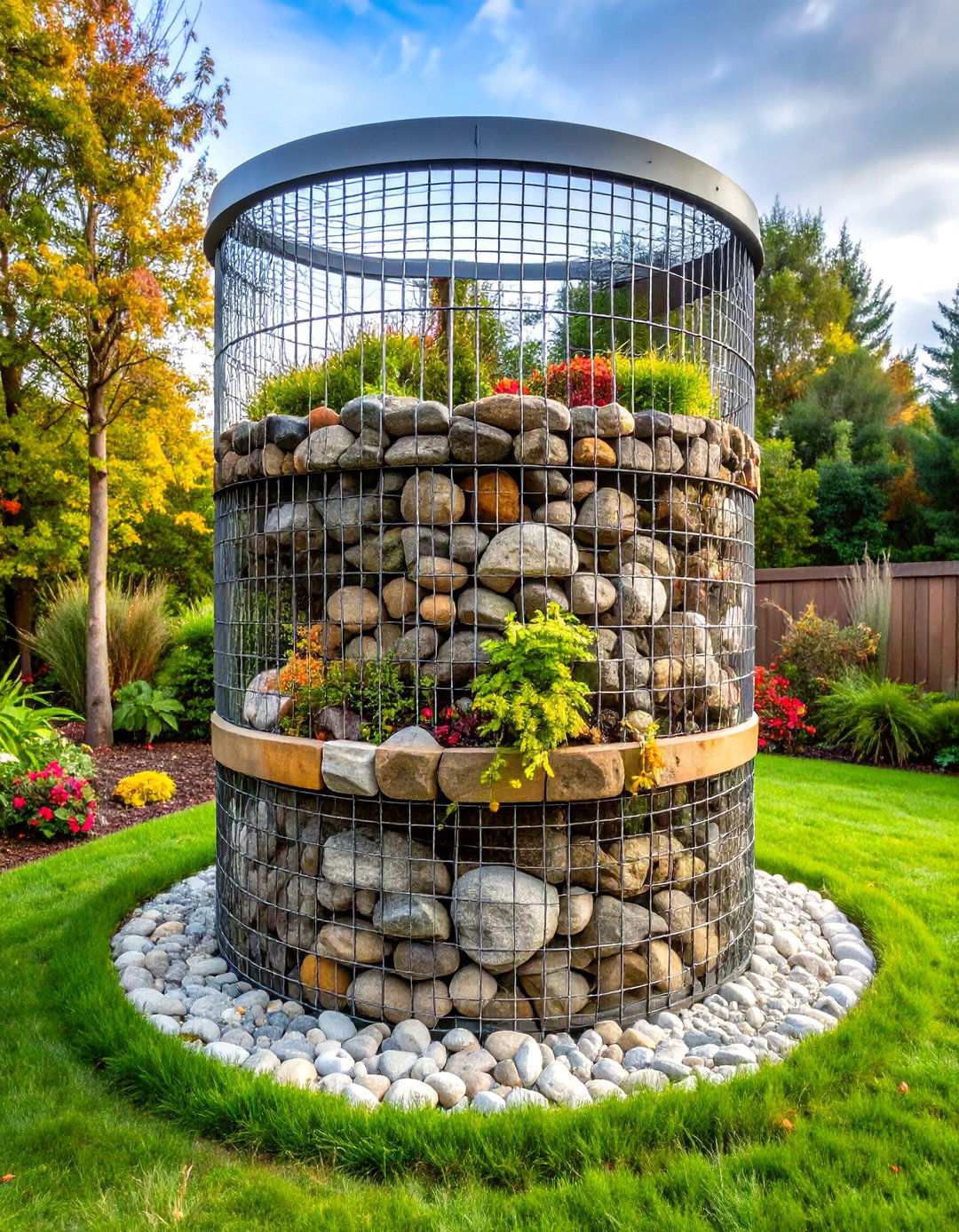
Gabion spirals marry wire mesh, stone, and landscape design to create striking architectural features that blend modernity and natural beauty. By filling wire mesh cages with stones, designers can craft durable, industrial-style garden structures that showcase clean lines and sculptural presence. The curved wire framework and stone fill provide thermal mass and visual interest, creating an ideal backdrop for contemporary landscapes. The gaps between stones allow for excellent drainage, while fostering microclimates for specialized plantings. Installation demands careful planning and a solid foundation, but the resulting structure can endure for decades with minimal upkeep. As plants grow through the wire mesh, they gradually soften the industrial appearance while maintaining the structure’s integrity. Gabion spirals offer versatility in design, accommodating various stone types and sizes to create unique color and texture combinations. This design approach is particularly effective for slope stabilization, adding significant visual appeal to any landscape.
10. Unlocking the Secrets of Hugelkultur Spirals
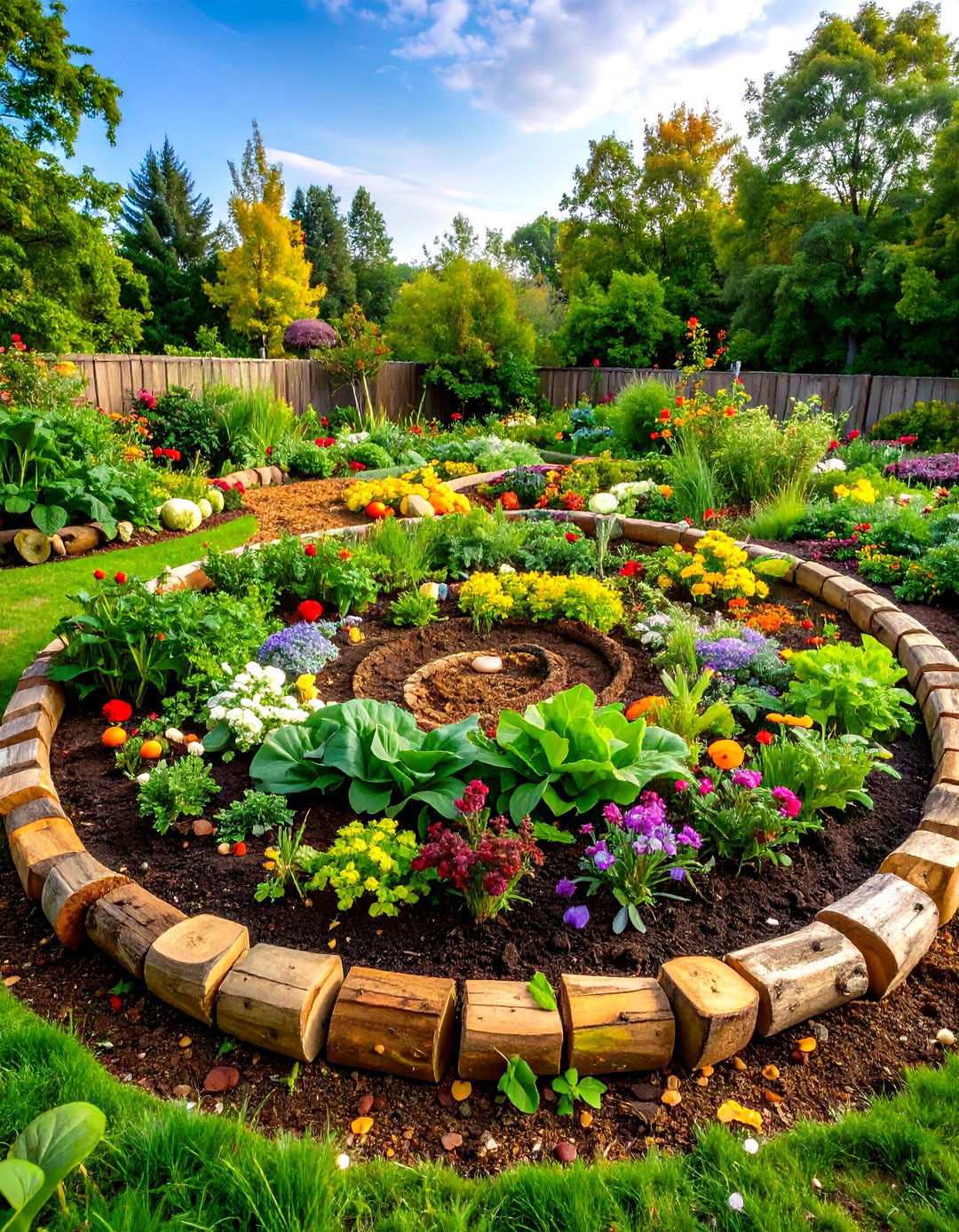
The innovative approach of hugelkultur spirals has revolutionized sustainable gardening, leveraging buried logs and woody debris as the foundation for self-sustaining ecosystems. This groundbreaking design creates a symbiotic relationship between plants, soil, and microorganisms, resulting in a significantly reduced need for irrigation and fertilizers. By harnessing the decomposition process, these spirals can retain moisture, release essential nutrients, and generate gentle heat, ultimately extending growing seasons and fostering a thriving environment for beneficial soil organisms.
The construction process begins with a solid base of larger logs, gradually transitioning to smaller branches, leaves, and finally soil layers, all carefully arranged in a spiral configuration. This deliberate design ensures optimal surface area while allowing for efficient drainage, making hugelkultur spirals an ideal choice for a wide range of plants, from water-loving vegetables at the base to drought-tolerant herbs at the peak. By repurposing fallen trees and garden debris, these spirals exemplify waste reduction and efficient use of available materials.
11. Maximizing Growing Space with Raised Spiral Beds
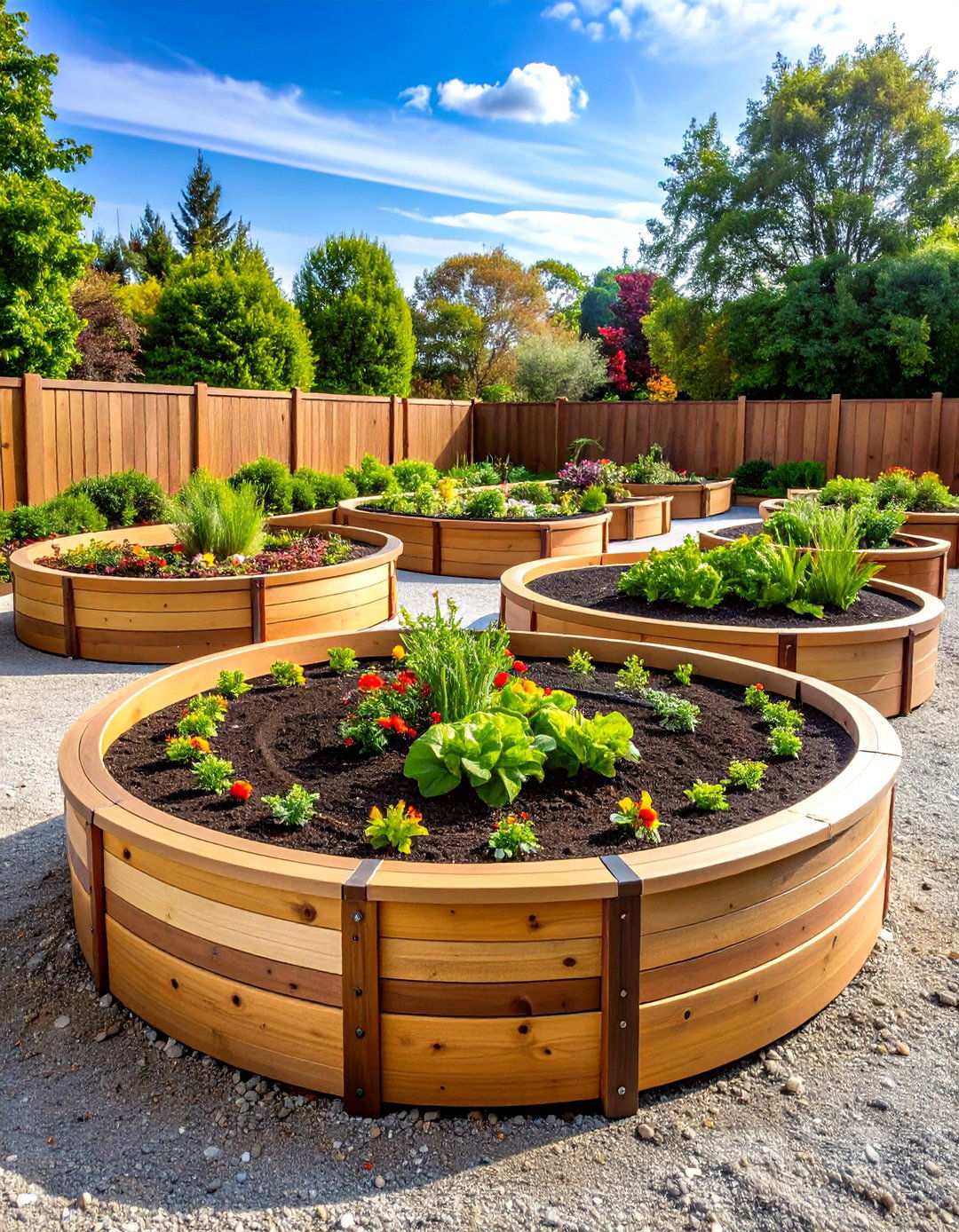
Raised spiral beds have become an attractive solution for gardeners seeking to overcome common challenges while maximizing their growing space. These elevated structures boast superior drainage, extended growing seasons, and improved maintenance ergonomics, making them an appealing feature for any garden. By allowing for precise soil control, raised spiral beds create the perfect environment for plants that wouldn’t thrive in native soil conditions.
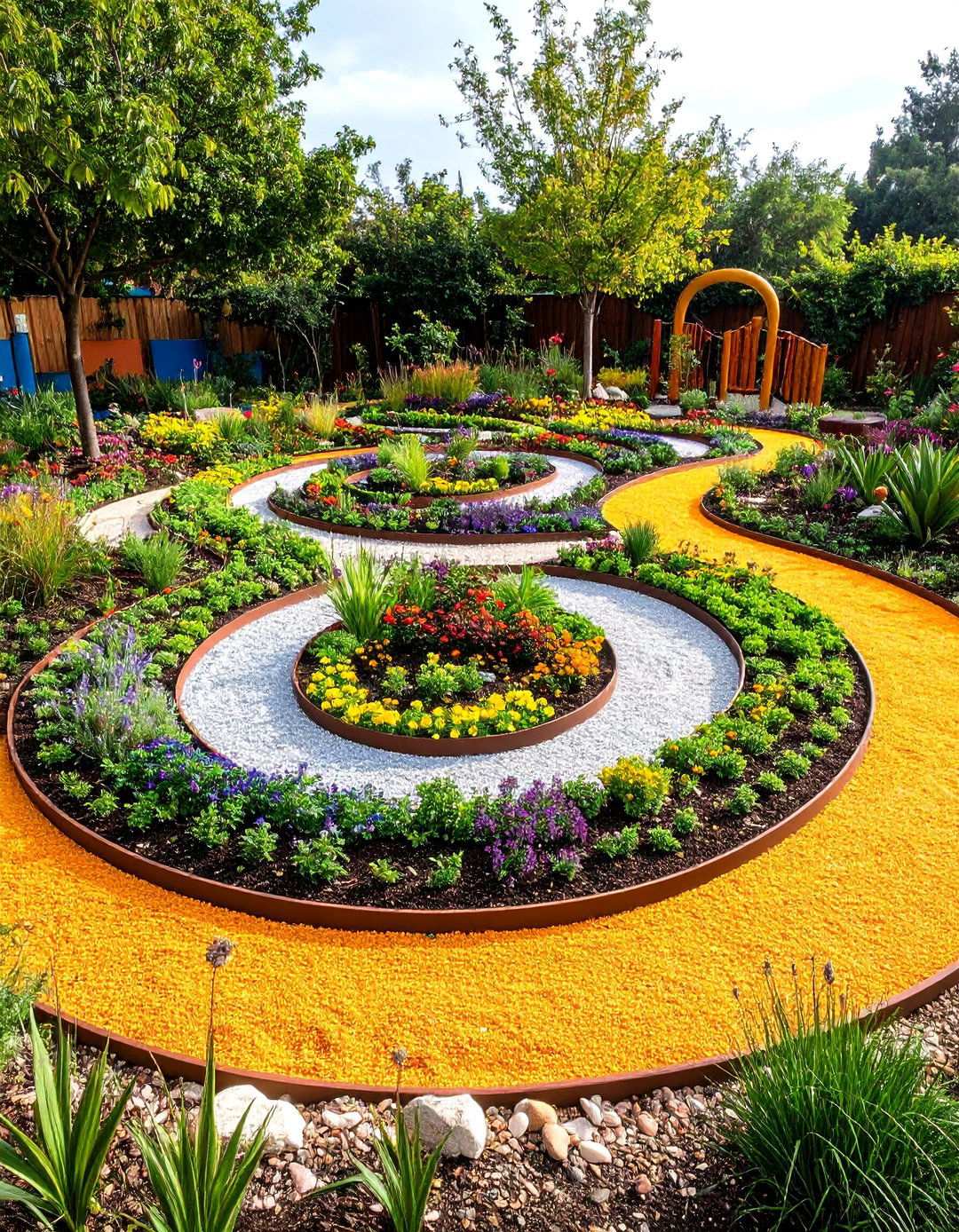
Materials such as composite lumber, stone, or steel can be used to create durable edging that maintains the spiral shape and provides clear planting zones. The elevated design not only reduces disease issues but also makes pest monitoring more effortless. Raised spiral beds are particularly beneficial for accessibility gardening, with adjustable heights catering to wheelchair users or gardeners with mobility limitations. By cleverly utilizing the same materials, these systems can provide more growing area than traditional rectangular raised beds, while strategic placement enables seamless integration with irrigation systems and season extension using cold frames or row covers.
12. Innovative Container Arrangements
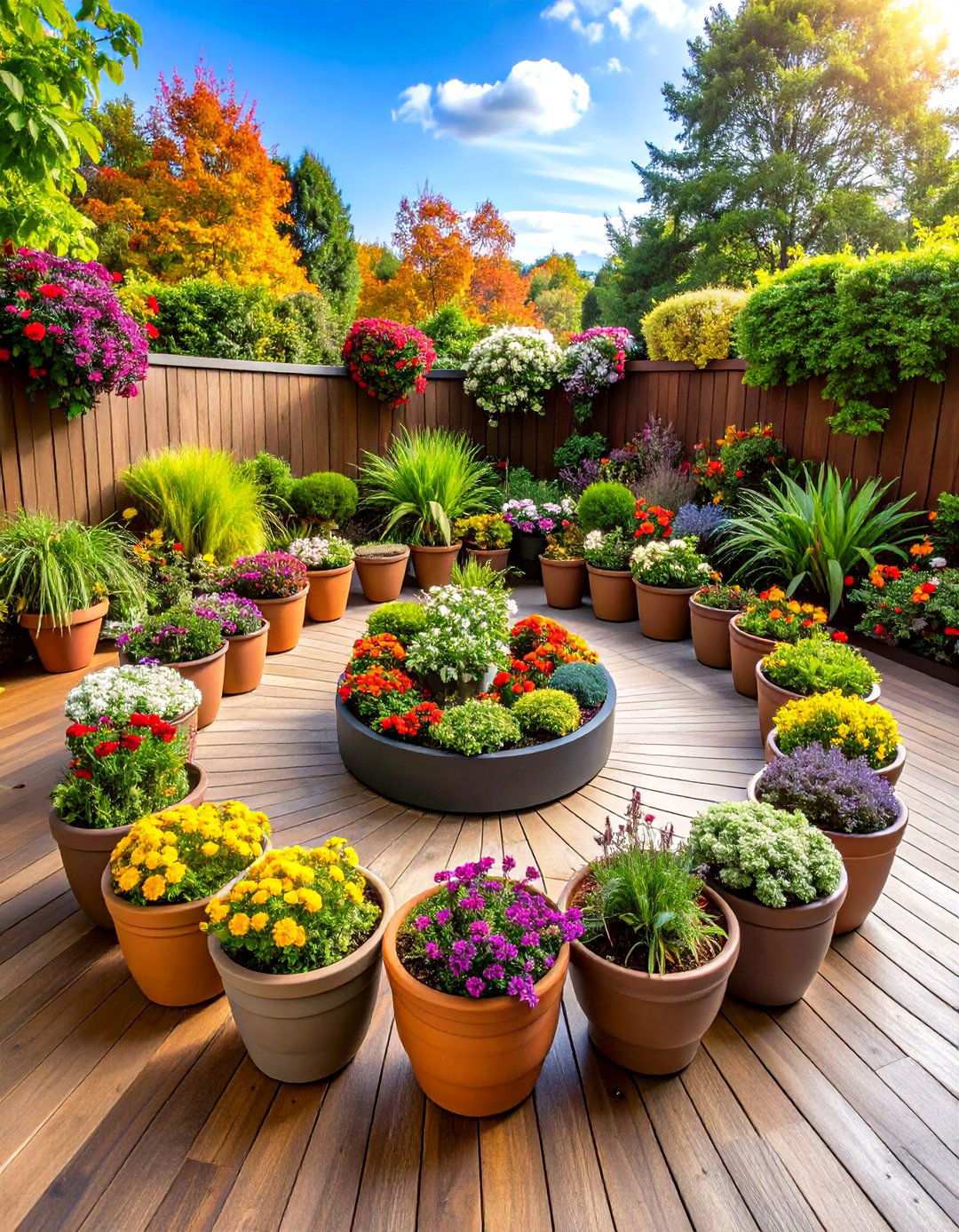
Container spirals offer a unique solution for modern gardeners seeking adaptability. By arranging various sized pots, planters, and containers in intricate spiral patterns, gardeners can create eye-catching, temporary, or semi-permanent displays that can be easily rearranged seasonally. The portability of container spirals allows for seamless relocation based on shifting sun patterns or changing space requirements. Furthermore, distinct container materials and styles create visual interest while accommodating plants with diverse root space needs. Large decorative pots serve as anchors, while smaller containers fill in intermediate spaces, generating layers and depth. This approach is particularly well-suited for renters, balcony gardeners, or those who desire seasonal garden makeovers. By elevating the containers on stands, blocks, or platforms, gardeners can achieve their desired spiral height progression. As the seasons change, plant selection can also be adapted, with spring bulbs giving way to summer annuals and fall decorative displays. The controlled environment of container spirals enables precise fertilization and watering, while preventing aggressive plants from dominating the design.
13. Optimizing Drainage in Spiral Garden Designs
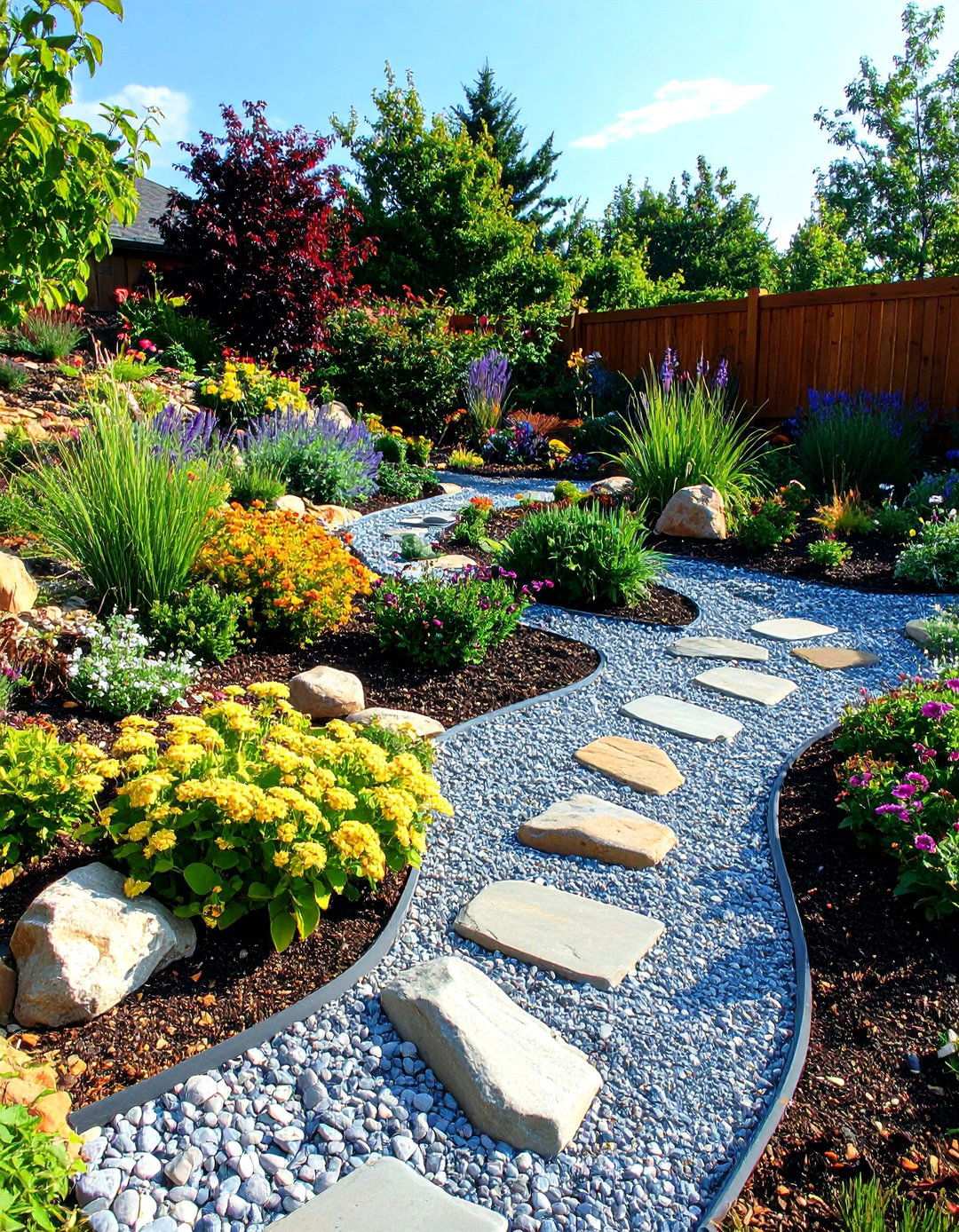
Addressing waterlogged soils, slope erosion, and flood-prone areas requires specialized drainage-focused spiral designs. By incorporating engineered drainage solutions within attractive spiral configurations, gardeners can effectively manage excess water while creating beautiful growing spaces. French drains, gravel layers, and strategic plant selection work in harmony to manage water flow while creating a visually appealing environment. The spiral shape naturally channels excess water downward, while the elevation changes accommodate plants with varying moisture preferences. Wet areas at the base can feature rain garden plants, while elevated sections support drought-tolerant species. These designs often incorporate permeable materials like gravel mulch and porous pavers that facilitate rapid water infiltration. Strategically placing water-loving trees and shrubs helps establish windbreaks while processing excess moisture. The engineered approach prevents erosion and creates habitat for wildlife dependent on wetland conditions. By transforming problematic wet sites into productive garden features, these spiral designs showcase the potential for innovative problem-solving in garden design.
7.1. Harnessing Climate Diversity in Microclimate Spirals
Microclimate spirals are ingenious designs that create multiple thriving zones within a compact space. By thoughtfully combining orientation, elevation, and materials, these spirals establish distinct climate zones that support a diverse array of plant species. The strategically placed north-facing slopes provide ideal conditions for shade-loving plants, while south-facing areas create warm, dry zones that are perfect for Mediterranean species. The spiral configuration is particularly effective at maximizing the length of transitional edges, where different microclimates converge, thereby fostering maximum biodiversity. The incorporation of stone or brick materials adds an extra layer of protection for tender plants, as they absorb solar heat during the day and radiate warmth at night. Furthermore, the spiral’s unique shape creates wind patterns that generate additional microclimates, providing sheltered areas for delicate plants and exposed zones for wind-tolerant species. This design allows gardeners to cultivate plants that typically require different hardiness zones within the same garden feature.
7.2. Enhancing Home Cooking with Kitchen Herb Spirals
Kitchen herb spirals are a game-changer for home cooks, offering a practical and efficient way to grow a variety of culinary herbs. These compact designs concentrate herbs within easy reach of kitchen doors, making it simple to harvest fresh ingredients on a daily basis. The spiral configuration provides organized zones for different cuisine types, with Italian herbs, Asian herbs, and general cooking herbs all having their own designated section. Fresh herbs are at their best when used immediately after harvesting, which is why proximity to the kitchen is essential for maximum flavor and nutrition. The spiral design allows for succession planting, ensuring that gardeners can enjoy a continuous harvest throughout the growing season. Quick-growing herbs like basil and cilantro can be replanted regularly, while perennial herbs like rosemary and thyme provide long-term structure. The concentrated planting makes maintenance a breeze, while the attractive spiral design enhances outdoor entertaining areas. By strategically placing frequently used herbs in easily accessible positions, gardeners can reduce maintenance time and encourage creative cooking and healthier eating habits.
16. Maximizing Space with Innovative Spiral Designs
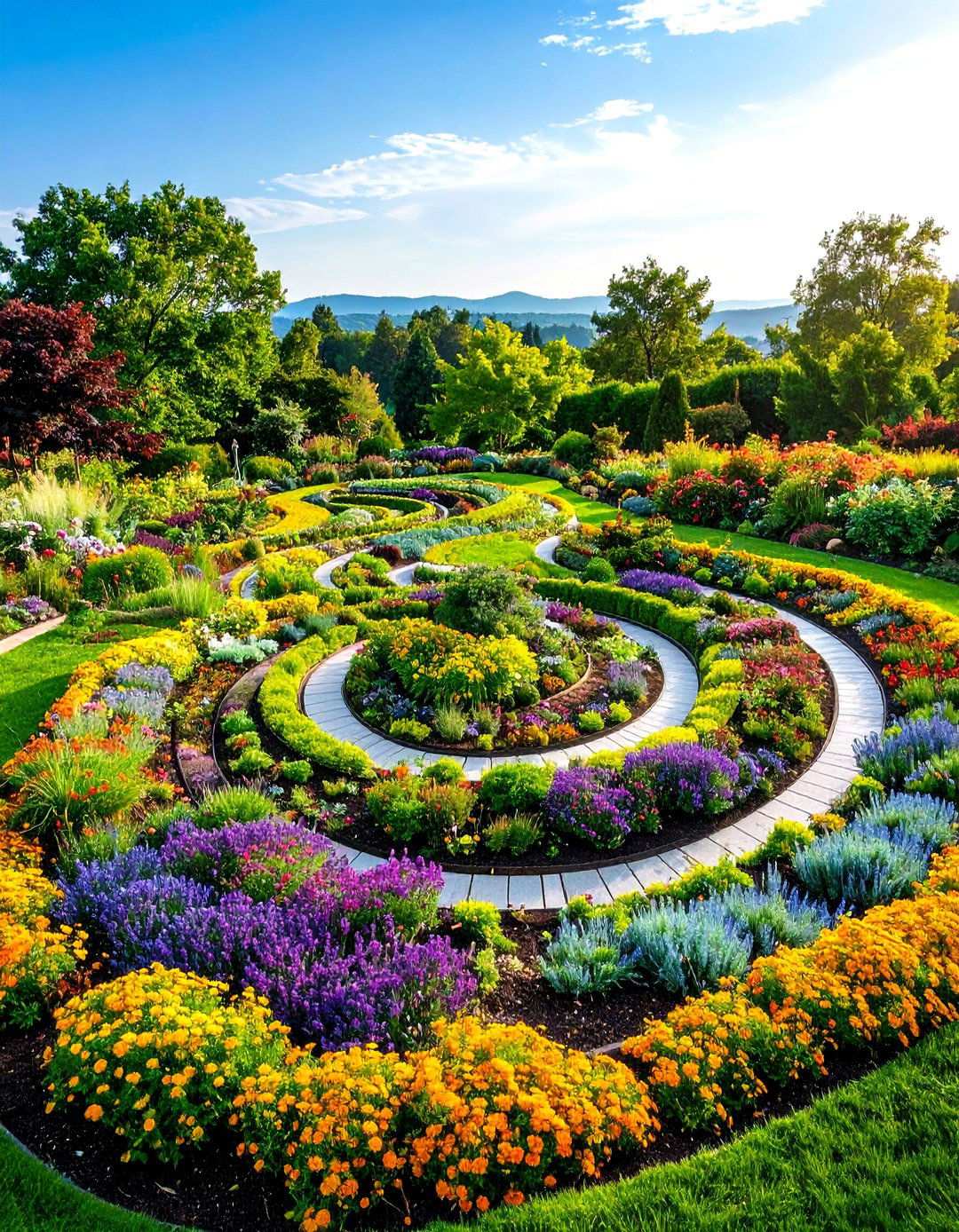
Tiny yards can be transformed into thriving growing spaces using creative spiral garden designs, which expertly utilize vertical growing techniques and intensive planting strategies to optimize space in urban areas. These innovative spaces can be found in townhouse gardens, apartment balconies, and small backyards. By maximizing the available area, spiral configurations provide significantly more planting space than traditional rectangular beds, making them ideal for compact spaces. Vertical elements such as trellises or cages are integrated into the spiral design to support climbing plants, further increasing productivity. The use of intensive spacing and succession planting ensures a continuous harvest throughout the growing season. These space-efficient designs often incorporate container elements and removable sections, allowing for flexibility in multi-functional small spaces. The visually appealing spiral form creates focal points that enhance small landscapes, while providing practical growing space. By selecting high-value crops like herbs, leafy greens, and cherry tomatoes, gardeners can enjoy maximum nutrition and culinary value from minimal space. The compact design makes maintenance manageable for busy urban dwellers, creating an attractive outdoor living enhancement.
17. Affordable DIY Spiral Garden Projects for the Weekend Gardener
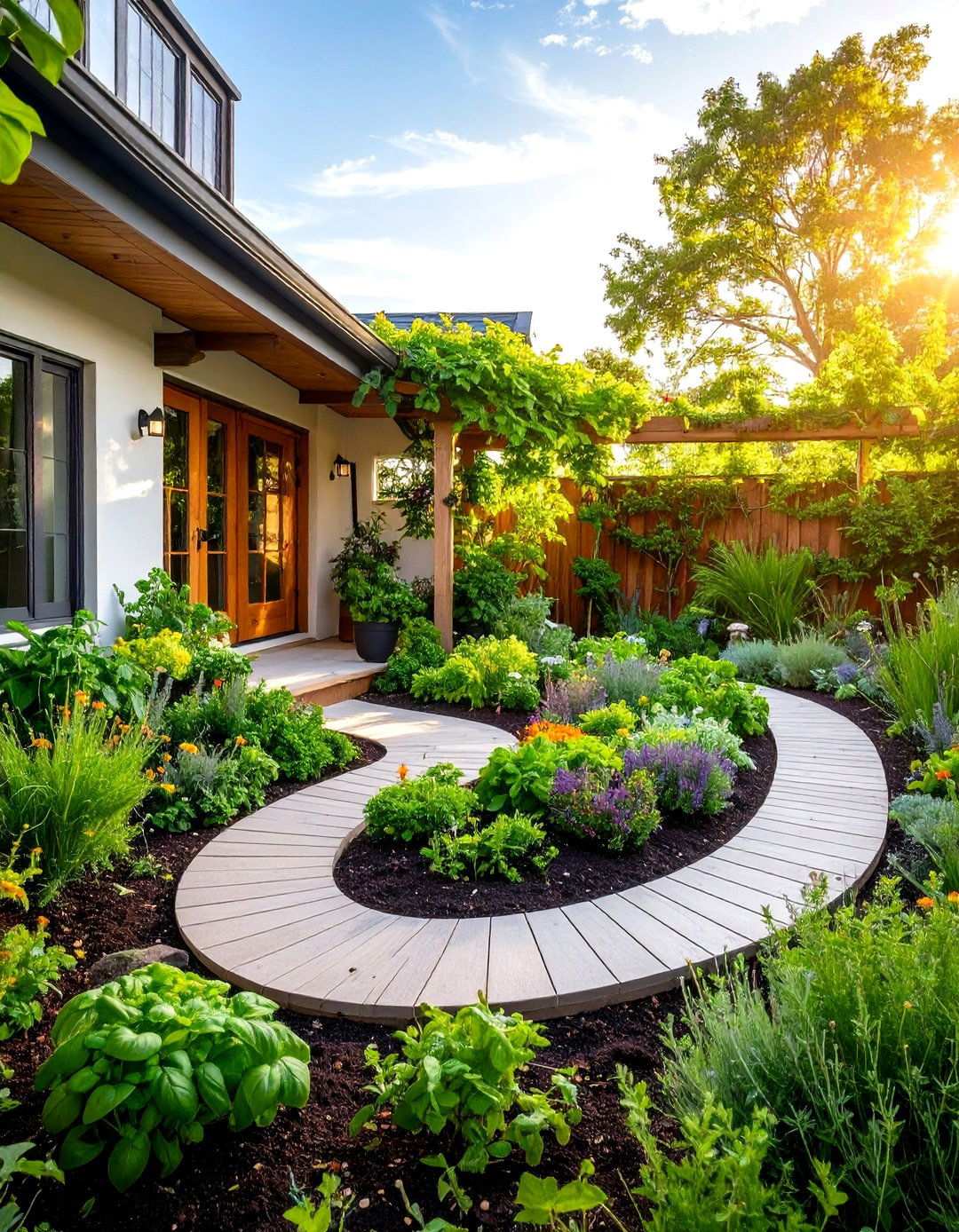
Weekend DIY projects can bring stunning spiral gardens into existence on a modest budget, utilizing readily available materials and simple construction techniques that are accessible to beginning gardeners. Repurposing materials such as old bricks, stones, or reclaimed lumber creates attractive spirals while reducing project costs. Simple tools and basic construction skills are sufficient for most designs, making these projects achievable for gardeners without professional assistance. By planning each step of the construction process, gardeners can avoid costly mistakes and personalize their designs based on available materials and space constraints. The hands-on construction experience provides valuable learning opportunities about garden design principles, soil preparation, and plant selection. Many DIY spirals can be completed in a single weekend, offering immediate garden enhancement and growing space. The personal investment in the garden’s success, coupled with the development of skills applicable to future projects, motivates gardeners to continue pushing the boundaries of their creative expression. Online resources and gardening communities offer valuable support and inspiration for DIY spiral builders, helping to bring their creative visions to life.
18. Reimagined Material Revival
Reclaimed material spirals stand as a testament to sustainable garden design, where discarded materials are transformed into unique features that embody character and history. By repurposing construction waste, these projects not only divert materials from landfills but also breathe new life into old, weathered components. Old blocks, broken sidewalk pieces, and discarded bricks find new purpose as spiral components, showcasing their potential for creative reuse. The story of reclaimed wood from demolished buildings is one of rebirth, providing a weathered character that cannot be replicated by new materials. This deliberate use of imperfections infuses visual interest and natural variation, elevating garden aesthetics to an art form. A sustainable approach that not only benefits the environment but also the wallet, as these projects often come at a lower cost than their new material counterparts. The irregular shapes and sizes of reclaimed materials forge organic-looking spirals that seamlessly blend into the landscape, creating an authentic and captivating experience. The creative process becomes an enjoyable challenge as builders adapt designs to the unique characteristics of available materials, giving rise to original and artistic garden features that reflect personal flair. In this way, beautiful gardens can be created responsibly and affordably, without compromising on style or functionality.
19. Aqua Spiral Oasis
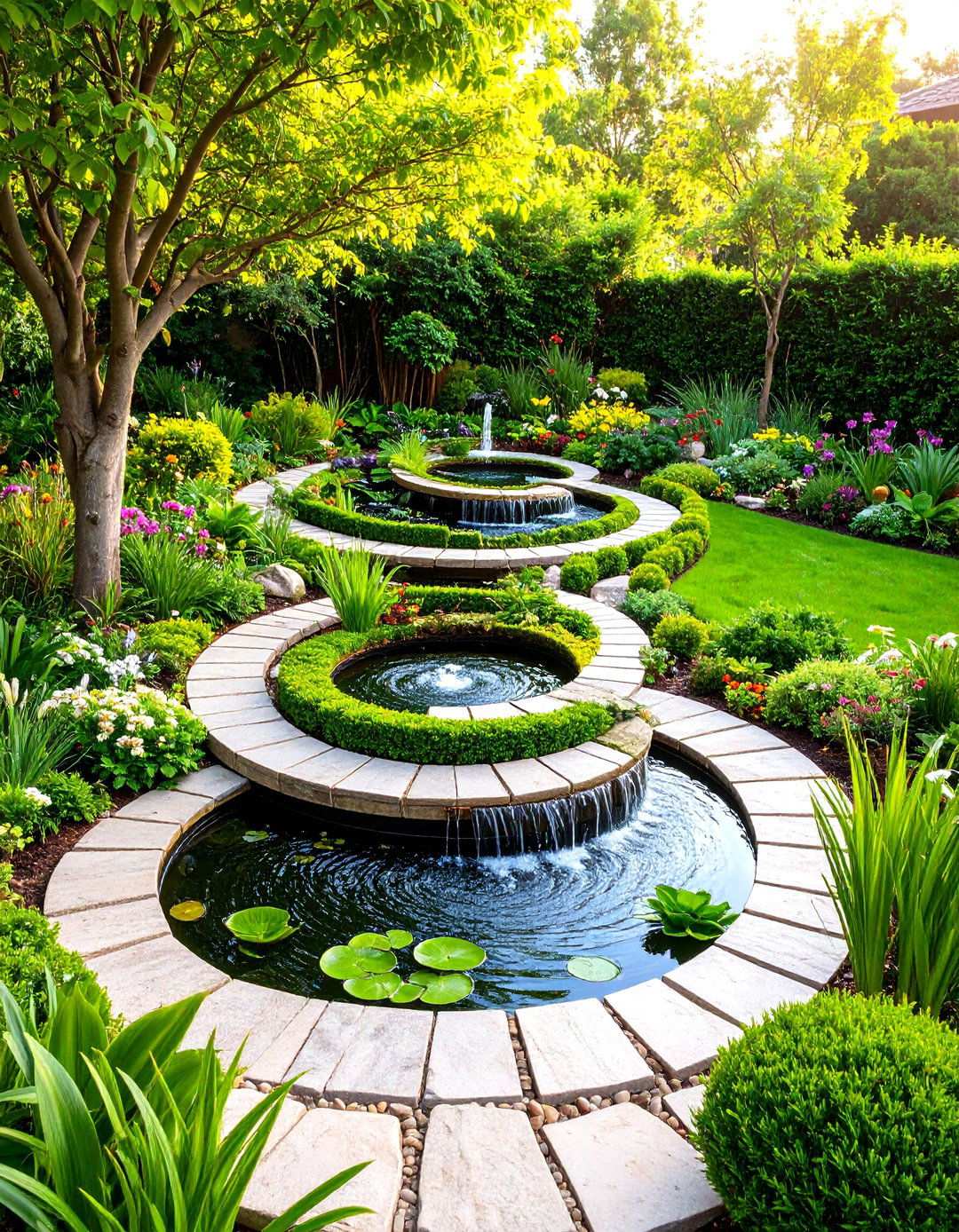
Water feature spirals have the potential to become the crowning jewel of any garden, where small ponds, fountains, or streams converge with spiral configurations to create dynamic landscapes that nurture aquatic life. At the spiral’s base, the water element collects drainage while providing a natural irrigation system for surrounding plantings. The soothing sound of moving water generates a peaceful ambiance while the reflective surface adds an extra layer of visual interest, illuminating garden spaces. Aquatic plants like water lilies, cattails, and arrowhead thrive in these environments, establishing a natural filtration system and providing a habitat for beneficial insects and frogs. The transition from aquatic to terrestrial plantings forms a rich edge habitat, supporting biodiversity and attracting a diverse range of wildlife. By harnessing the power of solar energy and incorporating battery backup, these spirals can operate independently, without the need for electrical infrastructure. This self-sustaining ecosystem moderates local temperatures and increases humidity, creating a microclimate that is ideal for moisture-loving plants. The inclusion of fish populations can even help control mosquitoes, adding an extra layer of functionality and visual interest to the garden feature. These spirals demand careful planning but reward gardeners with extraordinary focal points that are both beautiful and functional.
20. Nurturing Environmental Stewards in Children's Spaces
How do children’s spiral gardens cultivate lifelong environmental stewardship through immersive outdoor classrooms? By scaling spiral concepts to child-friendly proportions, these interactive designs incorporate educational elements that illustrate natural systems and food production. Lower construction heights enable safe exploration, while wider pathways facilitate group activities and wheelchair access. The emphasis on fast-growing varieties and sensory plants stimulates learning through multiple senses, while the spiral design creates separate spaces for distinct learning activities while maintaining visual supervision. Integrating composting systems, rain collection, and wildlife habitat demonstrates environmental cycles and sustainability principles. Seasonal activities like planting, harvesting, and preservation foster connections between children and the natural world, illustrating the rhythms of food systems. Hands-on construction and maintenance develop problem-solving skills, while building environmental awareness becomes a lifelong pursuit. These dynamic educational tools can be found in schools, community centers, and family yards, serving as catalysts for environmental stewardship.
21. Thriving Urban Ecosystems through Spiral Gardening
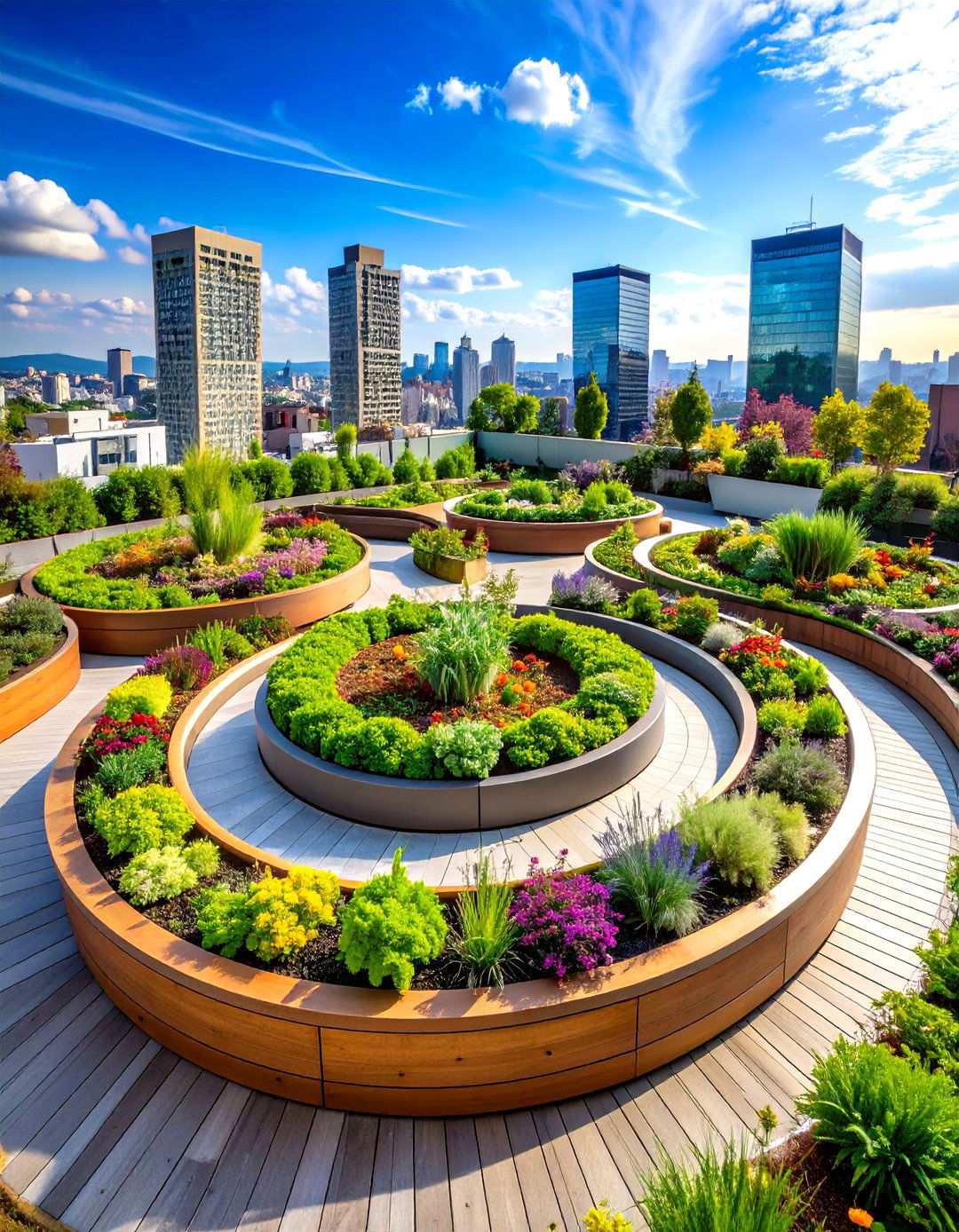
What role do urban spiral gardens play in fostering city sustainability? These adapted designs address unique urban challenges, including air pollution, limited space, heat islands, and soil contamination, while creating productive and attractive growing spaces. Raised construction elevates plants above contaminated soil, providing a clean growing medium for food production. Compact designs maximize productivity within urban real estate, creating neighborhood features that enhance property values. Strategic placement of spirals provides windbreaks and air filtration, reducing urban heat through transpiration and shade. Urban spiral gardens often incorporate rainwater collection and grey water recycling, reducing municipal water demands. Community spiral gardens build neighborhood connections while providing access to fresh food in food desert areas. Mobile or container-based versions accommodate renters and temporary installations, serving as demonstration sites for urban agriculture. The success of urban spirals inspires further community green space development, creating a ripple effect of sustainability.
22. Whimsical Miniature Landscapes
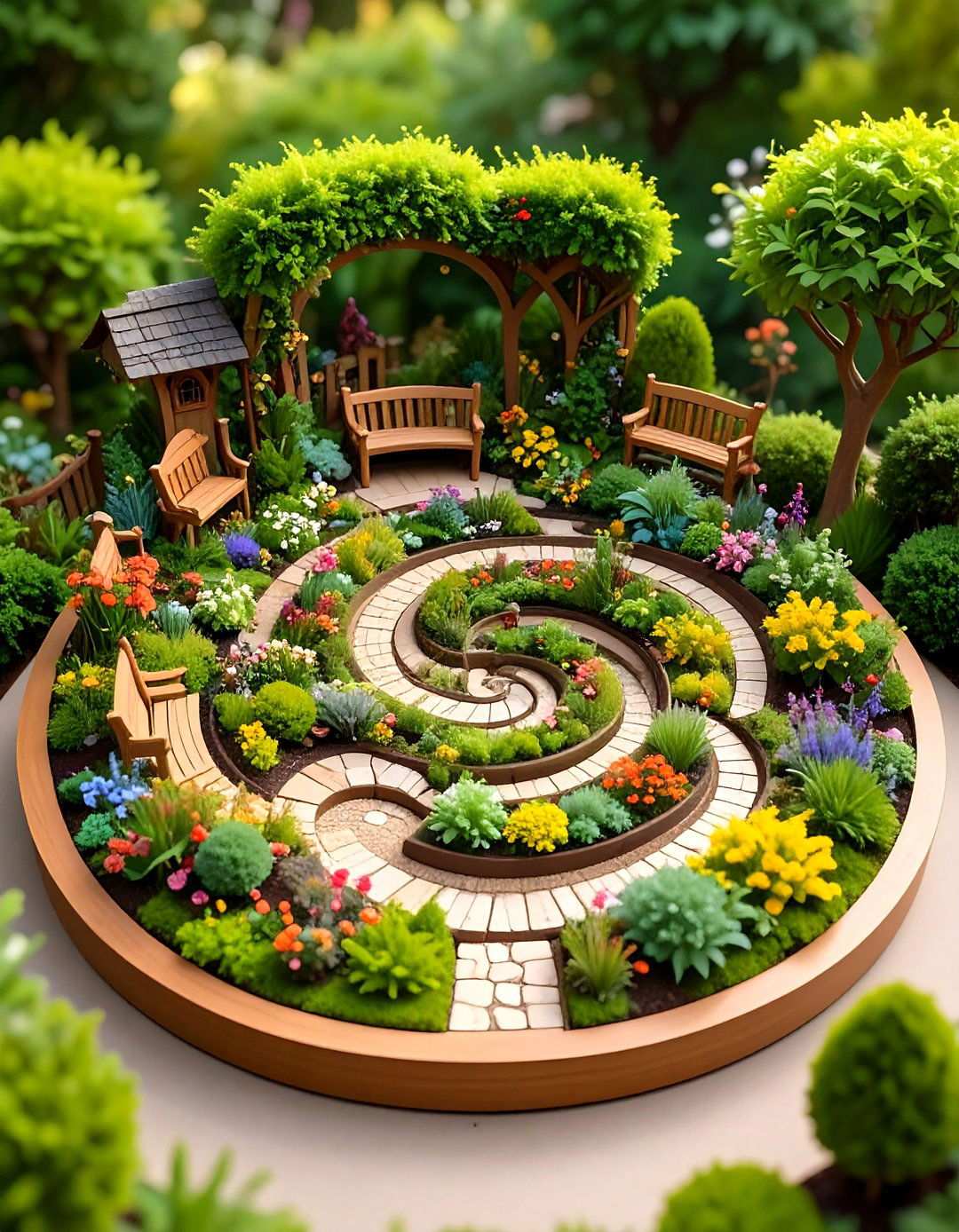
Enchanting outdoor spaces that captivate both children and adults can be crafted using miniature spiral gardens. By scaling traditional spirals down to fit container or small garden bed sizes, these designs incorporate elements of fantasy that ignite imagination. Delicate plants such as creeping thyme, baby tears, and miniature hostas create authentic landscapes at a smaller scale. Meandering paths fashioned from pebbles or sand invite exploration, while tiny benches, bridges, and homes evoke the notion of fairy habitation. The spiral configuration offers multiple viewpoints and hidden areas that encourage discovery and creative storytelling. Unusual containers like old wheelbarrows, wooden boxes, or broken pottery add character and charm to these miniatures. The compact size makes maintenance straightforward, while providing ample opportunities for detailed plant care and arrangement. Seasonal embellishments and plant variations keep the displays fresh and engaging. These projects offer an excellent introduction to gardening principles for children, while creating beautiful conversation pieces for adult spaces. The creative process involved in designing and maintaining fairy spirals provides therapeutic benefits and artistic expression opportunities.
23. Dramatic Succulent Arrangements
Stunning, low-maintenance garden features can be achieved through succulent spirals. These drought-tolerant designs showcase the incredible variety of succulent plants while requiring minimal water and care once established. The spiral construction allows for excellent drainage, preventing root rot, while the elevation changes create natural display platforms for different plant types. Trailing succulents like burro’s tail cascade beautifully from upper levels, while structural varieties like agave provide striking focal points. The thermal mass of stone or concrete construction materials absorbs heat during the day and releases it gradually, protecting delicate succulents from temperature fluctuations. Color combinations using blue agaves, red echeveria, and silver dusty miller create visually striking displays that change seasonally as plants mature and bloom. These spirals work exceptionally well in xeriscaped gardens and areas with water restrictions. The architectural forms of many succulents complement the geometric spiral design, requiring minimal care beyond occasional watering and debris removal. These gardens demonstrate that water-efficient landscaping can be both aesthetically pleasing and practical.
24. Innovative Spirals for Sustainable Food Production
Aquaponics spirals are poised to revolutionize the way we think about sustainable food production. These pioneering systems seamlessly integrate fish cultivation with plant growth in closed-loop spirals, maximizing productivity while significantly reducing resource inputs. By harnessing the synergistic relationship between fish and plants, spiral aquaponics systems create a self-sustaining ecosystem that thrives on a closed-loop cycle. The spiral configuration not only optimizes growing space but also fosters efficient water circulation patterns, setting the stage for unparalleled productivity. These systems have the potential to produce both fish protein and fresh vegetables in remarkably small spaces, making them an ideal solution for urban food production. By embracing this holistic approach, spiral aquaponics systems embody the principles of sustainable living while providing a unique opportunity for educational exploration of ecosystem relationships. As technology continues to advance, modern spirals are increasingly integrating solar power and automated monitoring systems to maintain optimal growing conditions, further elevating their potential for sustainable food production. With yields per square foot exceeding those of traditional farming methods by as much as 10 times, and water usage reduced by a staggering 90%, aquaponics spirals are poised to redefine the future of food production. By harnessing the power of these innovative systems, we can ensure a year-round supply of fresh produce, unaffected by the whims of weather conditions. As a striking visual representation of cutting-edge sustainability technology, the spiral design not only inspires environmental awareness but also serves as a powerful reminder of the importance of responsible resource use.