1. Elevating Outdoor Spaces with Mulch Pathways
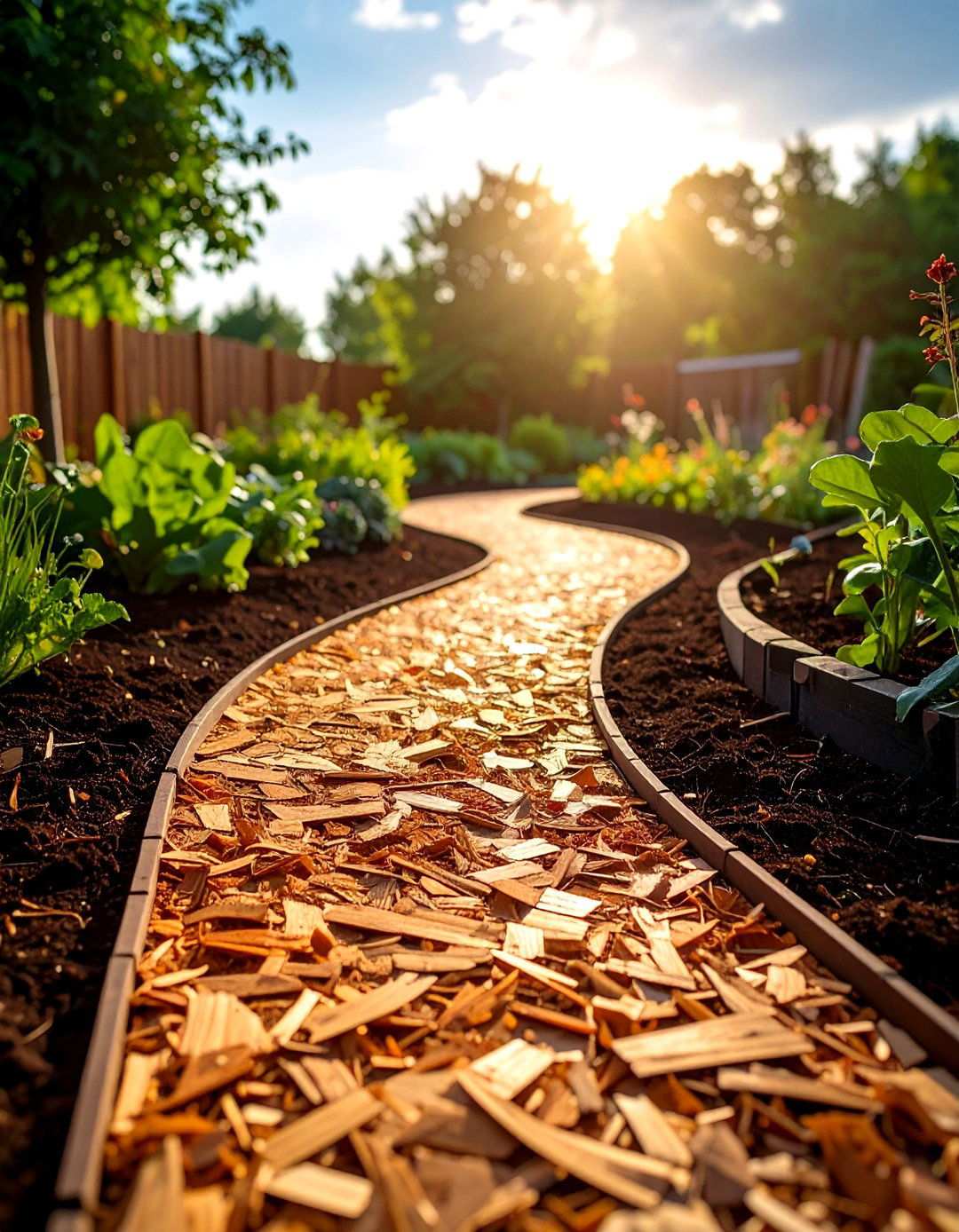
Mulch pathways have the power to transform your outdoor space into a serene oasis, offering both functionality and visual appeal. By incorporating these natural walking surfaces, you can create routes through gardens that not only provide excellent drainage but also suppress weeds effectively, making them an ideal solution for gardeners seeking low-maintenance options. Beyond their practical benefits, mulch pathways also add a touch of elegance to your landscape, complementing surrounding plantings beautifully and accommodating a wide range of design styles, from rustic cottage gardens to modern landscapes. As the organic materials gradually decompose, they enrich soil quality, supporting healthy plant growth along pathway edges, and reduce the need for frequent maintenance. With various mulch options available, including wood chips, bark materials, pine needles, and specialty mulches, homeowners can choose the perfect material to suit their unique needs and preferences.

As an Amazon Associate I earn from qualifying purchases.
Natural Wood Chip Pathways
Wood chip pathways offer a charming solution for creating inviting walkways that blend seamlessly with surrounding vegetation. These pathways not only provide excellent drainage and weed suppression but also thrive in a variety of settings, including vegetable gardens, woodland areas, and informal landscape designs. To install wood chip pathways, start by laying down landscape fabric, then add proper edging, and finally spread chips four to six inches deep for optimal coverage. As wood chips decompose over two to three years, they enrich underlying soil with valuable organic matter, reducing the need for synthetic fertilizers. To maintain their appearance and functionality, simply top them with fresh material annually. By incorporating wood chip pathways into your garden design, you can reduce maintenance while creating a natural, inviting atmosphere that complements virtually any planting scheme, making them a perfect foundational element for your outdoor space.
2. Elevating Your Outdoor Space with Decorative Bark Mulch Walkways
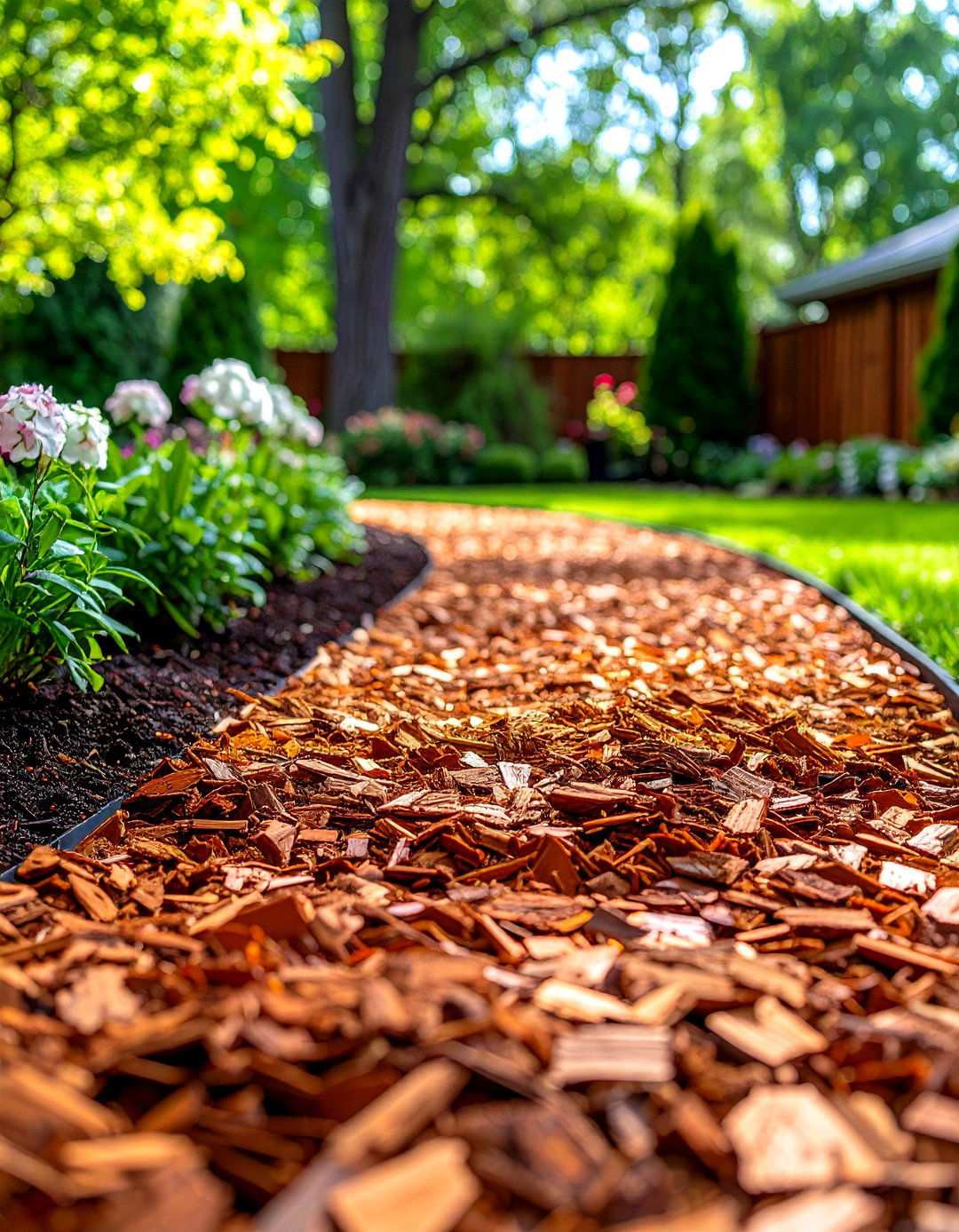
Decorative bark mulch walkways offer a sophisticated appearance, paired with excellent moisture retention and natural weed control capabilities, making them an ideal choice for landscaping enthusiasts. The versatility of bark mulch lies in its various sizes, ranging from fine shreds to chunky nuggets, allowing you to create different textural effects that cater to your design preferences. Furthermore, cedar and cypress bark varieties boast natural insect-repelling properties while maintaining their attractive reddish-brown colorations. To install a bark mulch pathway, it’s essential to clear the area of existing vegetation, establish proper drainage, and maintain a consistent depth of three inches throughout the pathway. As organic materials naturally decompose, these walkways require replenishment every eighteen to twenty-four months. The fragrant cedar options release a pleasant aroma, especially during rainy periods when oils become more pronounced, adding to the walkway’s charm. Bark pathways are particularly effective around trees and shrubs, where matching organic materials create a cohesive landscape theme throughout growing spaces.
3. Pine Needle Pathway Systems: A Sustainable Option
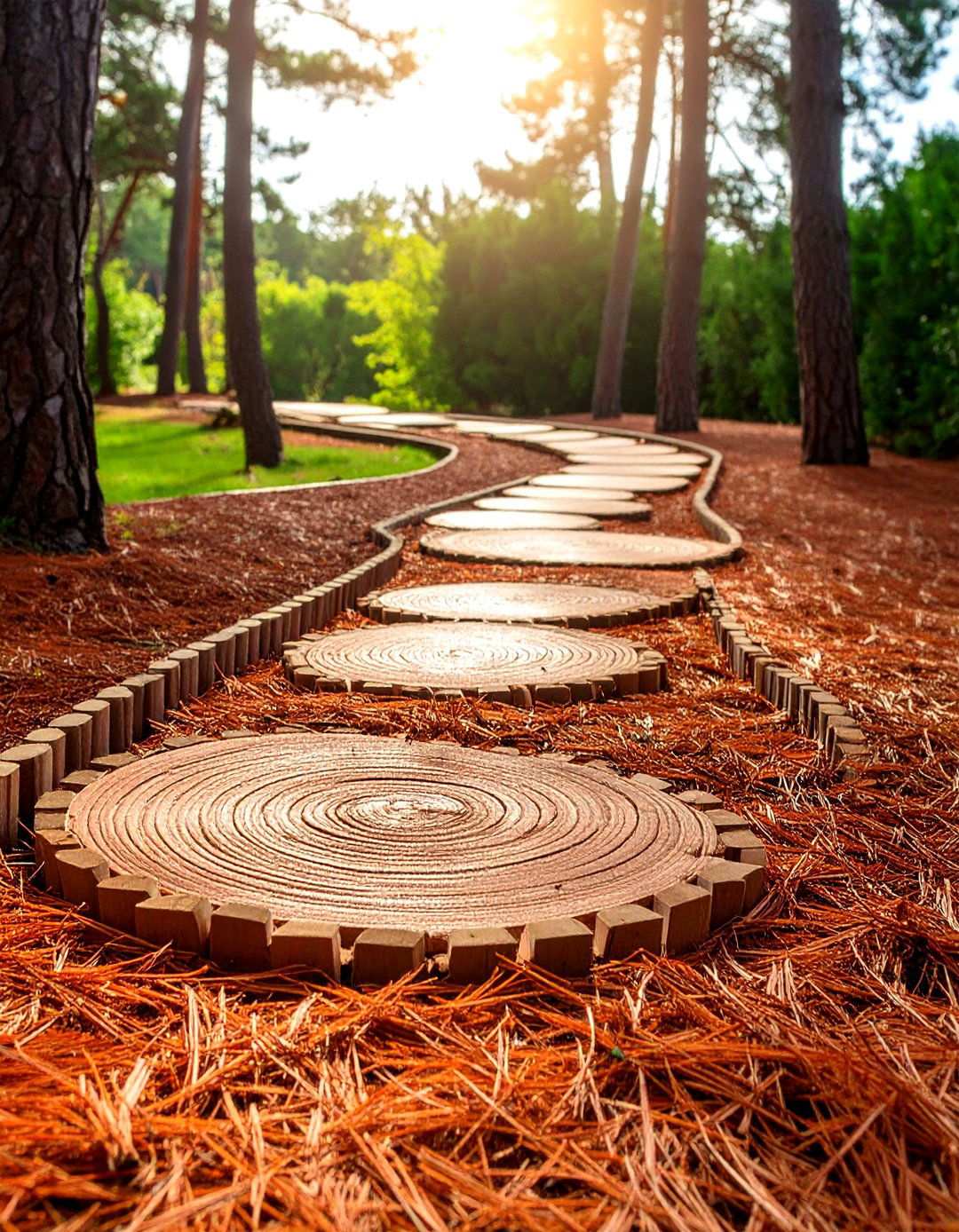
Pine needle pathways offer a lightweight, long-lasting surface solution that resists decomposition while creating distinctive reddish-brown walking areas. These needles interlock naturally, forming stable surfaces that resist wind displacement better than many other organic mulch materials. Pine straw pathways are particularly well-suited for slopes where erosion control becomes crucial, creating natural blankets that protect underlying soil. Installation involves spreading needles two to three inches deep over prepared surfaces with adequate edging to contain the materials. The acidic nature of pine needles benefits acid-loving plants growing alongside pathways, including azaleas, rhododendrons, and blueberries. Consider repurposing free pine needles from your property for pathway construction – a cost-effective and eco-friendly approach. Long-needle varieties from longleaf pines provide superior longevity compared to shorter needle types, requiring less frequent replacement while maintaining consistent appearances.
4. Stepping Stone Mulch Combinations: Blending Hard and Soft Landscaping
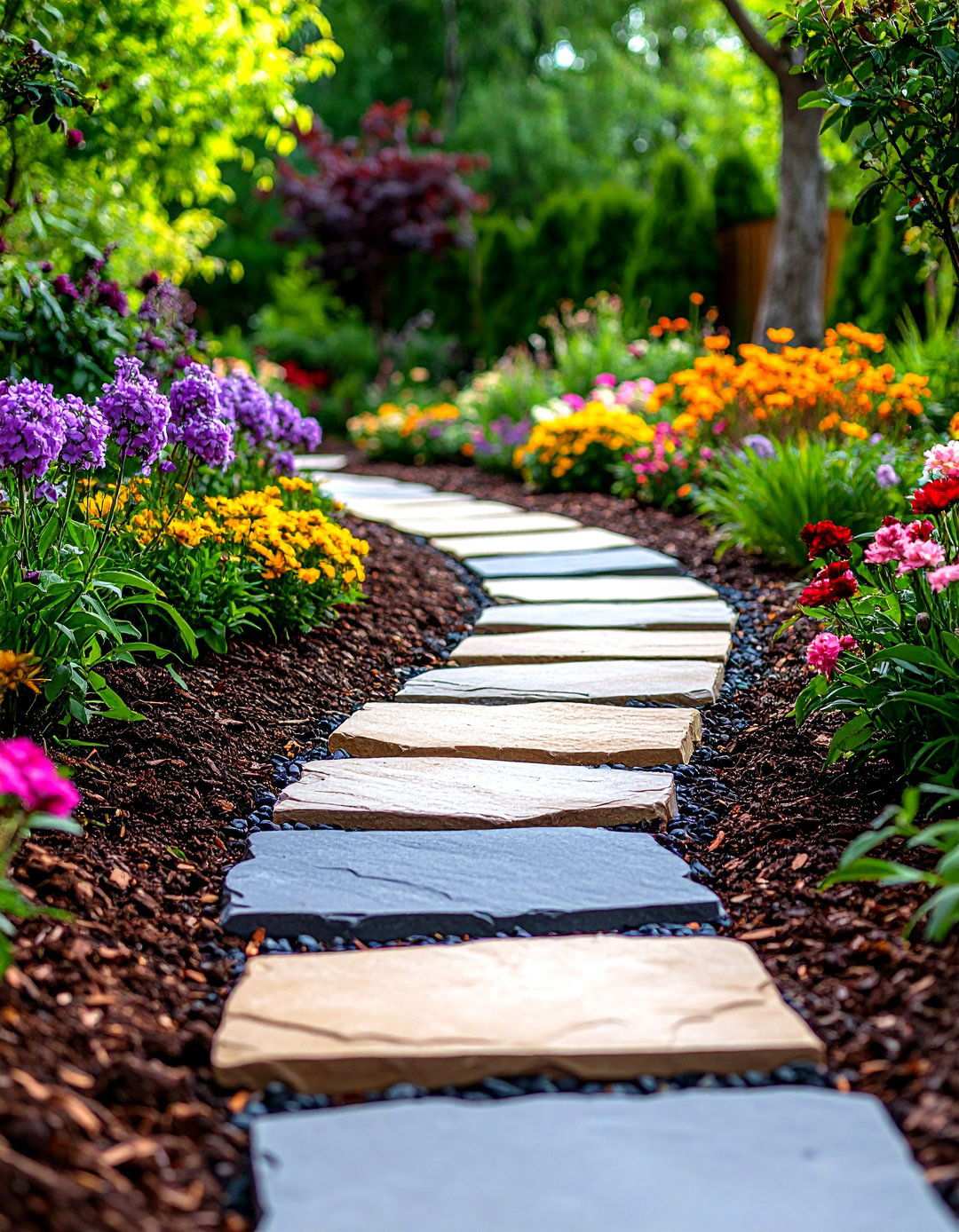
Stepping stone mulch combinations create visually striking pathways that blend hard and soft landscaping elements for maximum appeal and functionality. This design approach involves strategically placing flagstone, concrete pavers, or natural stones throughout mulched areas. The mulch surrounds and cushions stepping stones while providing weed control and moisture retention between walking surfaces. Installation requires careful stone placement at comfortable walking distances, typically twenty-four inches center-to-center for adult stride patterns. The various mulch colors create stunning contrasts against stone materials, with dark hardwood mulch highlighting light-colored stones beautifully. These combinations allow for creative design freedom while reducing material costs compared to fully paved surfaces. Two-tone mulch designs using cypress and hardwood varieties add sophisticated color variations that enhance visual interest throughout growing seasons.
5. Curved Mulch Garden Trails
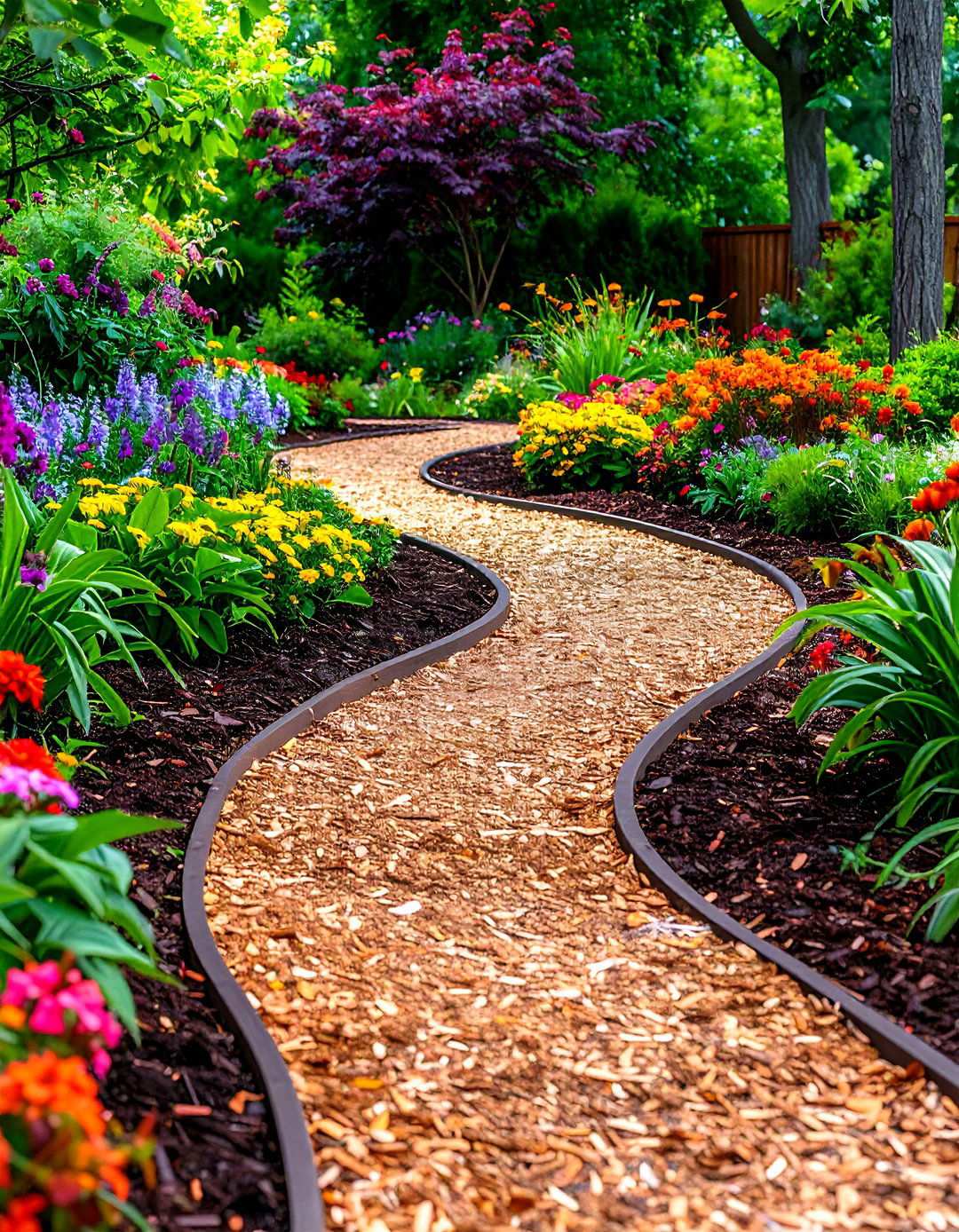
Curved pathways can create an enchanting atmosphere in large gardens by weaving together seemingly disparate elements into a cohesive whole. By embracing organic shapes, designers can guide visitors on a leisurely stroll through the landscape while fostering a deeper appreciation for the surrounding greenery and features. A flexible approach to pathway design allows for easy adjustments, making garden hoses an indispensable tool for laying out curved trails before final installation. Effective edging is crucial to maintain the integrity of these meandering routes, as it must be able to bend smoothly without creating abrupt angles or gaps. The curvaceous nature of these pathways naturally slows down the pace of visitors, inviting them to linger and take in the beauty of the garden. Why not use curved pathways to create a sense of discovery, where each turn reveals a new and exciting garden surprise? By incorporating mixed mulch materials with varying colors or textures, designers can further emphasize the flowing design elements and create natural borders that complement the organic shape.
6. Formal Hardwood Mulch Avenues
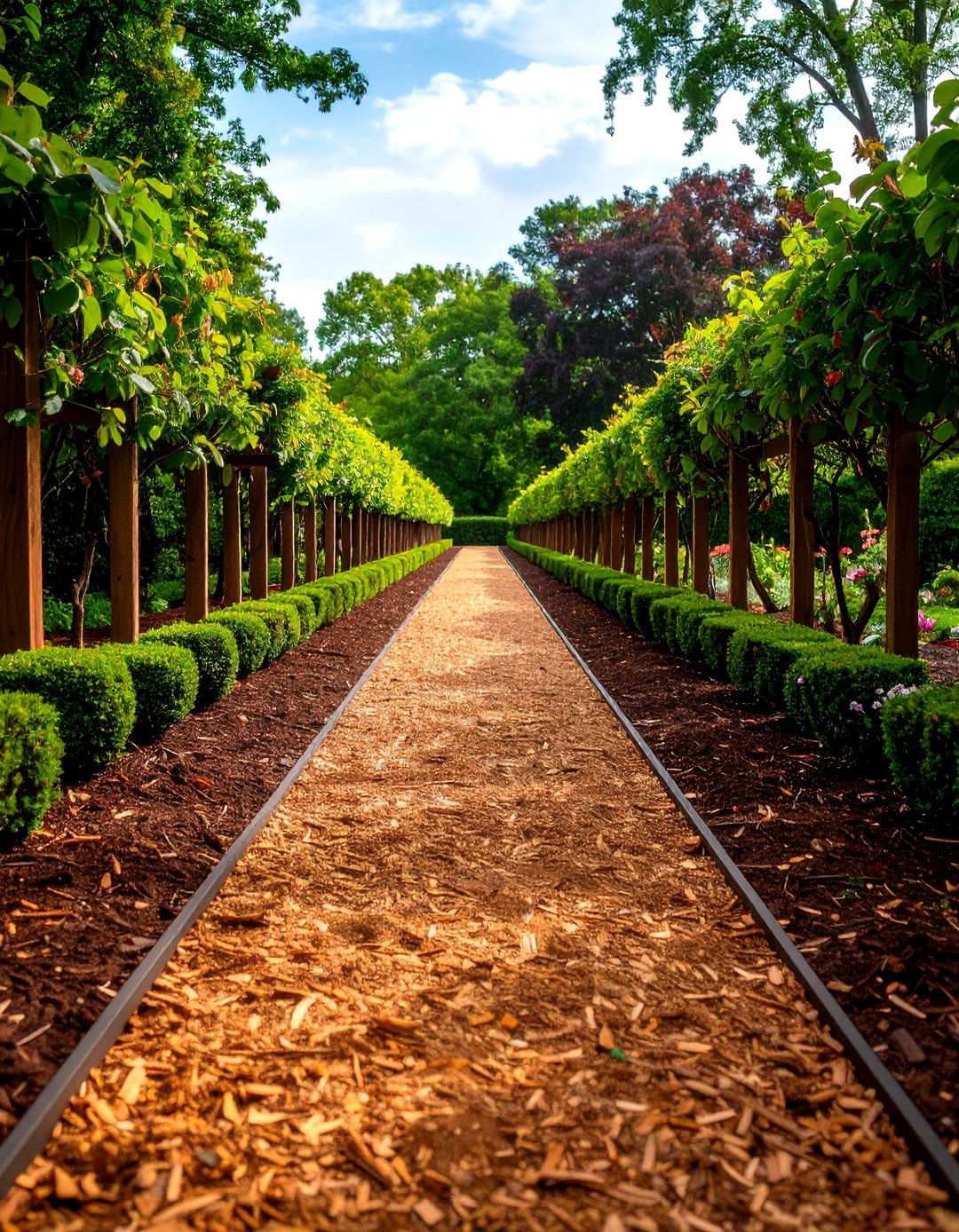
Formal hardwood mulch avenues exude an air of sophistication, lending themselves perfectly to traditional garden designs and classic architectural settings. These straight, precisely edged walkways rely on consistent materials and measurements to convey a sense of refinement. When selecting premium hardwood mulches in deep brown or black colorations, designers can create rich backgrounds that skillfully highlight surrounding plantings. Installation demands meticulous attention to detail, with a focus on maintaining straight lines, consistent widths, and uniform depths throughout the entire pathway length. Metal or concrete edging proves invaluable in maintaining crisp boundaries that prevent mulch migration into adjacent lawn or planting areas. Regular maintenance includes weekly edging and monthly mulch redistribution to ensure the pathway retains its immaculate appearance. Do formal garden designs serve as a source of inspiration for your pathway planning decisions? These avenues work exceptionally well in leading visitors to focal points like garden gates, statuary, or architectural features where enhanced formality is particularly beneficial.
7. Crafting Unforgettable Walkways with Cocoa Hulls
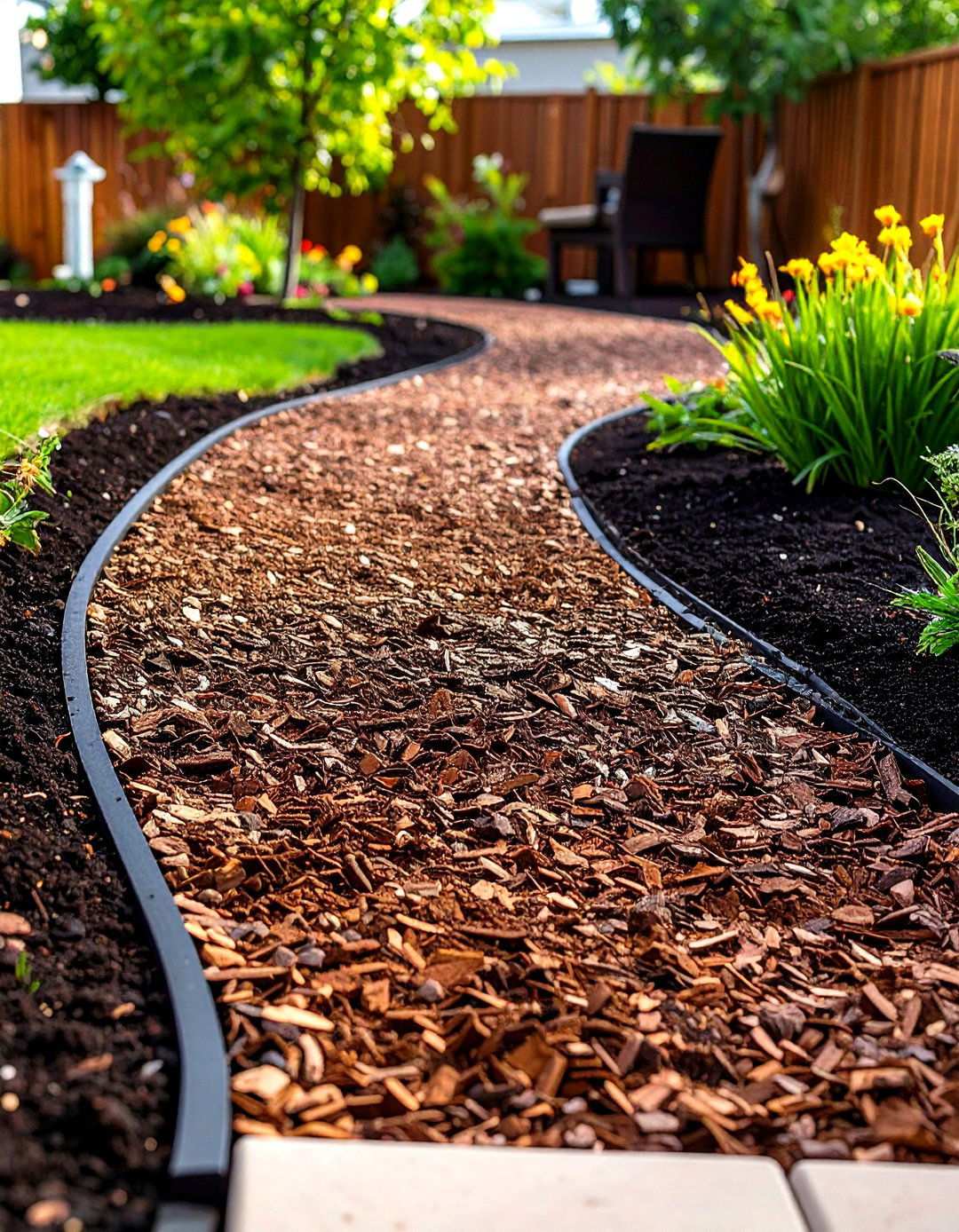
Cocoa hull pathways bring an unmistakable allure to garden spaces, thanks to their bold dark brown colorations and rich, chocolatey aromas that leave a lasting impression on visitors. As these lightweight, porous materials break down, they release valuable nutrients into the surrounding soil, fostering a thriving ecosystem. During rainfall, the natural scent of cocoa intensifies, inviting pathway users to immerse themselves in the sensory experience. While installation procedures mirror those of traditional mulch pathways, it’s essential to be mindful of potential pet safety risks, as cocoa contains toxic compounds that can harm dogs. For a more refined aesthetic, cocoa hulls’ fine texture can be utilized in formal settings where appearances take precedence over rustic characteristics. Although cocoa hulls may come at a higher upfront cost than traditional mulches, their extended lifespan and superior weed suppression capabilities make them a worthwhile investment. Imagine elevating your garden’s sensory appeal by incorporating pathways that tantalize the senses.
8. Elevating Pathway Experience through Mixed Texture Mulch Designs
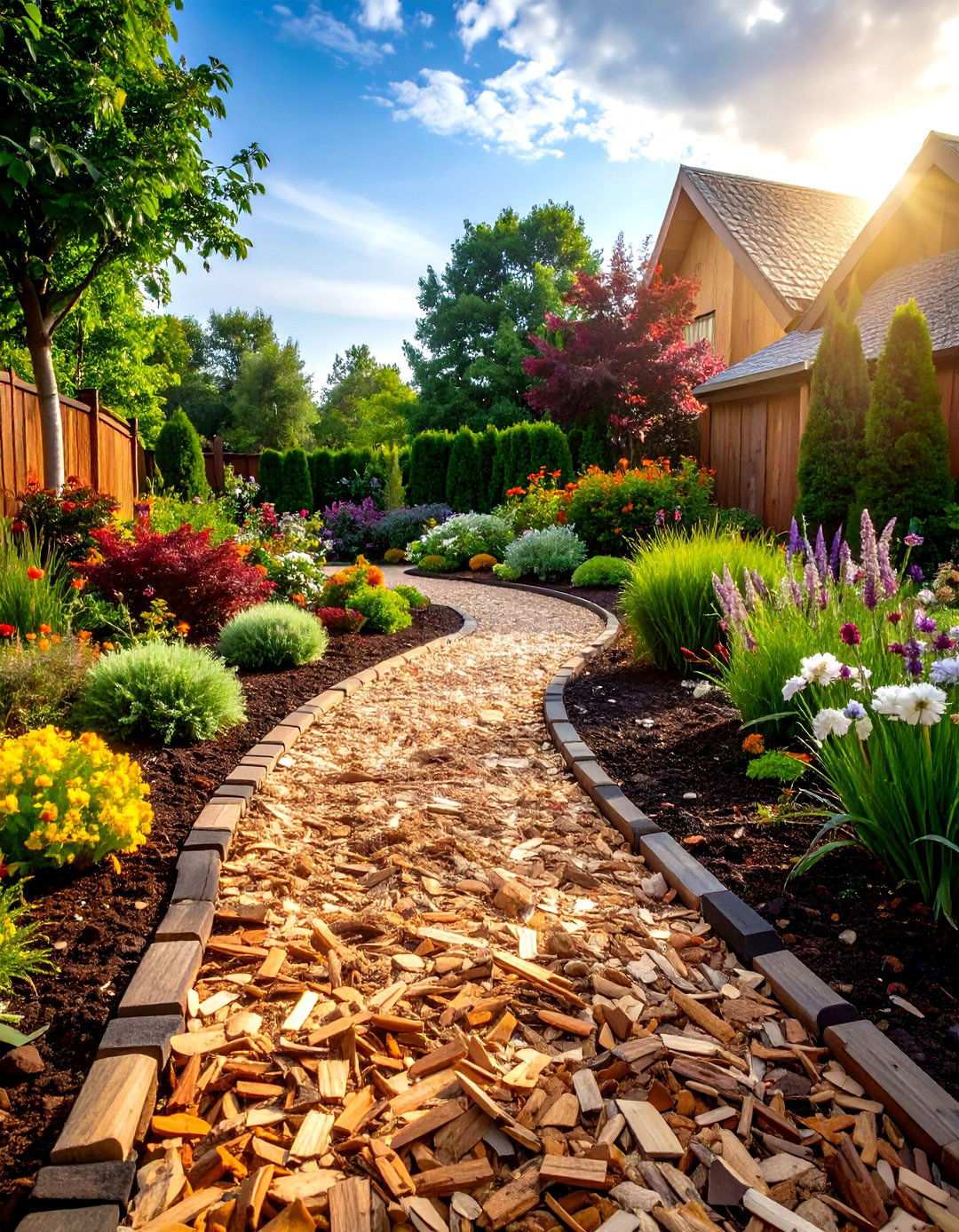
Mixed texture mulch designs represent a thoughtful approach to pathway creation, combining disparate organic materials to produce visually captivating pathways that cater to both aesthetic and practical needs. By pairing wood chips with finer bark mulch, for instance, you can create seamless transitions between walking surfaces and planting beds. The varied textures not only provide distinct drainage characteristics but also enable you to tailor your pathway system to specific site conditions and usage patterns. Effective installation requires careful planning to ensure that the selected materials harmonize rather than clash with one another aesthetically. When it comes to color coordination, neutral combinations tend to prove more sustainable in the long term. By strategically placing coarser materials in high-traffic areas and finer textures in border regions, you can strike the perfect balance between durability and visual appeal, yielding a pathway system that withstands the test of time.
9. Edged Mulch Pathway Corridors
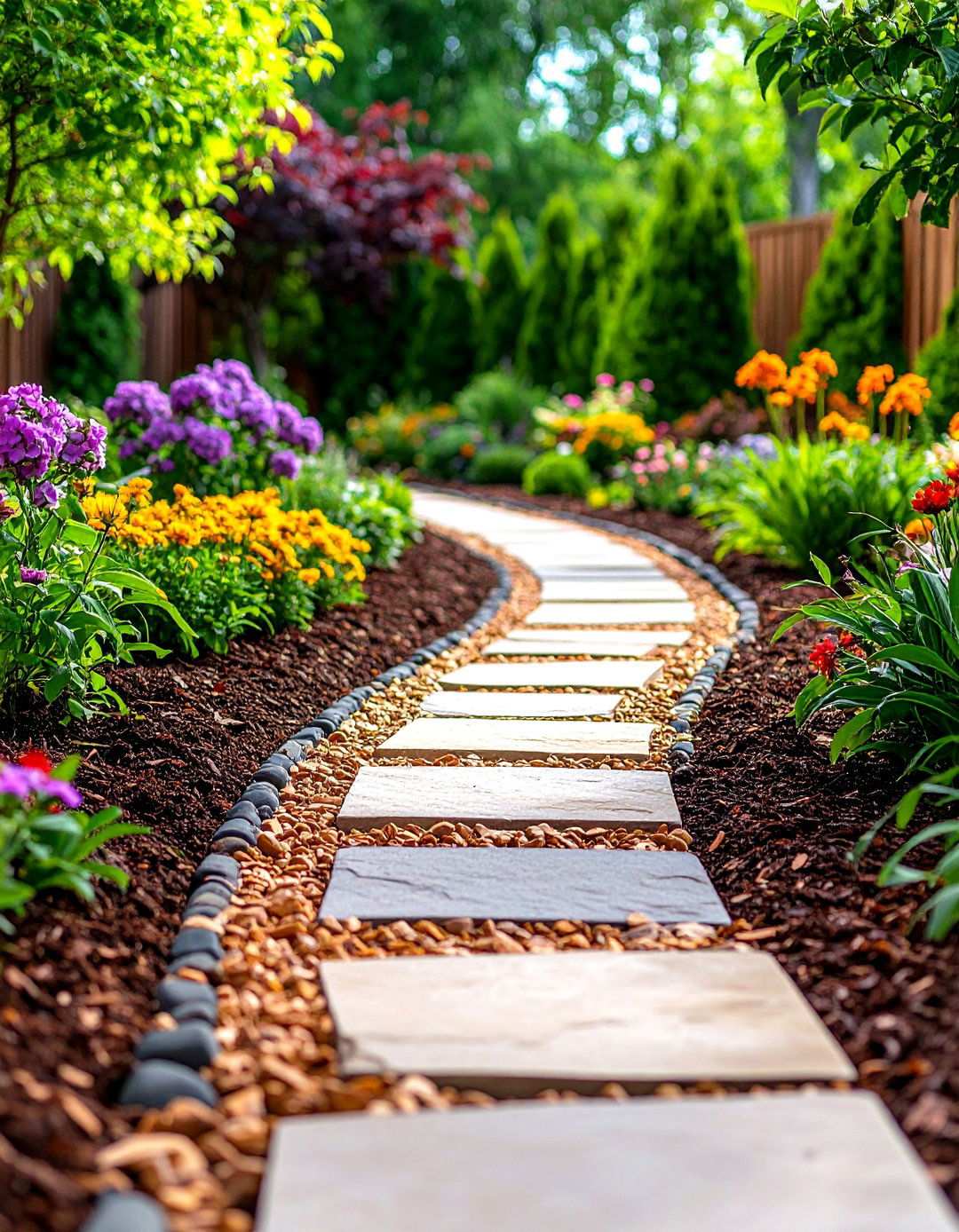
Edged pathways create a clean, defined walking surface that maintains its boundaries and contributes to a professional appearance within landscape settings. The choice of edging materials, such as plastic, metal, concrete, or natural stone, offers a range of aesthetic and functional characteristics that can be tailored to a specific landscape design. Effective edging prevents mulch migration into adjacent areas, creating a clear visual distinction that enhances overall landscape organization and makes maintenance easier. By establishing straight or curved edges before adding mulch materials to specified depths, the installation process is streamlined. This contained design allows for effortless maintenance and material replenishment without affecting surrounding plantings or lawn areas. Multiple edging styles can effectively complement various architectural and landscape design themes, increasing property values while providing practical benefits that justify initial investment through long-term performance and visual appeal.
10. Seasonal Color Mulch Variations
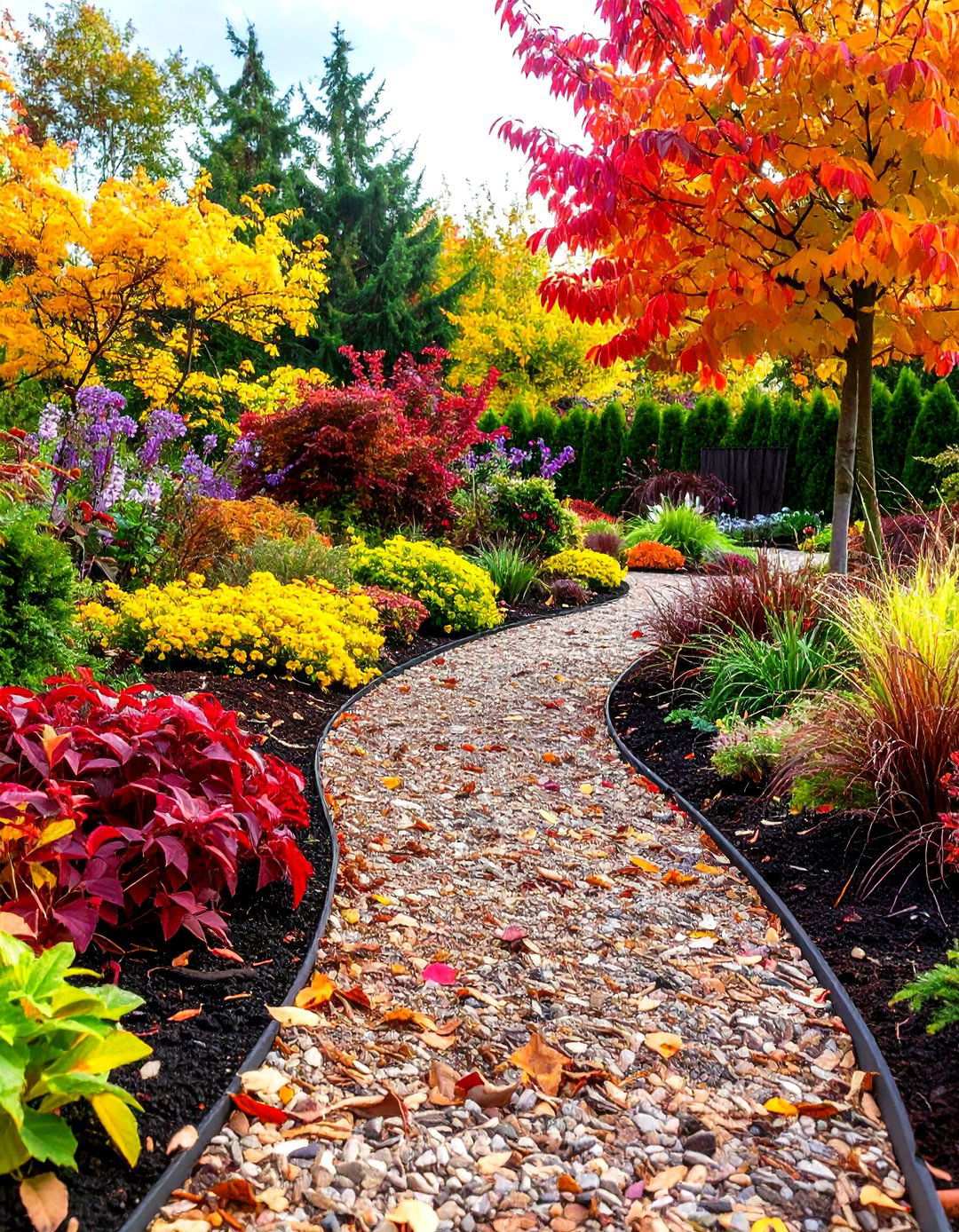
Seasonal color mulch variations utilize different materials throughout the year to maintain visual interest and accommodate changing garden conditions. Spring installations often feature lighter-colored materials that complement emerging foliage, while fall applications emphasize richer, darker tones that match autumn themes. Different mulch materials have varying decomposition rates, allowing for strategic timing to enrich the soil when plants benefit most from additional organic matter. The color choices also impact heat absorption and reflection, with lighter materials staying cooler during summer months while darker options provide soil warming during cooler seasons. A well-planned installation timeline ensures that seasonal garden transitions coordinate with planting schedules and maintenance routines, creating dynamic landscape features that evolve throughout growing seasons. By carefully planning pathway colors, you can create a cohesive landscape theme that maximizes practical benefits and enhances the beauty of your garden.
11. Drainage-Enhanced Mulch Systems for Sustainable Landscapes
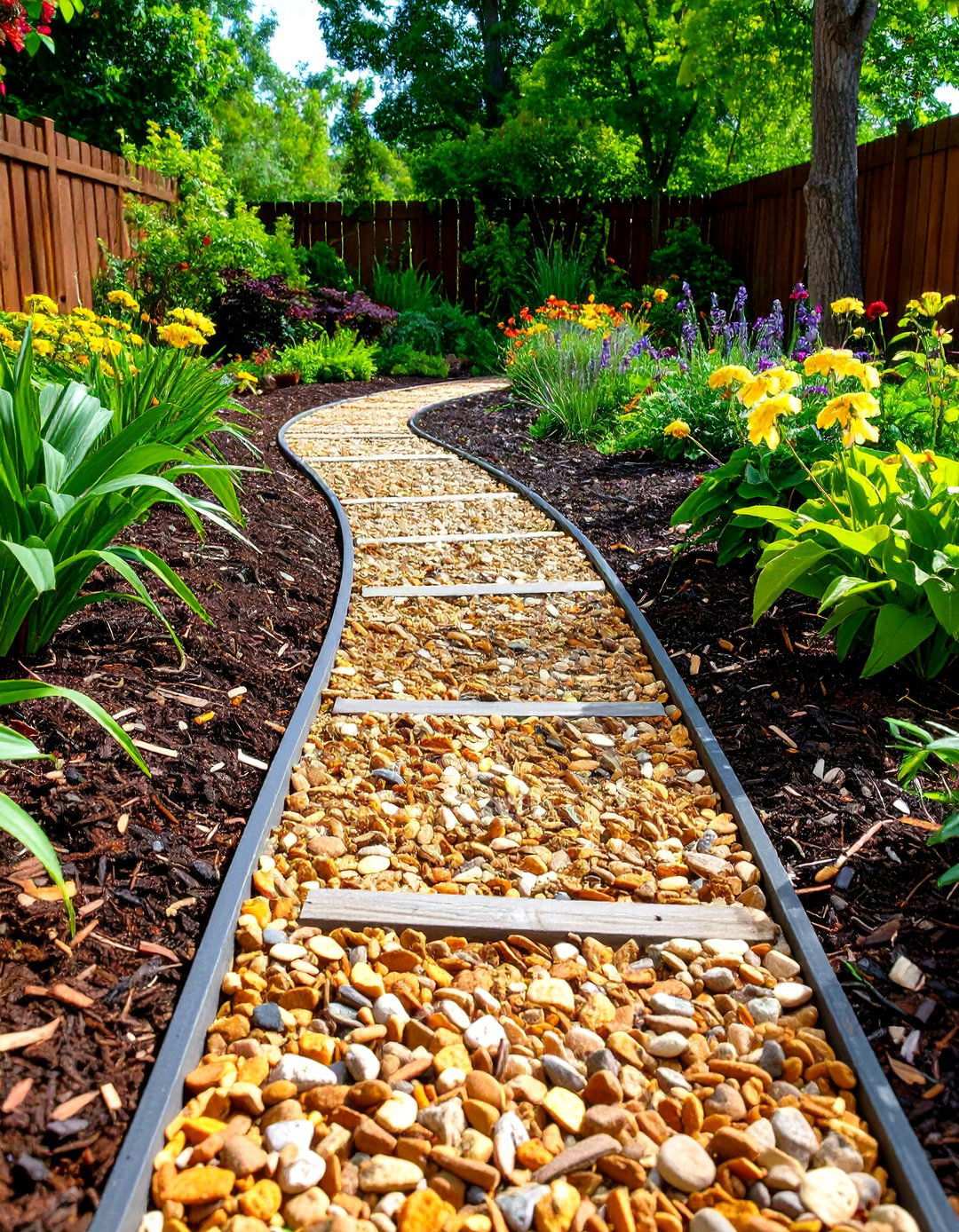
By incorporating specialized materials beneath their surfaces, drainage-enhanced mulch systems effectively manage water, ensuring visually appealing appearances and safeguarding pathways from degradation. These innovative systems feature gravel base layers beneath the mulch, providing superior drainage in areas with a high risk of water accumulation or clay soil conditions. This advanced drainage system prevents the soggy conditions that render pathways unusable during wet periods, while also protecting mulch materials from premature decomposition. Installation of these systems requires excavating pathway areas, adding drainage materials, and installing landscape fabric before applying surface mulch layers. The benefits of these systems are particularly pronounced in regions with heavy rainfall or poor natural drainage, where standard mulch pathways might struggle to function effectively. While the additional drainage infrastructure may increase initial costs, it offers long-term benefits through improved durability and year-round usability. To maximize the effectiveness of drainage-enhanced mulch systems, it’s essential to properly manage the slope to ensure that water flows away from pathways rather than pooling on walking surfaces during heavy precipitation events.
12. Designing Intimate Garden Pathways
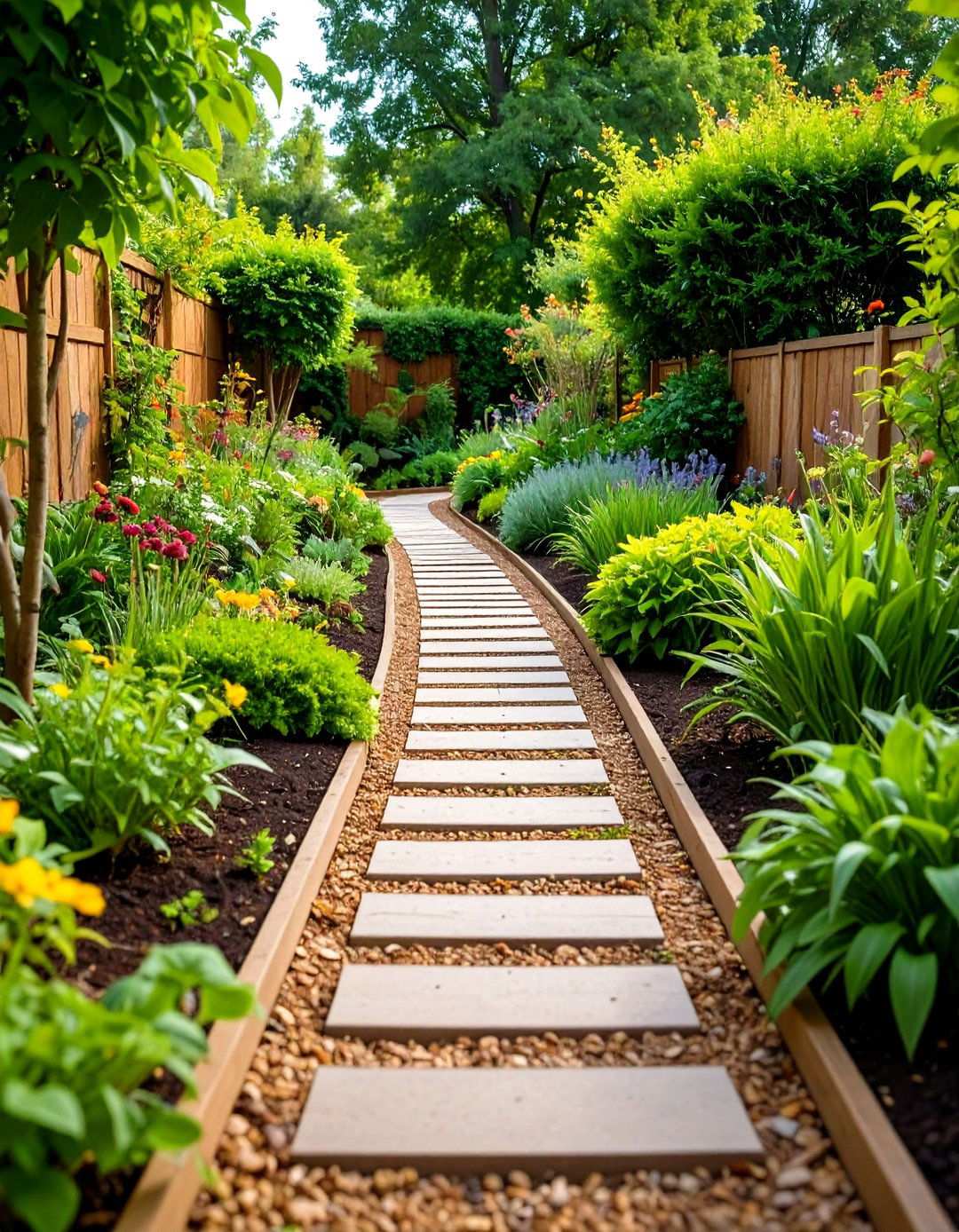
Narrow garden path networks offer a unique way to create intimate walkways that meander through smaller spaces, maximizing planting areas and creating efficient circulation patterns. These slender pathways, typically ranging from eighteen to twenty-four inches in width, utilize minimal materials while providing access to garden beds and maintenance areas effectively. The narrow design not only reduces material costs but also creates a cozy, enclosed atmosphere that enhances garden intimacy and discovery. To ensure successful installation, careful planning is required to ensure that the pathways are wide enough for comfortable passage while maintaining efficient space utilization throughout garden areas. Narrower pathways encourage slower movement, allowing for a more nuanced appreciation of detailed plantings and garden features along the route. Strategic placement enables the creation of logical circulation patterns that connect different garden zones without wasting valuable growing space. For gardeners with limited space, these efficient networks can prove particularly valuable in urban gardens, where space limitations necessitate creative solutions.
13. Expansive Mulch Boulevard Designs
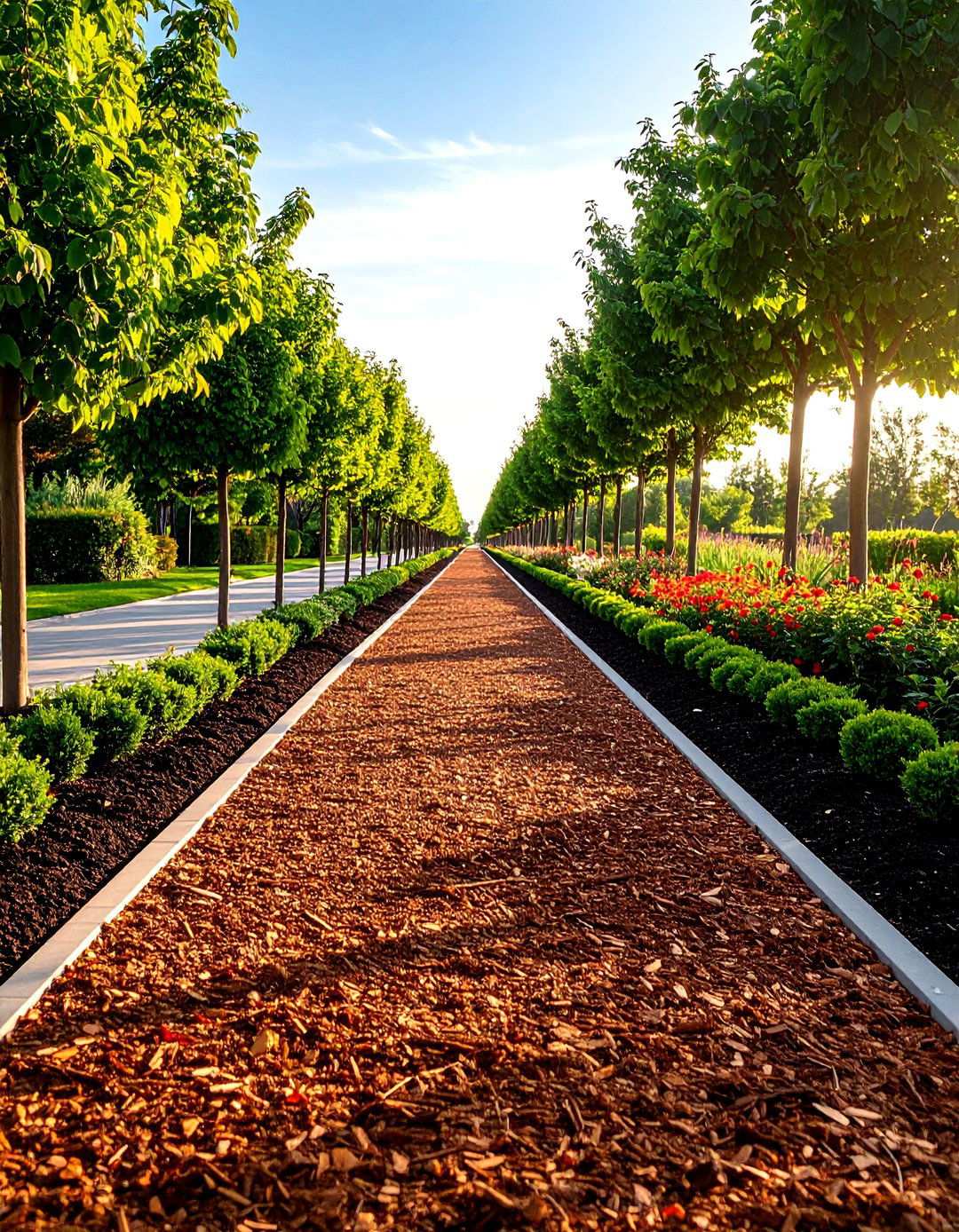
Generous mulch boulevard designs offer ample pathways for multiple users and equipment, making bold landscape statements across sprawling properties. These wide pathways, measuring four to six feet, comfortably accommodate wheelbarrows, garden carts, and two-way pedestrian traffic. The spacious proportions enable the incorporation of sophisticated design elements, such as central strips of contrasting materials or planted medians, that add visual interest. While installation demands significant material quantities, the resulting landscape features justify the investment through enhanced functionality and aesthetic impact. Expansive pathways effectively connect major landscape features or serve as primary circulation routes through extensive garden areas. Strategically positioning comfortable seating along pathway edges ensures unimpeded traffic flow. Proper drainage management becomes crucial for wide pathways, as larger surface areas collect more water during precipitation events, necessitating effective management systems.
14. Sloped Terrain Mulch Pathway Installations
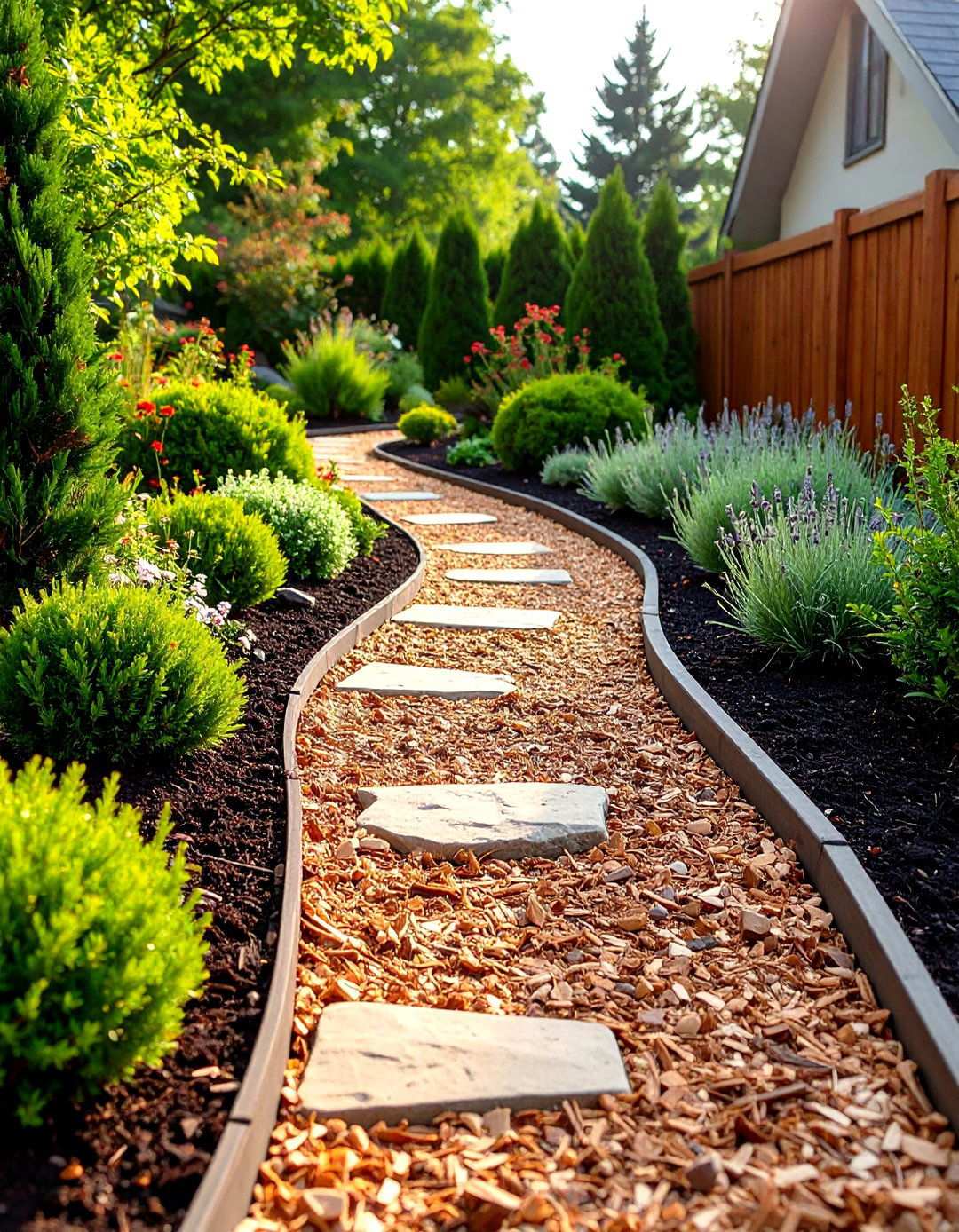
Sloped terrain mulch pathways require innovative approaches to prevent erosion and maintain safe, attractive walking surfaces on challenging topography. These installations often incorporate terracing, retaining elements, or step systems to effectively manage elevation changes. Pine needles and interlocking wood chips prove particularly effective on slopes due to their natural binding characteristics, which resist displacement. Installation might involve buried logs or stone barriers that create level walking areas while controlling soil movement. Effective drainage management prevents water from washing pathway materials downhill during heavy rainfall events. The organic materials provide better traction than hard surfaces while maintaining natural appearances that complement sloped landscape settings. A well-planned mulch pathway installation can transform unusable slopes into functional landscape features, adding value and accessibility to challenging terrain areas. By strategically placing pathways, property owners can unlock the potential of their sloped landscape settings.
15. Breaking Down Pathway Materials
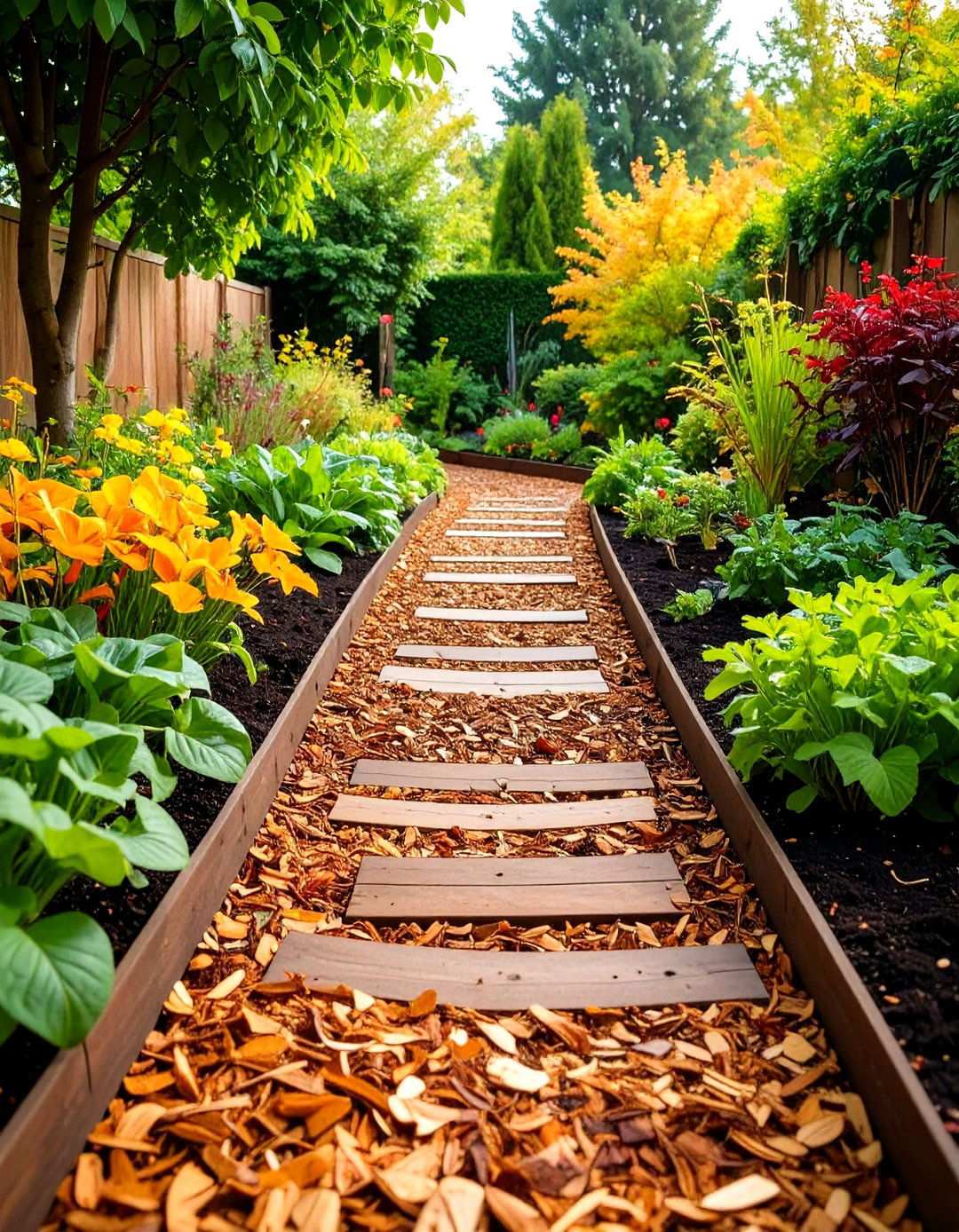
Breaking down pathway materials is a key concept that involves using organic mulch specifically chosen for their unique ability to enrich soil as they naturally decompose over time. This approach views pathway materials as long-term soil amendments that not only enhance growing conditions in adjacent planting areas but also provide functional walking surfaces. Different types of wood chips, sourced from specific tree species, offer distinct nutrient profiles, allowing for strategic material selection based on the surrounding plant requirements and soil conditions. By carefully planning decomposition timing, installations can effectively coordinate material replenishment with seasonal planting and maintenance schedules. This gradual nutrient release supports surrounding vegetation while significantly reducing fertilizer requirements throughout the growing season. Breaking down pathways represents a sustainable gardening practice that recycles organic materials, creating functional landscape features and promoting soil health.
16. Selecting Fire-Resilient Mulch Options
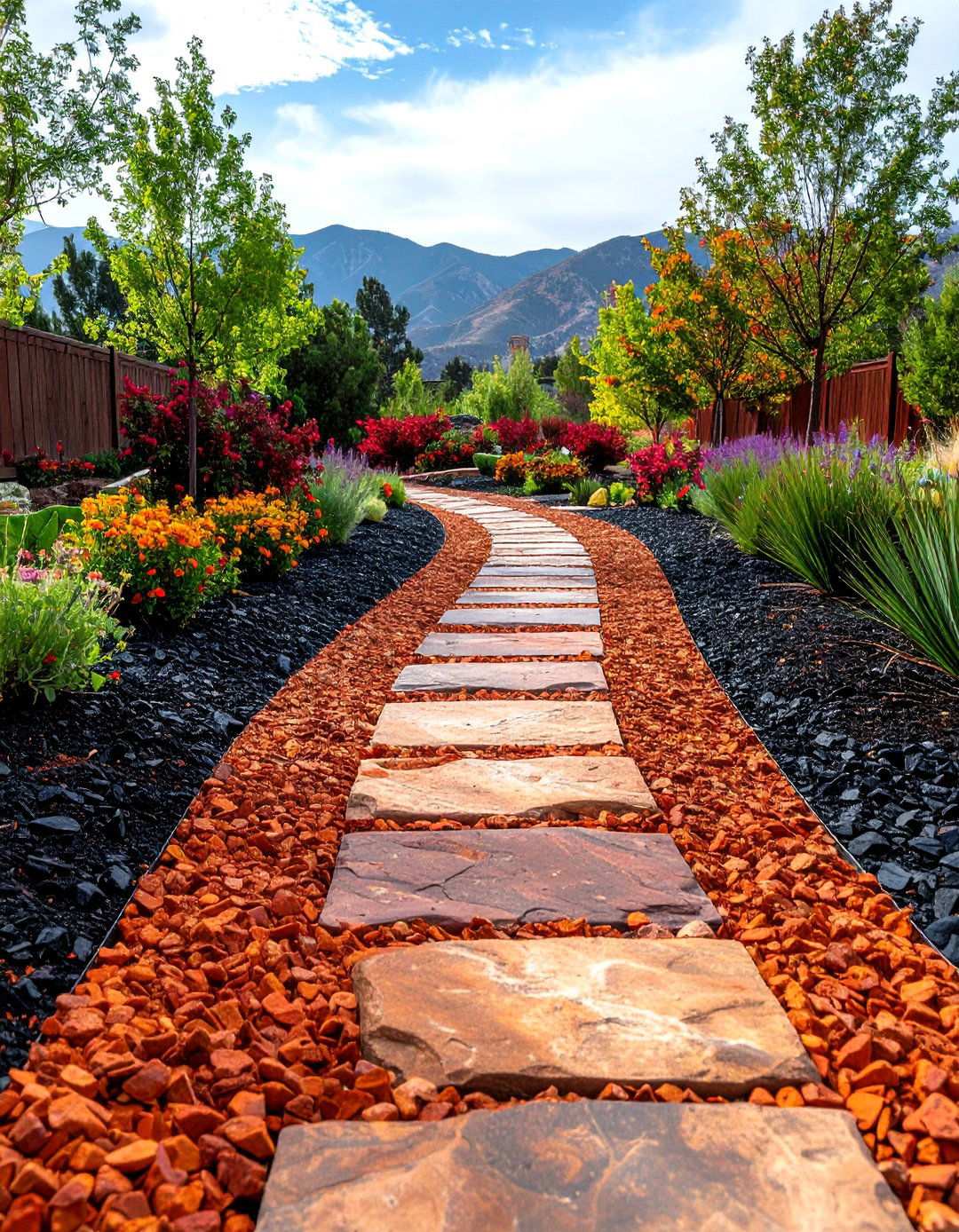
Fire-resilient mulch alternatives offer a safe and effective pathway solution for regions prone to wildfires, maintaining attractive appearances and functional benefits throughout landscape settings. These materials, such as composted organic matter, decomposed granite, or specially treated mulches, are designed to resist ignition during fire events, providing an added layer of safety for property owners. Installation follows standard pathway techniques, with a focus on clearances from structures and flammable vegetation to enhance overall fire safety. The reduced fire risk enables confident pathway placement in areas where traditional mulches might pose safety concerns during dry conditions. Although these alternatives often come with a higher upfront cost, they offer peace of mind and insurance compliance in high-risk regions. Regular maintenance, including the removal of accumulated dry debris, is essential to maintaining fire resistance over time. Do wildfire concerns influence your choice of pathway materials? By making strategic material selections, property owners can contribute to overall fire safety while maintaining desired landscape aesthetics.
17. Harmonious Pathway Systems for Pets
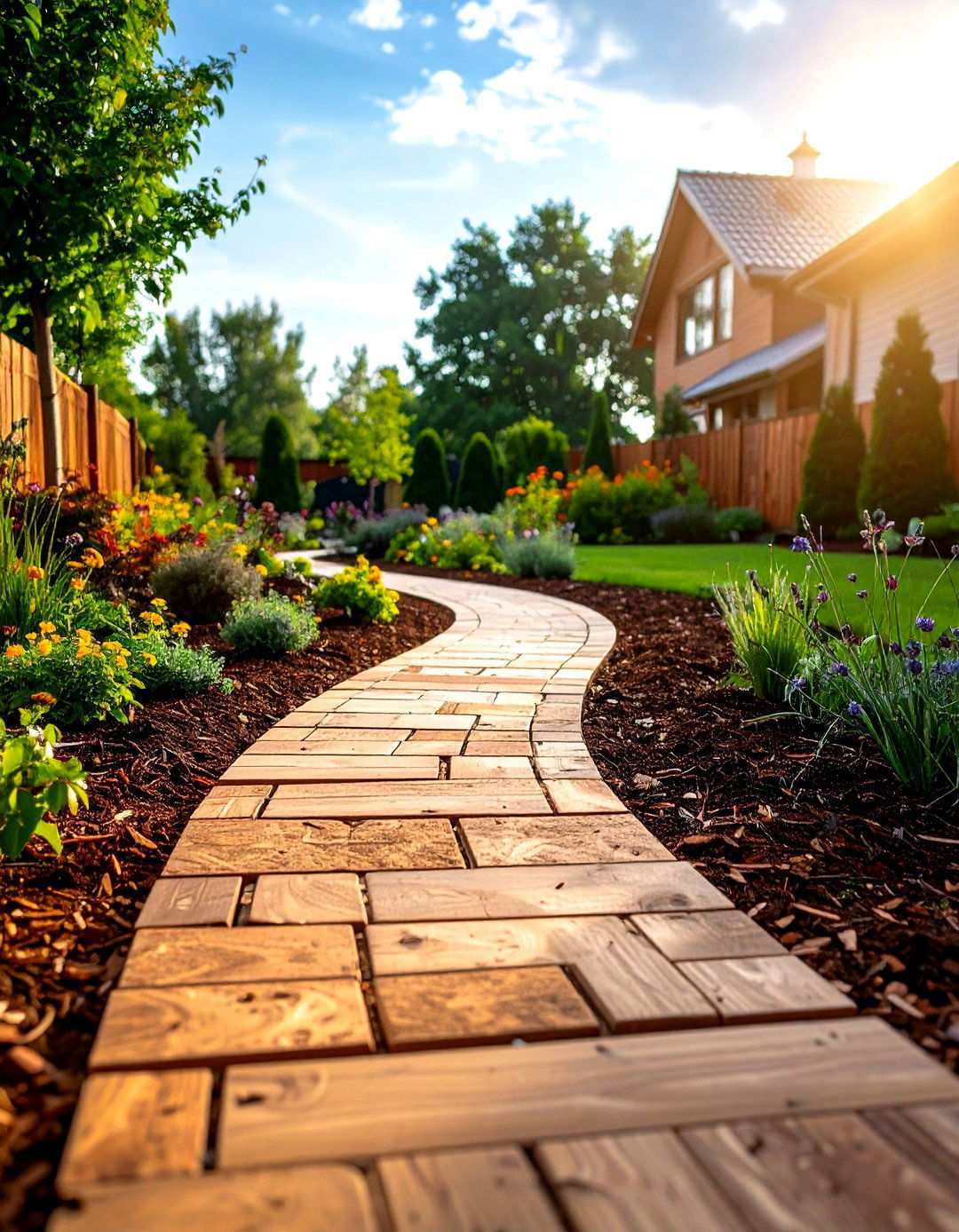
Harmonious pathway systems for pets blend safety and style, creating inviting, pet-friendly walking surfaces that connect garden areas without compromising aesthetic appeal. These installations steer clear of hazardous materials, such as cocoa hulls, and prioritize the well-being of pets without sacrificing visual appeal. Cedar and pine materials, for instance, offer natural insect-repelling properties that benefit both pets and their owners, while providing pleasant walking surfaces. By considering pet traffic patterns and behavior, these installations create pathways that not only accommodate animal movement but also protect sensitive garden areas. The use of safe materials empowers pet owners to use these pathways with confidence, without worrying about toxic exposure through contact or ingestion. Furthermore, regular maintenance involves monitoring for and removing potentially hazardous debris that may accumulate along pathway surfaces, ensuring a safe and healthy environment for pets and their owners.
18. Thrifty Mulch Routes for Enhanced Garden Spaces
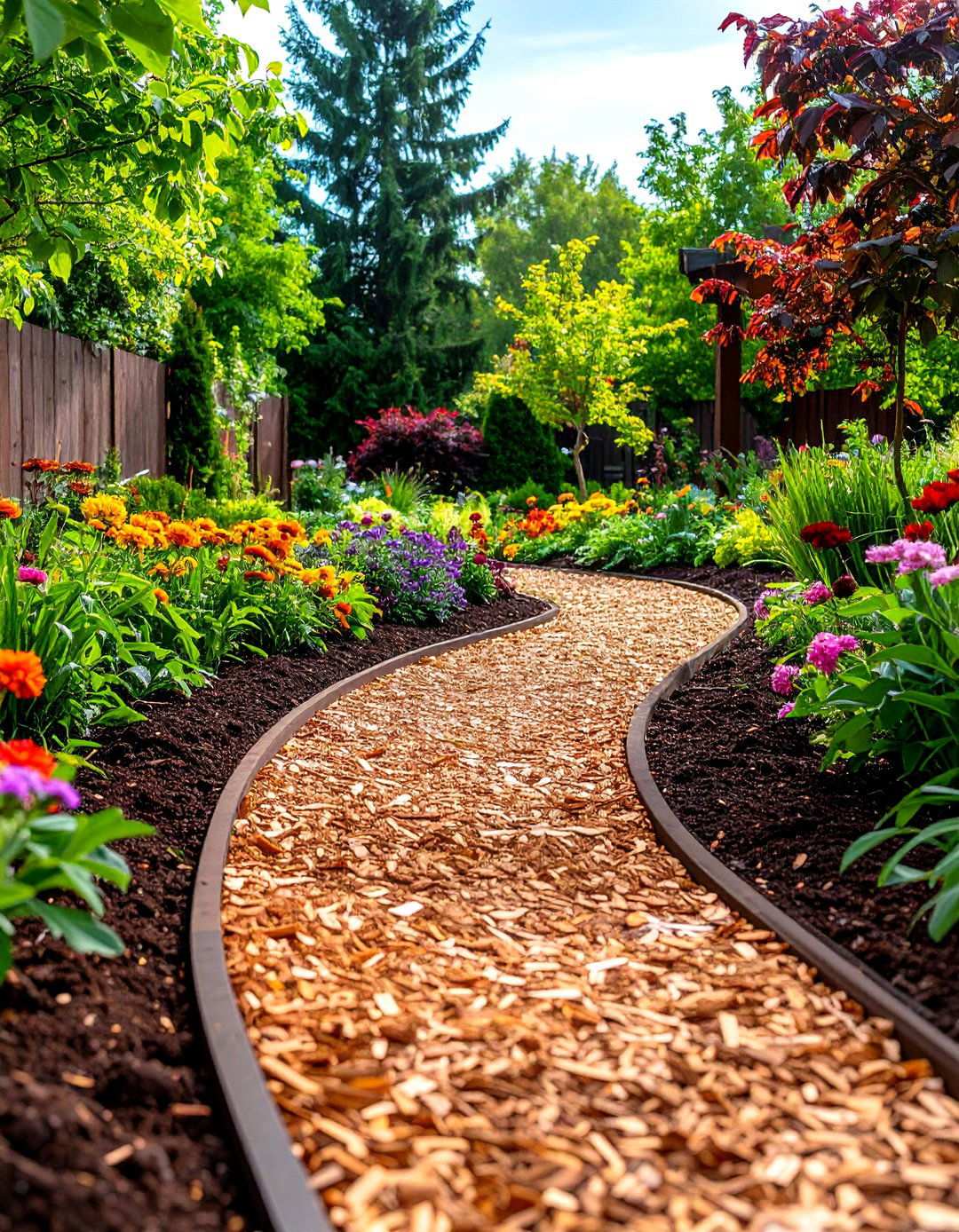
Thrifty mulch routes for garden spaces achieve maximum visual impact at minimal material costs through innovative design and resourceful material sourcing. These pathways frequently utilize free or low-cost materials sourced from local municipalities, agricultural residues, or recycled organic materials from nearby suppliers. By focusing on efficient installation techniques that reduce labor costs, these designs deliver professional-looking results through meticulous planning and execution. Simple, yet effective designs that leverage readily available materials can create visually appealing pathways that rival more expensive alternatives when properly installed and maintained. Moreover, strategic timing takes advantage of seasonal material availability and local programs offering free organic materials to residents, allowing for extensive pathway development within limited budgets. What’s more, exploring local sources for free or discounted pathway materials can unveil a wealth of materials that would otherwise go to waste, offering a creative solution for budget-conscious garden enthusiasts.
19. Harmonious Textural Juxtapositions
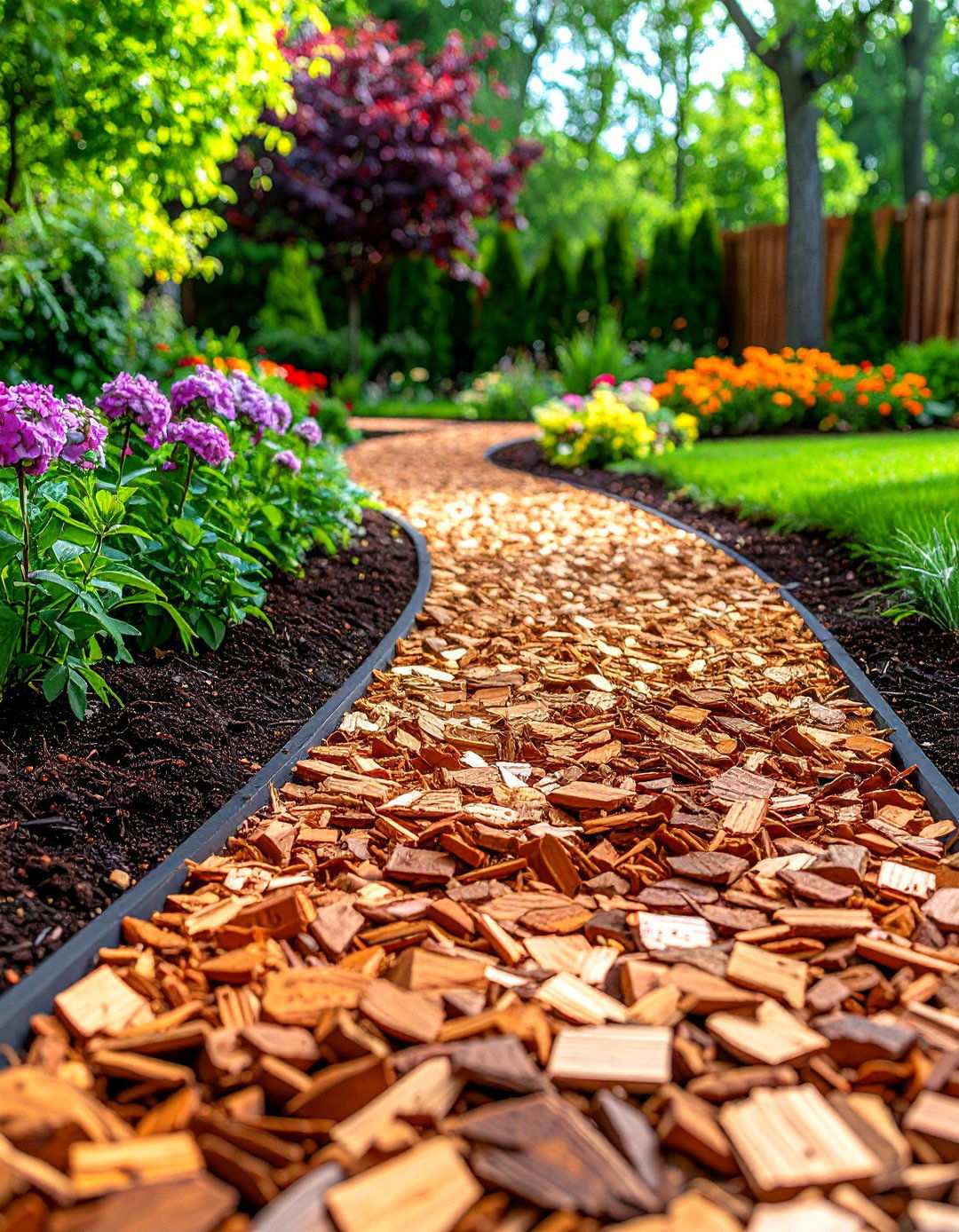
Strategic juxtapositions of materials with diverse textures create captivating pathways that engage the senses and stimulate the imagination. By combining materials with varied sizes, shapes, and surface characteristics, pathway designers can craft visually dynamic routes that invite exploration. For instance, pairing fine, powdery mulch with coarse, rugged wood chips or smooth stones with irregularly shaped branches can add a tactile dimension to the walking experience. Effective installation demands careful material placement to ensure a comfortable walking surface while maximizing visual impact through strategic contrast positioning. Moreover, color coordination plays a crucial role in textural contrast combinations, as harmonious color schemes typically yield more successful long-term results than clashing colors. By thoughtfully integrating materials with distinct functional benefits, such as drainage characteristics and longevity, designers can create unique pathway designs that reflect personal style and provide practical walking surfaces.
20. Elegance in Formal Mulch Designs
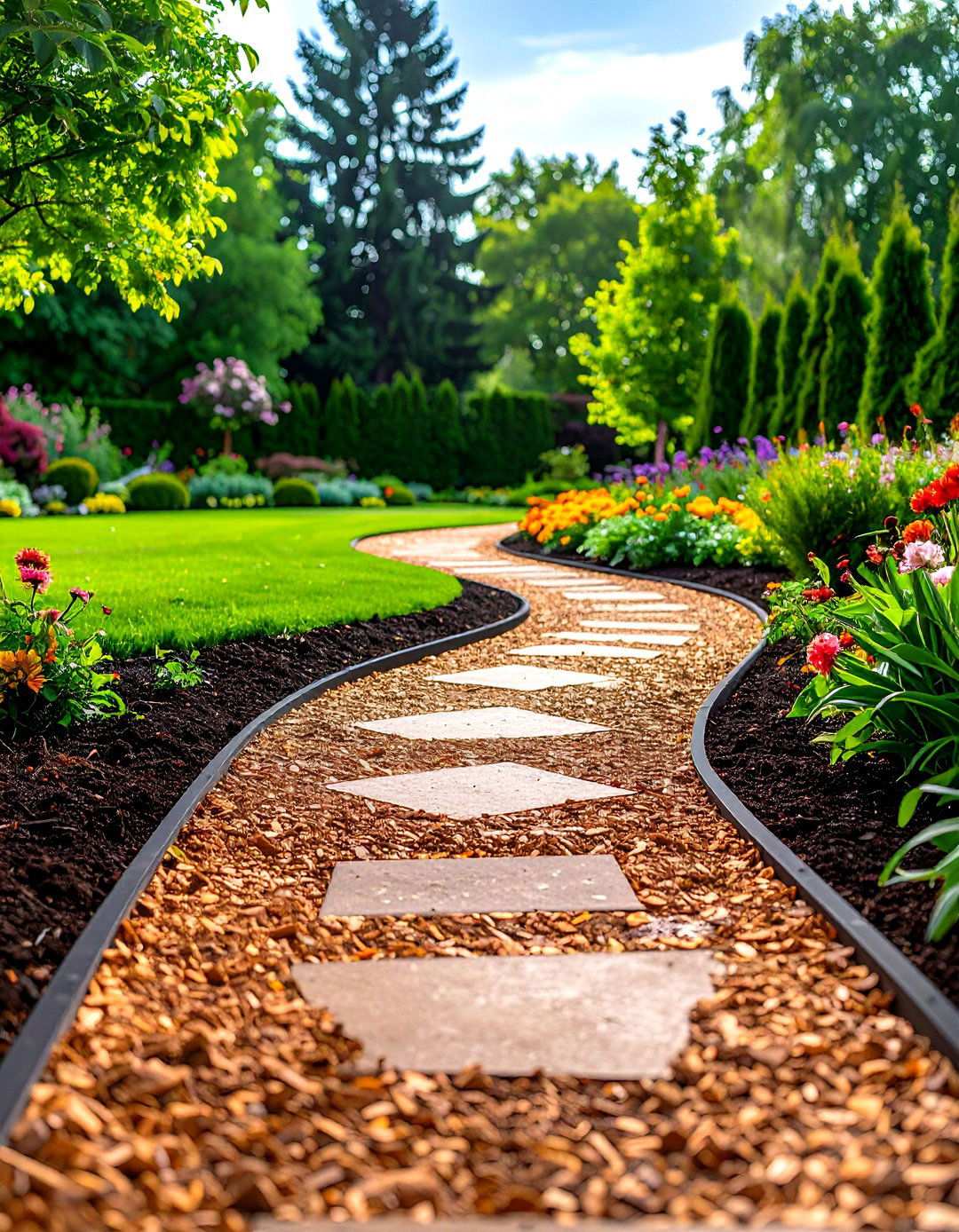
Formal garden mulch designs embody the essence of refined landscape architecture, creating sophisticated pathways that seamlessly blend with traditional and classical garden styles. These installations prioritize geometric precision, uniform materials, and consistent colorations to produce elegant appearances that exude refinement. High-quality mulch materials in uniform sizes and consistent hues are ideal for formal applications, where polished aesthetics take precedence over rustic charm. Installation demands meticulous attention to detail, including straight edges, uniform depths, and precise material placement throughout the pathway system. Regular maintenance ensures the pathways remain immaculate by maintaining precise edges, removing debris, and redistributing materials as needed. The formal design harmoniously coordinates with architectural features and structured planting schemes, creating cohesive landscape themes that make a lasting impression. Whether near entrance areas or primary circulation routes, these sophisticated pathways effectively convey a sense of formality and grandeur.
21. Elevated Mulch Pathways Bring Dimensionality to Flat Landscapes
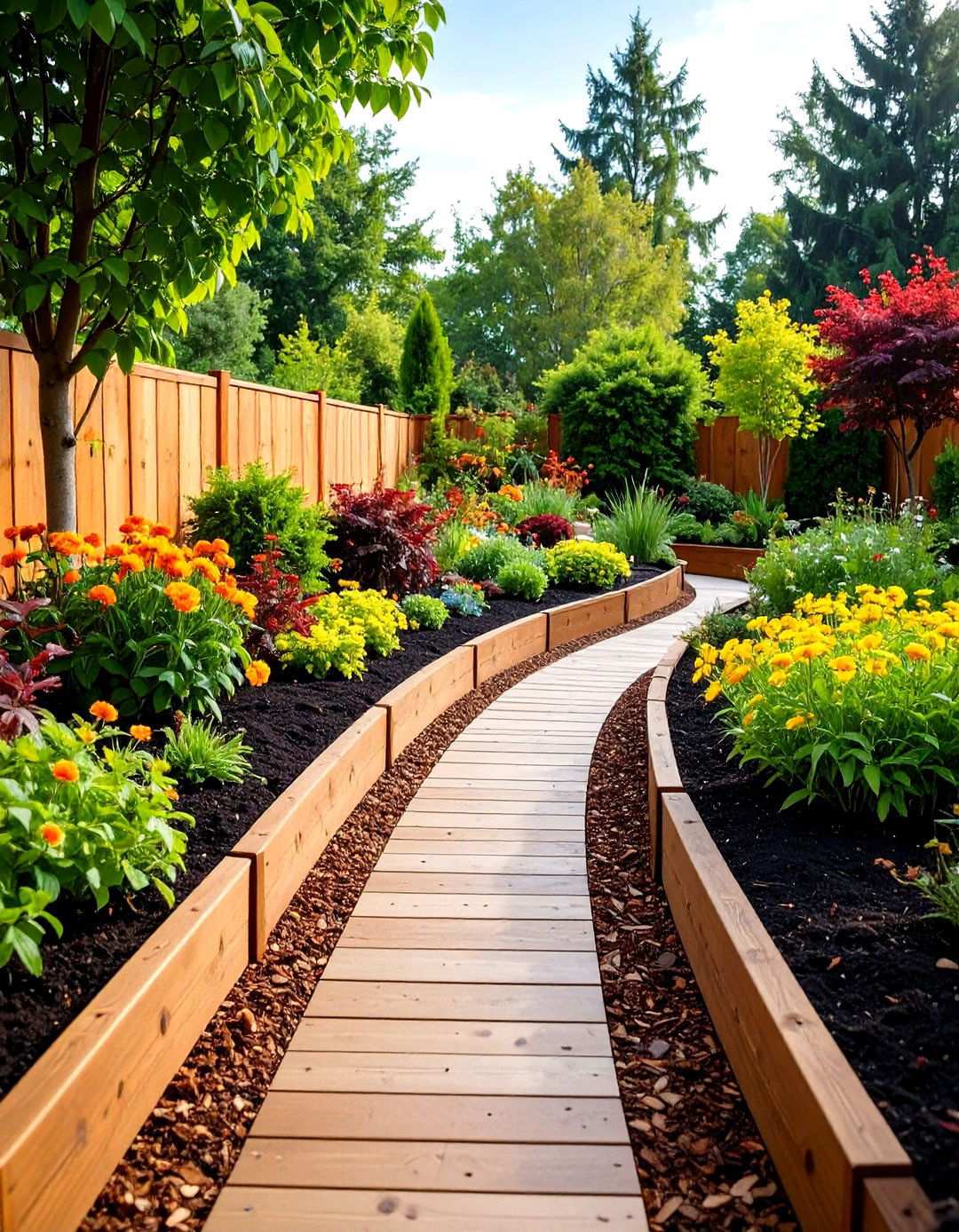
Elevated mulch pathways bring a touch of sophistication to flat landscape areas, not only improving drainage but also adding a layer of depth and interest to the overall design. By using landscape timbers, stone walls, or other materials to contain mulch at elevated heights, these installations create a visually appealing contrast with surrounding grade levels. The raised design not only prevents water accumulation but also serves as a physical separator between pathways and adjacent planting or lawn areas, making it an ideal solution for sloped landscape areas. Effective installation requires a stable retaining system that prevents material displacement while allowing for adequate drainage through or around containment structures. The elevated pathways remain usable during wet periods, making them a practical choice for areas prone to mud or waterlogging. While the initial costs may be higher due to additional material requirements, the long-term benefits of enhanced functionality and visual impact justify the investment. By incorporating strategic height variations, designers can create a terraced effect that adds architectural interest while effectively managing challenging topography.
22. Sustainable Pathways: A Reflection of Environmental Values
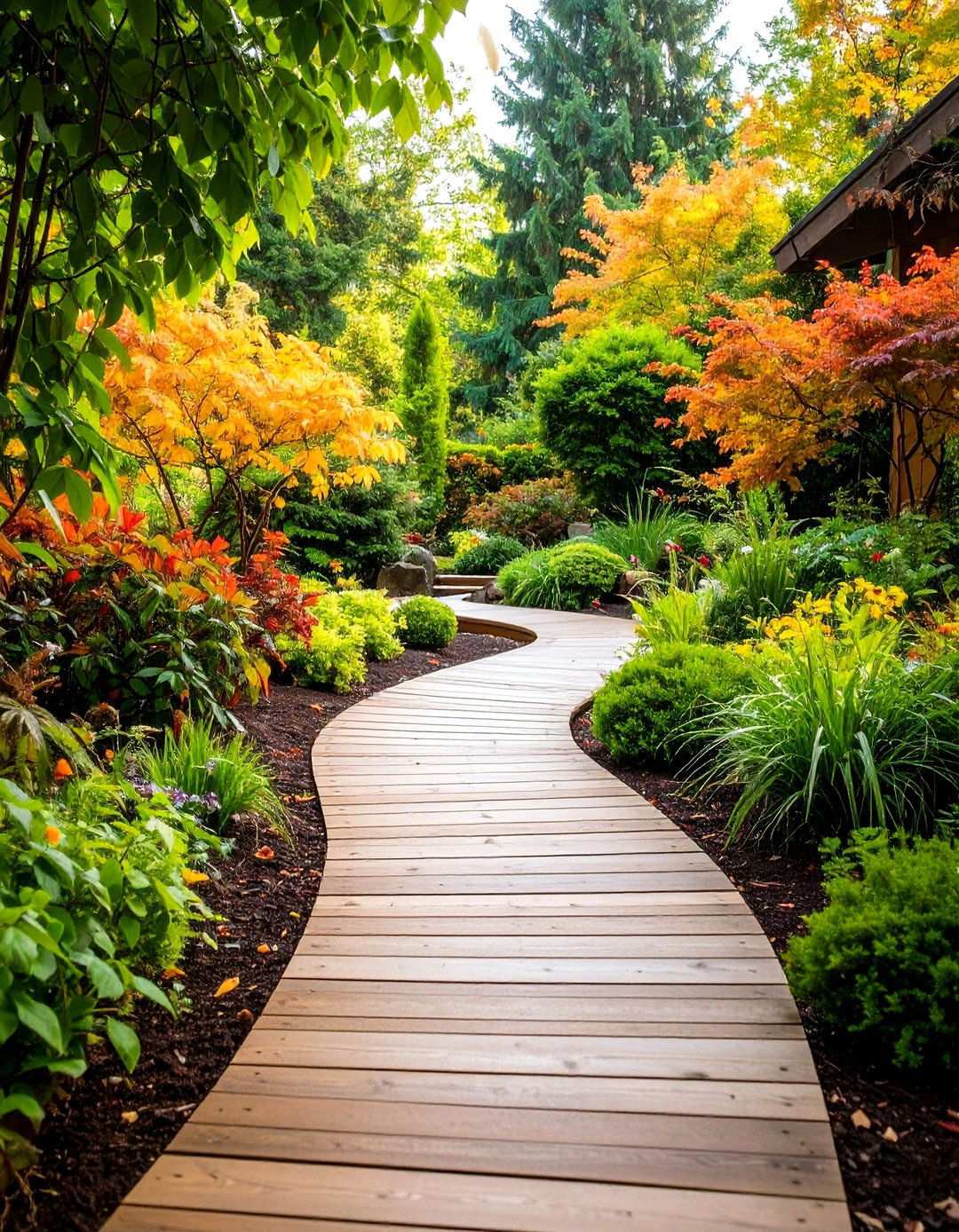
Sustainable practice pathways demonstrate a commitment to environmental responsibility through thoughtful material selection, installation techniques, and maintenance practices that minimize ecological impact while providing functional walking surfaces. By emphasizing locally sourced materials, water conservation, and wildlife habitat support, these systems not only create a positive environmental footprint but also promote biodiversity and ecosystem health. Installation techniques that minimize soil disturbance support existing ecosystems and natural drainage patterns, reducing the risk of soil erosion and water pollution. While the initial costs may be lower, sustainable pathways offer long-term environmental benefits that extend beyond their functional lifespan. Material choices consider lifecycle impacts, including production, transportation, and disposal factors that affect overall environmental footprints. Regular maintenance supports sustainability goals through composting programs, water conservation, and integrated pest management strategies. By choosing sustainable pathways, homeowners can reflect their commitment to environmental stewardship and inspire additional eco-friendly landscape practices that create a comprehensive environmental narrative throughout their properties.
23. Artistic Mulch Pathway Expressions
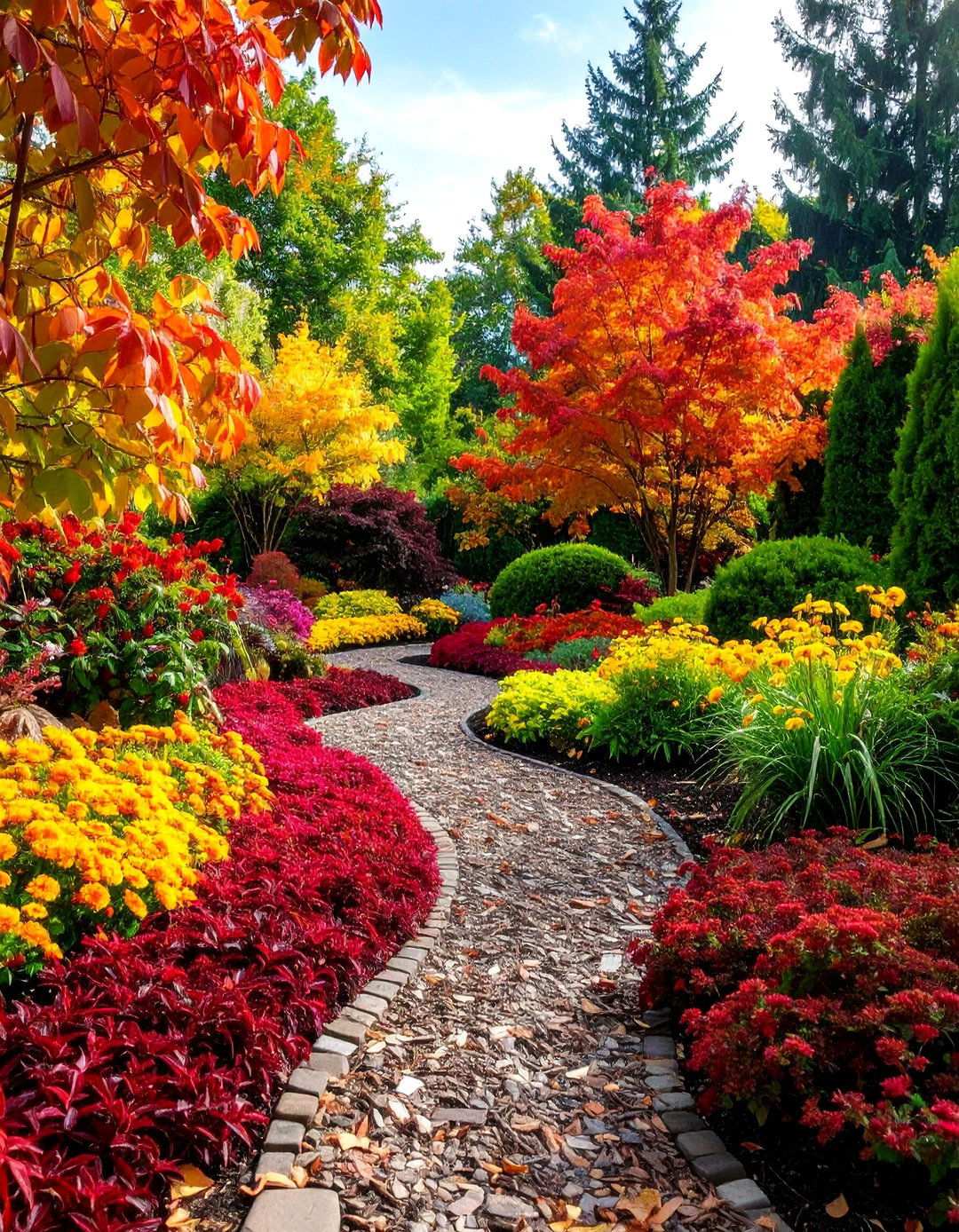
Innovative mulch pathways blend functionality with artistic flair, transforming ordinary walkways into captivating landscape art installations. By incorporating patterns, symbols, or sculptural elements that reflect personal passions or cultural heritage, homeowners can create one-of-a-kind pathways that reflect their unique style. Effective installation involves meticulous planning to ensure that artistic elements remain intact and visible throughout seasonal changes and material decomposition cycles. This approach enables the creation of distinctive pathway designs that not only serve as conversation pieces but also provide necessary circulation routes through garden areas. By balancing aesthetic and practical requirements, material selection ensures that artistic elements enhance pathway performance rather than compromise it. Regular maintenance preserves artistic integrity while accommodating natural material changes that occur through decomposition and weather exposure. Artistic pathways are a testament to personal style, setting properties apart from conventional designs and adding unique landscape features that elevate neighborhood settings.
24. Multi-Season Pathway Adaptations
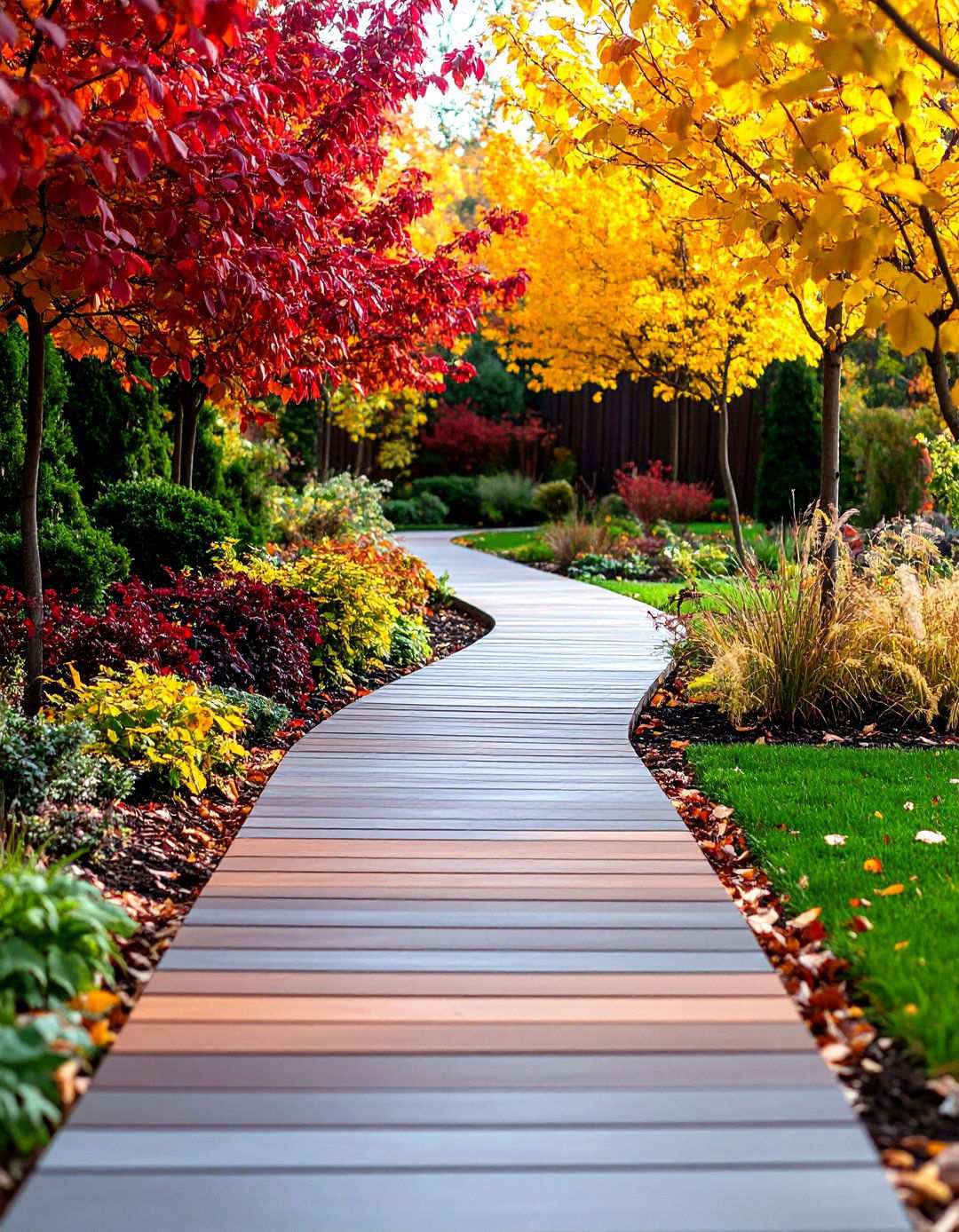
Pathways that adapt to seasonal changes demonstrate a thoughtful approach to landscape design. By incorporating removable sections for winter access or materials that provide better traction during icy conditions, these systems create year-round functionality. Installation considerations include seasonal drainage requirements, snow removal needs, and material performance under various weather conditions throughout annual cycles. A well-designed pathway can be adapted to optimize performance during different seasons while maintaining consistent visual appeal throughout yearly transitions. Strategic material placement can provide summer cooling and winter insulation properties, enhancing user comfort while protecting pathway infrastructure from weather damage. Seasonal maintenance includes material adjustments, drainage improvements, and safety preparations that ensure reliable pathway performance regardless of weather conditions. By considering seasonal variations, homeowners can create adaptable designs that provide reliable functionality and accommodate the natural climate fluctuations that affect pathway usability throughout different seasons.