1. Desert Succulent Oasis Inspiration
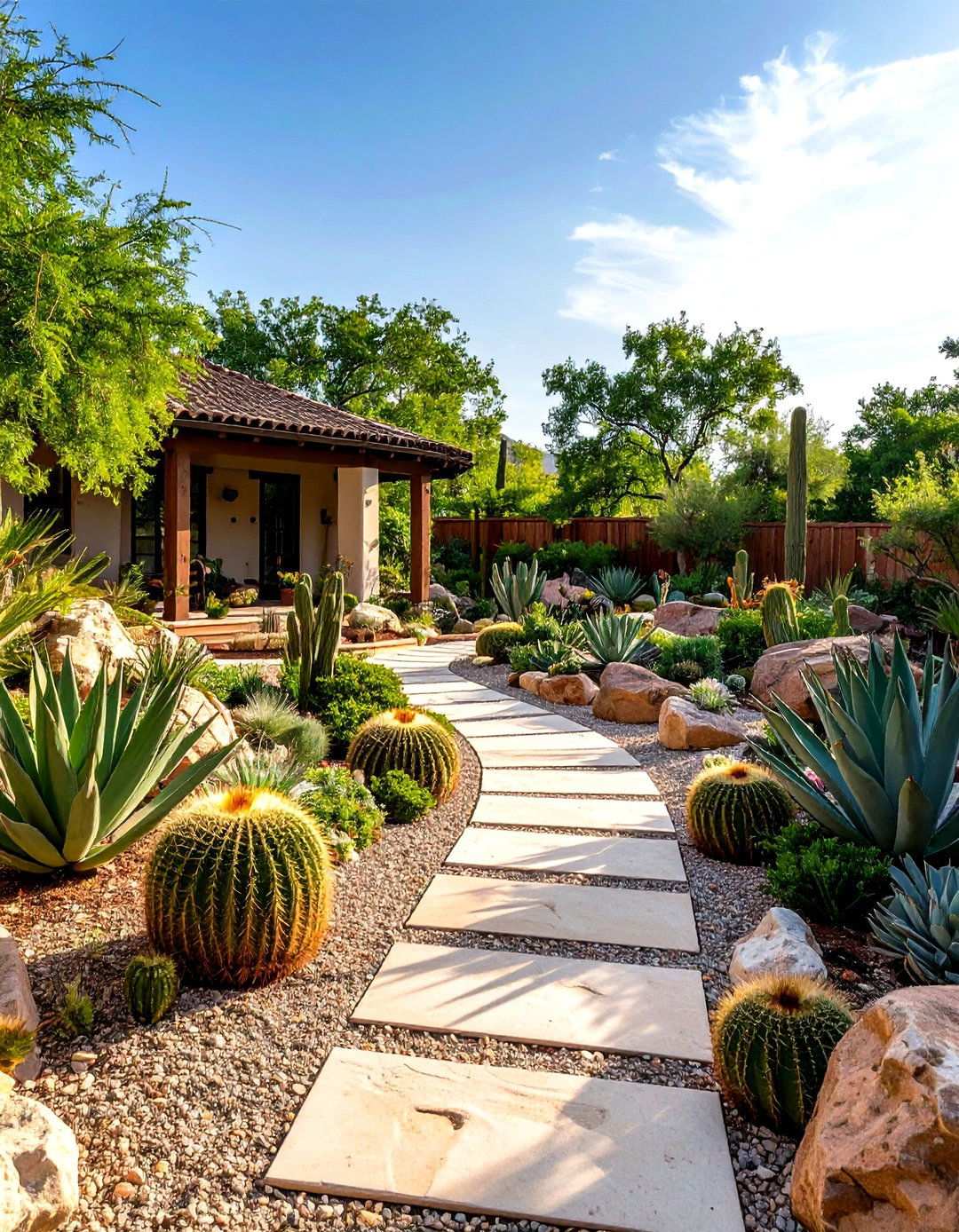
Unlock the full potential of your outdoor space with a water-efficient desert succulent design that exudes beauty and sophistication. By cleverly combining succulent species of varying heights, textures, and colors, you can create a visually striking landscape that captivates your senses year-round. The star of the show is often a majestic barrel cactus, serving as a dramatic anchor plant amidst a tapestry of smaller echeverias and sedums that fill the spaces between rocks and winding pathways. Strategically placed boulders create a natural, effortless arrangement, while decomposed granite pathways invite exploration through the lush, low-maintenance landscape. To add visual drama, blend blue-green agaves with vibrant orange and red flowering succulents, resulting in a captivating color palette that’s as drought-tolerant as it is breathtaking. Once established, this design requires minimal watering and boasts excellent drainage courtesy of raised mounds and rocky soil amendments.

As an Amazon Associate I earn from qualifying purchases.
2. Seasonal Blooms and Native Beauty
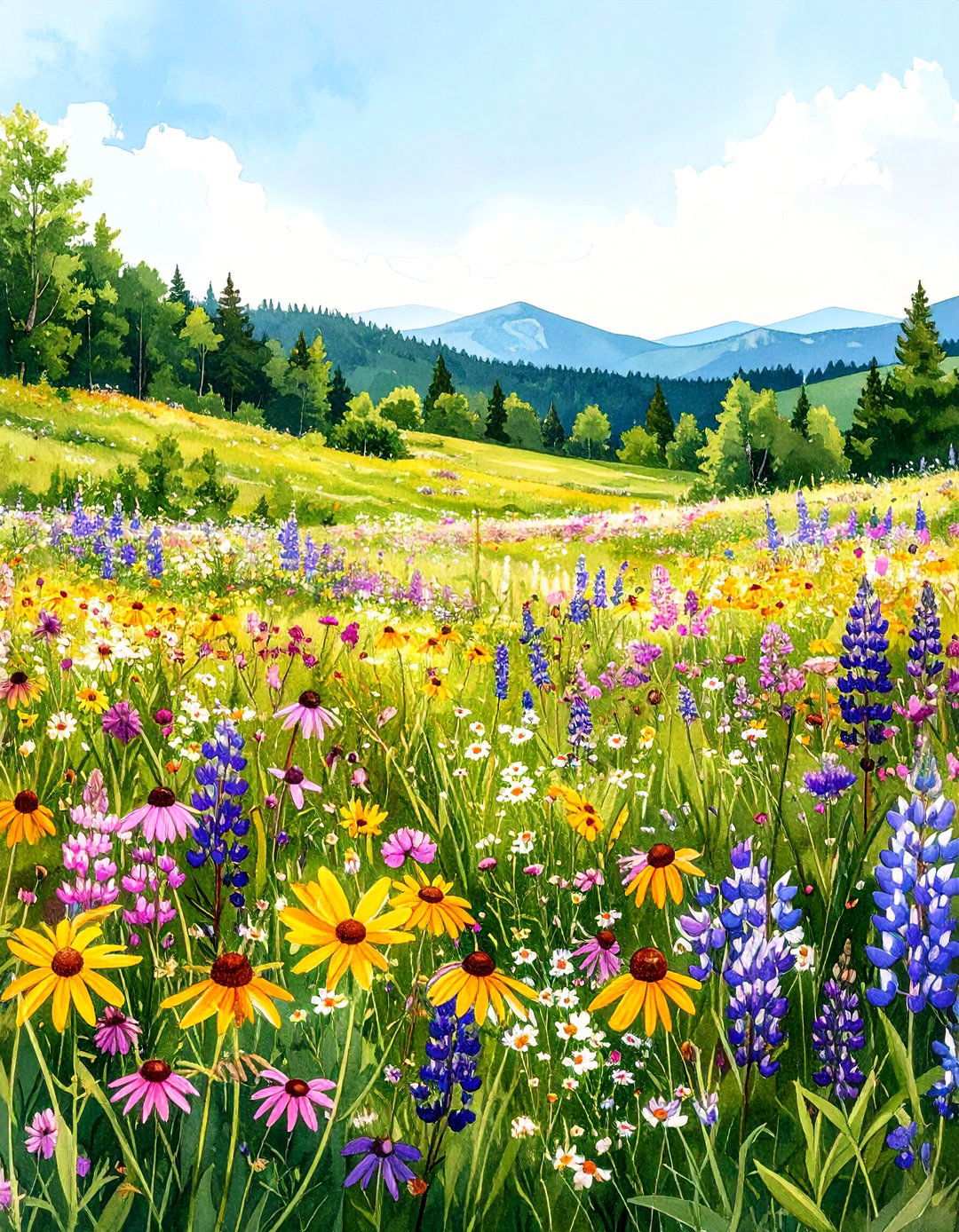
Imagine a landscape that comes alive with each passing season, supporting local wildlife and thriving on almost no supplemental watering. Native wildflower meadows are the epitome of water-efficient design, harnessing the power of plants perfectly adapted to your local climate conditions. The foundation of this design lies in native grasses, artfully interspersed with seasonal wildflowers like the cheerful black-eyed Susan, the majestic purple coneflower, and regional favorites that bloom throughout the growing seasons. The organic layout mimics the natural prairie patterns of the wild, with flowing curves and sinuous shapes that invite exploration. Meandering pathways crafted from local stone or bark chips allow visitors to experience the ever-changing seasonal displays, creating a truly immersive experience that supports pollinators, birds, and beneficial insects while requiring only occasional maintenance and thriving on the rhythms of natural rainfall patterns.
3. Mediterranean Courtyard Style
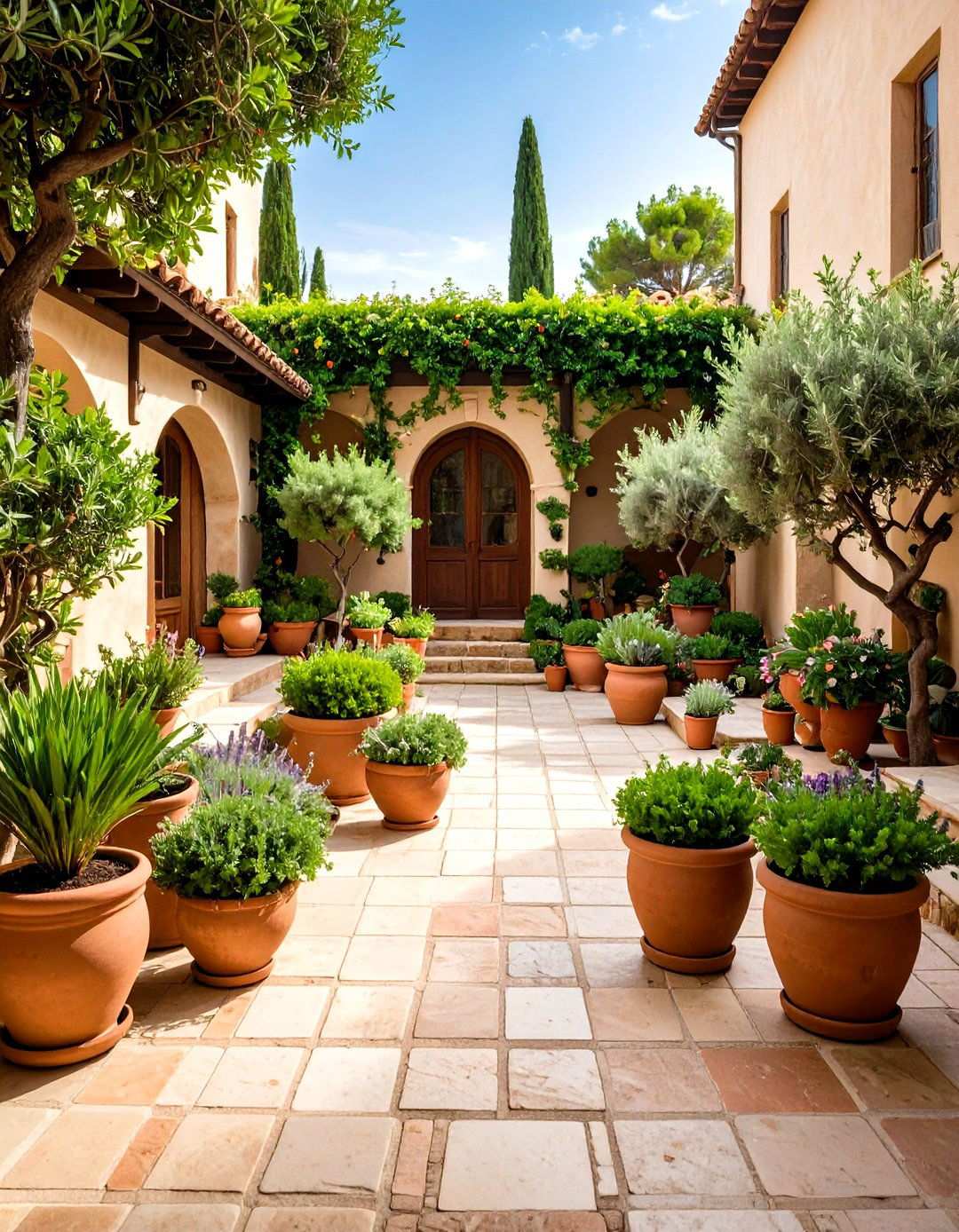
Embracing the timeless sophistication of Mediterranean design, homeowners can transport the essence of coastal European gardens to their own backyard with drought-tolerant plants. A carefully curated selection of aromatic herbs like lavender, rosemary, and sage are arranged in geometric patterns, set against the backdrop of gravel pathways that invite leisurely strolls. The strategic placement of terra cotta containers, overflowing with olive trees or citrus varieties, adds a touch of elegance and provides a seasonal display that can be easily rearranged. Stone patios serve as inviting gathering spaces, surrounded by low hedges of drought-resistant plants that require minimal upkeep, while climbing vines like bougainvillea add a pop of color and create a sense of privacy behind walls or pergola structures. The color palette is characterized by the silvery-green hue of foliage punctuated by vibrant purple, blue, and white flowers. The incorporation of small fountains with recirculating systems not only provides a cooling effect but also showcases the beauty of water conservation in this sophisticated yet low-maintenance design approach.
4. Rock Garden Landscape
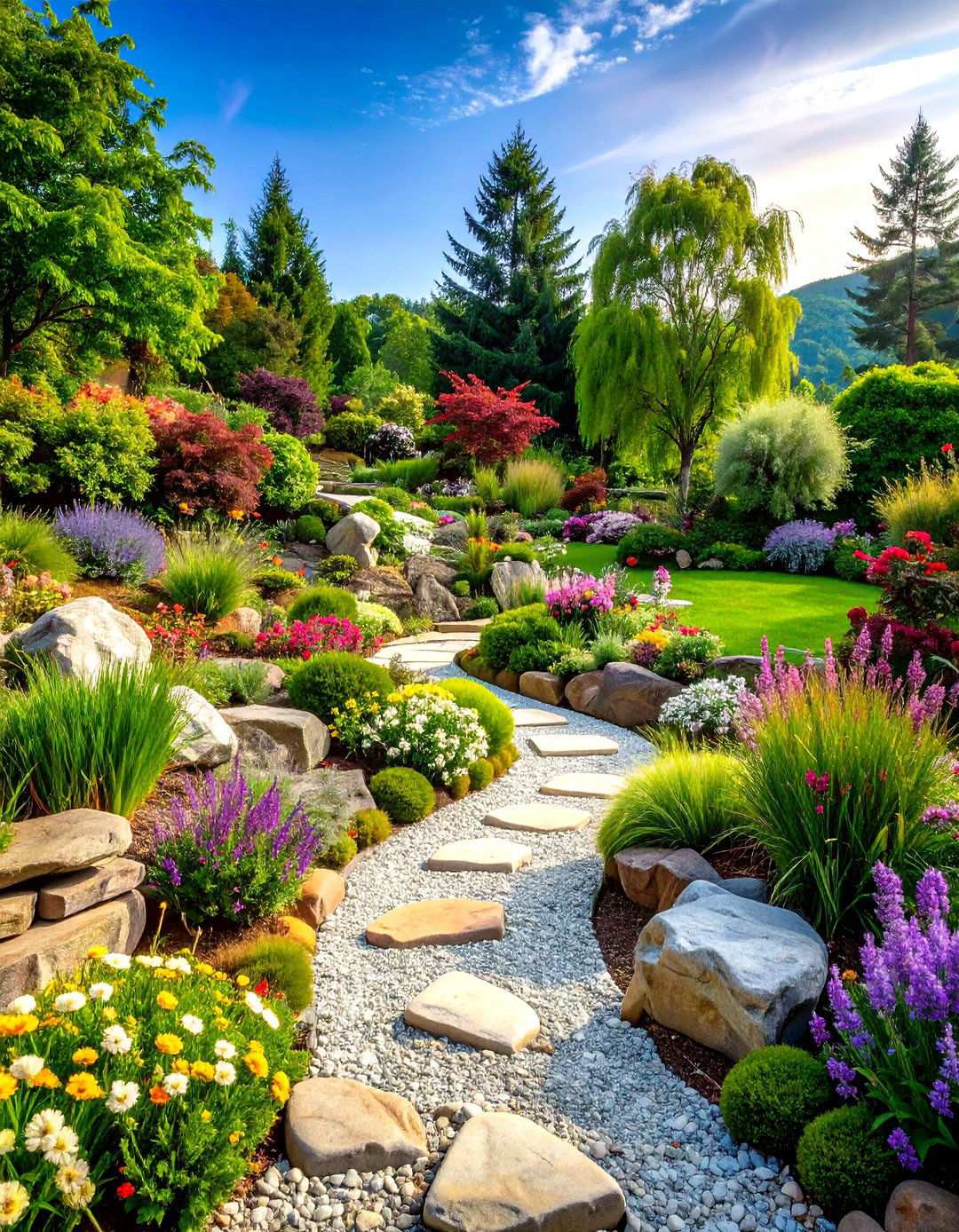
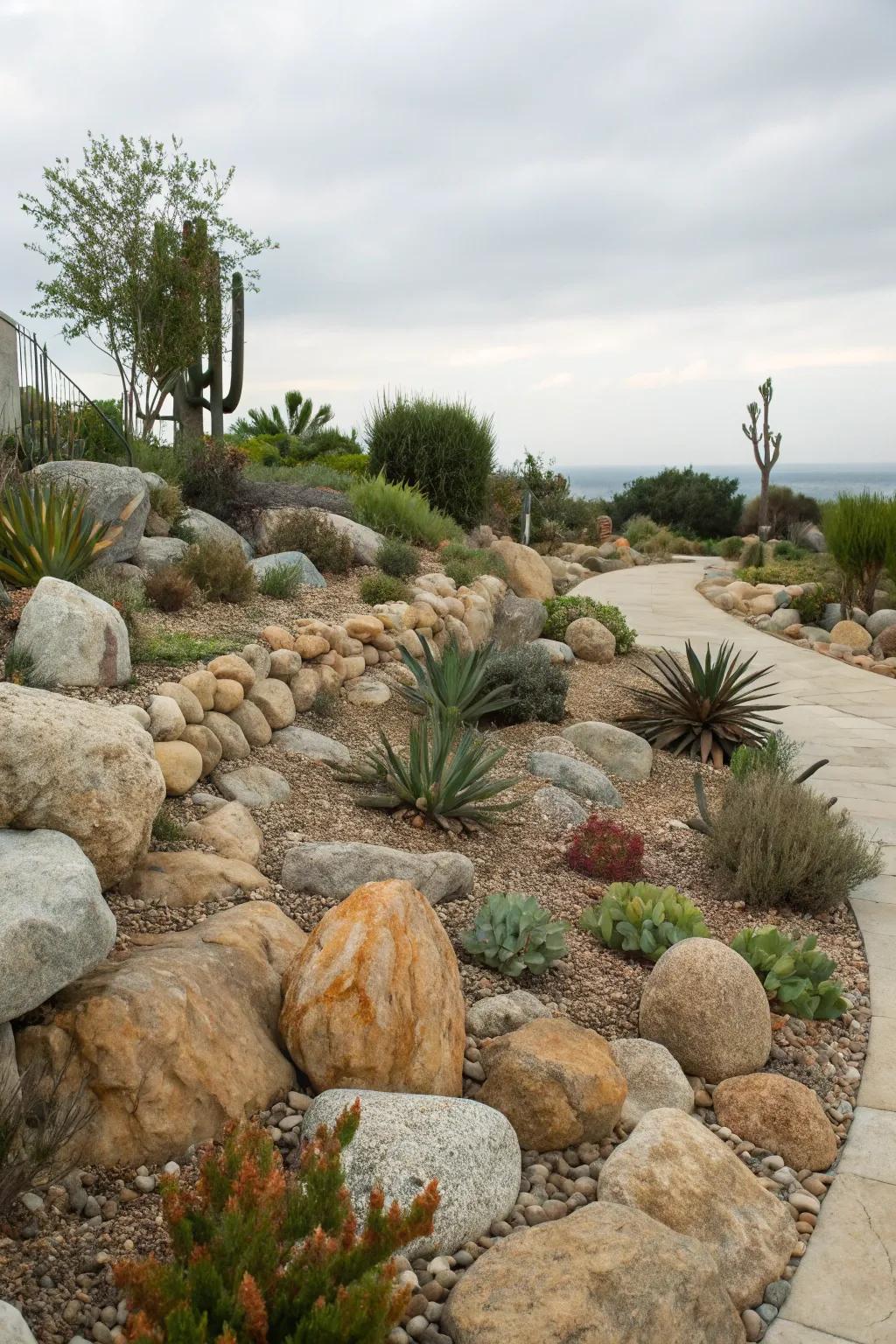
Properties with challenging slopes or poor soil conditions are ideal candidates for rock gardens, which transform these obstacles into visually stunning landscapes that celebrate natural stone formations and alpine plants. By using a variety of sized stones and boulders, designers can create terraced levels and natural-looking outcroppings, providing the perfect drainage for drought-tolerant plants to thrive. Alpine plants, ornamental grasses, and small shrubs fill the crevices between rocks, creating a dynamic tapestry of textures and colors that change with the seasons. Decomposed granite or fine gravel pathways connect different garden areas, allowing water to penetrate the soil rather than creating runoff. This design effectively mimics natural mountain environments where plants have adapted to harsh conditions, resulting in a virtually maintenance-free landscape that requires minimal water input.
5. Ornamental Grass Prairie
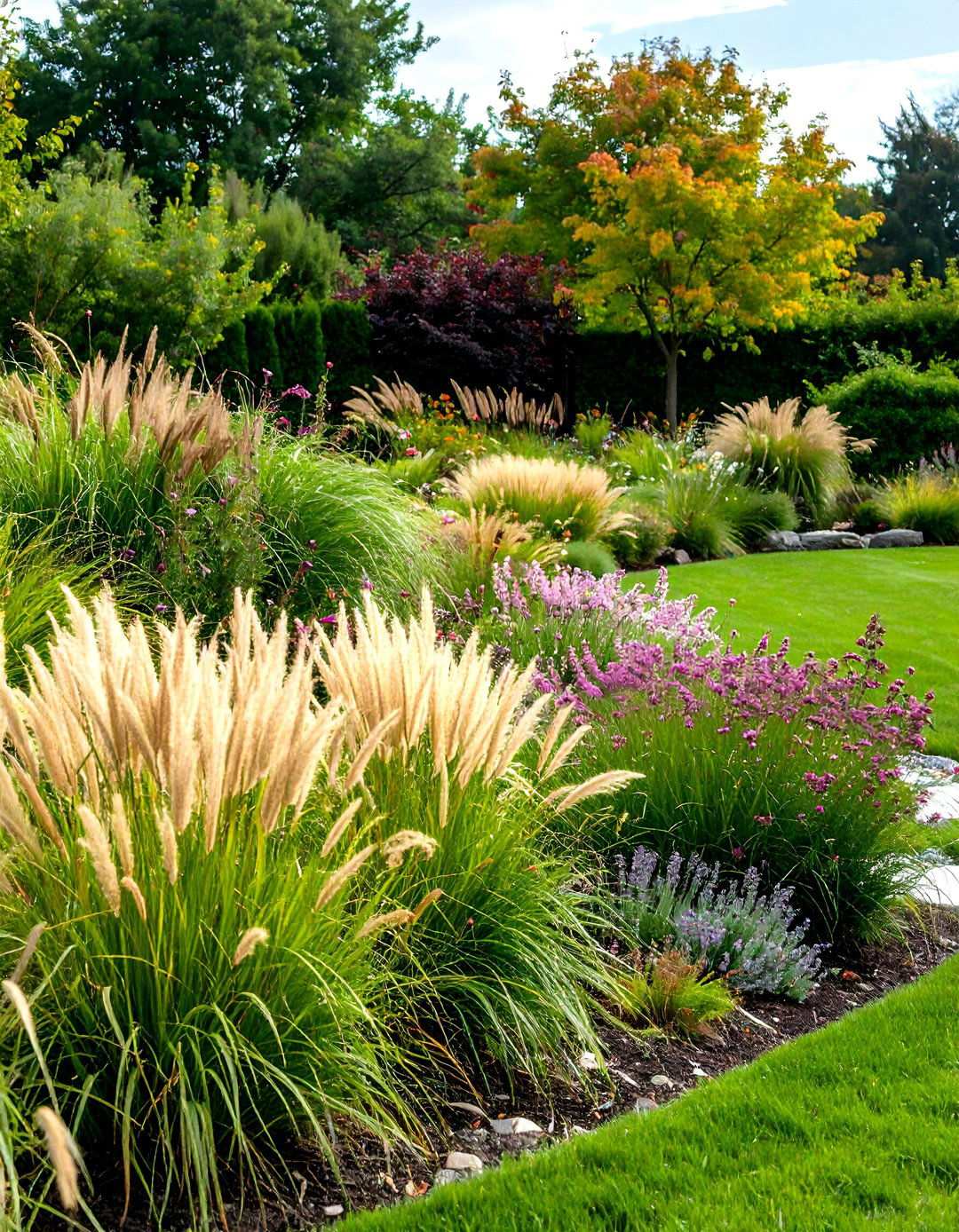
Ornamental grasses offer a unique opportunity for homeowners to create movement and texture in their landscape while using minimal water resources. By combining different grass species of varying heights, from low-growing buffalo grass to tall fountain grass varieties, designers can create natural-looking drifts and waves throughout the space. Warm-season grasses like blue grama and native bunch grasses form the foundation, while accent grasses with interesting seed heads or colorful foliage provide seasonal highlights. Pathways of natural materials wind through grass plantings, leading to seating areas or focal points like sculptural elements or specimen trees. The overall design emphasizes flowing, organic shapes that move gracefully in breezes, requiring only annual maintenance cutting. This approach is particularly well-suited for larger properties where traditional lawns would require extensive irrigation.
6. Elevating Outdoor Spaces with Drought-Tolerant Fencing
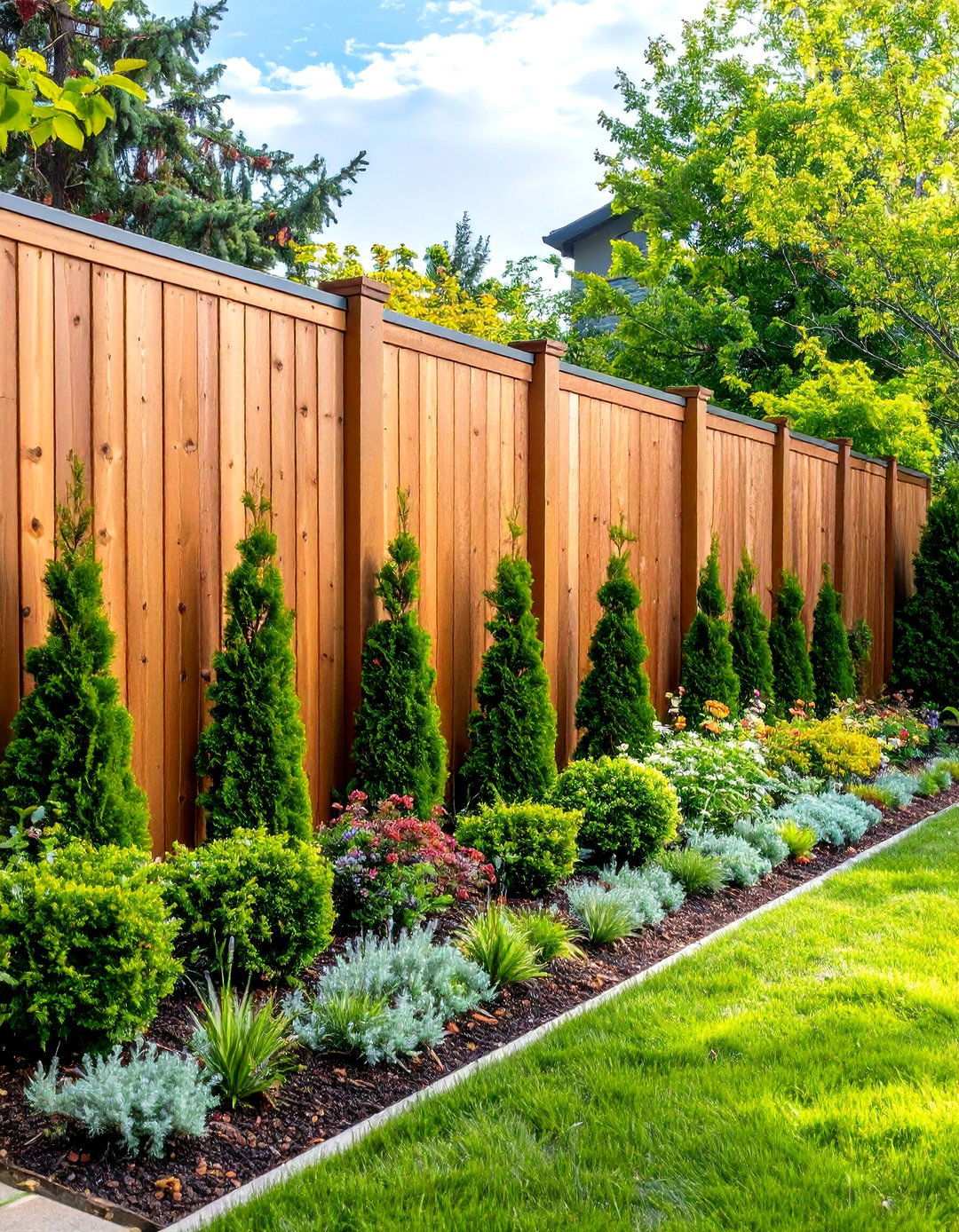
Creating a serene outdoor environment that offers both seclusion and visual appeal has become increasingly desirable. Rather than relying on traditional and often expensive fencing solutions, designers are turning to drought-resistant plantings to craft unique screens that not only block unwanted views but also provide numerous benefits. Strategically arranged shrubs and trees in layered plantings form a comprehensive design that fosters a thriving wildlife habitat, saves energy, and enhances the aesthetic of the outdoor space. Drought-tolerant evergreen species such as juniper or pine offer year-round screening, while deciduous trees offer seasonal shade and light penetration. Mid-level shrubs fill gaps between larger plants, creating dense barriers at eye level where privacy matters most, while understory plantings of ornamental grasses and perennials add color and texture throughout the seasons.
7. Transforming Urban Spaces with Container Xeriscape Gardens
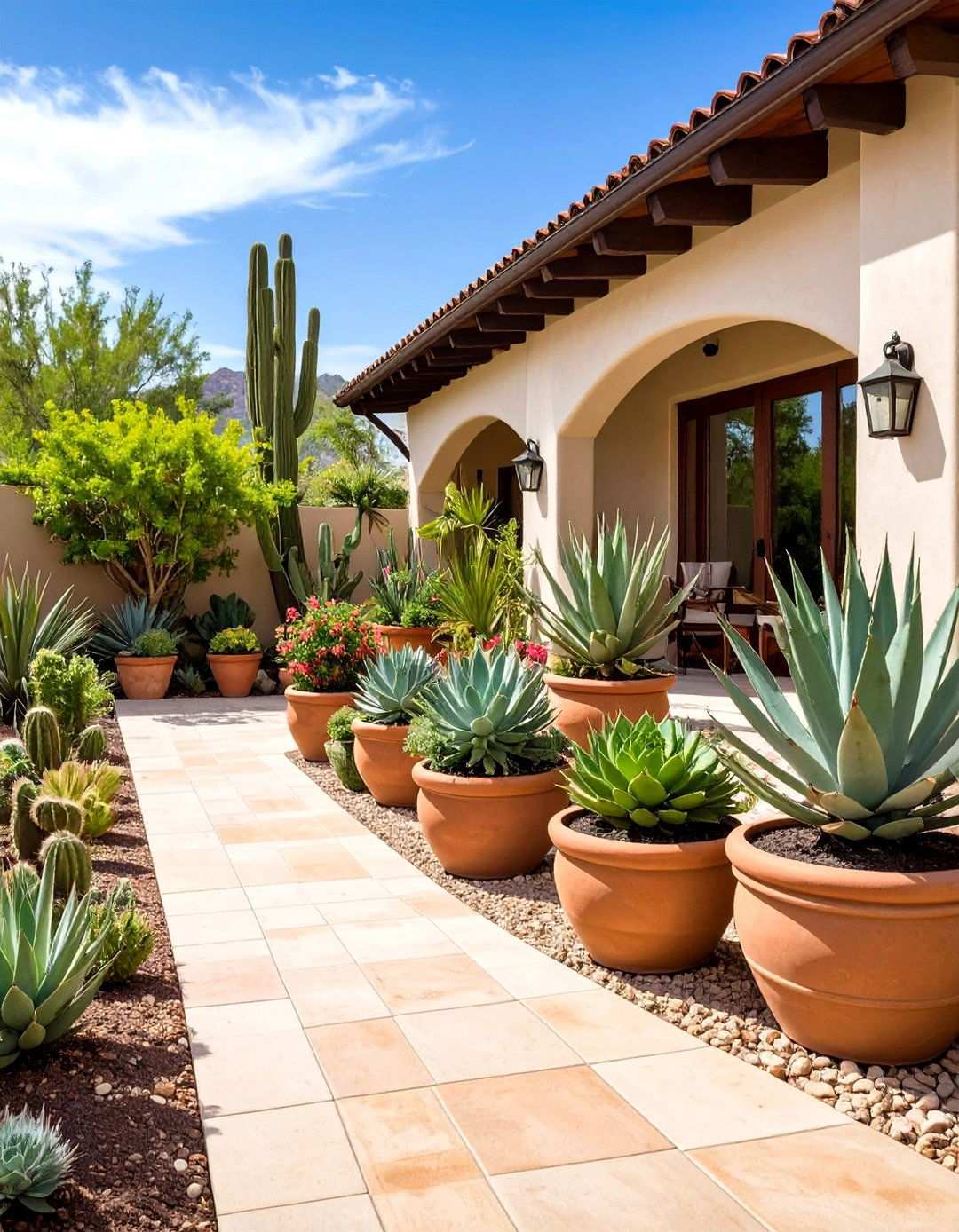
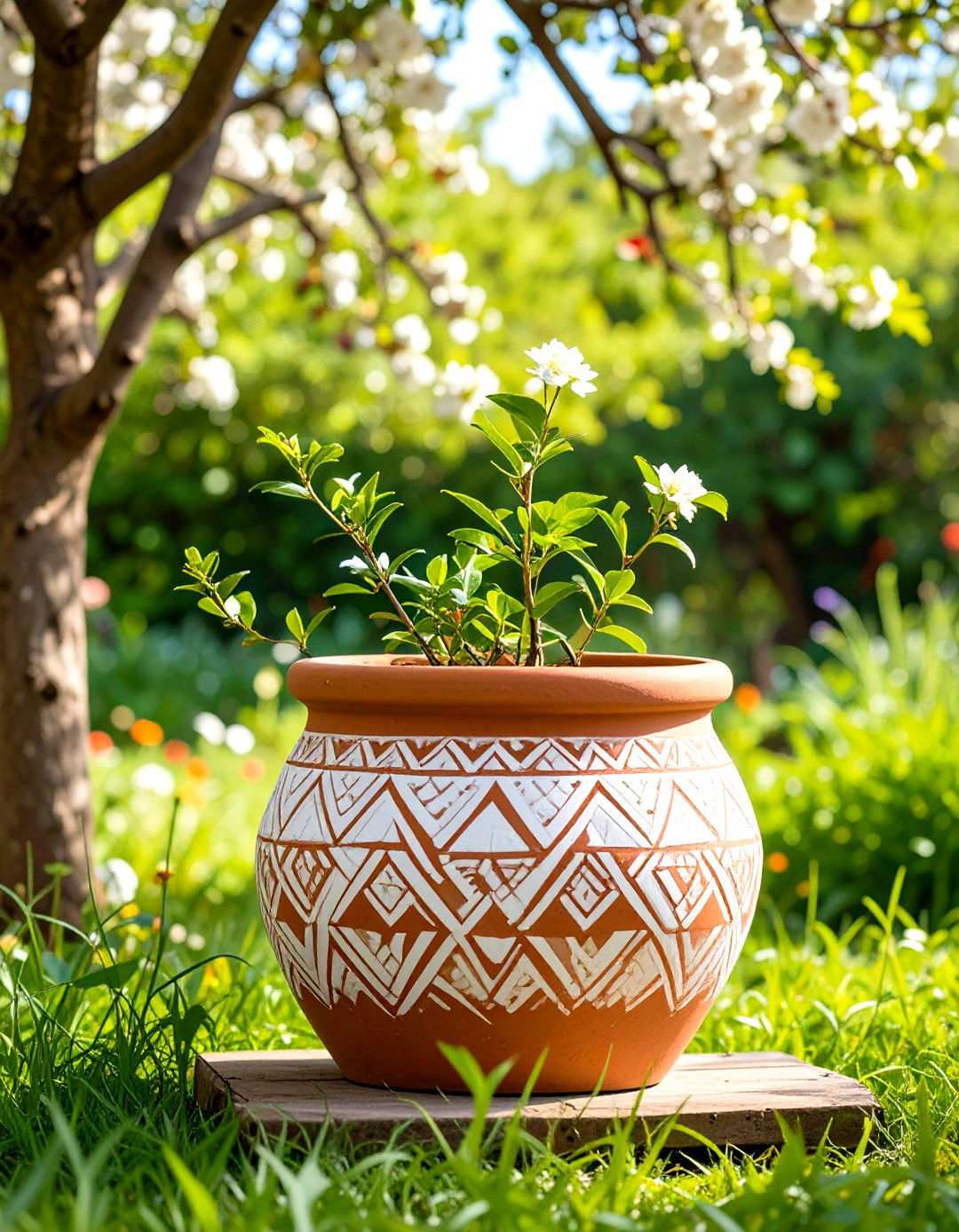
Urban residents are now able to revitalize their outdoor areas with mobile garden displays, regardless of the space’s size. This adaptable approach to gardening involves strategically arranging containers filled with water-efficient plants, providing an opportunity for complete control over soil conditions, drainage, and plant placement. By using large containers as anchor points, featuring architectural plants such as agaves or small trees, and grouping smaller pots to create varied displays, gardeners can enjoy a range of benefits. Drought-tolerant herbs such as rosemary, thyme, and oregano not only add flavor to culinary dishes but also provide ornamental value. Container materials, from traditional terra cotta to modern metal or composite materials, can be carefully selected to complement the architectural style of the home. This system proves particularly useful for renters, those with limited space, or individuals dealing with challenging soil conditions, as it allows for easy rearrangement and optimal sun exposure.
8. Integrating Sustainable Food Production with Edible Drought-Resistant Gardens
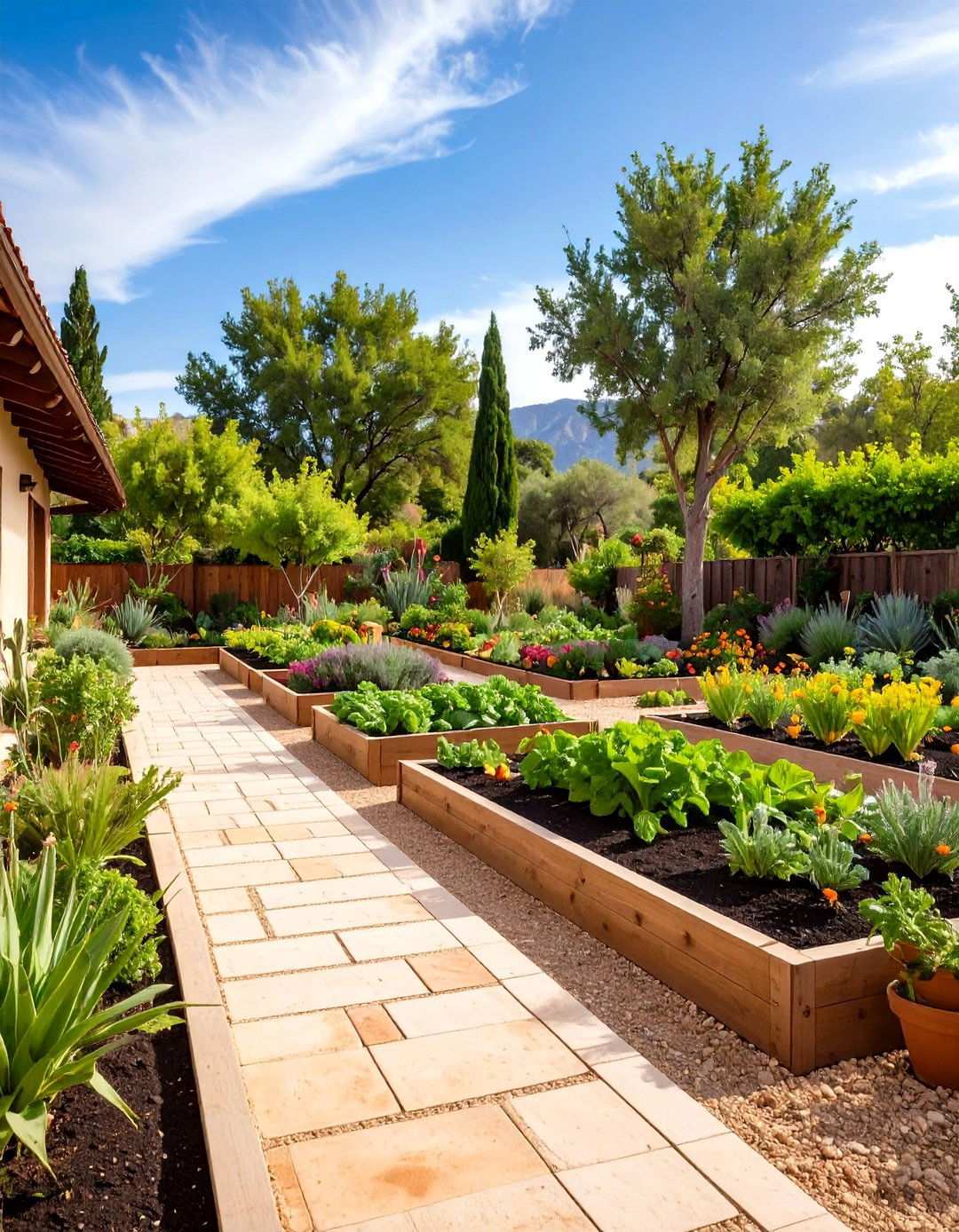
By combining water conservation with food production, gardeners can now enjoy the benefits of edible gardens that thrive in arid conditions. This practical approach emphasizes the use of raised beds with amended soil that retains moisture while providing excellent drainage for plant roots. Mediterranean herbs such as oregano, sage, and lavender create a robust foundation for the plantings, while drought-resistant vegetables like tomatoes, peppers, and squash varieties provide seasonal harvests. Native fruit trees adapted to the local climate offer long-term food production with minimal water requirements once established. Mulched pathways between beds suppress weeds and retain soil moisture, and the strategic placement of these gardens near outdoor cooking or entertainment areas makes harvesting both convenient and enjoyable. By adopting this approach, gardeners can enjoy the benefits of sustainable gardening and food production while reducing grocery expenses and minimizing their environmental impact through locally grown produce.
9. Envisioning a Lush Woodland Oasis
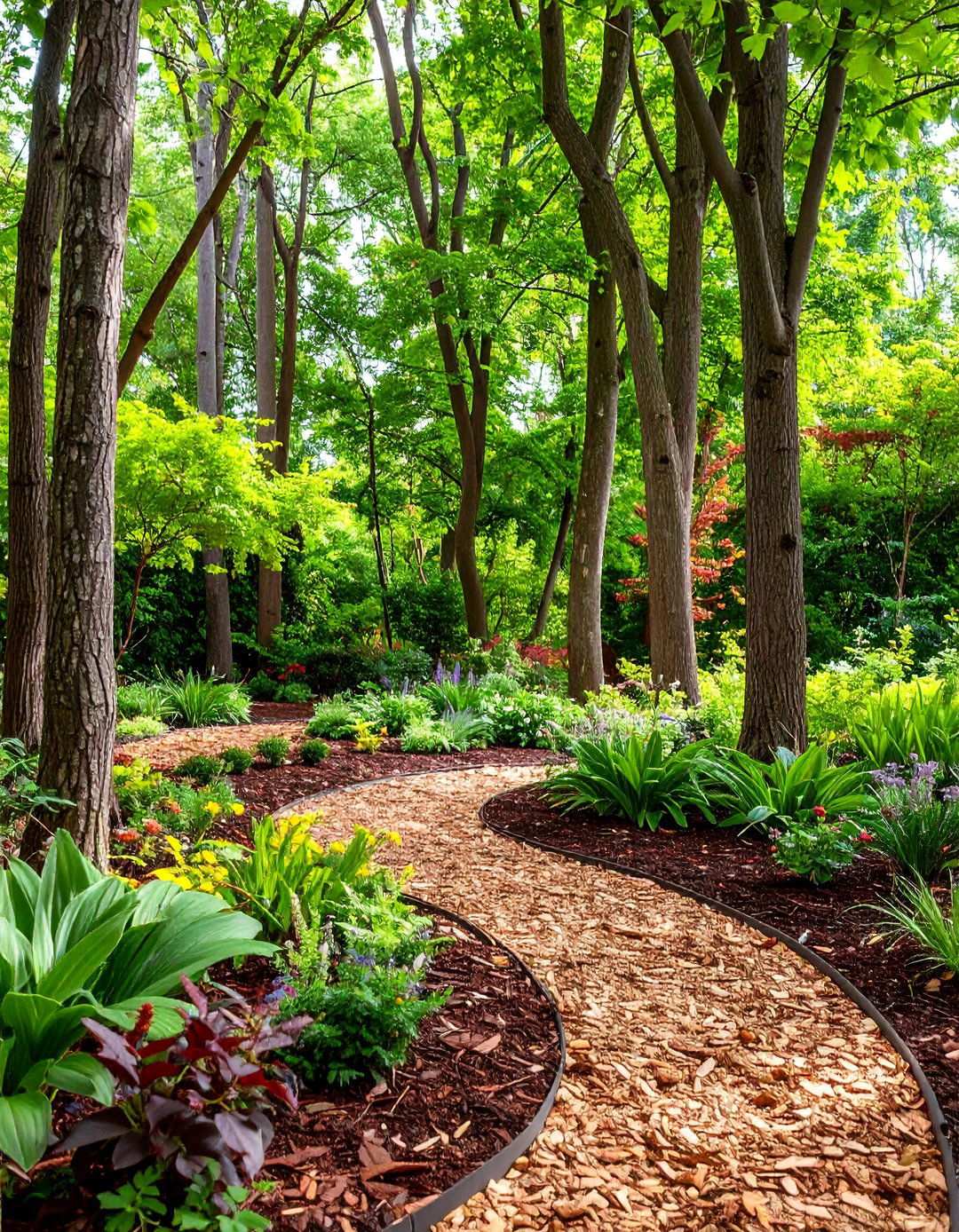
Transform your outdoor spaces into serene, forest-like environments by combining drought-tolerant trees and shrubs with shade-loving groundcovers that thrive in filtered light conditions. This approach mirrors the natural beauty of woodland ecosystems, where organic mulch layers retain moisture, suppress weeds, and provide a habitat for beneficial soil organisms. Native shade trees form the overarching canopy, while understory shrubs and perennials create visually appealing middle layers of interest. A uniform layer of organic mulch, such as shredded bark or leaf mold, covers all planted areas, promoting a cohesive visual flow while minimizing maintenance requirements. Meandering pathways made from natural materials weave through different garden areas, inviting relaxation and contemplation. By incorporating seating arrangements, you can fully appreciate the cooling effects of shade, particularly in properties with existing mature trees or areas where forest-like retreats enhance property value and provide energy savings through strategic shade placement.
10. Rethinking Traditional Lawns with Functional Hardscapes
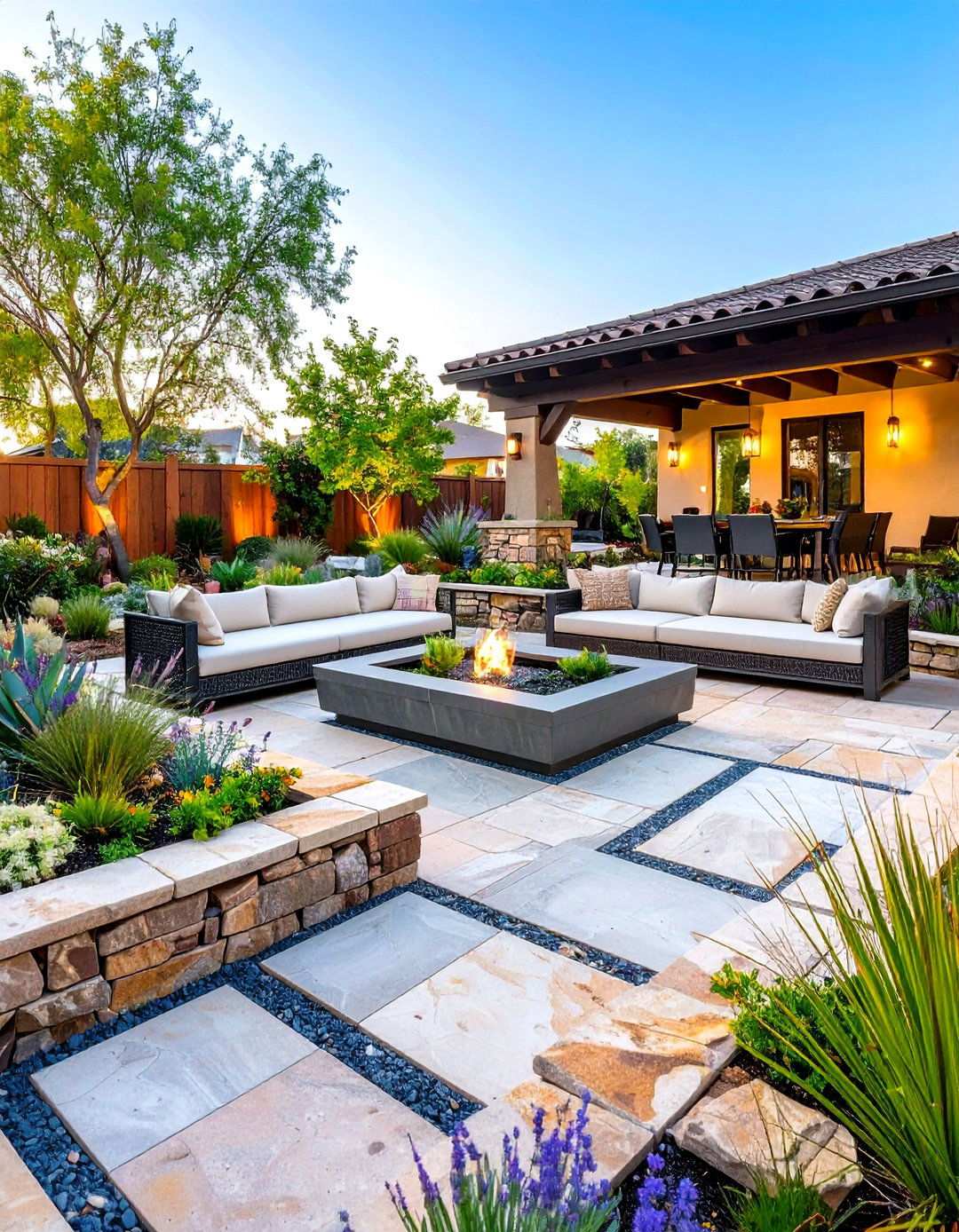
Is it time to reconsider high-maintenance lawn areas and opt for functional outdoor living spaces that require zero irrigation while expanding your home’s usable square footage? Hardscape designs cleverly use permeable materials like flagstone, pavers, or decomposed granite to create inviting patios, pathways, and seating areas surrounded by carefully selected drought-tolerant plants. Inbuilt planters or raised beds skillfully contain the plantings, while hardscape materials handle foot traffic and entertainment needs. The design incorporates various levels and zones for diverse activities, from casual dining areas to peaceful reading nooks, all connected by attractive walkways. Strategically placing shade structures like pergolas or umbrellas provides comfort during hot weather, while incorporating subtle lighting extends usability into the evening hours. By embracing this approach, you can maximize outdoor living potential, eliminate lawn care, irrigation costs, and maintenance time associated with traditional landscaping.
11. Creating a Kaleidoscope of Color with Minimal Water
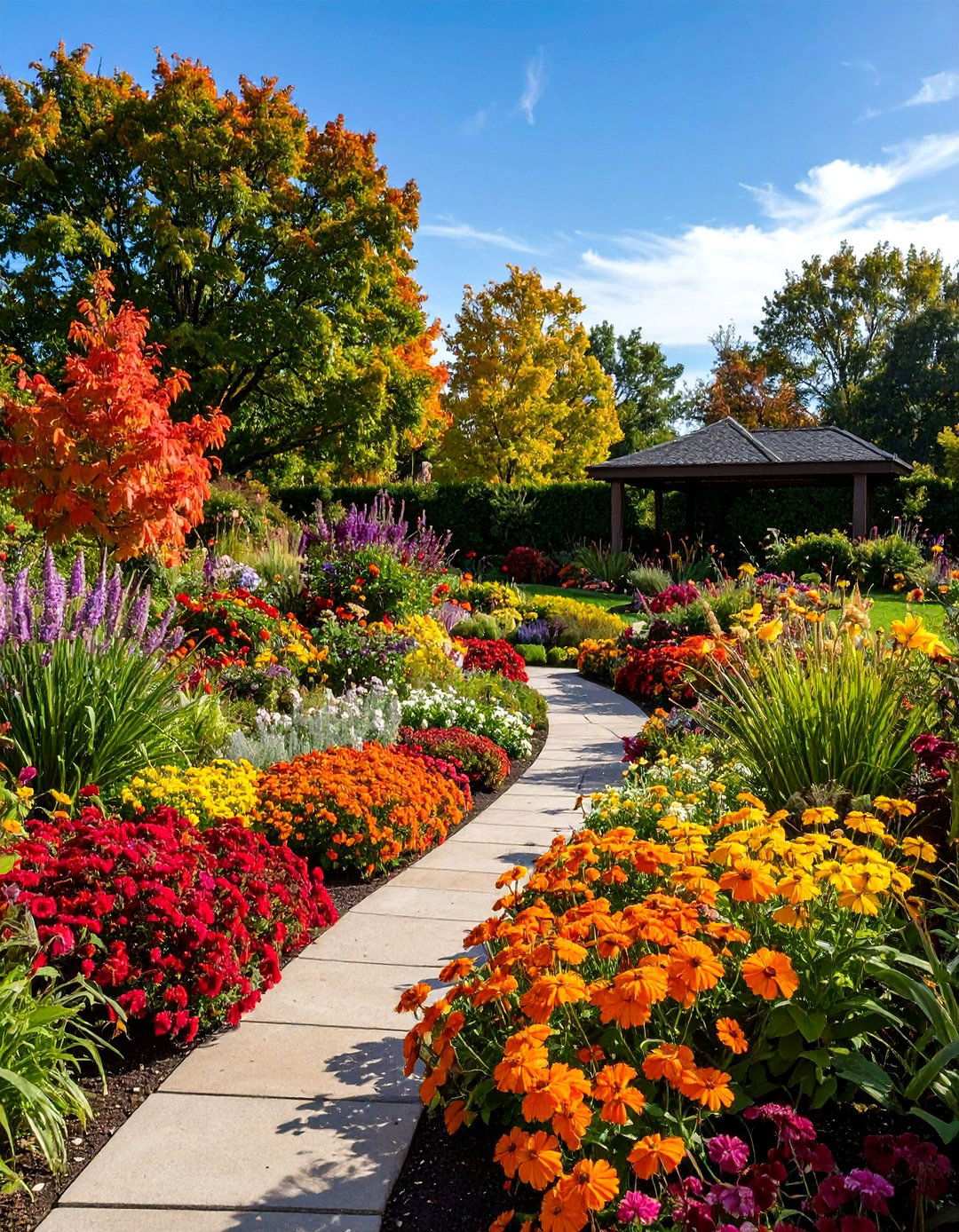
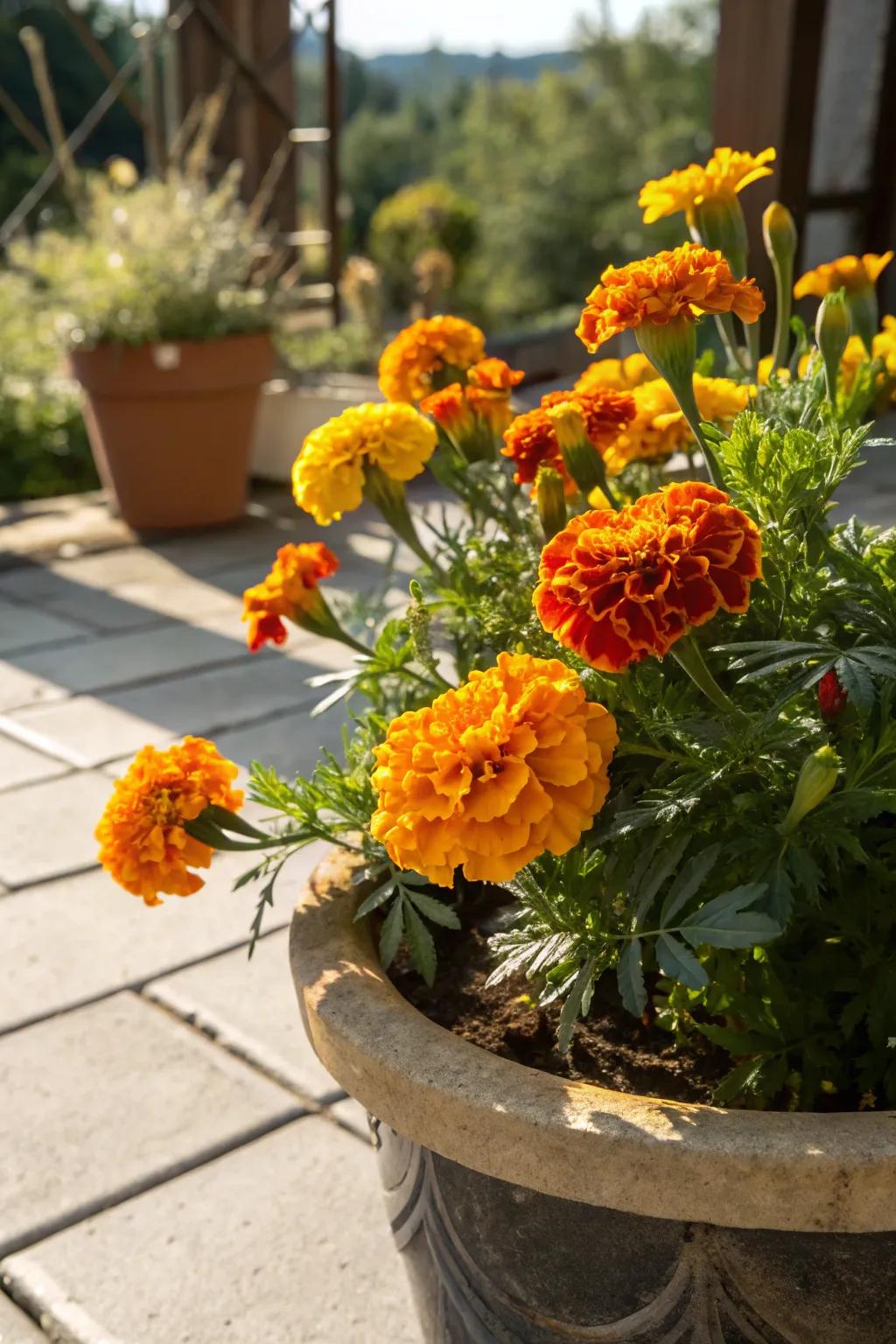
How can you maintain vibrant garden color throughout the year using plants that require minimal water while providing continuously changing displays? This innovative design strategy combines drought-tolerant perennials and annuals that bloom at different times, ensuring an engaging experience in every season. Spring-blooming bulbs adapted to dry summers provide an early splash of color, followed by drought-resistant perennials like blanket flower and coneflower through the warm summer months. As autumn approaches, fall-blooming asters and ornamental grasses with colorful seed heads take center stage, while evergreen shrubs and trees with interesting bark or foliage provide structure and interest during the winter months. By thoughtfully placing plants with similar water needs in strategic groupings, you can simplify irrigation management and ensure that color is visible from windows and outdoor living areas. This approach proves that water-wise gardening doesn’t mean sacrificing the seasonal excitement and beauty that make gardens truly engaging throughout the year.
12. Wildlife-Friendly Ecological Systems
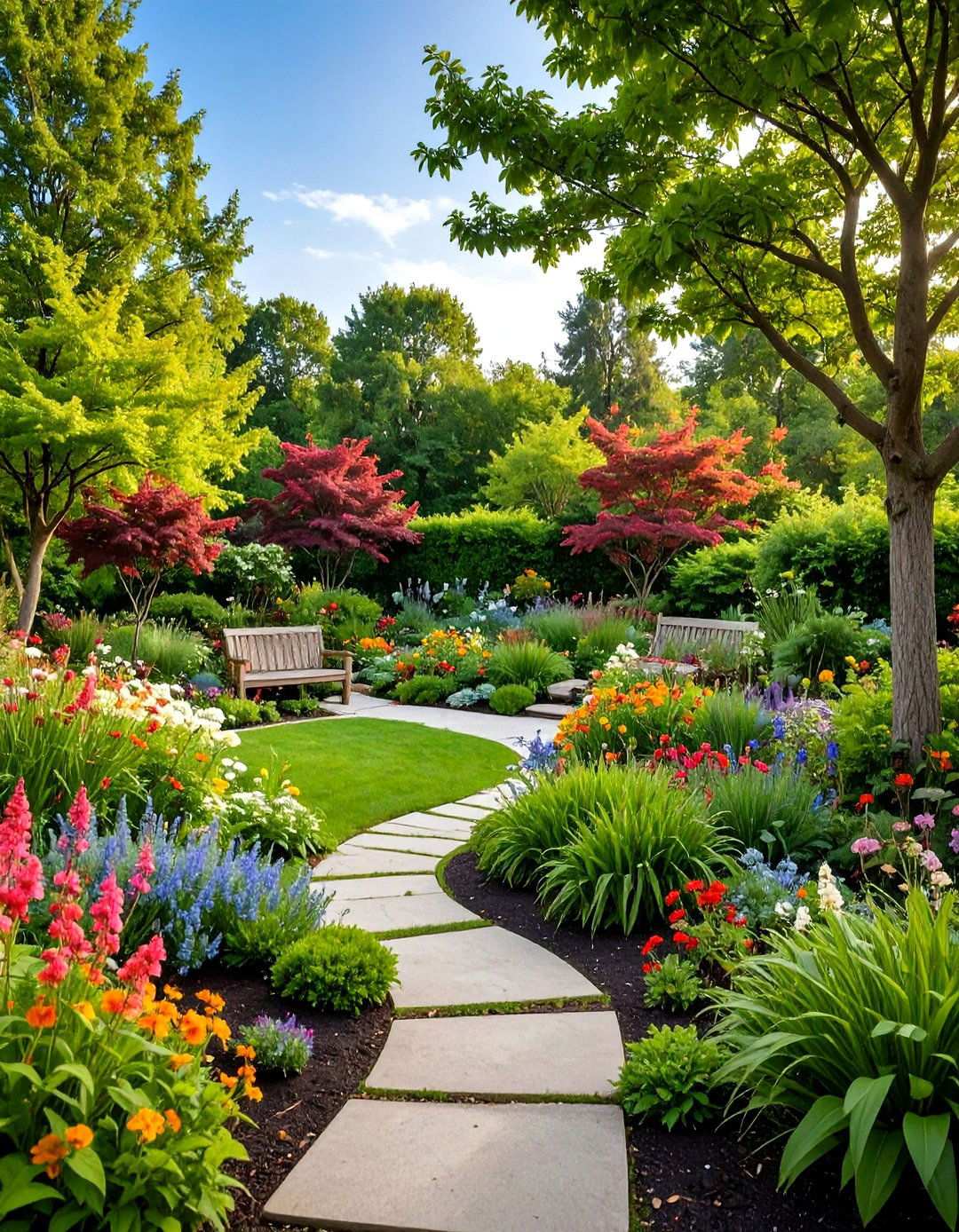
Craft diverse ecosystems that nurture local bird populations, pollinators, and beneficial insects by carefully selecting native plant species and water features that promote minimal water usage. This harmonious approach brings together native trees, shrubs, and perennials in strategic arrangements that provide food, shelter, and nesting sites for wildlife across various seasons. By incorporating native shrubs that produce berries, you can attract birds, while incorporating flowering plants will draw in butterflies and bees seeking nectar. Shallow basins and recirculating fountains serve as drinking and bathing spots without excessive water waste, while dense shrub plantings create secure nesting areas and varying plant heights accommodate the needs of different wildlife species. By abstaining from pesticides and embracing strategic placement near windows, you can safely observe wildlife indoors and foster a habitat that connects your property to broader ecological networks. This thoughtful design approach not only offers educational opportunities but also provides natural pest control benefits, allowing you to create thriving living landscapes.
13. Understated Modern Landscapes
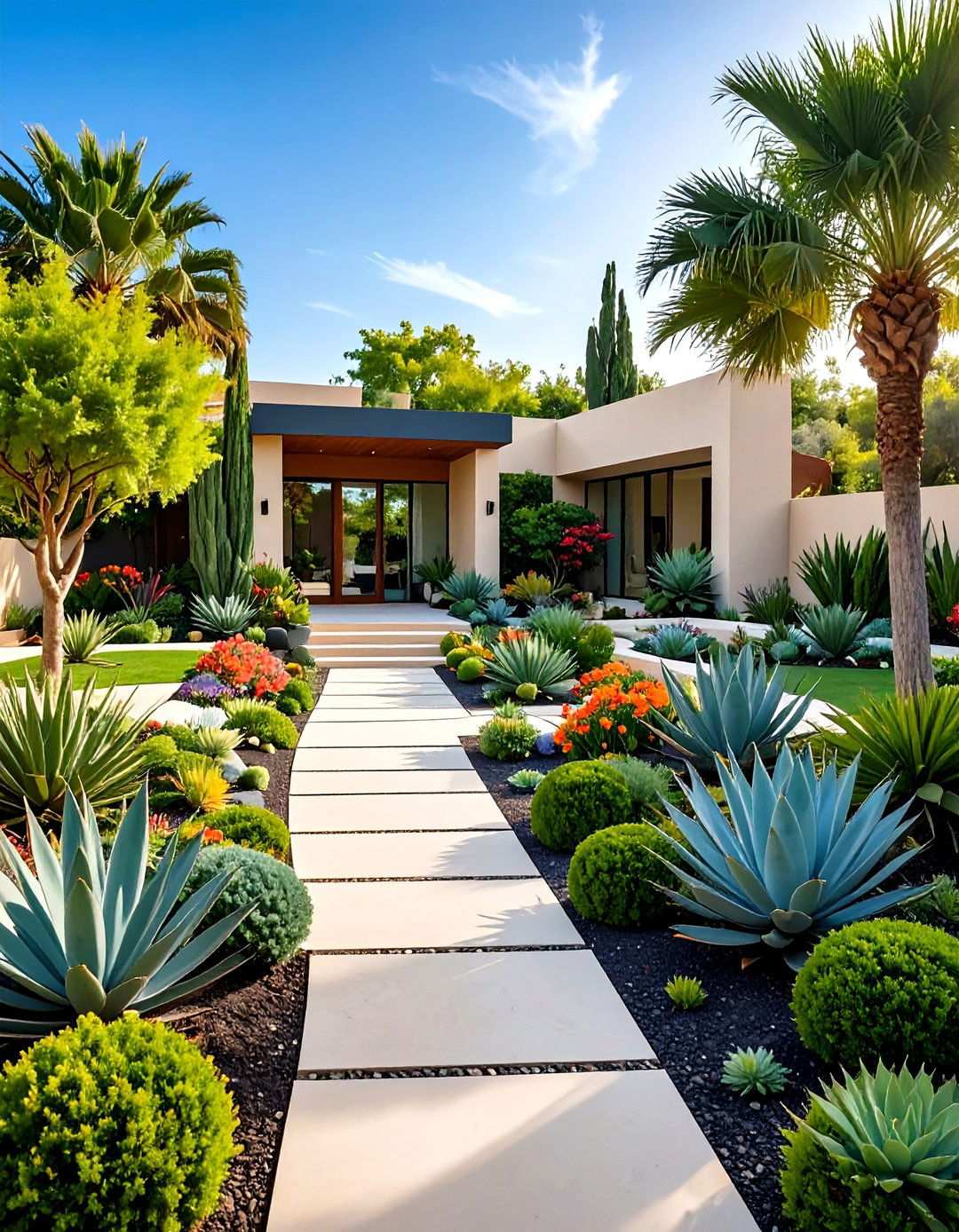
Adopt a minimalist style that incorporates clean lines and contemporary aesthetics through the use of carefully chosen drought-tolerant plants arranged in geometric patterns that complement modern architectural designs. This design philosophy emphasizes simplicity by using a limited number of plant varieties in bold, repetitive ways that create a striking visual impact. Architectural plants like agaves, ornamental grasses, or sculptural cacti are arranged in grid patterns or linear plantings, serving as living sculptures that add visual interest. Hardscape materials like concrete, steel, or gravel provide neutral backgrounds that highlight plant forms and textures, while restrained color palettes focus on foliage textures and forms rather than flower displays. Evening lighting highlights the architectural qualities of plants, extending the design’s impact beyond daylight hours. This approach appeals to homeowners seeking low-maintenance landscapes that complement contemporary home designs while demonstrating that environmental responsibility can align with cutting-edge aesthetic sensibilities.
14. Captivating Rain Gardens
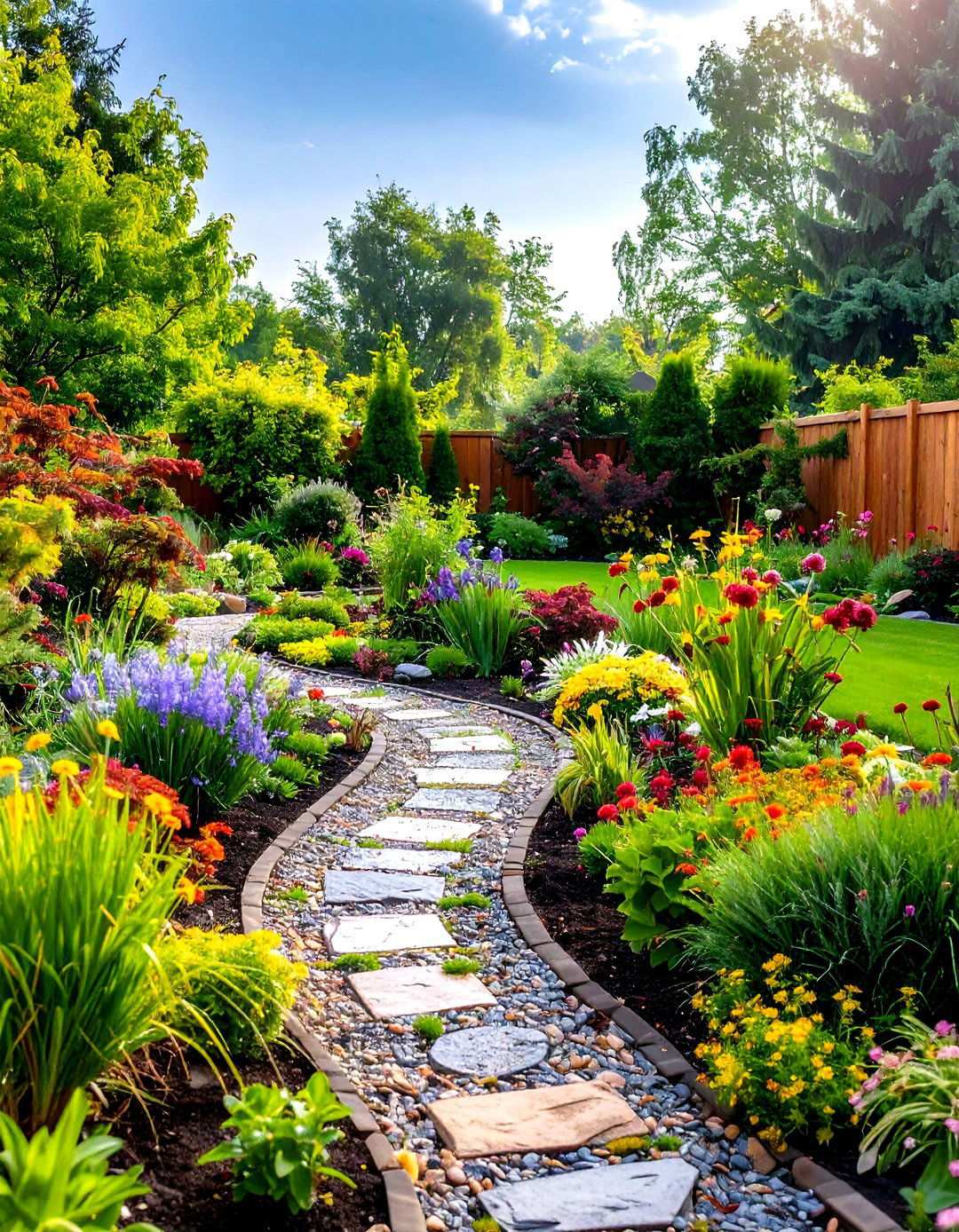
Revitalize neglected drainage areas by transforming them into vibrant landscape features that not only capture and filter stormwater runoff but also support unique plant communities thriving in alternating wet and dry conditions. By addressing practical water management concerns, these gardens also create visually striking areas that evolve dramatically with the changing weather. At the heart of these designs are native plants specifically adapted to seasonal moisture fluctuations, including species that can tolerate both standing water and drought. The carefully engineered shape and depth of the garden allow rainwater to slowly seep into the soil, mitigating erosion and flood risks. Visitors can explore the garden without disrupting the soil through strategically placed pathways and viewing areas, while educational elements like plant signage foster a deeper appreciation for local ecosystems. This holistic approach harmoniously combines environmental stewardship with aesthetically pleasing landscaping, offering potential benefits such as reduced property insurance costs and compliance with municipal stormwater regulations.
15. Dramatic Desert Tree Oases
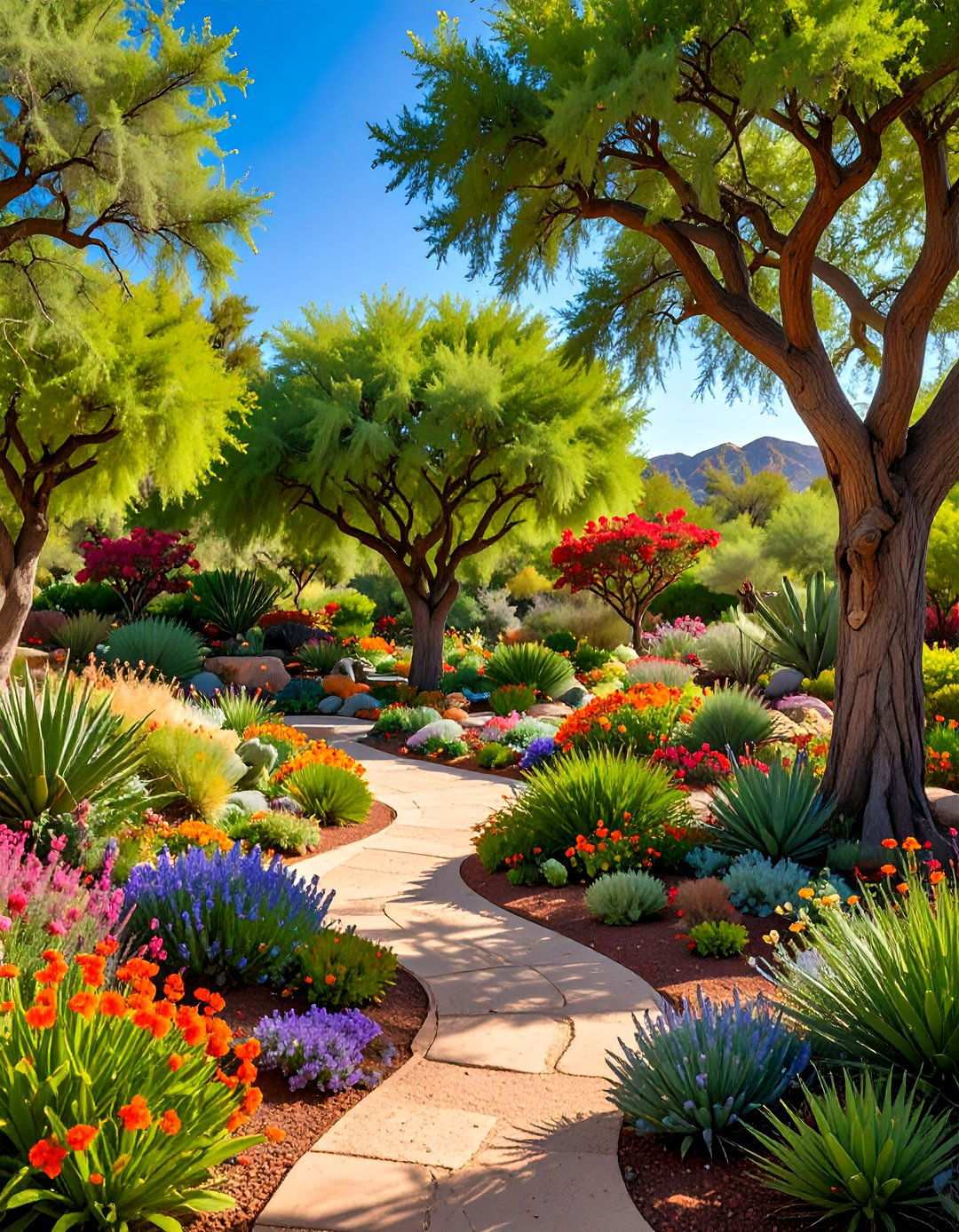
Imagine creating dramatic vertical elements that provide respite from the sun and add seasonal interest to your landscape while requiring minimal supplemental watering. Desert tree collections feature drought-adapted species artfully arranged to create cooling microclimates and striking architectural focal points throughout the landscape. Native trees expertly selected for their ability to thrive in arid conditions form the foundation, showcasing unique characteristics like bark, foliage, or flowering patterns. Understory plantings of shrubs and perennials complement the tree selections, introducing additional color and texture variations. By thoughtfully placing these trees, you can create shaded seating areas and buildings, reducing energy consumption and creating inviting outdoor spaces. As the seasons change, the foliage, flowering, or fruiting of the trees provide year-round visual interest, while their mature sizes allow for long-term landscape planning. To encourage extensive root systems that tap into groundwater, trees are watered deeply but infrequently during establishment, eventually becoming increasingly self-sufficient in their water requirements as they mature.
16. Gravel Garden Design
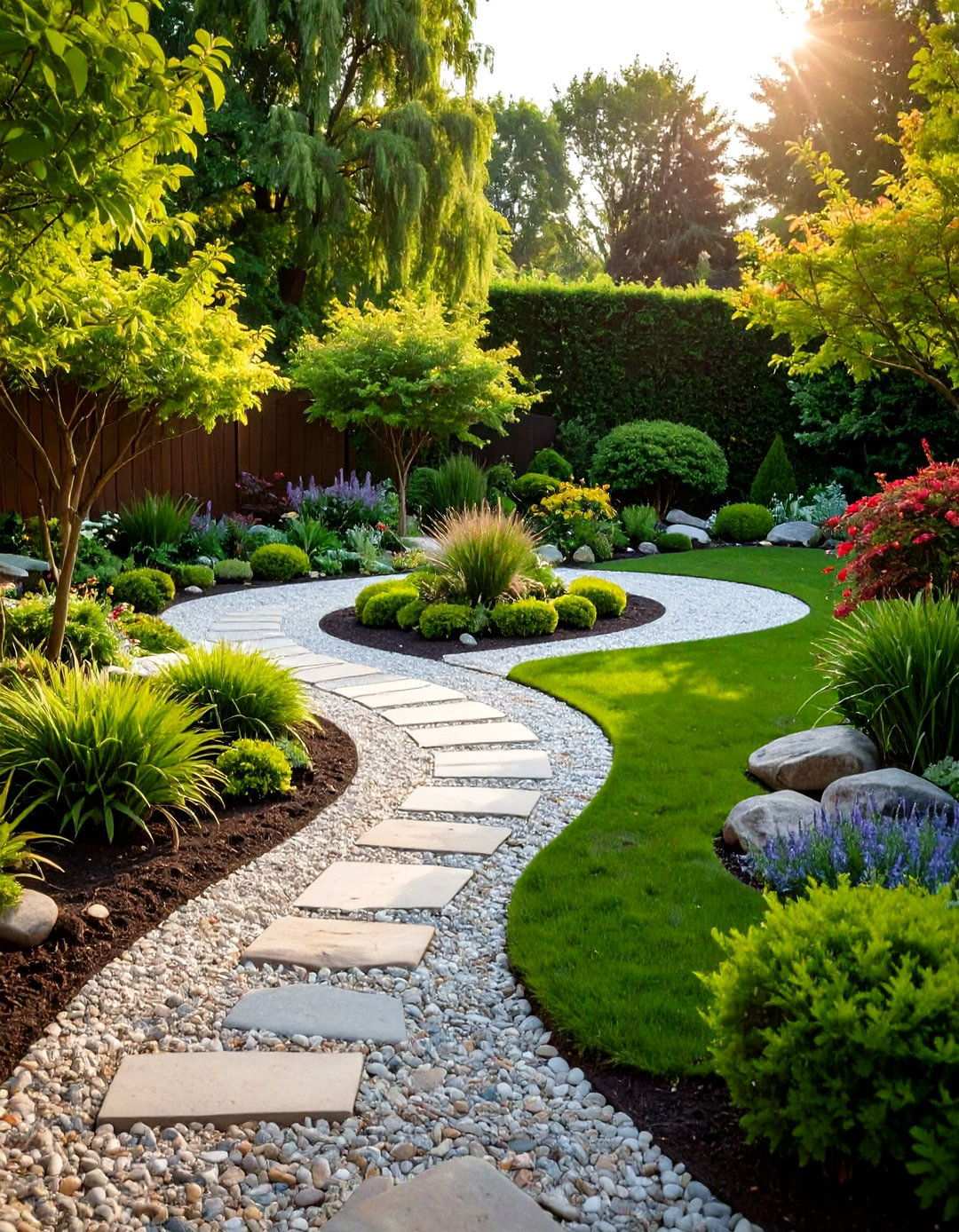
Experience the sophisticated charm of European-inspired gravel gardens that seamlessly integrate ornamental plants with decorative stone mulches to create elegant, low-maintenance landscapes. This design strategy employs various gravel types and sizes to generate textured interest while providing optimal drainage for plants that thrive in well-drained conditions. The interplay between plants emerging through gravel layers creates striking contrasts between soft plant textures and hard mineral surfaces, resulting in visually appealing landscapes. Pathways and seating areas blend harmoniously with planted areas through consistent gravel materials used throughout the design. Seasonal plantings of drought-tolerant perennials and ornamental grasses introduce dynamic changes in color, while the gravel foundation remains a constant element. Thoughtful placement of larger stones or boulders creates focal points and natural-looking arrangements, elevating the overall aesthetic of the garden. By employing this low-maintenance approach, gardeners can suppress weeds naturally while retaining soil moisture, requiring only occasional plant maintenance and periodic gravel refreshing to maintain a pristine appearance.
17. Perennial Border Collection
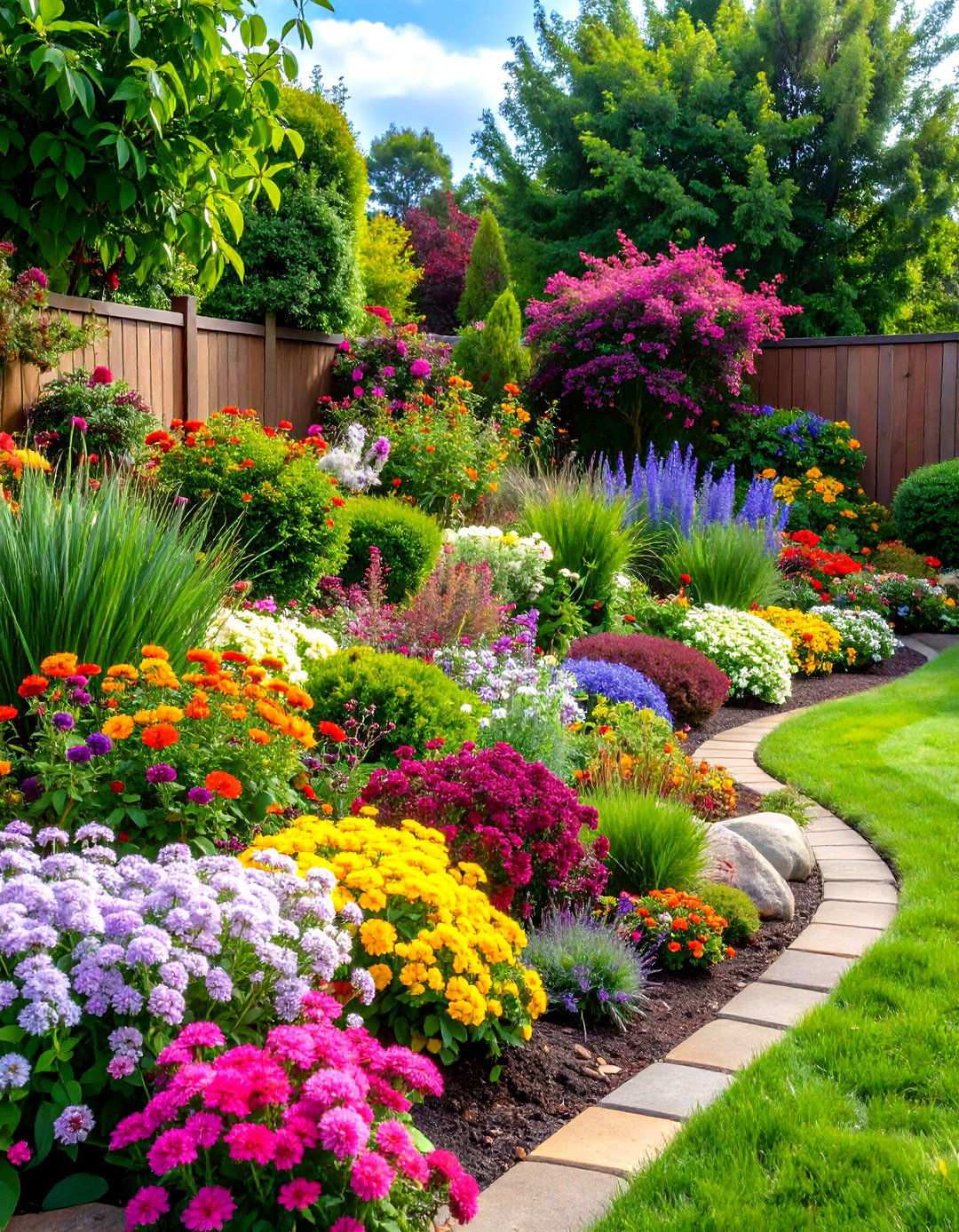
Establish lasting landscape beauty with carefully curated drought-tolerant perennials arranged in traditional border layouts that provide a succession of color while minimizing ongoing water input. This classic design approach combines perennials of varying heights, textures, and bloom times to create layered displays that remain visually appealing throughout growing seasons. Tall background plants like Russian sage or giant hyssop provide structure, while medium-height plants fill central areas and low-growing species edge pathways or lawn areas, creating a sense of balance. Color schemes are carefully coordinated to create harmonious displays, whether emphasizing single color families or combining complementary colors for dramatic effect. Strategic repetition of key plants creates unity, preventing the design from appearing chaotic or random. Winter interest is provided by plants with attractive seed heads or evergreen foliage, ensuring the border remains appealing even during dormant seasons. By adopting this approach, gardeners can enjoy traditional garden beauty adapted to contemporary water conservation needs.
18. Evolving a Water-Wise Oasis
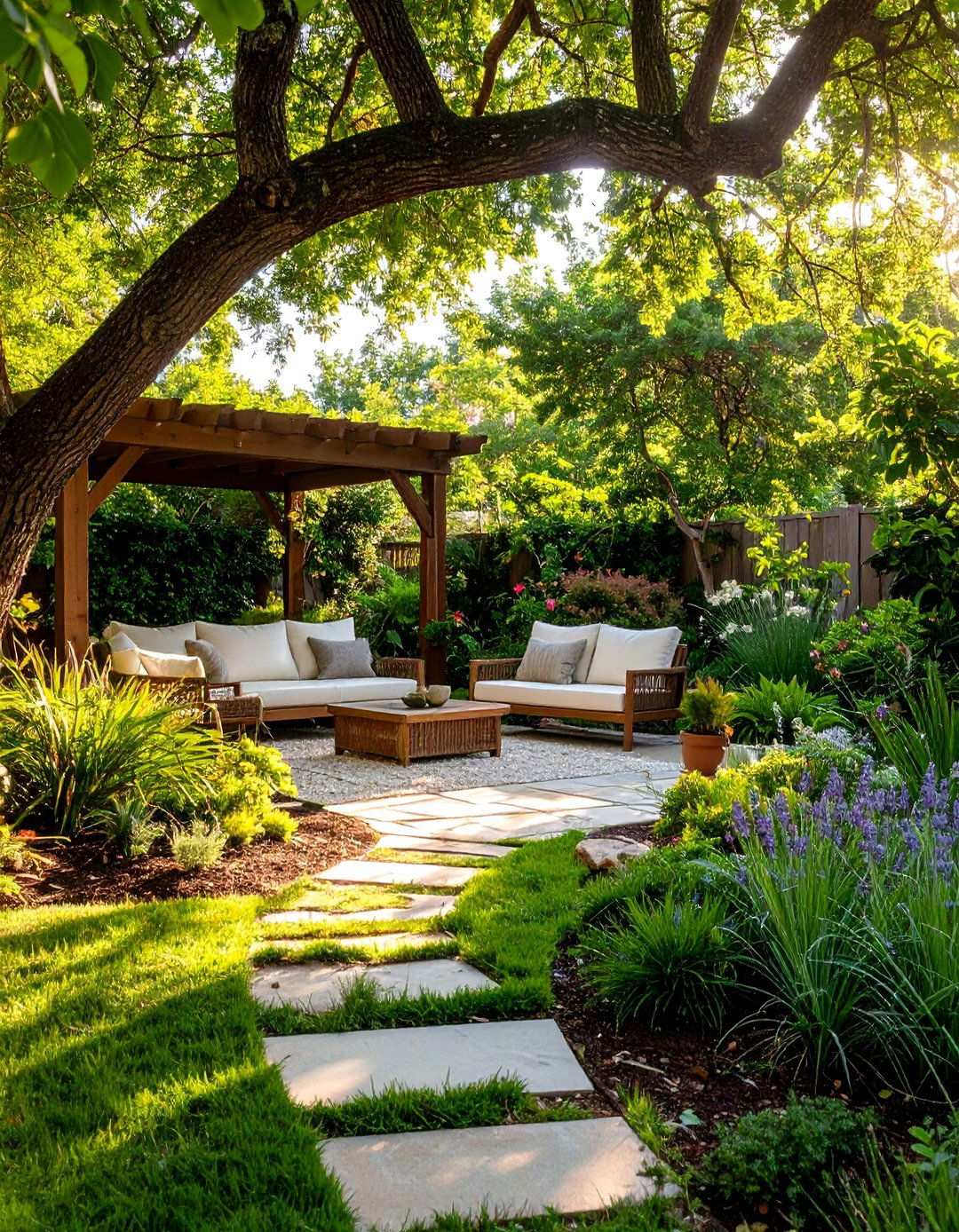
Drought-resistant gardening is often associated with sun-drenched areas, but this notion overlooks the potential for shaded spaces to thrive with strategic plant selection. By incorporating plants that have adapted to both shade and dry conditions, you can create serene retreats that not only conserve water but also provide respite from summer’s heat. Utilizing native woodland species and other shade-tolerant plants, these designs harness the natural beauty of filtered light and seasonal moisture fluctuations. A multi-layered approach to planting yields depth and visual interest, where towering canopy trees establish a shaded environment, understory shrubs fill in gaps, and low-growing groundcovers complete the foundation. The incorporation of hardscape elements, like benches and water features, enhances usability while introducing focal points in low-light conditions. Organic mulches serve a vital role, retaining moisture and improving soil conditions over time, which in turn promotes plant health and minimizes maintenance needs. As a result, even the shadiest areas can become thriving outdoor spaces that embody water-wise principles.
19. Blending Tradition with Water-Wise Design
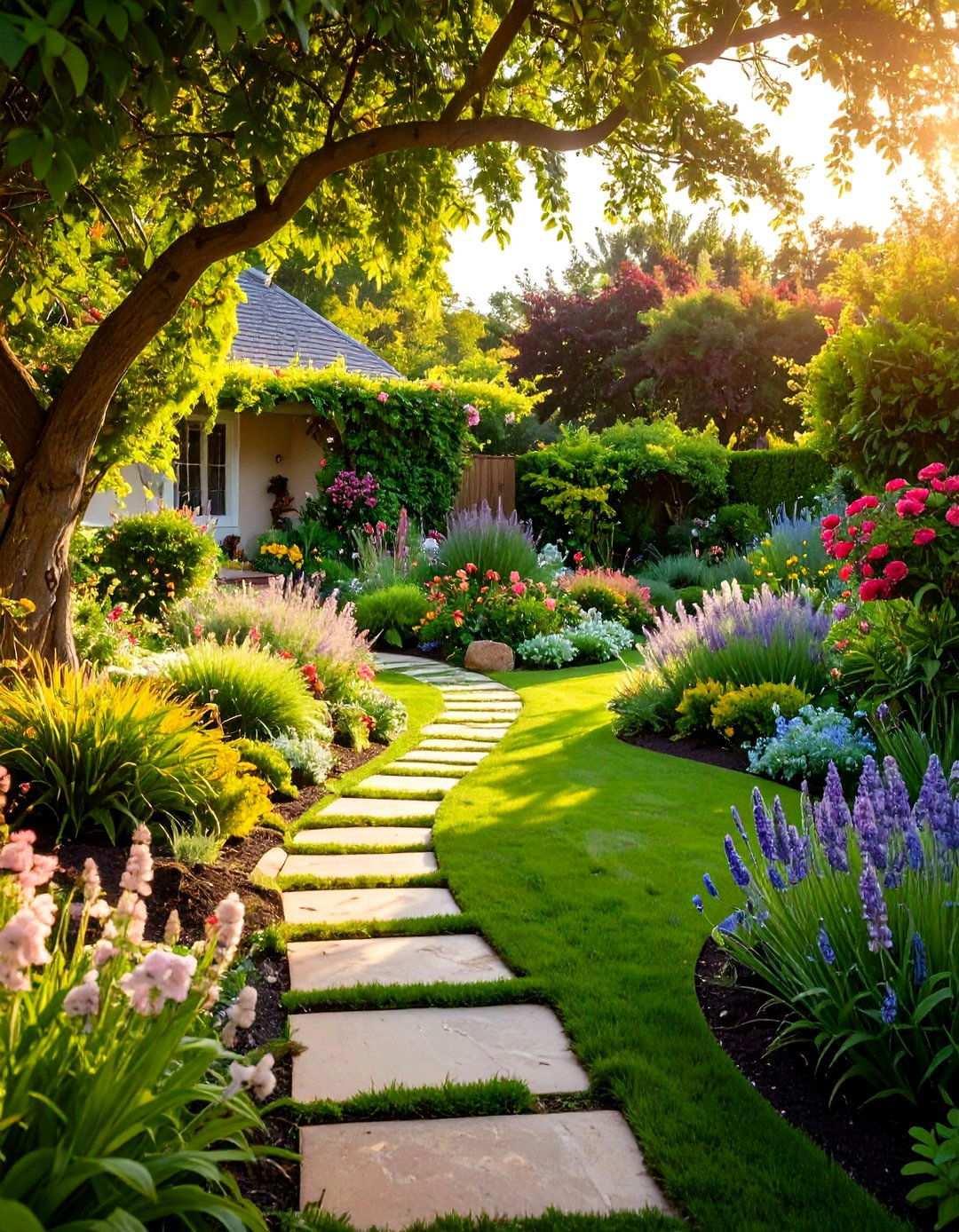
For those who cherish the charm of traditional cottage gardens, a water-wise approach offers an attractive compromise. By incorporating drought-tolerant plants into classic cottage garden designs, you can create lush, vibrant displays that require minimal irrigation once established. This approach involves combining the romantic appeal of timeless cottage garden principles with the practicality of water-efficient plants. Climbing vines, arbors, and fences provide vertical interest, while informal plantings of flowering perennials deliver the signature profusion of a cottage garden. Meandering pathways invite exploration, leading to hidden seating areas or garden features that encourage discovery. Soft, romantic color schemes are achieved through drought-tolerant flowering plants that attract beneficial insects and butterflies. The incorporation of traditional elements, such as picket fences and vintage containers, ensures that the authentic character of the cottage garden is preserved, proving that water conservation doesn’t have to come at the expense of beloved traditional styles.
20. Crafting Miniature Landscapes with Alpine Plants
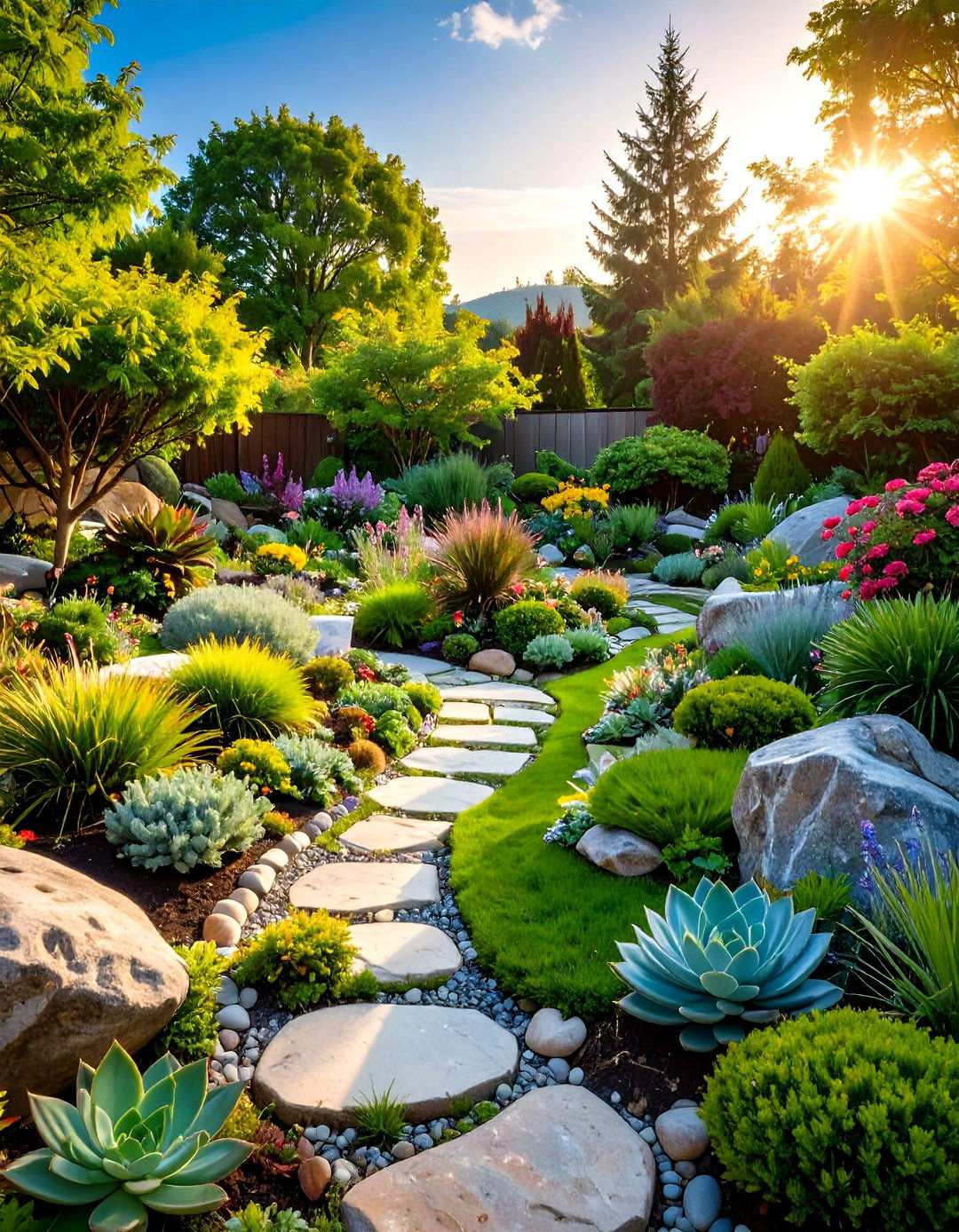
Immersive miniature gardens can be created in even the smallest of spaces by harnessing the beauty of alpine plants and expertly crafted rock formations that evoke the rugged majesty of natural mountain environments. Crevice gardens utilize strategically placed stones to create narrow, precision-cut planting spaces that provide optimal drainage and protection for a diverse array of specialized plants adapted to thrive in extreme conditions. This innovative approach enables the cultivation of rare or challenging species that would struggle to survive in typical garden conditions, opening up new possibilities for gardeners and enthusiasts alike. By layering stones to create both horizontal and vertical planting opportunities, each crevice can be carefully designed to meet the unique requirements of its resident plants, resulting in intricate displays that reward close observation. As the seasons unfold, the ever-changing foliage and blooms of these plants create a visually engaging spectacle that not only showcases the beauty of alpine plants but also provides an ongoing lesson in plant adaptation and resilience.
21. Sustainable Hedges for a Water-Conscious Landscape
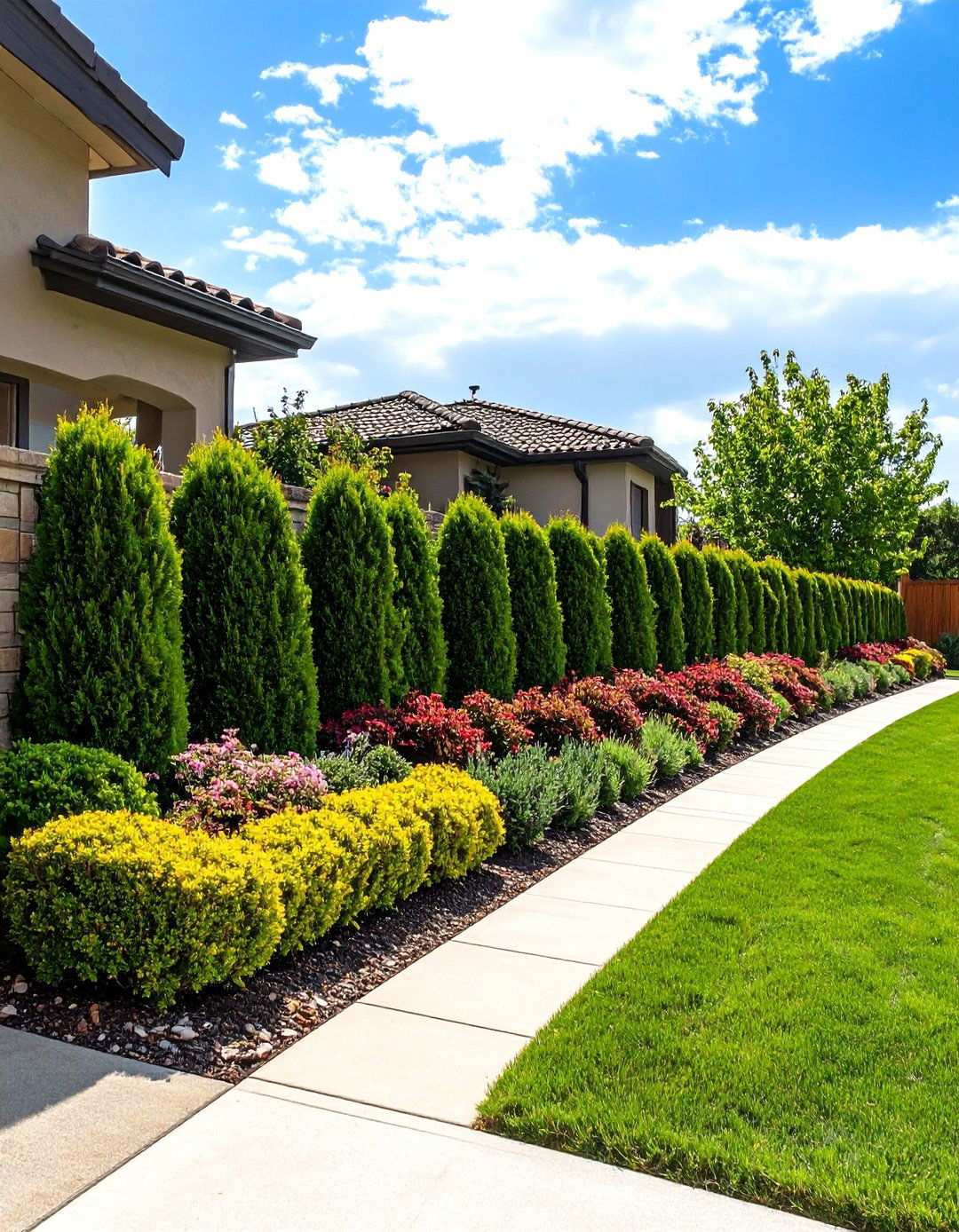
Traditional hedges requiring frequent watering can be replaced with drought-tolerant alternatives that not only provide effective screening and wind protection but also add seasonal interest to the garden. This practical design solution involves arranging drought-adapted shrubs in formal or informal hedgerow patterns that mature into robust barriers, offering a range of options to suit different needs and preferences. From low-maintenance border hedges to tall, imposing privacy screens, the choice of plant species depends on the desired mature height, width, and maintenance requirements. As the seasons progress, flowering varieties, colorful foliage, and berry production provide a rich source of visual appeal, while also supporting local wildlife. Strategically placed, these hedges can also create microclimates that reduce water loss from evaporation and benefit nearby plants, making them an attractive solution for gardeners looking to reduce their water footprint and lower their long-term maintenance costs.
22. Fire-Resistant Landscaping for Prone Areas
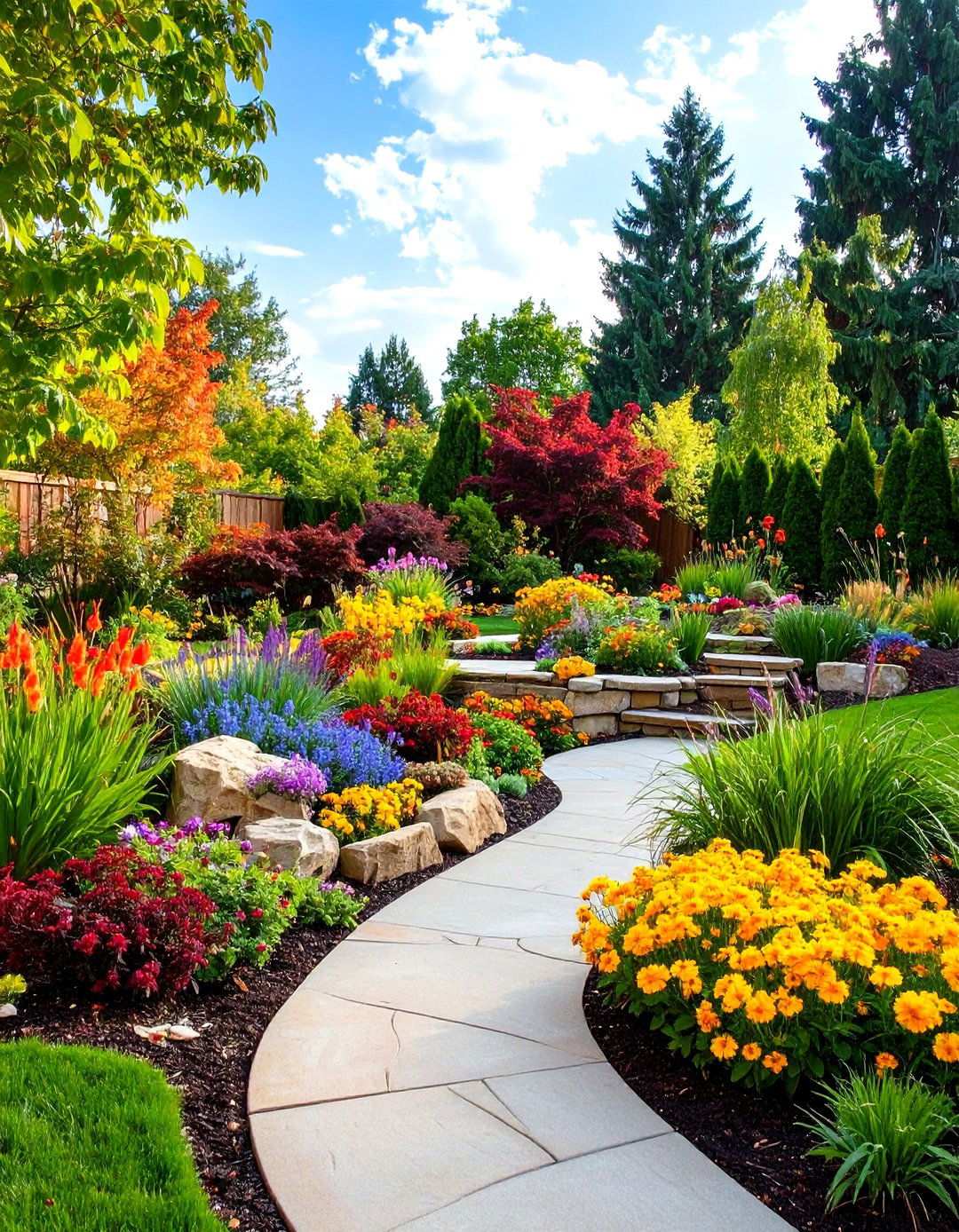
Homeowners residing in regions vulnerable to wildfires can significantly enhance property safety while maintaining visually appealing outdoor spaces by adopting fire-resistant landscaping strategies. This holistic approach to landscape design involves selecting plants with high moisture content and low flammability, alongside strategic space planning to minimize fire hazards. By choosing plants with growth habits that don’t create continuous fuel loads near structures, homeowners can substantially reduce the risk of fire damage. Effective spacing between plants prevents rapid fire spread, while pathways and cleared areas provide critical firebreaks and emergency access points. Incorporating hardscape elements like gravel areas, stone walls, or water features further enhances fire protection while contributing to the overall aesthetic appeal of the landscape. To maintain a fire-resistant landscape, focus on removing dead plant material and pruning to ensure healthy, well-spaced growth, rather than encouraging dense foliage. This thoughtful approach to landscape design offers peace of mind for property owners in fire-prone areas.
23. Ground Covers for Low-Maintenance Landscapes
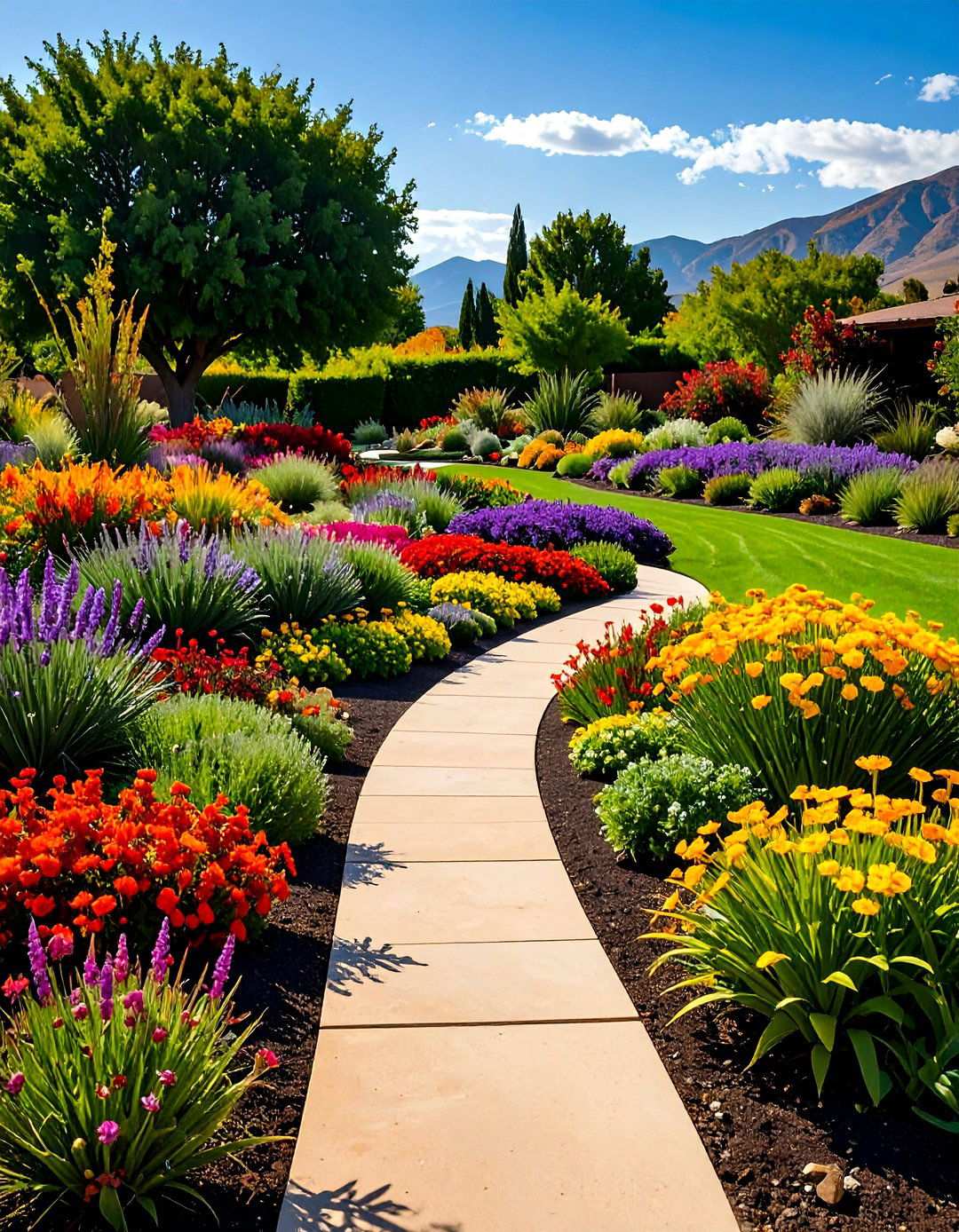
Homeowners seeking to revamp large areas typically devoted to water-intensive lawn grass can transform these spaces into attractive, low-maintenance ground covers that provide erosion control, visual continuity, and reduced upkeep. This design strategy leverages the natural ability of low-growing plants to spread and cover soil while requiring significantly less water than traditional turf grass. From flowering ground covers that offer seasonal color to evergreen varieties that maintain a consistent appearance year-round, there’s a diverse range of options to suit various tastes and needs. Careful placement of ground covers can also address practical issues like slope stabilization or areas with minimal foot traffic. By incorporating pathways through ground cover areas, homeowners can maintain access without damaging the plants, while varying ground cover types create visual interest through contrasting textures and colors. Once established, these ground covers become largely self-sufficient, requiring only occasional maintenance to remove weeds or prevent excessive spreading, thereby dramatically reducing landscape maintenance requirements.
24. Harmonious Landscapes Through Artistic Focal Points
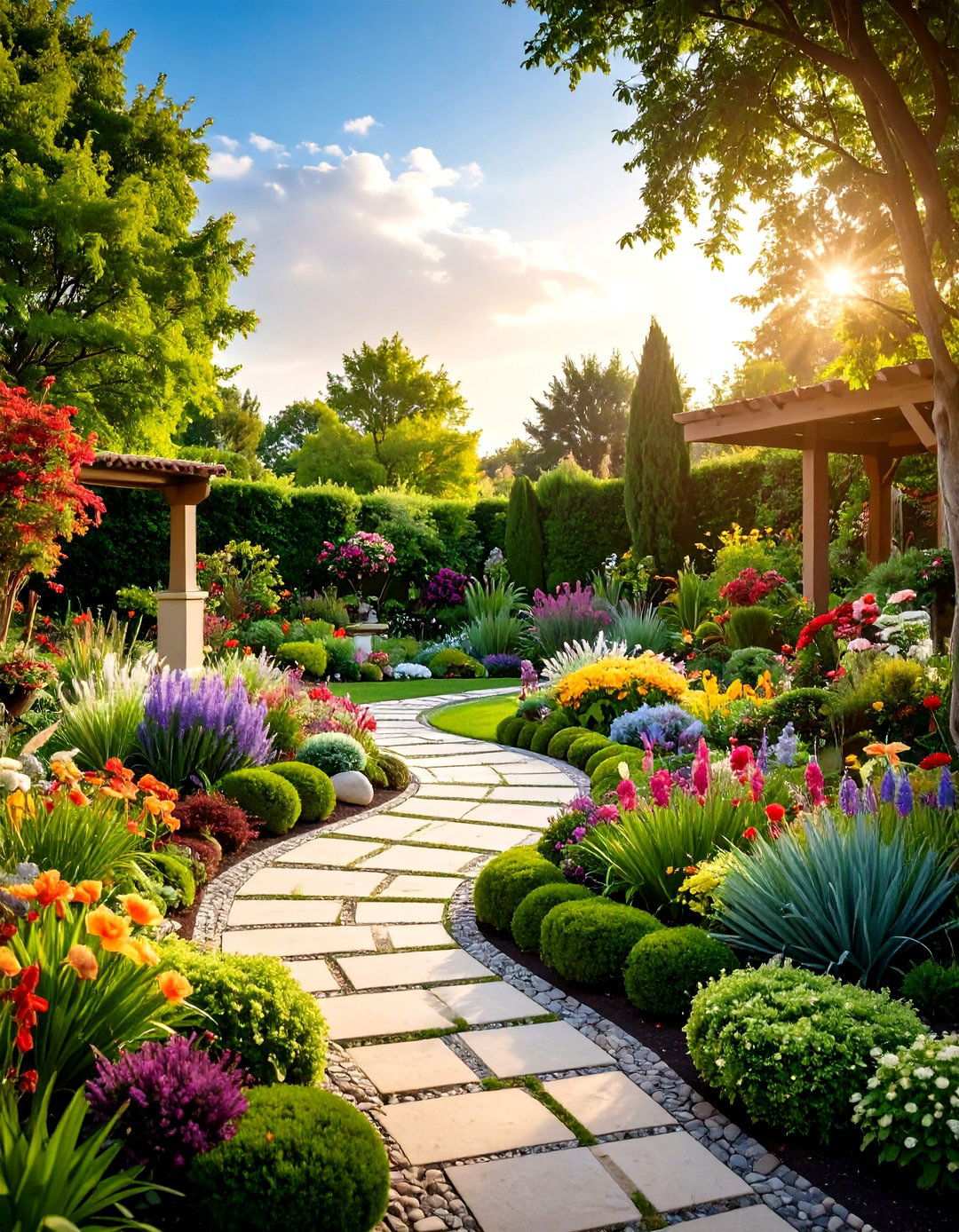
Effective landscape design relies on strategic visual anchors to captivate the eye and bring order to garden spaces. By incorporating drought-tolerant plants around artistic elements, sculptural features, or architectural plants, gardeners can create striking visual focal points that require minimal water. This design ethos prioritizes the creation of strong visual anchors that draw the eye, guiding the viewer’s attention through the landscape. Architectural plants like large agaves or specimen trees serve as living sculptures, commanding attention with their unique forms, while hardscape elements like boulders or art pieces provide permanent visual focal points. Supporting plantings enhance these focal elements by using complementary colors and textures to frame and highlight central features. Careful placement ensures that focal points are visible from key viewing areas like windows, patios, or entry points, creating a seamless visual experience. By incorporating lighting, gardeners can extend the visual impact into evening hours, creating dramatic shadow effects that enhance the overall aesthetic of the landscape. This approach demonstrates that water-wise gardening can achieve sophisticated artistic effects, providing practical solutions for landscape organization and visual interest throughout all seasons.