1. Timeless Elegance of Victorian Scrollwork Balcony Railings
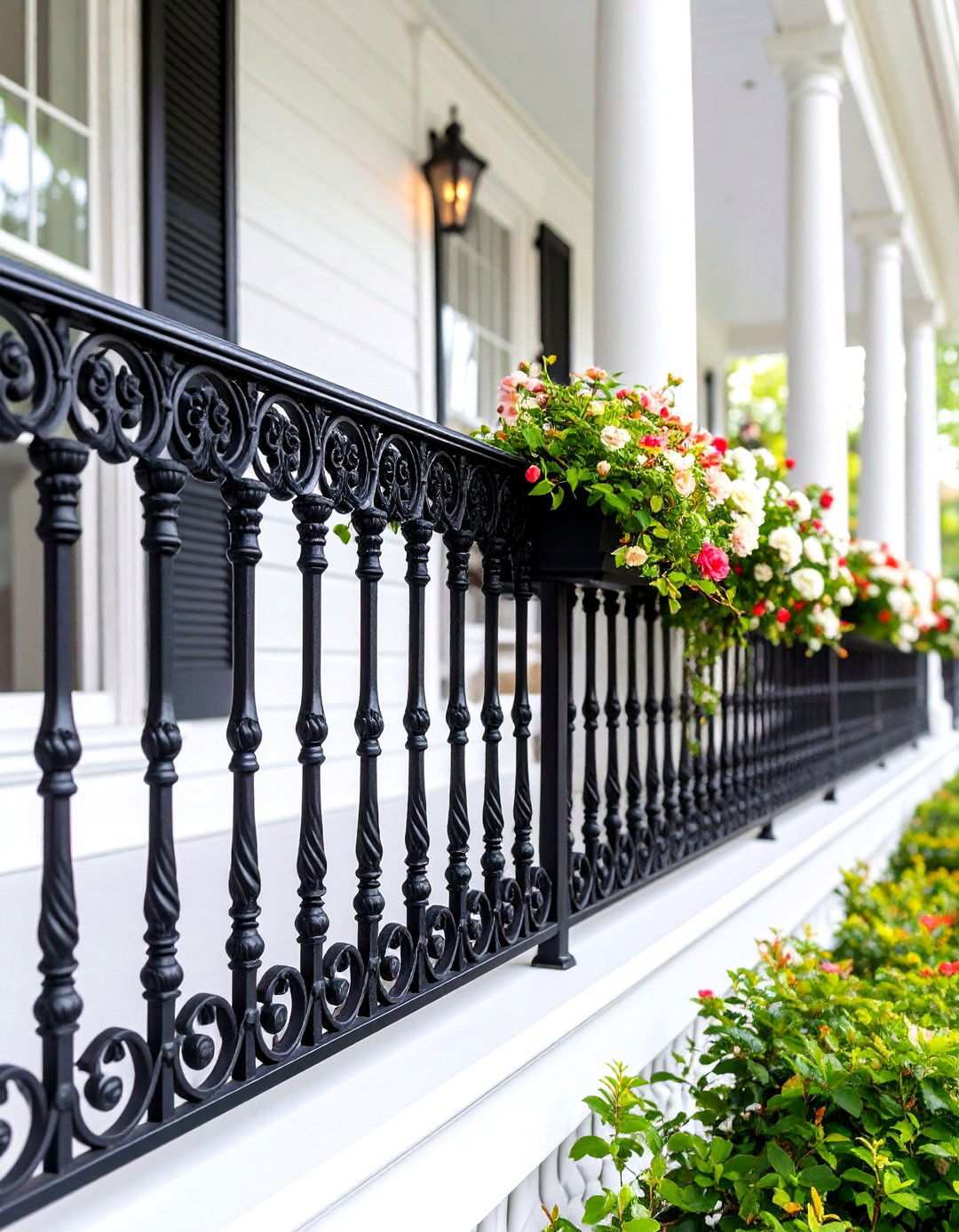
Wrought iron balcony railings have long been a hallmark of refined architecture, and Victorian scrollwork designs stand as a testament to the mastery of metalwork artisans. These intricate metal creations boast elaborate patterns and ornate motifs that transport viewers to a bygone era. With their sweeping curves and delicate volutes, Victorian-inspired railings evoke a sense of romance and nostalgia, perfectly suited to historic homes, traditional architecture, and properties seeking to infuse their exteriors with timeless elegance. Skilled blacksmiths employ traditional techniques to hand-forged elements featuring twisted balusters, ornamental leaves, and classical urns that capture the essence of the Victorian era. These decorative flourishes, often arranged in multiple layers of detail, create a visually stunning effect that’s both captivating and sophisticated. Rich finishes in deep black or bronze accentuate the refined appearance while providing durable weather protection, making these railings a superb choice for owners who desire a classic, sophisticated look that requires minimal maintenance.

As an Amazon Associate I earn from qualifying purchases.
2. Contemporary Geometric Balcony Railings Make a Statement
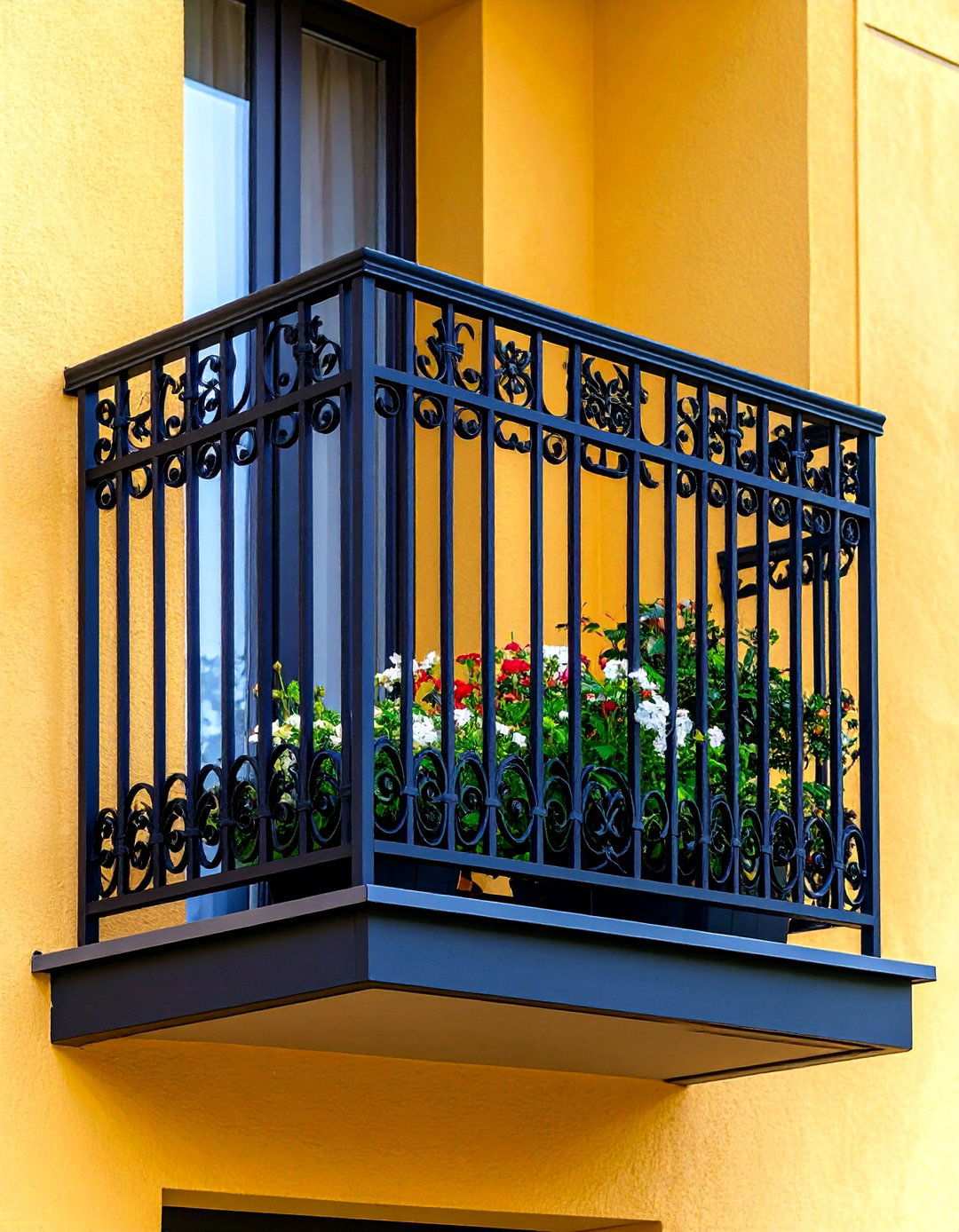
Geometric balcony railings have become a staple of modern architecture, characterized by bold lines, angular patterns, and minimalist flair that perfectly complements sleek urban homes and contemporary buildings. These designs rely on precise rectangular frames, square balusters, and linear compositions to create striking visual effects through simplicity. By incorporating repetitive patterns like diamond shapes, hexagonal motifs, or intersecting lines, geometric railings add a touch of sophistication without overwhelming the overall aesthetic. Their sleek powder-coated finishes in black, white, or custom colors maintain a long-lasting, contemporary look that effortlessly blends with modern design schemes. Moreover, the strategic use of negative space in these railings allows for unobstructed views while ensuring adherence to safety standards. This style is particularly well-suited to urban homes and minimalist design schemes where clean lines and architectural clarity are paramount.
3. Timeless Spanish Mediterranean Ironwork Elevates Exteriors
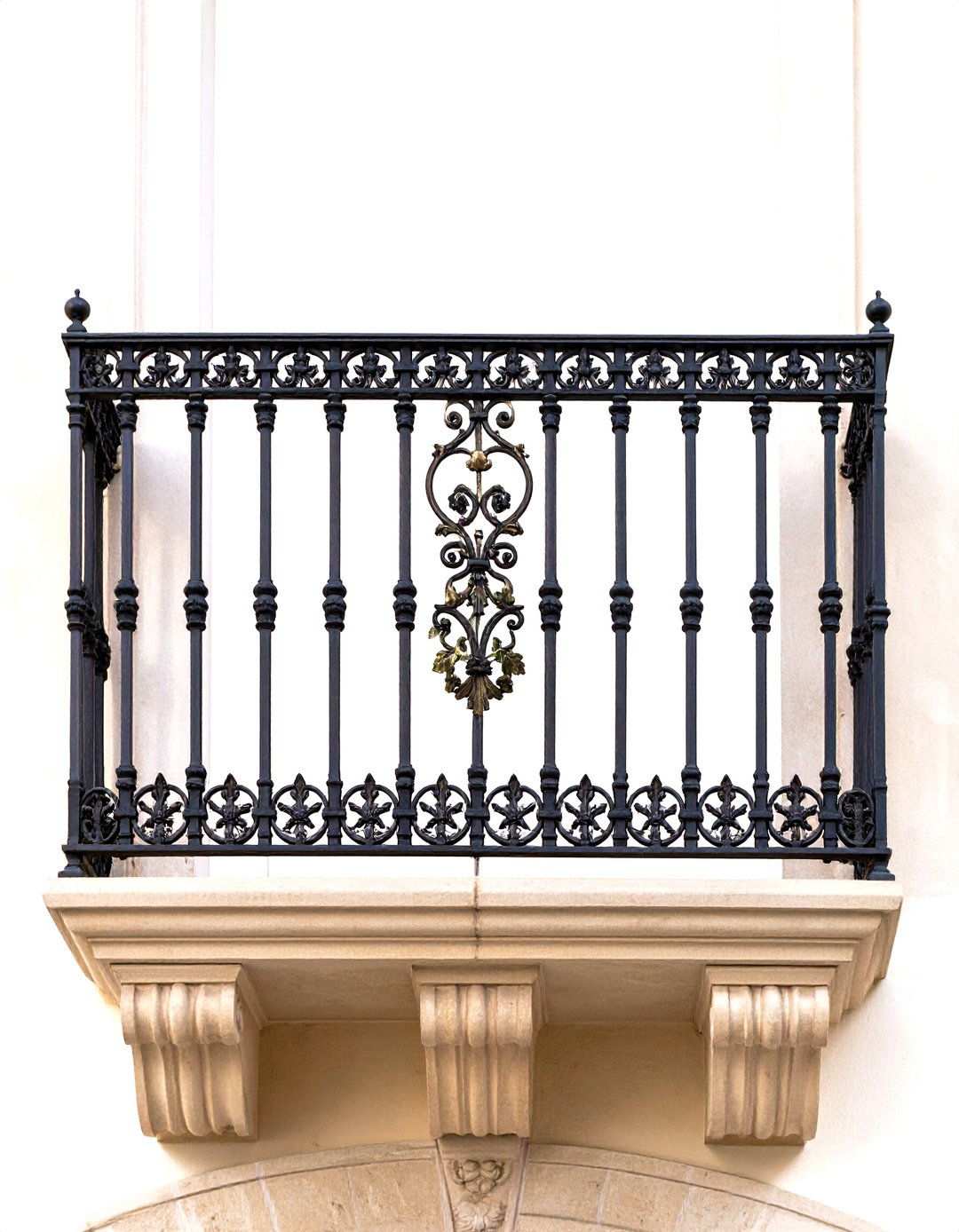
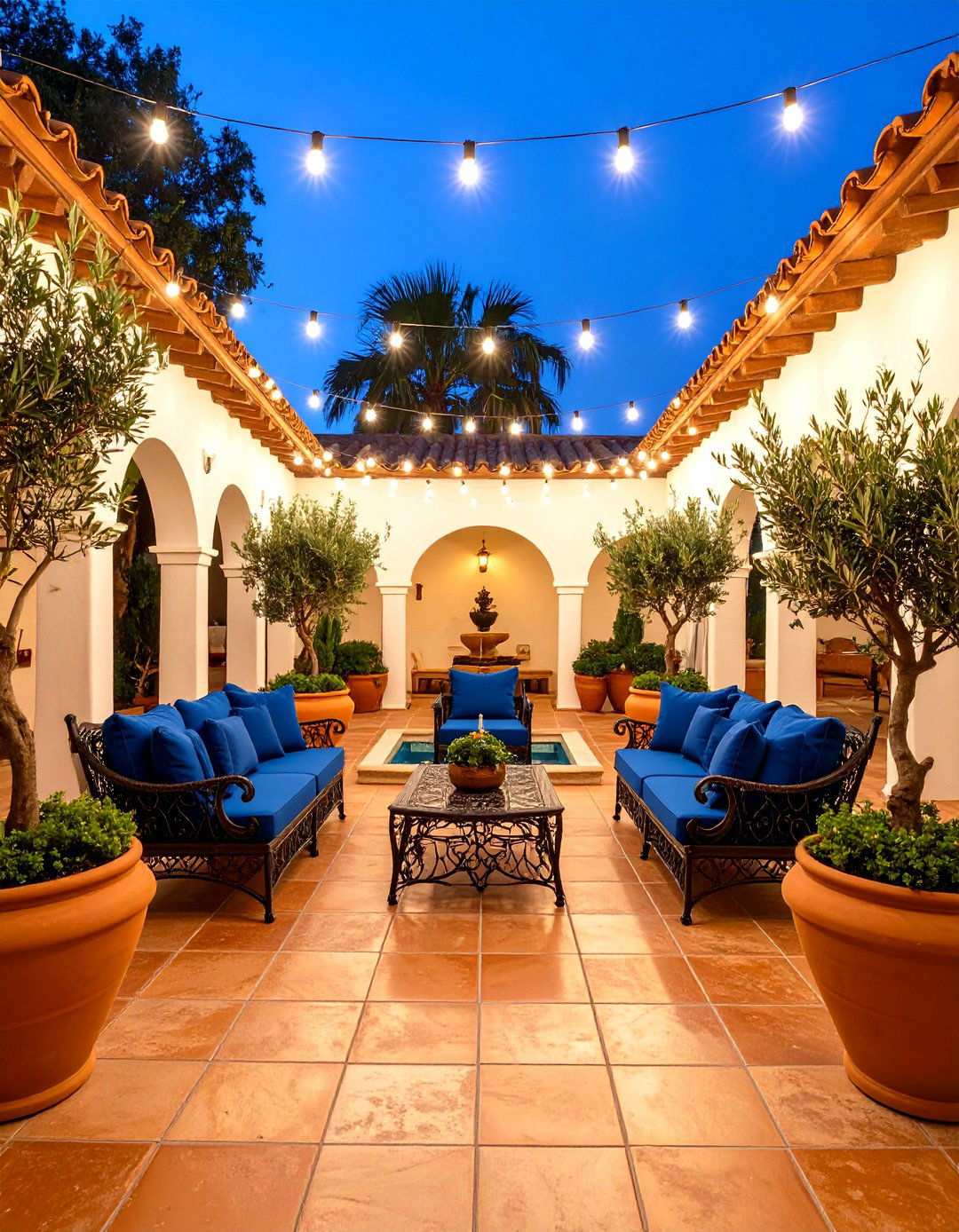
Spanish Mediterranean wrought iron balcony railings exude a rich cultural heritage through their distinctive artistic elements and warm, inviting aesthetic. These railings feature characteristic twisted balusters, elegant curves, and decorative finials that evoke the romance of Spanish courtyards and haciendas. Traditional motifs such as stylized flowers, vine patterns, and architectural elements like small arches or bell-shaped details expertly reference Spanish colonial architecture. The ironwork often incorporates varying heights and sculptural elements that create dynamic visual interest across the balcony’s length, adding depth and character to the exterior. Finish options like natural iron patinas, warm bronze tones, or deep black coatings beautifully complement Mediterranean color palettes, creating an authentic ambiance that enhances property character and regional architectural identity. These designs pair seamlessly with stucco exteriors, terra cotta roofing, and warm-toned building materials, making them a perfect fit for Mediterranean-inspired homes.
4. French Juliet Balcony Railing Styles
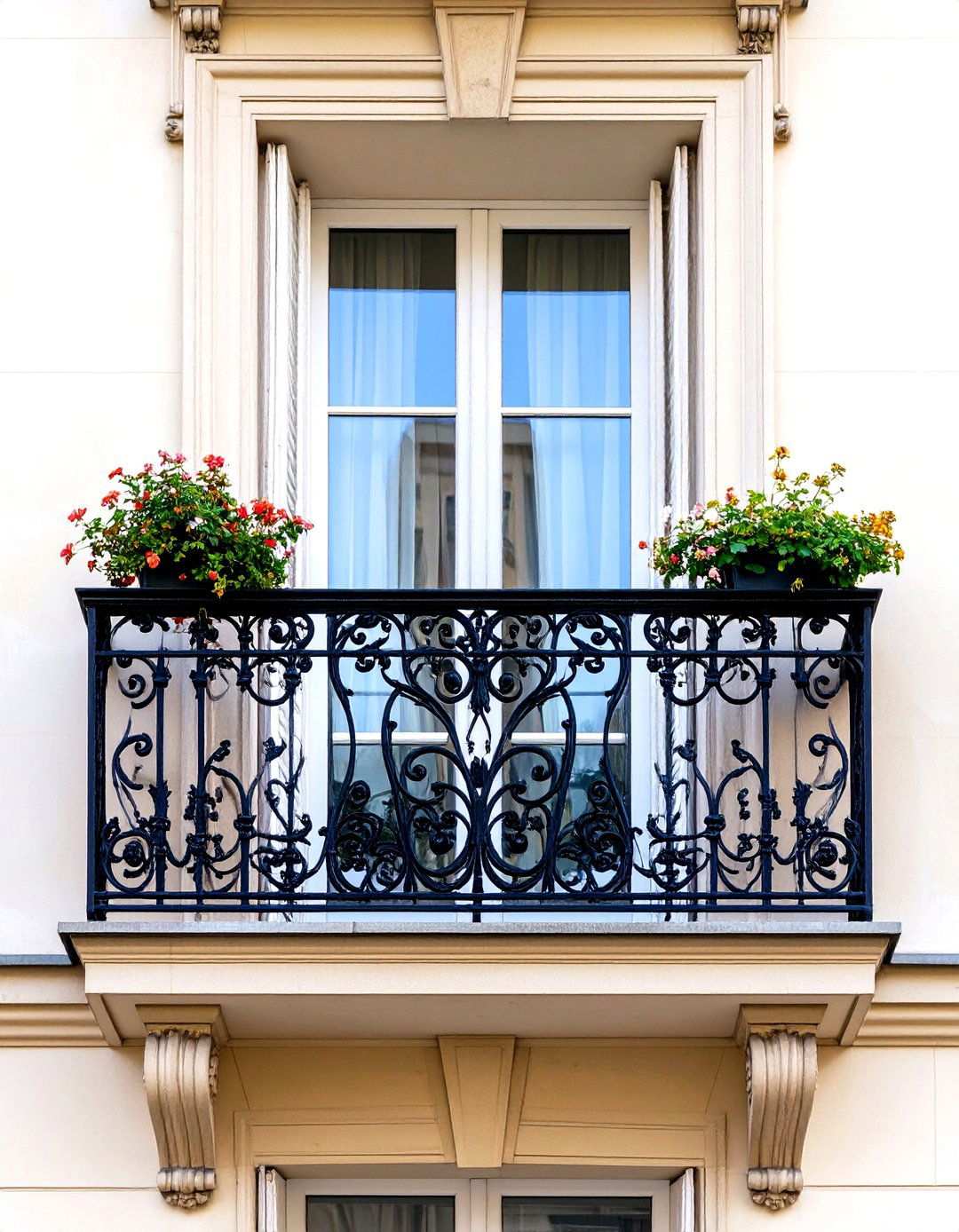
French Juliet balcony railings offer a versatile solution for full-length windows and doors, providing a sleek and secure option that doesn’t require a traditional balcony platform. These compact railings are designed to maximize visual appeal within limited spaces, boasting refined proportions and sophisticated detailing that evokes the classic elegance of Parisian architecture. By incorporating delicate curves, scrollwork, and proportioned vertical elements, French Juliet railings create a romantic ambiance reminiscent of European design. Typically extending just beyond the window frame, these railings not only meet safety standards but also cleverly create the illusion of a traditional balcony. With a range of finish options available, from classic black iron to beautifully painted colors that coordinate with building trim, these solutions are perfect for upper-story bedrooms, historic renovations, and properties where full balconies are not feasible but owners desire the classic European charm and safety benefits of traditional balcony railings.
5. Industrial Rustic Balcony Ironwork
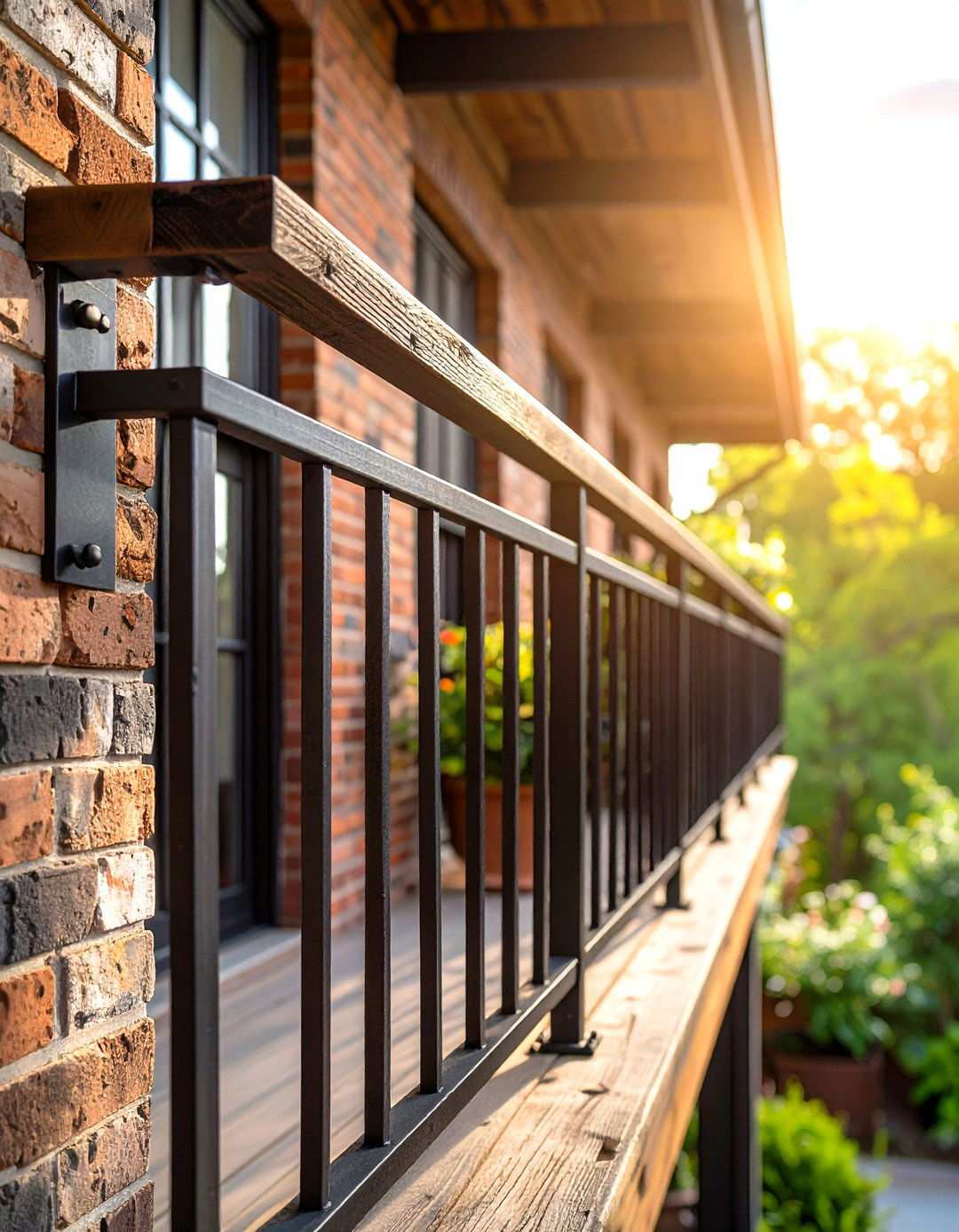
Industrial rustic wrought iron balcony railings celebrate the raw beauty of unrefined materials and honest construction, combining raw metal aesthetics with functional design elements that tell the story of the manufacturing process. Characterized by heavy-gauge steel components, visible welds, and deliberately rough finishes, these railings feature a raw, industrial look that’s both functional and decorative. Design elements include clean lines, minimal ornamentation, and utilitarian details like exposed hardware and structural connections that add to the overall aesthetic. The rustic approach often incorporates mixed materials such as reclaimed wood handrails, weathered steel posts, and natural patina finishes that develop character over time. Color schemes typically feature dark metallics, natural rust tones, or matte black coatings that enhance the urban industrial aesthetic, making these railings a popular choice for converted warehouses, loft apartments, modern farmhouse designs, and contemporary homes seeking to incorporate authentic industrial character into their architectural expression.
6. Captivating Art Deco Balcony Railing Designs
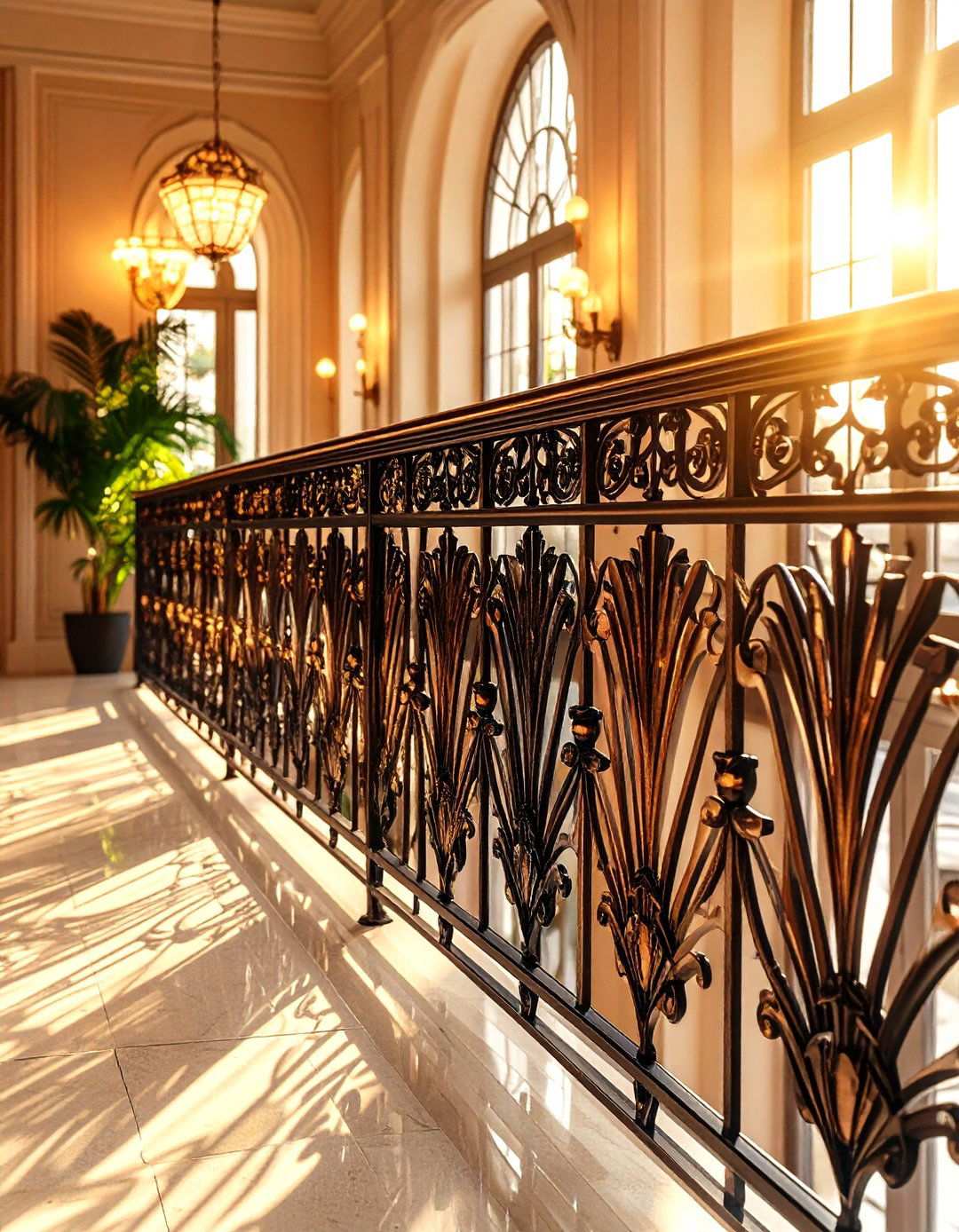
The Art Deco wrought iron balcony railings exude the opulence of the Roaring Twenties and Thirties through intricate geometric patterns, stylized motifs, and masterful metalworking techniques. These designs embody the era’s modernist optimism, featuring distinct elements like sunburst patterns, zigzag lines, stepped forms, and stylized floral motifs that create a sense of dynamic movement. Characterized by repetitive geometric modules, these railings strike a perfect balance between rhythm and design coherence, while vertical emphasis through elongated balusters and upward-reaching decorative elements amplifies the grandeur associated with Art Deco architecture. Available in a range of finishes, including polished metallics, deep blacks, and rich bronze tones, these railings are a perfect fit for Art Deco buildings, contemporary homes seeking period charm, and properties where artistic expression and functional design converge.
7. Harmonious Combinations of Glass and Iron Balcony Railings
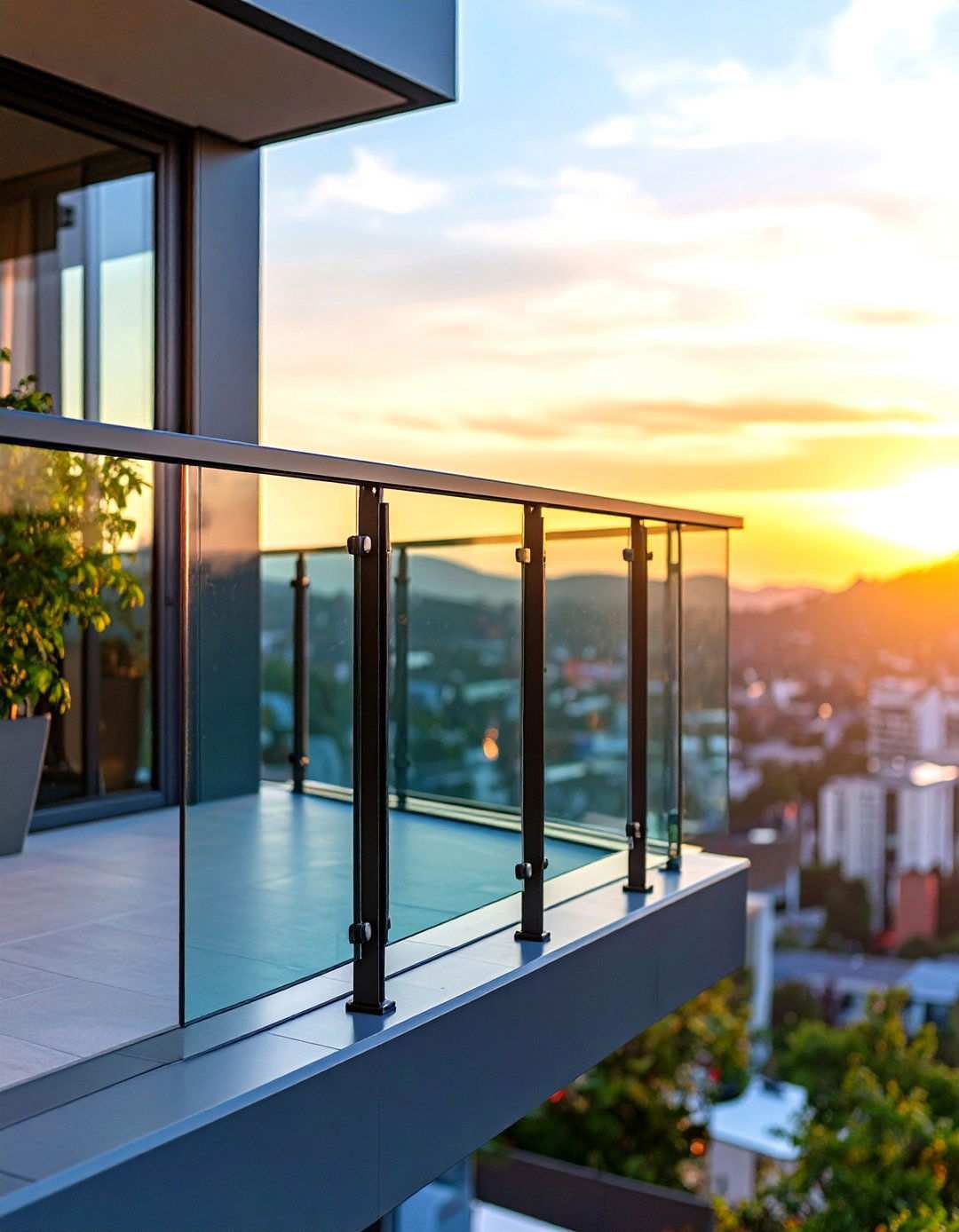
The fusion of glass and iron in contemporary balcony railings creates a seamless blend of transparency and structural strength, maximizing views while maintaining safety and design panache. These hybrid systems typically feature minimalist iron frames that support expansive tempered glass panels, minimizing visual obstruction while ensuring wind protection. The iron components often employ sleek profiles, concealed fasteners, and powder-coated finishes that harmonize with the glass elements without competing for visual attention. Design variations include full-height glass panels, horizontal glass strips between iron rails, or alternating glass and iron sections that create captivating compositions. By allowing natural light to flow freely and providing unobstructed sightlines to landscapes, cityscapes, or garden views, these railings excel in contemporary architecture, high-rise apartments, waterfront properties, and homes where preserving views takes precedence over traditional railing aesthetics while meeting all safety requirements.
8. Elevating Elegance with Classic Iron Railings
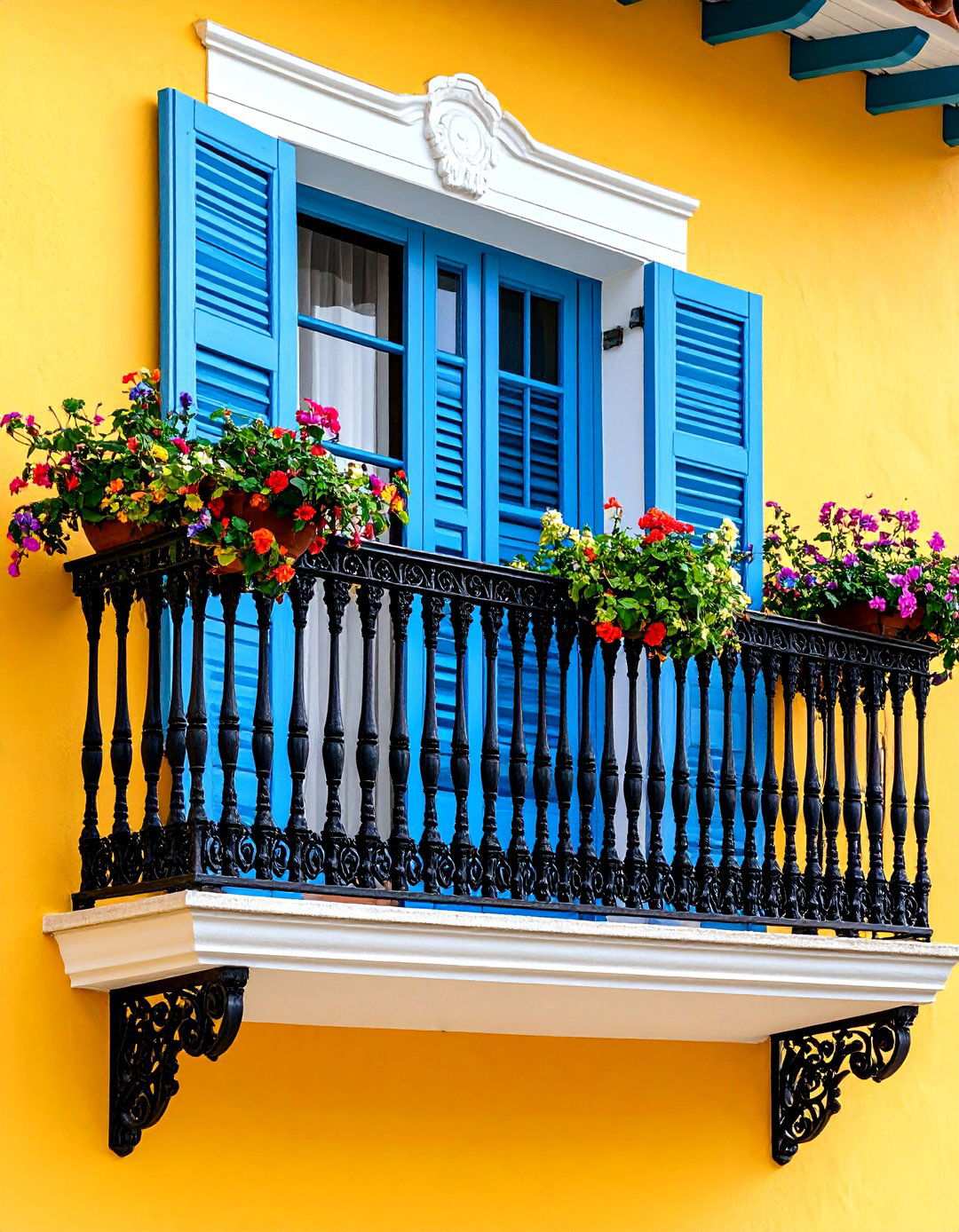
Classic iron balcony railings bring a sense of timeless sophistication to any architectural setting through a masterful blend of simplicity and functionality. By focusing on clean lines, evenly spaced vertical elements, and a limited palette of decorative motifs, these railings strike a perfect balance between safety and aesthetics. The understated design allows the railings to seamlessly integrate with a wide range of architectural styles, from colonial homes to commercial buildings, without overpowering existing design elements. Crafted using standard iron profiles, welded connections, and durable finish coatings, these railings are built to last with minimal maintenance requirements. To suit various design preferences, color options include classic black, custom paint colors, or natural iron finishes that harmonize with building materials and trim details, creating a cohesive visual identity.
9. Whimsical Floral Ironwork: Where Nature Meets Artistry
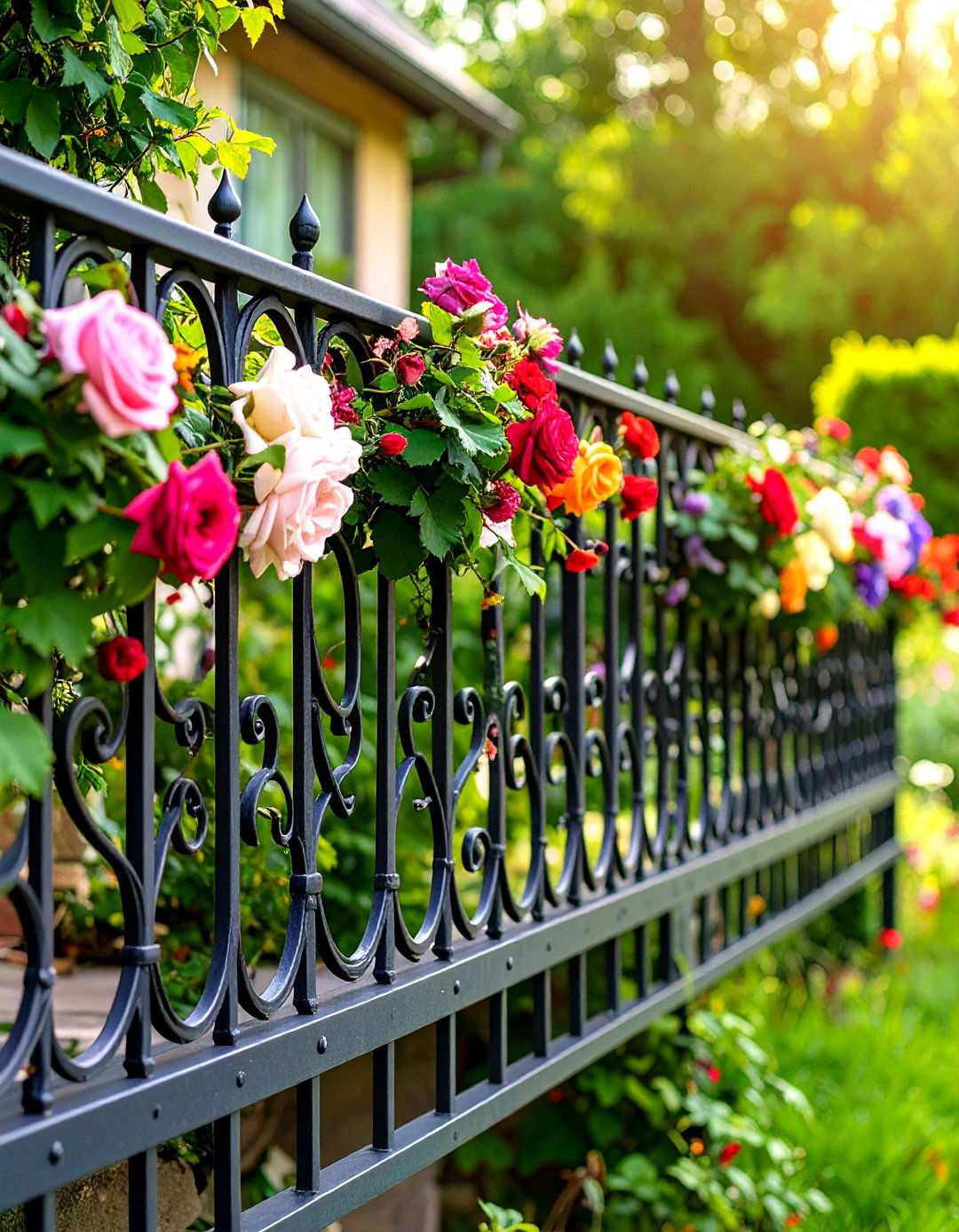
Wrought iron balcony railings that celebrate the beauty of nature offer a unique opportunity to create an exterior space that is not only functional but also a work of art. By incorporating hand-forged flowers, leaves, vines, and stems, these railings bring a touch of traditional craftsmanship and attention to detail to the property. Popular motifs such as roses, acanthus leaves, and stylized tree branches can be customized to reflect regional flora or personal preferences, making each railing a one-of-a-kind piece. The seamless integration of floral elements with structural components like posts and rails creates a harmonious balance between decorative and functional design. With finish options ranging from natural iron patinas to painted colors, these railings can be tailored to complement garden-focused homes, cottage-style architecture, or any design scheme where metalwork craftsmanship meets natural beauty.
10. Balcony Railings with a Sense of Simplicity
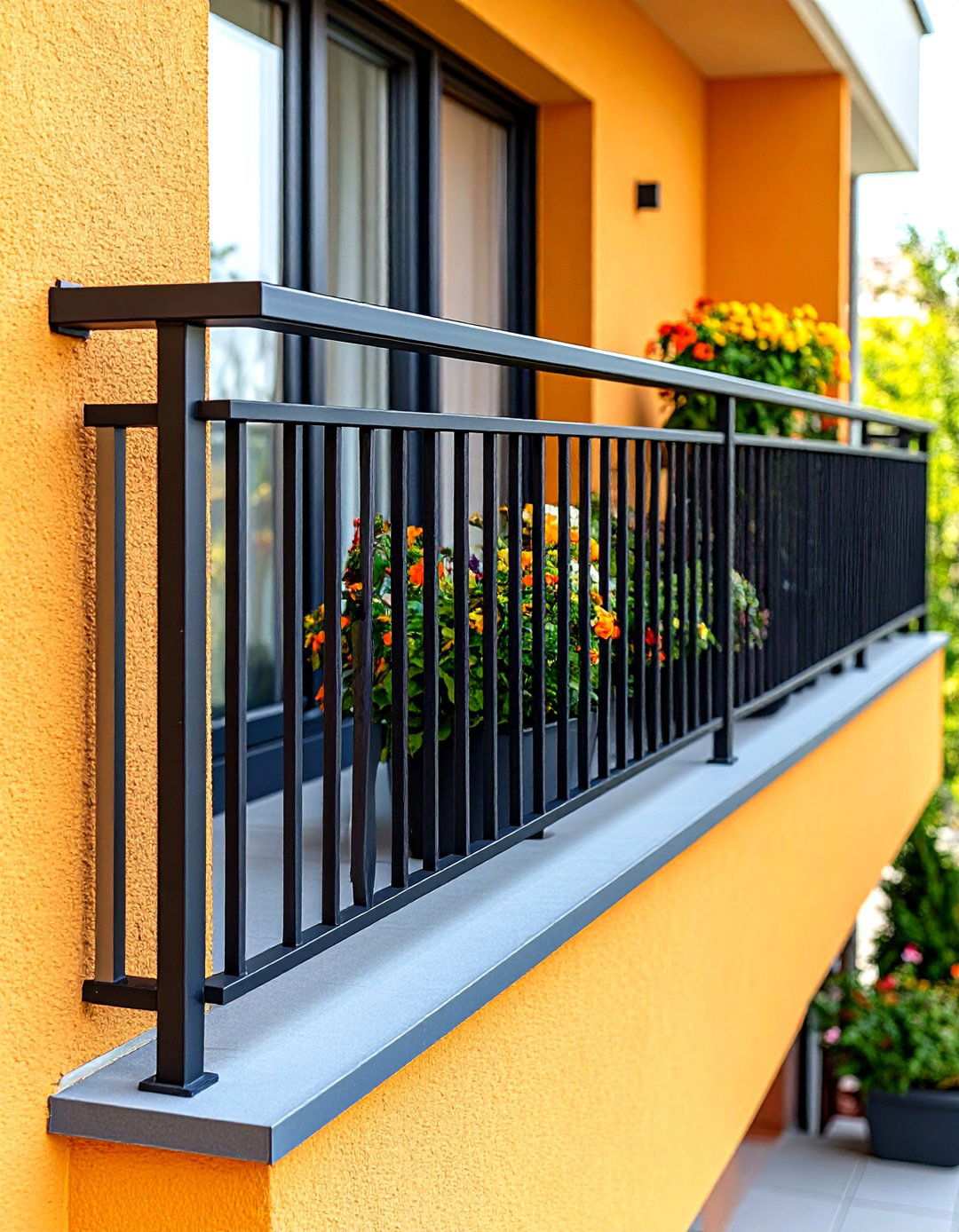
Clean lines and uncluttered aesthetics define minimalist horizontal line wrought iron balcony railings, which rely on a repetitive pattern of horizontal elements to create a modern visual rhythm. This design style features parallel horizontal bars, cables, or flat strips that span the length of the balcony, often with minimal vertical supports that seamlessly blend into the overall composition. By emphasizing the horizontal aspect, these railings create a sense of width and openness, while maintaining essential safety heights through strategic spacing and structural engineering. A range of materials can be used to achieve this look, including slim iron profiles, stainless steel cables, or flat bar stock, which all contribute to a clean and minimalist aesthetic. Neutral color options, such as black, white, or natural metallics, can be used to finish the railings, supporting the minimalist design without introducing visual complexity. These railings are particularly well-suited to contemporary homes, modernist architecture, urban properties, and spaces where owners prioritize clean design lines that complement rather than compete with surrounding architectural elements and landscape views.
11. Artisanal Twist: Balcony Railings with a Human Touch
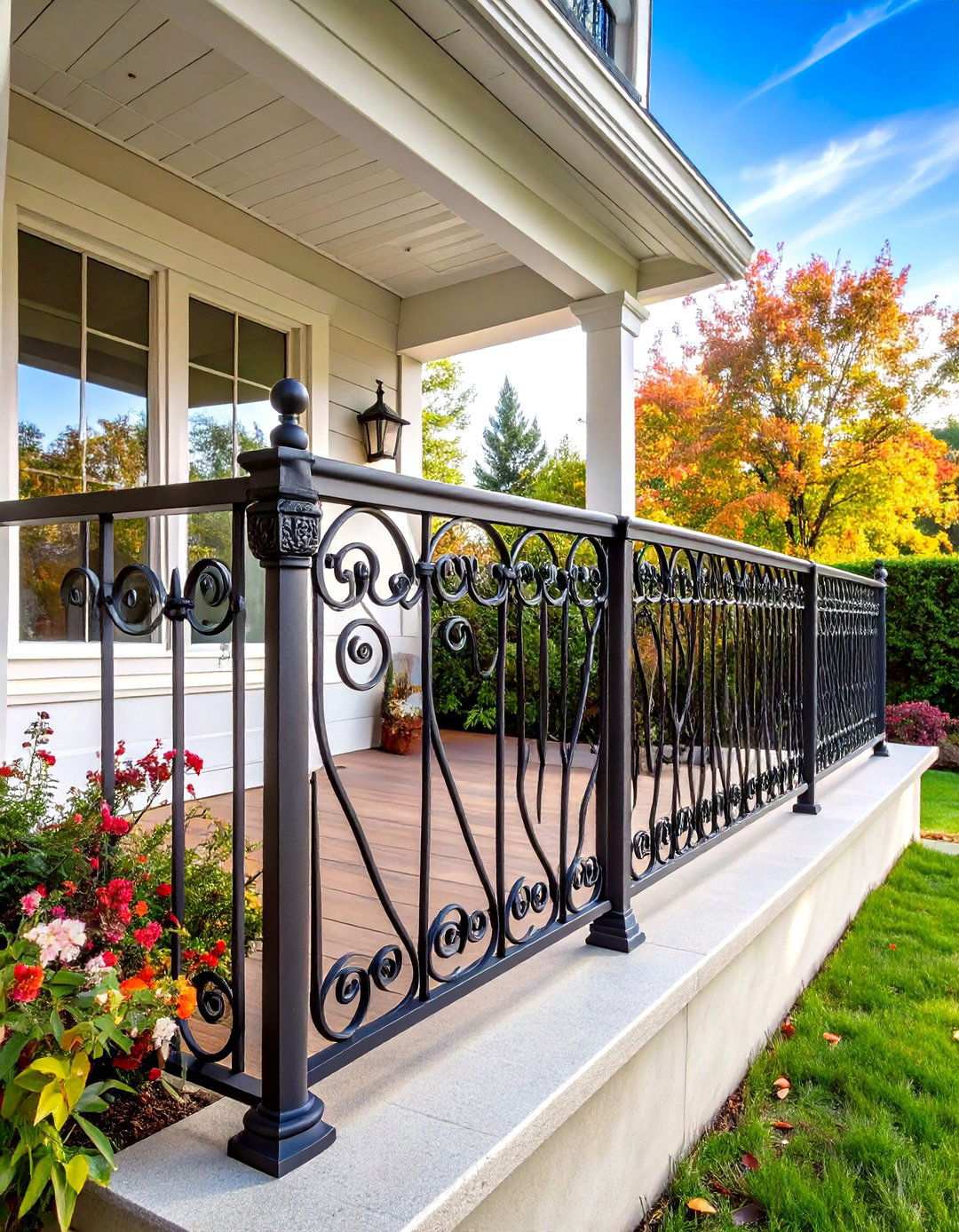
Twisted iron balcony railings showcase the beauty of traditional blacksmithing techniques, as hand-forged spiral elements add texture, movement, and artisanal character to functional safety barriers. These designs feature individual balusters or decorative sections that have been heated and manually twisted to create distinctive helical patterns, rope-like textures, or barley-twist effects. The twisting process demands skilled craftsmanship, resulting in unique variations that ensure no two railings are identical. Design combinations often mix twisted elements with straight components, creating dynamic compositions that balance ornamental interest with structural requirements. The twisted sections catch and reflect light differently throughout the day, adding visual depth and shadow play that enhances the overall aesthetic appeal. Finish options can include natural iron textures, painted coatings, or protective treatments that preserve the twisted details while providing weather resistance. These railings work exceptionally well with rustic homes, traditional architecture, craftsman-style buildings, and properties where owners appreciate handcrafted authenticity and artisanal metalwork traditions.
12. Contemporary Cable Systems for Unobstructed Views
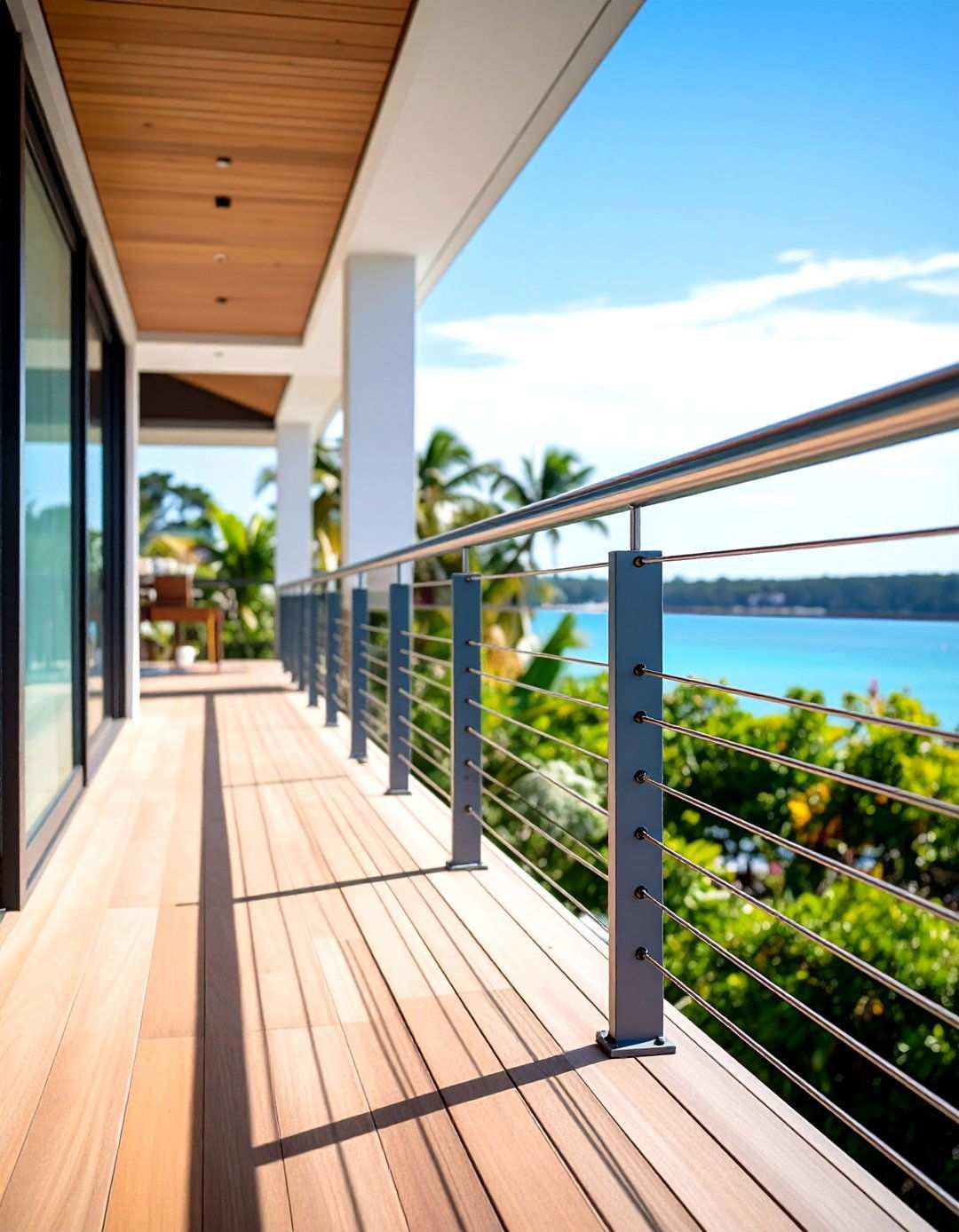
Cable wire balcony railing systems strike a harmonious balance between innovative design and safety functionality by employing tensioned stainless steel cables that create an almost invisible barrier while allowing unobstructed views to thrive. The sleek, modern aesthetic of these systems is characterized by minimal posts that support horizontal cable runs, resulting in clean lines that seamlessly blend with contemporary architectural styles without visual disruption. The cables are typically crafted from marine-grade stainless steel, paired with specialized tensioning hardware that ensures optimal spacing and structural integrity over time. Installation necessitates precise engineering to guarantee proper cable tension and deflection limits, while also meeting safety codes and wind load requirements. By virtue of its transparency, the system effortlessly allows natural light to flow freely, providing wind protection and safety compliance in a remarkably minimalist package. Periodic maintenance involves adjusting the cable tension and cleaning to uphold optimal performance and appearance. These railings prove to be particularly well-suited for contemporary homes, waterfront properties, high-rise applications, and modern commercial buildings where maintaining unobstructed views and clean aesthetic lines is paramount.
13. Elegant Balustrade Designs with Timeless Appeal
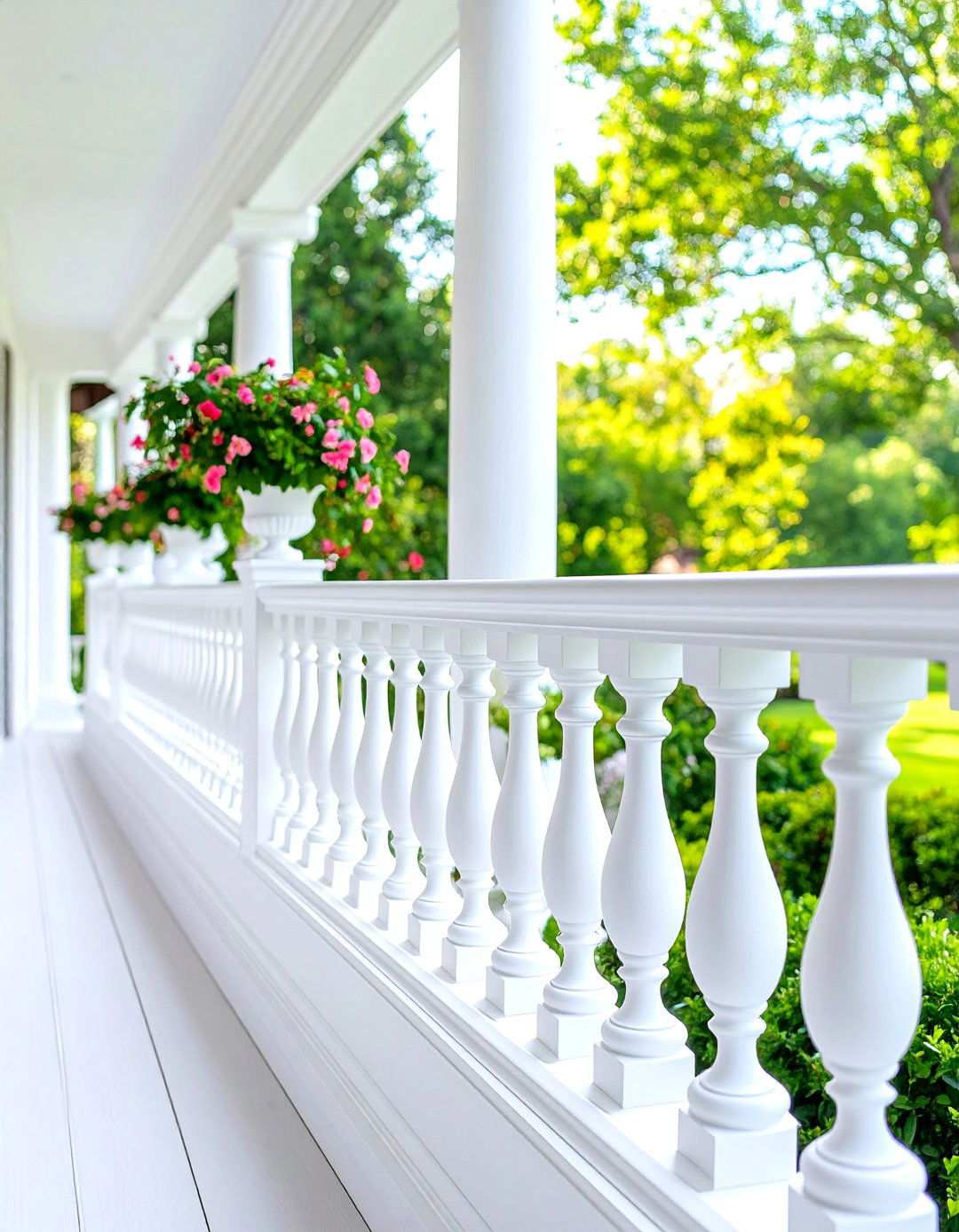
Classical balustrade balcony railings draw inspiration from the rich heritage of ancient Greek and Roman architecture, incorporating elegant proportions, refined details, and enduring design principles that have influenced architectural styles for centuries. These designs are characterized by distinctive elements such as urn-shaped balusters, classical moldings, decorative caps, and proportional relationships that come together to create sophisticated and dignified appearances. The balusters often feature subtle curves, fluted surfaces, or other classical details that pay homage to architectural columns and traditional stonework while adapting these forms to wrought iron construction techniques. Top rails frequently include molded profiles or decorative elements that complete the classical composition and provide comfortable handholds. Finish options emphasize the classical aesthetic through colors like stone white, deep bronze, or traditional black that coordinate harmoniously with classical architectural elements and building materials. These railings work beautifully with colonial homes, neoclassical architecture, formal gardens, and properties where owners appreciate the enduring elegance and cultural significance of classical design traditions.
14. Timeless Farmhouse Balcony Accents
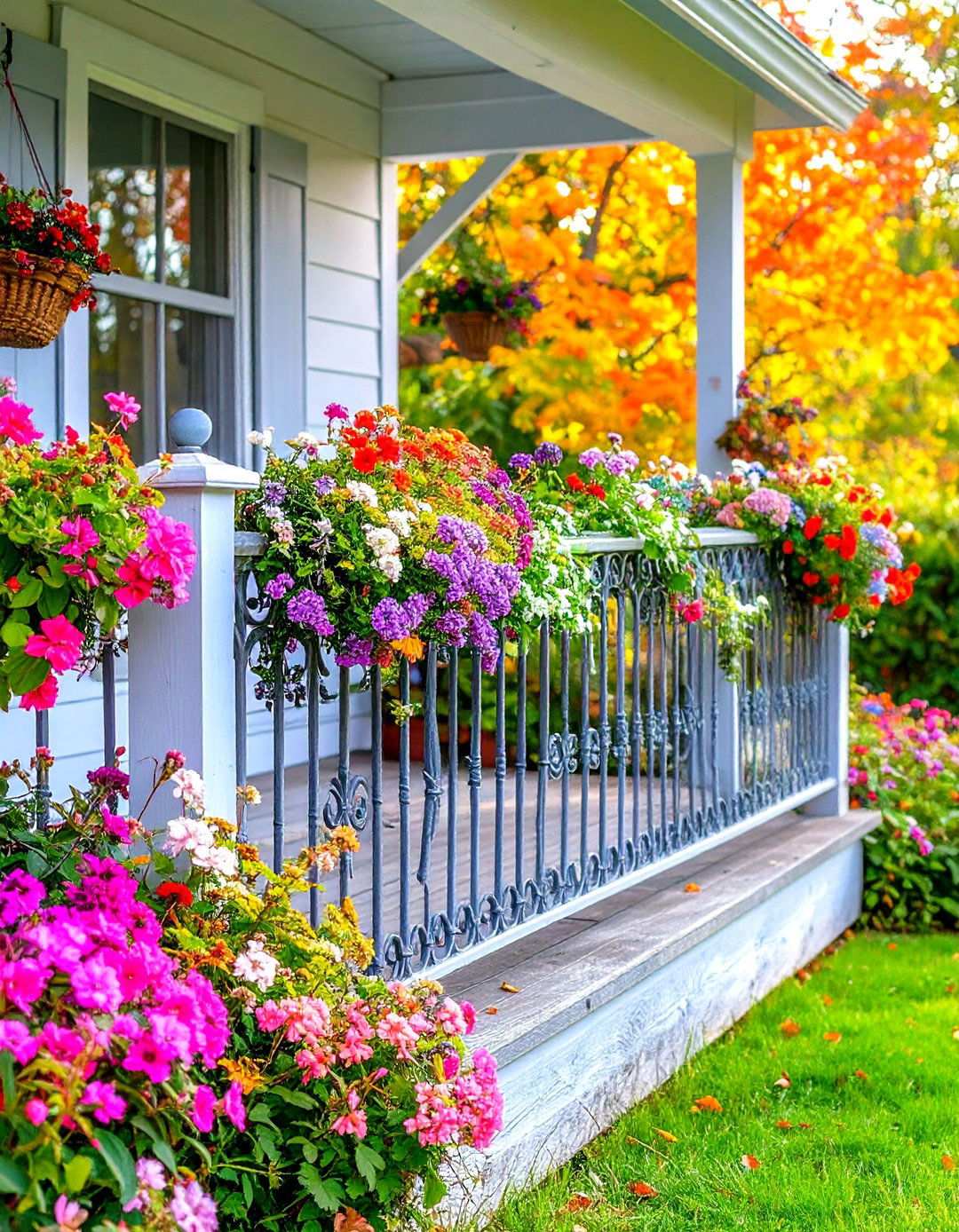
Farmhouse balconies are elevated by the use of rustic wrought iron railings, which embody the spirit of rural living through their straightforward designs, natural finishes, and functional aesthetic. These railings boast sturdy construction, minimal ornamentation, and generous proportions that prioritize durability and practicality over elaborate decoration. Design elements often combine iron frames with reclaimed wood handrails, or natural rust finishes, and painted surfaces that showcase the telltale signs of years of faithful service. The rustic approach celebrates the beauty of imperfections, visible construction methods, and honest material expression, creating authentic character and warmth. Hardware and connections are deliberately left exposed as design elements, underscoring the handcrafted construction process. The color palette typically centers around natural iron tones, weathered red, weathered gray, or other earthy finishes that harmonize with rural landscapes and traditional farm building materials. These railings are particularly suited to farmhouse architecture, country homes, rural properties, and contemporary homes seeking genuine rustic charm.
15. Elegant Curved Balcony Railing Designs
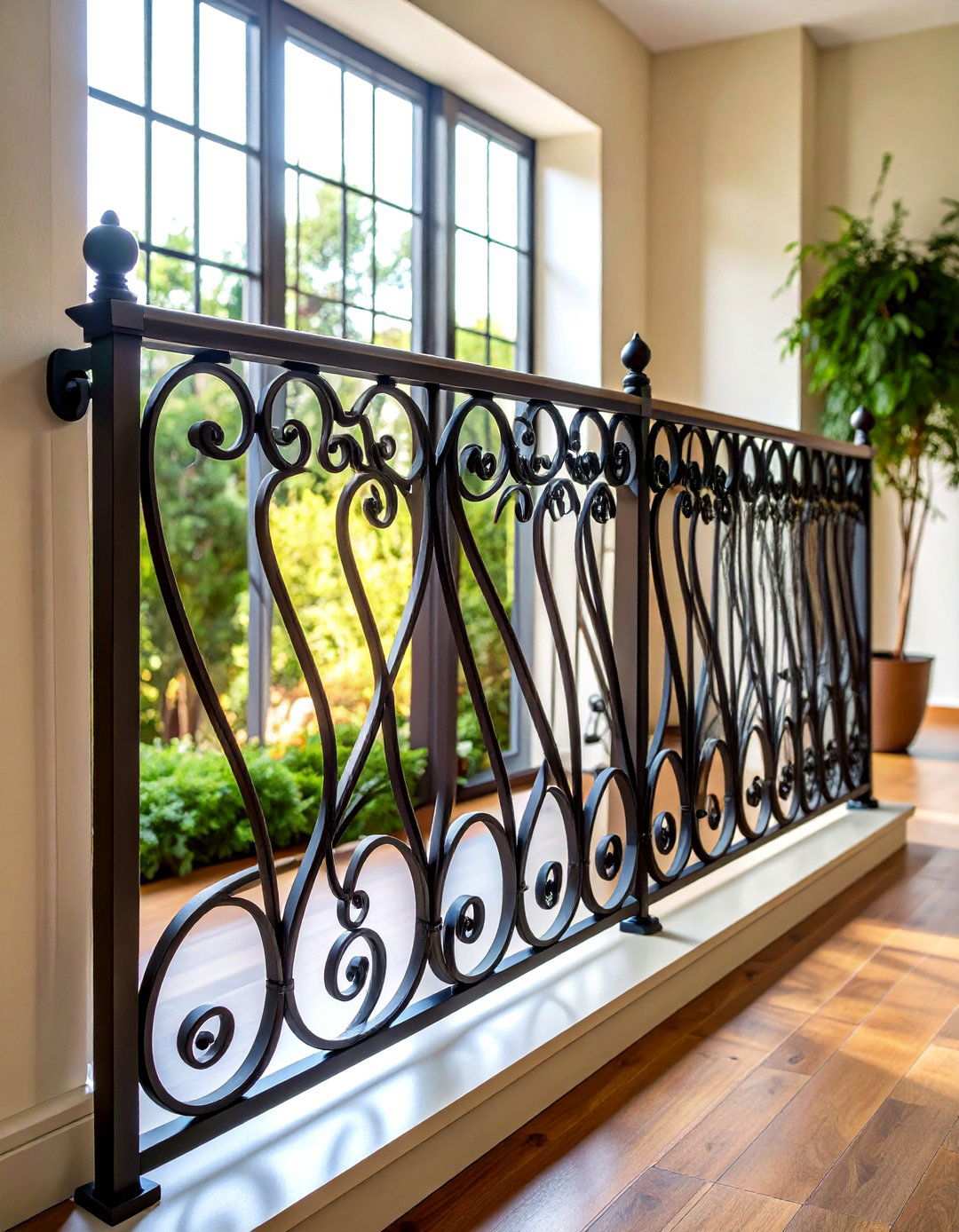
Wrought iron balcony railings with curved flowing designs bring a touch of sophistication and elegance to any building, softening its lines through gentle arcs, smooth transitions, and organically inspired shapes that enhance its overall aesthetic. These designs feature continuous curves that can follow the contours of the balcony, create wave-like patterns, or incorporate serpentine elements that add movement and visual interest to what would otherwise be static building facades. Achieving smooth curves and seamless transitions requires advanced fabrication techniques to ensure structural integrity and safety requirements are met. Design variations range from subtle curves that gently undulate along the balcony length to dramatic sweeping arcs that create bold architectural statements, or compound curves that create three-dimensional sculptural effects. The curved elements often feature varying heights, integrated planters, or artistic details that enhance the flowing aesthetic while providing functional benefits. Finish options typically emphasize the smooth flowing lines through consistent colors and textures that maintain visual continuity. These railings are particularly well-suited to contemporary homes, waterfront properties, artistic architecture, and spaces where owners appreciate organic design principles.
16. Refined Safety and Durability for Balcony Railings
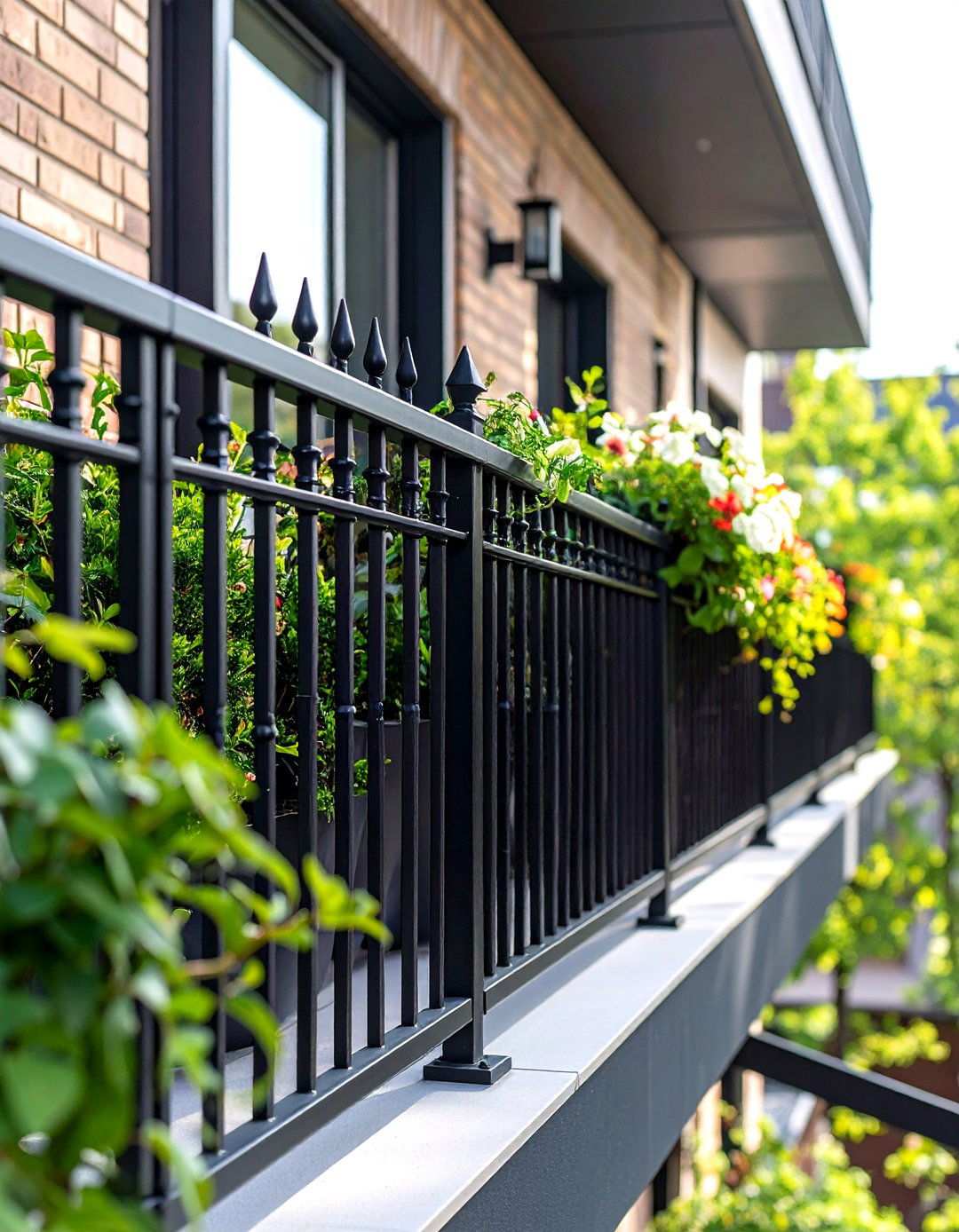
Wrought iron balcony railings engineered with security in mind blend protection and aesthetics through thoughtful design, strategic material selection, and robust construction. By incorporating features such as elevated heights, closely spaced balusters, and reinforced connections, these railings effectively deter unauthorized access while meeting enhanced security standards. The robust construction typically involves the use of heavy-gauge materials, tamper-resistant hardware, and reinforced mounting systems, ensuring maximum strength and durability under various stress conditions. Design approaches often incorporate pointed finials, defensive spacing, and the elimination of horizontal elements that could facilitate climbing, while maintaining aesthetic appeal through proportional relationships and finish quality. As a result, the security features seamlessly integrate with architectural requirements, striking a balance between protection and building aesthetics. Color and finish options prioritize durability and maintenance considerations, offering attractive appearances that complement building designs and preserve property values.
17. Harmonious Fusion of Wood and Iron for Balcony Railings
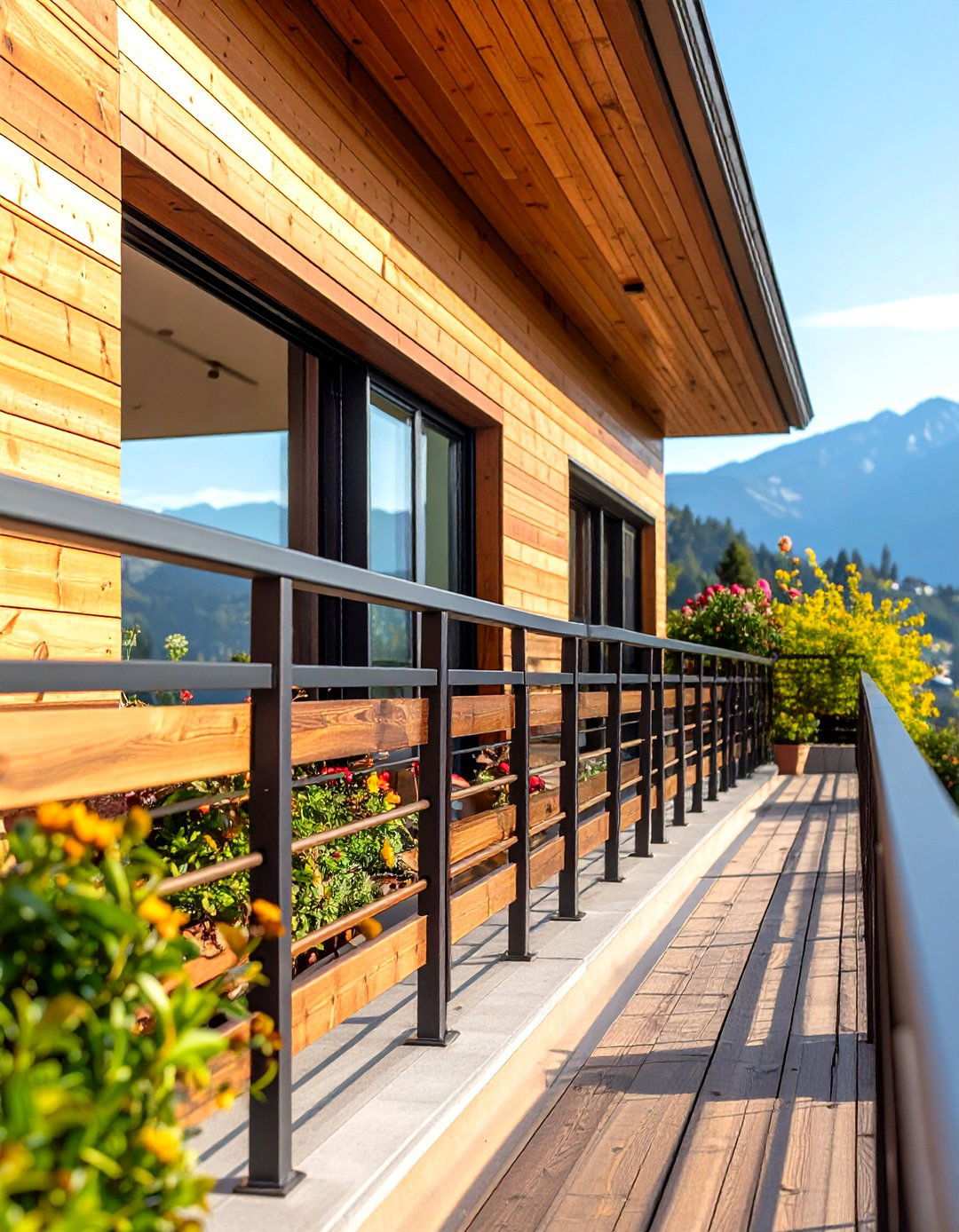
The combination of natural wood and metallic iron in balcony railings creates a unique design synergy that balances warmth and strength, resulting in visually striking compositions. These hybrid systems typically feature iron structural frameworks that support wooden handrails, infill panels, or decorative elements, which soften the appearance while maintaining durability and functionality. Various material combinations are possible, including reclaimed timber paired with painted iron, natural hardwoods paired with powder-coated steel, or treated lumber paired with galvanized components, all designed to ensure long-term performance in exterior applications. The wood elements provide comfortable handholds, visual warmth, and natural texture that contrast beautifully with smooth iron surfaces and geometric forms. Design variations include horizontal wood slats between iron posts, continuous wood cap rails over iron balusters, or alternating wood and iron sections that create rhythmic compositions. To maintain their integrity, wood components require protection from the elements, while iron elements must be shielded from corrosion through appropriate finishes and protective coatings. These railings are particularly well-suited for contemporary homes, mountain properties, craftsman-style architecture, and buildings where the integration of natural materials enhances rather than conflicts with overall design themes.
18. Enhanced Aesthetic Appeal with Modern Balcony Railings
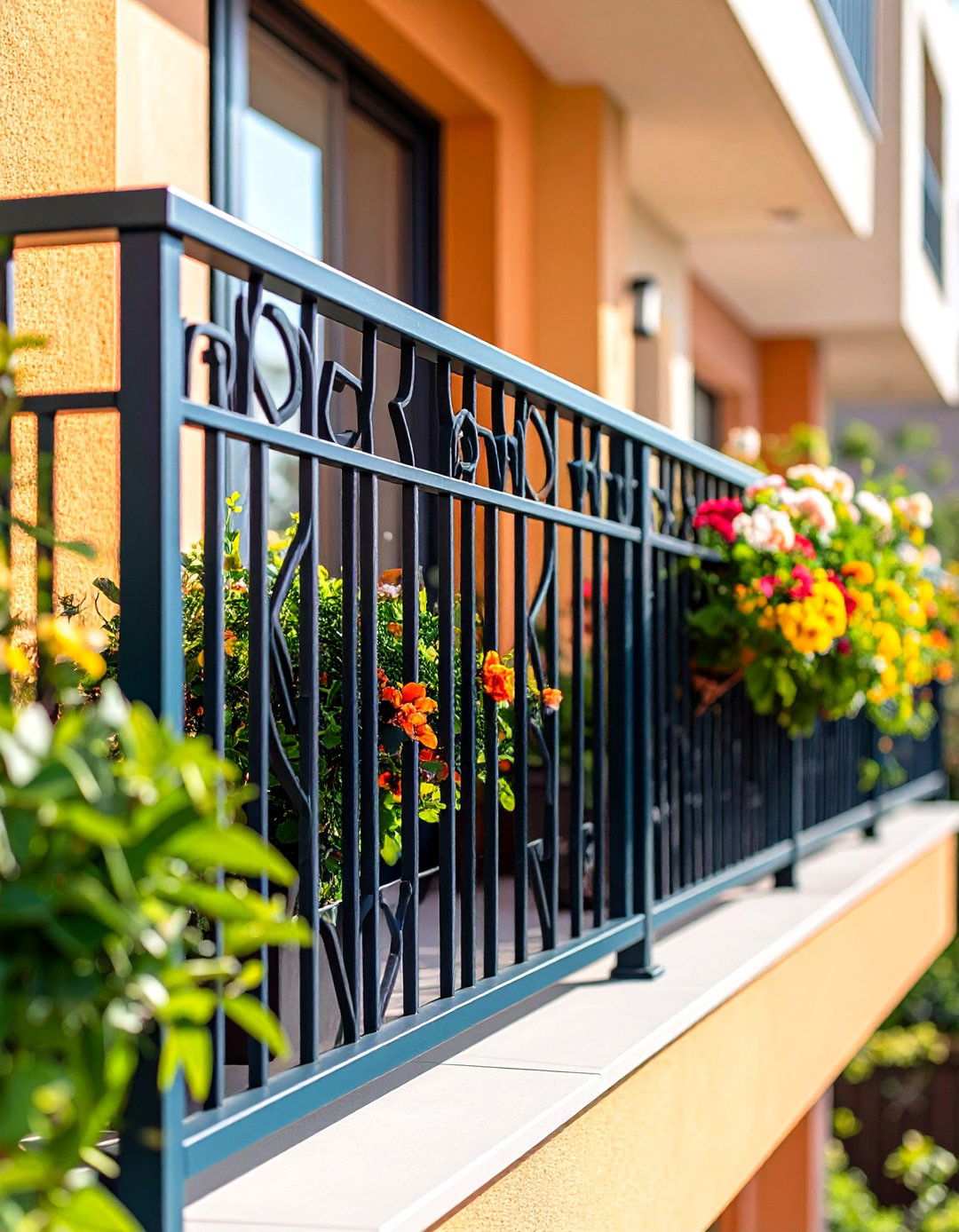
Modern wrought iron balcony railings boasting powder-coated finishes have become the epitome of style and durability in contemporary architectural designs. By harnessing the power of advanced finishing techniques, these railings offer exceptional weather resistance, color retention, and long-term performance characteristics that perfectly complement modern design principles.
The powder coating process is a remarkable innovation that involves electrostatically applying polymer powders, which are then heat-cured to produce smooth finishes that outperform traditional paint systems in terms of resistance to chipping, fading, and corrosion. This process also enables the creation of virtually unlimited custom colors, textured finishes, metallic effects, and specialty coatings, allowing designers to push the boundaries of creativity while matching architectural elements or creating striking contrast effects.
Characterized by clean lines, minimal ornamentation, geometric patterns, and proportional relationships, modern balcony railings emphasize contemporary design principles while maximizing the powder coating’s aesthetic benefits. The precision fabrication, hidden fasteners, and engineered connections often employed in their construction further reinforce the modern aesthetic, showcasing clean details and professional execution. With minimal maintenance requirements, typically involving periodic cleaning and inspection, these railings have become a popular choice for contemporary architecture, commercial buildings, urban properties, and modern homes where a balance of long-term performance and aesthetic consistency is paramount.
19. Elevating Balcony Aesthetic with Custom Metalwork
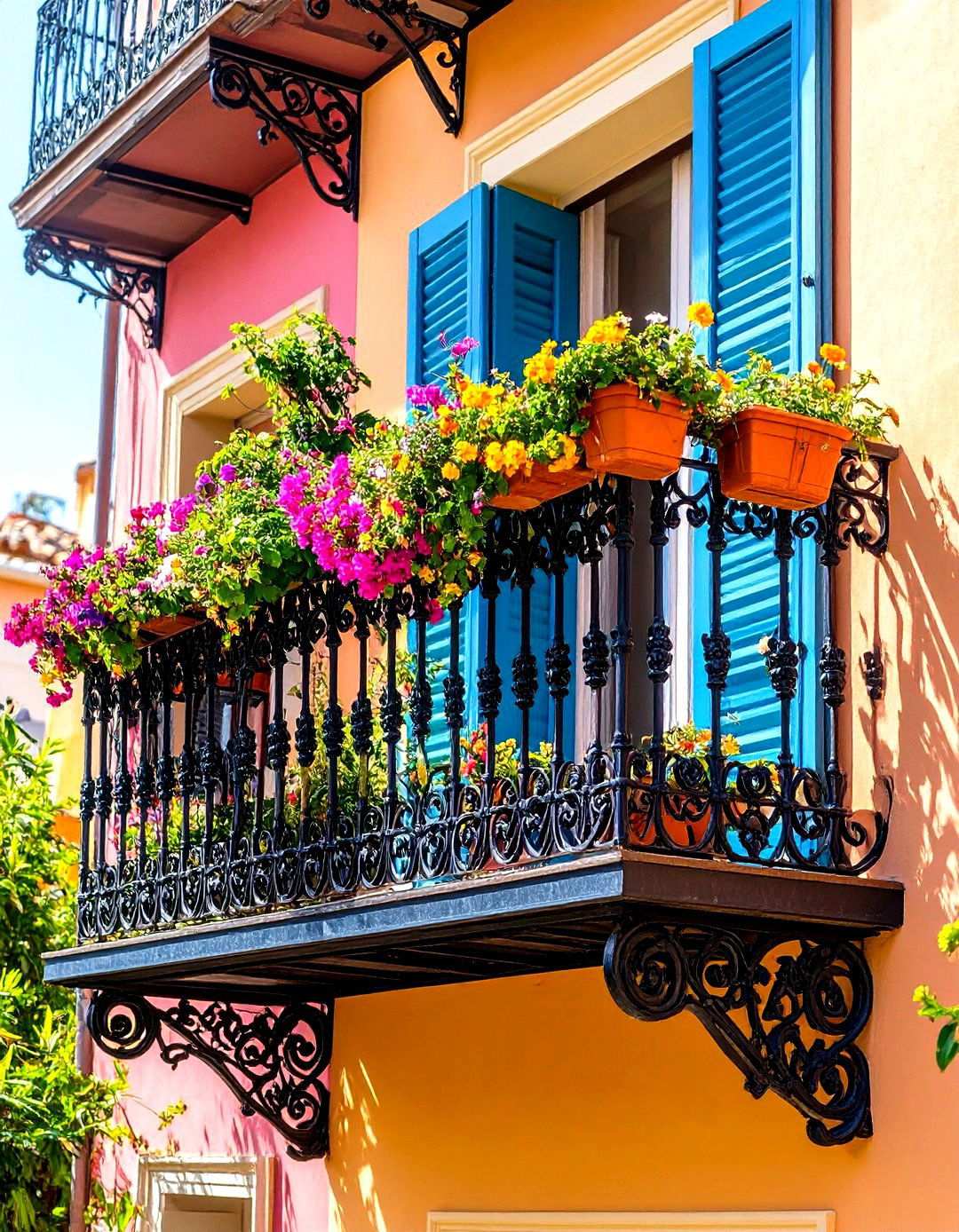
Personalized artistic balcony railings are revolutionizing the concept of functional safety barriers by transforming them into thought-provoking art installations that reflect the owner’s unique personality and style. This bespoke approach typically involves a collaborative effort between property owners and skilled metal artisans to develop one-of-a-kind designs that seamlessly integrate personal interests, architectural themes, natural elements, or abstract compositions. The result is a distinctive and memorable installation that showcases the property owner’s artistic vision.
The creative process often involves the incorporation of sculptural elements, mixed media integration, custom patina applications, or innovative construction techniques that push the boundaries of traditional railing design while adhering to safety and structural requirements. Through sketches, mockups, and iterative refinement processes, the design develops into a final product that perfectly balances artistic expression with functional objectives. Construction methods frequently blend traditional blacksmithing techniques with modern fabrication technology to achieve complex forms and precise execution that would be impossible with standard manufacturing approaches. These custom railings present a significant investment in artistry and craftsmanship, elevating property values while creating distinctive architectural features that cannot be replicated. They are particularly well-suited for custom homes, artistic properties, gallery buildings, and spaces where owners prioritize individual expression and artistic statement over conventional design approaches.
20. Enhanced Durability for Wrought Iron Balcony Railings
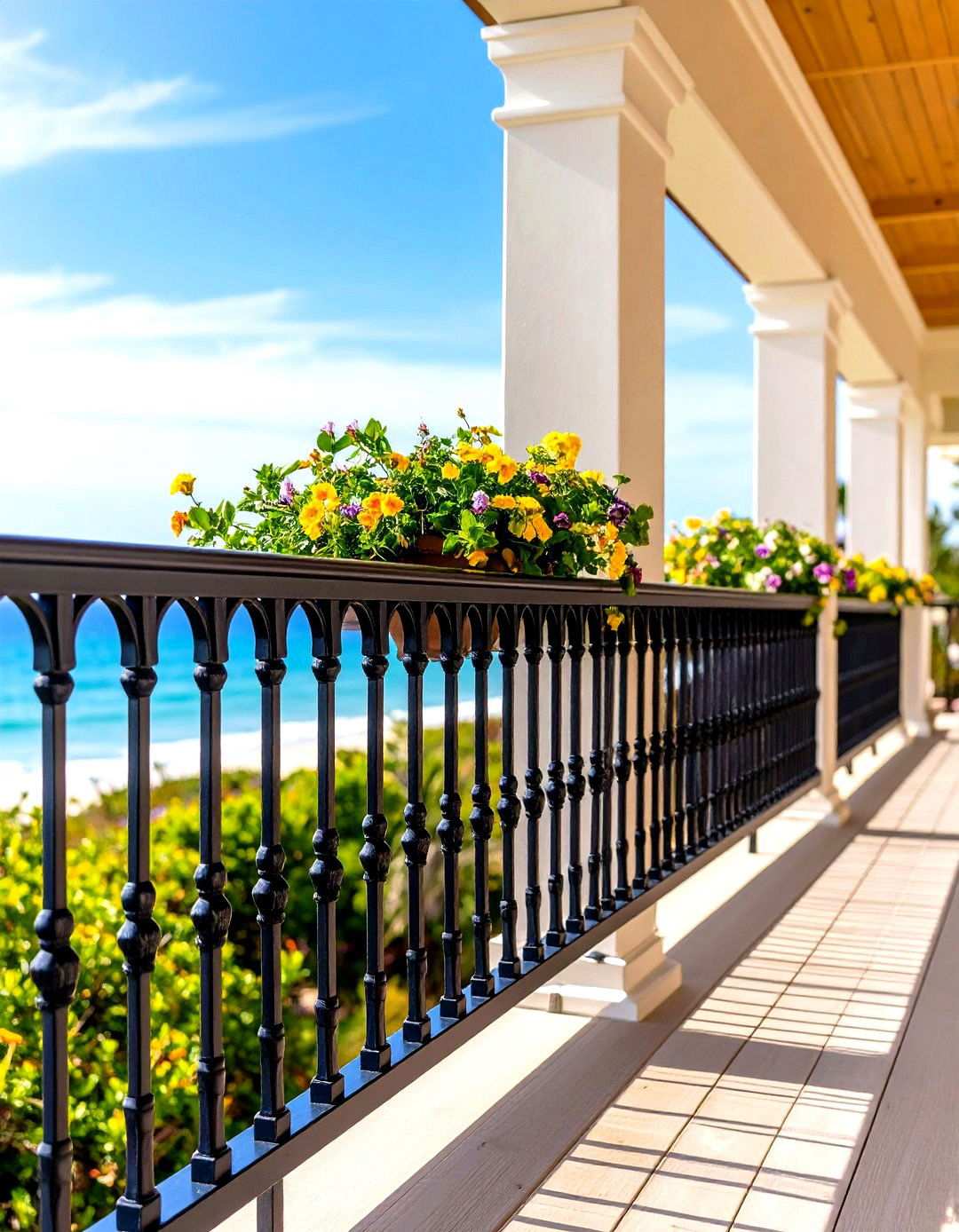
Advanced weather-resistant treatments and protective coatings play a crucial role in extending the lifespan of wrought iron balcony railings, particularly in areas with harsh environmental conditions. By integrating a multi-faceted approach, comprising primer coatings, barrier layers, and topcoat finishes, these systems effectively shield against corrosion, UV damage, and degradation. Effective material preparation involves rigorous surface cleaning, rust removal, and profile conditioning to ensure optimal coating adhesion and long-term performance. The application process often employs advanced techniques, such as spray systems, electrostatic processes, or specialized methods, to achieve uniform coverage and consistent quality across complex railing geometries and intricate ironwork. Key performance characteristics include resistance to salt air, acid rain, temperature fluctuations, and UV exposure, which can compromise conventional finishes over time. When selecting coatings, it is essential to consider factors such as color stability, gloss retention, and chemical resistance to ensure the chosen solution meets the railing’s specific needs. Regular maintenance typically involves routine inspections, gentle cleaning, and minor touch-ups, rather than complete refinishing cycles. These railings prove particularly effective in coastal areas, industrial environments, urban settings with high air pollution, and regions with extreme weather conditions, where conventional protection systems may falter prematurely.
21. A Timeless Approach to Balcony Railings
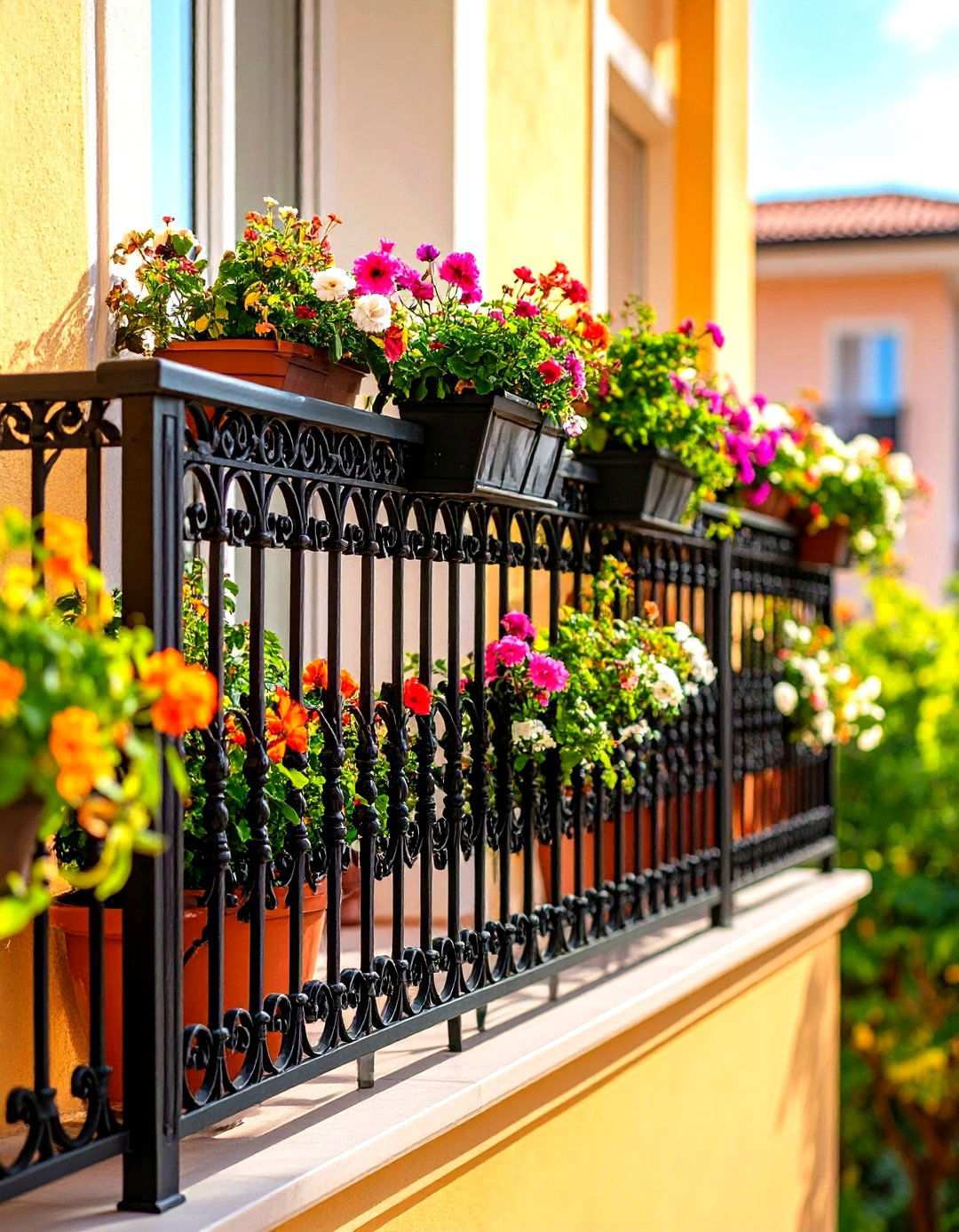
A straightforward, utilitarian design for wrought iron balcony railings prioritizes cost-effective construction and practical safety requirements by adhering to building codes while optimizing material usage and fabrication simplicity. This no-frills approach typically features standard profiles, uncomplicated connections, and a minimalist aesthetic that channels resources towards structural performance rather than ornamental embellishments. By leveraging prefabricated components, standard dimensions, and efficient installation techniques, construction methods can minimize labor costs while guaranteeing reliable performance and code compliance.
Design elements in this functional framework include evenly spaced vertical balusters, simple horizontal rails, and basic post connections that establish the required safety barriers without unnecessary complexity or expense. Finish options in this context tend to focus on durability and maintenance considerations, often incorporating standard colors and tried-and-true coating systems that provide long-term protection. By embracing a functional approach, property owners can satisfy safety requirements and enhance property values without making significant investments in custom design or specialized fabrication. These railings are well-suited for rental properties, commercial applications, budget-conscious residential projects, and situations where basic functionality takes precedence over architectural expression while still delivering an attractive and professional appearance.
22. Shifting to High-Tech Balcony Solutions
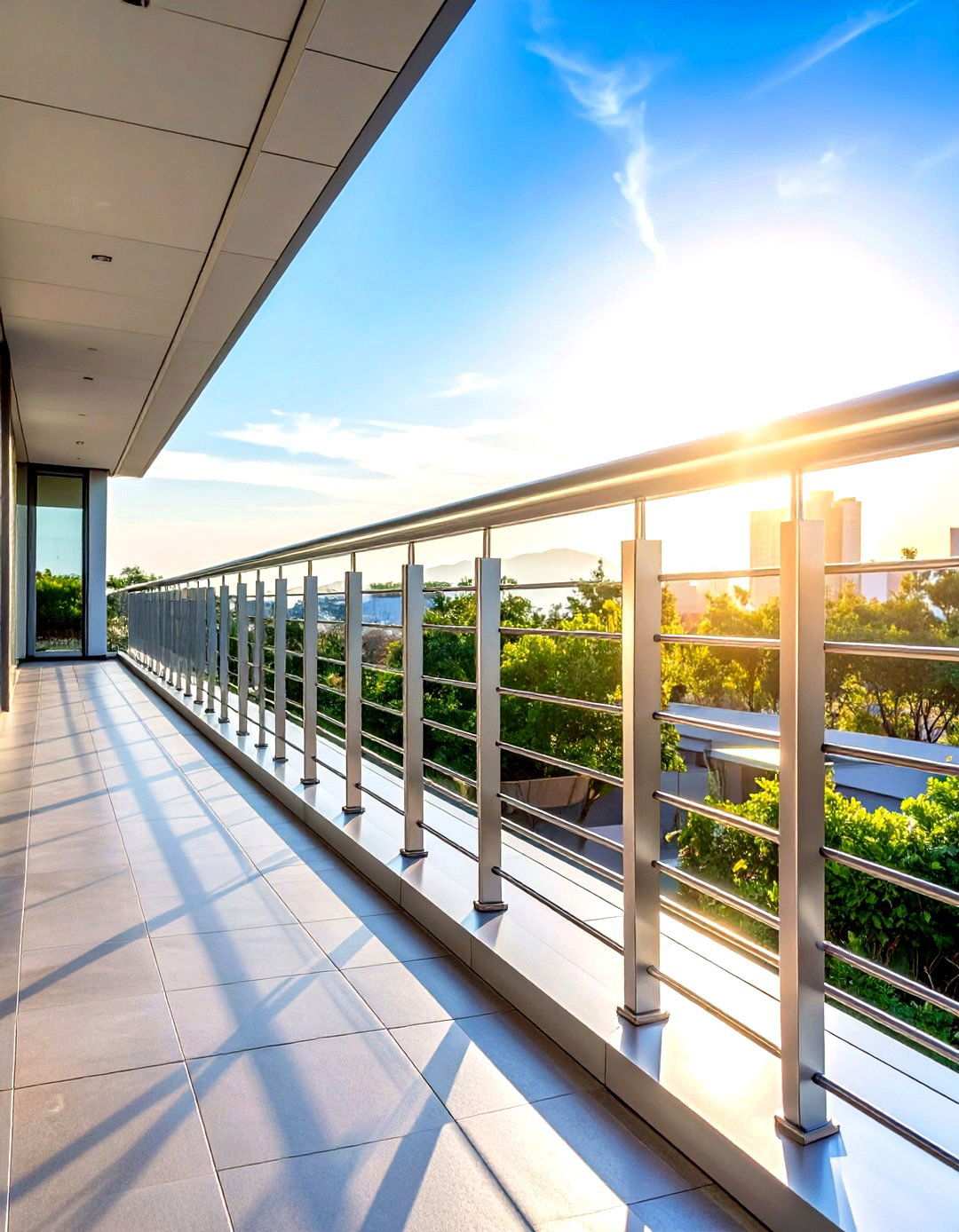
High-tech balcony railings made from stainless steel have become increasingly popular alternatives to traditional wrought iron in modern architectural applications. These cutting-edge systems boast corrosion-resistant materials, sleek designs, and low-maintenance requirements that meet the needs of contemporary construction projects. One of the defining features of stainless steel balcony railings is the use of brushed or polished components that produce vibrant, reflective surfaces and sophisticated appearances that harmonize with modern building materials and design philosophies. Advanced manufacturing techniques often incorporate precision engineering, modular components, and engineered connections that ensure consistent quality, streamlined installation, and compliance with structural and safety standards.
Design variations in stainless steel balcony railings include cable rail systems, glass panel supports, horizontal bar configurations, and custom-fabricated elements that create clean lines and modern proportions. The inherent properties of stainless steel enable it to naturally resist corrosion, staining, and environmental degradation without requiring protective coatings or regular maintenance beyond occasional cleaning. In terms of surface finishes, stainless steel balcony railings can feature bright polished surfaces that produce mirror-like reflections or brushed textures that minimize fingerprints and provide subtle light reflection. As a result, these railings are well-suited for contemporary homes, commercial buildings, coastal properties, and modern architectural applications where long-term performance, minimal maintenance, and cutting-edge aesthetic expression are key considerations.
23. Reviving the Past: Accurate Reproduction Balcony Styles
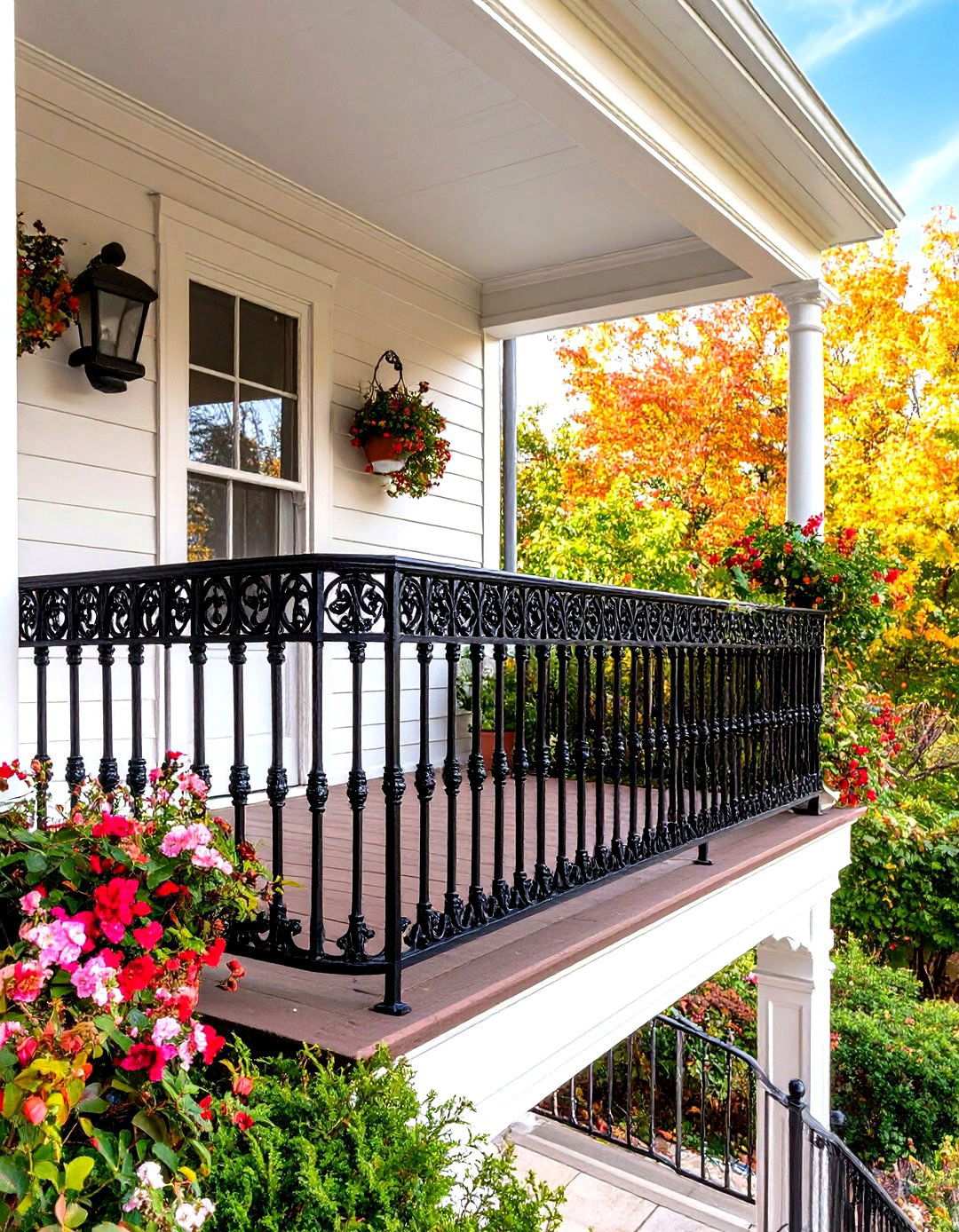
Crafting historical reproduction wrought iron balcony railings requires a meticulous approach that balances authenticity with modern safety standards. By delving into the past, artisans can recreate period-specific designs that not only honor architectural heritage but also meet contemporary requirements. A thorough examination of original examples, coupled with an understanding of traditional construction methods and historical design principles, is essential for achieving an authentic appearance and maintaining proper proportional relationships. This fusion of old and new often involves combining traditional blacksmithing techniques with cutting-edge materials and engineering to strike a balance between historical accuracy and structural integrity. Period-specific decorative motifs, authentic joinery methods, surface textures, and finish treatments all contribute to a faithful reproduction that replicates the original appearance and aging characteristics. Historians and artisans alike draw inspiration from a wealth of research sources, including architectural documentation, museum collections, historical photographs, and surviving examples, to create reference materials that inform their craft. Ultimately, the quality of these reproductions depends on the expertise of skilled craftsmen familiar with historical techniques, the use of materials that meet original specifications, and a commitment to detail that ensures an authentic character. As a result, these railings are particularly suited to historic preservation projects, period restoration work, museums, and properties where maintaining historical integrity and architectural authenticity is paramount.
24. Masterful Integration in Modern Architecture
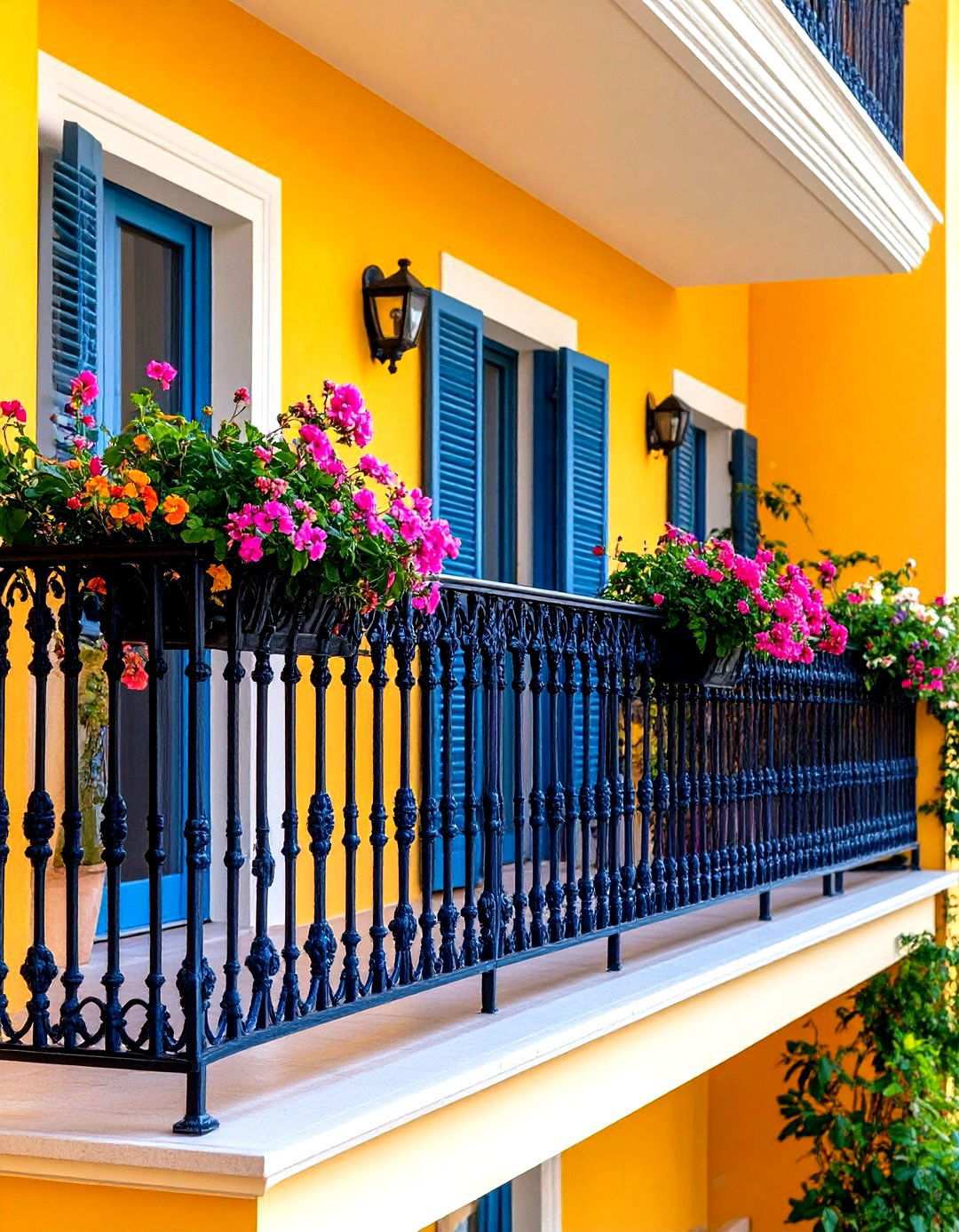
Sophisticated architectural integration systems have become a hallmark of contemporary building designs, where wrought iron balcony railing systems harmoniously coexist with modern structures through a harmonious balance of coordinated materials, thoughtfully considered proportions, and meticulous design details that reinforce the overall architectural vision rather than detracting from it. This holistic approach typically necessitates close collaboration between architects, engineers, and fabricators throughout the design development process to guarantee that railing systems not only complement the building’s aesthetic appeal but also meet the necessary functional requirements. By integrating design coordination into the process, architects can achieve visual continuity and architectural coherence by matching materials, colors, and proportional systems with other building elements such as window frames, structural members, and exterior finishes.
The construction process itself relies on precision fabrication, engineered connections, and rigorous quality control measures to ensure consistent execution and professional installation that meets both aesthetic and performance standards. This meticulous integration approach often involves customized details, specialized connections, and coordinated scheduling, which demands careful project management and effective communication between all parties involved in the construction process. Moreover, performance considerations encompass structural compatibility, thermal movement accommodation, and maintenance access, thereby ensuring long-term functionality without compromising the architectural integrity of the building. As a result, these railings prove to be an excellent choice for custom homes, commercial developments, institutional buildings, and architectural projects where design coordination and system integration are crucial components of successful project execution and client satisfaction.