1. Timeless Charm of Hand-Hewn Barn Beams
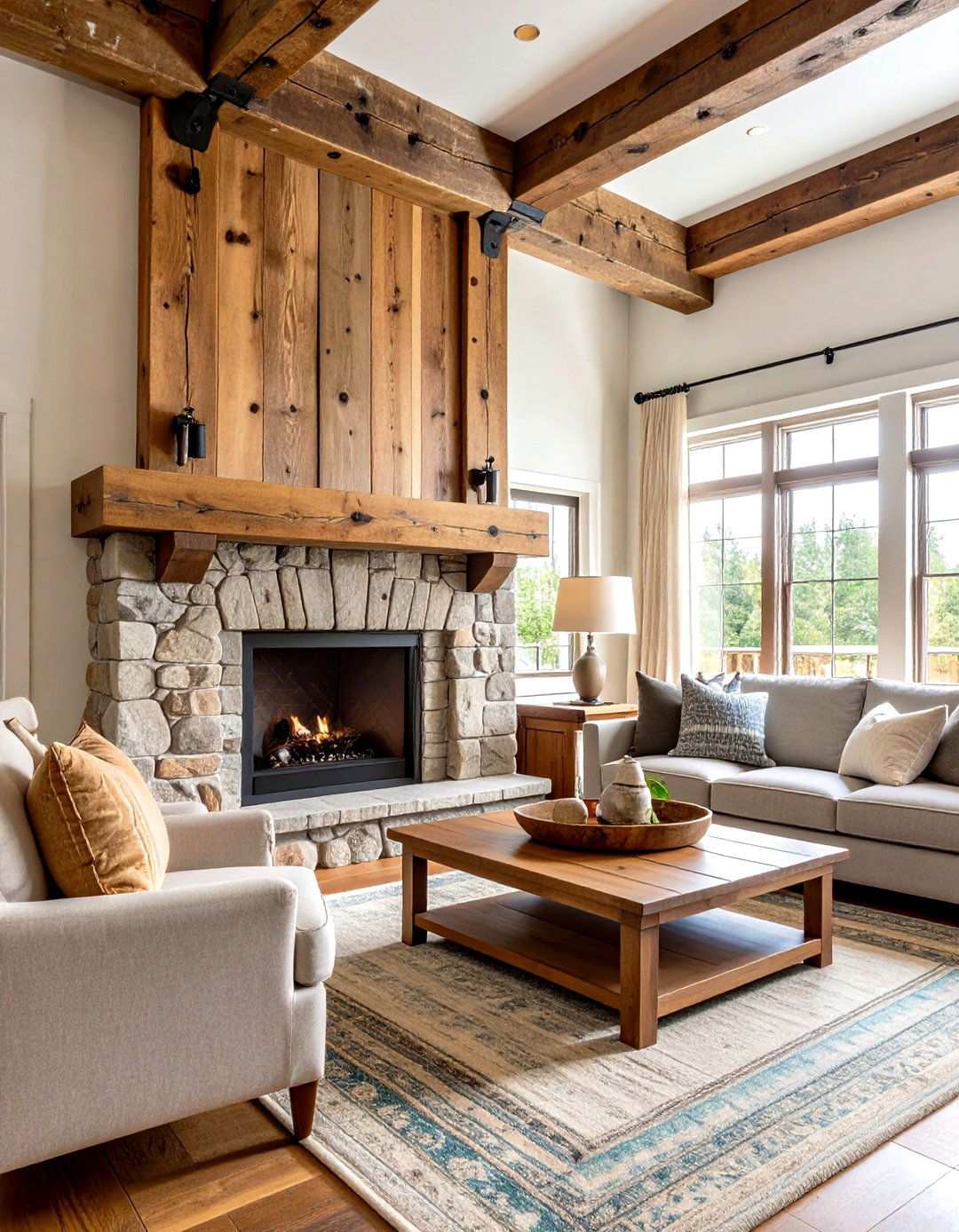
Transform your fireplace into a stunning focal point with a hand-hewn barn beam mantel that exudes warmth and character. These architectural anchors serve as a testament to centuries-old craftsmanship, boasting visible axe marks and weathered character that modern replicas simply can’t replicate. Typically measuring 6×8 or 8×8 inches, these substantial timber pieces feature natural checking, mortise pockets, and original patina from their previous structural life. The chunky texture and aged appearance create an instant focal point that grounds both contemporary and traditional spaces.

As an Amazon Associate I earn from qualifying purchases.
When installed with heavy-duty mounting hardware, these substantial beams tell a unique story through grain patterns, nail holes, and surface irregularities that developed over decades of use in American barns and farmhouses. Each beam is a one-of-a-kind piece of history, making it an excellent choice for homeowners who value authenticity and character.
2. Artistic Statements with Live Edge Walnut Floating Mantels
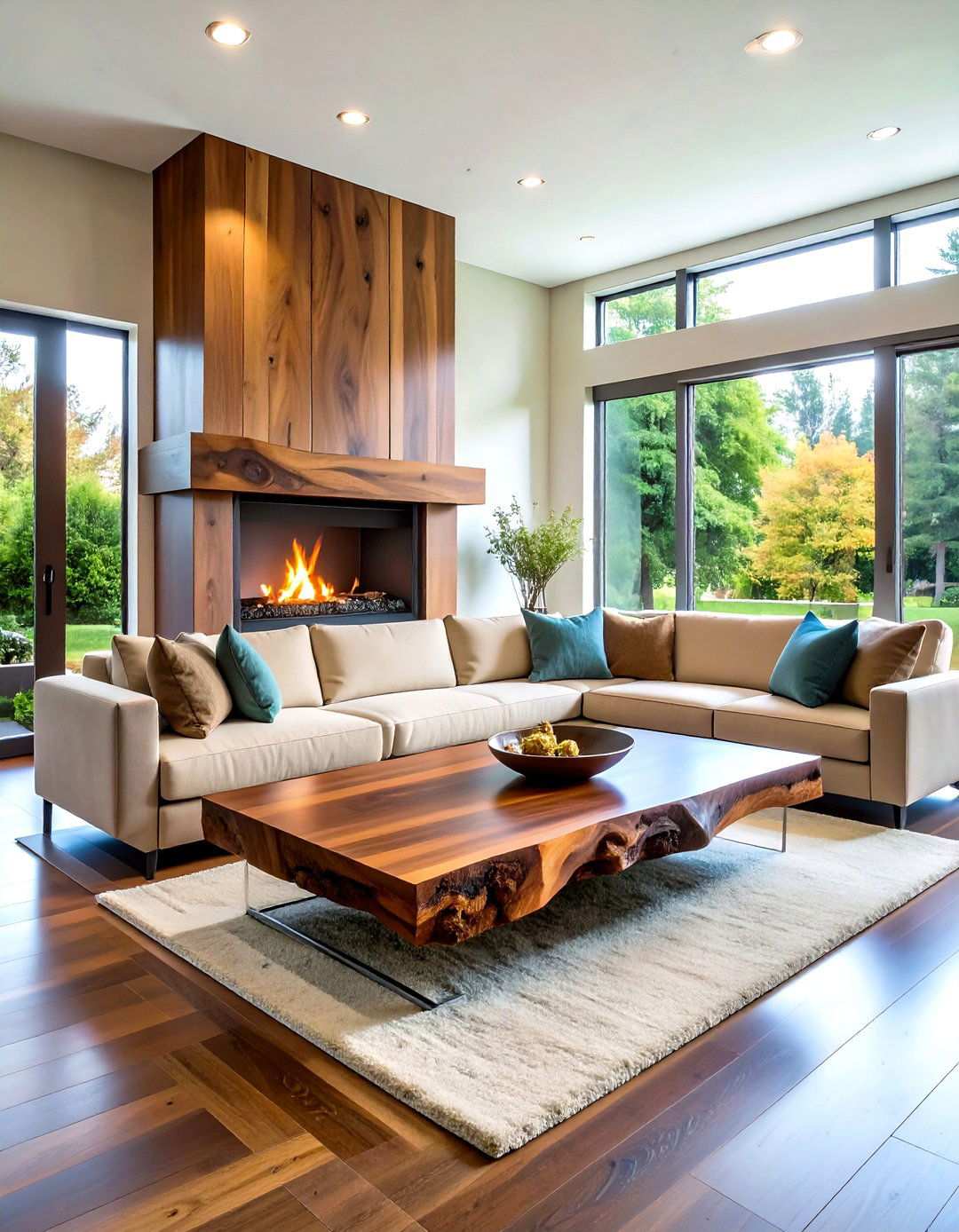
Live edge walnut mantels bring the beauty of nature indoors while maintaining sophisticated appeal. The contrast between smooth, finished surfaces and raw, bark-edge details creates a striking visual effect that’s sure to turn heads. Walnut’s rich chocolate tones and distinctive grain patterns provide visual warmth that complements both rustic and contemporary interiors. These floating designs appear to hover weightlessly when properly mounted with hidden brackets, thanks to their sleek and modern aesthetic.
What’s more, the natural edge variations ensure that no two pieces look identical, making each mantel a conversation starter. Professional finishing with conversion varnish protects the wood while enhancing its inherent beauty and grain depth, ensuring that the mantel remains a stunning focal point for years to come.
3. Classic Elegance of Traditional Cherry Wood Mantels
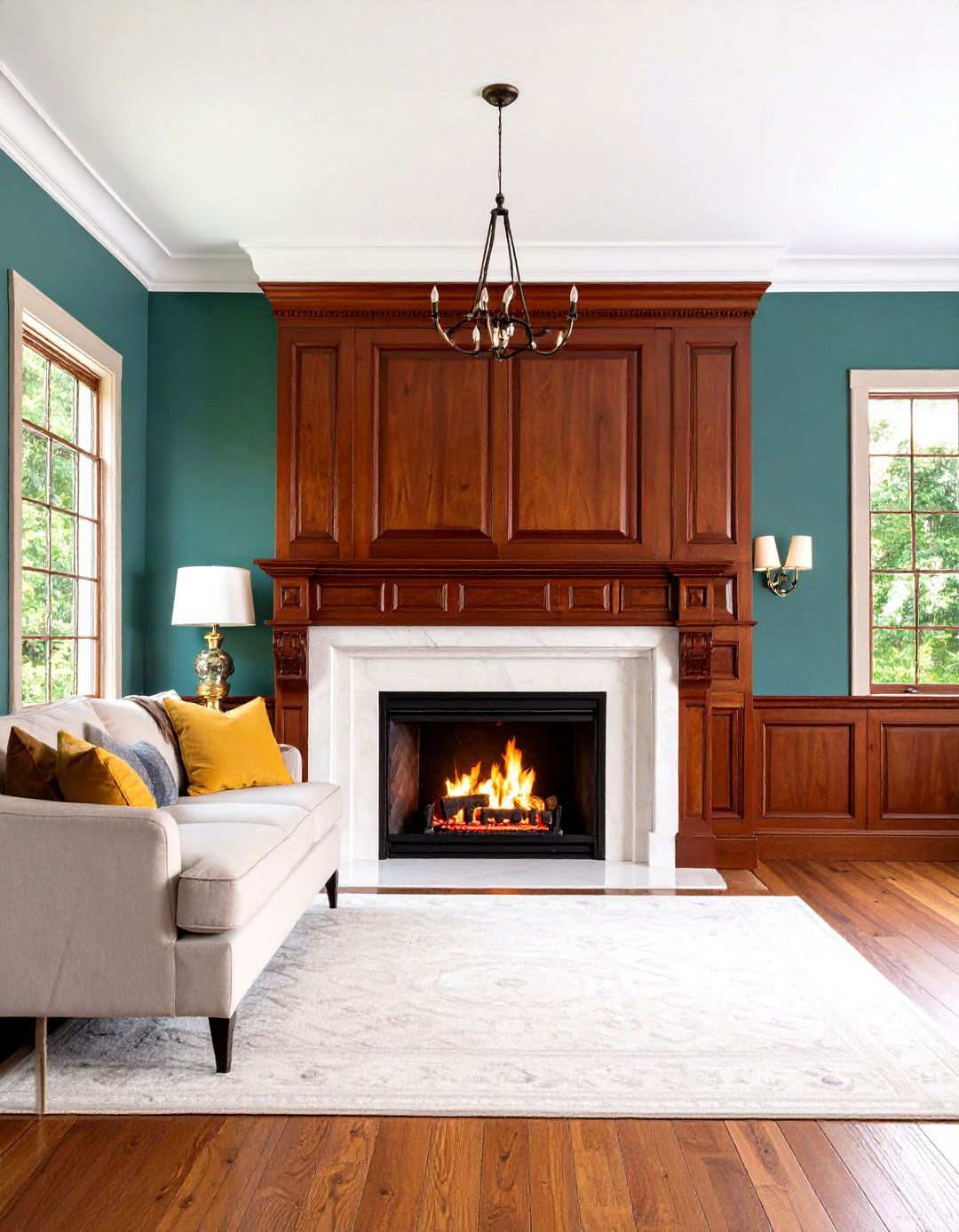
Cherry wood mantels embody classic elegance with their naturally rich reddish tones that deepen beautifully over time through exposure to light. Traditional dentil molding adds sophisticated architectural detail through repeating rectangular blocks that create visual rhythm and formal appeal. The combination works perfectly in colonial, federal, and transitional home styles, making it an excellent choice for homeowners who appreciate timeless design.
Cherry’s fine, straight grain accepts stain evenly, allowing for customization while maintaining the wood’s inherent character. These mantels typically feature raised panels, fluted pilasters, and crown molding details that reflect historical woodworking traditions. The photosensitive nature of cherry ensures that the mantel becomes more beautiful with age, making it a valuable investment for any homeowner.
4. Uniting Reclaimed Charm with Corbels
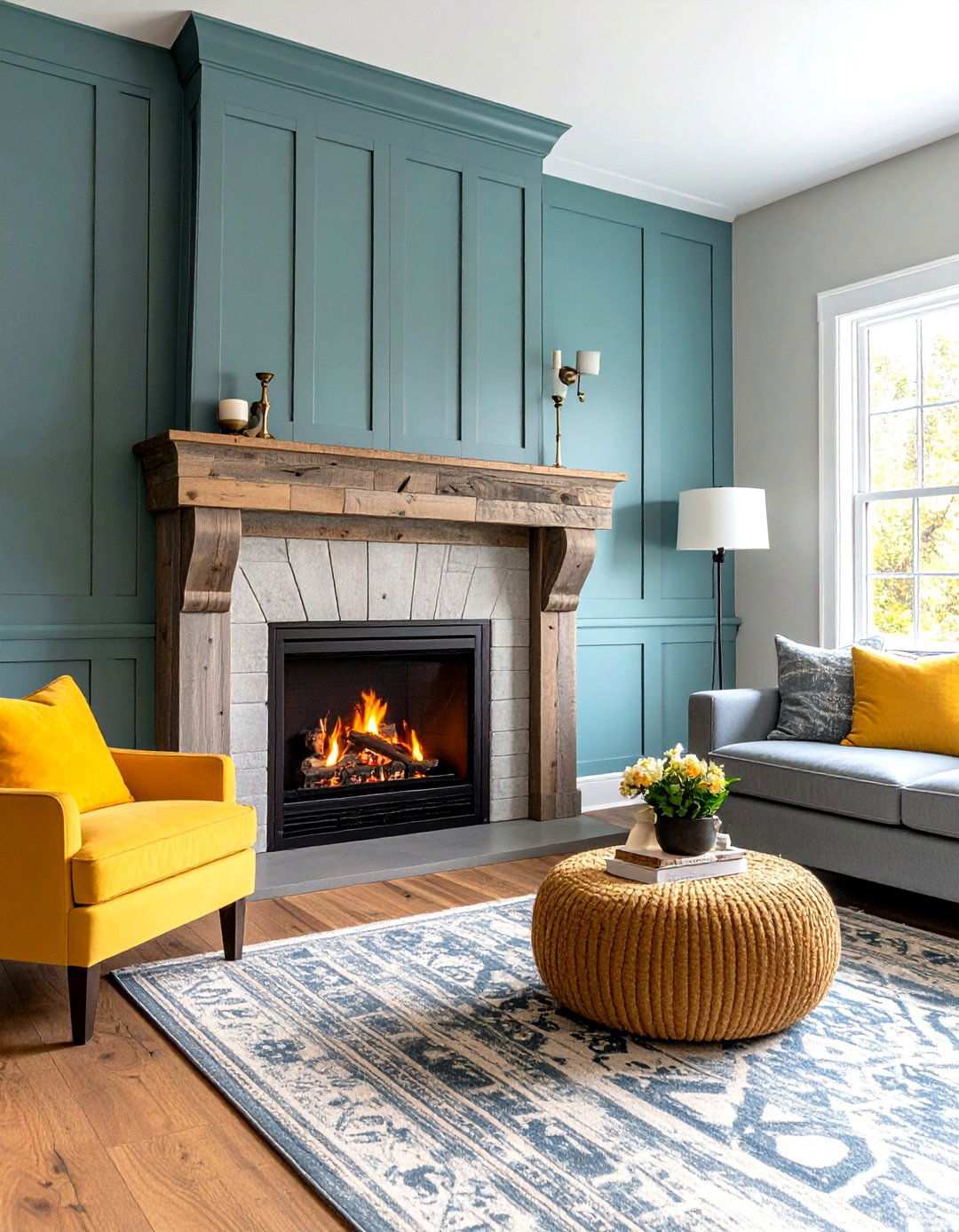
When combining reclaimed barnwood mantels with coordinating corbels, a harmonious balance of sustainability and architectural flair is achieved. The weathered gray patina and the unique texture of original saw marks evoke an undeniable vintage aura, imbuing the space with character. Corbels not only add decorative appeal but also provide structural support for the mantel shelf, creating a sense of visual balance. This synergy is particularly effective in farmhouse, cottage, and transitional interior designs. Each piece boasts distinct weathering patterns, nail holes, and grain characteristics, which are the direct result of decades of exposure to the elements. The corbels can be carefully crafted or left unadorned, depending on the desired level of formality and room proportions.
5. Sleek Minimalism with White Oak Box Beam Mantels
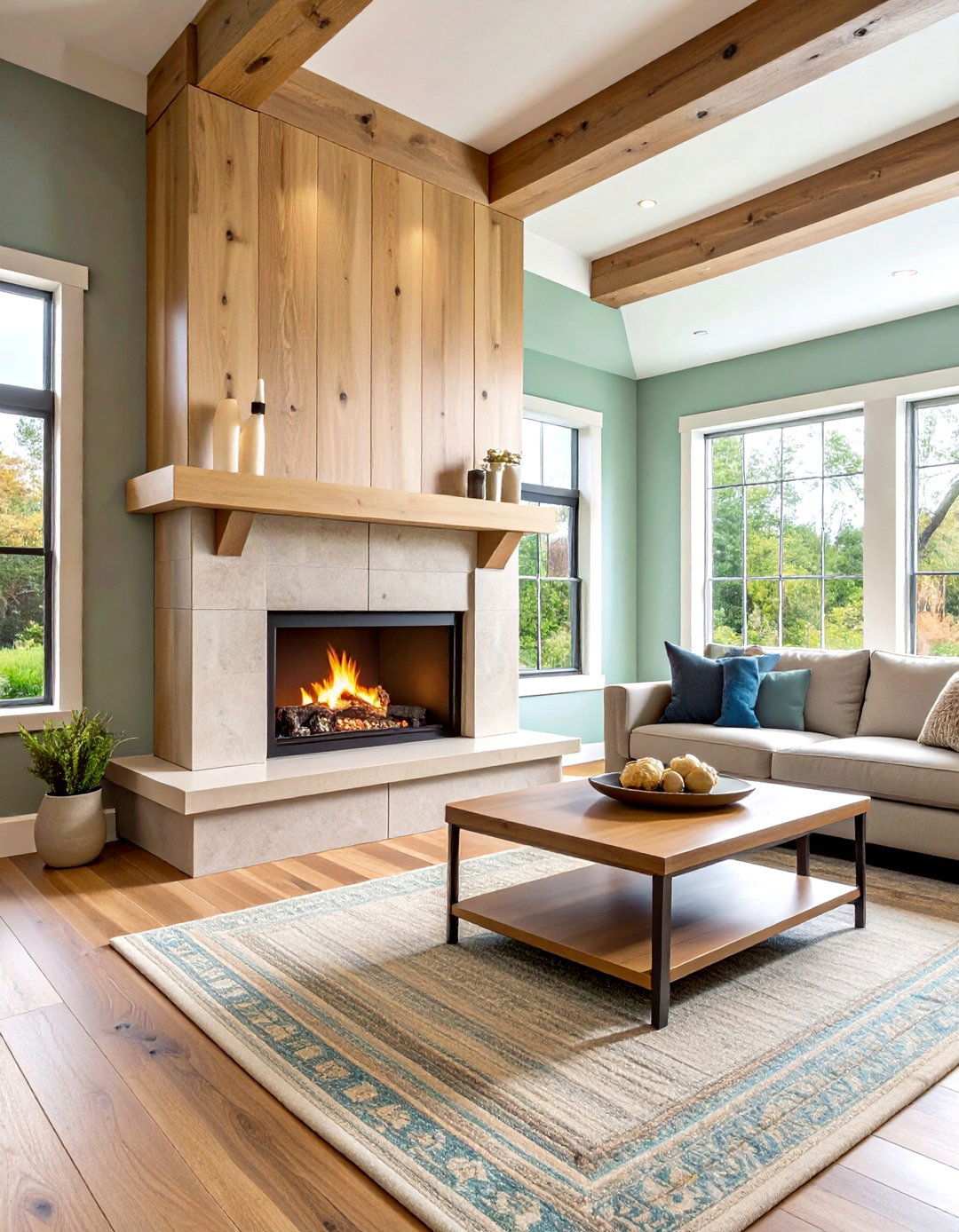
For modern and transitional spaces, white oak box beam mantels offer a clean, uncluttered aesthetic. These hollow constructions provide the illusion of solid beams while being significantly lighter, making them easier to install. The prominent ray patterns and light coloring of white oak add subtle visual interest without overpowering the design. The box construction also allows for seamless integration of hidden wiring for mounted televisions or accent lighting. Various depths and heights are available to accommodate different room scales and fireplace proportions. The smooth finish of the wood highlights its natural beauty while maintaining the sleek appearance that is characteristic of contemporary design principles.
6. Timeless Farmhouse Elegance with Distressed Pine Mantels
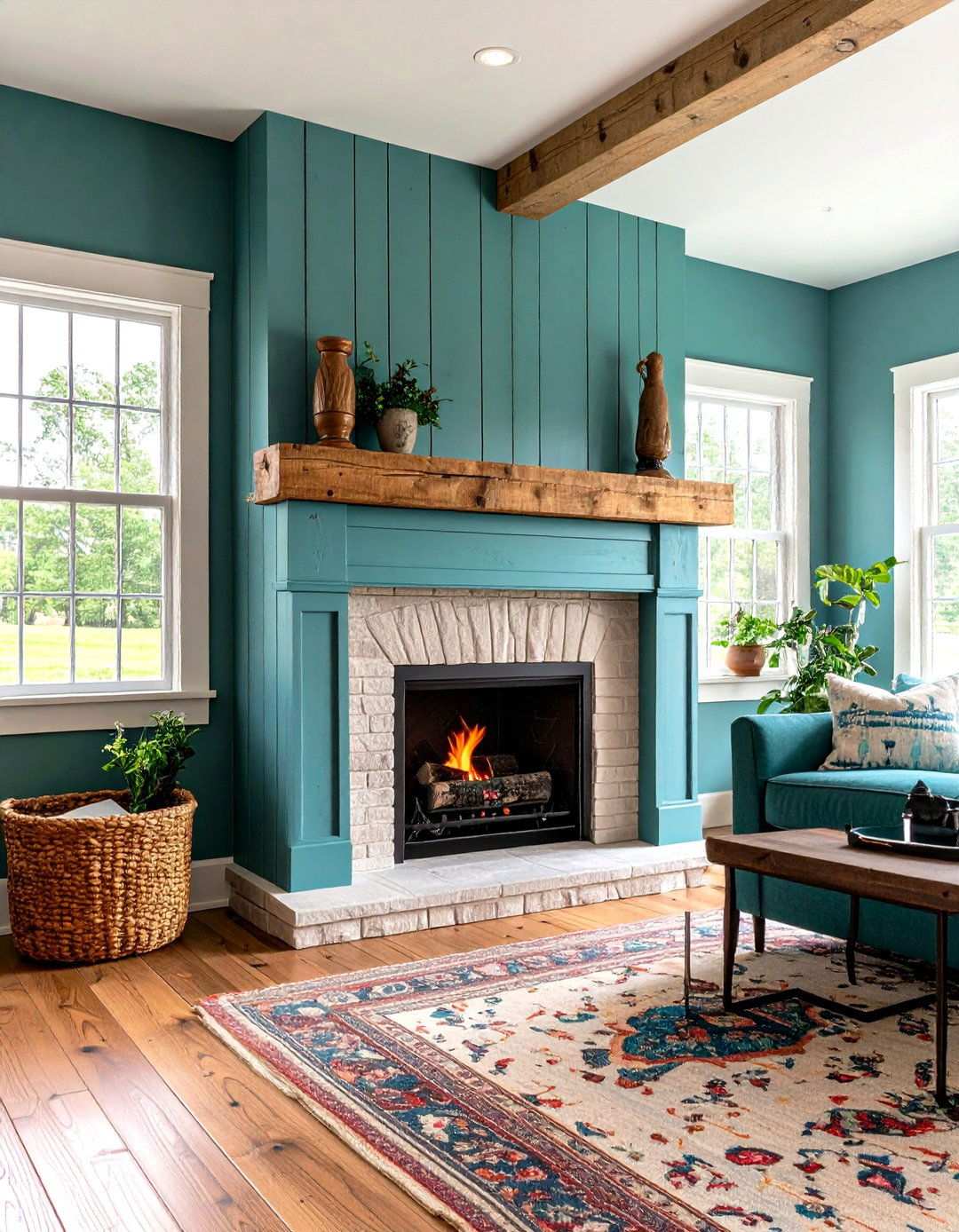
Distressed pine mantels evoke the warmth and character of a bygone era through intentionally weathered surfaces that suggest generations of loving use. Techniques like sanding through stain layers, strategically adding dents, and wire brushing create authentic worn appearances that add depth to the space. Pine’s light color and prominent grain patterns provide an ideal canvas for distressing techniques, allowing the wood to develop a unique character that is often difficult to achieve with hardwoods. These mantels pair beautifully with shiplap walls, vintage accessories, and casual furniture arrangements, creating a cozy atmosphere that is reminiscent of a classic farmhouse. Various distressing levels are available to accommodate different style preferences, from subtle wear patterns to heavily weathered appearances. The affordability of pine makes these mantels accessible to most budgets, allowing homeowners to achieve a timeless farmhouse look without breaking the bank.
7. Modern Maple Floating Shelf Mantel
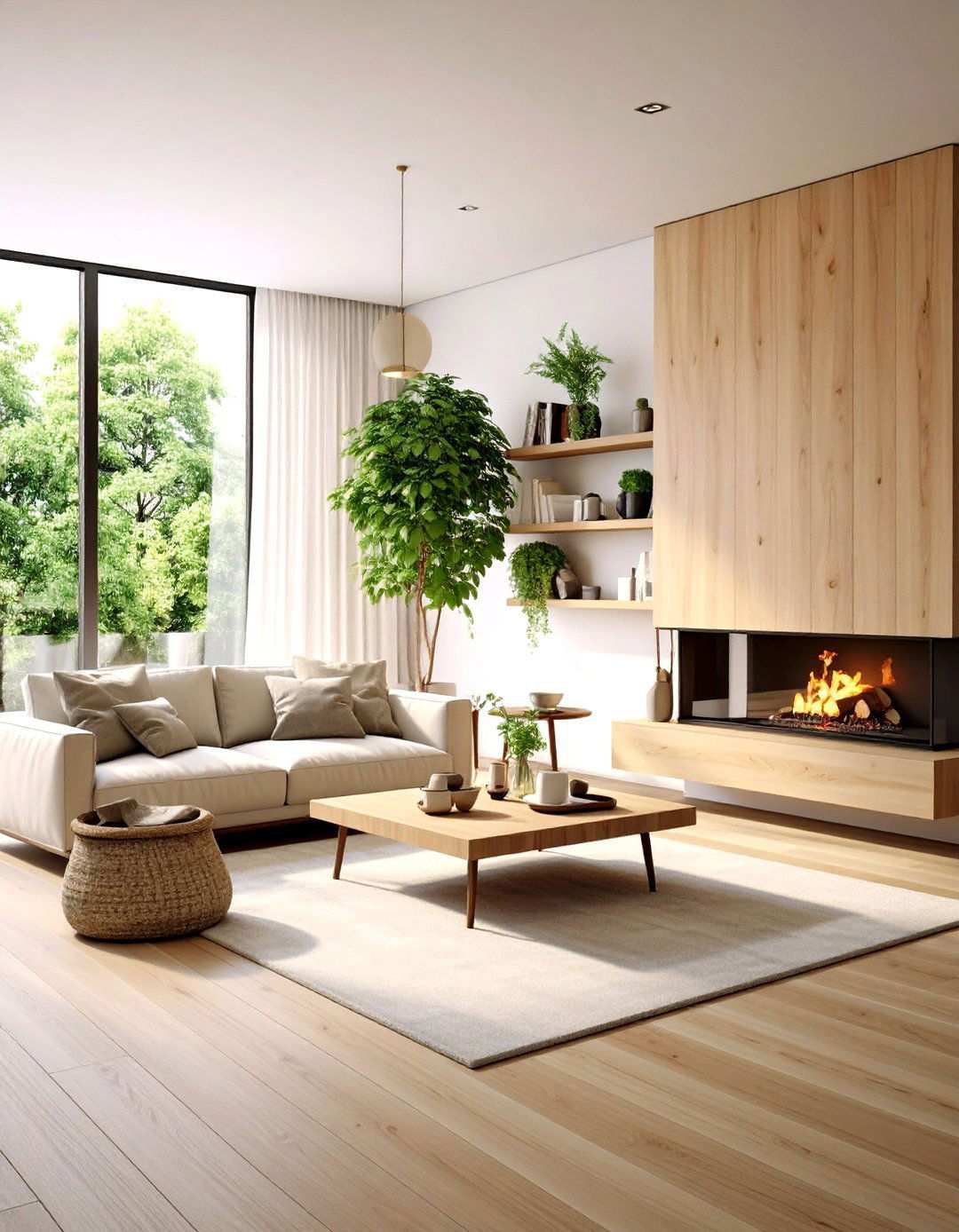
The subtle beauty of maple makes it a perfect fit for contemporary floating shelf mantels, where a minimalist aesthetic takes center stage. Maple’s exceptional hardness and fine grain ensure that these mantels not only withstand the test of time but also add a touch of sophistication to any room. With light tones that reflect and amplify room lighting, these mantels appear to float effortlessly when mounted with concealed bracket systems. What’s more, maple’s uniform grain pattern creates a sense of calm in even the busiest modern spaces. Available in standard thicknesses ranging from 2 to 4 inches, custom depths can be tailored to meet specific design requirements and proportional needs.
8. Distinctive Rough Sawn Oak Mantel with Natural Edge
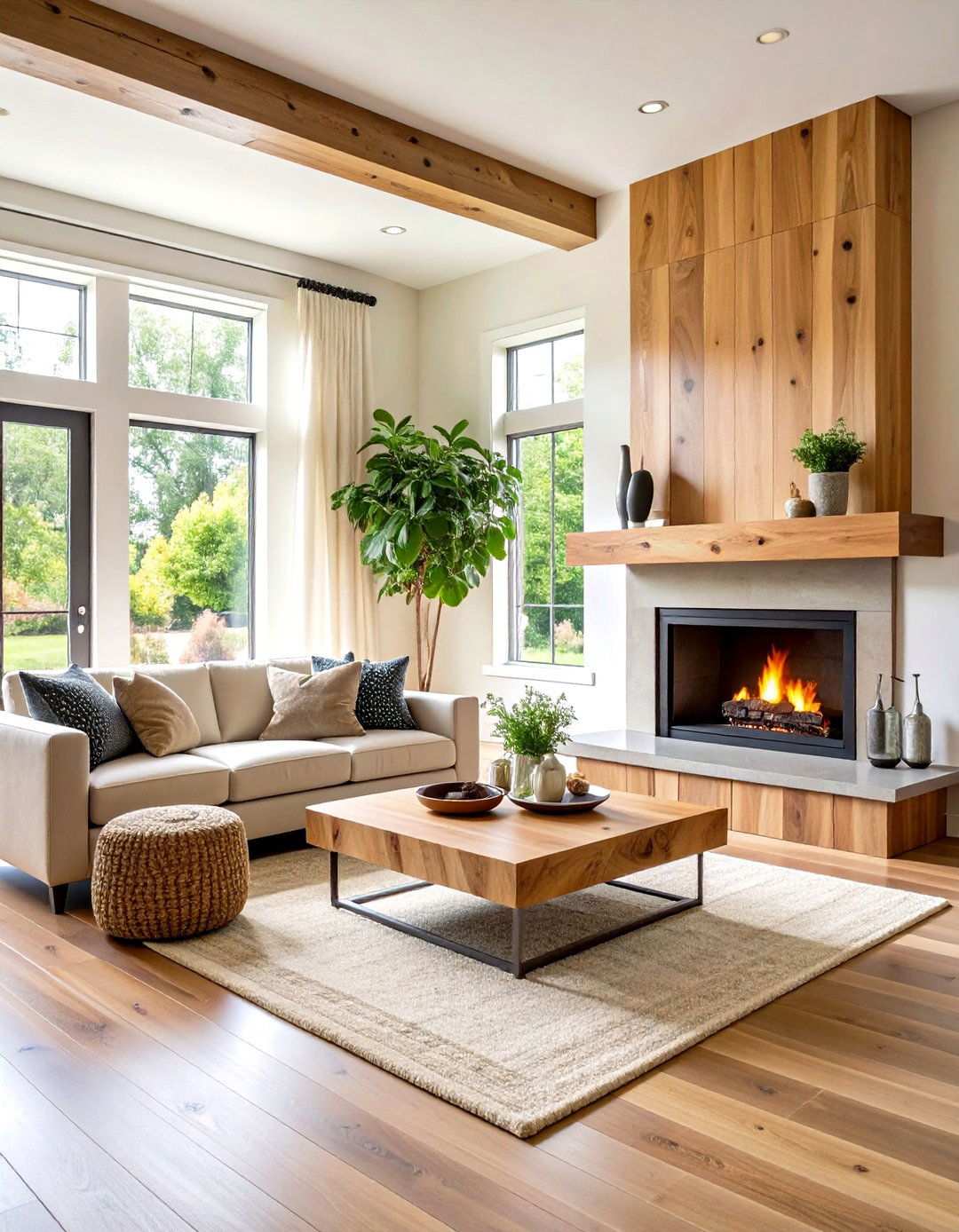
Rough sawn oak mantels boast a unique, textural quality that sets them apart from more refined designs. The circular saw marks from historical milling processes not only add visual interest but also maintain the structural integrity of the wood. The natural edge detail preserves some of the tree’s original contours, lending an organic appeal to the formal oak grain pattern. As a result, these mantels strike a perfect balance between rustic charm and sophisticated elegance. The saw marks create shadow lines that add depth and visual interest under various lighting conditions, making them a standout feature in any room. Skilled finishing techniques can enhance durability while preserving the authentic, rough-hewn character of these mantels.
9. Timeless Painted White Wood Mantel with Classic Design
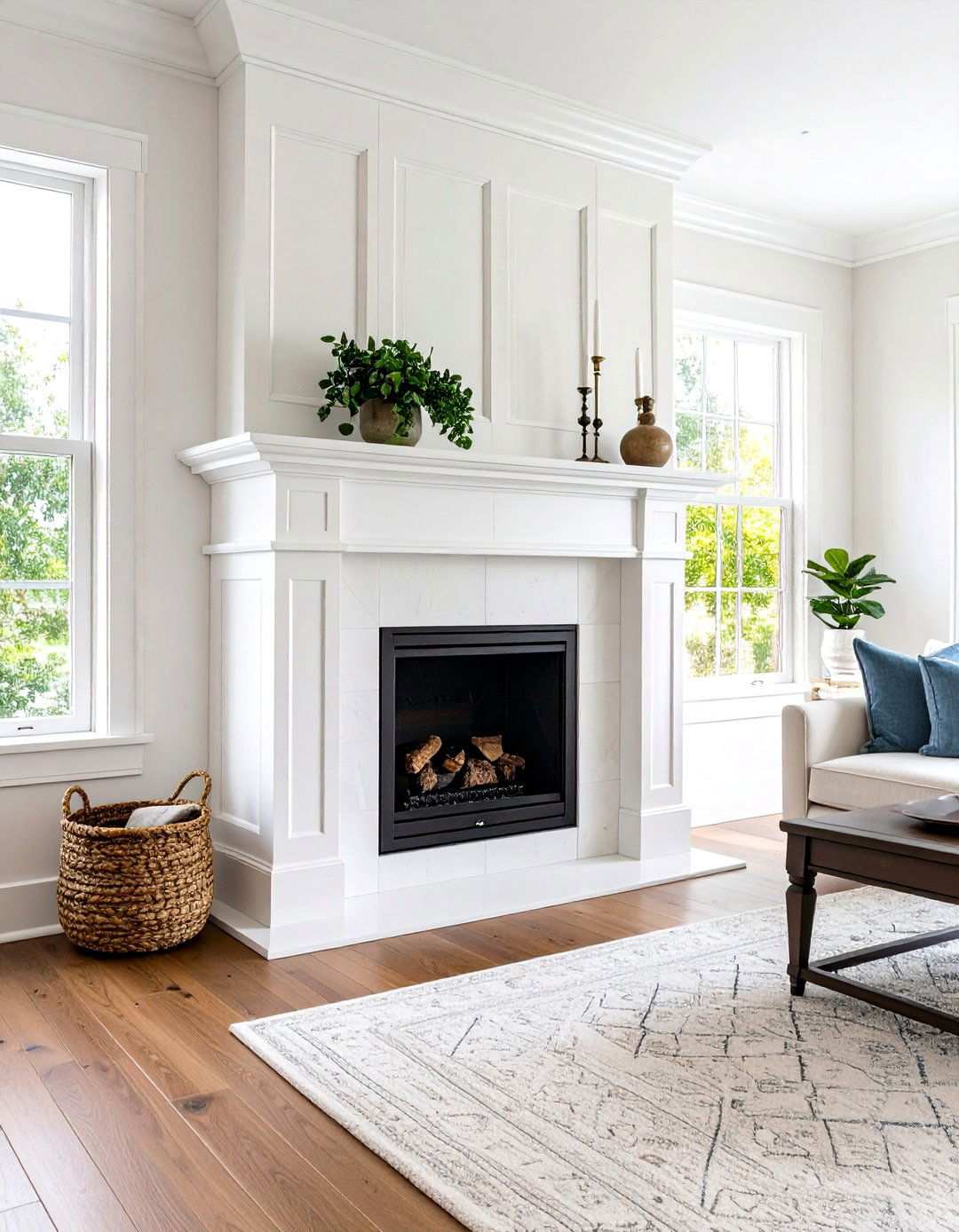
Painted white wood mantels offer a timeless and versatile design that adapts seamlessly to changing decor trends while maintaining classic proportions. Quality primer and paint systems provide a durable barrier against wear and tear, while also offering crisp, clean surfaces that brighten rooms effectively. These mantels feature traditional architectural elements like raised panels, crown molding, and pilaster details that create formal elegance. Moreover, the white finish reflects light, making rooms appear larger and more open. From affordable poplar to premium hardwoods, various wood species can be used to create these mantels. Professional spray finishes ensure smooth, durable surfaces that resist chipping and yellowing over time, guaranteeing a timeless look that never goes out of style.
10. Black Walnut Live Edge Mantel with Steel Brackets
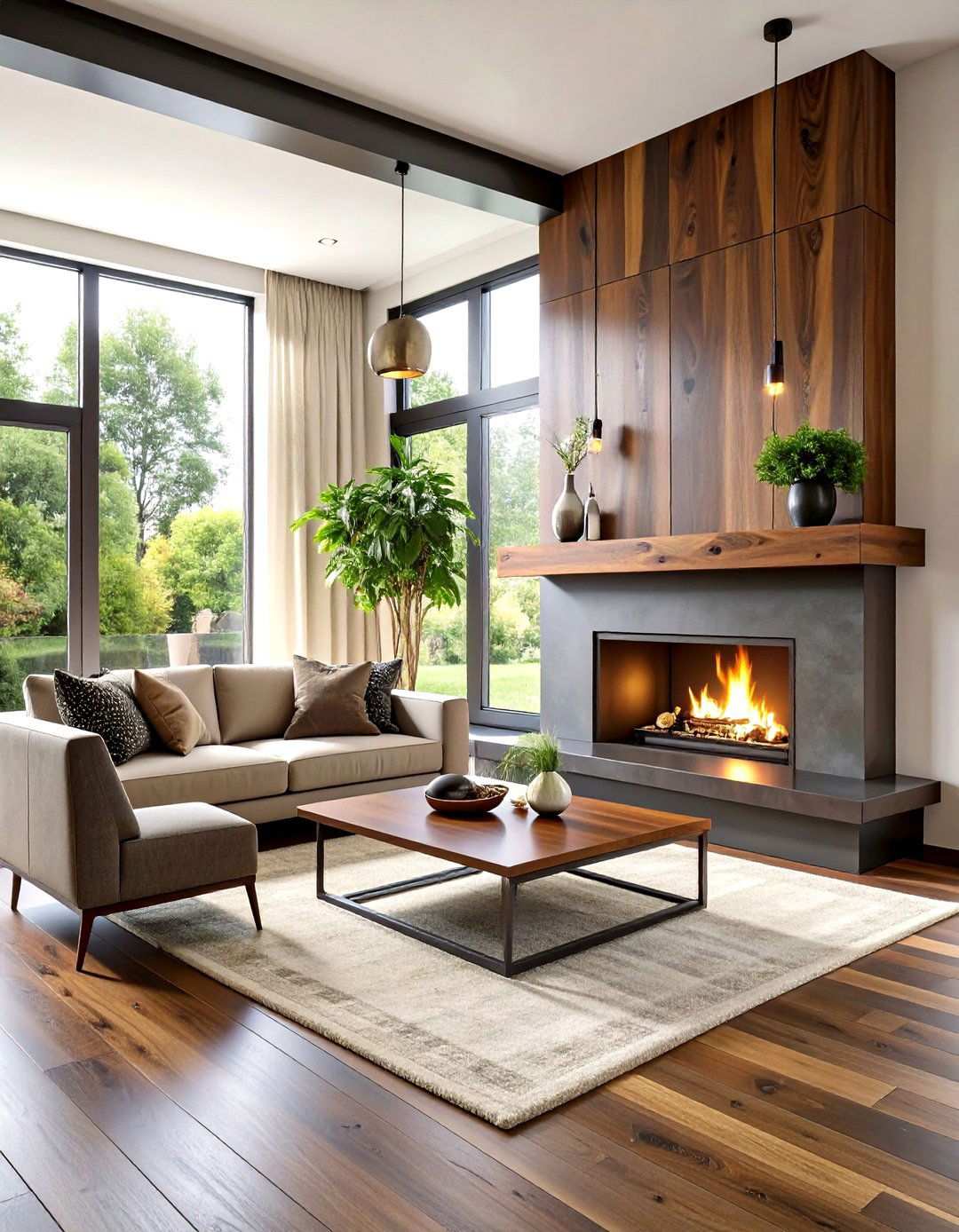
The dramatic interplay of black walnut’s rich, chocolate-toned grain patterns and sleek steel mounting brackets creates a captivating focal point that’s perfect for modern spaces. By combining the natural contours of live edge wood with the clean lines of industrial steel, this striking combination brings together contrasting elements that elevate the aesthetic of loft-style homes, modern farmhouses, and industrial-inspired interiors. To further enhance the design, steel brackets can be powder-coated in a range of colors to seamlessly integrate with specific design schemes. Given the premium status and distinct appearance of black walnut, investing in quality mounting hardware is a worthwhile consideration. The juxtaposition of organic wood textures and geometric steel creates an energetic visual dynamic that invigorates modern spaces.
11. Colonial Mahogany Mantel with Fluted Columns
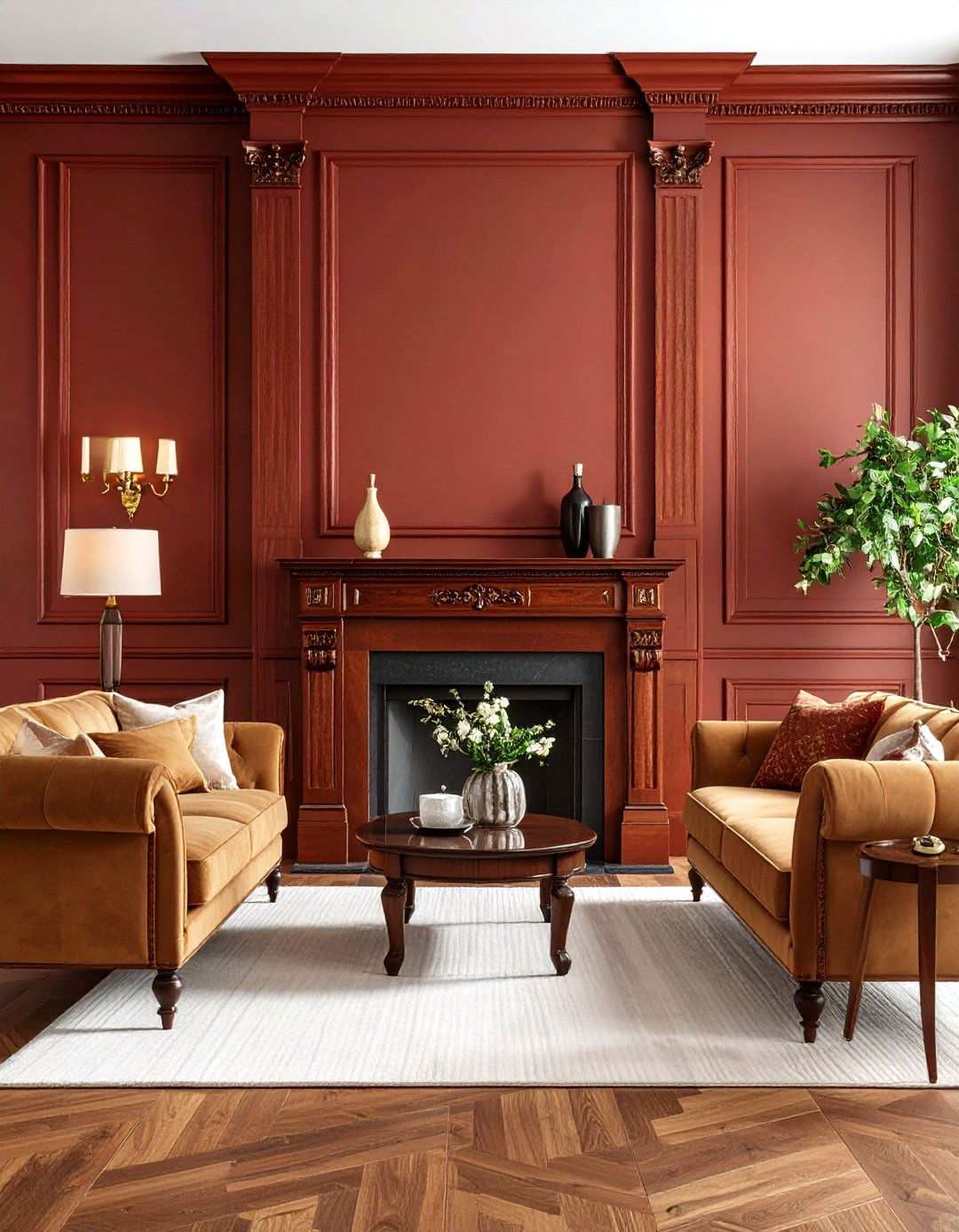
Colonial-style mantels featuring fluted columns exude refined elegance through their rich reddish-brown tones and intricate architectural detailing. The vertical grooves in fluted columns create a sense of rhythm and add depth to the overall design, thanks to the interplay of light and shadow. For centuries, mahogany has been prized for its exceptional finishing properties, making it a sought-after choice for high-end millwork. These mantels often include crown molding, raised panels, and other period-specific details that reflect the craftsmanship of a bygone era. Moreover, mahogany’s natural resistance to moisture and insects ensures a long-lasting and durable finish. By entrusting professional installation, homeowners can ensure that these substantial architectural elements are properly proportioned and structurally sound.
12. Whitewashed Reclaimed Wood Mantel
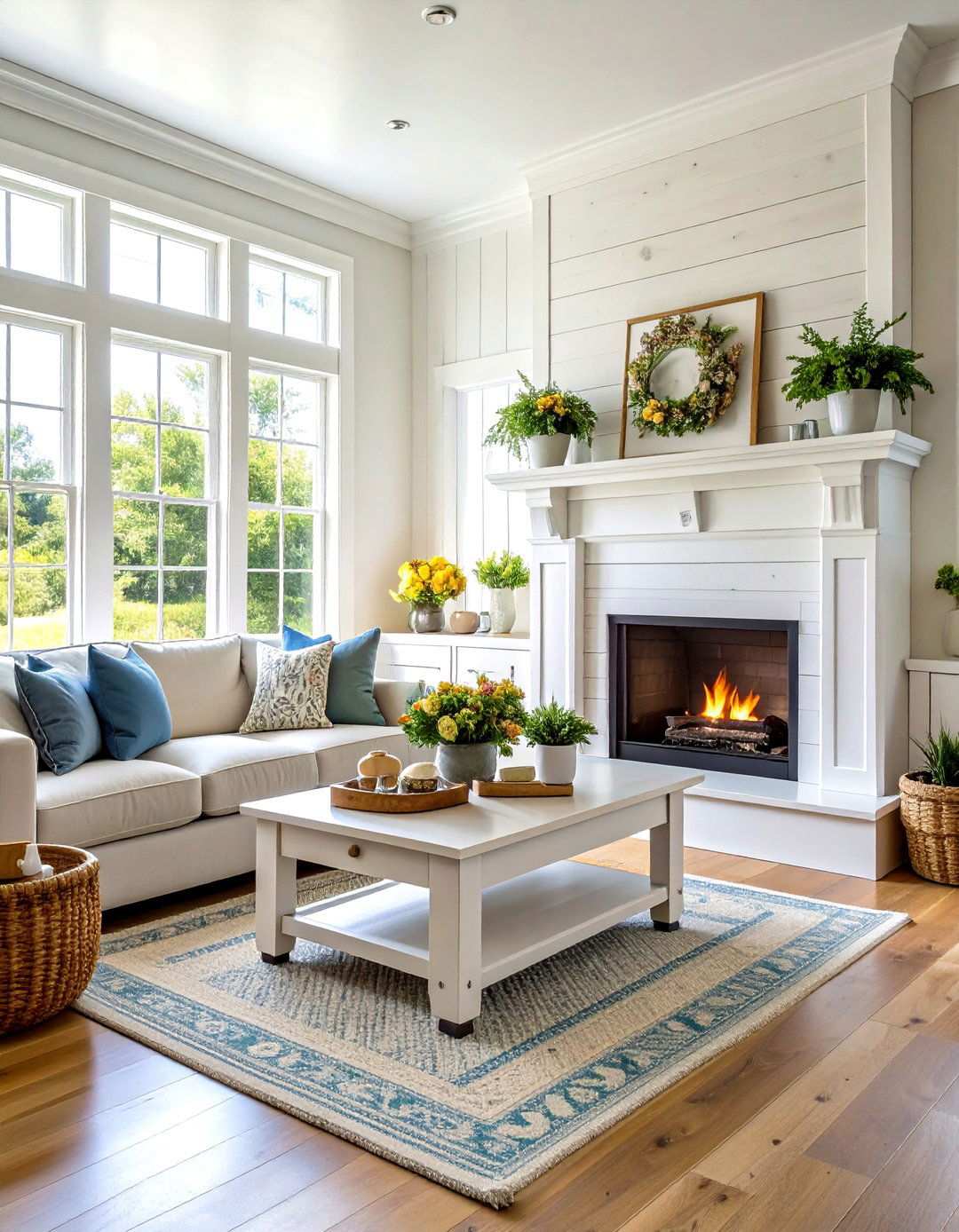
Whitewashed reclaimed wood mantels bring a touch of rustic charm and light, airy aesthetics to traditional and coastal-inspired spaces. The whitewash technique allows the underlying wood grain and character marks to shine through while adding a subtle, softening hue to weathered appearances. This treatment creates a complex visual texture by revealing the existing patina beneath the whitewash finish. This aesthetic works particularly well in spaces featuring ship-lap walls, beadboard paneling, and casual coastal furnishings. The whitewash process involves the use of diluted paint or specialized products that penetrate wood surfaces rather than forming surface films. By applying multiple coats, homeowners can control the final appearance and achieve customized opacity levels.
13. Elevating Traditional Charm with Quarter-Sawn Oak Mantels
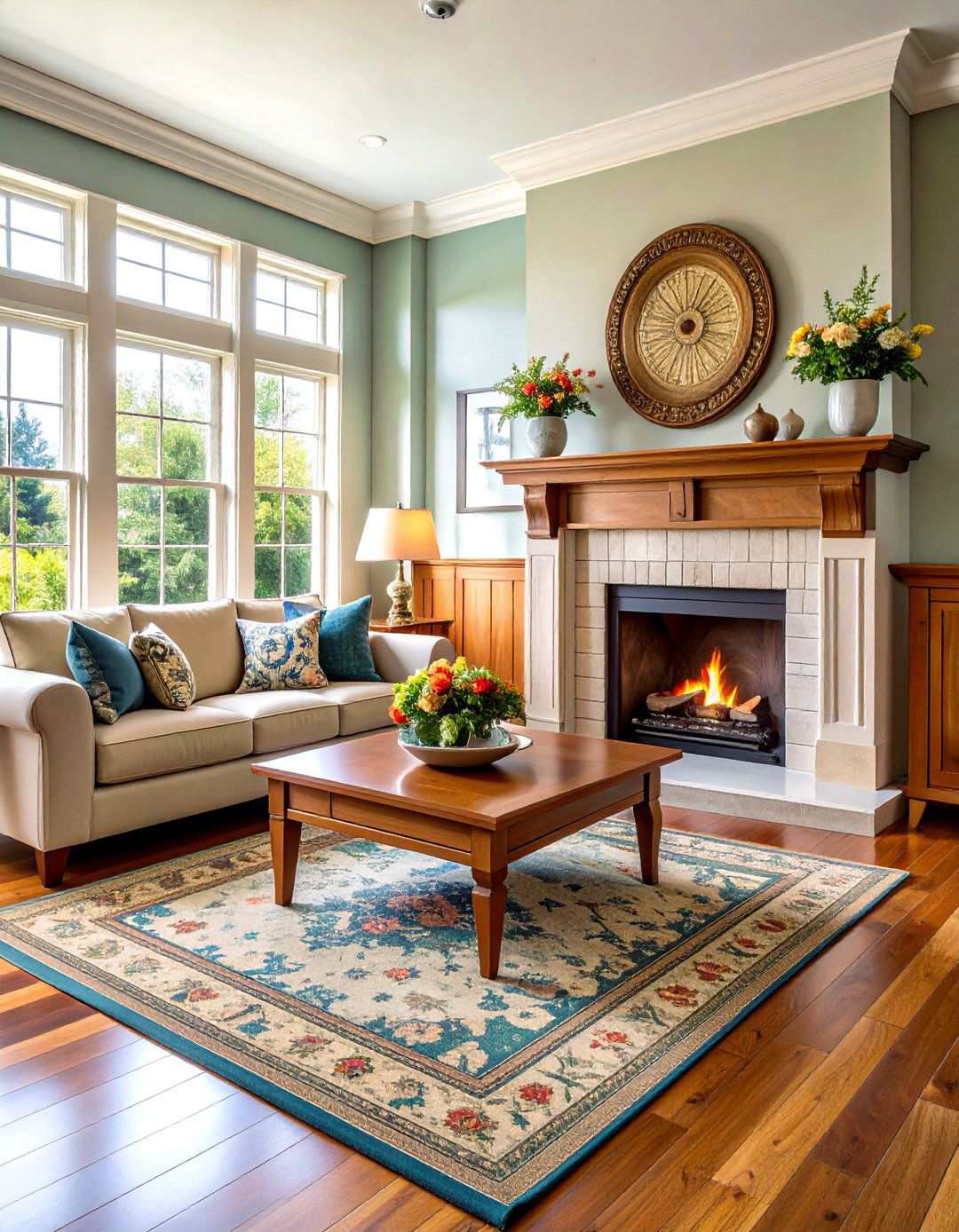
Quarter-sawn oak mantels boast a distinctive visual appeal, thanks to the specialized cutting techniques that bring out the medullary rays as striking patterns. This style resonates with the Arts and Crafts movement’s emphasis on honest construction methods, natural materials, and functional beauty over elaborate ornamentation. The clean lines, subtle corbel details, and proportions of these mantels embody the spirit of the movement, where functionality and aesthetics converge. By using quarter-sawing, manufacturers can create lumber with reduced seasonal movement, making it more stable than plain-sawn boards. The prominent ray patterns create visual interest without relying on intricate carvings, maintaining the movement’s focus on material honesty. Earthy finishes and mission-style hardware complement the overall aesthetic, adding to the timeless appeal of these mantels.
14. Authenticity in Action: Hickory Rustic Beam Mantels
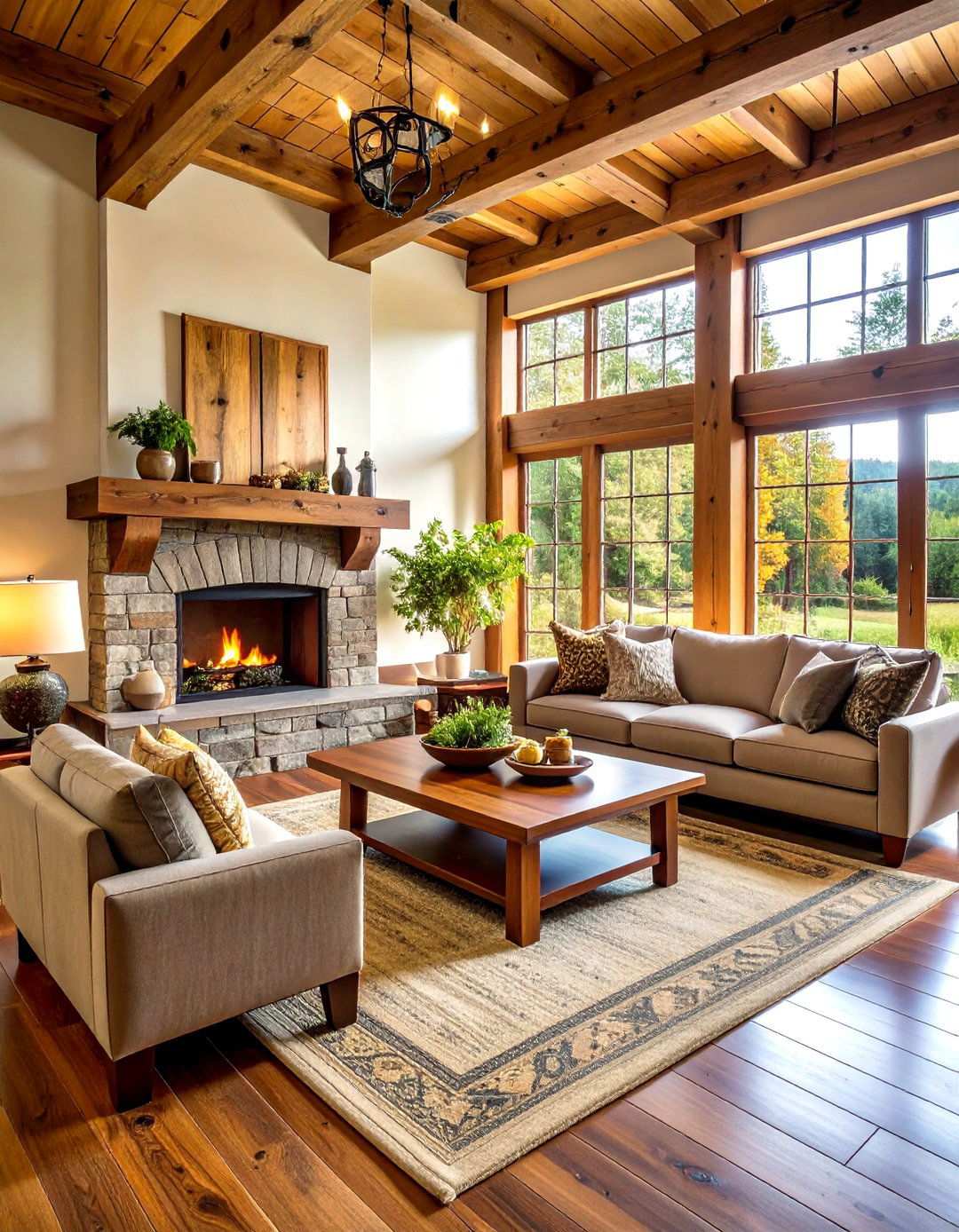
Hickory’s incredible strength and unique grain patterns, featuring dramatic color variations from light cream to dark brown, make it an ideal choice for rustic mantels that exude warmth and character. The original mortise and tenon joinery details from previous structural use add an authentic touch, speaking to traditional building methods and the craftsmanship that goes into creating them. This hardwood’s exceptional durability and natural visual interest make it perfect for spaces where a connection to the past is desired. Hickory’s rustic charm works particularly well in cabin settings, lodge-style homes, and spaces that celebrate American craftsmanship traditions. The mortise pockets can be used to add decorative wooden pegs or left open as design features, adding versatility to these mantels.
15. Modern Minimalism: Ash Wood Floating Mantels
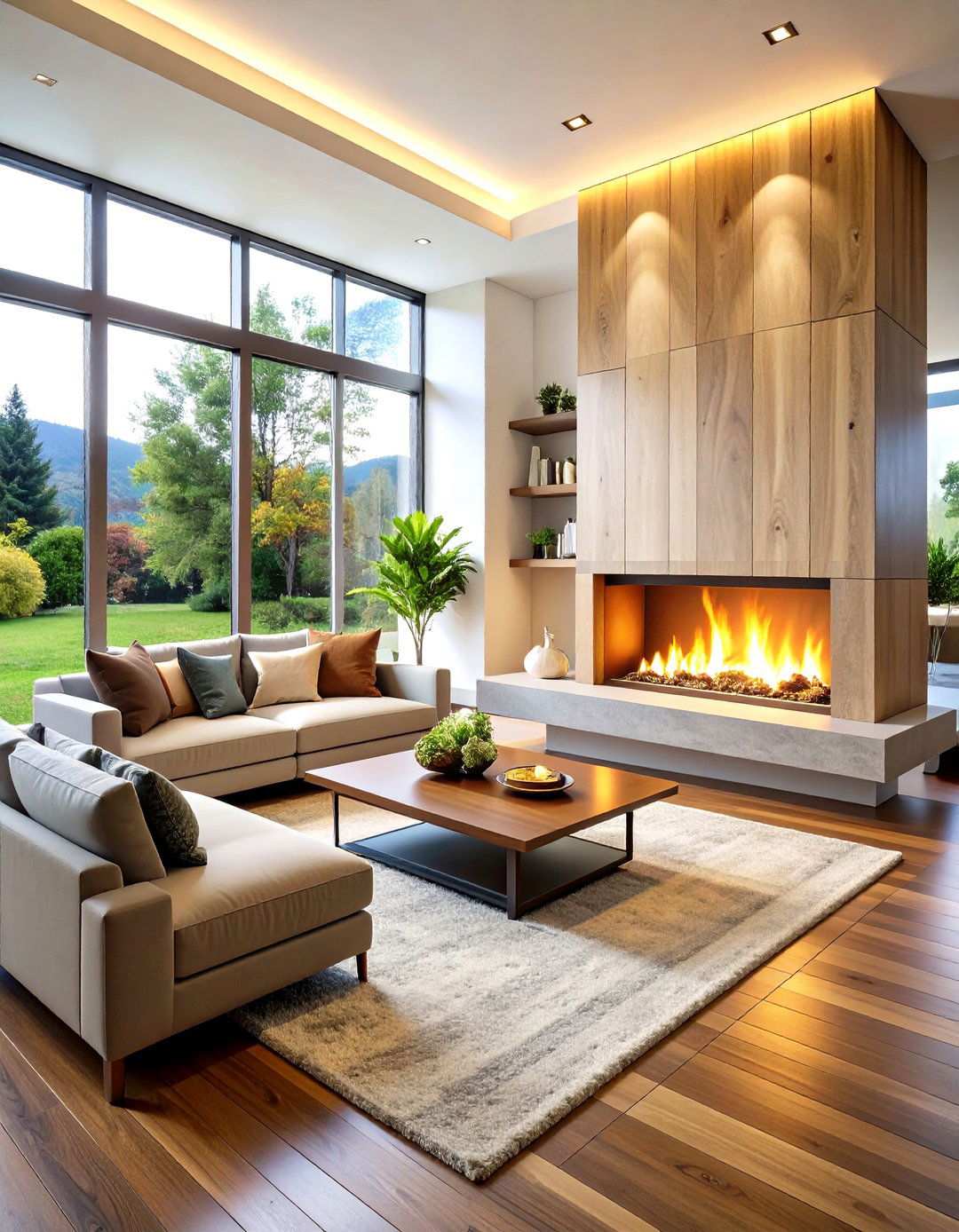
Ash wood’s light coloring and pronounced grain patterns create a striking contrast to minimalist interiors, adding a touch of warmth and sophistication. The wood’s excellent strength-to-weight ratio makes it an ideal choice for floating applications, where aesthetics and functionality converge. Ash wood’s ability to accept both clear and stained finishes beautifully allows for customization to match specific design requirements, ensuring a seamless integration with modern furniture and architectural elements. The straight grain pattern creates an orderly visual rhythm, adding a sense of harmony to these mantels. For an added touch of drama, LED strip lighting can be incorporated behind or below the mantel, creating a stunning accent illumination effect. When installed by professionals, these mantels ensure proper weight distribution and structural integrity, guaranteeing safe and long-term use.
16. Timeless Traditional Poplar Mantel with Crown Molding
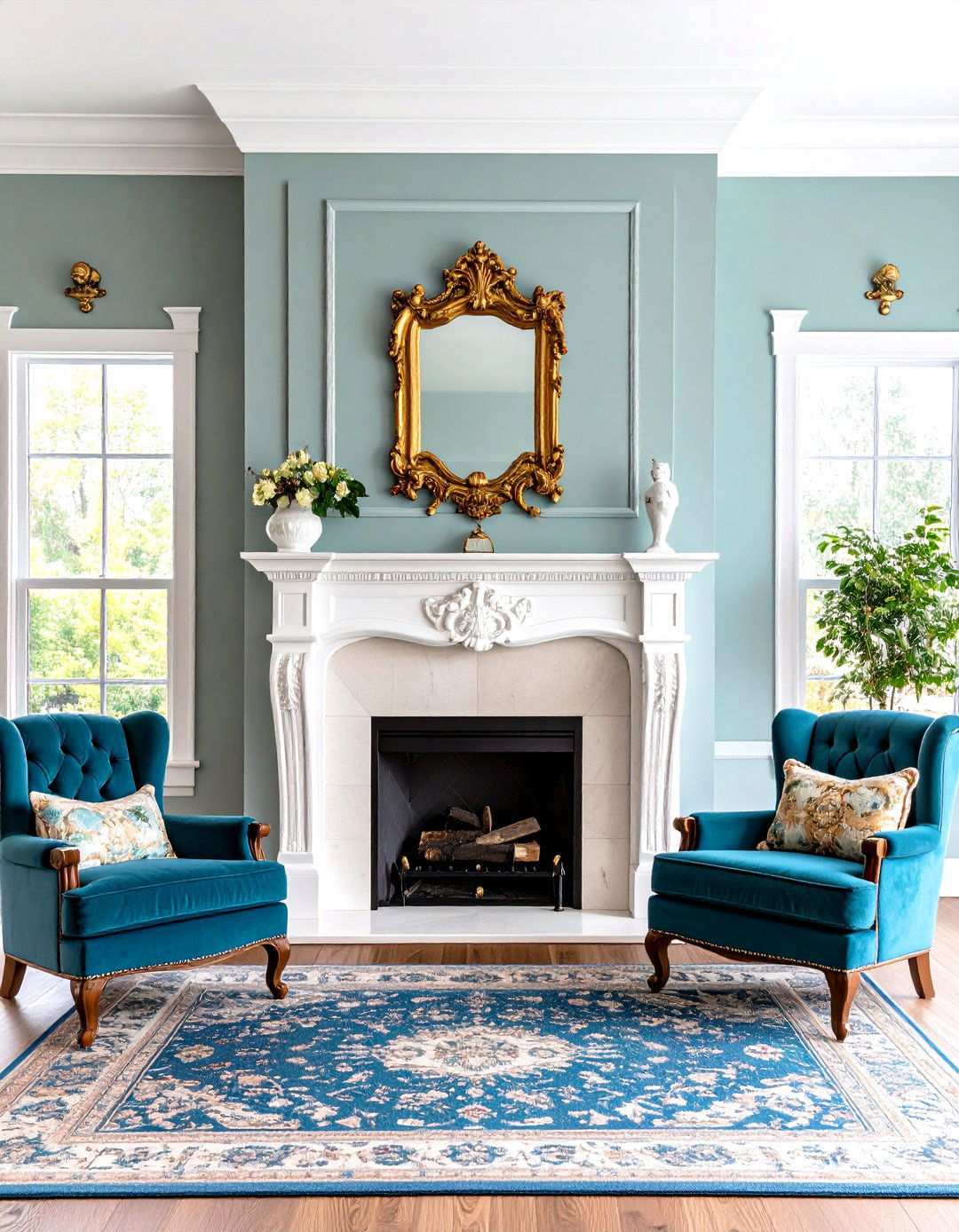
A masterful approach to crafting traditional mantels relies on poplar wood, an ideal substrate for painted designs showcasing intricate crown molding and ornate architectural details. The wood’s refined grain absorbs paint evenly, while its moderate softness allows for precise millwork without excessive tool wear, making it a dream to work with. Crown molding not only adds a touch of sophistication by creating a sense of height but also smooths out transitions between the mantel and surrounding walls. Furthermore, poplar’s light color eliminates the risk of bleed-through issues often associated with darker woods when paired with light paint colors. Traditional mantels can incorporate a range of molding profiles, raised panels, and other classic elements that reflect timeless architectural proportions. The stability and workability of poplar make it a top choice for intricate millwork projects.
17. Embracing the Natural Charm of Cedar Log Cabin Style Mantel
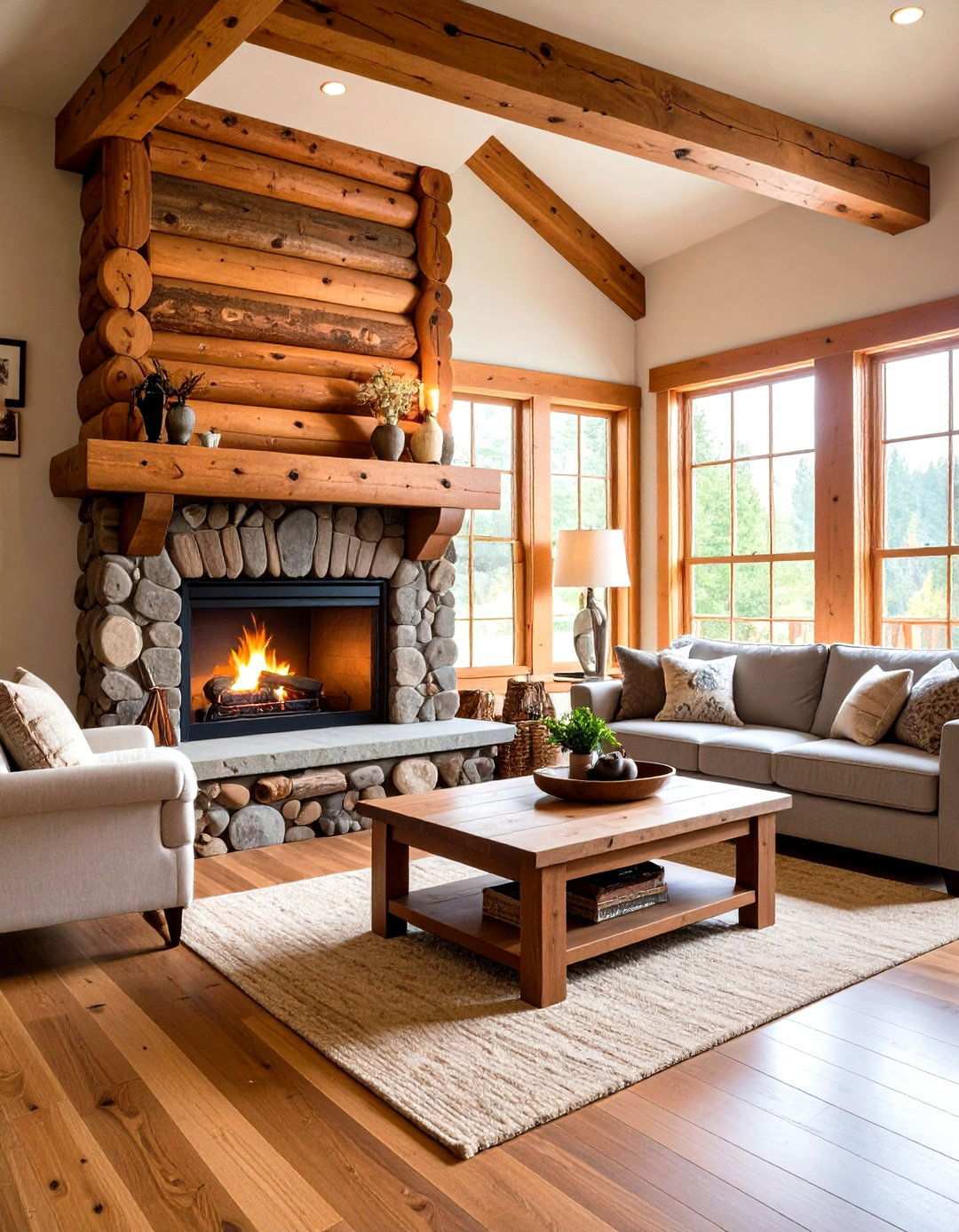
Cedar mantels seamlessly blend in with log cabin aesthetics through distinctive natural edge details, knot patterns, and the enticing aroma that they release, creating cozy living spaces that are perfect for rustic retreats. The wood’s innate resistance to insects and weather fluctuations makes it an ideal choice for cabin environments where temperature and humidity changes are common. The warm coloring and unique grain of red cedar create inviting focal points that complement stone fireplaces and rustic furnishings beautifully. Moreover, the natural oils in the wood provide a subtle fragrance that enhances the sensory experience beyond its visual appeal. These mantels can be left with bark sections for a more rugged look or be smoothed for a more refined cabin appearance. When installed by professionals, the wood’s tendency to check and move with seasonal changes is effectively addressed.
18. Fusing the Past and Present: Industrial Style Reclaimed Wood Mantel
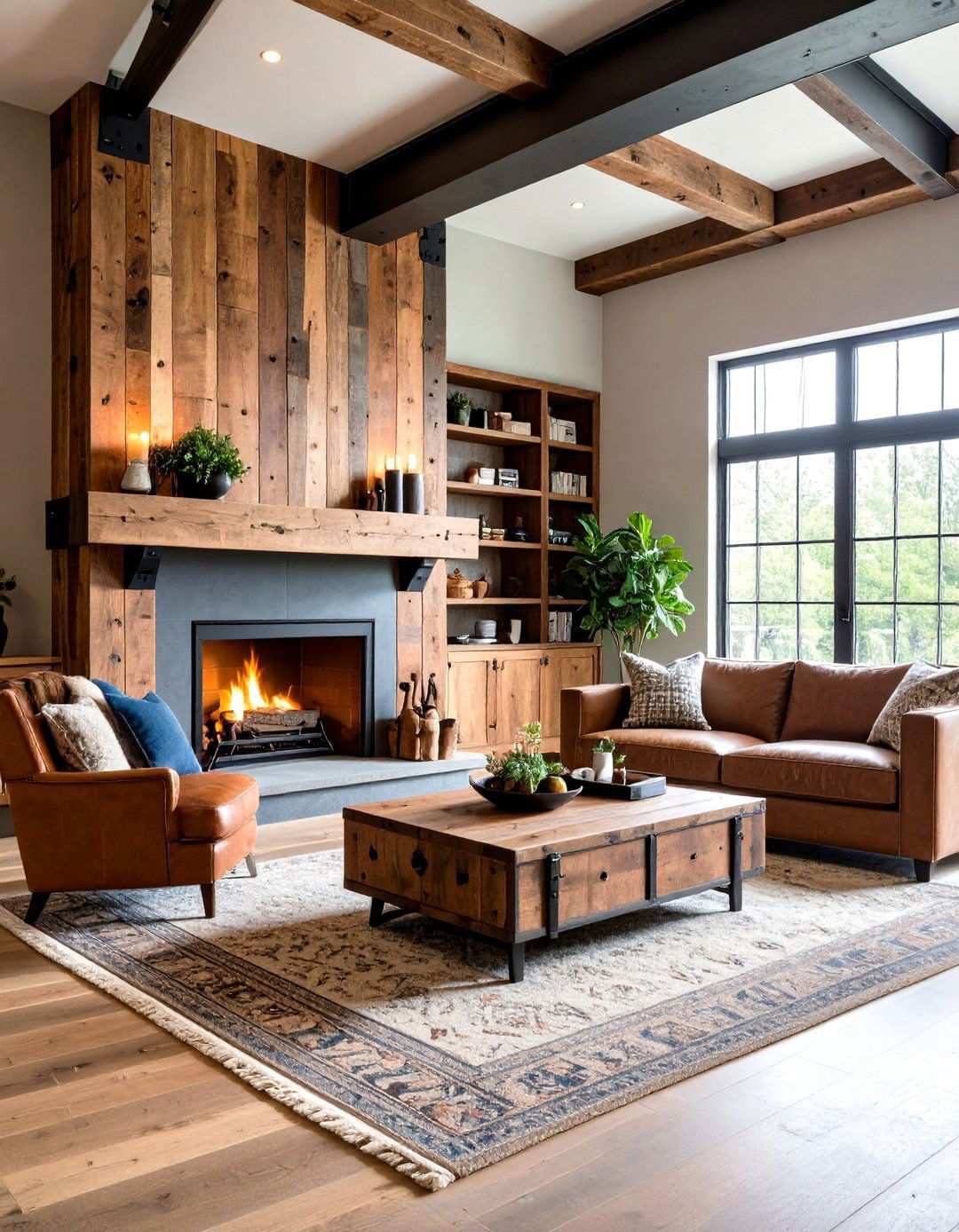
Industrial-style reclaimed wood mantels bring together the rugged textures of weathered wood and the sleek lines of metal brackets, pipe supports, or chain suspension systems that evoke factory and warehouse aesthetics. The striking contrast between the organic wood grain and the hard metal surfaces creates a captivating visual tension that energizes contemporary loft spaces. The character marks on the reclaimed wood tell the story of its previous industrial use, while the metal elements provide both structural support and design continuity. These mantels work particularly well with exposed brick walls, concrete surfaces, and industrial lighting fixtures. The various metal finishes, ranging from raw steel to powder-coated colors, allow for customization to suit specific design schemes. The combination of natural materials and industrial craftsmanship traditions celebrates the beauty of the past and the present.
19. French Country Beech Wood Mantel
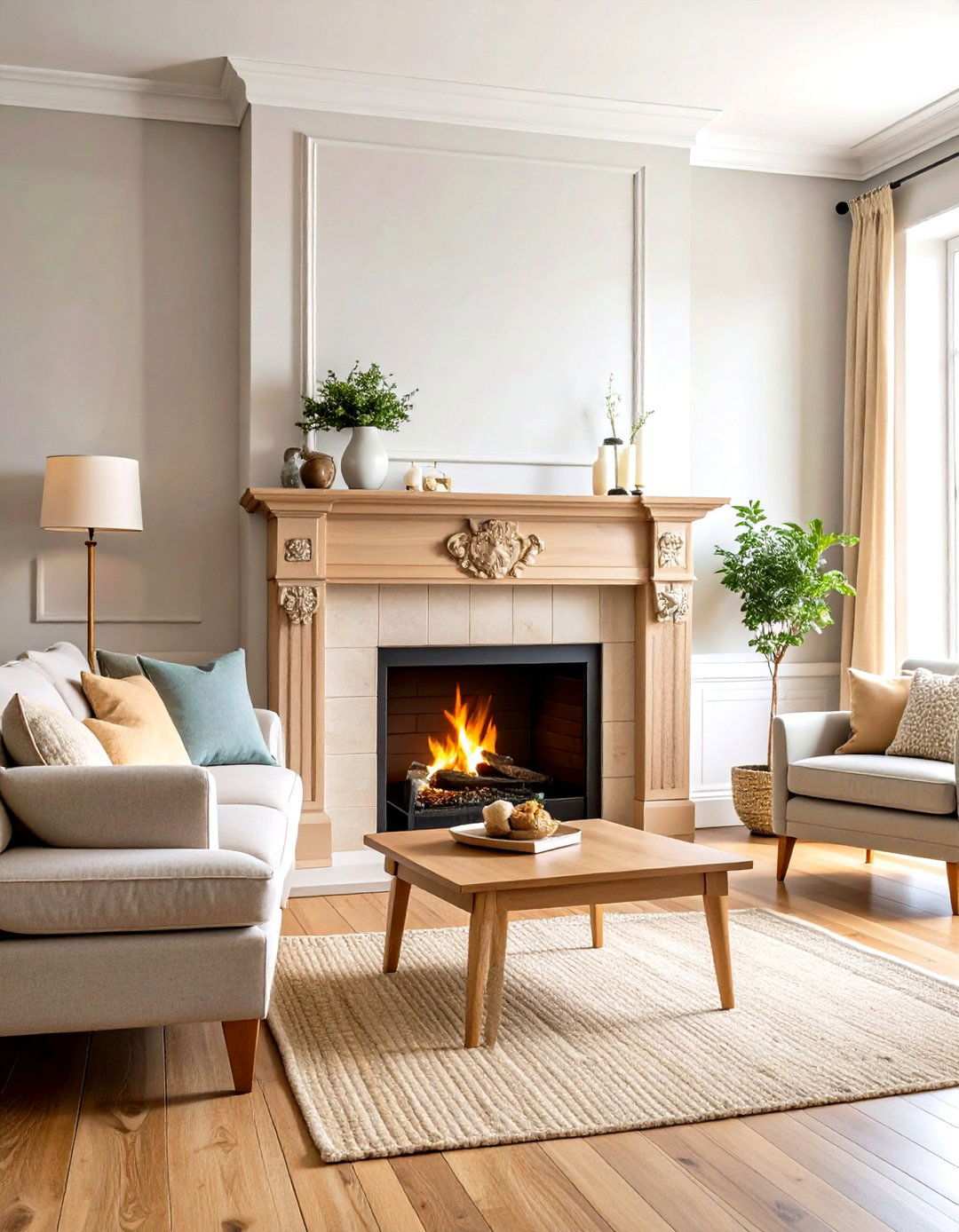
Beech wood mantels exude timeless elegance, reflecting the refined aesthetic of traditional French country design. Characterized by a smooth, even grain and light coloration, these mantels serve as a blank canvas for decorative painting techniques that evoke the charm of European countryside. The wood’s remarkable hardness ensures durability, while its smooth surface provides a perfect backdrop for an array of decorative treatments. Carved details, curved brackets, and proportions reminiscent of European furniture traditions add an air of sophistication to these mantels. As a neutral backdrop for colorful accents, beech wood mantels effortlessly blend with vintage accessories, seasonal decorations, and pottery typical of French country styling, allowing homeowners to create a unique and inviting atmosphere.
20. Spalted Maple Live Edge Mantel
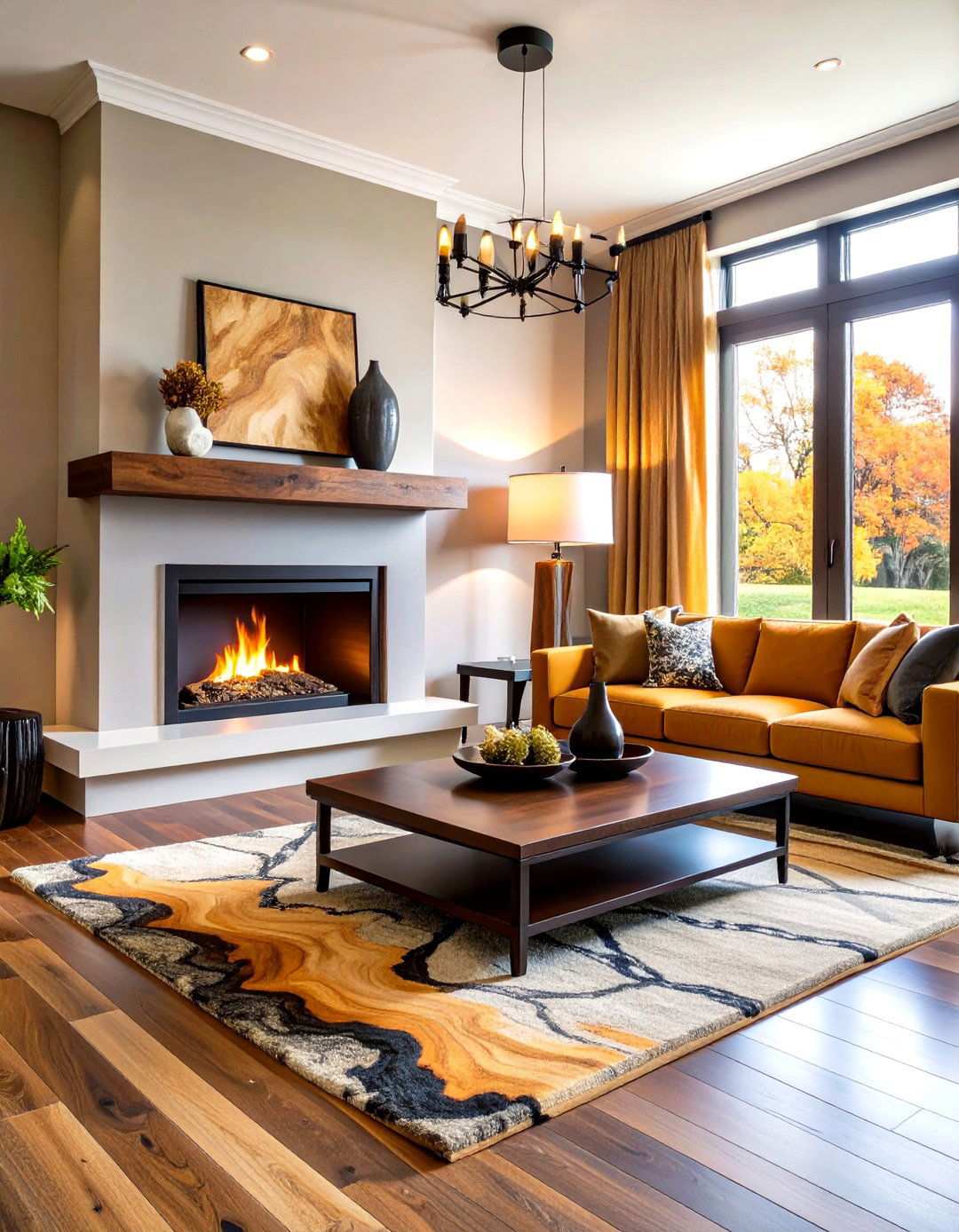
Spalted maple mantels showcase nature’s creative genius through intricate black zone lines formed by fungal activity, resulting in one-of-a-kind patterns that resemble abstract artwork. The live edge detail preserves the original contours of the bark, while the spalting process creates unique figuring that cannot be replicated artificially. Each spalted maple mantel serves as both a functional shelf and a stunning work of art, commanding attention in any room. Professional stabilization ensures the longevity of these premium mantels, while preserving their existing character. The striking contrast between light maple and dark zone lines creates a dramatic visual effect that complements a wide range of design styles, from contemporary to transitional settings.
21. Barn Beam Mantel with Iron Corbels
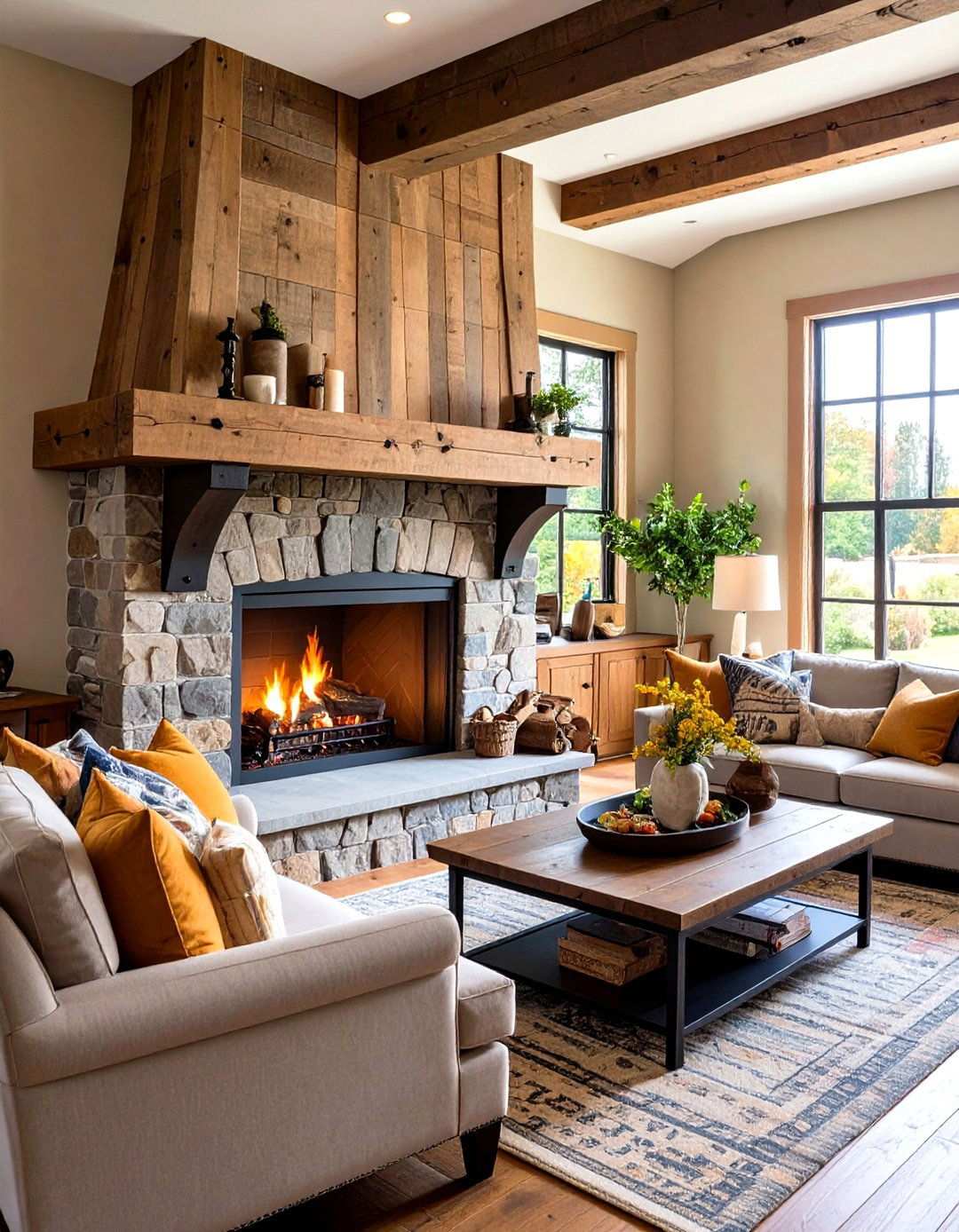
The union of reclaimed barn beam mantels and hand-forged iron corbels creates a compelling combination of organic wood character and metalwork craftsmanship. The weathered wood surfaces provide a beautiful contrast to the dark iron textures, both materials paying homage to historical building traditions. Iron corbels can feature intricate scrollwork, geometric patterns, or simple bracket designs that complement specific architectural styles. This pairing not only provides excellent structural support but also creates a visual balance between horizontal mantel lines and vertical corbel elements. With various iron finishes ranging from raw steel to painted surfaces, homeowners can customize the look to suit their room’s requirements. This captivating combination works exceptionally well in design schemes that celebrate authentic materials, making it a perfect fit for farmhouse, industrial, and transitional design styles.
22. Contemporary Birch Plywood Mantel Designs
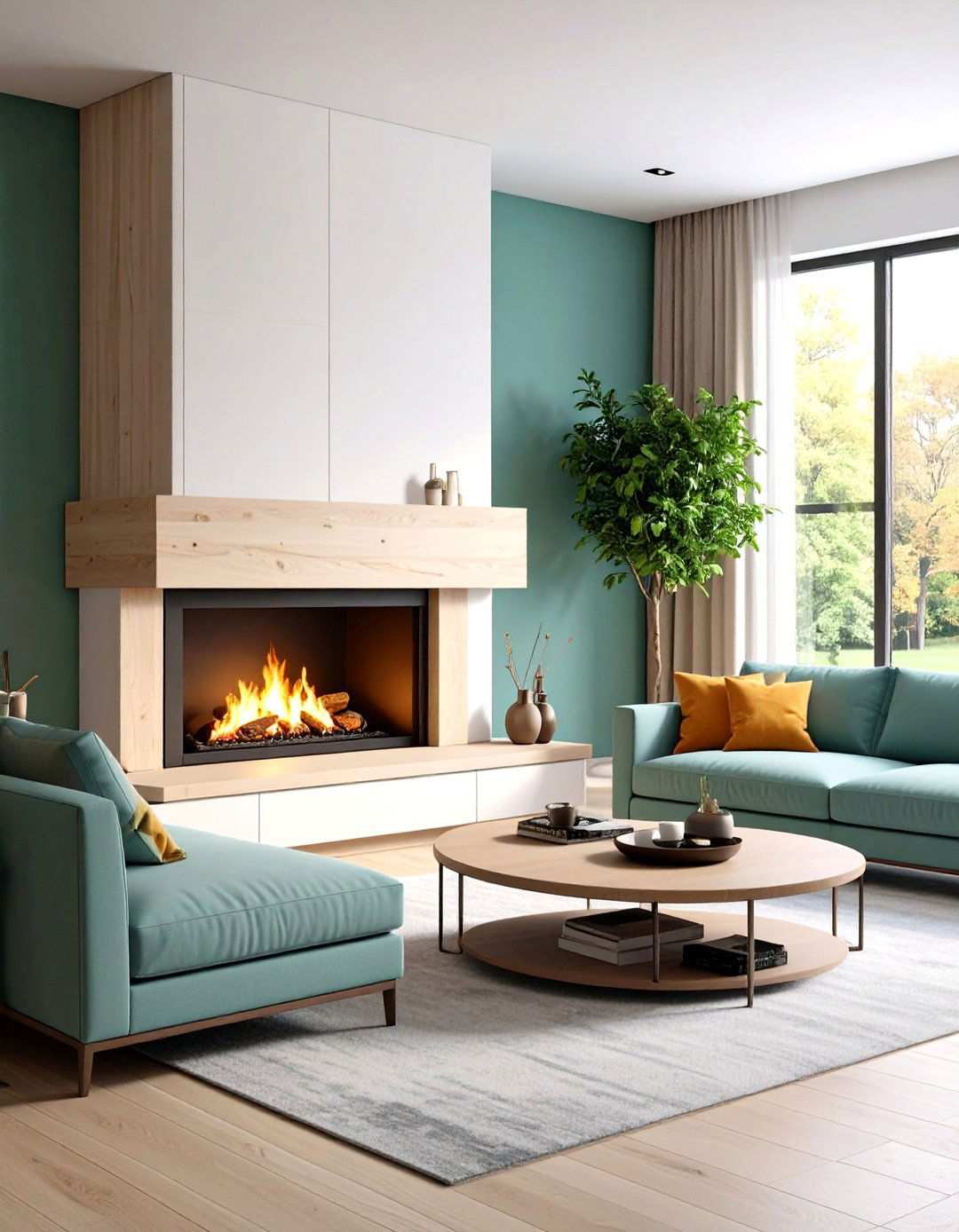
Contemporary birch plywood mantel designs capitalize on the modern aesthetic by showcasing the engineered wood’s inherent beauty. The visible lamination layers create a unique striped effect that runs along the edges, adding visual interest to minimalist interiors. By combining light coloration and smooth surfaces, these mantels blend seamlessly with modern architectural elements and contemporary furniture. Furthermore, the engineered construction provides stability and affordability, making it an attractive option for homeowners. Moreover, the uniformity of the material allows for clean lines and precise dimensions, which can be finished with clear coats to accentuate the natural birch coloring. Various edge treatments, ranging from simple square cuts to beveled details, provide designers with a range of creative options to add subtle design flair. Proper mounting by professionals ensures the material’s structural characteristics are properly addressed.
23. Antique Chestnut Hand-Hewn Mantels as Statement Pieces
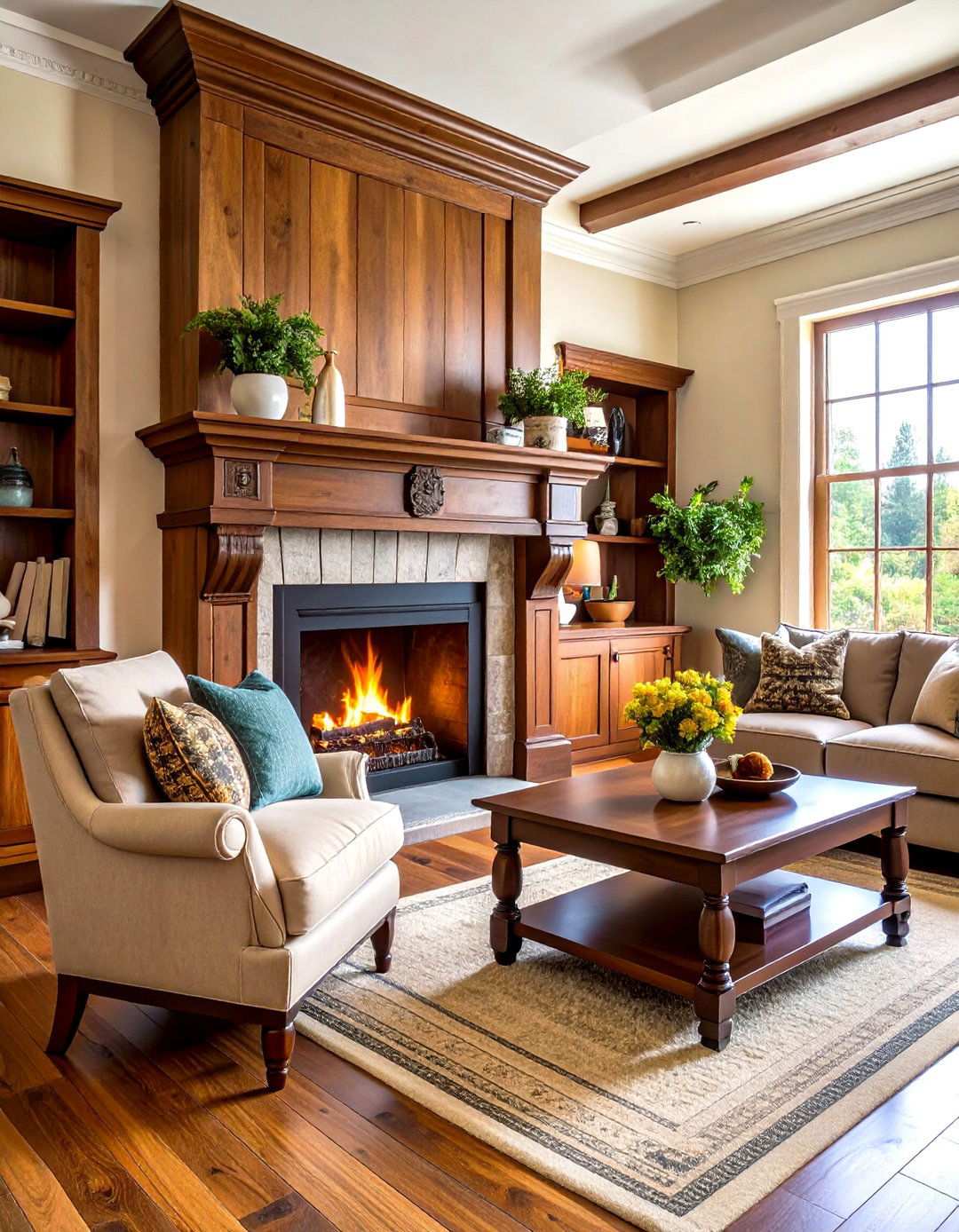
Antique chestnut mantels are rare and valuable finds that offer a glimpse into America’s forestry history. They feature rich brown tones and distinctive grain patterns that have been preserved for generations due to the wood’s natural decay resistance. Hand-hewn surfaces showcase traditional craftsmanship through axe marks and irregularities that modern tools cannot replicate. These timbers have a unique character that has developed over time, making them highly sought after by collectors and homeowners alike. The presence of original mortise pockets, bolt holes, and other structural details tells a story of the mantel’s previous architectural use. What’s more, the scarcity and historical significance of chestnut wood command premium prices for these mantels. To preserve the existing character while ensuring structural integrity, professional restoration is essential.
24. Sustainable Bamboo Wood Mantel Options
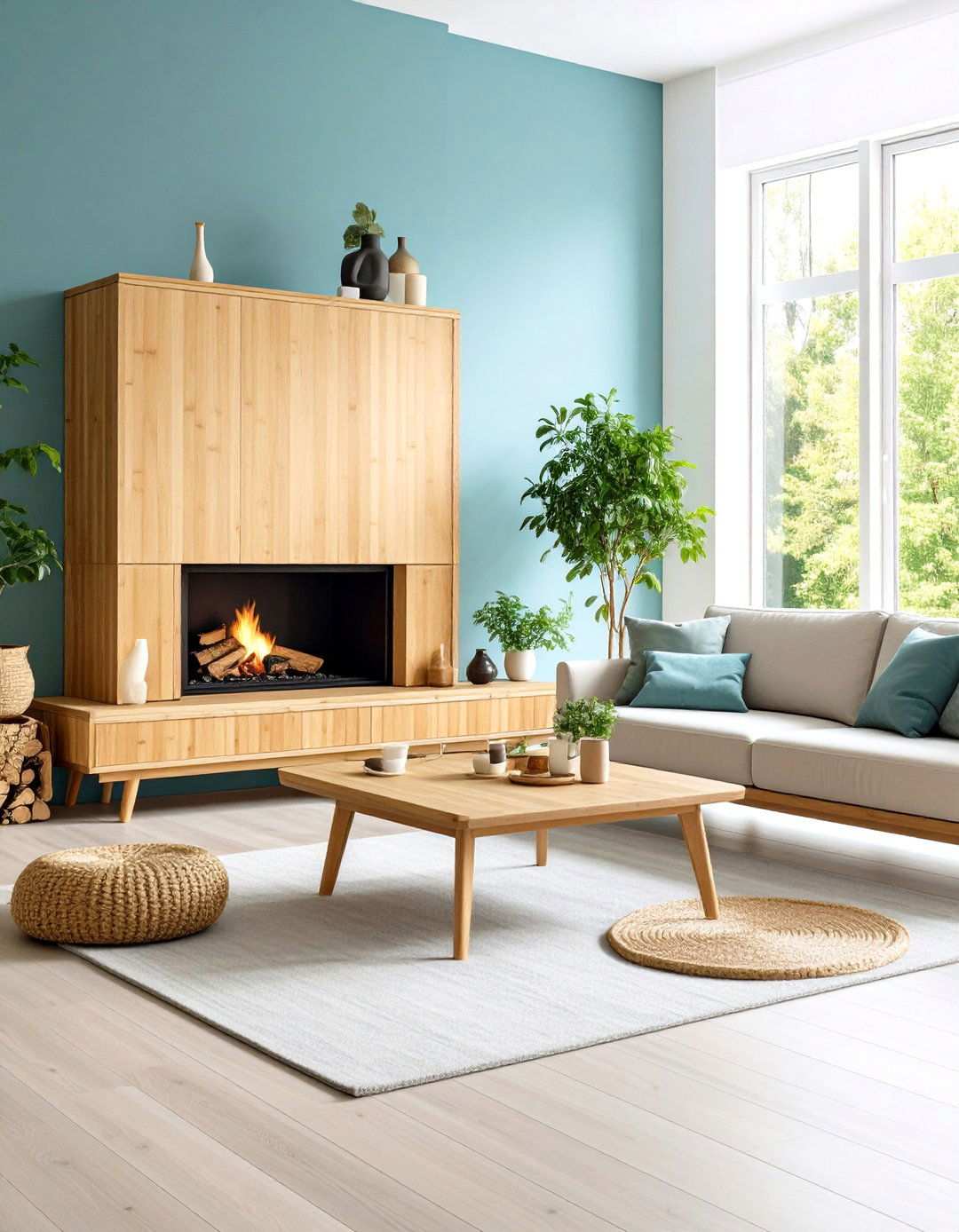
Bamboo mantels present a sustainable alternative to traditional hardwoods, offering unique grain patterns and light coloring that is perfect for contemporary eco-conscious interiors. The material’s rapid growth rate and renewability make it an attractive option for environmentally aware homeowners seeking responsible design choices. Bamboo’s natural hardness rivals traditional hardwoods while its distinctive node patterns create visual interest along the grain. These mantels can be stained or left natural to highlight bamboo’s inherent beauty, allowing designers to create a look that suits their vision. Furthermore, the material’s dimensional stability reduces seasonal movement compared to many traditional woods, ensuring a long-lasting and stable finish. To ensure proper mounting and structural support, professional installation is necessary to address bamboo’s specific requirements.