1. Unlocking the Potential of Sloping Landscapes
Tiered gardens represent a game-changing approach to outdoor design, elevating challenging terrain into functional and breathtaking spaces that maximize every inch of your property. By embracing the natural slope, you can create stunning visual displays that prevent soil erosion, improve drainage, and establish distinct zones for various activities and plantings. Whether your yard features a gentle incline or a dramatic drop-off, tiered garden designs offer adaptable solutions that cater to diverse budgets, maintenance preferences, and aesthetic styles. From rustic, earthy installations to sleek, contemporary statements, each approach unlocks the potential of problematic slopes, transforming them into garden masterpieces that elevate both property value and outdoor living experiences.

As an Amazon Associate I earn from qualifying purchases.
2. Bringing Balance to Sloping Landscapes with Natural Stone
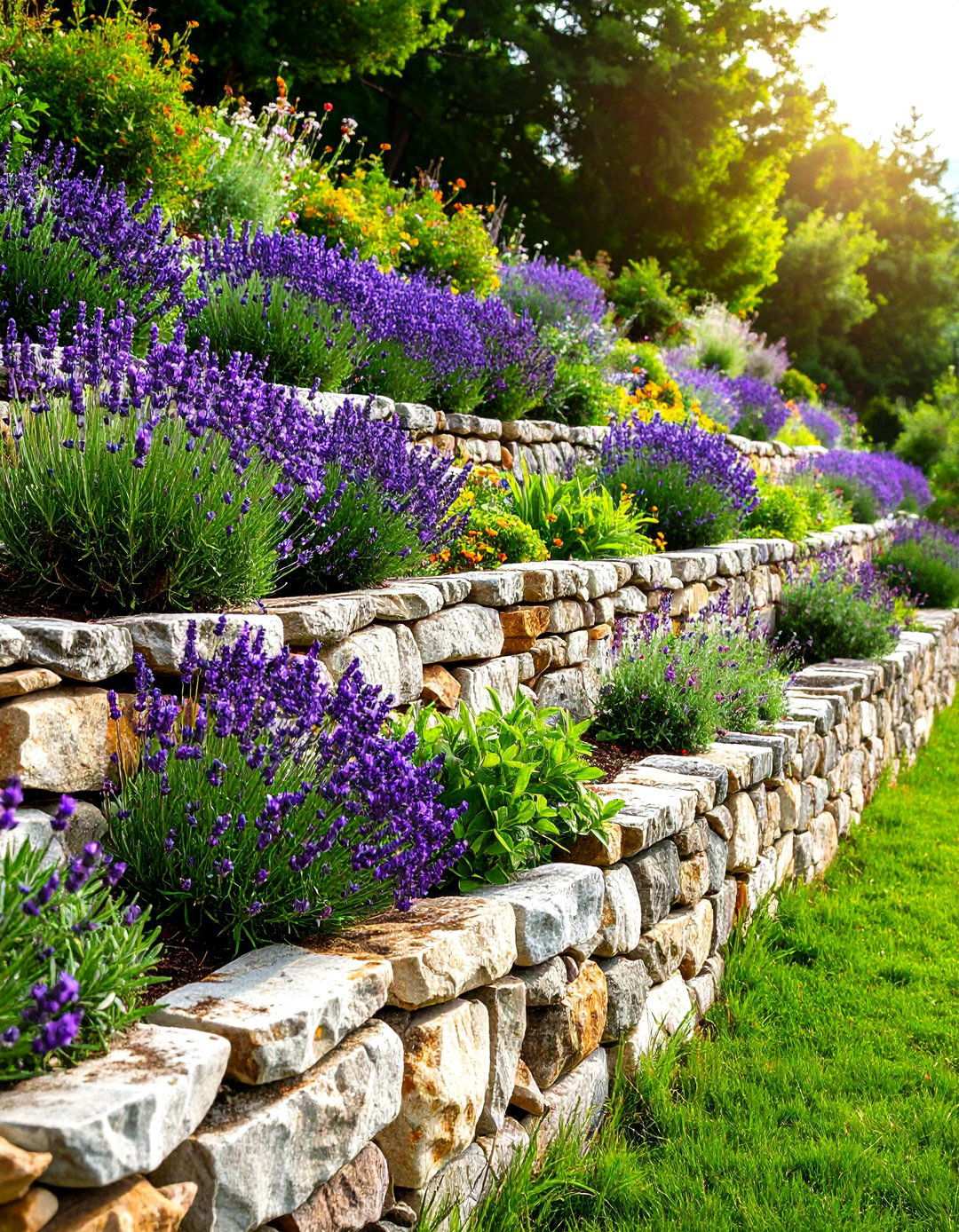
Imagine strolling through rolling hills where weathered stone creates a timeless ambiance. Natural stone retaining walls offer the most reliable foundation for tiered gardens, providing a durable and long-lasting solution for soil retention. Local stone varieties like fieldstone, limestone, or sandstone infuse regional character into your design while requiring minimal maintenance once installed. As these walls develop a beautiful patina over time, they support the growth of moss and lichen, softening harsh edges and creating a sense of history. To further enhance the natural integration of stone and plant, incorporate drought-tolerant perennials like lavender, rosemary, or ornamental grasses between stone crevices. The thermal mass of stone also helps regulate soil temperature, protecting plant roots from extreme temperature fluctuations and promoting excellent drainage.
3. Harmonizing Form and Function in Garden Design
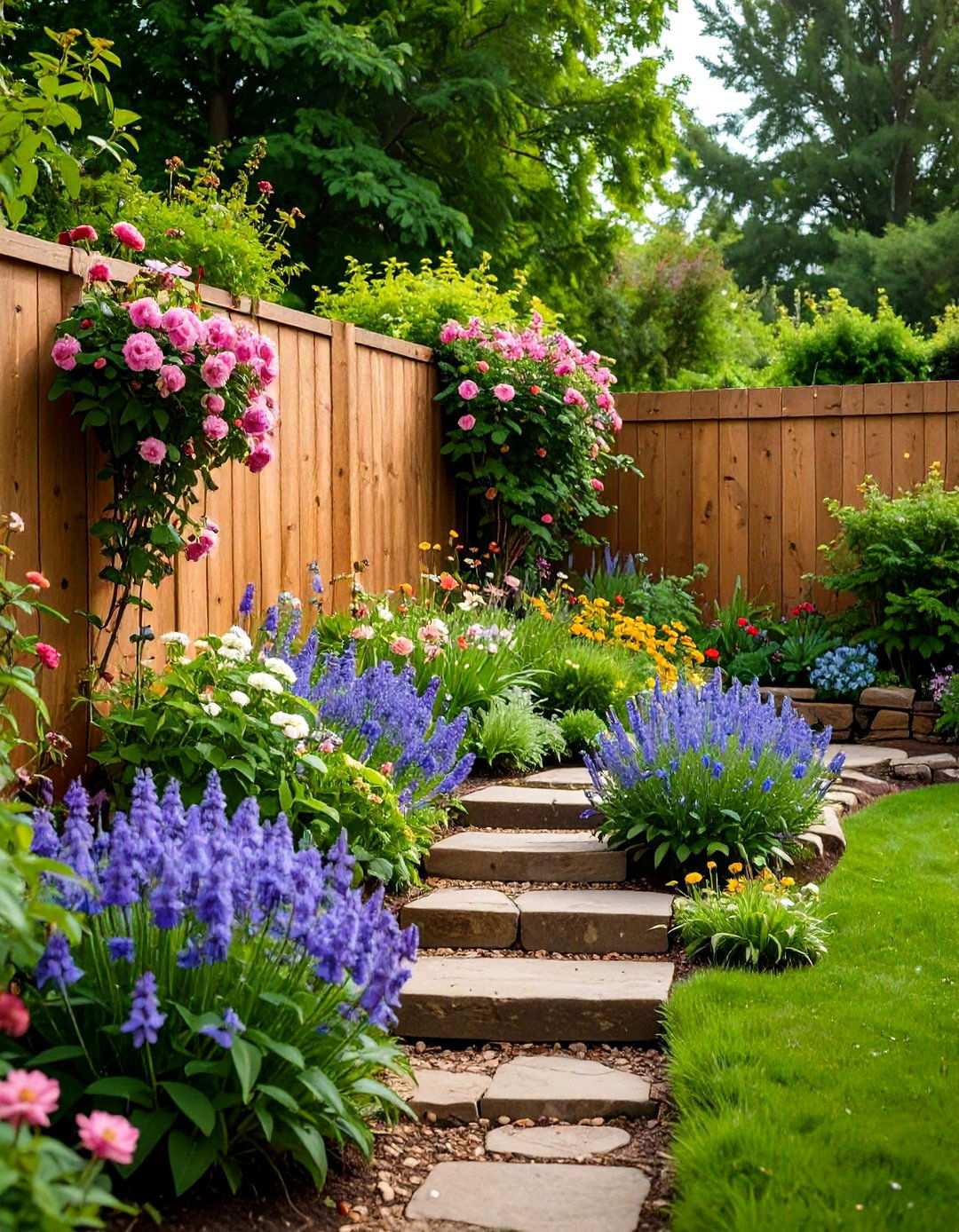
The beauty of rustic charm can be skillfully combined with practical functionality in timber sleeper gardens, offering an affordable alternative to expensive stone installations. By using pressure-treated softwood sleepers, gardeners can create warm, natural aesthetics that seamlessly integrate with cottage garden styles and woodland settings. Overlapping patterns of stacked sleepers can provide increased stability, while filling the joints with gravel ensures effective drainage. To further enhance the organic wood texture, consider planting informal mixtures of wildflowers, grasses, and native perennials that complement the natural beauty of the wood. Regular applications of wood preservative not only extend the lifespan of the sleepers but also maintain their attractive appearance. To add a touch of elegance, consider companion planting with climbing roses or clematis to soften the geometric edges over time.
4. Fusing Industrial and Natural Elements in Retaining Walls
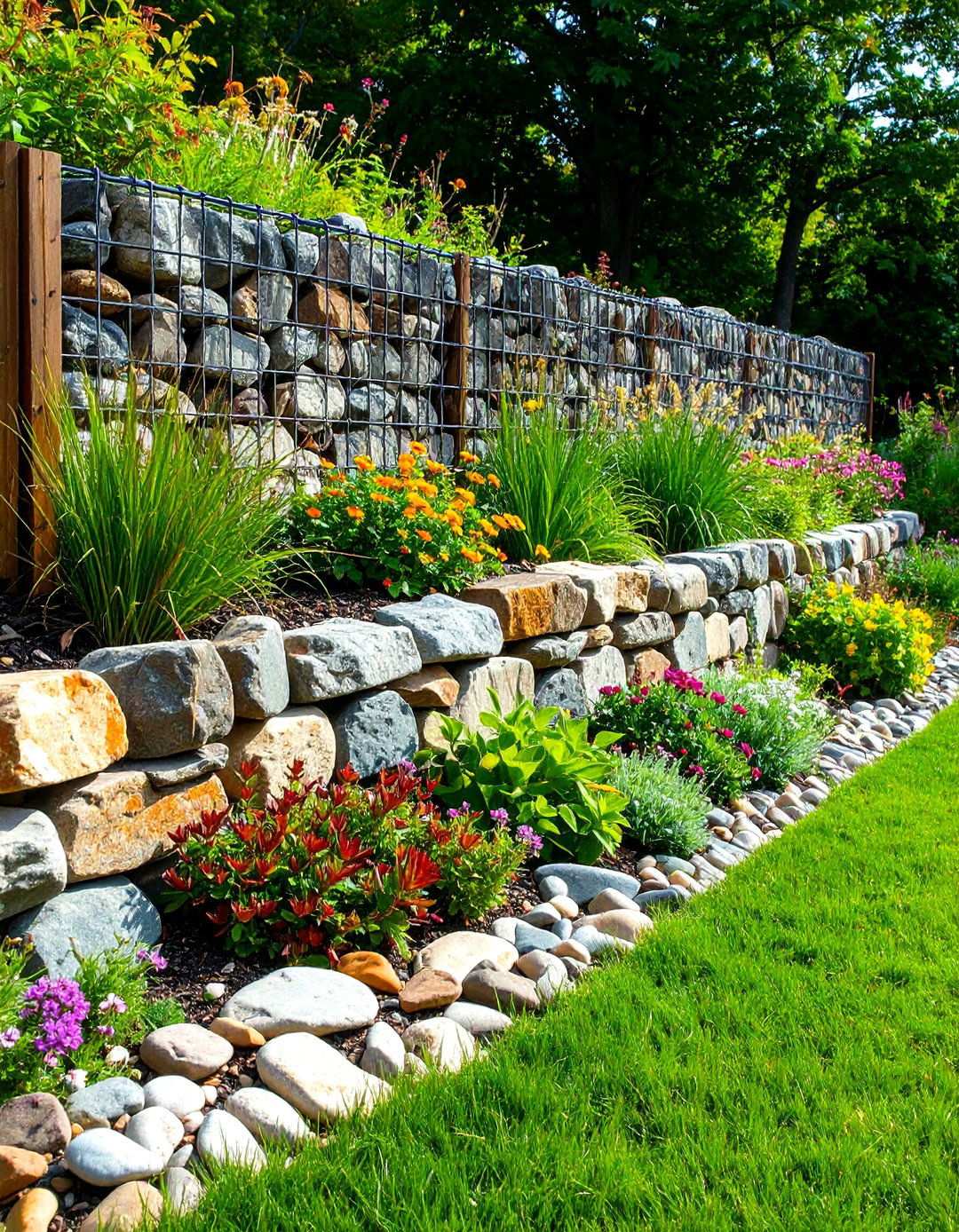
The intersection of industrial and natural elements gives rise to innovative solutions for challenging slopes, and gabion wire basket walls are a prime example. By filling these wire mesh containers with locally sourced stone, gardeners can create distinctive retaining walls that embody durability and environmental sensitivity. The porous structure of the gabion baskets allows for perfect drainage while supporting diverse plantings in soil pockets between the stones. To add visual interest, fill the baskets with contrasting stone colors or sizes, or incorporate recycled materials for sustainable construction. Plant hardy sedums, native grasses, or trailing perennials through the wire openings to create living walls that thrive in their surroundings. The permeable structure of the gabion baskets supports wildlife habitats while requiring minimal maintenance once the vegetation stabilizes the installation.
5. Revolutionizing Traditional Retaining Walls with Living Green Walls
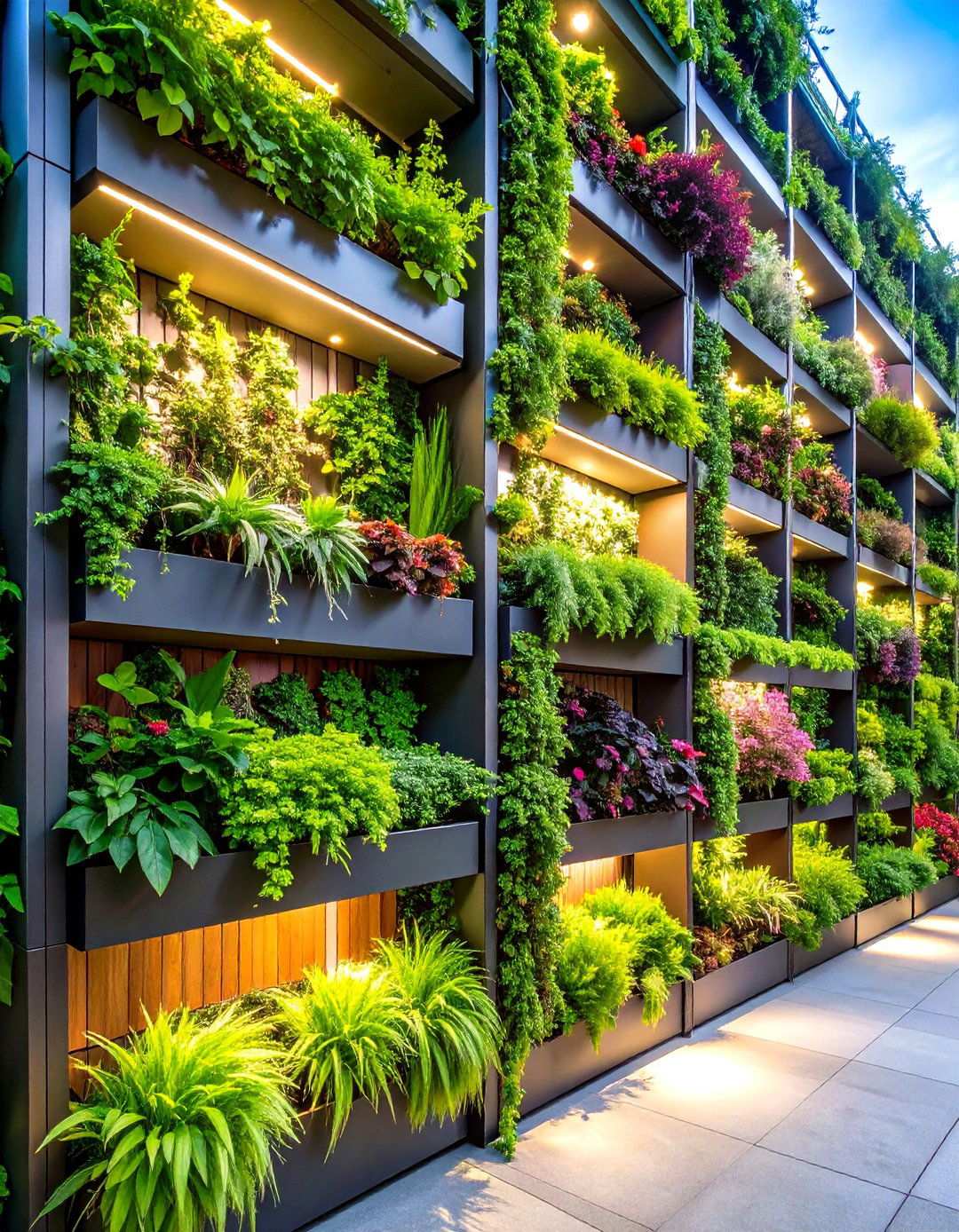
When traditional retaining walls become vertical gardens, the result is a living wall system that transforms structural elements into lush, planted surfaces. By installing modular planting systems within retaining wall faces, gardeners can create soil pockets for diverse plantings that take advantage of the unique conditions offered by vertical gardening. Choose plants that thrive in vertical conditions, such as trailing varieties like ivy or creeping jenny, structural plants like ferns, and colorful options like heuchera or small hostas. Automated irrigation systems ensure consistent moisture delivery, while LED lighting highlights the living artwork during evening hours, creating a breathtaking display of nature’s beauty. While these installations do require regular maintenance, they provide unmatched environmental benefits, including air purification and habitat creation.
6. Artistic Landscaping: Curved Terraced Landscapes
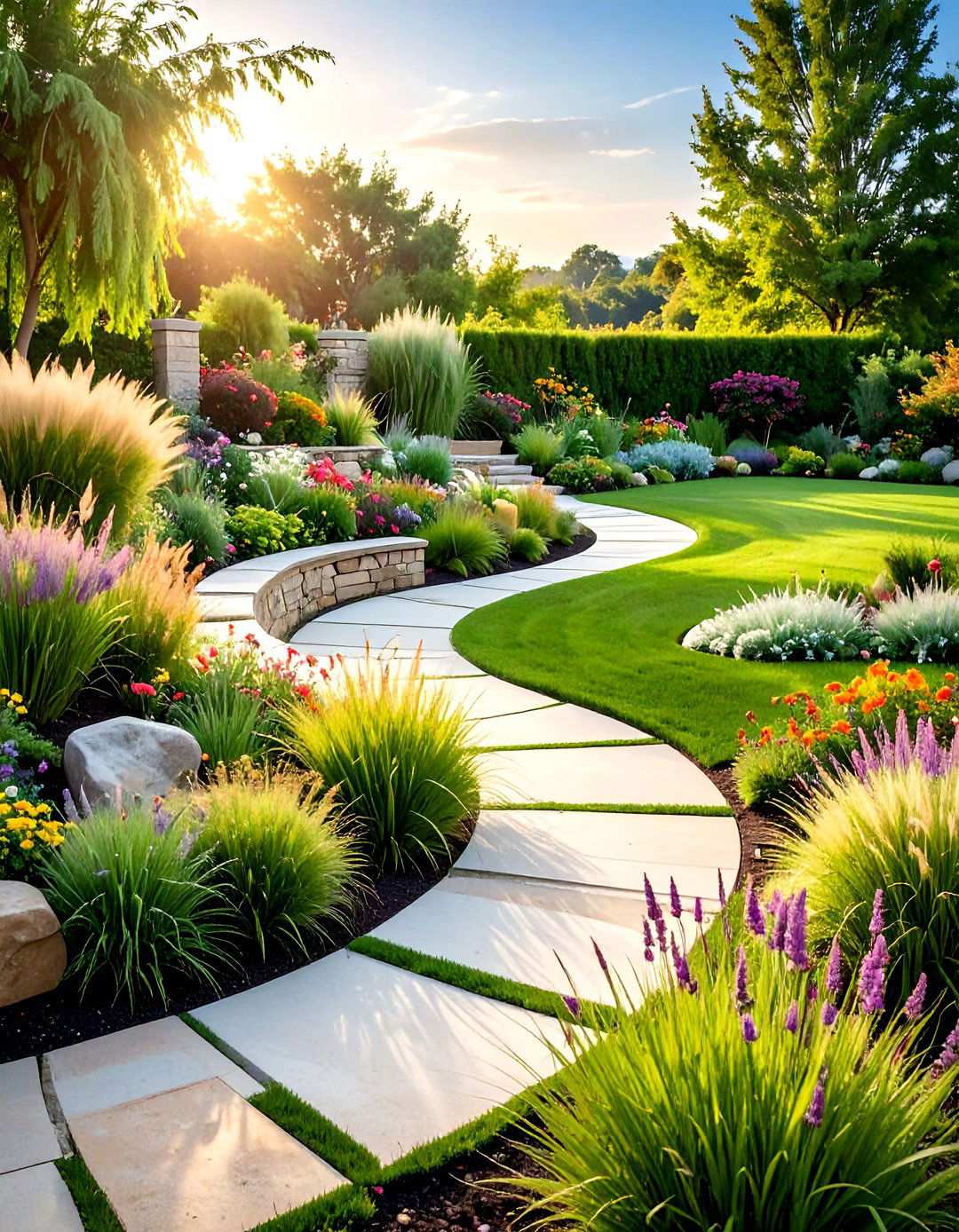
Curved landscapes create a sense of fluidity, where flowing curves replace rigid lines to create a harmonious blend with the surrounding topography. By mirroring the natural contours of the land, curved retaining walls form organic spaces that seamlessly integrate into the existing landscape. This method demands meticulous planning, yet yields gardens that seem like an extension of the natural terrain rather than artificial constructs. For a cohesive look, incorporate flexible materials such as small stones or concrete blocks that can adapt to curving designs. Plant ornamental grasses and perennials in repetitive patterns to echo the curved walls, while curved pathways connecting different levels enhance the flowing design and facilitate maintenance and enjoyment of the terraced spaces.
7. Cultivating Harmony: Mediterranean Herb Spiral Garden
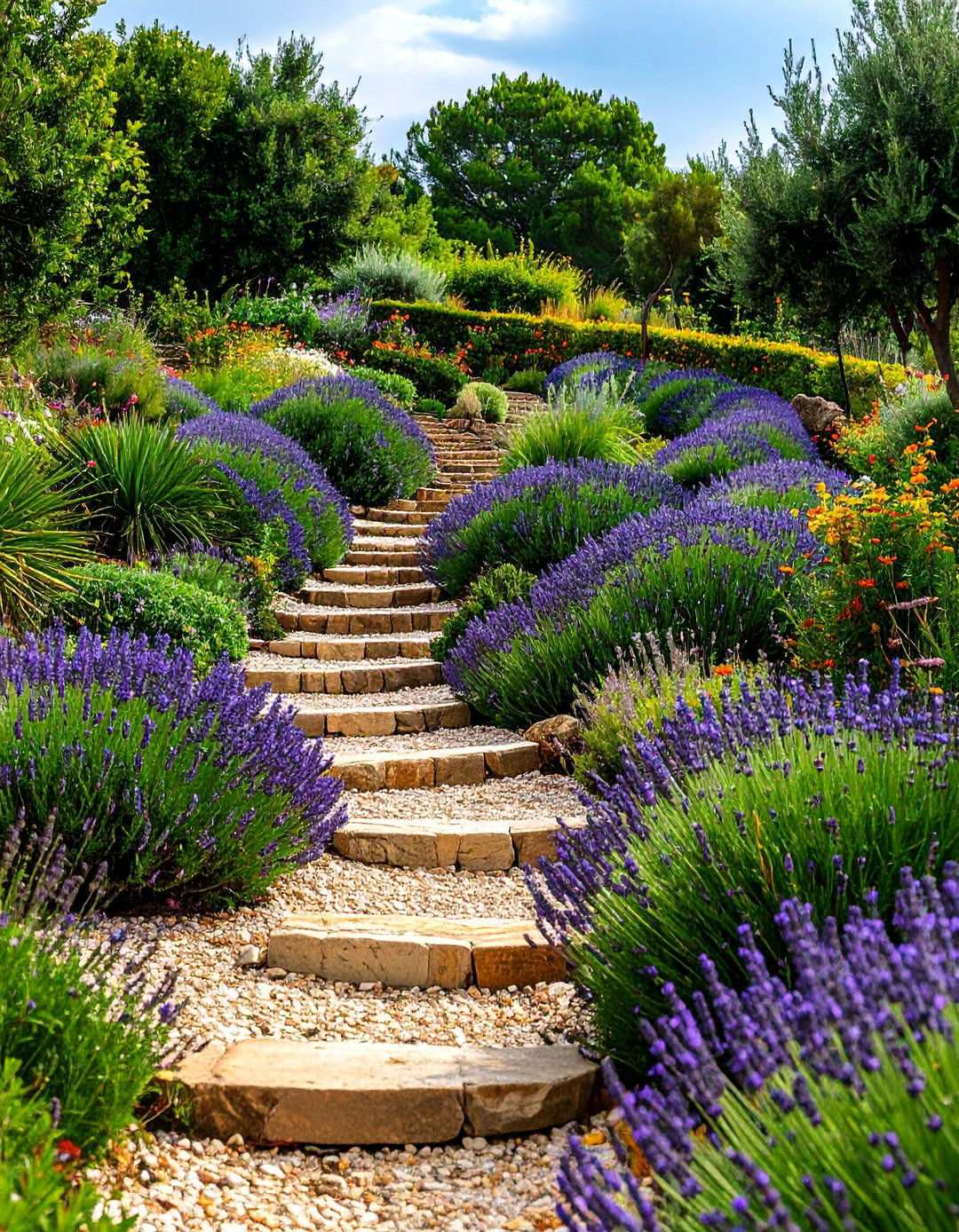
Mediterranean-inspired spiral gardens can transform herb cultivation into a breathtaking work of art. By maximizing growing space on sloping terrain, these spirals create striking architectural features that elevate the entire landscape. Construct ascending spirals using warm-toned stone or terracotta materials to create microclimates for various herbs at different elevations. By positioning sun-loving herbs like rosemary, thyme, and oregano at higher, drier levels and moisture-loving varieties like parsley and chives in lower, protected areas, the spiral design ensures excellent drainage and air circulation while creating an attractive focal point. Smooth gravel pathways between planted areas facilitate effortless harvesting, all while maintaining the Mediterranean aesthetic that perfectly complements herb garden themes.
8. Serenity Through Simplicity: Japanese Zen Terraced Garden
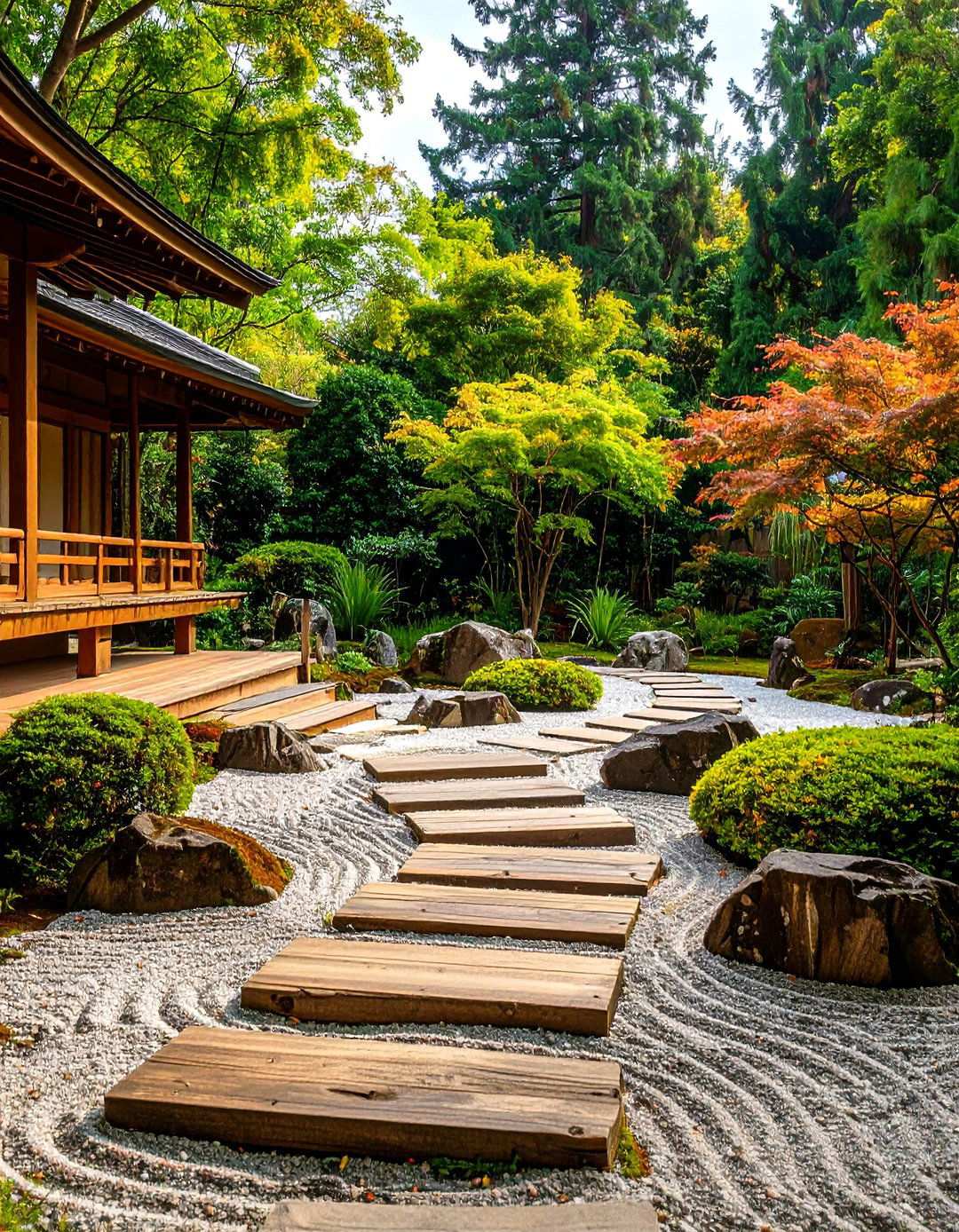
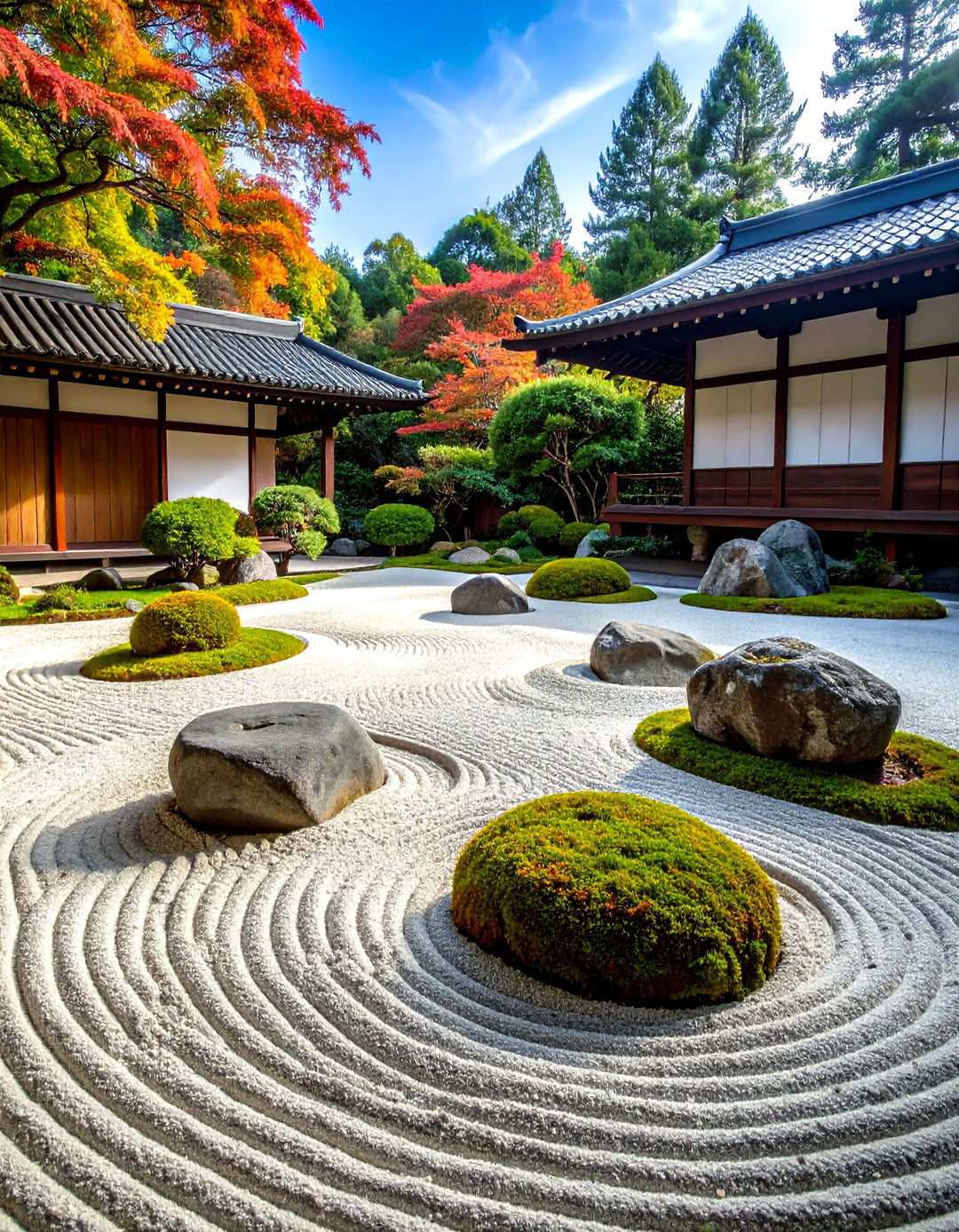
What elements can transform ordinary slopes into serene meditation spaces? Japanese-inspired terraced gardens emphasize simplicity, balance, and natural materials to create tranquil retreats that soothe the mind. By utilizing weathered wood, natural stone, and carefully raked gravel to define different levels and pathways, these gardens cultivate a sense of calm. Plant architectural specimens like Japanese maples, bamboo, and moss in asymmetrical arrangements that appear deliberate yet natural. Water features like small fountains or reflecting pools add soothing sounds, while stone lanterns provide gentle evening illumination. By maintaining open spaces with raked gravel or moss groundcover and avoiding cluttered plantings, these gardens preserve the serene atmosphere essential to authentic zen garden design.
9. Terraced Vegetable Gardens – Where Function Meets Aesthetics
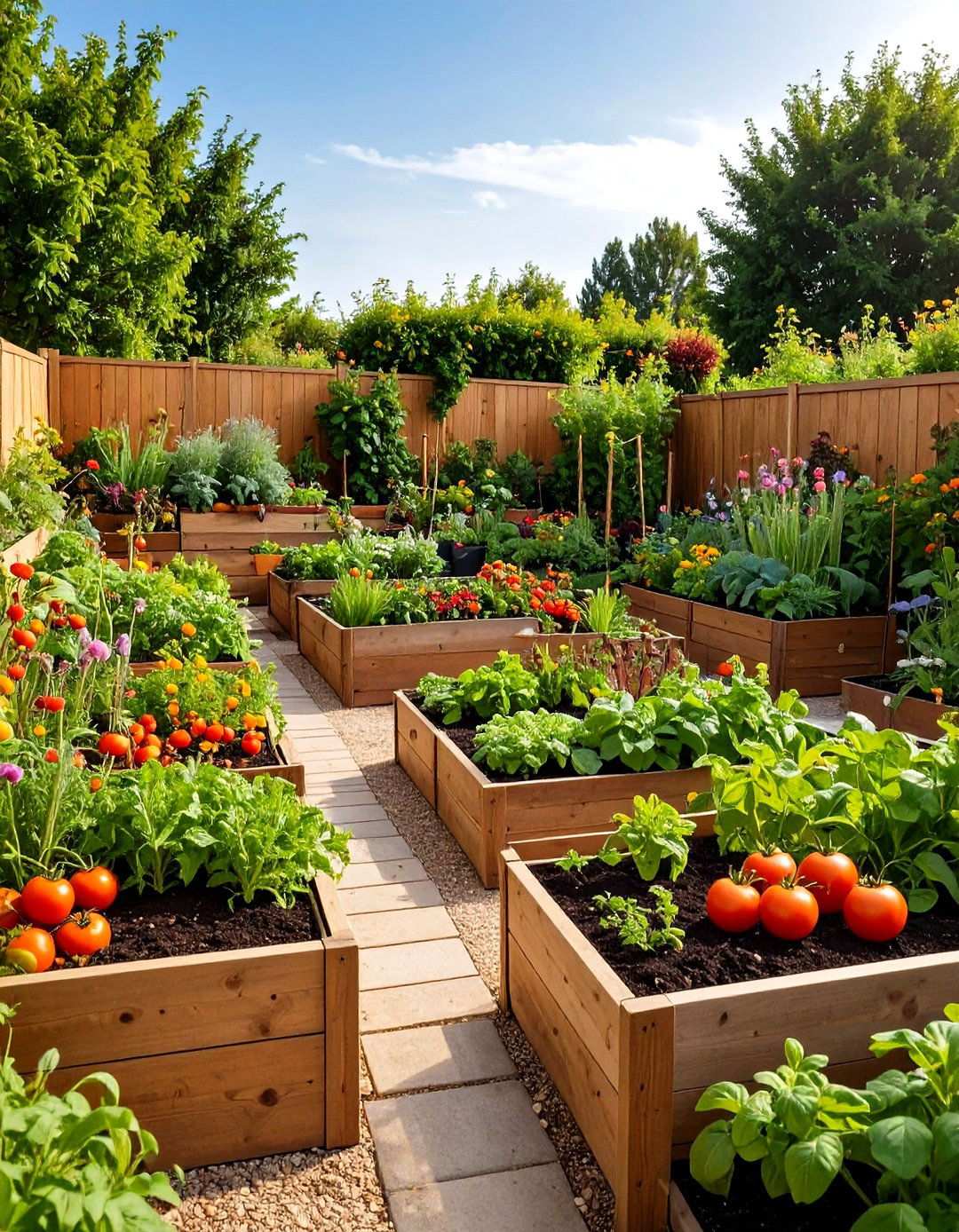
Imagine cultivating a lush oasis that not only supplies your table with fresh produce but also becomes a breathtaking work of art. Terraced vegetable gardens expertly blend functionality and visual appeal, making them an attractive choice for gardeners seeking to maximize yields while creating an immersive experience. By incorporating raised beds with varying elevations, you can optimize sun exposure, prevent soil erosion, and ensure excellent drainage. To make the most of this design, differentiate your growing beds by depth, reserving deeper soil for root vegetables and shallower areas for herbs and leafy greens. For precise water management, consider installing individual zone irrigation systems. Companion planting with flowers like marigolds and nasturtiums can keep pests at bay while adding a pop of color and vibrancy to your terraced vegetable garden. Don’t forget to incorporate trellises and supports for climbing crops like beans and peas, which will not only maximize your productive space but also create a visually striking display in compact terraced areas.
10. Dramatic Succulent Displays on Rock Terraces
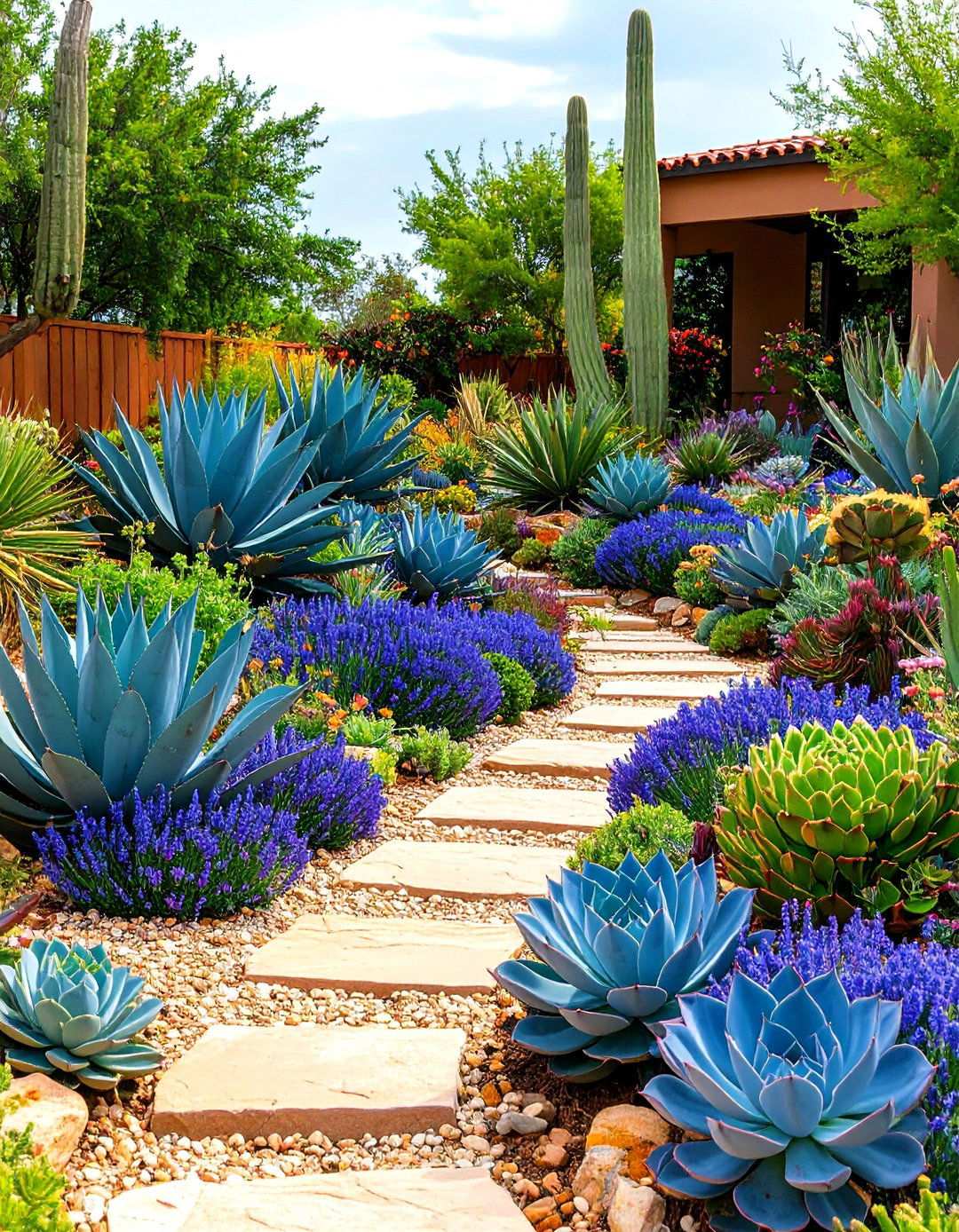
Succulent rock gardens are the epitome of understated elegance, creating a mesmerizing display of colors and textures that seem to cascade down rocky terraces. These drought-tolerant gardens thrive in well-draining conditions, requiring minimal water and offering a year-round structure that’s both visually striking and low-maintenance. When selecting succulent varieties, opt for a diverse palette of colors and textures that complement each other beautifully – think blue-toned agaves, purple sedums, and silvery echeverias. To add an extra layer of visual interest, incorporate decorative gravel mulches and boulder accents that highlight the unique forms of these plants while providing excellent drainage. Once established, these gardens require minimal irrigation, making them an ideal choice for challenging sites or low-maintenance landscapes. To create a focal point, position larger architectural specimens like barrel cactus or agave, and use smaller varieties to create flowing transitions between terraced levels.
11. Creating Natural Beauty with Wildflower Terraces
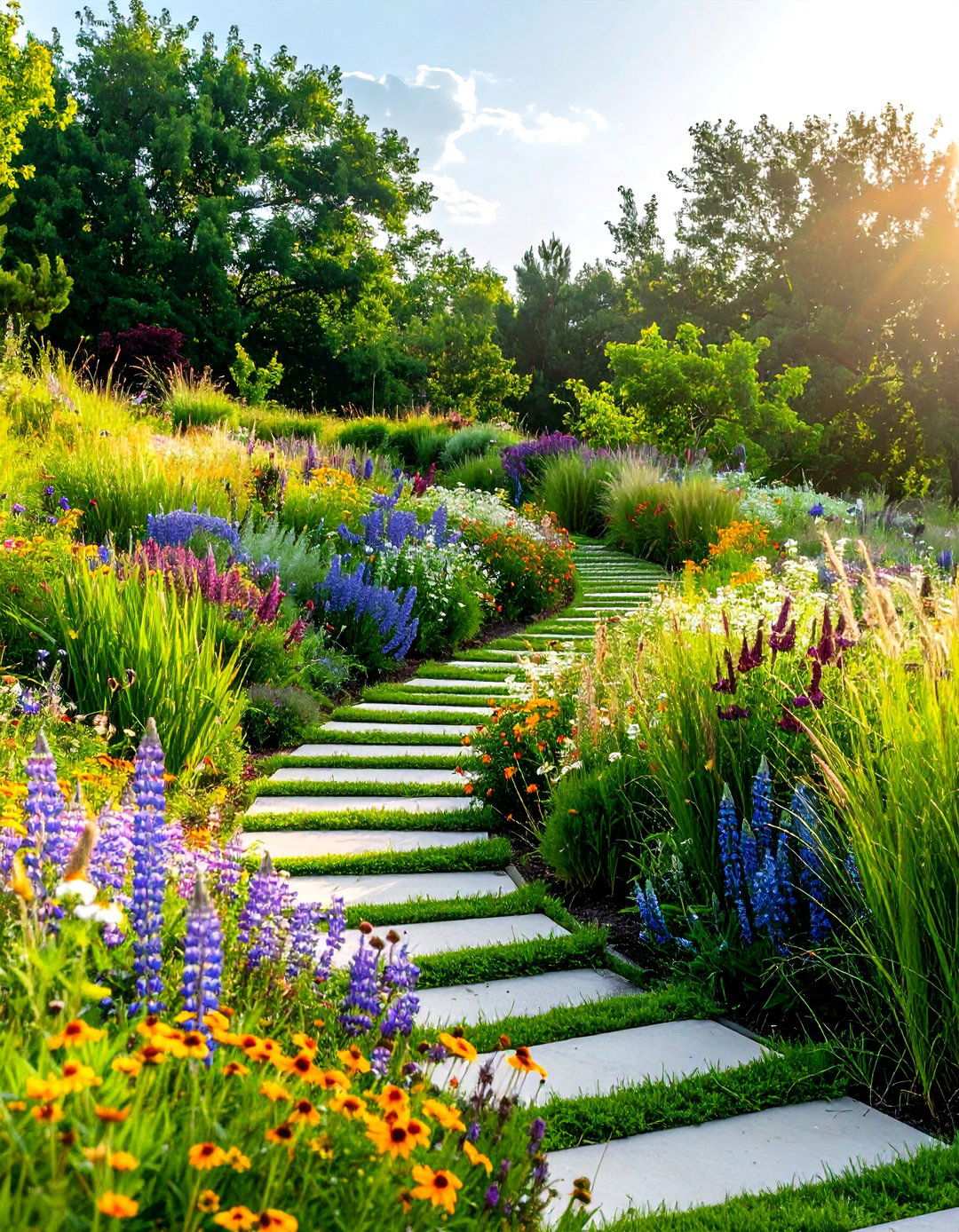
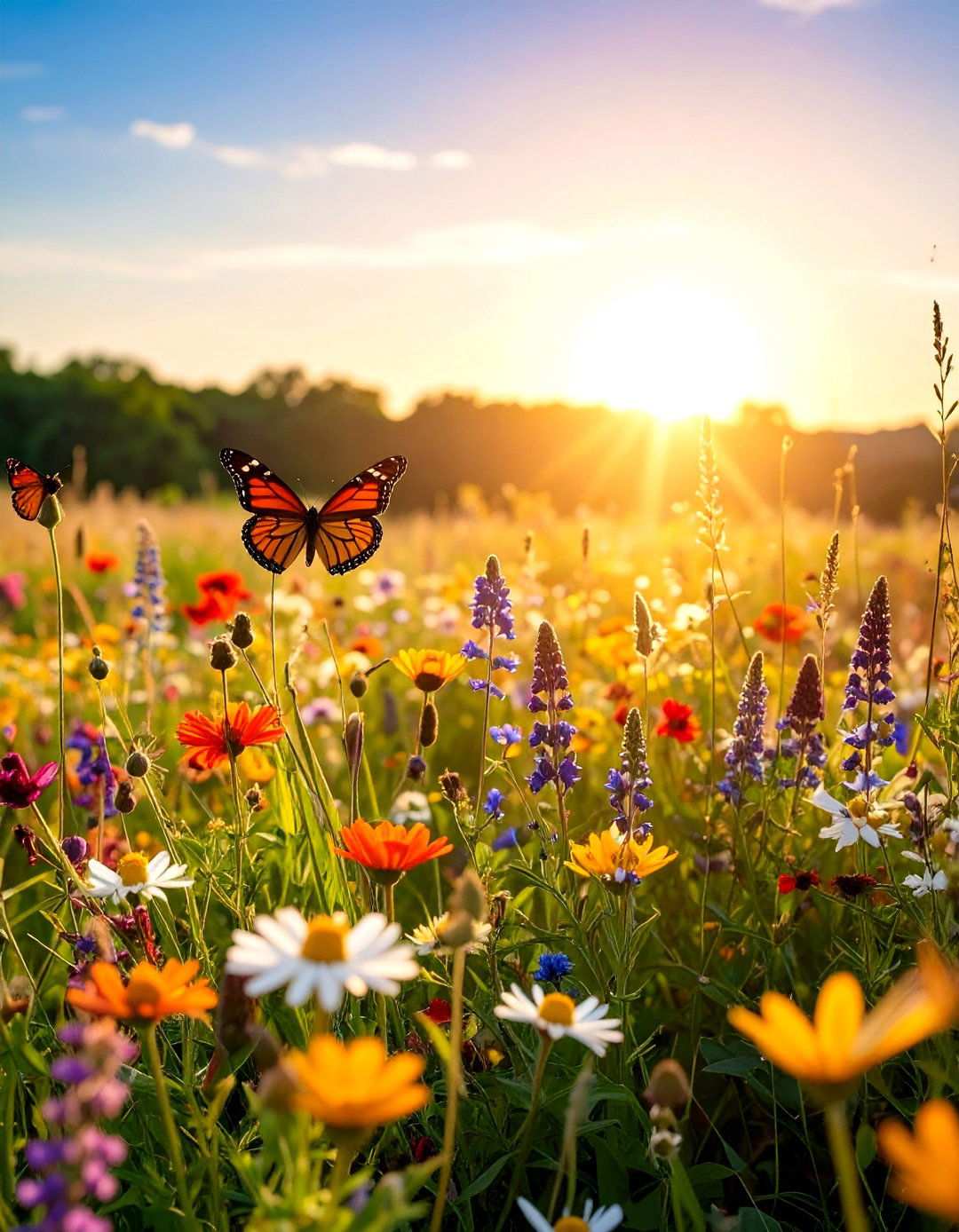
Sloping terrain presents the perfect opportunity to recreate the lush, natural beauty of a meadow in your own backyard. Wildflower terraced gardens combine the benefits of native plant communities with erosion control, resulting in low-maintenance landscapes that support local wildlife. To establish a thriving wildflower garden, differentiate your terraced zones by varying moisture levels and sun exposure. Seed with regional wildflower mixes that bloom sequentially throughout growing seasons, providing a continuous display of color and habitat resources for local pollinators. To add structure and soil stabilization, incorporate native grasses like little bluestem or buffalo grass. These gardens require minimal irrigation once established, while providing valuable ecosystem services including pollinator habitat and natural stormwater management.
12. Elevating Landscapes with Weathered Steel
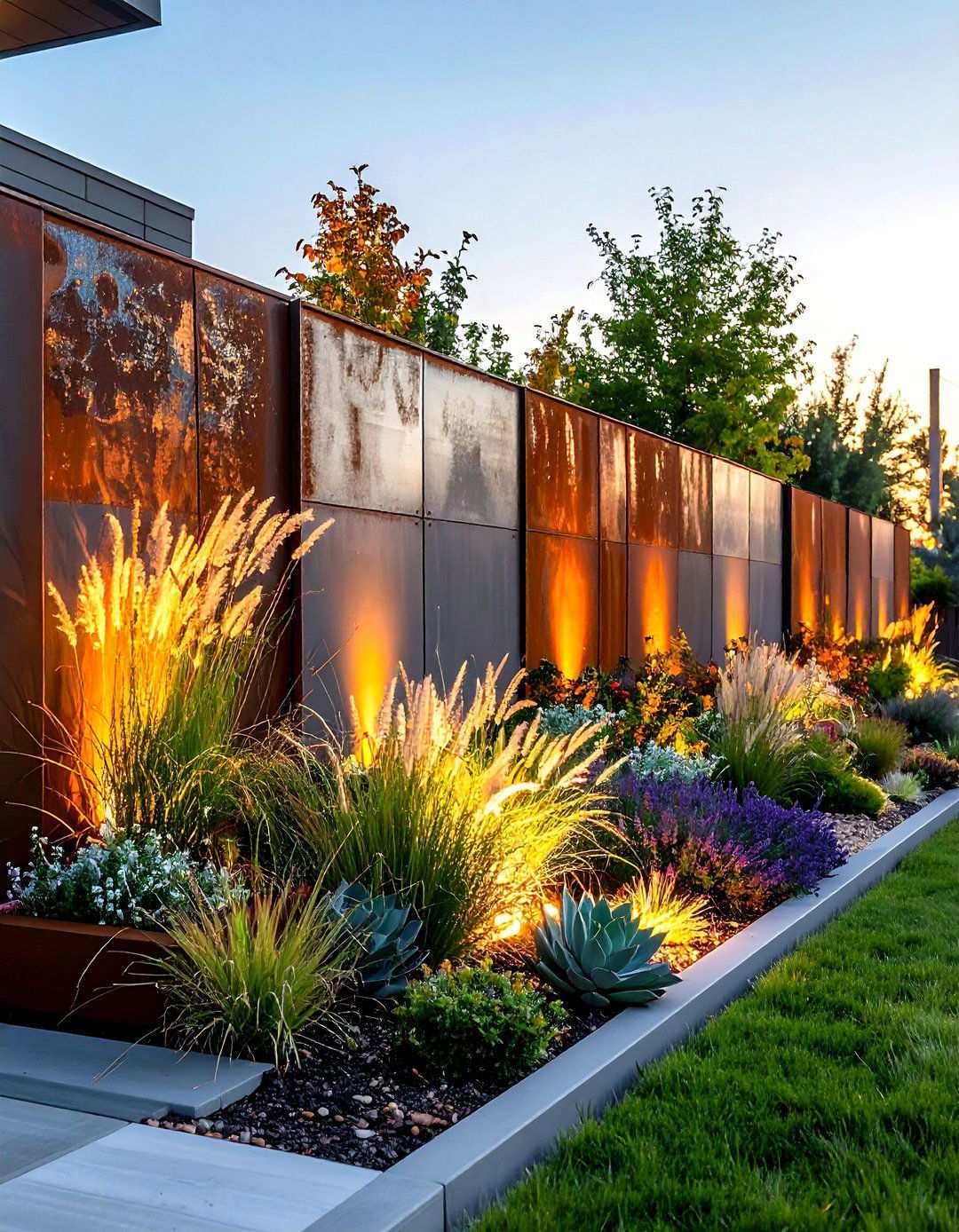
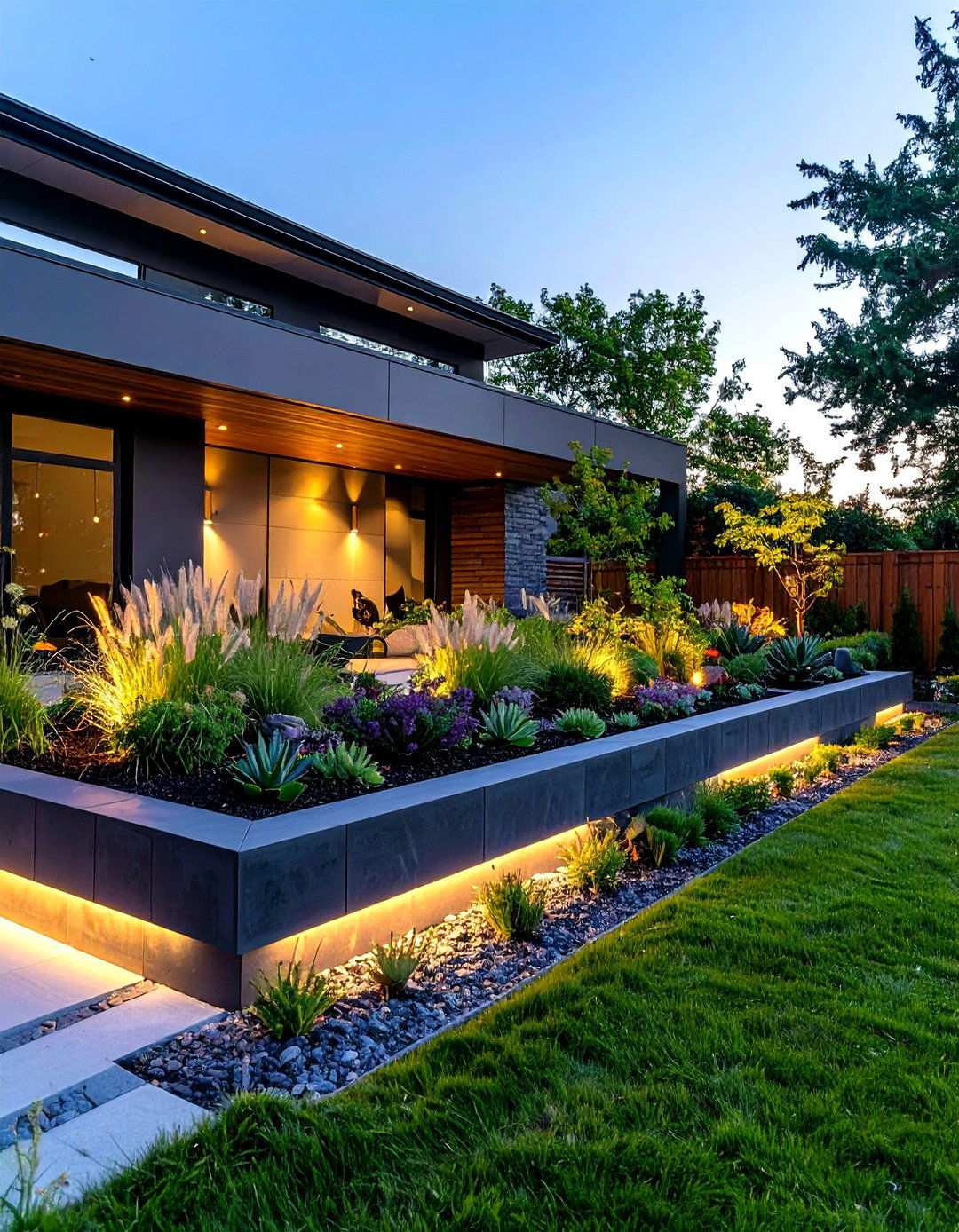
In modern architecture, sleek functionality is often a top priority. Weathering steel retaining walls, however, deliver a unique combination of structural support and aesthetic appeal, making them an attractive choice for challenging slopes. These thin-profile walls not only provide excellent structural integrity but also allow for generous planting space, creating strong architectural statements that complement contemporary home designs. The oxidized surface texture of weathering steel retaining walls offers a beautiful contrast to soft plantings, such as ornamental grasses, succulents, and perennial borders. By incorporating integrated lighting within wall systems, you can create dramatic evening effects that further enhance the beauty of the landscape. To complete the look, choose plants with structural forms and interesting textures that complement the industrial aesthetic, providing seasonal interest through foliage changes and flowering displays.
13. Cozy Charm in Terraced Spaces
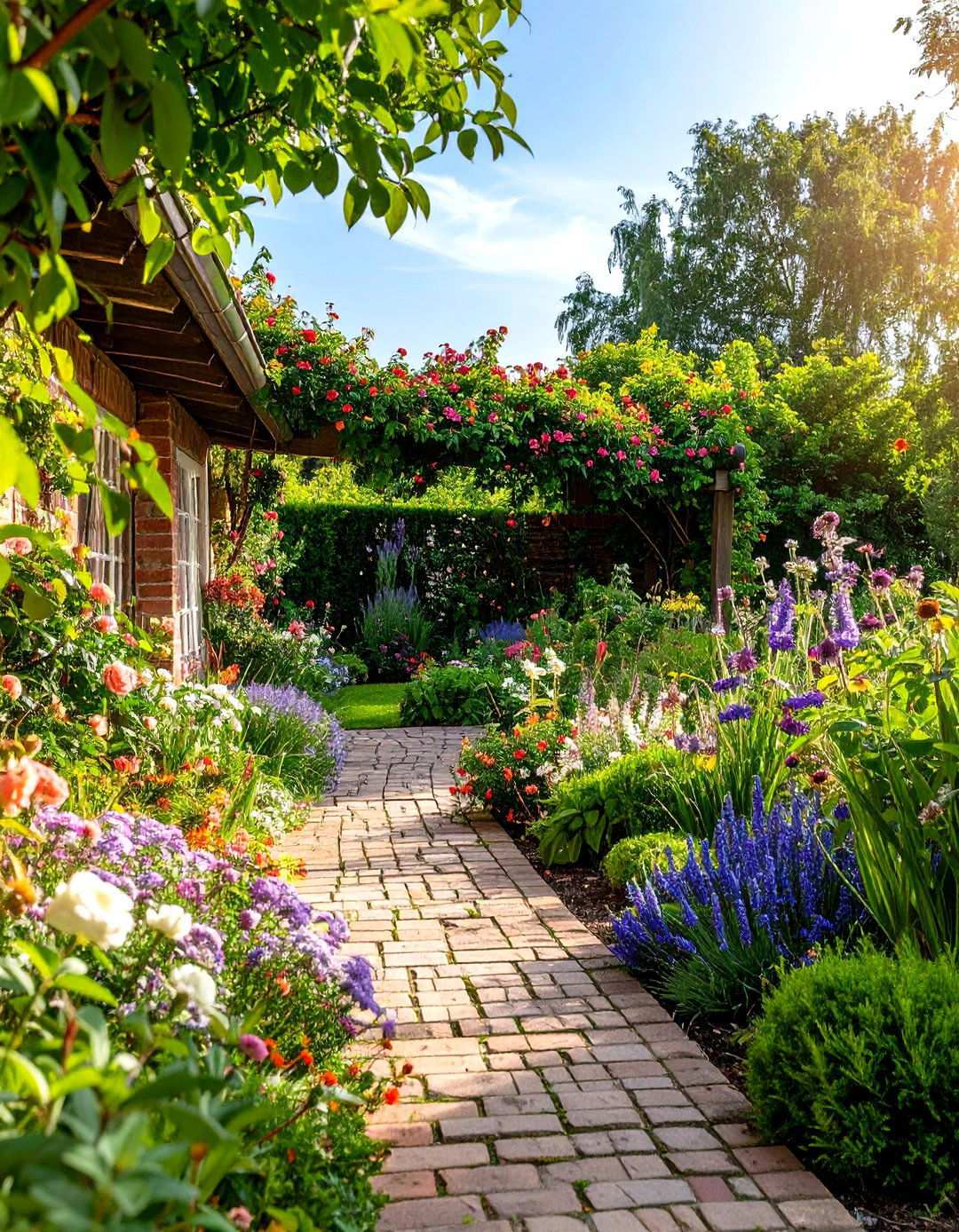
In the world of landscaping, rigid formality can sometimes give way to a more relaxed, informal style. English cottage garden terraces are a perfect example of this approach, combining practical soil retention with romantic overflowing plantings that create enchanting outdoor rooms. To achieve this look, use informal materials like reclaimed brick or weathered stone for your retaining walls, allowing them to blend seamlessly with the abundant plantings. Layer flowers, herbs, and small shrubs in generous drifts that spill over wall edges, creating soft transitions between levels. For added beauty and fragrance, incorporate climbing roses, clematis, and honeysuckle that scramble over structures, providing seasonal color and a touch of whimsy. Maintaining narrow pathways between planted areas will preserve the abundant, slightly wild appearance characteristic of cottage garden styles.
14. Transforming Terraced Gardens with Water Features
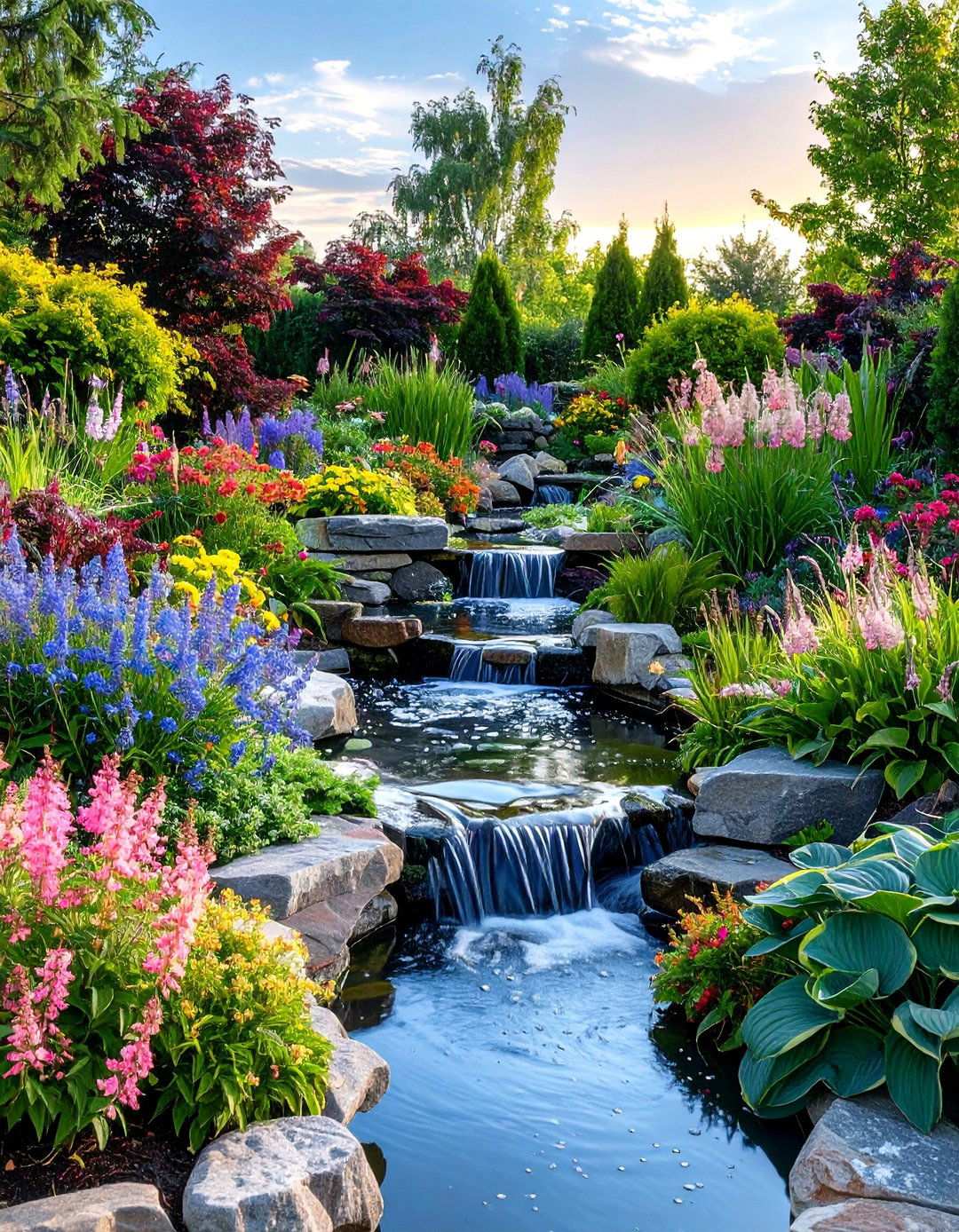
Sometimes, static terraced gardens need a little something extra to become truly unforgettable. That’s where water features come in, creating movement, sound, and reflective beauty while providing habitat for beneficial wildlife. Design streams or waterfalls that flow naturally from upper to lower terraces, incorporating recirculating pumps hidden within retaining walls. To create an authentic appearance, line water courses with natural stone or river rock. Then, plant moisture-loving species like astilbe, hostas, and ferns near water features, where they’ll thrive in the humid microclimates. For added interest, incorporate aquatic plants like water lilies or cattails in collection pools, and consider adding fish or frogs to help control mosquito populations naturally.
15. Elevated Kitchen Gardens for Harvest Delights
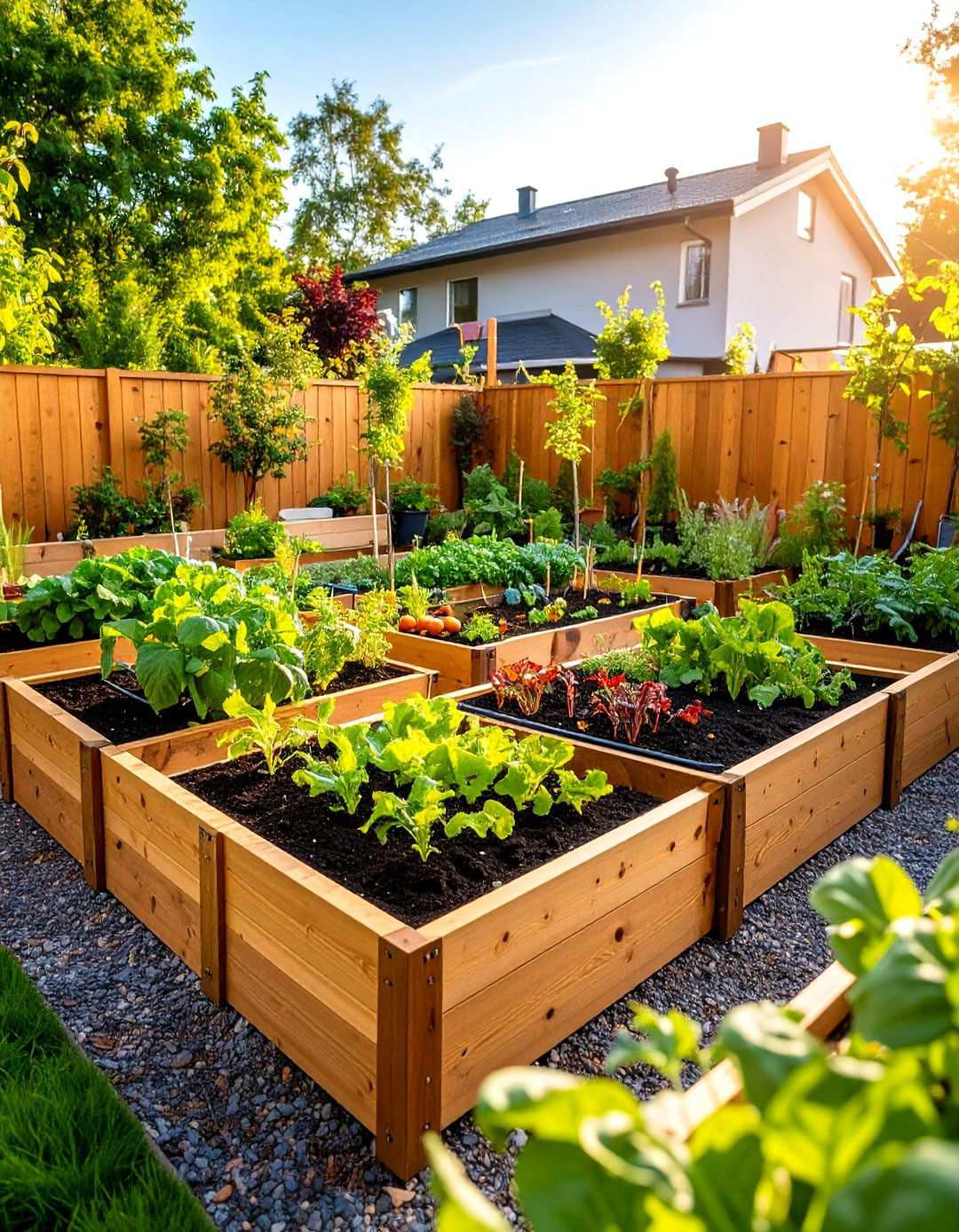
Elevated kitchen gardens offer a convenient way to grow a variety of herbs and crops right at your fingertips, eliminating the need to trek up and down hills to gather fresh produce. By building raised beds at comfortable working heights, you can improve soil drainage and pest management while making harvesting a breeze. Choose materials that complement your home’s architecture, such as cedar, composite, or stone, and install dedicated irrigation zones with drip systems for efficient water use. Organize your plantings by harvest frequency, placing frequently used herbs near pathways and seasonal crops in back areas. Add decorative elements like tuteurs for climbing vegetables and colorful flowers that attract beneficial insects, creating a beautiful and productive landscape.
16. Enchanting Butterfly Gardens with Layered Habitats
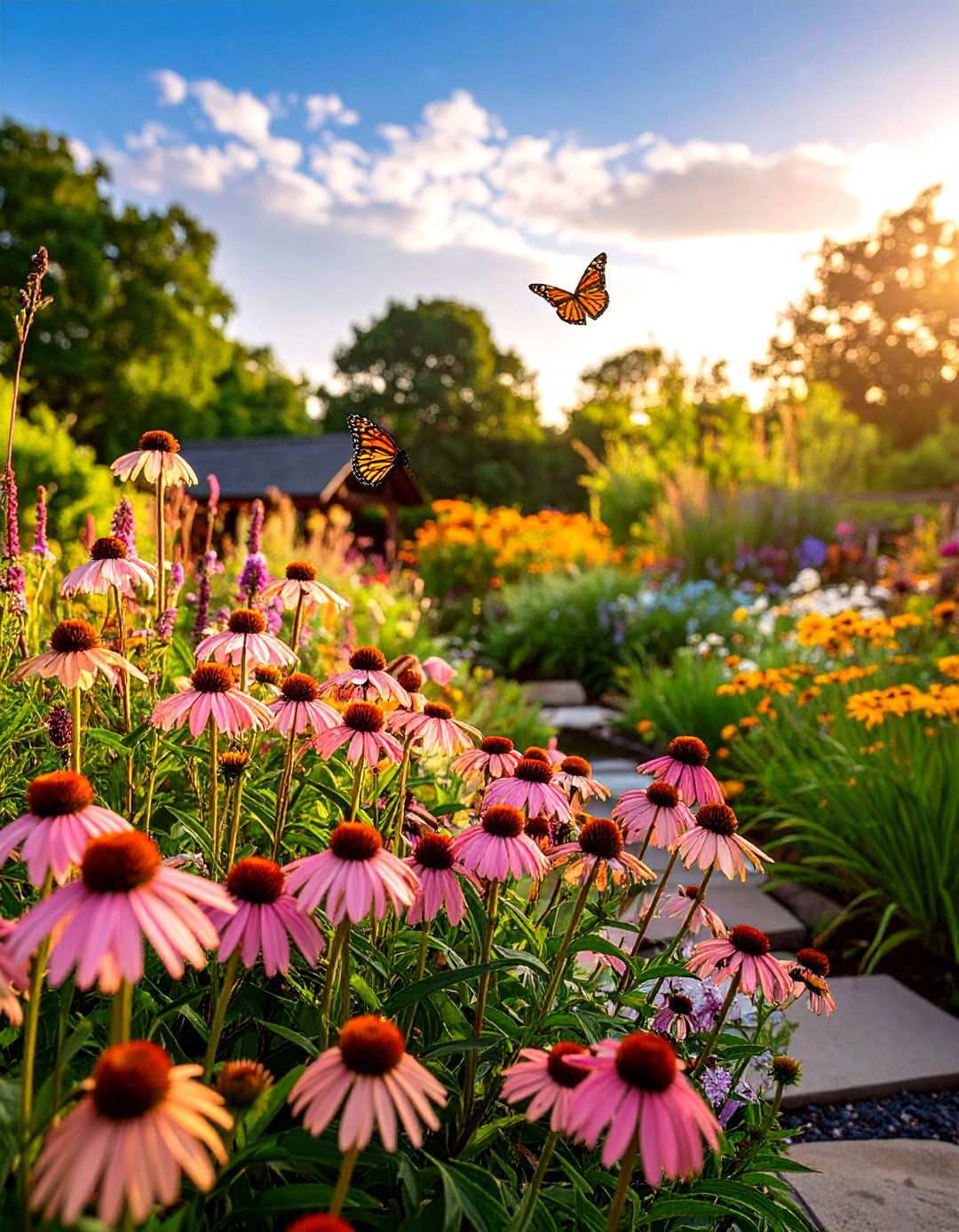
Imagine a garden alive with the magic of butterflies flitting about, adding a touch of whimsy to your outdoor space. Specialized butterfly terraced gardens provide a haven for these beautiful creatures, offering nectar sources, host plants, and overwintering habitats amidst a kaleidoscope of colors. To create a thriving habitat, design different terraced levels to accommodate varying sun exposure requirements: full-sun areas for native milkweed and coneflowers, partial shade zones for woodland species. Include a mix of nectar plants for adult butterflies and host plants for caterpillars, ensuring a complete lifecycle support system. Forgo pesticides and provide shallow water sources and shelter areas, and plant in generous drifts to create the visual impact that attracts butterflies from surrounding areas.
17. Transformed Shade Gardens with Layered Woodland Plantings
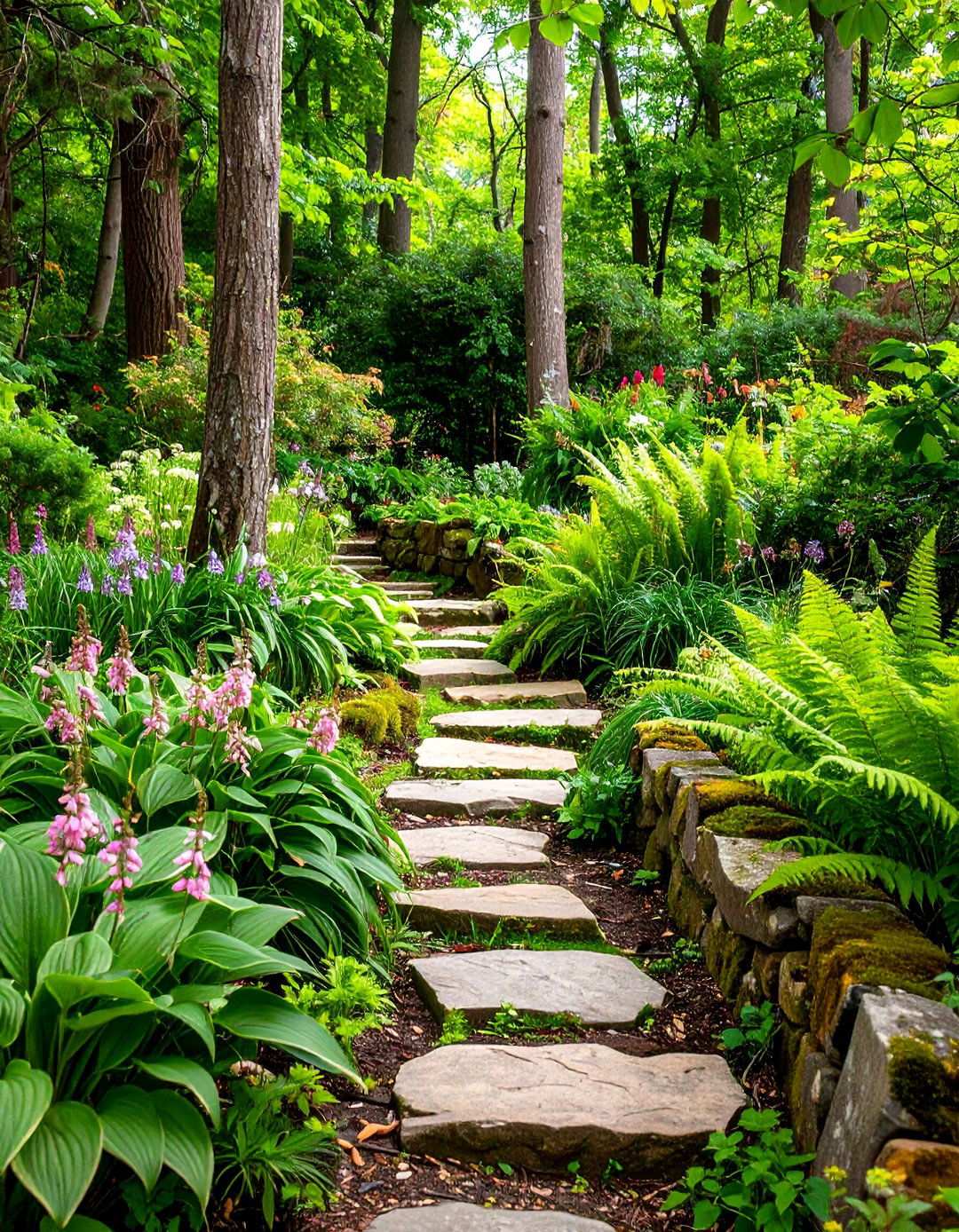
Challenging shaded slopes can become lush garden retreats with the right approach. By embracing existing tree cover, woodland terraced gardens create layered plantings that thrive in dappled sunlight conditions. Use natural materials like fieldstone or weathered wood that complement forest settings, and plant in layers mimicking natural forest structure: canopy trees, understory shrubs, perennial groundcover, and ephemeral wildflowers. Incorporate shade-loving species like hostas, heuchera, ferns, and native woodland flowers that provide seasonal interest without requiring full sun. Meandering pathways with rustic stepping stones invite exploration while protecting planted areas from foot traffic, creating a serene and enchanting atmosphere.
18. Elevating Elegance in Sloped Landscapes
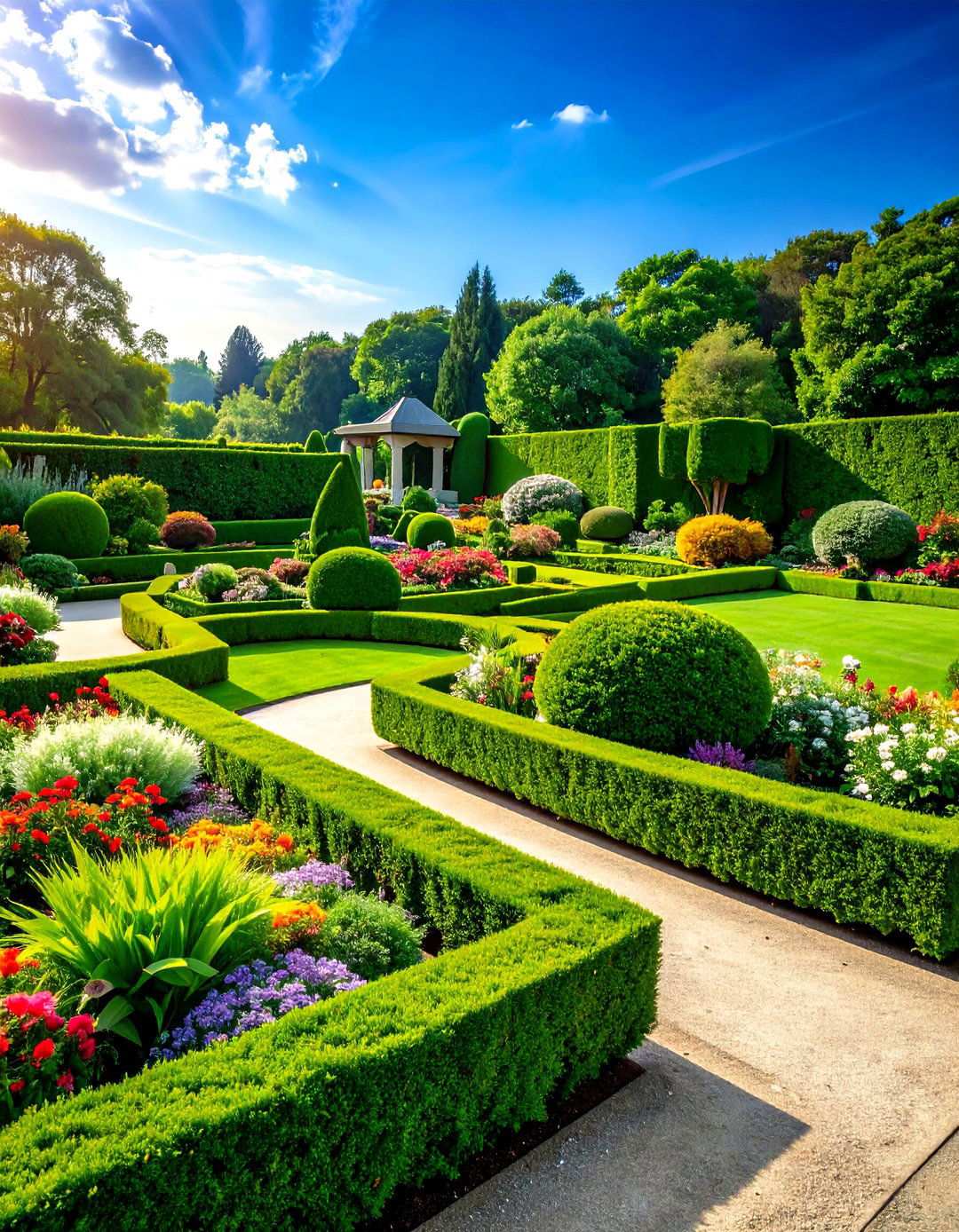
Timeless beauty in challenging terrain is achieved through formal boxwood terraced gardens, which combine geometric plantings and meticulously maintained hedge systems to create a sense of structured elegance. By designing symmetrical terraced layouts with boxwood borders defining individual garden rooms at different elevations, homeowners can create a sense of progression and depth. For a cohesive look, use identical materials throughout the installation, including matching retaining wall construction, consistent pathway materials, and repeated plant palettes. Add seasonal color through formal bedding displays or specimen plants within boxwood frameworks, which provide a pop of vibrancy against the formal backdrop. While regular maintenance requirements include precise hedge trimming and seasonal replanting, the end result is a sophisticated landscape that complements traditional architecture while solving slope management challenges.
19. Embracing Native Beauty in Terraced Gardens
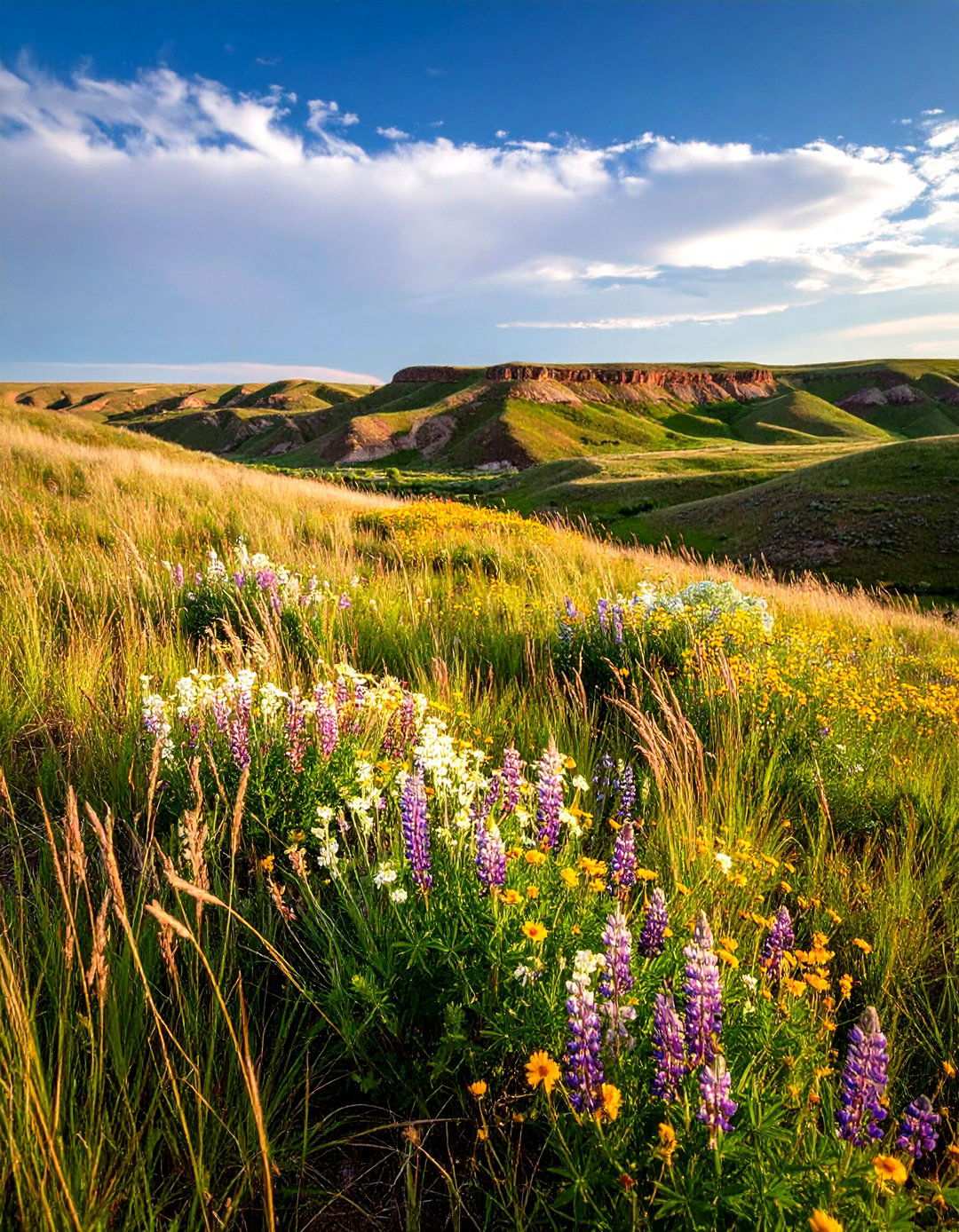
Prairie-style terraced gardens draw inspiration from native grasslands, requiring minimal maintenance while providing maximum environmental benefits. By establishing different elevation zones with varying moisture levels, homeowners can accommodate diverse native species that prevent erosion and support wildlife habitat. Plant in broad sweeps using little bluestem, switchgrass, and native wildflowers, which provide four-season interest through seed heads and winter structure. These installations are relatively low-maintenance, requiring only annual mowing or burning to keep them looking their best. Beyond their aesthetic appeal, prairie-style terraced gardens provide valuable ecosystem services, including carbon sequestration, stormwater management, and habitat for ground-nesting birds and beneficial insects.
20. Romantic Rose Displays in Terraced Gardens
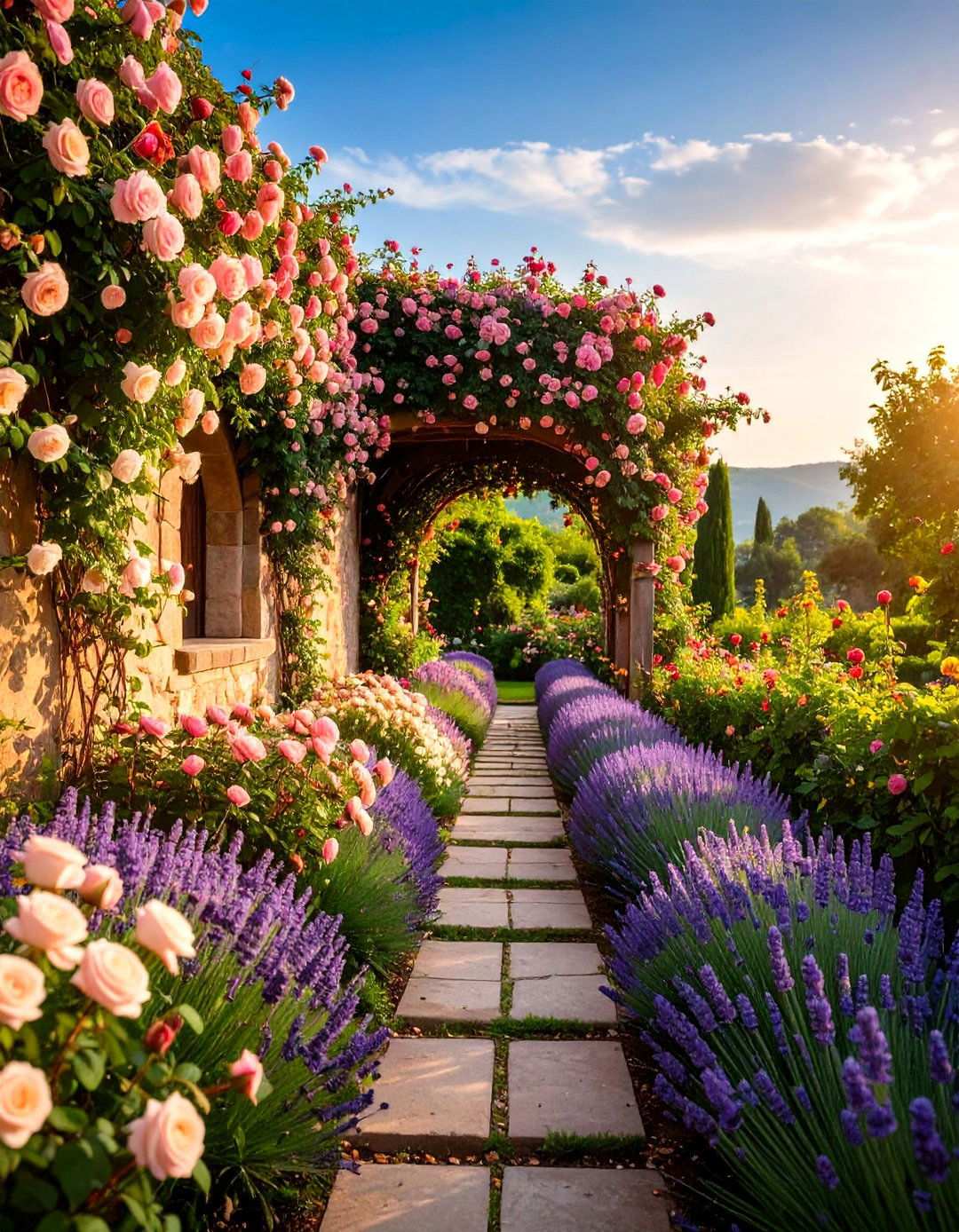
What’s more romantic than roses cascading down terraced garden slopes? Rose terraced gardens showcase diverse varieties while providing excellent air circulation and drainage that prevents common rose diseases. By designing different terraced levels for varying rose types, homeowners can create a visually appealing display that’s both functional and beautiful. Train climbing varieties along retaining walls, plant shrub roses in middle terraces, and let groundcover roses spill over edges for a lush, full appearance. Incorporate companion plantings like lavender, catmint, and ornamental alliums, which complement rose colors while deterring pests naturally. Install irrigation systems that deliver water at soil level rather than overhead watering, which encourages disease problems. Regular maintenance includes deadheading, pruning, and seasonal feeding for optimal flowering performance.
21. Alpine Rock Garden Terraces
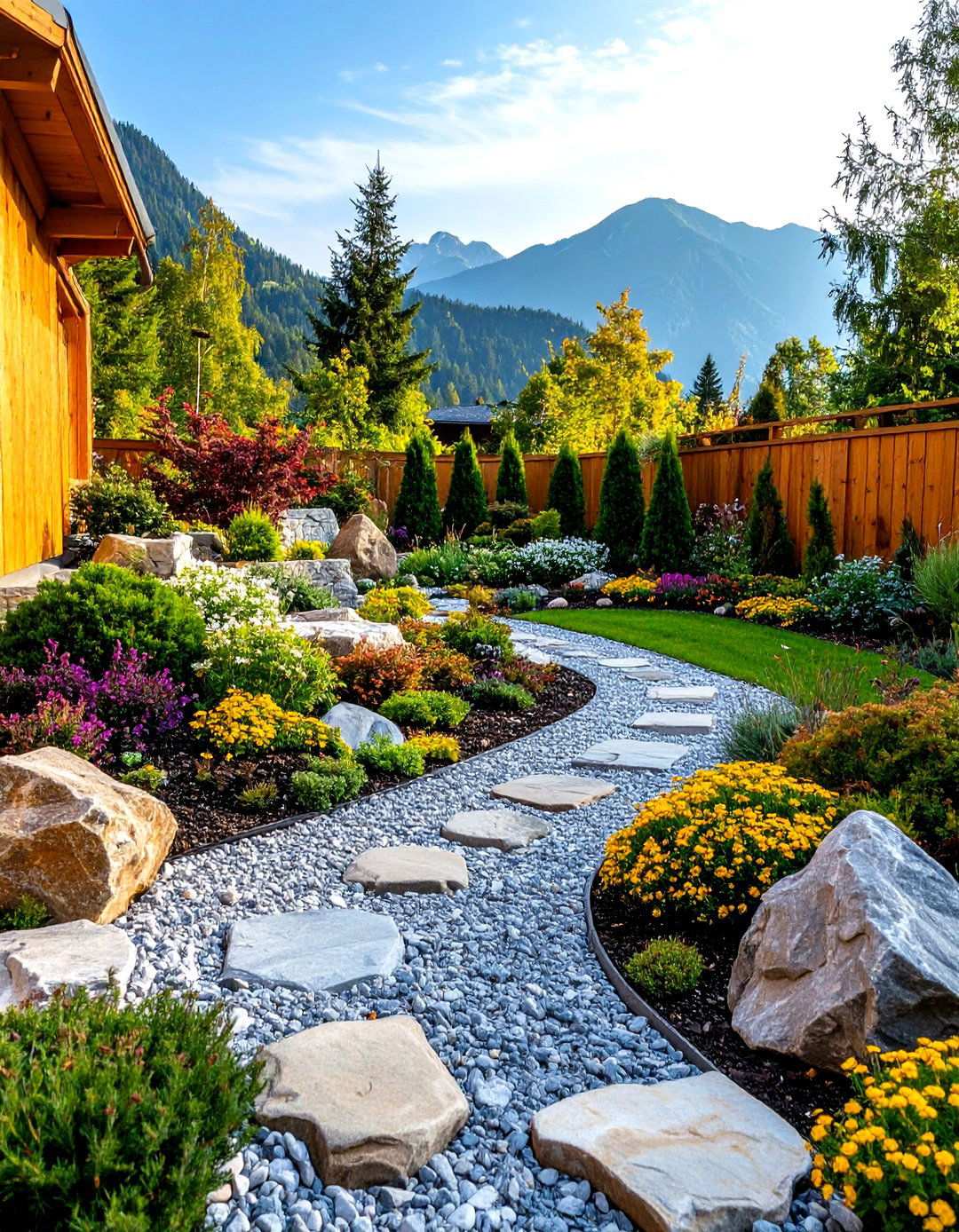
Crafting a miniature mountain landscape in your backyard, alpine rock gardens draw inspiration from the rugged beauty of high-elevation terrain. Achieving the perfect blend of rock and soil, these gardens mimic the harsh conditions found in mountainous regions. Construct stone walls with deep soil mixes, incorporating substantial amounts of gravel to ensure excellent drainage. Plant hardy alpine species, such as saxifrage, dianthus, and alpine asters, which thrive in lean soils and withstand extreme weather conditions. Incorporate dwarf conifers and compact shrubs to provide structure throughout the year, while maintaining the delicate scale characteristic of alpine themes. Once established, these gardens require minimal watering but benefit from regular gravel top-dressing and careful weed control to preserve their natural charm.
22. Tropical Terraced Paradise
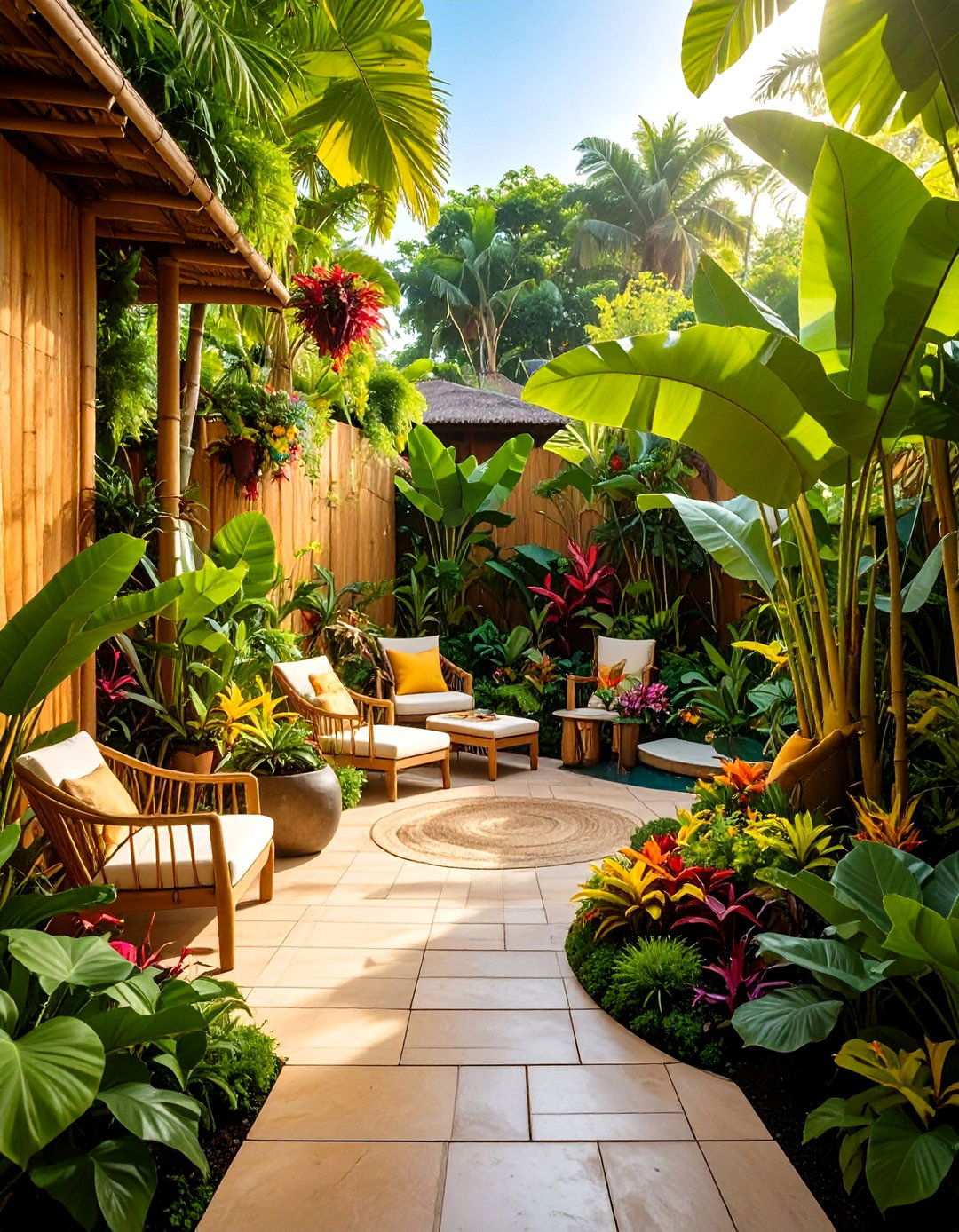
Transforming temperate terraced gardens into vibrant tropical retreats requires a thoughtful approach to materials and plant selection. Tropical-style gardens emphasize lush foliage, bold textures, and warm colors to create a vacation-like atmosphere in your backyard. Utilize materials like bamboo, tropical hardwoods, or warm-toned stone to complement exotic plantings. Showcase large-leafed plants like banana, canna, and elephant ear, which provide dramatic focal points. Add smaller tropical accents like colorful coleus, caladium, and flowering vines to create dense, jungle-like appearances. In cooler climates, use containers for tender plants that can be moved indoors during winter, while maintaining tropical aesthetics through the use of cold-hardy substitutes.
23. Minimalist Zen Pebble Garden
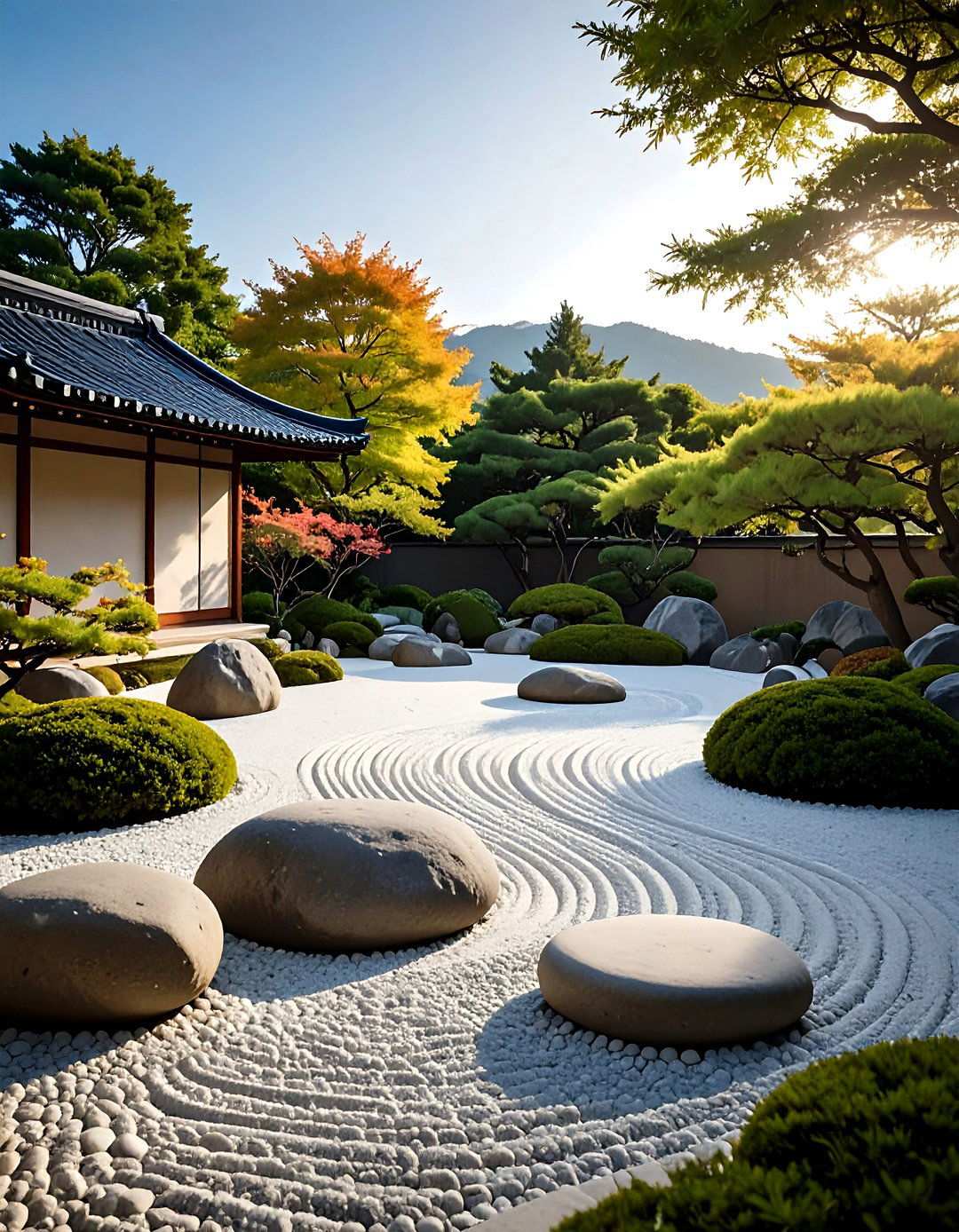
When simplicity is the ultimate goal, minimalist terraced gardens rely on clean lines, negative space, and thoughtfully selected materials to create contemplative outdoor environments. Achieving a unified appearance, these gardens use identical materials throughout, such as consistent stone types, matching gravel sizes, and limited plant palettes. Incorporate large areas of raked gravel or decomposed granite, punctuated by strategically placed boulders or architectural plants. Maintain precise edges and regular maintenance schedules to preserve the clean, uncluttered aesthetic essential to minimalist design philosophy, while providing functional slope management solutions that blend seamlessly into the surroundings.
24. Year-Round Elegance in Terraced Gardens
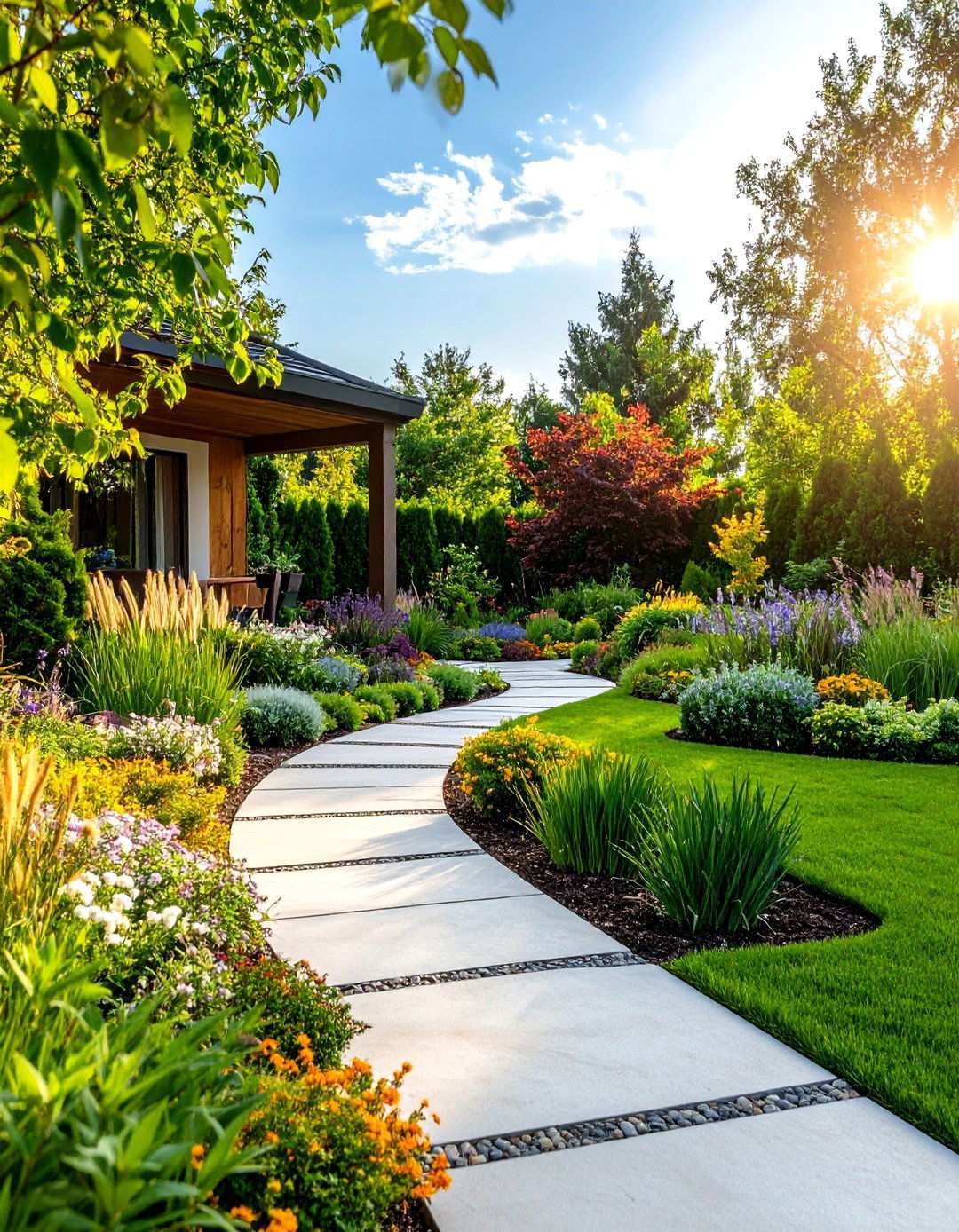
A beautifully designed terraced garden can be a true showstopper, but its appeal can wane as the seasons change. To combat this, gardeners are incorporating multi-season interest into their terraced designs, ensuring these outdoor spaces remain captivating throughout the year. One approach involves selecting plants and materials that not only provide visual interest but also adapt to changing weather conditions.
Design elements such as evergreen shrubs and ornamental grasses play a crucial role in maintaining structure during the winter months, while deciduous trees add a pop of color with seasonal changes. Spring bulbs, summer perennials, autumn-fruiting shrubs, and plants with interesting winter bark or seed heads can be strategically placed to create a visually appealing tapestry of textures and colors. When choosing hardscape materials, opt for stone or brick, which develop a beautiful patina over time, adding character to the space. To further enhance the garden’s year-round appeal, consider designing pathways and seating areas that remain accessible and inviting, even during the dormant seasons when most plants rest.