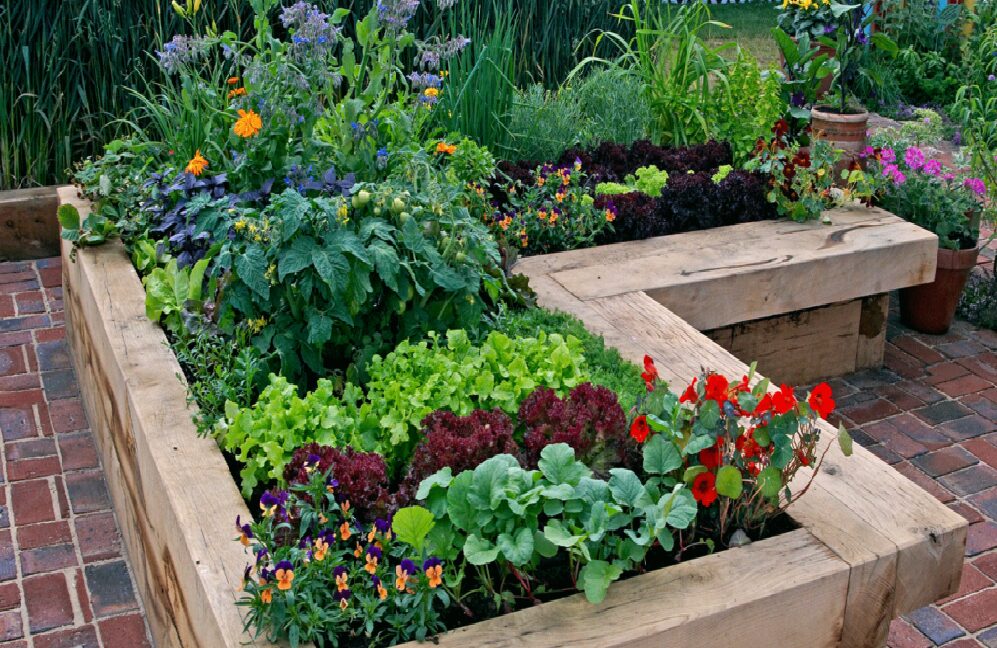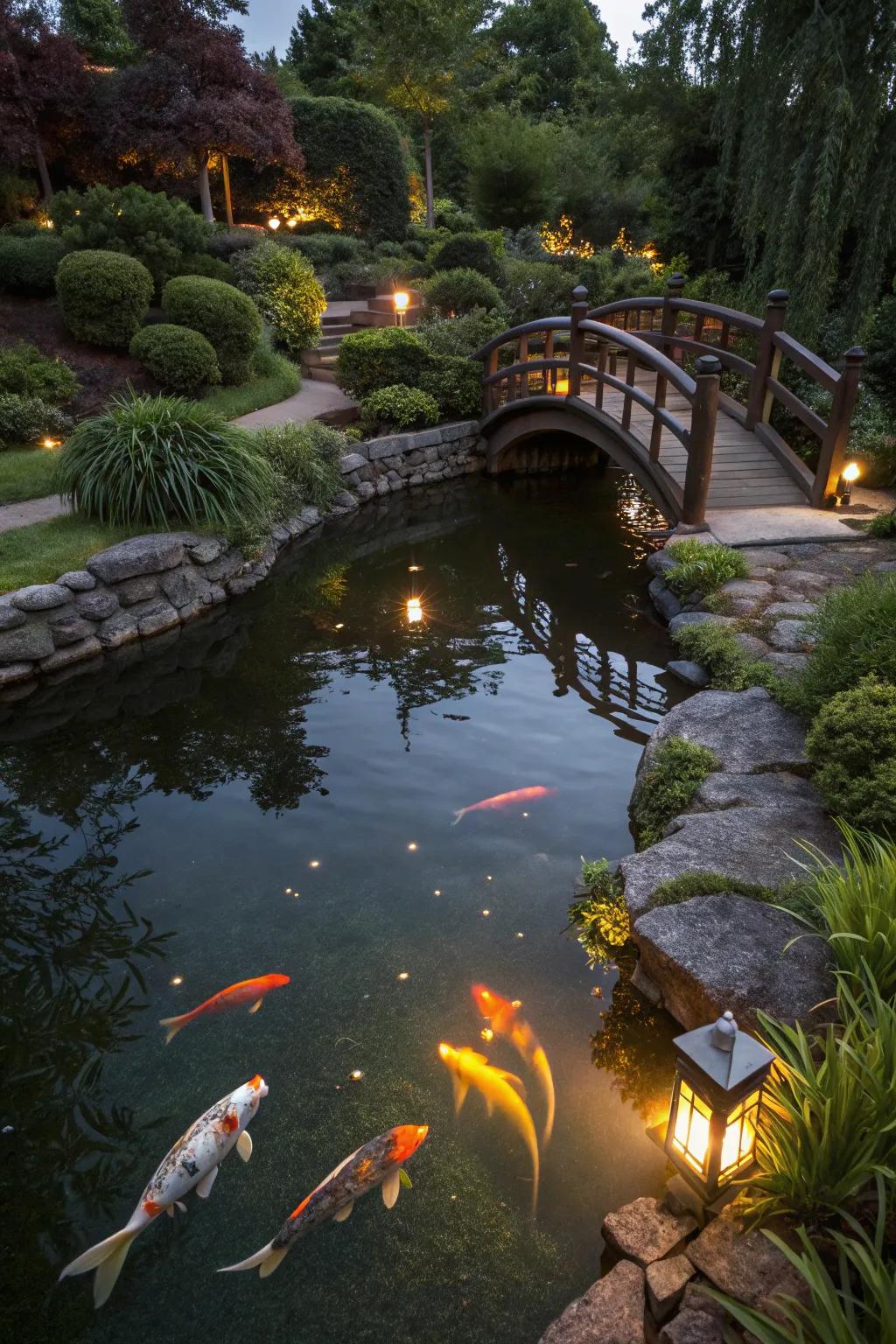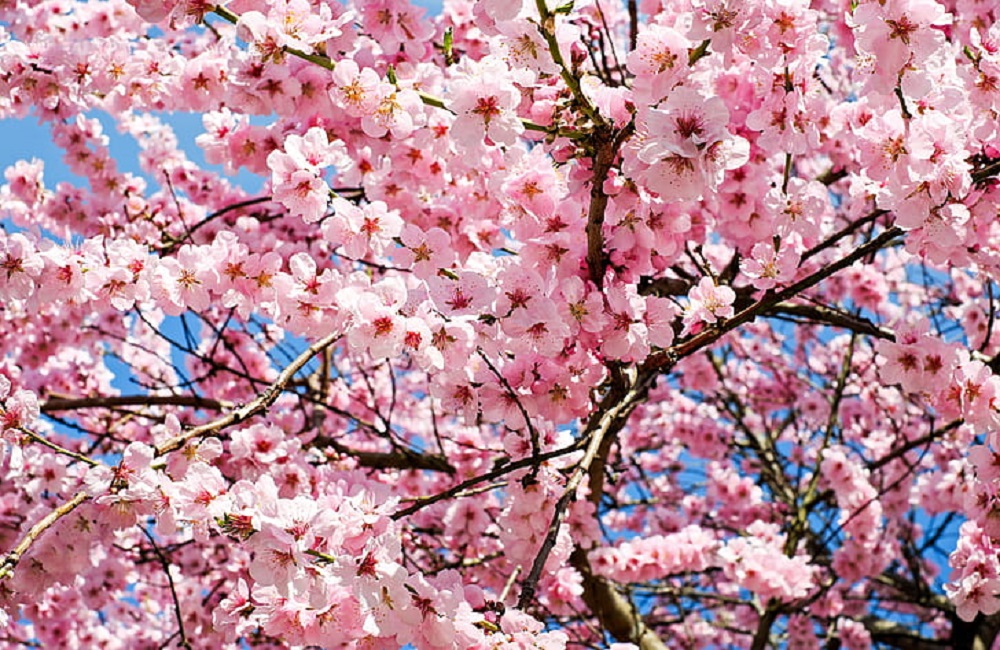
Transform your outdoor space into a thriving sanctuary that celebrates the beauty of nature while fostering a supportive environment for local wildlife. Wildflower gardens serve as a captivating and sustainable alternative to traditional landscaping, benefiting both homeowners and the environment. These enchanting spaces entice beneficial pollinators like bees, butterflies, and hummingbirds, while offering a kaleidoscope of textures, colors, and seasonal changes that provide visual interest throughout the year. Whether you desire sweeping vistas or intimate vignettes, wildflower gardens are remarkably adaptable to any space or style preference. Imagine serene prairie grasslands swaying gently in the breeze, charming cottage borders overflowing with colorful blooms, or serene woodland clearings dotted with native species, all of which are possible with wildflower gardens that create lasting connections with nature. These gardens require minimal water, fertilizer, and maintenance once established, making them an ideal choice for busy homeowners seeking beautiful, sustainable landscapes that support local ecosystems and provide lasting enjoyment for years to come.

As an Amazon Associate I earn from qualifying purchases.
1. Prairie Meadow Wildflower Gardens
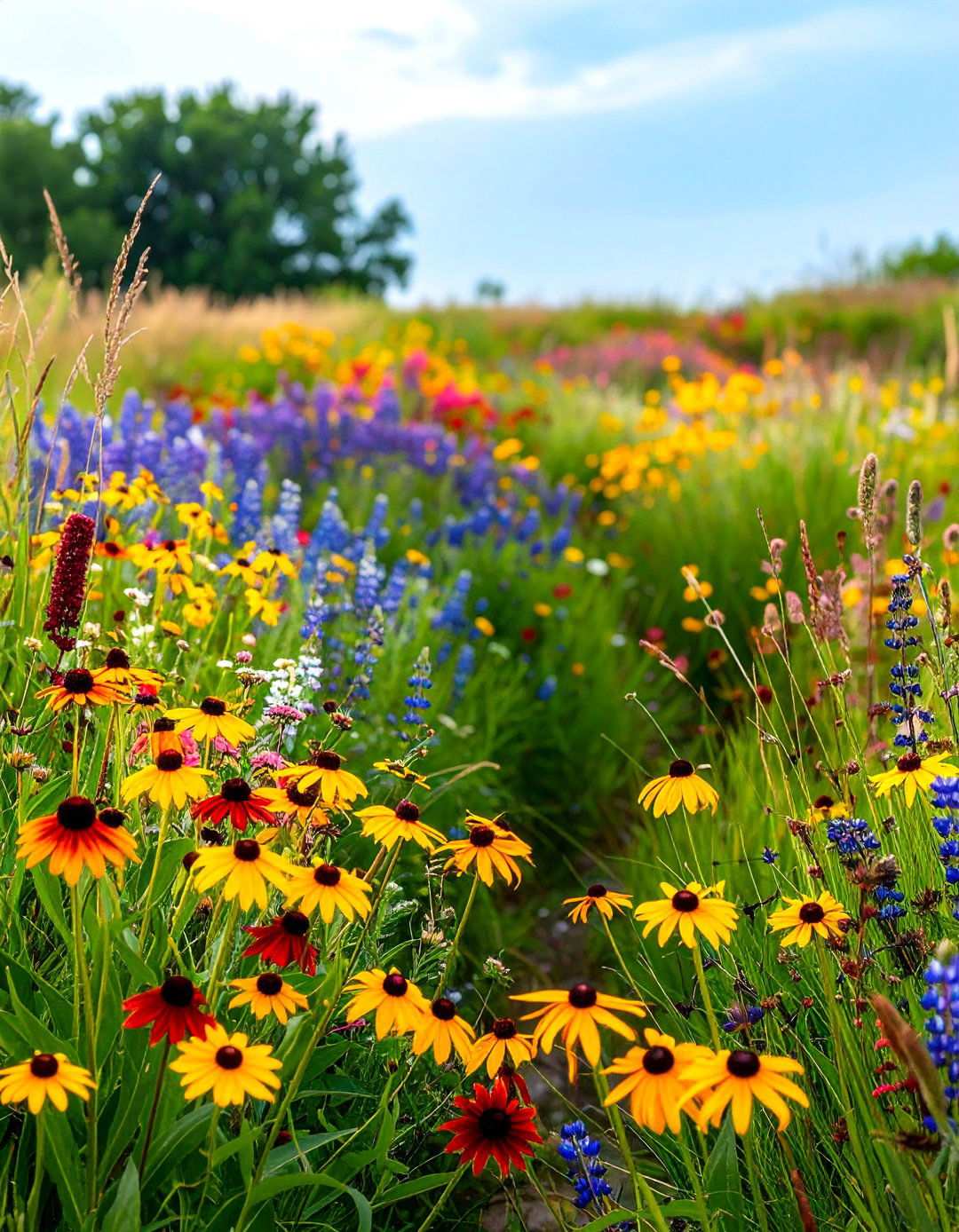
Prairie-style plantings recreate the grandeur of natural grasslands by combining sweeping ornamental grasses with vibrant wildflower masses. To achieve authentic appeal, pair tall prairie dropseed, little bluestem, and switchgrass with coneflowers, black-eyed susans, and blazing star. These drought-tolerant communities thrive in areas with full sun and well-draining soil. When layering plants by height, consider placing shorter species like wild bergamot at the front, with towering big bluestem behind them. Incorporating native milkweed varieties supports monarch butterflies during their migration. The natural movement of grasses creates year-round interest, while seed heads provide essential winter sustenance for songbirds. Imagine strolling through your own private prairie, where wildflowers stretch toward the horizon, and experience the tranquility of this style, which works beautifully in both large open spaces and smaller suburban lots seeking low-maintenance, naturalistic beauty.
2. Whispers of the English Countryside
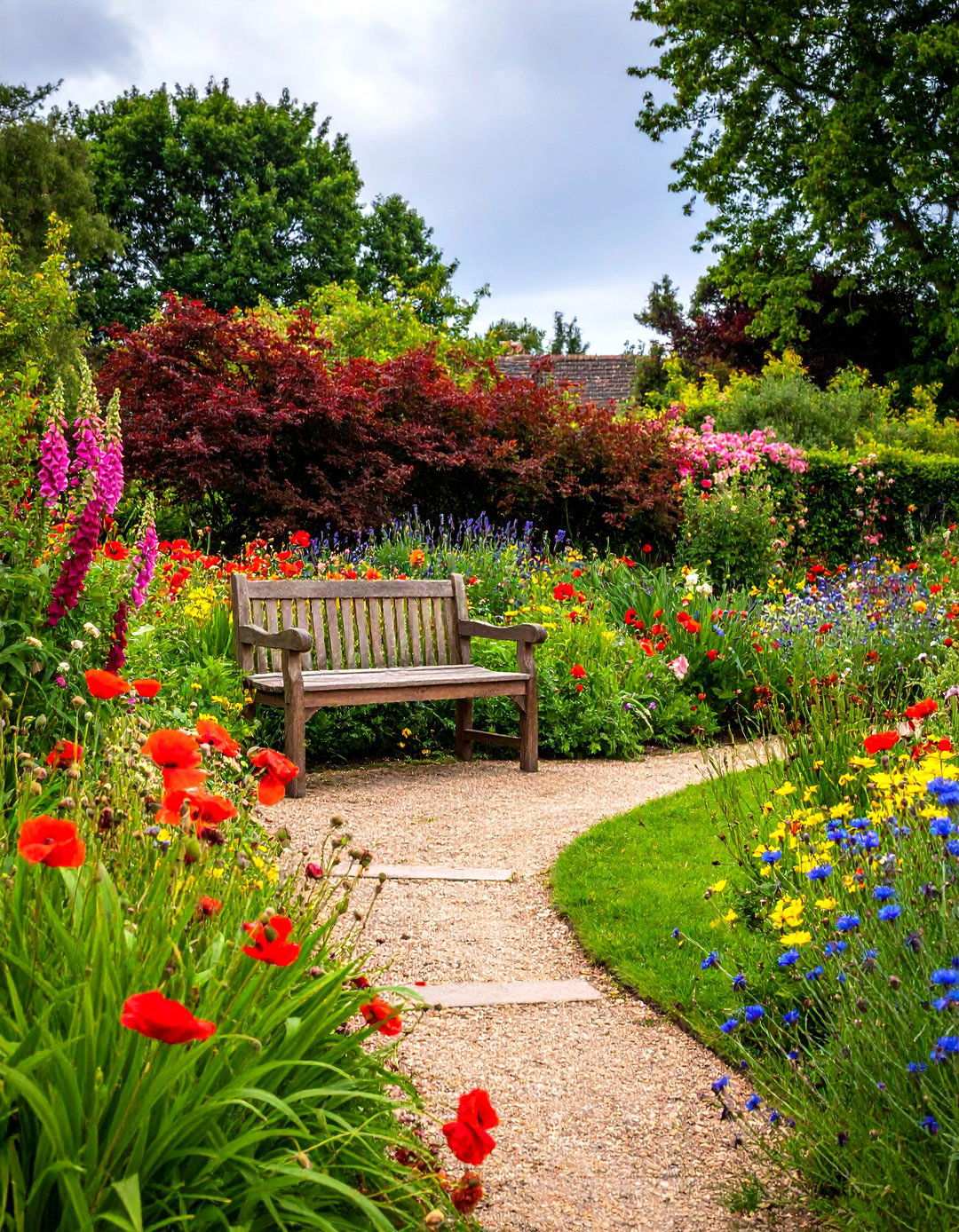
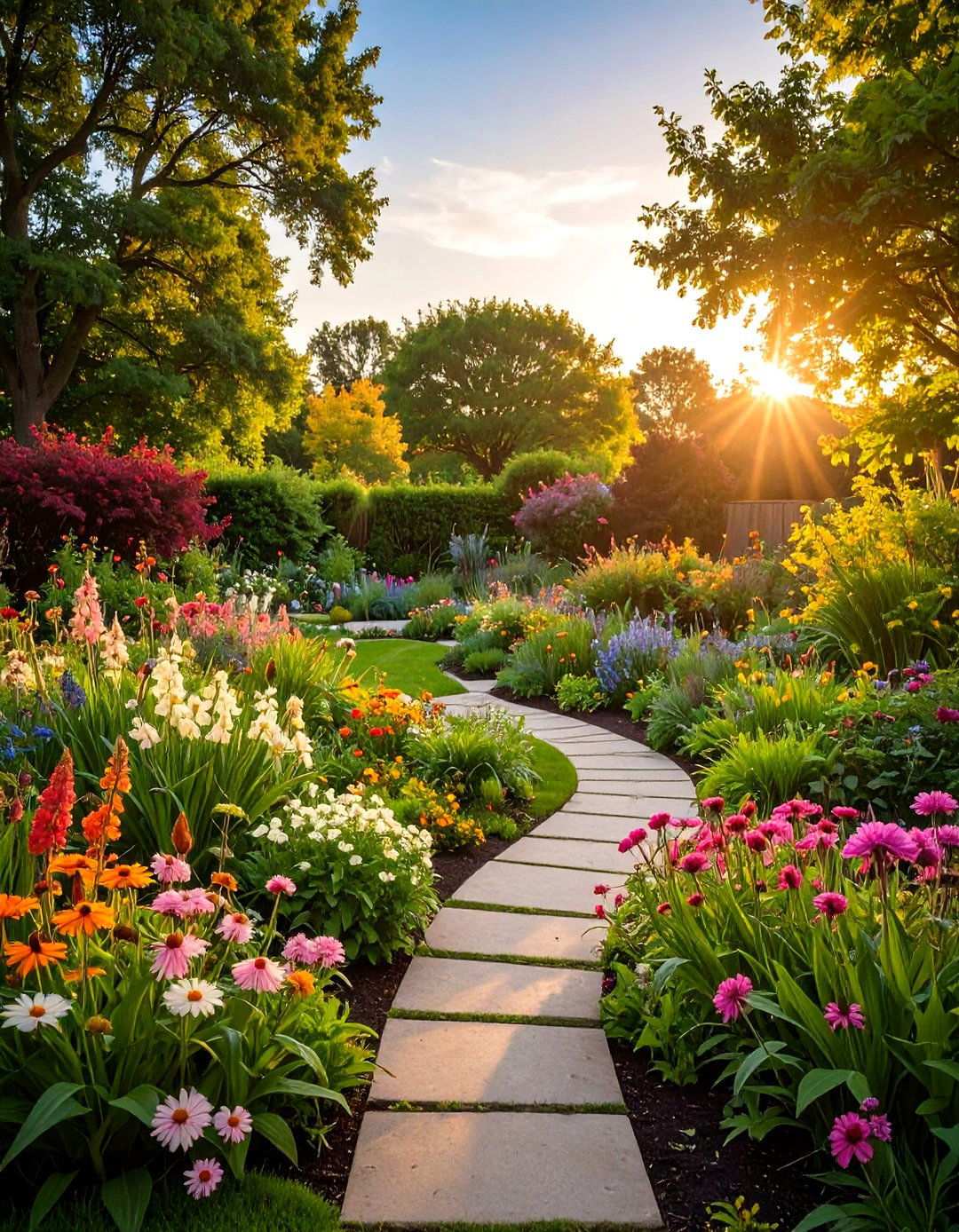
Breathtaking English cottage gardens seamlessly integrate cultivated perennials with native wildflowers, exuding a charming, informal essence. To create these enchanting spaces, pair striking foxgloves and delicate poppies with vibrant cornflowers, alongside climbing roses, fragrant lavender, and a selection of herbs in lush, closely planted borders. Strategically layer the heights of your plants, using statuesque delphiniums and majestic hollyhocks as a backdrop for the softer hues of sweet williams and low-growing primroses. Meandering gravel pathways, bordered by overflowing plantings that spill onto walkways, invite exploration. Add a touch of whimsy with vintage containers filled with seasonal wildflower combinations, providing moveable color accents. Incorporate traditional elements like weathered wooden benches, arbors adorned with honeysuckle or clematis, and stone edging to create a sense of timelessness. By embracing abundance and natural beauty while maintaining a structured aesthetic, these gardens beautifully complement traditional architecture. Regular deadheading not only extends blooming periods but also allows some flowers to self-seed, nurturing a cycle of natural reproduction.
3. Urban Oasis in a Container
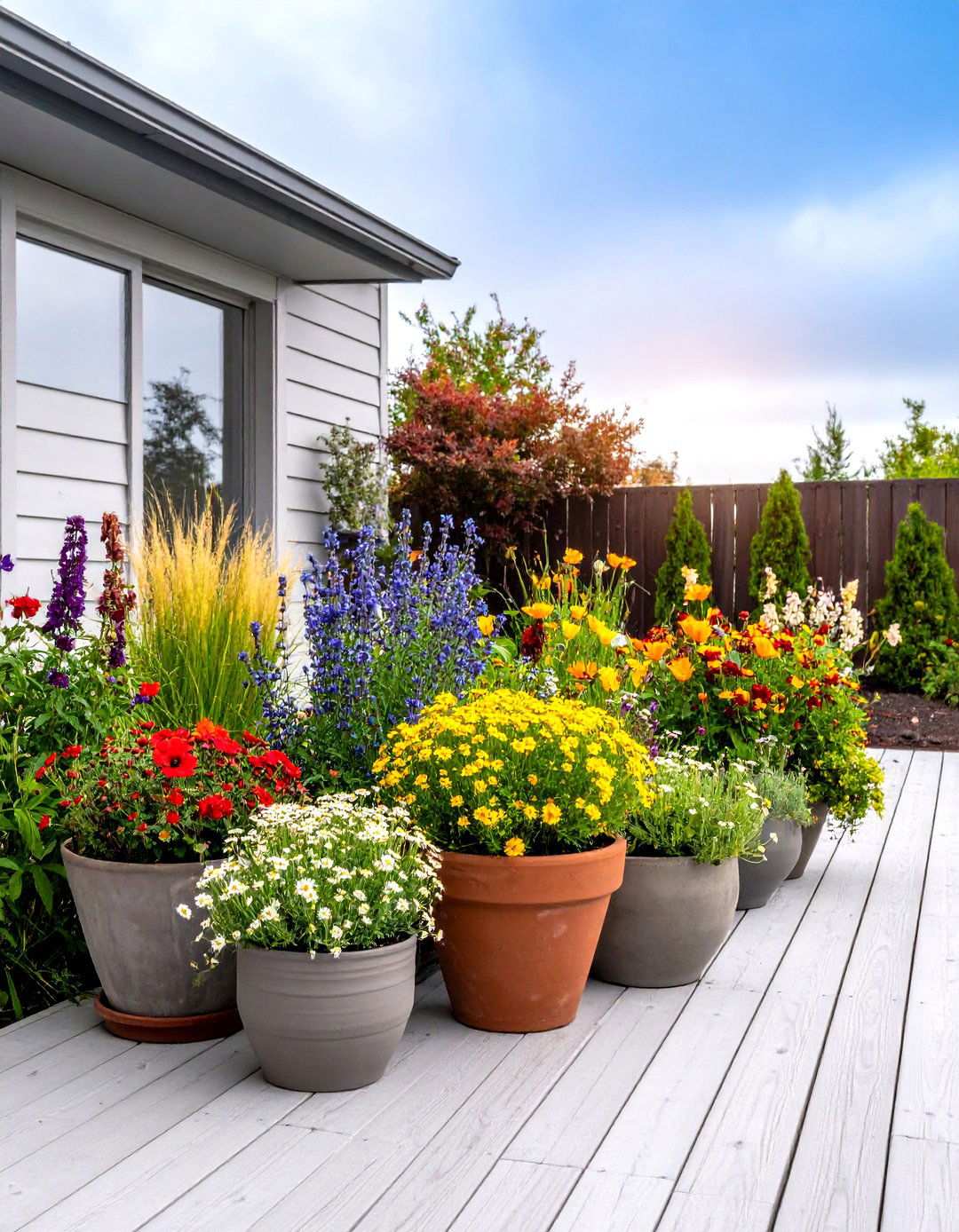
Container wildflower gardens bring a touch of native beauty to even the smallest urban spaces, including patios, balconies, and areas where ground planting isn’t possible. When selecting species for your containers, consider drought-tolerant varieties like California poppies, cosmos, and native asters for sunny locations, or opt for wild ginger and coral bells for shadier spots. To add visual interest, use a mix of container sizes and heights, pairing tall ornamental grasses with cascading varieties. Ensure proper drainage with gravel layers and high-quality potting mix designed specifically for native plants. Group containers in odd numbers to create a natural, effortless appearance, combining thriller, filler, and spiller elements. Include pollinator favorites like bee balm and native mint varieties to attract beneficial wildlife. Strategically position your containers to create intimate seating areas or dramatic entryway displays. By embracing the beauty of wildflowers in even the smallest spaces, you can enjoy a sense of serenity and connection to nature. This approach also allows for flexibility and experimentation with different native plant combinations throughout the seasons.
4. Secrets of the Woodland
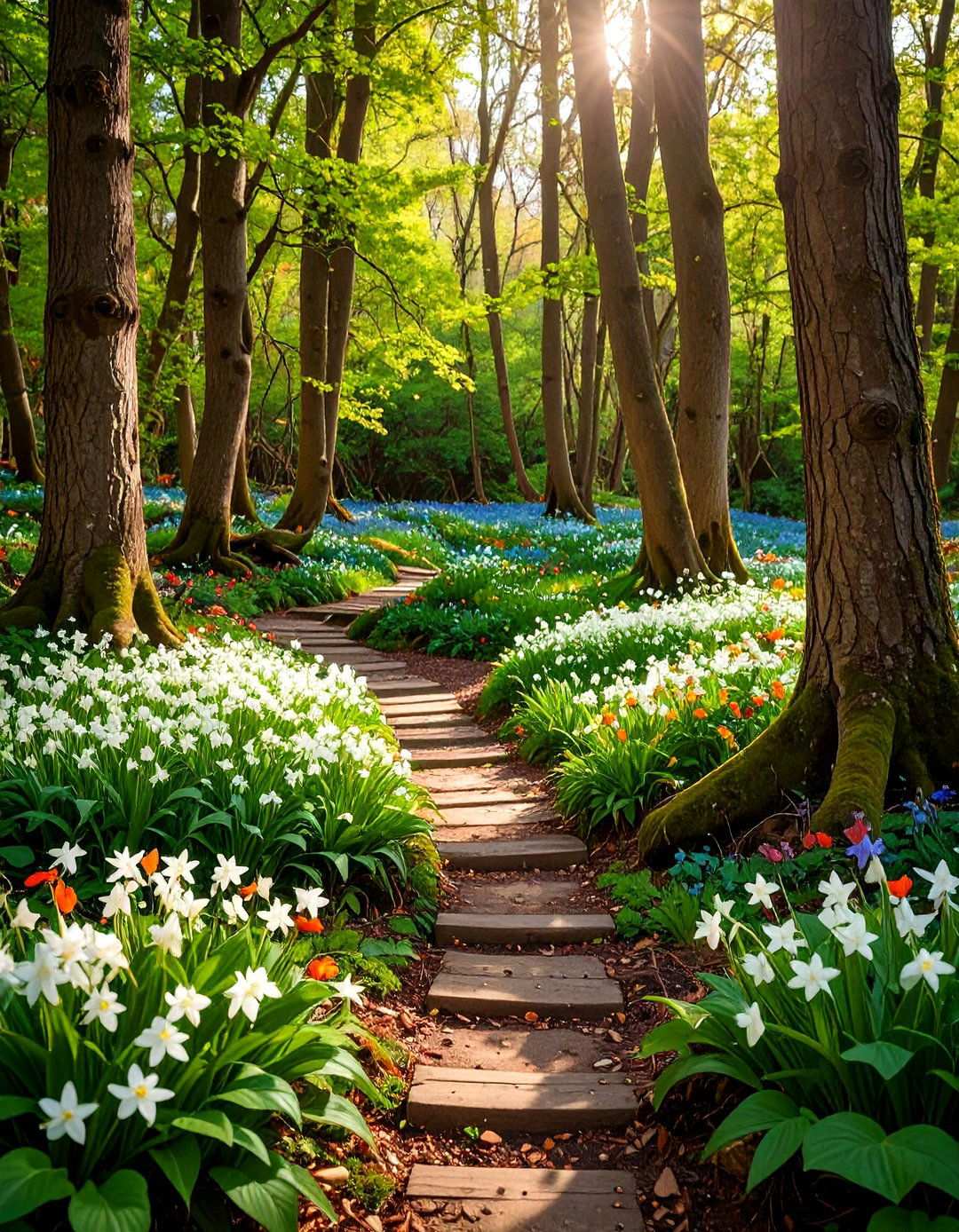
Shade-loving wildflowers have the power to transform wooded areas into enchanting spring wonderlands, filled with delicate blooms and rich textures. To create these captivating spaces, establish a foundation of bloodroot, trilliums, wild ginger, and mayapple beneath existing tree canopies where dappled sunlight filters through branches. Add layers of interest with ferns, wild columbine, and native violets. Enhance the natural ambiance with meandering bark chip pathways and strategically placed fallen logs for seating. Incorporate spring ephemerals that bloom before trees leaf out, followed by summer-flowering species like cardinal flower near water features. To replicate the conditions of a forest floor, improve the soil with leaf mold and organic matter. Consider installing subtle lighting to highlight specimen plants and extend evening enjoyment. This style works beautifully in existing wooded areas or can be created beneath mature shade trees, turning your property’s shady corners into magical woodland retreats.
5. Butterfly Sanctuaries: A Haven for Winged Wonders
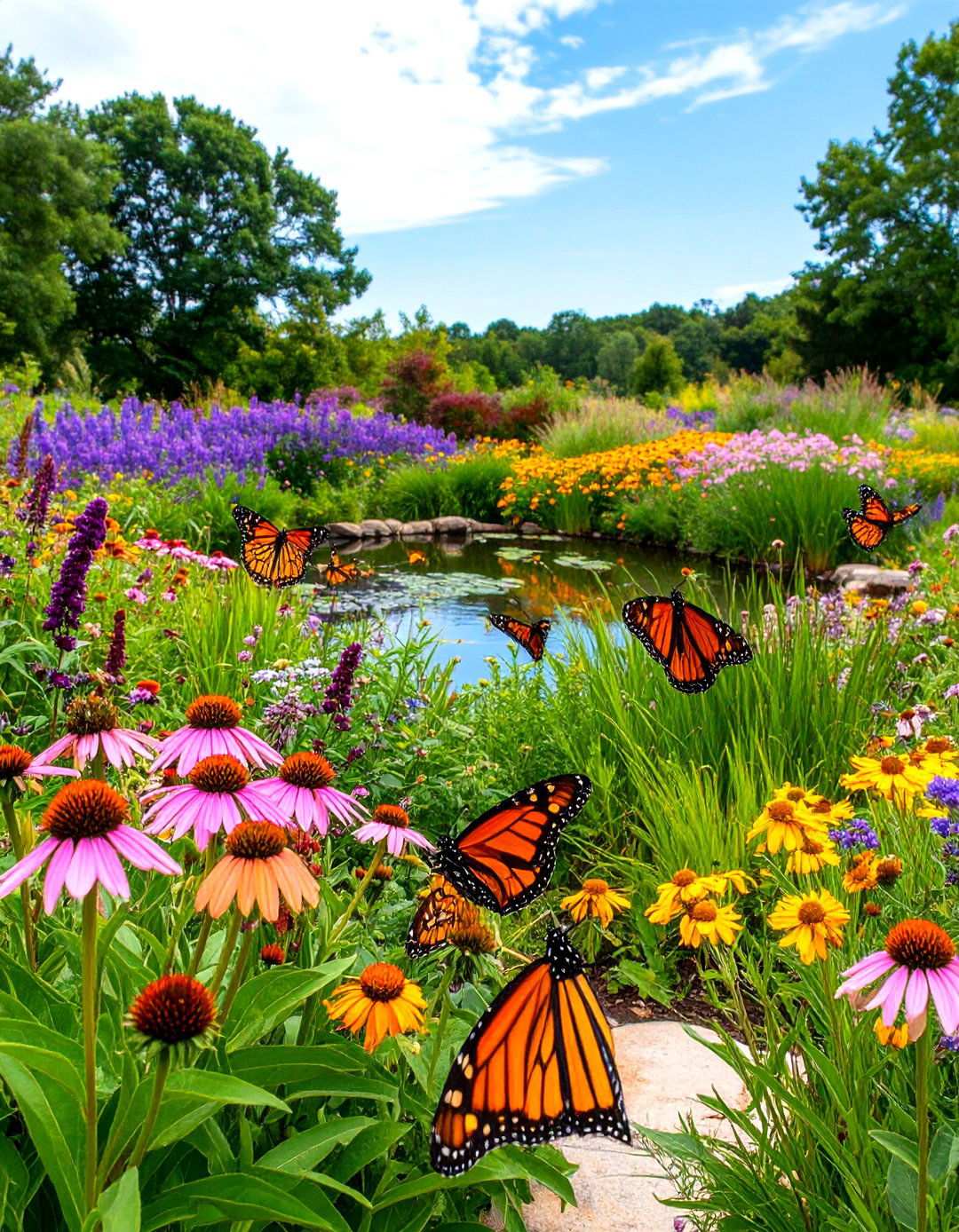
Crafting a butterfly garden is a thoughtful approach to supporting these delicate creatures, encompassing both their adult and larval stages. Nurturing native milkweed varieties is crucial for monarchs, while spicebush and violets cater to the needs of spicebush swallowtails and fritillary species, respectively. By incorporating continuous nectar sources like native asters, goldenrod, and joe-pye weed, you can attract butterflies from early spring to late fall. Designate sunny, sheltered areas with shallow water sources, such as puddling stations, to provide essential resources. Adopting an organic approach, avoiding pesticides and embracing some plant damage, will demonstrate the garden’s success. Grouping plants in large masses not only enhances visual appeal but also facilitates butterflies’ navigation. Incorporating flat stones for basking areas and native shrubs for shelter during adverse weather will create a haven for these winged visitors. By planning succession planting, you can ensure a constant supply of blooms during peak butterfly activity periods.
6. Native Pollinator Gardens: A Celebration of Local Biodiversity
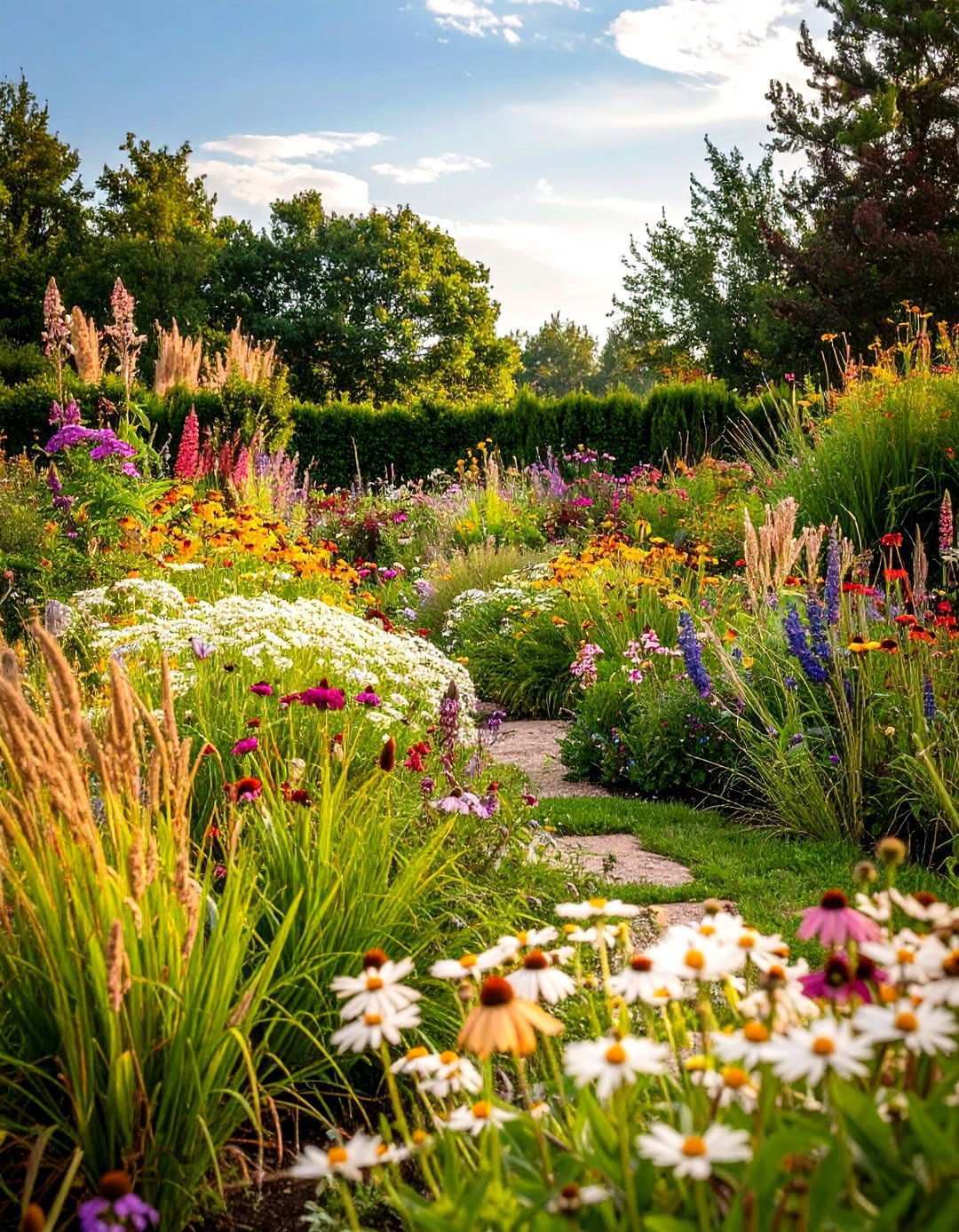
When designing a pollinator garden, focus on native plants that have coevolved with local bee, butterfly, and hummingbird populations, ensuring a harmonious relationship. Research indigenous species specific to your region and incorporate a diverse range of flower shapes, sizes, and bloom times. By adding native bunch grasses between flowering plants, you can provide nesting sites for ground-dwelling bees. Incorporating native shrubs like elderberry, spicebush, or native azaleas will add structure and extend the bloom periods. Create a variety of microhabitats, including sunny meadow areas, partial shade edges, and moisture-loving sections near rain gardens. Leave some bare ground patches to accommodate ground-nesting bee species. Maintaining organic gardening practices will safeguard beneficial insects from the dangers of chemical pollutants. By including native sedges and rushes near water features, you can support specialized pollinators. This holistic approach not only maximizes ecological benefits but also yields stunning seasonal displays. By embracing a garden that serves your local ecosystem, you can create a haven for wildlife viewing and bask in the beauty of nature.
7. Elevating Landscapes with Modern Wildflower Designs
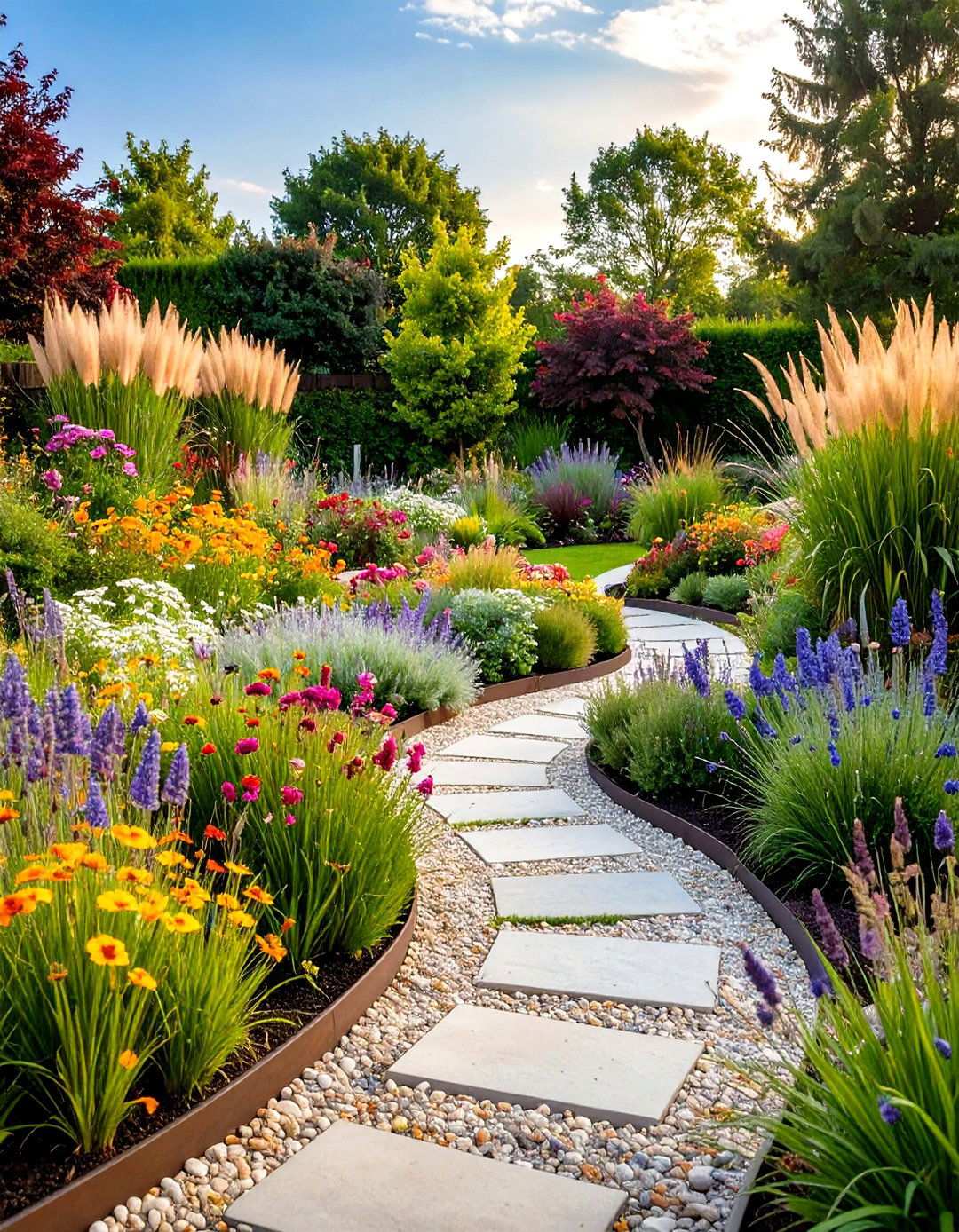
A modern approach to wildflower gardens emphasizes a fusion of clean lines, architectural grasses, and thoughtfully curated native plant palettes, resulting in sophisticated outdoor spaces. By utilizing geometric planting beds filled with densely planted single-species groupings, designers can create striking visual effects. The strategic combination of structural grasses, such as feather reed grass, with structured perennials, like purple coneflower and wild bergamot, adds depth and character to the landscape. Hardscaping elements, including weathering steel edging, gravel mulches, and minimalist water features, complement the natural beauty of the surrounding environment. To ensure year-round interest, select plants with notable winter attributes, such as ornamental seed heads and attractive bark. Limiting color palettes to two or three hues helps to create a cohesive, modern aesthetic. Adding specimen trees or large sculptural rocks as focal points elevates the design, making it particularly well-suited for contemporary architecture and appealing to those seeking low-maintenance beauty with a touch of sophistication. This design approach beautifully balances environmental responsibility with cutting-edge principles, yielding truly stunning outdoor spaces.
8. Dynamic Annual Wildflower Gardens
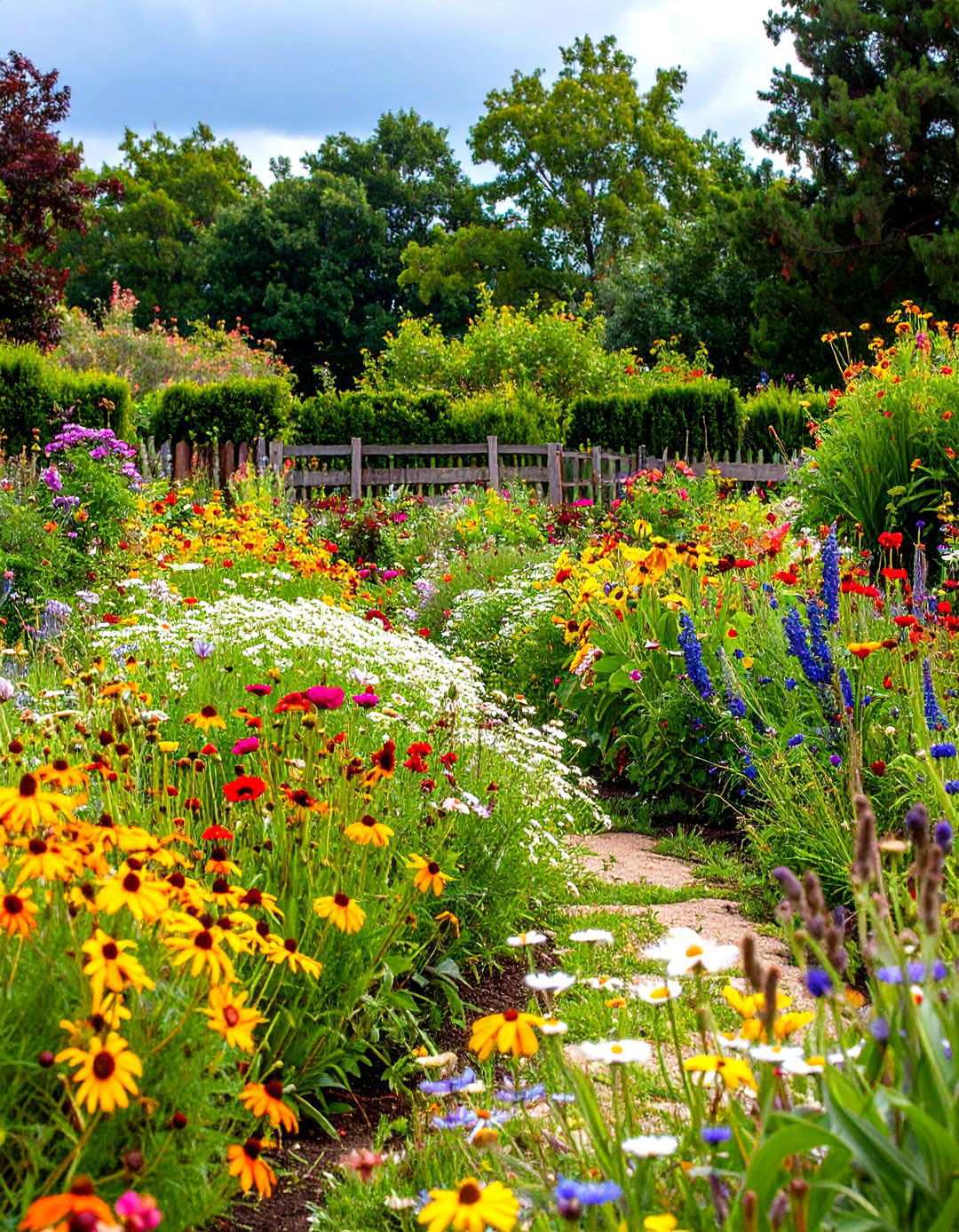
Annual wildflower gardens offer an instant pop of color and can be easily refreshed each growing season to showcase a diverse array of displays. By directly sowing seeds of cosmos, zinnias, California poppies, and cornflowers in prepared soil, gardeners can quickly establish vibrant displays. These gardens are ideal for new homeowners seeking an immediate impact while they plan and implement longer-term perennial installations. Incorporating self-seeding varieties, such as bachelor buttons and sweet alyssum, ensures a reliable return of blooms year after year. To maintain a continuous display of blooms throughout the growing season, plan successive plantings every few weeks. Mixing heights and textures, such as pairing tall sunflowers with medium marigolds and low-growing portulaca, adds visual interest. Many annual wildflowers also attract beneficial insects, which help control garden pests naturally. Designating areas for cutting gardens allows for the creation of beautiful indoor bouquet arrangements. With minimal long-term commitment required, annual wildflower gardens offer maximum seasonal impact, making them an ideal starting point for those testing the waters of wildflower gardening before committing to perennial plantings.
9. Sustained Beauty in Perennial Wildflower Gardens
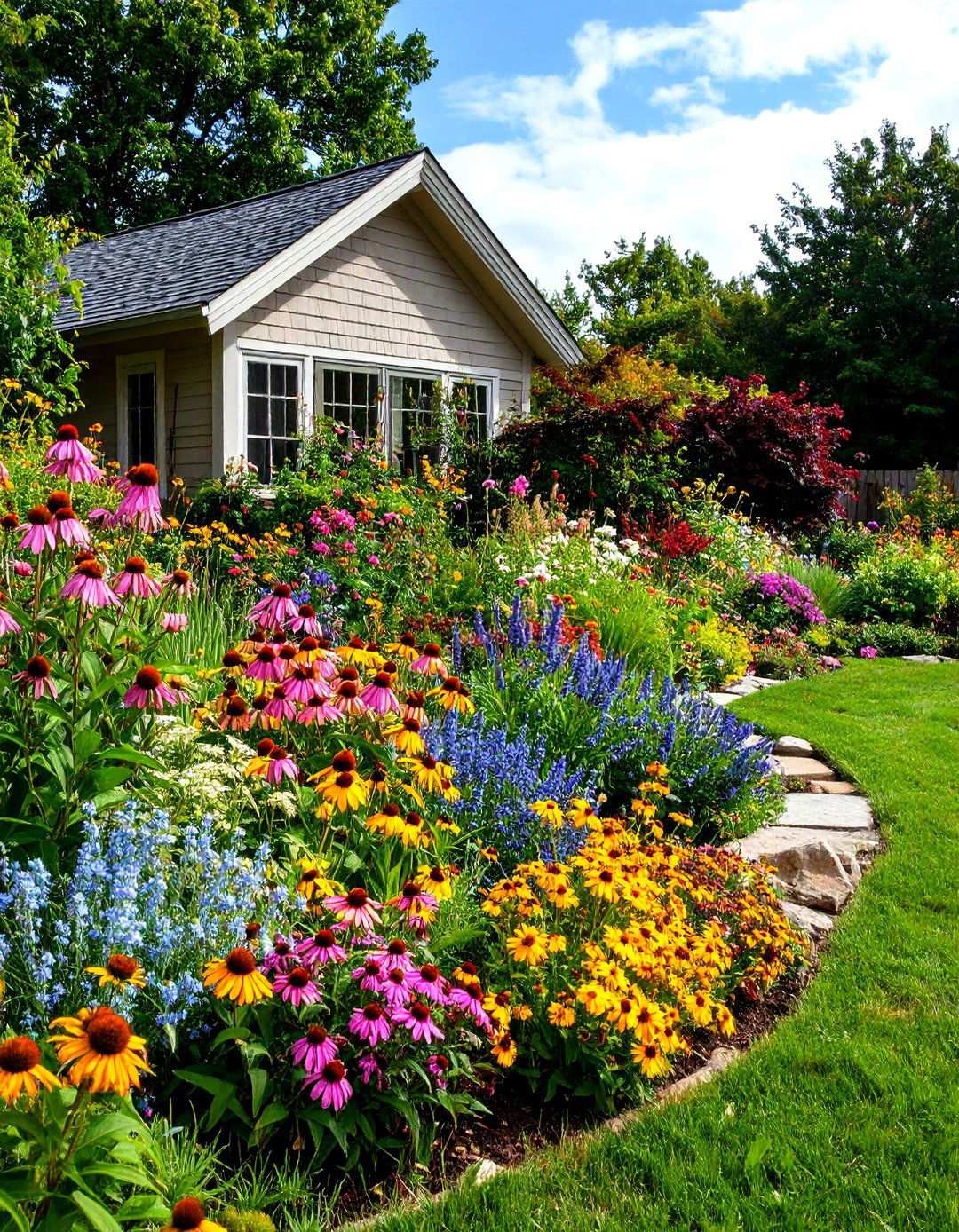
A well-designed perennial wildflower garden is a testament to the beauty of nature’s evolution, as plants develop intricate relationships and extensive root systems over time. To create such a garden, focus on long-lived native species, such as purple coneflower, wild bergamot, and native asters, which return year after year with minimal care. When planning, consider a succession of blooms from early spring bulbs to late fall asters, ensuring a consistent display of color throughout the seasons. Incorporate structural plants like native grasses and shrubs to add year-round interest and depth. It’s essential to design with mature plant sizes in mind, allowing for adequate spacing to facilitate full development. To maintain vigor, divide clumping perennials every three to five years, allowing for new growth and expansion. Many perennials self-seed, creating natural colonies over time, while others can be augmented with early spring ephemerals like bloodroot and Virginia bluebells for added seasonal variety. Although this approach requires patience during establishment, it rewards gardeners with decades of low-maintenance beauty and vital wildlife habitat.
10. Crafting Complex Wildflower Meadows
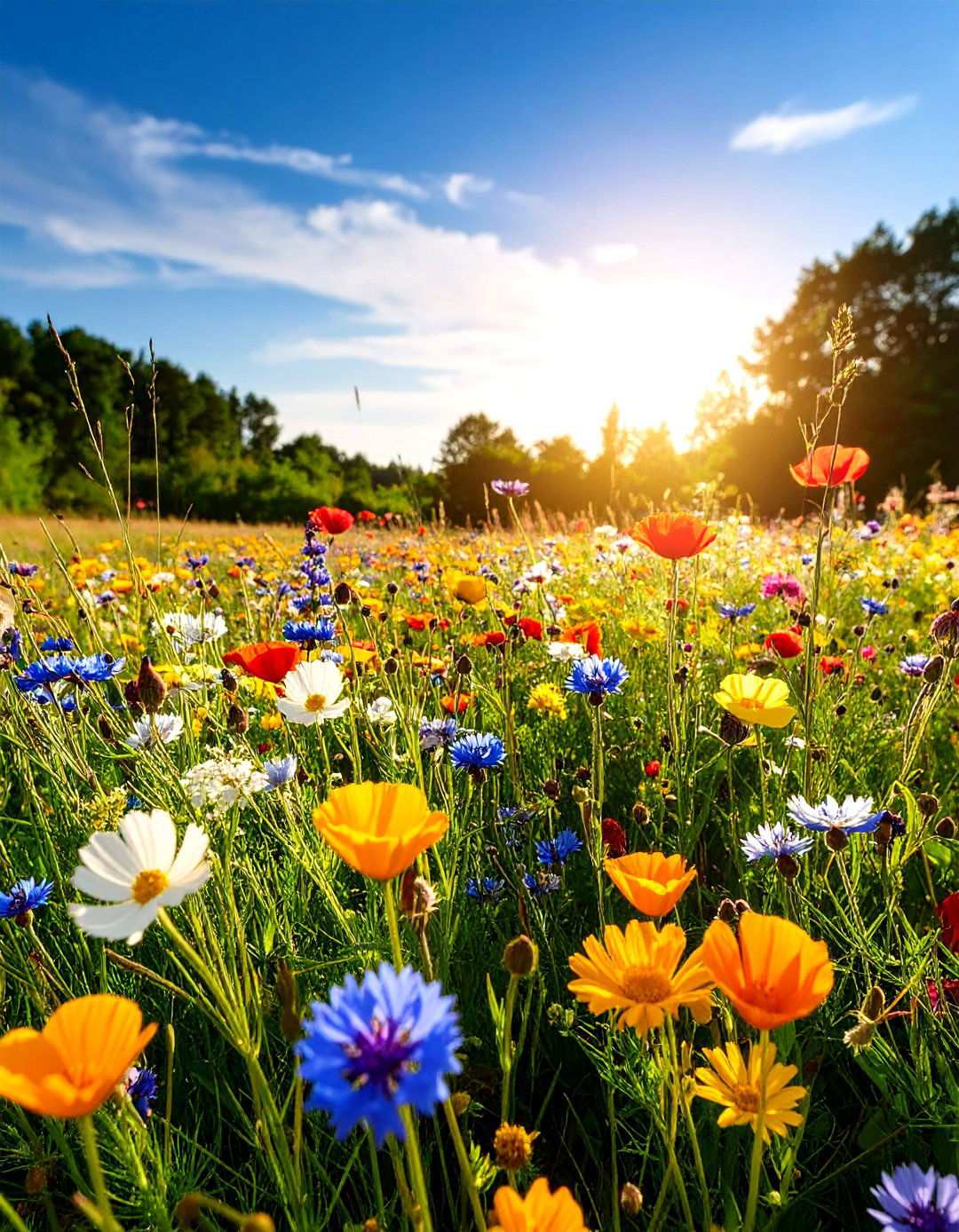
A mixed wildflower meadow is a thriving ecosystem that brings together annual and perennial species with native grasses, creating a diverse and dynamic environment. To establish such a meadow, begin by preparing the site, eliminating competing vegetation to make way for a diverse seed mix tailored to local growing conditions. Include early-blooming annuals for a splash of color in the first year, while perennials establish their roots. Add native grass species to provide structural support and prevent erosion, while planning for natural succession as annuals decline and perennials take hold over several growing seasons. To maintain the meadow’s delicate balance, manage with late-season mowing every two to three years. By including species that bloom throughout the growing season, you’ll create a haven for pollinators, providing them with a constant source of nectar and support. These meadows are particularly well-suited to larger spaces and areas transitioning from traditional lawns to naturalistic landscapes, and with initial investment, they can become self-sustaining ecological communities. What’s more, you can create your own piece of natural prairie right in your backyard landscape by embracing this unique approach.
11. Maximizing Space in Urban Wildflower Gardens
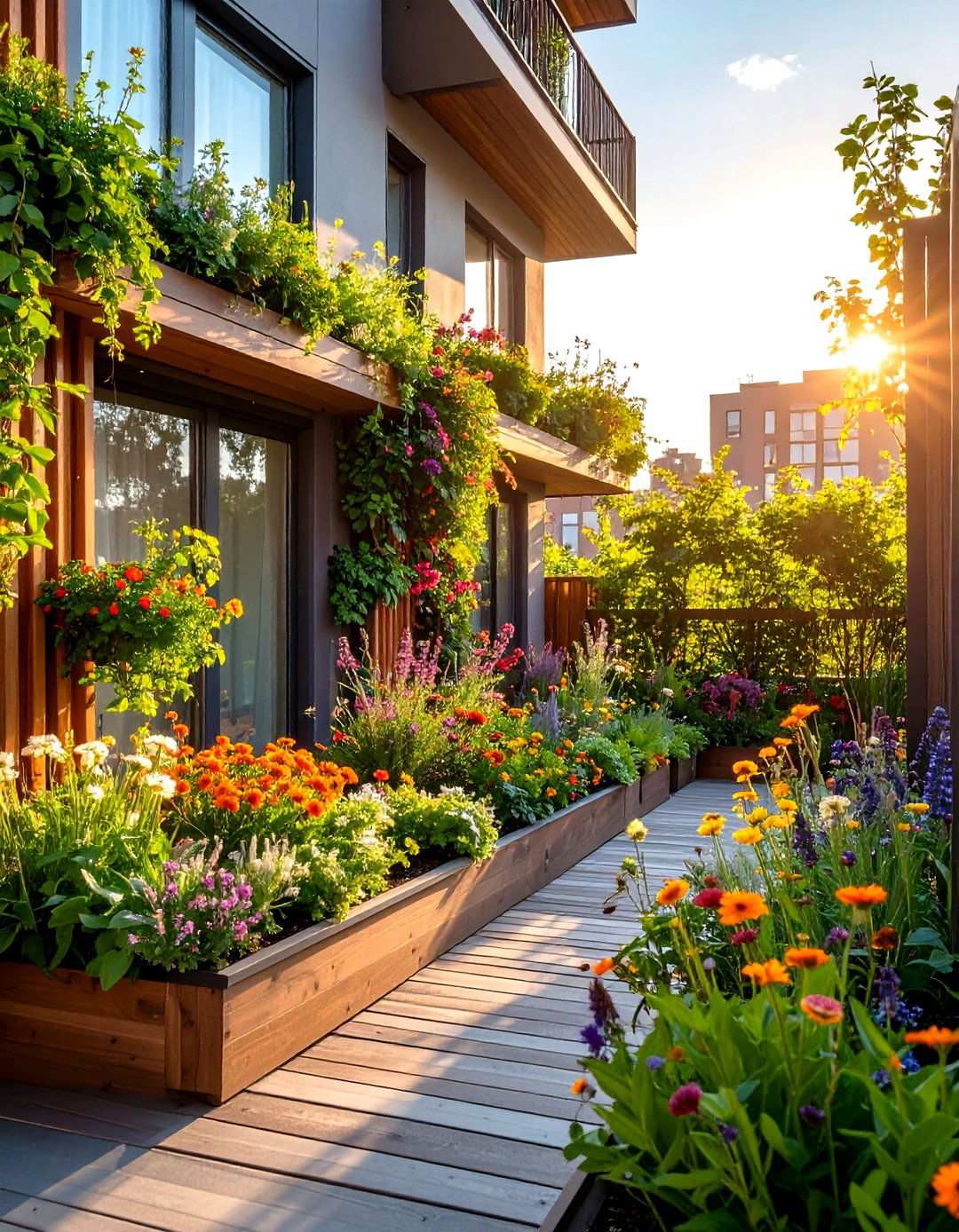
Urban wildflower gardens present a unique opportunity to maximize limited space through strategic planning and creative use of vertical growing, intensive planting, and thoughtful plant selection. When working with walls and fences, consider using climbing native vines like wild honeysuckle or Virginia creeper to add visual interest and texture. Select compact native varieties bred for smaller mature sizes, ensuring that your garden remains manageable and low-maintenance. To create a layered effect, plant tall species against structures, medium plants in centers, and ground covers spilling over edges, making the most of every available inch. Include native plants that can thrive in urban environments, tolerating pollution and heat island effects. For apartment dwellers, consider adding window boxes filled with native herbs and small wildflowers, creating a haven for pollinators and adding a touch of nature to your living space. Don’t forget to utilize every available inch, including rooftops, fire escapes, and balconies where permitted, and consider partnering with neighbors to create connected wildlife corridors. These small gardens may be compact, but they provide valuable pollinator habitat and a personal connection to nature, proving that anyone can support native ecosystems regardless of available space.
12. Drought-Resilient Wildflower Landscapes
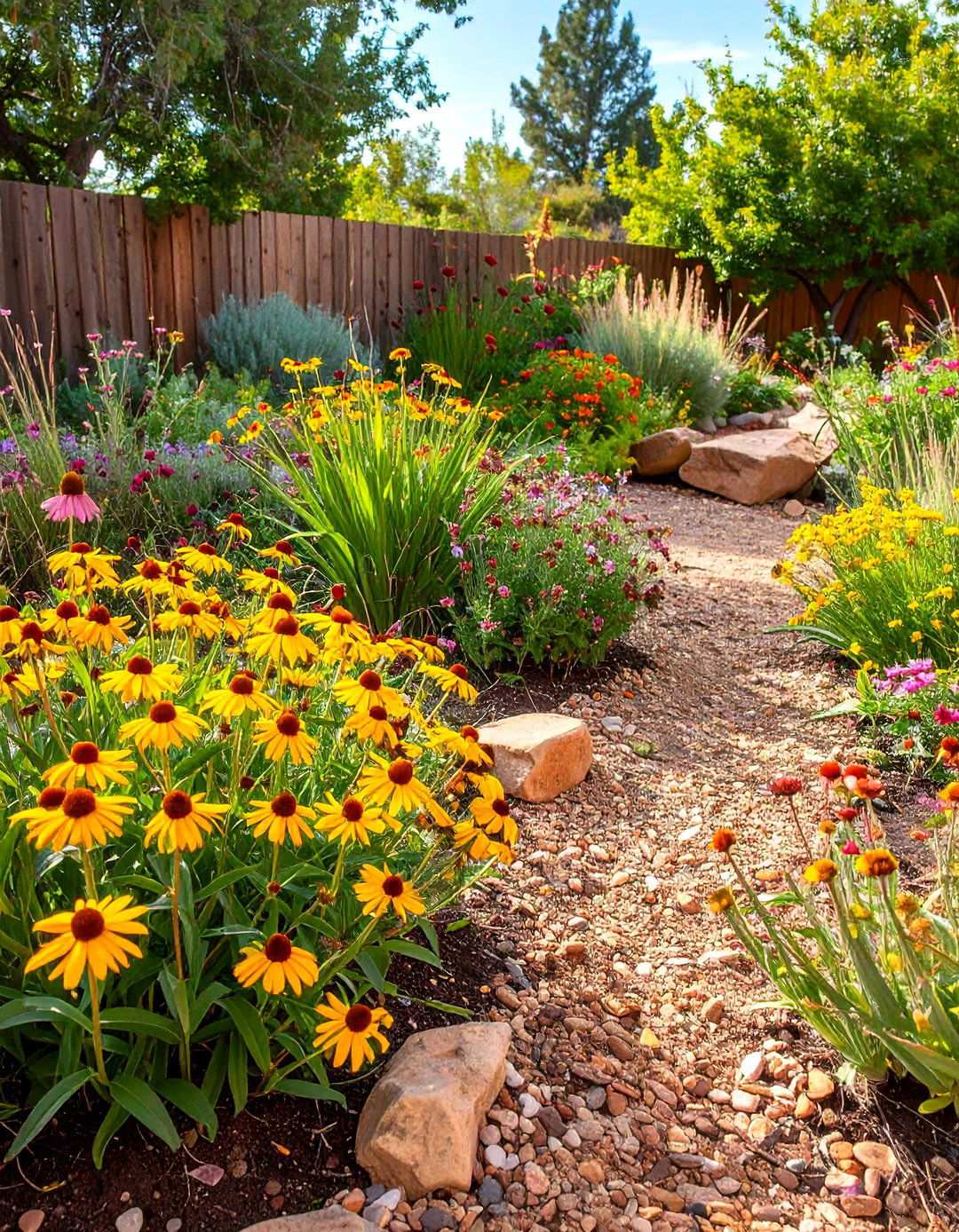
Thriving in arid or water-constrained areas, drought-resilient wildflower landscapes showcase stunning displays with minimal water input. By incorporating native plants that thrive in local rainfall patterns and soil conditions, you can create a resilient landscape. Deep-rooted perennials such as prairie dropseed, purple coneflower, and blanket flower tap into groundwater resources, while gravel mulches help retain soil moisture and reduce evaporation. Grouping plants with similar water requirements ensures efficient irrigation, while strategically placing native cacti and succulents adds structure year-round. Efficient drip irrigation systems facilitate establishment periods, and thoughtful design considers seasonal rainfall patterns, placing water-dependent plants in naturally moist areas. Once established, many native wildflowers actually prefer lean, dry conditions over rich, watered soils, making these landscapes a testament to the beauty of water conservation.
13. Enchanted Shade Gardens
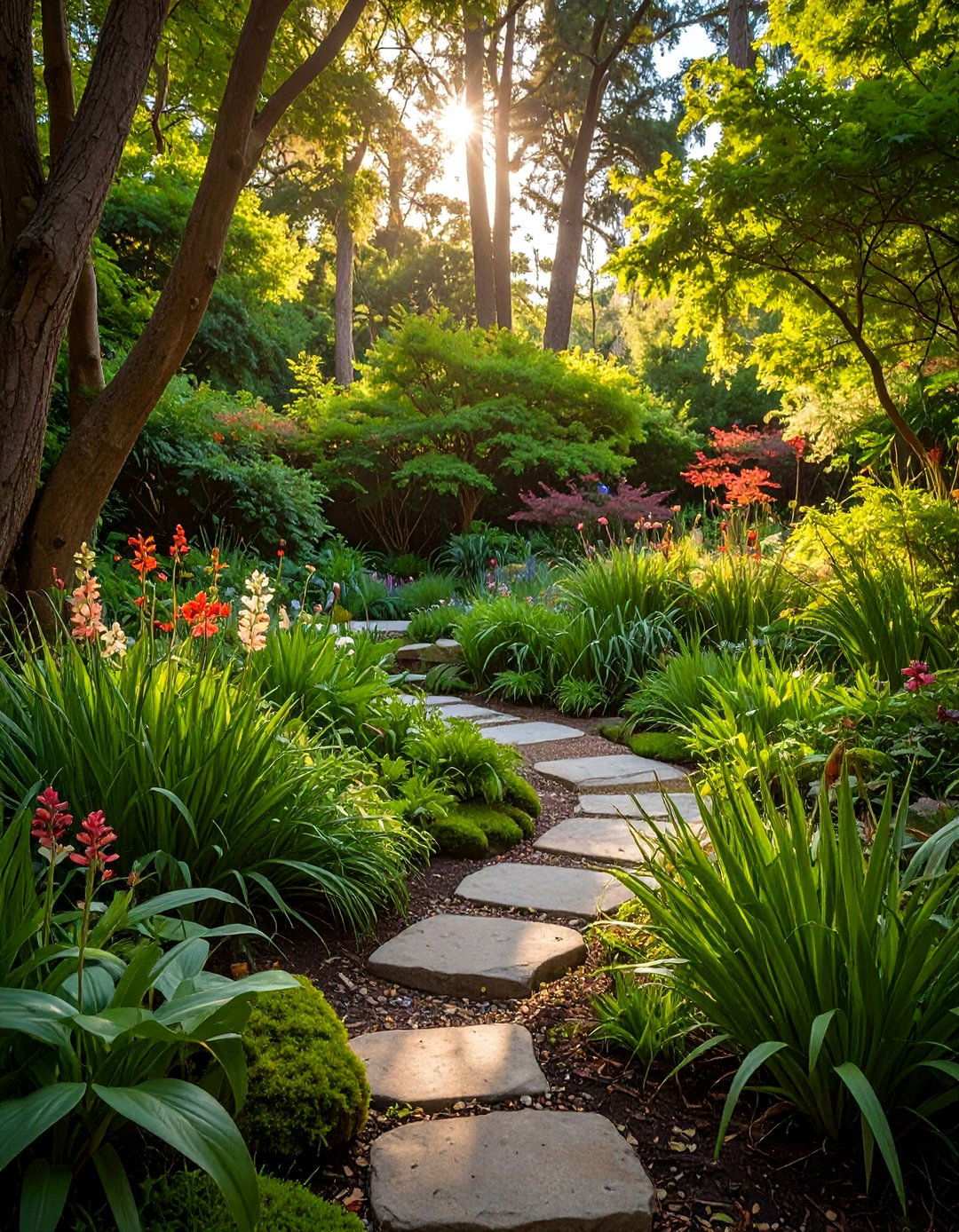
Shade gardens offer serene, cool retreats that utilize plants adapted to filtered light conditions. Wild ginger, mayapple, and native sedges thrive beneath existing trees or structures, while spring ephemerals like bloodroot and Dutchman’s breeches burst into bloom before tree leaf-out. Moisture-loving species such as cardinal flower and monkey flower flourish near downspouts or rain collection areas, where the soil is enriched with organic matter to retain moisture in typically dry shade conditions. Native ferns provide textural contrast and structure, complemented by hostas, coral bells, and native violets, which add varied foliage colors and forms. Subtle path lighting extends evening enjoyment of these peaceful spaces, inviting close inspection of intricate wildflower blooms. As crucial habitats for woodland birds and small mammals, these shade gardens can transform struggling lawn patches into enchanting woodland oases.
14. Welcoming Wildflower Front Yards
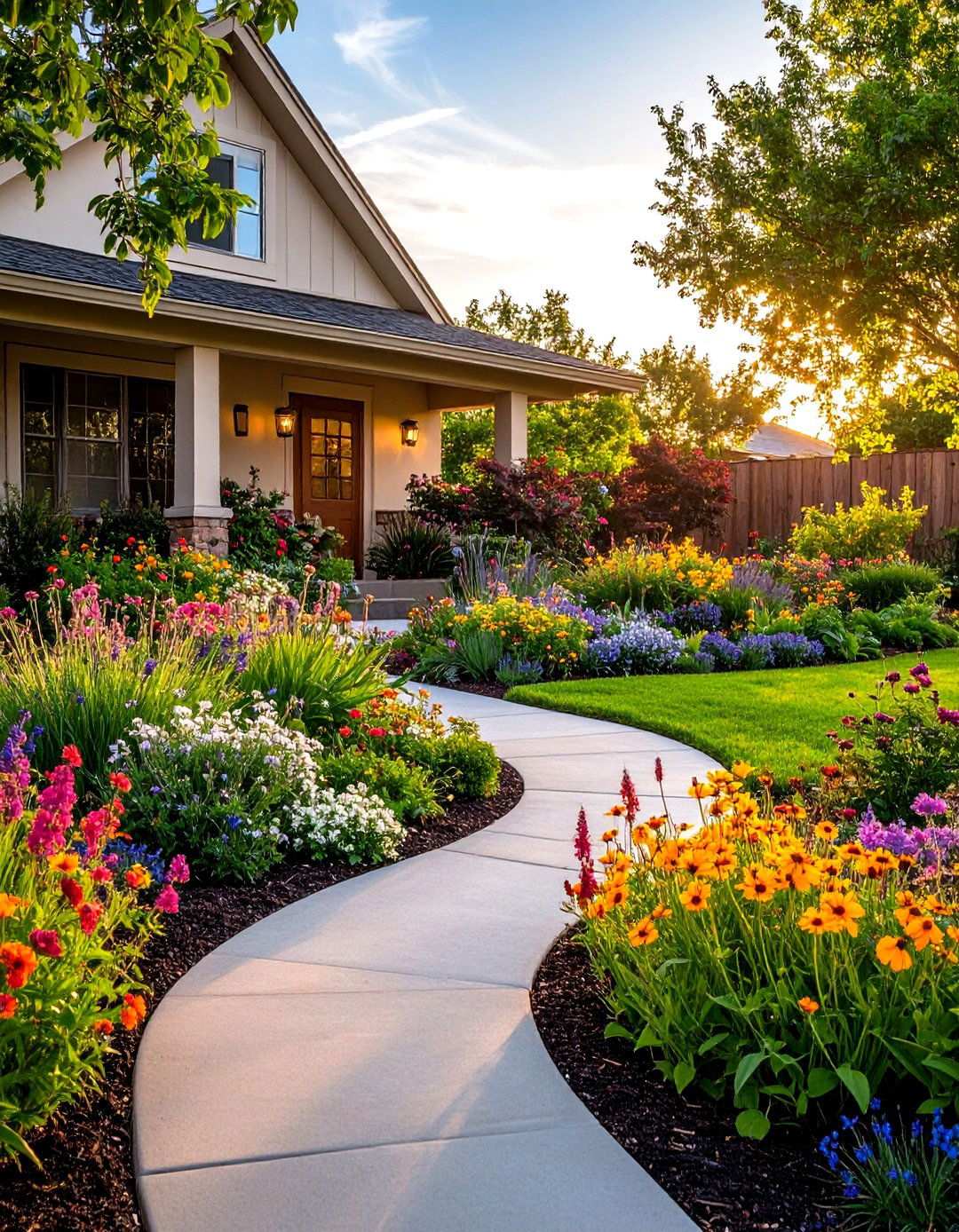
Front yard wildflower gardens combine curb appeal with local ecosystem support and reduced maintenance requirements. When designing these landscapes, consider neighborhood aesthetics by structuring plantings near sidewalks and foundations, and incorporating more naturalistic areas toward property centers. Native plants providing four-season interest through flowers, foliage, and attractive seed heads create a dynamic display. Clearly defined pathways and entrance features maintain a welcoming appearance, while selecting plants that don’t obstruct views ensures safety and neighborly relations. Signage explaining native plant benefits educates neighbors and dispels misconceptions about “messy” appearances. Choosing well-behaved species that won’t spread aggressively into neighboring properties inspires entire neighborhoods to adopt more sustainable landscaping practices. Front yard wildflower gardens make a powerful statement about environmental stewardship while creating beautiful, functional landscapes that bring communities together.
15. Cultivating Backyard Wildlife Sanctuaries with Wildflower Gardens
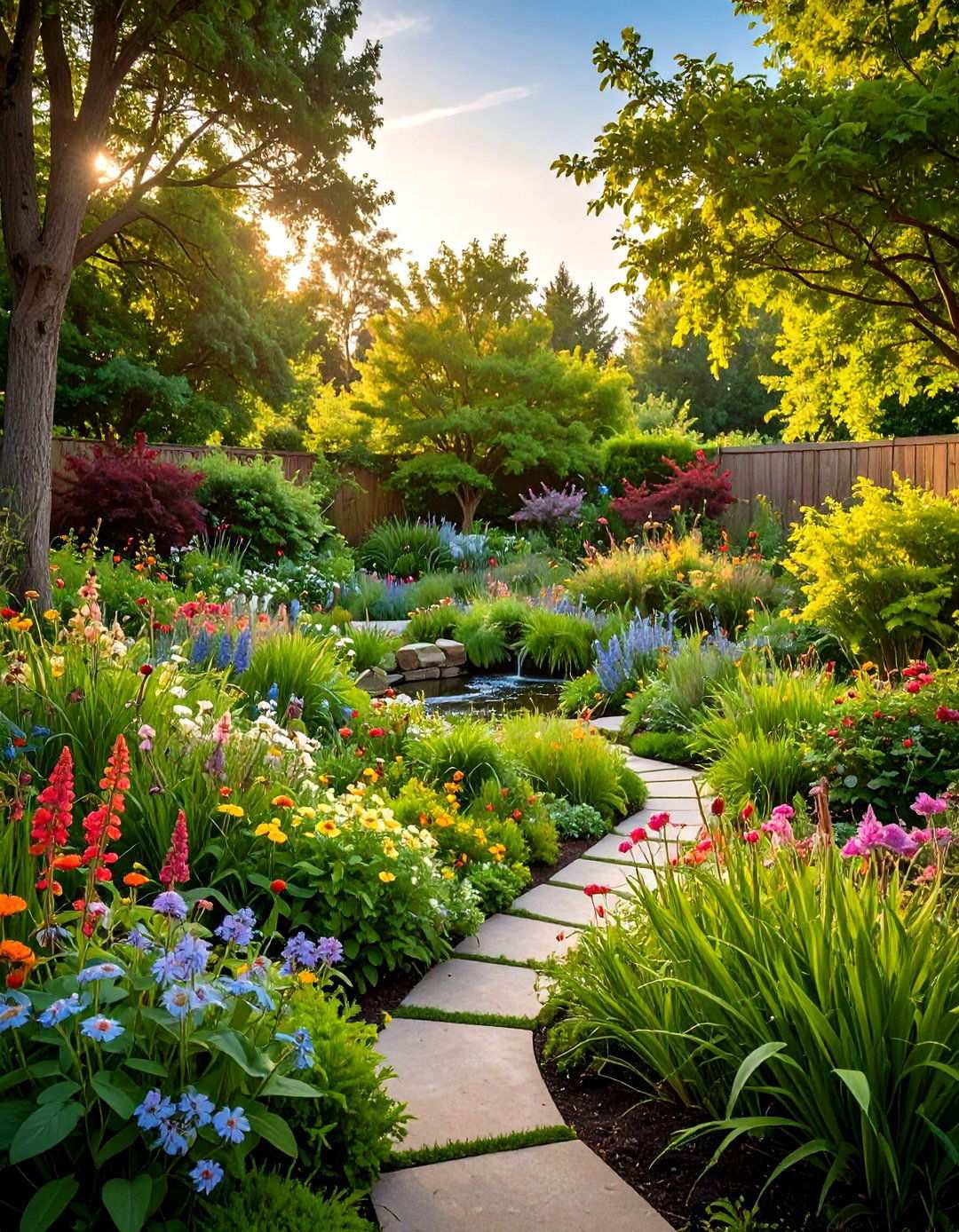
Backyard wildlife sanctuaries, centered around wildflower gardens, prioritize ecological balance over visual appeal, yielding breathtaking landscapes that support a diverse range of species. By incorporating dense shrub plantings, you create a haven for nesting birds and small mammals seeking refuge. Shallow basins, small ponds, and rain gardens become essential water sources for drinking and bathing, while native berry-producing species like elderberry and native viburnums provide natural sustenance. Brush piles and rock cairns serve as additional shelter options, complemented by hollow-stemmed plants and unmown areas that allow overwintering beneficial insects to thrive. Native grasses with persistent seed heads become a vital food source for birds, while quiet observation areas with benches or blind structures invite wildlife enthusiasts to witness the majesty of their backyard ecosystems. By minimizing lighting that disrupts nocturnal species, you foster an environment that rewards patient observers with increased bird populations, an abundance of butterflies, and the spectacle of seasonal wildlife activity.
16. Sourcing Beautiful Blooms for Cut Flower Wildflower Gardens
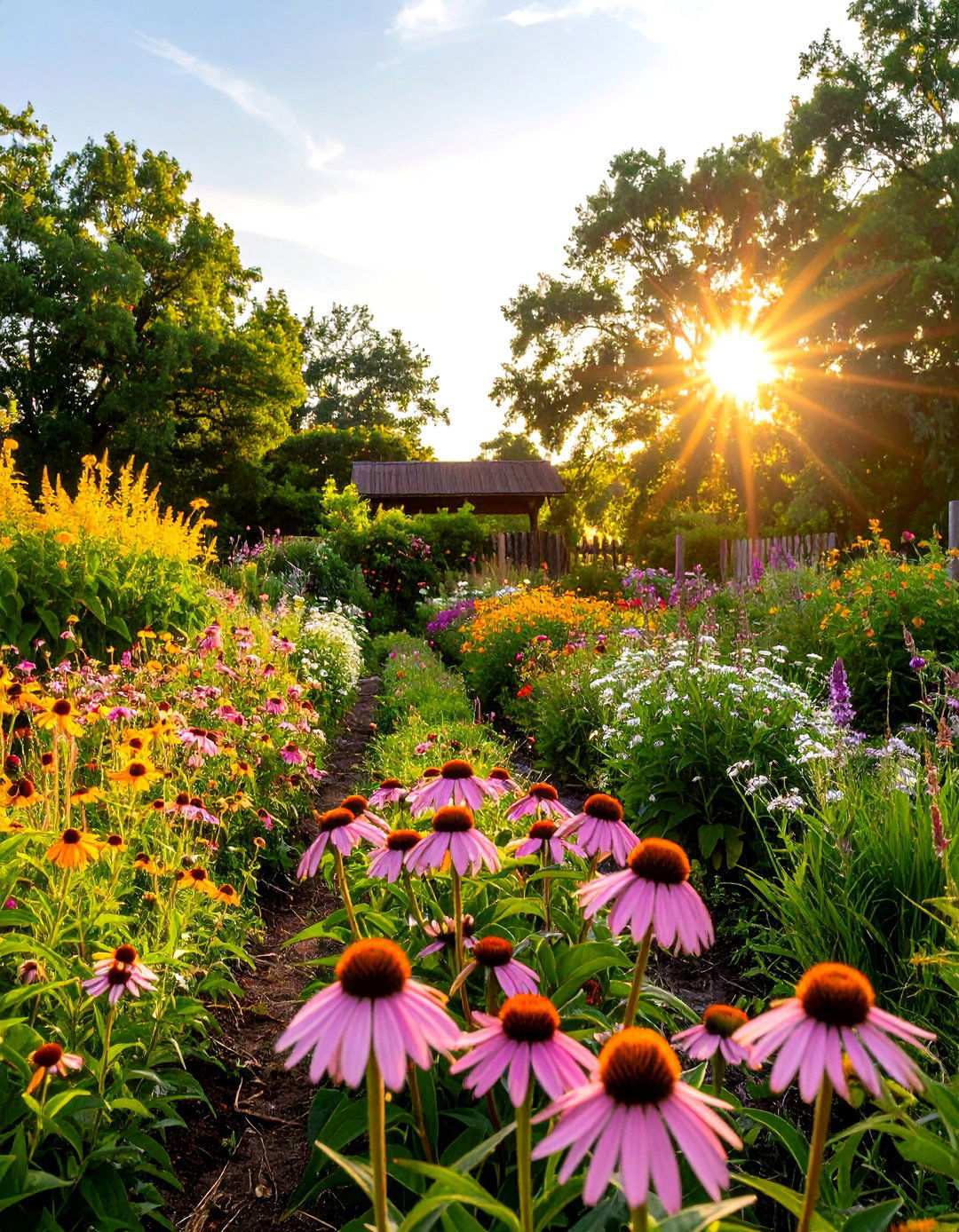
Cut flower wildflower gardens offer a unique opportunity to create stunning bouquets while supporting pollinators during the growing season. By selecting native species with long stems and excellent vase life, such as purple coneflower and wild bergamot, you can craft beautiful arrangements that also bolster local ecosystems. Incorporating plants with captivating seed heads, like rattlesnake master and wild blue indigo, adds depth and visual interest to dried arrangements. For easy access to harvesting, design your garden in rows or blocks, and supplement with annual varieties like cosmos, zinnias, and sunflowers for continuous cutting availability. Foliage plants like native grasses and wild ginger provide the perfect backdrop for bouquets, while succession plantings of quick-growing annuals can extend the harvest season. By practicing proper cutting techniques, you can encourage continued flowering and enjoy the benefits of your wildflower garden for months to come. Many native wildflowers, in fact, outlast their exotic counterparts in vases, making them a preferred choice for creating unique, locally-sourced floral arrangements.
17. Breathtaking Views from Hillside Slope Wildflower Gardens
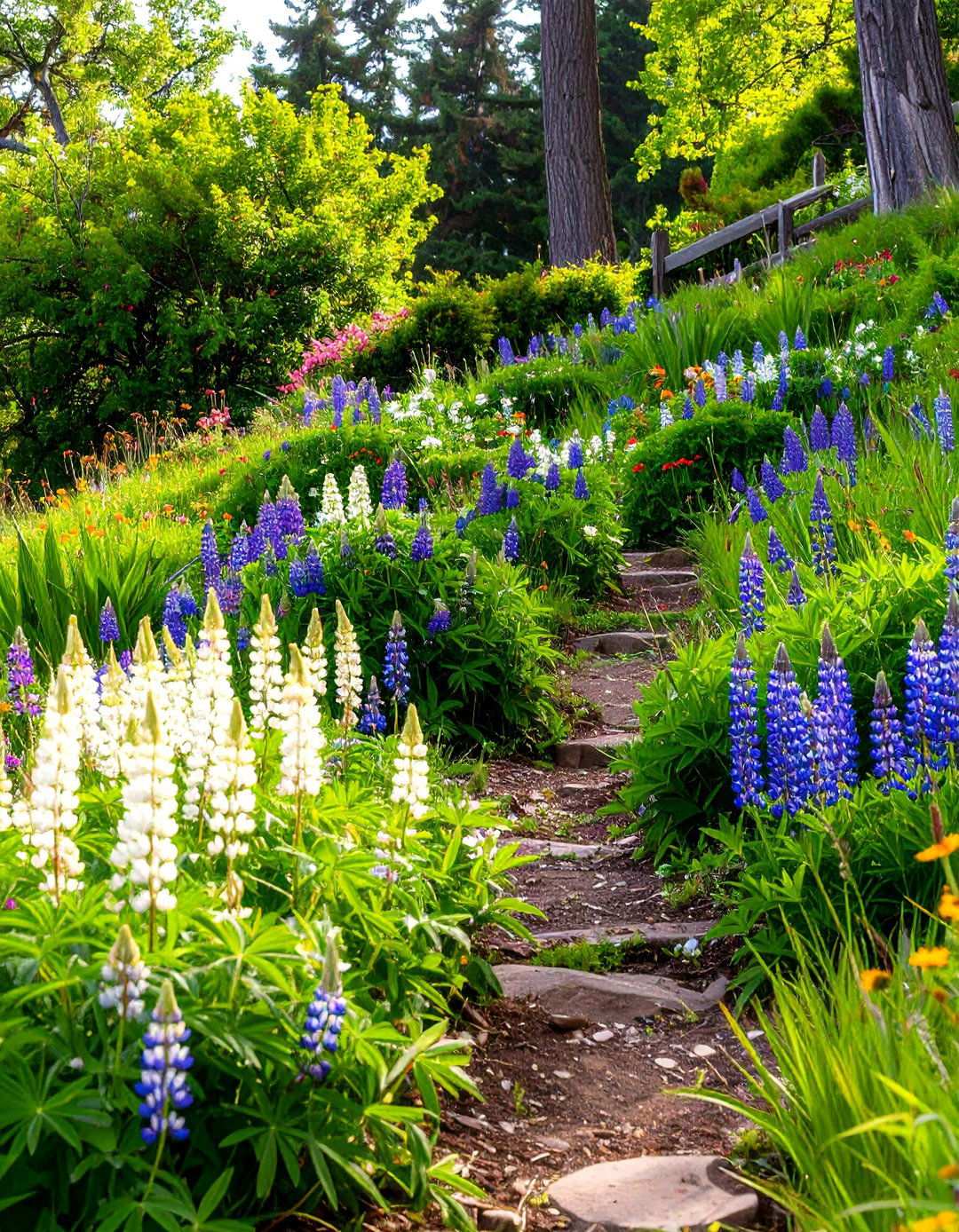
Hillside wildflower gardens offer an unparalleled combination of aesthetics and functionality, effortlessly preventing erosion while showcasing vibrant displays from a distance. To achieve this balance, select native plants with deep, anchoring roots, such as native bunch grasses, wild lupine, and sumac, to effectively stabilize the soil. Strategically employ terracing or incorporate natural rock outcroppings to create distinct planting pockets and reduce the slope’s gradient. Implementing erosion control fabrics or temporary measures during the establishment phase can also help mitigate the risks associated with slope cultivation. When planning the planting pattern, it’s essential to follow the natural contours of the hillside rather than attempting to combat the topography. To ensure the garden’s resilience, incorporate drought-tolerant species that thrive in well-draining slope conditions. Additionally, strategically place native shrubs to provide further soil stabilization. By considering maintenance accessibility and plant placement requirements, even the most challenging slopes can be transformed into breathtaking wildflower showcases. The unique drainage conditions of slopes can be beneficial for plants that prefer well-draining soil and are intolerant of waterlogged conditions. By repurposing your challenging slope, you can create a stunning wildflower display that adds visual interest to your landscape.
18. Captivating Rock Garden Wildflower Gardens
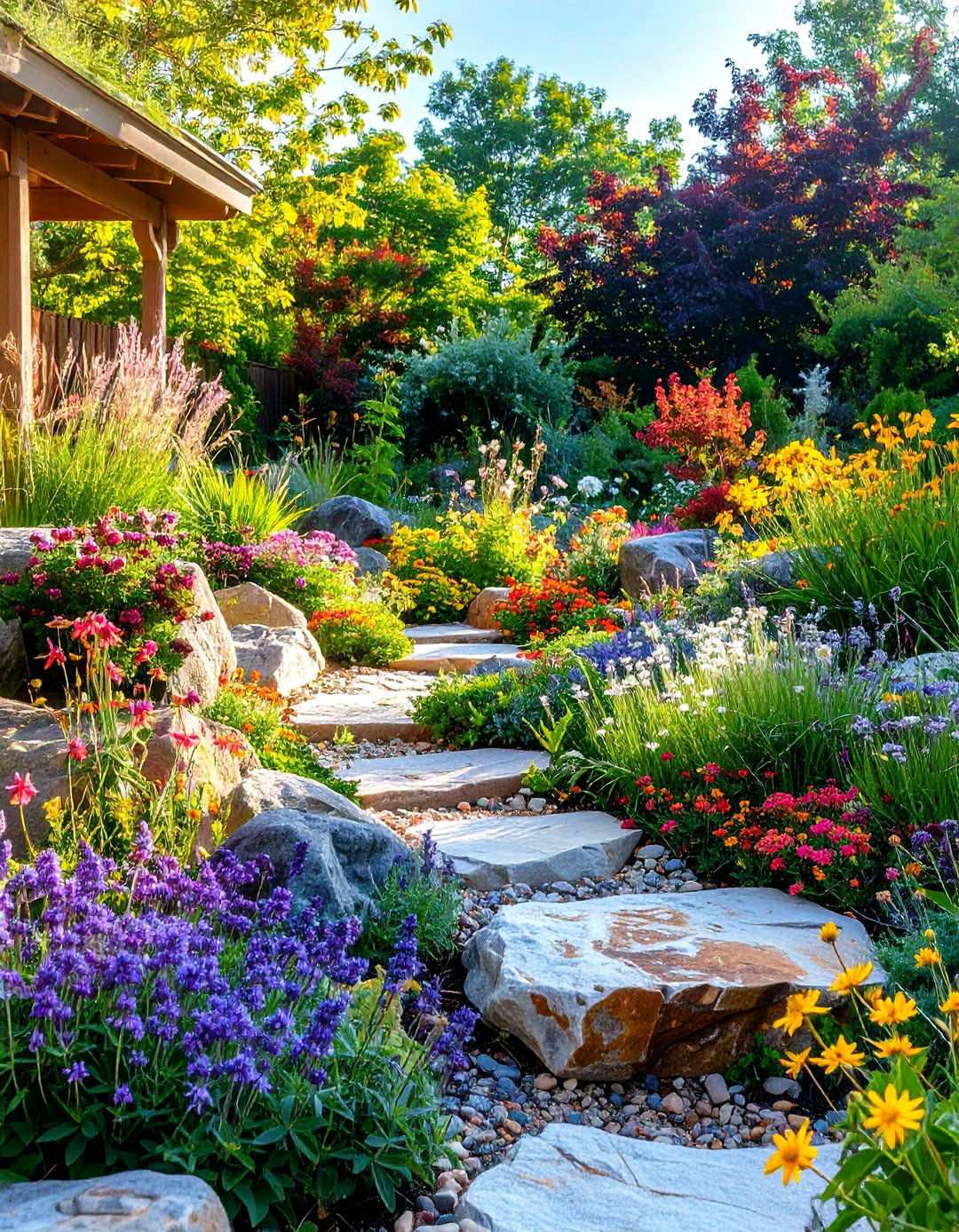
Rock garden wildflowers excel in environments with excellent drainage and mineral-rich soils that mirror their natural rocky habitats. To replicate these conditions, combine native sedums, wild columbine, and native phlox with strategically placed boulders and stone outcroppings. By incorporating a variety of rock sizes and types, you can create naturalistic arrangements that blend seamlessly into the surrounding landscape. Include crevice plants that thrive between stones, such as native alumroot and cliff-dwelling species, to add depth and visual interest. A layer of gravel mulch can not only complement the stone colors but also provide the perfect drainage conditions for these plants. Select species adapted to lean soils and intense sun exposure, common in rocky environments, to ensure the garden’s success. To add textural variety, incorporate native ferns and mosses in shadier rock crevices. Design pathways using flat stones to facilitate safe navigation and create a sense of serenity in these unique gardens. Whether you’re working with naturally rocky sites or importing stone to create a rock garden, these specialized environments support plant communities that are rarely seen in traditional landscapes.
Weaving a Tapestry of Wildflowers Along Pathways
Pathway wildflower borders have the power to transform ordinary garden routes into enchanting experiences that draw visitors in. By carefully selecting a mix of low-growing species like wild strawberry, native violets, and creeping phlox, gardeners can create intimate viewing areas that showcase the intricate details of native plants. Incorporating fragrant plants like native mint and wild bergamot adds a sensory dimension, inviting visitors to slow down and appreciate the beauty around them. Medium-height plants like wild ginger and coral bells serve as a middle layer, providing a sense of structure and depth, while taller background plants such as native asters and goldenrod offer a sense of seclusion and mystery. By incorporating deliberate curves and resting spots with benches surrounded by particularly striking plantings, pathway wildflower borders become a true destination within the garden. The use of natural materials like bark chips or flagstone for pathway surfaces further enhances the overall aesthetic, creating a seamless transition between the garden and its surroundings. By incorporating a range of seasonal interests along the route, gardeners can encourage repeat visits and create a sense of discovery, as visitors return to witness the ever-changing tapestry of wildflowers.
Harnessing the Power of Rain Gardens
Rain garden wildflowers offer a unique opportunity to manage stormwater runoff while creating visually stunning displays in naturally moist areas. By selecting plants adapted to alternating wet and dry conditions, such as blue flag iris, cardinal flower, and joe-pye weed, gardeners can create a resilient and dynamic ecosystem. Designing gentle slopes that direct water toward central collection areas is crucial, allowing for efficient water management and minimizing erosion. Incorporating deep-rooted species that improve soil infiltration rates further enhances the garden’s ability to absorb and filter stormwater. Moisture-loving grasses like native sedges add structural elements, while carefully positioning rain gardens to capture runoff from roofs, driveways, and paved areas maximizes their effectiveness. By including overflow structures for excessive rainfall events, gardeners can ensure that these gardens continue to provide benefits even in extreme conditions. Rain gardens not only offer a range of environmental benefits, including flood reduction, water quality improvement, and wildlife habitat, but also produce stunning flowers that attract specialized pollinators, transforming potential drainage problems into valuable landscape features.
21. Seasonal Interest Wildflower Gardens
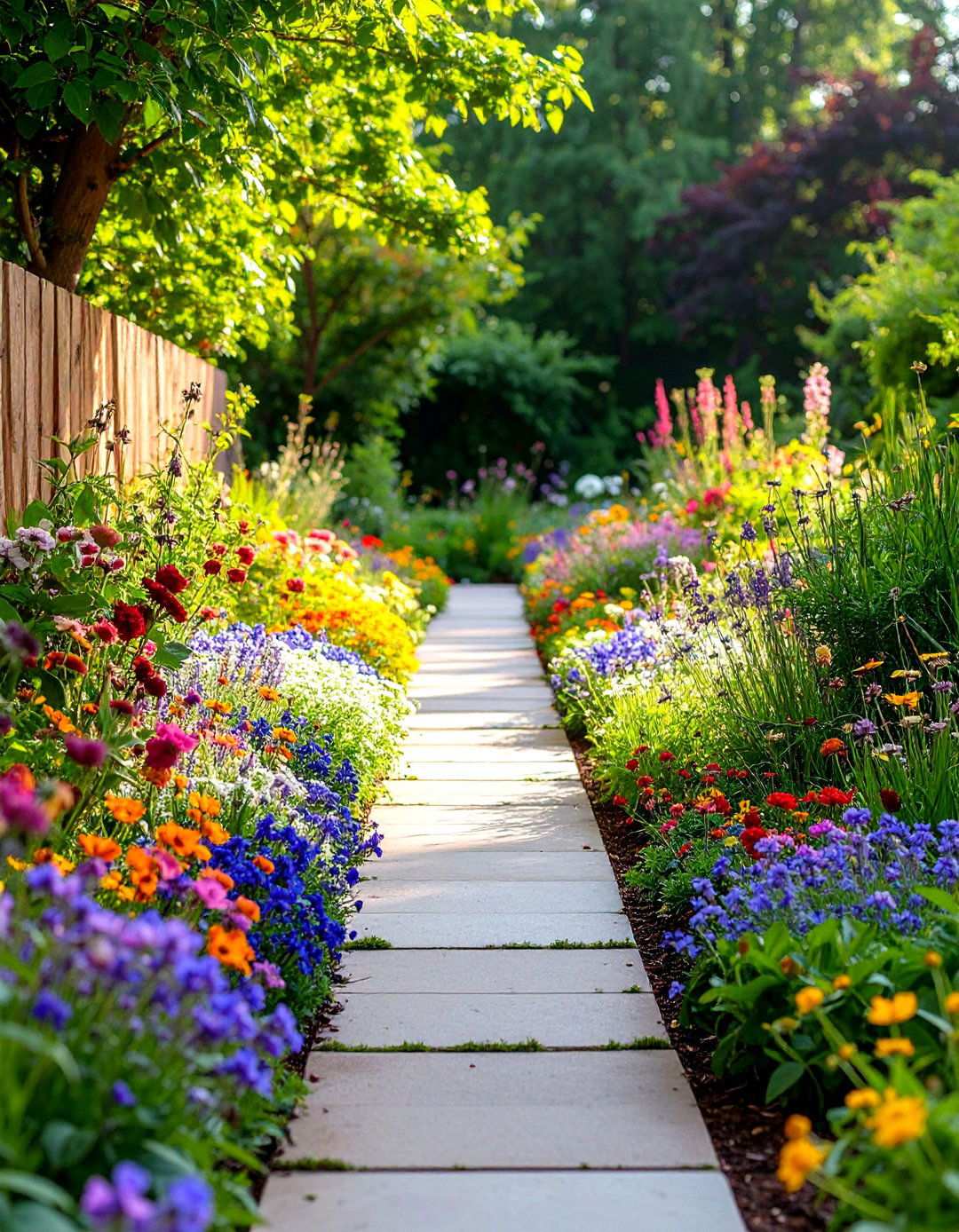
Crafting a four-season wildflower garden is a thoughtful approach to creating a year-round visual feast. By carefully curating plant species and thoughtfully designing your landscape, you can ensure that your garden remains vibrant and engaging throughout every season. Spring awakens with early bloomers like wild crocuses and bloodroot, which set the tone for the season’s beauty. Summer brings peak color periods with the addition of showstoppers like purple coneflower and bee balm. As autumn approaches, asters and goldenrod take center stage, showcasing their vibrant hues. To add visual interest in winter, incorporate ornamental grasses, persistent seed heads, and colorful bark. Evergreen elements like native hollies or junipers provide structure and depth during the dormant period. By incorporating plants with dynamic foliage color changes and interesting textures, you can create a constantly evolving landscape that rewards observant visitors with new discoveries throughout the year. This thoughtful approach to garden design ensures that your outdoor space is a source of inspiration and wonder, rather than a fleeting summer spectacle.
22. Pollinator Succession Wildflower Gardens
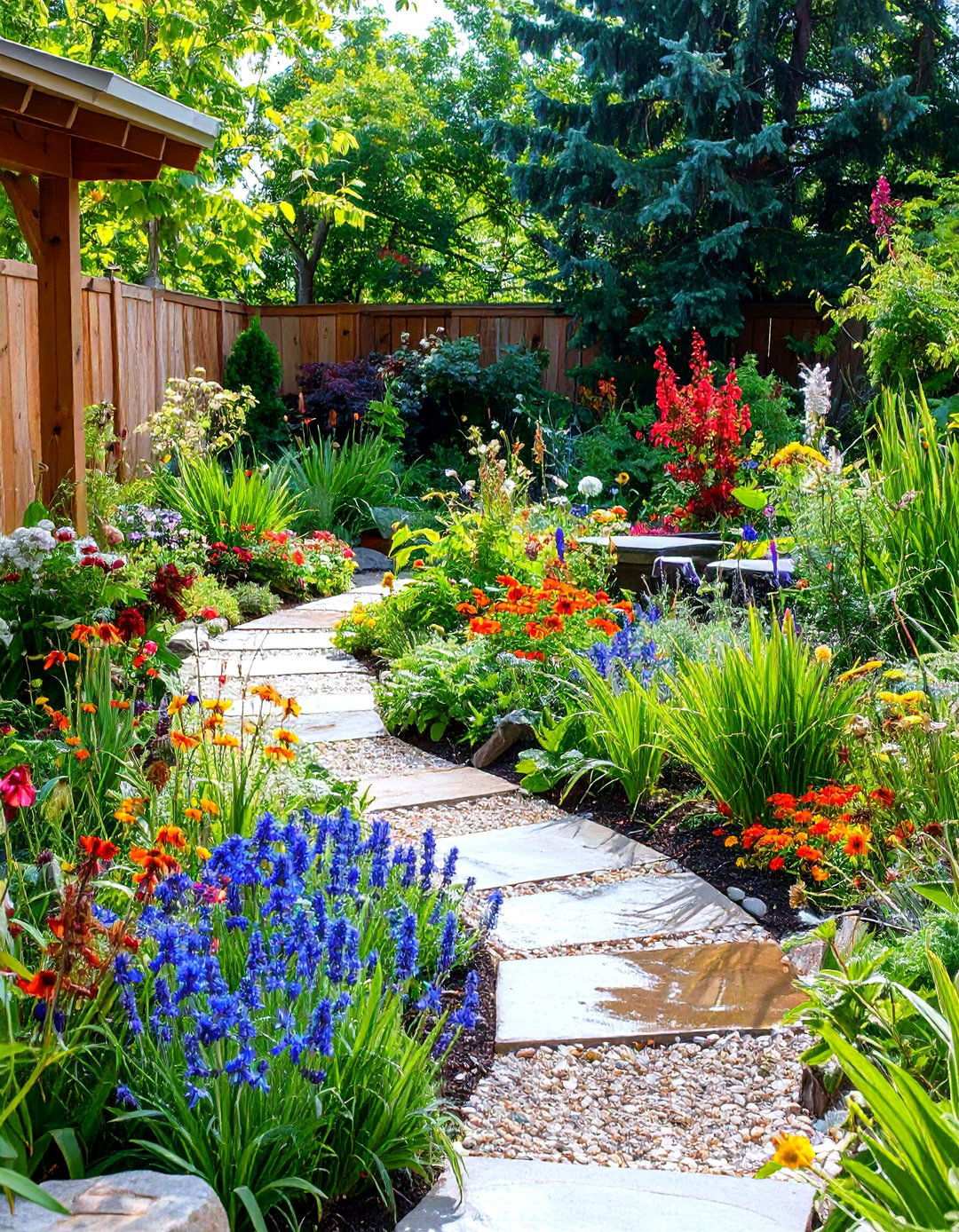
Pollinator succession gardens offer a unique opportunity to create a continuous nectar source that supports the full life cycle of pollinators from early spring to late fall. By beginning with native spring bulbs like wild onion and trout lily, you can attract early-emerging bees and set the stage for a thriving pollinator community. Late spring bloomers like wild lupine and spiderwort add to the palette, providing a diverse range of nectar sources. Summer stalwarts like purple coneflower, wild bergamot, and native milkweeds offer a respite from the spring bloomers, while late-season bloomers like asters, goldenrod, and joe-pye weed provide a final flourish. By carefully planning overlapping bloom periods, you can prevent nectar gaps and ensure that your garden is a haven for pollinators. Incorporating native grasses that offer nesting materials and overwintering sites takes your garden to the next level, providing a crucial stop on the pollinator highway. By creating a garden that is rich in diversity and abundance, you can measure its success by the increased pollinator activity and the vibrant displays of seasonal color that result. What’s more, your garden can become a vital link in the pollinator network, supporting these essential species throughout their active seasons.
23. Harmonious Wildflower Landscapes
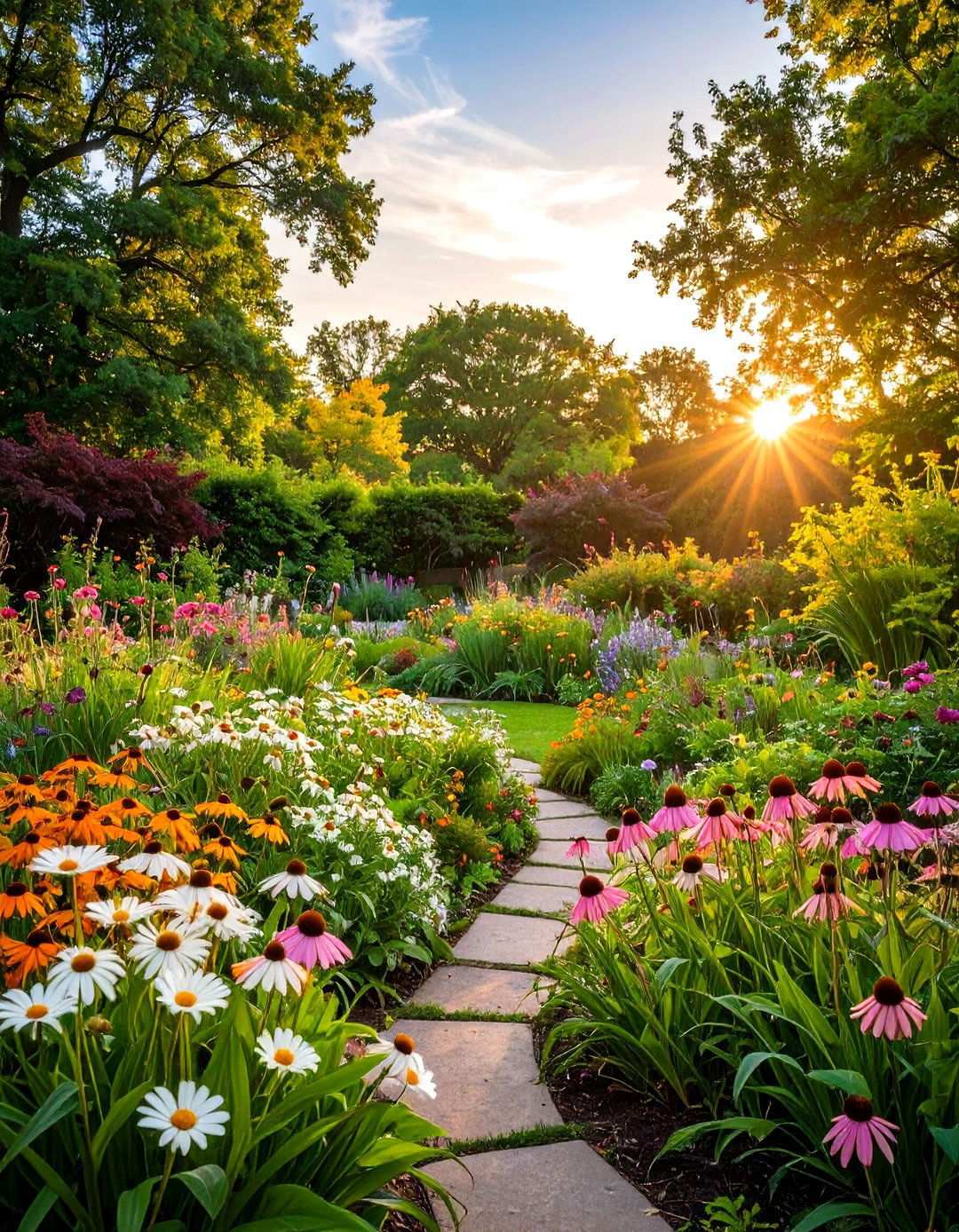
Designing naturalistic gardens requires an understanding of local ecosystems and adapting to garden-specific needs. By studying nearby natural areas, you can appreciate the intricate relationships between plants and their environments. Replicate the natural patterns and community structures found in the wild by incorporating a diverse range of species from local habitats. Consider the dynamic patterns of natural disturbances, allowing for seasonal changes and plant succession. To maintain a natural aesthetic, minimize the use of geometric lines and artificial structures. Incorporate varied topography through gentle mounds and depressions, if possible, and use native materials for any necessary hardscape elements. Embracing a sense of imperfection, allow areas to appear slightly wild and unmanaged while maintaining the overall garden structure. These gardens serve as a valuable educational tool, offering visitors a glimpse into local ecosystems while providing authentic habitat for native species.
24. Whimsical Wildflower Container Gardens
Cottage-style container gardens offer a charming combination of native wildflowers and traditional container gardening techniques. By blending native plants with heirloom vegetables and herbs in vintage containers and rustic planters, you can create a visually appealing display. Trailing species like native strawberries add a touch of whimsy, cascading over container edges. Mix and match varied container sizes and materials to achieve an authentic cottage garden look. Add climbing supports for native vines and tall annual wildflowers, and incorporate fragrant native herbs like native mint and wild bergamot to delight the senses. Design grouped arrangements that create intimate seating areas and garden vignettes. To maintain a sense of continuity, change seasonal plantings to ensure a constant flow of color and interest. This style is particularly well-suited for renters, small spaces, or anyone seeking flexibility in their garden arrangements. By embracing the charm of traditional cottage gardens, cottage container gardens also support native plant communities, demonstrating that even the smallest growing spaces can contribute to local ecosystem health.