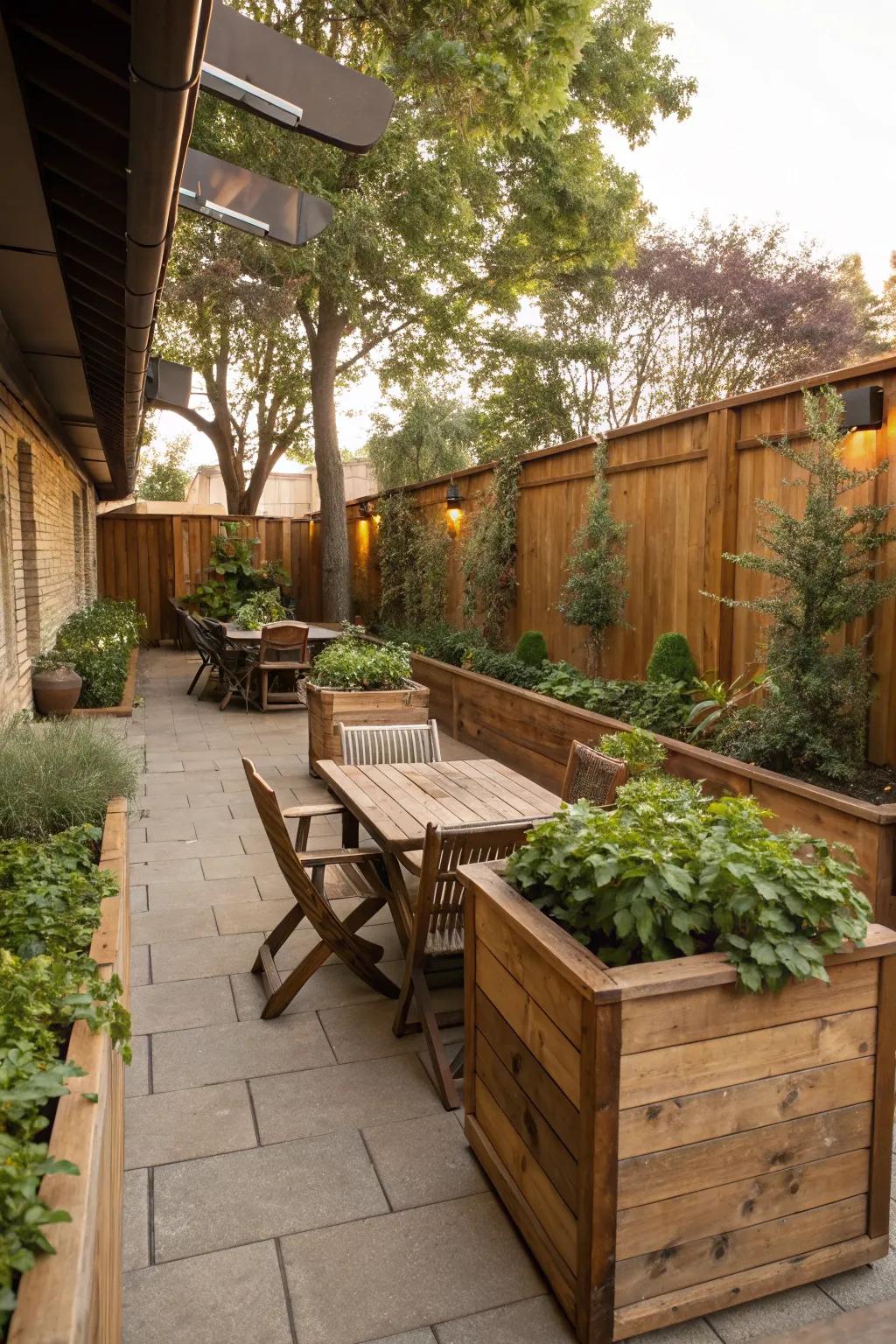
1. Reviving the Whimsy of English Countryside Gardens
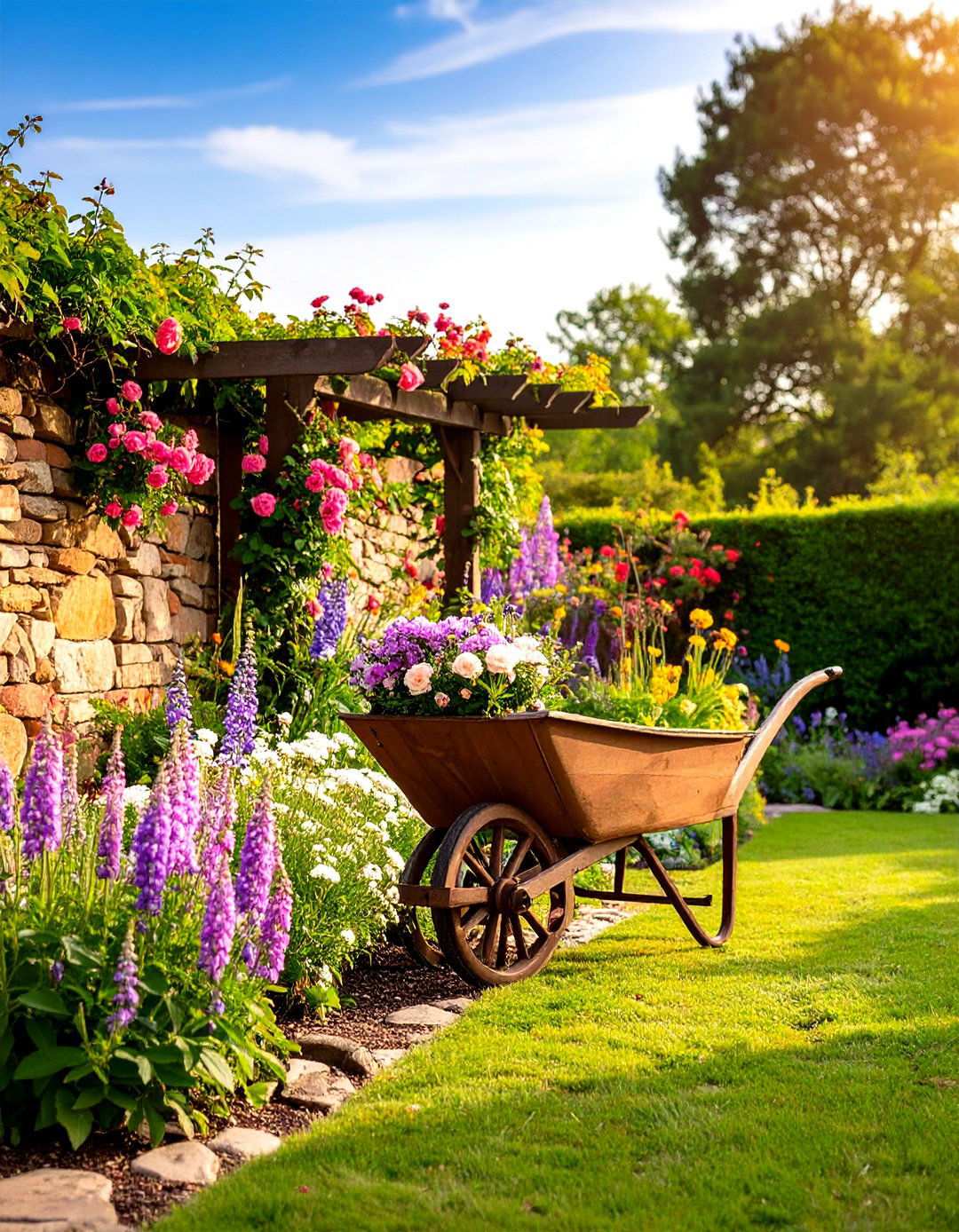
Imagine yourself strolling through a lush, verdant oasis where roses spill over ancient stone walls, transporting you to a world of enchantment. The English cottage garden embodies the essence of vintage landscaping, where heritage perennials like delphiniums, foxgloves, and hollyhocks burst forth in vibrant profusion. Unlike formal gardens, traditional English cottage gardens eschew design conventions, allowing plants to sprout and grow in a natural, unstructured manner. Bring this idyllic scene to life by incorporating climbing roses over rustic arbors, and pairing them with hardy geraniums that trail along winding paths. Weathered wheelbarrows overflowing with seasonal blooms add a charming touch, while stone pathways meandering through dense plantings create a sense of discovery. Vintage benches positioned to bask in morning light and antique watering cans scattered throughout the beds complete the romantic ambiance.

As an Amazon Associate I earn from qualifying purchases.
2. Timeless Beauty of French Countryside Potager Designs
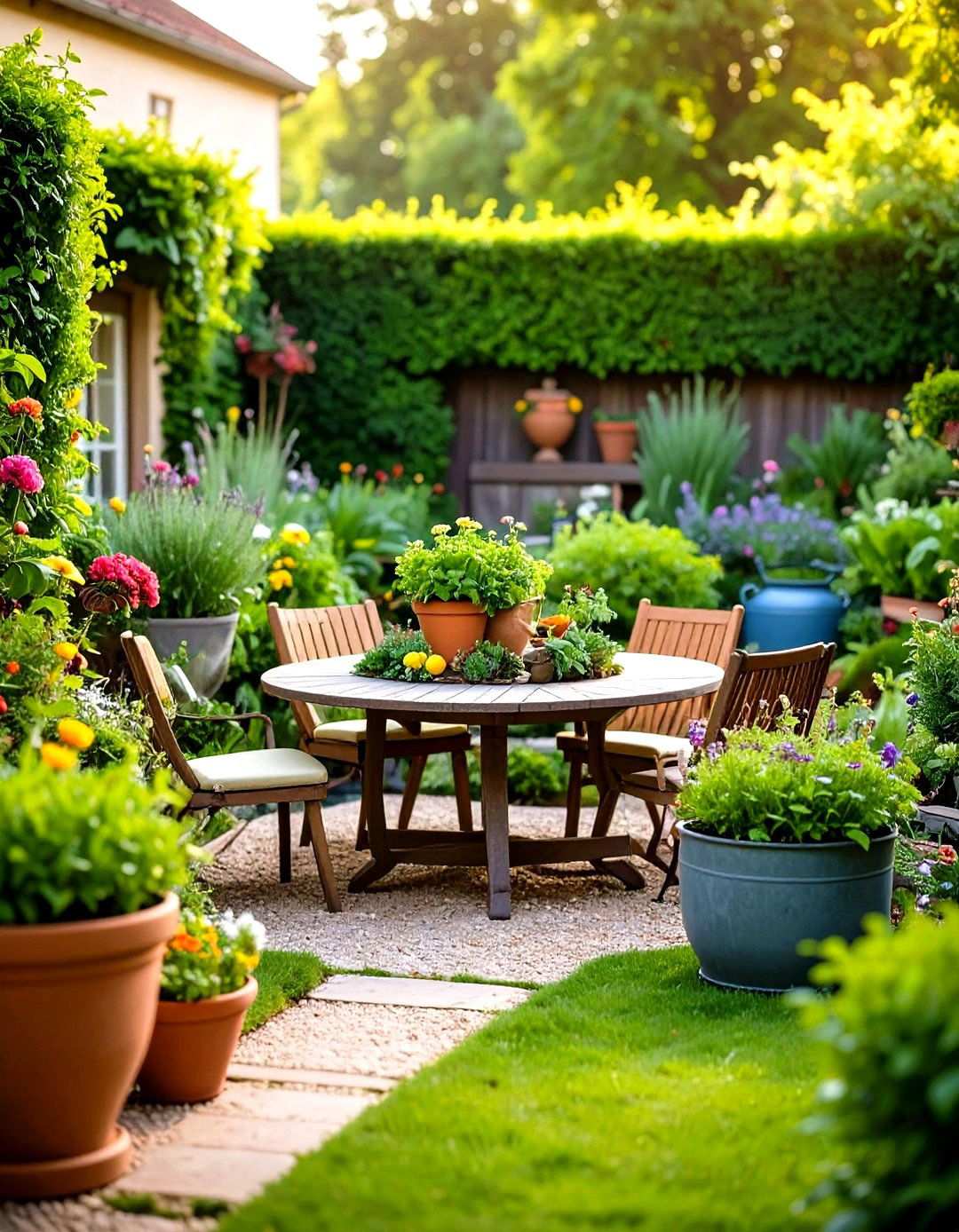
There’s something undeniably captivating about a French kitchen garden where the lines between edibles and ornamentals blur in perfect harmony. The traditional potager, with its geometric raised beds and low boxwood hedges, is a masterclass in balancing function and aesthetics. Design symmetrical pathways using weathered brick or gravel, and punctuate them with vintage French urns or stone fountains that serve as focal points. Plant heritage tomatoes alongside fragrant lavender borders, with climbing beans trained on rustic wooden trellises that add a touch of whimsy. Galvanized metal planters filled with herbs and antique French garden tools used as decorative elements complete the look, while a vintage bistro table and chairs positioned to overlook the productive beauty make for the perfect spot to sip morning coffee amidst fresh produce and fragrant herbs.
3. Victorian Era Formal Garden
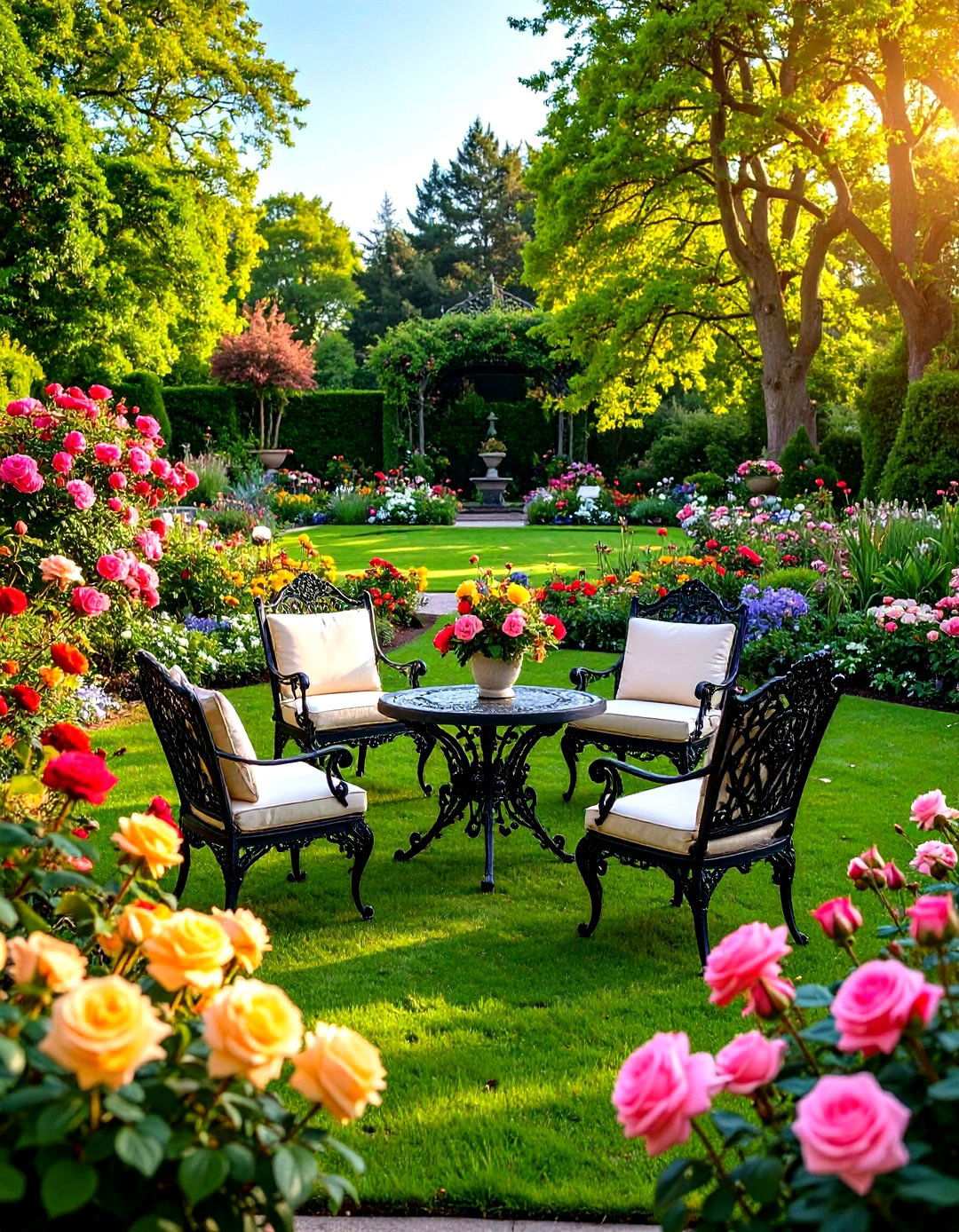
Step into a world of refined elegance with a Victorian garden that exudes sophistication and poise. Characterized by structured beauty, intricate parterres, and ornate cast iron furniture, these gardens showcase refined taste and social status. To achieve this look, create formal geometric beds using dwarf boxwood edging, meticulously arranged with colorful annuals in precise patterns. Add vintage cast iron benches and ornate planters to establish the period atmosphere, while incorporating heritage roses, tree peonies, and specimen trees like Japanese maples or weeping cherries. Complete the setting with gravel pathways, perfectly maintained lawn areas, and antique garden structures like glazed coldframes or Victorian-style conservatories. As night falls, period-appropriate lighting such as ornate lanterns or gas lamp replicas extends the garden’s beauty into the evening hours.
4. Farmhouse Galvanized Garden Theme
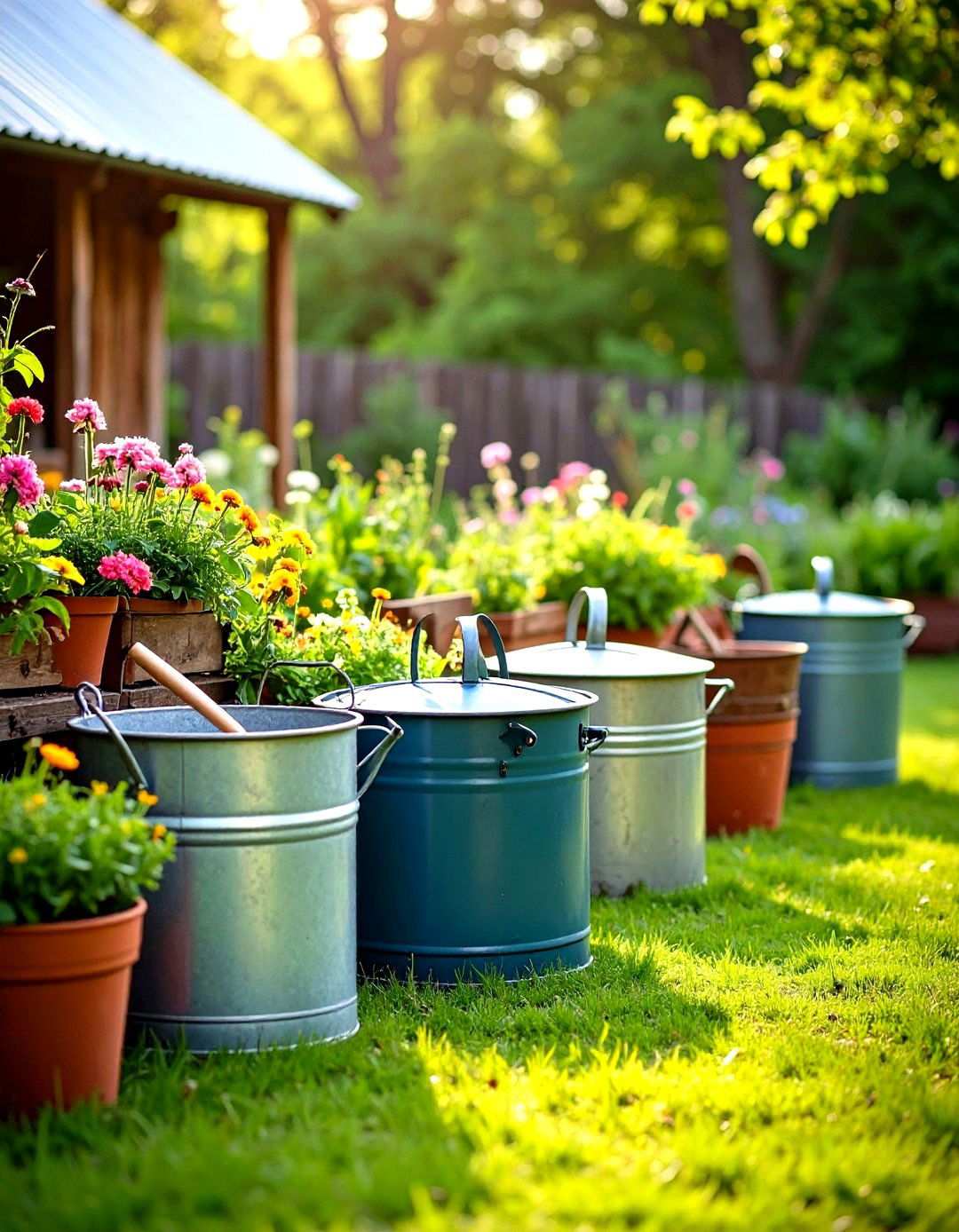
Bring the rustic charm of agricultural heritage to your garden with weathered galvanized containers and vintage farm equipment. This authentic farmhouse style celebrates practical beauty through repurposed materials and time-worn textures, creating a unique and captivating atmosphere. Use vintage galvanized washtubs, milk pails, and feed troughs as one-of-a-kind planters for vegetables, herbs, and flowers. Create raised beds from reclaimed barn wood, incorporating old farming tools like cultivators and hay rakes as garden art. Plant heritage vegetables, sunflowers, and wildflowers to maintain the agricultural connection. Complete the authentic farmhouse atmosphere with weathered wooden benches, vintage mason jar lighting, and chicken wire trellises for climbing plants. Strategically position antique windmills or weather vanes throughout the space to add to the charm.
5. Mediterranean Vintage Terrace
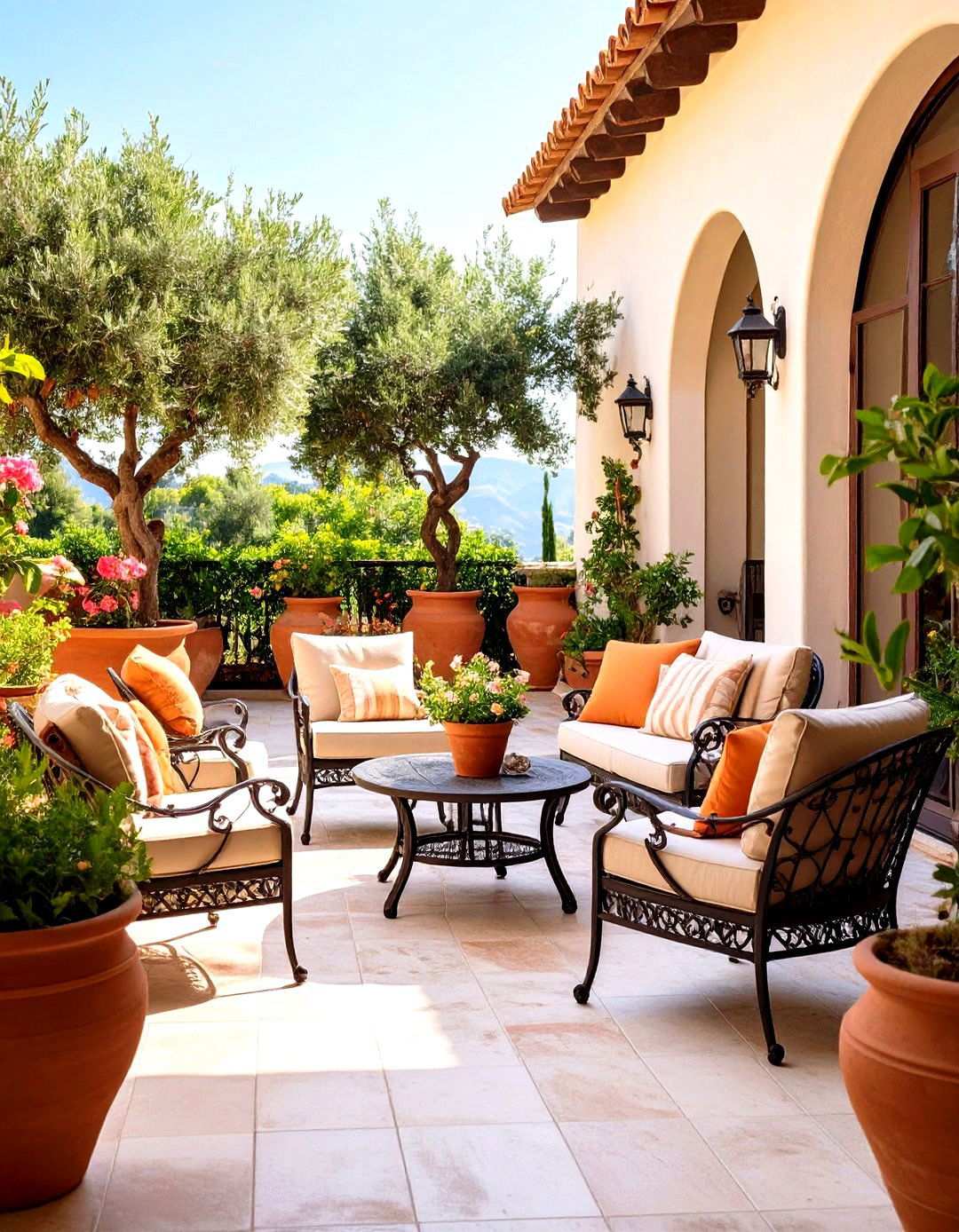
Inspired by ancient Mediterranean gardens, this vintage style combines functionality with timeless beauty through natural materials and drought-tolerant plants. This approach to gardening celebrates the simplicity of weathered stone, terra cotta pottery, and silver-leafed plants that thrive in sunny conditions. Create terraced levels using aged stone retaining walls, planting olive trees, lavender, and rosemary in oversized vintage terra cotta pots. Add antique stone fountains or simple water features using vintage spigots and weathered basins to create a soothing ambiance. Incorporate wrought iron furniture with faded paint and create shade using vintage pergolas covered with grapevines or climbing jasmine. For an authentic Old World charm, incorporate Mediterranean herbs like thyme, oregano, and sage in weathered wooden boxes, and use gravel pathways accented with vintage ceramic tiles or mosaic fragments.
6. Elegant Whimsy in the Garden
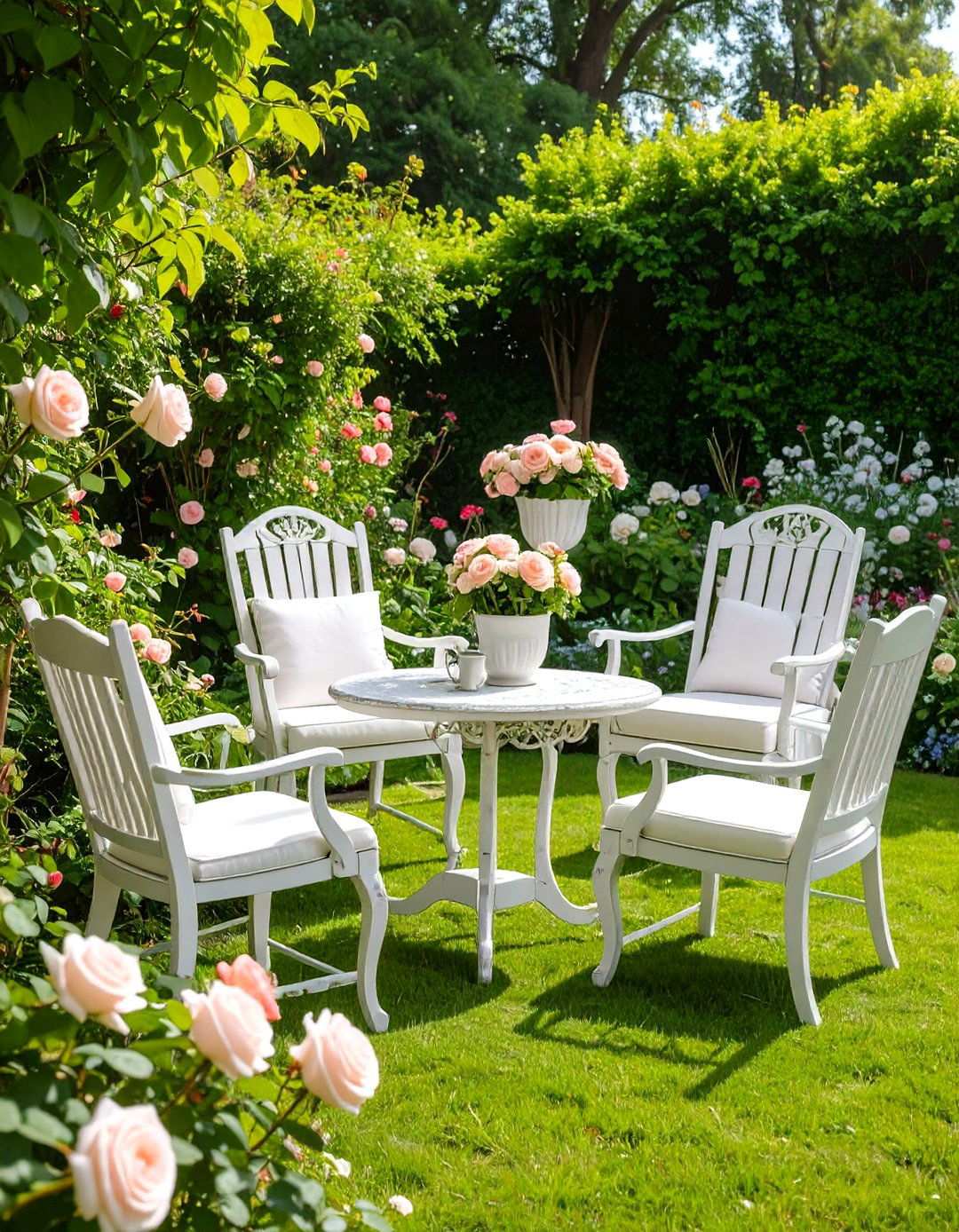
For a romantic outdoor space that exudes dreamy charm, distressed furniture and pastel flowers are the perfect combination. Shabby chic vintage gardens artfully blend feminine elegance with comfortable informality, showcasing the beauty of weathered pieces and soft color palettes. To create this look, restore vintage wooden furniture to its former glory with soft whites, pale pinks, or duck egg blue finishes. Let natural wear add character to the pieces, and use vintage white iron plant stands, distressed wooden ladders as trellises, and weathered birdcages as decorative accents. A palette of pale roses, white hydrangeas, and silvery artemisia adds sophistication to the color scheme. Vintage fabric cushions on weathered benches and crystal chandeliers suspended from tree branches will transport you to a bygone era. The finishing touches include vintage mirrors propped against trees and antique china repurposed as unique planters for small succulent gardens.
7. Urban Oasis through Industrial Vintage Design
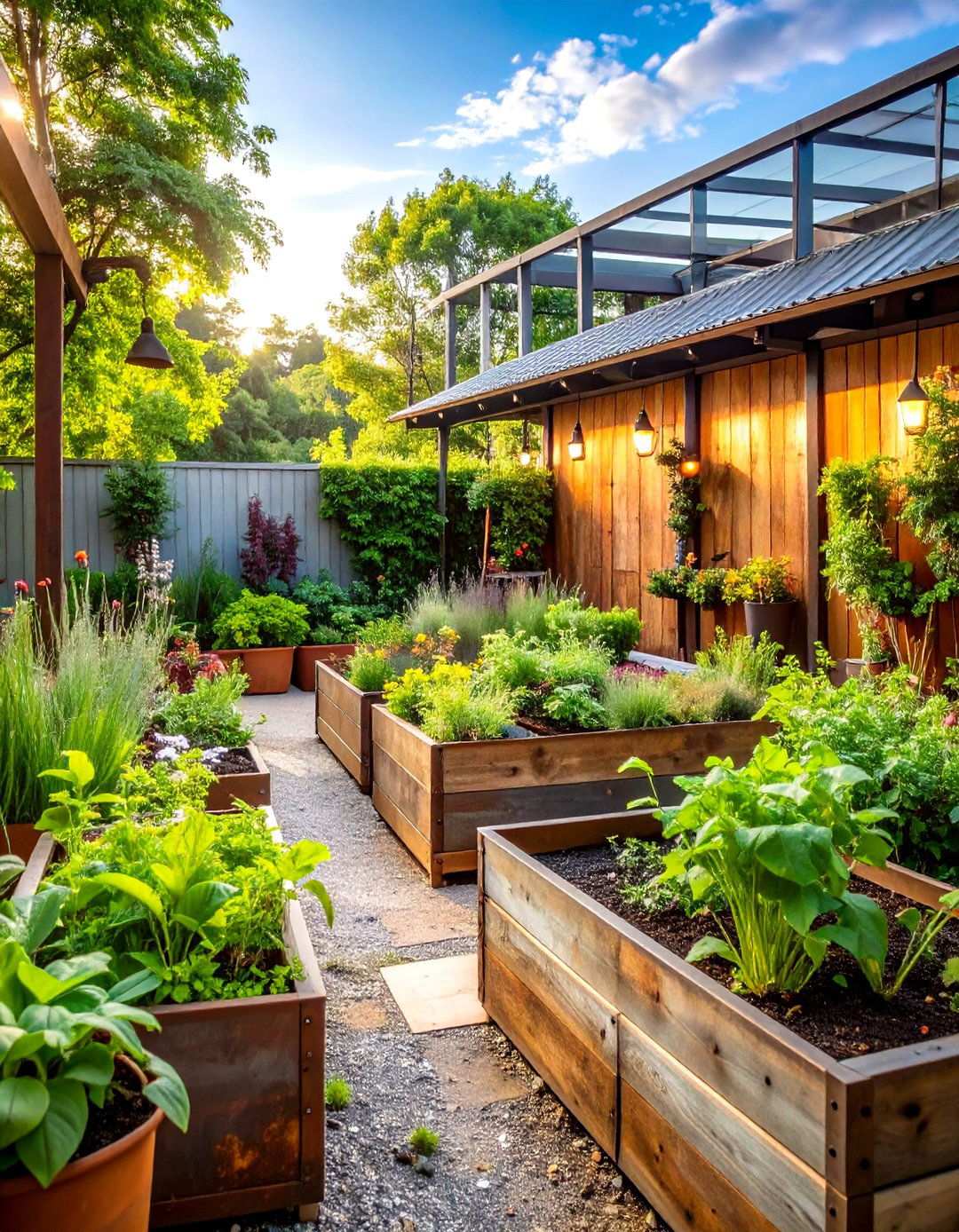
For those drawn to the captivating contrast between weathered metal and lush greenery, industrial vintage design is a style that will leave you in awe. This aesthetic celebrates urban heritage by repurposing industrial materials and architectural salvage pieces, creating a unique blend of industrial and natural elements. To bring this look to life, use vintage metal water tanks, industrial sinks, and weathered steel containers as dramatic planters for large specimen plants or vegetable gardens. Create raised beds from rusted Cor-ten steel, and incorporate salvaged metal pipes as plant supports or garden sculptures. Add vintage industrial lighting, weathered metal benches, and antique pulleys as garden features. A mix of bold architectural plants like ornamental grasses, large hostas, and climbing vines will soften the hard materials and add visual interest. The finishing touches include concrete pavers, exposed brick pathways, and vintage factory windows repurposed as greenhouse panels or garden screens for year-round interest.
8. Timeless Elegance in Colonial Heritage Gardens
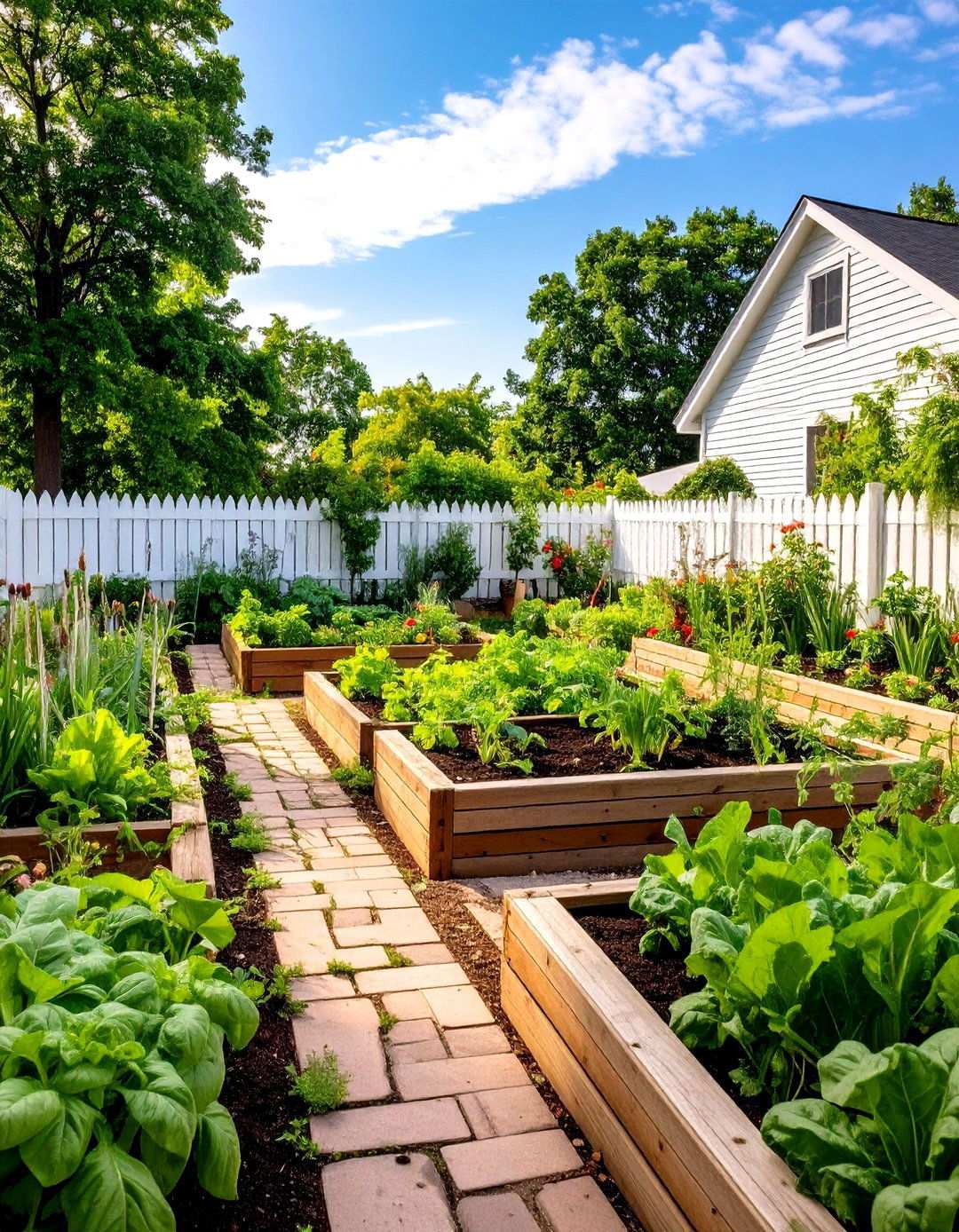
Colonial gardens have long been a source of inspiration, balancing practical necessity with simple beauty using locally available materials and plants. Colonial vintage gardens emphasize symmetry, utility, and restraint through traditional design principles and heritage plant varieties. To create a colonial-inspired garden, build rectangular raised beds bordered by white-painted picket fences, and plant heritage vegetables alongside cutting flowers and medicinal herbs. Use brick pathways in traditional patterns, and add simple wooden benches and utilitarian structures like tool sheds or root cellars. Incorporate colonial-era plants like boxwood, herbs, and heirloom fruit trees in orderly arrangements. Vintage wooden gates, simple arbors covered with honeysuckle or grapevines, and practical elements like rain barrels and compost bins add to the authentic colonial atmosphere. The finishing touches include period-appropriate garden tools, ceramic crocks, and simple wooden planters painted in traditional colors.
9. Whispers of the Past
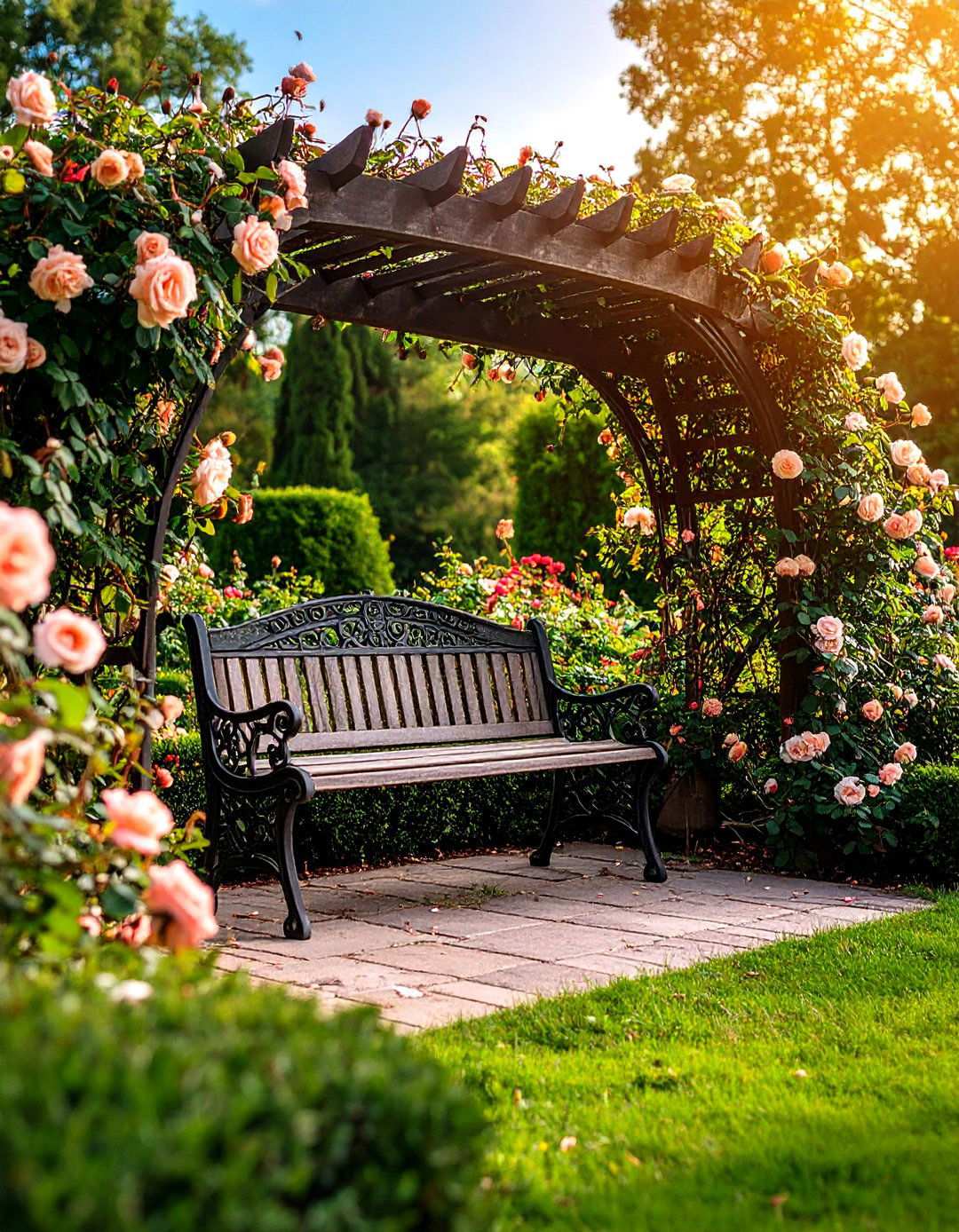
There’s something enchanting about the heady scent and timeless allure of heritage roses twining through weathered garden structures. Antique rose gardens bring these romantic beauties to life through traditional growing methods and vintage elements that perfectly complement their beauty. By planting heritage varieties like Damask, Gallica, and Alba roses, known for their potent fragrance and historical significance, you can create a captivating setting. To add support for climbing varieties, incorporate vintage wrought iron arches, weathered wooden pergolas, and antique obelisks. At the base of these roses, incorporate plantings like lavender, catmint, and lady’s mantle, which add a soothing contrast to the rose’s intense beauty. Complete the enchanting atmosphere by incorporating vintage elements such as aged stone benches positioned for optimal viewing, antique watering cans, weathered copper plant labels, and traditional materials for the gravel pathways. Don’t forget vintage garden gates and antique sundials or armillary spheres as focal points to create a truly romantic setting.
10. A Legacy of Elegance
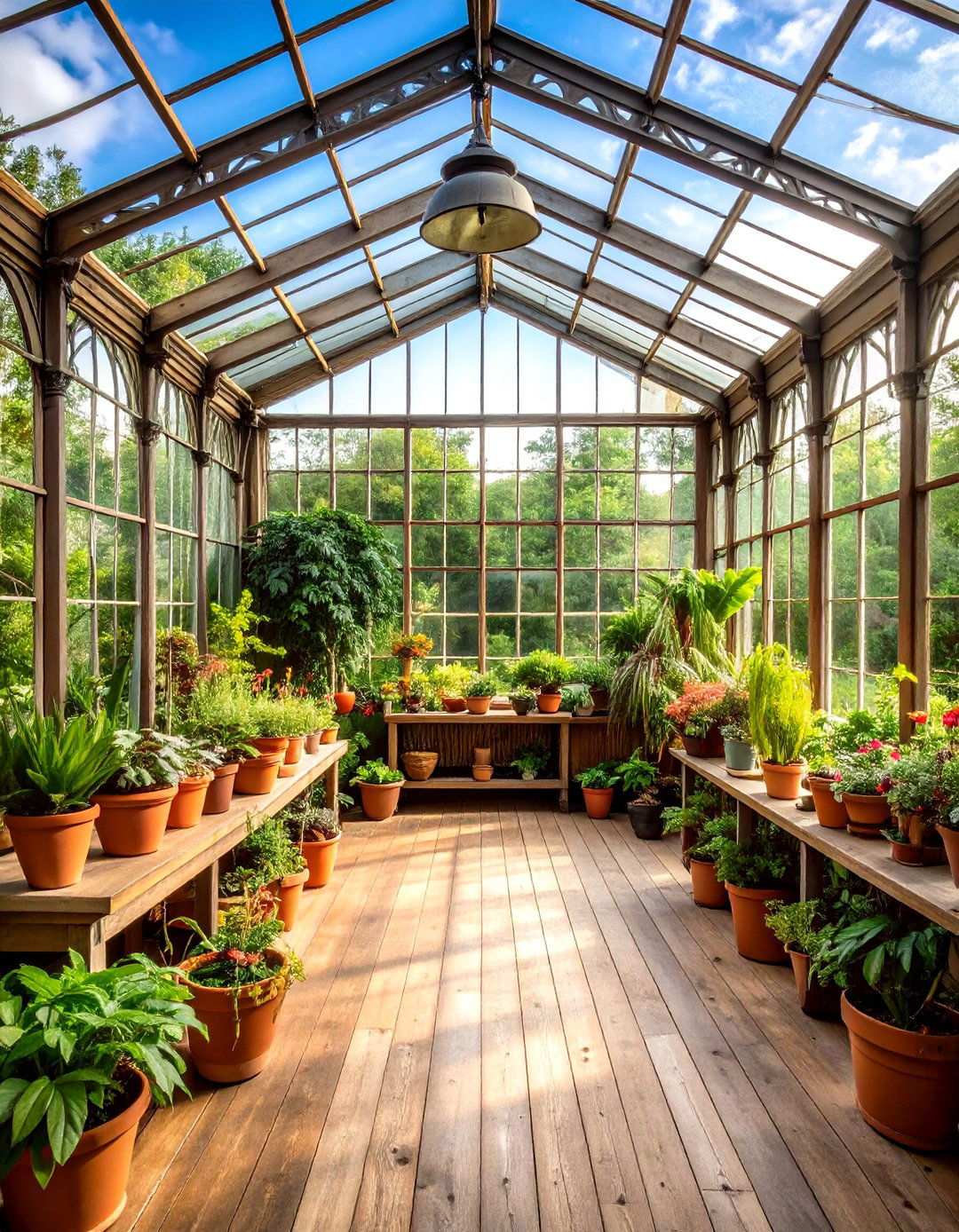
The convergence of Victorian architecture and protected growing spaces unlocks a world of possibilities. Victorian greenhouse gardens embody the pinnacle of 19th-century horticultural achievement through intricate structures and exotic plant collections. To recreate this elegance, restore or build vintage greenhouse structures using traditional materials such as cast iron frames and restoration glass. Create staging areas with weathered wooden benches and vintage plant stands to showcase specimen plants and exotic varieties. Period-appropriate accessories like Victorian plant labels, antique watering devices, and vintage propagation equipment can further enhance the authentic atmosphere. Plant heritage tomatoes, exotic orchids, and Victorian-era houseplants in vintage terra cotta pots to add a touch of whimsy. Incorporate gravel pathways, vintage garden furniture, and antique thermometers or weather instruments to complete the authentic Victorian ambiance. Finally, incorporate period lighting, ornate ironwork details, and traditional heating methods like vintage radiators or restored stoves to bring this bygone era to life.
11. Harmony with the Land
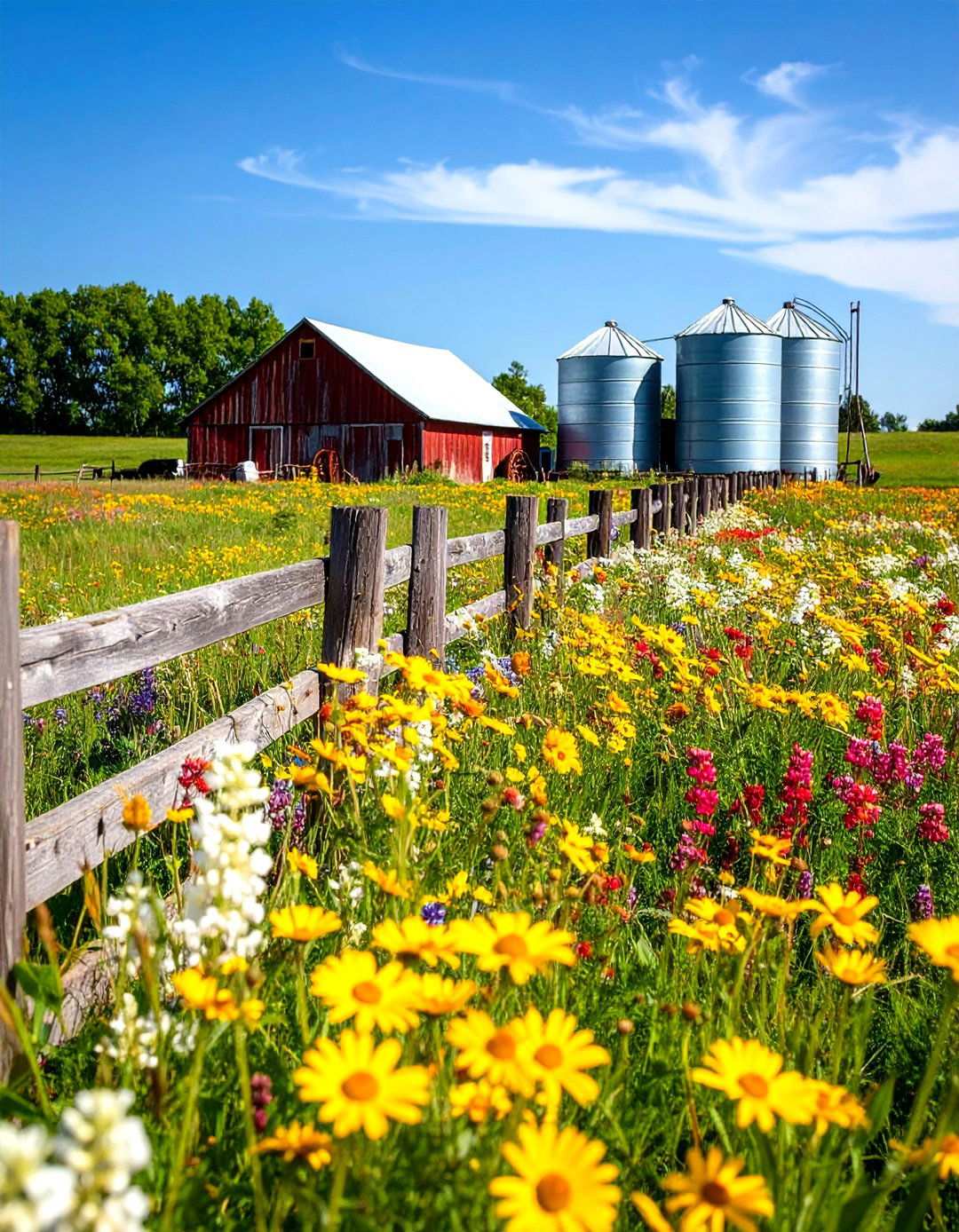
Have you discovered how prairie gardens combined practicality with natural beauty using native plants and sustainable methods? Prairie farmstead gardens celebrate agricultural heritage through native plantings, vintage farm equipment, and traditional growing techniques. By planting heritage varieties of corn, beans, and squash using the traditional Three Sisters growing method, you can create a thriving and diverse garden alongside native wildflowers and grasses. To define boundaries, use vintage split-rail fencing, weathered barn wood, and antique farm gates. Add repurposed agricultural equipment like old plows, cultivators, and hay rakes as garden sculpture and functional elements. Incorporate vintage farmhouse elements like galvanized stock tanks for water features, old windmills for vertical interest, and weathered outbuildings for tool storage. Finally, complete this authentic prairie atmosphere with gravel farm roads, vintage mailboxes, and antique weather vanes positioned to catch the prevailing winds.
12. Revival of the Old World Apothecary
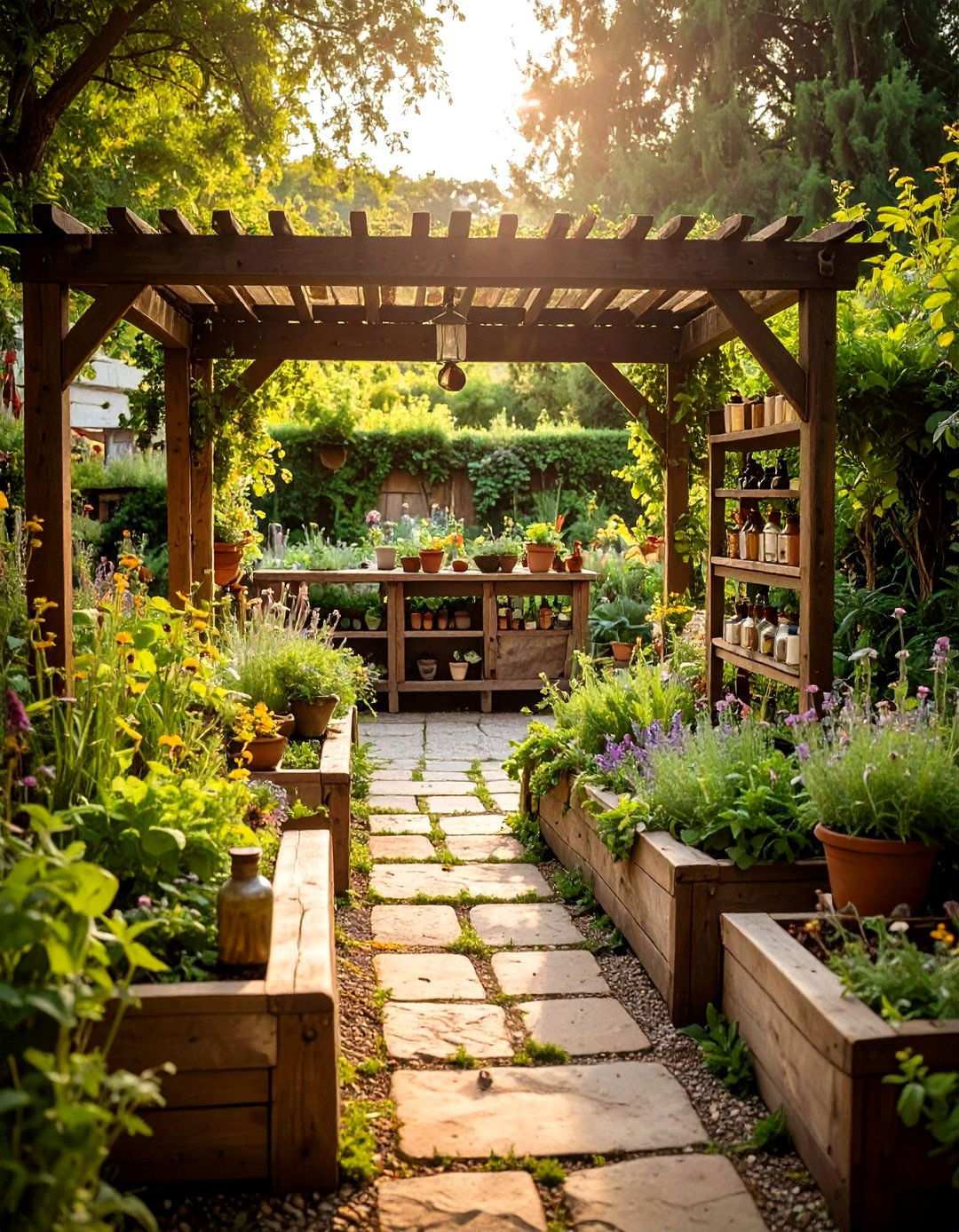
Imagine a garden where the boundaries between culinary delights and medicinal marvels blur, drawing inspiration from the traditional apothecaries of yesteryear. Vintage herb gardens marry rustic charm with profound historical knowledge, utilizing time-tested varieties and methods to create a truly unique space. Utilize reclaimed wood or stone to craft raised beds, and select heritage herbs like comfrey, feverfew, and sage, whose ancient lineage speaks to a bygone era. To further enhance the ambiance, incorporate eclectic elements such as weathered wooden labels, antique herb drying racks, and repurposed medicine bottles serving as plant markers. Complete the rustic atmosphere with intricate structures like herb spirals, vintage cold frames, and weathered potting benches, where seeds can be nurtured and plants cared for. Gravel pathways flanked by low hedges of boxwood or lavender add a touch of serenity to this enchanting apothecary.
13. Eastern Wisdom Meets Vintage Elegance

What happens when traditional Japanese design principles harmonize with vintage Western garden elements, yielding a breathtaking fusion of timeless beauty? Japanese vintage gardens seamlessly blend the tranquility of Eastern philosophy with the artistry of Western collecting sensibilities. Create contemplative spaces using vintage stone lanterns, weathered wooden bridges, and antique ceramic pieces in earthy tones, allowing the visitor to immerse themselves in the serenity of the surroundings. Pair traditional Japanese varieties like heritage camellias, ancient azaleas, and specimen maple trees with Western perennials for an ever-changing tapestry of colors and textures. To further enhance the ambiance, incorporate water features using vintage bronze or copper basins, and create pathways with weathered stepping stones, carefully arranged in traditional patterns. Position antique garden furniture for meditation and viewing, amidst antique bamboo fencing and weathered wooden structures like tea houses or pavilions. Complete this captivating fusion with vintage wind chimes, antique garden tools adapted for Japanese techniques, and traditional ceramic planters showcasing specimen plants.
14. Enchanting Monastery Gardens
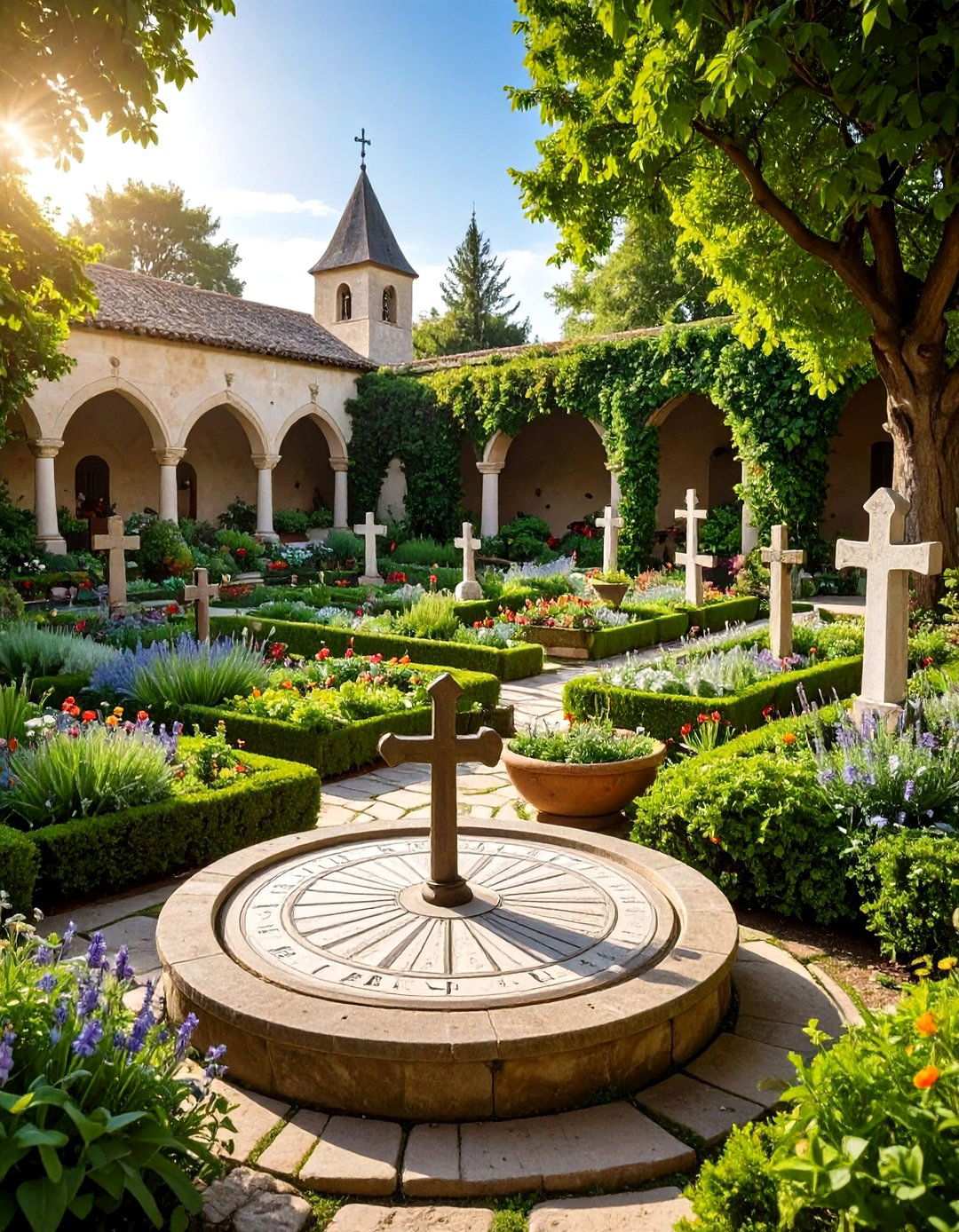
Step into a tranquil oasis reminiscent of medieval monastery gardens, where spirituality and practicality harmonize in a symphony of simplicity and purpose. These vintage gardens embody traditional design principles and heritage plant varieties, inviting you to create your own haven of contemplation and growth. Incorporate geometric raised beds crafted from weathered stone or reclaimed brick, and thoughtfully arrange medieval herbs, vegetables, and fruit trees to reflect a sense of order. Add a touch of serenity with vintage stone benches, weathered crosses, and antique garden sculptures, while antique sundials serve as a poignant reminder of the passing hours. Traditional structures, such as arbors covered with grapevines, vintage well heads, and weathered garden walls, provide shelter and division, while simple stone pathways bordered by low hedges of traditional plants like boxwood or lavender guide you through this peaceful sanctuary. Complete the ambiance with vintage bells, antique garden gates, and weathered wooden structures that safeguard tools and seasonal storage.
15. Floral Abundance in Vintage Cutting Gardens
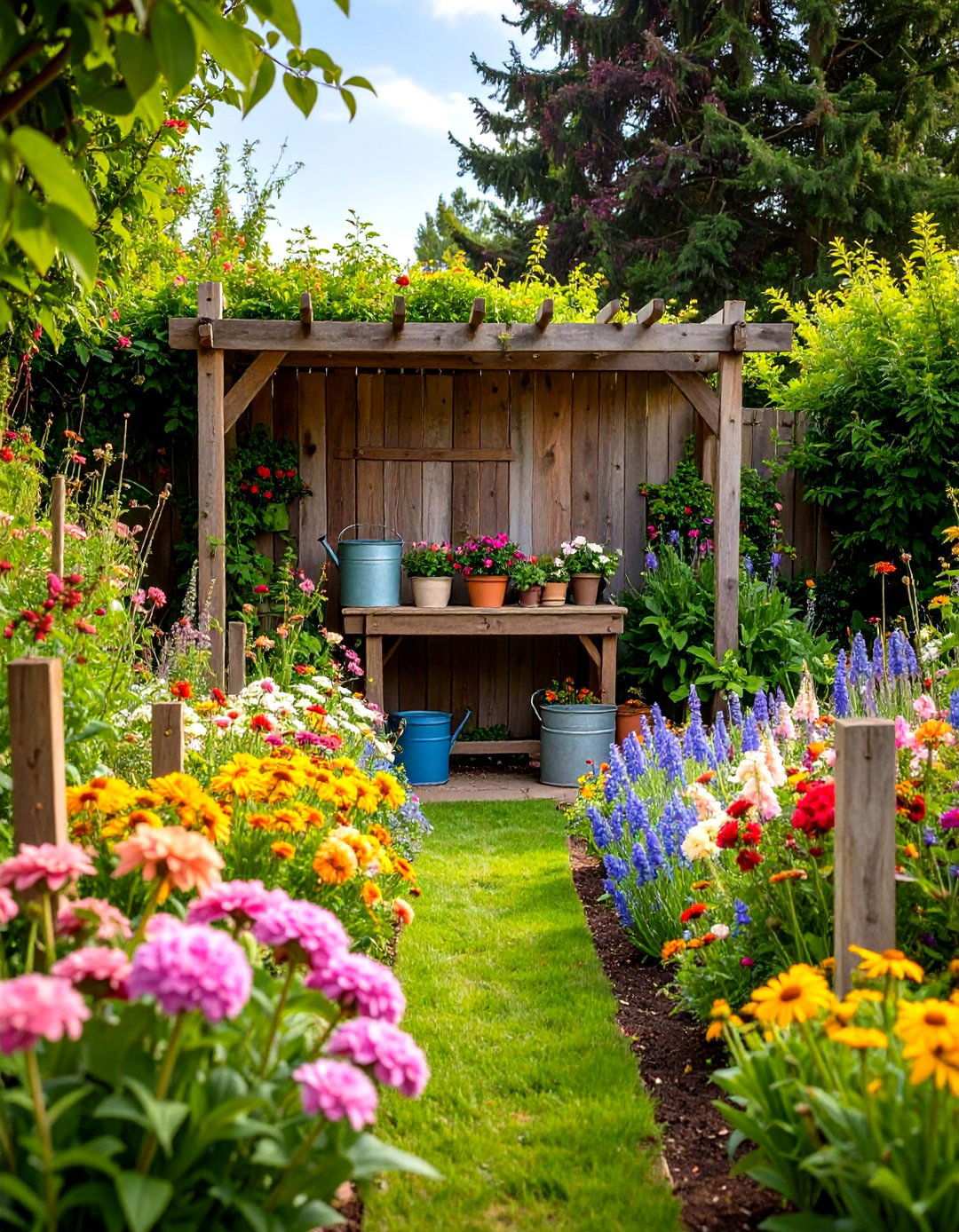
Imagine harvesting armloads of flowers to adorn your home, and delight in the joys of a garden designed specifically for this purpose. Vintage cutting gardens celebrate floral abundance through practical design and heritage flower varieties, chosen for their remarkable cutting qualities. Plant heritage varieties renowned for their long stems and vase life, including delphiniums, larkspur, and old-fashioned sweet peas, which thrive when trained on vintage tuteurs and weathered wooden structures. Organize your garden with weathered wooden edging, and add vintage elements like galvanized buckets for collecting flowers and antique garden tools for maintenance. Incorporate structures like weathered potting benches for flower conditioning and vintage greenhouses for extending the season. Create ample space for wheelbarrows with gravel pathways, and enhance the beauty of your garden with vintage elements like weathered arbors, antique plant supports, and traditional cold frames for succession planting. Complete this thriving garden with vintage watering systems, antique flower frogs, and weathered wooden signs marking the various varieties.
Hidden Retreats Behind Weathered Gates
The allure of vintage gardens lies in their ability to transport us to a bygone era, where mystery and enchantment await discovery. Secret retreats can be created through a thoughtful combination of screening, winding pathways, and carefully placed vintage elements, drawing us in with promises of secrets to uncover. Vintage wooden fences, weathered trellises adorned with climbing roses, and antique garden gates all contribute to an atmosphere of seclusion, inviting us to explore the hidden spaces that lie beyond. To further enhance this ambiance, consider incorporating fragrant climbers like honeysuckle and jasmine, which can be trained over vintage arbors, and add heritage perennials that self-seed to create a natural, effortless abundance. By strategically placing weathered benches in secluded alcoves, antique fountains providing soothing sounds, and vintage garden art partially hidden among plantings, we can craft an immersive experience that is as much about discovery as it is about tranquility. As the sun sets, vintage lanterns can be used to create an enchanting evening glow, while antique mirrors reflecting light and creating illusions of space add to the sense of mystery, and weathered garden doors suggest that there is still more to explore.
Captivating Charm of White Picket Fences
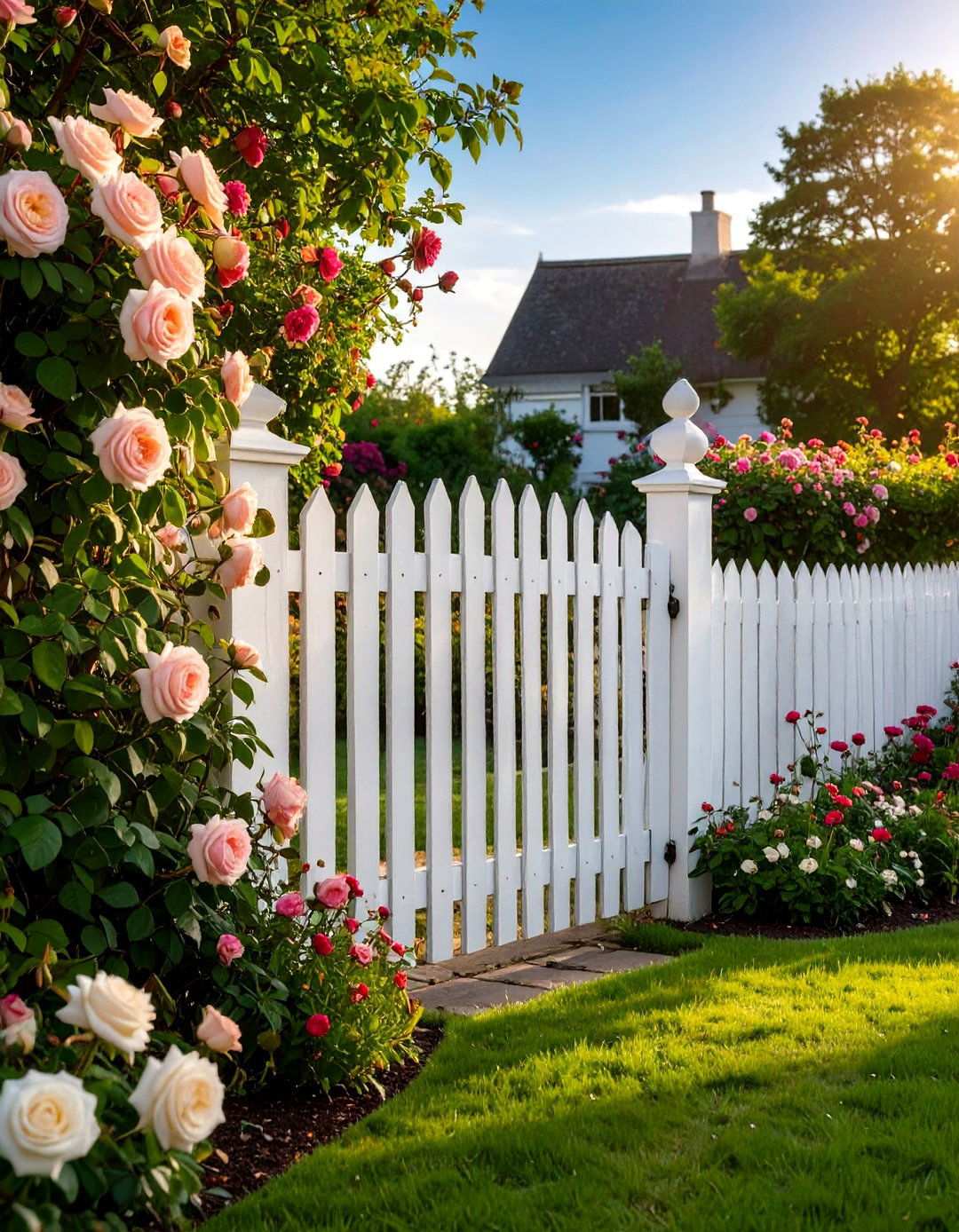
A traditional white picket fence has the power to transform an ordinary garden into a charming vintage cottage oasis, its classic lines and informal plantings evoking a sense of nostalgia and timelessness. By embracing this traditional style, we can create boundaries that define our garden spaces without enclosing them completely. The use of weathered wood painted in soft whites or cream colors adds a touch of softness and warmth, while heritage varieties like cosmos, sweet alyssum, and old-fashioned marigolds can be allowed to spill over the edges, weaving through the fence pickets and creating a sense of informality. To add to the charm, consider incorporating vintage elements like weathered garden gates with traditional hardware, antique mailboxes, and vintage plant stands positioned along fence lines. Climbing roses and honeysuckle trained along fence tops create fragrant boundaries that bloom throughout the season, while vintage garden tools hung on fence posts, weathered wooden plant labels, and antique watering cans positioned strategically for both function and decoration complete this quintessential cottage atmosphere.
18. Elegance of a Bygone Era: Victorian Conservatory Garden Style
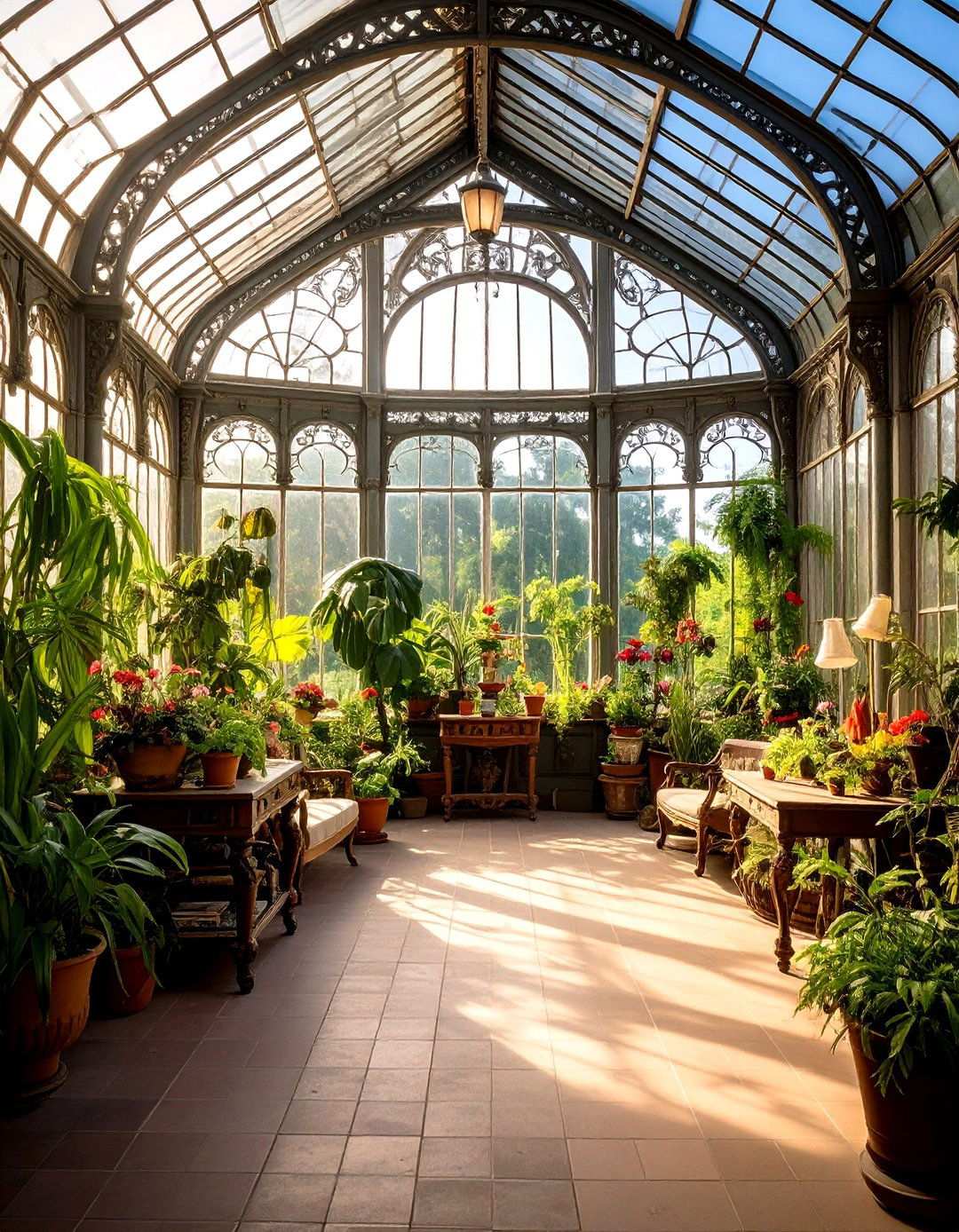
When Victorian architectural flair is combined with lush plant collections in protected growing spaces, a symphony of elegance is born. This distinctive garden style exemplifies the pinnacle of 19th-century horticultural refinement through intricate structures and exotic plant displays. To recreate or restore vintage greenhouses, opt for traditional materials such as cast-iron frameworks and period-appropriate glass, paying close attention to architectural details and ornamental elements. Showcase exotic plants on worn wooden benches and antique plant stands, creating visually appealing layered displays that highlight specimen varieties and rare collections. Authenticity is key, so incorporate period-specific accessories like copper plate script plant labels, antique watering devices, and vintage propagation equipment to transport visitors to a bygone era. Gravel pathways, weathered stone flooring, and traditional heating systems adapted for modern use all contribute to a sophisticated environment. Period furniture like wrought iron benches, vintage plant tables, and antique garden accessories, which celebrate the Victorian love of horticultural collecting and display, serve as the perfect finishing touches.
19. Serene Vintage Water Gardens
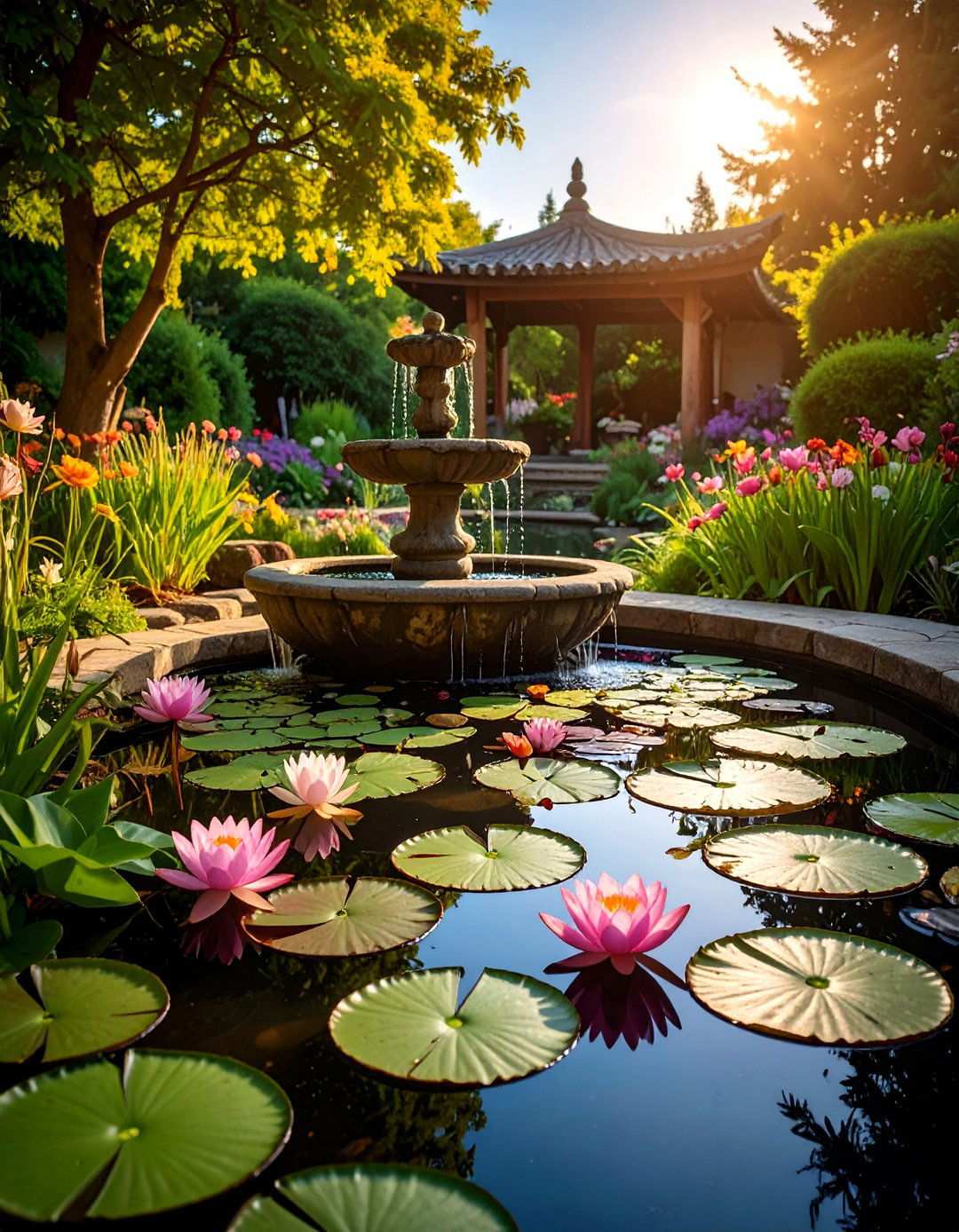
Imagine the soothing beauty of vintage water features combined with aquatic plants and waterside perennials. Vintage water gardens create serene focal points through traditional design elements and time-honored aquatic gardening techniques. To create a vintage ambiance, install weathered stone basins, antique cast iron fountains, or repurposed agricultural troughs lined for water retention as focal points. Plant heritage water lilies, traditional lotus varieties, and marginal plants like cattails and arrowhead in weathered containers or directly in lined pools, allowing their natural beauty to shine. Add vintage flair with weathered wooden bridges, antique fishing equipment used as decorative elements, and vintage watering cans repurposed as fountains, creating an enchanting atmosphere. Surrounding areas can be enhanced with moisture-loving heritage perennials like astilbe, ferns, and traditional bog plants in worn planters, which thrive in the damp conditions. This tranquil oasis is completed with vintage metal seating, antique pond lighting, and weathered wooden decking or stone pathways that provide access to water features for maintenance and enjoyment.
20. Heirloom Estate Orchards
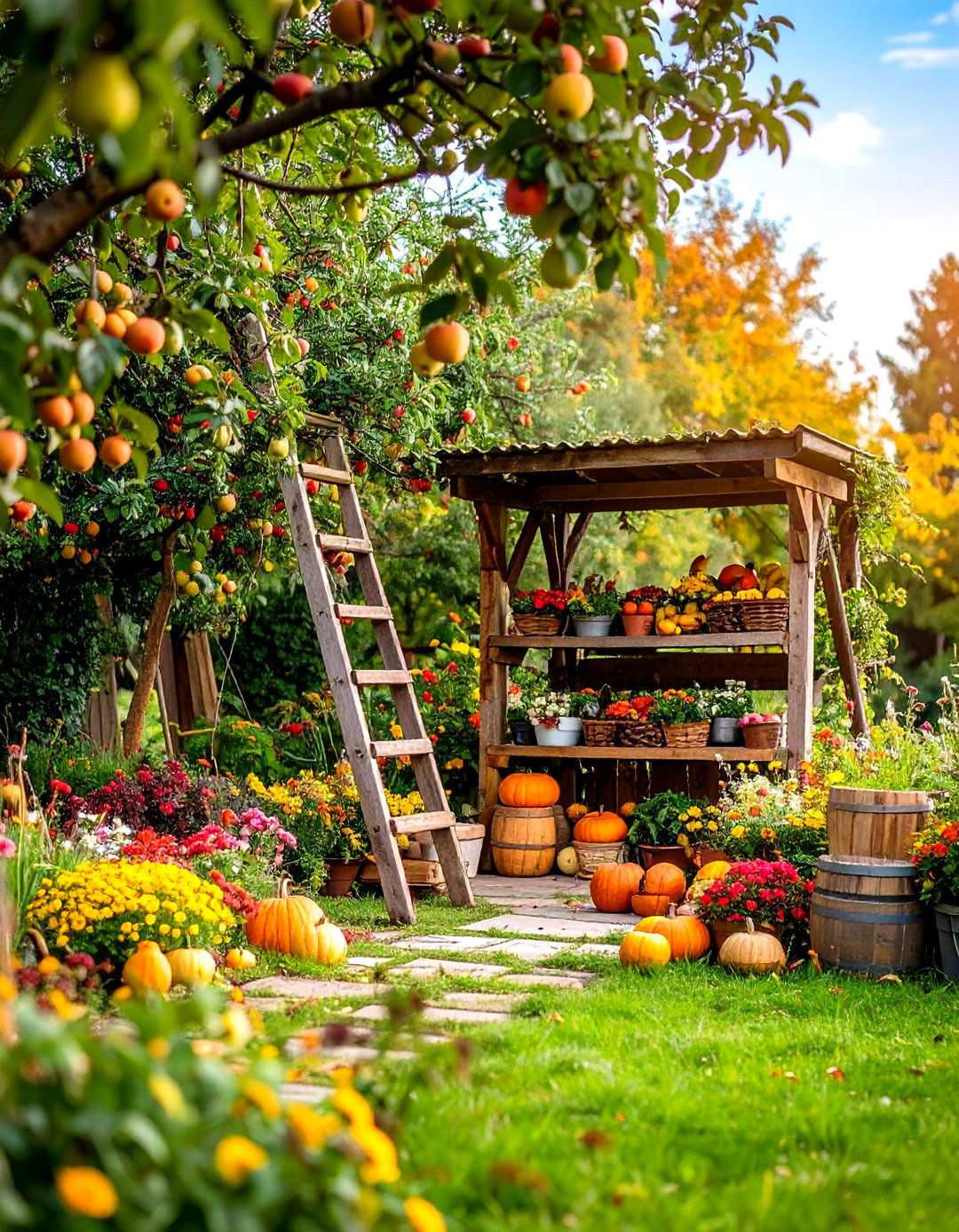
The nostalgia of vintage orchard gardens brings to life a rich heritage where fruit trees and understory plantings blend functionality with historical significance. Combining agricultural heritage with ornamental beauty, country estate orchards showcase traditional growing methods and complementary plantings that evoke a bygone era. By planting heritage fruit tree varieties using traditional spacing and training techniques, you can create stately avenues or intricately patterned landscapes reminiscent of historical estate planning. Introduce understory plantings of heritage bulbs like daffodils and crocuses, which naturalize beneath trees and burst forth with vibrant color as winter’s chill begins to fade. Incorporate vintage elements such as weathered wooden ladders, antique orchard equipment repurposed as garden sculpture, and traditional bee skeps or vintage hives to support pollination. Create winding pathways using traditional materials like grass or weathered stone, and position vintage seating areas to highlight the ever-changing tapestry of the seasons. Complete this living legacy with vintage storage buildings like root cellars or apple houses, antique weather monitoring equipment, and traditional fencing systems that safeguard crops while maintaining an aesthetic appeal.
21. Formal Vintage Topiary Gardens
Carefully crafted gardens where plants are shaped and pruned to perfection can create a sense of horticultural artistry that is truly breathtaking. In vintage topiary gardens, sculptural beauty is the hallmark, achieved through traditional shaping techniques and period-specific accessories that complement living architecture. Train heritage plant varieties like boxwood, yew, and privet into elaborate shapes using time-tested pruning methods and vintage plant supports that add a touch of elegance. Create symmetrical designs, geometric patterns, and traditional allées that emphasize order and human craftsmanship over the forces of nature. Add vintage elements like weathered stone pedestals showcasing shaped specimens, antique pruning tools repurposed as garden art, and traditional plant markers identifying varieties and training methods. Incorporate formal pathways using materials like brick or gravel, and position vintage seating areas to highlight the intricacies of shaped plants. Complete this garden of elegance with vintage garden gates framing vistas, antique sundials marking the passage of time, and weathered architectural elements like urns or obelisks that provide vertical interest and classical references.
22. Reviving the Heritage of Vegetable Gardens
Imagine strolling through a lush vegetable garden filled with heirloom varieties that not only showcase the beauty of nature but also tell the story of agricultural heritage. These gardens are a testament to the rich history of farming, where traditional growing methods and carefully preserved plant varieties connect us to our ancestors. By planting heirloom varieties chosen for their historical significance, unique characteristics, and exceptional flavor, you can create a living tribute to the past. Employ traditional growing methods like companion planting and seasonal rotation to cultivate a diverse and thriving ecosystem. Design your garden with weathered wooden raised beds, traditional row layouts, and vintage cold frames that extend the growing season. Add a touch of authenticity with weathered tool sheds, antique garden implements, and traditional seed storage systems using vintage containers and time-honored preservation methods. Incorporate heritage structures like wooden bean poles, vintage chicken wire supports, and traditional row covers made from vintage materials to create a visually appealing and functional landscape. Complete this heritage garden with weathered wooden signs that highlight the varieties and planting dates, antique scales for harvest weighing, and traditional processing equipment like vintage canning supplies and heritage food preservation tools.
23. The Enduring Allure of Vintage Greenhouse Potting Gardens
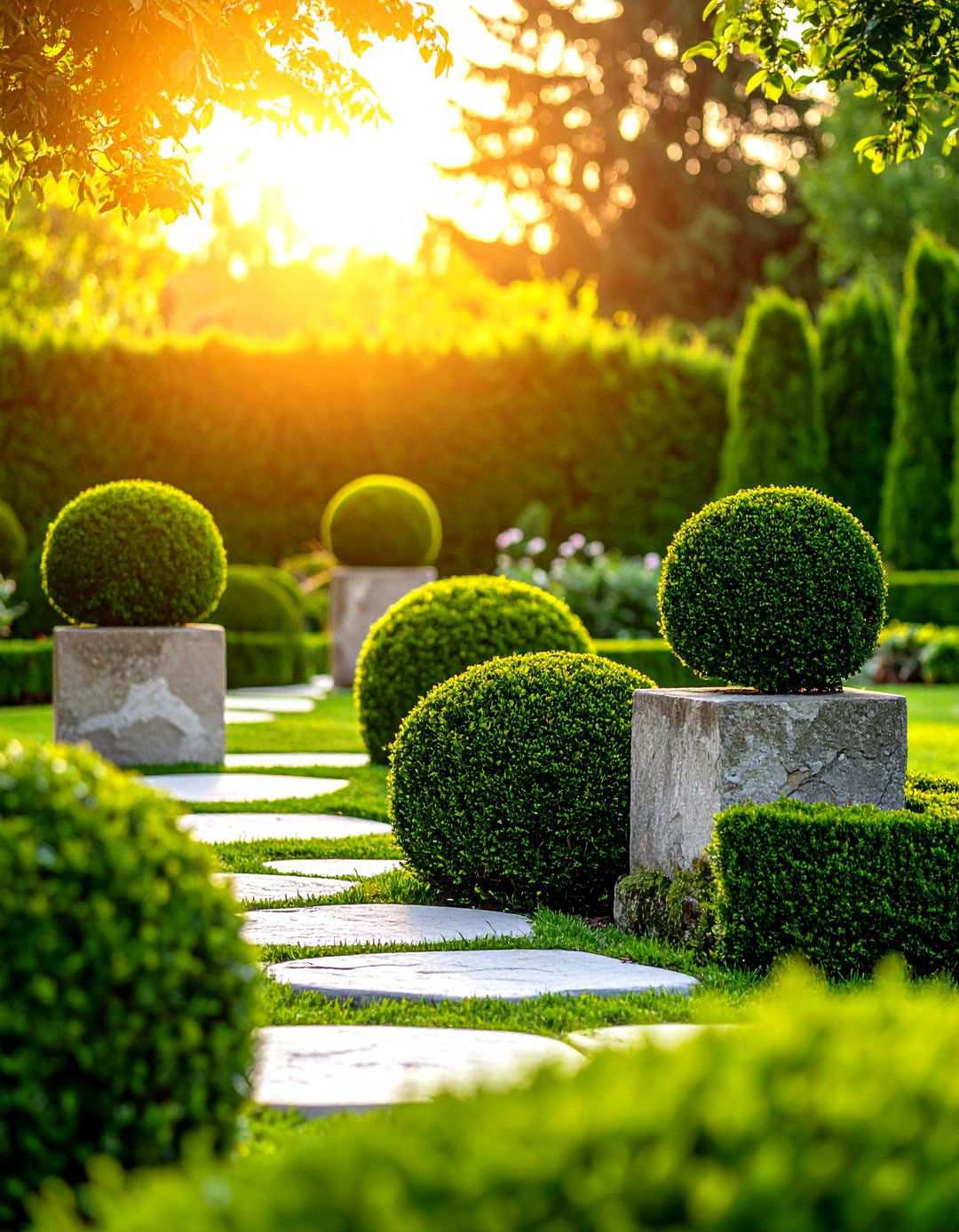
Dedicated potting spaces can be transformed into vibrant workspaces where vintage tools and traditional methods come together to support year-round gardening activities. Vintage greenhouse potting gardens not only provide a functional workspace but also evoke a sense of nostalgia and connection to the past. Design your potting area with weathered wooden benches, vintage tool storage, and traditional propagation equipment arranged to optimize workflow and create an authentic atmosphere. Add period accessories like antique watering devices, vintage plant labels, and traditional soil mixing tools that celebrate historical growing methods. Create storage solutions using vintage containers, weathered wooden boxes, and antique ceramic pots that not only serve a purpose but also add a touch of elegance. Incorporate traditional growing techniques like vintage cold frame construction, heritage composting methods, and time-honored seed starting practices using authentic materials and equipment. Complete this workspace with vintage lighting adapted for modern use, antique weather monitoring equipment, and traditional documentation methods using vintage garden journals and heritage record-keeping systems that track garden activities throughout the seasons.
24. Whispers of a Vintage Garden Oasis
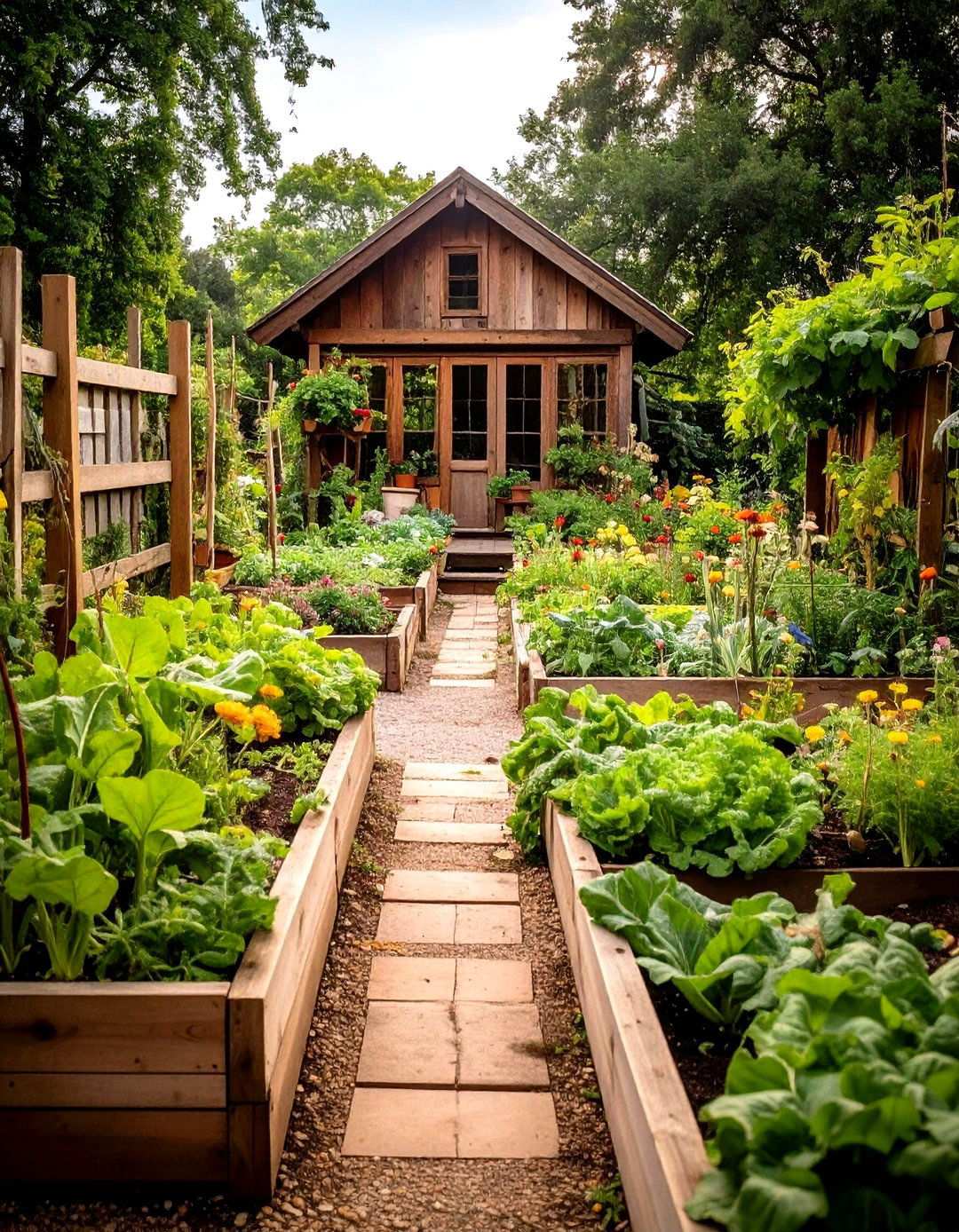
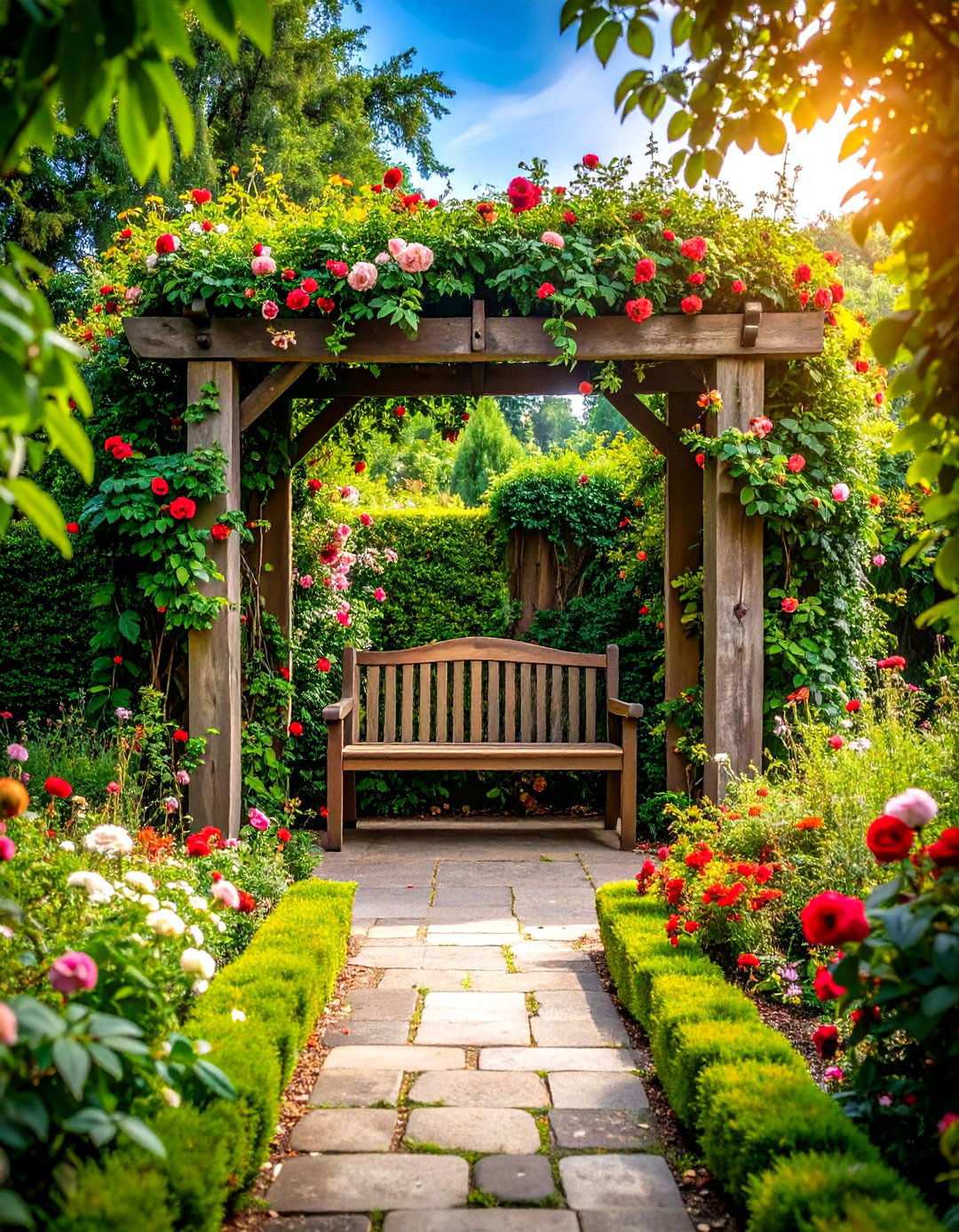
Envision an enchanting haven, where delicate arbors weave a spell of romance in intimate garden settings. Vintage garden architecture comes alive through expertly crafted structures and artfully paired plantings, conjuring up magical outdoor spaces that transport you to a bygone era. Bringing classic charm to your garden, install weathered arbors made from reclaimed wood, antique wrought iron, or repurposed architectural elements. Strategically place these structures to frame breathtaking views, create inviting entryways, or define secluded seating areas, perfect for relaxation and contemplation.
Train fragrant climbing plants like heritage roses, vintage clematis, and nostalgic honeysuckle varieties to cascade over these arbors, using tried-and-true training methods and antique-style supports. Enhance the ambiance with vintage garden furnishings positioned beneath the arbors, antique lanterns adapted for outdoor use, and weathered accessories that evoke a sense of nostalgia. Surround your arbors with heritage perennials that harmonize with the climbing plants, employing traditional color palettes and classic plant combinations. Complete the enchanting atmosphere with vintage pathway materials leading to the arbored spaces, antique garden art subtly integrated among the climbers, and weathered elements like vintage bells or wind chimes that evoke a sensory experience.