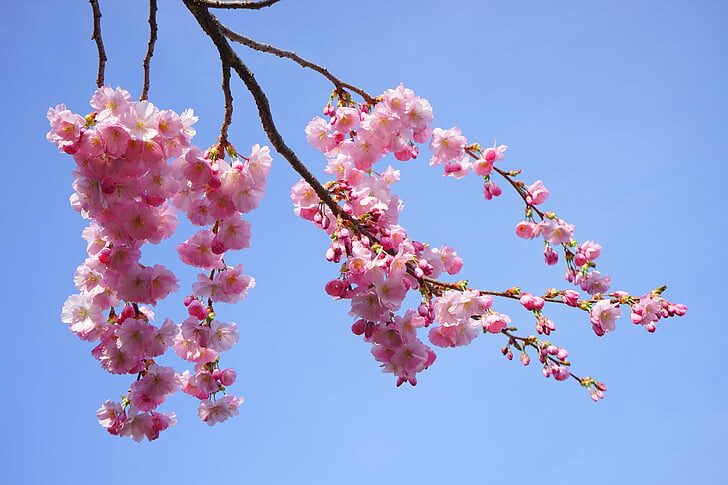
Cherry blossoms, or sakura as they are called in Japan, are far more than seasonal flowers. They are a timeless symbol woven into Japanese history, art, and everyday life. Their short-lived bloom reminds us of the fleeting nature of life, while their arrival each spring signals renewal, reflection, and joyful gatherings. Across Japan, the soft waves of pink and white blossoms create breathtaking scenery that draws visitors from around the world.

As an Amazon Associate I earn from qualifying purchases.
Iconic Trees With Global Appeal
The fascination with cherry blossoms is not confined to Japan. In the early 1900s, Japan gifted thousands of cherry trees to the United States as a gesture of friendship. These trees were planted in Washington, D.C., where they continue to flourish around the Tidal Basin. Today, the annual National Cherry Blossom Festival celebrates this bond and welcomes millions of visitors eager to witness the stunning floral display.
More Than Just Hanami
What makes cherry blossoms so captivating? Their significance extends well beyond their delicate petals. From ancient traditions and symbolic meanings to modern-day food, festivals, and gardening, sakura embody a rich cultural heritage. Whether you want to grow your own cherry tree, learn about their role in Japanese cuisine, or explore the tradition of hanami (flower viewing), cherry blossoms offer endless inspiration and beauty.
What Are Cherry Blossoms?
Cherry blossoms are the flowers of the Japanese cherry tree (Prunus serrulata). Known for their pale pink or white hues, these blooms are celebrated as a symbol of life’s impermanence. Unlike fruiting cherry trees, they are primarily ornamental and valued for their beauty. The blossoms appear briefly in spring, usually for just a week or two, marking a cherished moment of renewal in Japanese culture.
The Rich History of Cherry Blossoms in Japan
Cherry blossoms were introduced to Japan from the Himalayas more than a thousand years ago. Over time, they became a profound symbol for the samurai class, representing the fragile yet noble nature of life.
The practice of hanami began during the Nara period (710–794), when nobles and the imperial court would gather under the blossoms to enjoy poetry, food, and music. This tradition gradually spread throughout the country and is now a beloved custom, with families and friends gathering under the trees to celebrate spring.
In 1912, Japan gifted more than 3,000 cherry trees to the United States, cementing their role as symbols of goodwill and international friendship. This gift gave birth to Washington D.C.’s National Cherry Blossom Festival, which continues to this day.
Types of Japanese Cherry Blossoms
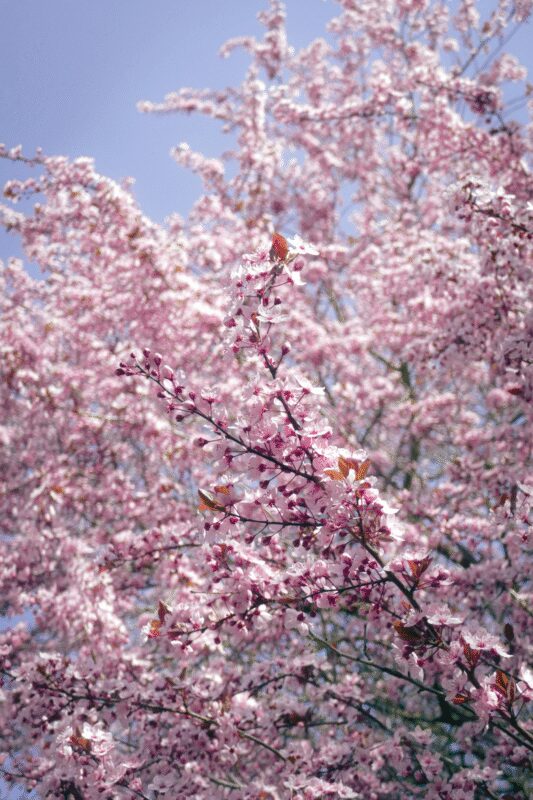
Japan is home to many varieties of cherry blossoms, each with its own charm:
- Yoshino Cherry (Prunus × yedoensis): The most famous variety, known for its pale pink to white blossoms that appear in clusters. It is the star of Washington D.C.’s spring bloom.
- Kwanzan Cherry (Prunus serrulata ‘Kwanzan’): A late-blooming variety with vibrant double-petaled pink flowers, admired for its rich color and elegance.
- Weeping Cherry (Prunus subhirtella ‘Pendula’): Known for its graceful drooping branches covered with soft pink or white blossoms, creating a dreamy, garden-like effect.
- Okame Cherry (Prunus incisa × Prunus campanulata): One of the earliest bloomers, producing vivid pink flowers that brighten late winter landscapes.
- Fugenzo Cherry (Prunus serrulata ‘Fugenzo’): A historic favorite, this variety produces large double blossoms that shift from pale pink to deeper tones as they mature.
How to Plant and Grow Japanese Cherry Trees
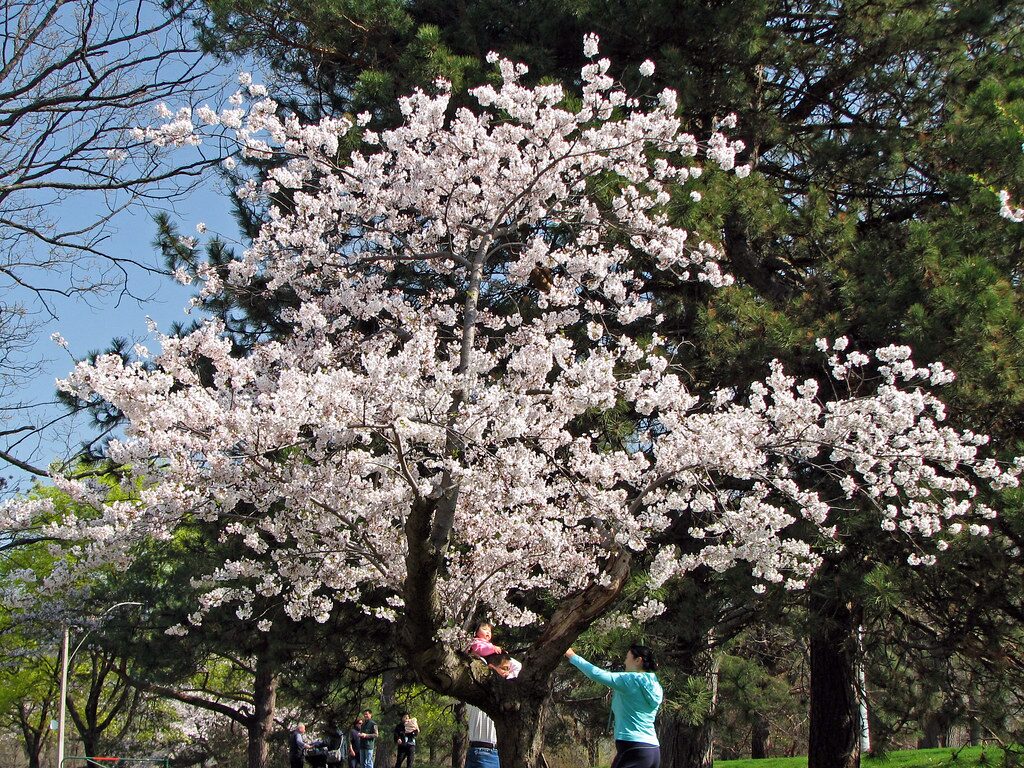
Cherry blossom trees can be grown successfully with the right care. Here are some essential tips:
- Location: Choose a sunny spot with at least six hours of direct sunlight daily.
- Soil: Well-draining soil enriched with organic compost works best.
- Planting: Set the tree so the top of the root ball is level with the ground. Mulch around the base to retain moisture.
- Watering: Keep the soil moist but not soggy, especially during the first few years.
- Fertilizer: Apply a balanced, slow-release fertilizer in early spring to support healthy growth.
- Pruning: Prune in late winter to remove dead branches and maintain shape.
- Pests and Diseases: Monitor for beetles and borers; treat promptly if found.
- Weather Protection: Shield young trees from frost and strong winds during harsh winters.
Cherry Blossoms in Japanese Cooking and Baking
Beyond their beauty, cherry blossoms also play a role in Japanese cuisine. Their petals and leaves are preserved in salt or pickled, giving them a unique flavor that enhances traditional treats.
Popular Recipes Using Sakura:
- Sakura Mochi: A sweet rice cake filled with red bean paste and wrapped in a pickled cherry leaf, often colored pink to resemble blossoms.
- Sakura Cookies: Buttery cookies infused with salted cherry blossoms, offering a delicate mix of sweet and salty flavors.
These dishes showcase how cherry blossoms add elegance and tradition to Japanese dining.
Where to Buy Japanese Cherry Trees
Japanese cherry trees can be purchased at local nurseries, garden centers, or reputable online stores. Varieties like Yoshino and Kwanzan are widely available and often come with planting guides. When buying online, choose trusted sellers who provide healthy saplings or grow kits for beginners.
Cherry Blossom Festivals in Japan
Throughout spring, cherry blossom festivals (sakura matsuri) take place across Japan. These events bring people together to enjoy the blossoms alongside food stalls, cultural performances, and evening light displays.
Two of the most famous festivals include:
- Tokyo’s Ueno Park Festival: Home to over a thousand cherry trees, attracting millions of visitors.
- Hirosaki Cherry Blossom Festival: Known for spectacular views of cherry trees surrounding Hirosaki Castle.
The Cultural Significance of Cherry Blossoms in Japan
Cherry blossoms are deeply symbolic in Japanese culture. Their short bloom embodies the Buddhist concept of impermanence, reminding us that life is both beautiful and fleeting. This theme is reflected in Japanese poetry, art, and philosophy.
Hanami is not only about appreciating the blossoms but also about pausing to reflect, reconnect with nature, and celebrate renewal. Their arrival coincides with the beginning of Japan’s school and business year, making them a marker of new beginnings.
Simple Beauty
Cherry blossoms are more than ornamental trees—they are cultural icons, culinary inspirations, and timeless reminders of life’s impermanence. From their ancient history in Japan to their role as global symbols of friendship, cherry blossoms continue to enchant people everywhere. Whether you are admiring them at a festival, planting them in your garden, or tasting sakura-inspired treats, these delicate flowers embody beauty, renewal, and the fleeting magic of spring.