1. Timeless Elegance in English White Border Garden Designs
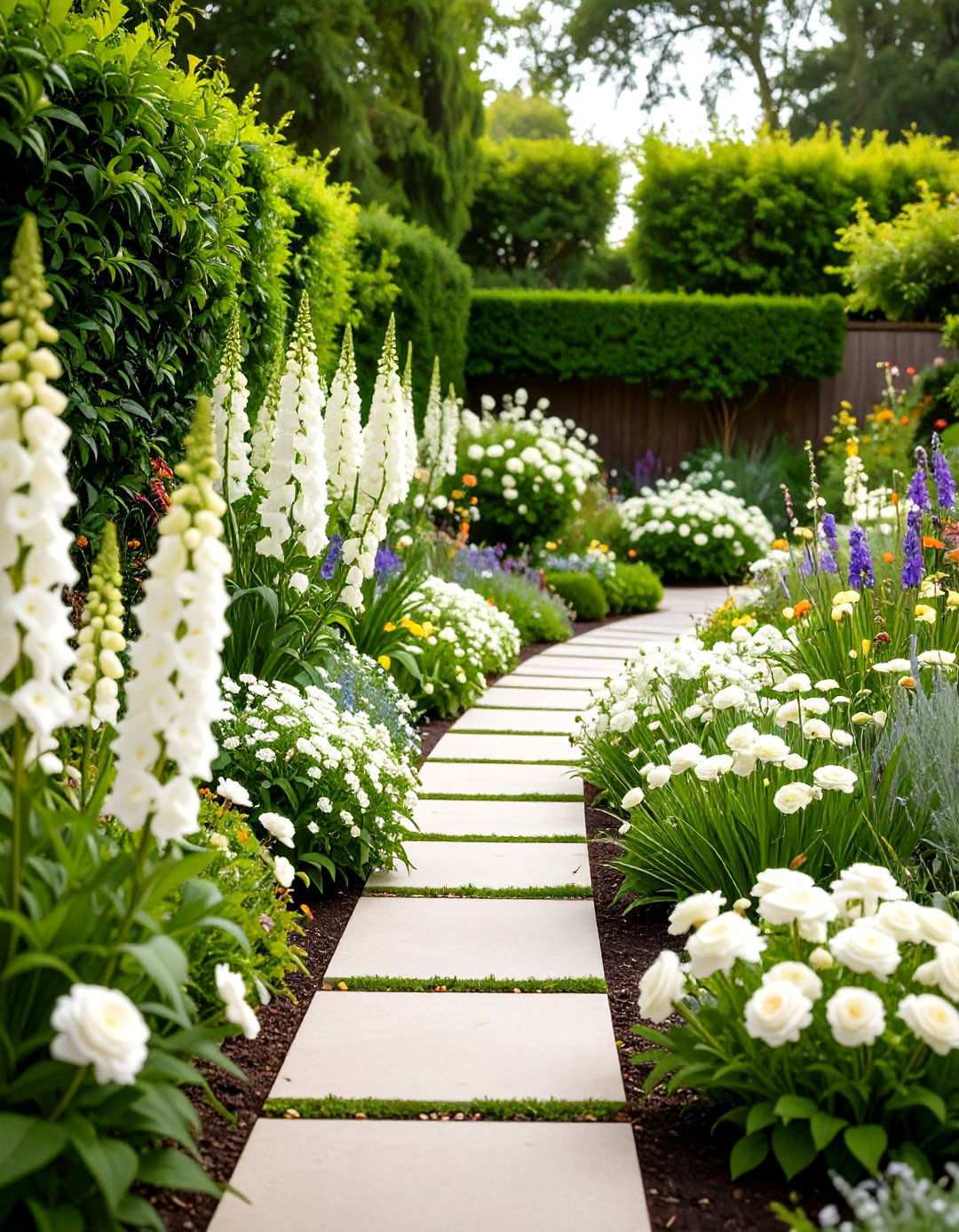
For those seeking refined outdoor spaces, English white border garden designs offer a perfect blend of timeless sophistication and elegant beauty. By carefully selecting white-flowering plants and combining them with rich green backdrops, these designs create serene environments that transcend fleeting garden trends. Whether you prefer a classical or contemporary approach, white garden designs provide boundless opportunities for crafting unique outdoor settings. The interplay between snow-white blooms, silvery foliage, and lush green backdrops produces gardens that exude freshness and calmness, while offering year-round visual interest through seasonal transformations and diverse plant forms.

As an Amazon Associate I earn from qualifying purchases.
2. Modern Minimalism in White Garden Layouts
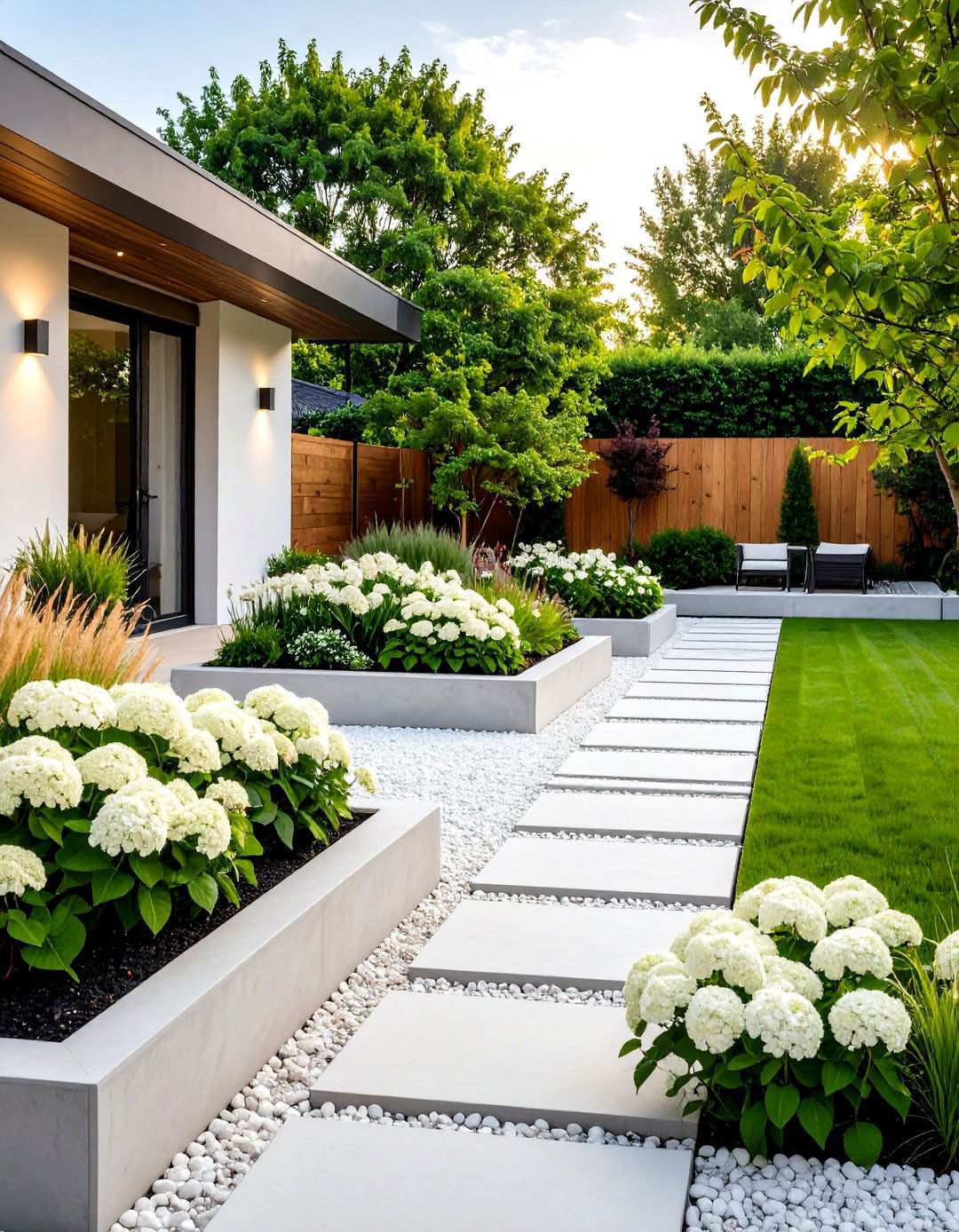
In the pursuit of creating a sense of drama and sophistication, modern minimalist white gardens rely on clean lines, geometric shapes, and thoughtfully curated plant palettes. This design approach emphasizes simplicity and restraint, resulting in a striking visual impact. Design rectangular raised beds with crisp white-painted concrete edges, filling them with architectural plants like white hydrangeas, white ornamental grasses, and white-flowering shrubs. To create an enchanting nighttime ambiance, incorporate gravel pathways and contemporary outdoor lighting. The essence of this style lies in the repetition of just three to five plant varieties, which creates a sense of rhythm and unity. Add sculptural elements like white containers or modern water features to elevate the overall aesthetic. This low-maintenance approach is ideal for busy lifestyles, delivering an urban garden experience with a touch of sophistication.
3. Whimsical White Flower Paradises in Cottage Garden Style
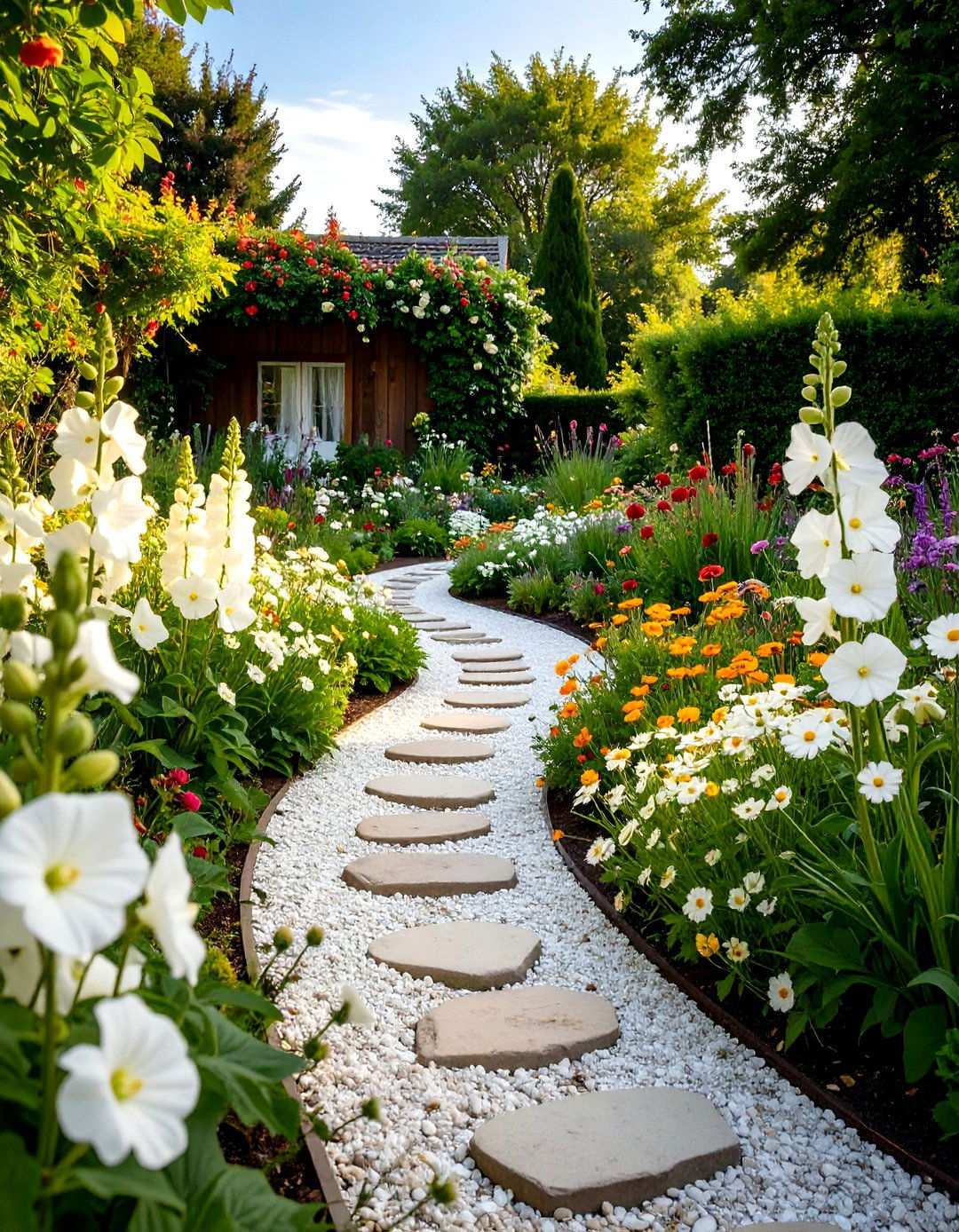
Imagine a romantic cottage garden overflowing with an abundance of white blooms, and you’ll get a glimpse into the enchanting world of white flower paradises. This charming design style combines seemingly random patterns of white flowers that, in reality, follow a set of carefully planned principles. Plant white hollyhocks, white cosmos, white nicotiana, and white cleome for a quintessential cottage garden look. Include white climbing roses trained over arbors and fences to add a touch of whimsy. Add self-seeding white flowers like white larkspur and white nigella for a naturalistic effect. Incorporate herbs with white flowers such as white lavender and flowering thyme to create a fragrant and inviting atmosphere. Use curved pathways made from natural materials like gravel or stepping stones to complete this idyllic setting. This style requires patience as plants establish their natural growing patterns, but the end result is well worth the wait.
4. Elegant White Perennial Arrangements
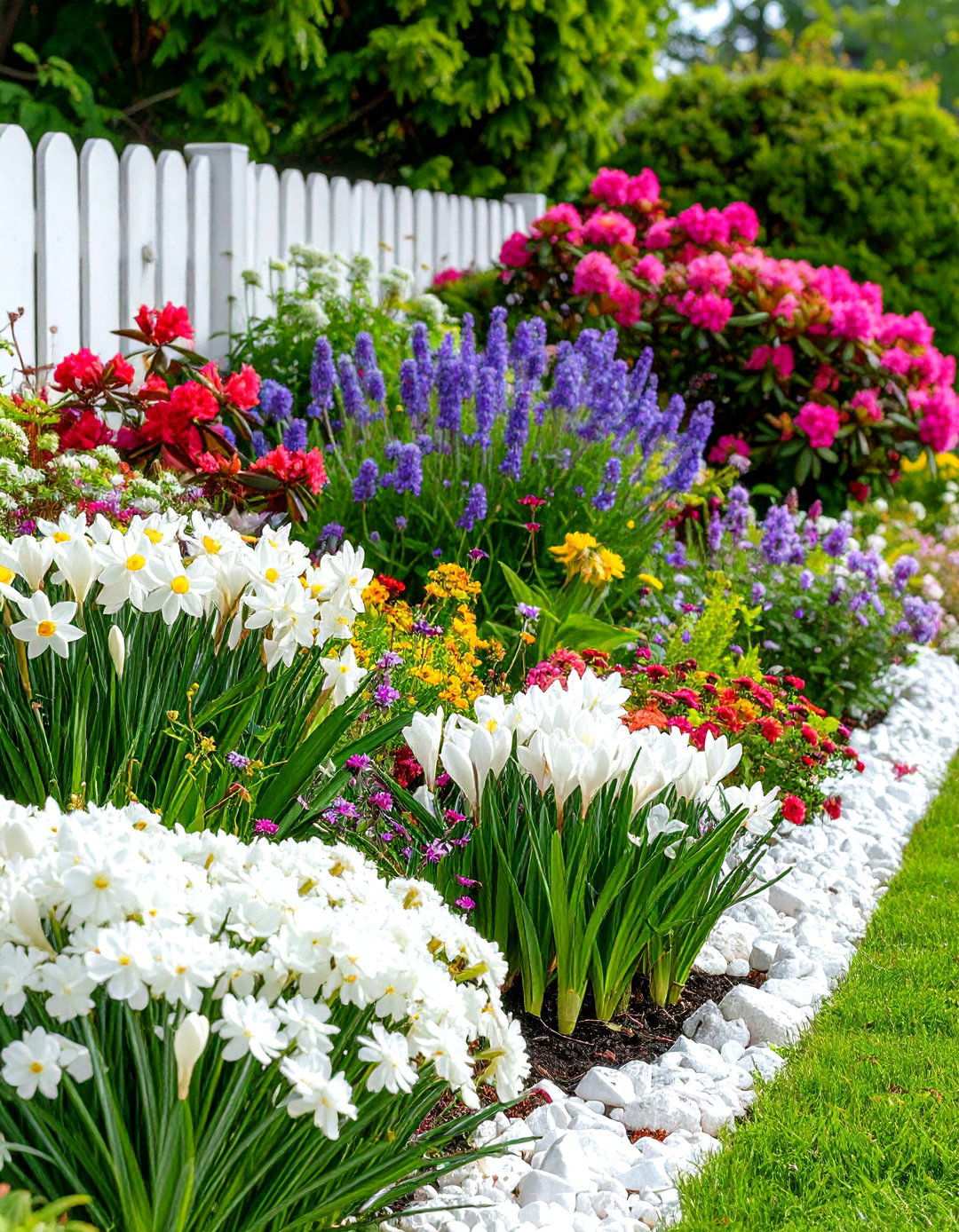
A white perennial border can be a breathtaking sight throughout multiple seasons, thanks to meticulous planning of these plants’ bloom cycles. By selecting a mix of white flowers that bloom at different times, gardeners can create a dynamic display of color from spring through fall. Begin with early-blooming white crocuses and daffodils to usher in the spring season. As mid-spring arrives, add white bleeding hearts, astilbe, and iris to create visual interest. Incorporate summer-flowering white phlox, echinacea, and shasta daisies to keep the border vibrant. Finish with fall-flowering white asters and Japanese anemones to prolong the blooming period. To add depth and texture, incorporate evergreen structural plants like white-flowering rhododendrons and spirea. By carefully planning for varying heights and bloom times, gardeners can maintain a beautiful and engaging garden display. This thoughtful approach requires an initial investment but yields decades of stunning beauty.
5. Enchanted Moonlight Gardens
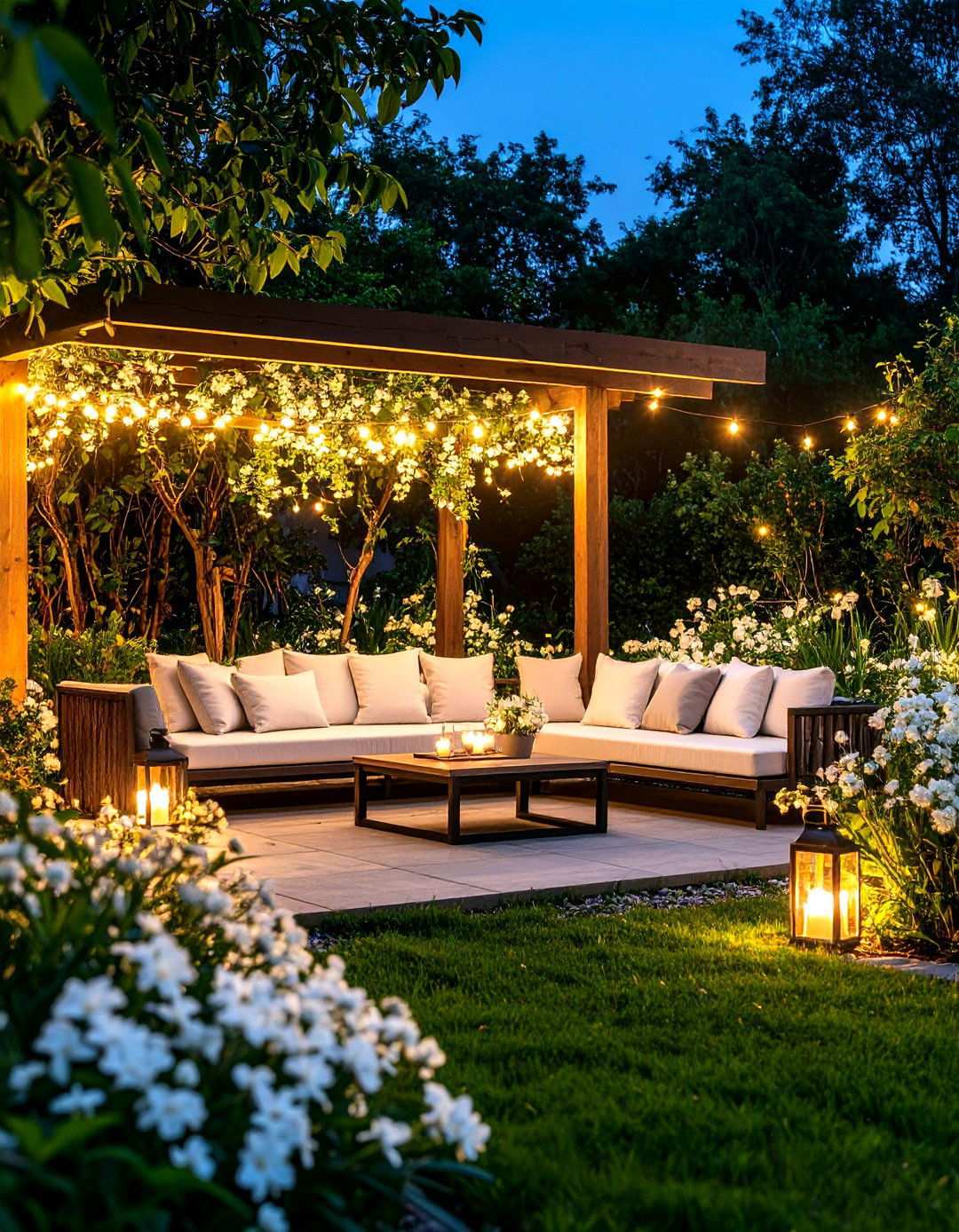
As the sun sets, a garden can transform into a magical oasis, thanks to moonlight gardens specifically designed for evening enjoyment. These gardens feature a palette of white and silver plants that seem to glow in low light conditions, creating an ethereal ambiance. To create this enchanting atmosphere, plant fragrant white flowers like jasmine, tuberose, and four o’clocks that bloom in the evening hours. Incorporate white-flowering trees like crabapples and dogwoods to provide canopy interest and structure. Add silver-leaved plants like dusty miller and silver sage to enhance the reflective qualities of the garden. Install subtle lighting to highlight the white flowers after dark, and include comfortable seating areas for evening relaxation. This romantic garden style invites outdoor living to spill into the night, creating a sense of wonder and tranquility.
6. Dramatic White Shrub Foundation Plantings
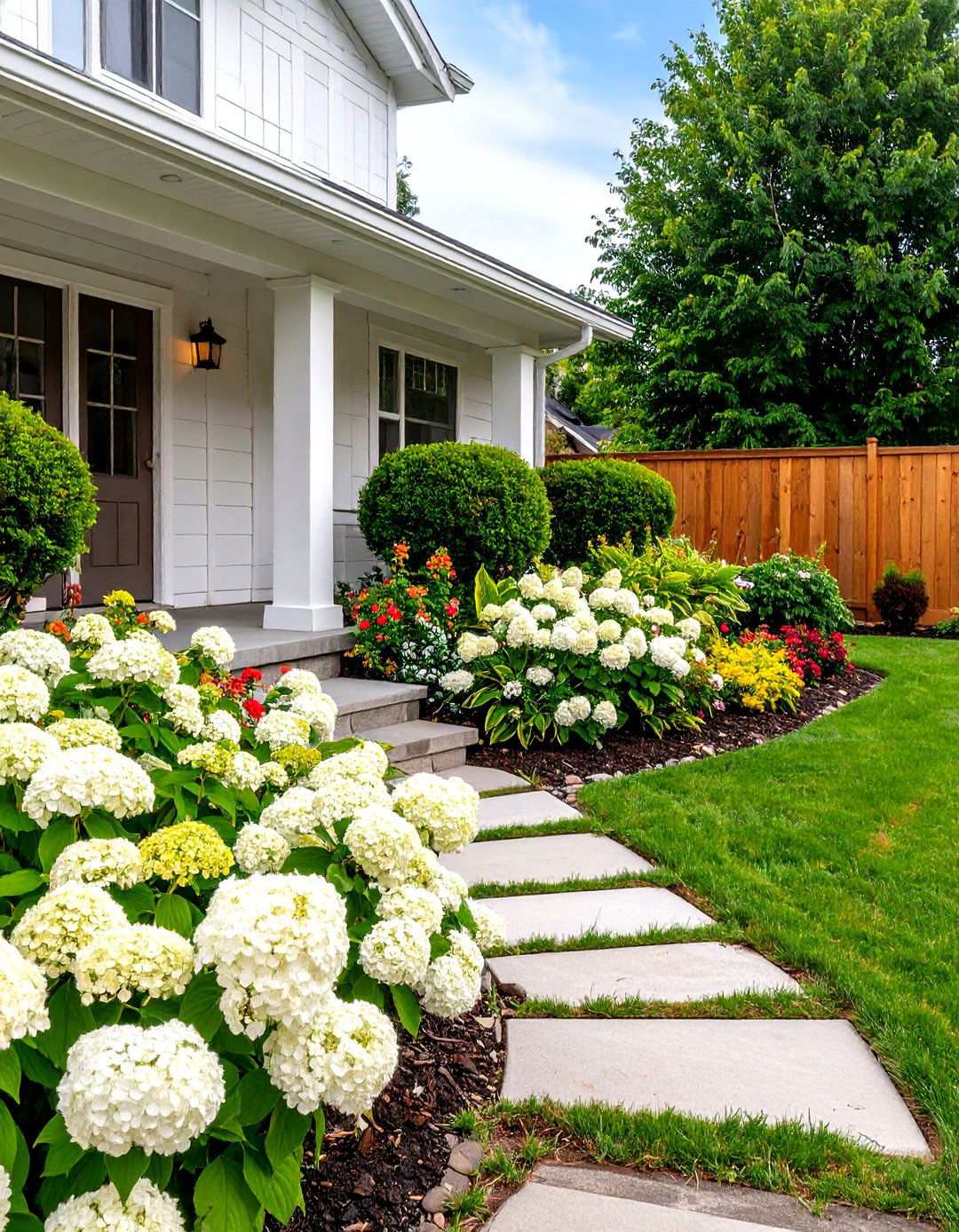
A well-designed foundation planting can dramatically enhance a home’s curb appeal, thanks to the year-round structure provided by white-flowering shrubs. These shrubs not only offer spectacular seasonal bloom displays but also create a sense of continuity and permanence. To create a stunning foundation planting, start by planting reliable flowering shrubs like white hydrangeas, spirea, and weigela. Incorporate white-flowering evergreens like rhododendrons and camellias for winter interest, and add white roses and butterfly bushes for summer color. Layer these shrubs by height, placing taller varieties toward the back and shorter ones in front, to create a sense of depth and visual interest. Finally, include white-variegated hostas and white-flowering perennials to add ground-level interest and texture. This thoughtful approach creates a beautiful and permanent garden structure that increases property value while providing stunning seasonal displays.
7. The Allure of White Formal Parterre Garden Design
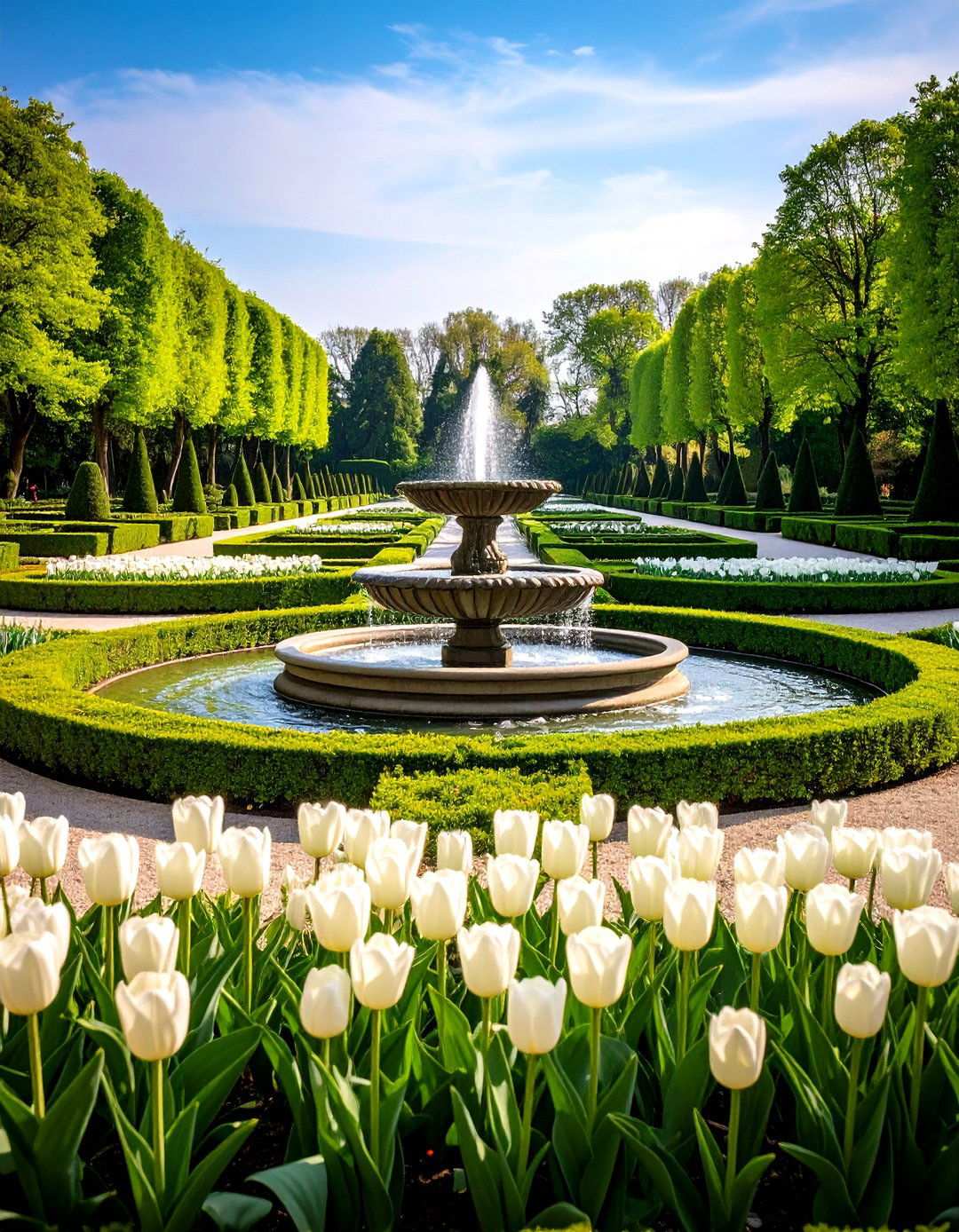
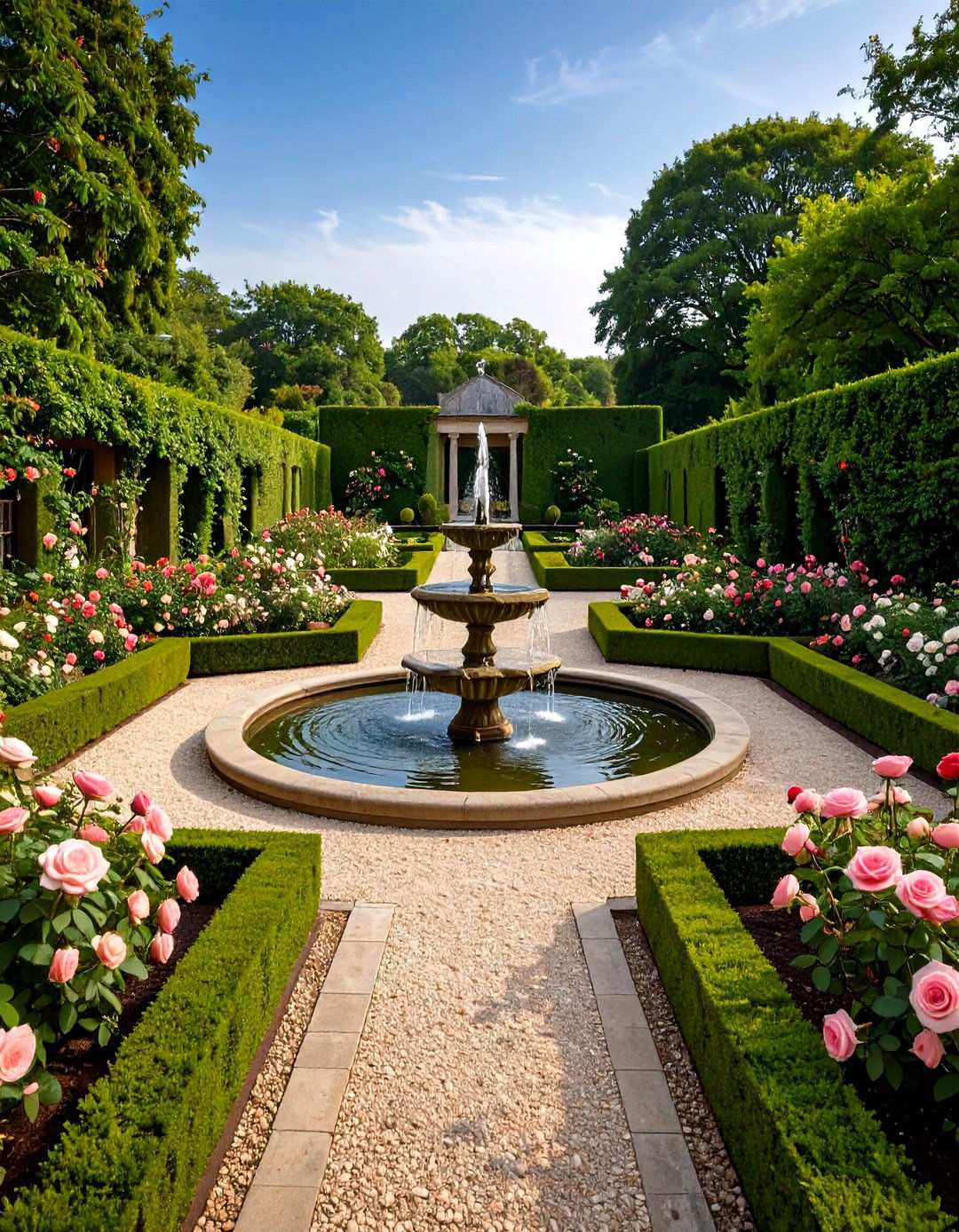
For centuries, formal parterre gardens have left an indelible mark on garden enthusiasts worldwide. This captivating style relies on intricate patterns created using low hedging, which is perfectly complemented by an array of white flowering plants. Design symmetrical beds using compact evergreens like dwarf boxwood, which not only serves as a boundary but also contributes to the overall aesthetic. The compartments within these beds can be filled with an assortment of white blooms, such as tulips in the spring, annuals in the summer, and chrysanthemums in the fall. To further enhance the formal ambiance, incorporate topiary elements and meandering pathways made of white gravel. A central focal point, such as a white garden sculpture or a serene fountain, will elevate the overall visual appeal of this design. While formal parterre gardens do require considerable upkeep, the payoff is a visually stunning space that photographs beautifully and showcases the beauty of classical garden design principles.
8. Container Gardening for a Small-Space White Oasis
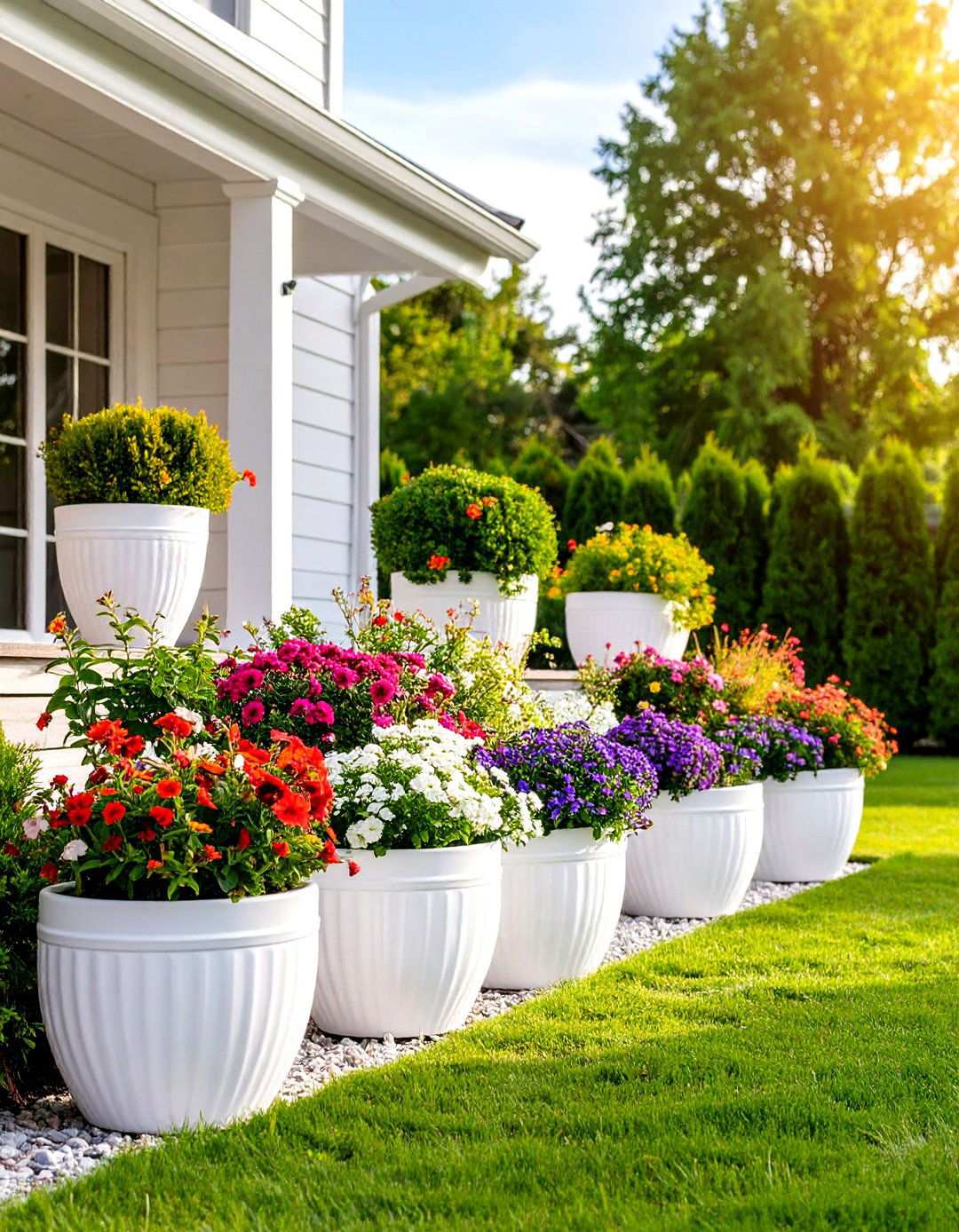
Container gardening can be an ideal solution for those with limited outdoor space but a desire for a beautiful white garden. This versatile approach allows for adaptable designs that can be easily rearranged seasonally. By selecting a variety of white ceramic, stone, or painted containers in different sizes and heights, you can create a visually appealing arrangement. For continuous blooms, plant a mix of white petunias, white bacopa, and white sweet alyssum. Don’t forget to include white-flowering shrubs like hydrangeas and roses in larger containers, as well as white-variegated plants like hostas for added foliage interest. To create a natural-looking arrangement, group the containers in odd numbers and experiment with different combinations to achieve the desired look. This approach is particularly suited for renters, those with small spaces, and anyone who enjoys changing garden layouts seasonally.
9. Creating Serenity in a White Woodland Garden Sanctuary
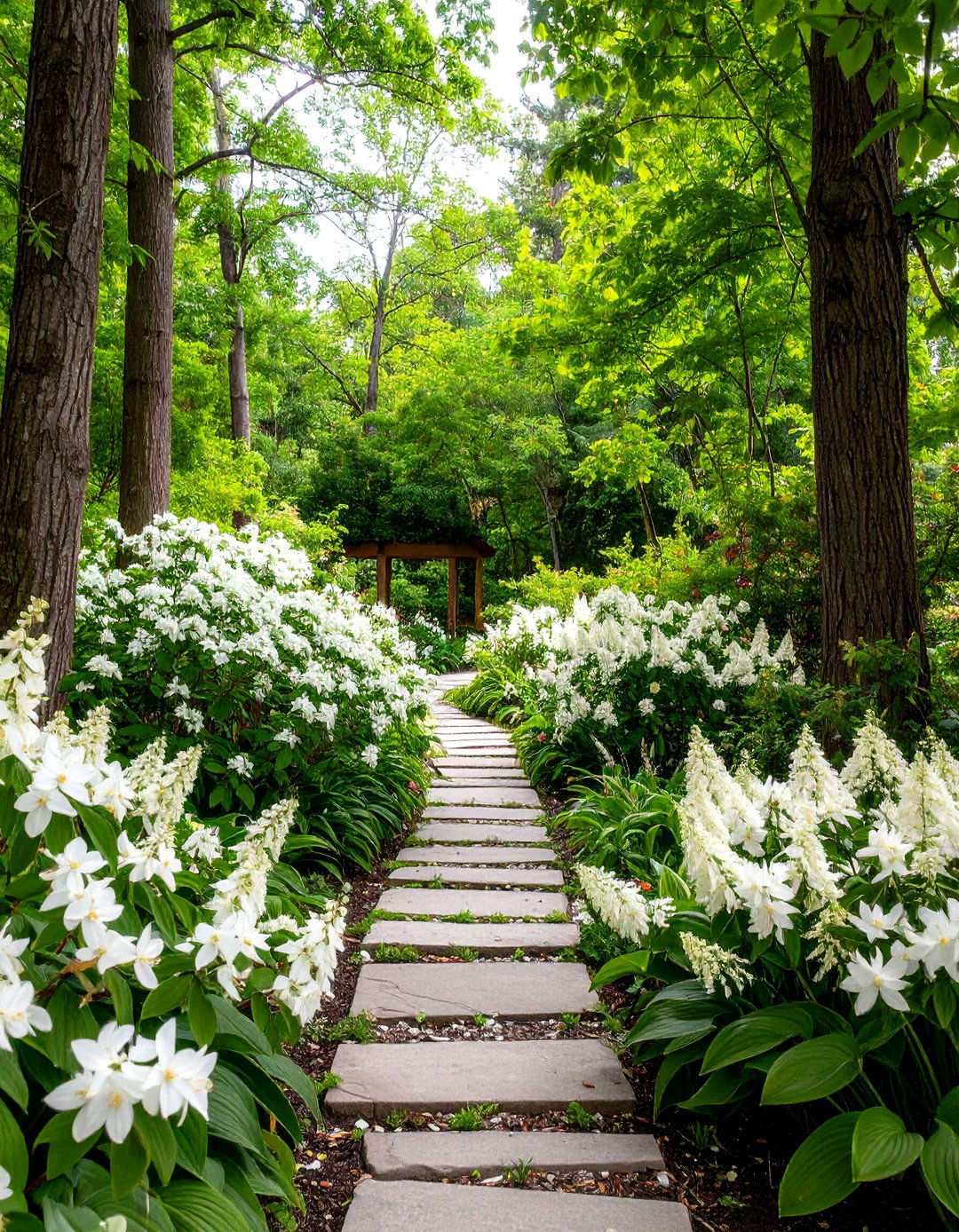
Natural woodland white gardens exude a sense of peacefulness that is both calming and invigorating. To achieve this serene ambiance, work with the existing tree canopy while adding understory plantings in a palette of white and green hues. Plant white flowering trees like dogwoods and redbuds to add visual interest to the canopy, and complement them with shade-loving white flowers like astilbe, caladiums, and impatiens. For mid-level plantings, incorporate white-flowering shrubs like azaleas and oakleaf hydrangeas, and add some ground coverage with ferns and white-variegated hostas. To enhance the natural feel, use materials like bark mulch and stone pathways. This style of garden is perfect for creating cool, restful spaces that are ideal for meditation and relaxation.
10. Capturing the Essence of Mediterranean Coastal Living in a White Garden
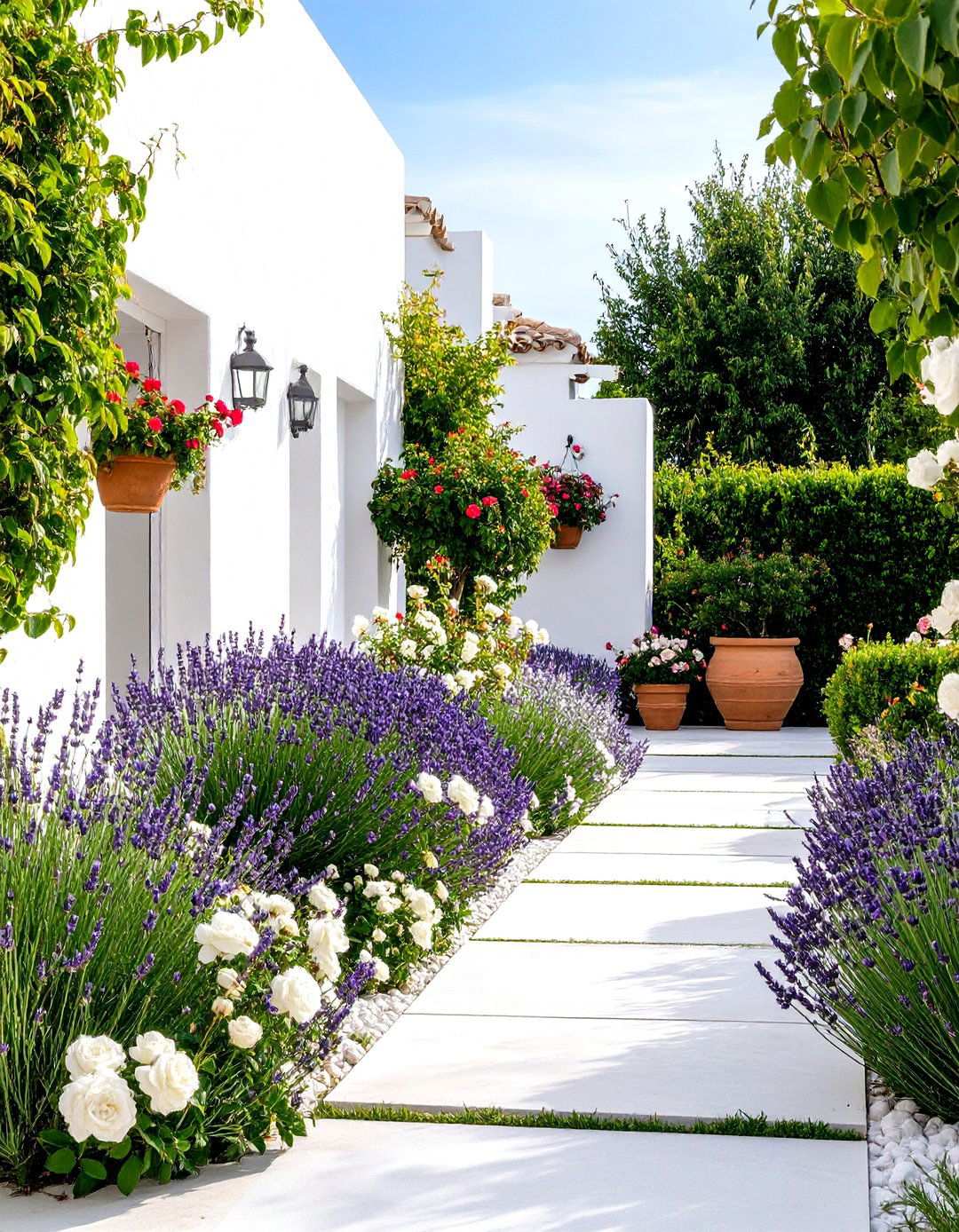
White gardens can beautifully capture the essence of Mediterranean coastal living by incorporating drought-tolerant plants, silver foliage, and natural stone elements. To create this look, plant white-flowering Mediterranean herbs like lavender, rosemary, and sage, which thrive in dry conditions. For a stunning display, train white roses against white stucco walls or stone surfaces, and complement them with silver-leaved plants like olive trees, artemisia, and white-flowering cistus. To complete the Mediterranean look, use white gravel, natural stone pathways, and terracotta containers. Don’t forget to include outdoor dining areas with white furniture for alfresco entertaining. This water-wise approach is perfect for hot, dry climates and creates a vacation-like atmosphere in your garden.
11. Captivating Whiteness in Tropical Climates

The allure of white gardens in tropical climates lies in their ability to thrive while maintaining a cooling effect. Tropical white gardens are designed around large-leaved plants that boast vibrant white flowers and striking architectural forms. To create a dramatic tropical display, incorporate plants like white birds of paradise, white hibiscus, and white bougainvillea, which produce bold blooms. Adding white-flowering trees like white plumeria and white magnolias provides an overhead canopy, while plants with white variegation like white-striped elephant ears and white-edged banana plants bring a sense of texture and movement. White coral stone or white concrete make for striking pathways and patios, while water features such as white fountains or pools enhance the cooling effect. The result is a lush, resort-like environment that offers year-round visual interest.
12. The Enchanting Charm of Alpine White Gardens
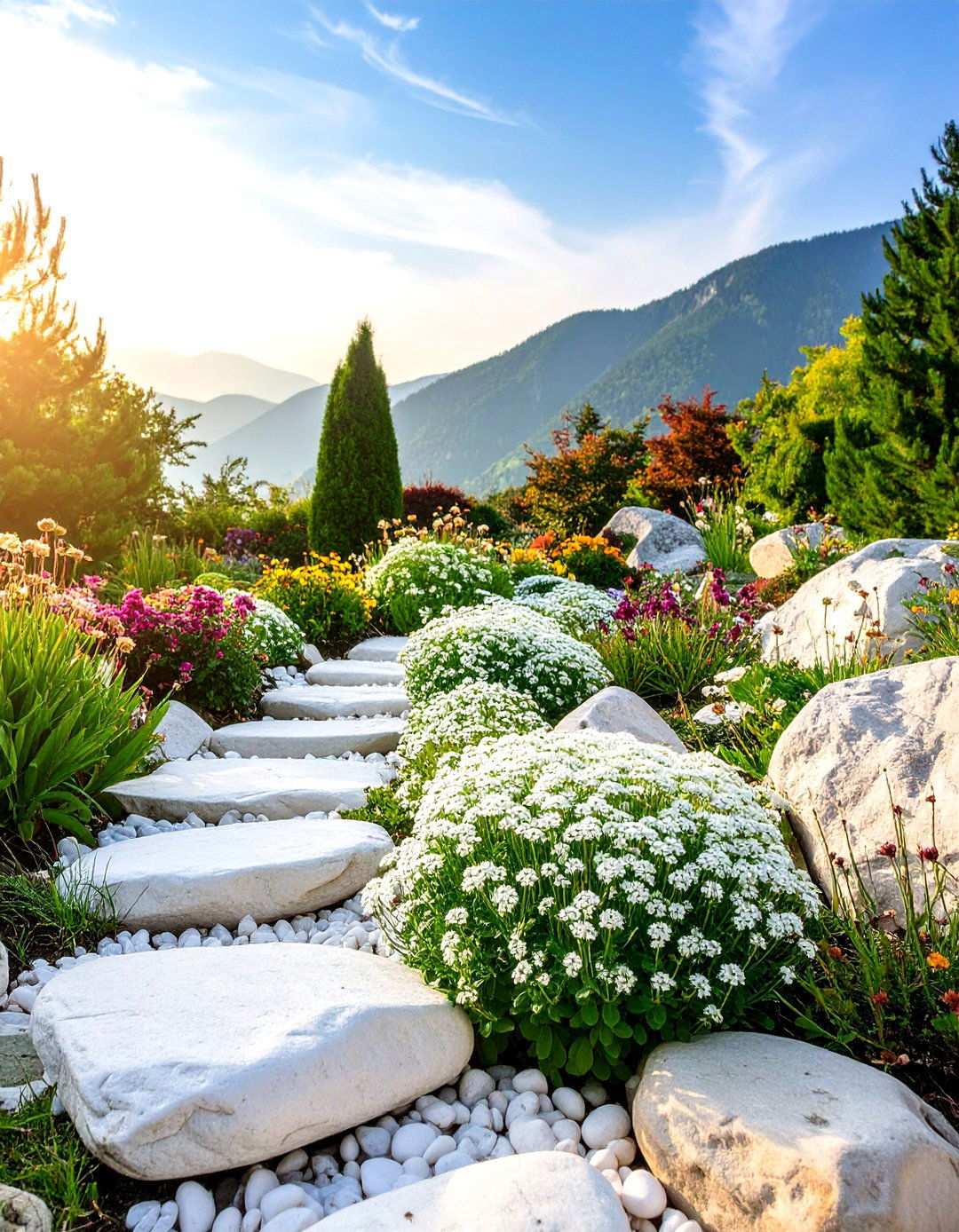
Alpine white gardens are captivating despite their small scale due to the unique characteristics of their drought-tolerant white flowering plants. These specialized gardens thrive in well-drained, rocky conditions, making them perfect for areas with challenging growing conditions. To create a visually striking alpine garden, start by building raised beds with excellent drainage using gravel and stone amendments. Then, plant white-flowering alpines like white aubrieta, white candytuft, and white rock cress, which add a pop of color to the landscape. Include white-flowering succulents like white sedums and white hens-and-chicks to add depth and texture. Small white-flowering shrubs like white heather and white daphne provide structure and form. Use natural stone pathways and decorative rocks to further enhance the landscape’s visual appeal. This low-maintenance approach makes it an ideal choice for slopes, raised beds, and areas with poor soil quality.
13. Combining Function and Beauty in White Cutting Gardens
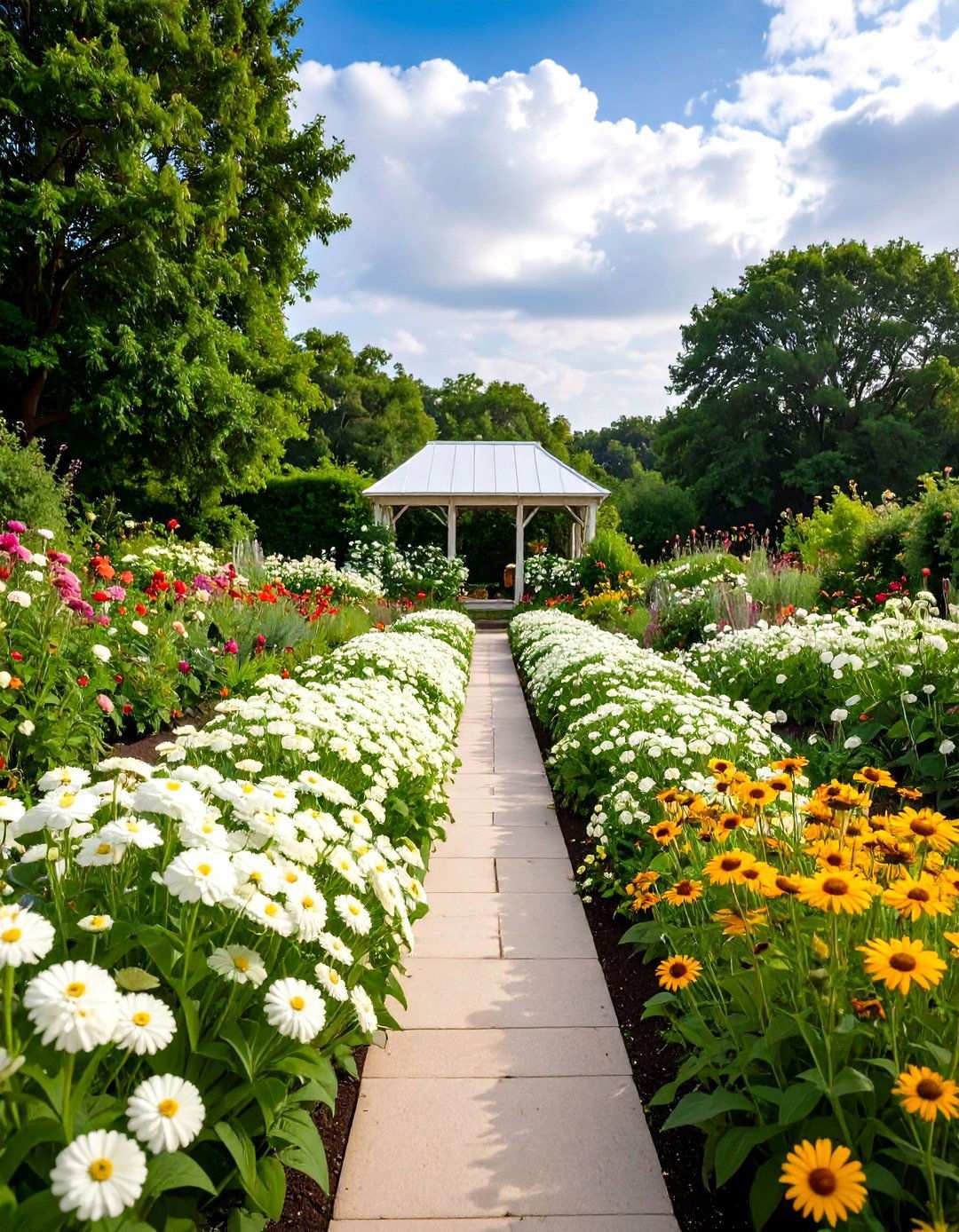
Practical gardens don’t have to sacrifice beauty for function; in fact, they can do the opposite. White cutting gardens offer a productive approach that combines stunning outdoor displays with an abundance of flowers for indoor arrangements. To create a thriving cutting garden, plant rows of white flowers specifically chosen for their cutting longevity, such as white zinnias, white cosmos, and white sunflowers. Include white flowering branches like white lilac, white forsythia, and white cherry for larger arrangements. Add white-flowering bulbs like white tulips, white daffodils, and white gladioli for seasonal cutting material. Create wide pathways for easy access and harvest, and consider incorporating composting areas and tool storage for efficient garden maintenance. This productive approach allows flower-loving gardeners to enjoy the beauty of their garden while also reaping its rewards.
14. Wintertime Allure: Unveiling the Beauty of White Winter Gardens
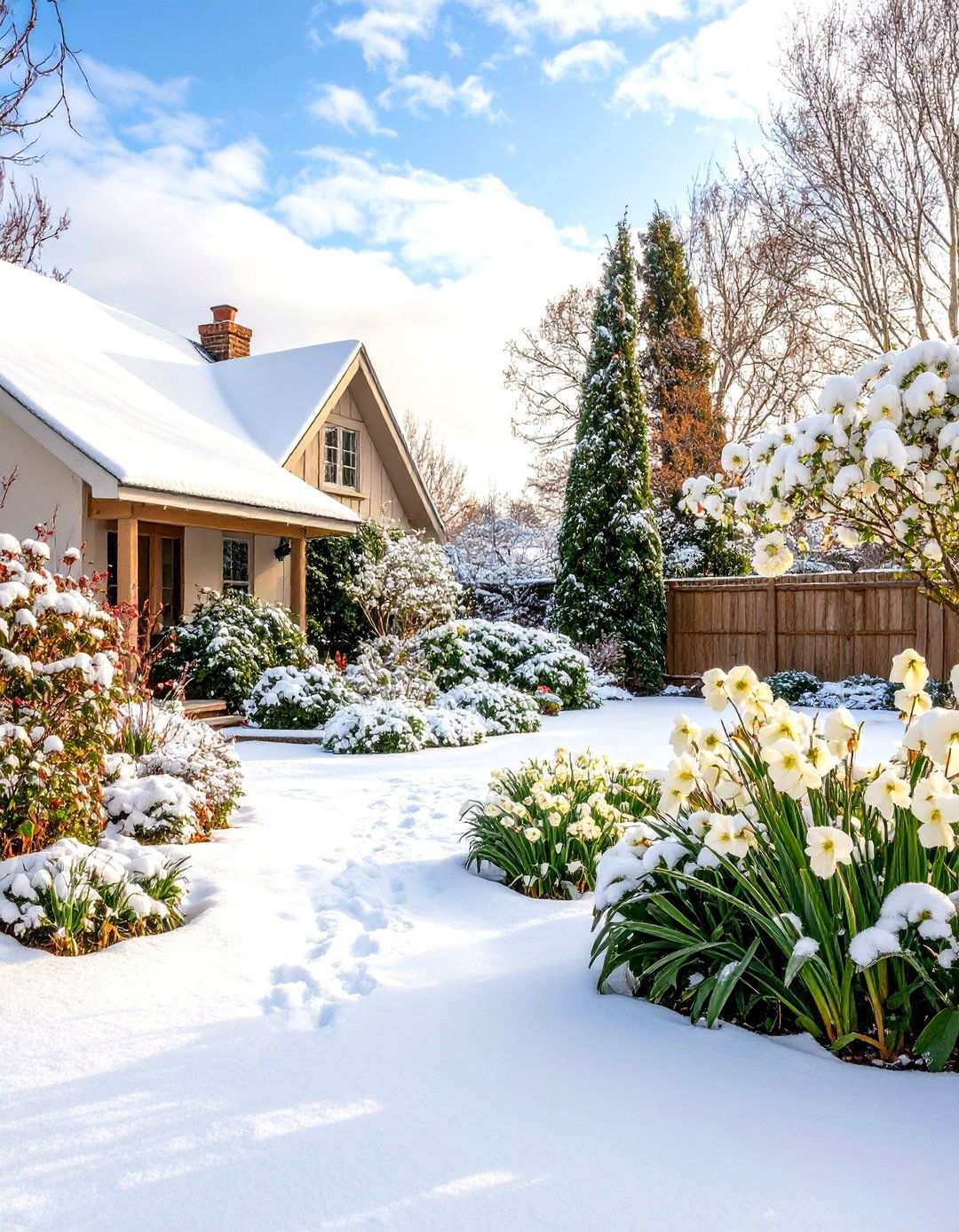
A well-designed white winter garden is a masterclass in subtlety, weaving together a tapestry of evergreen plants, white berries, and winter-blooming flowers to create a visually stunning landscape. One approach involves incorporating white-berried shrubs such as the white beautyberry and the snowberry, which provide a pop of winter color amidst the dormant landscape. Trees with striking white bark, like the birch and the sycamore, add architectural interest and draw the eye to specific areas of the garden. Meanwhile, winter-blooming white flowers like hellebores, camellias, and witch hazel burst forth with delicate beauty, creating a sense of continuity and cohesion. By incorporating evergreen plants with white variegation, such as white-edged hollies and white-striped grasses, and using white gravel pathways and garden structures, the white winter garden becomes a haven of serenity and visual interest during the dormant seasons.
15. Elegance Reflected: How White Water Gardens Create Tranquil Spaces
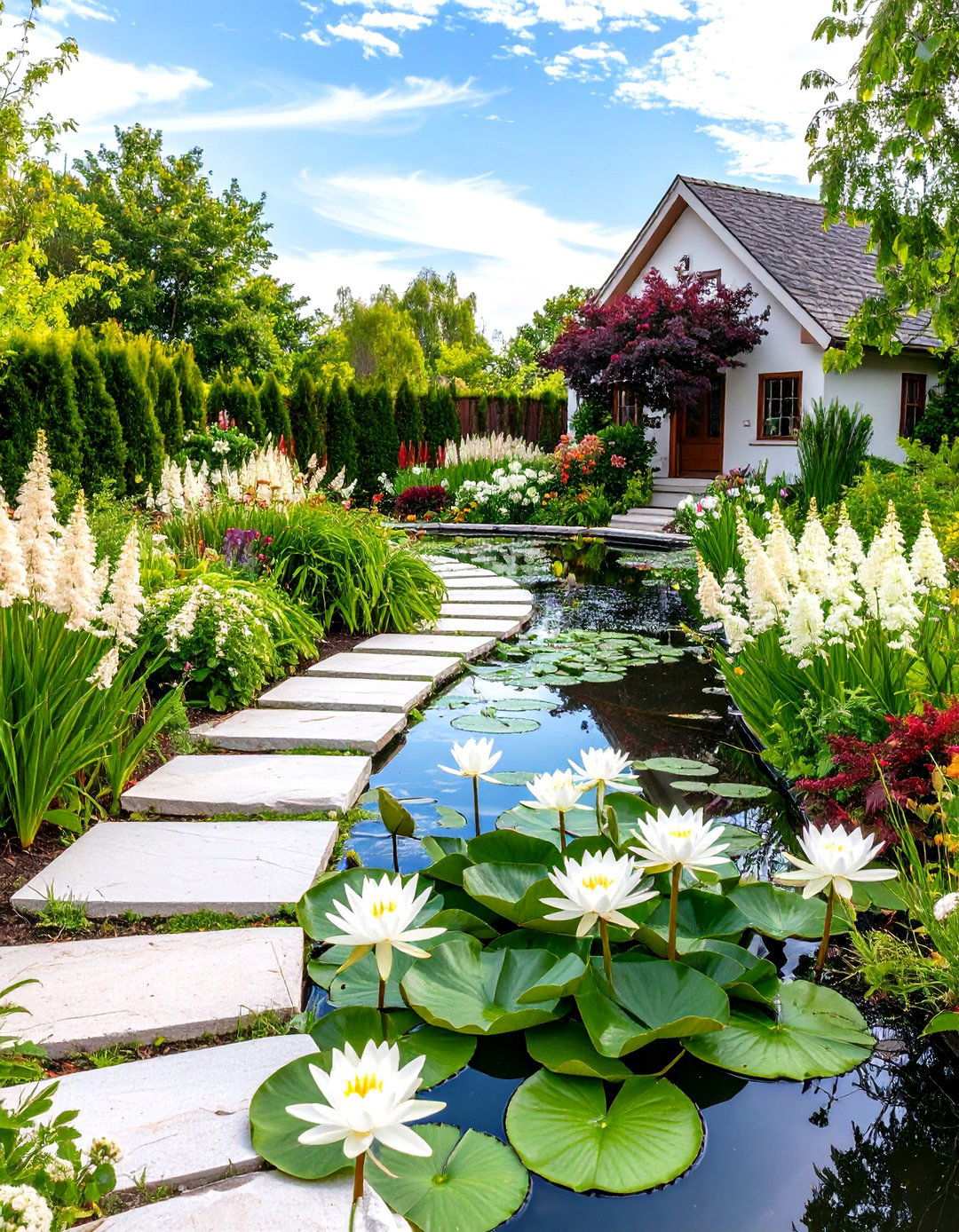
Water features can be a game-changer in white garden design, amplifying the beauty of surrounding plants and creating a sense of serenity. A white water garden combines aquatic plants with terrestrial plantings to create a cohesive and visually striking design theme. For a truly show-stopping effect, consider planting white water lilies, lotus, and water hyacinths, which float majestically on the water’s surface. Poolside plantings of white astilbe, iris, and cardinal flowers add a touch of whimsy and color, while white-flowering trees near the water’s edge create a stunning reflection effect. To complete the look, use white stone or concrete for pool edging and surrounding hardscape, and position white outdoor furniture for optimal viewing of the water garden. By incorporating underwater lighting, you can highlight the beauty of white flowers during the evening hours, creating a tranquil and meditative atmosphere that invites relaxation and contemplation.
16. Fragrance and Fascination: Crafting Unforgettable White Fragrant Gardens
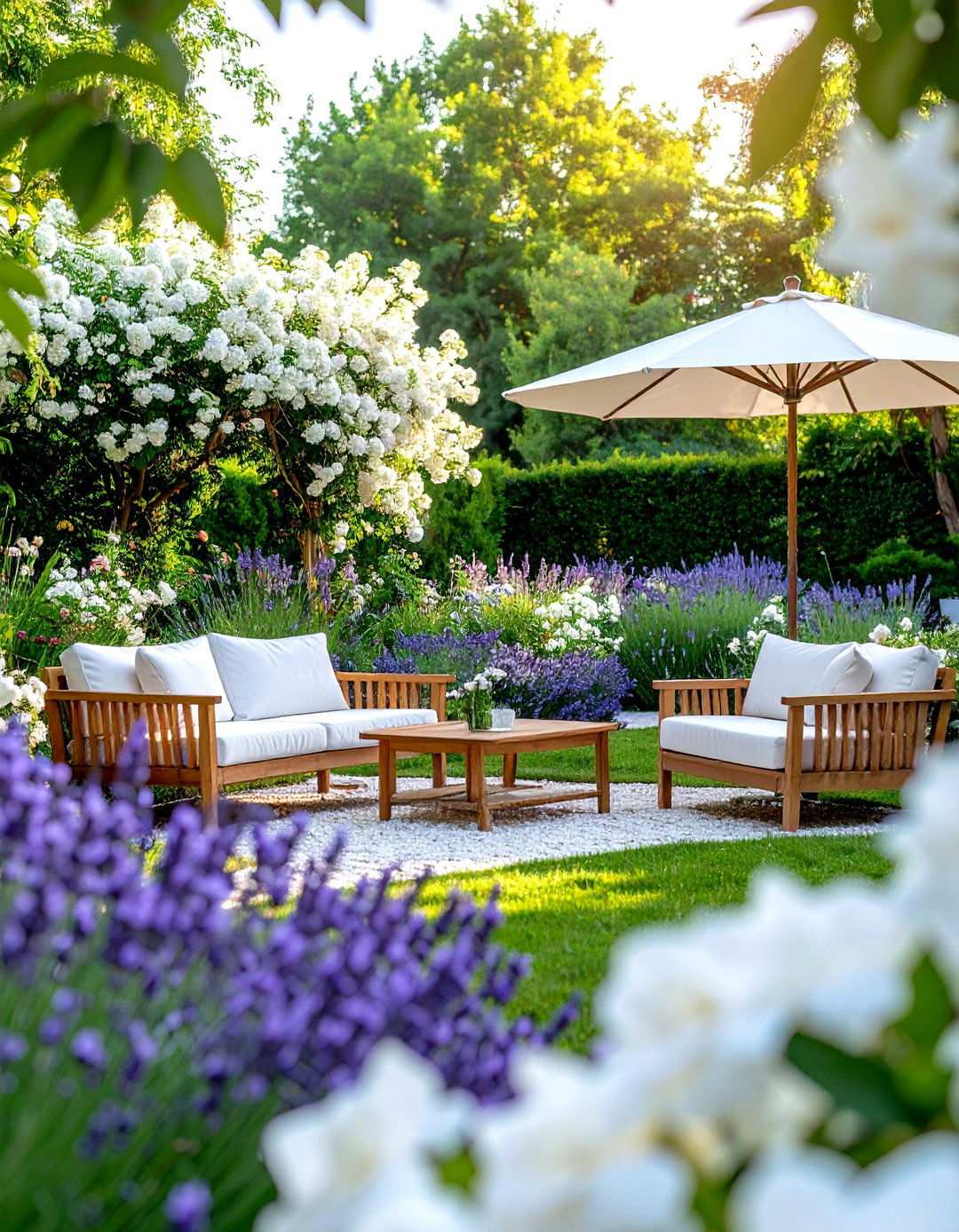
A truly unforgettable garden experience is one that engages the senses, transporting visitors to a world of beauty and wonder. In a fragrant white garden, the focus is on plants chosen not only for their visual appeal but also for their intoxicating scents. Intensely fragrant white flowers like gardenias, jasmine, and sweet peas fill the air with their heady perfume, drawing visitors in with their irresistible charm. White-flowering herbs like lavender, rosemary, and thyme add a culinary and aromatic dimension to the garden, while white night-blooming flowers like moonflowers and four o’clocks provide a burst of fragrance in the evening hours. By positioning seating areas within fragrant plant groupings and incorporating pathways that brush against fragrant foliage, you can create a sensory experience that lingers in visitors’ minds long after they leave the garden.
17. Elevating Vertical Spaces with White Garden Impact
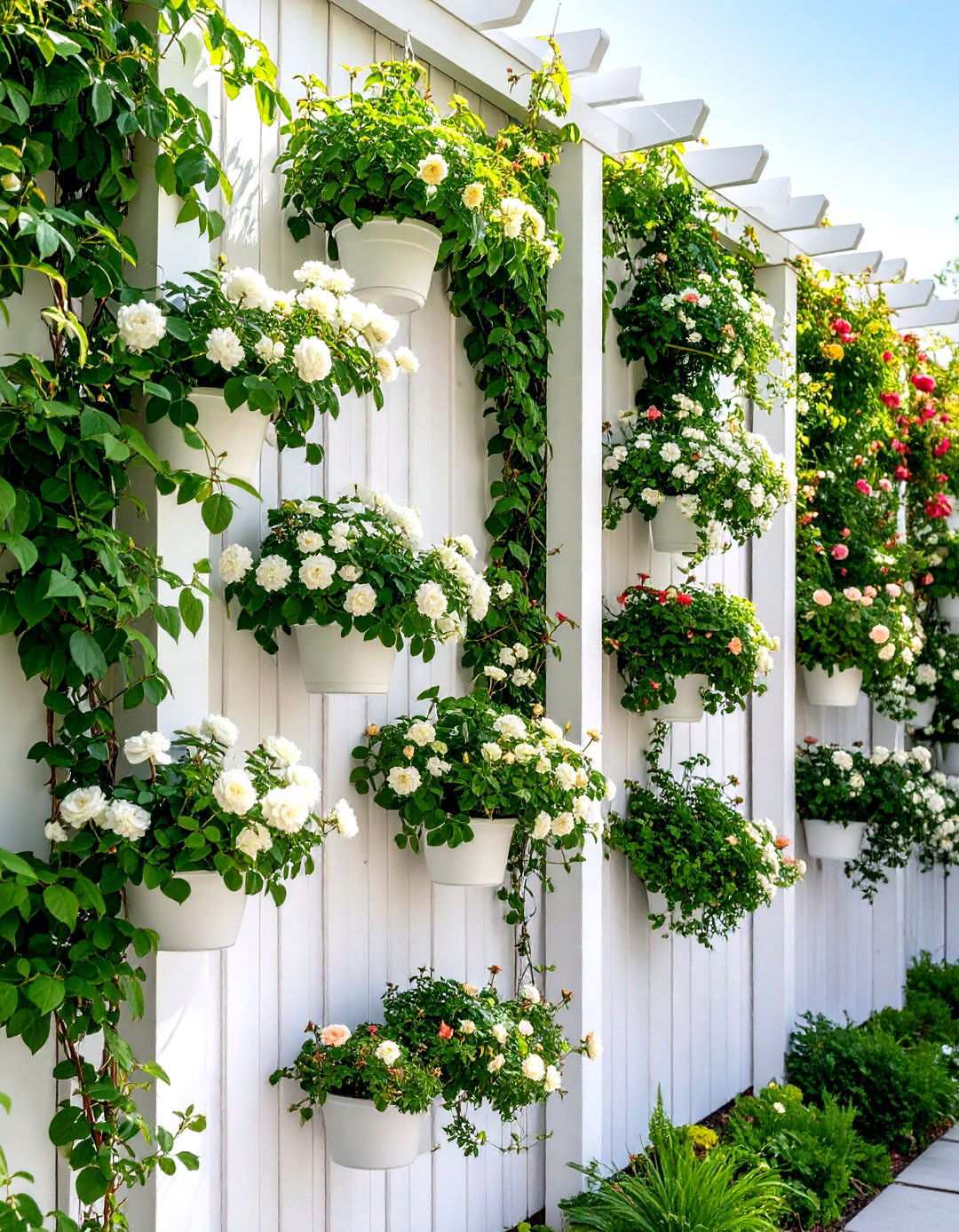
Vertical gardens can significantly impact limited areas with a touch of elegance and sophistication. By utilizing walls, fences, and trellises, you can create stunning plant displays in small footprints. A white garden theme can be achieved by installing trellises adorned with white-flowering vines such as clematis, honeysuckle, and climbing roses, which can be trained to grow upwards. Incorporating modular growing systems with white-flowering plants can also create living walls that add visual interest to your space. Hanging baskets and wall-mounted containers in varying heights can further enhance the display, while trailing plants like white-edged ivy and white-striped vincas can be used to create a cascading effect. To complete the look, incorporate white outdoor furniture and accessories that complement the vertical plantings. This space-efficient approach is ideal for urban gardens, small patios, and areas where ground space is restricted.
18. Embracing the Wild Beauty of Prairie Landscapes
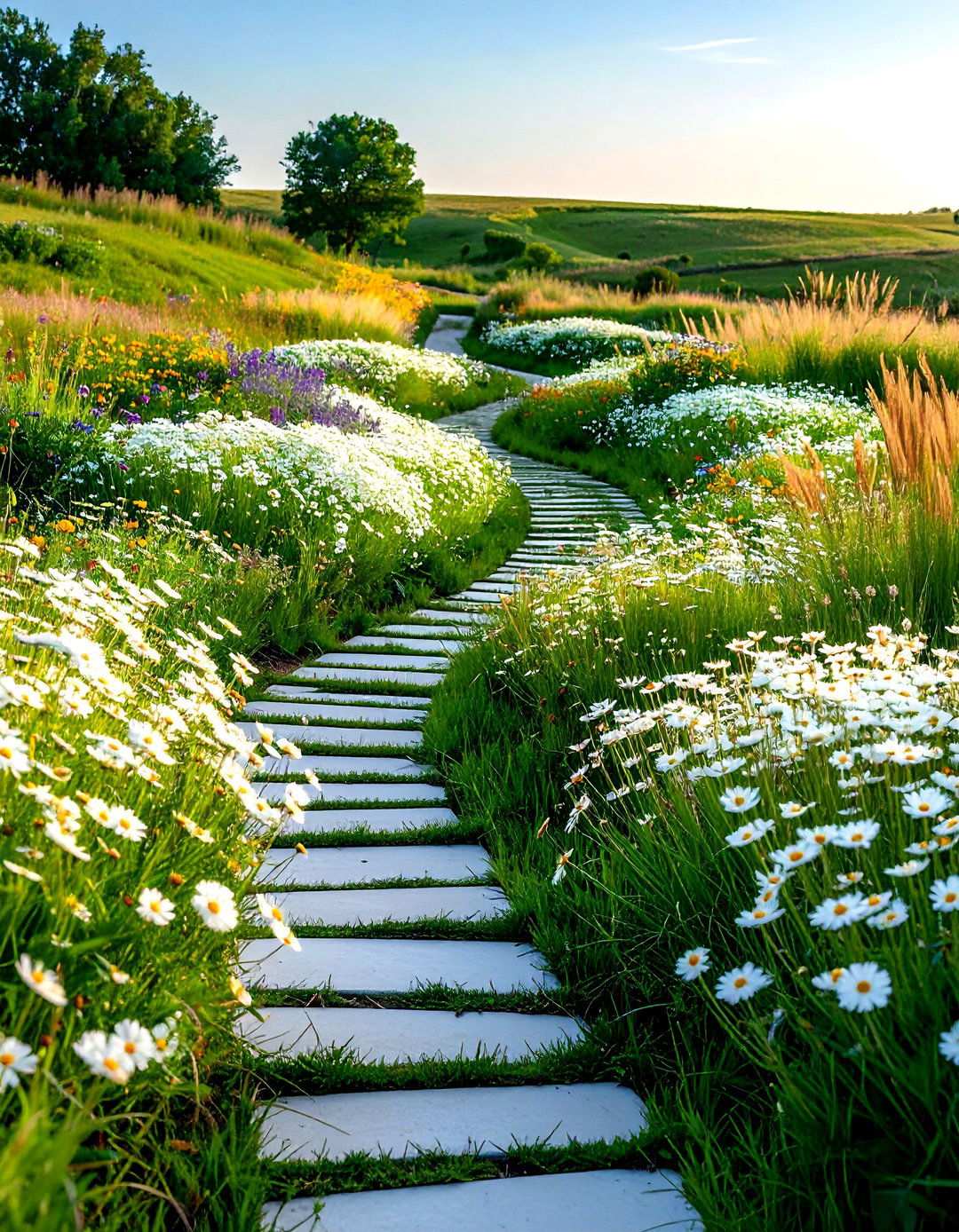
Prairie-style white gardens can capture the untamed beauty of natural landscapes, requiring minimal maintenance once established. By emphasizing native grasses and wildflowers in naturalistic arrangements, you can create a low-maintenance yet striking garden. Plant native white wildflowers like coneflowers, wild bergamot, and meadow rue, which thrive in their natural habitat. Incorporate white-flowering prairie grasses like fountain grass and feather reed grass to add movement and texture. Native shrubs like elderberry and serviceberry can provide structure to the garden. Use natural materials like wood chips or stone to create meandering pathways that invite exploration. Allowing plants to self-seed can create a dynamic, ever-changing landscape that requires minimal intervention. This sustainable approach not only creates beautiful gardens but also supports local ecosystems.
19. Thriving in Urban Environments: Rooftop White Gardens
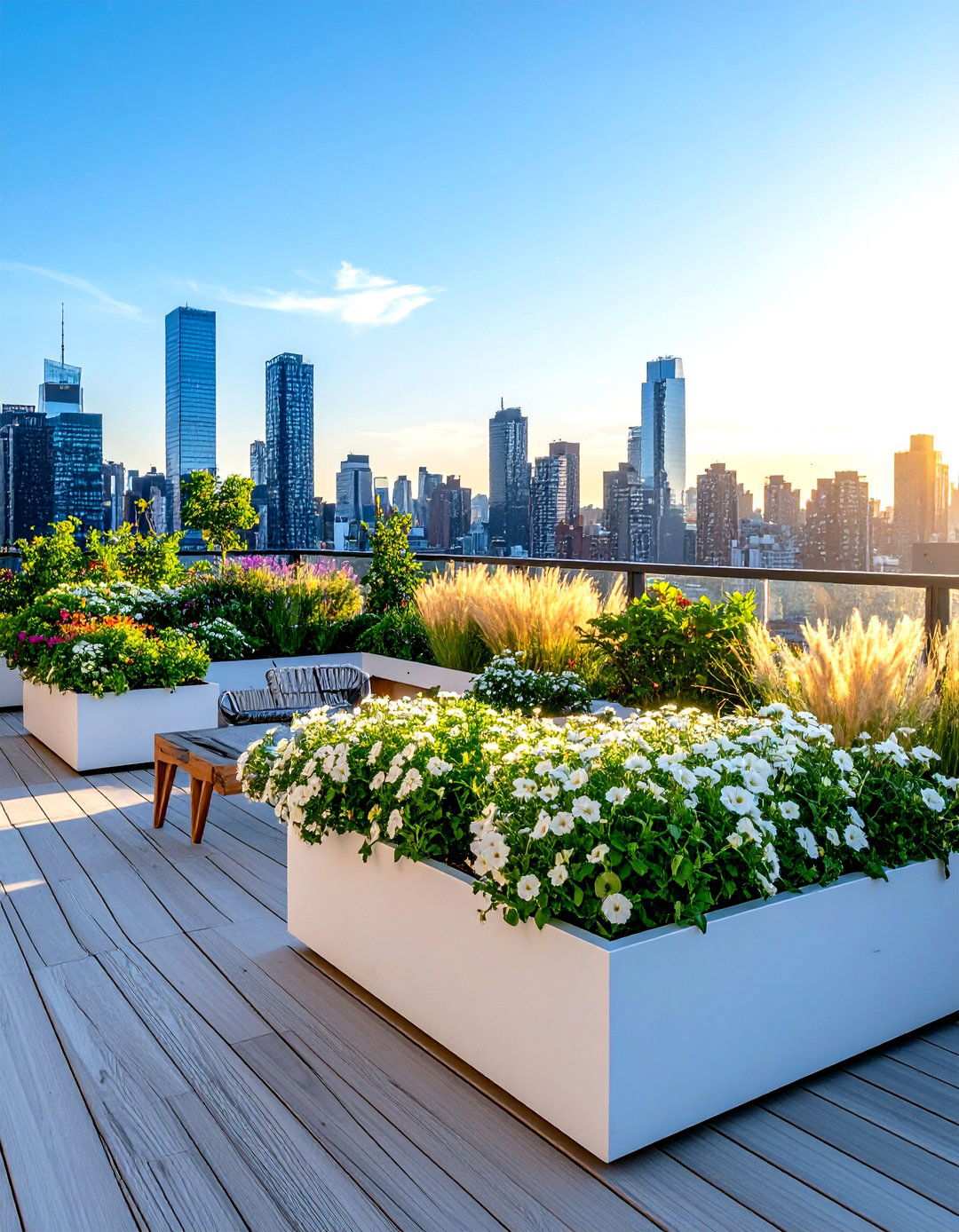
Rooftop gardens present unique challenges, but with careful planning, they can become urban oases. To succeed, choose compact white-flowering plants that can withstand wind exposure, such as petunias, marigolds, and portulaca. Incorporating white-flowering shrubs in large containers with adequate root space can also provide structure and stability. Ornamental grasses with white flowers can add movement and texture to the garden. Using white gravel mulch and white containers can help reflect heat and reduce plant stress. Additionally, consider incorporating windscreens and shade structures to protect plants from harsh urban conditions. By incorporating these strategies, you can create valuable green spaces in dense urban environments that bring beauty and tranquility to the city.
20. Serene Haven: The Power of White Zen Gardens

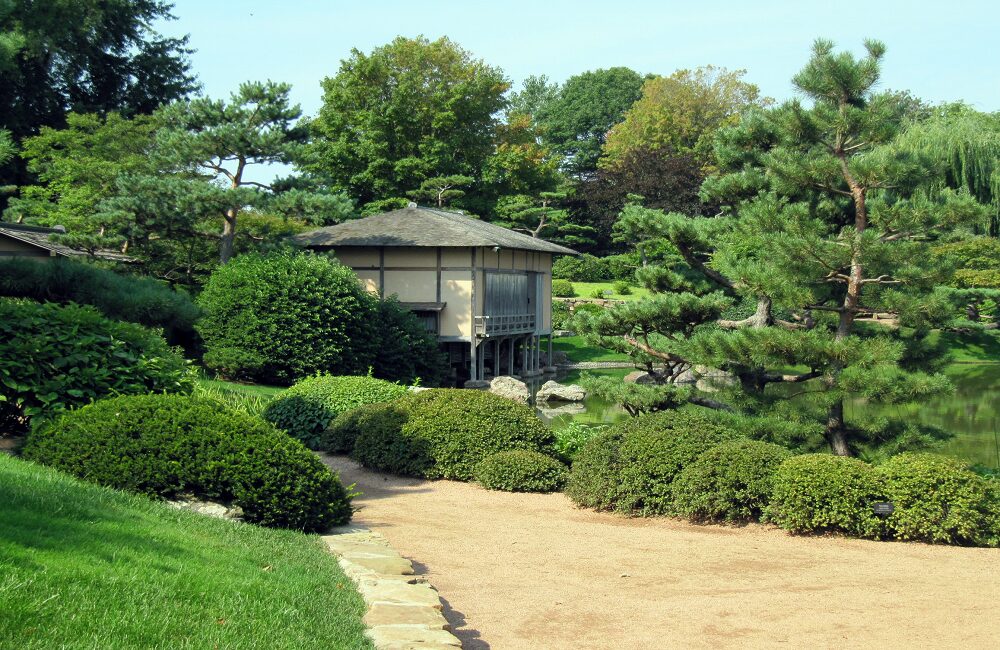
White gardens possess a unique ability to induce mindfulness and contemplation. This meditative quality stems from the deliberate simplicity, balance, and harmony found in carefully crafted Zen-inspired spaces. By employing precise techniques, gardeners can create visually striking patterns with white gravel, sand, and strategically placed white stones. Monochromatic plant groupings, such as white ornamental grasses or flowering shrubs, can be strategically integrated to enhance the sense of calm. Minimal yet effective water features, such as white stone fountains or serene reflecting pools, can be incorporated to further amplify the meditative experience. The incorporation of natural, comfortable seating areas and white or neutral-colored garden structures serves to emphasize the importance of simplicity. By embracing this contemplative approach, gardeners can create havens for relaxation, meditation, and stress relief, all within the beauty of their garden.
21. Year-Round Floral Delights: The Art of White Greenhouses
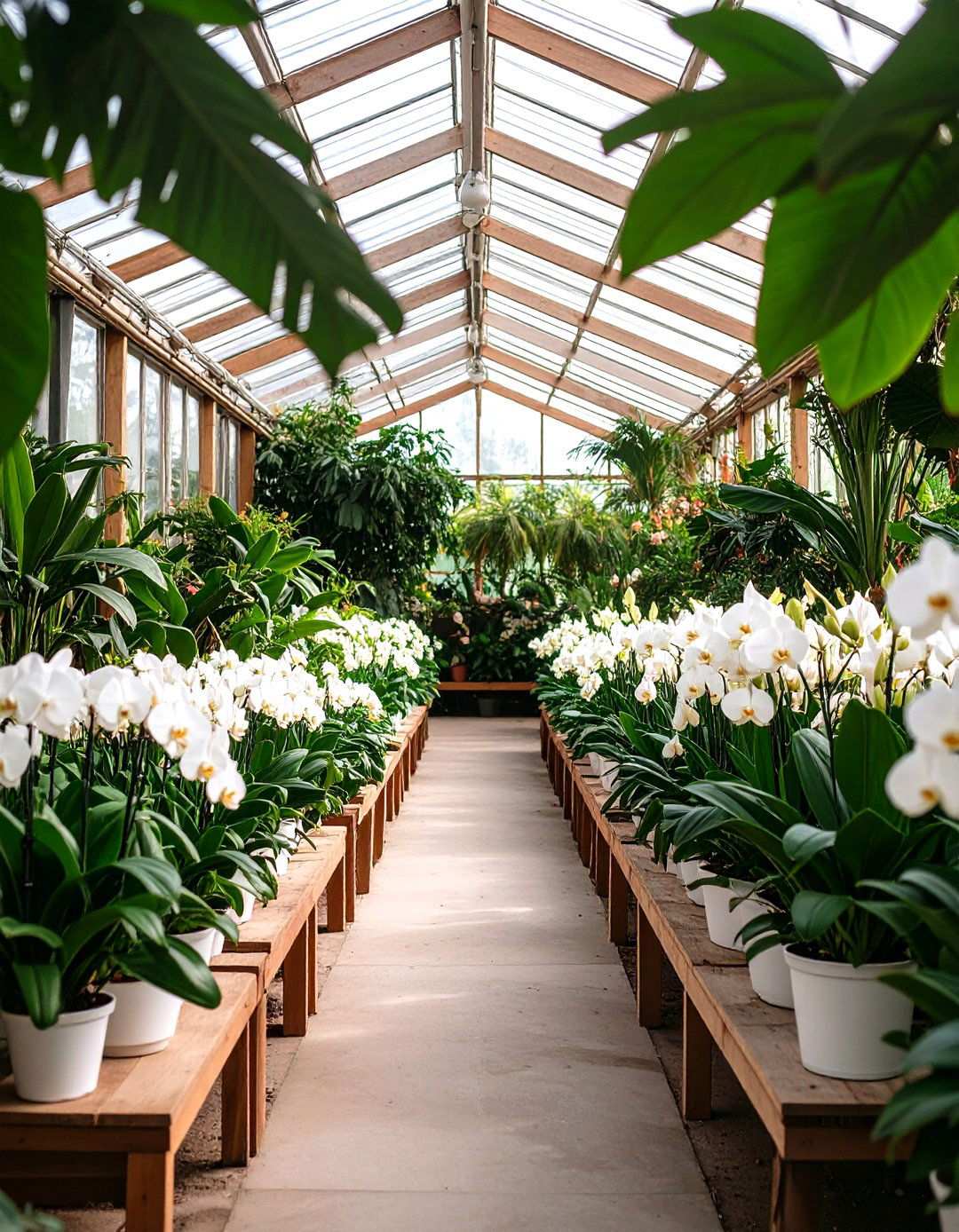
Greenhouses equipped with white gardens offer an exciting opportunity to extend the growth season and expand the palette of available plants. By cultivating tender white-flowering species in a controlled environment, gardeners can enjoy exotic blooms year-round. The inclusion of white orchids, gardenias, and jasmine, which typically require protection from harsh weather conditions, adds a touch of elegance to the greenhouse. Complementing these showstoppers are white-flowering houseplants like anthuriums, peace lilies, and begonias, which thrive in the greenhouse’s climate-controlled conditions. Adding a dash of contrast with white-variegated foliage plants further enhances the visual appeal of the space. To complete the look, incorporate white containers and growing benches into the design, and invest in a state-of-the-art climate control system to ensure optimal growing conditions. By harnessing the potential of a greenhouse white garden, dedicated gardeners can unlock the full range of possibilities in their horticultural pursuits.
22. Coastal Connoisseurs: Designing Resilient White Beach Gardens
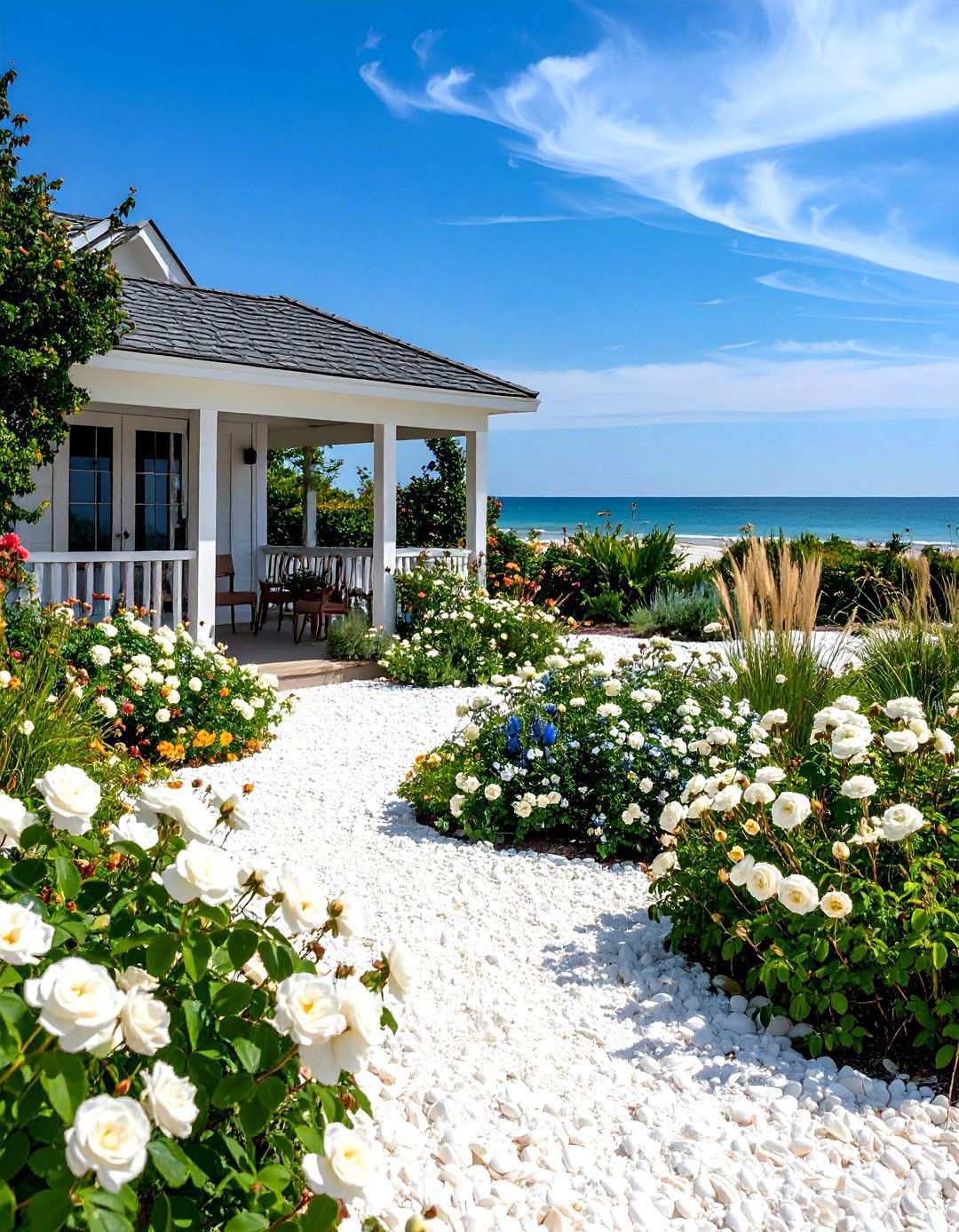
Coastal gardens, in particular, pose unique challenges due to the harsh conditions presented by salt spray and wind. However, by carefully selecting salt-tolerant white flowers, beach gardens can thrive despite these conditions. Plants like white sea thrift, beach roses, and seaside goldenrod are well-suited to withstand the rigors of oceanfront environments. For added protection and visual interest, incorporate white-flowering shrubs like tamarisk and oleander, which can help shield the garden from the wind. Ornamental grasses with white-tipped foliage, such as fountain grass, can also be strategically placed to add texture and movement to the space. White shell or stone mulches serve to enhance the coastal aesthetic, while natural windscreens can help mitigate the impact of harsh winds. By embracing this specialized approach, gardeners can create beachside gardens that not only complement the surrounding architecture but also withstand the challenges of the coastal environment.
23. Elevating Children's Engagement with White Garden Spaces
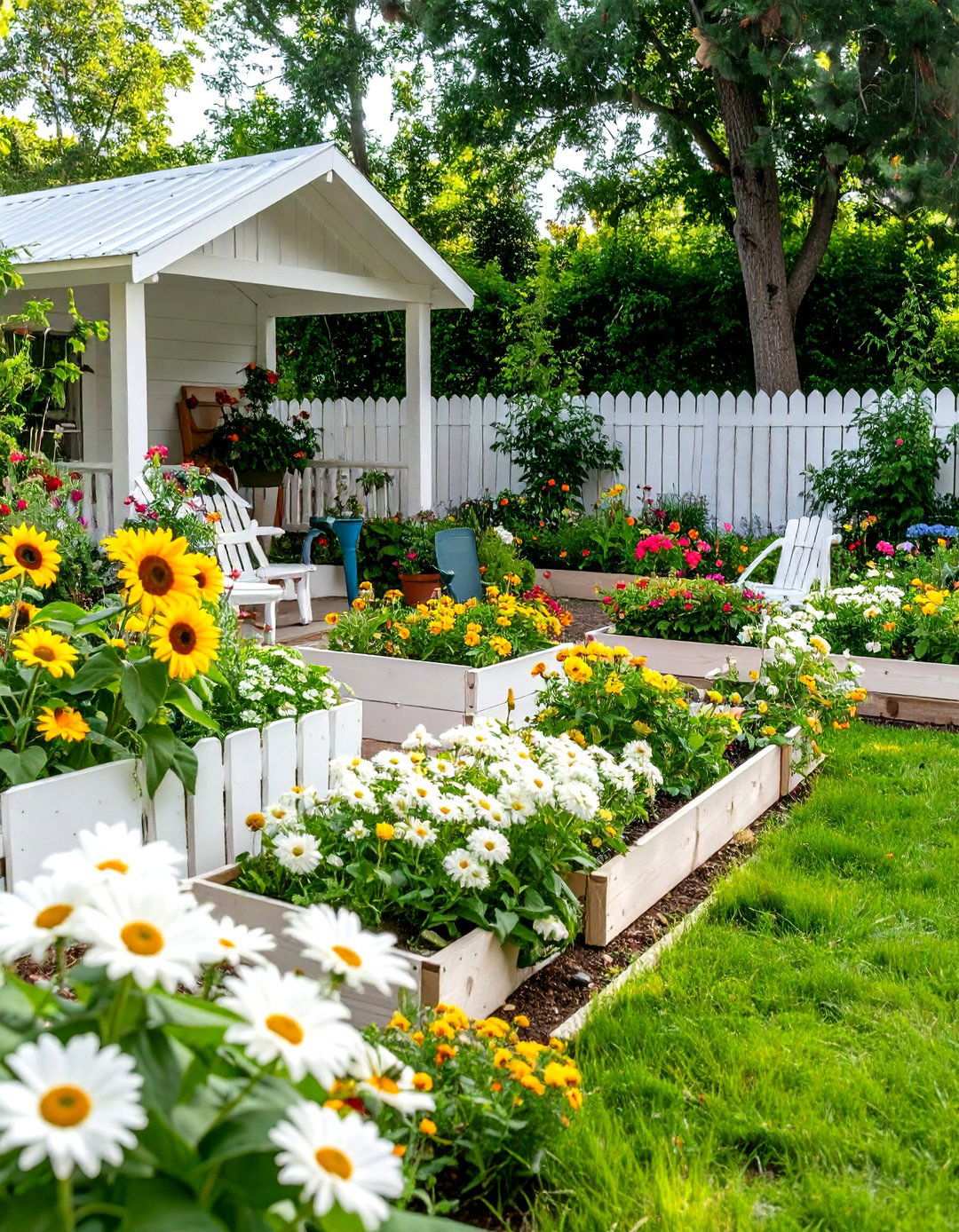
Transforming outdoor areas into immersive learning environments for young gardeners is a creative approach to nurturing green thumbs. A white garden specifically designed for children focuses on fast-growing, low-maintenance plants that seamlessly integrate educational and aesthetic value. By incorporating quick-growing white flowers such as sunflowers, zinnias, and marigolds, kids can directly participate in the growth process from seed to bloom. To encourage exploration, incorporate edible white-flowering vegetables like eggplants and peppers, alongside sensory plants featuring white flowers like lamb’s ear and catnip. Construct raised beds at convenient heights and provide child-sized garden tools and informative signage to promote interactive learning. This thoughtful educational approach can have a lasting impact on young gardeners.
24. Maximizing Space in White Balcony Gardens for Compact Living
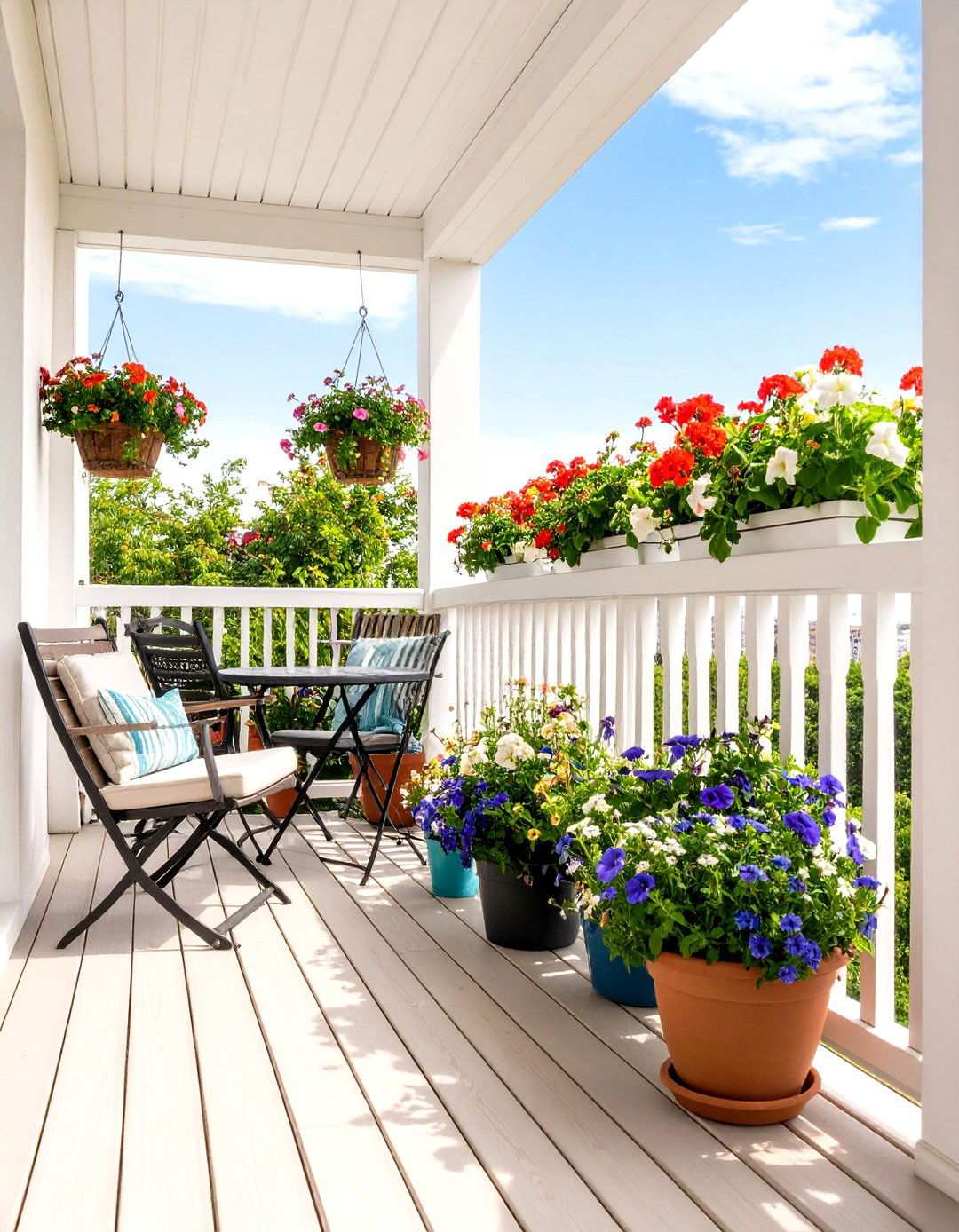
Even the most confined urban spaces can be elevated with sophisticated white garden designs that cleverly utilize container placement and vertical growing techniques. Apartment balconies can be transformed into serene oases by strategically incorporating white rail planters, hanging baskets, and floor containers in varying sizes. The use of compact white flowers such as petunias, bacopa, and sweet alyssum ensures continuous blooms, while trailing white-flowering plants create a captivating cascading effect over balcony edges. To add depth and visual interest, incorporate white-variegated foliage plants. By incorporating white outdoor furniture and accessories, a cohesive design theme can be achieved effortlessly. Furthermore, the installation of automatic watering systems simplifies maintenance, allowing urban dwellers to enjoy beautiful balcony gardens despite space constraints.