1. The Whispers of Nature
Memorial gardens offer solace and comfort through their harmonious blend of natural elements, cultivating spaces where cherished memories intertwine with the beauty of nature. These serene landscapes serve as a sanctuary for reflection, remembrance, and rebirth, while honoring loved ones in a meaningful and lasting way. Whether transforming a secluded corner of your property or designing an intricate outdoor memorial, these gardens evolve and flourish over time, becoming a testament to the power of life and the cyclical nature of existence. Each element within the garden is carefully selected to serve a purpose, from vibrant plants that bloom in favorite colors to soothing water features that bring peaceful ambiance. Memorial gardens invite an array of wildlife, creating thriving ecosystems that celebrate life while providing comfort to those experiencing loss. The therapeutic act of planning, planting, and nurturing these special spaces helps process emotions and fosters lasting connections to cherished memories. These gardens become destinations for quiet contemplation, family gatherings, and annual remembrance ceremonies that keep precious bonds alive.

As an Amazon Associate I earn from qualifying purchases.
2. The Dance of Renewal
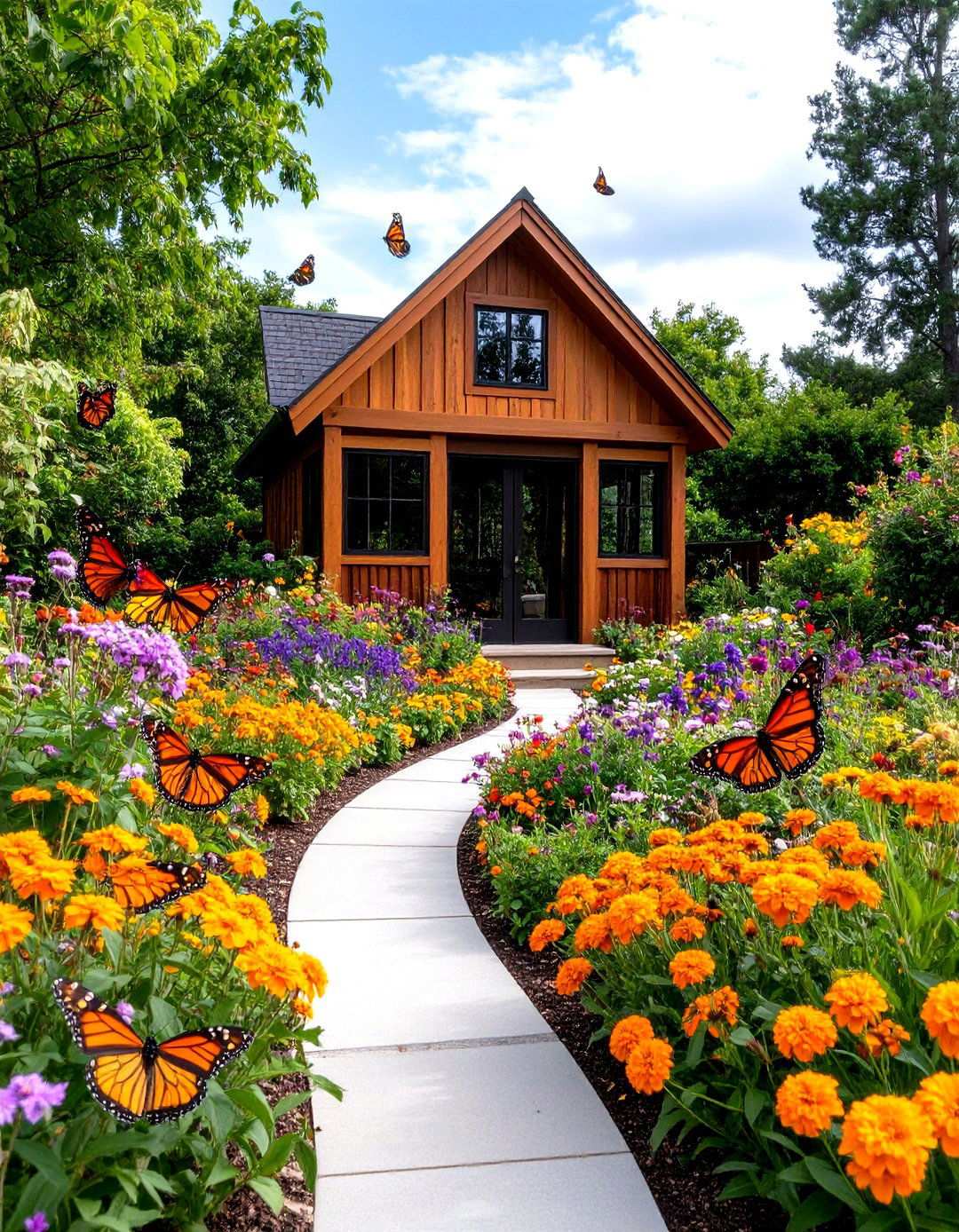
A living testament to transformation and hope, a butterfly garden can bring a sense of wonder and magic to your memorial space. By incorporating nectar-rich plants such as lantana, butterfly bush, and zinnia, you can attract these delicate visitors throughout the growing seasons. To support the complete butterfly lifecycle, include host plants like milkweed for monarchs and dill for swallowtails. Design winding pathways through colorful flower beds, incorporating a central butterfly house or sculptural element that adds visual interest. Add flat stones for butterfly sunbathing spots and shallow water sources for drinking, creating an oasis that invites discovery and exploration. By planting masses of similar flowers together, you can maximize visual impact and create a sense of movement and life that honors cherished memories. This living memorial celebrates the power of transformation and renewal, inspiring a sense of hope and wonder that touches the heart.
3. The Serenity of Water
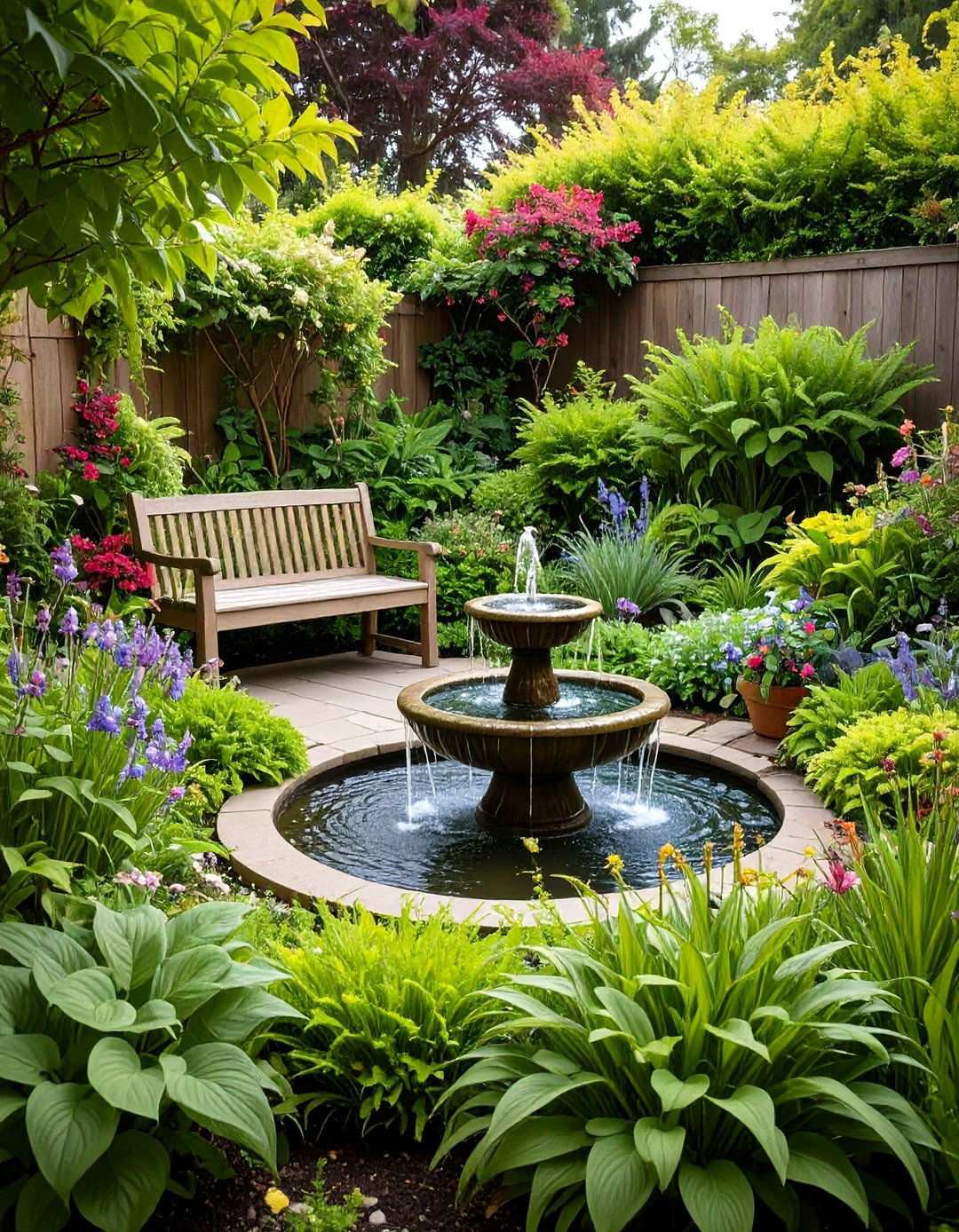
Water has a profound impact on memorial spaces, bringing instant calm and serenity through its gentle sounds and reflective surfaces. A well-designed water feature can create a peaceful retreat, inviting meditation and contemplation. By incorporating a central fountain surrounded by moisture-loving plants like hostas, ferns, and astilbe, you can create a humid microclimate that thrives in the midst of your garden. Choose from a variety of water feature designs, including bubbling urns, tiered fountains, or simple basin designs, to suit your space and maintenance preferences. Include comfortable seating positioned to enjoy the soothing sounds of the water while screening traffic noise from busy streets. Solar-powered pumps offer a sustainable and hassle-free option for operating your water feature. Add floating plants like water lilies for seasonal beauty and fish for gentle movement, creating a sense of life and energy that enhances the sensory experience. Surround with shade trees and fragrant plants that add to the peaceful ambiance, creating a refuge where flowing water symbolizes continuity and life’s persistent renewal.
Engraved Pathway Tributes
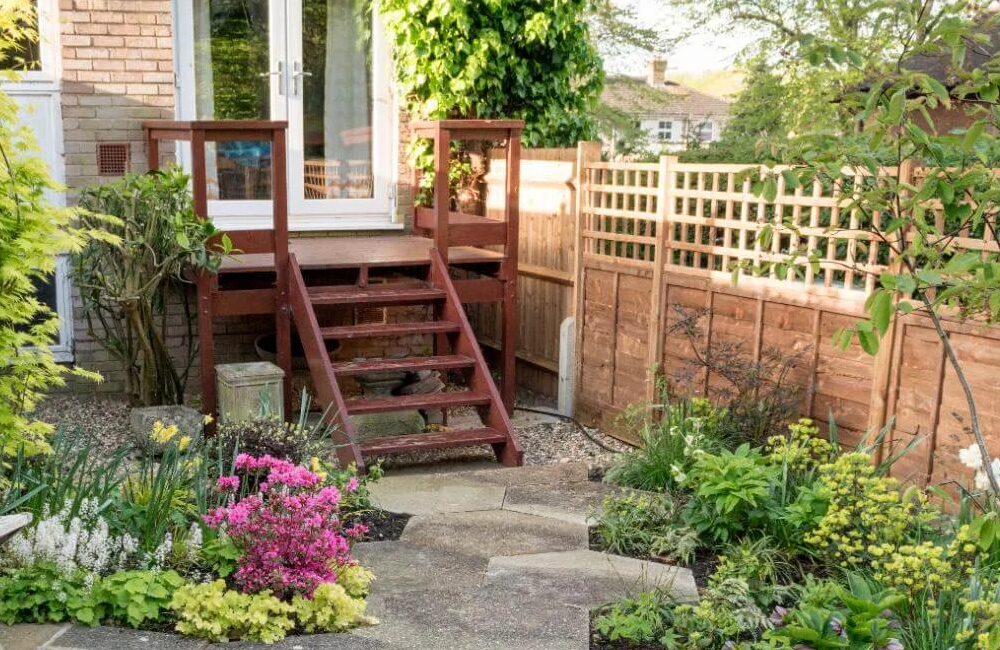
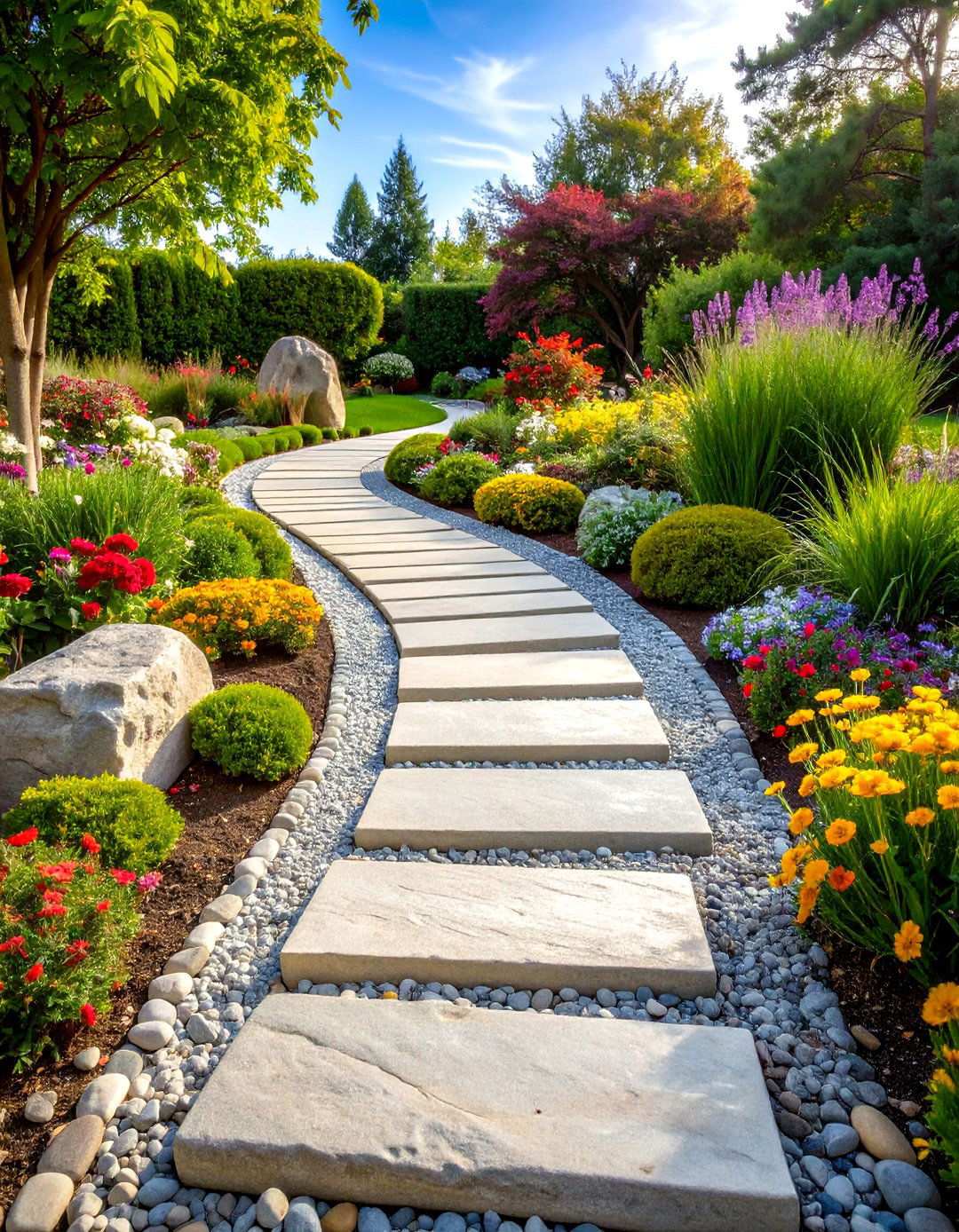
Memorial landscapes can be transformed into meaningful journeys by incorporating personalized stepping stones that guide visitors through cherished memories. These engraved markers, each telling part of a larger story, can be strategically placed along winding pathways that reflect the personality and passions of loved ones. By surrounding these pathways with low-growing perennials like lamb’s ear or creeping phlox, the gentle beauty of nature can soften the edges of inscriptions without overwhelming them. Including larger memorial boulders at pathway intersections or endpoints can make major commemorative statements, while combining natural river rocks with engraved pieces can add visual interest and varied texture. Aromatic herbs like lavender and rosemary can be planted between stones to engage the senses and create a more immersive experience. This thoughtful design can transform simple garden circulation into a spiritual pilgrimage, inviting intimate encounters with memory at every step.
4. Timeless Rose Tribute
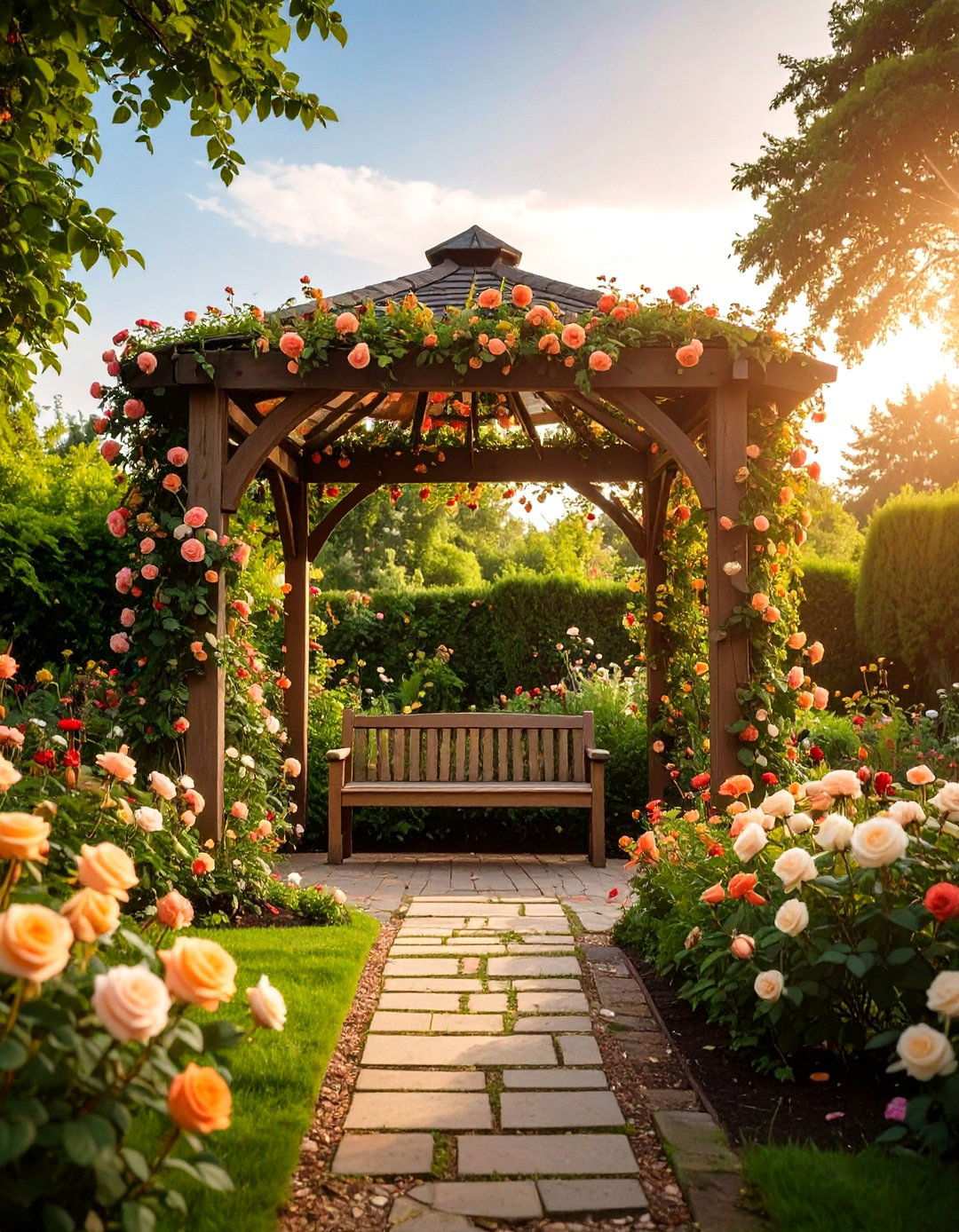
Roses have long been a universal symbol of love and remembrance, blooming season after season in devoted memory. A dedicated rose garden can be designed to feature a variety of roses in meaningful colors, from the innocence of pure white to the enduring love of deep red. By incorporating hybrid teas for classic beauty, climbing roses for vertical interest, and shrub roses for low-maintenance abundance, this design can cater to diverse tastes and needs. Whether a formal or cottage-style layout is preferred, the use of boxwood borders or loose perennial companions can add a touch of elegance or whimsy. Arbors, trellises, or pergolas can be incorporated to support climbing varieties, creating intimate garden rooms that invite quiet contemplation. Memorial benches positioned for optimal rose viewing and fragrance appreciation can be a thoughtful addition, while spring bulbs can provide early season color before the roses bloom. This timeless design honors memory through the beauty and symbolism of roses, providing years of fragrant tributes.
5. Reflection and Remembrance
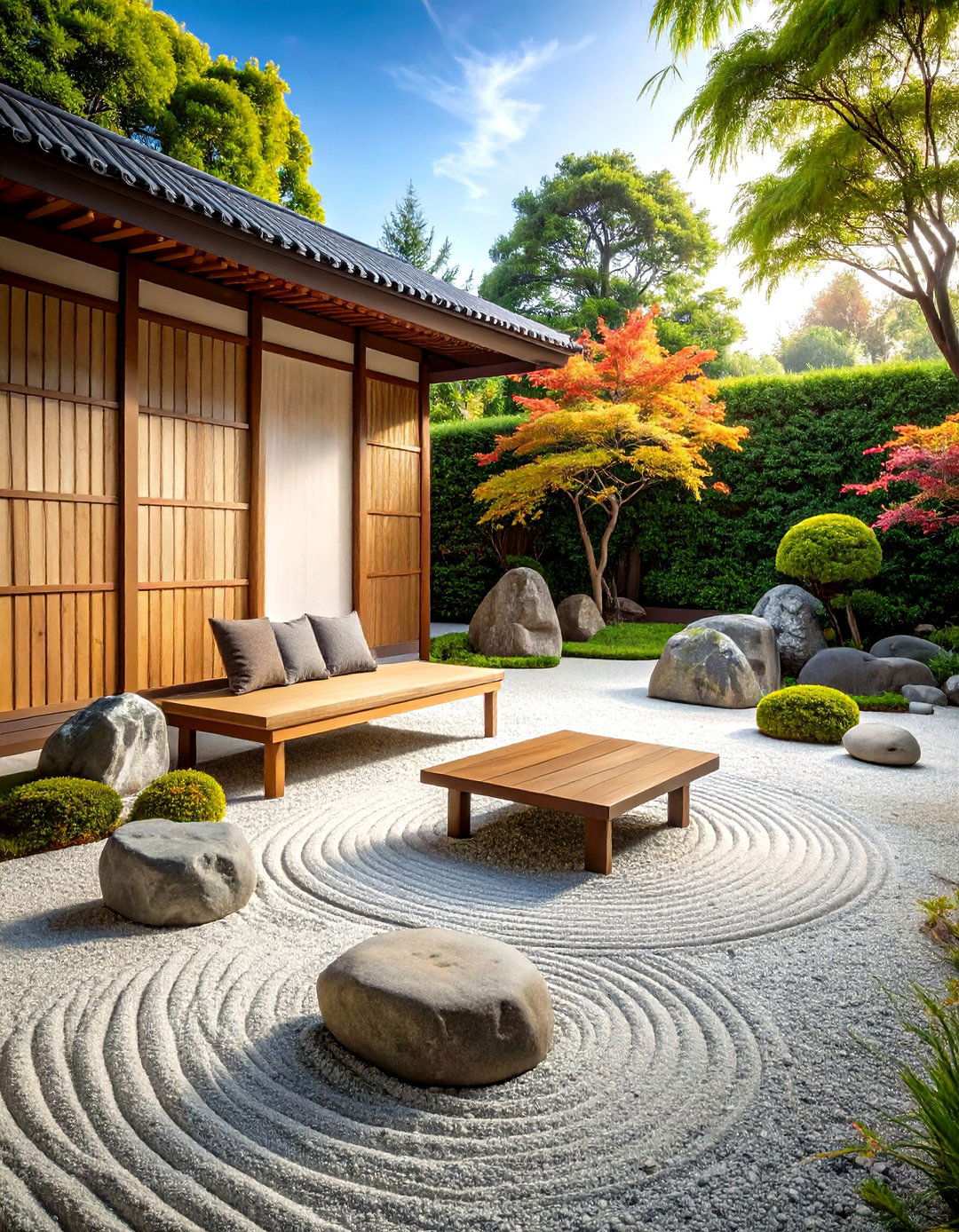
In a world often characterized by complexity and chaos, simplicity can sometimes be the most profound way to honor memory. By carefully balancing elements that encourage deep reflection and inner peace, a minimalist memorial space can be created that promotes calm and serenity. Clean lines, natural materials, and restrained plant palettes can focus attention on contemplation rather than complexity, while raked gravel areas, carefully placed boulders, and specimen plants like Japanese maples can add subtle seasonal interest. Geometric or circular layouts can promote calm through symmetry and order, while simple benches, prayer wheels, or meditation stones can provide functional spiritual elements. Bamboo screening can add a touch of elegance and create a sense of seclusion, while masses of single species can be planted to create unified visual impact. This approach honors memory through peaceful environments that encourage healing meditation and spiritual connection, inviting visitors to slow down and reflect on cherished memories.
6. Nurturing Local Balance
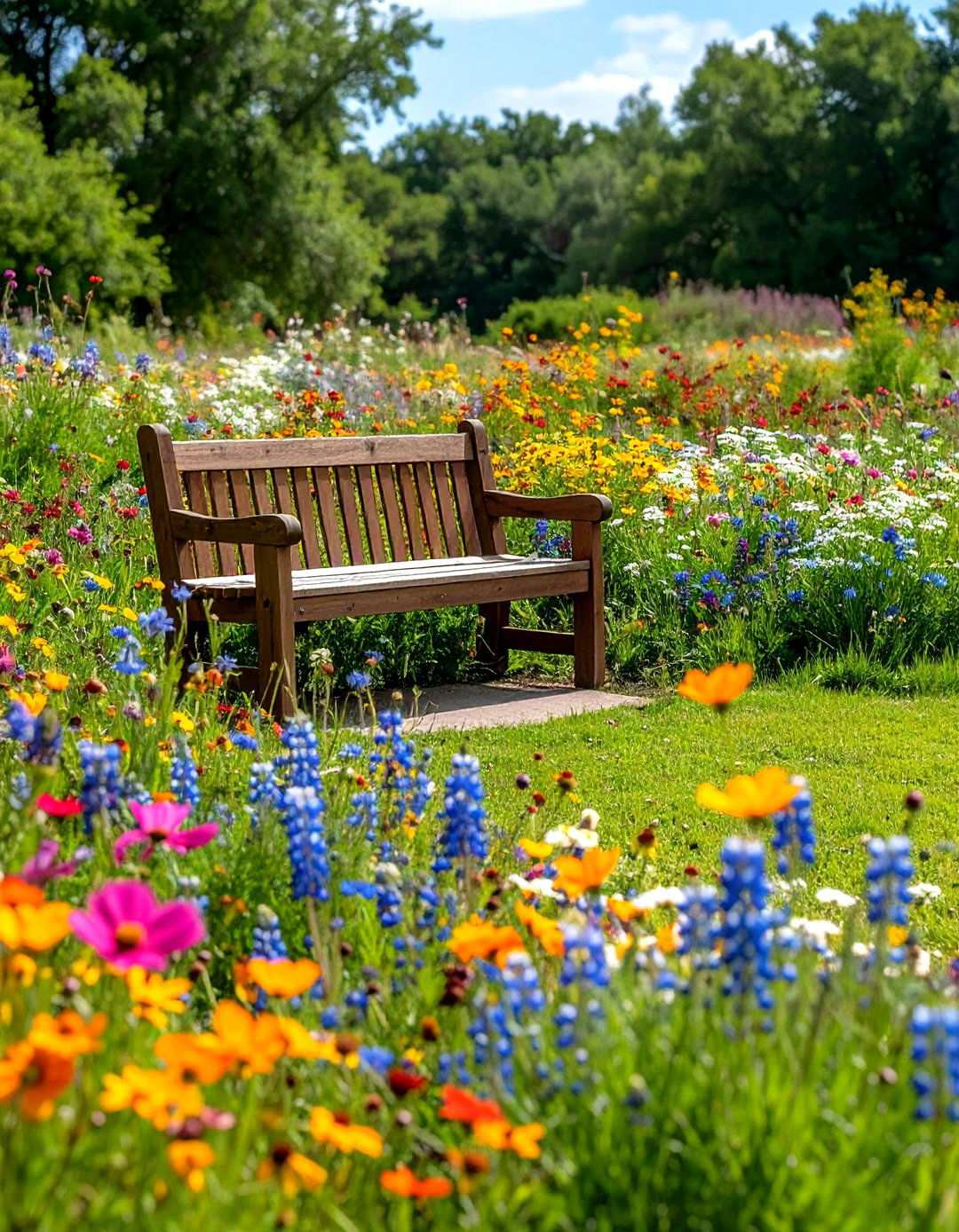
Create memorial spaces that seamlessly integrate with local ecosystems, minimizing maintenance needs once established. This harmonious approach supports indigenous wildlife and allows natural growing conditions to thrive. Select native wildflower mixes suitable for your region, and watch as they create vibrant seasonal displays that attract beneficial insects, birds, and butterflies. By incorporating native grasses, you’ll add structure and winter interest, while designing informal paths encourages accessibility. Native shrubs and small trees provide habitat diversity and vertical layers. Simple benches or log seating invite quiet observation of wildlife activity, while identification signs foster educational connections and a deeper appreciation for the ecosystem. This thoughtful approach yields living memorials that strengthen local environments while honoring loved ones through landscapes that thrive with minimal intervention.
7. Lasting Legacies
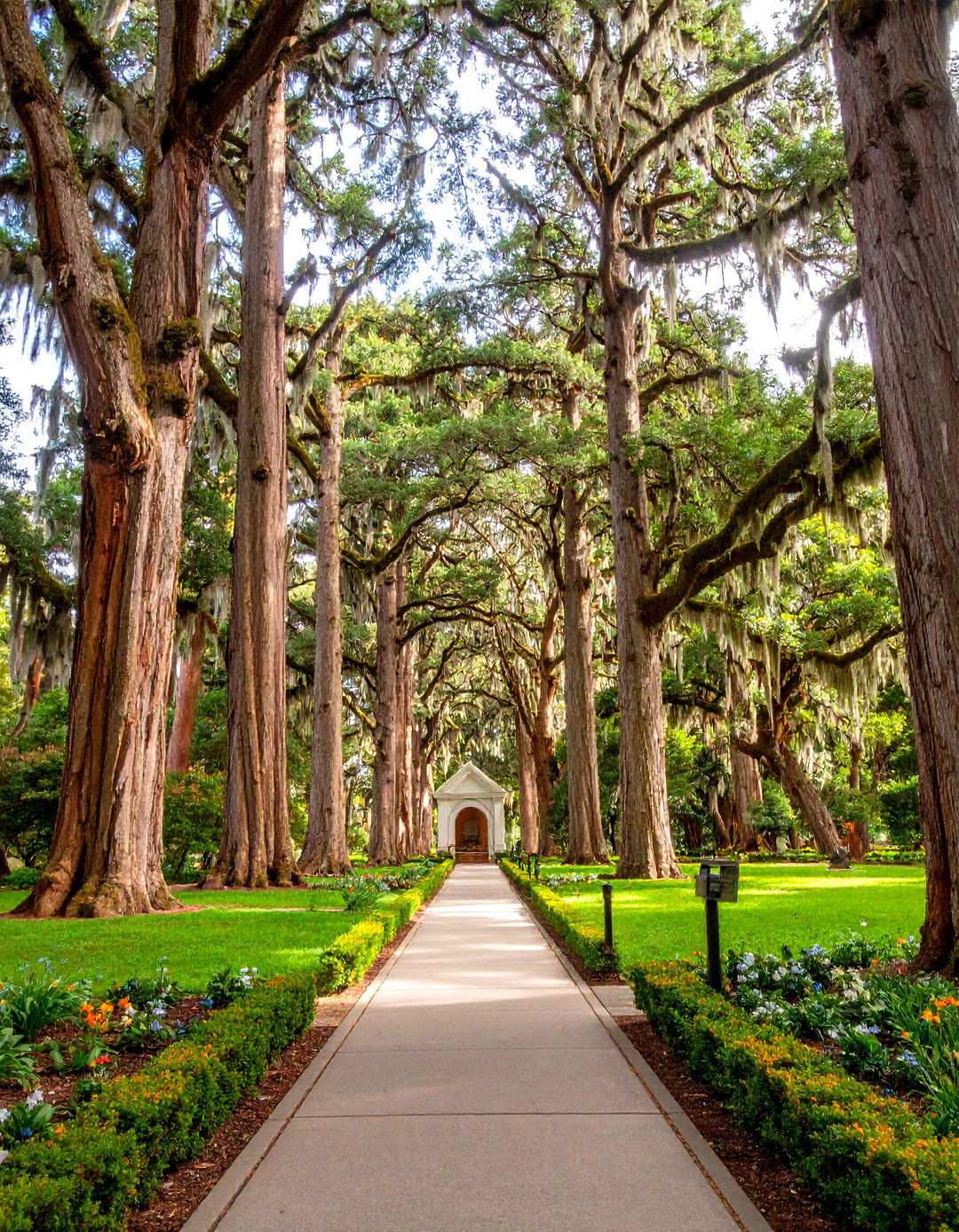
Memorial trees become enduring symbols of life and growth, offering shade, seasonal interest, and profound meaning. Choose meaningful species that resonate with personal preferences, native adaptability, or symbolic significance. For instance, select oak trees for strength or flowering cherry trees for renewal. Arrange groupings to showcase diverse seasonal interest through a range of bloom times, fall colors, and winter forms. Incorporate understory plantings of shade-loving perennials and spring bulbs to add depth and complexity to your memorial landscape. Commemorative plaques, memorial benches, or engraved stones near significant trees provide a poignant reminder of loved ones. Strategically designed maintenance access paths ensure ongoing care and visitation. Plant trees at optimal spacing to allow each specimen to reach its full potential. This thoughtful approach builds memorial landscapes that become increasingly meaningful with time, creating sheltered sanctuaries for generations.
8. Scented Tributes
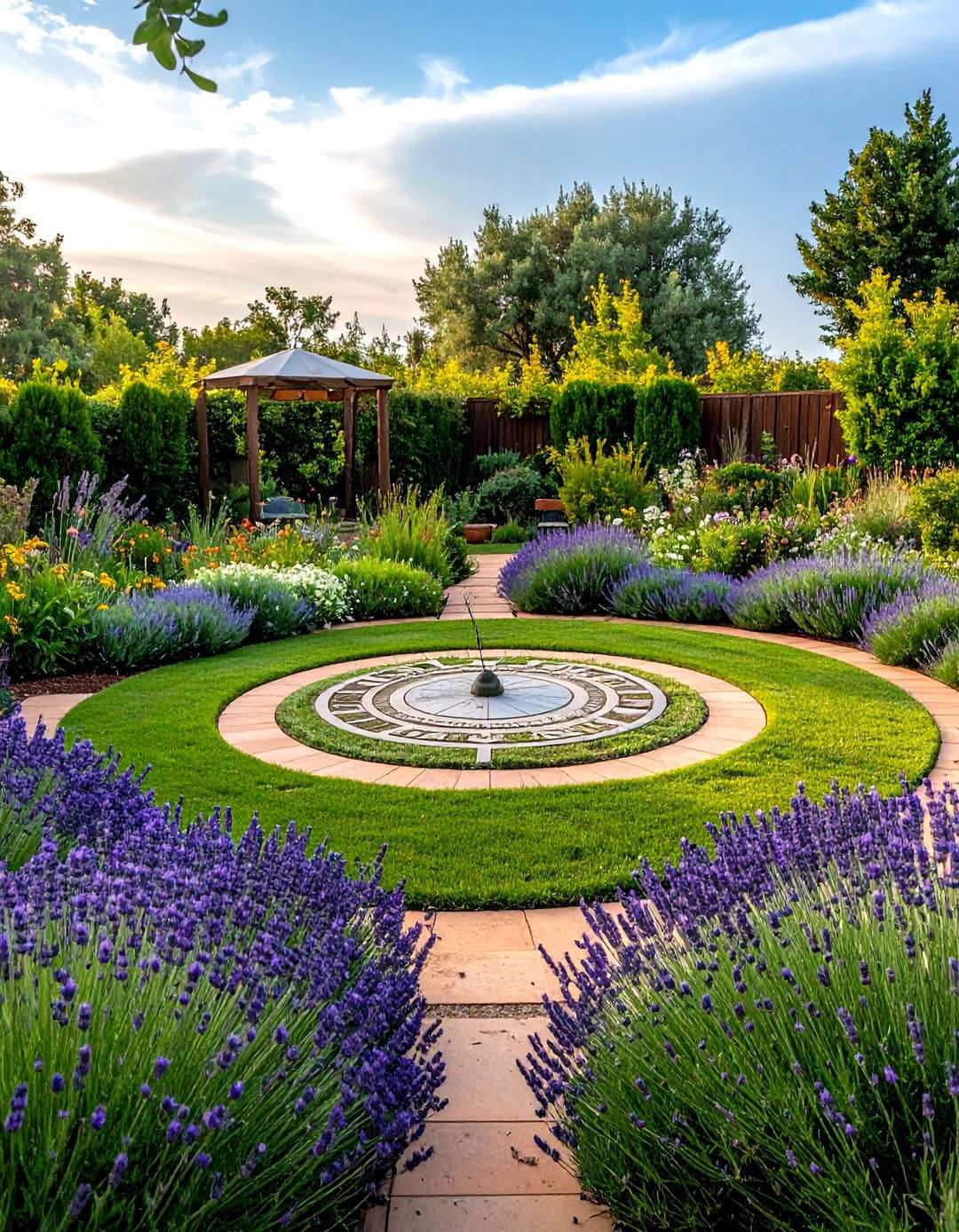
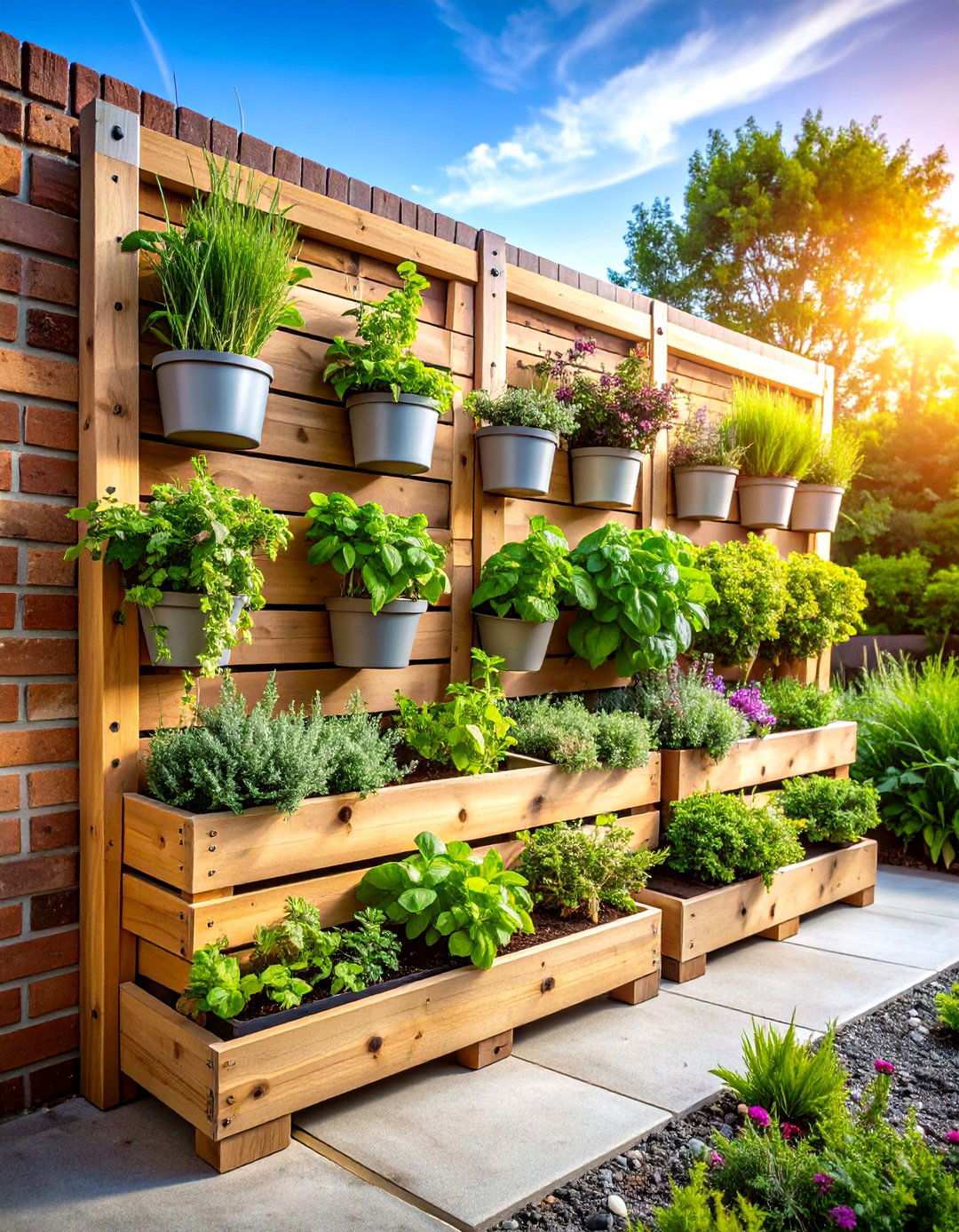
Aromatic plants have the power to evoke memories and emotions, instantly transporting us back to cherished moments and shared experiences. Design an herb garden featuring a diverse array of culinary, medicinal, and fragrant varieties that engage multiple senses and provide useful harvests. Include perennial herbs like rosemary, lavender, sage, and thyme for year-round structure, and add annual varieties like basil and cilantro for seasonal variety. Create a formal knot garden or informal cottage-style border, depending on your maintenance preferences. Decorative elements such as sundials, bee skeps, or herb markers add functional beauty to your memorial garden. Position comfortable seating to allow you to fully appreciate the herb fragrances during evening hours when scents are most intense. Raised beds make maintenance easier and improve drainage in heavy soils. This sensory approach creates interactive memorials where touching, smelling, and using herbs maintains active connections to memory.
9. Serene Reflection Spaces

Elegant water features serve as poignant focal points in memorial designs, drawing attention and encouraging gathering for shared remembrance and contemplation. A well-crafted fountain courtyard can be a serene oasis, surrounded by thoughtfully chosen plantings and hardscape elements that frame water views from multiple vantage points. Consider incorporating basin fountains, wall fountains, or tiered designs that adapt to available space and architectural context, complemented by surrounding seating walls, benches, or built-in planters for seamless integration. Choose materials like natural stone, cast concrete, or decorative ceramics that weather beautifully and require minimal upkeep, while incorporating uplighting to create a captivating evening ambiance. Nearby plantings of water-loving species add a lush, tropical touch even in temperate climates, transforming these centralized spaces into natural gathering places for families and friends seeking solace.
10. Ever-Changing Beauty
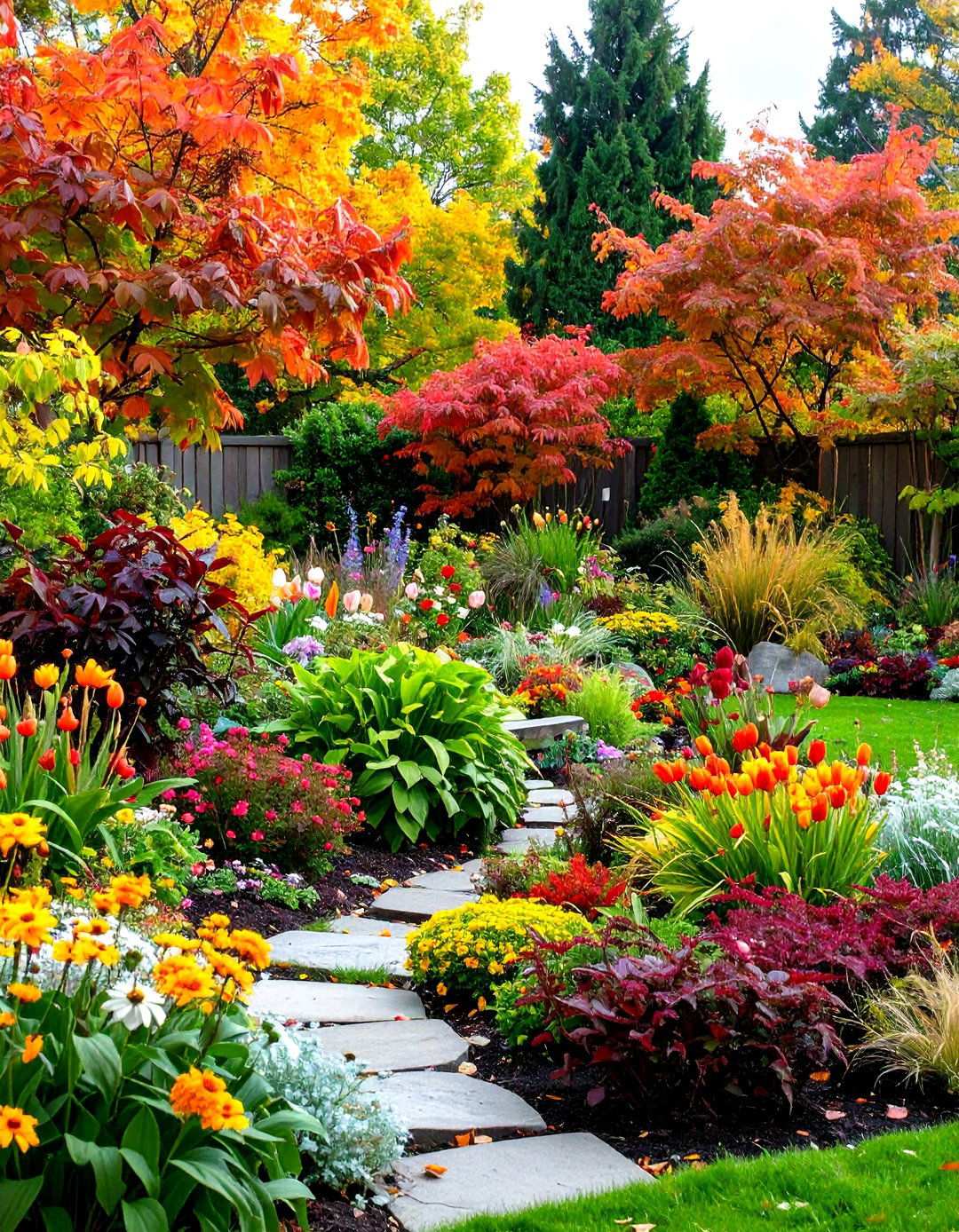
How can memorial gardens capture the essence of seasonal progression, ensuring beauty and meaningful blooms throughout the entire growing year? A carefully designed seasonal color garden can be a poignant tribute, featuring layered plantings that showcase bulbs for spring awakening, perennials for summer abundance, and trees or shrubs for fall grandeur. Don’t forget to incorporate winter interest through evergreen structures, ornamental grasses, and plants with persistent berries or interesting bark. Consider creating color themes that hold personal significance, from monochromatic schemes to rainbow celebrations, and add seasonal containers for flexibility and continuous color refresh. By incorporating early and late blooming varieties, you can extend seasons of interest beyond typical timeframes, making your memorial garden a year-round destination for reflection and connection.
11. Heartfelt Gathering Spaces
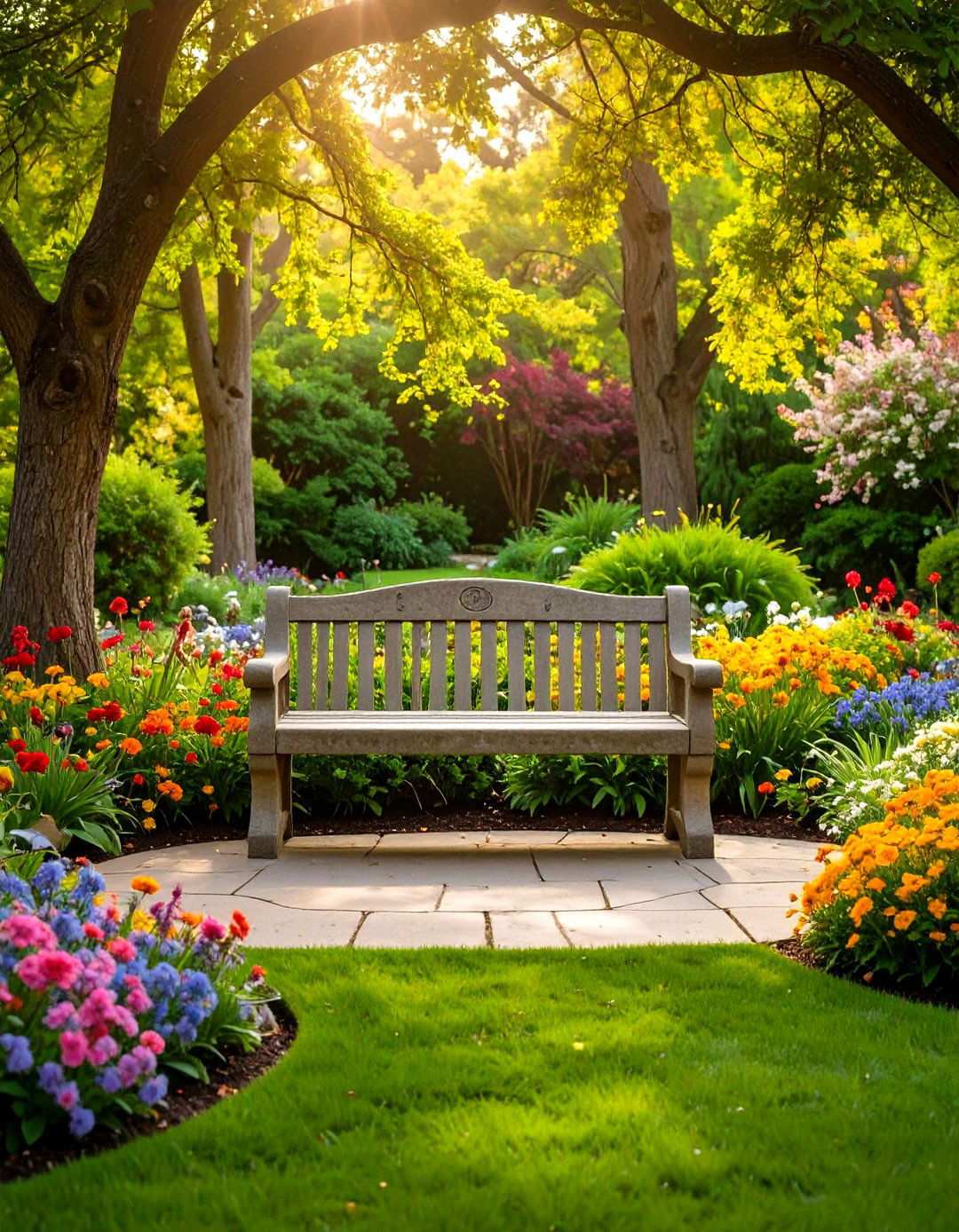
Comfortable seating transforms memorial gardens from beautiful landscapes into functional sanctuaries where families can gather, reflect, and find comfort in shared memories and stories. Strategically position benches to capture the best views, whether overlooking flower beds, water features, or distant vistas that held special meaning. Choose materials like stone, metal, or weather-resistant wood that complement garden styles while providing durability and comfort, and consider adding back support and armrests for extended comfortable sitting. Include memorial plaques or engravings directly on benches for a permanent tribute, and design surrounding plantings that provide seasonal interest viewable from seating positions. Add side tables or arm extensions for placing flowers, candles, or personal items, creating a people-centered space that serves its most important function: providing healing spaces for human connection and remembrance.
12. Portable Memorials in Motion
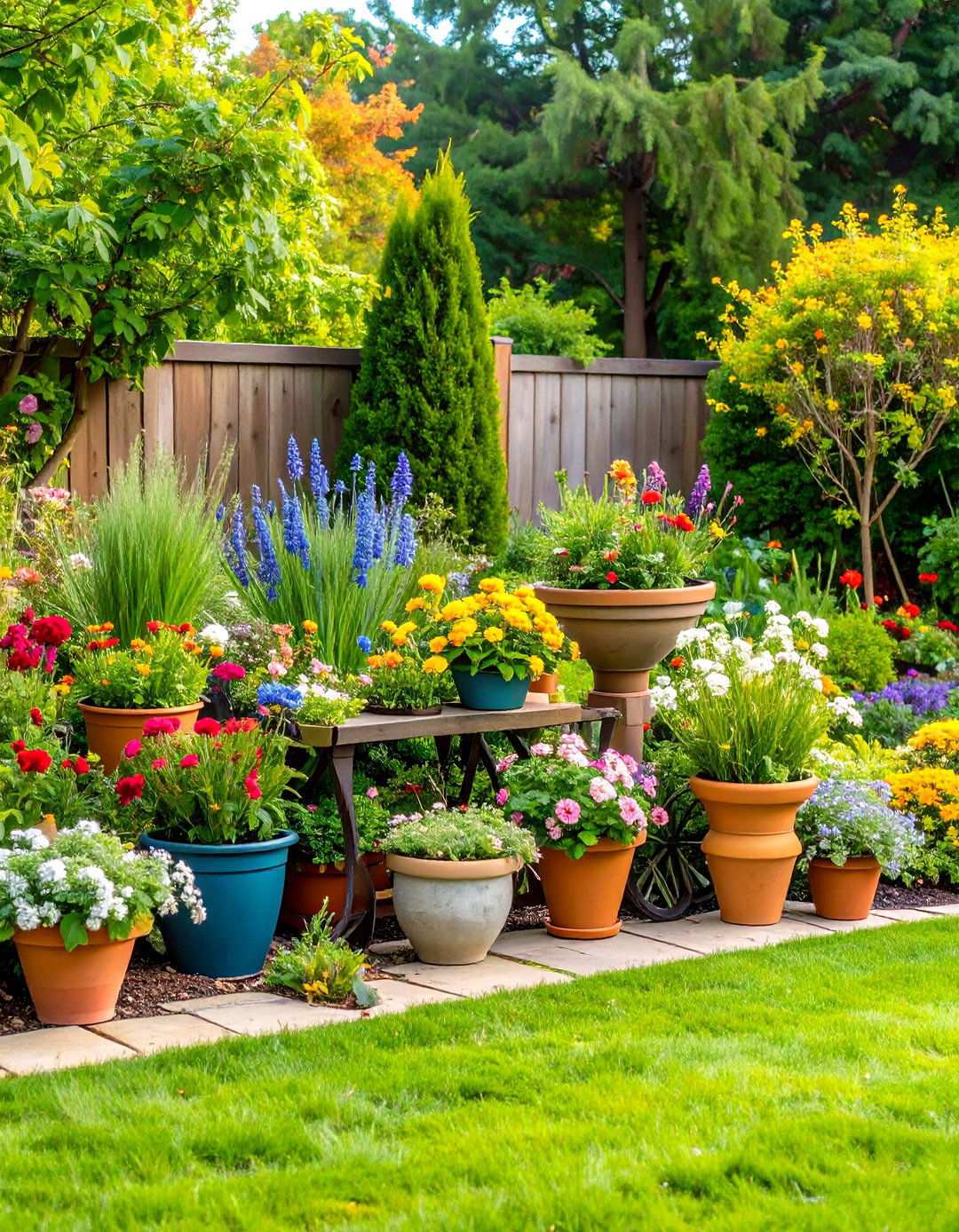
Portable gardens can indeed create meaningful memorials while allowing for flexibility in adapting to changing needs, seasonal variety, and personal expression through easily modified arrangements. Design container groupings using diverse sizes, materials, and plants that come together to form cohesive displays requiring minimal ground preparation. Consider incorporating large statement pots with small trees or shrubs, medium containers with a mix of perennials, and small pots with seasonal flowers or herbs that can be swapped out as the seasons change. Utilize wheeled containers to make it easy to move and store your memorial garden during harsh weather conditions. Self-watering systems can also be integrated to minimize maintenance and allow for extended vacations. To add an extra layer of personalization, incorporate decorative elements such as garden stakes, small sculptures, or memorial plaques seamlessly into your container displays. Planning seasonal changeovers will ensure continuous interest and fresh tributes throughout the year. This adaptable approach makes it an ideal solution for renters, urban settings, or situations where permanent landscape changes aren’t feasible, while still creating meaningful memorial spaces.
13. Sacred Spaces for Reflection
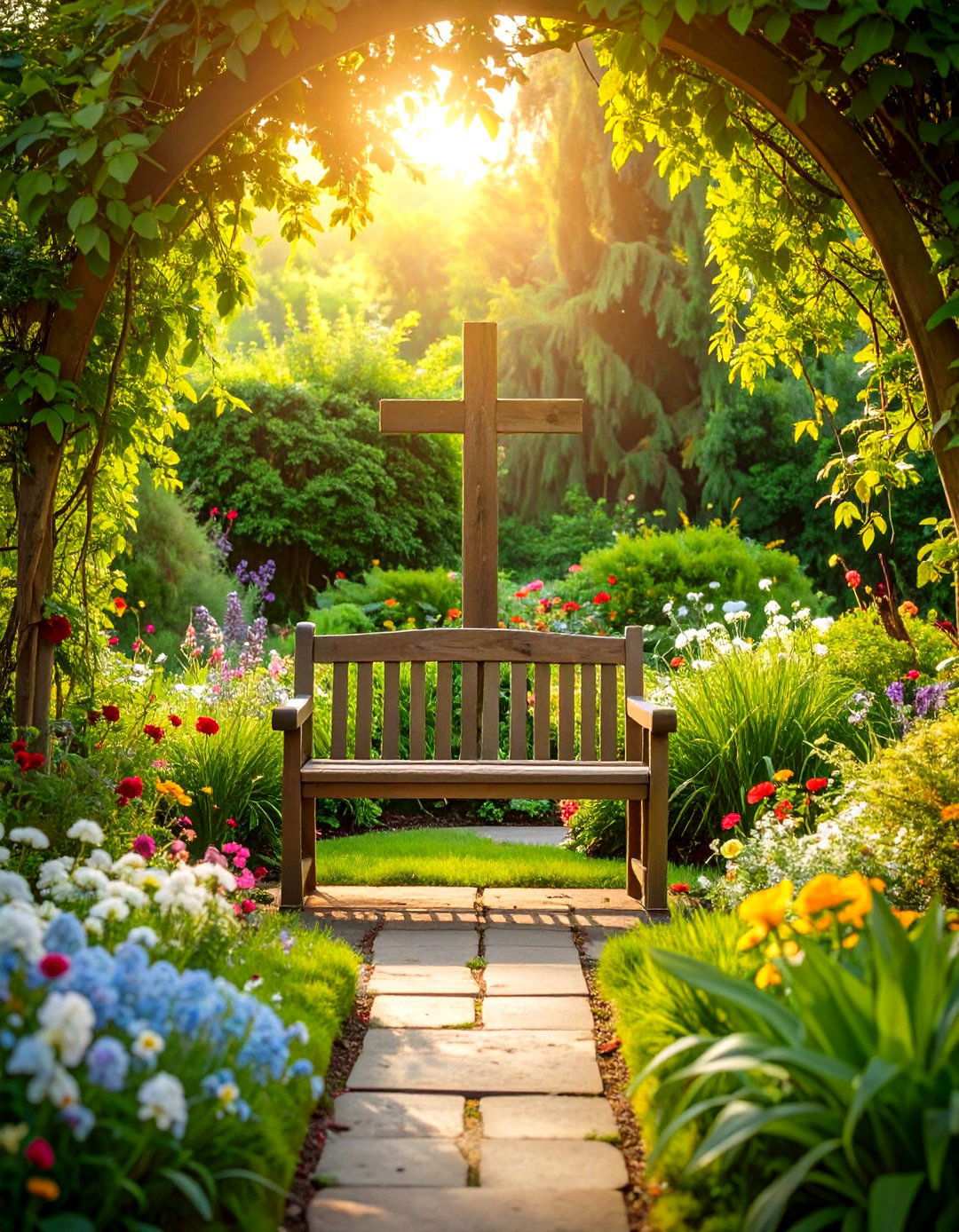
Sacred memorial gardens often incorporate elements that provide comfort through faith-based symbolism and create dedicated areas for prayer and spiritual reflection. Incorporating crosses, angels, prayer wheels, or other meaningful religious symbols that align with faith traditions and personal beliefs can be a powerful way to create a sense of connection to something greater. Design quiet, enclosed spaces that offer a sense of seclusion and solitude for personal prayer and meditation. Consider adding prayer benches, kneelers, or simple seating arranged for contemplation. Plants with religious significance, such as roses for the Virgin Mary, olive trees for peace, or lilies for resurrection, can also be incorporated into the design. Creating labyrinth pathways for walking meditation and spiritual journey experiences can be a beautiful way to honor loved ones while nurturing one’s own faith. Adding scripture verses, inspirational quotes, or religious art integrated into the landscape design can further enhance the spiritual atmosphere. Including lighting for evening prayer and year-round accessibility can also make your memorial garden a sanctuary for reflection and prayer, providing divine comfort during the grieving process.
14. Weaving Memories into Playful Spaces
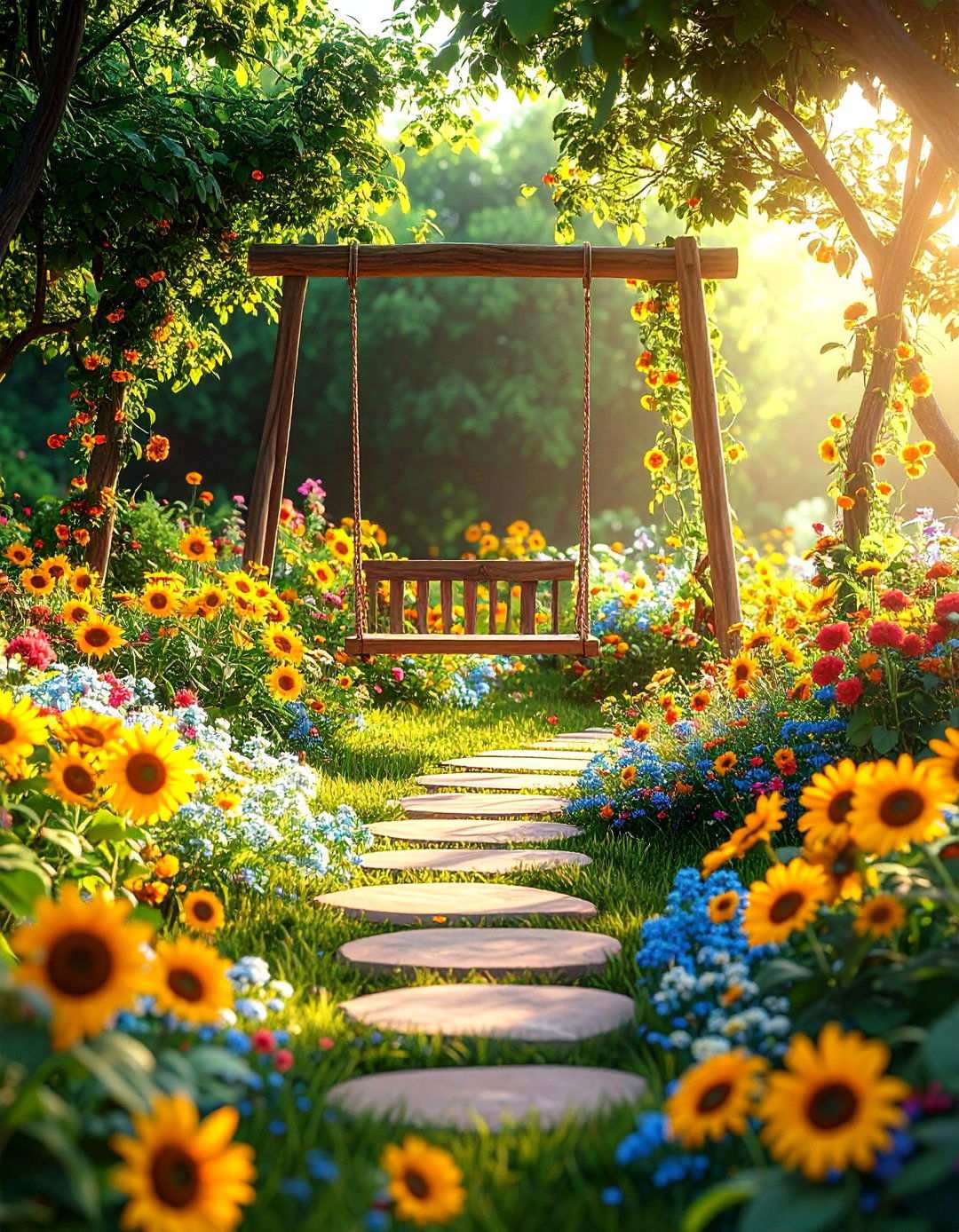
Designing memorial spaces that pay tribute to young lives requires creativity and a focus on elements that evoke childhood joy. By incorporating playful elements, vibrant colors, and whimsical features, we can capture the essence of innocence and create lasting memories. Incorporating child-friendly plants such as sunflowers, marigolds, and other bright annuals can create a cheerful display of color throughout the growing seasons. Sensitively integrated playground elements like small swings, sandbox areas, or climbing features can also be incorporated into the landscape design. Whimsical sculptures, garden art, or stepping stones with handprints or favorite characters add a touch of personality to the space. Planting child-scale trees and shrubs that won’t overwhelm small spaces is also essential. Interactive elements like musical chimes, spinning wheels, or sensory plants that children can safely touch create an immersive experience. By designing spaces where other children can play while families visit, we maintain connections between the memorial purpose and living joy, honoring young memory through landscapes that celebrate childhood wonder and provide comfort to grieving families.
15. Elevating Memorial Displays with Vertical Gardens
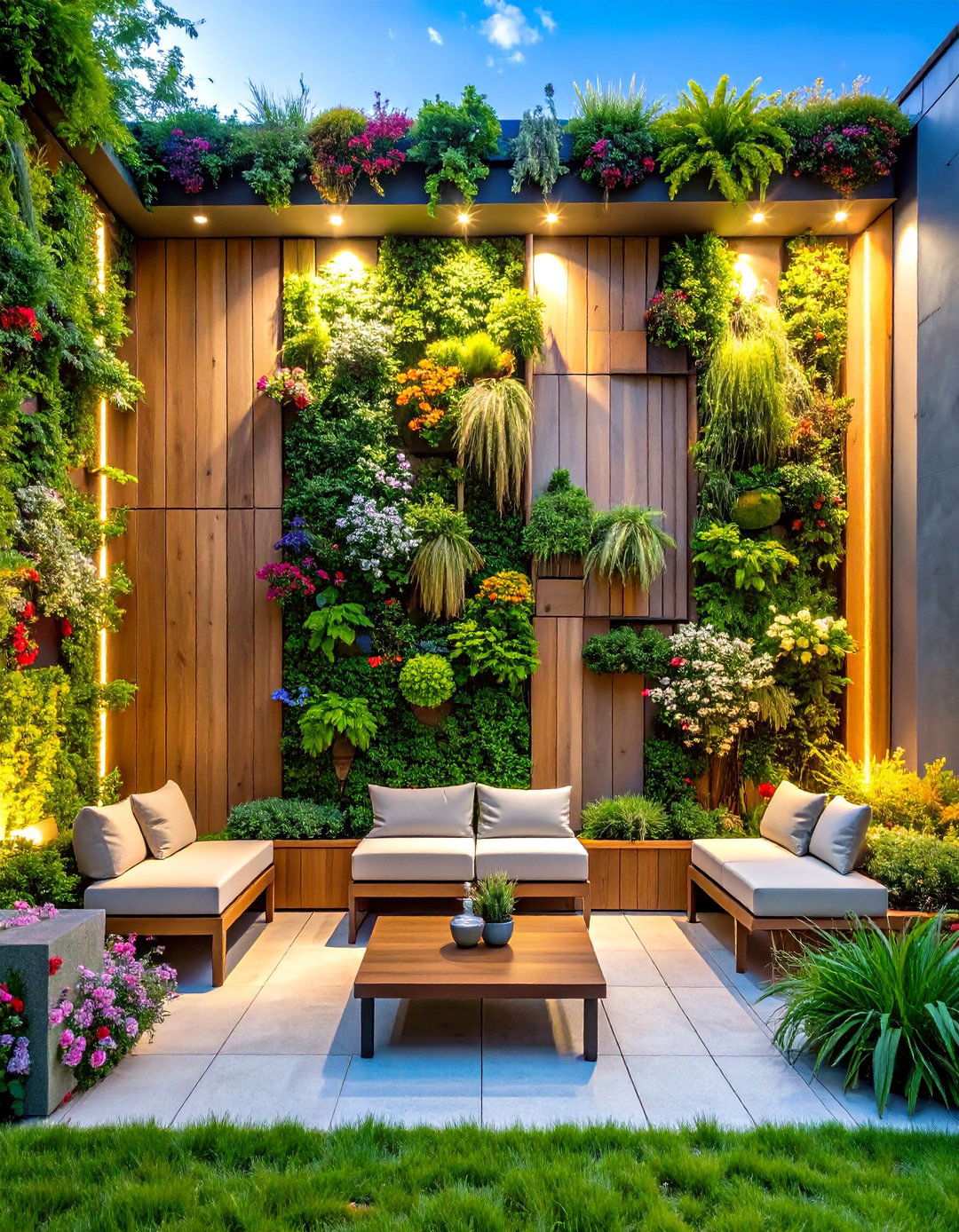
Vertical memorial displays offer a dramatic and impactful way to showcase photos, plaques, or artistic elements in limited spaces. By designing living walls using climbing plants like ivy, clematis, or climbing roses, we can create a lush green backdrop for memorial displays. Built-in niches, shelving, or mounting systems provide a space for rotating displays of photos, artwork, or personal mementos. Integrated lighting for evening viewing and weather protection for displayed items further enhance the space. Materials like stone, brick, or metal, which complement architectural styles and provide durability, are ideal for vertical gardens. Seating areas positioned for comfortable viewing of memorial displays allow families and friends to reflect and pay tribute. Surrounding beds with complementary colors and textures that enhance rather than compete with wall features can create a cohesive and harmonious space. Creating seasonal display rotation plans for ongoing engagement and fresh tributes ensures that the space remains dynamic and meaningful over time, making it an ideal solution for urban settings or small gardens.
16. Timeless Memorial Landscapes
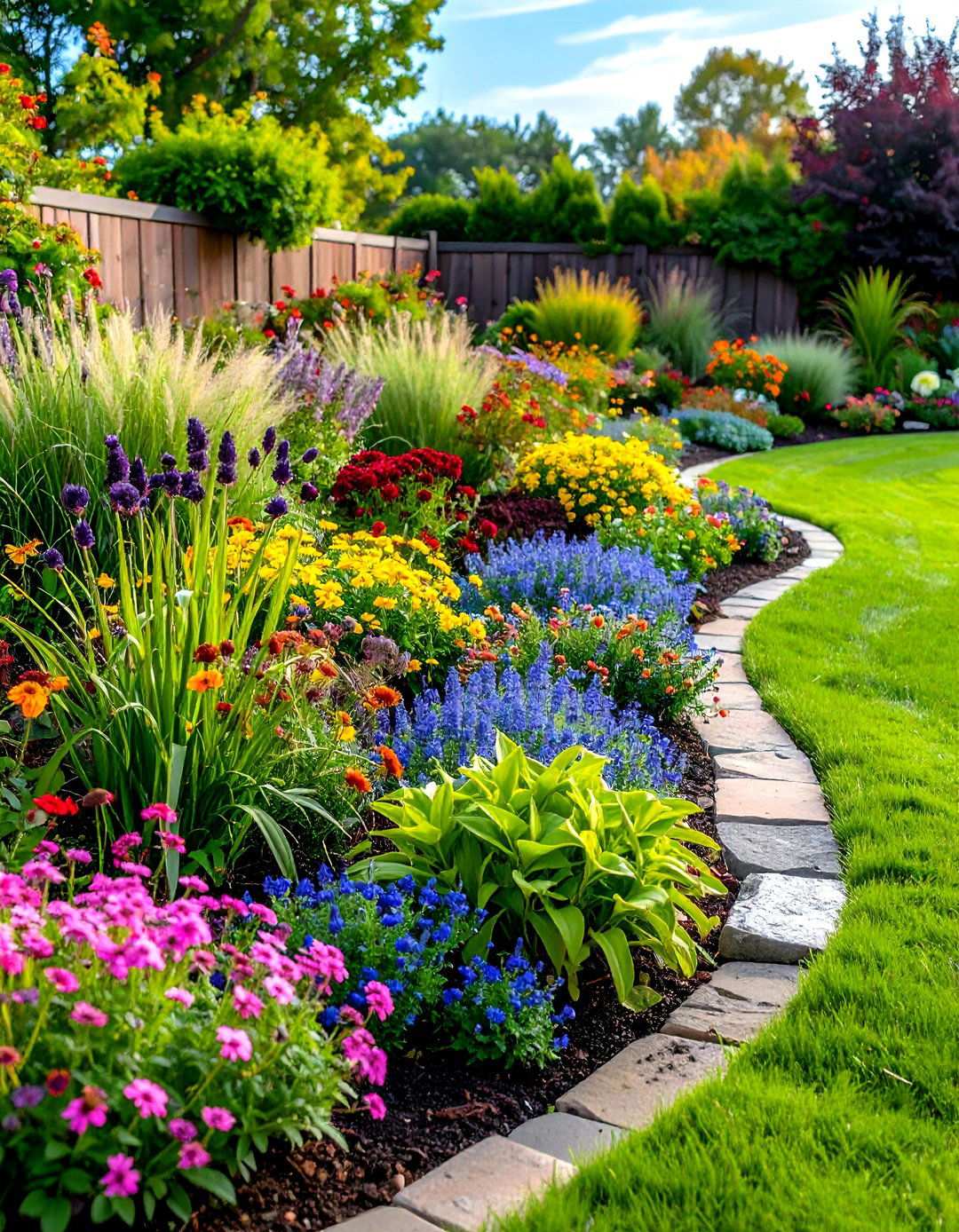
Do perennials create the most naturalistic memorial experiences, echoing the cycles of growth, bloom, rest, and renewal that define life? Design eclectic borders featuring diverse perennials chosen for their extended bloom periods, varied heights, and harmonious colors that captivate throughout the seasons. Blend spring ephemerals, summer stalwarts, and fall bloomers to create a kaleidoscope of color across three seasons. Incorporate ornamental grasses for structure and winter interest, adding a sense of drama to the landscape. Create layered plantings with tall backgrounds, medium midgrounds, and low foregrounds to invite visual exploration. Include pathways or mowing strips to facilitate maintenance access and visitor circulation. Plant in sweeping drifts rather than isolated specimens to maximize visual impact and create a more organic appearance. Introduce bulbs for early season interest before perennials emerge, setting the stage for a dynamic and ever-changing landscape. By embracing this classic approach, memorial gardens can celebrate the beauty of nature while requiring moderate upkeep and delivering long-term satisfaction.
17. Drought-Tolerant Memorial Oases
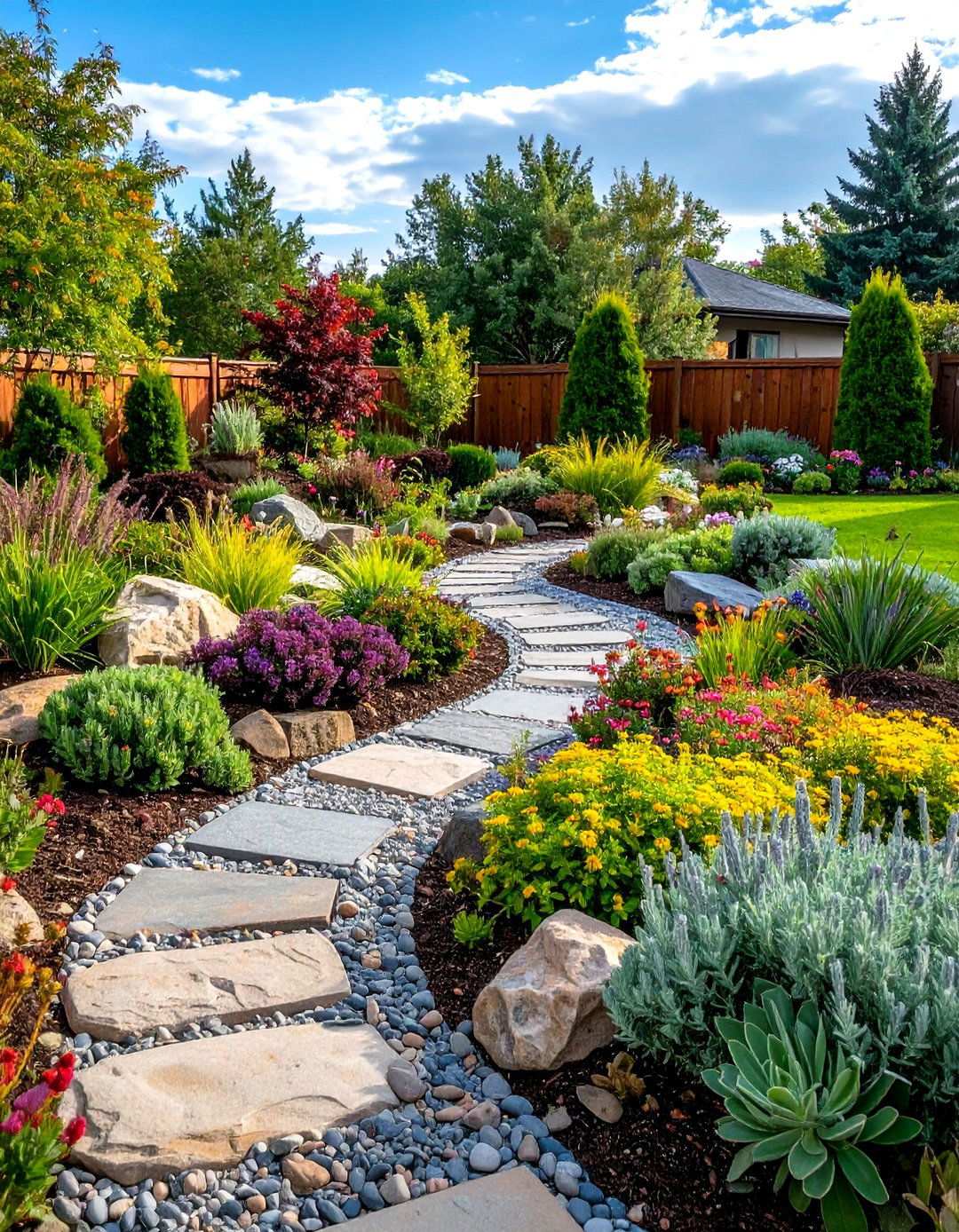
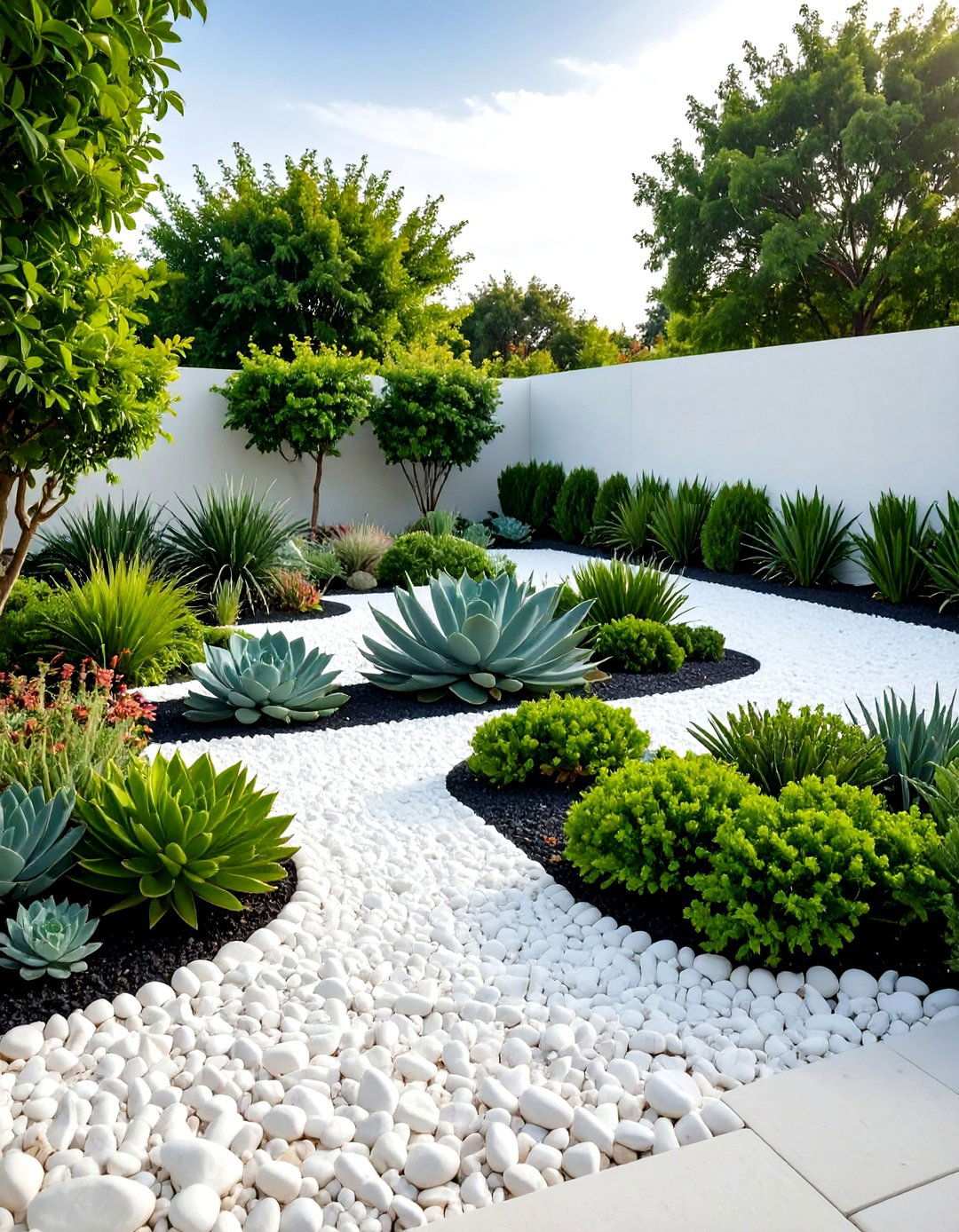
Alpine and rock gardens offer an innovative low-maintenance memorial alternative, showcasing drought-tolerant plants and striking geological features. Design naturalistic rock arrangements using locally sourced materials that create planting pockets for specialized plants like succulents, sedums, and alpine perennials. Incorporate a variety of rock sizes, from boulders to gravel, to add textural interest and ensure proper drainage. Seamlessly integrate memorial plaques or engraved stones into the rock arrangements to create a sense of harmony. Create vertical interest by planting crevice gardens in rock walls or stone steps. Add small bulbs like crocuses or snow drops for a pop of spring color in the rock garden. Design walkways using stepping stones or gravel to maintain accessibility without disrupting the planted areas. Add small water features like bubbling rocks or tiny pools to enhance the visual appeal. By embracing this specialized approach, memorial landscapes can thrive in challenging sites, requiring minimal water and maintenance while creating a unique and captivating atmosphere.
18. Evening Garden Memorial
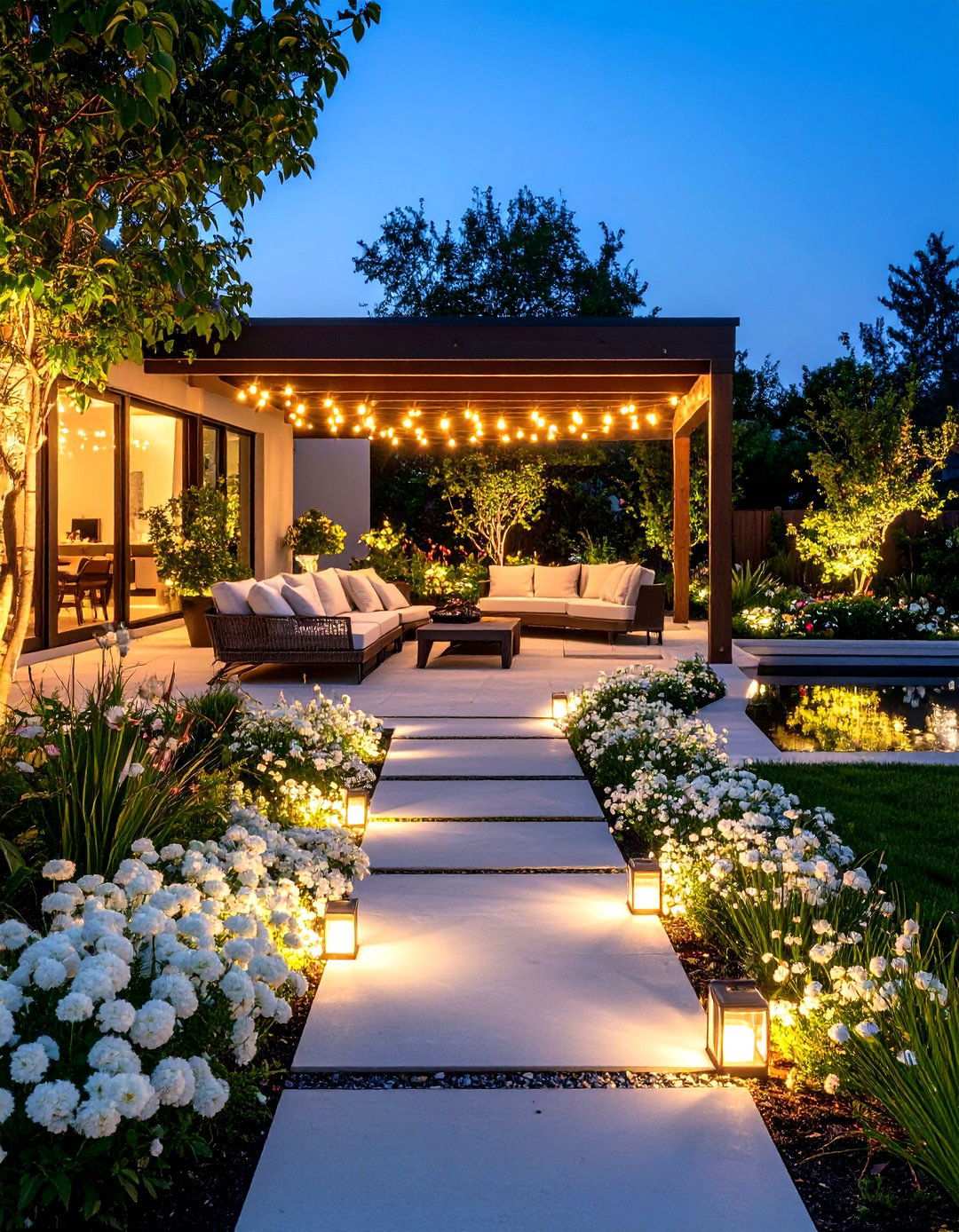
When twilight falls, memorial gardens can be transformed into enchanting oases through a thoughtful combination of lighting, carefully chosen plants, and reflective surfaces. By incorporating white and pale flowers that radiate a soft glow in the moonlight, you can create a dreamlike atmosphere perfect for special occasions. Evening primrose, four o’clocks, and night-blooming cereus are just a few examples of night-blooming varieties that can add an extra layer of magic to your evening garden. Strategically placed solar lighting along pathways and near seating areas can not only ensure safety but also provide a warm ambiance, making it an ideal spot for relaxation. To amplify the effect, consider incorporating reflective elements like mirrors, metallic sculptures, or water features that skillfully capture and multiply available light. As the temperature cools, plant evening-fragrant varieties like night-blooming jasmine, honeysuckle, or nicotiana that release their perfume into the air, further enhancing the sensory experience. Comfortable seating with weather-resistant cushions invites visitors to linger in the garden, while candle lanterns or fire bowls provide warmth and light, creating a serene atmosphere ideal for quiet reflection.
19. Cottage Garden Memorial
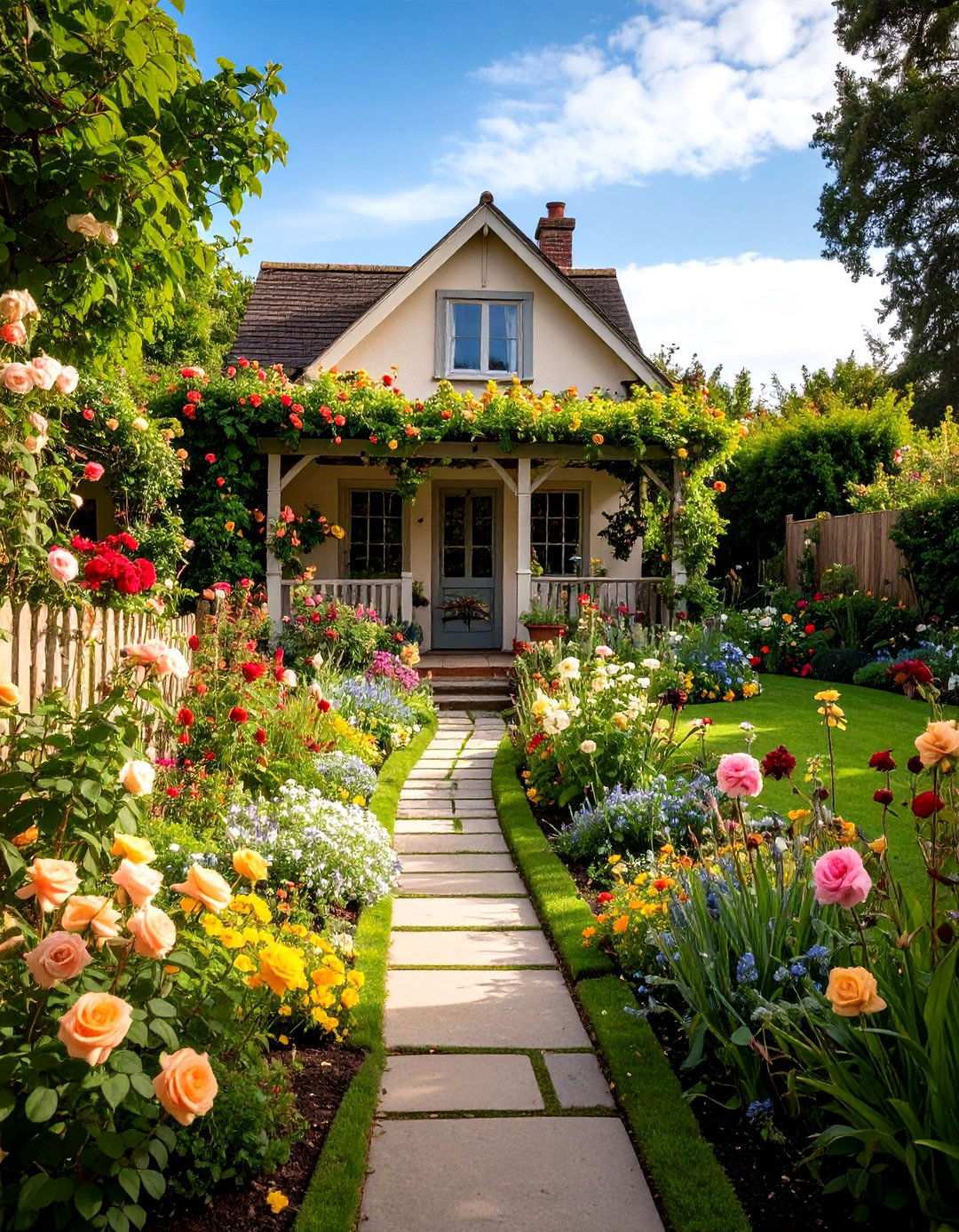
A cottage garden memorial is a heartfelt tribute to the beauty of life, celebrating its abundant spirit through a mix of flowers, herbs, and vegetables arranged in a seemingly casual yet carefully planned manner. This approach, reminiscent of simpler times and cherished family traditions, is a perfect way to honor memory through a landscape that embodies the essence of love and warmth. Designing informal borders that combine climbing roses on arbors, hollyhocks against fences, and self-seeding annuals like forget-me-nots and sweet alyssum creates a natural, effortless charm. By incorporating picket fences, garden gates, or vintage elements, you can further enhance the cottage character of your memorial garden. Productive plants like berry bushes, fruit trees, or herb gardens not only provide a bountiful harvest but also add beauty to the landscape. Winding paths made from natural materials like brick, stone, or mulch invite visitors to meander through the garden, while benches, bistro tables, or other seating encourage lingering in the spaces that celebrate simple pleasures. This nostalgic approach creates a memorial garden that feels lived-in and loved, a true reflection of the beauty and wonder of life.
20. Crafting a Personal Legacy
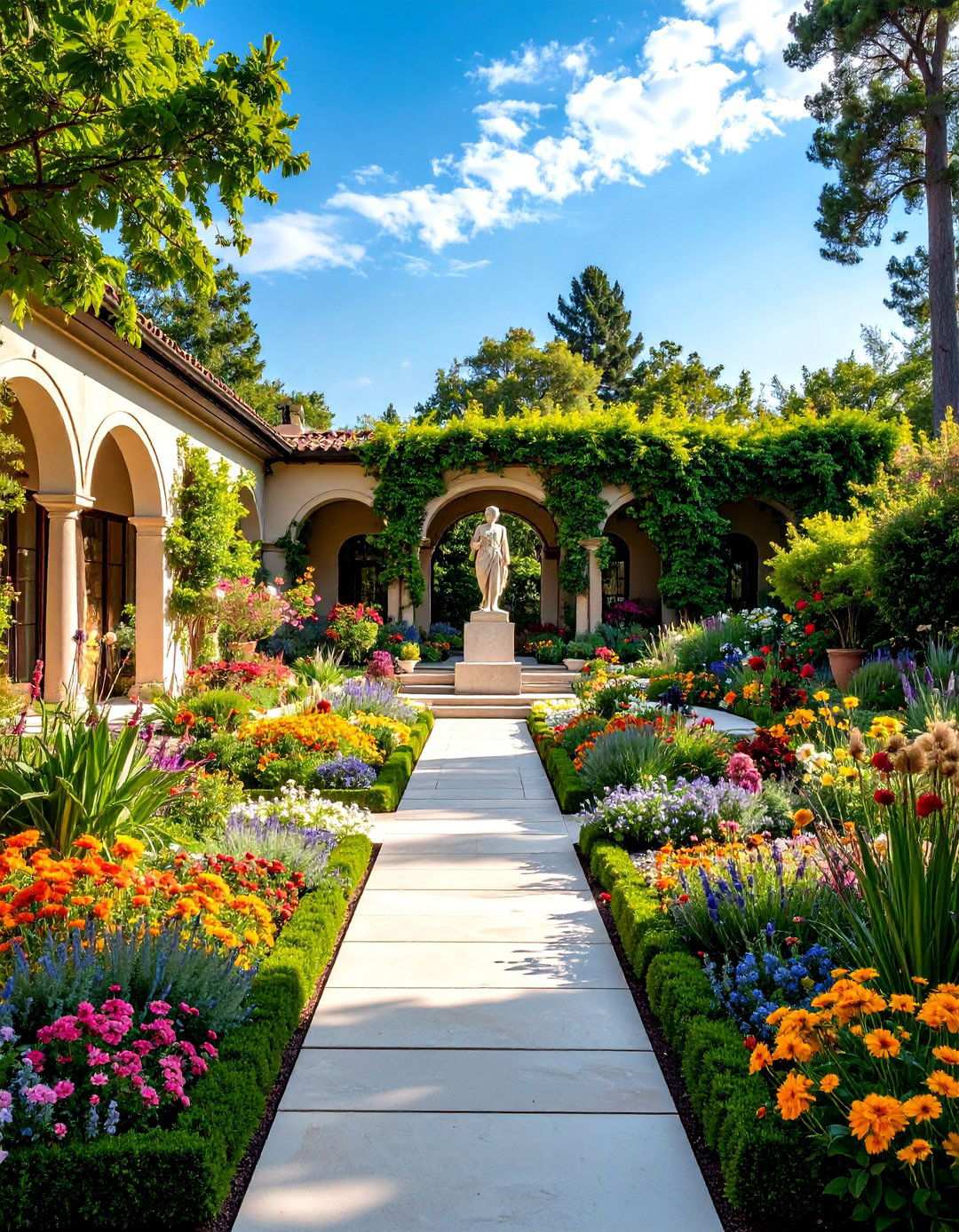
Can bespoke artistic expressions unlock the most meaningful memorials, capturing the essence of loved ones through custom sculptures, installations, or curated collections of found objects that authentically reflect their individuality and creative essence? By collaborating with artists or designers, families can create unique focal points that celebrate the passions, interests, or artistic talents of their remembered loved ones. This might involve incorporating abstract sculptures, representational art, or functional art pieces like intricately designed gates or architectural elements that not only add visual interest but also serve practical purposes. Furthermore, artist-created memorial benches, planters, or water features can be incorporated to combine functionality with artistic expression, while mosaic elements using personal items like jewelry, pottery shards, or meaningful objects can be incorporated into permanent installations that tell a story. For added depth, create gallery-style displays for rotating artwork or seasonal exhibits that allow the memorial garden to evolve and change with the seasons. To showcase artistic elements during evening hours, install lighting that highlights these features without overpowering them. Finally, thoughtfully plan the surrounding landscape to complement rather than compete with the artistic focal points, and ensure maintenance access for artwork cleaning and care. By taking this creative approach, families can craft memorial gardens that serve as outdoor galleries celebrating artistic legacy and creative expression.
21. Harmonizing with Nature
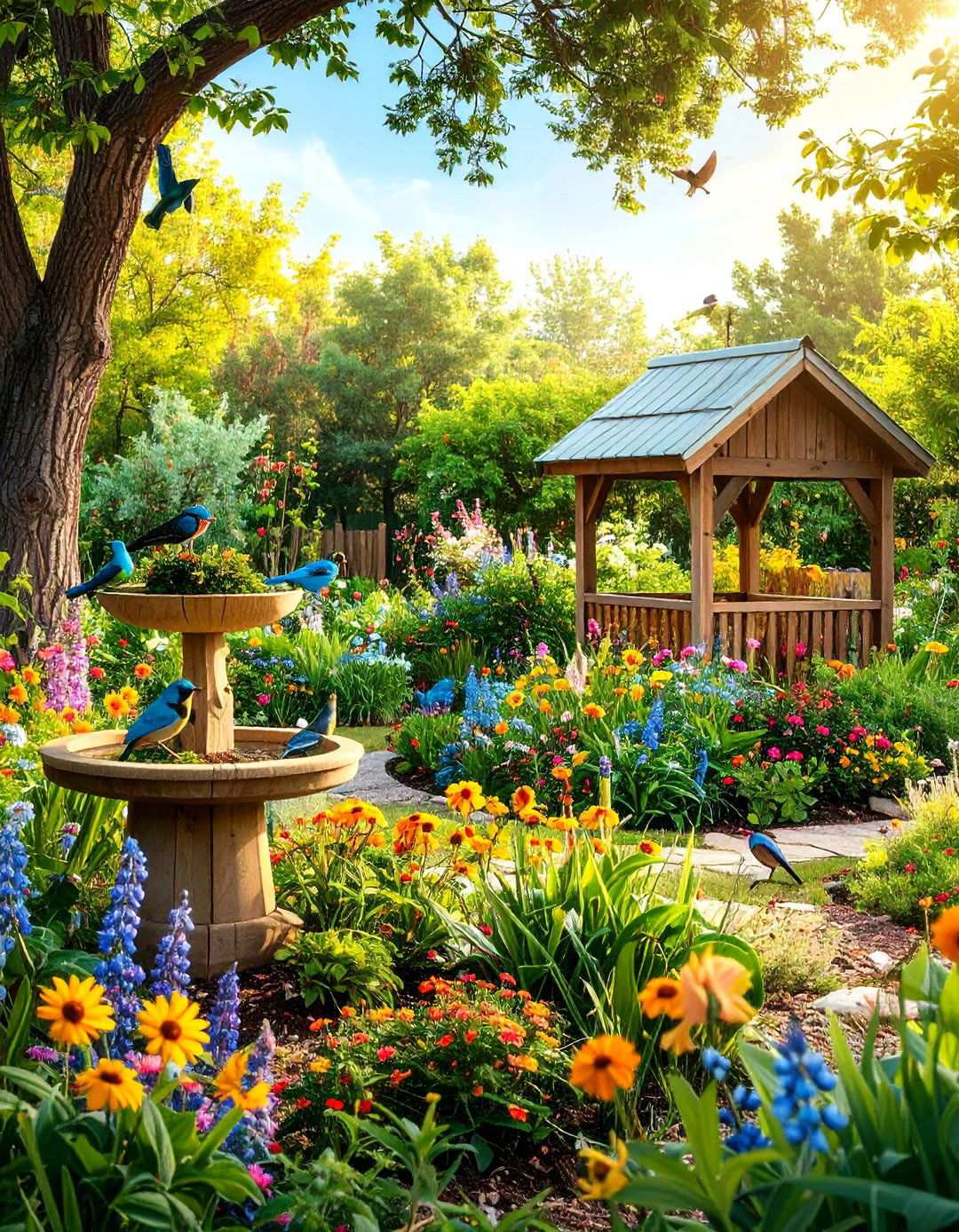
By weaving together native plants, water features, and wildlife-friendly design elements, families can create dynamic memorial gardens that welcome nature’s beauty and vitality, transforming remembrance landscapes into vibrant ecosystems that honor the memories of loved ones. To attract a diverse range of birds, butterflies, and beneficial wildlife, plant species that provide food, shelter, and nesting sites throughout the seasons. Incorporate berry-producing shrubs, seed-bearing flowers, and native trees that support a variety of species, and add bird baths, feeding stations, and nesting boxes positioned for both wildlife use and human observation. Brush piles or log habitats can be created to provide a haven for small mammals and beneficial insects, while varying plant heights from groundcovers to canopy trees can meet the diverse habitat needs of local wildlife. To facilitate comfort and engagement, position seating areas for wildlife observation and photography, and design maintenance schedules that take into account nesting seasons and wildlife needs. This approach creates a living tribute, where the presence of wildlife honors memory through the abundance of life and natural activity that changes daily and seasonally.
22. Memorial Pergola Garden
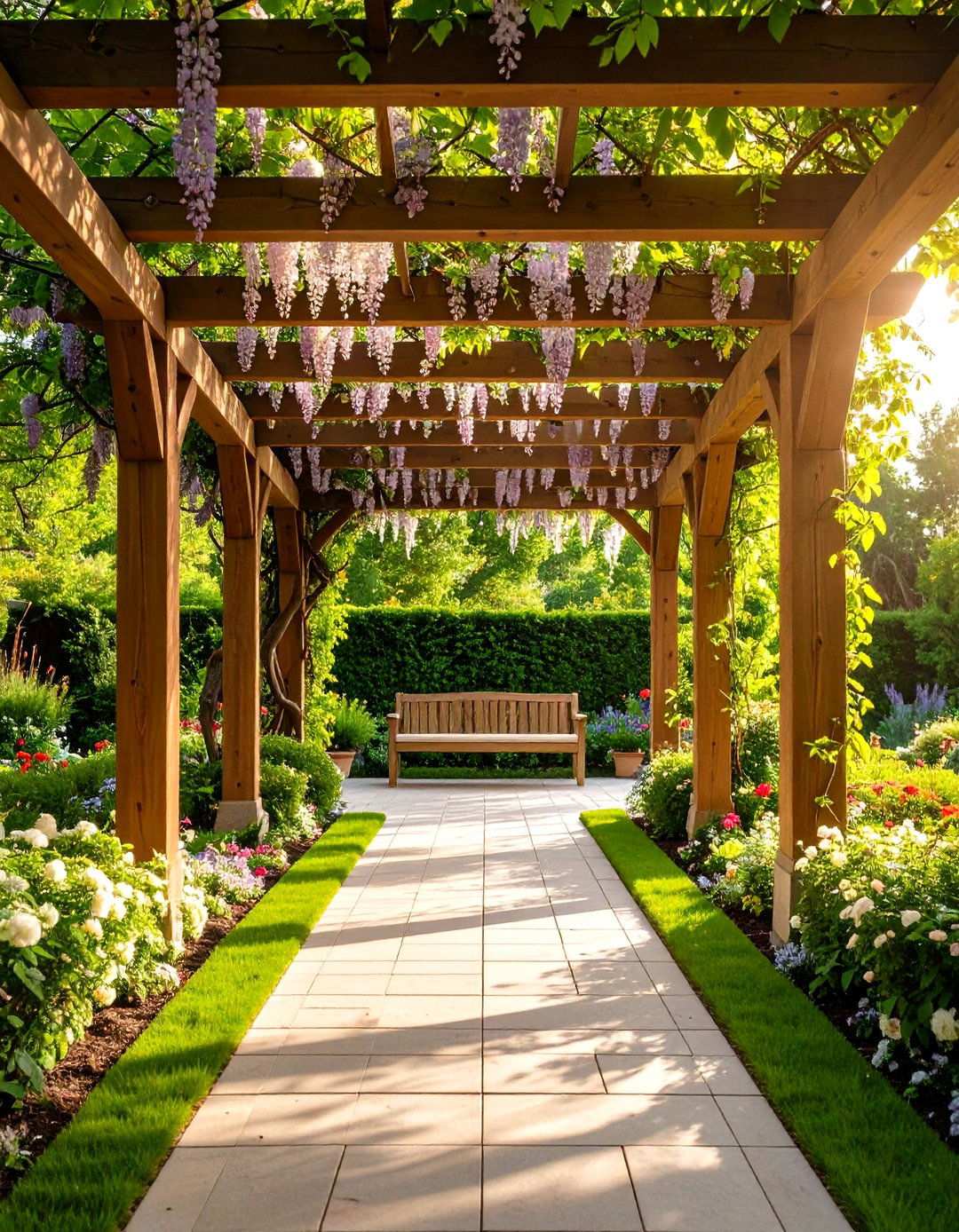
Transforming memorial gardens through the strategic use of overhead structures can result in the creation of defined outdoor rooms that offer a unique blend of intimacy, weather protection, and vertical growing space for climbing plants. When designing pergolas, consider using materials that seamlessly integrate with the surrounding architectural style, while also providing robust support for vigorous climbing plants like wisteria, grape vines, or climbing roses. Incorporating comfortable seating beneath the pergola creates inviting gathering spaces that remain protected from the elements, regardless of the weather conditions. Additional features such as side panels or screens can enhance privacy and wind protection, while integrated lighting ensures that the space remains enjoyable even in the evenings and throughout the year. A thoughtfully curated selection of climbing plants, which offer seasonal interest through flowers, fruit, or fall color, can further enrich the experience. The surrounding garden beds should complement the pergola plantings while maintaining clear sight lines, creating a harmonious balance between structure and nature. Incorporating memorial plaques or artistic elements into the pergola design adds a meaningful touch, while built-in storage for seat cushions or garden tools ensures that the space remains functional and well-maintained. This architectural approach yields memorial gardens with a strong sense of presence and defined gathering spaces that foster connection among family and friends.
23. Sensory Memorial Garden
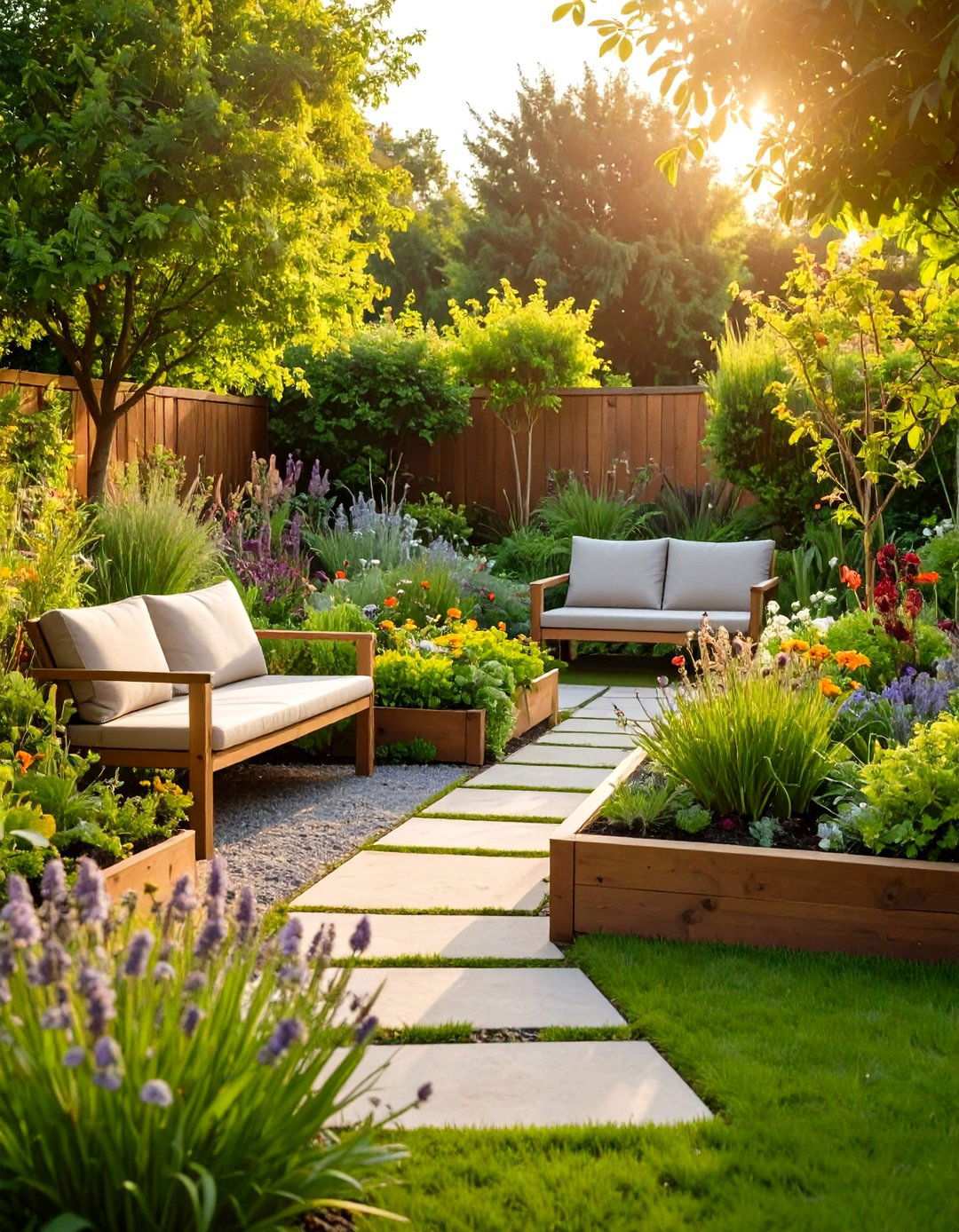
By incorporating a diverse range of plants and design elements, memorial gardens can be designed to engage all senses, creating a rich sensory experience that connects visitors emotionally to cherished memories. Inclusive design elements, such as textural plants like lamb’s ear, ornamental grasses, and interesting bark trees, invite visitors to engage their sense of touch and explore the space. Strategically placing fragrant plants at nose height, including roses, herbs, and scented shrubs near seating areas, encourages visitors to pause and appreciate the scents around them. Sound elements like rustling grasses, wind chimes, or water features provide auditory interest, while edible varieties like berry bushes, fruit trees, or herb gardens stimulate the sense of taste. Designing accessible raised beds allows visitors with mobility limitations to easily interact with the plants and experience the space. Seasonal elements that change throughout the year provide ongoing sensory discovery, while comfortable seating positioned to enjoy multiple sensory experiences simultaneously fosters a deeper connection to the space and the memories it represents. This comprehensive approach yields memorial gardens that fully engage visitors, evoking powerful memory connections through sensory experiences.
24. Luminous Legacy Spaces
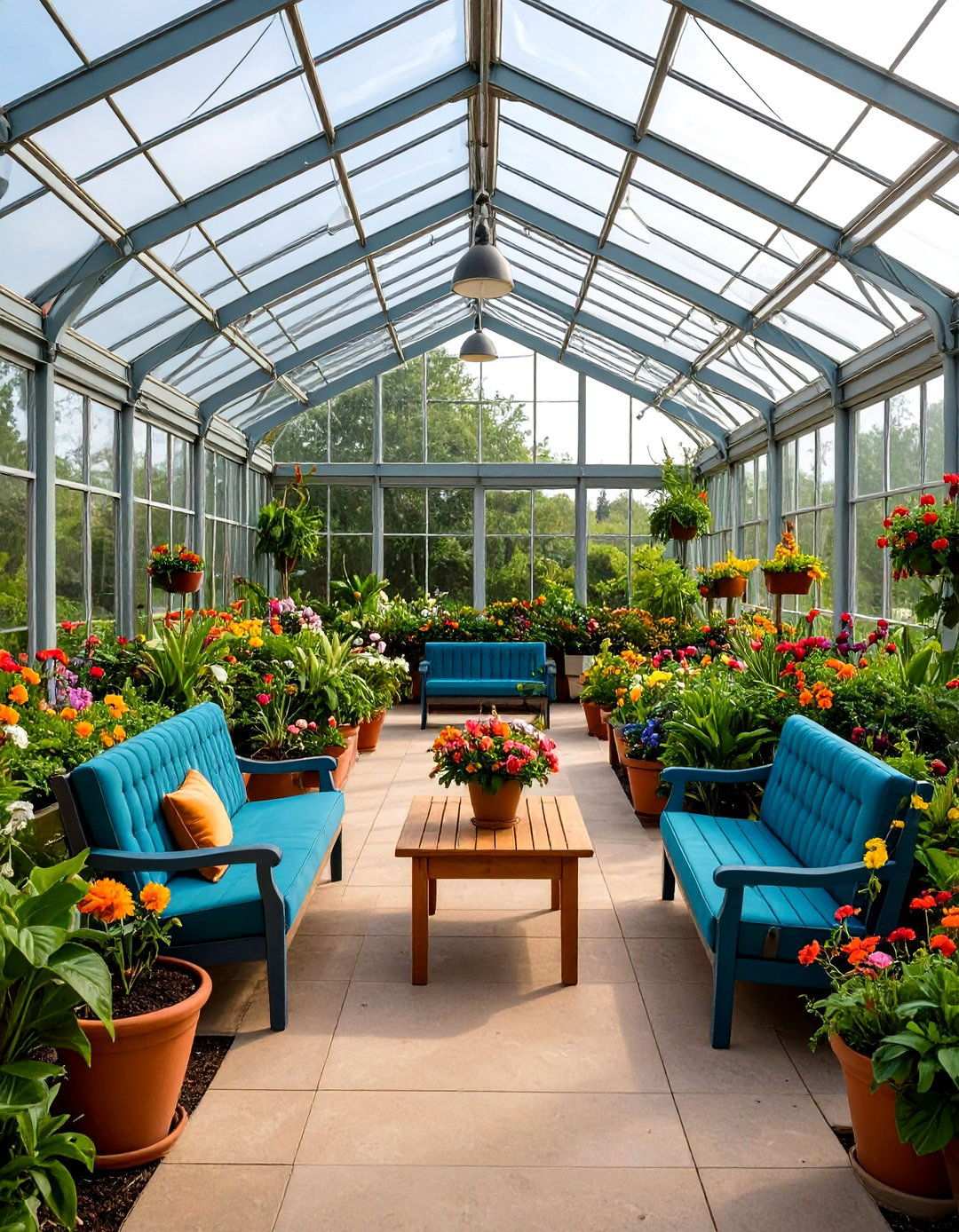
Optimize the longevity of your memorial garden by harnessing the versatility of greenhouses or conservatories. These climate-controlled environments provide sheltered spaces for delicate memorial plants and dynamic seasonal displays, allowing the beauty of remembrance to flourish throughout the year. Tailor the design of your structure to suit the local climate and your desired uses, striking a balance between plant care and comfortable seating areas.
Consider incorporating growing benches to cultivate memorial plants or launch seasonal displays, while showcasing tropical or sensitive plants that hold sentimental value despite being unsuitable for outdoor winters. Designate sections for holiday decorations and anniversary tributes, complemented by cozy seating with heating for winter gatherings. Incorporate potting areas for therapeutic gardening activities and memorial plant care, underscoring the importance of hands-on remembrance. Ensure optimal plant growth and human comfort by integrating thoughtful ventilation and temperature control systems. By embracing the protection of greenhouses, you can transcend harsh weather conditions and create a year-round sanctuary for horticultural therapy and remembrance.