1. Elevating Spaces with Timeless Elegance
Wall trim has the power to transform ordinary rooms into extraordinary spaces that reflect individual personality and sophisticated design. Whether you’re drawn to classic, timeless styles or modern, cutting-edge designs, the right trim choice can make a lasting impression. From traditional wainscoting that exudes sophistication to contemporary geometric patterns that create striking focal points, the possibilities are endless. Whether you’re looking to add architectural interest to a bland hallway, create cozy charm in a dining room, or establish a dramatic accent wall in your bedroom, there’s a trim idea to suit every style preference and skill level. With versatile wall trim, you can achieve stunning results on a budget using materials like MDF or invest in luxurious natural wood for lasting appeal. Today’s homeowners are embracing a wide range of trim styles, from traditional board and batten designs to sleek horizontal slat walls that bring contemporary flair to living spaces.

As an Amazon Associate I earn from qualifying purchases.
Each trim style not only serves a functional purpose by protecting walls from daily wear but also adds depth, texture, and visual interest that transforms the entire atmosphere of a room. By incorporating wall trim into your design, you can create a harmonious balance of form and function that elevates your space to new heights.
2. Adding Depth and Character with Baseboards
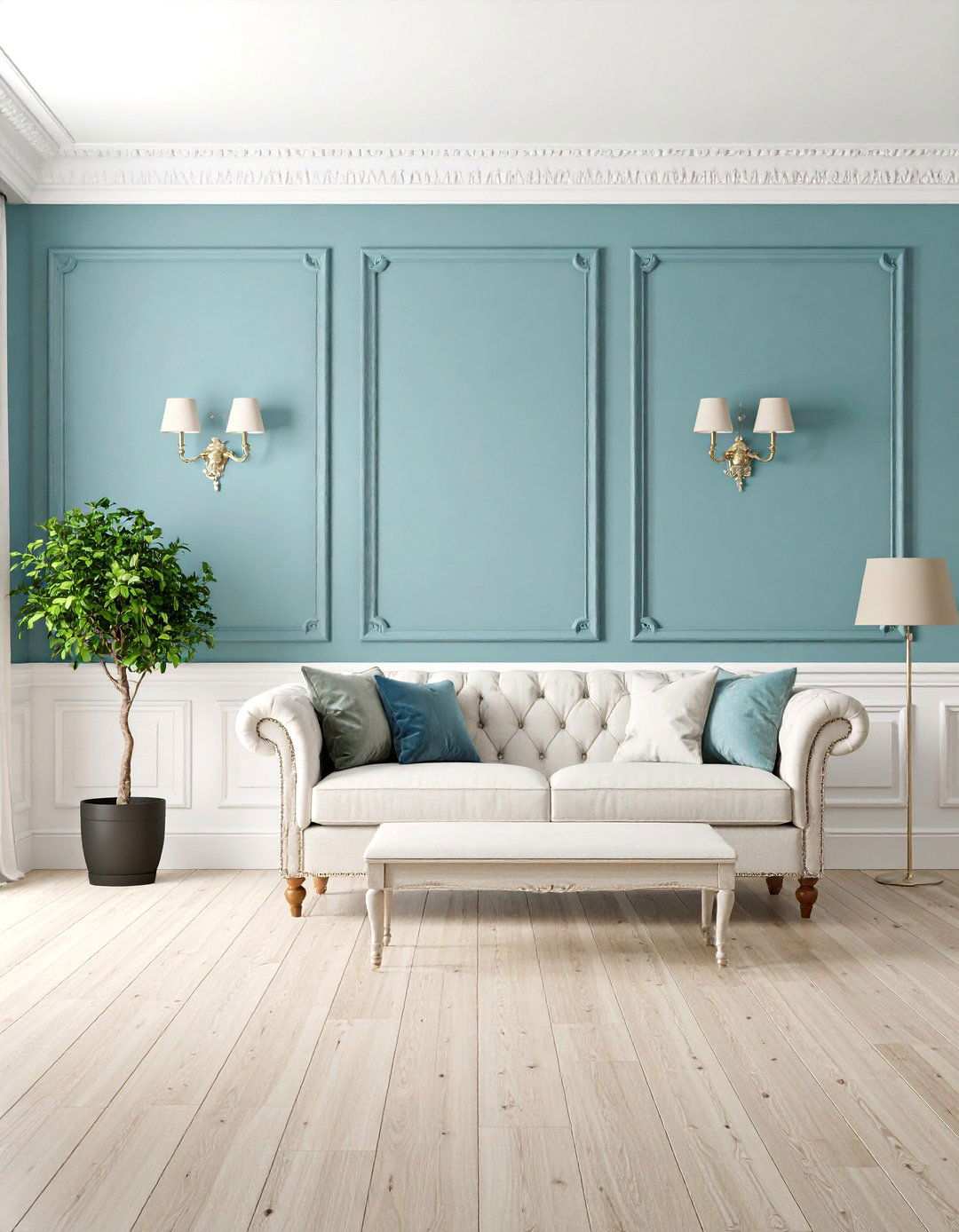
Baseboards are the foundation of your wall trim design, providing a polished transition between floors and walls while protecting walls from everyday damage. Beyond basic flat profiles, today’s baseboards offer a diverse range of styles, from simple colonial designs to elaborate multi-layered profiles with decorative caps and shoe molding. To create a more substantial presence and better proportions in modern homes, consider installing taller baseboards—five inches or more. When it comes to baseboard design, the choice between painted and stained options depends on your overall design vision. White paint offers classic versatility, while natural wood brings warmth and organic texture. Strategically designed baseboards can create visual weight that beautifully anchors your room’s trim package.
3. Elevating Walls with Traditional Wainscoting
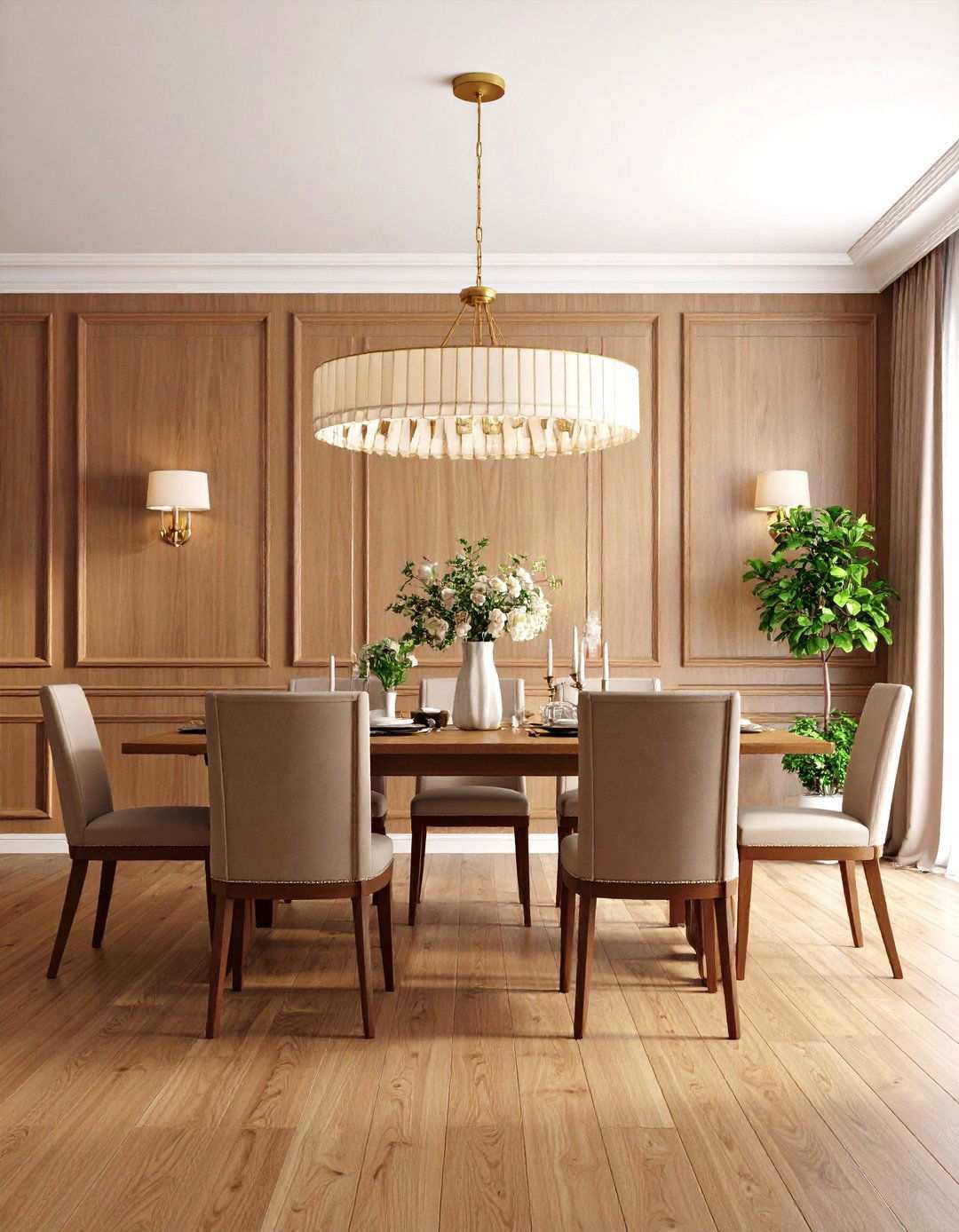
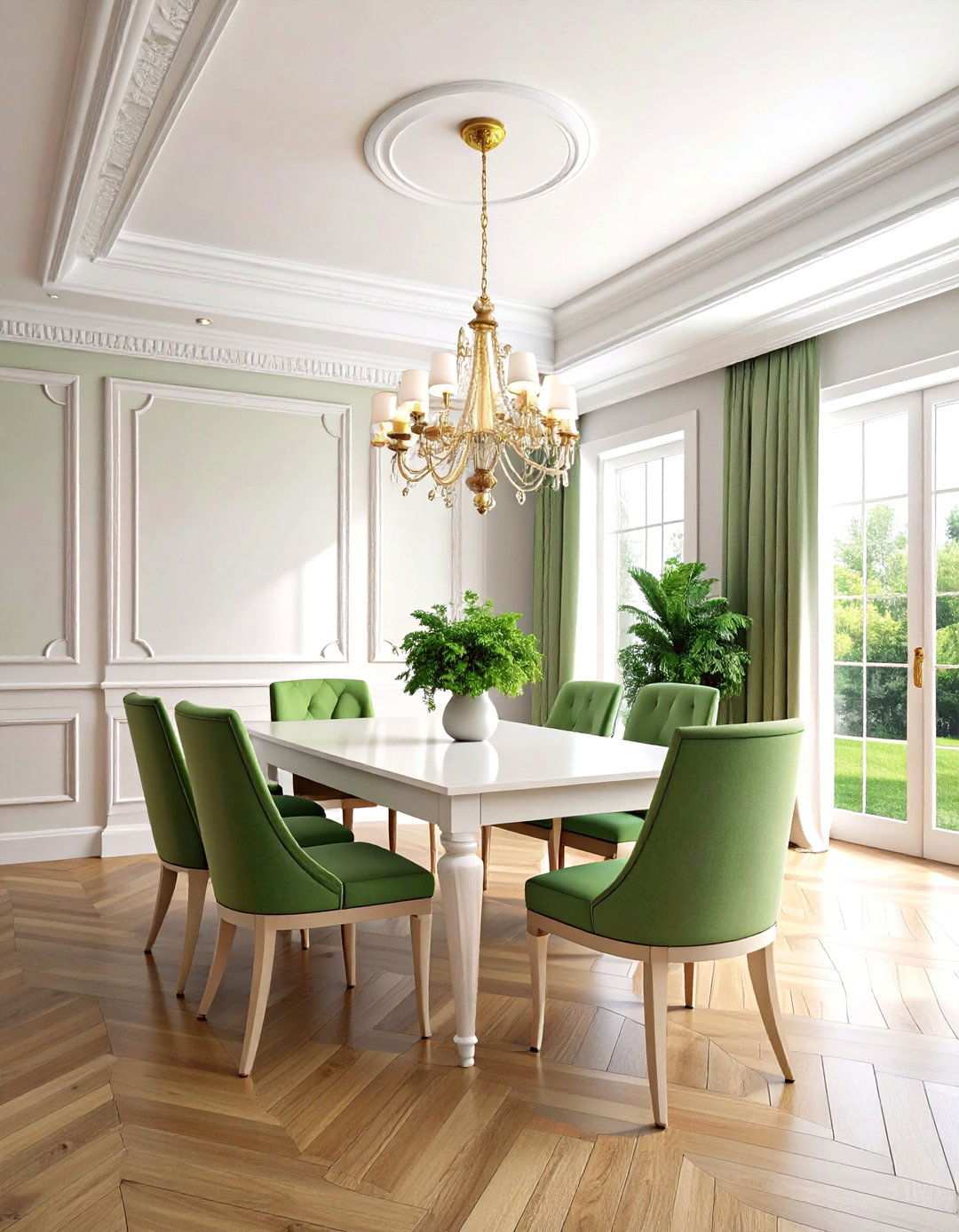
Timeless traditional wainscoting imbues spaces with an air of sophistication and refinement, transforming drab walls into stunning focal points. This tried-and-true technique typically covers the lower third of walls, featuring recessed panels framed by elegant surrounds that add depth and create striking visual contrasts. Contemporary alternatives to traditional wood panels include MDF construction, offering a more budget-friendly solution that achieves the same striking visual impact. To create a striking formal dining space, pair crisp white wainscoting with rich furnishings, or opt for bold colors like navy or forest green for a dramatic, eye-catching effect. Whether you’re seeking to revamp a dull dining room or update a lackluster living area, traditional wainscoting instantly elevates the space while providing practical protection from chair backs and daily wear.
4. Refining Walls with Picture Frame Molding
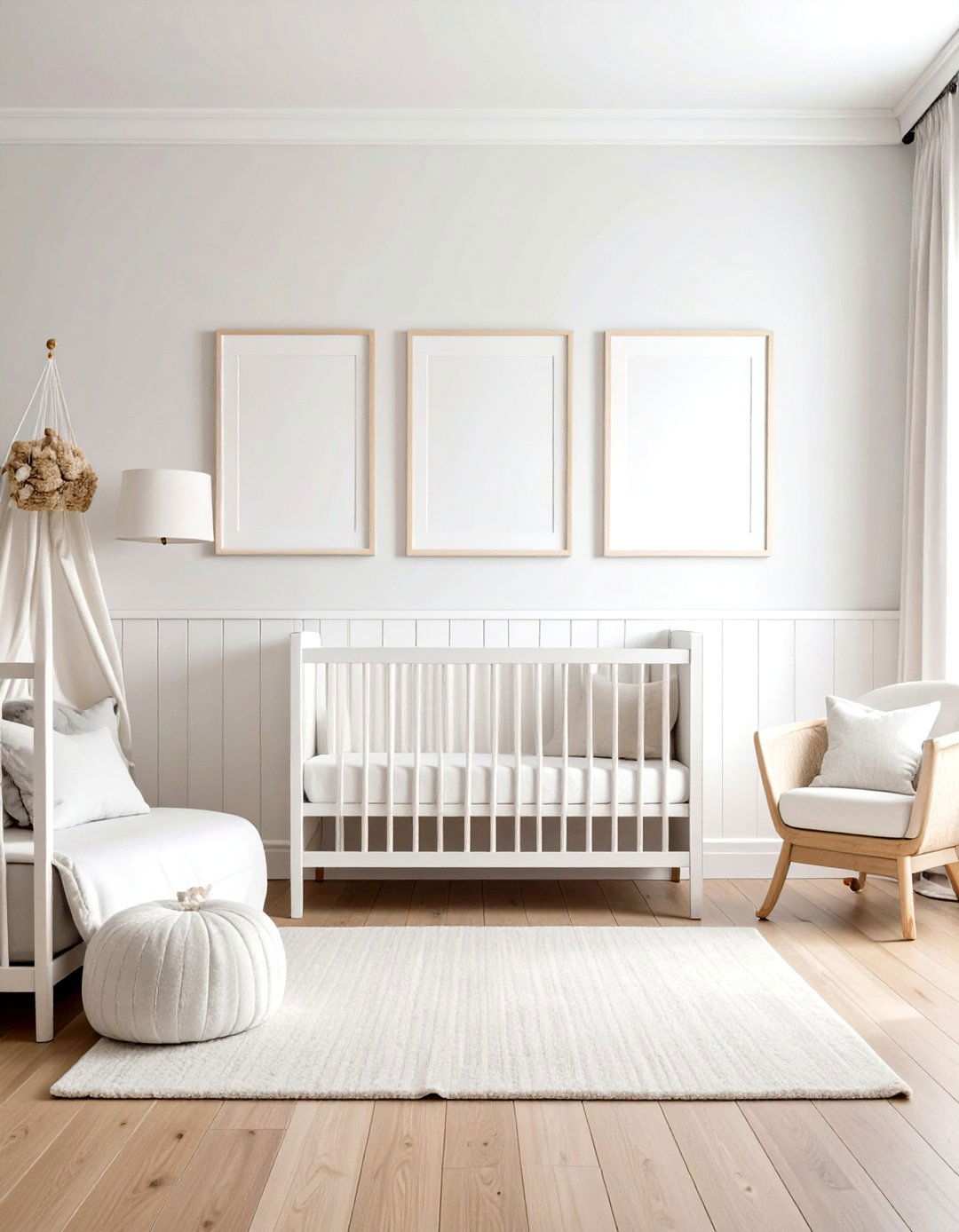
Picture frame molding offers a versatile and sophisticated way to create stunning wall panels, adding intricate detail without overwhelming smaller spaces. This elegant approach involves installing thin molding strips in picture frame patterns directly onto walls, creating the illusion of raised panels at a remarkably low cost. The technique works beautifully in nurseries, bedrooms, and formal living areas where subtle architectural detail enhances rather than dominates. Achieving balanced proportions is key, and this can be done by spacing picture frames consistently across walls – typically three to four inches apart – to create a sense of harmony and visual appeal. To amplify the effect, consider painting both the molding and walls in matching colors for a subtle texture, or use contrasting shades to make frames stand out as decorative elements.
5. Creating Texture with Board and Batten Farmhouse Style
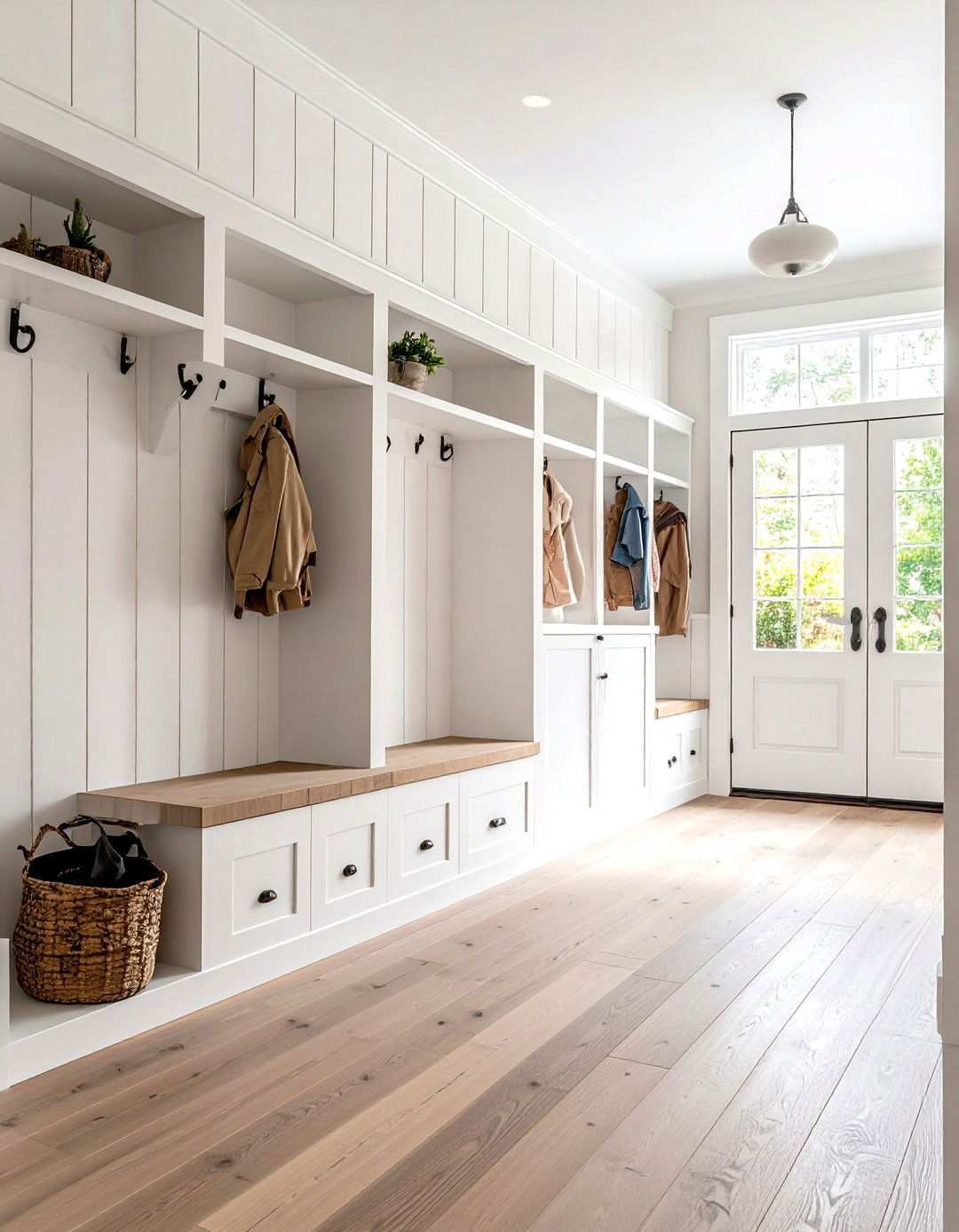
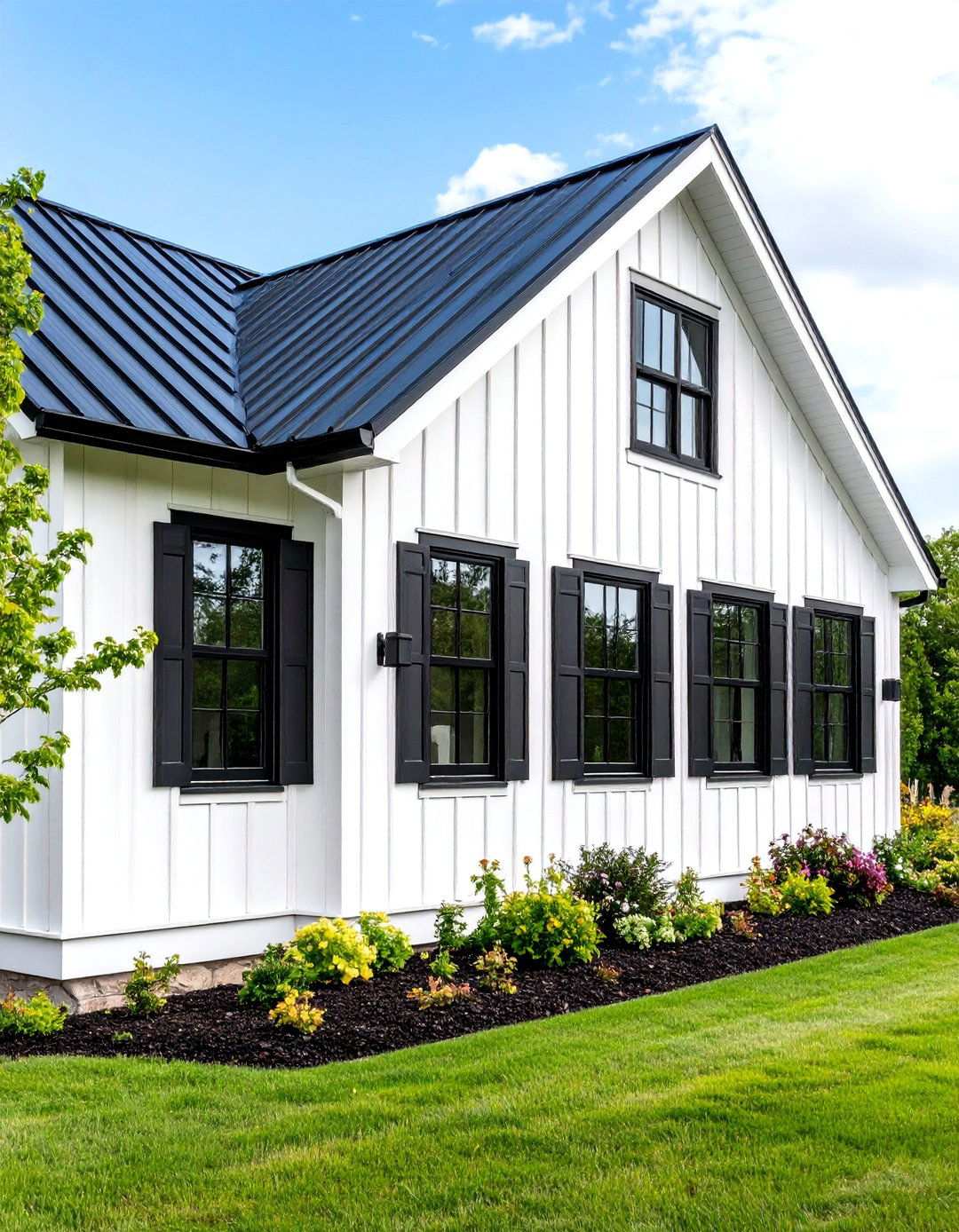
Board and batten styling brings a touch of rustic charm to spaces, creating a sense of rhythm and texture across wall surfaces through the strategic placement of vertical slats. This approach typically features wide horizontal rails at top and bottom with evenly spaced vertical battens, creating clean, linear patterns that add visual interest. The style works particularly well in entryways, mudrooms, and casual dining spaces where rustic appeal enhances the relaxed atmosphere. To achieve an authentic farmhouse look, consider painting board and batten in soft whites or warm grays, or opt for bold colors for a more contemporary interpretation. When installing board and batten, careful spacing calculations are crucial – usually fifteen to eighteen inches between battens – to create pleasing proportions throughout the space.
6. Modern Horizontality: Elevating Spaces with Slat Walls
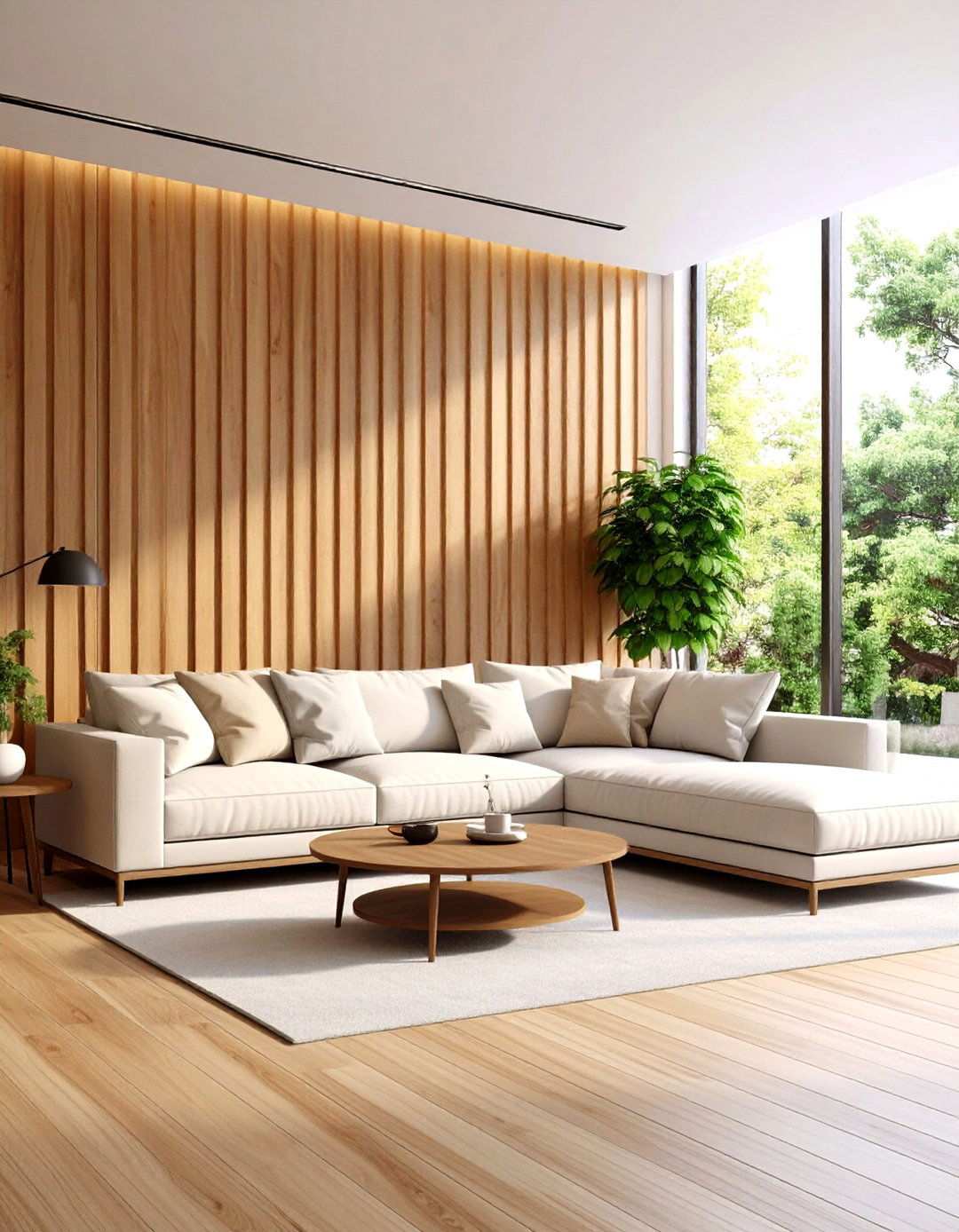
Clean lines, minimalist silhouettes, and an emphasis on natural materials – these are the hallmarks of modern slat wall design. By stretching parallel wooden strips with consistent spacing, you can create striking patterns that work beautifully as accent walls, adding organic warmth to even the most minimalist interiors. The horizontal orientation of slat walls has a profound effect on the perception of space, making rooms appear wider and more expansive. To achieve this look, opt for light woods like oak or maple, which evoke the clean lines and simplicity of Scandinavian design. Conversely, darker species can be used to create dramatic contrast against white walls, adding depth and visual interest to your space.
Are you struggling to infuse warmth into your modern living room? Slat walls provide the perfect solution, combining contemporary aesthetics with natural materials that create an inviting atmosphere. By leveraging the beauty of wood, you can add a touch of sophistication to your space without sacrificing its clean, modern lines.
7. The Art of Chair Rail Molding
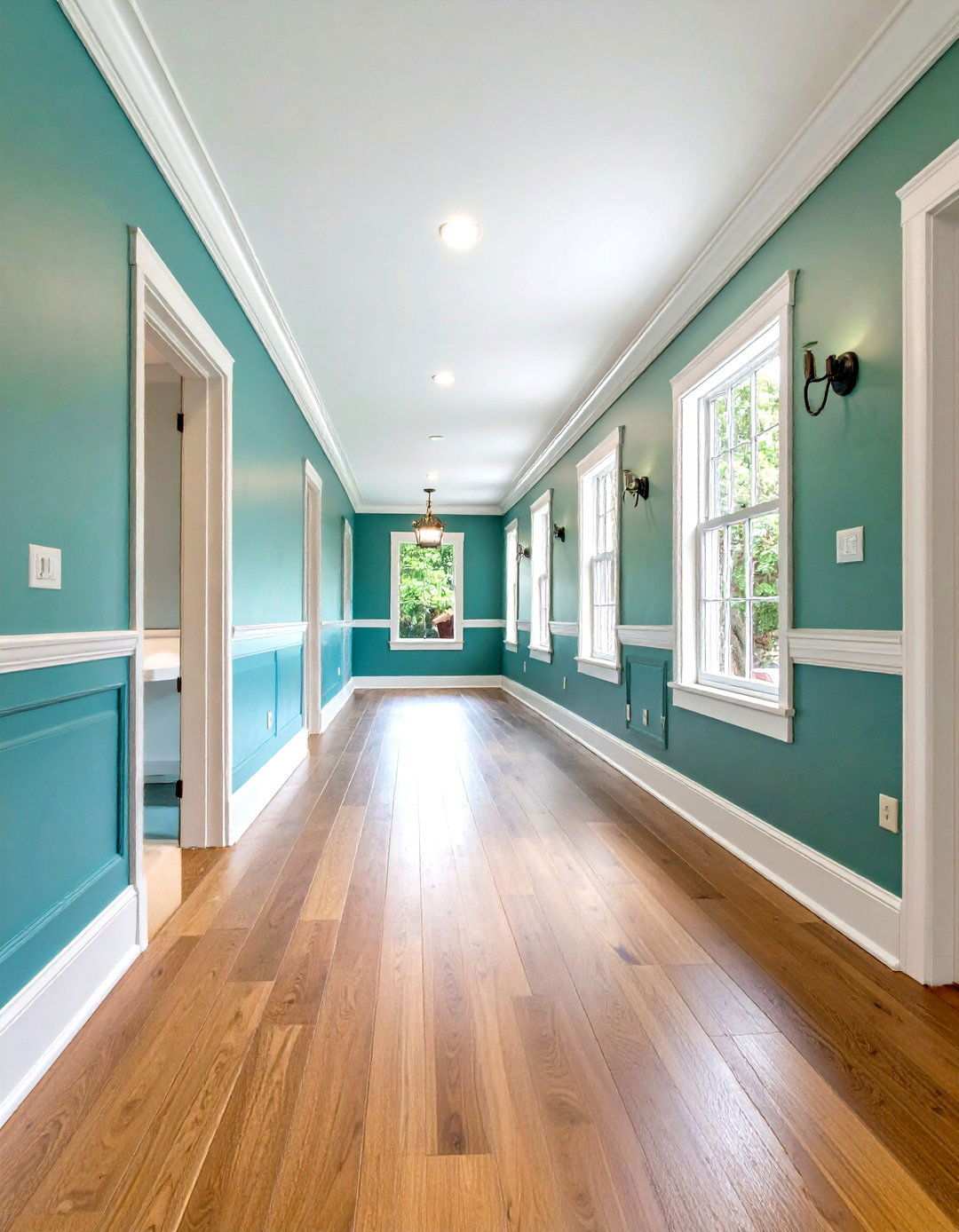
Chair rail molding is more than just a decorative element – it’s a functional solution that protects surfaces from furniture damage while creating sophisticated wall divisions. Typically installed approximately thirty-six inches from the floor, chair rails offer opportunities for creative color blocking and material combinations. Traditional installations often feature decorative molding profiles, which add architectural interest and visual appeal. In contrast, modern interpretations might use simple flat trim, creating a cleaner aesthetic that’s perfect for minimalist spaces. The area below chair rails becomes the perfect canvas for different treatments – wainscoting, contrasting paint colors, or even wallpaper – while the upper portions remain neutral, providing a calm backdrop for your space. To avoid overwhelming smaller spaces with too much visual division, consider the proportions carefully in rooms with standard ceiling heights.
8. The Timeless Charm of Shiplap Accent Walls
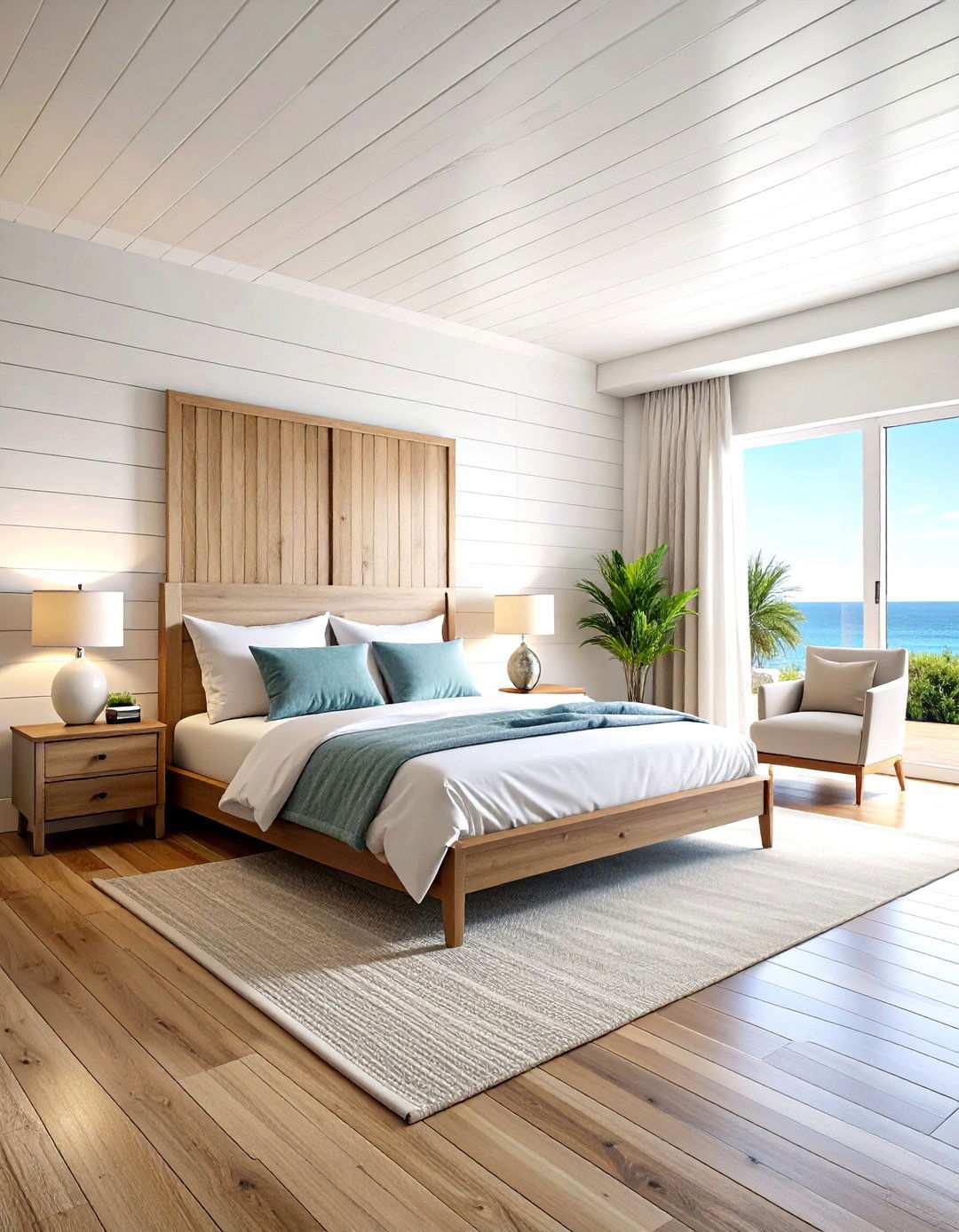
Shiplap paneling has a way of transporting us to a bygone era, evoking the coastal charm and rustic appeal of a simpler time. Originally designed for ship construction, shiplap features overlapping boards that create subtle shadow lines and organic patterns, adding a touch of authenticity to any space. This versatile treatment works equally well in modern farmhouse kitchens, cozy bedrooms, and casual living spaces where relaxed elegance sets the tone. To achieve the classic shiplap look, paint the boards in classic white for timeless appeal. Alternatively, experiment with soft blues, grays, or even bold colors for a more contemporary interpretation. The horizontal lines of shiplap visually expand spaces, while the natural board variations add authentic character that mass-produced materials cannot replicate.
9. Geometric Panel Designs
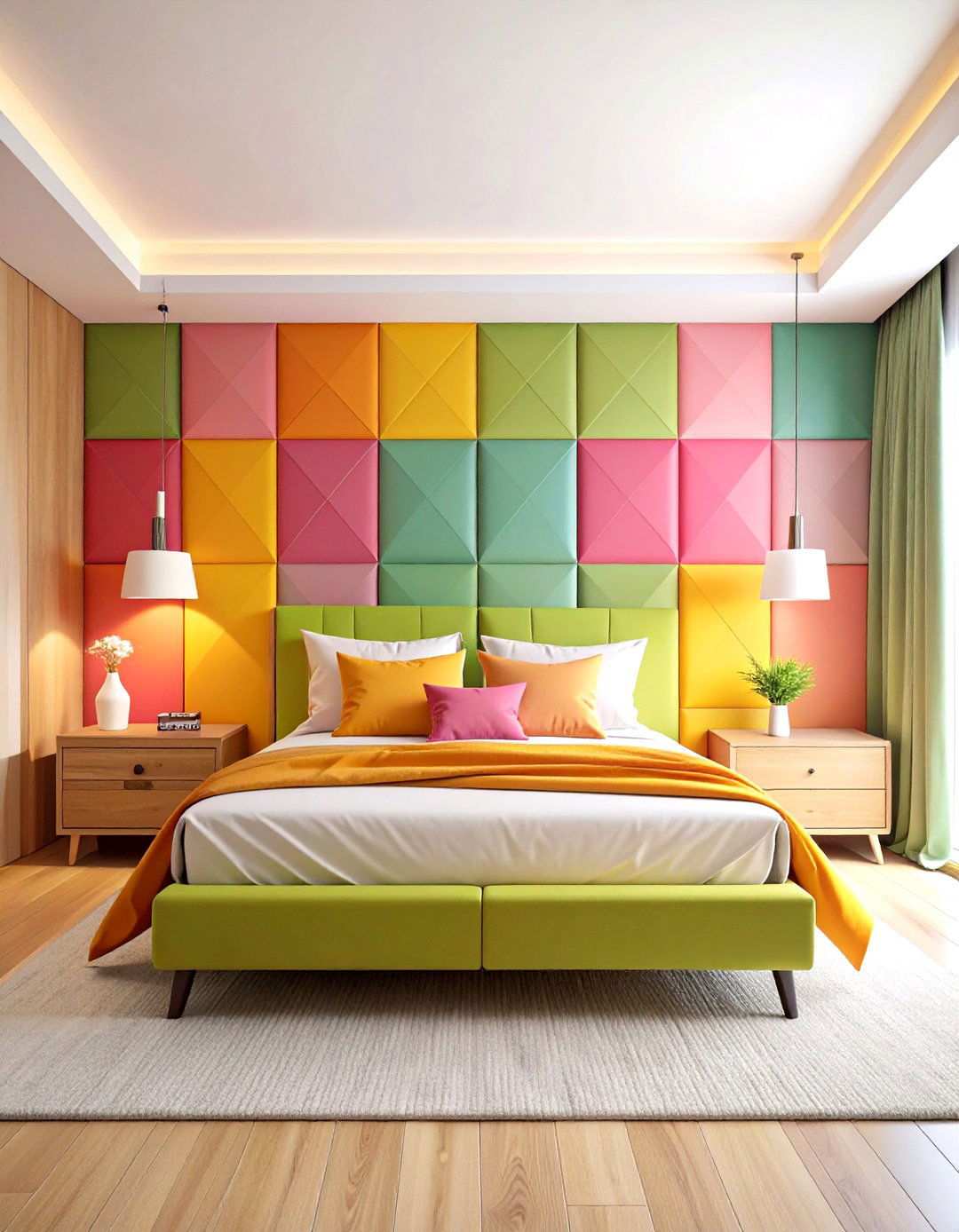
To create a striking focal point in modern interiors, geometric panel designs use angular patterns that exude contemporary sophistication. This style involves arranging rectangular or square panels in unconventional, asymmetrical configurations, thereby defying traditional symmetry while maintaining a delicate balance. The geometric panel design technique is particularly well-suited for bedrooms, home offices, and contemporary living spaces where artistic flair plays a significant role in shaping the overall design narrative. By incorporating contrasting colors or finishes, you can emphasize the geometric patterns and add an extra layer of visual interest, or opt for a monochromatic scheme for a more subtle, textured appearance. Geometric paneling can instantly transform a blank wall into an artistic statement that embodies modern design principles.
10. Beadboard Wainscoting
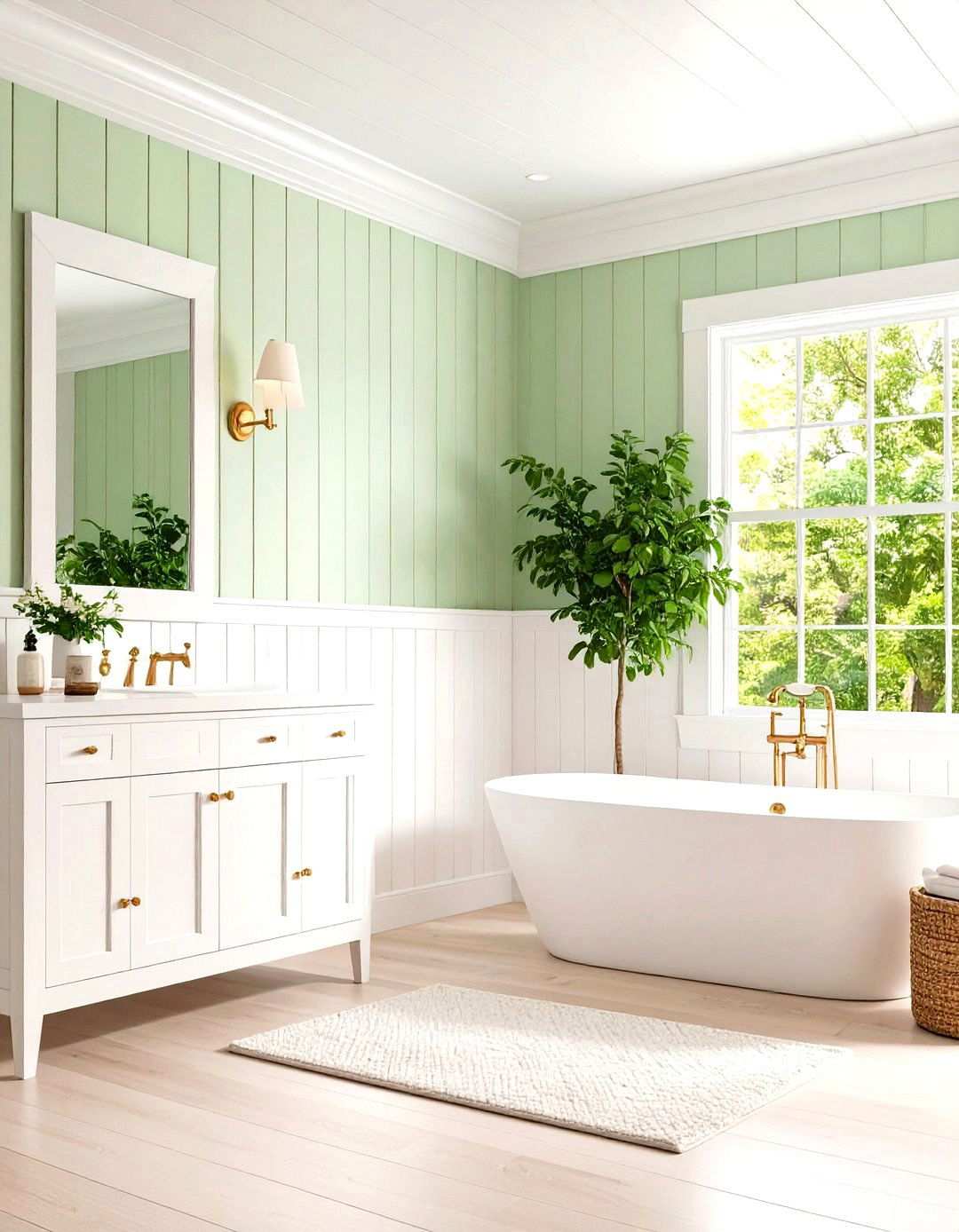
Beadboard wainscoting is a timeless design element that brings a touch of classic charm to your home through its elegant vertical grooves. Not only does it create delicate texture, but it also adds a beautiful, enduring appeal that is perfect for high-traffic areas such as mudrooms, bathrooms, and kitchens. Traditional beadboard features narrow tongue-and-groove planks with characteristic beaded edges, although modern alternatives offer similar aesthetics with the added benefit of easier installation. When it comes to painting beadboard, soft whites can evoke a sense of coastal cottage charm, while sage greens and pale blues can enhance a relaxed atmosphere with subtle color. The vertical orientation of beadboard helps to create a sense of height in smaller spaces, while the gentle texture adds visual interest without overwhelming the senses.
11. Coffered Ceiling Integration
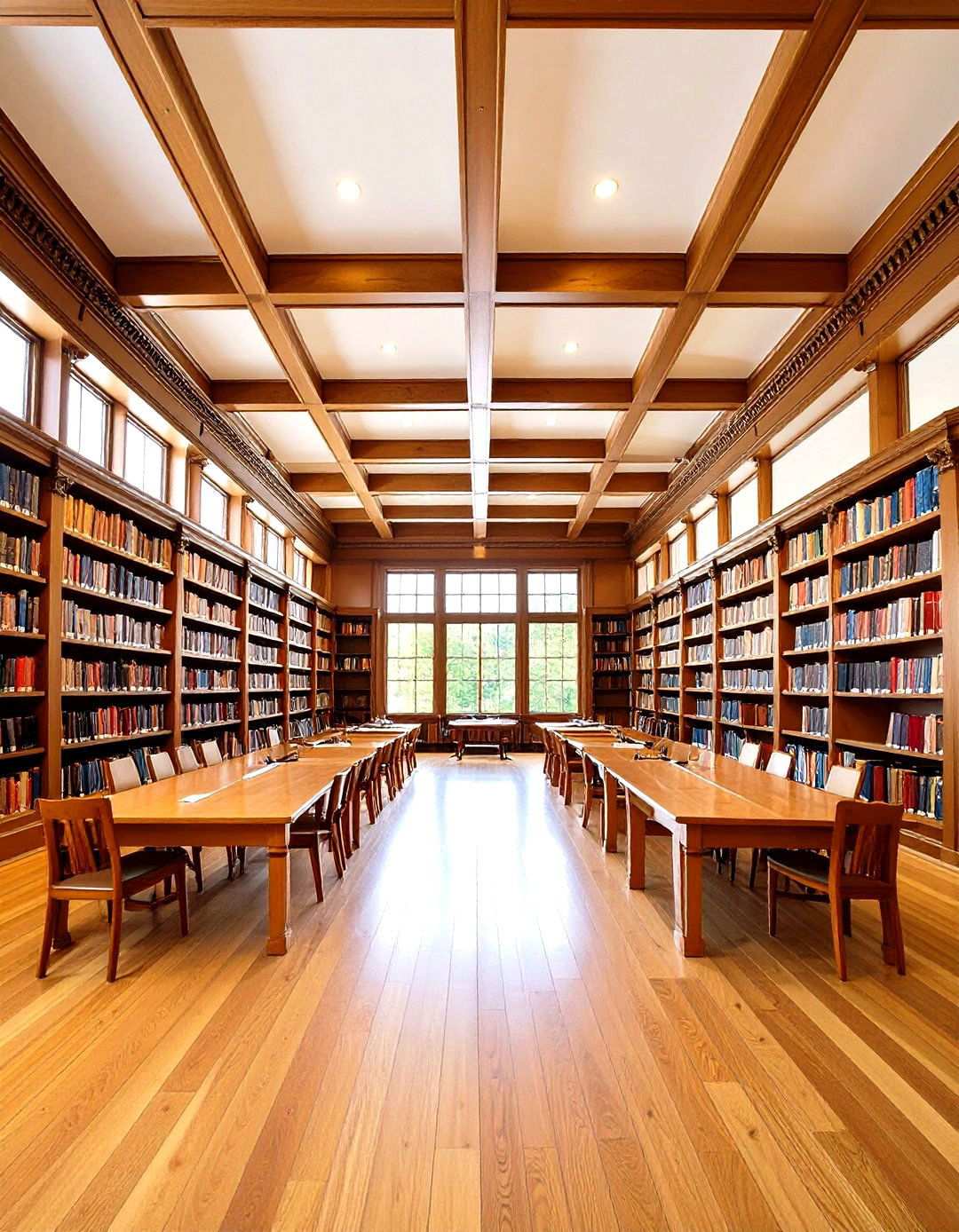
Coffered ceiling design takes wall trim concepts to new heights, creating dramatic overhead patterns that add architectural grandeur to formal spaces. This sophisticated approach involves installing intersecting beams that form rectangular or square recesses, thereby bringing depth and shadow play to plain ceilings. While traditional coffered ceilings often require significant structural work, modern interpretations use applied molding techniques that achieve similar visual impact with greater ease. The grid patterns that result from coffered ceiling design work beautifully in dining rooms, libraries, and master bedrooms where formal elegance plays a key role in shaping the overall atmosphere. By coordinating coffered ceiling designs with wall trim elements below, you can create a cohesive architectural flow that enhances the space as a whole.
12. Natural Elegance in Rustic Wood Plank Walls
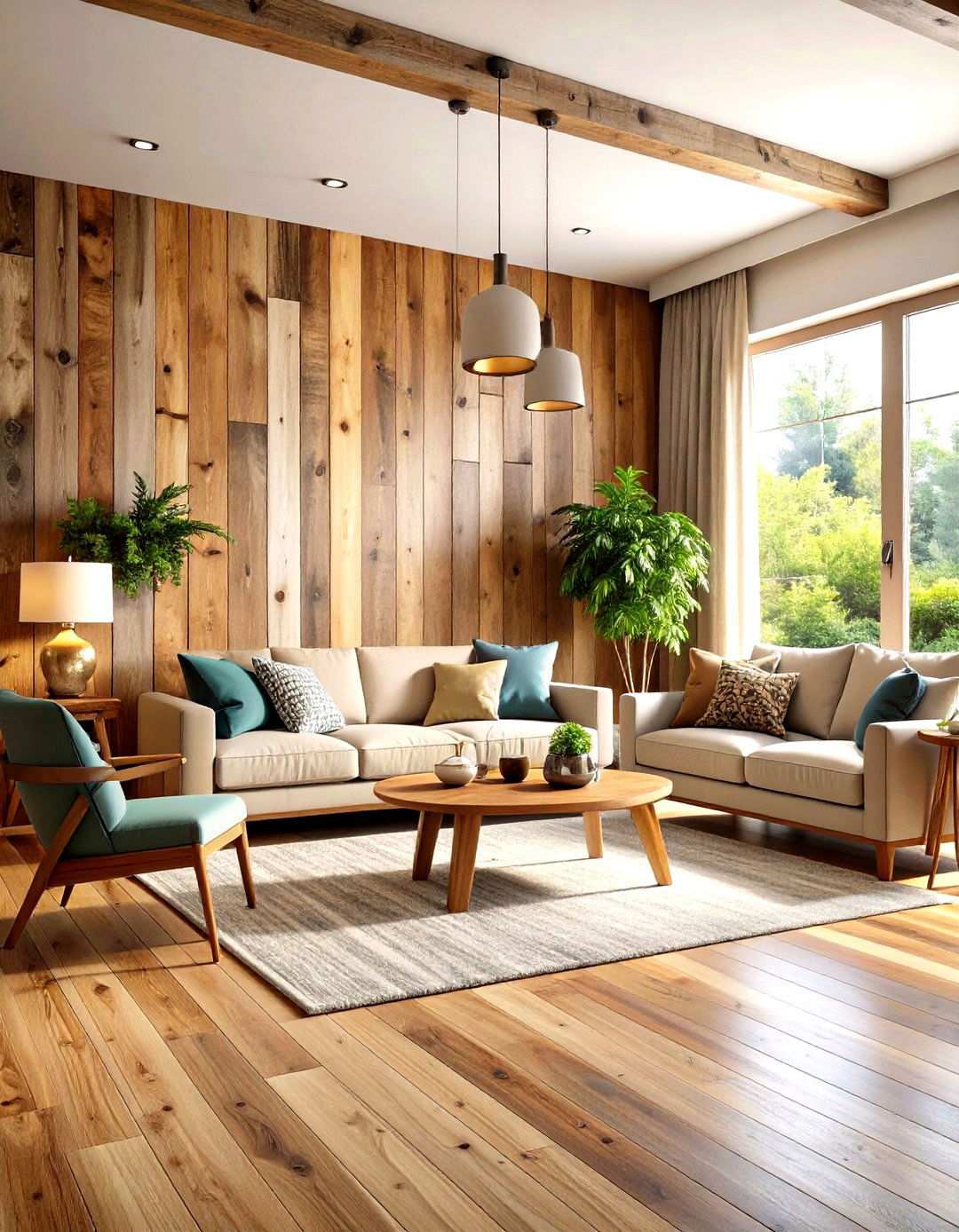
Rustic wood plank walls infuse interiors with a warm, organic ambiance by embracing the unique character of reclaimed or distressed lumber. This design approach celebrates the natural imperfections that occur in wood, such as knots, grain patterns, and weathered surfaces, which add a layer of depth and personality to modern spaces. By incorporating these natural variations, you can create a truly one-of-a-kind look that deviates from uniformity, making this project an attractive DIY endeavor for many homeowners. To preserve the authentic charm of rustic planks, seal them accordingly for interior use while showcasing their weathered appearance, which brings a touch of outdoor elegance inside.
13. Elevation of Raised Panel Construction
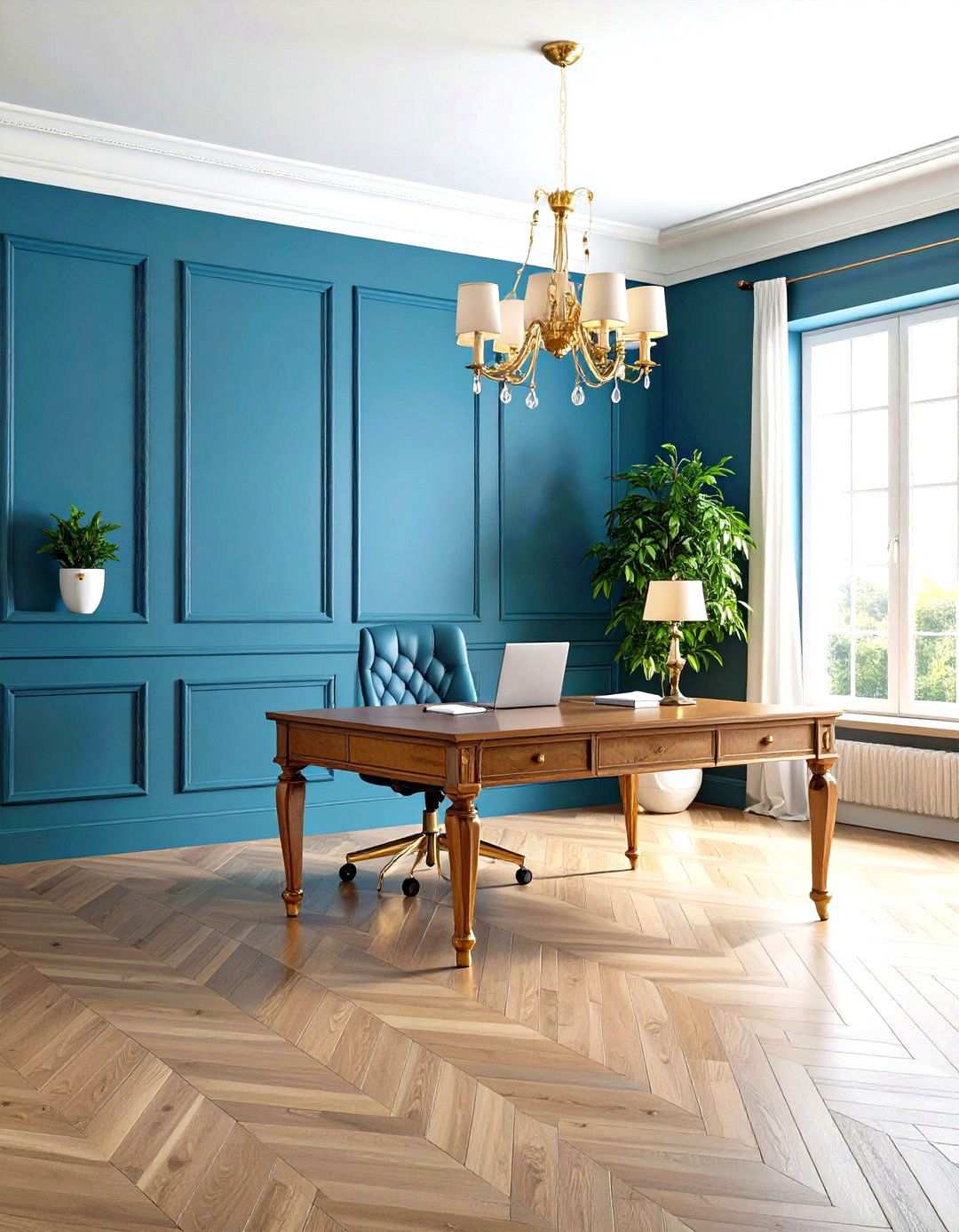
Raised panel construction elevates wall treatments by incorporating dimensional frames that project from wall surfaces to create a dramatic visual effect. This traditional millwork technique features beveled centers surrounded by decorative molding profiles that cast a mesmerizing display of shadows throughout the day. The three-dimensional quality of raised panels adds significant architectural presence while demonstrating superior craftsmanship and attention to detail. When executed in formal dining rooms, libraries, or executive offices, raised panels create a sense of traditional elegance that sets the tone for refined spaces. While the complexity of raised panels requires meticulous planning and skilled installation, the end result is a timeless appeal that increases home value while creating striking focal points.
14. Simplicity and Sophistication in Minimalist Flat Panel Systems
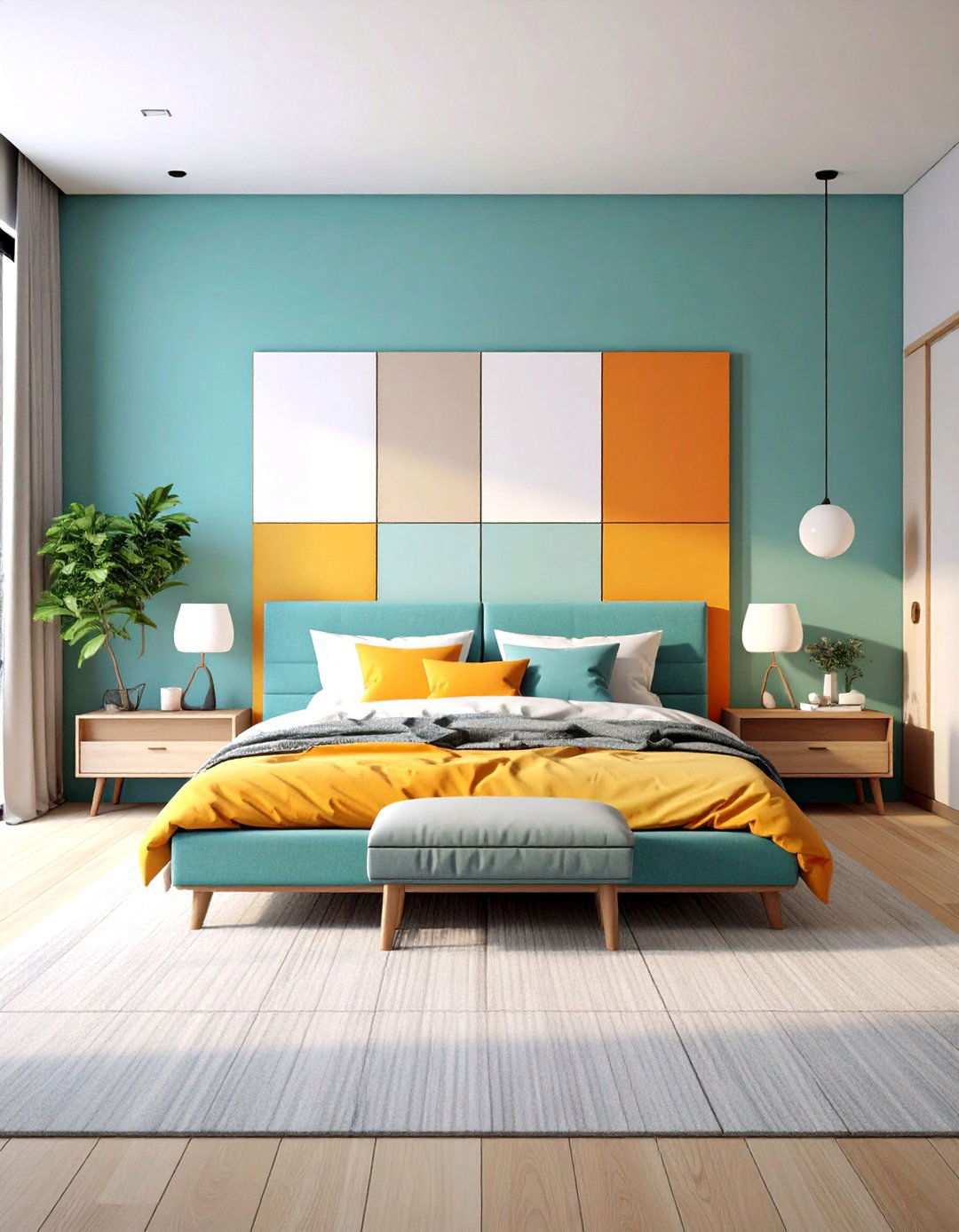
Minimalist flat panel systems deliver contemporary sophistication by emphasizing simplicity and clean geometric shapes that create a sense of calm and serenity. This modern approach uses flat trim pieces arranged in rectangular or square patterns to create subtle texture without overwhelming minimalist aesthetics. The key to success lies in precise spacing and perfect alignment, which demonstrate attention to detail and design discipline. For a cohesive look, paint panels and walls in matching colors for monochromatic elegance, or use slight color variations for gentle contrast. For those who appreciate clean, uncluttered design but worry about a lack of visual interest, minimalist paneling adds architectural interest while maintaining the serene atmosphere that defines successful contemporary interiors.
15. Elegant Revival of Ornate Molding
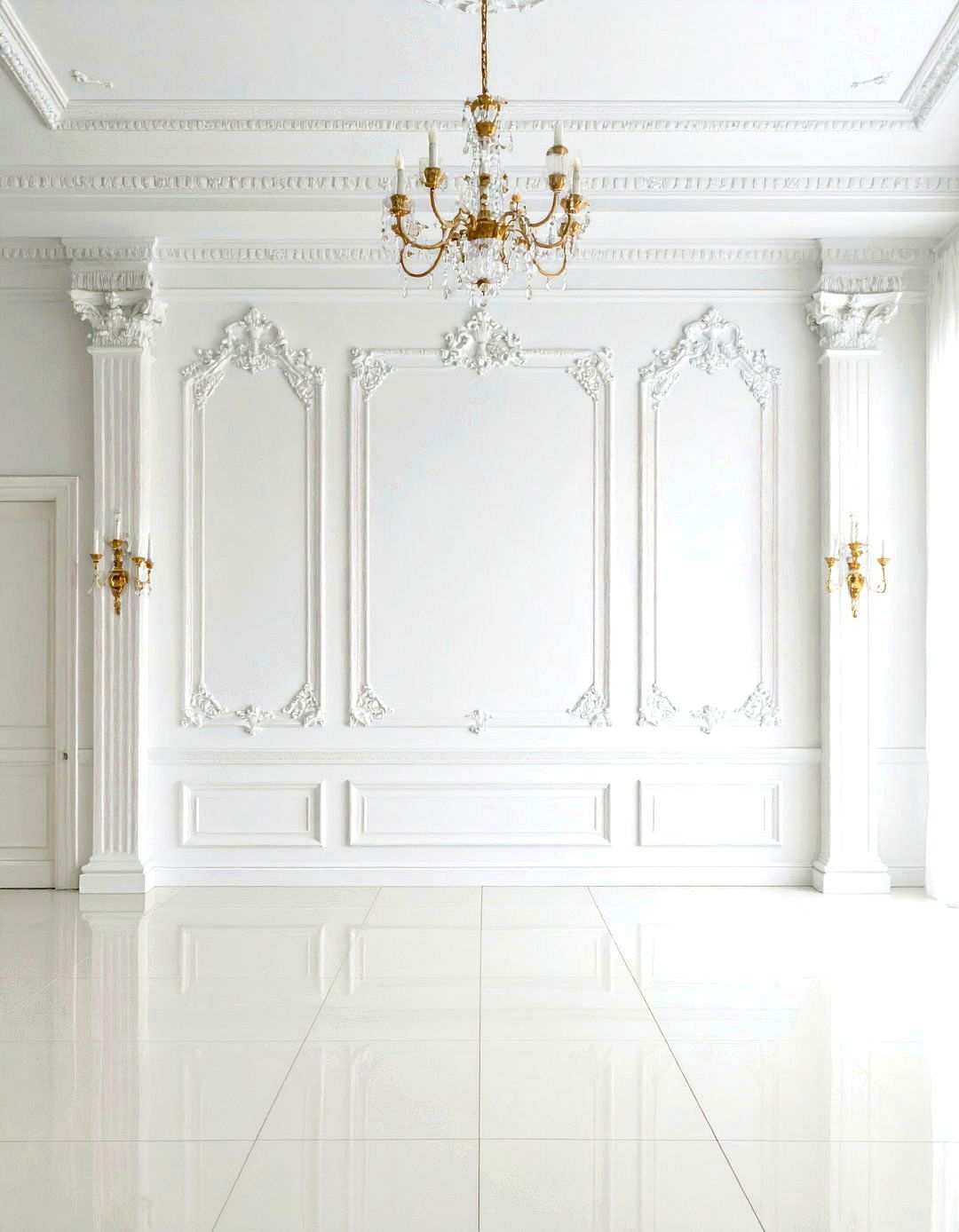
Ornate molding’s rich history is characterized by intricate designs that showcase mastery of craftsmanship and artistic expression. This distinctive style boasts multiple layers, curved elements, and ornate flourishes that produce striking architectural features. In period homes or spaces embracing maximalist designs, ornate molding becomes a stunning focal point. To add depth and visual interest, consider pairing it with metallic finishes or bold color contrasts that accentuate the detailed profiles and subtle shadow patterns. With its intricate details, ornate molding creates a sense of appreciation for traditional decorative arts and historical design excellence.
16. Artisanal Wall Treatments
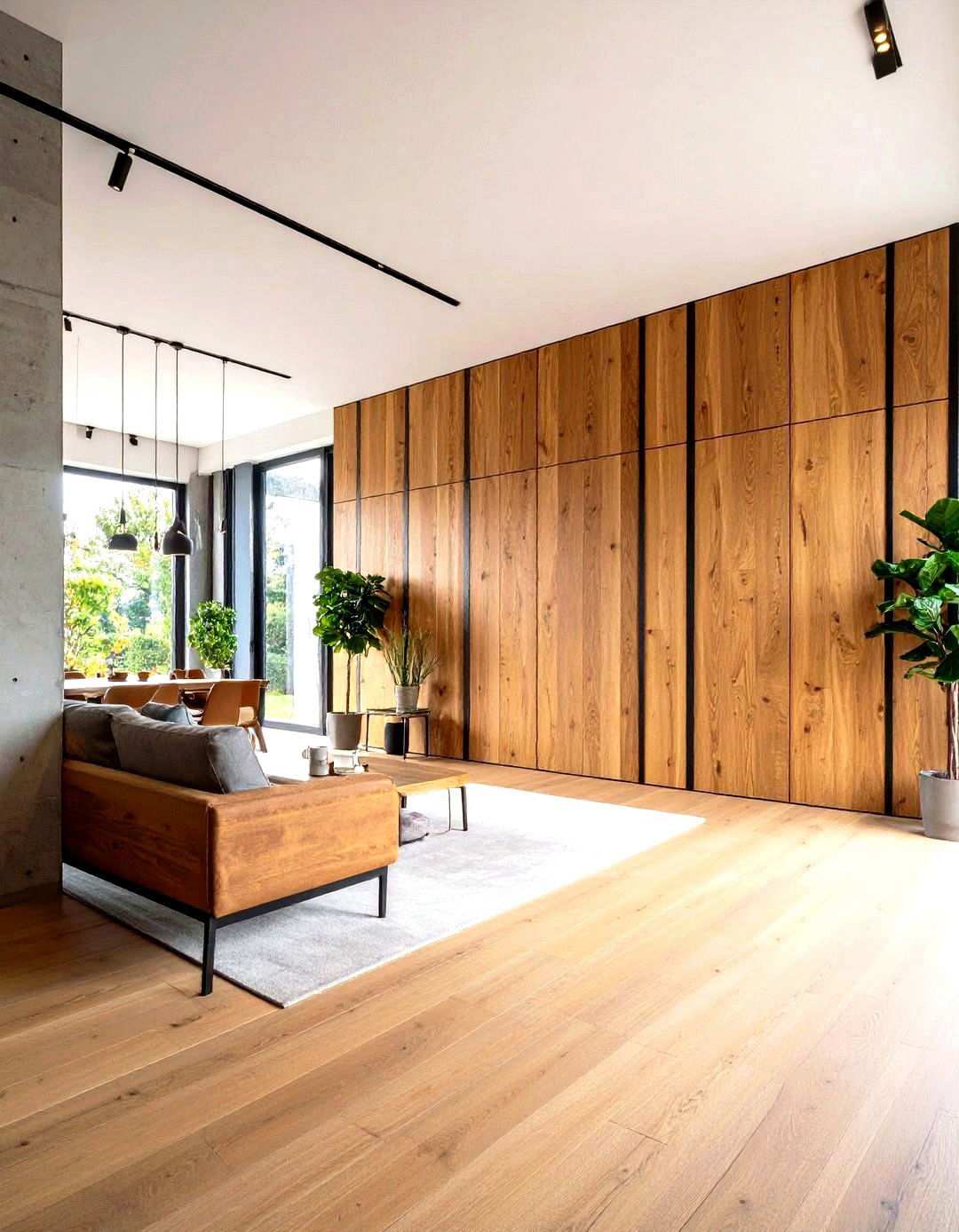
Blending disparate textures, colors, and profiles gives birth to unique wall treatments that embody custom architectural solutions. This innovative approach might pair traditional wood wainscoting with sleek metal accents or combine vintage molding with modern materials like concrete or stone. The secret to harmonious material mixing lies in striking a balance between proportions and allowing each element to shine with its distinct characteristics. When selecting materials, consider their aging and patination processes to ensure long-term compatibility and visual cohesion. By embracing this creative approach, homeowners can express their personal style and create one-of-a-kind wall treatments that reflect their individual design sensibilities.
17. Modern Wall Artistry
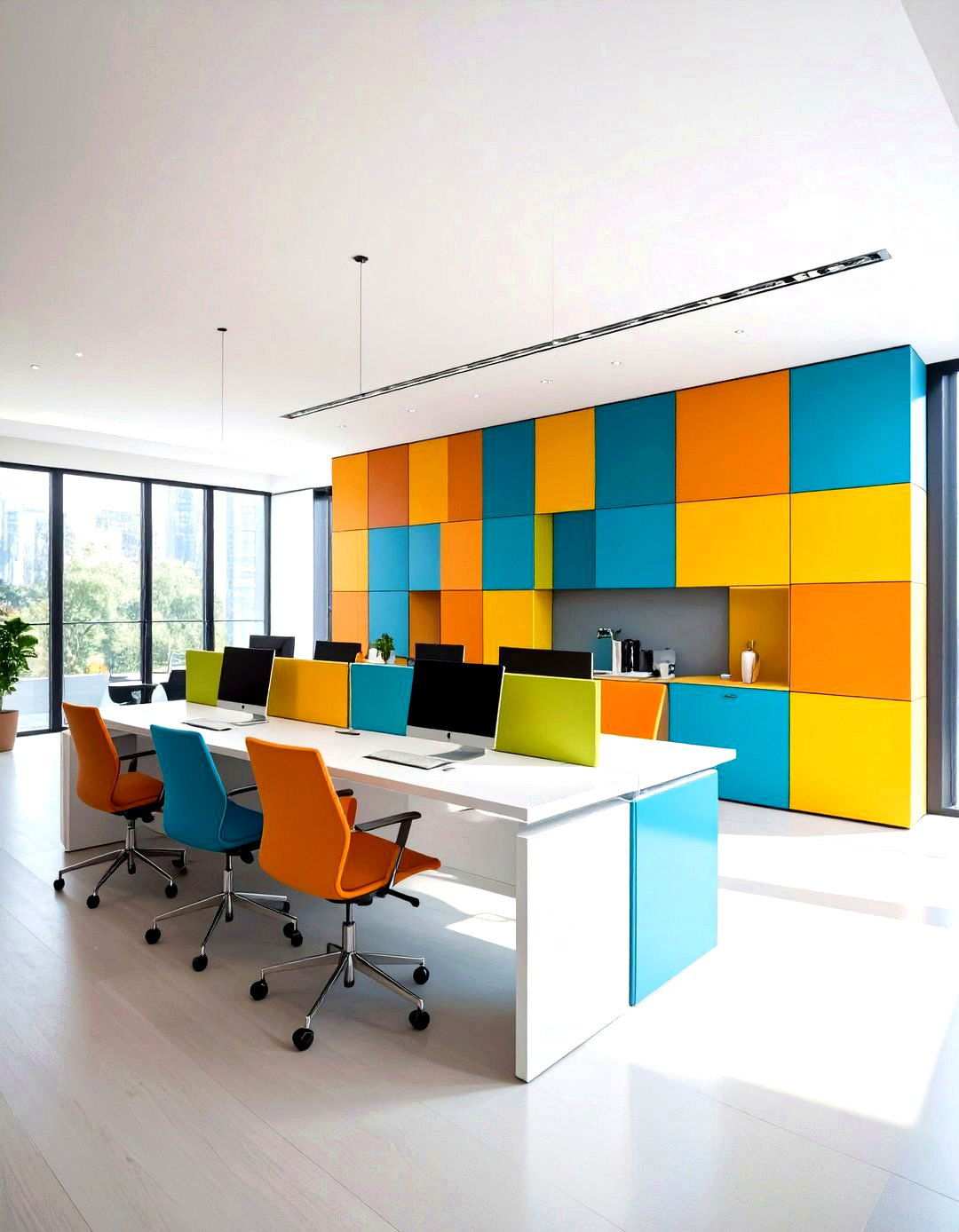
Breaking free from traditional symmetry rules, modern patterns introduce dynamic wall compositions that inject energy into contemporary interiors. This forward-thinking approach involves arranging trim elements in irregular configurations, maintaining visual balance through thoughtful proportion and spacing relationships. In modern homes where artistic expression and innovation take precedence, this avant-garde technique shines. To emphasize the asymmetrical arrangements, consider using varying trim widths or finishes while maintaining overall cohesion. By embracing asymmetrical paneling, homeowners can introduce artistic tension and visual excitement that reflects the current design trend toward personalized, creative expression.
18. Elevating Stairway Design
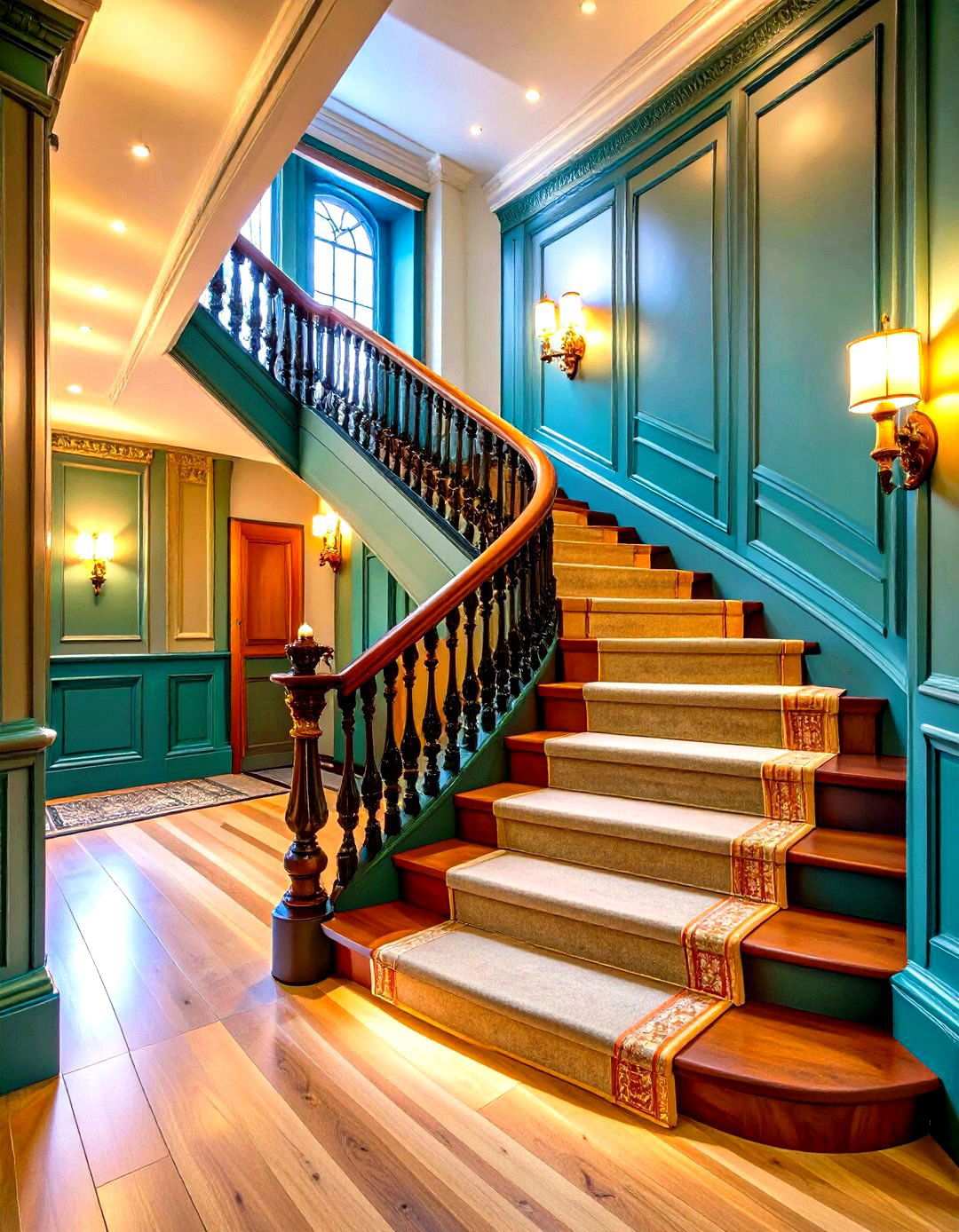
Crafting a cohesive look in multi-level spaces requires careful consideration of stairway wall trim, particularly when installing trim that follows the natural curve of the stairs. This intricate process demands precise calculations to ensure seamless transitions between changing wall heights and stair geometries. The visual impact of well-executed trim is not limited to the immediate area; it extends to adjacent spaces, creating an architectural flow that effortlessly connects different levels. To achieve a consistent aesthetic, consider how your trim treatments will be perceived from various vantage points, taking into account both the ascending and descending views. For a flawless installation, it’s often wise to consult professionals who possess the necessary expertise in angle calculations and safe installation procedures that meet building codes while upholding design goals.
19. Moisture-Resistant Bathroom Panels
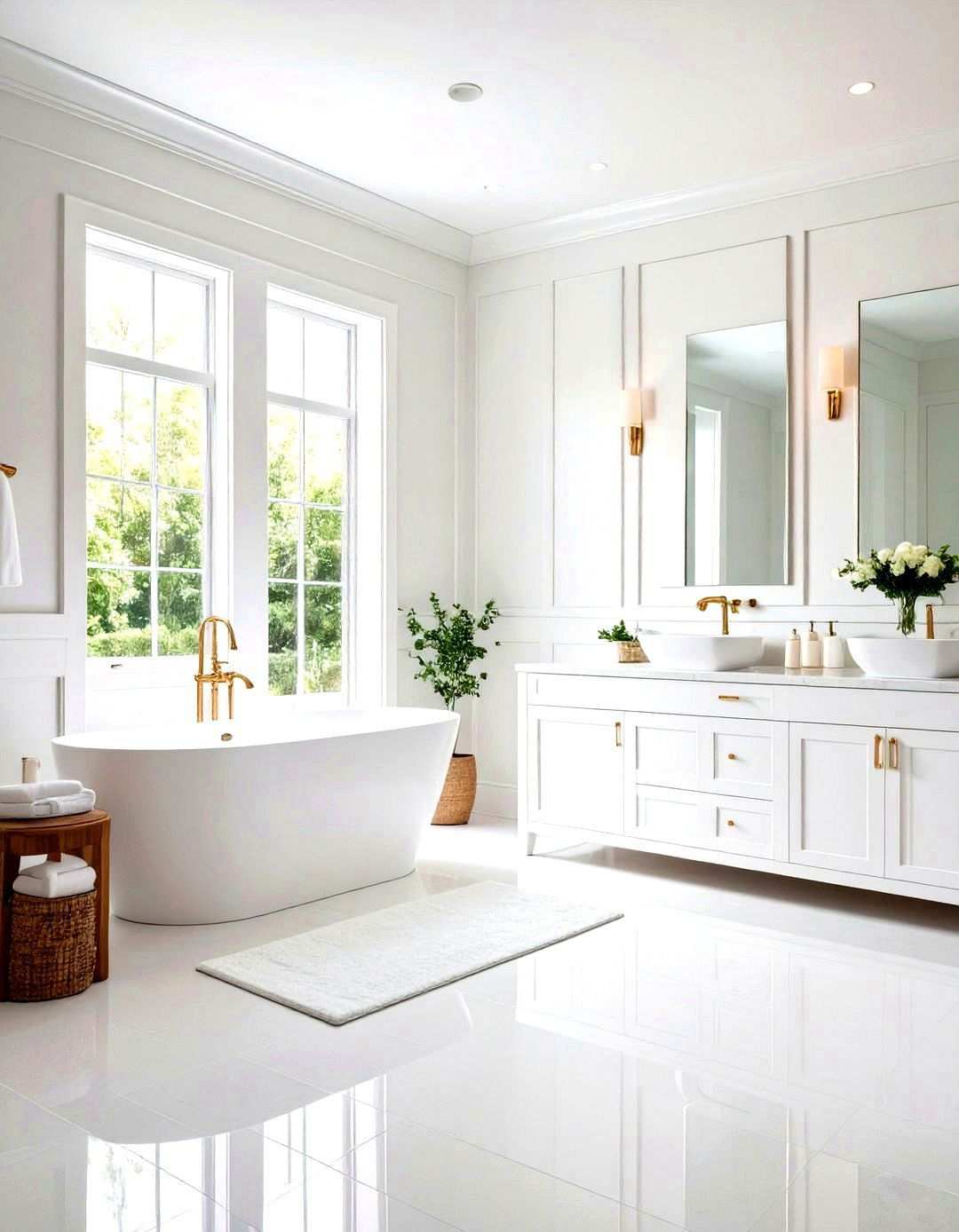
In bathrooms, where humidity levels are consistently high, moisture-resistant panels offer a practical solution for protecting walls while presenting a spa-like ambiance. These specialized panels are crafted from materials like PVC, composite materials, or sealed wood, designed to withstand prolonged exposure to moisture without warping or deteriorating. Not only do these panels provide a stylish option, but they can also mimic traditional wainscoting or board and batten styles. To maximize the benefits of these panels, consider extending them to an optimal height that shields walls from shower spray and humidity, while also adding visual interest. To ensure long-term beauty and durability, finish your panels with high-quality bathroom paints that resist mildew and moisture damage.
20. Harmonious Kitchen Backsplash Integration
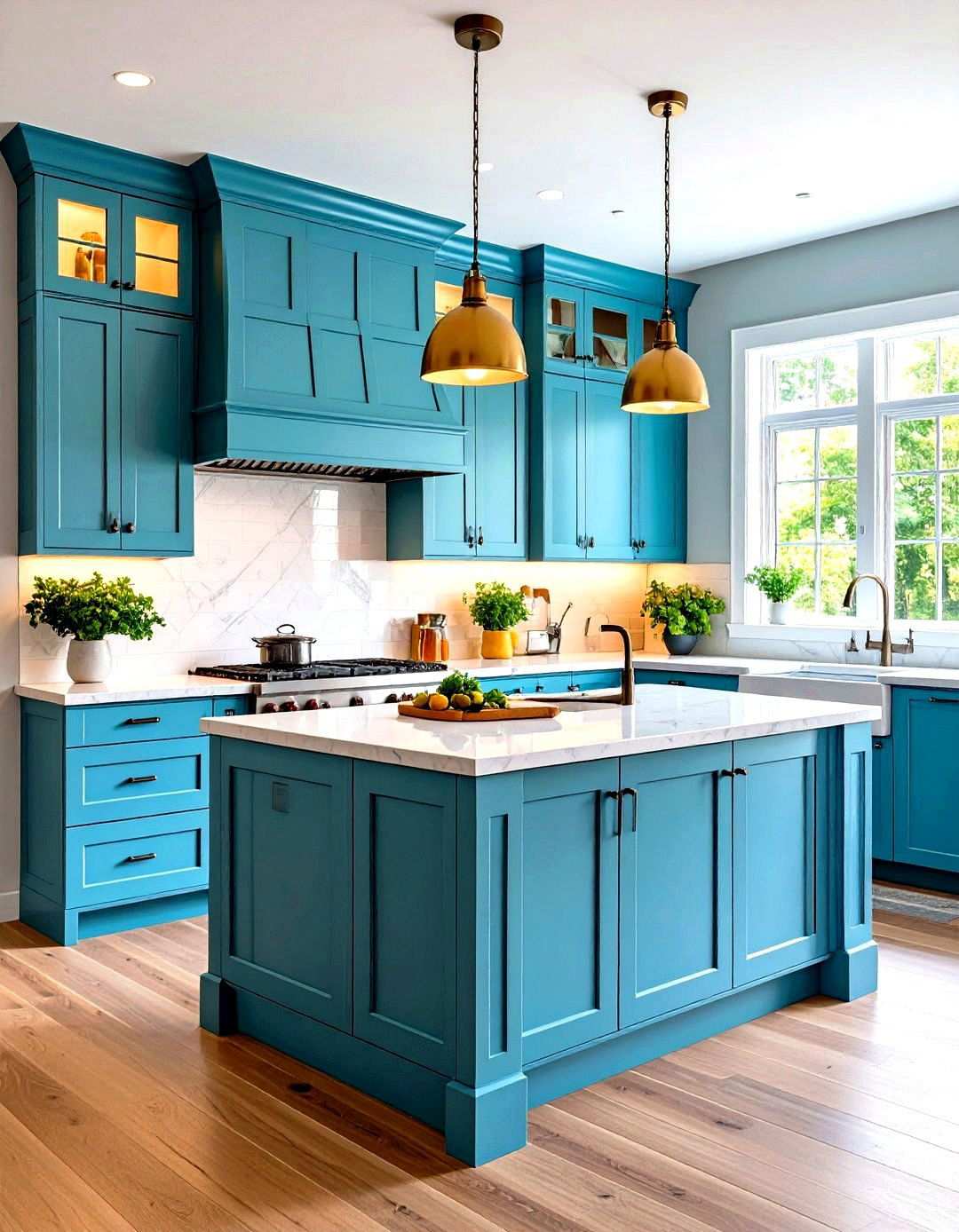
When it comes to kitchen design, integrating backsplash elements with wall trim concepts can create a seamless transition between functional zones. By extending wainscoting or panel treatments into the kitchen, you can establish a cohesive design flow that unifies open-concept homes. This approach demands careful consideration of materials that can withstand cooking splashes and frequent cleaning, while maintaining their aesthetic appeal over time. By integrating trim treatments, you can create a visually cohesive space that respects each area’s functional requirements. The result is a harmonious blend of style and functionality that unifies your kitchen with surrounding living spaces.
21. Transforming Wall Surfaces with Textured Three-Dimensional Panels
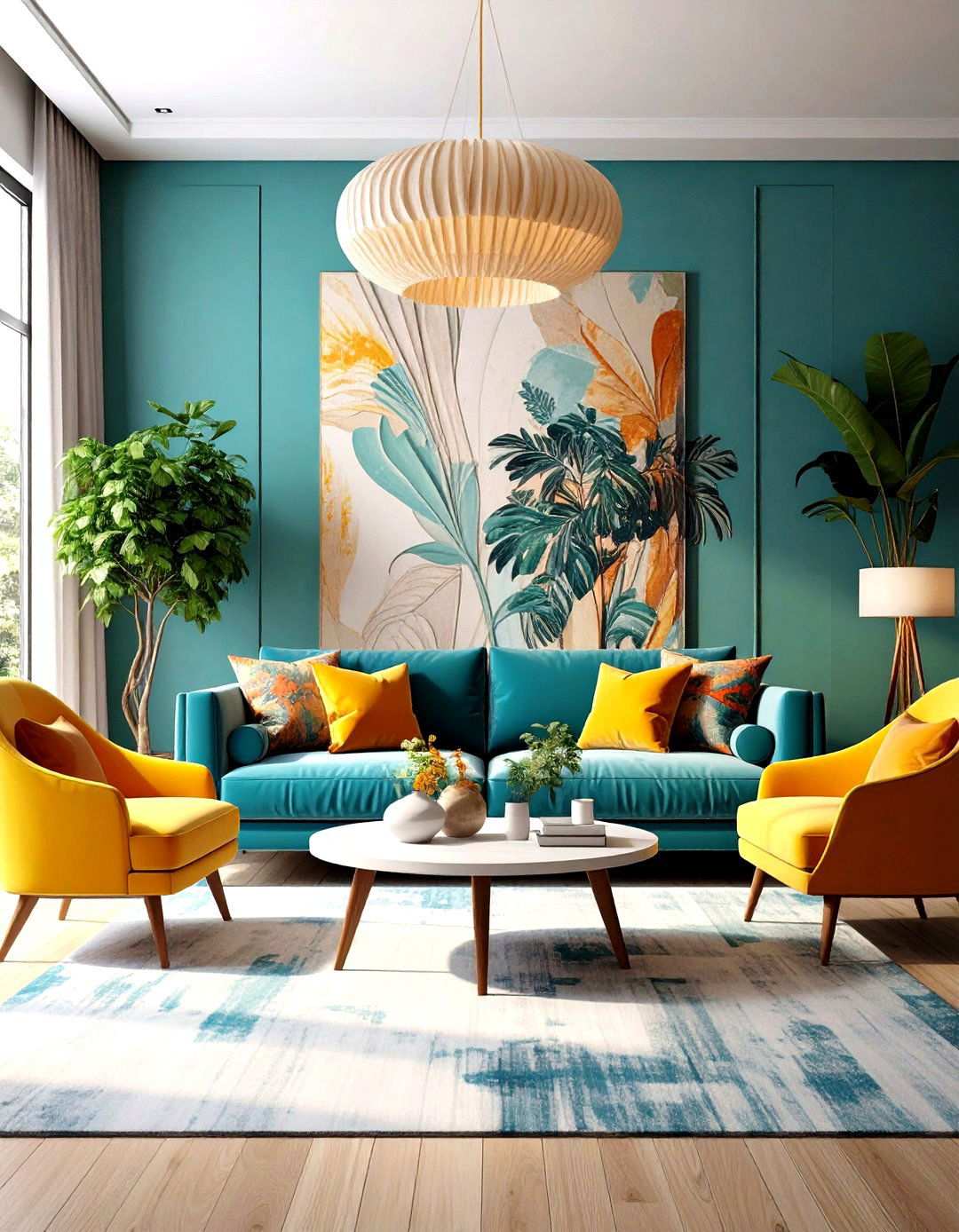
Modern spaces are elevated by textured three-dimensional panels that manipulate light and shadow with sculptural elements. This contemporary method incorporates panels featuring raised patterns, geometric shapes, or organic forms that engage both sight and touch. The dimensional quality of such panels converts flat walls into captivating focal points whose appearance changes as daylight shifts throughout the space. When incorporating three-dimensional elements, balance their scale relative to room size to ensure patterns enhance rather than overwhelm the overall composition. With modern manufacturing techniques offering a vast array of textural options, from subtle geometric patterns to bold sculptural forms, homeowners can choose designs that suit their aesthetic preferences.
22. Urban Sophistication through Industrial Metal Trim Accents
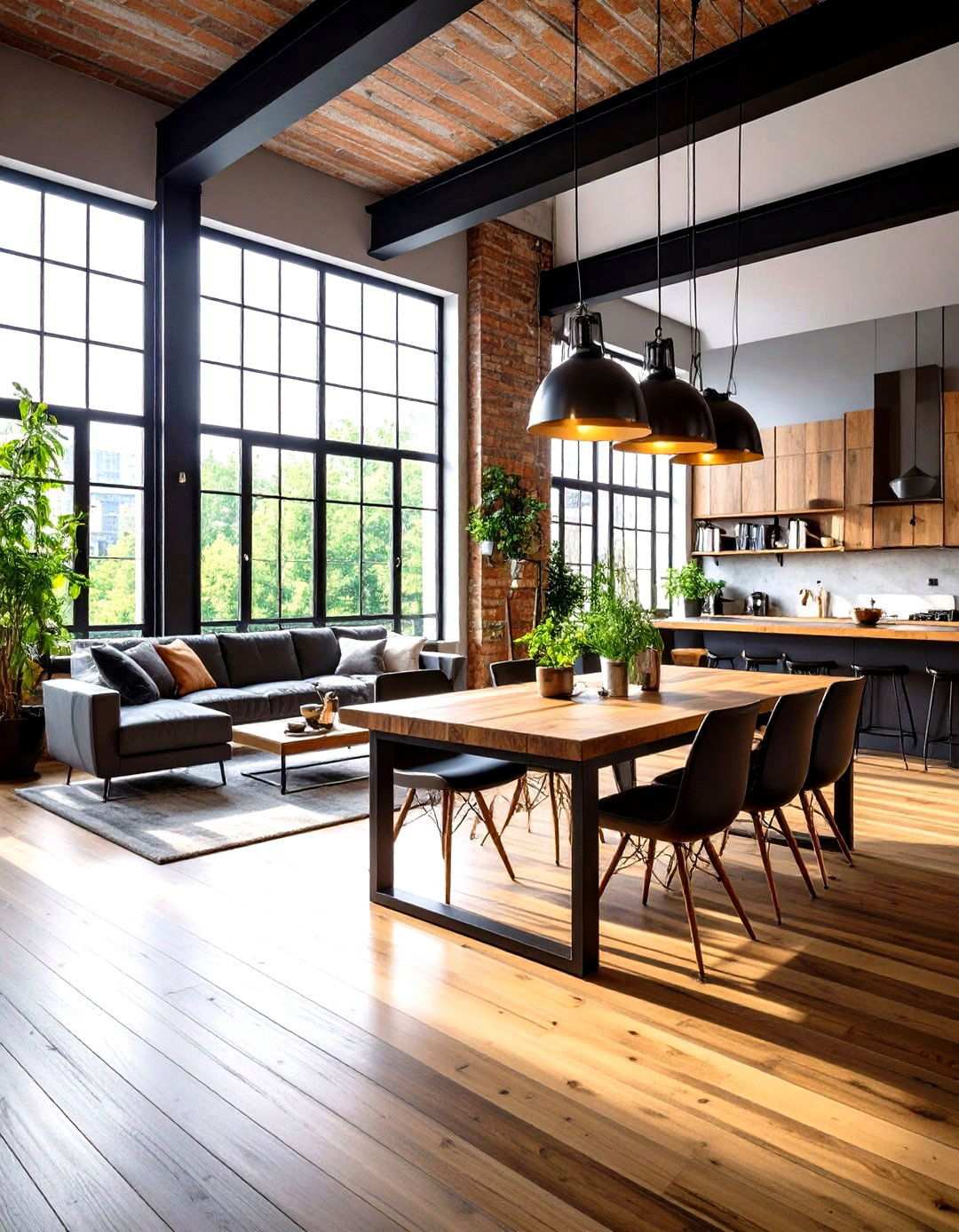
Industrial metal trim accents inject urban flair through steel, aluminum, or brass elements that contrast beautifully with traditional wood profiles. This contemporary approach creates a striking visual tension while adding metallic highlights that reflect light and create dynamic shadow patterns. The industrial aesthetic works particularly well in modern homes, loft conversions, and contemporary condominiums where edgy materials enhance the overall design narrative. When choosing metal finishes, consider how they will patina or age over time, selecting materials that maintain their appeal through natural weathering processes. The harmonious combination of warm wood and cool metal creates balanced compositions that feel both refined and organic.
23. Bold Statements with Color-Block Panel Designs
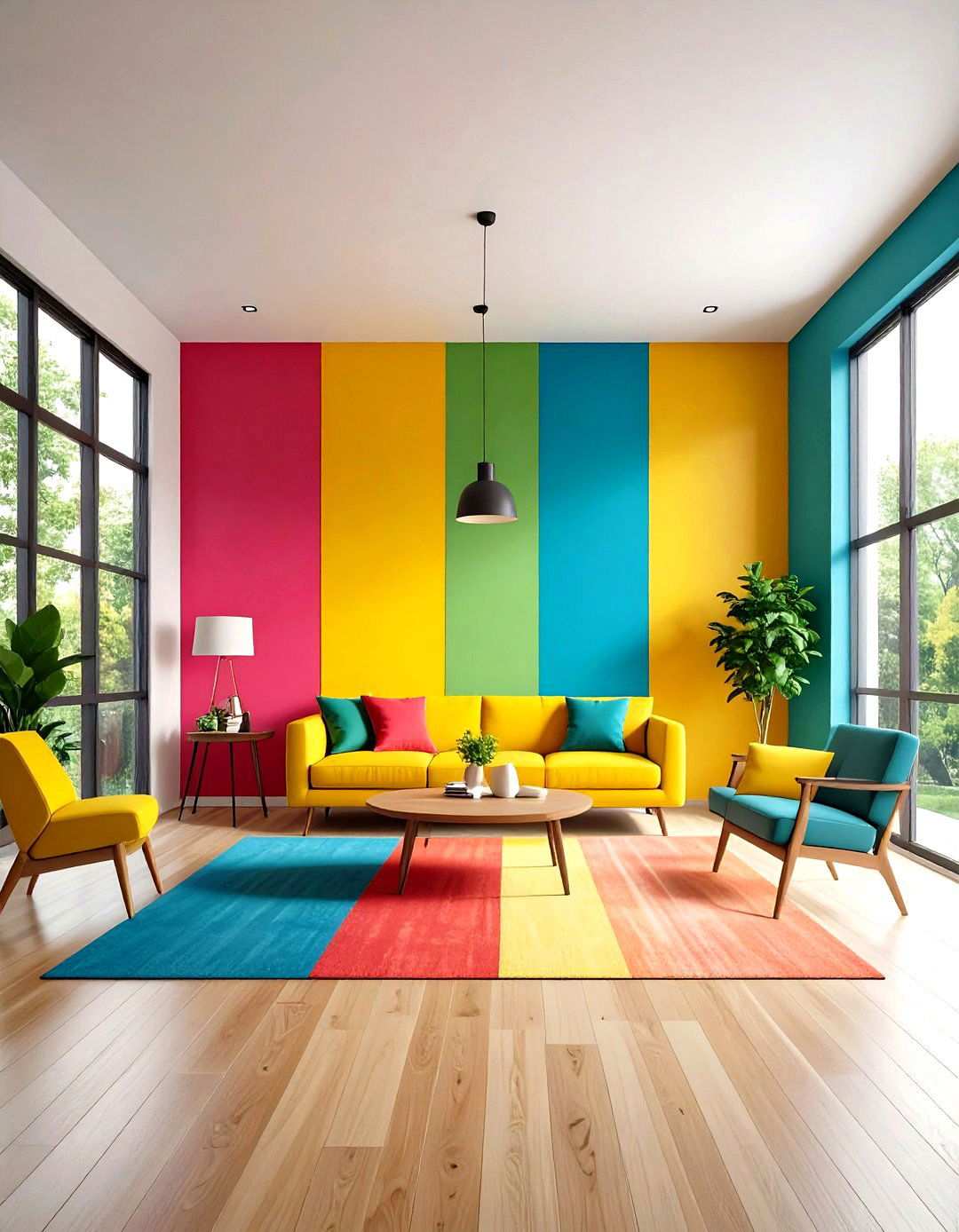
Color-block panel designs create visually striking statements through strategic use of contrasting or complementary colors that define distinct wall zones. This modern approach views wall panels as artistic canvases where color takes center stage rather than relying solely on texture or profile shapes. The technique works beautifully in creative spaces, children’s rooms, and contemporary interiors where playful sophistication sets the tone. When incorporating color-block paneling, consider how different colors interact with natural light throughout the day to ensure successful combinations that maintain appeal under various lighting conditions. By embracing bold color in a controlled manner, homeowners can introduce dramatic hues while maintaining sophisticated architectural structure.
24. Elegant Arches and Curves in Trim Work
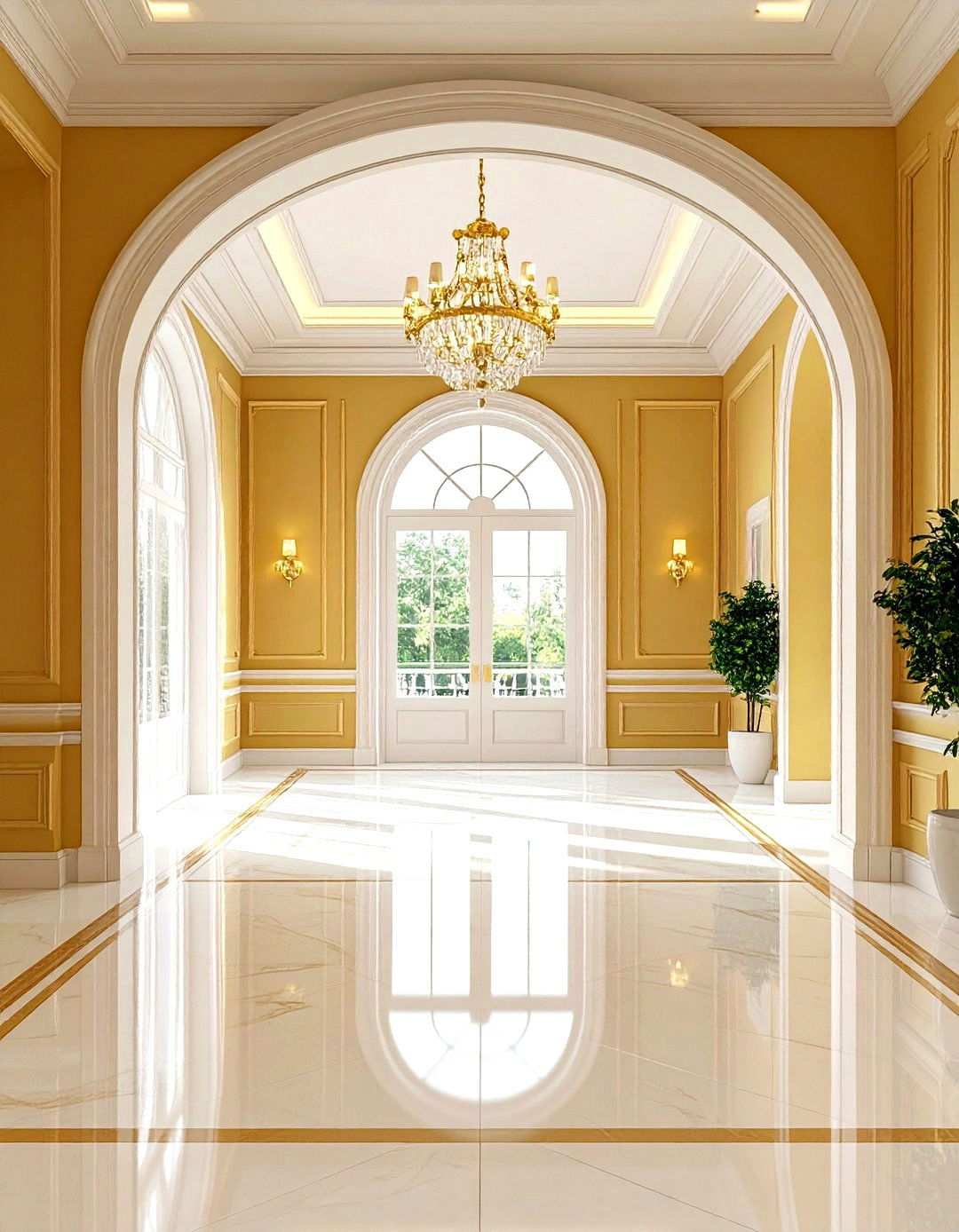
Elegant arched and curved transitions not only enhance the aesthetic appeal of wall trim installations but also contribute to a sophisticated ambiance through their flowing lines. These organic elements effectively soften angular compositions, creating a beautiful contrast against straight lines. The refined quality of curved trim work showcases superior craftsmanship and design expertise, setting it apart from conventional approaches. To achieve seamless integration, consider how curved elements will interact with existing architectural features such as doorways, windows, and built-in cabinetry, ensuring harmonious relationships. When skillfully executed, curved trim work creates striking focal points that elevate your home’s design and demonstrate a deep appreciation for artistic excellence and traditional millwork craftsmanship.