1. Reviving the Ancient Charm of Medieval Interiors
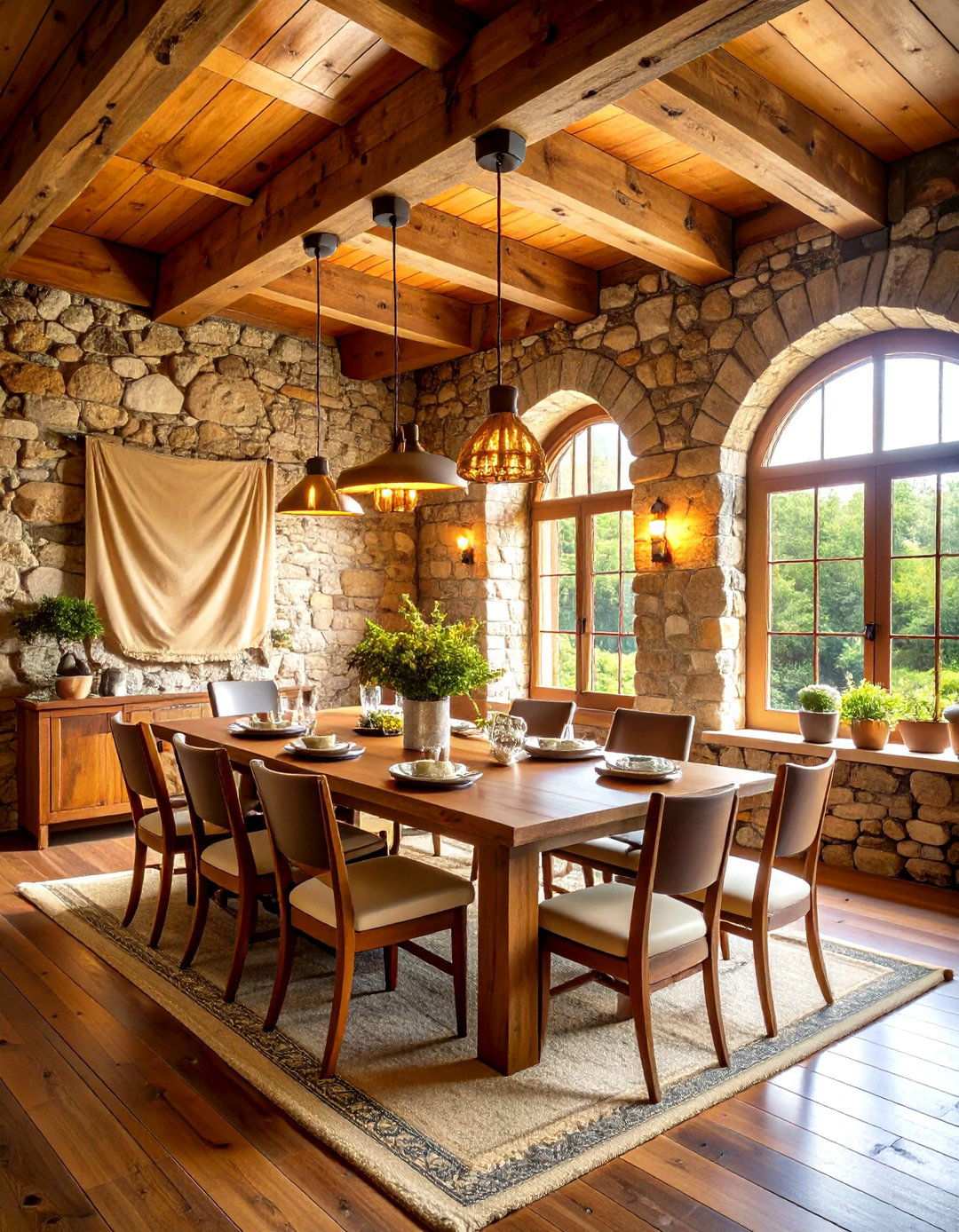
Medieval home decor offers a unique opportunity to transport yourself to a bygone era, where grand castles and ancient halls come alive in the comfort of your own home. By combining the rugged beauty of stone, the opulence of rich tapestries, and the craftsmanship of wrought iron, medieval design creates spaces that are both majestic and inviting. This timeless aesthetic draws inspiration from the grandeur of Gothic architecture, the intricate details of Renaissance art, and the functional yet beautiful furnishings found in historic castles across Europe. From the soft, warm glow of candlelit chandeliers to the intricate patterns of hand-woven textiles, each element tells a story of tradition and craftsmanship that can be woven into the fabric of your home.

As an Amazon Associate I earn from qualifying purchases.
2. Crafting Authentic Medieval Ambiances with Stone and Textiles
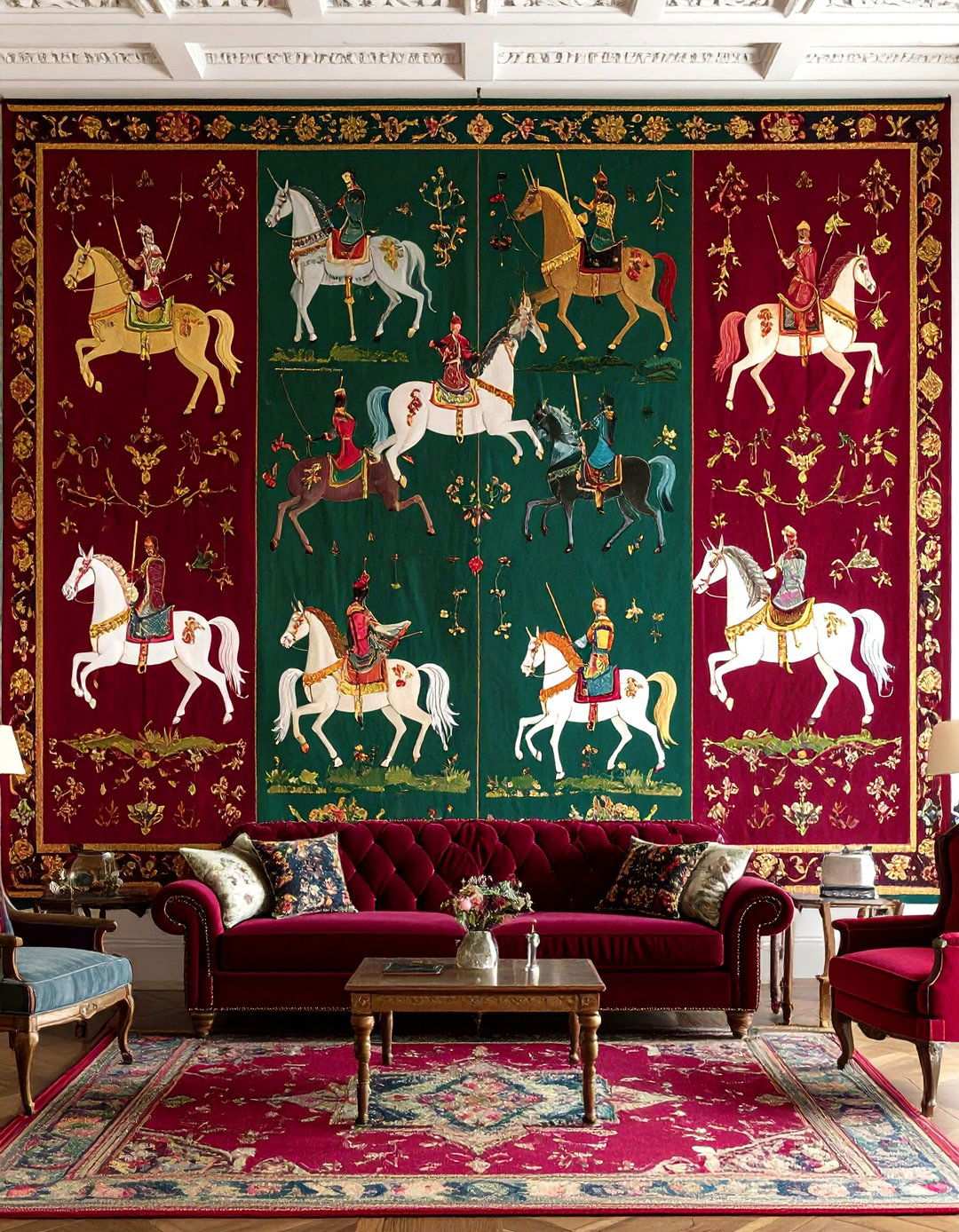
Imagine yourself dining in the grand hall of a medieval castle, surrounded by the majesty of ancient stone walls. To recreate this atmosphere in your home, consider incorporating authentic stone wall features that capture the essence of these bygone fortresses. Natural stone accent walls can create dramatic focal points, while faux stone panels offer a more budget-friendly alternative that still maintains visual impact. By combining rough-hewn limestone or granite with warm wooden beams, you can achieve a beautiful balance of contrast and authenticity. Strategically placed lighting can highlight the texture and depth of the stone, making the space feel both grand and intimate. To avoid creating a cold or unwelcoming atmosphere, balance the stone surfaces with softer elements like tapestries and cushions.
3. Elevating Dining Experiences with Wrought Iron Chandeliers
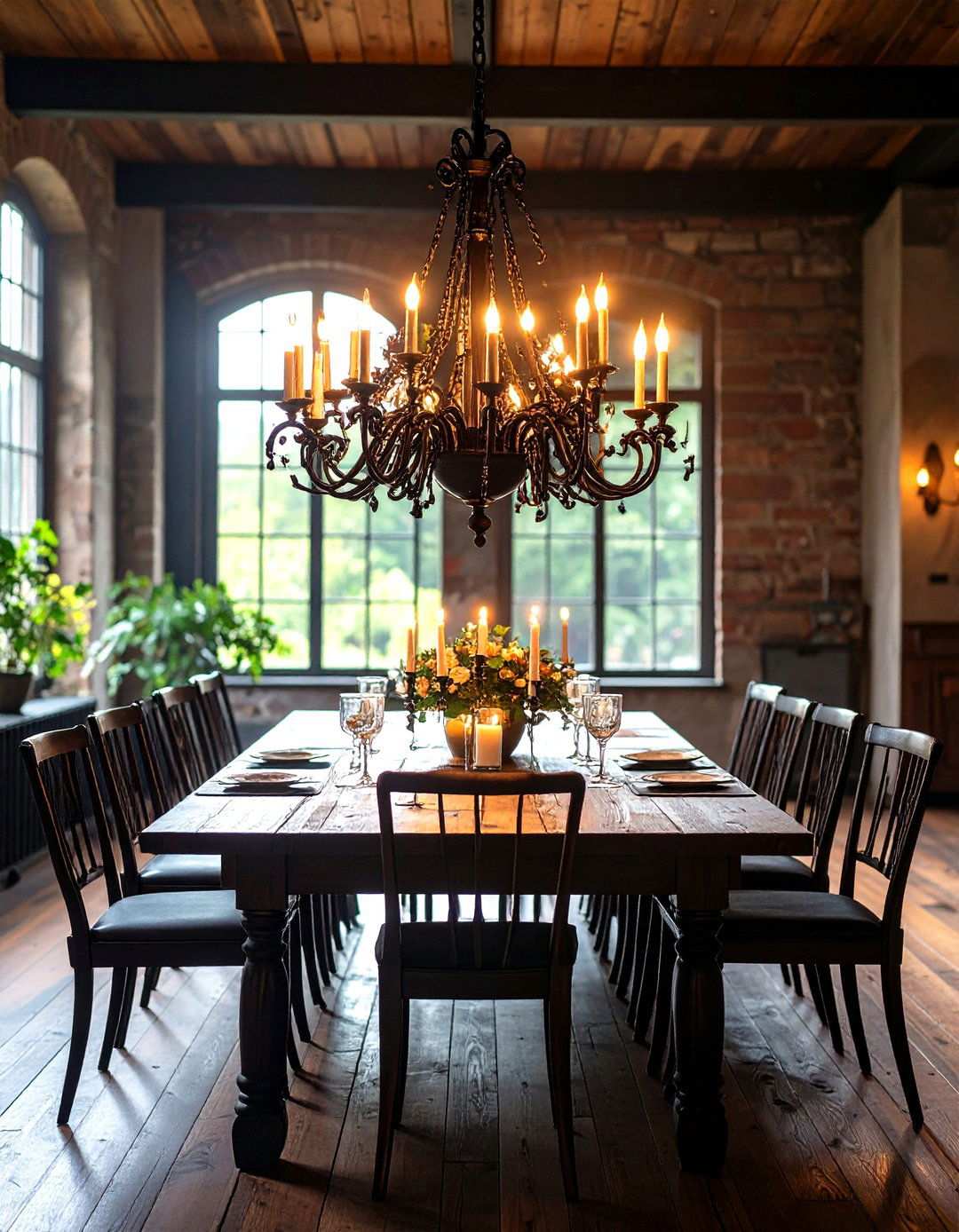
A stately dining experience can be elevated by an exquisite wrought iron chandelier that serves as a sculptural focal point. Designing around such a centerpiece can transform the space into a majestic feast. Opt for chandeliers featuring multiple candle-style bulbs, Gothic-inspired motifs, and hand-forged details that cast intricate patterns on the surrounding surfaces. To amplify the ambiance, complement the chandelier with matching wall sconces and candelabras that create layered lighting effects. Heavy, carved wooden tables with dark finishes anchor the space, while high-backed chairs create regal seating arrangements. Rich fabrics in deep jewel tones add warmth, and ornate brass or copper dinnerware completes the medieval ambiance. The interplay between metal craftsmanship and ambient lighting creates a setting where every meal feels like a grand celebration.
4. Creating Medieval Bedroom Sanctuaries
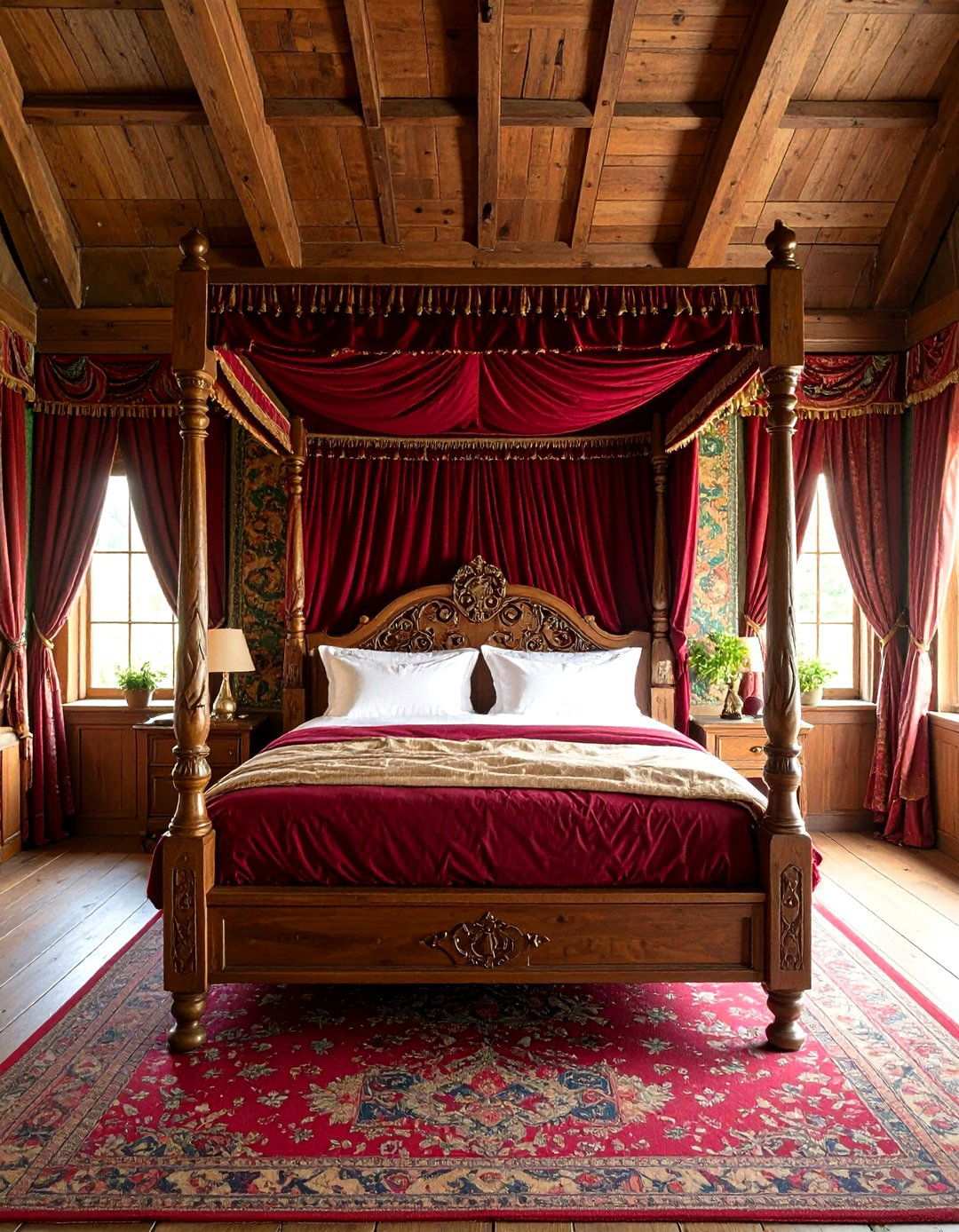
The private chambers of a medieval lord or lady are characterized by opulence and grandeur. To recreate this atmosphere, design bedroom sanctuaries using heavy wooden bed frames with tall posts and flowing canopies in luxurious fabrics. Rich velvets, brocades, and linen drapes in burgundy, deep blue, or forest green establish a regal ambiance. Incorporating wooden chests at the foot of the bed adds both functional storage and authentic period detail. Wall-mounted candle sconces provide soft, warm lighting, while tapestries or painted murals depicting romantic or religious scenes add visual interest. The use of stone or wood accent walls behind the headboard creates dramatic backdrops. Layering multiple textures through fur throws, embroidered pillows, and heavy curtains that puddle elegantly on the floor enhances the sense of medieval luxury.
5. Grand Entrances through Gothic Arched Doorway Designs
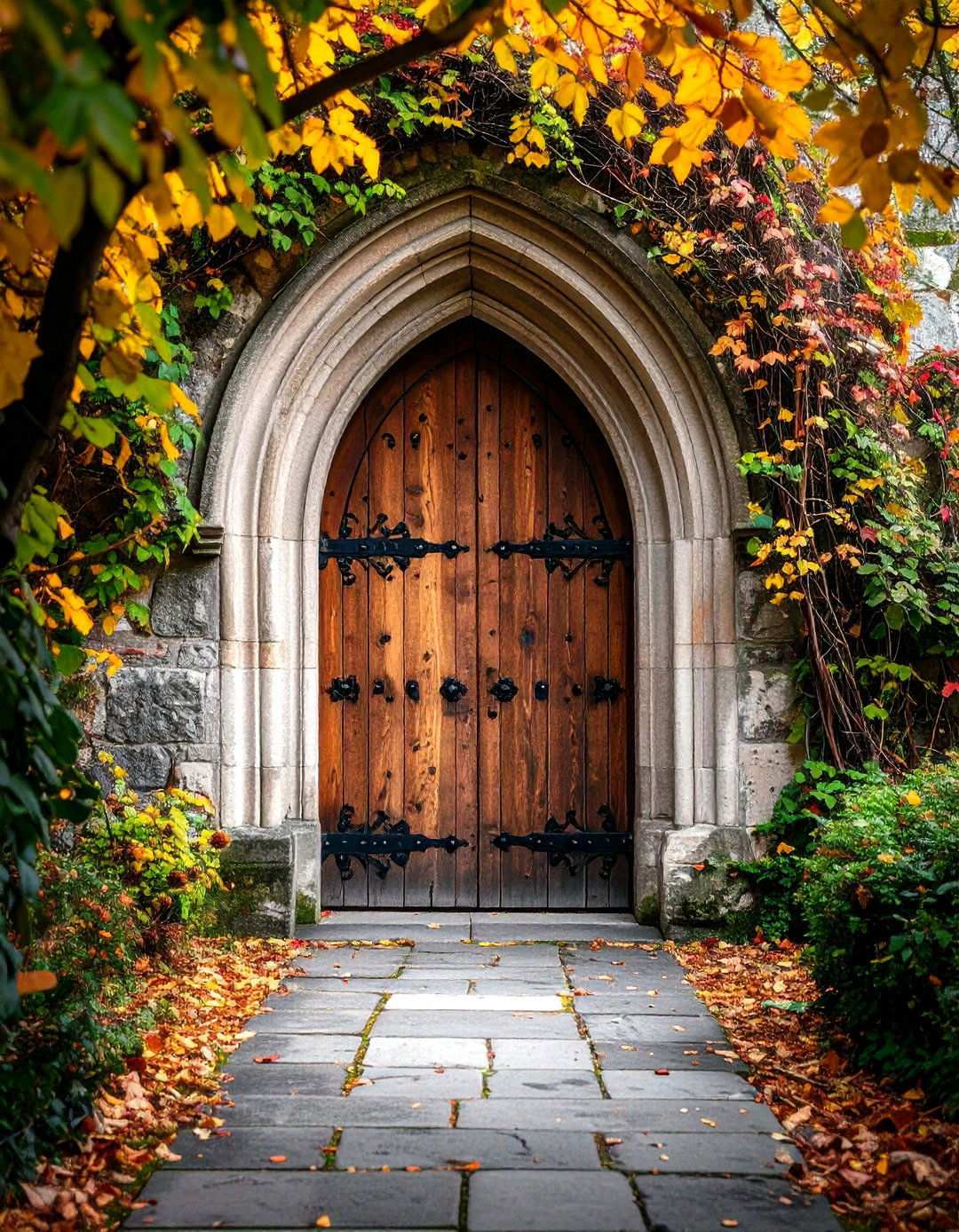
Why settle for ordinary passages when you can create an imposing entrance that announces your medieval theme? Transform standard doorways into Gothic masterpieces using pointed arch frames that immediately make a statement. Stone or wood-carved surrounds with intricate tracery patterns create dramatic effects, while simpler painted designs offer subtle elegance. Consider installing heavy wooden doors with iron hardware, including decorative hinges and ring handles. Extending the Gothic influence with matching window treatments featuring similar arch shapes adds to the overall aesthetic. These architectural elements work particularly well in entryways, between dining and living areas, or leading to home libraries. The vertical lines of the Gothic arches draw the eye upward, creating illusions of height while establishing the medieval foundation for your entire home.
6. Embarking on a Family Legacy
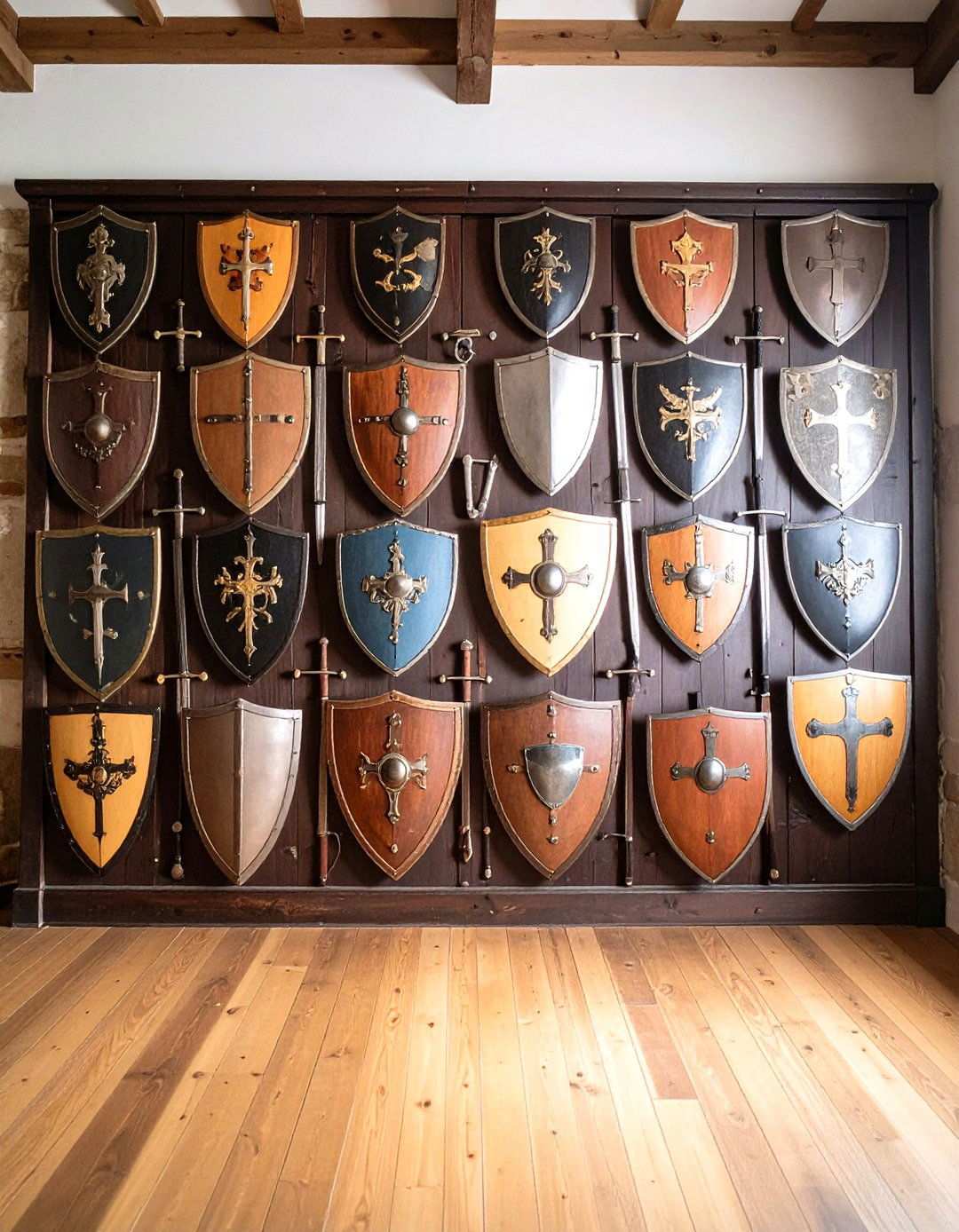
Your medieval manor’s interior design is an opportunity to weave a compelling narrative about your family’s heritage. Showcase your lineage with dedicated feature walls that celebrate the significance of heraldic displays or create custom coat of arms. Arrange authentic or reproduction medieval shields in intricate patterns, complemented by strategically placed crossed swords, battle axes, or decorative spears. Select pieces that boast rich colors and meaningful symbols that resonate with your passions or ancestry. Mount displays on stone or dark wood backgrounds to create an undeniable impact. Include explanatory plaques or scrolls that offer insight into the historical context of each piece. These walls make a striking addition to home offices, libraries, or formal dining rooms, sparking conversation and establishing authority. The harmonious blend of metalwork and symbolic imagery yields a powerful focal point that pays homage to medieval traditions.
7. Enchanting Candlelit Ambiences
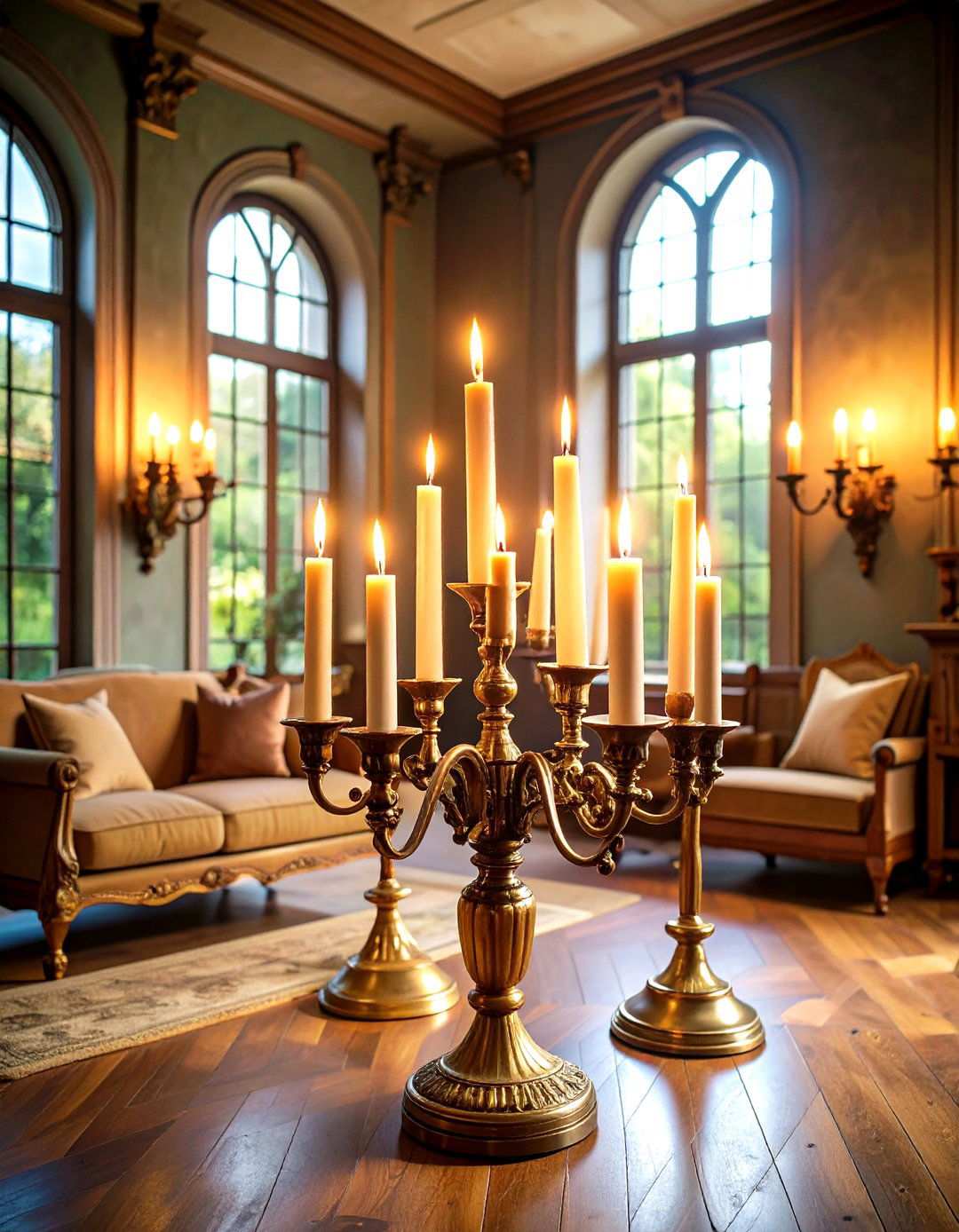
The allure of purely candlelit evenings can transport you to a bygone era. Craft living rooms that capture the warm, flickering ambiance of medieval halls by incorporating extensive candle displays. Mix and match various heights and styles of candlesticks, from understated brass pillars to opulent candelabras with multiple arms. Strategically arrange groupings on mantlepieces, side tables, and floor stands to create a comprehensive ambiance. Choose high-quality beeswax or pillar candles in cream and ivory tones for an authentic appearance and clean burning. Install wall-mounted sconces with candle holders to add additional layers of soft, golden light. The interplay between shadows and gentle illumination creates intimate atmospheres perfect for relaxation and entertaining, while the subtle fragrance heightens the sensory experience of a bygone era.
8. Multi-Faceted Wooden Chest Storage
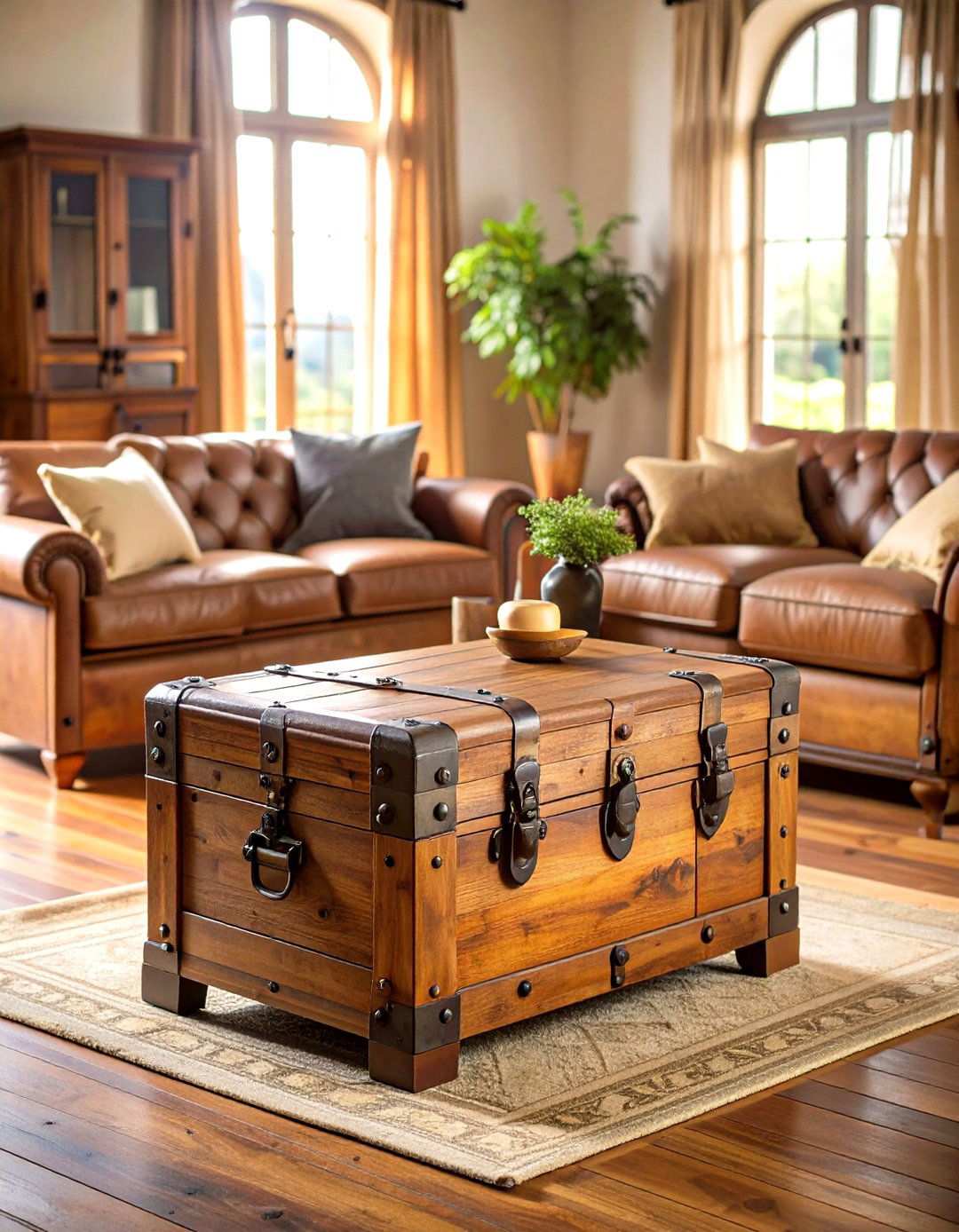
Medieval-style furniture often served multiple purposes, reflecting the era’s emphasis on practicality and functionality. Integrate wooden storage chests throughout your home as versatile furniture pieces that embody the spirit of medieval living. Select oak or pine chests with iron hardware, decorative carving, or painted heraldic designs that add character to any room. Repurpose these chests as coffee tables, bench seating, toy storage, or bedroom organization. Larger pieces work well in entryways for coats and shoes, while smaller chests serve as side tables or plant stands. Many medieval-style chests feature curved lids that introduce a touch of architectural elegance, even when closed. The beauty of these pieces lies in their adaptability and durability, reflecting the medieval principle that furniture should be both beautiful and intensely practical for daily living.
9. Dramatic Window Treatments Fit for a Castle
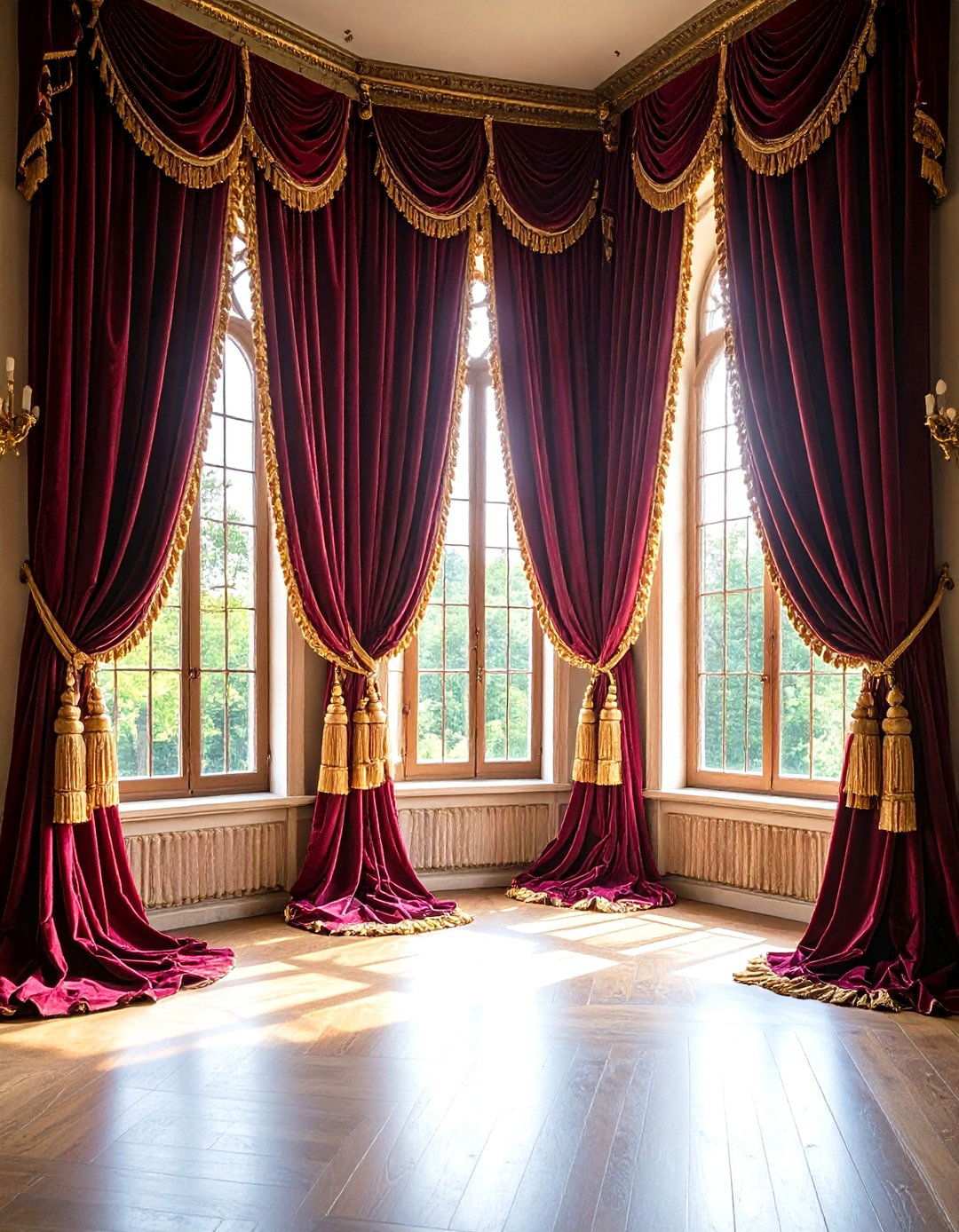
To elevate your windows into grand gateways, incorporate rich fabrics that cascade elegantly onto the floor, reminiscent of sweeping castle curtains. Opt for sumptuous velvets, luxurious brocades, or ornate tapestry materials in jewel-toned hues with golden accents that evoke the opulence of medieval grandeur. Pair these majestic fabrics with intricately designed rods featuring decorative finials adorned with motifs such as fleur-de-lis or heraldic creatures. Layering sheer panels behind heavy drapes ensures both light control and seclusion, while thick rope or ornate metal tie-backs add a touch of sophistication. By installing these substantial window treatments, you can not only regulate temperature and light but also frame views as if they were exquisite works of art, transforming ordinary windows into architectural highlights that harmonize with your medieval aesthetic throughout the changing seasons.
10. Reviving the Great Halls of Medieval Castles in the Kitchen
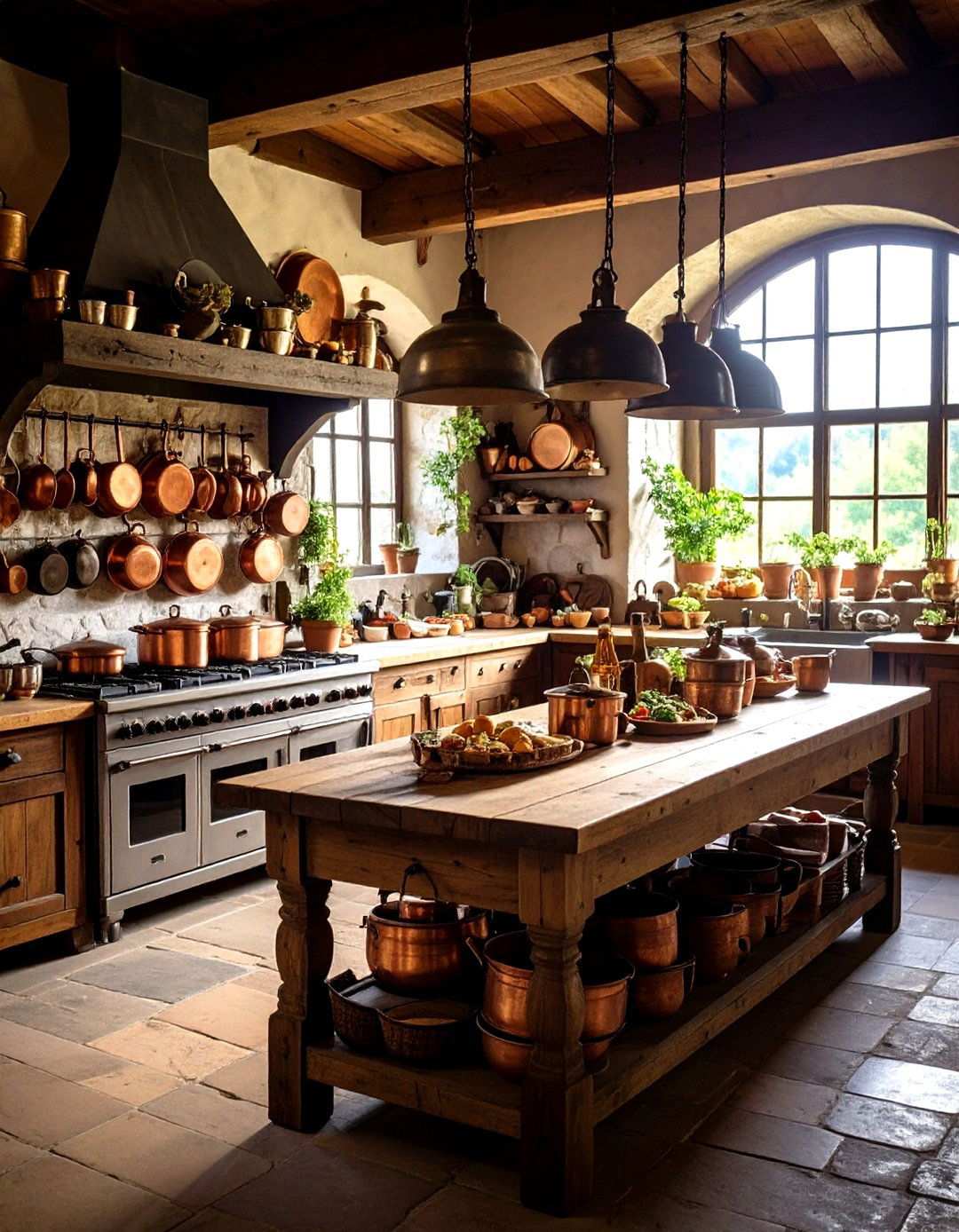
Why not bring the grandeur of medieval great halls into your kitchen? To create an immersive experience, incorporate massive wooden islands, exposed beam ceilings, and stone backsplashes that evoke the rustic charm of ancient castles. Add copper or cast iron cookware displays, wooden cutting boards, and earth-toned ceramic crockery to complete the look. Suspended above your island, pendant lights crafted from wrought iron, along with wall sconces providing task lighting, will create a warm and inviting atmosphere. Open shelving with wooden brackets can be used to display an assortment of pottery, woven baskets, and medieval-inspired serving pieces. The authentic feel of stone or brick floors, combined with the fresh scent of herbs from wooden planters, will transport you to a bygone era. By striking the right balance between modern appliances and period-specific finishes, you can turn everyday cooking into a regal experience worthy of the finest royal households.
11. Creating a Medieval Scholar's Sanctuary in Your Study
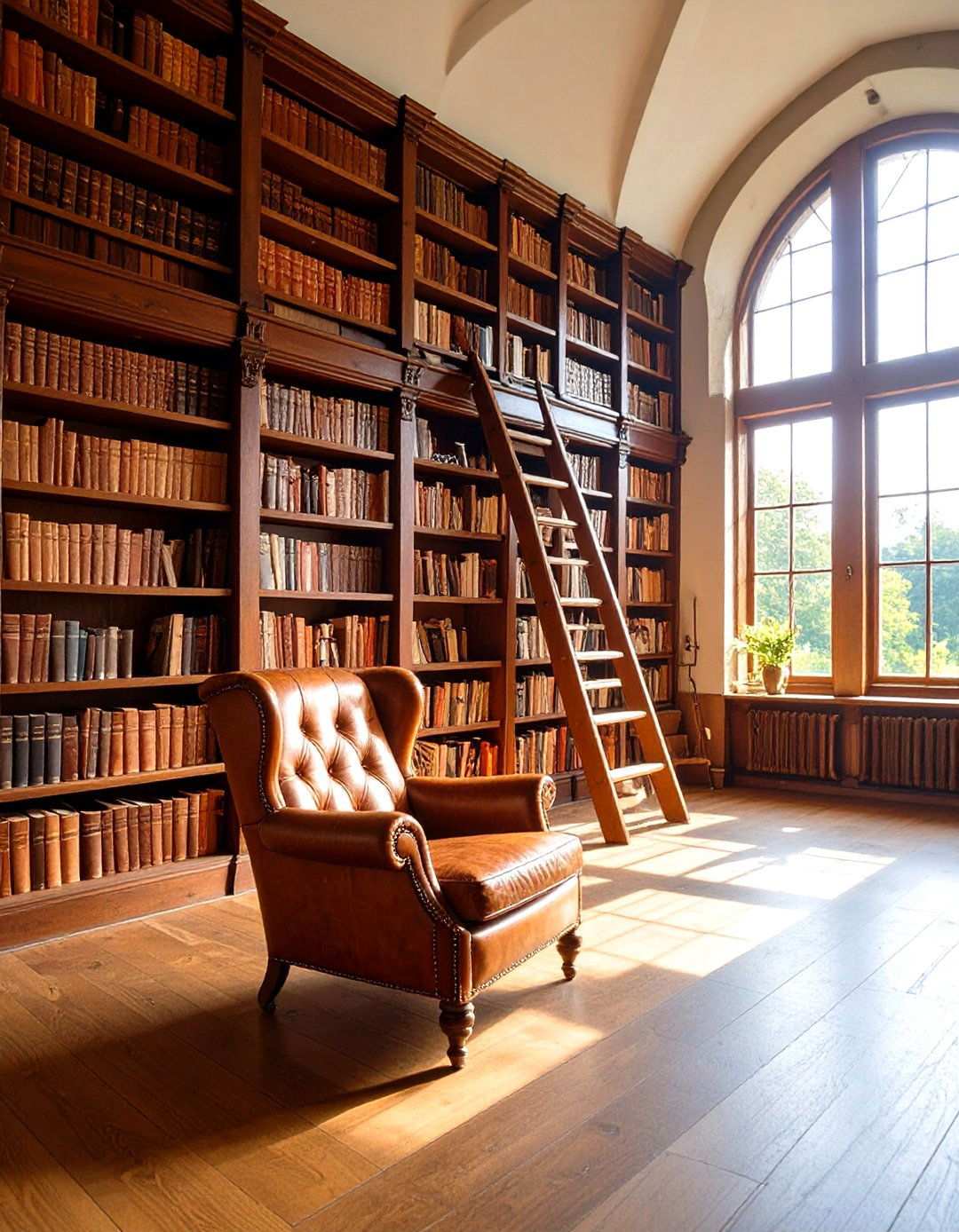
Imagine transforming your study into a serene, medieval-inspired space reminiscent of monastic scriptoriums or noble reading chambers. To achieve this ambiance, construct floor-to-ceiling bookshelves in rich, dark wood tones that seem to stretch up to the ceiling. A ladder system, cleverly integrated into your bookshelves, serves both functional and aesthetic purposes, adding visual drama to your space. For ultimate relaxation, incorporate cozy reading nooks featuring cushioned window seats or plush leather armchairs, strategically positioned to maximize natural light. A beautifully crafted writing desk with brass fittings, inkwells, and quill pen displays will transport you to a bygone era. Wall-mounted candle sconces provide soft, ambient lighting, while small side tables hold goblets or reading accessories, creating a space that is perfect for contemplation, research, and escaping into both medieval and modern literary worlds.
12. Armor Display Entryway Features
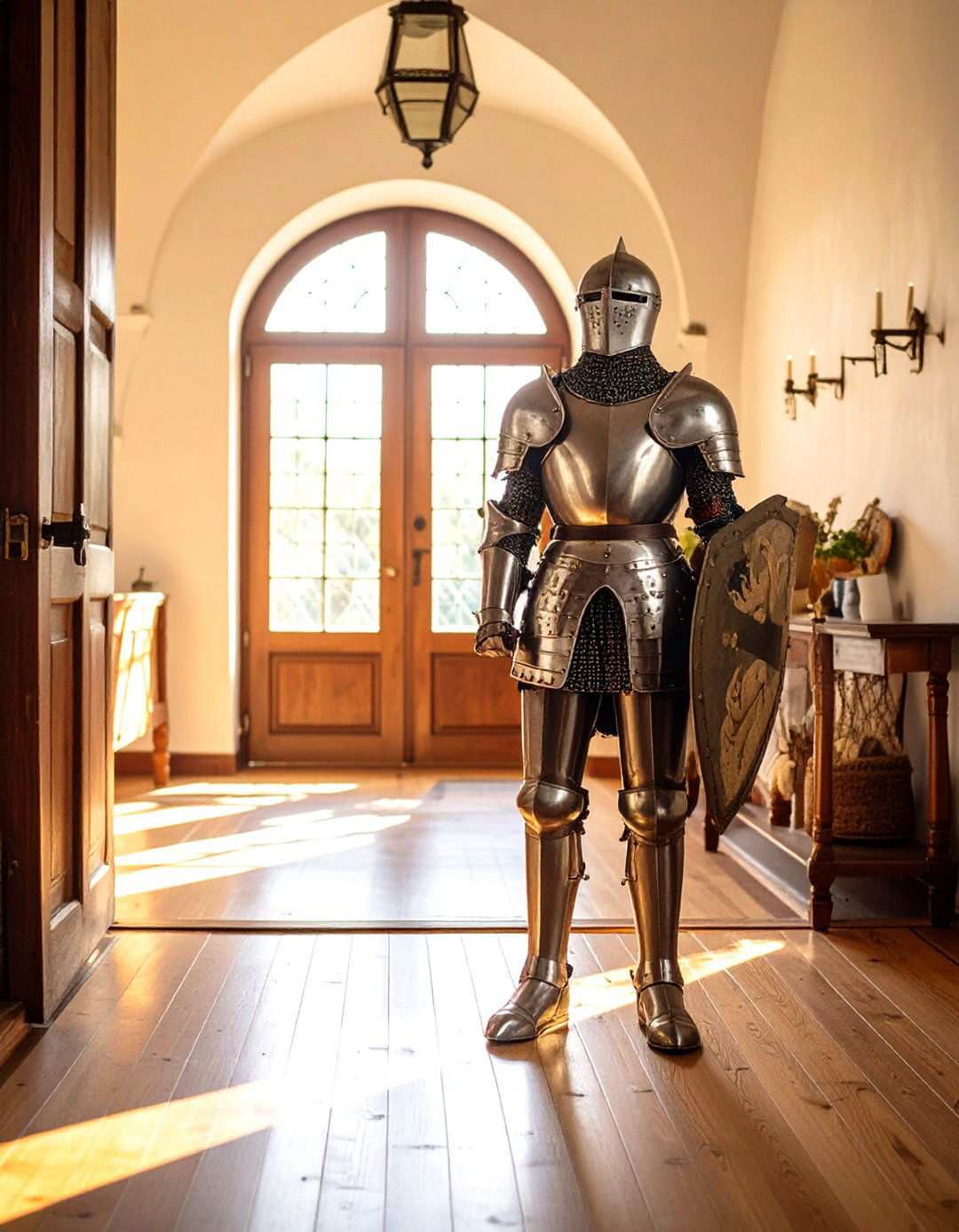
Elevate your home’s medieval charm with captivating armor exhibits that make a lasting impression on guests. Strategically place full suits of armor near entranceways or create wall-mounted displays featuring breastplates, helmets, and gauntlets. Combine these with an array of medieval arms, such as swords, shields, and polearms, to create immersive and comprehensive displays. To accentuate the metalwork details and produce striking shadows, incorporate dramatic lighting techniques. This type of exhibit is particularly effective in foyers, hallways, or stairway landings, where it can command attention without overwhelming the surrounding living spaces. The luminous sheen and imposing presence of armor pieces forge powerful first impressions, while honoring the martial traditions of medieval nobility.
13. Fireplace Medieval Hearth Centers
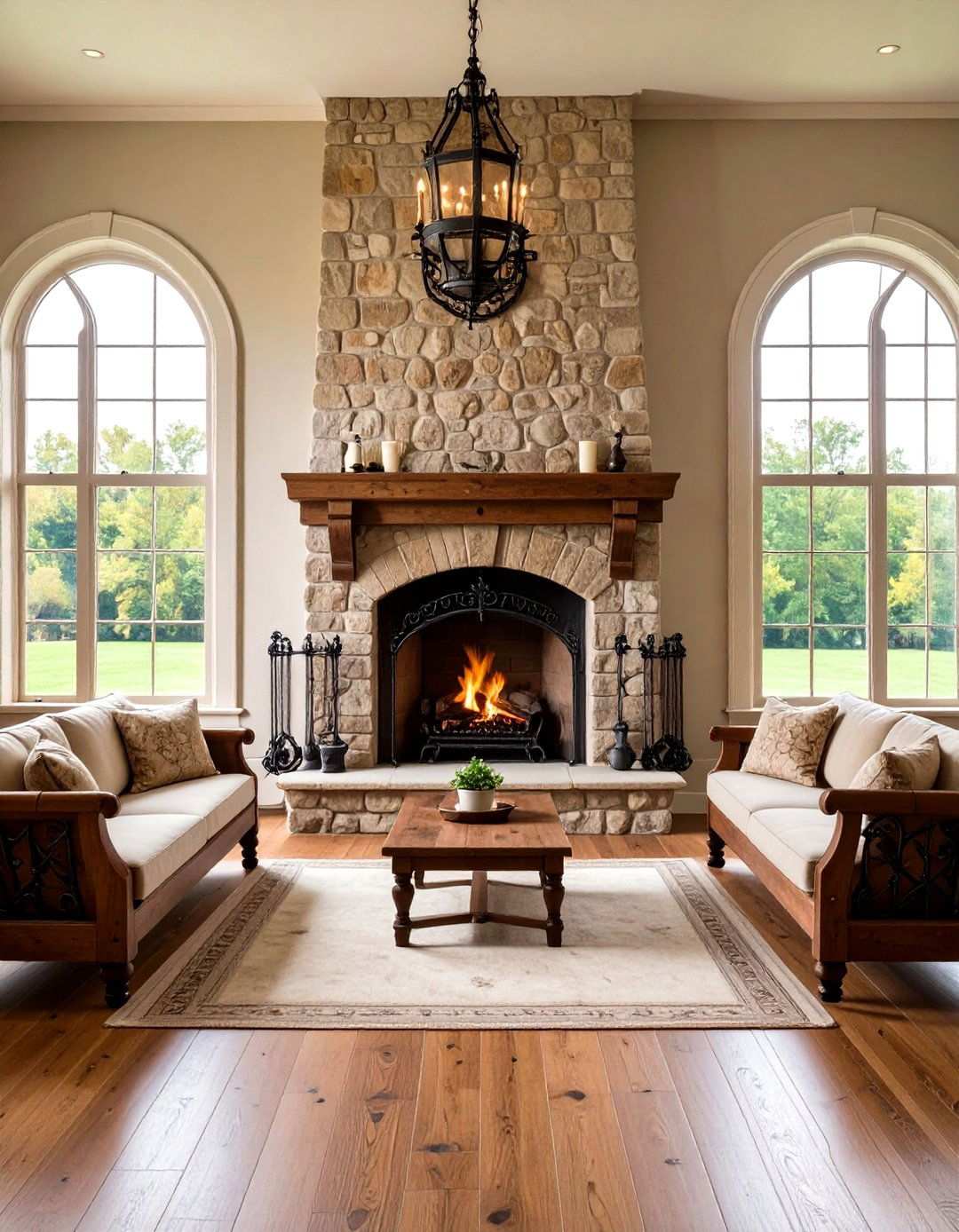
Transform your fireplace into a majestic medieval gathering space that serves as the focal point of family reunions. Install stone surrounds adorned with intricate Gothic carvings, incorporating family crests or decorative shields. Add wrought iron andirons, fireplace tools, and screens featuring medieval motifs to create a warm and inviting ambiance. Arrange seating areas with sturdy wooden benches or cushioned stone ledges, and display copper or iron cookware as decorative elements, hinting at the fireplace’s historical cooking functions. Include logs stored in decorative iron holders and consider installing pot hooks or trivets for authentic medieval cooking demonstrations. The synergy of stone, iron, and fire creates primal gathering spaces that celebrate humanity’s oldest traditions of warmth, light, and community.
14. Banner Hall Corridor Themes
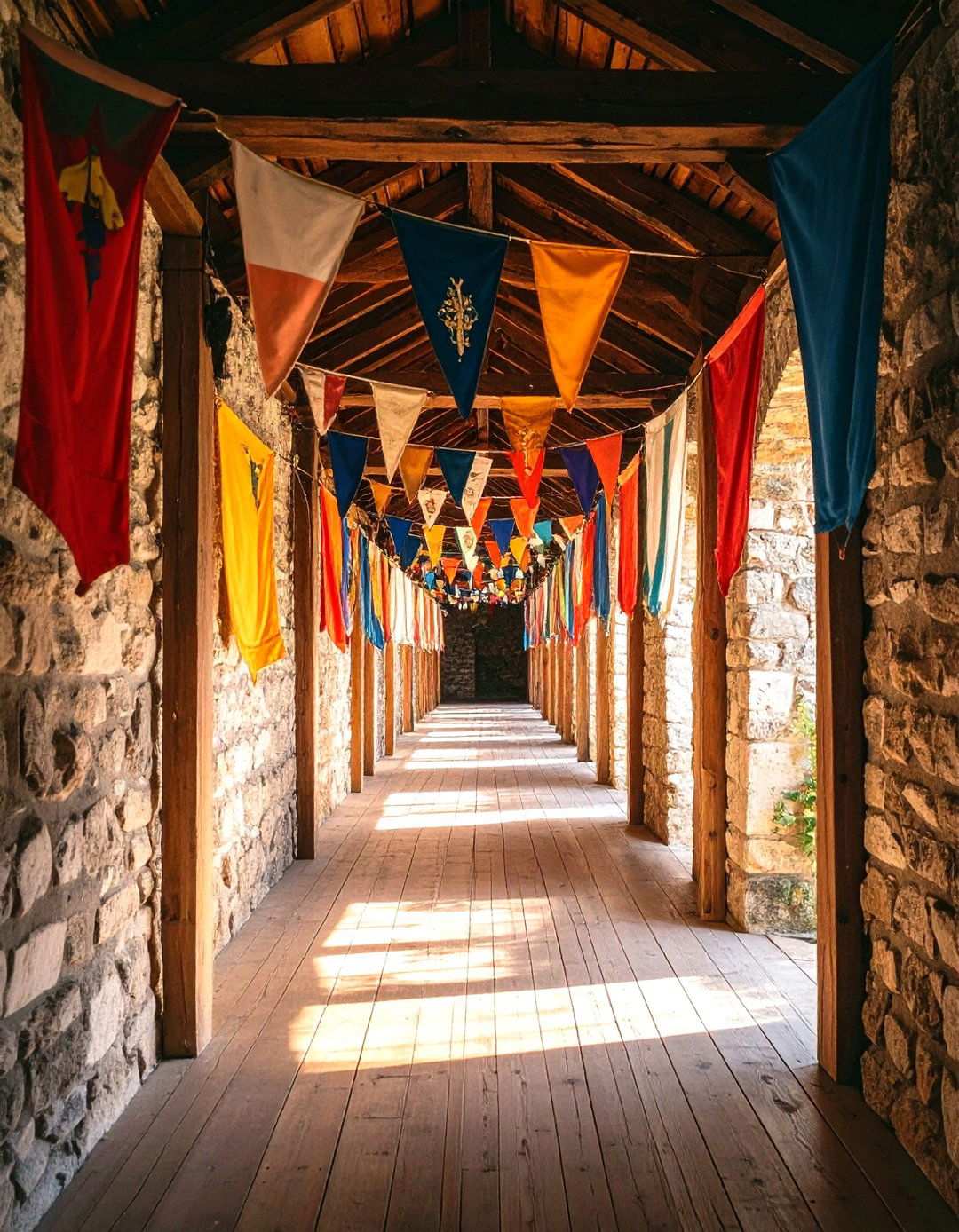
Unveil the narratives hidden within flowing banners as they guide visitors through your home’s corridors. Design your hallways and corridors using medieval banner displays that evoke the grandeur of castle passages. Hang fabric banners featuring family crests, medieval symbols, or decorative patterns in rich colors, utilizing materials like linen, canvas, or felt in harmonious combinations such as burgundy, navy, forest green, and gold. Mount them on wooden poles with ornate finials or wall-mounted brackets, varying lengths and positions to create a visually captivating rhythm along corridor walls. Incorporate period-appropriate lighting through wall sconces or lantern-style fixtures to add depth and ambiance. These textile displays introduce movement, color, and heraldic significance, transforming utilitarian passages into ceremonial walkways that build anticipation for the spaces they connect.
15. Timeless Bathing Luxuries
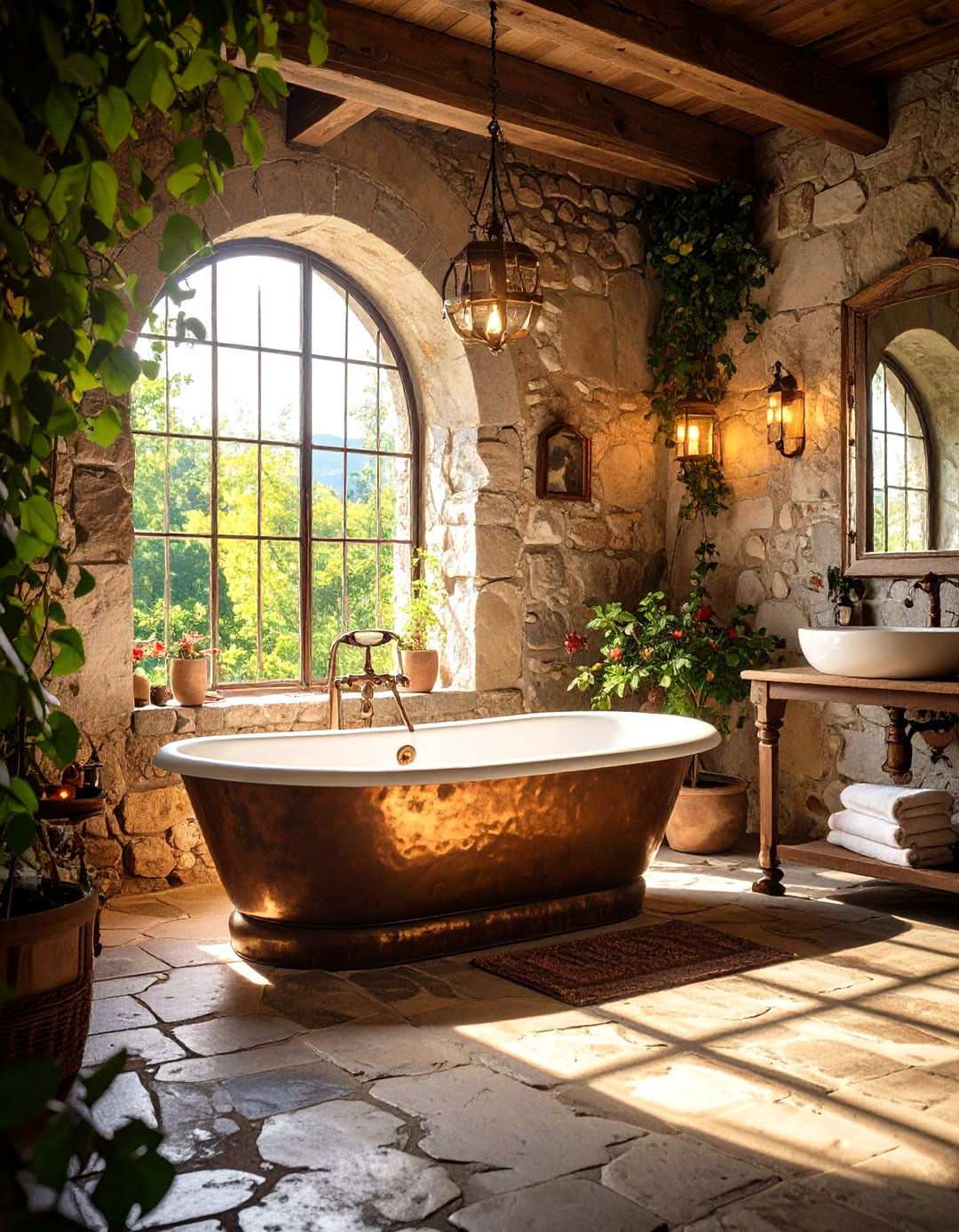
Modern bathrooms can capture the essence of medieval royal bathing chambers by blending luxurious elements with natural materials. To create a spa-like ambiance, incorporate natural stone tiles, wooden vanities, and copper fixtures into the design. A freestanding tub positioned near a window allows natural light to pour in, echoing the grandeur of castle bathing chambers. The addition of wrought iron towel racks, mirror frames, and candle holders infuses the space with authentic metalwork accents. Incorporating wooden stools, wicker baskets, and ceramic containers provides ample storage and adds to the rustic charm. For an extra touch of elegance, install stained glass windows or panels that filter light beautifully, casting a kaleidoscope of colors on the walls. Herbal arrangements in wooden planters bring the outdoors in, filling the air with natural scents and evoking the sensory experiences of a bygone era. The result is a bathing space that seamlessly blends historical charm with modern luxury.
16. Illuminating Sacred Spaces
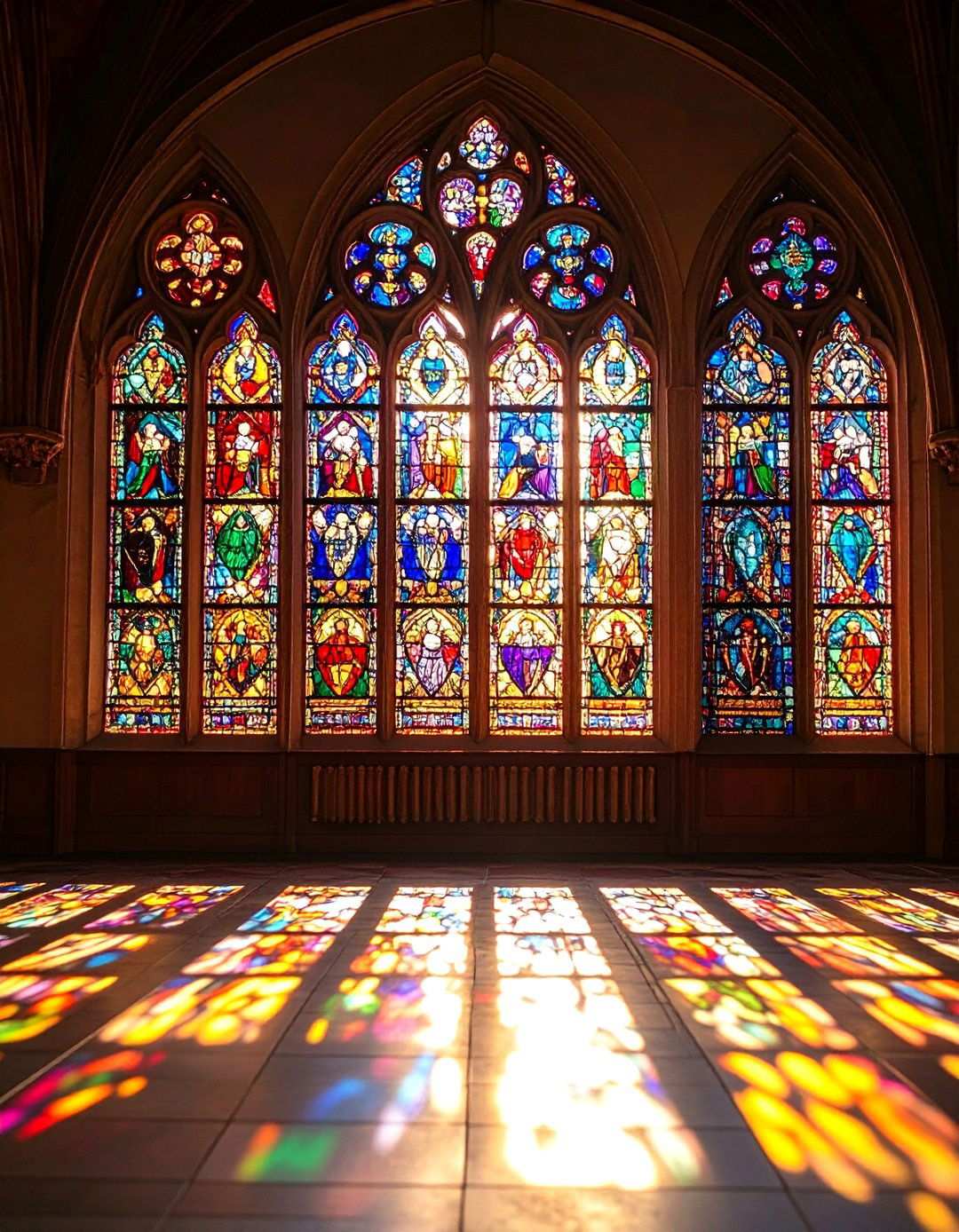
Colored light has the power to transform ordinary rooms into sacred spaces that connect us to our heritage. By incorporating stained glass elements that filter sunlight, you can create breathtaking displays throughout your home. Consider pairing antique pieces with custom designs or high-quality reproductions featuring medieval motifs like roses, crosses, or heraldic symbols. Strategically position these stunning pieces in windows, door panels, or cabinet inserts where they can catch the warm rays of the sun. For added flexibility, consider using portable stained glass panels on stands that can be easily moved to create new and dynamic displays. As the light changes throughout the day, the colors and patterns dance across the room, creating an ever-changing tapestry of light and shadow. These artistic elements bridge the gap between medieval ecclesiastical traditions and contemporary home design, infusing our daily living spaces with spiritual beauty and artistic heritage.
17. The Storytelling Power of Heavy Wood
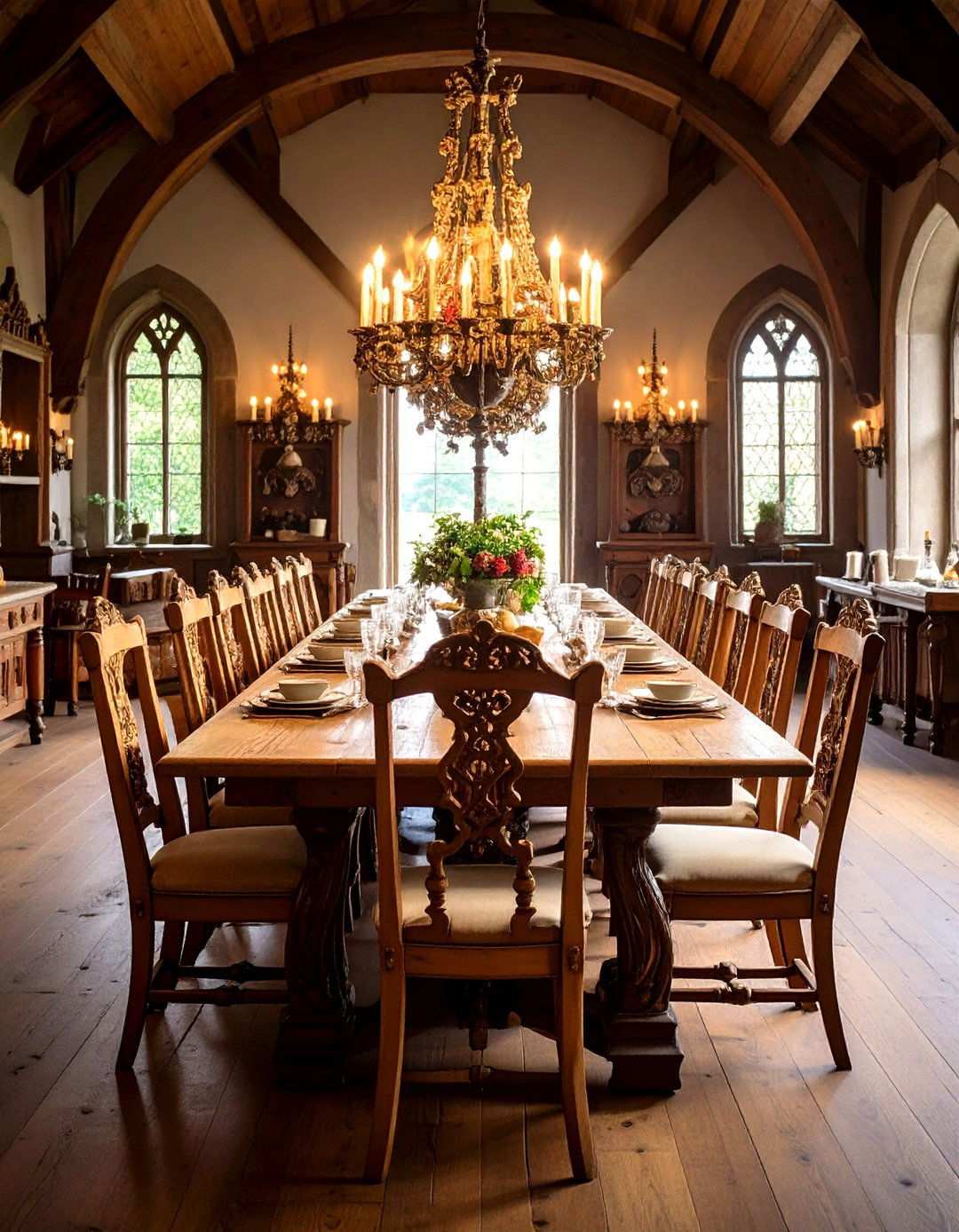
Imagine a room where every piece of furniture tells a story of medieval craftsmanship and tradition. To create this immersive experience, design your space around substantial wooden furniture pieces that embody the principles of durability and functionality. Choose oak, walnut, or pine pieces with hand-carved details, iron hardware, and rich dark finishes that exude a sense of history and character. Incorporate trestle tables, high-backed chairs, storage benches, and armoires that can serve multiple functions and provide a sense of continuity throughout the space. Arrange the furniture to create cozy conversation areas while maintaining clear pathways for entertaining. The key to achieving this look is selecting pieces with visible joinery, decorative carving, and proportions that reflect the craftsmanship traditions of the Middle Ages. These substantial furniture arrangements anchor the space while providing a functional foundation for authentic medieval living experiences that honor both beauty and practicality in daily use.
18. Celtic Knotwork Infusions
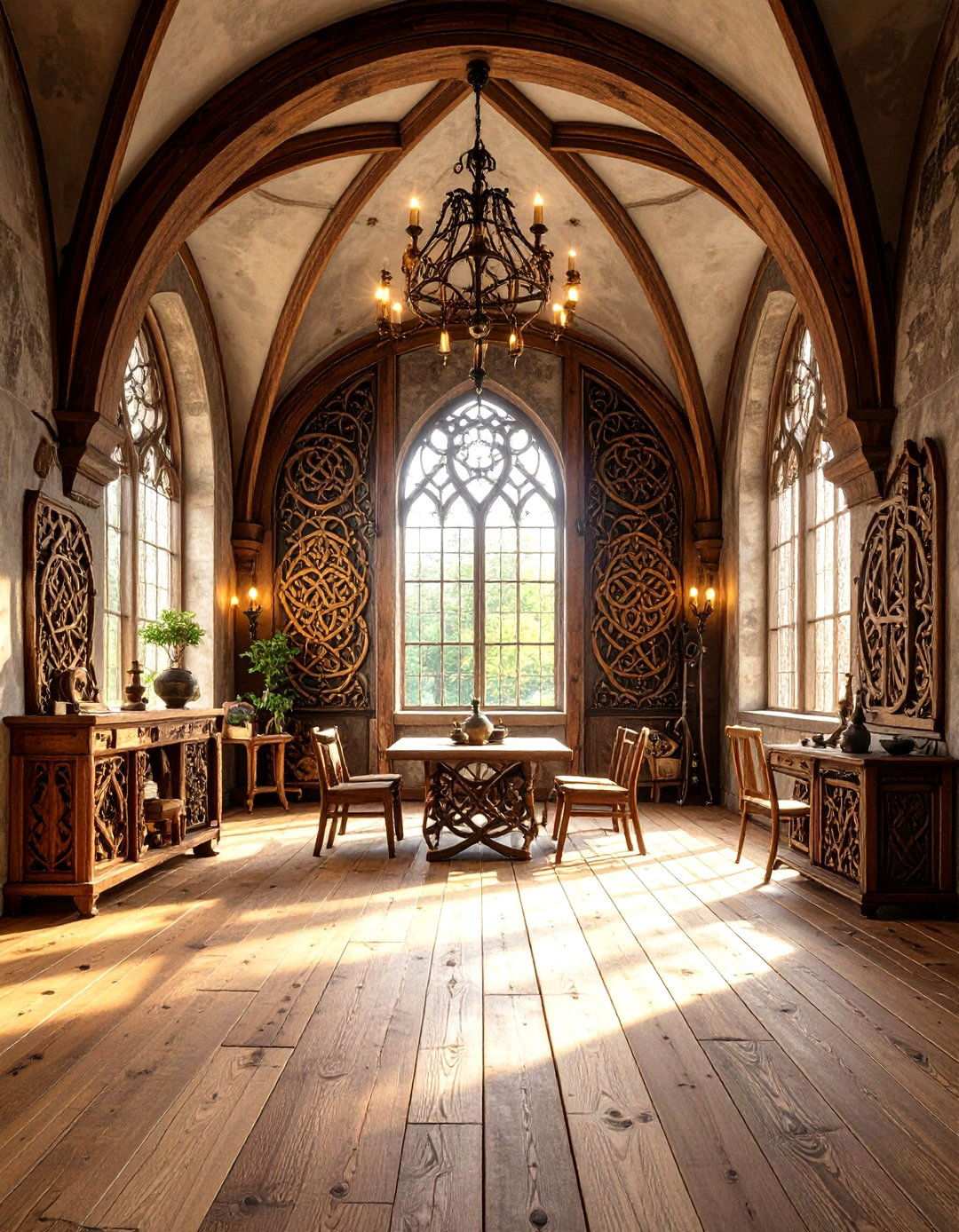
Weave the essence of ancient Celtic cultures into your home decor with intricate knot motifs that evoke mysticism and medieval charm. Integrate Celtic knot designs into a variety of decorative elements, such as carved wooden panels, wrought iron wall sculptures, and textiles. These interlacing patterns, often featured in doorway trim, cabinet panels, lamp bases, and picture frames, create a sense of visual harmony while symbolizing eternal connections and spiritual unity. By incorporating traditional materials like wood, stone, and metal, you can add authenticity to your space, transporting you to a bygone era.
19. Medieval Color Schemes: A Timeless Canvas
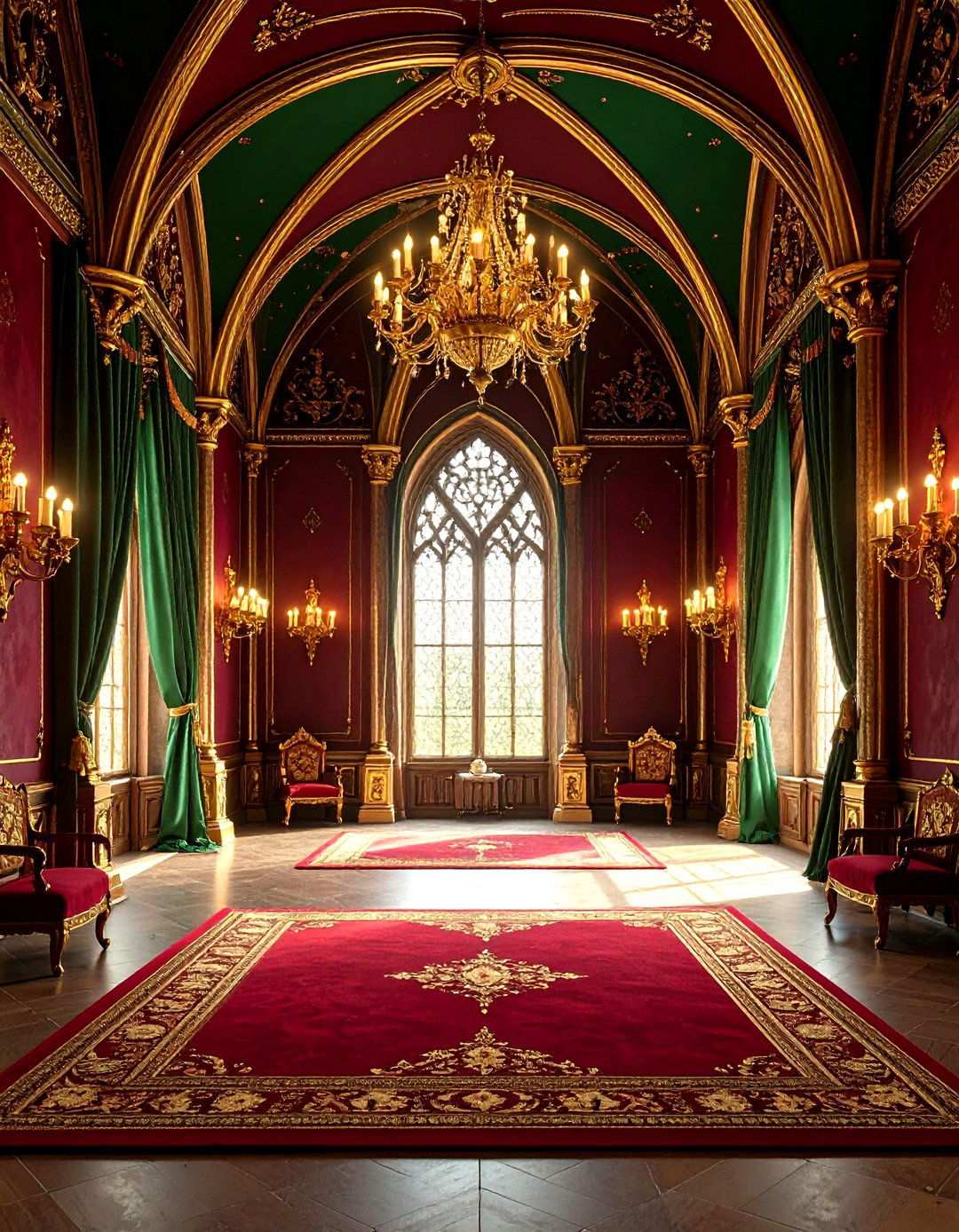
Design immersive room environments that transport you to the Middle Ages with authentic medieval color combinations. These palettes were carefully crafted around symbolic meanings and period dye traditions. Build your color schemes around deep, rich hues like burgundy, forest green, and royal blue, accented with creamy whites, earthy browns, and metallic highlights. Use these colors in wall paint, textiles, pottery, and decorative objects to create cohesive environments that evoke a sense of coziness and intimacy. By understanding the symbolic meanings behind these colors – red for power, blue for royalty, and green for nature – you can craft palettes that feel authentic and tailored to the emotional atmosphere you want to achieve in each space.
20. Manuscript Artistry: A Window to the Past

Step into the world of medieval artistry and craftsmanship by showcasing illuminated manuscript reproductions in your home. These exquisite displays celebrate the art of hand-lettered texts and the scholarly traditions that preserved knowledge throughout the medieval period. Arrange high-quality prints of famous works like the Book of Kells, medieval psalters, and secular texts with decorative borders and miniature paintings in groupings that tell visual stories or showcase different artistic styles. Add related accessories like quill pens, inkwells, and leather-bound books to complete the display. Position these art collections in libraries, studies, or hallways where they can be appreciated at close range, providing a sophisticated touch to your space while honoring the artisans who created these masterpieces.
21. Medieval Inspiration for Indoor Herb Gardens
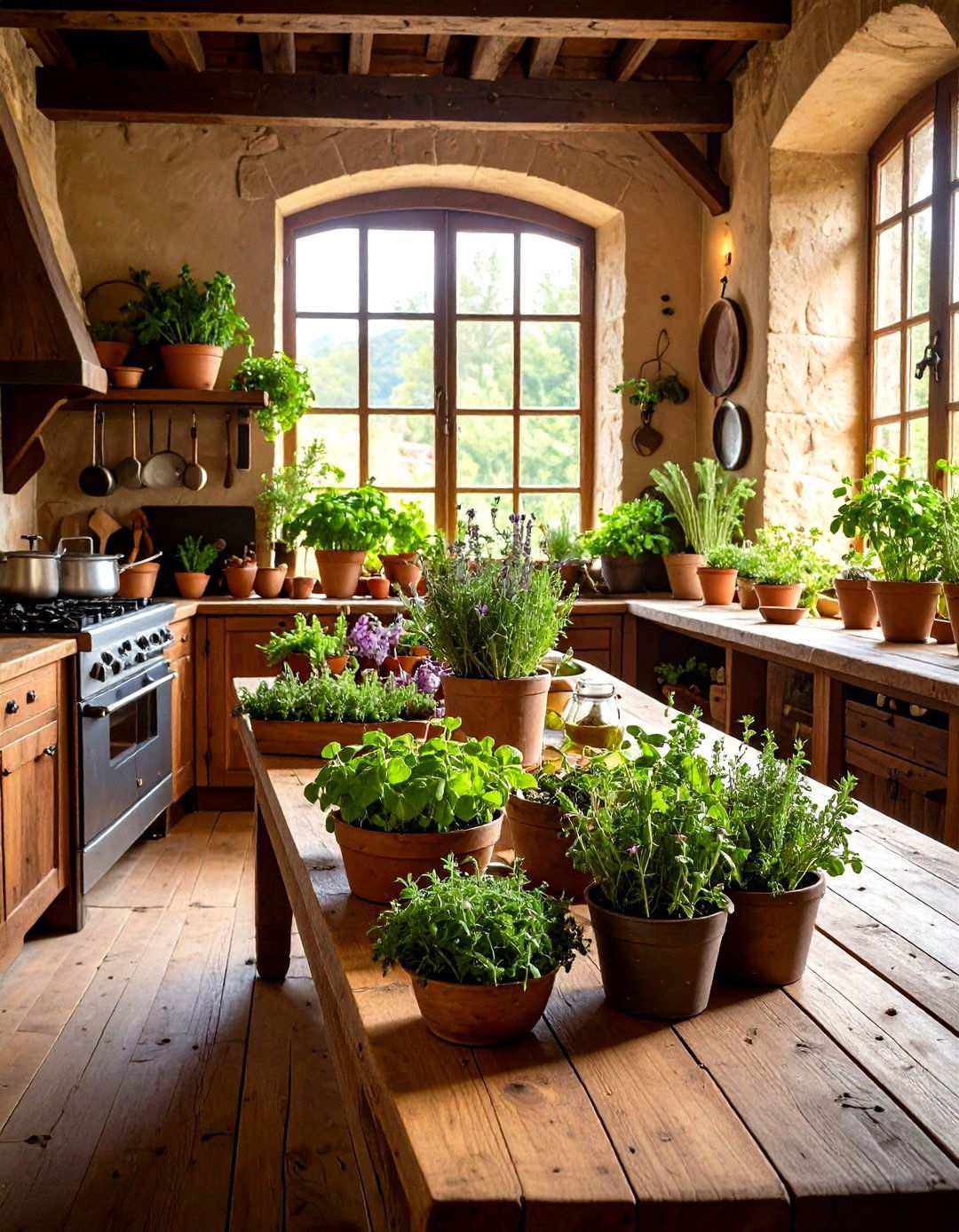
Incorporate elements of medieval monastery gardens into your indoor growing spaces by cultivating a connection with the past. Design herb garden areas that pay homage to the traditional use of plants for cooking, medicine, and fragrance. Utilize wooden planters, terra cotta pots, and wicker baskets arranged on tables, shelves, or window sills to create a visually appealing display. Select herbs that were commonly used during medieval times, such as rosemary, thyme, sage, lavender, and mint, and include wooden or stone markers to add an authentic touch. Position these gardens near windows to provide optimal growing conditions while also incorporating them as living decorative elements. Consider adding small tools, watering vessels, and drying racks to complete the medieval garden setup. By incorporating these elements, you can create a seamless connection between your home and agricultural traditions, providing fresh ingredients and natural fragrances that enhance your medieval lifestyle experience.
22. Reviving the Melodies of the Past
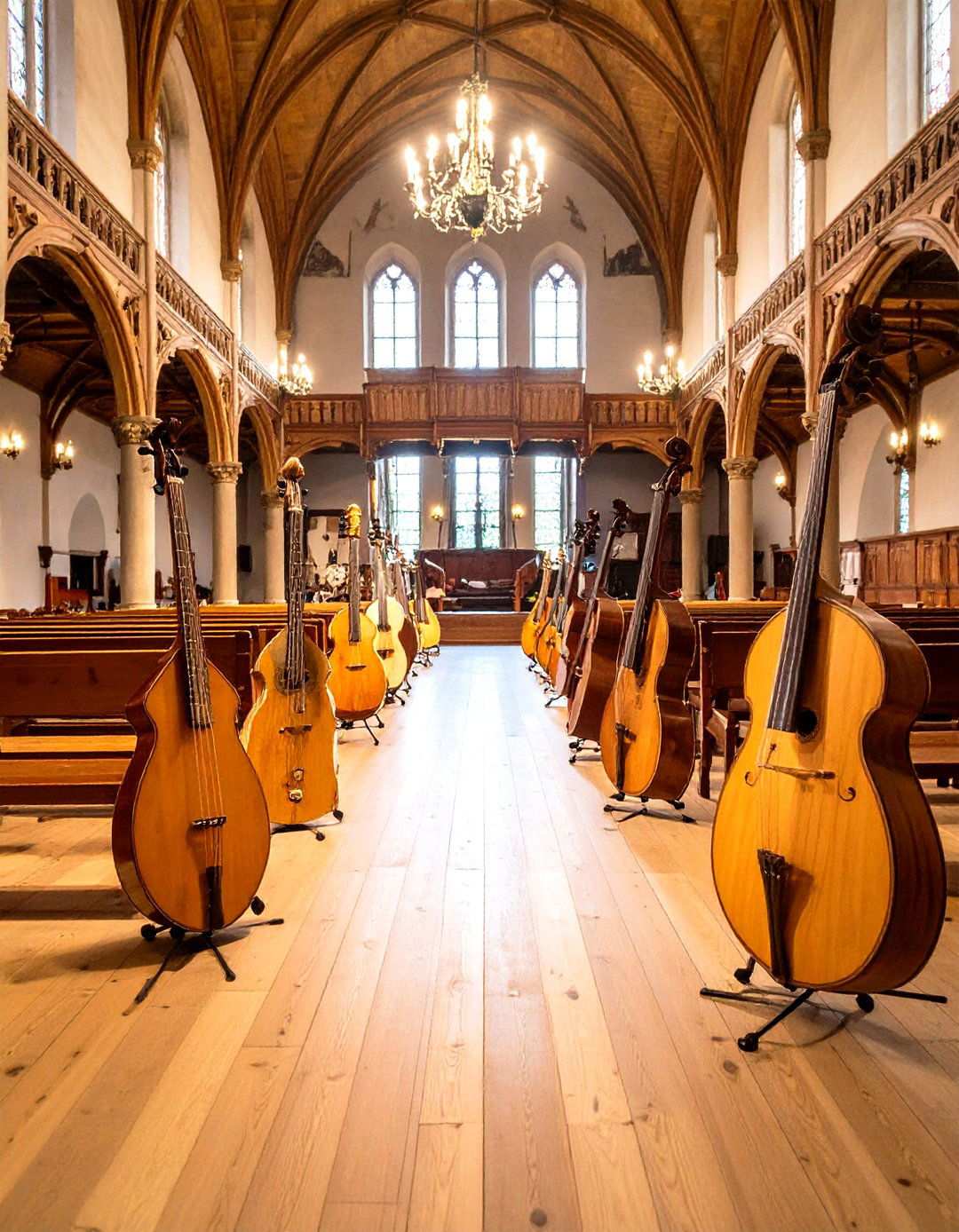
Create immersive medieval entertainment spaces by designing areas dedicated to medieval music and performance. Recreate the atmosphere of castle halls during festive gatherings by incorporating period-appropriate instruments like lutes, harps, drums, or recorders displayed on wall mounts or stands. Design seating arrangements with benches and cushions that encourage group participation and collaboration. Install adequate lighting that complements the ambiance of candle-style fixtures, allowing for reading music or playing instruments. Consider including music stands, sheet music displays, and storage for instruments and accessories to create a functional and engaging space. These areas can be effectively integrated into living rooms, family rooms, or dedicated music rooms, encouraging musical exploration while honoring the significant role of music in medieval social life.
23. Authentic Medieval Foundations through Stone Flooring
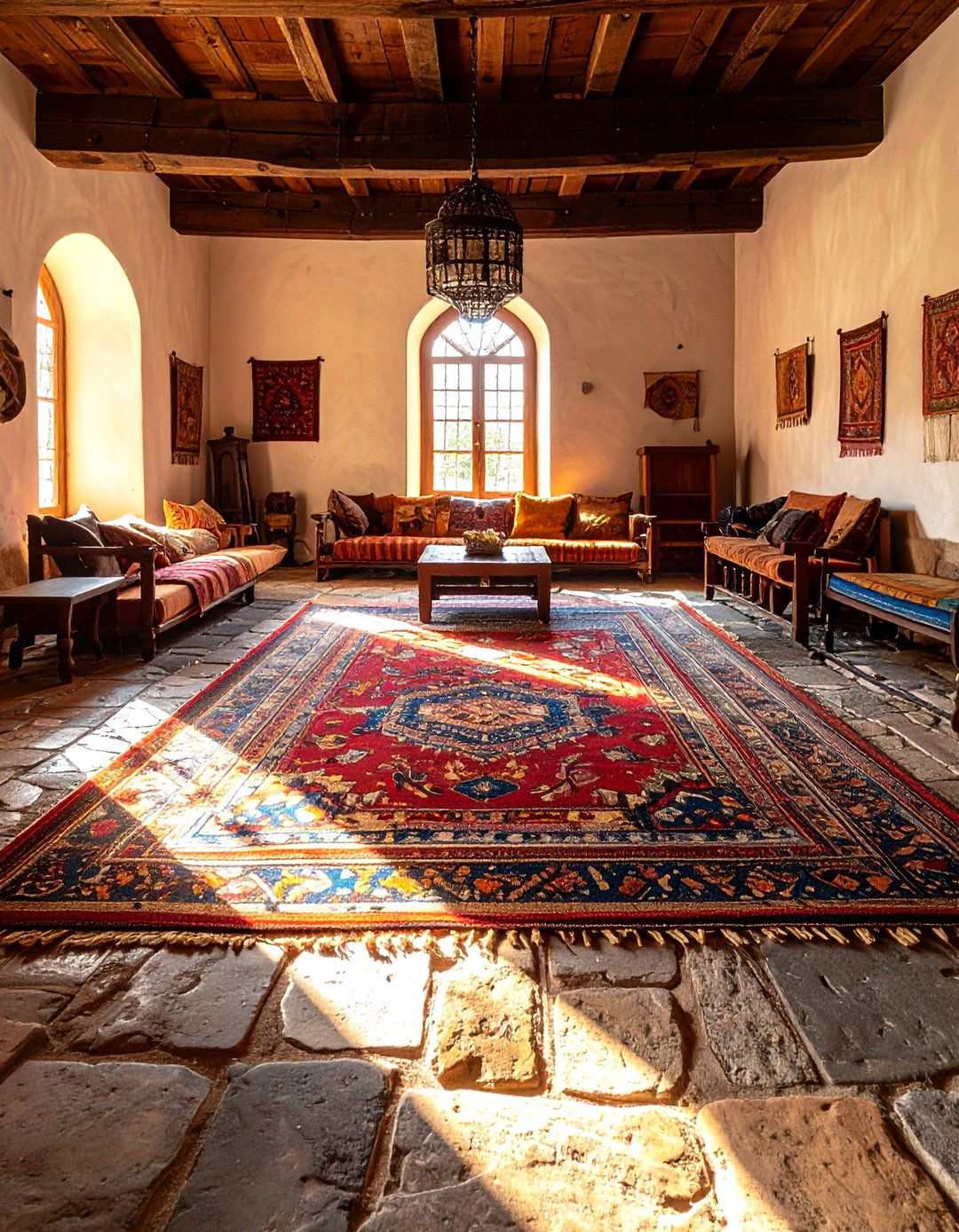
Ground your medieval design scheme with durable and timeless stone flooring that provides the foundational element for authentic medieval environments. Choose natural materials like flagstone, slate, limestone, or brick in earth tones that complement your color scheme. Consider various laying patterns, from simple rectangles to complex geometric designs, to add visual interest and depth. Incorporate area rugs in medieval patterns and colors to add warmth and comfort in seating areas, while the thermal mass of stone floors helps regulate temperature and creates surfaces that improve with age. These foundations support heavy medieval furniture while providing an authentic base layer that makes all other decorative elements feel naturally integrated into cohesive, historically-grounded living spaces.
24. Extending the Medieval Experience Outdoors
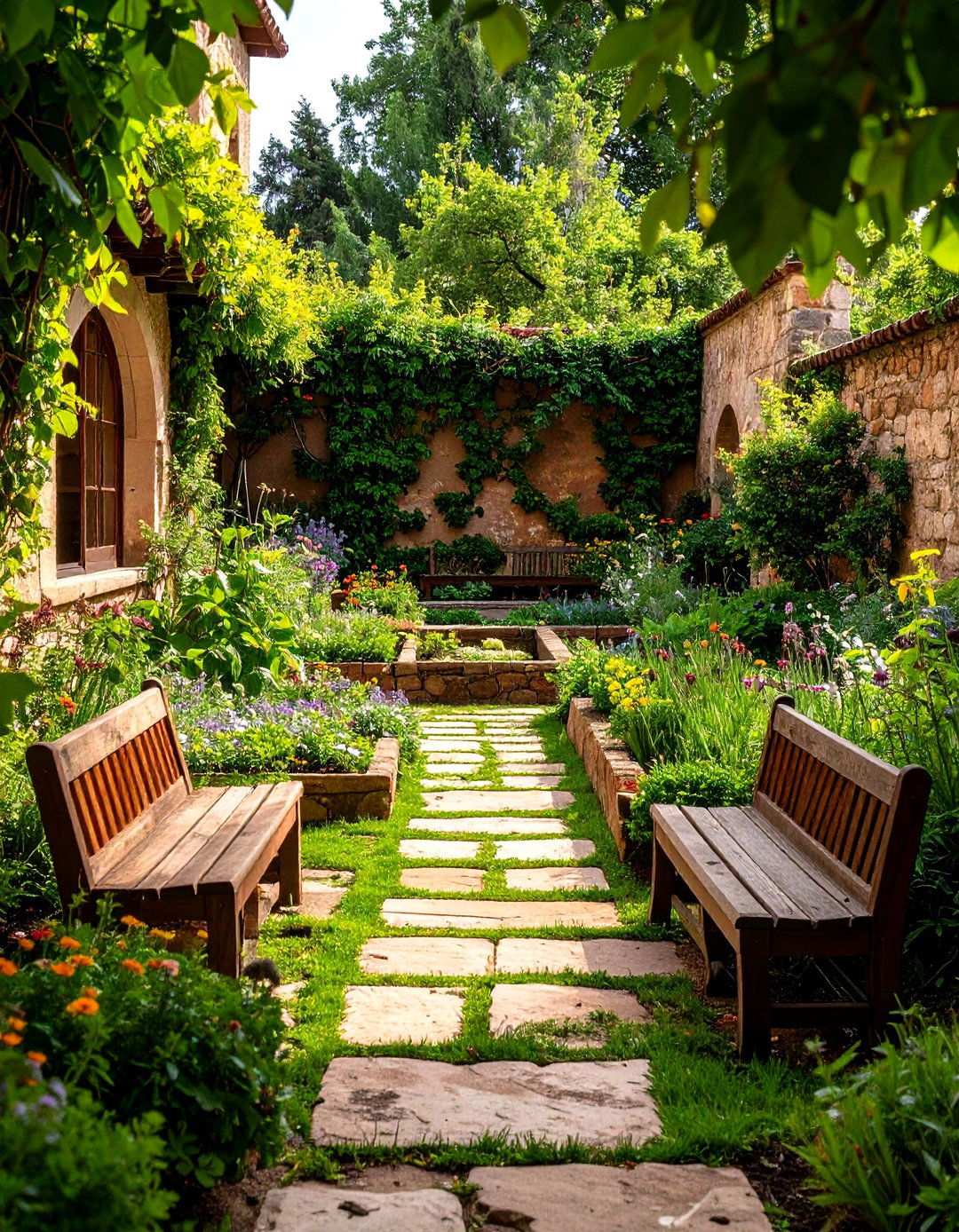
Medieval design elements can transcend indoor spaces and seamlessly integrate into outdoor areas, allowing you to create a cohesive and immersive experience. By thoughtfully incorporating design elements reminiscent of medieval monastery gardens, castle courtyards, and kitchen gardens, you can extend your theme naturally into the surrounding landscape.
This can be achieved through strategic plant selection and hardscape design, which should include raised beds with wooden or stone borders, gravel pathways that evoke a sense of ancient monasteries, and herb spirals that add a touch of whimsy. Seating areas with wooden benches provide serene spaces for contemplation, while decorative elements like sundials, stone sculptures, and wrought iron gates introduce a sense of history and grandeur. Incorporating water features inspired by medieval fountains or wells adds visual interest and creates a soothing ambiance. Outdoor lighting through lanterns not only illuminates the space but also sets the tone for evening gatherings and entertaining. Ultimately, these outdoor extensions offer a tranquil escape, providing seasonal interest and opportunities for connection with nature that inspired medieval garden traditions.