1. Setting the Stage with Soothing Neutrals
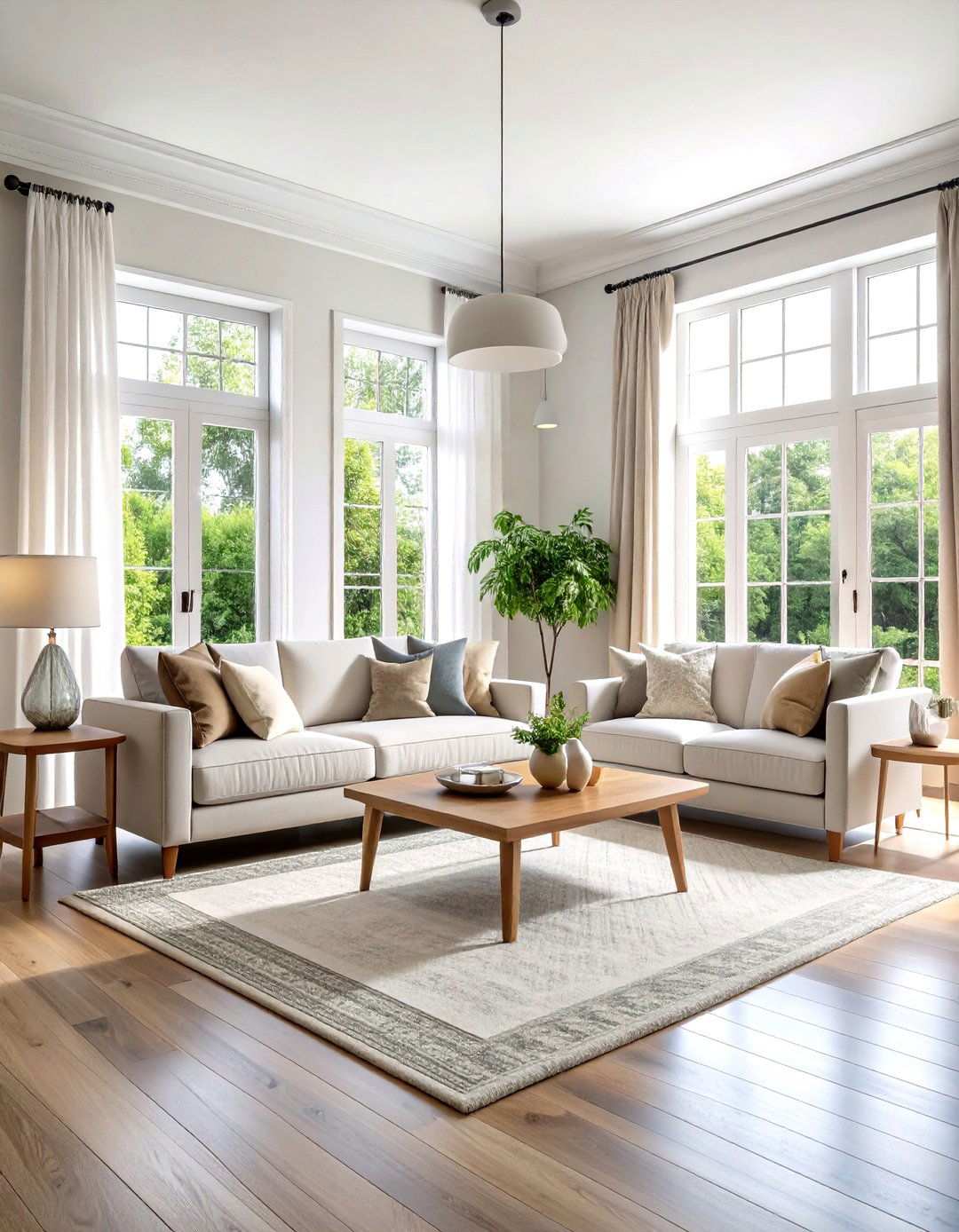
As we embark on the journey of creating a harmonious living space, it’s essential to lay the groundwork with a thoughtful color palette. A well-designed transitional interior relies on a sophisticated foundation built upon a carefully curated selection of neutral hues. These calming colors, including soft grays, taupes, creamy whites, and gentle beiges, serve as the perfect backdrop for daily life. By allowing these soothing tones to flow seamlessly throughout your home, you’ll create a serene atmosphere that effortlessly blends traditional and modern elements.

As an Amazon Associate I earn from qualifying purchases.
These versatile neutral colors will also provide the ideal canvas for introducing accent colors, which can be added through accessories, artwork, and textiles. Rich blues, deep browns, and verdant greens can be thoughtfully incorporated to add depth and personality to your space, while maintaining the transitional style’s essence. By striking the perfect balance between calm and colorful, you’ll create a visually appealing environment that feels collected over time.
2. Blending Timeless Elegance with Modern Sophistication
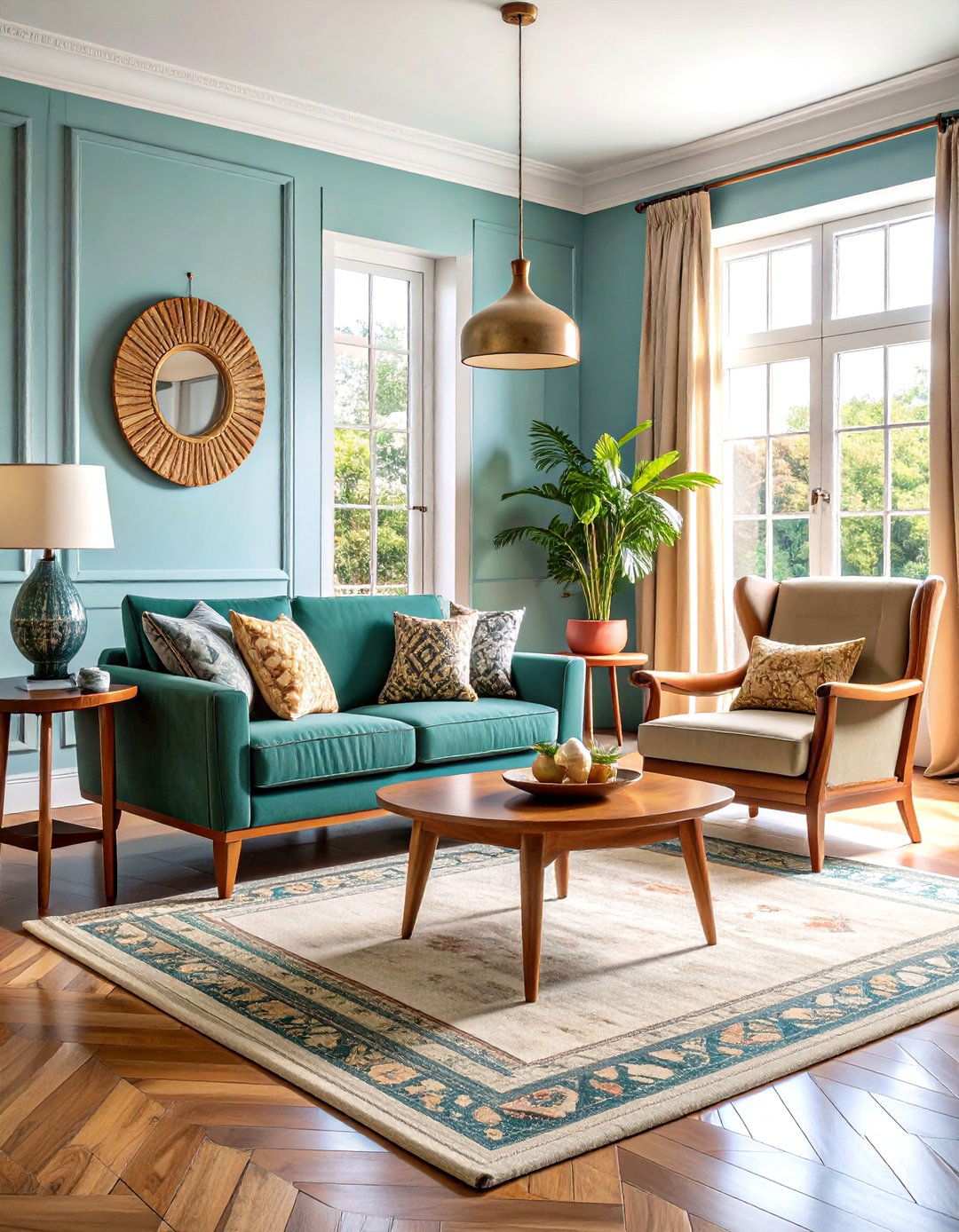
A hallmark of transitional design is its ability to seamlessly integrate pieces from different eras and design movements. To achieve this, consider pairing a vintage wooden armchair with a sleek glass coffee table, or select a traditional wingback chair upholstered in contemporary fabric. The key to maintaining visual balance lies in ensuring that furniture pieces share similar proportions, finishes, or color tones. By doing so, you’ll create a space that feels curated, rather than a collection of individual pieces purchased at different times.
This thoughtful approach to furniture selection not only adds character to your space but also avoids the sterile feeling that can result from overly coordinated furniture sets. By embracing the beauty of mixed styles, you’ll create a unique and inviting environment that reflects your personal taste and style.
3. Illuminating the Space with Statement Lighting
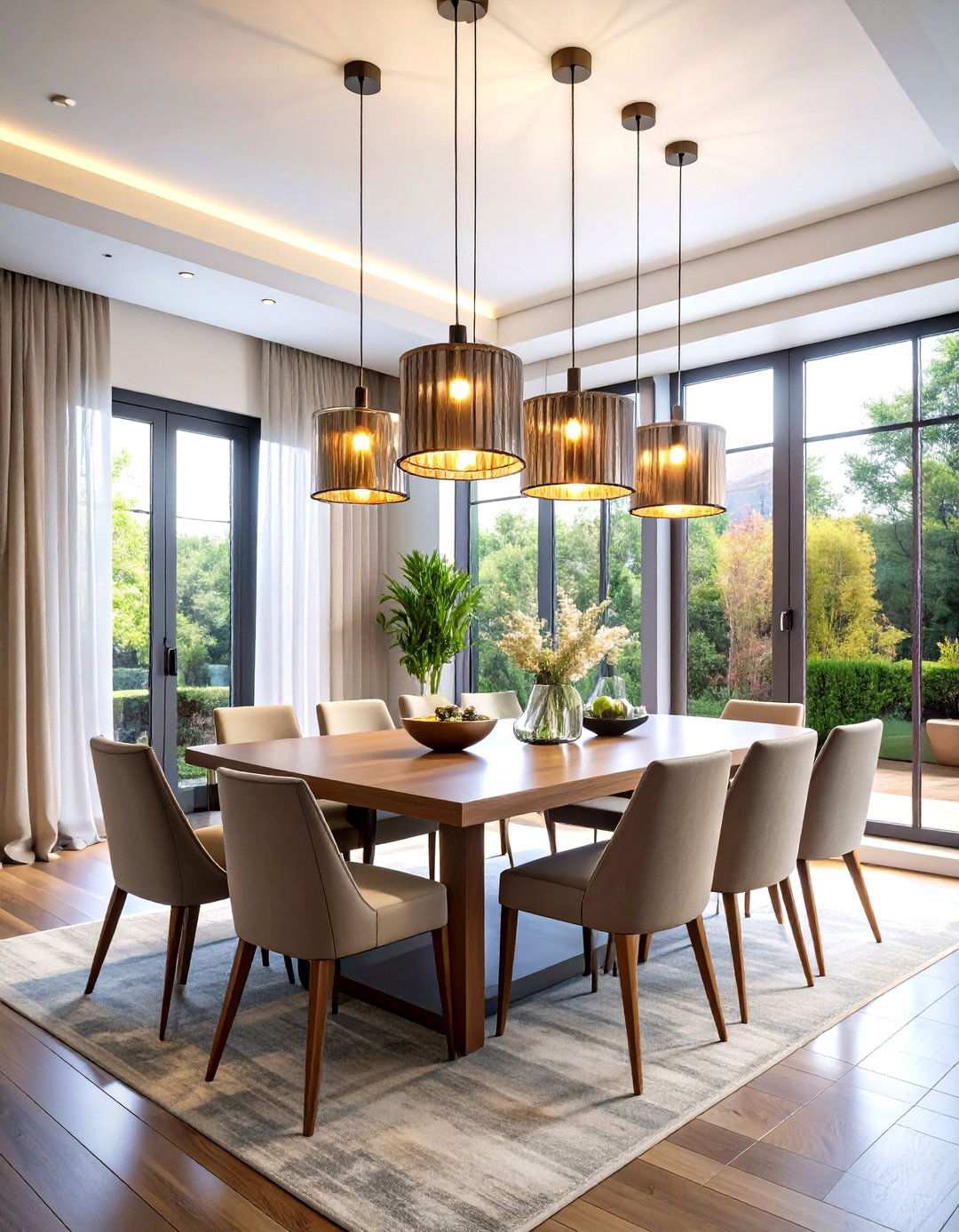
A well-designed lighting scheme can instantly elevate a room from ordinary to extraordinary. Transitional interior design takes full advantage of bold, contemporary lighting fixtures that create striking focal points against traditional backdrops. To achieve this, consider choosing sleek chandeliers with clean geometric lines for dining rooms or selecting modern pendant lights with metallic finishes to illuminate kitchen islands.
By layering your lighting design with statement overhead fixtures, traditional table lamps, and wall sconces, you’ll create a visually appealing environment that balances both ambient and task lighting. Don’t be afraid to experiment with unique fixtures that blend materials, such as brushed brass with glass, or incorporate industrial-inspired elements that complement both classic and contemporary furnishings. This thoughtful approach will ensure that your transitional space shines with sophistication and style.
4. Timeless Elegance of Shaker Cabinets
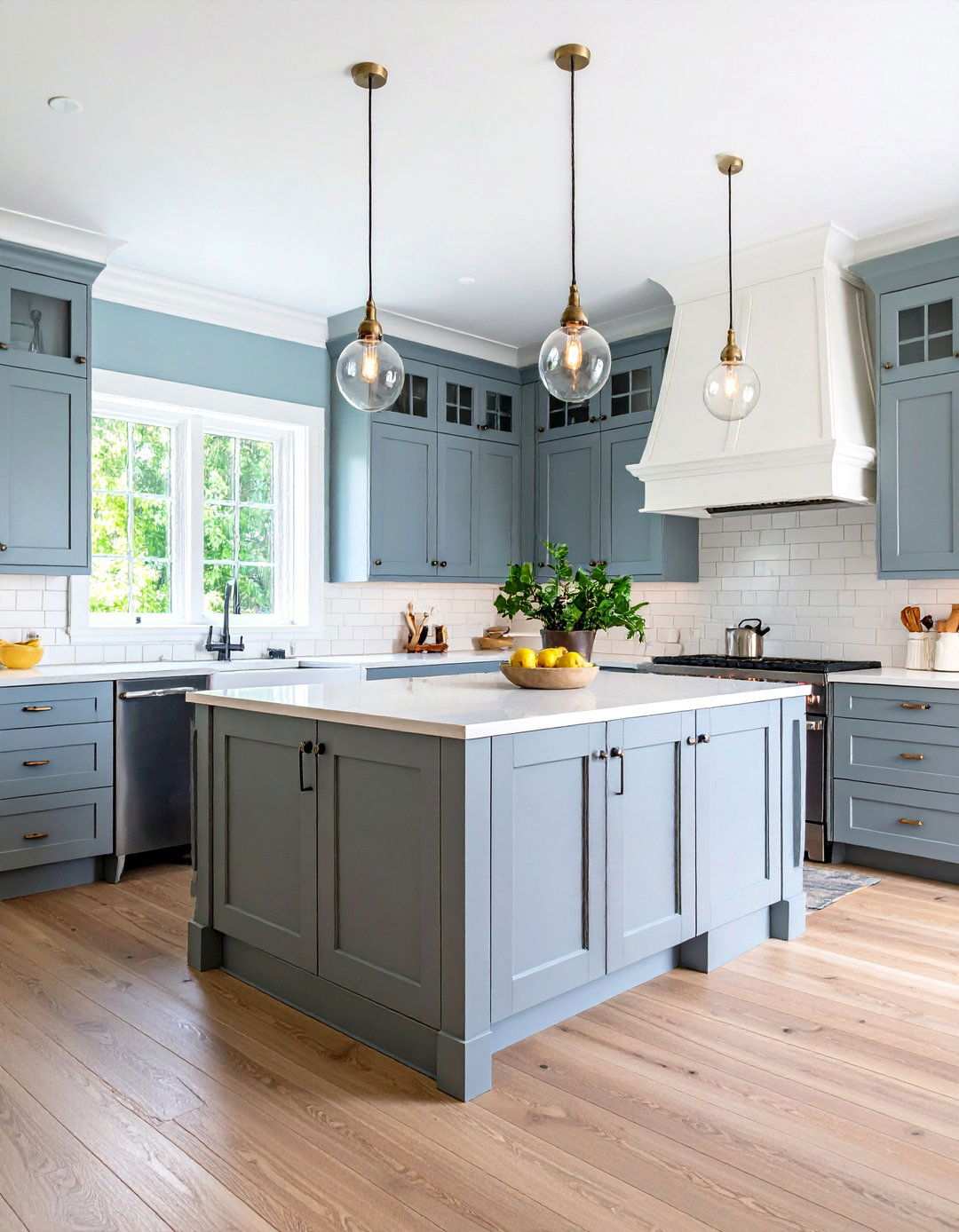
Shaker-style cabinets are a staple in transitional kitchen design, effortlessly merging traditional craftsmanship with modern minimalism. Characterized by clean lines and recessed center panels, these cabinets exude understated elegance, making them a versatile choice for kitchens seeking a sophisticated look. Painted in soothing neutrals like gentle gray, creamy white, or navy blue, Shaker cabinets create visual impact while maintaining a sense of flexibility. When paired with contemporary countertops, modern appliances, and traditional hardware, their classic proportions ensure your kitchen remains timeless, while their functional design maximizes storage for a clutter-free space. By mixing painted and natural wood finishes or combining upper and lower cabinets in complementary colors, you can add a touch of personality to your kitchen without compromising its classic appeal.
5. Harmonious Texture Pairings
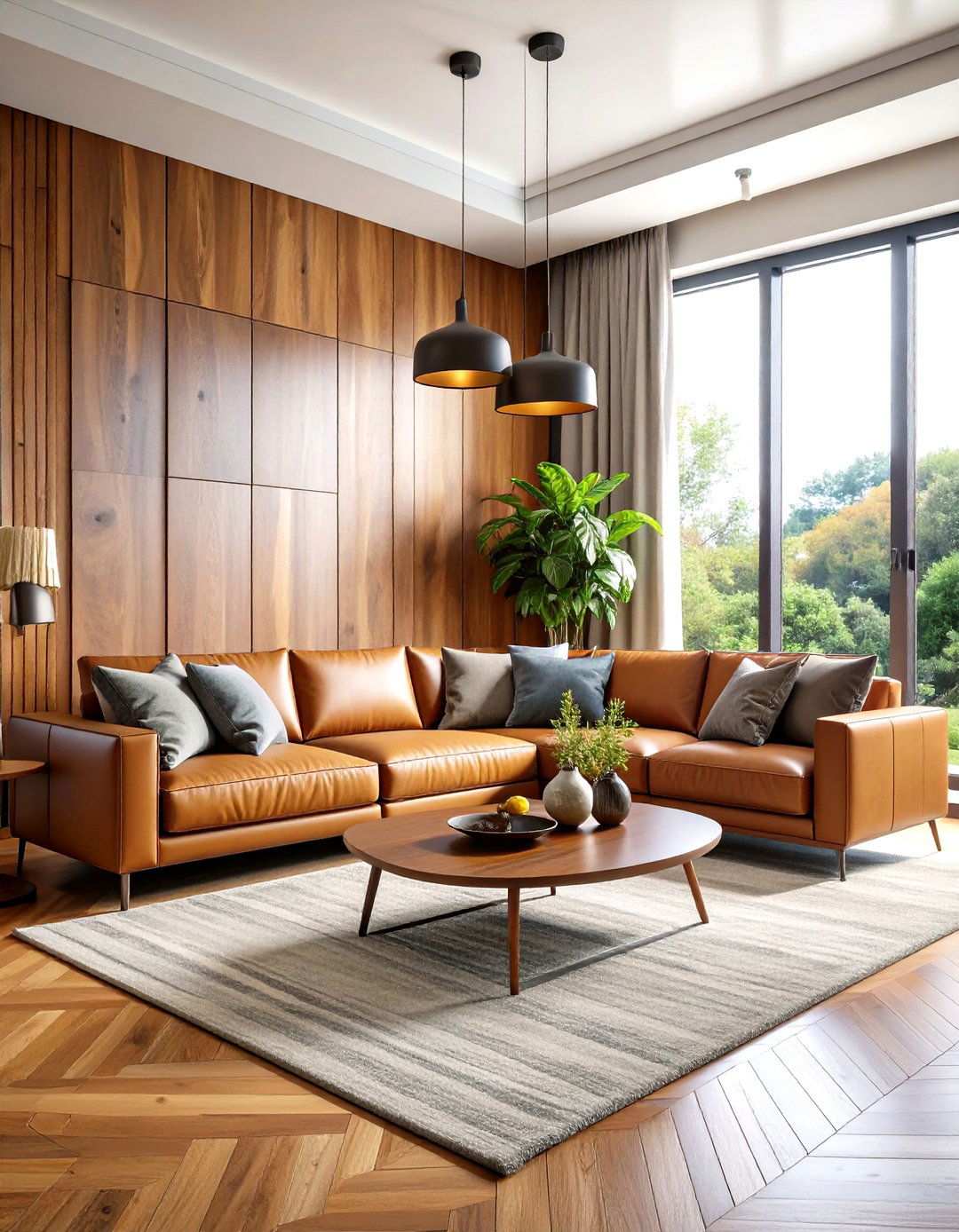
Transitional design relies on the art of layering textures to create visually striking spaces without relying on bold colors or patterns. By combining smooth leather, nubby wool, and polished wood in a cohesive design scheme, you can achieve visual depth and tactile interest. Incorporating natural materials like rough-hewn wood, smooth stone, and brushed metal alongside soft fabrics such as linen, velvet, and cotton adds warmth and sophistication to your space. Try pairing a chunky knit throw over a leather sofa, adding woven grass rugs beneath sleek furniture, or displaying ceramic pottery alongside glass accessories. These thoughtfully curated texture combinations bring depth and visual interest to neutral color schemes, making your space feel inviting and warm.
6. Thoughtful Fusion of Traditional and Modern Pieces
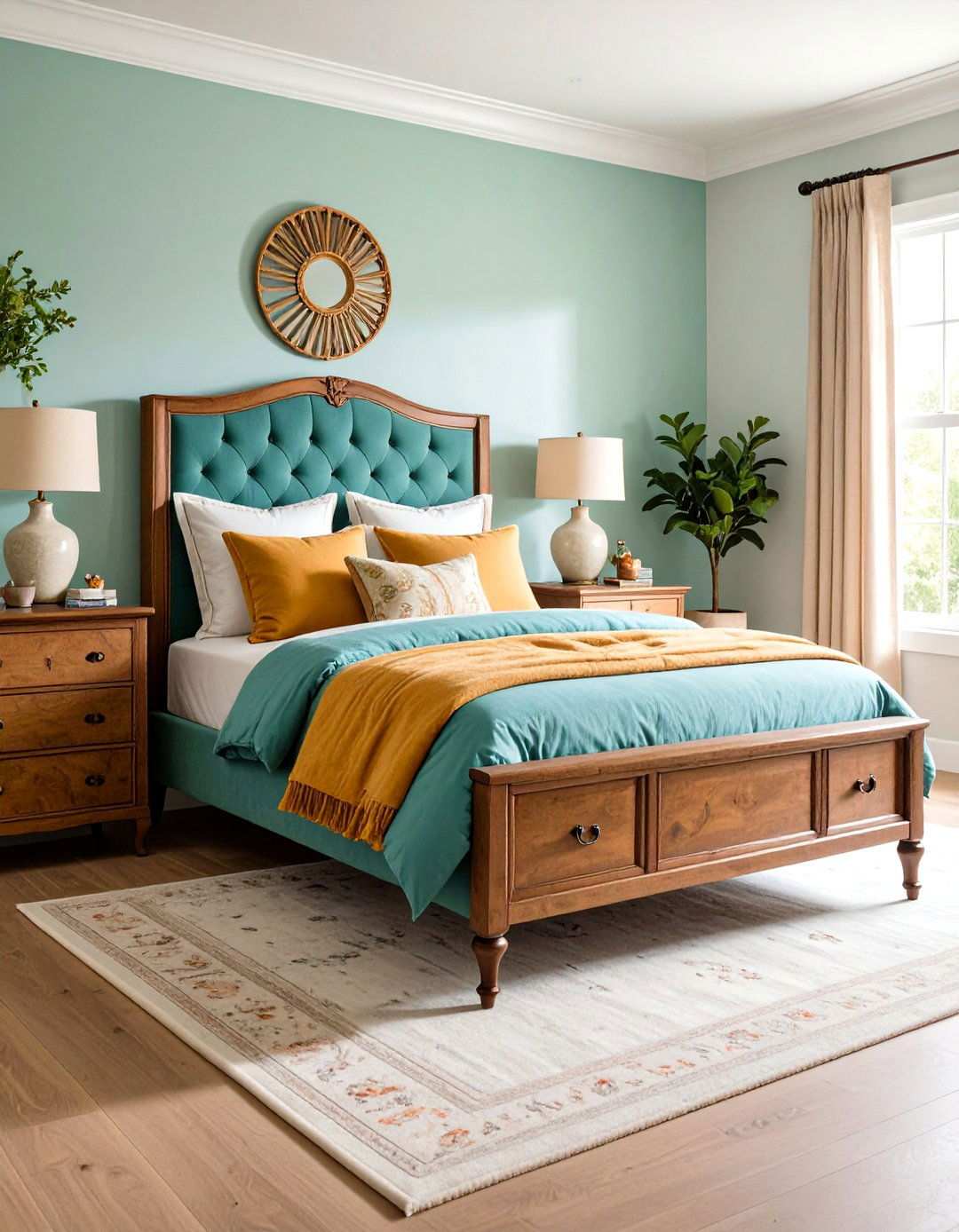
When blending your grandmother’s antique dresser with contemporary bedroom furniture, it’s essential to strike the right balance between past and present. Transitional design celebrates the art of combining traditional and modern furniture pieces to create spaces that honor the past while embracing current lifestyle needs. Pairing a classic four-poster bed with streamlined nightstands or combining a traditional wooden dining table with modern upholstered chairs is a great starting point. Look for pieces that share similar scale, proportion, or finish tones to maintain visual harmony. The key is creating an effortless blend where each piece complements the others while contributing its own character, allowing you to incorporate meaningful heirloom pieces alongside functional contemporary furniture for a truly personalized interior.
7. Embracing Nature's Elegance
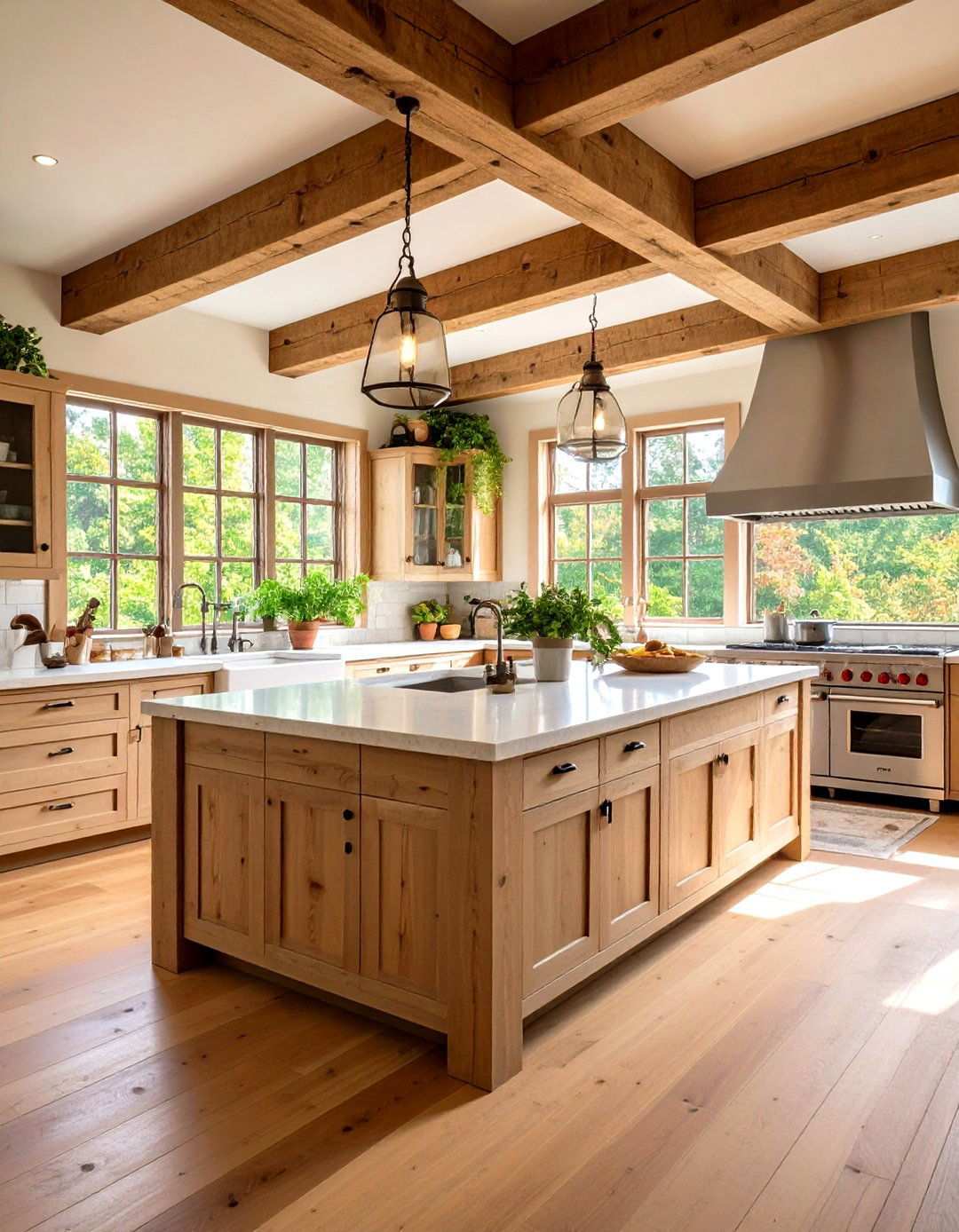
The seamless fusion of traditional warmth and contemporary sophistication in a home is achievable through the strategic integration of natural materials. By combining the beauty of organic elements with the clean lines of modern design, you can create a harmonious balance that elevates your living space. Reclaimed wood beams, for instance, add a touch of rustic charm to modern interiors, while natural stone countertops and brushed metal fixtures bring an air of sophistication and refinement. The subtle veining in marble, granite, or quartz surfaces can be paired with warm wood cabinetry and sleek stainless steel appliances to create a visually appealing contrast. As these materials mature with time, they imbue your space with a sense of depth and character that grounds the lighter, more modern elements, making the transitional style feel both refined and approachable.
8. Crafting a Serene Bedroom Oasis
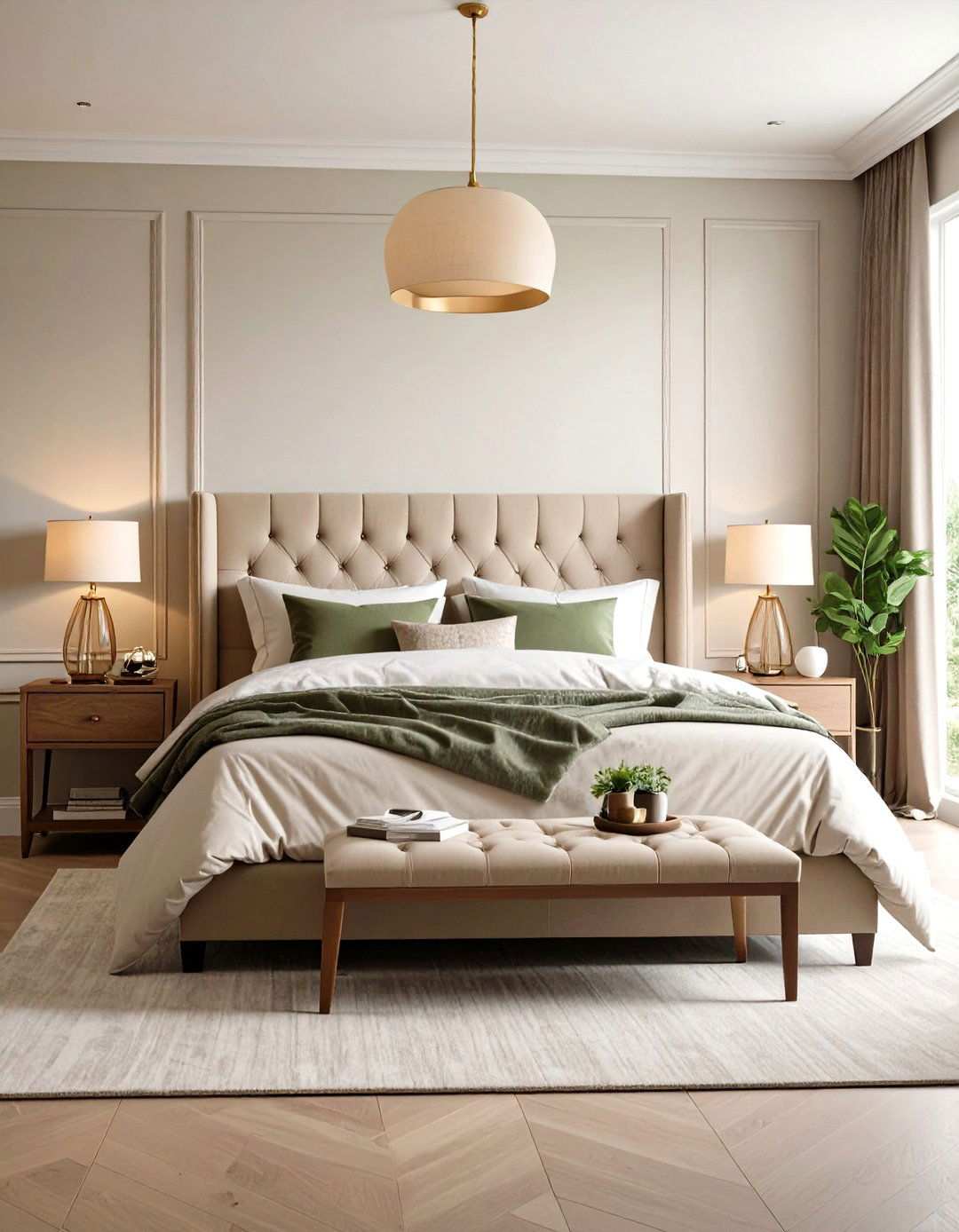
A peaceful bedroom retreat that fosters restful sleep while exuding sophisticated style is within reach. Transitional bedroom design achieves this balance by thoughtfully combining traditional comfort with modern functionality. A classic upholstered headboard with intricate button tufting can be paired with sleek bedside tables and cutting-edge lighting to create a harmonious blend of old and new. Layering soft, neutral bedding in natural fabrics like cotton and linen adds a tactile dimension to the space, while knitted throws and varied pillow sizes introduce visual interest. To strike the perfect balance between functionality and serenity, incorporate both overhead and task lighting. Window treatments should provide the ideal blend of privacy and light control while contributing to the room’s aesthetic appeal through the use of high-quality fabrics and timeless styling.
9. Blending Timelessness and Modernity in the Kitchen
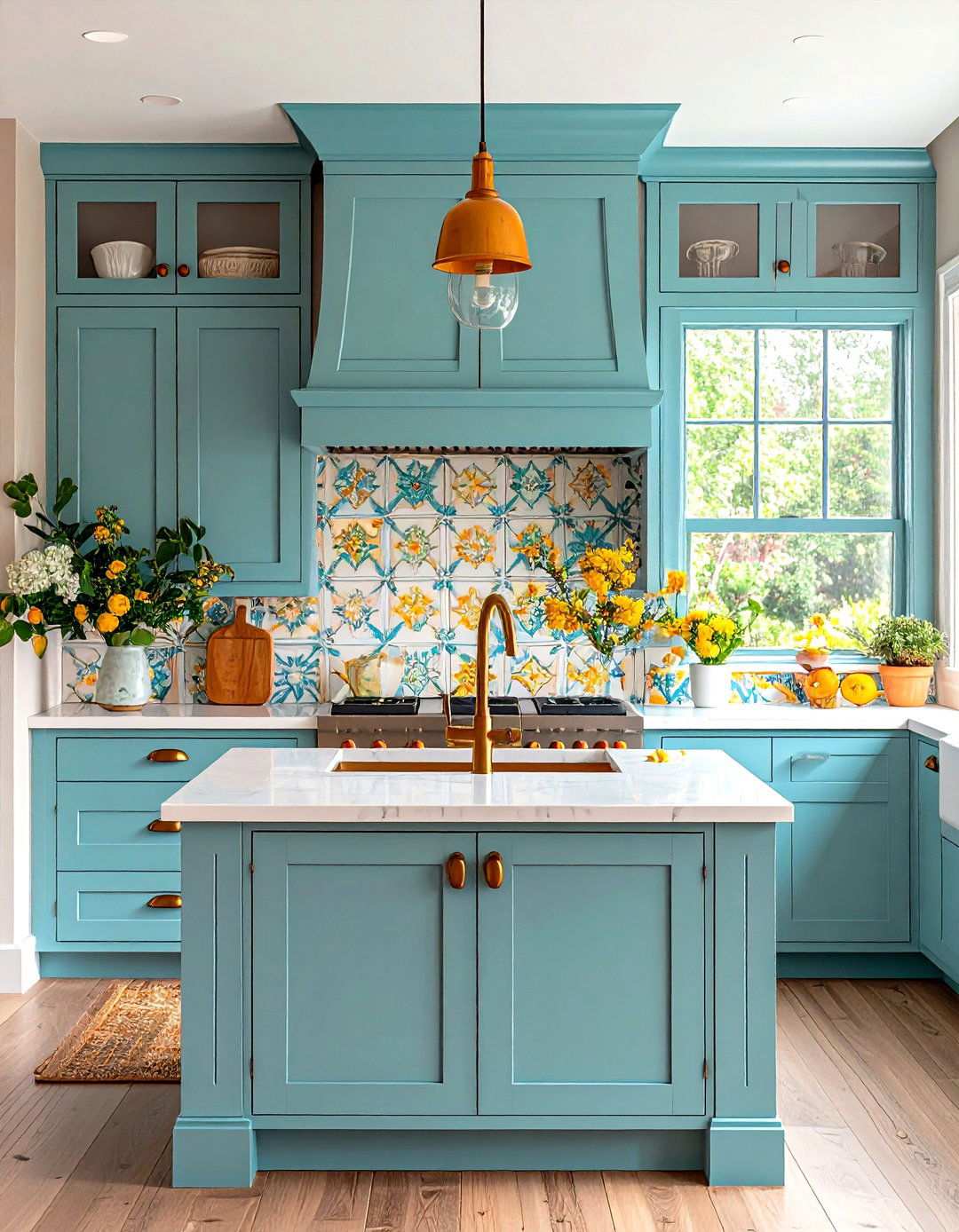
A kitchen that seamlessly blends practical functionality with enduring style is a hallmark of transitional design. By carefully selecting materials and thoughtfully planning the layout, you can create a space that meets the needs of today’s busy lifestyles while standing the test of time. Classic subway tile backsplashes can be paired with contemporary quartz countertops, or traditional farmhouse sinks can be paired with sleek, handle-less cabinetry to create a visually appealing contrast. Appliances with clean lines and professional-grade functionality can be chosen to maintain a cohesive color palette throughout the space. To ensure proper task illumination while creating a warm ambiance, incorporate both pendant and recessed lighting. Natural wood floors or sophisticated tile work underfoot complete the look while providing durability for high-traffic areas where families often gather.
10. Harmonious Living Room Design
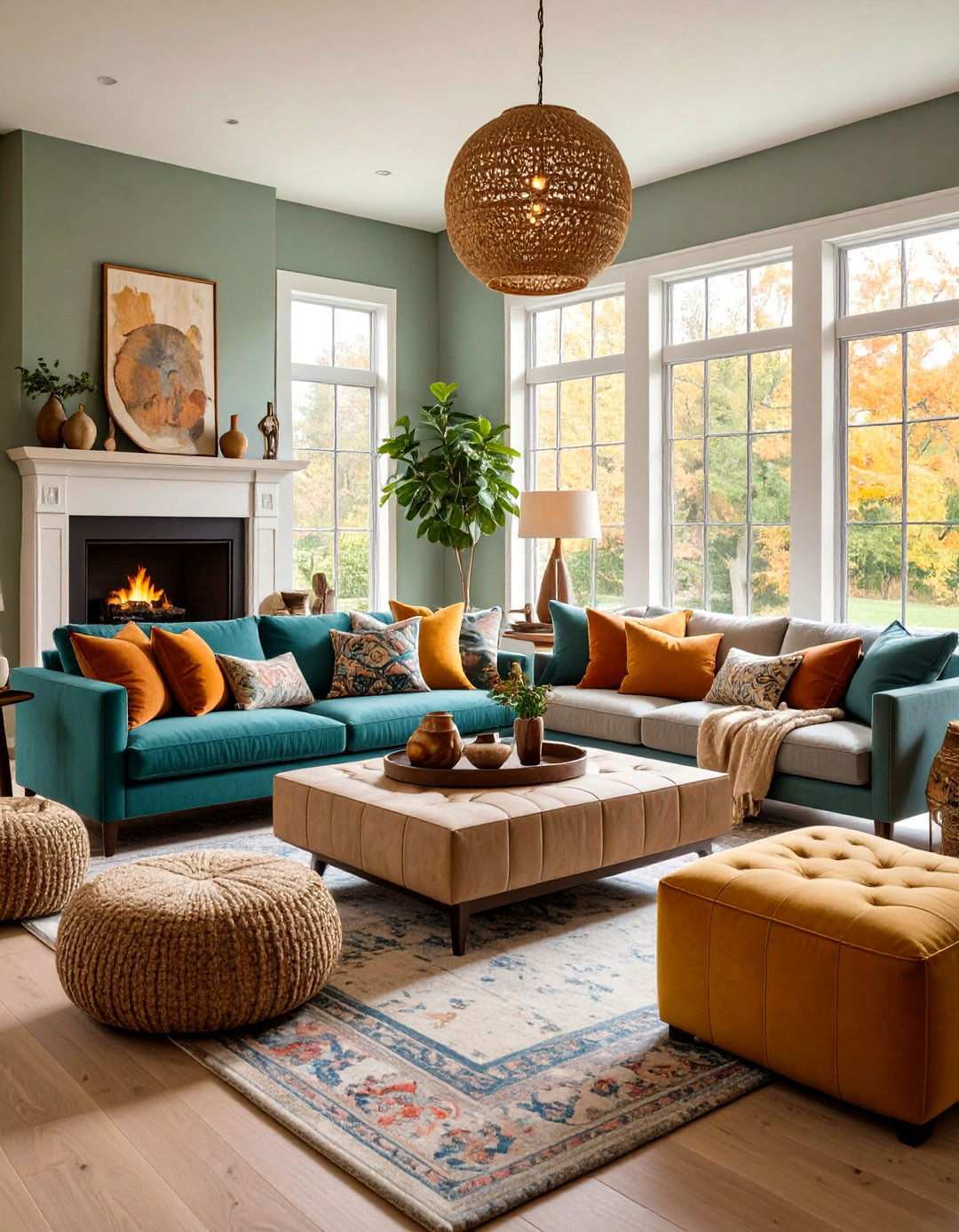
Achieving a seamless balance between social interaction and daily functionality can be a significant challenge when designing your main living space. To create a harmonious living room, focus on arranging furniture in a way that fosters both conversation areas and smooth circulation. Effective transitional living room design involves combining sofas, chairs, and ottomans to create intimate seating groups around central focal points, such as fireplaces or coffee tables. Ensure that walkers have ample room to navigate while maintaining visual connections between different seating areas.
11. Elevating Dining Room Elegance
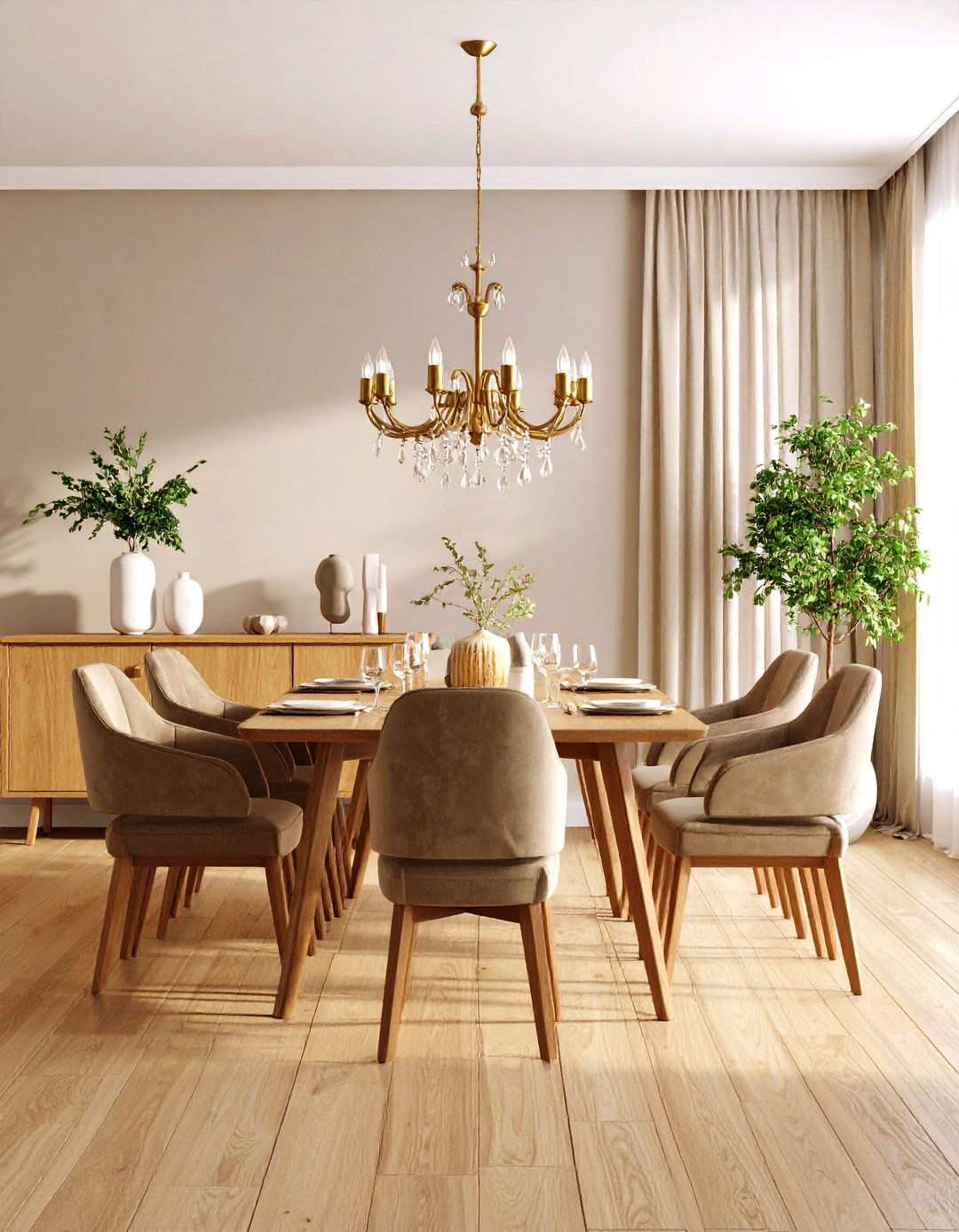
What sets a simple dining space apart from an elegant room suitable for both special occasions and everyday family meals? Transitional dining room design achieves this balance by thoughtfully selecting furniture and atmospheric lighting that exudes both sophistication and approachable comfort. A substantial wooden dining table serves as a room’s centerpiece, providing visual weight and accommodating family gatherings. To add visual interest, mix seating options like upholstered chairs with wooden benches or combine different chair styles in complementary finishes. Chandeliers or pendant lights create an inviting ambiance while providing sufficient illumination for meals.
12. Creating Productive Home Offices
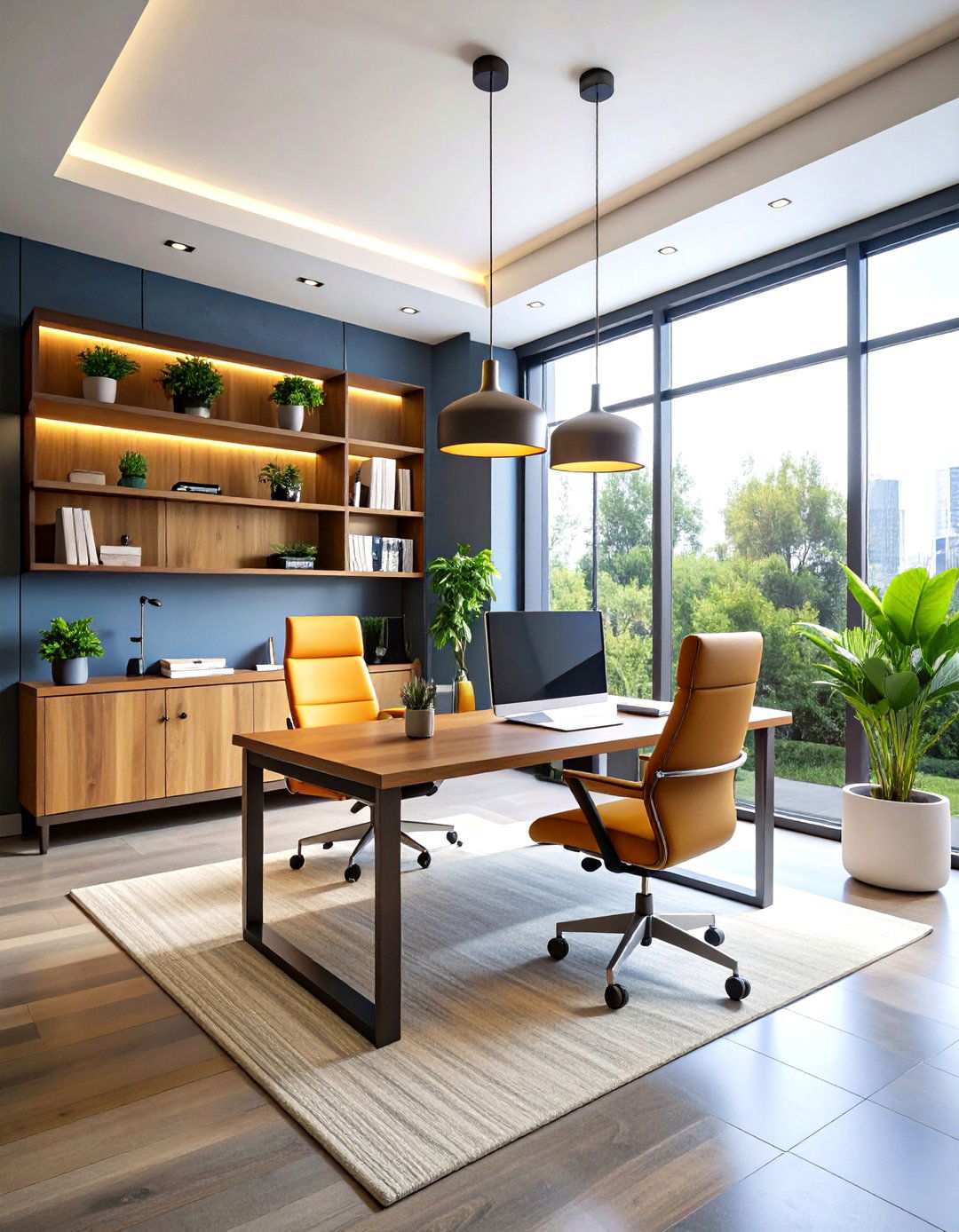
A well-designed home office can be a powerful catalyst for increased productivity while maintaining the sophisticated aesthetic of your overall interior design. Transitional home office design achieves this by carefully selecting furniture and organizational solutions that blend seamlessly with your home’s overall style. When choosing a desk, opt for clean lines and ample storage, paired with comfortable seating that supports long work sessions. Incorporate a combination of task and ambient lighting to reduce eye strain while creating a pleasant atmosphere for video calls. Built-in shelving or elegant storage furniture keeps supplies organized while showcasing personal items and books.
13. Lifting Design to New Heights with Metallic Accents
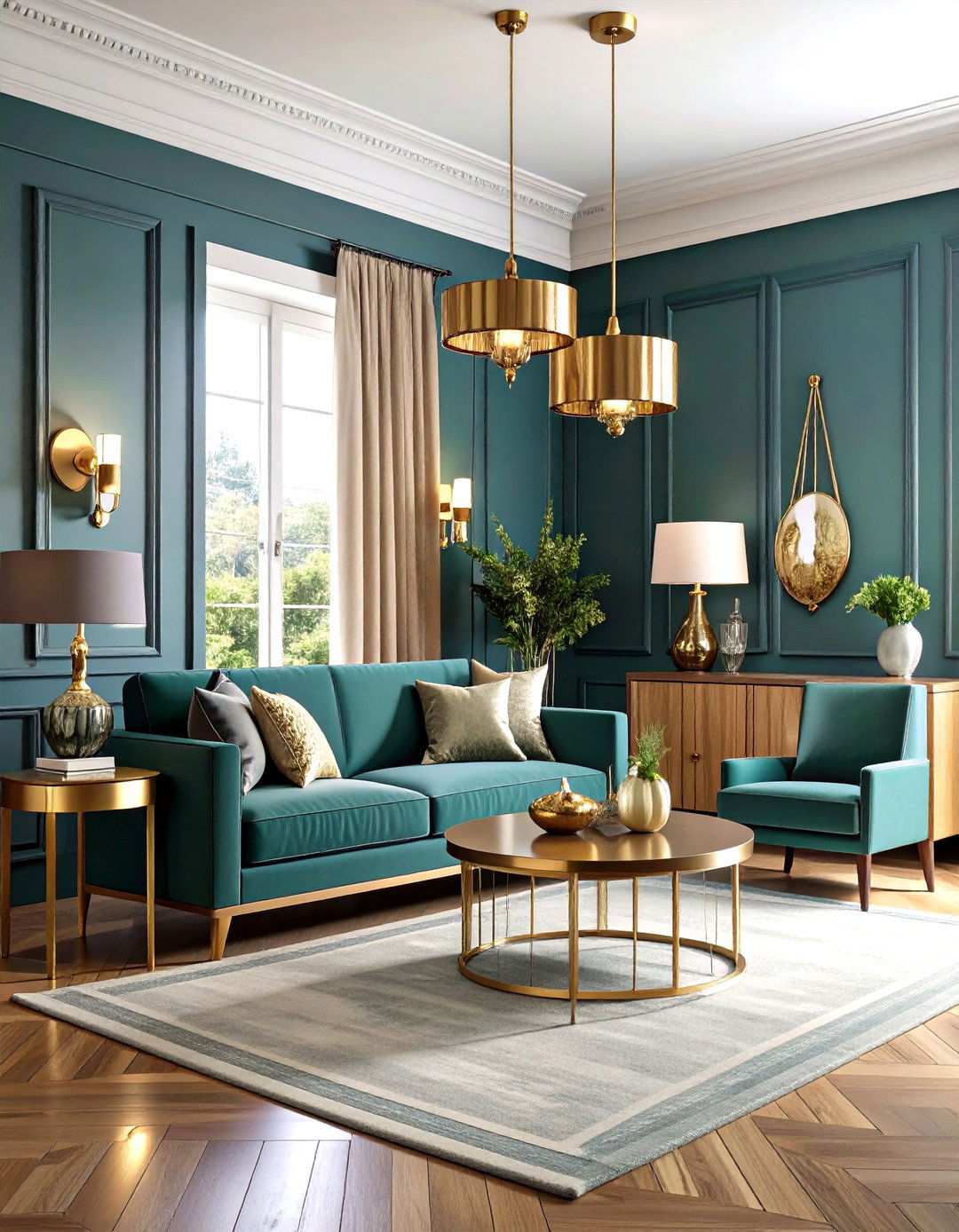
When it comes to transforming transitional interiors into extraordinary spaces, metallic finishes play a pivotal role. By thoughtfully incorporating metallic accents, designers can add a touch of sophistication and visual appeal that ties together various elements throughout the space. To achieve this, select a primary metal finish, such as weathered copper, antique gold, or polished silver, and carry it through lighting fixtures, cabinet hardware, and plumbing fixtures for a cohesive look. Supplement this with secondary metallic accents through accessories like picture frames, decorative vases, and table lamps to create a sense of depth without overwhelming the senses. These reflective surfaces have the ability to capture and distribute light, making rooms feel more expansive and dynamic while adding the refined details that set well-designed spaces apart from mere furnishings.
14. Establishing a Strong Foundation with Area Rugs
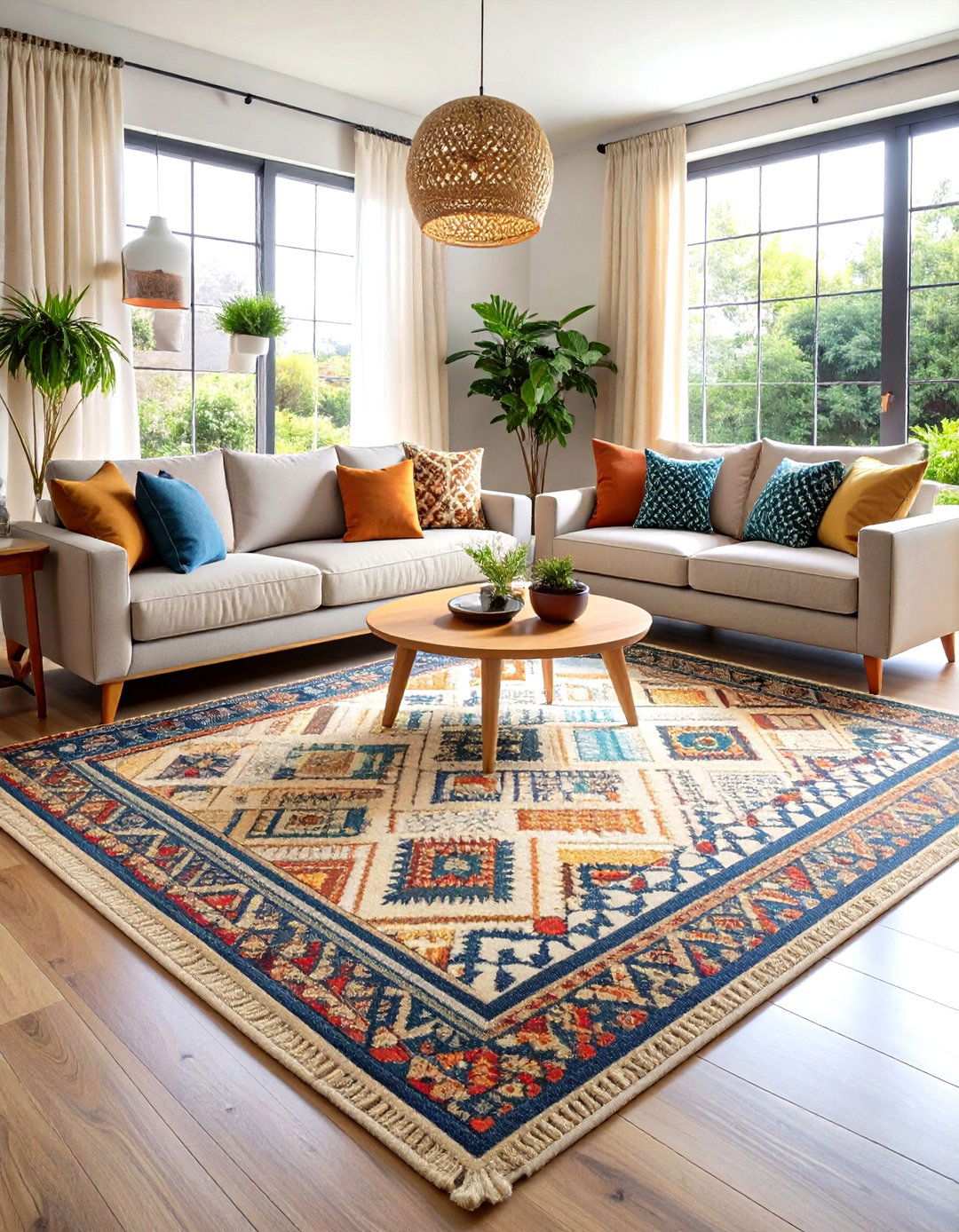
Area rugs serve as the backbone of successful transitional interior design in every room, but why are they so crucial? Strategically placing rugs anchors furniture groupings, adds warmth, texture, and subtle pattern to neutral color schemes throughout your home, and creates a sense of visual cohesion. When selecting a rug, choose one large enough to accommodate all furniture legs in seating areas, which helps to define spaces within larger rooms. Natural fiber rugs like sisal or jute bring texture without competing with other design elements, while subtle patterns add interest without overwhelming. Consider layering smaller rugs over larger neutral ones for added depth or choosing vintage-inspired designs that bridge traditional and contemporary elements, providing the comfort and sound absorption essential for comfortable living.
15. Elevating Window Treatments for a Sophisticated Look
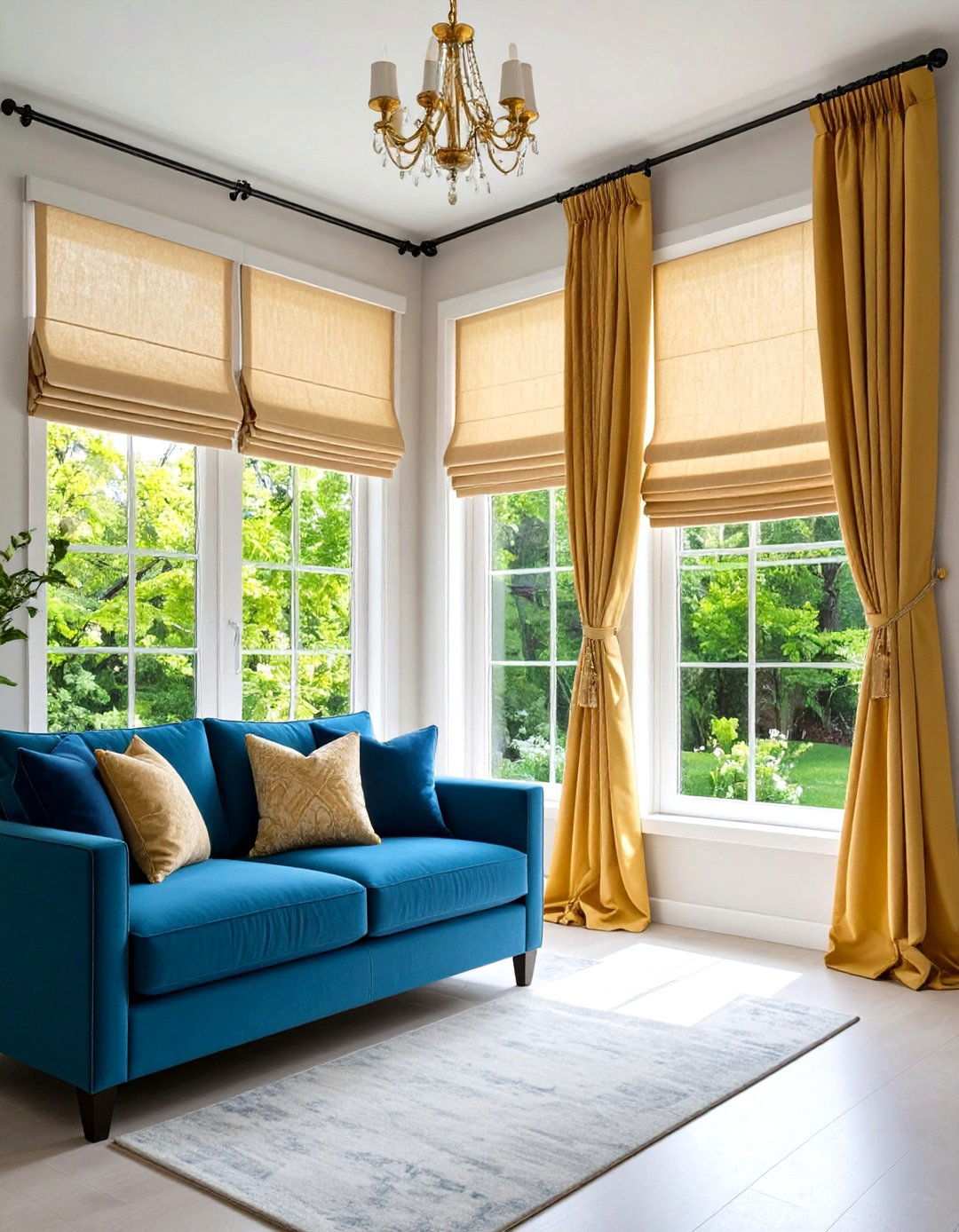
Can window treatments truly make or break the sophisticated atmosphere you’re trying to achieve in transitional spaces? Thoughtfully selected window treatments provide not only privacy and light control but also significantly contribute to your room’s overall aesthetic and functionality. Choose classic styles like tailored panels, Roman shades, or plantation shutters in neutral colors that complement your wall paint while providing flexibility for changing light conditions throughout the day. When necessary, layer treatments by combining sheer panels with heavier drapes for maximum versatility. Quality hardware in coordinating metallic finishes elevates even simple treatments, while proper sizing and installation ensure your windows look intentionally designed rather than simply covered for basic function.
16. Elevating Wall Presence
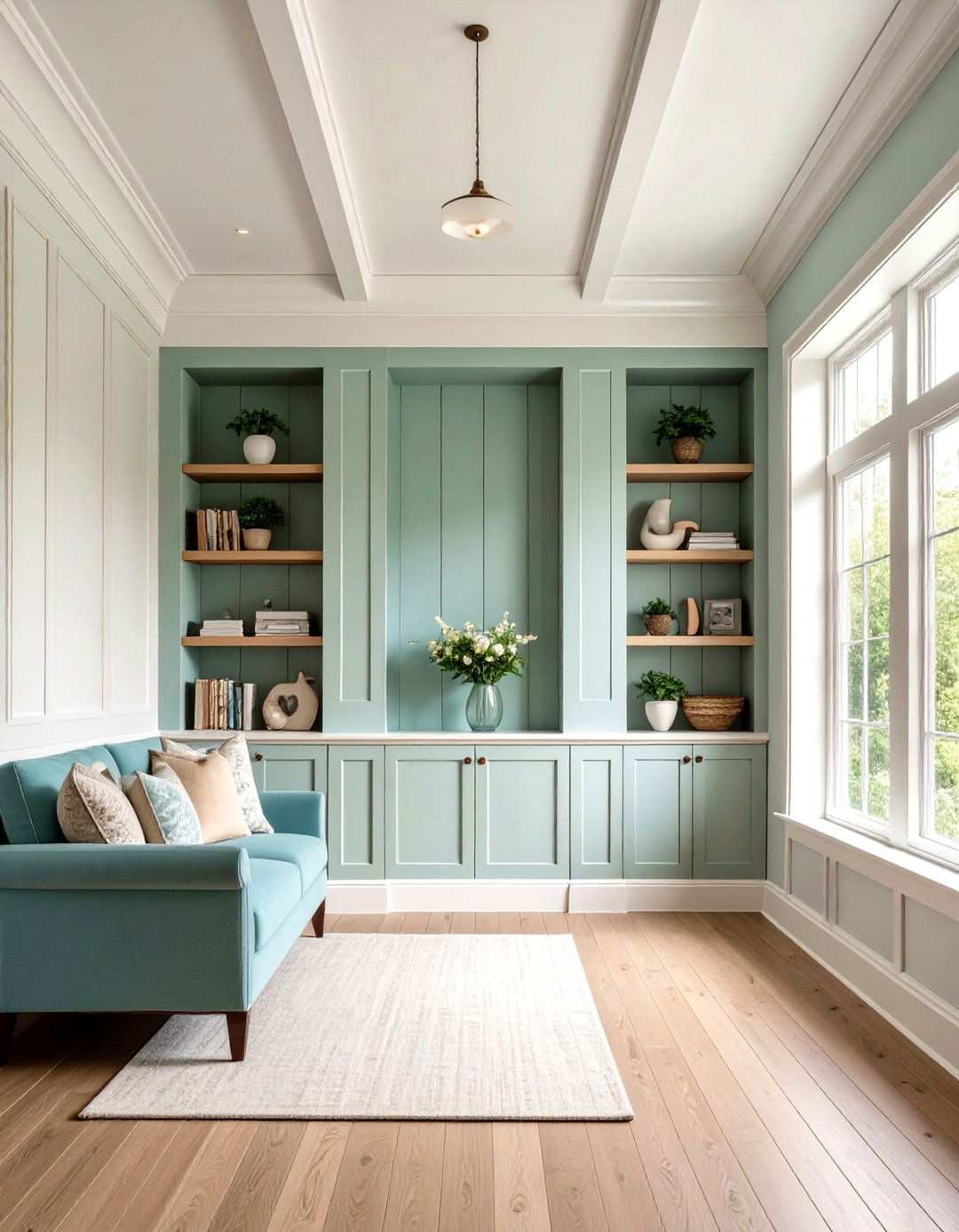
Effective transitional design strikes a balance between clean lines and visual interest. To achieve this equilibrium, consider thoughtfully applied wall treatments that introduce focal points and architectural depth to your space. Options such as board and batten wainscoting or subtle, organic-patterned wallpaper can add dimension and create a layered look. Accent walls in deeper neutral tones can also ground adjacent furniture pieces, drawing the eye to a specific area of the room. By incorporating built-in shelving or picture ledges, you can provide both storage and display opportunities for personal collections, fostering a sense of depth and visual weight that’s characteristic of successful transitional interiors.
17. Seamless Storage Solutions
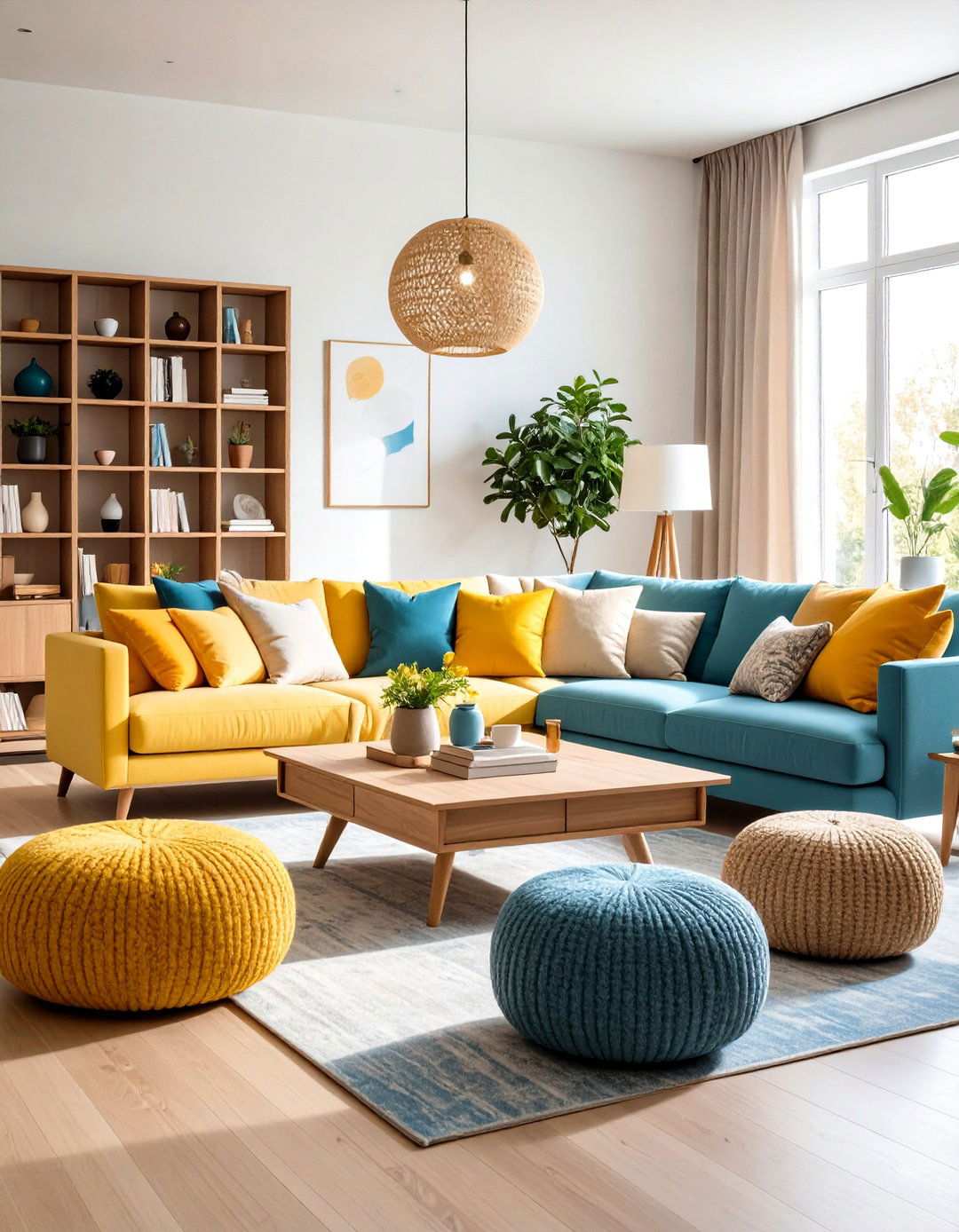
In transitional design, storage and functionality exist in harmony. Integrated storage solutions keep spaces clean and clutter-free while addressing modern living needs through versatile furniture pieces. Consider ottomans with hidden storage, coffee tables with drawers, and dining tables with built-in leaves that adapt to various uses. Built-in bookcases, window seats with storage, and entertainment centers that conceal electronics maintain the sophisticated aesthetic while catering to practical requirements. By seamlessly merging form and function, these solutions prevent the accumulation of clutter that can undermine even the most carefully crafted design scheme, ensuring your transitional spaces remain serene and inviting.
18. Architectural Accents and Proportions
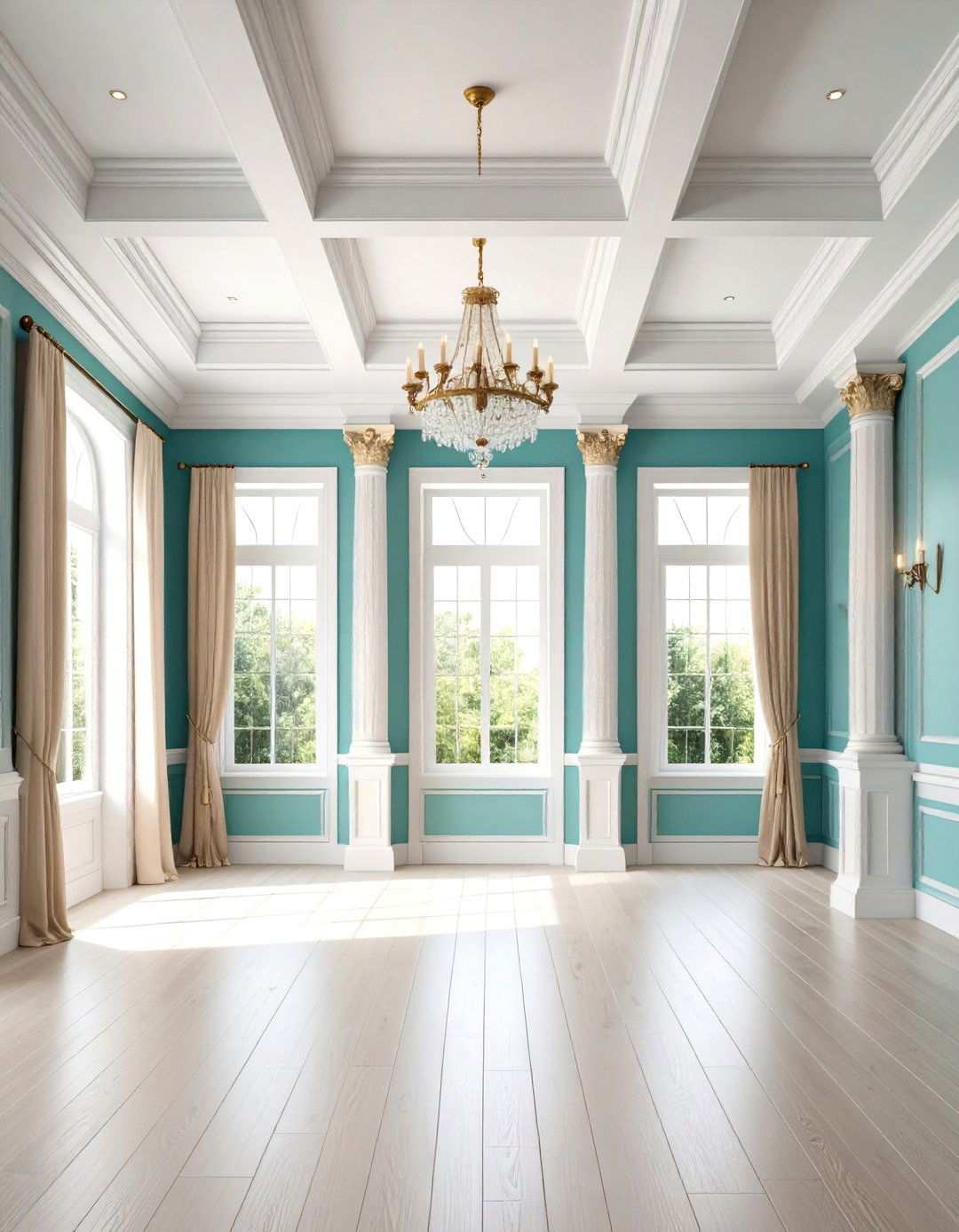
Architectural details can either support or detract from the sophisticated transitional aesthetic. Elevating these features through enhancements or additions creates a visual foundation that underpins successful interior design. Crown molding, chair rails, and baseboard treatments add classic proportions and visual weight that ground contemporary furniture, while providing the refinement associated with traditional design. By incorporating coffered ceilings, built-in cabinetry, or decorative columns, you can introduce structure and visual interest that feels integral to your home’s architecture. These details should serve as the backdrop for your furnishings and accessories, allowing them to shine in a refined and sophisticated setting.
19. Seasonal Decor Adaptability
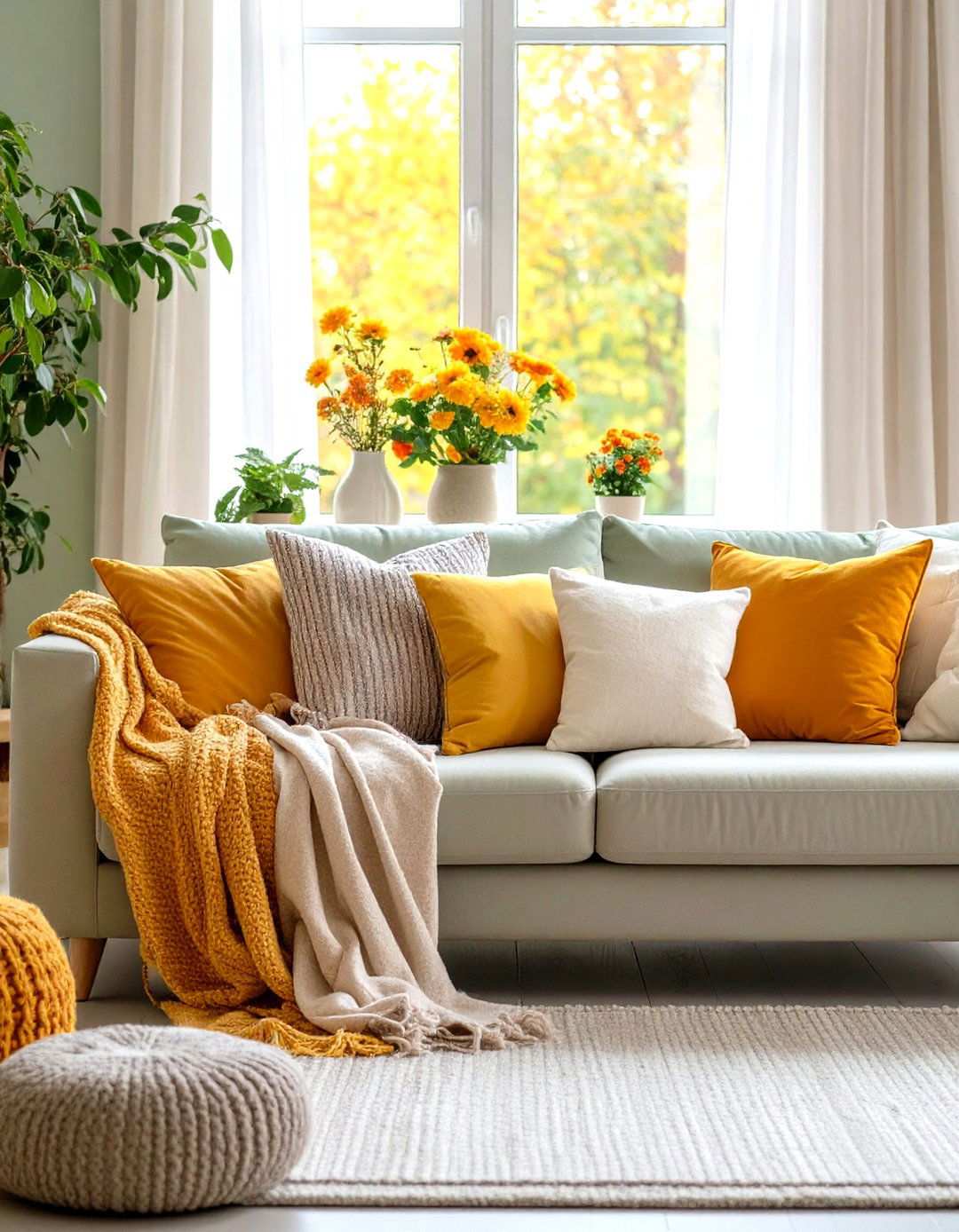
To seamlessly transition your interior design to reflect changing seasons without compromising your refined aesthetic, it’s essential to adopt a flexible approach to decorating. Seasonal updates in transitional spaces hinge on making subtle adjustments to accessories, textiles, and natural elements that rejuvenate your rooms without requiring drastic overhauls. One effective strategy is to swap throw pillows and blankets in seasonal hues while maintaining a neutral foundation, allowing your existing color palette to remain intact. Alternatively, introduce fresh flowers and greenery that harmonize with your existing aesthetic, or change artwork and photographs to reflect seasonal themes. By incorporating seasonal scents through candles and diffusers, you can create a sense of continuity with the natural world while preserving the timeless elegance that defines transitional design.
20. Navigating Open Floor Plan Layouts
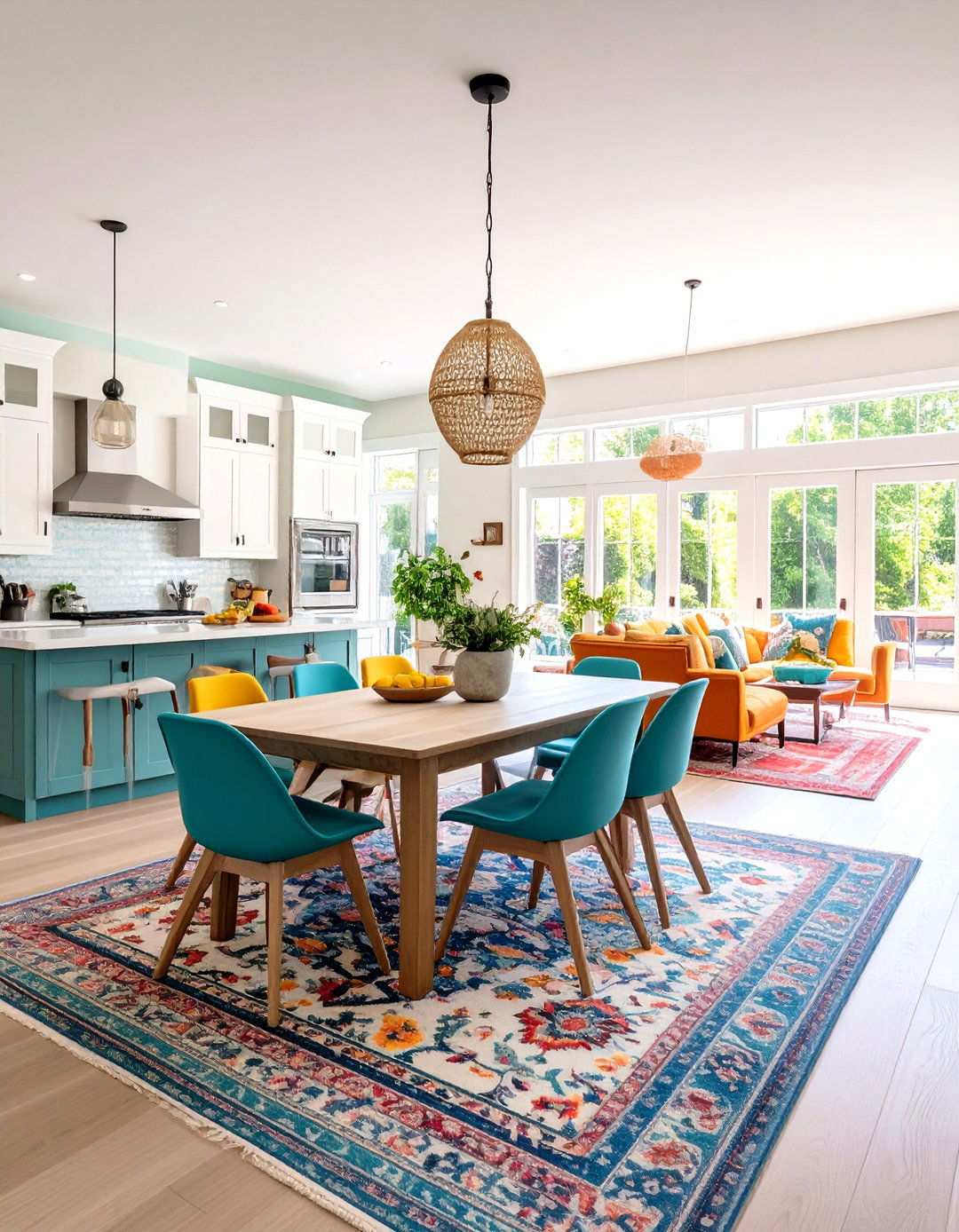
Transitional interior design presents unique challenges in today’s popular open floor plan layouts, where careful zone definition is crucial to maintaining visual flow between different functional areas. The key to successfully designing open floor plans lies in creating subtle transitions between zones, rather than erecting hard barriers that disrupt the spacious feeling. By employing area rugs, strategic furniture placement, and lighting changes, you can delineate cooking, dining, and living areas without compromising the sense of openness. A consistent color palette and repetition of materials, such as wood finishes and metallic accents, help to create a cohesive look throughout the space. Furthermore, varying ceiling heights, flooring materials, or built-in features can provide subtle cues that guide the eye through the space, preserving the open, airy feeling that makes these layouts so appealing for modern family living.
21. Thoughtful Built-in Feature Design
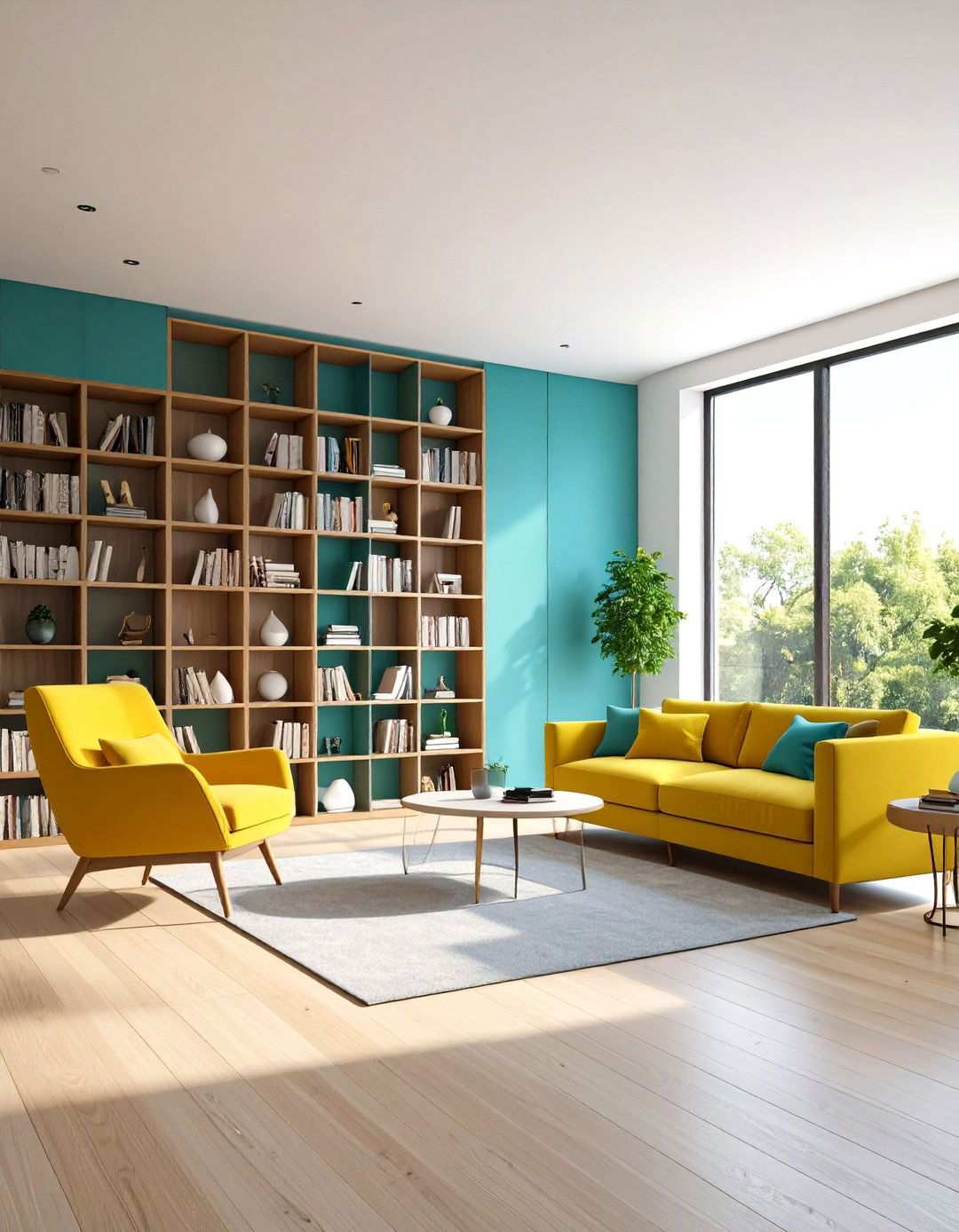
Built-in features can be a game-changer for transitional interior design, but only when designed with care to avoid overwhelming the space with visual weight. When done thoughtfully, built-ins provide both storage and architectural interest while maintaining the clean, sophisticated lines that are hallmarks of transitional style. Consider incorporating floor-to-ceiling bookcases with adjustable shelving, window seats with built-in storage, or entertainment centers that conceal technology while showcasing meaningful objects. By integrating built-ins seamlessly into your home’s architecture, you can create custom details that distinguish well-designed spaces and elevate your interior design to new heights. To further enhance the visual impact, paint built-ins in colors that complement your walls or use contrasting tones to create subtle focal points that add depth without overwhelming.
22. Elevating Bathroom Design to a Luxurious Oasis
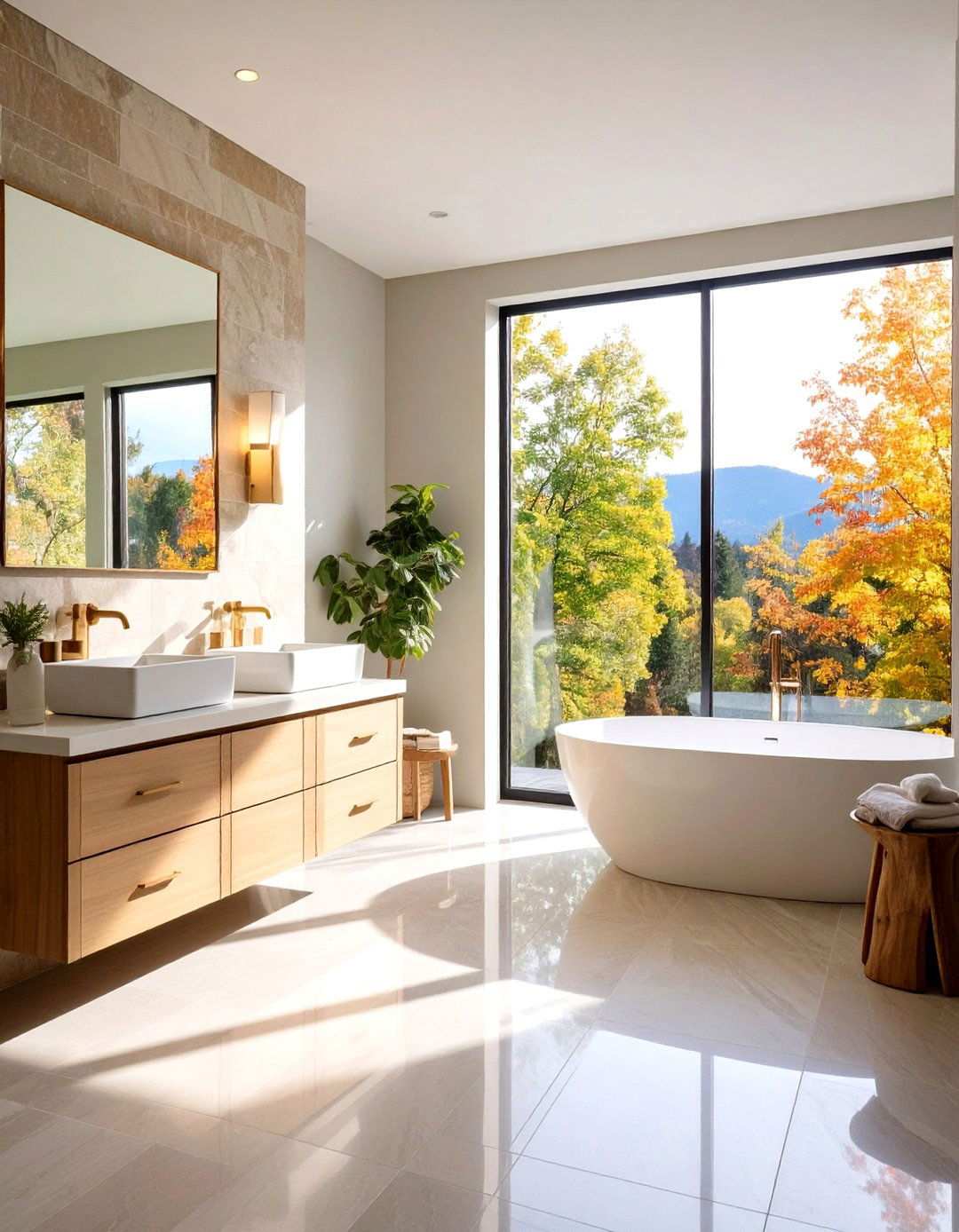
To create a serene and sophisticated spa-like bathroom retreat within your transitional home, it’s essential to strike a balance between elegance and practicality. By incorporating refined materials and fixtures, you can achieve a timeless appeal that exudes luxury and functionality. A harmonious blend of natural stone or quartz countertops with classic subway tile and modern fixtures creates a visually stunning focal point. Pair this with vanities boasting traditional proportions but sleek, contemporary lines, and don’t forget to incorporate both overhead and task lighting for optimal functionality. To add warmth and personality to this private retreat, consider using neutral color palettes with metallic accents in coordinating finishes, while quality textiles and accessories provide a touch of warmth.
23. Setting the Tone with an Impressive Entryway
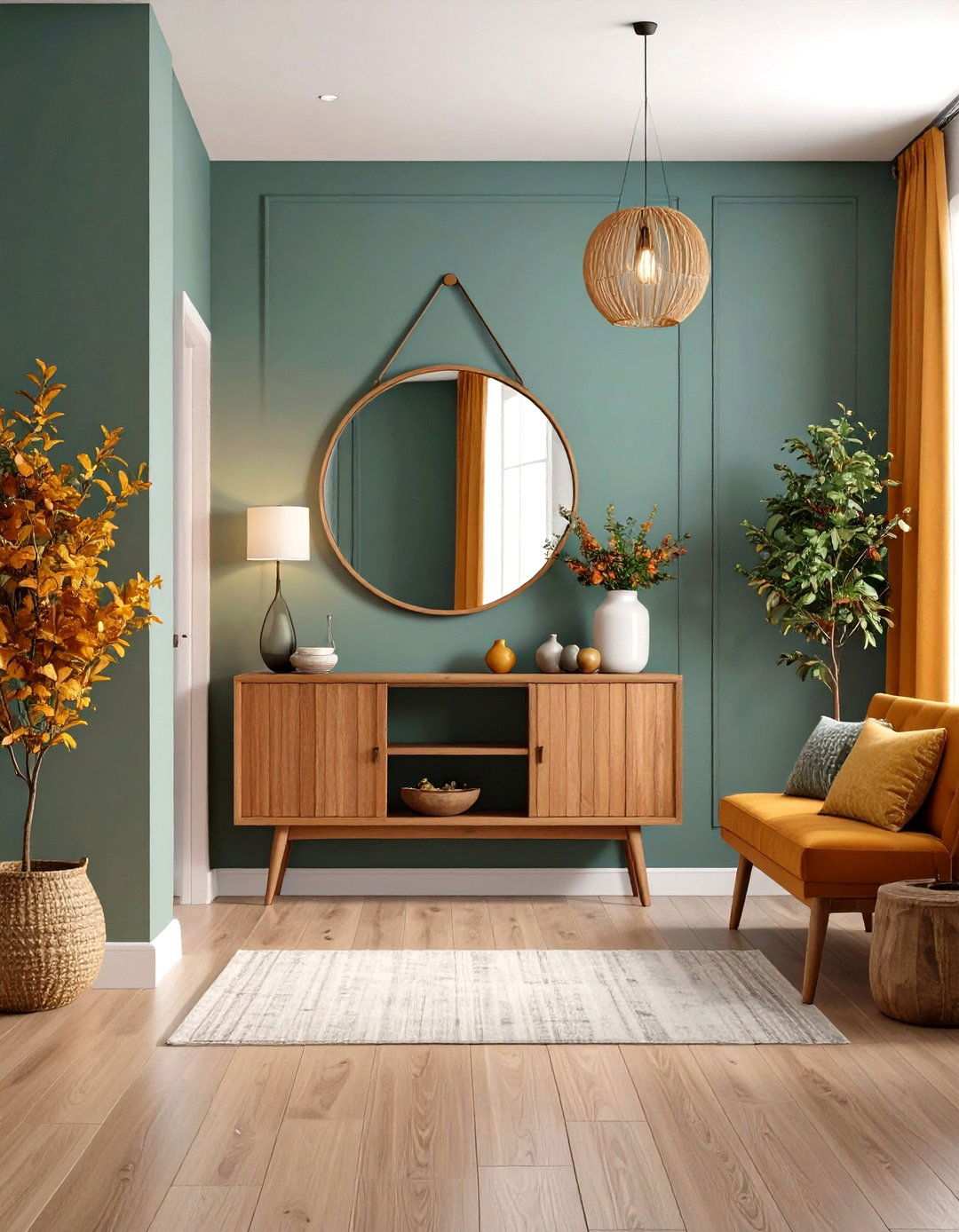
The first impression your entryway makes on guests can set the tone for your entire home, making it a crucial aspect of your transitional interior design. A well-designed entryway not only provides essential functionality for daily comings and goings but also serves as a reflection of your personal style. To achieve this, choose a console table or built-in storage that offers organization for keys, mail, and seasonal items while showcasing meaningful accessories or fresh flowers. Incorporating seating like a bench or chair pair allows for a comfortable spot to put on shoes, while ensuring adequate lighting for both safety and ambiance is crucial. Strategically placing mirrors enlarges the space while providing last-minute appearance checks, and durable flooring materials handle high traffic while maintaining the sophisticated aesthetic that permeates your home.
24. Expanding Your Transitional Design Philosophy to Outdoor Living Spaces
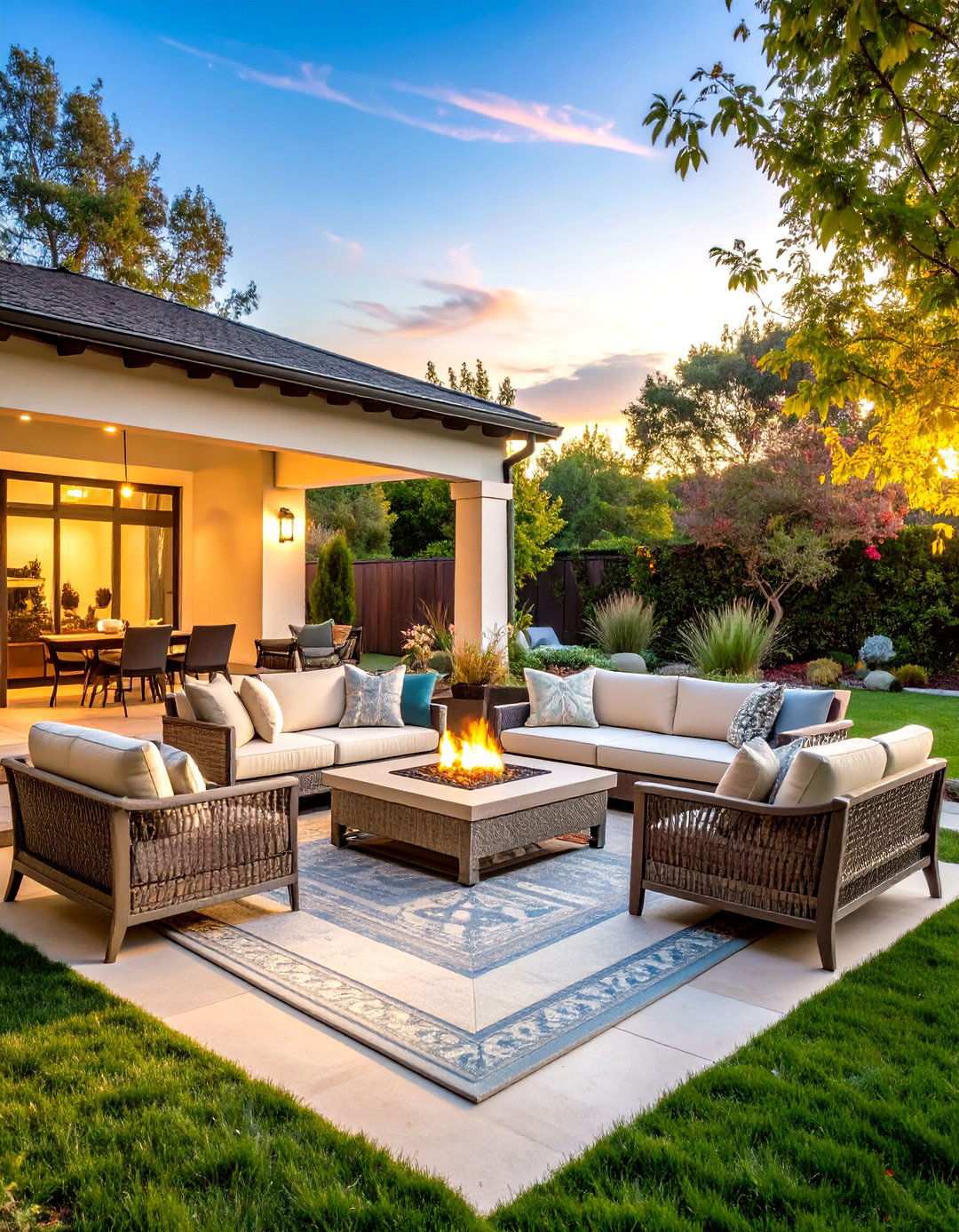
Can your transitional interior design successfully extend to outdoor living spaces, creating a seamless indoor-outdoor flow? Transitional outdoor design seamlessly bridges the gap between indoors and outdoors by employing coordinated color palettes and material selections. Choose weather-resistant furniture with classic proportions and contemporary comfort, incorporating outdoor rugs and textiles that echo your interior color scheme. Built-in features like outdoor kitchens, fire pits, or seating areas provide functionality while creating architectural interest that defines transitional style. By incorporating outdoor lighting, you can extend the usability of your outdoor spaces while providing ambiance for entertaining, ensuring your outdoor rooms feel as thoughtfully designed as your interior spaces.