1. Timeless Minimalist Aesthetic
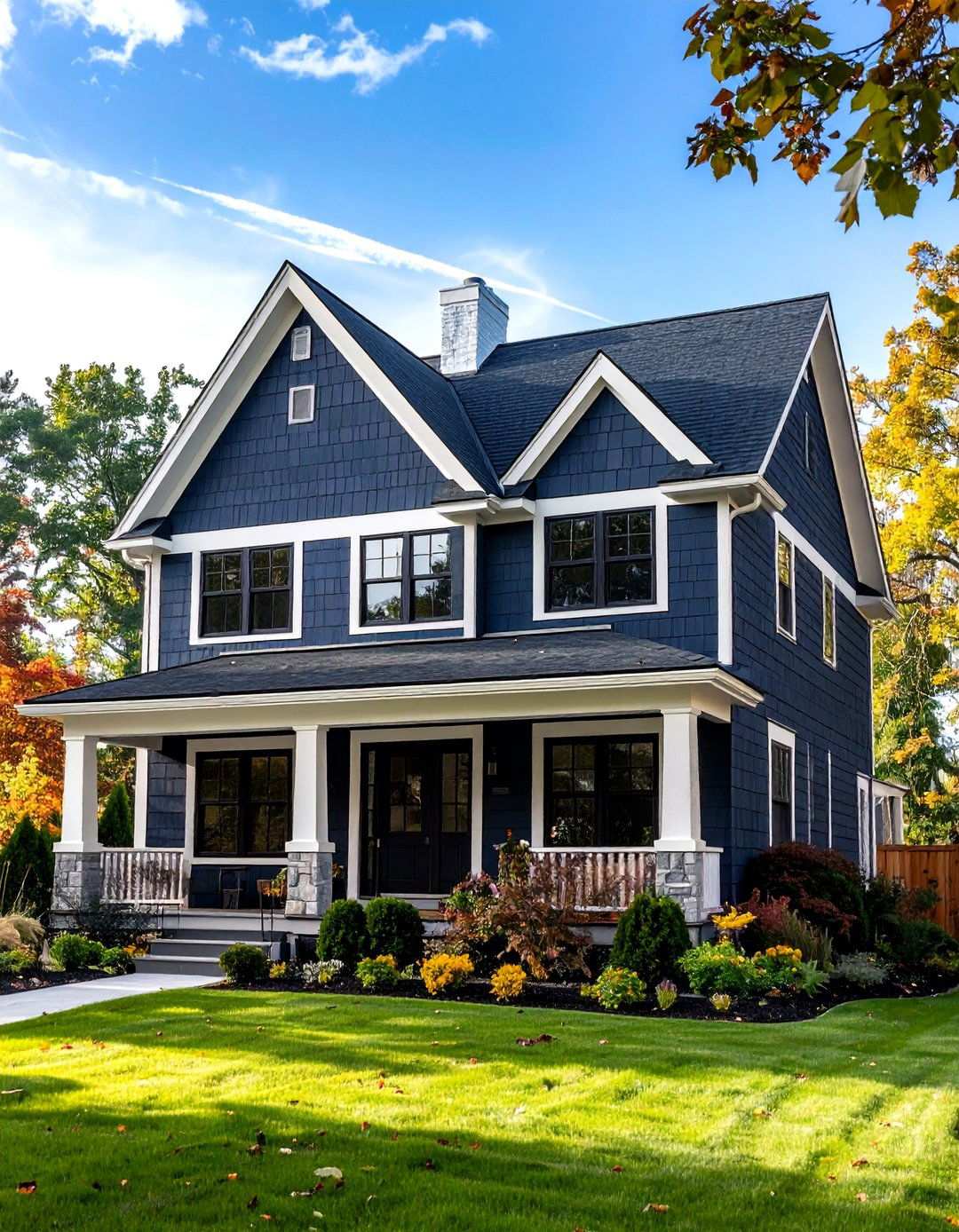
The essence of Scandinavian house exteriors lies in their understated elegance, which seamlessly blends functionality and visual appeal. By embracing a philosophy centered around simplicity, sustainability, and harmony with nature, Scandinavian designs create homes that exude a sense of modernity and timelessness. What sets these exteriors apart is their emphasis on natural materials such as wood, stone, and metal, which are skillfully combined with clean lines and neutral color palettes to create a visually stunning and harmonious whole. By leveraging large windows to maximize natural light and fostering seamless indoor-outdoor connections, Scandinavian exteriors masterfully bring the outdoors in while maintaining a connection to their surroundings. From charming traditional timber homes to sleek contemporary structures, Scandinavian designs offer a wealth of possibilities for creating striking yet practical homes that stand the test of time.

As an Amazon Associate I earn from qualifying purchases.
2. Dramatic Contrast with Dark Facades
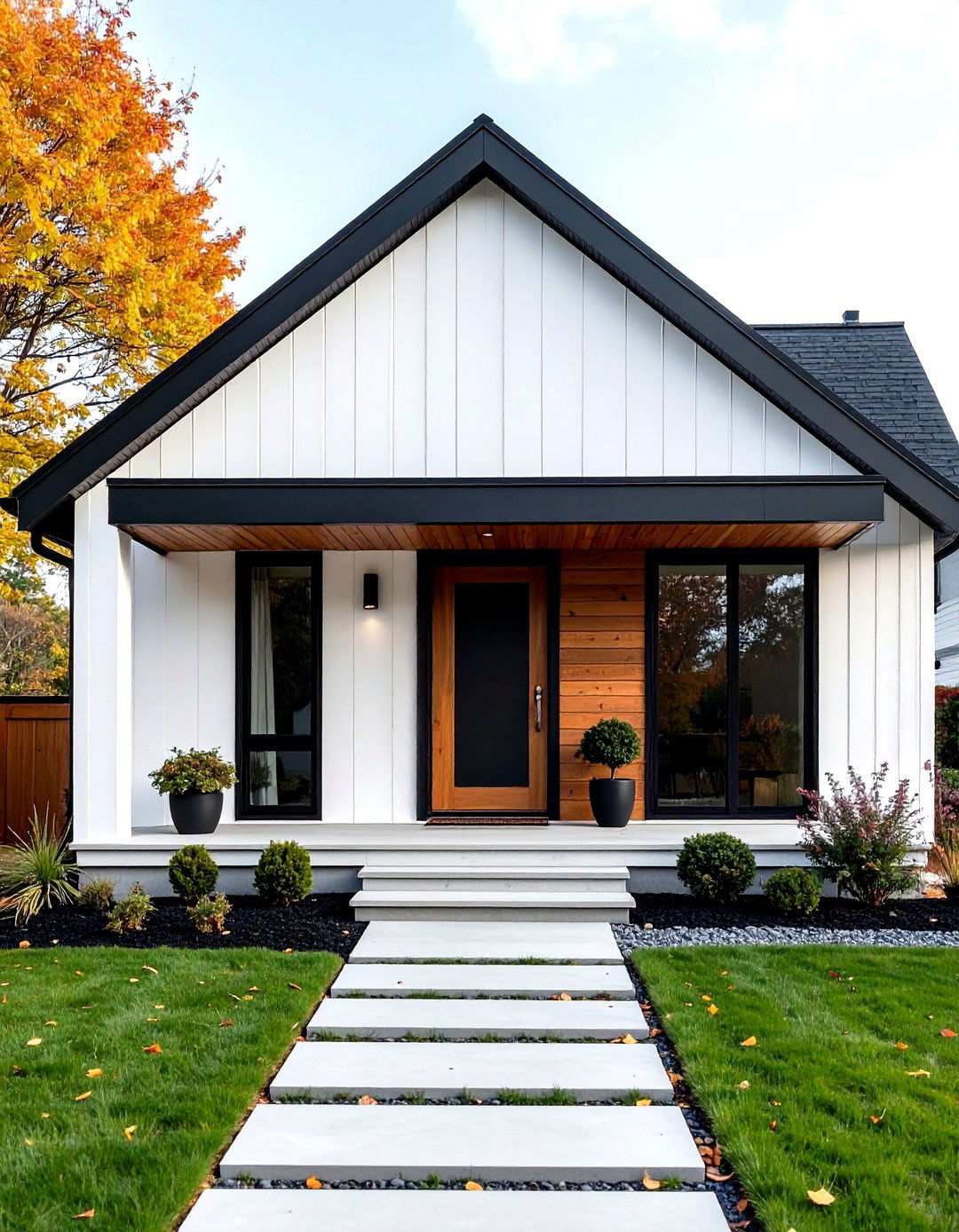
Imagine your home as a striking canvas, painted in crisp, pure white that embodies the very essence of Scandinavian simplicity. This elegant approach creates a clean and airy backdrop that perfectly showcases natural light throughout the seasons, imbuing your home with a sense of warmth and welcoming comfort. By combining the white facade with natural wood accents around windows and doors, you add a touch of warmth and coziness to the minimalist aesthetic, creating a harmonious balance between contrast and cohesion. Large windows become dramatic black frames against the white surface, creating a striking visual contrast that floods interiors with light while adding an element of sophistication to the overall design. This timeless design choice offers the perfect canvas for seasonal landscaping changes, which can transform your home’s character and personality throughout the year.
3. Bold Statement with Charred Wood Cladding
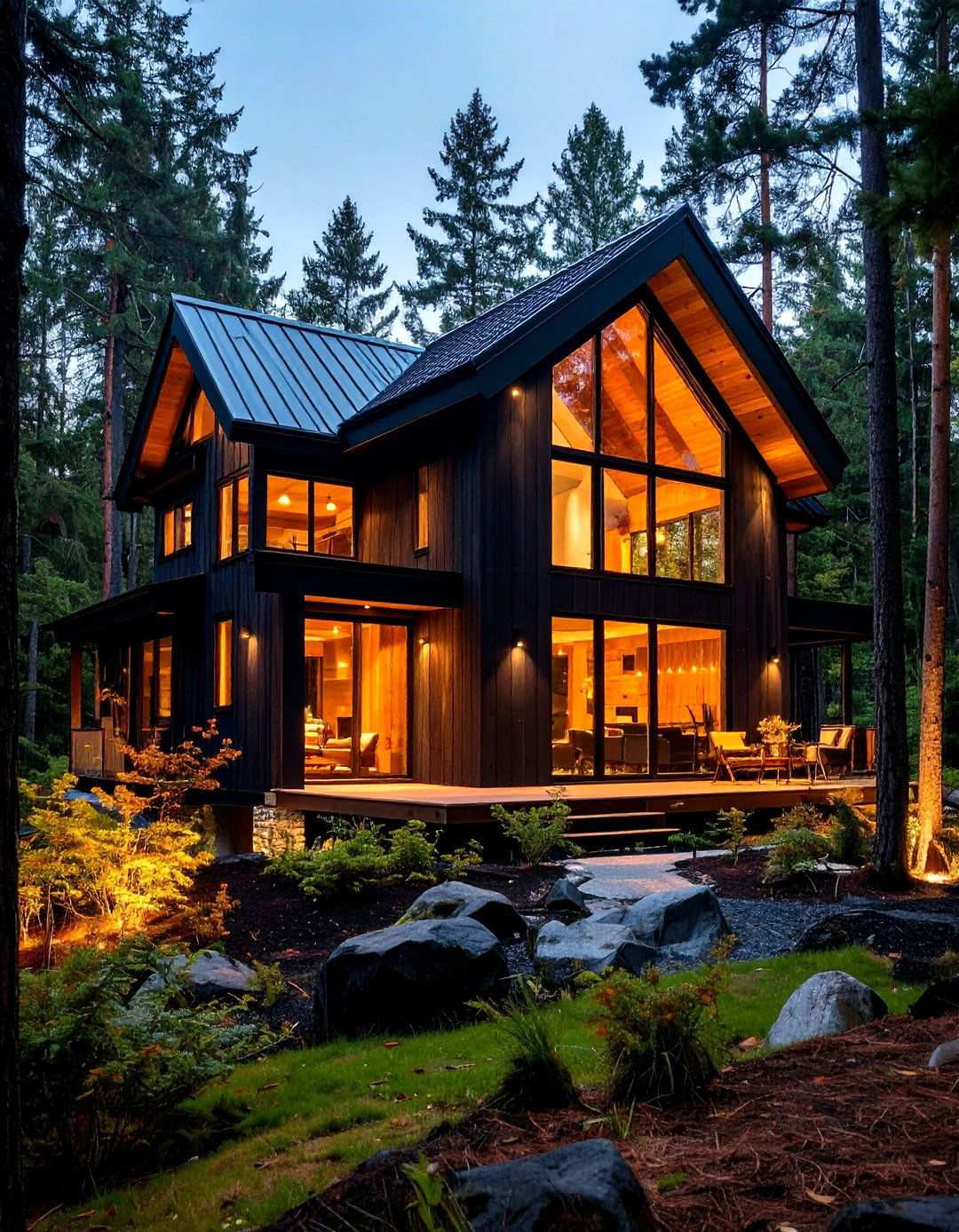
Picture your home draped in deep, rich black timber cladding, making a bold statement against any landscape. This dramatic approach leverages charred or painted wood siding to achieve a sophisticated exterior that stands out while remaining loyal to Scandinavian principles. By harnessing the natural texture of wood and the visual impact of dark colors, this design choice creates a stunning visual contrast against snow or greenery, while metal roofing in matching black tones completes the monochromatic scheme. Strategically placed lighting highlights the wood’s natural texture, creating a sense of depth and visual interest that adds to the overall allure of the design. This timeless design choice works beautifully for both contemporary and traditional home styles, offering a sense of sophistication and elegance that never feels outdated.
The Timeless Charm of Natural Cedar Wood Siding
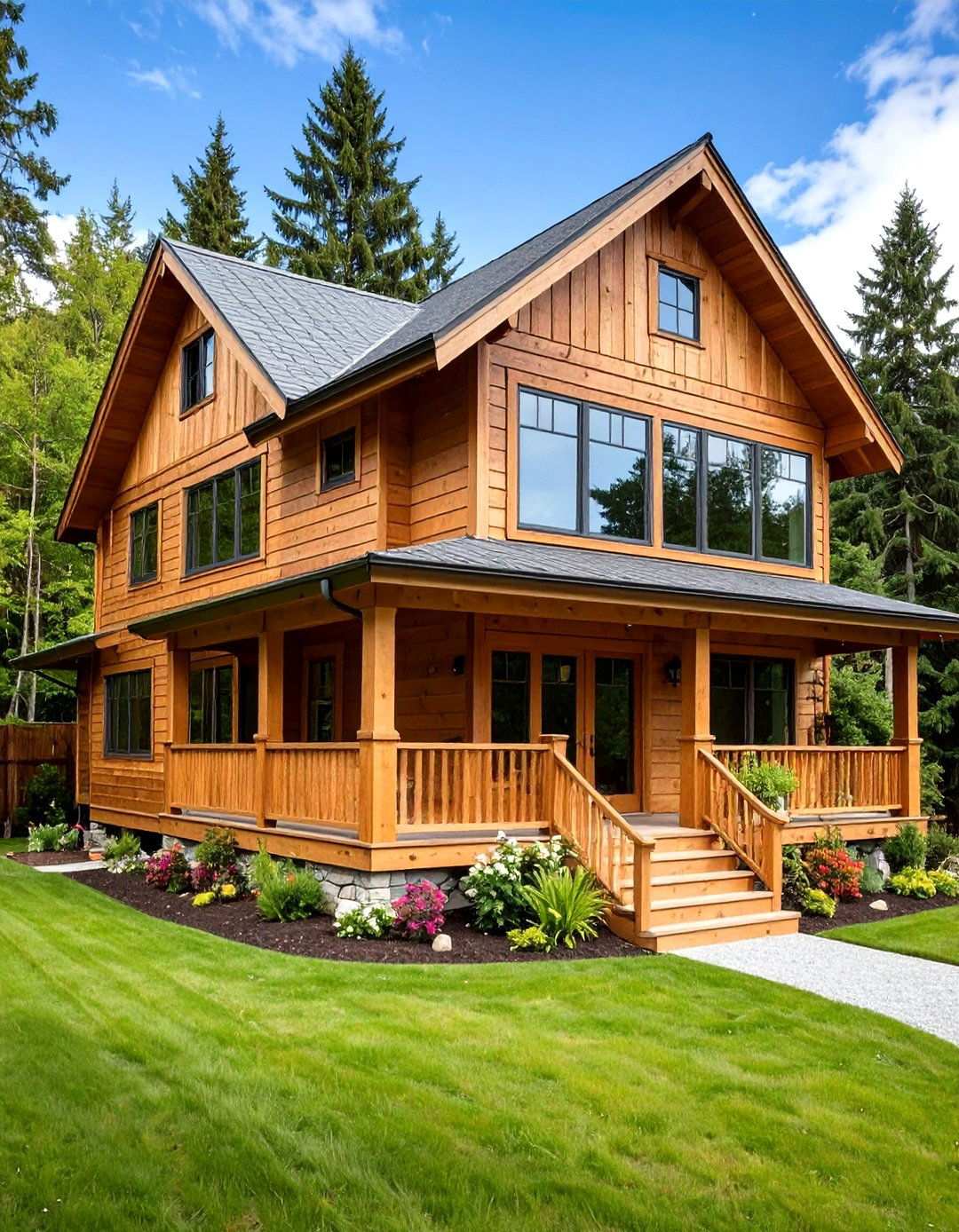
As a home’s exterior succumbs to the elements, the natural aging process of cedar wood siding unfolds like a masterpiece, imbuing the facade with an undeniable sense of warmth and character. This organic approach to exterior design celebrates the intrinsic beauty of weathering wood, allowing the material to mature into a striking silver-gray patina that serves as a testament to the passage of seasons. The horizontal or vertical cedar planks create clean, geometric lines while adding depth and visual appeal, punctuated by large picture windows that frame interior vistas while maintaining the connection to nature. This eco-friendly choice not only boasts an attractive appearance but also provides superior insulation properties, making it a practical and environmentally conscious option for year-round comfort.
4. The Harmonious Union of Stone and Wood Cladding
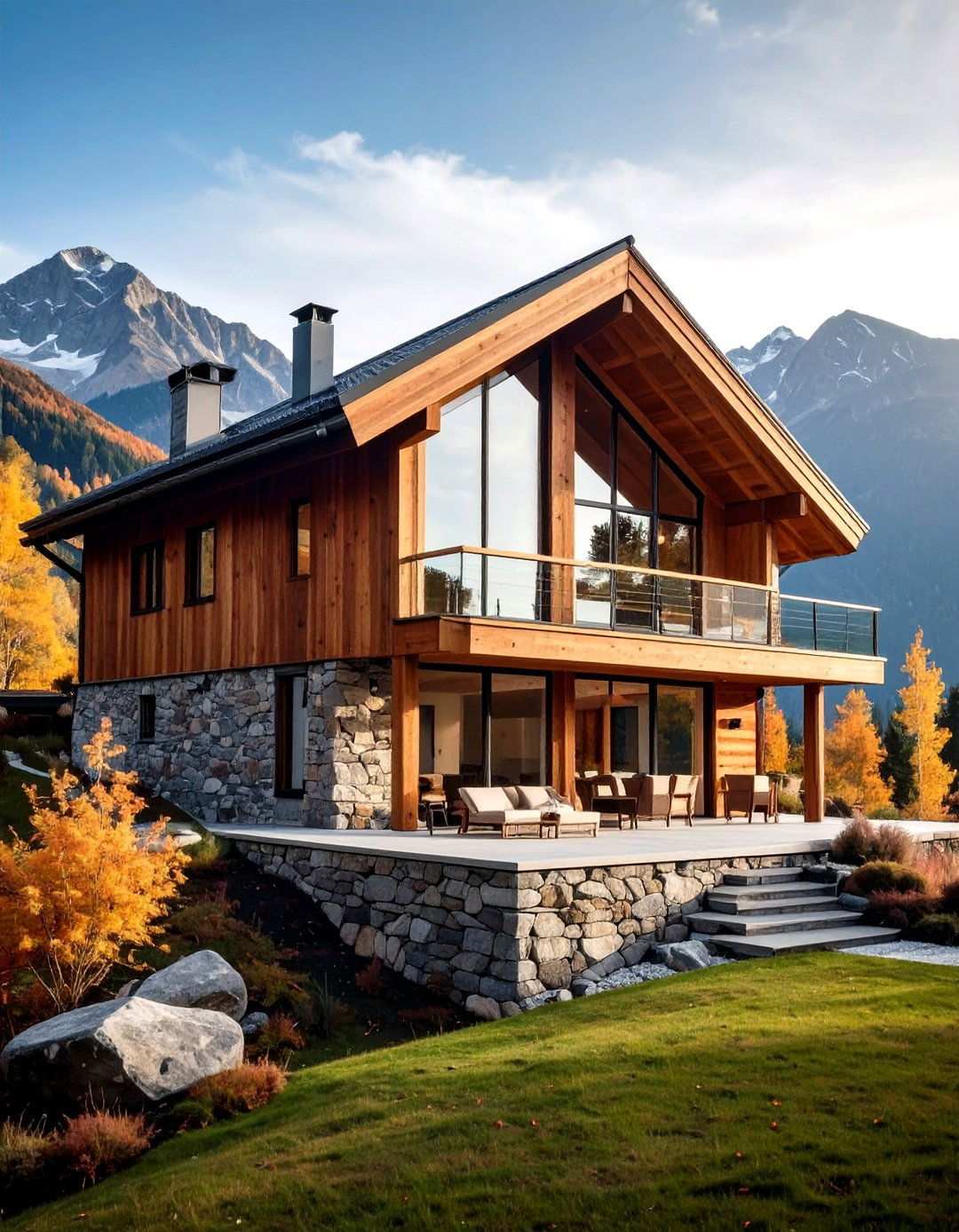
When natural stone and timber cladding come together, a compelling aesthetic emerges, one that feels both grounded and organic. This unique combination draws inspiration from traditional Nordic building techniques, where the rugged beauty of stone veneer or natural fieldstone provides a solid foundation, while the warmth of wood siding adds visual lightness to upper levels. The contrasting textures and materials work in perfect harmony, with the stone offering durability and the wood providing insulation and visual appeal. This approach is particularly well-suited for homes situated in forested or mountainous settings, where the materials echo the surrounding natural environment while creating a sophisticated architectural statement that honors the beauty of nature.
5. The Futuristic Elegance of Contemporary Metal and Glass
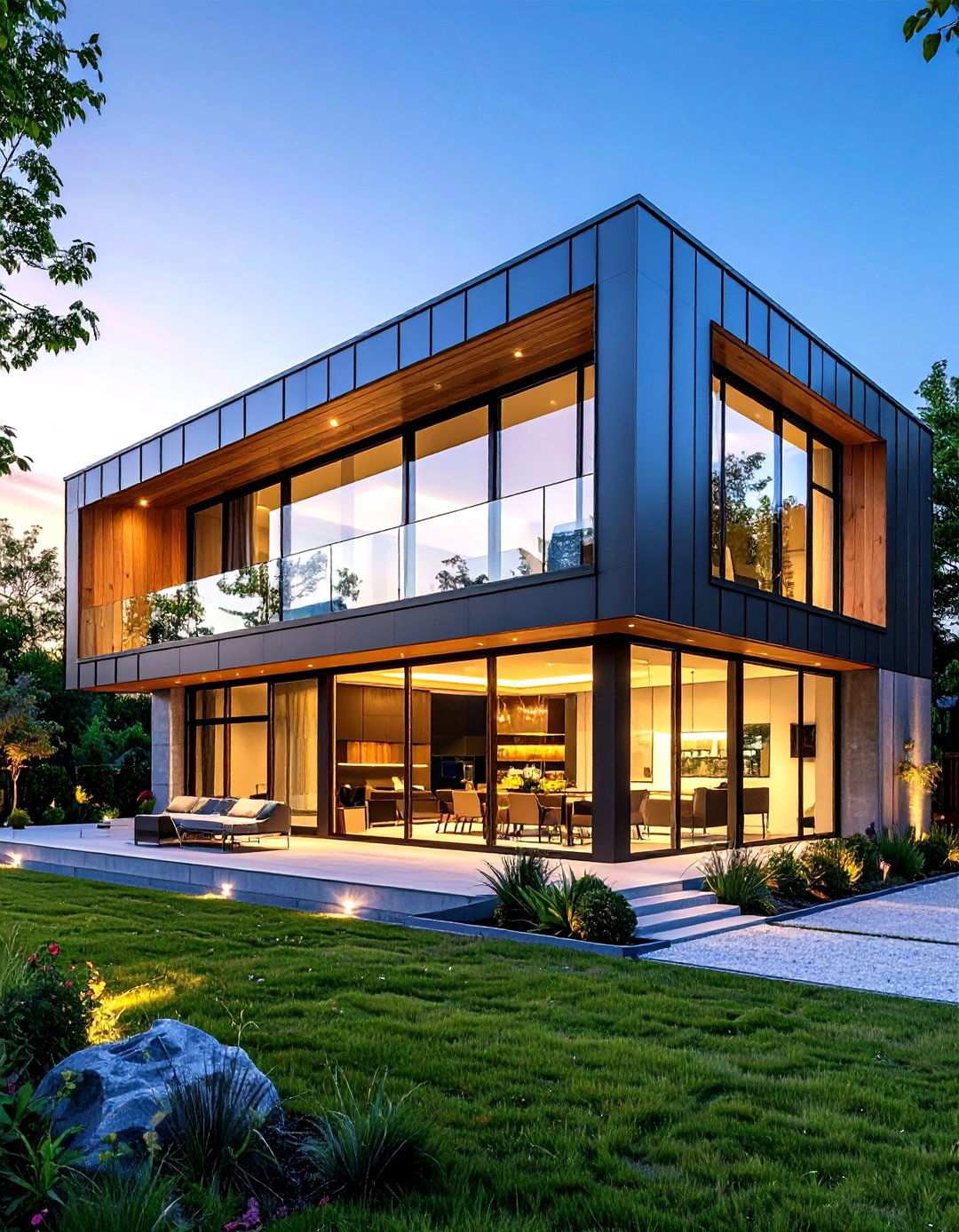
In the pursuit of modern design, Scandinavian simplicity principles meet cutting-edge architecture in the form of sleek metal panels and expansive glass surfaces. This ultra-modern approach creates homes that feel like sophisticated retreats while maintaining a deep connection to the natural world. Standing seam metal roofing extends down walls, creating seamless transitions that emphasize clean geometric lines, while floor-to-ceiling glass windows maximize natural light and create stunning views, blurring the boundaries between interior and exterior spaces. The metal’s reflective qualities change throughout the day, creating dynamic visual interest while requiring minimal maintenance. This design philosophy is particularly well-suited for homeowners who appreciate the intersection of cutting-edge architecture and Scandinavian traditions of functionality and connection to nature.
6. Embracing Timeless Scandinavian Style
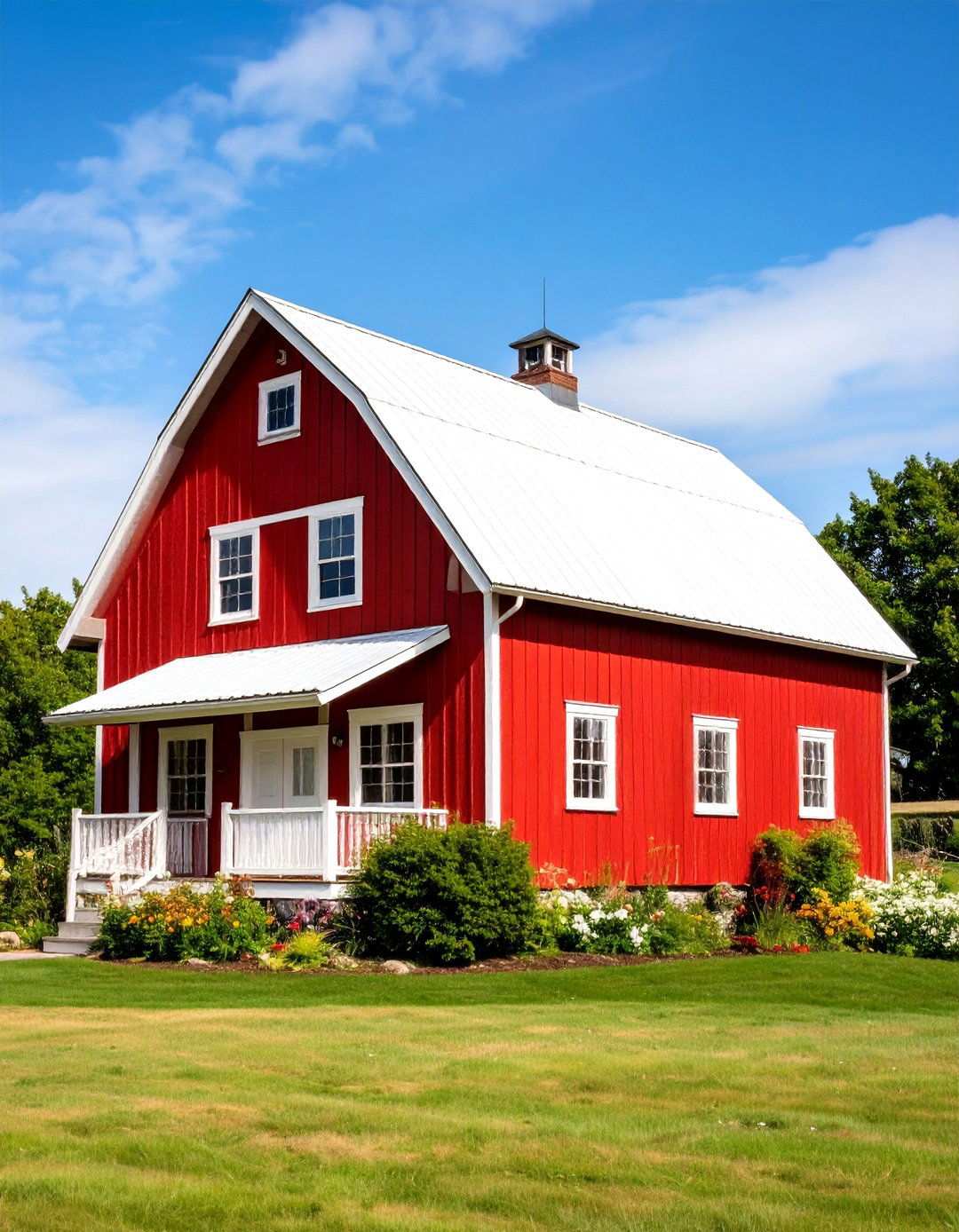
For those seeking to blend traditional Scandinavian heritage with modern sensibilities, the iconic Falu red color presents an intriguing opportunity. Originating from copper mine pigments, this distinctive hue has safeguarded and enhanced Nordic homes for centuries. The rich, earthy red creates a captivating visual contrast when paired with crisp white trim and natural wood accents, instantly transporting viewers to the picturesque countryside landscapes of Sweden and Norway. This classic color combination pairs seamlessly with both horizontal and board-and-batten siding applications, while white-framed windows introduce clean visual breaks. Furthermore, the pigments’ natural protective qualities ensure long-lasting color vibrancy even under harsh weather conditions.
7. Architectural Elements of Scandinavian Design
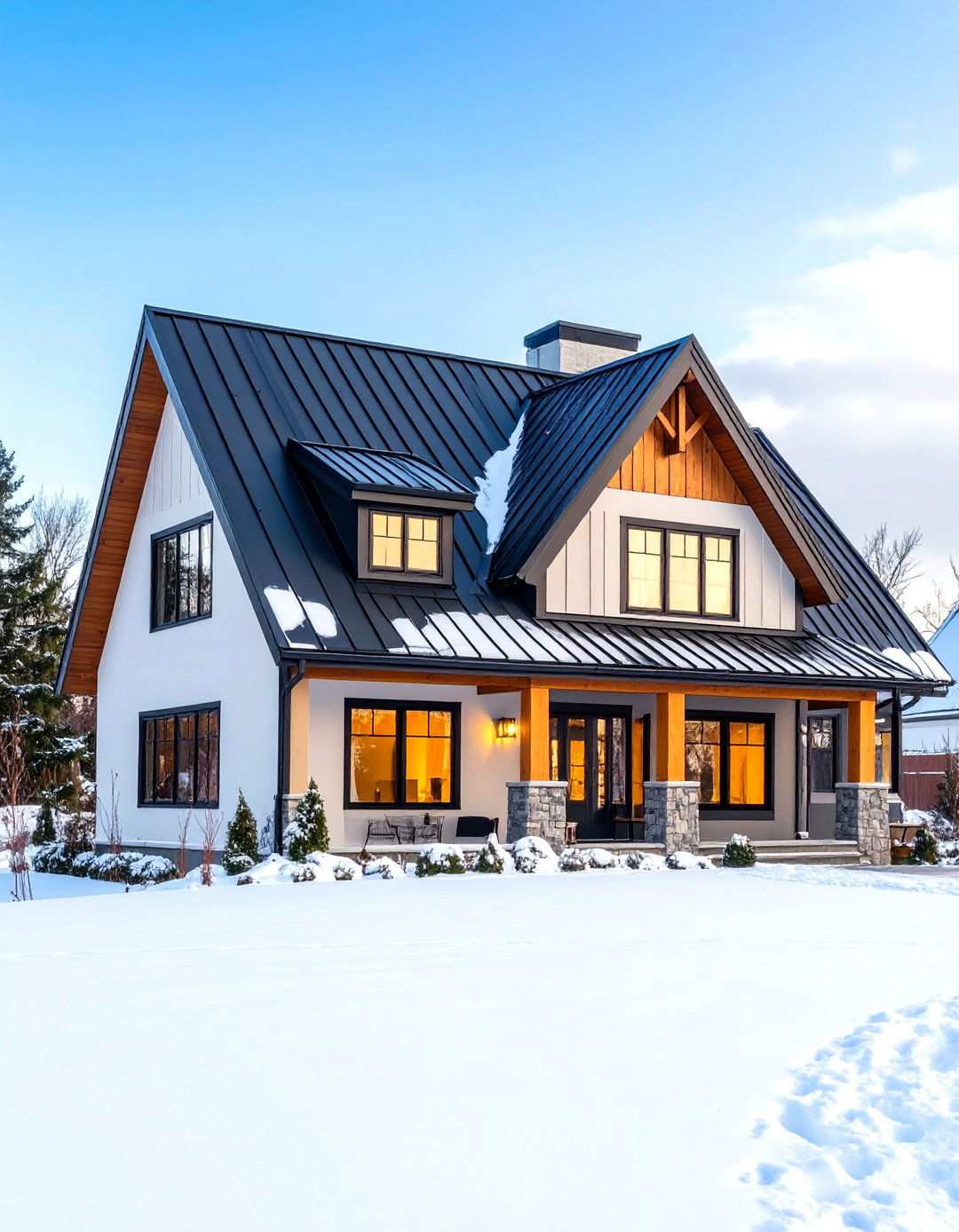
The steep gabled roof is perhaps the most distinctive architectural feature of Scandinavian homes, efficiently shedding snow and rain while creating striking visual silhouettes against the sky. Beyond its functional benefits, this iconic design element adds an air of drama and elegance to the home’s exterior. The steep pitch of the roof enables the creation of cathedral ceilings, maximizing interior space while adding an element of grandeur. A dark charcoal or black metal roof provides durability and clean lines, while the roof’s geometric shape casts intricate shadow patterns on facade walls throughout the day. Incorporating large dormer windows can further enhance natural light and visual interest, making this design element suitable for both traditional and contemporary homes.
8. Exploring Contemporary Roof Geometry
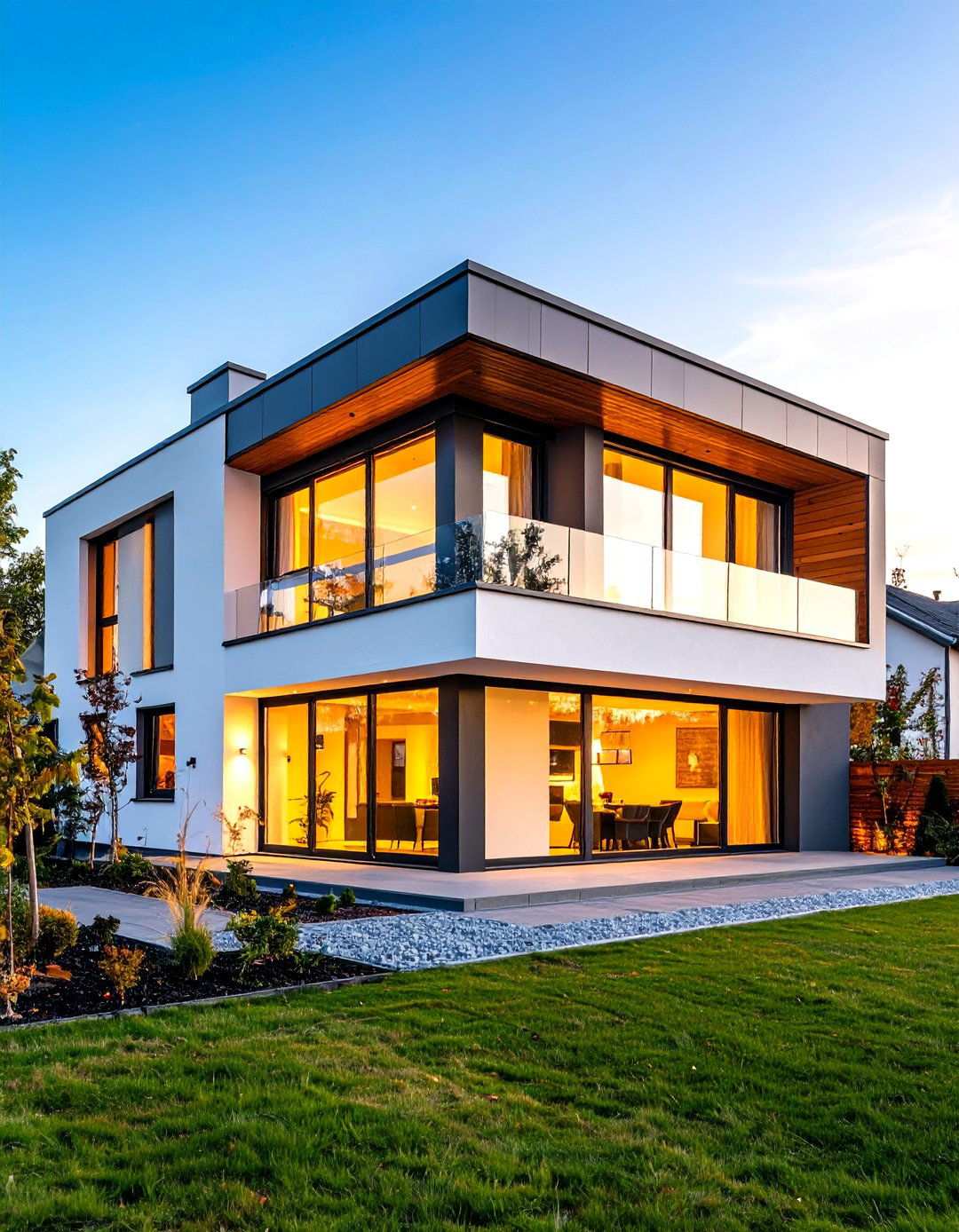
For those looking to subvert traditional expectations, a sleek flat roof offers a compelling alternative. By emphasizing horizontal planes, this design choice creates opportunities for rooftop gardens or solar panel installation, adding a touch of modernity to the home’s design. The flat roofline allows for floor-to-ceiling windows that wrap around corners, flooding the interior with natural light and blurring the boundaries between indoors and outdoors. Parapet walls create clean edges while concealing rooftop mechanicals, maintaining the minimalist aesthetic. This design choice is particularly well-suited to urban settings or homes with breathtaking views, where the horizontal emphasis directs attention to the surrounding landscape rather than the roof itself. Modern roofing materials such as standing seam metal or membrane roofing ensure the home remains weather-tight and secure.
9. Seamless Integration with Nature
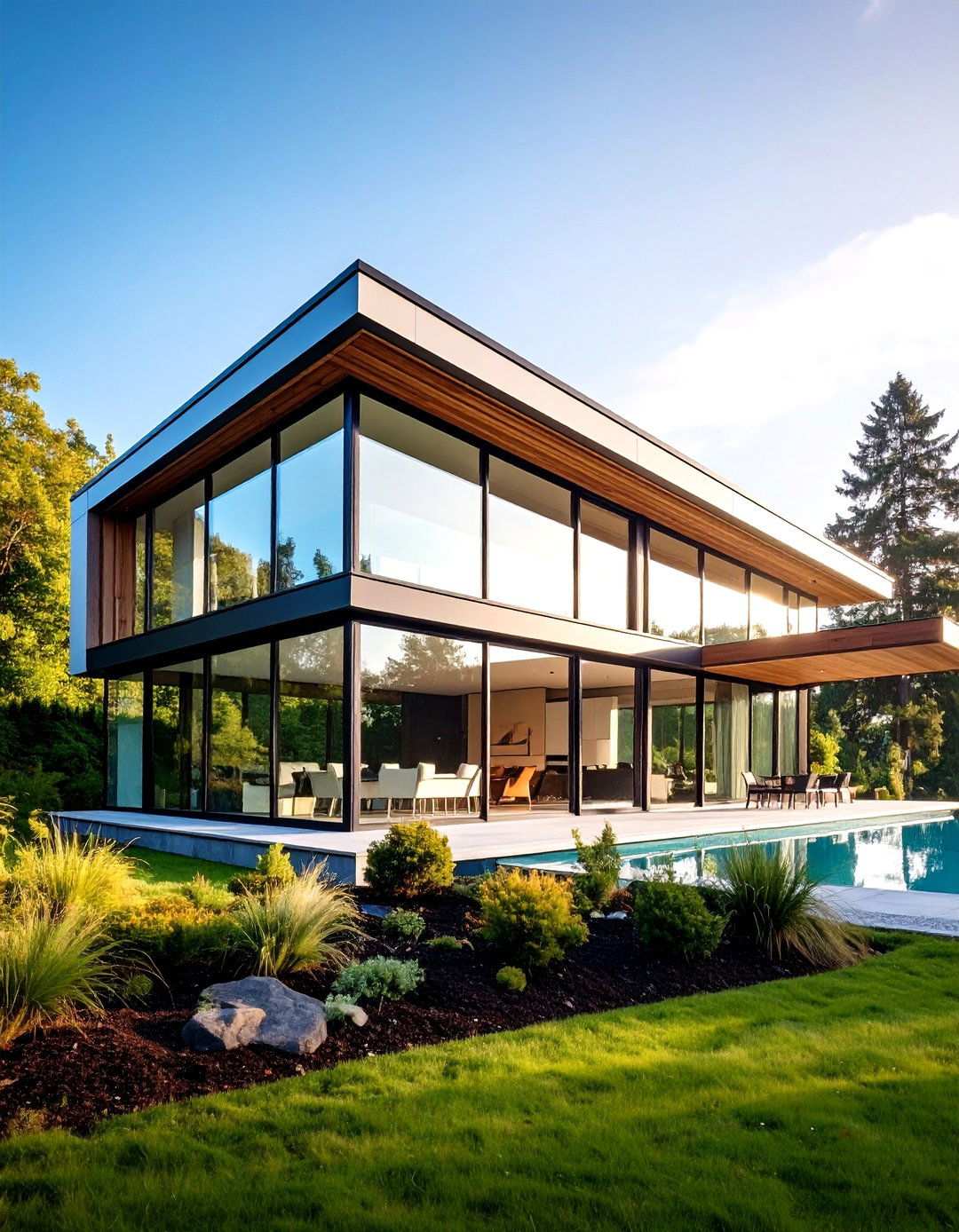
Envision a home where the boundaries between indoors and outdoors blur, creating an immersive connection with nature. By embracing expansive glass walls, homeowners can maximize natural light, showcase their interior design, and enjoy year-round views of changing seasons. Large structural glazing systems allow for seamless glass walls that span entire facade sections with minimal support from structural elements. This design approach works particularly well when paired with beautiful natural materials and thoughtful interior design. Energy-efficient glazing ensures a comfortable indoor climate, while the visual connection to nature provides a range of psychological benefits. However, careful consideration is required to balance privacy and solar control, which ultimately rewards homeowners with stunning light-filled spaces that embody the essence of Scandinavian living.
10. Harmonious Material Combinations
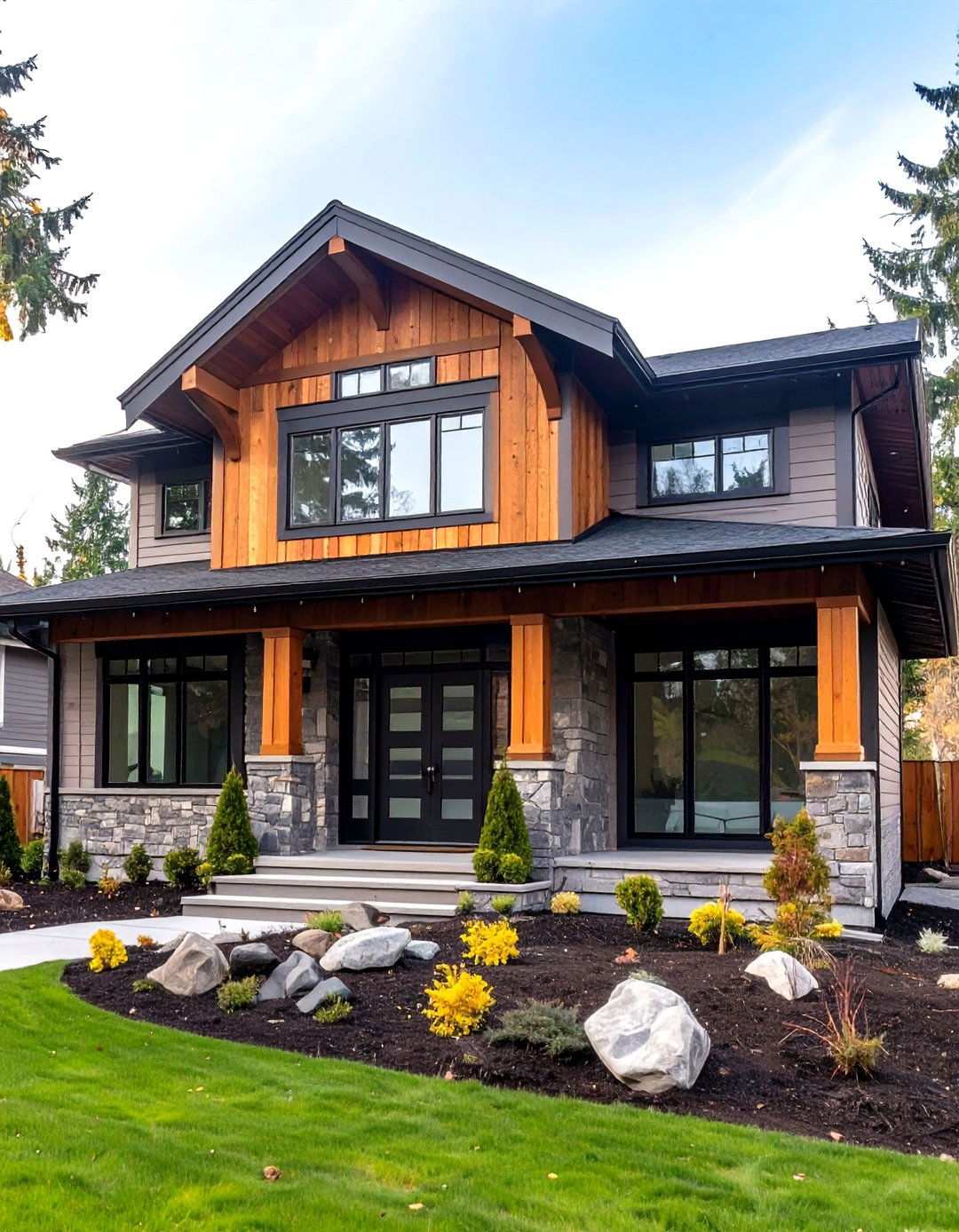
Picture a home where diverse materials come together in a carefully choreographed dance, creating a visually dynamic facade. This sophisticated approach uses different materials to define distinct architectural zones while maintaining overall design cohesion. Vertical wood siding can anchor the main living areas, while metal panels highlight stairwells or utility zones, and stone veneer grounds the foundation. The key to success lies in selecting materials with complementary tones and textures that work together in perfect harmony. Strategic placement creates visual interest without appearing chaotic, as each material serves specific functional purposes. This approach allows homeowners to express their creativity while honoring the principles of Scandinavian design, which emphasizes the use of natural materials and purposeful design.
11. Coastal Elegance Inspired by Nordic Tradition
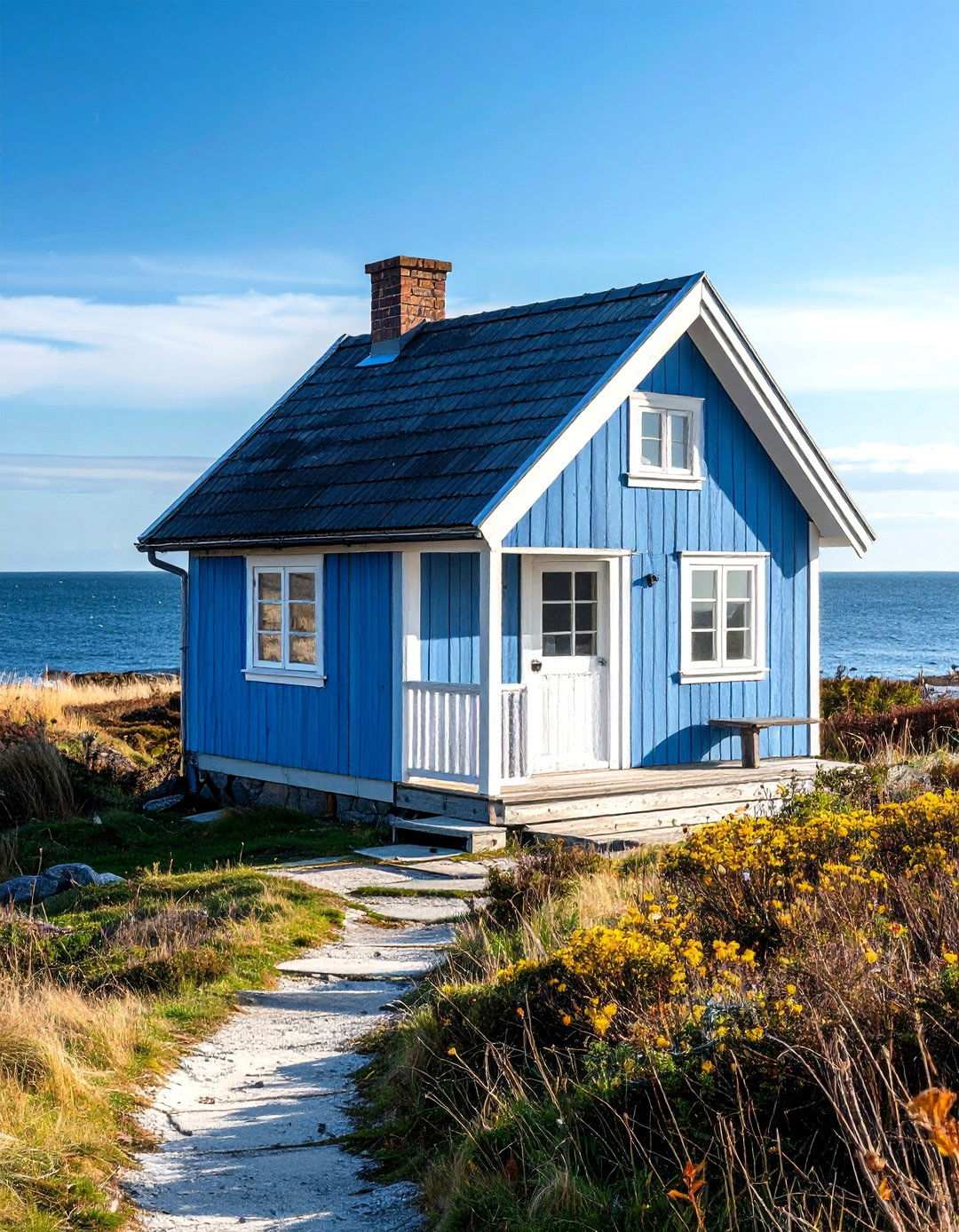
Imagine a home that captures the essence of seaside Nordic living, with weathered wood siding and soft blue-gray accents that evoke the charm of traditional fishing villages. This captivating approach draws inspiration from the need for homes to withstand the harsh conditions of salt air and coastal storms. Natural wood siding weathers to beautiful silver tones, while painted trim in soft blues, grays, or traditional white creates crisp contrast. The materials and colors reflect the coastal environment, with shingle roofs and simple geometric forms that feel both timeless and fitting. Large windows capture ocean views and natural light, while covered porches provide shelter from the coastal weather. This style works beautifully for vacation homes or permanent residences near water, offering a unique blend of coastal charm and Nordic sophistication.
12. Forest Retreat Architecture
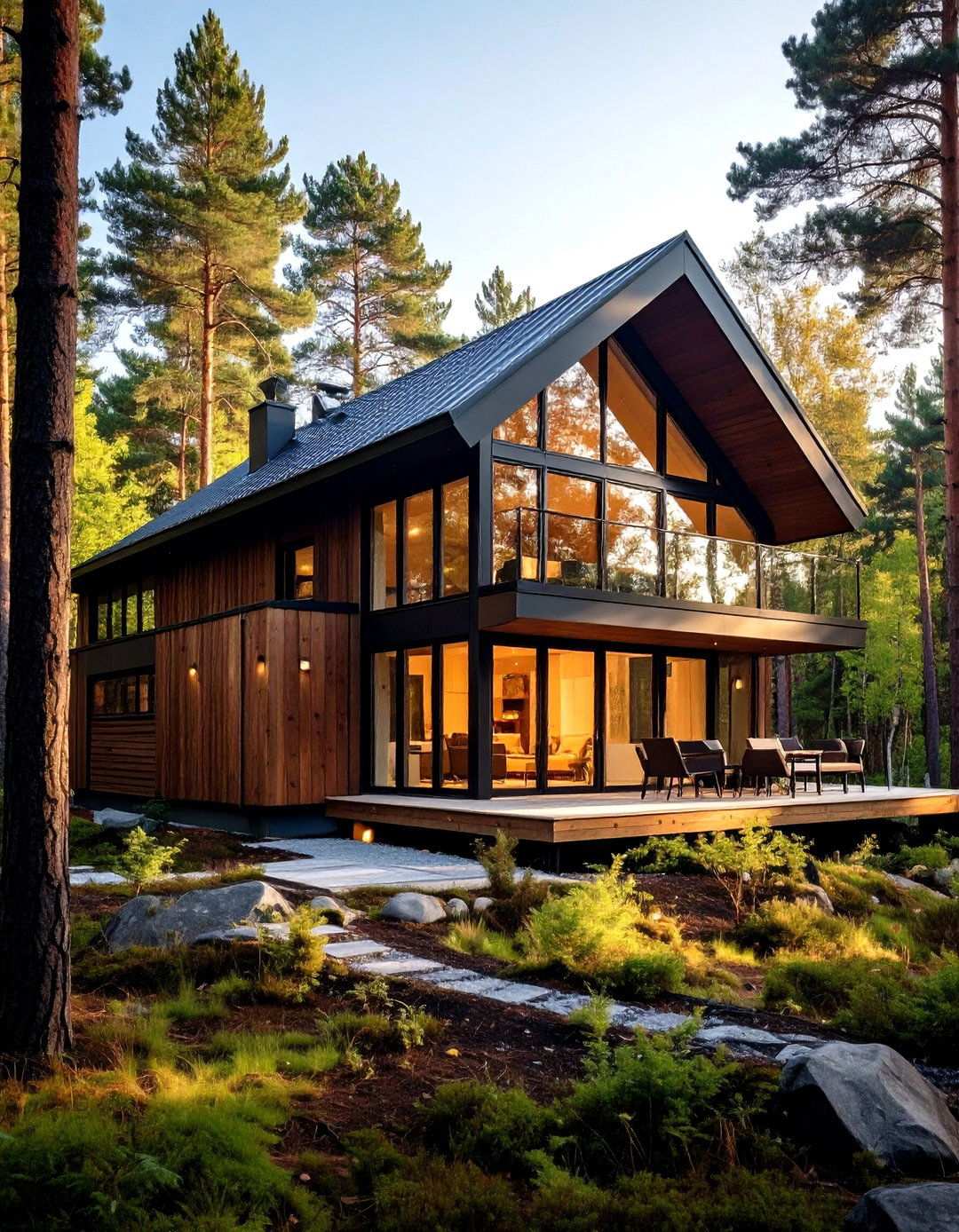
Crafting a harmonious balance between modern comforts and the natural surroundings of a forest, forest retreat designs take a thoughtful approach to blending in. By incorporating materials that seamlessly integrate with the environment, homes are able to recede subtly into the forest, fostering a sense of unity with nature. Strategically placed windows not only frame picturesque views but also ensure the residents’ privacy. Green roofs, planted with native flora, provide insulation while supporting the local ecosystem. The color palette, inspired by the ever-changing hues of the forest, features rich browns, mossy greens, and weathered grays that adapt to the shifting seasonal lighting. This approach enables homes to become an organic extension of their surroundings, paying homage to the Scandinavian philosophy of living in harmony with nature.
13. Urban Minimalist Design
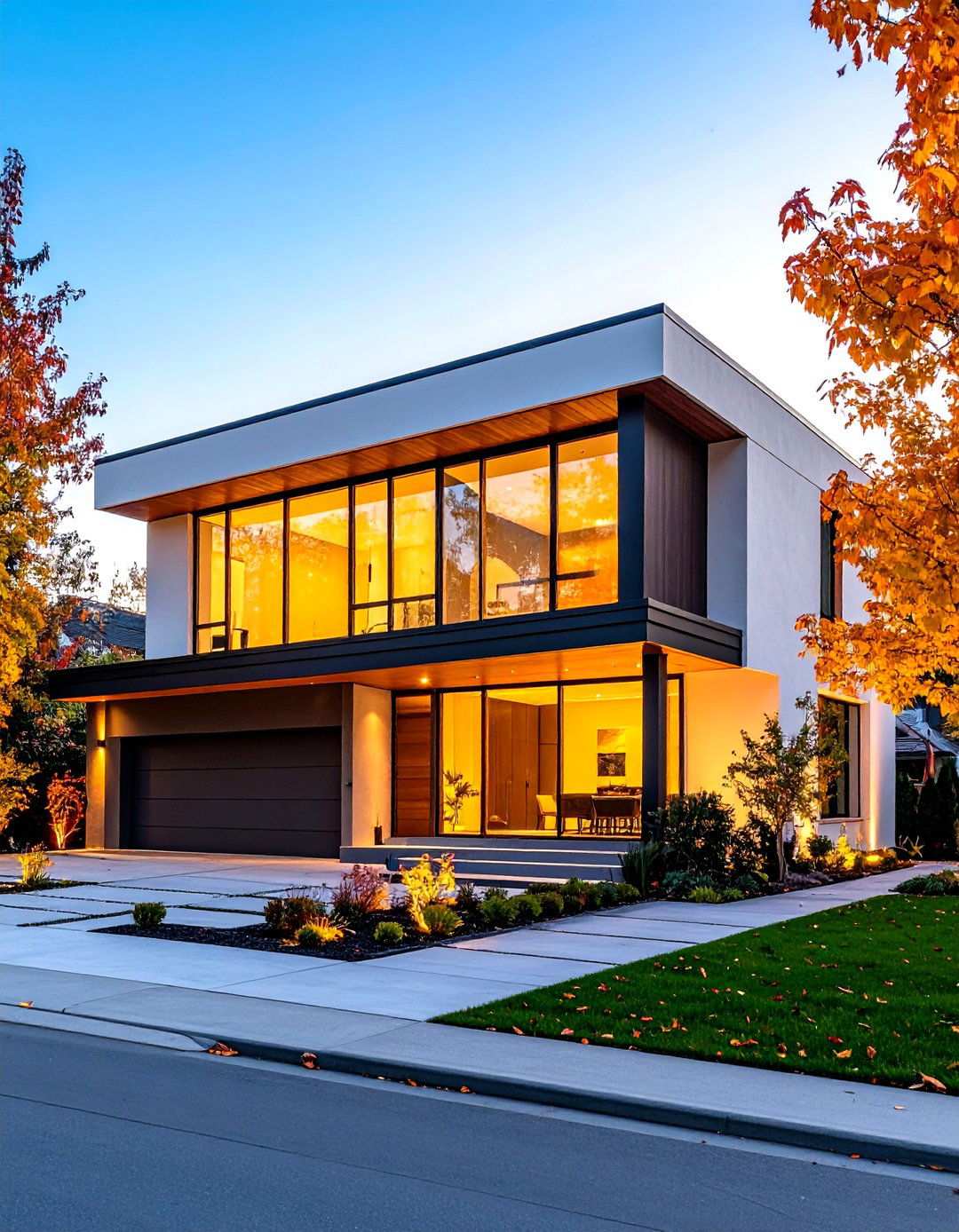
Scandinavian design principles can be successfully translated to urban environments, where space is limited and context is critical. Urban minimalist designs prioritize clean lines, neutral hues, and efficient use of space, while still retaining the essence of Nordic character. Smooth stucco or fiber cement siding in crisp white or light gray creates a striking visual impact, reflecting city lights beautifully. Large windows maximize natural light in compact spaces, while minimal architectural details maintain focus on proportion and materials. Flat or shed roofs offer opportunities for green roofs or terraces, proving that Scandinavian design principles can create sophisticated homes in any setting, be it urban or rural.
14. Symmetrical Composition Focus
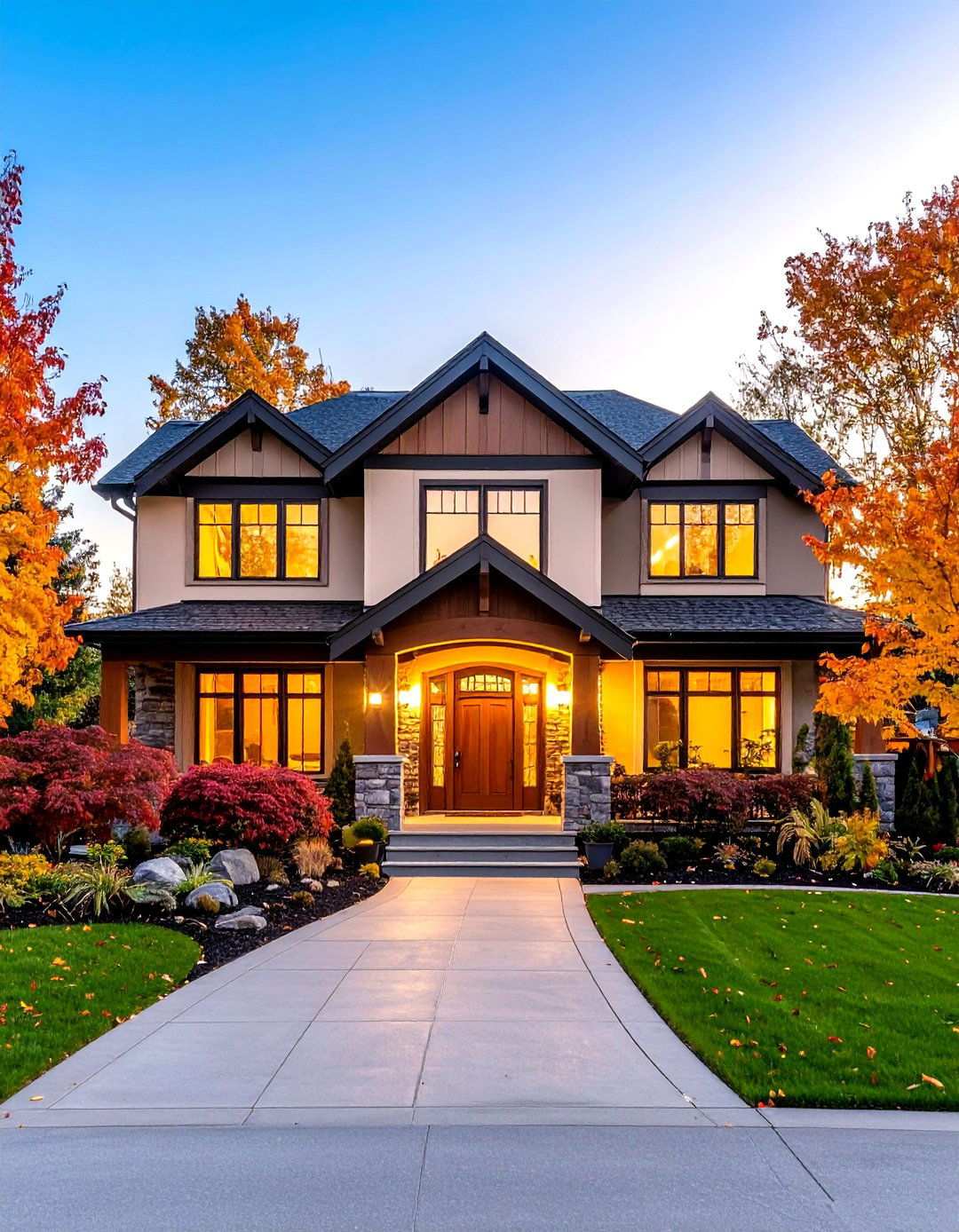
The key to creating a sense of balance and harmony in home design lies in the careful balancing of architectural elements. Symmetrical design relies on purposeful placement of features such as evenly spaced windows, centered doorways, and matching roof slopes to achieve visual equilibrium. This timeless approach works beautifully with both traditional and contemporary Scandinavian homes, emphasizing clean lines and purposeful design. The symmetry can range from subtle variations that add interest while maintaining balance to bold, mirror-image compositions. Matching materials and colors across the facade enhance the symmetrical effect, while landscaping can either reinforce or soften the architectural geometry. This enduring approach creates homes with lasting appeal and a dignified presence.
15. Captivating A-Frame Silhouettes
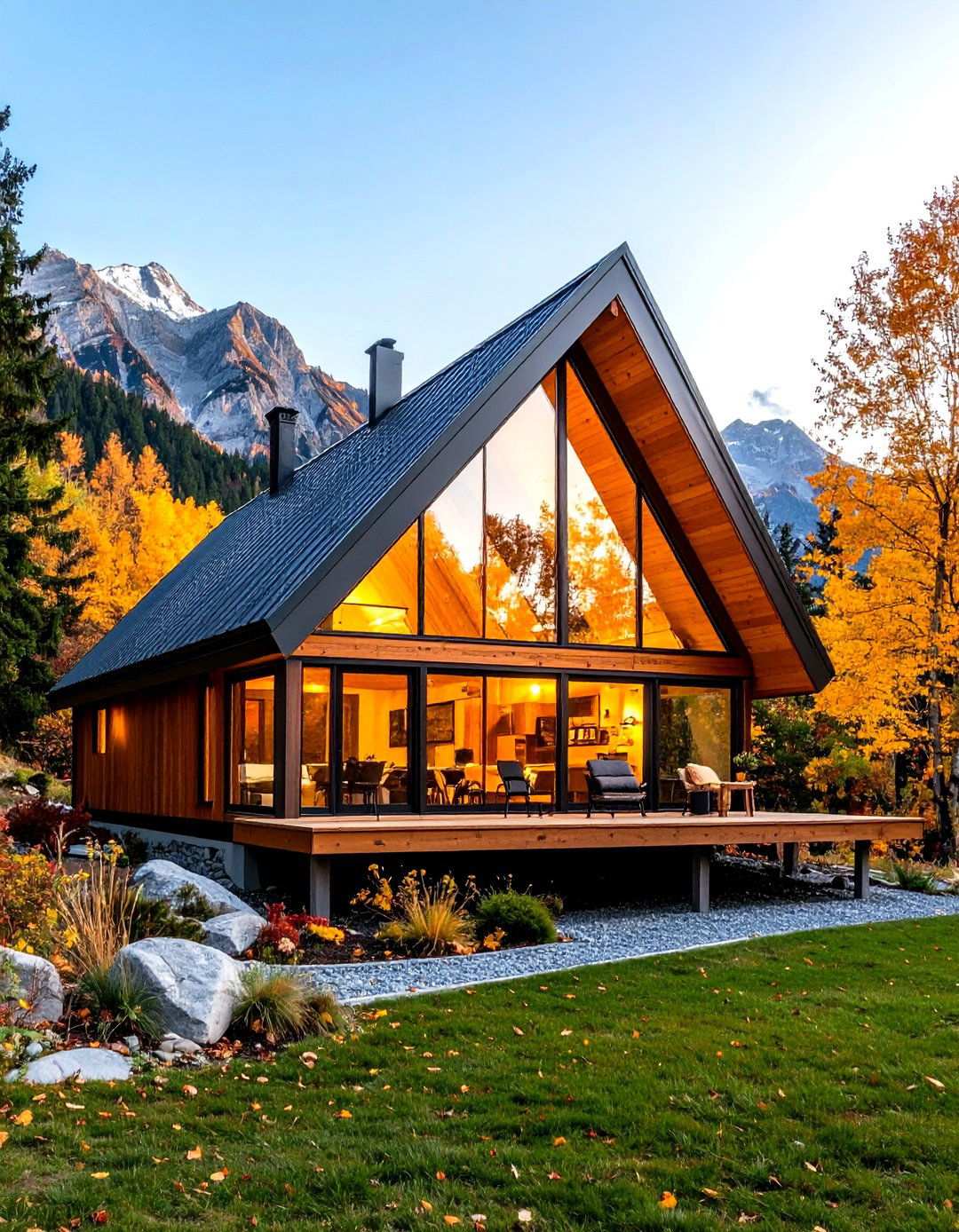
Nordic architectural forms have long been a source of inspiration for designers and homeowners alike. One of the most striking and recognizable forms is the A-frame design, characterized by its dramatic triangular shape. This geometric simplicity creates instant visual impact while providing practical benefits for snowy climates. The steep roof angles of A-frame cabins efficiently shed snow, creating soaring interior spaces with cathedral ceilings that feel expansive and airy. Meanwhile, large glass gable ends flood the interior with natural light, framing the surrounding views and showcasing the beauty of the landscape. By embracing the A-frame design, homeowners can create visually striking and functional homes that blend seamlessly into their surroundings. Modern interpretations of this traditional form often incorporate sleek materials and contemporary details, such as clerestory windows and skylights, to add visual interest and depth.
16. The Allure of Living Green Roofs
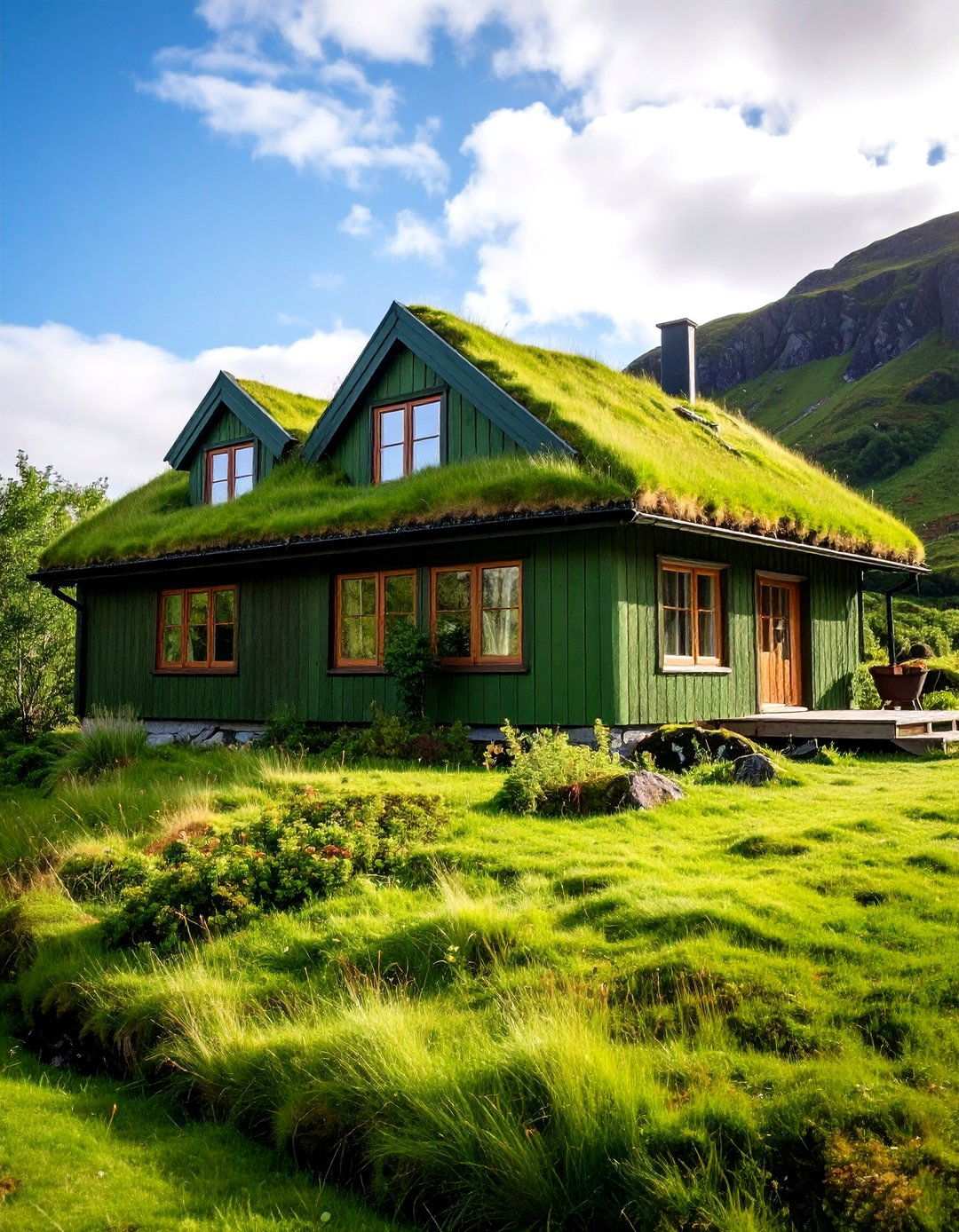
Imagine your home topped with a lush garden that changes with the seasons, providing a unique and captivating visual effect. Green roof systems, inspired by traditional Nordic building wisdom, have become increasingly popular in contemporary homes. By incorporating native grasses, wildflowers, and sedums, homeowners can create living surfaces that not only manage stormwater but also provide habitat for local wildlife and offer superior thermal performance. The visual connection between the home and its landscape is undeniable, creating a sense of harmony and balance. With modern green roof technology, installation and maintenance have become practical and accessible for residential applications. Homeowners can choose from a variety of design options, including walking paths, seating areas, or simple meadow plantings that require minimal care. This sustainable approach to home design not only reflects Scandinavian values of environmental responsibility but also creates homes that grow more beautiful over time.
17. The Power of Monochromatic Color Schemes
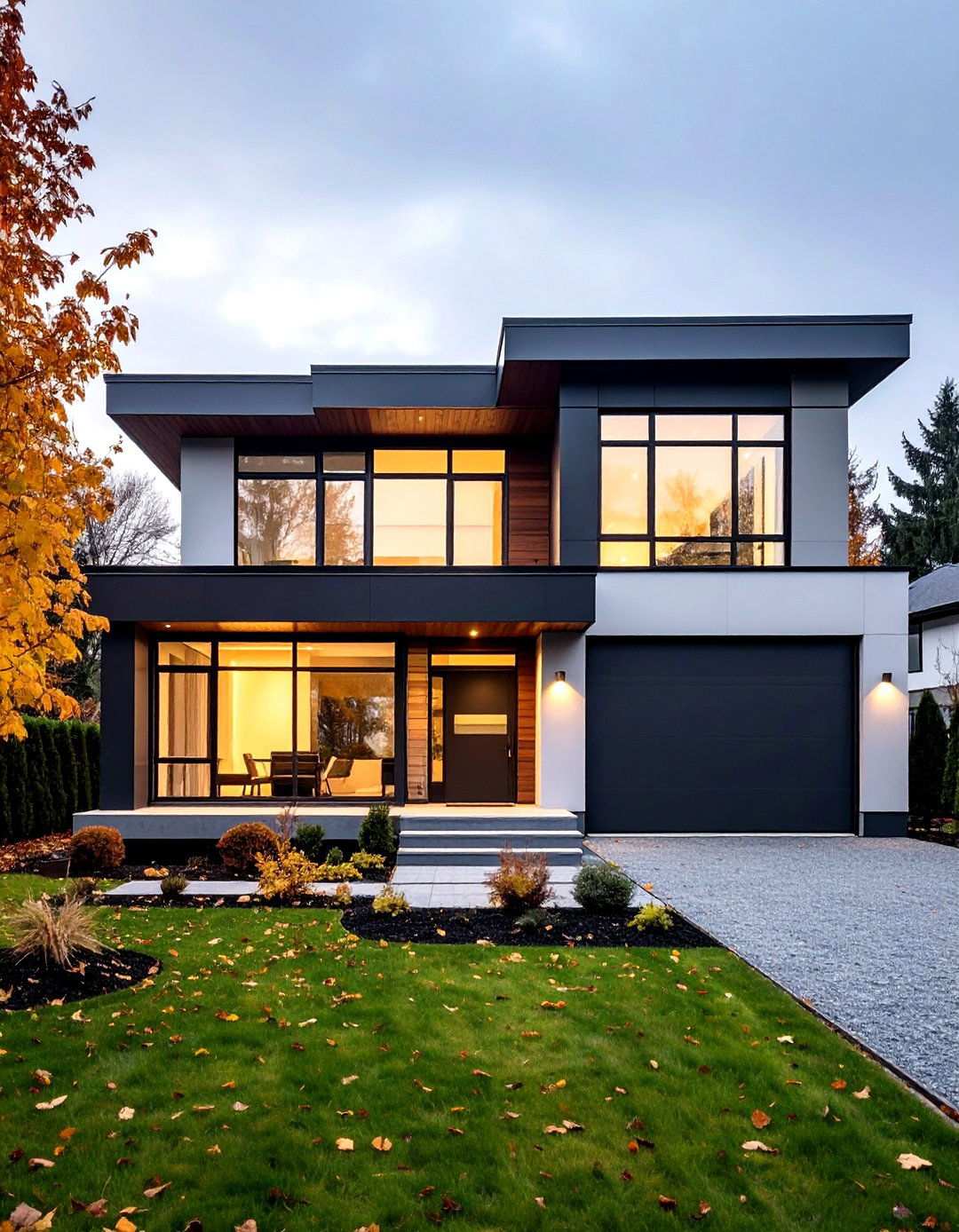
Limiting your palette to subtle variations of a single color family can create a striking and sophisticated exterior for your home. Monochromatic schemes, often featuring grays, beiges, or whites, offer a sense of timelessness and elegance. By using different tones and textures within the color family, homeowners can add depth and visual interest to their facade without sacrificing unity. For example, pairing light gray wood siding with darker gray metal roofing and white trim creates layers of visual interest within a cohesive palette. This approach works particularly well with contemporary designs, where form and proportion take precedence over decorative color. The result is a home that photographs beautifully and complements any landscape without competing for attention, exuding a sense of understated sophistication and refinement.
18. Harvesting Rustic Charm
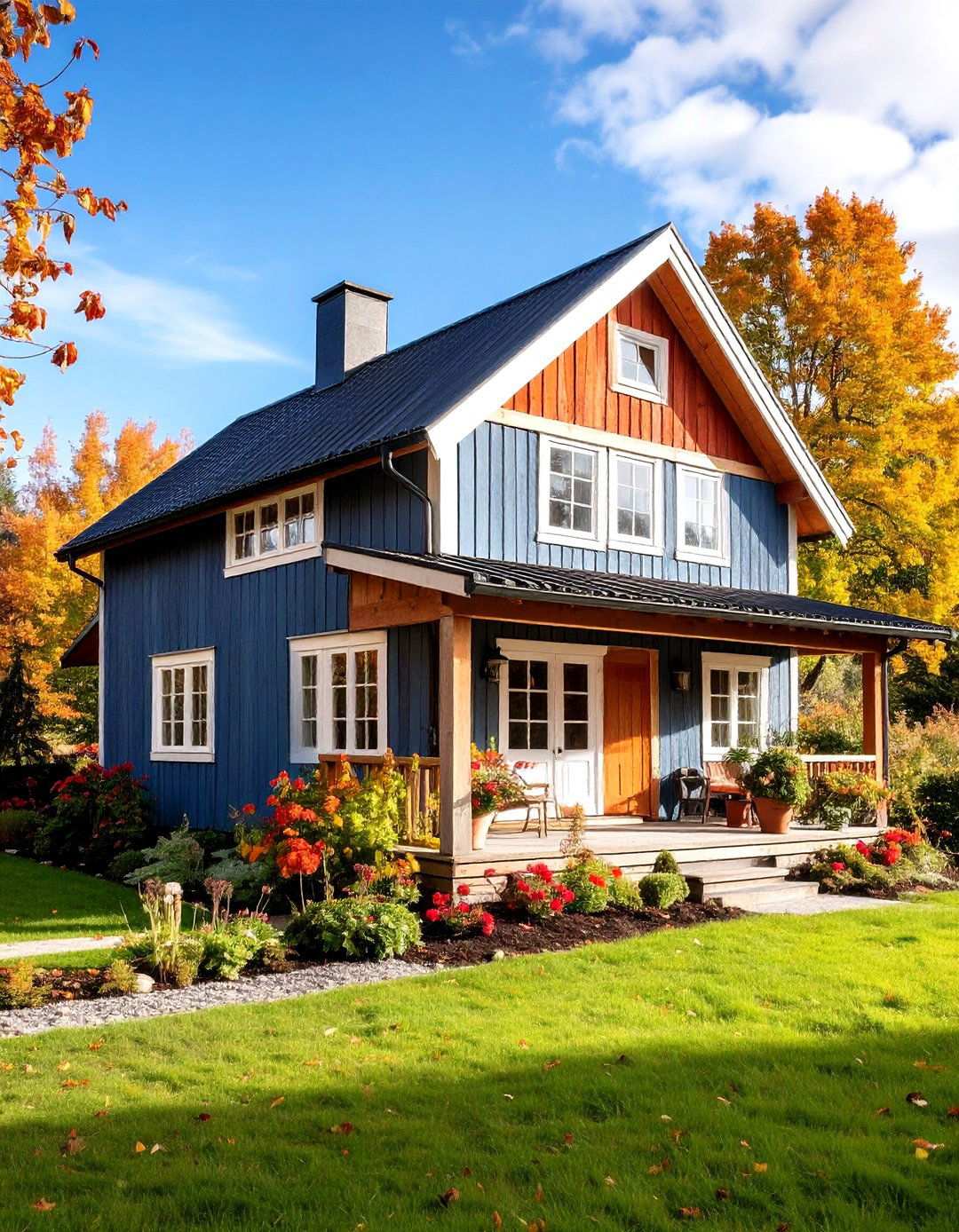
Combining traditional farm building principles with modern comfort and efficiency, contemporary home design can be elevated to new heights. Exteriors featuring weathered materials, classic proportions, and straightforward construction methods evoke a sense of rustic farmhouse charm. The patina that develops on reclaimed wood siding over time adds depth and character, while simple gabled roofs and functional porches pay homage to agricultural building traditions. A palette of earthy tones, including muted reds, weathered grays, and creamy whites, creates an authentic and unpretentious aesthetic. Traditional window proportions and metal roofing complete the farmhouse look, resulting in homes that exude warmth and character, perfectly suited to rural or suburban settings.
19. Illuminating the Interior
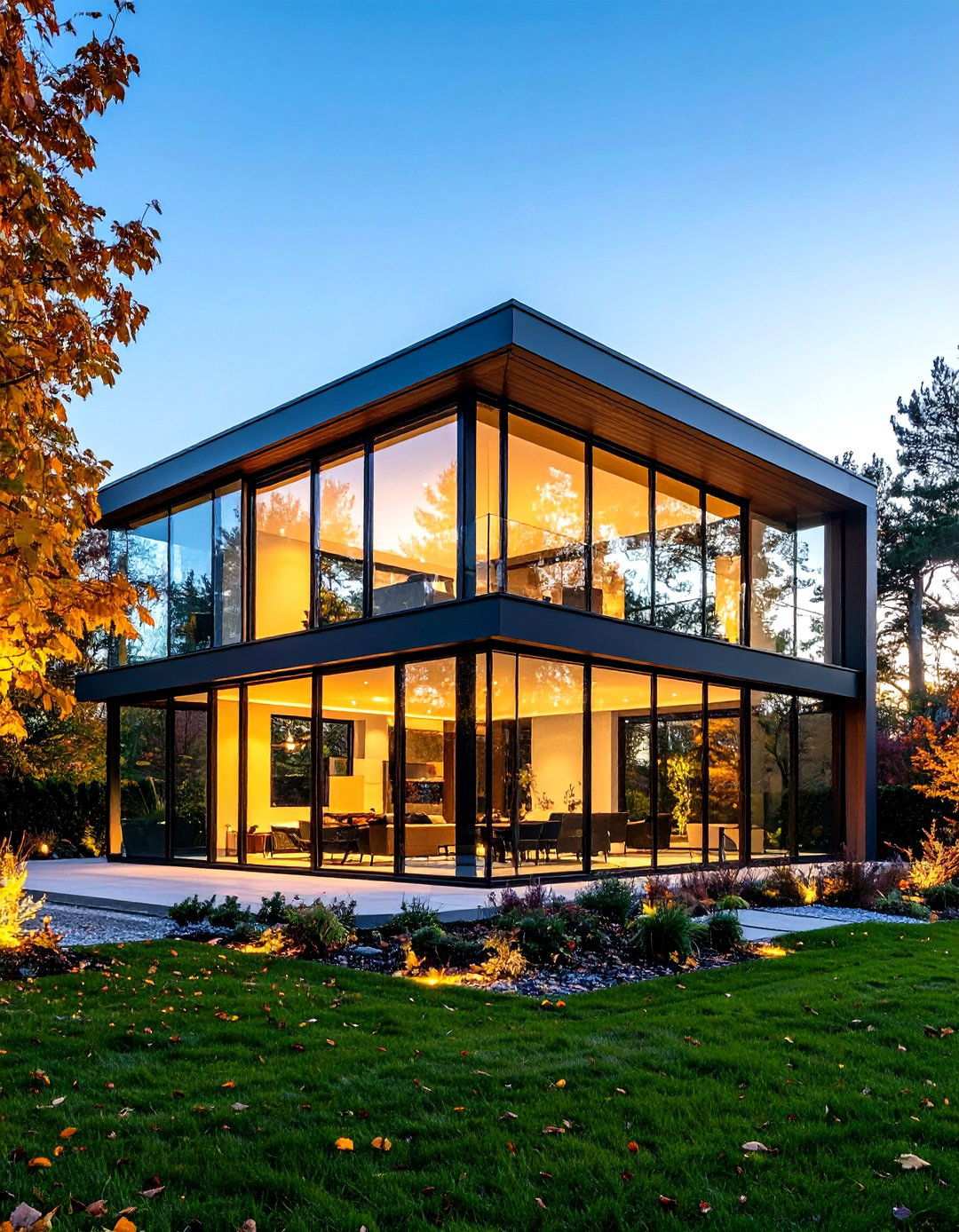
What sets a home apart from mere shelter and transforms it into a stunning showcase of natural beauty? A full glass front facade creates a dramatic architectural statement, flooding the interior with an abundance of natural light. Structural glazing systems enable floor-to-ceiling transparency that can span multiple stories, supported by a minimalist structural framework. This transparency creates homes that feel open and connected to their surroundings while providing a glimpse into the carefully crafted interior design. To ensure year-round comfort, energy-efficient glazing is used, complemented by automated shading systems that provide the perfect balance of natural light and solar control. This bold approach is particularly well-suited to homes with breathtaking views or striking interior spaces that deserve to be celebrated and shared with the surrounding landscape.
20. The Beauty of Natural Patina
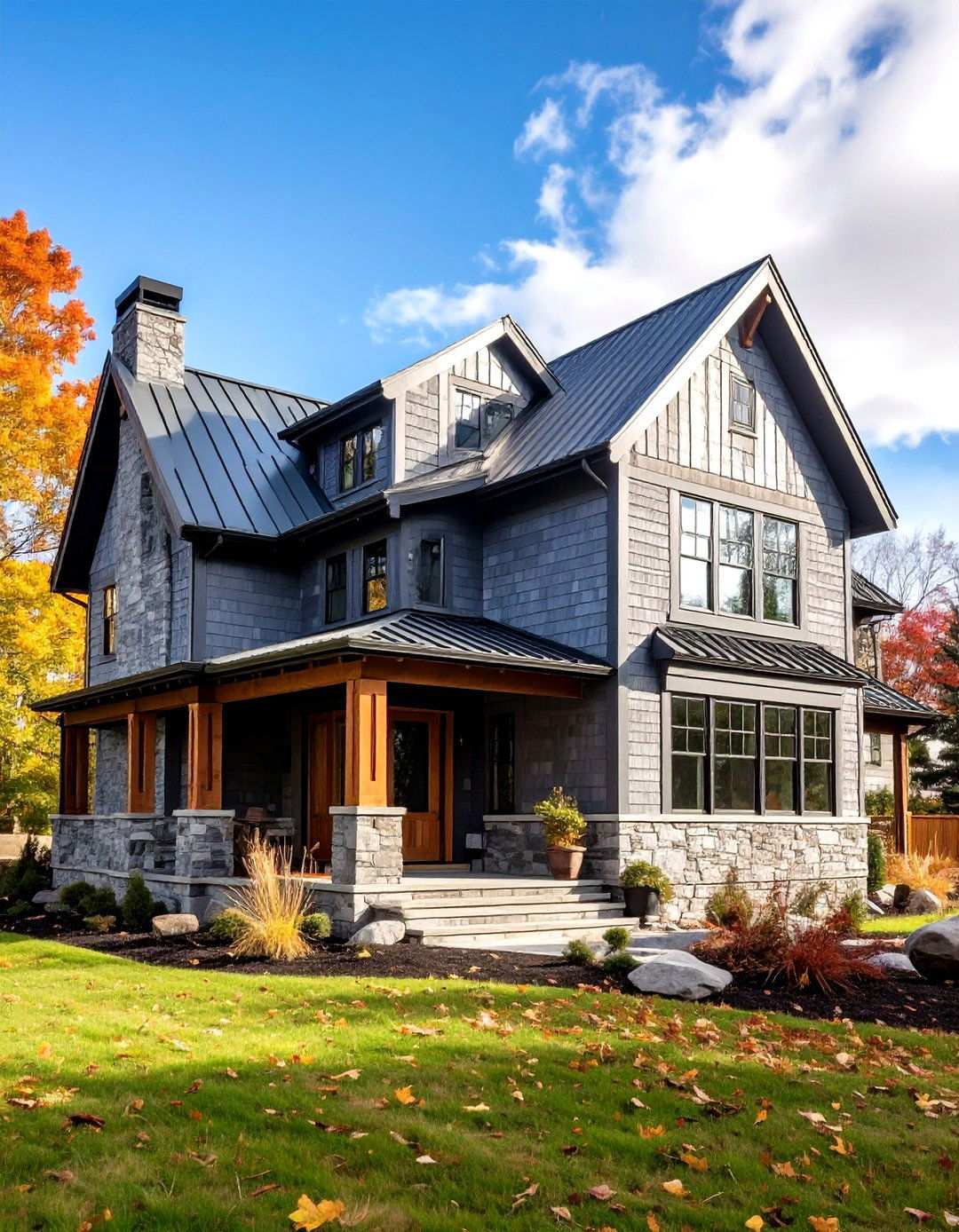
Why resist nature’s aging process when it can create such captivating character over time? This approach celebrates the natural patina that develops on wood, metal, and stone surfaces exposed to the elements. Cedar siding, for instance, weathers to a beautiful silver-gray tone, while copper roofing develops a rich, green patina that tells the story of seasons past. The key to achieving this aesthetic is selecting materials that age gracefully and maintaining them in a way that ensures their longevity. Naturally weathered exteriors feel authentic and connected to their environment, requiring minimal maintenance in the process. By embracing this sustainable approach, which aligns with Scandinavian values of working in harmony with natural processes, homes can grow more beautiful with age, telling a story of their own.
21. Captivating Roof Topographies
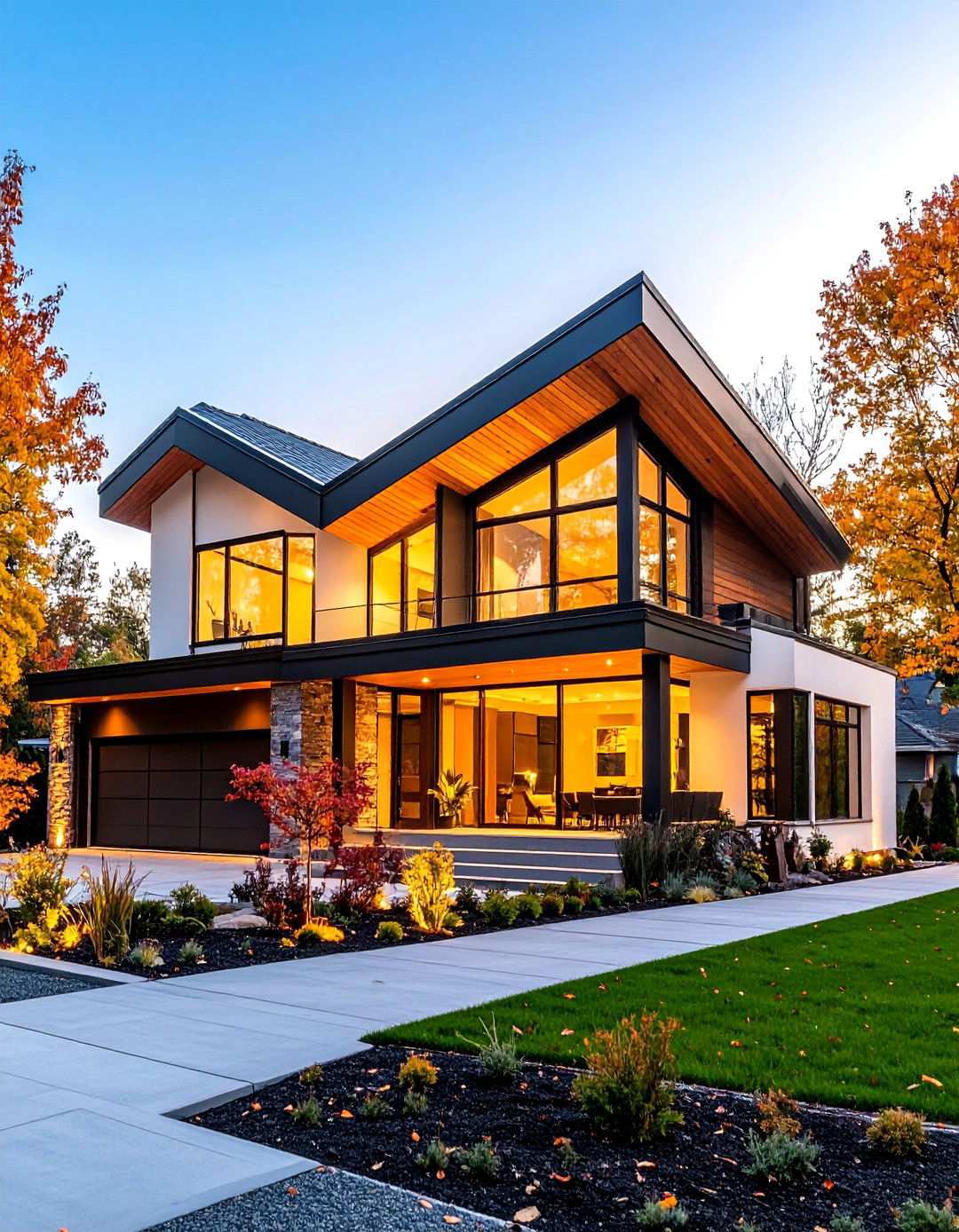
The interplay between varied roof planes can create a captivating visual narrative while serving practical purposes such as snow shedding and rainwater management. By deviating from the simplicity of gabled forms, dynamic angled rooflines introduce complex geometries that elevate architectural interest. The use of different roof slopes can define distinct building volumes, highlight specific functions, or frame particular views, resulting in a more nuanced visual experience. Furthermore, the angles create intriguing shadow patterns that evolve throughout the day, adding dynamism to otherwise straightforward facades. Clerestory windows cleverly situated between roof planes bring natural light into interior spaces while maintaining a level of privacy. This innovative approach to traditional roof forms yields homes that possess a strong architectural presence while honoring Nordic building traditions in a modern context.
22. Harmonious Horizontal Proportions
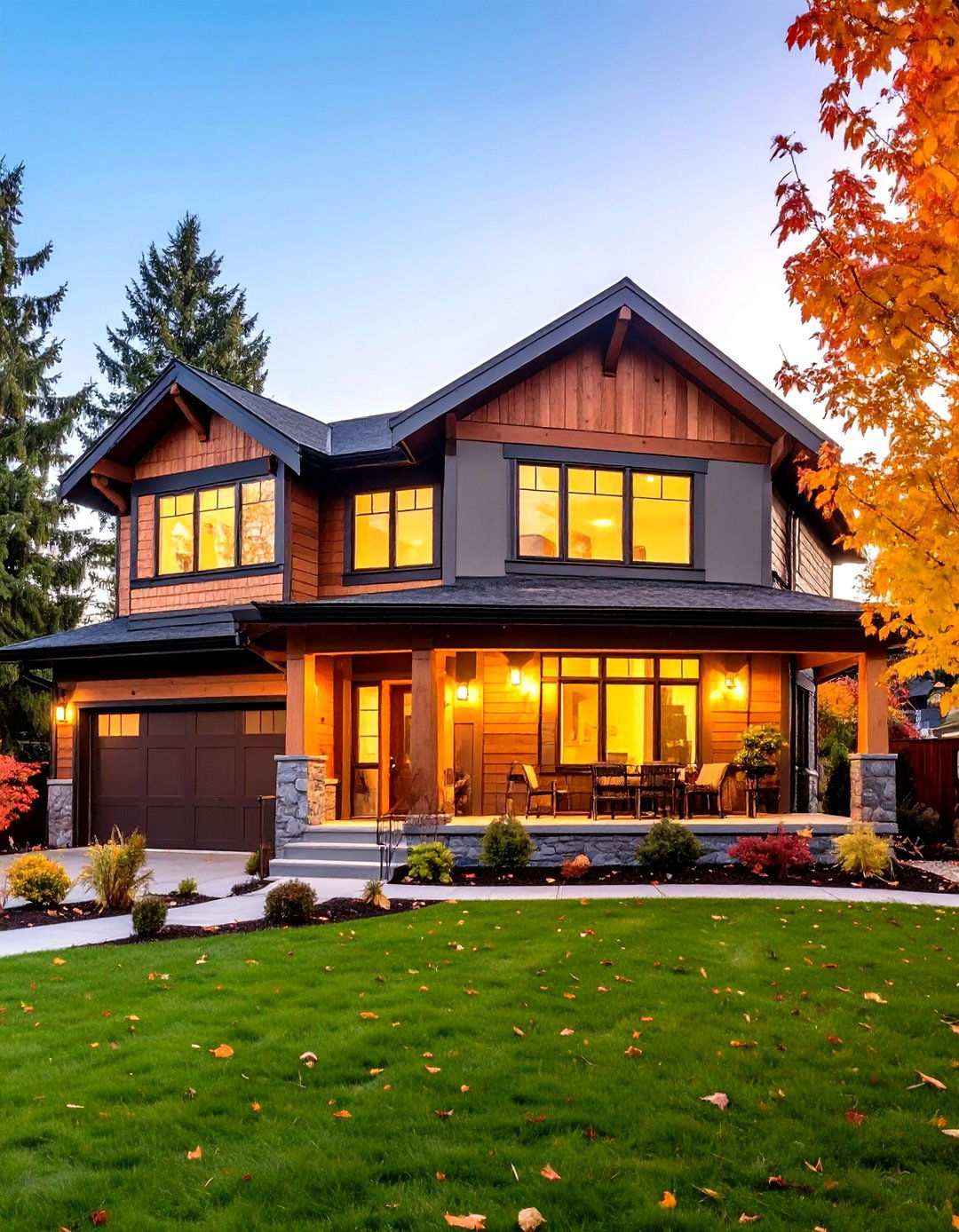
What contributes to the sense of horizontal emphasis that allows homes to seamlessly blend into their surroundings? Horizontal board siding creates a strong linear pattern that emphasizes a home’s relationship to the ground while providing exceptional weather protection. The continuous horizontal lines create a sense of length and low-rise, conveying a feeling of stability and permanence. Aesthetic variations in board width and reveal depth create subtle nuances in shadow and texture, while maintaining overall unity. The horizontal emphasis is particularly effective with contemporary designs and complements the flat planes of Nordic landscapes, resulting in a harmonious visual relationship between the home and its surroundings. Quality installation ensures superior weather resistance, and the linear patterns produce sophisticated facades that photograph beautifully from any angle.
23. Towering Vertical Expression
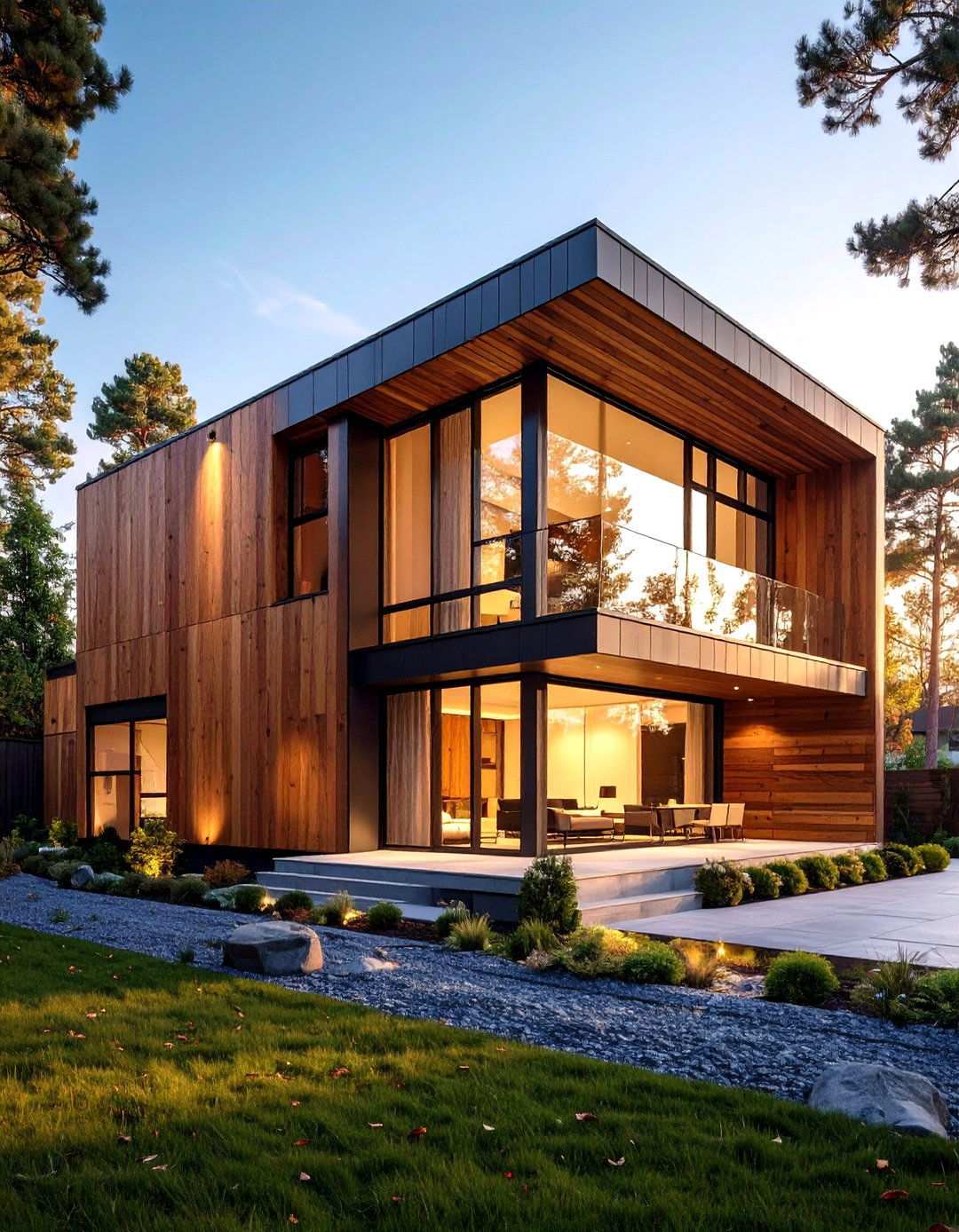
Why do vertical wood boards create such a striking visual impact while providing practical weather protection? Vertical cladding emphasizes height and creates strong upward movement that can make homes appear taller and more dramatic. The vertical lines work particularly well with contemporary designs and create an engaging interaction between light and shadow throughout the day. Varied board widths and spacing create a sense of rhythm and visual interest, while maintaining clean lines and a cohesive aesthetic. This application method also provides excellent weather protection as water naturally sheds downward. The vertical emphasis complements tall windows and creates sophisticated facades that are equally effective in urban and rural settings, while honoring Scandinavian traditions of natural material use.
24. Mastering Terrain with Multi-Level Designs
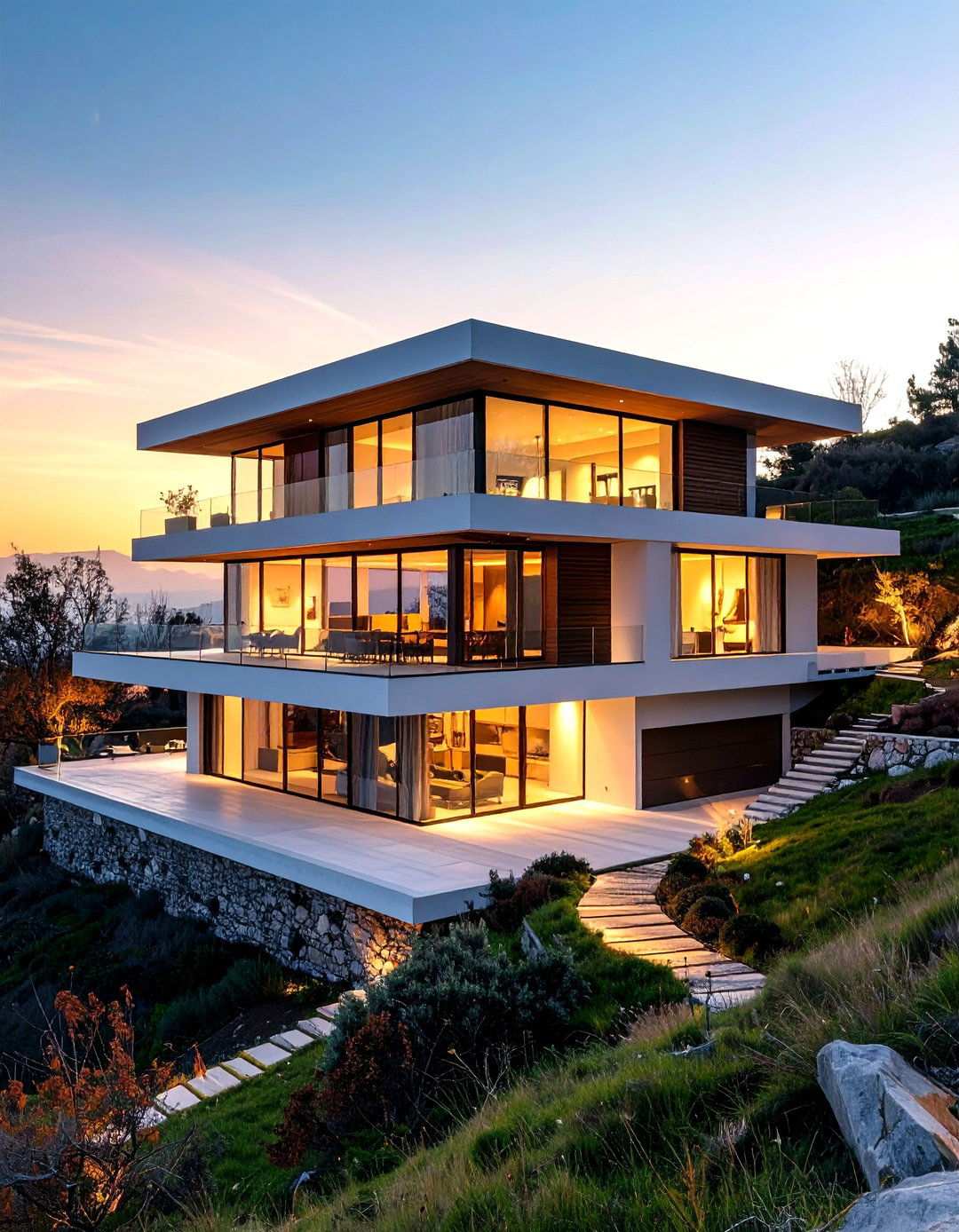
Sloping terrain provides a unique backdrop for homeowners to push the boundaries of architectural design, all while minimizing the impact on the site. By employing multi-level stepped designs, homeowners can unlock exciting opportunities that harmonize with the natural topography of the land. Each level within the design can have its own distinct character, contributing to the overall aesthetic through diverse elements such as materials, window sizes, and roof forms. This approach fosters visual interest and creates dynamic compositions that adapt to various viewing angles.
The stepped design also presents possibilities for terracing, gardening, and outdoor spaces at multiple levels, all while maintaining the necessary privacy between zones. By doing so, grading and retaining walls are minimized, resulting in a home that feels seamlessly integrated with its surroundings. The varied levels within the design give rise to intriguing interior spaces, while the exterior composition comes alive with architectural drama that shifts with every change in viewing perspective.